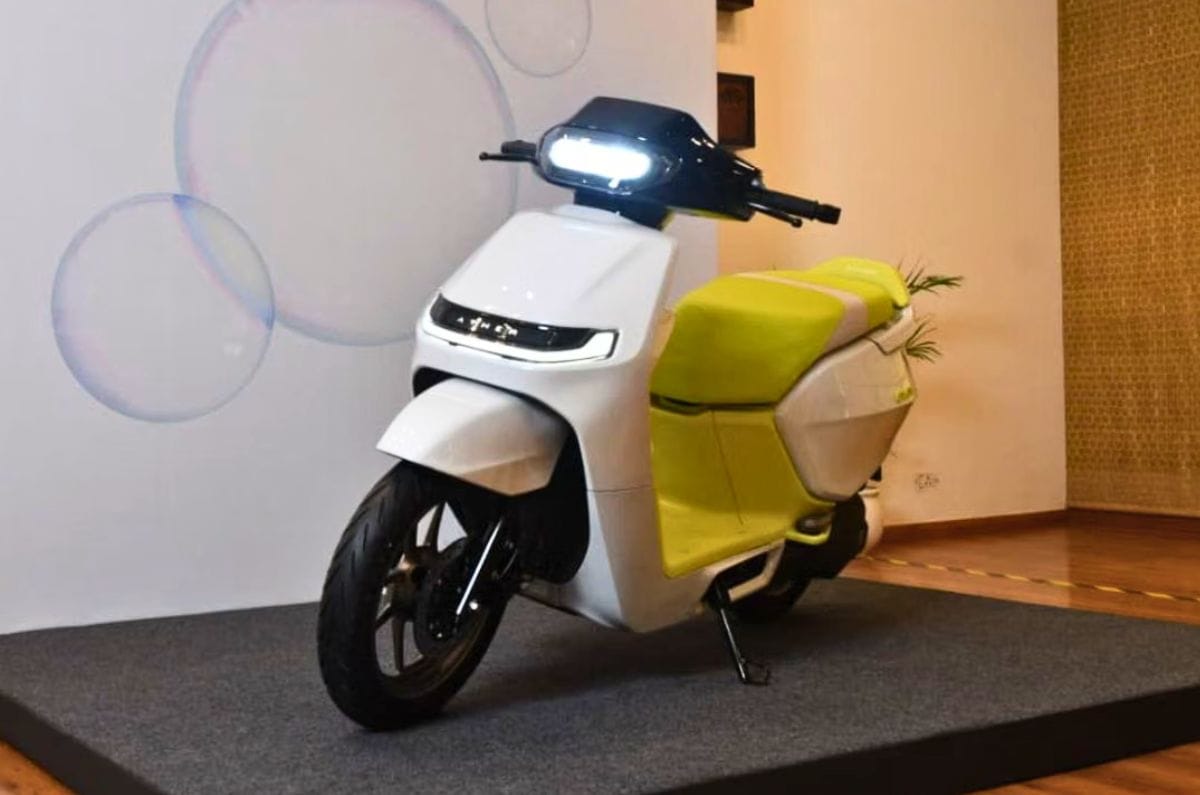
Ather Energy has announced that it will host the fourth edition of its annual Community Day event on August 29, 2026, in Bengaluru. Headlined as “A New Dawn of Magic”, this year’s event will see the debut of the company’s first production electric scooter based on its all-new EL platform.
Ather Community Day 2026 to be held on August 29 in Bengaluru
First production scooter based on the new EL platform to debut
New technology, charging and ecosystem updates also planned
Ather EL platform scooter: What to expect?
The EL platform is Ather’s first all-new vehicle architecture since the launch of the 450 series
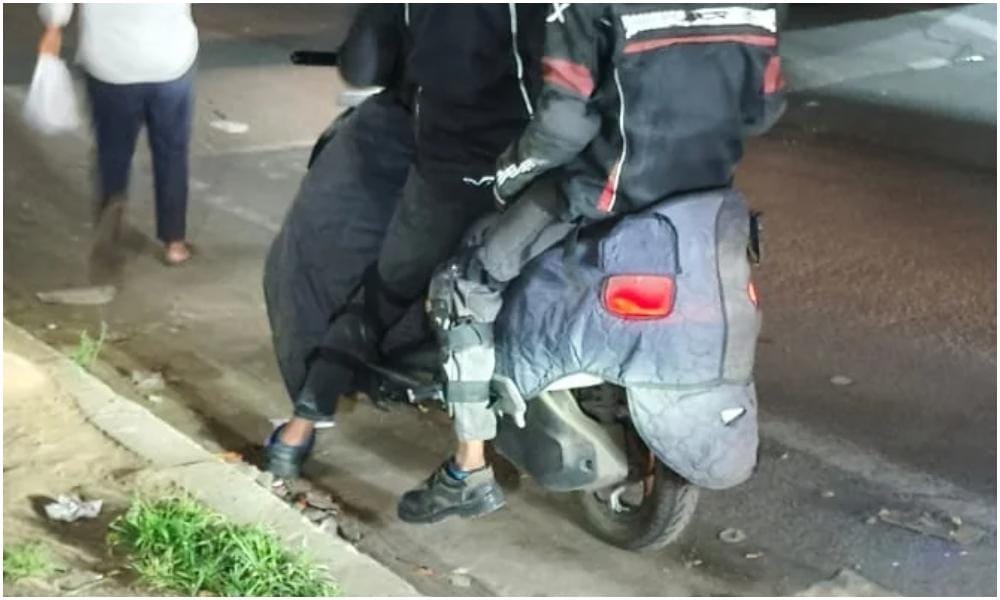
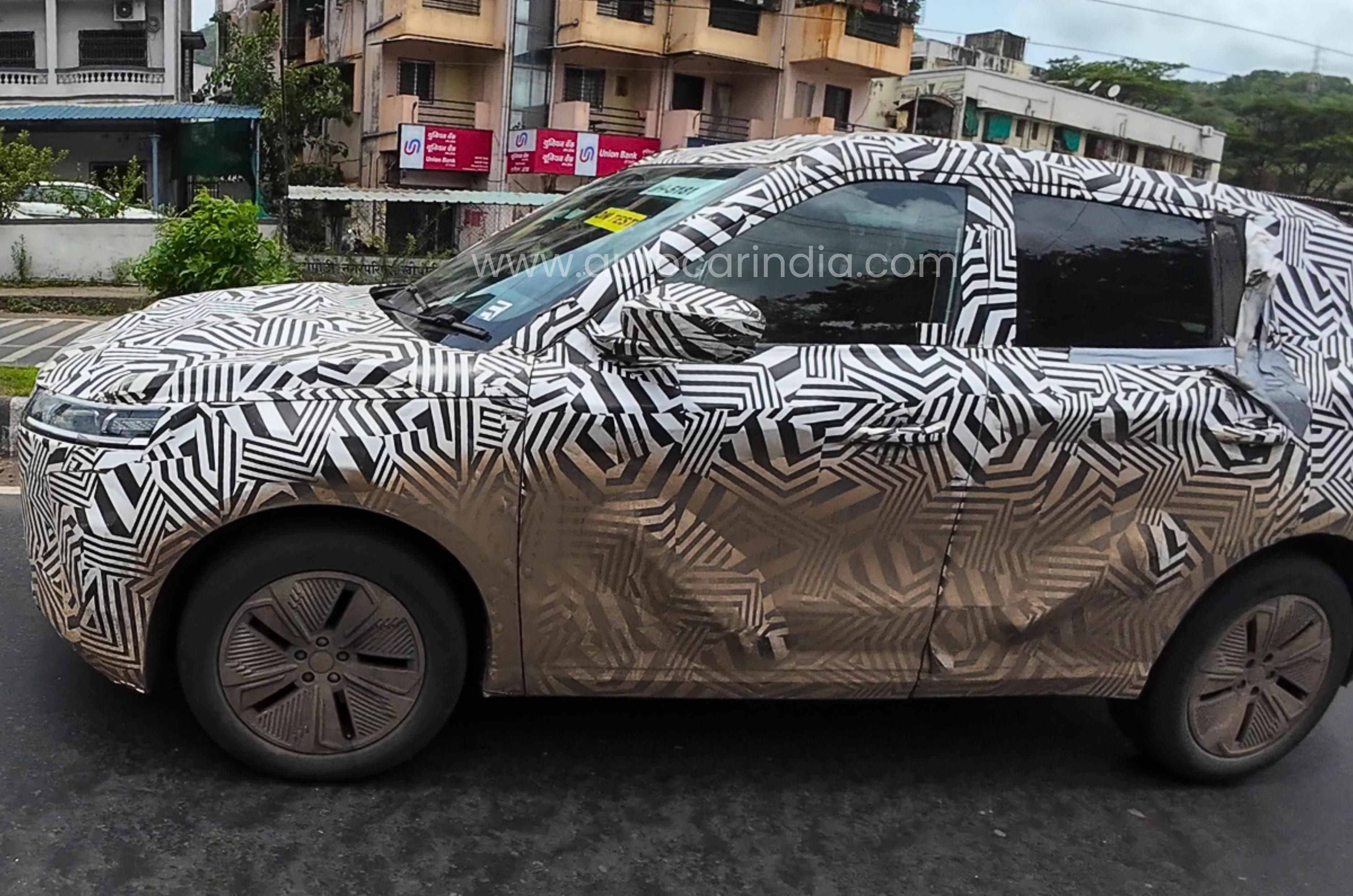
The upcoming scooter, which was recently spotted testing on public roads, is expected to stay largely faithful to the EL01 concept first showcased at Community Day 2025, even the design patent filed earlier this year support this claim. Spy images revealed a handlebar-mounted headlight, a wide LED DRL integrated into the front apron and styling that closely resembles the design patent filed by the company earlier.
The EL platform is Ather’s first all-new vehicle architecture since the launch of the 450 series and has been developed with greater scalability, manufacturing efficiency and versatility in mind. It will underpin the company’s future electric scooter range, with the first model expected to target the Rs 1 lakh-1.25 lakh price bracket, allowing Ather to compete in the high-volume mass-market segment.
Alongside the new scooter, Ather has confirmed it will unveil a range of innovations across charging, software and the wider ownership ecosystem, with more details to be announced at the event.
Community Day has become Ather’s flagship annual event, where it showcases its future product and technology roadmap. Last year’s edition saw the unveiling of the EL platform, the Redux concept, next-generation fast-charging technology and AtherStack 7.0, with this year’s event expected to focus on bringing that new platform into production.
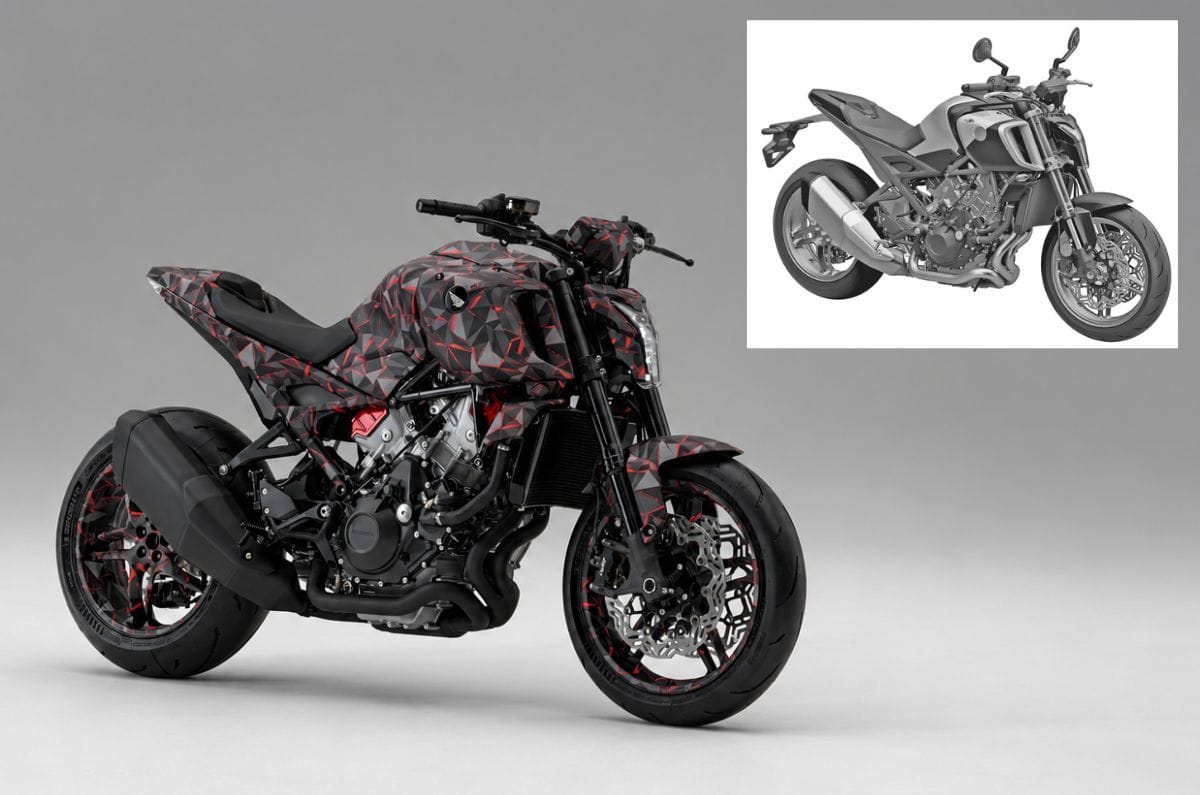
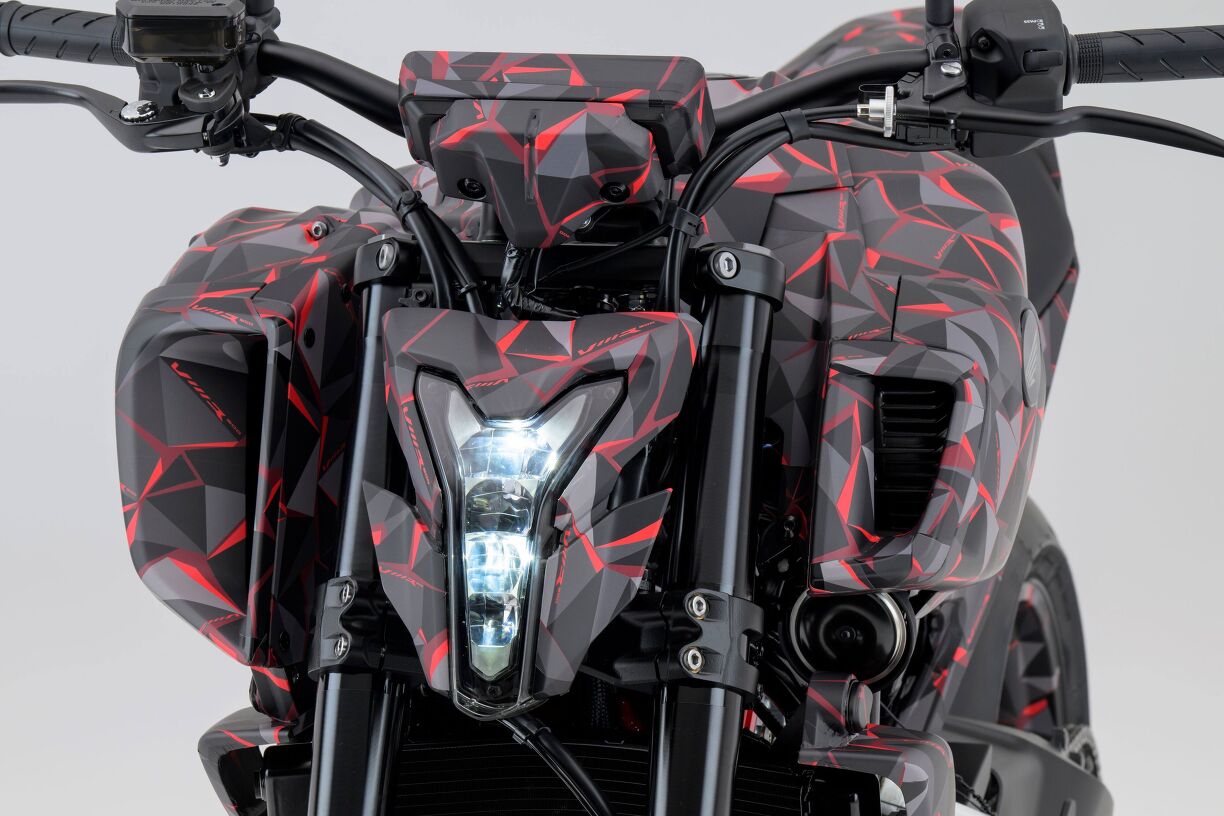
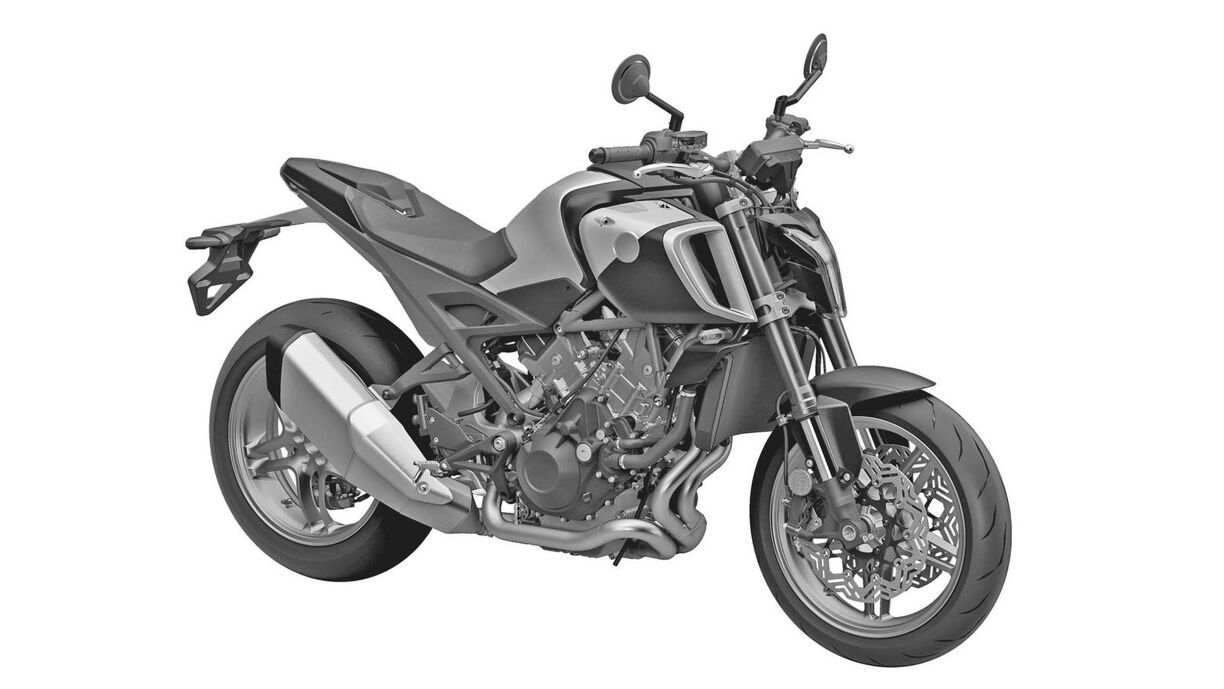
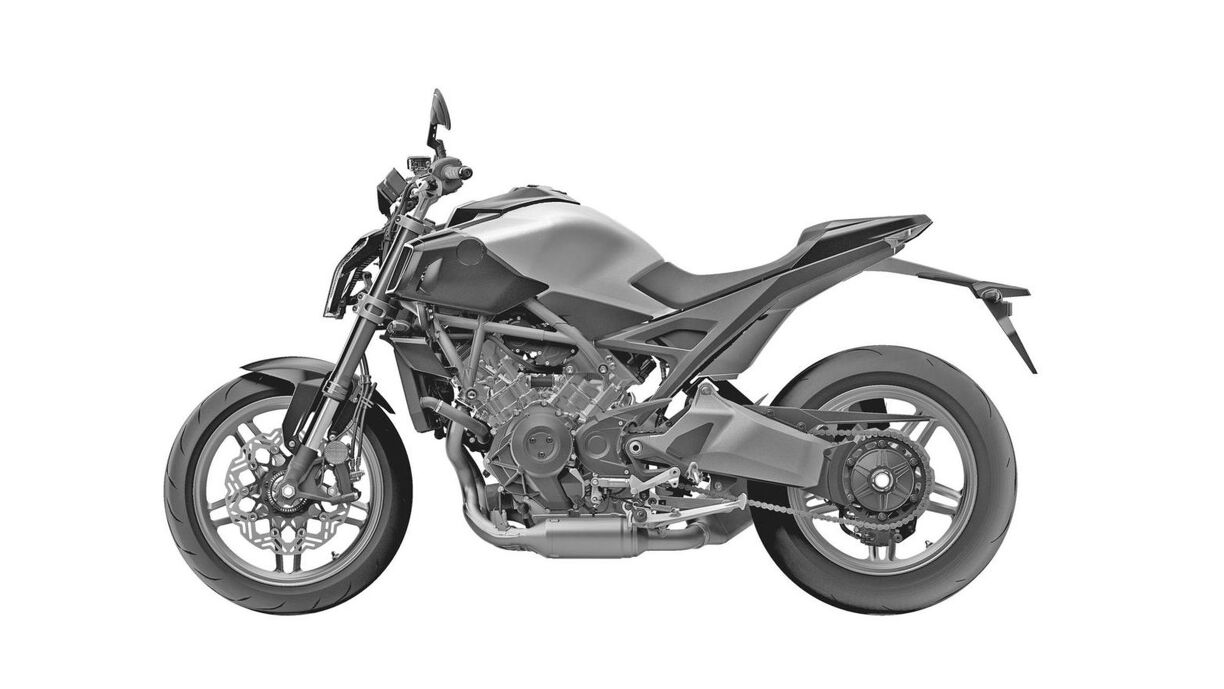
Honda‘s upcoming V3-powered naked motorcycle has taken another step towards production after design drawings filed with IP Australia were made public. The application, submitted on March 26, claims priority from an earlier Japanese design filing dated October 2, 2025, which has not yet been published. As a result, the Australian filing offers the first public look at what appears to be the production-spec version of Honda’s V3R prototype.
Australian design filing reveals production-ready styling
Powered by a 900cc V3 engine with an electrically driven compressor
Recent patents hint at the technology being deployed across multiple motorcycle segments
Honda V3R design patented: What to expect?
The design closely mirrors the V3R prototype unveiled at EICMA 2025, retaining its muscular streetfighter proportions, sharp bodywork, compact tail section, single-sided swingarm and prominent radiator shrouds. Unlike many concept motorcycles that undergo significant visual changes before reaching production, the registered design suggests Honda intends to carry over much of the prototype’s styling to the final production model.
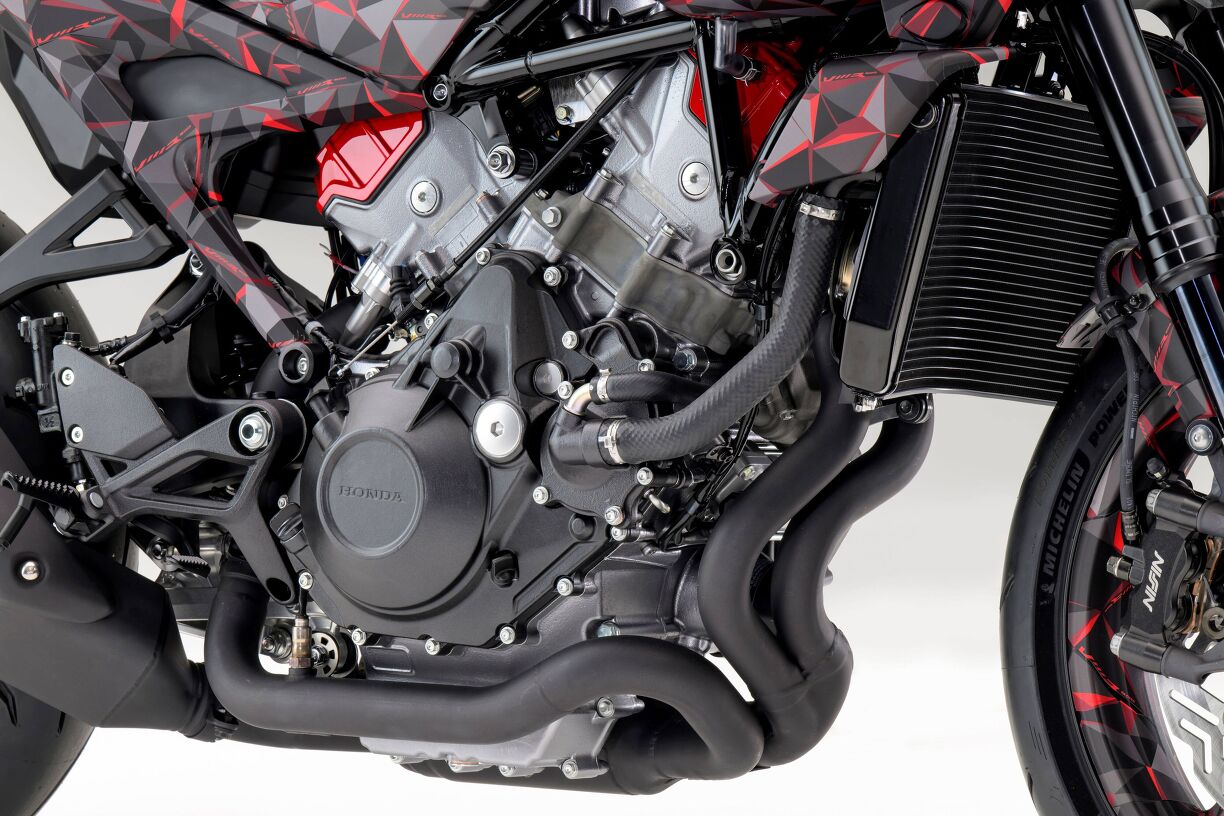
At the heart of the motorcycle is Honda’s new 900cc, 75-degree V3 engine paired with what the company says is the world’s first electrically driven compressor for a motorcycle. Unlike a conventional mechanically driven supercharger, the electric compressor operates independently of engine speed, enabling boost to be delivered across the rev range without relying on crankshaft drive or exhaust gases. Honda says the system delivers the performance of a larger-capacity naturally aspirated engine while retaining the compact dimensions and efficiency of a middleweight powertrain.
The latest design filing also follows a series of recent patent applications that indicate Honda’s ambitions extend beyond a single V3-powered naked bike. The patents depict the electrically driven compressor being evaluated across multiple engine configurations and motorcycle platforms, including touring, naked and supersport models. While patent filings do not necessarily translate into production models, they suggest Honda is developing the e-compressor as a modular technology that could eventually be deployed across a wider range of motorcycles. If that proves to be the case, the V3R could serve as the launch model for an entirely new family of Honda motorcycles built around the company’s latest powertrain technology.
The V3R will also mark Honda’s return to forced induction for the first time in more than four decades. The company last offered forced-induction motorcycles in the form of the CX500 Turbo and CX650 Turbo in the early 1980s, both of which used exhaust-driven turbochargers. Honda’s new approach replaces the turbocharger with an electrically driven compressor, allowing boost to be controlled independently of engine speed while improving packaging and reducing lag.
Honda has yet to announce a production timeline or reveal full technical specifications beyond those showcased with the prototype. However, the publication of production-style design drawings, combined with the growing body of patent activity surrounding the V3 platform, suggests the company is steadily progressing towards production. If launched, the V3R is likely to become the first model in what could eventually evolve into a broader family of Honda motorcycles powered by its new electrically assisted forced-induction technology.
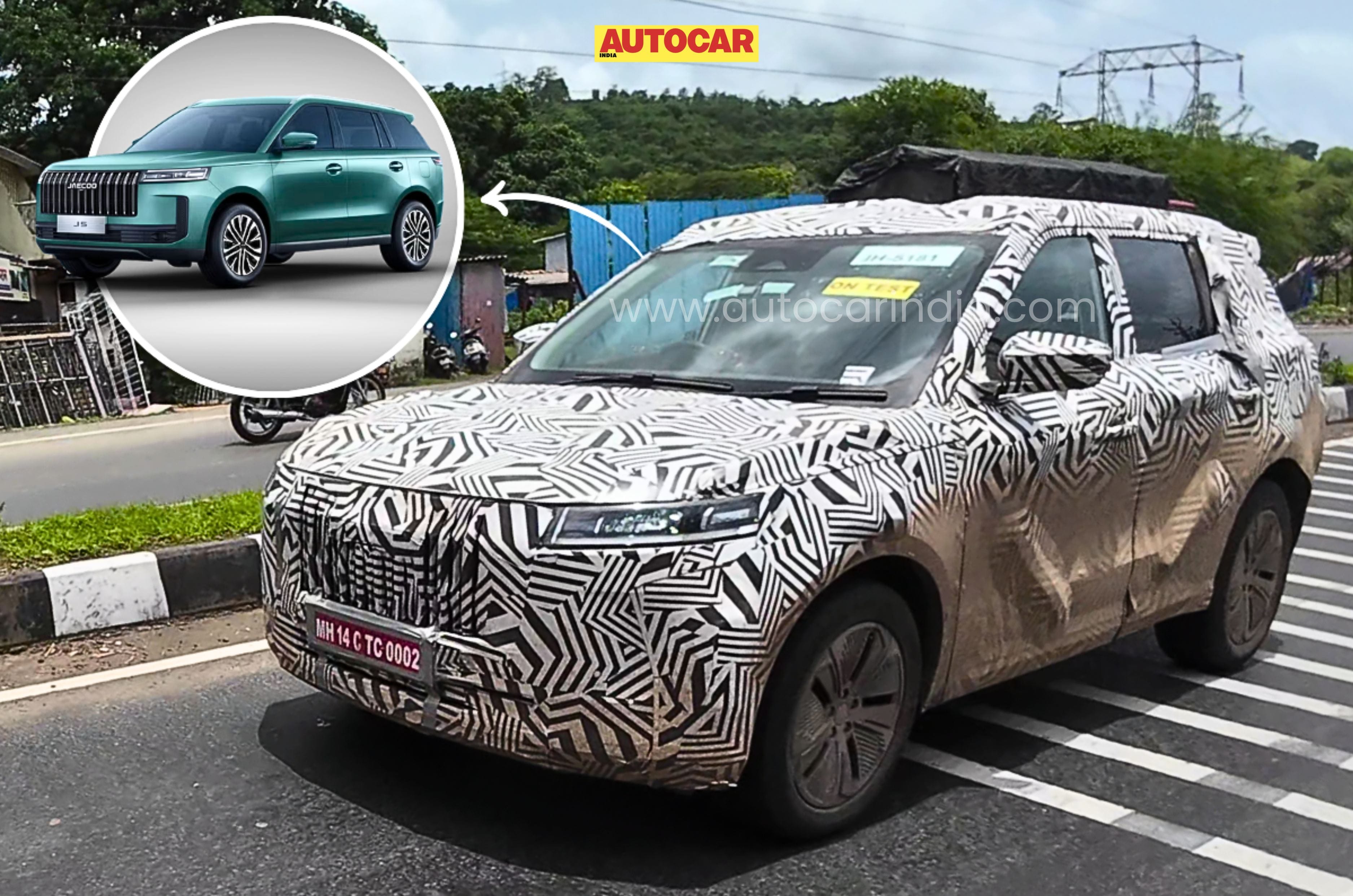
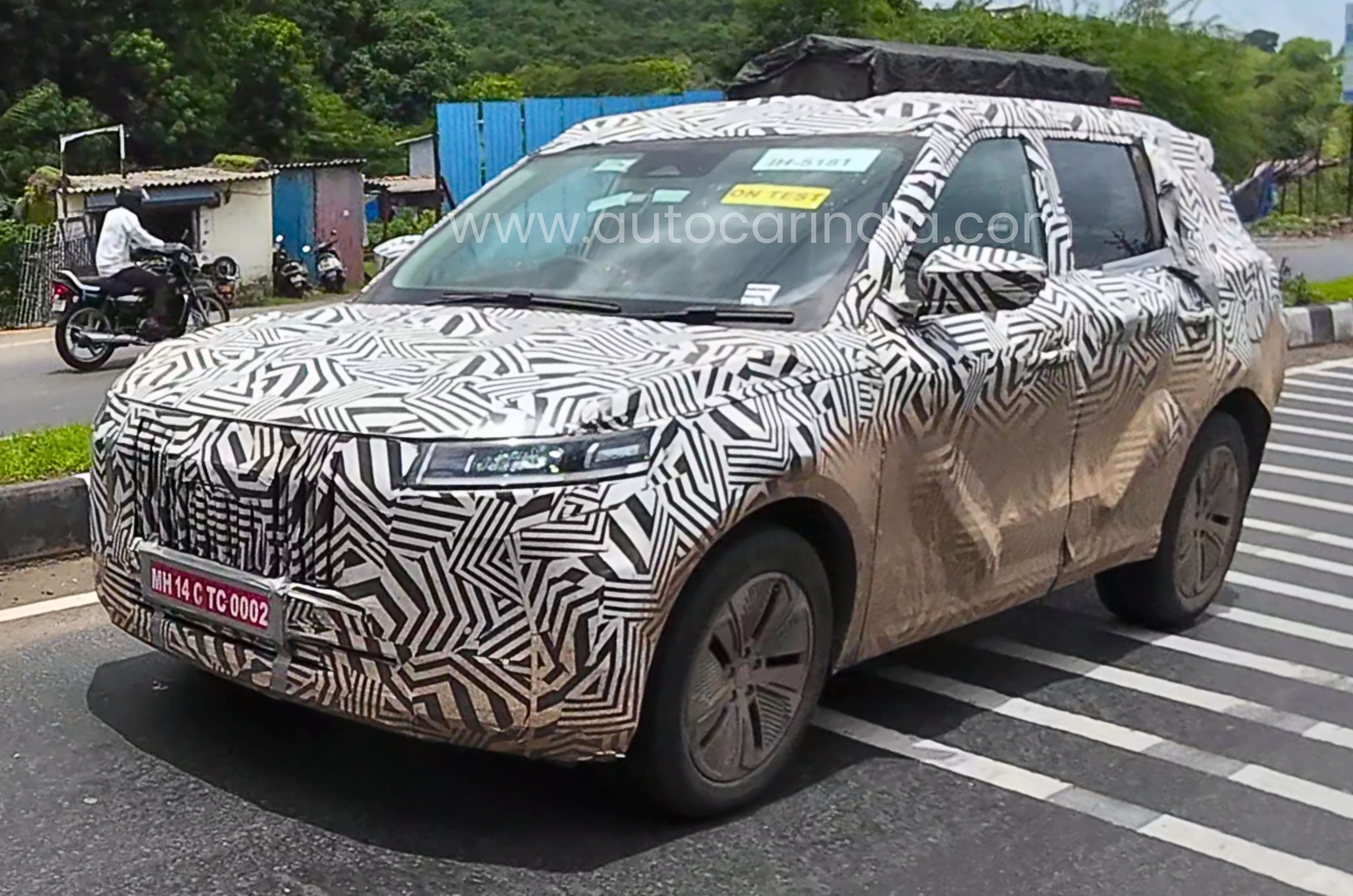
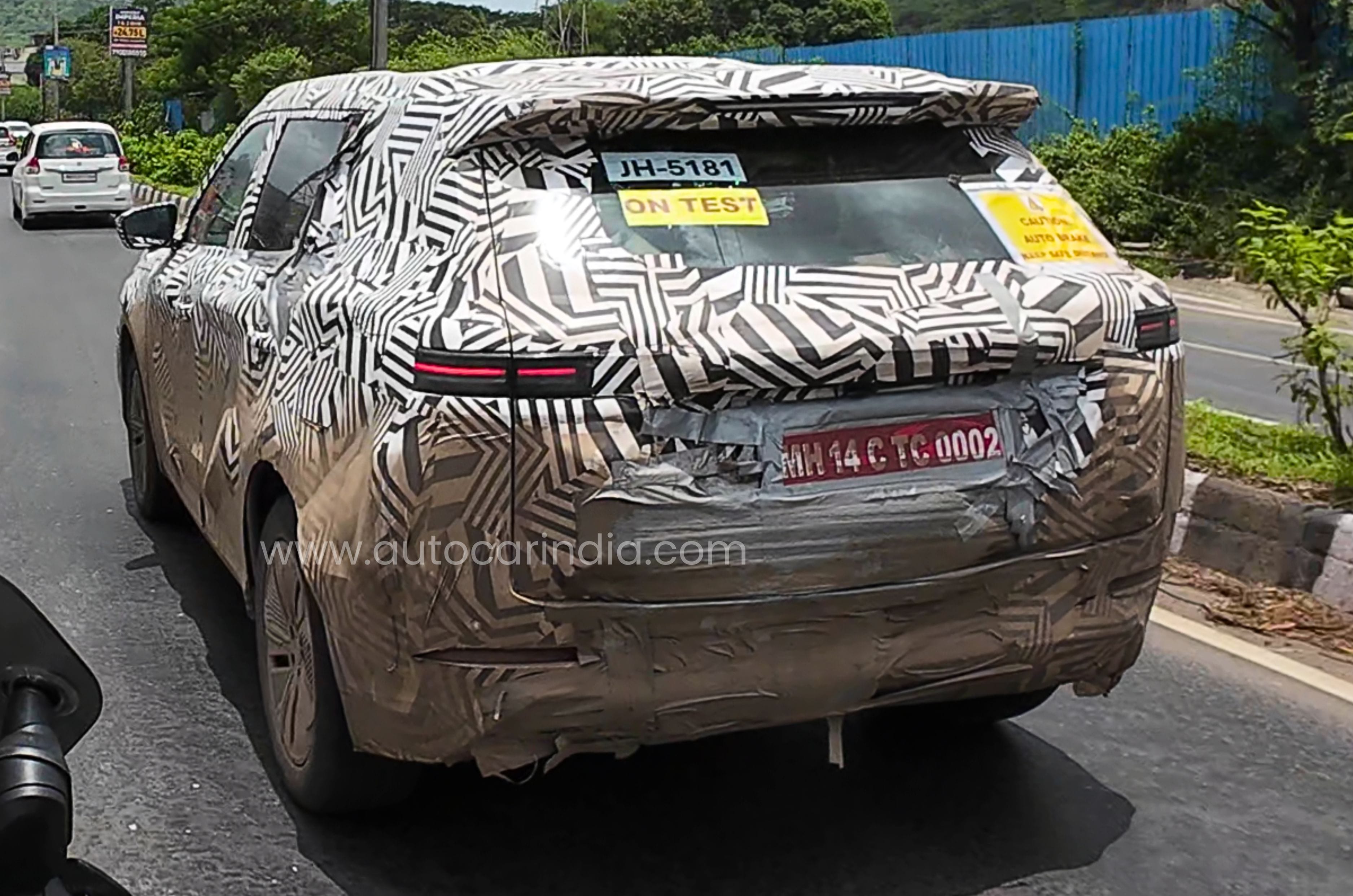
The Jaecoo J5 SUV has been spied testing in an ICE avatar for the first time in India. Interestingly, the latest spy shots suggest the Jaecoo J5 could launch in India with an ICE powertrain, whereas earlier sightings pointed to an all-electric (EV) version only. The new exterior and interior spy shots of the ICE-powered Jaecoo J5 reveal some visible differences from the EV version.
A functional grille, all-LED lighting and 18-inch alloy wheels can be seen
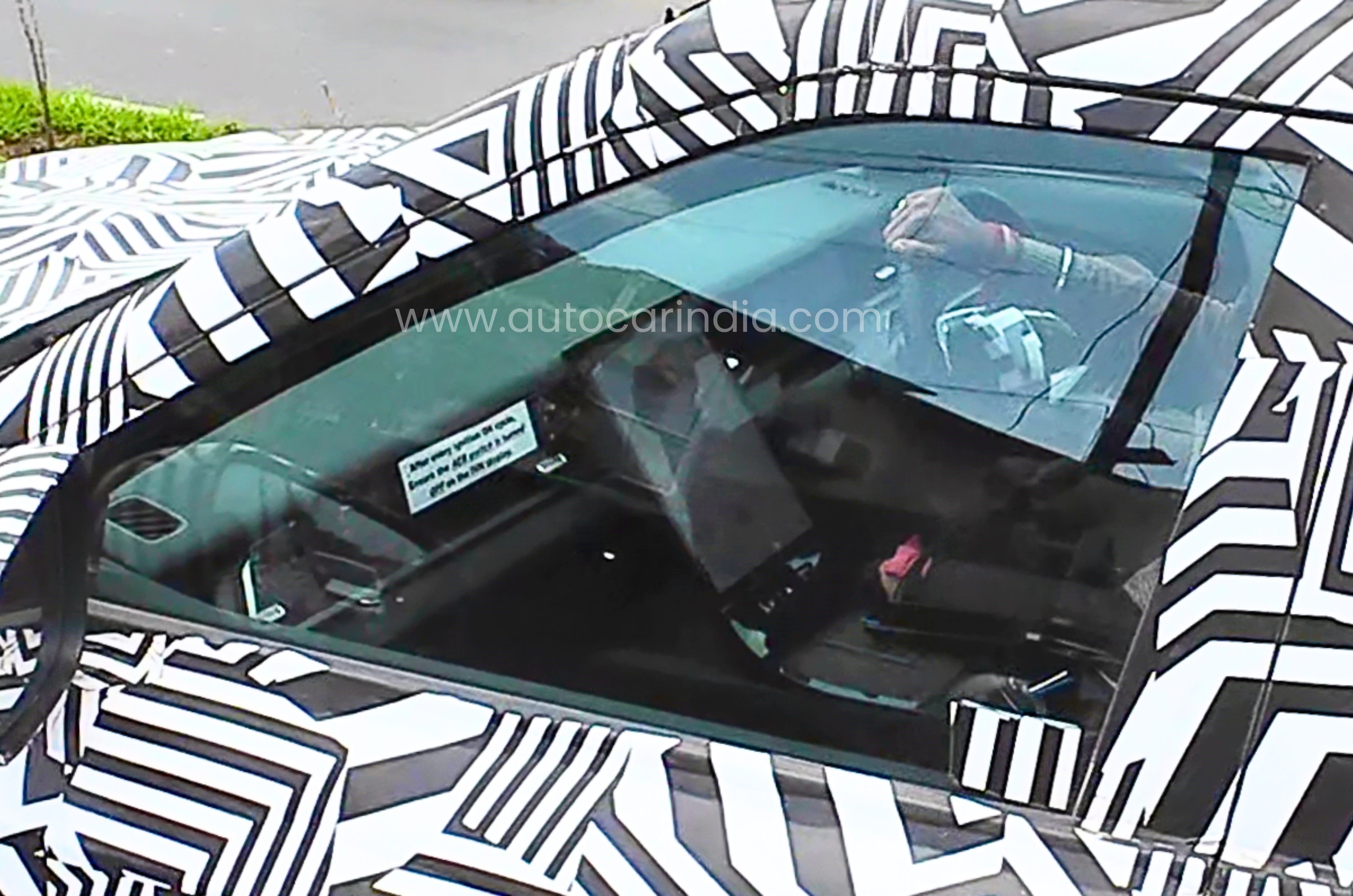
An all-black cabin with a vertically mounted infotainment system was spotted
Offered with a turbo-petrol and strong hybrid petrol internationally
In India, JSW Motors will launch its own standalone SUV based on the Jaecoo J5 under a technology and component licensing agreement with Chery, the Chinese automaker that owns the Jaecoo brand.
Jaecoo J5-based ICE SUV spied: What was spotted?
A functional grille with vertical slats confirms it is the ICE version of the Jaecoo J5
Although the Jaecoo J5-based SUV’s test mule is heavily camouflaged, a few design elements are visible. Among these is a functional grille with vertical slats, confirming it is the ICE version, as the EV features a blanked-off grille. The sleek LED headlights with LED DRL surrounds, however, are the same as those on the EV version. The bumper has a clean design, but it seems to miss out on the fog lamps offered with the international model.
In profile, the international-spec model gets 18-inch wheels. At the rear, slim wraparound LED taillights can be spotted. On the international model, these taillights are joined by a black trim with ‘Jaecoo’ badging in the centre.
The interior design mimics that of the all-electric model
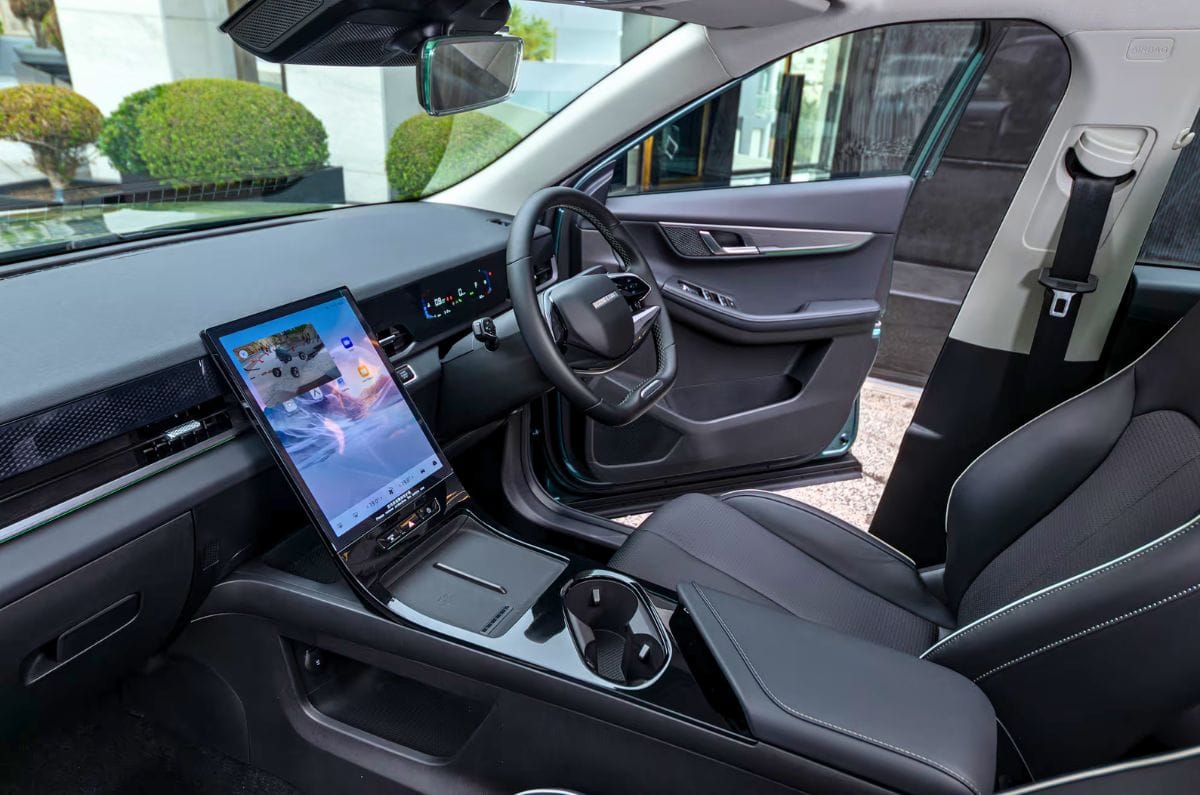
The spy shots also reveal a large vertically oriented infotainment system on the dashboard, likely the same as the international model’s 13.2-inch unit. The international model also gets an 8.8-inch driver’s display, a panoramic sunroof, an 8-speaker Sony sound system, dual-zone climate control, a powered tailgate and a wireless phone charger. It will be interesting to see what features are offered with the India-spec model sold by JSW Motors.
South Africa-spec Jaecoo J5 dashboard shown for representational purposes only.
In terms of safety, the international model gets 7 airbags, a 540-degree camera (surround-view camera with an under-bonnet view function), a tyre pressure monitoring system (TPMS) and an advanced driver assistance system (ADAS) suite.
Jaecoo J5-based ICE SUV: Expected powertrain
Offered with a turbo-petrol and a strong hybrid petrol engine internationally
Depending on the market, the ICE-powered Jaecoo J5 gets either a turbo-petrol or a strong-hybrid engine option. The 1.5-litre turbo-petrol produces up to 156hp and 275Nm, and is mated to either a 7-speed DCT or a CVT, depending on the market. It allows for a 0-100kph sprint time of 10.2 seconds
A strong-hybrid version has a 1.5-litre 4-cylinder turbo-petrol engine and an electric motor powered by a 1.83 kWh lithium-ion battery. Combined, this setup produces 224hp and 295Nm. It does a 0-100kph sprint in 7.9 seconds. Jaecoo claims a fuel efficiency of 18.9kpl, allowing a total range of around 1,000km. It will be interesting to see which powertrain option is offered with the India-spec model.
India launch timeline is yet to be revealed
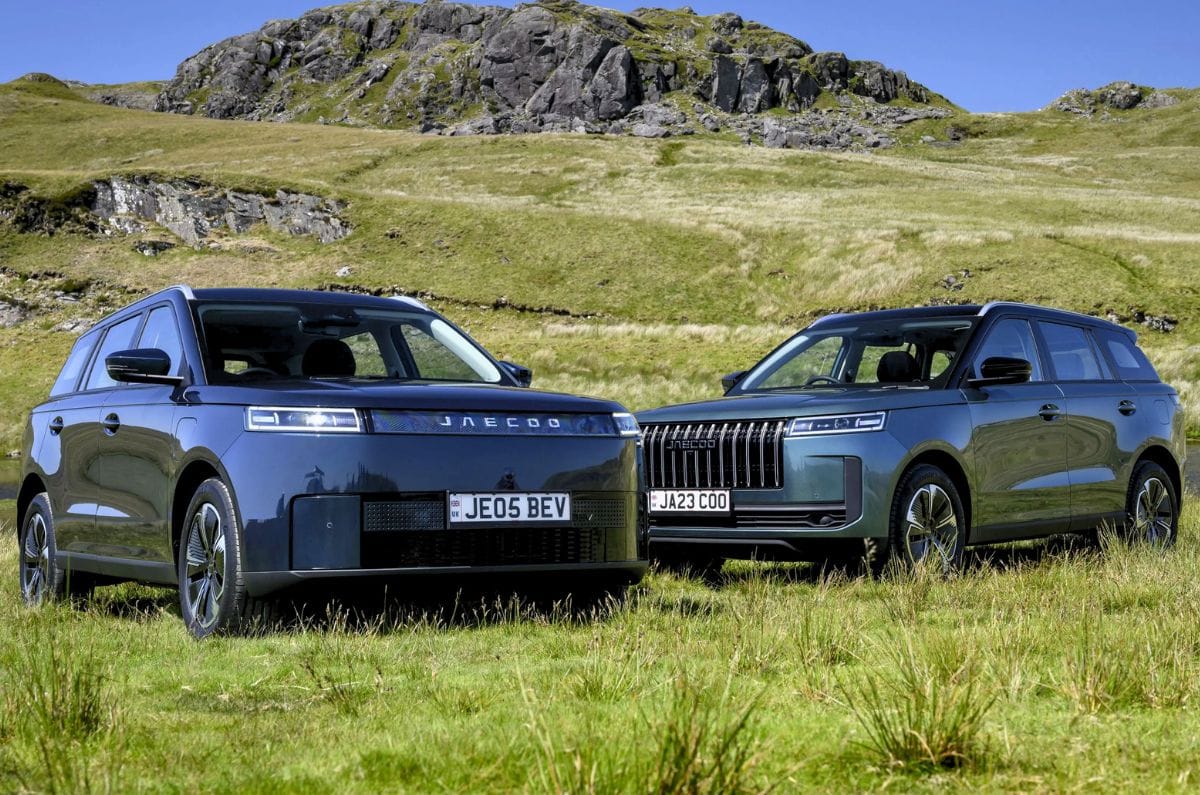
UK-spec Jaecoo J5’s EV (left) and ICE (right) versions shown for representational purposes only.
JSW Motors is expected to start its India operations with the Diwali launch of the Jetour T2-derived hybrid SUV, followed by launches of the SUVs derived from the Jaecoo J5 and iCaur V23. Upon launch, JSW Motors’ Jaecoo J5-based ICE SUV will lock horns with midsize SUVs such as the Hyundai Creta, Tata Sierra, Maruti Suzuki Victoris, Renault Duster and Nissan Tekton. The EV version will rival the Hyundai Creta Electric, Mahindra BE 6, Tata Sierra EV, Vinfast VF6 and Maruti Suzuki eVitara.
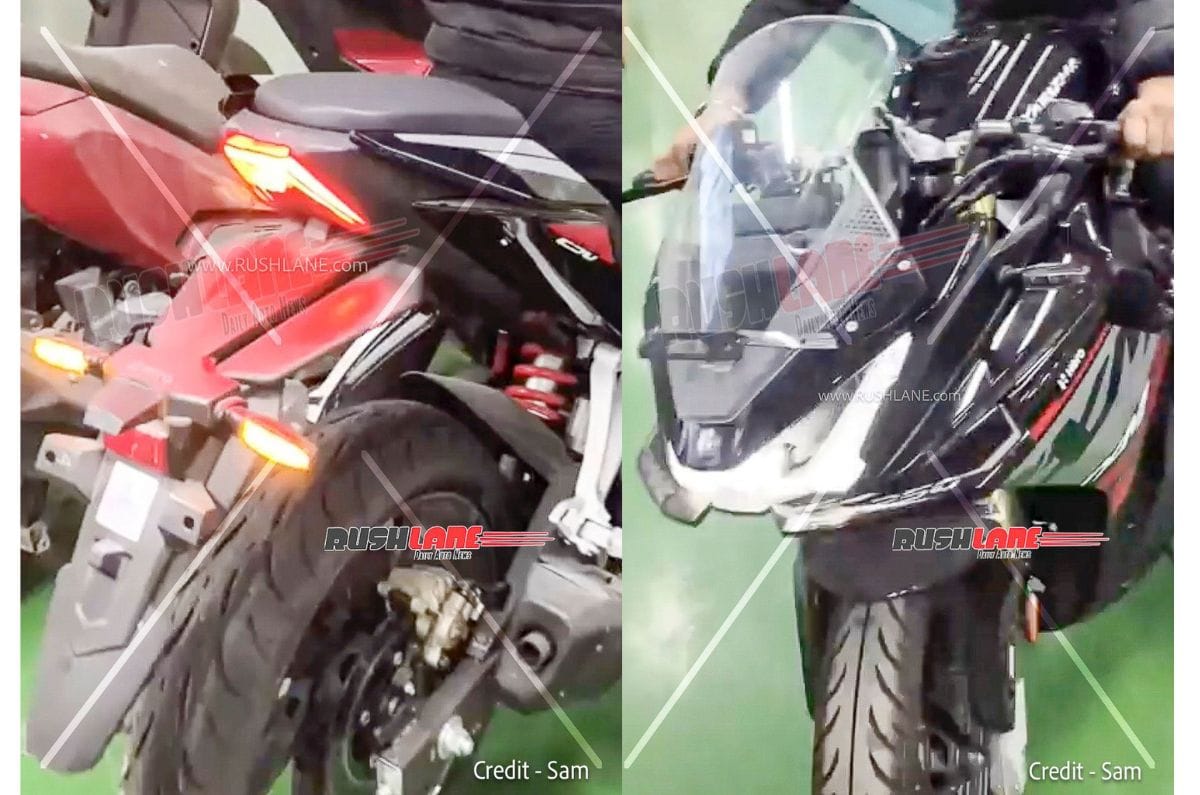
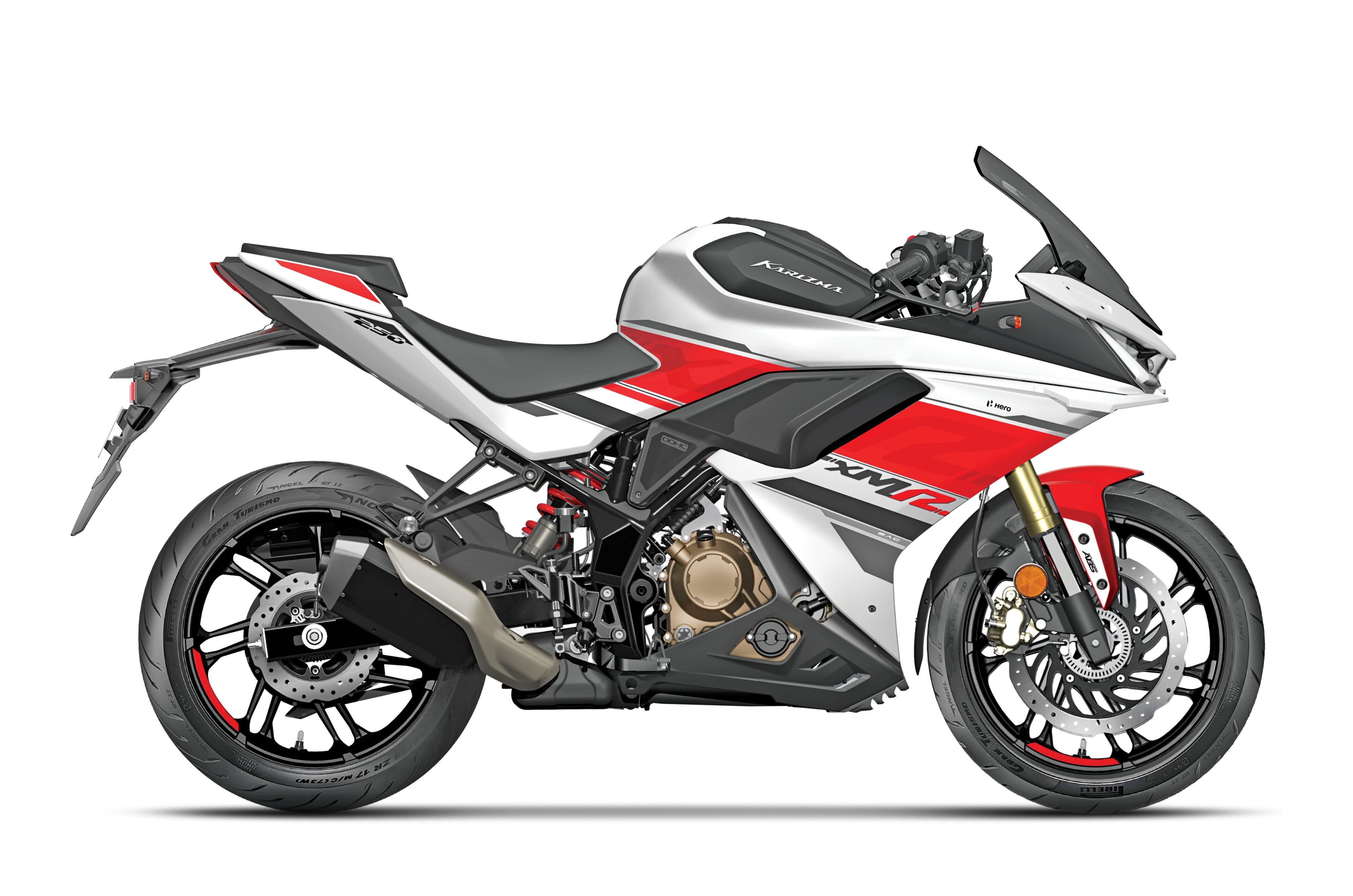
Hero MotoCorp‘s upcoming Karizma XMR 250 has been spotted without camouflage ahead of its India launch. First unveiled at EICMA 2024 before making its Indian debut at the Bharat Mobility Global Expo 2025, the fully faired motorcycle now appears to be in production-ready form, suggesting its market launch is drawing closer.
Hero Karizma XMR 250 spotted in production-spec form
Revised bodywork and bolder graphics distinguish it from the XMR 210
Powered by Hero’s 250cc, 30hp engine
Hero Karizma XMR 250 spied: What’s new?
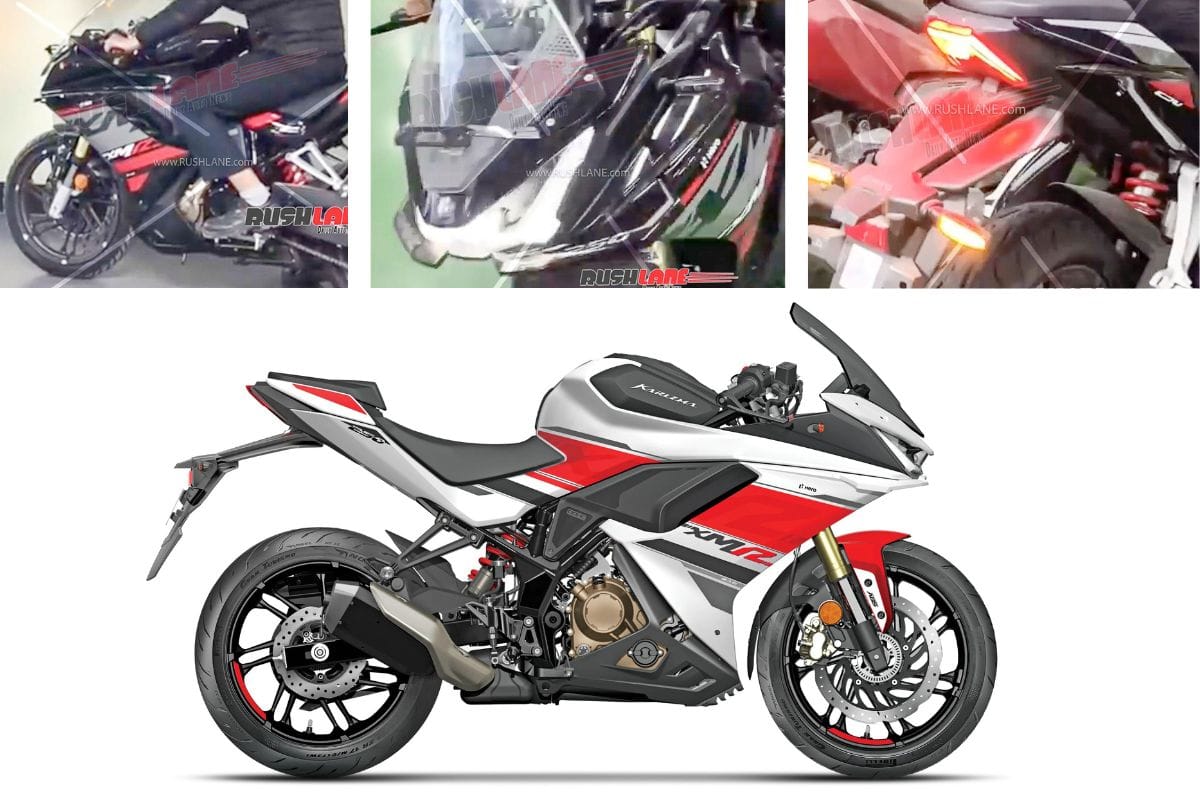
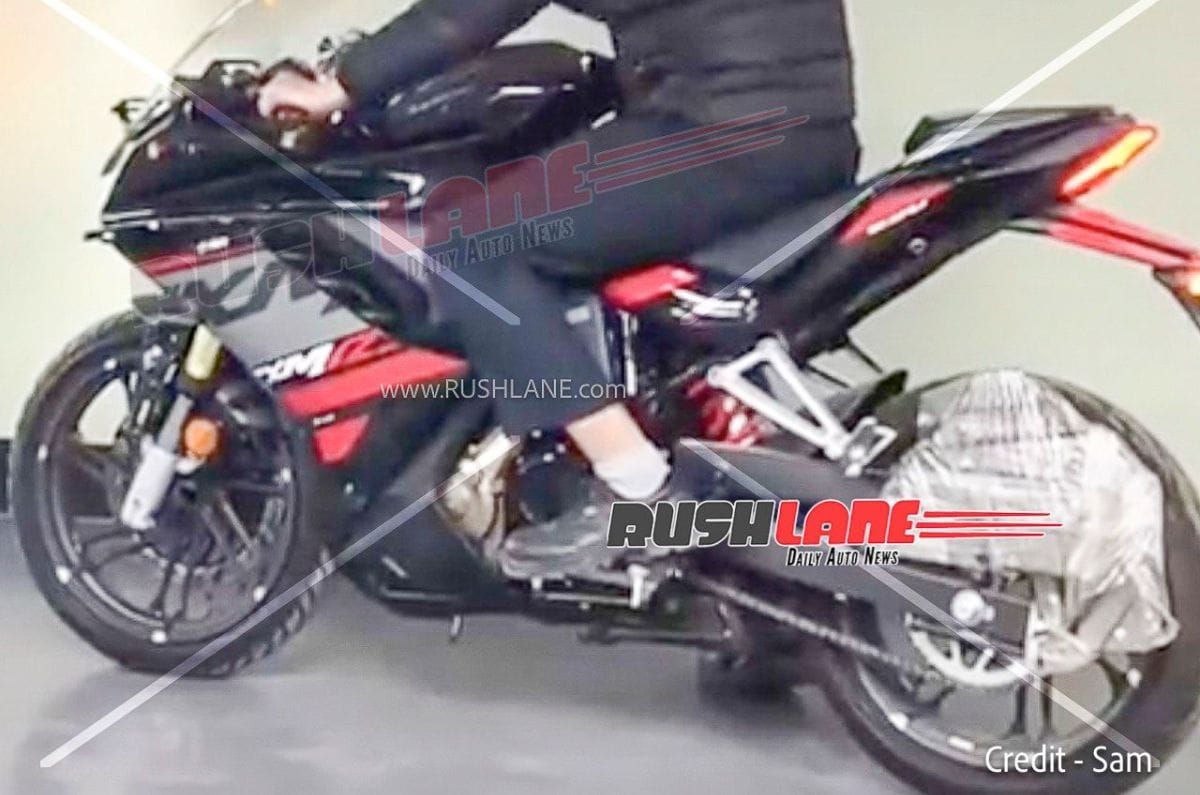
While the overall silhouette remains familiar, the Karizma XMR 250 features a handful of visual updates over the existing XMR 210. The projector LED headlamp and boomerang-shaped DRLs appear to have been carried over, but the surrounding fairing extends further beneath the headlamp, giving the front end a sharper, more aggressive appearance. It also retains the tall windscreen and integrated winglets first seen on the show bike.
In profile, the XMR 250 wears bolder graphics than the XMR 210, whose fairing has a comparatively simpler, single-tone finish. It is also equipped with gold-finished USD forks, a sculpted fuel tank, clip-on handlebars mounted above the top yoke and split seats. Unlike the Xtreme 250R, which uses a rear tyre hugger-mounted number plate holder, the Karizma XMR 250 retains a conventional tail-mounted number plate bracket.
Interestingly, while the Karizma XMR 250 showcased at EICMA 2024 wore a white-and-red paint scheme with similar graphics, the motorcycle seen here sports a black base colour. This hints that Hero could offer the new Karizma in at least two colour options at launch, although additional paint schemes cannot be ruled out.
Hero Karizma XMR 250 engine details:
Unlike the current Karizma XMR, which is powered by a 210cc, liquid-cooled, single-cylinder engine producing 25.5hp and 20.4Nm, the XMR 250 uses Hero’s new 250cc, liquid-cooled, DOHC single-cylinder engine shared with the Xtreme 250R. The motor produces 30hp and 25Nm and is paired with a six-speed gearbox.
Having recently ridden the Xtreme 250R, we found this engine to be among the quicker performers in the segment, delivering brisk acceleration and a strong mid-range. The Karizma XMR 250 is expected to pair this powertrain with the same trellis frame and feature a TFT display with smartphone connectivity and navigation, full-LED lighting, dual-channel ABS and a USB charging port.
Karizma XMR 250 launch details:
With the production-spec motorcycle now surfacing undisguised, Hero could launch the Karizma XMR 250 in the weeks ahead. Prices are expected to start at over Rs 2 lakh (ex-showroom), positioning it above the current Karizma XMR 210, which is priced from Rs 1.86 lakh (ex-showroom). Once launched, it will become Hero MotoCorp’s flagship faired motorcycle and rival the SuzukiGixxer SF 250, KTM RC 200 and the upcoming Yamaha R2.
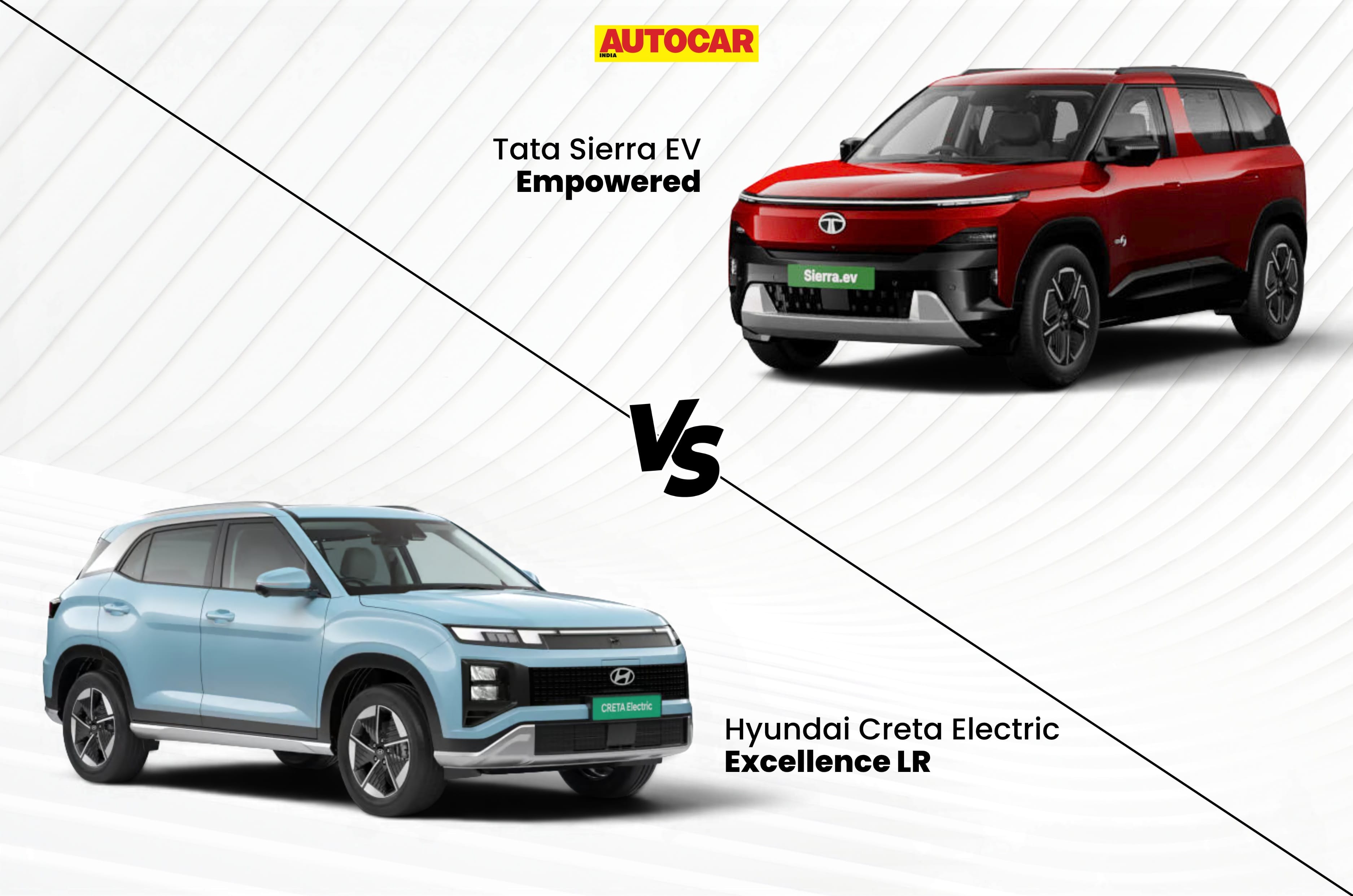
Both the Tata Sierra EV and Hyundai Creta Electric are available with two battery pack options. However, the lower variants of the Creta Electric feature a smaller 42kWh battery pack, so we’ll be looking at the 51.4kWh version here – the Creta’s top-spec Excellence LR (Long Range) variant is only offered with the larger battery pack. However, the Sierra EV’s Empowered trim offers buyers more flexibility as it’s available in 63kWh and 75kWh guises. The Sierra EV Empowered is priced from Rs 22.79 lakh to Rs 23.79 lakh, while the Creta Electric’s top-spec Excellence LR costs Rs 23.67 lakh. Let’s find out which midsize electric SUV is right for you.
Tata Sierra EV Empowered vs Hyundai Creta Electric Excellence LR: Dimensions
The Sierra is the bigger car here, but the Creta EV is just as long
Tata Sierra EV Empowered vs Hyundai Creta Electric Excellence LR dimensions
Tata Sierra EV
Hyundai Creta Electric
Length (mm)
4,340
4,340
Width (mm)
1,841
1,790
Height (mm)
1,750
1,655
Wheelbase (mm)
2,730
2,610
Boot space (litres)
450
433
Frunk (litres)
55
22
Wheel size (inches)
18
17
While the overall length of the Hyundai Creta Electric is identical to the Tata Sierra EV, the latter boasts 120mm longer wheelbase. The Sierra EV is 51mm wider and 95mm taller at the roof than its Hyundai rival. The range-topping Excellence LR variant of the Creta EV only gets 17-inch wheels, but the Empowered trim of the Tata SUV comes equipped with larger 18-inch rims. In terms of their luggage-carrying capacity as well, the Sierra EV has the bigger rear boot and frunk (front trunk).
Tata Sierra EV Empowered vs Hyundai Creta Electric Excellence LR: Powertrain
The rear-wheel drive Sierra gets two powertrain options and has the range advantage
Tata Sierra EV Empowered vs Hyundai Creta Electric Excellence LR powertrain options
Tata Sierra EV
Hyundai Creta Electric
Battery size (kWh)
63/75
51.4
Electric motor setup
Single, rear (RWD)
Single, front (FWD)
Power (hp)
238/209
171
Torque (Nm)
315
255
Claimed 0-100kph
–
7.9 seconds
Claimed range (km)
566/665
510
AC charging
Up to 10.5 hrs at 7.2kW (10-100%)
7.25 hrs at 7.4kW (10-100%)
DC fast charging
Up to 26 mins at 120kW (20-80%)
39 mins at 100kW (10-80%)
The Sierra EV in Empowered trim is offered with 63kWh and 75kWh battery packs. Even with the smaller battery option, the Sierra EV’s claimed range is 56km more than the top-spec Creta Electric’s. Bumping up to the top-spec, rear-wheel drive (RWD) 75kWh version of the Sierra EV means a claimed range of 665km – that’s 155km more than the top-spec Creta Electric.
The smaller battery size and a slightly faster AC charging speed means that the Creta Electric can be charged from 10-100 percent in 7 hours and 15 minutes, which is over 3 hours less than what the Sierra EV with the 75kWh battery pack requires. Meanwhile, the Sierra EV with the 63kWh battery takes under 9 hours to achieve the same SoC (state of charge). Both cars support DC fast charging of over 100kW, with the Sierra EV’s claimed charging time being based on 120kW DC charging.
The Sierra EV’s single electric motor powers its rear wheels, while that of the Creta Electric powers its front. While the punchier 63kWh version of the Tata SUV makes 67hp more than its Hyundai EV rival, even its lower-output 75kWh version makes more power (38hp more than the Creta Electric). The Sierra EV also has the torque advantage, developing 60Nm more than its Hyundai rival. While Tata Motors hasn’t published the claimed 0-100kph time of the mid-spec Sierra EV, it’s likely to be brisk.
Tata Sierra EV Empowered vs Hyundai Creta Electric Excellence LR: Exterior features
The Sierra EV’s Empowered trim adds more novelty features on the outside than its Hyundai rival
Tata Sierra EV Empowered vs Hyundai Creta Electric Excellence LR exterior features
Tata Sierra EV
Hyundai Creta Electric
LED projector headlamps
Yes (auto)
Yes (auto)
Connected light bar
Yes
Yes
Front fog lamps
Yes
No
Rear fog lamps
Yes
No
Cornering lights
Yes
No
Sequential turn signals
Yes
Yes
Welcome lights
Yes
Yes
Puddle lamps
Yes
Yes
Powered ORVMs
Yes (with auto-fold function)
Yes (with auto-fold function)
Flush door handles
Yes
No
Body cladding
Yes
Yes
Roof rails
Yes
Yes
Rear spoiler
Yes
Yes
Powered tailgate
Yes (gesture activated)
No
Colours
Mono-tone
Mono-tone and Dual-tone
The Empowered trim of the Sierra EV gets useful features such as a gesture-activated powered tailgate, front & rear fog lamps, and front cornering lights. While both cars gets a rear spoiler, the Sierra EV’s unit actually hides the rear wiper for a cleaner look. They also feature niceties like puddle lamps, welcome & good-bye light animations, and automatic LED headlamps. The Creta Electric sticks to conventional pull-type door handles, whilst the Tata SUV uses flush door handles. Hyundai offers dual-tone colour choices with the Creta Electric, but Tata Motors does not.
Tata Sierra EV Empowered vs Hyundai Creta Electric Excellence LR: Interior features
Both electric SUVs are fairly well-matched when it comes to interior convenience features
Tata Sierra EV Empowered vs Hyundai Creta Electric Excellence LR interior features
Tata Sierra EV
Hyundai Creta Electric
Infotainment screen
12.3-inch
10.25-inch
Digital driver’s display
10.25-inch
10.25-inch
Front passenger display
12.3-inch
No
Panoramic sunroof
Yes (voice assisted)
Yes (voice assisted)
Wireless charger
Yes
Yes
Driver’s seat adjustment
6-way powered
8-way powered
Co-driver’s seat adjustment
4-way manual
8-way powered
Thigh-support extender
Yes
No
‘Boss’ mode
Yes (manual)
Yes (powered)
Ventilated front seats
Yes
Yes
Leatherette upholstery
Yes
Yes
Rear split seats
Yes
Yes
Automatic climate control
Yes (dual-zone)
Yes (dual-zone)
Cooled glovebox
Yes
Yes
Cooled armrest storage
No
Yes (front)
Ambient lighting
Yes
Yes
Audio system
12-speaker JBL Black
8-speaker Bose
Dolby Atmos
Yes
No
Apple CarPlay & Android Auto
Yes (wireless)
Yes (wired)
USB Type-C ports
Yes (4 ports)
Yes (3 ports)
Connected car tech
Yes
Yes
Voice assistant
Yes (multiple)
Yes
OTA updates
Yes
Yes
EV route planner
Yes
No
Gaming
Yes
No
Rear sunblinds
Yes
Yes
Rear armrest
Yes (with cupholders)
Yes (with cupholders)
Rear tray tables
No
Yes
The Tata Sierra EV gets more speakers as part of its JBL Black audio system, along with Dolby Atmos and wireless Apple CarPlay & Android Auto. The Sierra offers more USB ports and Tata’s new ‘AirConsole’ gaming system with a high-definition front passenger screen. Other interior features exclusive to the Sierra EV include front thigh-support extenders for added comfort and a route planner to help minimise range anxiety.
The Hyundai Creta Electric doesn’t get a third screen and its dual digital displays are smaller than the Sierra’s. However, the Hyundai EV offers a powered ‘Boss’ function, a cooled compartment under the front armrest, tray tables with cupholders for rear passengers, and a leatherette-like eco-friendly material for the seats.
Tata Sierra EV Empowered vs Hyundai Creta Electric Excellence LR: Safety features
The fully loaded Creta EV comes with ADAS, which the Sierra EV lacks in its mid-spec trim
Tata Sierra EV Empowered vs Hyundai Creta Electric Excellence LR safety features
Tata Sierra EV
Hyundai Creta Electric
Airbags
6
6
ABS with EBD
Yes
Yes
Electronic stability program
Yes
Yes
Hill-hold assist
Yes
Yes
Hill-descent control
Yes
Yes
TPMS
Yes
Yes
Parking sensors
Yes (front & rear)
Yes (front & rear)
360-degree camera
Yes
Yes
Electronic parking brake
Yes (with auto-hold function)
Yes (with auto-hold function)
Auto-dimming IRVM
Yes
Yes
Rain-sensing wipers
Yes
Yes
Auto-dimming IRVM
Yes
Yes
ISOFIX
Yes
Yes
Rear wiper and defogger
Yes
Yes
All-wheel disc brakes
Yes
Yes
Level 2 ADAS
No
Yes
Both these cars come well-equipped with modern safety features. However, the Creta Electric adds Level 2 ADAS (Advanced Driver Assistance Systems), too. This ropes in nannies such as forward collision warning, blind-spot warning, lane-departure warning with lane-keeping assist, rear cross-traffic alert, high-beam assist, and adaptive cruise control with stop & go functionality.
Tata Sierra EV Empowered vs Hyundai Creta Electric Excellence LR: Other features
The Sierra EV is better equipped on this front too
Tata Sierra EV Empowered vs Hyundai Creta Electric Excellence LR other features
Tata Sierra EV
Hyundai Creta Electric
Drive modes
Yes (3)
Yes (3)
Terrain modes
Yes (4)
No
Single-pedal driving
No
Yes
V2V and V2L
Yes
Yes (V2L)
AVAS
Yes
Yes
Unlike the Sierra EV, the Hyundai Creta Electric gets a proper single-pedal driving mode. This makes driving it over long distances on the highway less tiresome while also helping improve range because of energy recuperation even without using the brake pedal. However, the Sierra EV supports both vehicle-to-load and vehicle-to-vehicle charging functions – the Creta Electric only supports the former. Both EVs come with an Acoustic Vehicle Alerting System (AVAS).
Conclusion
Tata Sierra EV Empowered vs Hyundai Creta Electric Excellence LR prices
Tata Sierra EV
Hyundai Creta Electric
Price range (In Rs, lakh)
22.79-23.79
23.67
If you want more cabin & luggage space, longer range & faster performance plus conveniences like a powered tailgate, wireless smartphone connectivity, multiple voice assistants, plus V2V and V2L functions, then the Tata Sierra EV will be a suitable pick. In case you don’t need the additional range offered by the 75kWh version, you can save Rs 1 lakh and go for the 63kWh version instead – it’s Rs 88,000 cheaper than the Creta Electric. However, prospective Sierra EV buyers should be aware of the inconsistencies in Tata’s service quality and vehicle fit & finish.
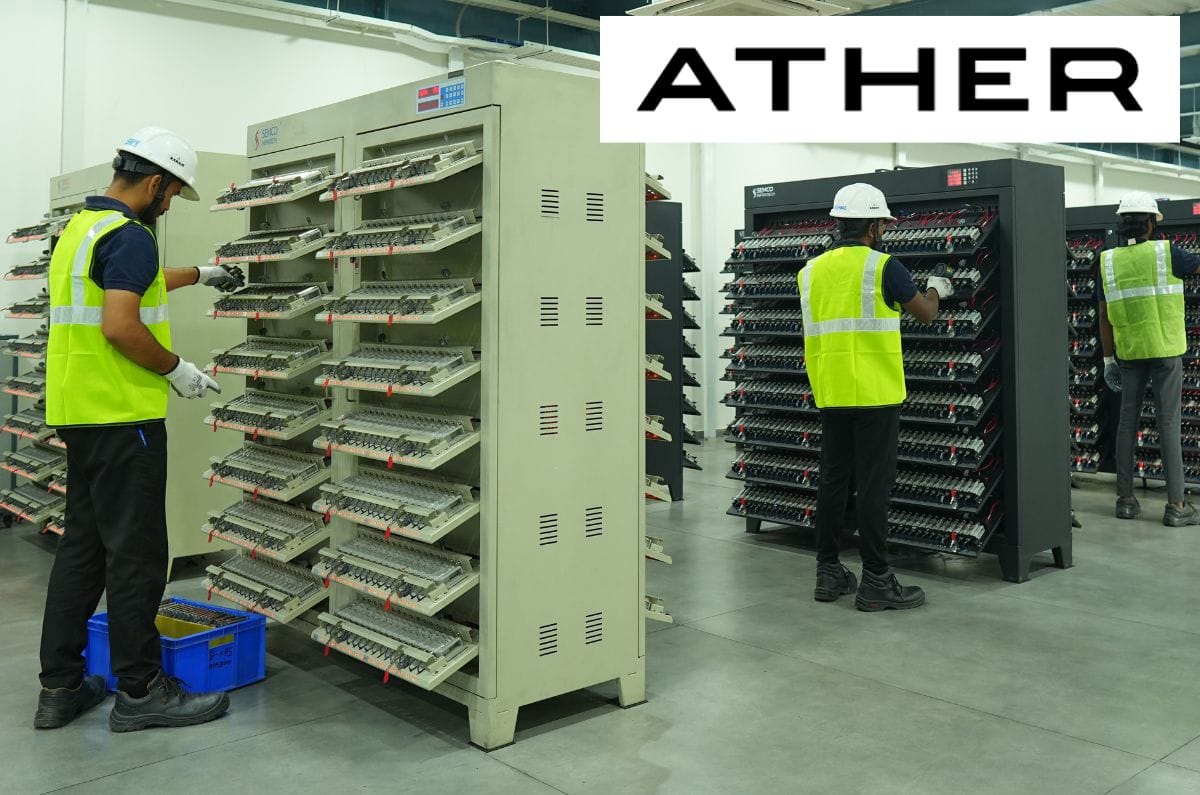
Ather Energy has entered into a partnership with a Bengaluru based firm called LICO Materials to develop a system for the collection, recycling and recovery of materials from end-of-life lithium-ion EV batteries. Under this partnership arrangement, batteries from Ather’s fleet will be processed at LICO Materials’ recycling facility in Karnataka. These packs will either be repurposed for a second-life application, or the materials from within them will be recovered and reintroduced into the battery supply chain for use by cell manufacturers and automotive OEMs.
Recovered materials will re-enter the domestic battery supply market
LICO will procure end-of-life batteries from Ather
The partnership covers Ather batteries from both privately owned, and Ather’s own fleet vehicles, provided that Ather routes them to LICO for recycling. Gaurav Dolwani, CEO, LICO Materials explains that Ather customers do not sell their vehicles to LICO. Instead, once Ather determines that a battery has reached the end of its life, it will be made available for recycling through its service center network. “LICO will collect these batteries from Ather service centers through its reverse logistics network. LICO’s in-built digital application enables end-to-end tracking and traceability of batteries, from collection and transportation to their receipt at the recycling facility.”
Once the batteries are received from Ather, LICO will conduct a detailed technical assessment to determine their residual life and the appropriate processing pathway. The batteries are evaluated across multiple parameters, including State of Health (SoH), State of Charge (SoC), and internal resistance. Based on this, the company will determine whether a battery should be sent for recycling, or repurposed for a second-life application. LICO confirms that there is no single fixed percentage of remaining battery capacity that determines end of service life. The decision is based on a combination of battery health, performance and electrical parameters.
The partnership is also aligned with the Battery Waste Management Rules, 2022, which mandate extended producer responsibility across the battery value chain. The companies cited industry projections indicating that battery recycling could meet more than 40 percent of India’s lithium, nickel and cobalt requirements by 2050, while supporting job creation and reducing carbon emissions. LICO claims that its facility is capable of recovery rates of up to 95 percent .
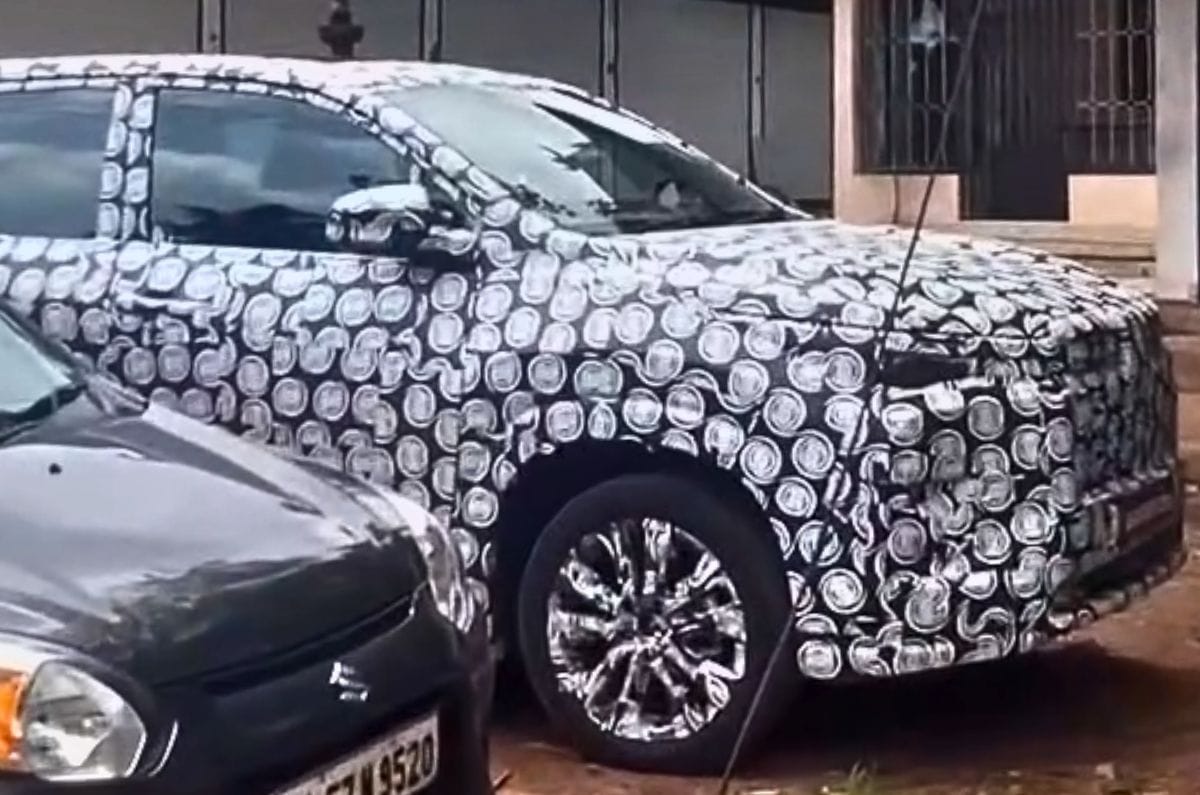
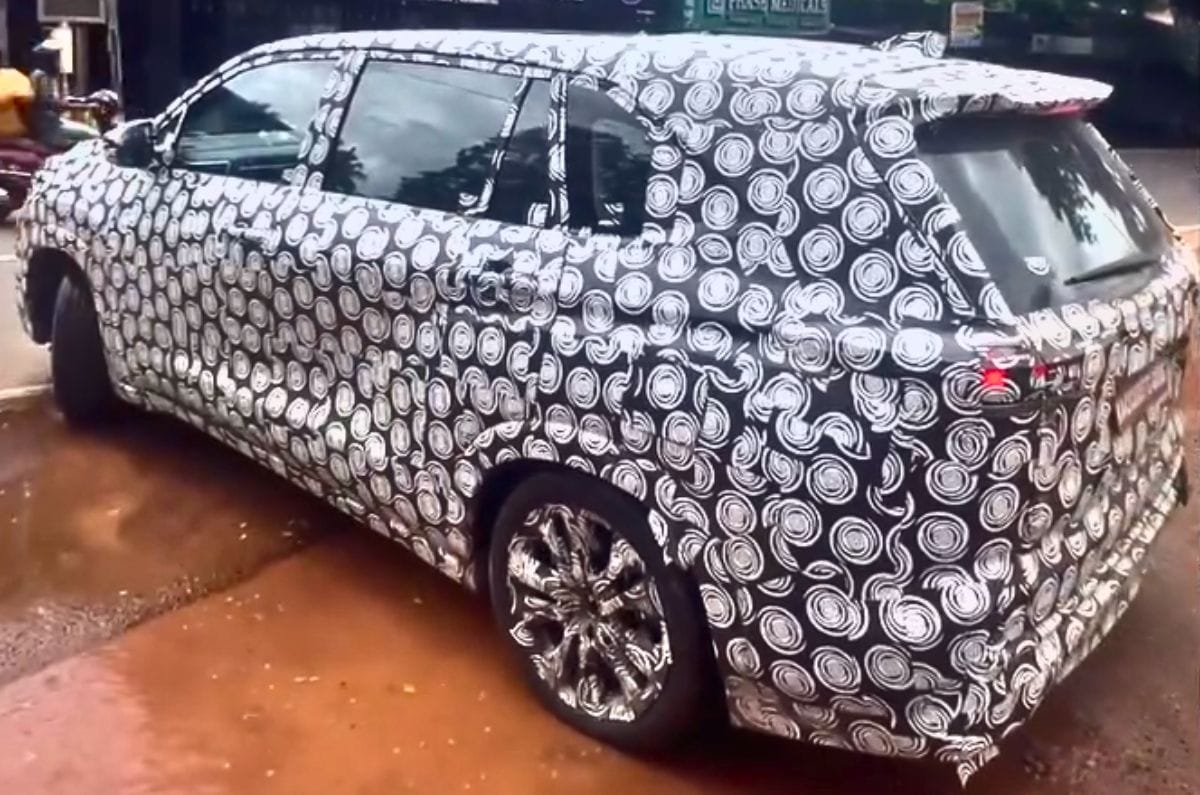
The Toyota Innova Hycross facelift was spied testing in India for the first time. The spy shots reveal a few details of the facelifted Innova Hycross’ exterior elements, including a new fascia, revised bumpers and fresh lighting units. It is likely to be launched in the country in 2027.
Hints at new headlights and tail-lights
Alloy wheels appear to be unchanged
Expected to get the same powertrains
Toyota Innova Hycross facelift: What was seen?
New grille, sleeker headlights and revised tail-lights could be spotted
While design details of the Toyota Innova Hycross facelift were hidden under camouflage, the spy shots hint at sleeker headlights with new projector units. The grille appears to be squarer than the current Innova Hycross, while the front bumper also appears to be redesigned.
Image source: @habeeb_payyoly on Instagram
There are no visible changes in the profile. The alloy wheels appear similar to those on the current Innova Hycross, and the wheel arches feature prominent bulges for the cladding. However, the rear seems to feature new LED tail-light elements. A rear wiper, a roof-mounted spoiler and a shark-fin antenna could also be seen.
Toyota Innova Hycross facelift: Other expected changes
Interior is likely to be updated with new trims and upholstery
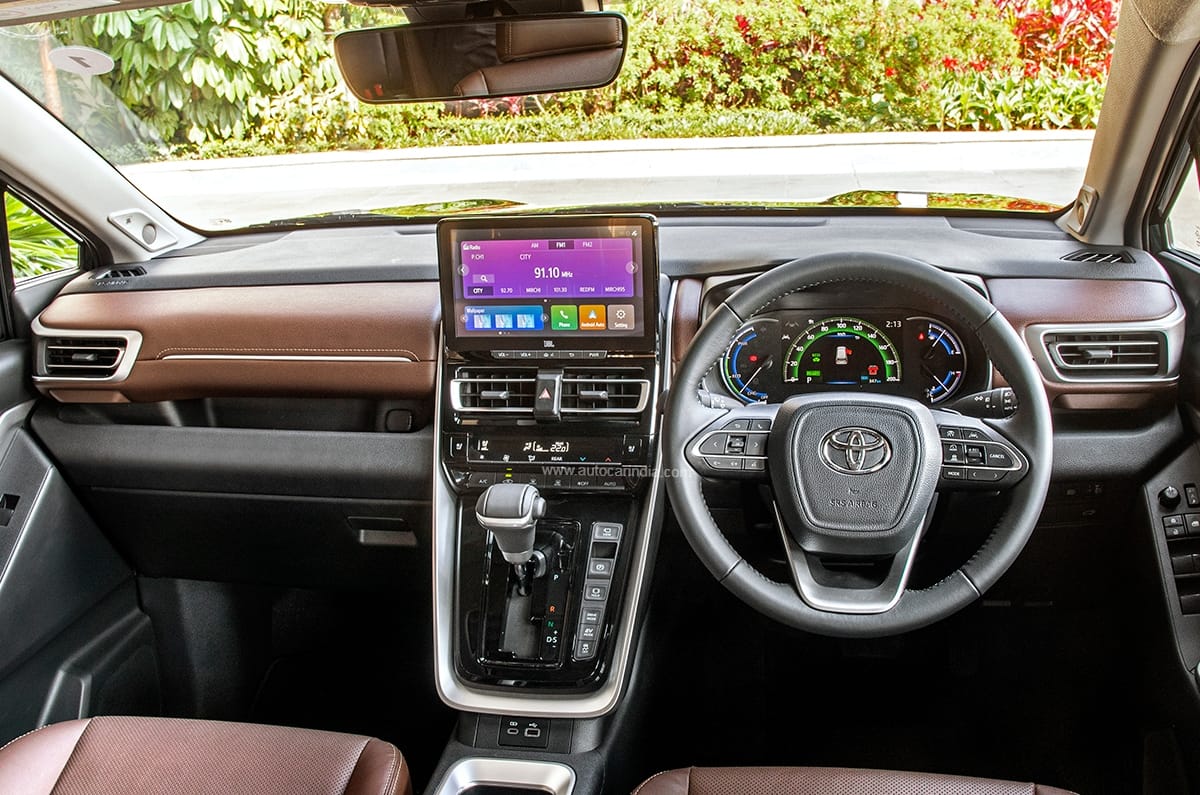
The current Innova Hycross’ dashboard is shown for representational purposes only.
While the interior is yet to be spotted, Toyota is likely to update the Innova Hycross’ interior to make it feel more modern than before. It is likely to get new trims and upholstery, but it remains to be seen if Toyota offers it with new features.
Expected to continue with the same powertrain options
With the facelifted model, Toyota is expected to continue with the current Innova Hycross’ powertrain options. These include a 173hp, 2.0-litre petrol engine mated to a CVT automatic or a 184hp, 2.0-litre petrol-hybrid setup paired with an e-CVT.
Image source: @habeeb_payyoly on Instagram
Toyota usually takes four years to introduce a mid-cycle facelift to its models. As the Innova Hycross was launched in December 2022, the facelifted Innova Hycross is likely to launch in early 2027. It will continue to lock horns with the rebadged Maruti Suzuki Invicto, while serving as a combustion-powered alternative to eMPVs such as the Mahindra XEV 9S and BYD eMax 7.
Hero MotoCorp has identified the proposed extension of Corporate Average Fuel Economy (CAFE) norms to two-wheelers as a potential business risk, stating that a sudden rollout could significantly increase development costs and impact profitability in India’s price-sensitive motorcycle market.
Hero says sudden implementation could increase compliance costs
Company is upgrading ICE engines and expanding EV portfolio
Bharat Stage 7 norms also listed among future regulatory priorities
Hero calls for realistic implementation of proposed CAFE norms
Hero MotoCorp has identified the proposed extension of Corporate Average Fuel Economy (CAFE) norms to two-wheelers as a potential business risk, stating that a sudden rollout could significantly increase development costs and impact profitability in India’s price-sensitive motorcycle market.
In its FY2025-26 annual report, Hero said CAFE regulations, which currently apply to passenger vehicles, are proposed to be extended to two-wheelers. Unlike emission norms that regulate tailpipe pollutants, CAFE standards require manufacturers to meet fleet-wide fuel efficiency targets across the vehicles they sell.
The company acknowledged that stricter fuel efficiency standards could help reduce fuel consumption, lower running costs for customers and reduce dependence on imported oil. However, it warned that a rapid implementation could leave manufacturers with limited time to redesign products, upgrade technologies and prepare their supplier base.
Hero added that passing higher compliance costs on to customers would be difficult in India’s highly price-sensitive two-wheeler market, putting additional pressure on profitability.
To prepare for future regulations, Hero said it is improving the efficiency of its internal combustion engines, increasing the use of lightweight materials and expanding its electric vehicle portfolio to help meet future fleet-wide fuel efficiency requirements.
The company also said it is investing in multiple low-emission technologies instead of relying solely on battery electric vehicles. Alongside EVs, Hero is developing motorcycles capable of running on higher ethanol blends, reflecting its view that multiple powertrain technologies will continue to play a role in India’s mobility transition.
Hero added that its R&D investments are increasingly focused on future regulatory requirements, including cleaner powertrains, connected vehicle technologies and digital capabilities.
BS7 norms also on Hero’s radar
The annual report also lists Bharat Stage 7 emission norms for two-wheelers among the policy issues on which Hero is engaging with the Society of Indian Automobile Manufacturers (SIAM). The company said it is advocating for implementation timelines and targets that are realistic and technically feasible for the industry, although it did not disclose when either the proposed CAFE norms or BS7 regulations could come into effect.
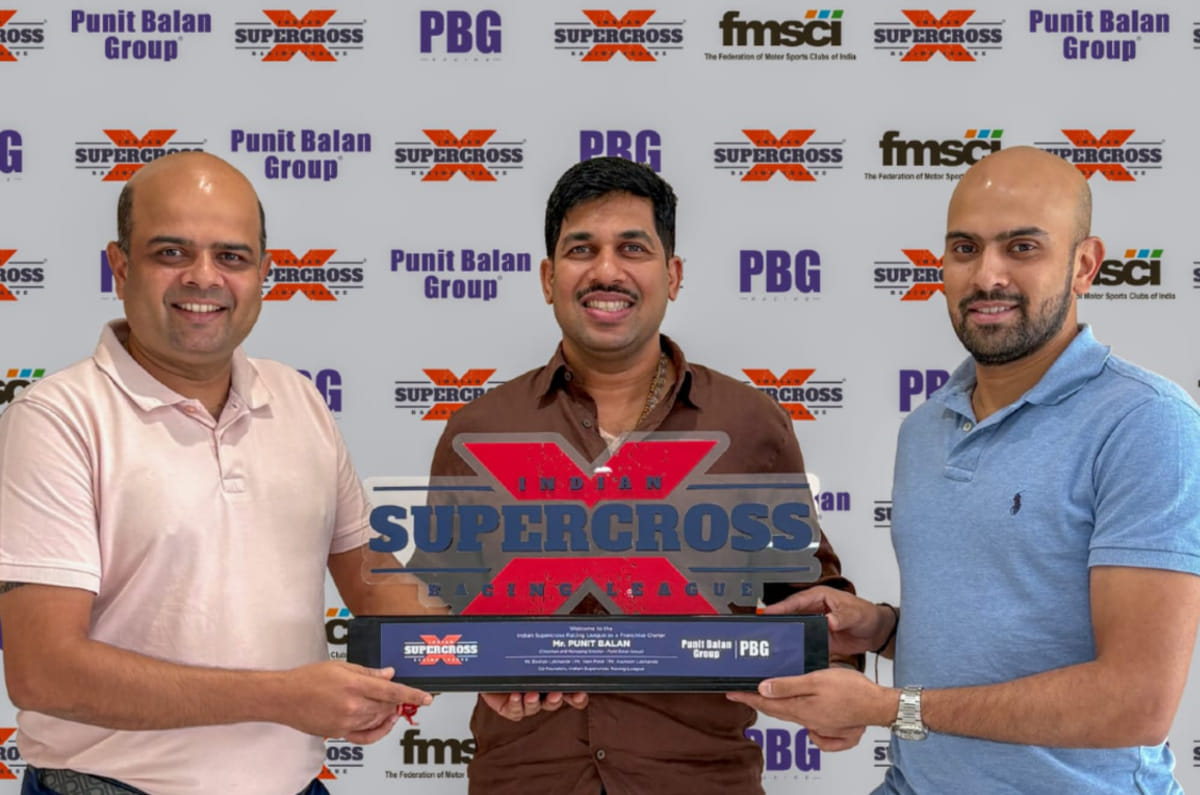
Season 3. Pune-based Punit Balan Group, which fields teams in a number of sports leagues ranging from cricket to tennis to even chess, will make its motorsport debut with PBG Racing.
This year’s ISRL will kick off in October 2026, with three rounds planned.
ISRL adds seventh team to its roster
Honda, Yamaha, KTM and Kawasaki fielding bikes
Punit Balan Group joins ISRL
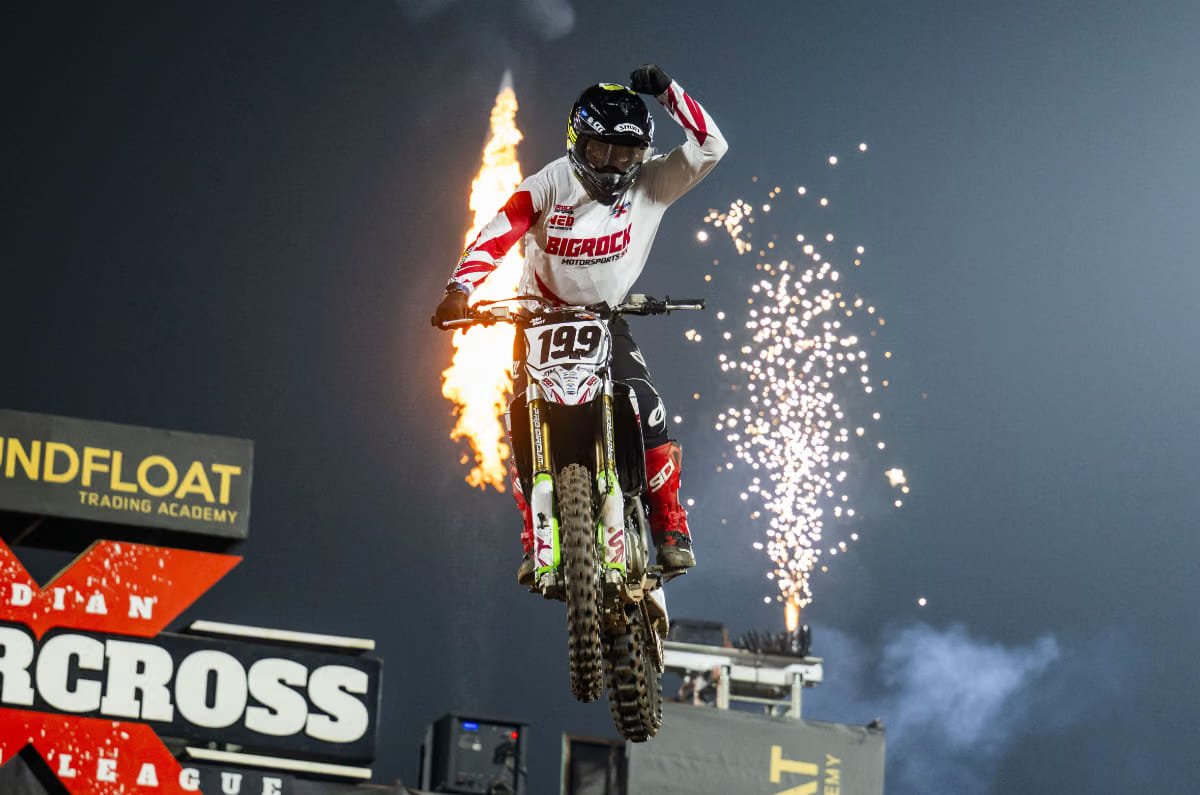
ISRL races are usually held on indoor dirt tracks, featuring steep jumps and obstacles. The league runs three categories – 450cc and 250cc for international riders, plus a dedicated 250cc category for Indian and Asian riders. The last category gives emerging Indian talent the chance to go wheel-to-wheel with and learn from some of the best supercross talent across the world.
Each team has to field two riders per category, while the bikes are provided by Honda, Yamaha, KTM and Kawasaki. Last year’s grid featured six city-based teams, including two new entrants – Indewheelers Motorsports and Tricolor KTM. Another new team joins the league this year in the form of PBG Racing.
“Sport has always been a powerful platform for inspiring young talent and building strong communities, and that philosophy has guided every sporting investment we have made over the years. The Indian Supercross Racing League represents an exciting new chapter for racing in India. Maharashtra, and especially Pune, has steadily emerged as one of the country’s most vibrant motorsport hubs backed by passionate fans and a growing culture around racing,” said Punit Balan, Chairman and Managing Director of Punit Balan Group.
“We are delighted to join ISRL for Season 3 and look forward to building a franchise that reflects passion, performance, and the spirit of Indian racing while also supporting the long- growth of motorsport in the country.”
ISRL Season 3 details
Indian rally star CS Santosh’s BigRock Motorsports team clinched its second ISRL title in 2025 and will be chasing a hat-trick. The auction process will open soon, giving teams the chance to build new rider combinations. Big names like 2014 MX2 World Champion Jordie Tixier and French Supercross sensation Anthony Bourdon have signed on as part of the rider pool.
The 2026 season will run from October to December 2026. While the exact venues haven’t been confirmed yet, ISRL has shortlisted Delhi, Hyderabad, Bengaluru, Kochi and Mumbai. Watch this space for all the latest updates.
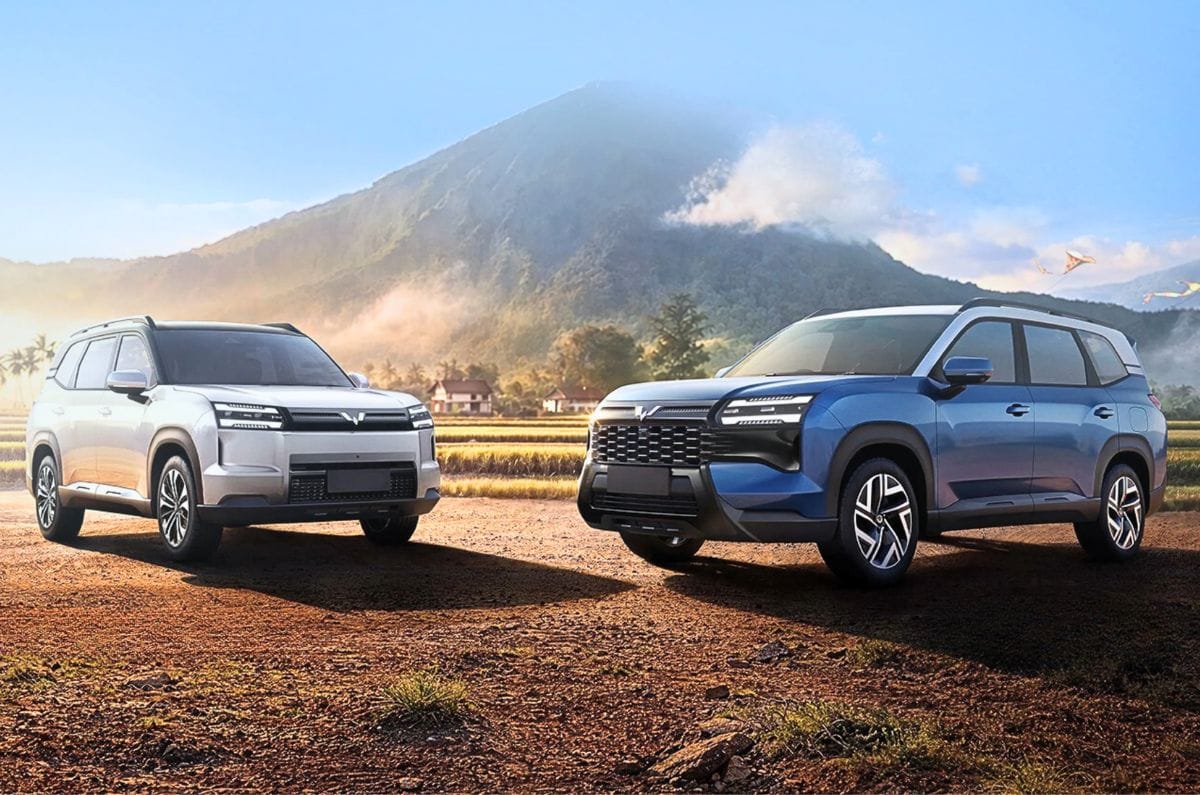
MG will reveal a ‘new energy vehicle’ technology in India on July 16, 2026. While additional details are awaited, it could be either a plug-in hybrid (PHEV) or an EV technology showcase. The unveiled powertrain is expected to be available with a rebadged version of the Wuling Starlight 560 SUV, whose design patent was filed in India in March. Codenamed ‘520’, the SUV will be offered as a PHEV and an EV. Here’s everything you need to know about it.
Indonesia-spec PHEV gets a 105hp 1.5L petrol engine and a 20.5kWh battery pack
The EV gets a 69.2kWh battery pack and a 530km claimed range
Has an upright design with all-LED lighting and 18-inch alloy wheels
Wuling Starlight 560-based MG ‘520’: All you need to know
Indonesia-spec PHEV offers over 1,000km, EV offers over 500km range
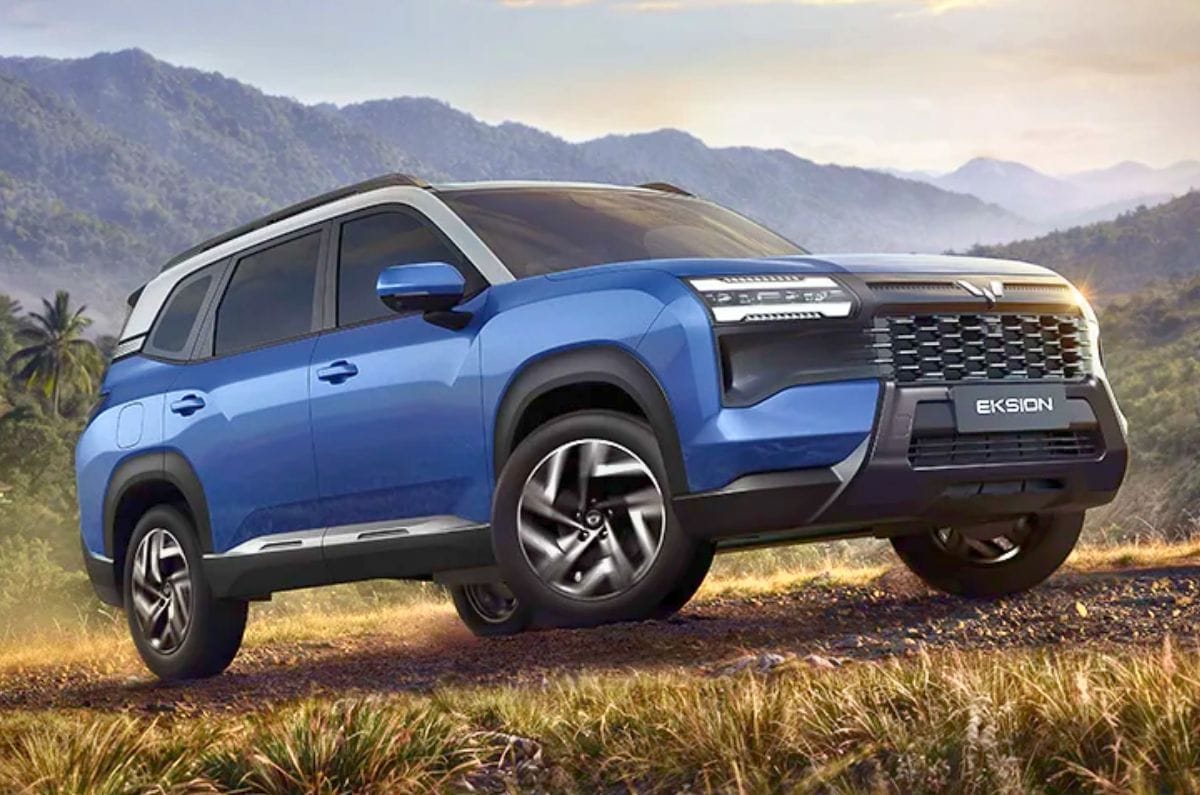
The Starlight 560 is sold as the ‘Eksion’ in the Indonesian market.
The Indonesia-spec model, called the Wuling Eksion, comes with a 105hp 1.5-litre petrol engine and a 20.5kWh battery pack. Its front-wheel-drive setup offers a combined output of 195hp and 230Nm, an all-electric range of 125km and a total range of over 1,000km.
The all-electric version, which gets a 69.2kWh battery pack and a 201hp front-axle-mounted (FWD) electric motor, has a CLTC-claimed range of 530km. It remains to be seen whether MG offers the same PHEV and EV powertrains in the India-spec ‘520’ SUV.
4.7-metre-long SUV has a rugged-looking design
The Wuling Starlight 560 is an upright SUV that measures 4,745mm in length, 1,850mm in width and 1,755mm in height. It has a 2,810mm wheelbase.
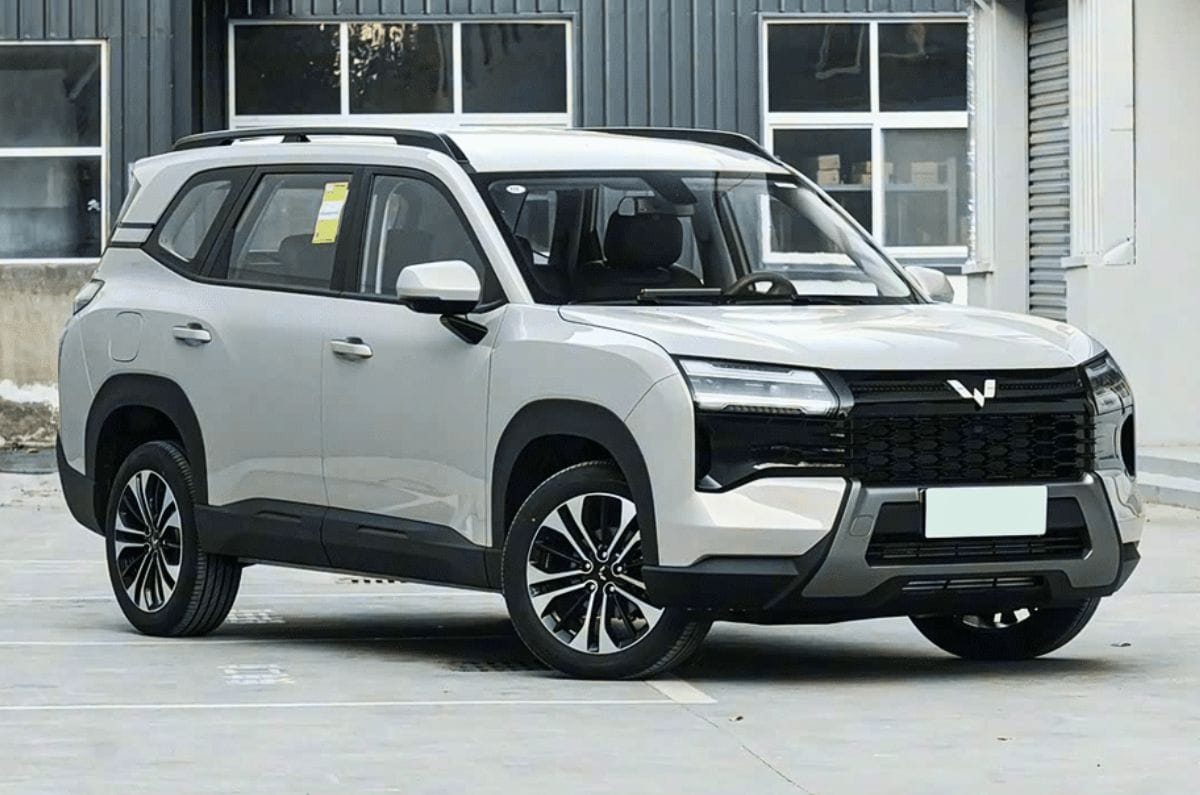
Wuling Starlight 560 versions: EV (left) and PHEV (right)
The PHEV’s fascia features a huge all-black grille, which is blanked off in the all-electric version. Both versions, however, get sleek headlamp housings featuring dual projector LED lights and two LED DRL strips. The front bumper has a rugged look thanks to the faux skid plate and black cladding on the lower portion.
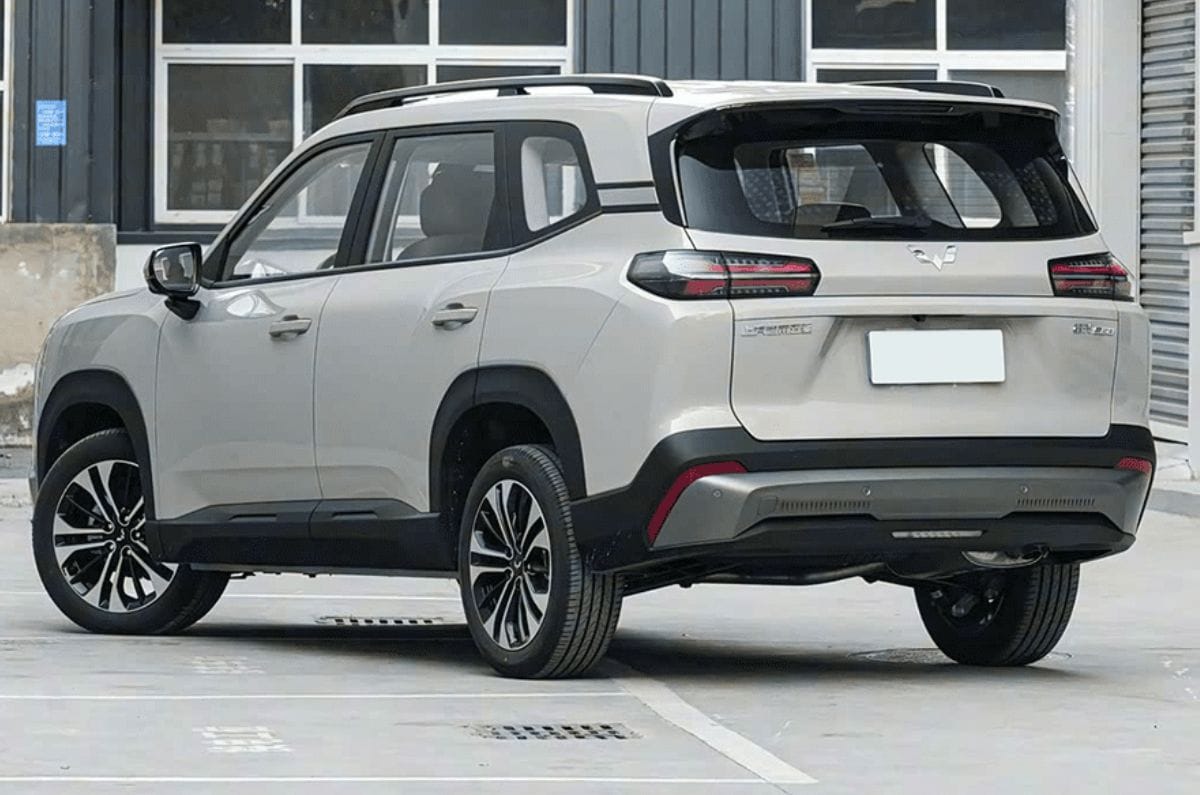
In profile, the international-spec model gets 18-inch dual-tone alloy wheels, thick cladding over the wheel arches and roof rails. The rear design is simple, featuring wraparound LED tail-lights, an all-black bumper and a roof-mounted spoiler.
A minimalist dashboard and a well-rounded feature list
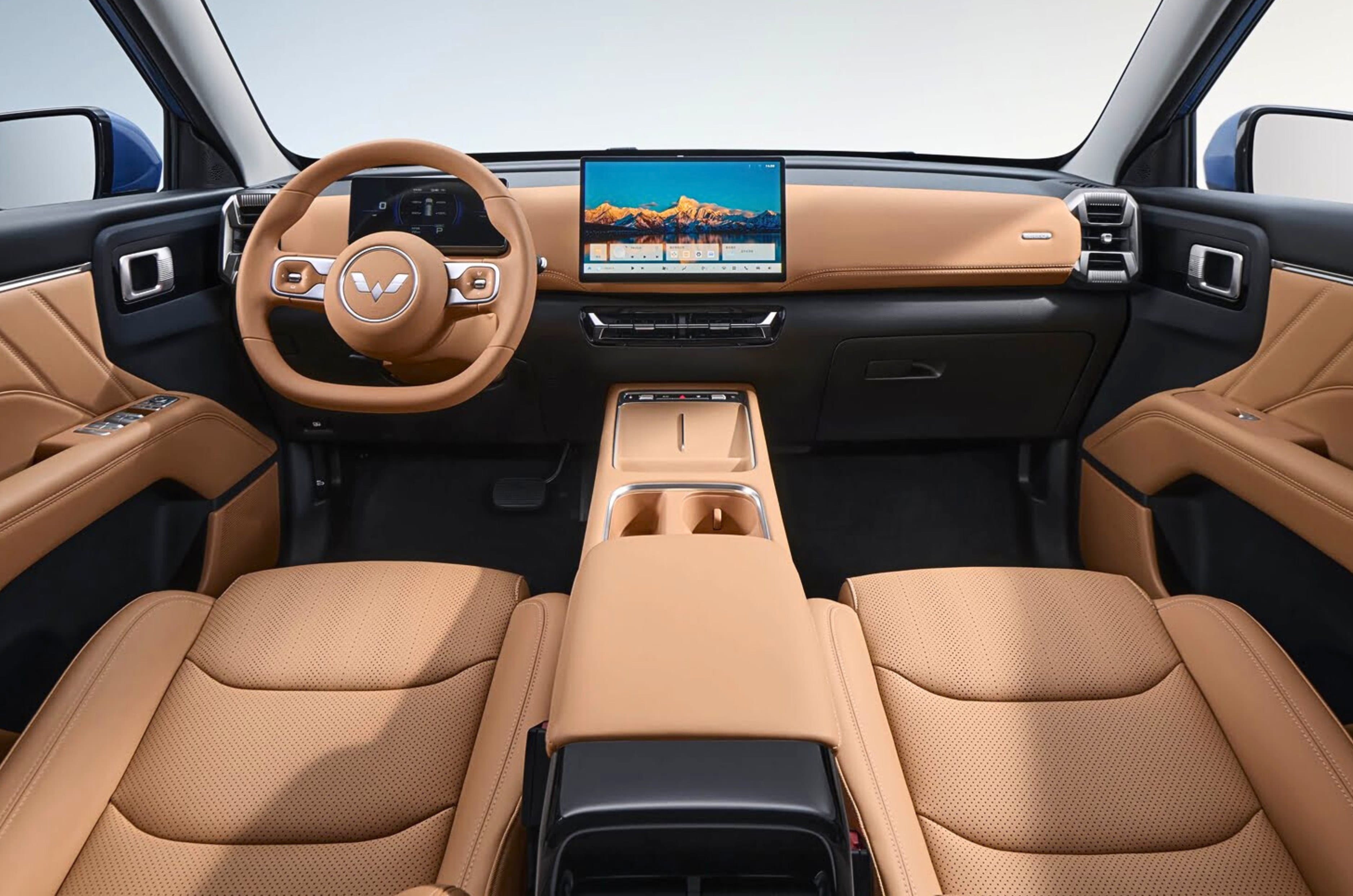
Inside, the Wuling Starlight 560 gets a dual-tone cabin and a minimalistic dashboard layout. There’s a 12.8-inch touchscreen infotainment system, an 8.8-inch digital driver’s display and a 2-spoke steering wheel with buttons for the infotainment functions and cruise control. The SUV can seat up to 7 occupants, and all the seats have leatherette upholstery.
Other features include powered and ventilated front-row seats, 6 speakers, a 50-watt wireless phone charger, a panoramic sunroof and automatic climate control with rear vents. On the safety front, the Starlight 560 gets 6 airbags, a tyre-pressure monitoring system (TPMS), hill-hold assist, an electronic parking brake and advanced driver assistance systems (ADAS). The India-spec model is expected to have a similar set of features.
While pricing details for the upcoming Starlight 560-based MG SUV are unknown, we expect it to be positioned competitively, much like other MG models. The PHEV version could serve as an alternative to the Mahindra XUV 7XO and Tata Safari, while the EV could rival the Mahindra XEV 9S.