Ducati Panigale V2 S review: Sense Appeal

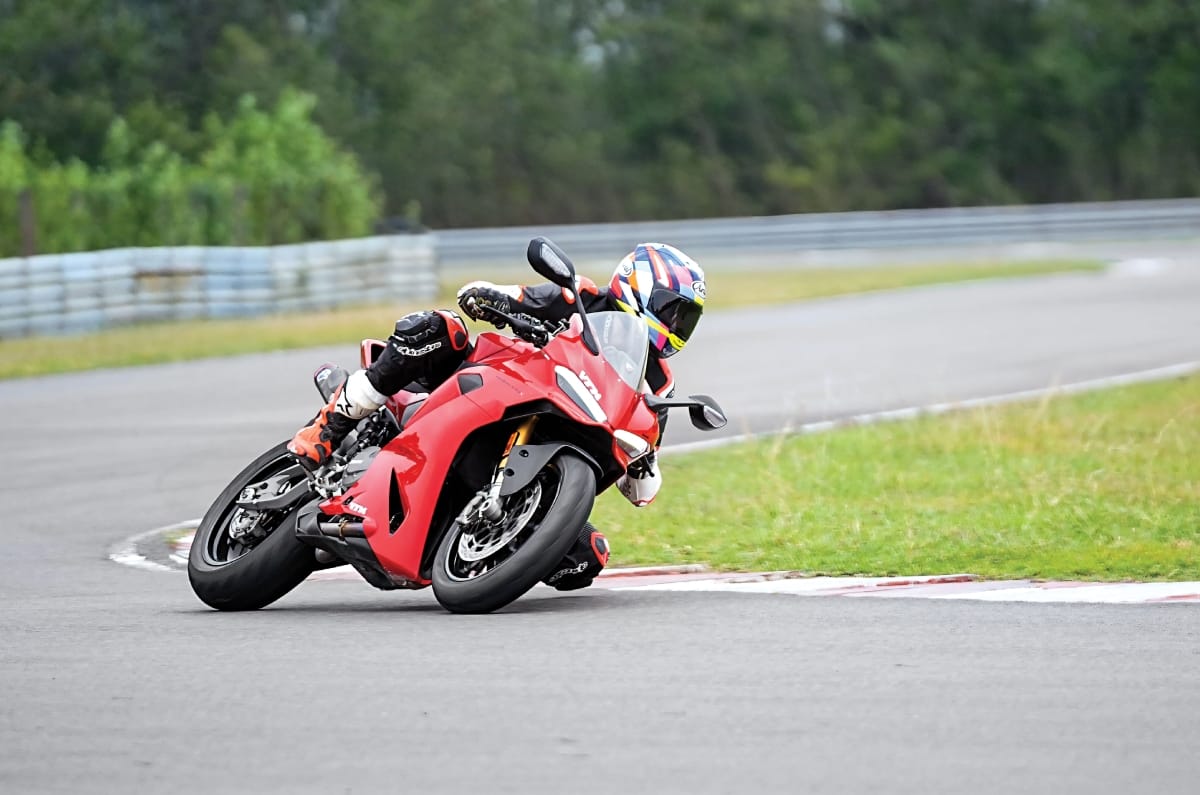
Ducati Panigale V2 S mid corner at the MMRT

A sensible Panigale. Can such a thing even exist, and more importantly, should it? This was a consistent thought I grappled with in the approach to riding this bike. After all, on paper, it seems like a big step away from the previous-gen Pani V2. Yes, it lost a lot of weight, which is great, but it also dropped down from a solid 155hp to ‘just’ 120hp.  

Not love at first sight

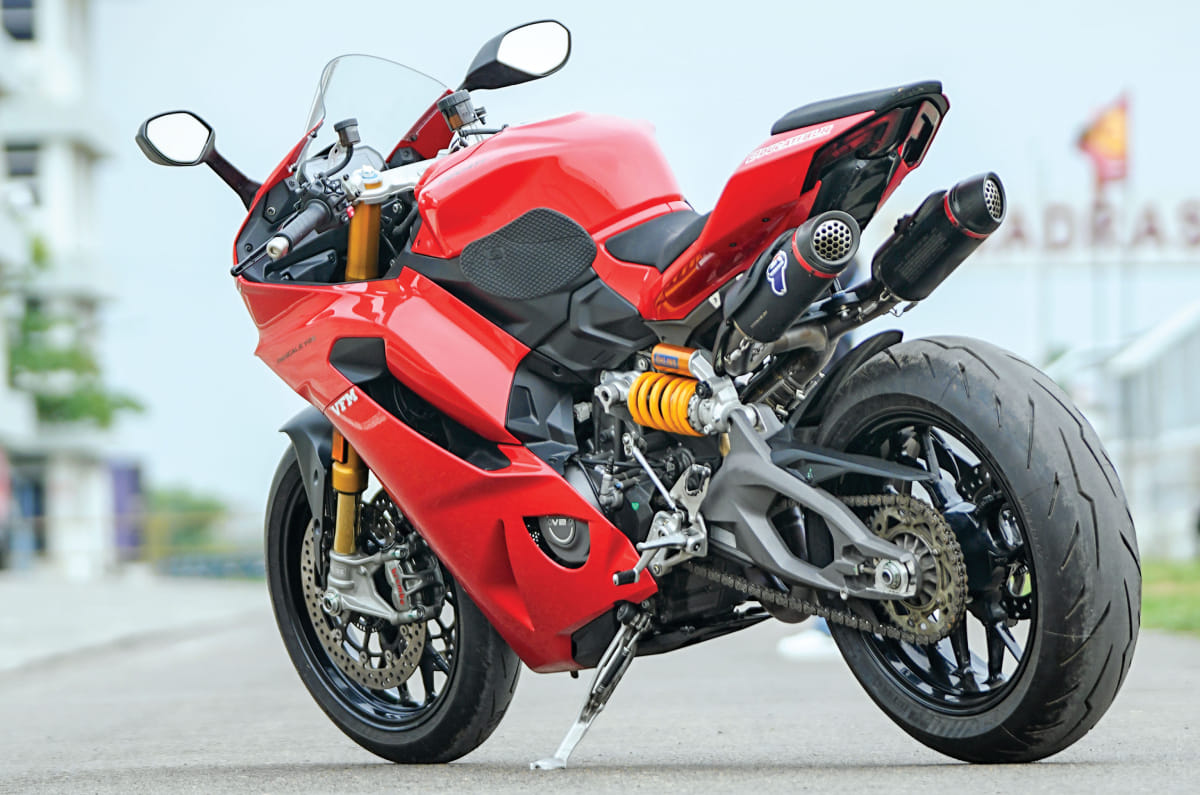
It’s not like these thoughts are lost when you first spot the bike in person. There are some beautiful details to take in at a close glance, including that crafted swingarm, the gorgeous monoshock mounts and that sculpted fairing. But step back, and it’s just missing something – the drop-dead gorgeous sex appeal that the Panigale name is supposed to carry simply isn’t there. The design is almost an amalgamation of a Panigale and a SuperSport 950; and given that the latter is no longer made, perhaps that explains it. Hmm.
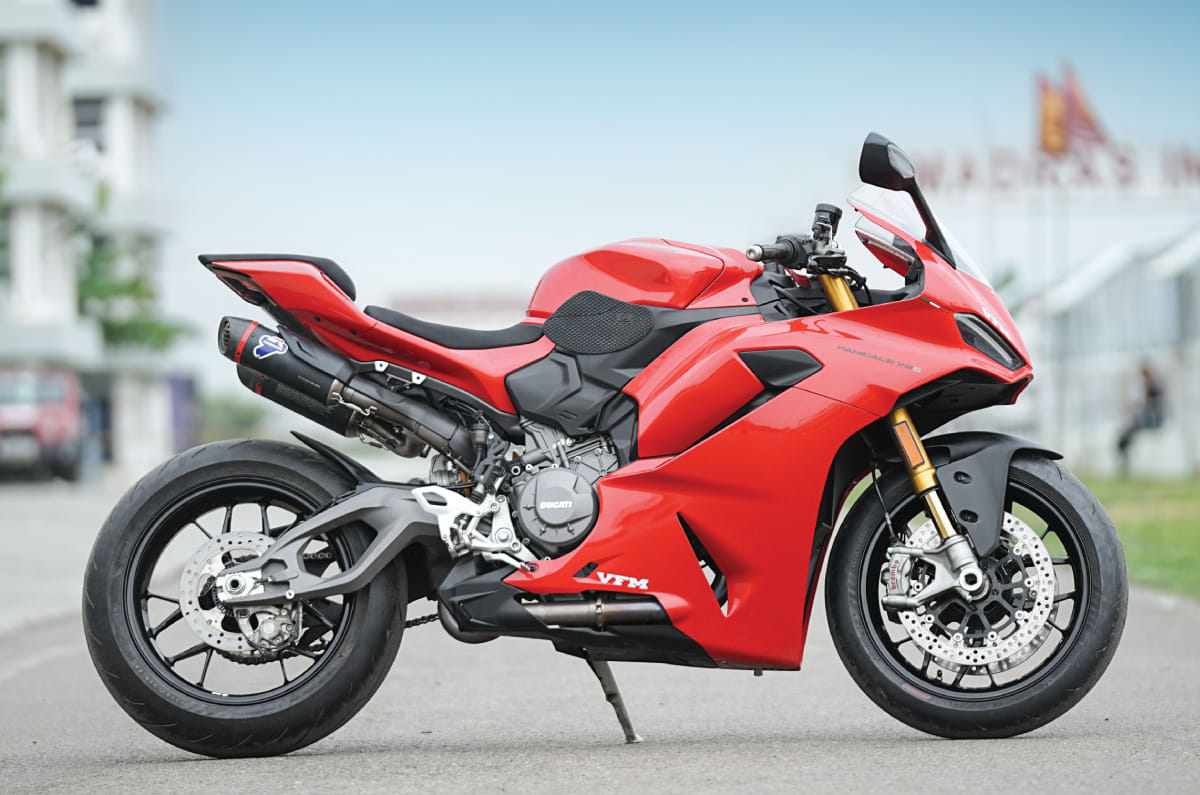
The design is not as stunning as its predecessor.

Swing a leg over the tall 837mm seat, and you’ll be greeted by ergonomics that reflect the SuperSport design vibes, with surprisingly high and wide bars and footpegs lower than you’d expect. As a tall human with poor flexibility and shameful levels of fitness, this is something you won’t hear me complain about. But it does further drive home the point of just how different this new Panigale is.  

Unexpected impressions

Anyhow, time has taught me that sometimes it’s best to stop thinking and let the bike do the talking. On the first lap out, my immediate impression was one that you will read in no review of this motorcycle anywhere in the world – it felt heavy! This is exactly the opposite of what anyone would normally think, because the new V2 has had a massive weight loss, and I knew that this problem was entirely in my own head. After all, I’d just spent the previous day riding a mind-bendingly light, 132kg, national championship-winning Pro Stock RACR race bike.
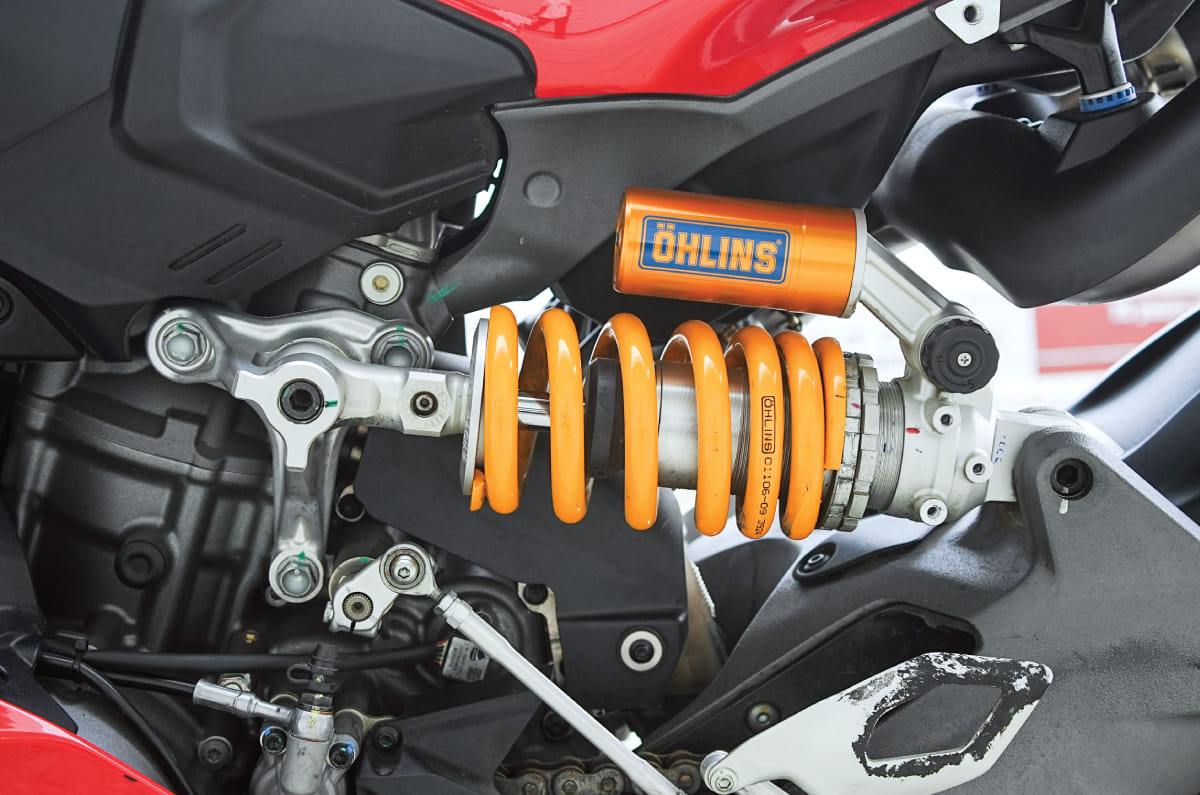
The S variant gets Öhlins suspension.

What was not just in my head was that something could improve with the suspension setup. It felt way too soft, and the bike wasn’t gelling with the Madras International Circuit’s many bumps. With some help from racing legend Rajini Krishnan and the super-helpful folks at Ducati Chennai, we dialed in the manually adjustable Öhlins (only on this S model), and I headed out for my second track session. This time, things felt much better, and the bike behaved more predictably over bumps. I got a real confidence boost after the session ended when I saw the lap times. In just the second session of the day, I’d gone faster than I managed all of the previous day on the race bike. That was unexpected!
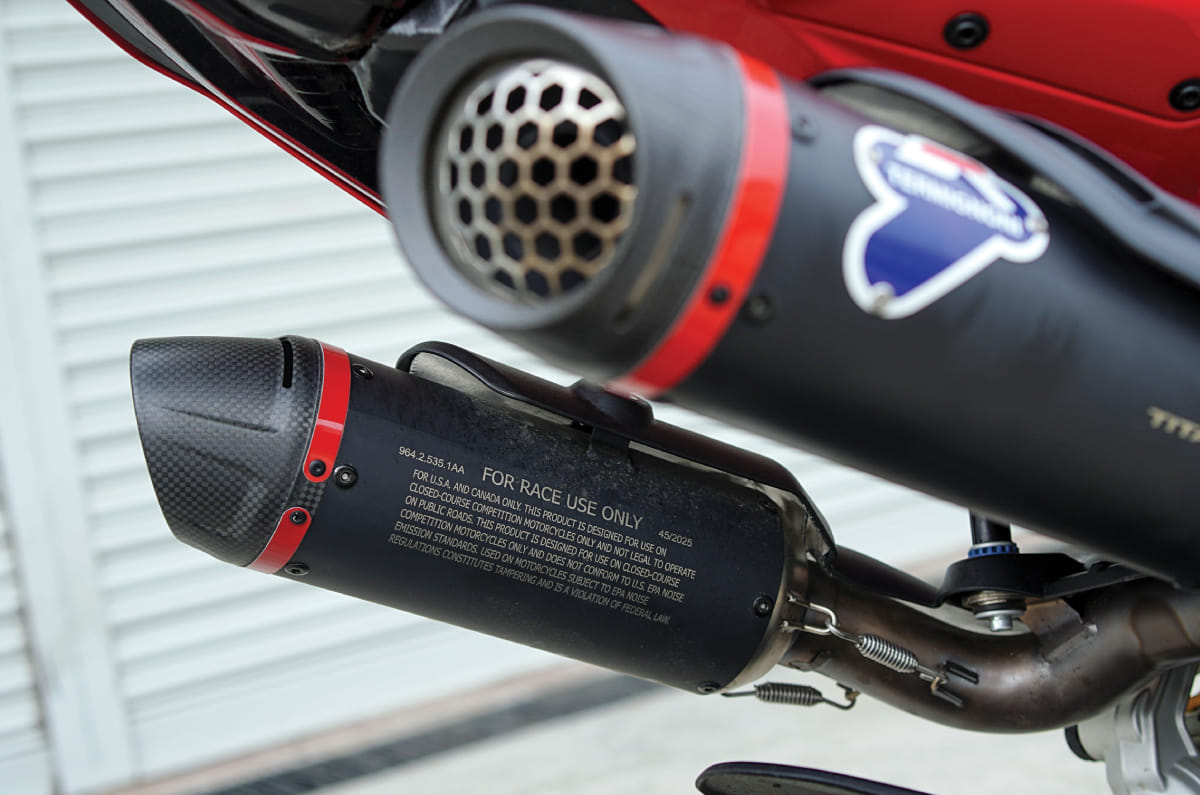
Termignoni exhaust sounds fab, but is for track use only and will set you back by Rs 3.64 lakh.

It all makes sense

To have broken just under the 2min barrier at the MIC so quickly was a revelation about how easy and encouraging this bike was to ride. This character was extra valuable in the brutally hot and humid weather one gets treated to in Chennai in May. But for all the comfort from the relatively kind ergos, I felt no limitations in pushing the bike to my limits. The only area that needed caution was in not putting unwanted leverage into the tall and wide handlebars, which was easy to do in certain situations. 

The best way to sum up the V2’s handling is friendly and forgiving. It turns when you ask and exactly how you expect, which is great for confidence. The light handling, as well as the bike’s ability to forgive poor or corrective inputs from the rider, is what I fell in love with, along with the fact that it’s not as exhausting to ride as a proper crotch rocket can be. The seating position is also quite spacious for taller riders, and it’s easy to hold onto the bike as well, thanks to more grippy footpegs than on the bigger V4. 
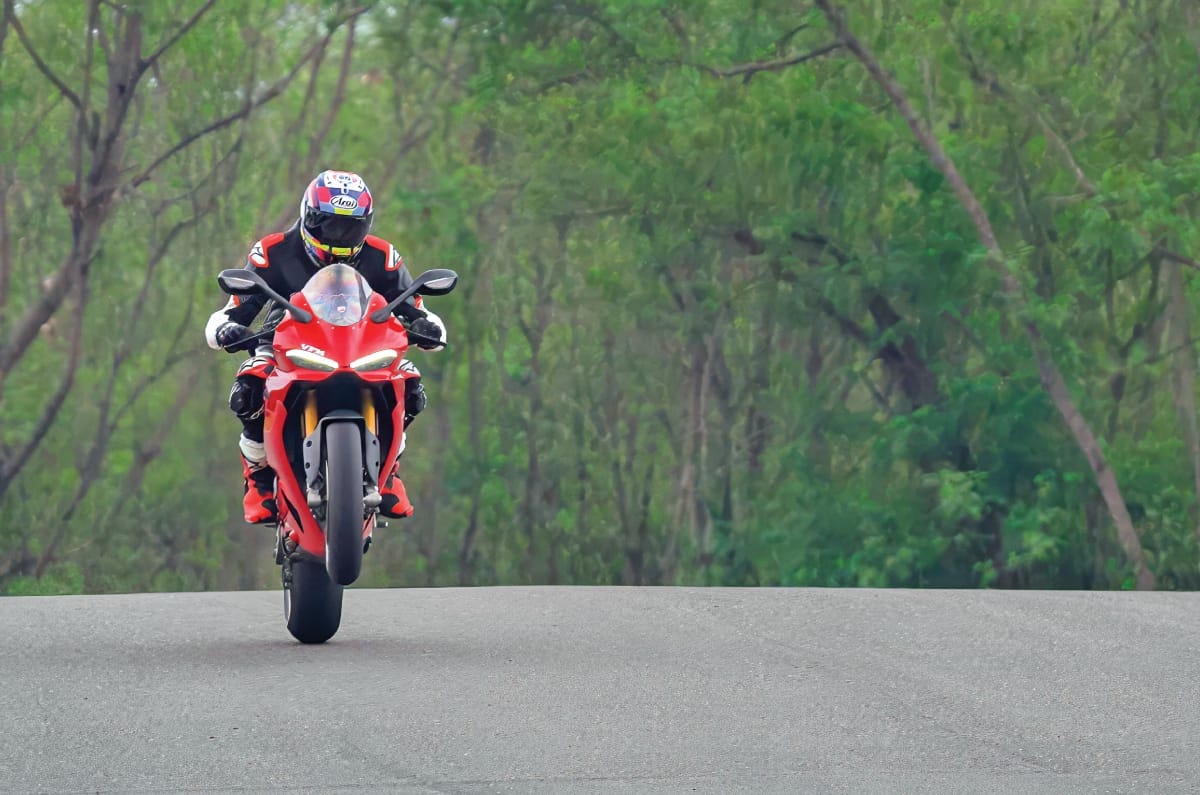
I ended the day setting 1min:56s lap times, which is quite quick, but nowhere close to professional racer pace. Incredibly talented riders like that will probably want more committed riding positions and perhaps firmer suspension, but for the rest of us ‘normies’, this new V2 is a spicy treat on the track while remaining easy to digest.

Baby boomer

The new 890cc 90-degree V-twin engine plays a big role in this. The lower power is a downer on paper, but man does this engine impress in person. It feels light, quick revving and goes up surprisingly high, making peak power at 10,750rpm before the limiter kicks in at around 11,000rpm. But meeting that limiter was a rare occurrence because the 93.3Nm of torque was so rich and easy to access that the engine didn’t need to be constantly screaming at the limit. With the low 187kg kerb weight, the V2 was quick enough to just kiss 200kph on the display before some of the braking zones. That’s not bad considering the MIC has no massive straights, and you never see 6th gear here on a bike like this.
This particular dealer bike was also garnished with an official Ducati accessory exhaust. This carbon-fibre beauty from Italian specialist Termignoni produces a delicious bark on track that really elevates the riding experience, especially on rapid usage of the bi-directional quickshifter. The downsides are that it’s not road legal and it will set you back by a further Rs 3.63 lakh.

Braking is handled by twin front discs bitten down on by Brembo M50 calipers. These aren’t the latest or greatest in the world of production bike brakes, which is disappointing on such an expensive bike, but there is no doubt that they work very well. The Pirelli Diablo Rosso 4 tyres are just about okay for fast track work, and you’d undoubtedly find more confidence on more appropriate tyres. Nevertheless, like all Ducatis, the new V2 has comprehensive and excellent rider aids – keeping the traction control on at a lower level provided some valuable peace of mind when cracking open the gas at big lean angles.
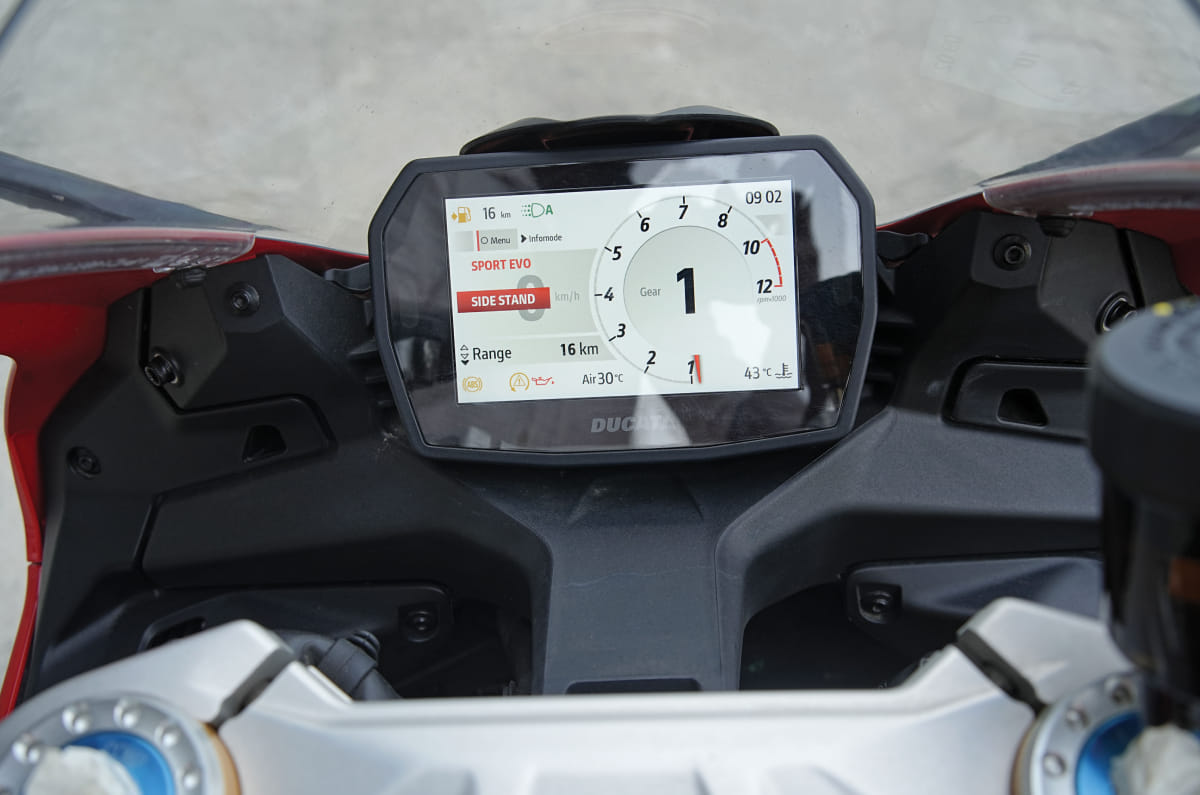
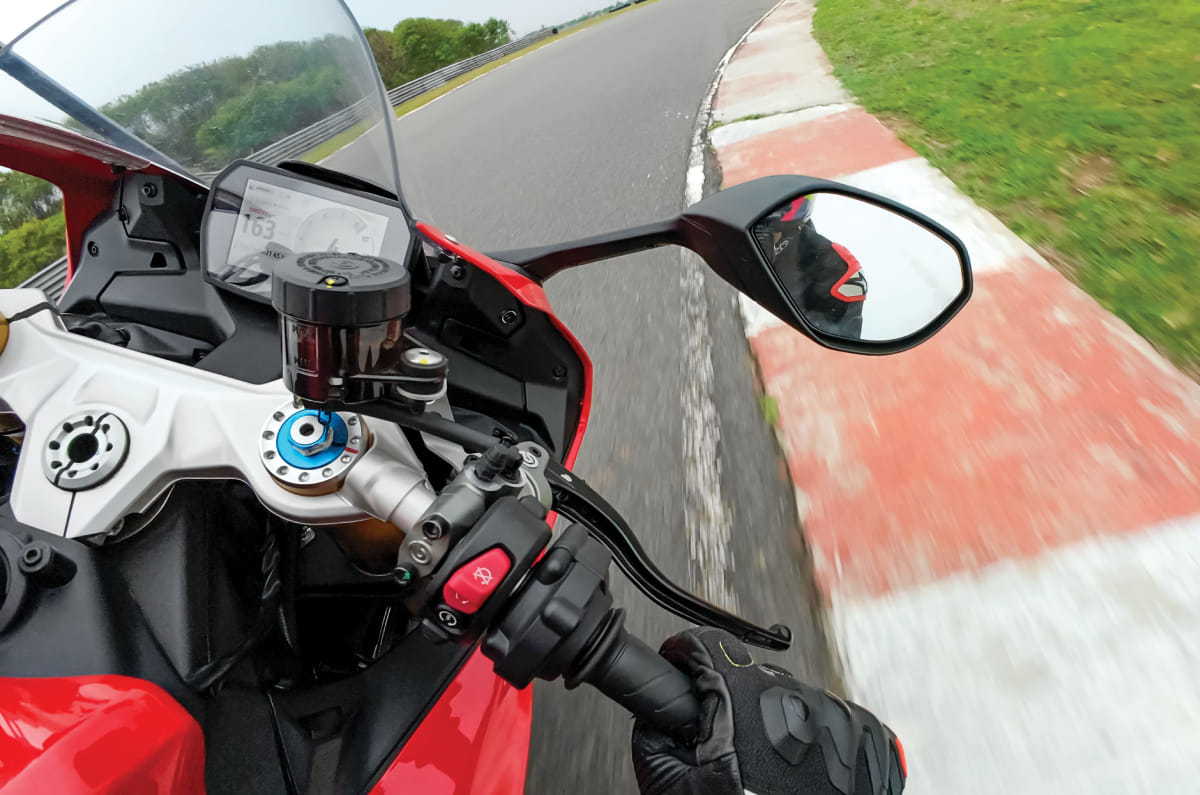
TFT dash is easy to read and use but a bit small.

If you can

At Rs 21.53 lakh for this S model (Rs 19.5 lakh for the standard V2), value is not a part of this conversation – as it has become with all Ducatis of late. A Rs 12.5 lakh Kawasaki ZX-6R will do a similar job for far less, although it lacks the Ducati’s advanced electronics and is a noticeable step down in the suspension and braking departments. In fact, the V2’s price is up there with proper 1000s like the ZX-10R and even the base BMW S 1000 RR.
Tempting as that may be, I have seen over the years that far too many folks jump onto 1000s at track days and then struggle. Those bikes are mind-blowingly capable and have the most spectacular spec sheets – but they also demand tremendous skill and fitness to satisfyingly exploit. Come to think of it, I myself have never jumped off a litre-class superbike on a racetrack feeling particularly good about myself as a rider…  

But this smaller V2 bike is a revelation in that regard because it’s far easier to exploit, doesn’t completely overwhelm you physically and, most importantly, leaves you feeling good! So, if you can afford it, I’d go so far as recommending this over a Panigale V4 for most people, especially those just getting into the track-riding scene. 

It’s a fantastic little thing, and it has carved out a space in my money-no-object imaginary garage. Not a lot of bikes do that.

Poco M8 Power और Poco X8 की एंट्री भारत में जल्द! मिलेगी 8000mAh बैटरी, जानें कीमत और फीचर्स

Poco जल्द ही भारत में अपने स्मार्टफोन लाइनअप में दो नए डिवाइस शामिल कर सकता है। हाल ही में आई एक लीक के अनुसार, Xiaomi का यह सब-ब्रांड आने वाले हफ्तों में देश में Poco M8 Power और Poco X8 लॉन्च कर सकता है। कहा जा रहा है कि ये दोनों हैंडसेट हाल ही में लॉन्च हुए Redmi Note 17 और Redmi Note 17 Pro के रीब्रांडेड वर्जन होंगे, जिनमें Poco की ब्रांडिंग के साथ वही पुराने हार्डवेयर देखने को मिलेंगे। हालांकि, कंपनी ने अभी तक लॉन्च की जानकारी नहीं दी है, लेकिन ताजा लीक से यह अंदाजा लग सकता है कि क्या उम्मीद की जा सकती है। यहां उन Poco स्मार्टफोन के बारे में सब कुछ बताया गया है जिनकी चर्चा हो रही है।

Poco M8 Power और Poco X8 की लॉन्च टाइमलाइन लीक

टिप्सटर योगेश बरार के अनुसार, चीनी स्मार्टफोन कंपनी Poco इस साल की मौजूदा तिमाही में Poco M8 Power और Poco X8 को भारत में लॉन्च कर सकती है। हालांकि, लॉन्च की सही तारीख का खुलासा नहीं हुआ है, लेकिन टाइमलाइन से पता चलता है कि ये स्मार्टफोन अगले कुछ हफ्तों या महीनों में लॉन्च हो सकते हैं।

लीक में यह भी दावा किया गया है कि ये दोनों मॉडल असल में Redmi Note 17 और Redmi Note 17 Pro के ही रीब्रांडेड वर्जन होंगे, जिन्हें हाल ही में चीन में लॉन्च किया गया है। बता दें कि Poco के लिए यह कोई नई रणनीति नहीं है, क्योंकि यह चीनी टेक कंपनी अक्सर कई ग्लोबल मार्केट में Redmi स्मार्टफोन को अलग-अलग नामों से लॉन्च करती रही है।

हालांकि, टिपस्टर ने यह भी संकेत दिया कि कीमत का अनुमान “खराब” है, जिससे पता चलता है कि भारत में मिलने वाले मॉडल की कीमत चीन में मौजूद Redmi मॉडल की तुलना में काफी ज्यादा हो सकती है।

स्पेसिफिकेशन्स और कीमत (अनुमानित)

माना जा रहा है कि Poco M8 Power का ज्यादातर हार्डवेयर Redmi Note 17 जैसा ही होगा। बता दें कि Redmi का यह डिवाइस इस महीने की शुरुआत में चीन में लॉन्च किया गया था, जिसकी शुरुआती कीमत 6GB RAM + 128GB स्टोरेज वाले वेरिएंट के लिए CNY 1,299 (लगभग 18,000 रुपये) थी।

रिपोर्ट्स के मुताबिक, यह फोन Qualcomm Snapdragon 4 Gen 4 चिपसेट पर चल सकता है और इसमें बड़ी 8,000mAh की बैटरी मिलने की उम्मीद है। इसके अलावा, यह भी कहा जा रहा है कि मार्केट के हिसाब से Poco M8 Power और Poco X8 में अलग-अलग Snapdragon चिपसेट हो सकते हैं, हालांकि अभी चिपसेट के बारे में कोई पक्की जानकारी नहीं है।

2026 Maruti Brezza details leaked ahead of launch

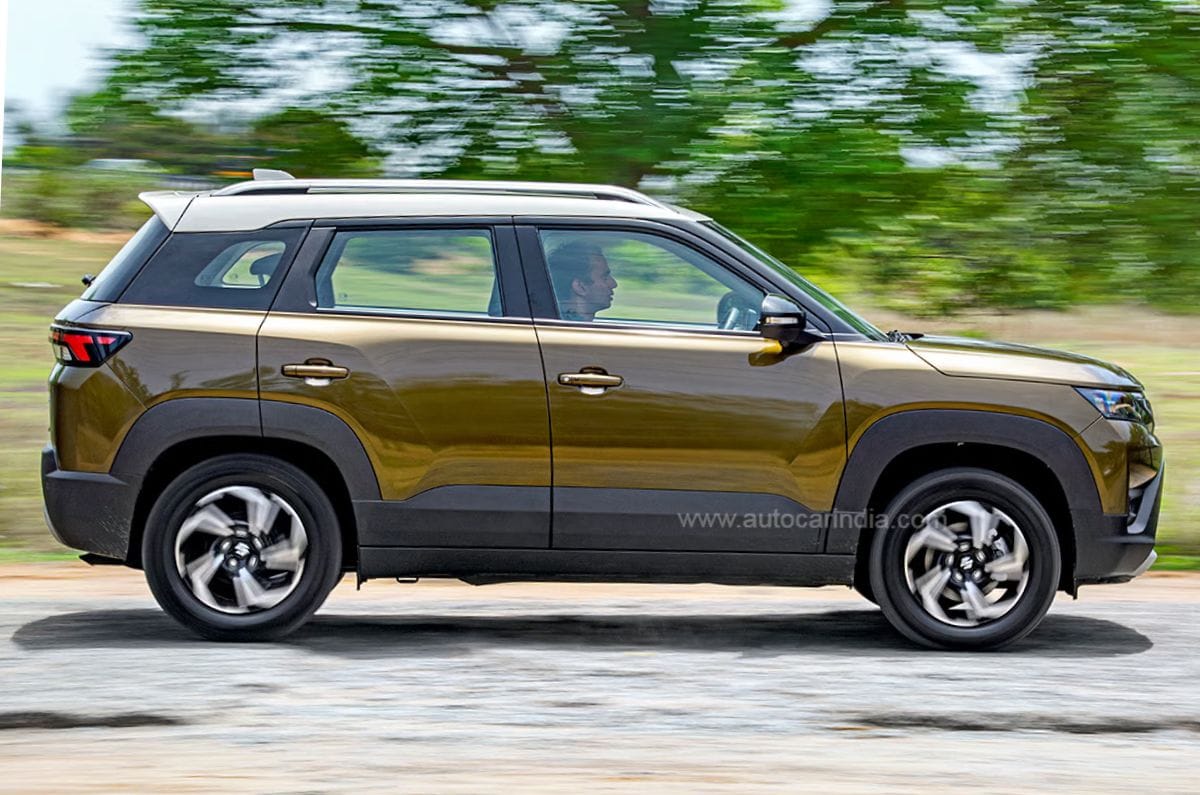
Maruti Brezza side tracking

Ahead of its launch on July 24, 2026, specifications and features of the 2026 Maruti Brezza have been leaked on X (previously Twitter) via user @adityalala2000. The leak mentions a new turbo-petrol engine, along with new features and exterior paint options for the 2026 Maruti Brezza. Meanwhile, bookings of the Maruti compact SUV have already commenced. 

2026 Maruti Brezza: What was leaked?

Uptuned Boosterjet engine, underbody CNG kit, and ventilated front seats to come on the 2026 Brezza

The updated Maruti Brezza is expected to get a 1.0-litre ‘Boosterjet’ turbo-petrol unit as the Fronx but in a higher state of tune. On the Brezza, it is likely to produce 110hp and 170Nm, which is 10hp and 26Nm more than the unit powering the Fronx. This engine would be paired to a manual transmission, likely a six-speed unit that was spied on a prototype model.

On the other hand, the 103hp, 139Nm 1.5-litre naturally aspirated petrol engine is expected to be retained along with its manual and automatic transmissions. A CNG kit paired to this engine could continue to be offered, but is expected to have the Victoris CNG-like underbody tank setup.

Additionally, the updated Brezza is likely to have new feature additions, including a larger 10.1-inch infotainment display with built-in apps and Alexa support, ventilated front seats, an air purifier, and 64-colour ambient lighting. New safety features are expected to include blind spot warning, rear cross traffic alert, front parking sensors, and a tyre pressure monitoring system. On the outside, the updated Brezza will likely arrive with an updated look for the bumpers. New monotone paint options, namely Vivacious Orange and Luster Beige, and new dual-tone options, with a black roof for the Arctic White and Luster Beige shades, are likely.

4 reasons to buy the Tata Curvv and 3 reasons to skip it

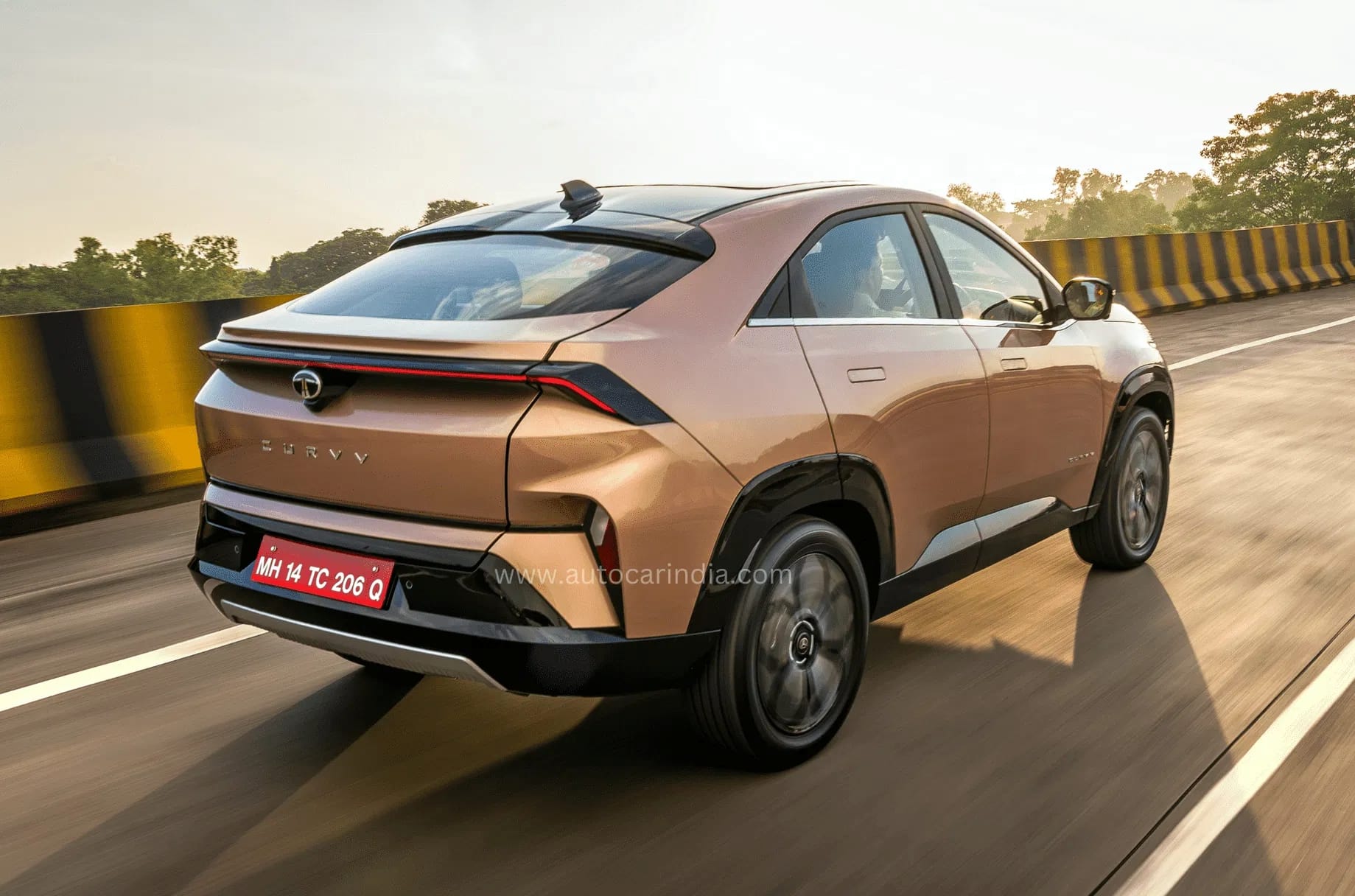
Tata Curvv rear quarter tracking

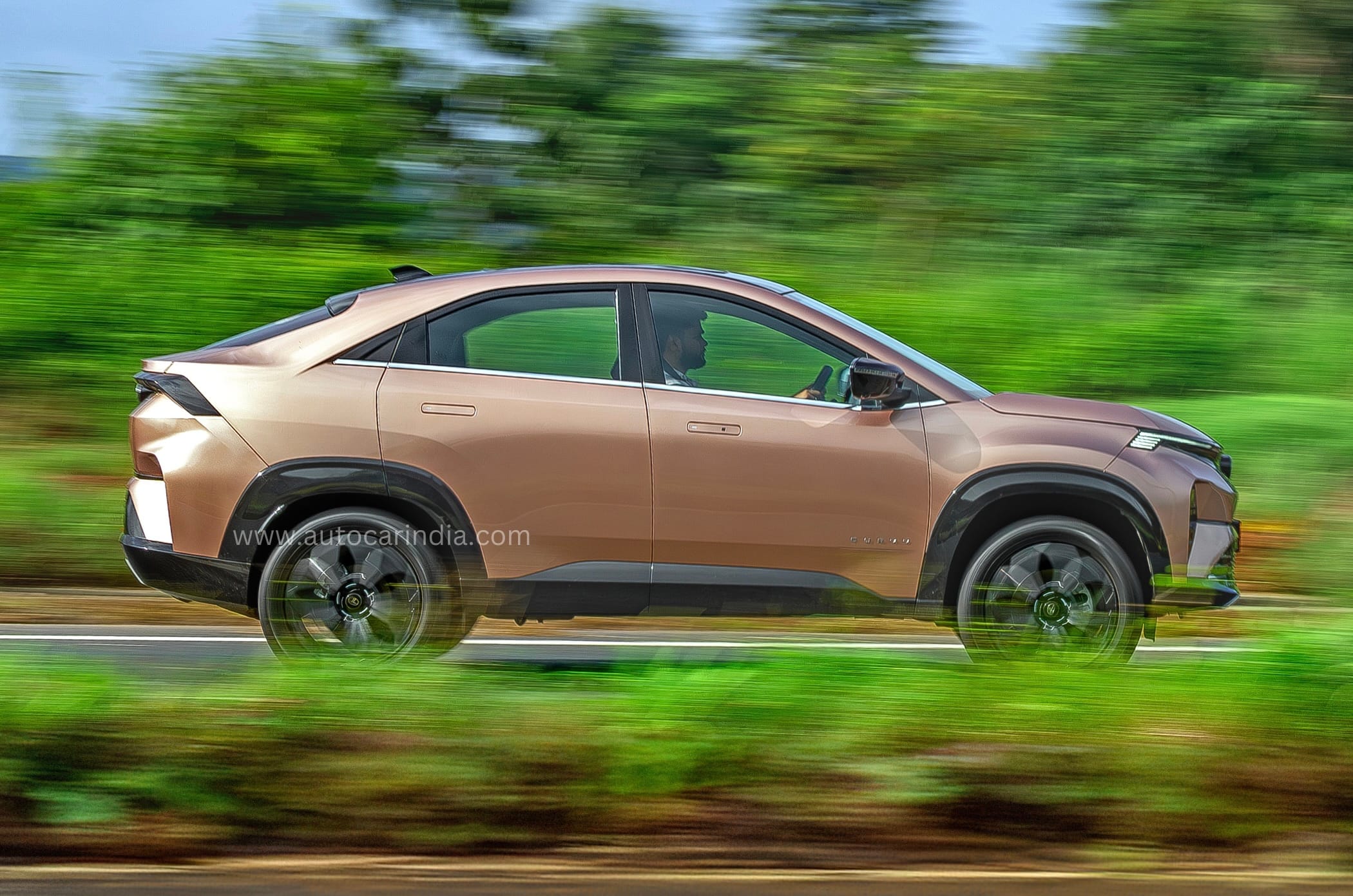
Tata introduced the Curvv as its unique take on the midsize SUV space in 2024. Currently, it is one of the two coupe-SUV models in this heavily contested segment. Built on Tata’s ATLAS platform, the Curvv slots between the compact Nexon and the newer, traditional-looking Sierra in the brand’s SUV line-up. If you’re interested in the Curvv, below are the reasons to consider it, as well as reasons to look elsewhere.

Reasons to buy 

Good ride and handling balance 

Like other Tata models, which are known to have a good balance of ride and handling, the Curvv is no different. It feels tough and takes on broken road patches with ease. Low-speed ride may feel a bit stiff, but it smooths out as you increase speed. Where the Curvv does feel at home is at highway speeds, with composed and mature road manners. Body roll when cornering is also kept well in check, and the steering is precise. 

Diverse powertrain offering 

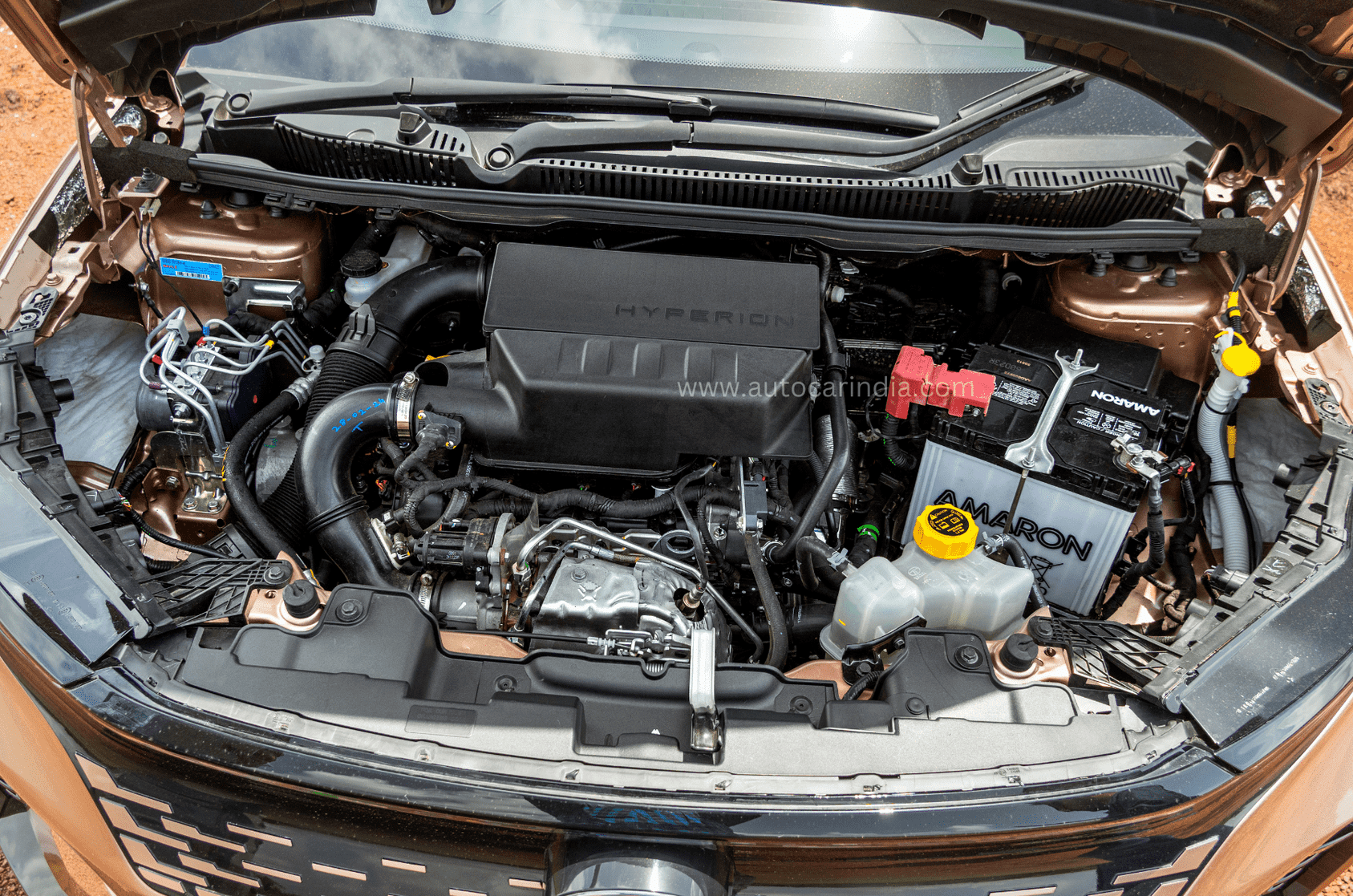
In the mid-size SUV segment, the Curvv is one of the models with a quite diverse powertrain lineup. This includes a 120hp, 170Nm, 1.2-litre turbo-petrol, a 118hp, 260Nm, 1.5-litre diesel, and a 125hp 225Nm 1.2-litre direct-injection turbo-petrol engine. While some SUVs offer only a manual or an automatic gearbox with a particular engine, Tata offers the flexibility of both options, with each of its engines paired to either a 6-speed manual or a 7-speed DCT. 

Well-equipped feature list 

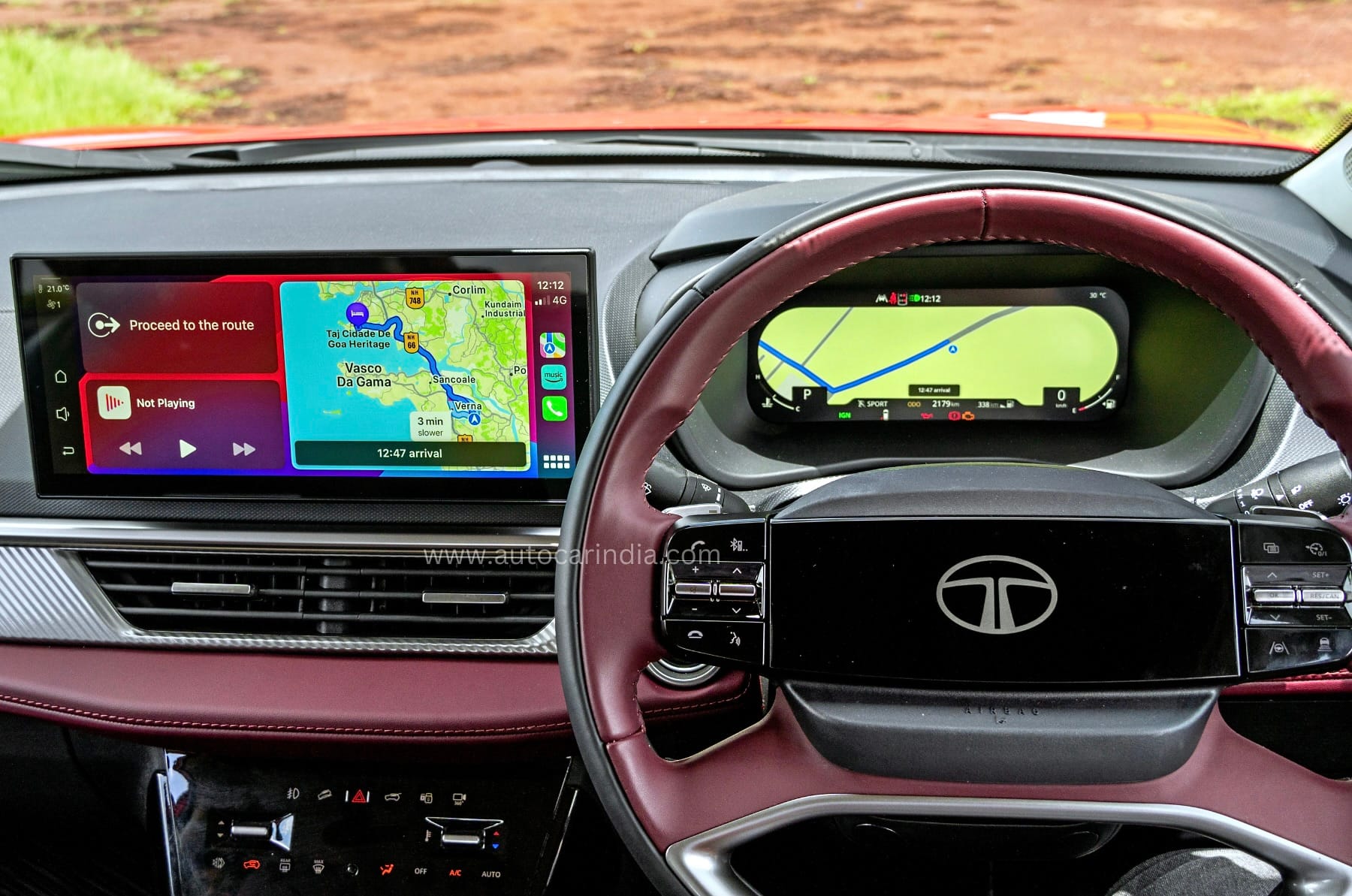
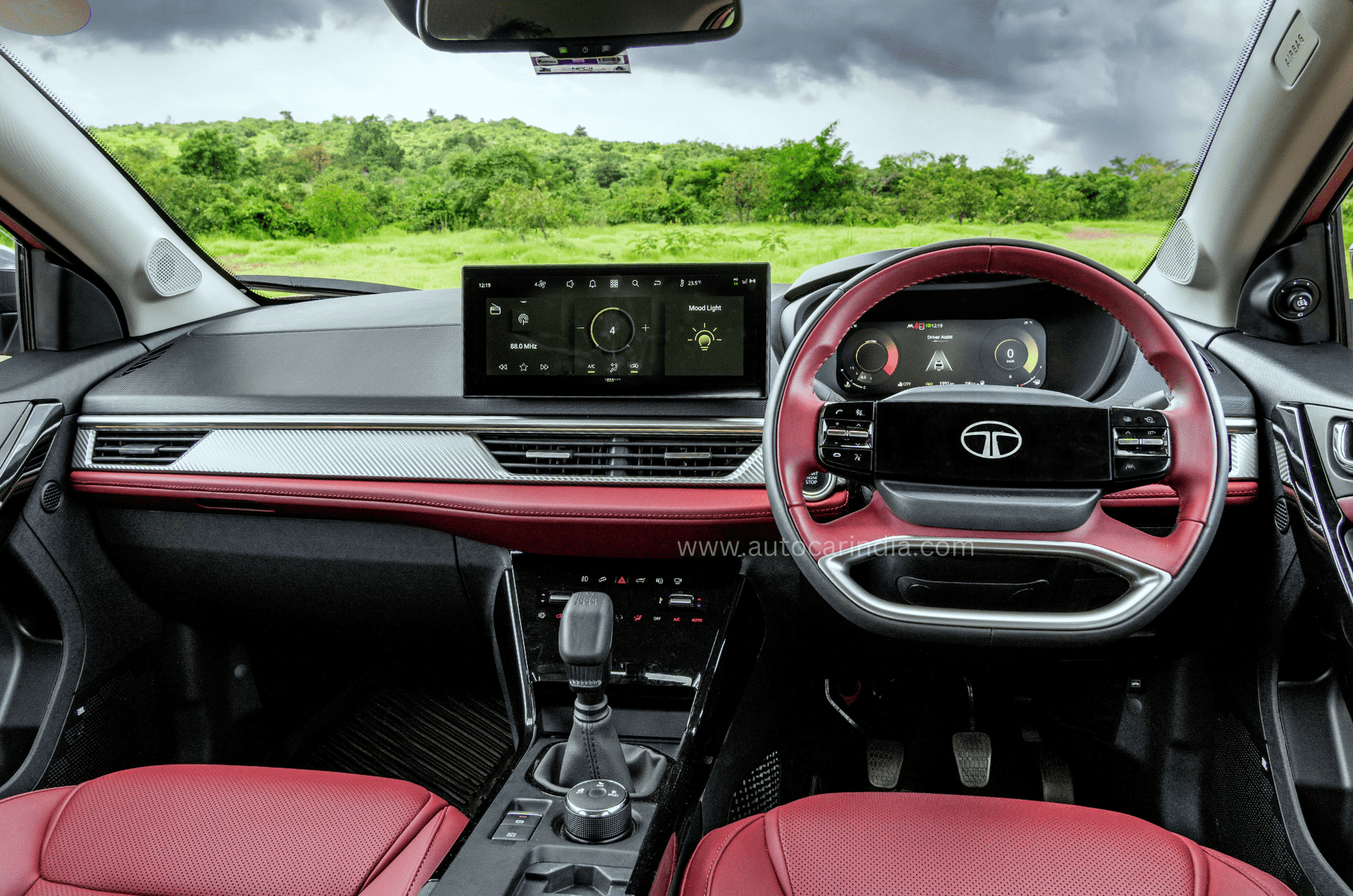
Tata has packed the Curvv with a long list of features. Not only does the Curvv come with tech like a 12.3-inch infotainment display, 10.25-inch digital driver’s display, wireless Apple CarPlay and Android Auto, air purifier, a wireless phone charger, 9-speaker JBL sound system, but it also gets comfort features like a powered driver seat, front seat ventilation, passive ventilation for the rear seats, a panoramic sunroof, rear window sunshades, dual-zone air conditioning, and more. It’s well-equipped on the safety front as well, with level 2 ADAS, a 360-degree camera, blind-spot detection and an auto-dimming IRVM on board. 

Large boot space

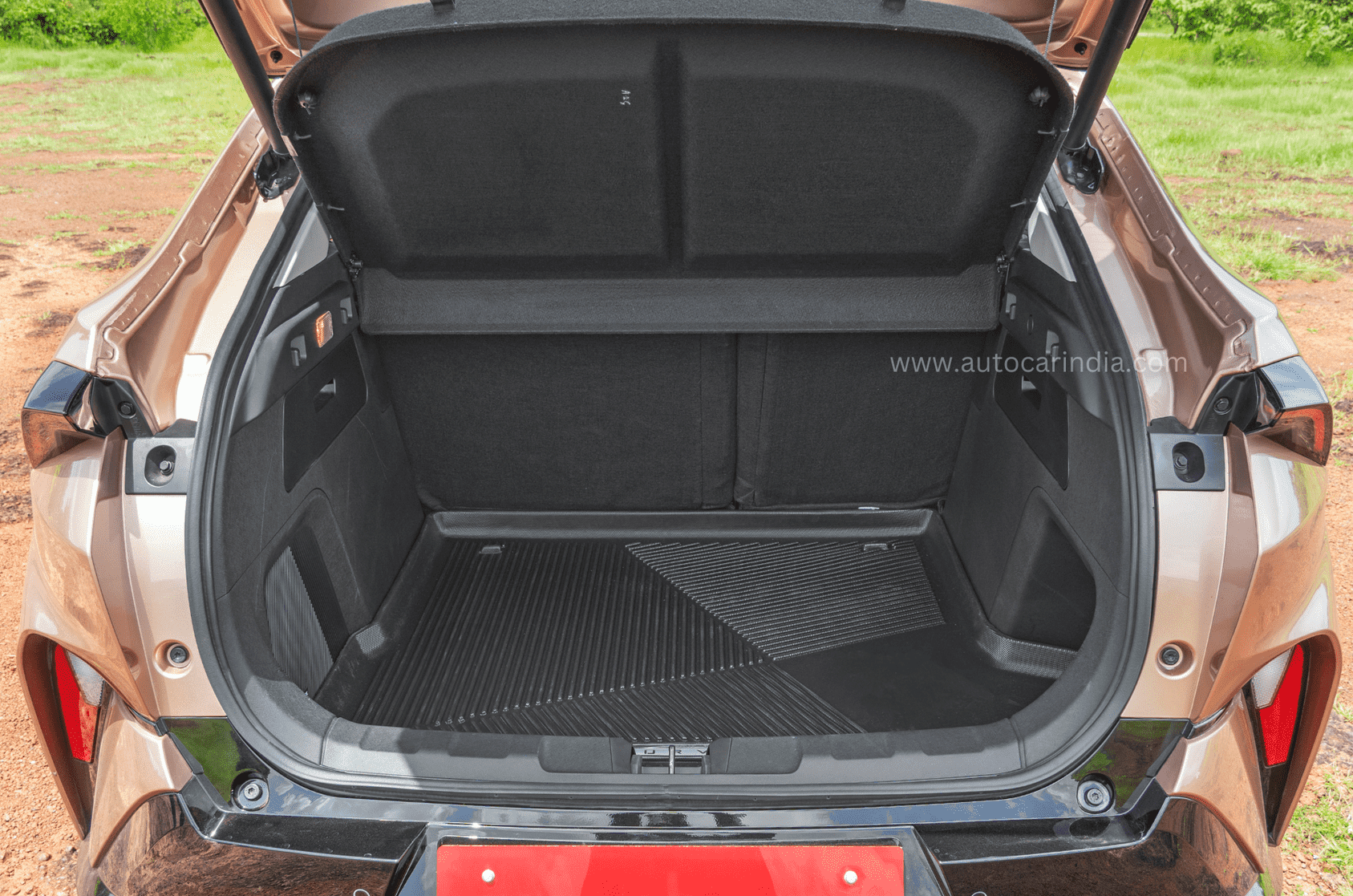
The Curvv is among the models in its class with a large boot space. With a capacity of 500-litres, there’s plenty of room for your luggage needs, and it can also be expanded further by the 60:40 split-folding rear seat.

Reasons to skip 

Limited rear headroom

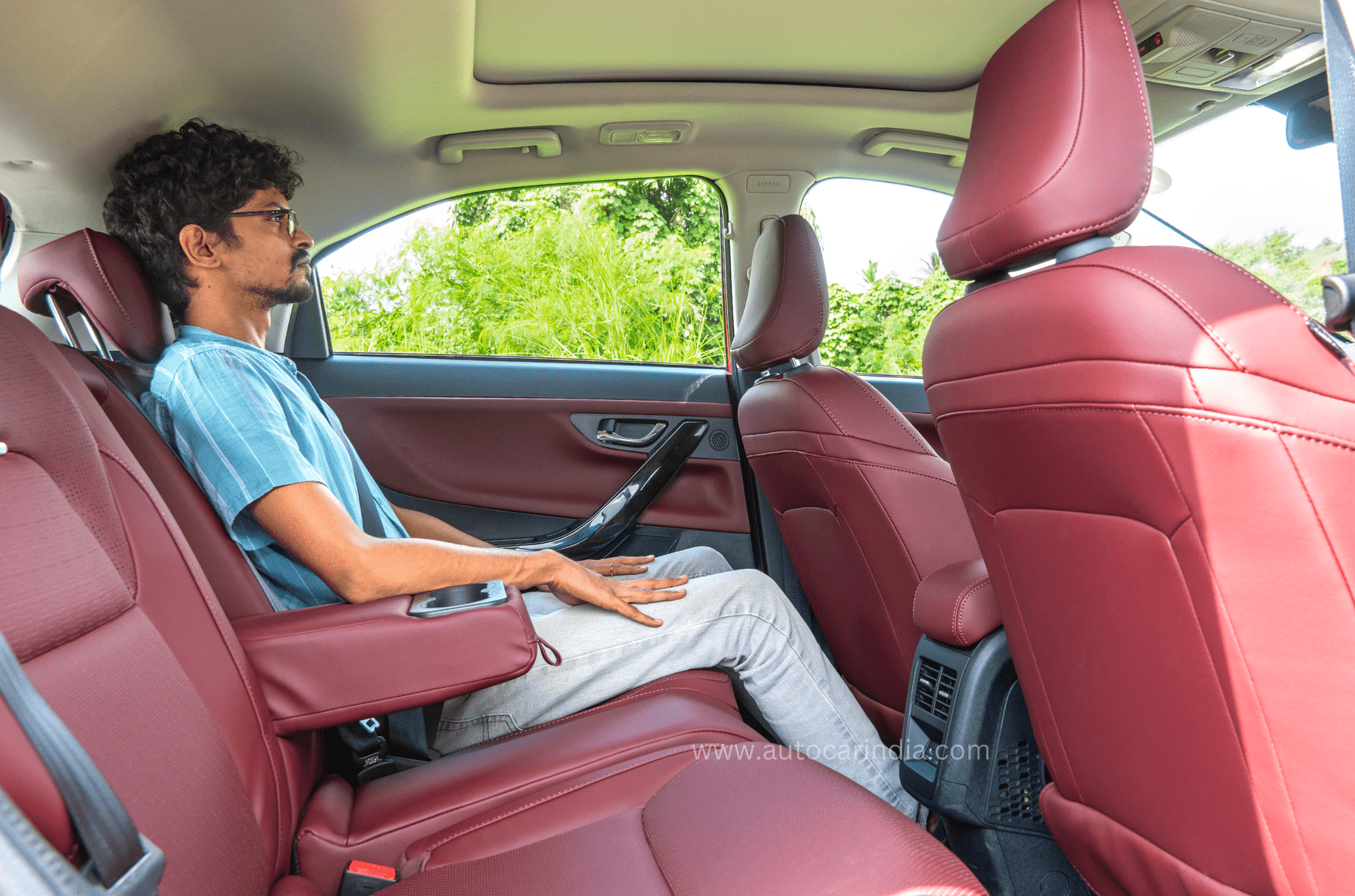
While passengers at the back have adequate legroom, the Curvvs coupe-SUV roofline limits headroom. Though the seat can recline and the headliner is scooped out to help ease things, taller passengers will still find the headroom tight. Additionally, the middle rear seat misses a dedicated headrest, hindering overall comfort. 

Inconsistent fit and finish, ergonomic cabin flaws

While the quality of materials is acceptable, certain areas of the cabin aren’t finished to a T, which is a common issue with Tata models. While there are cupholders at the front, they’re placed in the glovebox, which makes them unusable. Surprisingly, the front centre console does not get cup holders. Additionally, the 12V socket is hard to reach, as it’s placed in a recessed space ahead of the gear lever; the front centre armrest is too small and doesn’t slide, while the storage space below it is suitable only for small items.

Snappy clutch (manual gearbox)

While shifting gears with the manual gearbox is smooth enough, the snappy behaviour of the clutch pedal and long gear throws take away from overall driver involvement. Furthermore, the gear lever is odd to look at and hold.

2026 F1 Belgian GP schedule, India timings

F1 Belgian GP schedule

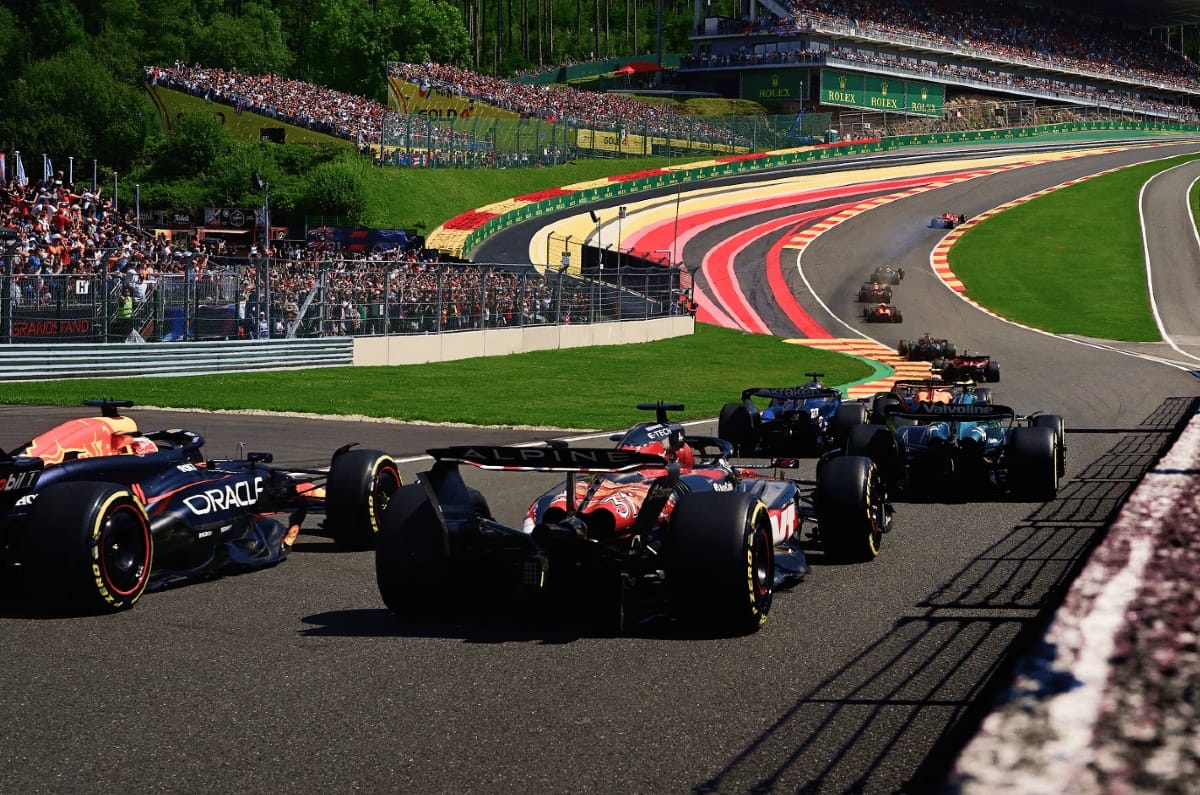
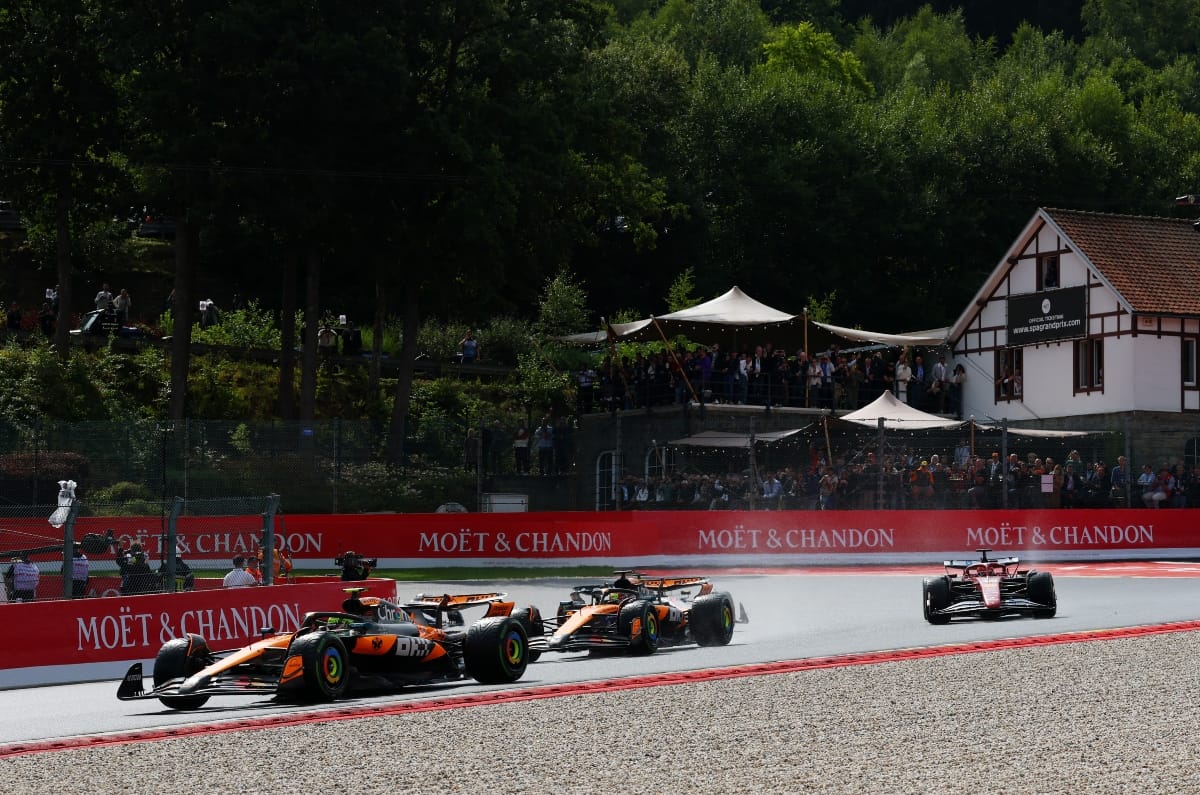
Formula 1 heads to the iconic Spa-Francorchamps this weekend for Round 10 of the 2026 world championship. The title fight has tightened at the top, with just 25 points separating Kimi Antonelli and George Russell, while Lewis Hamilton is just another seven points behind.

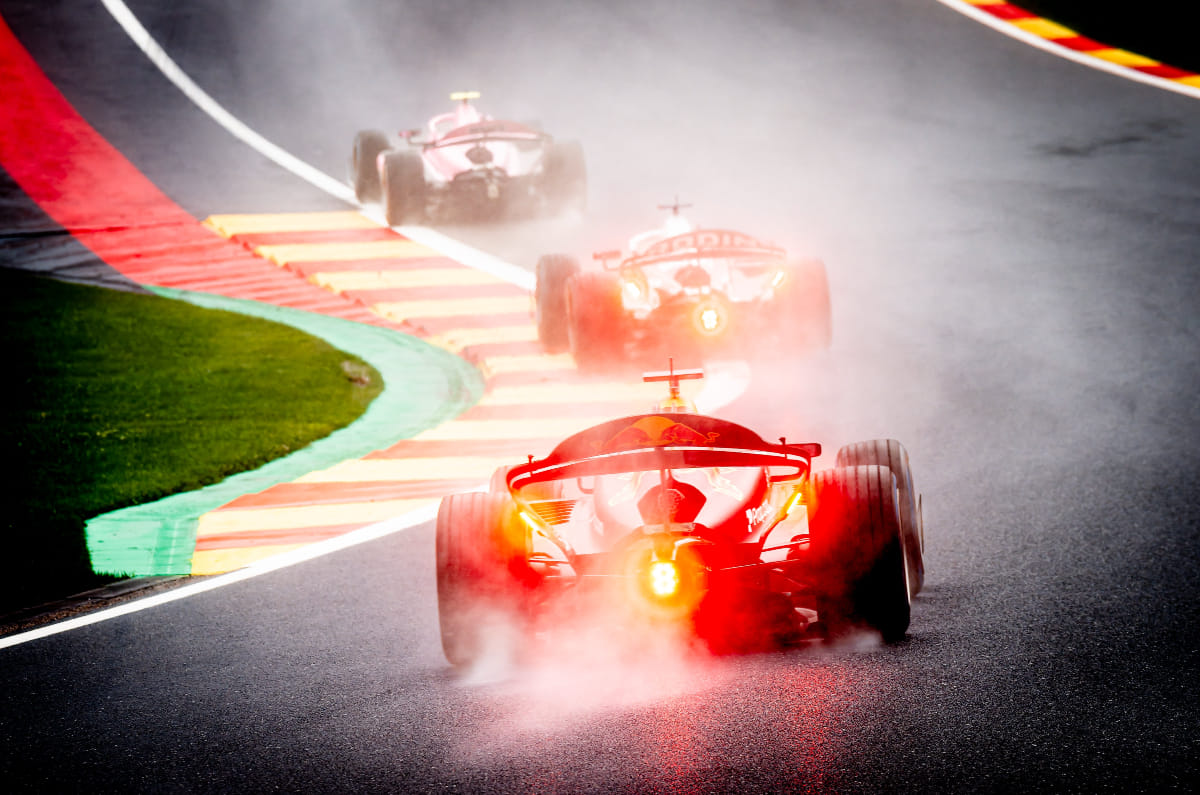
The circuit will also host Formula 2, with India’s Kush Maini looking to continue his progress up the order. Here’s our ultimate guide for when and where to tune in from India.

F1 Belgian GP schedule

F1 Belgian GP India timings

After his incredible run of five wins in a row, Antonelli’s title charge has taken a big hit due to reliability issues. As a result, his once 66-point lead has now been slashed to just 25 points. Moreover, Ferrari has emerged as a genuine contender for race wins, winning two out of the last three races.

Lando Norris, meanwhile, has been handed a 10-place grid penalty for the Belgian GP after McLaren opted to fit a new power electronics unit to his car in a bid to improve recent reliability issues. The team is hopeful that the overtaking opportunities at Spa will help counteract the grid penalty. 

F1 Belgian GP: Where to watch?    

All F1 Belgian GP sessions will be streamed live on the FanCode and F1 TV apps.

2026 F1 Belgian GP schedule IST

Date

Day

Session

Time

July 17

Friday

FP1

5pm

July 17

Friday

FP2

8:30pm

July 18

Saturday

FP3

4pm

July 18

Saturday

Qualifying

7:30pm

July 19

Sunday

Race

6:30pm

F2 Belgian GP schedule

F2 Belgian GP India timings

Red Bull junior Nikola Tsolov comes to Belgium with six race wins to his name so far this season, including double victory at Silverstone. He currently leads the championship by 17 points from Gabriele Mini. Rafael Camara and Alexander Dunne, meanwhile, are locked in a tight battle for third place in the standings, with just two points separating them.

India’s Kush Maini is also firmly in the top five battle. A strong weekend at Silverstone, where he finished on the podium in the Feature Race, saw him move up from P9 to P6 overall – just six points behind fifth-placed Noel Leon.

F2 Belgian GP: Where to watch?

All F2 Belgian GP sessions will be streamed live on the FanCode and F1 TV apps.

2026 F2 Belgian GP schedule IST

Date

Day

Session

Time

July 17

Friday

Practice

2:35pm

July 17

Friday

Qualifying

7:25pm

July 18

Saturday

Sprint Race

5:45pm

July 19

Sunday

Feature Race

1:30pm


Government releases revised CAFE III draft

Cafe 3

The Ministry of Power has released a revised draft of the third phase of the Corporate Average Fuel Economy norms (CAFE III) for passenger vehicles, proposed to take effect from April 1, 2027. According to industry experts, the revised draft adopts a more balanced approach than the earlier proposal by relaxing the overall fuel efficiency targets. Public comments on the draft have been invited for 21 days before the rules are finalised.

  1. Fuel consumption target to tighten progressively until FY2032
  2. Manufacturers can trade compliance credits or buy them from the Bureau of Energy Efficiency

Under the proposal, manufacturers will have to submit fuel efficiency data under both the Modified Indian Driving Cycle (MIDC) and the Worldwide Harmonised Light Vehicles Test Procedure (WLTP). The ministry said a conversion factor between the two test cycles will be notified separately.

Proposed fuel efficiency targets

The draft proposes progressively stricter fuel efficiency targets over five years. The fleet-average target is proposed at 3.996 litres per 100km (94.76g CO₂/km) for FY2028, tightening to 3.327 litres per 100km (78.90g CO₂/km) by FY2032. According to industry experts, these targets are less stringent than those proposed in the earlier draft.

Credit trading mechanism retained

Manufacturers that exceed their prescribed fuel efficiency targets will continue to earn compliance credits, while those falling short will accumulate debits. These credits can either be traded with other manufacturers or purchased from the Bureau of Energy Efficiency (BEE).

The draft proposes a buyout price of Rs 2,500 per gCO₂/km for FY2028, increasing gradually to Rs 4,500 per gCO₂/km by FY2032.

The revised draft also finalises the technical criteria for claiming fuel-efficiency benefits from technologies such as start-stop systems, regenerative braking, tyre-pressure monitoring systems (TPMS), electric water pumps, high-efficiency air-conditioning systems and advanced glazing.

It also retains incentives for battery electric vehicles, plug-in hybrids, strong hybrids and flex-fuel vehicles through super credits and carbon neutrality factors.

Government releases revised CAFE III draft

Cafe 3

The Ministry of Power has released a revised draft of the Corporate Average Fuel Economy (CAFE III) norms for passenger vehicles, proposed to come into effect from April 1, 2027. According to industry experts, the revised draft adopts a more balanced approach than the earlier proposal by relaxing the overall fuel efficiency targets. Public comments on the draft have been invited for 21 days before the rules are finalised.

  1. Fuel consumption target to tighten progressively until FY2032
  2. Manufacturers can trade compliance credits or buy them from Bureau of Energy Efficiency

Under the proposal, manufacturers will have to submit fuel efficiency data under both the Modified Indian Driving Cycle (MIDC) and the Worldwide Harmonised Light Vehicles Test Procedure (WLTP). The Ministry said a conversion factor between the two test cycles will be notified separately.

Proposed fuel efficiency targets

The draft proposes progressively stricter fuel efficiency targets over five years. The fleet-average target is proposed at 3.996 litres per 100km (94.76g CO₂/km) for FY2028, tightening to 3.327 litres per 100km (78.90g CO₂/km) by FY2032. According to industry experts, these targets are less stringent than those proposed in the earlier draft.

Credit trading mechanism retained

Manufacturers that exceed their prescribed fuel efficiency targets will continue to earn compliance credits, while those that fall short will accumulate debits. These credits can either be traded with other manufacturers or purchased from the Bureau of Energy Efficiency (BEE).

The draft proposes a buyout price of Rs 2,500 per gCO₂/km for FY2028, increasing gradually to Rs 4,500 per gCO₂/km by FY2032.

The revised draft also finalises the technical criteria for claiming fuel-efficiency benefits from technologies such as start-stop systems, regenerative braking, tyre pressure monitoring systems (TPMS), electric water pumps, high-efficiency air-conditioning systems and advanced glazing.

It also retains incentives for battery electric vehicles, plug-in hybrids, strong hybrids and flex-fuel vehicles through super credits and carbon neutrality factors.

Hero MotoCorp enters German market with XPulse 200 4V

XPulse 200 4V Pro

Hero MotoCorp has officially entered the German market, taking its international footprint to 53 countries. Germany becomes the brand’s fifth active market in Europe, alongside Italy, Spain, France and the UK.

  1. Hero enters Germany through a distribution partnership with Austria-headquartered KSR Group
  2. Initial retail network of over 28 outlets across major German cities
  3. Brand enters the German market with the XPulse 200 4V

Hero MotoCorp Germany: What’s on offer

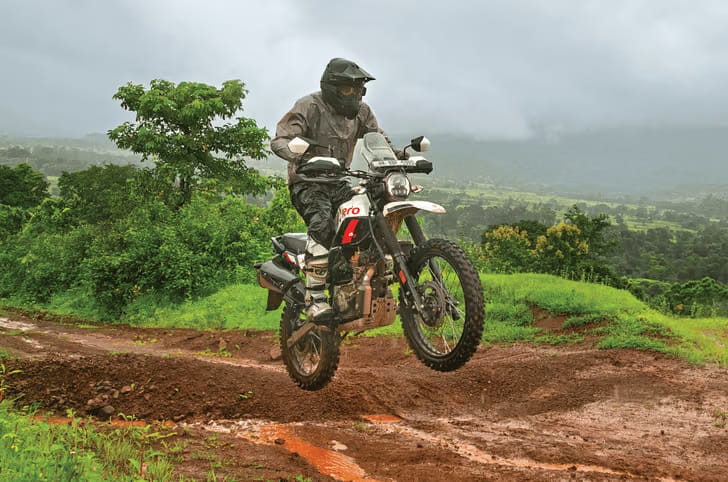
The XPulse 200 4V is Hero’s debut product in the German market

Hero has partnered with Austria-headquartered KSR Group to manage sales, logistics and after-sales operations in Germany. The initial retail network spans more than 28 sales and service outlets across major German cities, with plans to expand to 30 outlets. To support the launch, Hero is offering a five-year warranty package, comprising a standard three-year manufacturer warranty and a two-year promotional extension.

The initial product lineup consists of the standard and Pro variants of the XPulse 200 4V, priced at €2,990 (Rs 3.30 lakh) and €3,290 (Rs 3.62 lakh), respectively. For reference, in India the two variants are priced at Rs 1.45 lakh and Rs 1.57 lakh (ex-showroom), respectively.

As Hero continues to expand its presence in international markets with its adventure motorcycle lineup, it is also working on a significantly more capable offering. The upcoming Xpulse 421 has been spotted testing multiple times in recent months and will be built on an all-new platform with a new liquid-cooled engine. An EICMA 2026 debut appears likely, with a market launch expected to follow in 2027.

Dev Vadchhedia

भारत की पहली हाइड्रोजन ट्रेन आज से शुरू: PM मोदी दिखाएंगे हरी झंडी, जानिए किराया, रूट, स्पीड और इसकी खासियत

hydrogen train

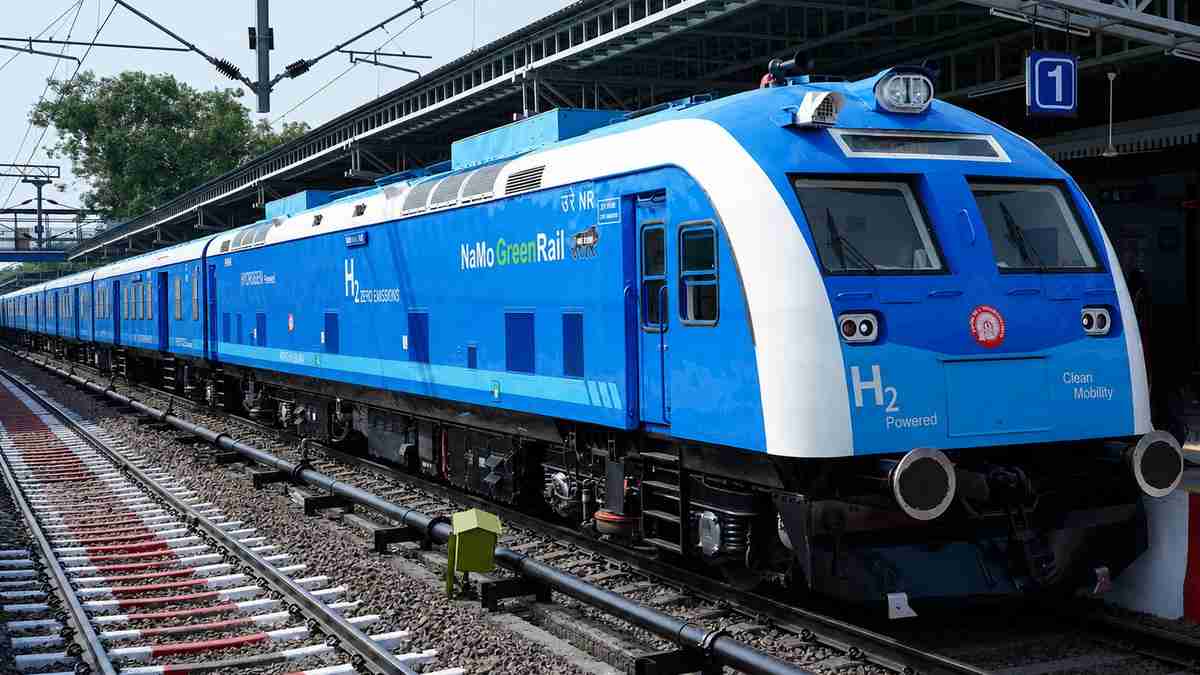
Hydrogen Train : प्रधानमंत्री नरेंद्र मोदी आज जींद-सोनीपत के बीच हाइड्रोजन-संचालित ट्रेन को हरी झंडी दिखाएंगे। 82 करोड़ में बनी 10 कोच वाली इस ट्रेन में जींद से सोनीपत के बीच 89 किमी का किराया 25 रुपए होगा। इस ट्रेन का न्यूनतम किराया मात्र 5 रुपए हैं। ALSO READ: भारत की पहली हाइड्रोजन ट्रेन आज से शुरू: PM मोदी दिखाएंगे हरी झंडी, जानिए किराया, रूट, स्पीड और इसकी खासियत


पीएम मोदी ने सोशल मीडिया साइट एक्स पर अपनी पोस्ट में कहा कि शुक्रवार को जींद से भारत की पहली हाइड्रोजन-संचालित ट्रेन को हरी झंडी दिखाई जाएगी, जो जींद और सोनीपत को जोड़ेगी। भारत उन चुनिंदा देशों के समूह में शामिल हो गया है जिनके पास ऐसी ट्रेनें हैं। यह रेलवे क्षेत्र में भारत द्वारा स्वच्छ तकनीक अपनाने की दिशा में एक बड़ा कदम साबित होगा।

पूरी तरह स्वदेशी तकनीक पर आधारित इस हाईड्रोजन ट्रेन को भारत में ही डिजाइन किया गया और भारत में ही बनाया गया है। इस ट्रेन में 2 हाइड्रोजन ड्राइविंग पावर कार (DPC) और 8 ट्रेलर कोच लगे हैं। यह पहल भारतीय रेलवे को 'नेट जीरो' उत्सर्जन के लक्ष्य की ओर ले जाएगी।


जींद-सोनीपत रेलखंड पर चलने वाली इस ट्रेन में करीब 2600 यात्री पैसेंजर ट्रेनों की तरह सामान्य किराया देकर यात्रा कर सकेंगे। ये ट्रेन 14 स्टेशनों का सफर कराएगी। ट्रेन प्रतिदिन सुबह 7:40 बजे जींद से रवाना होकर 9:40 बजे सोनीपत पहुंचेगी। वापसी में सुबह 10:30 बजे सोनीपत से चलकर दोपहर एक बजे जींद पहुंचेगी। ट्रेन की अधिकतम गति 75 किलोमीटर प्रति घंटा रहेगी।

जींद में सबसे बड़ा हाइड्रोजन रिफ्यूलिंग सेंटर 

इस ट्रेन के लिए रेलवे ने जींद में भारत का सबसे बड़ा हाइड्रोजन रिफ्यूलिंग सेंटर स्थापित किया है। यहीं पर कंप्रेस्ड हाइड्रोजन गैस को सुरक्षित रखा जाएगा और ट्रेन में भरा जाएगा। रिफ्यूलिंग के लिए हाइड्रोजन कंप्रेशन सिस्टम लगाया गया है।


कैसे हैं सुरक्षा के इंतजाम?

रेलवे ने हाइड्रोजन गैस के सुरक्षित उपयोग के लिए कई सुरक्षा उपाय किए हैं। हाइड्रोजन उत्पादन, भंडारण और रिफ्यूलिंग स्टेशन पर हाइड्रोजन लीक डिटेक्टर और फ्लेम डिटेक्टर लगाए गए हैं। हाइड्रोजन रिफ्यूलिंग सिस्टम की 24 घंटे निगरानी की जाएगी।

All you need to know about the upcoming Kia Syros EV

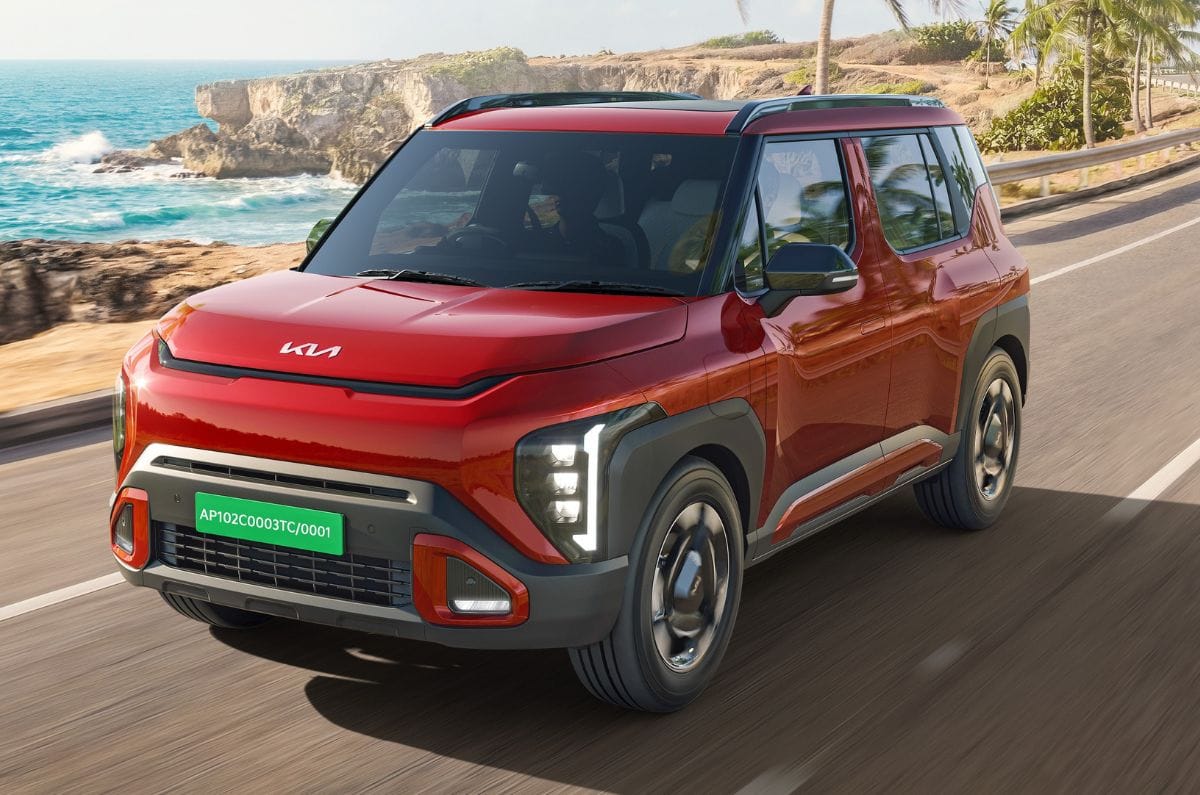
Kia Syros EV front quarter static

Kia is aiming at the growing compact electric SUV segment with the upcoming Syros EV, set to be its second mass-market electric model for India. The Syros EV utilises the same K1 platform as its ICE-powered counterpart. Bookings for the Syros EV are already open ahead of its launch, scheduled for the end of July 2026. In this article, we answer everything that you need to know about the Syros EV.

1. What battery pack options does the Kia Syros EV offer, and how much power does its motor produce?

The Kia Syros EV offers the same 42kWh and 51.4kWh battery packs that do duty in the Kia Carens Clavis EV and the Hyundai Creta Electric. Both are mated to a front-mounted motor. In the 42kWh guise, the motor delivers 135hp and 255Nm, but in the 51.4kWh guise, power is bumped to 171hp, while torque remains the same. The 51.4kWh battery pack and its 171hp motor make it the model with the largest battery pack and the most powerful motor in the class. Kia claims a 0-100kph sprint in 8.1 seconds with the 51.4kWh version.

2. What is the claimed range of the Kia Syros EV?

The ARAI-rated range is 443km for the 42kWh battery pack and 543km for the larger 51.4kWh unit. Not only does the Syros EV have a higher claimed range than the Clavis EV and the Creta Electric, but its 543km figure is also the highest in the compact electric SUV segment.

3. What charging speeds does the Kia Syros EV support, and how long does it take to charge?

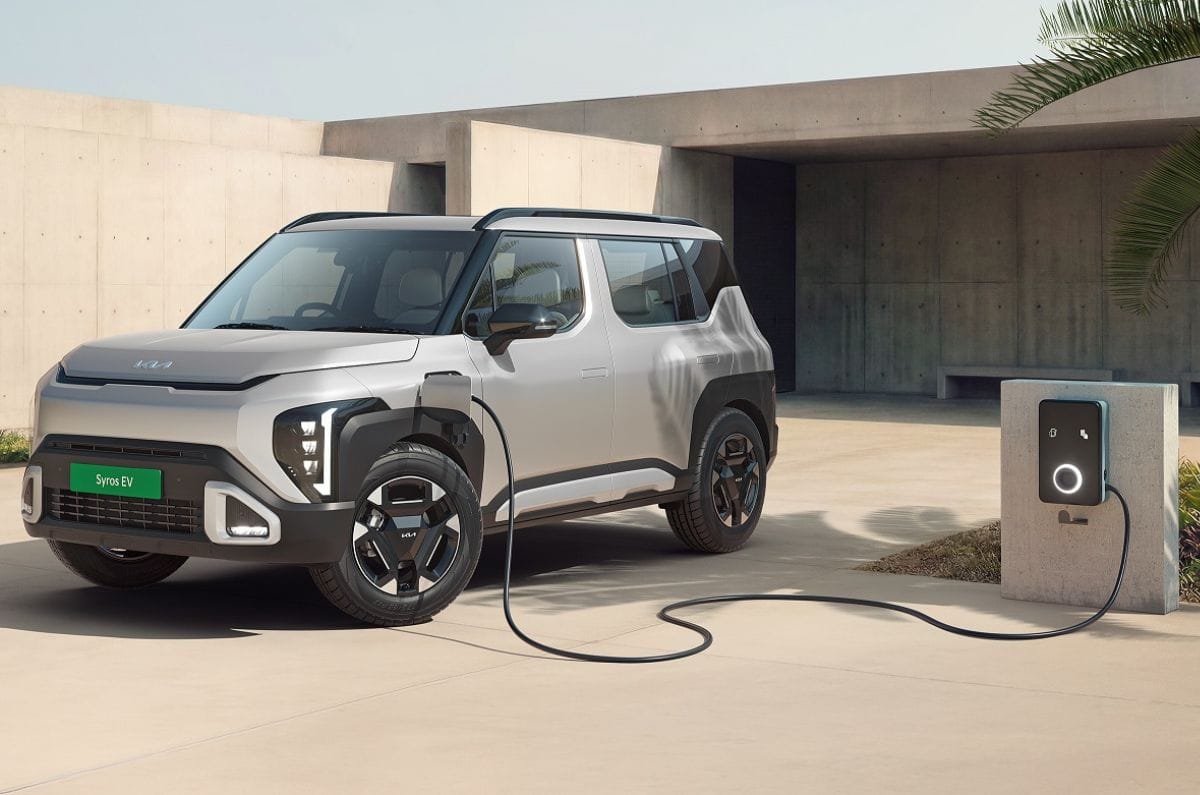
The Kia Syros EV supports up to 11kW AC charging speeds, while DC charging is capped at 100kW. A 10-100 percent top-up for the 42kWh version takes 6 hours with the 7.4kW charger and 4 hours with the 11kW unit. In the 51.4kWh guise, the same takes 7 hours and 15 minutes with a 7.4kW charger and 4 hours and 50 minutes with an 11kW charger. Kia also claims that with a 100kW DC fast charger, both batteries can charge from 10 to 80 percent in 39 minutes.

4. How different is the Kia Syros EV from the ICE Syros on the outside and inside?

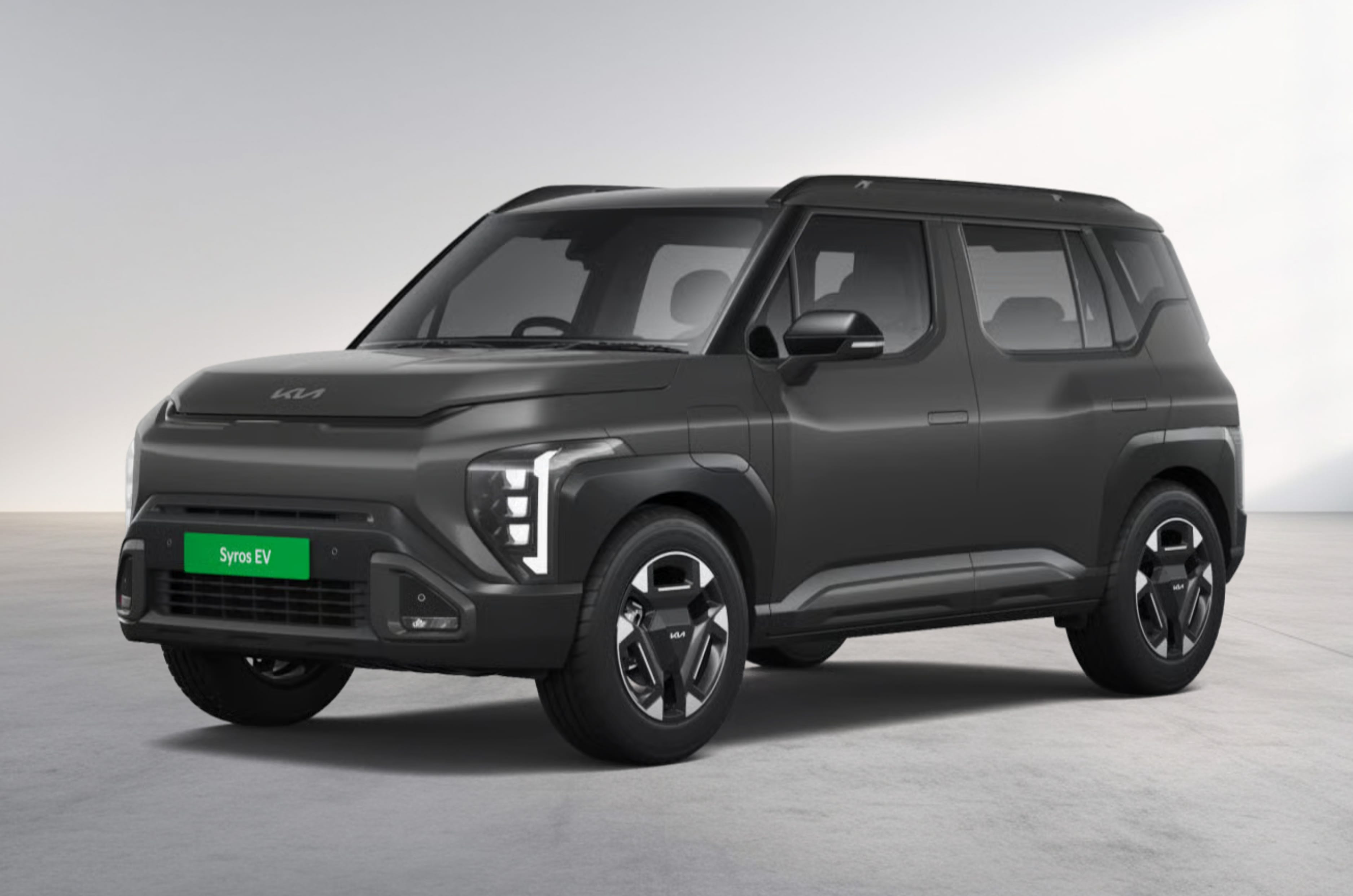
The Kia Syros EV may look largely similar to the ICE Syros, but it comes with a charging flap on the front fender, EV badging at the rear and a different set of alloy wheels that give it some distinction. Apart from these differences, it retains the overall tall-boy silhouette, front and rear bumper designs and lighting elements found on its combustion-powered counterpart.

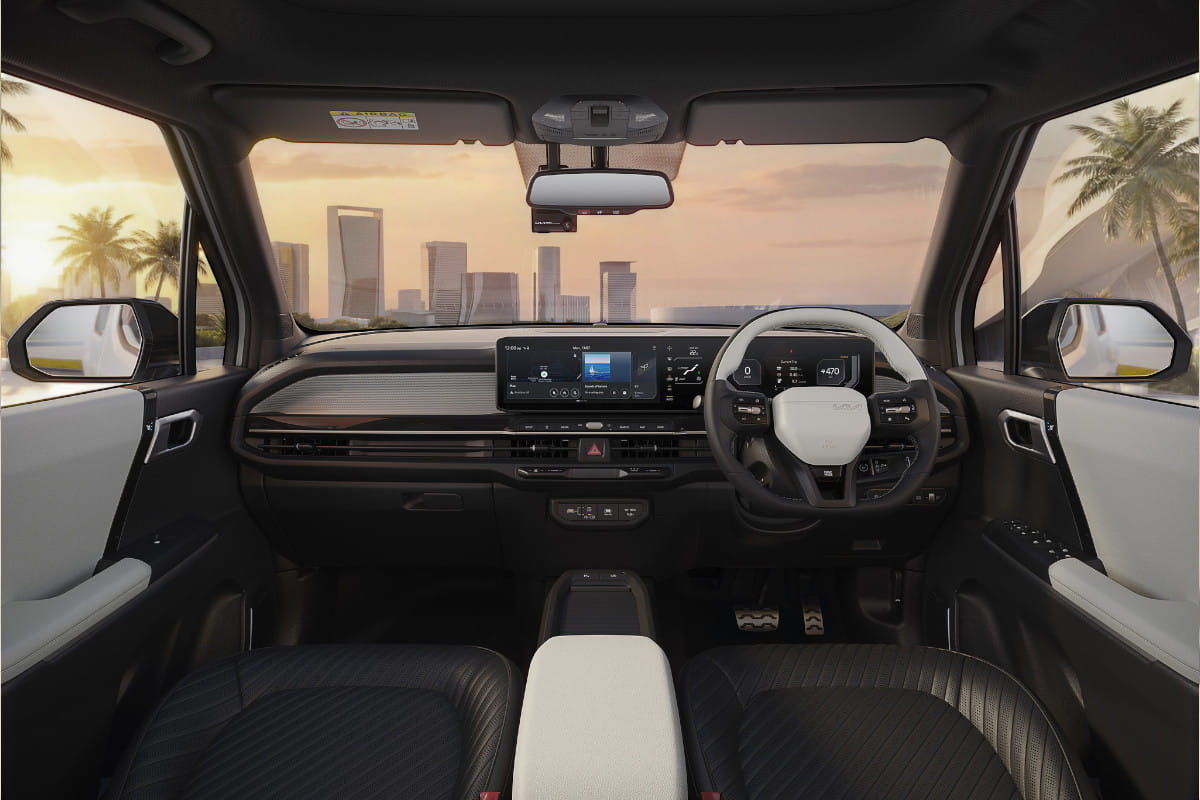
Inside, the dashboard layout remains the same as the ICE Syros, but there are some revisions to the centre console, which is high-set and features storage spaces and retractable cup holders. Also, the drive select lever has shifted to the steering wheel column.

5. What features does the Kia Syros EV come with?

For starters, the Kia Syros EV retains its ICE counterpart’s unique sliding and reclining rear seat with a ventilation function for the seat base. It also gets features such as dual 12.3-inch screens, a 5-inch HVAC control screen, wireless Apple CarPlay and Android Auto, a wireless charging pad, an 8-speaker Harman Kardon sound system, a panoramic sunroof, 64-colour ambient lighting and rear sunshades.

6. What does the Kia Syros EV offer over the ICE-powered Syros?

Apart from having EV-specific features such as a 16-litre frunk, regenerative braking, a virtual engine sound system and vehicle-to-load (V2L) functionality, it gets Level 2 ADAS, automatic flush door handles, a 360-degree camera setup, a dual-camera dashcam, a digital key, puddle lamps, multi-colour ambient lighting and metal pedals over the ICE-powered Syros.

7. What is the expected price of the Kia Syros EV?

The Kia Syros EV is expected to be priced from Rs 15 lakh to Rs 20 lakh, ex-showroom. It will take on the Mahindra XUV 3XO EV and the segment-reigning Tata Nexon EV, among others.