
What the Volkswagen Tera previews for new India-bound compact SUV

What the Volkswagen Tera previews for new India-bound compact SUV
Volkswagen Tera and Volkswagen compact SUV

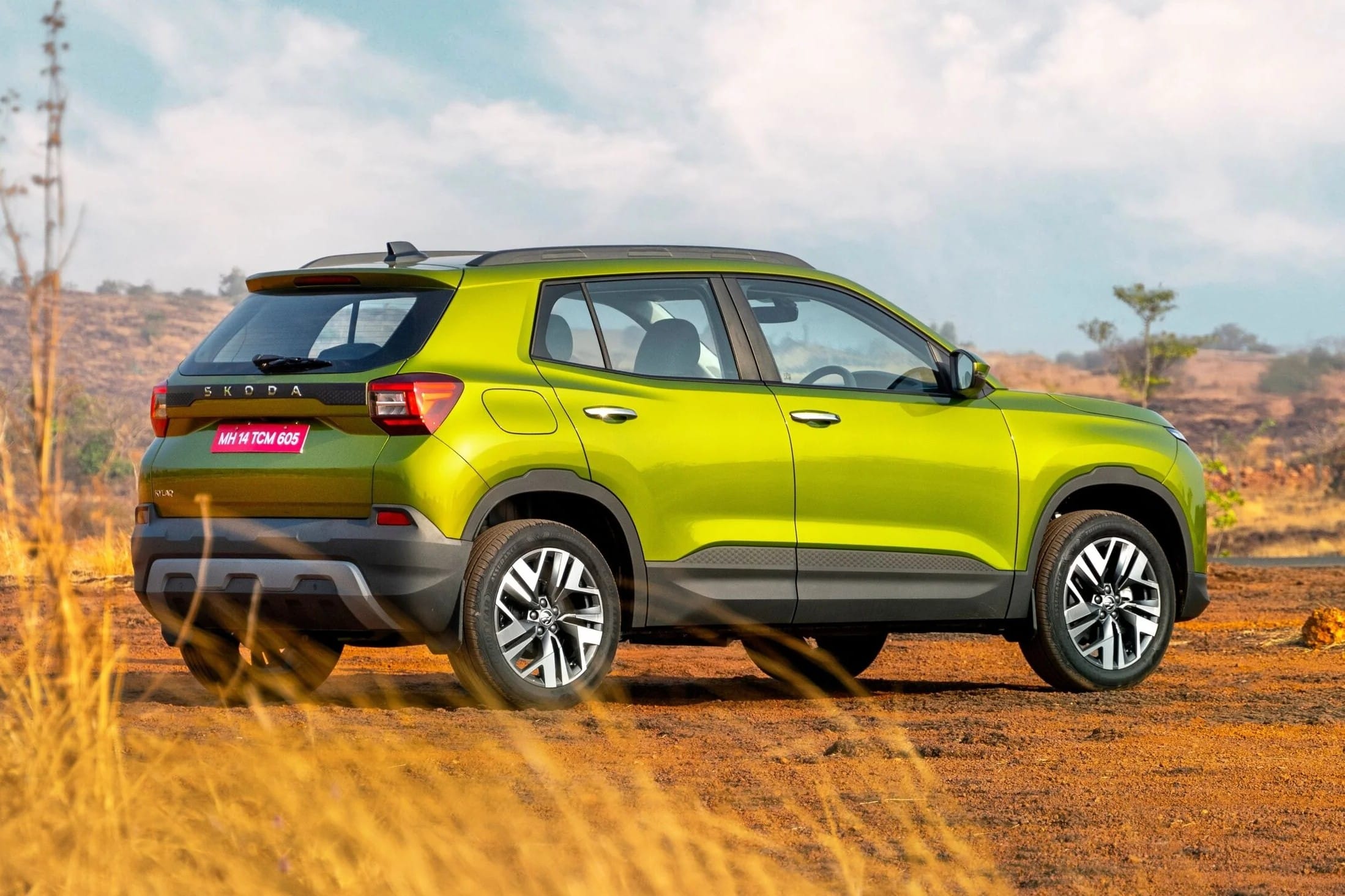
Volkswagen India has finally begun working on a new compact SUV, which will be a badge-engineered version of the Skoda Kylaq. This will mark its return to the sub-4m category four years after the Polo hatchback’s discontinuation in 2022. At the same time, the upcoming compact SUV is also expected to be the most affordable car in its portfolio in India when it arrives in 2027.

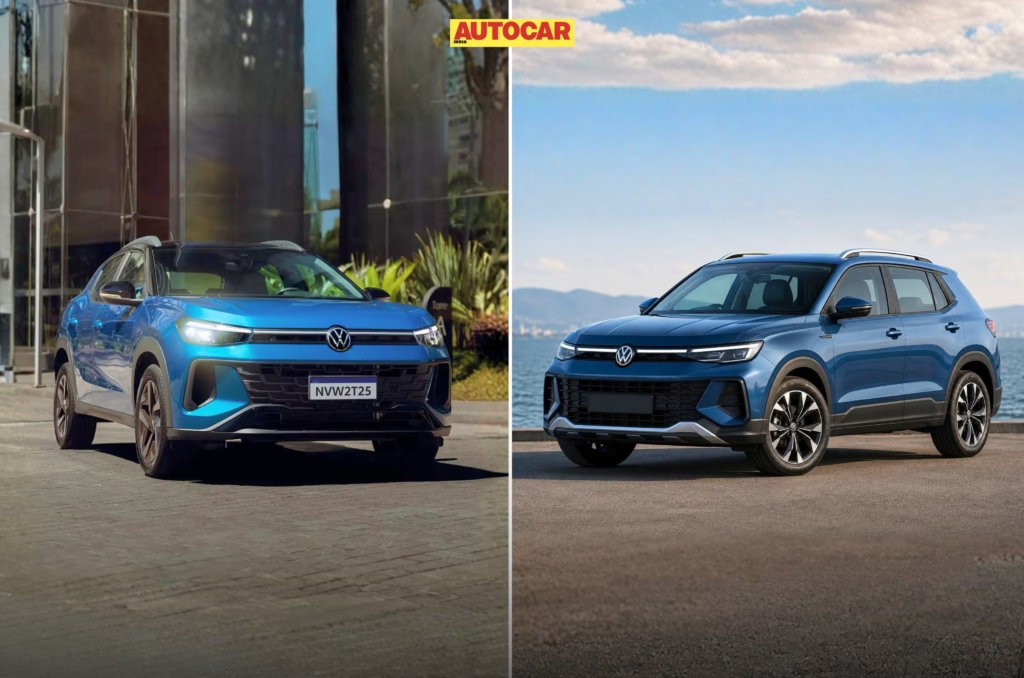
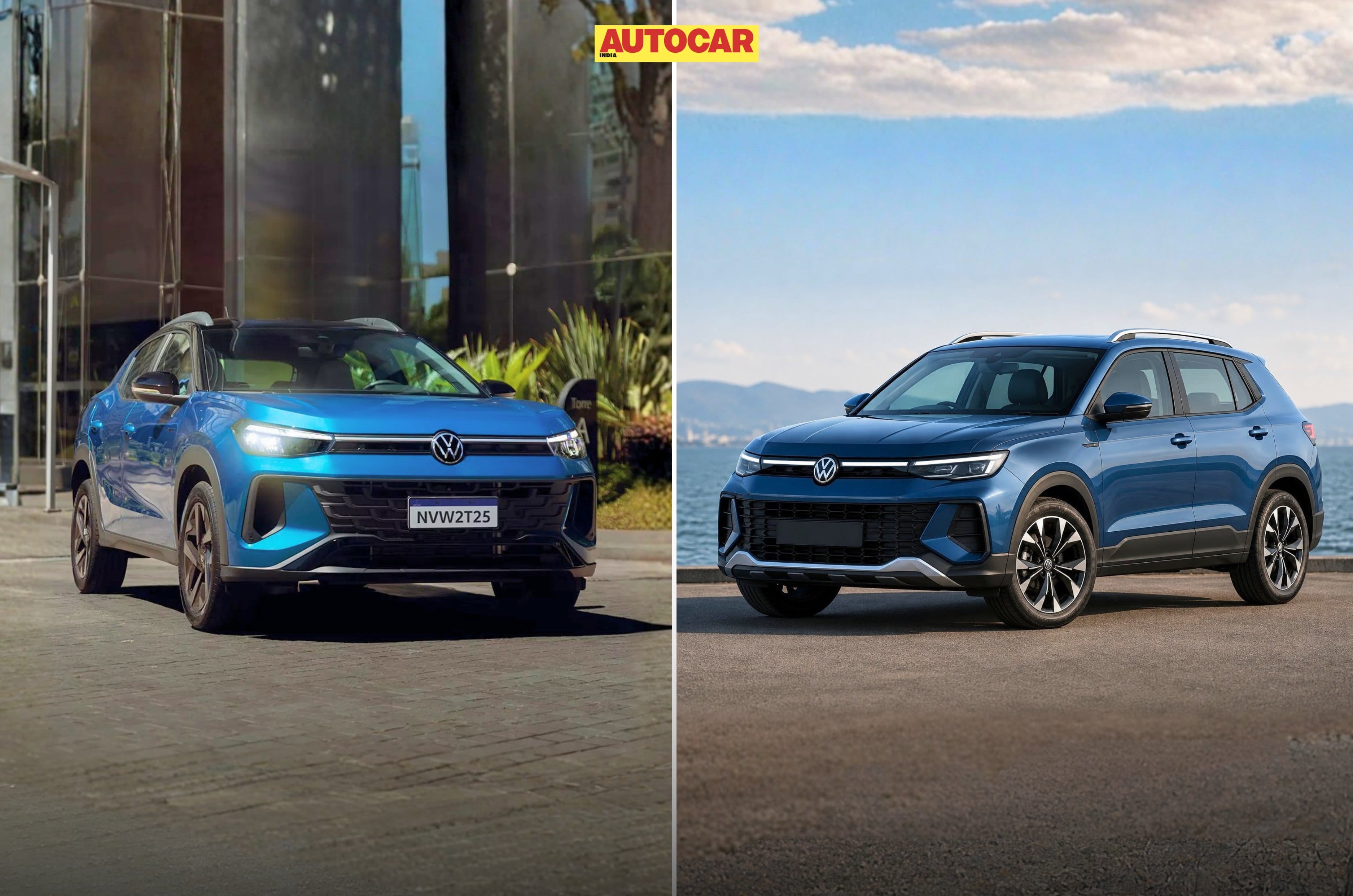
On the other hand, the carmaker already sells an entry-level SUV in the Brazilian market, called the Tera. It is closely related to the Skoda Kylaq and possibly hints at elements that are expected to arrive on VW’s upcoming compact SUV for India. 

Volkswagen compact SUV: Expected dimensions 

The Tera is 4,151mm long, 1,773mm wide, 1,504mm tall, and gets a 2,566mm long wheelbase. Interestingly, the Terra’s wheelbase is identical to that of the Skoda Kylaq. The India-bound VW compact SUV is expected to have the same wheelbase as the Kylaq, but compared to the Tera, it will be shorter in length to fit India’s sub-4m tax slab.

Volkswagen compact SUV: Expected platform and powertrain 
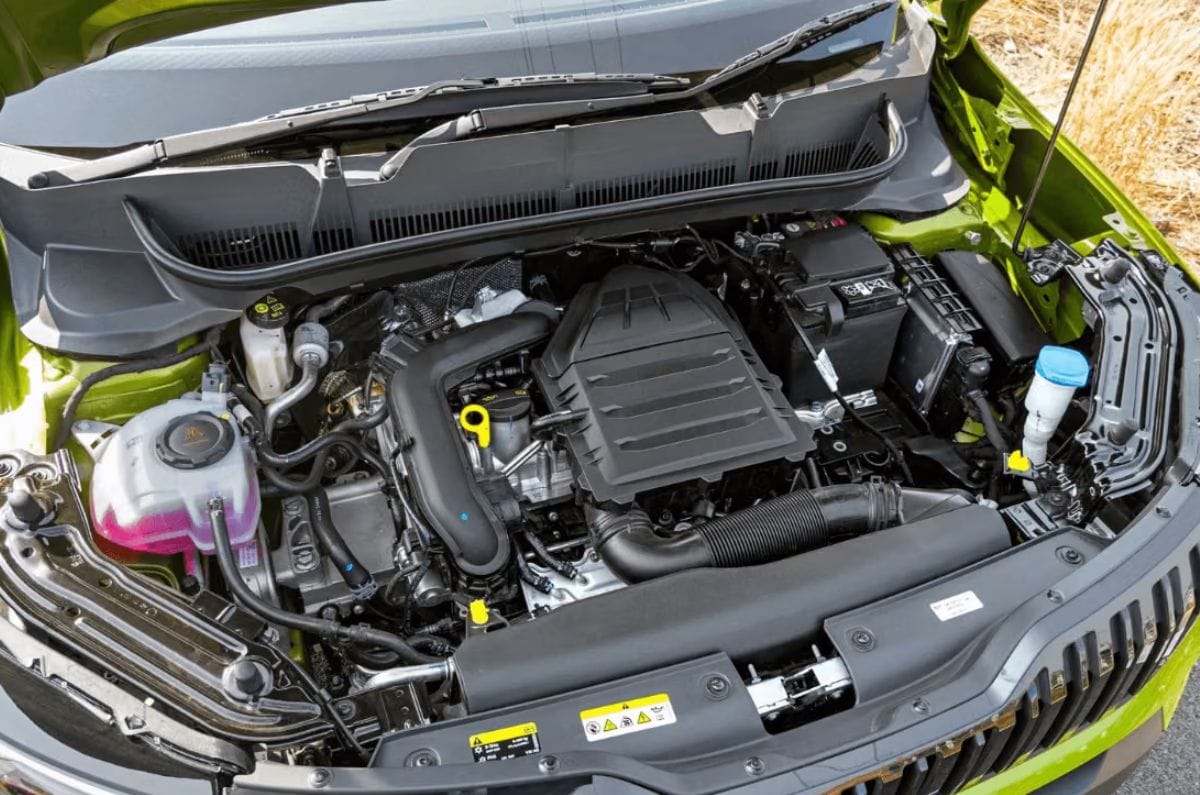
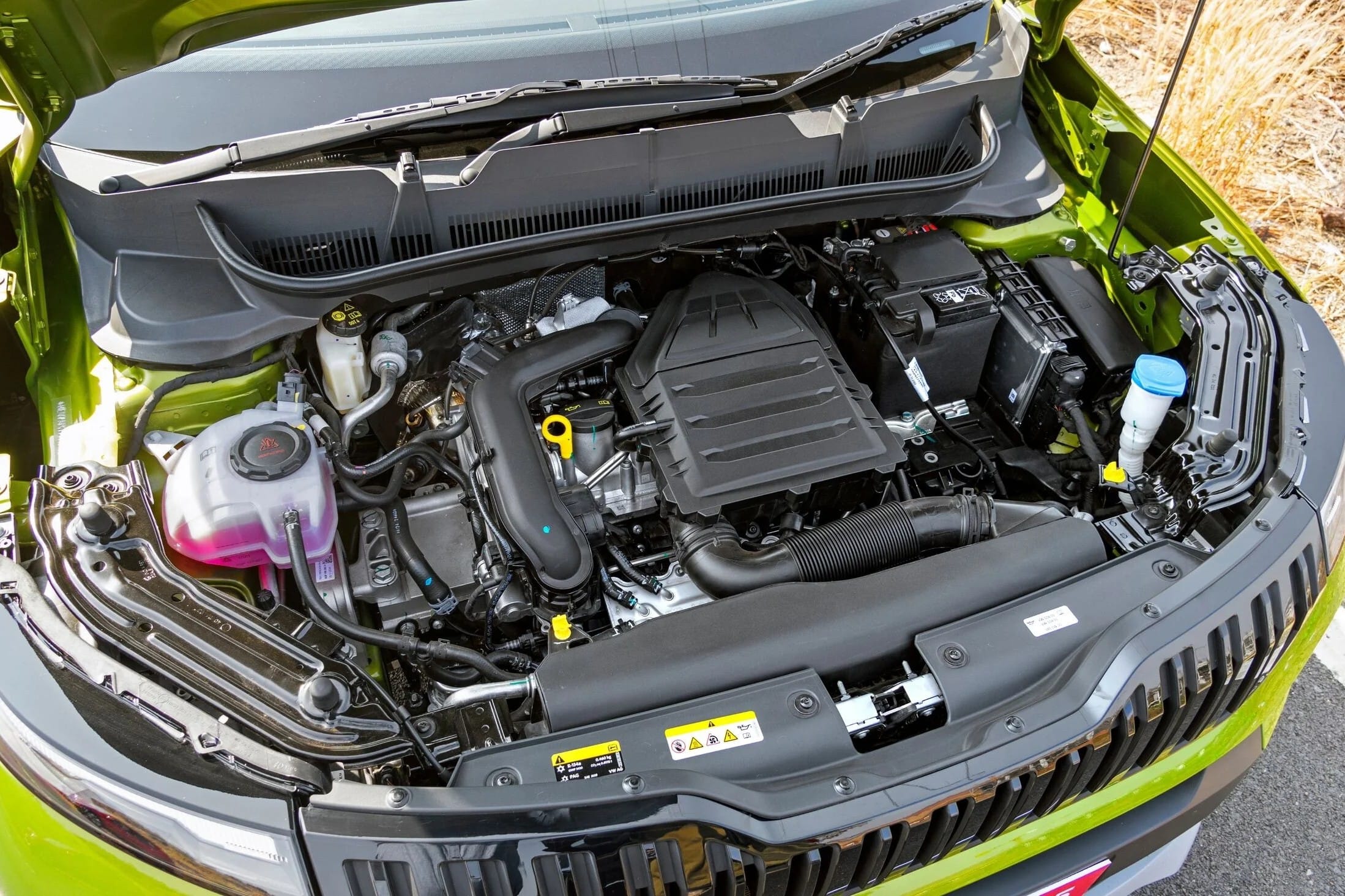
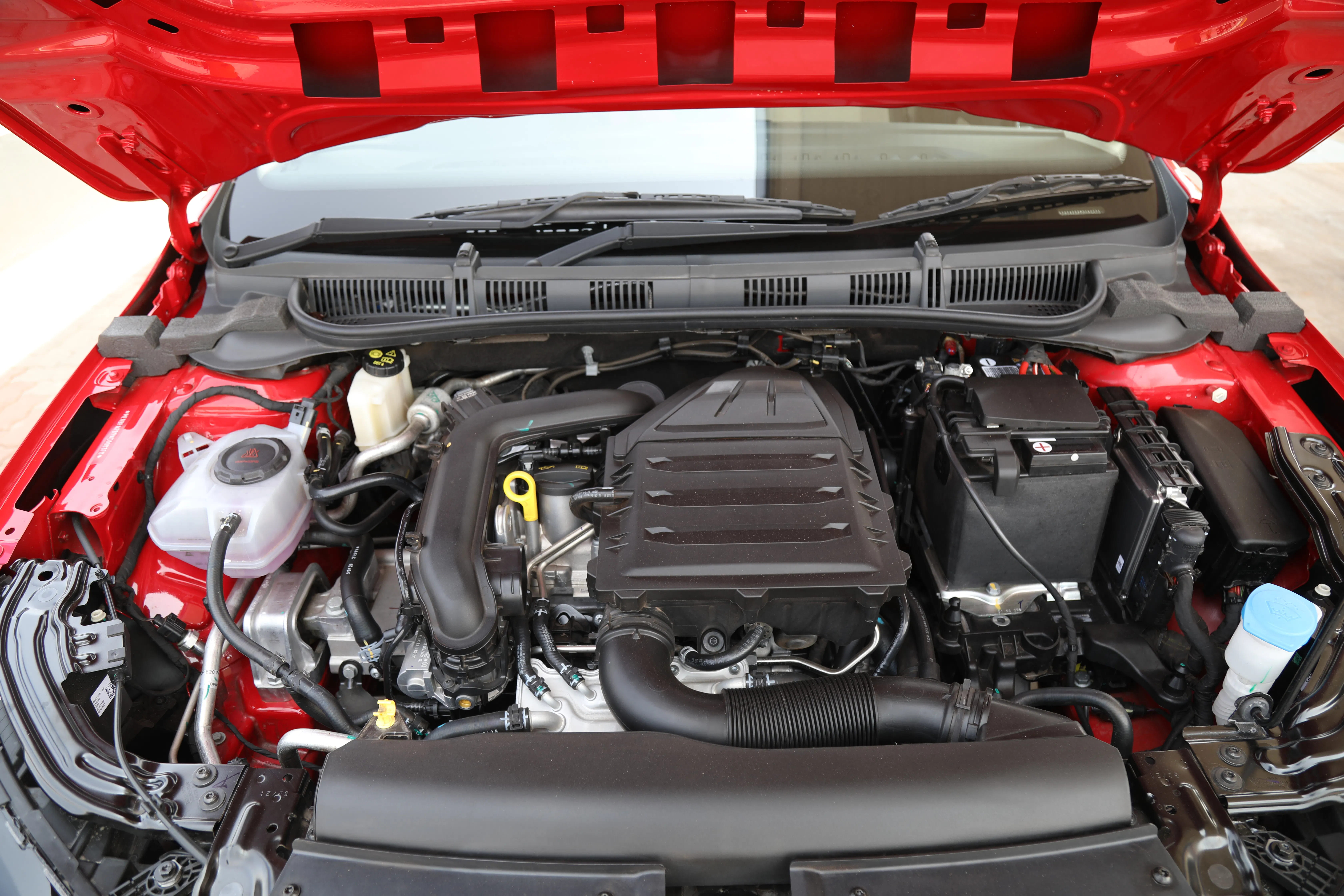
Skoda Kylaq 1.0-litre turbo-petrol engine used for representation.

The Volkswagen Tera sits on the brand’s MQB A0 architecture, while the VW Skoda 2.0 cars (Kushaq, Kylaq, Slavia, Virtus, Taigun) utilise the MQB A0 IN platform. The latter is a close variation of the former and will underpin VW’s upcoming compact SUV. 

On the powertrain front, the compact SUV will utilise the same 1.0-litre direct-injection turbo-petrol engine as the Tera, which develops 116hp and 165Nm of torque. But power figures are likely to be closer to the Kylaq’s 1.0-litre turbo-petrol, which produces 115hp and 178Nm of torque. In the case of the VW compact SUV, a manual gearbox would be offered as standard, but automatic versions would swap out the 6-speed AT for the new 8-speed that does duty in the Taigun.

Volkswagen compact SUV: Expected exterior design 
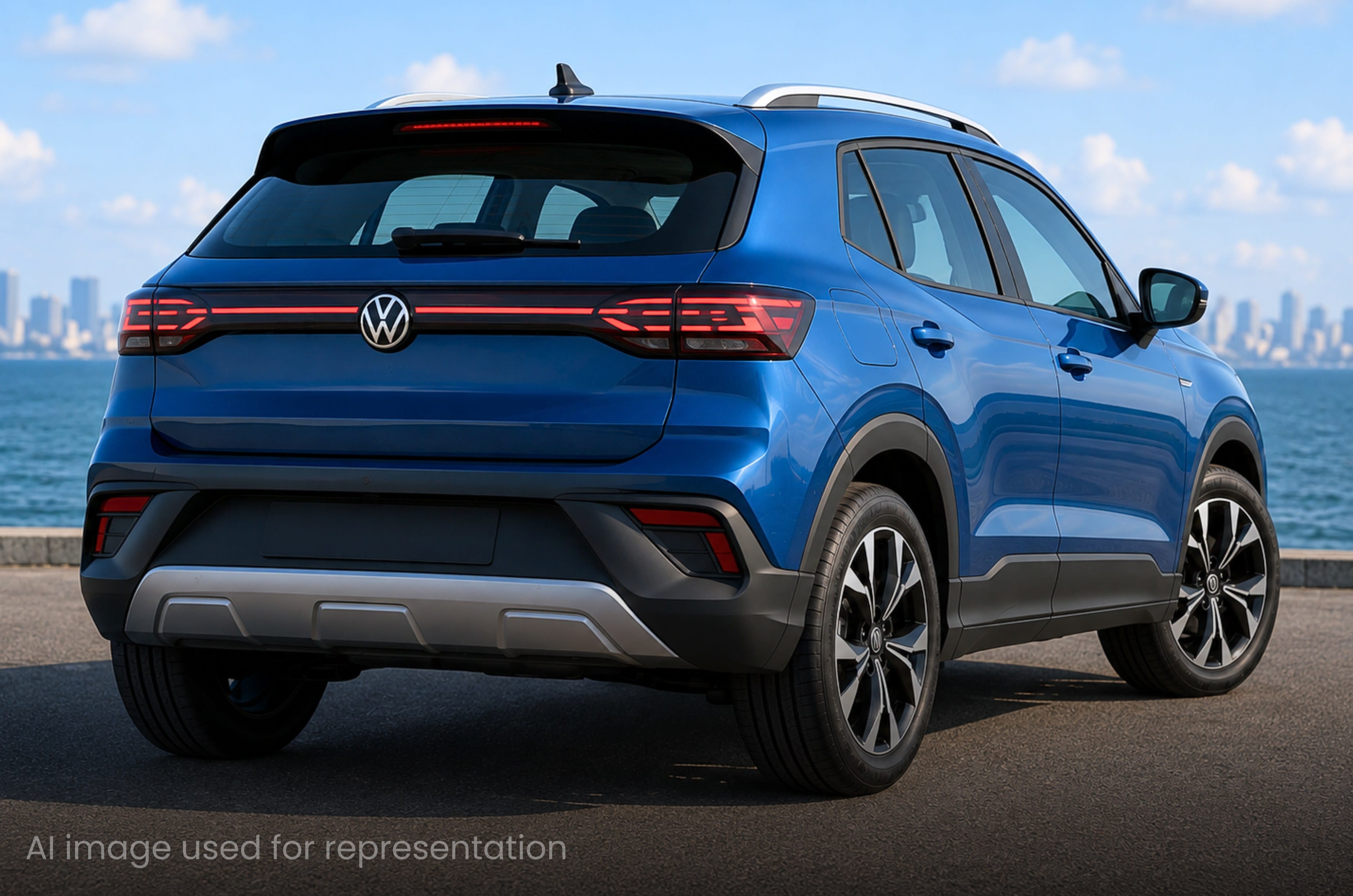
Styling-wise, the upcoming Volkswagen compact SUV is expected to adopt the Tera’s design but is likely to come with some India-specific changes. This could include slim LED headlamps connected by a thin DRL strip, a connected LED tail-lamp setup, cladding for the bumpers and door sills, and roof rails. Volkswagen could also bring illuminated logos, as seen on the Taigun and Tayron R Line. Alloy wheels are expected to have a dual-tone look. Potentially, the brand could spruce things up with GT versions with badges and cosmetic upgrades over standard versions. 

Volkswagen compact SUV: Expected interior design and features
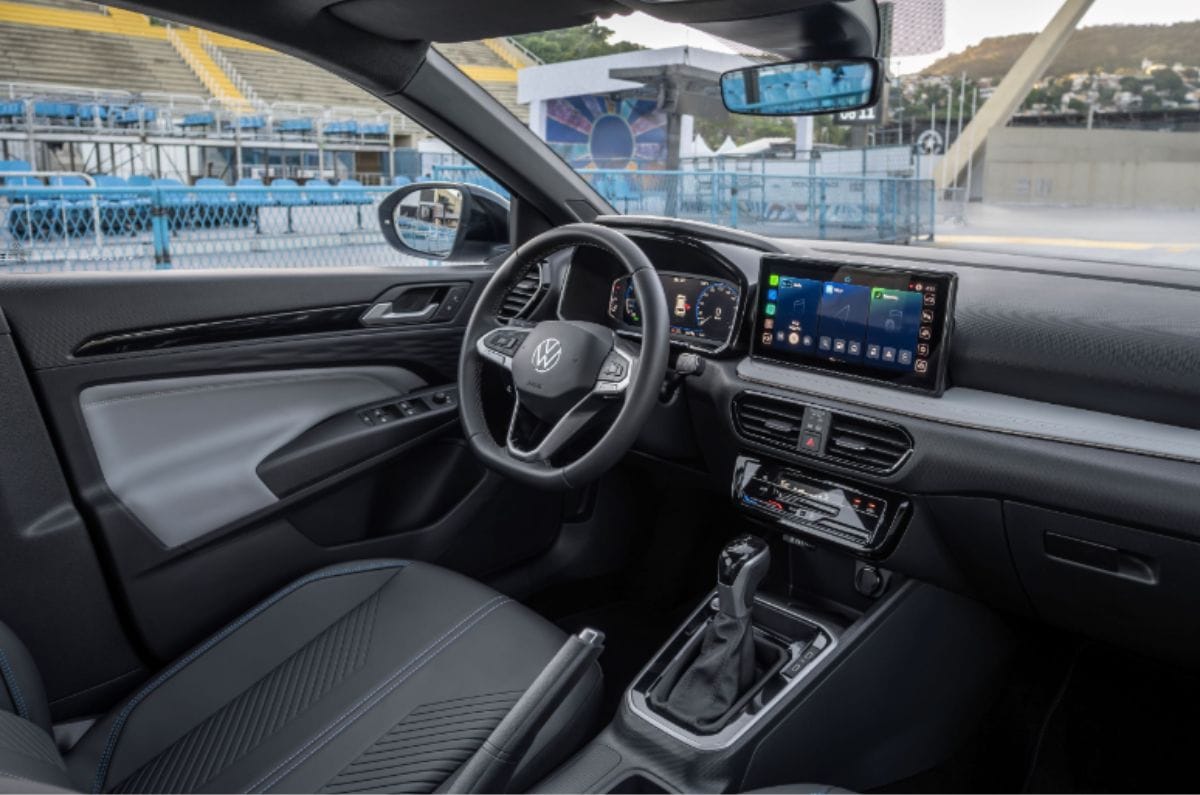
LHD VW Tera interior used for representation.

The Volkswagen Tera already has a lot of commonality with the India 2.0 cars, and some of these parts will likely be carried over to the upcoming compact SUV as well. This could include the flat-bottom three-spoke steering wheel, gear knob, centre console and HVAC control unit, the designs of which look similar to those on the Taigun. Additionally, it could also get a similar 10.25-inch digital driver’s display that’s seen on the Taigun. The Tera, however, is an LHD model, which will be reversed for the India-spec version. 

As for equipment, the Volkswagen compact SUV could likely mirror the Skoda Kylaq’s feature set. For reference, the latter gets a 10-inch infotainment system with wireless CarPlay and Android Auto, ambient lighting, a digital driver’s display, a single-pane sunroof, powered and ventilated front seats, automatic climate control and a wireless phone charger. 

Skoda planning to export Kylaq to Europe powered by 1.5 TSI engine

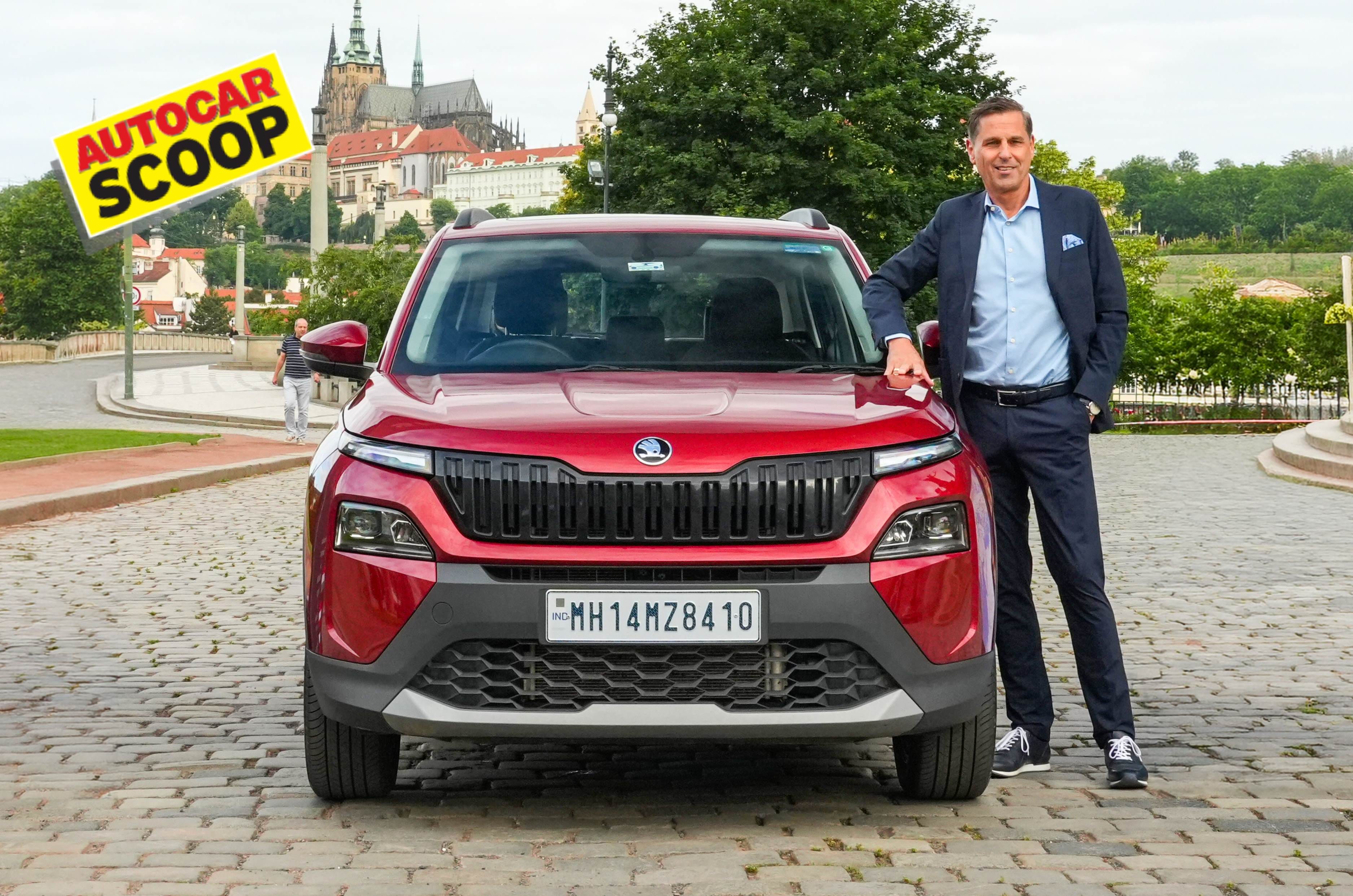
skoda kylaq next to ceo klaus zellmer

Skoda is considering exporting the made-in-India Kylaq to the European market as a crossover alternative to the Fabia hatchback. Launched here at the tail-end of 2024, the Kylaq is the third Skoda model to come out of Skoda-VW’s ‘India 2.0’ strategy and the Czech carmaker’s smallest SUV to date. While the Kylaq is designed specifically for the Indian market, Skoda feels the compact SUV carries enough pedigree and appeal for European customers.

Autocar India’s recent Pune to Prague drive, a 19,000km cross continent drive that covered several European countries, including the Czech Republic, the brand’s home country, established the Kylaq as a product that could blend in well in some of Skoda’s key markets. “We’re looking into a possibility or an opportunity to bring Kylaq to Europe, but there are a lot of barriers, a lot of homologation questions,” Skoda CEO Klaus Zellmer told us after the conclusion of the cross-continent Kylaq road trip.

1.0 TSI or 1.5 TSI for the Euro-spec Kylaq?

We reported about Kylaq’s export plans to Europe in June 2026 issue of the Autocar India magazine.

In India, the Kylaq is powered solely by the locally manufactured 115hp 1.0-litre 3-cyl direct-injection turbo-petrol engine (1.0 TSI), which can be had with either a 6-speed manual or 6-speed automatic. For Europe, however, Skoda might equip the Kylaq with the 1.5-litre 4-cyl direct-injection turbo-petrol mill (1.5 TSI) seen in the Slavia and Kushaq, paired to a 7-speed DCT.

The 1.5 TSI engine is used in Skoda’s other models and is already Euro 7 compliant making it the logical choice for export markets. However, from a cost perspective the 1.0 TSI is more attractive as it is a three-cylinder unit and is locally produced. However, the 1.0 TSI does not meet Euro 7 standards and upgrading it to the latest emission standards will call for significant upfront investment which will impact the overall cost of the Kylaq for exports.

If Skoda decides on the 1.5 TSI the export version of the Kylaq, it will likely be in a lower 115hp state of tune to help meet the Euro 7 targets. In fact, the Kylaq 1.5 TSI could be offered in two states of tune for the European market, but its not clear what the other power output of the engine would be.

Beyond emission regulations, the Kylaq would have to meet Europe’s safety, security and other homologation requirements that would again add to the cost of the vehicle.

India-EU FTA and weak rupee helps Kylaq’s export business case

The incoming India-EU FTA, in conjunction with the depreciating rupee against the euro, makes a strong case for exporting the Kylaq to Europe. Piyush Arora, the MD of Skoda Auto Volkswagen India Private Limited (SAVWIPL), said that the India-EU FTA will “open up opportunities” for SAVWIPL across all of its business verticals, including CBU imports, components, fully developing new models for India, and exporting cars to the European market.

A final decision has not been taken. However, a European programme would mark a significant step for Skoda Auto Volkswagen India by moving the country’s role beyond developing and manufacturing vehicles for India and other emerging markets to supplying a product to the carmaker’s home region.

With inputs from Hormazd Sorabjee

Upcoming car launches and reveals in August 2026

Upcoming Car Launches August 2026

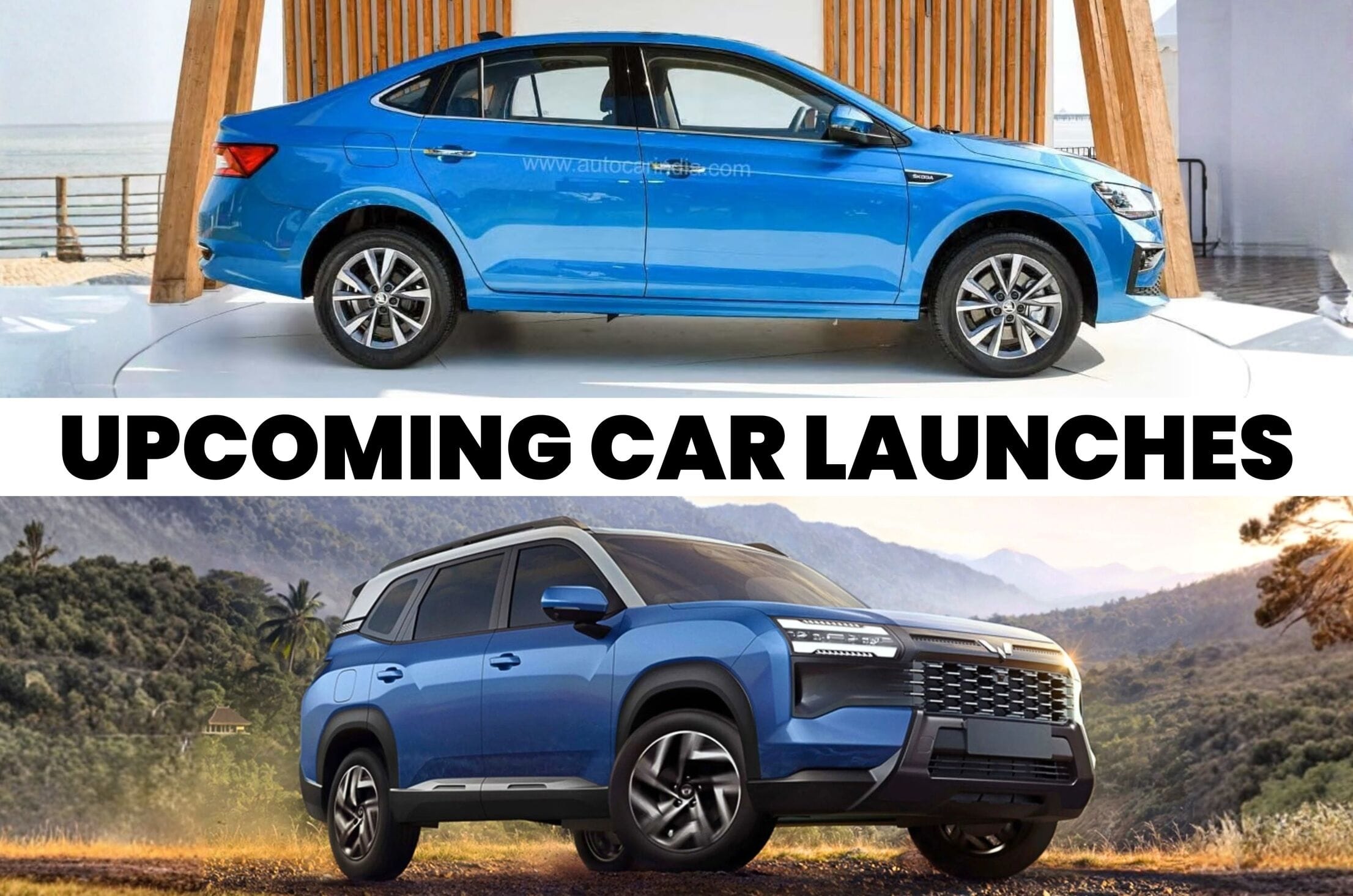
July was a stacked month for car launches in India. It was during these 31 days that we got models such as the Maruti Suzuki Brezza facelift, ninth-gen Toyota Hilux, Nissan Tekton and Honda ZR-V. It appears that August 2026 is set to be a fairly busy month for new car launches in India, too. Here are some cars that we know will be introduced next month, and some that could.

Mahindra Scorpio N facelift

Debut date: August 15, 2026

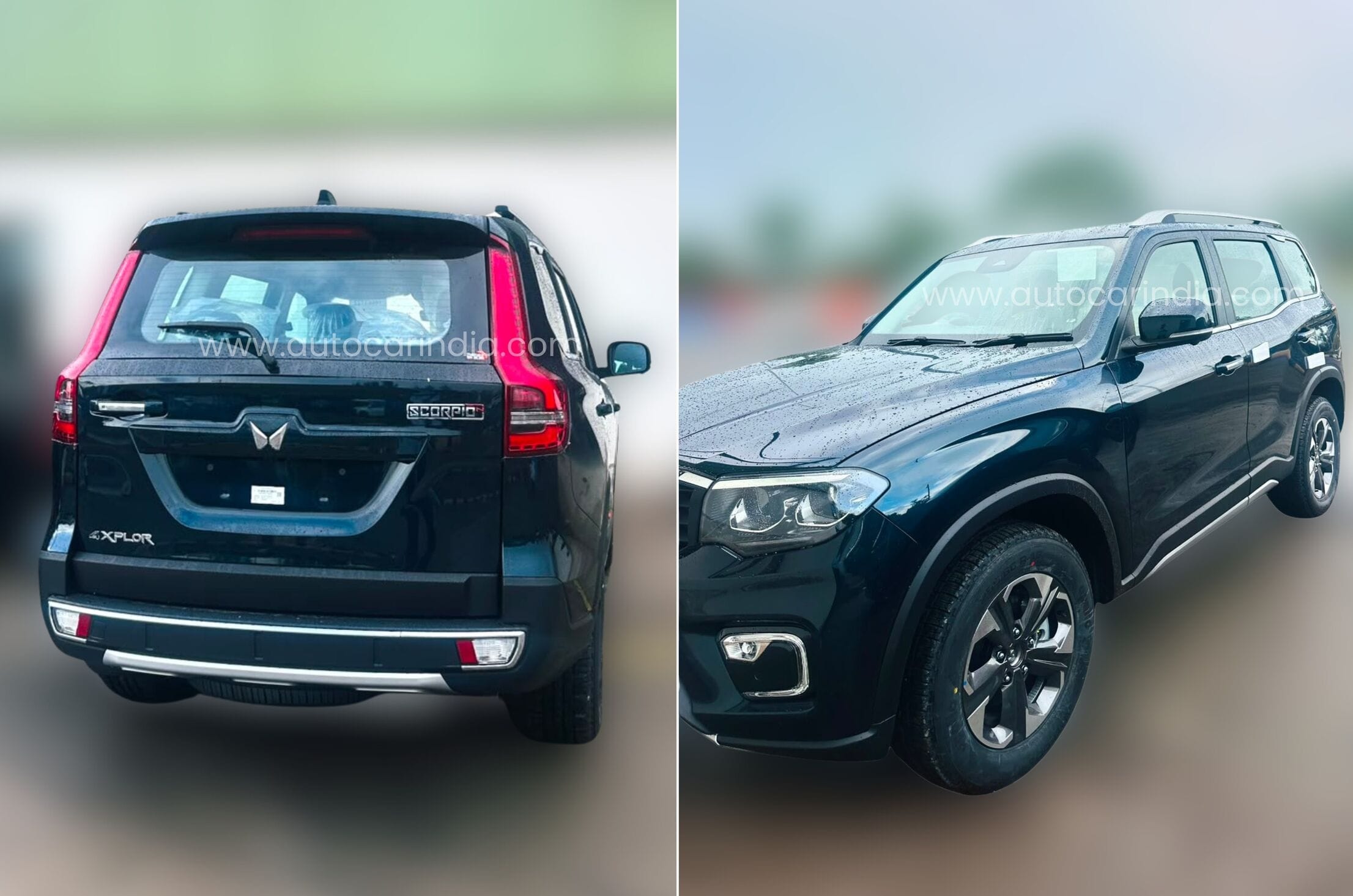
Mahindra Scorpio N facelift exterior spied

One of the cars that Mahindra could debut this Independence Day is the Scorpio N facelift. It’ll be mechanically unchanged over the outgoing model, but the exterior will now feature new two-tone alloy wheels. Unlike the exterior, there are more updates to the interior of the Scorpio N facelift.

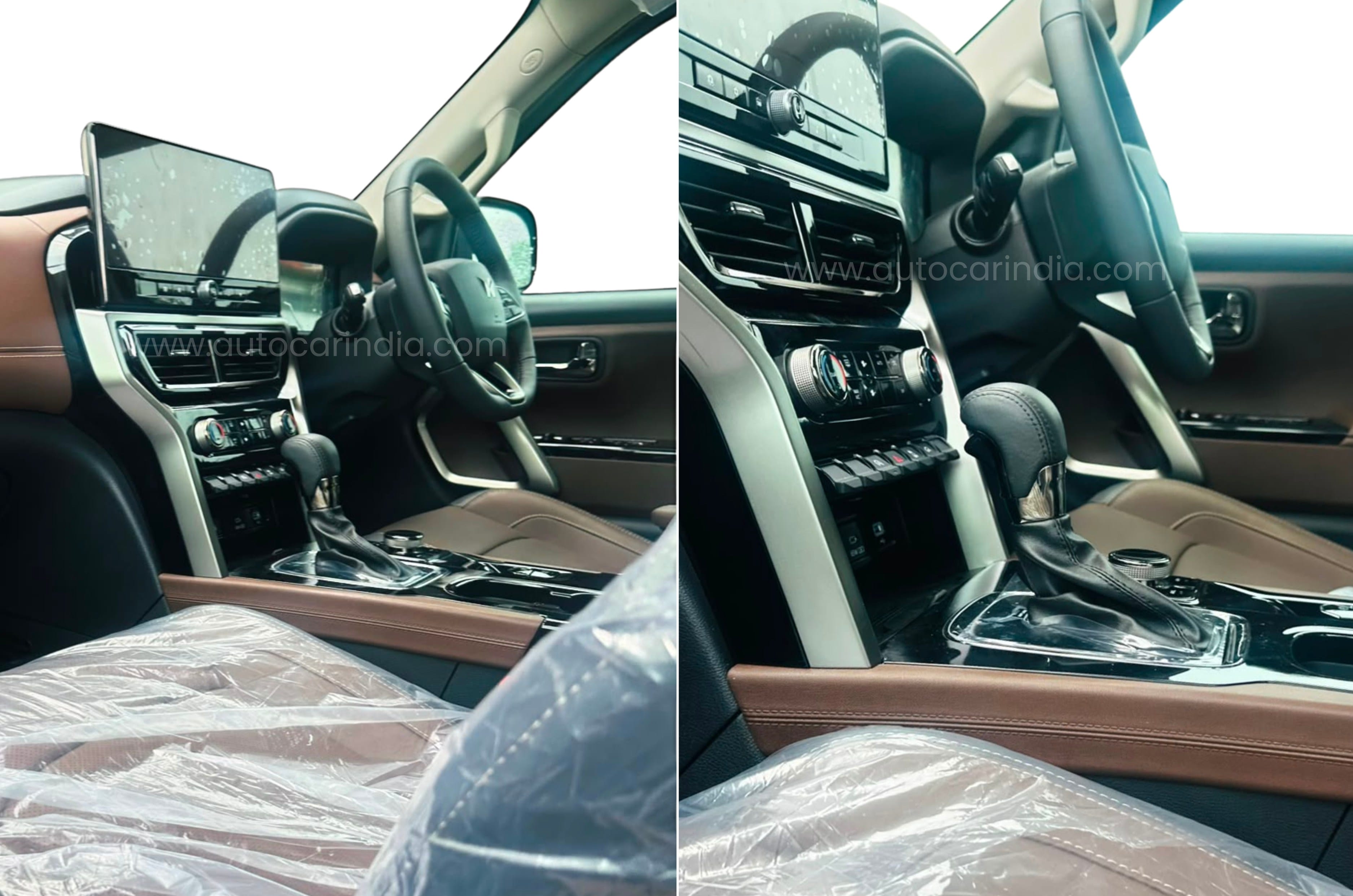
Mahindra Scorpio N facelift interior spied

Recently leaked images show a revised centre console with repositioned AC vents and a new tablet-style infotainment touchscreen mounted above. There’s also a new digital driver’s display visible in these spy shots. These screens look similar to the 10.25-inch units found on the Thar Roxx. These updates could push up the price of the Mahindra Scorpio N facelift, with the pre-facelift model currently priced from Rs 13.49 lakh to Rs 24.95 lakh.

Updated Mahindra BE 6

Debut date: August 15, 2026

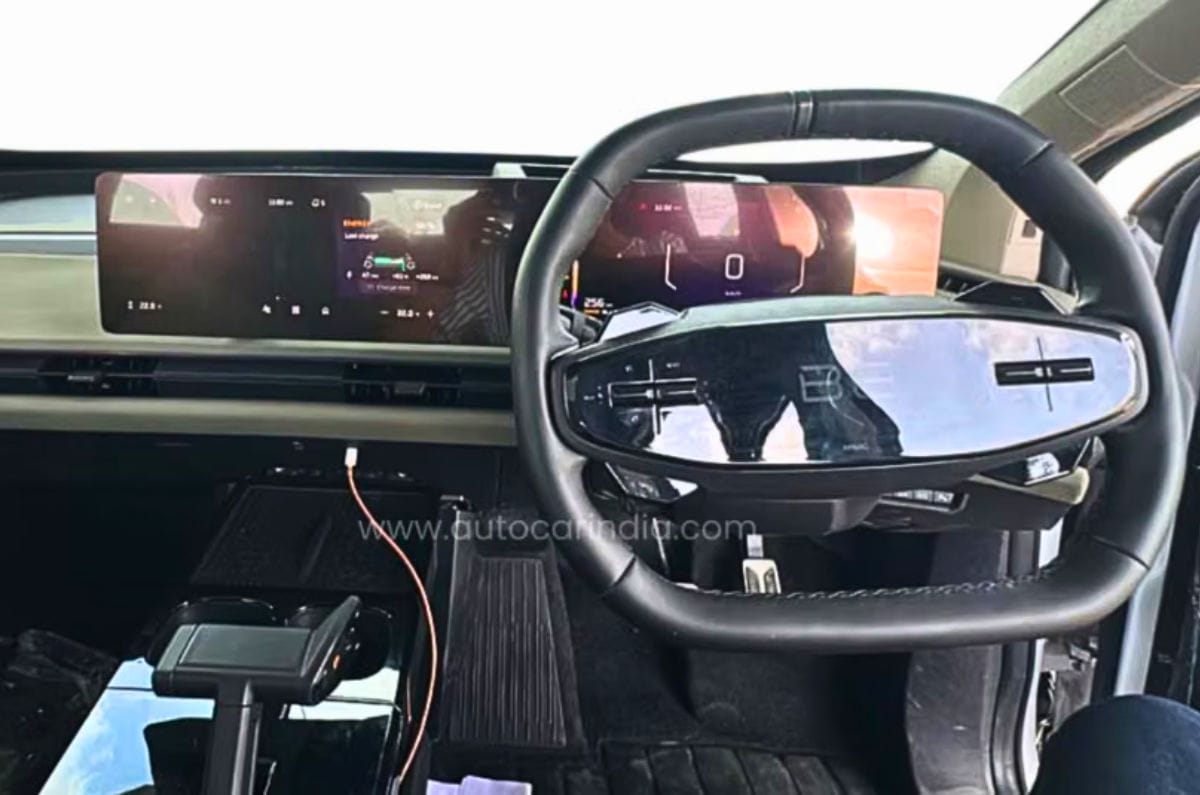
Another Mahindra car that could be introduced on August 15 is the updated BE 6. While the midsize EV is still relatively new in the market (launched in November 2024), Mahindra is expected to spec it up with a triple-screen setup as seen in the brand’s other models such as the XEV 9e, XEV 9S and also the combustion-powered XUV 7XO.

Mahindra BE 6 facelift interior spied

Another big change on the inside is the deletion of the distinctive halo design effect that separates the driver and front passenger in the outgoing model, as shown in this spy shot. Mahindra is also set to offer a new black-and-tan colour upholstery with the updated BE 6. The rest of the updated Mahindra BE 6 is unlikely to see major updates, though prices are likely to be revised upward. For reference, the EV is currently priced between Rs 18.90 lakh to Rs 26.90 lakh.

Near-production Mahindra Vision S

Debut date: August 15, 2026

Mahindra Vision S prototype spied

Mahindra has been busy testing the Vision S prototype for a while now, and a public debut of its near-production version is expected this Independence Day. Note that the production-spec model is still sometime away from being launched, which is expected to happen in 2027. While the actual name of this new compact SUV remains under wraps, it’ll be slotted above the XUV 3XO in Mahindra’s line-up. The Vision S concept was underpinned by the Nu_IQ platform, meaning compatibility compatible with petrol, diesel, hybrid and fully electric powertrains.

Skoda Slavia facelift

Debut date: August 18, 2026

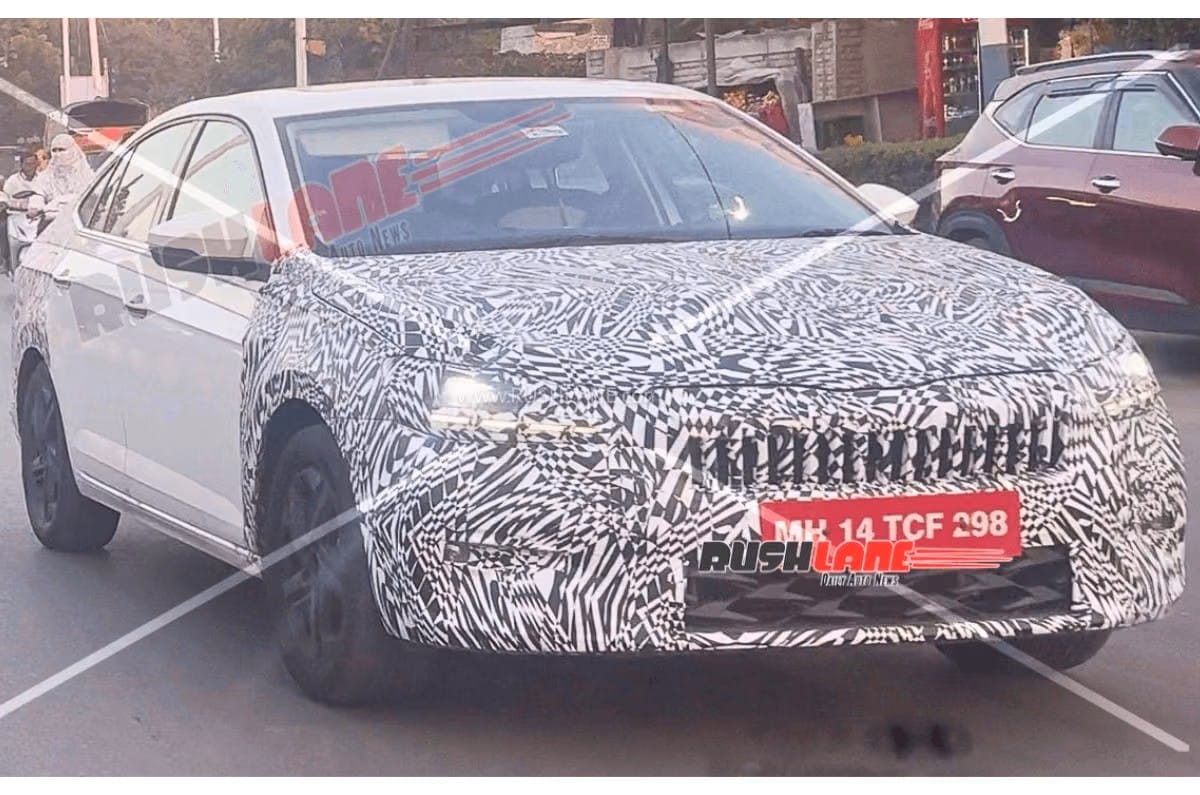
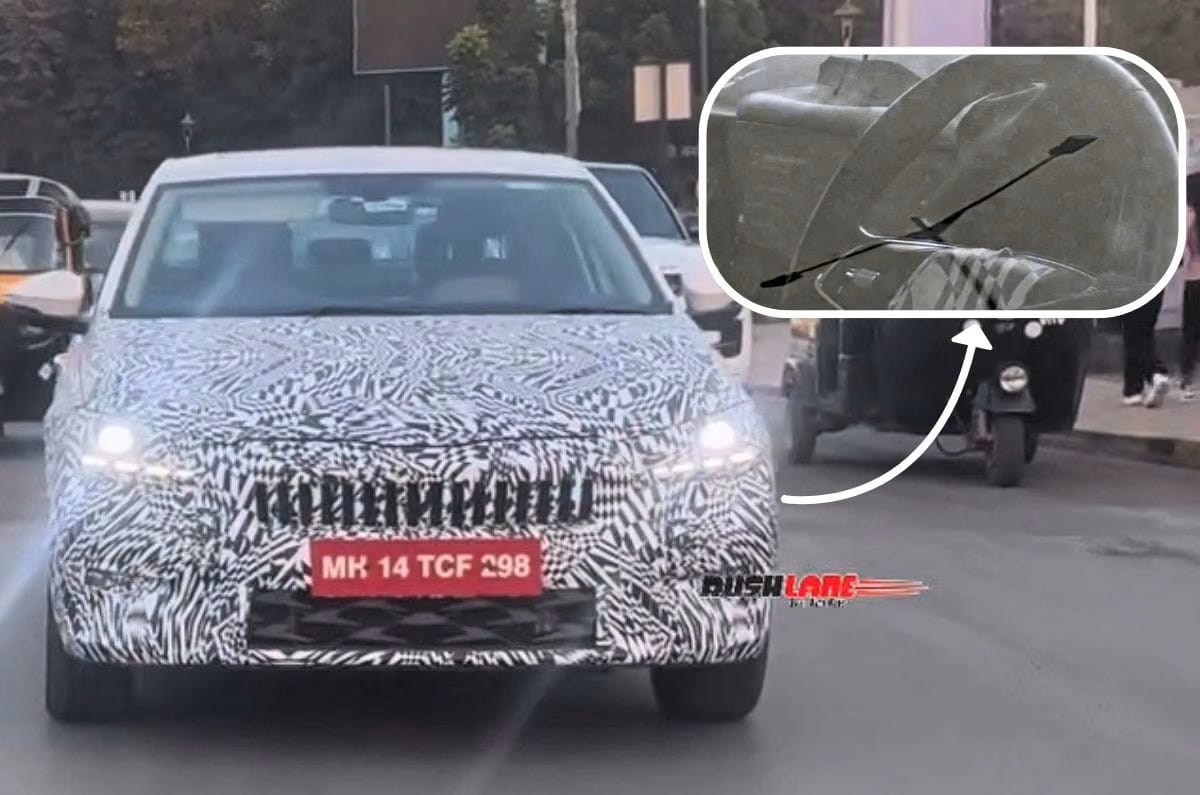
The Skoda Slavia was first launched in February 2022. Four-and-a-half years on, the Czech brand will be introducing the Slavia facelift come August 18, 2026. Changes on the outside of this updated midsize sedan include a new front grille with integrated LED elements and revised front and rear lights. The Slavia facelift is also expected to get mildly redesigned bumpers, a new design for the alloy wheels and front parking sensors.

Skoda Slavia facelift spied

The Skoda Slavia facelift could feature new cabin upholstery, and perhaps even the massage function for the rear seats as seen in the Kushaq facelift. This update could also bring a larger 10.25-inch digital driver’s display. While the 1.0-litre TSI and 1.5-litre TSI engines are to be carried over, the former is expected to be offered with a new 8-speed torque-converter automatic gearbox. All of these updates could raise prices, which currently range from Rs 10.00 lakh to Rs 18.19 lakh.

New MG EV, PHEV

Debut date: August 2026 (date unknown)

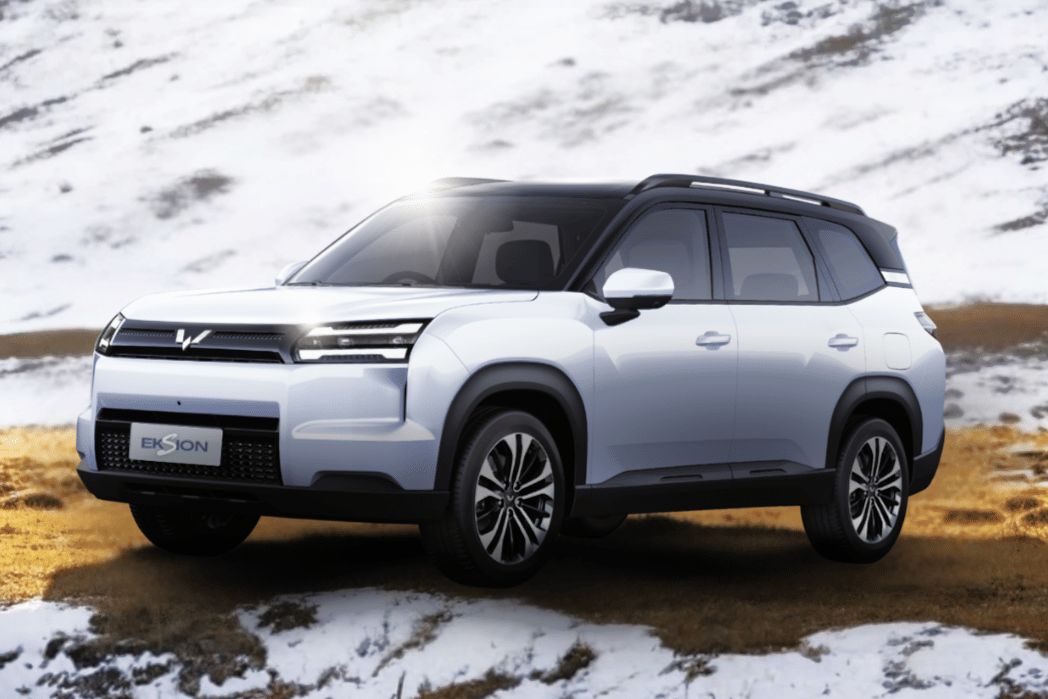
Based on the Chinese-market Wuling Eksion SUV, JSW MG is set to debut its India-spec all-electric and PHEV (plug-in hybrid vehicle) versions this August. The upcoming JSW MG SUV will be underpinned by the brand’s ADAPT (Advanced Drive Architecture Platform Technology) platform. The new Eksion-based electric SUV will rival the likes of the Mahindra XEV 9S, while the plug-in hybrid version is to take on the diesel-automatic variants of the Mahindra XUV 7XO and Tata Safari.

Wuling Eksion EV
Wuling Eksion EV shown for representation purposes only.

The fully electric model will feature a 69kWh battery pack and a single, front-mounted electric motor generating 201hp and 310Nm. The upcoming EV’s official claimed range is around 600km. As for the new plug-in hybrid SUV, it combines a 1.5-litre Atkinson-cycle petrol engine, an electric motor and a 20.5kWh LFP battery pack. The latter produces up to 195hp and 230Nm, whilst the petrol engine makes 105hp and 130Nm of its own. For the Eksion PHEV version, Wuling claims an all-electric range of 125km and a combined range north of 1,000km.

Prices mentioned are ex-showroom, Delhi

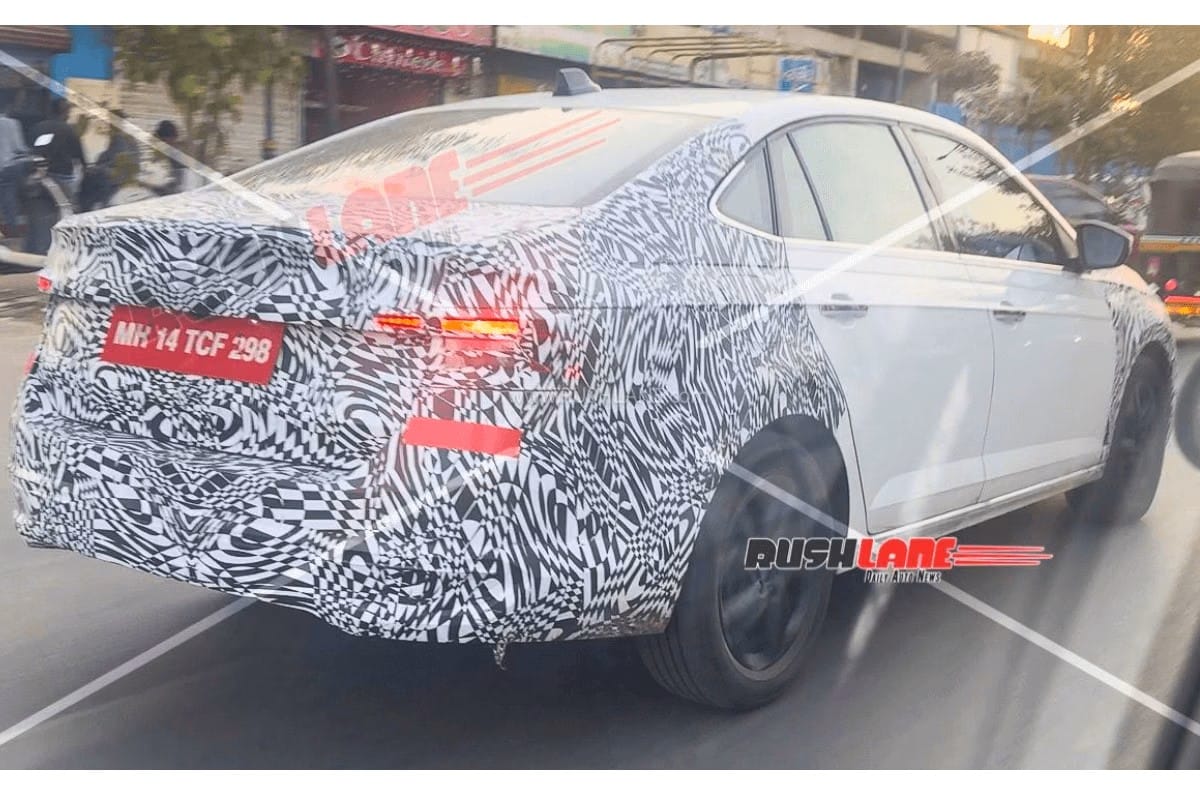
Skoda Slavia spy shot: RushLane

Also read

Suzuki Vision E-Sky prototype spied testing for the first time

MG’s Starlight 560-based ‘Hector Hawk’ EV spied

Skoda Slavia facelift to launch on August 18

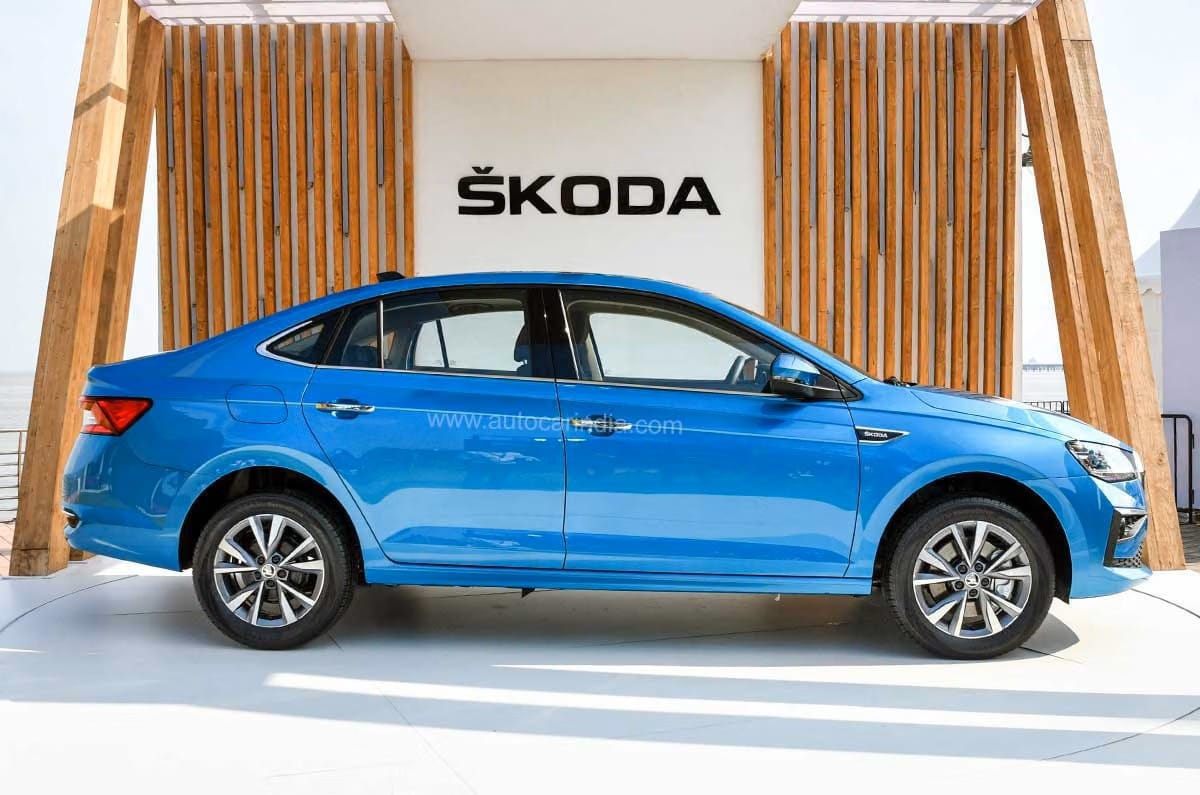
Skoda Slavia

Skoda is set to launch the Slavia facelift on August 18. The updated midsize sedan is expected to receive cosmetic updates, feature additions and a new automatic gearbox for the 1.0-litre turbo-petrol engine, while retaining its existing engine lineup.

  1. New grille, revised lighting and updated bumpers likely
  2. 1.0 TSI could replace its 6-speed AT with a new 8-speed unit
  3. It may get a larger digital driver’s display, like the one in the Kushaq

Skoda Slavia facelift: what to expect

Image source: Rushlane

Previous test mules have revealed updated LED lighting elements in the headlamps, a revised tail-lamp design and a new grille with integrated lighting elements, similar to the latest Kushaq and Kodiaq. Redesigned front and rear bumpers, along with a new set of alloy wheels, are also expected.

Image source: Rushlane

Inside, the dashboard layout is expected to remain largely unchanged. However, Skoda could introduce a larger 10.25-inch digital driver’s display, along with revised seat upholstery and front parking sensors. It will be interesting to see whether Skoda adds a rear-seat massage function, as this was introduced to the Kushaq with its facelift in January 2026. 

Existing equipment such as the 10.25-inch touchscreen, single-pane sunroof, wireless phone charger, an 8-speaker sound system, automatic climate control with rear vents, six airbags and tyre pressure monitoring system is expected to be carried over.

1.0 TSI expected to get new 8-speed automatic

Engine bay of the current Slavia shown for representative purposes only. 

The Slavia facelift is likely to continue with the existing 115hp, 1.0-litre TSI and 150hp, 1.5-litre TSI turbo-petrol engines. The key mechanical update is expected to be the replacement of the current 6-speed torque-converter automatic on the 1.0 TSI with the newer 8-speed automatic that debuted on the Kushaq facelift. The 1.5 TSI is expected to continue with the 7-speed dual-clutch automatic transmission (DCT).

Skoda Slavia facelift: expected price

Image source: Rushlane

With the facelift, prices of the Slavia are expected to increase slightly over the current Rs 10 lakh-18.19 lakh (ex-showroom). The facelifted Slavia will continue to compete with the Volkswagen Virtus, Hyundai Verna and Honda City.

Skoda India Brand director Ashish Gupta on growth, EVs and the brand’s future

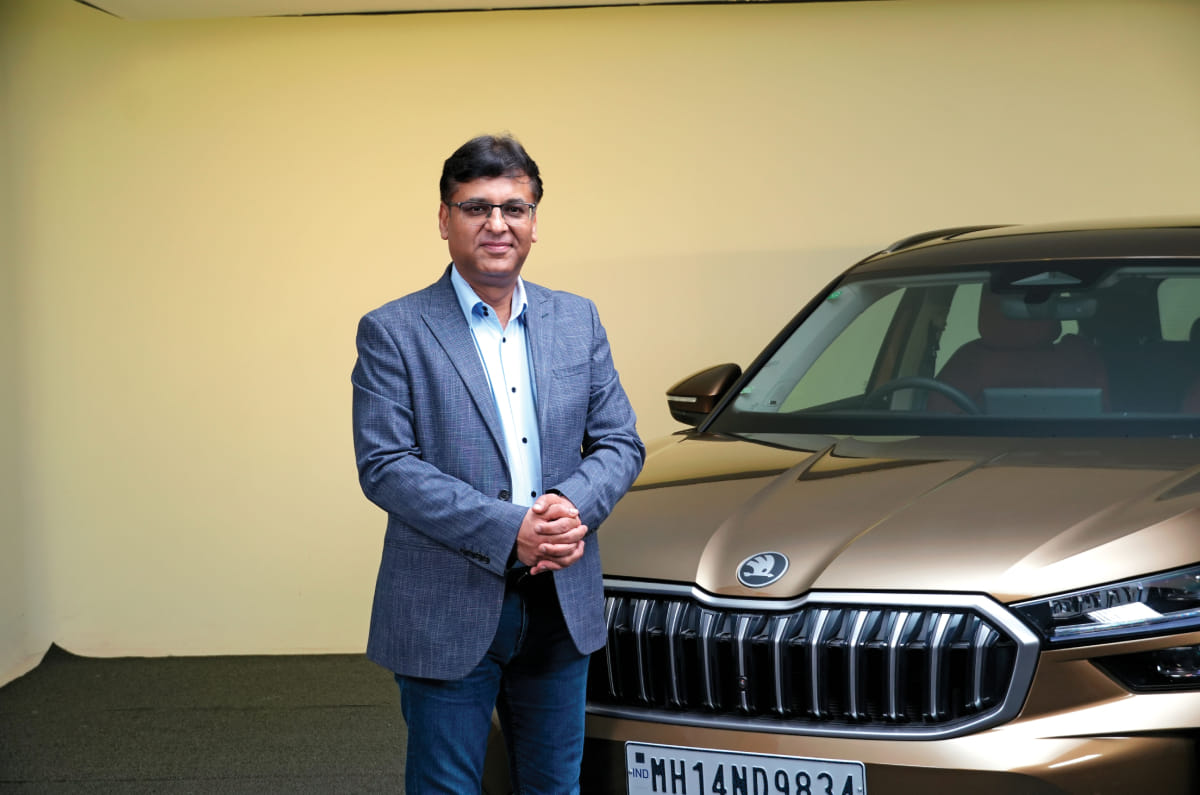
Skoda India Brand director Ashish Gupta

Skoda Auto India has had a busy year, with the launch of the Kylaq, the return of the Kodiaq, an expanding dealer network and plans to strengthen its presence across multiple segments. The company is also preparing for an electric future while continuing to invest in its petrol-powered portfolio. In this interview, Brand Director Ashish Gupta talks about Skoda’s sales growth, the launch of the Kodiaq RS, upcoming model updates, EV strategy and the steps being taken to improve the ownership experience in India.

On his first year at the helm of Skoda India.

Coming from Volkswagen, I’ve basically switched to the other side of the office, but I’d say it’s been challenging but exhilarating. I’m more than satisfied with the year, from the brand side, sales and also setting the foundation for the future. All our KPIs – brand image, awareness, consideration, network coverage, dealer profitability, customer satisfaction, market coverage, etc. – have improved, and we have done really well. In sales, we went from number eleven to seven, and we also became number four in the global sales ranking for Skoda, just slightly behind the UK. 

On the launch of the Kodiaq RS. 

The Kodiaq is our flagship. It came here in 2017, and we have it on sale again. At the same time, this year marks 125 years for Skoda in motorsport, and it’s also about 50 years since the RS badge was first born, so we thought it would be great to bring in the Kodiaq RS as the pinnacle of our engineering and motorsport heritage. It’s coming in as a fully built unit, and we have only 50 units; allocation is a challenge when it’s a bestseller abroad, but we have the option of another batch later on.  

On the Kylaq driving Skoda’s sales growth.

Yes, a large portion of our sales came from the Kylaq, but that was also because we were running out the Kushaq, which was due for an update and has now been launched. So, the demand for the Kushaq was always there. Also, it’s only been two months, so it’s too early to qualify, but we have seen an uptake of about 40% in sales, and the order book is solid.

On the Slavia and the upcoming update. 

The Slavia is a very special model for us. SUVs are the flavour of the season, but sedans are doing fine too, and we are among the few manufacturers in the world that still have a sedan portfolio, all of which are doing well. In India, the Slavia continues our sedan legacy of models like the Octavia, Superb and Rapid, and so, yes, it will see an update, but it’s early to specify details. 

On the company’s electric vehicle plans. 

If you want to be a relevant player in that space, you have to have a local play, so that’s what we are working on. EV penetration was 7% in May, up from 4.5% at the end of last year, so yes, this is a space where we will accelerate our plans, but you cannot do this suddenly, as there are factors like the supply chain to consider. But there’s an international portfolio too that we can look at.

On the possibility of the Peaq making it to India.

Bringing in a global model is very difficult as far as pricing goes, and the EU-FTA, as you know, does not give benefits to EVs for now. So, for now, we have to look at what makes sense, and yes, a larger EV is easier to manage pricing with. And yes, the Peaq is certainly on my radar. We will look at the specifications and see how we can best manage that with pricing, as you cannot have a high-priced CBU but be low on equipment. So, we are working on this. My ambition is to get the global portfolio to India.

On a petrol-only portfolio and flex-fuel cars.

If you see, year to date, the petrol market is about 46%, which used to be above 50% last year, so there is a shift, but the market is also growing by 20%. So even if the share of other fuels is rising, the absolute volume of petrol is increasing, so I’m not worried about our current portfolio. As for flex fuel, yes, ethanol is a longer-term strategy that the government wants, so we have to look at it, and we are, but there is work to manage this, as we have to look at the engine portfolio and manage our strict emission norms too.

On addressing Skoda’s dealer experience.

If you look at our customer experience scores, they have been improving. Sales have grown by almost 12 percent over the last year, and customer experience for service has improved by 18 to 20 percent. So, are we perfect? No, but the trend has improved and is only rising. Also, we are now present at about 335 touchpoints in 183 cities and are just inaugurating our 200th workshop in India, so we are getting closer to our customers. We have competitive service packs and excellent parts availability. Today, we have a parts service rate of more than 96 percent at our warehouses and dealerships, which is among the best in the industry.  

Honda City vs Skoda Slavia petrol automatic: Real-world mileage compared

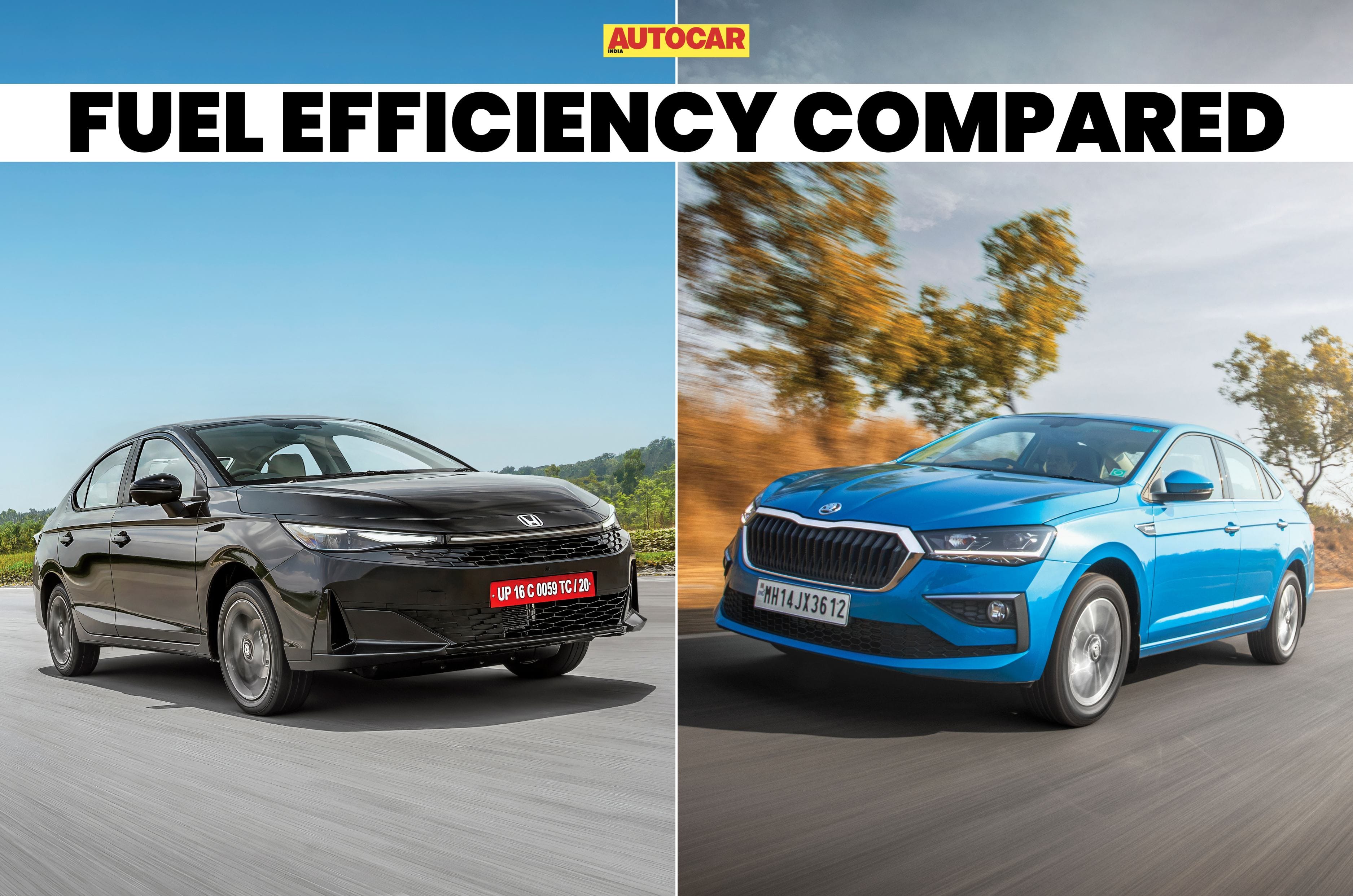
Honda City vs Skoda Slavia petrol automatic real-world mileage compared

The fifth-gen Honda City is fresh off its second facelift, which aims to make the midsize sedan more compelling against rivals like the Skoda Slavia. Where the Slavia is available with turbo-petrol engines only, the City gets a sole naturally aspirated motor in its petrol variants. We put the petrol automatic versions of the City and Slavia through our real-world test

Honda City vs Skoda Slavia petrol automatic: Price and specs

 CitySlavia
Engine1.5 NA1.0 turbo / 1.5 turbo
Cylinder count43 / 4
Power (hp)121116 / 150
Torque (Nm)145178 / 250
GearboxCVT6AT / 7DCT
Fuel tank capacity (litres)4045
ARAI mileage (kpl)17.9718.73 / 19.36
Price range (Rs, lakh)14.30-17.1514.34-16.69 / 18.04-18.19

As noted previously, the City gets a 1.5-litre 4-cyl naturally aspirated petrol engine, whereas the Slavia can be had with either a 1.0-litre 3-cyl or 1.5-litre 4-cyl turbo-petrol mill – both are direct-injection engines. The City’s i-VTEC engine makes slightly more power than the Slavia’s 1.0 TSI, but falls much short of the 1.5 TSI. Torque output, fuel tank capacity, and ARAI-claimed mileage figures are clear victories for the Skoda sedan too.

Slavia 1.5 TSI offers cylinder deactivation feature

The City also comes with a CVT transmission, which is more cost-effective, but not as smooth or responsive as the Slavia 1.0 TSI’s 6-speed torque converter and the 1.5 TSI’s 7-speed dual-clutch automatic. It’s also worth noting that the Slavia 1.5 TSI gets cylinder deactivation tech, which can shut off two cylinders at cruising speeds to save fuel.

In terms of pricing, the City CVT slightly undercuts the Slavia 1.0 TSI AT at the base level, though the latter’s top-spec version is more affordable than the Honda sedan’s fully-loaded variant. Compared to the Slavia 1.5 TSI, the City CVT is cheaper by up to Rs 1.04 lakh.

Honda City vs Skoda Slavia petrol automatic: Real-world mileage

City vs Slavia 1.0 TSI AT

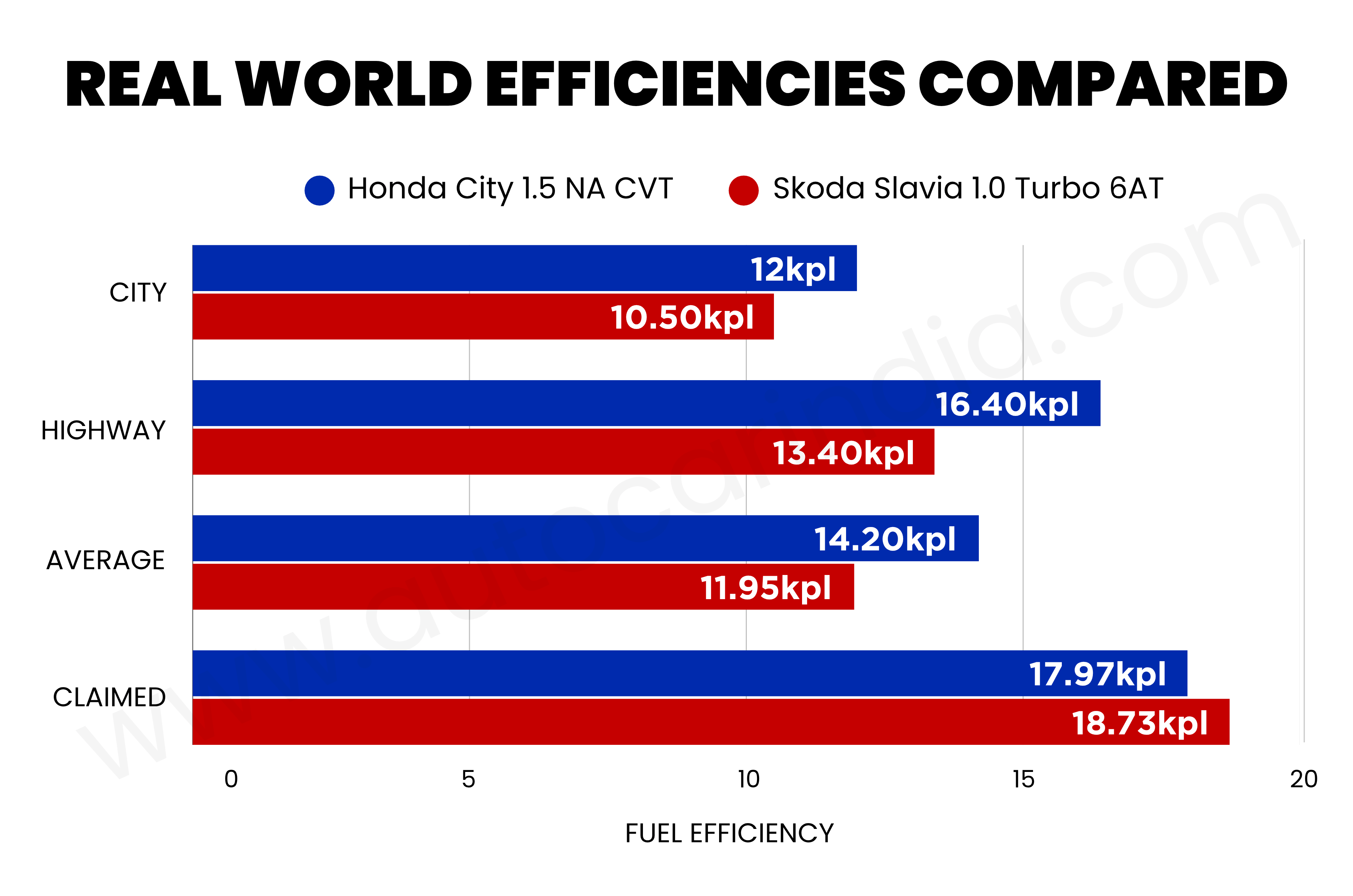
Despite being a cylinder down compared to the City, the Slavia 1.0 TSI yielded lower mileage figures in our real-world testing. In urban conditions, the City eked out a 1.5kpl victory over the Slavia 1.0 TSI, while on the highway, the Honda sedan’s lead widened to a full 3kpl. Looking at their average fuel efficiency figures, the City was 2.25kpl ahead of the Slavia 1.0 TSI.

City vs Slavia 1.5 TSI DCT

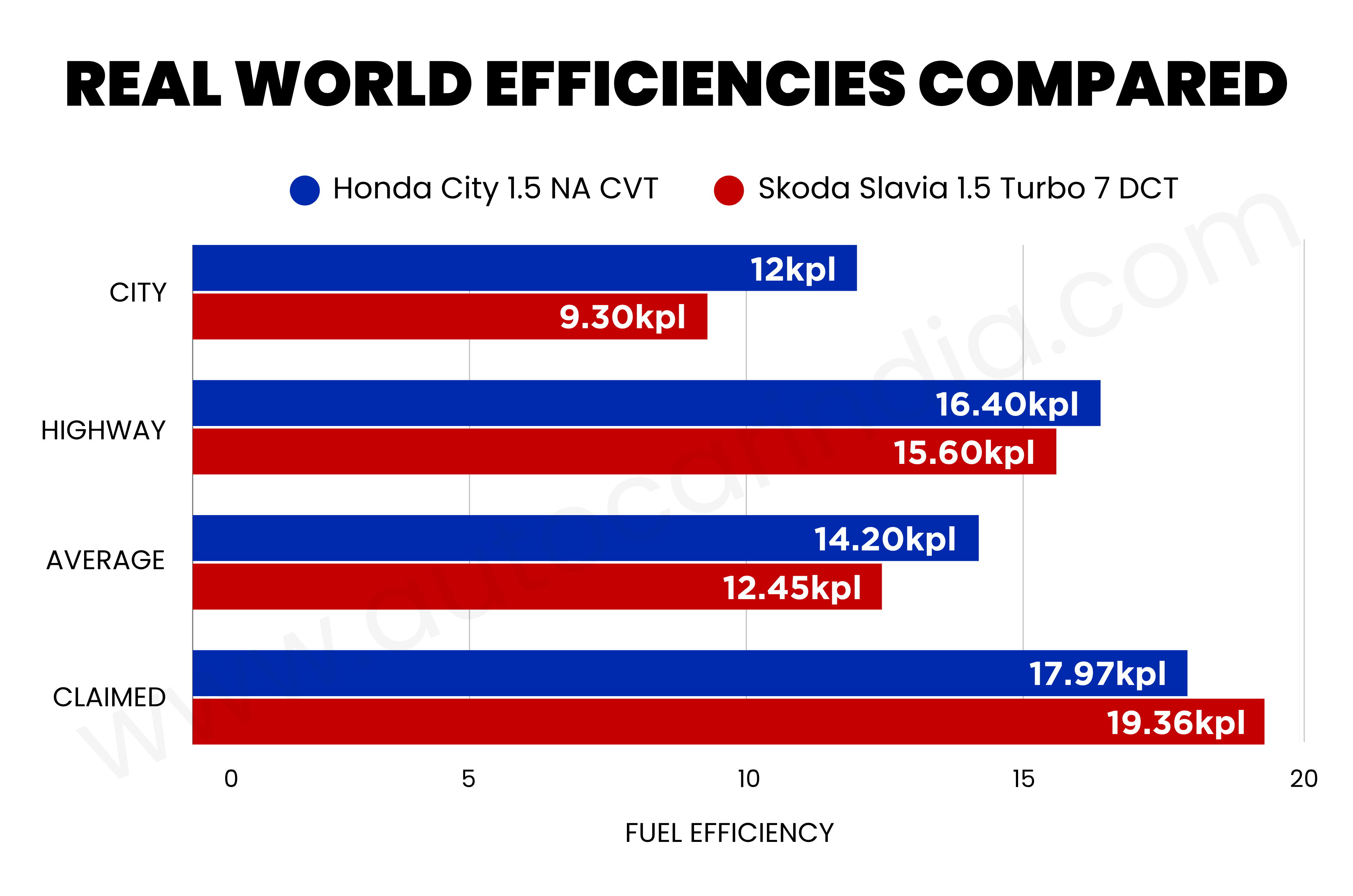
Unsurprisingly, the Slavia 1.5 TSI sipped more fuel than the 1.0 TSI in urban conditions, resulting in a 2.7kpl delta between the City. Thanks to its cylinder deactivation function, though, the Slavia 1.5 TSI majorly closed the mileage gap on the highway, but still fell short of the City by 0.8kpl. All told, the Slavia 1.5 TSI’s average fuel efficiency worked out to 0.5kpl higher than the 1.0 TSI, and 1.75kpl lower than that of the City.

City’s smaller fuel tank lets it down a bit

While the City undeniably offers better real-world mileage, its smaller fuel tank somewhat detracts from the victory. Per the average fuel efficiency numbers, the Honda sedan can travel 568km on a full tank of petrol, while the Slavia 1.0 TSI AT and 1.5 TSI DCT manage real-world range figures of 538km and 560km, respectively. That’s a difference of 8-30km in the City’s favour, which isn’t all that substantial, especially when comparing the 4-cyl versions of each sedan.

Autocar India’s fuel efficiency testing

Before our real-world fuel efficiency tests, we fill our test cars’ tanks to the brim and maintain tyre pressures based on the manufacturer’s recommendations. These cars are driven in fixed city and highway loops in and around Navi Mumbai, and we maintain certain average speeds. Throughout the tests, there is only one person in each car, running the air conditioner and other electricals, such as the audio system, indicators and wipers, when required, just like a regular user would. Periodic driver swaps further neutralise variations in driver patterns. At the end of each cycle, we calculate efficiency by filling the tanks to full again.

All prices are ex-showroom, India.

Skoda Slavia Monte Carlo edition gets new limited-run colours

Skoda Slavia front quarter tracking

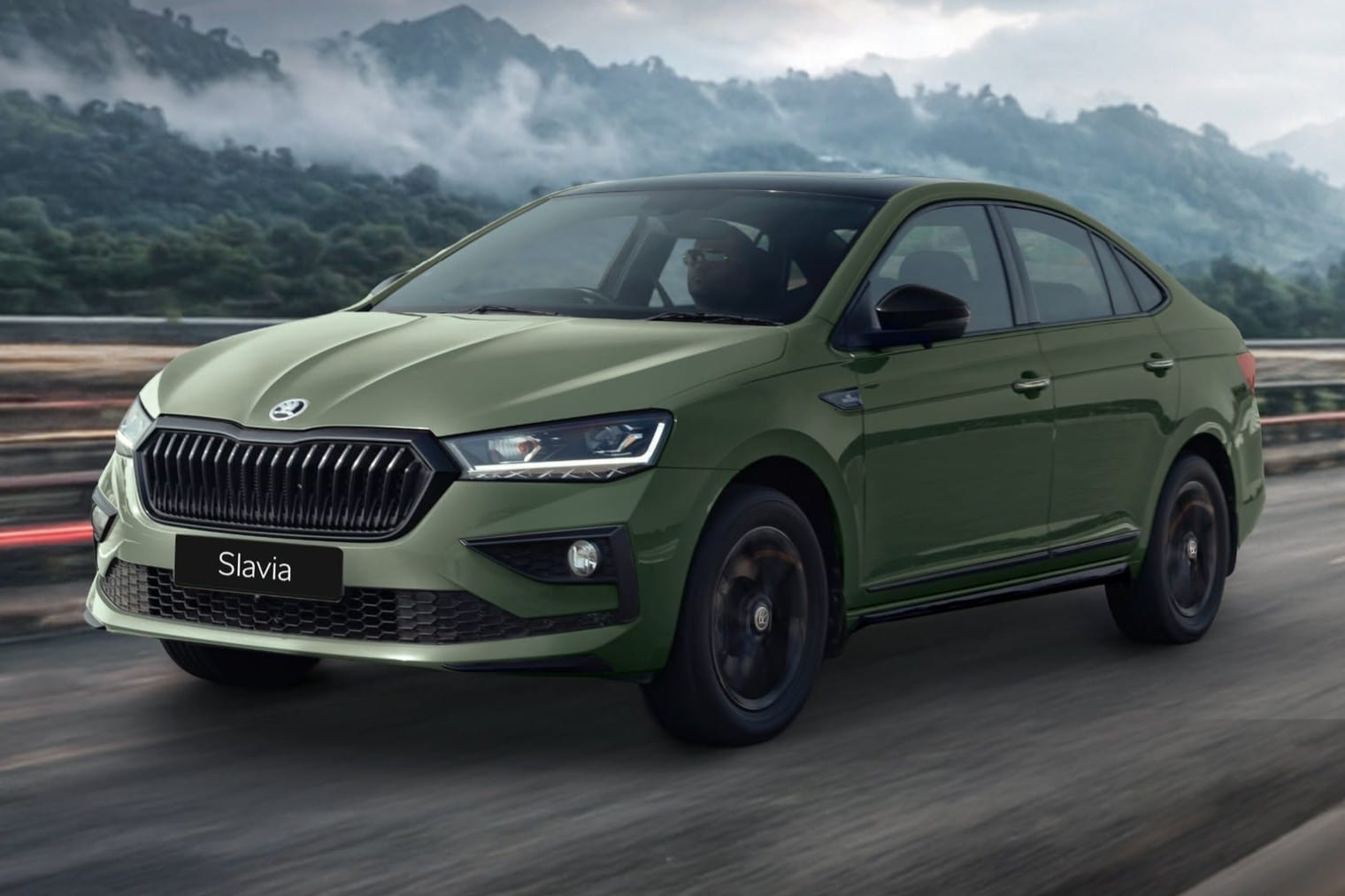
Skoda India has introduced two new limited-run colours with the Slavia Monte Carlo Edition. The carmaker says that only 200 units of the Slavia Monte Carlo will be produced in these colour options. Prices remain unchanged, despite the introduction of the exclusive new colours, ranging from Rs 16.69 lakh to Rs 18.19 lakh. 


Used Car Study 2026: Hyundai Verna holds its value best among midsize sedans

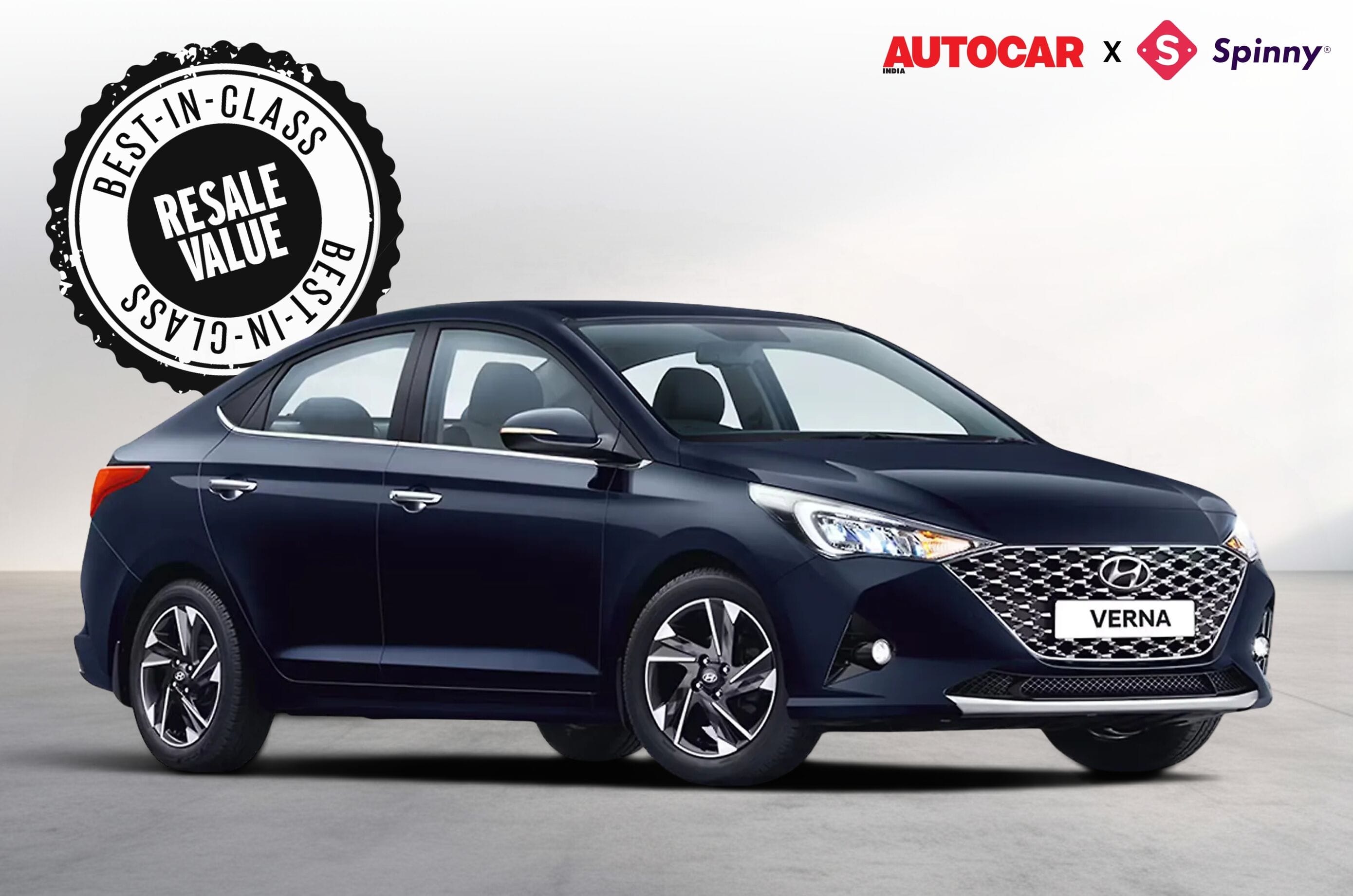
Hyundai Verna resale value

Conducted in association with Spinny, India’s leading pre-owned car platform, the fourth edition of our Used Car Study analyses real-world resale values across a broad spectrum of vehicles sold in the Indian market to assess depreciation trends over a five-year ownership period. The study is based on actual transactional data shared by Spinny for vehicles sold between January 1 and August 31, 2025.

In this part of the resale value study series, we take a look at the midsize sedan segment:

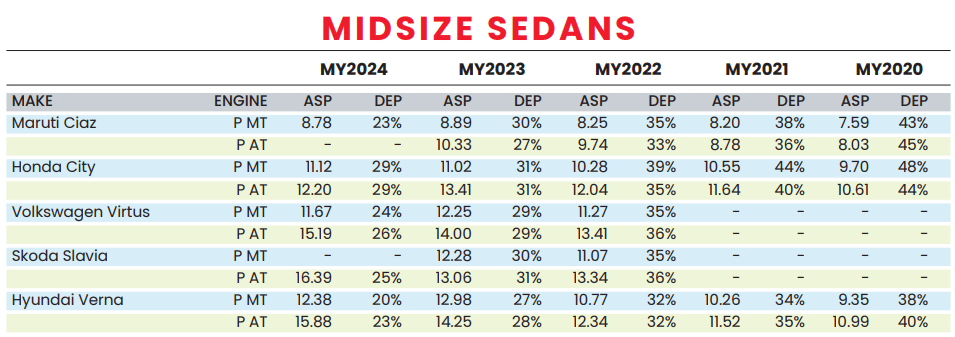
Midsize sedan resale value 

*Average selling price (ASP) in Rs lakh

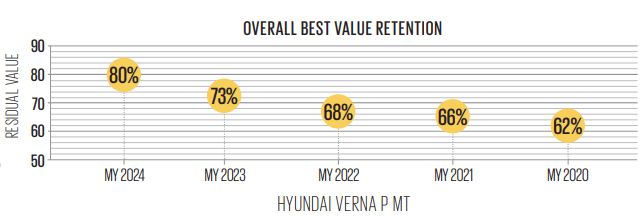
The Hyundai Verna petrol-manual displays the most stable depreciation curve among midsize sedans. Strong demand, modern styling and a well-rounded ownership experience appear to have positively influenced its used-market appeal. In contrast, five-year-old examples of the Honda City petrol-manual are currently trading at nearly half their original on-road prices. 

Between the two European rivals, the Volkswagen Virtus appears to retain value marginally better than the mechanically identical Skoda Slavia. Meanwhile, one-year-old and three-year-old examples of the now-discontinued Maruti Ciaz seem to hold its value relatively better than other midsize sedans of the same age.  

As per the study, the average selling price of a five-year-old midsize sedan retailed through Spinny was Rs 9.38 lakh. Comparable figures for three-year-old and one-year-old midsize sedans were Rs 11.25 lakh and Rs 12.95 lakh, respectively. Average depreciation over the same periods worked out to 43 percent, 34.8 percent and 24.8 percent, respectively.

Autocar-Spinny resale value study methodology 

The analysis covers the average selling prices (ASPs) of vehicles retailed through Spinny’s network across nine cities – Delhi-NCR, Bengaluru, Hyderabad, Pune, Chennai, Mumbai, Lucknow, Ahmedabad and Kolkata.

For the purposes of this study, depreciation has been defined as the percentage difference between a vehicle’s original on-road price in its year of manufacture and its resale value in 2025. In instances where a model was offered with multiple engine options using the same fuel type, the data has been consolidated and averaged. Variant-wise differences have similarly been averaged out.

Discontinued models and powertrain options have been excluded. Additionally, premium vehicles priced above Rs 30 lakh, electric vehicles and certain low-volume models have not been included due to limited transaction data and insufficient sample sizes.

Kia Price Hike 2026: 1 जुलाई से महंगी हो जाएंगी Kia की सभी कारें, जानें आपके बजट पर कितना बढ़ेगा बोझ

Kia Price Hike 2026: कई सेगमेंट में फोर-व्हीलर ऑफर करने वाली किया इंडिया ने कन्फर्म किया है कि 1 जुलाई से उसकी सभी कारों की कीमतों में 2% तक की बढ़ोतरी होगी। इसका मतलब है कि जो लोग अभी Seltos, Sonet या Carens खरीदने की सोच रहे हैं, उनके लिए महीने के खत्म होने से पहले ही बुकिंग करना बेहतर रहेगा। यह बढ़ोतरी मॉडल और वेरिएंट के हिसाब से अधिकतम 2.6 लाख रुपये तक पहुंच सकती है। कंपनी ने इसकी वजह बढ़ती इनपुट लागत और ऑपरेशनल खर्चों में बढ़ोतरी बताई है, जो इस साल भारत में लगभग सभी ऑटो कंपनियों की तरफ से दी गई एक सामान्य वजह है। वहीं, अगर आप इस ब्रांड की कार खरीदने की प्लानिंग कर रहे हैं, तो डीलरशिप पर जाने से पहले आपको यह समझना जरूरी है कि यह बढ़ोतरी बिक्री के लिए मौजूद सभी किया मॉडल्स पर एक जैसी नहीं होगी।

असल में आपको कितना ज्यादा पैसा देना होगा?

Kia ने अभी तक हर मॉडल के हिसाब से सटीक कीमतें नहीं बताई हैं, लेकिन प्राइस लिस्ट को देखें तो आप कहां से गाड़ी खरीद रहे हैं, उसके आधार पर कीमत में बढ़ोतरी अलग-अलग होगी। अभी सोनेट (Sonet) की कीमत ₹7.33 लाख से ₹14.18 लाख, सेल्टोस (Seltos) की ₹11 लाख से ₹20 लाख और कैरेंस (Carens) की ₹11.02 लाख से ₹12.88 लाख (सभी एक्स-शोरूम) के बीच है। सबसे महंगी सेल्टोस के वेरिएंट पर 2% की बढ़ोतरी का मतलब है लगभग ₹40,000 ज्यादा, जबकि सबसे सस्ती सोनेट ट्रिम की कीमत में कम बढ़ोतरी होगी, जो लगभग ₹14,000 से ₹15,000 के बीच होगी। किया का कहना है कि वह बढ़ी हुई लागत का कुछ हिस्सा खुद उठा रही है, न कि पूरा बोझ ग्राहकों पर डाल रही है, हालांकि उसने यह नहीं बताया कि कितना हिस्सा वह खुद उठा रही है।

क्या सिर्फ Kia ऐसा कर रही है, या सभी ऐसा कर रहे हैं?

सिर्फ Kia ही नहीं। Tata Motors, Hyundai और Maruti Suzuki ने भी इस साल की शुरुआत में अपनी कुछ गाड़ियों की कीमतें बढ़ाई हैं, और इसकी वजह भी लागत का दबाव ही बताया है, इसलिए यह कोई अकेला मामला नहीं है। अगर आप Seltos की तुलना Hyundai Creta या Maruti Suzuki Grand Vitara जैसी गाड़ियों से कर रहे हैं, तो उम्मीद करें कि आने वाले महीनों में उनकी कीमतें भी बदलती रहेंगी। जो खरीदार Kia गाड़ी खरीदने का मन बना चुके हैं, उनके लिए समझदारी इसी में है कि वे 1 जुलाई से पहले बुकिंग पक्की कर लें, क्योंकि एक बार कीमतें बढ़ने के बाद वे आम तौर पर कम नहीं होतीं, चाहे बाद में बाजार का हाल कैसा भी रहे। यह भी ध्यान रखने वाली बात है कि हम Kia की पूरी लाइनअप की बात कर रहे हैं; इस बदलाव में Syros, Carens Clavis, Carens Clavis EV, Carnival, EV6 और EV9 भी शामिल हैं, न कि सिर्फ वे तीन मॉडल जिन पर सबसे ज्यादा ध्यान दिया जा रहा है।

यह भी पढ़ें: New Honda City vs Skoda Slavia: 2026 में कौन सी सेडान कार है बेस्ट? जानें फीचर्स से लेकर माइलेज तक पूरी डिटेल

2026 Bajaj Pulsar 220F हुई अपडेट, LED लाइट्स और नए फीचर्स ने बढ़ाया लुक

2026 Bajaj Pulsar 220F को हाल ही में एक नया अपडेट मिला है, जिसमें LED हेडलाइट और इंडिकेटर्स शामिल किए गए हैं। इस अपडेट के बाद इसकी कीमत ₹1.36 लाख (एक्स-शोरूम) तय की गई है और देशभर के ऑथराइज्ड डीलरशिप पर इसकी बुकिंग शुरू हो चुकी है। पहले इस बाइक में पारंपरिक हैलोजन लाइटिंग सेटअप मिलता था, लेकिन अब नई LED यूनिट के साथ यह ज्यादा मॉडर्न हो गई है। बता दें कि LED लाइट्स बेहतर ब्राइटनेस, ज्यादा एनर्जी एफिशिएंसी और लंबी लाइफ के लिए जानी जाती हैं, जिससे राइडिंग एक्सपीरियंस और भी बेहतर हो जाता है। इसके बावजूद Bajaj ने बाइक के सिग्नेचर सेमी-फेयर्ड डिजाइन और भरोसेमंद मैकेनिकल सेटअप में कोई बदलाव नहीं किया है, जिससे इसका क्लासिक लुक और परफॉर्मेंस दोनों बरकरार रहते हैं।

2026 Bajaj Pulsar 220F: क्या है नया?

2026 Bajaj Pulsar 220F इस नए अपडेट के साथ और भी आकर्षक हो गई है। बाइक में अब फुल-LED हेडलाइट और स्लिक LED टर्न इंडिकेटर्स दिए गए हैं, जो न सिर्फ इसके लुक को बेहतर बनाते हैं बल्कि रात में विजिबिलिटी बढ़ाकर सेफ्टी को भी अपग्रेड करते हैं। इसके अलावा, बाइक में नए ग्राफिक्स और अपडेटेड कलर स्कीम्स भी जोड़ी गई हैं, जिससे इसका डिजाइन पहले से ज्यादा फ्रेश और स्पोर्टी नजर आता है।

हालांकि, Bajaj ने इसकी असली पहचान को बरकरार रखते हुए सेमी-फेयर्ड डिजाइन, प्रोजेक्टर-स्टाइल फ्रंट और स्पोर्टी स्टांस में कोई बदलाव नहीं किया है।

2026 Bajaj Pulsar 220F: इंजन और हार्डवेयर

मैकेनिकल तौर पर बजाज ने इसमें कोई बदलाव नहीं किया है। इसमें अभी भी 220cc, सिंगल-सिलेंडर, फ्यूल-इंजेक्टेड, ऑयल-कूल्ड DTS-i इंजन लगा है, जो ज्यादा से ज्यादा 20.6hp की पावर और 18.55Nm का पीक टॉर्क देता है। इस इंजन के साथ 5-स्पीड गियरबॉक्स दिया गया है। हार्डवेयर की बात करें तो बाइक में टेलीस्कोपिक फ्रंट फोर्क्स और ट्विन रियर शॉक एब्जॉर्बर पहले की तरह ही हैं। साथ ही, इसमें दोनों पहियों पर डिस्क ब्रेक और सिंगल-चैनल ABS भी मिलता है।

2026 Bajaj Pulsar 220F: फीचर्स और कीमत

अपडेटेड Pulsar 220F में ब्लूटूथ-इनेबल्ड डिजिटल इंस्ट्रूमेंट कंसोल दिया गया है, जो स्मार्टफोन कनेक्टिविटी और टर्न-बाय-टर्न नेविगेशन को सपोर्ट करता है। इसकी कीमत अब 1.36 लाख रुपये है, जो बाइक की पिछली कीमत 1.28 लाख रुपये से 8,000 रुपये से ज्यादा है। ये दोनों कीमतें एक्स-शोरूम हैं।

यह भी पढ़ें: New Honda City vs Skoda Slavia: 2026 में कौन सी सेडान कार है बेस्ट? जानें फीचर्स से लेकर माइलेज तक पूरी डिटेल