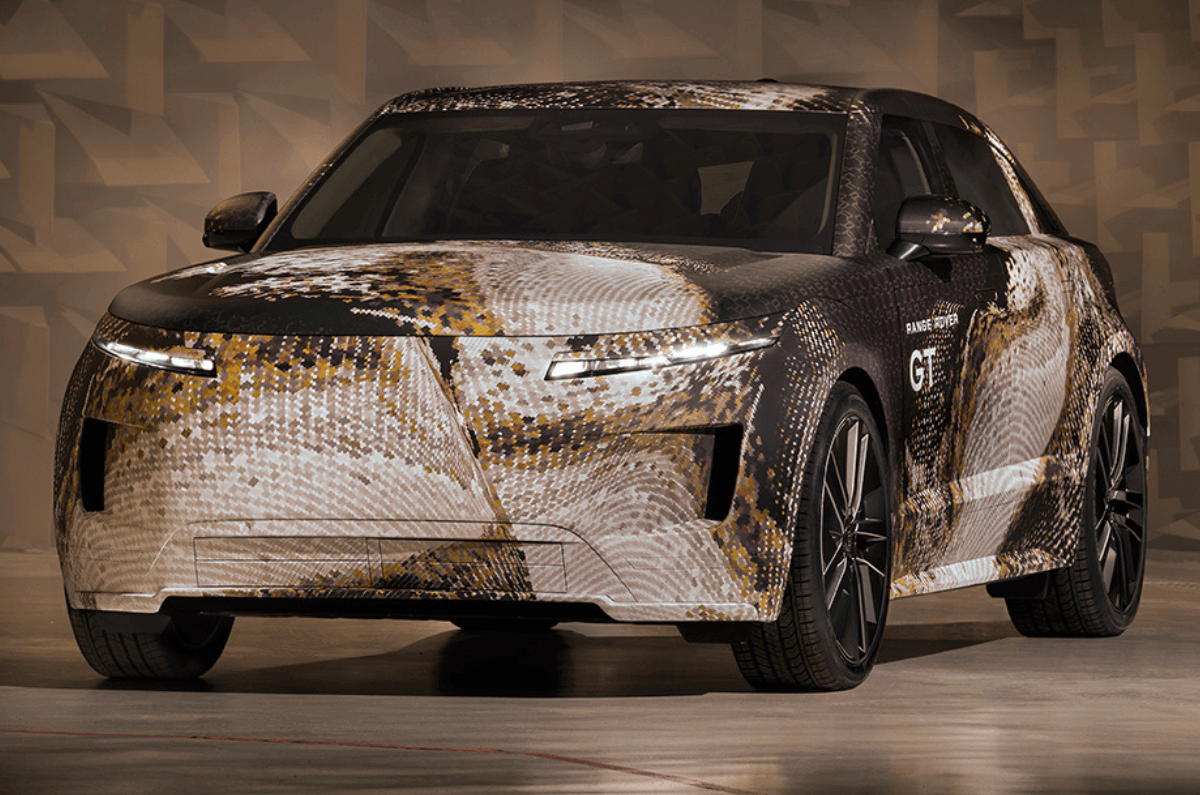
It’s not often that Range Rover adds a fresh member to the family. The last wholly new addition to the range was the Velar in 2017. Now comes something far more radical – the Range Rover GT, a grand tourer that ditches the SUV playbook, goes all-electric and pushes the brand into uncharted territory.
Shape of a new Range Rover
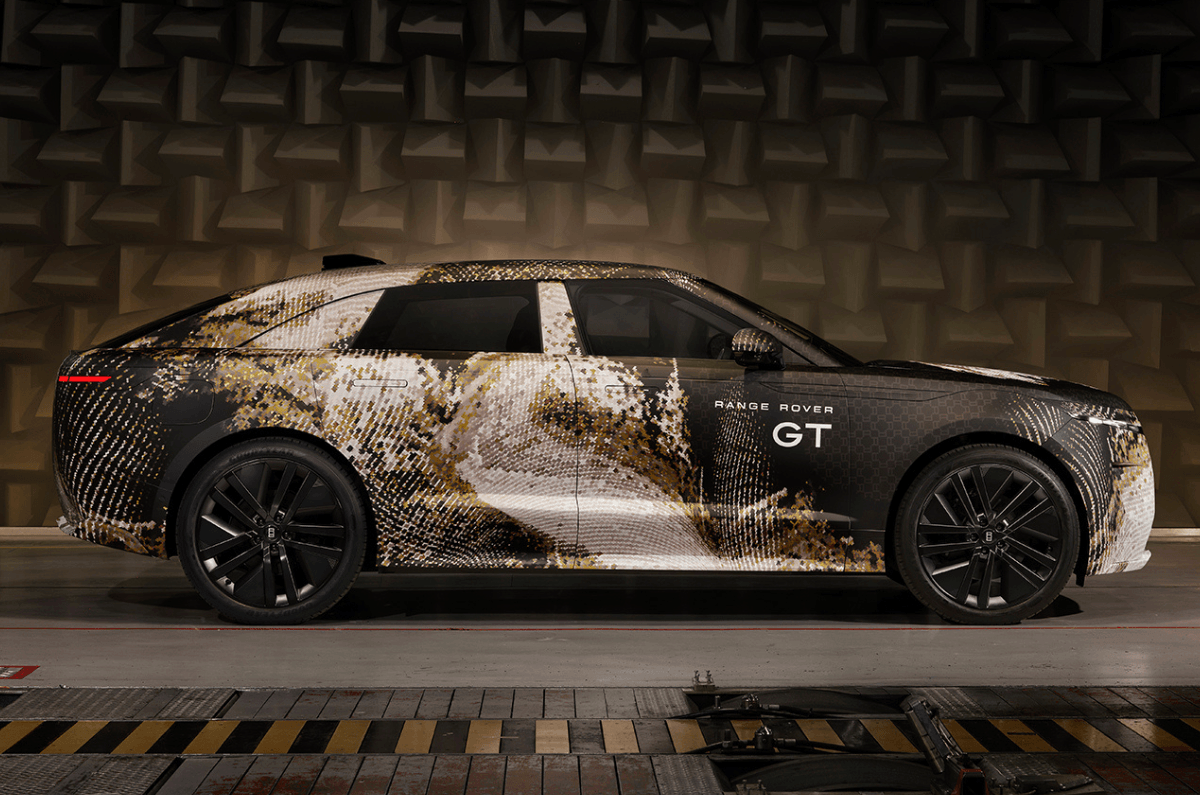
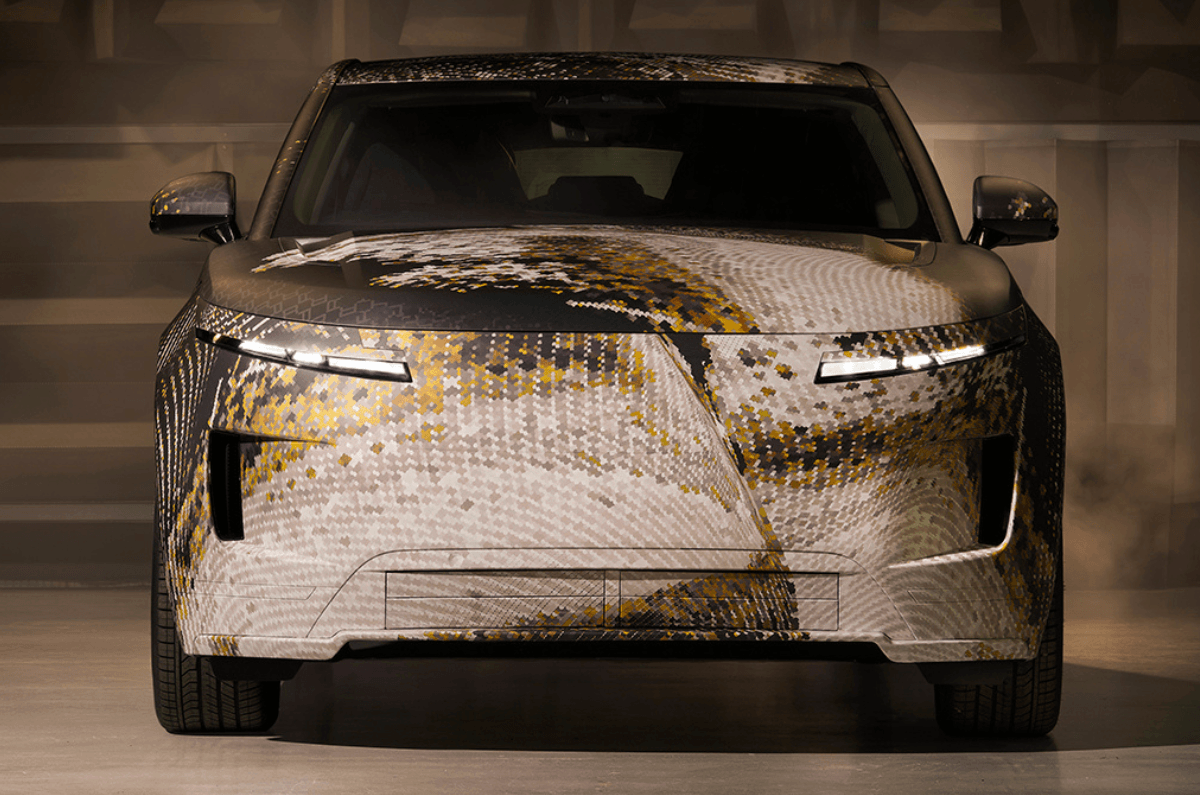
Even under the elaborate gold-on-black camouflage, the GT’s form is impossible to miss. The silhouette is long, low and almost coupe-like, with a roofline that seems to run on forever and exaggerates the car’s length.
Range Rover says the GT is longer than the standard-wheelbase Range Rover and, crucially, the lowest Range Rover yet. It also sits lower than a Porsche Macan while stretching beyond a Range Rover Sport. Those proportions immediately change what you expect a Range Rover to be. There’s still the familiar clean surfacing and tight detailing, but the GT comes across more like a fast, long-legged cruiser than a traditional go-anywhere SUV. And of course, like every Range Rover, it still drives all four wheels. The wheelbase looks to be well over three metres, which should suit the kind of high-speed stability and relaxed continent-eating ability the GT name promises.
Underpinning this shift is a clean break from the MLA architecture used by the Range Rover and Range Rover Sport Electrics. The GT rides on JLR’s new EMA platform, a born-electric architecture that gives the design and engineering teams far more freedom than a chassis that is shared with ICE powertrains.
Born-electric, engineered for refinement
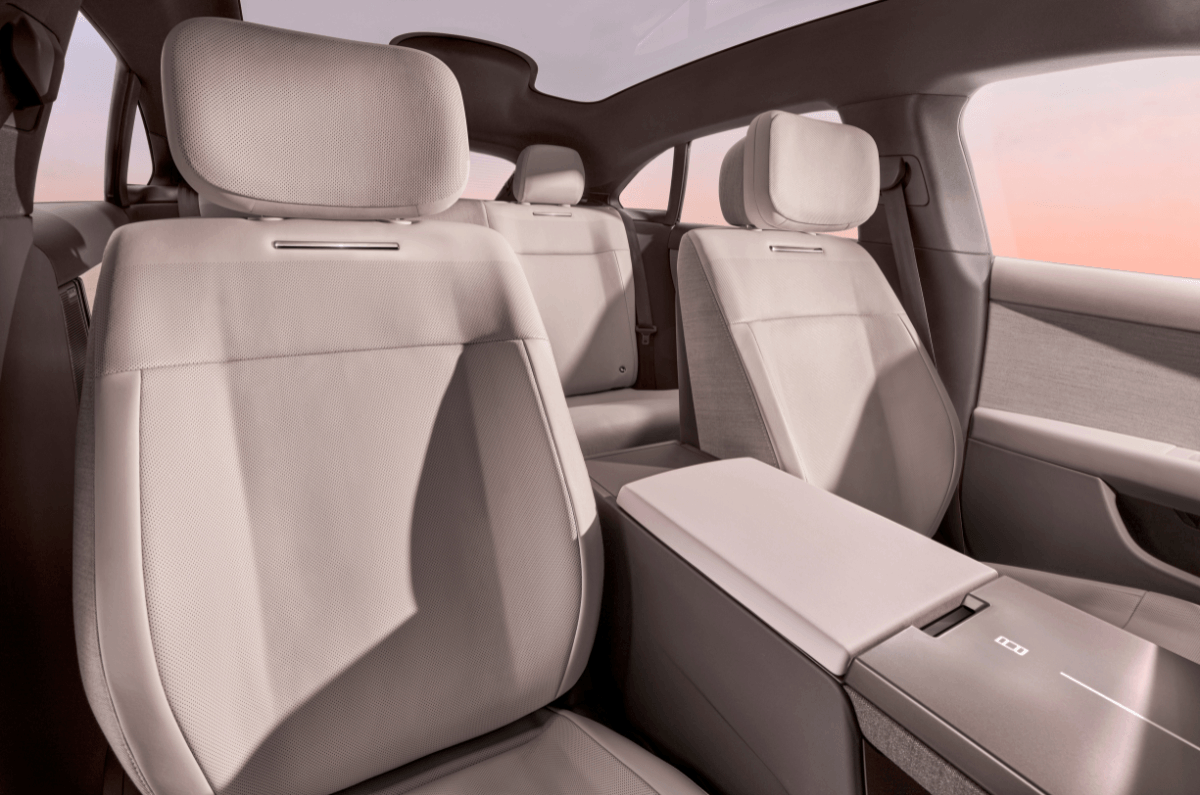
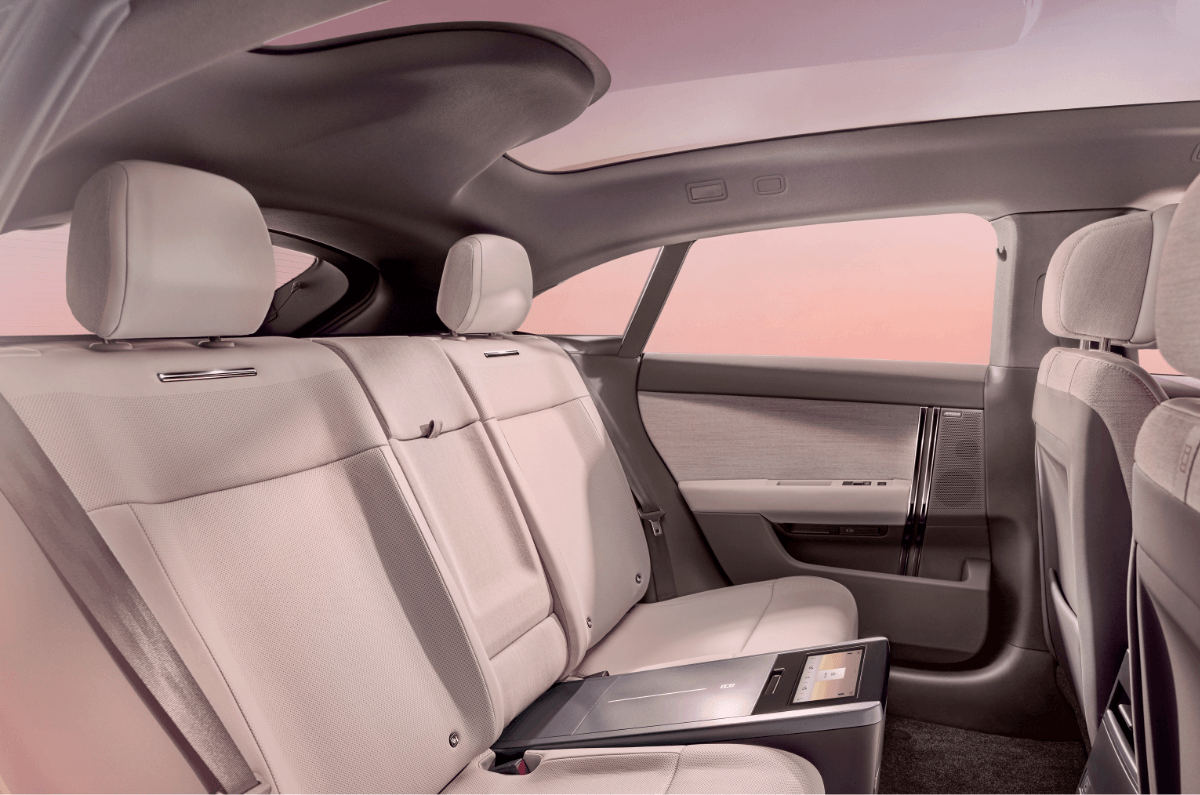
EMA’s packaging advantages are obvious here. Despite the low roofline, Range Rover says there’s enough headroom for six-footers in both rows, helped by a fixed panoramic glass roof, the largest the brand has fitted yet, which adds 40mm of headroom.
The battery uses longer cells in a single layer rather than a double-stacked layout, so the floor need not be pushed up. That should help keep the seating position natural, and the cabin feel properly spacious. There’s even a frunk up front, something you don’t get on the MLA-based Range Rover Electrics, which underlines how different this car is beneath the skin.
Refinement is clearly central to the brief. Martin Limpert, Managing Director of Range Rover, calls it “the quietest Range Rover yet”, claiming it to be 7dB quieter than the ICE Range Rover, which in acoustic terms is an exponential improvement. Besides, the inherent smoothness of an EV powertrain promises to give the GT a special calm, unhurried character that proper grand tourers are built on.
No hard figures have been released, but the wheelbase and EMA’s potential point to a sizeable battery pack and serious long-distance ability. Expect the GT to be built for fewer charge interruptions and more time spent crossing countries in near silence. Initially, the GT will be offered as a pure battery-electric vehicle, with a hybrid option planned later in the lifecycle.
A warm, reductive cabin
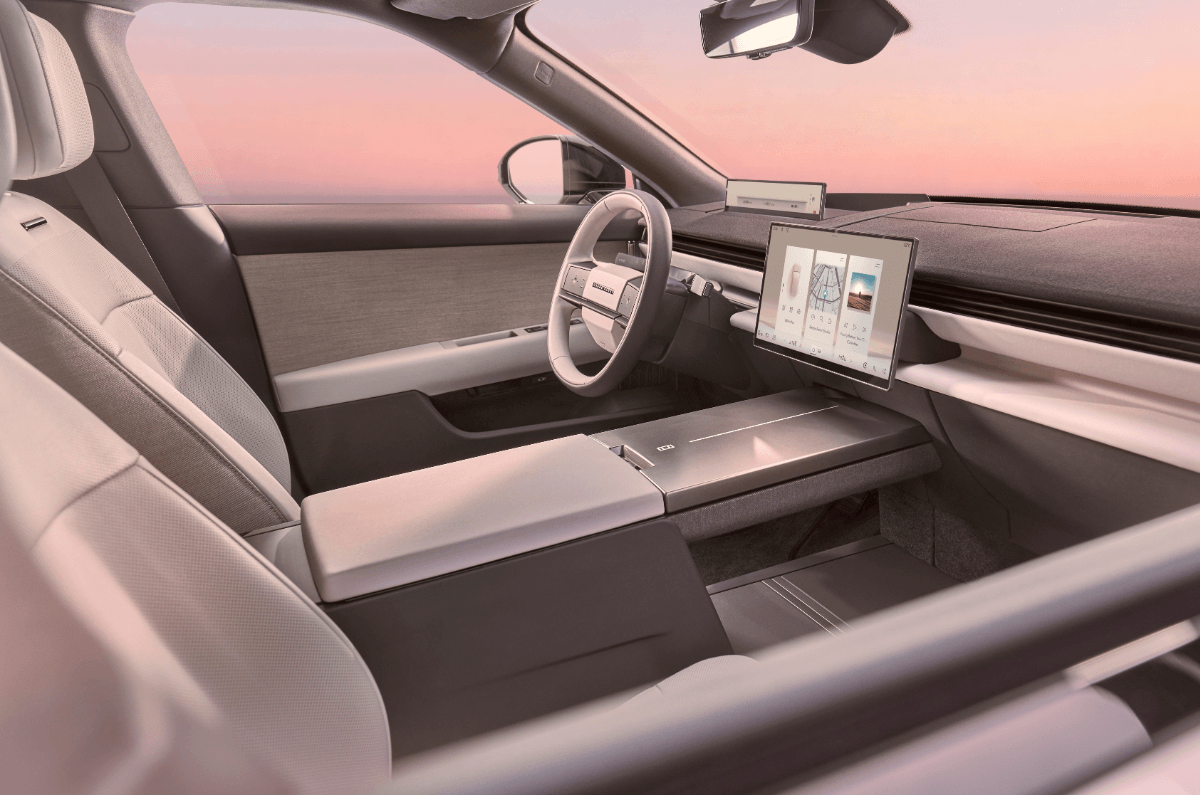
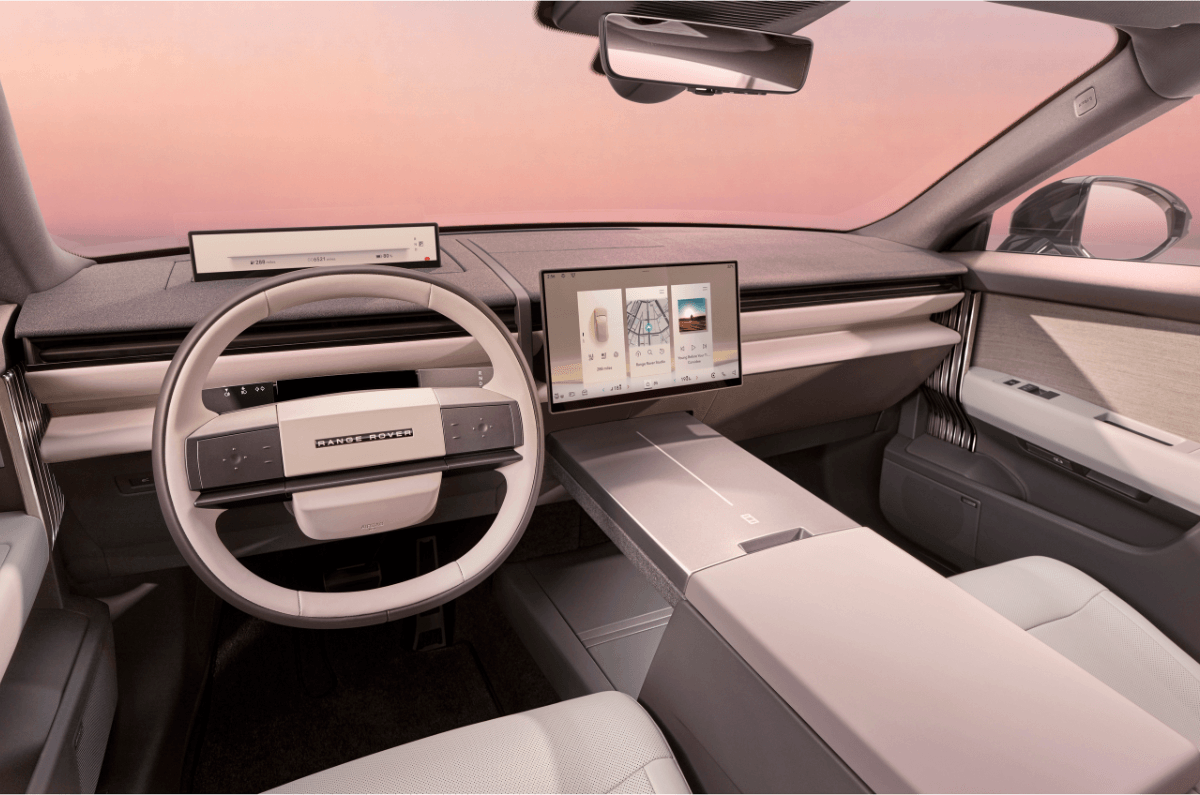
Inside, the GT continues Range Rover’s reductive design language, but in a more architectural, lounge-like way. The cabin is defined by strong horizontal lines, with a single central OLED screen paired with a compact driver display in place of a conventional instrument cluster.
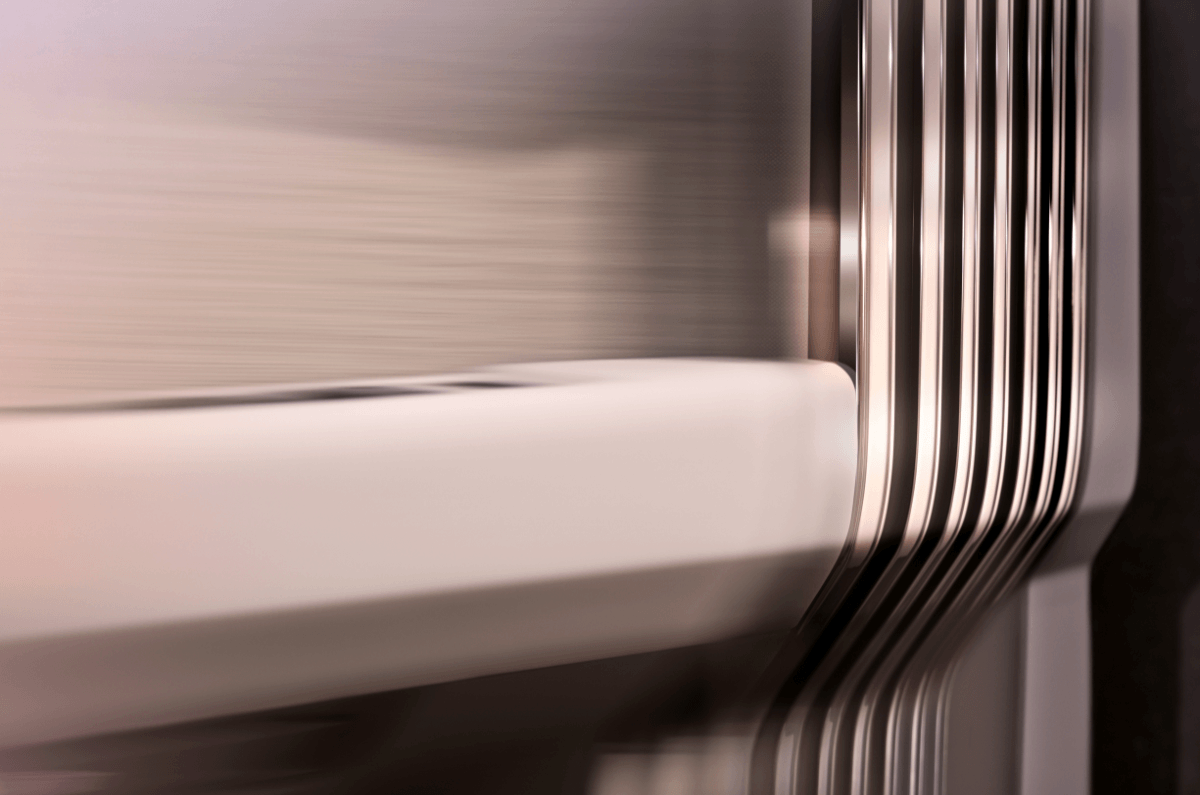
That smaller display is not just a styling move. It is meant to cut clutter and reduce the amount of information the driver has to process. A concealed air vent runs the width of the dash, creating a clean horizontal graphic that ties the cabin together, while the dashboard is wrapped in a woven textile that hides the speakers within its form.
Range Rover talks about hidden technology and reduced visual and acoustic clutter, and that comes through in the way the cabin is put together. Purists may rue to the fact that there are very few hard buttons, but the controls are said to be simplified to make the interface more user-friendly.
Second-row legroom is said to be class-leading, and the stretched body and EMA packaging make that claim believable. This is clearly a car designed to make the rear seat a proper place to be, not just somewhere to sit while the driver has all the fun.
Camouflage, character and what it means
The prototype fleet now running global tests wears a bespoke camouflage inspired by the landscape around Gaydon, home to Range Rover’s design and engineering teams. The topographic pattern gives the car a graphic, almost digital feel, while also hinting at the shape beneath.
Range Rover calls the GT its most technologically sophisticated model yet. The EMA platform, deep software integration and a vast suite of driver assistance features should make it more advanced than any Range Rover before it.
Limpert’s point is that the GT is meant to blend effortless EV performance, long-haul refinement and all-terrain ability in a way no conventional GT can. That is the real story here. This is not just a lower, sleeker Range Rover. It is a new interpretation of what the badge can be when the brand is no longer tied to the old packaging rules.
Built in Halewood alongside ICE and hybrid models, the GT is the car that finally drags Range Rover’s grand touring ambitions fully into the electric era – and it does so with a shape and stance that make it look every bit as disruptive as the brief suggests.
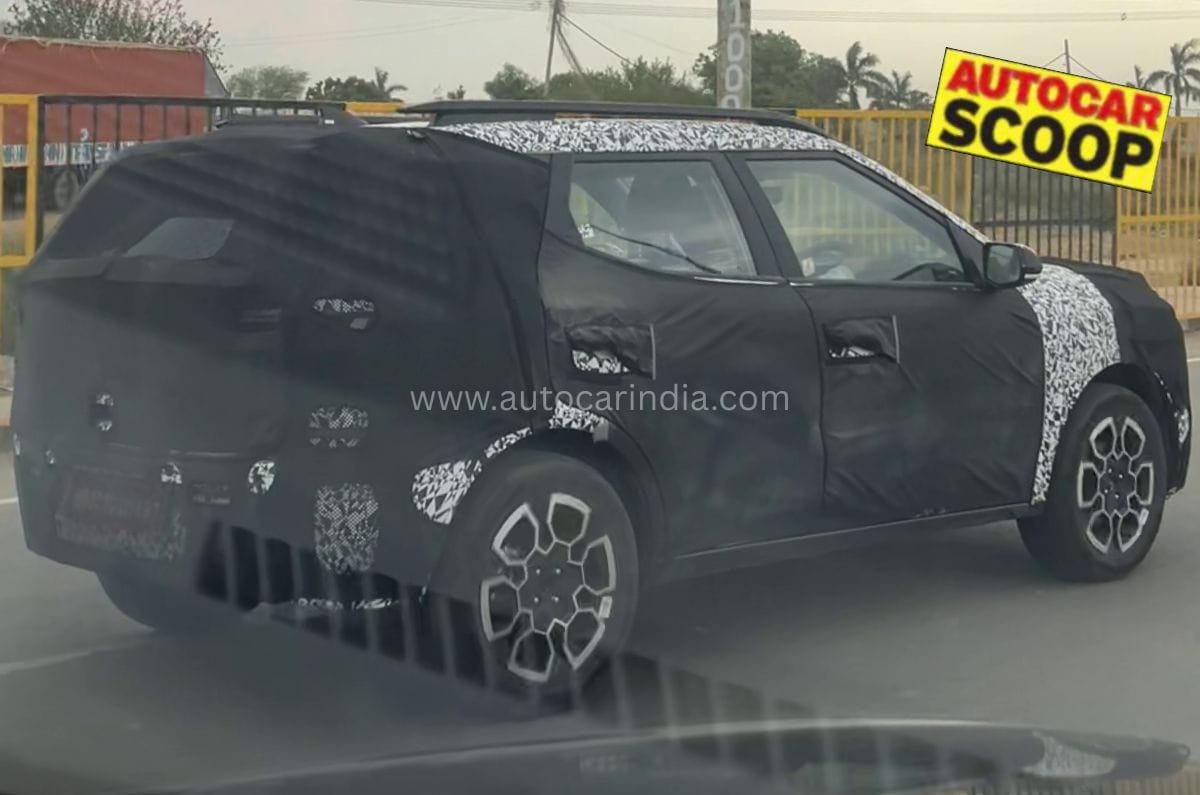
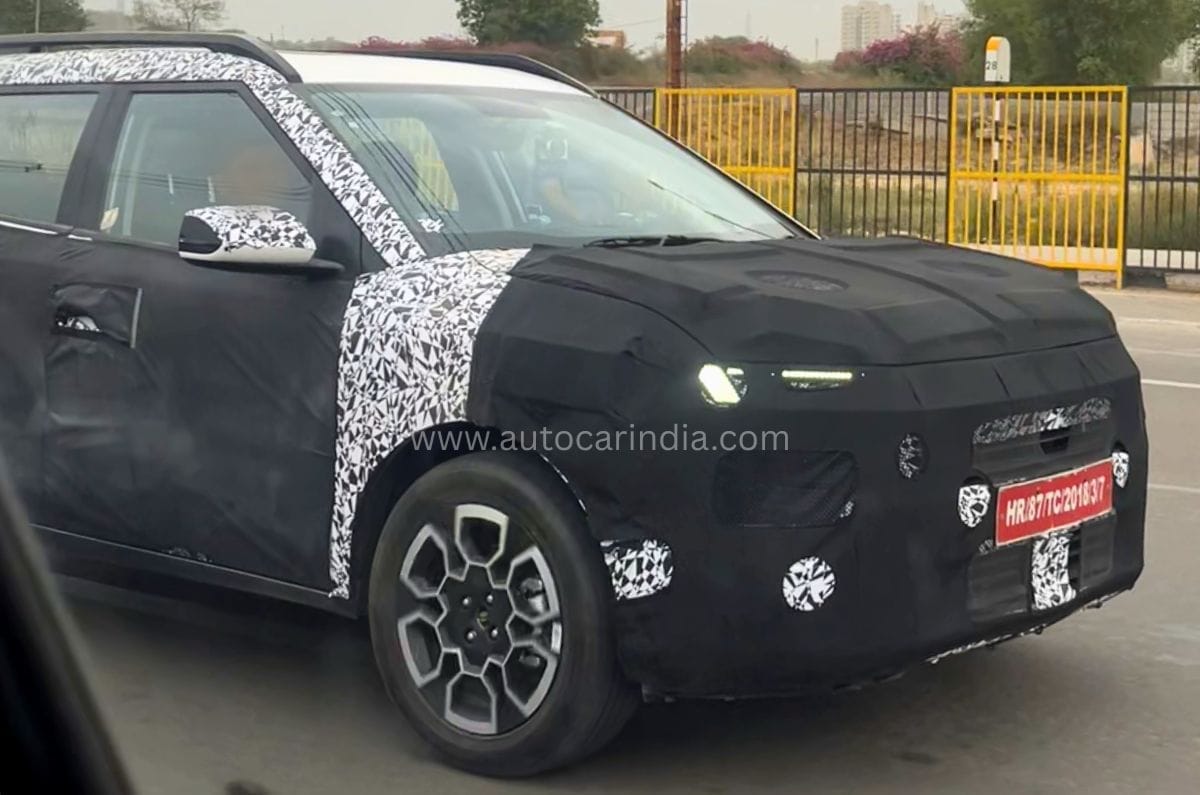
Hyundai has been testing the upcoming Bayon-based SUV, and now, our sources indicate that the model will launch with a naturally aspirated petrol engine, with a CNG-powered version to arrive soon after. Unlike its mid-size sibling, the Bayon-based SUV will likely not offer a diesel engine or a hybrid powertrain, which will be offered with the next-gen Creta due next year.
Hyundai Bayon-based SUV powertrain details
The Bayon-based SUV is likely to utilise the same 1.5-litre naturally aspirated petrol engine with manual and CVT gearbox options from the current Creta. Soon after, Hyundai will follow up with a CNG kit paired with this engine. CNG-powered versions will arrive with an underbody-mounted tank, whilst retaining a spare wheel. This would make it the first Hyundai model over 4 metres to have CNG power. As of now, the carmaker offers CNG only on sub-4-metre models such as the Exter, Grand i10 Nios and Aura. Currently, only the Victoris offers a CNG version with an underbody kit, but it skips on a spare wheel.
Hyundai’s strategy in the mid-size SUV segment is to offer two models, with the Bayon-based model occupying the lower rung and with more economical powertrain options, while the new Creta would sit above and come with a wider powertrain choice, including the new hybrid.
Hyundai Bayon-based SUV: What do we know so far?
Internally codenamed Bc4i, the Bayon-based SUV will be one of two new Hyundai nameplates in FY27. The model has been spied testing abroad and on our roads, with a crossover-esque design, LED lighting and dual-tone alloy wheels. It will measure around 4.18 metres in length. Hyundai is expected to equip the Bayon-based SUV with a long list of features, alongside ADAS. With the CNG powertrain, the Bayon-based SUV will debut by September 2026.
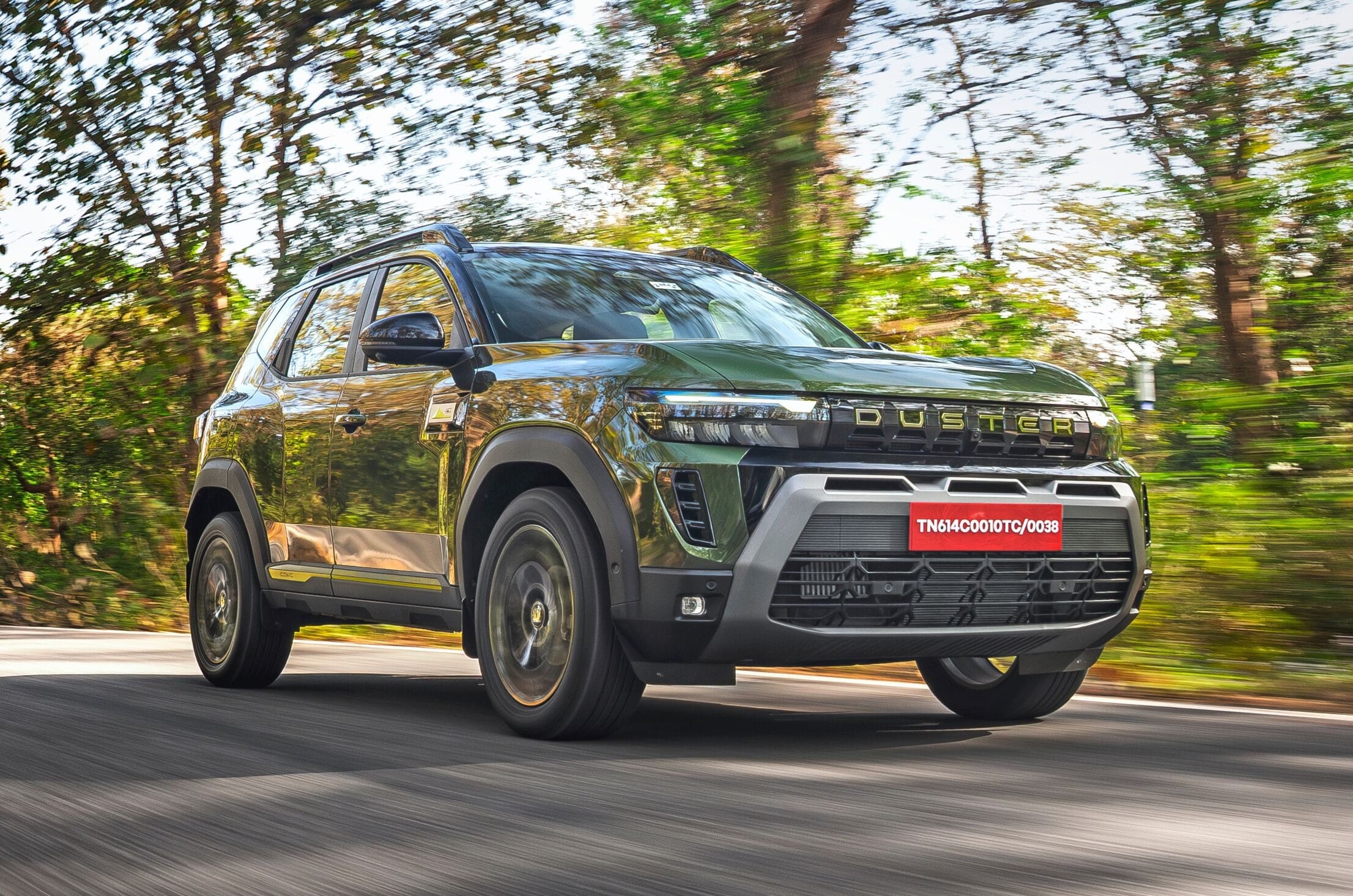
The Renault Duster impressed us at the first drive event with its muscular design, modern interior and ride and handling balance. We’ve now subjected all versions of the new Duster to our in-depth performance and efficiency testing to tell you how it stacks up against its established competition in the midsize SUV segment.
Renault Duster Exterior Design and Engineering – 9/10
Butch, muscular SUV has good road presence; India model based on RGMP platform
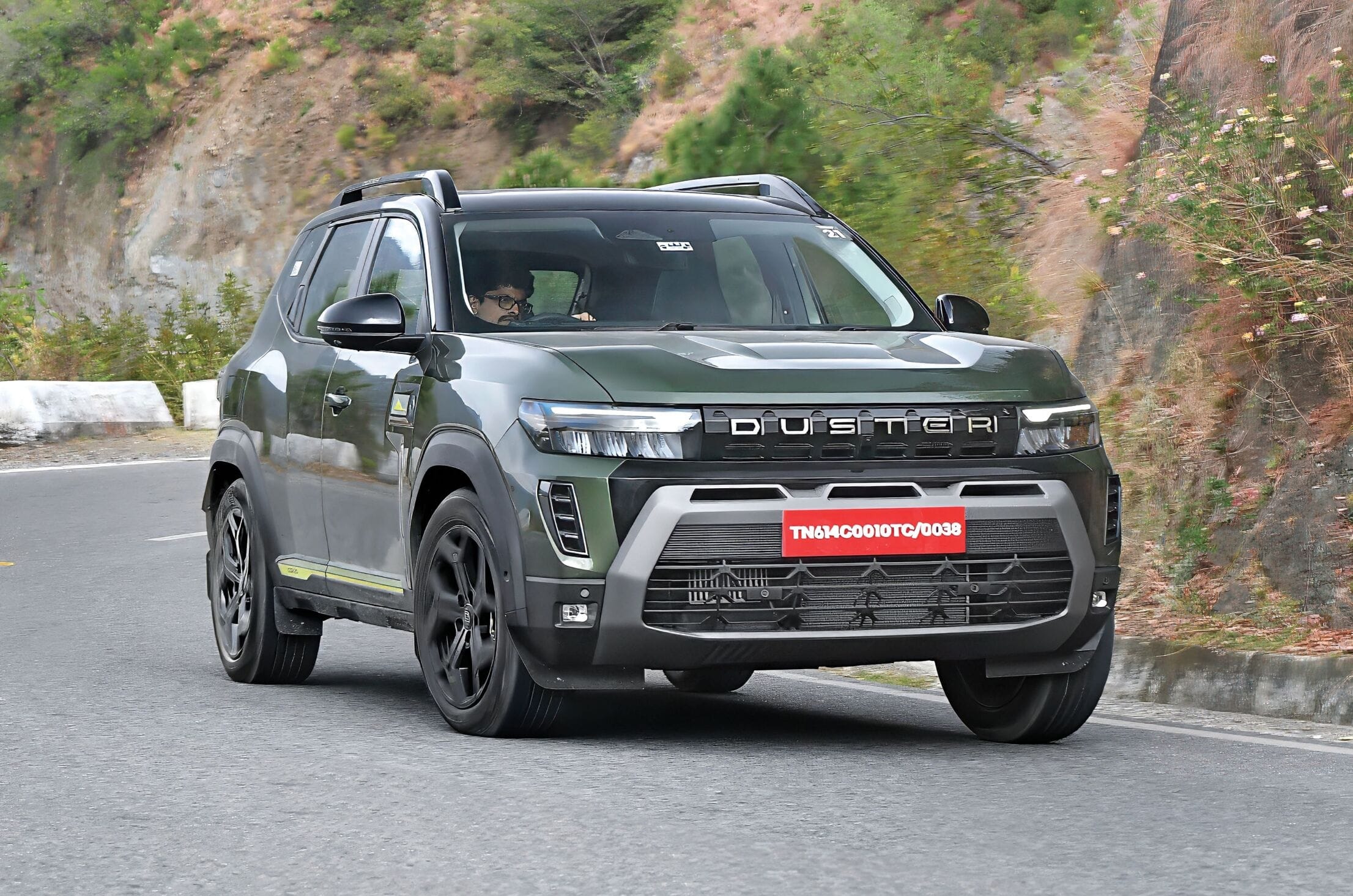
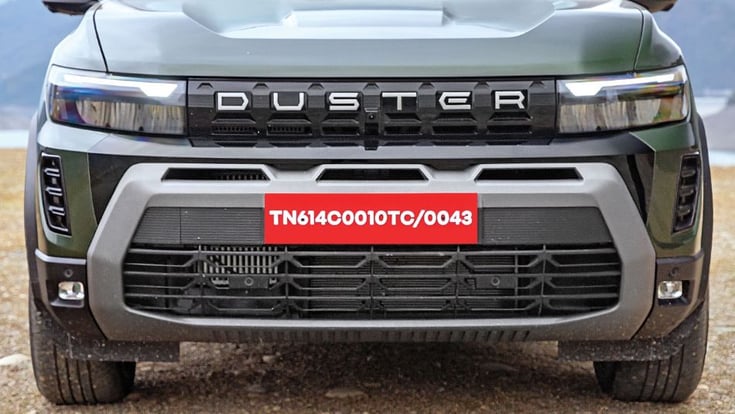
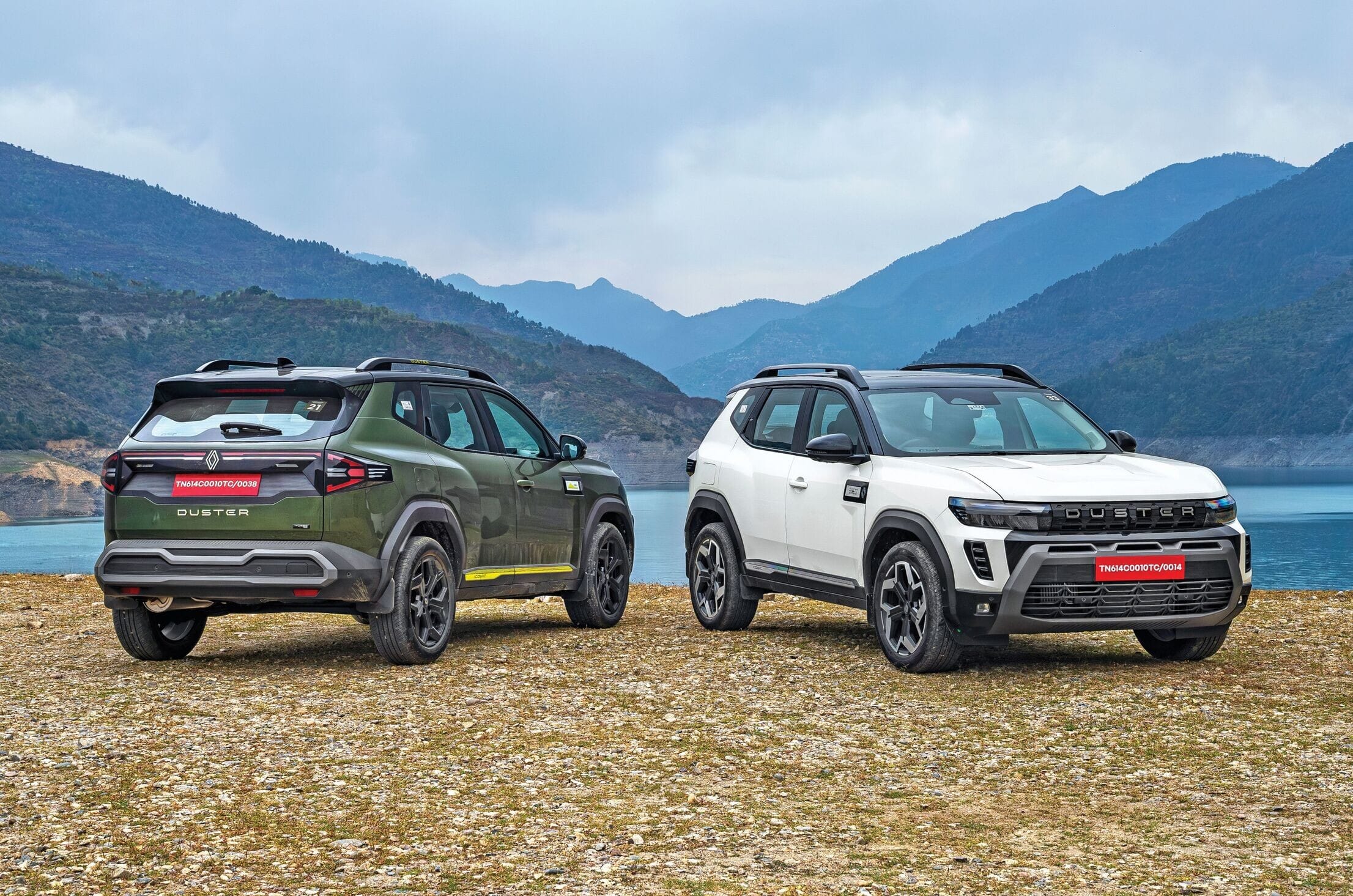
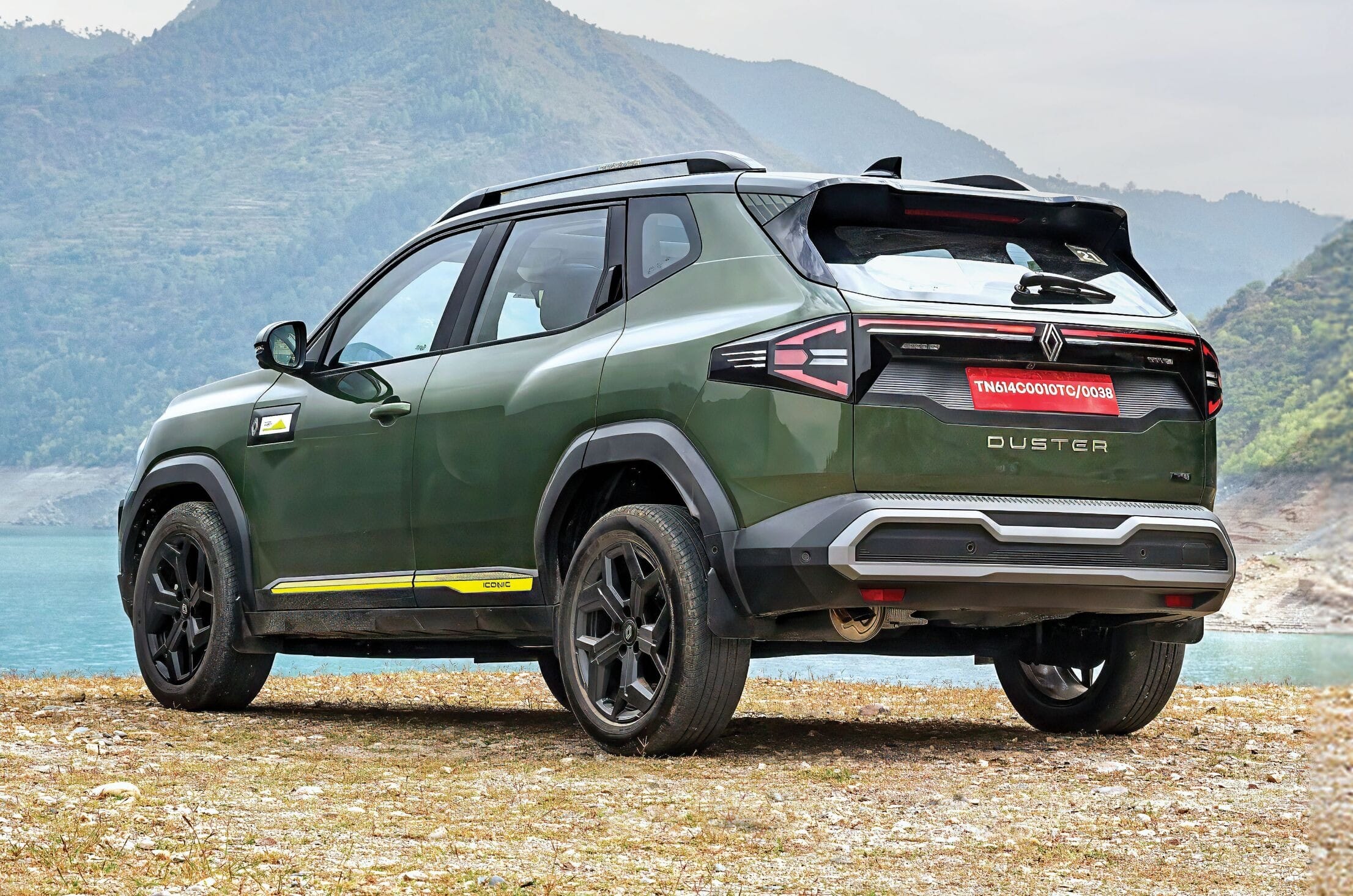
Renault has absolutely nailed the design of the new Duster. While it retains clear visual links to its predecessor, the styling feels thoroughly modern. Up front, large LED headlamps are paired with distinctive eyebrow-shaped DRLs that double as turn indicators, while the grille replaces the Renault logo with a prominent ‘Duster’ script, capitalising on the model’s strong brand recall. A protruding silver skid plate evokes memories of the original Duster, and pixel-style fog lamps, a sculpted bonnet and functional air curtains add further visual muscle.
Left to right: Proudly wears the Duster badging on the nose; 18-inch alloys look proportionate.
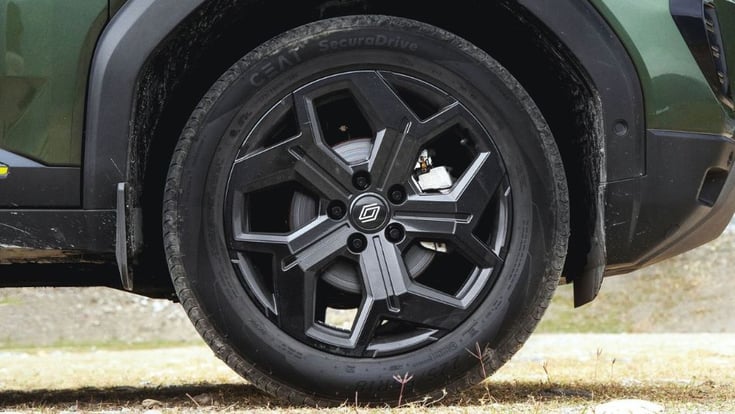
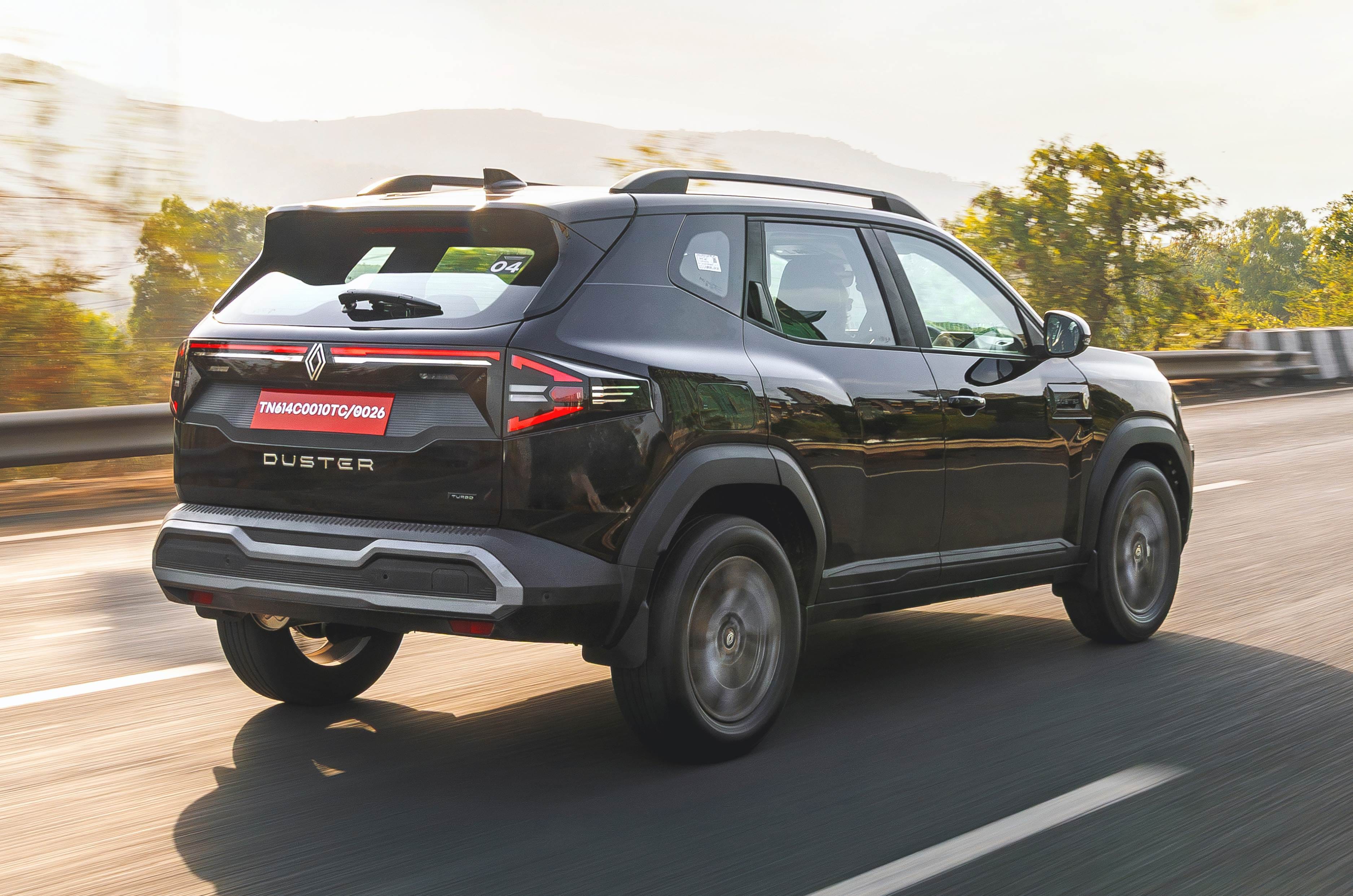
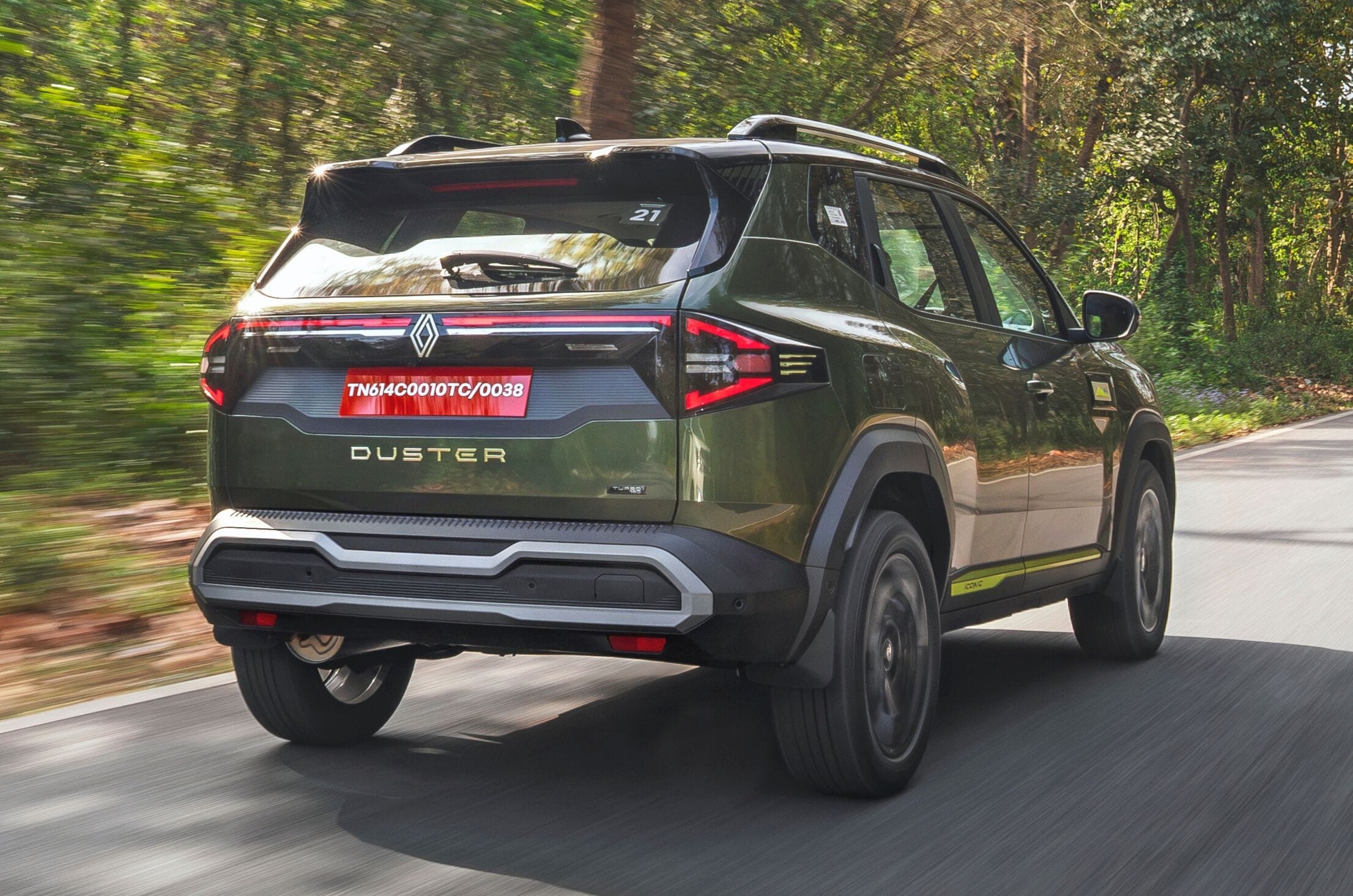
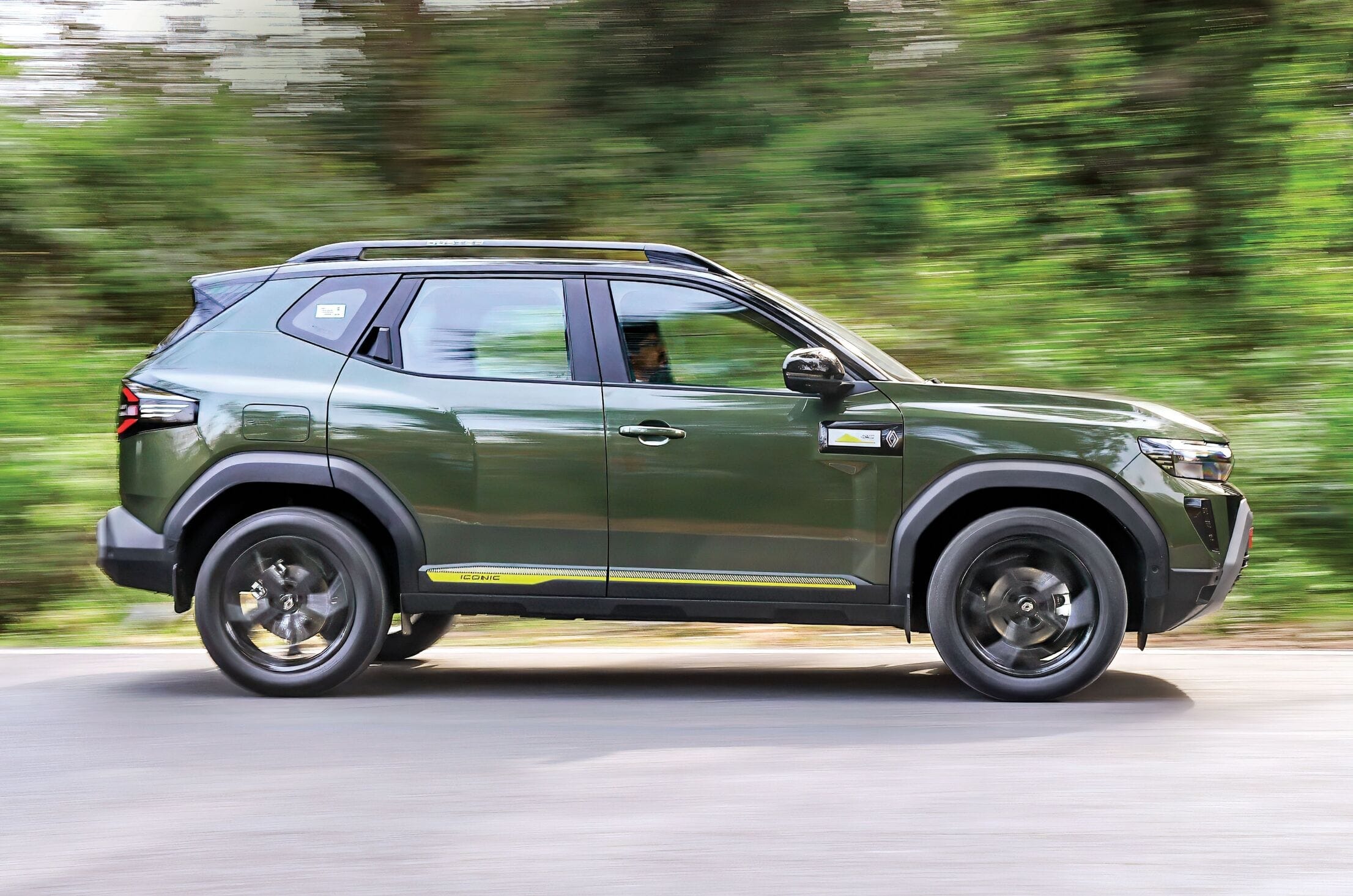
In profile, the Duster embraces a rugged SUV character with chunky black cladding, concealed rear door handles in the C-pillar and functional roof rails. It rides on striking 18-inch alloy wheels and offers 212mm of ground clearance. The rear design is relatively clean but features distinctive triangular tail-lamps connected by an LED light bar. A roof spoiler and contrasting silver insert in the bumper help enhance its stance. Overall, the Duster has considerable road presence. Colour options include Sunset Red, Pearl White, River Blue, Moonlight Silver, Stealth Black and Jade Mountain Green, while the Launch Edition adds neon-green accents and blacked-out alloys (pictured here).
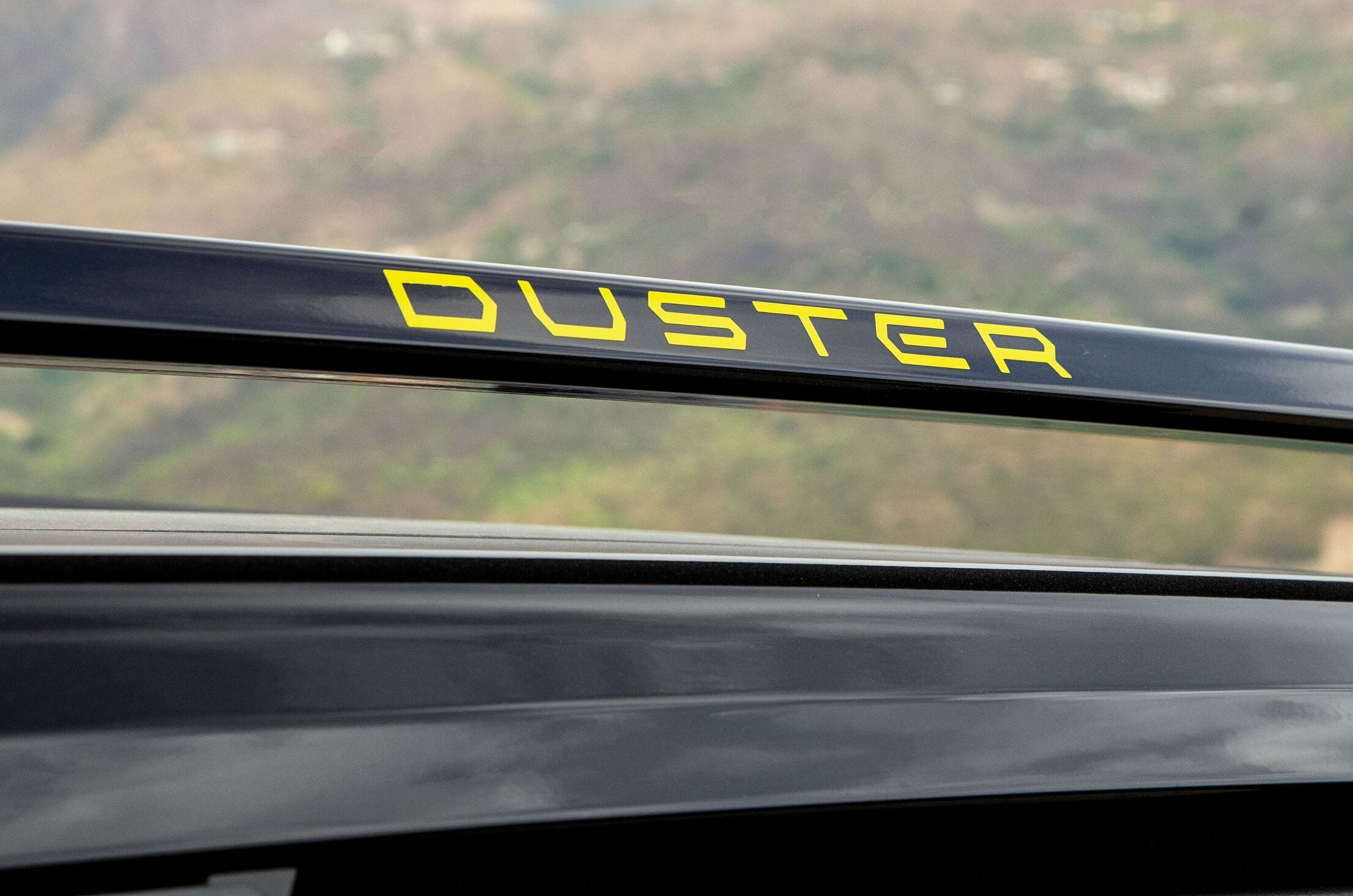
The roof rails are functional and have a rated 50 kg load-carrying capacity.
Meanwhile, the 1.0 range tops out at the mid-spec Techno trim, but Renault has done a very good job of not making it look like so. You still get the same butch and muscular styling, LED lights, roof rails and body cladding. The only prominent difference from the top trims is the alloy wheels, which are a size smaller at 17 inches and feature a slightly different design.
Unlike the global CMF-B-based model, the India-spec Duster sits on an updated RGMP platform.
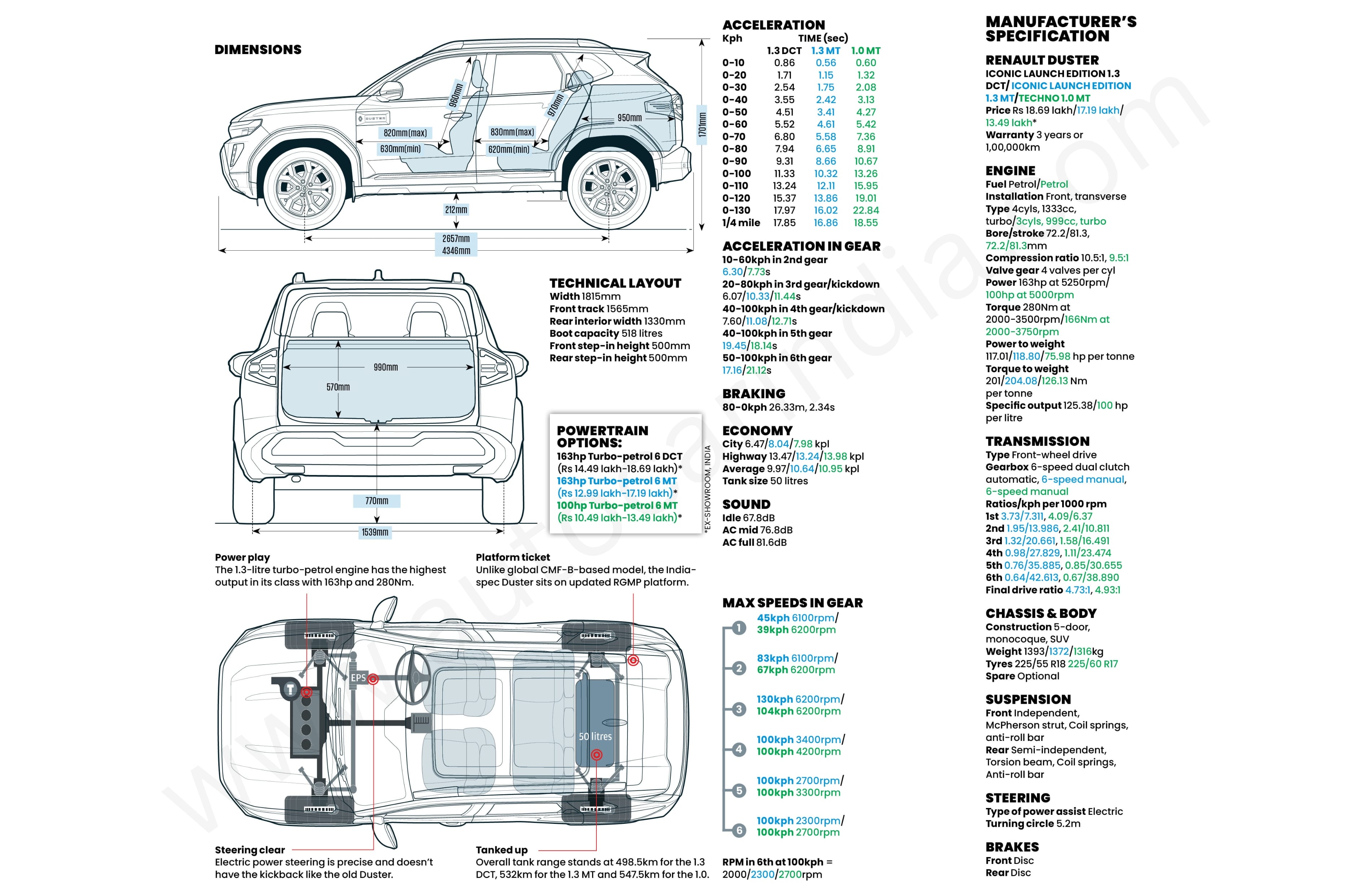
Unlike the European-spec Duster, which uses the CMF-B platform, the India model sits on an updated version of it, which Renault calls the Global Modular Platform (RGMP). It features a Google co-developed electronic architecture, and the platform is designed to accommodate a wide range of body styles and powertrains, including hybrids, CNG and full-electric derivatives. Interestingly, the cabin is around 40mm taller due to the addition of a panoramic sunroof, which necessitated a higher roofline to preserve cabin headroom. Ground clearance is slightly higher too, making the India car 50mm taller overall than the international model. Measuring 4,343mm long, 1,813mm wide and 1,659mm tall, with a 2,657mm wheelbase, the Duster sits squarely in the midsize SUV segment.
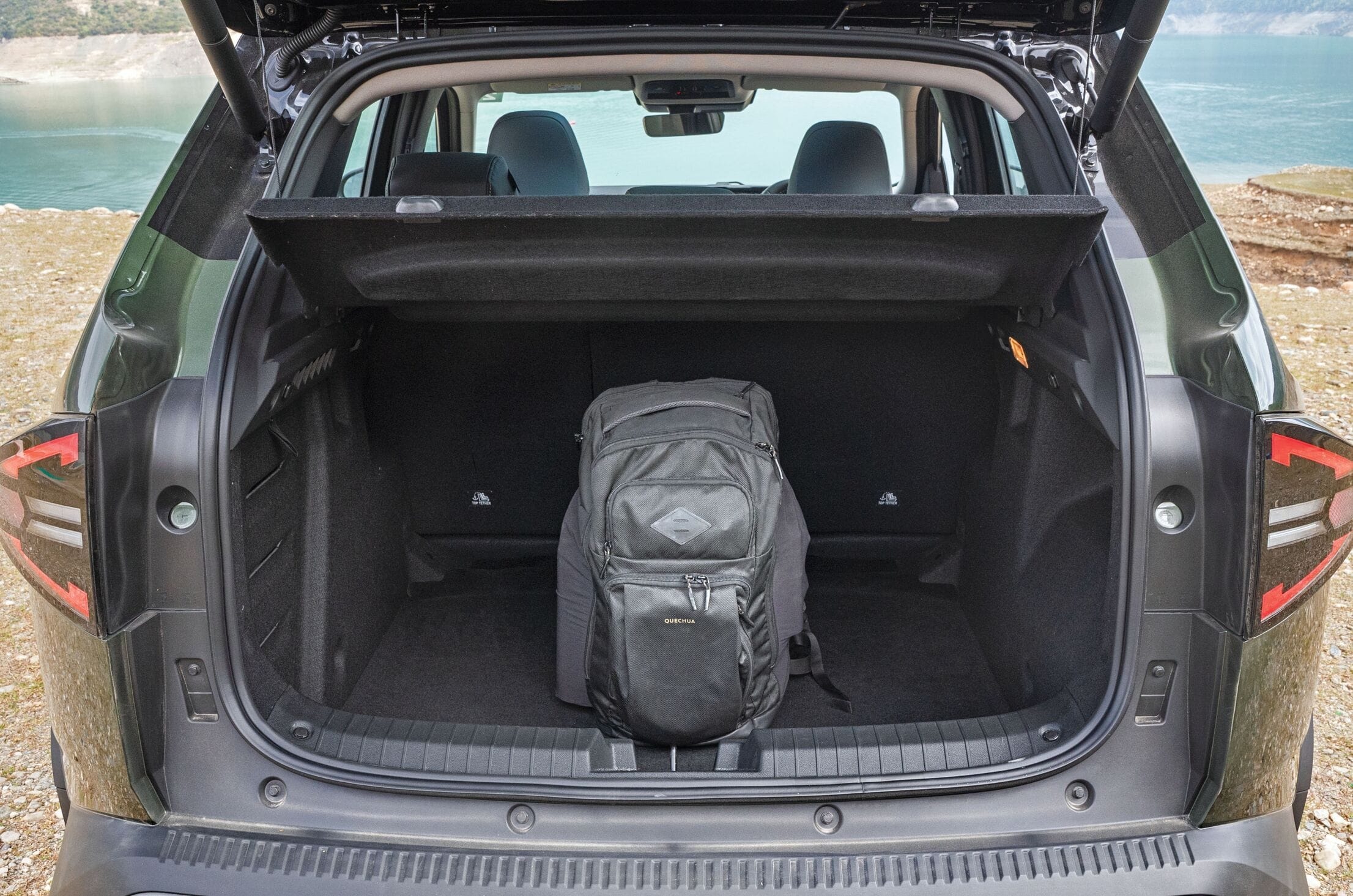
The Duster gets a segment-best 518-litre boot, though the loading lip is high.
The powered tailgate reveals a segment-leading 518-litre boot (700 litres up to the roof), although Renault only provides a puncture repair kit instead of a spare wheel as standard. Despite no AWD option, off-road credentials remain a key part of the Duster’s appeal, with 26.9-degree approach and 34.7-degree departure angles.
Renault Duster Interior Space, Comfort and Practicality – 8/10
Modern interior impresses with its design, but it isn’t as spacious as some rivals in the segment
Fit and finish of materials inside the cabin are good.
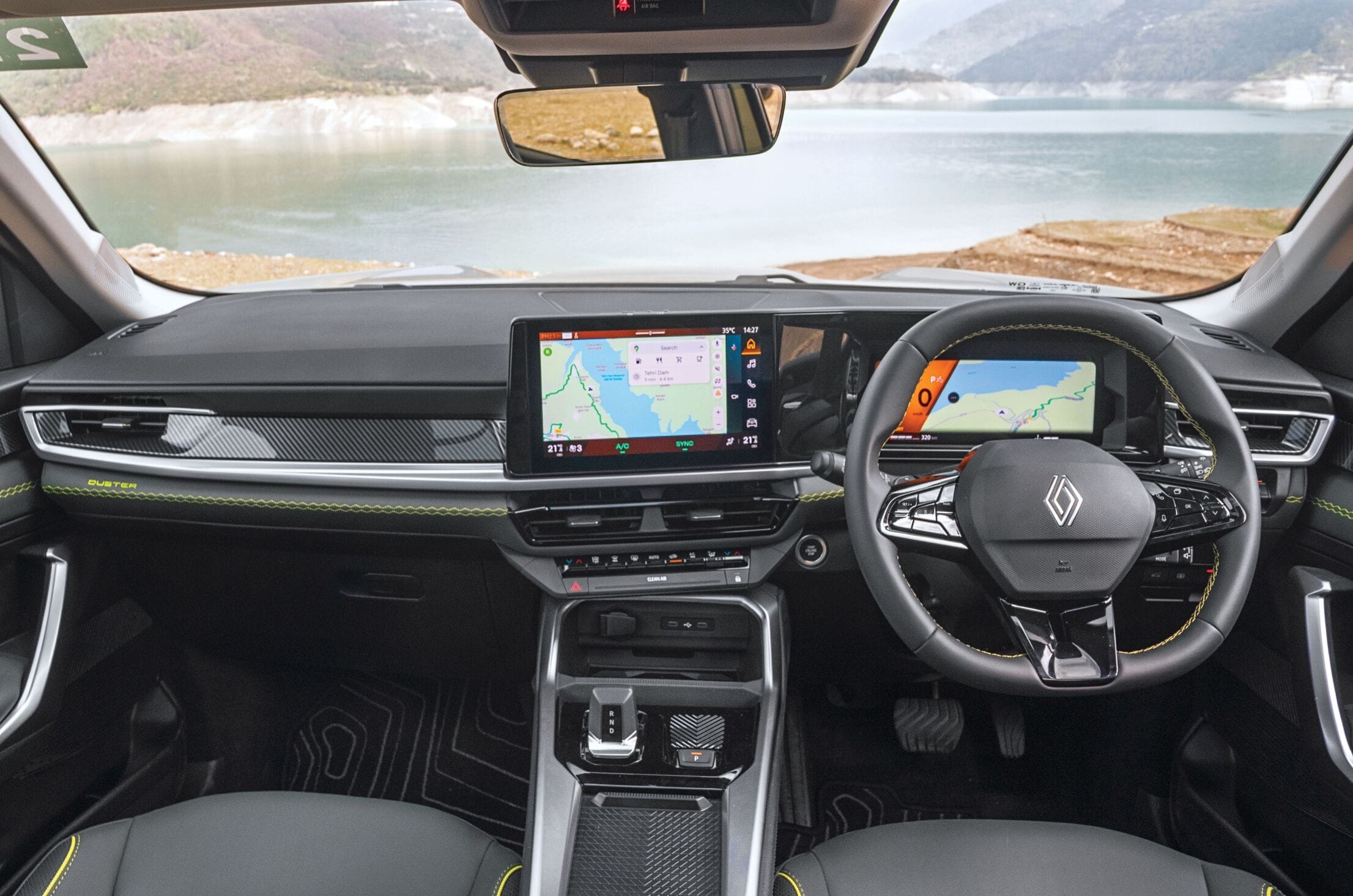
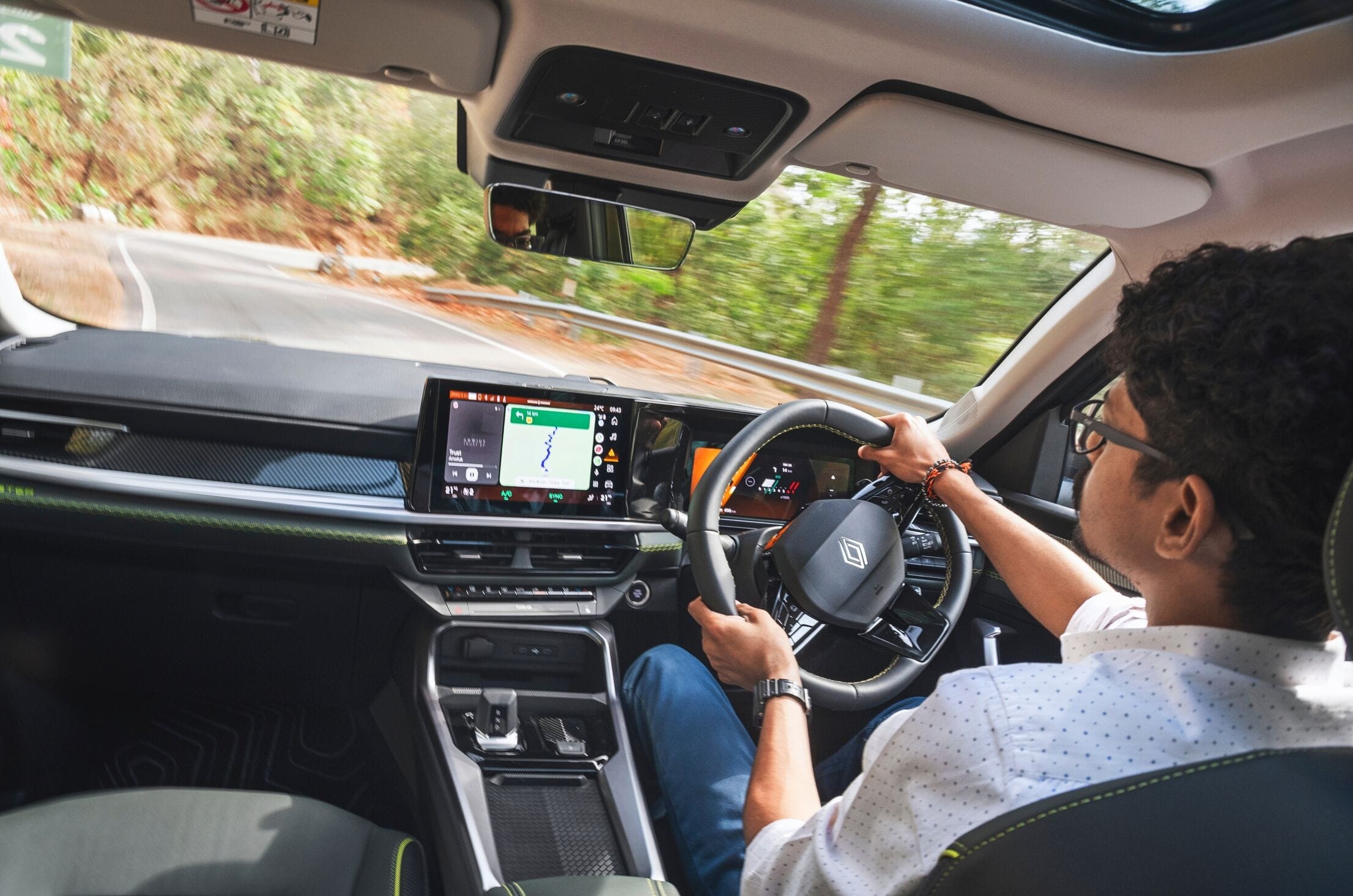
Inside, the dashboard features a twin-screen layout, with a mix of textured and soft-touch materials that lend the interior a premium feel. Silver accents, faux carbon-fibre trim and contrast green stitching add visual drama without making the cabin feel overly busy.
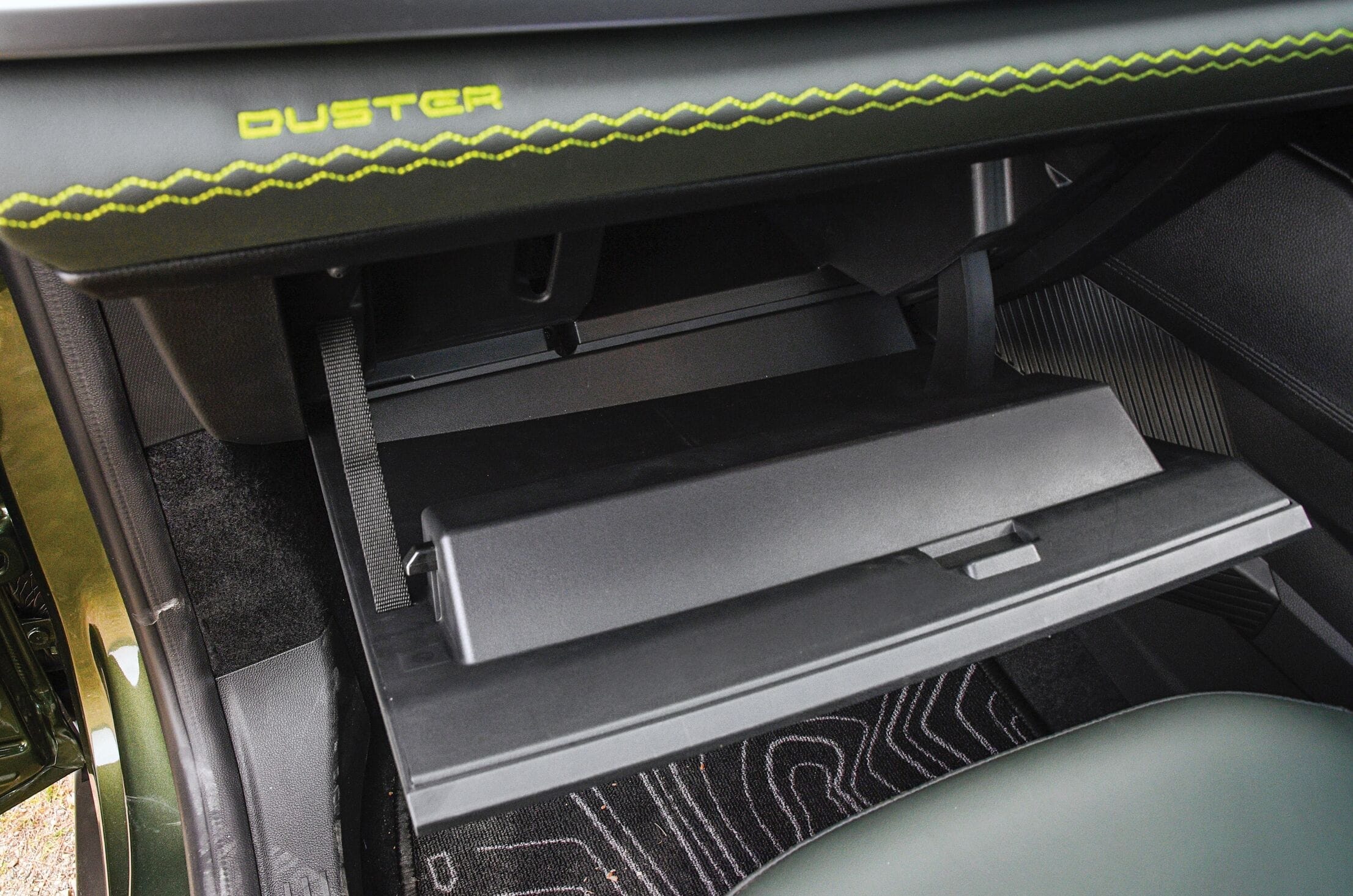
Glovebox is quite shallow and small on the whole.
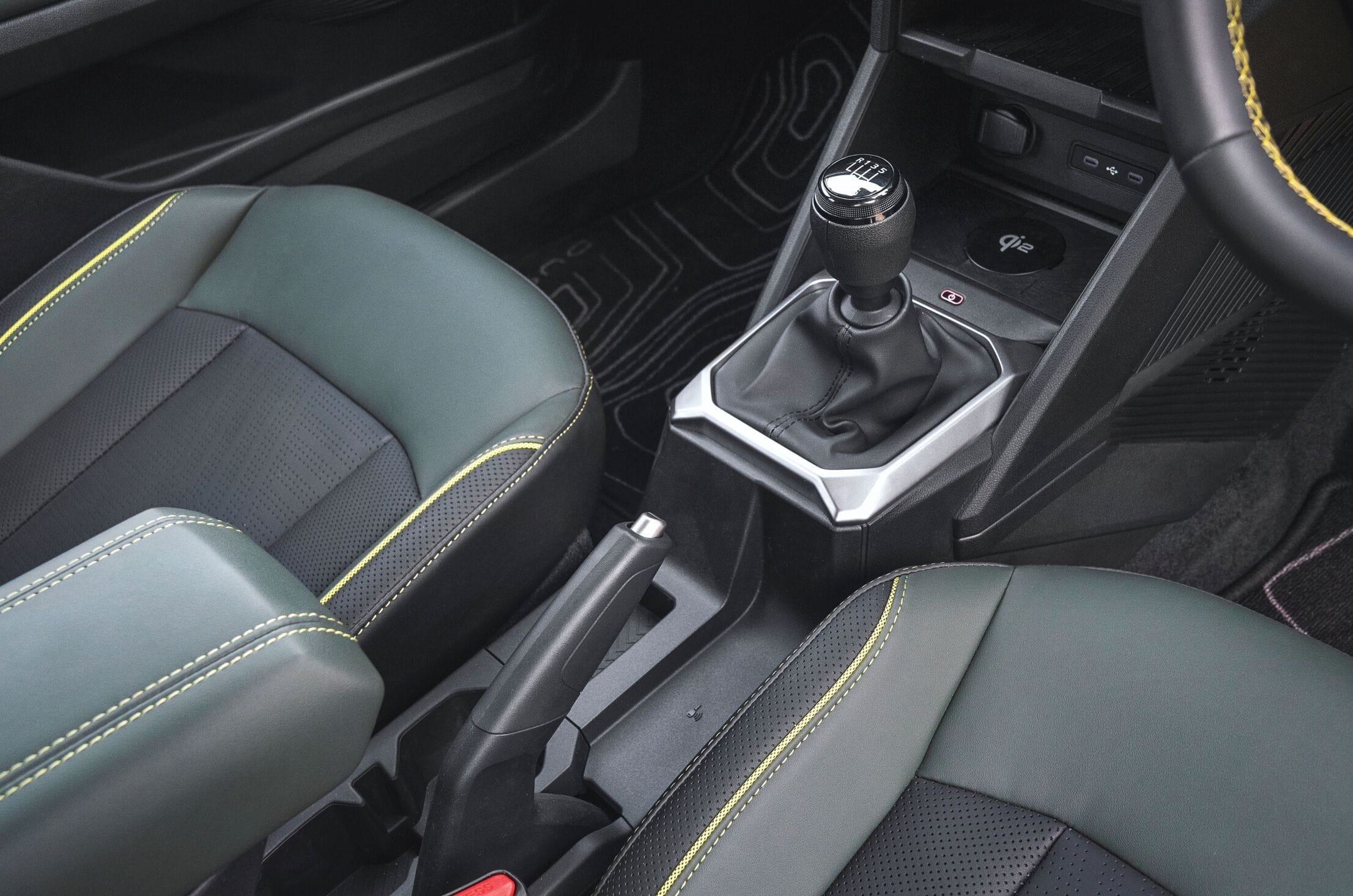
Crucially, Renault has resisted the temptation to digitise everything. The Duster strikes a sensible balance between touchscreen functions and physical controls, with a row of buttons and knobs for key functions, including the climate control system. Interestingly, the manual and automatic versions feature different centre console layouts. The automatic gets a raised console with a deep, cooled storage compartment, cup holders, a wireless charger and a stubby gear selector, while the manual features a lower-set console with a conventional handbrake and an additional storage shelf beneath the dashboard controls. The manual gear lever feels pleasingly tactile and well-engineered.
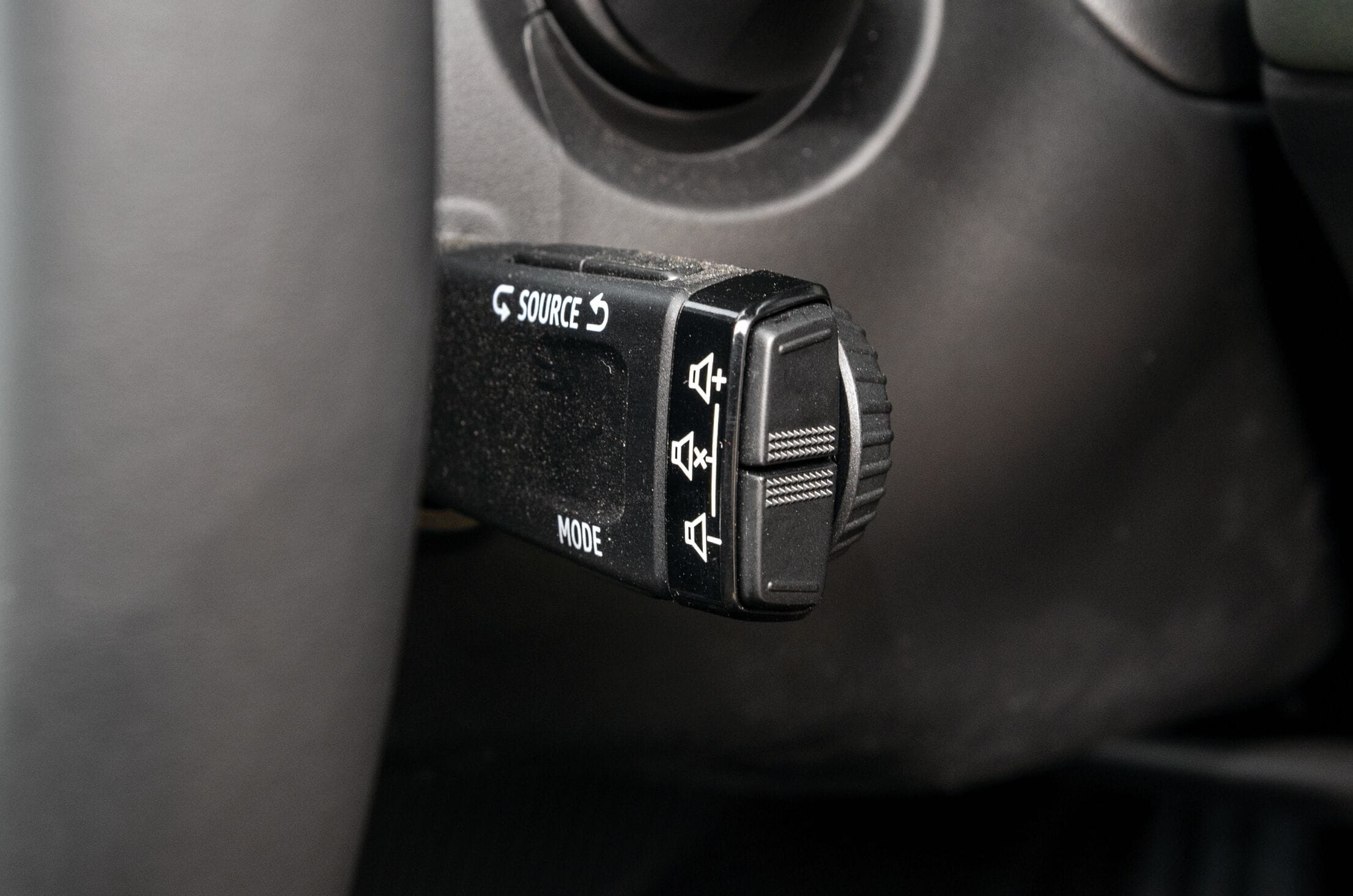
Audio controls are on a separate stalk behind the steering wheel; it takes some time getting used to.
Practicality is par for the course. The sliding front armrest incorporates a storage compartment, but the glovebox is on the smaller side, and the door pockets struggle to accommodate 1-litre bottles. The flat-bottom, flat-top steering wheel feels good to hold and houses controls for the instrument cluster and cruise control, while audio controls continue to sit on a separate stalk behind the wheel, a familiar Renault trait. What’s nice is that it features auto up/down for all windows from the base trim.
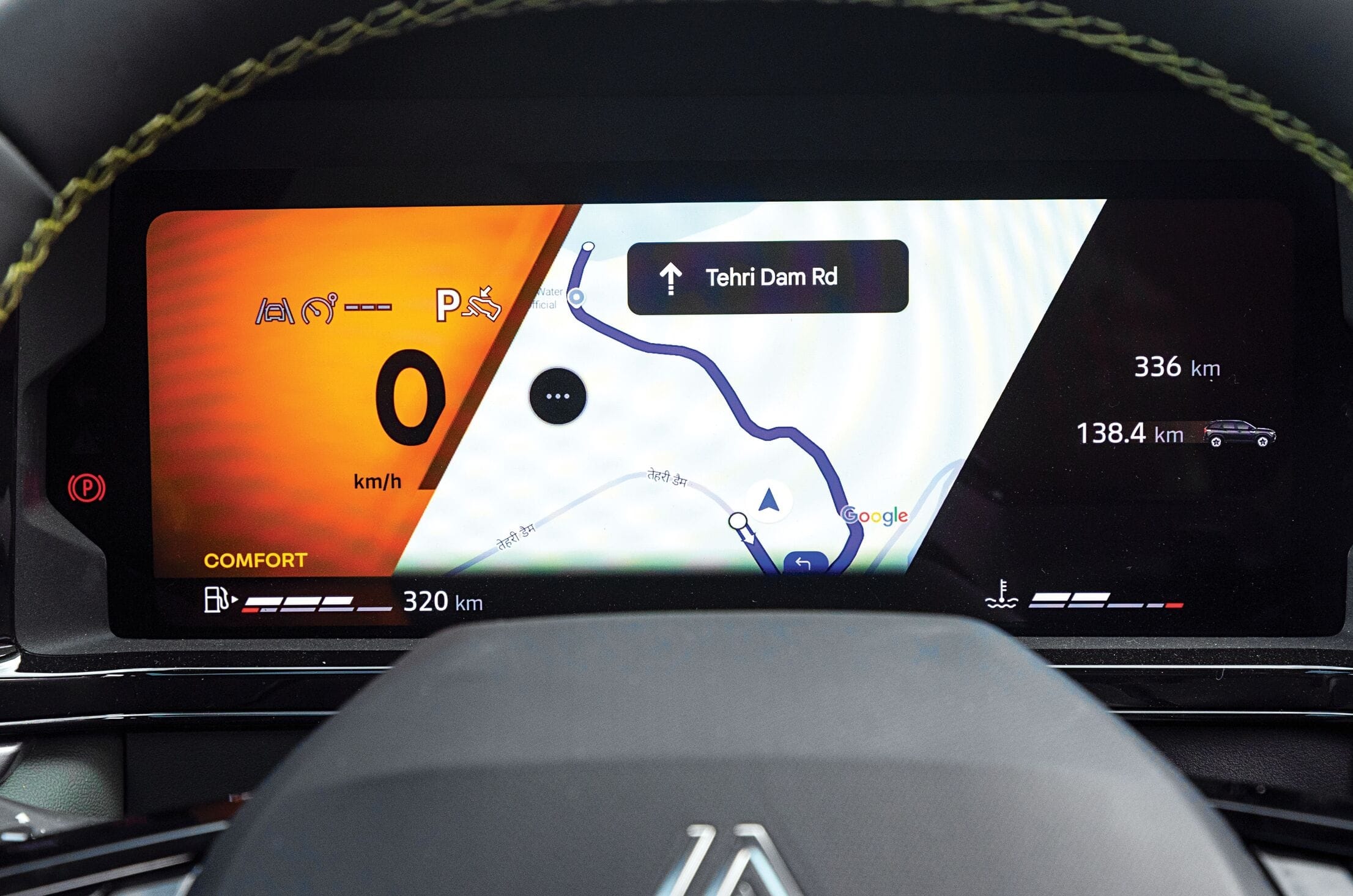
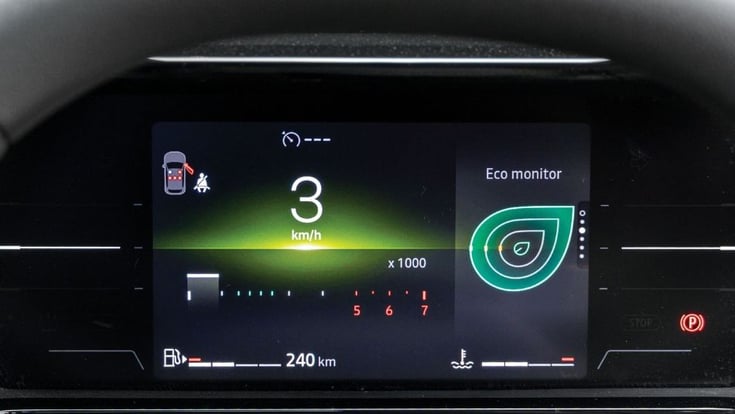
10.25-inch digital cluster has a split-screen function; some will miss classic round dials, though.
The digital instrument cluster is crisp, colourful and configurable, although some buyers will miss straightforward analogue dials. Less impressive is the key fob, shared with the Triber and Kiger, which feels very budget-oriented.
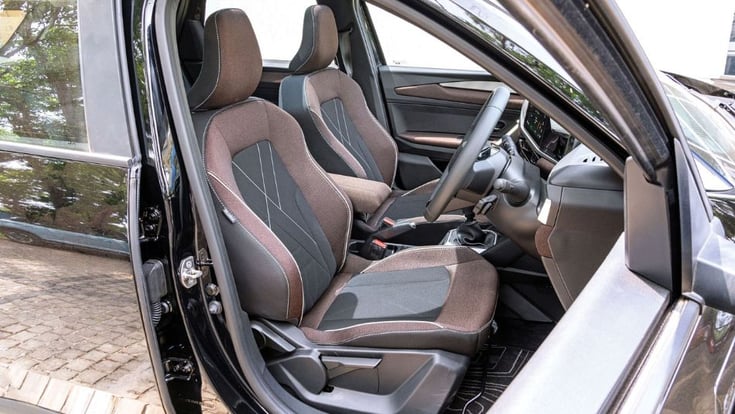
1.0 range gets a smaller 7-inch driver’s display and brown- black fabric seat upholstery.
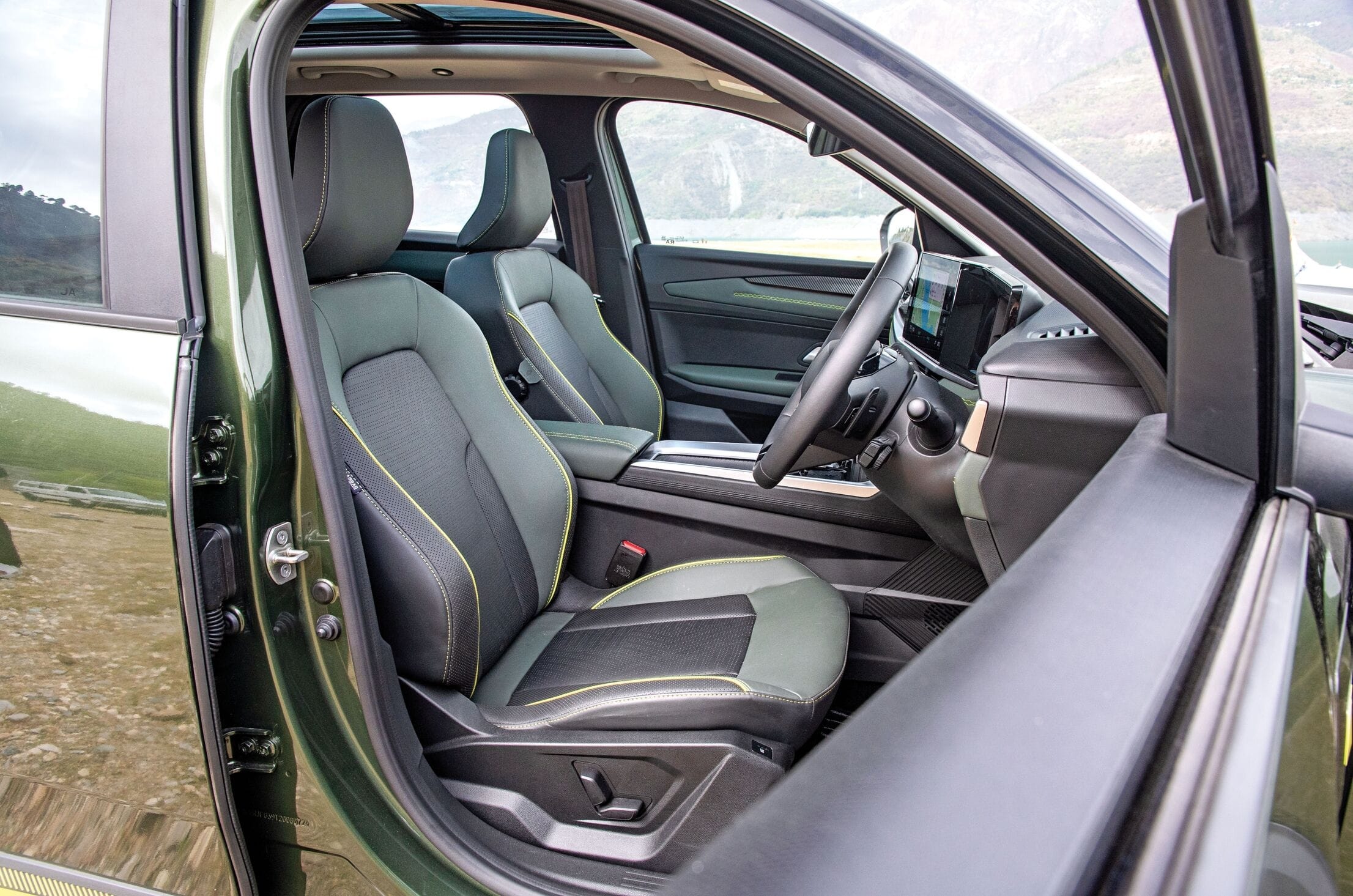
The dual-tone black-and-dark-green upholstery with neon-green stitching in the top-spec Iconic Launch Edition adds some character to the cabin. The Techno trim, meanwhile, which is where the 1.0 tops out, features brown-and-black seat upholstery with some different trim elements.
Front seats are well-padded, accommodating and ideal for long drives.
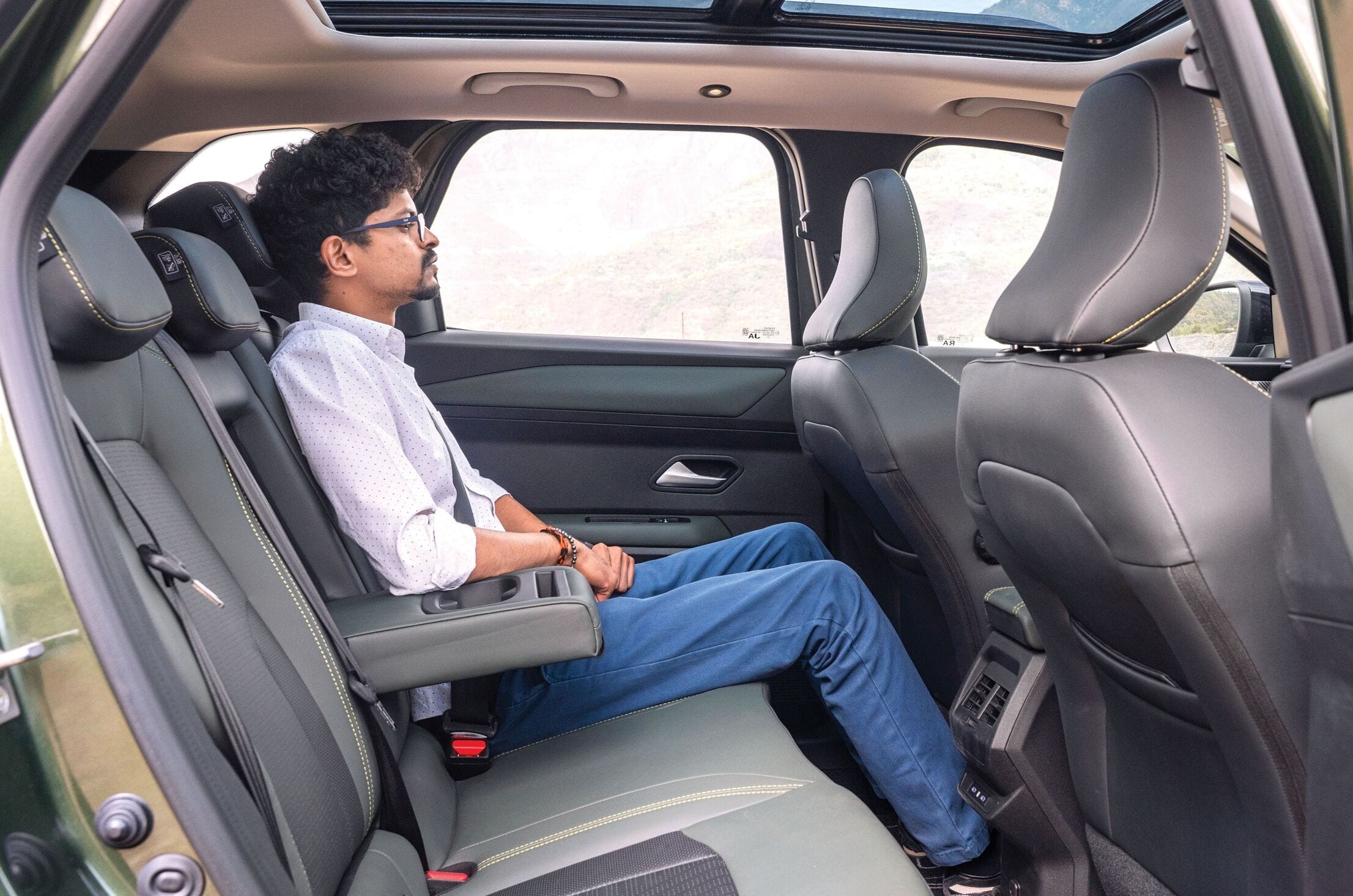
Up front, the seats are supportive and comfortable over long distances, and they feature electric adjustment and an effective ventilation function. Rear-seat comfort is good for two adults, with adequate knee room and good headroom. While a third passenger can be accommodated, limited shoulder room and the transmission tunnel make it a squeeze.
There’s good knee room and headroom on offer, but overall space is less than some rivals.
Rear occupants also get AC vents, charging ports and a centre armrest with cup holders. The large panoramic sunroof and expansive glass area help create an airy feel, although rear sun blinds are notably absent. One drawback is that the window line is considerably higher than before, meaning outward visibility isn’t quite as good as in the original Duster, which was renowned for its excellent all-round view out.
Renault Duster Features and Safety – 8/10
Top-spec comes very well-equipped, though features could’ve been better spread out
10.1-inch touchscreen is slick and high- resolution, but the UI isn’t as logical or straightforward as some rivals.
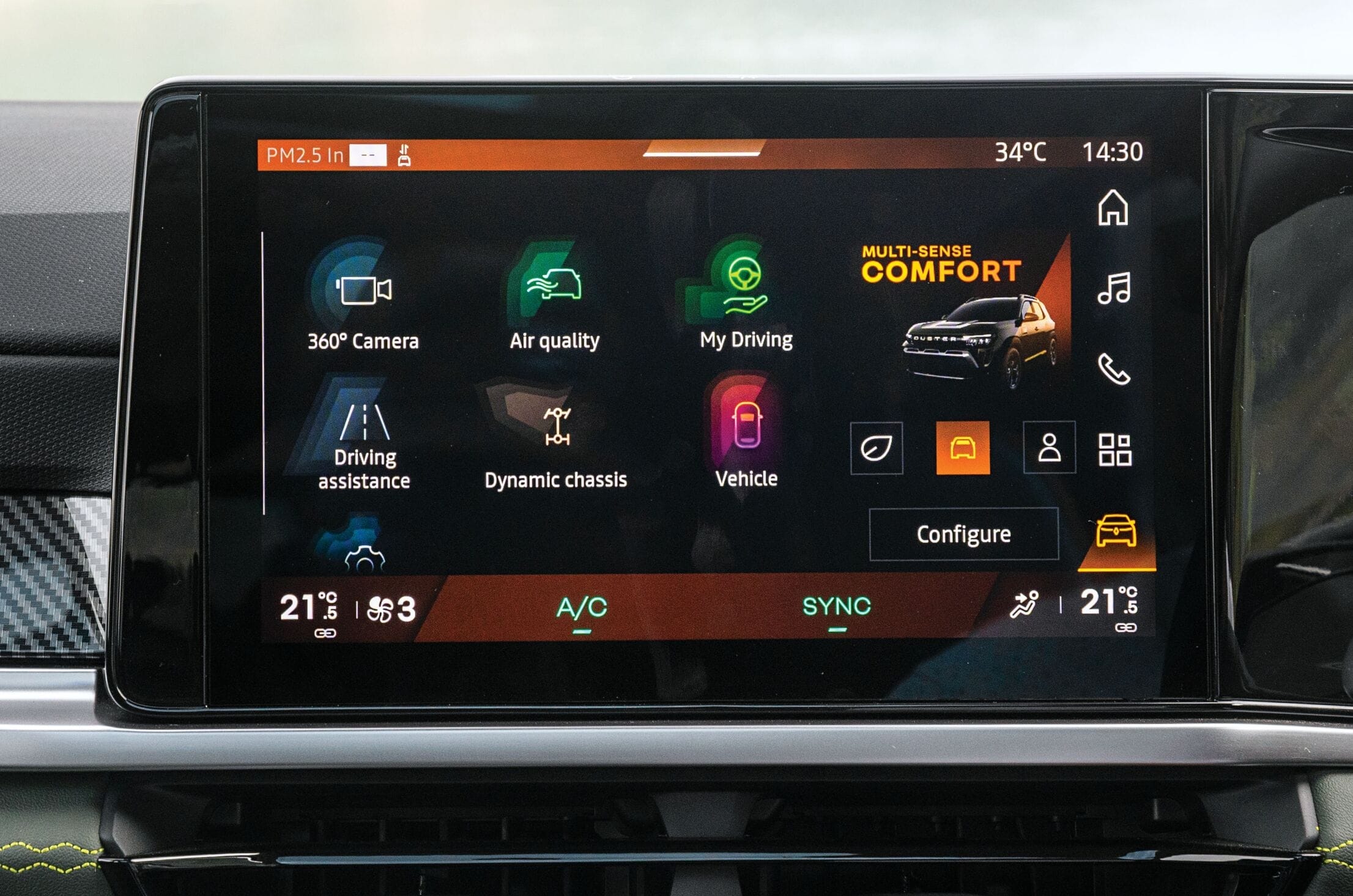
The Duster comes loaded with all the features expected of a midsize SUV. Its infotainment system supports wireless smartphone connectivity and impresses with crisp graphics and vibrant colours, matching the digital instrument cluster. However, the 10.1-inch touchscreen’s ratio makes it feel relatively slim.
The standout feature is the integration of Google services – Google Maps, Google Assistant and the Google Play Store, which are built into the system, and work seamlessly. The interface is slick and responsive, though it isn’t very intuitive to use, lacking the straightforward layout and menu structure seen in some rivals.
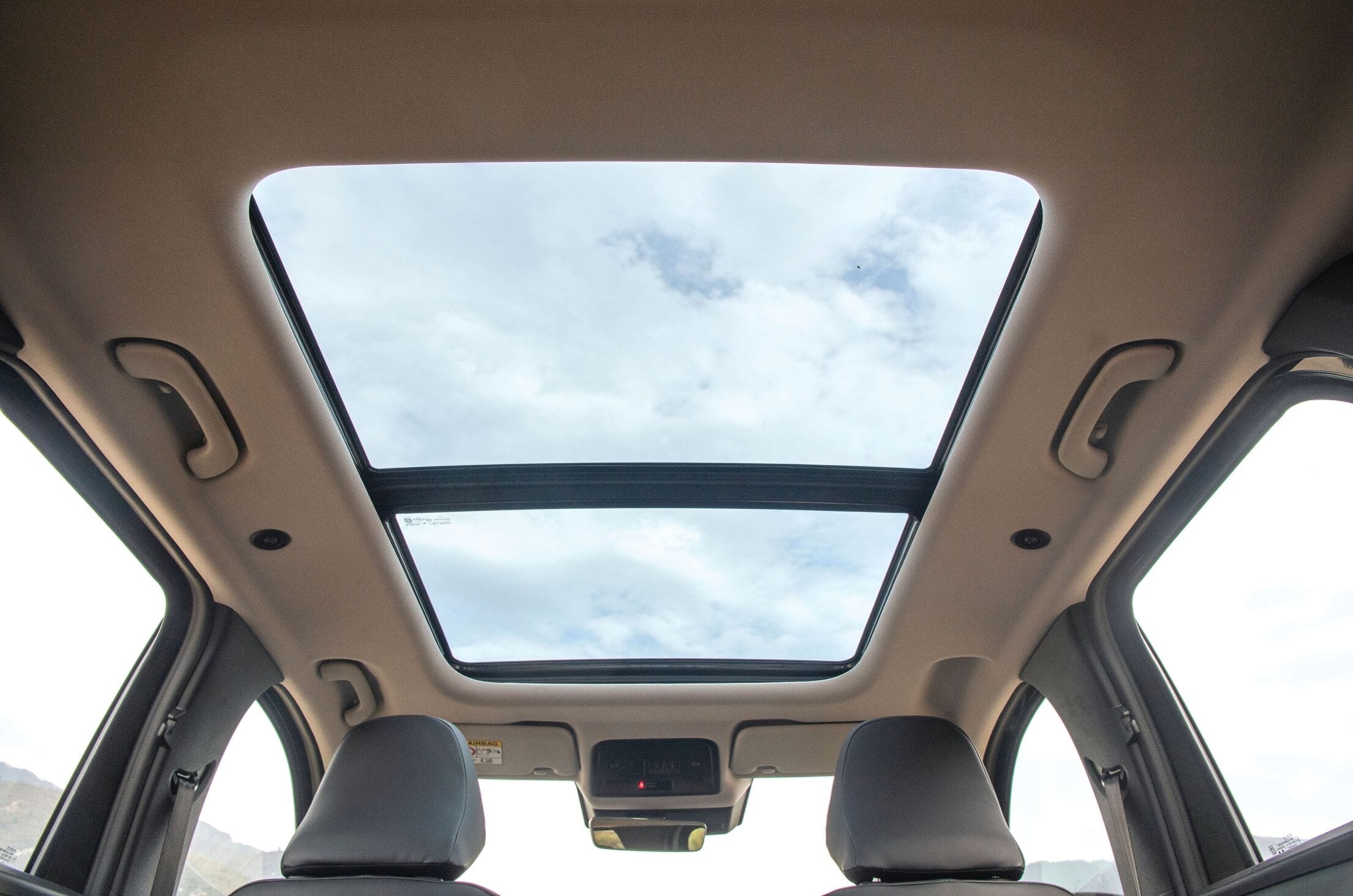
The large panoramic sunroof livens up the cabin without hampering headroom.
Equipment highlights include ventilated and powered front seats, a panoramic sunroof, wireless phone charging, a powered tailgate, dual-zone climate control, connected car technology, auto headlamps and wipers, and a 360-degree camera, although image quality could be sharper.
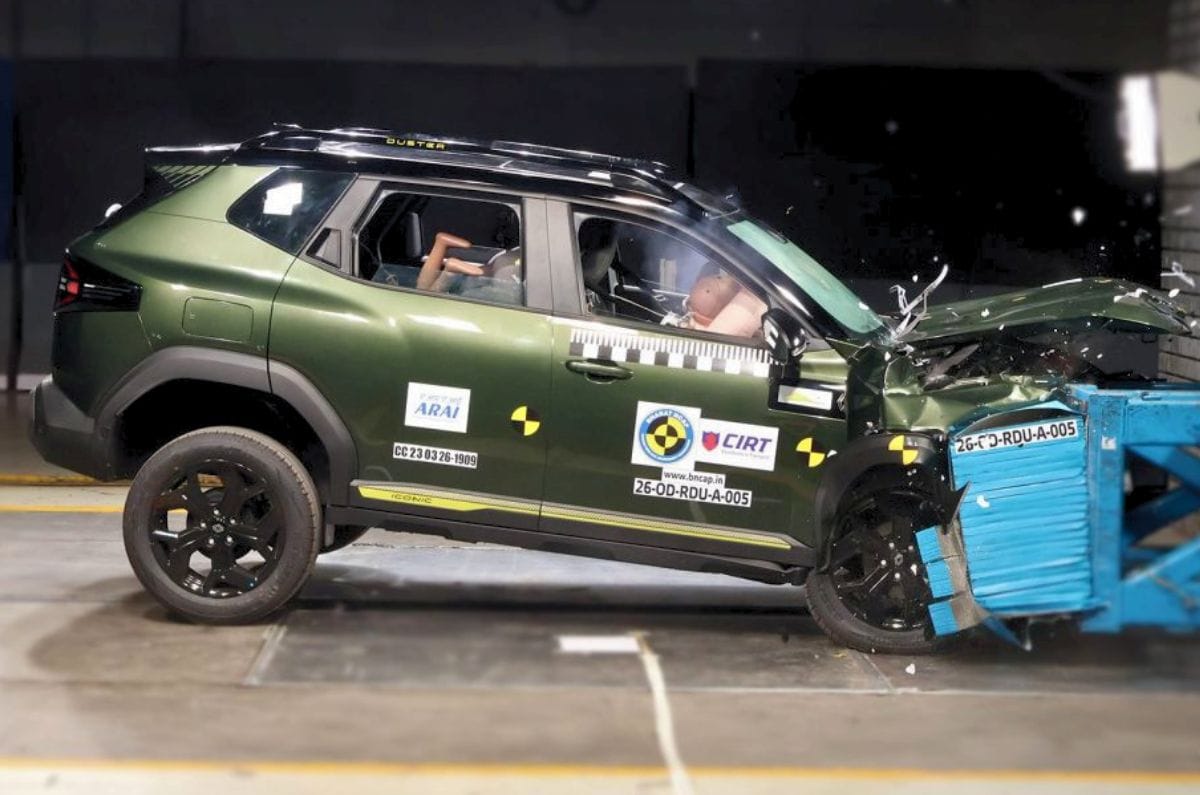
Safety equipment is comprehensive, with six airbags as standard, front and rear parking sensors, TPMS, an electronic parking brake on DCT variants, disc brakes all around, adjustable headrests and three-point seatbelts for all occupants. The Duster is also Renault India’s first model to feature Level 2 ADAS. During our drive, the system felt well calibrated and largely unobtrusive, though lane-keep assist was slightly overzealous. A dedicated button allows drivers to disable all ADAS functions without diving into touchscreen menus, which is a welcome touch. Commendably, Renault has also secured a full 5-star crash safety rating from Bharat NCAP for the SUV.
It scored 30.49/32 points for adult occupant protection and 45/49 points for child occupant protection.
Overall, the Duster is well equipped to compete with its rivals, though Renault could have distributed some premium features like ventilated seats more effectively across the range, particularly on mid-spec variants. As for the 1.0 range, the top-spec Techno is well specified with features like the same touchscreen, panoramic sunroof, powered tailgate and more.
Renault Duster equipment checklist
Auto LED headlamps
Yes
Alloy wheels
18-inch
Powered front seats
Yes
Ventilated seats
Yes
Panoramic sunroof
Yes
Ambient lighting
Yes
Touchscreen
10.1-inch
Android Auto/Apple CarPlay
Yes
Arkamys Kardon audio
Yes
ADAS
Level 2
Renault Duster Engine Refinement and Performance – 8/10
Both turbo-petrols are refined and have a strong midrange punch; DCT is the pick of the lot
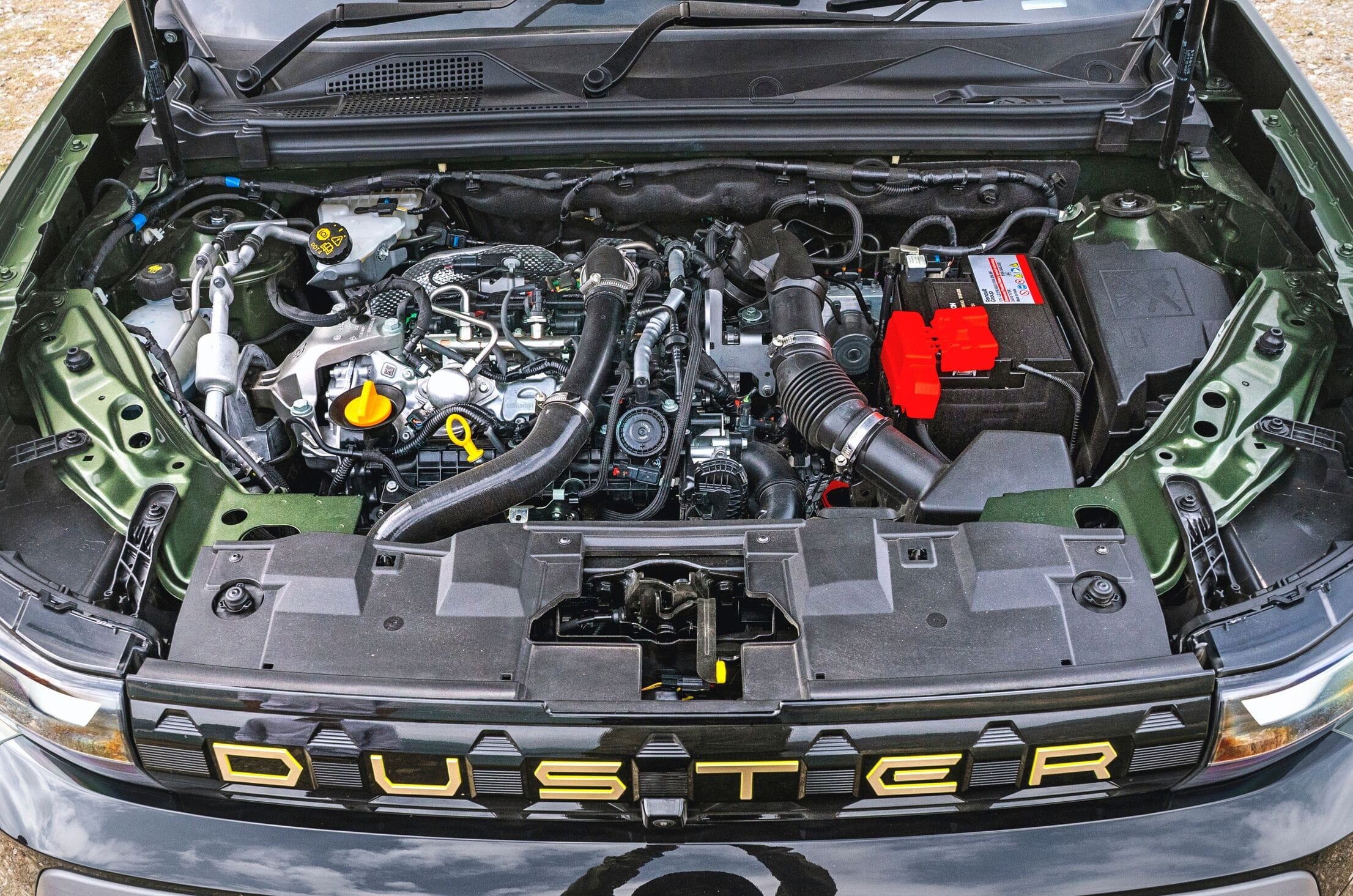
The Duster range starts with a 1.0-litre three-cylinder turbo-petrol producing 100hp and 166Nm, paired exclusively with a 6-speed manual gearbox. Then there’s a 1.3-litre four-cylinder turbo-petrol with a segment-leading 163hp and 280Nm, available with either a 6-speed manual or a 6-speed DCT automatic. We’ve tested all three versions of the Duster on sale currently.
Renault Duster powertrain specs
1.0TP MT
1.3 TP MT
1.3TP DCT
Installation
Front, transverse
Front, transverse
Front, transverse
Type
3 cyls, 999cc, turbo-petrol
4 cyls, 1333cc, turbo-petrol
4 cyls, 1333cc, turbo-petrol
Bore/ stroke (mm)
72.2/81.3
72.2/81.3
72.2/81.3
Compression ratio
9.5:1
10.5:1
10.5:1
Valve gear
4 valves per cyl
4 valves per cyl
4 valves per cyl
Power (hp)
100 at 5000rpm
163 at 5250rpm
163 at 5250rpm
Torque (Nm)
166 at 2000-3750rpm
280 at 2000-3500rpm
280 at 2000-3500rpm
Power to weight (hp per tonne)
75.98
118.80
117.01
Torque to weight (Nm per tonne)
126.13
244.17
244.17
Specific output (hp per ltr)
100
125.38
125.38
Drive layout
Front-wheel drive
Front-wheel drive
Front-wheel drive
Gearbox
6-speed manual
6-speed manual
6-speed dual-clutch automatic
A strong-hybrid powertrain will join the line-up later this year. It combines a 109hp 1.8-litre petrol engine with a 49hp electric motor and a 20hp hybrid starter generator, drawing power from a 1.4kWh battery. Total system output stands at 160hp and 172Nm. Notably, unlike the original, the new Duster isn’t available with a diesel engine or an AWD option.
Both engines are refined and have a strong midrange, but aren’t very fuel-efficient.
The 1.3-litre engine is impressively refined, with virtually no vibrations at idle and excellent smoothness throughout the rev range. Cabin insulation is equally impressive, keeping engine noise largely out of the cabin unless you’re extending it towards the redline. You do hear quite a bit of the turbo’s blow-off sound though. There is some turbo lag, followed by a noticeable surge in performance at around 2,500rpm, after which the engine delivers a strong and eager mid range.
The 1.3-litre turbo-petrol engine has the highest output in its class with 163hp and 280Nm.
Thanks to its wet clutch, the DCT allows for some slip, given that the lubrication manages wear as well as heat build-up. Thus, shifts prioritise smoothness over outright speed, feeling more like a conventional torque-converter automatic in city driving. This makes it exceptionally easy to live with in traffic, while responsive paddle shifters add an extra layer of engagement on a spirited drive. We recorded a 0-100kph time of 11.3 seconds, which is decent for the segment. However, the tall gearing does blunt low-speed responses somewhat.
Enthusiasts will naturally gravitate towards the manual. Driven on winding and open roads, it feels engaging and rewarding, with a light clutch and a precise shift action. However, turbo lag is more noticeable here than in the DCT, particularly when accelerating from slow speeds. This does make city drives somewhat cumbersome. Combined with the tall gearing, it often requires an extra downshift to keep the engine in its sweet spot.
Manual versions get a lower-set centre console with a manual handbrake.
The manual posted a 0-100kph time of 10.3sec, making it a whole second quicker than the DCT. Both versions feature Comfort and Eco drive modes, although the addition of a Sport mode would have better suited the Duster’s otherwise enthusiastic character.
The 1.0 entry-level engine is a familiar unit that also powers the Kiger. However, Renault has made tweaks, with torque increasing to 166Nm, up by 6Nm over the Kiger, while a 6-speed manual gearbox replaces the compact SUV’s 5-speed unit. There’s no automatic option, though, which does limit its appeal.
The Duster shares its 1.0-litre engine with the smaller Kiger.
Like most three-cylinder engines, there’s a noticeable thrum and some vibrations at idle, but things smoothen out considerably once on the move. Being a small-capacity turbocharged motor, there is some lag low down in the rev range. However, once past 2,000rpm – where peak torque arrives – the engine feels responsive and pulls cleanly towards the redline. Performance is more adequate than exciting. Around town, it keeps pace with traffic comfortably, and part-throttle responses are respectable. On highways and steep inclines, however, you’ll need to work the gearbox to extract the best from the engine, particularly when overtaking.
The clutch is light, making it easy to use in traffic, while the 6-speed gearbox offers a precise shift action. It isn’t the slickest unit around, though, and enthusiastic drivers will notice that shifts require a bit more effort than expected.
Renault Duster acceleration times
Speed (kph)
1.0TP MT time (sec)
1.3TP MT time (sec)
1.3TP DCT time (sec
0-10
0.60
0.56
0.86
0-20
1.32
1.15
1.71
0-30
2.08
1.75
2.54
0-40
3.13
2.42
3.55
0-50
4.27
3.41
4.51
0-60
5.42
4.61
5.52
0-70
7.36
5.58
6.80
0-80
8.91
6.65
7.94
0-90
10.67
8.66
9.31
0-100
13.26
10.32
11.33
0-110
15.95
12.11
13.24
0-120
19.01
13.86
15.37
0-130
22.84
16.02
17.97
1/4 mile
18.55
16.86
17.85
20-80 (rolling)
11.44
10.33
6.07
40-100 (rolling)
12.71
11.08
7.60
Renault Duster Fuel Efficiency – 6/10
Small-capacity turbo engines mean efficiency isn’t great
Renault Duster tested fuel efficiency (kpl)
1.0TP MT
1.3TP MT
1.3TP DCT
City
7.98
8.04
6.47
Highway
13.98
13.24
13.47
Average
10.95
10.64
9.97
Tank size (ltr)
50
50
50
The Duster 1.0 has a claimed ARAI fuel efficiency of 19.41kpl. In our real-world tests, it returned 7.92kpl in the city and 13.98kpl out on the highway, for an average of 10.95kpl. It packs in an Eco drive mode and auto start/stop tech, which help boost its efficiency. However, the ambient temperature during our test reached a soaring 40degC, which meant the AC was working hard to keep the cabin at our preset 22degC and the auto start/stop would only shut off the car for a brief time at traffic lights, which affected the efficiency.
Overall tank range stands at 498.5km for the 1.3 DCT, 532km for the 1.3 MT and 547.5km for the 1.0.
The 1.3 MT is the second most fuel-efficient version from the Duster range, returning 8.04kpl in the city and 13.24kpl on the highway for an average of 10.64kpl. The 1.3 has better efficiency than the 1.0 in the city owing to its taller gearing, which requires less frequent shifts. Meanwhile, as you’d expect, it’s the 1.3 DCT that’s the least fuel-efficient. It managed 6.47kpl in the city and 13.47kpl on the highway, for an average of 9.97kpl. Like with the 1.0, high ambient temperatures played a role in affecting its efficiency as well. Still, compared to its rivals, the Duster’s real-world efficiency is on the lower side.
Renault Duster Ride Comfort and Handling – 9/10
Feels solid and composed over all surfaces and is engaging to drive
Renault Duster suspension, steering, and brakes
Front suspension
Independent, McPherson strut, Coil springs, anti-roll bar
Rear suspension
Semi-independent, Torsion beam, Coil springs, Anti-roll bar
Steering type
Rack and pinion
Type of power assist
Electric
Turning circle
5.2m
Front brakes
Disc
Rear brakes
Disc
Ride comfort was one of the original Duster’s defining strengths, and thankfully, that trait has carried over to the new model. There’s a distinctly European firmness to the suspension setup, particularly at lower speeds, but comfort isn’t compromised. The Duster absorbs rough patches, sharp edges and large potholes with impressive composure, preventing harsh impacts from filtering into the cabin. Unlike the older model, there’s also very little steering kickback over rough surfaces.
Electric power steering is precise and doesn’t have the kickback like the old Duster.
Contributing to this pliant ride are the relatively tall sidewalls of the 225/55 R18 tyres, which add an extra layer of cushioning. In fact, the 1.0 variants may even feel a touch plusher owing to their smaller 17-inch wheel size, though the difference is barely perceptible. At highway speeds, the Duster feels equally accomplished, remaining stable and reassuringly planted.
If you stall the manual, it will automatically restart when you press the clutch pedal.
Anti-roll bars are present at the front, and uncharacteristically, Renault has utilised one at the rear too, integrating it within the twist-beam axle. Handling is enjoyable through corners, and body control is commendable. However, there is some roll when pushed hard, and it doesn’t feel quite as agile or as tightly tied down as some other European rivals. The steering is light but accurate, with enough feedback to inspire confidence on a twisty road. Steering modes are available on the 1.3 that add useful weight for more enthusiastic driving.
Renault Duster braking performance
80-0kph
26.33mtr, 2.34s
Renault Duster Price and Verdict – 8/10
Builds on its legacy of rugged styling and engaging drive with a very modern and well-equipped cabin
Renault Duster price (Rs lakh)
Techno 1.0 MT
13.49
Iconic Launch Edition 1.3 MT AT
17.19
Iconic Launch Edition 1.3DCT
18.69
The new Renault Duster is a well-rounded package that is well equipped to take on the congested midsize SUV space. It’s not without its shortcomings, though, as it would have benefitted from a bit more rear-seat space, better real-world efficiency, and the option of a diesel would have widened its appeal.
Offered in five trims: Authentic, Evolution, Techno, Techno+, and Iconic.
That aside, it stays true to its predecessor by offering a tough and solid feel, outstanding ride comfort and an engaging drive experience, while moving the game forward. The cabin feels properly modern, with all the new-age features; it’s got punchy turbo-petrol engine options, and it’s got the rugged styling to match. There’s even a strong hybrid on the way. Bottom line is, the Duster feels fresh, desirable and a proper match for the heavy hitters in its segment.
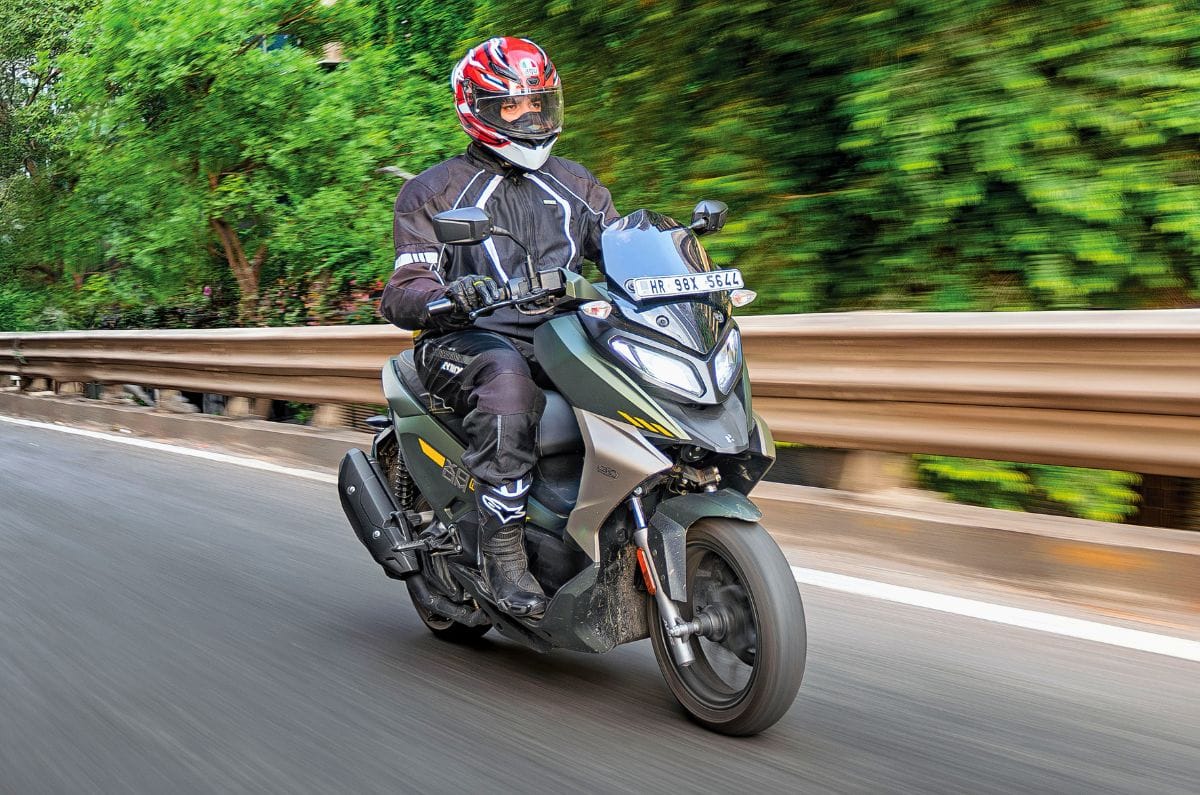
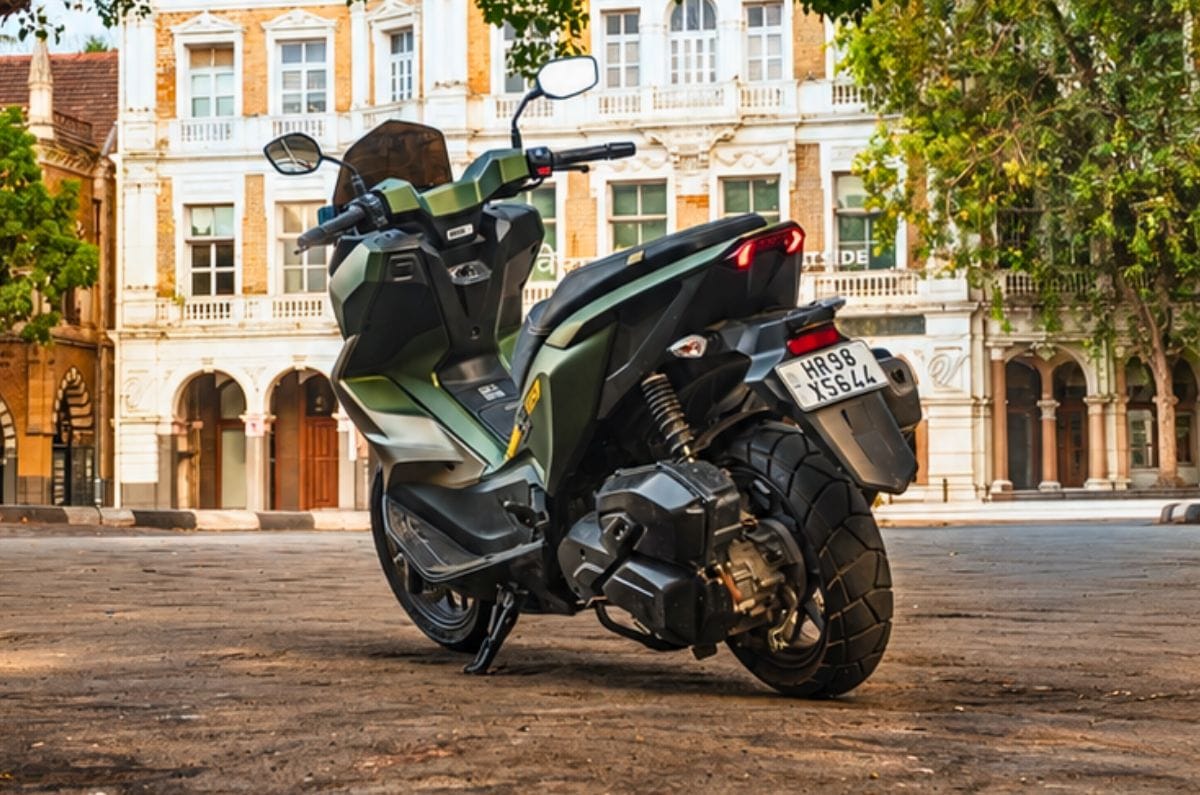
The Hero Xoom 160 is unlike anything else currently sold in India. Styled like an adventure scooter and borrowing elements from European maxi-scooters, it aims to offer more space, comfort and touring ability than a conventional scooter. After spending extended time with it in Mumbai, it’s clear that Hero has got some aspects very right, but a few key areas stop it from being as convincing as its styling suggests.
Xoom 160 Design and Practicality – 8/10
The Xoom 160 stands out with its ADV-styling
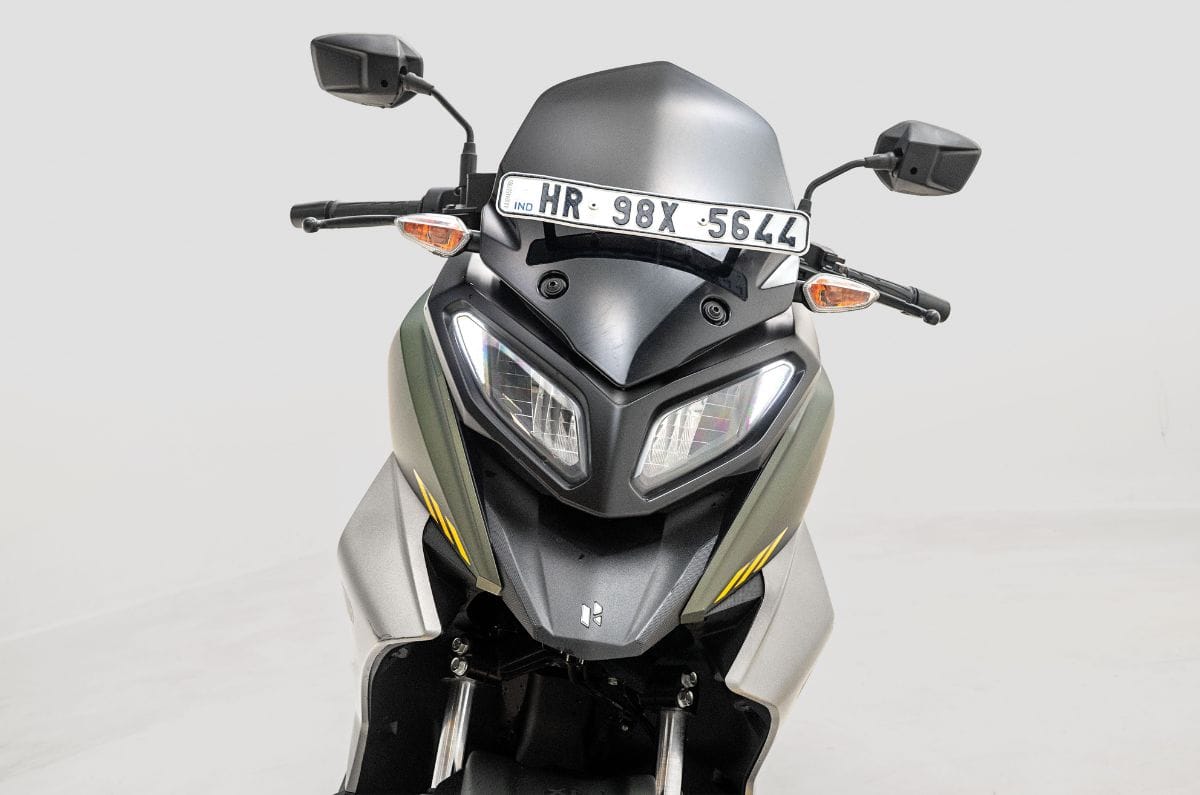
The Xoom 160 makes a strong first impression. From its prominent front beak and block-pattern tyres to the sharp twin-LED headlamp, everything about the scooter projects an adventure-inspired image. It also has genuine road presence and feels noticeably larger than a conventional scooter, one that makes passersby give it a second glance.
The front beak with twin headlights look striking
Hero has made good use of that size. There is a practical front storage cubby for everyday items, while the underseat compartment offers 22 litres of storage and can accommodate certain full-face helmets. Taller riders will also appreciate the generous knee room, which makes the riding position feel much less restrictive than the Aerox 155.
Xoom 160 Features and Quality – 6/10
The instrumentation and switchgear are big letdowns in an overall strong package.
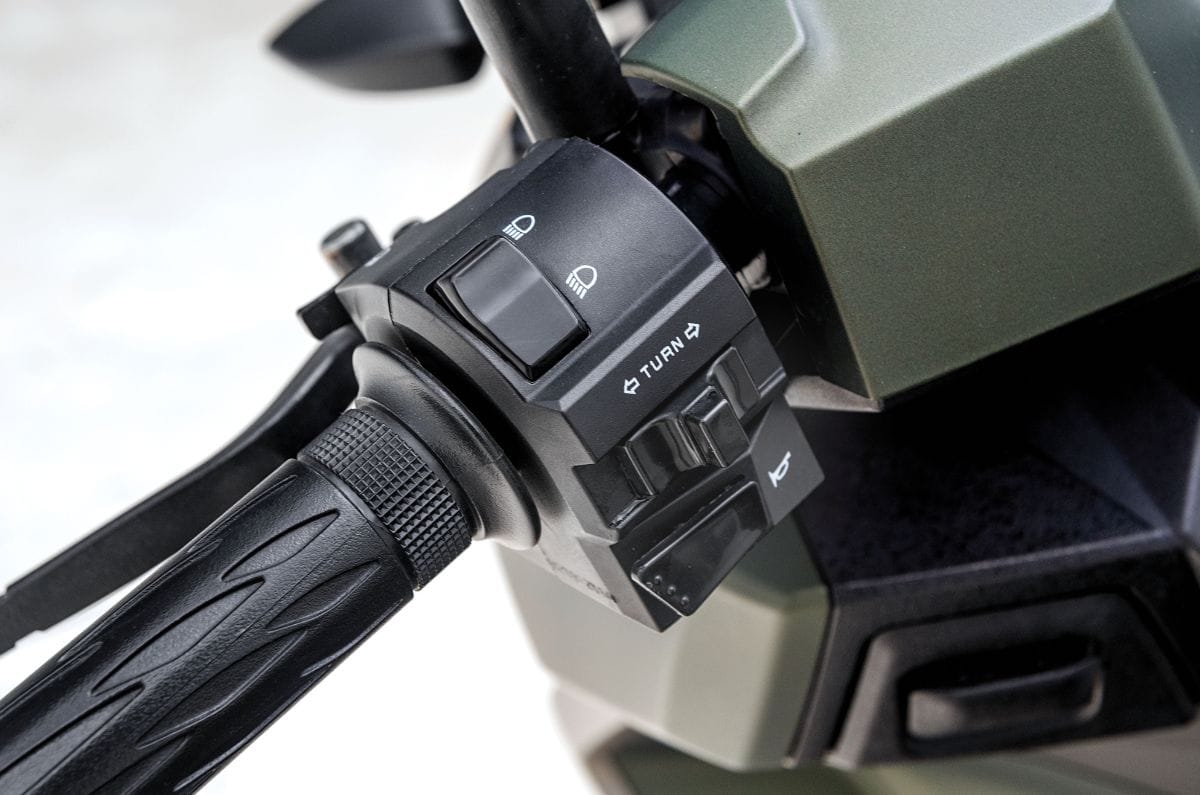
One area where the Xoom 160 already feels dated is its instrumentation and switchgear. Despite being Hero’s flagship scooter, the switchgear lacks the premium feel and even other newer Hero products such as the Xoom 125 have nicer switchgear.
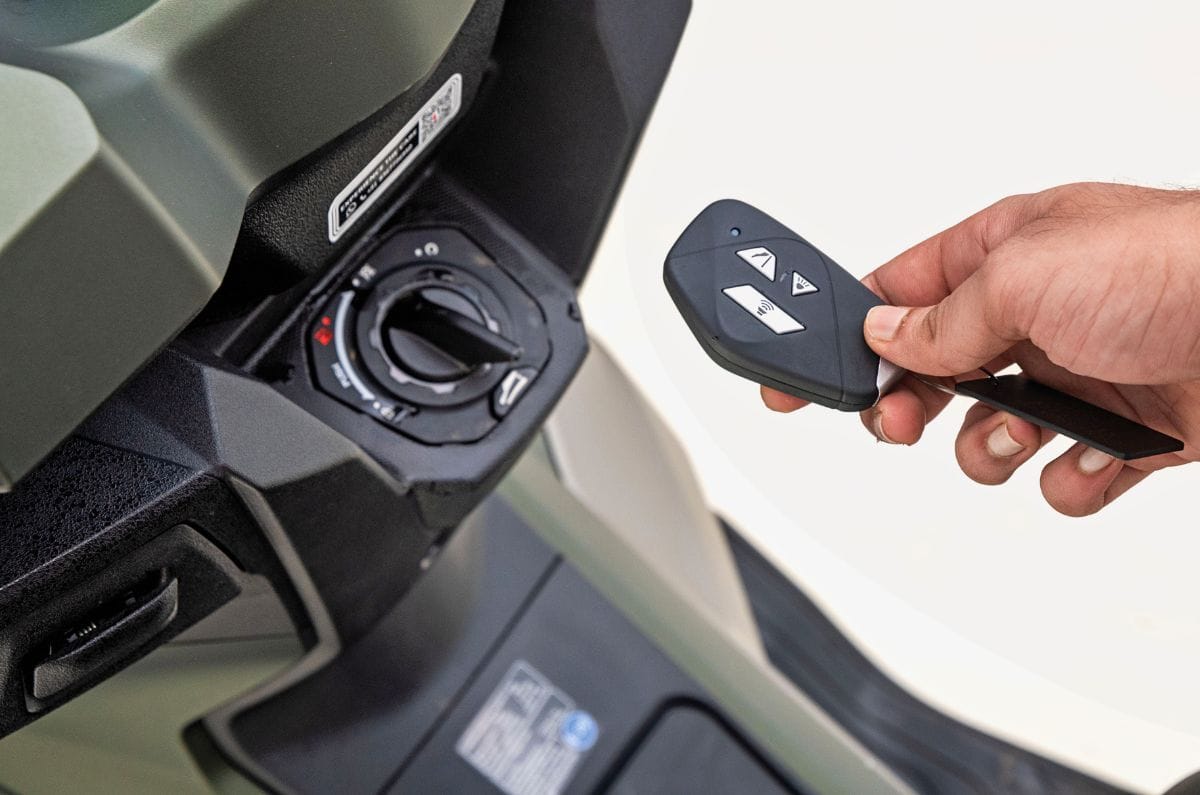
The LCD display offers Bluetooth connectivity and all the expected information, but it is small and not particularly easy to read on the move. The scooter does get keyless operation and a remote seat-release function, both of which add a degree of convenience and premium feel.
The overall feature distribution is somewhat puzzling as it has been with most Hero’s. Another example of this is how the smaller Xoom 125 receives segment-first, sequential LED indicators, while the more expensive Xoom 160 makes do with conventional bulb indicators.
Xoom 160 Performance and Refinement – 8/10
The performance isn’t as exciting as its chief rival but the engine is superbly refined.
The key fob looks and feels premium, unlike the switch cubes.
The 156cc liquid-cooled, four-valve engine is one of this scooter’s highlights. It is smooth, refined and delivers its performance in a very linear manner.
Unlike the Yamaha Aerox 155, the Xoom 160 doesn’t feel particularly sporty or aggressive. Instead, it focuses on refinement and ease of use. In our performance tests, the Aerox reaches 80kph quicker, but the gap disappears by the time both scooters reach 100kph. Considering the Xoom’s substantial weight disadvantage, that is an impressive result. An excessively long accelerator twist action does impact the engine’s effortlessness, though.
The engine also remains smooth at higher speeds and feels well suited to long-distance riding. Talking about long-distance riding, Hero will also sell you a top-box.
Xoom 160 Ride and Handling – 7/10
Once leaned in, the Xoom holds its line well through the corners.
At 142kg, the Xoom 160 is around 16kg heavier than the Aerox 155, and that weight is impossible to ignore in the city. Filtering through traffic, changing direction and negotiating corners all require more effort than on a conventional scooter.
Switchgear looks a generation older
Although, the weight does bring in some benefits. The scooter feels planted and stable at speed, and once leaned into a corner, it holds its line confidently. However, it never feels particularly eager or agile and is more comfortable cruising than being ridden aggressively. The block-pattern tyres offer adequate dry-weather grip, although wet-weather confidence could be better.
Xoom 160 Comfort and suspension setup – 6/10
The seat height is low enough to not intimidate shorter riders.
The riding position is comfortable and accommodating. The 787mm seat height is approachable, while the floorboard on either side of the underspine allows riders to either sit conventionally or stretch their legs forward in typical maxi-scooter fashion.
However, the suspension does not live up to the promise of the styling. Ride quality is noticeably firmer than expected, particularly on broken roads and this was something the lighter riders in our office felt more acutely. While the seat cushioning is excellent and helps improve long-distance comfort, it cannot completely mask the stiff suspension setup. A more absorbent suspension tune and rear preload adjustability would have significantly improved the overall experience.
Xoom 160 Fuel efficiency and braking – 7/10
The Xoom returned an average fuel economy of 38.7kpl
The Xoom’s 7-litre fuel tank – the largest on any Indian-made scooter – enhances its touring credentials. Highway comfort is also good, with the engine feeling relaxed and vibrations remaining well controlled at cruising speeds.
In our instrumented fuel-efficiency tests, the Xoom 160 returned 38.7kpl overall, with figures of 39.6kpl on the highway and 37.9kpl in the city. These are respectable numbers, although not class-leading.
Interestingly, the scooter’s fuel-efficiency display consistently showed figures that were nearly 10kpl lower than what we achieved during testing.
Braking performance is reassuring and despite its weight, the Xoom sheds speed well. The 240mm front disc provides decent stopping power without feeling overly aggressive, while the ABS calibration remains unobtrusive.
Xoom 160 Price and Verdict – 7/10
At Rs 1.40 lakh, it costs Rs 3,000 less than the Base Aerox 155.
The Hero Xoom 160 is an interesting scooter because it attempts something genuinely different. It combines maxi-scooter proportions with adventure-inspired styling and delivers practicality and refinement
However, the execution does not fully match the promise suggested by the design. The firm suspension, dated switchgear and missing features prevent it from becoming the complete package it could have been.
Even so, there is a lot to like here. The Xoom 160 is refined, spacious and priced at Rs 1.40 lakh, it is unlike anything else in the segment. Hero may not have extracted the full potential from the concept, but it has shown that there is room in India for a more convincing maxi-scooter in the future.
Badrinath temple donation case: उत्तराखंड के विश्व प्रसिद्ध बद्रीनाथ धाम में श्रद्धालुओं के दान में कथित गड़बड़ी के मामले में स्पेशल इन्वेस्टिगेशन टीम (SIT) ने बड़ी कार्रवाई करते हुए मंदिर के पूर्व अधिकारी राजेंद्र चौहान को गिरफ्तार कर लिया है। एसआईटी ने करीब चार घंटे तक पूछताछ करने के बाद उन्हें हिरासत में लिया। अधिकारियों के अनुसार, अब उन्हें अदालत में पेश किया जाएगा। यह कार्रवाई मंदिर में चढ़ावे की कथित चोरी और गबन की जांच के बीच हुई है।
जांच एजेंसियां मंदिर प्रशासन से जुड़े कई लोगों की भूमिका की पड़ताल कर रही हैं। राजेंद्र चौहान इस मामले के प्रमुख संदिग्धों में शामिल हैं। जांच के दौरान जुटाए गए CCTV फुटेज के आधार पर एसआईटी ने चौहान से पूछताछ की। जांचकर्ताओं का दावा है कि 22 जून, 25 जून और 29 जून की रिकॉर्डिंग में चौहान कथित तौर पर कैश के बंडल उठाकर अपनी जेब में रखते हुए दिखाई दे रहे हैं। इसी फुटेज के आधार पर उनसे विस्तृत पूछताछ की गई और बाद में गिरफ्तार कर लिया गया।
CCTV फुटेज से खुलासा
पुलिस ने बताया कि 25 जून और 29 जून के सीसीटीवी फुटेज की जांच के दौरान कुछ और लोगों की गतिविधियां संदिग्ध पाई गई हैं। इन फुटेज के आधार पर एसआईटी ने अतिरिक्त संदिग्धों की पहचान की है और जल्द ही उनसे भी पूछताछ की जाएगी। अधिकारियों का कहना है कि मंदिर में श्रद्धालुओं द्वारा चढ़ाए गए दान के कथित दुरुपयोग से जुड़े इस मामले की जांच अभी जारी है।
एसआईटी सभी उपलब्ध साक्ष्यों, सीसीटीवी फुटेज और दस्तावेजों की गहन जांच कर रही है ताकि पूरे मामले में शामिल सभी लोगों की भूमिका स्पष्ट हो सके। फिलहाल, जांच एजेंसी ने किसी अन्य आरोपी के खिलाफ औपचारिक कार्रवाई की घोषणा नहीं की है, लेकिन नए साक्ष्यों के सामने आने के बाद आने वाले दिनों में जांच का दायरा और बढ़ने की संभावना है।
SIT ने सौंपी रिपोर्ट
बदरीनाथ मंदिर में चढ़ावे की कथित चोरी की पड़ताल के लिए श्री बदरीनाथ केदारनाथ मंदिर समिति (बीकेटीसी) की ओर से गठित जांच दल ने गुरुवार को अपनी रिपोर्ट सौंप दी। बीकेटीसी के मुख्य कार्य अधिकारी (सीईओ) सोहन सिंह रांगड़ ने इसकी पुष्टि करते हुए बताया कि चार-सदस्यीय दल ने 18 पन्नों की अपनी जांच रिपोर्ट सौंप दी है।
मंदिर समिति के सूत्रों के मुताबिक, रिपोर्ट में चढ़ावे की चोरी को रोकने के लिए कई सुझाव दिए गए हैं। इनमें गणना के दौरान ड्रेस कोड लागू करना, मंदिर परिसर तथा गणना केंद्र के अछूते स्थानों को चिन्हित कर वहां नये सीसीटीवी कैमरे लगाना, निगरानी व्यवस्था को बेहतर एवं जवाबदेह बनाना और श्रद्धालुओं को गणना कार्य से जोड़ने की निश्चित प्रक्रिया तय करना शामिल है।
दो जुलाई को हेराफेरी का हुआ खुलासा
दो जुलाई को सोशल मीडिया पर मंदिर में चढ़ावे में कथित हेराफेरी के आरोप सामने आने के बाद बीकेटीसी ने इस समिति का गठन किया था, जिसकी प्रारंभिक रिपोर्ट के आधार पर अध्यक्ष कार्यालय में वैयक्तिक सहायक के तौर पर तैनात प्रमोद नौटियाल को निलंबित कर दिया गया था। इसके बाद पुलिस में नौटियाल के खिलाफ मुकदमा दर्ज कराया गया, जिसकी जांच में साक्ष्य मिलने के बाद उन्हें गिरफतार कर लिया गया।
मंदिर के चढ़ावे के रिकॉर्ड वाले रजिस्टर में ओवरराइटिंग पाए जाने के बाद इस काम में लगे खजांची संदेश मेहता को भी वहां से हटाकर अन्यत्र तबादला किया जा चुका है। इस बीच, मामले की पड़ताल कर रहा पुलिस का विशेष जांच दल (एसआईटी) बीकेटीसी के निलंबित कर्मचारी प्रमोद नौटियाल के साथ ही अन्य लोगों के भी इसमें शामिल होने की आशंका का बारीकी से पता लगा रहा है।
पुलिस सूत्रों ने बताया कि चमोली के पुलिस उपाधीक्षक मदन सिंह की अध्यक्षता में गठित एसआईटी सीसीटीवी कैमरों में दर्ज नौटियाल की पूर्व की संदिग्ध गतिविधियों का विश्लेषण कर रही है। इसके अलावा, आरोपी के साथ ही इस मामले में अन्य लोगों के शामिल होने के पहलू की भी जांच की जा रही है, जिसके लिए पुराने सीसीटीवी कैमरों की फुटेज भी खंगाली जा रही हैं।
सूत्रों के मुताबिक, एसआईटी ने सीसीटीवी कैमरों के पूर्व में डिलीट हो चुके रिकॉर्ड को रिकवर करने की दिशा में भी प्रयास शुरू कर दिए हैं। इसके लिए विशेषज्ञों की मदद लेने का प्रयास किया जा रहा है। उधर, मुख्यमंत्री पुष्कर सिंह धामी के निर्देश पर गढ़वाल के कमिश्नर आनंद स्वरूप की अध्यक्षता में गठित तीन सदस्यीय उच्चस्तरीय समिति की जांच भी जारी है।
Ram Mandir Chanda Chori Update: अयोध्या स्थित श्री राम मंदिर में श्रद्धालुओं द्वारा चढ़ाए गए दान में कथित हेराफेरी का मामला उस समय सामने आया, जब मंदिर परिसर के एक शौचालय में 40 हजार रुपये कैश छिपे मिले। ‘टाइम्स ऑफ इंडिया (TOI)’ की रिपोर्ट के अनुसार, एक सुरक्षा गार्ड की सतर्कता से हुई इस बरामदगी ने ऐसे संगठित गिरोह का खुलासा किया, जो पिछले कई महीनों से दान की रकम में कथित तौर पर सेंध लगा रहा था।
शौचालय में कैश मिलने के बाद मंदिर प्रशासन ने दान गिनने वाले रूम की सीसीटीवी फुटेज खंगाली। जांच में कथित तौर पर सामने आया कि दान की गिनती में लगे कुछ कर्मचारी नोटों को अपने कपड़ों और शरीर में छिपा रहे थे। इसके बाद पूरे दान प्रबंधन तंत्र की जांच शुरू की गई।
ऐसे की जाती थी दान की रकम की चोरी
जांच एजेंसियों के अनुसार, आरोपी दान की गिनती के दौरान कैश निकालकर पहले उसे मंदिर परिसर के शौचालयों में छिपा देते थे। बाद में सुरक्षा कर्मियों और अन्य कर्मचारियों की नजर से बचते हुए उस रकम को थोड़ी-थोड़ी मात्रा में बाहर ले जाया जाता था। पुलिस का मानना है कि इसी तरीके से लंबे समय तक चोरी को अंजाम दिया जाता रहा।
SIT जांच में बड़ा खुलासा
शुरुआती जांच में मंदिर ट्रस्ट ने लगभग 80 लाख रुपये की बरामदगी दर्ज की। मामला तूल पकड़ने के बाद जांच स्पेशल इन्वेस्टिगेशन टीम (SIT) को सौंप दी गई। अब तक दान की गिनती से जुड़े आठ लोगों को गिरफ्तार किया जा चुका है। जांच के दौरान पुलिस ने आरोपियों के पास से बड़ी मात्रा में नकदी, आभूषण और कथित तौर पर चोरी के पैसों से खरीदी गई एक गाड़ी भी बरामद की है। इसके अलावा आरोपियों और उनके परिजनों से जुड़े करीब 50 बैंक खातों की जांच कर धन के लेन-देन का पता लगाया जा रहा है।
कई महीनों से चल रही थी कथित हेराफेरी
जांच अधिकारियों का मानना है कि दान की रकम में यह कथित चोरी कई महीनों से जारी थी। हालांकि, मंदिर में प्रतिदिन बड़ी संख्या में आने वाले दान और रिकॉर्ड की सीमाओं के कारण यह तय कर पाना मुश्किल है कि कुल कितनी राशि का गबन हुआ। TOI की रिपोर्ट के मुताबिक, यह अहम खुलासा तब हुआ जब एक सिक्योरिटी गार्ड को मंदिर परिसर के अंदर एक वॉशरूम में छिपे हुए ₹40,000 मिले। इस खोज से तुरंत शक पैदा हुआ, जिसके बाद मंदिर प्रशासन ने डोनेशन गिनने वाली जगह के CCTV फुटेज की जांच की। उन्हें जो मिला, वह छिपे हुए कैश के एक बंडल से कहीं ज़्यादा गंभीर मामला था।
दान व्यवस्था में मिलीं खामियां, ट्रस्ट ने बदली पूरी सिस्टम
SIT की जांच में यह भी सामने आया कि मुख्य आरोपियों में से एक के पास दान पेटियों की चाबियों तक अनधिकृत पहुंच थी। इससे मंदिर की आंतरिक निगरानी और सुरक्षा व्यवस्था पर भी सवाल खड़े हुए हैं। यह भी जांच की जा रही है कि क्या अन्य कर्मचारी या अधिकारी इस कथित गड़बड़ी से अनजान थे या उन्होंने इसे नजरअंदाज किया।
मामले के सामने आने के बाद ‘श्री राम जन्मभूमि तीर्थ क्षेत्र ट्रस्ट’ ने दान संग्रह और गिनती की पूरी व्यवस्था में व्यापक बदलाव किए हैं। अब दान की गिनती के दौरान सुरक्षा बढ़ा दी गई है, सीसीटीवी निगरानी को मजबूत किया गया है, सख्त मॉनिटरिंग प्रोटोकॉल लागू किए गए हैं और नकदी प्रबंधन प्रणाली में बदलाव कर मानवीय हस्तक्षेप को कम करने की कोशिश की गई है। इन सुधारों का उद्देश्य लाखों श्रद्धालुओं का भरोसा दोबारा कायम करना है।
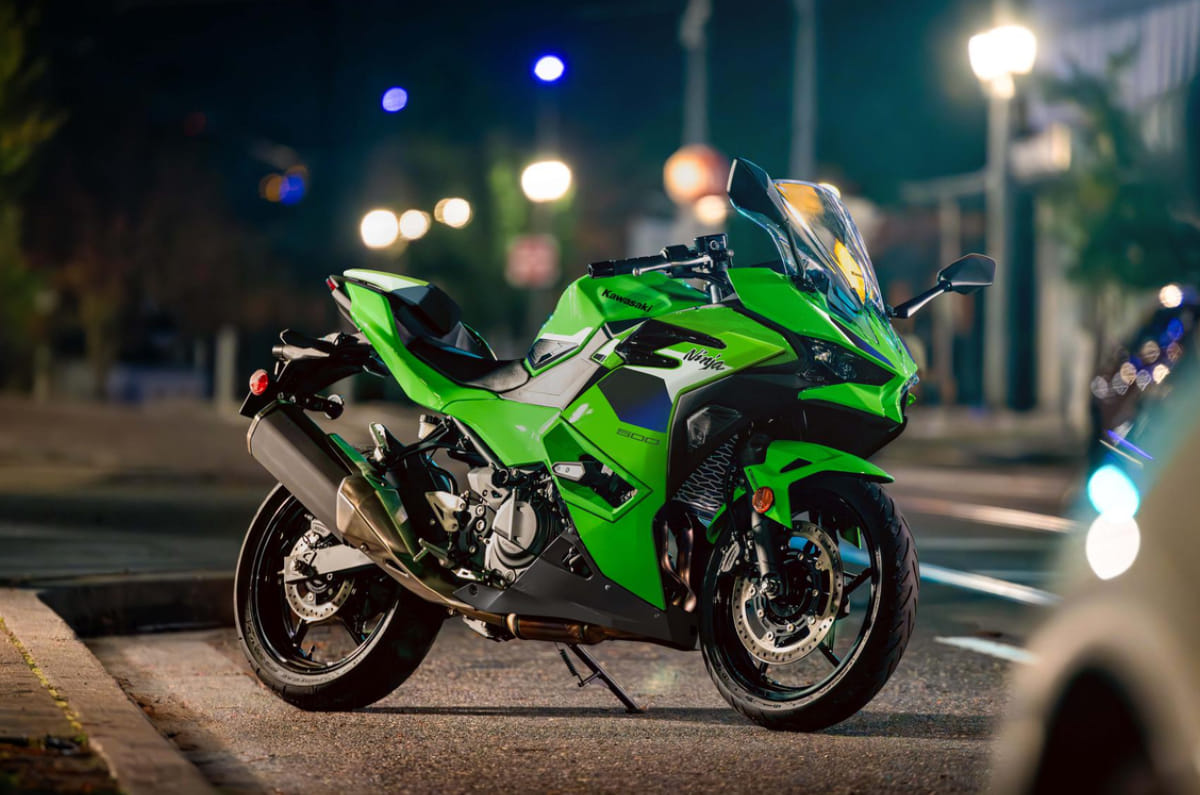
The Kawasaki Ninja 500 replaced the well-regarded Ninja 400 with a larger 451cc parallel-twin engine offering more performance, along with more muscular styling. It continues to sit at the more accessible end of the middleweight segment, aimed at riders upgrading from smaller motorcycles who want a genuinely capable, refined sportbike without the intimidation factor of a litre-class machine. Here are answers to some of the most commonly asked questions about it.
What is the price of the Kawasaki Ninja 500?
The Kawasaki Ninja 500 is priced at Rs 5.76 lakh (ex-showroom, Delhi). Only the standard variant is available in India; the SE variant, which gets a TFT display and additional equipment in some international markets, has not been introduced here.
What engine does the Kawasaki Ninja 500 use?
The Kawasaki Ninja 500 is powered by a 451cc liquid-cooled, parallel-twin engine producing 45hp at 9,000rpm and 42.6Nm at 6,000rpm, paired with a 6-speed gearbox. The engine is tractable and refined, with a free-revving character that makes it easy to ride in the city while still feeling engaging on the highway, where it can cruise comfortably at 100-120kph without feeling strained.
What features does the Kawasaki Ninja 500 have?
The Kawasaki Ninja 500 keeps its feature list fairly basic for the price. It gets dual-channel ABS and an LCD instrument console with Bluetooth connectivity as standard. It misses out on modern rider aids like traction control, riding modes and a quickshifter, while suspension duties are handled by a conventional telescopic fork up front and a rear monoshock.
What is the kerb weight and seat height of the Kawasaki Ninja 500?
The Kawasaki Ninja 500 has a kerb weight of 171kg and a seat height of 785mm, making it relatively accessible for a middleweight sportbike and one that most average-height riders should be able to manage comfortably. The riding position is more upright than that of a typical supersport, with rear-set footpegs that give it a sporty feel without compromising everyday comfort.
How does the Kawasaki Ninja 500 compare to its rivals?
The Ninja 500’s closest rival is the Aprilia RS 457, which is priced at Rs 4.22 lakh (ex-showroom, Delhi) – Rs 1.54 lakh less than the Kawasaki. The RS 457 also offers a more comprehensive electronics package with traction control, riding modes, a bidirectional quickshifter and USD forks, giving it a significant value advantage on paper. The Yamaha R3 was another direct rival, but with the model now discontinued in India, the RS 457 remains the Ninja 500’s closest competitor.
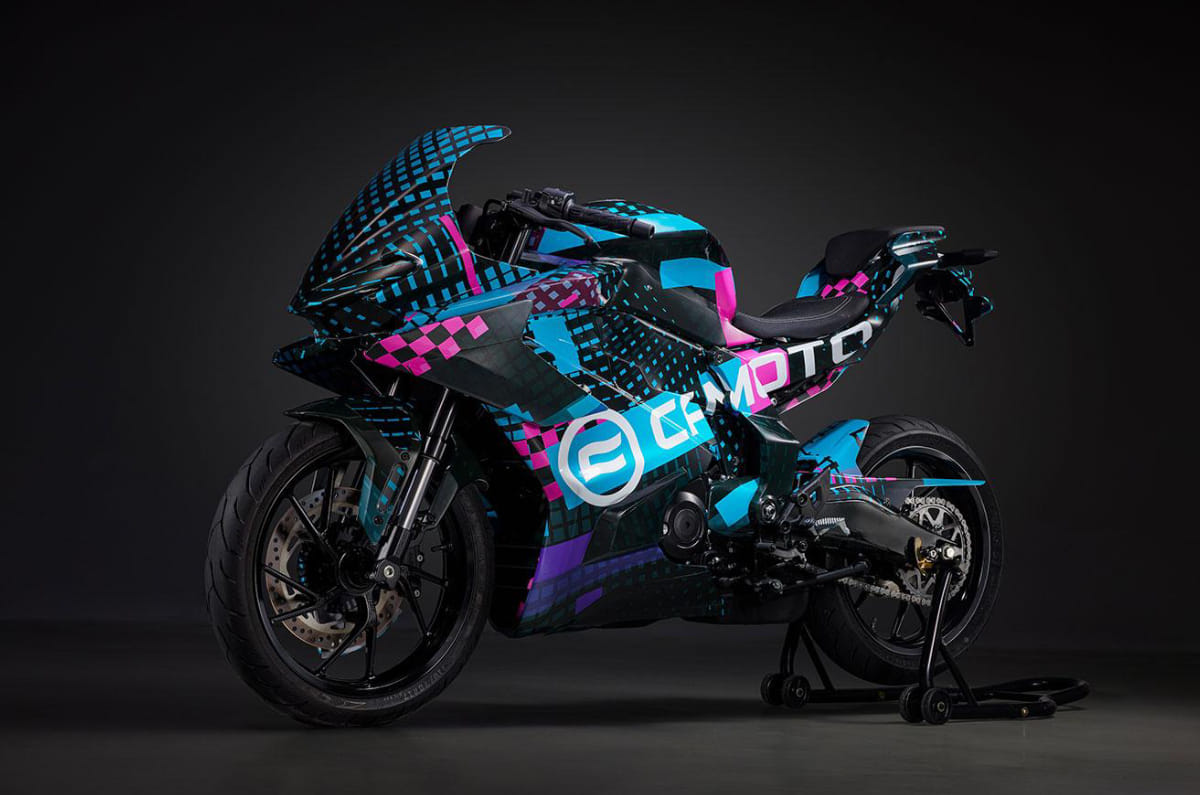
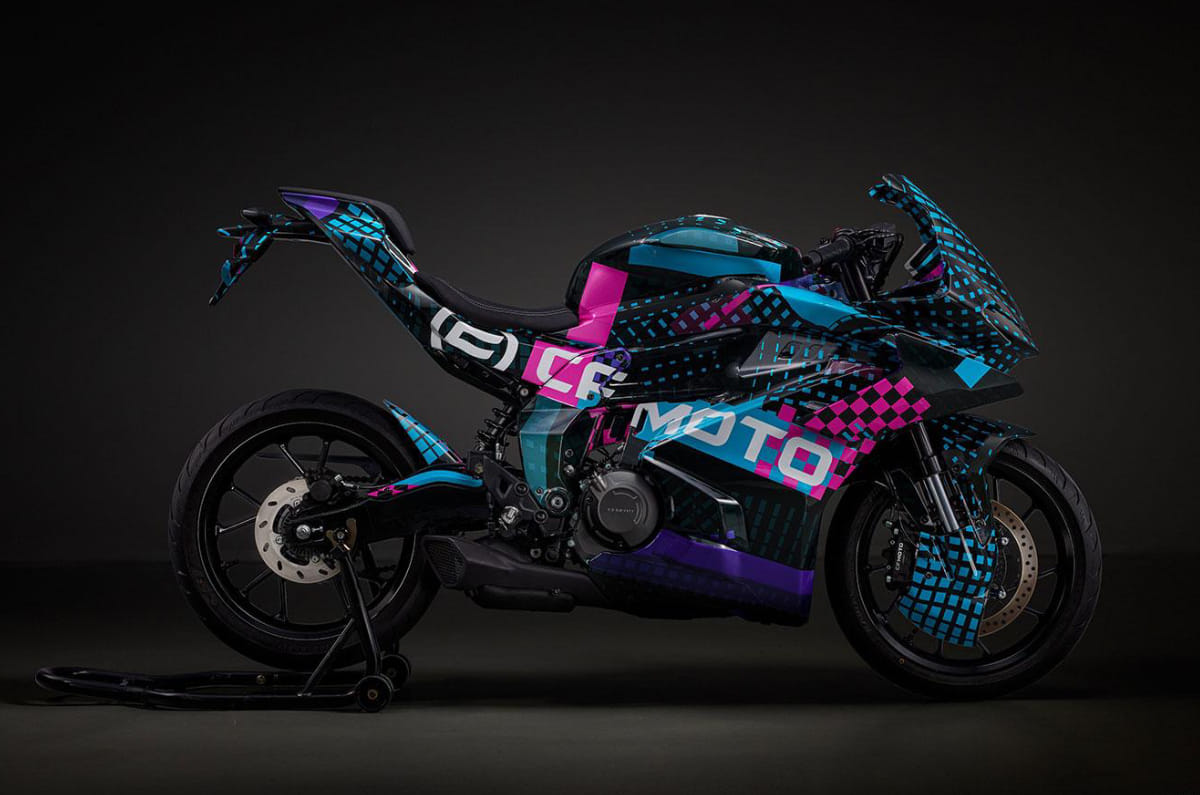
CFMoto first showcased a heavily disguised prototype of the 250SR-R at its annual CFMoto Day event in China in 2024, hinting at a twin-cylinder upgrade that would sit above the existing single-cylinder 250SR. Now, a newly published patent filing has revealed multiple details about what to expect from the upcoming motorcycle.
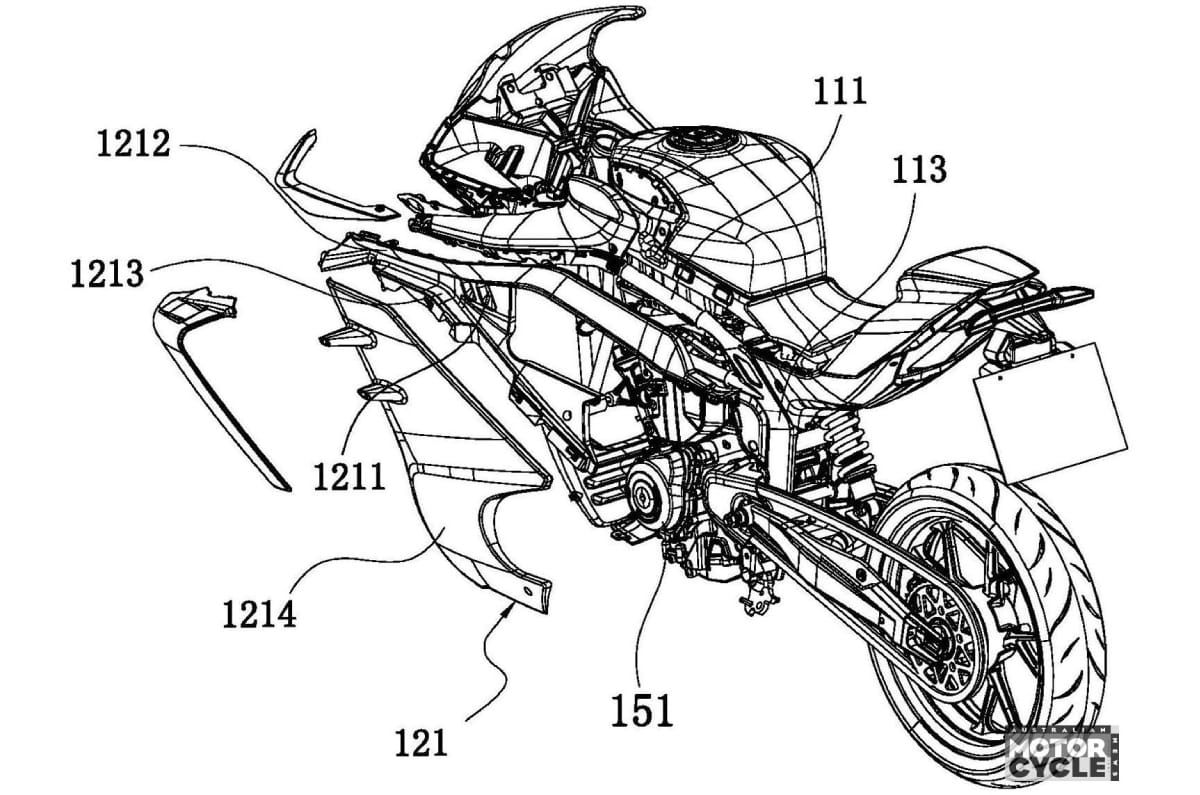
Patent reveals a part-aluminium, part-steel trellis frame and twin-cylinder engine
Headlight design appears similar to the larger CFMoto 750SR-S
CFMoto 250SR-R: What the patent reveals
The engine appears to be a downsized version of the 450SR’s parallel-twin
The patent drawings confirm that the 250SR-R uses a parallel-twin engine that appears visually similar to the unit found in the 450SR, suggesting it could be a downsized version displacing around 250cc. The engine is housed in a mixed-construction trellis frame that combines aluminium and steel sections.
Over the past year, CFMoto has expanded its global portfolio with models such as the 750SR-S and the V4-powered SR-RR. The upcoming 250SR-R appears to follow the same design language, featuring a headlight arrangement similar to that of the 750SR-S. The patent drawings also reveal small winglets integrated into the fairing. While they resemble the aerodynamic appendages seen on larger superbikes, on a motorcycle of this size they are more likely intended to improve airflow around the bodywork and reduce drag rather than generate meaningful downforce.
CFMoto currently sells the single-cylinder 250SR and 300SR in several international markets, with the twin-cylinder 250SR-R expected to slot above both as the more performance-focused option. For reference, the 250SR is powered by a 249cc liquid-cooled single-cylinder engine producing 27.9hp at 9,750rpm and 22Nm at 7,250rpm, while the 298cc single on the 300SR makes 29.9hp at 9,500rpm and 27Nm at 6,500rpm.
While a production timeline for the 250SR-R remains unknown, it’s unlikely we’ll see it in India anytime soon. CFMoto had previously planned to re-enter our market in 2025, but the company has since confirmed to us that those plans have been put on hold while it re-evaluates a longer-term strategy for India.
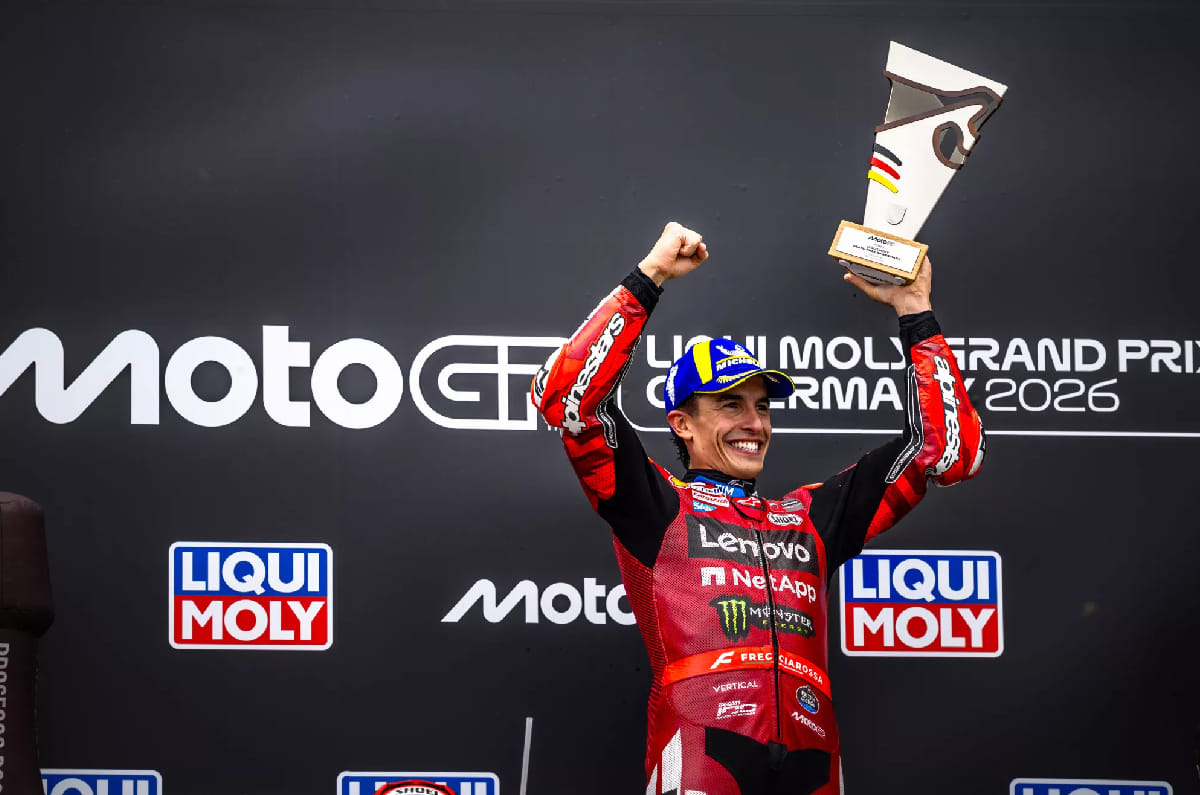
The king of the ring strikes again. Marc Marquez claimed a tenth MotoGP victory at the Sachsenring, equalling Giacomo Agostini’s all-time record for wins at a single venue, and moves to just 18 points behind championship leader Jorge Martin heading into the summer break. The weekend swung the title picture decisively open, aided significantly by costly crashes from two of his closest challengers.
Marquez claims record-equalling 10th MotoGP win at the Sachsenring
Trackhouse Aprilia celebrate a second consecutive double podium with Ogura and Fernandez
Bezzecchi, who underwent surgery following an Assen injury, is targeting a return at Silverstone
Marquez controls from the start
Following a commanding victory in Saturday’s sprint race, Marquez started from pole position on race day and took the holeshot to lead into Turn 1, with younger brother Alex Marquez slotting into second ahead of the two Trackhouse Aprilias of Ogura and Fernandez. Di Giannantonio, who came into the German GP third in the championship and had podium-contention pace, crashed out just a few laps in at Turn 10 – putting an end to a weekend that could have made him a serious title contender. On Lap 9, Alex Marquez crashed out as well, losing the front at Turn 13 while riding in a comfortable second place. It was a costly weekend for Ducati in the constructors’ championship – they currently sit 19 points behind Aprilia, who are on 330 points.
Ogura challenges Marquez
With Alex Marquez gone, Fernandez moved up into second with Ogura close on his heels. Acosta was fourth with Martin and Bagnaia behind him, creating a close five-way battle for the remaining points. Past the halfway mark, Marquez had built a decent gap over Fernandez and continued to edge further away. Ogura, who is having an exceptional season, began to pick up the pace in the latter stages and applied pressure on his teammate Fernandez. With five laps remaining he made the decisive move into second, and began eating into Marquez’s advantage – but it was too little, too late. By the flag, Marquez was just under two seconds clear – a commanding performance from a rider who clearly knows this circuit better than anyone on the grid.
Behind the leading duo, Fernandez held on for third to give Trackhouse their second consecutive double podium. Acosta crossed the line in fourth. The battle for fifth went all the way to the last corner, with Martin holding off Bagnaia to cross the line just 0.123 seconds ahead – a crucial result for the championship leader, who heads into the summer break 14 points clear of Ogura.
Championship standings
The perfect German GP weekend meant a 37-point swing for Marquez. Just four race weekends ago at Mugello, the gap to the leader seemed an insurmountable 102 points – that’s now been cut to just 18 behind Martin heading into Silverstone. Ogura sits second in the standings, 14 points back. The championship is wide open with the second half of the season still to come. Bezzecchi, who led the championship after the opening rounds before a difficult run of weekends including penalties and a surgery following an Assen injury, now sits in 4th and is targeting a return at Silverstone – which should make things interesting once again.
Badrinath Dham Donation Case: अयोध्या स्थित राम मंदिर में चढ़ावा चोरी मामले के बाद अब बद्रीनाथ धाम से भी ऐसा ही घटना सामने आई है। दरअसल, सोमवार को स्पेशल इन्वेस्टिगेशन टीम (SIT) ने बद्रीनाथ धाम में चढ़ावा और दान से जुड़े अधिकारी प्रमोद नौटियाल को कथित दान फंड में गड़बड़ी के मामले में गिरफ्तार किया है।
नौटियाल को बीती रात करीब 8 बजे देहरादून से गिरफ्तार किया गया और बाद में चल रही जांच के सिलसिले में बद्रीनाथ लाया गया।
SIT ने कहा कि नौटियाल पर इस मामले में गंभीर आरोप हैं और संकेत दिया कि जैसे-जैसे जांच आगे बढ़ेगी, कई अन्य लोगों के खिलाफ भी कार्रवाई की जा सकती है।
बता दें कि यह गिरफ्तारी देश के प्रमुख तीर्थ स्थलों में शामिल बद्रीनाथ धाम में चढ़ावे की कथित हेराफेरी के मामले की जांच में एक बड़ा कदम माना जा रहा है।
मंदिर में दान की गिनती में गड़बड़ी
रिपोर्ट्स के मुताबिक, एक आंतरिक जांच में 2 जुलाई, 2026 को ‘थाली’ में चढ़ाए गए दान की गिनती के दौरान गड़बड़ी पाई गई। जिसके आधार पर FIR दर्ज की गई और इसके बाद जांच का दायरा बढ़ा दिया गया।
अधिकारियों ने आरोप लगाया है कि मंदिर के दान-गणना क्षेत्र से नकदी और चढ़ावे की वस्तुएं चोरी हो गईं। शुरुआती रिपोर्टों में इस मामले को श्रद्धालुओं के दान और कीमती सामान की कथित चोरी या गबन के रूप में बताया गया है।
इस मामले में शिकायत के बाद पहले विभागीय जांच हुई, जिसके बाद पुलिस ने आपराधिक कार्यवाही शुरू की।
मंदिर की जांच से आगे बढ़ा मामला
अब यह जांच मंदिर प्रशासन की आंतरिक जांच से आगे बढ़ चुकी है और पुलिस तथा स्पेशल इन्वेस्टिगेशन टीम (SIT) इसे संभाल रही हैं। गिरफ्तारी से पहले, नौटियाल ने कथित तौर पर FIR और अपने सस्पेंशन, दोनों को ही हाई कोर्ट में चुनौती दी थी।
बता दें कि SIT द्वारा उन्हें हिरासत में लिए जाने के बाद, जांच अधिकारी कथित गड़बड़ियों से जुड़े सभी पहलुओं की जांच कर रहे हैं।
SIT ने यह भी संकेत दिया है कि जांच जारी है और अगर सबूतों से अन्य लोगों की संलिप्तता साबित होती है, तो उनके खिलाफ भी कार्रवाई की जा सकती है।
मामले का बड़ा महत्व
यह मामला इसलिए भी ज्यादा चर्चा में है, क्योंकि बद्रीनाथ धाम देश के सबसे पवित्र हिंदू तीर्थ स्थलों में से एक है। नतीजतन, भक्तों के चढ़ावे के कथित दुरुपयोग को न केवल एक वित्तीय मामला, बल्कि जन-विश्वास का मुद्दा भी माना जा रहा है। इस विवाद के बाद कई धार्मिक नेताओं और जन-प्रतिनिधियों ने कड़ी कार्रवाई की मांग की है।
उत्तराखंड सरकार के अधिकारियों ने भी कहा है कि जांच के दौरान जो भी दोषी पाया जाएगा, उसके खिलाफ कार्रवाई की जाएगी।
जांच जारी है
डोनेशन फंड में कथित गड़बड़ी की चल रही जांच में SIT द्वारा प्रमोद नौटियाल की गिरफ्तारी सबसे नया कदम है। जांच करने वाले अधिकारी मंदिर में चढ़ावे के लेन-देन, डोनेशन गिनने की प्रक्रिया और इस मामले से जुड़े लोगों की भूमिका की जांच कर रहे हैं।
SIT का कहना है कि जांच जारी है और संकेत दिया है कि जैसे-जैसे और सबूत मिलेंगे, आगे और कार्रवाई की जा सकती है।