Bajaj Pulsar 125 New vs Old: Price and differences explained

Bajaj Pulsar 125 New vs Old: Price and differences explained
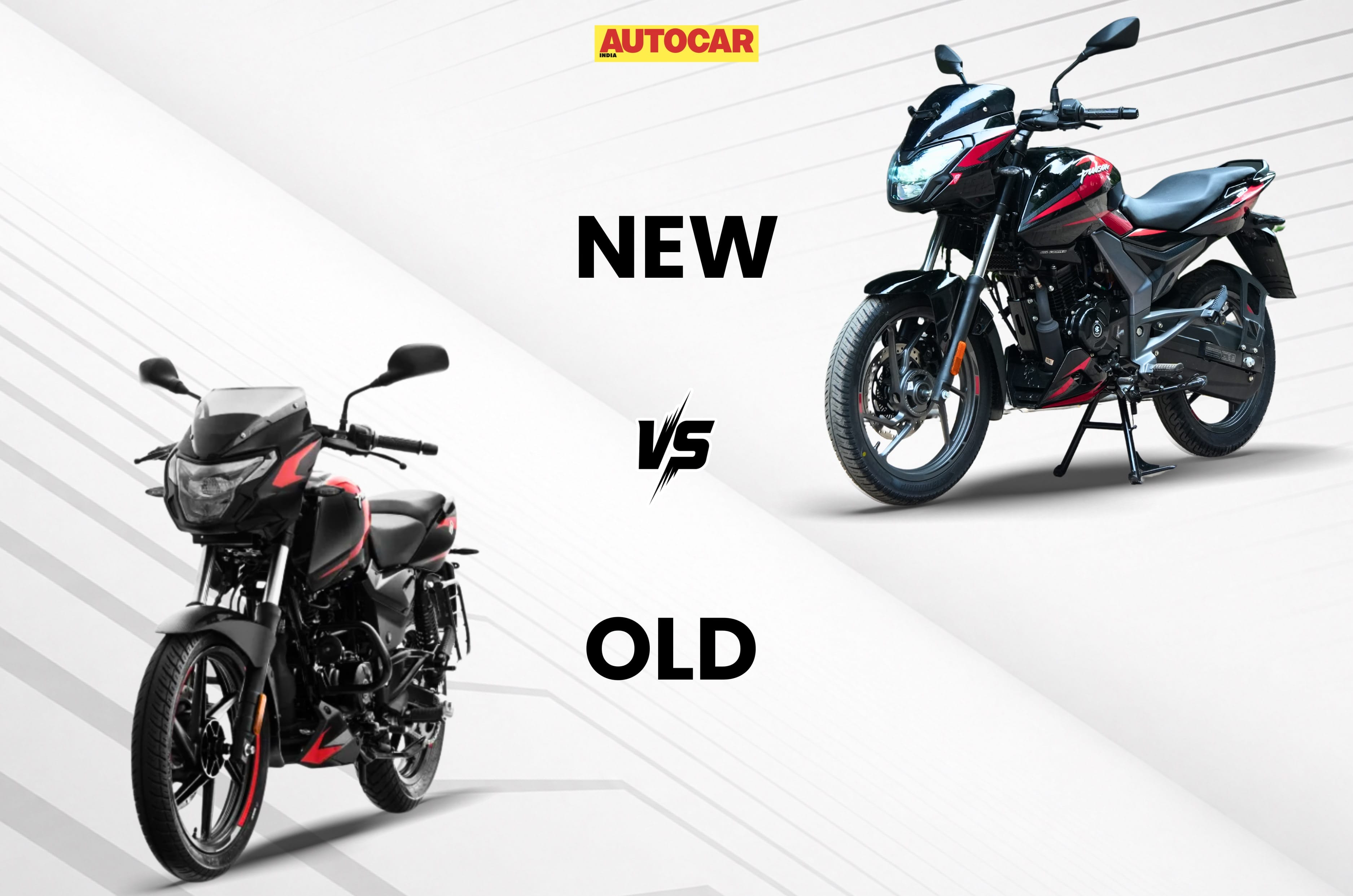
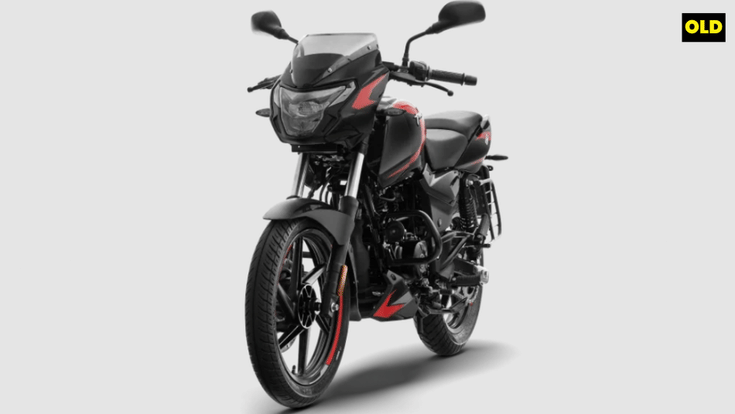
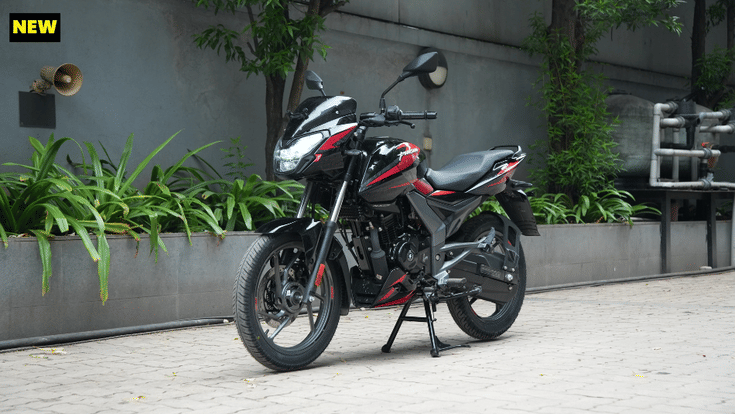
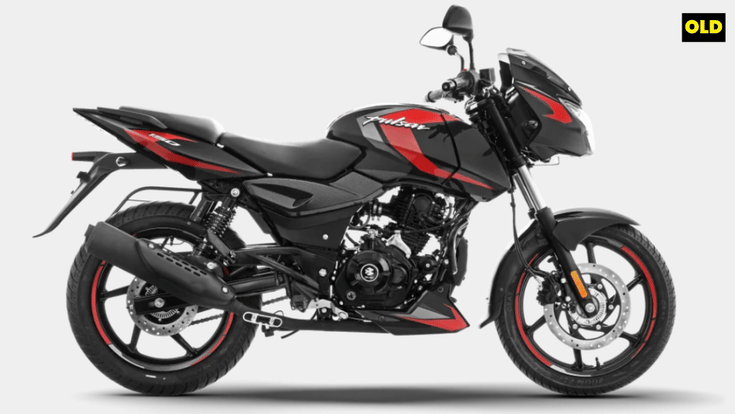
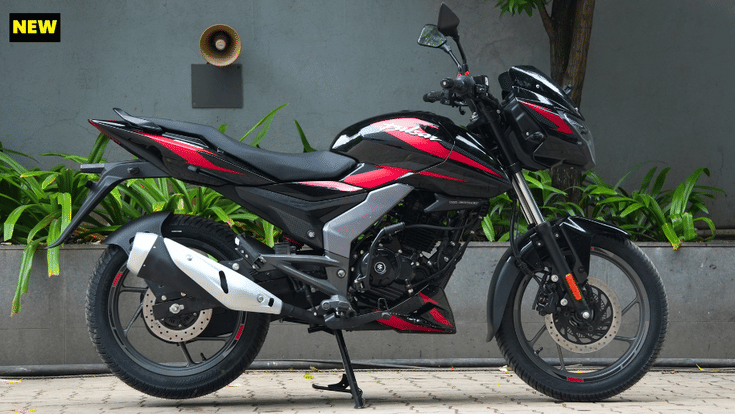
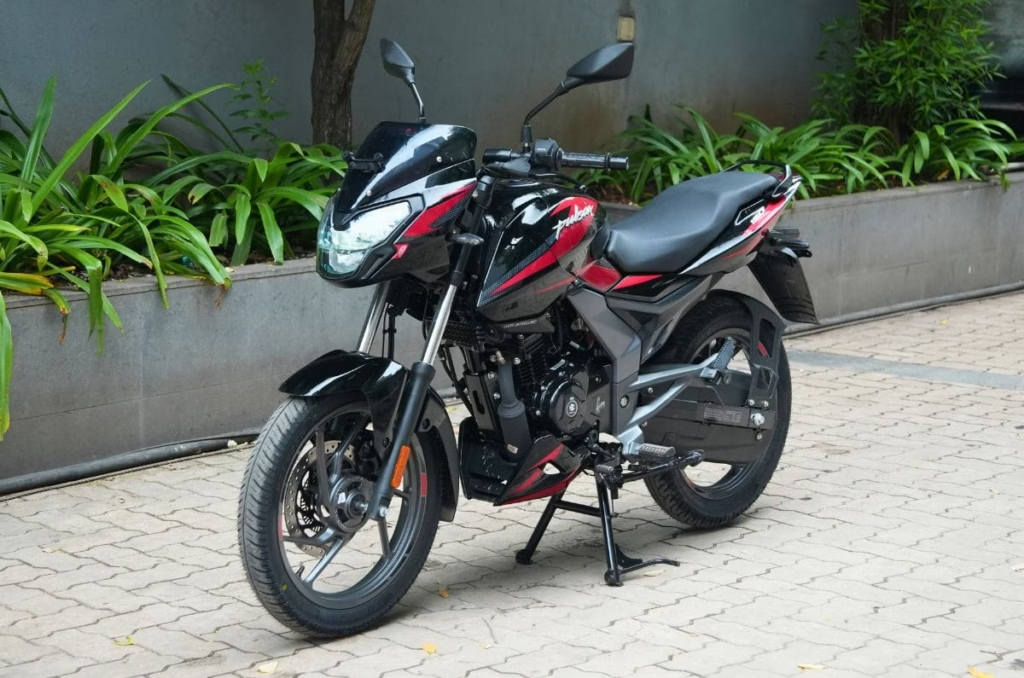
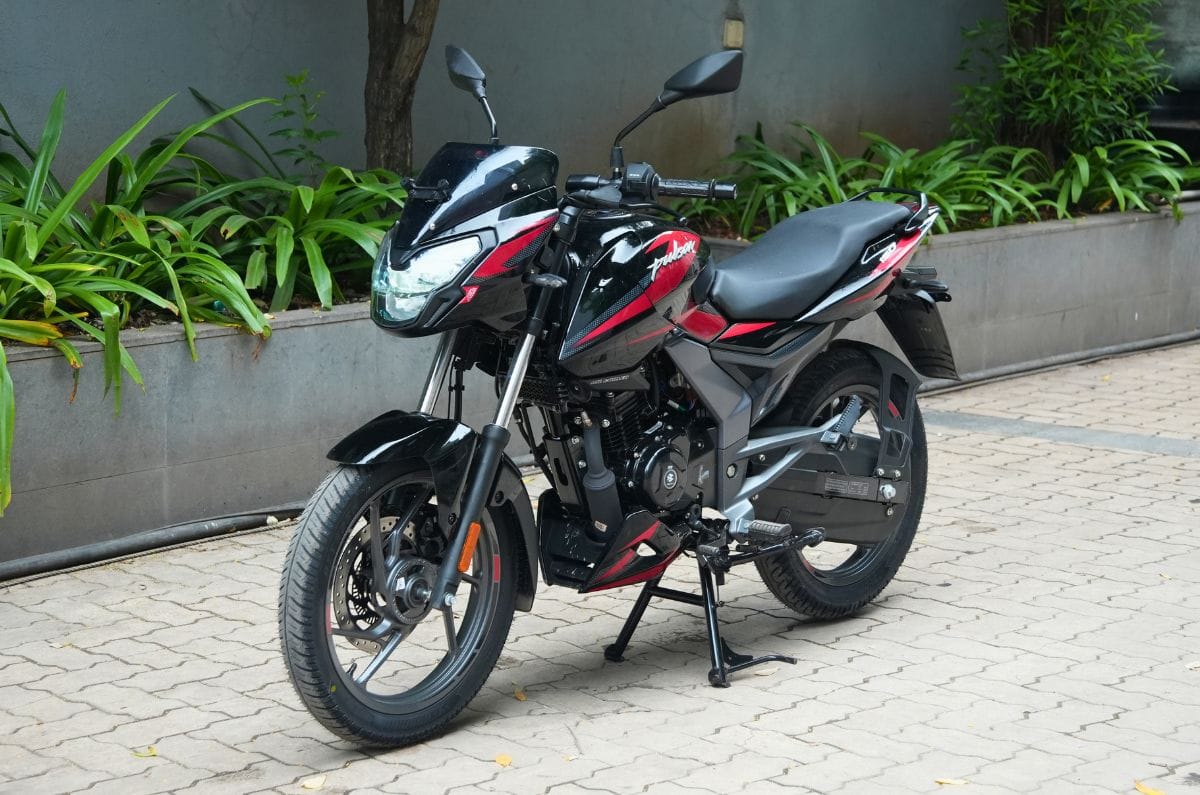
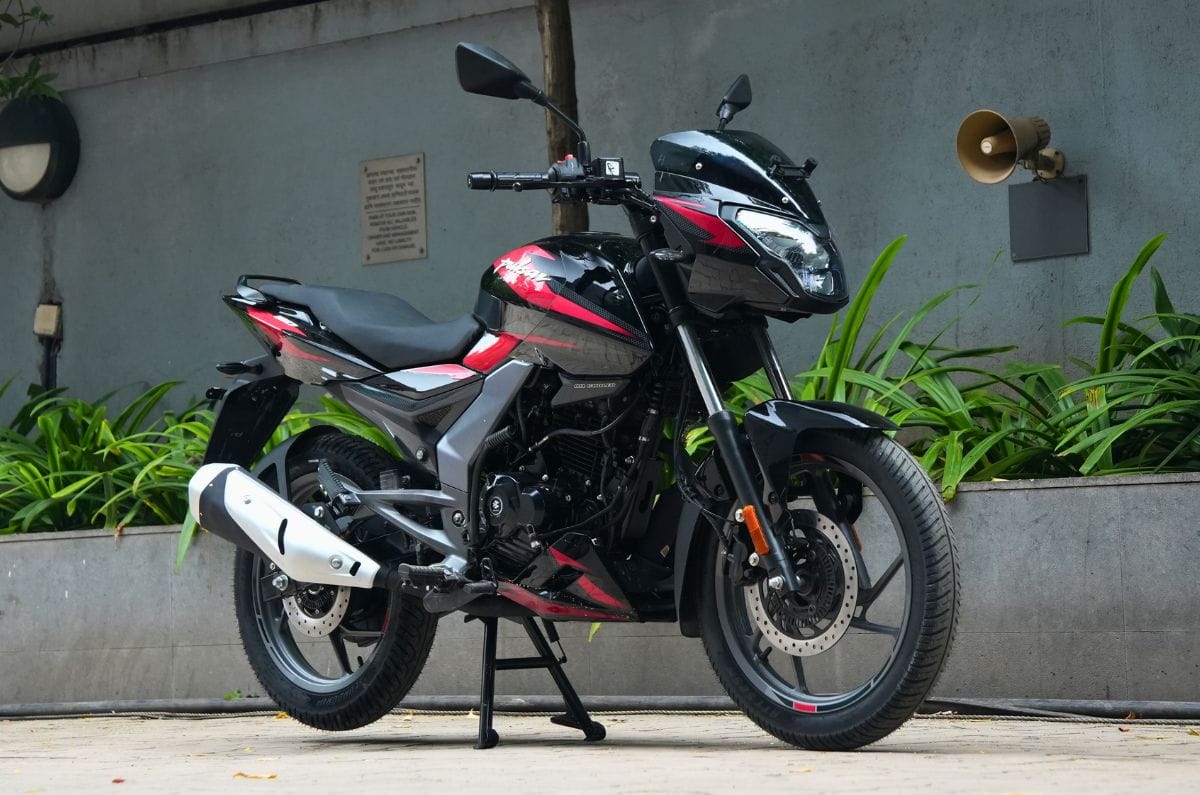
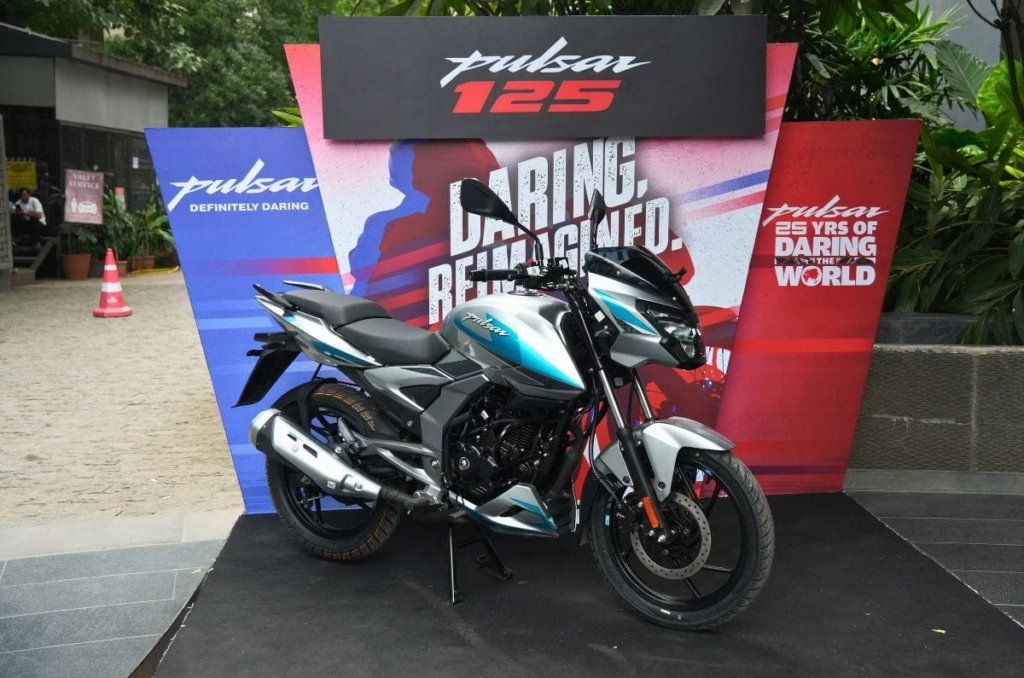
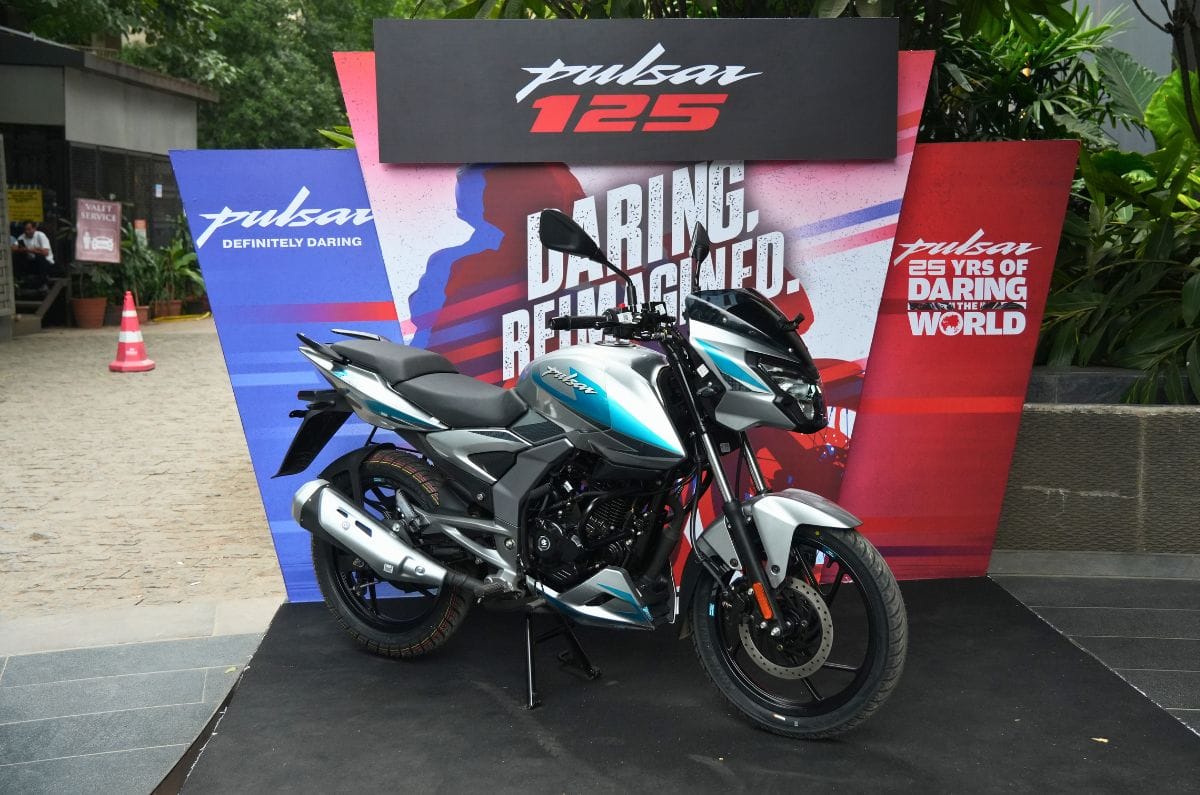
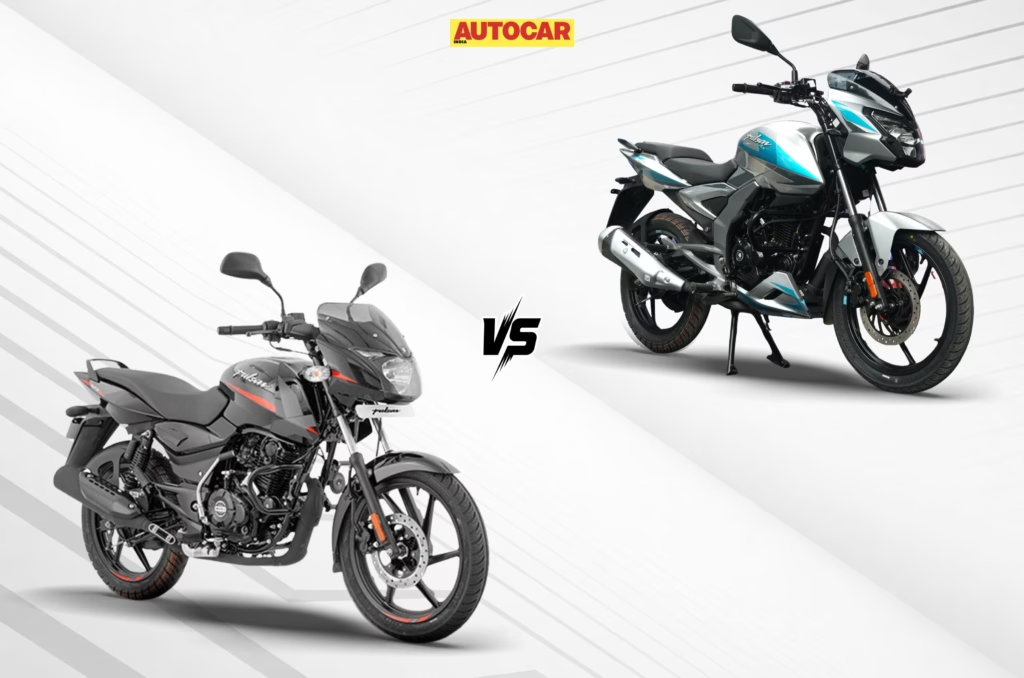
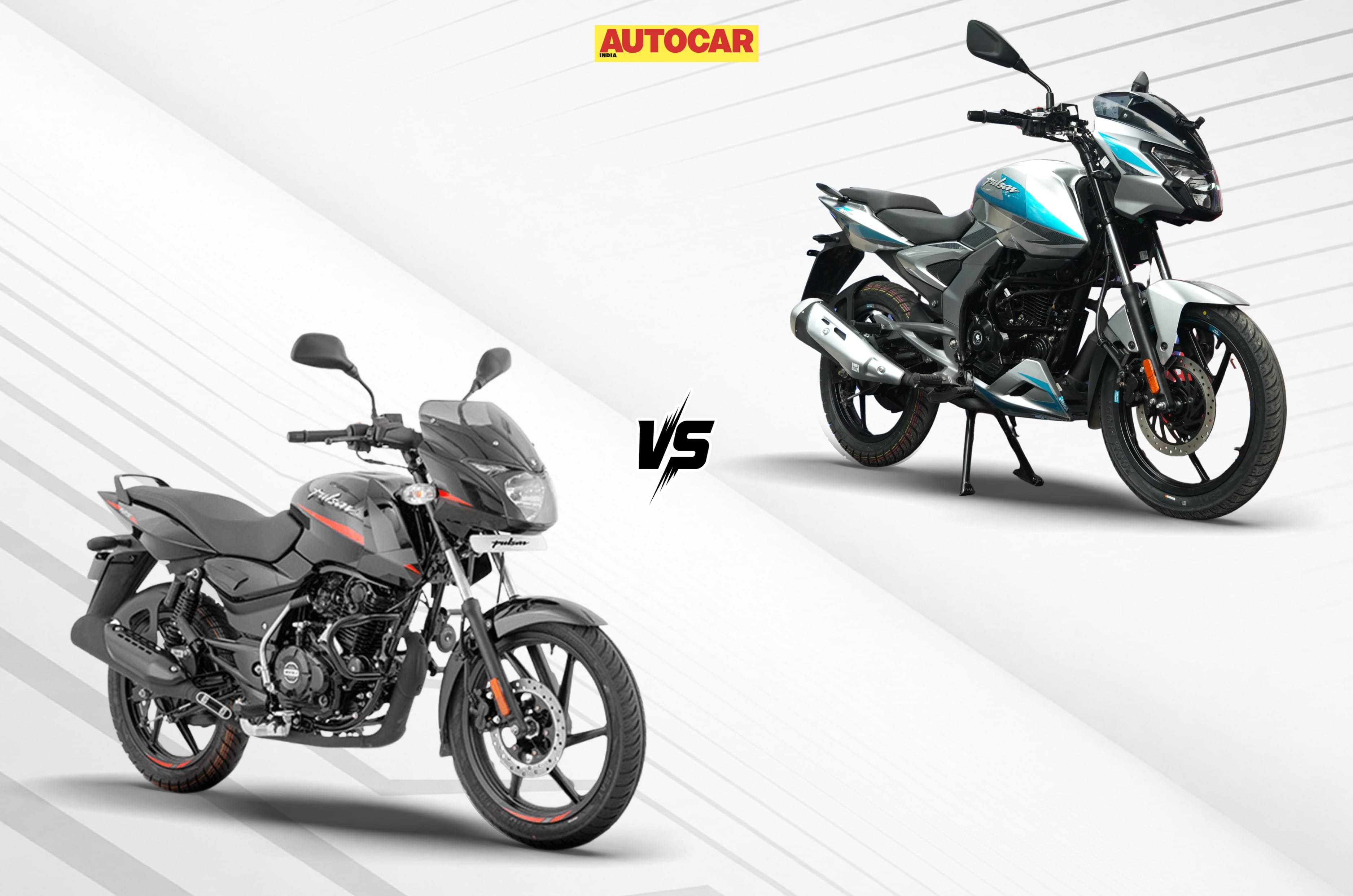
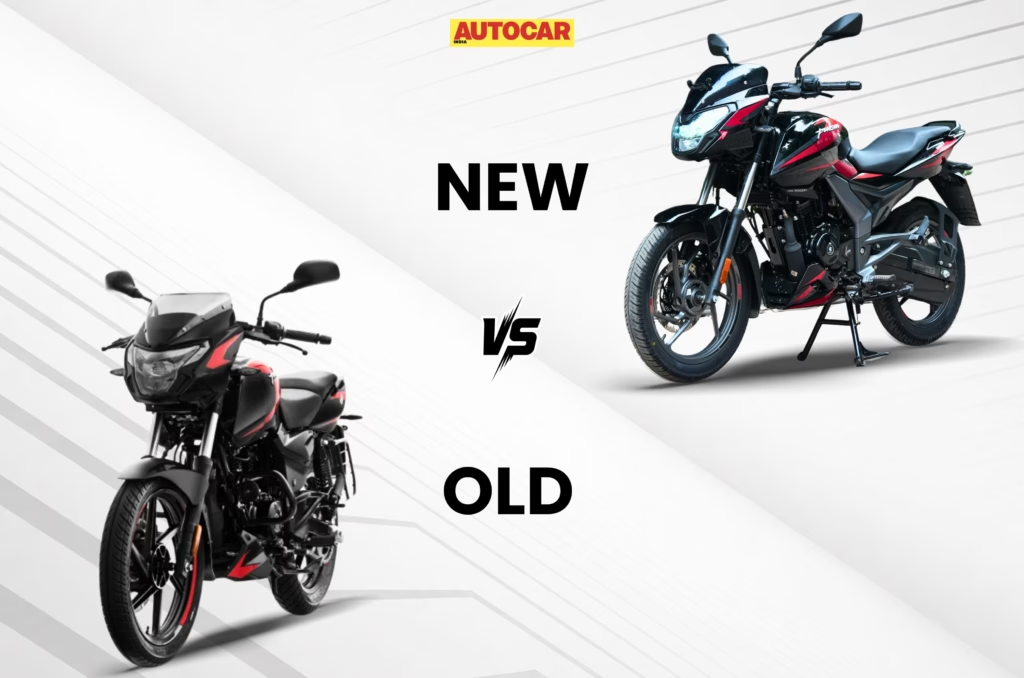
Lead image showing front right quarter shots of the outgoing and the new Pulsar 125

With the discontinuation of the N125 in India, the Pulsar 125 had gained attention back as the entry-level Pulsar model and Bajaj has just revamped it from the ground-up. Some of the obvious upgrades are to the engine, frame, and suspension. However, with the line-up expanding to four variants from two earlier, what exactly sets the new Pulsar 125 apart from the old? Let’s find out.

Note: At the time of writing, Bajaj hasn’t shared the exact dimensions and kerb weight for the new Pulsar 125 so this comparison skips that. We’ll update the story once we get those details.

Bajaj Pulsar 125 New vs Old: Engine

More power and torque at the same points in the rev range


New Bajaj Pulsar 125

Old Bajaj Pulsar 125

Engine

124.58cc single-cylinder, air-cooled

124.38cc single-cylinder, air-cooled

Power

12.1hp at 8,500rpm

11.8hp at 8,500rpm

Torque

11.4Nm at 6,500rpm

10.8Nm at 6,500rpm

Transmission

5-speed

5-speed

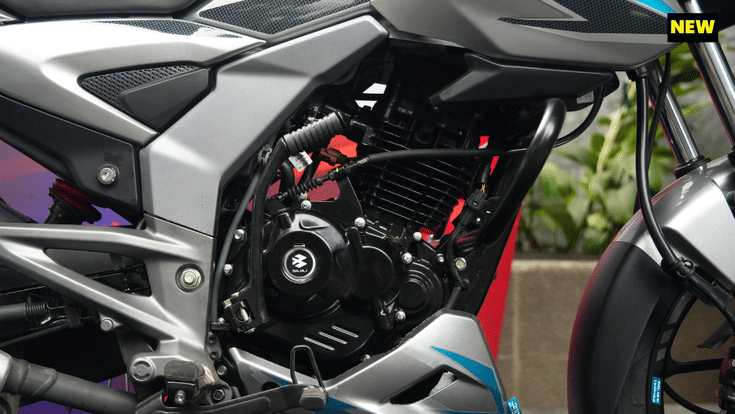
Similar to the all-new Pulsar 150, the new Pulsar 125’s engine also looks similar to the outgoing one at first glance, but that’s not the case. The cubic capacity on the new engine has increased by two-tenths and Bajaj has extracted marginally more power and torque delivered at similar rpm as before. Bajaj also claims that 80 percent of the torque is available from 3,000rpm onwards. On paper, it’s easy to dismiss this improvement as minuscule, but it bodes well with Bajaj’s placement of the 125 as an easy city commuter.

Unlike the new Pulsar 150’s oil-cooled engine, the 125 sticks to an air-cooled unit. Transmission also remains 5-speed, but Bajaj claims an upgraded gearbox for low end tractability. The power-to-weight ratio has supposedly improved, and Bajaj says acceleration has as well, but we’ll have to wait until we put the bike through our tests to confirm so.
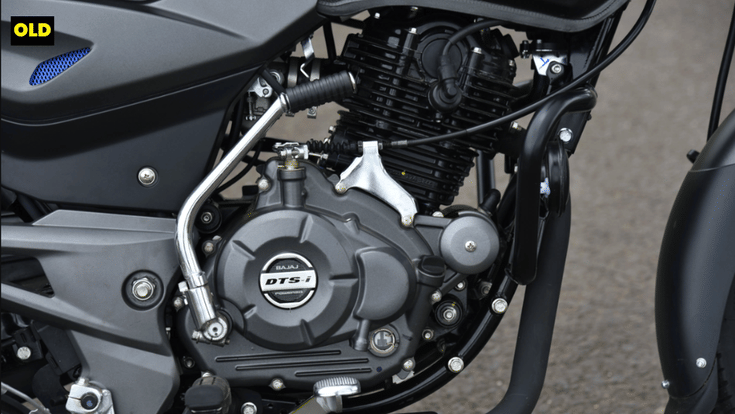
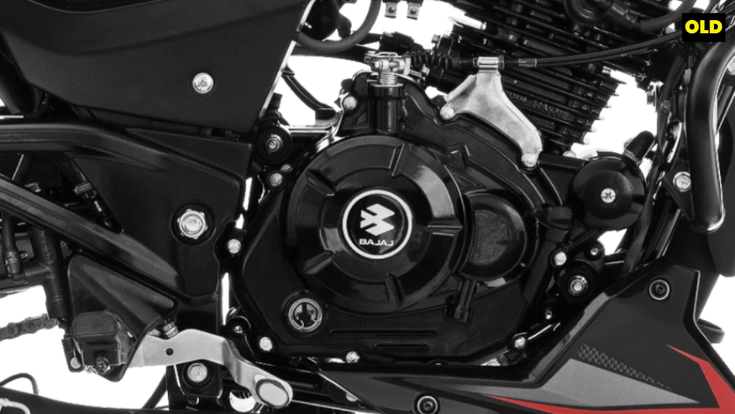
Right side close up of the outgoing Pulsar 125's engine
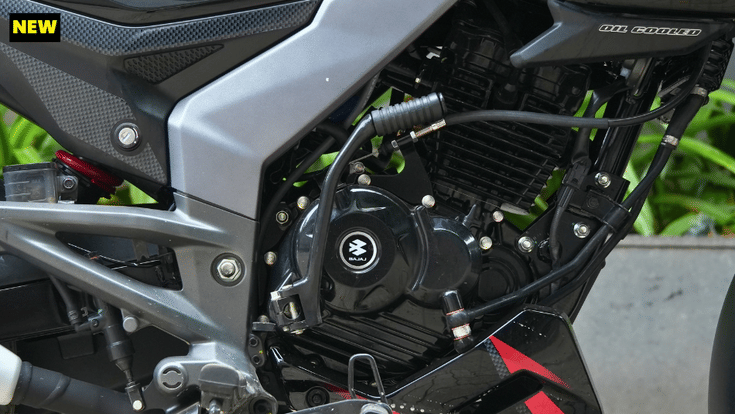
Right side close up of the new Pulsar 125's engine


Bajaj Pulsar 125 New vs Old: Chassis, headlight, and suspension

Chassis and suspension see major changes

Keeping in line with the all-new theme, Bajaj has also changed the chassis and the suspension setup on the new Pulsar 125. The existing dual-cradle frame has been swapped for a single-cradle or diamond frame with the engine now acting as a stressed member. Bajaj says the change enables the Pulsar 125 to have greater stiffness, enabling better handling and stability.
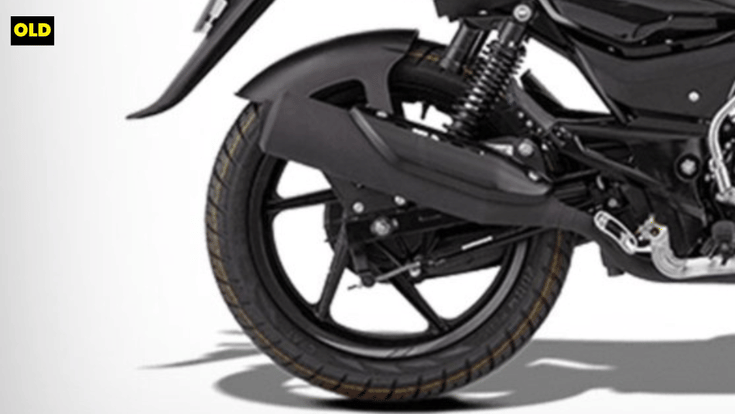
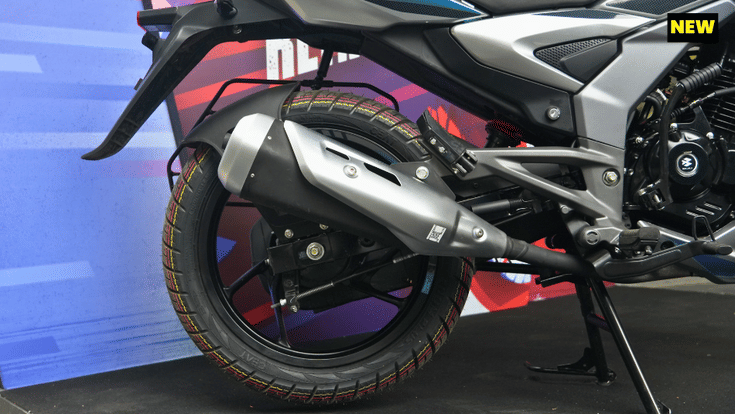
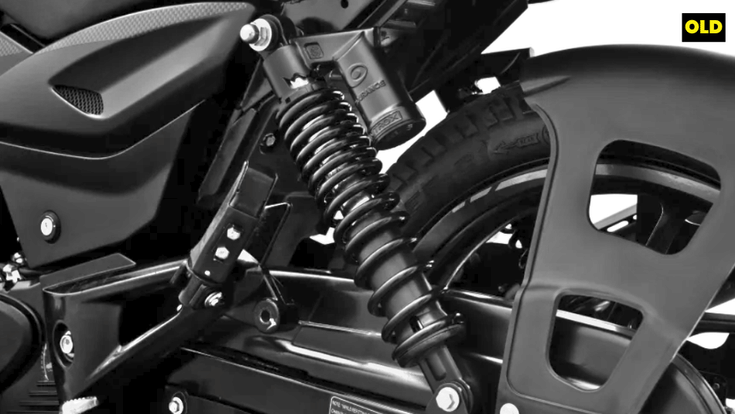
Right close up of the outgoing Pulsar 125's rear wheel showing the suspension
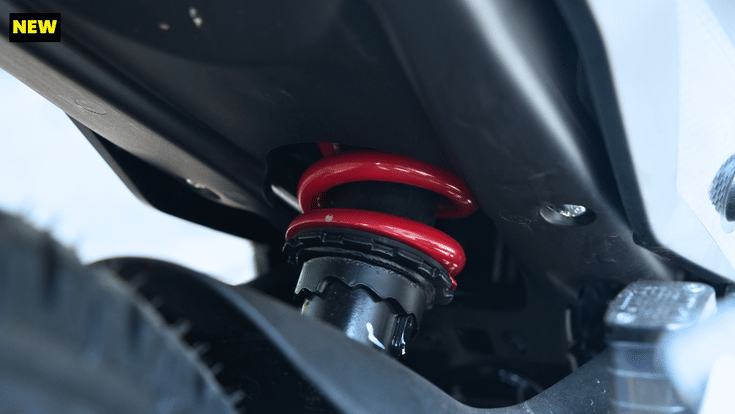
Right close up of the new Pulsar 125's rear wheel showing the suspension


Though the fork is still a right side up (RSU) telescopic unit, the new Pulsar 125 upgrades the diameter by 1mm to 31mm, but with a 10mm shorter 125mm travel. The rear suspension has also seen improvements with the familiar twin-shock setup being swapped for a monoshock unit and the travel has been increased by 8mm to 110mm. Bajaj attributes greater stability in straight lines and corners on the new Pulsar 125 to the brand-new monoshock setup.

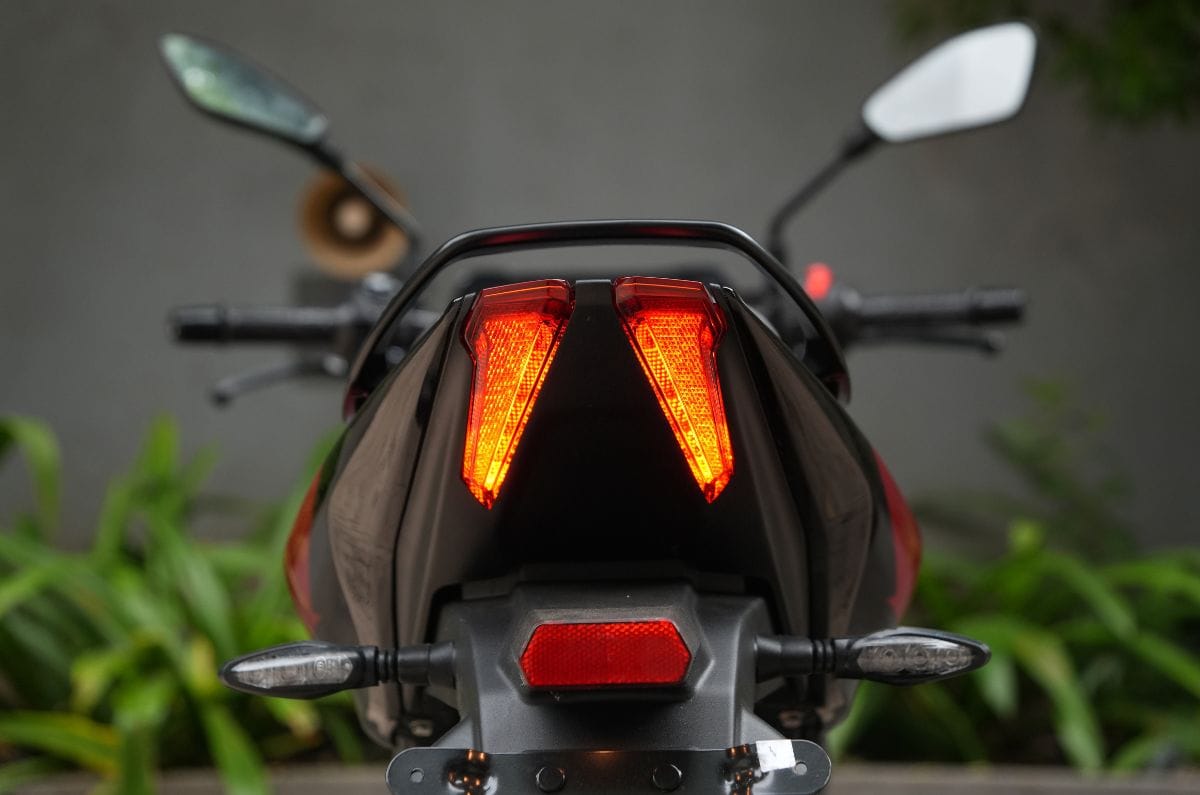
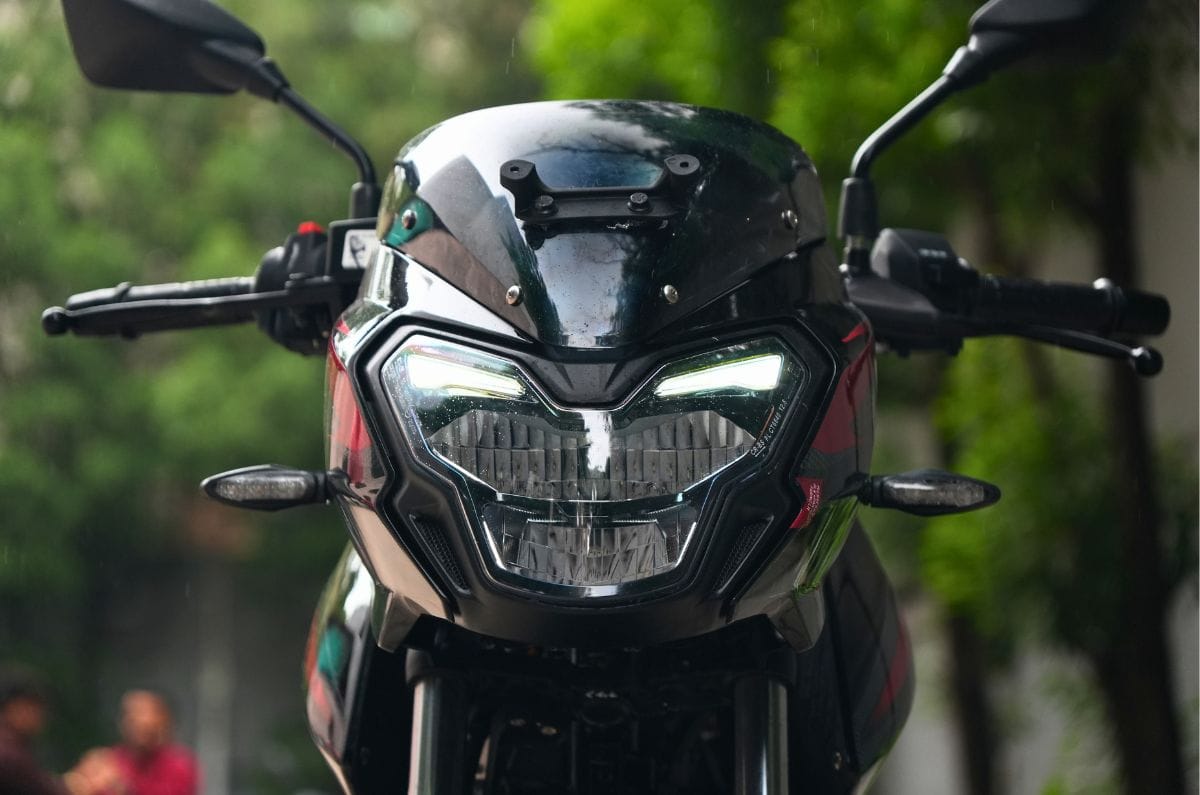
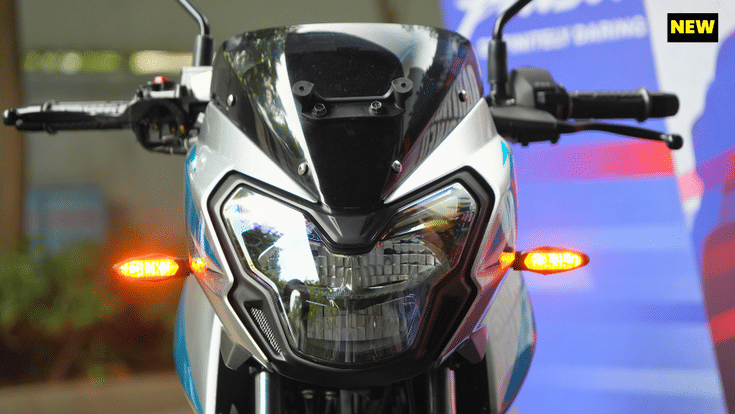
The lighting setup has also been changed, although by a tiny amount. While the headlight and taillight continue to be LED across the board, Bajaj has slightly redesigned the fairing on the new Pulsar 125. Out of the four variants, the LED indicators and hazard lights are only available on the top three variants; only the top-most variant gets a belly pan as standard.
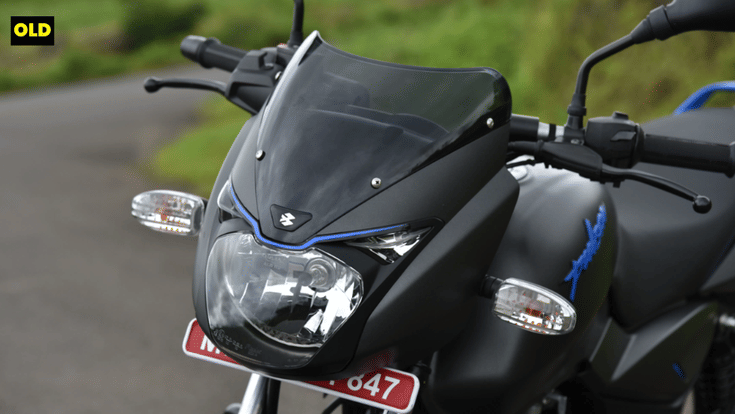
Front close up of the outgoing Pulsar 125's headlight fairing
Front close up of the new Pulsar 125's headlight fairing


Bajaj Pulsar 125 New vs Old: Tyres and brakes

Higher variants get a larger front disc


New Bajaj Pulsar 125

Old Bajaj Pulsar 125

Tyres (F/R)

80/100-17 / 100/90-17

80/100-17 / 100/90-17

Brakes (F/R)

240mm disc, 130mm drum (base)/260mm disc, 130mm drum (other three)

240mm disc, 130mm drum

While the tyre sizes remain unchanged on the new Pulsar 125, Bajaj has increased the front disc size on the top three variants. ABS in any form continues to be missing, with the motorcycle offering Combined Braking System (CBS) as standard instead.
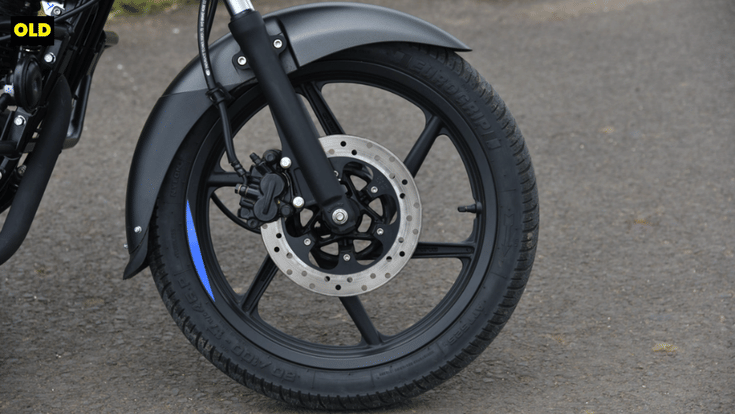
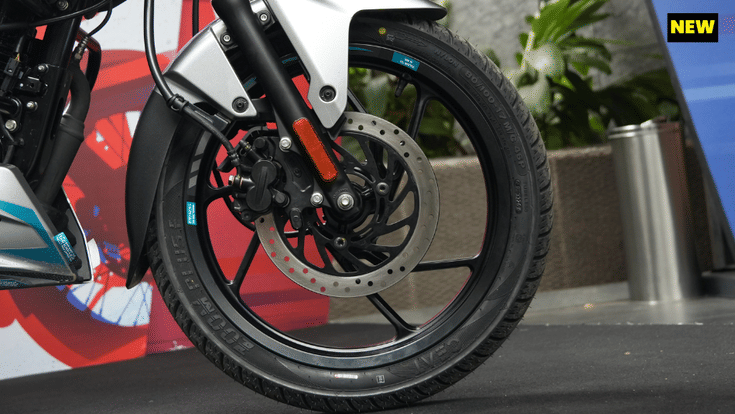
Front wheel right shot of the outgoing Pulsar 125
Front wheel right shot of the new Pulsar 125


Bajaj Pulsar 125 New vs Old: Features

TFT Cluster and ride modes are major upgrades
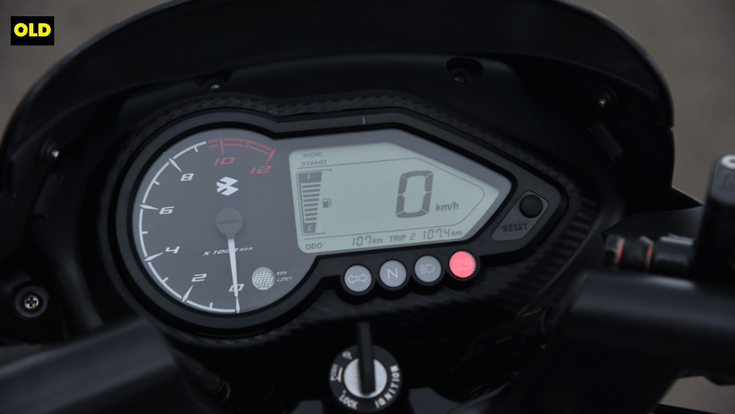
Close up of the outgoing Pulsar 125 base variant instrument cluster
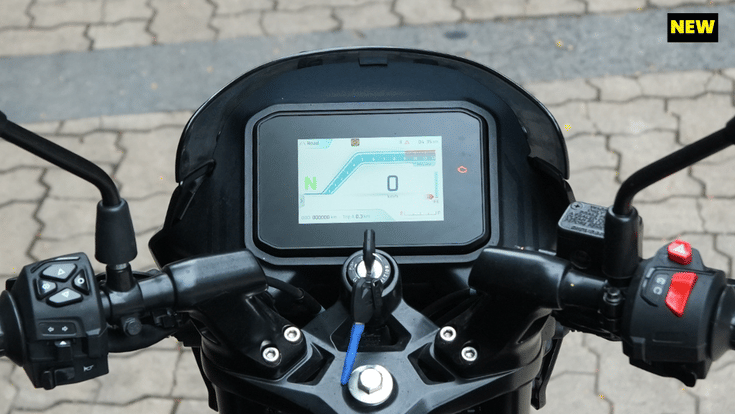
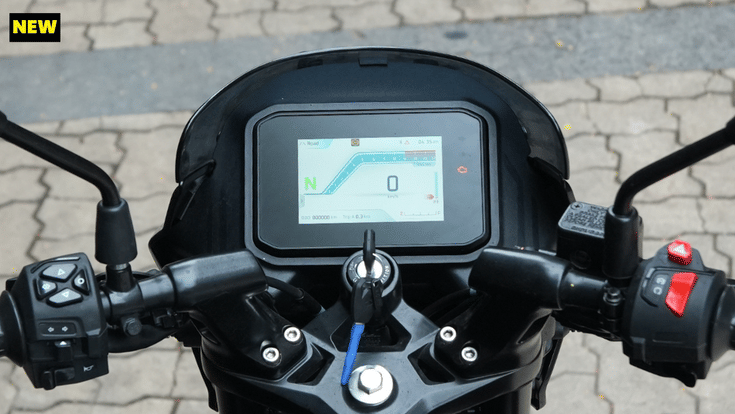
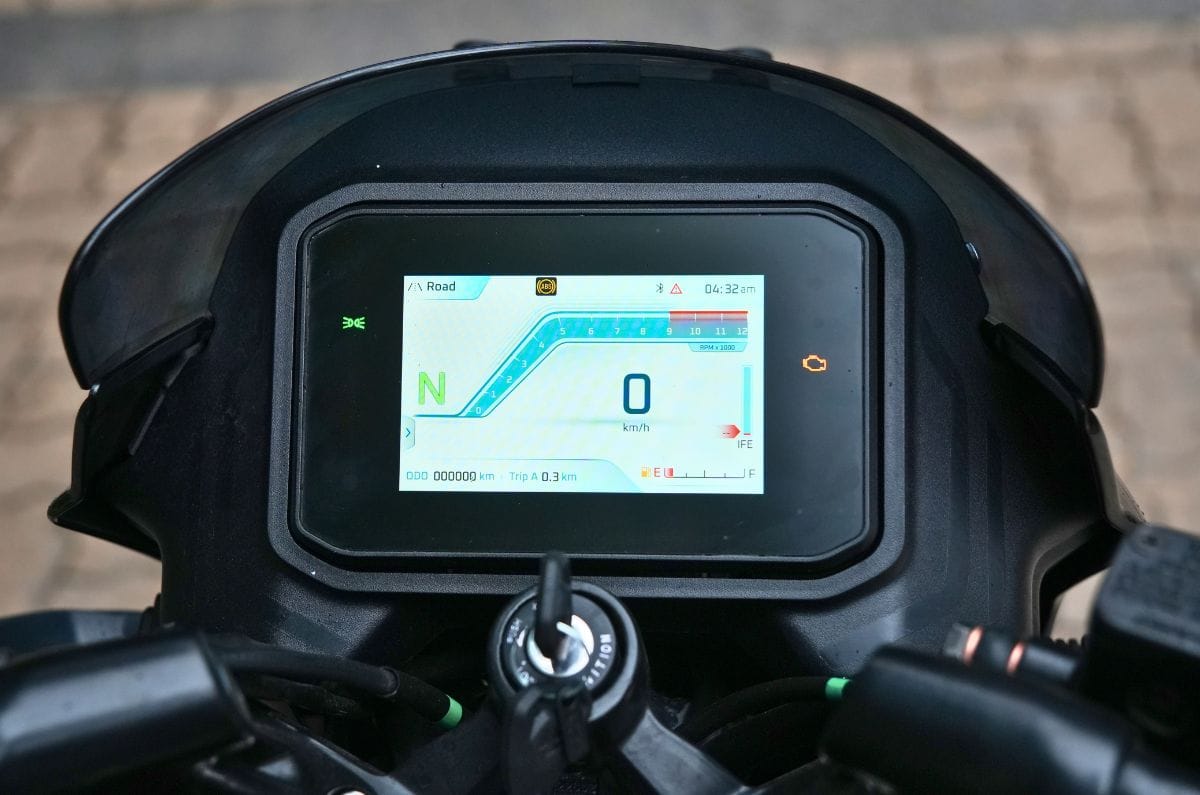
Close up of the new Pulsar 125 top variant instrument cluster


The biggest feature addition to the new Pulsar 125 starts with what you’ll see on every ride, the instrument cluster. The base variant now gets a 5-inch LCD cluster, the mid and top variants getting a 5-inch TFT cluster. Connected features like music control and call and SMS alerts are common to all four variants—thanks to the standard Bluetooth—though WiFi is limited to the top variant. Thanks to WiFi, the top variant alone gets Google Maps mirroring for navigation, whereas the others have turn-by-turn navigation.

The TFT cluster can also store important documents like licence and RC for quick access. To charge up your devices on the go, the new Pulsar 125 gives you a USB type-C port, an upgrade to the previous version’s USB type-A port. However, it’s a paid extra on the base variant. What’s standard on all variants are the three ride modes, Road, Rain, and Sport. In order to make city riding easier still, the new Pulsar 125 also gets crawl tech and ISG (Integrated Starter Generator). The former makes stop-and-go traffic easier to handle; whereas the latter, available on the top three variants, gives you silent start and a stop-start system to conserve fuel.

Bajaj Pulsar 125 New vs Old: Price

New 125’s noticeably more expensive


New Bajaj Pulsar 125

Old Bajaj Pulsar 125

Price (ex-showroom, Delhi)

Rs 92,900 – Rs 1.04 lakh

Rs 81,556 – Rs 94,518

With all the new changes and features, the new Pulsar 125 starts at Rs 92,900 for the base variant and goes up to Rs 1.04 lakh for the top variant, cracking the one lakh mark. That’s a steep increase over the outgoing model’s price range. The new Pulsar 125 does make forward strides in almost every area, but we’ll have to wait until we ride the bike to comment on whether the changes justify the unmissable premium.

All prices are ex-showroom, Delhi.
 

Bajaj Pulsar 150 new vs old: Price and differences explained

Bajaj Pulsar 150 new vs old: Price and differences explained
Bajaj Pulsar 150 New vs Old: Price and differences explained

After what seems like a long, drawn-out process, Bajaj has finally launched the all-new classic Pulsar 150 and Pulsar 125. The new Pulsar 150 brings a lot to the line, with a new engine and frame, along with a whole lot of new features. However, it has also lost some of the features from the previous Pulsar 150 it replaces. Let’s see what those are, in detail. At the end, you can decide if the proverbial “old is gold” applies to the Pulsar 150 too.

Note: At the time of writing, Bajaj hasn’t shared the exact dimensions and kerb weight for the new Pulsar 150, so this comparison skips that part. We’ll update this once we get the details from Bajaj.

Bajaj Pulsar 150 new vs old: Engine changes

Same power but more torque than before


New Bajaj Pulsar 150

Old Bajaj Pulsar 150

Engine

149.5cc, single-cylinder, oil-cooled

149.5cc, single-cylinder, air-cooled

Power

14hp at 8,000rpm

14hp at 8,500rpm

Torque

14.1Nm at 6,500rpm

13.2Nm at 6,500rpm

Transmission

5-speed

5-speed

Both models have a 149.5cc engine, but they are anything but the same. The old one, for example, was an air-cooled unit, but the new engine upgrades to oil cooling. And while the power figure remains the same, it’s delivered 500rpm earlier. Torque, on the other hand, has increased.

Bajaj Pulsar 150 old engine
Bajaj Pulsar 150 New engine


Considering that the cubic capacity itself remains unchanged, this is a commendable improvement from Bajaj. The company also claims an improved 0-60kph timing owing to an improved power-to-weight ratio. However, we don’t know by how much that has improved.

Bajaj Pulsar 150 new vs old: Chassis, headlight and suspension

The older Pulsar had a bigger fork

Bajaj Pulsar 150 rear shocks
Bajaj Pulsar 150 monoshock


Keeping in line with the all-new theme, Bajaj has also changed the chassis and the suspension setup on the new Pulsar 150. The dual-cradle frame has been swapped for a simpler single-cradle or diamond frame, with the engine now acting as a stressed member. Bajaj says the change gives the Pulsar 150 greater stiffness, enabling better handling and stability.

Bajaj Pulsar 150 front three quarter headlight
Bajaj Pulsar 150 new front three quarter headlight


The fork on the new Pulsar 150 remains a right-side-up (RSU) telescopic unit. However, the previous top variant of the Pulsar 150, Split Seat, had a larger 37mm fork with 130mm of travel. The base variant had a 31mm fork with an even longer 135mm of travel. The new Pulsar 150 swaps both for an in-between 33mm-diameter fork and a shorter 125mm travel. While the reduced travel is unlikely to compromise the bike’s functionality by a noticeable amount, it’s worth mentioning nevertheless. The rear suspension, on the other hand, has seen improvements across the board. The familiar twin-shock setup has been chucked for a brand-new monoshock unit, and the travel has been increased by 8mm to 110mm. Bajaj claims the change gives the Pulsar 150 greater straight-line and cornering stability.

Bajaj Pulsar 150 right side profile old
Bajaj Pulsar 150 right side profile new


The lighting setup on the Pulsar has also changed. While the headlight and tail-light continue to be LED across the board, Bajaj has slightly redesigned the fairing on the new Pulsar 150. The LED indicators that were previously standard, though, are now only available on the top two variants. The new Pulsar 150 also has hazard lights but only on the top two variants. These two variants get the belly pan as standard, too.

Bajaj Pulsar 150 new vs old: Wheels, tyres and brakes

New Pulsar 150 has smaller tyres and brakes


New Bajaj Pulsar 150

Old Bajaj Pulsar 150

Tyres (F, R)

80/100-17, 100/90-17

80/100-17, 100/90-17 (base); 90/90-17, 120/80-17 (top)

Brakes (F, R)

260mm disc, 130mm drum (base); 260mm disc, 230mm disc (mid and top)

260mm disc, 130mm drum (base); 280mm disc, 230mm disc (top)

ABS

Single-channel ABS

Single-channel ABS

Moving on to the tyres, the top variant of the outgoing Pulsar 150 had larger tyres at both the front and rear. The new one, however, standardises the base variant’s tyre sizes for all three variants. The same goes for the front brakes. Both old and new Pulsar 150s stick to having single-channel ABS as standard. If you need dual-channel ABS, you would have to upgrade to the Pulsar N160’s top variant.

Bajaj Pulsar 150 New vs Old: Features

Host of new features on the new Pulsar 150

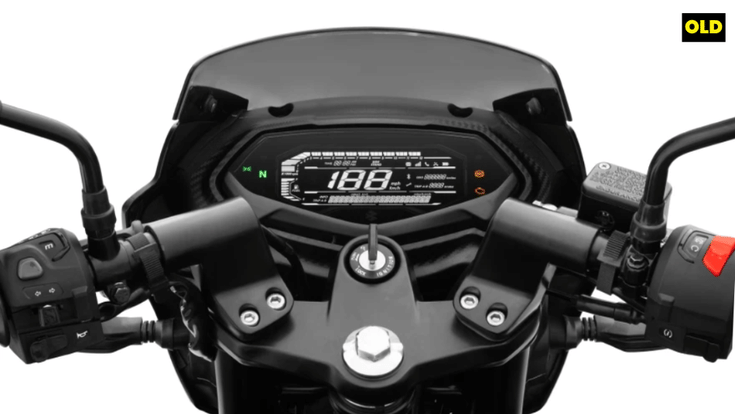
This is the one area where the new Pulsar 150 unabashedly moves things forward. The previous Pulsar 150’s base variant had a semi-digital instrument cluster, and the top variant had the negative LCD instrument cluster. Both are gone now, with a new 5-inch LCD cluster taking their place on the base variant and the mid and top variants getting a 5-inch TFT cluster. All three variants come with Bluetooth as standard, while the top variant even adds WiFi support. All three get connected features such as music control and call and SMS alerts.

Bajaj Pulsar 150 old dash
Bajaj Pulsar 150 New dash


However, only the TFT cluster can store important documents like the licence and RC for quick access. Additionally, the top variant exclusively gets Google Maps mirroring for navigation, whereas the other two stick to turn-by-turn navigation. If you are worried that the navigation will drain your phone’s battery, the new Pulsar 150 also gives you a USB Type-C port, an upgrade from the previous version’s USB Type-A port, but only on the top two variants.

The Pulsar 150 has three ride modes – Road, Rain and Sport – with crawl tech and an integrated starter generator (ISG) adding to the convenience. ISG is once again exclusive to the top two variants. Crawl tech makes navigating stop-and-go traffic easier, whereas ISG gives you a silent start and a stop-start system to help conserve fuel.

Bajaj Pulsar 150 New vs Old: Price

Costlier by at least Rs 4,000 

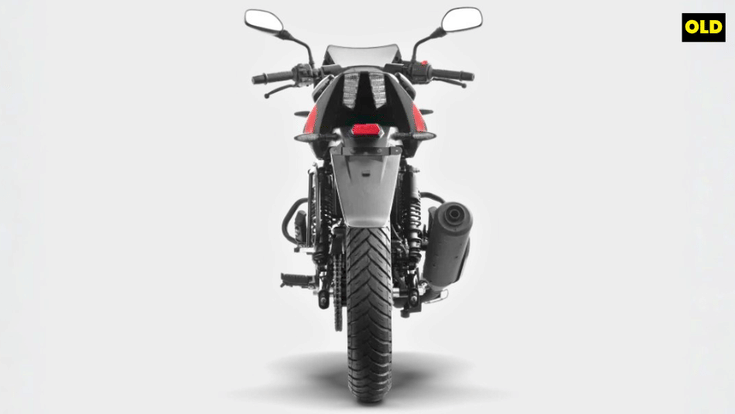
Bajaj Pulsar 150 rear profile
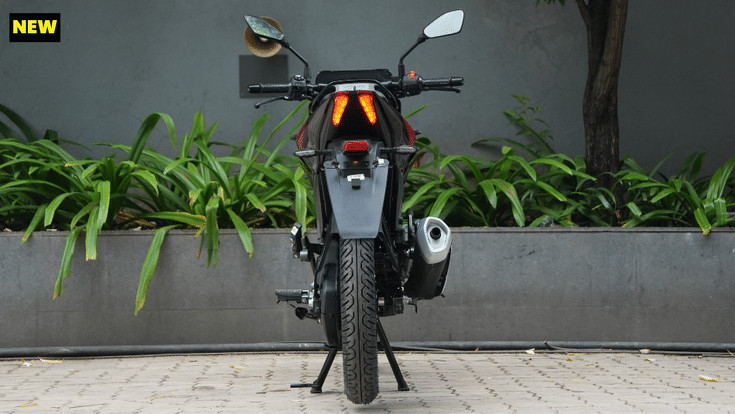
Bajaj Pulsar 150 new rear profile


New Bajaj Pulsar 150

Old Bajaj Pulsar 150

Price range (in Rs)

1.15 lakh-1.23 lakh

1.11 lakh-1.18 lakh

With all the new changes and features, the new Pulsar 150 starts at Rs 1.15 lakh for the base variant and goes up to Rs 1.23 lakh for the top variant. For context, the old Pulsar 150’s price ranged between Rs 1.11 lakh and Rs 1.18 lakh. While the new Pulsar 150 gives you more features, it also lacks some things compared to the older model. Deciding whether it’s really an upgrade therefore requires a test ride, as the real-world experience is hard to conclude based on the spec sheet alone.

Prices are ex-showroom, Delhi.
 

All-new Bajaj Pulsar 150 image gallery

All-new Bajaj Pulsar 150 image gallery
Bajaj Pulsar 150 left front three quarter

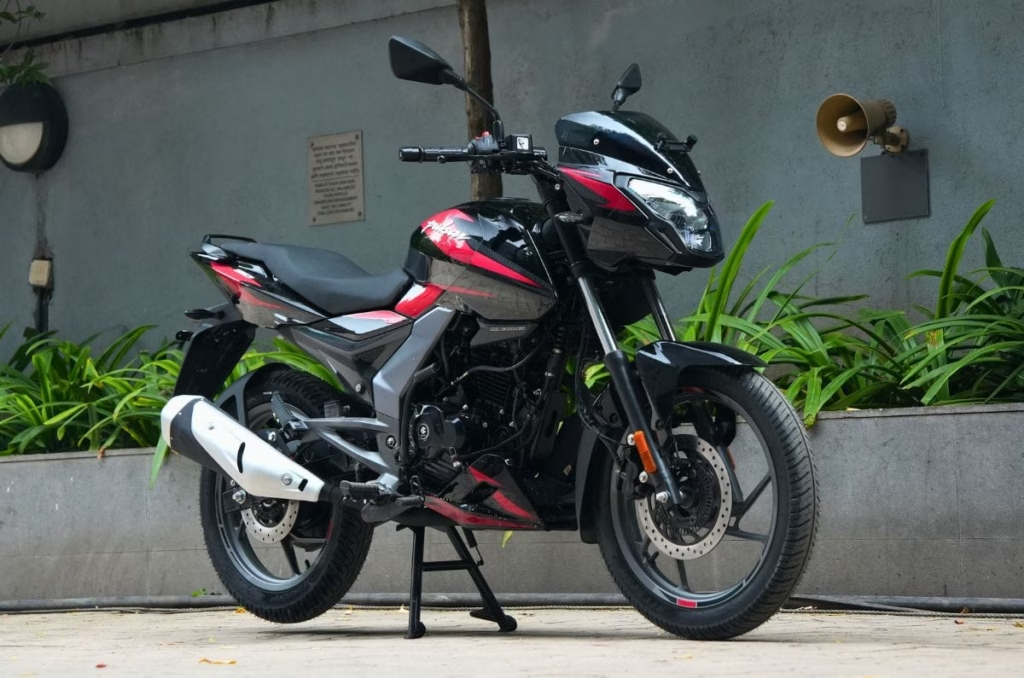
After months of anticipation and teasing, Bajaj has finally revealed an all-new Pulsar 150 today with almost all the parts of the motorcycle receiving substantial upgrades while retaining the classic Pulsar silhouette. 

Starting with the 149.5cc, single-cylinder, air/oil-cooled engine which at first glance looks similar to the existing one, with the same 14hp power. However, the engine has two major changes. The peak power is now delivered at 8,000rpm, 500rpm earlier than the existing engine. And peak torque has gone up to 14.1Nm; 0.9Nm more than before, though it is delivered at the same 6,500rpm.

The next big change is that the rear suspension is now a monoshock, as opposed to the conventional twin-shocks setup. The front continues with a right side up (RSU) telescopic fork with 33mm diameter with 125mm of travel and the rear suspension travel is 110mm. Stopping duties are handled by a 260mm front disc and a 230mm rear disc (130mm rear drum on the base variant). 

 the fairing on the new one has been redesigned for a more aggressive look with the top two variants getting all-LED lighting as standard. Bajaj has priced the base SD Single Seat variant at Rs 1.15 lakh with the fully loaded, TD Split Seat variant costing Rs 1.23 lakh.

All-new Bajaj Pulsar 150 launched from Rs 1.15 lakh

All-new Bajaj Pulsar 150 launched from Rs 1.15 lakh

After months of anticipation and teasing, Bajaj has finally revealed an all-new Pulsar 150 today with almost all the parts of the motorcycle receiving substantial upgrades while retaining the classic Pulsar silhouette. There are three variants now, SD Single Seat, TD Single Seat, TD Split Seat. The latter two variants get a 5-inch TFT instrument cluster and an Integrated Starter Generator (ISG). All three models also get a crawl mode to make navigating traffic easier.

  1. Gets three variants, top variant gets Google Maps mirroring
  2. New gearbox with easier lower end tractability
  3. ISG and crawl modes to make low speed riding even easier

Gets meaningful updates everywhere

With a bunch of new features

Starting with the 149.5cc, single-cylinder, air/oil-cooled engine which at first glance looks similar to the existing one, with the same 14hp power. However, the engine has two major changes. The peak power is now delivered at 8,000rpm, 500rpm earlier than the existing engine. And peak torque has gone up to 14.1Nm; 0.9Nm more than before, though it is delivered at the same 6,500rpm. Bajaj has also given the motorcycle a new gearbox with specific focus on low speed tractability. The frame too sees an upgrade with a new single-cradle frame replacing the dual-cradle frame. The engine now acts as a stressed member of the engine, which Bajaj says improves overall ride and stability.

The next big change is that the rear suspension is now a monoshock, as opposed to the conventional twin-shocks setup. The front continues with a right side up (RSU) telescopic fork with 33mm diameter with 125mm of travel and the rear suspension travel is 110mm. Stopping duties are handled by a 260mm front disc and a 230mm rear disc (130mm rear drum on the base variant). All three variants get single-channel ABS as standard. Rounding off the ride package are the tubeless 80/100-17 tyres at the front and 100/90-17 at the rear.

On the features front, the classic Pulsar now gets a brand-new 5-inch LCD cluster with the top two variants stepping that up to a 5-inch TFT instrument cluster. The cluster also gets other features like call and SMS alerts and an option to store your vehicle documents for quick access. However, the top variant gets WiFi support which enables Google Maps mirroring, a feature first seen on the Pulsar N160 SS. There are also three ride modes and a crawl mode. Both of which were also first seen on the Pulsar N160 S and SS. The existing model had a USB type-A port for charging with the new one swapping that for a modern, type-C port on all three variants.

Bajaj has also equipped the top two variants with ISG, which has a stop-start system that can automatically turn the motorcycle off during traffic stops, to conserve fuel, and also enables silent starts. There are minor upgrades to the lighting department as well. Though the class B LED headlight itself is shared with the outgoing Pulsar 150 that received an update last year. the fairing on the new one has been redesigned for a more aggressive look with the top two variants getting all-LED lighting as standard. Bajaj has priced the base SD Single Seat variant at Rs 1.15 lakh with the fully loaded, TD Split Seat variant costing Rs 1.23 lakh.
 

All-new Classic Bajaj Pulsar 125 launched from Rs 92,990

All-new Classic Bajaj Pulsar 125 launched from Rs 92,990

We exclusively broke the story, early this year, that Bajaj is planning on updating the Classic Pulsar range. After months of anticipation, the Chakan-based brand has finally launched the all-new Pulsar 125 as part of Pulsar’s 25th anniversary celebrations. The updated 125cc motorcycle gets a new engine and gearbox, a stiffer frame, monoshock suspension and a 5-inch TFT console with prices starting at Rs 92,990.

  1. New 124.58cc engine makes 12hp and 11Nm
  2. Gets monoshock suspension and new diamond-type frame
  3. Priced at Rs 92,990 (ex-showroom, Delhi)

Bajaj Pulsar 125 engine and specs

The new Pulsar 125 is powered by a 124.58cc, single-cylinder, air/oil-cooled engine producing 12.1hp at 8,500rpm (gain of 0.3hp) and 11.4Nm at 6,500rpm (gain of 0.6Nm). Bajaj claims it is the most powerful 125cc motorcycle in the market – a title earlier held by the now discontinued Pulsar N125. The engine is paired with an all-new 5-speed gearbox, which is claimed to improve tractive effort in the lower gears and deliver stronger low-speed performance.

Bajaj also claims an improved power-to-weight ratio enables quicker 0-60kph acceleration, although it has not specified an acceleration time.

The Pulsar 125 gets a new diamond-type frame with increased stiffness, with the engine acting as a stressed member. Bajaj says this setup improves ride stability and handling. Suspension duties are now handled by a gas-charged monoshock at the rear. 

Bajaj Pulsar 125 features

A major update is the addition of a 5-inch TFT console that debuted with the N160 SS. It supports Google Maps mirroring and navigation, while also allowing riders to store vehicle documents such as the registration certificate and insurance details.

The console also displays live call and message alerts and provides music controls. The Pulsar 125 additionally gets three ride modes: Road, Rain and Sport.

Another new feature is Crawl Tech – similar to KTM models – which is designed to provide greater control during low-speed riding in traffic.

The Pulsar 125 gets a redesigned Wolf-Eye LED headlamp with larger optics, although it could only be offered . The motorcycle also features an Integrated Starter Generator (ISG) on the top three variants. The system enables automatic start-stop functionality, which Bajaj says helps improve fuel economy and enables silent starts. The new Bajaj Pulsar 125 is priced at Rs 92,990 for the LCD variant and goes up to Rs 1.04 lakh for the top-spec TFT variant(ex-showroom, Delhi).

Petrol Diesel Price Today: पेट्रोल-डीजल की कीमतों में राहत या झटका? जानें 24 अगस्त के ताजा रेट

Petrol Diesel Price Today: हर दिन की शुरुआत सिर्फ सूरज की किरणों से नहीं होती, बल्कि पेट्रोल और डीजल की नई कीमतों से भी होती है, जो आम आदमी की जेब पर सीधा असर डालती हैं। सुबह 6 बजे देश की तेल विपणन कंपनियां (OMCs) ताजा दरें जारी करती हैं, जो अंतरराष्ट्रीय बाजार में कच्चे तेल की कीमतों और डॉलर-रुपए की विनिमय दर में आए बदलावों पर आधारित होती हैं। ये बदलाव रोजमर्रा की जिंदगी को प्रभावित करते हैं, चाहे वो ऑफिस जाने वाला व्यक्ति हो या फल-सब्जी बेचने वाला व्यापारी।

ऐसे में हर दिन की कीमतों की जानकारी रखना सिर्फ जरूरी ही नहीं, बल्कि समझदारी भी है। सरकार की यह प्रणाली पारदर्शिता सुनिश्चित करती है ताकि उपभोक्ताओं को किसी तरह की भ्रमित जानकारी न मिले।

आपके शहर में आज का पेट्रोल-डीजल का भाव

ये रहे 24 आगस्त 2026 के प्रमुख शहरों के पेट्रोल-डीजल के ताजा रेट

नई दिल्ली: पेट्रोल ₹102.12 प्रति लीटर और डीजल ₹95.20 प्रति लीटर।

मुंबई: पेट्रोल ₹111.18 और डीजल ₹97.83 प्रति लीटर।

कोलकाता: पेट्रोल ₹113.47 जबकि डीजल ₹99.82 प्रति लीटर।

चेन्नई: पेट्रोल ₹107.77 और डीजल ₹99.55 प्रति लीटर।

गुरुग्राम: पेट्रोल ₹102.77 तथा डीजल ₹95.44 प्रति लीटर।

नोएडा: पेट्रोल ₹102.12 और डीजल ₹95.56 प्रति लीटर।

बेंगलुरु: पेट्रोल ₹110.93 जबकि डीजल ₹98.80 प्रति लीटर।

भुवनेश्वर: पेट्रोल ₹109.92 और डीजल ₹100.92 प्रति लीटर।

चंडीगढ़: पेट्रोल ₹98.10 तथा डीजल ₹86.09 प्रति लीटर।

हैदराबाद: पेट्रोल ₹115.69 और डीजल ₹103.82 प्रति लीटर।

जयपुर: पेट्रोल ₹112.66 जबकि डीजल ₹97.78 प्रति लीटर।

लखनऊ: पेट्रोल ₹102.05 और डीजल ₹95.55 प्रति लीटर।

पटना: पेट्रोल ₹113.35 तथा डीजल ₹99.36 प्रति लीटर।

तिरुवनंतपुरम: पेट्रोल ₹115.49 और डीजल ₹104.40 प्रति लीटर।

पिछले दो साल से स्थिर क्यों हैं कीमतें?

मई 2022 के बाद से केंद्र और कई राज्यों द्वारा टैक्स में कटौती की गई, जिसके बाद पेट्रोल-डीजल की कीमतों में स्थिरता देखी जा रही है। हालांकि अंतरराष्ट्रीय बाजार में उतार-चढ़ाव होता रहता है, फिर भी भारतीय उपभोक्ताओं के लिए कीमतें तुलनात्मक रूप से स्थिर बनी हुई हैं।

किन कारणों से तय होती हैं ईंधन की कीमतें?

  1. कच्चे तेल की कीमतें:

पेट्रोल और डीजल का उत्पादन मुख्य रूप से कच्चे तेल से होता है। जब अंतरराष्ट्रीय स्तर पर कच्चे तेल की कीमतें बढ़ती हैं, तो इसका असर सीधे भारतीय बाजार पर पड़ता है।

  1. डॉलर के मुकाबले रुपया:

भारत अधिकतर कच्चा तेल आयात करता है, और यह डॉलर में खरीदा जाता है। यदि रुपया कमजोर होता है, तो ईंधन महंगा हो जाता है।

  1. सरकारी टैक्स और शुल्क:

केंद्र और राज्य सरकारें पेट्रोल-डीजल पर भारी टैक्स लगाती हैं, जो खुदरा मूल्य का बड़ा हिस्सा होते हैं। यही कारण है कि राज्यों में कीमतों में अंतर होता है।

  1. रिफाइनिंग की लागत:

कच्चे तेल को इस्तेमाल लायक बनाने की प्रक्रिया (रिफाइनिंग) में भी खर्च होता है। ये लागत कच्चे तेल की गुणवत्ता और रिफाइनरी की क्षमता पर निर्भर करती है।

  1. मांग और आपूर्ति का संतुलन:

बाजार में ईंधन की मांग अगर बढ़ जाती है, तो कीमतें भी ऊपर जाने लगती हैं। खासकर त्योहारों, गर्मी या सर्दी के मौसम में ईंधन की खपत ज्यादा होती है।

कैसे करें अपने शहर की कीमतें SMS से चेक?

अगर आप मोबाइल से ईंधन की कीमत जानना चाहते हैं, तो ये प्रक्रिया आसान है:

Indian Oil ग्राहक: अपने शहर का कोड टाइप करें और उसे “RSP” के साथ 9224992249 पर भेजें।

BPCL ग्राहक: “RSP” लिखकर 9223112222 पर भेजें।

HPCL ग्राहक: “HP Price” लिखकर 9222201122 पर भेजें।

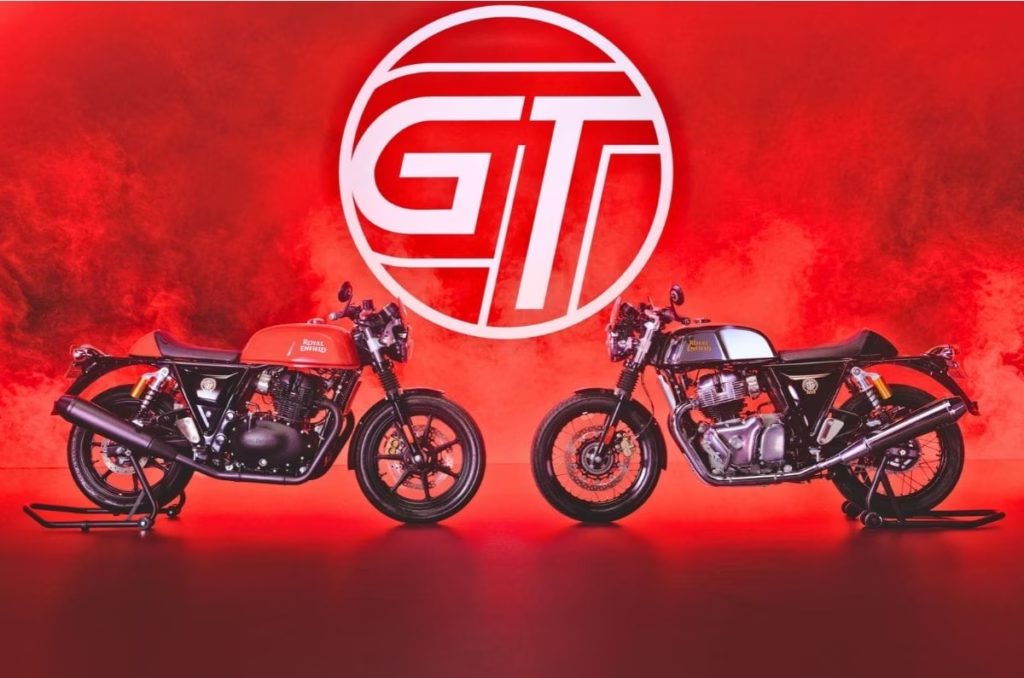
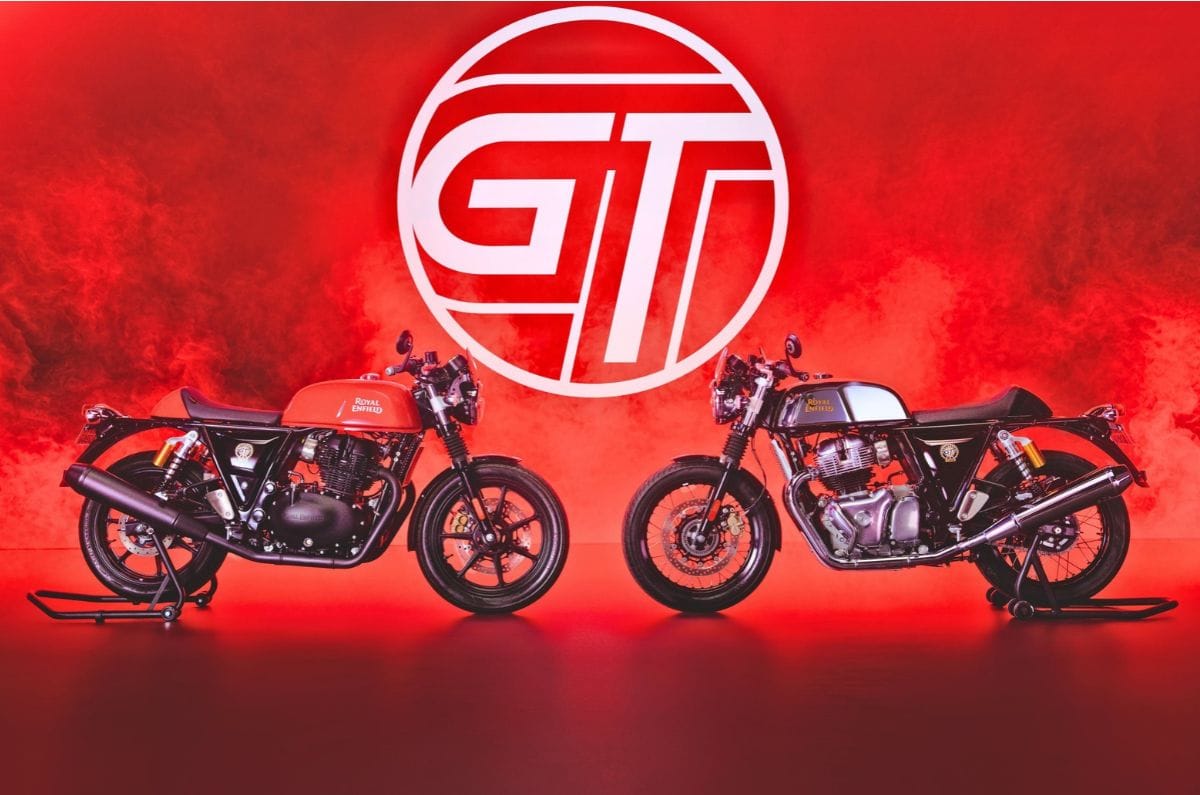
8 things to know about the 2026 Royal Enfield Continental GT 650

8 things to know about the 2026 Royal Enfield Continental GT 650

Royal Enfield’s Continental GT 650 is the brand’s modern take on the classic cafe racer, combining a retro design with its 648cc parallel-twin engine. If you’re considering one, here’s everything you need to know about the motorcycle.

1. How much does the Continental GT 650 cost?

Royal Enfield has priced the Continental GT 650 from Rs 3.58 lakh to Rs 3.88 lakh (ex-showroom, Chennai). The Rocker Red and British Racing Green variants are priced at Rs 3.58 lakh, while the Apex Grey and Mr Clean cost Rs 3.81 lakh and Rs 3.88 lakh, respectively.

2. Which engine does the Continental GT 650 have?

The Continental GT 650 continues with Royal Enfield’s 648cc, air/oil-cooled parallel-twin engine. It produces 47hp at 7,150rpm and 52.3Nm at 5,250rpm, with power sent to the rear wheel through a six-speed gearbox.

3. What is the seat height of the Continental GT 650?

The Continental GT 650 has an 820mm seat height. It also has a 1,398mm wheelbase and 174mm of ground clearance.

4. What features does the Continental GT 650 get?

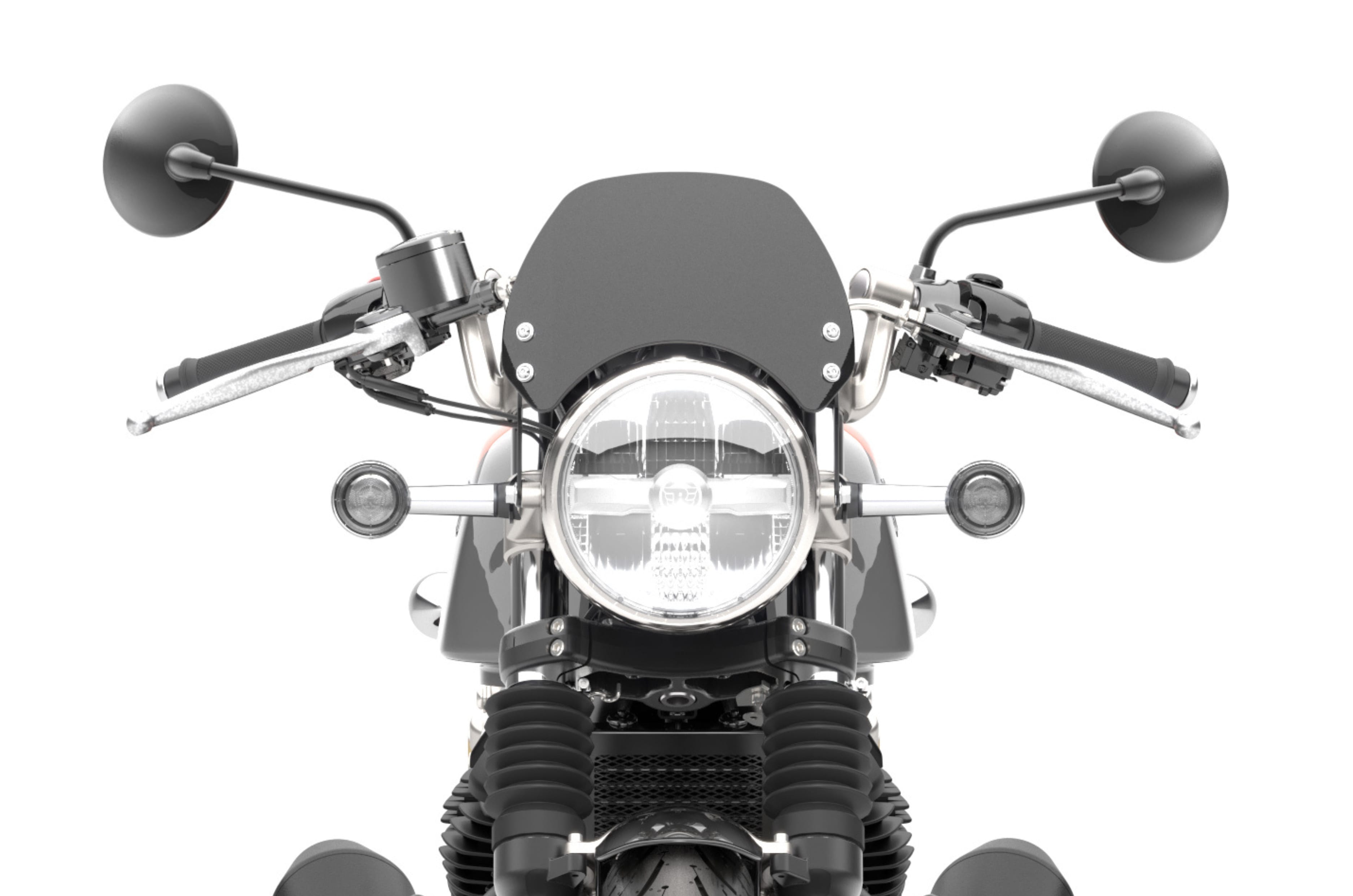
The updated Continental GT 650 gets LED indicators, a USB Type-C charging port and a black-painted instrument cowl. The Rocker Red and Apex Grey variants get blacked-out engines and exhausts, while both are equipped with cast-alloy wheels.

5. Does the Continental GT 650 get dual-channel ABS?

Yes, the Continental GT 650 gets dual-channel ABS as standard. It uses a 320mm disc at the front and a 240mm disc at the rear.

6. What is the weight and ground clearance of the Continental GT 650?

The Continental GT 650 has a 214kg kerb weight and 174mm of ground clearance.

7. What is the fuel tank capacity of the Continental GT 650?

The Continental GT 650 gets a 12.5-litre fuel tank.

8. Does the Continental GT 650 get alloy wheels?

Not all versions. The Rocker Red and Apex Grey variants get cast-alloy wheels, while the British Racing Green and Mr Clean versions continue with traditional spoke wheels.

LPG Rate 23 August 2026: 23 अगस्त को कितने बढ़े LPG सिलेंडर के दाम? दिल्ली से बिहार तक जानें अपने शहर का रेट

LPG Rate 23 August 2026: रसोई गैस यानी LPG सिलेंडर की कीमतें आम परिवारों के घरेलू बजट का एक अहम हिस्सा होती हैं। गैस के दाम बढ़ने या घटने का सीधा असर महीने के कुल खर्च पर दिखाई देता है। 23 अगस्त 2026 को घरेलू LPG सिलेंडर की कीमतों में किसी तरह का बदलाव नहीं किया गया है। यानी आज उपभोक्ताओं को सिलेंडर खरीदने के लिए पहले से अधिक पैसे खर्च नहीं करने पड़ेंगे। कीमतें स्थिर रहने से परिवारों को फिलहाल राहत मिली है और उनके मासिक बजट पर अतिरिक्त बोझ नहीं पड़ा है। हालांकि, LPG की कीमत सभी शहरों में एक समान नहीं होती।

स्थानीय टैक्स, परिवहन खर्च और अन्य शुल्कों के कारण अलग-अलग क्षेत्रों में सिलेंडर के दामों में अंतर देखने को मिल सकता है। इसलिए उपभोक्ताओं के लिए जरूरी है कि वे सिलेंडर बुक करने या खरीदने से पहले अपने शहर में लागू LPG की ताजा कीमत जरूर जांच लें। इससे उन्हें सही कीमत की जानकारी मिलेगी और अनावश्यक खर्च से भी बचा जा सकेगा।

आपके शहर में LPG सिलेंडर का क्या भाव है?

शहर के हिसाब से LPG की कीमतों में अंतर देखने को मिलता है। स्थानीय टैक्स और अन्य लागतों की वजह से एक ही सिलेंडर के लिए अलग-अलग शहरों में ग्राहकों को अलग कीमत चुकानी पड़ सकती है।

शहरघरेलू LPG (14.2 किलो)कमर्शियल LPG (19 किलो)
कोलकाता₹968.00₹2,872.50
मुंबई₹941.50₹2,691.50
चेन्नई₹957.50₹2,906.00
गुड़गांव₹950.50₹2,755.00
नोएडा₹939.50₹2,738.00
बैंगलोर₹944.50₹2,821.00
भुवनेश्वर₹968.00₹2,908.00
चंडीगढ़₹951.50₹2,760.00
हैदराबाद₹994.00₹2,985.00
जयपुर₹945.50₹2,765.50
लखनऊ₹979.50₹2,860.50
पटना₹1,031.50₹3,018.00
तिरुवनंतपुरम₹951.00

कमर्शियल LPG सिलेंडर महंगा क्यों?

घरेलू और कमर्शियल LPG सिलेंडर की कीमतें अलग होती हैं। 19 किलोग्राम का सिलेंडर मुख्य रूप से होटल, रेस्टोरेंट और अन्य व्यावसायिक प्रतिष्ठानों में इस्तेमाल किया जाता है। इसी वजह से इसकी कीमत घरेलू LPG सिलेंडर के मुकाबले अधिक रहती है और इसका खर्च कारोबार की संचालन लागत में शामिल होता है।

घर बैठे ऐसे चेक करें LPG का ताजा रेट

अगर आप Indane Gas का इस्तेमाल करते हैं, तो Indian Oil की आधिकारिक वेबसाइट पर जाकर अपने राज्य और जिले का चयन करके LPG सिलेंडर की मौजूदा कीमत देख सकते हैं। Bharat Gas ग्राहक ebharatgas.com पर उपलब्ध ‘Quick Book & Pay’ विकल्प के जरिए सिलेंडर की लेटेस्ट कीमत की जानकारी प्राप्त कर सकते हैं। वहीं, HP Gas उपभोक्ता HP Pay ऐप से LPG सिलेंडर का ताजा रेट चेक कर सकते हैं। इसके अलावा, UMANG ऐप के जरिए LPG रिफिल बुक करने के साथ उसकी मौजूदा कीमत भी देखी जा सकती है।

LPG की कीमतों पर रहेगी नजर

फिलहाल घरेलू LPG के दाम स्थिर रहने से परिवारों के बजट पर अतिरिक्त बोझ नहीं पड़ा है। हालांकि, आने वाले दिनों में तेल कंपनियों की ओर से कीमतों में किसी भी संभावित बदलाव पर उपभोक्ताओं की नजर बनी रहेगी।

Petrol Diesel Price Today: सुबह 6 बजे अपडेट हुई कीमतें, जानिए पेट्रोल-डीजल के ताजा दाम

Petrol Diesel Price Today: सुबह 6 बजे अपडेट हुई कीमतें, जानिए पेट्रोल-डीजल के ताजा दाम

Petrol Diesel Price Today: हर दिन की शुरुआत सिर्फ सूरज की किरणों से नहीं होती, बल्कि पेट्रोल और डीजल की नई कीमतों से भी होती है, जो आम आदमी की जेब पर सीधा असर डालती हैं। सुबह 6 बजे देश की तेल विपणन कंपनियां (OMCs) ताजा दरें जारी करती हैं, जो अंतरराष्ट्रीय बाजार में कच्चे तेल की कीमतों और डॉलर-रुपए की विनिमय दर में आए बदलावों पर आधारित होती हैं। ये बदलाव रोजमर्रा की जिंदगी को प्रभावित करते हैं, चाहे वो ऑफिस जाने वाला व्यक्ति हो या फल-सब्जी बेचने वाला व्यापारी।

ऐसे में हर दिन की कीमतों की जानकारी रखना सिर्फ जरूरी ही नहीं, बल्कि समझदारी भी है। सरकार की यह प्रणाली पारदर्शिता सुनिश्चित करती है ताकि उपभोक्ताओं को किसी तरह की भ्रमित जानकारी न मिले।

आपके शहर में आज का पेट्रोल-डीजल का भाव

ये रहे 23 आगस्त 2026 के प्रमुख शहरों के पेट्रोल-डीजल के ताजा रेट

नई दिल्ली: पेट्रोल ₹102.12 प्रति लीटर और डीजल ₹95.20 प्रति लीटर।

मुंबई: पेट्रोल ₹111.18 और डीजल ₹97.83 प्रति लीटर।

कोलकाता: पेट्रोल ₹113.47 जबकि डीजल ₹99.82 प्रति लीटर।

चेन्नई: पेट्रोल ₹107.77 और डीजल ₹99.55 प्रति लीटर।

गुरुग्राम: पेट्रोल ₹102.77 तथा डीजल ₹95.44 प्रति लीटर।

नोएडा: पेट्रोल ₹102.12 और डीजल ₹95.56 प्रति लीटर।

बेंगलुरु: पेट्रोल ₹110.93 जबकि डीजल ₹98.80 प्रति लीटर।

भुवनेश्वर: पेट्रोल ₹109.92 और डीजल ₹100.92 प्रति लीटर।

चंडीगढ़: पेट्रोल ₹98.10 तथा डीजल ₹86.09 प्रति लीटर।

हैदराबाद: पेट्रोल ₹115.69 और डीजल ₹103.82 प्रति लीटर।

जयपुर: पेट्रोल ₹112.66 जबकि डीजल ₹97.78 प्रति लीटर।

लखनऊ: पेट्रोल ₹102.05 और डीजल ₹95.55 प्रति लीटर।

पटना: पेट्रोल ₹113.35 तथा डीजल ₹99.36 प्रति लीटर।

तिरुवनंतपुरम: पेट्रोल ₹115.49 और डीजल ₹104.40 प्रति लीटर।

पिछले दो साल से स्थिर क्यों हैं कीमतें?

मई 2022 के बाद से केंद्र और कई राज्यों द्वारा टैक्स में कटौती की गई, जिसके बाद पेट्रोल-डीजल की कीमतों में स्थिरता देखी जा रही है। हालांकि अंतरराष्ट्रीय बाजार में उतार-चढ़ाव होता रहता है, फिर भी भारतीय उपभोक्ताओं के लिए कीमतें तुलनात्मक रूप से स्थिर बनी हुई हैं।

किन कारणों से तय होती हैं ईंधन की कीमतें?

  1. कच्चे तेल की कीमतें:

पेट्रोल और डीजल का उत्पादन मुख्य रूप से कच्चे तेल से होता है। जब अंतरराष्ट्रीय स्तर पर कच्चे तेल की कीमतें बढ़ती हैं, तो इसका असर सीधे भारतीय बाजार पर पड़ता है।

  1. डॉलर के मुकाबले रुपया:

भारत अधिकतर कच्चा तेल आयात करता है, और यह डॉलर में खरीदा जाता है। यदि रुपया कमजोर होता है, तो ईंधन महंगा हो जाता है।

  1. सरकारी टैक्स और शुल्क:

केंद्र और राज्य सरकारें पेट्रोल-डीजल पर भारी टैक्स लगाती हैं, जो खुदरा मूल्य का बड़ा हिस्सा होते हैं। यही कारण है कि राज्यों में कीमतों में अंतर होता है।

  1. रिफाइनिंग की लागत:

कच्चे तेल को इस्तेमाल लायक बनाने की प्रक्रिया (रिफाइनिंग) में भी खर्च होता है। ये लागत कच्चे तेल की गुणवत्ता और रिफाइनरी की क्षमता पर निर्भर करती है।

  1. मांग और आपूर्ति का संतुलन:

बाजार में ईंधन की मांग अगर बढ़ जाती है, तो कीमतें भी ऊपर जाने लगती हैं। खासकर त्योहारों, गर्मी या सर्दी के मौसम में ईंधन की खपत ज्यादा होती है।

कैसे करें अपने शहर की कीमतें SMS से चेक?

अगर आप मोबाइल से ईंधन की कीमत जानना चाहते हैं, तो ये प्रक्रिया आसान है:

Indian Oil ग्राहक: अपने शहर का कोड टाइप करें और उसे “RSP” के साथ 9224992249 पर भेजें।

BPCL ग्राहक: “RSP” लिखकर 9223112222 पर भेजें।

HPCL ग्राहक: “HP Price” लिखकर 9222201122 पर भेजें।

India-EU FTA is a big opportunity to bring niche models: VW CEO Thomas Schafer

India-EU FTA is a big opportunity to bring niche models: VW CEO Thomas Schafer
VW CEO Thomas Schafer

Volkswagen is preparing for a much bigger push in India, with the company reviewing its broader product, powertrain and investment plans. While a locally produced compact SUV has already been confirmed for launch next year and is expected to drive volumes, the brand is also looking at the India-EU free trade agreement (FTA) as an opportunity to bring select niche models from its global portfolio here.

“FTA has been announced in Europe. It is a huge opportunity to bring a certain sort of niche models to widen the portfolio for the consumer to offer some exciting models every now and then, which is great,” Member of the Board of Management of Volkswagen AG and CEO of Volkswagen Brand Thomas Schafer told us. He did not reveal which models could be on the cards, but said the company is taking a long-term view and will study market conditions over the next few months before making a decision.

VW’s renewed focus for India

Schafer’s India visit comes as Volkswagen reviews its global business strategy amid geopolitical tensions, changing trade policies and a growing move towards regional manufacturing. “So, globally, we see almost like a decoupling. You have a geopolitical situation and the old business model where everything’s focused on Europe, and then you export to other markets is long gone. At the same time, you have a very different dynamic in China than in the US, which is putting import duties on Europe under certain attacks. So, in that game, you have to change your business model; you have to adapt it. And that’s what we’re busy doing,” he added.

This shift could benefit India. Along with the growing domestic market, Volkswagen sees India as an important hub for engineering, IT and R&D. “We will focus a lot on India going forward. Not only because the market is exciting and growing and creating more opportunity for the future, but also the sort of knowledge base that you have here in India,” he said.

Volkswagen also sees exports as an important way to build scale out of India. The company already exports vehicles made in the country to more than 40 markets, with Mexico being one of the major markets that imports vehicles from India. “So, exports are an important part of our business, and we will always strengthen that going forward,” he said. For the upcoming compact SUV, export potential could also help boost volumes and strengthen the business case.

More powertrains can be offered at the right time

Volkswagen’s current portfolio comprises cars powered by turbo-petrol engines, even as CNG and diesel remain in demand and EVs are gaining momentum. “So, what is clear is, in the long run, there will be strong electrification, especially also in India…You see it accelerating, probably driven by the conflict in the Middle East and the oil situation,” he said.

At the same time, he clarified that be it flex-fuel, CNG, diesel or EV, the brand has the technology already on sale in certain parts of the world. “We have flex-fuel, super strong in South America for years; we have CNG, diesel and EVs, it’s all there…When it’s the right time to localise it, we will localise it,” Schafer said.

The challenge, he said, is deciding when and how to use each powertrain technology. “The dynamics in India and the market shift have been quite significant even in the last couple of months. So, to be honest, we haven’t concluded our planning on that, but the good thing is that we have it and we can deploy it if and when it is the right situation,” he stated. Volkswagen is also evaluating its next-generation models and newer platforms, but these plans are still under consideration.

Cost remains a major hurdle for VW in India

Cost has been one of Volkswagen’s biggest challenges in India. Schafer said the company has spent the past few years working on two key areas: ensuring that its products retain the core characteristics of the Volkswagen brand while simultaneously reducing the cost base. “We worked over the last four years very focused on the cars that we bring to the market now are through and through Volkswagen in terms of quality, brand fit. And, yes, our cost base is traditionally high because we are very much focused on Europe and especially Germany,” he added.

India, he said, will play an important role in Volkswagen’s efforts to reduce costs, especially through more cost-effective development and manufacturing. “Part of the programs that’s been in the media over the last, especially two years, has been reducing our cost base, developing more in more cost-efficient places like in India very much, but also shifting production from high-cost locations into lower-cost locations,” he said.

Volkswagen is now working on its next set of products, investment plans and powertrain options for India. With India becoming an increasingly important part of its global strategy, there is plenty to look forward to from the brand in the coming years.