Government rules out choice of pure petrol, E10 alongside E20

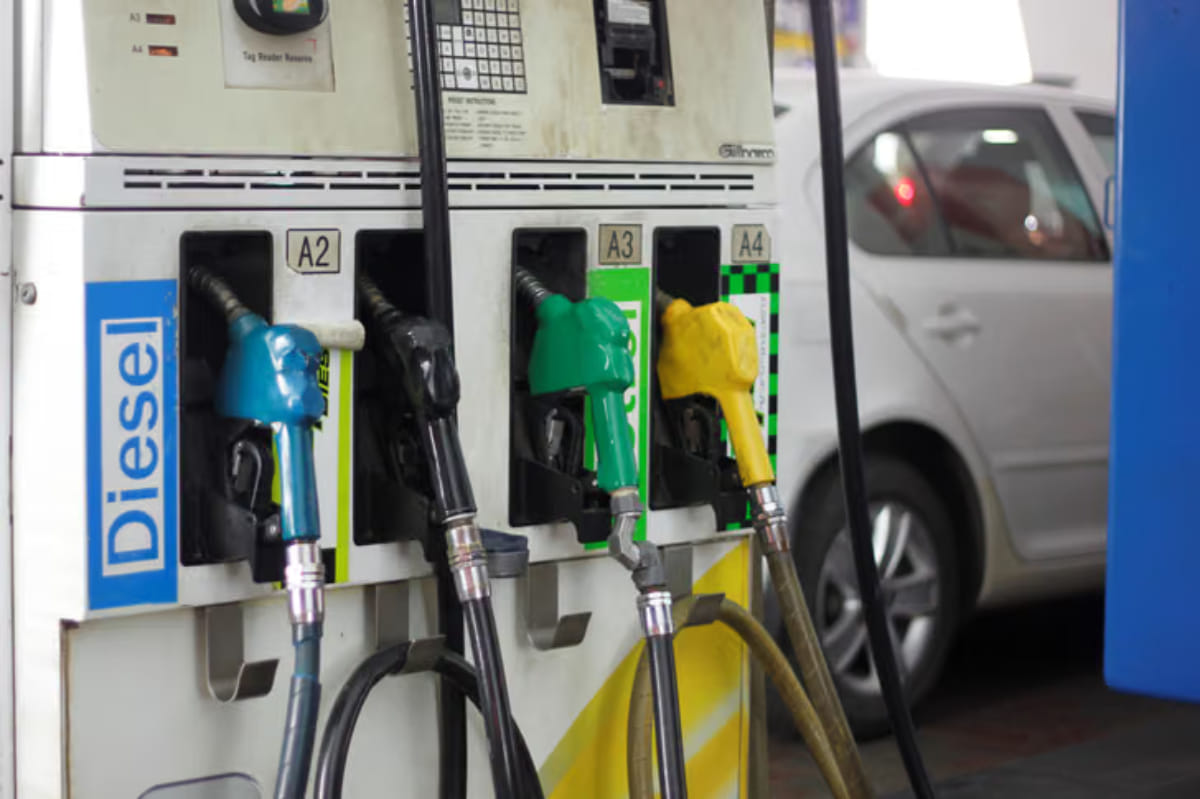
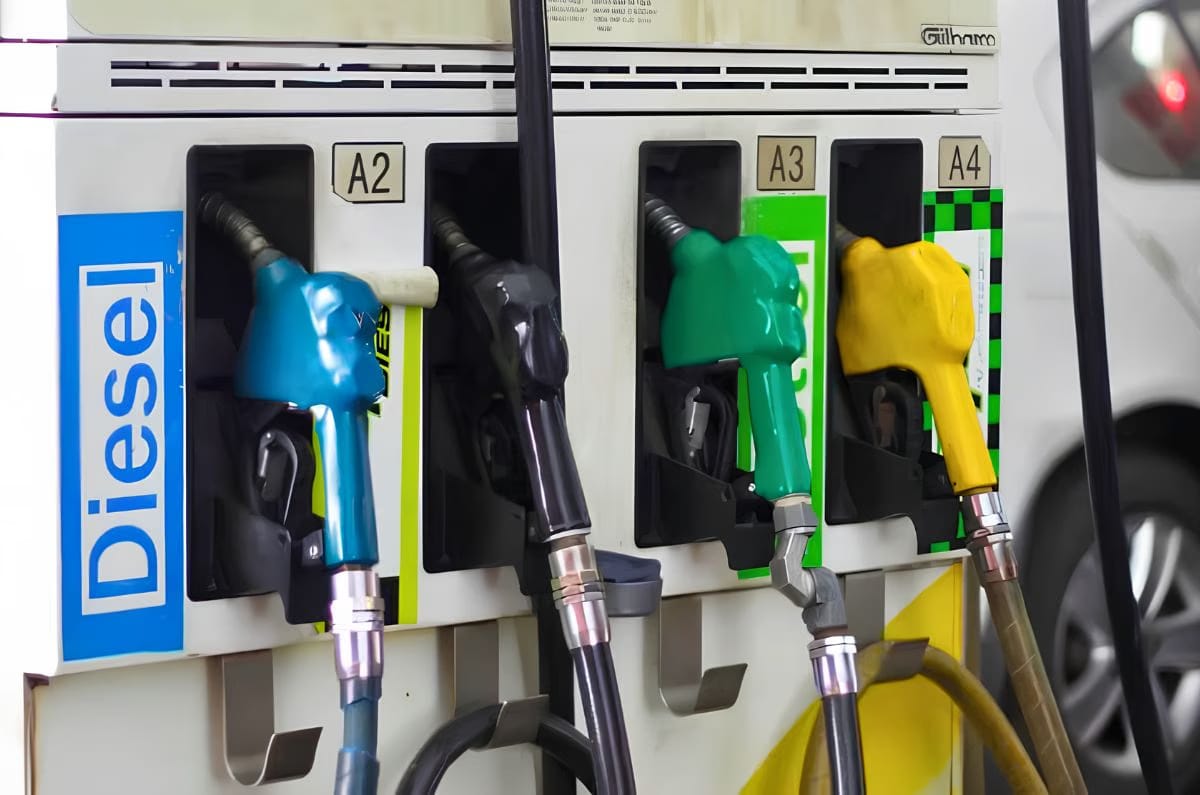
Petrol pump

The Central government has ruled out offering pure petrol, E10 and E20 simultaneously across India, saying maintaining multiple petrol grades would increase costs and create significant logistical challenges. In a question-and-answer note issued on July 10, the Ministry of Petroleum and Natural Gas reiterated that E20 will continue as the country’s standard petrol blend.

  1. Government cites investments made in ethanol production infrastructure
  2. Separate fuel grades would require parallel storage and distribution
  3. E20 to remain the standard petrol blend across India

Government cites distribution challenges

The ministry said India’s fuel distribution network comprises more than one lakh retail outlets, supported by refineries, terminals, depots, pipelines and storage facilities. Maintaining three different petrol grades across this network would require separate storage, inventory management and distribution infrastructure, increasing handling costs and reducing operational efficiency.

The government also rejected comparisons with premium petrol, saying it is a niche product sold in relatively small volumes and does not require a separate nationwide fuel supply chain.

Investments in ethanol infrastructure

The ministry said substantial investments have been made in ethanol production, including distilleries, storage facilities and logistics infrastructure, to support India’s ethanol blending programme. It added that reverting to E10 as the standard petrol blend could leave ethanol production capacity underutilized and affect investments made by farmers, cooperatives, companies and financial institutions.

According to the ministry, India achieved an average 20 percent ethanol blending between November 2025 and June 2026, compared with 19.2 percent during the previous ethanol supply year.

What it means for older vehicles

The question of offering multiple petrol grades has been raised by owners of older vehicles originally certified to run on E10 petrol. The ministry said vehicle manufacturers, component suppliers, testing agencies and research institutions were consulted before the introduction of E20, covering areas such as material compatibility, engine calibration, fuel systems, durability, emissions and fuel economy.

To support its position, the ministry cited field data from Maruti Suzuki and Hero MotoCorp. It said Maruti Suzuki serviced 2.84 crore vehicles during FY2025-26, including 1.5 crore older vehicles that were not originally certified for E20, and reported no E20-related corrosion, abnormal wear or component-life damage. Hero MotoCorp also reported similar field experience.

The ministry acknowledged that some vehicles may record a 3-5 percent reduction in fuel economy when running on E20. However, it said this should be weighed against the fuel’s higher octane rating, as well as the benefits of lower crude oil imports and reduced emissions.

These are claims made by the Petroleum Ministry in support of the E20 programme. The release does not provide an independent comparison of the additional cost of maintaining multiple fuel grades against the benefit of allowing consumers to select fuel based on their vehicle’s original certification.

Two-wheeler registrations grew 21 percent YoY in June 2026

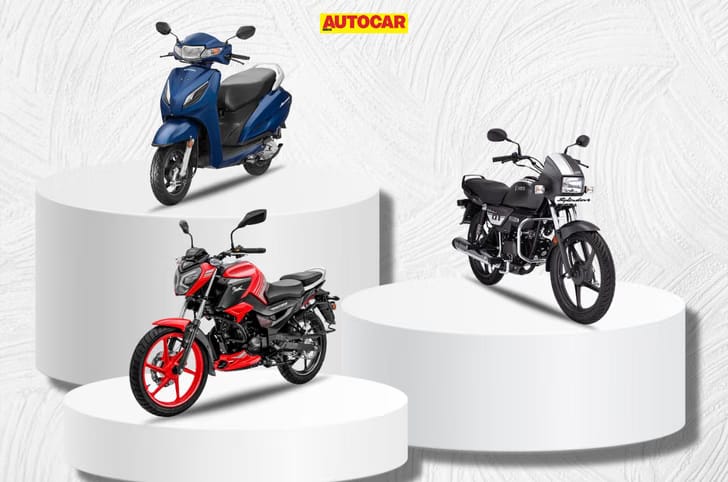
Podium with Activa, Splendor, and Raider

India’s two-wheeler market registered 18.26 lakh units in June 2026, a 21 percent year-on-year increase over the 15.09 lakh units sold in June 2025, according to data from JATO Dynamics India. On a month-on-month basis, volumes eased slightly from the 18.58 lakh units recorded in May, marking a marginal 1.7 percent decline that JATO described as normal seasonal moderation.

  1. Two-wheeler registrations up 21 percent YoY to 18.26 lakh units in June 2026
  2. Electric two-wheelers account for 10.6 percent of monthly registrations
  3. Hero MotoCorp leads with a 26.2 percent market share; Honda close behind at 25.19 percent

India two-wheeler sales in June 2026

Motorcycles continue to dominate registrations, while EVs cross the 10 percent mark

Motorcycles continued to account for the largest share of the market at 59.9 percent of total registrations, followed by scooters at 30.4 percent. Petrol-powered two-wheelers held an 89.3 percent share, while electric models increased their contribution to 10.6 percent of monthly registrations. JATO noted that this reflects the broader growth of the EV segment through 2026, aided in part by the petrol price hikes introduced in May.

Urban markets led demand with 10.92 lakh registrations, followed by rural areas with 4.48 lakh units and major metropolitan cities with 2.86 lakh units. The Hero Splendor Plus was the country’s best-selling two-wheeler in June, ahead of the Honda Activa, TVS Jupiter and Bajaj Pulsar.

Hero MotoCorp retained its position as the market leader with 4.72 lakh registrations and a 26.2 percent share. Honda Motorcycle & Scooter India followed closely with 4.52 lakh units and a 25.19 percent share, with the Activa family continuing to drive volumes. TVS Motor Company registered 2.59 lakh units for a 19.99 percent share, buoyed by strong demand for its scooter lineup and the iQube. Bajaj Auto followed with 1.87 lakh units and a 10.46 percent share, with both the Pulsar range and Chetak EV contributing to volumes, while Suzuki Motorcycle India rounded out the top five with 1.04 lakh units and a 5.83 percent market share.

Dev Vadchhedia

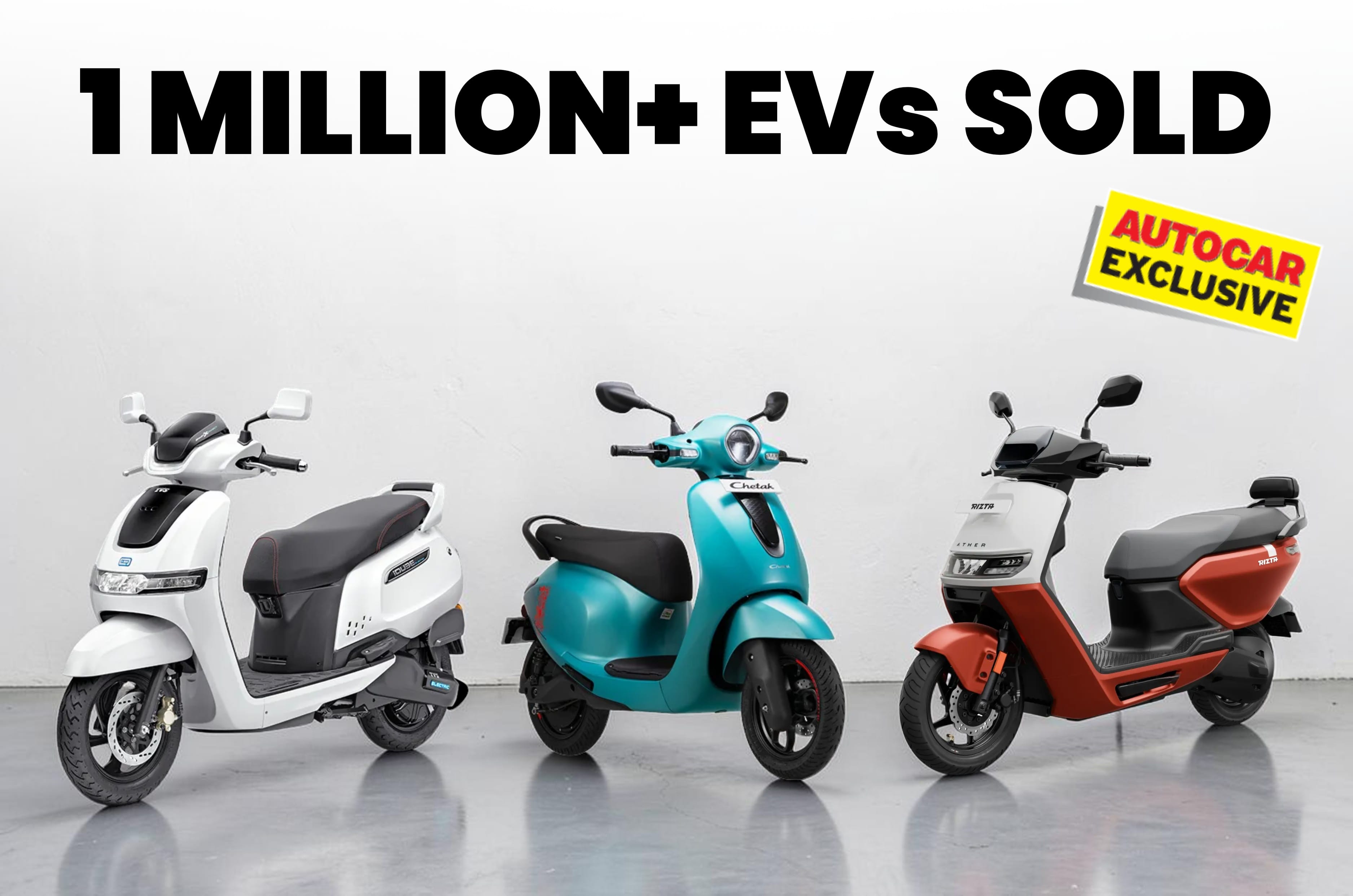
Electric scooter and bike sales cross 1 million units in 2026 so far

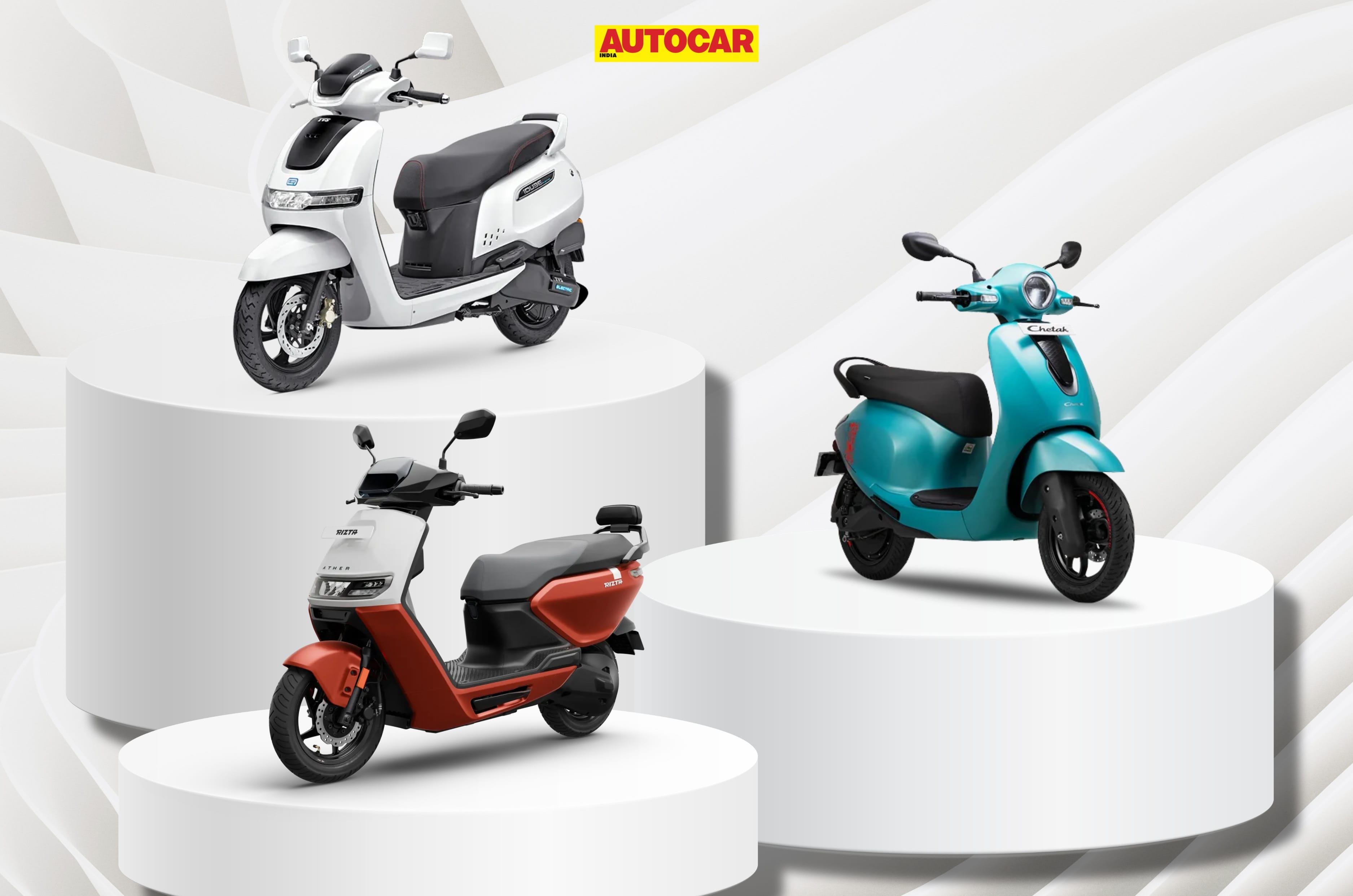
TVS iQube Bajaj Chetak Ather Rizta

The Indian electric two-wheeler industry has surpassed 1 million unit sales as of July 6 this year. As per the latest data on the Vahan portal, a record 10,05,279 e-scooters, motorcycles and mopeds have been sold between January 1 and July 6 this year. This marks a handsome YoY increase of 54 percent (January 1-July 6, 2025: 6,54,592 units) and daily sales of 5,375 units. 

Month

Units sold

January

1,29,265

February

1,18,408

March

1,99,393

April

1,57,619

May

1,72,530

June

1,94,186

July (till 6 July, 2026)

33,878

As the six-month retail sales data table above depicts, 2026 opened with 1,29,265 units in January, dropping 8 percent MoM in February (1,18,408 units). March saw retails jump 68 percent MoM to 1,99,393 units, which remains the highest monthly total yet for the industry. As a result, Q1 2026 (4,47,066 units) registered YoY growth of 39 percent (Q1 2025: 3,21,520 units). Sales rose higher in Q2 2026 (5,24,335 units) which was a 17 percent increase over Q1 and a 68 percent jump YoY (Q1 2025: 3,12,070 units) due to the sharp spike in sales in April (1,57,619 units, up 63 percent), May (194,196 units, up 64 percent) and June (1,94,186 units, up 75 percent).

Retail sales in May 2026, particularly from the second half, got a boost from the sharp increase in the price of petrol and a market dynamic that saw a fair number of two-wheeler buyers go electric to save money on costly petrol. Starting May 15, oil marketing companies implemented four hikes in petrol price in a span of 10 days. So far, fuel prices remain unchanged (as of July 7) and are enabling a higher level of transition to electric mobility across passenger and commercial vehicle segments.

Top brands on track to clock highest-ever annual sales

TVS, Bajaj Auto, Ather Energy and Vida have already achieved more than 80 percent of their record annual sales in 2025 already in 2026 so far.

The e-2W segment’s stellar growth this year is being driven by its Top 10 movers and shakers, with the bulk of them set to register their highest calendar year retail sales in CY2026. Combined sales of these 10 OEMs, at 9,39,894 units, gives them a 93 percent share of the 1-million retails to date, leaving the remaining 7 percent to be fought out by the other 16 players in the segment. 

Rank

Company

Sales till date

% Market share

1

TVS

2,60,938

26

2

Bajaj

2,25,960

22

3

Ather

1,74,677

17

4

Vida (Hero)

1,09,306

11

5

Ola Electric

68,148

7

6

Greaves

45,240

5

7

River

22,490

2

8

BGauss

20,276

2

9

Simple

7,391

1

10

Revolt

5,468

1


Total

9,39,894


Market leader TVS Motor Co has sold 2,60,938 iQube and Orbiter scooters till July 6 and accounts for a 26 percent share of the 1 million sales. This total is already 83 percent of its 2025 sales of 3,15,085 units which means TVS is well set to surpass the 5 lakh units annual sales milestone for the first time in 2026.

Bajaj Auto, with 2,25,960 units and 22 percent share, is the closest challenger to TVS. The manufacturer of the Chetak has achieved 81 percent of its 2025 sales (2,79,687 units). It should cross the 3 lakh units annual sales mark by mid-August and then go on to surpass 4 lakh unit sales by the end of the year. It will be achieving both these milestones for the first time in a calendar year.

Ather Energy, the firm No. 3, is also on a roll this year. The company has delivered 1,74,677 units between January 1-July 6, which gives it a 17 percent share of the million units and constitute 81 percent of its 2025 sales (2,14,984 units). Given the strong growth momentum for its products, particularly the Rizta and the potential of its upcoming more affordable EL-platform based products, Ather should likely go on to surpass 3.50 lakh units this year.

Hero MotoCorp (Vida) will, for the first time, achieve the 2 lakh unit annual sales milestone for its EVs. The 1,09,306 e-scooters sold till date are 97 percent of its 2025 total (1,13,024 units) and give the company an 11 percent share of all e-2Ws sold in the year to date.

Ola Electric has delivered 68,148 e-scooters and e-motorcycles in the first 187 days of this year. This gives it a 7 percent share of the million units albeit this total is just 33 percent of its sales in 2025 (2,04,526 units). While annual sales will surely cross the 1.25 lakh units mark this year, only a massive resurgence in demand for products from the former market leader will see it hit 1.50 lakh units, far fewer than the top three OEMs – TVS, Bajaj and Ather.

IPO-bound Greaves Electric Mobility, the manufacturer of Ampere e-scooters, has clocked retail sales of 45,240 units in the year to date. This gives it a 5 percent share of the million-unit sales and is 78 percent of its 2025 sales (57,700 units). GEM’s highest annual sales were in 2022 (80,000-plus including Ampere Vehicles).

Bengaluru-based River Mobility, which is witnessing growing demand for its sole product – the River Indie – has already hit a new annual sales high of 22,490 units. This is 5,470 units more than in 2025 (17,020 units) and should see the startup close in on the 50,000 mark in 2026. The company also manufactures the Yamaha EC-06, which is based on the Indie platform.

Eighth-ranked BGauss Auto sold 20,276 units between January and July 6, which gives it a 2 percent share of all-India e-2W sales to date and 80 percent of its 2025 sales (25,131 units).

Scooter maker Simple Energy has sold 7,391 units in the year to date, 763 units more than the 6,628 e-scooters it sold in 2025. Electric motorcycle manufacturer Revolt Motors, with 5,468 units, has achieved 50 percent of its 2025 sales of 11,018 units.

Given that the surging demand for electric scooters and motorcycles continues in H2 this year, the industry is racing towards breaching the 2-million annual sales milestone for the first time. And, considering that e-2Ws constitute the largest volume, they will also help the domestic EV industry to achieve a record 3 million sales this year.

Govt attempts to quell heightened E20 backlash with industry support

fuel filling in car

India’s mandatory rollout of E20 petrol has come under renewed scrutiny after a series of public complaints, political criticism and viral social media posts incited fresh debate over the ethanol blending programme. Meanwhile, manufacturers such as Toyota, Maruti Suzuki and Hero Motocorp have publicly defended the E20 policy.

The controversy heightened early last week after reports emerged of Attorney General for India, R Venkataramani, describing the country’s ethanol blending programme as an “experiment” during a court hearing, saying its results would only be known next year. Though the government later denied that the remark referred to the E20 policy and Venkataramani clarified that he was speaking about ethanol supply volumes rather than the fuel itself, the comments have intensified an already growing backlash.

Auto manufacturers express support for India’s ethanol blending programme

No E20-related issues recorded in non-compliant vehicles so far, claim manufacturers 

At a government briefing held on July 4, several automotive manufacturers and industry representatives mounted a coordinated defence of the ethanol blending programme. Maruti Suzuki’s Senior Executive Officer for Corporate Affairs, Rahul Bharti, acknowledged the key concern of E20’s impact on E10-compliant and older vehicles.

“India mandated E20 from 2023 for material compliance, and before that it was E10. Obviously, after 2023 both the cars and the fuel are mandated for E20,” he said. For perspective, E20 compliance was mandated as part of Bharat Stage 6 Phase 2 regulations, which went into effect from April 2023 onwards.

However, Bharti claimed that Maruti Suzuki had tested older E10-compatible vehicles on E20 and found no significant concerns related to wear, corrosion, or component durability. “As a manufacturer we have tested E10 cars, which were prevalent before 2023, on E20 fuel for all parameters, and we have not found anything of concern,” stated Bharti.

Hero MotoCorp Chief Business Officer Ashutosh Verma concurred with Bharti’s statement, confirming that analysis of crores of service records had not found a higher incidence of vehicle damage in vehicles running on E20 compared with earlier fuel blends. Vikram Gulati, Country Head and Executive Vice President of Toyota Kirloskar Motor, added that the auto industry features highly stringent regulations, and that vehicles and fuels are put through extensive testing, certification, and homologation before reaching customers.

Gulati also said that ethanol is a cleaner, high-performance fuel that helps cut vehicle emissions and reduces India’s dependence on crude oil imports. Former Engineers India chairman and managing director Vartika Shukla echoed Gulati, stating that the transition to E20 was carried out via a phased, scientifically driven process involving auto manufacturers and testing agencies. She noted that ethanol blending had increased from around 1.5 percent in 2013-14 to 20 percent by December 2025, achieving the government’s target five years ahead of schedule.

Petroleum minister Hardeep Singh Puri remarked at a separate briefing on July 2: “They use it [ethanol] in racing cars also, the acceleration increases. Mileage, yes, ​it may drop a little.” Puri’s comments are not germane to public concerns at all, as race cars use ethanol solely for performance, and the mileage drop is the central pain point for the overwhelming majority of vehicle owners. Race car engines are also designed to take full advantage of ethanol and are frequently rebuilt, with the latter residing completely outside the realm of reason for the average motorist.

Toyota attributes Innova Hycross issue to fuel contamination

The Hycross in question belonged to Manoj Kashyap, a Bihar-based content creator

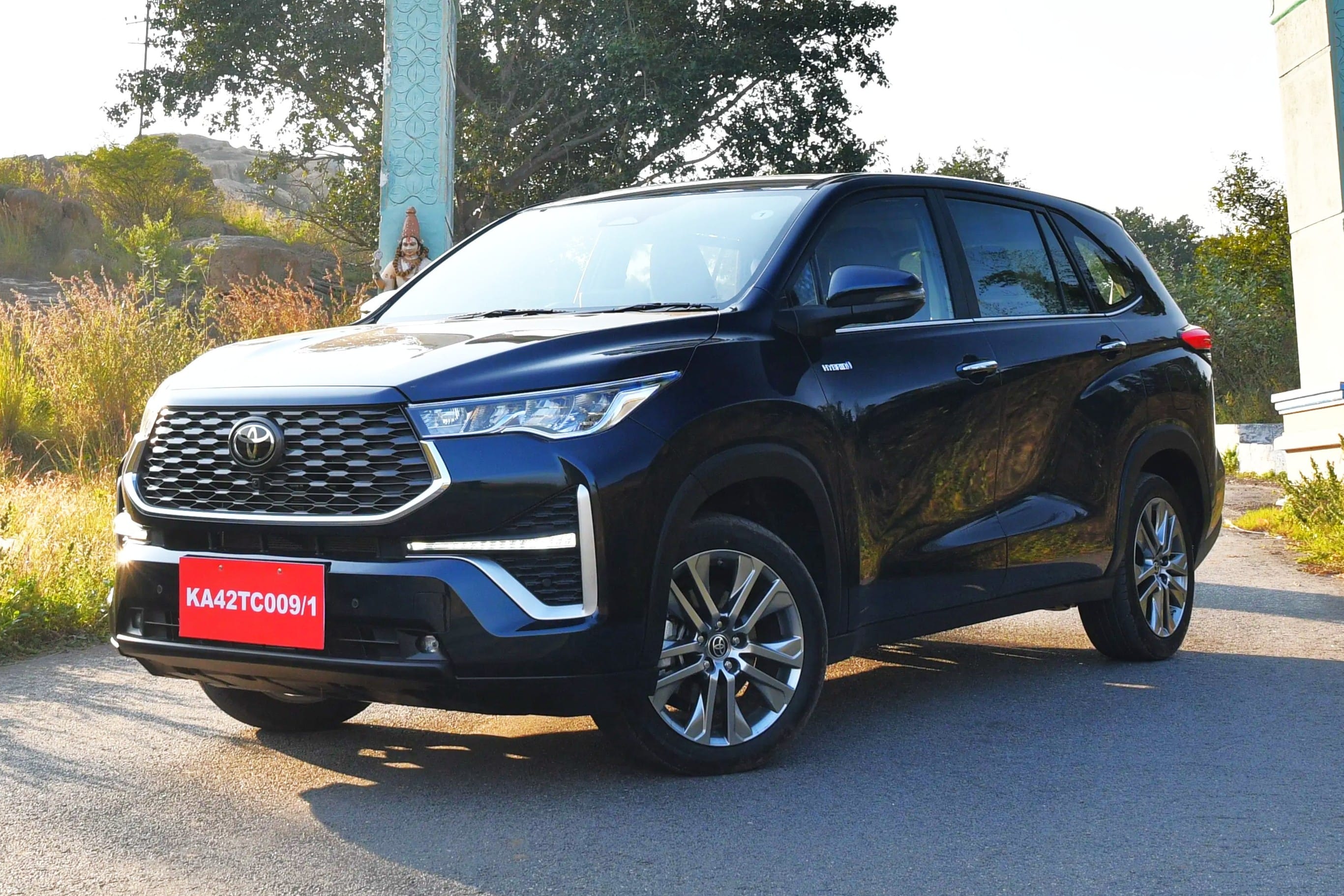
Motorists across India have emerged in droves online to voice concerns over reduced fuel efficiency, vehicle performance, and the long-term complications of using E20 petrol. A recent video posted by Bihar-based content creator Manish Kashyap gained immense traction on social media, showing his Toyota Innova Hycross hybrid at a service centre after it reportedly developed engine vibration and knocking issues at around 12,000km.

Kashyap blamed the issue on E20 petrol, criticised Union Road Transport Minister Nitin Gadkari (a major proponent of the ethanol-blending programme), and argued that consumers should have the option of purchasing unblended petrol. Responding to Kashyap’s viral claims, Toyota said it conducted an investigation on the damaged Innova Hycross and found no link between the car’s fault and E20 petrol, and that the culprit was actually contaminated fuel.

Toyota Innova Hycross hybrid. Image used for representation only.

“Based on our detailed technical assessment of the vehicle, the issue was due to fuel contamination,” Toyota noted in its statement. The Japanese carmaker said its technicians drained and cleaned the fuel tank and lines before refilling the vehicle with standard E20 petrol. Following the procedure, the Innova Hycross was found to be operating normally and was returned to Kashyap.

“The incident is not related to E20 fuel usage and was solely caused by non-standard and contaminated fuel,” Toyota added, advising customers to refuel only at authorised and reputed fuel stations. Contaminated fuel is a legitimate issue across the country and is compounded further by the introduction of E20, as fuel-related damage in vehicles becomes more difficult to pin down – ethanol is hygroscopic in nature, which means it can draw moisture from air and rot plastic and rubber components in the fuel system, especially in non-compliant vehicles.

Opposition voices disapproval of E20 policy implementation

Hundreds showed up to an anti-E20 protest in Delhi

Despite the industry’s defence, criticism surrounding the ethanol blending policy continues to grow in the political arena. Opposition leader Priyank Kharge argued that the rollout lacked adequate consultation and that the government could not dismiss consumer concerns while its own assessment remained pending. Political analyst Tehseen Poonawalla staged a protest against the mandatory E20 rollout at Jantar Mantar in New Delhi on July 5, which was attended by hundreds of aggrieved motorists.

The government, meanwhile, has continued to back E20, saying the fuel reduces carbon emissions, cuts crude oil imports, saves foreign exchange and supports farmers by increasing demand for ethanol feedstocks. In fact, the government has signaled an impending increase in baseline ethanol blending beyond E20, with standards notified for E22, E25, E27, and E30. ARAI has also been tasked with carrying out a study on the impact of E25 on existing E20- and E10-compliant vehicles.

Isobutanol-diesel blending under serious consideration

Diesel isn’t safe either, as plans to move forward with isobutanol blending in diesel this year are under consideration – isobutanol is an ethanol-derived compound, but is more energy-dense, less corrosive, and has a lower tendency to absorb water (hygroscopicity). This is despite the fact that none of the diesel cars currently sold in India are compliant with isobutanol-blended fuel.

6 things to know before buying the Hero Xoom 110

6 things to know before buying the Hero Xoom 110

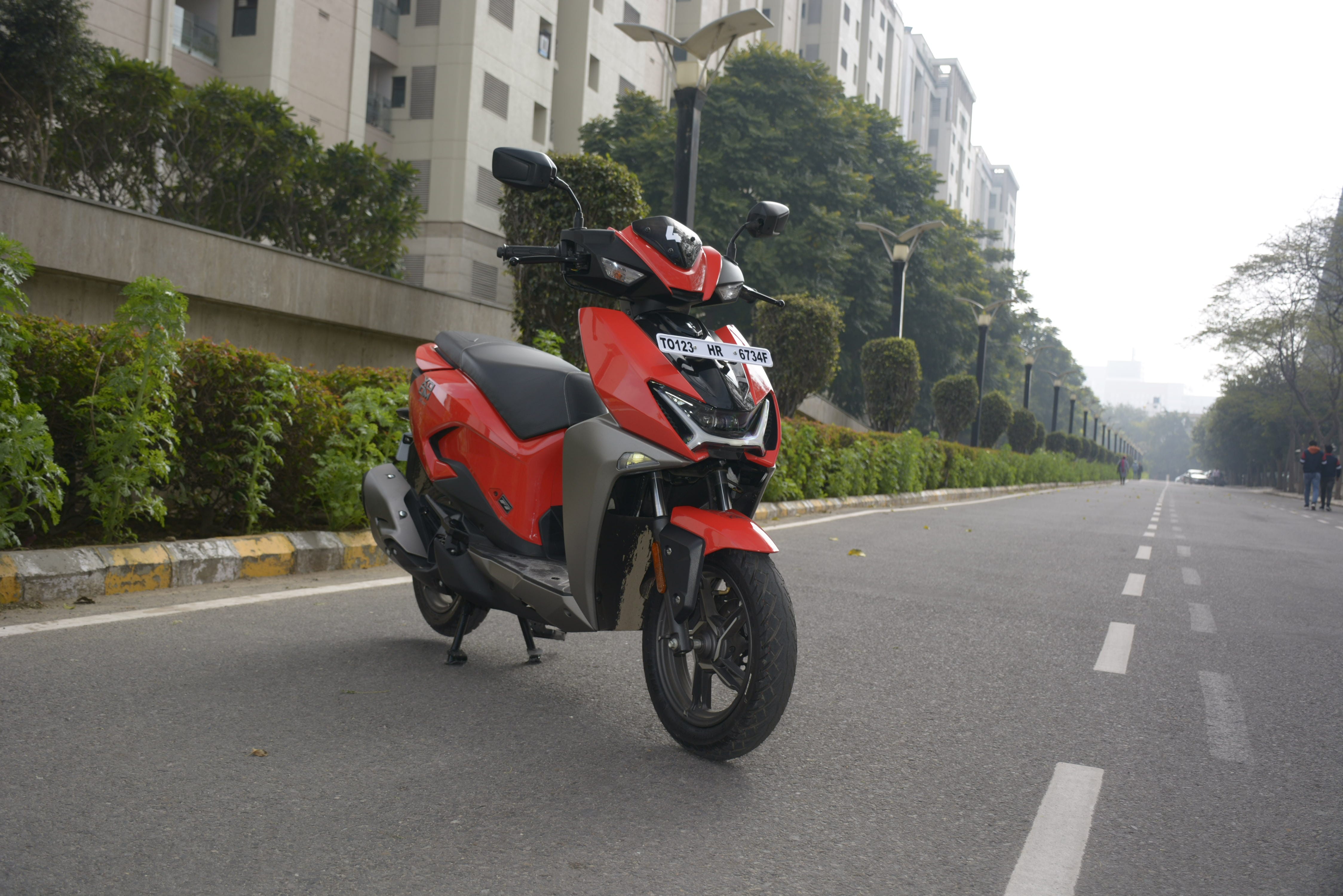
The Xoom 110 is Hero MotoCorp‘s sporty entry-level scooter, taking on rivals like the Honda Dio and TVS Jupiter with its sharp styling and feature list. Here are a few things you should know before buying the Hero Xoom 110.

1. What are the variants available with the Hero Xoom 110?

The Hero Xoom 110 is available in three variants – VX, ZX and Combat Edition. Prices start at Rs 76,212 for the VX and go up to Rs 84,017 for the Combat Edition (ex-showroom, Delhi).

2. What is the difference between the VX, ZX and Combat Edition variants?

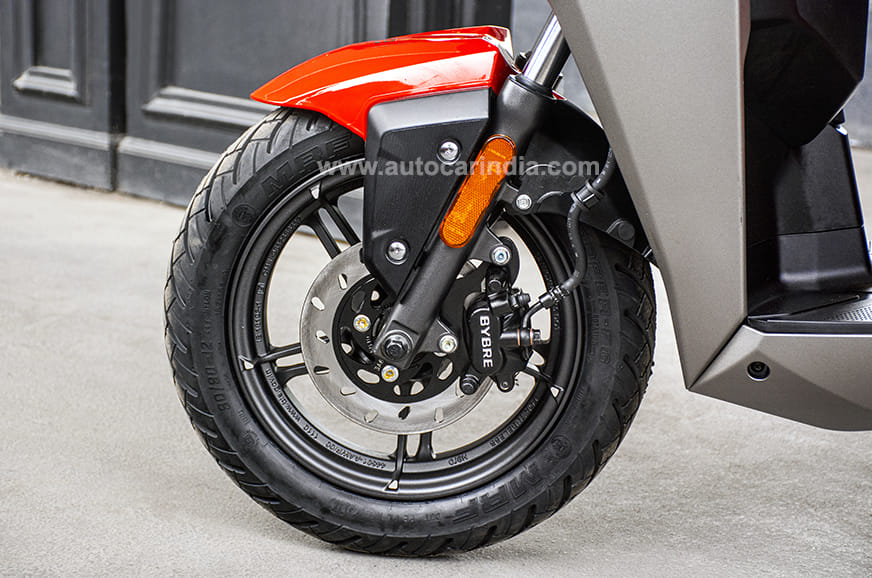
The VX is the entry-level variant and comes with drum brakes at both ends. The ZX adds a front disc brake, Bluetooth connectivity, cornering lights, sequential LED indicators and more colour options. The Combat Edition is based on the ZX and gets a Matte Shadow Grey paint scheme with contrasting graphics.

3. What wheels does the Hero Xoom 110 get?

The Xoom 110 rides on 12-inch alloy wheels at both ends, wrapped in 90/90-12 front and 100/90-12 rear tyres. The larger 12-inch rear wheel is relatively uncommon in the segment and is aimed at improving stability over uneven roads.

4. What is the fuel tank capacity and kerb weight of the Hero Xoom 110?

The Xoom 110 has a 5.2-litre fuel tank and tips the scales at 108kg (kerb). The combination of a relatively low kerb weight and compact dimensions makes it easy to manoeuvre in city traffic.

5. Does the Hero Xoom 110 get Bluetooth connectivity?

Yes, but Bluetooth connectivity is limited to the ZX and Combat Edition variants. The system enables smartphone pairing and provides call and SMS alerts on the instrument cluster.

6. What’s the peak output of the Hero Xoom 110?

Powering the Xoom 110 is a 110.9cc, single-cylinder, air-cooled engine that develops 8.05hp and 8.7Nm. The engine is paired with a CVT automatic transmission and also benefits from Hero’s i3S idle stop-start system to help improve fuel efficiency in city riding.

TVS outsells Hero and Honda in combined sales for June 2026

TVS Jupiter, Honda Activa, Hero Splendor

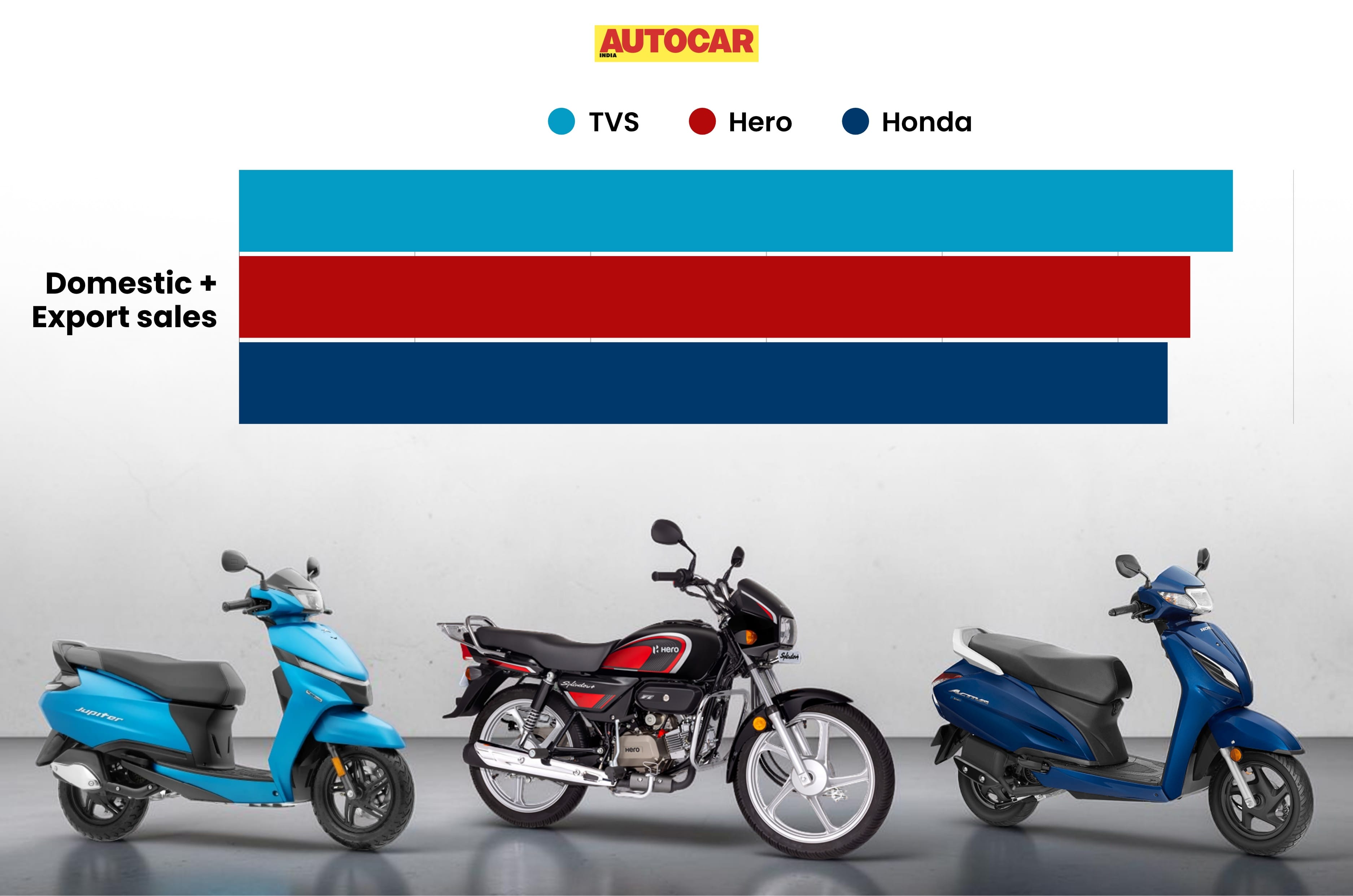
Last month’s domestic two wheeler sales figures paint a familiar picture. At the top is Hero MotoCorp, followed by Honda and then TVS. But if you were to add in export figures for the same period, then its TVS Motor that rises to the top for total two wheelers sold in June 2026.

  1. TVS tops combined domestic and export two-wheeler sales in June 2026
  2. Hero and Honda remain in top two for domestic sales

With 4,11,014 units sold in June 2026 within the Indian market, TVS is nearly a full lakh behind Hero that moved 5,02,890 motorcycles and scooters within the same period. Honda also has a good lead over TVS for second place with 4,68,956 units sold in the same period.

However, TVS has outdone both its rivals by a big margin when it comes to exports in June 2026. The company sold a massive 1,54,403 scooters and bikes overseas while that number dropped to 59,325 units for Honda and 38,269 units for Hero.

With both domestic and international sales tallied up, TVS sold a total of 5,65,417 units last month, slotting it above Hero’s 5,41,159 units and Honda’s 5,28,281 units. Notably, both TVS and Honda registered big increases over their respective sales figures in June 2025 while Hero registered a drop. Total sales for TVS rose by an enormous 47 percent for TVS when compared with the same month last year, while Honda also posted a solid growth of 26 percent. Meanwhile, Hero reported a small drop of around 2.3 percent for the same period.

It will be interesting to see if this is just a monthly blip or a sign of things to come for these companies that happen to be the top three motorcycle manufacturers, not just in India, but also worldwide.
 

Indian Oil launches premium Servo Hyper Series lubricants

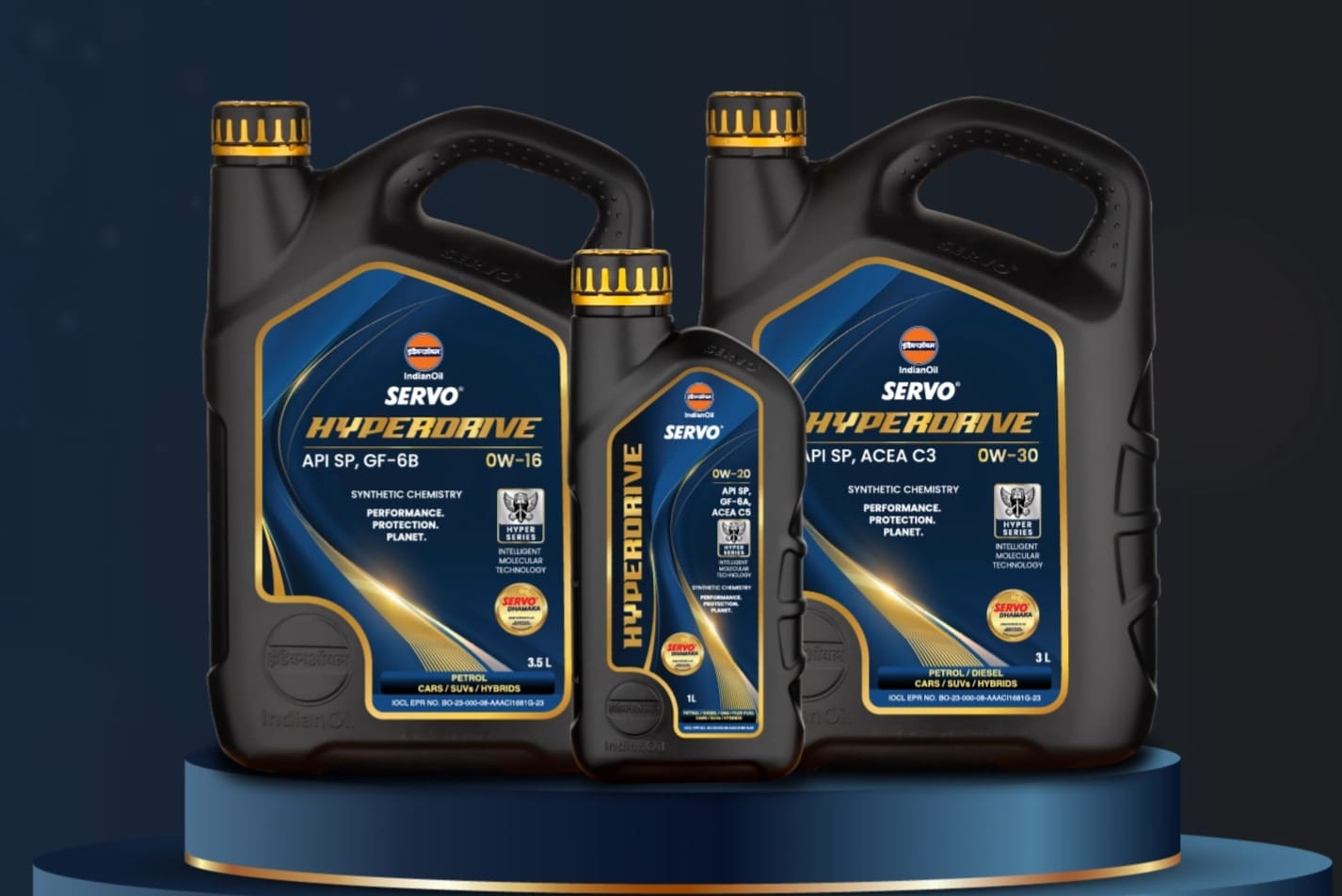
Servo Hyper Drive lubricants

Indian Oil has introduced a new premium lubricant to its Servo range. Called the Servo Hyper Series, the brand says its the ‘most advanced premium lubricant portfolio, designed to meet the evolving requirements of modern engines and high- performance industrial equipment.” 

Servo Hyper Series Lubricants: What is it?

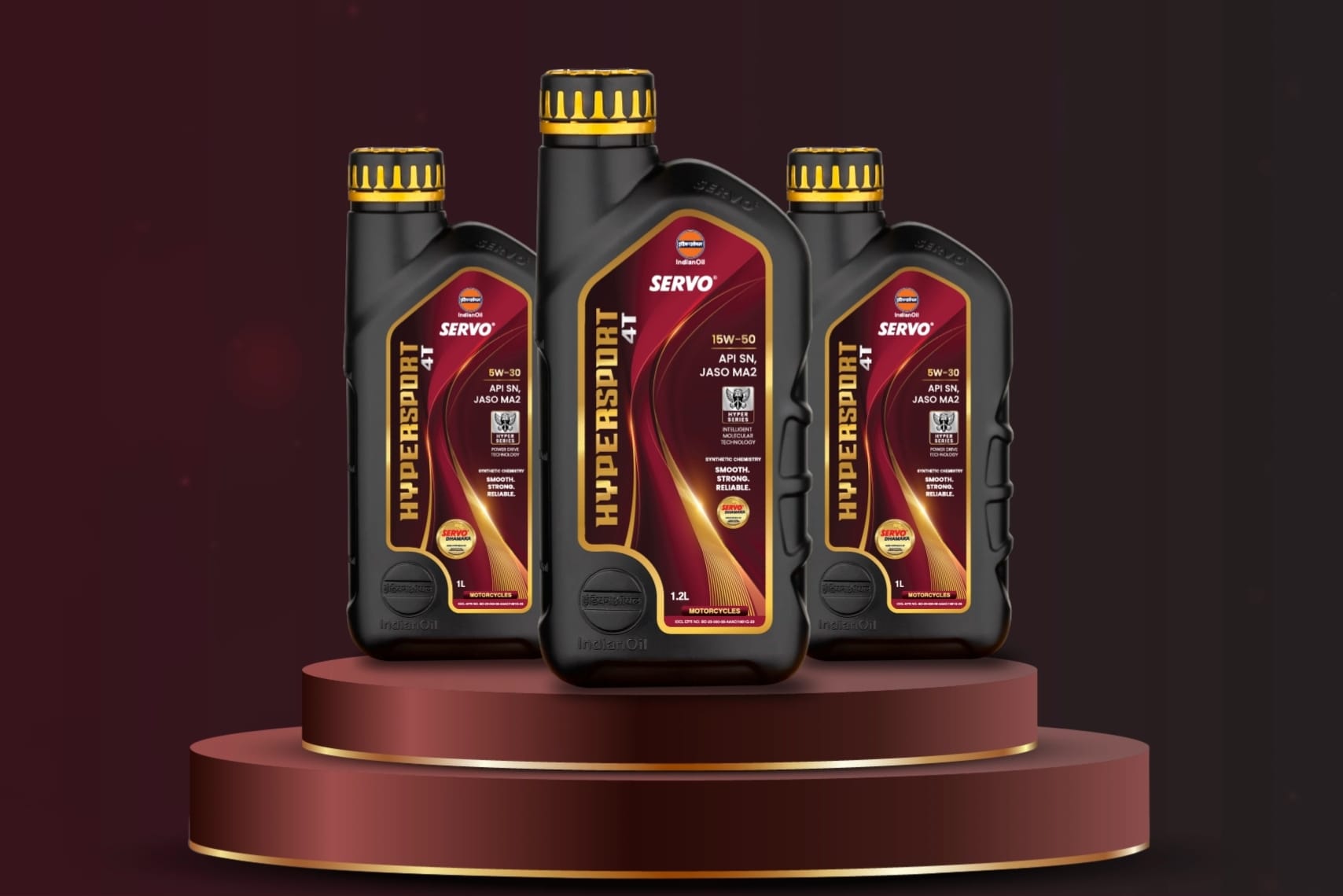
Indian Oil states that the Servo Hyper Series Lubricants deliver superior engine performance, improved fuel efficiency and extended drain intervals under demanding operating conditions by using “advanced synthetic base oils and next-generation additive technologies.” It comprises three versions for different vehicle applications, namely Hyper Sport for motorcycles, Hyper Drive for passenger cars, and Hyper Torq for commercial vehicles.

The Hyper Drive lubricants for cars consist of two products. The regular Hyper Drive applies to BS6 petrol and diesel-powered cars and is recommended for vehicles from manufacturers such as Honda, GM (Chevrolet), Ford, Toyota, Nissan, Maruti-Suzuki, MG, Renault, Hyundai, Citroën, Volkswagen Group, BMW, Mercedes-Benz and others. The Hyperdrive NXT is for high-performance cars and is compatible with petrol, diesel, CNG, flex-fuel and hybrid vehicles. Indian Oil says that the NXT is ‘optimised for hybrid cold starts and E85 petrol.’  

Under its Hyper Sport series of lubricants for bikes, the Hyper Sport F5 is recommended for superbikes and racing motorcycles from BMW Motorrad, Ducati, Suzuki, Kawasaki, Yamaha, KTM and Honda. It has a drain interval of up to 10000km. The Hyper Sport 4T is recommended for most four-stroke 2-wheeler engines and is specifically recommended for Royal Enfield, Hero MotoCorp, Bajaj, TVS, Honda, Yamaha and other leading motorcycle brands. The Hyper Sport scooter is specifically recommended for 4-stroke gearless scooters. Both the Hyper Sport 4T and Scooter have a drain interval of up to 8000km.

For commercial vehicles, Indian Oil’s Servo Hyper Torq consists of three versions. The standard Hyper Torq is applicable for heavy-duty diesel-powered commercial vehicles operating under BS4 emissions and earlier. It has a drain interval of up to 80,000 km. The Hyper Torq NXT is recommended for BS6-compliant commercial vehicles and has a drain interval up to 1,20,000 km. The Hyper Torq XP is a fully synthetic commercial vehicle engine oil for truck engines operating with low sulphur content. This oil has a drain interval of up to 10,000km.

Hero MotoCorp to invest over Rs 3,200 crore in Andhra Pradesh

Hero facility

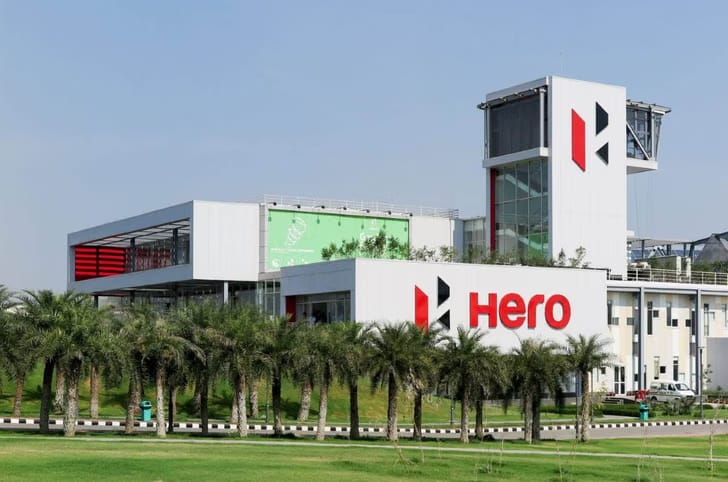
Hero MotoCorp has laid the foundation stone for its second Global Parts Centre (GPC) in Tirupati, Andhra Pradesh, marking the start of an investment roadmap worth over Rs 3,200 crore in the state.

  1. Hero MotoCorp lays foundation stone for second Global Parts Centre in Tirupati
  2. New facility represents an initial investment of over Rs 750 crore
  3. Expected to create around 4,000 employment opportunities in the state

Hero MotoCorp Andhra Pradesh investment

The new Global Parts Centre is expected to support annual production of 12-15 lakh units

The new GPC will serve as a strategic hub for Hero MotoCorp’s domestic and international spare parts operations. With the expansion, the Tirupati plant’s annual production capacity is expected to increase to between 12 lakh and 15 lakh units. Hero MotoCorp also noted that its entire electric vehicle portfolio, including the Vida range, is designed, engineered and manufactured at the Tirupati facility, making the site a key pillar of its EV strategy.

The investment is expected to generate around 4,000 employment opportunities in the region. Alongside the new parts centre, Hero MotoCorp’s broader investment commitment in Andhra Pradesh also includes community welfare and technical education initiatives, including a scholarship programme.

Andhra Pradesh Chief Minister N. Chandrababu Naidu said Hero MotoCorp’s decision to expand in Tirupati reflected the state’s investor-friendly policies and infrastructure, adding that the company’s presence had already generated employment and strengthened local supply chains across the Rayalaseema region.

Hero MotoCorp Executive Chairman Dr. Pawan Munjal said the investment reinforces the company’s “Made in India, for India and the World” commitment. He also noted that the foundation stone ceremony coincided with the 103rd birth anniversary of the company’s founder, Dr. Brijmohan Lall Munjal.

Sarthak Mahajan

Stocks to Watch: 24100 के पार Gift Nifty, आज Sensex की एक्सपायरी को V-Mart और Airtel समेत इन पर फोकस

Stocks to Watch: वैश्विक बाजारों से मिले-जुले रुझानों के बीच आज गिफ्ट निफ्टी से घरेलू मार्केट में मजबूत शुरुआत के संकेत मिल रहे हैं। गिफ्ट निफ्टी फिलहाल 142.00 प्वाइंट्स यानी 0.59% की बढ़त के साथ 24,186.00 पर है। चूंकि आज जुलाई सीरीज में सेंसेक्स की पहली वीकली एक्सपायरी है तो मार्केट में तेज हलचल दिख सकती है। एक कारोबारी दिन पहले 01 जुलाई को सेंसेक्स (Sensex) 443.97 प्वाइंट्स यानी 0.58% की बढ़त के साथ 76,922.64 और निफ्टी 50 (Nifty 50) भी 140.10 प्वाइंट्स यानी 0.59% के उछाल के साथ 24,005.85 पर बंद हुआ था। अब आज इंडिविजुअल स्टॉक्स की बात करें तो अपनी खास कॉरपोरेट एक्टिविटीज के चलते कुछ स्टॉक्स में तेज हलचल दिख सकती है। यहां इन शेयरों के बारे में डिटेल्स दी जा रही है।

Stocks to Watch: इन स्टॉक्स पर रहेगी नजर

तिमाही बिजनेस अपडेट

Punjab & Sind Bank Q1 (YoY)

जून 2026 तिमाही में सालाना आधार पर पंजाब एंड सिंध बैंक का टोटस बिजनेस 15.33% बढ़कर ₹2.67 लाख करोड़, टोटल डिपॉजिट्स 12.16% बढ़कर ₹1.47 लाख करोड़ और ग्रास एडवांसेज 19.5% बढ़कर ₹1.19 लाख करोड़ पर पहुंच गया। इस दौरान बैंक का सीएएसए रेश्यो भी 76.19% से सुधरकर 81.18% पर पहुंच गया।

Indian Bank Q1 (YoY)

जून 2026 तिमाही में सालाना आधार पर इंडियन बैंक का टोटस बिजनेस 13.6% बढ़कर ₹15.28 लाख करोड़, टोटल डिपॉजिट्स 13.3% बढ़कर ₹8.43 लाख करोड़ और ग्रास एडवांसेज 13.9% बढ़कर ₹6.85 लाख करोड़ पर पहुंच गया। इस दौरान बैंक का घरेलू सीएएसए रेश्यो भी 38.97% से सुधरकर 39.64% पर पहुंच गया।

South Indian Bank Q1 (YoY)

जून 2026 तिमाही में सालाना आधार पर साउथ इंडियन बैंक का टोटल डिपॉजिट्स 11.39% बढ़कर ₹1.25 लाख करोड़ और ग्रास एडवांसेज 17.01% बढ़कर ₹1.04 लाख करोड़ पर पहुंच गया। इस दौरान बैंक का सीएएसए 14.61% बढ़कर ₹41,493 करोड़ और सीएएसए रेश्यो 32.06% से सुधरकर 32.99% पर पहुंच गया।

Tamilnad Mercantile Bank Q1 (YoY)

जून 2026 तिमाही में सालाना आधार पर इंडियन बैंक का टोटस बिजनेस 23.04% बढ़कर ₹1.21 लाख करोड़, टोटल डिपॉजिट्स 19.7% बढ़कर ₹64,409 करोड़ और ग्रास एडवांसेज 27.01% बढ़कर ₹57,306 करोड़ पर पहुंच गया। इस दौरान बैंक का सीएएसए 16.94% बढ़कर ₹16,852 करोड़ पर पहुंच गया।

Dhanlaxmi Bank Q1 (YoY)

जून 2026 तिमाही में सालाना आधार पर धनलक्ष्मी बैंक का टोटस बिजनेस 21.12% बढ़कर ₹35,188 करोड़, टोटल डिपॉजिट्स 17.1% बढ़कर ₹19,403 करोड़ और ग्रास एडवांसेज 26.5% बढ़कर ₹15,785 करोड़ पर पहुंच गया।

Ashiana Housing Q1 (YoY)

जून 2026 तिमाही में आशियाना हाउसिंग का एरिया बुकिंग सालाना आधार पर गिरकर 5.05 लाख स्क्वेयर फीट से 3.61 लाख स्क्वेयर फीट पर आ गया तो बिके एरिया की वैल्यू भी फिसलकर ₹430.97 करोड़ से ₹357.8 करोड़ पर आ गई।

V-Mart Retail Q1 (YoY)

जून 2026 तिमाही में वी-मार्ट रिटेल का टोटल रेवेन्यू सालाना आधार पर 23% बढ़कर ₹1,089 करोड़ और सेम-स्टोर-सेल्स ग्रोथ 1% से 9% पर पहुंच गया। कंपनी ने जून तिमाही में 15 स्टोर खोले तो 1 बंद किया।

Sai Silks Kalamandir Q1 (YoY)

जून 2026 तिमाही में साई सिल्क्स कलामंदिर का रेवेन्यू सालाना आधार पर 1% गिरकर ₹375 करोड़ पर आ गया। कंपनी ने कर्नाटक में दो नए स्टोर के जरिए 30 हजार स्क्वेयर फीट का रिटेल स्पेस जोड़ा।

V2 Retail Q1 (YoY)

जून 2026 तिमाही में वी2 रिटेल का स्टैंडएलोन रेवेन्यू सालाना आधार पर 58.25% बढ़कर ₹997 करोड़ और सेम-स्टोर-सेल्स ग्रोथ 5% से 7.5% पर पहुंच गया। जून 2026 तिमाही में कंपनी ने 57 नए स्टोर खोले और 1 बंद किया।

JTL Industries Q1 (YoY)

जून 2026 तिमाही में सालाना आधार पर जेटीएल इंडस्ट्रीज की सेल्स वॉल्यूम 18% बढ़कर 1.18 लाख टन पर पहुंच गई।

मंथली बिजनेस अपडेट

Force Motors (June YoY)

जून महीने में फोर्स मोटर्स की टोटल सेल्स सालाना आधार पर 23.5% बढ़कर 3,568 यूनिट्स पर पहुं गई। इसमें घरेलू सेल्स सालाना आधार पर 26.63% बढ़कर 3,547 यूनिट्स पर पहुंचा लेकिन निर्यात 76.14% गिरकर 21 यूनिट्स पर आ गया।

NMDC (June YoY)

जून महीने में सालाना आधार पर एनएमडीसी के लौह अयस्क का उत्पादन 44.3% बढ़कर 5.15 टन और इसकी सेल्स 11.2% बढ़कर 3.98 टन पर पहुंच गई।

Stocks to Watch : इन पर भी रहेगी नजर

Lupin

13-17 अप्रैल 2026 के बीच जांच के बाद अमेरिकी दवा नियामक एफडीए से अमेरिका के न्यू जर्सी के सोमरसेट में अपनी मैन्युफैक्चरिंग फैसिलिटी के लिए लुपिन को EIR (एस्टैब्लिशमेंट इंस्पेक्शन रिपोर्ट) मिली है, जिसमें वॉलंटरी एक्शन इंडिकेटेड (VAI) क्लासिफिकेशन को संतोषजनक बताया गया है। वहीं यूरोपियन मेडिसिन्स एजेंसी (EMA) ने पीडियाट्रिक इन्वेस्टिगेशन प्लान (PIP) के आधार पर NaMuscla के मार्केटिंग ऑथराइजेशन की शर्तों में बदलाव को मंजूरी दे दी है। इस मंजूरी में मौजूदा 167 mg स्ट्रेंथ के अलावा दो नई डोज स्ट्रेंथ-62 एमजी और 83 एमजी कैप्सूल भी शामिल हैं।

Hero MotoCorp

हीरो मोटोकॉर्प ने आंध्र प्रदेश के तिरुपति में ₹750 करोड़ से अधिक के निवेश के साथ अपने दूसरे ग्लोबल पार्ट्स सेंटर (GPC) का ऐलान किया है। इसके साथ ही राज्य में उसका कुल निवेश ₹3,200 करोड़ से ज्यादा हो जाएगा।

Tata Technologies

टाटा टेक्नोलॉजीज और टेनेको एलएलसी ने मोबिलिटी ट्रांसफॉर्मेशन के लिए अपनी ग्लोबल पार्टनरशिप को और मजबूत किया है। टेनेको अगले पांच वर्षों में इस साझेदारी में $10.0 करोड़ से अधिक का निवेश कर सकती है।

Bharti Airtel

भारती एयरटेल की सब्सिडियरी एयरटेल मनी ने टाइप II नॉन-डिपॉजिट-टेकिंग NBFC (नॉन-बैंकिंग फाइनेंशियल कंपनी) के तौर पर कमर्शियल कामकाज शुरू कर दिया है।

Syngene International

सिद्धार्थ मित्तल ने 1 जुलाई से पीटर बेन की जगह सिनजीन इंटरनेशनल के एमडी और सीईओ का पद संभाल लिया है।

Studds Accessories

भरत गोयल को 1 जुलाई से स्टड्स एक्सेसरीज का सीएफओ नियुक्त किया गया है। इसके अलावा कंपनी ने मनीष मेहता को 1 जुलाई से सीएफओ के पद से हटाकर सीनियर मैनेजमेंट कैटेगरी में वाइस प्रेसिडेंट–टैक्सेशन एंड कंप्लायंस बनाया है।

Coal India

कोल इंडिया को बुंदेलखंड सौर ऊर्जा लिमिटेड से 600 MW का सोलर प्लांट लगाने के लिए ₹2,831.11 करोड़ का लेटर ऑफ अवार्ड मिला है।

Srivasavi Adhesive Tapes

बेंगलुरु रूरल में श्रीवासवी एडहेसिव टेप्स के पॉलिमर डिवीजन (यूनिट 5) ने एक ग्लोबल मल्टीनेशनल कंपनी के साथ पर्चेजिंग एग्रीमेंट किया है। इसके तहत कंपनी PP, HDPE, फैब्रिक और उससे जुड़े प्रोडक्ट्स की सप्लायर बन गई है।

Sai Parenterals

साई पैरेंटरल्स की ऑस्ट्रेलियाई सब्सिडियरी नौमेड फार्मा ने ऑस्ट्रेलिया की मल्टी-बिलियन डॉलर की फार्मेसी चेन के साथ अपने लॉन्ग टर्म एक्सक्लूसिव OTC (ओवर-द-काउंटर) दवा सप्लाई एग्रीमेंट को रिन्यू किया है। नए एग्रीमेंट में प्रोडक्ट्स की रेंज बढ़ाई गई है, समय-सीमा बढ़ाई गई है और कॉन्ट्रैक्ट की वैल्यू भी काफी ज्यादा है। रिन्यू हुए एग्रीमेंट की वैल्यू साढ़े सात साल की बढ़ी हुई अवधि के लिए AUD 20.2 करोड़ (लगभग ₹1,300 करोड़) यानी सालाना लगभग AUD 2.7 करोड़ है। इस एग्रीमेंट में आपसी सहमति से इसे और तीन साल के लिए बढ़ाने का विकल्प भी शामिल है।

लिस्टिंग

आज सीएसएम टेक के शेयरों की बीएसई और एनएसई पर एंट्री होगी।

एक्स-डेट

आज लॉयड्स एंटरप्राइजेज और चेमबॉन्ड मैटेरियल टेक के शेयर एक्स-डिविडेंड ट्रेड करेंगे तो गुजरात एनर्जी के स्पिन ऑफ की भी आज एक्स-डेट है।

स्टॉक मार्केट में आज की लाइव हलचल के लिए यहां जुड़ें

डिस्क्लेमर: यहां मुहैया जानकारी सिर्फ सूचना के लिए दी जा रही है। यहां बताना जरूरी है कि मार्केट में निवेश बाजार जोखिमों के अधीन है। निवेशक के तौर पर पैसा लगाने से पहले हमेशा एक्सपर्ट से सलाह लें। मनीकंट्रोल की तरफ से किसी को भी पैसा लगाने की यहां कभी भी सलाह नहीं दी जाती है।

Electric scooter market records its second highest monthly sales in June 2026

Electric scooter market records its second highest monthly sales in June 2026

The Indian electric two-wheeler industry has notched its second-highest monthly retail sales total in June. The 1,93,495 e-scooters delivered to customers last month are a 75 percent YoY increase and just 5,891 units short of the record sales in March 2026. 

  1. TVS currently holds a 24 percent share of the E-2 wheeler market
  2. Ather records second-highest monthly sales after March 2026
  3. Bajaj records a 80-percent year-over-year increase

May 2026 saw a sales spike due to four petrol price hikes, June 2026 witnessed a 12 percent month-on-month increase to take cumulative January-June 2026 sales to 9,70,611 units, up 53 percent YoY. In a segment which has over 175 players, let’s take a closer look at the Top 10 led by TVS Motor Co. 

TVS Motor Co: 46,999 units

Market share: 24 percent

Electric 2W market leader TVS Motor Co, with 46,999 units and handsome 76 percent YoY growth (June 2026: 26,74 units), registered its second-highest monthly retails after the record 51,630 units it sold in March this year. This gives TVS a 24 percent market share, the same as June 2025. Each of the first three months of the current fiscal year have seen 40,000-plus sales for TVS.  

Among the highlights of June for TVS was achieving the cumulative 1-million sales milestone to be the second OEM to do so after Ola.

With 2,51,335 iQubes and Orbiters sold in January-June this year, TVS looks well set to surpass the 500,000-units or half-a-million annual sales milestone, for the first time in CY2026.

Bajaj Auto: 43,234 units

Market share: 22 percent

Bajaj Auto, the closest challenger to TVS, sold 43,234 units. This marks robust 80 percent YoY growth, giving the Chetak manufacturer a 22 percent market share. Like TVS, this is also Bajaj Auto’s second-highest monthly retail sales after March 2026. The gap between TVS and Bajaj has been narrowing steadily. In June, Bajaj Auto became the third Indian e-2W manufacturer to surpass 800,000 sales.

Ather Energy: 31,188 units

Market share: 16 percent

Like TVS and Bajaj, Ather Energy too has clocked its second-highest monthly sales in June. The 31,188 units are the second time the Bengaluru-based e-2W startup has sold over 30,000 units, with the highest being in March 2026 (36,365 units). Ather’s stellar sales last month are a 95 YoY increase, which sees its market share rise to 16 percent from 14 percent a year ago. 

The Rizta family scooter, which has crossed 300,000 cumulative sales, remains the most popular product for Ather which last week surpassed the 700,000 sales milestone.

Hero MotoCorp (Vida): 21,792 units

Market share: 11 percent

The EV arm of the world’s largest 2W manufacturer continues to shine. Hero Vida e-scooter deliveries of 21,792 units were a 175 percent YoY increase (June 2025: 7,920 units) and only the second instance of over 20,000 monthly sales. June numbers missed the highest Vida sales total of 22,201 by only 409 units.

At 1,05,986 units in the first six months of this year, Hero Vida retail sales are already 94 percent of its CY2025 sales of 113,021 units and indicate that Hero MotoCorp will, for the first time, achieve the 200,000 annual sales milestone for its EVs.

Ola Electric: 16,144 units

Market share: 8 percent

Ola Electric, the longstanding e-2W market leader till April 2025, is witnessing a revival in demand. The company delivered 16,144 units to its customers in June. While this number is down 22 percent YoY (June 2025: 20,697 units), it also marks the fifth straight month-on-month growth for Ola Ranked No. 5 on the OEM ladder, Ola’s current monthly market share is 8 percent, considerably down from the 19 percent it had in June 2025 when it was ranked No. 3 after TVS and Bajaj Auto.

Greaves Electric Mobility: 10,928 units

Market share: 6 percent

The IPO-bound Greaves Electric Mobility, the manufacturer of Ampere e-scooters, is another OEM which is witnessing growing demand for its products. In June 2026, the company delivered 10,928 units, marking a handsome 152 percent YoY growth (June 2025: 4,334 units). This robust performance, which sees GEM breach the 10,000-units monthly retail sales mark after nearly three years, sees the Ampere scooter market share rise to 6 percent from 4 percent a year ago.

At nearly 44,000 units sold in the first six months of this year, GEM is well placed to cross 100,000 units in CY2026. Demand has risen following the launch of the new Ampere Magnus Neo, a lighter and redesigned variant aimed at urban commuter buyers. GEM’s EV portfolio comprises the Nexus (EX and ST), Magnus (G Max, Grand, Neo) and Reo 80 brands. 

River Mobility: 4,391 units

Market share: 2 percent

Bengaluru-based River Mobility, which is witnessing growing demand for its sole product – the River Indie – delivered 4,391 units, up 214 percent YoY. This sees the company double its e-2W market share to 2 percent. The EV startup had clocked its highest monthly sales in March 2026 (4,271 units) and has sold over 43,000 Indies to date since the e-scooter’s rollout in October 2023. 

The last three OEMs in the Top 10 list comprise three startups. At No. 8 is Bgauss Auto, which began sales in August 2022 and is now a regular in the monthly Top 10 OEM list. Bgauss sold 3,916 units last month. Between January and June, Bgauss has sold 19,480 units which gives it a 2 percent share of all-India e-2W sales in H1 CY2026.

The Delhi-based E-Sprinto Green Energy is also registering good demand for its e-scooters. In June, this startup sold 1,878 units and a 1 percent market share to take ninth rank amongst 175 players. 

Wrapping up the Top 10 is Simple Energy which sold 1,365 e-scooters last month. The company has outlined an ambitious future sales target of 10,000 units a month by March 2027. It could be banking on the upcoming e-scooter, understood to be called the Simple Arrive and a family-centric model aimed to rival the TVS iQube, Ather Rizta and Bajaj Chetak.

Promise of Strong Growth Continuing in CY2026

The e-2W segment, the largest volume provider to India EV Inc, is on a roll this year. The 9,70,611 electric scooters, bikes and mopeds sold in the first six months of this year are already 72 percent of the record 1.34 million units sold in CY2025. With petrol prices surging in May as a result of multiple hikes, a growing number of ICE scooter buyers are actively considering a shift to zero-emission models, which leading players like TVS, Bajaj Auto, Ather Energy, Hero Vida, Ola and Greaves Electric Mobility are capitalising on.

In June, these 6 OEMs with combined sales of 170,285 units had an 88 percent share of the total 193,495 e-2Ws sold. Add the remaining four OEMs to the Top 10 list and their 1,81,835 units give these movers and shakers a commanding 94 percent share of last month’s sales, leaving just 6 percent to be fought over by 165 other players.

What will add tailwinds to future growth is the Delhi government’s game-changing EV Policy 2.0, which kicks in from today, July 1 and enables strong demand potential for electric two-wheelers in the capital city. It would not be surprising if other states and UTs in India take the EV-friendly policy cue from Delhi and tweak their existing EV policies or introduce one.