Kia Syros EV: Born to be electric

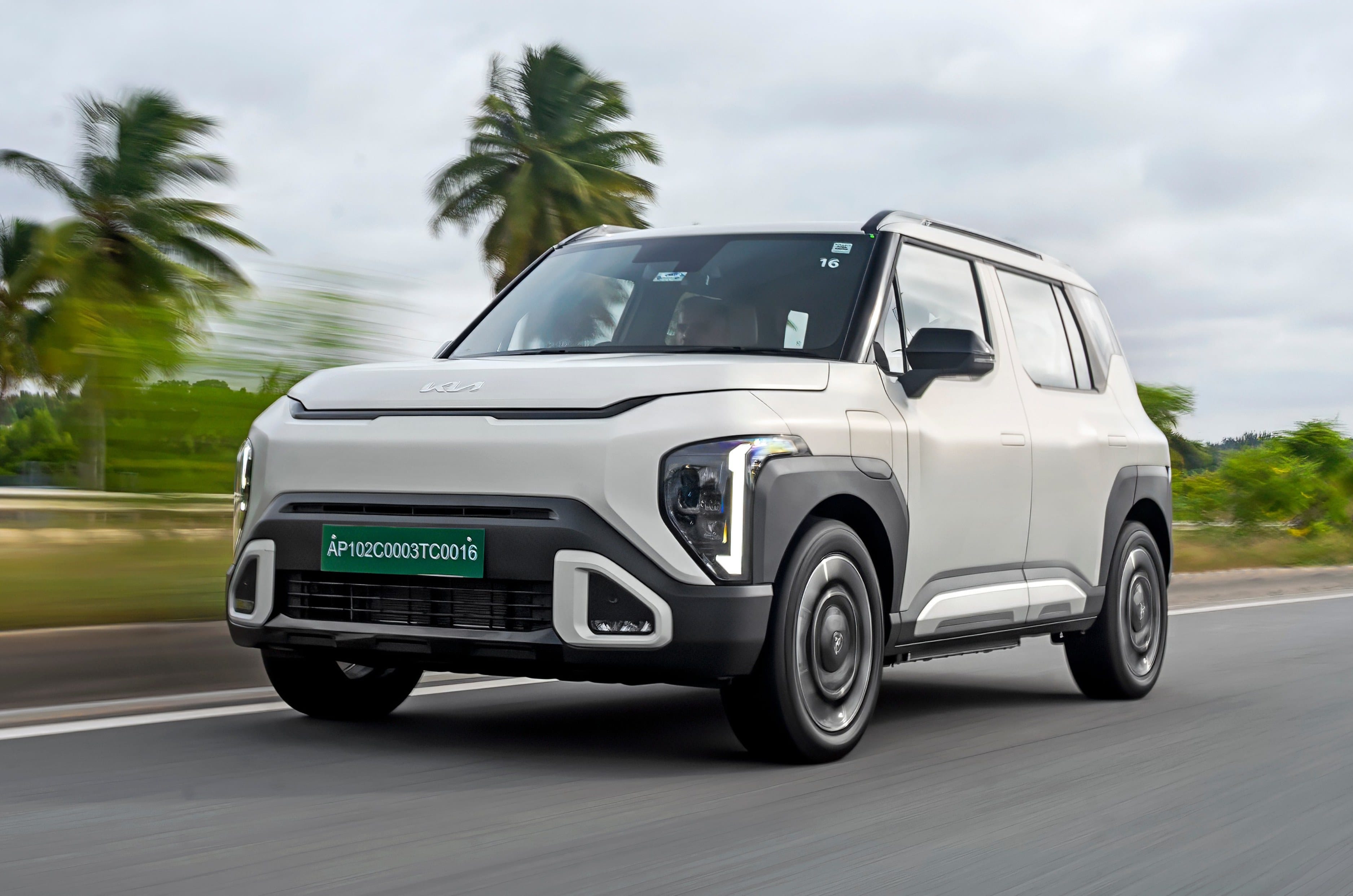
Kia Syros EV front quarter tracking

Kia has chosen the Syros to be its second mass market EV for the Indian market. Despite its superb packaging, oddball styling and high initial prices held back the original ICE version against traditional compact SUV rivals. However, EV customers are generally more accepting of avant-garde design, so can the Syros EV find success where the ICE version couldn’t? We drove it in Bengaluru to find out.

Kia Syros EV Exterior Design and Engineering – 7/10
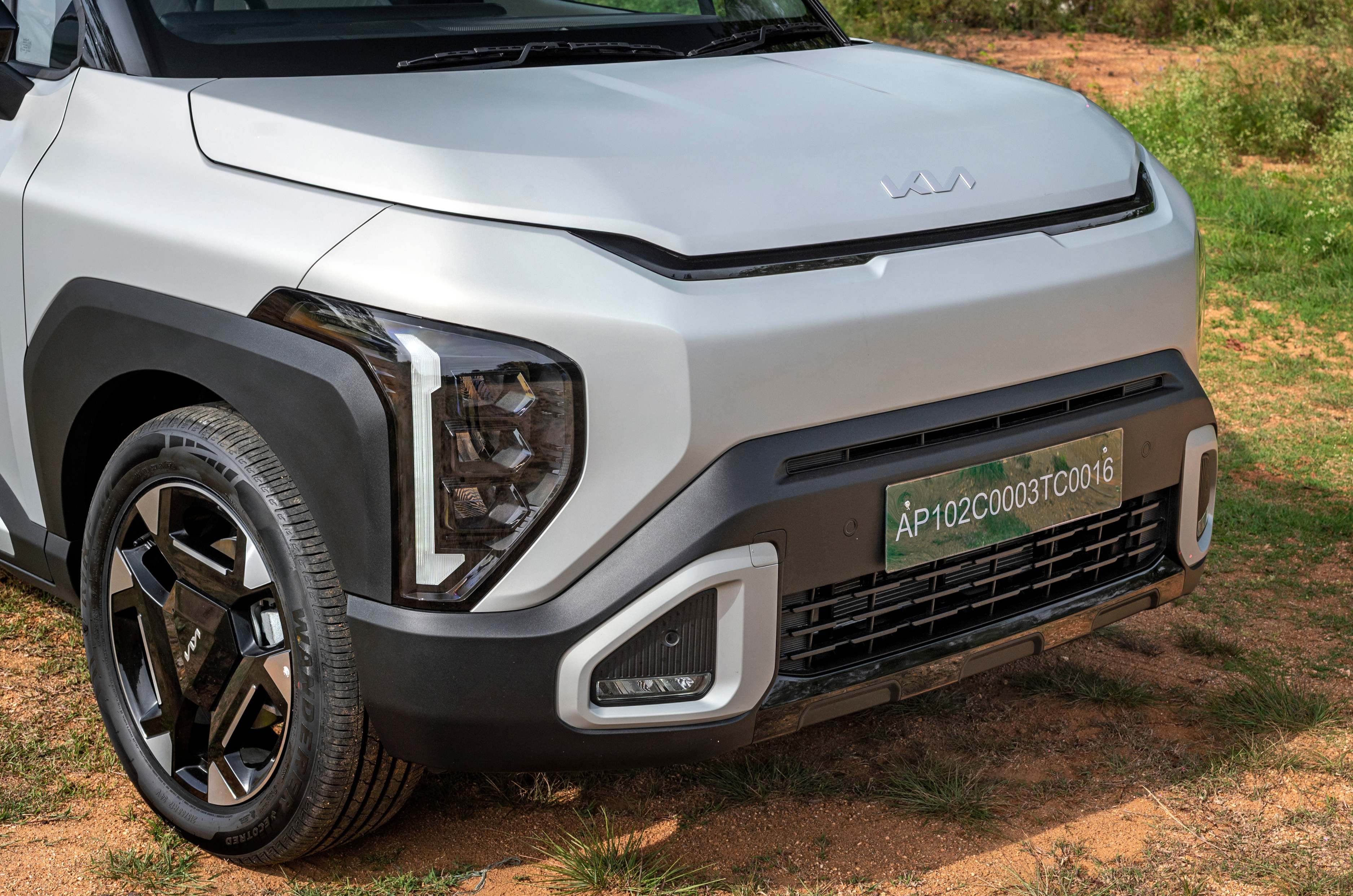
EV has a slimmer intake above the number plate and slightly different lower bumper

A game of spot the difference between the Syros EV and the ICE version would prove challenging for the casual observer, so here is the cheatsheet. Up front, the bumper is ever so slightly different, with a slimmer cooling slot above the number plate and minor tweaks to the body-coloured triangular pods that house the LED fog lamps. Apart from the charging port on the front left fender and the shorter roof rails, the profile is unchanged. Crouch down, though, and you’ll notice the battery pack is visible, like it is on the Hyundai Creta Electric. Kia claims ground clearance is 197mm which is 7mm more than the ICE version. The tri-spoke 17-inch alloys are the same ones that debuted on the ICE car but were discontinued with the facelift. No differences round the back either, save for an EV badge on the tailgate.
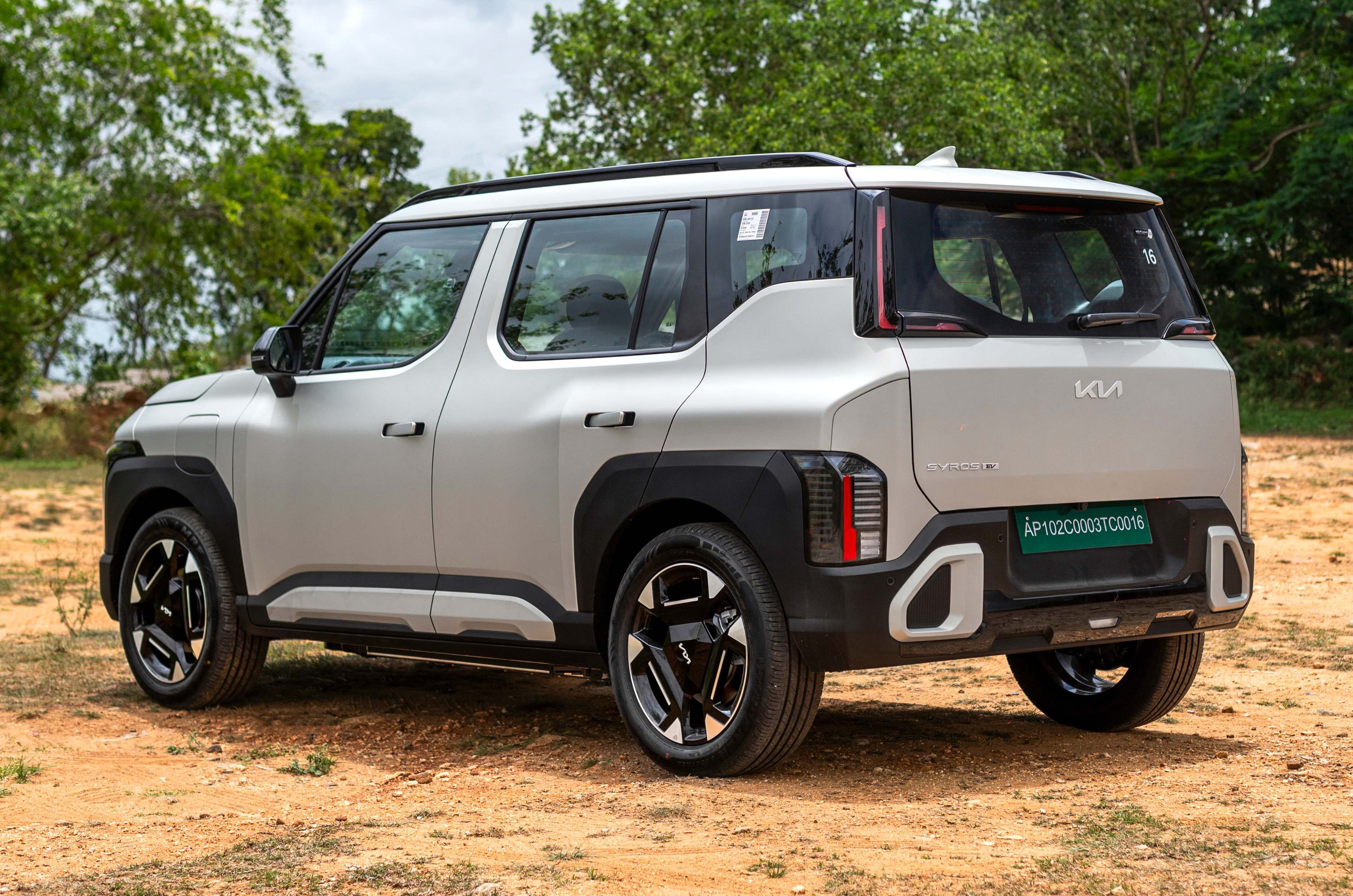
Split lighting lifts the otherwise bland rear

If you didn’t like the way the Syros looked, the EV isn’t going to change your mind. It is distinctive, though – like a Japanese kei car only larger, and Korean. Its blanked-off fascia looks appropriate on an EV, and the vertically oriented headlights give it a unique look. The cladding lower down on the bumper carries on to the wheel arches, doors and the rear, adding some muscle. Breaking up the large greenhouse are the pronounced B-pillar and the upward kink in the C-pillar, both of which are neatly done. And while the tailgate looks a bit blank, the split lighting – with L-shaped elements framing the rear windscreen and larger units at the edge of the bumper – looks great when lit up.

Syros EV Interior Space and Comfort – 10/10
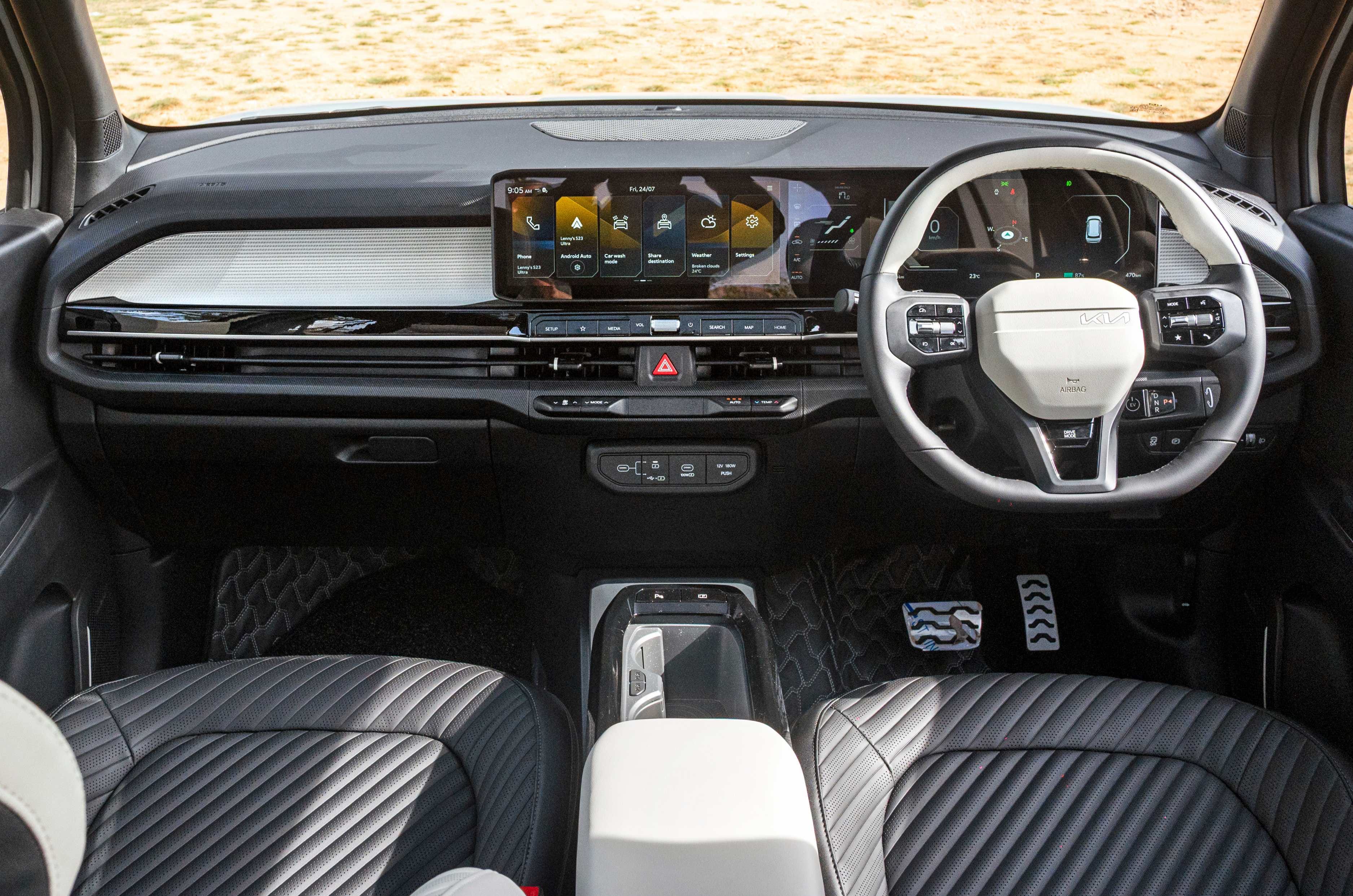
Dash layout is identical to the ICE version, but it gets the 3-spoke ‘wheel from the Seltos

Step inside and you start to understand why the Syros EV looks the way it does. Space for passengers, their knick-knacks and luggage is in abundance. With the EV’s drive selector positioned on the steering column, Kia has re-engineered the centre console to liberate a lot more storage. It now has two levels: the top floating portion has a small cubby under the armrest, along with two cupholders with their own sliding cover, while the lower level has a large storage area for a bag or such, another cupholder and a wireless charger. The front door pockets are just as accommodating, with room for a couple of bottles and an umbrella.
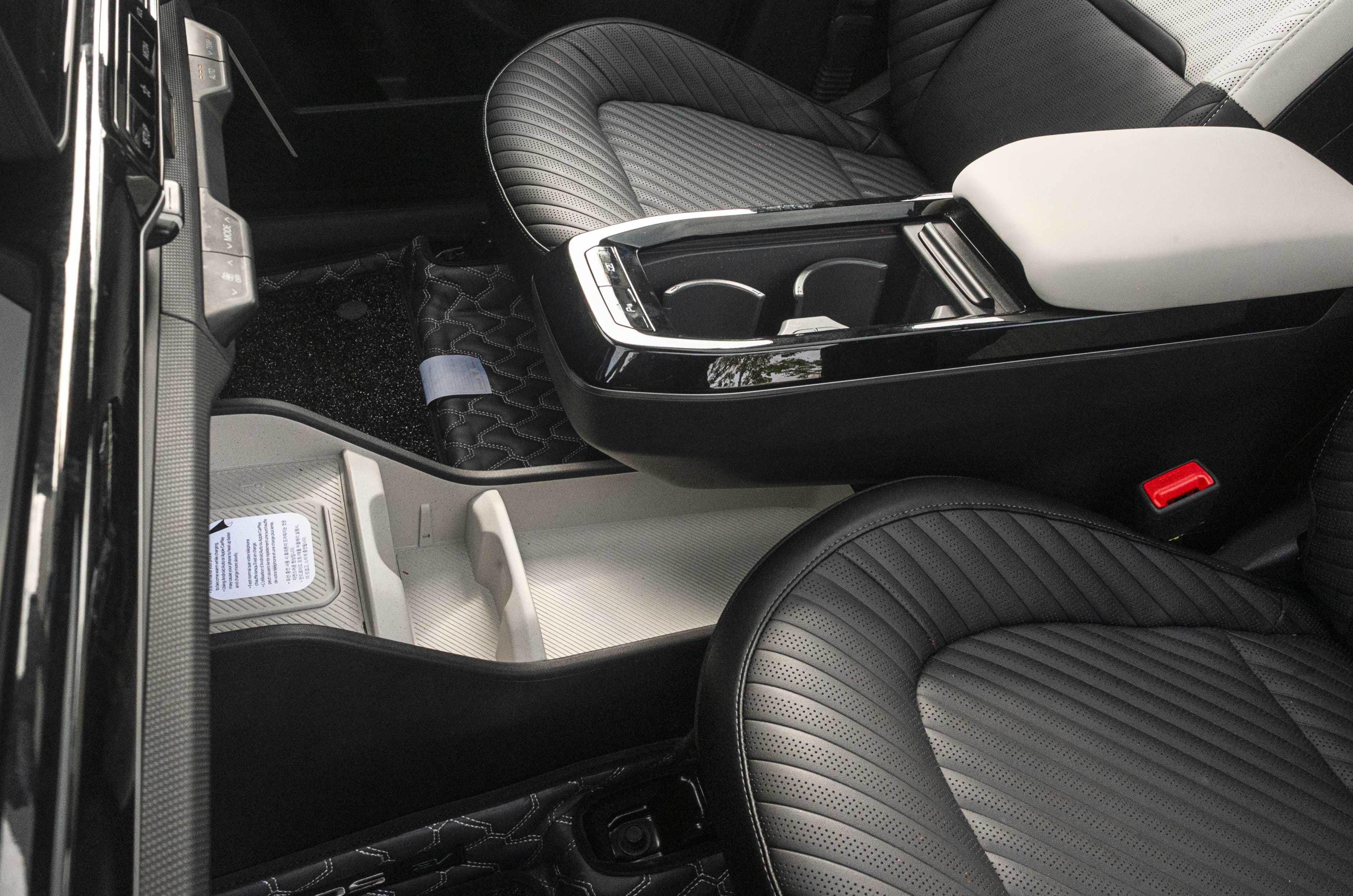
New center console has a lot of storage spaces

The front seats are supportive and comfortable, with heating and ventilation along with 4-way power adjustment for the driver. While the dash layout is unchanged, the EV gets the Seltos’ three-spoke steering wheel, but adjustment is still limited to rake and not reach. The EV uses a slightly different colour palette inside: our HTX+ test car gets a smart-looking black-and-off-white theme, the X-Line features a darker black-and-green ambience, while all other trims get an airy light grey and pastel blue theme. While most surfaces are hard plastic, the quality of the materials, fit and finish is top notch.
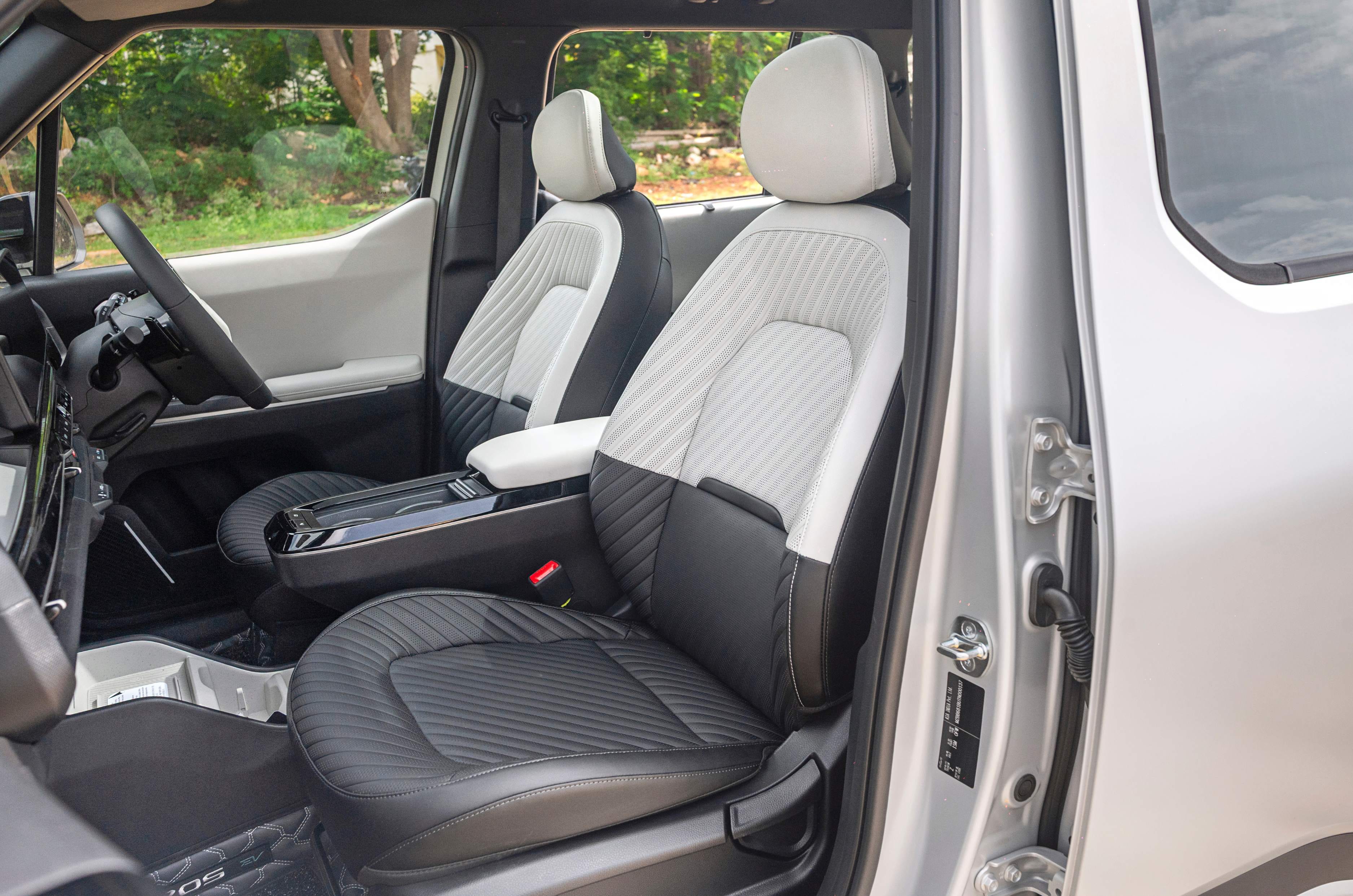
Front seats are comfy with heating, ventilation for both and power adjustment for the driver

The back seat remains a highlight, with plenty of room all around. The floor is slightly higher because of the battery pack, which means thigh support isn’t as good as in the ICE version. However, if you slide the bench back and stretch out, this isn’t much of an issue. A benefit of the raised floor is that it is now completely flat. Ventilation for the seat base carries over, but the backrest still misses out, as Kia says it would restrict its recline angle.
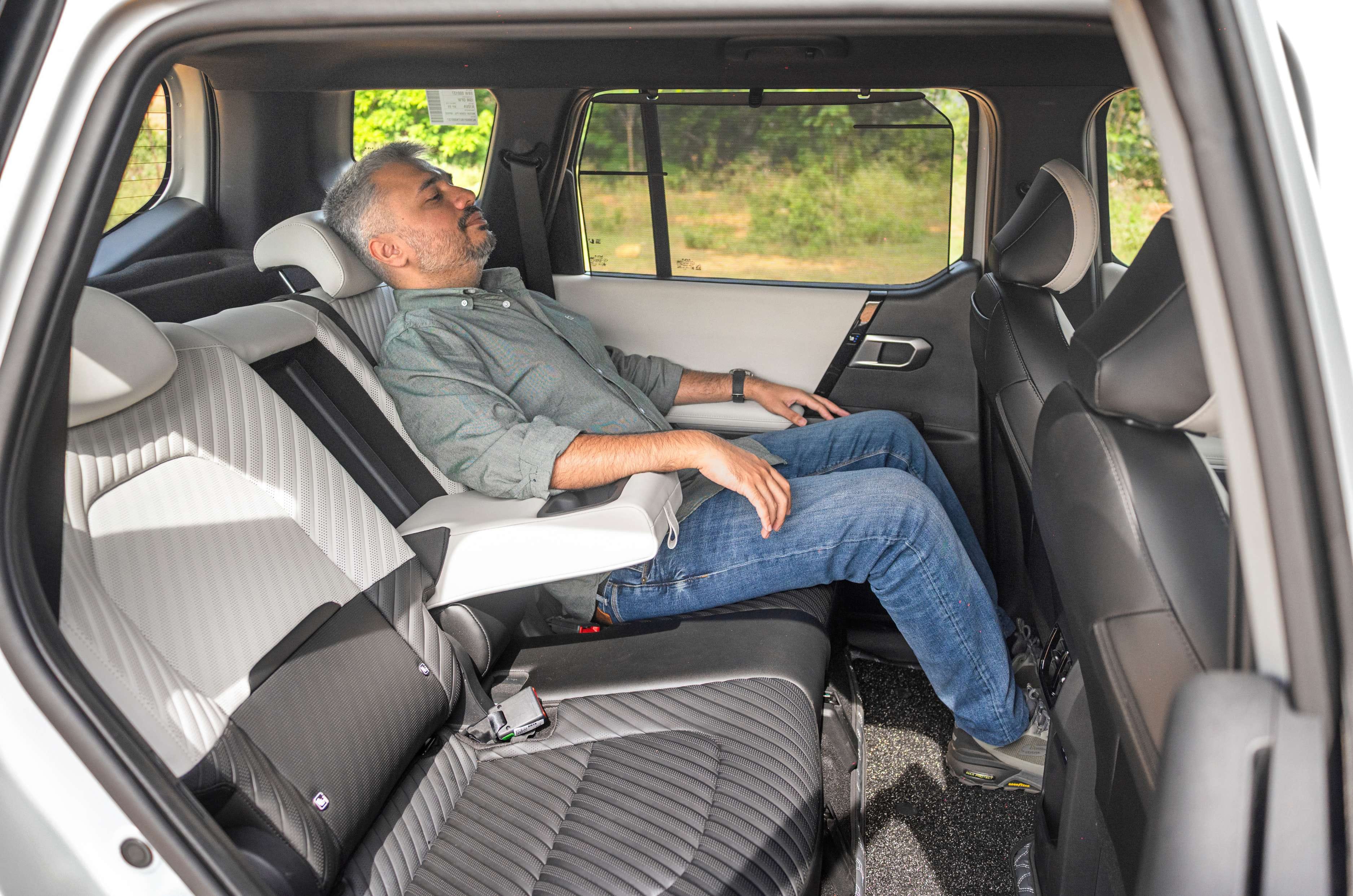
Higher floor slightly affects thigh support, but there’s ample room to stretch out

Boot space is identical to the ICE Syros at 390 litres with the seat all the way back, and 465 litres with it slid forward. The rear seats also split-fold – though not completely flat – to carry longer items. There is a 16-litre frunk too, though it is rather narrow.

Kia Syros EV Features and Safety – 9/10

Sitting proud on the dash is what Kia calls the Trinity Panoramic Display, comprising two 12.3-inch screens for the infotainment and driver’s display, with a 5-inch screen in between for the HVAC controls. The driver’s display is logically laid out, easy to read and offers some customisation, while the infotainment is sharp, snappy and has a clean UI. The EV gets a dedicated tab that shows several parameters related to the battery, range and energy consumption. It can also help find the nearest charger, condition the battery before charging, as well as set up charging schedules.
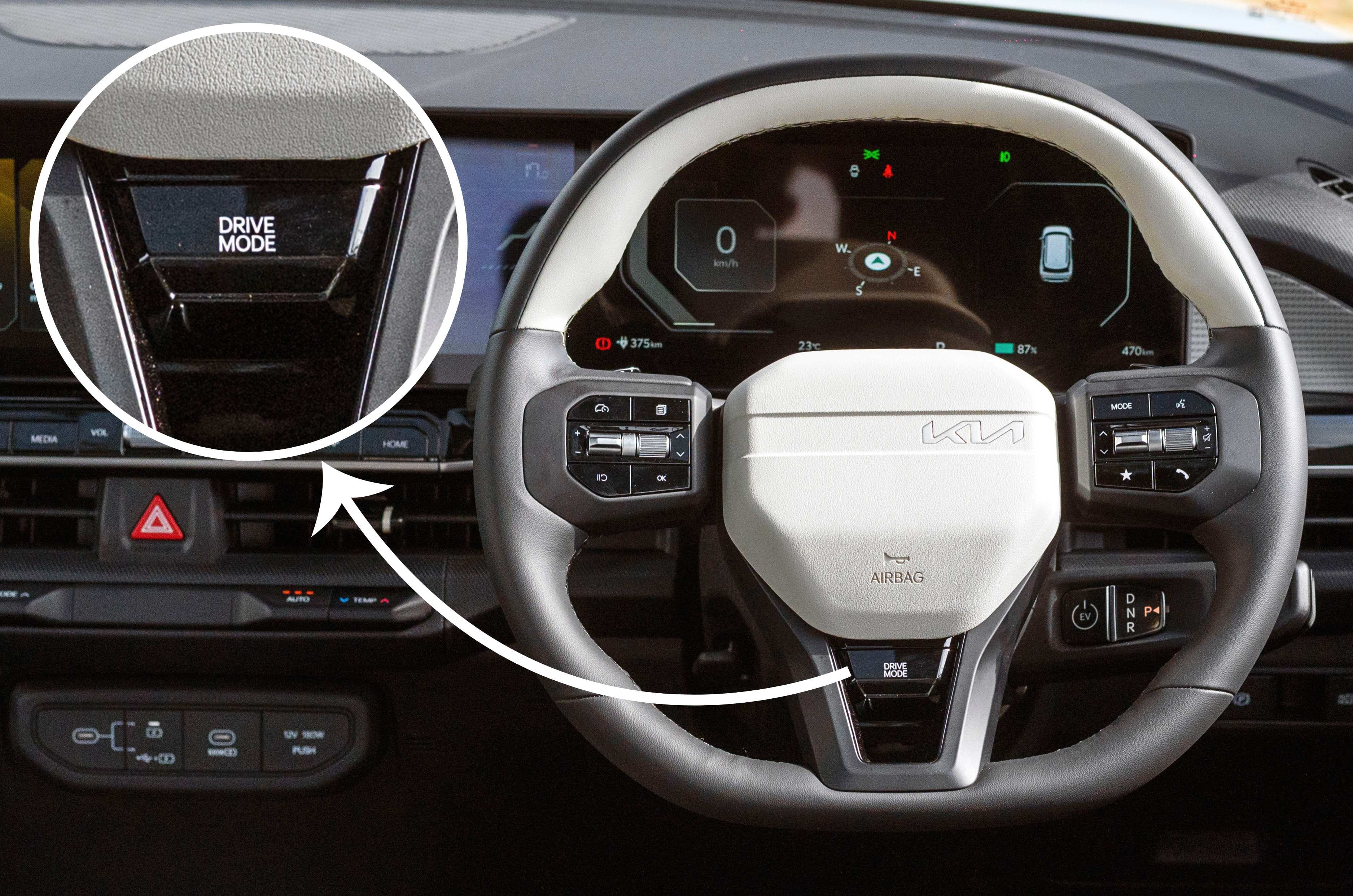
Handy drive mode button to cycle between Eco, Normal and Sport modes

The infotainment also offers wireless Android Auto and Apple CarPlay and, on the top trims, powers a superb Harman Kardon audio system with eight speakers, including one on the dash and a subwoofer in the boot. Sunblinds and rear AC vents are standard, while the massive panoramic sunroof features on all but the bottom two trims. Our second-from-top HTX+ also gets an integrated dashcam.
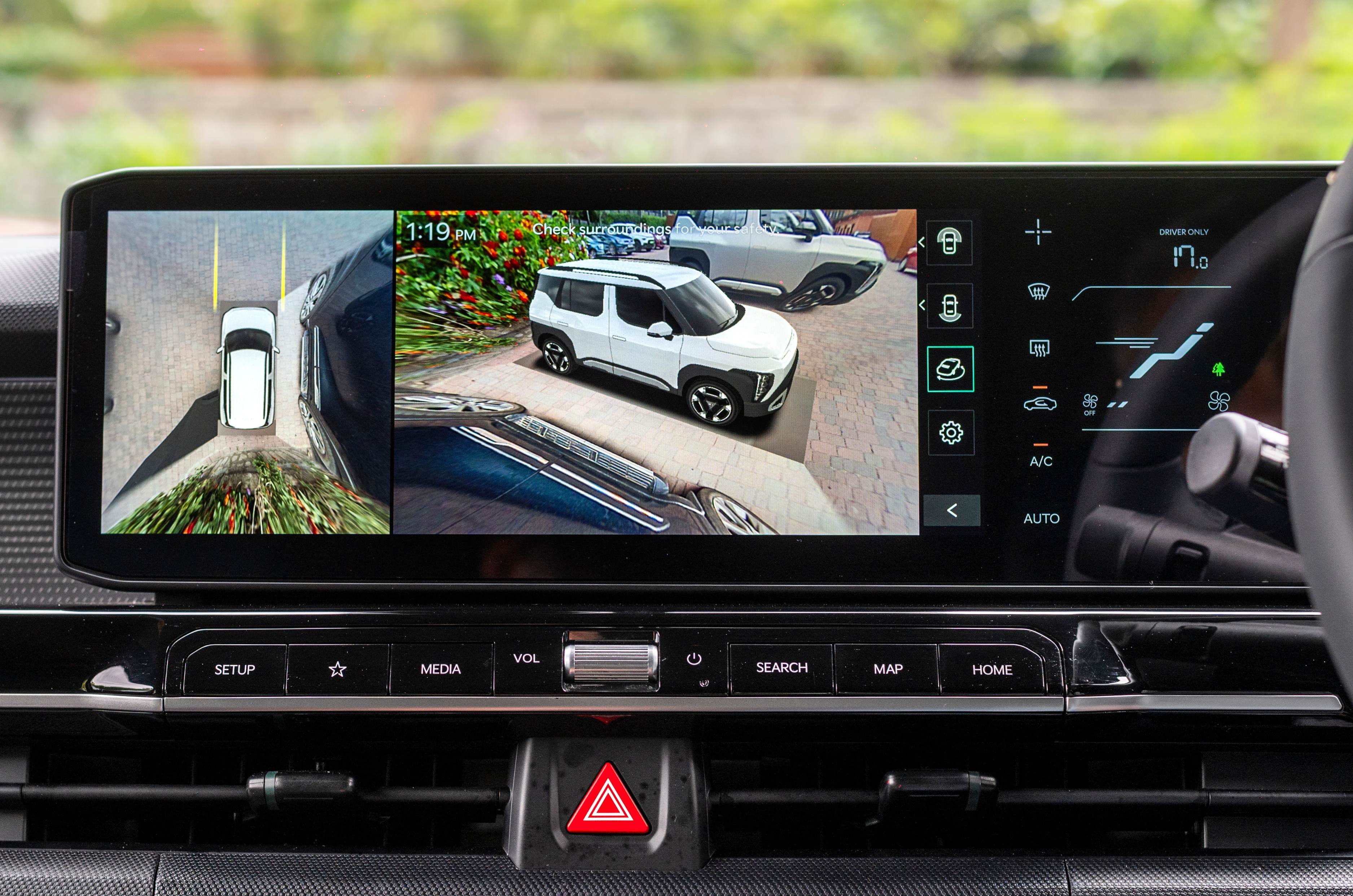
360-degree camera is sharp, but only available on top X-Line trim

Overall, the Syros EV is very well equipped, but some features are available only on the top X-Line variant, including Level 2 ADAS, ambient lighting, a 360-degree camera and a household-style three-pin socket in the back seat. Restricting features to the top trim isn’t unusual; however, the X-Line can only be had in Aurora Black Pearl or Matte Graphite, which might not be to all tastes.
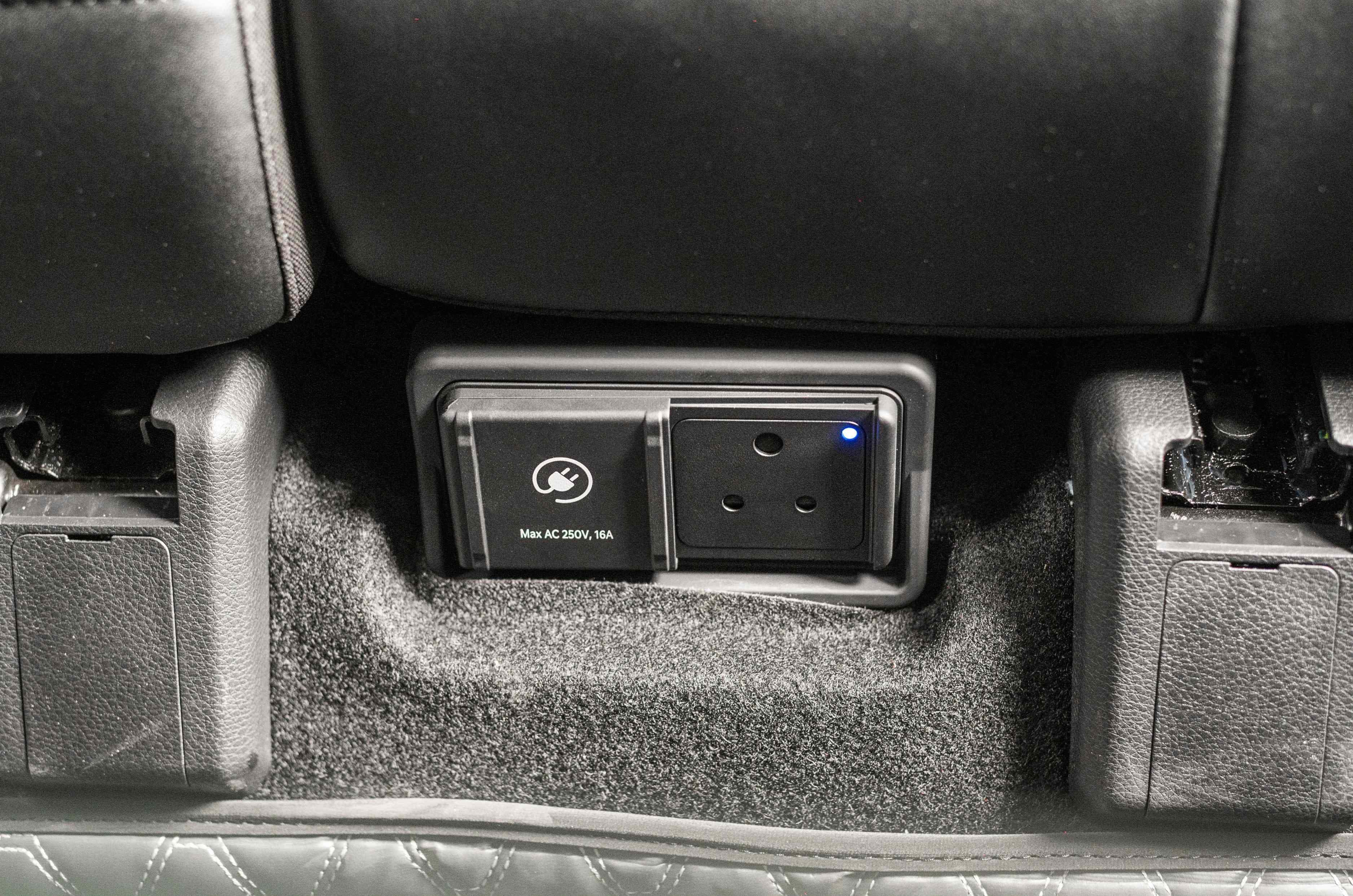
V2L power outlet under the rear seat

The standard safety suite is robust, including six airbags, all-wheel disc brakes, tyre pressure monitoring and ISOFIX mounts. The ADAS suite is also comprehensive, including adaptive cruise control with stop-and-go, lane keep assist, forward and rear collision avoidance, and a blind-spot camera. At the time of writing, the Syros EV does not yet have an official crash safety rating, but considering the ICE version has a five-star BNCAP rating, a similar result for the EV can be expected.

Kia Syros EV Performance and Refinement – 9/10

The Syros EV is available with the same 42kWh and 51.4kWh NMC battery packs as the Carens Clavis EV and the Hyundai Creta Electric. Here too, they power a single motor on the front axle producing 135hp with the smaller battery and 171hp with the extended-range version. Torque is identical on both at 255Nm.
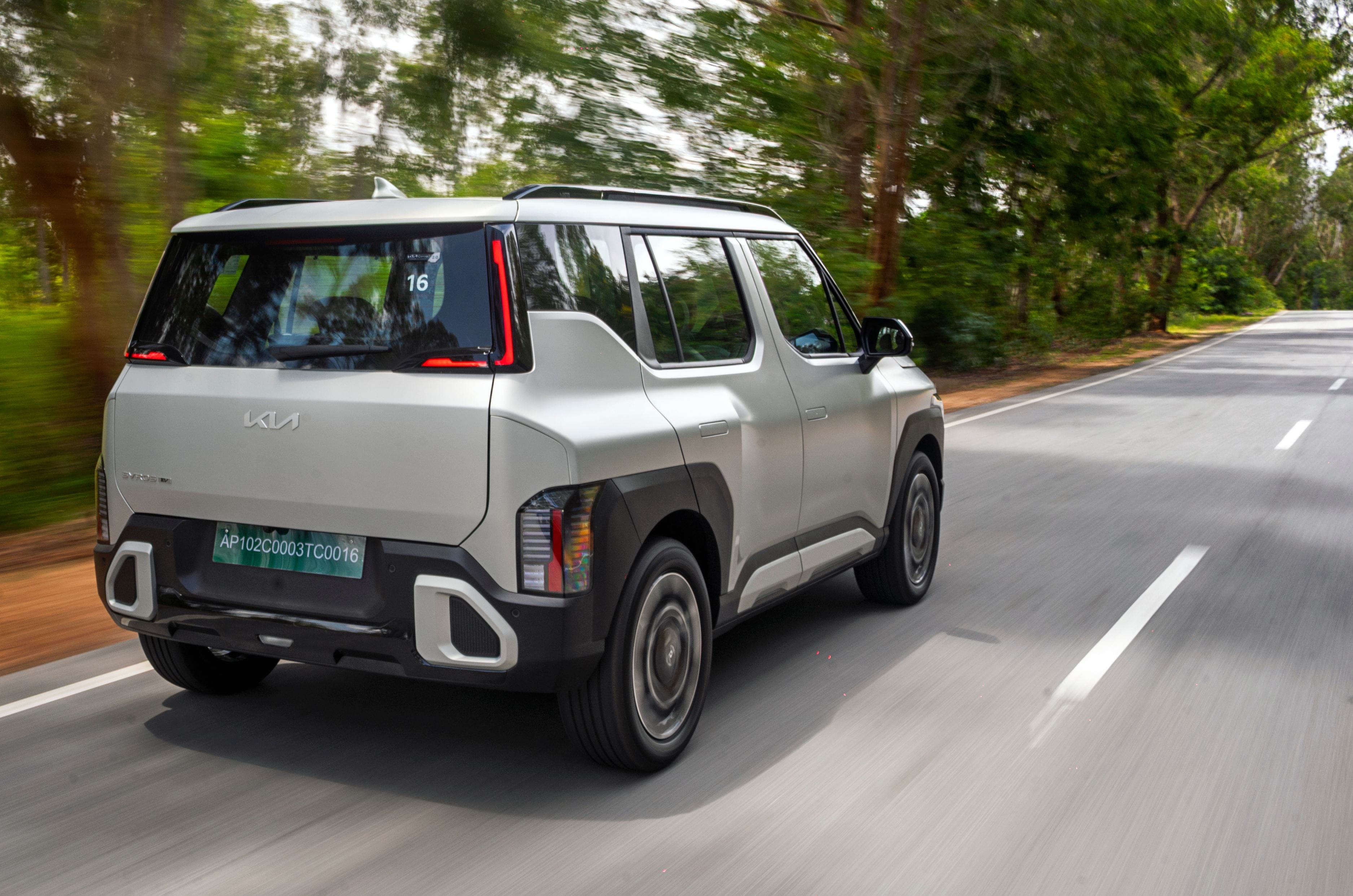
Borrows the 42 and 51.4kWh battery packs from the Carens Clavis EV

Performance was brisk on our 51.4kWh test car, with the 0-100kph sprint claimed to take 8.1 seconds. There are three drive modes to choose from – Eco, Normal and Sport – with each sharpening throttle response a little more than the last. Initial response in all modes is linear so as not to overwhelm those who aren’t used to the instant torque, but there is a strong shove as you get further into the throttle. Overtaking, then, is quite effortless, even in Eco and Normal, almost never needing a switch to Sport for a quick pass.
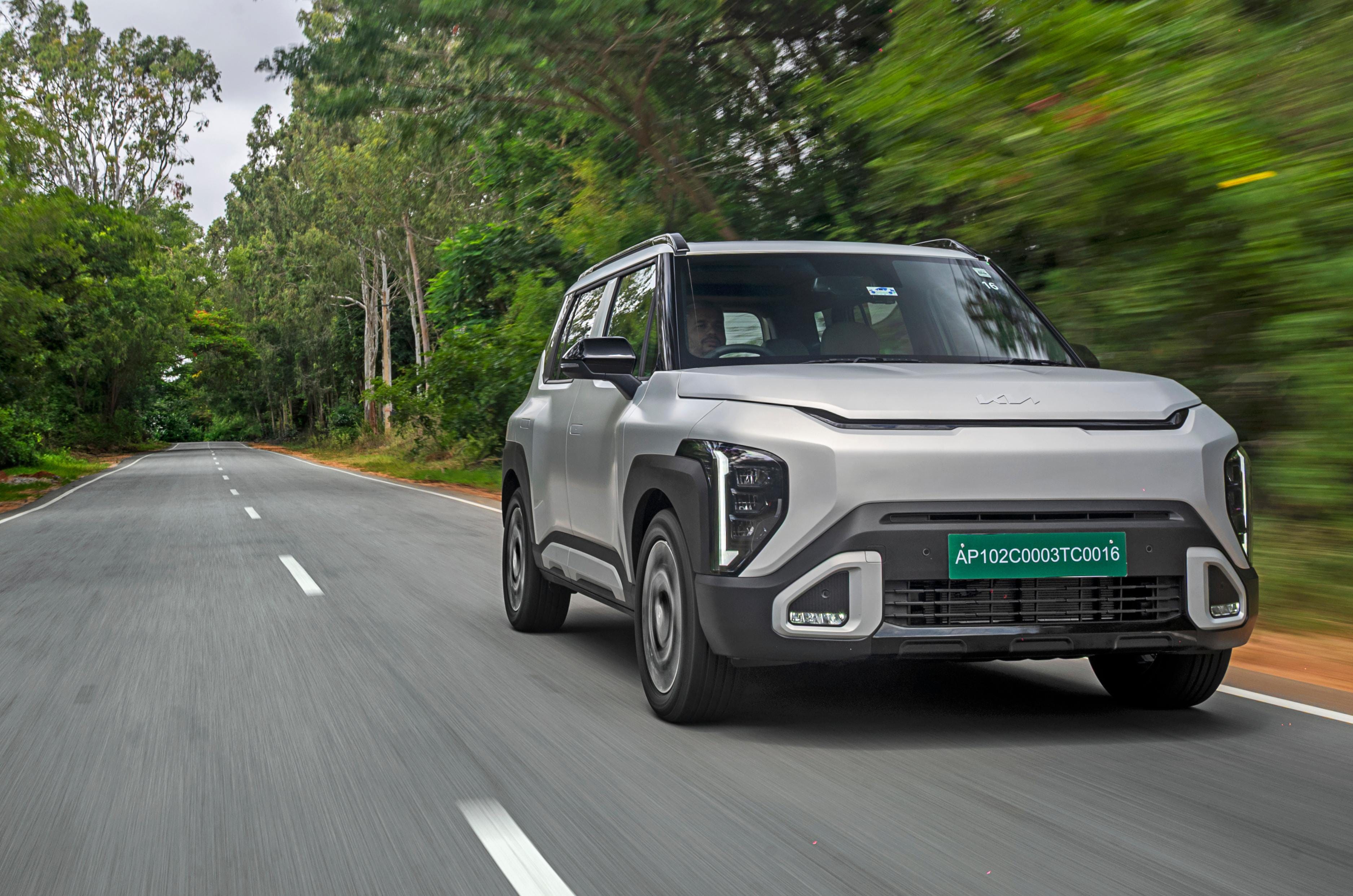
Initial acceleration is linear, but there is plenty of shove for quick overtakes

The regen braking modes – selected via the paddle shifters – are also very well calibrated, with a noticeable increase in resistance in each mode and the ability to turn it off completely. Holding the left paddle engages one-pedal driving, which uses regen to bring the car to a full stop. It works quite seamlessly and can be very convenient once you get used to it.
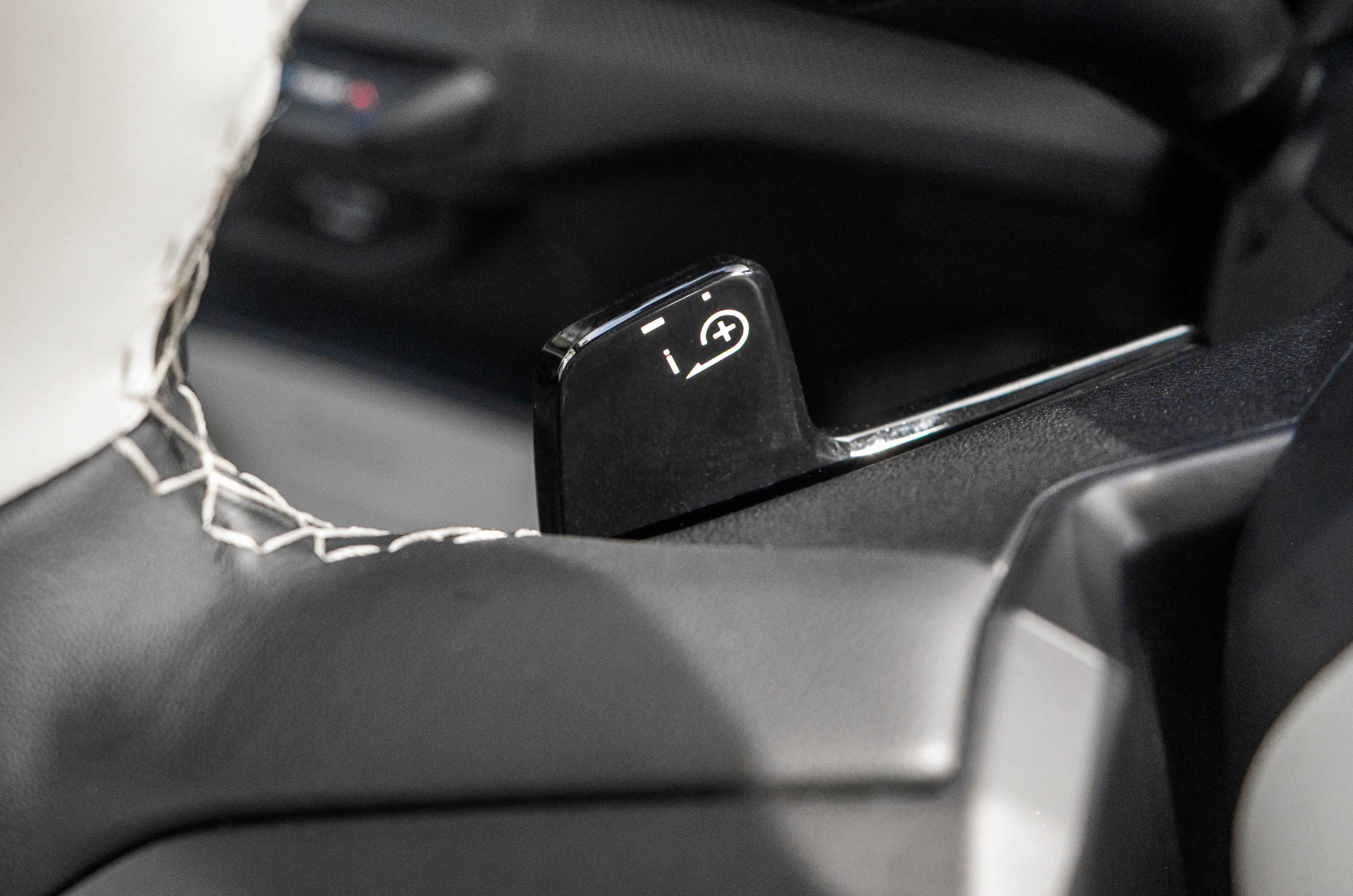
Regen modes are well calibrated and the i-Pedal function is handy in the city

Refinement is good too, with no noticeable motor whine making its way into the cabin. It’s so quiet, in fact, that Kia has added a virtual humming sound to warn pedestrians. Since there is no engine note inside the cabin, you do hear a bit more road noise, but at no point does it become intrusive.

Kia Syros EV Range and Efficiency – 8/10

Claimed MIDC range for the 51.4kWh battery is 526km, while the 42kWh unit claims 443km. Our short drive didn’t allow us to test these claims, but if the real-world range we achieved in the Clavis EV and Creta Electric is anything to go by, the Syros EV Extended Range should comfortably manage around 400km on a single charge. We will verify this when we have the car for longer.
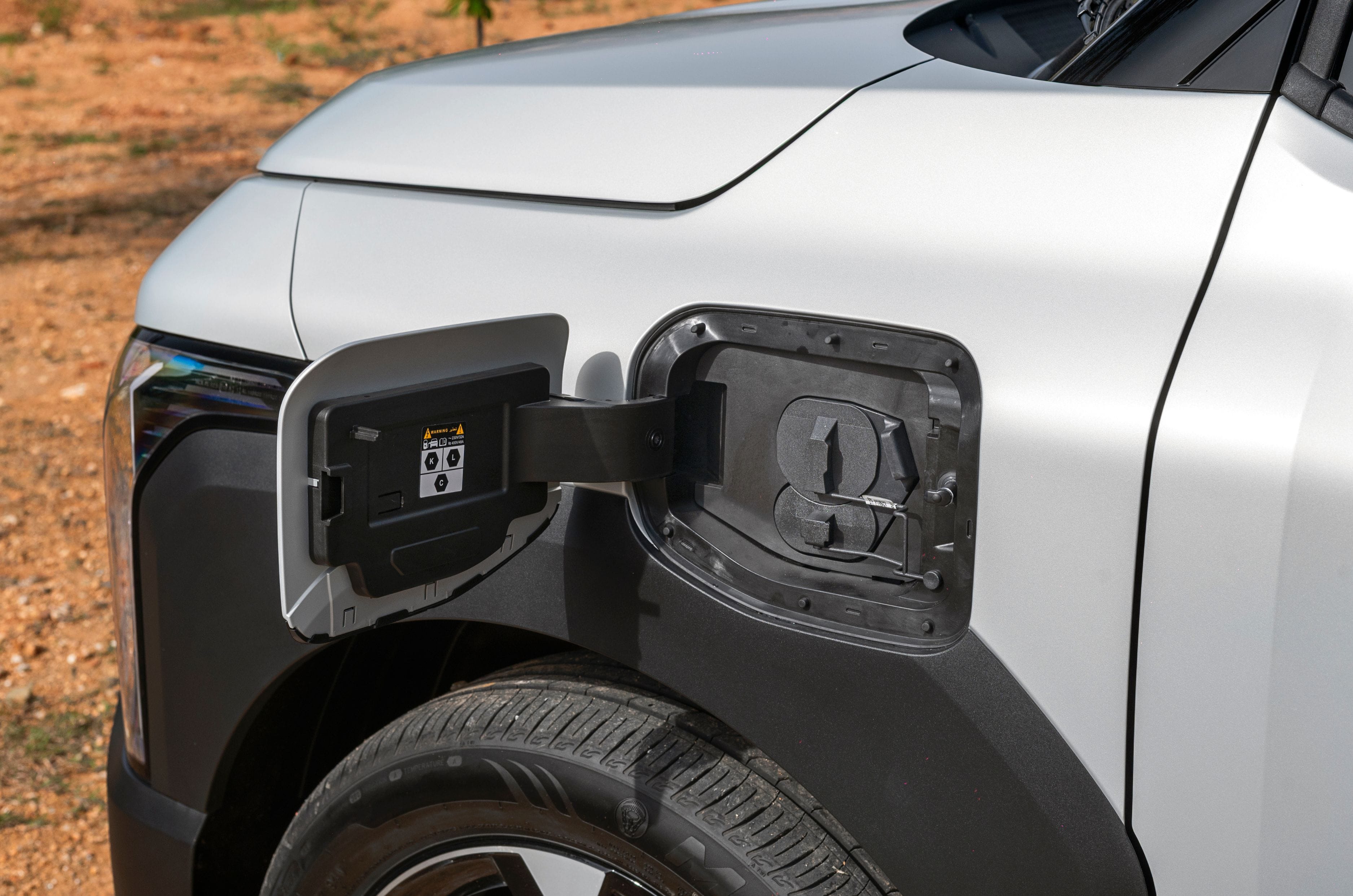
Capable of DC fast charging at up to 100kW

Topping up a depleted battery from 10 to 80 percent is said to take 39 minutes on a 100kW DC fast charger. The same charge using the optional 11kW wallbox charger, is said to take almost five hours for the Extended Range and four hours for the Standard Range.

Kia Syros EV Ride Comfort and Handling – 8/10

The ride on the Syros EV is a touch more absorbent than on its ICE counterpart. Sharp bumps don’t come through to the cabin as abruptly, but there is still an underlying firmness to it. This firmness is there to help body control, but being a tall, narrow car, there is still a fair bit of body roll through the corners. It does feel stable though, and overall grip is strong.
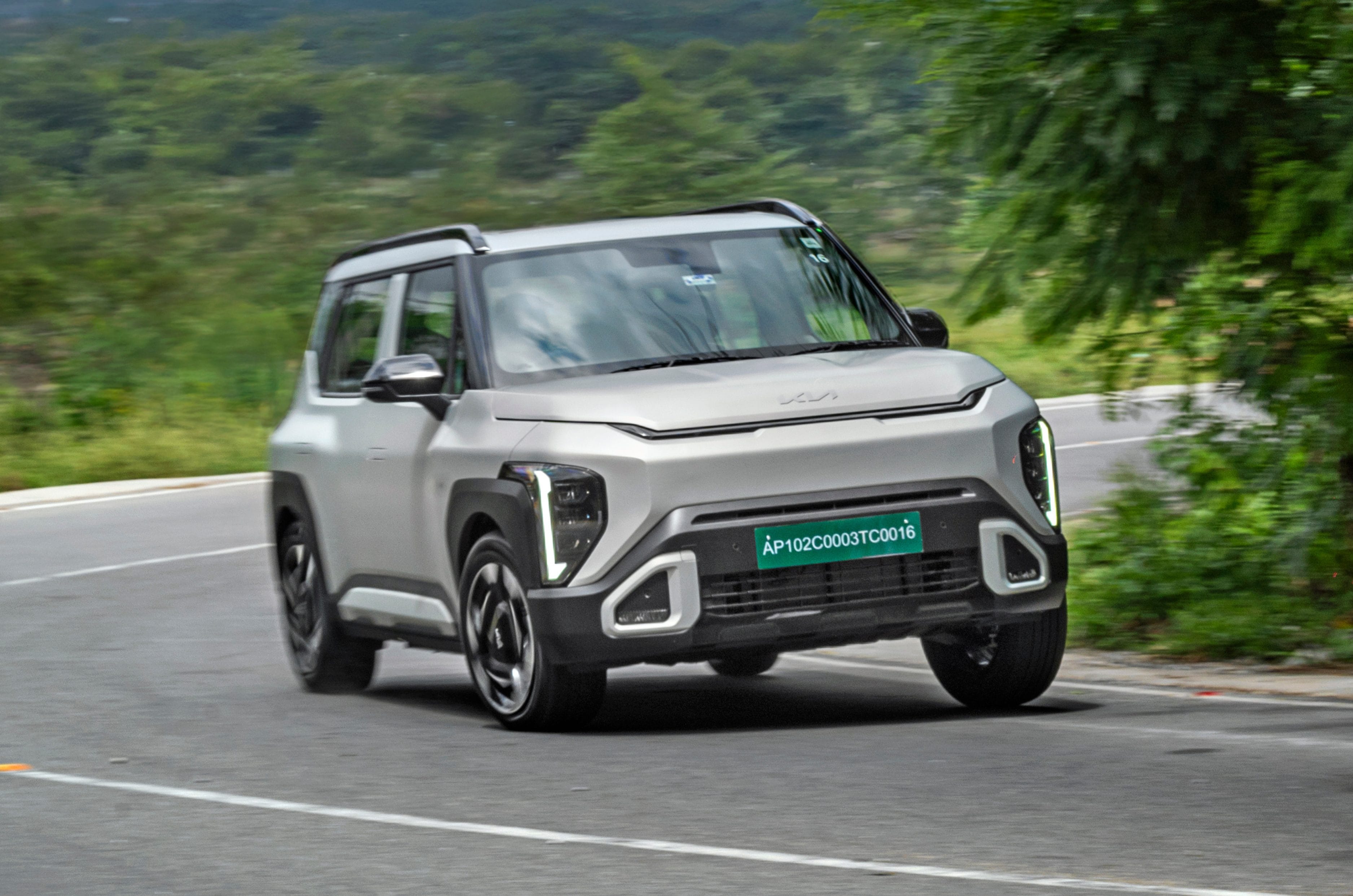
There’s plenty of body roll, but it remains stable through the bends

Steering feel is also good, and it weighs up as speeds rise, which helps with high-speed stability. The four-wheel disc brakes are strong too, bringing the Syros to a confident halt when you drop the anchors. Overall, it isn’t the most entertaining car to drive, but it feels stable and secure at speed while being easy to manoeuvre in tight spaces.

Kia Syros EV Value for Money – 7/10

Introductory prices for the Syros EV start at Rs 13.5 lakh for the 42kWh version and Rs 17 lakh for the 51.4kWh Extended Range. If you want the fully loaded X-Line, that’ll be a cool Rs 20 lakh. To reduce the upfront purchase cost, a BaaS scheme is available with prices starting at Rs 7.99 lakh, and battery rental costing Rs 3.3 per kilometre. To sweeten the deal, Kia is offering a 15-year/unlimited-kilometre HV battery warranty for the first owner, along with an assured buyback value of up to 80 percent after three years.
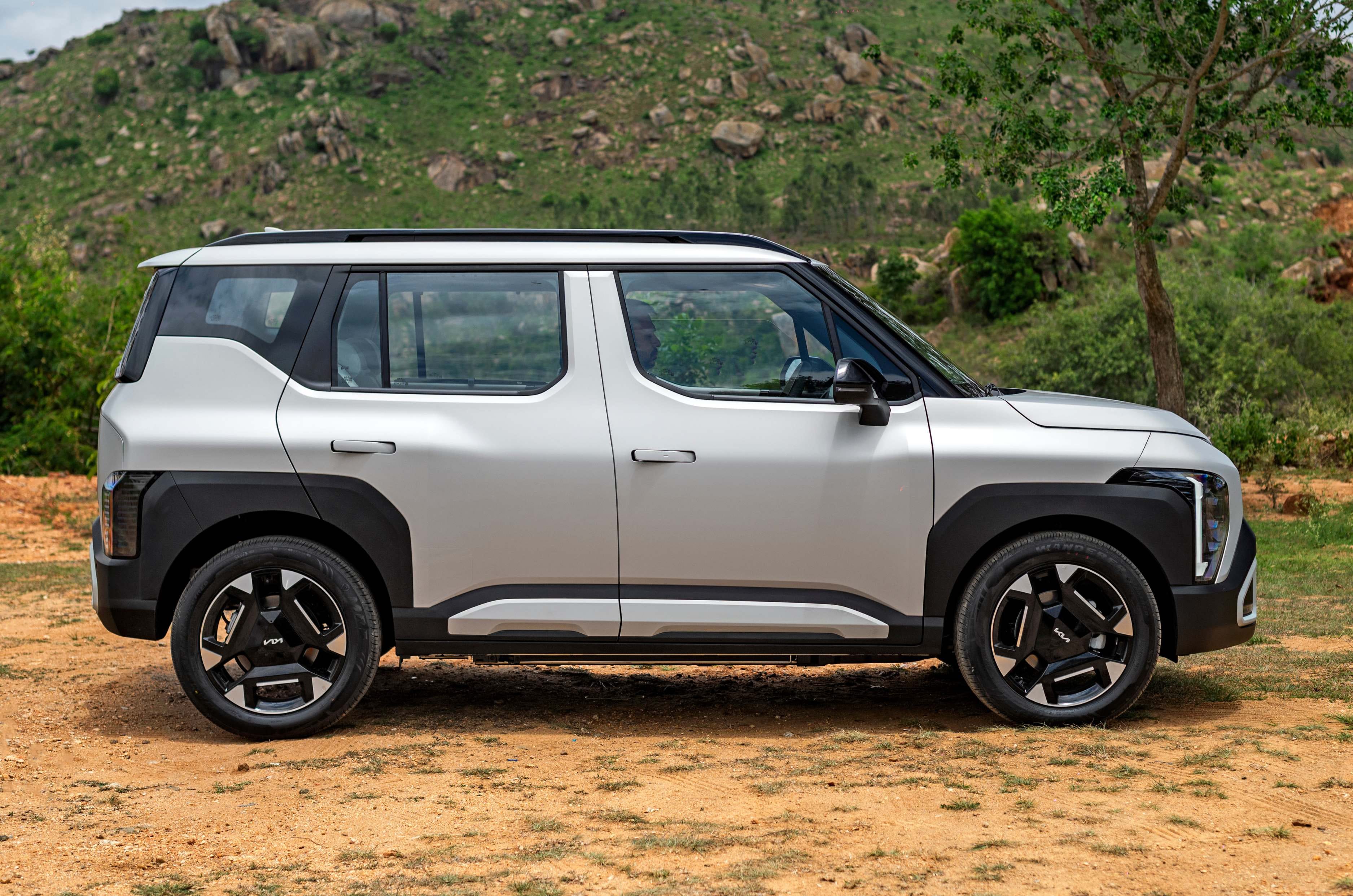
Its pricing means the Syros EV rivals the Tata Nexon EV and Mahindra XUV 3XO EV, as well as larger EVs like the MG Windsor and Maruti e Vitara. As such, the 42kWh Syros EV makes for a very compelling option, undercutting its rivals in the sub-four-metre EV space. It is easily the most spacious in this segment and is very well equipped even in the lower trims. However, its case weakens with the 51.4kWh Extended Range. It is significantly pricier than its immediate rivals, overlapping with the larger-battery versions of the Windsor and e Vitara. While the Syros EV has its merits and even outdoes them in some areas, buyers might find the allure of a bigger car for the same money too hard to resist.

All you need to know about the 2026 Toyota Hilux

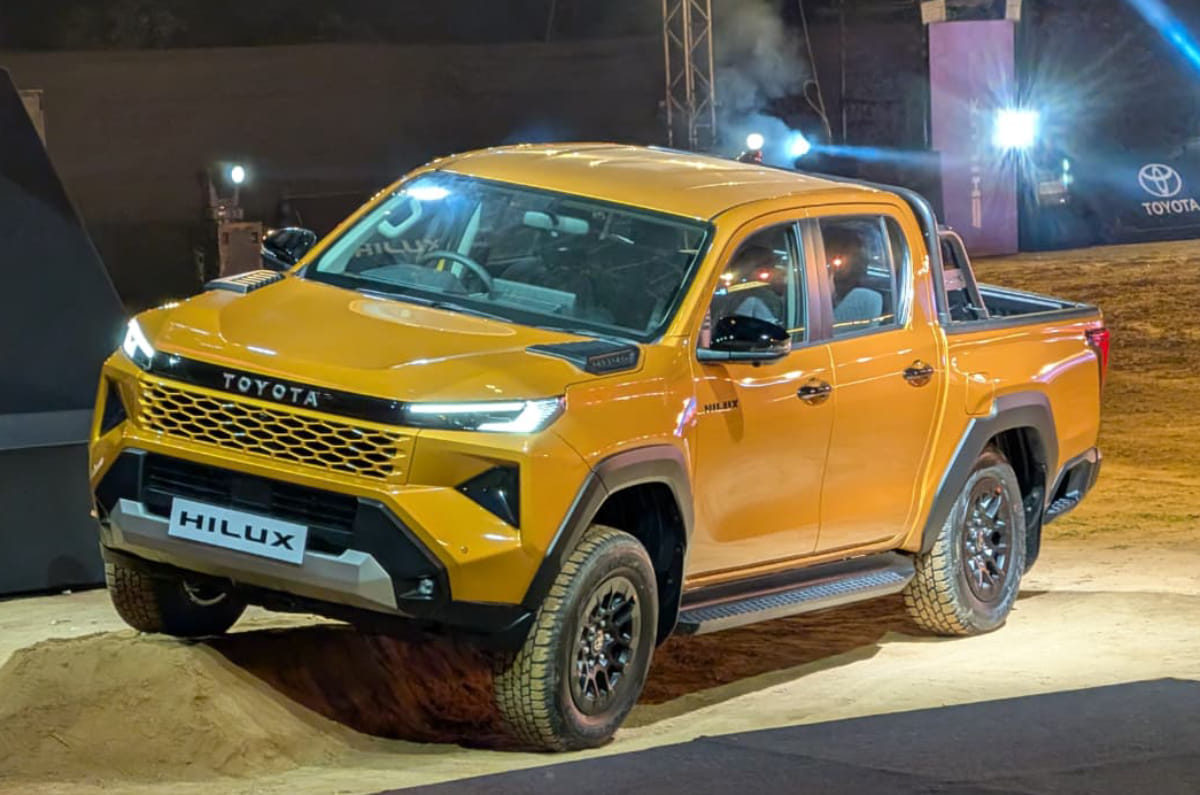
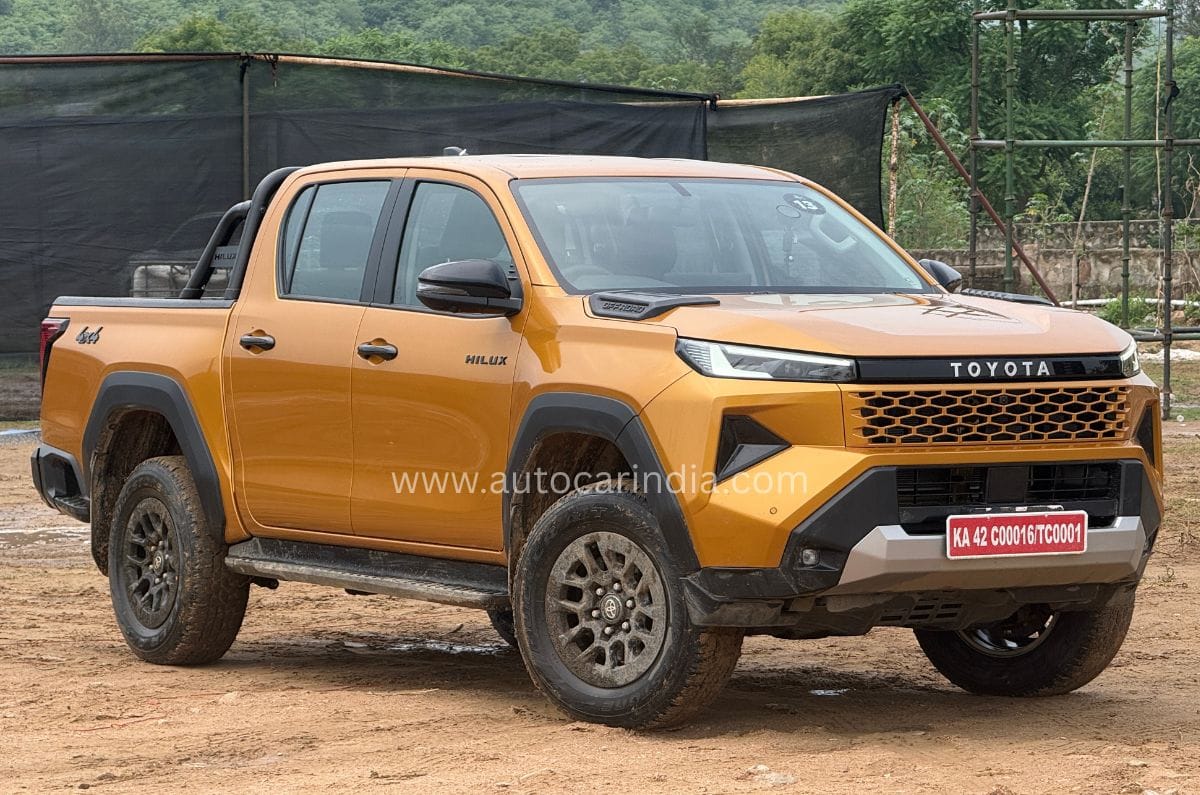
2026 Toyota Hilux front right quarter

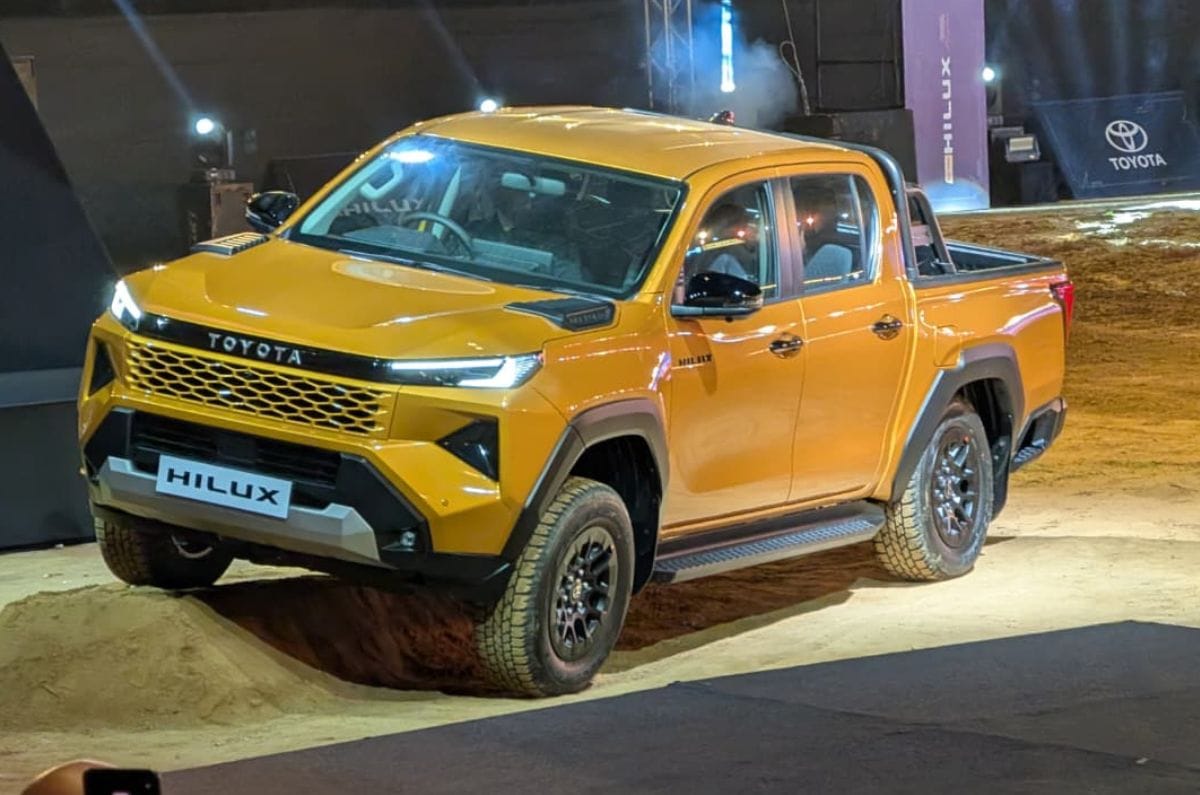
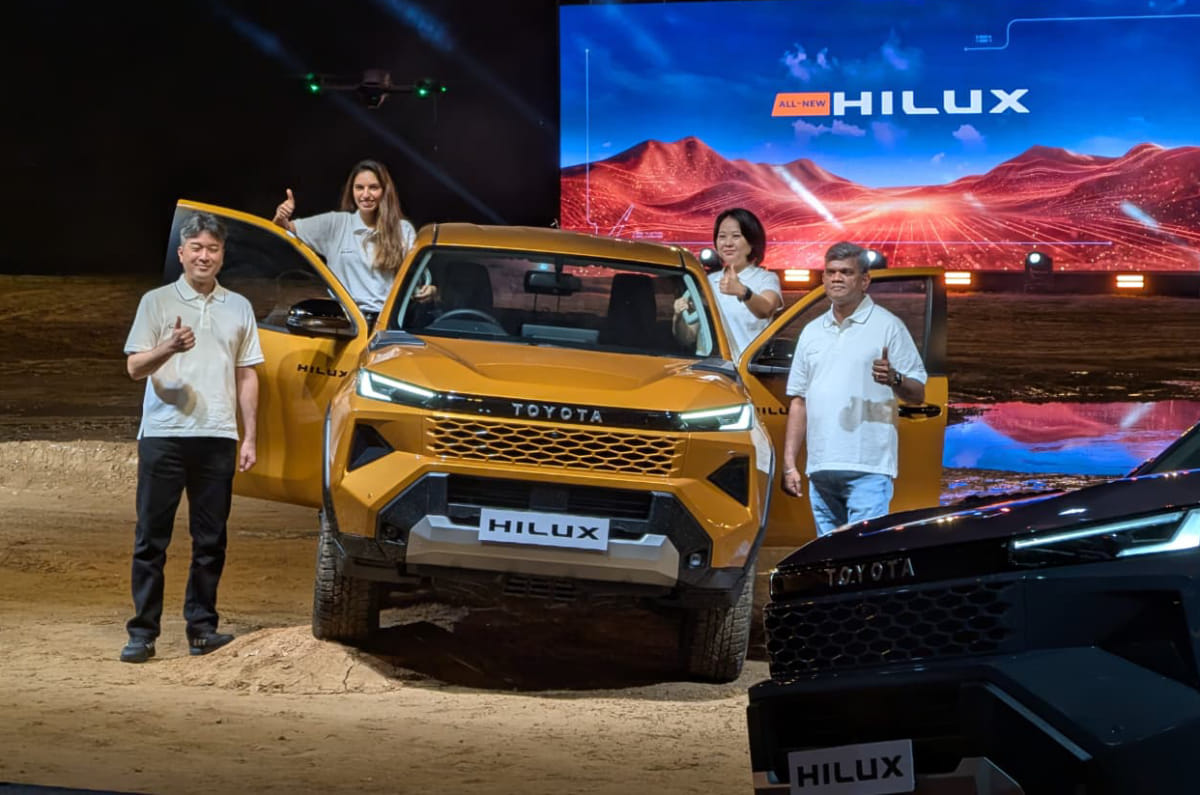
Toyota has launched the ninth-generation Hilux in India for the 2026 model year. One of the Japanese brand’s most iconic nameplates, this new Hilux is priced between Rs 31.99 lakh and Rs 36.69 lakh (ex-showroom, India), making it up to Rs 3.47 lakh more expensive than the previous-gen Hilux. The closest competitor to the Hilux is the Isuzu V-Cross. So, does the 2026 Toyota Hilux make a good proposition if you’re in the market for a lifestyle pickup truck? Let’s find out.

1. What does the 2026 Toyota Hilux look like?

The new model looks sharp yet intimidating

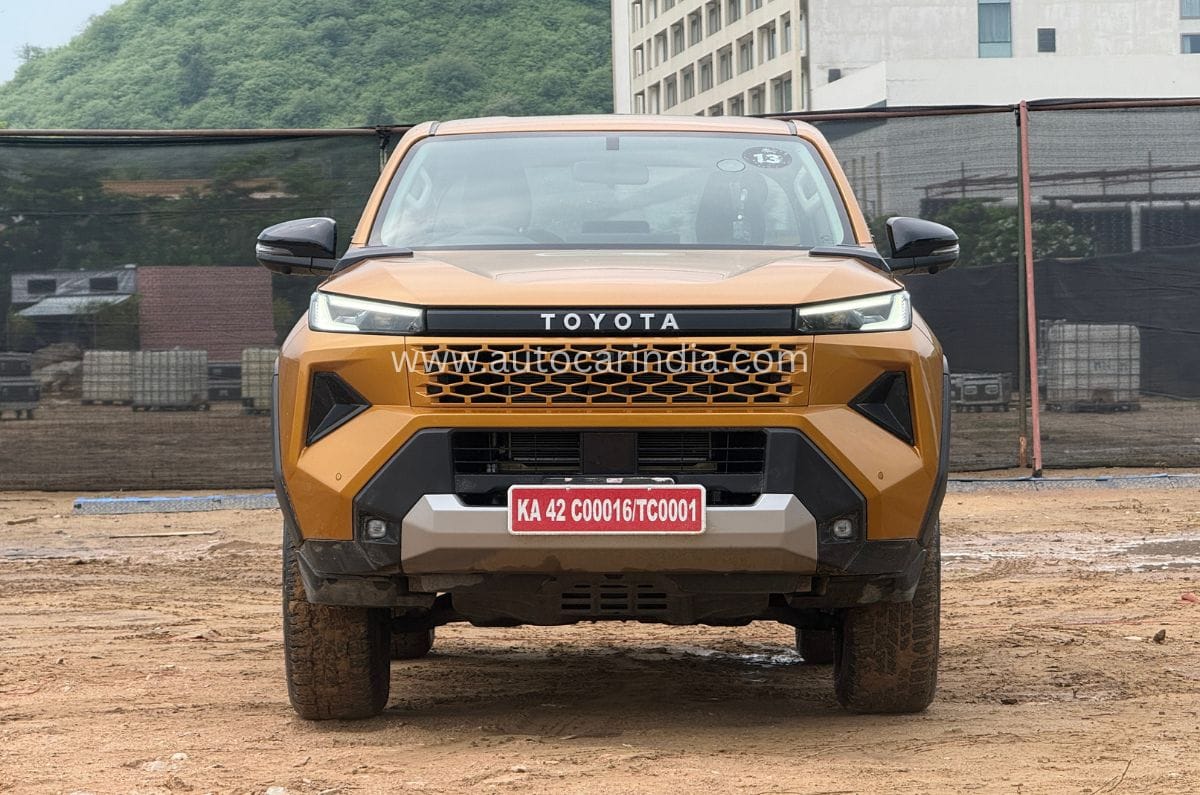
2026 Toyota Hilux front

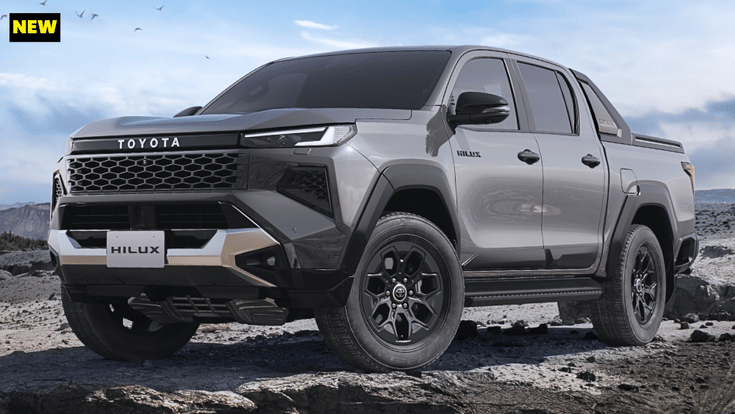
When it comes to its size, the new Hilux is 5mm shorter than the model it replaces. In terms of their width, height and wheelbase though, these two share identical dimensions. However, the sculpted and upright front fascia of the new Hilux looks imposing, with the bold ‘TOYOTA’ lettering adding to the overall butch appeal. The honeycomb front grille, sleek LED headlamps and C-shaped LED elements in the tail-lamps add a touch of modernity to this design.

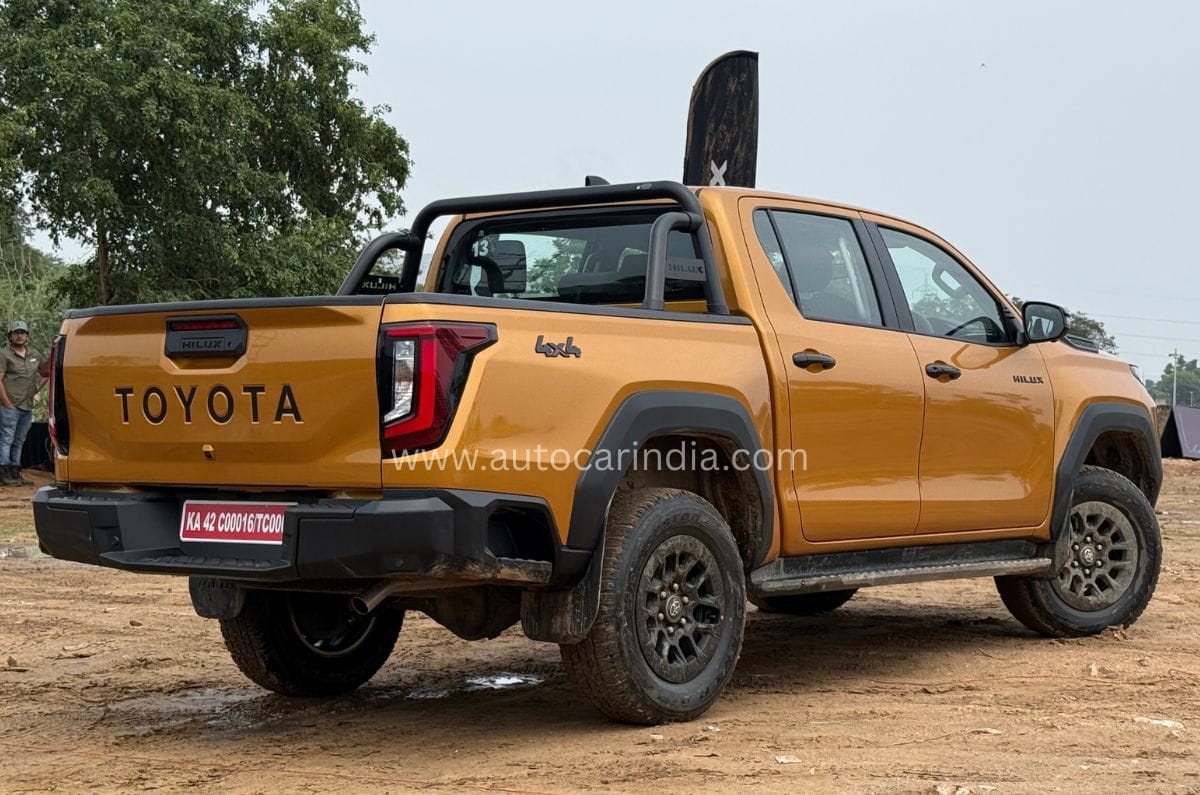
2026 Toyota Hilux rear quarter

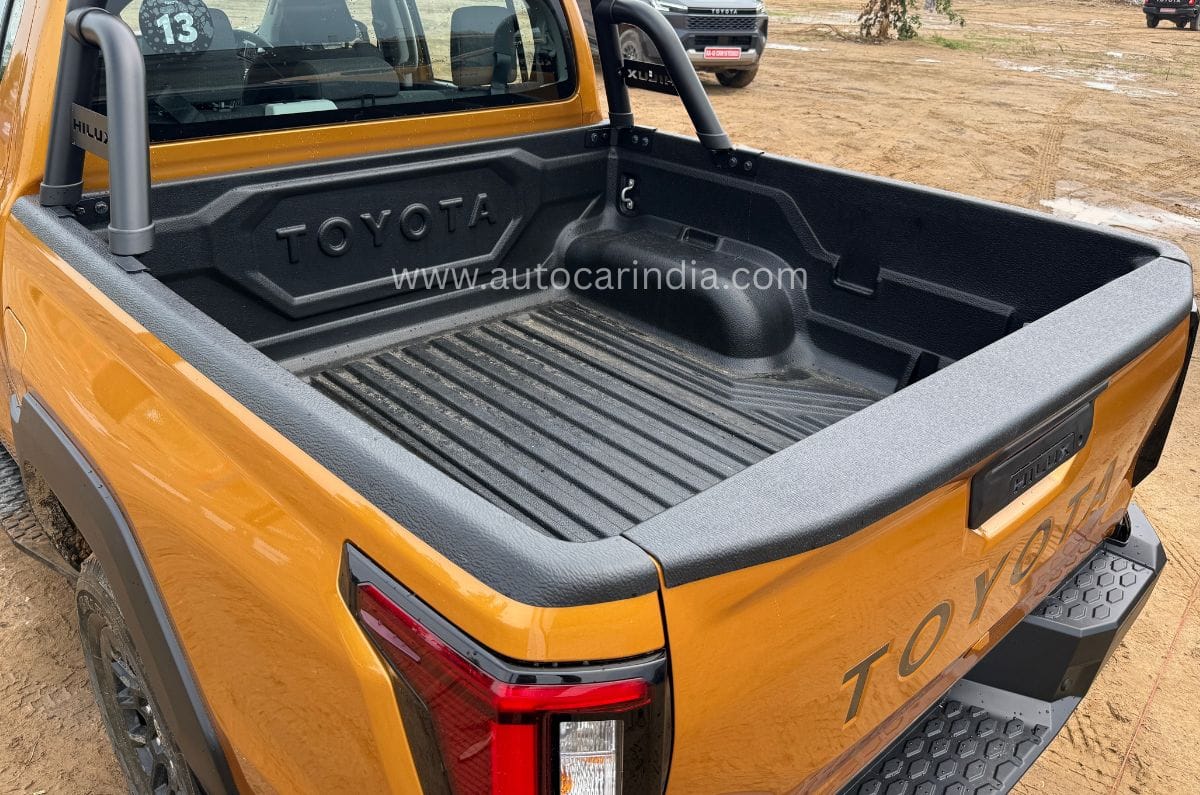
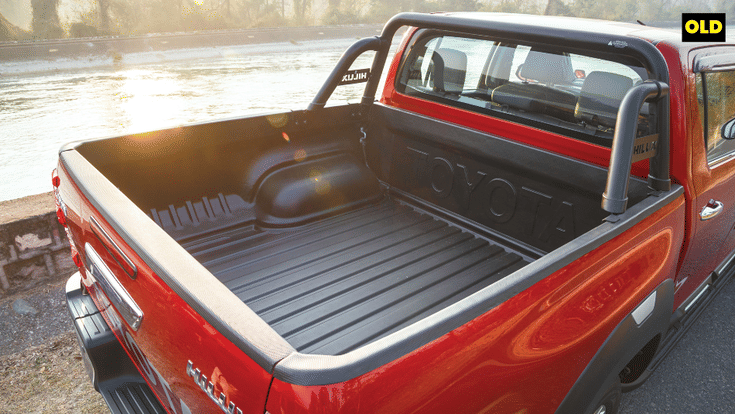
The new Hilux is sold in the ‘Double Cab’ configuration, but the wheel sizes have shrunk from 18 to 17 inches. The flared wheel arches sport black plastic cladding, while the ORVM housings, door handles, running boards, alloy wheels, roll bars and rear bumper are also finished in black. The latter has integrated steps that make accessing the bed easier from all three sides. Moreover, the tailgate features large ‘TOYOTA’ lettering as well.

2. How is the interior of the 2026 Toyota Hilux?

The cabin looks relatively simple and ergonomics shouldn’t be an issue

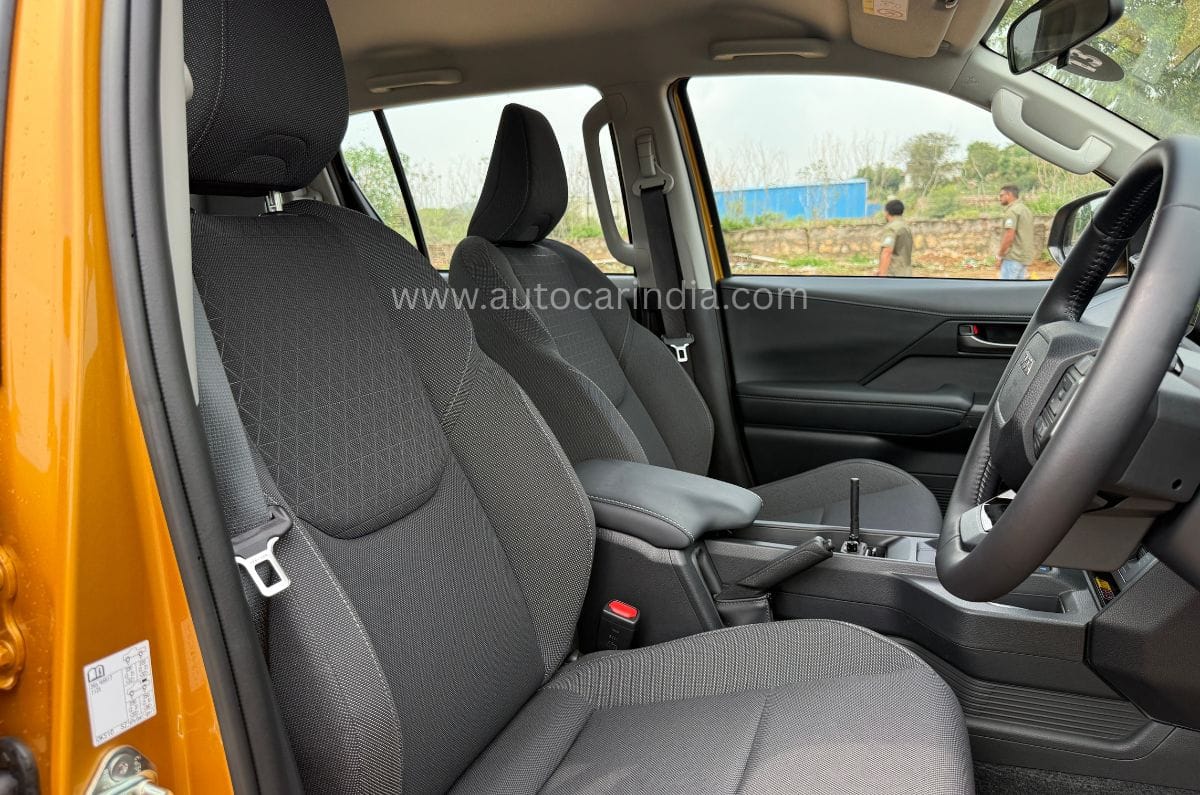
2026 Toyota Hilux front seats

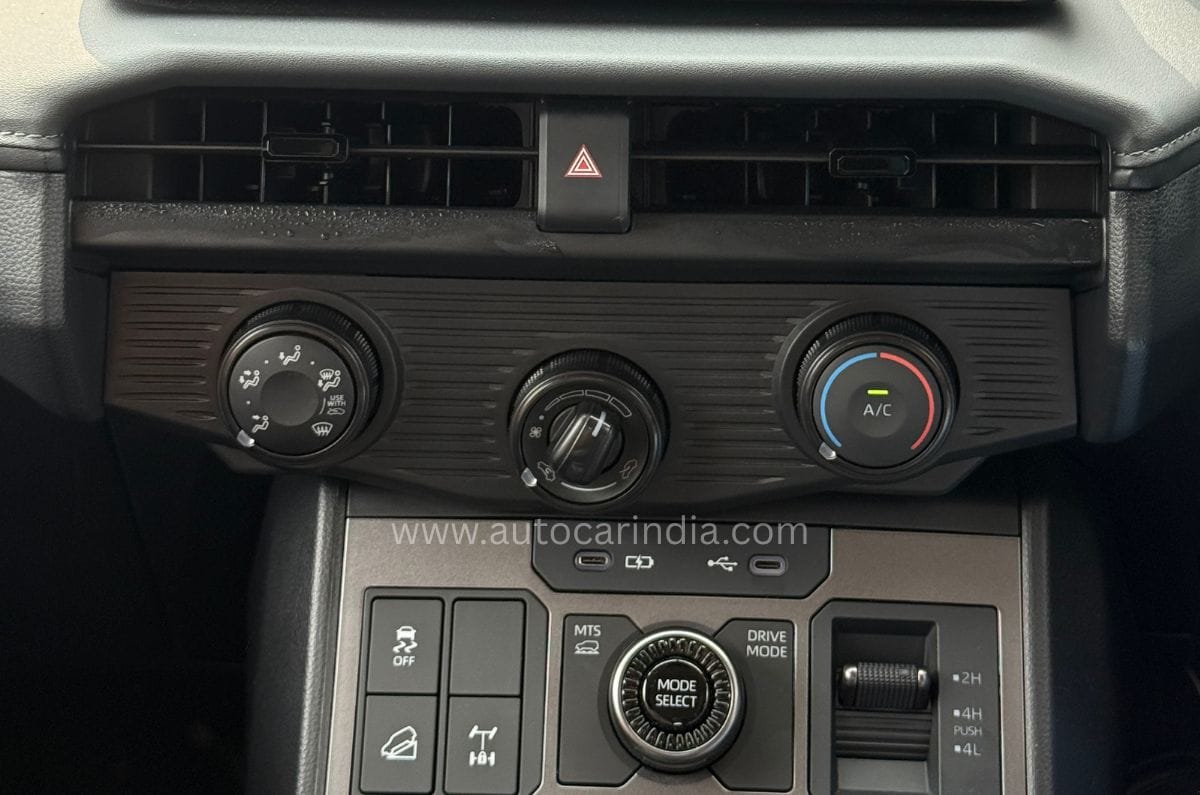
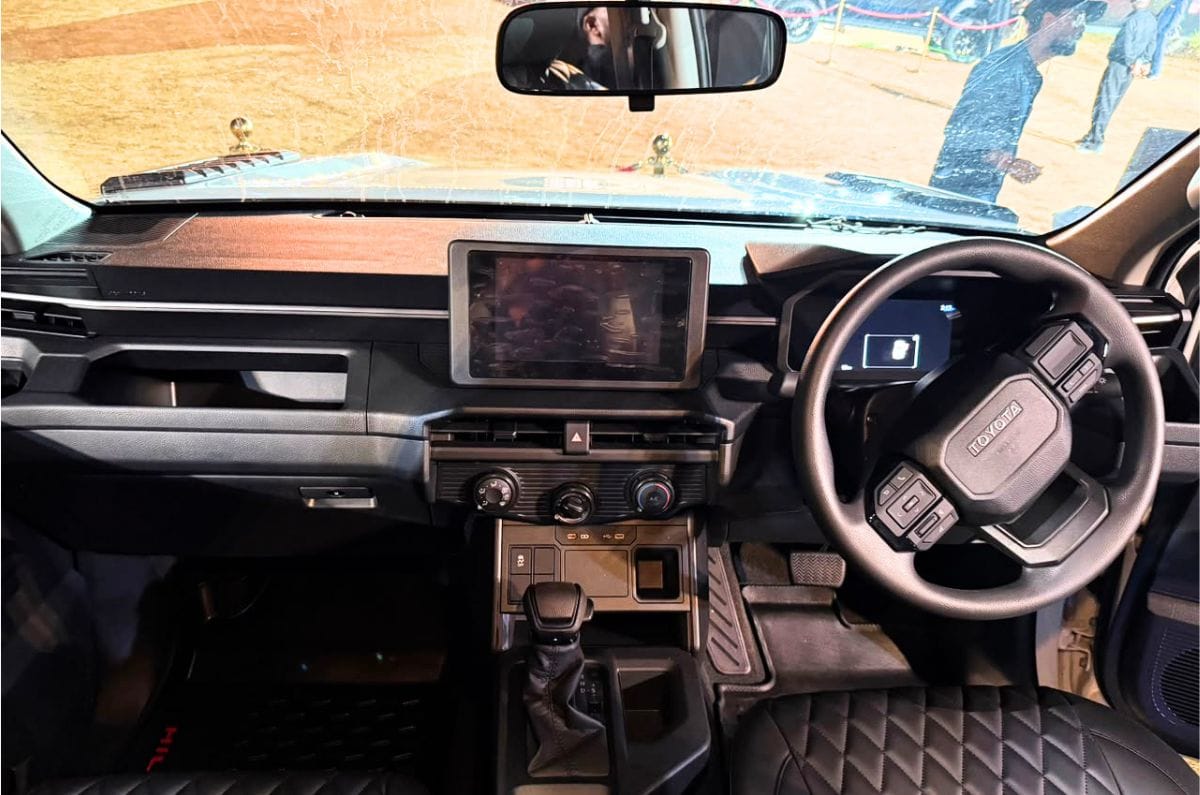
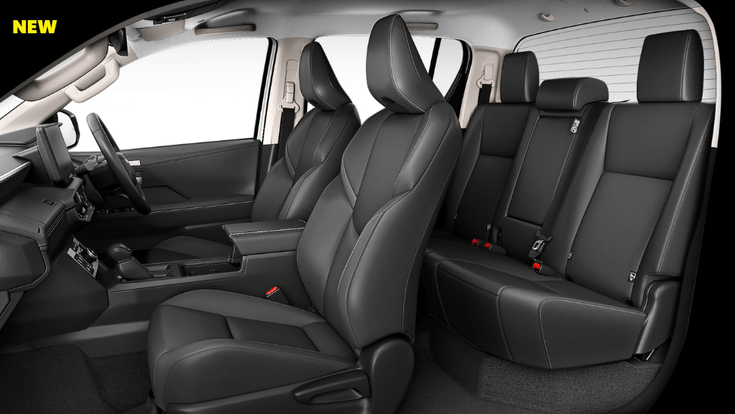
Once you haul yourself inside the 2026 Toyota Hilux, there are a few things that will catch your attention. While some surfaces are covered in leatherette, there are enough hard-wearing plastics in this cabin to remind you of its old-school pickup truck origins. Even the top-spec Hilux variant gets an all-black interior theme, manually operated front seats and fabric upholstery. The bare-bones climate control panel also looks out of place in a vehicle this expensive.

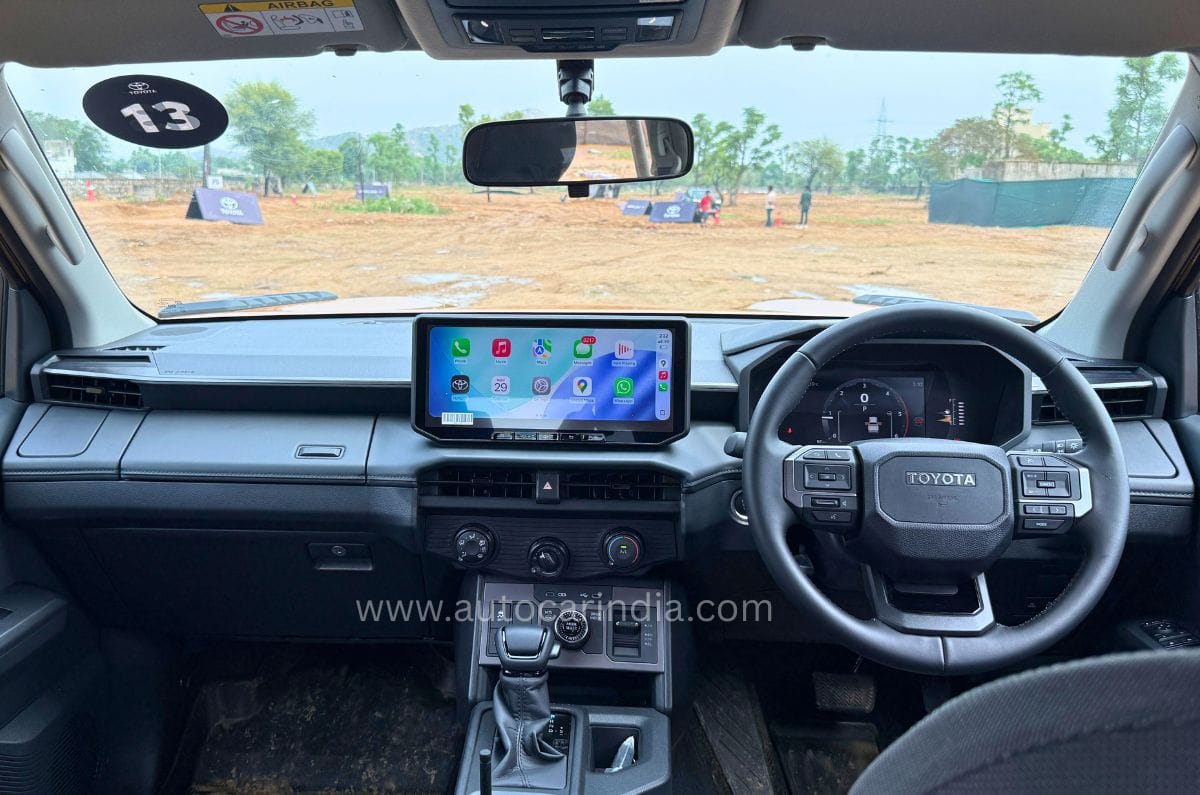
2026 Toyota Hilux interior

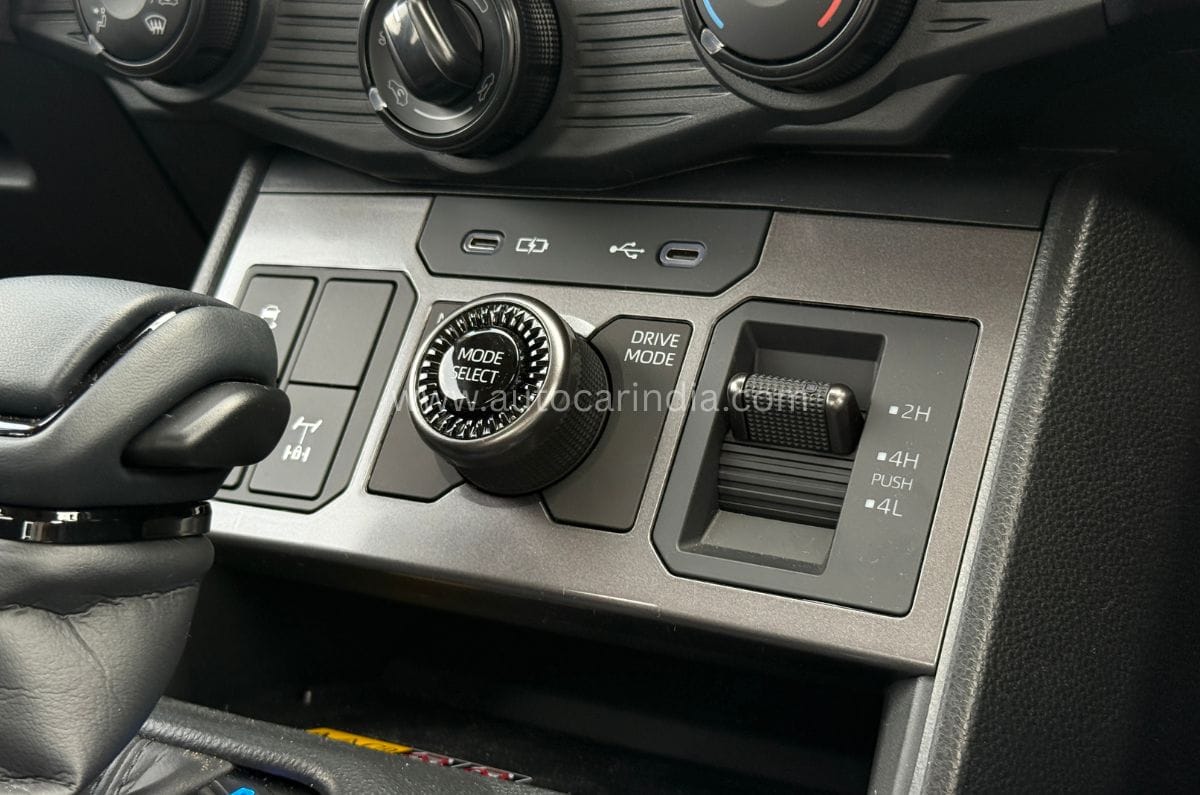
On the other hand, the three-spoke steering wheel, button-operated glovebox release, toggle-style four-wheel drive (4WD) switch and a rotary drive mode selector look good and work as expected. There are also 7 airbags, 360-degree cameras, wireless Apple CarPlay & Android Auto, wireless charging, a 12.3-inch infotainment display, and an 8-speaker audio system. The abundance of physical controls is another advantage in a utility-based lifestyle truck like the Hilux. The high seating position plus the flat and low-set dashboard should make judging gaps easier. Stepping into the back shouldn’t be too troublesome, courtesy of the fixed running boards and oversized rear grab handles.

3. Is the 2026 Toyota Hilux well-equipped?

Some of the cost-cutting measures here are perplexing

2026 Toyota Hilux dashboard

The new Hilux costs more than its predecessor, but this hasn’t resulted in more equipment. While the design language used here looks modern, expected amenities like leatherette upholstery and powered and ventilated seats are missing. There is no dual-zone automatic climate control – in fact, there’s no auto AC at all. Another modern feature that’s been given a miss is an auto-dimming IRVM (inside rearview mirror). Even the digital driver’s display of the new India-spec Hilux is a downsized 7.0-inch unit – international-spec versions get a 12.3-inch panel.

4. What are the powertrain specifications of the 2026 Toyota Hilux?

The ninth-gen Hilux isn’t mechanically too different to its predecessor

2026 Toyota Hilux engine

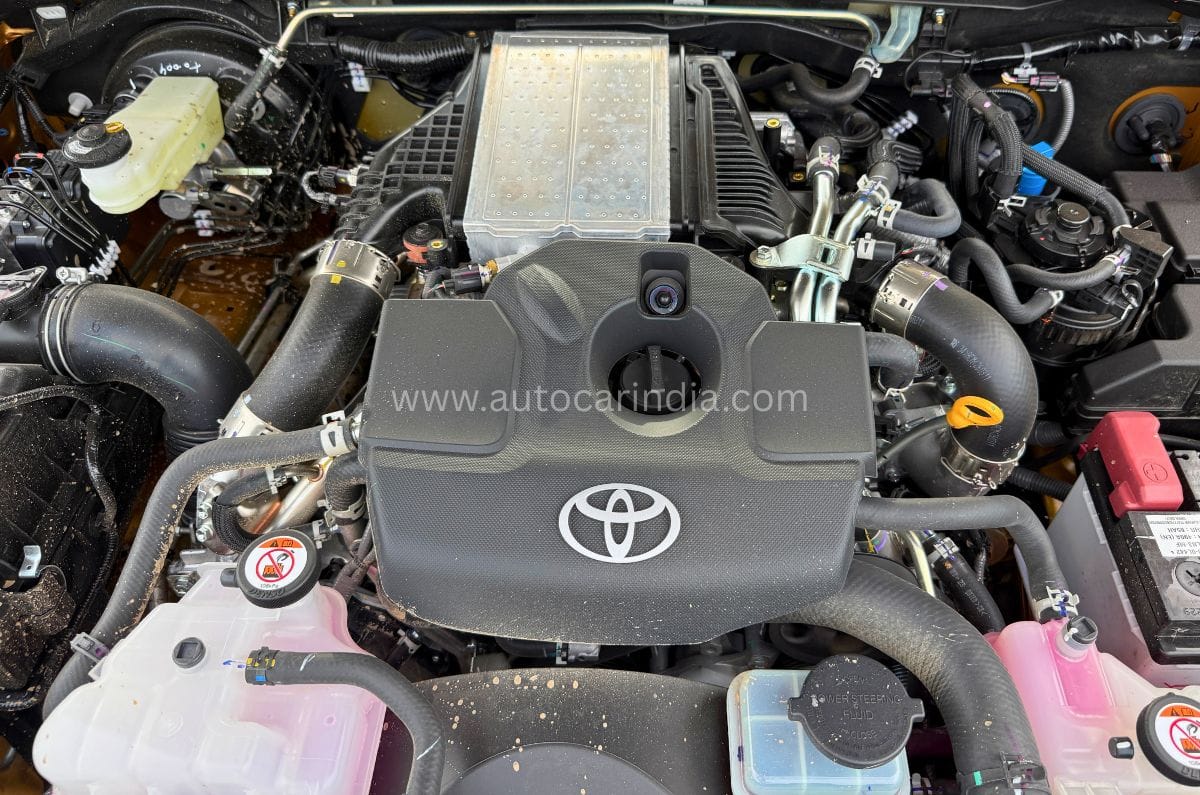
The 2026 Toyota Hilux shares its IMV underpinning and diesel-automatic powertrain with the eighth-gen model. This means the output of the 2.8-litre four-cylinder turbo-diesel engine remains the same, at 204hp and 500Nm. While the old model was available with a 6-speed manual gearbox as well, its replacement is only offered with a 6-speed torque converter automatic. Customers still get to pick between two-wheel drive (2WD) and four-wheel drive (4WD) options, but the 48-volt mild-hybrid system available in global models remains out of reach to buyers here.

5. Will the 2026 Toyota Hilux work well as a pickup truck?

The ninth-gen Hilux isn’t mechanically too different to its predecessor

2026 Toyota Hilux off-road settings

At its core, the Toyota Hilux is a pickup truck. Therefore, it can be had with the brand’s Multi Terrain Select (MTS) system, downhill assist control, a rear differential lock and an electronic limited-slip differential. These off-road-centric systems, along with the rugged leaf spring rigid rear axle and hydraulic engine mounts, should allow the Hilux to traverse challenging terrain without much fuss.

2026 Toyota Hilux bed

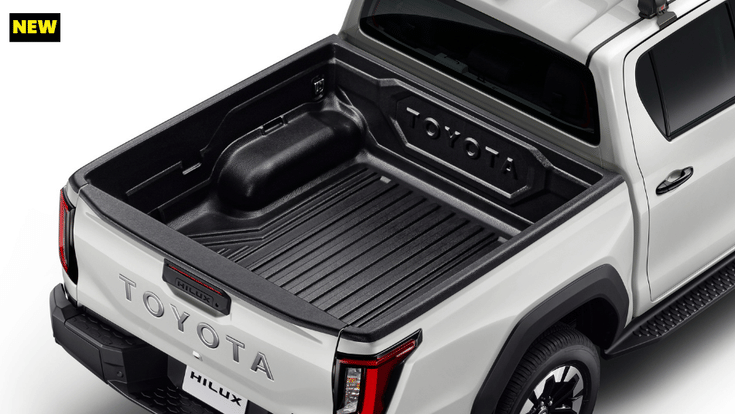
Toyota also offers a tailgate assist system, which basically allows the drop-down gate to be lowered in a controlled manner. In terms of practicality, the new Hilux can carry up to 500kg worth of cargo in its bed, with tie-down points available to secure the cargo. The three integrated steps in the rear bumper will come in handy if you want to get onto the rear bed for loading or unloading items.

Also read

Which variant of 2026 Toyota Hilux should you buy?

Toyota Hilux new vs old: Differences explained

JSW Motors’ Chery iCar V23-based electric SUV to offer AWD

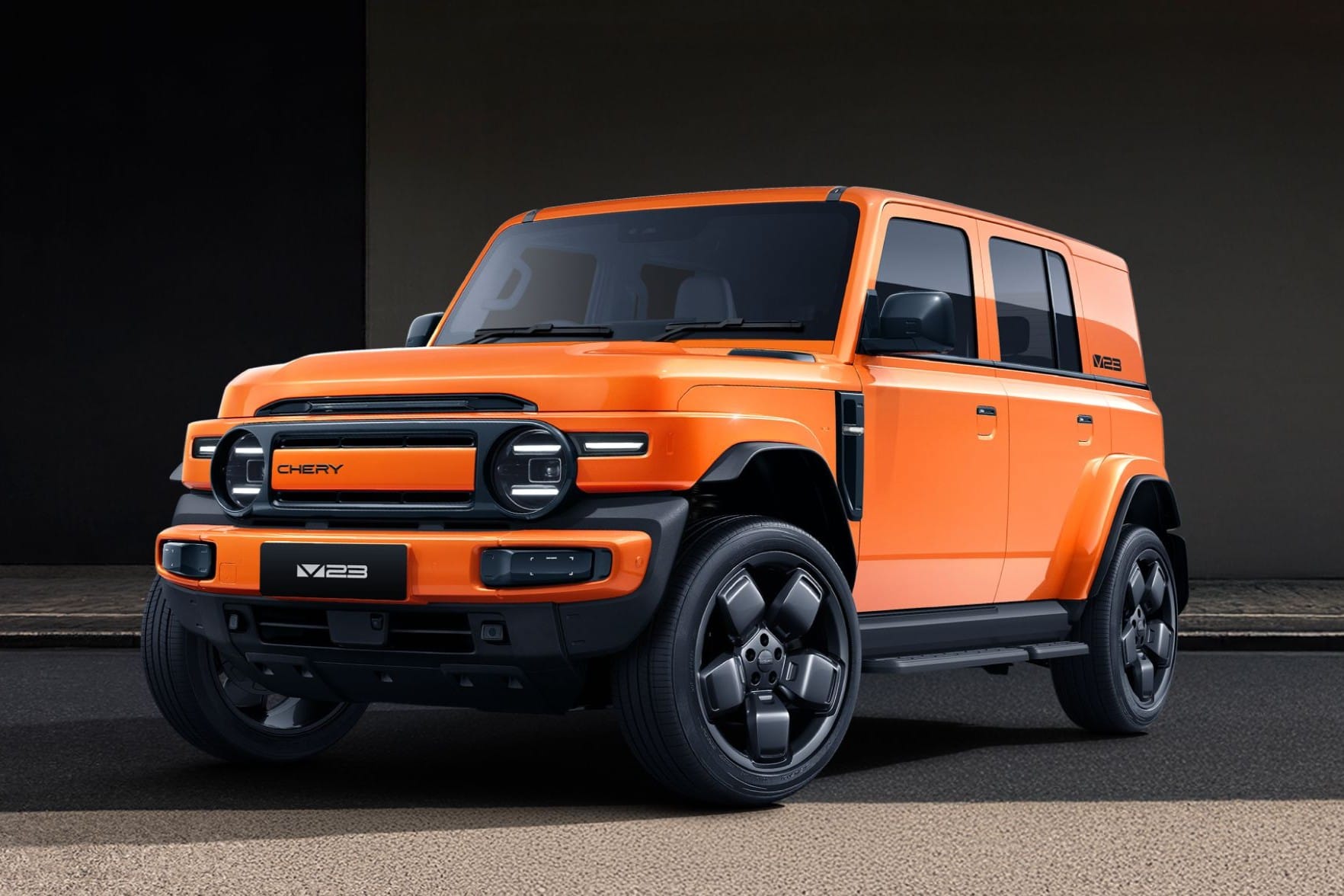
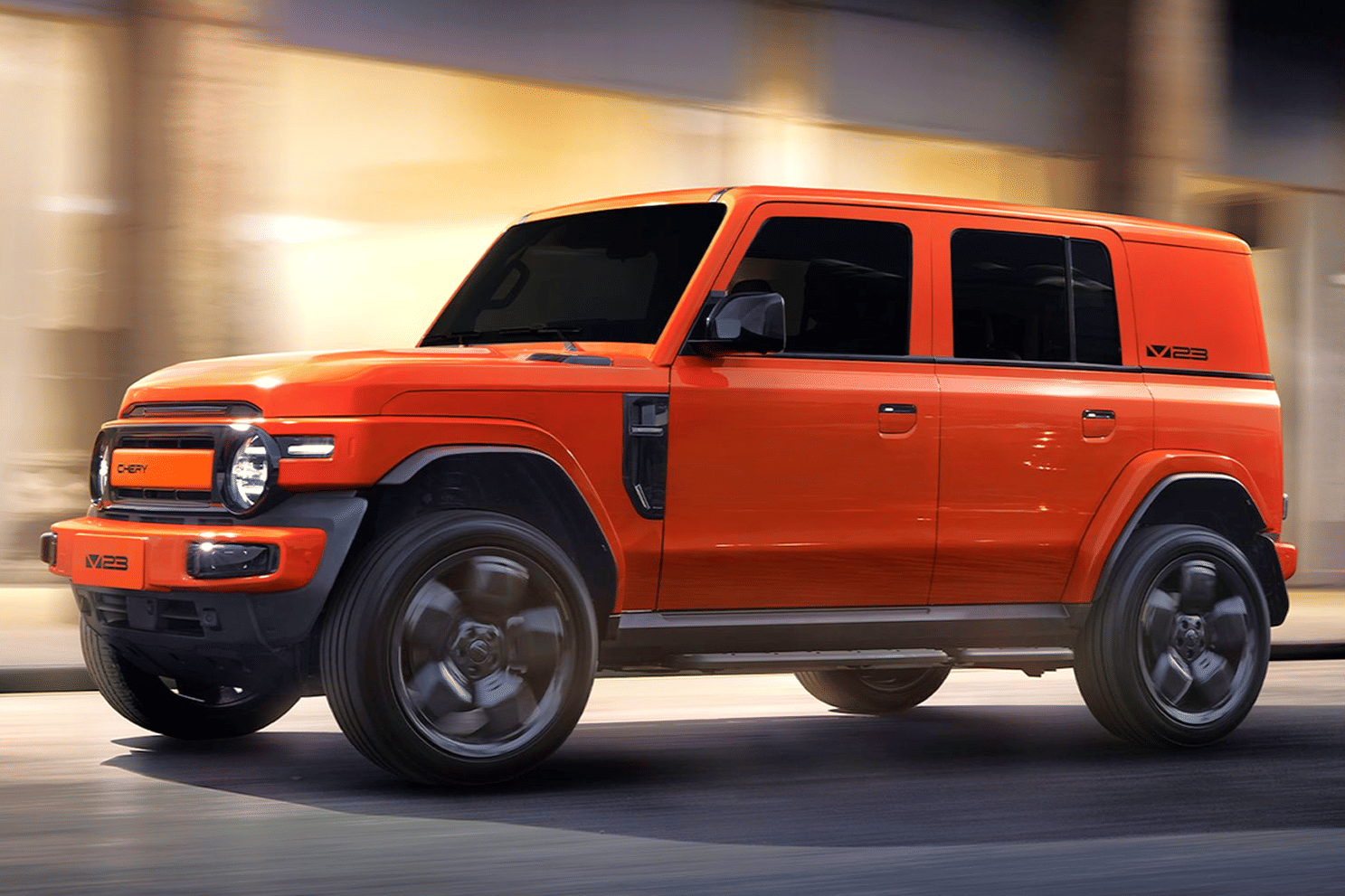
Chery iCar V23

JSW Motors’ third model, an electric SUV based on the Chery iCar V23, is expected to be sold with a dual-motor all-wheel drive powertrain in India, per our sources. This EV will be the first mass-market electric off-roader in India, and its closest rival will be the Mahindra Thar Roxx, which is ICE-powered, but also a 5-door off-road-focused SUV. We even reported previously that JSW’s iCar V23-based EV may be priced under Rs 20 lakh (ex-showroom).

JSW Motors’ iCar V23-based electric SUV: Powertrain

In global markets, the dual-motor AWD version of the iCar V23 packs an 81.76kWh NMC battery pack with an NEDC-certified range of 430km. Combined output is pegged at 211hp and 292Nm, which makes for a rather brisk 0-100kph time of 7.5 seconds (claimed). Top speed is rated at 140kph. The global-spec iCar V23 also supports up to 6.6kW AC and 104kW DC charging speeds.

JSW Motors’ iCar V23-based electric SUV: Exterior and interior

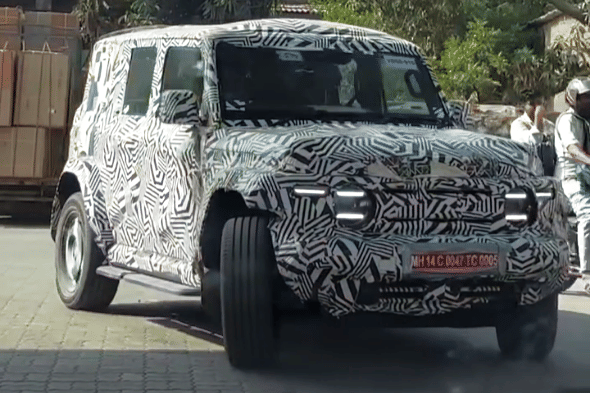
Credit: @torqueculturee via Instagram

Test mules of JSW’s iCar V23-based EV have been spotted on Indian roads on several occasions, hinting at a very similar design to that of the global model. For reference, the global-spec iCar V23 measures 4,220mm in length, 1,915mm in width, and 1,845mm in height, with a wheelbase of 2,735mm. It also has an unladen ground clearance of 210mm.

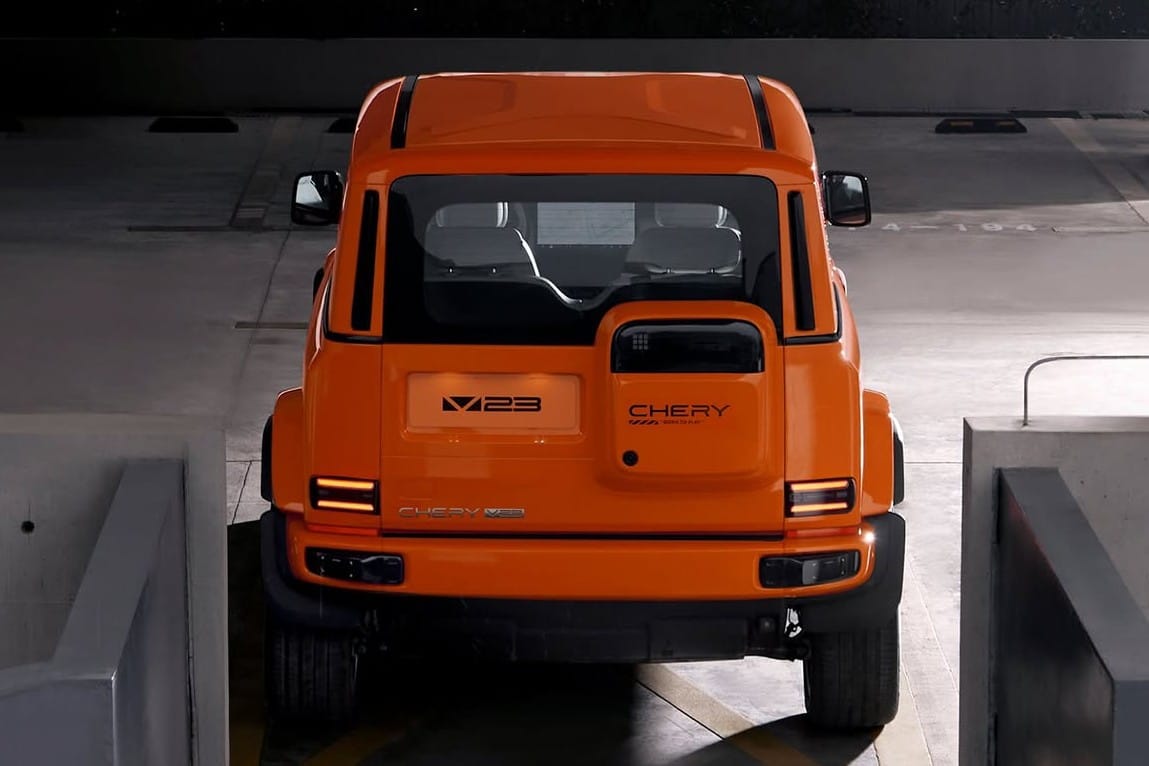
Size-wise, then, the iCar V23 slots between the Maruti Jimny and Thar Roxx. Styling highlights for the iCar V23 include butch and boxy proportions, muscular bumpers, flared and squared-off fenders, 21-inch alloy wheels, circular LED headlamps, low-set rectangular tail-lamps, and a bootlid-mounted spare wheel.

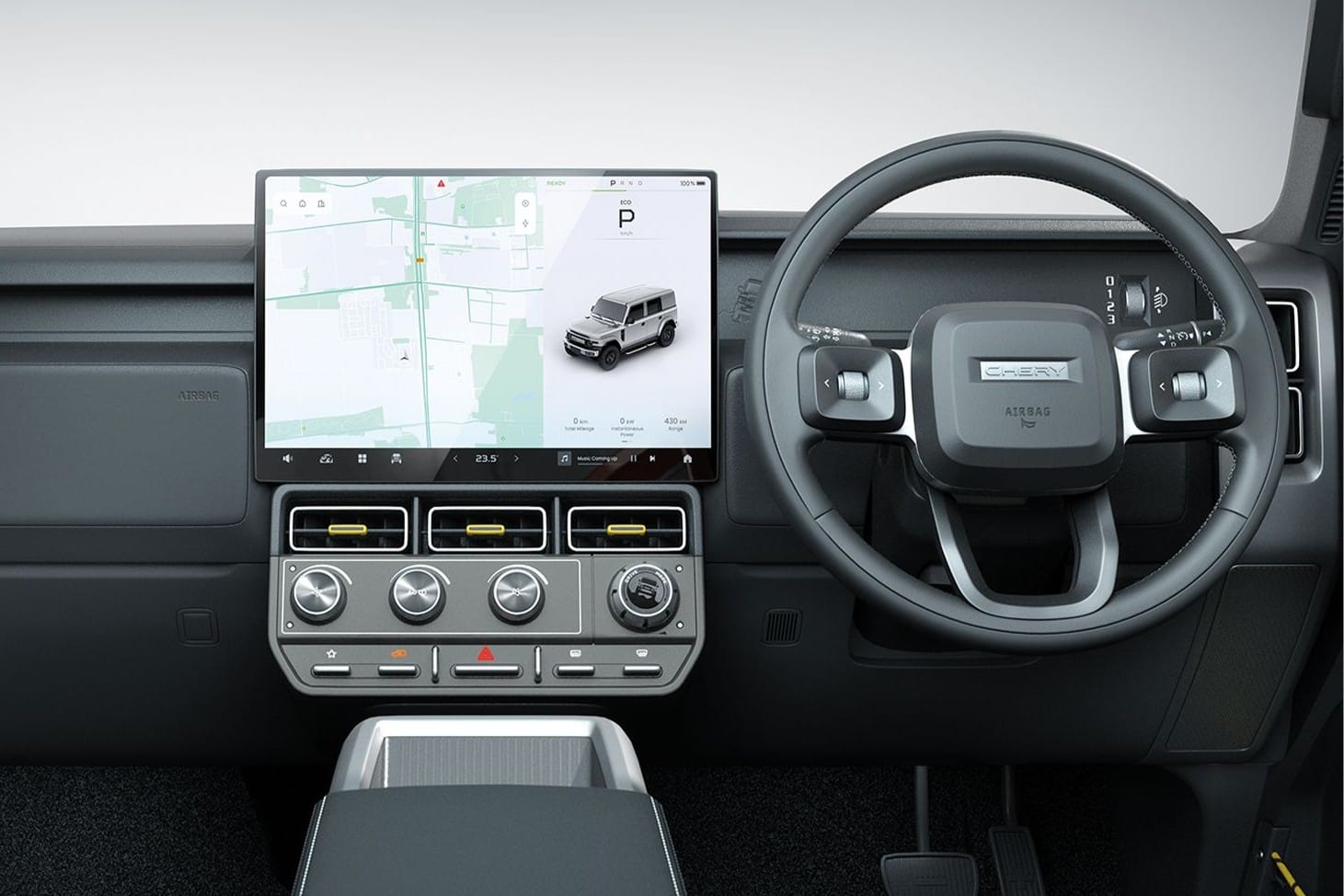
Inside, the iCar V23 sports a minimalist dashboard layout, comprising a massive 15.4-inch infotainment touchscreen, a three-spoke steering wheel, and two rows of physical controls on the centre console. As for features, the global-spec iCar V23 packs wireless Apple CarPlay and Android Auto, a 540-degree camera, six drive modes, ADAS, powered and ventilated front seats, V2L functionality, a digital key, a 7-speaker sound system, and more.

Suzuki XL7 facelift revealed at the 2026 Indonesia Auto Show

2026 Suzuki XL7 front tracking

Suzuki has revealed the XL6 facelift at the ongoing 2026 Indonesia Auto Show. Known as the XL7 in this market due to its 7-seat configuration, the refreshed MPV gets cosmetic and feature updates over the current model. While it’ll come to India as the Maruti Suzuki XL6 facelift, it remains to be seen if the brand makes any tweaks to suit local tastes.

  • Gets a redesigned front grille and bumper
  • Introduces two new exterior colours
  • Gets new dashboard trim and a larger 9.0-inch touchscreen

Maruti Suzuki XL6 facelift exterior

The most visible changes on the outside appear at the front

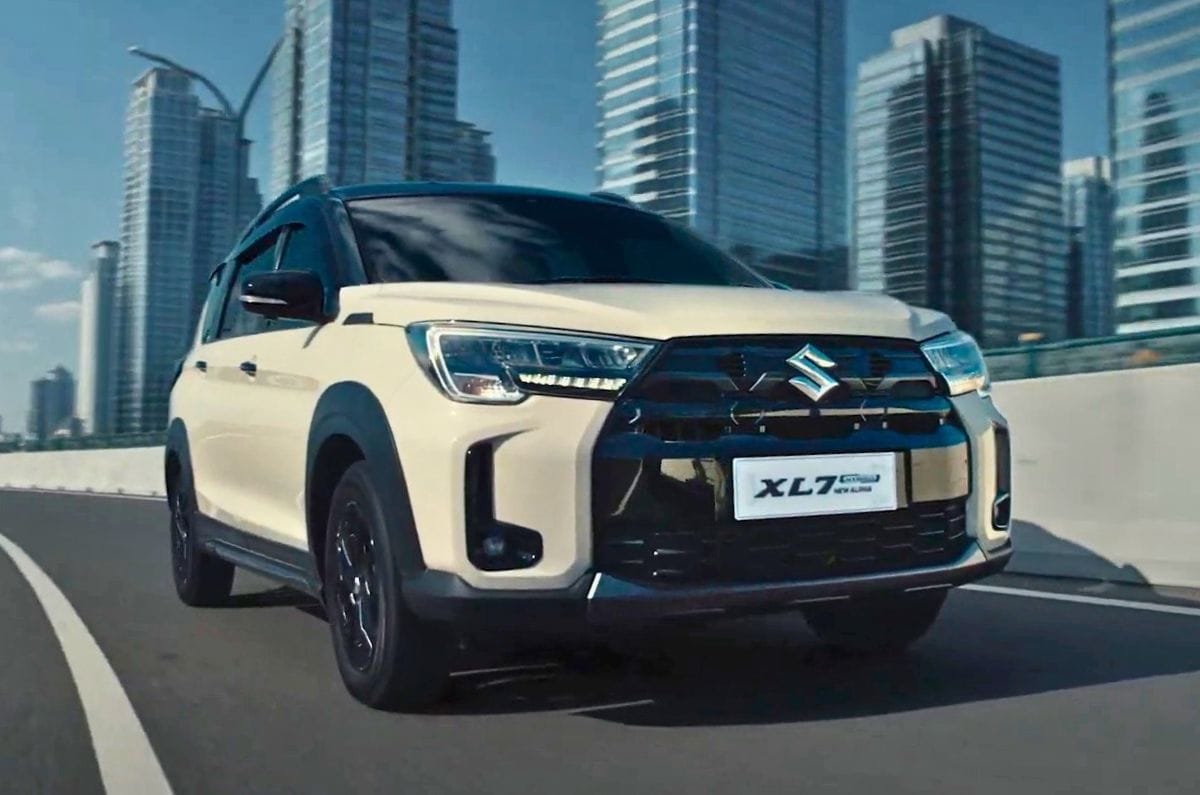
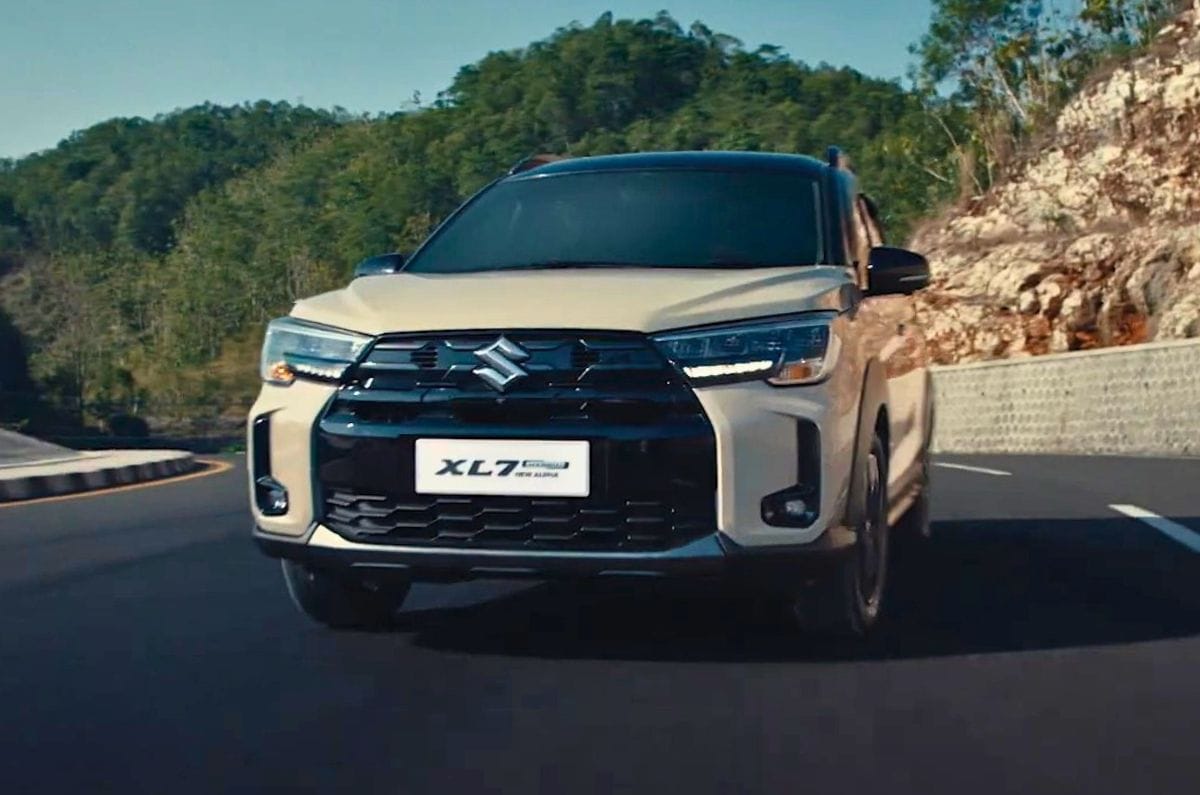
The updated Suzuki XL7 displayed at the Indonesia Auto Show retains the overall silhouette and proportions of the XL6 that we are familiar with here in India. Compared to the current Maruti XL6, the most apparent cosmetic change on the exterior of this facelift is at the front. The new front grille is both taller and wider, thus looks more imposing. It’s now fully finished in black, with the Suzuki logo being the only chrome element here.

2026 Suzuki XL7 front fascia tracking

The front bumper has been slightly revised and now gets C-shaped air intakes on either sides. At the base of these are the housing for the front fog lamps. While the satin silver garnish on the front bumper remains, its design has been tweaked. Along the sides, the updated XL7 gets dual-tone colours, plus all-black 16-inch alloy wheels, door handles, roof rails and ORVMs (outside rearview mirrors).

2026 Suzuki XL7 rear tracking

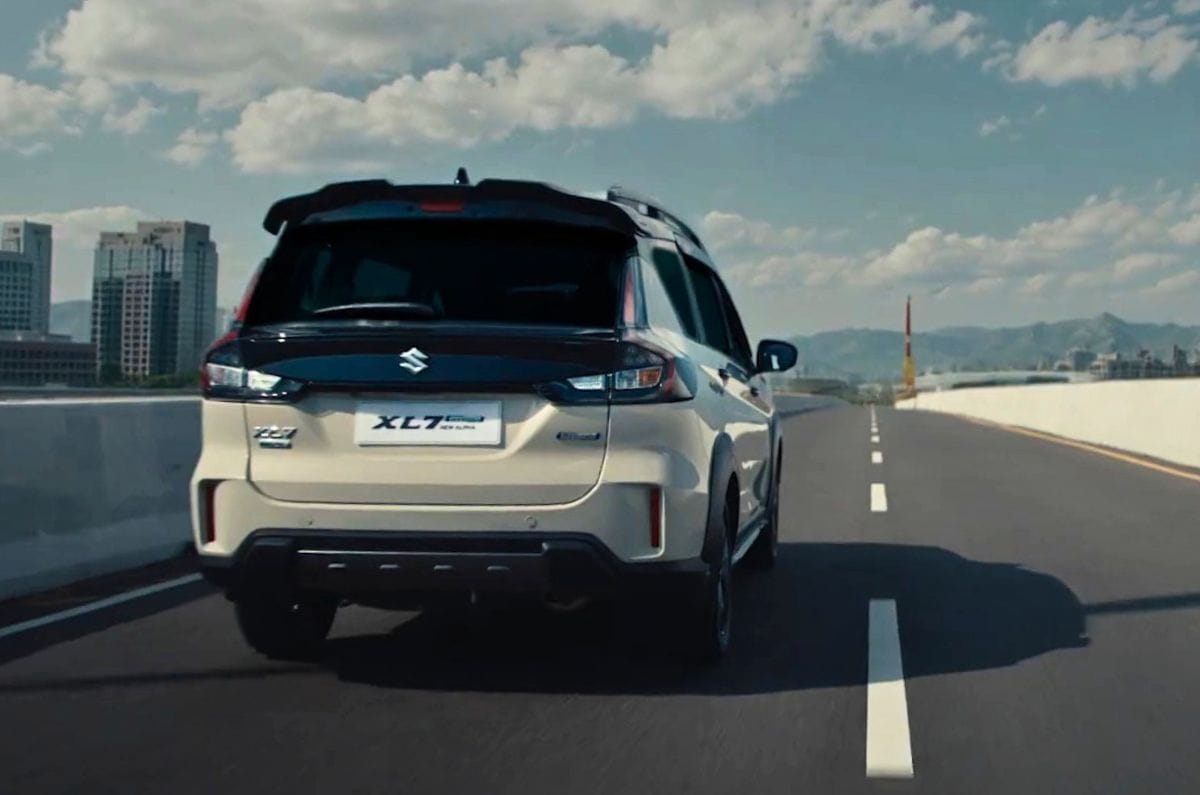
The oversized black cladding for the wheel arches remain, and so does the silver trim below the door cladding. There are also no notable styling changes at the back. The facelift brings two new exterior colours in the Indonesian market: Ice Grayish Blue-Black and Marble Black.

Maruti Suzuki XL6 facelift interior and features

Changes to the interior are even more subtle than on the outside

2026 Suzuki XL7 touchscreen

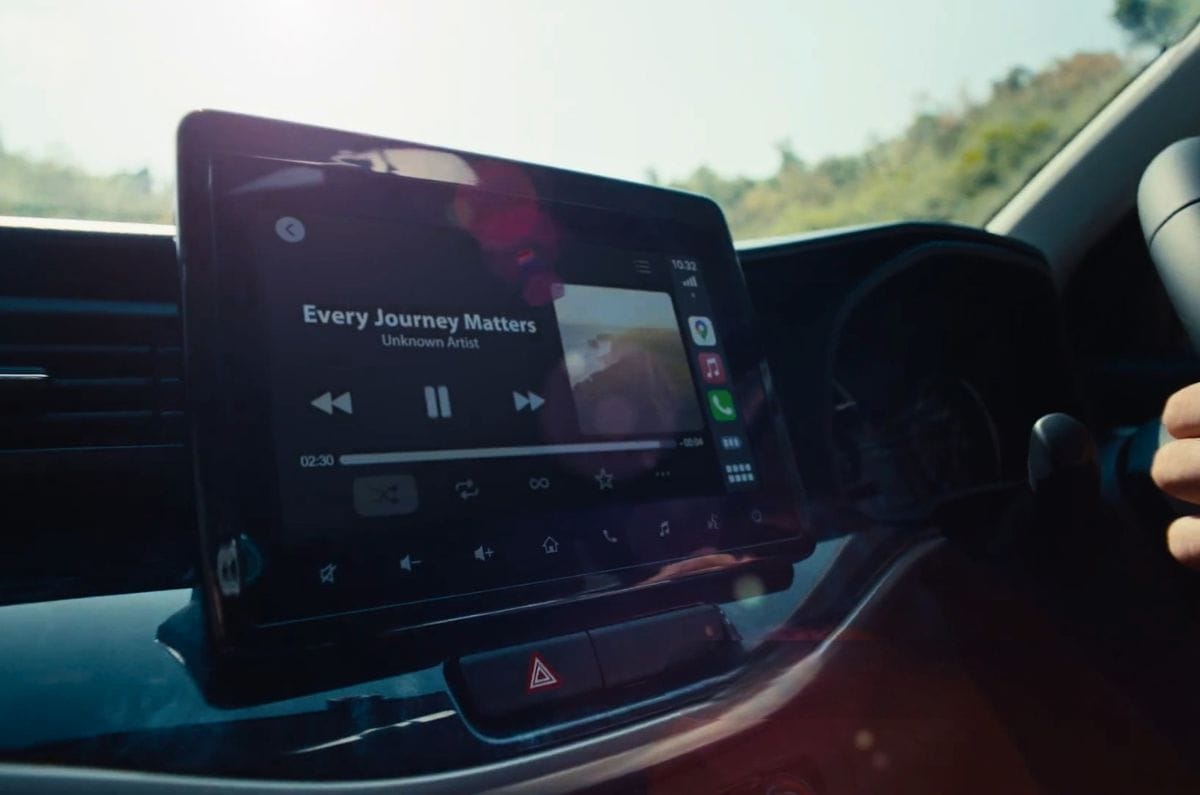
The interior of the Indonesia-spec Suzuki XL7 gets a new trim insert on the dashboard called Metallic Hagane Dark Silver. In Indonesia, all variants of this Suzuki MPV now get a larger 9-inch touchscreen infotainment head unit that supports Apple CarPlay & Android Auto. The audio system has also been updated with a new sound processing software by Arkamys, according to Suzuki.

2026 Suzuki XL7 dashcam

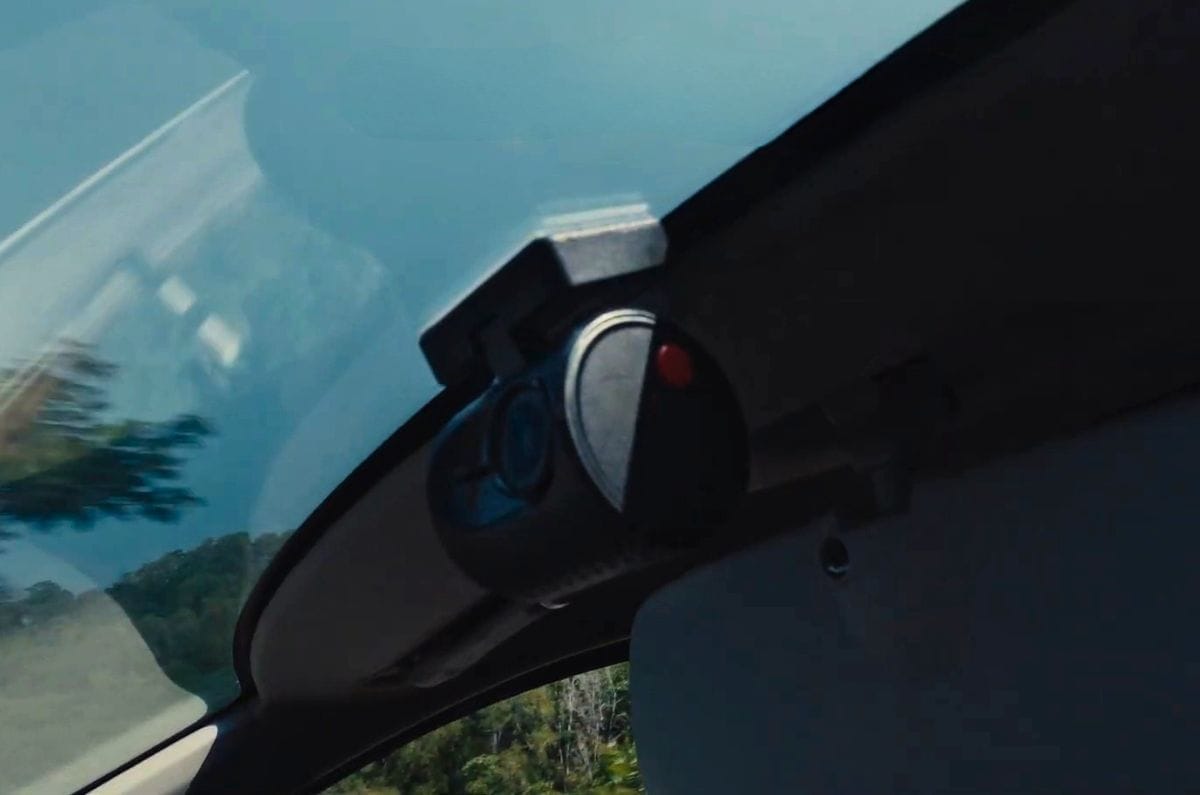
For reference, top variants of the current India-spec XL6 already gets an Arkamys audio system, 360-degree cameras, a tyre-pressure monitoring system (TPMS) and a digital video recorder (DVR). The updated India-spec model will also retain conveniences such as automatic climate control with rear blower control, ventilated front seats and connected-car tech. Safety features such as 6 airbags, electronic stability program, hill-hold assist and ISOFIX anchor points.

Maruti Suzuki XL6 facelift powertrain

No changes are expected under the bonnet with the India-spec model either

Maruti XL6 engine
Outgoing Maruti XL6 shown for representation purposes only.

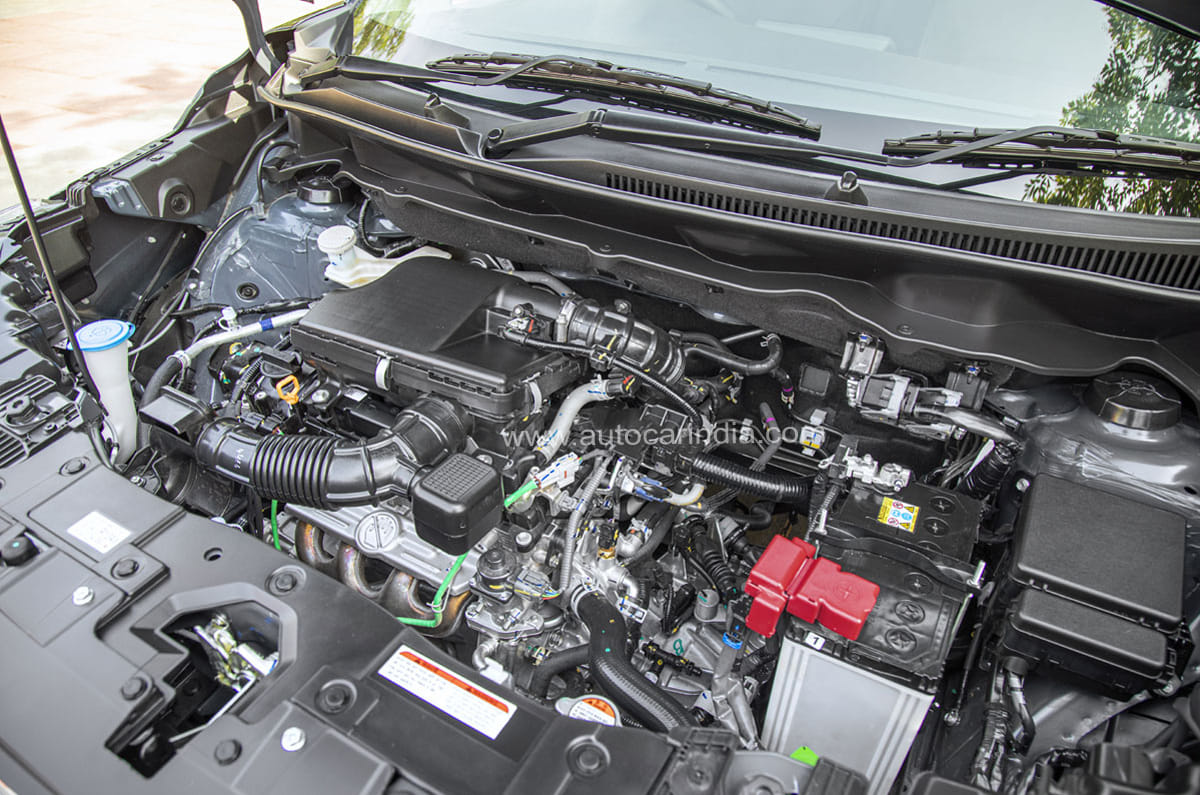
While the Indonesia-spec Suzuki XL7 facelift carries forward the 1.5-litre K15B petrol engine, with the top variants featuring the brand’s mild-hybrid technology. However, the India-spec Maruti Suzuki XL6 facelift is likely to be offered by the same K15C unit that powers the outgoing model. For reference, the latter’s petrol-only version makes 103hp and 139Nm, while the CNG version produces 88hp and 121.5Nm. The transmission options for the current model include a 5-speed manual and a 6-speed automatic.

Maruti Suzuki XL6 facelift expected prices

Upon its arrival, the Maruti Suzuki XL6 facelift is likely to command a slight premium over the current model. For reference, the latter is priced from Rs 11.57 lakh and Rs 13.89 lakh (ex-showroom), with the XL6 facelift .

Also read

Audi debuts Q9 as its new flagship SUV

Mercedes-AMG A 45 S bows out with Final Edition

Amazon Great Freedom Sale 2026: 7 अगस्त से शुरू होगी सेल, मिलेंगे बंपर डिस्काउंट और AI शॉपिंग फीचर्स

Amazon Great Freedom Sale 2026: अगर आप इलेक्ट्रॉनिक्स सामान या फिर ग्रोसरी प्रोडक्ट्स खरीदने के लिए ऑफर्स की तलाश में हैं तो, यह खबर आपके लिए फायदेमंद हो सकती है। दरअसल, Amazon 7 अगस्त को रात 12:00 बजे से अपना ‘Great Freedom Sale 2026’ शरू करने जा रहा है। इस सेल में खरीदारों को स्मार्टफ़ोन, इलेक्ट्रॉनिक्स, फैशन, ब्यूटी, घरेलू डिवाइस, ग्रोसरी, किचन के सामान और दूसरी कैटेगरी के प्रोडक्ट्स पर अच्छा-खासा डिस्काउंट मिलेगा।

बता दें कि यह ई-कॉमर्स प्लेटफॉर्म अलग-अलग कैटेगरी में ऑफर के साथ-साथ, AI-पावर्ड शॉपिंग फीचर्स भी ला रहा है, ताकि कस्टमर्स आसानी से प्रोडक्ट्स ढूंढ सकें और बेहतर तरीके से खरीदारी का फैसला ले सकें।

सेल के दौरान, खरीदारों को कई ब्रांड्स पर टॉप 100 डील्स, ब्लॉकबस्टर डील्स, ट्रेंडिंग डील्स और खास ‘8 PM डील्स’ मिलेंगी। इसके अलावा, Amazon ग्राहकों को HDFC बैंक क्रेडिट कार्ड और EasyEMI ट्रांजैक्शन पर 10% का इंस्टेंट डिस्काउंट भी दे रहा है। योग्य कस्टमर्स को कुछ चुनिंदा क्रेडिट और डेबिट कार्ड पर नो-कॉस्ट EMI ऑप्शन के साथ-साथ 2,000 रुपये तक का कैशबैक भी मिल सकता है। सेल में ग्राहकों को एक्सचेंज ऑफर, Amazon Pay रिवॉर्ड्स और भारत के सभी उपलब्ध पिन कोड पर डिलीवरी जैसी सुविधाओं का भी फायदा मिलेगा।

AI-पावर्ड शॉपिंग फीचर्स

Amazon इस सेल के दौरान कई AI आधारित फीचर्स पेश कर रहा है, जो ग्राहकों को बेहतर शॉपिंग अनुभव देने में मदद करेंगे। कंपनी का AI शॉपिंग असिस्टेंट Rufus यूजर्स को सामान्य कीवर्ड की जगह अपनी जरूरत के हिसाब से सवाल पूछकर प्रोडक्ट खोजने की सुविधा देता है। ग्राहक अपनी खास जरूरतों या पसंद के आधार पर सुझाव मांग सकते हैं और पर्सनलाइज्ड सुझाव पा सकते हैं।

इसके अलावा, प्लेटफॉर्म का Lens AI फीचर विजुअल प्रोडक्ट सर्च की सुविधा देता है, जिससे यूजर्स मिलती-जुलती चीजें खोजने के लिए फोटो अपलोड या क्लिक कर सकते हैं। Rufus में एक ‘प्राइस हिस्ट्री ट्रैकर’ भी शामिल है जो 30 से 90 दिनों की अवधि में प्रोडक्ट की कीमतों पर नजर रखता है और जब कोई आइटम ग्राहक की पसंद की कीमत पर पहुंचता है, तो उन्हें सूचित कर सकता है। अन्य AI फीचर्स में ‘रिव्यू हाइलाइट्स’ शामिल हैं, जो ग्राहकों के रिव्यू का सारांश देते हैं, और ‘बाइंग गाइड्स’ हैं जो खरीदारों को प्रोडक्ट्स की तुलना करने में मदद करने के लिए अतिरिक्त जानकारी प्रदान करते हैं।

Amazon Pay के ऑफर्स

Amazon इस सेल के दौरान Amazon Pay से जुड़े कई पेमेंट बेनिफिट्स भी दे रहा है। Amazon Pay ICICI Bank Credit Card का इस्तेमाल करने वाले Prime मेंबर्स को अनलिमिटेड 5% कैशबैक मिलेगा, जबकि नॉन-Prime कार्डधारकों को 3% कैशबैक का फायदा मिलेगा। वहीं, नए कार्ड यूजर्स को वेलकम रिवॉर्ड के तौर पर 2,500 रुपये तक का लाभ मिल सकता है।

कस्टमर्स, एलिजिबिलिटी के आधार पर 60,000 रुपये तक के इंस्टेंट क्रेडिट के साथ Amazon Pay Later का फायदा भी उठा सकते हैं। कंपनी एक EMI स्टोर भी ऑफर कर रही है, जिसमें स्मार्टफोन, इलेक्ट्रॉनिक्स, फैशन और होम अप्लायंसेज जैसी कैटेगरीज में 99 रुपये प्रति दिन से शुरू होने वाले प्लान्स हैं। वहीं, अगर ग्राहक 1,500 रुपये से ज्यादा की खरीदारी करते हैं, तो वे इस रकम को बिना ब्याज वाली 3 मासिक किस्तों में बांट सकते हैं।

Amazon ने बताया कि कस्टमर्स चुनिंदा ब्रांड्स और कैटेगरी में Rewards Gold कैशबैक भी पा सकते हैं, जबकि Prime मेंबर्स 7 अगस्त से शुरू होने वाली ‘ग्रेट फ्रीडम सेल’ के दौरान एलिजिबल ऑर्डर्स पर अतिरिक्त बचत का फायदा उठा सकते हैं।

यह भी पढ़ें: Apple iPhone Ultra vs Samsung Galaxy Z Fold 8: डिजाइन, फीचर्स और पावर में कौन निकलेगा आगे? जानें

Which variant of 2026 Toyota Hilux should you buy?

Toyota Hilux which variant to buy

Toyota has launched the ninth-generation Hilux in India with prices ranging between Rs 31.99 lakh and Rs 36.69 lakh (ex-showroom). As a pick-up truck, the Toyota Hilux caters to a very niche audience, with the only other alternative in the market being the Isuzu D-Max V-Cross. This latest-gen model brings a contemporary design and a more feature-packed interior, but under the skin, the Hilux has remained largely unchanged from its predecessor. 

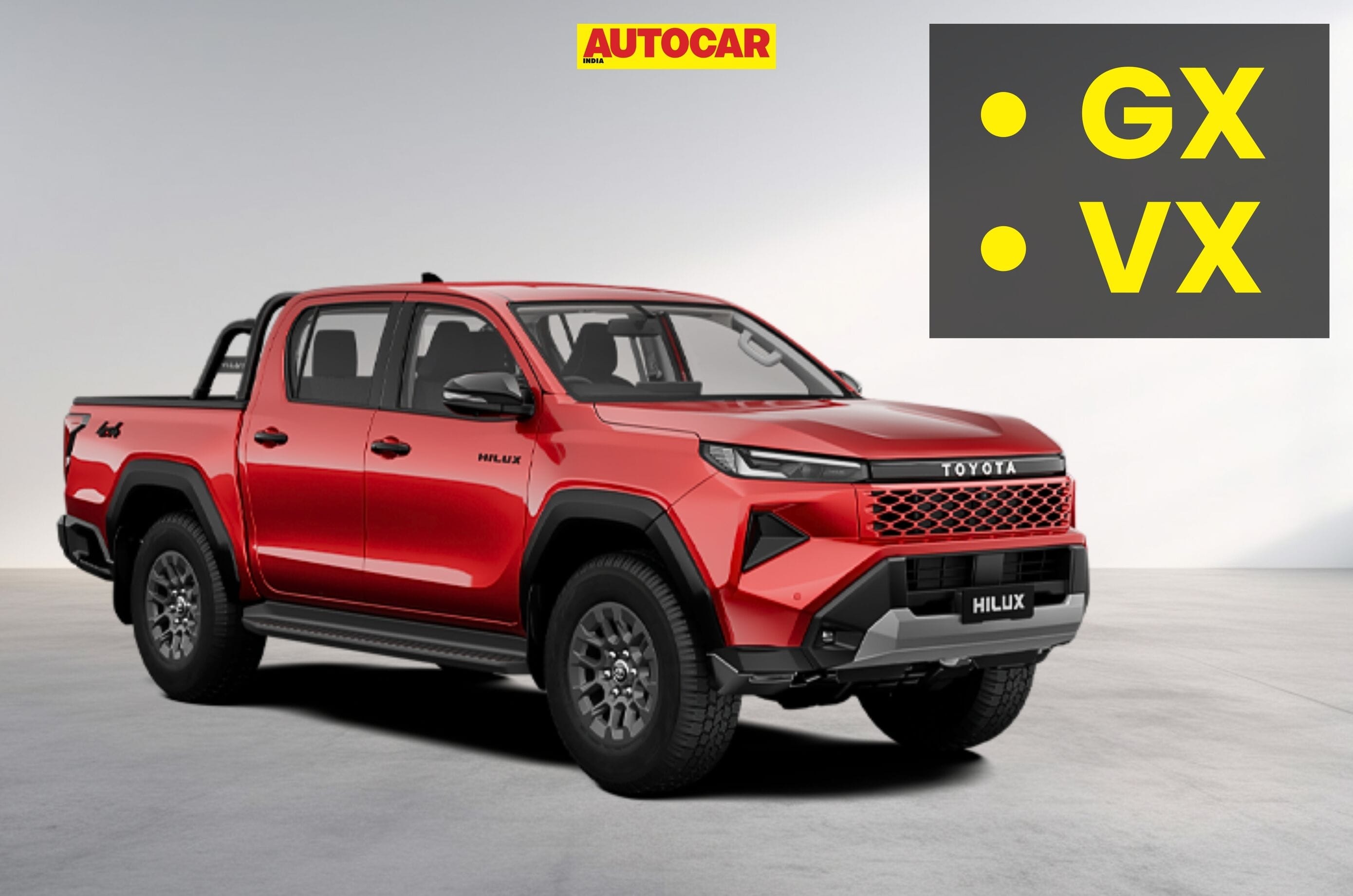
The new Toyota Hilux is available in two trims – GX and VX – with a single engine and gearbox combination, but with both 4×2 and 4×4 drive configurations. Here in this article, we are taking a close look at exactly what you get in each trim and which ones worth your money. 

Toyota Hilux engine options, specifications 

Under the hood, both trims of the Hilux feature a 2.8-litre, four-cylinder diesel engine that produces 240hp and 500Nm. A 6-speed torque converter automatic gearbox is standard across the range, but there’s no manual gearbox option like there was on its predecessor. 

The base GX trim can be had in either 4×2 or 4×4 drive configurations, while the top VX trim comes solely in 4×4 configuration. Notably, this is the first time Toyota is offering the option of a 4×2 setup on the Hilux in India; the previous model came with 4×4 as standard. 

Toyota Hilux exterior and interior colour options 

Toyota is offering a total of six monotone colour options with the new Hilux, namely Sulphur Metallic, Platinum Pearl White Metallic, Attitude Black, Ash, Emotional Red and Super White – Sulphur Metallic and Attitude Black are only available on the top VX trim. The interior, irrespective of the trim, comes with an all-black finish for a rugged appeal.

Hilux GX interior pictured here. 

Now let’s take a closer look at exactly what features are available in each of the two trims:

Toyota Hilux variant-wise features explained 

GX – 2.8 diesel AT 4×2/4×4 

  • LED headlamps 
  • Integrated side and rear bed steps 
  • Electrically adjustable ORVMs 
  • Rear fog lamps 
  • Tailgate Assisted Rear Deck Door
  • Front and rear height adjustable headrests 
  • 6-way manually adjustable driver’s seat
  • 4-way manually adjustable co-passenger seat
  • 7.0-inch digital driver’s display 
  • 8.0-inch touchscreen infotainment 
  • 4-speaker audio system
  • Wired Apple CarPlay and Android Auto
  • Manual AC 
  • Steering mounted controls 
  • Front seats armrest
  • Tilt and telescopic steering adjust 
  • 7 Airbags 
  • Vehicle stability control 
  • Height adjustable front seat belts 
  • 3-point seatbelt with reminders for all seats 
  • Rear parking camera 
  • Day and Night inside IRVM 
  • Electronic drive control – 2WD/4WD (4×4 variant only) 
  • 4WD with high and low range (4×4 variant only)
  • Electronic differential lock (4×4 variant only)

VX – 2.8 diesel AT 4×4

Features over and above GX

  • LED headlamps with welcome function 
  • LED daytime running lamps 
  • Puddle lamps 
  • Hood ornament 
  • Wheel arch cladding 
  • Front and rear LED fog lamps 
  • LED tail lamps 
  • Auto-fold ORVMs
  • Sharkfin antenna 
  • Soft-touch material on dashboard 
  • Illuminated door scuff plates
  • Larger 12.3-inch touchscreen infotainment
  • 8-speaker sound system 
  • Wireless Apple CarPlay and Android Auto 
  • Wireless charger 
  • Drive modes (Eco, Normal and Sport)
  • Keyless entry and go 
  • Cruise control 
  • Rear centre armrest with cupholders 
  • Connected car tech 
  • PM 2.5 Air filter 
  • TPMS
  • 360-degree surround view camera 
  • Hill descent control (4×4 variant only)
  • Multi-terrain select traction control (4×4 variant only)

2026 Toyota Hilux: which variant should you buy?

Between the GX and VX, we’d recommend opting for the fully-loaded VX trim with the 4×4 system as standard. The base GX trim misses out on several convenience features, which particularly stick out at this price point. Moreover, if you are considering buying a Hilux, its best to opt it with the 4×4 system which will allow you to exploit the full breath of potential that this pickup truck offers. The fact that the top trim is rather well priced, costing just Rs 70,000 more than its predecessor, further sweetens the deal. 

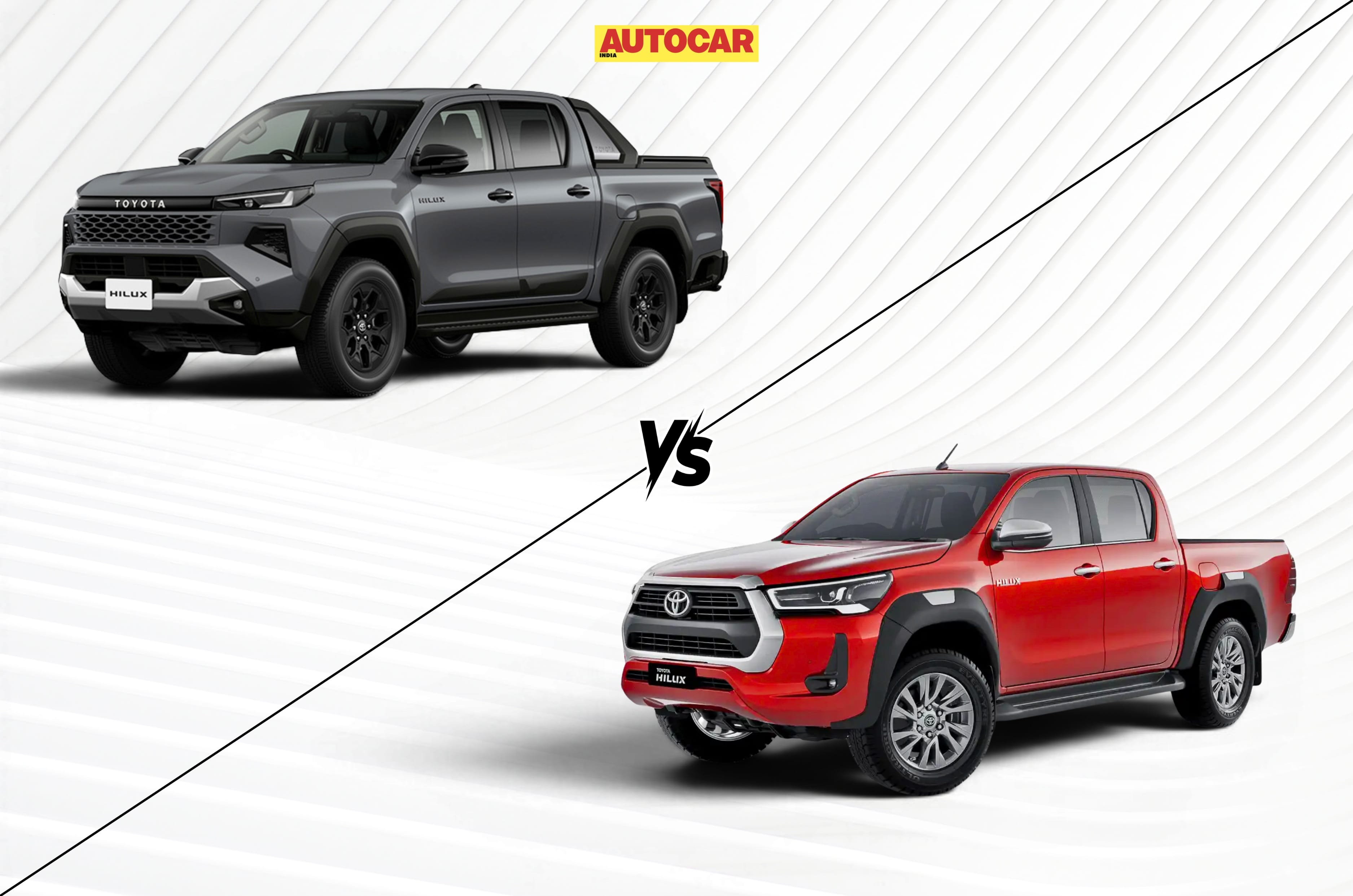
Toyota Hilux new vs old: Differences explained

Toyota Hilux new vs old

After a series of teasers, Toyota has finally launched the ninth-generation Hilux in India. Replacing the eighth-generation pickup truck that was launched in March 2022, the new model gets several design changes and feature upgrades. Here’s a detailed look at how the new Toyota Hilux compares with its predecessor.

Toyota Hilux new vs old: Exterior design

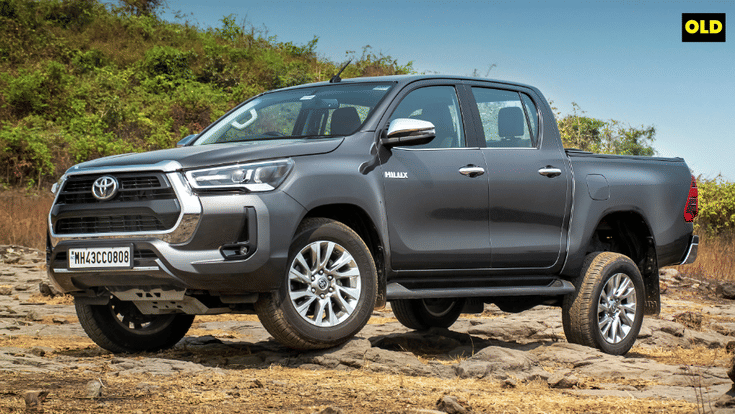
Compared to the outgoing Hilux, the the new model gets a sharper and more rugged design, drawing inspiration from the brand’s Tacoma pickup truck. At the front, it features slimmer LED headlights with integrated daytime running lamps, joined by a gloss-black strip with ‘TOYOTA’ lettering in the centre; the outgoing model opted for the Toyota logo.

Toyota Hilux new
Toyota Hilux old
 

The grille is now squarer and features a more angular honeycomb-mesh pattern. The bumper gets large black inserts on either side, while the lower section has a more aggressive design with pronounced creases, wide air intakes, a silver skid plate and LED fog lamps.

Toyota Hilux new
Toyota Hilux old
 

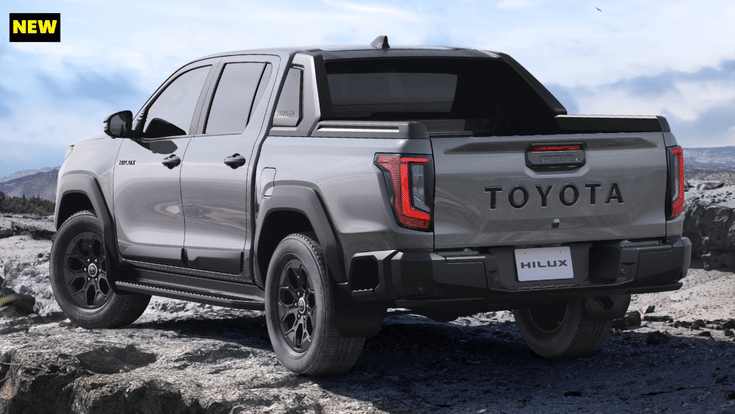
Its side profile is relatively cleaner than the front, and the ‘HILUX’ badges continue to be placed on the front doors. The alloy wheel size has gone down from 18 inches to 17 inches unchanged, and they have a new design and a blacked-out finish, instead of silver. The wheel arch cladding is slightly slimmer, and the outside rear-view mirrors and door handles are finished in black. Notably, there is a new small side step at the rear to get access to the truck bed.

Toyota Hilux new
Toyota Hilux old
 

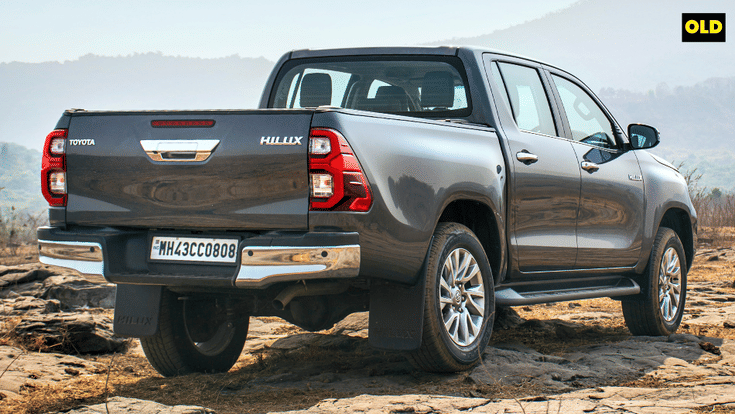
At the rear, the new Hilux opts for C-shaped LED tail-lights instead of the earlier model’s B-shaped units. Like at the front, the tailgate gets large ‘TOYOTA’ lettering. The tailgate handle is also finished in black, while the chunky rear bumper continues to feature an integrated step for easier access to the truck bed.

Toyota Hilux new vs old: Interior features

Toyota Hilux new
Toyota Hilux old
 

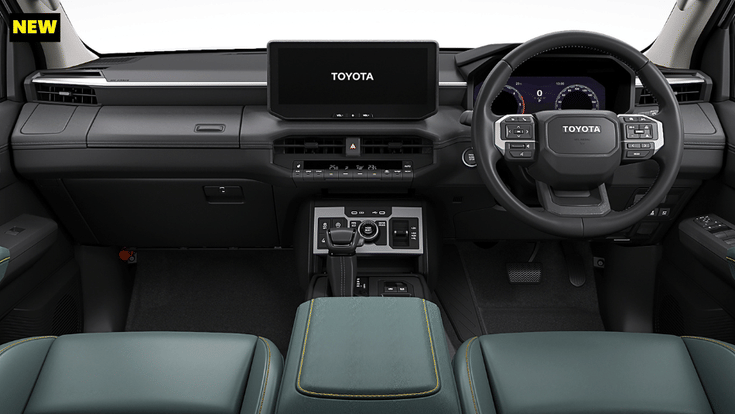
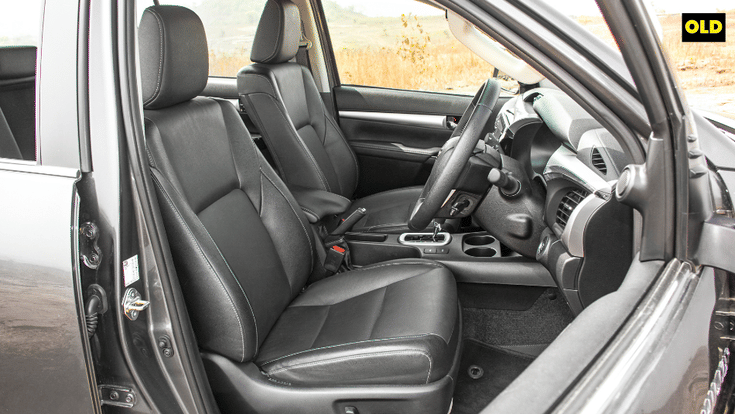
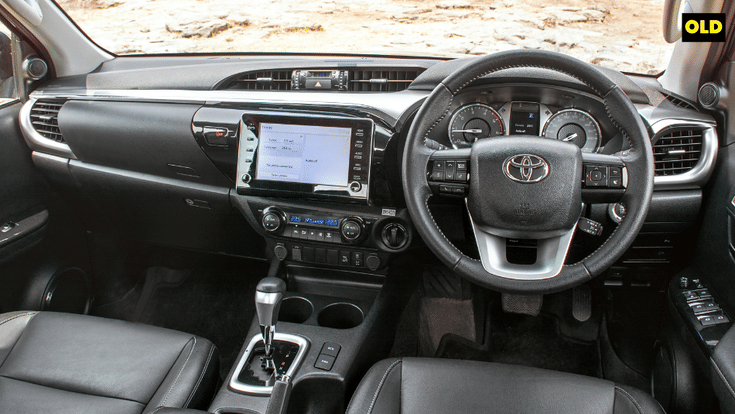
With a chunky 3-spoke steering wheel with physical buttons, a digital driver’s display and a 12.3-inch touchscreen infotainment system, the new Hilux has a more modern cabin than the outgoing model; the previous model had an analogue driver’s display and a smaller, 8-inch touchscreen unit. Thankfully, the new-gen Hilux offers a plethora of physical controls on the centre console. For controlling the climate inside the car, Toyota has used simple rotary dials, unlike the international-spec Hilux, which gets a more premium-looking horizontal row of buttons.

Toyota Hilux new
Toyota Hilux old
 

Some new features on the ninth-generation Toyota Hilux include a standard wireless charger, and wireless Apple CarPlay and Android Auto (on the top-spec trim). As before, safety features like 7 airbags, ABS and ISOFIX child seat mounts are on offer. An ADAS suite is still missing though.

Toyota Hilux new vs old: Powertrain

The new-gen model is based on the same IMV platform as the outgoing Hilux, and retains the 2.8-litre diesel engine that produces 204hp, 500Nm. Transmission duties are handled by a 6-speed torque-converter automatic, which is not standard across the range; a manual gearbox choice is no longer on offer. Also, both two-wheel drive and four-wheel drive options are on offer. However, the 48V mild hybrid system offered with the Hilux in some markets is not offered in India.

Toyota Hilux new vs old: Price

The outgoing Toyota Hilux was offered only with four-wheel drive, in manual and automatic forms, and was priced between Rs 35.3 lakh and Rs 36 lakh, ex-showroom. The new Hilux, however, is now available with both two-wheel drive and four-wheel drive options, widening its appeal. Prices range from Rs 31.99 lakh to Rs 36.69 lakh. Despite the updates the new Hilux brings along, Toyota has priced the new Hilux rather attractively.

2026 Toyota Hilux launched at Rs 31.99 lakh

Hilux

Toyota has launched the ninth-generation Hilux in India, starting at Rs 31.99 lakh (ex-showroom). The new pickup gets a redesigned exterior and cabin, additional technology and features, while retaining the IMV body-on-frame platform and Double Cab body style offered on the outgoing model.

  1. Gets bold ‘TOYOTA’ lettering, LED lighting and new 18-inch alloy wheels 
  2. Dual 12.3-inch displays and a 360-degree camera
  3. 2.8-litre diesel engine continues with automatic gearbox option

2026 Toyota Hilux exterior design

The new Hilux adopts a more upright front-end design with slim LED headlamps, a honeycomb-pattern grille and prominent ‘TOYOTA’ lettering replacing the conventional badge. On the front bumper are two quadrangle-shaped black air intakes on either side. Its lower section looks very aggressive with strong creases, wide air intakes, a silver skid plate and two LED fog lamps. In profile, the pickup gets black wheel arch cladding, roll bars, new 17-inch alloy wheels and a footboard for easier ingress and egress.

At the rear, the pickup gets vertically stacked LED tail-lamps  with C-shaped DRL signatures, ‘TOYOTA’ lettering across the tailgate and a redesigned bumper with an integrated step for easier access to the cargo bed.

The 2026 Toyota Hilux is offered in 6 colors, Sulphur Metallic, Platinum Pearl White Metallic, Attitude Black, Ash, Emotional Red and Super White.

2026 Toyota Hilux interior and features

Inside, the Hilux gets an all-new dashboard with 12.3-inch digital instrument cluster and 12.3-inch touchscreen infotainment displays, along with a new three-spoke steering wheel bearing the Toyota lettermark. The customisable driver’s display offers four design themes, whilst the infotainment unit uses the Toyota Smart Connect system. 

The cabin combines a mix of soft-touch leatherette and hard plastics, appearing equal parts contemporary and rugged. A welcome sight in the Hilux’s cabin is the abundance of physical controls for key functions, such as the climate control system and four-wheel-drive settings.

Feature highlights include wireless Apple CarPlay and Android Auto, wireless charging, dual-zone climate control, connected car technology, powered and ventilated front seats, multiple terrain modes, over-the-air (OTA) updates, a 360-degree camera and an ADAS suite.

2026 Toyota Hilux engine and gearbox

The Hilux continues with the familiar 2.8-litre four-cylinder diesel engine, which produces 204hp and 500Nm and is paired with a 6-speed torque-converter automatic. The Hilux is offered in 4×4 as well as 4×2 variants. There is no manual option available now, there was no 4×2 variants on offer before as well as it does not get the 48V ‘NeoDrive’ mild hybrid system, that was introduced with the Fortuner.

2026 Toyota Hilux price and rivals

VariantPrice (ex-showroom)
GX 4×2 ATRs 31.99 lakh
GX 4×4 ATRs 33.69 lakh
VX 4×4 ATRs 36.69 lakh

The 2025 Toyota Hilux is available in three variants, with prices ranging from Rs 31.99 lakh to Rs 36.69 lakh (ex-showroom). The entry-level GX 4×2 AT is priced at Rs 31.99 lakh, while the GX 4×4 AT sits in the middle of the range at Rs 33.69 lakh. The range-topping VX 4×4 AT is priced at Rs 36.69 lakh. The new Hilux continues to rival the Isuzu V-Cross in the lifestyle pickup segment.

Compared to the outgoing Hilux, which was priced between Rs 28.52 lakh and Rs 36 lakh (ex-showroom), the entry price has increased by Rs 3.47 lakh, while the range-topping variant costs Rs 69,000 more. Despite being a full generational update with a redesigned exterior and cabin and additional features, Toyota has kept the increase at the top end relatively modest.
iPhone 18 Pro और iPhone 18 Pro Max सितंबर में हो सकते हैं लॉन्च, बड़ी बैटरी, 2nm चिप और DSLR जैसे कैमरे की चर्चा

 Apple के अगली पीढ़ी के प्रीमियम स्मार्टफोन iPhone 18 Pro और iPhone 18 Pro Max को लेकर नई लीक्स सामने आई हैं। रिपोर्ट्स के मुताबिक कंपनी इस साल सितंबर में इन दोनों मॉडल्स को लॉन्च कर सकती है। लीक्स में दावा किया गया है कि नए iPhone Pro मॉडल्स में 2nm A20 प्रोसेसर, बड़ी बैटरी, बेहतर OLED डिस्प्ले और पहली बार Variable Aperture Camera जैसे बड़े अपग्रेड देखने को मिल सकते हैं। हालांकि Apple ने अभी तक इन फीचर्स या लॉन्च डेट की आधिकारिक पुष्टि नहीं की है।

ALSO READ: Priyanka Gandhi : संसद किसी की जागीर नहीं, छात्र न्याय मांग रहे थे भीख नहीं, छात्रों पर पैलेट गन क्यों चली? प्रियंका गांधी ने मोदी सरकार से मांगा जवाब

सितंबर में हो सकता है लॉन्च


अगर Apple अपने पुराने लॉन्च शेड्यूल का पालन करता है तो iPhone 18 Pro सीरीज का अनावरण सितंबर में किया जा सकता है। लीक्स में 12 सितंबर को संभावित लॉन्च डेट बताया जा रहा है। कुछ टिप्स्टर्स का दावा है कि कंपनी पहले Pro मॉडल्स लॉन्च कर सकती है, जबकि रेगुलर iPhone 18 को बाद में पेश किया जा सकता है। साथ ही Apple के पहले फोल्डेबल iPhone की भी चर्चा है, लेकिन फिलहाल यह केवल अफवाहों तक सीमित है।

ALSO READ: Priyanka Gandhi : प्रियंका गांधी के बयान पर संसद में बवाल, प्रह्लाद जोशी पर टिप्पणी से मचा हंगामा, माफी की उठी मांग

डिजाइन में बड़े बदलाव नहीं, नए कलर ऑप्शन मिल सकते हैं


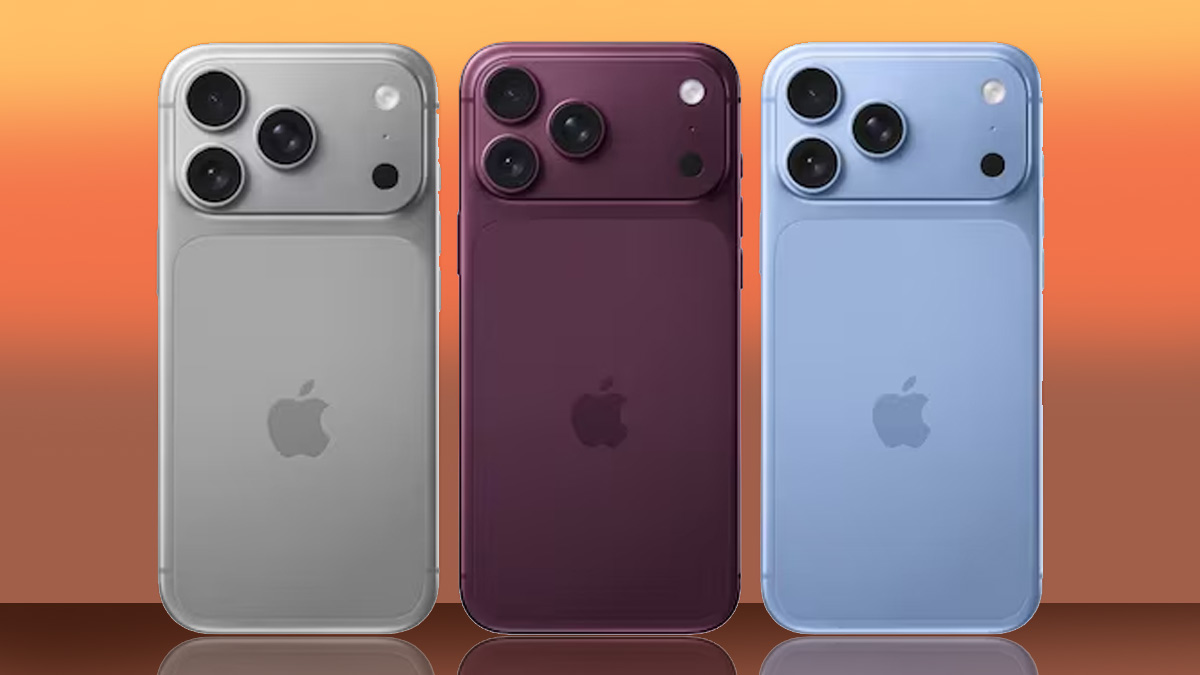
रिपोर्ट्स के अनुसार iPhone 18 Pro सीरीज का डिजाइन पिछले मॉडल जैसा ही रहेगा। हालांकि कंपनी Dark Cherry, Light Blue और Dark Grey जैसे नए रंग पेश कर सकती है। वहीं iPhone 18 Pro Max में बड़ी बैटरी के कारण फोन थोड़ा मोटा और भारी हो सकता है।


डिस्प्ले होगा ज्यादा ब्राइट और पावर एफिशिएंट


iPhone 18 Pro में 6.3 इंच और iPhone 18 Pro Max में 6.9 इंच का डिस्प्ले मिलने की उम्मीद है। दोनों फोन में अपग्रेडेड LTPO+ OLED पैनल दिया जा सकता है, जिससे स्क्रीन ज्यादा ब्राइट होगी और बैटरी की खपत भी कम होगी।

ALSO READ: Jio का बड़ा धमाका, 33.3 लाख नए एक्टिव मोबाइल सब्सक्राइबर जुड़े, 5G और वायरलाइन में भी नंबर-1

छोटा होगा Dynamic Island

लीक्स के मुताबिक Apple Face ID टेक्नोलॉजी का बड़ा हिस्सा डिस्प्ले के नीचे शिफ्ट कर सकता है। इससे Dynamic Island का आकार करीब 35 प्रतिशत तक छोटा हो सकता है और यूजर्स को ज्यादा स्क्रीन स्पेस मिलेगा।


पहली बार मिल सकता है Variable Aperture Camera

iPhone 18 Pro सीरीज में पहली बार Variable Aperture Camera मिलने की चर्चा है। यह कैमरा रोशनी के हिसाब से अपने आप अपर्चर एडजस्ट करेगा, जिससे कम रोशनी में बेहतर फोटो, अधिक प्राकृतिक पोर्ट्रेट, कम ओवरएक्सपोजर और बेहतर वीडियो रिकॉर्डिंग संभव हो सकती है। फिलहाल यह स्पष्ट नहीं है कि यूजर इसे मैन्युअली कंट्रोल कर पाएंगे या नहीं।

ALSO READ: 260KM तक की रेंज वाली सस्ती इलेक्ट्रिक बाइक, मचाएगी धमाल, जानिए क्या हैं फीचर्स

A20 2nm चिप दे सकती है दमदार परफॉर्मेंस

नई Pro सीरीज में Apple का A20 चिपसेट मिलने की संभावना है, जिसे TSMC की 2nm प्रोसेस टेक्नोलॉजी पर तैयार किया जा सकता है। यह प्रोसेसर पहले से ज्यादा तेज और ऊर्जा की बचत करने वाला हो सकता है। रिपोर्ट्स के मुताबिक इसमें Apple का नया C2 5G मॉडेम और बेहतर सैटेलाइट कनेक्टिविटी भी देखने को मिल सकती है।


बड़ी बैटरी से बढ़ सकती है बैकअप

रिपोर्ट्स के अनुसार iPhone 18 Pro Max में 5,200mAh तक की बैटरी मिल सकती है, जबकि iPhone 18 Pro की बैटरी क्षमता में भी बढ़ोतरी होने की उम्मीद है। नई बैटरी और 2nm प्रोसेसर के साथ बेहतर बैटरी बैकअप मिलने की संभावना जताई जा रही है।


भारत में कीमत बढ़ सकती है

लीक्स के मुताबिक iPhone 18 Pro सीरीज की कीमत भारत में मौजूदा मॉडल्स की तुलना में 20,000 से 30,000 रुपये तक बढ़ सकती है। फिलहाल iPhone 17 Pro की शुरुआती कीमत ₹1,34,999 और iPhone 17 Pro Max की शुरुआती कीमत ₹1,49,999 है। ऐसे में नई Pro सीरीज और अधिक महंगी हो सकती है। वैश्विक बाजार में भी कीमत करीब 200 डॉलर तक बढ़ने की चर्चा है, जिसकी वजह महंगे कंपोनेंट्स और बढ़ी हुई सप्लाई चेन लागत बताई जा रही है।

अभी कुछ भी आधिकारिक नहीं

ध्यान देने वाली बात यह है कि Apple ने अभी तक iPhone 18 Pro सीरीज की लॉन्च डेट, फीचर्स या कीमत को लेकर कोई आधिकारिक घोषणा नहीं की है। ऐसे में फिलहाल इन सभी जानकारियों को केवल लीक्स और रिपोर्ट्स के आधार पर ही देखा जाना चाहिए।

नई Hyundai Creta में मिलेंगे बड़े बदलाव! 15+ इंच स्क्रीन, Level 2+ ADAS और HUD के साथ होगी लॉन्च

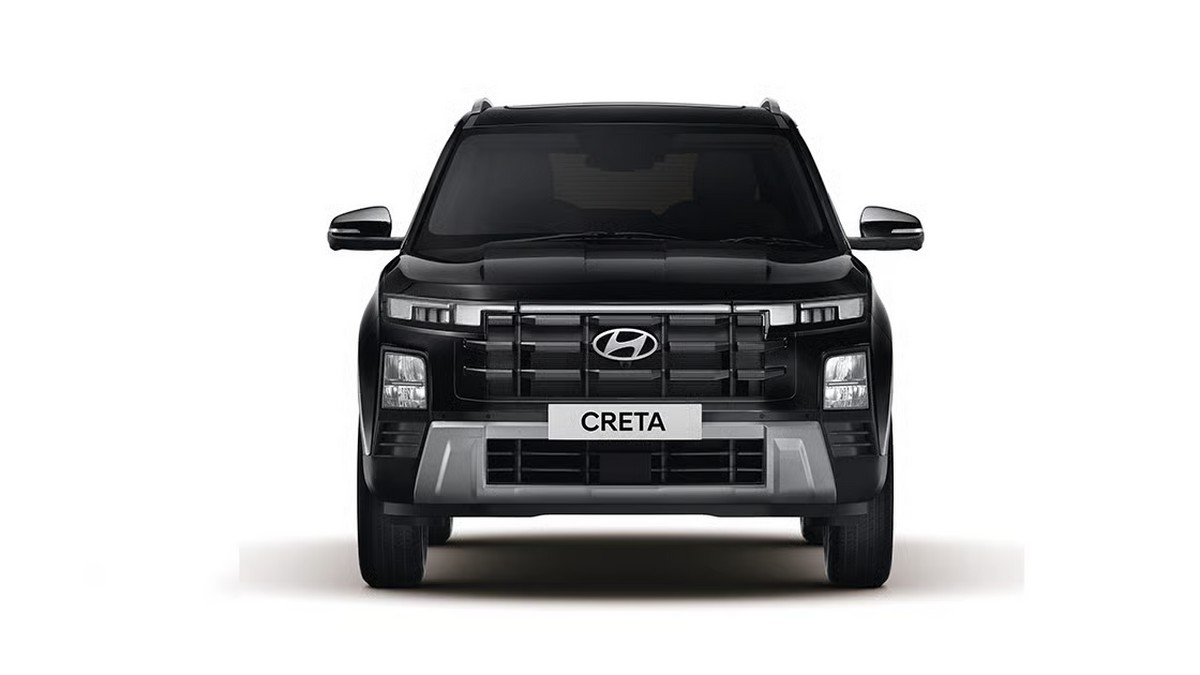
हुंडई अपनी लोकप्रिय मिड-साइज SUV Hyundai Creta की अगली जनरेशन को जल्द बाजार में उतारने की तैयारी कर रही है। नई Creta में सिर्फ नया प्लेटफॉर्म और नए पावरट्रेन ही नहीं, बल्कि पहले से कहीं ज्यादा आधुनिक फीचर्स भी देखने को मिल सकते हैं। माना जा रहा है कि कंपनी इस बार SUV के फीचर पैकेज को और मजबूत बनाएगी, क्योंकि यही इसकी सबसे बड़ी ताकत रही है।

मिलेगा एडवांस Level 2+ ADAS

मौजूदा Hyundai Creta में Level-2 ADAS के तहत 20 सेफ्टी फीचर्स दिए जाते हैं। हालांकि, नई जनरेशन मॉडल में Kia Seltos की तरह Level 2+ ADAS मिलने की उम्मीद है, जिसमें 28 तक एडवांस ड्राइवर असिस्टेंस फीचर्स शामिल हो सकते हैं।

संभावित नए ADAS फीचर्स में शामिल हैं:

  • Navigation-based Smart Cruise Control
  • Frontal Collision Warning
  • Junction Crossing Assist
  • अन्य एडवांस सेफ्टी और ड्राइविंग असिस्ट सिस्टम
  • मिलेगा नया PLEOS इंफोटेनमेंट सिस्टम


नई Creta के केबिन में सबसे बड़ा बदलाव Hyundai का नया PLEOS Infotainment System हो सकता है। कंपनी इस सिस्टम को पहले अपने कुछ अंतरराष्ट्रीय मॉडलों में पेश कर चुकी है। रिपोर्ट्स के मुताबिक, इसमें 15 इंच से बड़ी टचस्क्रीन मिलने की संभावना है। इसके जरिए कार के अधिकांश कंट्रोल और सेटिंग्स ऑपरेट किए जा सकेंगे।


इस सिस्टम की खासियत Over-the-Air (OTA) Updates होगी। यानी भविष्य में सॉफ्टवेयर अपडेट के साथ कुछ मैकेनिकल बदलाव, जैसे सस्पेंशन ट्यूनिंग, भी OTA के जरिए अपडेट किए जा सकेंगे। इसके अलावा मौजूदा डिजिटल ड्राइवर डिस्प्ले की जगह नया और ज्यादा स्लिम डिस्प्ले मिलने की संभावना है, जिसमें केवल जरूरी ड्राइविंग जानकारी दिखाई जाएगी। HUD और Wireless Android Auto-Apple CarPlay भी मिल सकते हैं


फिलहाल Hyundai Creta के टॉप वेरिएंट में Head-Up Display (HUD) और Wireless Android Auto एवं Apple CarPlay की सुविधा उपलब्ध नहीं है। वायरलेस कनेक्टिविटी के लिए अलग से एडेप्टर का इस्तेमाल करना पड़ता है।


नई जनरेशन Creta में यह कमी दूर हो सकती है। Kia Seltos में पहले से मौजूद इन फीचर्स को अब Hyundai Creta में भी शामिल किए जाने की उम्मीद है। साथ ही, वायरलेस Android Auto और Apple CarPlay को केवल लोअर वेरिएंट तक सीमित रखने के बजाय अधिकांश वेरिएंट्स में स्टैंडर्ड फीचर बनाया जा सकता है। हालांकि, कंपनी ने अभी तक नई Hyundai Creta के फीचर्स और लॉन्च टाइमलाइन को लेकर आधिकारिक घोषणा नहीं की है।