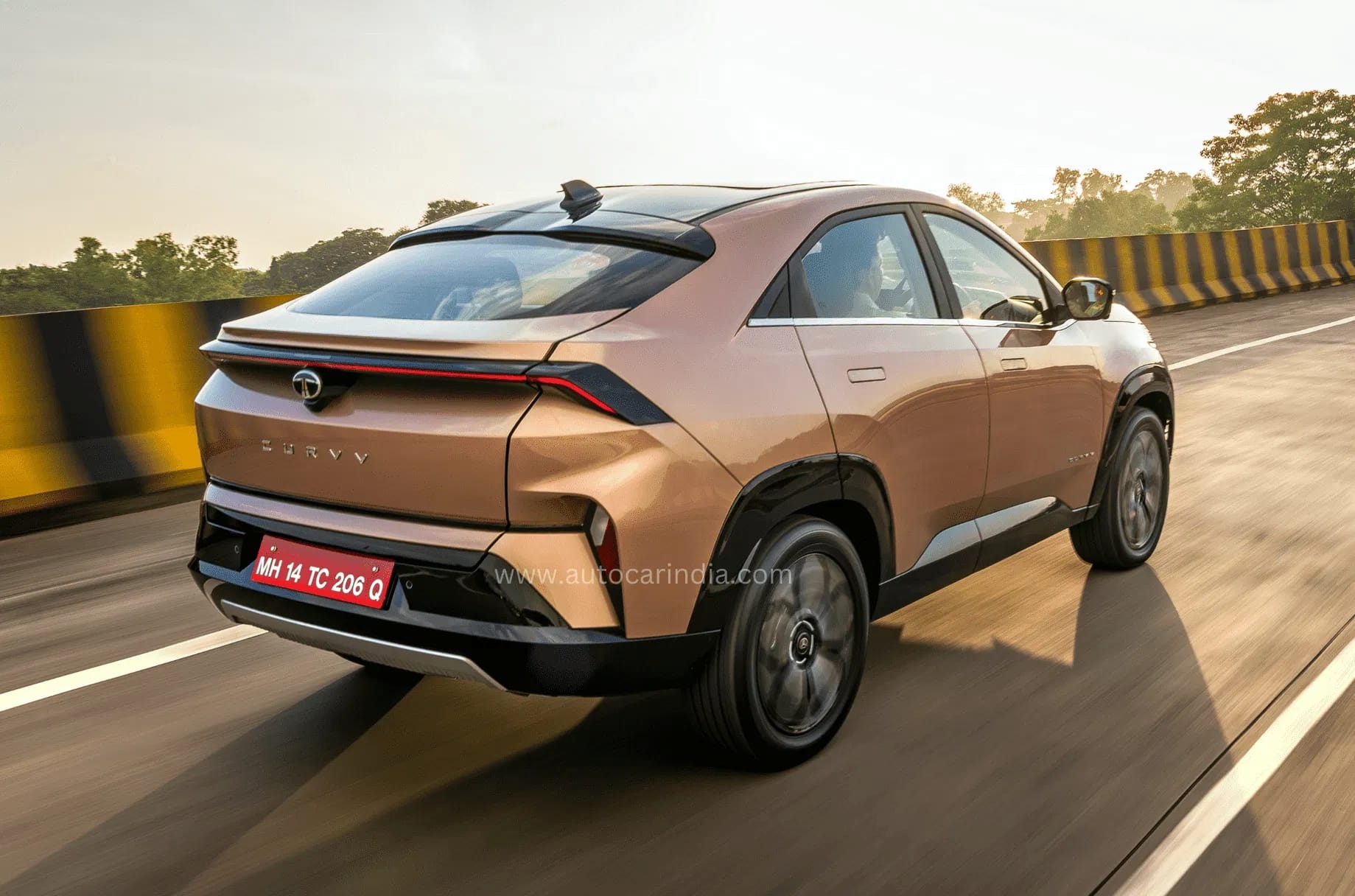
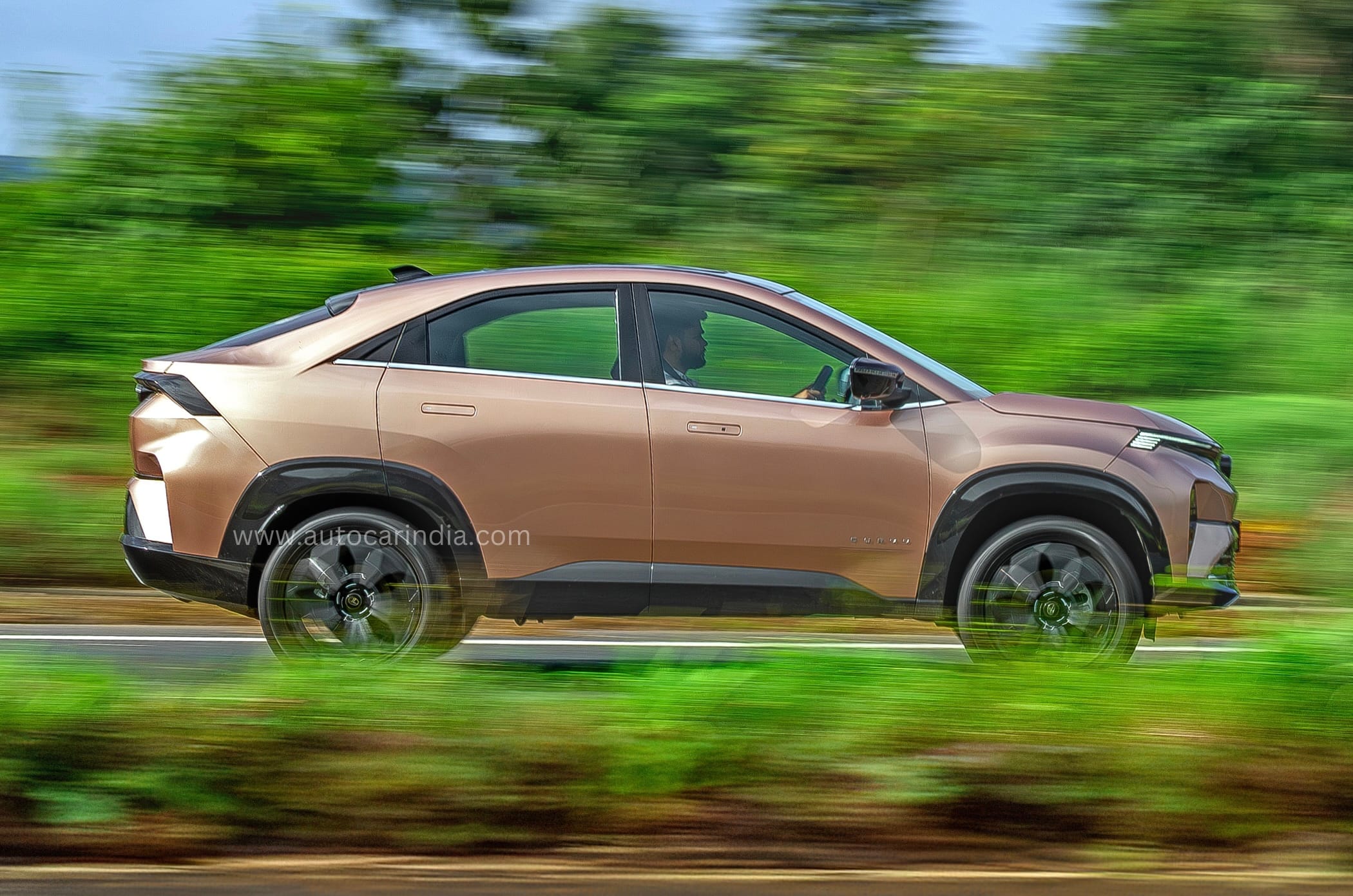
Tata introduced the Curvv as its unique take on the midsize SUV space in 2024. Currently, it is one of the two coupe-SUV models in this heavily contested segment. Built on Tata’s ATLAS platform, the Curvv slots between the compact Nexon and the newer, traditional-looking Sierra in the brand’s SUV line-up. If you’re interested in the Curvv, below are the reasons to consider it, as well as reasons to look elsewhere.
Reasons to buy
Good ride and handling balance
Like other Tata models, which are known to have a good balance of ride and handling, the Curvv is no different. It feels tough and takes on broken road patches with ease. Low-speed ride may feel a bit stiff, but it smooths out as you increase speed. Where the Curvv does feel at home is at highway speeds, with composed and mature road manners. Body roll when cornering is also kept well in check, and the steering is precise.
Diverse powertrain offering
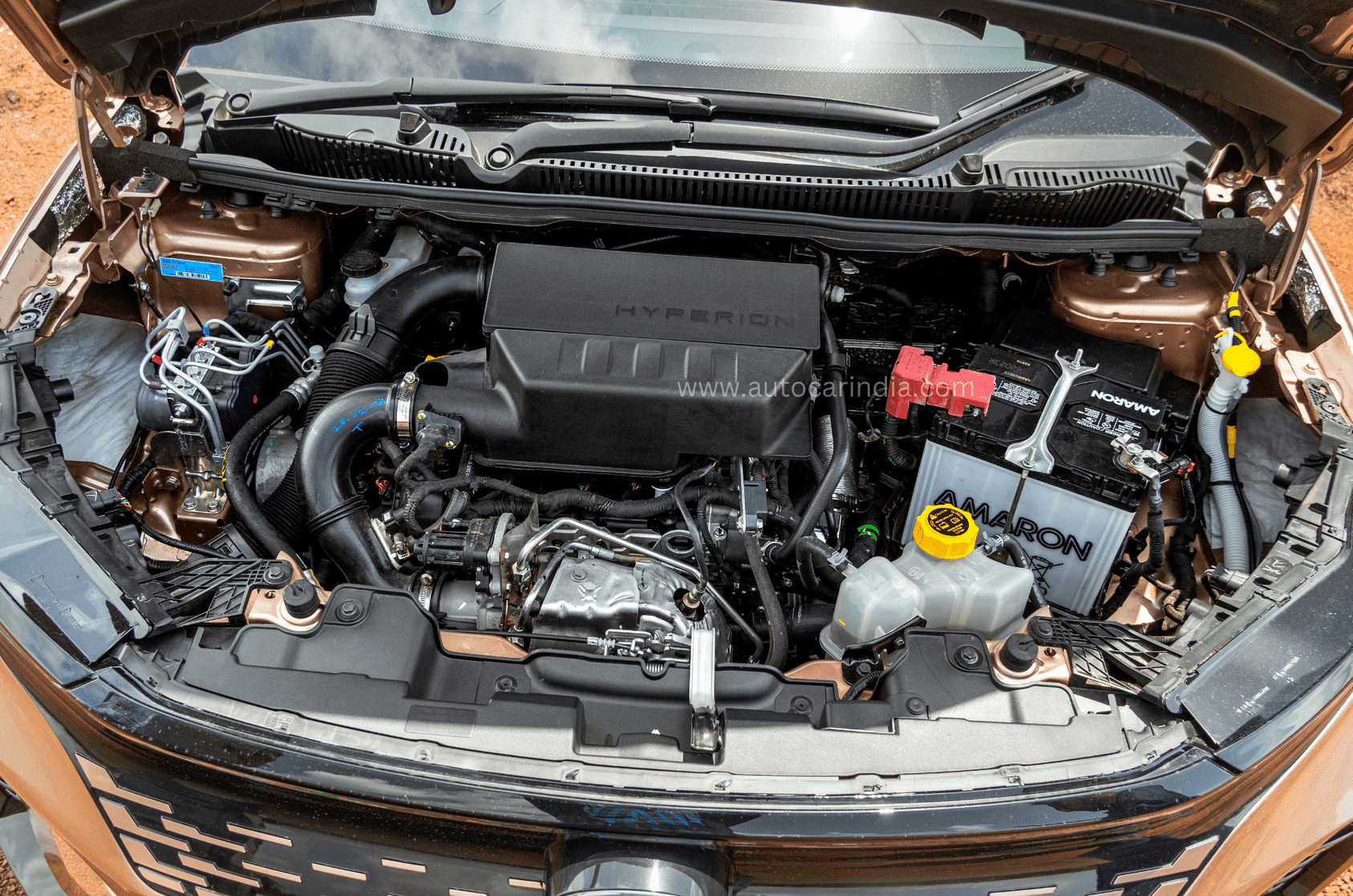
In the mid-size SUV segment, the Curvv is one of the models with a quite diverse powertrain lineup. This includes a 120hp, 170Nm, 1.2-litre turbo-petrol, a 118hp, 260Nm, 1.5-litre diesel, and a 125hp 225Nm 1.2-litre direct-injection turbo-petrol engine. While some SUVs offer only a manual or an automatic gearbox with a particular engine, Tata offers the flexibility of both options, with each of its engines paired to either a 6-speed manual or a 7-speed DCT.
Well-equipped feature list
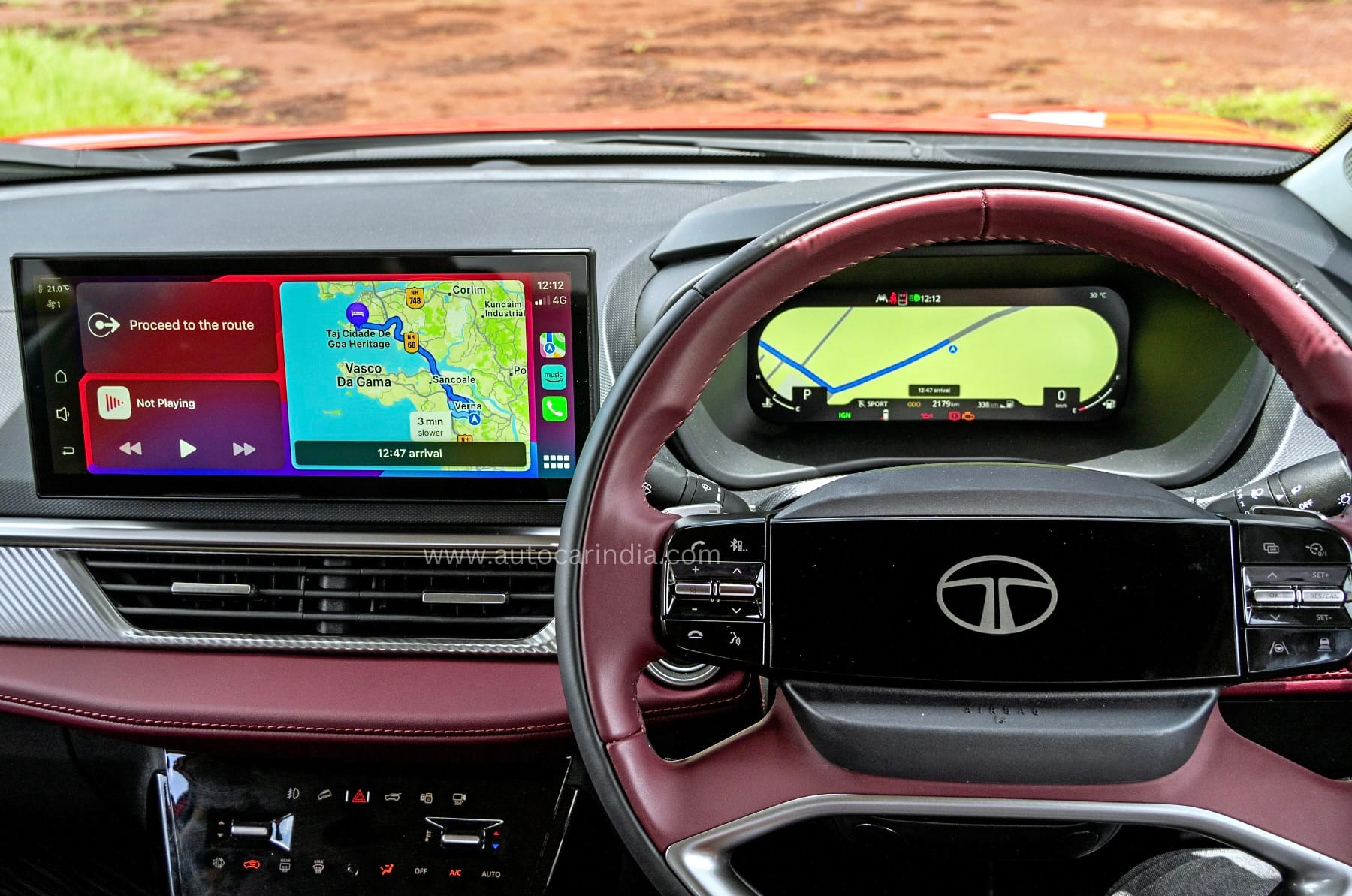
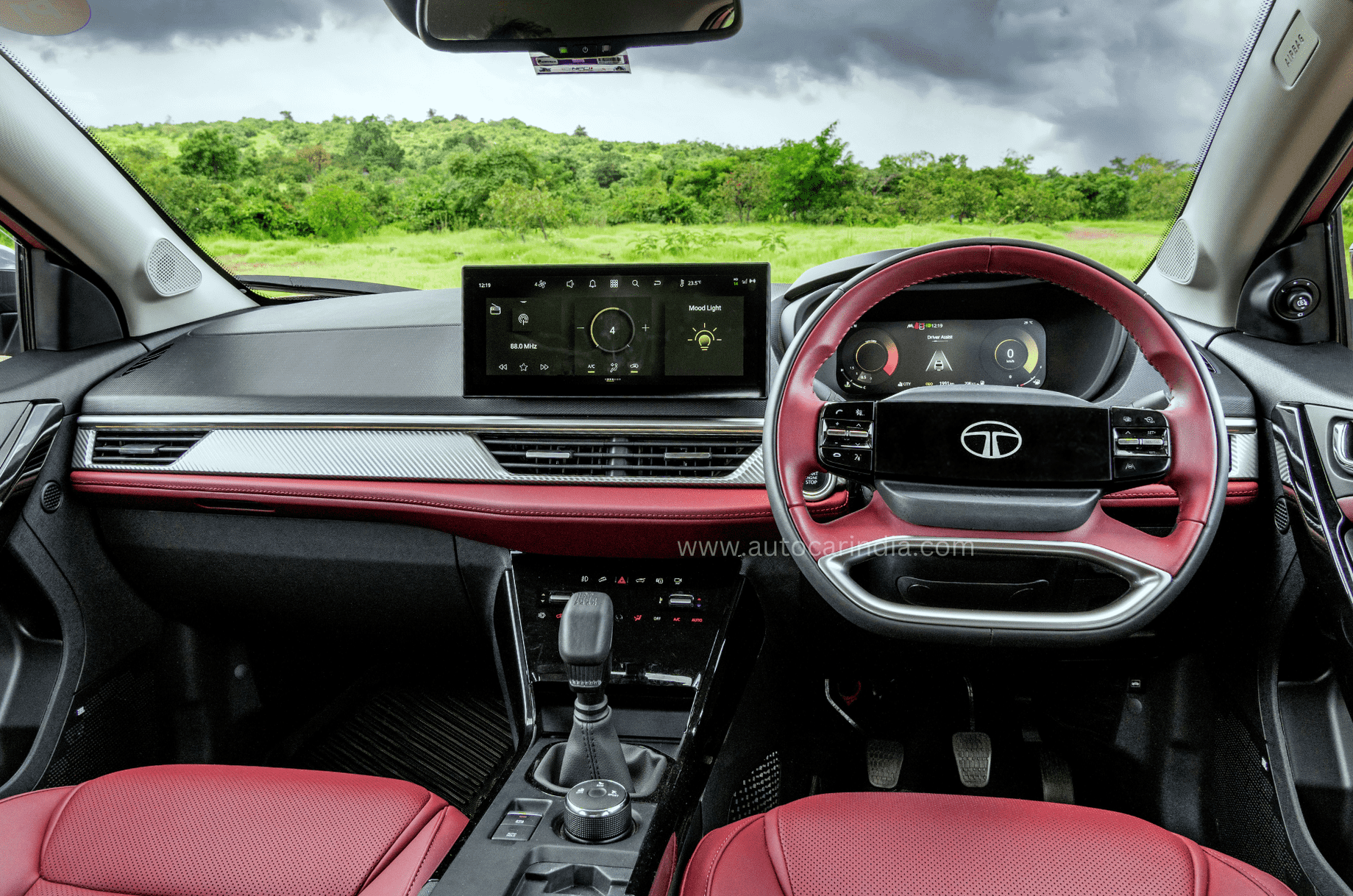
Tata has packed the Curvv with a long list of features. Not only does the Curvv come with tech like a 12.3-inch infotainment display, 10.25-inch digital driver’s display, wireless Apple CarPlay and Android Auto, air purifier, a wireless phone charger, 9-speaker JBL sound system, but it also gets comfort features like a powered driver seat, front seat ventilation, passive ventilation for the rear seats, a panoramic sunroof, rear window sunshades, dual-zone air conditioning, and more. It’s well-equipped on the safety front as well, with level 2 ADAS, a 360-degree camera, blind-spot detection and an auto-dimming IRVM on board.
Large boot space
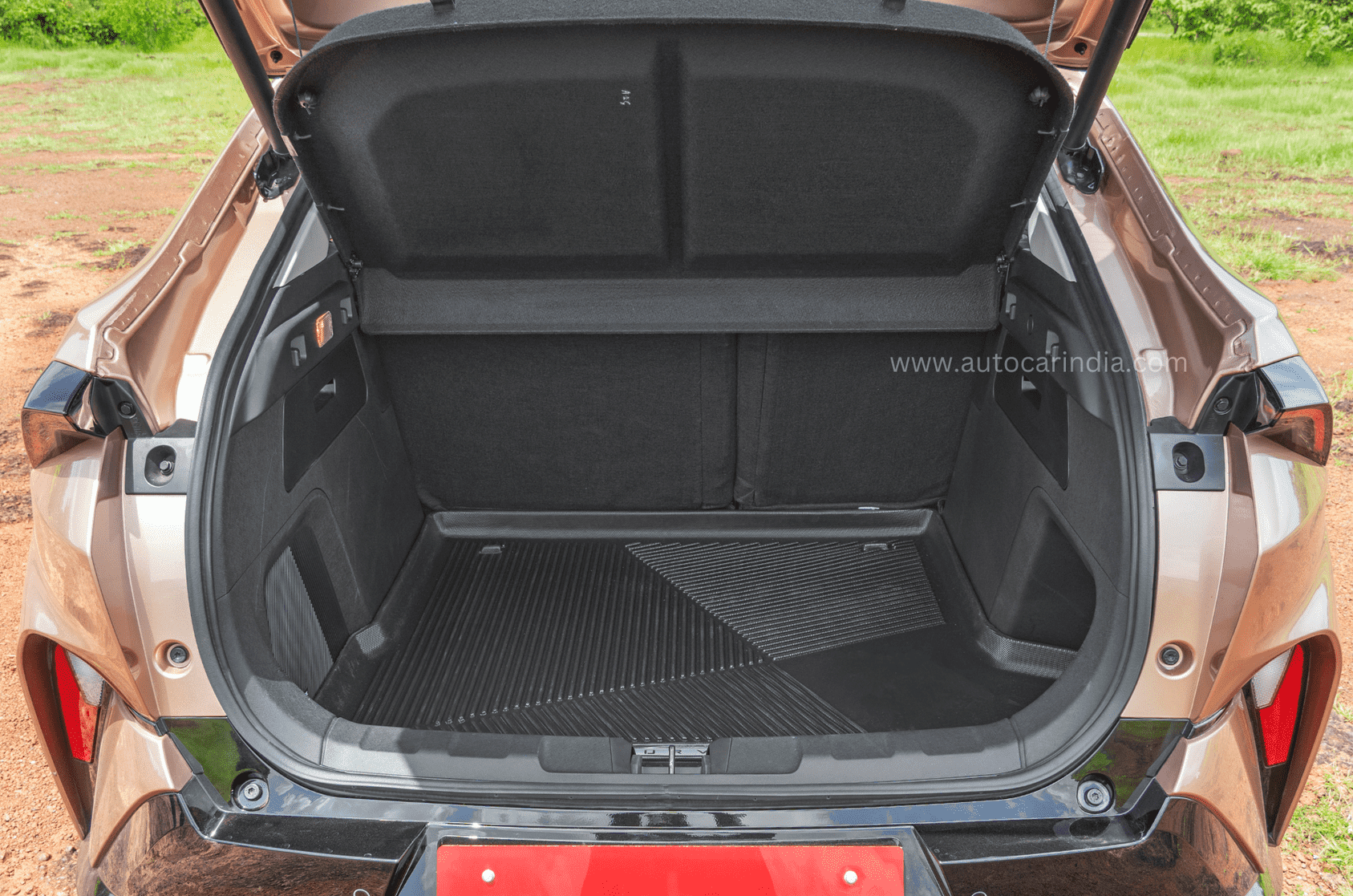
The Curvv is among the models in its class with a large boot space. With a capacity of 500-litres, there’s plenty of room for your luggage needs, and it can also be expanded further by the 60:40 split-folding rear seat.
Reasons to skip
Limited rear headroom
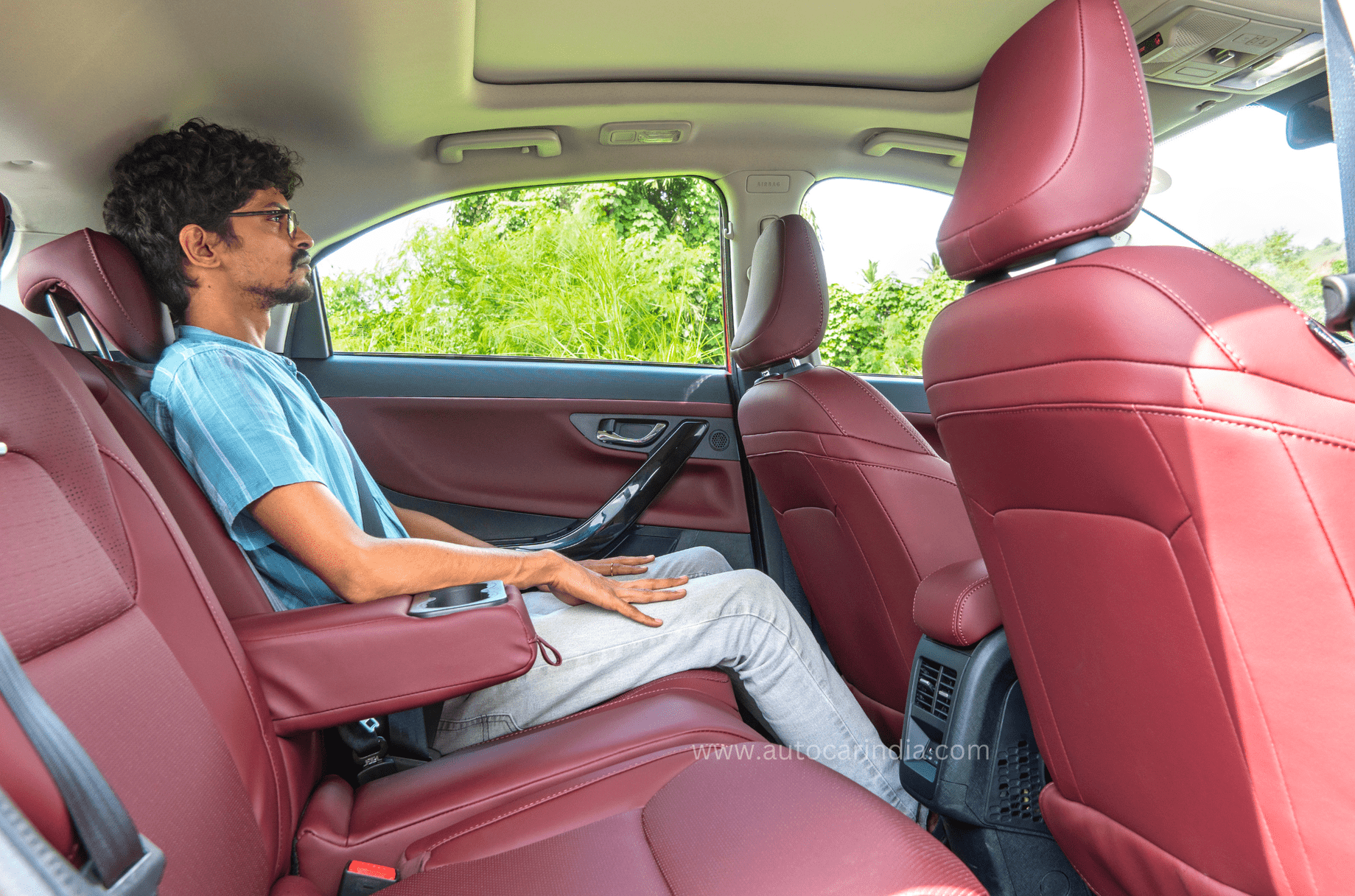
While passengers at the back have adequate legroom, the Curvvs coupe-SUV roofline limits headroom. Though the seat can recline and the headliner is scooped out to help ease things, taller passengers will still find the headroom tight. Additionally, the middle rear seat misses a dedicated headrest, hindering overall comfort.
Inconsistent fit and finish, ergonomic cabin flaws
While the quality of materials is acceptable, certain areas of the cabin aren’t finished to a T, which is a common issue with Tata models. While there are cupholders at the front, they’re placed in the glovebox, which makes them unusable. Surprisingly, the front centre console does not get cup holders. Additionally, the 12V socket is hard to reach, as it’s placed in a recessed space ahead of the gear lever; the front centre armrest is too small and doesn’t slide, while the storage space below it is suitable only for small items.
Snappy clutch (manual gearbox)
While shifting gears with the manual gearbox is smooth enough, the snappy behaviour of the clutch pedal and long gear throws take away from overall driver involvement. Furthermore, the gear lever is odd to look at and hold.
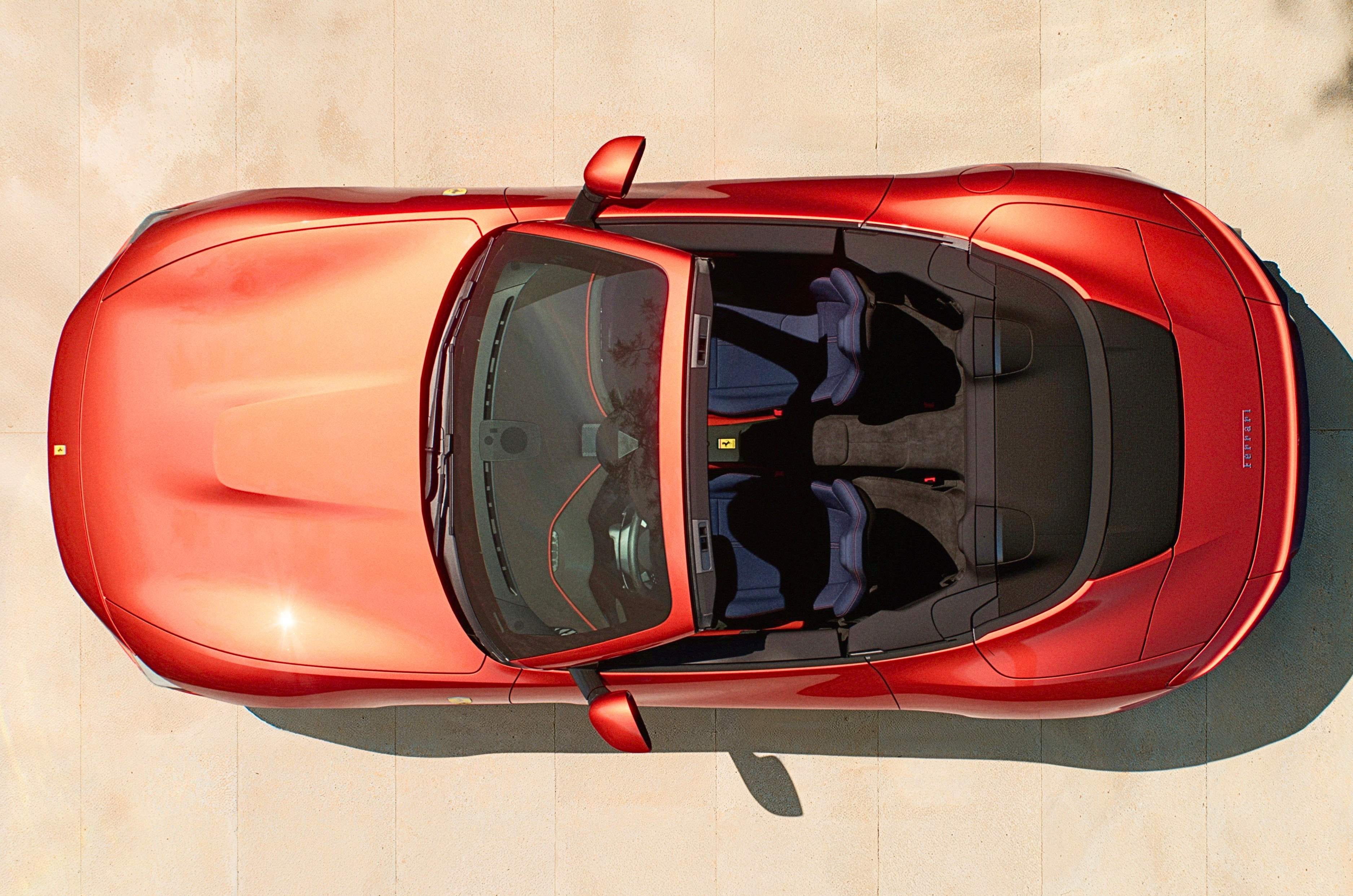
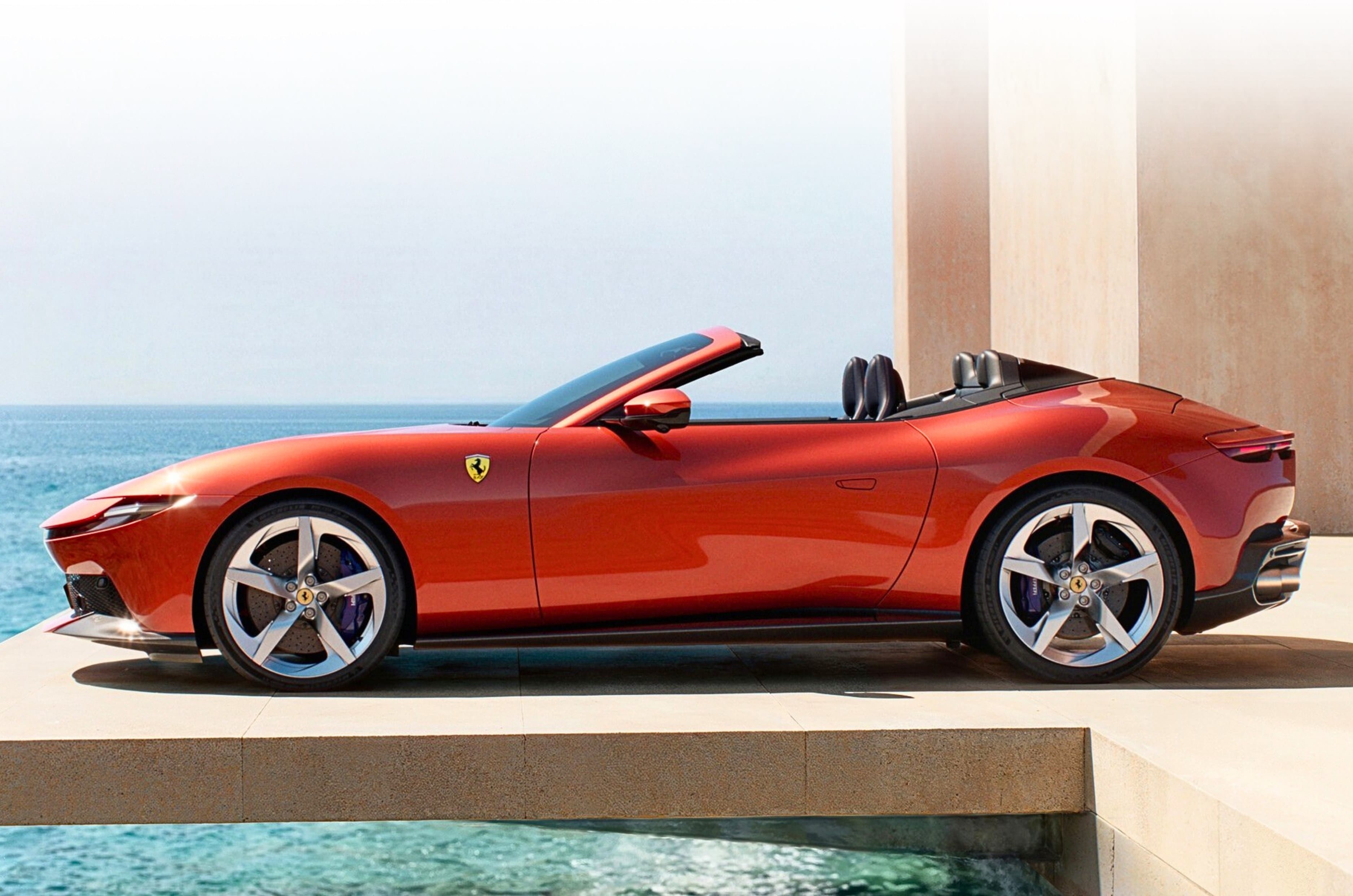
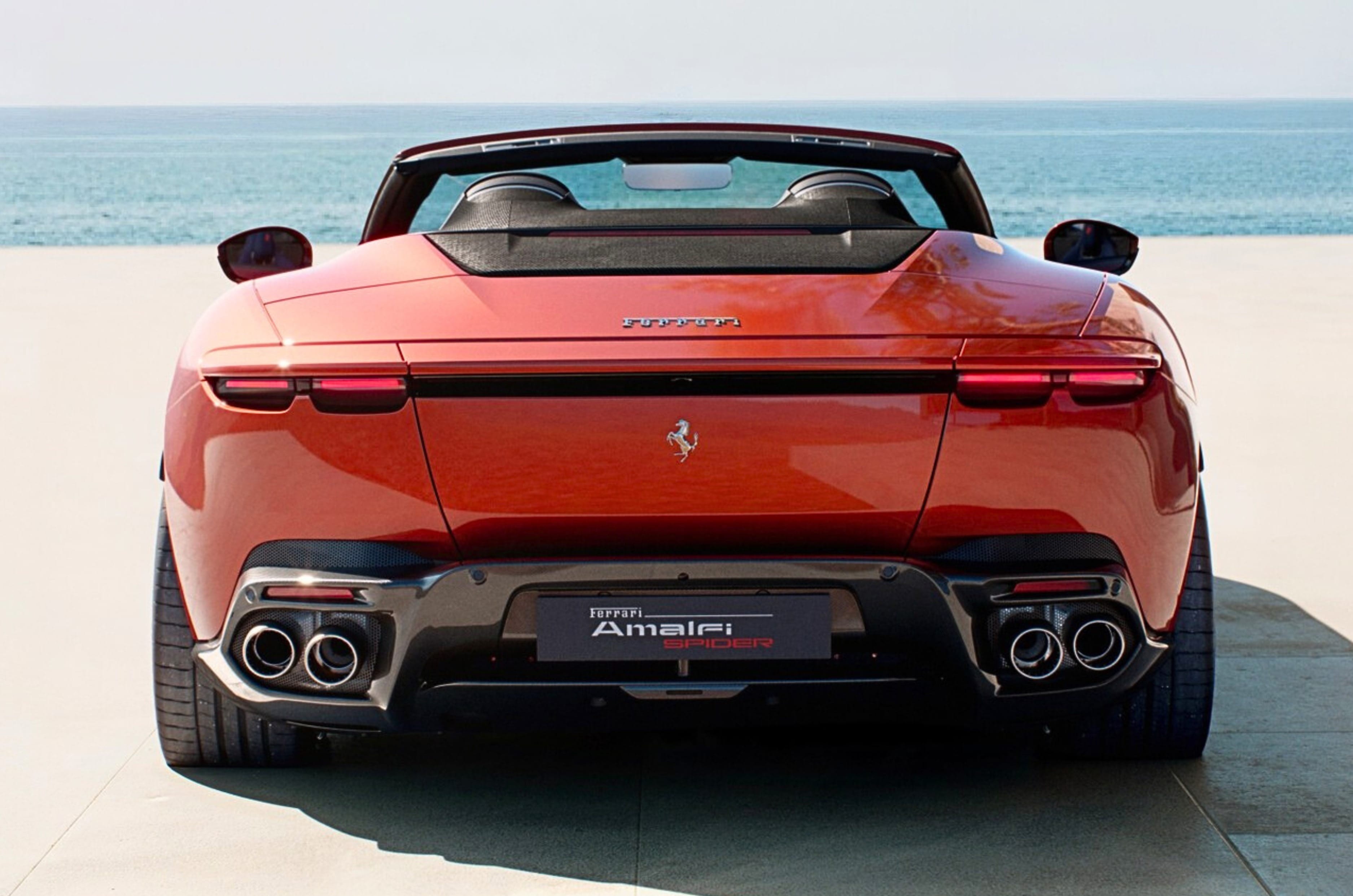
Ferrari India has begun accepting orders for the Amalfi Spider, priced at Rs 4.6 crore, before options. As the name suggests, the Amalfi Spider is the convertible derivative of the Ferrari Amalfi grand tourer, and it’s available in India just a few months after its global debut in March 2026.
Compared to its coupe counterpart, which is currently priced at Rs 4.08 crore (before options), the Amalfi Spider commands a premium of Rs 52 lakh.
Ferrari Amalfi Spider powertrain and performance
Retains coupe’s 640hp twin-turbo V8
The Amalfi Spider is powered by the same 3.9-litre twin-turbo V8 as its coupe sibling, developing 640hp and 760Nm. This is funnelled solely to the rear wheels via an 8-speed dual-clutch automatic. Ferrari claims a 0-100kph time of 3.3 seconds and a top speed of 320kph – despite its drop-top form factor and 86kg heavier kerb weight, the Amalfi Spider is impressively similar to the coupe in terms of claimed performance.
Ferrari Amalfi Spider exterior and interior
Fabric roof can be operated at up to 60kph
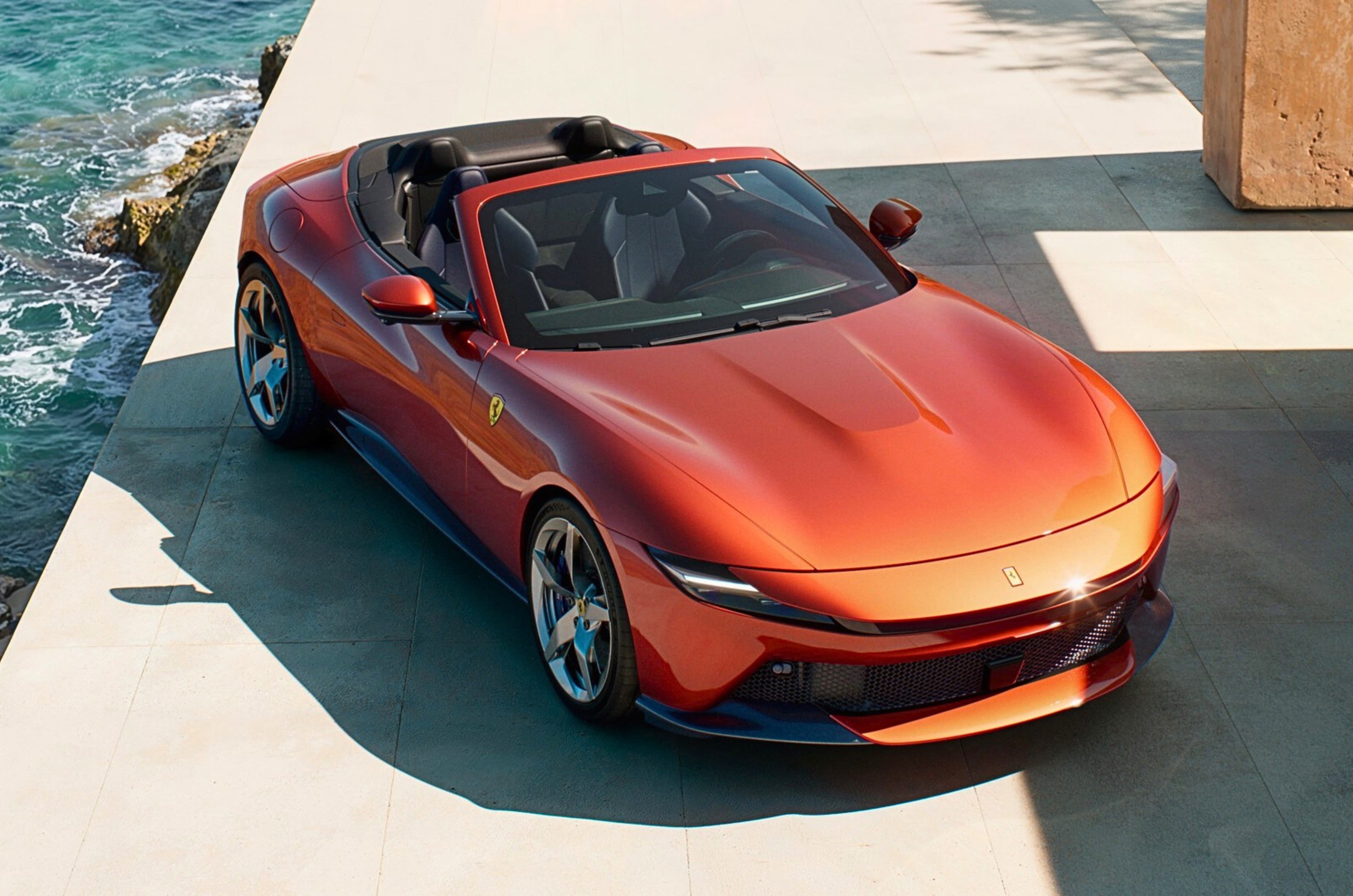
Expectedly, the Amalfi Spider looks identical to its coupe counterpart, with the only major visual differentiator being its folding fabric roof, which opens in 13.5 seconds at speeds of up to 60kph. Buyers can choose one of four colours for the roof, and the five-layer material it uses is said to maintain NVH levels comparable to those of a hard-top Ferrari.
Ferrari has also added wind deflectors to the Amalfi Spider’s rear-seat backrests to keep wind noise under control, and the convertible can be had in an exclusive Rosso Tramonto colour option too.
Mirrors the interior layout of the coupe
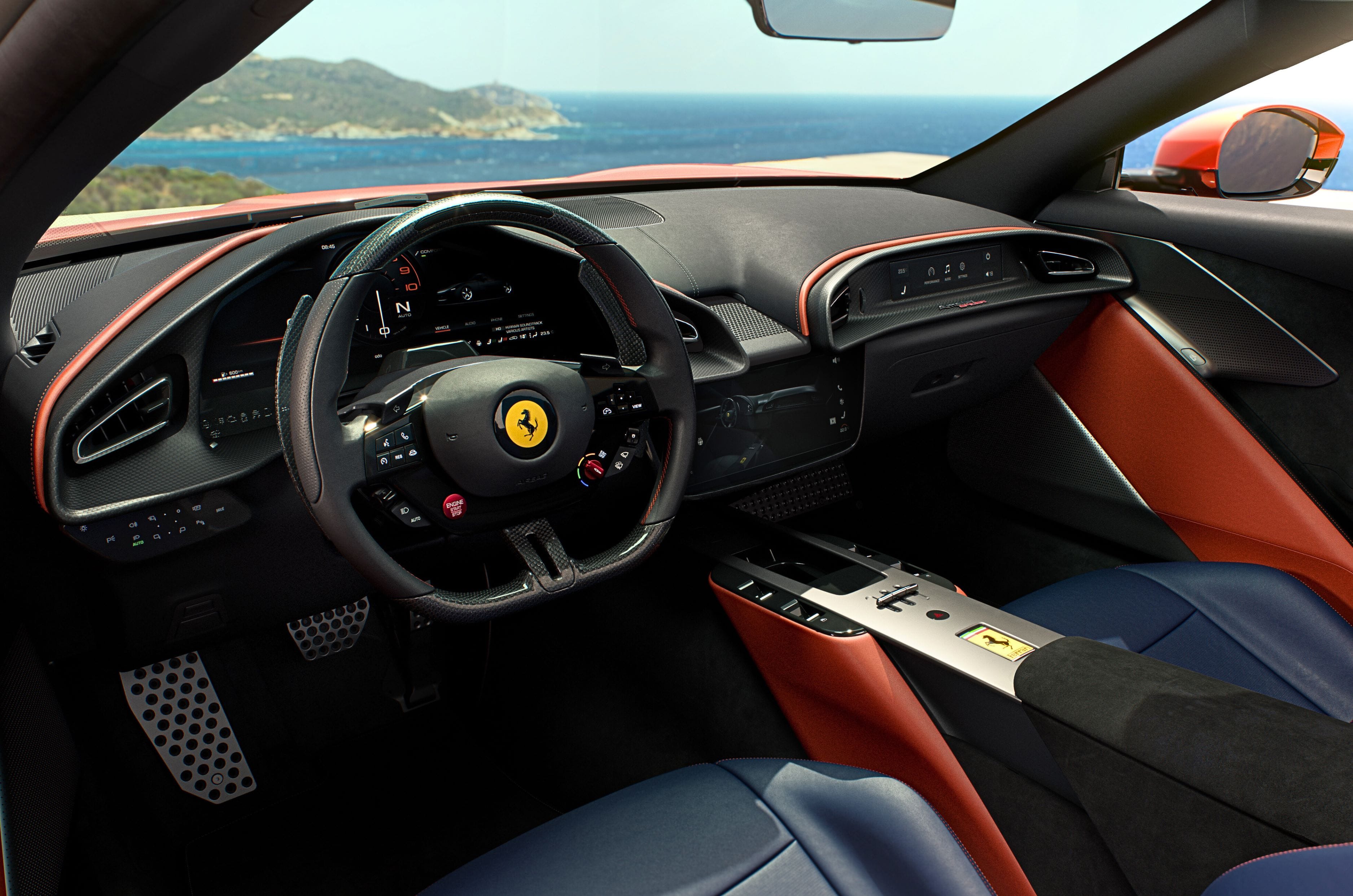
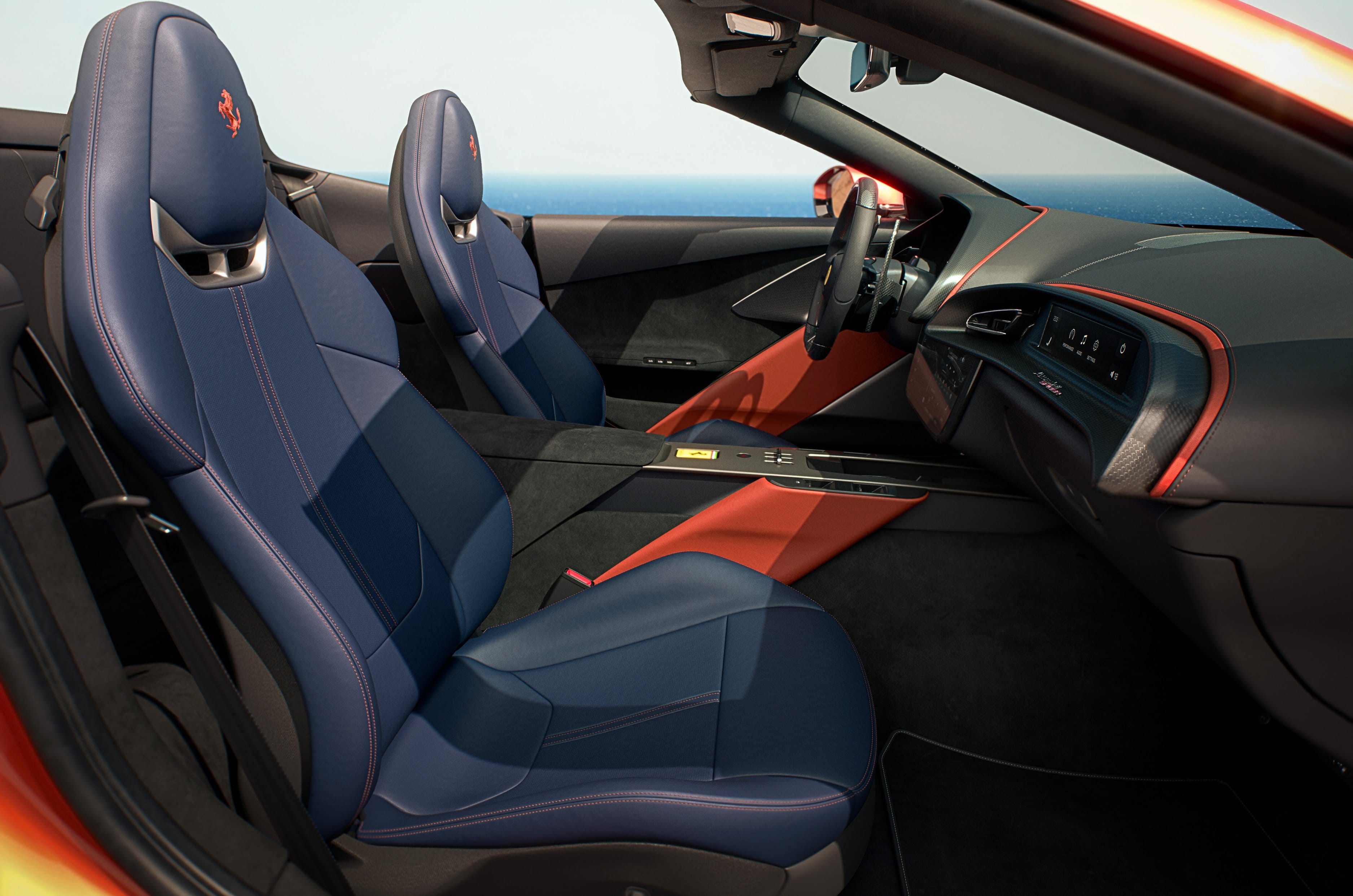
The interior layout of the Amalfi Spider is the same as that of the coupe too, with highlights like a 2+2 seating layout, a 10.25-inch central infotainment touchscreen, an 8.8-inch passenger display, a 15.6-inch digital driver’s display, powered sports seats, a three-spoke steering wheel with lots of physical controls, curved AC vents, and an aluminium-milled centre tunnel.
In terms of creature comforts, the Amalfi Spider packs wireless Apple CarPlay and Android Auto, ADAS, connected car tech, adaptive cruise control, automatic climate control, a wireless charging pad, and more. Buyers can also spec the Amalfi Spider’s upholstery, trim pieces, and colour schemes to their individual tastes thanks to a plethora of personalisation options too. As for boot space, the Amalfi Spider is rated at 255 litres with the roof closed, and 172 litres with the roof stowed.
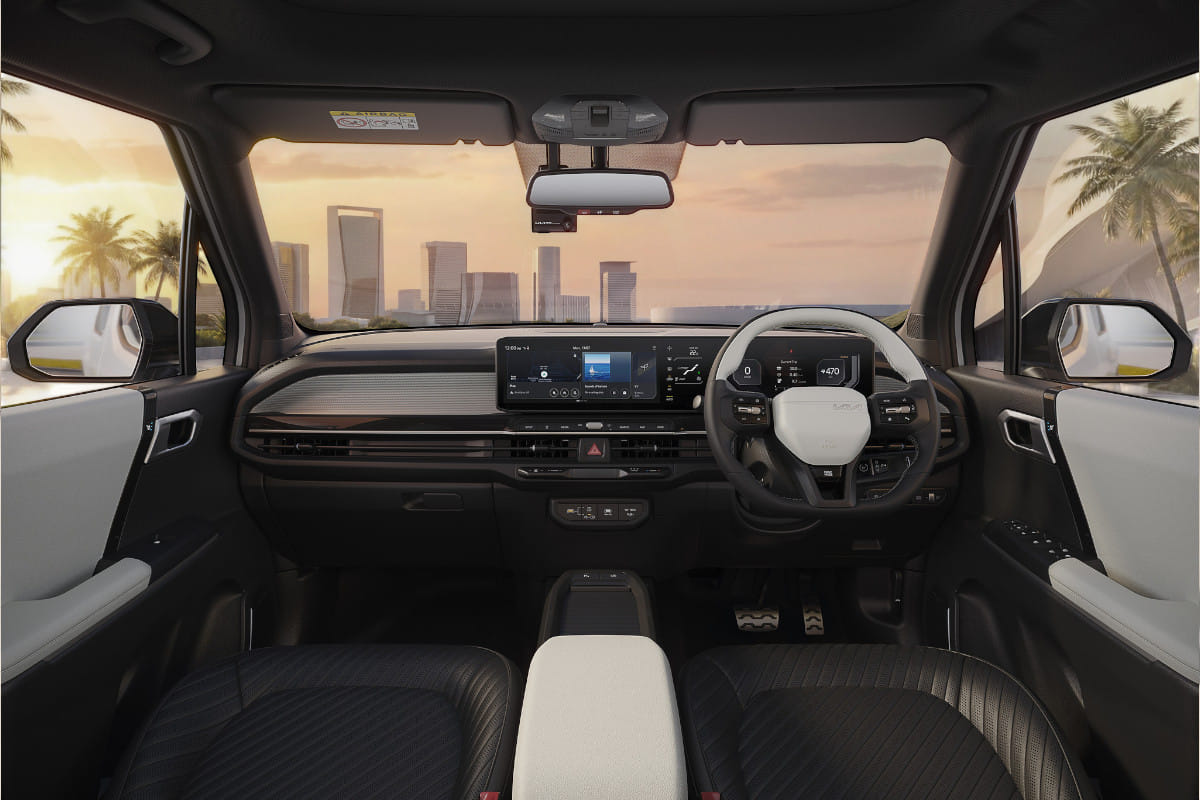
Kia is aiming at the growing compact electric SUV segment with the upcoming Syros EV, set to be its second mass-market electric model for India. The Syros EV utilises the same K1 platform as its ICE-powered counterpart. Bookings for the Syros EV are already open ahead of its launch, scheduled for the end of July 2026. In this article, we answer everything that you need to know about the Syros EV.
1. What battery pack options does the Kia Syros EV offer, and how much power does its motor produce?
The Kia Syros EV offers the same 42kWh and 51.4kWh battery packs that do duty in the Kia Carens Clavis EV and the Hyundai Creta Electric. Both are mated to a front-mounted motor. In the 42kWh guise, the motor delivers 135hp and 255Nm, but in the 51.4kWh guise, power is bumped to 171hp, while torque remains the same. The 51.4kWh battery pack and its 171hp motor make it the model with the largest battery pack and the most powerful motor in the class. Kia claims a 0-100kph sprint in 8.1 seconds with the 51.4kWh version.
2. What is the claimed range of the Kia Syros EV?
The ARAI-rated range is 443km for the 42kWh battery pack and 543km for the larger 51.4kWh unit. Not only does the Syros EV have a higher claimed range than the Clavis EV and the Creta Electric, but its 543km figure is also the highest in the compact electric SUV segment.
3. What charging speeds does the Kia Syros EV support, and how long does it take to charge?
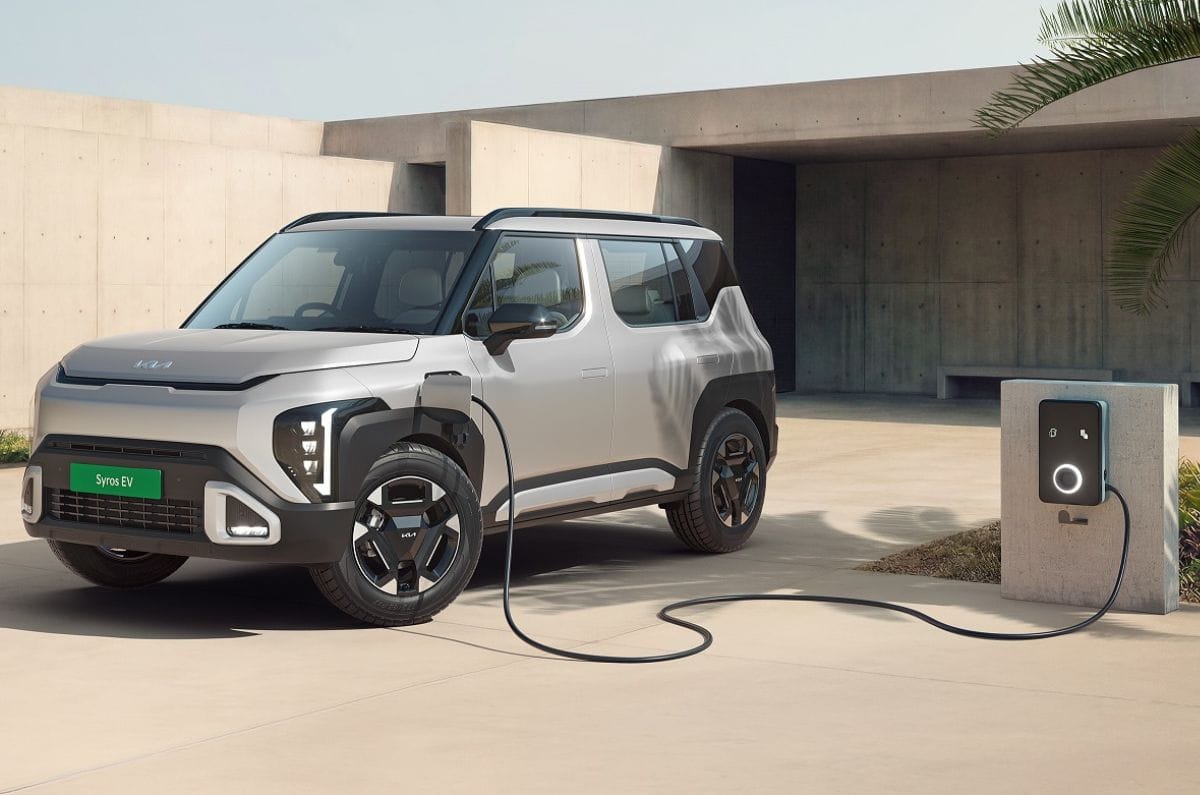
The Kia Syros EV supports up to 11kW AC charging speeds, while DC charging is capped at 100kW. A 10-100 percent top-up for the 42kWh version takes 6 hours with the 7.4kW charger and 4 hours with the 11kW unit. In the 51.4kWh guise, the same takes 7 hours and 15 minutes with a 7.4kW charger and 4 hours and 50 minutes with an 11kW charger. Kia also claims that with a 100kW DC fast charger, both batteries can charge from 10 to 80 percent in 39 minutes.
4. How different is the Kia Syros EV from the ICE Syros on the outside and inside?
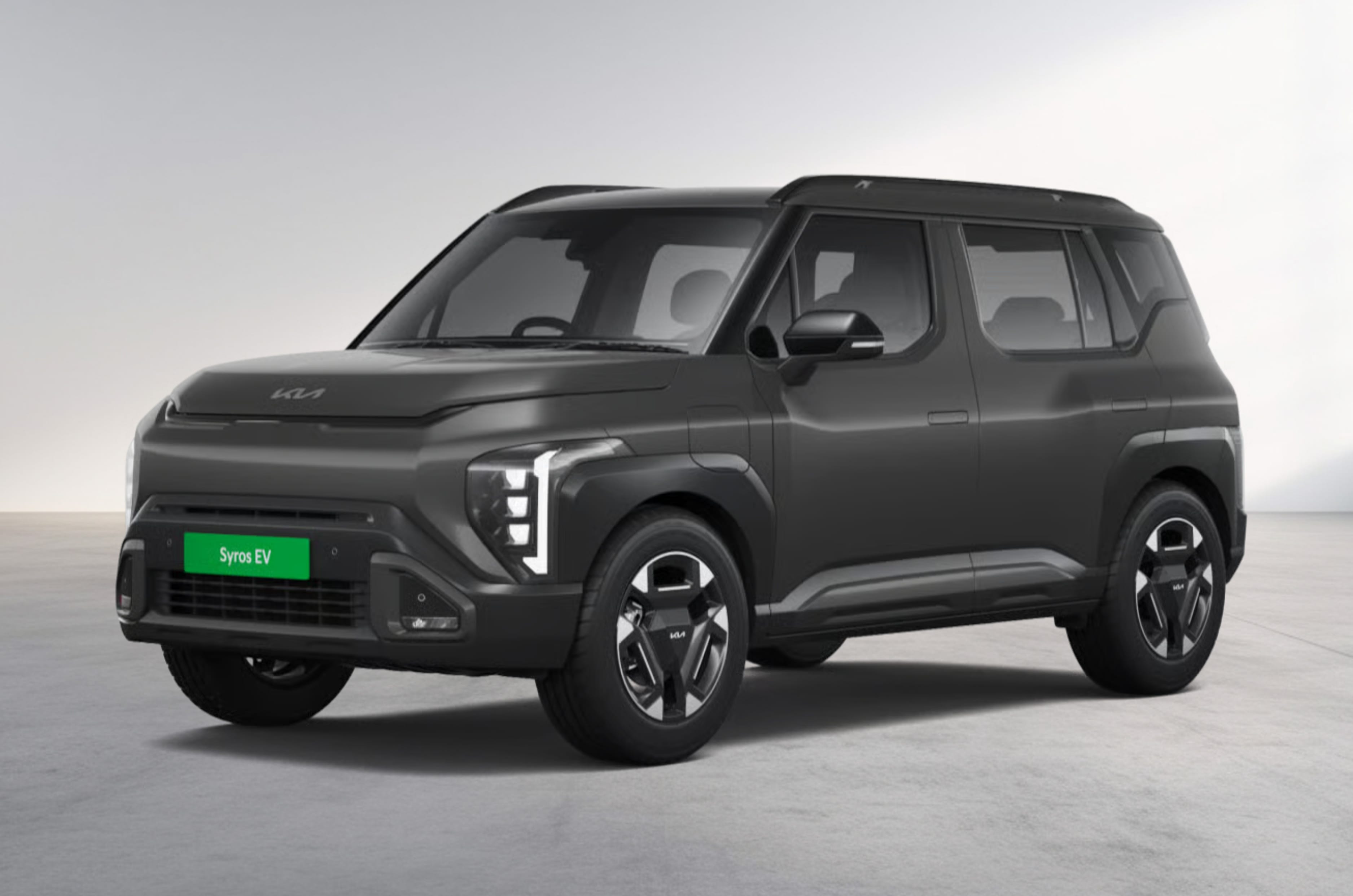
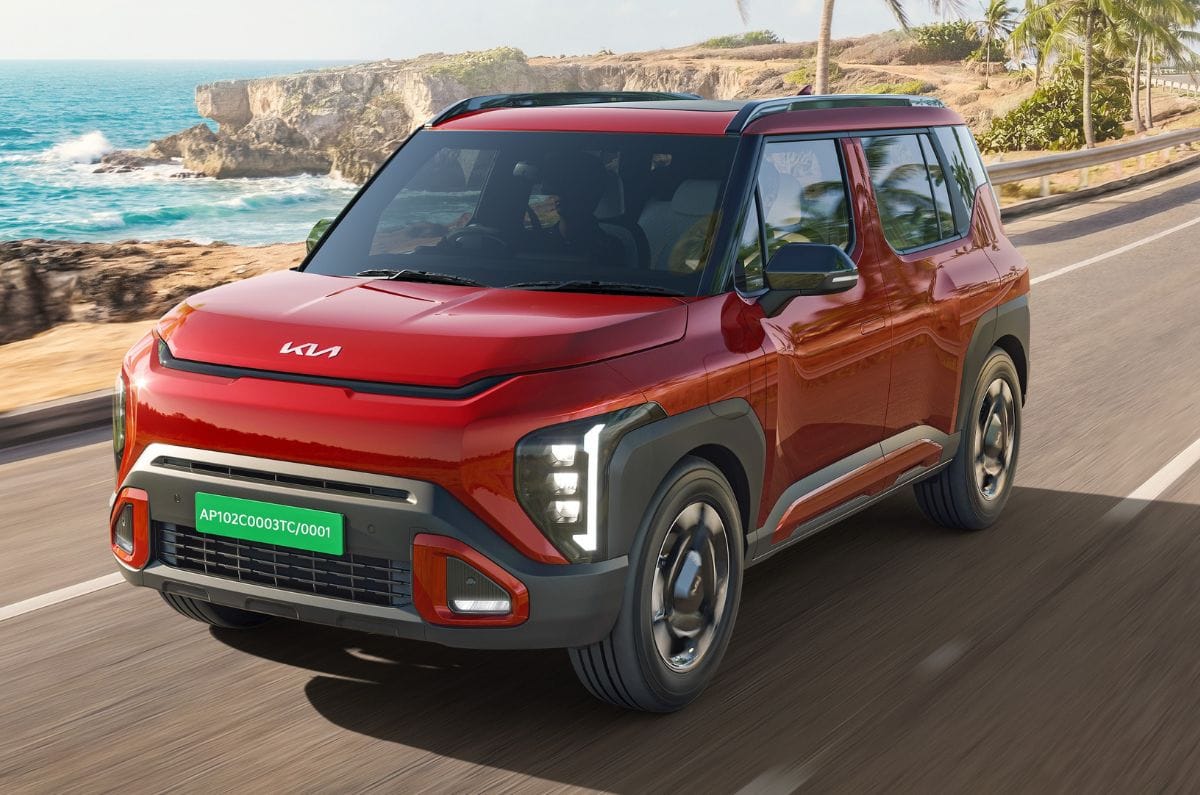
The Kia Syros EV may look largely similar to the ICE Syros, but it comes with a charging flap on the front fender, EV badging at the rear and a different set of alloy wheels that give it some distinction. Apart from these differences, it retains the overall tall-boy silhouette, front and rear bumper designs and lighting elements found on its combustion-powered counterpart.
Inside, the dashboard layout remains the same as the ICE Syros, but there are some revisions to the centre console, which is high-set and features storage spaces and retractable cup holders. Also, the drive select lever has shifted to the steering wheel column.
5. What features does the Kia Syros EV come with?
For starters, the Kia Syros EV retains its ICE counterpart’s unique sliding and reclining rear seat with a ventilation function for the seat base. It also gets features such as dual 12.3-inch screens, a 5-inch HVAC control screen, wireless Apple CarPlay and Android Auto, a wireless charging pad, an 8-speaker Harman Kardon sound system, a panoramic sunroof, 64-colour ambient lighting and rear sunshades.
6. What does the Kia Syros EV offer over the ICE-powered Syros?
Apart from having EV-specific features such as a 16-litre frunk, regenerative braking, a virtual engine sound system and vehicle-to-load (V2L) functionality, it gets Level 2 ADAS, automatic flush door handles, a 360-degree camera setup, a dual-camera dashcam, a digital key, puddle lamps, multi-colour ambient lighting and metal pedals over the ICE-powered Syros.
7. What is the expected price of the Kia Syros EV?
The Kia Syros EV is expected to be priced from Rs 15 lakh to Rs 20 lakh, ex-showroom. It will take on the Mahindra XUV 3XO EV and the segment-reigning Tata Nexon EV, among others.
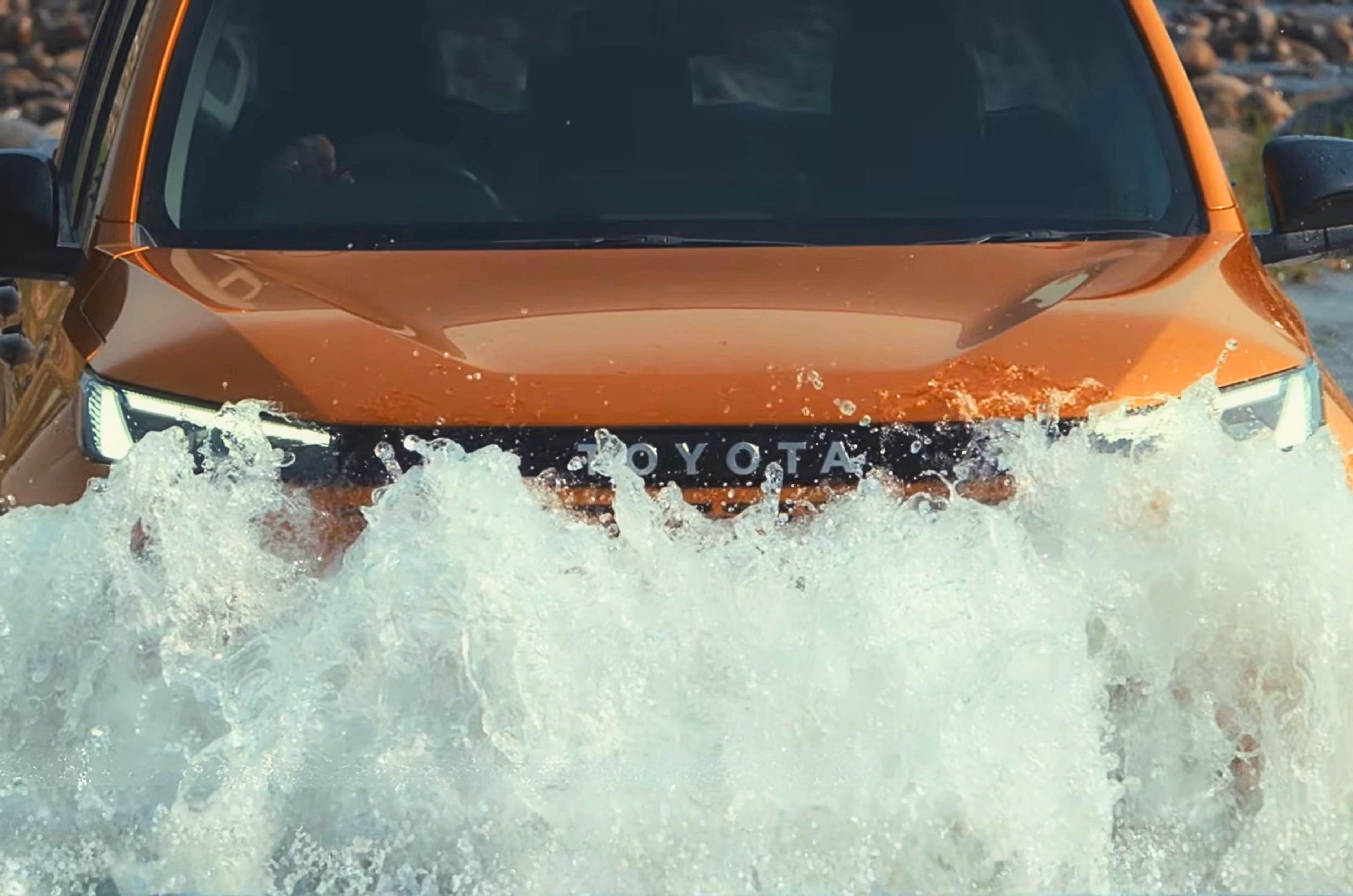
Toyota has dropped a teaser of the next-gen Hilux, ahead of the pickup truck’s official debut on July 28, 2026. The upcoming iteration of the Toyota Hilux will be based on the same body-on-frame IMV platform as the previous-gen model. However, the teaser now confirms some of the primary design details of the new pickup truck, similar to what we had reported earlier.
Gets bold ‘TOYOTA’ lettering, LED lights, black wheels and roll bars
India-spec model likely to get a Double Cab configuration
Interior to get dual screens and plenty of physical switchgear
Next-gen Toyota Hilux exterior design details
The short teaser primarily showed the front of this pickup truck
The new Hilux seen in the Toyota teaser showcased the pickup truck finished in a bright orange/bronze exterior colour. Some of the frames from the teaser show the front fascia featuring a silver skid plate, a honeycomb center grille, and blocky ‘TOYOTA’ lettering on a black piece of plastic trim between the sleek LED headlamps.
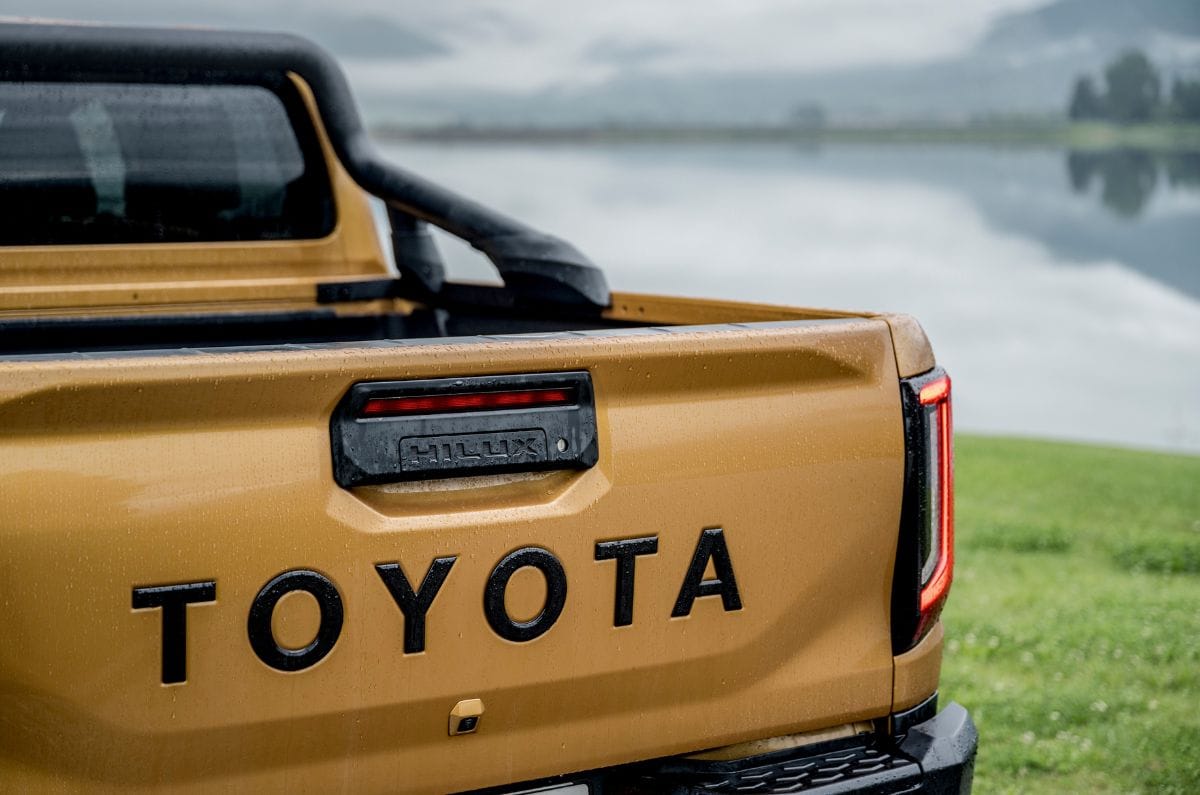
International-spec Toyota Hilux shown for representation.
Just about visible in this teaser are the black rims and wheel arches, roll bars behind the main cabin, and what looks like a shark-fin antenna on the roof. The rear design of the next-gen Hilux wasn’t clearly shown, though. However, the international-spec model has ‘TOYOTA’ written across the tailgate in large font and vertically oriented tail-lamps with LED DRLs (daytime running lights). The rear bumper of the Hilux has an integrated step to provide easy access to the bed.
Next-gen Toyota Hilux interior and features
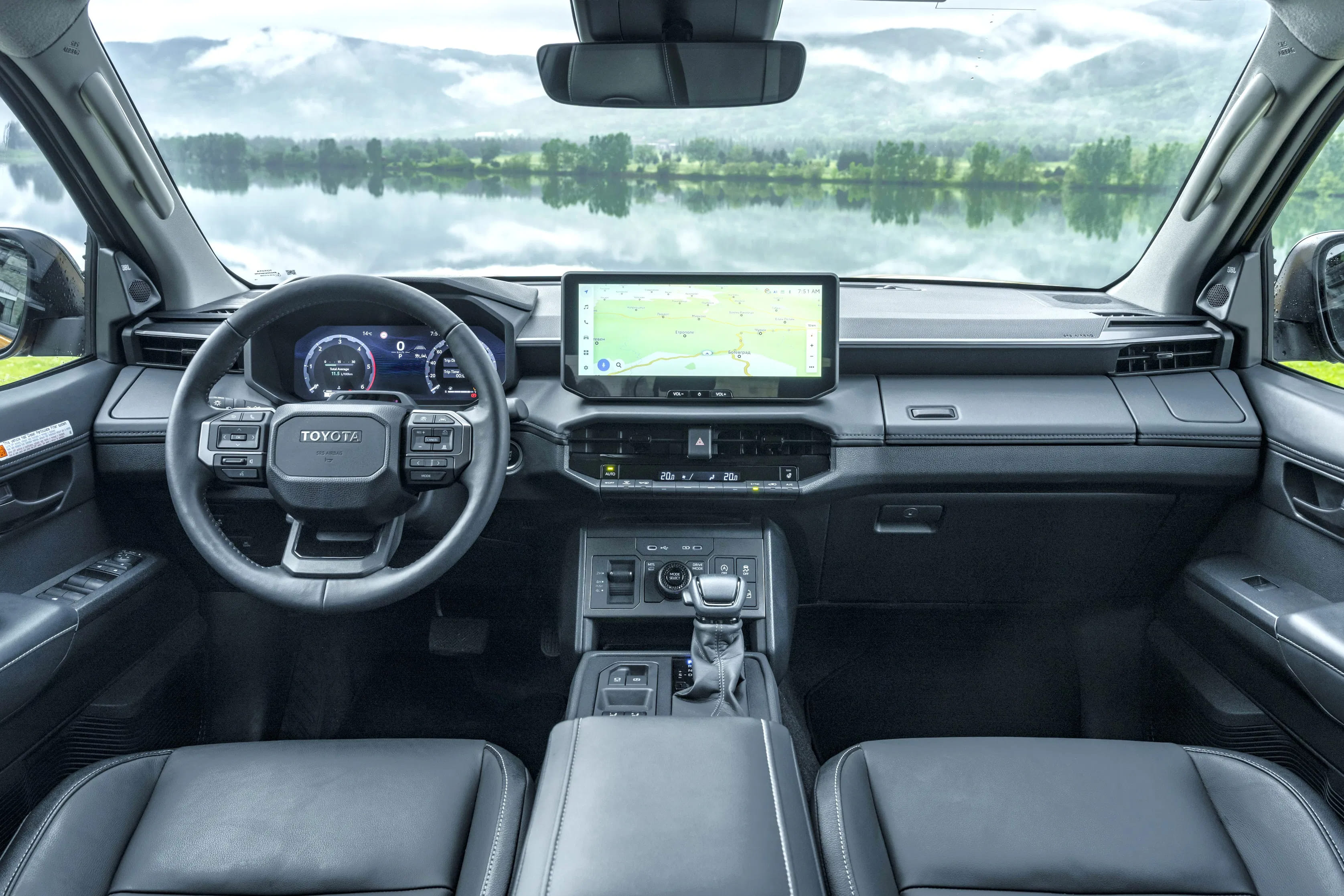
International-spec Toyota Hilux shown for representation.
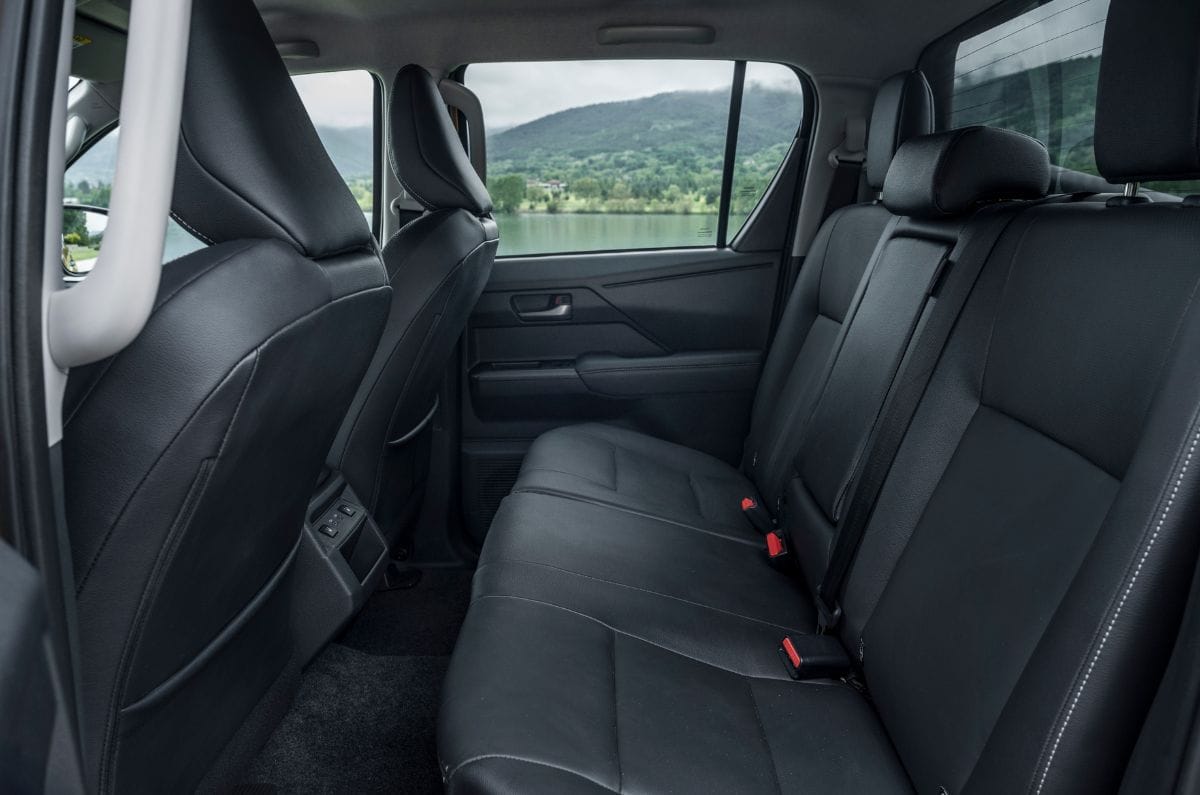
While Toyota hasn’t yet revealed the interior of the upcoming India-spec Hilux, our market will continue to get the pickup truck in the familiar Double Cab configuration. The leather-wrapped steering wheel of the global-spec Hilux carries the blocky-looking ‘TOYOTA’ branding as seen on the outside, with dual 12.3-inch screens. The customisable driver’s display offers four design themes, whilst the dash-mounted infotainment unit uses the Toyota Smart Connect system.
International-spec Toyota Hilux shown for representation.
The India-spec model is expected to get wireless Apple CarPlay and Android Auto, wireless charging, dual-zone automatic climate control, a surround-view camera system, and a plethora of storage cubbies. The next-gen Toyota Hilux will come with plenty of physical buttons and switchgear, including for the HVAC system, as well as the four-wheel drive (4WD) settings.
Next-gen Toyota Hilux powertrain and price
Toyota may retain the previous-gen model’s engine and gearbox setup for India
While Toyota is yet to confirm the exact powertrain details of the upcoming ninth-gen Hilux, it’s likely to continue with the same engine and gearbox as with the previous-gen model. For reference, the eighth-gen Hilux in India is powered by a 2.8-litre four-cylinder diesel engine that puts out 204hp and either 420Nm or 500Nm of torque. The latter is only available with the 6-speed automatic transmission variant, while the former being the figure for the 6-speed manual transmission version.
Internationally, the next-gen Toyota Hilux features a 48V mild-hybrid system. The regenerative braking function of the new Hilux, when coupled with the stop-start system, enables smoother performance and saves fuel, according to Toyota. The upcoming Toyota Hilux is expected to command a price premium over the eighth-gen model that’s on sale in India at the moment, and is priced from Rs 28.52 lakh to Rs 36.00 lakh (ex-showroom, Delhi).
Kia Syros EV: तेजी से बढ़ते इलेक्ट्रिक SUV सेगमेंट में Tata Nexon EV और Mahindra XUV 3XO EV जैसे कॉम्पिटिटर्स को टक्कर देने के लिए, Kia ने Carens Clavis EV के बाद अब भारत में अपना दूसरा मास-मार्केट इलेक्ट्रिक मॉडल, Syros EV पेश किया है। इस EV के लिए कंपनी ने ₹25,000 में प्री-बुकिंग भी शुरू कर दी है। यह मॉडल बेहतर ड्राइविंग रेंज, तेज चार्जिंग, एडवांस्ड टेक्नोलॉजी और एक कॉम्प्रिहेंसिव ओनरशिप पैकेज देने का वादा करता है।
Kia Syros EV की खासियत क्या है?
इसकी सबसे बड़ी खासियत है इसकी ARAI-सर्टिफाइड ड्राइविंग रेंज है, जो बड़े 51.4 kWh बैटरी पैक के साथ 526 km तक चल सकती है। Kia के अनुसार, यह अपने सेगमेंट की पहली SUV है जो 500 km का आंकड़ा पार करती है। खरीदार 42 kWh बैटरी का विकल्प भी चुन सकते हैं, जिसकी रेंज 443 km बताई गई है। इसके अलावा, Kia Syros EV में लगी इलेक्ट्रिक मोटर 171 PS की पावर जनरेट करती है। वहीं, बड़े बैटरी पैक वाले मॉडल में यह SUV 0 से 100 किलोमीटर प्रति घंटे की रफ्तार सिर्फ 8.1 सेकंड में पकड़ सकती है।
रोजाना इस्तेमाल के लिए यह कितनी प्रैक्टिकल है?
Kia का कहना है कि Syros EV को 100 kW DC फास्ट चार्जर से 39 मिनट में 10% से 80% तक चार्ज किया जा सकता है। इसमें चार्जिंग परफॉर्मेंस को बेहतर बनाने के लिए 10.8 kW का ऑनबोर्ड AC चार्जर और बैटरी कंडीशनिंग टेक्नोलॉजी भी दी गई है। MyKia ऐप के जरिए, मालिक एक ही वॉलेट का इस्तेमाल करके 23 चार्जिंग ऑपरेटर्स के 20,300 से ज्यादा चार्जिंग पॉइंट्स का इस्तेमाल कर सकते हैं, जबकि Kia के डीलरशिप नेटवर्क में 129 से ज्यादा DC फास्ट चार्जिंग लोकेशन्स और 275 से ज्यादा EV-रेडी वर्कशॉप्स शामिल हैं।
Kia Syros EV में कौन-कौन से फीचर्स हैं?
Syros EV में 30-इंच का ट्रिनिटी पैनोरमिक डिस्प्ले है, जिसमें डिजिटल इंस्ट्रूमेंट क्लस्टर, टचस्क्रीन इंफोटेनमेंट सिस्टम और क्लाइमेट कंट्रोल शामिल हैं। इसके अन्य फीचर्स में वायरलेस Android Auto और Apple CarPlay, Harman Kardon का 8-स्पीकर साउंड सिस्टम, ओवर-द-एयर सॉफ्टवेयर अपडेट, आगे और पीछे वेंटिलेटेड सीटें, पैनोरमिक सनरूफ, V2L (व्हीकल-टू-लोड) क्षमता, डिजिटल की (Key) और 16-लीटर का फ्रंट स्टोरेज कम्पार्टमेंट शामिल हैं।
नई इलेक्ट्रिक SUV कितनी सुरक्षित है?
सुरक्षा एक और ऐसा पहलू है जिस पर Kia ध्यान दे रही है। Syros EV में लेवल 2 ADAS के साथ 16 ऑटोनॉमस ड्राइविंग असिस्टेंस फंक्शन मिलते हैं। इसके अलावा, इसमें छह एयरबैग, 360-डिग्री कैमरा, इलेक्ट्रॉनिक स्टेबिलिटी कंट्रोल, सभी पहियों पर डिस्क ब्रेक, टायर प्रेशर मॉनिटरिंग सिस्टम और कुल 25 स्टैंडर्ड सुरक्षा फीचर दिए गए हैं।
Kia ओनरशिप के क्या फायदे दे रही है?
प्रोडक्ट के अलावा, Kia EV की ओनरशिप से जुड़ी आम चिंताओं को दूर करने की कोशिश कर रही है। इसके लिए वह लाइफटाइम हाई-वोल्टेज बैटरी वारंटी (शर्तों के साथ, 15 साल तक), एक ‘एश्योर्ड बायबैक’ प्रोग्राम और शुरुआती खरीद लागत को कम करने के मकसद से ‘बैटरी-एज-अ-सर्विस’ फाइनेंसिंग ऑप्शन दे रही है।
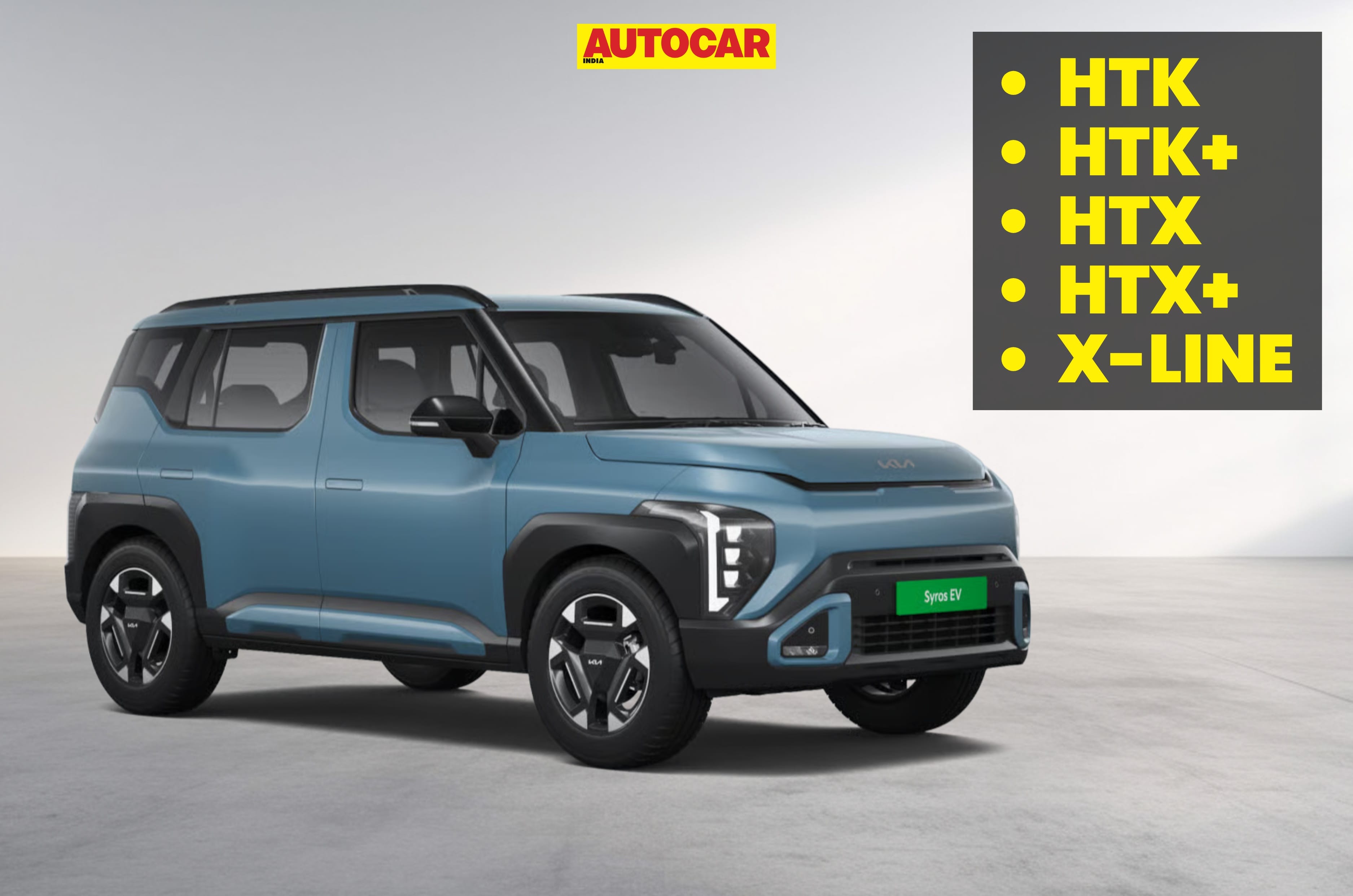
Kia has unveiled its second mass-market electric model for India in the form of the Syros EV. Though it shares its K1 platform with its ICE counterpart, it utilises the same battery packs found on the larger Carens Clavis EV. While prices are yet to be announced, they are expected to be in the Rs 15 lakh to 20 lakh range. At launch, it will take on the likes of the Tata Nexon EV, which currently dominates the segment, and the Mahindra XUV 3XO EV. In this article, we explain all the variants on offer, the colours, the standard safety kit, and the variant-wise features of the Syros EV.
Kia Syros EV variant-wise battery pack options
Offered in seven variants across five trims
Kia Syros EV variant-wise battery pack options
Trim
42kWh
51.4kWh (Extended range)
HTK
Yes
–
HTK+
Yes
Yes
HTX
Yes
Yes
HTX+
–
Yes
X-Line
–
Yes
The Kia Syros EV offers a choice of 42kWh and 51.4kWh battery packs. While the base HTK trim solely offers a 42kWh option, the mid-level HTK+ and HTX trims additionally offer the larger 51.4kWh battery pack. Meanwhile, the higher-end HTX+ and X-Line trims are available only with the 51.4kWh battery pack.
Both battery packs are paired to a front-mounted motor, which develops 135hp and 171hp in 42kWh and 51.4kWh guises, respectively. In both versions, the motor produces an identical 255Nm of torque. Kia claims a 0-100kph time of 8.1 seconds in 51.4kWh guise. While the 42kWh battery pack gets an ARAI-claimed range of 443km, the 51.4kWh version’s claimed range is 526km. Not only has Kia equipped the Syros EV with the largest battery pack in its segment (51.4kWh), but it also gets the most powerful motor and the highest claimed range figure in its class.
Both versions support up to 11 kW AC charging speeds, while DC charging support is up to 100kW. At 11kW AC speeds, a smaller 42kWh battery takes four hours to charge from 10-80 percent, while the 51.4kWh battery takes an additional 50 minutes. However, with a 100kW DC charger, both versions can charge from 10-80 percent in the same 39 minutes, claims Kia.
Kia Syros EV exterior and interior colours
Nine options for the exterior, three for the interior
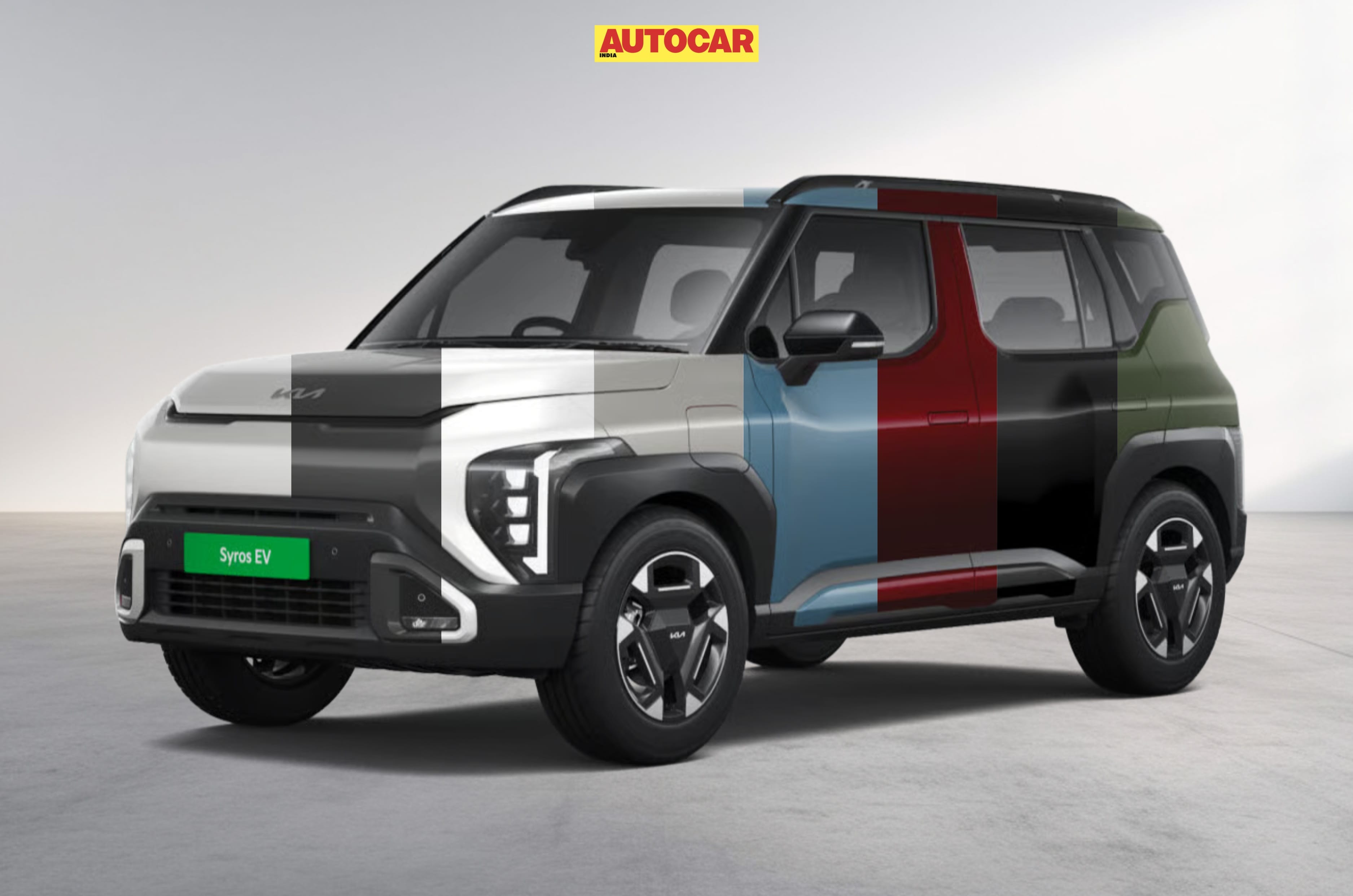
The Kia Syros EV is available only in nine monotone colour options. These include Ivory Silver Matte, Frost Blue, Gravity Grey, Pewter Olive, Magma Red, Ivory Silver Gloss, Aurora Black Pearl, Glacier White Pearl, and Xclusive Matte Graphite. Of these, the top X-Line trim is available solely in the Aurora Black Pearl and Xclusive Matte Graphite colours.
Inside, the Syros EV offers three interior and seat upholstery options depending on the chosen trim. HTK, HTK+ and HTX trims get blue and grey semi-leatherette seat upholstery and green accents throughout the interior, while the HTX+ trim gets black and white leatherette seat upholstery and white accents throughout the interior. The top X-Line trim comes with black and green leatherette seat upholstery with green accents across the interior.
Kia Syros EV standard safety kit
Gets six airbags, electronic parking brake, hill start assist, TPMS, to name a few
As standard, the Kia Syros EV is equipped with six airbags, ABS, brake assist, ESC, stability control, hill-start assist, tyre pressure monitoring system (TPMS), all-wheel disc brakes, electronic parking brake with auto hold, follow-me-home headlamps, virtual engine sound system, child lock, rear parking sensors, speed sensing door locks, impact sensing auto door unlock, 3-point seatbelts for all seats, ISOFIX anchors, rear occupant alert, front passenger airbag on/off switch, and rear occupant alert.
Kia Syros EV variant-wise features list
HTK
Battery pack options: 42kWh
LED headlamps, DRLs, foglamps, and tail-lamps
16-inch aero-optimised alloy wheels
Flush door handles
Shark fin antenna
Blue and grey fabric-leatherette seat upholstery
12.3-inch infotainment system
12.3-inch digital driver’s display
Wireless Android Auto and Apple CarPlay
4 speakers and 2 tweeters
Steering-mounted controls
Tilt-adjustable steering
Drive modes (Eco, Sport, Normal)
4x USB Type-C ports
Portable charging cable
Front centre console with retractable cup holders and storage
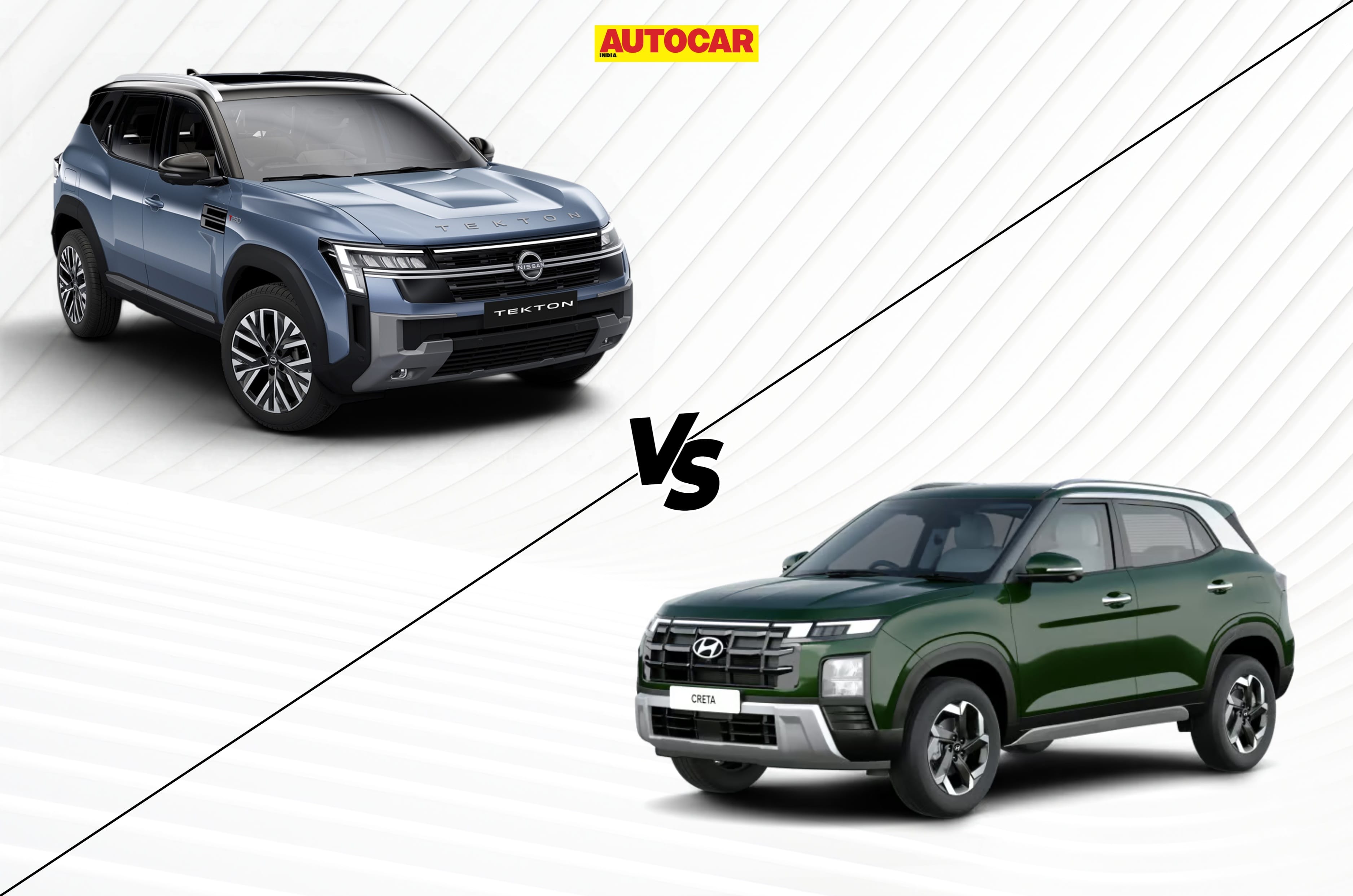
The arrival of the Tekton has helped Nissan make a much-needed comeback to the popular mid-size SUV segment. On the other hand, Hyundai has championed this space with the Creta, which continues to lead sales. But which of the two SUVs offers better value when you compare their top-spec versions on paper? We find out. For this comparison, we’ve chosen the Tekna+ and King trims of the Tekton and Creta, respectively.
Explore full specs, features, and a price breakdown in our Tekton vs Creta comparison.
Nissan Tekton vs Hyundai Creta: Dimensions
Tekton’s dimensions are higher than those of the Creta’s
Nissan Tekton vs Duster: Dimensions
Nissan Tekton
Hyundai Creta
Difference
Length (mm)
4,349
4,330
+19
Width (mm)
1,815
1,790
+25
Height (mm)
1,674
1,635
+39
Wheelbase (mm)
2,657
2,610
+47
Ground clearance (mm)
212
190
+22
Boot space (litres)
518
433
+85
As far as dimensions are concerned, the Tekton is the larger vehicle overall. It is 19mm longer, 25mm wider, and has a 47mm bigger wheelbase. Additionally, it rides 22mm higher off the ground, and its 518-litre boot is the largest in the segment.
Nissan Tekton vs Hyundai Creta: Engine specifications
Tekton solely powered by turbo-petrol, while Creta gets diesel and NA petrol engines
Nissan Tekton vs Hyundai Creta: Engine specifications
Nissan Tekton
Hyundai Creta
Engine options
Turbo-petrol
Naturally aspirated petrol | Turbo-petrol | Diesel
Displacement
1.0-litre | 1.3-litre
1.5-litre | 1.5-litre | 1.5-litre
No. of cylinders
3 | 4
4 | 4 | 4
Power (hp)
100 | 163
115 | 160 | 116
Torque (Nm)
166 | 280
144 | 253 | 250
Gearbox
6MT | 6DCT
6MT/CVT | 7DCT | 6MT/6AT
In top-spec guise, the Tekton is offered with two turbo-petrol engines, whereas the Creta has a diverse powertrain lineup comprising naturally aspirated petrol, turbo-petrol and diesel engines. The same is the case for gearbox options, as the Creta offers different automatic transmissions depending on the engine chosen. The Nissan Tekton’s 1.0-litre and 1.3-litre turbo-petrol units are the least and most powerful engines here, respectively.
Nissan Tekton vs Hyundai Creta: Exterior features
Only the Tekton comes with fog lamps
Nissan Tekton vs Hyundai Creta: Exterior
Nissan Tekton
Hyundai Creta
Headlights
Auto LED
Auto LED
Taillights
Connected LED
Connected LED
DRLs
Connected LED
Connected LED
Front fog lamps
LED
No
Rear fog lamps
LED
No
Puddle lamps
Yes
Yes
Wheels
18-inch
18-inch
Powered ORVMs
Yes
Yes
Roof rails
Yes
Yes
Colour
Monotone, dual tone
Monotone, dual tone, matte
On the exterior front, the Tekton and Creta’s top-spec versions come replete with connected LED light setups, 18-inch alloys, powered ORVMs and roof rails. However, front and rear fog lamps are found only on the Tekton. Monotone and dual-tone colour options are on offer with both models, but the Creta is also available with matte-finished paint jobs.
Nissan Tekton vs Hyundai Creta: Interior and features
Tekton misses out on feel-good features that the Creta gets
Nissan Tekton vs Hyundai Creta: Interior and features
Nissan Tekton
Hyundai Creta
Driver’s display
10.25-inch
10.25-inch
Infotainment screen
10.1-inch
10.25-inch
Android Auto, Apple CarPlay
Wireless
Wireless
Audio system
6-speaker Arkamys
8-speaker Bose
Sunroof
Panoramic
Panoramic
Climate control
Dual-zone automatic
Dual-zone automatic
Rear AC vents
Yes
Yes
Driver seat adjustment
6-way
8-way with memory
Front passenger seat adjustment
6-way
8-way
Front seat features
Ventilation
Ventilation
Boss mode
No
Powered
Powered tailgate
Yes
No
Seat upholstery
Leatherette
Leatherette
Reclining rear seats
No
Yes
Steering wheel adjustment
Tilt, telescopic
Tilt, telescopic
Wireless phone charger
Front
Front and rear
Air Purifier
Yes
No
Sunshades
Magnetic (all windows optional)
Retractable (rear windows)
Connected car tech
Yes
Yes
Rear armrest
Yes
Yes
Ambient lighting
Yes
Yes
USB ports
4x type-C
4x type-C
The Tekton comes with an air purifier and a powered tailgate over the Creta, but the latter gets a slightly bigger infotainment screen, additional speakers, more adjustment for the powered front seats, driver seat memory, reclining rear seats, boss mode, and an additional wireless phone charger at the back.
Nissan Tekton vs Hyundai Creta: Driving Features
Tekton gets steering modes, while the Creta gets traction modes
Nissan Tekton vs Hyundai Creta: Driving Features
Driving Features
Nissan Tekton
Hyundai Creta
Drive modes
Eco, Comfort
Eco, Normal, Sport
Steering modes
Low effort, High effort
No
Traction modes
No
Snow, mud, sand
Paddle Shifters
Automatic only
Automatic only
Cruise Control
Adaptive
Adaptive
While the ‘Eco’ drive mode is common on both SUVs, the Tekton gets a ‘Comfort’ mode, while the Creta features ‘Normal’ and ‘Sport’ driving modes. Steering modes are present only on the Tekton, while the Creta gets traction control modes for different terrains. In top-spec guise, both SUVs have adaptive cruise control and paddle shifters with their automatic variants.
Nissan Tekton vs Hyundai Creta: Safety features
Both SUVs are equally matched with basic and advanced safety tech
Nissan Tekton vs Kushaq Prestige: Safety features
Nissan Tekton
Hyundai Creta
Airbags
6
6
ADAS
Level 2
Level 2
Camera setup
360-degree
360-degree
Parking sensors
Front and rear
Front and rear
Electronic parking brake
DCT variant only
Yes
TPMS
Yes
Yes
IRVM
Auto-dimming
Auto-dimming
Rear wiper, washer
Yes
Yes
Rear defogger
Yes
Yes
Hill start assist
Yes
Yes
Hill descent control
DCT only
No
ESC
Yes
Yes
Traction control
Yes
Yes
When it comes to safety, both the Tekton and Creta come well-equipped with safety features including six airbags, parking sensors, TPMS, Level 2 ADAS suite and a 360-degree camera setup. The only difference is that while an electronic parking brake is common on both, the former gets it only on automatic versions, while the latter has it with manual gearbox variants as well.
Nissan Tekton vs Hyundai Creta: Price and verdict
Nissan Tekton Tekna+ vs Kushaq Prestige: Ex-showroom prices
Nissan Tekton Tekna+ (Rs lakh)
Hyundai Creta King (Rs lakh)
Turbo-petrol MT
16.49
–
Turbo-petrol DCT
18.59
19.91
Naturally aspirated petrol MT
–
17.27
Naturally aspirated petrol CVT
–
18.68
Diesel MT
–
18.85
Diesel AT
–
19.77
The only comparable variant between the Tekton and the Creta is their turbo-petrol automatic versions, where the Tekton is Rs 1.32 lakh cheaper. Between the newly launched Tekton and the reigning Creta, we recommend the former. Not only is the Tekton more affordable, especially when you consider turbo-petrol versions, but you also get more torque. While it does miss out on some feel-good features that the Creta gets, it’s not necessarily a deal-breaker. If your monthly usage consists mainly of highway runs, then the Creta diesel makes for a sensible choice.
क्या आप स्मार्टफोन लेने की सोच रहे हैं? अगर हां, तो Motorola ने आज भारत में अपना नया हैंडसेट Motorola Edge 70 Max लॉन्च किया है, जो कि कंपनी की बढ़ती Edge 70 लाइनअप का हिस्सा है। इस फोन में आपको बड़ी बैटरी, हाई रिफ्रेश रेट वाला AMOLED डिस्प्ले और दमदार कैमरा मिलेगा। इसके अलावा, यह स्मार्टफोन कंपनी प्रीमियम सेगमेंट में अपनी अलग पहचान बनाने के लिए ड्यूरेबिलिटी, AI-पावर्ड फीचर्स और फास्ट चार्जिंग पर भी दांव लगा रही है। अब चलिए Motorola Edge 70 Max के स्पेसिफिकेशन्स, कीमत, लॉन्च ऑफर्स और उपलब्धता के बारे में डिटेल में जानते हैं।
Motorola Edge 70 Max: स्पेसिफिकेशन्स और फीचर्स
Motorola Edge 70 Max में 6.8-इंच का Quad HD+ AMOLED डिस्प्ले है, जिसमें 144Hz रिफ्रेश रेट, HDR10+ सपोर्ट और Corning Gorilla Glass 7i प्रोटेक्शन मिलता है। इस फोन में एल्युमीनियम फ्रेम, IP68/IP69 वॉटर और डस्ट रेजिस्टेंस के साथ-साथ MIL-STD-810H मिलिट्री-ग्रेड ड्यूरेबिलिटी भी दी गई है।
इस हैंडसेट में Qualcomm का Snapdragon 8 Gen 5 चिपसेट दिया गया है, साथ ही इसमें 12GB तक LPDDR5X RAM और 256GB UFS 4.1 स्टोरेज मिलती है। कंपनी ने इस स्मार्टफोन में 5500mm का वेपर चैंबर कूलिंग सिस्टम भी दिया है, जिसमें लिक्विड मेटल थर्मल जेल का इस्तेमाल किया गया है, ताकि भारी कामों के दौरान भी परफॉर्मेंस बनी रहे। इसके अलावा, इस डिवाइस में 7100mAh की सिलिकॉन-कार्बन बैटरी है, जो 90W वायर्ड चार्जिंग, 25W Qi2 मैग्नेटिक वायरलेस चार्जिंग और 5W रिवर्स वायर्ड चार्जिंग को सपोर्ट करती है।
कैमरे की बात करें तो, इस फोन में OIS के साथ 50MP का Sony LYTIA 710 प्राइमरी कैमरा, 8MP का अल्ट्रा-वाइड कैमरा (जो मैक्रो शूटर का भी काम करता है) और 4K वीडियो रिकॉर्ड करने में सक्षम 32MP का फ्रंट कैमरा दिया गया है। यह फोन Hello UX के साथ Android 16 पर चलता है, और Motorola ने तीन साल के Android OS अपडेट और पांच साल के सिक्योरिटी पैच देने का वादा किया है।
Motorola Edge 70 Max की कीमत, सेल डेट और लॉन्च ऑफर्स
Motorola Edge 70 Max के 8GB RAM + 256GB स्टोरेज वाले वेरिएंट की शुरुआती कीमत ₹54,999 है। वहीं, 12GB + 256GB मॉडल की कीमत ₹59,999 है। लॉन्च ऑफर्स के तहत, कंपनी चुनिंदा बैंकों के क्रेडिट कार्ड से पेमेंट करने पर ₹5,000 का इंस्टेंट बैंक डिस्काउंट दे रही है, जिससे इसकी असल खरीद कीमत कम हो जाती है।
बता दें कि यह स्मार्टफोन भारत में 20 जुलाई से Flipkart और Motorola के ऑफिशियल ऑनलाइन स्टोर पर बिक्री के लिए उपलब्ध होगा। इच्छुक ग्राहक Motorola Edge 70 Max को Pantone से प्रेरित तीन कलर ऑप्शन में से चुन सकते हैं- Pantone Aqua Grey, Pantone Dark Shadow और Pantone Ice Melt।
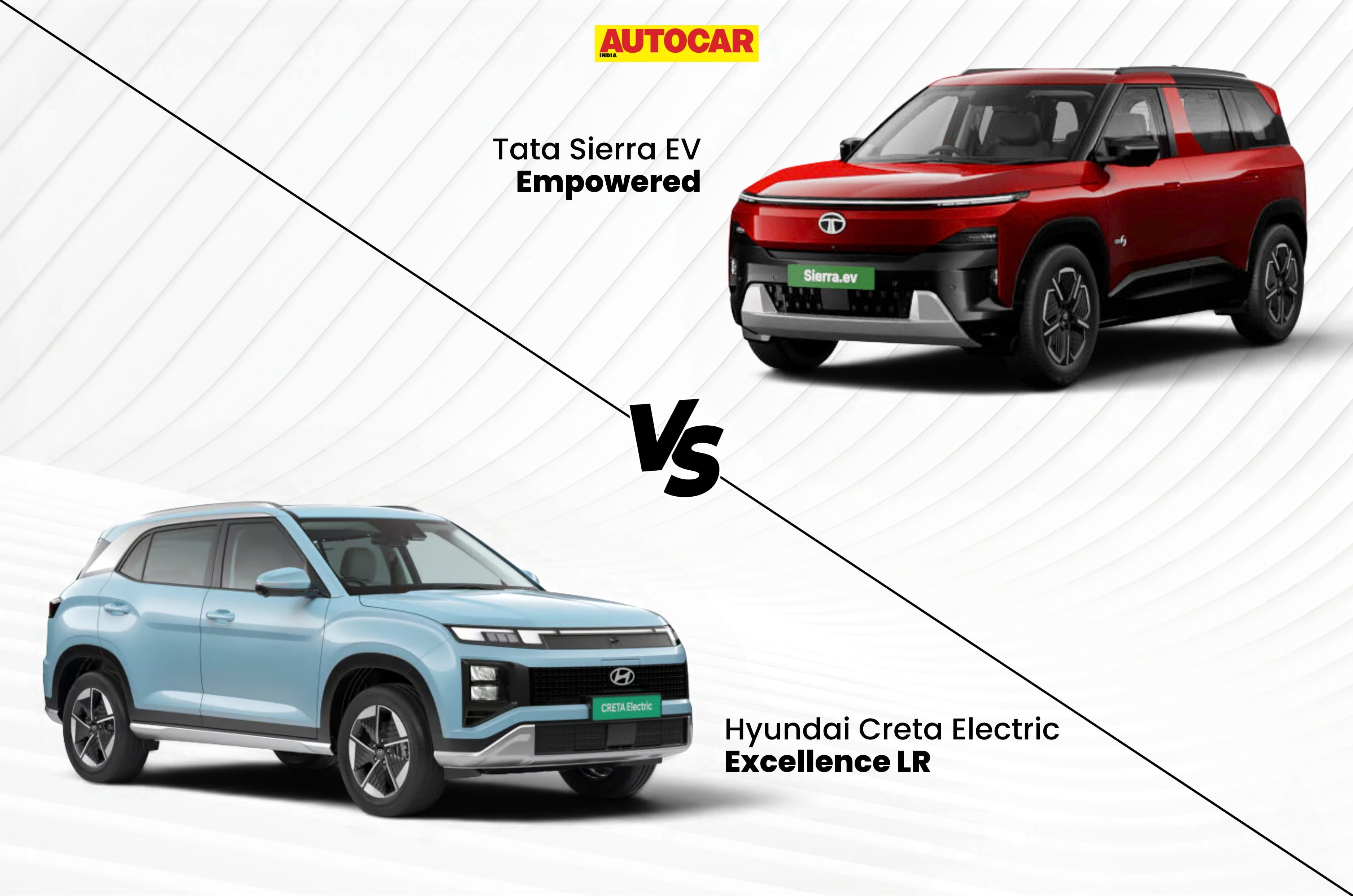
Both the Tata Sierra EV and Hyundai Creta Electric are available with two battery pack options. However, the lower variants of the Creta Electric feature a smaller 42kWh battery pack, so we’ll be looking at the 51.4kWh version here – the Creta’s top-spec Excellence LR (Long Range) variant is only offered with the larger battery pack. However, the Sierra EV’s Empowered trim offers buyers more flexibility as it’s available in 63kWh and 75kWh guises. The Sierra EV Empowered is priced from Rs 22.79 lakh to Rs 23.79 lakh, while the Creta Electric’s top-spec Excellence LR costs Rs 23.67 lakh. Let’s find out which midsize electric SUV is right for you.
Tata Sierra EV Empowered vs Hyundai Creta Electric Excellence LR: Dimensions
The Sierra is the bigger car here, but the Creta EV is just as long
Tata Sierra EV Empowered vs Hyundai Creta Electric Excellence LR dimensions
Tata Sierra EV
Hyundai Creta Electric
Length (mm)
4,340
4,340
Width (mm)
1,841
1,790
Height (mm)
1,750
1,655
Wheelbase (mm)
2,730
2,610
Boot space (litres)
450
433
Frunk (litres)
55
22
Wheel size (inches)
18
17
While the overall length of the Hyundai Creta Electric is identical to the Tata Sierra EV, the latter boasts 120mm longer wheelbase. The Sierra EV is 51mm wider and 95mm taller at the roof than its Hyundai rival. The range-topping Excellence LR variant of the Creta EV only gets 17-inch wheels, but the Empowered trim of the Tata SUV comes equipped with larger 18-inch rims. In terms of their luggage-carrying capacity as well, the Sierra EV has the bigger rear boot and frunk (front trunk).
Tata Sierra EV Empowered vs Hyundai Creta Electric Excellence LR: Powertrain
The rear-wheel drive Sierra gets two powertrain options and has the range advantage
Tata Sierra EV Empowered vs Hyundai Creta Electric Excellence LR powertrain options
Tata Sierra EV
Hyundai Creta Electric
Battery size (kWh)
63/75
51.4
Electric motor setup
Single, rear (RWD)
Single, front (FWD)
Power (hp)
238/209
171
Torque (Nm)
315
255
Claimed 0-100kph
–
7.9 seconds
Claimed range (km)
566/665
510
AC charging
Up to 10.5 hrs at 7.2kW (10-100%)
7.25 hrs at 7.4kW (10-100%)
DC fast charging
Up to 26 mins at 120kW (20-80%)
39 mins at 100kW (10-80%)
The Sierra EV in Empowered trim is offered with 63kWh and 75kWh battery packs. Even with the smaller battery option, the Sierra EV’s claimed range is 56km more than the top-spec Creta Electric’s. Bumping up to the top-spec, rear-wheel drive (RWD) 75kWh version of the Sierra EV means a claimed range of 665km – that’s 155km more than the top-spec Creta Electric.
The smaller battery size and a slightly faster AC charging speed means that the Creta Electric can be charged from 10-100 percent in 7 hours and 15 minutes, which is over 3 hours less than what the Sierra EV with the 75kWh battery pack requires. Meanwhile, the Sierra EV with the 63kWh battery takes under 9 hours to achieve the same SoC (state of charge). Both cars support DC fast charging of over 100kW, with the Sierra EV’s claimed charging time being based on 120kW DC charging.
The Sierra EV’s single electric motor powers its rear wheels, while that of the Creta Electric powers its front. While the punchier 63kWh version of the Tata SUV makes 67hp more than its Hyundai EV rival, even its lower-output 75kWh version makes more power (38hp more than the Creta Electric). The Sierra EV also has the torque advantage, developing 60Nm more than its Hyundai rival. While Tata Motors hasn’t published the claimed 0-100kph time of the mid-spec Sierra EV, it’s likely to be brisk.
Tata Sierra EV Empowered vs Hyundai Creta Electric Excellence LR: Exterior features
The Sierra EV’s Empowered trim adds more novelty features on the outside than its Hyundai rival
Tata Sierra EV Empowered vs Hyundai Creta Electric Excellence LR exterior features
Tata Sierra EV
Hyundai Creta Electric
LED projector headlamps
Yes (auto)
Yes (auto)
Connected light bar
Yes
Yes
Front fog lamps
Yes
No
Rear fog lamps
Yes
No
Cornering lights
Yes
No
Sequential turn signals
Yes
Yes
Welcome lights
Yes
Yes
Puddle lamps
Yes
Yes
Powered ORVMs
Yes (with auto-fold function)
Yes (with auto-fold function)
Flush door handles
Yes
No
Body cladding
Yes
Yes
Roof rails
Yes
Yes
Rear spoiler
Yes
Yes
Powered tailgate
Yes (gesture activated)
No
Colours
Mono-tone
Mono-tone and Dual-tone
The Empowered trim of the Sierra EV gets useful features such as a gesture-activated powered tailgate, front & rear fog lamps, and front cornering lights. While both cars gets a rear spoiler, the Sierra EV’s unit actually hides the rear wiper for a cleaner look. They also feature niceties like puddle lamps, welcome & good-bye light animations, and automatic LED headlamps. The Creta Electric sticks to conventional pull-type door handles, whilst the Tata SUV uses flush door handles. Hyundai offers dual-tone colour choices with the Creta Electric, but Tata Motors does not.
Tata Sierra EV Empowered vs Hyundai Creta Electric Excellence LR: Interior features
Both electric SUVs are fairly well-matched when it comes to interior convenience features
Tata Sierra EV Empowered vs Hyundai Creta Electric Excellence LR interior features
Tata Sierra EV
Hyundai Creta Electric
Infotainment screen
12.3-inch
10.25-inch
Digital driver’s display
10.25-inch
10.25-inch
Front passenger display
12.3-inch
No
Panoramic sunroof
Yes (voice assisted)
Yes (voice assisted)
Wireless charger
Yes
Yes
Driver’s seat adjustment
6-way powered
8-way powered
Co-driver’s seat adjustment
4-way manual
8-way powered
Thigh-support extender
Yes
No
‘Boss’ mode
Yes (manual)
Yes (powered)
Ventilated front seats
Yes
Yes
Leatherette upholstery
Yes
Yes
Rear split seats
Yes
Yes
Automatic climate control
Yes (dual-zone)
Yes (dual-zone)
Cooled glovebox
Yes
Yes
Cooled armrest storage
No
Yes (front)
Ambient lighting
Yes
Yes
Audio system
12-speaker JBL Black
8-speaker Bose
Dolby Atmos
Yes
No
Apple CarPlay & Android Auto
Yes (wireless)
Yes (wired)
USB Type-C ports
Yes (4 ports)
Yes (3 ports)
Connected car tech
Yes
Yes
Voice assistant
Yes (multiple)
Yes
OTA updates
Yes
Yes
EV route planner
Yes
No
Gaming
Yes
No
Rear sunblinds
Yes
Yes
Rear armrest
Yes (with cupholders)
Yes (with cupholders)
Rear tray tables
No
Yes
The Tata Sierra EV gets more speakers as part of its JBL Black audio system, along with Dolby Atmos and wireless Apple CarPlay & Android Auto. The Sierra offers more USB ports and Tata’s new ‘AirConsole’ gaming system with a high-definition front passenger screen. Other interior features exclusive to the Sierra EV include front thigh-support extenders for added comfort and a route planner to help minimise range anxiety.
The Hyundai Creta Electric doesn’t get a third screen and its dual digital displays are smaller than the Sierra’s. However, the Hyundai EV offers a powered ‘Boss’ function, a cooled compartment under the front armrest, tray tables with cupholders for rear passengers, and a leatherette-like eco-friendly material for the seats.
Tata Sierra EV Empowered vs Hyundai Creta Electric Excellence LR: Safety features
The fully loaded Creta EV comes with ADAS, which the Sierra EV lacks in its mid-spec trim
Tata Sierra EV Empowered vs Hyundai Creta Electric Excellence LR safety features
Tata Sierra EV
Hyundai Creta Electric
Airbags
6
6
ABS with EBD
Yes
Yes
Electronic stability program
Yes
Yes
Hill-hold assist
Yes
Yes
Hill-descent control
Yes
Yes
TPMS
Yes
Yes
Parking sensors
Yes (front & rear)
Yes (front & rear)
360-degree camera
Yes
Yes
Electronic parking brake
Yes (with auto-hold function)
Yes (with auto-hold function)
Auto-dimming IRVM
Yes
Yes
Rain-sensing wipers
Yes
Yes
Auto-dimming IRVM
Yes
Yes
ISOFIX
Yes
Yes
Rear wiper and defogger
Yes
Yes
All-wheel disc brakes
Yes
Yes
Level 2 ADAS
No
Yes
Both these cars come well-equipped with modern safety features. However, the Creta Electric adds Level 2 ADAS (Advanced Driver Assistance Systems), too. This ropes in nannies such as forward collision warning, blind-spot warning, lane-departure warning with lane-keeping assist, rear cross-traffic alert, high-beam assist, and adaptive cruise control with stop & go functionality.
Tata Sierra EV Empowered vs Hyundai Creta Electric Excellence LR: Other features
The Sierra EV is better equipped on this front too
Tata Sierra EV Empowered vs Hyundai Creta Electric Excellence LR other features
Tata Sierra EV
Hyundai Creta Electric
Drive modes
Yes (3)
Yes (3)
Terrain modes
Yes (4)
No
Single-pedal driving
No
Yes
V2V and V2L
Yes
Yes (V2L)
AVAS
Yes
Yes
Unlike the Sierra EV, the Hyundai Creta Electric gets a proper single-pedal driving mode. This makes driving it over long distances on the highway less tiresome while also helping improve range because of energy recuperation even without using the brake pedal. However, the Sierra EV supports both vehicle-to-load and vehicle-to-vehicle charging functions – the Creta Electric only supports the former. Both EVs come with an Acoustic Vehicle Alerting System (AVAS).
Conclusion
Tata Sierra EV Empowered vs Hyundai Creta Electric Excellence LR prices
Tata Sierra EV
Hyundai Creta Electric
Price range (In Rs, lakh)
22.79-23.79
23.67
If you want more cabin & luggage space, longer range & faster performance plus conveniences like a powered tailgate, wireless smartphone connectivity, multiple voice assistants, plus V2V and V2L functions, then the Tata Sierra EV will be a suitable pick. In case you don’t need the additional range offered by the 75kWh version, you can save Rs 1 lakh and go for the 63kWh version instead – it’s Rs 88,000 cheaper than the Creta Electric. However, prospective Sierra EV buyers should be aware of the inconsistencies in Tata’s service quality and vehicle fit & finish.
Apple के अगले iPhone के लॉन्च में अब बस कुछ ही हफ्ते बचे हैं। हालांकि, क्यूपर्टिनो की इस टेक कंपनी ने अभी तक आधिकारिक तौर पर कुछ भी नहीं बताया है, लेकिन कई रिपोर्ट्स से पता चलता है कि iPhone 18 Pro और iPhone 18 Pro Max कंपनी के सालाना सितंबर इवेंट में उसके पहले फोल्डेबल iPhone के साथ लॉन्च हो सकते हैं। लीक्स के मुताबिक, iPhone 18 Pro सीरीज में नया A20 Pro चिप, बेहतर कैमरा, नए कलर ऑप्शन और कीमत में बढ़ोतरी जैसे बदलाव देखने को मिल सकते हैं। iPhone 18 Pro से जुड़ी अब तक सामने आई सभी लीक जानकारी जानने के लिए आगे पढ़ें।
Apple iPhone 18 Pro का डिजाइन और स्पेसिफिकेशन्स (लीक जानकारी)
डिजाइन की बात करें तो, Apple अपने पुराने फ्लैट-एज डिजाइन को बरकरार रख सकता है, लेकिन इसमें कुछ छोटे बदलाव किए जा सकते हैं। लीक्स के अनुसार, फोन के पीछे का डिजाइन ज्यादा साफ-सुथरा होगा, कैमरा मॉड्यूल थोड़ा बड़ा हो सकता है और फोन की बॉडी थोड़ी मोटी हो सकती है। मोटा डिजाइन इसलिए दिया जा सकता है, ताकि इसमें बड़ी बैटरी और बेहतर वेपर चैंबर कूलिंग सिस्टम लगाया जा सके।
iPhone 18 Pro सीरीज में नया Dark Cherry कलर मिलने की उम्मीद है। इसके अलावा, यह Light Blue, Silver और Dark Grey कलर में भी आ सकता है। परफॉर्मेंस के लिए इसमें Apple का नया A20 Pro प्रोसेसर मिलने की संभावना है। रिपोर्ट्स के मुताबिक, यह चिप TSMC की 2nm टेक्नोलॉजी पर आधारित हो सकती है। कहा जा रहा है कि यह चिप बेहतर AI परफॉर्मेंस, तेज़ ग्राफिक्स और बेहतर पावर एफिशिएंसी देगी।
कई रिपोर्ट्स के अनुसार, iPhone 18 Pro Max में 5391 mAh से 5577 mAh तक की बड़ी बैटरी दी जा सकती है। अगर यह जानकारी सही साबित होती है, तो यह किसी भी iPhone में मिलने वाली अब तक की सबसे बड़ी बैटरी में से एक हो सकती है। बता दें कि बड़ी बैटरी के कारण फोन का डिजाइन थोड़ा मोटा और वजन में भारी हो सकता है।
डिस्प्ले की बात करें तो, Apple iPhone 18 Pro और iPhone 18 Pro Max में मौजूदा 6.3 इंच और 6.9 इंच की स्क्रीन साइज को बरकरार रख सकता है। हालांकि, लीक्स के अनुसार इस बार Dynamic Island का साइज छोटा किया जा सकता है।
कुछ रिपोर्ट्स में यह भी दावा किया गया है कि Apple पहली बार अंडर-डिस्प्ले Face ID टेक्नोलॉजी ला सकता है, यानी Face ID सेंसर स्क्रीन के नीचे छिपे हो सकते हैं।
ऐसी चर्चा है कि क्यूपर्टिनो की यह दिग्गज कंपनी अपना ट्रिपल 48MP रियर कैमरा सिस्टम तो बरकरार रखेगी, लेकिन साथ ही वेरिएबल-अपर्चर वाला मेन कैमरा, ज्यादा ब्राइट टेलीफोटो लेंस, नया स्टैक्ड इमेज सेंसर और अपग्रेडेड 24MP का सेल्फी कैमरा भी पेश करेगी। इसके अलावा, ‘कैमरा कंट्रोल’ बटन को भी पूरी तरह प्रेशर-सेंसिटिव कंट्रोल के साथ रीडिजाइन किया जा सकता है।
भारत में Apple iPhone 18 Pro की लॉन्च डेट और कीमत (अनुमानित)
ब्लूमबर्ग के मार्क गुरमन के अनुसार, Apple अपना सालाना iPhone लॉन्च इवेंट 9 सितंबर, 2026 को आयोजित कर सकता है और इसकी बिक्री और डिलीवरी 18 सितंबर से शुरू होने की उम्मीद है। रिपोर्ट्स यह भी बताती हैं कि सितंबर का इवेंट सिर्फ Pro मॉडल और Apple के फोल्डेबल iPhone पर फोकस्ड हो सकता है, जबकि स्टैंडर्ड iPhone 18 और iPhone Air 2 साल 2027 की शुरुआत में आ सकते हैं।
हालांकि, कीमत के मामले में खबर अच्छी नहीं है। रिपोर्ट्स के मुताबिक, Apple Pro मॉडल की कीमतों में लगभग 10,000 रुपये की बढ़ोतरी कर सकता है। अगर ऐसा होता है, तो iPhone 18 Pro की शुरुआती कीमत लगभग 1,44,900 रुपये हो सकती है, जबकि iPhone 18 Pro Max लगभग 1,59,900 रुपये में लॉन्च हो सकता है।