Mercedes-Benz CTO Jörg Burzer on India R&D and future product development

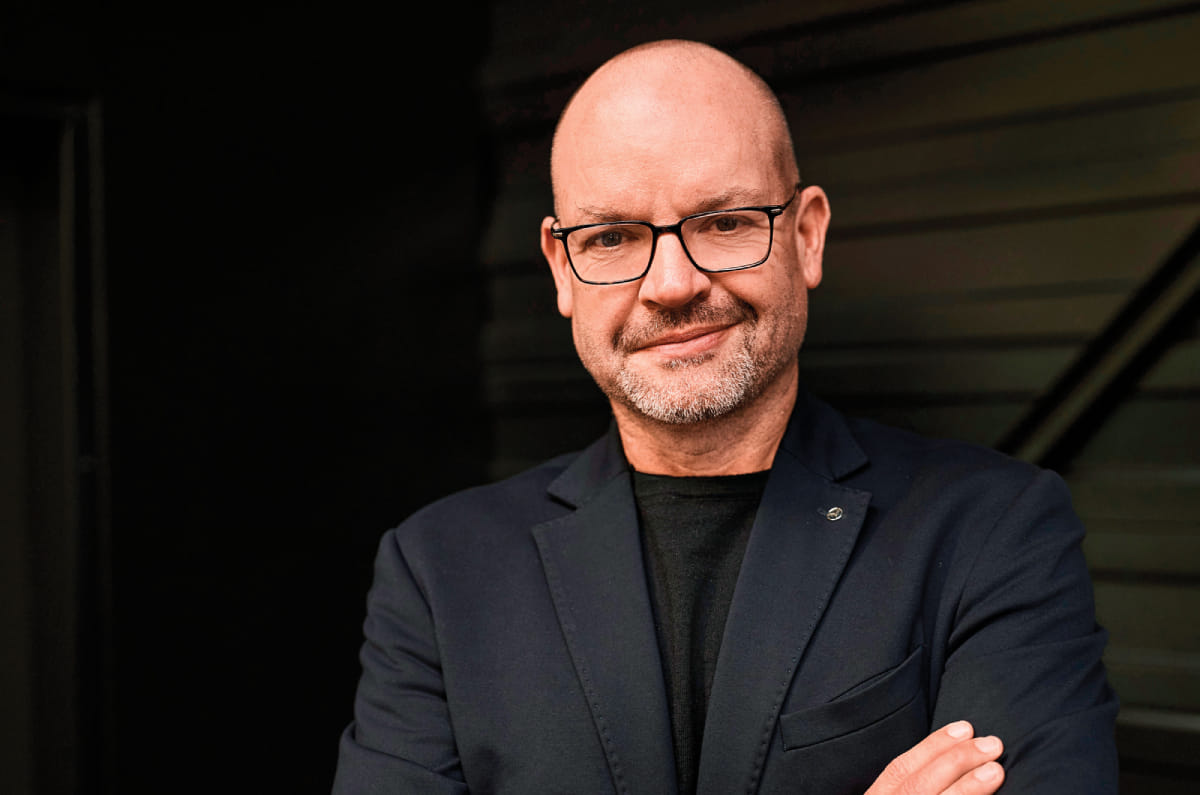
Mercedes-Benz CTO Jorg Burzer

Mercedes-Benz’s Research and Development centre in Bengaluru has evolved from a hardware-focused engineering hub into one of the company’s key global R&D centres, with teams working across software, ADAS, electric powertrains and physical vehicle development. In this interview, Jörg Burzer, Member of the Board and Chief Technology Officer, Development & Procurement at Mercedes-Benz Group AG, discusses the centre’s expanding capabilities, the role of AI in vehicle development, the future of autonomous driving, and why he believes every Mercedes-Benz has “a bit of India” in it.

A lot of global auto OEMs have large R&D centres in India. Beyond cost, what are the benefits of having such large setups in India

Yes, it’s not only cost; you see, the competence level is so high. If you look at our centre, we will be celebrating its 30th anniversary here in India, and over these years, it has only grown in size and capability. We started with hardware, but now it’s massively into software, infotainment and autonomous driving. The team in India is contributing heavily on ADAS, for instance, and we are working on Level 3 and Level 4 with the team in India. So, all in all, I would say it’s competence, speed and agility that are good here. 

Is the Mercedes development centre mainly a digital unit, or is physical development also being undertaken here?

Oh certainly, we have lots of hardware development. There are many test benches, and you’ll see lots of physical testing and development taking place here. Even beyond powertrain, there’s a lot of physical development taking place along with our vendors here too. And then, on electric vehicles, we’re working on the powertrains and batteries too. And yes, on the digital side, there’s lots of AI work, not just on the product, but also on process development. So yes, the centre is a full-scope R&D centre, a blend of the digital and physical. For example, we do a lot of work on the simulation of sheet metal forming and welding here. 

Besides engineering, does the India centre also do design and styling work for your products?

On the design side, at Mercedes, we have this philosophy that we are creating a global product, and so we have a global design. This might change a little bit – obviously, we are adapting our design, which might be enriched by certain market trends – but for us, it’s very important that it is a global design, so we have one design hat. So, our styling team is based in Germany, where we have our design centre, and that’s important for us to maintain the global approach. 

Software is today a leveller, even phone manufacturers can make a car today. Do you view this as a threat? 

I see this as an opportunity because, for instance, you can develop a software stack for ADAS, but at the end you have to apply it to hardware. One interesting bit, to my knowledge, is that we are the only OEM doing a Level 2++ ADAS with a combustion engine, otherwise you only see this on EVs. To do this in a combustion engine environment, you know, with things like a transmission, it’s more complicated, so that’s where our expertise in traditional technologies, along with our developments in software, has an advantage. And of course, we have tremendous respect for our competitors and we are seeing what they are doing, but for me, I think if you do this mix right, you will be at the forefront of development.

Past Mercedes cars stood for robust engineering. What do you think a Mercedes 10 years from now would be all about? 

Obviously there will be tech, but there will be more. I can give you a good example, one of the most important characteristics and values of a Mercedes-Benz is safety. We do plenty of crash tests every year for our cars that we launch, plus there’s a lot that we are doing with autonomous driving too, for instance, what we are doing with Nvidia. And here we have a lot of redundancy. We have a traditional software stack with massive amounts of info like what is a stop sign in every different market, for example. But there’s an end-to-end stack where the software is trained by the behaviour of the driver in traffic, but what we are doing is we have both stacks, so if the end-to-end system does not know what to do, then it can fall back to the classic system. So, we create a safety environment, where we know there is always a solution. 

On redundancy, what is your view of a wide sensor stack like radars, lidars and cameras, or is AI with cameras only fine? 

We are using AI, yes, but we have radars too. We have to use AI to create efficiency in the simulation and training, but you have to also think about the sensor set, and for me, I am convinced you have to have a multiple sensor set, not just one type. So, like on the S Class, we have multiple cameras, radars and ultrasonic sensors too. 

Does the India R&D centre develop products or platforms independently of headquarters, or is it more synergetic?  

For us, it’s very important that we do everything as a team. So, for me personally, it’s very important to have a global perspective in R&D because the innovations and technology solutions are so complex that you can only master them as a team. There are a lot of competencies, but there is not one single team in the world that can say, ‘I am the one that can create a platform.’ It’s always teamwork, and if you look at all industries, automotive engineering is the ultimate for teamwork. So for us, R&D is one big team. And with regards to the India centre, I love to say that in each and every Mercedes, there is a bit of India in it.
 

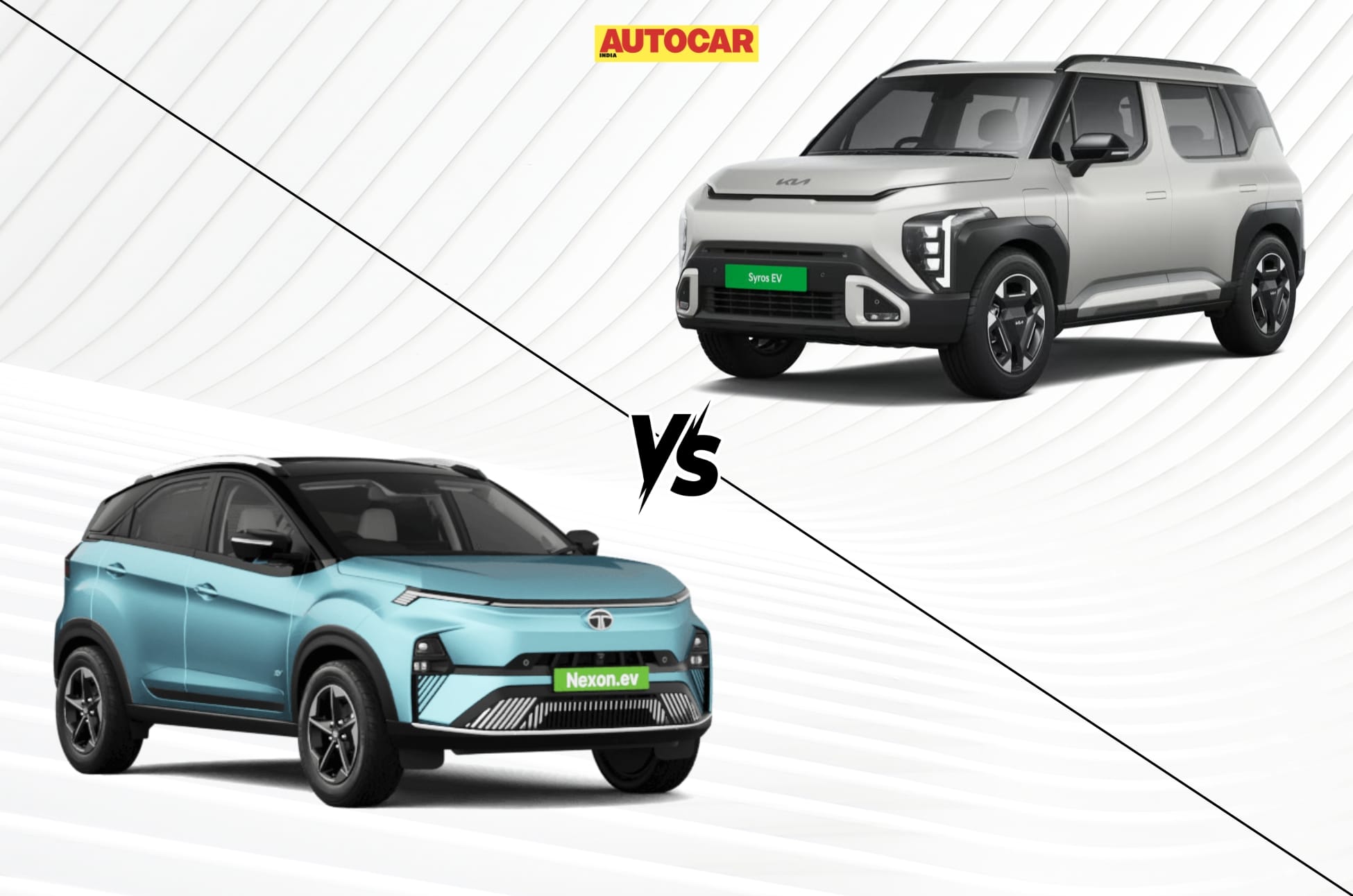
Kia Syros EV vs Tata Nexon EV: Whose top spec trim offers better value?

Kia Syros EV vs Tata Nexon EV

Kia has taken its first aim to crack the compact electric SUV space with the Syros EV. On the other hand, Tata has been dominating this very segment with the Nexon EV that’s been on the market for quite some time. But how do both SUVs fare when comparing specifications and features of their respective top-spec versions? For this comparison, we’ve chosen the Kia Syros EV’s X-Line variant and the Nexon EV’s Empowered+ A 45 variant.

Explore full specs, features, and a price breakdown in our Syros EV vs Nexon EV comparison.

Kia Syros EV vs Tata Nexon EV: Dimensions

Syros EV is comparatively the larger vehicle here

Kia Syros EV vs Tata Nexon EV: Dimensions


Kia Syros EV

Tata Nexon EV

Length (mm)

3,995

3,995

Width (mm)

1,805

1,802

Height (mm)

1,670

1,625

Wheelbase (mm)

2,550

2,498

Frunk (litres)

16

11.6

Boot space (litres)

390

350

Wheel size (inches)

17

16

While both SUVs have identical length, the Syros EV is 3mm wider, 45mm taller, and gets a 52mm longer wheelbase than the Nexon. Additionally, the former gets a 40-litre larger boot, a 4.4-litre larger frunk, and rides on wheels an inch bigger than the Nexon EV.

Kia Syros EV vs Tata Nexon EV: Powertrains 

Syros EV gets the larger battery pack, more powerful motor, and higher claimed range figure

Kia Syros EV vs Tata Nexon EV top-spec: Powertrains 


Kia Syros EV

Tata Nexon EV

Battery size (kWh)

51.4

45

Electric motor setup

Single motor

Single motor

Drive layout

FWD

FWD

Power (hp)

171

144

Torque (Nm)

255

215

Claimed 0-100kph time (seconds)

8.1

8.9

ARAI range (km)

526

489

The Syros EV features the largest battery pack in its segment with a 51.4kWh battery pack. Not only is its battery pack larger than the Nexon’s, but it also has a more powerful motor, leading to a quicker claimed 0-100kph time and a segment-best ARAI range that’s 37km higher than the Nexon’s.

Kia Syros EV vs Tata Nexon EV top-spec: Charging speeds and times 

Syros EV supports faster charging speeds

Kia Syros EV vs Tata Nexon EV top-spec: Charging speeds and times 


Kia Syros EV

Tata Nexon EV

Battery size (kWh)

51.4

45

7.2kW AC charging (10-100 percent)

6 hours 36 minutes

11kW AC charging (10-100 percent)

8.9 hrs


DC fast charging (10-80 percent)

39 minutes at 100kW

40 minutes at 60kW

The Syros EV supports higher charging output than the Nexon EV, be it at AC or DC speeds. But despite this, the Nexon EV’s smaller battery helps it juice up quicker at AC speeds, while DC fast charging times are almost similar to the Syros EV’s. 

Kia Syros EV vs Tata Nexon EV: Exterior features

Syros EV top-spec limited to one colour 

Kia Syros EV vs Tata Nexon EV top-spec: Exterior features


Kia Syros EV

Tata Nexon EV

LED headlamps

Automatic

Automatic

LED tail-lamps

Yes

Connected

DRLs

Yes

Connected

Front fog lamps

LED

LED

Puddle lamps w/ logo projection

Yes

No

Powered and foldable ORVMS

Yes

Yes

Flush door handles

Yes

No

Rear spoiler

Yes

Yes

Colour options

2, monotone and matte

5, dual tone 

On the outside, the Syros EV gets goodies such as flush door handles with motorised opening for the front handles, and puddle lamps with logo projection, which the Nexon EV skips. But with the Syros EV in top-spec guise, you’re limited to only black exterior paint in either matte or gloss finish. On the other hand, the Nexon offers five dual tone paint choices with a black roof as standard at the top-end.

Kia Syros EV vs Tata Nexon EV: Interior features 

Sliding and reclining rear seats with seat base ventilation found only on the Syros EV

Kia Syros EV vs Tata Nexon EV: Interior features 


Kia Syros EV

Tata Nexon EV

Infotainment screen

12.3-inch

12.3-inch

Digital driver’s display

12.3-inch

10.25-inch

HVAC display

5-inch

No

Apple CarPlay & Android Auto

Wireless

Wireless

Connected car tech

Yes

Yes

Sunroof

Panoramic

Panoramic

Sound system

8-speaker Harmon Kardon

9-speaker JBL

Automatic climate control

Yes

Yes

Wireless charger

Yes

Yes

Driver’s seat adjustment

4-way powered

No

Ventilated front seats

Yes

Yes

Rear seat base ventilation

Yes

No

Rear sunshades

Yes

Yes

Rear centre armrest

Yes

Yes

Sliding, reclining rear seats

Yes

No

OTA updates

Yes

Yes

Ambient lighting 

Yes

Yes

Air purifier

No

Yes

Rear AC vents

Yes

Yes

While Kia and Tata have packed a lot of features for their respective models, the former has the edge here. The Syros EV gets a larger digital driver’s display, powered driver seat, rear seat base ventilation, and sliding and reclining rear seats. But it misses out on an additional speaker and an air purifier, which the Nexon EV gets.

Kia Syros EV vs Tata Nexon EV: Driving features

Both models are on par with driving features

Kia Syros EV vs Tata Nexon EV: Driving features


Kia Syros EV

Tata Nexon EV

Drive modes

Eco, Normal, Sport

Eco, City, Sport

V2L function

Yes

Yes

Multi-level regen braking

Yes

Yes

Paddleshifters for regen

Yes

Yes

Cruise control

Adaptive

Adaptive

In the driving features department, the Syros EV and Nexon EV are equally equipped with drive modes, regen paddle shifters, adaptive cruise control, and V2L functionality.

Kia Syros EV vs Tata Nexon EV: Safety features

Syros EV yet to achieve BNCAP certification

Kia Syros EV vs Tata Nexon EV: Safety features


Kia Syros EV

Tata Nexon EV

Bharat NCAP rating

Yet to be tested

5 stars

Airbags

6

ABS with EBD

Yes

Yes

Electronic stability program

Yes

Yes

Follow-me-home headlamps

Yes

No

Hill hold control

Yes

Yes

Hill descent control

No

Yes

TPMS

Yes

Yes

360-degree camera

Yes

Yes

Parking sensors

Front, rear, side

Front and rear 

Electronic parking brake

Yes (w/ auto-hold)

Yes (w/ auto-hold)

Rain-sensing wipers

No

Yes

Auto-dimming IRVM

Yes

Yes

ISOFIX child seat anchors

Yes

Yes

Rear wiper, defogger

Yes

Yes

Disc brakes

All wheel

All wheel

Level 2 ADAS

Yes

Yes

While the Tata Nexon EV has already scored a 5-star rating in BNCAP tests, the Syros EV is yet to be tested. But for the latter, a similar rating can be expected considering its ICE version has already attained a 5-star rating. 

Both the Syros EV and Nexon EV come well equipped with basic and advanced safety features, including a Level 2 ADAS suite and a 360-degree camera. Here, the Kia gets follow-me-home headlamps and additional parking sensors on the side over the Tata. However, hill descent control and rain-sensing wipers are found only on the latter.

Kia Syros EV vs Tata Nexon EV: Prices and Verdict 

Syros EV X-Line pricier by Rs 3.5 lakh

Kia Syros EV vs Tata Nexon EV: Price 


Kia Syros EV

Tata Nexon EV

Price (Rs lakh)

20.00

17.49

In top-specification guise, the Syros EV is Rs 3.5 lakh pricier than the Nexon EV. Between the two, it’s the Nexon EV we find as the better value proposition. While the Syros EV is the larger vehicle dimensionally, has the larger battery pack, more powerful motor, and the higher claimed range, it doesn’t justify the extra premium that it commands over the Nexon EV. The Nexon EV may not have as much claimed range or features as the Syros EV, but it isn’t bad by segment standards. 

All prices are ex-showroom, India. 

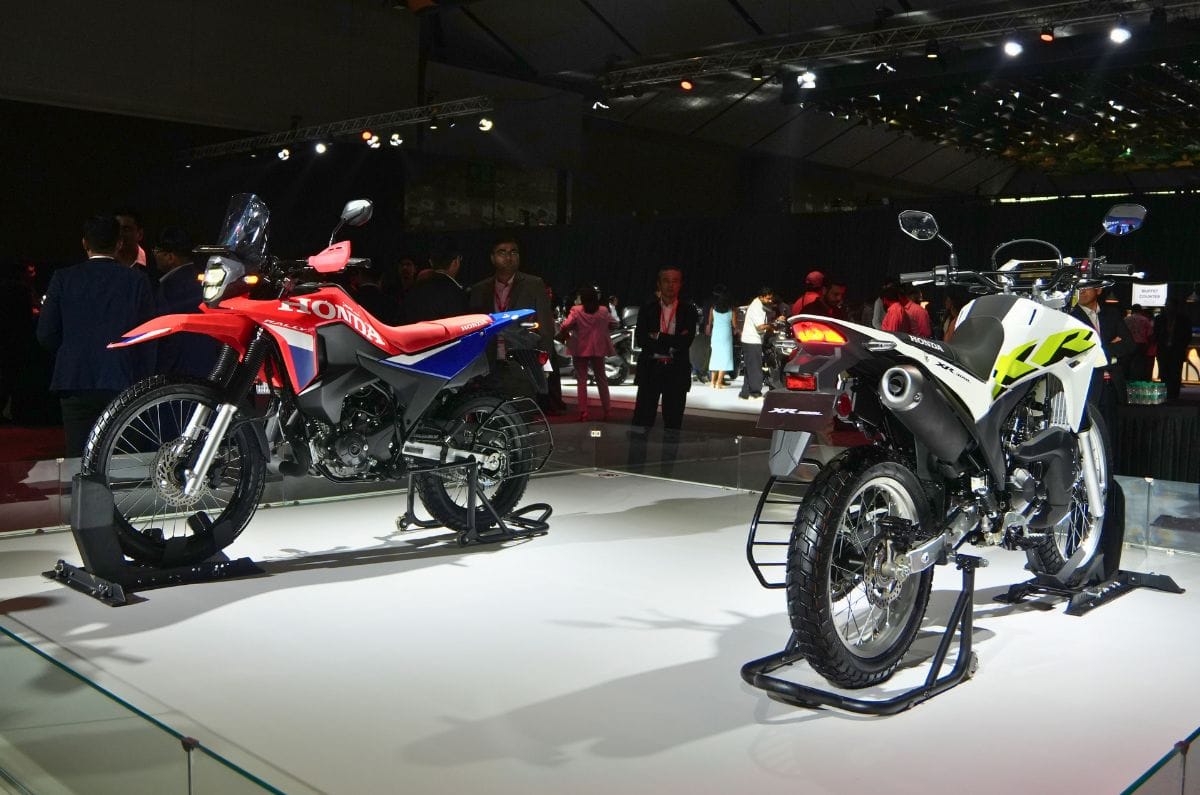
All we know about the Honda XR300L and XR300 Rally

All we know about the Honda XR300L and XR300 Rally

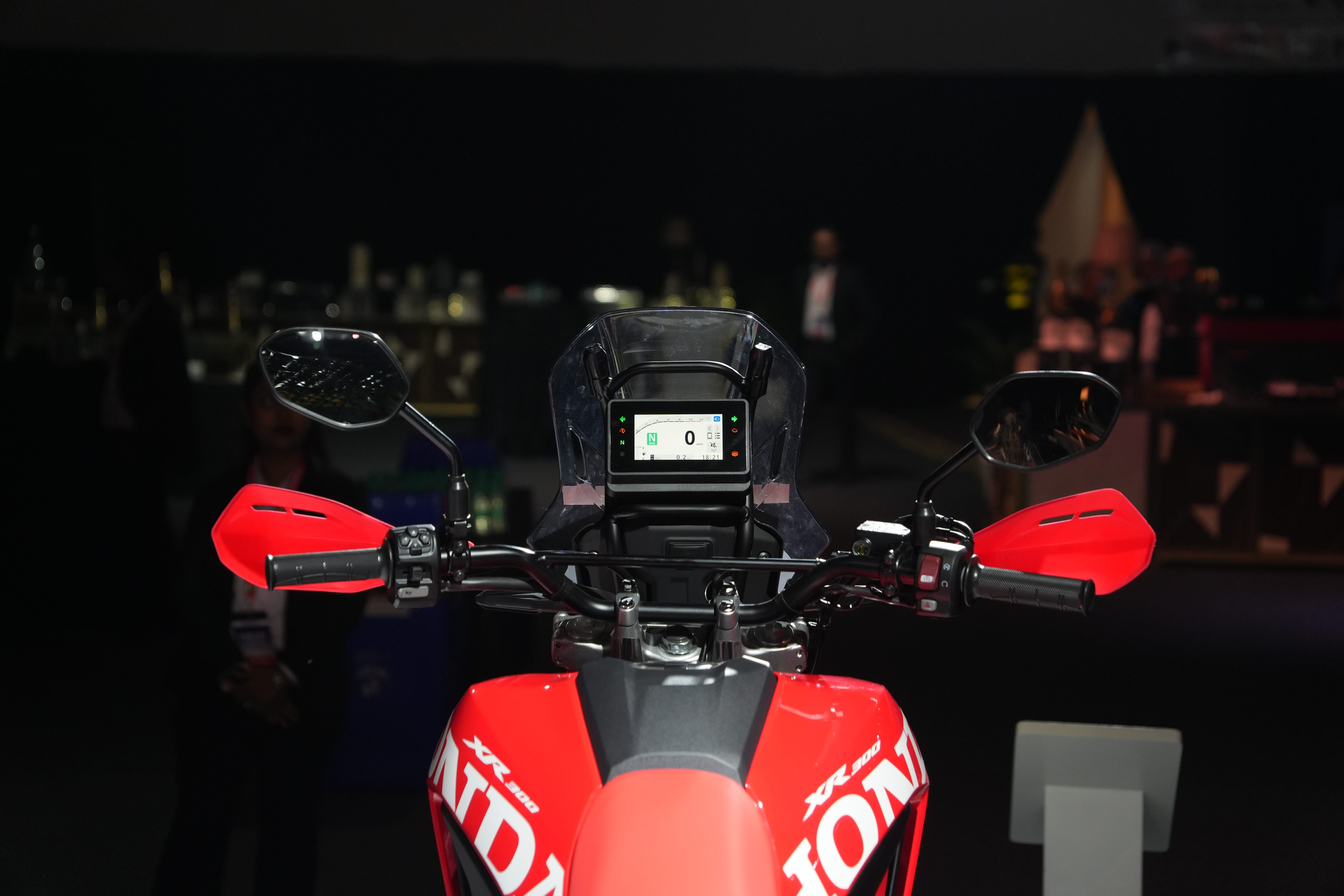
The small-capacity adventure motorcycle segment in India has never been more competitive, and understandably so, given how well these bikes suit our riding conditions. While Honda has long had capable dual-sport motorcycles in its global portfolio, it never offered one in our market. That has now changed with the announcement of the XR300L and XR300 Rally. The brand is yet to reveal full specifications, but a combination of what is visible on the bikes and Honda’s existing global lineup gives us a good idea of what to expect. Here’s everything we know so far.

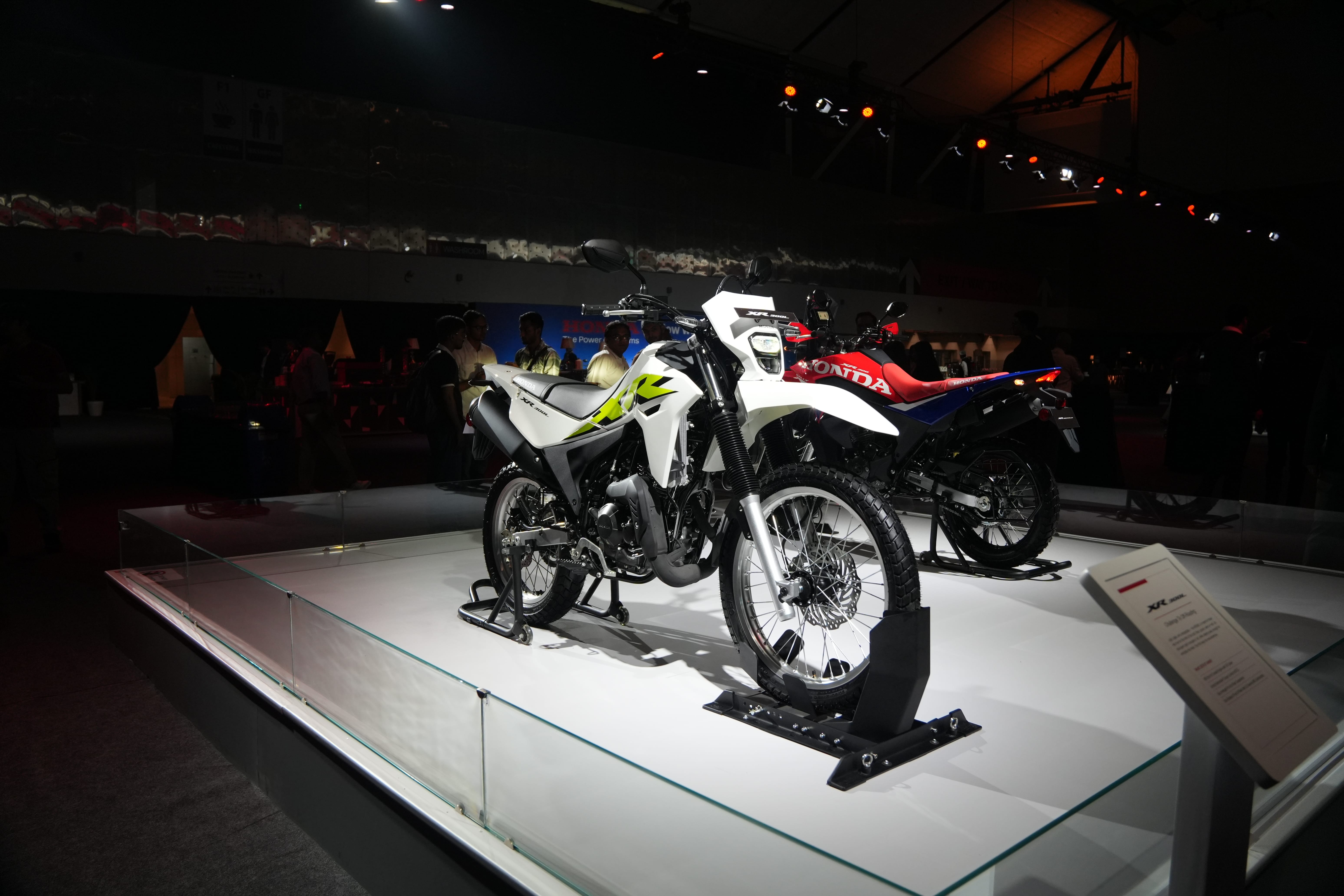
Honda XR300L

Engine is likely related to the CB300F, and Honda already sells an XR300L in South America

Visually, the engine on the India-spec XR300L appears closely related to the 293cc unit found in the CB300F. Additionally, Honda already sells an XR300L in South American markets such as Brazil and Colombia, and that motorcycle also uses a 293cc engine. If the India-spec bike uses the same motor, it is likely to produce around 24.3hp at 7,500rpm and 26.5Nm at 5,750rpm.

Interestingly, the Brazilian-spec XR300L is Flex Fuel-compatible, allowing it to run on either petrol or ethanol. While Honda has not confirmed whether the India-spec motorcycle will feature the same capability, it would make sense given the increasing focus on ethanol-blended fuels in India.

The South American XR300L is certified only to Euro 3 emissions standards, which could explain why the India-spec bike features noticeably different exhaust routing. The stricter emissions regulations here are likely to require revised exhaust architecture and engine tuning, even if the underlying engine remains the same. The bodywork also differs slightly from the South American model.

The bike sold in Brazil and Colombia uses a telescopic fork with 221mm of wheel travel and a rear monoshock with 227mm of travel. While Honda has not confirmed the India-spec motorcycle’s suspension figures, we could expect to see similarly impressive figures. The bike also rides on a 21-inch front and 18-inch rear wheel combo – a setup also seen on the India-spec bike.

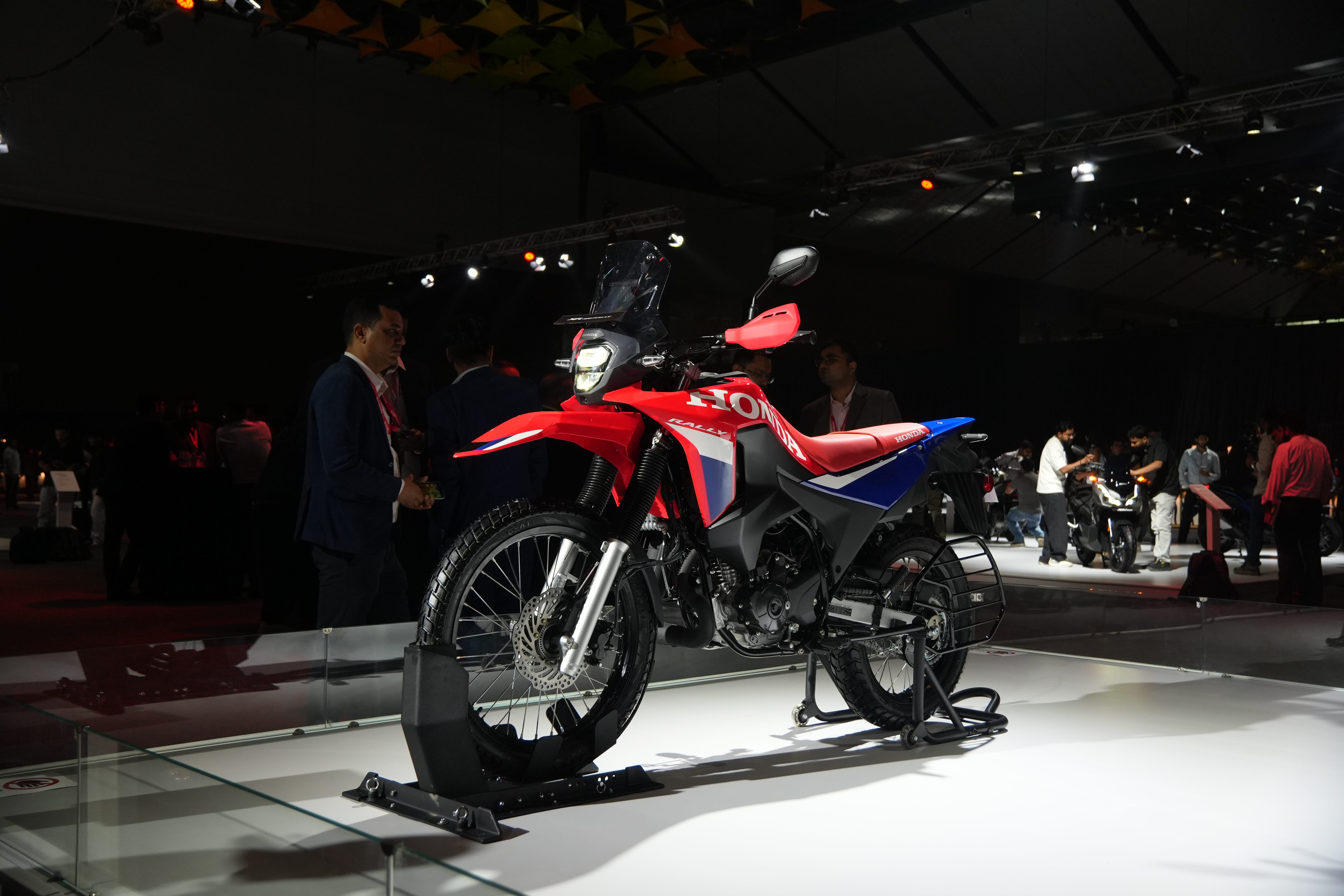
Honda XR300 Rally

Gets a larger fuel tank, taller windscreen and TFT display over the XR300L

The XR300 Rally is expected to share its engine and core mechanical package with the XR300L, while adding equipment better suited to long-distance touring. Confirmed additions include a larger fuel tank (capacity yet to be revealed), a 5-inch TFT display that we’ve already seen on several Honda motorcycles in India, and more comprehensive switchgear to access its additional functions. A taller windscreen, knuckle guards and unique bodywork are also part of the package. The Rally also appears to use a different tyre tread pattern, although wheel and tyre sizes are expected to remain unchanged.

If the relationship between the global CRF300L and CRF300 Rally is anything to go by, the XR300 Rally is also likely to feature a slightly taller seat height, a marginal reduction in ground clearance and a small increase in kerb weight owing to its larger fuel tank.

For now, that’s all we know. Honda is yet to announce pricing or full specifications for either motorcycle, but with both bikes now officially unveiled, a launch over the coming months is imminent. Local manufacturing should also allow Honda to price them competitively. For reference, the arch rivals to these bikes, the Kawasaki KLX230 and Hero Xpulse 210 cost Rs 2.19 lakh and Rs 1.67-1.76 lakh, respectively.

Honda ADV160 maxi-scooter image gallery

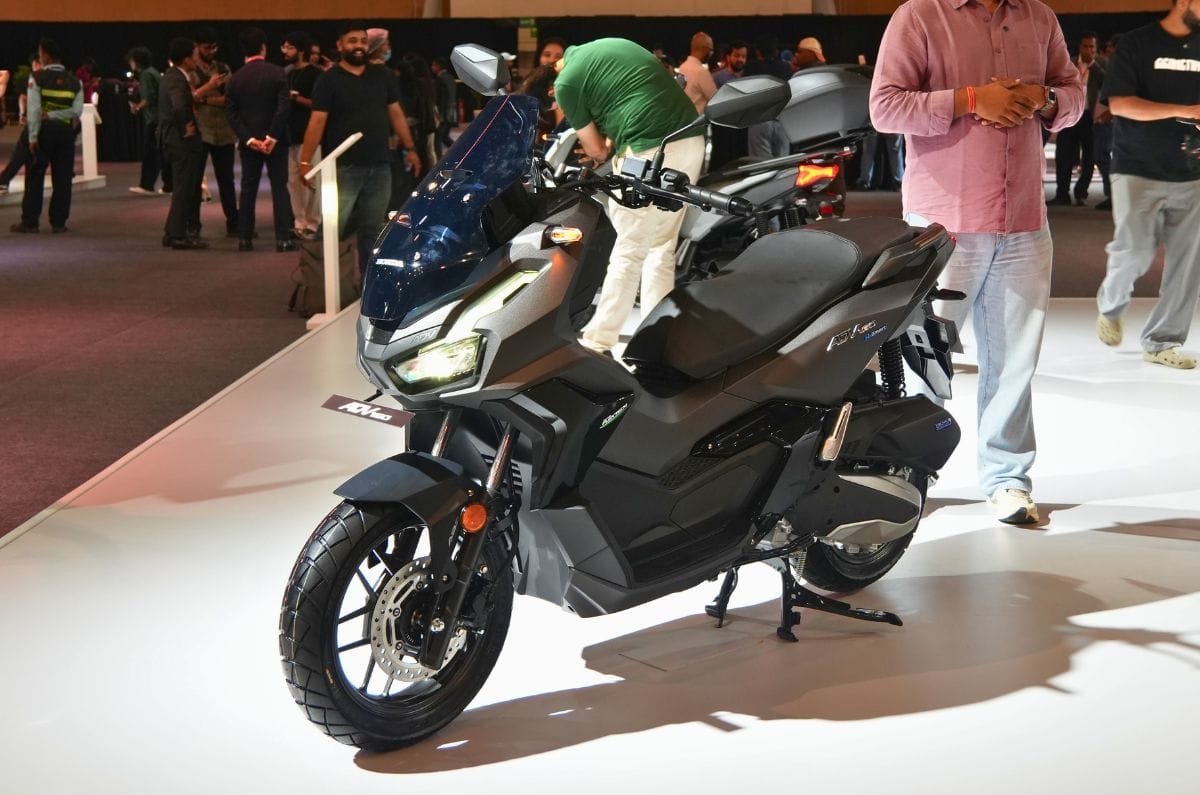
Honda ADV160 front three quarter

Honda has unveiled the ADV160 for the Indian market, signalling its intent to compete in the growing premium maxi-scooter segment. It features sharp, angular bodywork, a tall adjustable windscreen, a stepped seat, generous body cladding and dual-purpose styling cues that set it apart from conventional maxi-scooters. Powering the adventure styled maxi-scooter is a 157cc, liquid-cooled, single-cylinder engine producing 16.3hp and 14.9Nm, paired with a CVT transmission. Interestingly, these output figures are marginally higher than those of the ADV160 sold in several overseas markets. The India-bound model also surprised with an E85-compatible flex-fuel engine, making it the first flex-fuel scooter to be showcased in India. Other highlights include a 5-inch TFT display, traction control, keyless ignition, an adjustable windscreen, USB Type-C charging and 27 litres of underseat storage. Honda is yet to announce the ADV160’s launch timeline and pricing.

Skoda India Brand director Ashish Gupta on growth, EVs and the brand’s future

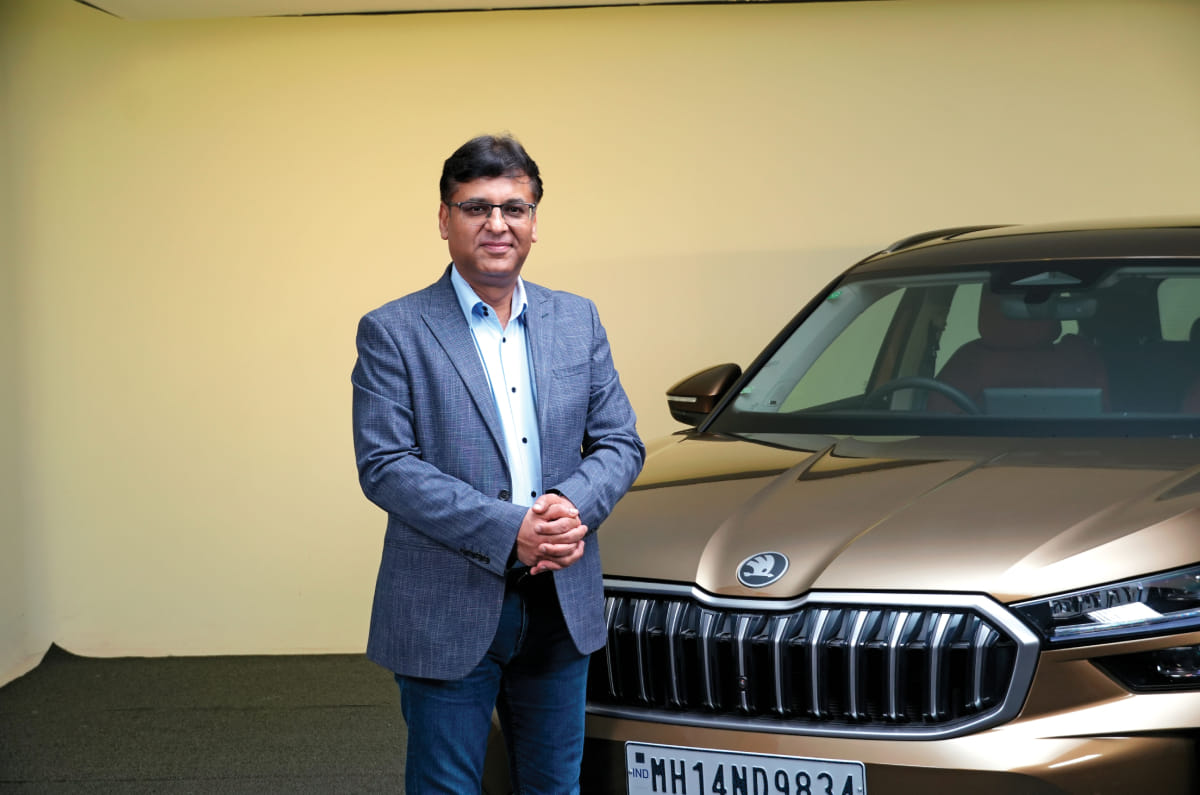
Skoda India Brand director Ashish Gupta

Skoda Auto India has had a busy year, with the launch of the Kylaq, the return of the Kodiaq, an expanding dealer network and plans to strengthen its presence across multiple segments. The company is also preparing for an electric future while continuing to invest in its petrol-powered portfolio. In this interview, Brand Director Ashish Gupta talks about Skoda’s sales growth, the launch of the Kodiaq RS, upcoming model updates, EV strategy and the steps being taken to improve the ownership experience in India.

On his first year at the helm of Skoda India.

Coming from Volkswagen, I’ve basically switched to the other side of the office, but I’d say it’s been challenging but exhilarating. I’m more than satisfied with the year, from the brand side, sales and also setting the foundation for the future. All our KPIs – brand image, awareness, consideration, network coverage, dealer profitability, customer satisfaction, market coverage, etc. – have improved, and we have done really well. In sales, we went from number eleven to seven, and we also became number four in the global sales ranking for Skoda, just slightly behind the UK. 

On the launch of the Kodiaq RS. 

The Kodiaq is our flagship. It came here in 2017, and we have it on sale again. At the same time, this year marks 125 years for Skoda in motorsport, and it’s also about 50 years since the RS badge was first born, so we thought it would be great to bring in the Kodiaq RS as the pinnacle of our engineering and motorsport heritage. It’s coming in as a fully built unit, and we have only 50 units; allocation is a challenge when it’s a bestseller abroad, but we have the option of another batch later on.  

On the Kylaq driving Skoda’s sales growth.

Yes, a large portion of our sales came from the Kylaq, but that was also because we were running out the Kushaq, which was due for an update and has now been launched. So, the demand for the Kushaq was always there. Also, it’s only been two months, so it’s too early to qualify, but we have seen an uptake of about 40% in sales, and the order book is solid.

On the Slavia and the upcoming update. 

The Slavia is a very special model for us. SUVs are the flavour of the season, but sedans are doing fine too, and we are among the few manufacturers in the world that still have a sedan portfolio, all of which are doing well. In India, the Slavia continues our sedan legacy of models like the Octavia, Superb and Rapid, and so, yes, it will see an update, but it’s early to specify details. 

On the company’s electric vehicle plans. 

If you want to be a relevant player in that space, you have to have a local play, so that’s what we are working on. EV penetration was 7% in May, up from 4.5% at the end of last year, so yes, this is a space where we will accelerate our plans, but you cannot do this suddenly, as there are factors like the supply chain to consider. But there’s an international portfolio too that we can look at.

On the possibility of the Peaq making it to India.

Bringing in a global model is very difficult as far as pricing goes, and the EU-FTA, as you know, does not give benefits to EVs for now. So, for now, we have to look at what makes sense, and yes, a larger EV is easier to manage pricing with. And yes, the Peaq is certainly on my radar. We will look at the specifications and see how we can best manage that with pricing, as you cannot have a high-priced CBU but be low on equipment. So, we are working on this. My ambition is to get the global portfolio to India.

On a petrol-only portfolio and flex-fuel cars.

If you see, year to date, the petrol market is about 46%, which used to be above 50% last year, so there is a shift, but the market is also growing by 20%. So even if the share of other fuels is rising, the absolute volume of petrol is increasing, so I’m not worried about our current portfolio. As for flex fuel, yes, ethanol is a longer-term strategy that the government wants, so we have to look at it, and we are, but there is work to manage this, as we have to look at the engine portfolio and manage our strict emission norms too.

On addressing Skoda’s dealer experience.

If you look at our customer experience scores, they have been improving. Sales have grown by almost 12 percent over the last year, and customer experience for service has improved by 18 to 20 percent. So, are we perfect? No, but the trend has improved and is only rising. Also, we are now present at about 335 touchpoints in 183 cities and are just inaugurating our 200th workshop in India, so we are getting closer to our customers. We have competitive service packs and excellent parts availability. Today, we have a parts service rate of more than 96 percent at our warehouses and dealerships, which is among the best in the industry.  

Honda ZR-V launched at Rs 48 lakh

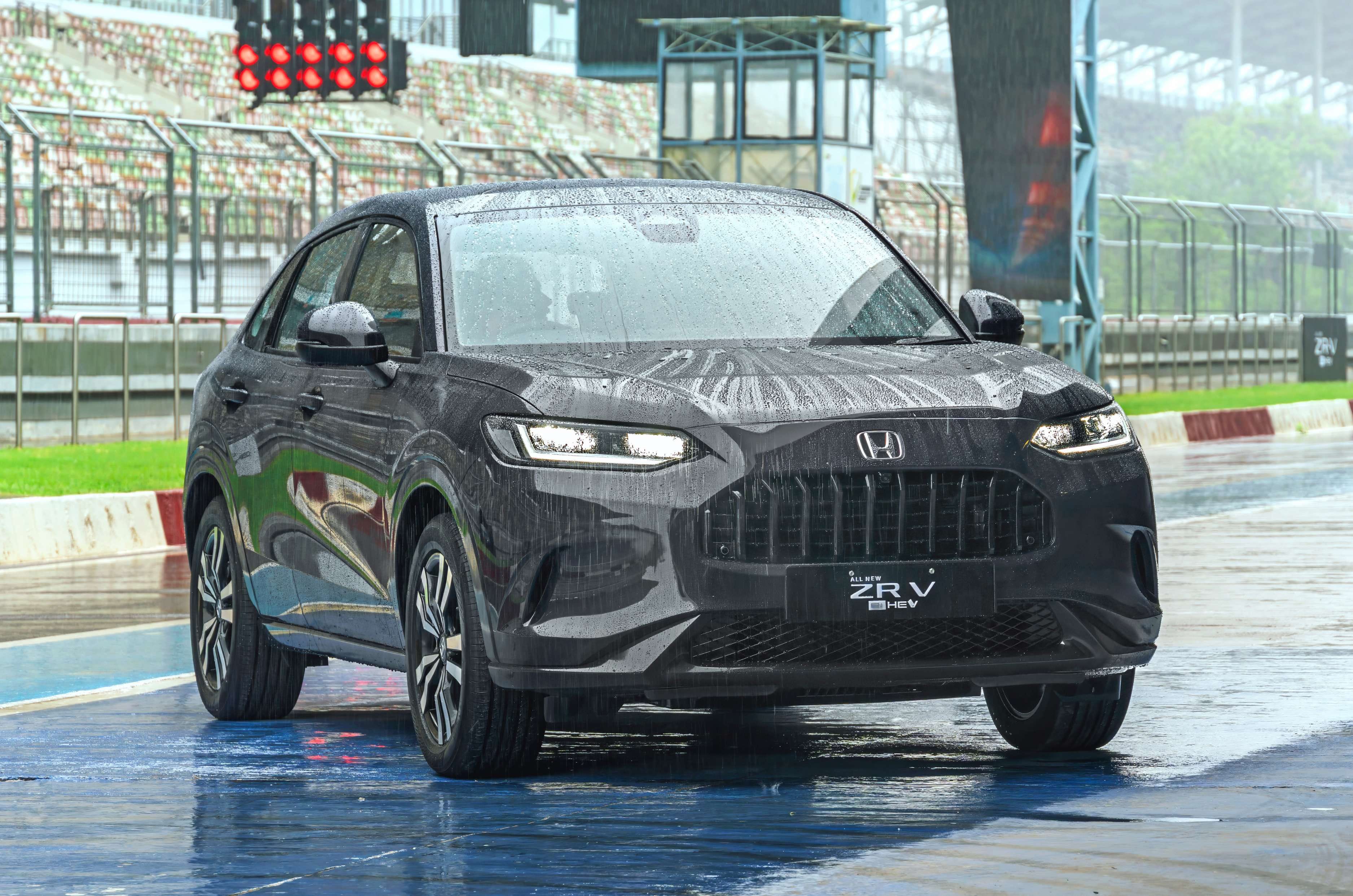
Honda ZR-V front quarter static

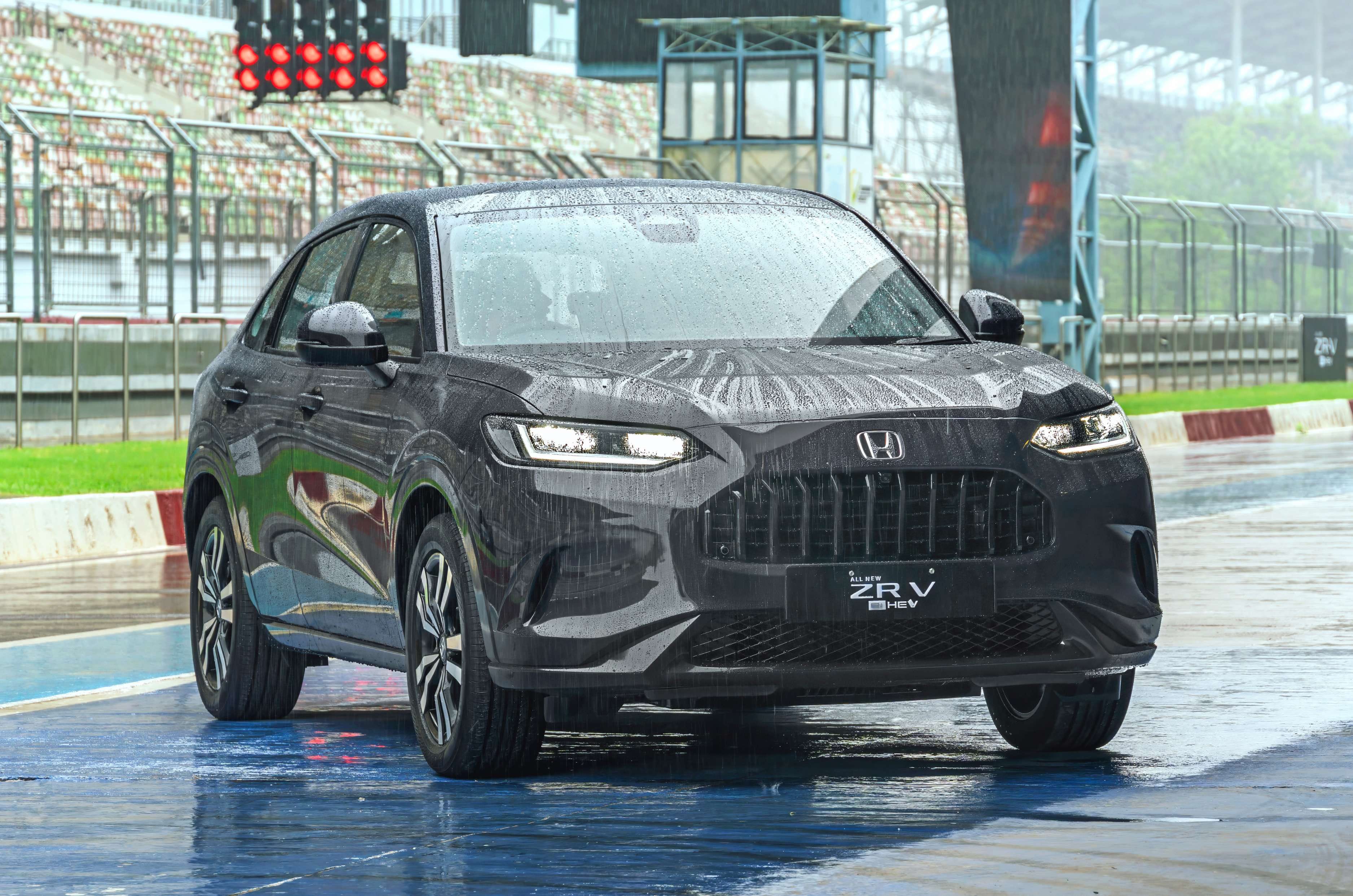
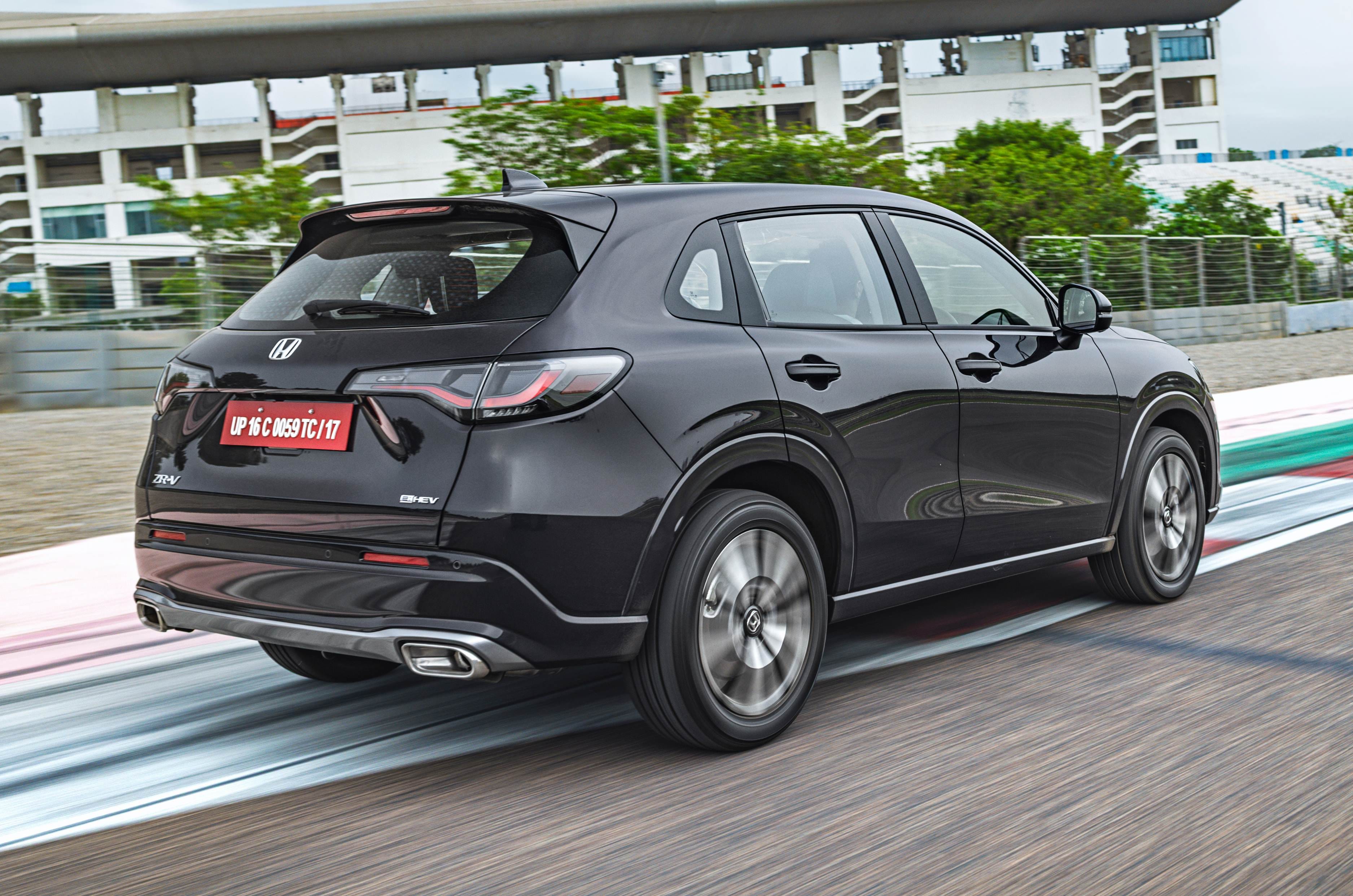
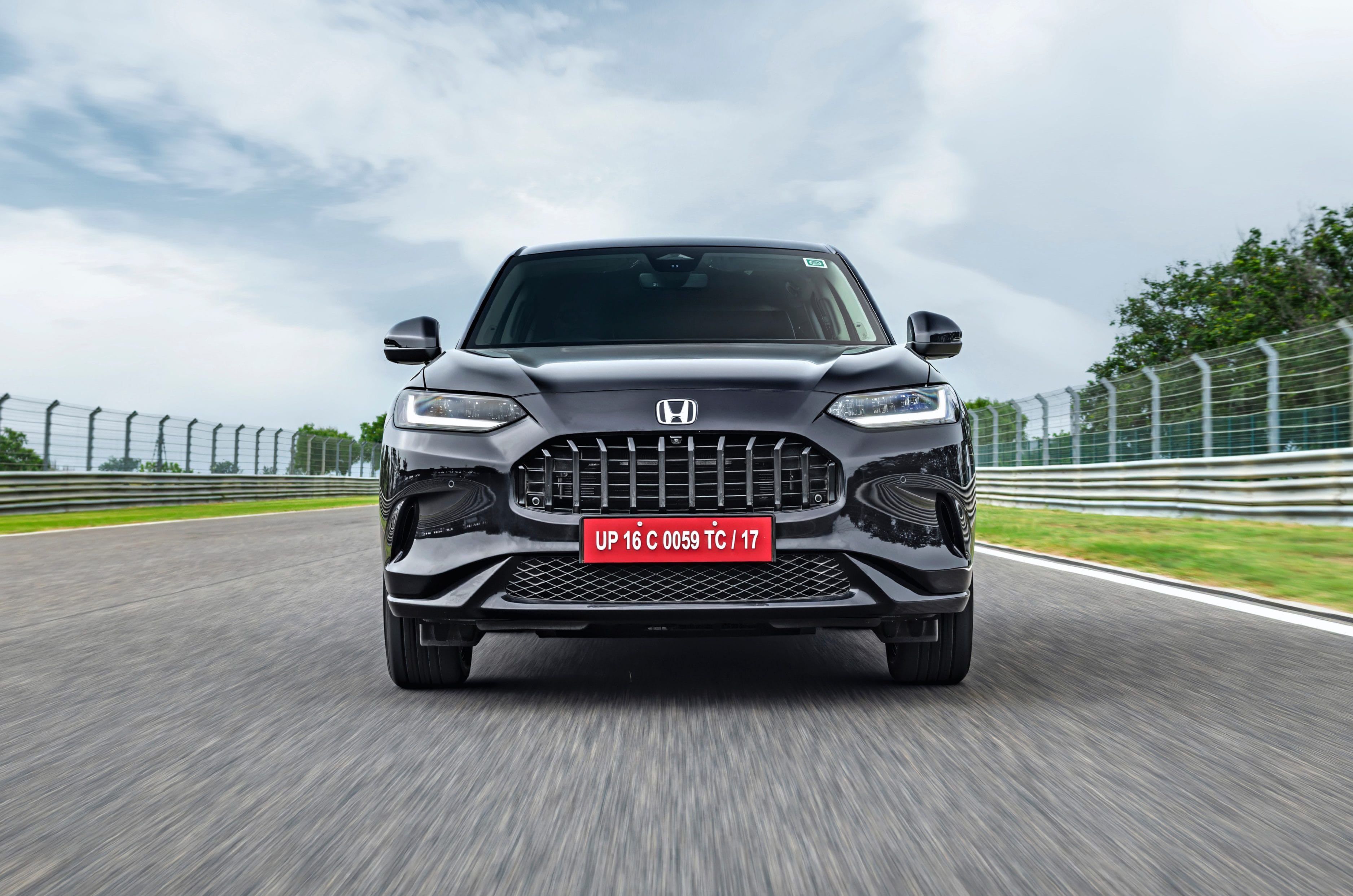
Honda has launched the ZR-V in India at an introductory price of Rs 48 lakh ex-showroom. The SUV sits at the top of the Japanese carmaker’s lineup as the flagship offering for the Indian market. The ZR-V is available only in a single fully loaded variant, and is imported from Japan as a CBU. It is Honda’s alternative to the likes of the Skoda Kodiaq, Volkswagen Tayron and Tiguan. 

3 reasons to buy the Honda ZR-V, and 3 reasons not to

Honda ZR-V

Honda is set to launch the ZR-V hybrid SUV in India as the Japanese carmaker’s new flagship offering for our market. The ZR-V will be sold in India as a fully imported CBU model, and is expected to rival the likes of the Volkswagen Tayron, Jeep Meridian, and Skoda Kodiaq. How compelling a package is the ZR-V at that price? We’ve compiled the upcoming Honda’s most notable strengths and weaknesses below.

Pros

Punchy and refined powertrain

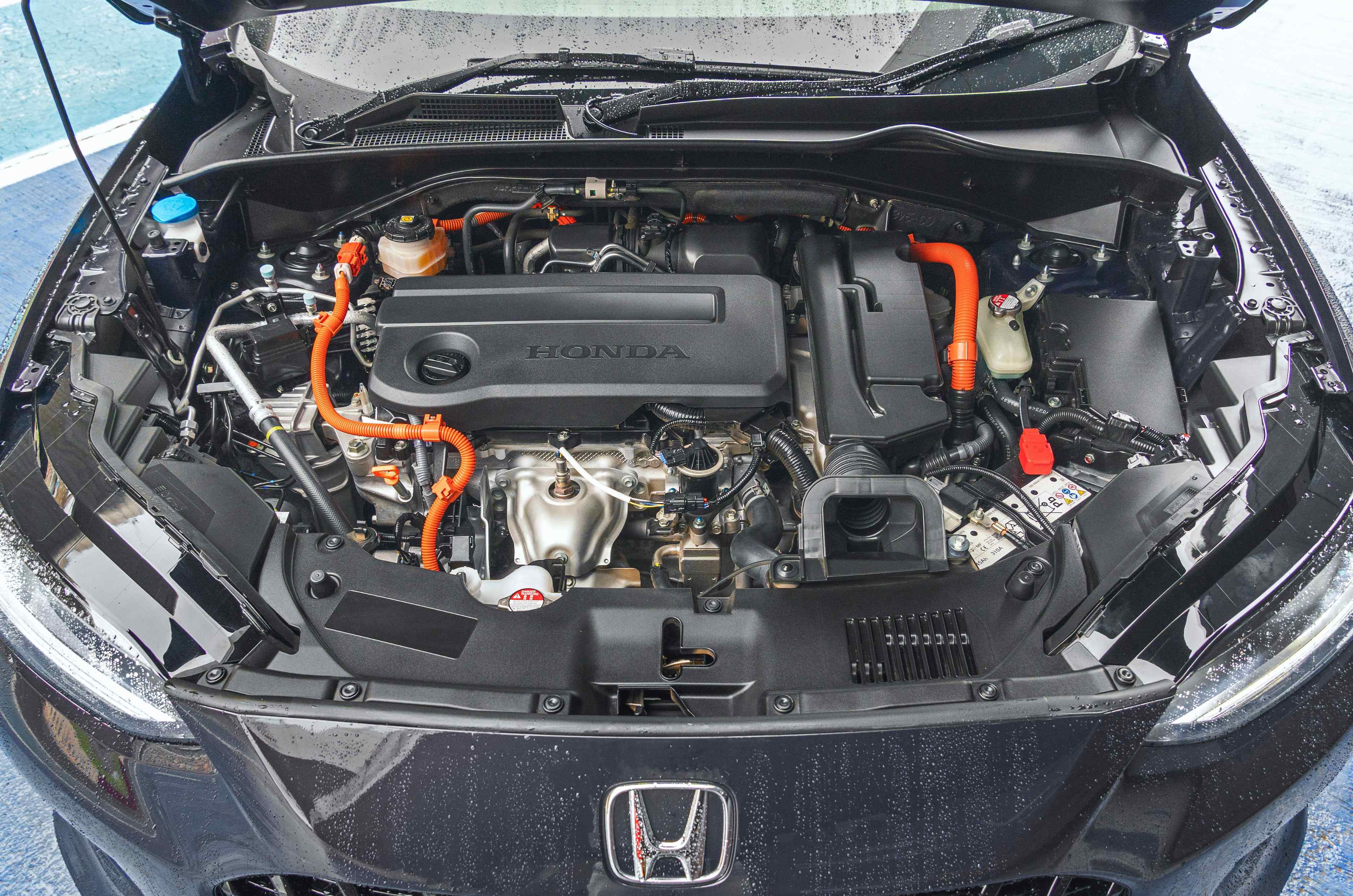
The ZR-V comes with a 2.0-litre naturally aspirated petrol-hybrid powertrain that outputs a combined 184hp and 315Nm, which is routed to the front wheels via an e-CVT. During our BIC track drive of the ZR-V, we found that the SUV deploys all of its torque from the off, which makes it feel rather zippy. Power flows to the wheels in a smooth and linear fashion, and part-throttle inputs feel responsive too.

Overall refinement is excellent, with barely any engine, road, or tyre noise making its way through to the cabin. Provided there’s enough charge in the battery, the ZR-V can even run in pure electric mode at low speeds, thereby reducing NVH levels further. Moreover, Honda claims a 22.8kpl fuel efficiency for the ZR-V, which will likely be appreciated by buyers seeking lower running costs.

Relatively agile handling

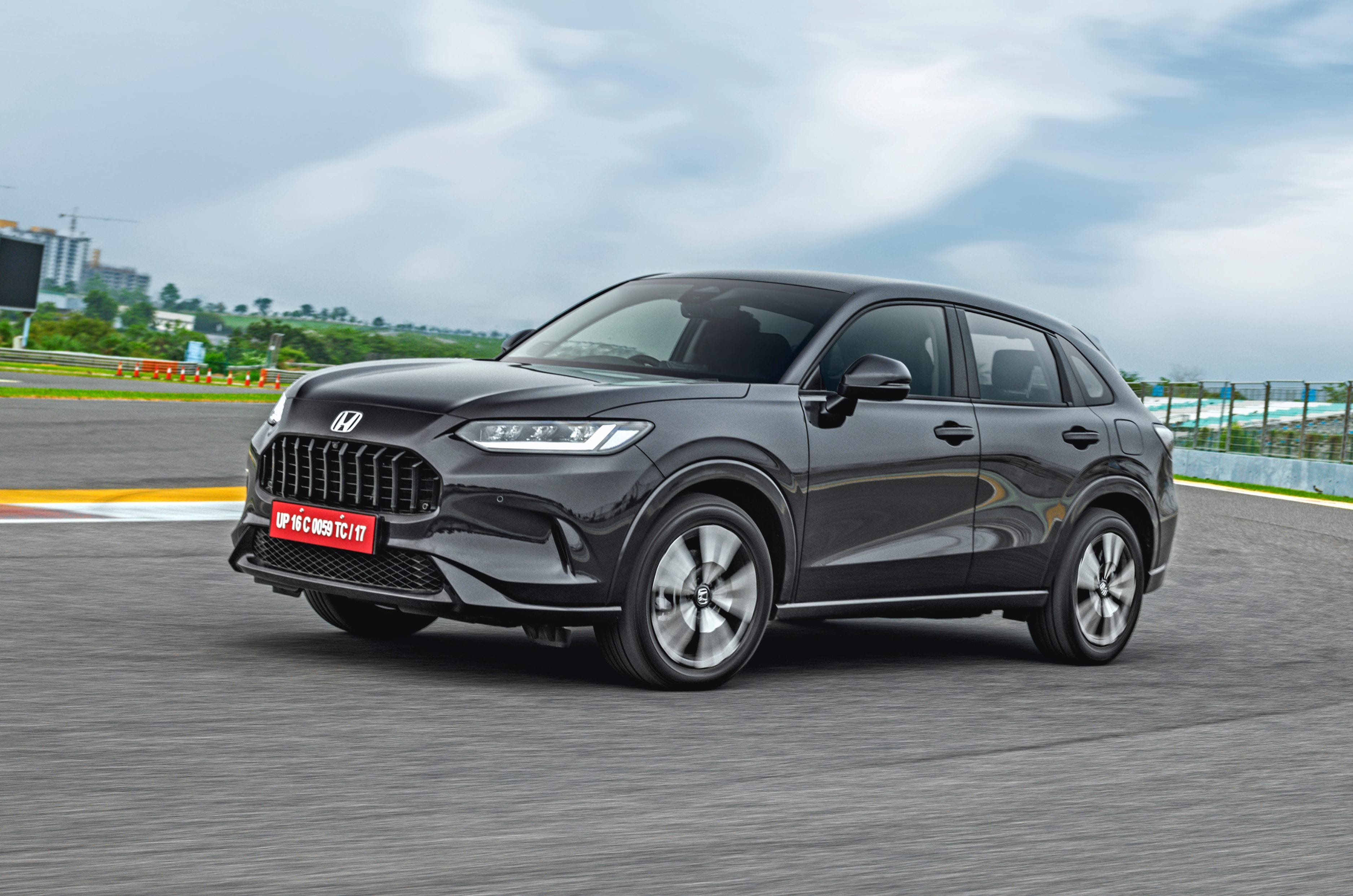
Despite its higher-up centre of gravity and front-wheel drive layout, the ZR-V felt nimble and enjoyable to drive around the Buddh International Circuit. The well-weighted and precise steering rack ensured stable and predictable handling around corners, and the ZR-V even held its own around a slalom course, with body control kept well in check.

Well-built interior with good ergonomics

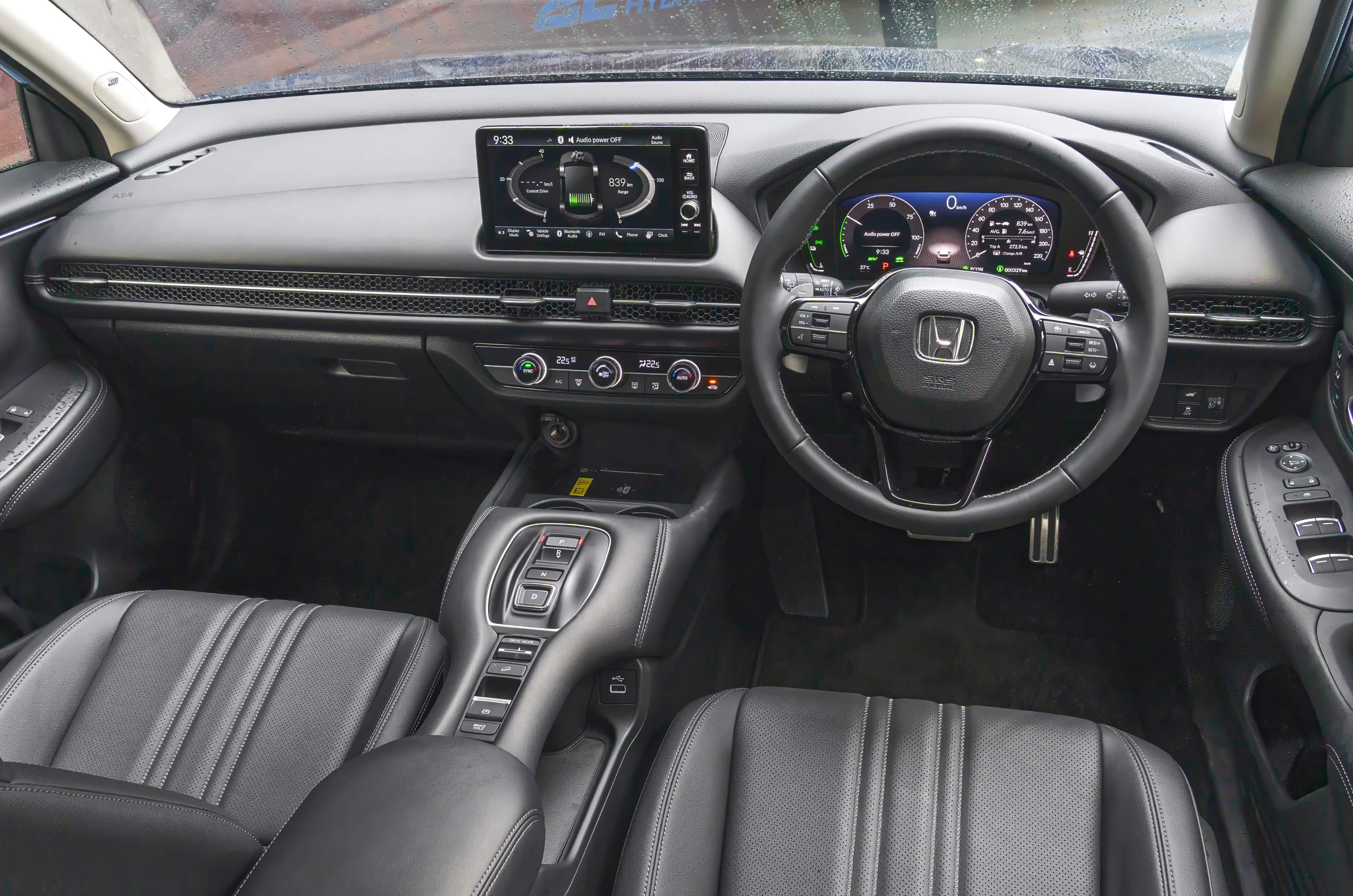
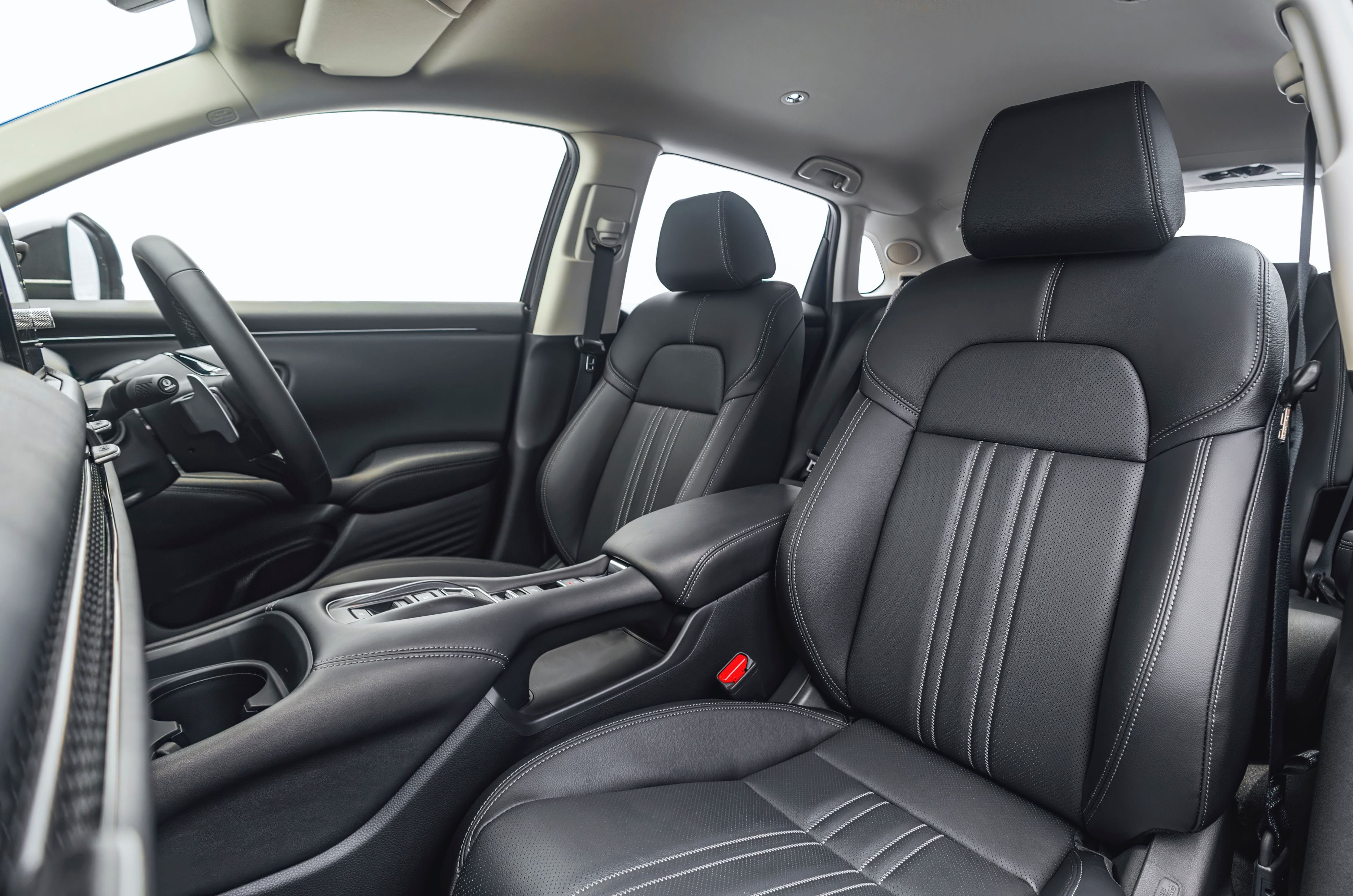
Step inside the ZR-V and you’re greeted by a smartly laid-out dashboard with a plethora of soft-touch materials and premium-feeling trim pieces. The 10.25-inch digital driver’s display also looks neat and well-executed, the front seats feel nicely padded and comfortable, and the low-set dash enables great visibility.

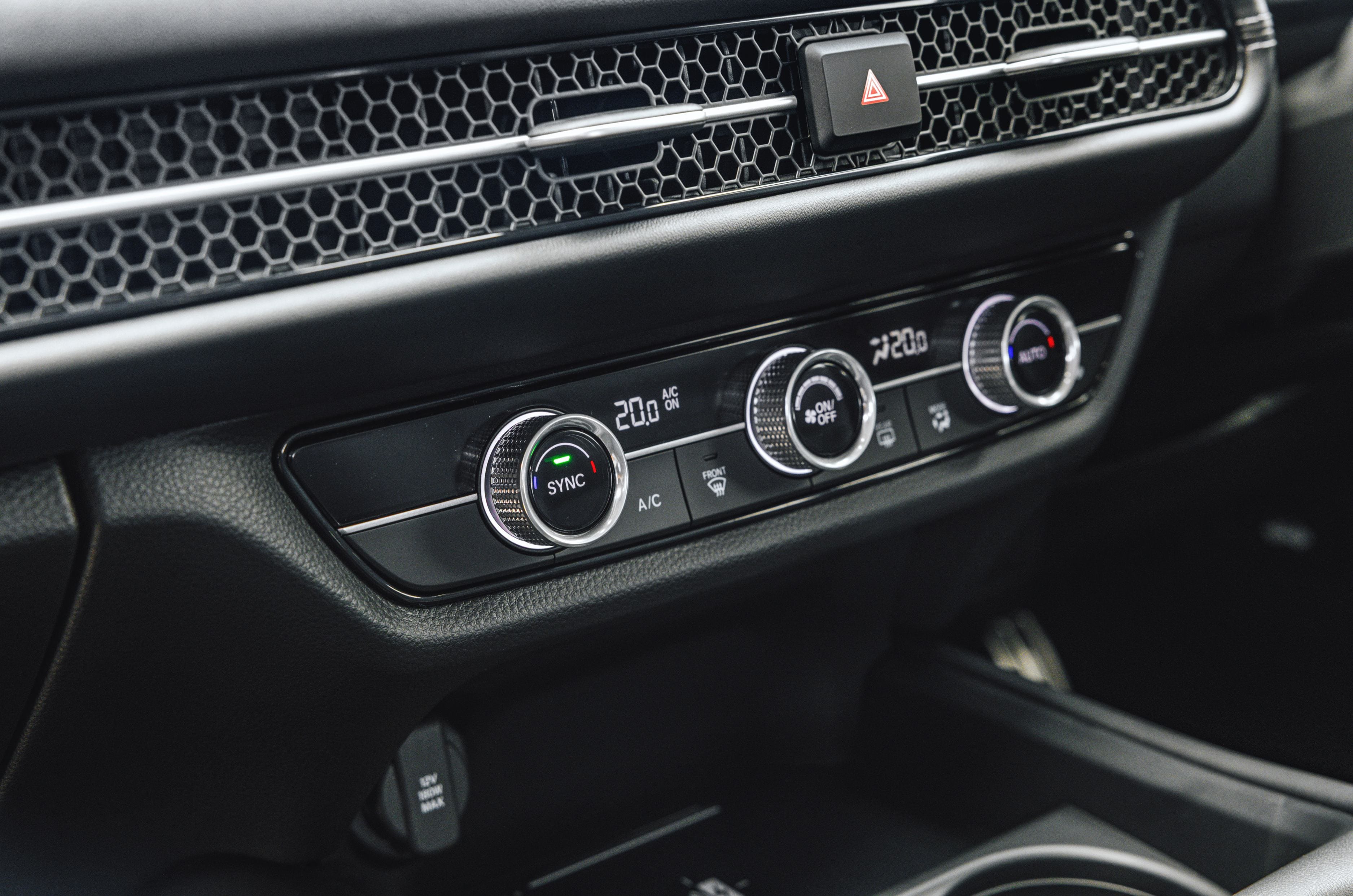
The ZR-V’s dashboard layout isn’t as flashy or tech-laden as some of its rivals, but this isn’t all that bad, as it’s packed with tactile physical controls for nearly every function. There’s a lot of storage space too, including a decently sized glovebox and door bins, and a bridge-type transmission tunnel with a cubby underneath.

Cons

Misses out on some crucial features

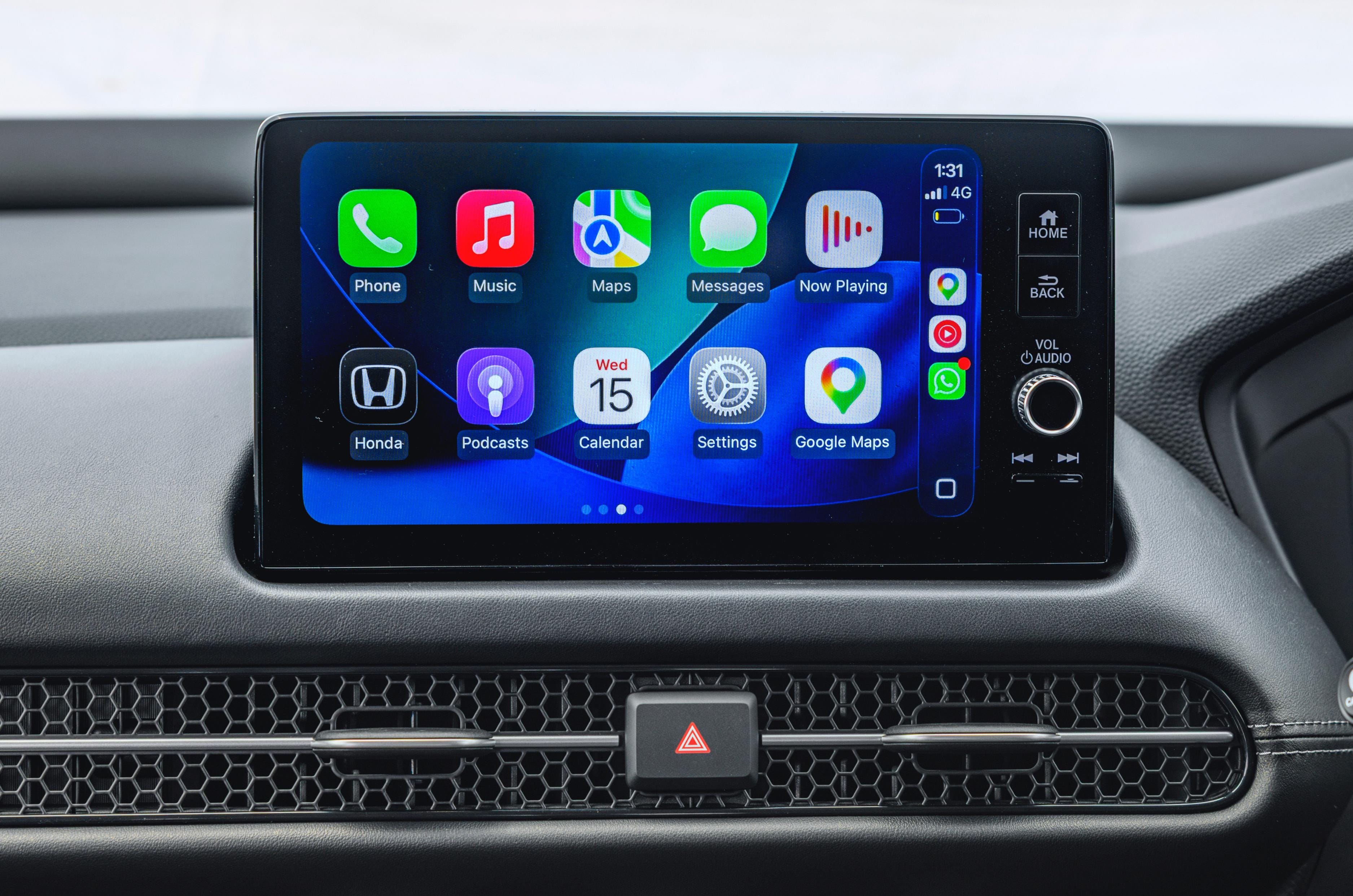
A downside of not being as tech-laden as its rivals is that the ZR-V lacks quite a lot of features that buyers may expect at this price point. First off, the ZR-V has a 9-inch infotainment touchscreen, which is bright and works perfectly fine, but is quite small by segment standards – even the much cheaper Honda City has a larger 10.1-inch touchscreen.

The ZR-V also doesn’t get a panoramic sunroof or heated, ventilated, and massaging front seats (the City offers ventilated front seats), and its 360-degree camera is quite low-res too.

Rear seat comfort feels lacking

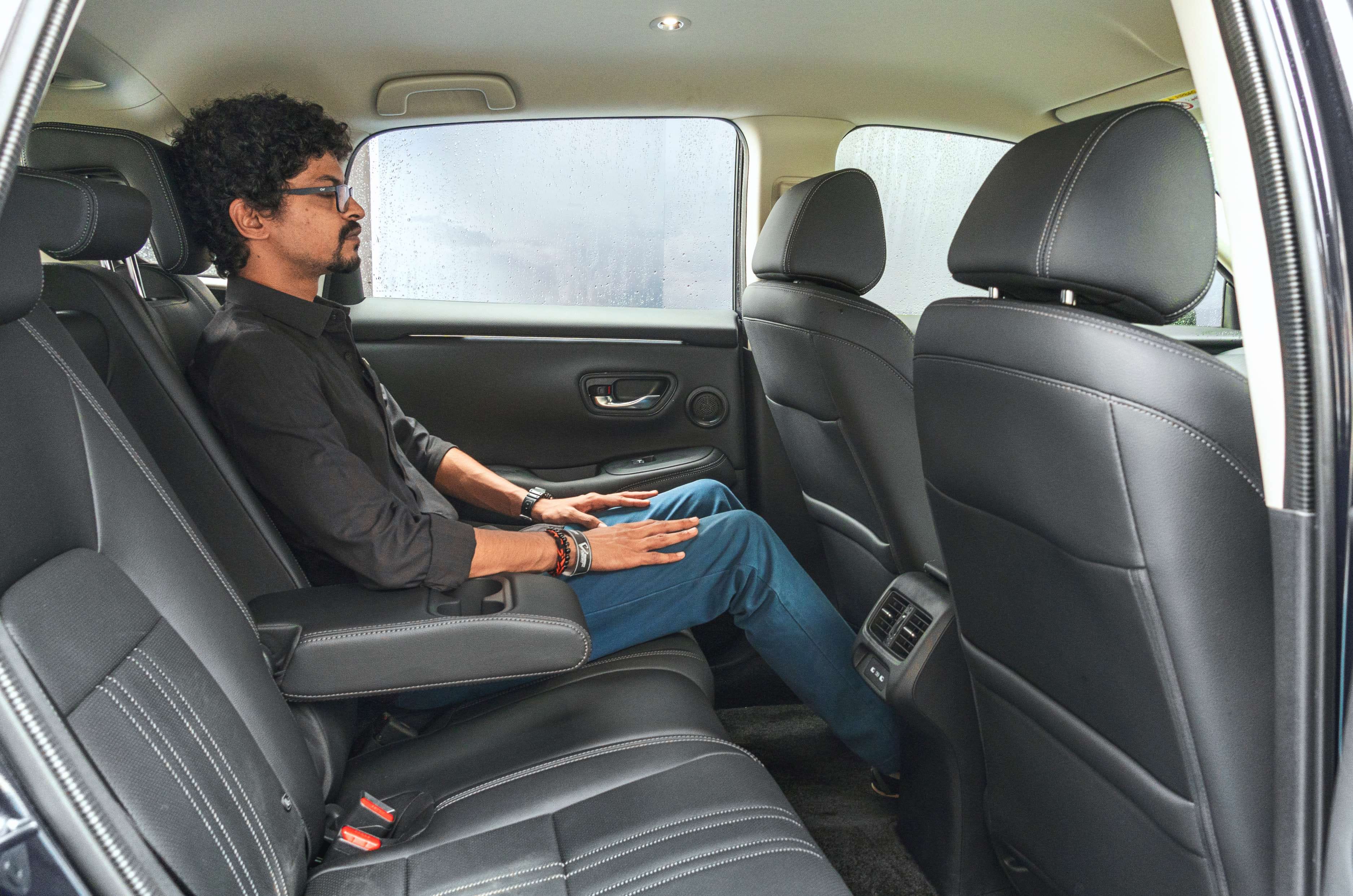
While the ZR-V’s low-set rear bench makes ingress rather easy, it also means that you sit in a somewhat knees-up position, which may not be comfortable over extended periods. There are no rear sunshades to block harsh sunlight either, and the tapering roofline limits headroom for occupants over 6 feet tall.

Expected to be expensive

Since the ZR-V will retail as a CBU, pricing is anticipated to land at around Rs 45 lakh (ex-showroom). At that price, and with all the aforementioned drawbacks, the ZR-V could end up being a hard sell, especially when rivals like the Tayron, Kodiaq, and Meridian are bigger, more feature-loaded, and can even be had as 7-seaters.

Adishwar Group plans new approach for premium motorcycle business in India

Adishwar Group plans new approach for premium motorcycle business in India

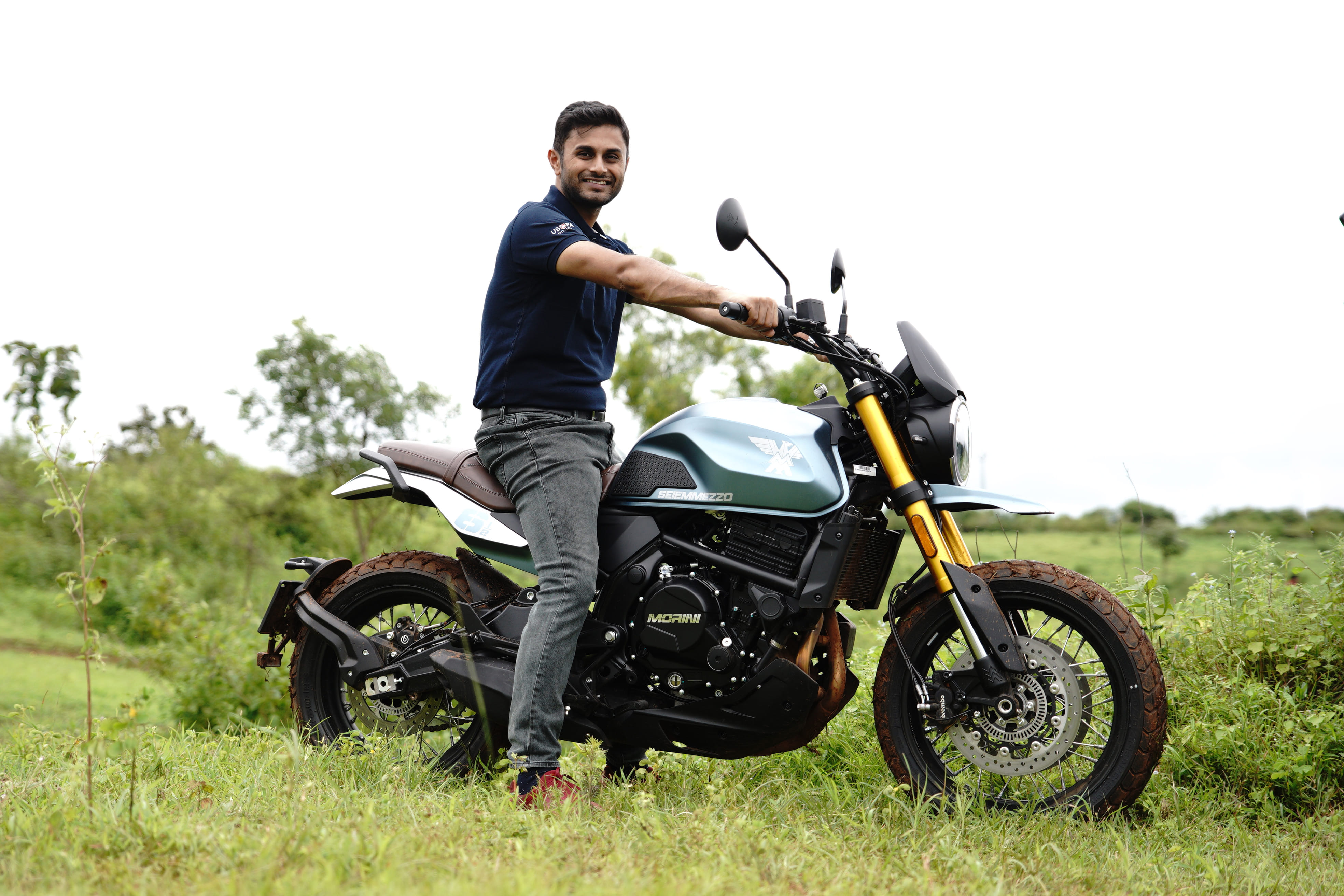
Between 2022-2023, AARI (Adishwar Auto Ride India) Pvt. Ltd. introduced as many as sixteen new models under lesser known Chinese brands like Keeway, Moto Morini and Zontes – all of which were new to our market at the time. Since then the company has greatly streamlined its product portfolio. 

  1. New launches will only happen if the products make business sense
  2. Smaller dealer format being considered for tier 2, tier 3 towns

This is especially true for Keeway, which now only has four products on sale, half of what it did in the recent past. AARI has also deliberately scaled back sales of Zontes bikes in India, although aftersales and service support for existing customers will not be impacted. 

Vikas Jhabakh, MD, AARI elaborated, “If you remember a few years back, we had scaled up quite a lot. And in retrospect, maybe quite quickly in a very short period. I think that that realization came to us.”

“With all OEMs, we’ve gotten extremely picky [with what we launch]. If we don’t think it’s a fit for more than one reason, we are very comfortable pushing back saying, thank you, but we won’t take this. Whether it is for price reasons or product [related] reasons.”

Vikas Jhabakh, Managing Director of Adishwar Auto Ride India pvt. ltd.

Currently, the company wants to streamline the number of offerings it has and focus only on retaining models that have cemented a business case for themselves. Case in point, the Keeway V302C has carved out a niche for itself despite commanding a steep Rs 4.49 lakh (ex-showroom, India) sticker price. Vikas claims that, for a small demographic, this 300cc cruiser with a V-Twin engine keeps generating repeat sales and this is the exact niche it wants to target. 

AARI also wants to maintain a healthy relationship with its dealers and ensure they continue to generate business as well as stick around for a long time. On that topic, Vikas said, “I think a better dealer network is always beneficial for customers. You don’t want to be too far away from a product. You don’t want to be too far away from a service centre. Not only have we consolidated on brand and product portfolio, we’ve consolidated on the dealer network also, where we have 37 dealers across the country.” 

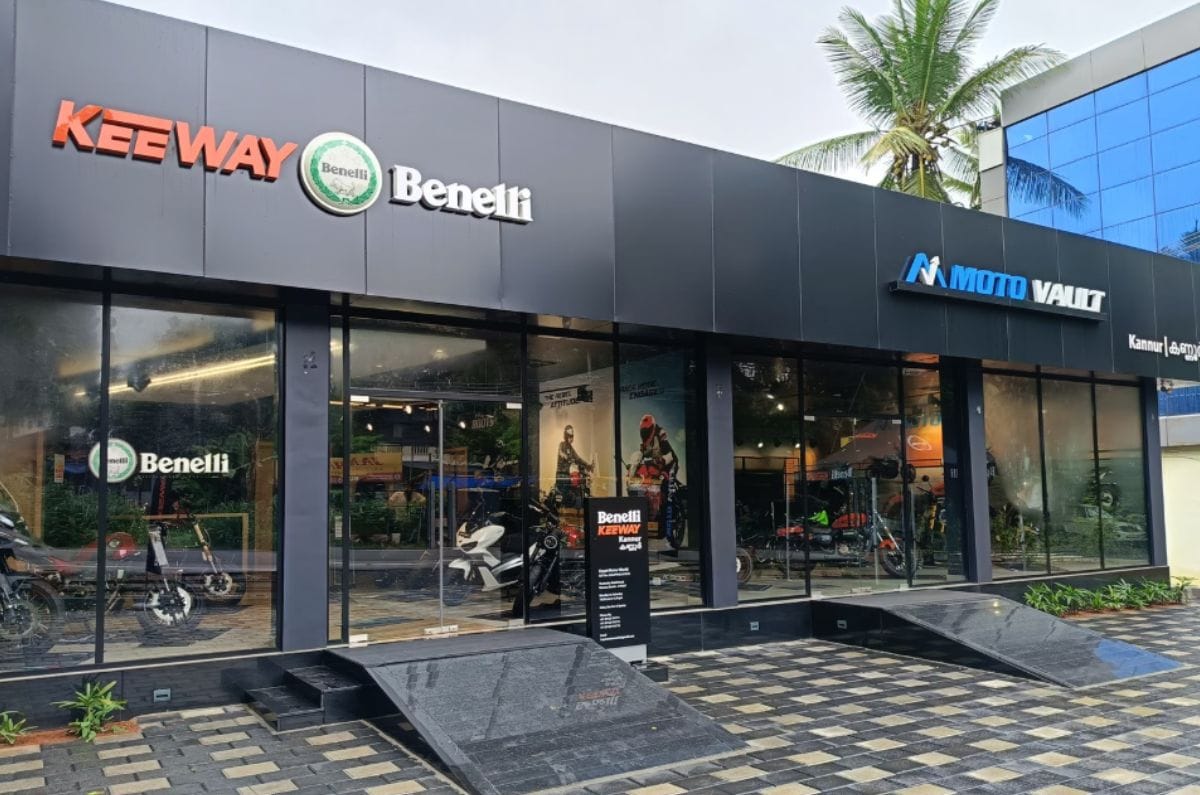
In fact, the company is also exploring a new dealer format for smaller tier-2 and tier-3 towns in India. He added, “We are now exploring short store formats in tier two, tier three, [towns] where we only work for products which are priced under Rs 2.50 lakh. Do small stores and workshops, give accessibility to the market, where they don’t have to go to the closest tier 1 city.”

New Benelli, Keeway and Moto Morini launches on the horizon

New Benelli, Keeway and Moto Morini launches on the horizon

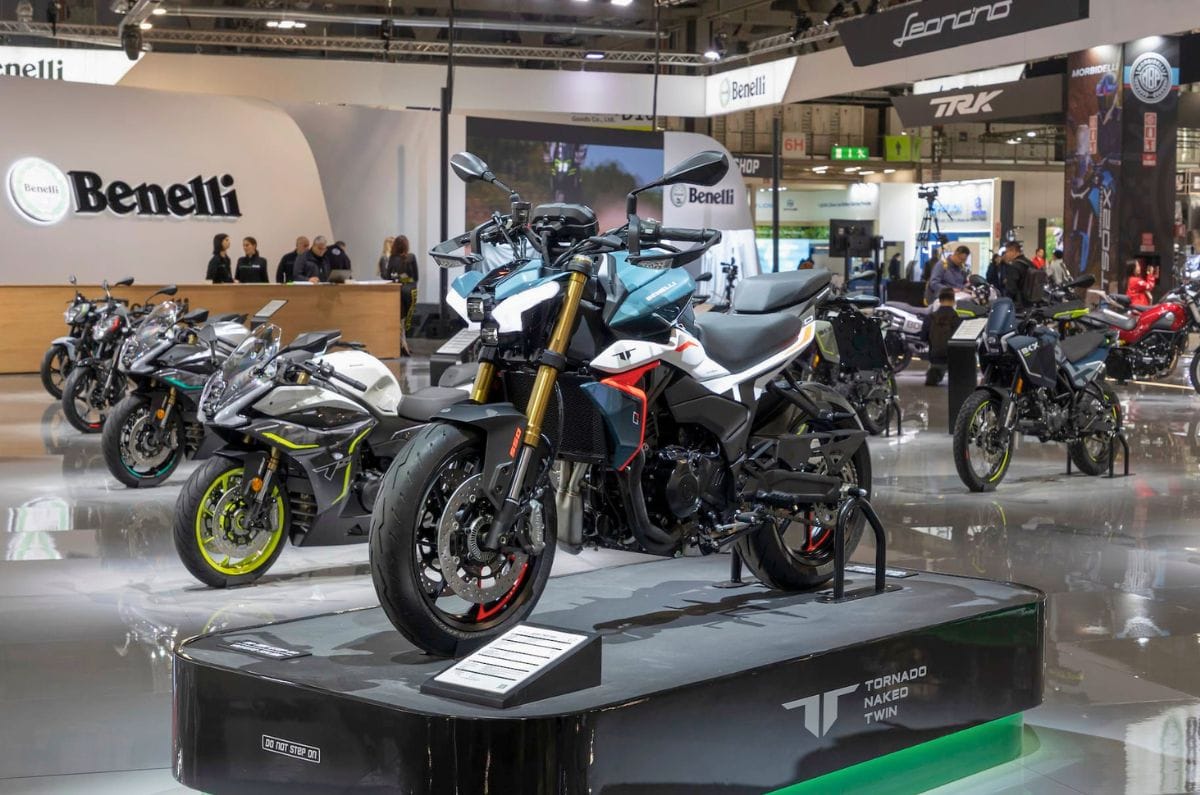
There has been an extended period of silence from Adishwar Auto Ride India (AARI) Pvt. Ltd., the company that retails brands like Benelli, Keeway, Moto Morini, Zontes and QJMotor, when it comes to new product launches. We recently had the opportunity to speak to Vikas Jhabakh, MD, who shed some light on the business as well as what to expect from these Chinese brands in the near future. 

  1. New Benelli product likely to launch this year or early 2027
  2. TNT600i ruled out for India return due to emissions norms and E20 fuel

New product launches planned across all brands, starting with Benelli

Keeway and Moto Morini are also due to see new launches

While AARI has had a relatively muted past 18 months (more on that below), the company has plans to launch more models across the various brands in its umbrella. Benelli, Vikas said, is the most important brand name for AARI and there will be more launches under its umbrella. “For Benelli, we will definitely bring in one product before the end of this year. We are under homologation right now. So we are fairly confident.” 

“With Benelli, the strategy is one product every year for the next three years, including this year. So, let us say one this year, one next year, one the year after that. I think Benelli has always been our bread and butter brand that is going to be there. And we’re also exploring more products. Some within Benelli, some within Keeway, one Moto Morini specifically that we’re looking at.”

Vikas Jhabakh, Managing Director of Adishwar Auto Ride India Pvt. Ltd.

Benelli currently has four models in India, all based on the same 502cc, twin-cyl platform – Leoncino neo-retro, 502C sporty cruiser, TRK 502 and TRK 502X ADVs. While Vikas declined to identify any future products, he did rule out the return of the popular four-cylinder TNT600i sport naked. The reason being that the bike is neither emissions nor E20 fuel compatible and ensuring it does will need significant investment and testing. 

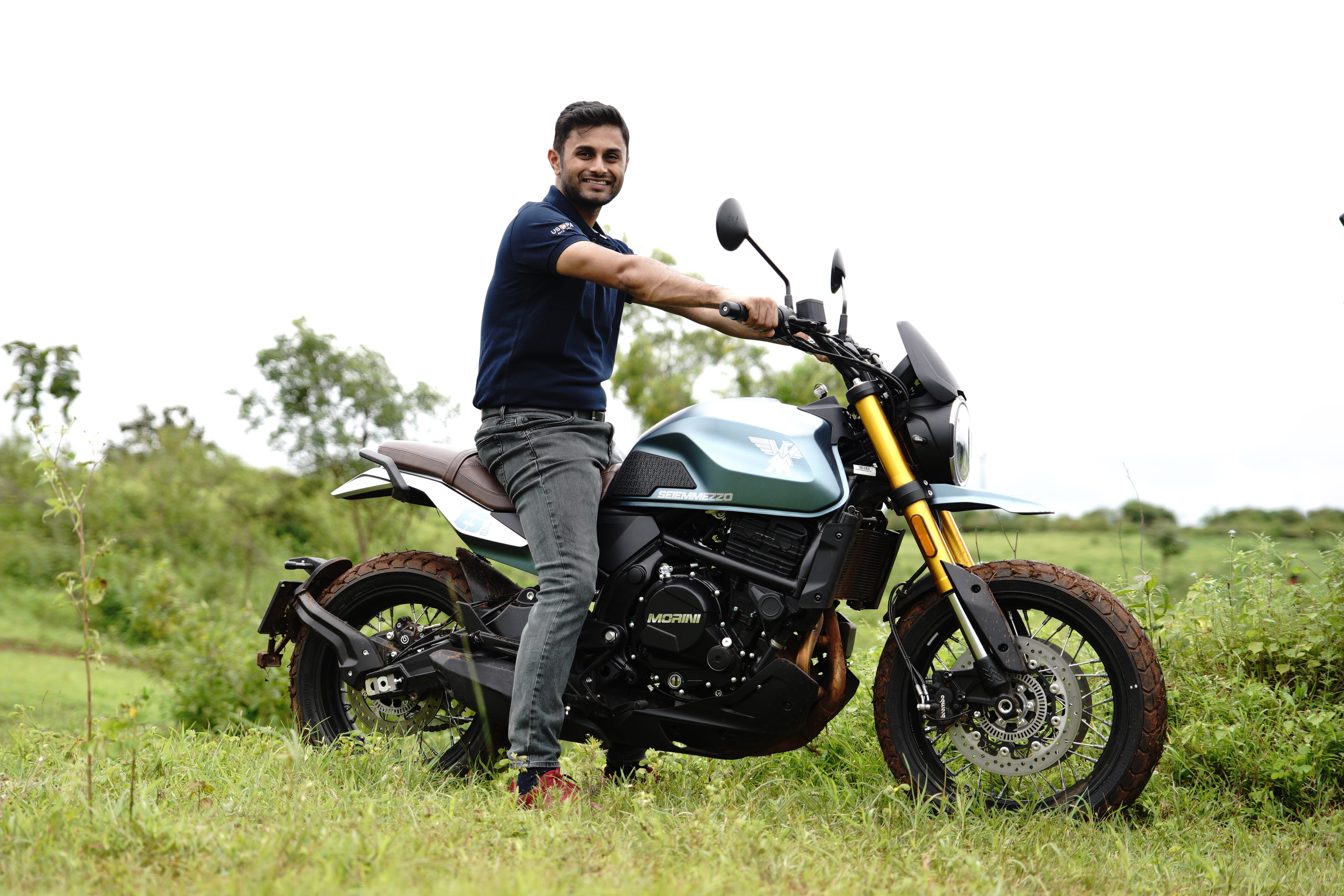
Keeway too will see further products coming in, although they could be rebadged Benda models, like the V302C currently sold here. Coming to Moto Morini, Vikas explicitly mentioned that AARI is looking at “one specific product.” While no indication was given about what that model could be, we believe the Alltrhike 450 adventure bike is a good candidate for our market. With CFMoto’s India re-entry plans on hold, the Moto Morini Alltrhike 450 could offer a rather similar experience because it is based on the same engine and chassis platform. 

For future Keeway and Moto Morini launches, no concrete timelines were shared. 

Market outlook : लाल निशान में बंद हुआ बाजार, जानिए 27 जुलाई को कैसी रह सकती है इसकी चाल

Market outlook :24 जुलाई को भारतीय इक्विटी इंडेक्स कमजोरी के साथ बंद हुए और निफ्टी 23,800 के नीचे चला गया। मार्केट बंद होने पर सेंसेक्स 331.62 अंक या 0.43 प्रतिशत गिरकर 76,059.77 पर और निफ्टी 102.15 अंक या 0.43 प्रतिशत गिरकर 23,767.45 पर बंद हुआ। लगभग 2050 शेयरों में बढ़त हुई,1961 शेयरों में गिरावट आई और 196 शेयरों में कोई बदलाव नहीं हुआ। निफ्टी में सबसे ज़्यादा गिरने वाले शेयरों में बजाज फाइनेंस,एटरनल, M&M, श्रीराम फाइनेंस और भारती एयरटेल शामिल रहे। जबकि बढ़ने वाले शेयरों में HCL टेक्नोलॉजीज,विप्रो,सिप्ला,ITC और HDFC लाइफ शामिल रहे।

सेक्टर के हिसाब से परफॉर्मेंस मिली-जुली रही। निफ्टी मीडिया सबसे ज्यादा बढ़त वाला सेक्टर रहा,जिसमें 1.8% की तेजी आई। इसके बाद निफ्टी IT (0.8% ऊपर),निफ्टी PSU बैंक (0.5% ऊपर)और निफ्टी बैंक (0.18% ऊपर)रहे।

दूसरी ओर निफ्टी ऑटो सबसे खराब परफॉर्मेंस वाला सेक्टर रहा,जिसमें 1.10% की गिरावट आई। इसके बाद निफ्टी मेटल (0.55% नीचे),निफ्टी एनर्जी (0.57% नीचे),निफ्टी रियल्टी (0.55% नीचे),निफ्टी ऑयल एंड गैस (0.46% नीचे),निफ्टी फार्मा (0.4% नीचे) और निफ्टी इंफ्रा (0.4% नीचे) रहे।

ब्रॉडर मार्केट भी अपने इंट्राडे निचले स्तरों से सुधरे। निफ्टी मिडकैप 100 बिना किसी बड़े बदलाव के बंद हुआ,जबकि निफ्टी स्मॉलकैप 100 में 0.3 प्रतिशत की गिरावट आई।

जियोजित इन्वेस्टमेंट्स में हेड ऑफ़ रिसर्च,विनोद नायर ने कहा कि आने वाले समय में मार्केट का सेंटीमेंट खराब रह सकता है। तेल की कीमतें ऊंचे स्तर पर बनी रहने से मेन मैक्रो-इकोनॉमिक इंडिकेटर्स और ग्रोथ पर बुरा असर पड़ सकता है। क्रूड ऑयल की कीमतें संकट के समय के अपने पीक से काफी नीचे होने के बावजूद US 10-ईयर बॉन्ड यील्ड 52-हफ्ते के हाई पर पहुंच गए हैं। यह बॉन्ड मार्केट की उन चिंताओं को दिखाता है जो एनर्जी से जुड़ी महंगाई के जोखिम,मजबूत लेबर मार्केट की स्थिति और फेड के लगातार सख़्त रुख (hawkish stance) से जुड़ी हैं।

इन वजहों से सितंबर में ब्याज दरें बढ़ने की संभावना बढ़ गई है। इंपोर्ट पर वॉशिंगटन के नए टैरिफ ने एक्सपोर्ट पर निर्भर अर्थव्यवस्थाओं के लिए मुश्किलें बढ़ा दी हैं। टेक्नोलॉजी इंटेसिव मार्केट पर इसका सबसे ज्यादा असर पड़ा है,क्योंकि ग्रोथ पर ऊंची दरों का दबाव है और निवेशक दूसरे उभरते हुए मार्केट की ओर रुख करके जोखिम कम करने की कोशिश कर रहे हैं। हालांकि अच्छे वैल्यूएशन और क्रेडिट ग्रोथ की उम्मीदों के चलते बैंक निफ्टी का प्रदर्शन बेहतर रहा।

निफ्टी का आउटलुक

SBI सिक्योरिटीज में हेड-टेक्निकल एंड डेरिवेटिव्स रिसर्च सुदीप शाह का कहना है कि आगे निफ्टी के लिए तत्काल सपोर्ट 23650-23600 के जोन में दिख रहा है। अगर निफ्टी इस जोन के नीचे टिकता है,तो इसमें और गिरावट आ सकती है और यह शॉर्ट टर्म में 23450 और फिर 23300 तक जा सकता है। ऊपर की तरफ,निफ्टी के लिए तकाल रेजिस्टेंस 23950-24000 के जोन में है,जो 50-दिन के EMA के साथ मेल खाता है।

HDFC Bank Share Price : HDFC बैंक पर पड़ी अमेरिका में हो रही जांच की मार,1% टूटा शेयर

बैंक निफ्टी का आउटलुक

सुदीप शाह ने कहा कि बैंक निफ्टी में भी निफ्टी जैसी ही शुरुआती कमजोरी दिखी। यह निचले स्तर पर खुला और नीचे की ओर गया,लेकिन फिर इंट्राडे के निचले स्तरों से तेज रिकवरी हुई जिससे नुकसान की भरपाई हो गई। इस रिकवरी की वजह से डेली चार्ट पर एक बड़ी बुलिश कैंडल बनी और इंडेक्स ने अपना 200-डे का EMA फिर से हासिल कर लिया,जो ट्रेडर्स के लिए एक अहम लॉन्ग-टर्म सपोर्ट लेवल है।

आगे बैंक निफ्टी के लिए तत्काल रेजिस्टेंस 57100-57200 जोन में है। अगर यह इस जोन के ऊपर टिकता है तो बैंक निफ्टी अपनी रिकवरी को 57600 और उसके बाद शॉर्ट टर्म में 58000 तक बढ़ा सकता है। नीचे की तरफ,बैंक निफ्टी के लिए तत्काल सपोर्ट 56300-56200 जोन में है।


डिस्क्लेमर: मनीकंट्रोल.कॉम पर दिए गए विचार एक्सपर्ट के अपने निजी विचार होते हैं। वेबसाइट या मैनेजमेंट इसके लिए उत्तरदाई नहीं है। यूजर्स को मनी कंट्रोल की सलाह है कि कोई भी निवेश निर्णय लेने से पहले सर्टिफाइड एक्सपर्ट की सलाह लें।