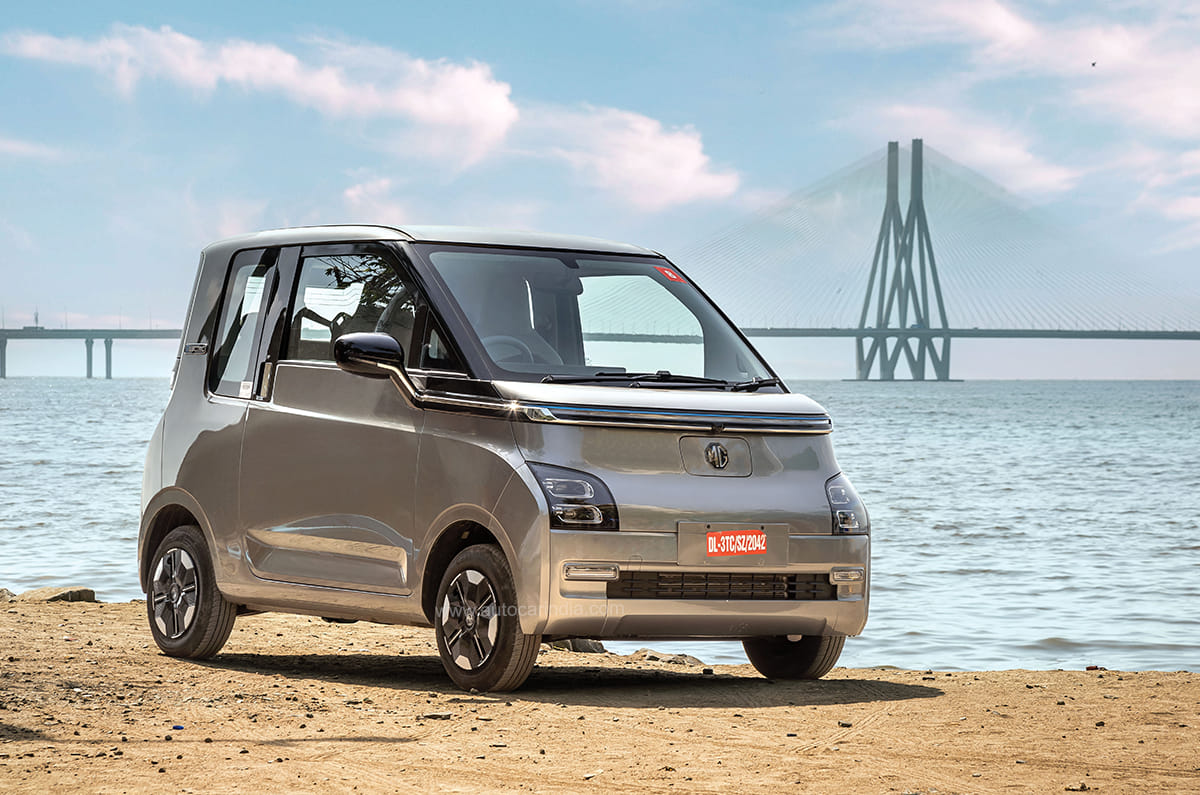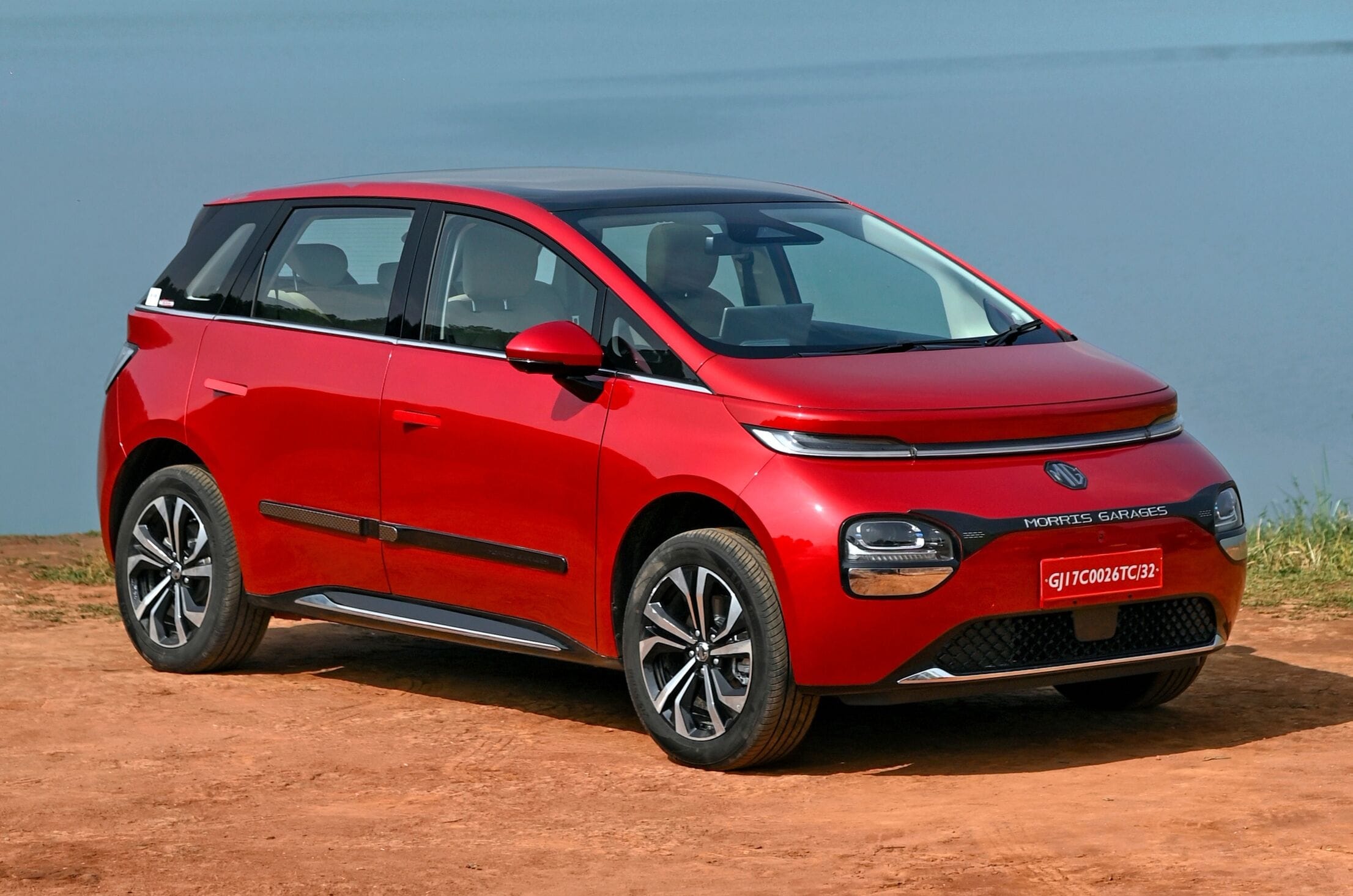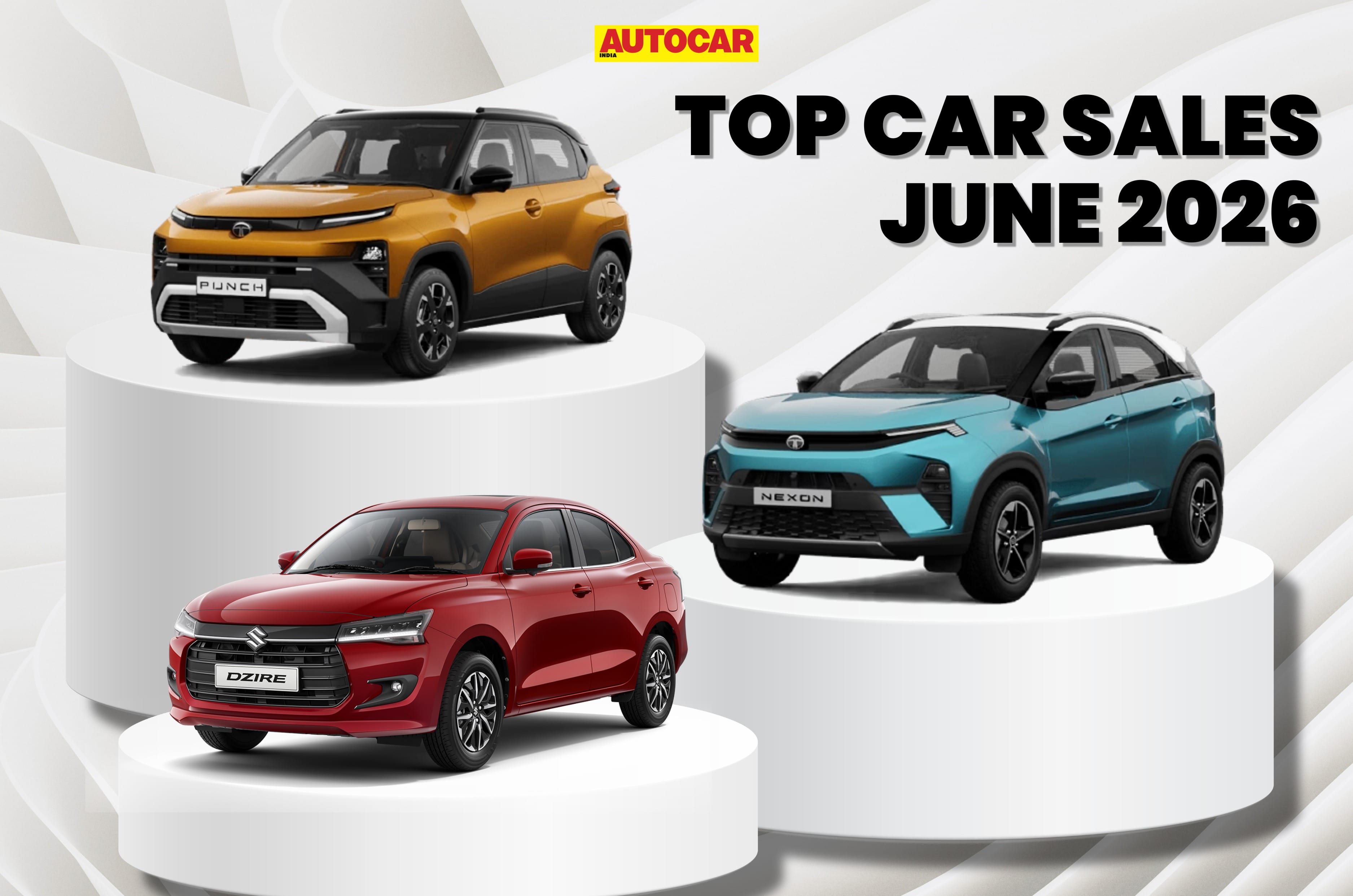
Top 10 best-selling cars in June 2026: Tata Punch, Nexon dethrone Dzire

Top 10 best-selling cars in June 2026

In June 2026, Tata models grabbed the top two, replacing the Dzire, which had been consistently topping the sales charts over the past few months. While nine out of 10 cars on this list are retained from the May 2026 rankings, the Creta has exited the top 10 and been replaced by another Hyundai model, the Venue. Maruti still dominates the top 10 list with over half the models here, while the remaining spots are occupied by two Tata models and one each from Mahindra and Hyundai.

Rank

Model

June 2026 sales (units)

YoY growth (percent)

1

Tata Punch / EV

21,006

101.09

2

Tata Nexon / EV

18,335

58.03

3

Maruti Dzire

17,899

15.60

4

Maruti WagonR

16,952

31.11

5

Maruti Ertiga

16,111

13.85

6

Maruti Swift 

15,215

14.61

7

Mahindra Scorpio / N

14,097

10.65

8

Maruti Fronx

13,135

33.83

9

Maruti Baleno 

12,488

39.28

10

Hyundai Venue

10,776

57.13

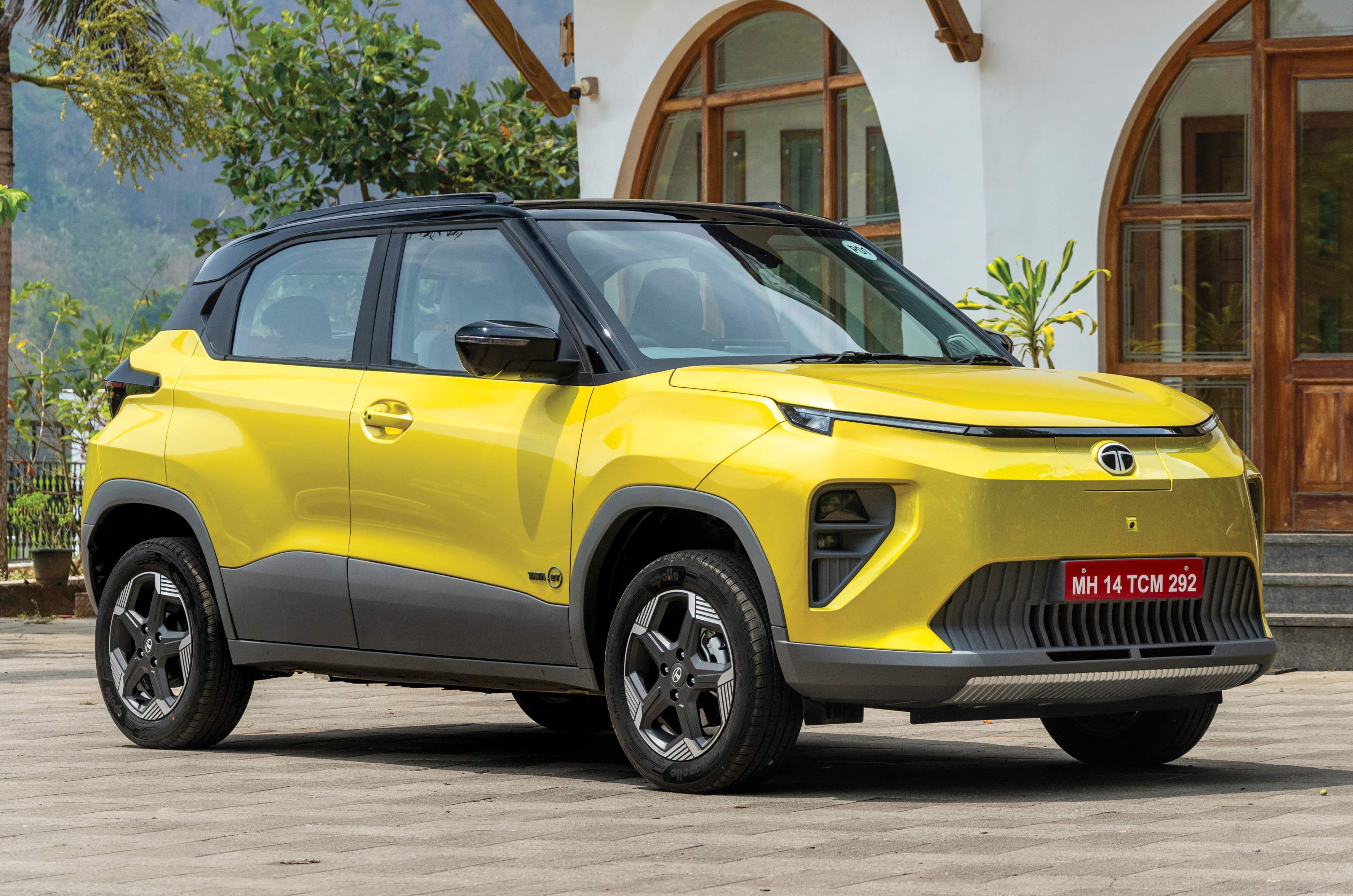
1. Tata Punch 

21,006 units

The Punch has grabbed the top spot in 2026 for the first time in June, moving up four spots from the previous month. It is the only model here to cross the 20,000 unit sales barrier. With 21,006 units sold in June 2026, it has seen a slight increase of 798 units compared to May 2026. As far as YoY growth is concerned, at 101.09 percent, it’s the highest here. Tata’s smallest SUV is offered with diverse powertrains, with city-friendly dimensions, good ride and handling balance being its strengths.

2. Tata Nexon 

18,335 units
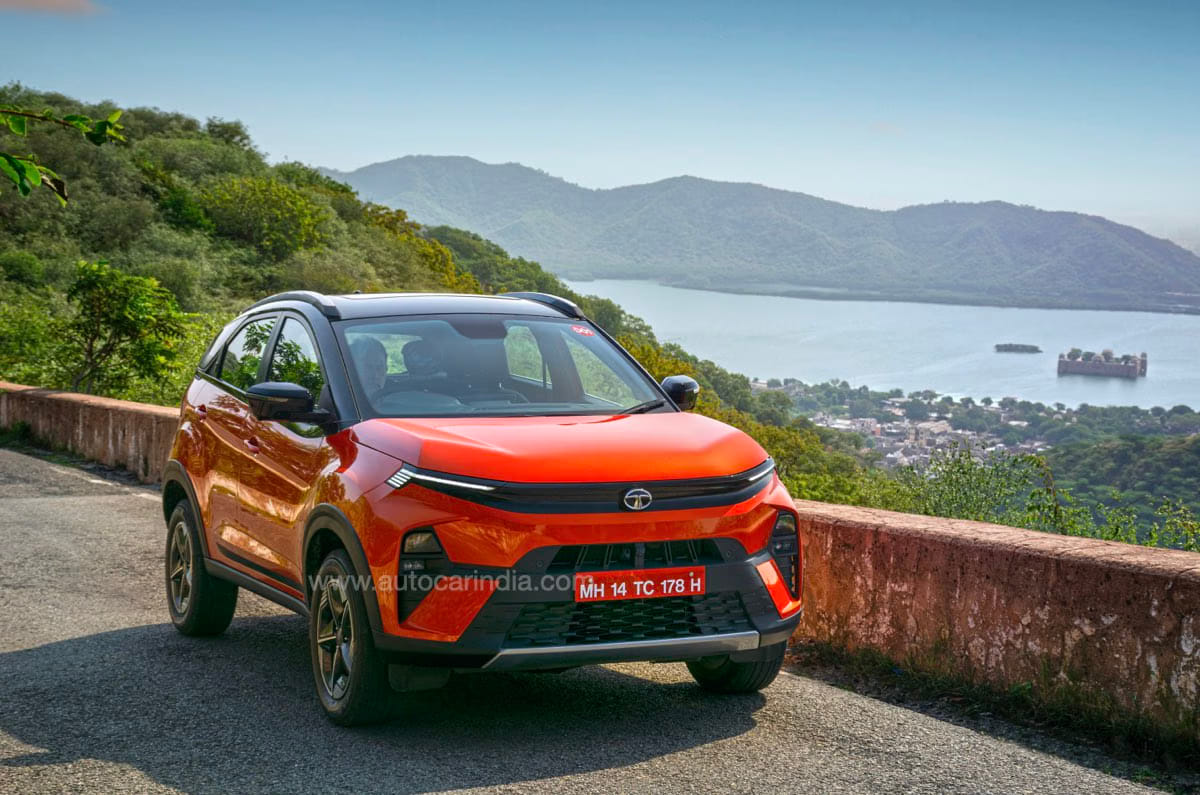
The Nexon moved up three spots to grab the second position in June 2026. With 18,355 units sold, it saw the second-highest YoY growth here at 58 percent. However, the Nexon sold 745 units less in comparison to May 2026, despite its higher position. Like its smaller brother Punch, the Nexon also gets multiple powertrain and gearbox options. Its unique design, features, and supple ride are what make it a strong seller for the Tata brand.

3. Maruti Dzire 

17,899 units 

The only compact sedan on this list, the Maruti Dzire, slipped to the third rank in June 2026. A reason for this is Maruti’s week-long maintenance shutdown across its production facilities in June, during which manufacturing was halted. This has also affected sales units of the subsequent Marutis in this list as well. Due to this, the Dzire sold 6,647 fewer units in comparison to May 2026. However, it did see a modest YoY growth of 15.6 percent.

4. Maruti Wagon R

16,952 units
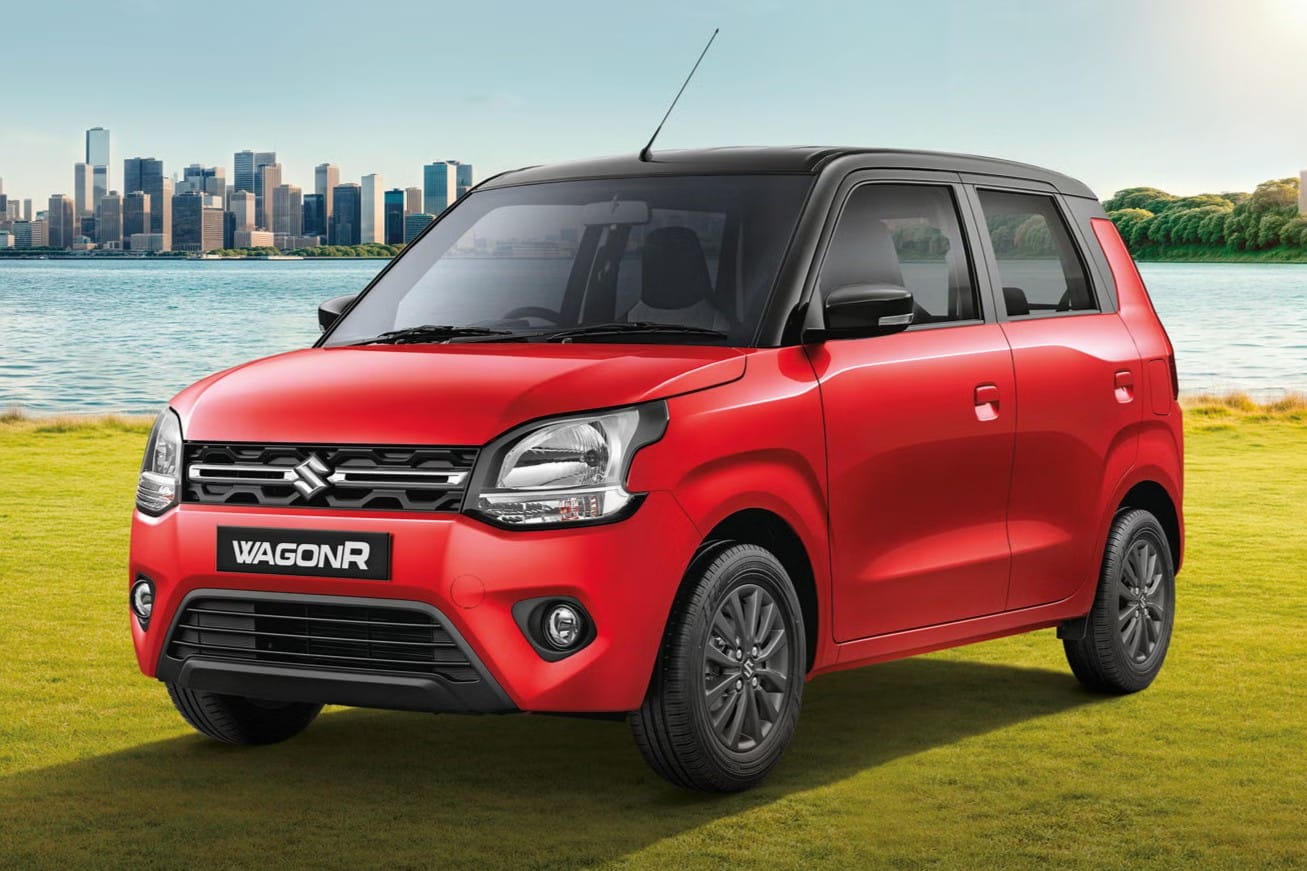
Like the Nexon, the Wagon R jumped three spots to gain the 4th position in June 2026. Although it sold 1,124 fewer units in comparison to May 2026, YoY growth remained modest at 31.11 percent. The Wagon R continues to be a volume driver for Maruti because of its space-maximising tall-boy design and fuel-efficient engines. Additionally, the E85-compliant Bioflex variant of the WagonR was launched in June 2026, making it the only production-spec E85-compatible car on sale. 

5. Maruti Ertiga 

16,111 units 

The Ertiga continues to hold the title of being India’s highest-selling MPV. However, it dropped by two ranks to hold the fifth spot in June 2026. As it also bore the impact of Maruti’s production halt, it sold fewer this time, with 16,111 units being sold. Compared to the same month last year, YoY growth saw a mild 13.85 percent increase. 

6. Maruti Swift

15,215 units
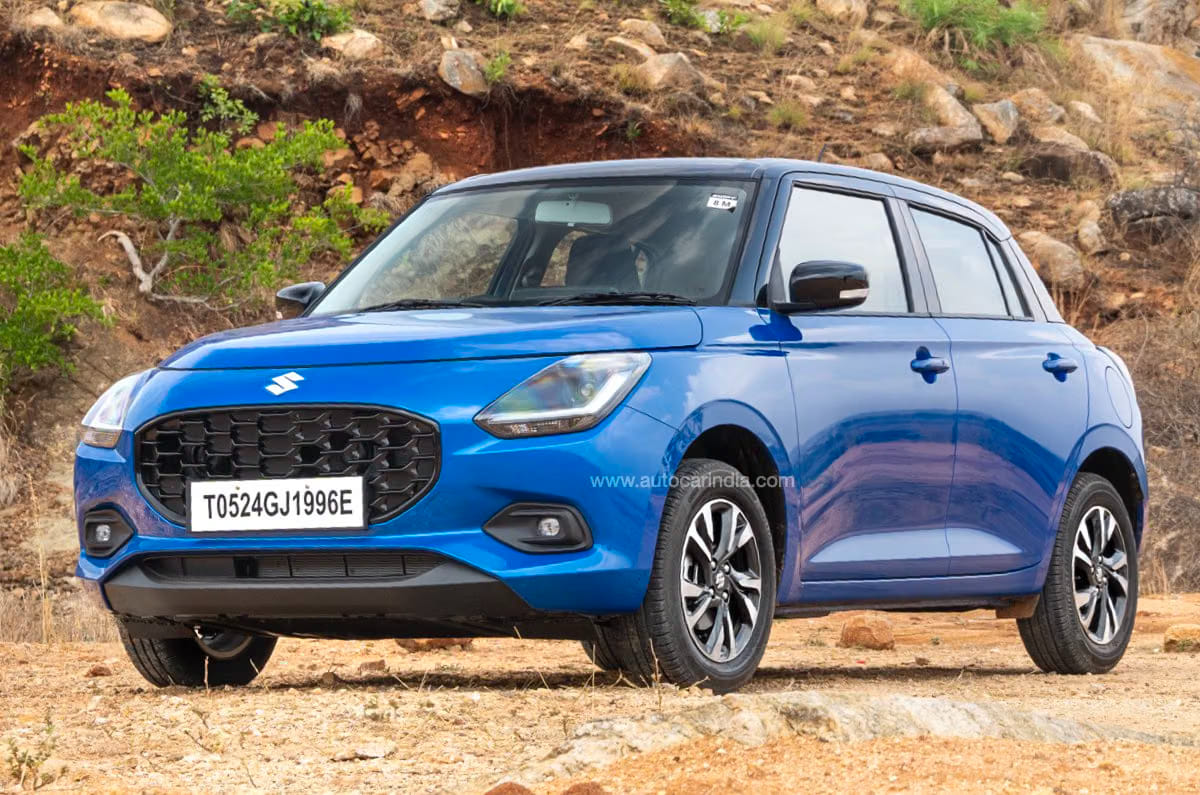
The Maruti Swift outdid its more premium Nexa siblings, the Baleno and Fronx, to gain the sixth position. However, it sold 2,304 units fewer in June, considering May sales numbers. YoY growth for the Swift was a decent 14 percent, among the lower side in this list. 

7. Mahindra Scorpio/N 

14,097 units 

Apart from being the only Mahindra model on this list, the Scopio models are the only three-row SUVs here. Comprising the utilitarian Classic and the more modern N version, both sold a combined 14,097 units to grab the seventh rank, up from two spots in May 2026. At 10 percent, YoY growth happened to be the lowest in this list.

8. Maruti Fronx 

13,135 units
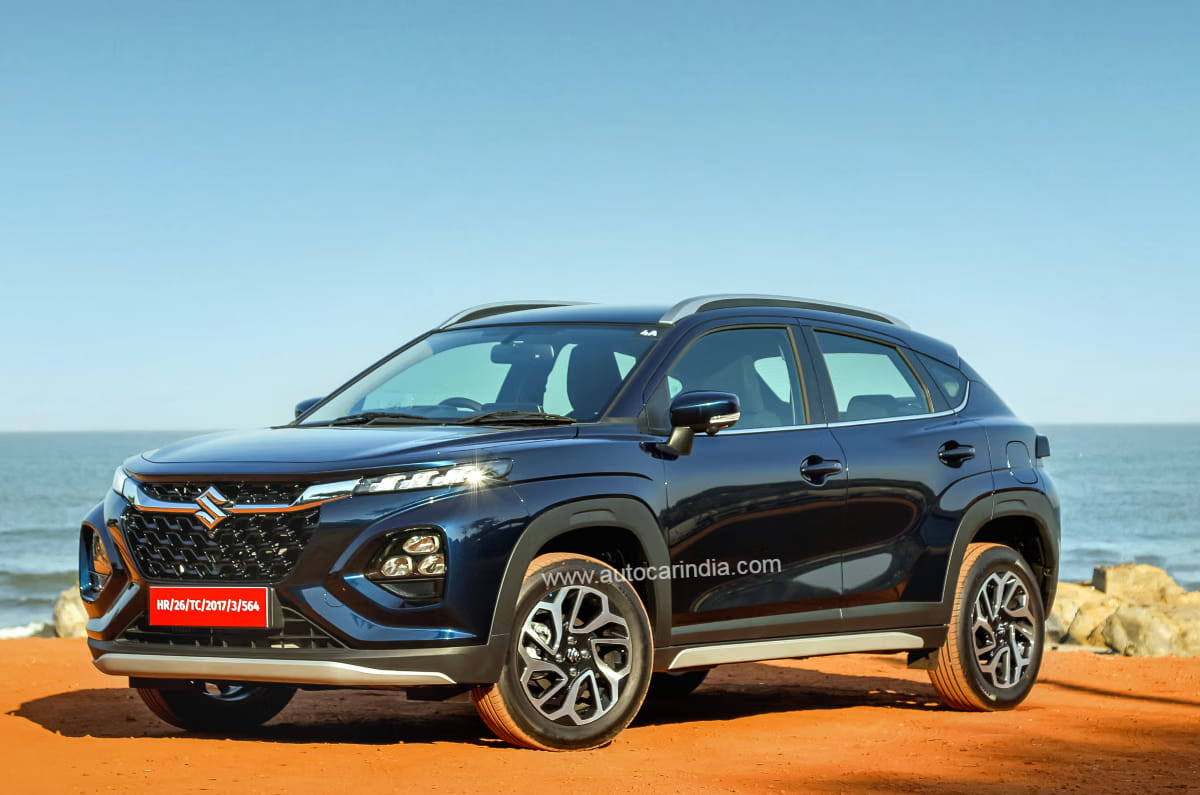
The Maruti Fronx saw the biggest drop in rankings, going from the second spot in May to the eighth spot in June. With 13,135 units sold, it sold 7,551 units less than in May 2026, making it the model with the largest sales gap here. In contrast, it saw a substantial YoY growth, while holding the spot of the highest-selling model from Maruti’s Nexa range of cars. 

9. Maruti Baleno

12,488 units 

In June 2026, the Baleno slipped three ranks to hold the ninth position. 12,488 units if the premium hatchback were sold in the month, 5,881 units less than in May 2026. But its YoY growth of 39 percent is slightly higher than its crossover-counterpart Fronx. 

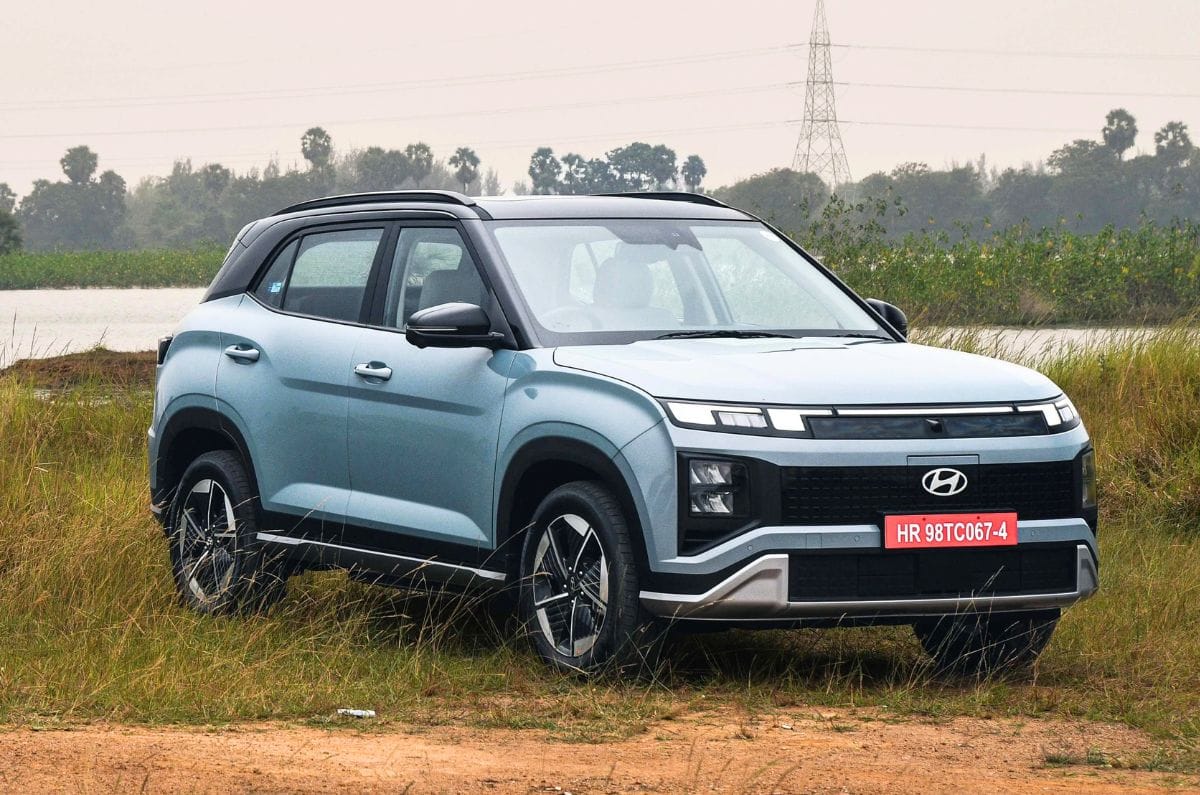
10. Hyundai Venue 

10,776 units 
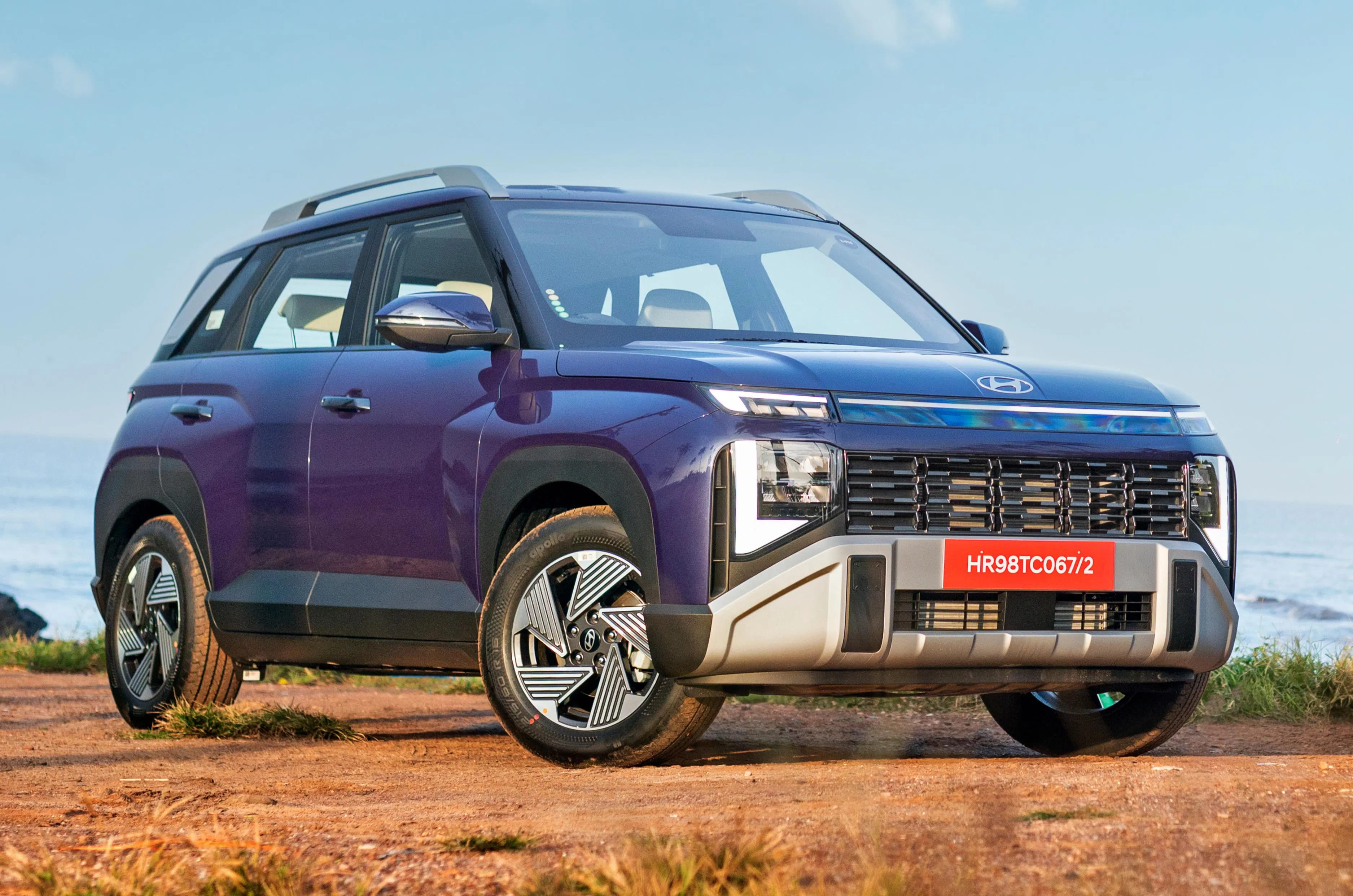
Replacing the Hyundai Creta in the tenth position is the Venue compact SUV, making it the carmaker’s best-selling model. However, its sales would have been higher because the company’s Chennai manufacturing plant was hit by a fire, halting production for 22 days. Fresh off a second-gen from last year, it sold 10,776 units in June 2026. This led to having the third-highest YoY growth here at 58 percent. Upmarket styling, diverse powertrains and feature-packed and spacious interiors are the Venue’s key USPs.

Govt attempts to quell heightened E20 backlash with industry support

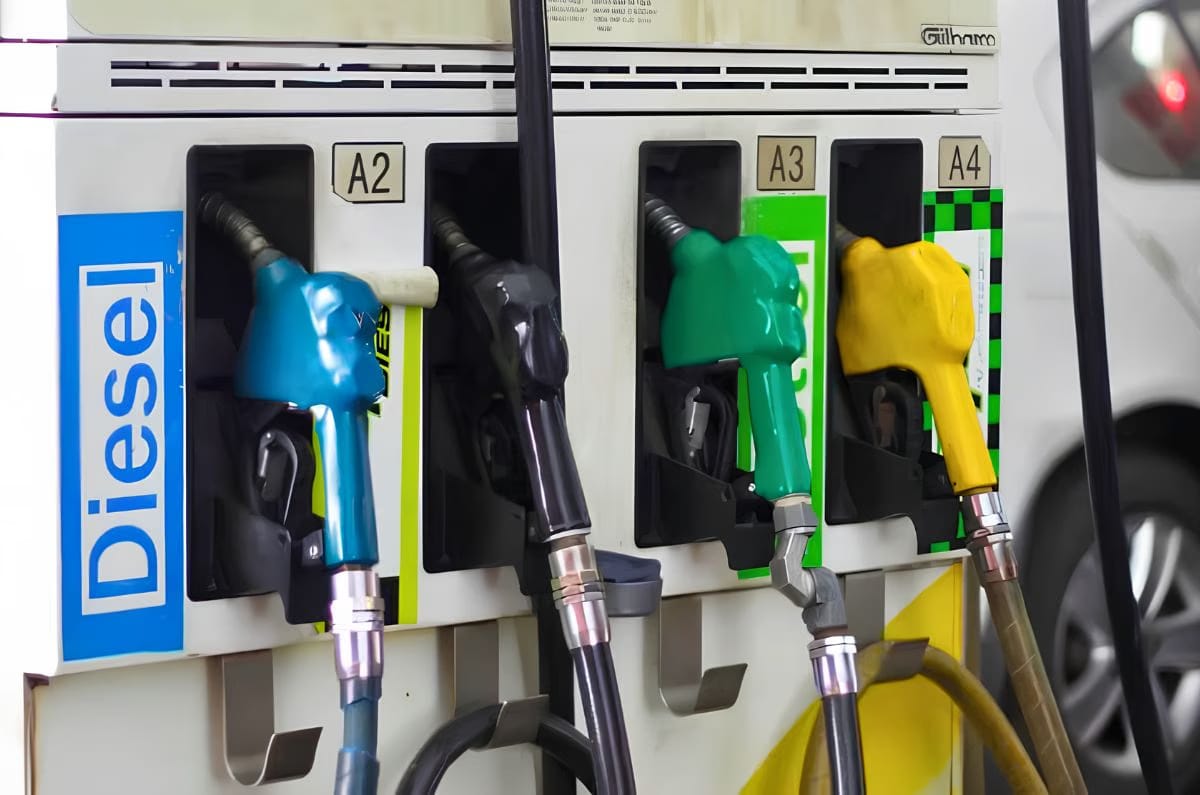
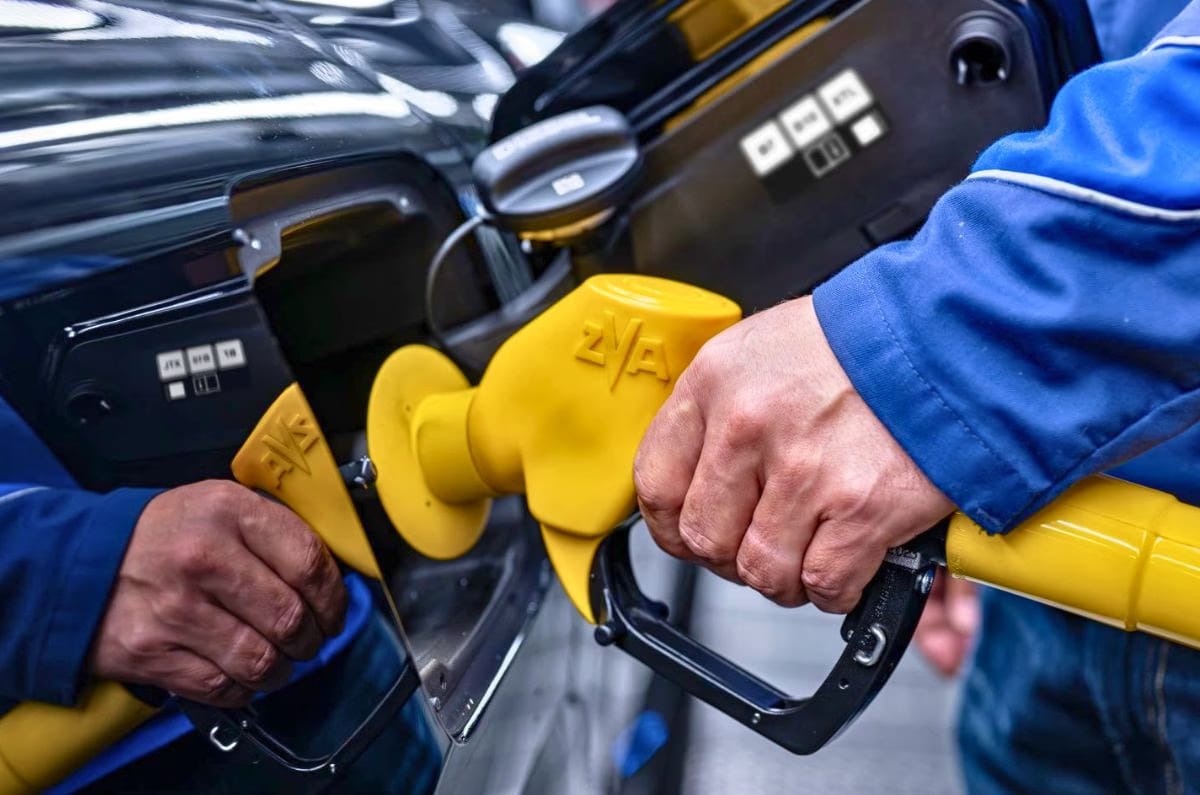
fuel filling in car

India’s mandatory rollout of E20 petrol has come under renewed scrutiny after a series of public complaints, political criticism and viral social media posts incited fresh debate over the ethanol blending programme. Meanwhile, manufacturers such as Toyota, Maruti Suzuki and Hero Motocorp have publicly defended the E20 policy.

The controversy heightened early last week after reports emerged of Attorney General for India, R Venkataramani, describing the country’s ethanol blending programme as an “experiment” during a court hearing, saying its results would only be known next year. Though the government later denied that the remark referred to the E20 policy and Venkataramani clarified that he was speaking about ethanol supply volumes rather than the fuel itself, the comments have intensified an already growing backlash.

Auto manufacturers express support for India’s ethanol blending programme

No E20-related issues recorded in non-compliant vehicles so far, claim manufacturers 

At a government briefing held on July 4, several automotive manufacturers and industry representatives mounted a coordinated defence of the ethanol blending programme. Maruti Suzuki’s Senior Executive Officer for Corporate Affairs, Rahul Bharti, acknowledged the key concern of E20’s impact on E10-compliant and older vehicles.
“India mandated E20 from 2023 for material compliance, and before that it was E10. Obviously, after 2023 both the cars and the fuel are mandated for E20,” he said. For perspective, E20 compliance was mandated as part of Bharat Stage 6 Phase 2 regulations, which went into effect from April 2023 onwards.
However, Bharti claimed that Maruti Suzuki had tested older E10-compatible vehicles on E20 and found no significant concerns related to wear, corrosion, or component durability. “As a manufacturer we have tested E10 cars, which were prevalent before 2023, on E20 fuel for all parameters, and we have not found anything of concern,” stated Bharti.

Hero MotoCorp Chief Business Officer Ashutosh Verma concurred with Bharti’s statement, confirming that analysis of crores of service records had not found a higher incidence of vehicle damage in vehicles running on E20 compared with earlier fuel blends. Vikram Gulati, Country Head and Executive Vice President of Toyota Kirloskar Motor, added that the auto industry features highly stringent regulations, and that vehicles and fuels are put through extensive testing, certification, and homologation before reaching customers.

Gulati also said that ethanol is a cleaner, high-performance fuel that helps cut vehicle emissions and reduces India’s dependence on crude oil imports. Former Engineers India chairman and managing director Vartika Shukla echoed Gulati, stating that the transition to E20 was carried out via a phased, scientifically driven process involving auto manufacturers and testing agencies. She noted that ethanol blending had increased from around 1.5 percent in 2013-14 to 20 percent by December 2025, achieving the government’s target five years ahead of schedule.

Petroleum minister Hardeep Singh Puri remarked at a separate briefing on July 2: “They use it [ethanol] in racing cars also, the acceleration increases. Mileage, yes, ​it may drop a little.” Puri’s comments are not germane to public concerns at all, as race cars use ethanol solely for performance, and the mileage drop is the central pain point for the overwhelming majority of vehicle owners. Race car engines are also designed to take full advantage of ethanol and are frequently rebuilt, with the latter residing completely outside the realm of reason for the average motorist.

Toyota attributes Innova Hycross issue to fuel contamination

The Hycross in question belonged to Manoj Kashyap, a Bihar-based content creator

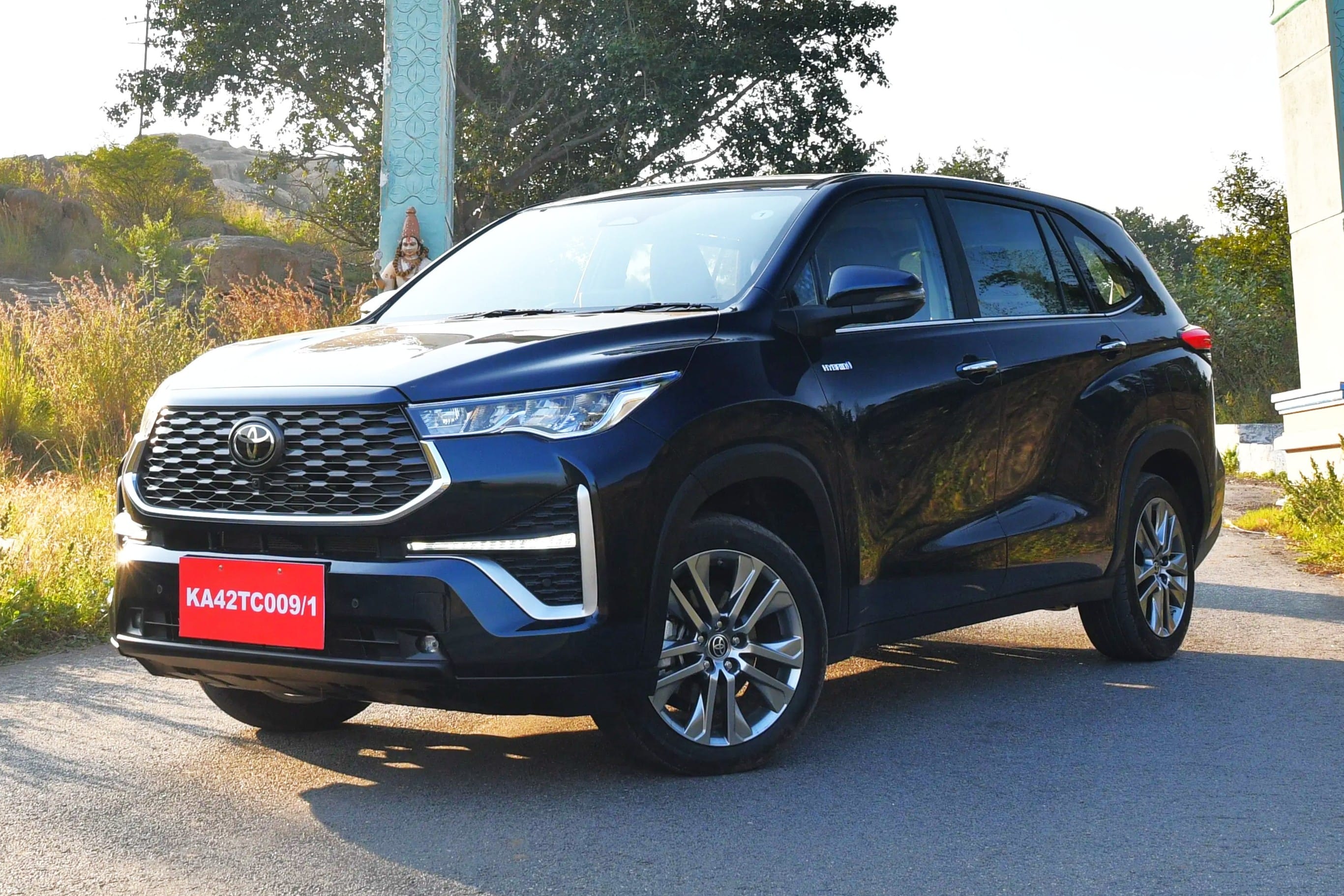
Motorists across India have emerged in droves online to voice concerns over reduced fuel efficiency, vehicle performance, and the long-term complications of using E20 petrol. A recent video posted by Bihar-based content creator Manish Kashyap gained immense traction on social media, showing his Toyota Innova Hycross hybrid at a service centre after it reportedly developed engine vibration and knocking issues at around 12,000km.

Kashyap blamed the issue on E20 petrol, criticised Union Road Transport Minister Nitin Gadkari (a major proponent of the ethanol-blending programme), and argued that consumers should have the option of purchasing unblended petrol. Responding to Kashyap’s viral claims, Toyota said it conducted an investigation on the damaged Innova Hycross and found no link between the car’s fault and E20 petrol, and that the culprit was actually contaminated fuel.

Toyota Innova Hycross hybrid. Image used for representation only.

“Based on our detailed technical assessment of the vehicle, the issue was due to fuel contamination,” Toyota noted in its statement. The Japanese carmaker said its technicians drained and cleaned the fuel tank and lines before refilling the vehicle with standard E20 petrol. Following the procedure, the Innova Hycross was found to be operating normally and was returned to Kashyap.

“The incident is not related to E20 fuel usage and was solely caused by non-standard and contaminated fuel,” Toyota added, advising customers to refuel only at authorised and reputed fuel stations. Contaminated fuel is a legitimate issue across the country and is compounded further by the introduction of E20, as fuel-related damage in vehicles becomes more difficult to pin down – ethanol is hygroscopic in nature, which means it can draw moisture from air and rot plastic and rubber components in the fuel system, especially in non-compliant vehicles.

Opposition voices disapproval of E20 policy implementation

Hundreds showed up to an anti-E20 protest in Delhi

Despite the industry’s defence, criticism surrounding the ethanol blending policy continues to grow in the political arena. Opposition leader Priyank Kharge argued that the rollout lacked adequate consultation and that the government could not dismiss consumer concerns while its own assessment remained pending. Political analyst Tehseen Poonawalla staged a protest against the mandatory E20 rollout at Jantar Mantar in New Delhi on July 5, which was attended by hundreds of aggrieved motorists.

The government, meanwhile, has continued to back E20, saying the fuel reduces carbon emissions, cuts crude oil imports, saves foreign exchange and supports farmers by increasing demand for ethanol feedstocks. In fact, the government has signaled an impending increase in baseline ethanol blending beyond E20, with standards notified for E22, E25, E27, and E30. ARAI has also been tasked with carrying out a study on the impact of E25 on existing E20- and E10-compliant vehicles.

Isobutanol-diesel blending under serious consideration

Diesel isn’t safe either, as plans to move forward with isobutanol blending in diesel this year are under consideration – isobutanol is an ethanol-derived compound, but is more energy-dense, less corrosive, and has a lower tendency to absorb water (hygroscopicity). This is despite the fact that none of the diesel cars currently sold in India are compliant with isobutanol-blended fuel.

नेमार ने नम आंखो से कहा फुटबॉल को अलविदा, जहां से शुरु हुआ करियर वहीं खत्म (Video)

ब्राजील फुटबॉल टीम के स्टार खिलाड़ी नेमार ने सोमवार को फीफा विश्वकप में नॉर्वे के खिलाफ उनकी टीम को मिली हार के बाद अंतरराष्ट्रीय फुटबॉल से संन्यास ले लिया। 34 वर्षीय खिलाड़ी ने पेनल्टी के जरिए मैच के अंत में एक सांत्वना गोल दागा, लेकिन ब्राजील को एर्लिंग हालैंड के दो गोलों की बदौलत नॉर्वे से 2-1 से हार का सामना करना पड़ा। नेमार की इस घोषणा के साथ ही उनके 16 साल लंबे करियर का अंत हो गया।

चोटो से जूझ रहे नेमार ने विश्वकप में दो मैच खेले। न्यू जर्सी के मेटलाइफ स्टेडियम में मैच खत्म होने की सीटी बजते ही नेमार रोते हुए जमीन पर गिर पड़े, जिसके बाद उनके साथियों ने उन्हें सांत्वना दी।भावुक नेमार ने कहा, “ मैंने कोशिश की, मैंने कोशिश की। अब, यह सब खत्म हो गया है। मैंने यहीं से शुरुआत की थी; यहीं पर मेरा अंत हुआ।”

नेमार ने अगस्त 2010 में मेटलाइफ स्टेडियम में संयुक्त राज्य अमेरिका के खिलाफ एक मैत्रीपूर्ण मैच में ब्राजील के लिए पदार्पण किया और अपना पहला अंतरराष्ट्रीय गोल किया। वह 80 गोल के साथ ब्राजील के सर्वकालिक अग्रणी गोल स्कोरर के रूप में अपना अंतरराष्ट्रीय करियर समाप्त करेंगे, जो पेले से तीन गोल आगे है।

उनके करियर का दुखद अंत इस कारण कहा जा सकता है क्योंकि वह अपने करियर में एक भी विश्वकप के खिताबी जीत का भाग नहीं बन सके। ब्राजील ने आखिरी बार विश्वकप साल 2002 में जीता था तब नेमार एक बच्चे थे।  

नेमार चाहते तो अपने करियर को और लंबा खींच सकते थे लेकिन चोटों ने उनका पीछा कभी नहीं छोड़ा। उनके फीफा विश्वकप में चयन और कप्तानी से भी कई ब्राजील के फैंस खफा थे क्योंकि वह एक चोट से जूझ रहे थे और करीब 2.5 साल बाद उनकी राष्ट्रीय टीम में वापसी हुई थी।

34 साल के नेमार, जो 133 अंतरराष्ट्रीय मैचों में 80 गोल के साथ ब्राज़ील के ऑल-टाइम लीडिंग स्कोरर हैं, ने आखिरी बार अक्टूबर 2023 में ब्राज़ील के लिए खेला था, जब उरुग्वे के खिलाफ वर्ल्ड कप क्वालीफायर में उनके एंटीरियर क्रूसिएट लिगामेंट में चोट लग गई थी।बार्सिलोना और पेरिस सेंट-जर्मेन के पूर्व फॉरवर्ड तब से चोटों से जूझ रहे हैं, पिछले साल जनवरी में अपने बचपन के क्लब सैंटोस में लौटने के बाद सभी कॉम्पिटिशन में 38 मैचों में सिर्फ 17 गोल कर पाए हैं।

Kush Maini scores F2 British GP podium finish

Kush Maini F2 Silverastone podium

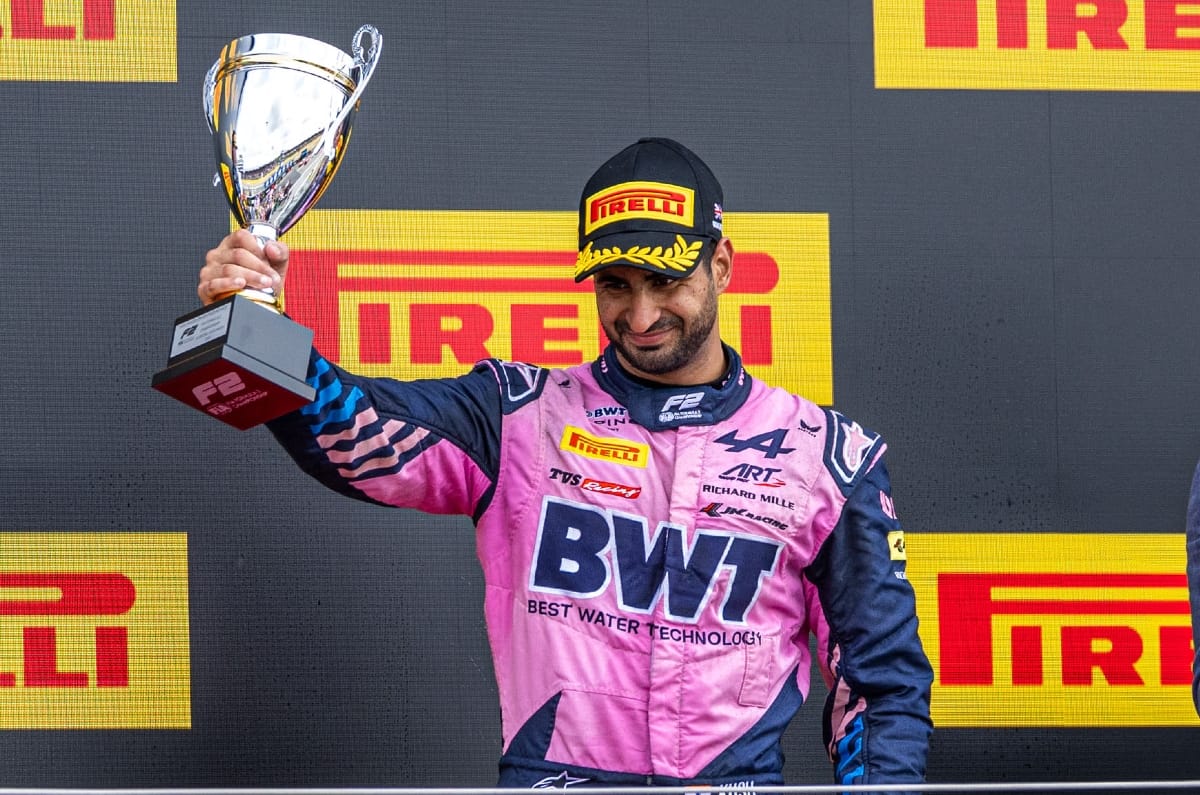
Kush Maini collected a podium finish at Silverstone, finishing third in the F2 British GP Feature Race. A strong weekend sees him make big gains in the championship, where he moves up from P9 to P6 overall.

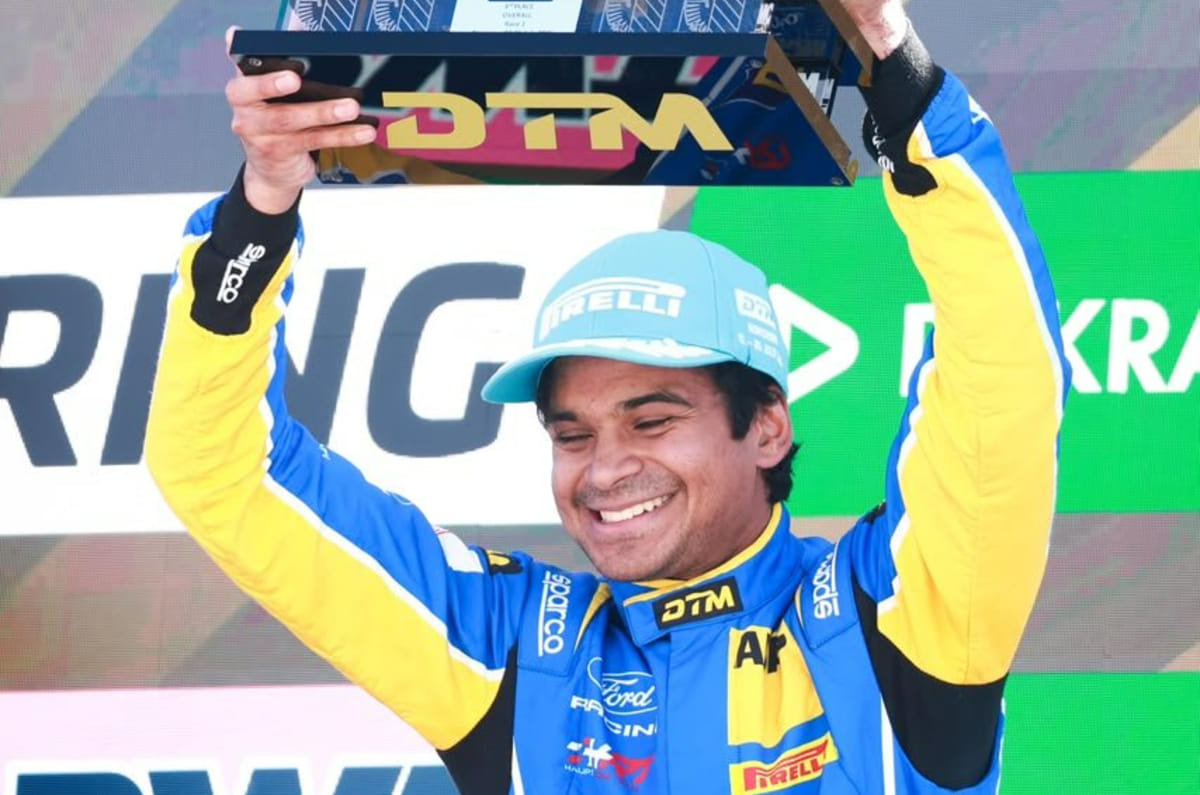
In fact, both Maini brothers enjoyed a successful weekend. Over at Norisring, Arjun Maini secured his first podium of the 2026 DTM season.

  1. Kush Maini P3 in F2 Silverstone Feature Race
  2. Arjun Maini P3 at DTM Norisring Race 1

Kush Maini on podium at Silverstone

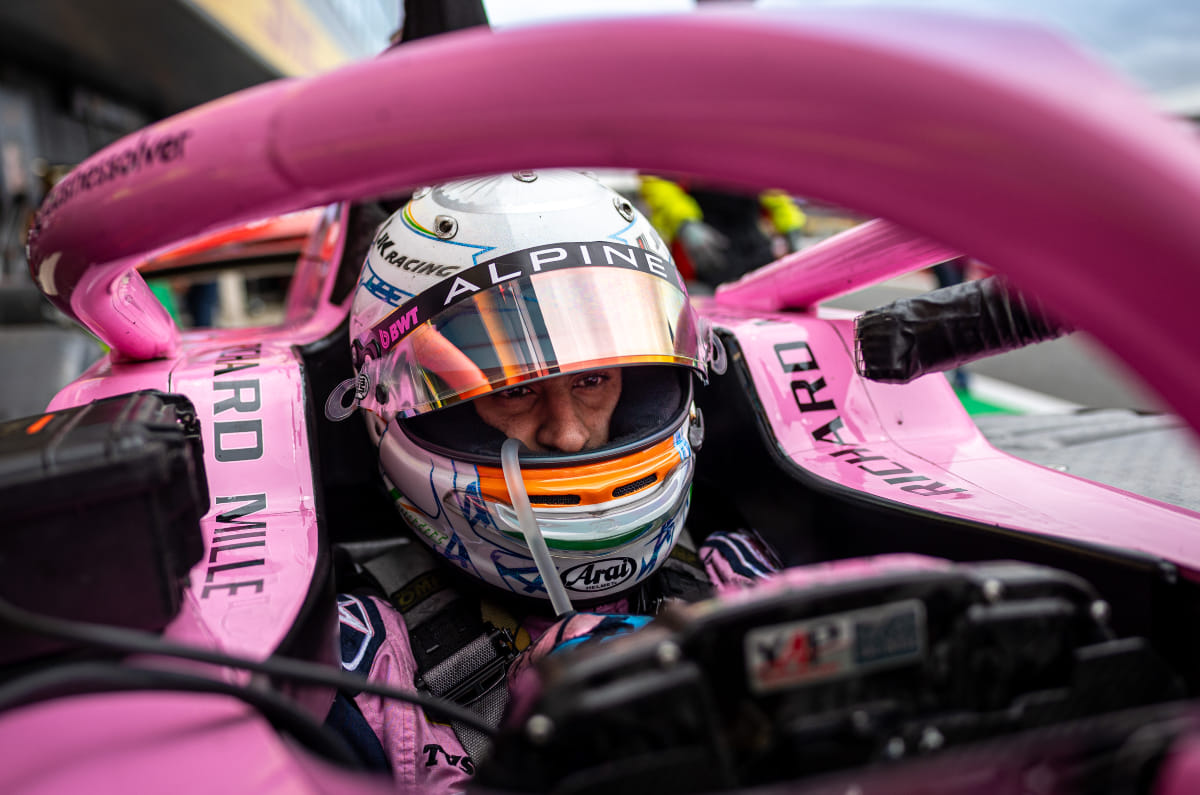
Kush Maini F2 British GP

Kush qualified third for the Feature Race, placing him eighth on the reverse-grid Sprint Race. He carved his way through the field to finish fourth and collect some valuable points.

In the Feature Race, polesitter Rafael Camara and second-placed Alexander Dunne both made a slow getaway, allowing Kush to surge into the lead. He held on to the lead for a significant portion of the race, but championship leader Nikola Tsolov had closed in after his pit stop. An intense battle followed and after several attempts, Tsolov finally passed Kush on Lap 20.

The Bulgarian driver went on to secure his sixth win of the season so far. Behind him, Rafael Villagomez dived down the inside of Kush at Village to take second place. Nevertheless, third place hands Kush a big boost in the championship. He’s now moved up to P6 overall, just six points behind Noel Leon.

“I think yesterday we had great pace and today the condition is slightly different. So we tweaked the car a bit and we still had really strong pace during the first half of the stint. I just started to lose the rears. I had no traction in the end and Nikola just had much more grip and I didn’t want to risk it, really,” Kush explained after the race.

“I knew that if I kept him behind for maybe three or four laps, maybe his tyres would overheat. He passed me into Maggets and Beckets so that move was inevitable, even though I tried hanging on. And then it was about just trying to let the tyres breathe, especially the rears, and bring it home, really.”

Arjun Maini on podium at DTM Norisring

Arjun Maini DTM Norisring

Norisring has been a strong venue for Arjun Maini in the past, and the Indian racer was optimistic about his chances at the street track. Strong qualifying pace saw him start from third on the grid for both races. 

He converted that into a P3 finish in Race 1, securing his very first podium with the HRT Ford Racing team. “That is my second podium at the Norisring, and I am very happy with it. The key to taking third place was my manoeuvre against Lucas Auer. Our cars touched slightly, but that is part and parcel of racing in the DTM. We have taken a bit step forward this season. Hopefully my first win will follow soon,” he said.

Arjun followed that up with a P4 result in Race 2, despite a poor pit stop. Comtoyou Racing’s Nicki Thiim won both races at Norisring to take the overall championship lead as well. Arjun, meanwhile, has climbed up to seventh place overall, just one point ahead of Doerr Motorsport’s Ben Dorr. 
 

All EVs available with BaaS schemes in India

BaaS cars

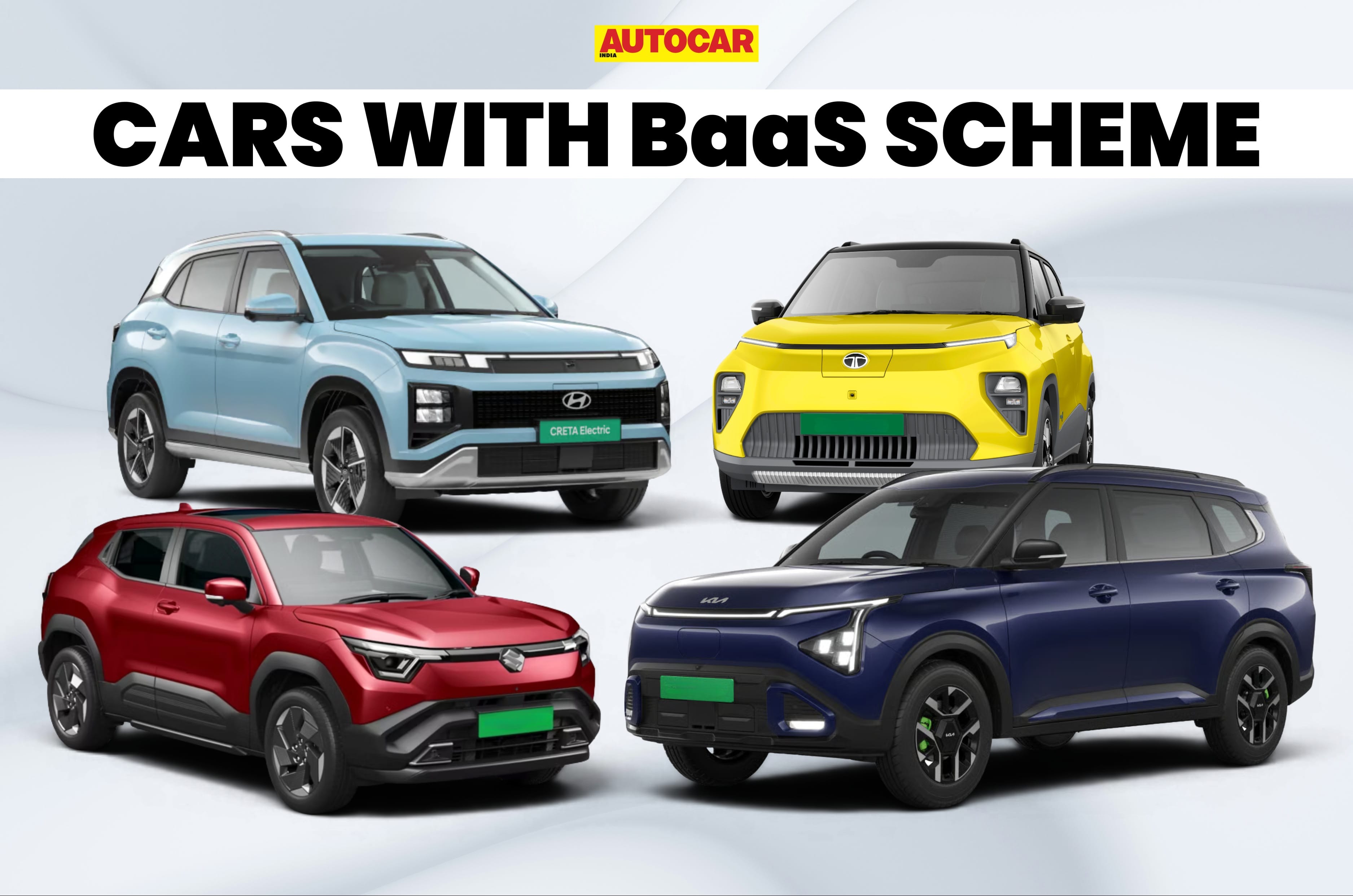
One of the biggest hurdles to the adoption of electric vehicles is their relatively higher prices compared to combustion-powered cars. To address this, mass-market brands such as Hyundai, Citroen, JSW-MG, Maruti Suzuki, Kia, Tata Motors and Toyota have started offering models with Battery-as-a-Service (BaaS) schemes, which are essentially subscription plans for the battery pack and substantially lower upfront costs. Here is a list of all the EVs offered with the BaaS option.

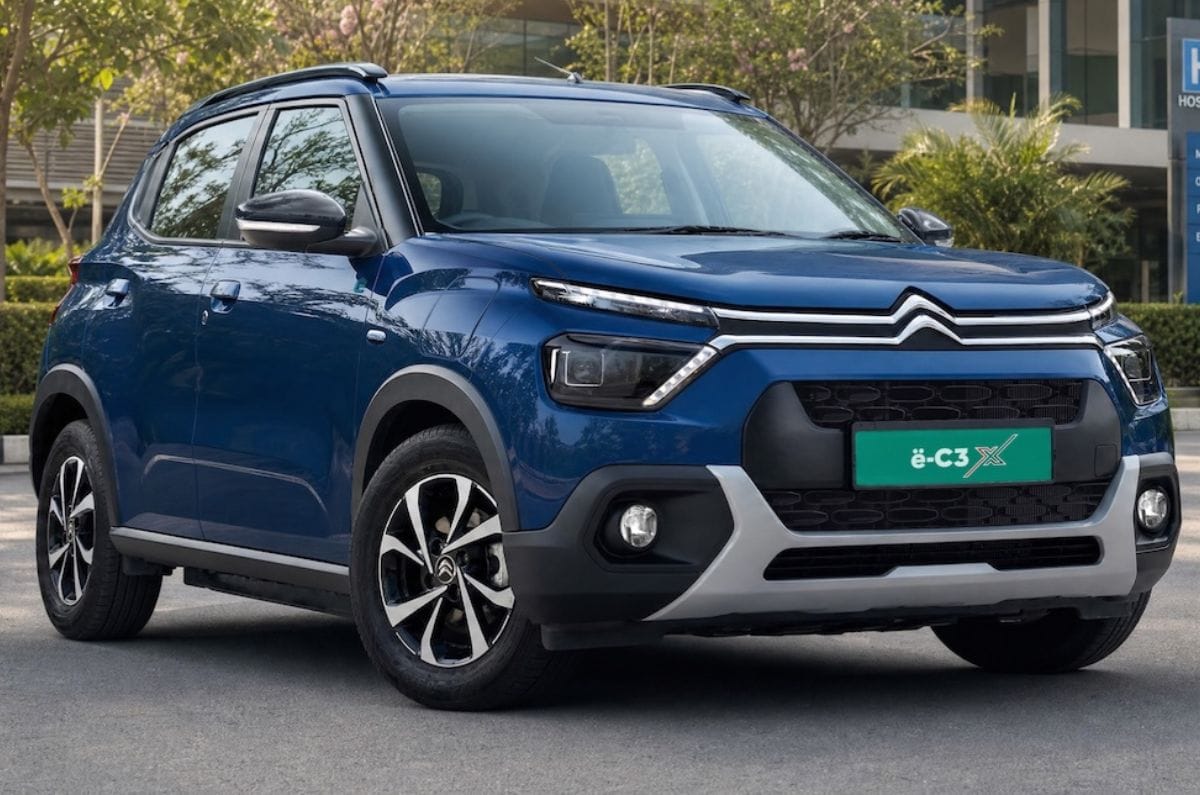
Citroen eC3X

BaaS price: Rs 6.89 lakh + Rs 2.26 per km onwards

Citroen eC3X

Citroen introduced a BaaS scheme option with the June 2026 update for the eC3X, reducing the EV’s upfront price by up to Rs 5.26 lakh. Buyers also have to pay a battery subscription fee of Rs 2.26 per kilometre, the lowest here, with a minimum monthly commitment of 2,000km, which works out to Rs 4,520 per month. If monthly usage exceeds 2,000km, charges apply for the additional distance covered.

For buyers opting out of the BaaS plan, Citroen is offering an introductory consumer discount of up to Rs 1.50 lakh, bringing the eC3X’s starting price down to Rs 10.49 lakh. 

Citroen eC3X ex-showroom prices (in Rs)

Variant

Non-BaaS price

BaaS price

Upfront saving

Live

11.99 lakh

6.89 lakh + 2.26 per km

5.10 lakh

Live (O)

12.35 lakh

7.09 lakh + 2.26 per km

5.26 lakh

Shine

13.26 lakh

8.30 lakh + 2.26 per km

4.96 lakh

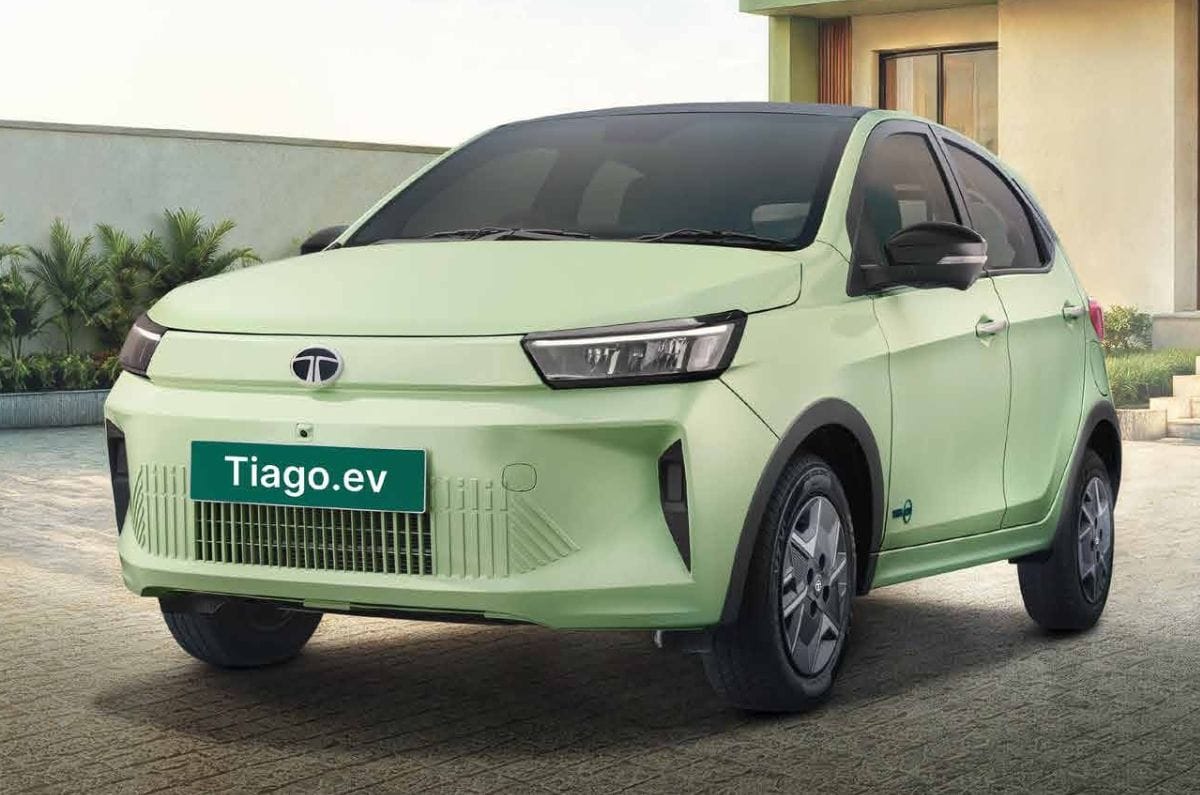
Tata Tiago EV

BaaS price: Rs 4.69 lakh + Rs 2.6 per km onwards

Tata Tiago EV

Priced from Rs 6.99 lakh, the Tata Tiago EV is the most affordable electric car in India. Under the BaaS scheme, it starts at Rs 4.69 lakh, reducing the upfront cost by Rs 2.30 lakh, and users pay an additional Rs 2.6 per km as a subscription fee. Tata has yet to reveal the full variant-wise BaaS prices of the Tiago EV.

Tata Tiago EV ex-showroom prices (in Rs)* 

Variant

Non-BaaS price

BaaS price

Upfront cost saving

Smart 19

6.99 lakh

4.69 lakh + 2.6 per km

2.30 lakh

*Tata hasn’t revealed the BaaS prices for all variants at the time of writing.

MG Comet EV

BaaS price: Rs 4.99 lakh + Rs 3.2 per km onwards

MG Comet EV

The Comet EV is priced from Rs 7.63 lakh, and its entry-level trims feature a 17.3kWh battery, while higher-spec models get a 17.4kWh unit. The BaaS scheme lowers the price by Rs 2.64 lakh across trims, and buyers opting for this have to pay a Rs 3.2/km subscription cost for the battery pack. Do note that when MG introduced the BaaS plan for the Comet EV in 2024, the subscription fee was slightly lower at Rs 2.5 per km. 

MG Comet EV ex-showroom prices (in Rs)

Variant

Non-BaaS price

BaaS price

Upfront saving

Executive 17.3kWh

7.63 lakh

4.99 lakh + 3.2 per km

2.64 lakh

Excite 17.3kWh

8.73 lakh

6.09 lakh + 3.2 per km

2.64 lakh

Excite 17.4kWh9 lakh6.36 lakh + 3.2 per km2.64 lakh

Exclusive 17.3kWh

9.73 lakh

7.09 lakh + 3.2 per km

2.64 lakh

Exclusive 17.4kWh10 lakh7.36 lakh + 3.2 per km2.64 lakh

Tata Punch EV

BaaS price: Rs 6.49 lakh + Rs 2.6 per km onwards

Tata Punch EV facelift review: More for less

The Tata Punch EV is another electric offering from the Indian manufacturer that is available with a BaaS scheme. Its base trim costs Rs 9.69 lakh but with the BaaS scheme, that can be lowered by Rs 3.2 lakh. However, buyers will have to pay a battery rental fee of Rs 2.6 per km. Tata claims that a monthly running of 1,800km is reasonable for most buyers, which works out to a battery rental of about Rs 4,688.

Tata Punch EV ex-showroom prices (in Rs)

Variant

Non-BaaS price

BaaS price*

Upfront saving

Smart 30kWh

9.69 lakh

6.49 lakh + 4,688 per month

3.2 lakh

Smart+ 30kWh10.297.09 lakh + 4,688 per month3.2 lakh
Smart+ 40kWh10.997.29 lakh + 5,274 per month3.7 lakh
Adventure 40kWh11.747.99 lakh + 5,274 per month3.75 lakh
Empowered 40kWh12.498.69 lakh + 5,274 per month3.8 lakh
Empowered+ S 40kWh12.798.99 lakh + 5,274 per month3.8 lakh

*The battery EMI is assumed on a loan tenure of 8 years.

MG Windsor EV

BaaS price: Rs 9.99 lakh + Rs 3.99 per km onwards

MG Windsor EV

MG first introduced the BaaS ownership plan in India with the Windsor EV, which was launched in September 2024 with a 38kWh battery pack. A larger 52.9kWh pack was added to the line-up in May 2025. The Windsor EV’s battery rental fee depends on the battery pack selected: Rs 3.99 per km for the 38kWh unit and Rs 4.5 per km for the larger 52.9kWh unit. This scheme lowers the upfront cost by up to Rs 5 lakh.

MG Windsor EV ex-showroom prices (in Rs)

Variant

Non-BaaS price

BaaS price

Upfront saving

Excite 38kWh

14.7 lakh

9.99 lakh + 3.99 per km

4.71 lakh

Exclusive 38kWh

16 lakh

11.29 lakh + 3.99 per km

4.71 lakh

Essence 38kWh

17 lakh

12.29 lakh + 3.99 per km

4.71 lakh

Exclusive Pro 52.9kWh

17.9 lakh

12.9 lakh + 4.5 per km

5 lakh

Essence Pro 52.9kWh

19 lakh

14 lakh + 4.5 per km

5 lakh

Hyundai Creta Electric

BaaS price: Rs 10.99 lakh + Rs 3.9 per km onwards

Hyundai Creta Electric

The Hyundai Creta Electric is the latest EV here to get a BaaS scheme option, which was introduced in July 2026. The Creta EV starts with the Rs 18.03 lakh Executive 42kWh variant but with the battery rental option, buyers can save Rs 7.04 lakh up front, one of the highest savings here. Prices for the other 42kWh variants, as well as the 51.4kWh variants are expected to be revealed soon.

Hyundai Creta Electric ex-showroom price (in Rs)*

Variant

Non-BaaS price

BaaS price

Upfront saving

Executive 42kWh

18.03 lakh

10.99 lakh + 3.9 per km

7.04 lakh

*Hyundai hasn’t revealed the BaaS prices for all variants at the time of writing.

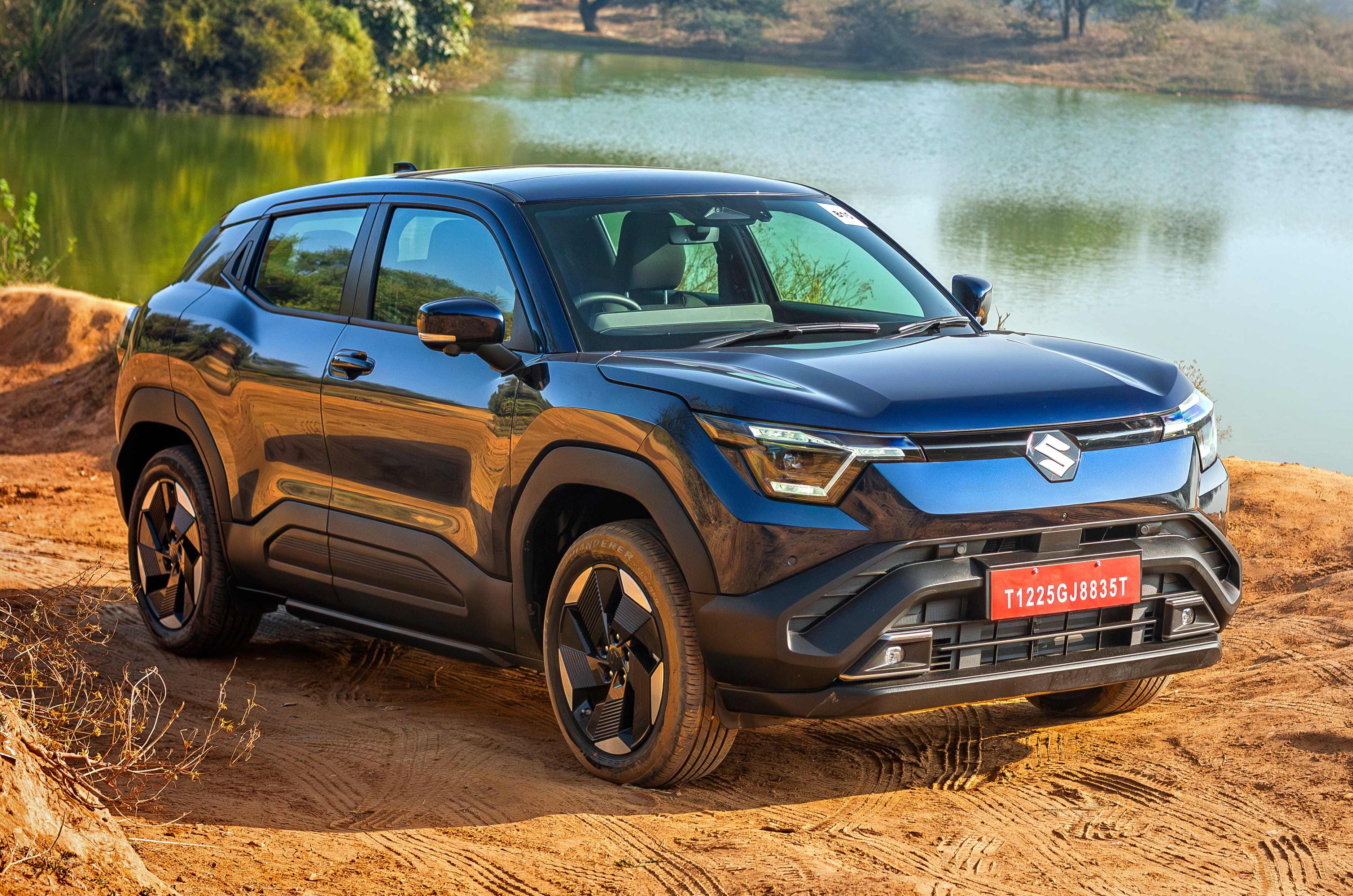
Maruti Suzuki e Vitara

BaaS price: Rs 10.99 lakh + Rs 3.99 per km onwards

Maruti Suzuki e Vitara

The Maruti e Vitara is also available with the BaaS scheme, the subscription fee of which differs with the chosen battery pack. With the smaller 49kWh battery, Maruti charges Rs 3.99 per km, while with the larger battery pack, a fee of Rs 4.39 per km is charged. 

Maruti Suzuki e Vitara ex-showroom prices (in Rs)

Variant

Non-BaaS price

BaaS price

Upfront saving

Delta 49kWh

15.99 lakh

10.99 lakh + 3.99 per km

5 lakh

Zeta 61kWh

17.79 lakh

12.29 lakh + 4.39 per km 

5.5 lakh

Alpha 61kWh

19.99 lakh

14.49 lakh + 4.39 per km

5.5 lakh

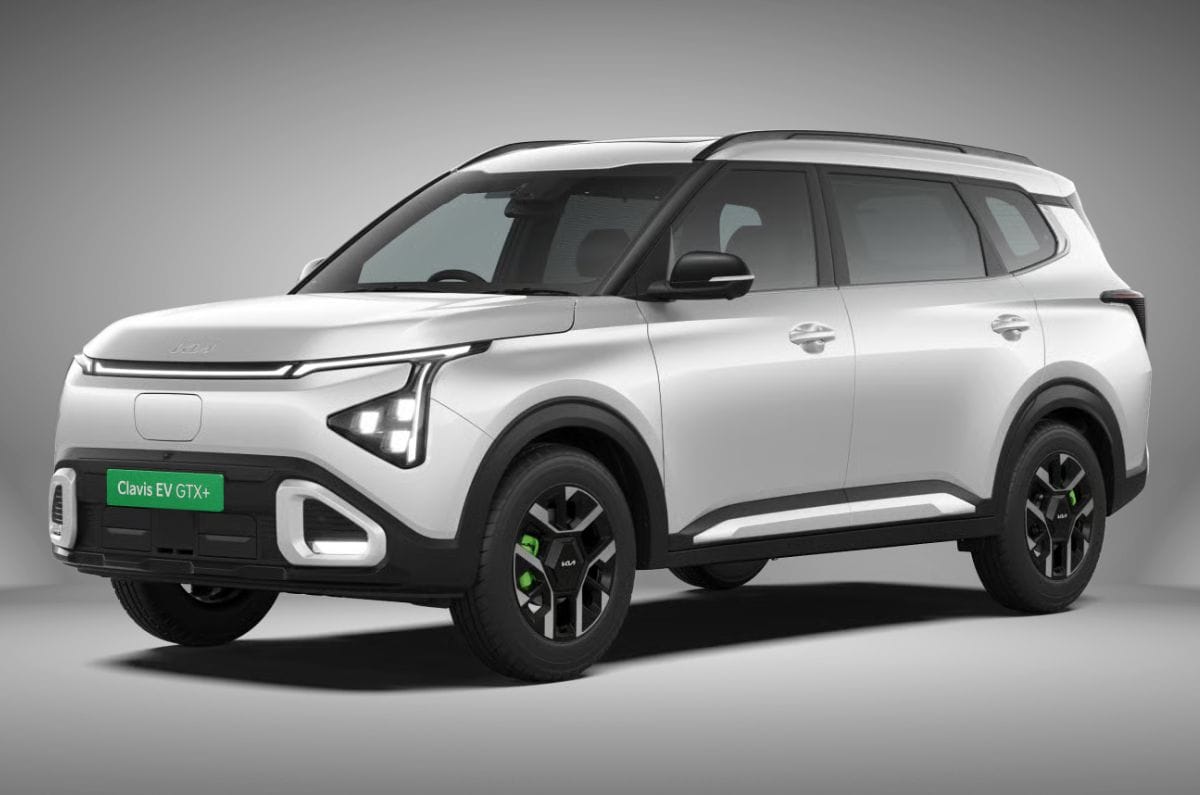
Kia Carens Clavis EV

BaaS price: Rs 12.84 lakh + Rs 3.3 per km onwards

In May 2026, Kia introduced the BaaS scheme for its Carens Clavis EV, which stands out here as the only MPV. Kia charges a rental fee of Rs 3.3 per km for both the 42kWh and 51.4kWh battery pack options. While the entire BaaS price list isn’t out at the time of writing, one can save Rs 5.16 lakh and Rs 6.06 lakh on the HTK+ 42kWh and HTX E ER 51.4kWh variants, respectively. 

Kia Carens Clavis EV ex-showroom prices (in Rs)*

Variant

Non-BaaS price

BaaS price

Upfront saving

HTK+ 42kWh

18 lakh

12.84 lakh + 3.3 per km

5.16 lakh

HTX E ER 51.4kWh

22 lakh

15.94 lakh + 3.3 per km

6.06 lakh

*Kia hasn’t revealed the BaaS prices for all variants at the time of writing.

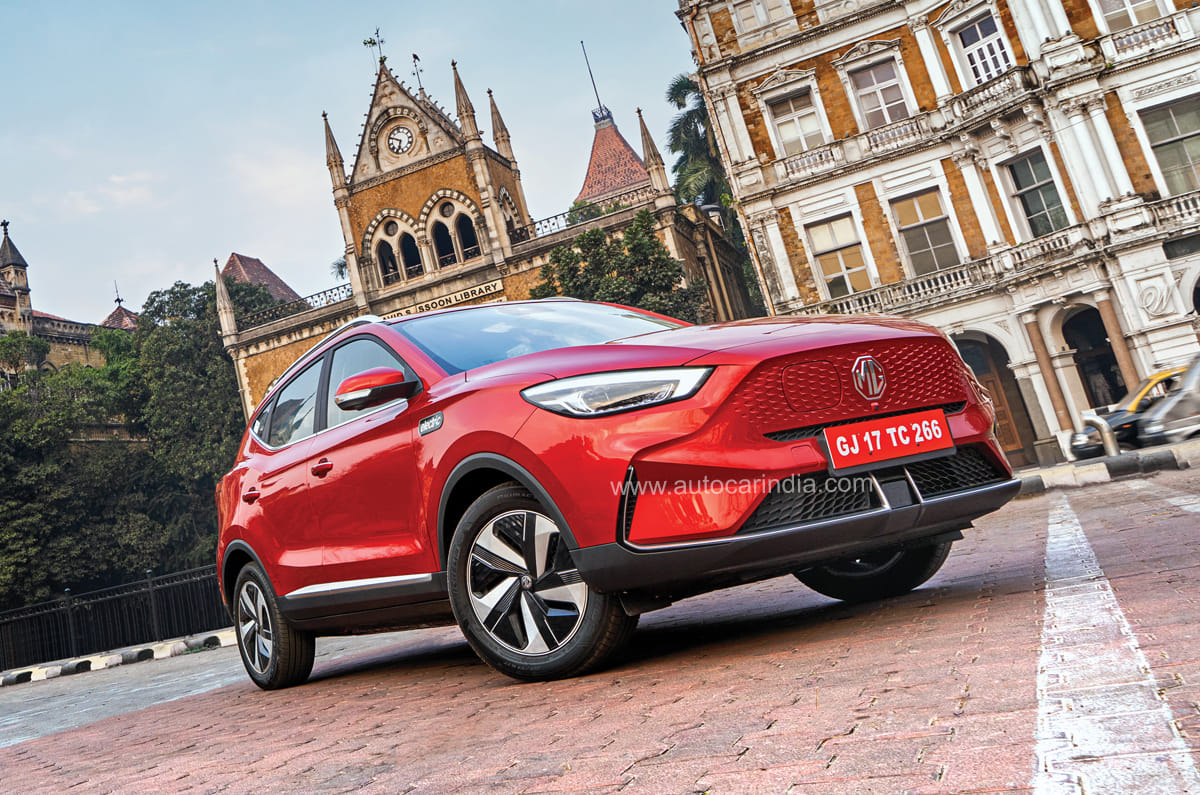
MG ZS EV

BaaS price: Rs 13 lakh + Rs 4.5 per km onwards

MG ZS EV

The ZS EV, MG’s first electric offering in India, received its mid-lifecycle update in 2022. However, it was only in September 2024 that MG introduced a BaaS scheme for the midsize electric SUV. The subscription fee for the ZS EV, which comes with a 50.3kWh battery pack, is Rs 4.5 per km – the same as that of the Windsor EV Pro. The upfront cost saving of up to Rs 5.24 lakh is the highest in MG’s electric line-up. 

MG ZS EV ex-showroom prices (in Rs)

Variant

Non-BaaS price

BaaS price

Upfront saving

Executive 50.3kWh

17.99 lakh

13 lakh + 4.5 per km

4.99 lakh

Excite Pro 50.3kWh

18.75 lakh

13.51 lakh + 4.5 per km

5.24 lakh

Exclusive Pro 50.3kWh

19.75 lakh

14.51 lakh + 4.5 per km

5.24 lakh

Essence 50.3kWh

20.75 lakh

15.51 lakh + 4.5 per km

5.24 lakh

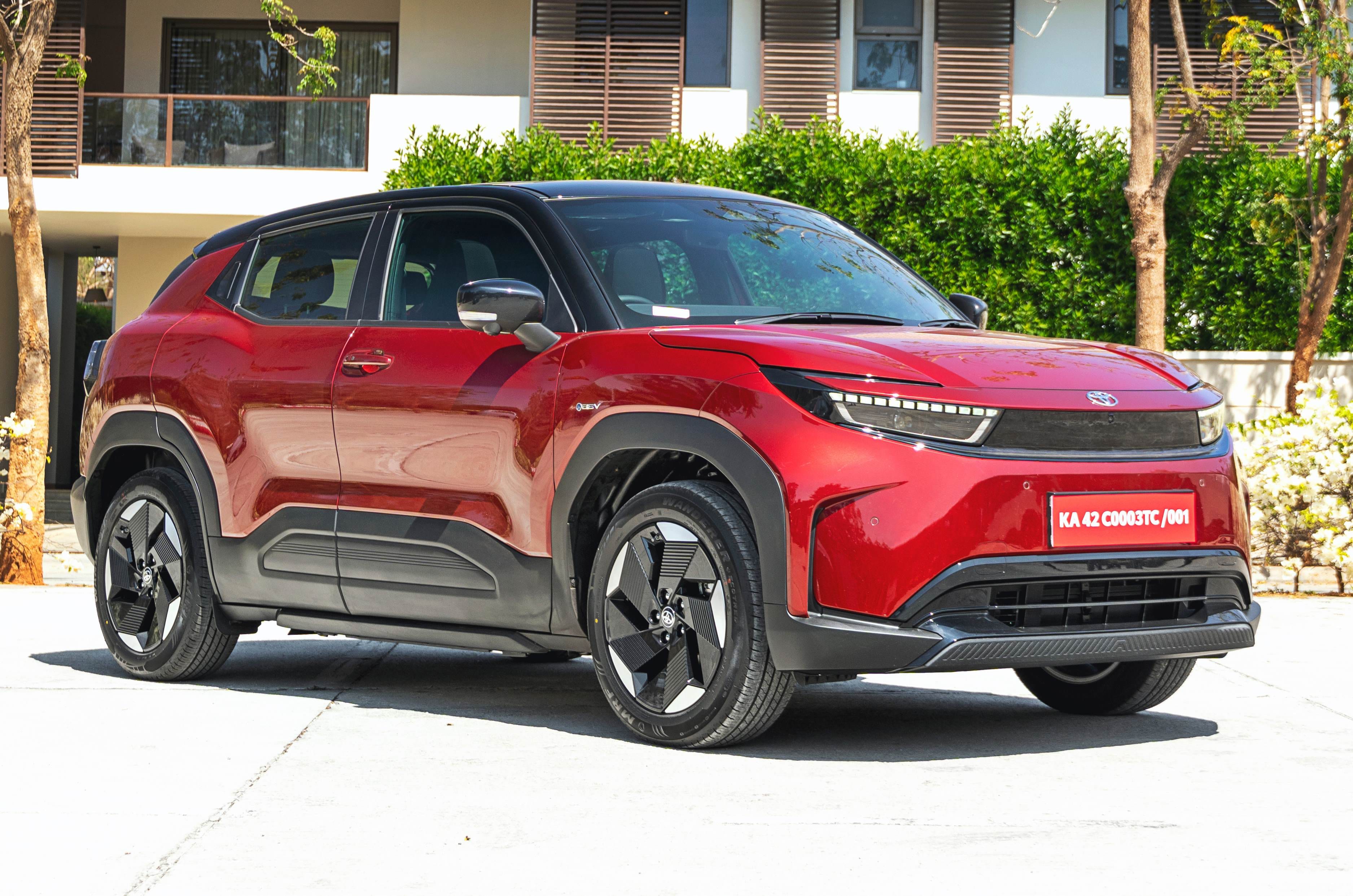
Toyota Urban Cruiser Ebella

BaaS price: Rs 15.25 lakh + Rs 4.99 per km

Toyota showcased its first EV for India, the Urban Cruiser Ebella, in January 2026 and revealed the price for its top-spec variant in May 2026. This E3 variant is powered by a 61kWh battery pack and offers a claimed range of 543km. Under the BaaS scheme, the E3’s upfront cost is Rs 15.25 lakh and the battery rental fee is Rs 4.99 per km – higher than the Rs 4.39 per km charged for its Maruti twin, the e Vitara.

Toyota Ebella EV ex-showroom prices (in Rs)* 

Variant

Non-BaaS price

BaaS price

Upfront saving

E3

23.60 lakh

15.25 lakh + 4.99 per km

8.35 lakh

*Toyota hasn’t revealed the BaaS prices for all variants at the time of writing.

Oben Rorr Evo Deliveries Begin

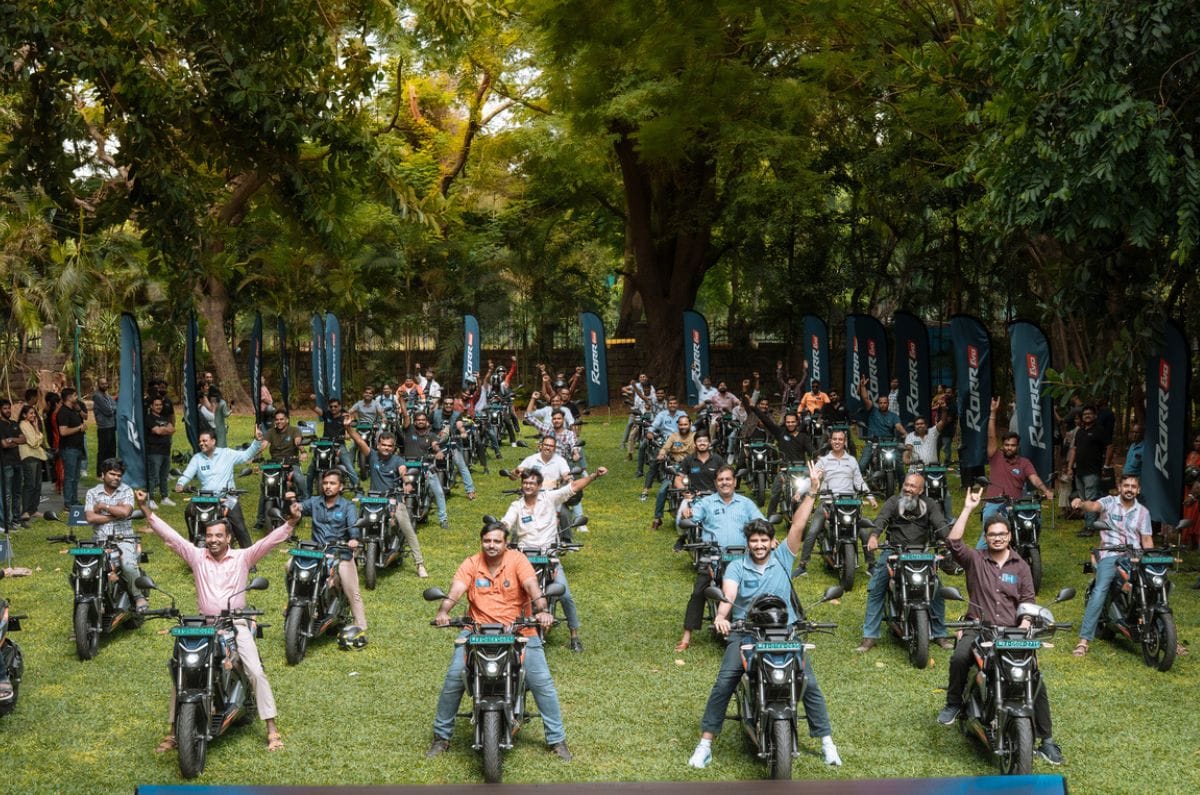
Oben Rorr Evo Deliveries BEgin at Bengaluru Event

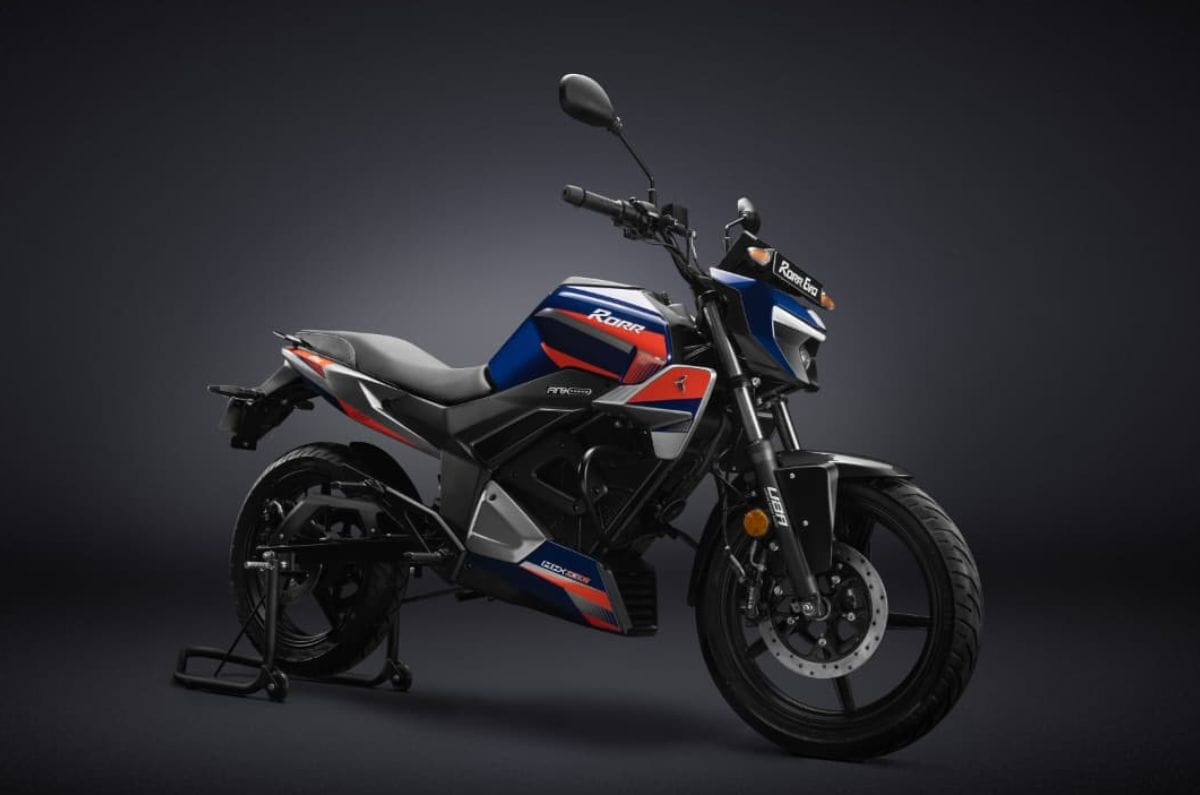
Oben Electric has commenced deliveries of the newly launched Rorr Evo. The first batch of customers in Bengaluru received their motorcycles through the company’s ‘First to Rorr’ delivery event. 

  1. The Rorr Evo received over 25,000 bookings.
  2. The company has an annual production capacity of 1 lakh units.

Deliveries will be rolled out across the country over the coming weeks through Oben’s network of 150 showrooms. Oben says the Rorr Evo crossed 25,000 bookings within 15 days of its launch in May 2026. To meet demand, the company is ramping up production at its facility, which it says has an annual capacity of 1 lakh motorcycles. Its retail and service network now spans over 90 cities across 18 states, including dedicated Oben Care service centres.

Priced at Rs 1.25 lakh (ex-showroom), the Rorr Evo is powered by a 9kW motor paired with a 3.4kWh LFP battery pack. It features SmartIQ, Oben’s AI-powered ride optimisation technology that claims to improve range by up to 15 percent. Other highlights include a projector LED headlamp and a chain-drive setup, which the company says improves efficiency by 10 percent. The IDC range is rated at 180km, while the real-world range is claimed to be around 150km.

Claimed performance figures include a 110kph top speed, and a 0-40kph sprint in 3 seconds. The battery can be fast charged from 0-80 percent in 90 minutes, and Oben offers an 8-year battery warranty. Features include a 5-inch TFT display, OTA updates, turn-by-turn navigation, geo-fencing, remote immobilisation and fall detection with emergency SOS via the company’s ARGUS connected platform.

BMW Motorrad lineup updated for 2027

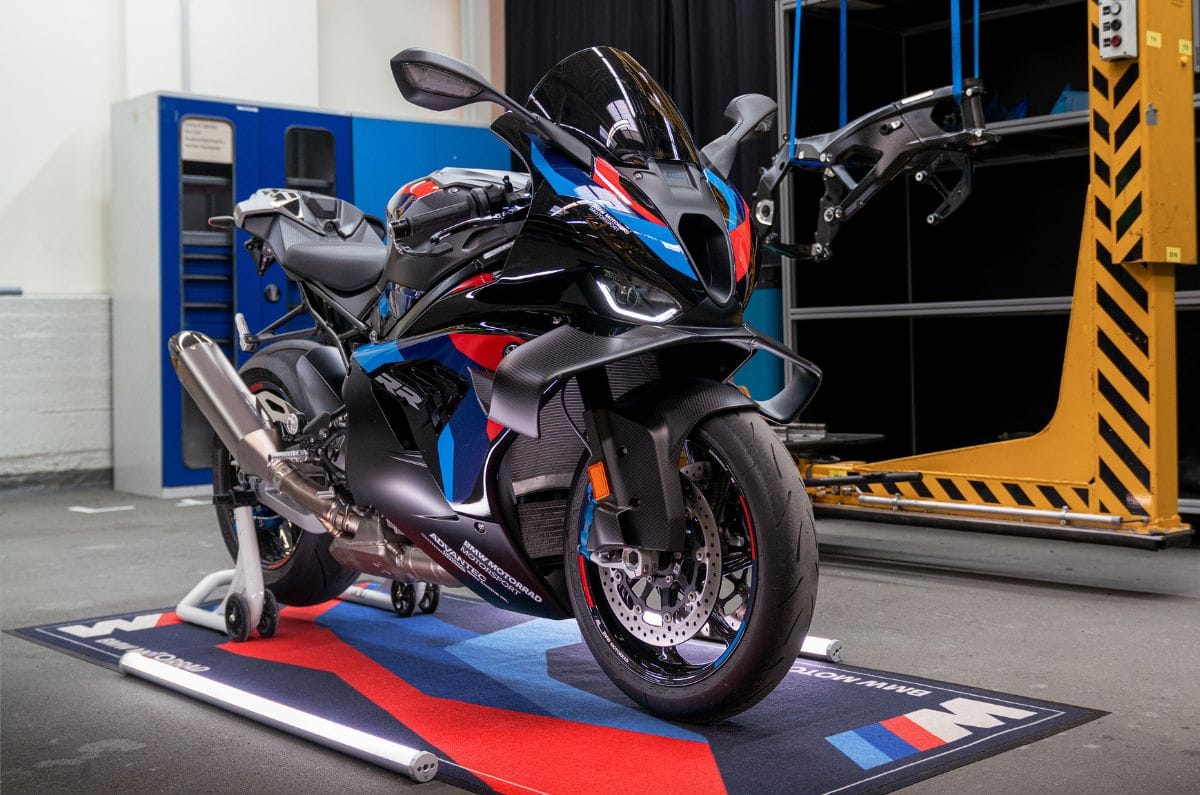
BMW M 1000 RR front right side static in garage

BMW Motorrad has one of the widest model ranges in the industry and for 2027, the company has announced updates to as many as twelve models. The breadth of updates across the range spans new colours and more equipment which was either previously an accessory or not offered at all.

  1. S 1000 RR, K 16 models receive new colours
  2. M 1000 RR sees small chassis improvements
  3. These updates will be available August 2026 onwards at BMW Motorrad dealerships

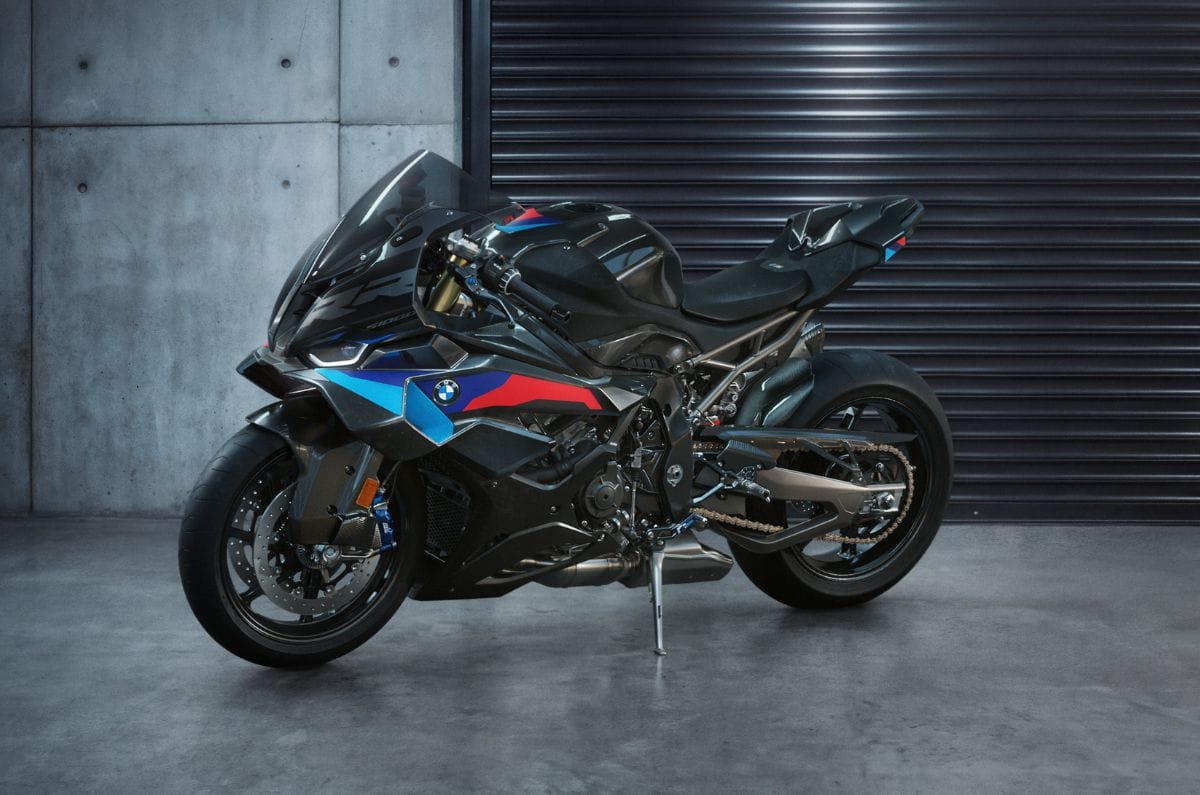
BMW’s S 1000 RR superbike has received a new Blackstorm Metallic / M Motorsport colour, which actually makes it look very similar to the M 1000 RR WSBK homologation special model. If you opt for the M package when purchasing the S 1000 RR (like quite a few owners do), then you now get the M forged wheels as standard with the M carbon wheels offered as an optional extra.

BMW S 1000 RR left front side static in garage
2027 BMW S 1000 RR

Speaking of the M 1000 RR, BMW has refined its competition-spec model with some chassis revisions such as a refined frame with what the brand claims are ‘clearly improved Flex properties’ and thinner walls by 30 percent. In the process, BMW has shaved 1.3kilos off the M 1000 RR’s kerb weight. Just like the S 1000 RR, the M RR now comes standard with M forged wheels and the M carbon wheels are an optional extra. BMW has also introduced a new M Track package including the M Endurance Chain, Carbon Package, M Billet Package and M Carbon Wheels.

Similarly, the BMW M 1000 XR sporty crossover also sees the introduction of an M Track Package which includes the M Laptrigger, Carbon Package, M Billet Package and M Carbon Wheels.

The R 1300 R sporty naked and the R 1300 RS sport tourer (both of which are based on the same mechanical foundation as the R 1300 GS adventure bike) see similar updates in that the pannier rails are now available on the Style Performance trim, which was previously unavailable. There’s also a new Touring Package on both including the aforementioned pannier rails, Central Lock and a main stand.

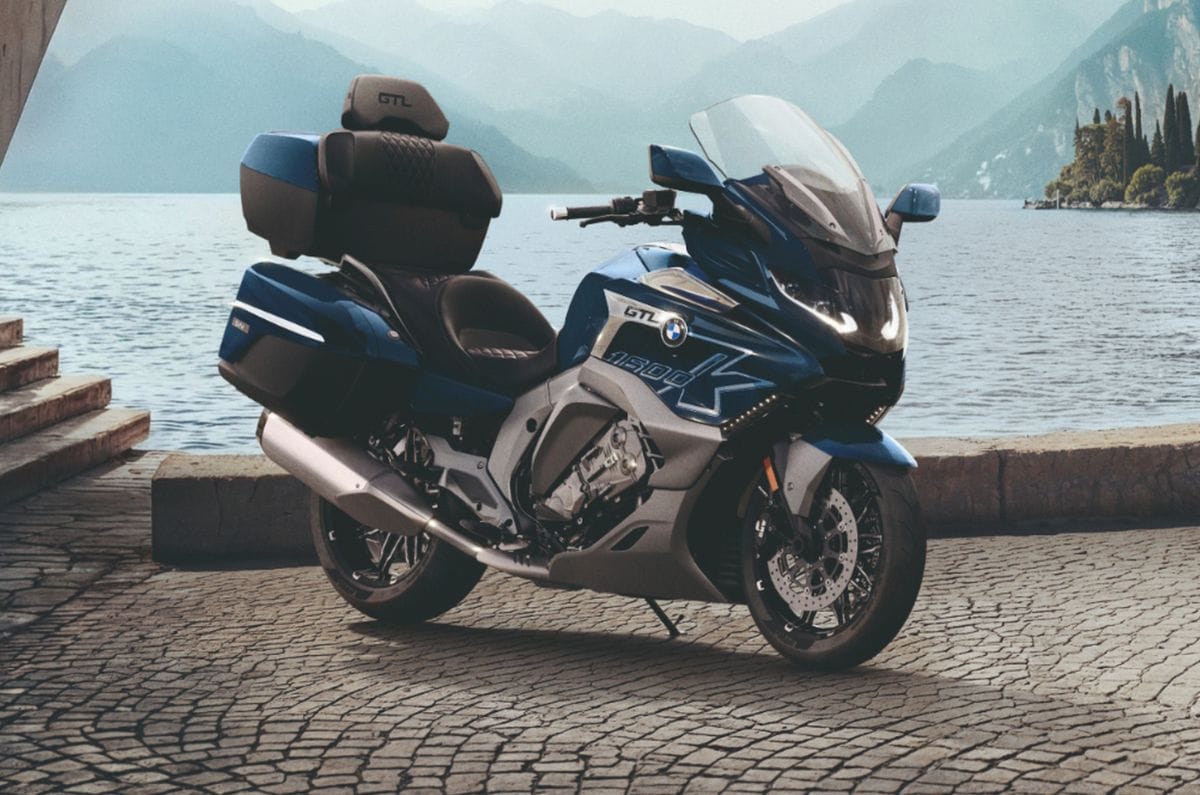
All of the models in the K 1600 six-cylinder grand touring range now come with a Imperial Blue metallic colour option on the Style Edition trim. Additionally, the K 1600 GTL comes with a new bench seat and forged wheels if you opt for the Option 719 trim.

BMW K 1600 GTL front right side static on seashore
BMW K 1600 GTL

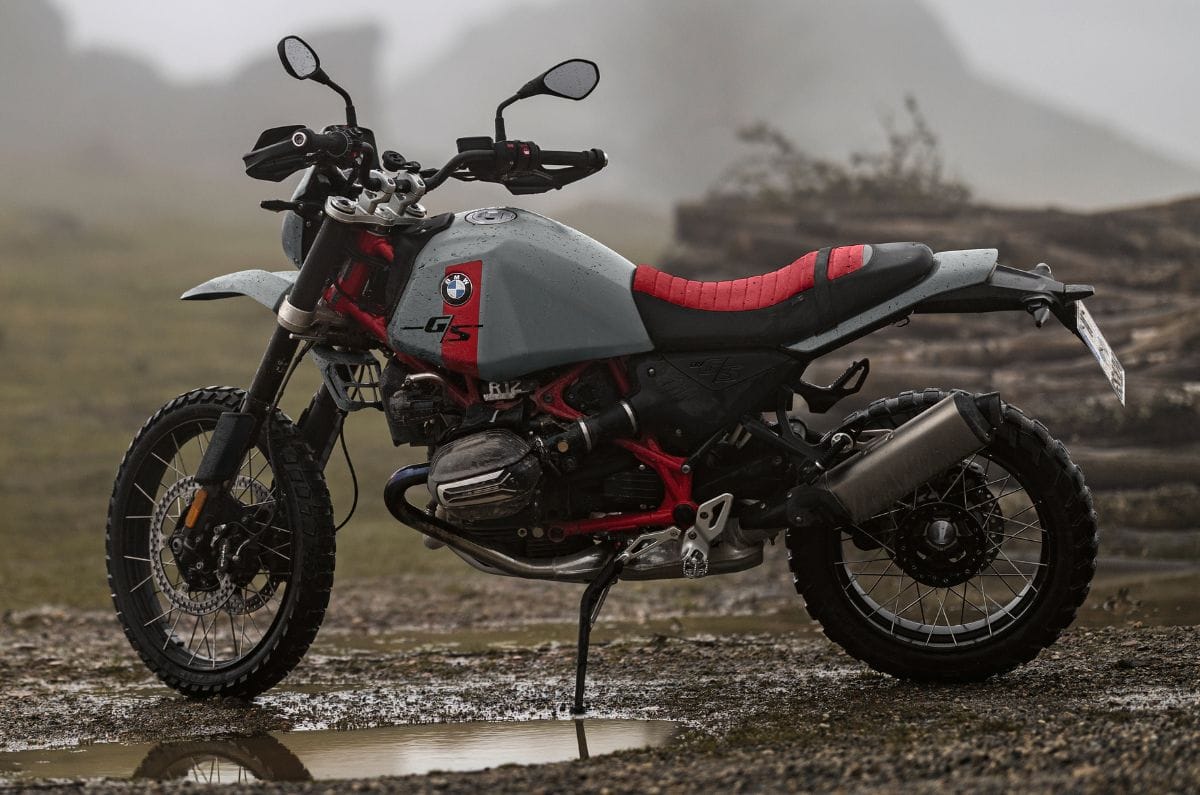
The F 900 R and F 900 XR middleweight roadster and ADV, respectively, can now be had with the M endurance chain if you opt for the accessory comfort package and last but not least, the R 12 GS big-bore scrambler comes with a new Frozen Brooklyn Grey colour on the Option 719 packs.

BMW R 12 GS left side profile static in field
BMW R 12 GS

GIFT Nifty दे रहा सेंसेक्स-निफ्टी के फ्लैट शुरुआत के संकेत, एशिया बाजार में मिलाजुला कारोबार

GIFT Nifty ने सोमवार को इंडियन बेंचमार्क इंडेक्स सेंसेक्स और निफ्टी के लिए धीमी शुरुआत का संकेत दिया, भले ही ग्लोबल संकेत काफी पॉजिटिव थे, क्योंकि इन्वेस्टर्स ने घरेलू इक्विटी में हालिया रैली के मुकाबले क्रूड ऑयल की घटती कीमतों, रिस्क सेंटिमेंट में सुधार और ग्लोबल अर्निंग्स सीजन की उम्मीद के बीच बैलेंस बनाया। OPEC+ के प्रोडक्शन बढ़ाने के फैसले और मिडिल ईस्ट में जियोपॉलिटिकल टेंशन कम होने के बाद ऑयल की कम कीमतों ने मार्केट के लिए सपोर्टिव बैकग्राउंड बनाए रखा।

GIFT Nifty सुबह करीब 8.30 बजे 24,327.50 पर ट्रेड कर रहा था, जो पिछले निफ्टी क्लोज से 27.00 पॉइंट या 0.11 परसेंट नीचे था, जिससे पता चलता है कि शुक्रवार को लगातार तीसरे सेशन में बढ़त के बाद सेंसेक्स और निफ्टी थोड़ी कम खुल सकते हैं।

IT, फार्मा, मेटल और रियल्टी स्टॉक्स में बड़े पैमाने पर खरीदारी से सपोर्टेड, इंडियन बेंचमार्क इंडेक्स ने शुक्रवार को अपनी जीत का सिलसिला जारी रखा। सेंसेक्स 261.79 पॉइंट्स या 0.34 परसेंट बढ़कर 77,763.91 पर बंद हुआ, जबकि निफ्टी 95.15 पॉइंट्स या 0.39 परसेंट बढ़कर 24,270.85 पर बंद हुआ।

एशियाई मार्केट में मजबूती, कमाई की उम्मीद से माहौल बेहतर हुआ

सोमवार को एशियाई इक्विटीज़ में ज़्यादातर बढ़त रही क्योंकि इन्वेस्टर्स ग्लोबल कमाई के सीज़न की शुरुआत पर ध्यान दे रहे थे, जबकि US लेबर मार्केट के नरम डेटा ने जल्द ही फेडरल रिजर्व रेट में बढ़ोतरी को लेकर चिंताओं को कम किया।

जापान के बाहर एशिया-पैसिफिक शेयरों का MSCI का सबसे बड़ा इंडेक्स 0.4 परसेंट बढ़ा। सैमसंग इलेक्ट्रॉनिक्स की तिमाही कमाई से पहले साउथ कोरिया के कोस्पी में 2 परसेंट से ज़्यादा की बढ़त हुई, एनालिस्ट्स को AI से जुड़ी मेमोरी चिप की मज़बूत डिमांड से मुनाफ़े में तेज़ उछाल की उम्मीद थी। पिछले हफ़्ते की मज़बूत बढ़त के बाद जापान का निक्केई थोड़ा गिरा।

स्वतंत्रता दिवस की छुट्टी के कारण शुक्रवार को US मार्केट बंद रहे। हालांकि, एशियाई घंटों में US फ्यूचर्स में बढ़त हुई, जिसमें S&P 500 फ्यूचर्स 0.5 परसेंट और नैस्डैक फ्यूचर्स 1.4 परसेंट बढ़े, जो कॉर्पोरेट अर्निंग्स और टेक्नोलॉजी स्टॉक्स को लेकर उम्मीद दिखाता है।

OPEC+ के आउटपुट में बढ़ोतरी से क्रूड पर दबाव बना हुआ है

OPEC+ के अगस्त से प्रोडक्शन टारगेट फिर से बढ़ाने पर सहमत होने के बाद तेल की कीमतें कम हुईं, जिससे ग्लोबल सप्लाई में सुधार की उम्मीदें बढ़ गईं। ब्रेंट क्रूड लगभग 0.6 परसेंट गिरकर $71.7 प्रति बैरल के करीब आ गया, जो चार महीने के सबसे निचले स्तर के करीब है, जबकि US वेस्ट टेक्सास इंटरमीडिएट क्रूड लगभग $68.4 प्रति बैरल के करीब ट्रेड कर रहा था। होर्मुज स्ट्रेट के ज़रिए शिपमेंट में रिकवरी और जियोपॉलिटिकल तनाव कम होने से भी एनर्जी की कीमतों को कम रखने में मदद मिली है।

इस बीच, उम्मीद से कम US पेरोल डेटा ने US फेडरल रिजर्व द्वारा रेट में बढ़ोतरी की उम्मीदों को कम कर दिया, जिसके बाद सोना दो हफ़्ते के हाई के पास बना रहा।

एनरिच मनी के CEO पोनमुडी आर ने कहा कि US-ईरान के सुधरते हालात और होर्मुज स्ट्रेट से बिना रुकावट शिपिंग से एनर्जी सप्लाई में रुकावट की चिंता कम हुई है, जबकि OPEC+ के प्रोडक्शन बढ़ाने के फैसले से तेल की कम कीमतों को और सपोर्ट मिला है। निवेशक AI से चलने वाले सेमीकंडक्टर की मांग पर नए संकेतों के लिए सैमसंग इलेक्ट्रॉनिक्स की कमाई पर भी करीब से नज़र रखेंगे, जो ग्लोबल टेक्नोलॉजी सेंटिमेंट पर असर डाल सकता है।

टेक्निकल नज़रिए से, पोनमुडी ने कहा कि निफ्टी एक कंस्ट्रक्टिव स्ट्रक्चर बनाए हुए है, जिसमें 24,400 का लेवल तुरंत रेजिस्टेंस का काम कर रहा है। इस ज़ोन से ऊपर लगातार मूव करने से 24,500-24,600 की ओर बढ़ने का रास्ता बन सकता है। नीचे की तरफ, 24,200 पहला ज़रूरी सपोर्ट बना हुआ है, इसके बाद 24,000 का साइकोलॉजिकल लेवल है।

पिछले सेशन में इंस्टीट्यूशनल फ्लो मिला-जुला रहा। विदेशी इंस्टीट्यूशनल इन्वेस्टर 3 जुलाई को चार सेशन की बिकवाली के बाद नेट बायर बन गए, और उन्होंने 1,355 करोड़ रुपये की इक्विटी खरीदी। इस बीच, घरेलू इंस्टीट्यूशनल इन्वेस्टर्स ने आठ सेशन की खरीदारी का सिलसिला तोड़ा और नेट सेलर बन गए, और 1,953 करोड़ रुपये के शेयर बेच दिए।

Share Market Live Update: गिफ्ट निफ्टी दे रहा संकेत, फ्लैट हो सकती है भारतीय बाजार की शुरुआत 

(डिस्क्लेमर: मनीकंट्रोल.कॉम पर दिए गए विचार एक्सपर्ट के अपने निजी विचार होते हैं। वेबसाइट या मैनेजमेंट इसके लिए उत्तरदाई नहीं है। यूजर्स को मनी कंट्रोल की सलाह है कि कोई भी निवेश निर्णय लेने से पहले सार्टिफाइड एक्सपर्ट की सलाह लें।

3 reasons to buy the Flying Flea C6 and 2 reasons to skip it

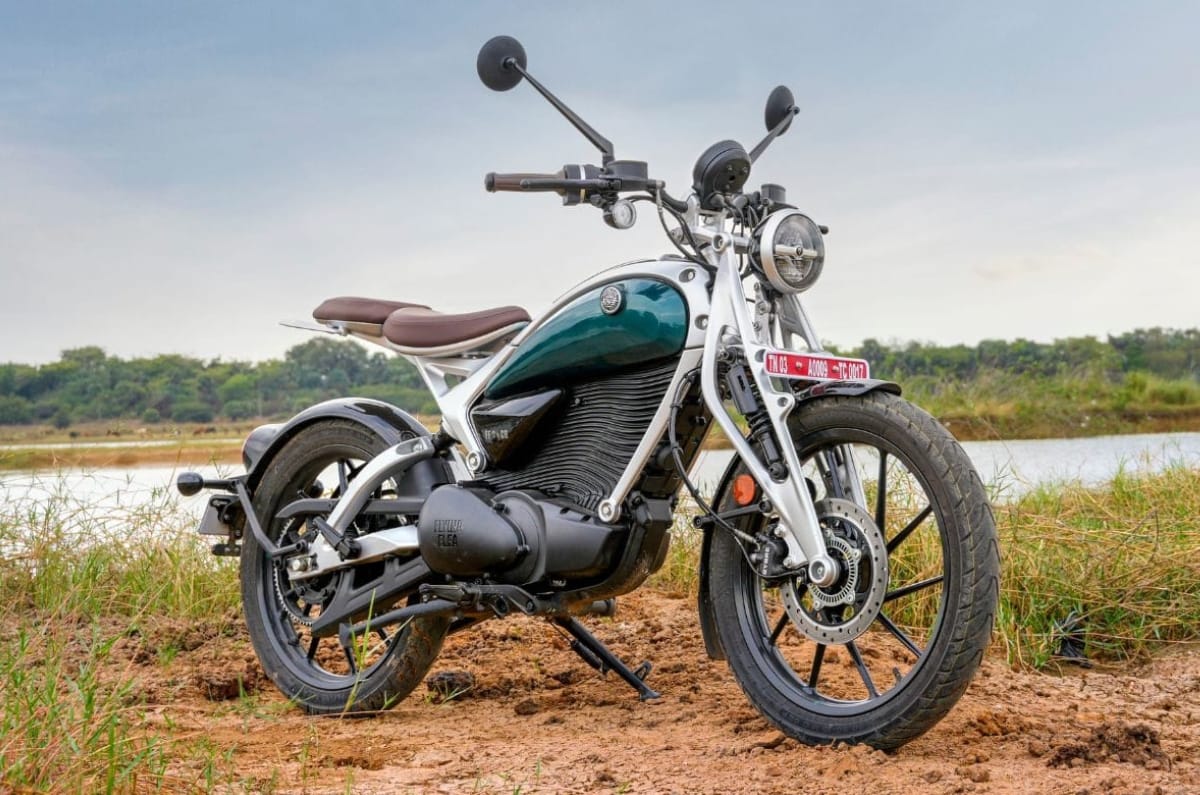
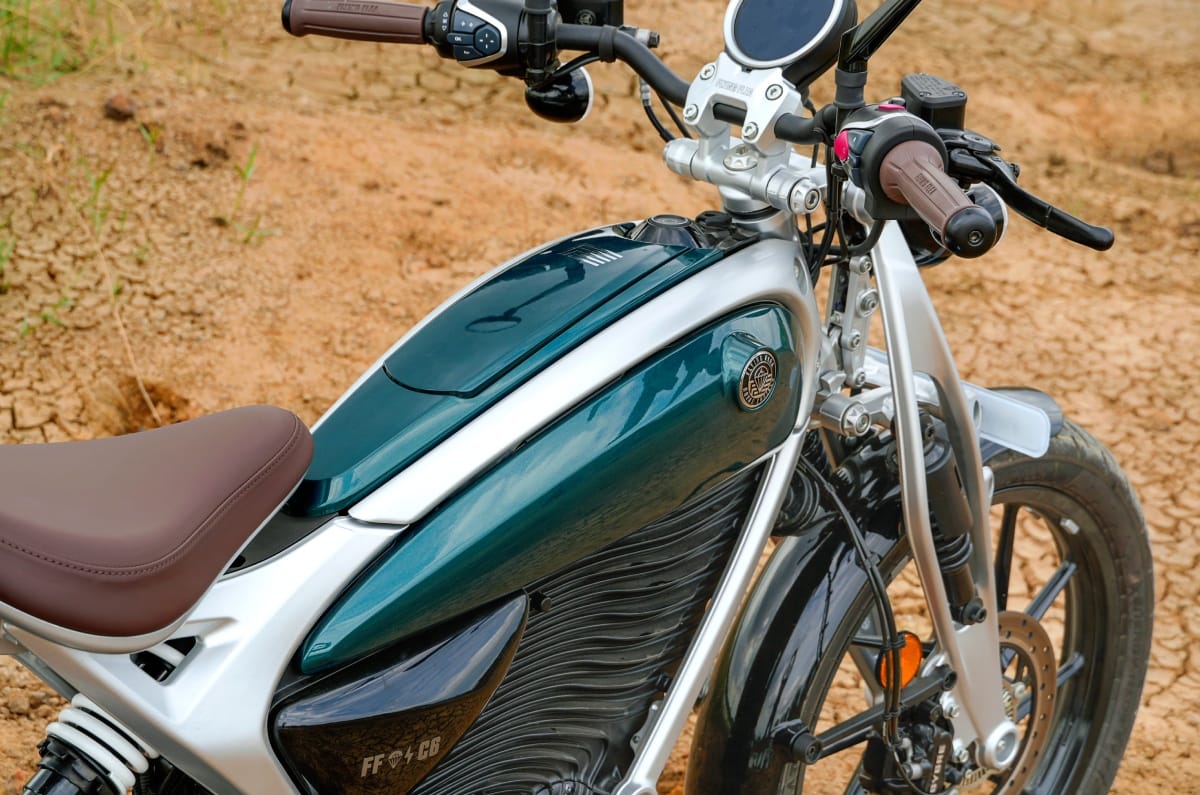
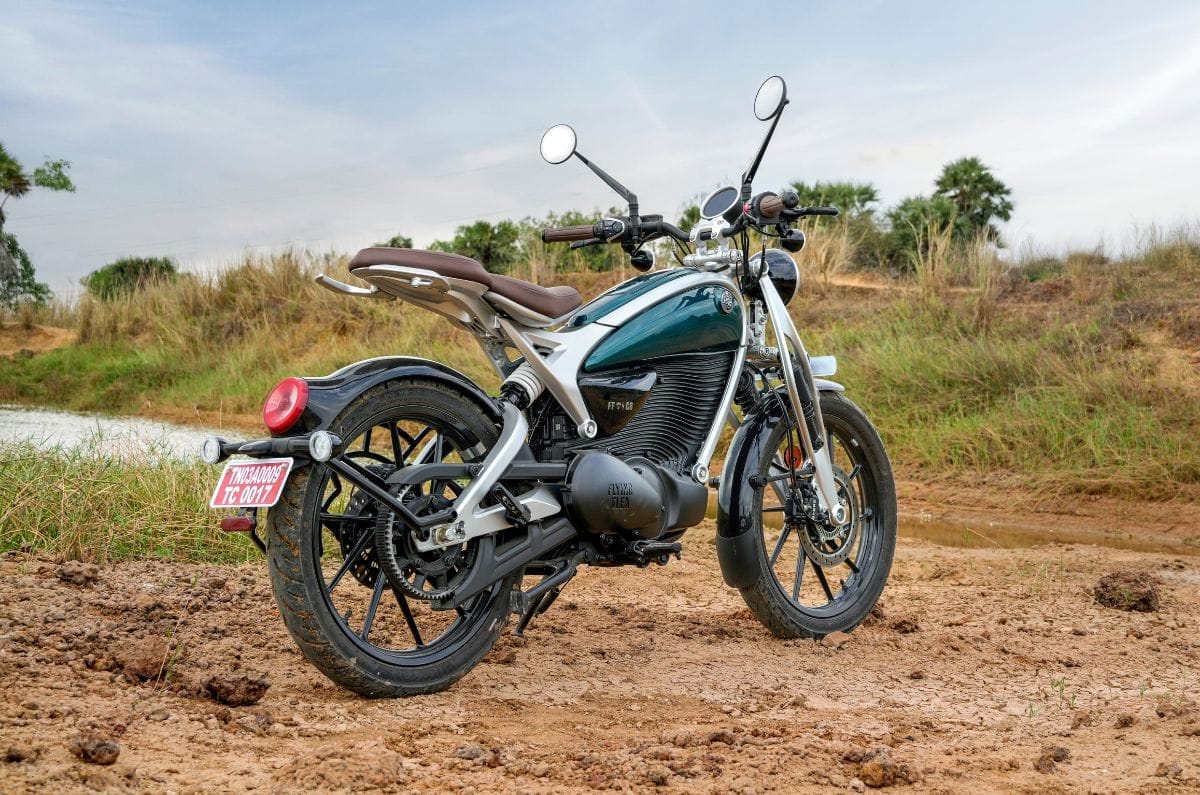
Flying Flea C6 static

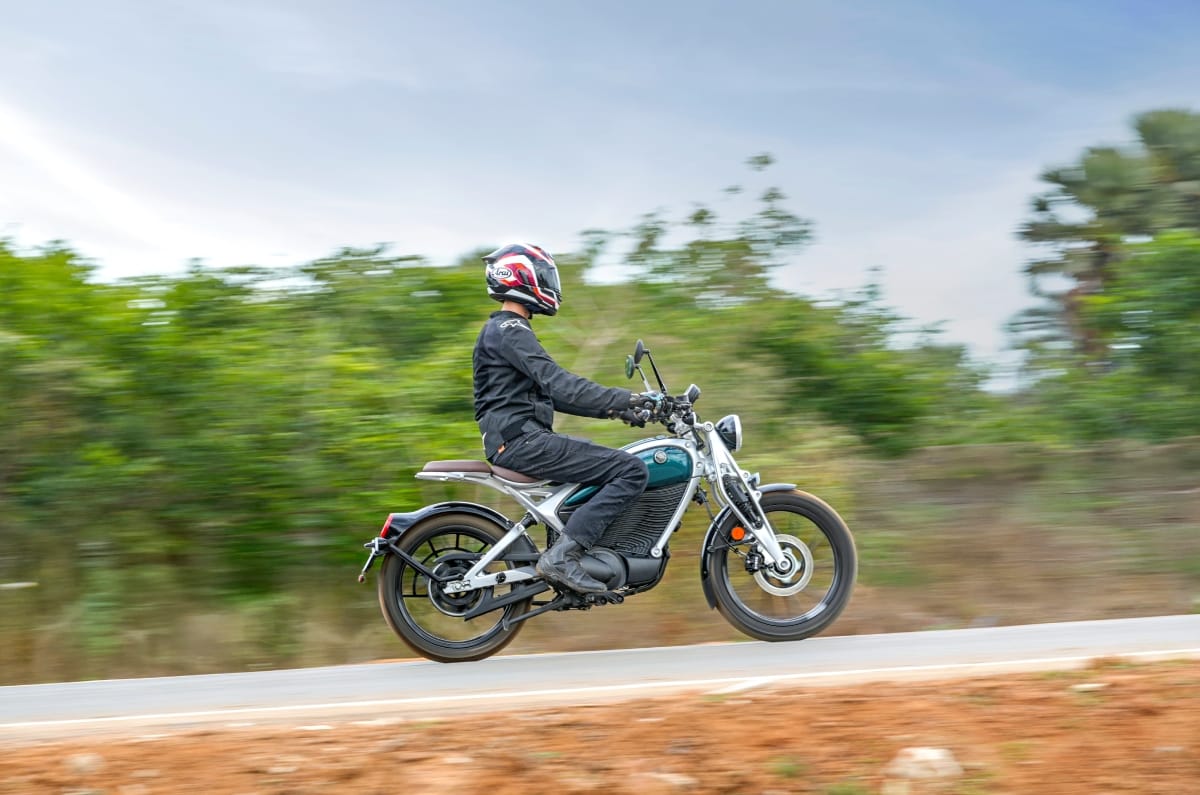
The Flying Flea C6 is Royal Enfield’s first electric motorcycle and, by any measure, one of the most unconventional two-wheelers to come out of an Indian manufacturer. The brand says it isn’t designed to be a high-volume product, but rather as a learning exercise and a statement of intent. During our brief stint with the bike, we found the C6 takes a genuinely different approach to electric mobility. Here’s what works in its favour and a couple of reasons it might not be for everyone.

Reasons to buy the Flying Flea C6

Exciting and engaging to ride

The C6’s performance is more impressive than its compact dimensions might suggest. The 15kW peak motor produces 60Nm and the bike can reach a top speed of around 115kph, which it achieves with ease. More significantly, during our time with the bike we found that this performance is consistently available even as the battery state of charge drops. The motor is capable of 8kW continuous output, which is among the highest of any Indian two-wheeler EV.

Four riding modes – Rain, City, Highway and Sport – are available, along with a custom mode that allows you to tweak throttle response, power level, traction control and regenerative braking independently. 

Beautifully engineered with impressive attention to detail

The C6 is a genuinely fascinating piece of engineering to spend time with. Virtually no steel is used in the structural components – the chassis is a forged aluminium exoskeleton, the swingarm is aluminium, and the battery casing is constructed from magnesium alloy, a material that is significantly lighter than aluminium and has never been used in an Indian two-wheeler before. The girder fork, in particular, is a mechanical highlight – it’s virtually extinct on modern motorcycles and is fascinating to observe both at a standstill and in motion. Royal Enfield has addressed magnesium’s combustibility risk by designing the chassis as a protective exoskeleton around the battery casing. 

High-end technology and thoughtful features

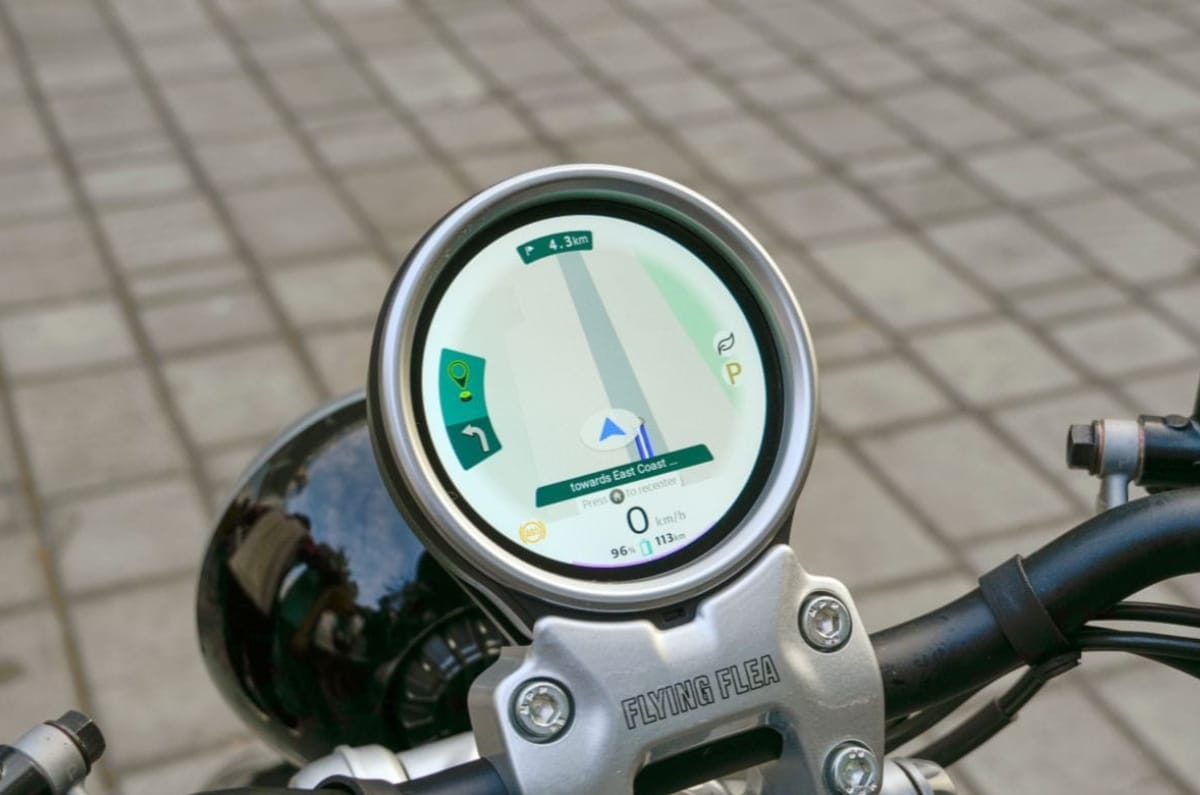
The C6 is the most technically advanced Royal Enfield ever built, by a considerable margin. It comes with cornering ABS, traction control, a 3.5-inch round touchscreen TFT display and keyless operation. A rotary dial on the left switchgear allows riding mode changes on the move and makes for a genuinely intuitive system. App connectivity is standard, and an integrated phone storage compartment with wireless charging allows you to cast Google Maps onto the TFT. An on-board 2kW charger means you only need to carry a cable, not a bulky external unit, and three charging modes let you choose between fast, normal and trickle charging speeds. A notable addition is an optional incognito mode that prevents the bike from relaying data back to the company – a rare and welcome privacy feature for a connected vehicle.

Reasons to skip the Flying Flea C6

Polarising size and limited real-world range

The C6 is a small, compact motorcycle. Deliberately so, given its inspiration from the original World War II-era Flying Flea that needed to be parachute-dropped onto battlefields. Not everyone will find the proportions appealing, and riders expecting a conventional Royal Enfield presence on the road will be surprised by just how compact it feels.

Next, the 3.91kWh battery’s 154km claimed IDC range is modest, and in real-world use the figure varies significantly depending on riding style – aggressive riding can bring it down to 60-70km, while steady riding at 60-70kph makes 100km achievable. The C6 is best suited to urban use; venturing much beyond city limits will require planning. The pillion experience is also compromised, with a small removable rear seat and footpegs mounted on the swingarm that move with the rear suspension.

Price and availability

At Rs 2.79 lakh (ex-showroom), the C6 is a significant ask for a compact, single-speed electric motorcycle with a modest range. That said, given the engineering decisions Royal Enfield has made, it is arguably as reasonable as it could be. More immediately limiting for potential buyers is availability as the C6 is currently only on sale in Bengaluru, with a gradual city-by-city rollout planned. Those outside Bengaluru will have to wait, and there’s no confirmed timeline for when the bike will reach their city.

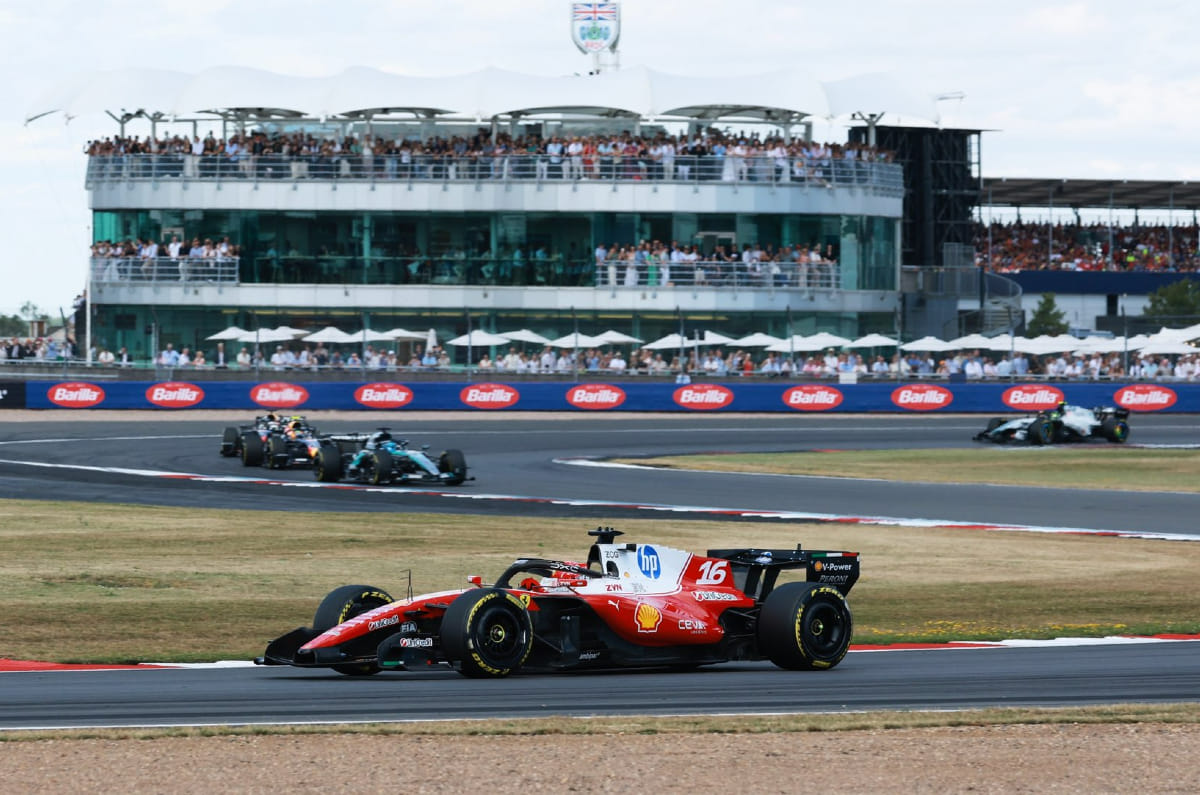
2026 F1: Leclerc wins chaotic British GP

2026 F1 British GP winner Charles Leclerc

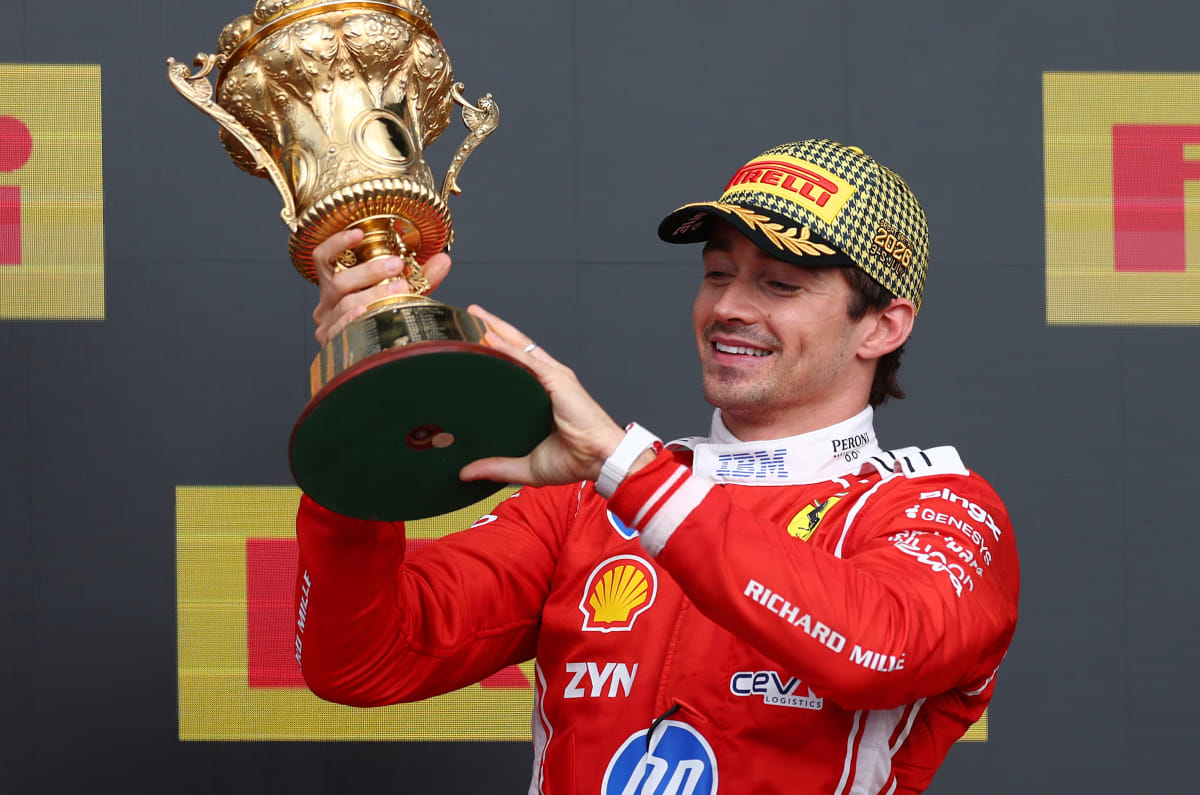
Charles Leclerc survived late-race drama to win the 2026 F1 British GP, which ended behind the Safety Sar following Max Verstappen’s crash. With this, the Ferrari driver ends a 624-day winless drought, scoring his first victory since the 2024 US GP.

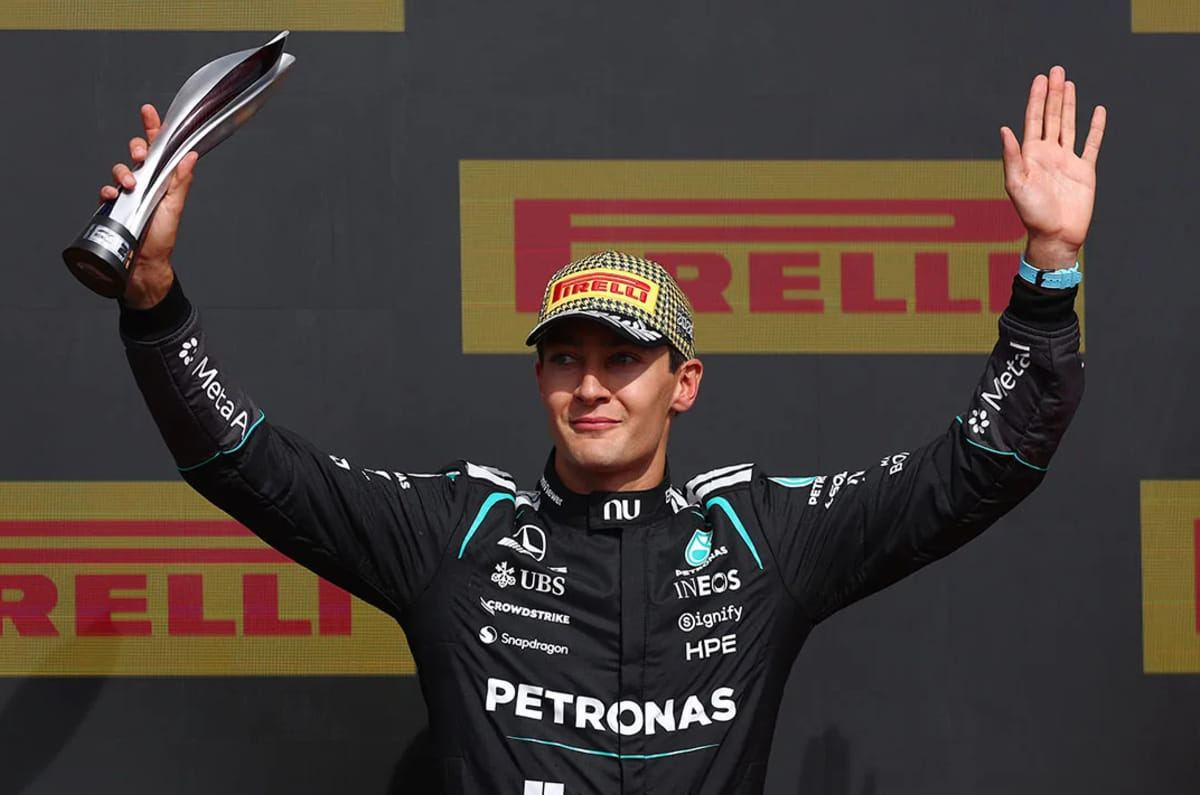
Mercedes’ George Russell benefitted from the late-race Safety Car to finish second. Lewis Hamilton crossed the chequered flag in third place, handing Ferrari a double podium finish.

  1. Leclerc wins ahead of Russell, Hamilton
  2. Antonelli’s championship lead slashed to 25 points

Leclerc ends F1 victory drought

No points for Antonelli after car trouble, penalty

F1 British GP Charles Leclerc

Leclerc aced the race start, grabbing the lead ahead of his teammate Hamilton and polesitter Kimi Antonelli. He then set about further consolidating that lead, only briefly losing it when he made his pit stop. 

Antonelli opted to stretch his first stint till lap 36, and re-joined the track 7.5 sec behind Leclerc. By lap 41, he managed to cut that gap down to just 3.1 sec, but reported car trouble soon after. 

Mercedes brought him into the pits to change his front wing and tyres, but the issues persisted. The team ultimately identified a wheel shield failure, and pitted Antonelli once again to remove the affected part. This dropped Antonelli down to P10, but he was dealt yet another blow as he was handed a five-second penalty for exceeding track limits.

Antonelli’s misfortune cleared the way for Leclerc to take a comfortable win. “It feels incredible,” the Ferrari driver said. “Unfortunately the end was maybe not the one I will have dreamt of but to win after the last few weekends that have been particularly difficult, all the work that we put into trying to get the feeling back in the car.”

Russell benefits from late Safety Car 

F1 British GP George Russell

Hamilton had also been slapped with a five-second penalty, this time for a false start. But he had climbed his way up to second place towards the end of the race. The Briton was just ahead of Russell, who himself had recovered ground after an unscheduled pit stop due to a slow puncture. 

With just five laps to go, Verstappen spun off into the gravel at Stowe, bringing out the Safety Car. While both Ferraris pitted for fresh tyres, Mercedes opted to keep Russell out, handing him P2 ahead of Hamilton. Russell held on to that spot, securing his first F1 podium finish on home soil, as the race ultimately ended behind the Safety Car.

McLaren’s Lando Norris finished P4, followed by Red Bull’s Isack Hadjar and the Racing Bulls duo of Liam Lawson and Arvid Lindblad. Gabriel Bortoleto finished P8, scoring points for Audi. Alpine’s Franco Colapinto and Pierre Gasly, meanwhile, rounded out the top 10.

2026 F1 championship standings

The late Safety Car also hurt Antonelli’s chances. While he was still in the running to score some points, the Safety Car meant he classified down in P16 after his penalty was applied. 
As a result, his championship lead has now been slashed to just 25 points from teammate Russell, who moves back up to second overall. Hamilton is third overall, seven points behind Russell.

F1 will next head to Spa-Francorchamps for the Belgian GP on July 17-19.

2026 F1 British GP results

Pos

Driver

Team

1

Charles Leclerc

Ferrari

2

George Russell

Mercedes

3

Lewis Hamilton

Ferrari

4

Lando Norris

McLaren

5

Isack Hadjar

Red Bull Racing

6

Liam Lawson

Racing Bulls

7

Arvid Lindblad

Racing Bulls

8

Gabriel Bortoleto

Audi

9

Franco Colapinto

Alpine

10

Pierre Gasly

Alpine

11

Oscar Piastri

McLaren

12

Carlos Sainz

Williams

13

Oliver Bearman

Haas

14

Esteban Ocon

Haas

15

Sergio Perez

Cadillac

16

Kimi Antonelli

Mercedes

17

Valtteri Bottas

Cadillac

18

Fernando Alonso

Aston Martin

19

Lance Stroll

Aston Martin

20

Max Verstappen

Red Bull Racing

NC

Alex Albon

Williams

NC

Nico Hulkenberg

Audi