2027 Kawasaki Ninja H2 to make less power

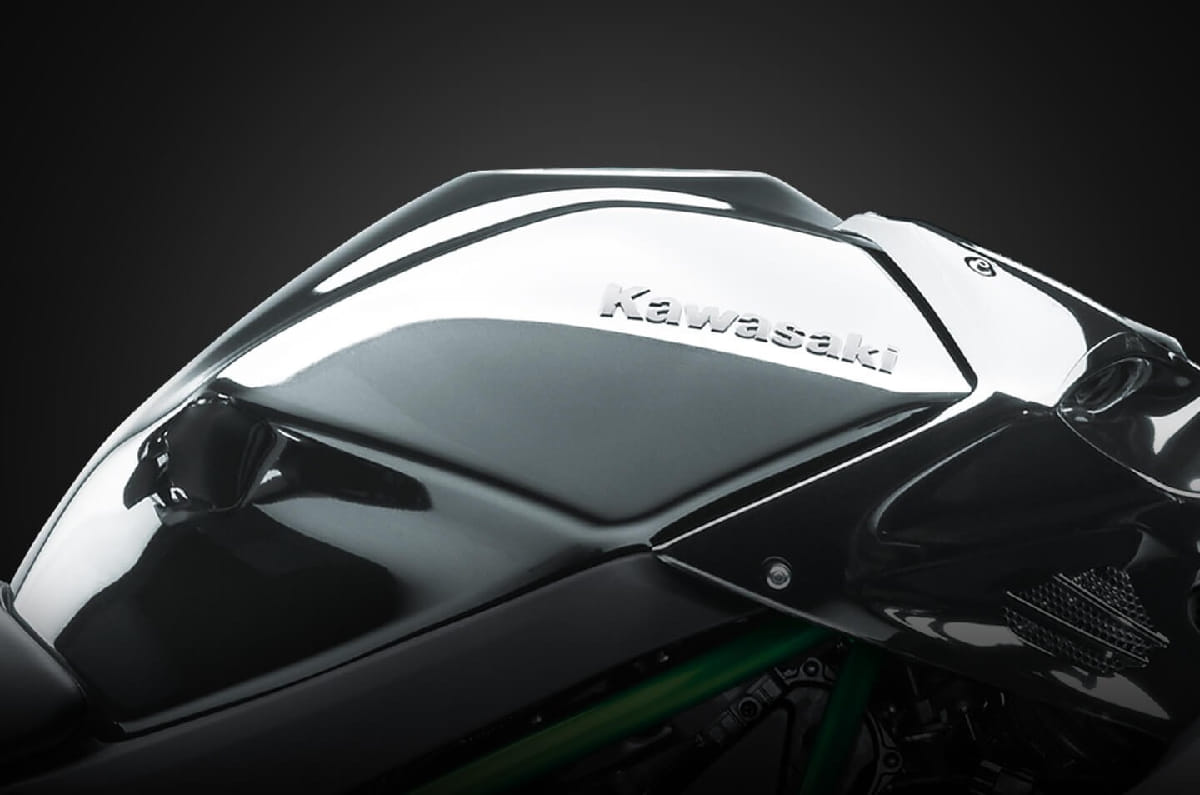
Ninja H2 tank detail close up

A little over a decade ago, Kawasaki unveiled a motorcycle that immediately secured its place in the history books. The Ninja H2 (along with its track-only H2R sibling) made headlines for being among the first production motorcycles to feature a supercharged engine. The forced-induction 998cc inline-four produced astonishing power figures that helped define the bike’s identity. Since then, Kawasaki has expanded its supercharged lineup with the more road-focused Z H2 SE, and it now appears that the fully faired Ninja H2 could be adopting a similar engine tune for 2027.

  1. Peak power could drop from 240hp to 197hp
  2. Will reportedly use the same exhaust system as the Z H2 SE

2027 Kawasaki Ninja H2 power drop

New model codes hint at more extensive updates than just an engine retune

Emissions filings with the US Environmental Protection Agency (EPA) reveal that the 2027 Ninja H2 has been certified with the same 197hp peak output as the Z H2 SE. The naked bike uses a lower state of tune of Kawasaki’s 998cc supercharged inline-four, producing 197hp at 10,500rpm, compared to the outgoing Ninja H2’s 240hp at 11,500rpm.

A separate filing with the California Air Resources Board (CARB) also confirms that the 2027 Ninja H2 will use the same exhaust system as the Z H2 SE, with a secondary catalytic converter, likely to meet tightening emissions regulations. 

Interestingly, Australian homologation documents reveal that the 2027 Ninja H2 and H2 Carbon carry new model codes instead of the current designation. This suggests Kawasaki could be preparing a more comprehensive update rather than a simple engine retune, although no further details have emerged yet.

As for the track-only Ninja H2R, there’s currently no indication of whether it will receive similar changes. Since it isn’t road legal, it isn’t subject to the same emissions requirements as the standard H2, giving Kawasaki considerably more flexibility with its flagship 322hp machine.

The Ninja H2 isn’t sold in India, but its sport-touring sibling, the Ninja H2 SX SE, is listed on Kawasaki India’s website. That said, it is still a MY25 model while several other models have already been updated to MY27 specifications. While Kawasaki is expected to expand its Indian portfolio with additional global models next year, there is nothing to suggest the updated Ninja H2 will be among them.

Source: Motorcycle.com

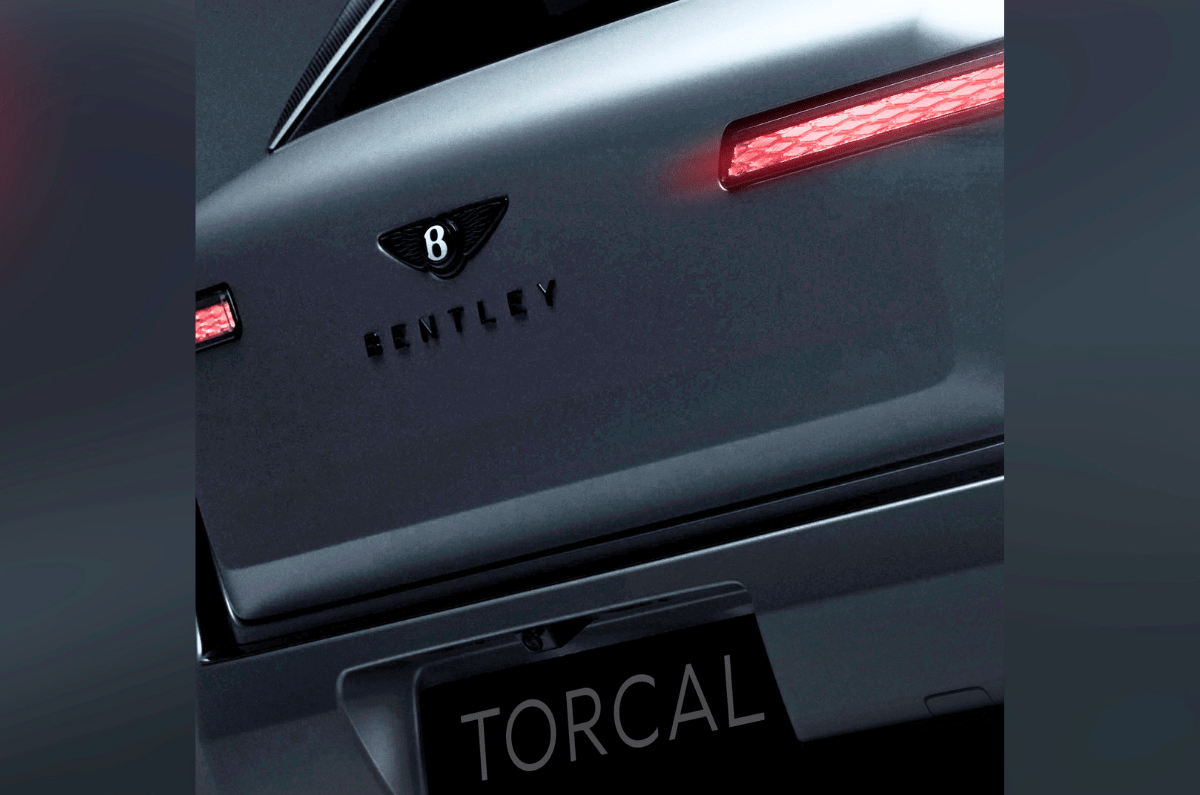
Bentley Torcal christened as brand’s first EV

Bentley Torcal

Luxury marque Bentley has revealed the name of its first EV – Torcal – ahead of its debut on September 23. Like the Bentayga, the Torcal is named after a natural landmark. In this case, it takes its name from El Torcal de Antequera, a limestone rock landscape in Andalusia, Spain. The name also refers to the Latin verb ‘torquere’, meaning to twist, from which the word torque is derived. Based on the 2025 Bentley EXP 15 concept, the pre-production of the SUV began in November last year at the brand’s Crewe facility.

The Torcal was originally planned to debut last year, but it was delayed due to weak demand for luxury electric cars. Other EVs planned after the Torcal have also been delayed, with Bentley dropping its earlier target of becoming an all-electric carmaker by 2030. The company will now debut a new plug-in hybrid or electric vehicle each year until 2035.

Bentley Torcal range, platform

Speaking to Autocar UK, Bentley director of design Robin Page confirmed the Torcal will offer a range of over 300 miles (or 483km). “We’re finding that there’s a sweet spot in terms of range. Our customers are basically telling us that 300 miles to 350 miles (or 563km) is that sweet spot. Beyond that, they’ll use the private jet,” he told the publication further.

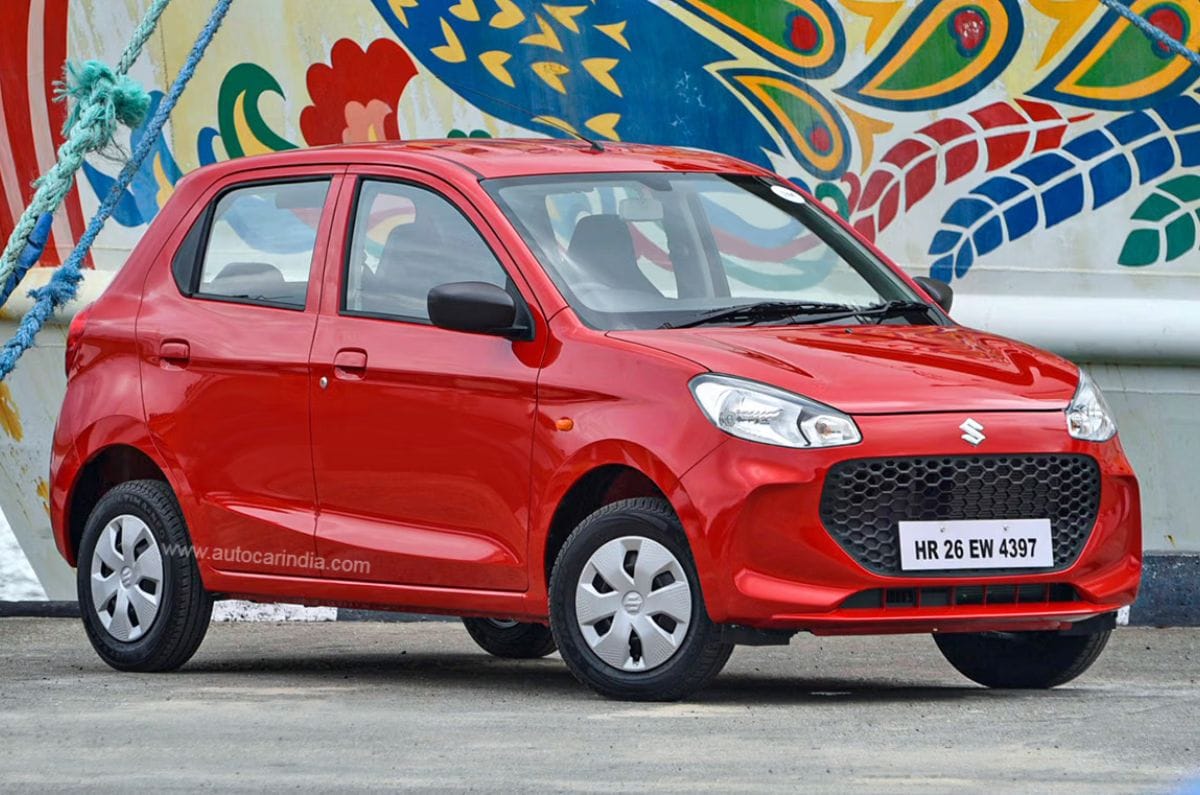
Maruti Alto K10 exterior and interior image gallery

Maruti Alto K10 front quarter static

Among Maruti Suzuki’s extensive line-up, the Alto K10 sits just above the S-Presso. It’s one of the brand’s most affordable cars in India, and is available in petrol and CNG variants. Under the bonnet is a 998cc three-cylinder K10C engine producing a maximum of 68.5hp and 91.1Nm. While the petrol and CNG versions come as standard with a 5-speed manual gearbox, only the petrol version comes with the option of a 5-speed automated manual transmission.

Also see

2026 Renault Kwid exterior and interior image gallery

Tata Sierra EV Sanctuary Edition in pictures

‘Viking Row’ क्या है यह जश्न का तरीका जिसे नॉर्वे की टीम लाई सुर्खियों में?

Erling Haaland

ब्राजील जैसे दिग्गज को हराने के बाद स्टार स्ट्राइकर एर्लिंग हालैंड स्टेडियम के बीचोंबीच ड्रम पीटते नजर आये और लाल जर्सी में बैठे नॉर्वे के प्रशंसकों ने अनूठे ‘Viking Row’ अंदाज में जश्न मनाया तो दुनिया भर के फुटबॉल प्रेमियों के रोंगटे खड़े हो गए।पांच बार के चैम्पियन ब्राजील को हराकर विश्व कप के क्वार्टर फाइनल में पहुंची नॉर्वे टीम के प्रशंसकों का जश्न मनाने का यह अंदाज अब दुनिया भर में लोकप्रिय हो गया है। नॉर्वे के असाधारण प्रदर्शन, हालैंड के मैच दर मैच बढते गोल और प्रशंसकों की एकजुटता का परिचायक बन गया है ‘वाइकिंग रो’।

सोशल मीडिया इसकी रील्स और फोटो से भरा हुआ है और बोस्टन से लेकर न्यूयॉर्क के टाइम्स स्क्वेयर तक और नॉर्वे की संसद से लेकर दिल्ली में इंडिया गेट तक ‘वाइकिंग रो’ की झलक देखने को मिल रही है।

क्या है वाइकिंग रो

इसकी शुरुआत में सबसे पहले नॉर्वे का एक पारंपरिक हॉर्न बजाया जाता है, जिसके बाद सभी फैंस जमीन पर एक लाइन में बैठ जाते हैं, मानो वे किसी पुरानी ‘Viking Longboat’ (समुद्री नाव) में बैठे हों। फिर एक लीडर ड्रम बजाना शुरू करता है। शुरुआत में बीट बहुत धीमी होती है, जो धीरे-धीरे तेज होती जाती है।ड्रम की बीट के साथ हजारों फैंस एक साथ अपने हाथों से नाव चलाने का एक्शन करते हैं और पूरी ताकत से ‘रो!’ चिल्लाते हैं। मैदान में जब हजारों लोग लाल रंग की नॉर्वे की जर्सी पहनकर एक साथ यह करते हैं, तो स्टेडियम जोश से भर जाता है ।

अमेरिका के ईस्ट रदरफोर्ड में ब्राजील के खिलाफ मैच से पहले मीलों दूर दिल्ली में इंडिया गेट पर भी नॉर्वे के प्रशंसक ‘ वाइकिंग रो’ करते नजर आये। इस वीडियो को भारत में नॉर्वे के दूतावास ने सोशल मीडिया पर साझा करते कैप्शन दिया ,‘‘ नॉर्वे फुटबॉल का जोश भारत में। इंडिया गेट पर वाइकिंग रो।’’

फीफा की आधिकारिक वेबसाइट के अनुसार इसकी शुरूआत दिसंबर 2025 में हुई जब ओले फ्रोयस्टाड ( अब मिस्टर रो रो के नाम से मशहूर) ने समुद्री नाव चलाने से प्रेरित यह नारा दिया।उन्होंने फीफा से कहा ,‘‘ लोगों को इस तरह साथ में नाव चलाने का एक्शन करते देखना मजेदार है। मैने सोचा भी नहीं था कि वाइकिंग रो इतना मशहूर हो जायेगा।’’नॉर्वे के प्रशंसकों के आधिकारिक समूह ने इसे बड़े पैमाने पर लोकप्रिय कर दिया।

‘वाइकिंग रो’ भले ही त्वरित प्रतिक्रिया लगे लेकिन यह काफी तैयारी के साथ किया जाता है। ‘वाइकिंग हॉर्न’ बजते ही प्रशंसक समझ जाते हैं कि अब कतार में बैठने का समय है।फीफा विश्व कप में तो टीम की हर जीत के बाद खिलाड़ी और प्रशंसकों के बीच यह सेतु की तरह हो गया। एक की बजाय दो ड्रम बजाये जाने लगे ताकि मैदान के कोने कोने में बैठे दर्शक जुड़ सकें।

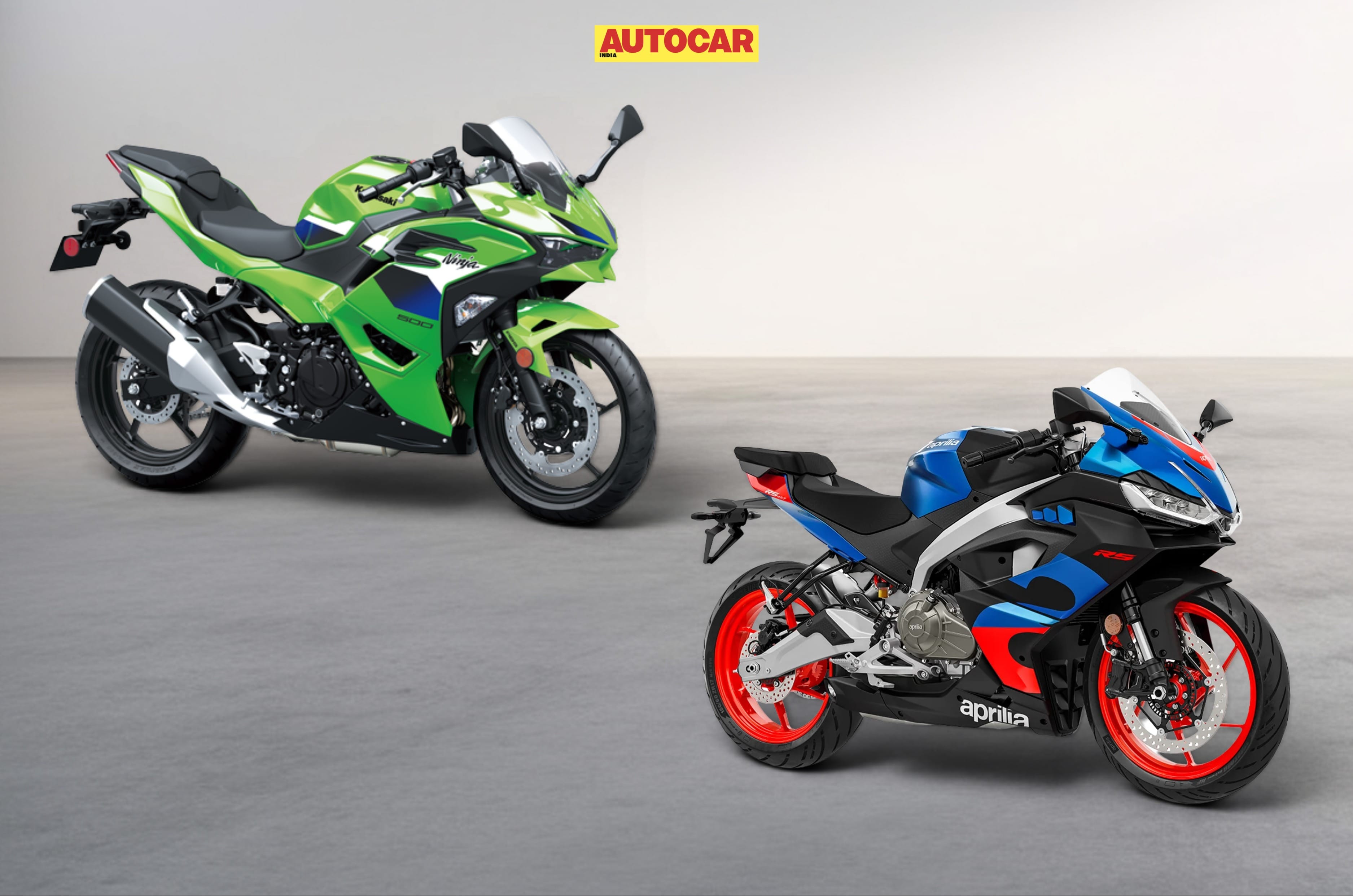
Kawasaki Ninja 500 vs Aprilia RS 457: Price and specification comparison

Kawasaki Ninja 500 vs Aprilia RS 457: Price and specification comparison

The Aprilia RS 457 and Kawasaki Ninja 500 are two of the few fully faired, twin-cylinder motorcycles in the sub-500cc segment, but they take distinctly different approaches. While the Aprilia prioritises outright performance and premium hardware, the Ninja 500 focuses on accessibility and mechanical simplicity. Here’s how the two compare on paper.

 Kawasaki Ninja 500 vs Aprilia RS 457: Engine and output


Kawasaki Ninja 500

Aprilia RS 457

Engine

451cc, parallel-twin, liquid-cooled

457cc, parallel-twin, liquid-cooled

Peak Output

45.4hp at 9,000rpm

47.6hp at 9,400rpm

Peak Torque

42.6Nm at 6,000rpm

43.5Nm at 6,700rpm

Gearbox

6-speed

6-speed

Power-to-weight ratio

265.5 hp/tonne

272hp/tonne

RS 457 produces more power and has a better power-to-weight ratio

Although both motorcycles use liquid-cooled parallel-twin engines, they have been engineered with different priorities. The RS 457 employs a 270-degree crankshaft, giving it an uneven firing order, while its ride-by-wire throttle allows Aprilia to equip it with rider aids such as traction control, riding modes and an optional bidirectional quickshifter. The Ninja 500, meanwhile, sticks to a cable-operated throttle and a more straightforward electronics package. On paper, the Aprilia also enjoys a slight edge in outright performance and power-to-weight ratio.

Kawasaki Ninja 500 vs Aprilia RS 457: Weight and dimension


Kawasaki Ninja 500

Aprilia RS 457

Kerb weight

171kg 

175kg

Wheelbase

1375mm 

NA

Ground clearance

145mm 

150mm

Seat height

785mm 

800mm

Fuel capacity

14 litres 

13 litres

RS 457 gets an aluminium twin-spar frame; Ninja 500 uses a steel trellis frame.

The biggest distinction between the two lies in their chassis construction. The RS 457 uses an aluminium twin-spar frame, while the Ninja 500 is built around Kawasaki’s high-tensile steel trellis frame. Despite the different approaches, the Aprilia is only 4kg heavier. Beyond that, the differences are relatively subtle, with the Ninja 500 offering a lower seat height and a larger fuel tank, while the RS 457 has a marginally longer wheelbase and slightly more ground clearance.

Kawasaki Ninja 500 vs Aprilia RS 457: Tyres, brakes and suspension


Kawasaki Ninja 500

Aprilia RS 457

Tyres

110/70-R17 / 

150/60-R17

110/70-R17 / 150/60-R 17

Suspension

Telescopic fork / monoshock

USD fork / monoshock

Brakes

310mm disc / 220mm disc

320mm disc / 220mm disc

The Ninja 500 comes with an axially mounted Nissin caliper

While both motorcycles ride on 17-inch alloy wheels wrapped in 110-section front and 150-section rear tyres, their suspension and braking hardware take different approaches. The RS 457 gets a 41mm preload-adjustable USD fork, whereas the Ninja 500 uses a 41mm telescopic fork. Both bikes feature a preload-adjustable monoshock.

The Aprilia also has the more sophisticated braking setup on paper. It uses a 320mm front disc paired with a radially mounted ByBre caliper, while the Ninja 500 gets a 310mm front disc with an axially mounted two-piston Nissin caliper. Both motorcycles come equipped with dual-channel ABS as standard.

Kawasaki Ninja 500 vs Aprilia RS 457: Features

The RS 457 enjoys a clear edge when it comes to electronics. Its ride-by-wire throttle unlocks a more comprehensive rider aid suite, comprising three riding modes, three-level traction control, and an optional bidirectional quickshifter. It also gets a 5-inch TFT display with Bluetooth connectivity and turn-by-turn navigation.

The Ninja 500, in contrast, takes a simpler approach. The India-spec motorcycle comes with an LCD instrument cluster, LED lighting, dual-channel ABS and an assist-and-slipper clutch as standard, but misses out on electronic rider aids such as traction control, riding modes and a quickshifter. The pared-back equipment list is in keeping with the Ninja 500’s focus on offering a straightforward, easy-to-live-with riding experience.

Kawasaki Ninja 500 vs Aprilia RS 457: Price


Kawasaki Ninja 500

Aprilia RS 457

Price

Rs 4.22 lakh (ex – showroom, Mumbai)

Rs 5.76 lakh (ex-showroom, India)

RS 457 offers a significantly lower entry price than the Ninja 500

The Aprilia RS 457 is priced at Rs 4.22 lakh, while the Kawasaki Ninja 500 costs Rs 5.76 lakh (both ex-showroom, India), a difference of Rs 1.54 lakh. While the specification sheet provides a useful point of comparison, the final decision will ultimately depend on whether buyers prioritise the Aprilia’s stronger value proposition or the Ninja 500’s broader ownership appeal.
 

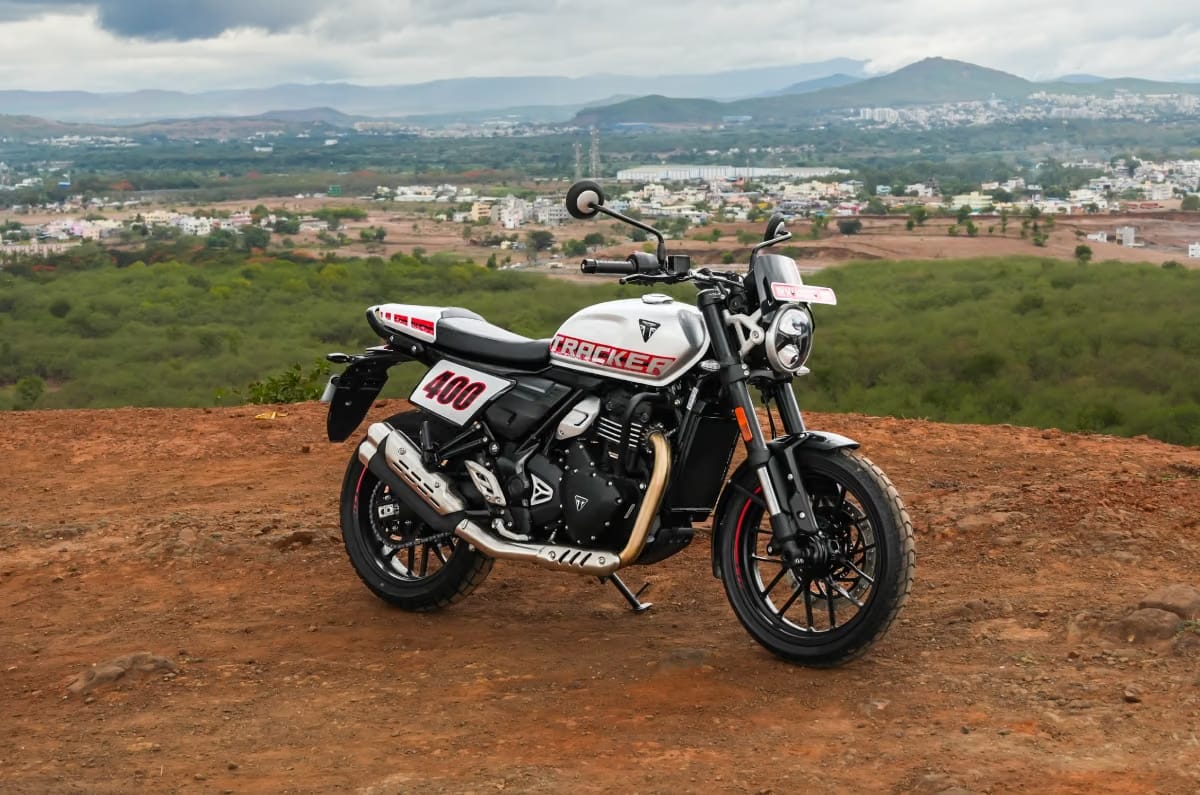
350cc Triumph 400 range prices hiked again

Triumph Tracker 400 static

Triumph has once again revised prices across its entire 350cc range, with all six models now more expensive than they were after the previous hike just over a month ago. This marks the second price revision since the 350cc platform was introduced in April, when the motorcycles initially received a price cut following the GST reduction. With this latest round of increases, some models now cost more than they did when they were powered by the larger 399cc engine.

  1. All six models in the Triumph 400 range receive price increases
  2. Scrambler 400 XC now costs Rs 2.99 lakh
  3. Speed T4 rises to Rs 2.09 lakh

Triumph 350cc range updated prices

The Speed T4 is now Rs 14,000 more expensive than it was at the start of the year

During the previous round of price revisions, the Scrambler 400 X and the then newly launched Tracker 400 were spared any increase. That is no longer the case, with all six models now receiving price hikes ranging from Rs 3,000 to Rs 10,000.

The Speed T4, which had remained unaffected for the longest time, sees the biggest increase this time around. Its price has gone up by Rs 10,000 to Rs 2.09 lakh, making it Rs 14,000 more expensive than it was at the start of the year, when it was still powered by the larger engine.

The Speed 400 and Scrambler 400 X each become around Rs 6,000 more expensive, while the Scrambler 400 XC and Thruxton 400 receive hikes of around Rs 5,000 each. The Tracker 400 sees the smallest increase, at just under Rs 3,000.

Model

Old price

Current price

Speed T4

Rs 1.99 lakh

Rs 2.09 lakh

Speed 400

Rs 2.34 lakh

Rs 2.40 lakh

Tracker 400

Rs 2.46 lakh

Rs 2.49 lakh

Scrambler 400 X

Rs 2.59 lakh

Rs 2.65 lakh

Scrambler 400 XC

Rs 2.94 lakh

Rs 2.99 lakh

Thruxton 400

Rs 2.70 lakh

Rs 2.75 lakh

All prices, ex-showroom, Delhi.

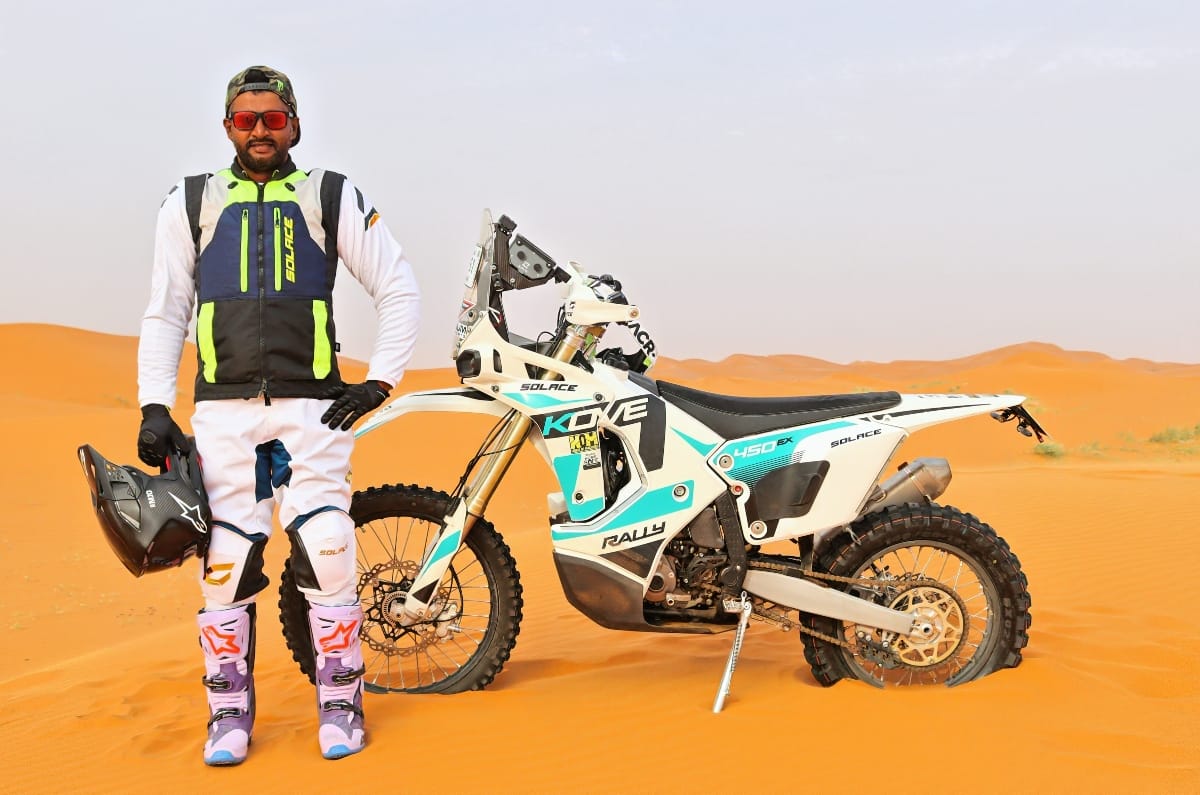
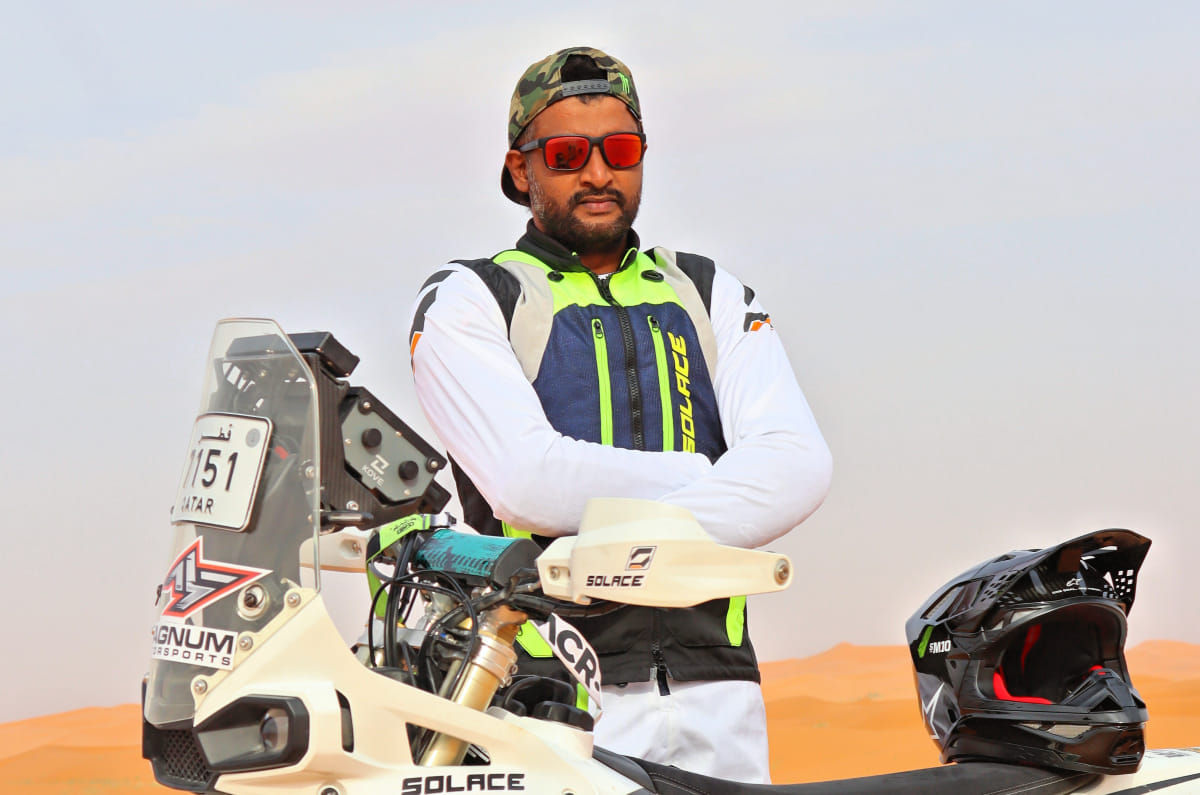
Asad Khan stepping up to international rally raid

Asad Khan Bajas World Cup

After winning the Indian National Rally Championship six times, Asad Khan is all set to make his international rally-raid debut later this year. His first outings will be in the Qatar Off-Road Championship, before competing in the FIM Bajas World Cup rounds in Qatar and Dubai.

  1. Khan currently has six national titles to his name
  2. To compete in Qatar and Dubai rounds of Bajas World Cup

India’s Asad Khan to race in FIM Bajas World Cup

Will make international debut in Qatar Off-Road Championship

Asad Khan

Khan started his motorsport journey on the plantation trails of Chikmagalur in Karnataka, inspired by his father’s rally racing experience. Since then, he’s gone on to become one of the most prominent names in Indian off-road racing, winning the Indian National Rally Championship six times and even the inaugural edition of the Hero Dirt Biking Challenge. He’s secured over 200 podium finishes across multiple rally, supercross and dirt-track events.

He’s now all-set to compete in the FIM Bajas World Cup rounds in Qatar (October 28-31) and Dubai (November 5-8), with backing from Indian riding gear brand Solace. Unlike the much longer cross-country rallies these Bajas events usually span two-to-three days. It still pushes both riders and machines to the limit, with events involving long days in the saddle, often over gruelling terrain. This year’s championship features seven rounds, with Qatar and Dubai hosting the last two.

In the build-up to his Bajas World Cup debut, Khan has confirmed that he’ll also be participating in the Qatar Off-Road Championship this October.

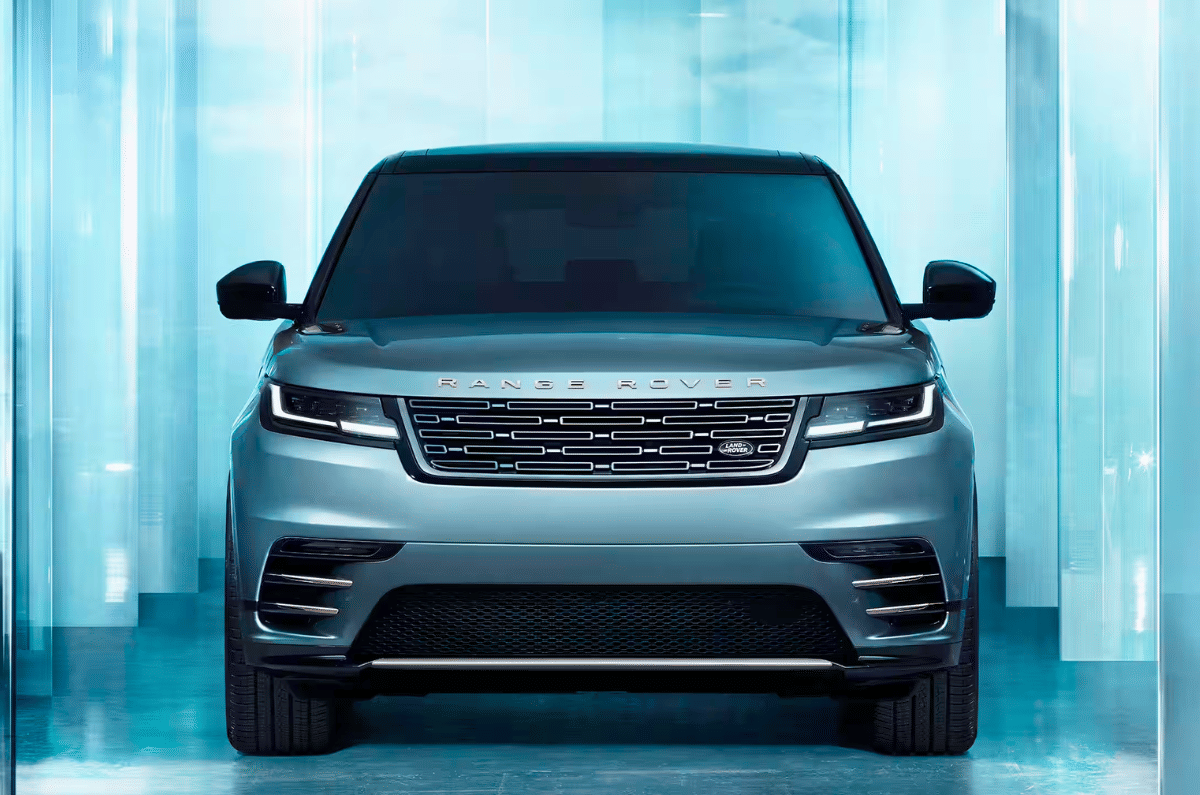
Upcoming Range Rover Velar replacement to get hybrid powertrain

Range Rover Velar

The Range Rover Velar successor will debut with an electric powertrain within the next six months, according to Autocar UK, and a hybrid powertrain option will be added later. The company claims that the new model is “planned to provide flexibility in the future through a full hybrid electric vehicle propulsion offering”. The upcoming baby Defender (widely reported to be christened the Defender Sport) will follow by also offering hybrid and electric powertrain choices, and it’s expected to be revealed in 2027.

New Range Rover SUV details so far

To use Electrified Modular Architecture

Both the Range Rover Velar replacement and the new Defender will be based on JLR’s Electrified Modular Architecture (EMA) platform, which is an electric-only architecture. But as we had reported earlier, it will be re-engineered to underpin hybrid vehicles as part of an effort to offer more choice across the portfolio. This also marks a return to an earlier plan to offer the EMA as a multi-fuel platform and the hybrid powertrain is said to be a “unique new addition to JLR’s [ICE] portfolio”. JLR stated this move recognises that global demand still exists for combustion engine-based drivetrains.

Fast charging support, 800V hardware likely

Exact details about the type of hybrid powertrain are under wraps as of now, and it remains to be seen if a range-extender system is offered, which was mooted back in 2021. Technical specifications of the EV version are also unclear, but the Autocar UK report suggests that it may be equipped with same 800V hardware that’s said to allow the upcoming Range Rover Electric to recharge as quickly as the fastest-charging EVs in the world.

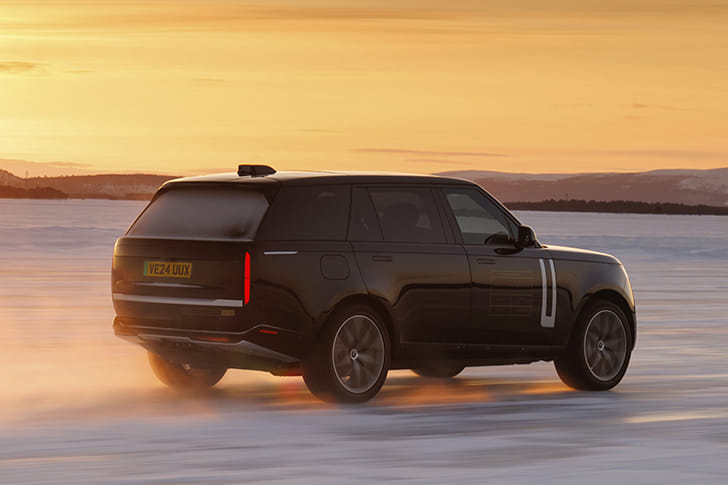
Range Rover Electric
Upcoming Range Rover Electric (prototype pictured here for representation).

It is not yet known if the smaller EV, which is assumed to be roughly as long as the current combustion Velar, at about 4.8 metres, could take the same substantial 118kWh battery pack as its bigger Range Rover EV. Notably, the Range Rover Electric’s MLA platform was designed to be modular from the beginning with provision for an ICE drivetrain in the chassis. But whether it’s possible that more cells could fit into a smaller wheelbase on an EMA-based model remains to be seen. The EV’s batteries will come from the new Somerset gigafactory, being built by Tata’s Agratas.

Test mules seen with a rakish rear roofline

Instead of the traditional two-box SUV silhouette associated with Land Rover and Range Rover SUVs, test mules of the upcoming SUV seen abroad had a sleeker and more rakish look. Its roofline is sharply angled down at the back, where a small, saloon-style deck extends out.

New Range Rover SUV rivals

Mercedes GLC, BMW X3

The new SUV will take on the likes of the Mercedes GLC, BMW X3 and Volvo XC60, along with their respective EV counterparts. Faltering demand for electric luxury models worldwide has prompted many carmakers, including Aston Martin, Bentley, Lotus and Porsche, to delay or scale back their plans to electrify their line-ups fully in recent times. The debuts of flagship Jaguar and Range Rover EVs have been delayed as well, which is understood to be done in anticipation of the demand picking up.

Tata Sierra EV vs Harrier EV: Whose top trim offers more value?

Tata Sierra EV vs Harrier EV: Whose top trim offers more value?

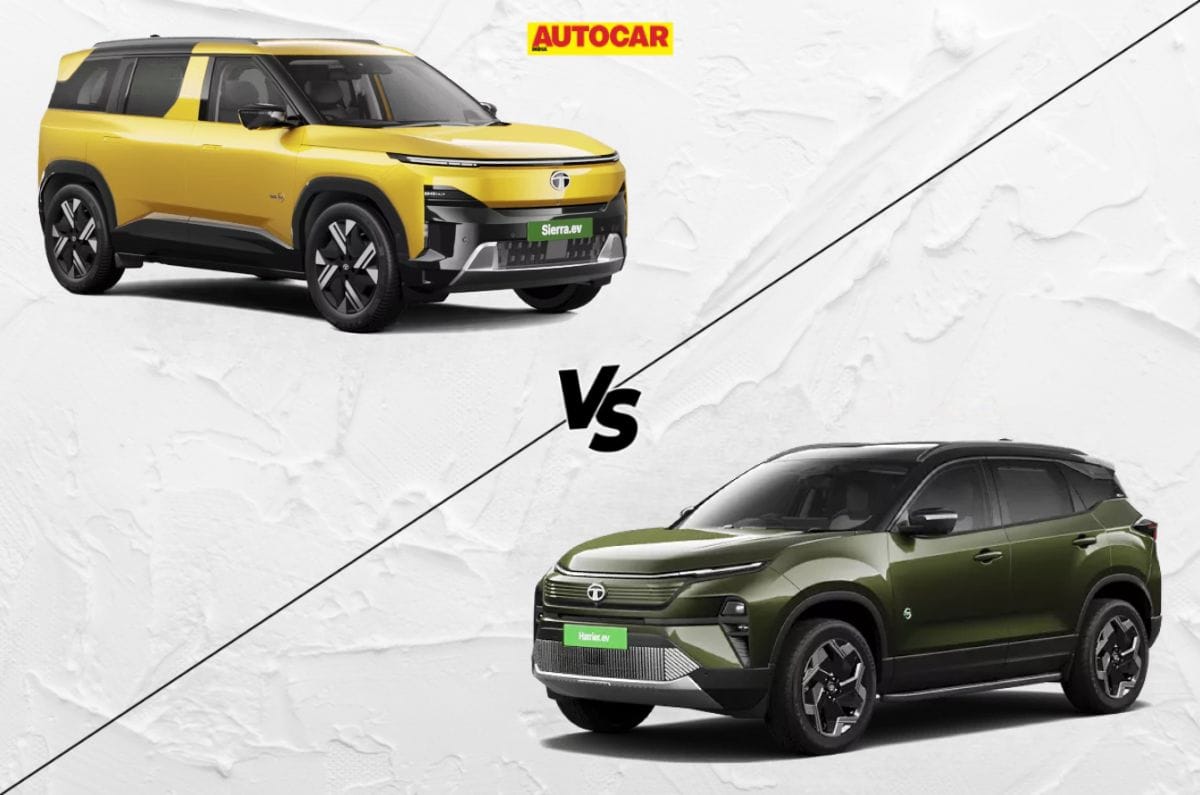
The Tata Sierra EV was recently launched as the manufacturer’s second all-electric offering with a dual-motor AWD choice. It is positioned between the Curvv EV and Harrier EV, the latter of which is also offered with an AWD option. So, between the Sierra EV and Harrier EV, whose top trim offers more features and better specifications? Let us find out.

Tata Sierra EV vs Harrier EV: Dimensions

Although smaller in size, the Sierra EV offers a larger boot and frunk

Tata Sierra EV vs Harrier EV dimensions and other specifications


Sierra EV 

Harrier EV

Difference

Length (mm)

4340

4607

-267

Width (mm)

1841

1922

-81

Height (mm)

1750

1740

+10

Wheelbase (mm)

2730

2741

-11

Ground clearance (mm)

205

Boot space (litres)

622

502

+120

Frunk space (litres)

55

35

+20

Number of seats

5

5

While the height and wheelbase of both the Sierra EV and Harrier EV are similar, the Harrier EV is longer and wider by a considerable margin. However, the Sierra EV offers a 120-litre larger boot space and a 20-litre larger frunk.

Notably, Tata has not revealed the official ground clearance figures of the Harrier EV, but it is likely to be similar to the Sierra EV’s 205mm ground clearance.

Tata Sierra EV vs Harrier EV: Powertrain

Both get similar battery packs, but the Harrier EV offers more potent electric motors

Tata Sierra EV vs Harrier EV: Powertrain specifications


Sierra EV RWD

Harrier EV RWD

Sierra EV AWD

Harrier EV AWD

Battery pack

75kWh

75kWh

75kWh

75kWh

eMotor configuration*

RWD

RWD

AWD

AWD

Power (hp)

209

238

140 (front), 209 (rear)

158 (front), 238 (rear)

Torque (Nm)

315

315

504

504

Claimed range (km)

665

627

624

622

*RWD = Rear-wheel-drive; AWD = All-wheel-drive

Top-spec trims of both the Sierra EV and the Harrier EV get identical 75kWh battery packs powering either a rear-axle-mounted (RWD) motor or dual electric motors (AWD). The Harrier EV RWD produces 29hp more than the Sierra EV RWD and has a higher claimed range.

With the AWD setup, the combined torque output of both SUVs is 504Nm, but their power outputs differ. The Harrier EV is the more powerful eSUV, its front and rear motors producing 18hp and 29 more than the Sierra EV, respectively.  The claimed range of both Tata EVs is similar too.

Notably, the Sierra EV’s lower variants are offered with a 63kWh battery with an RWD motor, and the Harrier EV is also available with a smaller 65kWh battery with an RWD setup.

Tata Sierra EV vs Harrier EV: Exterior

Both eSUVs offer identical exterior features

Tata Sierra EV vs Harrier EV: Exterior


Sierra EV Empowered A

Harrier EV Empowered

Headlights

Auto projector LED

Auto projector LED

Taillights

Connected LED

Connected LED

DRLs

Connected LED

Connected LED

Front fog lamps

LED, cornering function

LED, cornering function

Flush door handles

Yes

Yes

Wheels

19-inch alloy

19-inch alloy

Powered ORVMs

Yes

Yes

Roof rails

Yes

Yes

Sharkfin antenna

Yes

Yes

Colour

Monotone, Dual tone

Monotone, Dual tone

Exterior features on both the top-spec Sierra EV and Harrier EV are identical. These include an all-LED lighting setup, 19-inch rims, powered outside rearview mirrors (ORVMS) and roof rails.

Tata Sierra EV vs Harrier EV: Interior and features

Sierra EV offers three screens and more speakers, but misses out on boss mode

Tata Sierra EV vs Harrier EV: Interior and features


Sierra EV Empowered A

Harrier EV Empowered

Driver’s display

10.25-inch

10.25-inch

Infotainment screen

12.3-inch

14.5-inch

Passenger display

12.3-inch

Android Auto, Apple CarPlay

Yes, wireless

Yes, wireless

Audio system

12-speaker JBL

10-speaker JBL Black

On-board navigation

Yes

Yes 

Sunroof

Panoramic

Panoramic

Powered tailgate

Yes

Yes

Climate control

Dual-zone

Dual-zone

Air purifier

Yes

Yes

Seat upholstery

Leatherette

Leatherette

Steering wheel adjustment

Tilt, telescopic

Tilt, telescopic

Wireless phone charger

Yes

Yes

Driver seat adjustment

6-way powered

6-way powered

Driver’s seat features

Ventilation, memory, welcome 

Ventilation, memory, welcome 

Co-driver’s seat adjustment

4-way powered

4-way powered

Co-driver’s seat features

Ventilation

Ventilation

Rear seat features

Boss mode

Rear window sunshade

Yes

Yes

Head-up display (HUD)

Yes

No

Vehicle-to-load (V2L)

Yes

Yes

Vehicle-to-vehicle (V2V)

Yes

Yes

One of the Tata Sierra EV’s USPs is a triple-screen setup, which is not even offered on the pricier Harrier EV. Compared to the Harrier EV, the Sierra EV also gets 2 more speakers and a coloured HUD.

The flagship Harrier EV, however, offers a larger touchscreen infotainment system and powered boss mode on the co-driver’s seat, which are not available on the Sierra EV. Other features are identical to both eSUVs. 

Tata Sierra EV vs Harrier EV: Driving tech

Both electric SUVs are on par with each other in terms of driving tech

Tata Sierra EV vs Harrier EV: Driving technology


Sierra EV Empowered A

Harrier EV Empowered

Drive modes

Boost (AWD only), Eco, City, Sport

Boost (AWD only), Eco, City, Sport

RWD terrain modes

4

4

AWD terrain modes

6

6

Paddle shifters for regen

Yes

Yes

Cruise control

Adaptive

Adaptive

The Tata Sierra EV and Harrier EV share the same acti.ev+ platform, which is why they offer identical driving tech. These include 3 drive modes and up to 6 terrain modes (depending on the drivetrain).

Tata Sierra EV vs Harrier EV: Safety

Harrier EV gets an additional knee airbag and a digital IRVM

Tata Sierra EV vs Harrier EV: Safety features


Sierra EV Empowered A

Harrier EV Empowered

Airbags

6

7

ADAS

Level 2

Level 2

Camera setup

540-degree

540-degree

Parking sensors

Front and rear

Front and rear

Electronic parking brake

Yes

Yes

All-wheel disc brakes

Yes

Yes

TPMS

Yes

Yes

IRVM

Auto-dimming

Digital

Rear wiper, washer

Yes

Yes

Hill start assist

Yes

Yes

Hill descent control

Yes

Yes

ESC

Yes

Yes

Traction control

Yes

Yes

Over the Sierra EV, the top-spec Tata Harrier EV Empowered offer an additional knee airbag and a digital inside rearview mirror (IRVM). Other features, a 540-degree camera (with an under-bonnet view) and Level 2 ADAS, are identical on both EVs. 

Tata Sierra EV vs Harrier EV: Price and verdict

Sierra EV is around Rs 3 lakh more affordable than the Harrier EV

Sierra EV Empowered A vs Harrier EV Empowered ex-showroom price


Sierra EV Empowered A

Harrier EV Empowered

Difference

RWD price

Rs 24.79 lakh

Rs 27.69 lakh

– Rs 2.90 lakh

AWD price

Rs 25.99 lakh

Rs 29.19 lakh

– Rs 3.20 lakh

The top-spec Tata Harrier EV’s Empowered trim is around Rs 3 lakh pricier than the Sierra EV’s fully loaded Empowered A trim. Although the Harrier EV is larger, the Sierra EV offers more boot space and a higher claimed range with both RWD and AWD. Unlike the Harrier EV, it gets features like a dedicated screen for the co-driver and more speakers, while getting the same driving tech as the Harrier EV. Although it misses out on boss mode, an additional knee airbag and a digital IRVM, a Rs 3 lakh difference makes the Sierra EV a better value-for-money proposition.

Prices are ex-showroom, India.

Yamaha R2: What You Should Expect

Yamaha R2 Teaser What to Expect

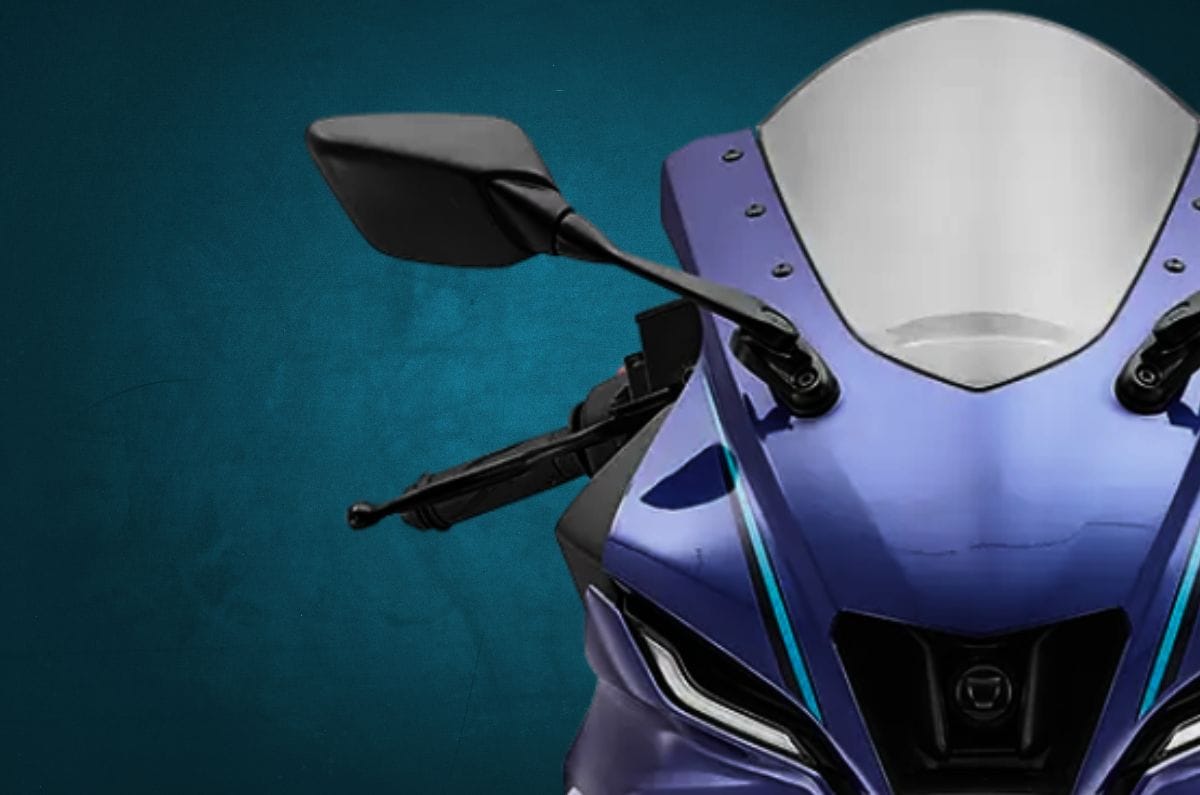
The Yamaha R2 is likely to launch in India in about a month’s time and it will add to the company’s existing line up in India, rather than replace the current R15. Here’s everything we know about this bike prior to its launch:

  1. Will be made in India and exported to multiple countries.
  2. Expected to have segment leading performance.

The Yamaha R2 is an upcoming sport bike from Yamaha that will follow in its smaller sibling, the R15’s footsteps in terms of what sort of experience it will offer. This will be a fully faired sportbike that uses a high revving single cylinder and it should offer performance that punches above its weight.

Yamaha R2: Power and Performance

Details are not yet clear on the exact engine size, but we believe it will be slightly over 200cc, perhaps in the 200-220cc ballpark. Exact power figures are unknown at this time as well, but sources indicate that it is likely to have equal, if not best in class performance. The two bikes that this motorcycle will be pitted directly against include the KTM RC 200 and the Hero Karizma XMR. Both those bikes produce around 25hp, so it is likely that the Yamaha will also be somewhere close.

However, the Yamaha may not have as much power and its performance advantage could also come from having a lower weight. For example, the KTM weighs 160kg, the Karizma 163.5kg, while the current Yamaha R15 V4 weighs in at just 141kg.

Yamaha R2: Features

The Yamaha R15 V4 is already the most feature packed bike in this end of the market and it offers things like a TFT display, traction control and even an (upshift only) quickshifter in its top variants. However, the R2 is expected to take this a level above with the inclusion of ride by wire throttle which could unlock features like riding modes and a bi-directional quickshifter. The new Yamaha R2 will be manufactured in Chennai and it is likely to be sold in multiple overseas markets. On that note, there may also be some specification differences based on where the bike is being sold.

Yamaha R2: Price

As mentioned earlier, the Yamaha R2 will not replace the Yamaha R15. That being said, the current R15 lineup will be streamlined and we expect that the range topping M will be discontinued to make way for the R2. It’s also possible that the current R15 S (which is based on the gen 3 R15) will also be discontinued. Other models like the recently launched. Yamaha XSR 155 and the MT-15 will continue to be on sale.

With current R15 prices starting at Rs 1.57 lakh for the S and going up to Rs 1.98 lakh for the top M variant, we expect that the R2 range could start at around Rs 2-2.2 lakh, depending on how aggressive Yamaha plans to be. For reference, the KTM RC 200 costs Rs 2.24 lakh ex-showroom, while the Hero XMR starts at a lower Rs 1.76 lakh ex-showroom. 

Finally, the new R2 platform won’t be restricted to just one model and we expect to see more bikes based on it in the future, just as Yamaha has done with its 155cc platform.