Viral Video: सोशल मीडिया पर ट्रेन के फर्स्ट एसी कूपे का एक वीडियो तेजी से वायरल हो रहा है। ट्रेन के फर्स्ट एसी कूपे को न्यूली वेड कपल के लिए फूलों, गुब्बारों और फेयरी लाइट्स से खास अंदाज में सजाया गया है। सोशल मीडिया पर इसकी तस्वीरें और वीडियो तेजी से वायरल हो रहा हैं। इस अनोखी सजावट को देखकर कई लोग हैरान रह गए वहीं कुछ ने इसको ‘चलता-फिरता हनीमून सुइट’ बताया। वहीं कुछ लोगों ने सवाल उठाया कि क्या रेलवे में इस तरह की सजावट की अनुमति होती है। सोशल मीडिया पर ये वीडियो तेजी से वायरल हो रहा है।
वायरल हो रहा वीडियो
वीडियो की शुरुआत स्टेशन पर खड़ी एक ट्रेन से होती है। इसके बाद कैमरा कोच के अंदर आगे बढ़ता है और एक खास फर्स्ट एसी कूपे तक पहुंचता है। कूपे के दरवाजे को पिंक कलर के मोतियों वाले पर्दे और दिल के आकार की सजावट से खूबसूरती से सजाया गया है, जो लोगों का ध्यान तुरंत अपनी ओर खींच लेता है। कूपे के अंदर का नजारा किसी नॉर्मल ट्रेन के डिब्बे जैसा नहीं दिखता। पूरी जगह को खास अंदाज में सजाया गया है। छत पर रेड और सफेद रंग के गुब्बारे लगाए गए हैं, फर्श पर गुलाब की पंखुड़ियां बिखेरी गई हैं और दीवारों व खिड़कियों को गुलाब, गेंदा और रजनीगंधा के ताजे फूलों से सजाया गया है।
A First AC coach has reportedly been decorated with a honeymoon-style setup.
कूपे की नीचे वाली बर्थ पर सफेद चादर बिछाकर लाल और सफेद फूलों की पंखुड़ियों से दिल का बड़ा आकार बनाया गया था। बिस्तर पर भी गुलाब की पंखुड़ियां सजाई गई थीं, वहीं ऊपर की मुड़ी हुई बर्थ पर “आई लव यू” लिखा हुआ सजावटी कट-आउट लगाया गया था। रंग-बिरंगी फेयरी लाइट्स ने पूरे कूपे को और भी आकर्षक बना दिया। यह वीडियो सोशल मीडिया पर तेजी से वायरल हुआ, जहां कई लोगों ने मजाकिया अंदाज में इसे “सुहागरात एक्सप्रेस” नाम दे दिया। जहां कई लोगों ने इस अनोखी सजावट की तारीफ की, वहीं कुछ यूजर्स ने सवाल उठाया कि क्या ट्रेन के कोच को इस तरह सजाने के लिए रेलवे से अनुमति ली गई थी।
यूजर्स ने किए कमेंट
एक यूजर ने लिखा, “मुझे नहीं पता कि यह कानूनी है या नहीं, लेकिन अगर रेलवे कपल्स के लिए ऐसे कूपे उपलब्ध कराए तो यह अच्छी कमाई का जरिया बन सकता है। बस यात्रियों की प्राइवेसी का पूरा ध्यान रखा जाना चाहिए। हम नहीं चाहते कि यह कई होटलों की तरह बेवजह चर्चा का विषय बने।” एक अन्य यूजर ने सवाल किया, “क्या इनके पास इसकी परमिशन है?” एक और कमेंट में कहा गया, “भाई, इसकी इजाजत किसने दी और यह कब से होने लगा? यह बिल्कुल अनएक्सपेक्टेड है, और ये लोग इसमें सहज भी हैं।” वहीं, कुछ लोगों ने मजाकिया अंदाज में इस सजे हुए कूपे को “चलता-फिरता हनीमून सुइट” भी कहा।
BMW delivered 9,075 cars in the first six months of 2026 in India, clocking highest-ever H1 sales with a 17 percent year-over-year growth. Out of that figure, EVs accounted for 2,359 units, registering a 78 percent YoY sales growth. In fact, the carmaker claims that one in every four models BMW sold between January and June was an EV. “Our decisive hold on electric mobility has solidified BMW Group India as the number one choice in luxury EV segment…we are confident of driving the momentum…for the rest of the year,” said President and CEO Hardeep Singh Brar.
BMW H1 2026 sales breakdown
Sales of LWB models rose by 24 percent
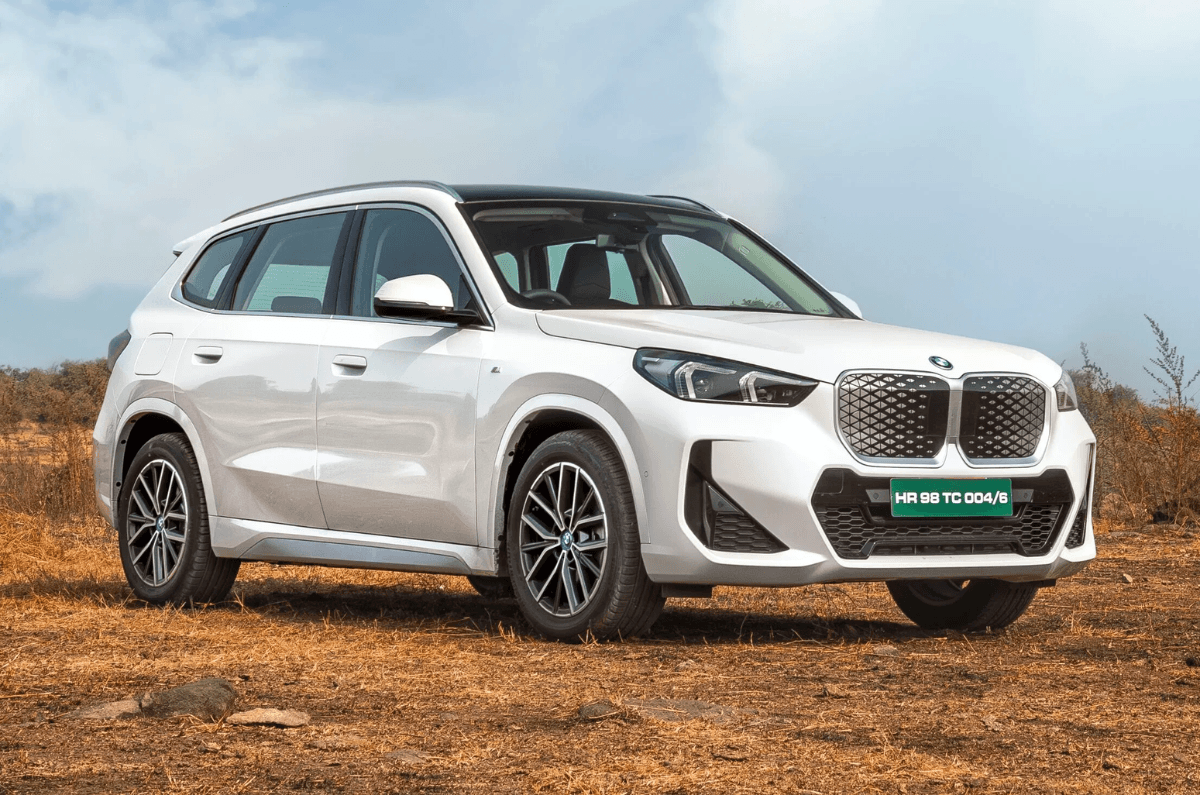
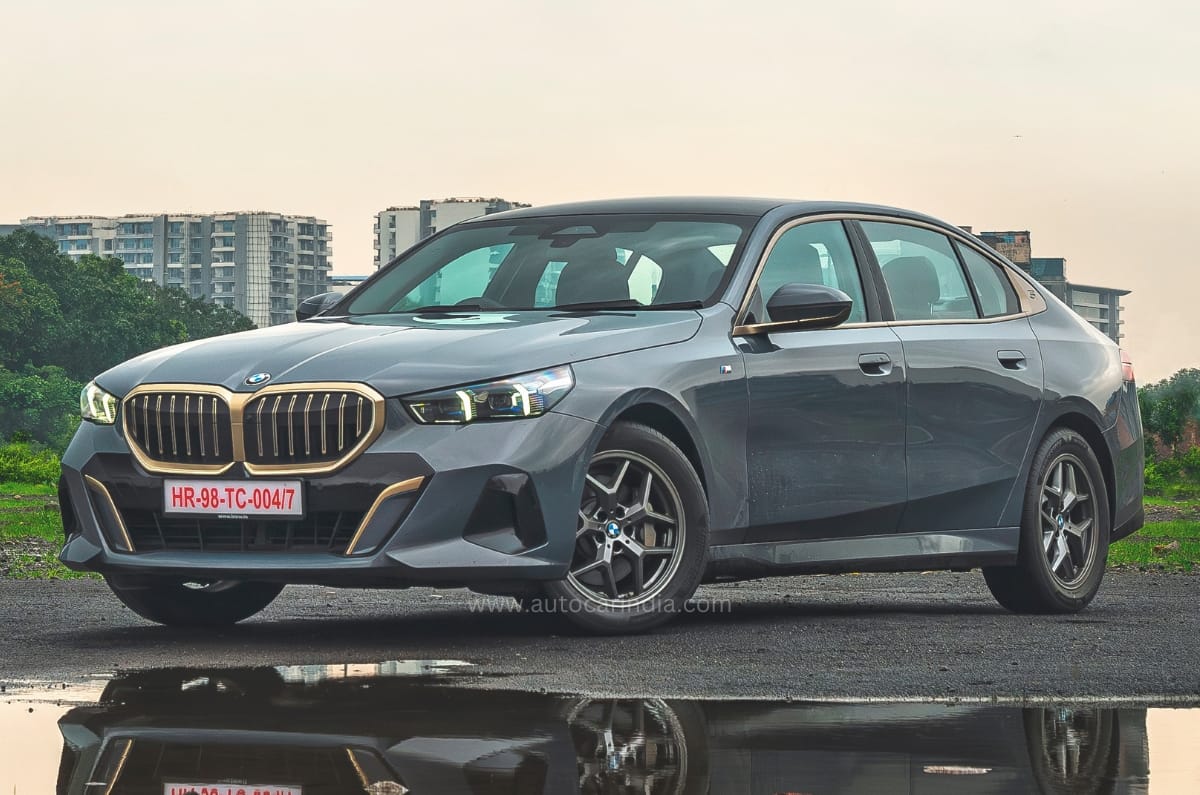
BMW claims that long-wheelbase (LWB) cars had a major 52 percent share in overall H1 sales with 4,428 units, which translates to a 24 percent growth over the year-ago period. Originally designed for the Chinese market, these cars appealed to Indian luxury car buyers, especially those who prefer being chauffeur-driven, because of the extra rear-seat space. LWB versions of the BMW iX1 e-SUV and 5 Series and 3 Series ICE sedans are currently sold in the country. Even the next-generation BMW X5 will launch in the LWB guise.
BMW 5 Series LWB.
What makes the overall package even more appealing is that all of these cars are locally assembled in India, leading to lower duties than fully imported models. For instance, the iX1 EV is the most affordable LWB model, priced at Rs 51.40 lakh, ex-showroom.
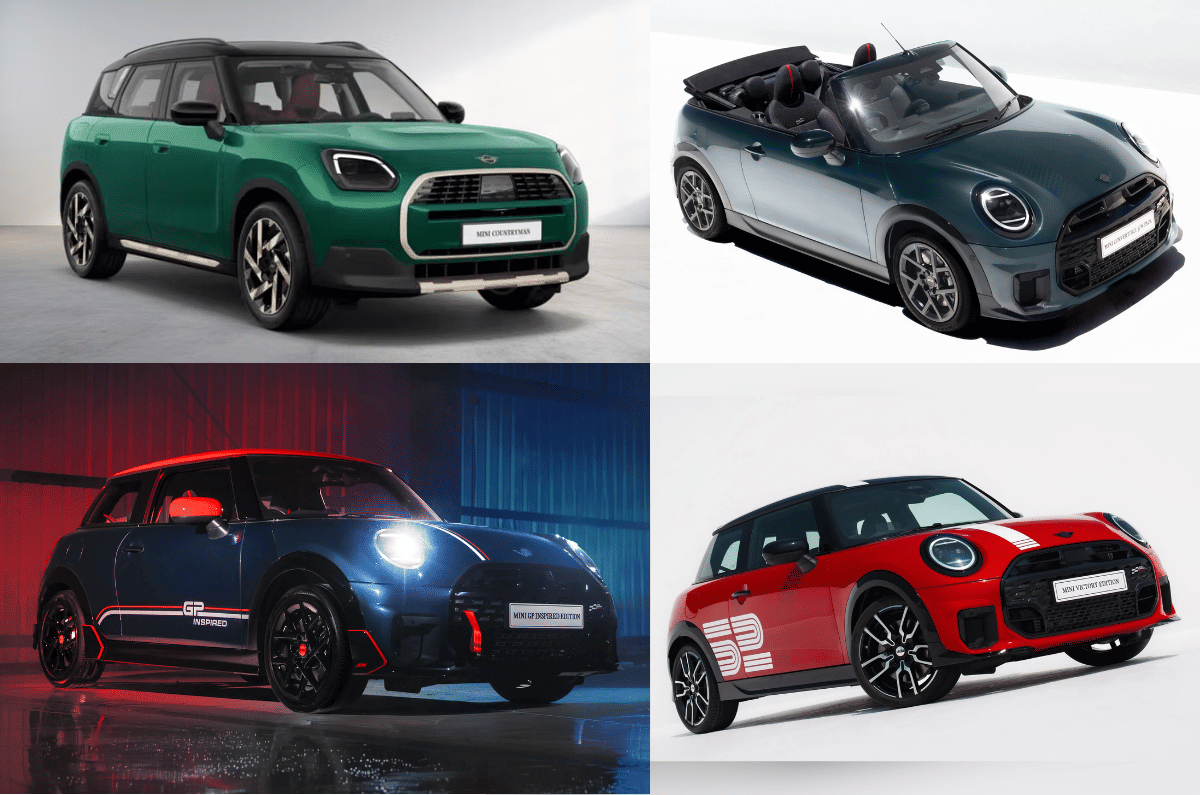
With 5,926 units, BMW and Mini SUVs together recorded a 35 percent growth YoY.
6 BMW cars to launch in 2026
Facelifts of 4 cars are also planned for this year
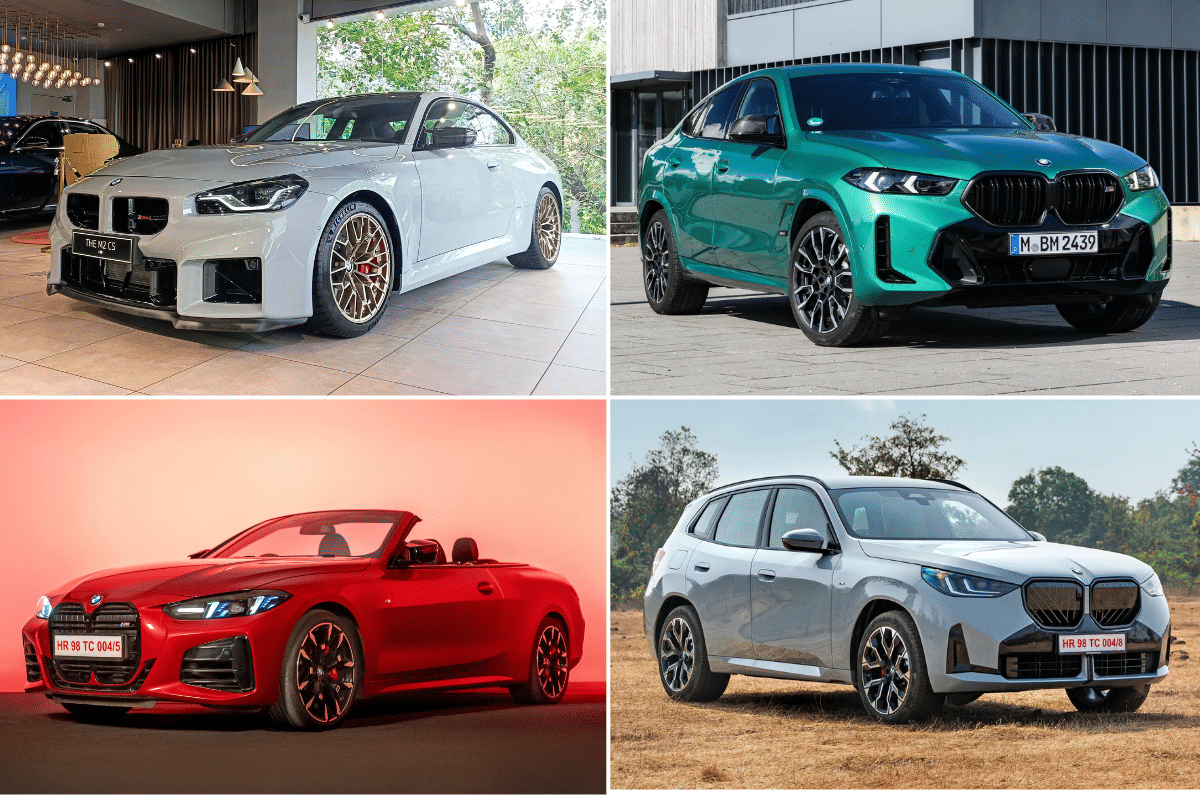
In January, the company had stated that it will introduce six all-new cars, four facelifts and 17 product enhancements this year. So far, it has introduced the X3 30 xDrive, M2 CS, M440i Convertible and X6 M60i. Beyond the expansion of its line-up, BMW Group India plans to expand to 10 new cities in 2026, widening its retail footprint as luxury demand spreads beyond the top metros.
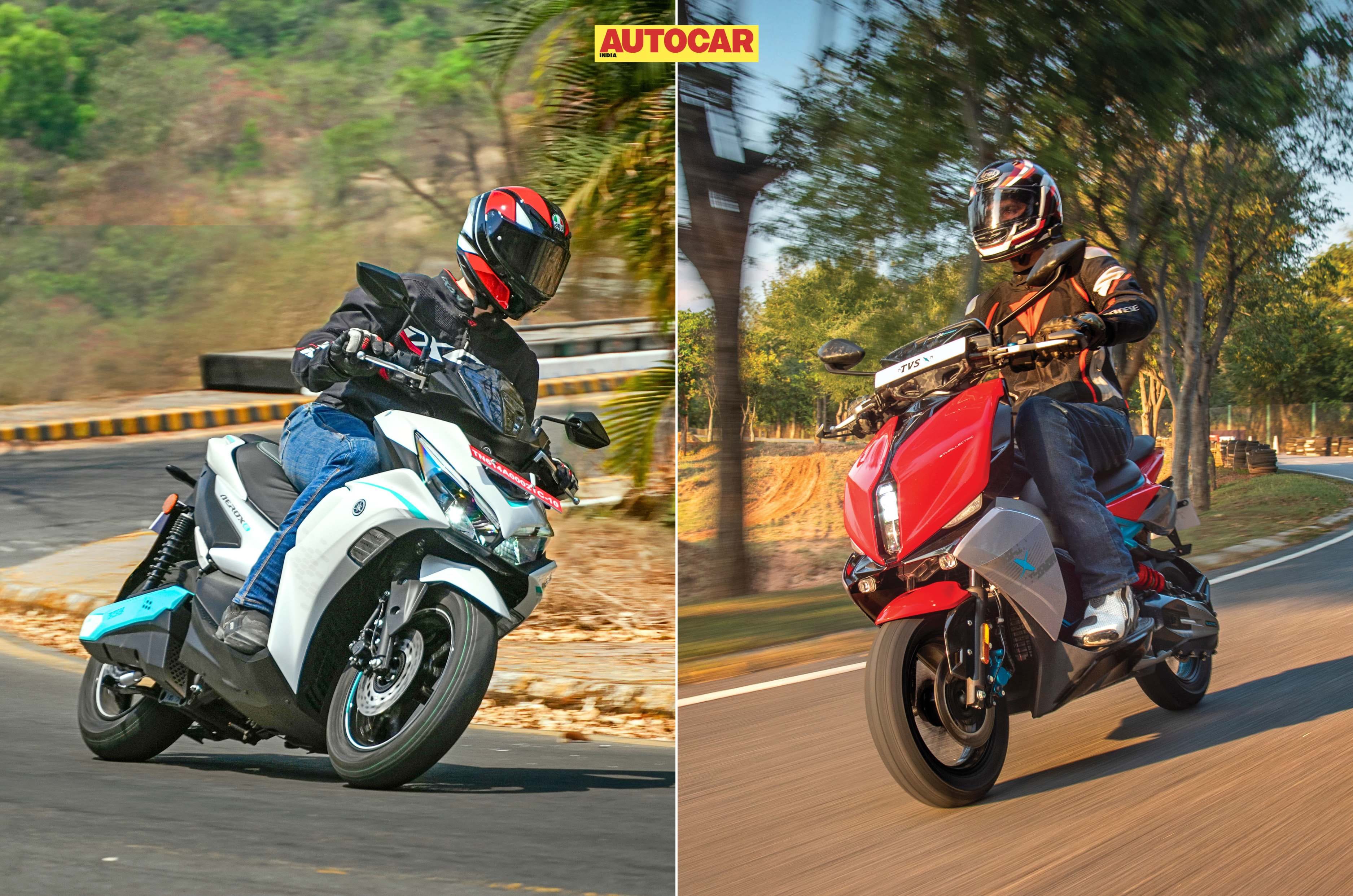
Last year, Yamaha announced that it would enter the Indian electric scooter market with two products – the River Indie-based EC-06 and the Aerox-E. The former was launched earlier this year, and the company has now revealed pricing for the electric Aerox at Rs 2.82 lakh. That makes it Yamaha’s most expensive offering in India and one of the costliest electric scooters on sale. At that price point, its only real rival is the TVS X, which has occupied a unique position at the top end of the Indian electric scooter market since its launch in 2023. Here’s how the two compare on paper.
Yamaha Aerox-E vs TVS X: Motor, battery and range
The TVS X offers better performance and range
Yamaha Aerox-E
TVS X
Peak motor output
9.4kW
11.7kW
Continuous motor output
NA
7kW
Peak torque
48Nm
40Nm
Battery capacity
2 x 1.5kWh (3kWh total)
4.4kWh
Charging time (0-100%)
6 hours 20 minutes
Claimed IDC range
117km
159km
Claimed top speed
95.5kph
110kph
The TVS X holds a clear advantage in outright performance and range. TVS claims a 0-40kph time of 2.5 seconds and a top speed of 110kph, both comfortably ahead of the Aerox-E. Its larger 4.4kWh battery also delivers a significantly higher claimed IDC range, although, as with all IDC figures, real-world range is likely to be lower.
The Aerox-E comes with dual removable battery setup comprising two 1.5kWh packs. That’s a meaningful practical advantage if you don’t have easy access to a charging point, as the batteries can be removed and charged separately using Yamaha’s optional charging dock (priced at Rs 18,000). That said, each battery weighs around 13kg, so removing them regularly may not be the most convenient solution.
Yamaha Aerox-E vs TVS X: Dimensions and underpinnings
The TVS X is lighter and runs on smaller 12-inch wheels
Yamaha Aerox-E
TVS X
Kerb weight
139kg
134kg
Suspension (F/R)
Telescopic fork / Twin shock absorbers
Telescopic fork / Monoshock
Brakes (F/R)
Disc / Disc
220mm disc / 195mm disc
Tyres (F/R)
110/80-14 / 140/70-14
100/80-12 / 110/80-12
Both scooters use a conventional telescopic fork up front, but they differ at the rear. The Aerox-E uses twin shock absorbers, while the TVS X gets a monoshock. Another notable difference is wheel size. The Aerox-E rides on larger 14-inch wheels, which should offer better stability, while the TVS X uses 12-inch wheels that are likely to feel a little more agile. It’s worth noting that TVS showcased a version of the X with 14-inch wheels at EICMA last year, although there’s been no update on whether or when that version will make it into production.
The TVS X is also 5kg lighter and is built around a sporty aluminium twin-spar frame, which means it doesn’t have a conventional flat floorboard.
Yamaha Aerox-E vs TVS X: Features
The TVS X has a clear edge in the features deparetmnt
The TVS X is the more comprehensively equipped scooter of the two. Its headline feature is a massive 10.25-inch TFT touchscreen with Bluetooth connectivity, Android Auto, navigation, music playback and smartphone integration. It also gets three riding modes – Xtealth, Xtride and Xonic – along with reverse assist, hill hold and TVS’ RAM air-cooling system for the motor. TVS has positioned the X as a flagship product, and its equipment list reflects that.
The Aerox-E isn’t quite as feature-rich. It upgrades from the petrol Aerox 155’s LCD console to a TFT display with smartphone connectivity, but the unit is relatively basic compared to the TVS. The Aerox-E offers three riding modes – Eco, Standard and Power – along with a dedicated Boost button that provides short bursts of additional performance.
Yamaha Aerox-E vs TVS X: Price
The TVS X undercuts the Aerox-E by Rs 16,000
TVS X
Yamaha Aerox-E
Price (ex-showroom, Bengaluru)
Rs 2.66 lakh
Rs 2.82 lakh
At Rs 2.66 lakh, the TVS X undercuts the Aerox-E by Rs 16,000. On paper, it’s clearly the stronger package, offering higher performance, a larger battery, longer claimed range and a considerably more comprehensive feature list.
Availability, however, remains limited for both scooters. The TVS X was initially launched only in Bengaluru, with the company indicating plans to expand to more cities, although there hasn’t been a meaningful update since. The Aerox-E will be available in Delhi, Bengaluru, Mumbai, Pune and Chennai, giving it slightly wider reach, but both remain niche offerings at the premium end of the electric scooter market.
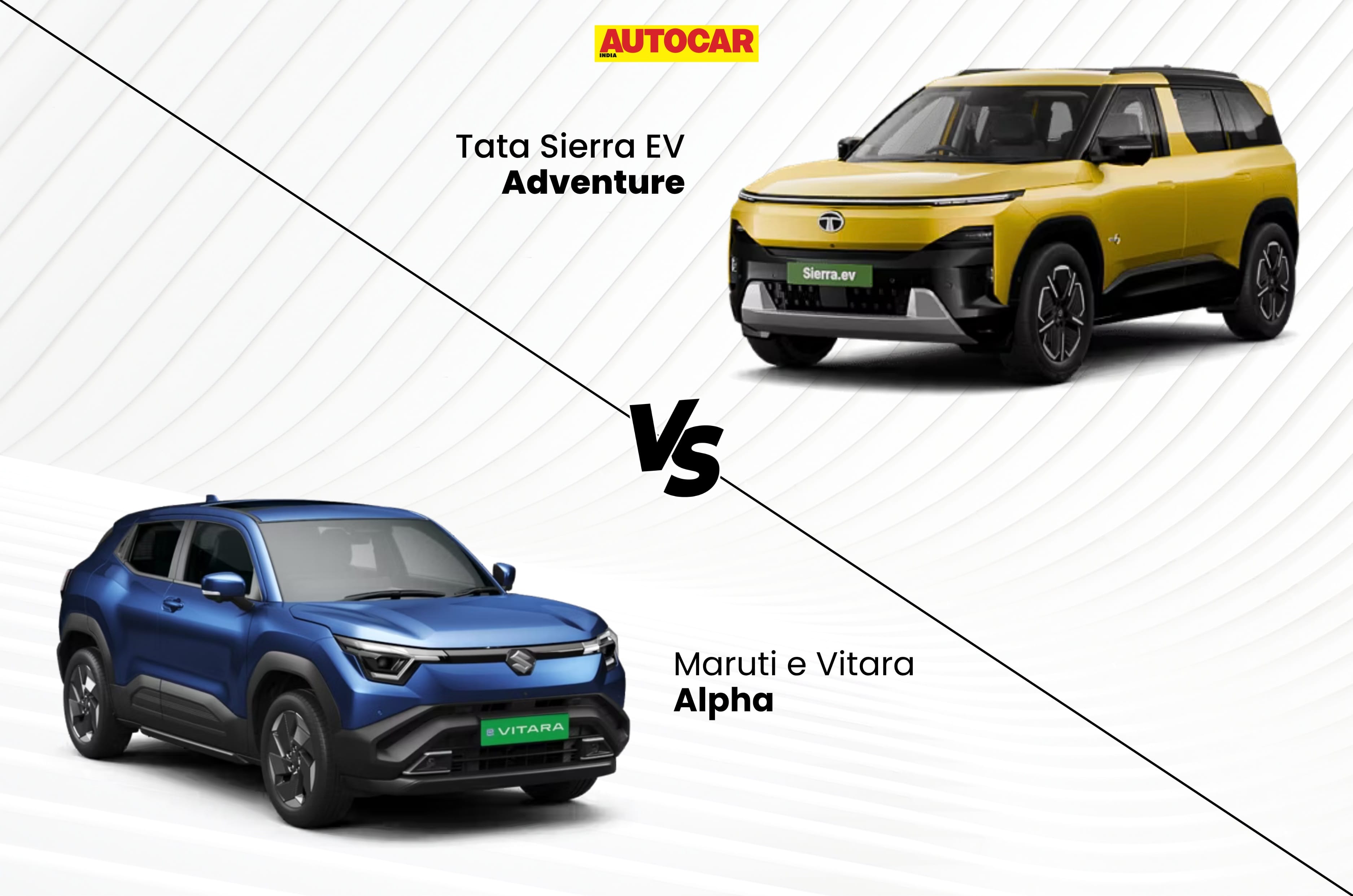
If you’re in the market for an electric midsize SUV priced around Rs 20 lakh, there are plenty of options to choose from. However, today we’ll be looking at the mid-spec Tata Sierra EV with the 63kWh battery, which starts at Rs 20.99 lakh, and the top-spec Maruti e Vitara with the 61kWh battery, priced at Rs 19.99 lakh. Let’s find out how these two midsize SUVs match up when pitted against each other in terms of their dimensions, technical specifications, features and price.
Explore full specs, features and a price breakdown in our Sierra EV vs e Vitara comparison.
Tata Sierra EV mid-spec vs Maruti e Vitara top-spec: Dimensions
Not only is the Tata EV the larger car here, it also has the bigger boot
Tata Sierra EV Adventure 63 vs Maruti e Vitara Alpha dimensions
Tata Sierra EV
Maruti e Vitara
Length (mm)
4,340
4,275
Width (mm)
1,841
1,800
Height (mm)
1,750
1,640
Wheelbase (mm)
2,730
2,700
Boot space (litres)
450
238
Frunk (litres)
55
–
Wheel size (inches)
18
18
Compared to the e Vitara, the Sierra EV is 65mm longer and has a 30mm longer wheelbase. It’s also 41mm wider and stands 110mm taller at the roof. Furthermore, the Sierra EV has the e Vitara beat in terms of luggage-carrying capacity too. Not only does the mid-spec Sierra EV feature a 55-litre frunk, which is missing altogether in the top-spec e Vitara, but the former’s primary boot is a full 212 litres bigger. While the top trim of the Sierra EV gets 19-inch wheels, the Adventure trim sticks to 18 inchers. However, all trims of the e Vitara come with 18-inch alloy wheels.
Tata Sierra EV mid-spec vs Maruti e Vitara top-spec: Exterior features
The mid-spec Sierra EV gets more modern design touches on the outside than the e Vitara
Tata Sierra EV Adventure 63 vs Maruti e Vitara Alpha exterior features
Tata Sierra EV
Maruti e Vitara
LED projector headlamps
Yes (auto)
Yes (auto)
Connected light bar
Yes
No
Front fog lamps
Yes
Yes
Cornering lights
Yes
No
Welcome lights
Yes
No
Powered ORVMs
Yes (with auto-fold function)
Yes (with auto-fold function)
Flush door handles
Yes
No
Body cladding
Yes
Yes
Rear spoiler
Yes
Yes
Compared to the muscular bodywork of the Maruti e Vitara, the Tata Sierra EV sports a more upright and chiselled form. Some of the highlights that the Sierra EV gets but are missing on the e Vitara include additional lighting elements (with suave features like ‘Welcome’ and cornering units), plus front & rear LED light bars. The e Vitara, on the other hand, gets traditional handles for the front doors – the rear units are integrated into the doors. The e Vitara’s body cladding looks quite aggressive, while that of the Sierra EV looks more urbane.
Tata Sierra EV mid-spec vs Maruti e Vitara top-spec: Interior features
Interior of the mid-trim Sierra EV offers a lot of premium-feeling yet useful amenities
Tata Sierra EV Adventure 63 vs Maruti e Vitara Alpha interior features
Tata Sierra EV
Maruti e Vitara
Infotainment screen
12.3-inch
10.1-inch
Digital driver’s display
10.25-inch
10.25-inch
Panoramic sunroof
Yes (voice assisted)
No (fixed single-pane)
Wireless charger
Yes
Yes
Driver’s seat adjustment
6-way manual
10-way powered
Co-driver’s seat adjustment
4-way manual
4-way manual
Thigh-support extender
Yes
No
‘Boss’ mode
Yes
No
Ventilated front seats
Yes
Yes
Automatic climate control
Yes (single-zone)
Yes (dual-zone)
Cooled glovebox
Yes
No
Ambient lighting
Yes
Yes
Audio system
12-speaker JBL Black
8-speaker Infinity
Dolby Atmos
Yes
No
Apple CarPlay & Android Auto
Yes (wireless)
Yes (wireless)
USB Type-C ports
Yes (4 ports)
Yes (4 ports)
Connected car tech
Yes
Yes
Voice assistant
Yes (multiple)
Yes
OTA updates
Yes
Yes
EV route planner
Yes
Yes
Gaming
Yes
No
Rear sunblinds
Yes
No
The interior feature set of the mid-spec Tata Sierra EV Adventure trim is more comprehensive than that of the top-spec Maruti e Vitara. Adding to its creature comforts is the extendable under-thigh support function for the front seats, a ‘boss’ mode to liberate more room at the back, a cooled glovebox, rear sunshades, plus a more premium audio system.
The Tata SUV also gets a large touchscreen, a voice-assisted panoramic sunroof, the brand’s new ‘AirConsole’ gaming system, and native and Amazon Alexa voice assistants. Furthermore, the Sierra EV comes with three 65-watt and one 15-watt Type-C chargers. The e Vitara also gets four USB ports, but they do not support such rapid charging rates.
Tata Sierra EV mid-spec vs Maruti e Vitara top-spec: Other features
Both cars are fairly comparable on this front
Tata Sierra EV Adventure 63 vs Maruti e Vitara Alpha other features
Tata Sierra EV
Maruti e Vitara
Drive modes
Yes (3)
Yes (3)
Terrain modes
Yes (4)
Yes (1)
V2V and V2L
Yes
No
AVAS
Yes
Yes
Where the Sierra EV gets vehicle-to-load (V2L) and vehicle-to-vehicle (V2V) functions, the e Vitara does not. The Maruti EV gets just the Snow terrain mode, while the Sierra EV offers Normal, Wet/Rain, Rough and Custom settings. Both cars feature AVAS, or Acoustic Vehicle Alerting System to alert other road users of their presence.
Tata Sierra EV mid-spec vs Maruti e Vitara top-spec: Safety features
The Tata EV packs a lot more safety nannies than the e Vitara
Tata Sierra EV Adventure 63 vs Maruti e Vitara Alpha safety features
Tata Sierra EV
Maruti e Vitara
Airbags
6
7
ABS with EBD
Yes
Yes
Electronic stability program
Yes
Yes
Hill-hold assist
Yes
Yes
Hill-descent control
Yes
Yes
TPMS
Yes
Yes
360-degree camera
Yes
Yes
Electronic parking brake
Yes (with auto-hold function)
Yes (with auto-hold function)
Auto-dimming IRVM
Yes
Yes
Rain-sensing wipers
Yes
Yes
Auto-dimming IRVM
Yes
Yes
ISOFIX
Yes
Yes
Rear wiper and defogger
Yes
Yes
All-wheel disc brakes
Yes
Yes
Level 2 ADAS
Yes
Yes
The Maruti e Vitara Alpha trim’s Level 2 ADAS (Advanced Driver Assistance Systems) includes adaptive cruise control, front collision warning, auto-emergency braking, blind-spot warning, rear cross-traffic alert, lane-departure warning with lane-departure prevention and adaptive high-beam assist. These are all safety equipment that the Sierra EV offers as well. However, the e Vitara comes with 7 airbags, while the Sierra EV gets the usual 6. Both models get surround-view cameras, front & rear parking sensors, an SOS calling function and an electronic parking brake with auto-hold.
Tata Sierra EV mid-spec vs Maruti e Vitara top-spec: Range and performance
While their battery capacities are comparable, the Sierra EV boasts a distinct power advantage
Tata Sierra EV Adventure 63 vs Maruti e Vitara Alpha range and performance
Tata Sierra EV
Maruti e Vitara
Battery size (kWh)
63
61
Electric motor setup
Single motor, rear
Single motor, front
Drive layout
RWD
FWD
Power (hp)
238
174
Torque (Nm)
315
193
Claimed 0-100kph
–
8.7 seconds
Claimed range (km)
535
543
AC charging
8.9 hrs at 7.2kW (10-100%)
9 hrs at 7.4kW (10-100%)
DC fast charging
25 mins at 110kW (20-80%)
45 mins at 70kW (10-80%)
In terms of battery size, the Sierra EV’s mid-spec variant possess a capacity advantage of 2kWh over the top-spec e Vitara. However, it’s the Maruti EV that manages more range – albeit the difference here is minimal. The Sierra EV’s rear-mounted electric motor is also punchier, offering 64hp and 122Nm more than the e Vitara’s peak output figures.
While both cars are equipped with a single electric motor, the Sierra’s unit powers the rear wheels instead of the front ones. This also means that the Sierra EV should be able to put its power down better than the front-wheel-drive e Vitara, especially on inclines or when the vehicle’s fully loaded. Tata Motors hasn’t specified the 0-100kph time of the mid-spec Sierra EV, but Maruti Suzuki claims that the top-spec e Vitara can do it in 8.7 seconds.
Both Sierra EV and e Vitara support similar AC charging speeds, thus requiring a comparable amount of time to go from 10-100 percent SoC. However, the Tata SUV is capable of accepting higher DC fast-charging rates, which allows it to reach 80 percent SoC ahead of the e Vitara. That said, the Maruti EV DC charging time accounts for the time taken for the battery to go from 10-80 percent, instead of the Sierra EV’s 20-80 percent.
Conclusion
The top-spec Maruti e Vitara Alpha variant is priced at Rs 20.00 lakh, while the mid-spec Tata Sierra EV 63 Adventure variant is priced at Rs 20.99 lakh. While the e Vitara offers 7 airbags and a little extra claimed range, the Sierra EV with the 63kWh battery pack and in the Adventure trim offers better value overall. It has more power, larger dimensions and a lengthy list of features – all of which make the Tata Sierra EV a better value-for-money buy here.
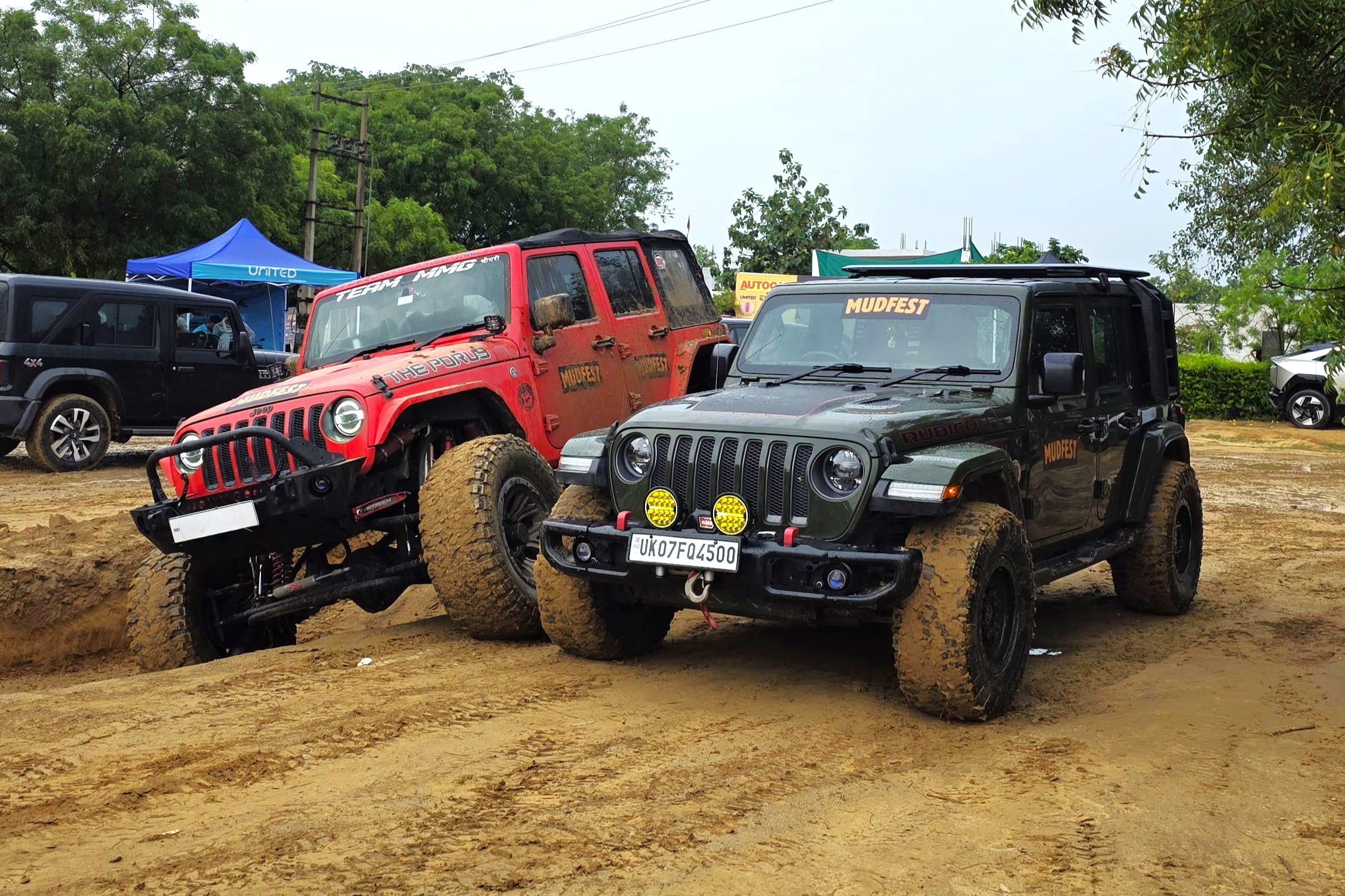
Off-roading is a majorly fun activity, and with the proliferation of SUVs and 4x4s across India, the timing was ripe for an off-road event series. Enter Mudfest Delhi, an NCR-based 4×4 event series that debuted in October 2025 to great success and, within a year, returned for its second iteration, which proved just as successful. Gurugram’s Tandem Hills off-road course was the location of choice for Mudfest Delhi 2026, which was held on Sunday, July 5.
Mudfest Delhi 2026: It’s all in the name
Fun is the central tenet of Mudfest Delhi. You show up to the event either by yourself or with family/friends and participate on an off-road obstacle course using your own car. At this year’s event, the obstacles simulated various off-road situations that one may encounter on a real trail, and were built to be as close as possible to real-world conditions. And as Mudfest Delhi founder and organiser Nabhya Lalwani put it, “It doesn’t matter if you win or lose. It’s all about having fun.” Impressively, Lalwani is just 16 years old and oversees Mudfest Delhi’s operations, which speaks to his passion.
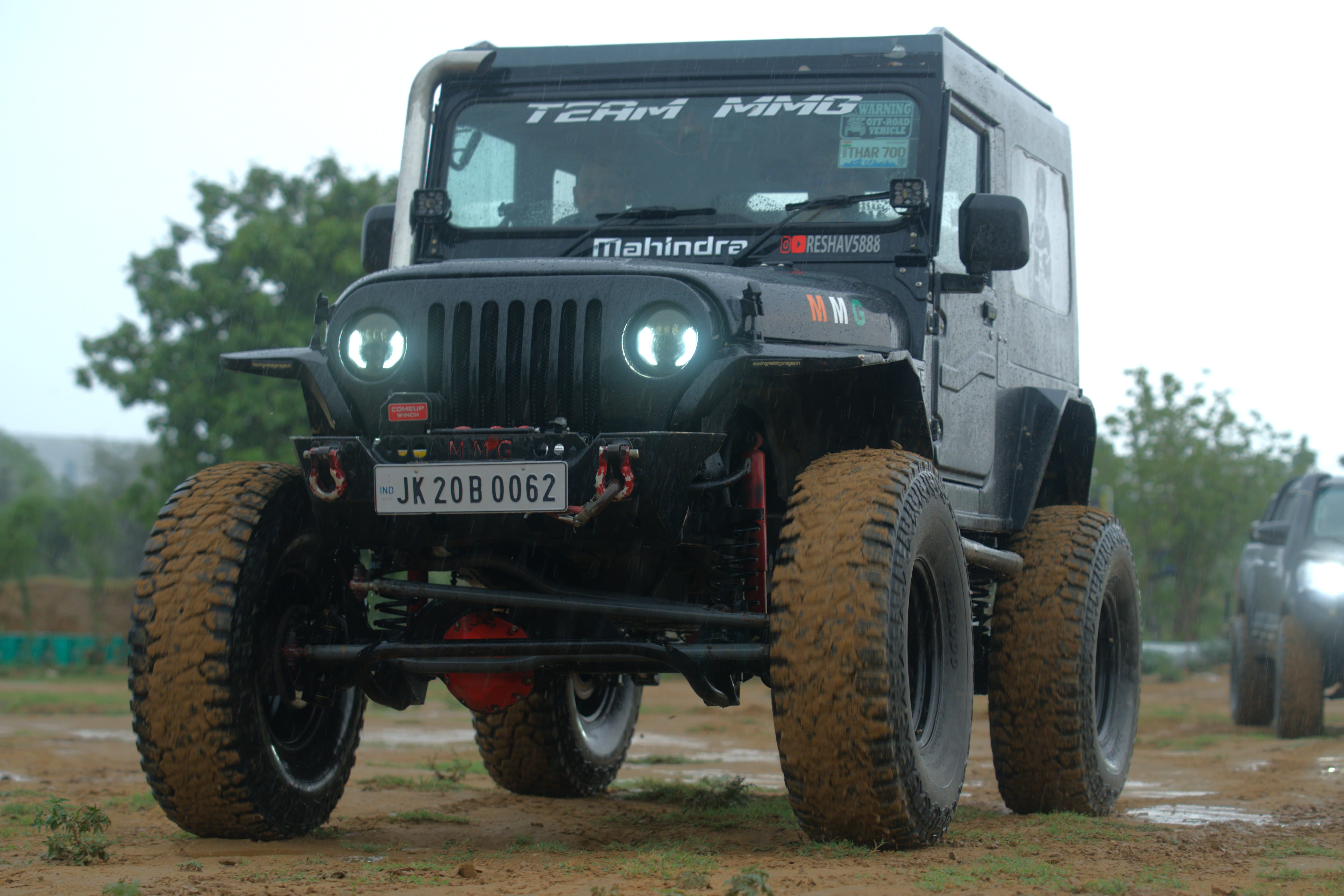
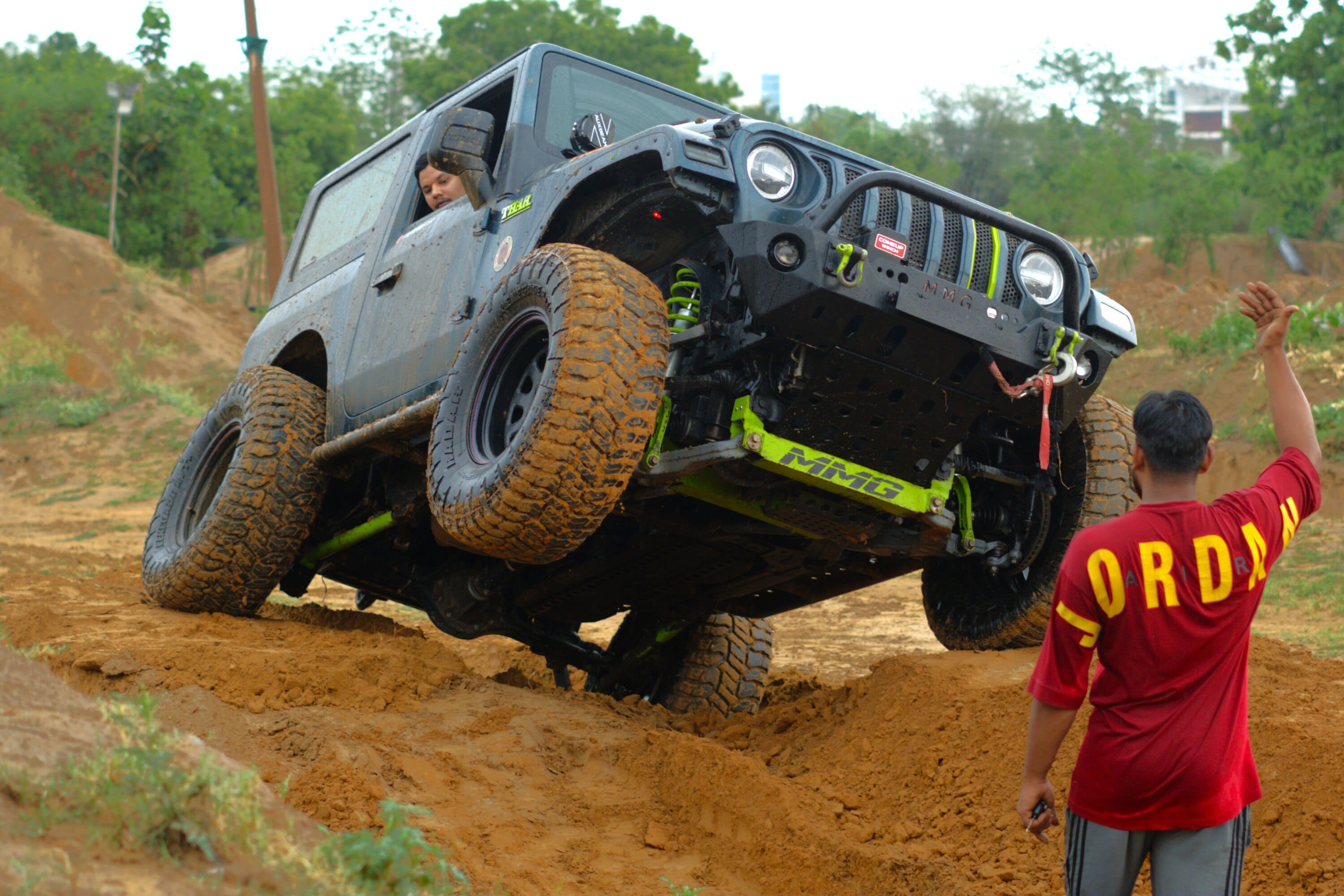
The off-roaders at Mudfest Delhi were an incredible sight to behold. Alongside the expected crop of Mahindra Thars and Maruti Jimnys, highlights included a lifted red Jeep Wrangler with massive 40-inch off-road tyres, a modified first-gen Thar, rocking a solid axle and 37-inch tyres (pictured above), and a bright blue Gypsy with a raucous straight-piped exhaust.
There were brawny, imposing 4x4s everywhere the eye could see, including from clubs like Trailhunters4x4, Team MMG, Aficionado Crew, among others. And on the magnanimously rainy day Mudfest Delhi 2026 was held, 4×4 was a necessity.
As for the obstacle course itself, Tandem Hills is reputed for its challenging sections. These include slopes, steep and high enough to be considered mini-hills, an exceptionally deep mud pit, and an arduous strip of camel humps. The camel humps were particularly fun to witness, with many off-roaders nearly tipping over to their sides while attempting to traverse them.
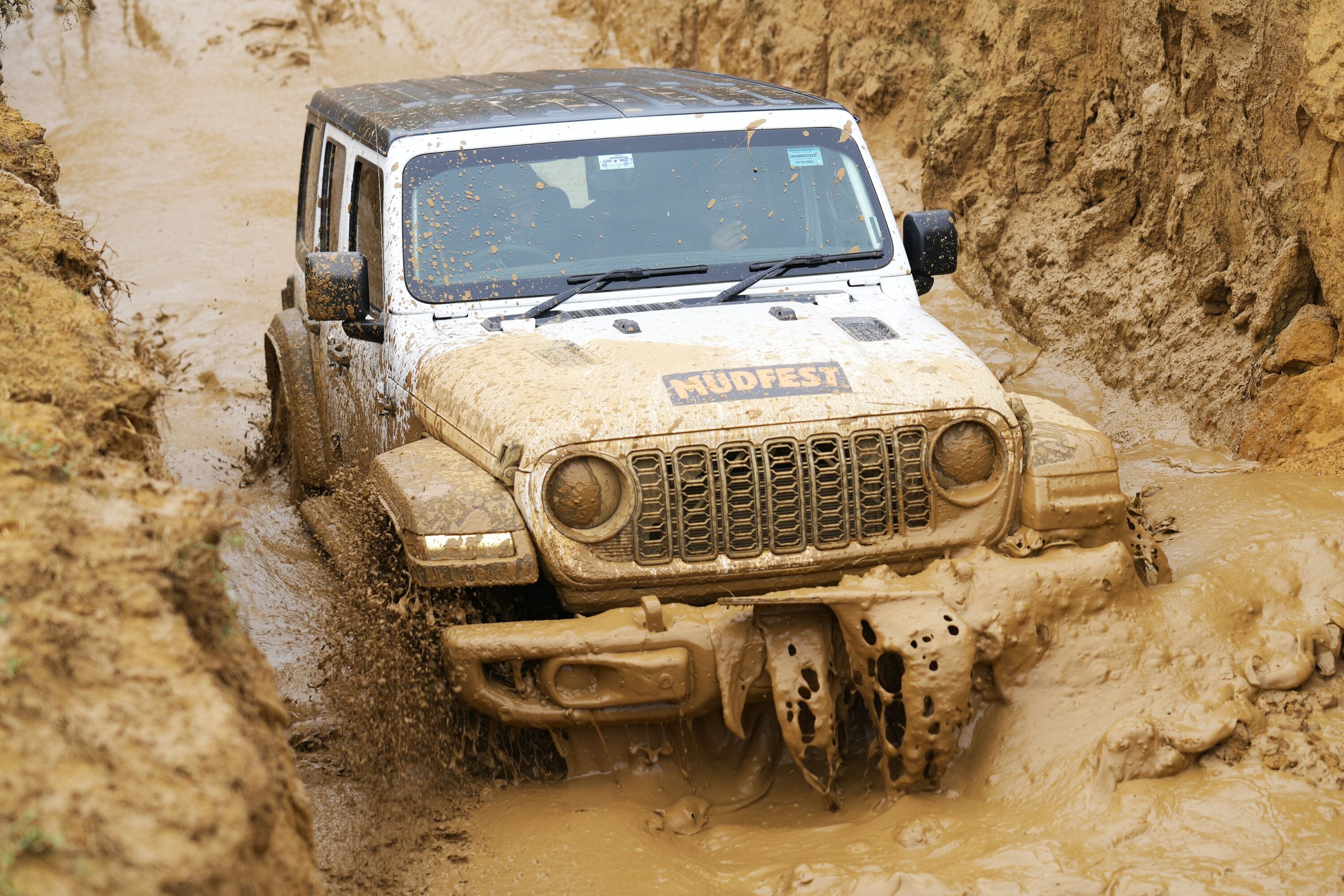
Another exciting sight was the mud pit, where off-roaders carefully navigated a steep decline leading straight into a large pool of muddy water, and then sped up the incline on the other side to make it out. The mud pit is trickier than it seems, as evidenced by the few cars, including a Jeep Wrangler and a Ford Endeavour, that got stuck inside and had to be winched out.
Mudfest 2026: Opposite lock
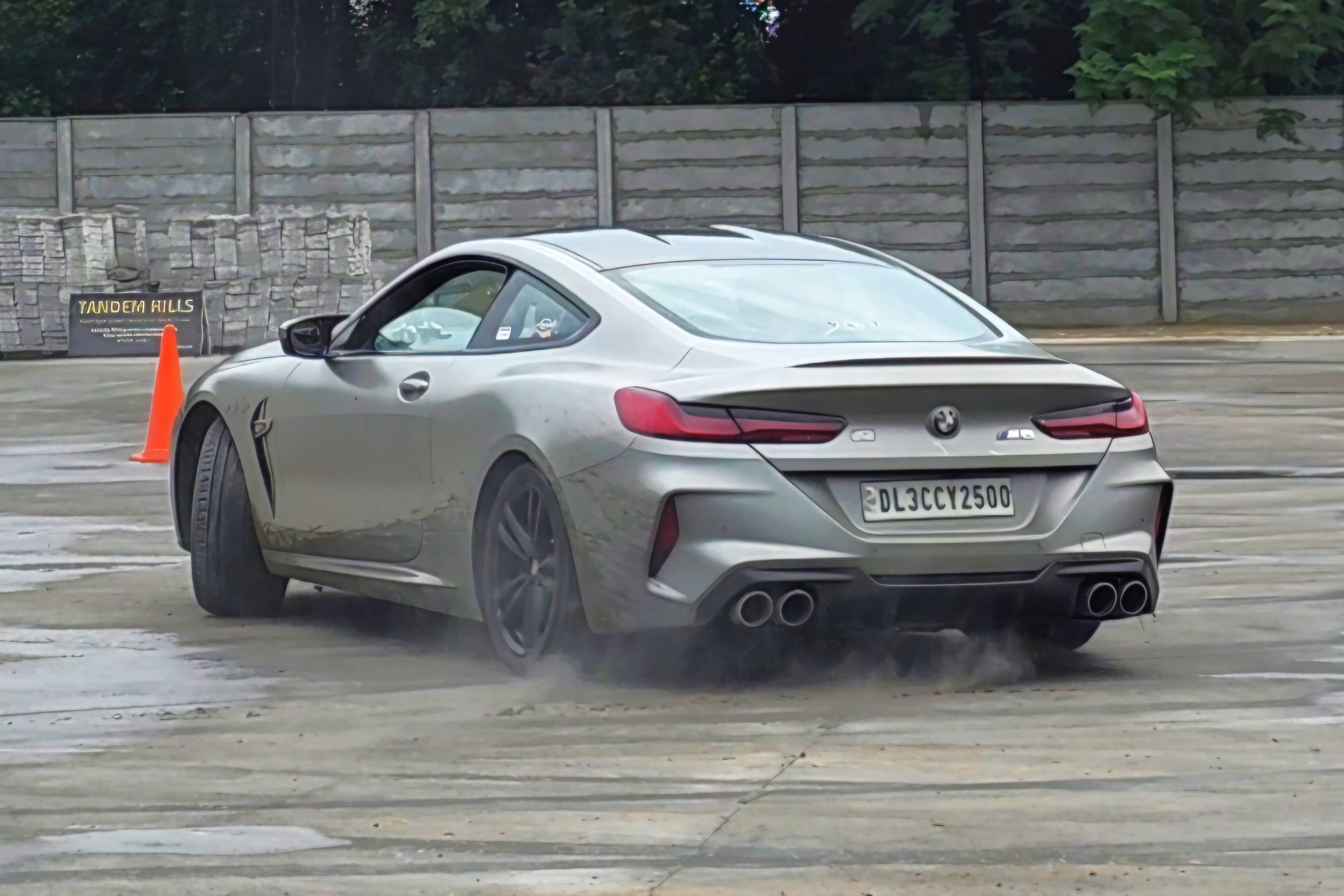
While the off-roading was more than enough fun by itself, Mudfest Delhi 2026 went the extra mile by featuring drifting sessions as well, which were managed by renowned drifter and racing driver Jasmehar Singh Jubbal. Among the cars sliding about on the skid pad were a Mercedes-AMG C43 Coupe, a BMW M8, a BMW M4 Competition, a BMW 520d (E60), a Mahindra BE 6, and even a Toyota Fortuner!
All told, there are few better ways to spend a day than at Mudfest Delhi. If you live in or around Delhi-NCR and love off-roading, this is one event you absolutely shouldn’t miss.
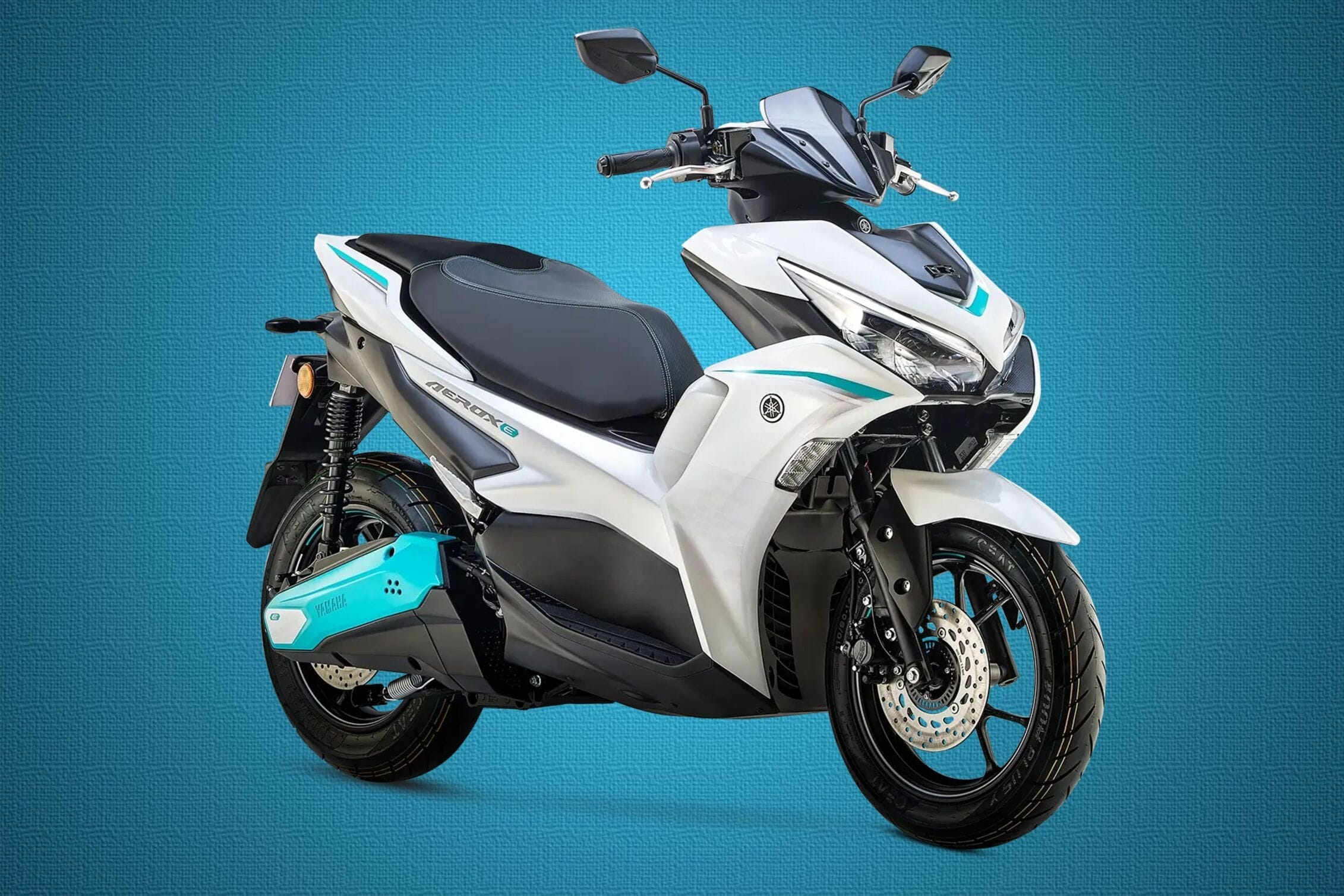
Alongside the launch of the XSR155 last year, Yamaha had also showcased the EV counterpart of the Aerox, called the Aerox-E. This electric scooter has officially been launched by Yamaha today and is priced at Rs 2.82 lakh. This makes it the most expensive Yamaha product on sale in India currently.
Yamaha Aerox-E produces 9.5kW and 48Nm
Has dual 1.5kWh removable battery packs
Becomes the most expensive Yamaha product in India
The Aerox-E features dual 1.5kWh detachable batteries paired with a motor that produces 9.5kW (12.9hp) of peak power and 48Nm of torque. Yamaha claims that these dual batteries are packed with ‘high energy type cells’ for performance. The e-scooter has a claimed IDC range of 117km and a kerb weight of 139kg (13kg heavier than the base Aerox 155).
The Aerox-E also offers multiple riding modes including Eco, Standard and Power along with an additional Boost mode, giving you short bursts of power for quick overtakes. Braking duties are handled by a front disc with ABS and a rear disc brake.
In terms of design, the Aerox-E is similar to its petrol-powered counterpart, featuring the same twin-LED headlight and LED tail-light. However, it gets a TFT dash with app-based connectivity as opposed to the LCD dash on the Aerox.
Currently, the scooter is available in Delhi, Bangalore, Mumbai, Pune and Chennai.
Maruti Suzuki is offering attractive offers across its premium Nexa range in July 2026. Depending on the model and variant, these include cash discounts, exchange or scrappage offers, corporate benefits and loyalty bonuses. Exchange and scrappage benefits cannot be claimed together. The loyalty bonus is available only to existing Maruti customers, and it can be combined only with the exchange bonus. Corporate benefits are exclusively offered to eligible organisations and approved finance partners.
Disclaimer: Discounts may vary by city and are subject to stock availability. Please check with your local dealer for the exact figures.
Maruti Invicto discounts in July 2026
Up to Rs 2.10 lakh
Every Maruti Invicto trim gets benefits of up to Rs 2.10 lakh this month, which is slightly lower than in June. These offers include a cash discount of up to Rs 50,000, exchange benefits of up to Rs 1 lakh, a Rs 50,000 loyalty bonus and a Rs 10,000 corporate benefit. The Invicto MPV is Maruti’s version of the Toyota Innova Hycross, and it is priced between Rs 24.97 lakh and Rs 28.60 lakh.
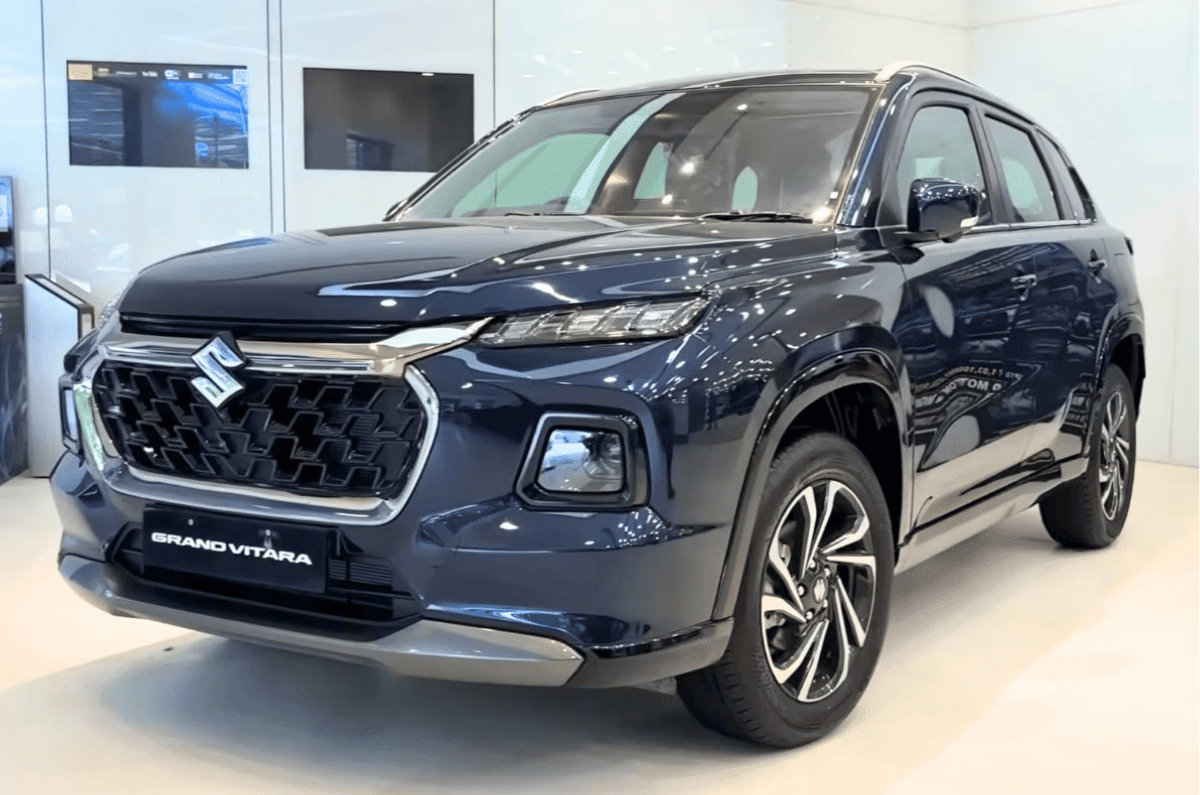
Maruti Grand Vitara discounts in July 2026
Up to Rs 95,000
The Maruti Grand Vitara gets benefits of up to Rs 95,000 in July. The Sigma petrol MT variant attracts the highest discounts of up to Rs 95,000, while the Delta petrol gets benefits of up to Rs 85,000. Buyers of the Zeta petrol and Alpha petrol variants get a Rs 25,000 cash discount along with a complimentary 5-year extended warranty (it cannot be exchanged for cash, and is non-transferable).
The strong hybrid variants are available with zero road tax benefit, a complimentary 5-year extended warranty, up to Rs 50,000 exchange bonus, Rs 30,000 upgrade loyalty bonus and a Rs 10,000 corporate benefit. The Delta CNG and Zeta CNG variants also come with total benefits of up to Rs 90,000. The Grand Vitara is priced between Rs 10.76 lakh and Rs 19.72 lakh.
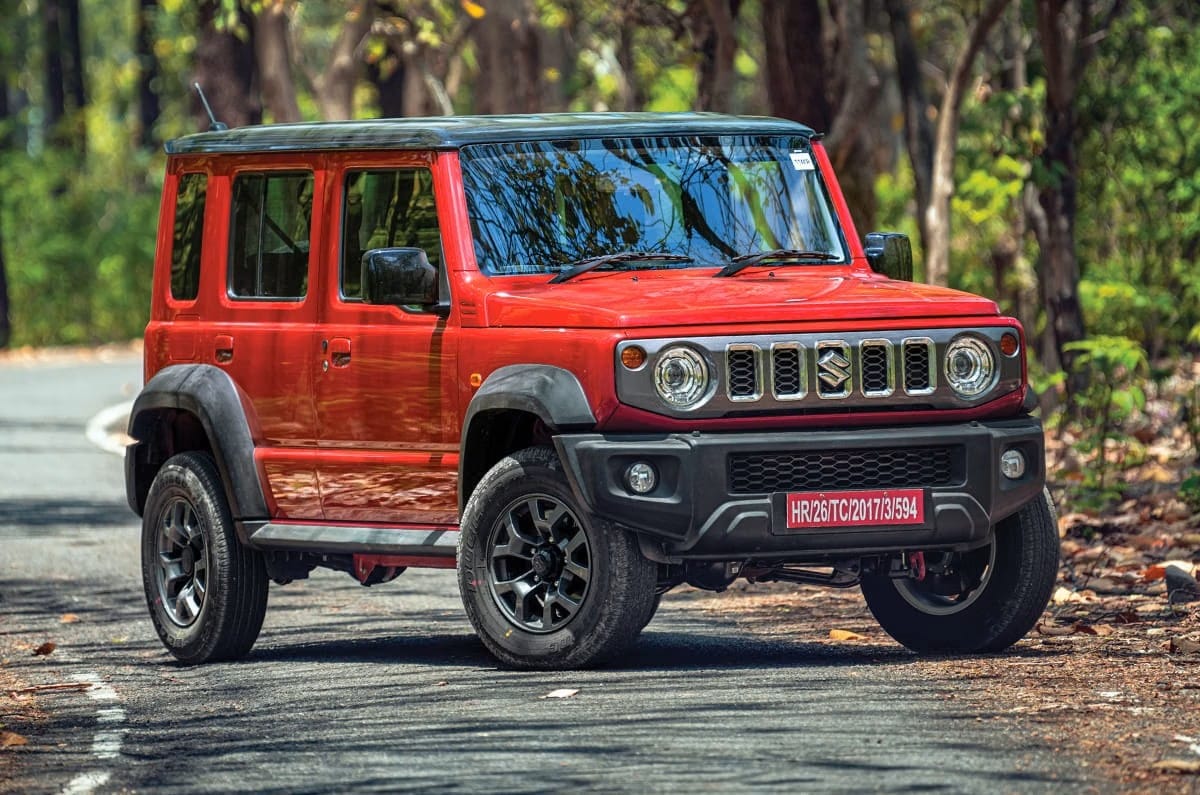
Maruti Jimny discounts in July 2026
Up to Rs 45,000
Like last month, a cash discount of Rs 45,000 is available with all Maruti Jimny variants. The compact off-roader is priced between Rs 12.39 lakh and Rs 14.52 lakh.
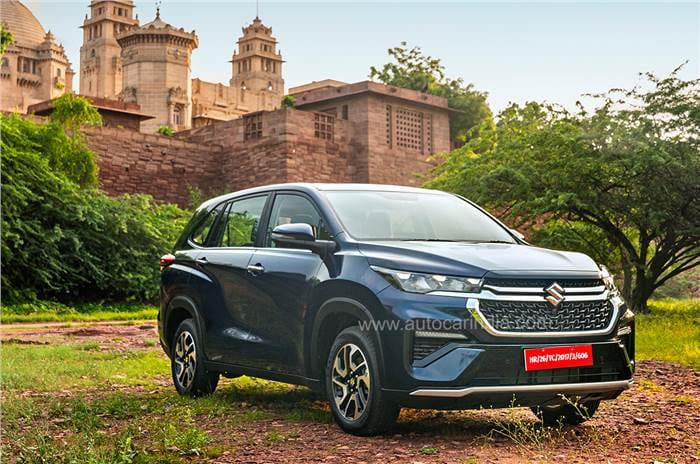
Maruti XL6 discounts in July 2026
Up to Rs 45,000
Next, the Maruti XL6 gets offers going up to Rs 45,000 on both petrol and CNG variants. Thes comprise a cash discount of up to Rs 20,000 and a scrappage bonus of up to Rs 25,000. The XL6 is the 6-seat, more premium version of the Ertiga (sold via Arena outlets) and it is priced from Rs 11.57 lakh to Rs 14.52 lakh.
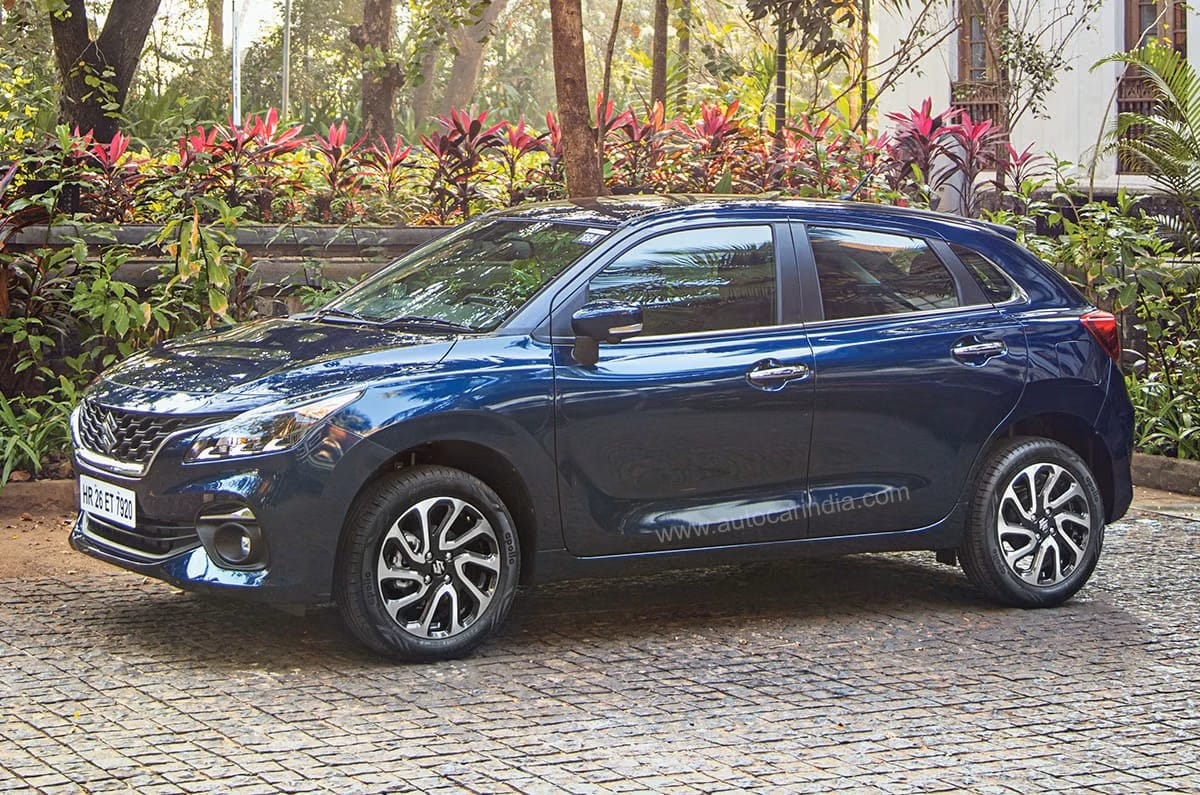
Maruti Baleno discounts in July 2026
Up to Rs 40,000
The Maruti Baleno is on sale with benefits of up to Rs 40,000 on petrol-manual variants and AMT variants. Meanwhile, the CNG variants attract benefits of up to Rs 35,000. The Baleno premium hatchback starts at Rs 5.99 lakh and goes up to Rs 9.17 lakh.
Maruti Fronx discounts in July 2026
Up to Rs 25,000
Lastly, the Maruti Fronx gets benefits of up to Rs 25,000 in July. The turbo-petrol variants are available with a Rs 10,000 cash discount and a Rs 15,000 scrappage bonus. Meanwhile, the naturally-aspirated petrol and CNG variants do not get a cash discount but are offered with a scrappage bonus of up to Rs 15,000. The Fronx price starts at Rs 6.85 lakh and tops out at Rs 11.84 lakh.
Ex-showroom prices mentioned above are as on July 8, 2026.
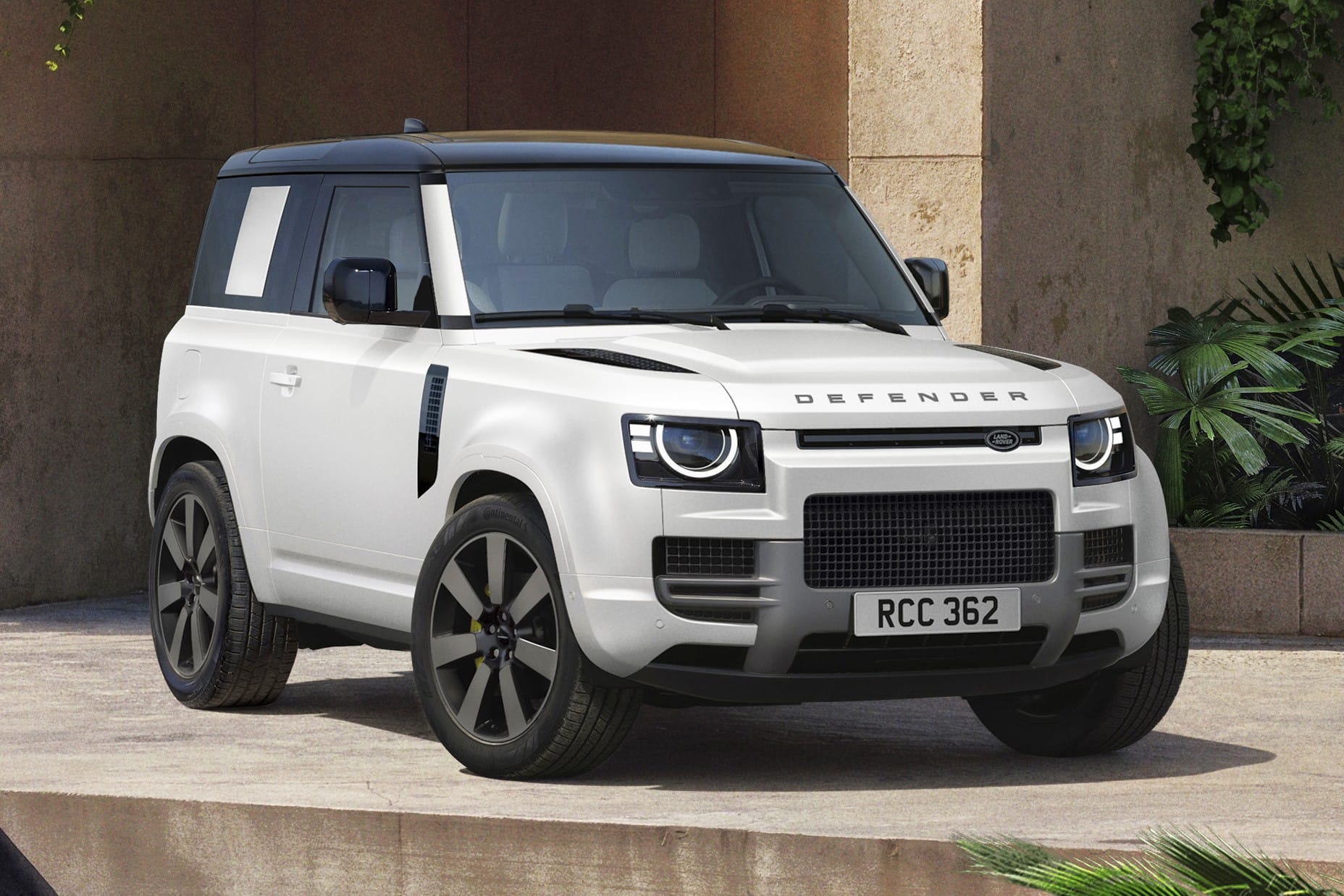
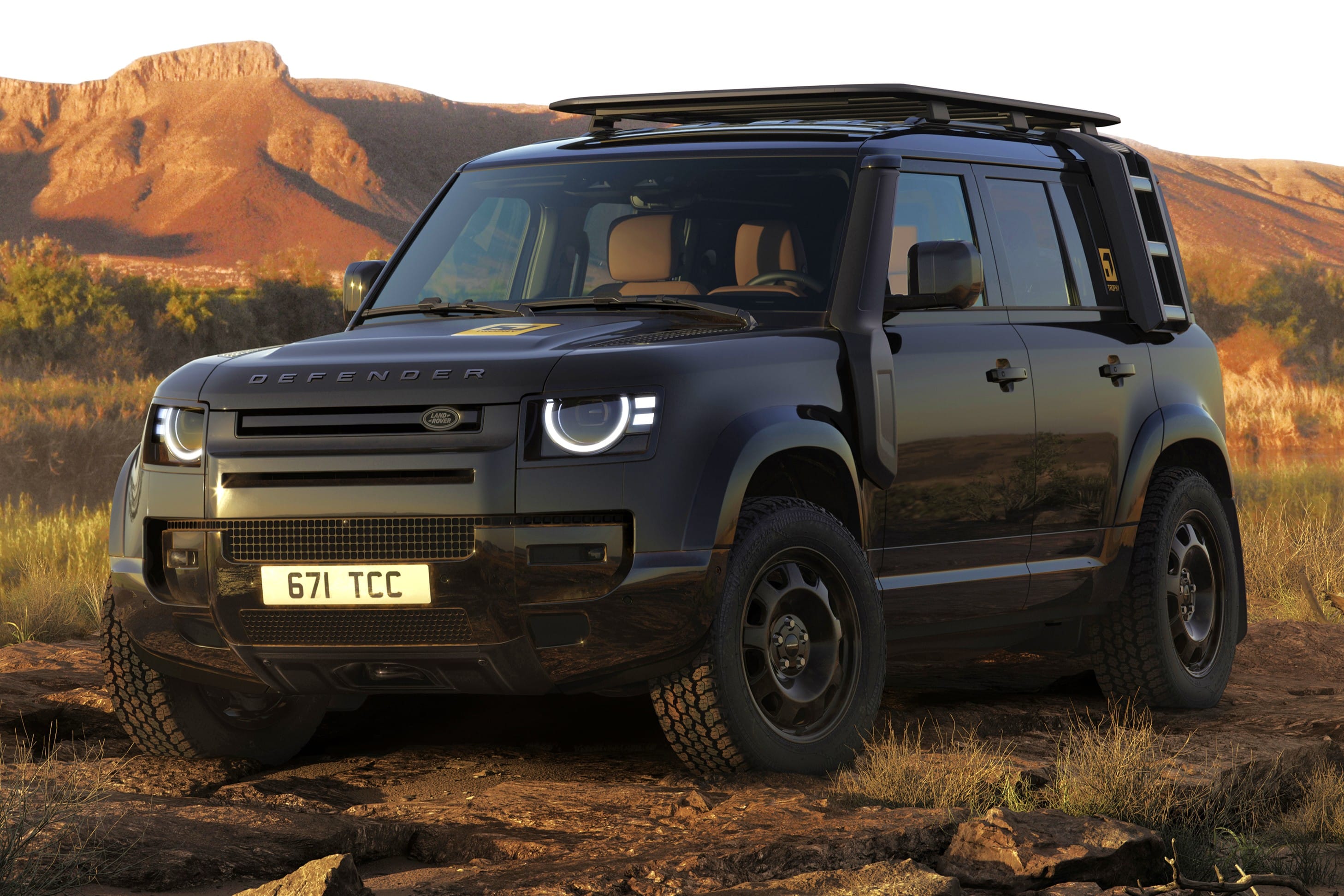
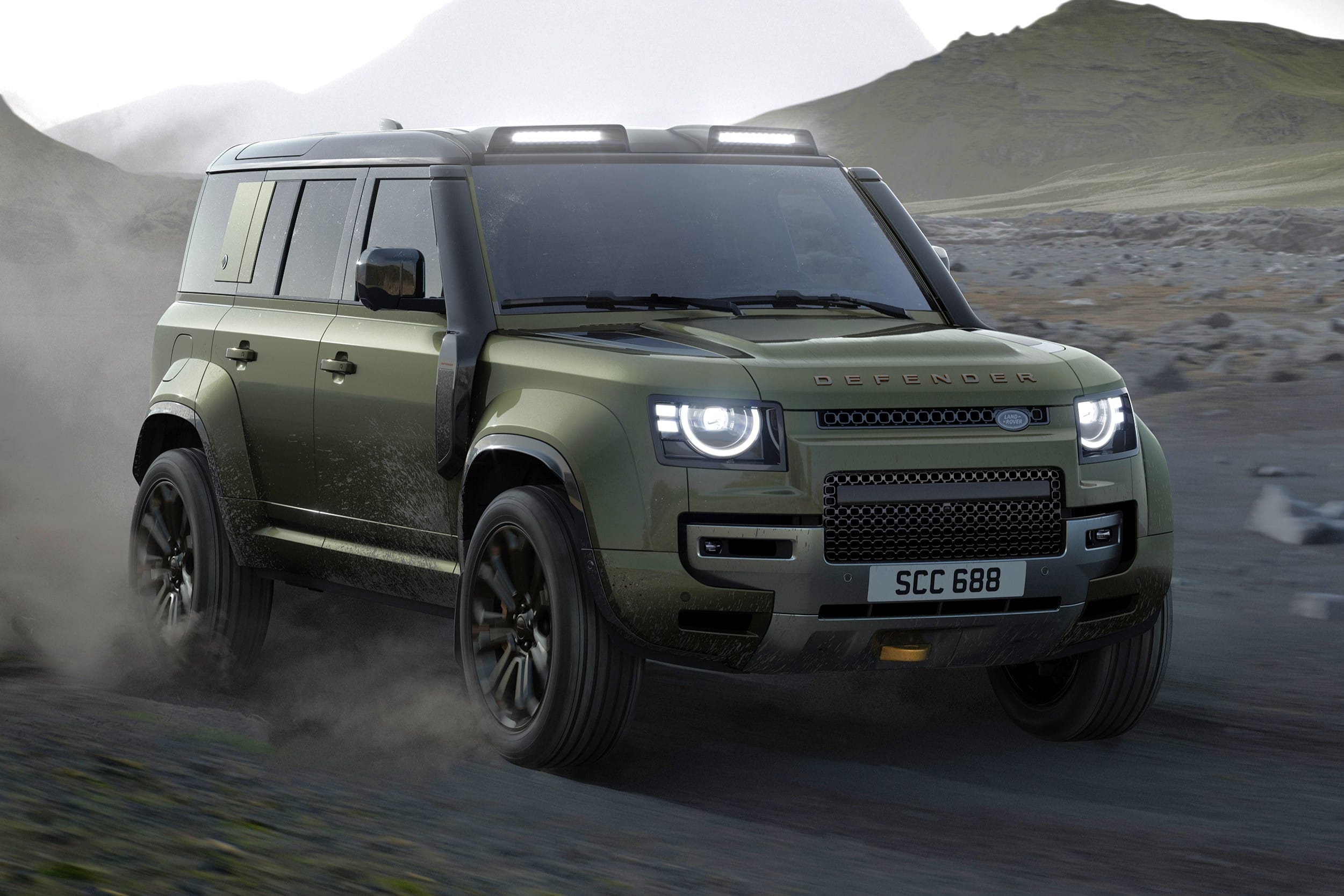
Land Rover has comprehensively updated the Defender range for 2026 and beyond, introducing a new urban-focused Vertex variant, an expanded powertrain line-up, additional personalisation and colour options, and a 6-seat configuration for the Defender 110. The 2026 Defender line-up is now available to order in global markets, with deliveries scheduled to begin this autumn. An India launch for the 2026 Defender is also expected, though the timeline is unconfirmed.
2026 Defender Vertex leads styling changes for the line-up
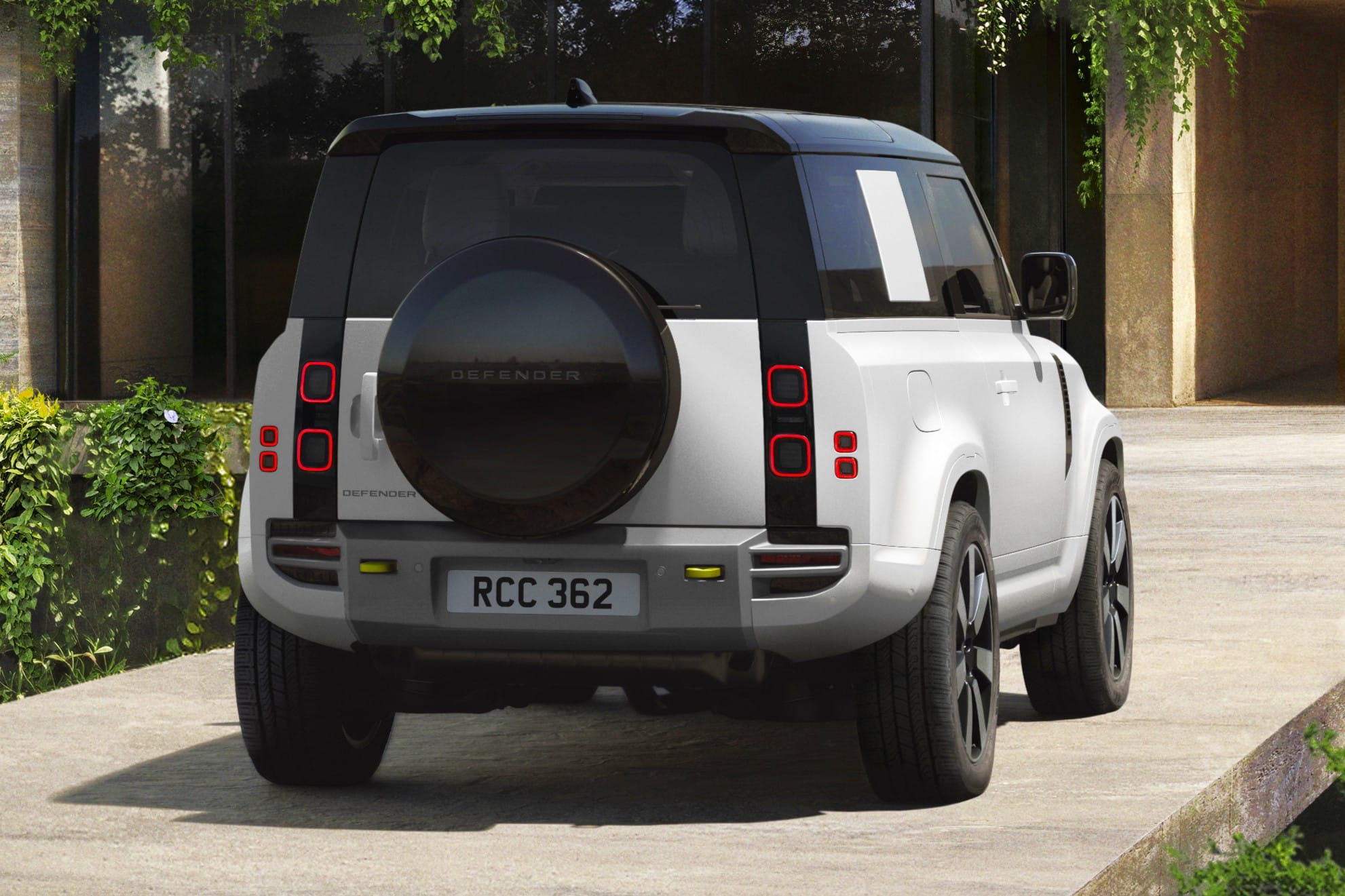
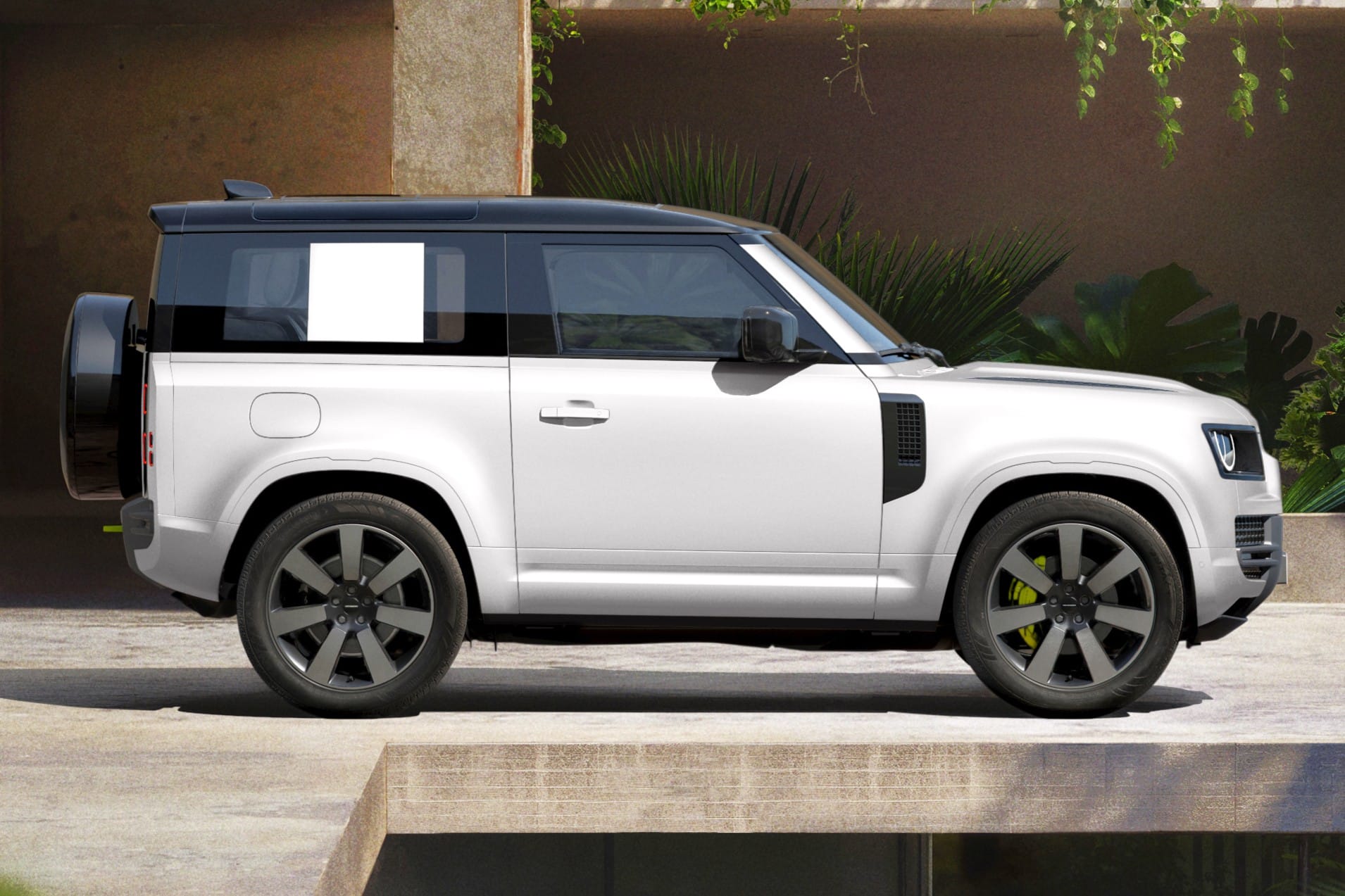
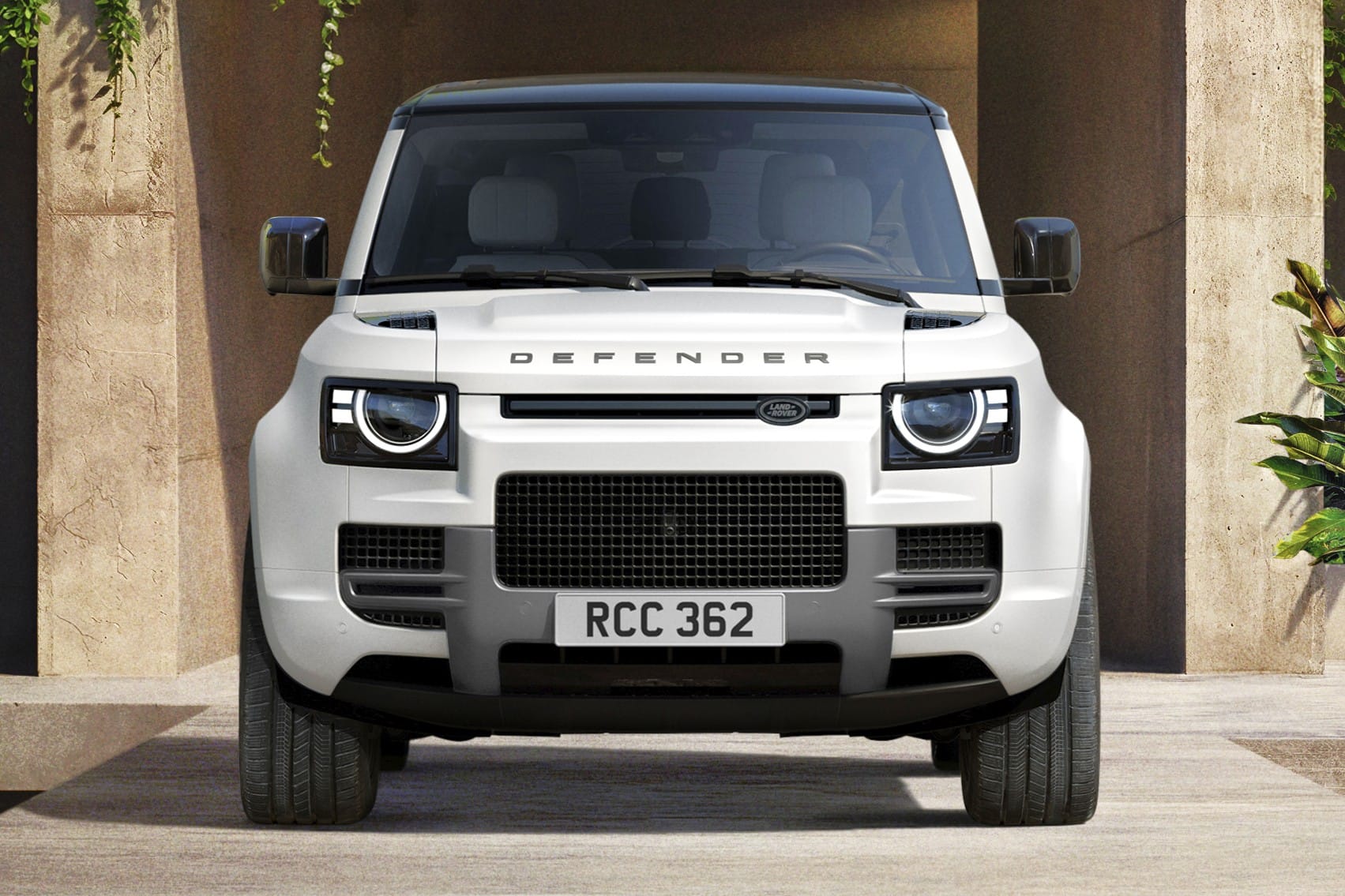
The headline addition to the 2026 Defender range is the urban-centric Vertex variant, which sits alongside the Defender X trims. Available in 90, 110, and 130 body styles, the Vertex is the first non-Octa Defender variant to feature a significant exterior redesign, which includes a larger front grille, updated front and rear bumpers finished in Carpathian Grey, revised fog lamps, yellow brake calipers and recovery eyes, body-coloured cladding and side sills, and a Gloss Black roof spoiler.
22-inch alloy wheels finished in Satin Dark Grey are standard fit for the Defender Vertex, with 22-inch Gloss Black and 20-inch Satin Dark Grey alloy wheels optionally available as well. As for colour options, the Defender Vertex is available in Fuji White, Santorini Black, Woolstone Green, Borasco Grey, Carpathian Grey, and Patagonia White (matte). Buyers can even opt for Matte or Gloss paint protection films, which are claimed to resist stone chips, scratches, and scuffs via a self-healing coating.
Other Defender variants to offer Vertex styling updates too, along with more colours
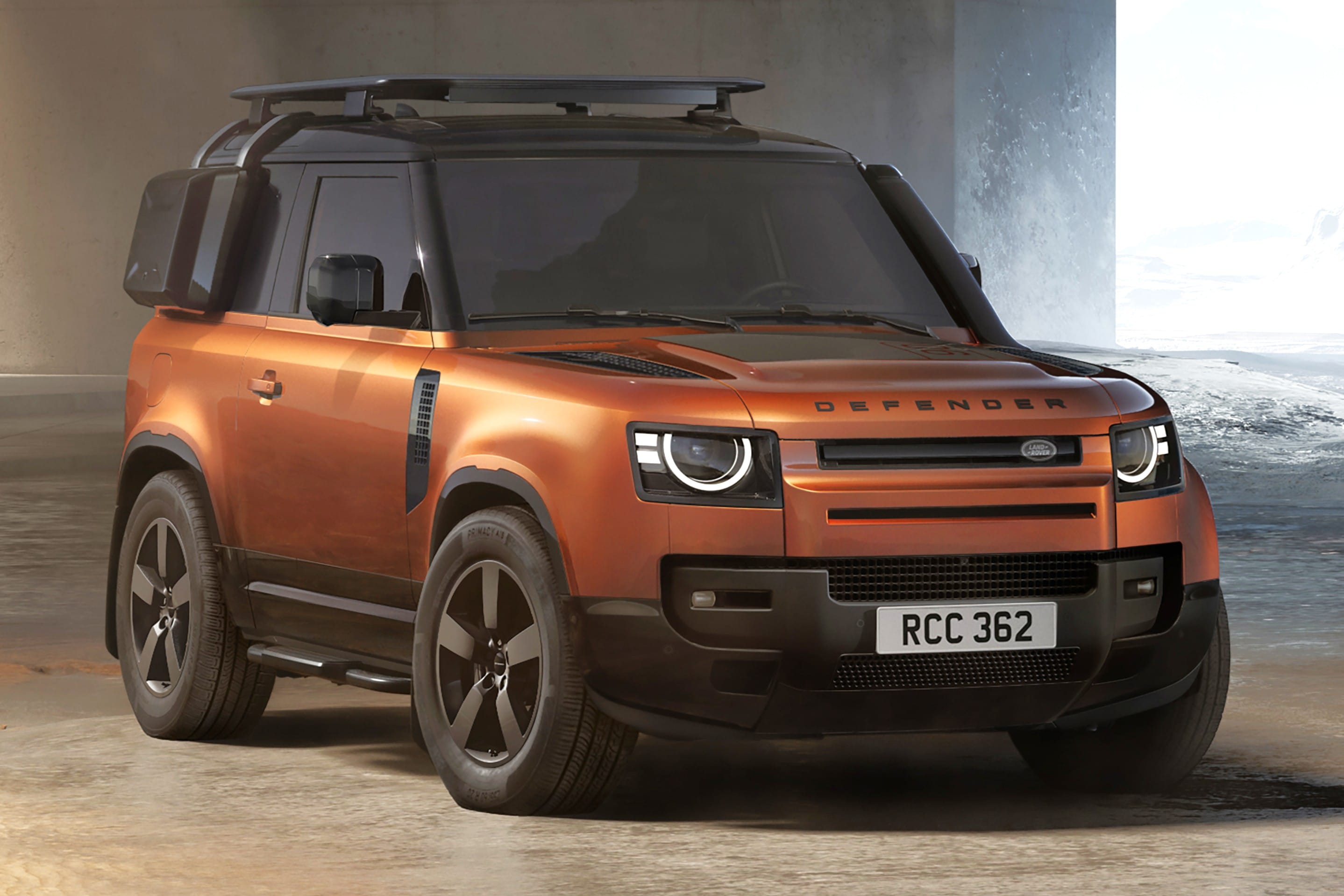
2026 Defender 110 in Namib Orange.
These styling updates aren’t exclusive to the Defender Vertex, as Land Rover will offer them as part of the new Extended Exterior Pack for the luxury off-roader’s existing variants. The Defender range is now available in 15 colour options too, including a new Namib Orange finish.
New colours for Defender Trophy Edition and Octa
2026 Defender Trophy Edition in Santorini Black.
Land Rover has also refreshed the Defender Trophy Edition with a new Santorini Black exterior finish and expanded interior customisation options. The Defender Octa also gets a new Woolstone Green colour option.
2026 Defender interior gets new AI voice assistant
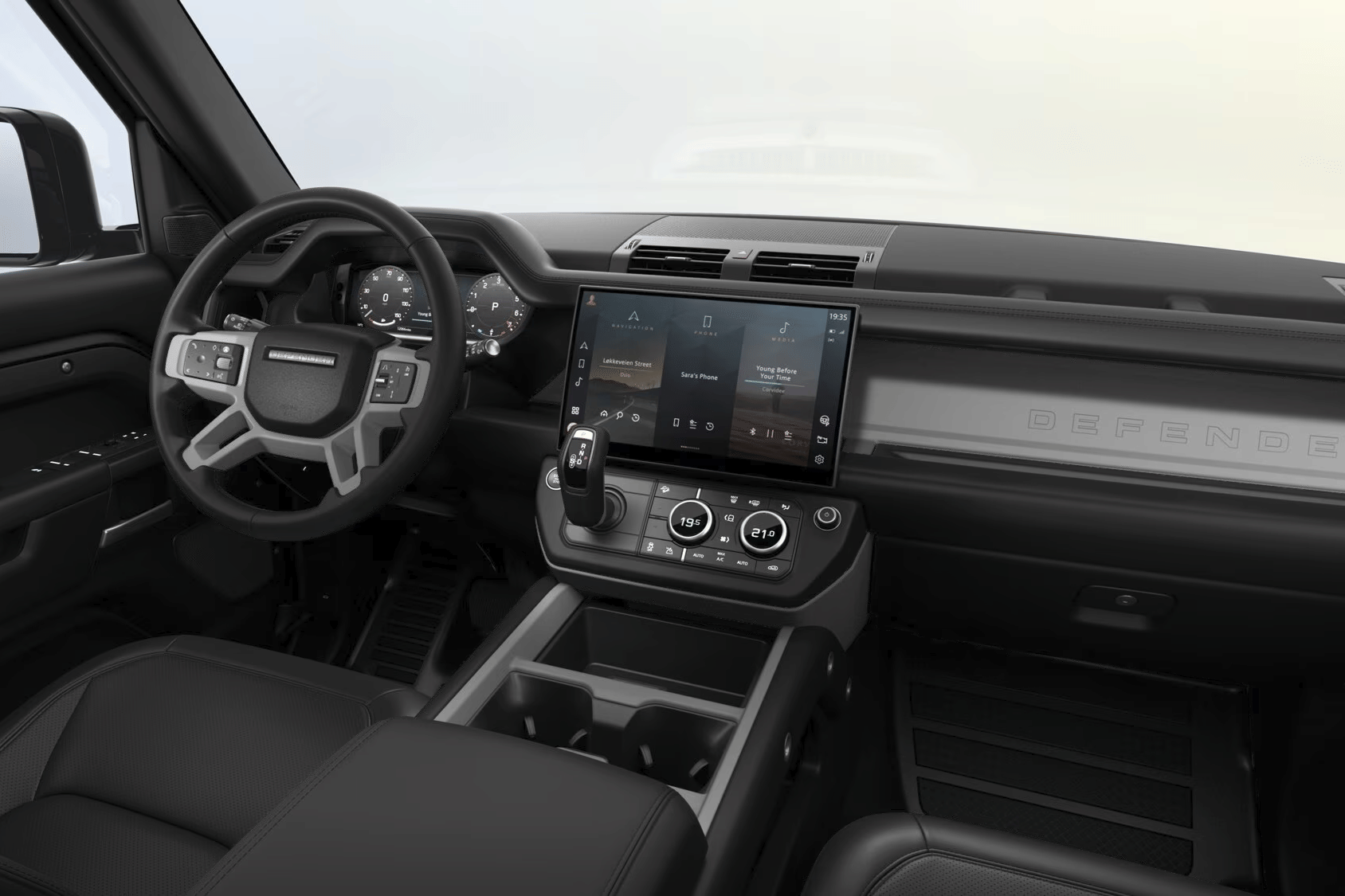
Current Defender interior. Image used for representation only.
Inside, the 2026 Defender features a new AI-powered ‘Hey Land Rover’ voice assistant. There’s also a new optional Technology Pack that bundles a heads-up display, a Meridian surround sound system, a camera-based IRVM, and a domestic power socket.
6-seat configuration now offered for Defender 110
Another notable update is a new 6-seat configuration for the Defender 110, featuring second-row captain’s chairs with additional bolstering, armrests, and a manual recline function. It also improves access to the third row, increases rear passenger legroom, and enables additional storage space between the second-row seats.
6-seat layout for 2026 Defender 110.
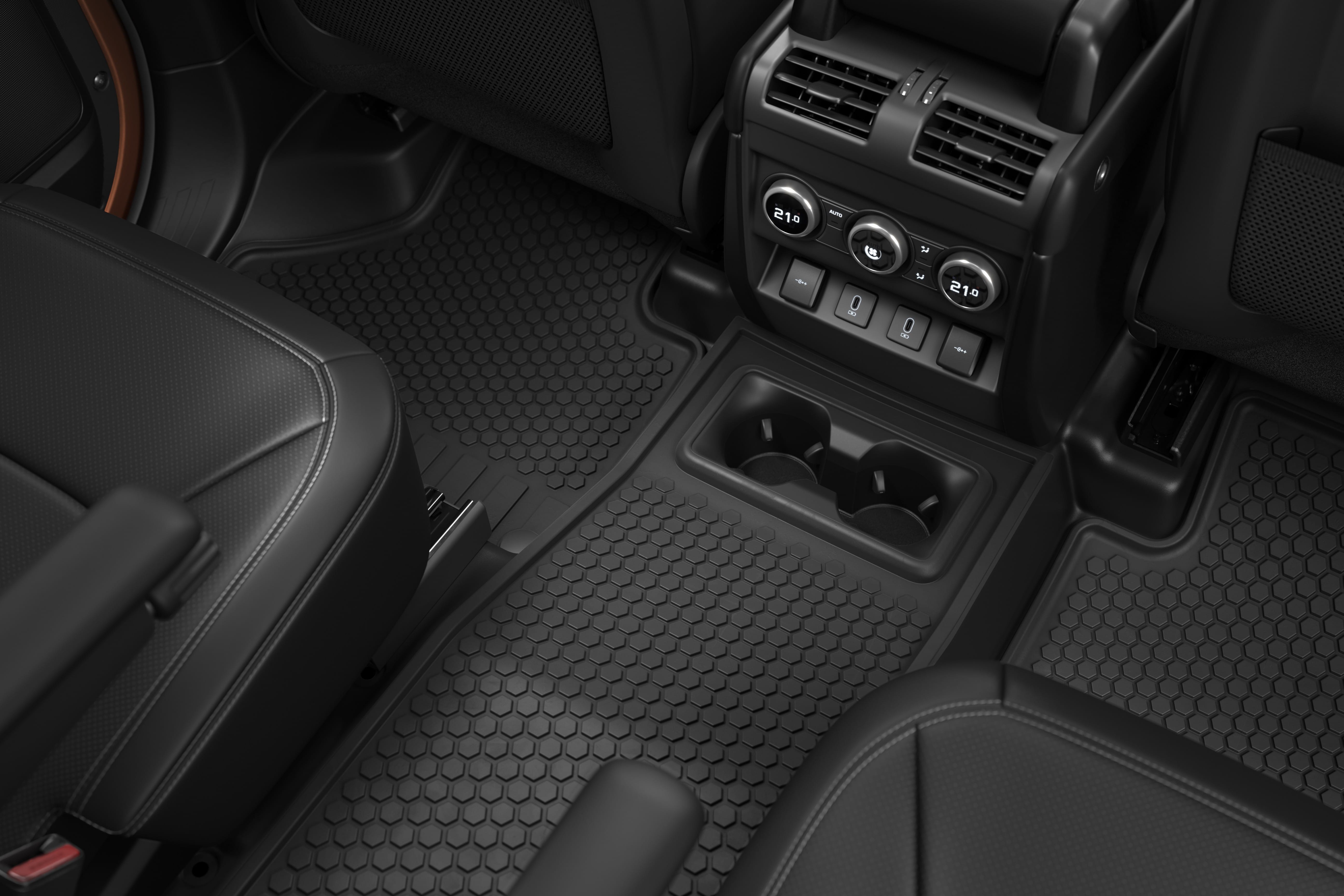
For the Defender Vertex, Land Rover is offering Windsor Leather, Forged Textile, and Ultrafabrics upholstery options in a variety of colour schemes. Standard equipment for the Defender Vertex 90 and 110 includes 3-zone climate control, a cabin air purifier, and a domestic power socket, while the 130 version upgrades the climate control to a 4-zone system.
2026 Defender gets new 6-cyl petrol engine options, but Octa is 95hp weaker
Land Rover has added a new 3.0-litre 6-cylinder mild hybrid petrol engine option, dubbed ‘P380’, to the 2026 Defender range, producing 380hp and 550Nm. In select markets, the prior 300hp 2.0-litre 4-cylinder petrol engine in the ‘P300’ variant (currently offered in India) has been replacedby a 3.0-litre 6-cylinder petrol engine producing 300hp and 470Nm.
Meanwhile, the range-topping Defender Octa’s BMW-sourced 4.4-litre twin-turbo mild-hybrid V8 has been detuned in the interest of complying with the latest Euro 6 emissions regulations. Power drops from the current 635hp to 540hp, though the torque output remains unchanged at 750Nm.
2026 Defender Octa in Woolstone Green.
As a result, the claimed 0-100kph time increases from 3.8 seconds to 4.4 seconds – over half a second slower. However, the 2026 Defender Octa does feature a redesigned exhaust manifold, which is touted to deliver a deeper and more authentic V8 soundtrack.
Lastly, the long-running 5.0-litre supercharged petrol V8 option for higher Defender variants has been discontinued in most markets as part of the 2026 update.
Mercedes-Benz India says suspected fuel adulteration is adding to customer concerns around E20 petrol, with some fuel quality issues being mistaken for problems caused by ethanol blending. The luxury carmaker said it has seen a rise in customer queries around E20 fuel. “We’ve seen a lot of anxiety, with a lot of customers asking us and our dealerships,” Mercedes-Benz India managing director and CEO Santosh Iyer said.
Mercedes-Benz says customer queries around E20 fuel have increased
Dealer network equipped with FAQs to address customer concerns
Latest S-Class hybrid already compatible with E25 fuel
Mercedes-Benz clarifies concerns around E20 fuel
Speaking during the company’s half-yearly sales call, Iyer said the company has equipped its dealer network with FAQs to help address customer concerns around E20 fuel.
He added that Mercedes-Benz’s latest models are already compatible with higher ethanol blends and said the company is not concerned about E20 compliance. “We were one of the first to get materially compliant E20 cars, as well as emission-compliant E20 cars. The new S-Class hybrid is already an E25-compliant car,” he said.
Mercedes urges stricter checks on fuel quality
Iyer said some cases of poor-quality fuel are being mistaken for issues related to E20 petrol, making it difficult to distinguish fuel adulteration from genuine ethanol-related concerns. “We have seen increased fuel adulteration happening under the garb of E20, which is also causing concern because we have some customers who may not have filled the right quality of fuel, and then explaining it to them may be challenging,” he said.
He said stronger enforcement at fuel stations would help distinguish genuine fuel-quality issues from concerns related to E20, reducing confusion among customers. “So this is something for the enforcement agencies and regulators to check because under this E20, even we can see a bit of proliferation of fuel adulteration, which is causing anxiety and concern among customers,” he said.
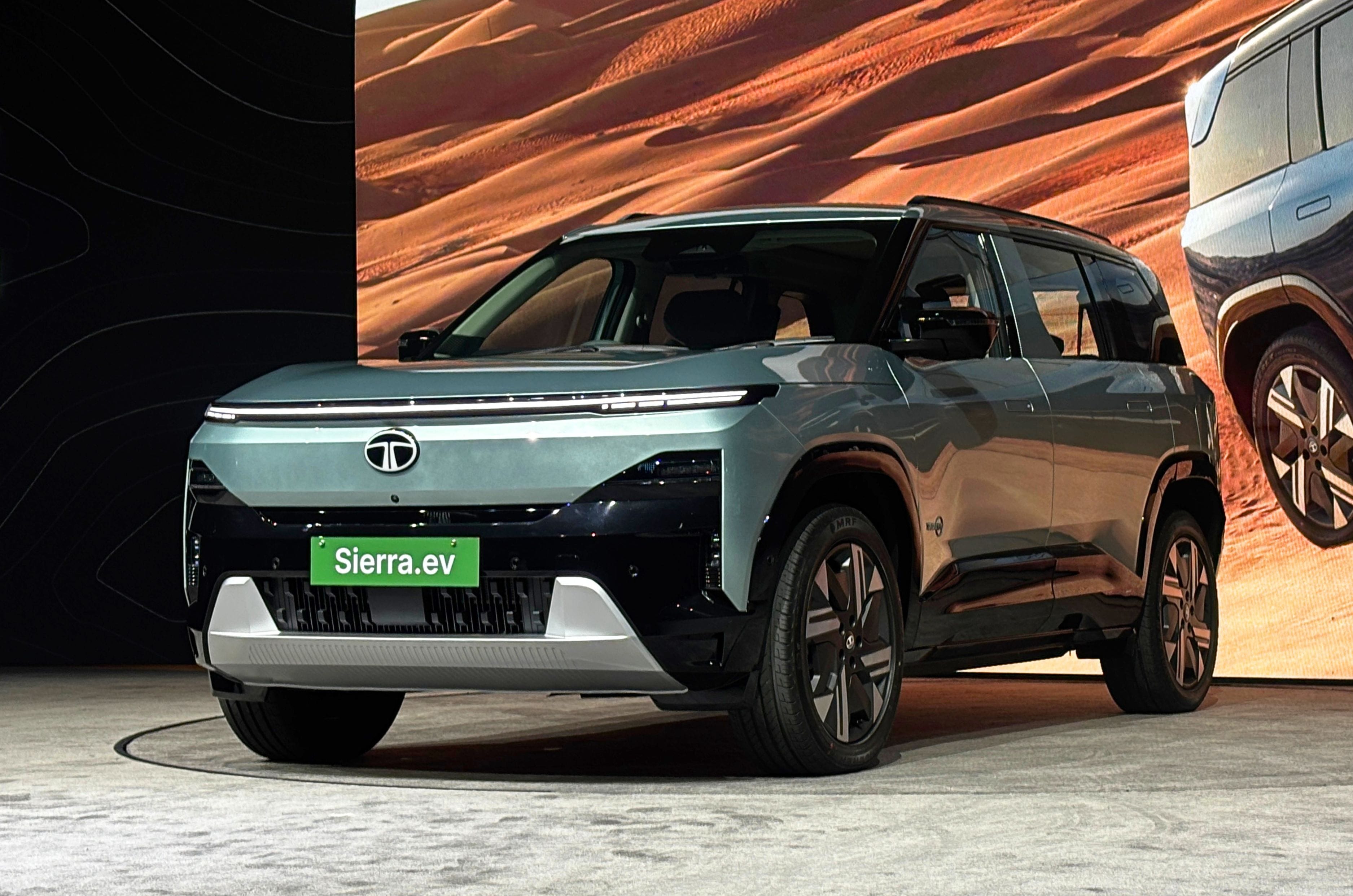
Tata‘s second all-wheel-drive (AWD) offering in its all-electric range, the Sierra EV, was recently launched in India. It borrows most of its interior and exterior design, as well as the feature suite, from its combustion-powered Sierra, introducing new colour themes and some EV-specific features. It is offered with two battery pack options: 63kWh or 75kWh, both with a rear-axle-mounted (RWD) motor, with the larger battery also getting a dual-motor AWD option. The Sierra EV is being offered in five trims: Pure, Pure S, Adventure, Empowered, and Empowered A, priced between Rs 18.79 lakh and Rs 25.99 lakh (ex-showroom).
If you are interested, here are the Tata Sierra EV’s on-road prices across major Indian cities to help you understand how much you need to pay to get your hands on one.
Tata Sierra EV on-road price range
RWD variants are priced up to Rs 26.91 lakh, and AWD costs up to Rs 28.19 lakh
Tata Sierra EV price range in top Indian cities (in Rs, lakh)
63kWh RWD
75kWh RWD
75kWh AWD
Ex-showroom, India
18.79-22.79
22.19-24.79
25.99
Kolkata (on-road)
19.39-23.43
22.82-25.95
26.66
Chennai (on-road)
20.13-24.31
22.69-26.41
27.66
Mumbai (on-road)
20.19-24.38
23.75-26.91
28.19
Note: On-road prices may vary based on city-specific registration charges and other cost components, including insurance, FASTag and RTO fees. Please check with your nearest Tata Motors dealership for the exact figures.
As the table shows, Kolkata offers the lowest Tata Sierra prices among the listed cities, followed by Chennai and Mumbai. The top-spec 63kWh RWD (Empowered 63) is Rs 95,000 cheaper in Kolkata than in Mumbai, while the 75kWh RWD (Empowered A 75) costs Rs 96,000 less. The largest gap is for the range-topping 75kWh AWD (Empowered A 75 AWD), which is priced at Rs 1.53 lakh lower in Kolkata.