Design and size key differentiators between Sierra and Harrier EVs: Tata Motors

Sierra vs Harrier

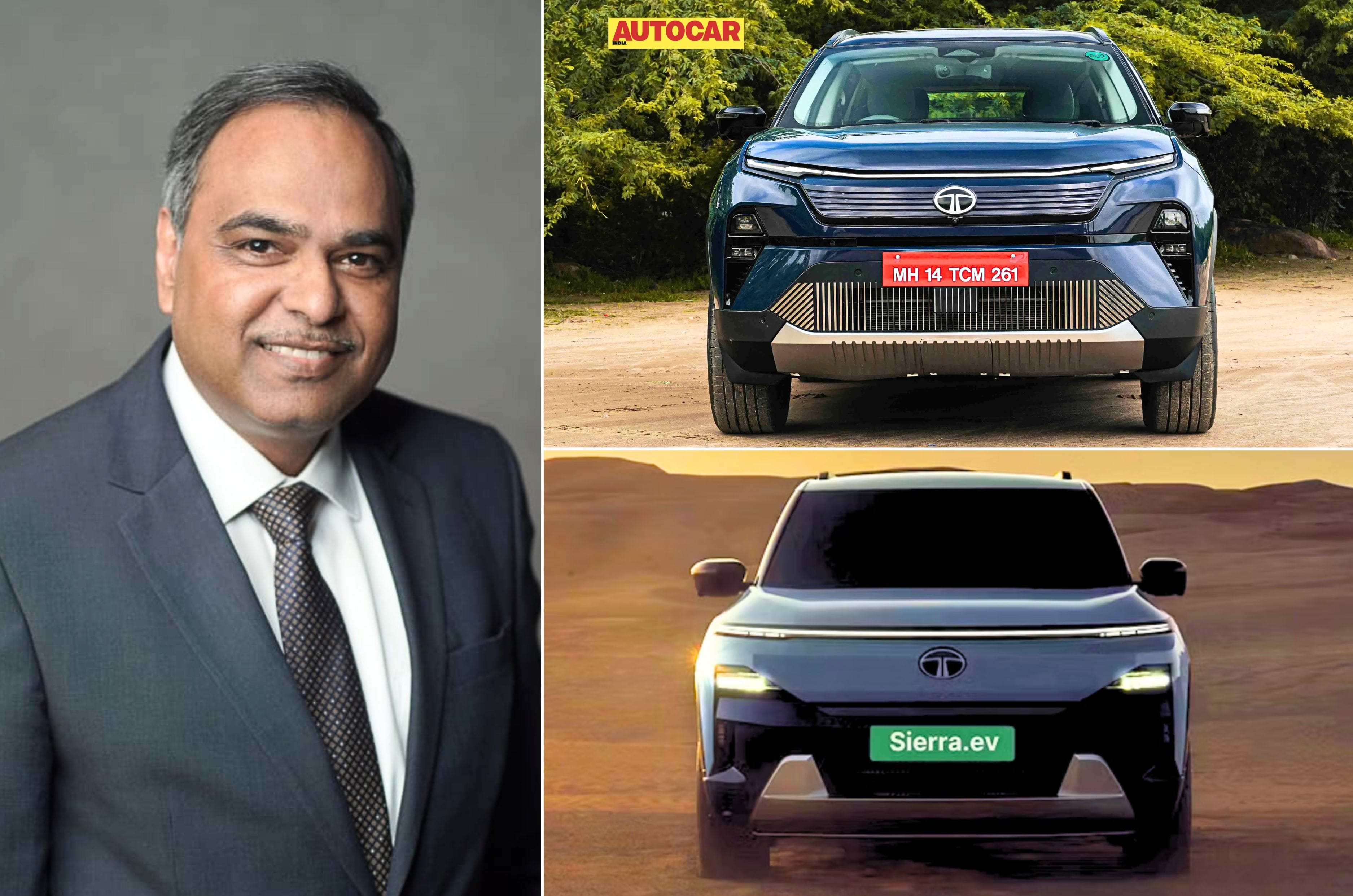
Until now, Tata Motors had maintained fairly distinct positioning of each model in its EV portfolio. However, with the new Sierra EV having a sizeable price overlap with the Curvv EV and the Harrier EV at the two ends of its price range, it begs the question is Tata Motors cannibalisation its own products? Shailesh Chandra, Managing Director and Chief Executive Officer of Tata Motors Passenger Vehicles, thinks not, as the company is banking on differences in size, design, cabin experience and vehicle character to mark out the individual models. 

Tata Motors Plays Down Cannibalisation

The Sierra EV is, in fact, very closely related to the Harrier EV, sharing similar battery capacities, common front and rear drive units, the thermal management system and also have broadly comparable performance. The former is priced between Rs 18.79 lakh and Rs 25.99 lakh, whereas the latter is priced between Rs 21.49 lakh and Rs 28.99 lakh.

According to Chandra, some movement between models within a broad portfolio was inevitable and is not the company’s primary concern. However, he said buyers do not evaluate models only through price and specifications. Their preferences are also shaped by styling, dimensions and their individual idea of what a model should represent.

“That’s why you see that the buyers of Harriers are very different than Sierra buyers, even in the ICE world,” Chandra said to our sister publication Autocar professional. “Somebody does not like boxy style. Somebody does not like dynamic style. So, first differentiation comes from there.”
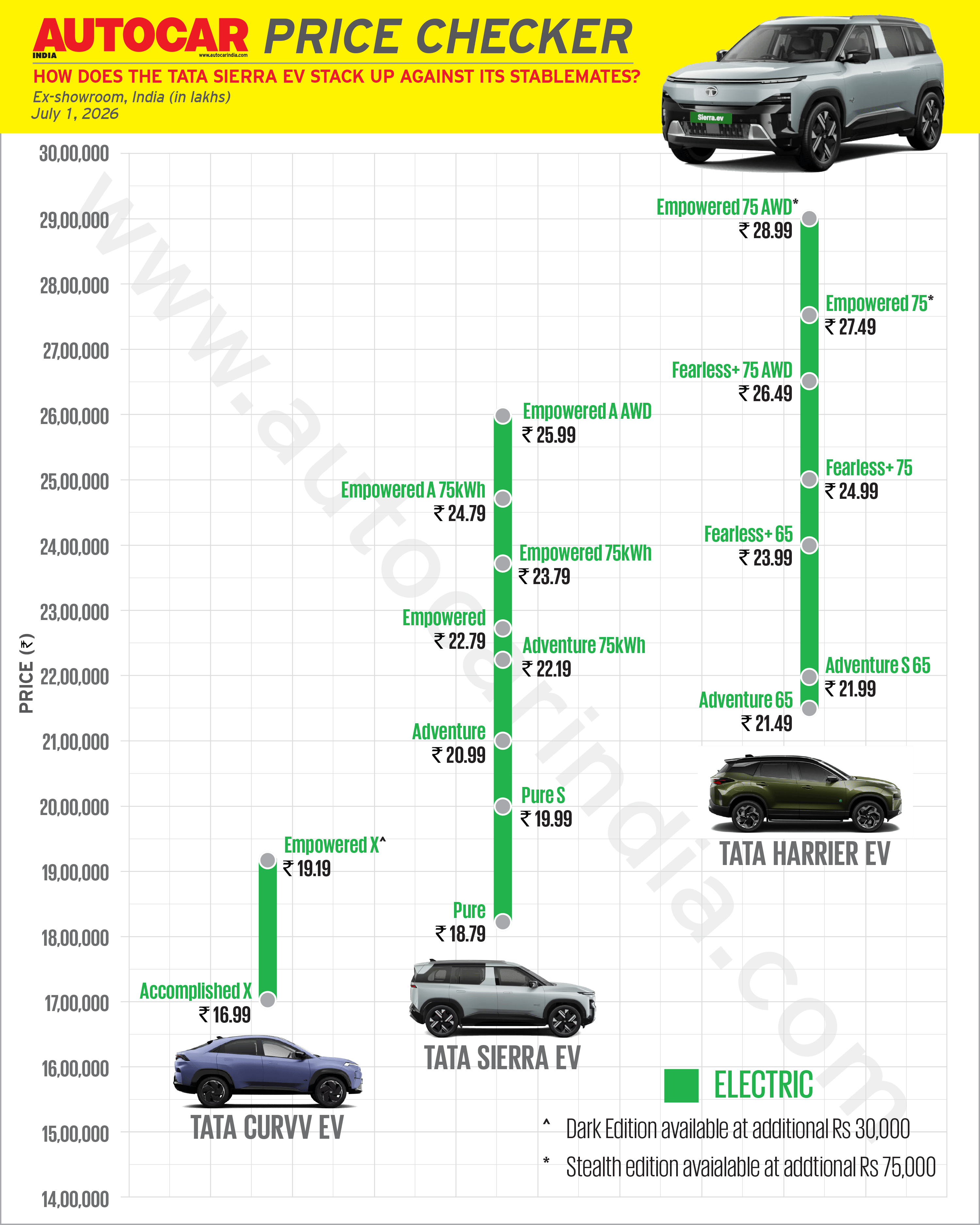
Price overlap between Curvv, Sierra and Harrier EVs. 

Chandra also said size plays a particularly important role in India, where buyers often expect the value of a higher-priced vehicle to be visibly reflected in its dimensions and road presence. Different price and accessibility points will further separate the vehicles, he added.

“It’s a combination of all this,” Chandra said. “There is clear separation of what you see in the ICE world also. Same will apply here.”

Any immediate cannibalisation may also be limited by Tata Motors’ supply constraints. “Harrier EV demand is twice of what we are supplying. It is a supply-driven issue,” said Chandra. 

Shared constraints in battery-pack production, power electronics and other aggregates require Tata Motors to allocate components across its electric portfolio, he added. The company is working on capacity expansion and supplier debottlenecking to close the gap between demand and production.

Anand Kulkarni, Chief Product Officer at Tata Passenger Electric Mobility, further reiterated the differences between the two electric SUVs. “These products don’t necessarily compete with each other,” Kulkarni said. “They are enabled by a common underlying technology stack, but they are tuned completely differently and operate differently.”
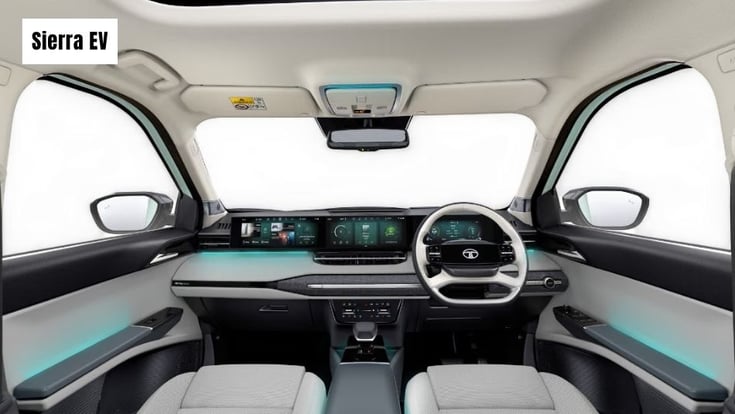
Tata Sierra EV interior
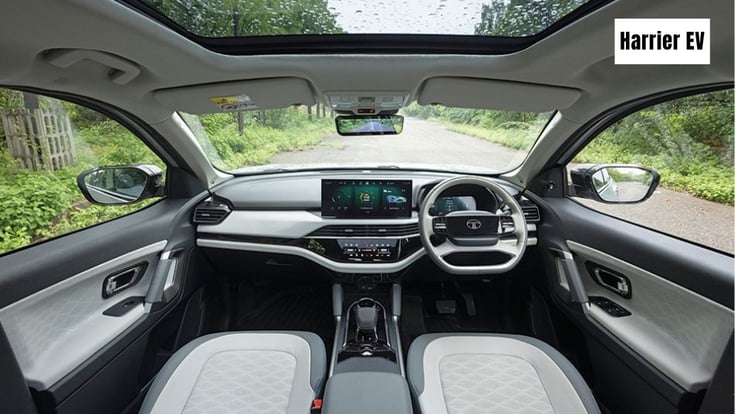
Tata Harrier EV interior


Kulkarni highlighted that the Sierra EV has a different cabin ambience from that of the Harrier EV. He compared this approach with the ICE versions of these SUVs, where they share the engine but deliver different driving and ownership experiences. “Just because two cars have a common engine, that does not make them a choice of one over the other,” he said.

Commonality gives scale and shared costs 

Commonality allows Tata Motors to distribute engineering, supplier-development and localisation investments across more products. “A lot of technologies that we developed in Harrier EV allowed us to also give it in the Sierra EV,” added Chandra, alluding to the ADAS suite, automatic parking and vehicle summoning features, as well as the all-wheel-drive technology,

The Sierra.ev and Harrier.ev will test both sides of Tata Motors’ EV strategy. Shared engineering must deliver scale, localisation and development-cost benefits, while Tata hopes styling, size and positioning creates enough distinction to expand the company’s addressable market. Some cannibalisation may be unavoidable. The larger test is whether the two SUVs collectively attract more customers to Tata Motors than either model could have done on its own.

With inputs from Saptarshi Mondal

TVS outsells Hero and Honda in combined sales for June 2026

TVS Jupiter, Honda Activa, Hero Splendor

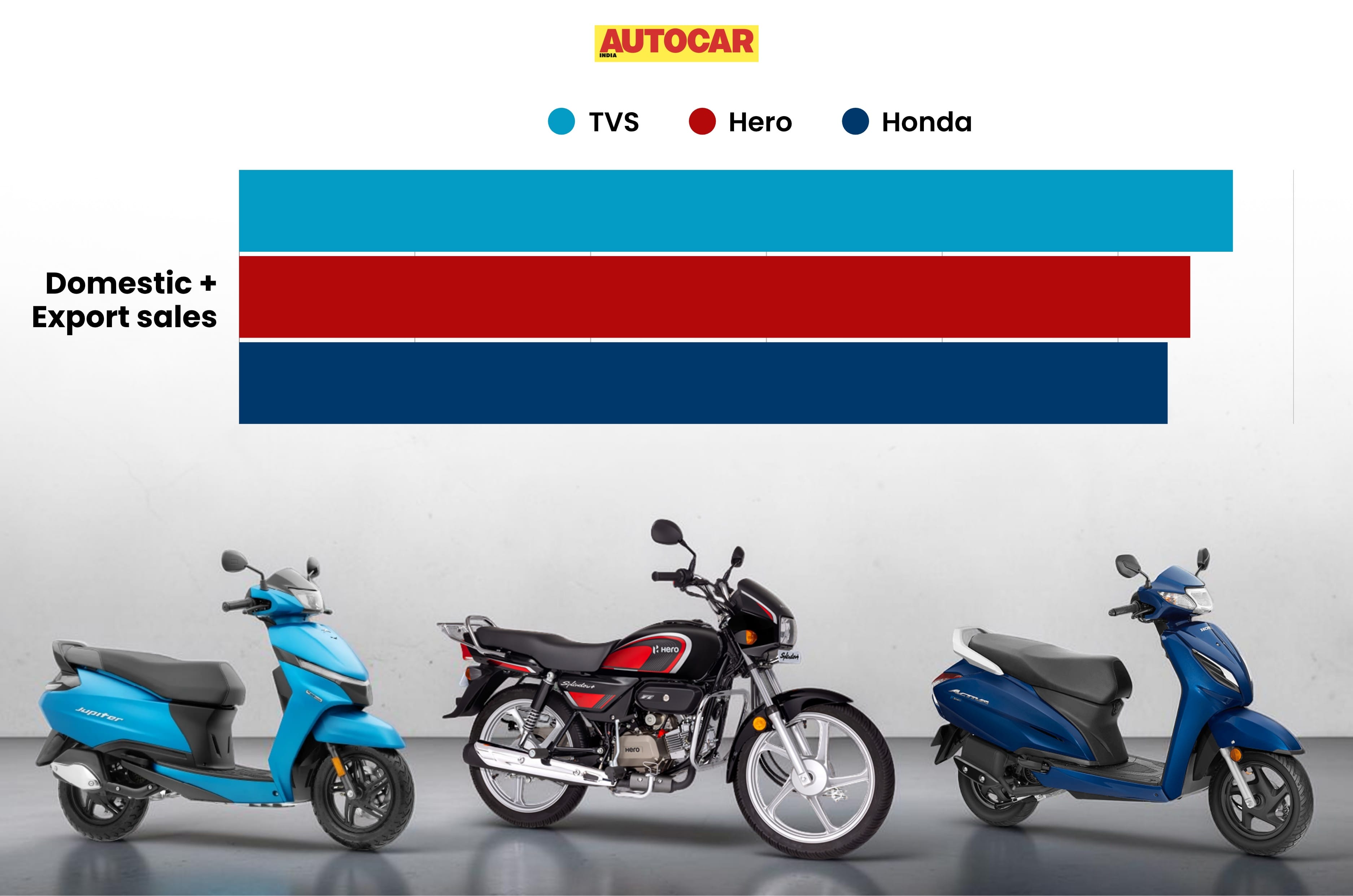
Last month’s domestic two wheeler sales figures paint a familiar picture. At the top is Hero MotoCorp, followed by Honda and then TVS. But if you were to add in export figures for the same period, then its TVS Motor that rises to the top for total two wheelers sold in June 2026.
  1. TVS tops combined domestic and export two-wheeler sales in June 2026
  2. Hero and Honda remain in top two for domestic sales

With 4,11,014 units sold in June 2026 within the Indian market, TVS is nearly a full lakh behind Hero that moved 5,02,890 motorcycles and scooters within the same period. Honda also has a good lead over TVS for second place with 4,68,956 units sold in the same period.
However, TVS has outdone both its rivals by a big margin when it comes to exports in June 2026. The company sold a massive 1,54,403 scooters and bikes overseas while that number dropped to 59,325 units for Honda and 38,269 units for Hero.

With both domestic and international sales tallied up, TVS sold a total of 5,65,417 units last month, slotting it above Hero’s 5,41,159 units and Honda’s 5,28,281 units. Notably, both TVS and Honda registered big increases over their respective sales figures in June 2025 while Hero registered a drop. Total sales for TVS rose by an enormous 47 percent for TVS when compared with the same month last year, while Honda also posted a solid growth of 26 percent. Meanwhile, Hero reported a small drop of around 2.3 percent for the same period.

It will be interesting to see if this is just a monthly blip or a sign of things to come for these companies that happen to be the top three motorcycle manufacturers, not just in India, but also worldwide.
 

2026 Renault Kwid launched in India at Rs 4.53 lakh

2026 Renault Kwid front quarter static

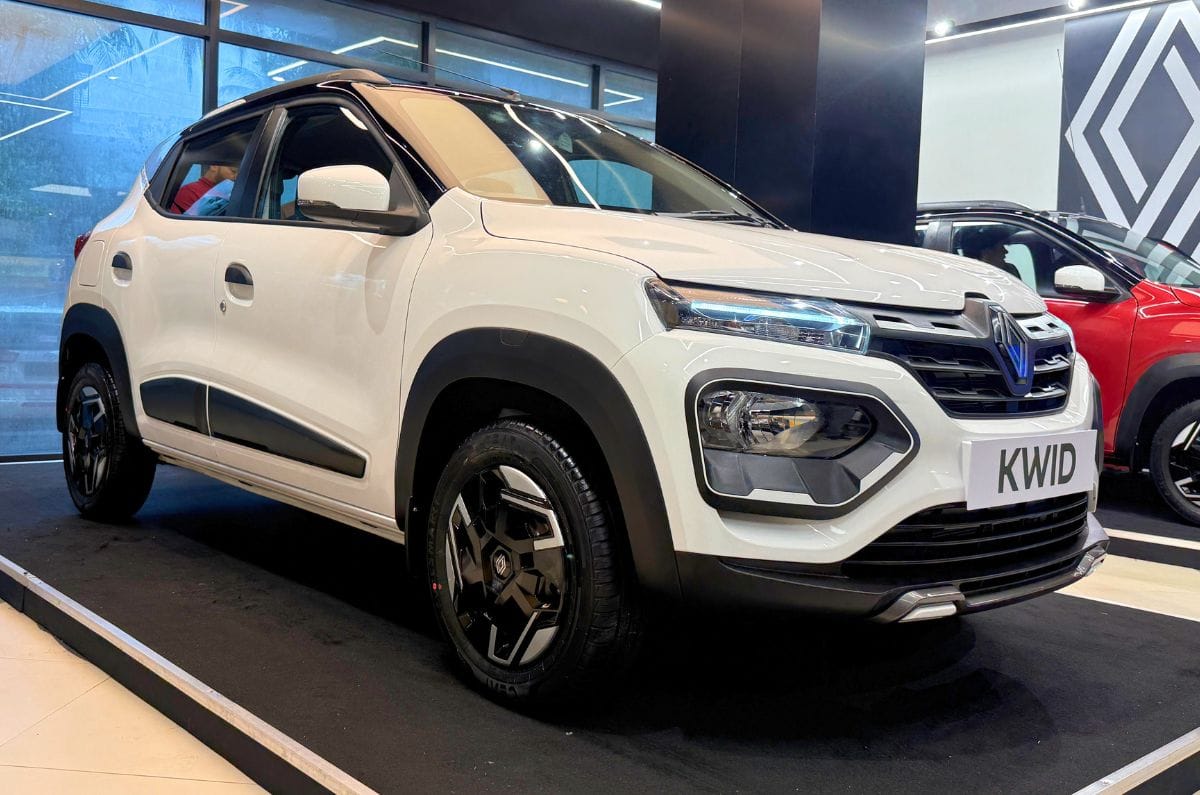
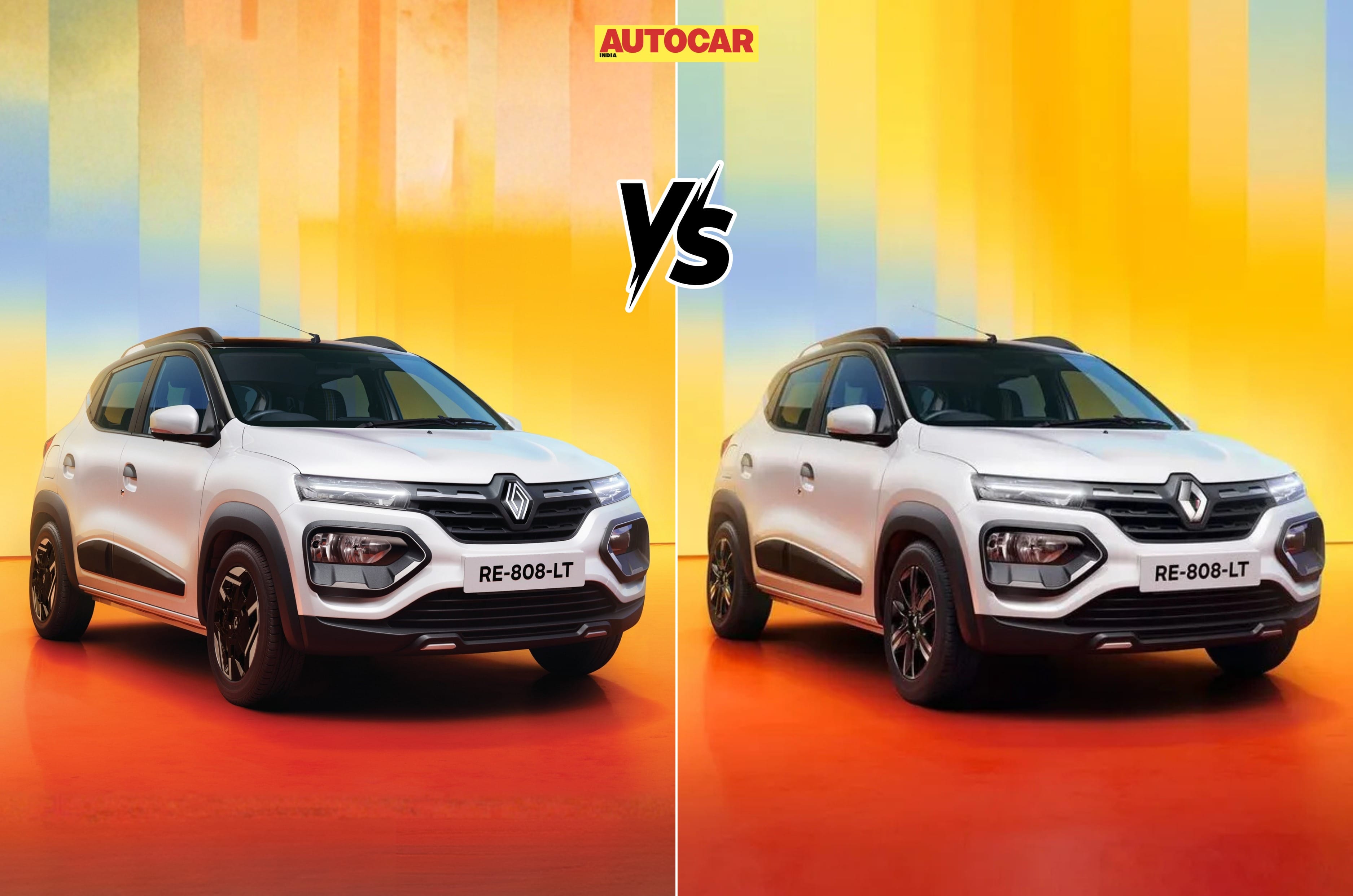
Renault has launched the 2026 Kwid in India with prices starting from Rs 4.53 lakh (ex-showroom). It is available in two trims: Evolution and Climber, offered with both manual and AMT options. Compared to the older model, the 2026 Renault Kwid gets some exterior and interior design changes and comes at a relatively lower price than before.

  1. Retrofitted CNG kit is available with MT variants at Rs 70,450 extra
  2. Continues with the same 1-litre 3-cylinder petrol engine (69hp, 92.5Nm)

Renault has also revealed its India plans, announcing 12 product “actions” over the next 18 months, 4 of which will happen in the remainder of 2026. Commenting on the upcoming plans, Renault India CEO Stéphane Deblaise said, “There won’t be more than two consecutive months without a significant update from Renault, whether it’s a limited edition, a design refresh, new technology, a new powertrain, or even an all-new car.”

2026 Renault Kwid: Prices

Offered in Evolution and Climber trims with manual and AMT options

2026 Renault Kwid: Variant-wise ex-showroom prices 


5-speed manual

5-speed AMT

Evolution

Rs 4.53 lakh

Rs 4.90 lakh

Climber

Rs 5.15 lakh

Rs 5.61 lakh

Renault is offering a retrofitted CNG kit for the Kwid’s manual variants at an additional Rs 70,450, with a 3-year/1 lakh km standard warranty (whichever is earlier). If you choose, these CNG kits will be installed at authorised workshops. Consult your nearest Renault dealership for more details.

The starting price of the 2026 Kwid is Rs 22,000 more than the older model’s base-spec Authentic trim. With the 2026 update, however, prices of the Evolution and Climber trims have reduced by up to Rs 14,000 and Rs 32,000, respectively. The previously available entry-spec Authentic and mid-spec Techno trims have been discontinued with the 2026 model.

2026 Renault Kwid: What’s new?

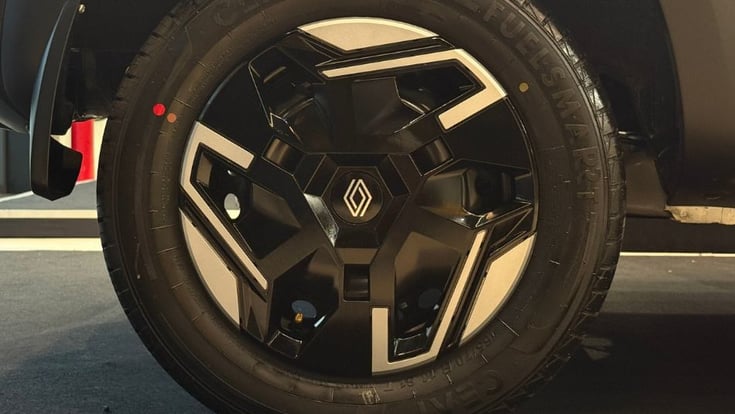
Sports new Renault logos and redesigned plastic wheel covers

2026 Renault Kwid front design
2026 Renault Kwid wheel covers
 

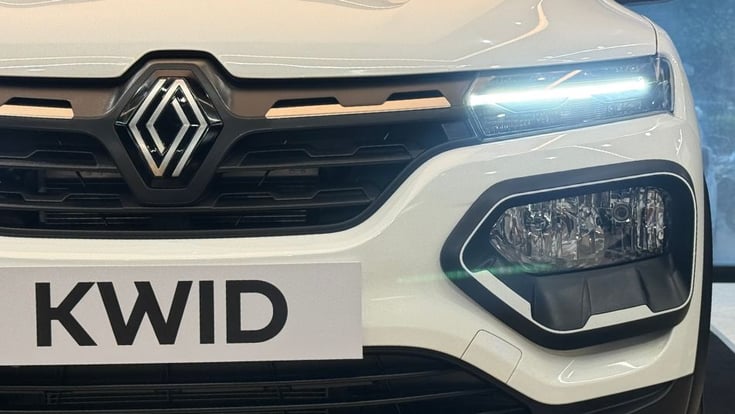
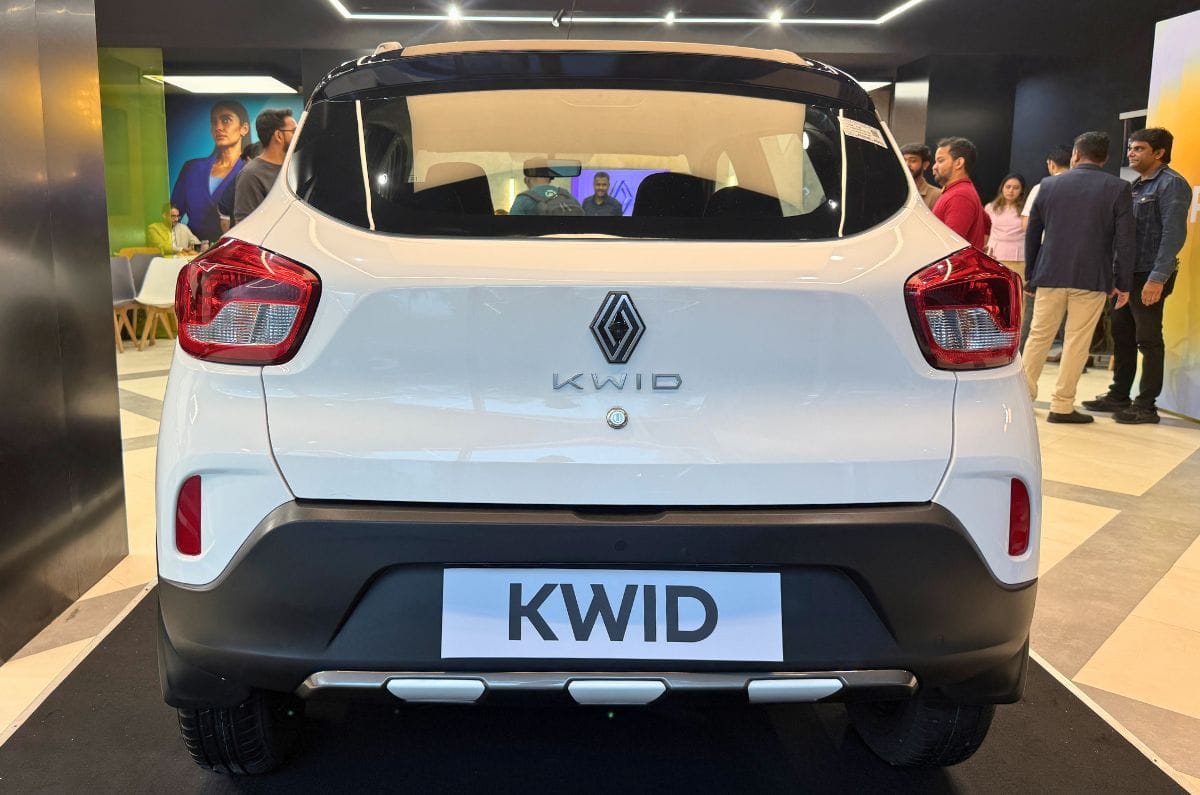
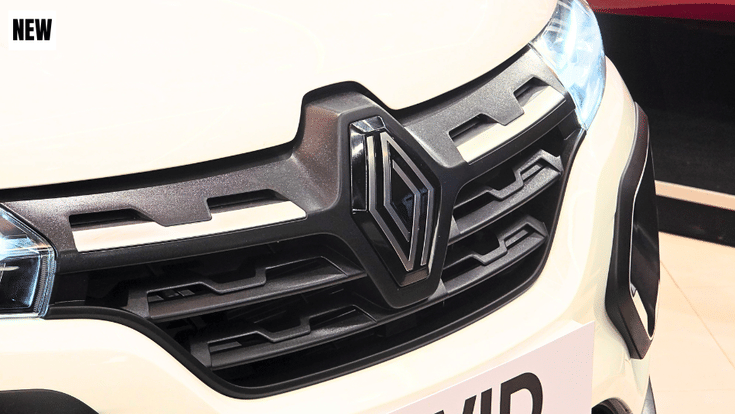
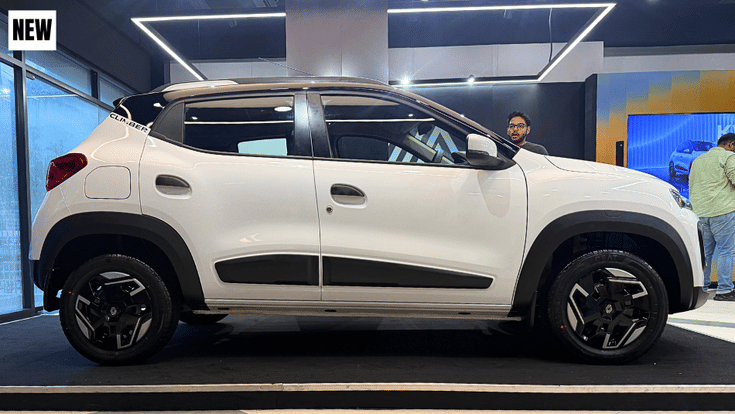
As mentioned earlier, there are only a couple of changes to the 2026 Kwid’s exterior design elements. These include new 3D Renault badges and redesigned dual-tone plastic covers for the 14-inch steel wheels. Keen-eyed viewers can also spot a different font for the Kwid lettering on the tailgate, and it also gets a new silver finish.

Other elements are the same as those on the older Kwid, including the eyebrow-shaped LED DRLs, halogen headlights, front and rear bumpers and halogen taillights.

The 2026 Kwid’s dimensions are identical to the older model, which are as follows:

2026 Renault Kwid dimensions and other specifications

Length 

3,731mm

Width

1,579mm

Height 

1,474mm

Wheelbase

2,422mm

Ground clearance

184mm

Boot space

279 litres

Borrows a steering wheel and gear lever from the Renault Kiger SUV

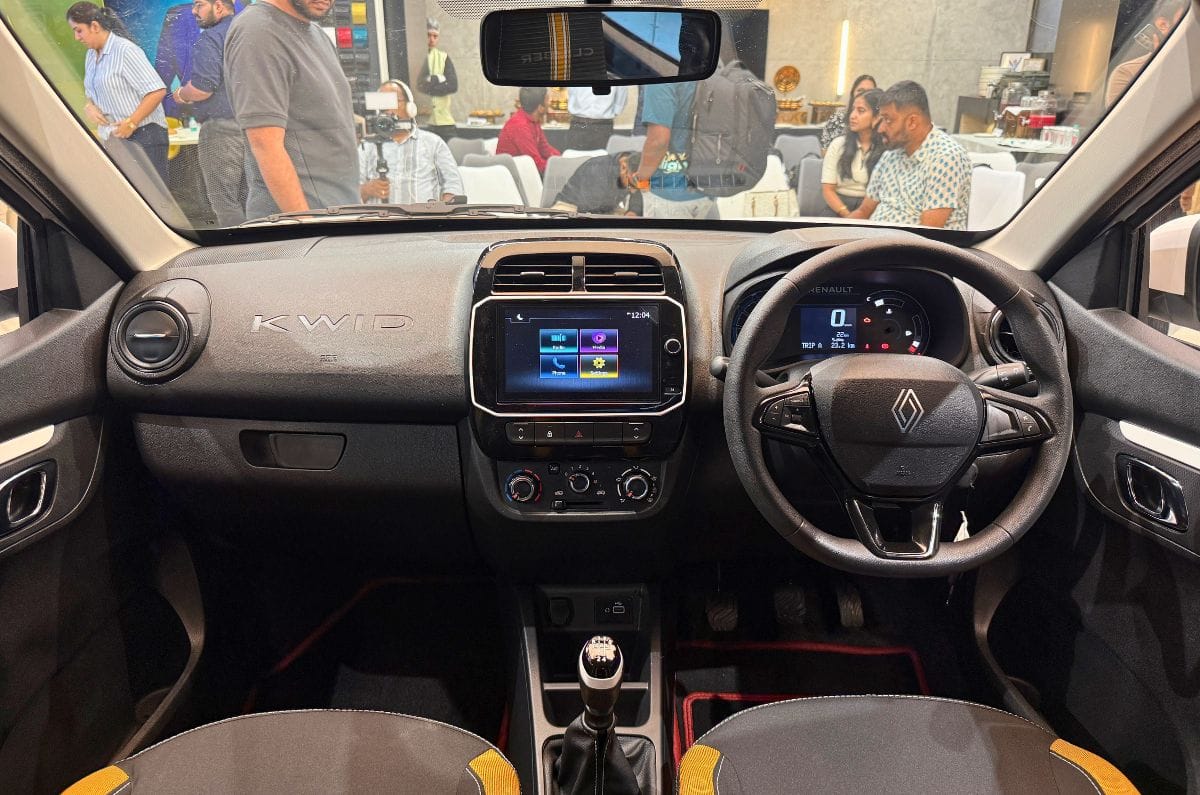
Like the exterior design, not much has changed inside the Renault Kwid’s cabin with the 2026 update. The new 3-spoke steering wheel design is borrowed from the Kiger, featuring buttons for controlling the infotainment system.

Everything else is the same, including the 8-inch touchscreen infotainment system with support for wired Android Auto and Apple CarPlay, a semi-digital instrument cluster with a multi-information display (MID) in the centre, manual AC, and all four power windows. The black fabric seat upholstery with yellow accents is also identical to the older model.

It is offered with dual airbags in the base-spec Evolution trim, while the top-spec Climber gets 6 airbags. Other safety features include a rear parking camera with sensors, a tyre pressure monitoring system (TPMS), hill start assist (with AMT variants only), keyless entry with central locking, ABS with EBD and seatbelt reminders. 

Powered by the same 69hp 1.0L naturally aspirated petrol engine

The 2026 Renault Kwid is powered by the same 1.0-litre 3-cylinder naturally aspirated petrol engine that produces 69hp and 92.5Nm. It is mated to either a 5-speed manual gearbox or a 5-speed automated manual transmission (AMT).

The Renault Kwid continues to rival the Maruti S-Presso and Maruti Alto K10, which start at lower price tags of Rs 3.50 lakh and Rs 3.70 lakh, respectively.

Prices are ex-showroom, Delhi.

Renault Kwid new vs old: Differences and similarities explained

Renault Kwid New vs Old comparison

Renault gave the Kwid a comprehensive facelift back in 2019. Three years later, the hatchback received a few cosmetic tweaks and new paint options. The 2026 Renault Kwid comes with yet another lifecycle update, albeit a minor one. It remains Renault’s most affordable car in India, and its closest rivals are the Maruti Alto K10 and Maruti S-Presso. Let’s now look at what’s new with the 2026 Renault Kwid compared to its predecessor.

Renault Kwid new vs old: Exterior design

There are only a couple of noticeable changes on the outside

2026 Renault Kwid facelift front grille
Old Renault Kwid front grille
 

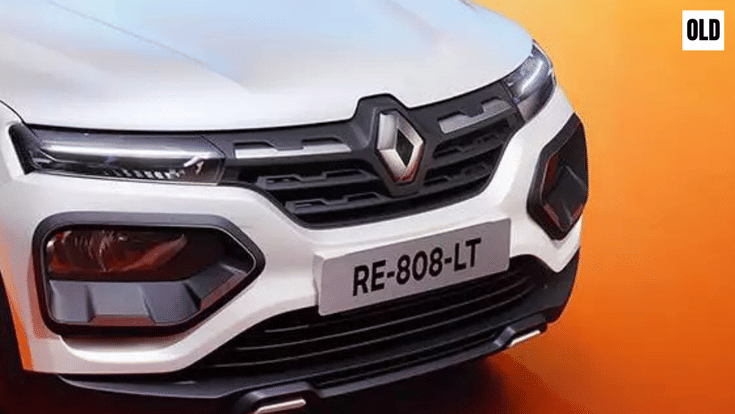
Compared to the pre-facelift model, the 2026 Kwid’s exterior is more or less unchanged in terms of its overall design and silhouette. The sleek upper LED lighting element and the large bumper-integrated headlamp housing have been carried forward, along with the faux front diffuser. The only difference at the front of the Kwid now is the new Renault logo.

2026 Renault Kwid facelift side
Old Renault Kwid facelift side
 

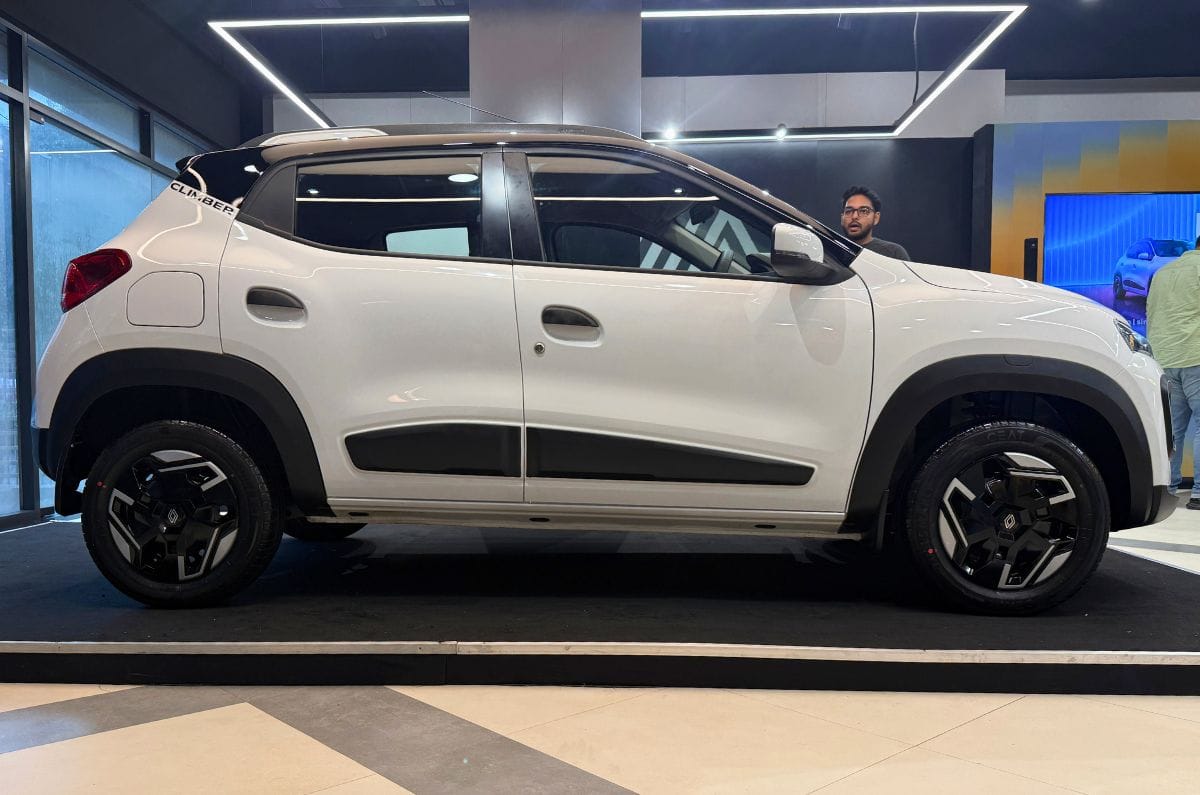
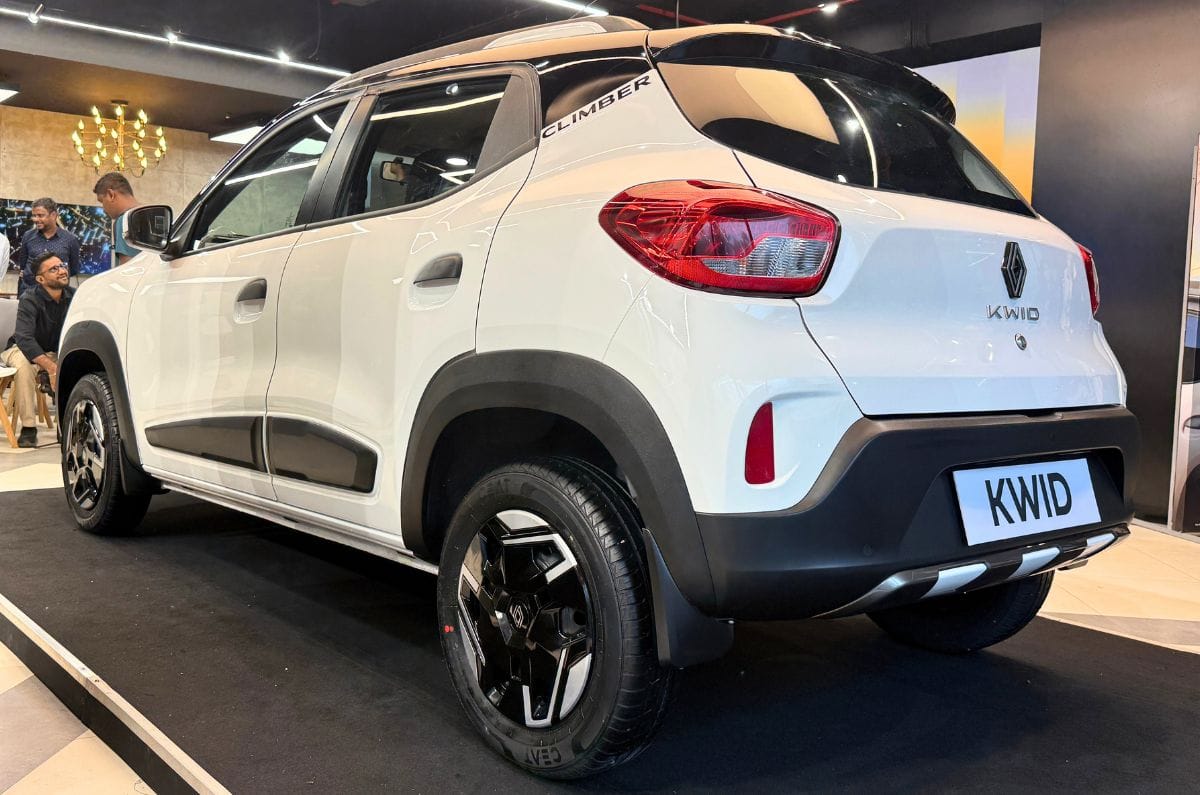
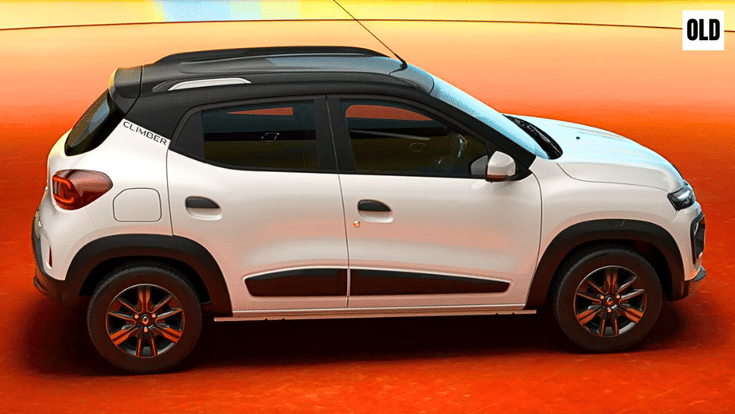
Along the side, the 2026 Kwid mostly looks the same as the previous model. However, Renault has given it a new two-tone wheel cover design, which also features the brand’s new logo. Other details such as the roof bars, ‘Climber’ lettering (for the top trim) and black lower-body cladding have been carried over from the pre-facelift model. As at the front, a design difference at the rear between the two cars is the new Renault logo. Apart from that, the ‘Kwid’ lettering on the tailgate is new as well. However, the design of the tail lamps, rear static reflectors and bumper are the same as before.

Renault Kwid new vs old: Interior design

There’s only perceivable difference on the inside of the 2026 Kwid

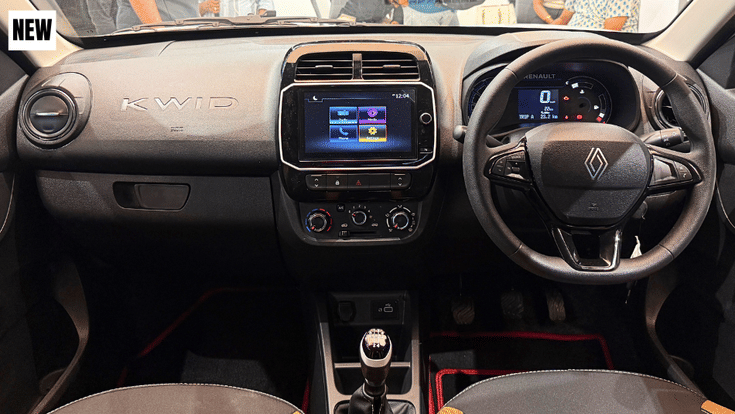
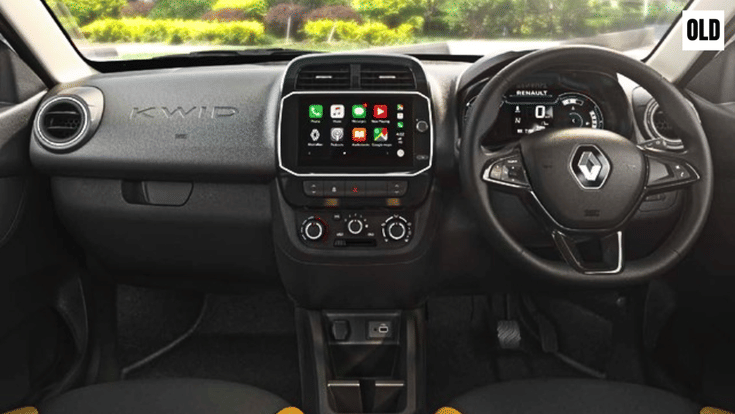
Stepping inside, the biggest change between the old and new Renault Kwid is in the steering wheel. Not only is the design of this wheel new, it also gets the brand’s latest logo that’s found in other Renault models on sale in India. The rest of the interior of the 2026 Kwid is nearly identical to the pre-facelift model. This means that there’s the same 8.0-inch infotainment head unit with a physical knob and button, Apple CarPlay and Android Auto connectivity, a monochrome digital driver’s display, manual AC controls, and a few buttons on the dashboard.

2026 Renault Kwid facelift interior
Old Renault Kwid facelift interior
 

The two-tone gear lever for the top-spec Climber manual variant and the rotary gear selector for the AMT variant remain unchanged. The new Kwid also has the same grey seat upholstery with contrasting yellow highlights as the old car. On the practicality front, things are likely to be similar as well, given that the storage cubbies haven’t been changed in any major way. Space for occupants is also to be identical to the old Kwid as there haven’t been any mechanical modifications with this 2026 update. Similarly, the 279-litre boot of the Kwid remains as is.

Renault Kwid new vs old: Engine and gearbox

There have been no mechanical changes with this update

Under the bonnet, the 2026 Renault Kwid soldiers on with the same 1.0-litre naturally aspirated petrol engine as its predecessor. This three-cylinder mill is rated at 69hp and 92.5Nm, and can be had with either a 5-speed manual or 5-speed automated manual transmission (AMT). Unlike its predecessor, which was offered in four trim levels, the 2026 Kwid is now available in only two trim levels – Evolution and Climber. Prices range between Rs 4.53 lakh and Rs 5.61 lakh (ex-showroom, India). This means that the 2026 Evolution MT and AMT variants are now cheaper by Rs 13,500 and Rs 10,000, respectively. Meanwhile, the Climber MT and AMT variants have become more affordable by Rs 32,000 and Rs 27,200, respectively.

Also read

3 reasons to buy the Maruti Dzire, and 2 reasons not to

BMW X5 new vs old: Differences and similarities explained

Scooter and bike sales June 2026: Mixed results for different brands

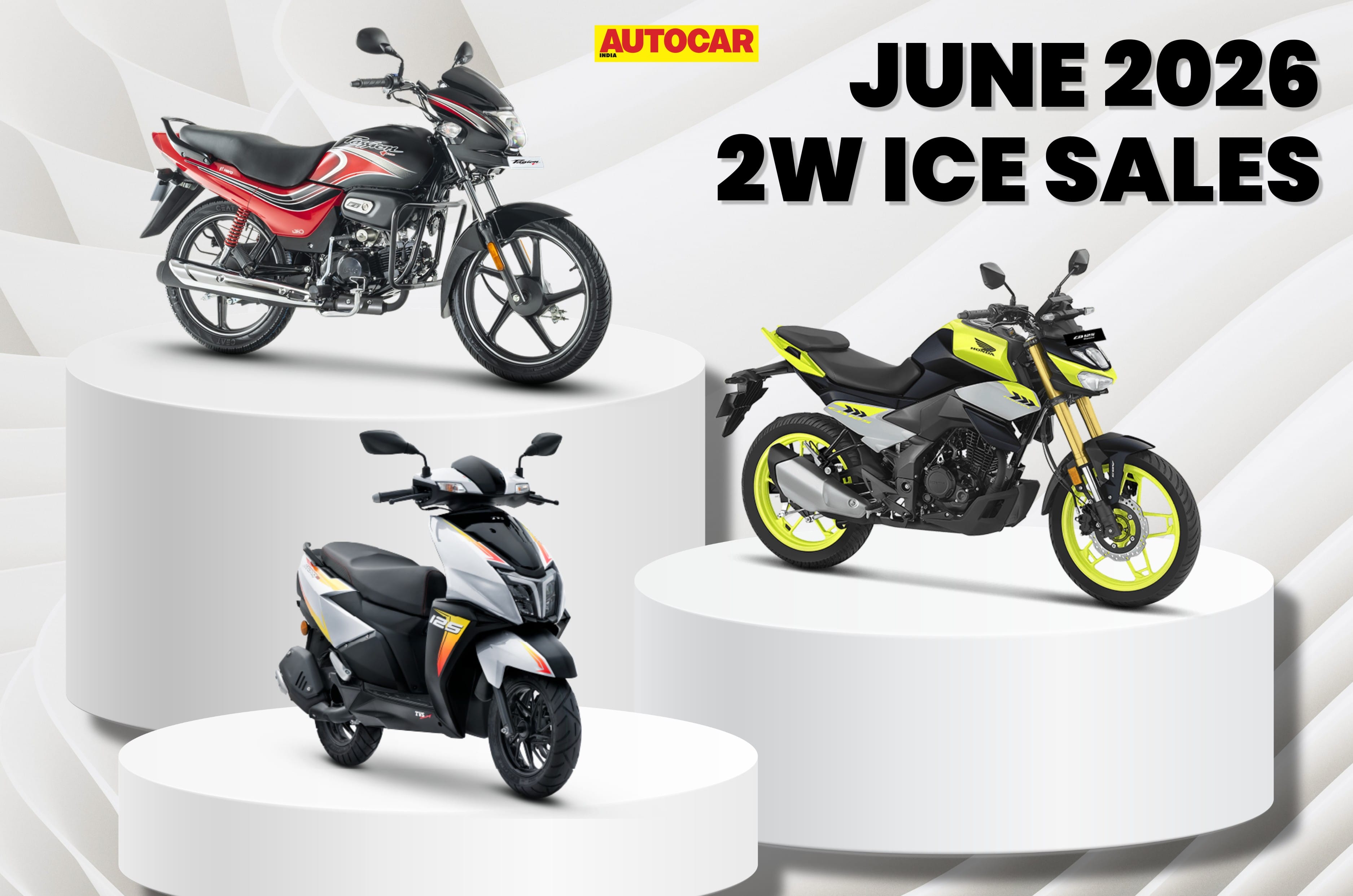
Hero Passion. Honda CB125 Hornet and TVS Ntorq 125

As the scorching summer draws to a close and the monsoon season well and truly sets in, here’s how each of the top six heavyweights in the ICE Indian two-wheeler market performed in the month of June.

Hero: 5,02,890 units

Hero MotoCorp retained its position at the top of this sextet with over 5 lakh units sold last month in the domestic market – usual fare for this powerhouse. In doing so, it actually reported a 6.31 percent decline in comparison to its May 2026 sales number of 5,36,784 units. It was also a similar story when compared to its June 2025 sales (5,25,136 units) wherein it reported a smaller decline of 4.24 percent. It bears mentioning that Hero bundles in the burgeoning sales of its electric arm, Vida, which is now a regular fixture in the top ten bestselling brands in the electric mobility space, into this number.

Last month, Hero updated two of its commuter motorcycles – the Passion+ and the Super Splendor XTEC 2.0. Hero shipped 38,269 units overseas last month, an improvement over the 33,284 units it sent to export markets in May.

Honda: 4,68,956 units

Honda Motorcycle and Scooter India (HMSI) is in its usual runner-up spot but even so, the company reported a small 2.03 percent increase when compared to its May 2026 sales tally (4,59,611 units). Similarly, HMSI also reported a substantial 20.61 percent increase when compared to its June 2025 sales figure of 3,88,812 units. Honda is gearing up to enter the affordable end of the maxi-scooter game in India, with its ADV160, whose design has already been patented in our country.

The company exported 59,325 units last month, which was more or less on par compared to the 59,166 units it shipped overseas in May of this year.

TVS: 4,11,014 units

TVS Motor Company breached the 4 lakh units mark in the domestic market for the first time ever last month. In doing so, the company reported a noteworthy 6.88 percent increase when compared to its May 2026 sales figure of 3,84,565 units. When compared to its relatively small sales figure for June 2025 (2,81,012 units), the Hosur-based manufacturer reported a huge 46.26 percent increase.

It is worth mentioning that TVS doesn’t bundle the sales of its EVs – shouldered largely by the popular iQube, India’s bestselling electric two-wheeler – into the aforementioned numbers. TVS recently refreshed the popular Ntorq 125 scooter with some fresh new colourways on its entry-level variants. It is also working quite hard to set up its premium two-wheeler dealer network – Paddock – in India and also bringing the quartet of brand-new Norton products to market, both local and international.

The company, which is India’s second-largest exporter of two-wheelers, shipped 1,54,403 units overseas last month which was slightly lower than the 1,58,546 two-wheelers it sent to export markets in May.

Bajaj: 1,66,956 units

Pune-based Bajaj Auto had a slower than usual month in terms of sales in June, reporting a 20.32 percent decline in comparison to its May 2026 sales of 2,09,528 units. That being said, the company reported an 11.81 percent increase in comparison to its June 2025 sales tally of 1,49,317 units. It must be noted that the Chetak electric scooter portfolio and all sub-400cc Triumph and KTM models manufactured by Bajaj are also bundled into the above figures.

Bajaj is gearing up to revamp its entire Classic Pulsar lineup in the coming months, which should bolster its sales numbers in the near term. India’s largest two-wheeler exporter sent 2,22,439 units overseas last month, which was a healthy increase over the 1,83,676 units it shipped abroad in May.

Royal Enfield: 1,02,930

Royal Enfield has again sold over 1 lakh units in a single month in the domestic market, and in the process, it reported a 9.37 percent increase in comparison to its May 2026 sales number of 94,115 units. Even in comparison to its relatively smaller sales tally of 76,957 units in June 2025, it reported a substantial 33.75 percent increase.

Royal Enfield is working on a litany of new launches and refreshes to existing models, which will be spread out over the next few months and it also began deliveries of its first electric bike – the Flying Flea C6 – recently. The marque sent 11,102 units to export markets in June, which was quite a step up over the 9,116 bikes it shipped globally in May.

Suzuki: 91,264 units

Suzuki Motorcycle India Private Limited (SMIPL)’s sales last month dipped below the usual 1 lakh units it usually averages and thereby the company reported a noticeable 17.05 percent decline in comparison to the 1,10,028 units it sold in May. Even in comparison to its sales in June 2025 (95,244 units), SMIPL reported a small 4.18 percent decrease.

Suzuki shipped 23,766 two-wheelers last month to global markets, a small increment over the 22,216 units it sent overseas in May.


June 2026 sales

May 2026 sales

% change

June 2025 sales

% change

Hero

5,02,890

5,36,784

-6.31

5,25,136

-4.24

Honda

4,68,956

4,59,611

2.03

3,88,812

20.61

TVS

4,11,014

3,84,565

6.88

2,81,012

46.26

Bajaj

1,66,956

2,09,528

-20.32

1,49,317 

11.81

Royal Enfield

1,02,930

94,115

9.37

76,957 

33.75

Suzuki

91,264

1,10,028

-17.05

95,244

-4.18

Toyota Camry exterior image gallery

Toyota Camry

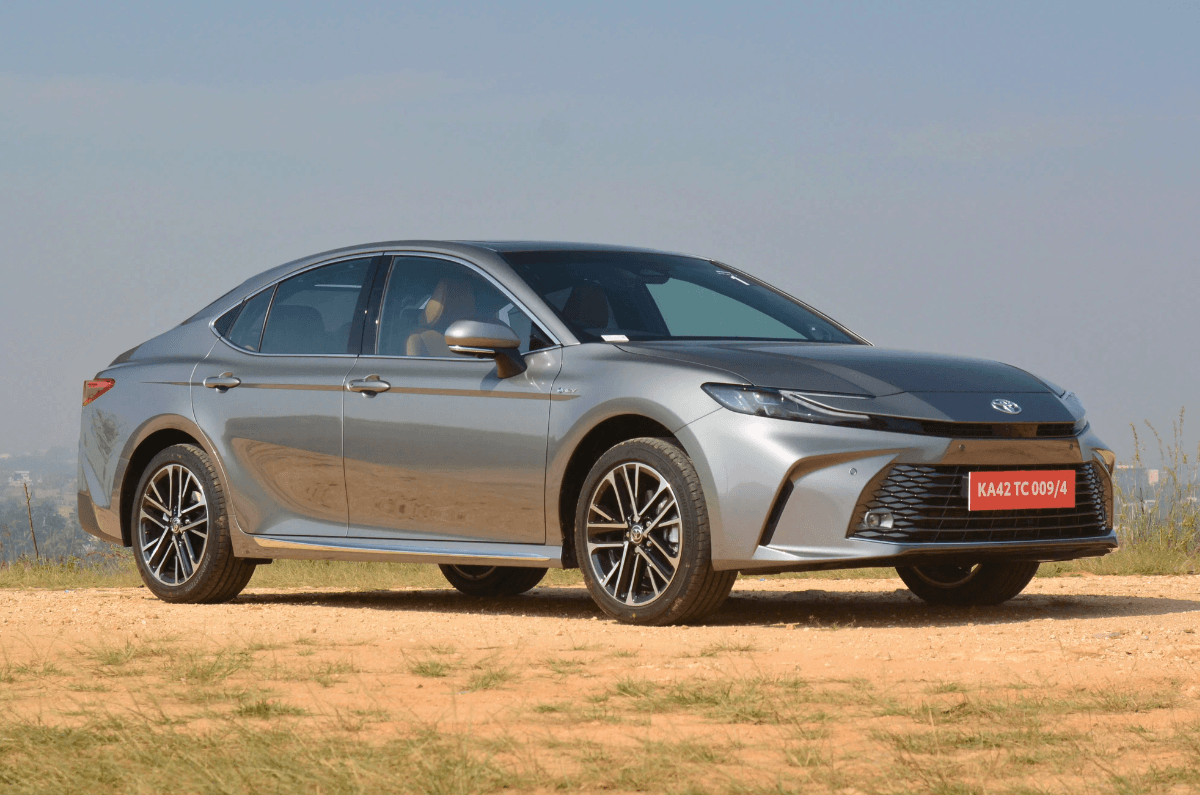
The ninth-generation Toyota Camry was launched in December 2024, and it is the carmaker’s sole sedan in India. Under the bonnet lies Toyota’s fifth-generation hybrid system. It combines a 2.5-litre petrol engine, an integrated starter motor, the main traction motor and a 1.0kWh lithium-ion battery. This setup has a total output of 230hp, which is about 12hp more than the outgoing model. Fuel efficiency has also improved compared to the outgoing model and is now an ARAI-rated 25.49kpl. Like other hybrids in the family, the Camry uses an eCVT gearbox. The Camry is priced at Rs 47.48 lakh, ex-showroom.

ICICI प्रूडेंशियल के चिंतन हरिया से जानें वेल्थ क्रिएशन के मंत्र, बाजार में अब कहां से निकलें और कहां बढ़ाएं निवेश

बाजार में आज तेजी का मोमेंटम बढ़ा है,निफ्टी 150 अंक से ज्यादा चढ़कर 7 मई के बाद पहली बार 24300 के पार निकला है। ICICI BANK, HDFC BANK, BHARTI और टाटा स्टील ने जोश भरा है। आज बैंक निफ्टी भी चला है। लेकिन मिडकैप-स्मॉलकैप में हल्की बढ़त है। वोलैटिलिटी इंडेक्स INDIA VIX 3% से ज्यादा फिसलकर 12 के नीचे आ गया है। रियल्टी,मेटल और फार्मा में आज सबसे ज्यादा खरीदारी आई है। तीनों सेक्टर इंडेक्स 1.5 फीसदी से ज्यादा चढ़े हैं। साथ ही IT में लगातार दूसरे दिन तेजी है। आईटी इंडेक्स 1.5 फीसदी चढ़ा। वहीं दूसरी ओर सरकारी बैंकों में आज दबाव है। पीएसयू बैंक इंडेक्स करीब 1 फीसदी फिसला है। बैंक ऑफ बड़ौदा और यूनियन बैंक 3 फीसदी से ज्यादा गिरे हैं।

निवेशक चाहें तो कर सकते हैं लार्जकैप में एकमुश्त निवेश

ऐसे में बाजार की आगे की दशा और दिशा पर बात करते हुए ICICI प्रूडेंशियल AMC के प्रिंसिपल इन्वेस्टमेंट स्ट्रैटेजिस्ट चिंतन हरिया ने कहा कि 2 साल से भारतीय बाजार और रुपये ने अंडरपरफॉर्म किया है। RBI के कदमों से रुपया काफी संभला है। कच्चे तेल के दाम युद्ध से पहले के भाव पर आ गए हैं। कमजोर मॉनसून से भी ज्यादा चिंता नहीं है। ऐसे में लार्जकैप में अच्छे मौके बन रहे हैं। निवेशक चाहें तो लार्जकैप में एकमुश्त निवेश कर सकते हैं।

मिडकैप और स्मॉलकैप में एक्टिव फंड चुनें, लार्जकैप में पैसिव फंड्स में निवेश करें

चिंतन हरिया ने आगे कहा कि लार्जकैप के मुकाबले मिडकैप और स्मॉलकैप ने आउटपरफॉर्म किया है। मिडकैप और स्मॉलकैप के वैल्युएशन अभी भी सस्ते नहीं हैं। मिडकैप और स्मॉलकैप की ग्रोथ का अनुमान लगाना मुश्किल है। मिडकैप और स्मॉलकैप में एक्टिव फंड चुनें। लार्जकैप में पैसिव फंड्स में निवेश करें।

हालात स्थिर रहे तो दीवाली तक लार्जकैप में उछाल संभव

उन्होंने आगे कहा कि जून तिमाही के नतीजों में कमजोरी देखने को मिल सकती है। हालात स्थिर रहे तो दीवाली तक लार्जकैप में उछाल संभव है। FCNB डिपॉजिट का फायदा बैंकों को मिलेगा। बैंकिंग सेक्टर अच्छा लग रहा है। एनर्जी सेक्टर भी पसंद है। इस सेक्टर कोकच्चे तेल की कीमतें घटने का फायदा मिलेगा। वहीं, डिफेंस और मेटल शेयर काफी चल चुके हैं। अब इनमें मुनाफावसूली संभव है।

चिंतन हरिया का मानना है कि लंबी अवधि में ऑटो सेक्टर अच्छा कर सकता है। ऑटो सेक्टर को एक्सपोर्ट में बढ़ोतरी का भी फायदा मिलेगा। निवेशकों के लिए लार्जकैप एक्टिव और पैसिव फंड्स में निवेश करने का मौका है। मल्टी एसेट बैलेंस्ड एडवांटेज फंड में निवेश कर सकते हैं। किसी भी फ्लैक्सीकैप फंड्स में SIP कर सकते हैं। आज जो निवेश करेंगे उसका फायदा 3-5 साल में मिलेगा।


Market Insight : अगले 6-8 हफ्ते में निफ्टी में देखने को मिल सकता है 25500 का लेवल, IT में 10-15% रिकवरी की उम्मीद


डिस्क्लेमर: मनीकंट्रोल.कॉम पर दिए गए विचार एक्सपर्ट के अपने निजी विचार होते हैं। वेबसाइट या मैनेजमेंट इसके लिए उत्तरदाई नहीं है। यूजर्स को मनी कंट्रोल की सलाह है कि कोई भी निवेश निर्णय लेने से पहले सर्टिफाइड एक्सपर्ट की सलाह लें।

Yamaha R2 likely to launch on August 27

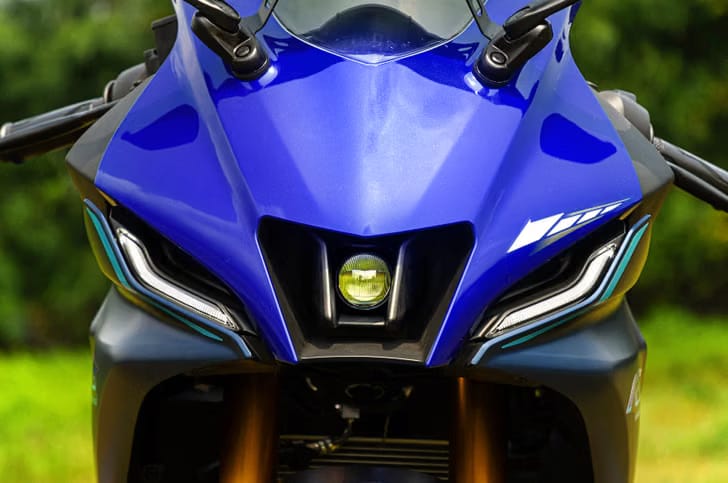
Yamaha R15 front end

Earlier this year, we reported that Yamaha India was working on introducing the R2 in our market around the festive season. The new motorcycle is expected to offer a step up in performance over the hugely successful R15, and a media invite from the company now suggests it is likely to launch on August 27.

  1. Could get a single-cylinder liquid-cooled engine displacing around 200cc
  2. Will be designed, developed and manufactured entirely in India

Yamaha R2: What we know so far

R2 is expected to be sold alongside R15

The Yamaha R2 is expected to be powered by a liquid-cooled, single-cylinder engine displacing around 200cc, possibly slightly more. The R15 has long established itself as one of the most impressive beginner-friendly supersports on the market, and the R2 is expected to serve as a natural progression for riders looking for more performance without sacrificing everyday usability. The R2 name also follows Yamaha’s established R-series nomenclature and is expected to become the flagship model in the company’s India lineup following the discontinuation of the R3.

For reference, the R15 is powered by a 155cc liquid-cooled, single-cylinder engine producing 18.4hp and 14.2Nm. With a modest increase in displacement, the R2 can be expected to offer a bump in performance while still being quite fuel efficient – a combination that has long been one of the R15’s strongest attributes.

The R15, MT-15 and XSR155 are all expected to continue alongside the R2, and the new model is not expected to replace any existing product in the lineup. It will be designed, developed and manufactured entirely in India at Yamaha’s Chennai facility, with exports to several global markets also planned.

When it arrives next month, the Yamaha R2 is expected to rival the KTM RC 200 (Rs 2.24 lakh) and the Hero Karizma XMR 210 (Rs 1.88 lakh). We also know that Yamaha is working on bringing the NMax 155 maxi-scooter to our market, having filed a design patent for the model just a few days ago. However that scooter is likely to be launched here either at the end of 2026 or in early 2027.


2026 F1 British GP schedule, India timings

F1 British GP schedule

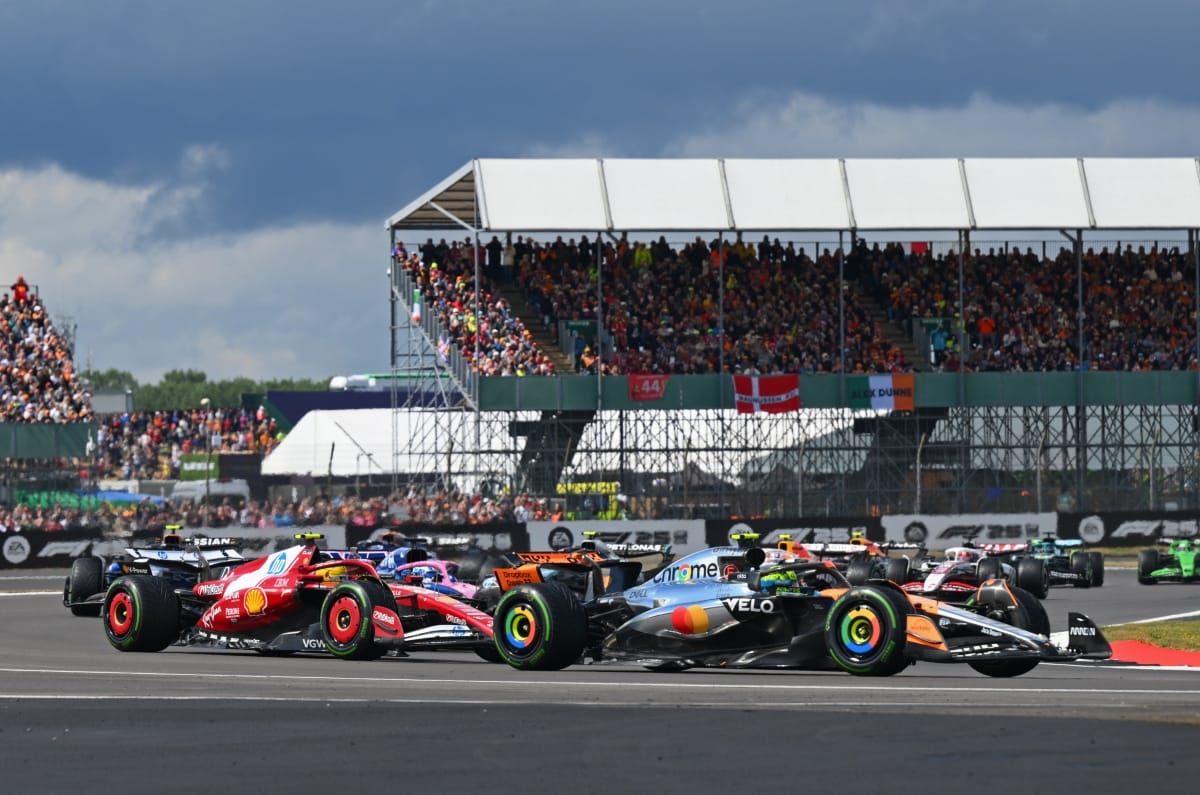
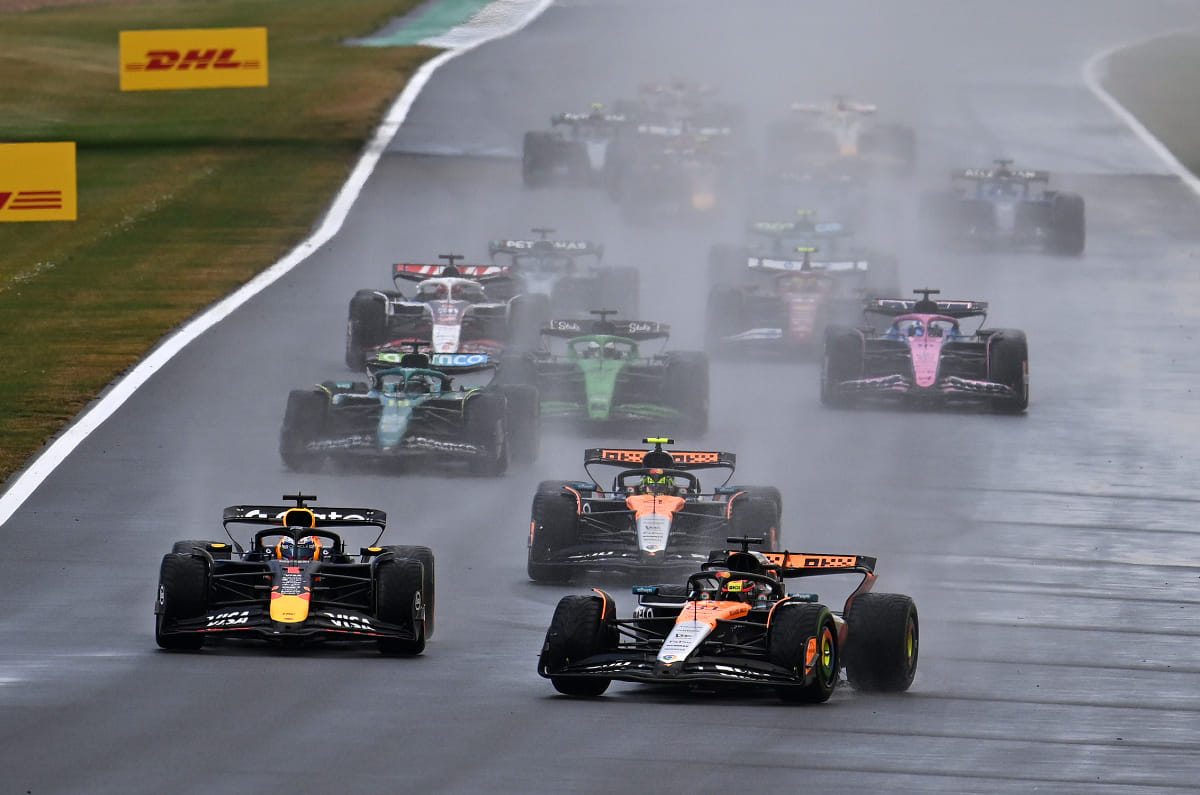
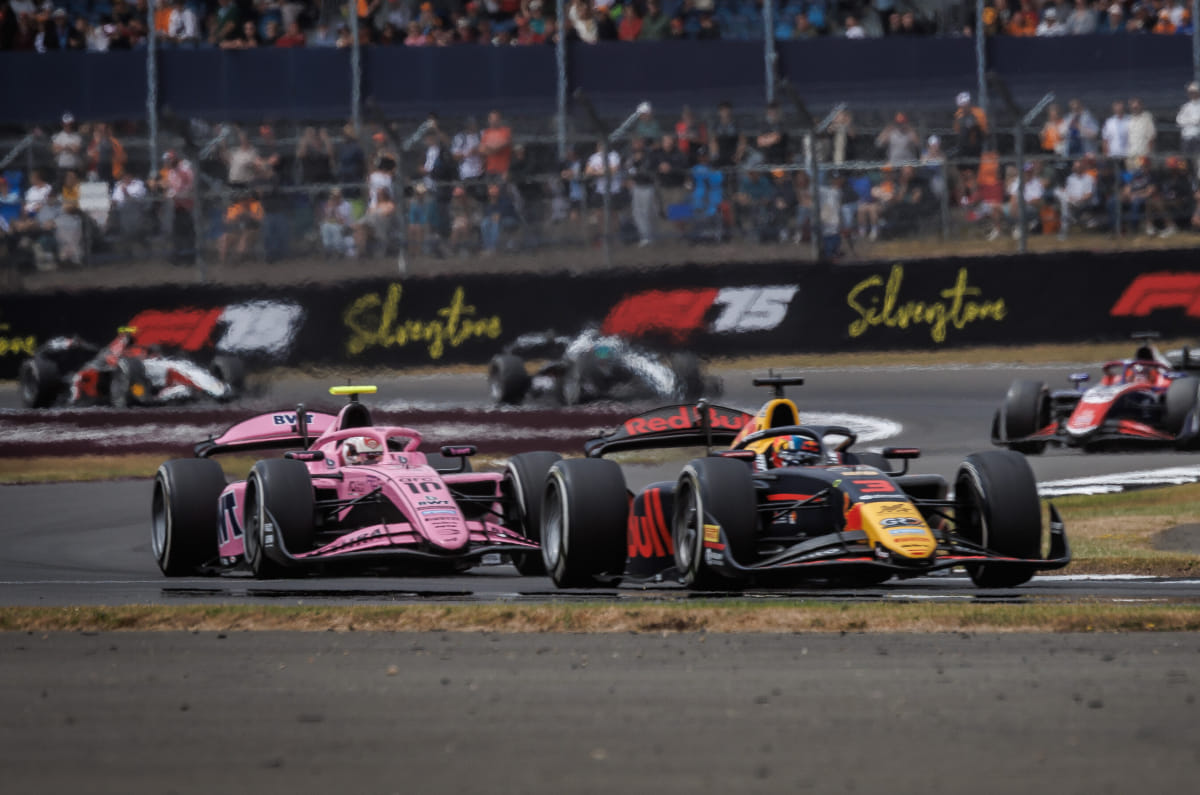
F1 heads to Silverstone this weekend for Round 9 of the 2026 world championship. The fan-favourite track will be hosting a sprint round for the first time since 2021. 

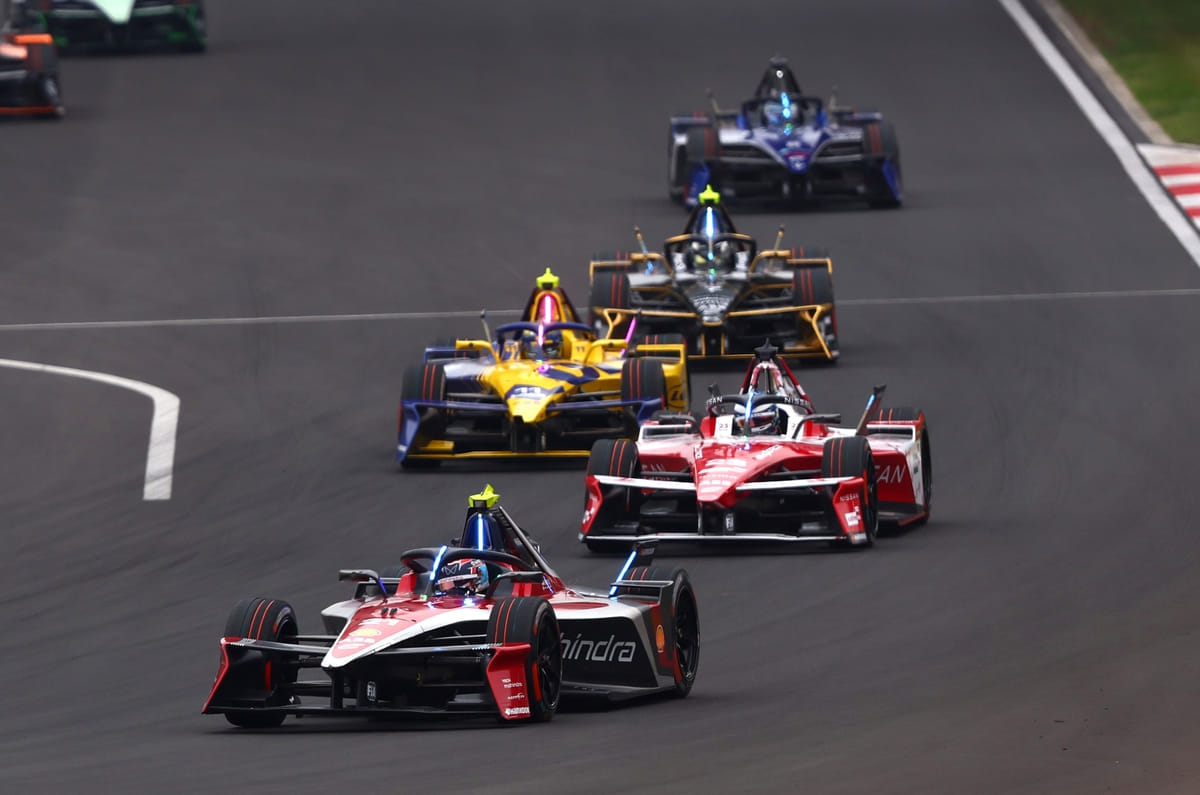
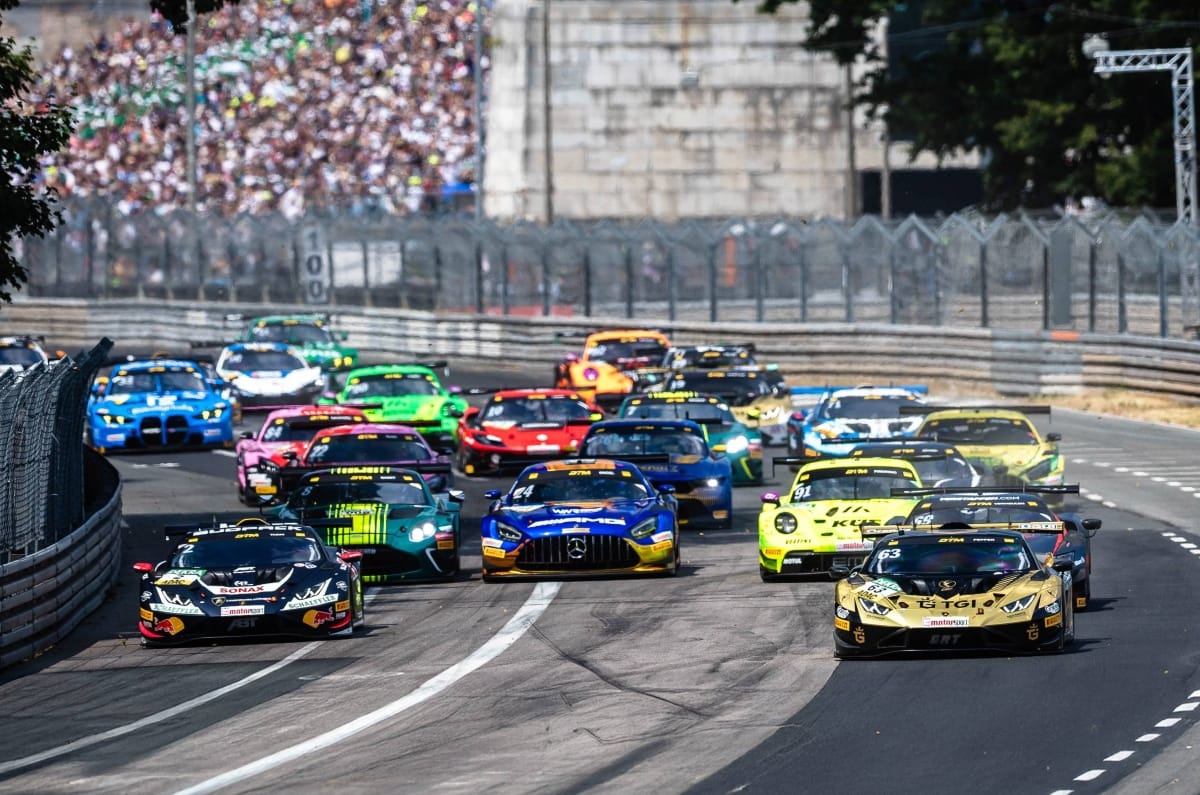
There’s plenty more action in store for motorsport fans. Silverstone will also host F2 this weekend, while Formula E heads to Shanghai for a double-header round and DTM will race at the Norisring street circuit. Here’s our ultimate guide for when and where to tune in from India. 

F1 British GP schedule

F1 Silverstone schedule IST

Home heroes George Russell and Lewis Hamilton come to Silverstone with momentum on their side, having won the last two races at Austria and Barcelona, respectively. 

Just two rounds ago, Russell was 68 points behind his Mercedes teammate and current F1 championship leader Kimi Antonelli in the standings. But that gap has now shrunk to 40 points, and Russell will be determined to win on home soil for the first time. 
Hamilton, meanwhile, is a Silverstone maestro having won his home race nine times. However, Austria ended up being a tricky race for Ferrari, with the Red Bull Ring only highlighting the team’s power deficit, and Silverstone is yet another power-hungry track. Of course, Austria also saw Red Bull emerge as a genuine victory contender once again. But the Red Bull Ring has traditionally been a strong track for Max Verstappen. So, the British GP should give us a better understanding of where Red Bull stands in the pecking order.

Silverstone will also host a sprint round this weekend, giving drivers just one practice session to fine-tune their set-up.

F1 British GP: Where to watch?

All F1 British GP sessions will be streamed live on the FanCode and F1 TV apps.

2026 F1 British GP schedule IST

Date

Day

Session

Time

July 3

Friday

FP1

5pm

July 3

Friday

Sprint Qualifying

9pm

July 4

Saturday

Sprint

4:30pm

July 4

Saturday

Qualifying

8:30pm

July 5

Sunday

Race

7:30pm

F2 British GP schedule

F2 British GP schedule IST

The F2 title battle continues at Silverstone as well, with just two points separating championship leader Gabriele Mini and Nikola Tsolov. Barcelona sprint winner Kush Maini still holds on to ninth place in the overall standings. But he’s just four points behind Laurens van Hoepen and five points behind Martinius Stenshorne.

F2 British GP: Where to watch?

All F2 British GP sessions will be streamed live on the FanCode and F1 TV apps.

2026 F2 British GP schedule IST

Date

Day

Session

Time

July 3

Friday

Practice

2:30pm

July 3

Friday

Qualifying

7:25pm

July 4

Saturday

Sprint Race

6:15pm

July 5

Sunday

Feature Race

3:45pm

Formula E Shanghai E Prix schedule

Formula E Shanghai schedule IST

The Shanghai International Circuit will host Rounds 12 and 13 of the 2025/26 Formula E World Championship. Since it’s a double header, the first race on Saturday will feature Pit Boost, requiring all drivers to stop for a 30-sec recharge mid-race. 

Mahindra Racing currently stands P3 in both, the drivers’ and teams’ standings. Jaguar’s Mitch Evans holds the overall lead, 19 points from Nissan’s Oliver Rowland. Mahindra’s Edoardo Mortara is six points behind Rowland in third place. As for the teams’ championship, Jaguar leads the standings by 30 points from Porsche and 58 points from Mahindra.

Formula E Shanghai E Prix: Where to watch?

Qualifying sessions and both races will be streamed live on Sony Liv, along with a live broadcast on Sony Sports Ten 5.

2026 Formula E Shanghai E Prix schedule IST

Date

Day

Session

Time

July 3

Friday

FP1

1:30pm

July 4

Saturday

FP2

6am

July 4

Saturday

Qualifying 1

8:10am

July 4

Saturday

Race 1

12:35pm

July 5

Sunday

FP3

6am

July 5

Sunday

Qualifying 2

8:10am

July 5

Sunday

Race 2

12:35pm

DTM Norisring schedule

DTM Norisring schedule IST

For Round 4, DTM heads to Norisring – the only street circuit on the calendar. India’s Arjun Maini collected his largest points haul of the season so far last time out at Lausitzring, even claiming pole position. The HRT Ford Racing driver is optimistic about his chances at Norisring, saying, “It’s my favorite event of the season, and I always enjoy the entire race weekend here. I’m really looking forward to getting back on track. We had our best qualifying result of the year here last season, so I’m excited to see what we can achieve with the current package. Hopefully, we can score some more solid points and continue moving up the championship standings.”

Emil Frey Racing’s Matteo Cairoli currently leads the standings, but he’s just one point ahead of both Mercedes-AMG drivers Maro Engel (Team Ravenol) and Lucas Auer (Team Landgraf). Maini stands P10 overall, 25 points off the lead.

DTM Norisring: Where to watch?

All DTM Norisring sessions will be streamed live on FanCode.

2026 DTM Norisring schedule IST

Date

Day

Session

Time

July 3

Friday

FP1

3pm

July 3

Friday

FP2

7:30pm

July 4

Saturday

Qualifying 1

1:05pm

July 4

Saturday

Race 1

5pm

July 5

Sunday

Qualifying 2

12:40pm

July 5

Sunday

Race 2

5pm

3 reasons to buy the Maruti Dzire, and 2 reasons not to

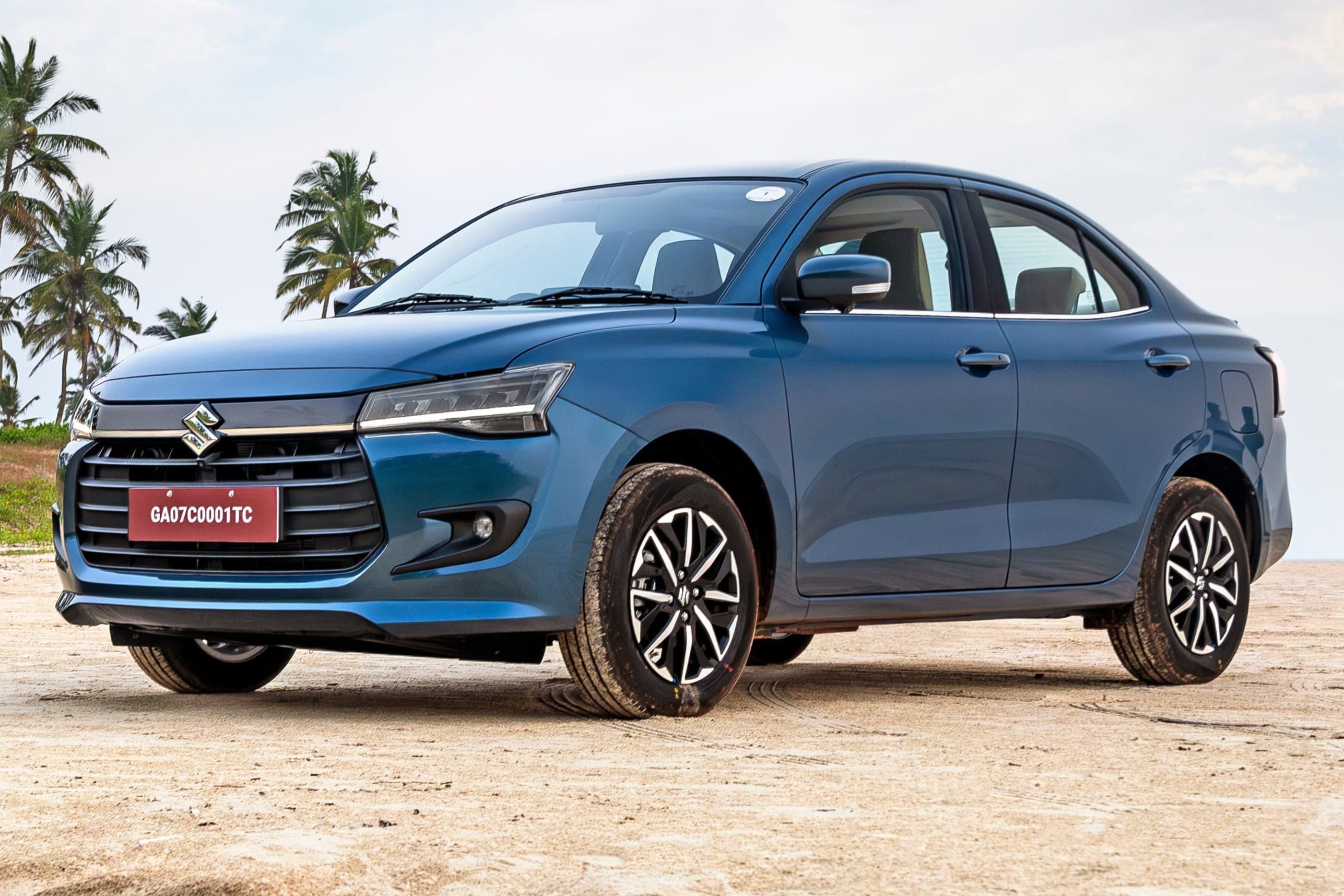
maruti dzire on beach

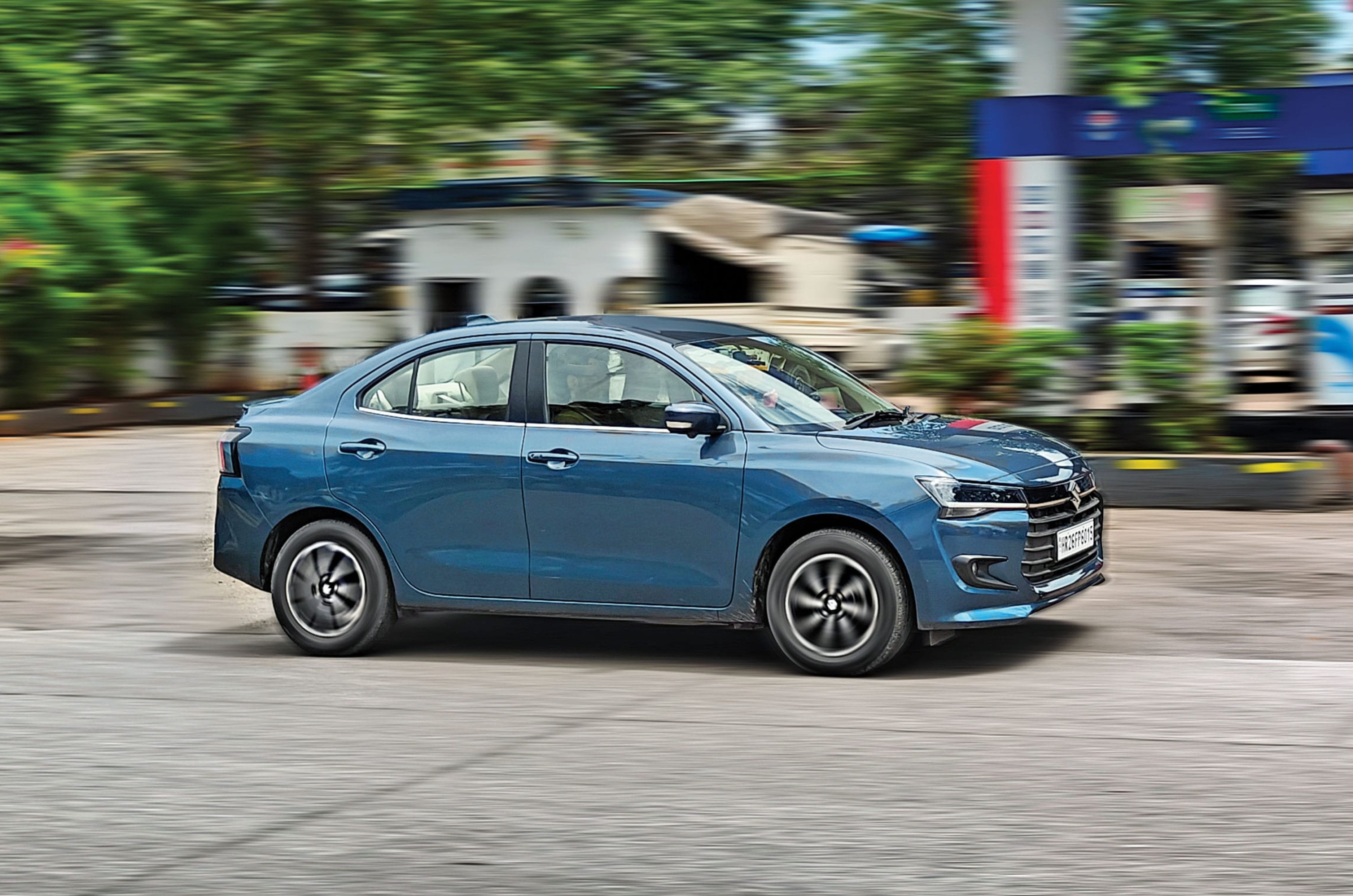
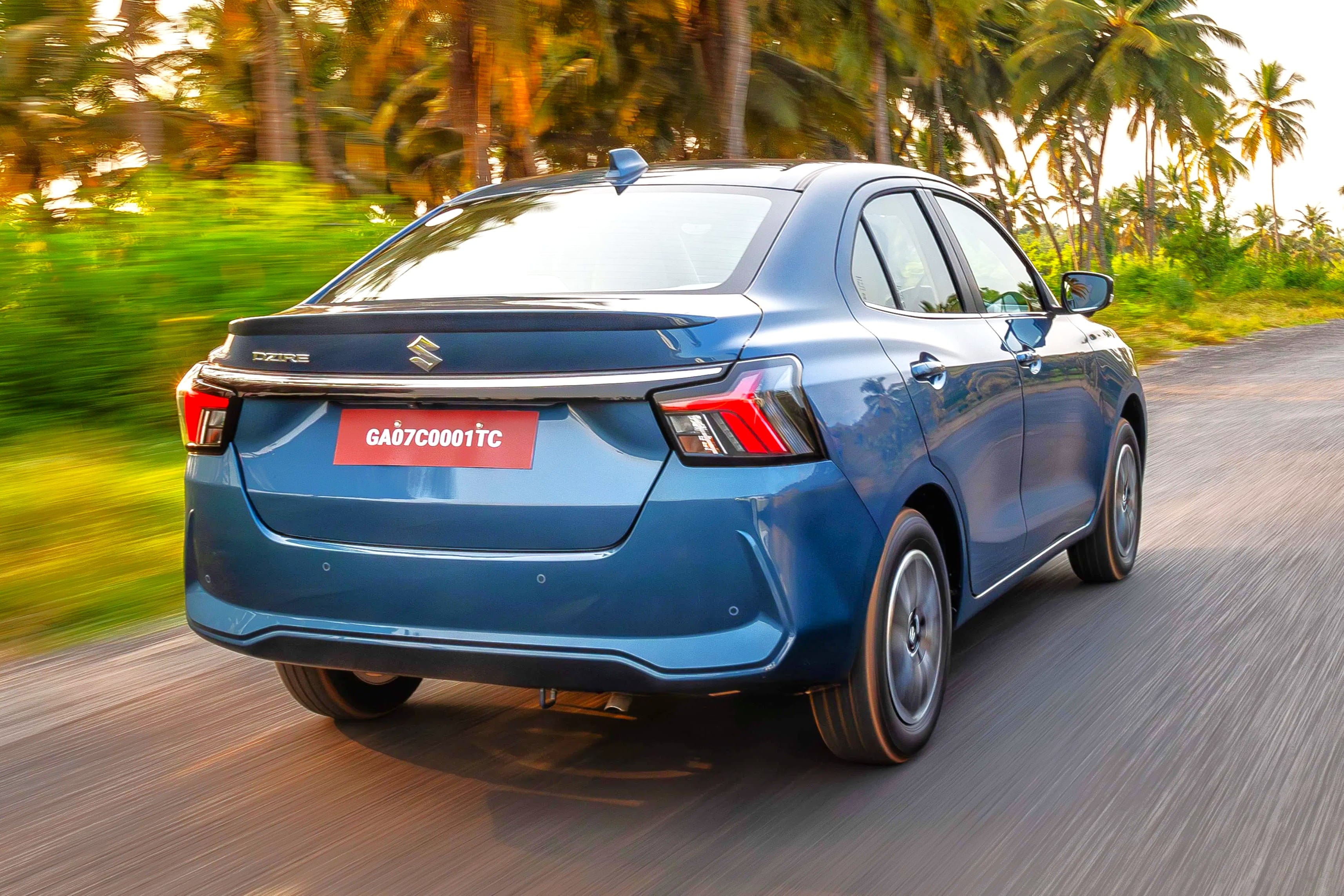
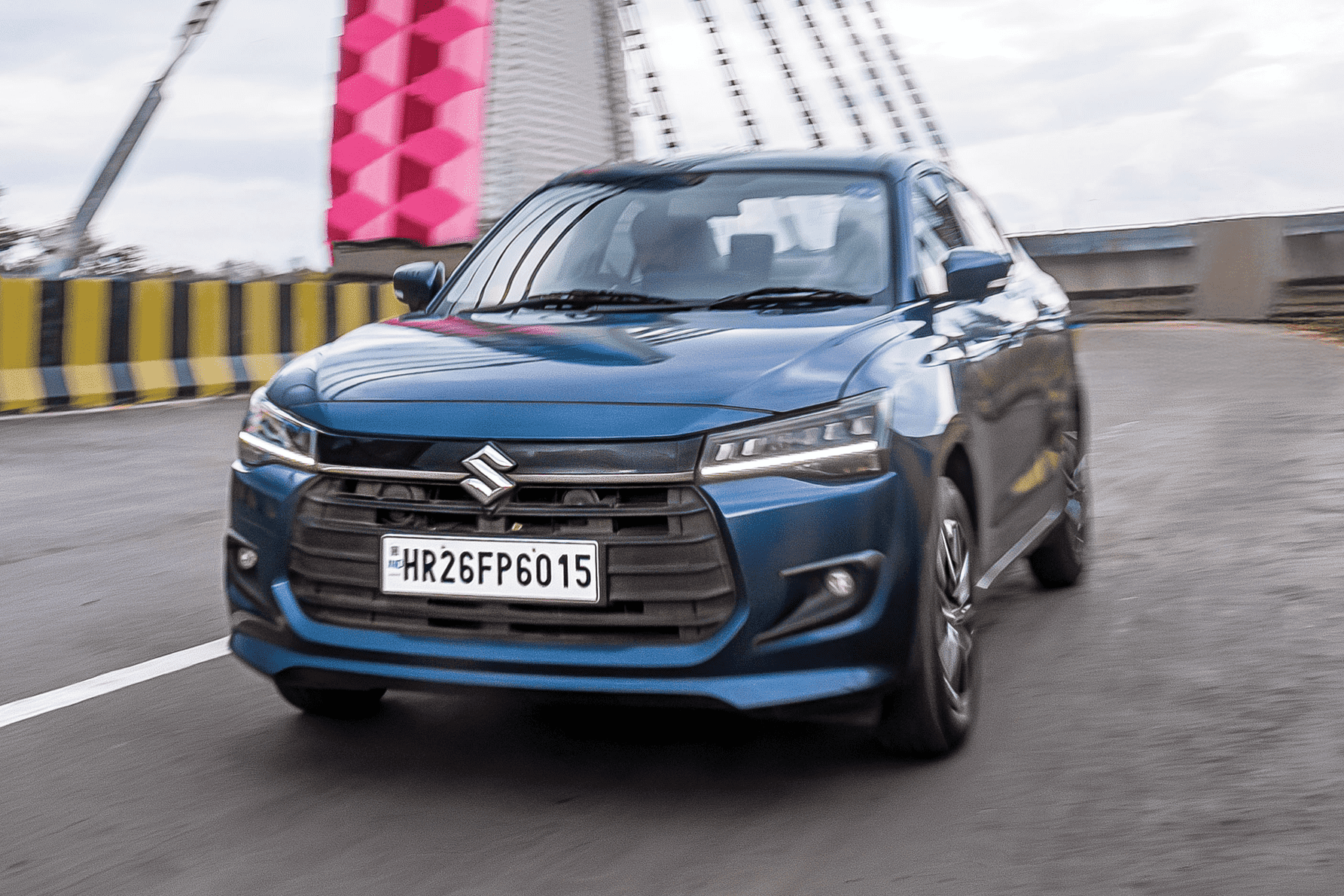
Even though sedans face increasingly difficult odds in the Indian car market, the Maruti Suzuki Dzire topped the retail charts in its first year on sale and continues to shift units at a brisk pace. Launched at the end of 2024, the fourth generation of Maruti Suzuki’s beloved compact sedan brings major changes inside and out, which evidently resonate with buyers. If you’re considering purchasing a Dzire, here are three reasons why you should go through with the decision, and two reasons why you may want to think twice.

Pros

Stellar fuel efficiency

Up to 25.71kpl, per ARAI

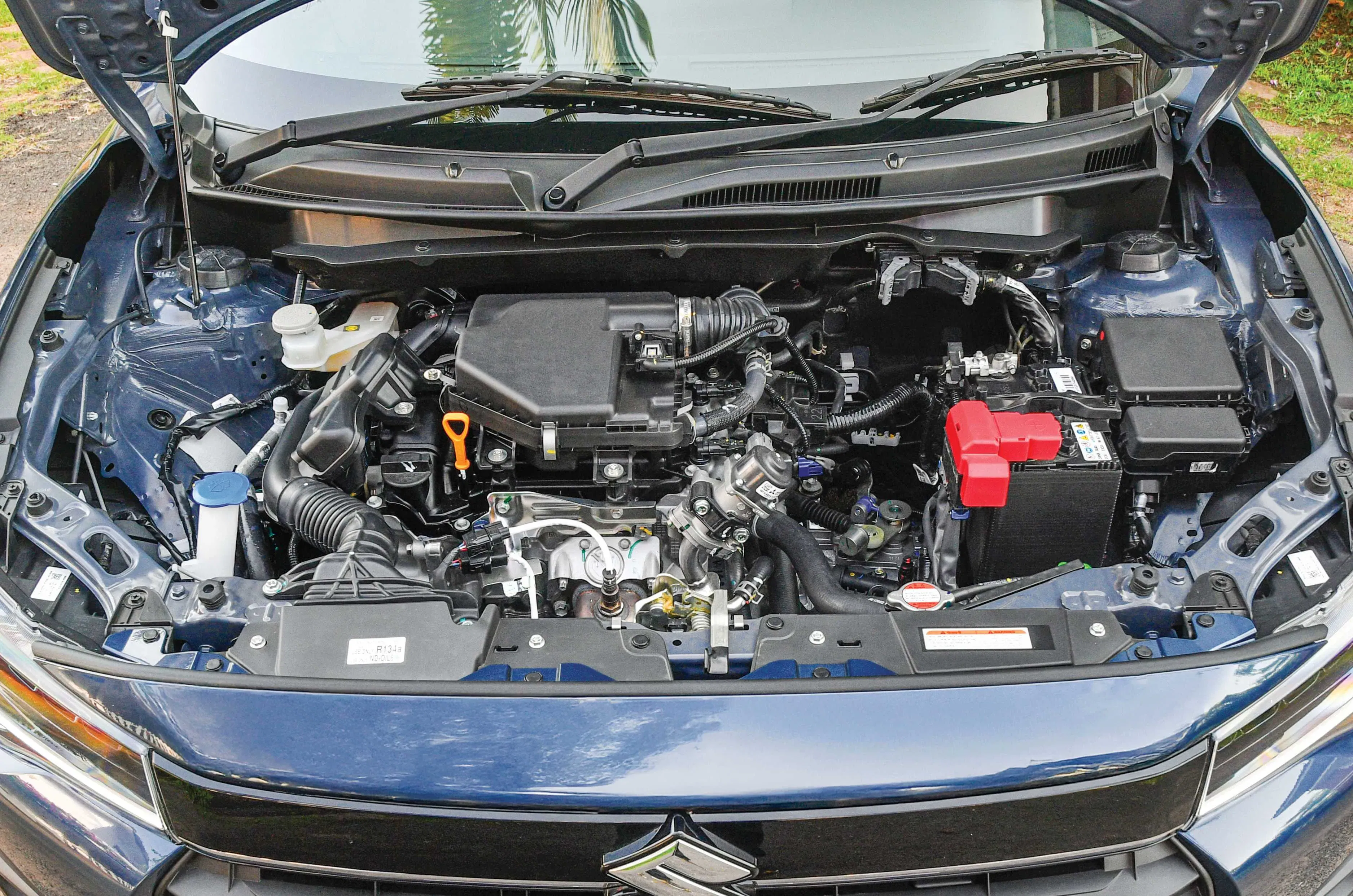
The Dzire is powered by Maruti’s new 1.2-litre 3-cylinder ‘Z12E’ petrol engine, which is superbly calibrated for fuel efficiency. Couple that with the impressively low 920-960kg kerb weight, and the Dzire turns out quite a frugal machine.

Per ARAI testing, the petrol-powered Dzire claims a mileage of 24.79kpl in 5-speed manual spec and 25.71kpl in 5-speed AMT guise. In our real-world mileage testing of the Dzire, the compact sedan returned an average of 17.25kpl in MT form and 15.41kpl in AMT spec. A CNG version is also on offer in lower-spec Dzire variants, boasting an ARAI mileage of 33.73km/kg.

Great safety credentials

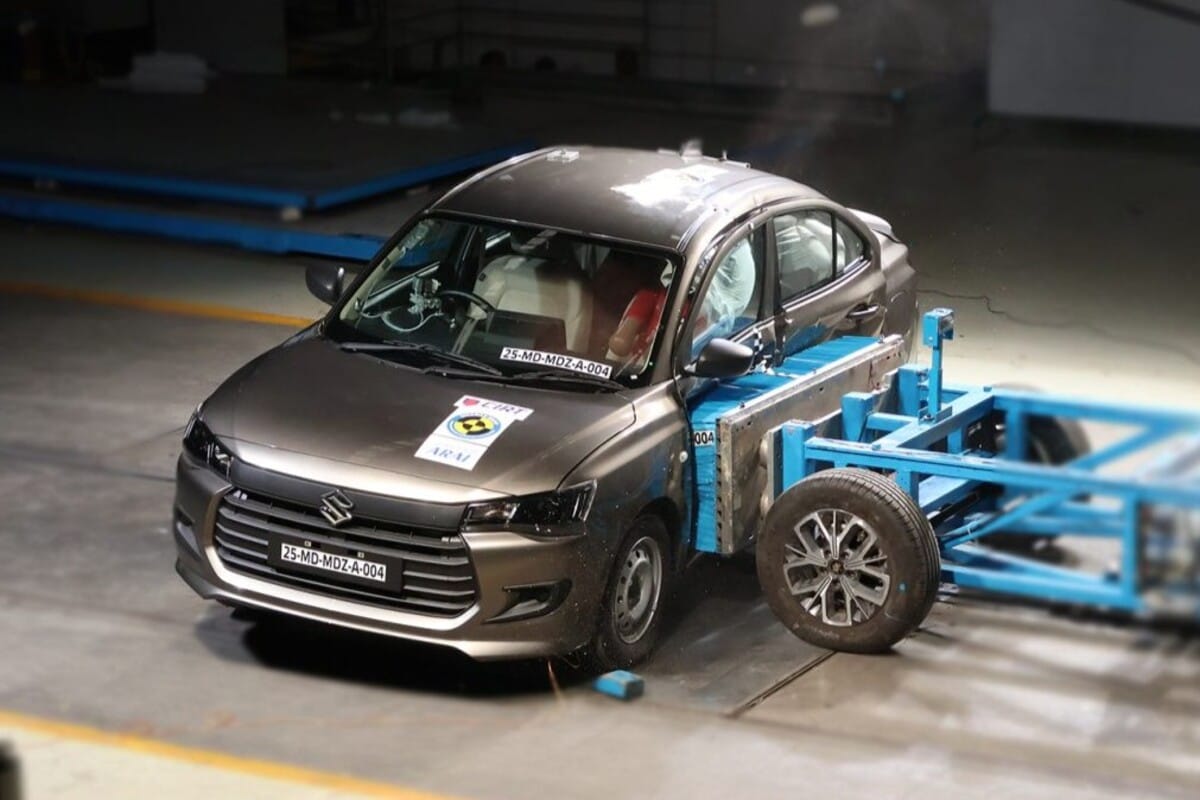
5-star scores from both Global NCAP and Bharat NCAP

Despite its relatively low kerb weight, the Dzire does not compromise on safety. The Dzire impressively holds a 5-star adult occupant protection rating from both Global NCAP and Bharat NCAP, which is an accolade achieved by very few cars currently on sale in India.

The Dzire also packs safety kit like 6 airbags, a rear defogger, electronic stability program (ESP), hill hold assist, ABS with EBD, rear parking sensors, ISOFIX child seat anchorages, and more as standard. Higher-spec Dzire variants add a 360-degree camera, day/night adjustable IRVM, and tyre pressure monitoring system (TPMS) to the mix.

Excellent ride and handling balance

Ground clearance is adequate for clearing speedbreakers

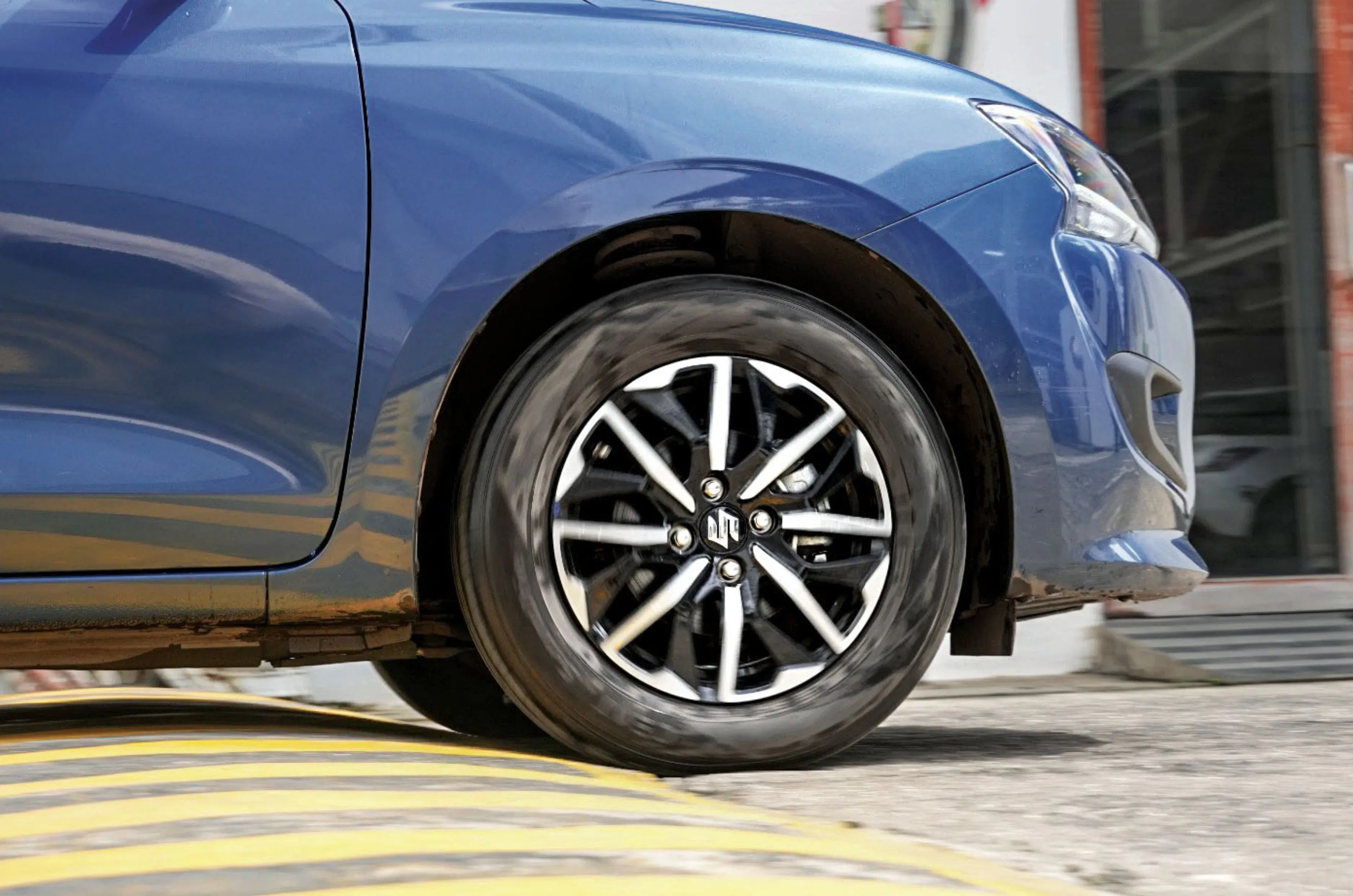
As we noted in our review of the new Dzire, the compact sedan’s ride quality is fantastic. Bump absorption is good at almost any speed, and the Dzire easily gobbles up potholes and ruts. Speaking of which, the Dzire has a 163mm ground clearance, which, combined with its relatively short wheelbase, is adequate for clearing most speedbreakers.

Coming to handling, the Dzire continues to impress. The steering feels smooth and fluid, and the Dzire leans into corners in a progressive and controlled manner with good road grip. While hard cornering reveals some body roll, the Dzire is still a confident handler overall.

Cons

Engine needs more power

Develops 82hp and 112Nm

While the Dzire’s Z12E engine claims brilliant fuel efficiency, it’s down on power compared to its predecessor. The Z12E outputs 82hp and 112Nm, which is 8hp and 1Nm lower than that of the third-gen Dzire’s Z12M engine. While the Z12E’s low-end response is good, it becomes evident that this mill is not peppy or lively as you move up the rev range.

Power delivery is gentle and linear at best, the engine note sounds strained at the top end, and the 6,000rpm redline is around 400rpm lower than that of the Z12M. In our instrumented performance testing, the Dzire AMT took a leisurely 15.21 seconds to finish the 0-100kph run – over two seconds slower than its direct rival, the Honda Amaze.

Tight rear headroom

Sunroof mechanism eats into space

Though the Dzire is 5mm taller than its hatchback sibling, the Swift, rear headroom is a bit insufficient, especially for taller passengers. This is largely due to the space required for the sunroof mechanism between the roof and liner – a feature absent on the Swift. The Dzire’s roof liner is scooped out towards the rear to help the feeling of space, but it does little to help.