E20 Petrol: एथेनॉल वाले पेट्रोल को लेकर मचे बवाल के बीच अब सरकार ने इसकी ये 3 बड़ी खूबियां बताईं, तीसरी वाली पर ज्यादा जोर

E20 Petrol: सोशल मीडिया पर इथेनॉल-मिश्रित पेट्रोल की व्यापक आलोचना के बीच, केंद्रीय पेट्रोलियम और प्राकृतिक गैस मंत्री हरदीप सिंह पुरी ने मिश्रित ईंधन के इस्तेमाल को लेकर जताई जा रही चिंताओं पर बात की। दिल्ली में एक प्रेस कॉन्फ्रेंस में बोलते हुए, मंत्री ने बायोफ्यूल की अधिक मात्रा में ब्लेंडिंग को बढ़ावा देने के सरकार के कदम का बचाव किया। इसके अलावा, उन्होंने मध्य पूर्व संकट के कारण ईंधन की कीमतों में हुई बढ़ोतरी पर भी बात की।

क्या E20 पेट्रोल से माइलेज कम होता है?

इथेनॉल-ब्लेंडेड पेट्रोल के इस्तेमाल से माइलेज कम होने के बारे में बात करते हुए, केंद्रीय मंत्री ने कहा कि गाड़ी मालिकों को माइलेज में थोड़ी कमी दिख सकती है। साथ ही, उन्होंने यह भी बताया कि इथेनॉल-ब्लेंडेड पेट्रोल से गाड़ी की रफ्तार पकड़ने की क्षमता (एक्सेलरेशन) भी बेहतर होती है और बेहतर परफॉर्मेंस के लिए रेसिंग कारों में भी इसका इस्तेमाल किया जा रहा है।

मंत्री ने कहा, कुछ लोग दावा कर रहे हैं कि E20 पेट्रोल से माइलेज कम हो जाएगा। लेकिन यह पहले से साबित है कि एथेनॉल का इस्तेमाल रेसिंग कारों में भी किया जाता है। इससे गाड़ी की एक्सीलरेशन (तेजी पकड़ने की क्षमता) बेहतर होती है और “नॉकिंग” भी कम होती है। हालांकि, उन्होंने माना कि माइलेज में थोड़ी कमी आ सकती है, लेकिन यह बहुत मामूली होती है और कई कारणों पर निर्भर करती है।

इंश्योरेंस क्लेम

E20 पेट्रोल के इस्तेमाल की वजह से इंश्योरेंस क्लेम रिजेक्ट होने की अफवाहों पर बात करते हुए, केंद्रीय मंत्री ने फिर कहा कि इंश्योरेंस कंपनियों ने पहले ही ऐसी बातों को खारिज कर दिया है। मंत्री ने अपने बयान में कहा, “कोई कहता है, ‘अब आपका इंश्योरेंस इसे कवर नहीं करेगा’। इंश्योरेंस कंपनियों ने पहले ही साफ़ कर दिया है कि ऐसी कोई समस्या नहीं है।”

ज्यादा इथेनॉल-ब्लेंड वाले ईंधन

केंद्रीय मंत्री हरदीप सिंह पुरी ने यह भी कहा, “इलेक्ट्रिक वाहनों और बायोफ्यूल-ब्लेंडेड वाहनों के लिए गुंजाइश है, और अभी हम इथेनॉल ब्लेंडिंग के मामले में 20% के स्तर पर हैं। अगर हम 20% से 25% की ओर बढ़ते हैं, तो ऐसा सभी जरूरी टेस्ट पूरे होने के बाद ही होगा। उन्होंने कहा, हाइब्रिड वाहनों और CNG वाहनों के लिए भी काफी गुंजाइश है।”

बता दें कि सरकार ने पहले 22%, 25%, 27% और 30% इथेनॉल-ब्लेंडेड पेट्रोल के लिए BIS स्टैंडर्ड्स की घोषणा की थी और साथ ही इन ईंधनों पर एक्साइज ड्यूटी में छूट भी दी थी। हालांकि, बाद में पुरी के मंत्रालय ने साफ किया कि ये कदम पूरी तरह से रेगुलेटरी थे और इनका मतलब यह नहीं था कि ज्यादा इथेनॉल-ब्लेंडेड ईंधन तुरंत लॉन्च किए जा रहे हैं।

यह भी पढ़ें: BaaS मॉडल के साथ Hyundai की Creta Electric लॉन्च, कीमत में आई भारी गिरावट

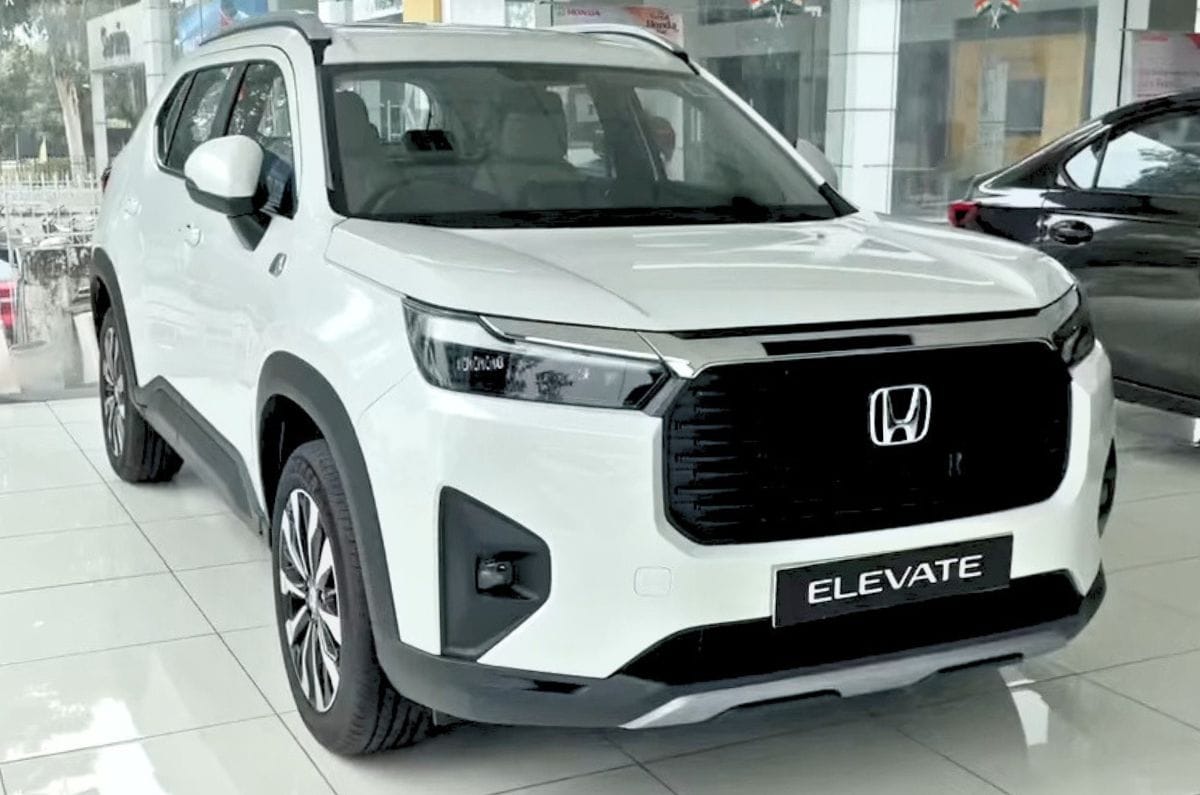
Benefits up to Rs 2.15 lakh on Honda Elevate in July 2026

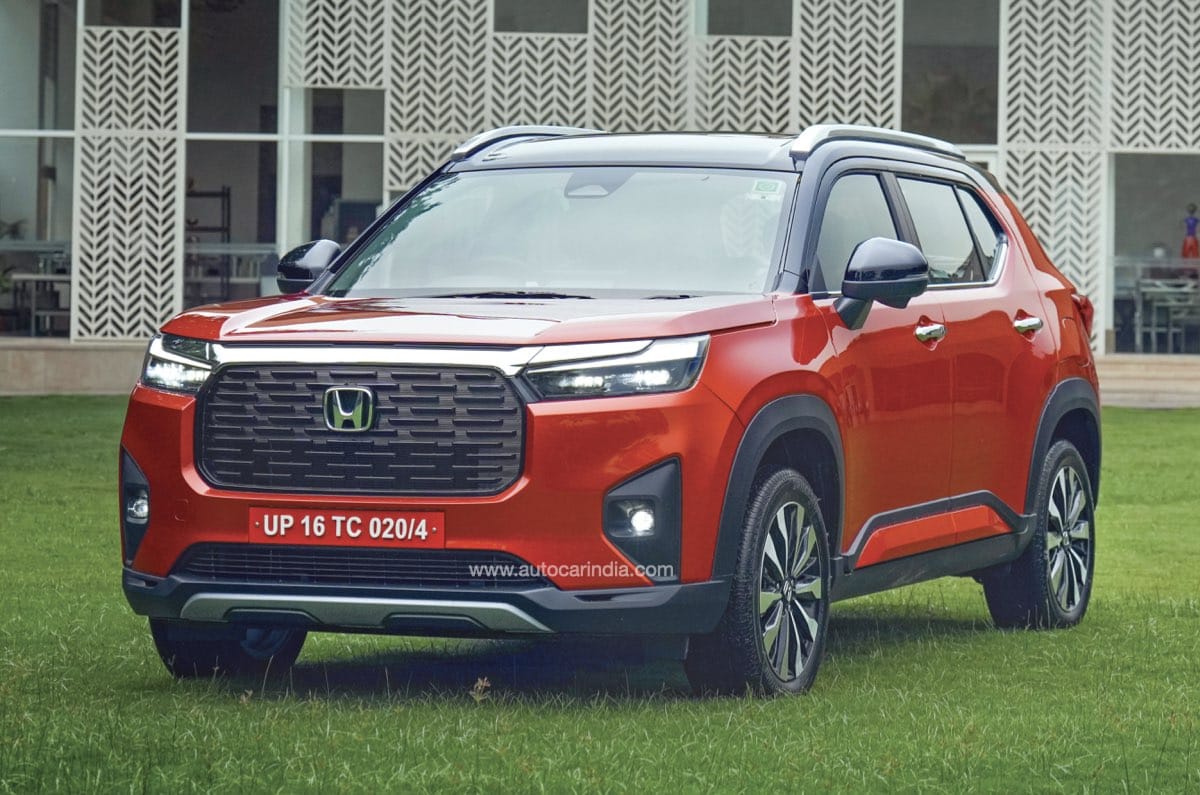
Honda Elevate front quarter static

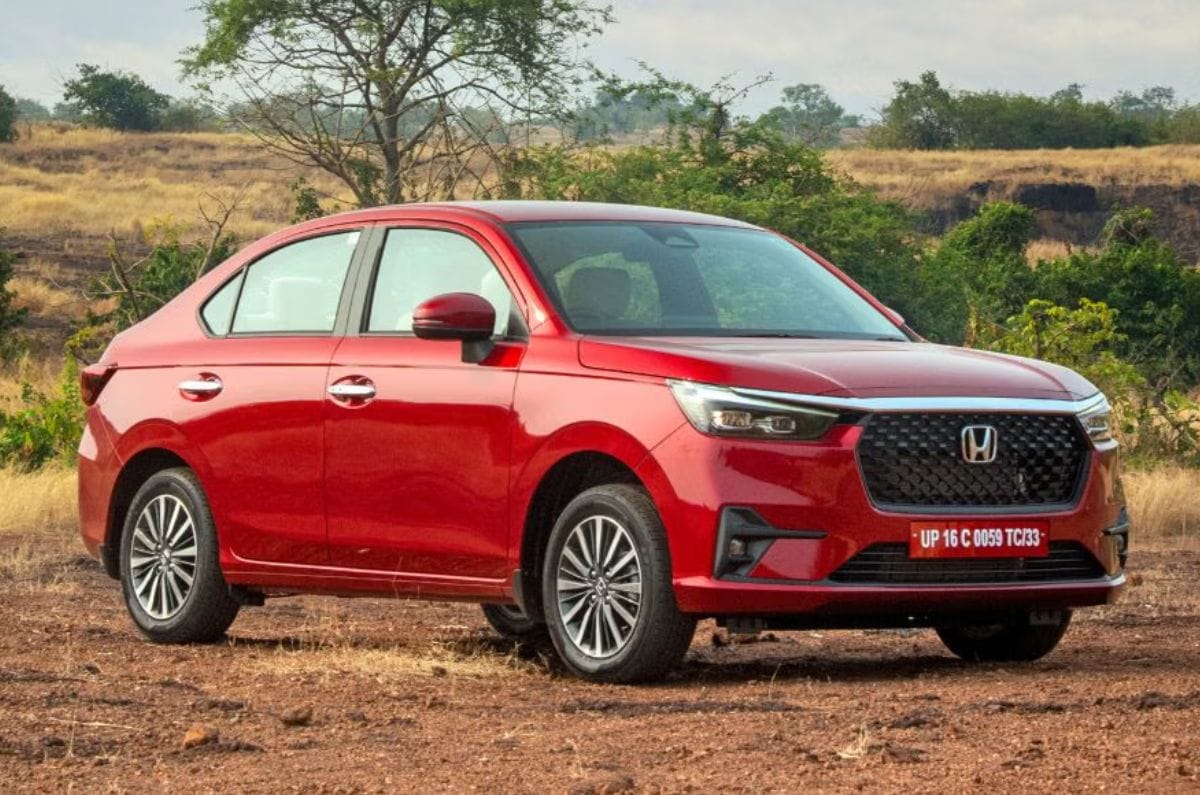
Honda has revealed the offers available with its models in July 2026. While the Elevate gets the maximum benefits this month, the Honda City, which received a facelift in June, carries no offers this month. Offers are available on the Honda Amaze’s second- and third-generation models too.

Note: All offers are valid till July 31, 2026 and may vary by city and stock availability. Please check with your nearest Honda dealership for the exact figures.

Honda Elevate July 2026 offers

Benefits up to Rs 2.15 lakh

The Elevate is available with benefits of up to Rs 2.15 lakh, the most for any Honda car in July 2026. This includes a cash discount of up to Rs 40,000, an exchange benefit of up to Rs 30,000, corporate offers and loyalty benefits. A 7-year extended warranty is also available at a discounted price. Prices of the Honda Elevate range from Rs 11.60 lakh to Rs 16.16 lakh, and it rivals the Hyundai Creta, Kia Seltos, Tata Sierra, Maruti Victoris, Maruti Grand Vitara and Renault Duster

Honda Amaze July 2026 offers

Benefits up to Rs 67,000

The Amaze’s newer third-generation model is available with the highest benefits of up to Rs 67,000, which include a cash discount of Rs 15,000 and an exchange benefit of up to Rs 15,000. Like the Elevate, the 3rd-gen Amaze is available with some loyalty benefits and a 7-year extended warranty at a discounted price. The second-generation model, in contrast, carries benefits of up to Rs 58,000. 

The second-gen Amaze is priced from Rs 6.98 lakh to Rs 7.80 lakh, while the 3rd-gen model is priced from Rs 7.51 lakh to Rs 10 lakh. Both generations of the Amaze lock horns with the Maruti Dzire, Tata Tigor and Hyundai Aura

Prices are ex-showroom, India.  

Design and size key differentiators between Sierra and Harrier EVs: Tata Motors

Sierra vs Harrier

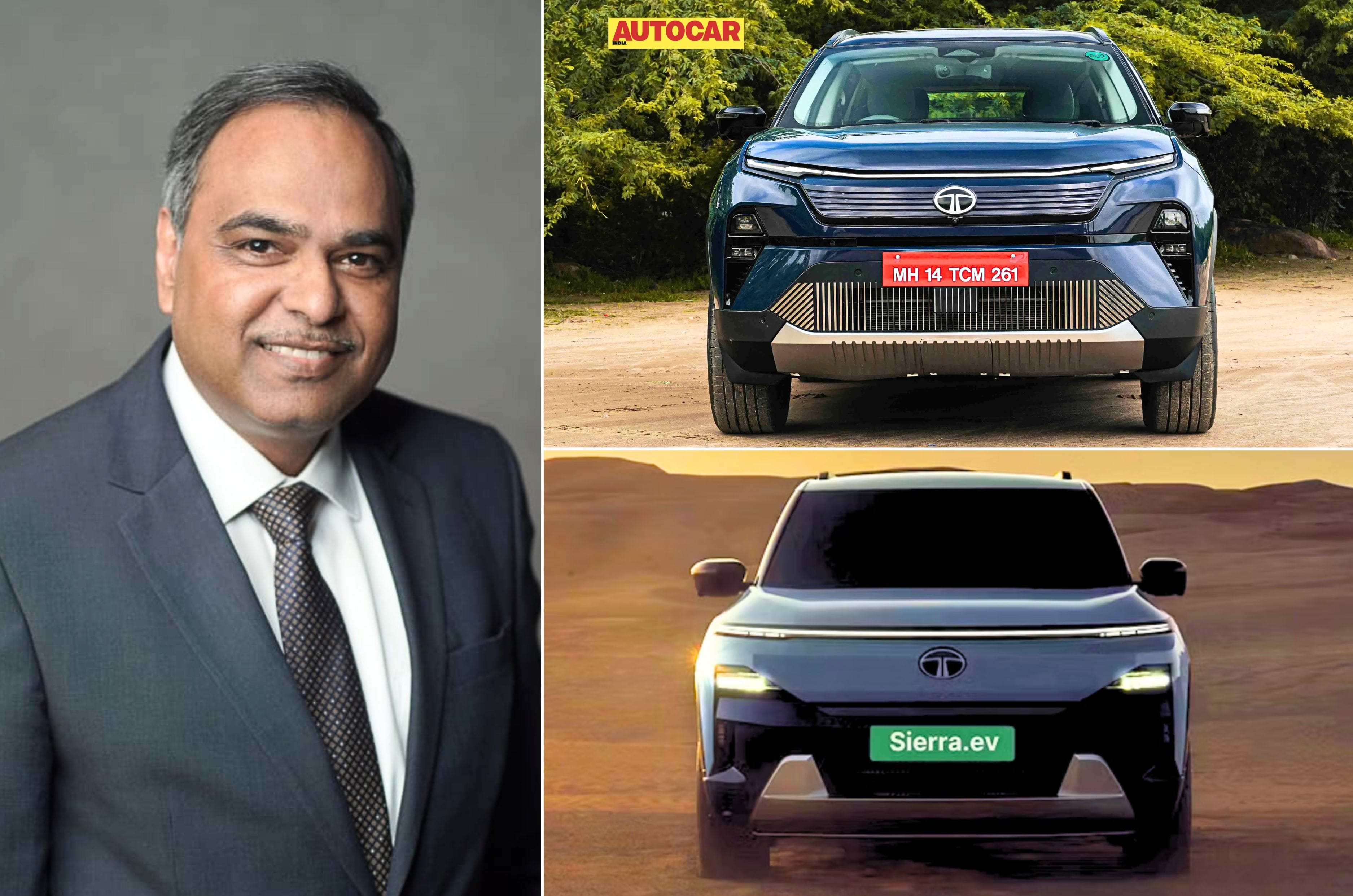
Until now, Tata Motors had maintained fairly distinct positioning of each model in its EV portfolio. However, with the new Sierra EV having a sizeable price overlap with the Curvv EV and the Harrier EV at the two ends of its price range, it begs the question is Tata Motors cannibalisation its own products? Shailesh Chandra, Managing Director and Chief Executive Officer of Tata Motors Passenger Vehicles, thinks not, as the company is banking on differences in size, design, cabin experience and vehicle character to mark out the individual models. 

Tata Motors Plays Down Cannibalisation

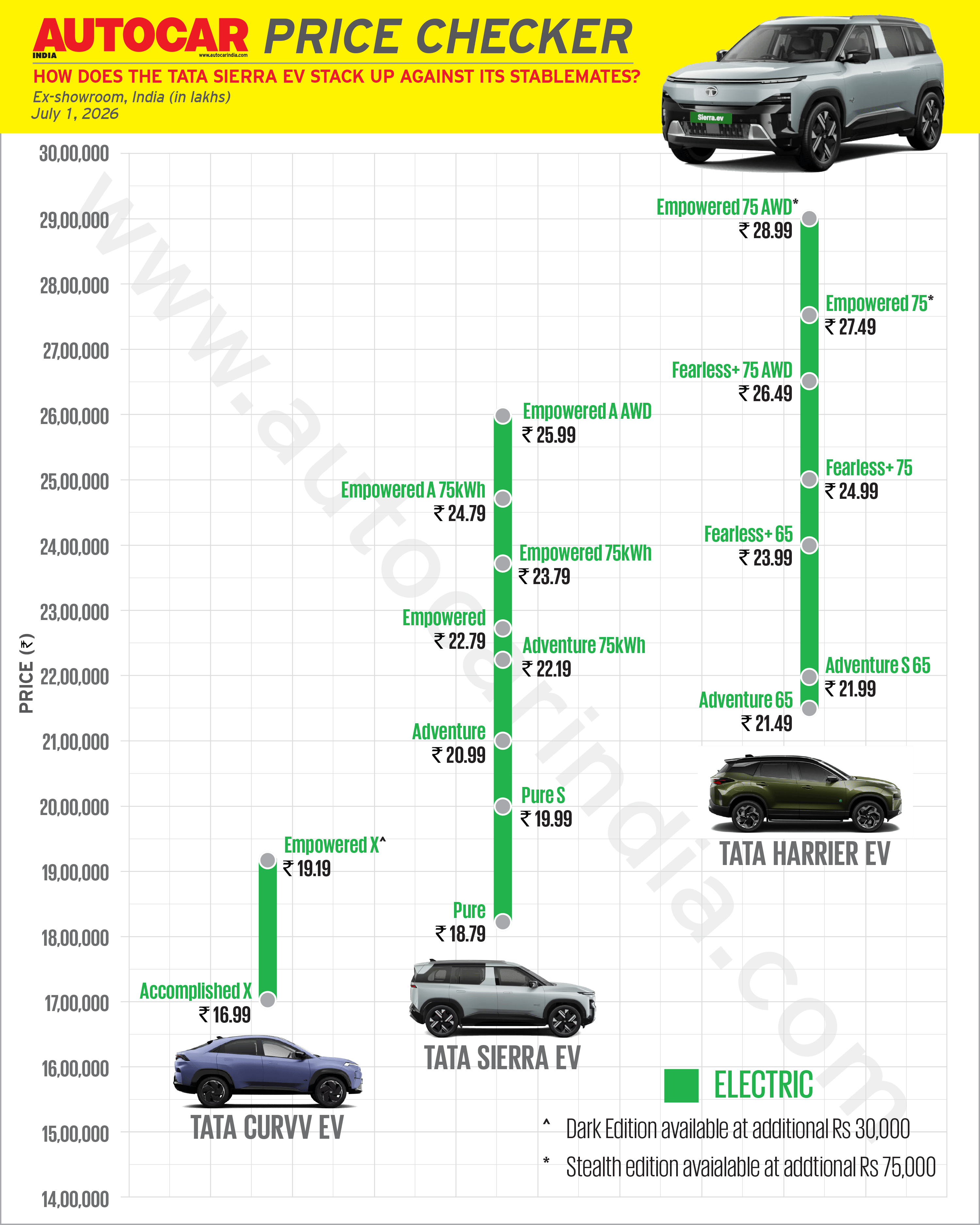
The Sierra EV is, in fact, very closely related to the Harrier EV, sharing similar battery capacities, common front and rear drive units, the thermal management system and also have broadly comparable performance. The former is priced between Rs 18.79 lakh and Rs 25.99 lakh, whereas the latter is priced between Rs 21.49 lakh and Rs 28.99 lakh.

According to Chandra, some movement between models within a broad portfolio was inevitable and is not the company’s primary concern. However, he said buyers do not evaluate models only through price and specifications. Their preferences are also shaped by styling, dimensions and their individual idea of what a model should represent.

“That’s why you see that the buyers of Harriers are very different than Sierra buyers, even in the ICE world,” Chandra said to our sister publication Autocar professional. “Somebody does not like boxy style. Somebody does not like dynamic style. So, first differentiation comes from there.”

Price overlap between Curvv, Sierra and Harrier EVs. 

Chandra also said size plays a particularly important role in India, where buyers often expect the value of a higher-priced vehicle to be visibly reflected in its dimensions and road presence. Different price and accessibility points will further separate the vehicles, he added.

“It’s a combination of all this,” Chandra said. “There is clear separation of what you see in the ICE world also. Same will apply here.”

Any immediate cannibalisation may also be limited by Tata Motors’ supply constraints. “Harrier EV demand is twice of what we are supplying. It is a supply-driven issue,” said Chandra. 

Shared constraints in battery-pack production, power electronics and other aggregates require Tata Motors to allocate components across its electric portfolio, he added. The company is working on capacity expansion and supplier debottlenecking to close the gap between demand and production.

Anand Kulkarni, Chief Product Officer at Tata Passenger Electric Mobility, further reiterated the differences between the two electric SUVs. “These products don’t necessarily compete with each other,” Kulkarni said. “They are enabled by a common underlying technology stack, but they are tuned completely differently and operate differently.”

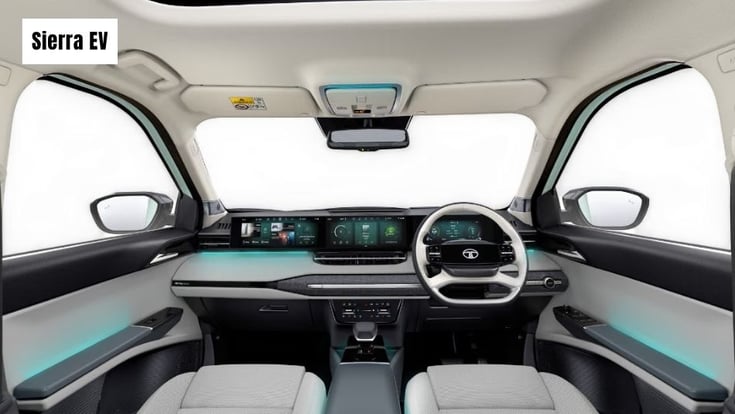
Tata Sierra EV interior
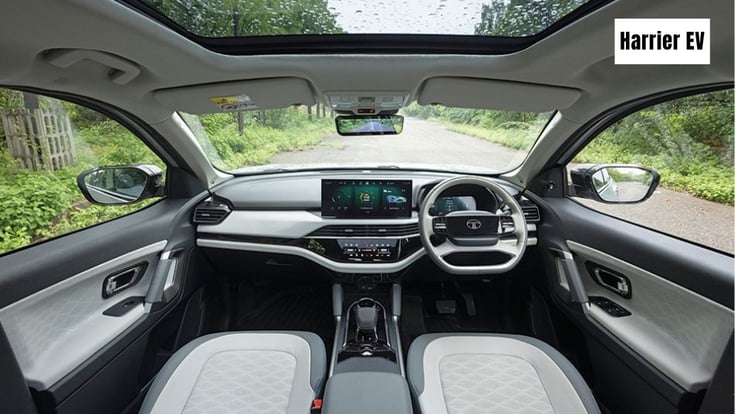
Tata Harrier EV interior


Kulkarni highlighted that the Sierra EV has a different cabin ambience from that of the Harrier EV. He compared this approach with the ICE versions of these SUVs, where they share the engine but deliver different driving and ownership experiences. “Just because two cars have a common engine, that does not make them a choice of one over the other,” he said.

Commonality gives scale and shared costs 

Commonality allows Tata Motors to distribute engineering, supplier-development and localisation investments across more products. “A lot of technologies that we developed in Harrier EV allowed us to also give it in the Sierra EV,” added Chandra, alluding to the ADAS suite, automatic parking and vehicle summoning features, as well as the all-wheel-drive technology,

The Sierra.ev and Harrier.ev will test both sides of Tata Motors’ EV strategy. Shared engineering must deliver scale, localisation and development-cost benefits, while Tata hopes styling, size and positioning creates enough distinction to expand the company’s addressable market. Some cannibalisation may be unavoidable. The larger test is whether the two SUVs collectively attract more customers to Tata Motors than either model could have done on its own.

With inputs from Saptarshi Mondal

TVS outsells Hero and Honda in combined sales for June 2026

TVS Jupiter, Honda Activa, Hero Splendor

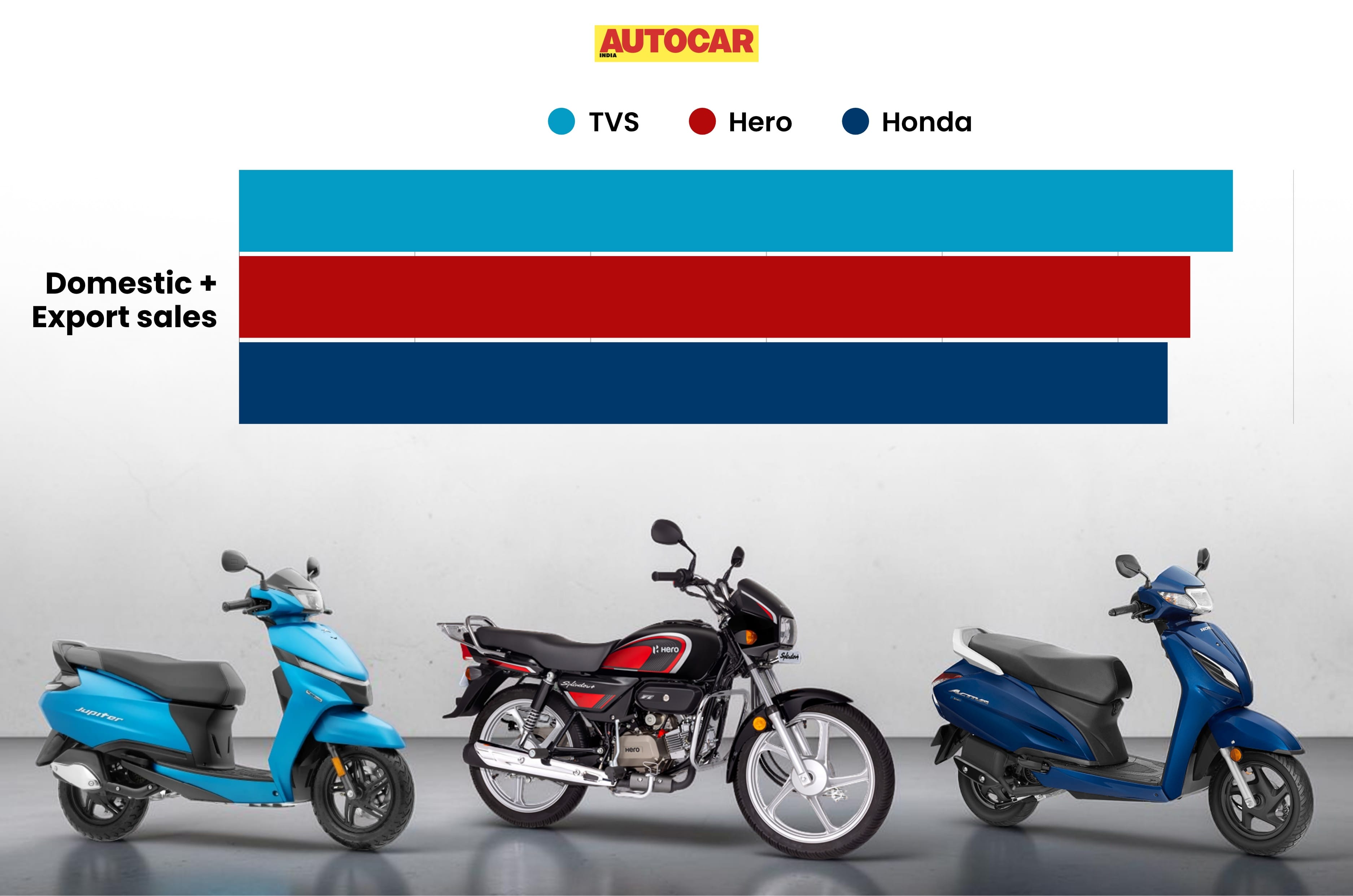
Last month’s domestic two wheeler sales figures paint a familiar picture. At the top is Hero MotoCorp, followed by Honda and then TVS. But if you were to add in export figures for the same period, then its TVS Motor that rises to the top for total two wheelers sold in June 2026.

  1. TVS tops combined domestic and export two-wheeler sales in June 2026
  2. Hero and Honda remain in top two for domestic sales

With 4,11,014 units sold in June 2026 within the Indian market, TVS is nearly a full lakh behind Hero that moved 5,02,890 motorcycles and scooters within the same period. Honda also has a good lead over TVS for second place with 4,68,956 units sold in the same period.

However, TVS has outdone both its rivals by a big margin when it comes to exports in June 2026. The company sold a massive 1,54,403 scooters and bikes overseas while that number dropped to 59,325 units for Honda and 38,269 units for Hero.

With both domestic and international sales tallied up, TVS sold a total of 5,65,417 units last month, slotting it above Hero’s 5,41,159 units and Honda’s 5,28,281 units. Notably, both TVS and Honda registered big increases over their respective sales figures in June 2025 while Hero registered a drop. Total sales for TVS rose by an enormous 47 percent for TVS when compared with the same month last year, while Honda also posted a solid growth of 26 percent. Meanwhile, Hero reported a small drop of around 2.3 percent for the same period.

It will be interesting to see if this is just a monthly blip or a sign of things to come for these companies that happen to be the top three motorcycle manufacturers, not just in India, but also worldwide.
 

BaaS मॉडल के साथ Hyundai की Creta Electric लॉन्च, कीमत में आई भारी गिरावट
Hyundai Creta Electric: अगर आप इलेक्ट्रिक SUV खरीदने की प्लानिंग कर रहे हैं, तो यह खबर आपके लिए फायदेमंद साबित हो सकती है। दरअसल, Hyundai Motor India Ltd ने Creta Electric के लिए ‘बैटरी-एज-ए-सर्विस’ (BaaS) ओनरशिप मॉडल पेश किया है। इस कदम से इलेक्ट्रिक SUV की शुरुआती कीमत, बैटरी की लागत को छोड़कर, रेगुलर ₹18.03 लाख से घटकर ₹10.99 लाख (एक्स-शोरूम) हो गई है।

इस नई व्यवस्था के तहत, खरीदारों के पास गाड़ी अलग से खरीदने और बैटरी के लिए EMI प्लान (जो ₹3.9 प्रति किलोमीटर से शुरू होगा) चुनने का विकल्प होगा, जिससे इलेक्ट्रिक गाड़ी खरीदने की शुरुआती लागत कम हो जाएगी।

Hyundai का मकसद EV को ज्यादा लोगों तक पहुंचाना है

यह कदम ऐसे समय में उठाया गया है जब ऑटो कंपनियां भारत में ग्राहकों के सामने आने वाली सबसे बड़ी समस्या यानी ज्यादा शुरुआती कीमत को कम करने के लिए अलग-अलग ओनरशिप मॉडल अपना रही हैं। बैटरी की कीमत को गाड़ी की कीमत से अलग करने से शुरुआती खरीद लागत कम हो जाती है, जबकि गाड़ी की लिस्ट कीमत पर कोई असर नहीं पड़ता। इससे इलेक्ट्रिक वाहन ज्यादा किफायती और आसान हो जाते हैं।

फॉर्च्यून इंडिया की रिपोर्ट के अनुसार, लॉन्च के मौके पर Hyundai Motor India Ltd के मैनेजिंग डायरेक्टर और CEO तरुण गर्ग ने कहा, “हुंडई क्रेटा इलेक्ट्रिक के लिए ‘बैटरी-एज-ए-सर्विस’ (BaaS) की शुरुआत भारत में इलेक्ट्रिक मोबिलिटी को आम लोगों तक पहुंचाने की दिशा में एक बड़ा बदलाव लाने वाला कदम है।”

उन्होंने कहा, शुरुआती कीमत को काफी कम करके और फ्लेक्सिबल बैटरी रेंटल प्लान देकर देकर, हम ज्यादा ग्राहकों को भरोसे के साथ EV अपनाने में मदद कर रहे हैं, जिससे वे हुंडई की भरोसेमंद तकनीक, सुरक्षा और इनोवेशन का लाभ उठा सकें।

क्रेटा इलेक्ट्रिक की कीमत अभी ₹18.02 लाख से ₹24.55 लाख (एक्स-शोरूम) के बीच है। यह दो बैटरी पैक ऑप्शन के साथ आती है: एक 42 kWh यूनिट जिसकी ड्राइविंग रेंज 420 km बताई गई है, और दूसरी 51.4 kWh यूनिट जिसकी रेंज 510 km बताई गई है। यह SUV DC फास्ट चार्जिंग को भी सपोर्ट करती है, जिससे बैटरी को लगभग 39 मिनट में 10% से 80% तक तेजी से चार्ज किया जा सकता है।

इस मॉडल की अन्य खूबियों में व्हीकल-टू-लोड (V2L) क्षमता, हुंडई स्मार्टसेंस लेवल 2 ADAS, डिजिटल की, सिंगल ड्राइव (i-पेडल), एक्टिव एयर फ्लैप्स और 8 साल/1.6 लाख km की बैटरी वारंटी शामिल हैं।

Hyundai भारत में EV इकोसिस्टम को मजबूत करने की योजना बना रही है

अपने प्रोडक्ट्स की रेंज बढ़ाने के साथ-साथ, हुंडई देश में EV चार्जिंग इंफ्रास्ट्रक्चर में भी निवेश कर रही है। फॉर्च्यून इंडिया की रिपोर्ट के अनुसार, कंपनी अगले सात सालों में लगभग 600 फास्ट पब्लिक EV चार्जिंग स्टेशन लगाने की योजना बना रही है। साथ ही, कंपनी ने पहले ही 183 जगहों पर इंफ्रास्ट्रक्चर तैयार कर लिया है, जिसमें 214 DC चार्जर और 399 चार्जिंग पॉइंट शामिल हैं।

यह भी पढ़ें: जून 2026 में ऑटो सेक्टर ने पकड़ी रफ्तार, PV से लेकर ट्रैक्टर तक की बिक्री में दिखी जबरदस्त ग्रोथ

2026 Renault Kwid launched in India at Rs 4.53 lakh

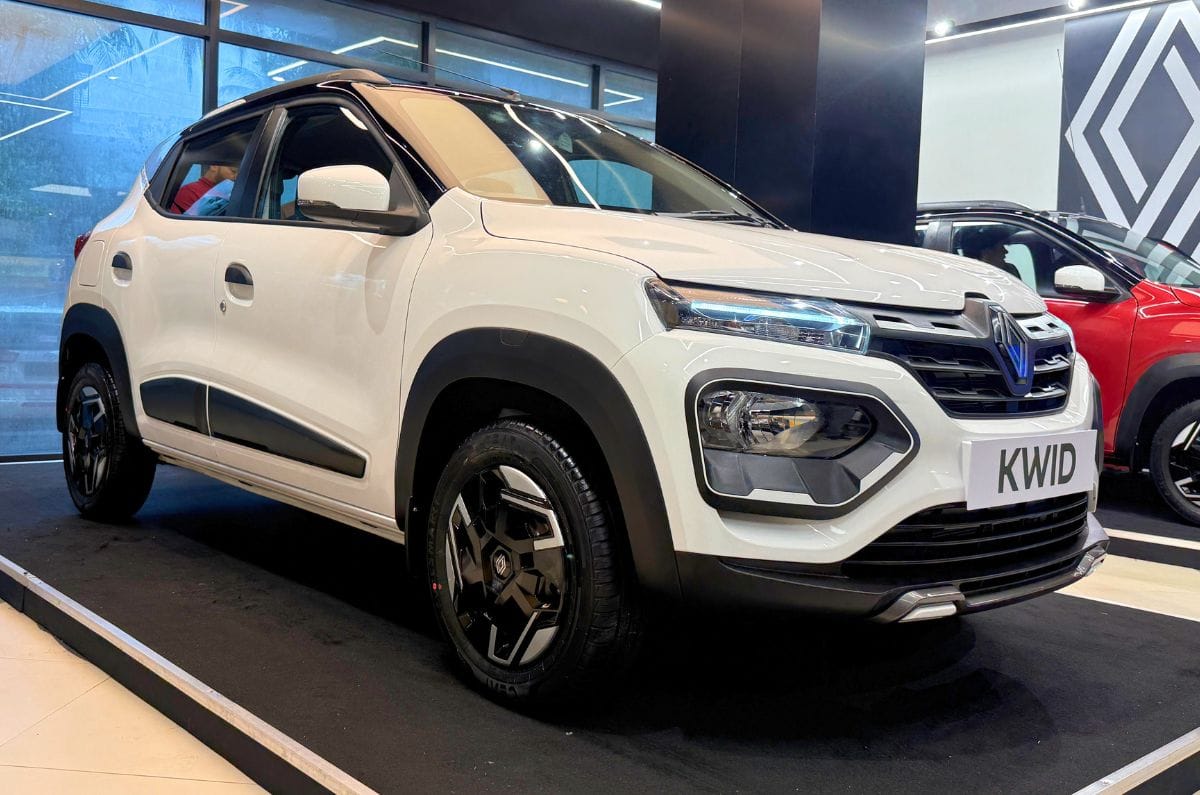
2026 Renault Kwid front quarter static

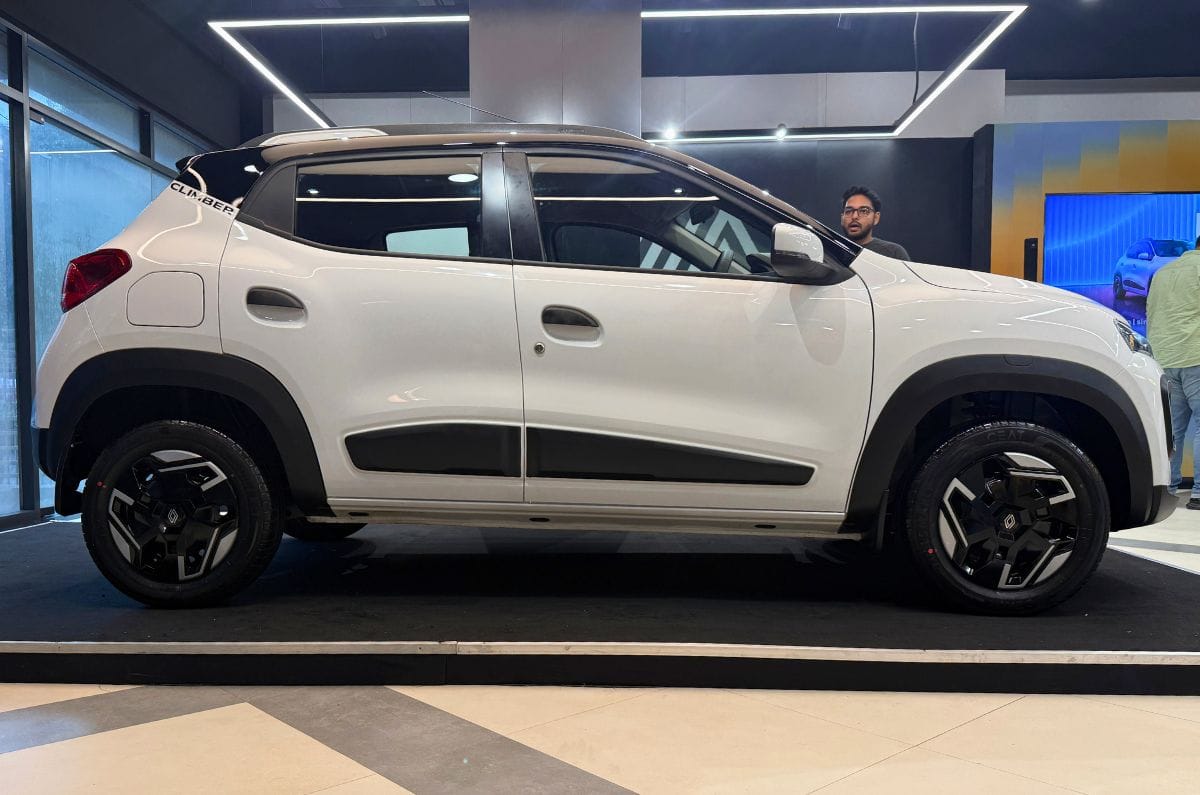
Renault has launched the 2026 Kwid in India with prices starting from Rs 4.53 lakh (ex-showroom). It is available in two trims: Evolution and Climber, offered with both manual and AMT options. Compared to the older model, the 2026 Renault Kwid gets some exterior and interior design changes and comes at a relatively lower price than before.

  1. Retrofitted CNG kit is available with MT variants at Rs 70,450 extra
  2. Continues with the same 1-litre 3-cylinder petrol engine (69hp, 92.5Nm)

Renault has also revealed its India plans, announcing 12 product “actions” over the next 18 months, 4 of which will happen in the remainder of 2026. Commenting on the upcoming plans, Renault India CEO Stéphane Deblaise said, “There won’t be more than two consecutive months without a significant update from Renault, whether it’s a limited edition, a design refresh, new technology, a new powertrain, or even an all-new car.”

2026 Renault Kwid: Prices

Offered in Evolution and Climber trims with manual and AMT options

2026 Renault Kwid: Variant-wise ex-showroom prices 


5-speed manual

5-speed AMT

Evolution

Rs 4.53 lakh

Rs 4.90 lakh

Climber

Rs 5.15 lakh

Rs 5.61 lakh

Renault is offering a retrofitted CNG kit for the Kwid’s manual variants at an additional Rs 70,450, with a 3-year/1 lakh km standard warranty (whichever is earlier). If you choose, these CNG kits will be installed at authorised workshops. Consult your nearest Renault dealership for more details.

The starting price of the 2026 Kwid is Rs 22,000 more than the older model’s base-spec Authentic trim. With the 2026 update, however, prices of the Evolution and Climber trims have reduced by up to Rs 14,000 and Rs 32,000, respectively. The previously available entry-spec Authentic and mid-spec Techno trims have been discontinued with the 2026 model.

2026 Renault Kwid: What’s new?

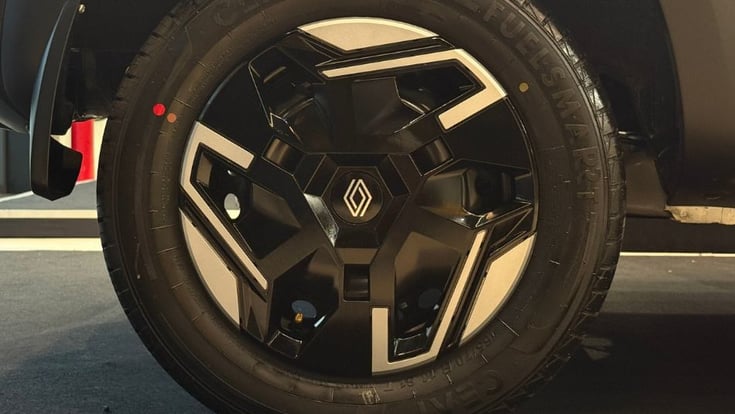
Sports new Renault logos and redesigned plastic wheel covers

2026 Renault Kwid front design
2026 Renault Kwid wheel covers
 

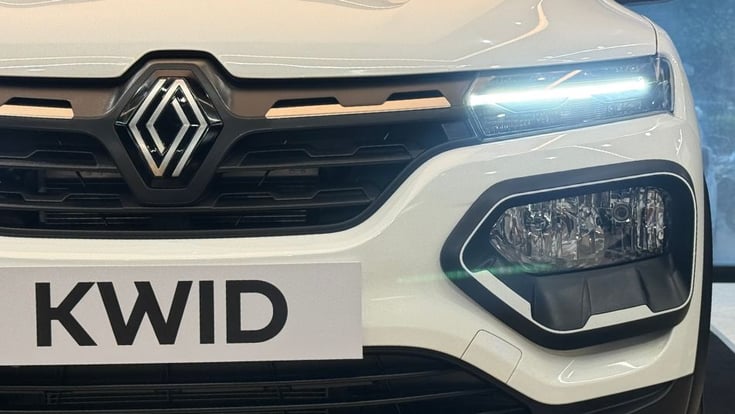
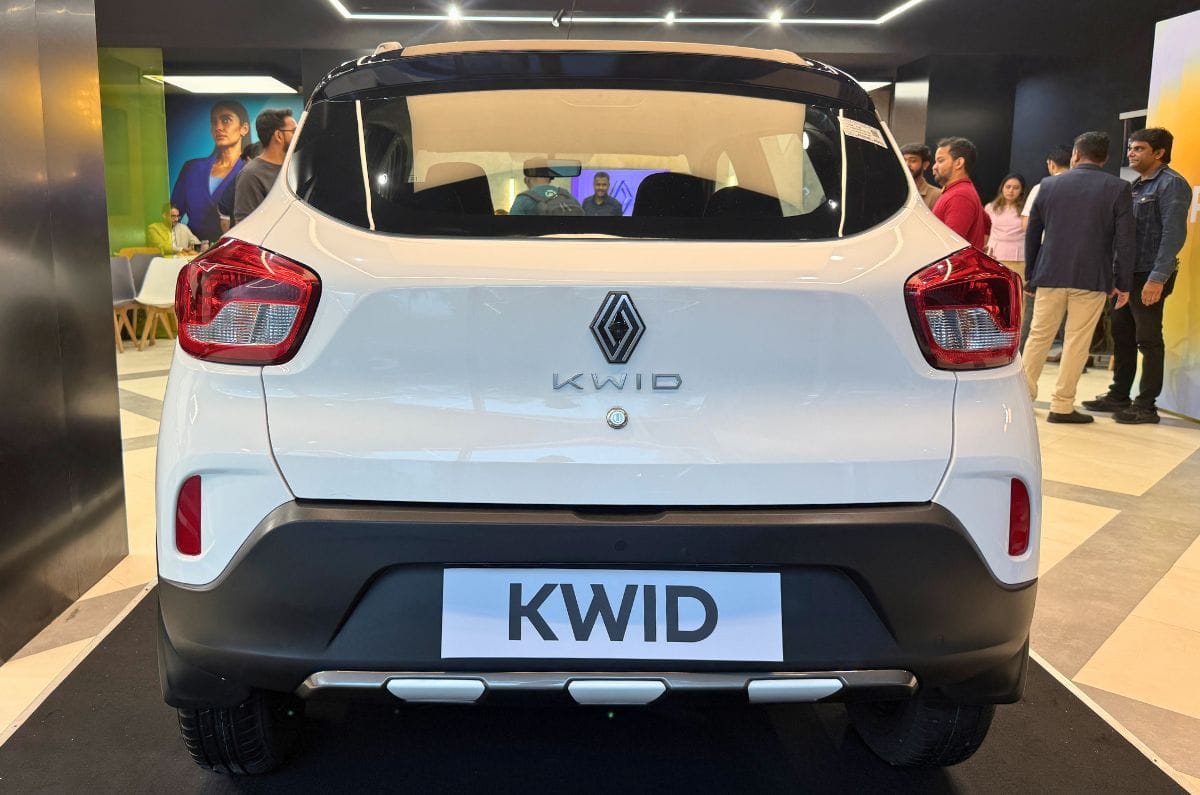
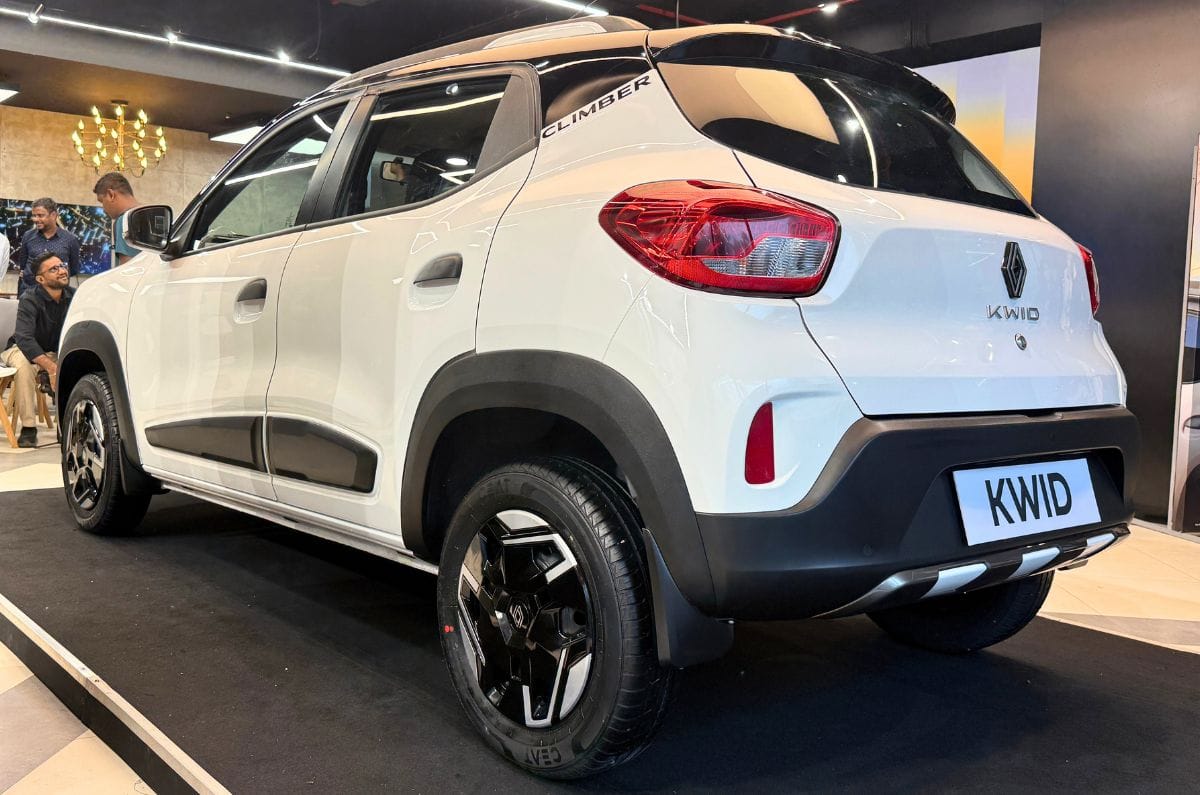
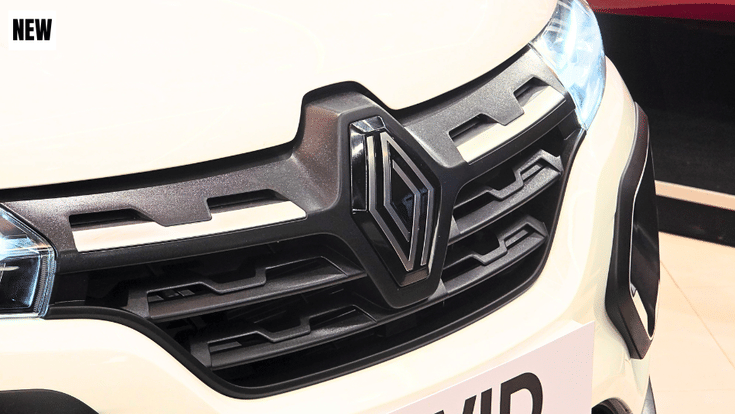
As mentioned earlier, there are only a couple of changes to the 2026 Kwid’s exterior design elements. These include new 3D Renault badges and redesigned dual-tone plastic covers for the 14-inch steel wheels. Keen-eyed viewers can also spot a different font for the Kwid lettering on the tailgate, and it also gets a new silver finish.

Other elements are the same as those on the older Kwid, including the eyebrow-shaped LED DRLs, halogen headlights, front and rear bumpers and halogen taillights.

The 2026 Kwid’s dimensions are identical to the older model, which are as follows:

2026 Renault Kwid dimensions and other specifications

Length 

3,731mm

Width

1,579mm

Height 

1,474mm

Wheelbase

2,422mm

Ground clearance

184mm

Boot space

279 litres

Borrows a steering wheel and gear lever from the Renault Kiger SUV

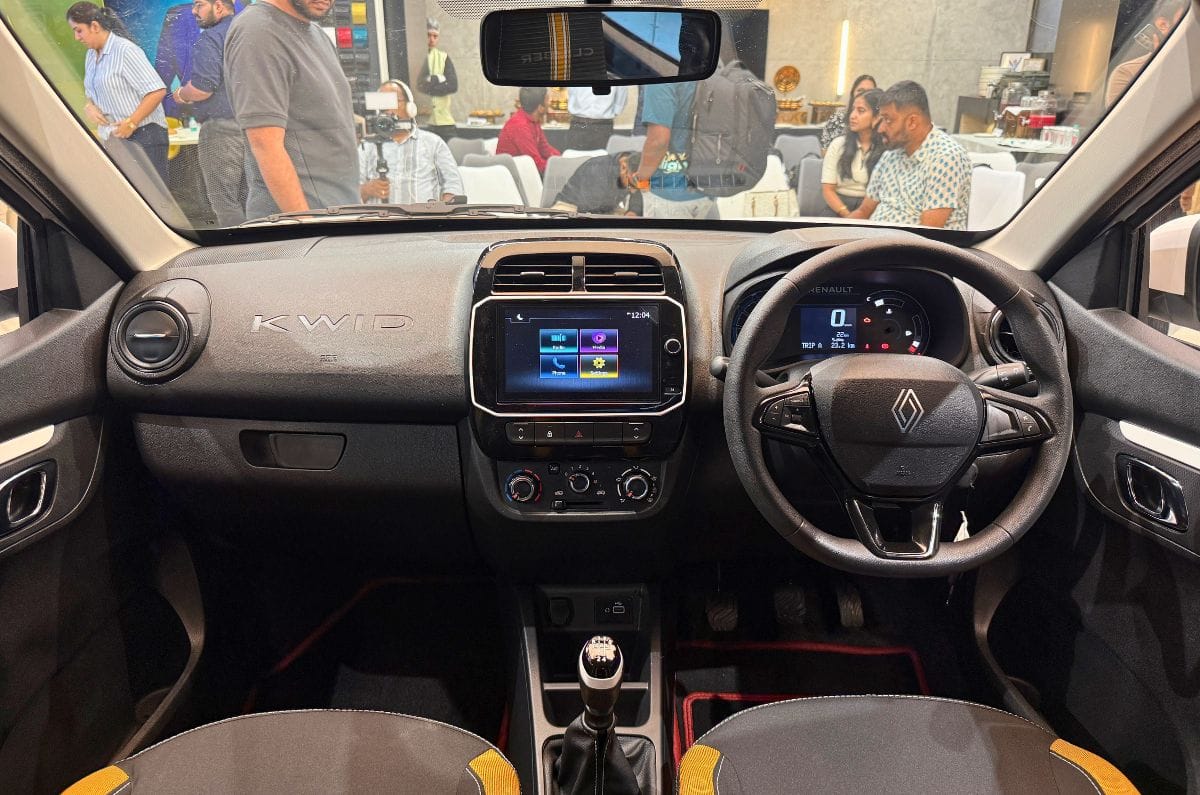
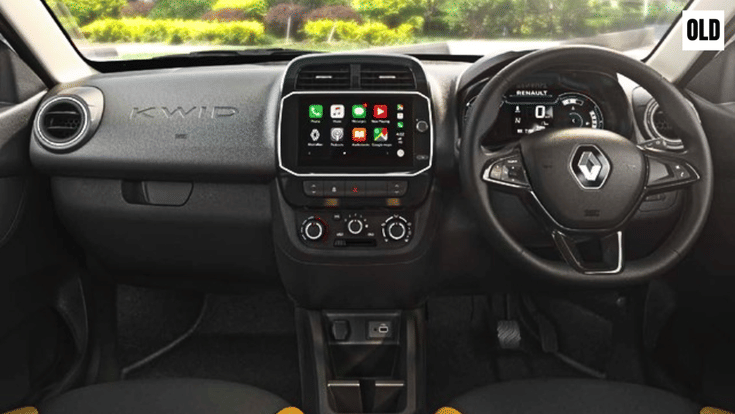
Like the exterior design, not much has changed inside the Renault Kwid’s cabin with the 2026 update. The new 3-spoke steering wheel design is borrowed from the Kiger, featuring buttons for controlling the infotainment system.

Everything else is the same, including the 8-inch touchscreen infotainment system with support for wired Android Auto and Apple CarPlay, a semi-digital instrument cluster with a multi-information display (MID) in the centre, manual AC, and all four power windows. The black fabric seat upholstery with yellow accents is also identical to the older model.

It is offered with dual airbags in the base-spec Evolution trim, while the top-spec Climber gets 6 airbags. Other safety features include a rear parking camera with sensors, a tyre pressure monitoring system (TPMS), hill start assist (with AMT variants only), keyless entry with central locking, ABS with EBD and seatbelt reminders. 

Powered by the same 69hp 1.0L naturally aspirated petrol engine

The 2026 Renault Kwid is powered by the same 1.0-litre 3-cylinder naturally aspirated petrol engine that produces 69hp and 92.5Nm. It is mated to either a 5-speed manual gearbox or a 5-speed automated manual transmission (AMT).

The Renault Kwid continues to rival the Maruti S-Presso and Maruti Alto K10, which start at lower price tags of Rs 3.50 lakh and Rs 3.70 lakh, respectively.

Prices are ex-showroom, Delhi.

Renault Kwid new vs old: Differences and similarities explained

Renault Kwid New vs Old comparison

Renault gave the Kwid a comprehensive facelift back in 2019. Three years later, the hatchback received a few cosmetic tweaks and new paint options. The 2026 Renault Kwid comes with yet another lifecycle update, albeit a minor one. It remains Renault’s most affordable car in India, and its closest rivals are the Maruti Alto K10 and Maruti S-Presso. Let’s now look at what’s new with the 2026 Renault Kwid compared to its predecessor.

Renault Kwid new vs old: Exterior design

There are only a couple of noticeable changes on the outside

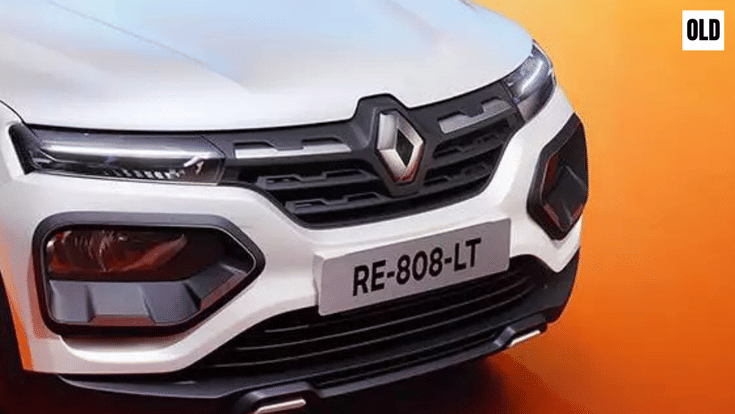
2026 Renault Kwid facelift front grille
Old Renault Kwid front grille
 

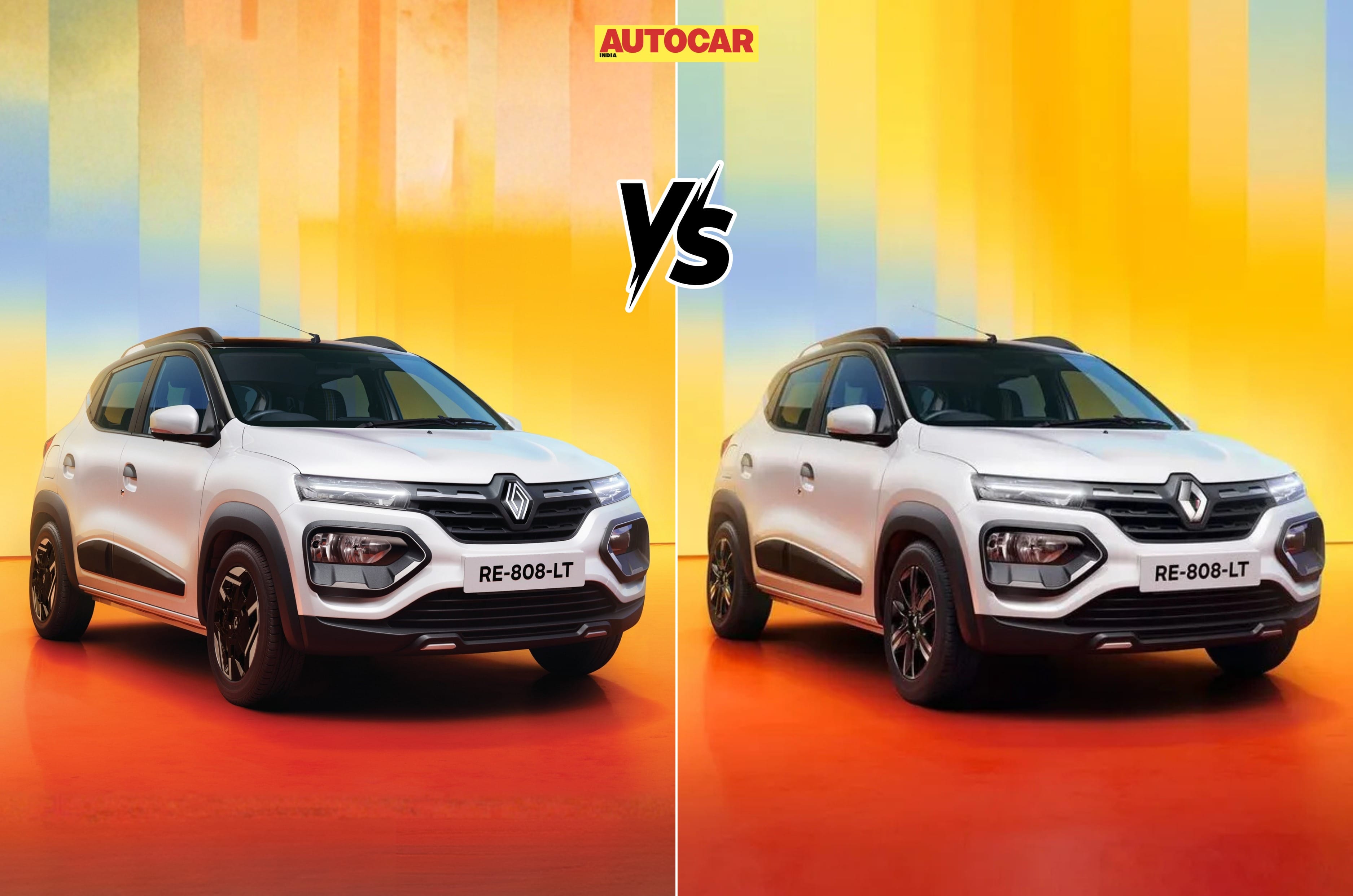
Compared to the pre-facelift model, the 2026 Kwid’s exterior is more or less unchanged in terms of its overall design and silhouette. The sleek upper LED lighting element and the large bumper-integrated headlamp housing have been carried forward, along with the faux front diffuser. The only difference at the front of the Kwid now is the new Renault logo.

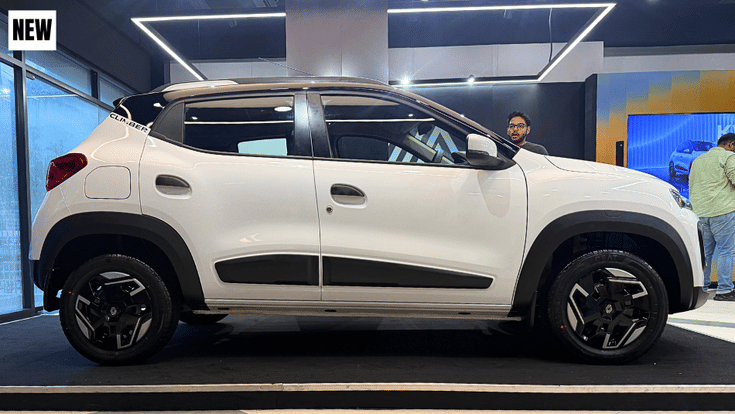
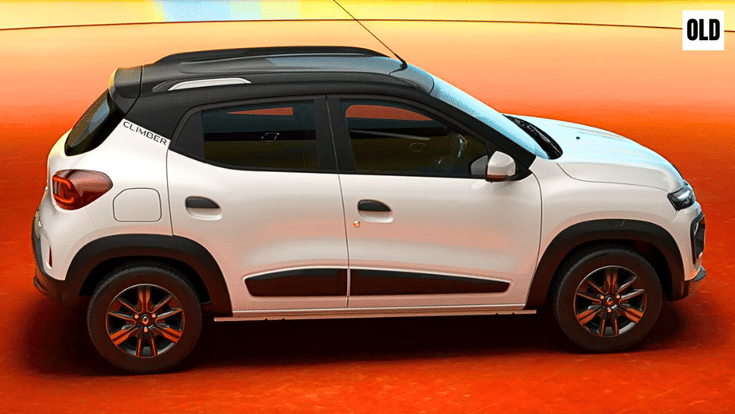
2026 Renault Kwid facelift side
Old Renault Kwid facelift side
 

Along the side, the 2026 Kwid mostly looks the same as the previous model. However, Renault has given it a new two-tone wheel cover design, which also features the brand’s new logo. Other details such as the roof bars, ‘Climber’ lettering (for the top trim) and black lower-body cladding have been carried over from the pre-facelift model. As at the front, a design difference at the rear between the two cars is the new Renault logo. Apart from that, the ‘Kwid’ lettering on the tailgate is new as well. However, the design of the tail lamps, rear static reflectors and bumper are the same as before.

Renault Kwid new vs old: Interior design

There’s only perceivable difference on the inside of the 2026 Kwid

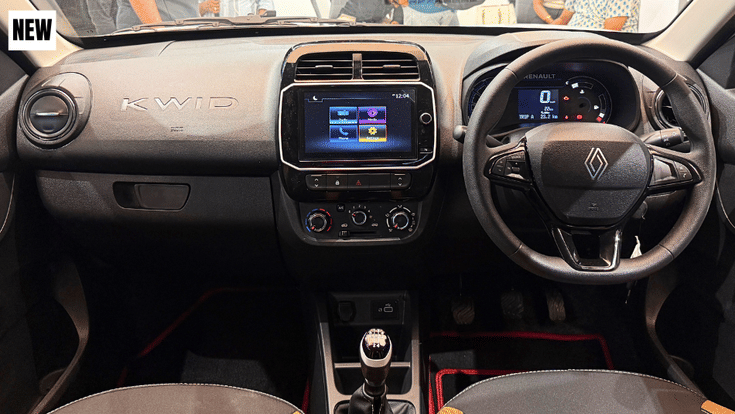
Stepping inside, the biggest change between the old and new Renault Kwid is in the steering wheel. Not only is the design of this wheel new, it also gets the brand’s latest logo that’s found in other Renault models on sale in India. The rest of the interior of the 2026 Kwid is nearly identical to the pre-facelift model. This means that there’s the same 8.0-inch infotainment head unit with a physical knob and button, Apple CarPlay and Android Auto connectivity, a monochrome digital driver’s display, manual AC controls, and a few buttons on the dashboard.

2026 Renault Kwid facelift interior
Old Renault Kwid facelift interior
 

The two-tone gear lever for the top-spec Climber manual variant and the rotary gear selector for the AMT variant remain unchanged. The new Kwid also has the same grey seat upholstery with contrasting yellow highlights as the old car. On the practicality front, things are likely to be similar as well, given that the storage cubbies haven’t been changed in any major way. Space for occupants is also to be identical to the old Kwid as there haven’t been any mechanical modifications with this 2026 update. Similarly, the 279-litre boot of the Kwid remains as is.

Renault Kwid new vs old: Engine and gearbox

There have been no mechanical changes with this update

Under the bonnet, the 2026 Renault Kwid soldiers on with the same 1.0-litre naturally aspirated petrol engine as its predecessor. This three-cylinder mill is rated at 69hp and 92.5Nm, and can be had with either a 5-speed manual or 5-speed automated manual transmission (AMT). Unlike its predecessor, which was offered in four trim levels, the 2026 Kwid is now available in only two trim levels – Evolution and Climber. Prices range between Rs 4.53 lakh and Rs 5.61 lakh (ex-showroom, India). This means that the 2026 Evolution MT and AMT variants are now cheaper by Rs 13,500 and Rs 10,000, respectively. Meanwhile, the Climber MT and AMT variants have become more affordable by Rs 32,000 and Rs 27,200, respectively.

Also read

3 reasons to buy the Maruti Dzire, and 2 reasons not to

BMW X5 new vs old: Differences and similarities explained

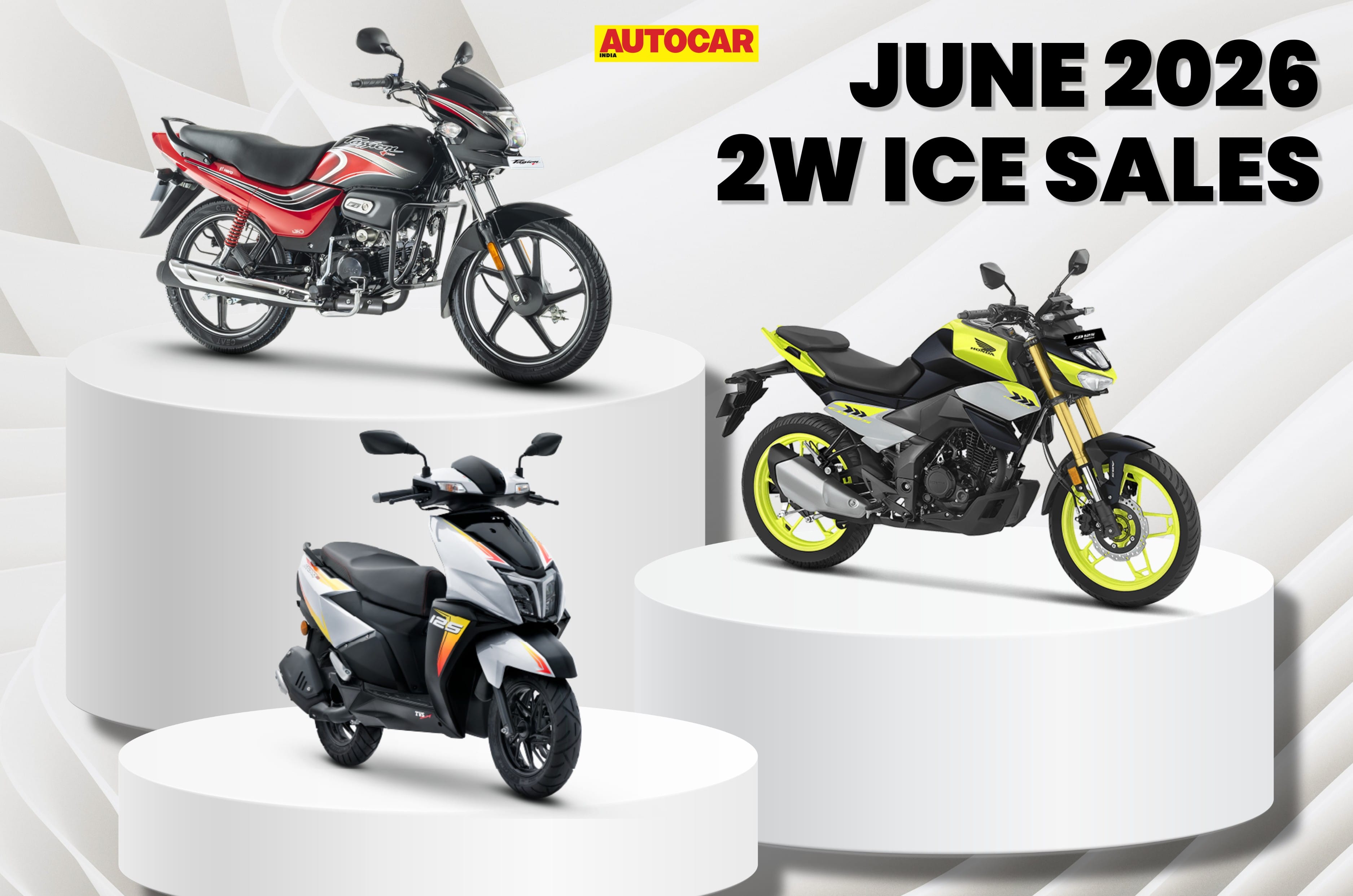
Scooter and bike sales June 2026: Mixed results for different brands

Hero Passion. Honda CB125 Hornet and TVS Ntorq 125

As the scorching summer draws to a close and the monsoon season well and truly sets in, here’s how each of the top six heavyweights in the ICE Indian two-wheeler market performed in the month of June.

Hero: 5,02,890 units

Hero MotoCorp retained its position at the top of this sextet with over 5 lakh units sold last month in the domestic market – usual fare for this powerhouse. In doing so, it actually reported a 6.31 percent decline in comparison to its May 2026 sales number of 5,36,784 units. It was also a similar story when compared to its June 2025 sales (5,25,136 units) wherein it reported a smaller decline of 4.24 percent. It bears mentioning that Hero bundles in the burgeoning sales of its electric arm, Vida, which is now a regular fixture in the top ten bestselling brands in the electric mobility space, into this number.

Last month, Hero updated two of its commuter motorcycles – the Passion+ and the Super Splendor XTEC 2.0. Hero shipped 38,269 units overseas last month, an improvement over the 33,284 units it sent to export markets in May.

Honda: 4,68,956 units

Honda Motorcycle and Scooter India (HMSI) is in its usual runner-up spot but even so, the company reported a small 2.03 percent increase when compared to its May 2026 sales tally (4,59,611 units). Similarly, HMSI also reported a substantial 20.61 percent increase when compared to its June 2025 sales figure of 3,88,812 units. Honda is gearing up to enter the affordable end of the maxi-scooter game in India, with its ADV160, whose design has already been patented in our country.

The company exported 59,325 units last month, which was more or less on par compared to the 59,166 units it shipped overseas in May of this year.

TVS: 4,11,014 units

TVS Motor Company breached the 4 lakh units mark in the domestic market for the first time ever last month. In doing so, the company reported a noteworthy 6.88 percent increase when compared to its May 2026 sales figure of 3,84,565 units. When compared to its relatively small sales figure for June 2025 (2,81,012 units), the Hosur-based manufacturer reported a huge 46.26 percent increase.

It is worth mentioning that TVS doesn’t bundle the sales of its EVs – shouldered largely by the popular iQube, India’s bestselling electric two-wheeler – into the aforementioned numbers. TVS recently refreshed the popular Ntorq 125 scooter with some fresh new colourways on its entry-level variants. It is also working quite hard to set up its premium two-wheeler dealer network – Paddock – in India and also bringing the quartet of brand-new Norton products to market, both local and international.

The company, which is India’s second-largest exporter of two-wheelers, shipped 1,54,403 units overseas last month which was slightly lower than the 1,58,546 two-wheelers it sent to export markets in May.

Bajaj: 1,66,956 units

Pune-based Bajaj Auto had a slower than usual month in terms of sales in June, reporting a 20.32 percent decline in comparison to its May 2026 sales of 2,09,528 units. That being said, the company reported an 11.81 percent increase in comparison to its June 2025 sales tally of 1,49,317 units. It must be noted that the Chetak electric scooter portfolio and all sub-400cc Triumph and KTM models manufactured by Bajaj are also bundled into the above figures.

Bajaj is gearing up to revamp its entire Classic Pulsar lineup in the coming months, which should bolster its sales numbers in the near term. India’s largest two-wheeler exporter sent 2,22,439 units overseas last month, which was a healthy increase over the 1,83,676 units it shipped abroad in May.

Royal Enfield: 1,02,930

Royal Enfield has again sold over 1 lakh units in a single month in the domestic market, and in the process, it reported a 9.37 percent increase in comparison to its May 2026 sales number of 94,115 units. Even in comparison to its relatively smaller sales tally of 76,957 units in June 2025, it reported a substantial 33.75 percent increase.

Royal Enfield is working on a litany of new launches and refreshes to existing models, which will be spread out over the next few months and it also began deliveries of its first electric bike – the Flying Flea C6 – recently. The marque sent 11,102 units to export markets in June, which was quite a step up over the 9,116 bikes it shipped globally in May.

Suzuki: 91,264 units

Suzuki Motorcycle India Private Limited (SMIPL)’s sales last month dipped below the usual 1 lakh units it usually averages and thereby the company reported a noticeable 17.05 percent decline in comparison to the 1,10,028 units it sold in May. Even in comparison to its sales in June 2025 (95,244 units), SMIPL reported a small 4.18 percent decrease.

Suzuki shipped 23,766 two-wheelers last month to global markets, a small increment over the 22,216 units it sent overseas in May.


June 2026 sales

May 2026 sales

% change

June 2025 sales

% change

Hero

5,02,890

5,36,784

-6.31

5,25,136

-4.24

Honda

4,68,956

4,59,611

2.03

3,88,812

20.61

TVS

4,11,014

3,84,565

6.88

2,81,012

46.26

Bajaj

1,66,956

2,09,528

-20.32

1,49,317 

11.81

Royal Enfield

1,02,930

94,115

9.37

76,957 

33.75

Suzuki

91,264

1,10,028

-17.05

95,244

-4.18

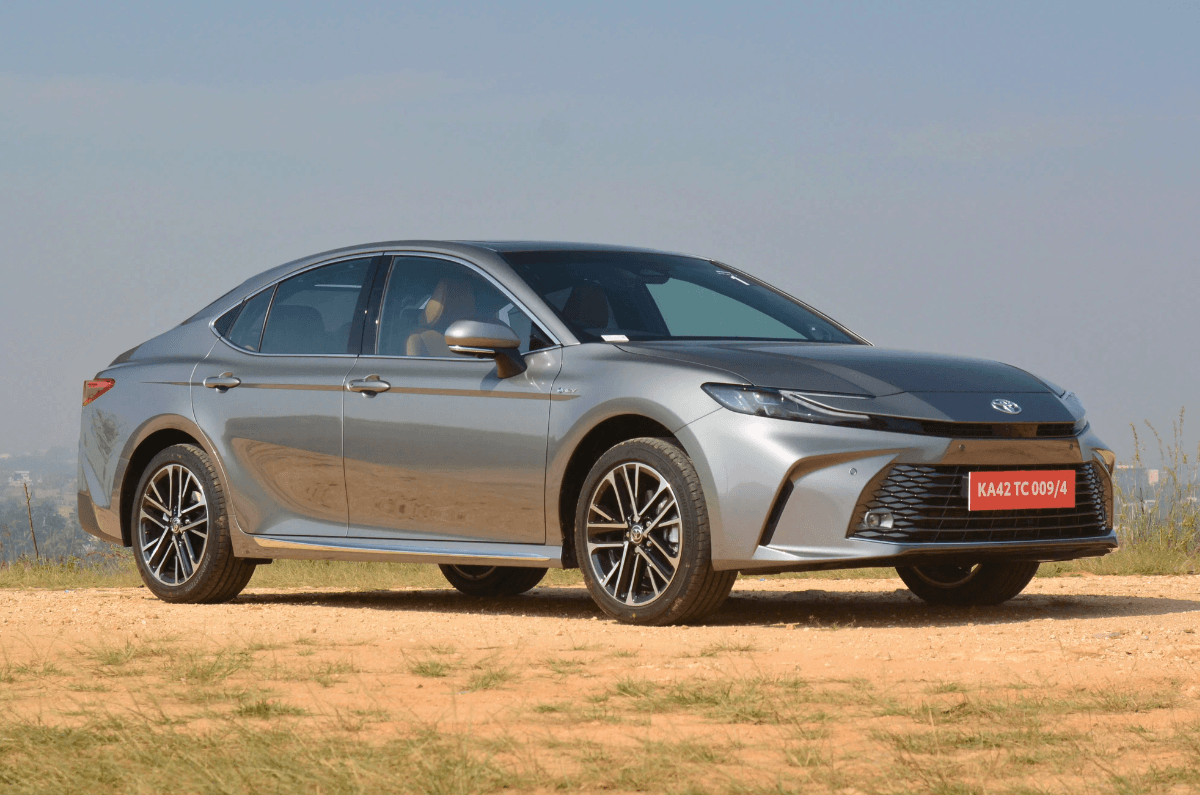
Toyota Camry exterior image gallery

Toyota Camry

The ninth-generation Toyota Camry was launched in December 2024, and it is the carmaker’s sole sedan in India. Under the bonnet lies Toyota’s fifth-generation hybrid system. It combines a 2.5-litre petrol engine, an integrated starter motor, the main traction motor and a 1.0kWh lithium-ion battery. This setup has a total output of 230hp, which is about 12hp more than the outgoing model. Fuel efficiency has also improved compared to the outgoing model and is now an ARAI-rated 25.49kpl. Like other hybrids in the family, the Camry uses an eCVT gearbox. The Camry is priced at Rs 47.48 lakh, ex-showroom.

ICICI प्रूडेंशियल के चिंतन हरिया से जानें वेल्थ क्रिएशन के मंत्र, बाजार में अब कहां से निकलें और कहां बढ़ाएं निवेश

बाजार में आज तेजी का मोमेंटम बढ़ा है,निफ्टी 150 अंक से ज्यादा चढ़कर 7 मई के बाद पहली बार 24300 के पार निकला है। ICICI BANK, HDFC BANK, BHARTI और टाटा स्टील ने जोश भरा है। आज बैंक निफ्टी भी चला है। लेकिन मिडकैप-स्मॉलकैप में हल्की बढ़त है। वोलैटिलिटी इंडेक्स INDIA VIX 3% से ज्यादा फिसलकर 12 के नीचे आ गया है। रियल्टी,मेटल और फार्मा में आज सबसे ज्यादा खरीदारी आई है। तीनों सेक्टर इंडेक्स 1.5 फीसदी से ज्यादा चढ़े हैं। साथ ही IT में लगातार दूसरे दिन तेजी है। आईटी इंडेक्स 1.5 फीसदी चढ़ा। वहीं दूसरी ओर सरकारी बैंकों में आज दबाव है। पीएसयू बैंक इंडेक्स करीब 1 फीसदी फिसला है। बैंक ऑफ बड़ौदा और यूनियन बैंक 3 फीसदी से ज्यादा गिरे हैं।

निवेशक चाहें तो कर सकते हैं लार्जकैप में एकमुश्त निवेश

ऐसे में बाजार की आगे की दशा और दिशा पर बात करते हुए ICICI प्रूडेंशियल AMC के प्रिंसिपल इन्वेस्टमेंट स्ट्रैटेजिस्ट चिंतन हरिया ने कहा कि 2 साल से भारतीय बाजार और रुपये ने अंडरपरफॉर्म किया है। RBI के कदमों से रुपया काफी संभला है। कच्चे तेल के दाम युद्ध से पहले के भाव पर आ गए हैं। कमजोर मॉनसून से भी ज्यादा चिंता नहीं है। ऐसे में लार्जकैप में अच्छे मौके बन रहे हैं। निवेशक चाहें तो लार्जकैप में एकमुश्त निवेश कर सकते हैं।

मिडकैप और स्मॉलकैप में एक्टिव फंड चुनें, लार्जकैप में पैसिव फंड्स में निवेश करें

चिंतन हरिया ने आगे कहा कि लार्जकैप के मुकाबले मिडकैप और स्मॉलकैप ने आउटपरफॉर्म किया है। मिडकैप और स्मॉलकैप के वैल्युएशन अभी भी सस्ते नहीं हैं। मिडकैप और स्मॉलकैप की ग्रोथ का अनुमान लगाना मुश्किल है। मिडकैप और स्मॉलकैप में एक्टिव फंड चुनें। लार्जकैप में पैसिव फंड्स में निवेश करें।

हालात स्थिर रहे तो दीवाली तक लार्जकैप में उछाल संभव

उन्होंने आगे कहा कि जून तिमाही के नतीजों में कमजोरी देखने को मिल सकती है। हालात स्थिर रहे तो दीवाली तक लार्जकैप में उछाल संभव है। FCNB डिपॉजिट का फायदा बैंकों को मिलेगा। बैंकिंग सेक्टर अच्छा लग रहा है। एनर्जी सेक्टर भी पसंद है। इस सेक्टर कोकच्चे तेल की कीमतें घटने का फायदा मिलेगा। वहीं, डिफेंस और मेटल शेयर काफी चल चुके हैं। अब इनमें मुनाफावसूली संभव है।

चिंतन हरिया का मानना है कि लंबी अवधि में ऑटो सेक्टर अच्छा कर सकता है। ऑटो सेक्टर को एक्सपोर्ट में बढ़ोतरी का भी फायदा मिलेगा। निवेशकों के लिए लार्जकैप एक्टिव और पैसिव फंड्स में निवेश करने का मौका है। मल्टी एसेट बैलेंस्ड एडवांटेज फंड में निवेश कर सकते हैं। किसी भी फ्लैक्सीकैप फंड्स में SIP कर सकते हैं। आज जो निवेश करेंगे उसका फायदा 3-5 साल में मिलेगा।


Market Insight : अगले 6-8 हफ्ते में निफ्टी में देखने को मिल सकता है 25500 का लेवल, IT में 10-15% रिकवरी की उम्मीद


डिस्क्लेमर: मनीकंट्रोल.कॉम पर दिए गए विचार एक्सपर्ट के अपने निजी विचार होते हैं। वेबसाइट या मैनेजमेंट इसके लिए उत्तरदाई नहीं है। यूजर्स को मनी कंट्रोल की सलाह है कि कोई भी निवेश निर्णय लेने से पहले सर्टिफाइड एक्सपर्ट की सलाह लें।