Yamaha R2 likely to launch on August 27

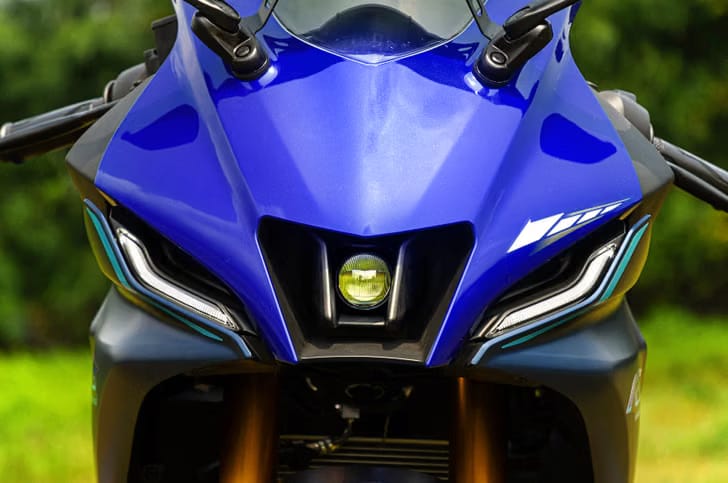
Yamaha R15 front end

Earlier this year, we reported that Yamaha India was working on introducing the R2 in our market around the festive season. The new motorcycle is expected to offer a step up in performance over the hugely successful R15, and a media invite from the company now suggests it is likely to launch on August 27.

  1. Could get a single-cylinder liquid-cooled engine displacing around 200cc
  2. Will be designed, developed and manufactured entirely in India

Yamaha R2: What we know so far

R2 is expected to be sold alongside R15

The Yamaha R2 is expected to be powered by a liquid-cooled, single-cylinder engine displacing around 200cc, possibly slightly more. The R15 has long established itself as one of the most impressive beginner-friendly supersports on the market, and the R2 is expected to serve as a natural progression for riders looking for more performance without sacrificing everyday usability. The R2 name also follows Yamaha’s established R-series nomenclature and is expected to become the flagship model in the company’s India lineup following the discontinuation of the R3.

For reference, the R15 is powered by a 155cc liquid-cooled, single-cylinder engine producing 18.4hp and 14.2Nm. With a modest increase in displacement, the R2 can be expected to offer a bump in performance while still being quite fuel efficient – a combination that has long been one of the R15’s strongest attributes.

The R15, MT-15 and XSR155 are all expected to continue alongside the R2, and the new model is not expected to replace any existing product in the lineup. It will be designed, developed and manufactured entirely in India at Yamaha’s Chennai facility, with exports to several global markets also planned.

When it arrives next month, the Yamaha R2 is expected to rival the KTM RC 200 (Rs 2.24 lakh) and the Hero Karizma XMR 210 (Rs 1.88 lakh). We also know that Yamaha is working on bringing the NMax 155 maxi-scooter to our market, having filed a design patent for the model just a few days ago. However that scooter is likely to be launched here either at the end of 2026 or in early 2027.

 

Nestle India फाइनल डिविडेंड के साथ-साथ स्पेशल डिविडेंड का भी देगी तोहफा, बोर्ड ने दी मंजूरी; शेयर उछला

किटकैट और मैगी जैसे प्रोडक्ट्स की ओनर FMCG कंपनी नेस्ले इंडिया (Nestle India) ने अपने शेयरहोल्डर्स के लिए स्पेशल डिविडेंड की घोषणा की है। प्रस्ताव पर कंपनी के बोर्ड ने 3 जुलाई की मीटिंग में मोहर लगाई। स्पेशल डिविडेंड 2 रुपये प्रति शेयर मंजूर किया गया है। पेमेंट 30 जुलाई को या 30 जुलाई से किया जाएगा। इस डिविडेंड और वित्त वर्ष 2026 के लिए फाइनल डिविडेंड पर 3 जुलाई को ही होने वाली सालाना आम बैठक में शेयरहोल्डर्स की मंजूरी ली जाएगी।

नेस्ले इंडिया पहले ही ​वित्त वर्ष 2025-26 के लिए 5 रुपये प्रति शेयर का फाइनल ​डिविडेंड घोषित कर चुकी है। इस तरह शेयरहोल्डर्स को स्पेशल और फाइनल डिविडेंड मिलाकर कुल 7 रुपये प्रति शेयर का डिविडेंड मिलने वाला है।

दोनों तरह के डिविडेंड के​ लिए रिकॉर्ड डेट 10 जुलाई है। इस तारीख तक जिन लोगों के नाम शेयरों के लाभार्थी मालिकों के तौर पर रजिस्टर ऑफ मेंबर्स ऑफ द कंपनी या डिपॉजिटरीज के रिकॉर्ड्स में होंगे, वे डिविडेंड के हकदार होंगे। कंपनी ने इससे पहले वित्त वर्ष 2026 के लिए 7 रुपये प्रति शेयर का अंतरिम डिविडेंड दिया था।

Nestle India के शेयर में मामूली तेजी

3 जुलाई को नेस्ले इंडिया के शेयर में हल्की तेजी है। दिन में कीमत BSE पर 1 प्रतिशत से ज्यादा बढ़ोतरी के साथ 1462.70 रुपये के हाई तक गई। कंपनी का मार्केट कैप 2.79 लाख करोड़ रुपये से ज्यादा है। शेयर की फेस वैल्यू 1 रुपये है। यह BSE 100 इंडेक्स का हिस्सा है। शेयर 3 महीनों में 22 प्रतिशत चढ़ा है। BSE पर 52 सप्ताह का एडजस्टेड हाई 1,498.60 रुपये और एडजस्टेड लो 1,085 रुपये है। कंपनी में मार्च 2026 के आखिर तक प्रमोटर्स के पास 62.76 प्रतिशत हिस्सेदारी है।

Bajaj Housing Finance Share Price: Q1 में बांटे 33% ज्यादा लोन, खुश होकर जेपी मॉर्गन ने बढ़ाई रेटिंग; शेयर 6% तक चढ़ा

22 जुलाई को जारी करेगी जून तिमाही के नतीजे

नेस्ले इंडिया के बोर्ड की एक मीटिंग 22 जुलाई को भी होने वाली है। इस मीटिंग में अप्रैल-जून 2026 तिमाही के वित्तीय नतीजों को मंजूरी दी जाएगी। जनवरी-मार्च 2026 तिमाही में कंपनी का स्टैंडअलोन बेसिस पर रेवेन्यू 6,747.79 करोड़ रुपये रहा था। इस बीच शुद्ध मुनाफा 1,114.11 करोड़ रुपये दर्ज किया गया।

Disclaimer: यहां मुहैया जानकारी सिर्फ सूचना के लिए दी जा रही है। यहां बताना जरूरी है कि मार्केट में निवेश बाजार जोखिमों के अधीन है। निवेशक के तौर पर पैसा लगाने से पहले हमेशा एक्सपर्ट से सलाह लें। मनीकंट्रोल की तरफ से किसी को भी पैसा लगाने की यहां कभी भी सलाह नहीं दी जाती है।

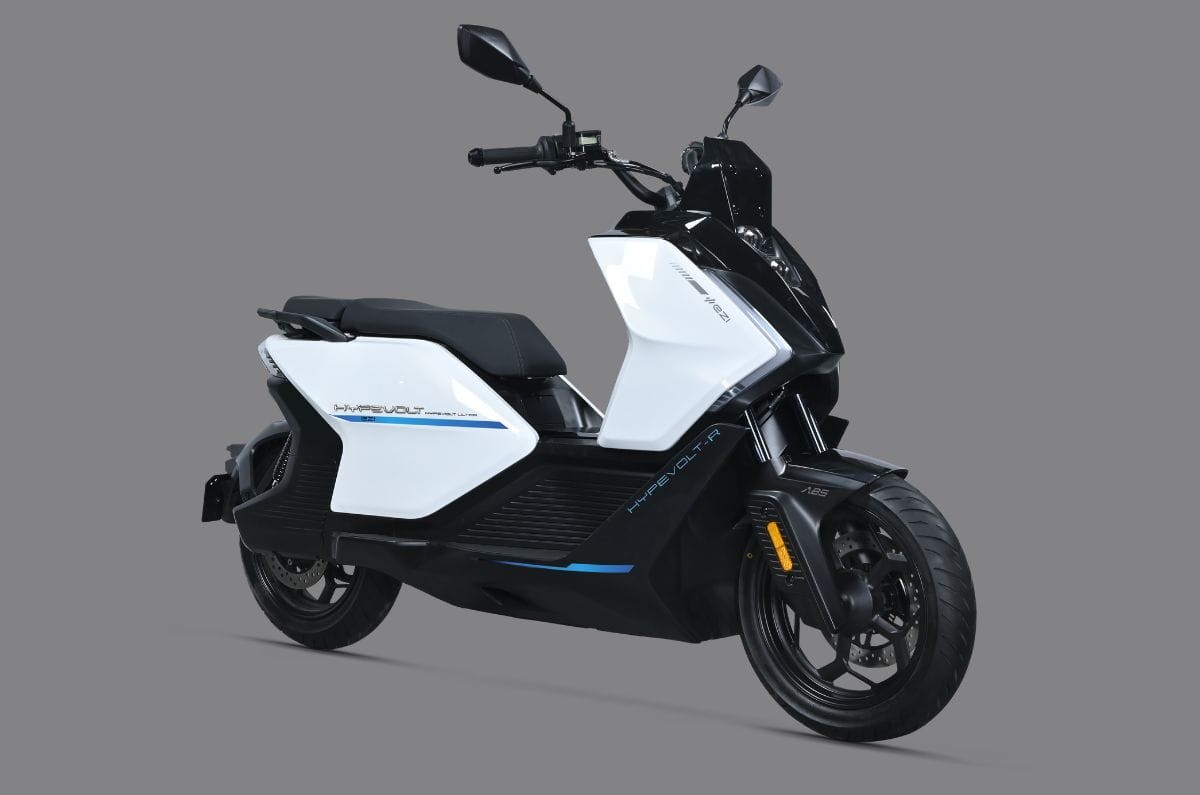
Keeway Hypevolt-R launched in India

Keeway Hypevolt-R

Keeway has entered the premium electric scooter segment with the launch of the new Hypevolt-R. Priced at Rs 1.99 lakh (introductory, ex-showroom), this performance-oriented electric scooter gets a claimed IDC range of 180km, a 115kph top speed and a host of rider assistance features.

  1. Bookings open for a token amount of Rs 5,000
  2. Has a claimed IDC range of 180km, top speed of 115kph
  3. Uses a 5-inch TFT screen with Bluetooth connectivity and also gets a lot of rider aids

The Hypevolt-R is powered by a mid-mounted permanent magnet synchronous motor that produces 12kW of peak power. Keeway claims the scooter can accelerate from a standstill to 40kph in 2.3 seconds and reach a top speed of 115kph. Riders can choose between Eco, Normal and Sport riding modes.

Power comes from a dual 5kWh removable battery setup that is said to deliver an IDC-certified range of 180km. The batteries can be charged either on or off the scooter, while in-vehicle charging takes around 3 hours for a 0 to 80 percent top-up.

Suspension duties are handled by telescopic forks at the front and five-step adjustable rear twin-shock absorbers. The Hypevolt-R rides on 14-inch alloy wheels shod with 100/80 front and 120/70 rear tyres, while ground clearance stands at 130mm.

In terms of features, the Hypevolt-R gets projector LED headlamps, a full-width LED light strip, a 5-inch TFT display with Bluetooth connectivity, reverse mode, USB Type-A and Type-C charging ports, and a 27-litre under-seat storage compartment. Seat height is rated at 770mm. The scooter is also equipped with rider aids, including dual-channel ABS, traction control, hill hold control, hill descent control, cruise control, blind spot detection and a rear reverse camera.

Bookings for the Keeway Hypevolt-R are now open through the brand’s official website for a token amount of Rs 5,000. The scooter has quite a unique design and is available in two colour schemes: Crystal White and Platinum Grey.

2026 F1 British GP schedule, India timings

F1 British GP schedule

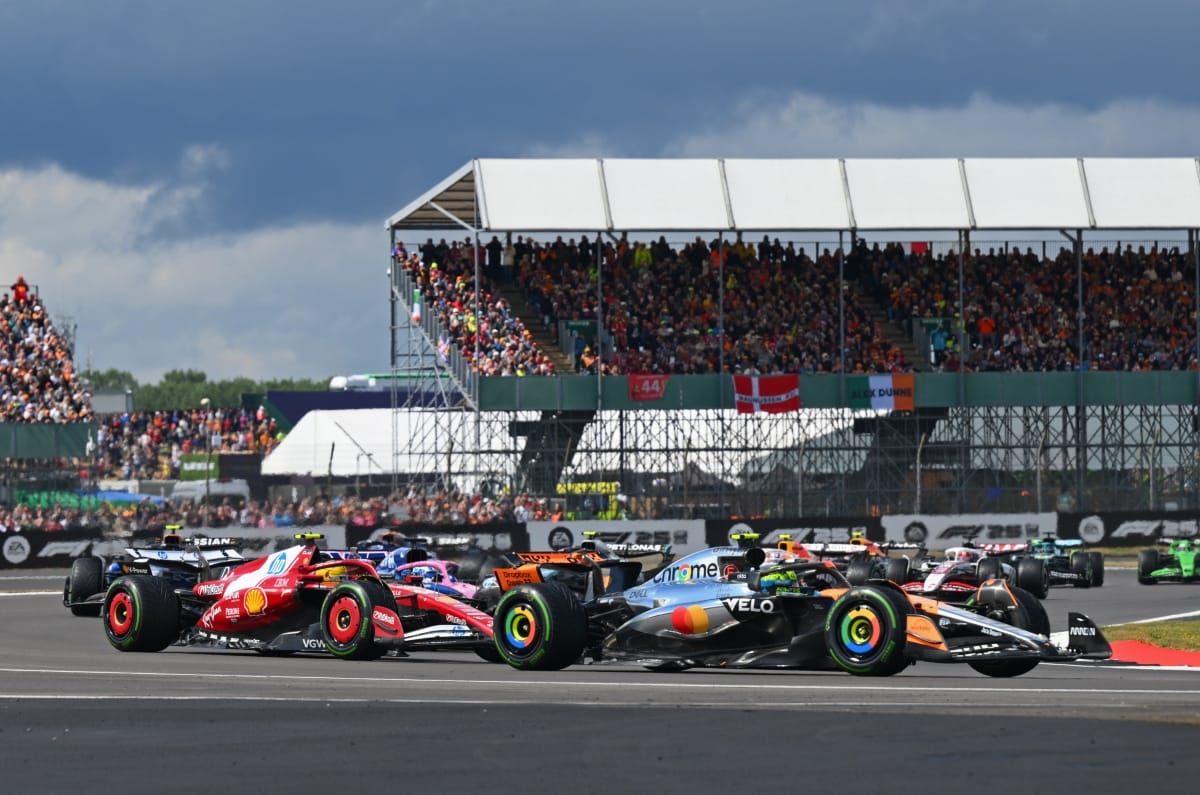
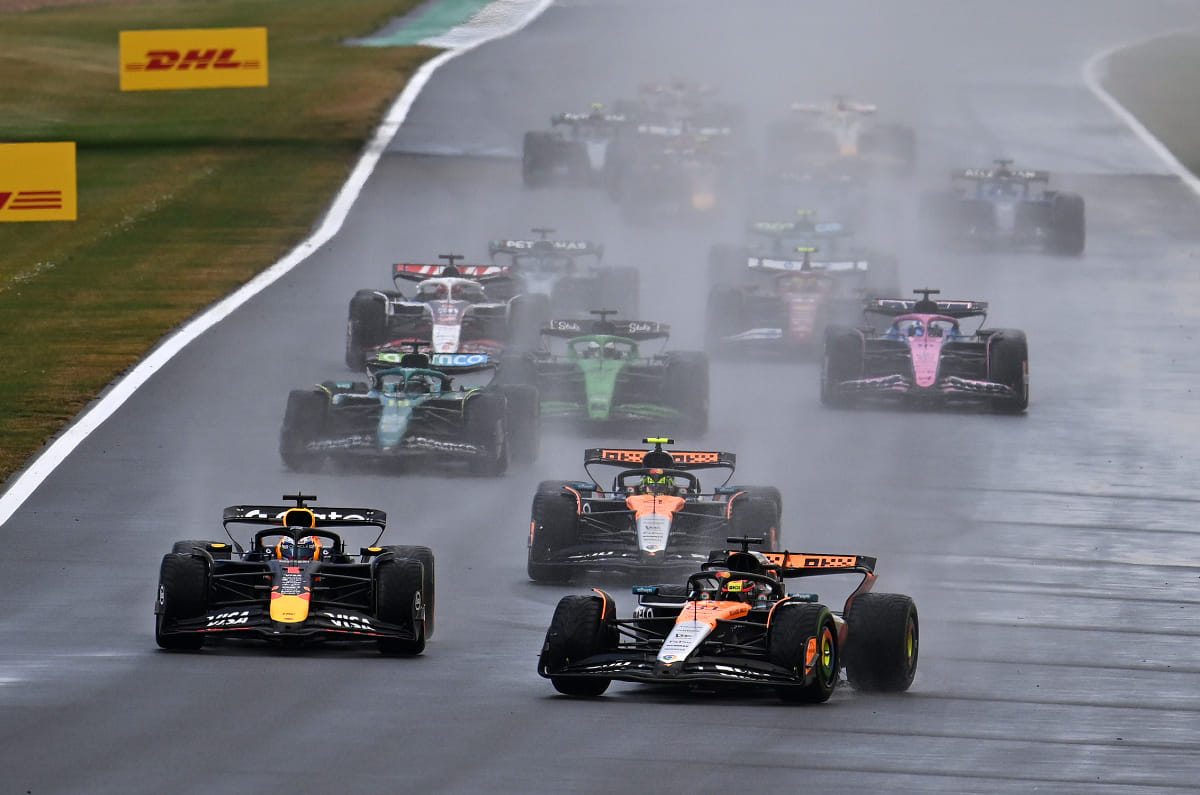
F1 heads to Silverstone this weekend for Round 9 of the 2026 world championship. The fan-favourite track will be hosting a sprint round for the first time since 2021. 

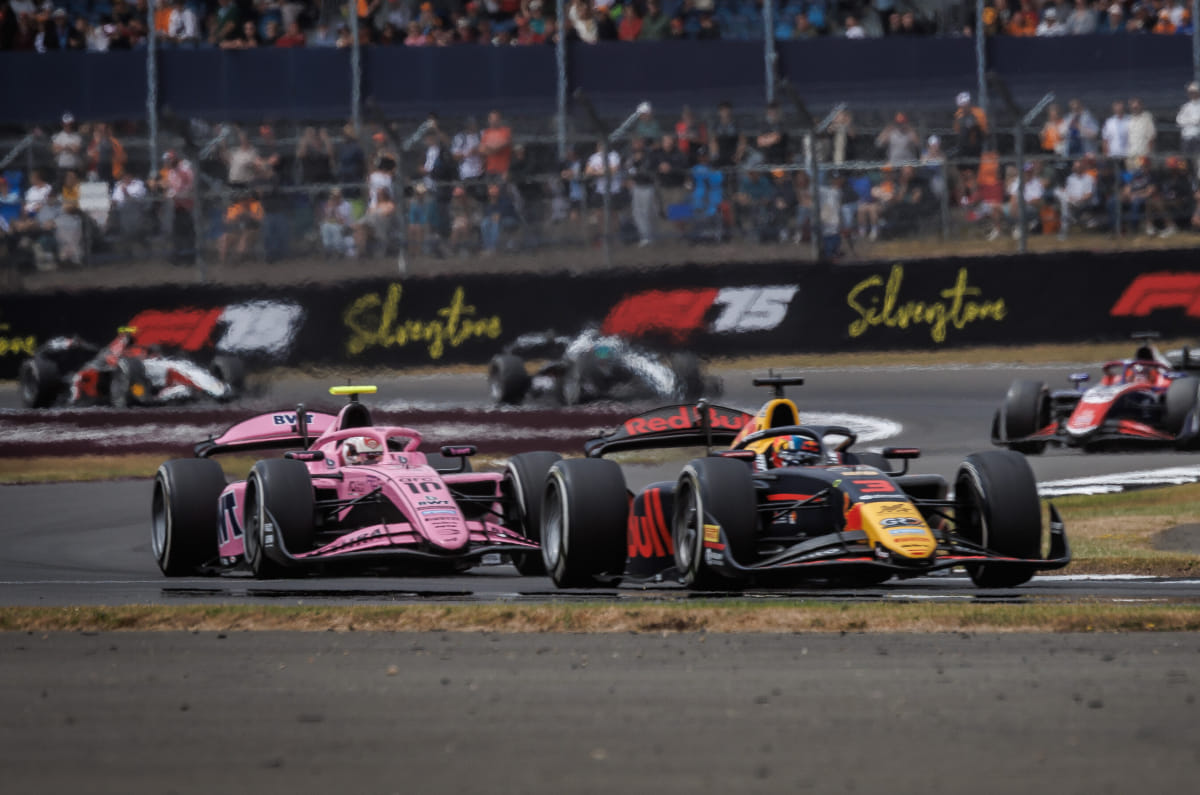
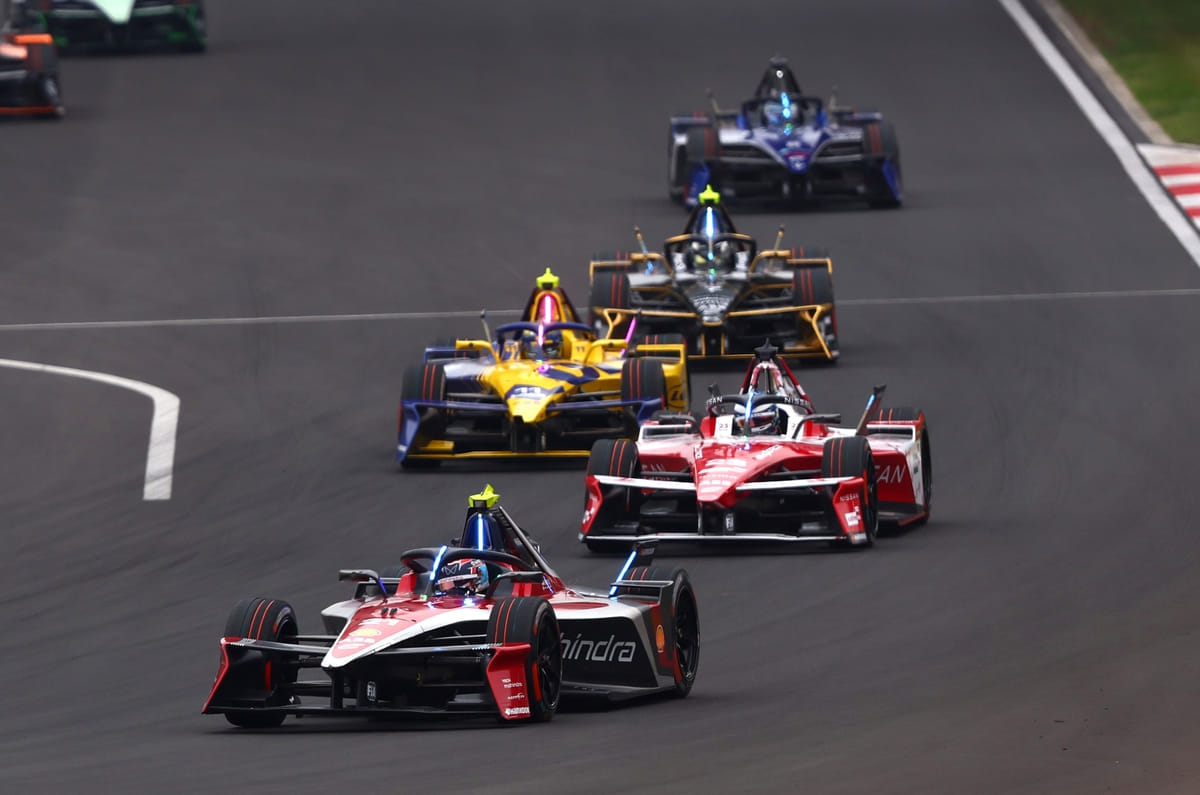
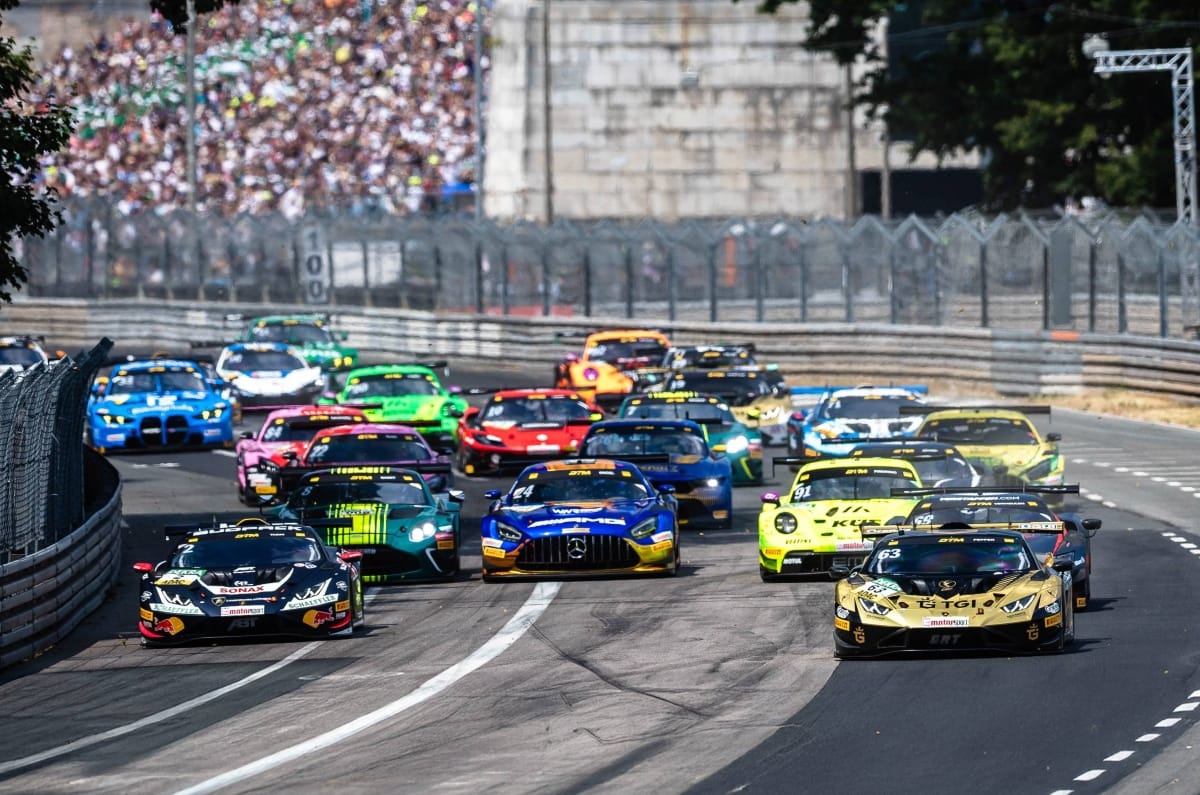
There’s plenty more action in store for motorsport fans. Silverstone will also host F2 this weekend, while Formula E heads to Shanghai for a double-header round and DTM will race at the Norisring street circuit. Here’s our ultimate guide for when and where to tune in from India. 

F1 British GP schedule

F1 Silverstone schedule IST

Home heroes George Russell and Lewis Hamilton come to Silverstone with momentum on their side, having won the last two races at Austria and Barcelona, respectively. 

Just two rounds ago, Russell was 68 points behind his Mercedes teammate and current F1 championship leader Kimi Antonelli in the standings. But that gap has now shrunk to 40 points, and Russell will be determined to win on home soil for the first time. 
Hamilton, meanwhile, is a Silverstone maestro having won his home race nine times. However, Austria ended up being a tricky race for Ferrari, with the Red Bull Ring only highlighting the team’s power deficit, and Silverstone is yet another power-hungry track. Of course, Austria also saw Red Bull emerge as a genuine victory contender once again. But the Red Bull Ring has traditionally been a strong track for Max Verstappen. So, the British GP should give us a better understanding of where Red Bull stands in the pecking order.

Silverstone will also host a sprint round this weekend, giving drivers just one practice session to fine-tune their set-up.

F1 British GP: Where to watch?

All F1 British GP sessions will be streamed live on the FanCode and F1 TV apps.

2026 F1 British GP schedule IST

Date

Day

Session

Time

July 3

Friday

FP1

5pm

July 3

Friday

Sprint Qualifying

9pm

July 4

Saturday

Sprint

4:30pm

July 4

Saturday

Qualifying

8:30pm

July 5

Sunday

Race

7:30pm

F2 British GP schedule

F2 British GP schedule IST

The F2 title battle continues at Silverstone as well, with just two points separating championship leader Gabriele Mini and Nikola Tsolov. Barcelona sprint winner Kush Maini still holds on to ninth place in the overall standings. But he’s just four points behind Laurens van Hoepen and five points behind Martinius Stenshorne.

F2 British GP: Where to watch?

All F2 British GP sessions will be streamed live on the FanCode and F1 TV apps.

2026 F2 British GP schedule IST

Date

Day

Session

Time

July 3

Friday

Practice

2:30pm

July 3

Friday

Qualifying

7:25pm

July 4

Saturday

Sprint Race

6:15pm

July 5

Sunday

Feature Race

3:45pm

Formula E Shanghai E Prix schedule

Formula E Shanghai schedule IST

The Shanghai International Circuit will host Rounds 12 and 13 of the 2025/26 Formula E World Championship. Since it’s a double header, the first race on Saturday will feature Pit Boost, requiring all drivers to stop for a 30-sec recharge mid-race. 

Mahindra Racing currently stands P3 in both, the drivers’ and teams’ standings. Jaguar’s Mitch Evans holds the overall lead, 19 points from Nissan’s Oliver Rowland. Mahindra’s Edoardo Mortara is six points behind Rowland in third place. As for the teams’ championship, Jaguar leads the standings by 30 points from Porsche and 58 points from Mahindra.

Formula E Shanghai E Prix: Where to watch?

Qualifying sessions and both races will be streamed live on Sony Liv, along with a live broadcast on Sony Sports Ten 5.

2026 Formula E Shanghai E Prix schedule IST

Date

Day

Session

Time

July 3

Friday

FP1

1:30pm

July 4

Saturday

FP2

6am

July 4

Saturday

Qualifying 1

8:10am

July 4

Saturday

Race 1

12:35pm

July 5

Sunday

FP3

6am

July 5

Sunday

Qualifying 2

8:10am

July 5

Sunday

Race 2

12:35pm

DTM Norisring schedule

DTM Norisring schedule IST

For Round 4, DTM heads to Norisring – the only street circuit on the calendar. India’s Arjun Maini collected his largest points haul of the season so far last time out at Lausitzring, even claiming pole position. The HRT Ford Racing driver is optimistic about his chances at Norisring, saying, “It’s my favorite event of the season, and I always enjoy the entire race weekend here. I’m really looking forward to getting back on track. We had our best qualifying result of the year here last season, so I’m excited to see what we can achieve with the current package. Hopefully, we can score some more solid points and continue moving up the championship standings.”

Emil Frey Racing’s Matteo Cairoli currently leads the standings, but he’s just one point ahead of both Mercedes-AMG drivers Maro Engel (Team Ravenol) and Lucas Auer (Team Landgraf). Maini stands P10 overall, 25 points off the lead.

DTM Norisring: Where to watch?

All DTM Norisring sessions will be streamed live on FanCode.

2026 DTM Norisring schedule IST

Date

Day

Session

Time

July 3

Friday

FP1

3pm

July 3

Friday

FP2

7:30pm

July 4

Saturday

Qualifying 1

1:05pm

July 4

Saturday

Race 1

5pm

July 5

Sunday

Qualifying 2

12:40pm

July 5

Sunday

Race 2

5pm

3 reasons to buy the Maruti Dzire, and 2 reasons not to

maruti dzire on beach

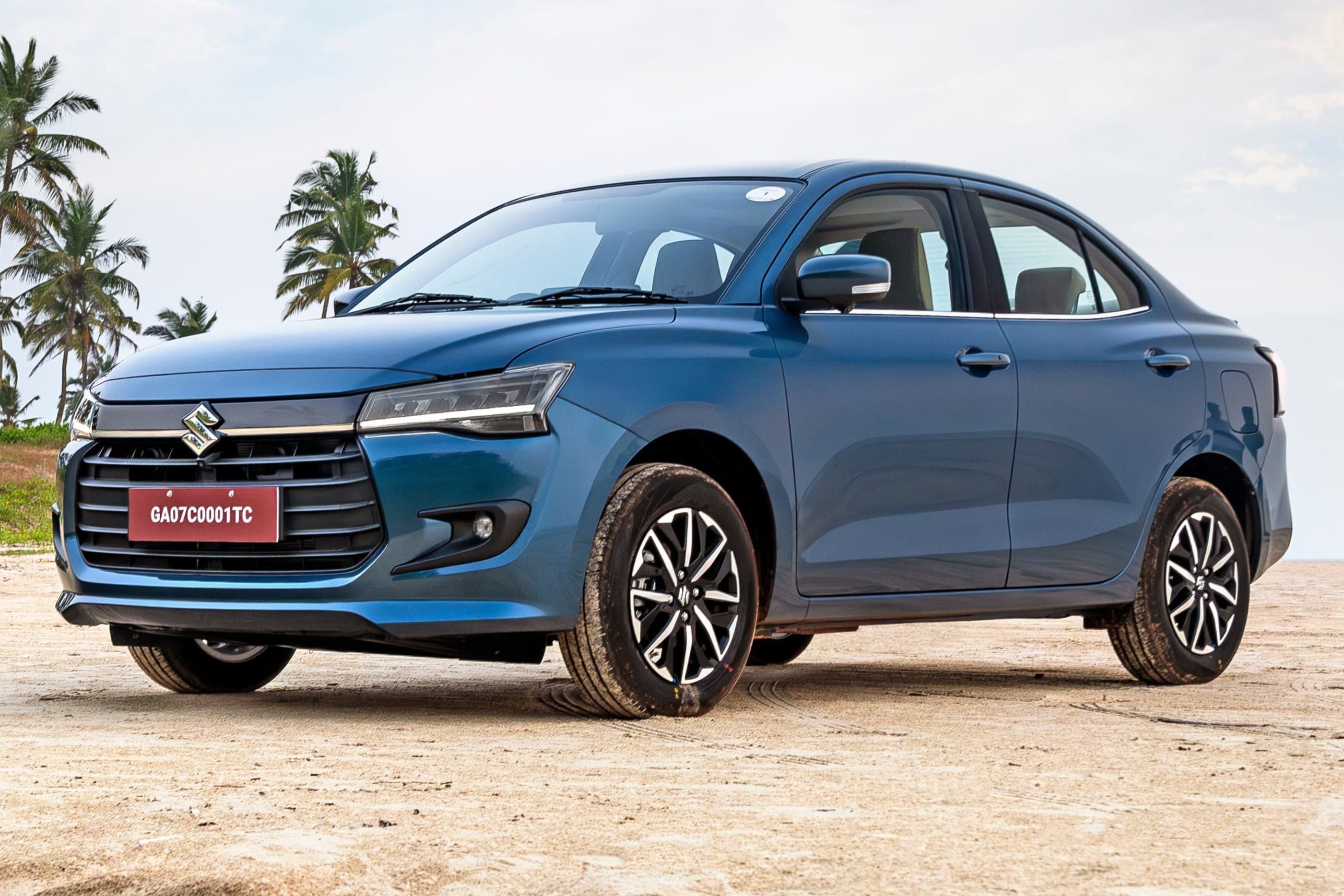
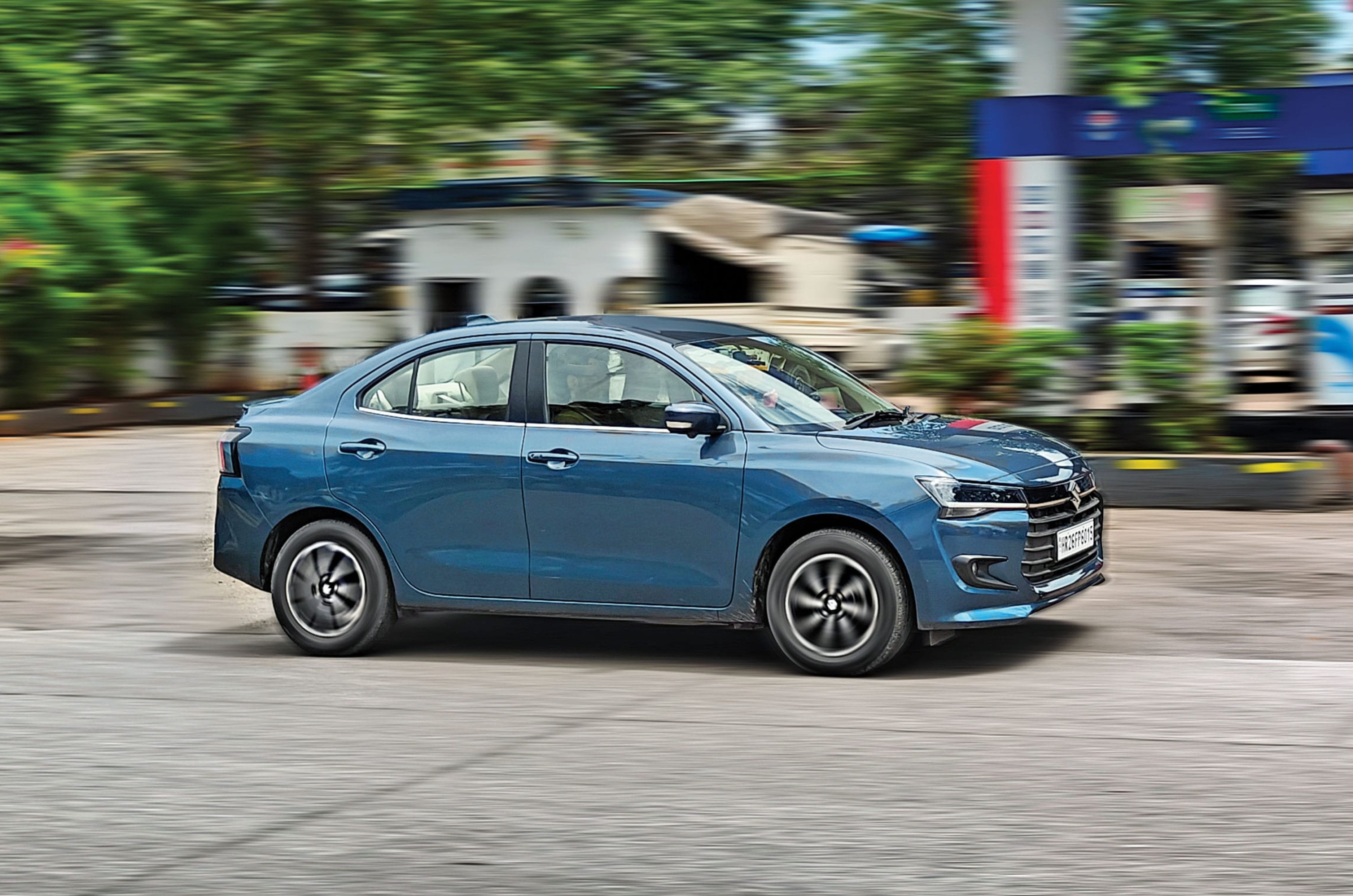
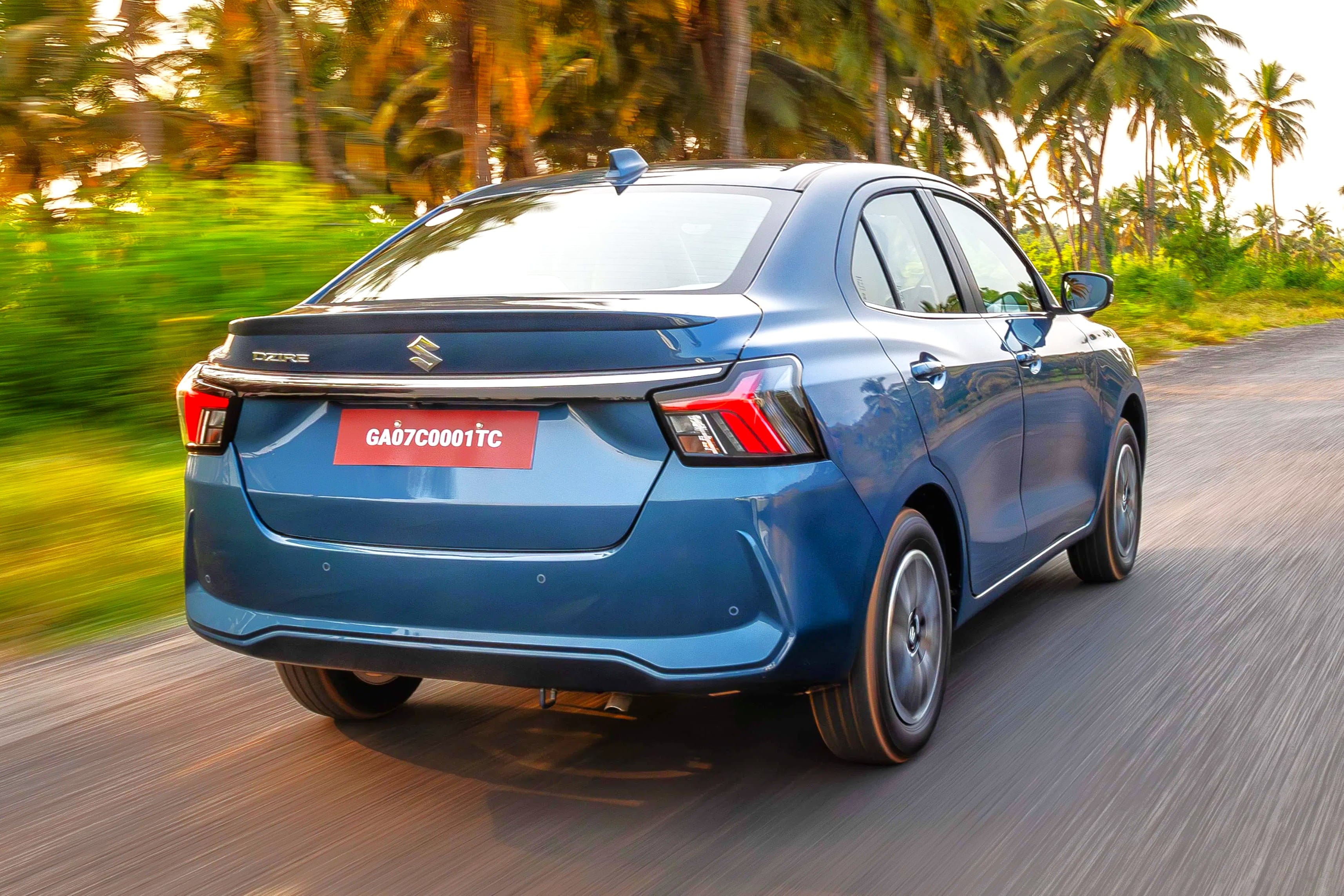
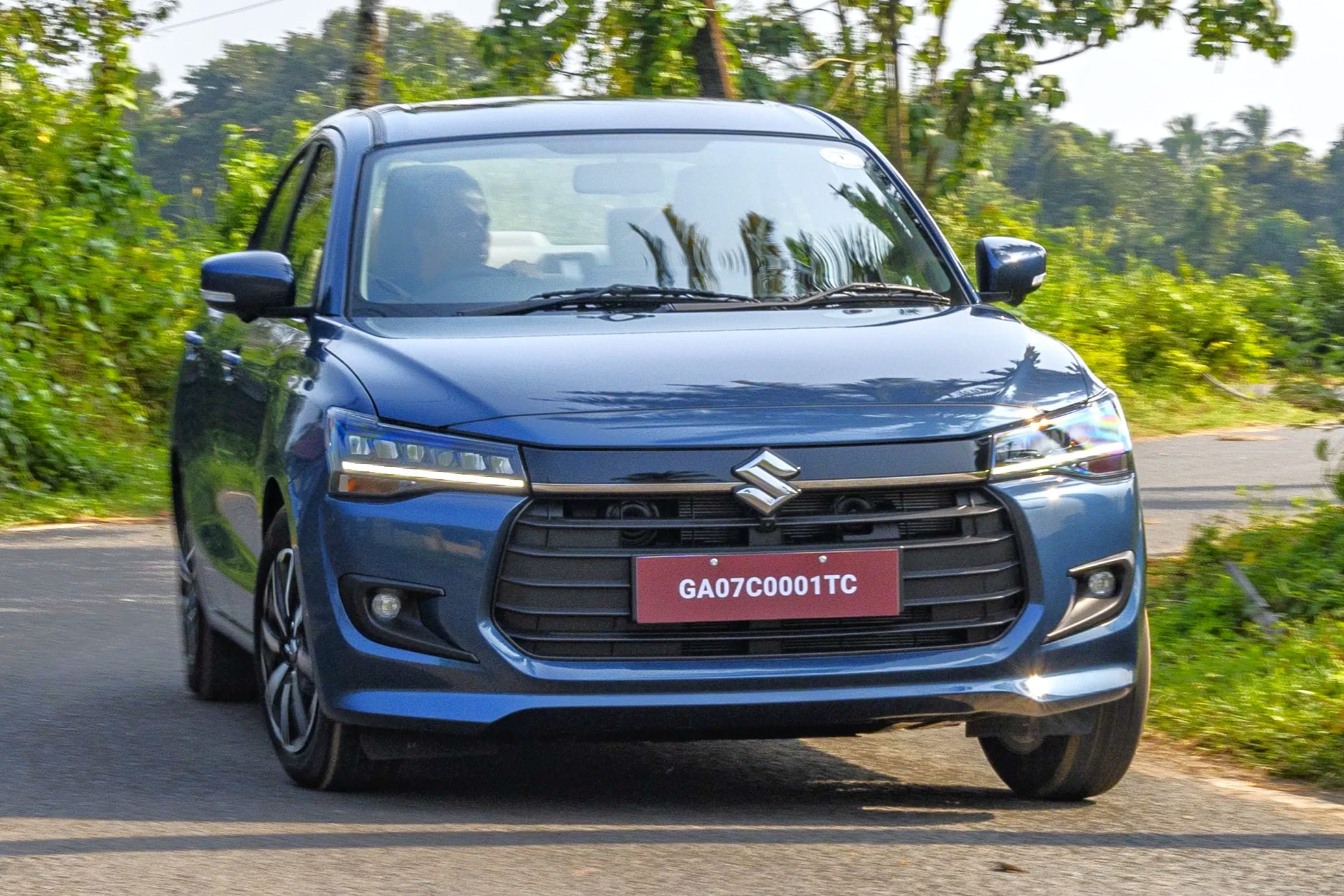
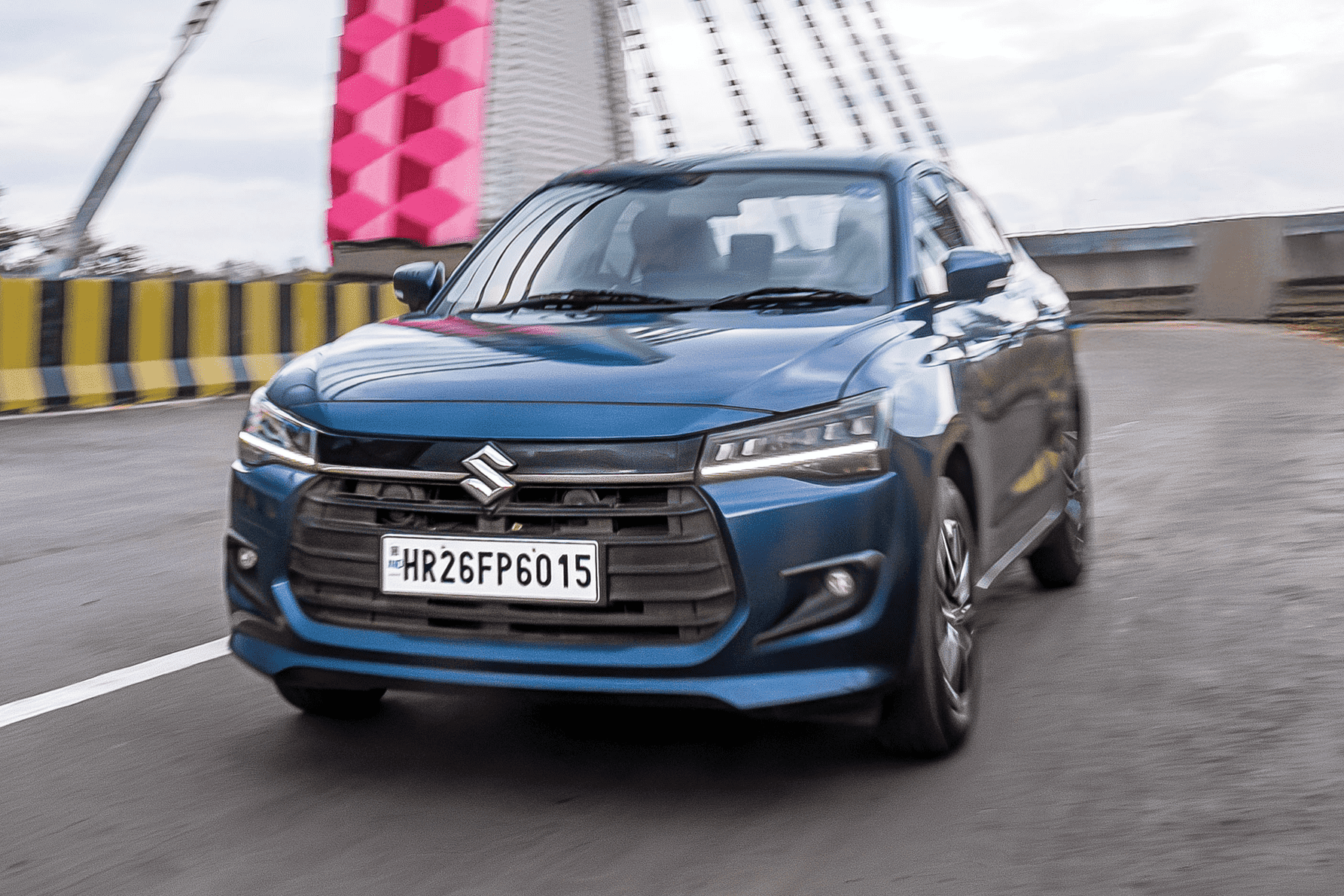
Even though sedans face increasingly difficult odds in the Indian car market, the Maruti Suzuki Dzire topped the retail charts in its first year on sale and continues to shift units at a brisk pace. Launched at the end of 2024, the fourth generation of Maruti Suzuki’s beloved compact sedan brings major changes inside and out, which evidently resonate with buyers. If you’re considering purchasing a Dzire, here are three reasons why you should go through with the decision, and two reasons why you may want to think twice.

Pros

Stellar fuel efficiency

Up to 25.71kpl, per ARAI

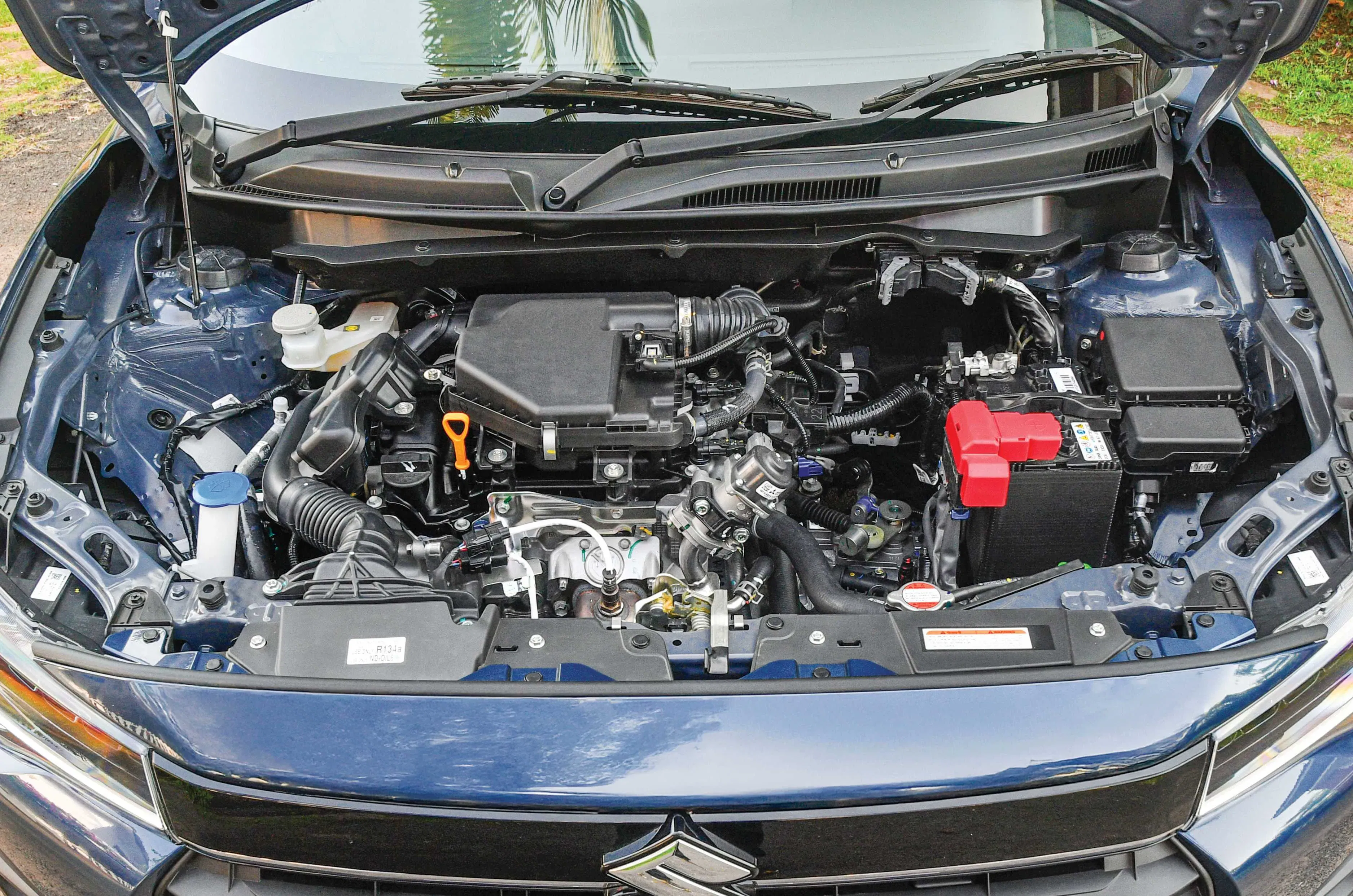
The Dzire is powered by Maruti’s new 1.2-litre 3-cylinder ‘Z12E’ petrol engine, which is superbly calibrated for fuel efficiency. Couple that with the impressively low 920-960kg kerb weight, and the Dzire turns out quite a frugal machine.

Per ARAI testing, the petrol-powered Dzire claims a mileage of 24.79kpl in 5-speed manual spec and 25.71kpl in 5-speed AMT guise. In our real-world mileage testing of the Dzire, the compact sedan returned an average of 17.25kpl in MT form and 15.41kpl in AMT spec. A CNG version is also on offer in lower-spec Dzire variants, boasting an ARAI mileage of 33.73km/kg.

Great safety credentials

5-star scores from both Global NCAP and Bharat NCAP

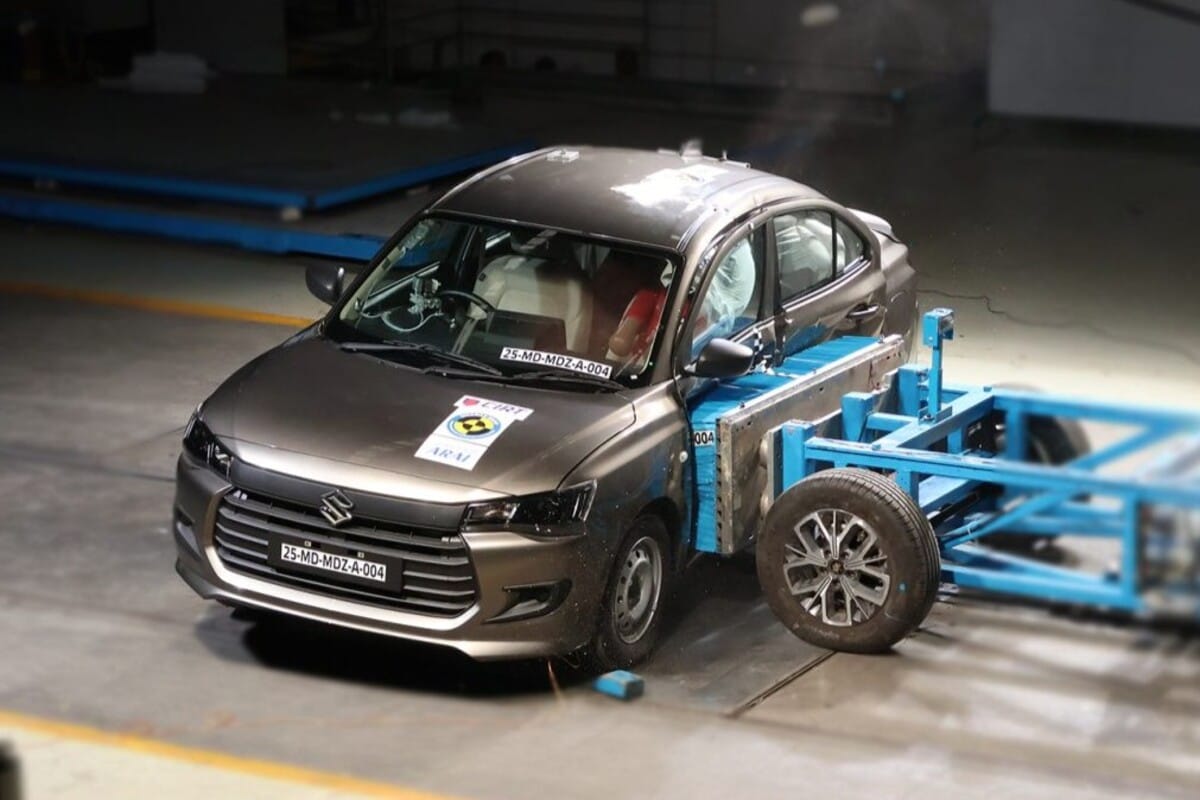
Despite its relatively low kerb weight, the Dzire does not compromise on safety. The Dzire impressively holds a 5-star adult occupant protection rating from both Global NCAP and Bharat NCAP, which is an accolade achieved by very few cars currently on sale in India.

The Dzire also packs safety kit like 6 airbags, a rear defogger, electronic stability program (ESP), hill hold assist, ABS with EBD, rear parking sensors, ISOFIX child seat anchorages, and more as standard. Higher-spec Dzire variants add a 360-degree camera, day/night adjustable IRVM, and tyre pressure monitoring system (TPMS) to the mix.

Excellent ride and handling balance

Ground clearance is adequate for clearing speedbreakers

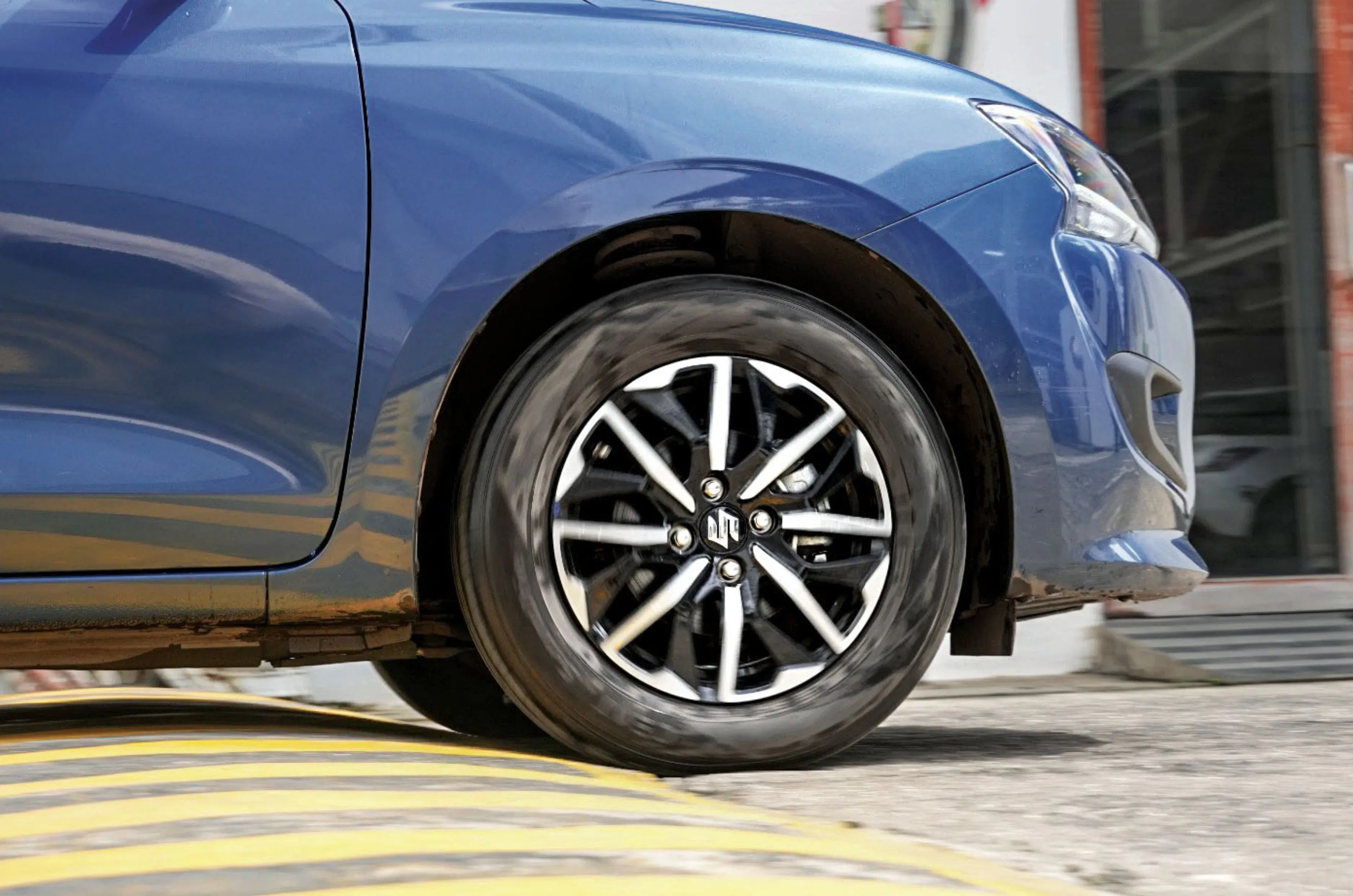
As we noted in our review of the new Dzire, the compact sedan’s ride quality is fantastic. Bump absorption is good at almost any speed, and the Dzire easily gobbles up potholes and ruts. Speaking of which, the Dzire has a 163mm ground clearance, which, combined with its relatively short wheelbase, is adequate for clearing most speedbreakers.

Coming to handling, the Dzire continues to impress. The steering feels smooth and fluid, and the Dzire leans into corners in a progressive and controlled manner with good road grip. While hard cornering reveals some body roll, the Dzire is still a confident handler overall.

Cons

Engine needs more power

Develops 82hp and 112Nm

While the Dzire’s Z12E engine claims brilliant fuel efficiency, it’s down on power compared to its predecessor. The Z12E outputs 82hp and 112Nm, which is 8hp and 1Nm lower than that of the third-gen Dzire’s Z12M engine. While the Z12E’s low-end response is good, it becomes evident that this mill is not peppy or lively as you move up the rev range.

Power delivery is gentle and linear at best, the engine note sounds strained at the top end, and the 6,000rpm redline is around 400rpm lower than that of the Z12M. In our instrumented performance testing, the Dzire AMT took a leisurely 15.21 seconds to finish the 0-100kph run – over two seconds slower than its direct rival, the Honda Amaze.

Tight rear headroom

Sunroof mechanism eats into space

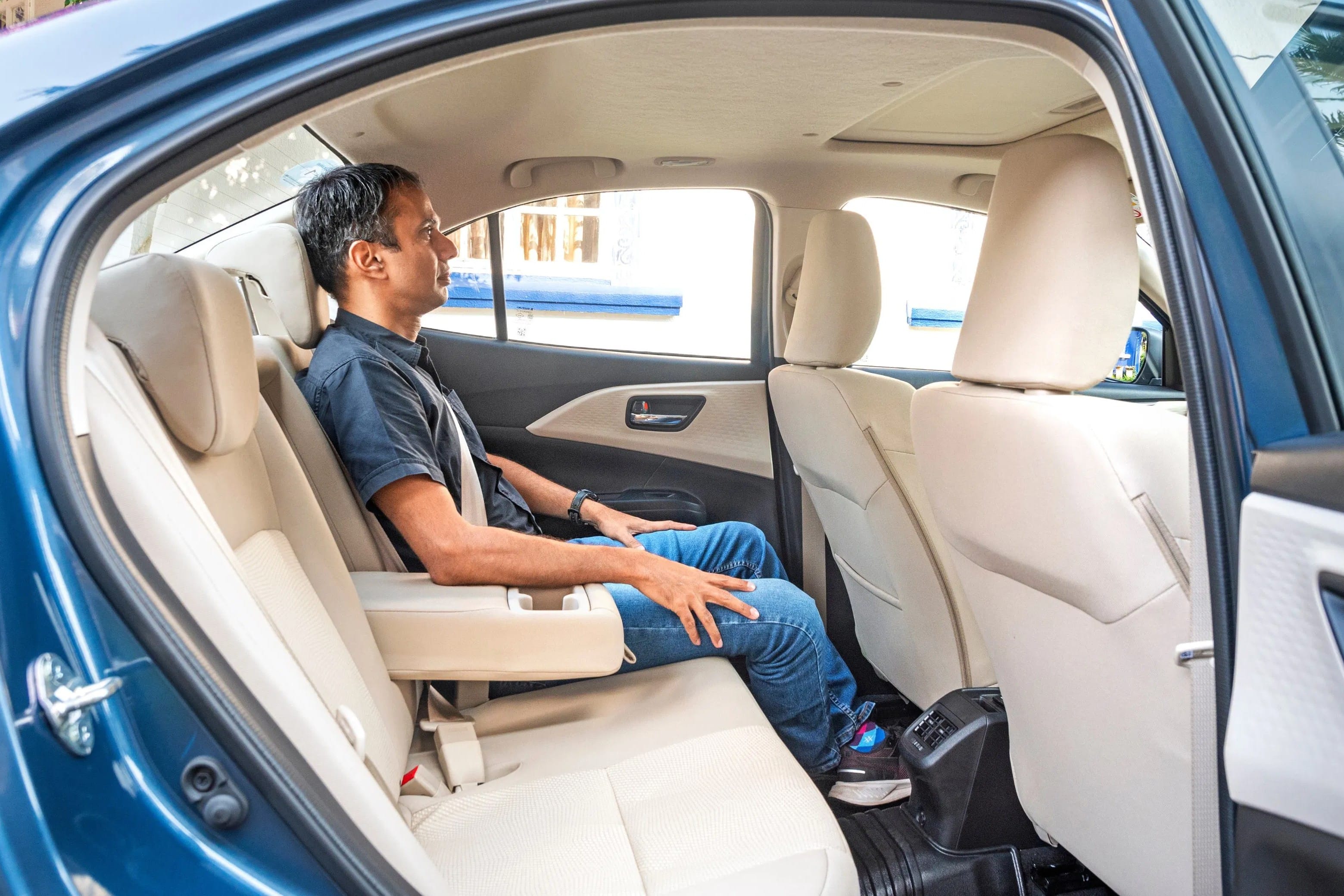
Though the Dzire is 5mm taller than its hatchback sibling, the Swift, rear headroom is a bit insufficient, especially for taller passengers. This is largely due to the space required for the sunroof mechanism between the roof and liner – a feature absent on the Swift. The Dzire’s roof liner is scooped out towards the rear to help the feeling of space, but it does little to help.

Maruti Suzuki inaugurates 800-acre Kharkhoda plant in Haryana

Maruti Suzuki inaugurates 800-acre Kharkhoda plant in Haryana

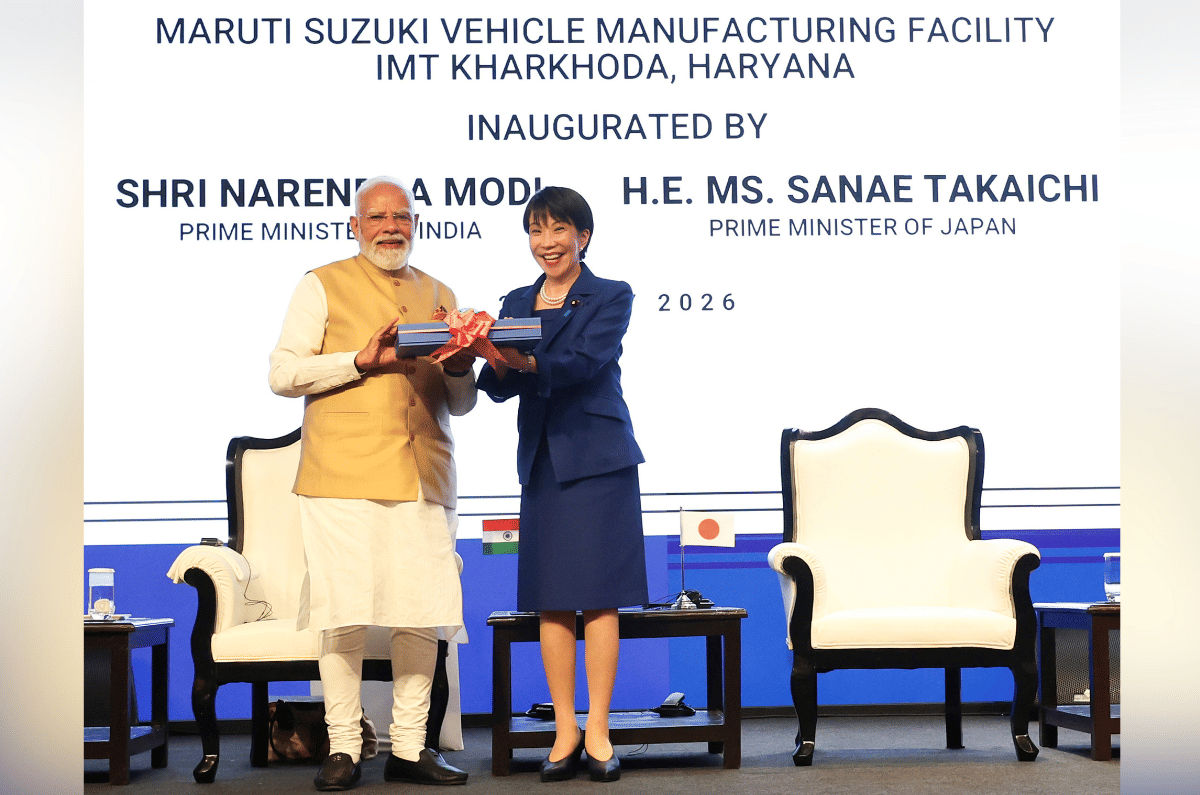
Maruti Suzuki inaugurated its most advanced vehicle manufacturing facility at IMT Kharkhoda, Haryana, on Thursday. Spanning 800 acres, the company claims the projected total investment at the facility will be Rs 35,000 crore, creating over 21,000 jobs. The plant’s current annual production capacity of 5 lakh units will be scaled up to 10 lakh, making Suzuki one of the largest vehicle manufacturing facilities globally. Prime Minister Narendra Modi and Japanese Prime Minister Sanae Takaichi jointly inaugurated the facility through video conferencing during the India-Japan Joint Economic Forum.

Maruti Suzuki Kharkhoda plant highlights

The Kharkhoda plant has a strong focus on sustainability. It meets 100 percent of its electricity requirement through renewable energy, using a combination of solar power and green power procurement. The facility currently has an installed solar capacity of 20MWp, which will be increased to 70MWp by 2030. It’s setting up a 10 tonnes-per-day biogas plant and a 1MWh battery energy storage system as well.

The plant operates as a zero liquid discharge facility, ensuring that 100 percent of the water is recycled. Nearly two-thirds of its water requirement is met through recycled water and rainwater harvesting. To reduce congestion and fuel consumption during vehicle transportation, Maruti will also set up an in-plant railway siding. In addition, the facility uses human-aware collaborative robots (COBOTS) to support manufacturing operations.

Tata Sierra EV vs Curvv EV: Which EV is better at Rs 20 lakh?

Tata Sierra EV vs Curvv EV: Which EV is better at Rs 20 lakh?

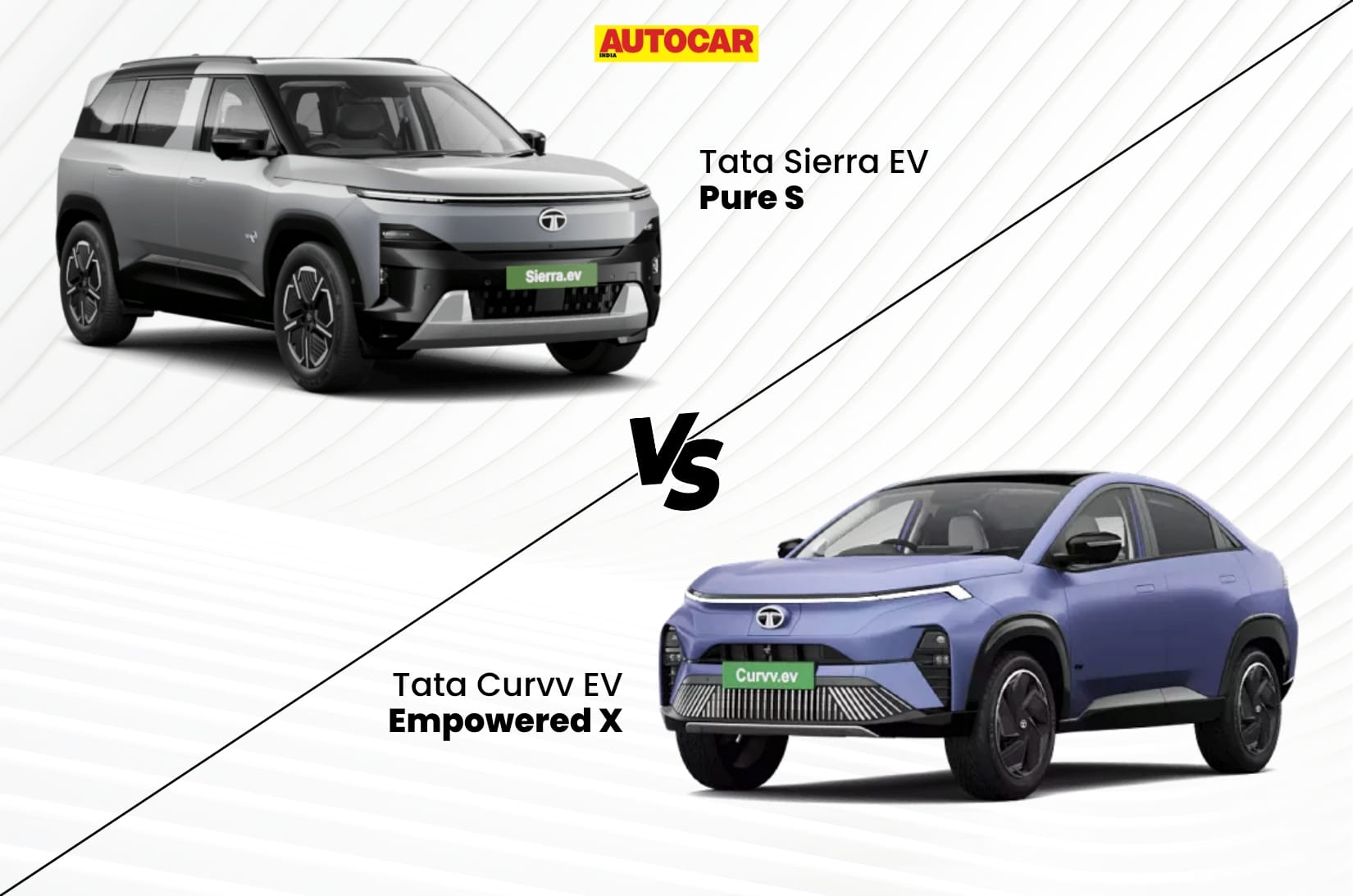
The Tata Sierra EV is the most recent all-electric offering in the manufacturer’s lineup, which is positioned between the Curvv EV and Harrier EV. The new Sierra EV is priced from Rs 18.79 lakh to Rs 25.99 lakh, while the Curvv EV’s prices range from Rs 16.99 lakh to Rs 19.19 lakh. So, if you have a budget of around Rs 20 lakh, should you go for the top-spec Curvv EV Empowered X or the similarly priced one-above-base Sierra EV Pure S variant? Let’s find out.

Tata Sierra EV Pure S vs Curvv EV Empowered X: Dimensions

Sierra EV has larger dimensions and offers additional boot space

Tata Sierra EV vs Curvv EV : Dimensions and other specifications


Sierra EV 

Curvv EV

Difference

Length (mm)

4340

4310

+30

Width (mm)

1841

1810

+31

Height (mm)

1750

1637

+113

Wheelbase (mm)

2730

2560

+170

Ground clearance (mm)

205

186

+19

Boot space (litres)

622

500

+122

Frunk space (litres)

55

11.6

+43.4

Number of seats

5

5

Both Tata EVs are offered with 5 seats, but the Sierra EV is larger than the Curvv EV in all respects. While the differences in height and width won’t matter much in the real world, the Sierra EV’s 113mm-taller height and 170mm-longer wheelbase are expected to translate into better cabin space than the Curvv EV. The Sierra EV also offers 19mm higher ground clearance, a 122-litre larger boot, and 40+ litres of additional frunk space, making it more practical than the Curvv EV. 

Tata Sierra EV Pure S vs Curvv EV Empowered X: Powertrain

Sierra EV Pure S packs a larger battery and a more potent electric motor

Tata Sierra EV Pure S vs Curvv EV Empowered X : Powertrain


Sierra EV Pure S

Curvv EV Empowered X

Battery pack

63kWh

55kWh

eMotor configuration*

RWD

FWD

Power

209hp

165hp

Torque

315Nm

215Nm

Claimed range

665km

502km

*RWD = Rear wheel drive, FWD = Front wheel drive

The Sierra EV’s Pure S variant has a slightly larger battery pack, enabling a whopping 163km higher claimed range compared to the Curvv EV’s Empowered X variant. Respective variants of both Tata EVs are offered with a single-motor setup, but with different layouts. Notably, the top-spec Sierra EV is also available with a dual-motor AWD system with a larger 75kWh battery, but at a much higher price point. The Curvv EV, however, is only offered in a FWD configuration with a 55kWh battery across its lineup.

Along with a larger battery, the Sierra EV 63kWh version is also offered with a more powerful motor, producing 44hp and 100Nm more than the Curvv EV.

Tata Sierra EV Pure S vs Curvv EV Empowered X: Exterior

Both EV variants offer similar exterior features

Tata Sierra EV Pure S vs Curvv EV Empowered X: Exterior


Sierra EV Pure S

Curvv EV Empowered X

Headlights

Auto projector LED

Auto projector LED

Tail-lights

Connected LED

Connected LED

DRLs

Connected LED

Connected LED

Front fog lamps

LED, cornering function

LED, cornering function

Flush door handles

Yes

Yes

Wheels

18-inch alloy

18-inch alloys

Powered ORVMs

Yes

Yes

Roof rails

Yes

No

Sharkfin antenna

Yes

Yes

Colour

Monotone

Monotone

Except for the missing roof rails on the Curvv EV, the exterior features on both the Tata Sierra EV Pure S and Curvv EV Empowered S are the same. Both EVs get all-LED lighting, flush-type door handles, 18-inch alloys and a shark-fin antenna.

Tata Sierra EV Pure S vs Curvv EV Empowered X: Interior, features

A powered driver’s seat and a powered tailgate are not offered with the Sierra EV Pure S 

Tata Sierra EV Pure S vs Curvv EV Empowered X: Interior and features


Sierra EV Pure S

Curvv EV Empowered X

Driver’s display

10.25-inch

10.25-inch 

Infotainment screen

12.3-inch

12.3-inch

Passenger display

No

No

Android Auto, Apple CarPlay

Yes, wireless

Yes, wireless

Audio system

8-speaker

9-speaker JBL*

On-board navigation

Yes

Yes

Sunroof

Panoramic

Panoramic

Powered tailgate

No

Yes, with gesture support

Climate control

Automatic

Automatic

Rear AC vents

Yes

Yes

Air purifier

PM2.5 filter only

Yes

Seat upholstery

Fabric

Leatherette

Steering wheel adjustment

Tilt, telescopic

Tilt

Wireless phone charger

Yes

Yes

Driver seat adjustment

Manual

6-way powered

Co-driver’s seat adjustment

Manual

Manual

Front seat features

Ventilation

Rear window sunshade

Yes

Yes

Vehicle-to-load (V2L)

Yes

Yes

Vehicle-to-vehicle (V2V)

Yes

Yes

*Curvv EV’s sound system includes JBL-sourced 8 speakers and a subwoofer

The top-spec Curvv EV Empowered X gets a few additional features over the lower-spec Sierra EV Pure S, including a powered driver’s seat with ventilation function, a powered tailgate, a subwoofer and leatherette seat upholstery. The Curvv EV also gets a full-blown air purifier, while the Sierra EV’s one-over-base Pure S trim offers only a PM2.5 air filter.

Other features like the 10.25-inch and 12.3-inch screens, a panoramic sunroof, a wireless phone charger, V2L and V2V charging support and auto climate control with rear vents are common to both EVs.

Tata Sierra EV Pure S vs Curvv EV Empowered X: Driving tech

The Curvv EV offers adaptive cruise control over the Sierra EV’s Pure S variant

Tata Sierra EV Pure S vs Curvv EV Empowered X: Driving technology


Sierra EV Pure S

Curvv EV Empowered X

Drive modes

Eco, City, Sport

Eco, City, Sport

Paddle shifters for regen

Yes

Yes

Cruise control

Yes

Adaptive

Both EV variants are offered with the same drive modes and paddle shifters to control the battery regeneration level. The difference, however, is that the top-spec Curvv EV gets adaptive cruise control, while the Sierra EV Pure S gets standard cruise control.

Tata Sierra EV Pure S vs Curvv EV Empowered X: Safety features

Curvv EV gets an ADAS suite and a 360-degree camera over Sierra EV Pure S

Tata Sierra EV Pure S vs Curvv EV Empowered X: Safety features


Sierra EV Pure S

Curvv EV Empowered X

Airbags

6

6

ADAS

No

Level 2

Camera setup

Rear

360-degree

Parking sensors

Front and rear

Front and rear

Electronic parking brake

Yes

Yes

All-wheel disc brakes

Yes

Yes

TPMS

Yes

Yes

IRVM

Manually-adjustable

Auto-dimming

Rear wiper, washer

Yes

No

Hill start assist

Yes

Yes

Hill descent control

Yes

Yes

ESC

Yes

Yes

Traction control

Yes

Yes

Safety features such as 6 airbags, front and rear parking sensors, a tyre pressure monitoring system (TPMS) and disc brakes on all wheels are common to both EVs. The top-spec Curvv EV Empowered X, however, goes a step further and offers a 360-degree camera, an auto-dimming inside rearview mirror, and a Level-2 advanced driver assistance system (ADAS). 

Tata Sierra EV Pure S vs Curvv EV Empowered X: Price, verdict

Sierra EV Pure S offers more claimed range but misses out on some premium features

Sierra EV Pure S vs Curvv EV Empowered X: ex-showroom price

Model variant

Price

Tata Sierra EV Pure S 63kWh

Rs 19.99 lakh

Tata Curvv EV Empowered X 55kWh

Rs 19.19 lakh

The lower-spec Tata Sierra EV is Rs 80,000 pricier than the top-spec Curvv EV Empowered X. However, at the higher price, the Sierra EV Pure S offers a larger battery pack with a higher claimed range. The Tata Sierra EV is also larger, which translates to better cabin space. Although it misses out on premium features like a powered driver’s seat, a powered tailgate, Level-2 ADAS and a 360-degree camera, it offers a decent feature suite. All of this makes the Sierra EV Pure S a better offering compared to the Curvv EV Empowered X. 

Prices are ex-showroom, India

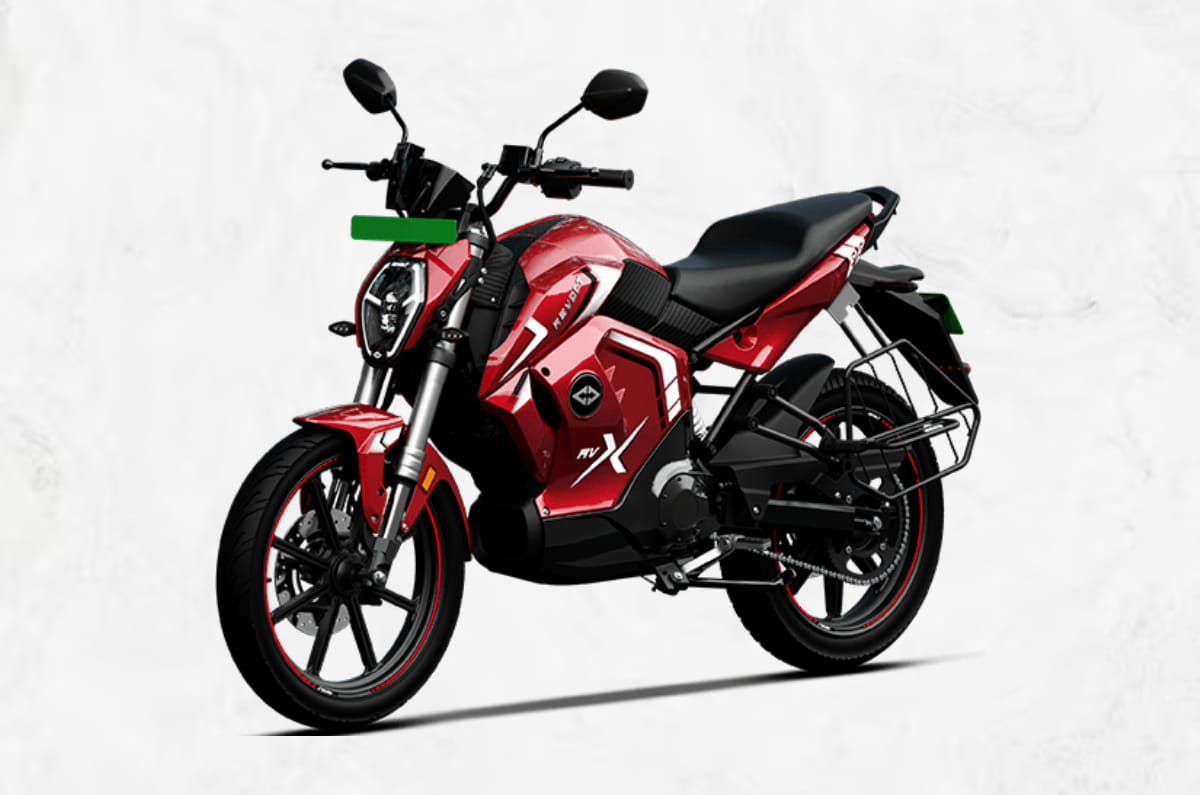
5 things to know before buying the Revolt RVX

Revolt RVX studio image

The Revolt RVX is the latest addition to the brand’s electric motorcycle lineup and is also its most powerful model yet. It features a new mid-drive motor, a removable battery pack, four riding modes and a suite of connected features. Here are answers to some of the most commonly asked questions about the bike.

What is the price of the Revolt RVX?

The Revolt RVX is priced at Rs 1.30 lakh (ex-showroom, India), but Revolt has described this as an introductory price that is expected to increase in the future. Buyers in Delhi can also take advantage of incentives under the new Delhi EV Policy and the PM E-Drive scheme, bringing the effective ex-showroom price down to Rs 94,990.

What is the range of the Revolt RVX?

The Revolt RVX has a claimed IDC range of 160km on a single charge. It is powered by a 3.24kWh removable battery pack with an IP67 rating for water and dust resistance. The bike uses a 4kW mid-drive permanent magnet synchronous motor with a peak output of 5.3kW and a claimed 230Nm of torque at the rear wheel. Power is transmitted to the rear wheel via a chain drive.

What is the charging time of the Revolt RVX?

Using the standard 10A charger, the Revolt RVX takes 3 hours and 30 minutes to charge from 0 to 80 percent and 4 hours and 45 minutes for a full charge. With the optional 27A fast charger, the 0 to 80 percent charging time drops to 1 hour and 20 minutes.

What is the top speed of the Revolt RVX?

The Revolt RVX has a claimed top speed of 90kph, achievable only in Boost mode. It’s worth noting that Boost mode is available only when motor conditions permit, and the bike automatically reverts to Sport mode when it can no longer sustain the higher performance. In Sport mode, the top speed is limited to 80kph.

What is the seat height and weight of the Revolt RVX?

The Revolt RVX has a seat height of 815mm and a kerb weight of 120kg. It rides on 17-inch alloy wheels at both ends, shod with 90/80-17 front and 110/80-17 rear tubeless tyres, and offers 190mm of ground clearance.


गाँव की बहू बनी इंटरनेट सेंसेशन | Rural India Inspiration | Rajasthan | | The Better India Hindi

“बहू को घर पर रहना चाहिए”
ऐसे तानों के बीच राजस्थान के एक छोटे से गाँव की संतु चौधरी ने अपनी अलग पहचान बनाई। राजस्थानी पहनावे, देसी खाना, देसी AC, मटके का फ्रिज और अपनी संस्कृति के साथ उन्होंने ऐसा कंटेंट बनाया कि सिर्फ 25 दिनों में 1 लाख लोग उनसे जुड़ गए।
आज फेसबुक पर 2.4 मिलियन और इंस्टाग्राम पर 1 मिलियन से ज्यादा लोग उनकी इस यात्रा का हिस्सा हैं।

@santuchoudhary_04

Rural India Content Creator, Village Influencer, Women Empowerment

#thebetterindia #goodnews #positivestories #indianews #thebetterindiahindi #hindi

Follow us for more:

Facebook: https://www.facebook.com/thebetterindia.hindi
Instagram: https://www.instagram.com/thebetterindia.hindi/
Twitter: https://twitter.com/TbiHindi
LinkedIn: https://www.linkedin.com/company/the-better-india-hindi/

Website: https://hindi.thebetterindia.com/

देश में 80 करोड़ से ज्यादा लोगों को मिलने वाले फ्री राशन का चावल बदल गया, इसे लेकर हो गया फाइनल फैसला

प्रधानमंत्री गरीब कल्याण अन्न योजना (PMGKAY) और अन्य कल्याणकारी योजनाओं के तहत मुफ्त राशन पाने वाले देश के 80 करोड़ से अधिक लाभार्थियों के लिए केंद्र सरकार ने एक ऐतिहासिक फैसला लिया है। आर्थिक मामलों की कैबिनेट कमेटी ने राशन में दिए जाने वाले चावल की गुणवत्ता में सुधार करने के लिए एक बड़े सुधार को मंजूरी दे दी है। लगभग तीन दशकों में पहली बार सरकार ने सार्वजनिक वितरण प्रणाली के तहत आपूर्ति किए जाने वाले चावल के क्वालिटी स्पेसिफिकेशन्स में संशोधन किया है। इस फैसले के बाद अब लाभार्थियों को उनके मौजूदा कोटे में बिना किसी कटौती के, बहुत कम टूटे हुए दानों वाला बेहतर और उच्च गुणवत्ता का चावल दिया जाएगा।

चावल के नियमों में क्या हुआ बदलाव?

मंजूर की गई नई नीति के तहत राशन के चावल में टूटे हुए दानों के प्रतिशत को भारी मात्रा में घटा दिया गया है। पीएमजीकेएवाई के तहत मिलने वाले कच्चे चावल में अब टूटे हुए दानों की मात्रा अधिकतम 10% तक ही हो सकेगी। अब तक इसके लिए अधिकतम 25% की सीमा तय थी। उबले हुए चावल में अब टूटे हुए दानों की मात्रा अधिकतम 5% तक ही होगी जबकि पहले इसकी मौजूदा सीमा 16% तक निर्धारित थी।

खरीफ सीजन 2027-28 तक चरणबद्ध तरीके से होगा लागू

बेहतर गुणवत्ता वाले इस चावल की खरीद तुरंत शुरू कर दी जाएगी। सभी धान खरीद वाले राज्यों में इसे खरीफ विपणन सीजन (KMS) 2027-28 तक चरणबद्ध तरीके से पूरी तरह लागू कर दिया जाएगा। इसी तरह लाभार्थियों के बीच इस सुधारे गए चावल का वितरण भी चरणबद्ध तरीके से होगा ताकि सभी राज्यों में यह बदलाव सुचारू रूप से लागू हो सके।

80 करोड़ लाभार्थियों को क्या होगा फायदा?

सरकार का दावा है कि इस फैसले से 80 करोड़ से अधिक लाभार्थियों को मिलने वाले अनाज की गुणवत्ता में बड़ा सुधार होगा। लाभार्थियों को ऐसा चावल मिलेगा जिसके दाने साबुत और बेहतर होंगे, दिखने में अच्छे होंगे और जिन्हें उपभोक्ता आसानी से पसंद कर सकेंगे। मिलिंग के दौरान निकलने वाले टूटे हुए चावल को अलग कर दिया जाएगा और उसका इस्तेमाल दूसरे उत्पादक और औद्योगिक काम में किया जाएगा। इससे यह सुनिश्चित होगा कि सिर्फ बेस्ट कैटिगरी का खाने योग्य चावल ही गरीबों तक पहुंचे।

सरकार को सालाना 2161 करोड़ की होगी बचत

सरकार के दावे के मुताबिक इस नीतिगत सुधार से राशन प्रबंधन की परिचालन दक्षता बढ़ेगी और सरकार को भारी वित्तीय बचत होगी। टूटे हुए चावल की नीलामी सीधे मिलर्स के परिसरों से की जाएगी। इससे परिवहन, भंडारण, और हैंडलिंग की लागत कम होगी। टूटे चावल को एचडीपीई बैगों में स्टोर किया जाएगा, जिससे जूट के बोरों की आवश्यकता कम होगी। इन सब बदलावों से लॉजिस्टिक्स, स्टोरेज और पैकेजिंग की लागत घटने से सरकार को सालाना लगभग 2161 करोड़ रुपये की बचत होगी। इसके साथ ही टूटे चावल की बिक्री से अतिरिक्त राजस्व भी जेनरेट होगा। इससे खाद्य सब्सिडी का बोझ कम करने में मदद मिलेगी।

कई राज्यों में पायलट प्रोजेक्ट रहा सफल

कैबिनेट से मंजूरी मिलने से पहले इस योजना को देश के कई राज्यों में पायलट प्रोजेक्ट के तौर पर परख लिया गया है। हरियाणा, आंध्र प्रदेश, पंजाब, ओडिशा, तेलंगाना और छत्तीसगढ़ जैसे राज्यों में इसका सफल क्रियान्वयन किया गया। इससे साबित हुआ कि बड़े पैमाने पर इस बेहतर क्वालिटी के चावल का उत्पादन व्यावहारिक रूप से संभव है। पायलट प्रोजेक्ट के तहत तैयार किए गए इस बेहतर चावल की आपूर्ति भी अब लाभार्थियों को की जाएगी।

राशन प्रणाली में पारदर्शिता बढ़ाएगा QR-Code

राशन वितरण प्रणाली में किसी भी तरह की गड़बड़ी या लीकेज को रोकने के लिए तकनीक का सहारा लिया जाएगा। चावल के बोरों पर क्यूआर-कोड टैगिंग की जाएगी। इस क्यूआर-कोड की मदद से पूरी सप्लाई चेन में चावल के मूवमेंट को शुरू से अंत तक ट्रैक किया जा सकेगा। इससे सार्वजनिक वितरण प्रणाली में पारदर्शिता, जवाबदेही और इन्वेंट्री मैनेजमेंट को मजबूती मिलेगी। सरकार का कहना है कि उसने हर पात्र परिवार के लिए खाद्य सुरक्षा निश्चित करने के बाद अब गुणवत्ता के साथ खाद्य सुरक्षा हासिल करने की दिशा में कदम बढ़ाया है। दावा किया जा रहा है कि इस ऐतिहासिक फैसले से गरीब परिवारों को सम्मान के साथ बेहतर गुणवत्ता का अनाज मिल सकेगा।

यह भी पढ़ें: UP RERA ने 1278 करोड़ के 10 बड़े प्रोजेक्ट्स को मंजूरी दी, नोएडा, लखनऊ, गाजियाबाद और आगरा में नए घर, दुकानें खरीदनी हैं तो इनपर रखें नजर