Adani Enterprises QIP: अदाणी एंटरप्राइजेज ने लॉन्च किया QIP, 3034 रुपये का फ्लोर प्राइस तय

Adani Enterprises QIP: अदाणी एंटरप्राइजेज ने 2 जुलाई को क्वालिफाइड इंस्टीट्यूशनल प्लेसमेंट (QIP) लॉन्च करने का ऐलान किया। कंपनी ने इसके लिए 3,034.68 रुपये प्रति शेयर का फ्लोर प्राइस तय किया है। यह फ्लोर प्राइस कंपनी के मौजूदा बाजार भाव 3,165 रुपये प्रति शेयर से करीब 4% कम है।

इस इश्यू के लिए SBI Capital Markets, Jefferies India, ICICI Securities और IIFL Capital Services को बुक रनिंग लीड मैनेजर (BRLM) बनाया गया है। QIP का अंतिम इश्यू प्राइस इनसे चर्चा के बाद तय होगा।

IHC करेगी $11 अरब का निवेश

इस बीच, अदाणी ग्रुप के लिए एक और बड़ी खबर आई है। अबू धाबी की International Holding Company (IHC) ओडिशा में अदाणी ग्रुप के साथ मिलकर 11.5 अरब डॉलर (करीब 98,000 करोड़ रुपये) का निवेश करेगी। राज्य सरकार के एक अधिकारी ने इसकी जानकारी दी।

अगर यह प्रोजेक्ट तय योजना के मुताबिक आगे बढ़ता है, तो यह भारत के मेटल सेक्टर का अब तक का सबसे बड़ा विदेशी निवेश हो सकता है।

50-50 की हिस्सेदारी वाला जॉइंट वेंचर

दोनों कंपनियों ने इस प्रोजेक्ट के लिए MoU पर हस्ताक्षर किए हैं। इसके तहत IHC और अदाणी ग्रुप की 50-50% हिस्सेदारी होगी।

इस जॉइंट वेंचर के तहत एल्युमिना रिफाइनरी, एल्युमिनियम स्मेल्टर, कैप्टिव पावर प्लांट और डाउनस्ट्रीम एल्युमिनियम मैन्युफैक्चरिंग पार्क बनाया जाएगा। इसके साथ ओडिशा का सबसे बड़ा एल्युमिनियम कॉम्प्लेक्स भी बनेगा। इसकी उत्पादन क्षमता भी काफी ज्यादा होगी।

  • 40 लाख टन (4 MTPA) एल्युमिना
  • 20 लाख टन (2 MTPA) एल्युमिनियम
  • 10 लाख टन (1 MTPA) डाउनस्ट्रीम एल्युमिनियम प्रोडक्ट्स

53,500 लोगों को मिलेगा रोजगार

इस प्रोजेक्ट से बड़े पैमाने पर रोजगार भी पैदा होंगे। राज्य सरकार के अधिकारी के मुताबिक, कुल 53,500 लोगों को रोजगार मिलेगा। इनमें 35,000 नौकरियां निर्माण के दौरान मिलेंगी। प्रोजेक्ट शुरू होने के बाद 18,500 लोगों को स्थायी रोजगार मिलेगा।

अभी एल्युमिनियम कारोबार में नहीं है अदाणी ग्रुप

अदाणी ग्रुप अभी एल्युमिनियम बनाने के कारोबार में नहीं है। हालांकि, कंपनी पहले ही ओडिशा में एल्युमिना रिफाइनरी और एल्युमिनियम प्रोजेक्ट लगाने की योजना का ऐलान कर चुकी है।

वहीं, अदाणी एंटरप्राइजेज के पास गुजरात में दुनिया का सबसे बड़ा सिंगल-साइट कॉपर स्मेल्टर है। इसे बनाने में करीब 1.2 अरब डॉलर का निवेश किया गया है।

Parle Products IPO: पारले-जी बनाने वाली कंपनी का आएगा आईपीओ, ₹1 लाख करोड़ से ज्यादा के वैल्यूएशन पर नजर : सूत्र

Disclaimer: मनीकंट्रोल.कॉम पर दिए गए सलाह या विचार एक्सपर्ट/ब्रोकरेज फर्म के अपने निजी विचार होते हैं। वेबसाइट या मैनेजमेंट इसके लिए उत्तरदायी नहीं है। यूजर्स को मनीकंट्रोल की सलाह है कि कोई भी निवेश निर्णय लेने से पहले हमेशा सर्टिफाइड एक्सपर्ट की सलाह लें।

Parle Products IPO: पारले-जी बनाने वाली कंपनी का आएगा आईपीओ, ₹1 लाख करोड़ से ज्यादा के वैल्यूएशन पर नजर : सूत्र

Parle Products IPO: Parle-G, Melody और Mango Bite जैसे लोकप्रिय ब्रांड बनाने वाली Parle Products अगले साल 1 अरब डॉलर (करीब 9,530 करोड़ रुपये) से बड़ा IPO लाने की तैयारी कर रही है। मामले की जानकारी रखने वाले कई सूत्रों ने Moneycontrol को यह जानकारी दी है।

सूत्रों के मुताबिक, चूंकि ये देश प्रतिष्ठित ब्रांड है, ऐसे में प्रस्तावित IPO का साइज1 अरब डॉलर से अधिक हो सकता है। उन्होंने बताया कि प्रक्रिया अभी शुरुआती चरण में है और अंतिम फैसला नहीं हुआ है। फिलहाल कंपनी 10.5 अरब डॉलर (करीब 1 लाख करोड़ रुपये) से अधिक के वैल्यूएशन का लक्ष्य लेकर चल रही है। हालांकि, बाजार की स्थिति के हिसाब से IPO का साइड और वैल्यूएशन बदल सकता है।

किन बैंकों को मिल सकती है जिम्मेदारी?

सूत्रों के मुताबिक, कंपनी ने अप्रैल में Request for Proposal (RFP) जारी किया था। इसके बाद कई इन्वेस्टमेंट बैंकों ने अपनी प्रेजेंटेशन दी। फिलहाल कंपनी ने Kotak Mahindra Capital, Axis Capital और HSBC Securities को सलाहकार के तौर पर चुना है।

दो अन्य सूत्रों ने भी इन नामों की पुष्टि की। इनमें से एक ने बताया कि कंपनी चौथे इन्वेस्टमेंट बैंक को भी सलाहकार समूह में शामिल करने पर विचार कर रही है। इस संबंध में बातचीत जारी है।

Parle Products ने क्या कहा?

Moneycontrol ने जब Parle Products से संपर्क किया तो कंपनी के चीफ मार्केटिंग ऑफिसर (CMO) मयंक शाह ने कहा कि कंपनी बाजार में चल रही अटकलों पर टिप्पणी नहीं करती। फिलहाल उसका पूरा फोकस कारोबार को बढ़ाने पर है। उन्होंने कहा कि हर बड़ी कंपनी की तरह Parle Products भी ग्रोथ के लिए तमाम विकल्पों का मूल्यांकन करती रहती है।

वहीं, Kotak Mahindra Capital और Axis Capital ने इस खबर पर कोई जवाब नहीं दिया। HSBC Securities ने टिप्पणी करने से इनकार कर दिया।

Parle Agro से अलग है Parle Products

विजय चौहान के अगुआई वाली Parle Products असल में जयंतीलाल चौहान, सचौना चौान नादिया चौहान के नेतृत्व वाली Parle Agro से अलग कंपनी है। Parle Agro Frooti, Appy Fizz और Bailley जैसे ब्रांड बनाती है। परिवार के बंटवारे के बाद दोनों कंपनियां स्वतंत्र रूप से कारोबार कर रही हैं।

किन कंपनियों से है मुकाबला?

भारतीय बाजार में Parle Products की प्रतिस्पर्धा Britannia, ITC (Sunfeast), Mondelez India, Perfetti, Priya Gold, Anmol Industries और Cremica जैसी कंपनियों से है।

Hurun India 500 की 2025 रिपोर्ट के मुताबिक, Parle Products का अनुमानित वैल्यूएशन 75,420 करोड़ रुपये था। इस वैल्यूएशन के साथ यह भारत की सातवीं सबसे मूल्यवान गैर-सूचीबद्ध (Unlisted) कंपनी थी।

पहले IPO से किया था इनकार

20 मई को प्रधानमंत्री नरेंद्र मोदी द्वारा इटली की प्रधानमंत्री जॉर्जिया मेलोनी को Melody टॉफी भेंट करने का वीडियो वायरल होने के बाद CMO मयंक शाह ने कहा था कि इससे भारतीय ब्रांड को वैश्विक पहचान मिलेगी।

उसी दौरान जब उनसे IPO की योजना के बारे में पूछा गया था, तो उन्होंने कहा था कि फिलहाल कंपनी लिस्टिंग पर विचार नहीं कर रही है। उन्होंने कहा था कि Parle Products लंबे समय से एक प्राइवेट लिमिटेड कंपनी है और फिलहाल उसी तरह बने रहने की योजना है।

कंपनी का कारोबार कितना बड़ा है?

मुंबई के विले पार्ले में मुख्यालय वाली Parle Products की स्थापना 1929 में हुई थी। Parle-G के अलावा कंपनी के पोर्टफोलियो में KrackJack, Monaco, Hide & Seek और Poppins जैसे लोकप्रिय ब्रांड भी शामिल हैं।

PTI की रिपोर्ट के अनुसार, वित्त वर्ष 2024-25 में कंपनी का ऑपरेशनल रेवेन्यू 8.5% बढ़कर 15,568.49 करोड़ रुपये रहा। हालांकि, इसी दौरान उसका मुनाफा 39% घटकर 979.53 करोड़ रुपये रह गया।

बिस्किट और कन्फेक्शनरी के अलावा कंपनी केक, रस्क, आटा और ब्रेकफास्ट सीरियल जैसे सेगमेंट में भी मौजूद है। कंपनी के प्रोडक्ट अमेरिका, ब्रिटेन, कनाडा, न्यूजीलैंड और मध्य-पूर्व सहित कई देशों में बिकते हैं। इसके अलावा नाइजीरिया, कैमरून, घाना, इथियोपिया, केन्या, आइवरी कोस्ट, नेपाल और मेक्सिको समेत कई देशों में इसके मैन्युफैक्चरिंग प्लांट भी हैं।

Nifty 50 के 20 साल के रिटर्न का महा-कैलकुलेशन: मंदी, क्रैश और महामारी झेलने के बाद भी मिला इतना बंपर रिटर्न, आंकड़े देख चौंक जाएंगे आप

Disclaimer: मनीकंट्रोल.कॉम पर दिए गए सलाह या विचार एक्सपर्ट/ब्रोकरेज फर्म के अपने निजी विचार होते हैं। वेबसाइट या मैनेजमेंट इसके लिए उत्तरदायी नहीं है। यूजर्स को मनीकंट्रोल की सलाह है कि कोई भी निवेश निर्णय लेने से पहले हमेशा सर्टिफाइड एक्सपर्ट की सलाह लें।

Hyundai Creta Electric prices now start at Rs 10.99 lakh with BaaS

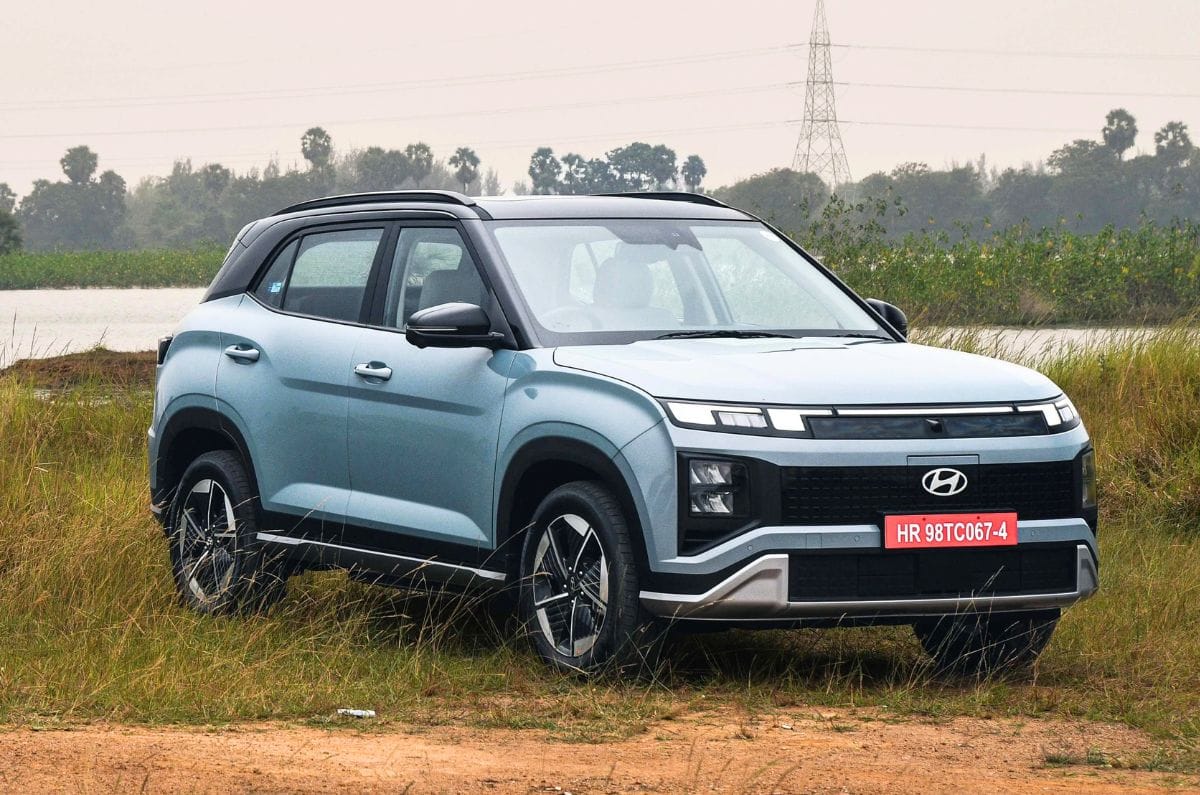
Hyundai Creta Electric

Hyundai has introduced Battery-as-a-Service (BaaS) on the Creta Electric in an effort to reduce the initial acquisition cost. With BaaS, prices for the Creta Electric start from Rs 10.99 lakh, and Hyundai is charging Rs 3.90 for per kilometre usage. The company, however, hasn’t provided a detailed variant-wise breakup of the BaaS prices yet.

  1. Creta Electric also updated with a side step 
  2. Hyundai is now the 7th carmaker to offer BaaS with EVs 

JSW MG Motor was the first to introduce BaaS with the Windsor EV in India in 2024, and since then, several other carmakers like Citroen, Kia, Maruti and Toyota have joined the bandwagon. Hyundai becomes the seventh carmaker to now offer BaaS with its EV. Mahindra and Vinfast, however, are among the only major EV players to not offer BaaS. 

Hyundai Creta Electric: what’s new?

The Creta Electric range is priced from Rs 18.03 lakh – Rs 24.70 lakh (ex-showroom), which means BaaS effectively reduces the entry price by about Rs 7 lakh. Customers will have to pay additionally as per their usage, which is more like an EMI on the battery. 

Alongside BaaS, Hyundai has also updated the Creta Electric with an integrated side step for easier ingress and egress. The carmaker is now also offering a 7.4kW AC wall box charger with the HC variants in the Creta Electric line-up; so long it was only available with an 11kW AC charger. 

Hyundai Creta Electric battery and range 

The Creta Electric is offered with two battery pack options: 42kWh and 51.4kWh. The former returns a claimed range of 420km while the latter has a claimed range of 510km. Powering the Creta Electric is a single motor on the front axle that drives the front wheels. In the Long-Range variant, this motor produces 171hp while the smaller battery gets a 135hp electric motor.

The Creta Electric has new competition in the recently launched Tata Sierra EV, along with other midsize EVs like the Maruti e VitaraMahindra BE 6, and upcoming Toyota Urban Cruiser EV

BYD eMax 7 base trim now called Comfort, prices start at Rs 27.90 lakh

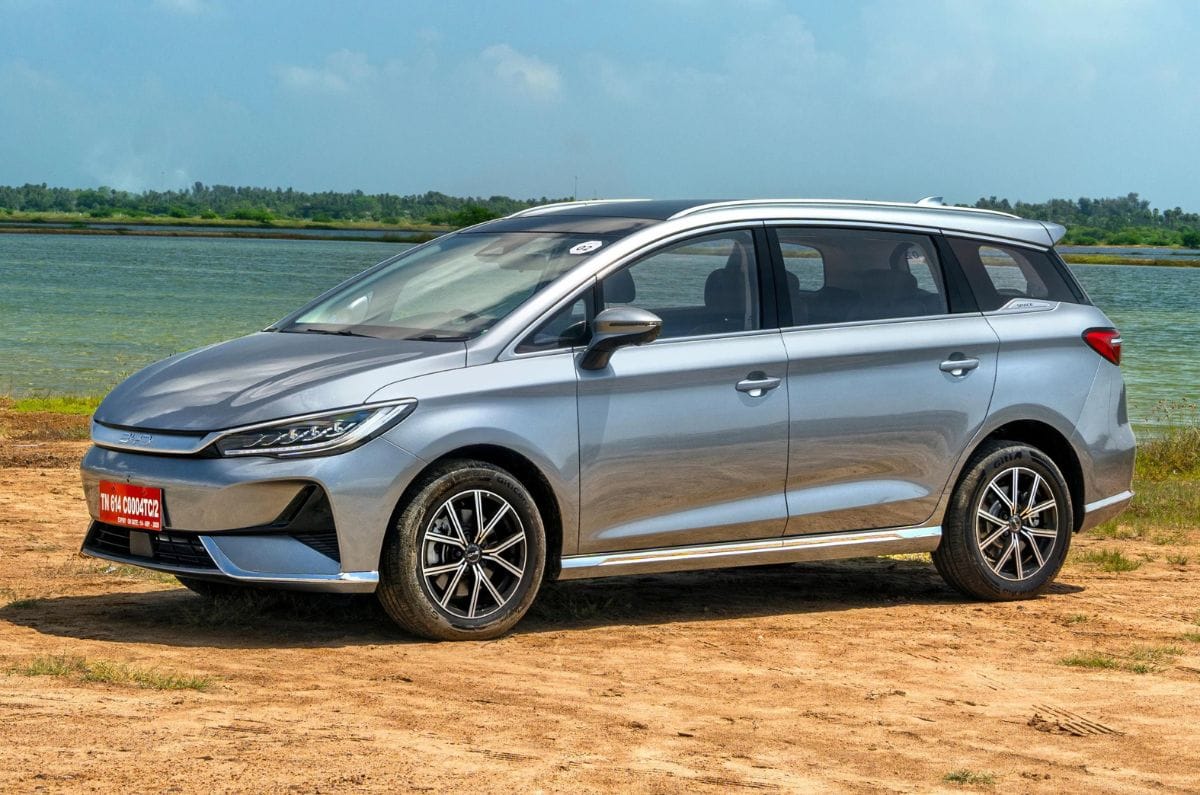
BYD eMAX 7 front quarter static

BYD has renamed the entry-level trim of the eMax 7 and revised their prices upward. Formerly known as the ‘Premium’, the base-spec version of this electric MPV is now called the ‘Comfort’. The 6-seater Comfort trim now costs Rs 27.90 lakh, with the price going up by Rs 1 lakh. The 7-seater Comfort trim has had its price hiked by Rs 80,000, so it now costs Rs 28.30 lakh.

  1. Base 6-seater eMax 7 pricier by Rs 1 lakh, 7-seater by Rs 80,000
  2. Prices of all BYD models hiked
  3. Rising input costs and inflationary pressures cited as key reasons

2026 BYD eMax 7 variants

Aside from the new variant name and higher prices, BYD hasn’t made any mechanical or design changes to the eMax 7. This means the Comfort variants continue to get a 71.8kWh battery pack and a single electric motor that drives the front wheels. The setup results in 163hp for the base 6-seater version and 204hp for the 7-seater version, though both offer the same torque output of 310Nm. 

BYD price hike in July 2026

The price hike is only applicable to select variants within the brand’s line-up

Similar to other automaker who have hiked prices in the recent months, BYD India also cited rising input costs and inflationary pressures as some of the main reasons. The Chinese brand also mentioned continued investments in network expansion as another reason behind the July 2026 price hike. While all four models across BYD’s India portfolio have been affected by this revision, this only applies to select variants within the line-up.

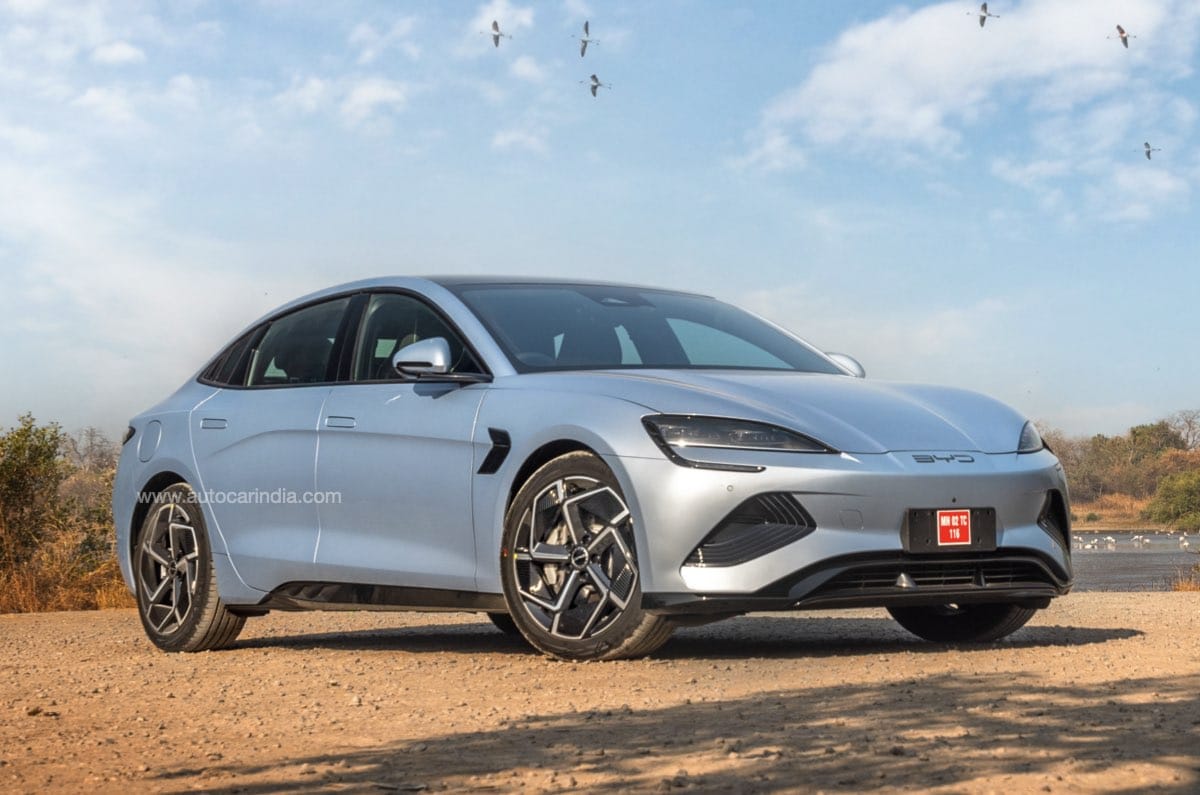
BYD Seal front quarter static
 

The Atto 3’s mid-spec Premium and top-spec Superior variants have had their prices hiked by Rs 50,000. All variants of the BYD Seal sedan are now pricier by Rs 50,000. The entry-level Premium variant of the BYD Sealion 7 SUV is now costlier by Rs 50,000, while the price of its top-spec Performance variant has been hiked by Rs 1 lakh. Check the table below for the prices of all BYD cars after the July 2026 price hike.


Old price range (in Rs)

New price range (in Rs)

Difference (in Rs)

BYD Atto 3

24.99 lakh – 33.99 lakh

24.99 lakh – 34.49 lakh

Up to 50,000

BYD eMAX 7

26.90 lakh – 29.90 lakh

27.90 lakh – 29.90 lakh

Up to 1 lakh

BYD Seal

41.00 lakh – 53.15 lakh

41.50 lakh -53.65 lakh

Up to 50,000

BYD Sealion 7

49.40 lakh – 54.90 lakh

49.90 lakh – 55.90 lakh

Up to 1 lakh

Prices are ex-showroom, India

Also read

Q1 FY27 car sales: Maruti, Tata record highest growth among top 6 carmakers

June 2026 car sales: Tata narrowly retains second place over Mahindra

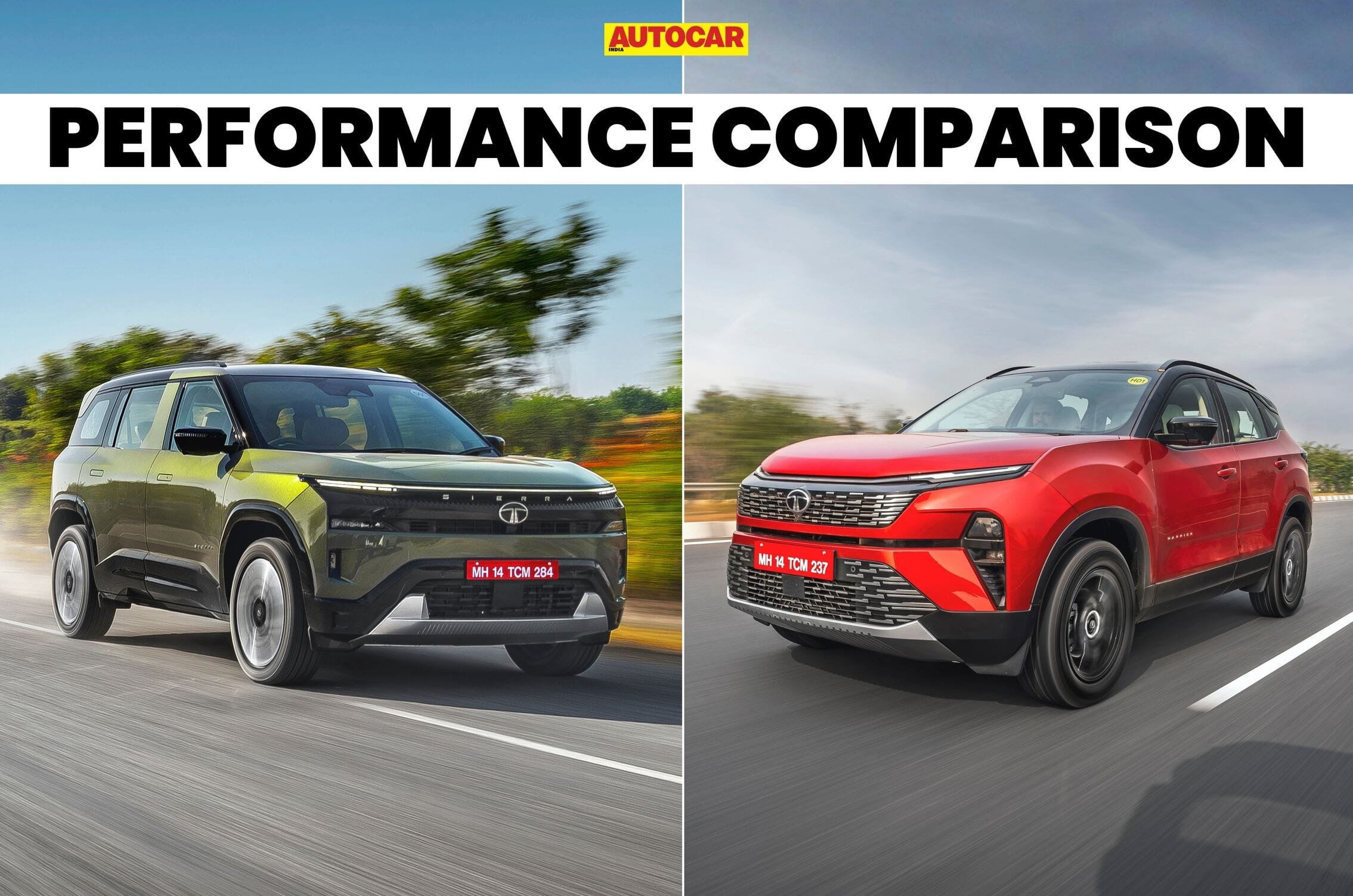
Tata Harrier vs Tata Sierra turbo-petrol automatic performance comparison

Harrier vs Sierra

The Tata Harrier and Sierra are underpinned by different platforms, but both are powered by Tata Motors’ new 1.5-litre turbo-petrol engine paired with a 6-speed torque-converter automatic gearbox. While the Harrier develops more power and torque, the Sierra is significantly lighter. We put both SUVs through our instrumented performance tests to find out which one is quicker in real-world conditions.

Tata Harrier vs Tata Sierra turbo-petrol automatic: specifications

Harrier has more power; Sierra is significantly lighter

SpecificationTata Harrier 1.5 Turbo ATTata Sierra 1.5 Turbo AT
Engine4-cyl turbo-petrol4-cyl turbo-petrol
Displacement1,498cc1,498cc
Power170hp160hp
Torque280Nm255Nm
Gearbox6-speed torque-converter AT6-speed torque-converter AT
Kerb weight1,738kg1,552kg
Power to weight ratio97.81 (hp per tonne)103.09 (hp per tonne)
Torque to weight ratio

161.1 (Nm per tonne)

164.3 (Nm per tonne)

Although both SUVs use Tata’s 1.5-litre TGDi ‘Hyperion’ turbo-petrol engine and a 6-speed torque-converter automatic gearbox, the Harrier develops 10hp and 25Nm more than the Sierra. However, it is also 186kg heavier, giving the Sierra a significant weight advantage.

Tata Harrier vs Tata Sierra turbo-petrol automatic: 0-100kph sprint test

Sierra is quicker despite lower power output

Acceleration (seconds)HarrierSierra
20kph1.511.19
40kph3.492.54
60kph5.284.51
80kph7.706.77
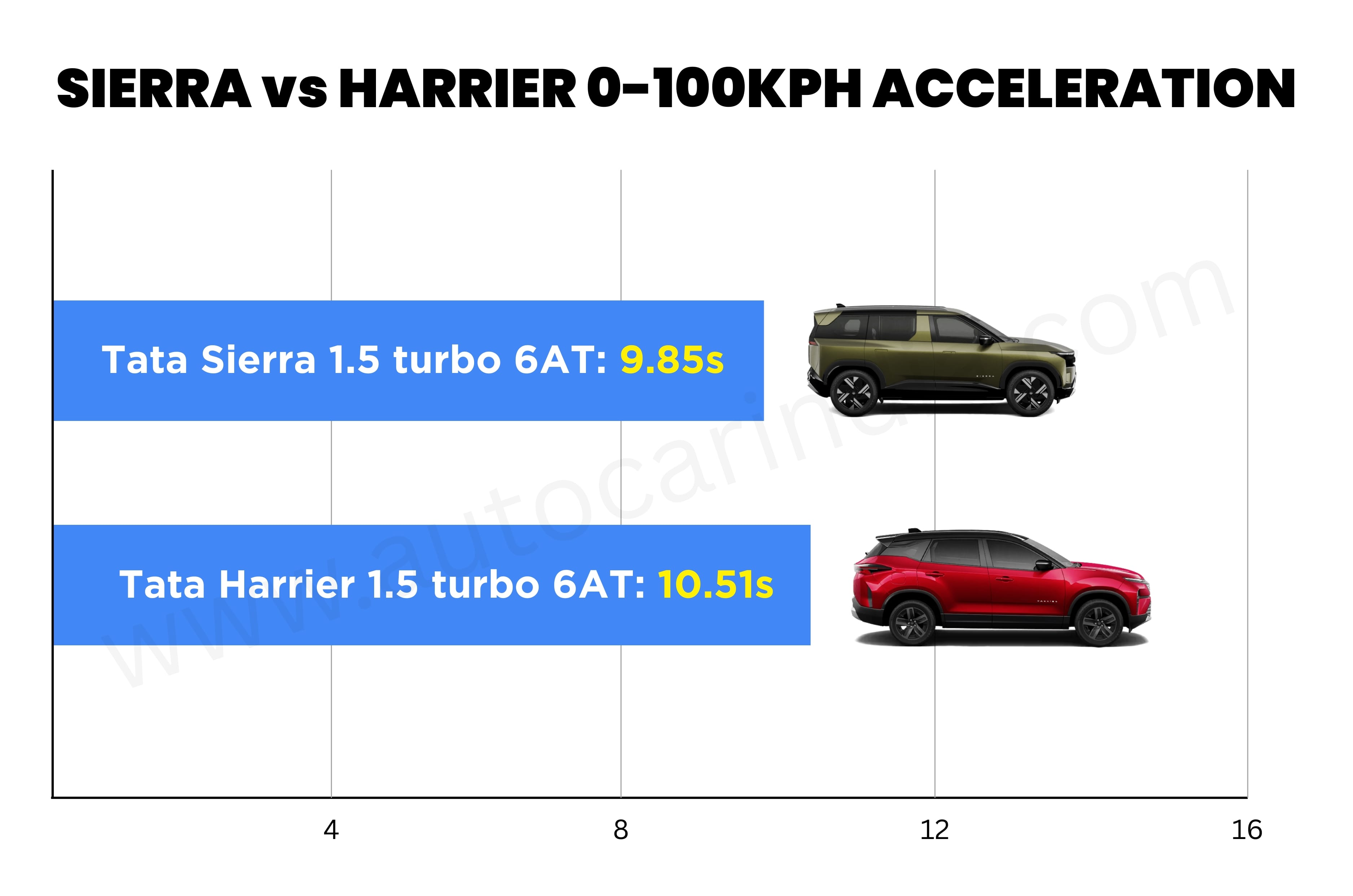
100kph10.519.85
120kph15.7913.72

The Sierra gets off the line much quicker than the Harrier and builds a clear lead in the early stages of the acceleration run. It reaches 20kph 0.32 seconds sooner, with the gap widening to nearly a second by 40kph. As speeds rise, the Harrier begins to claw back some time, but not enough to overturn the Sierra’s advantage. The Sierra reaches 100kph in 9.85 seconds, making it 0.66 seconds quicker than the Harrier. Even at 120kph, it remains ahead by 2.07 seconds.

Tata Harrier vs Tata Sierra turbo-petrol automatic: rolling acceleration tests

Sierra also leads in kickdown acceleration

Rolling acceleration (seconds)HarrierSierra
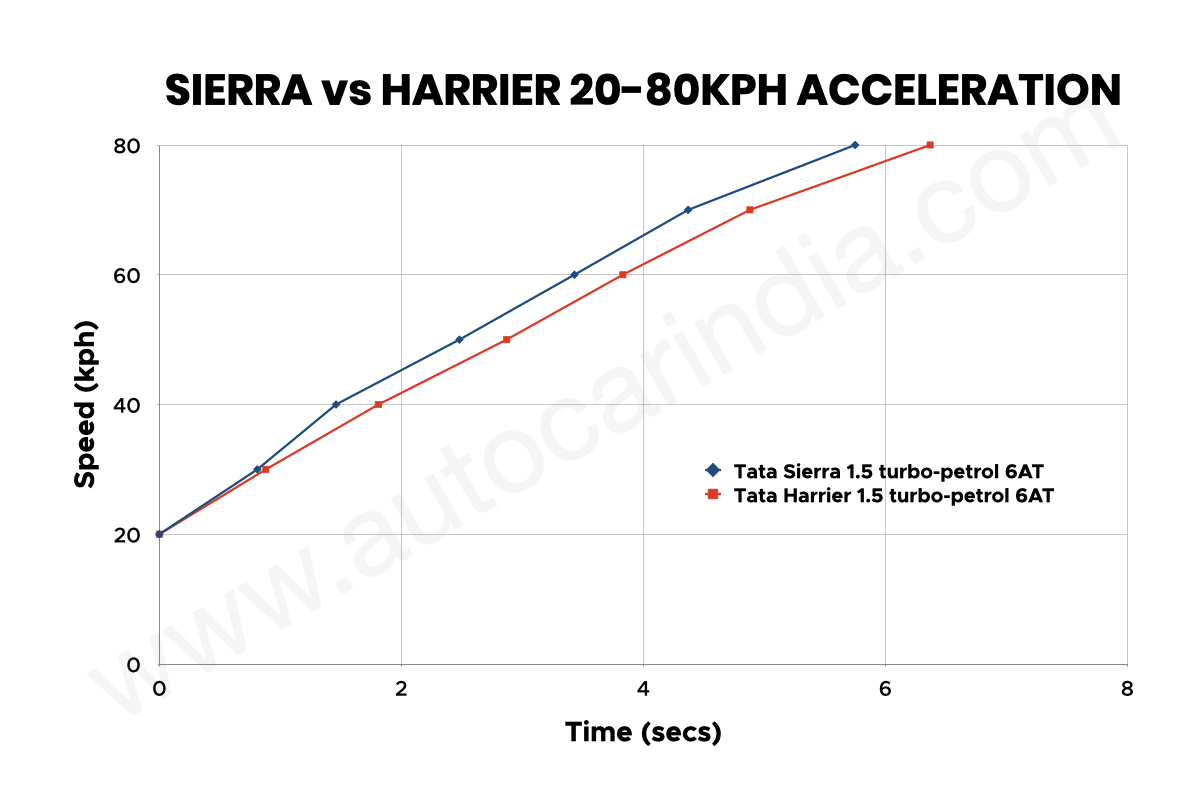
20-80kph6.375.75
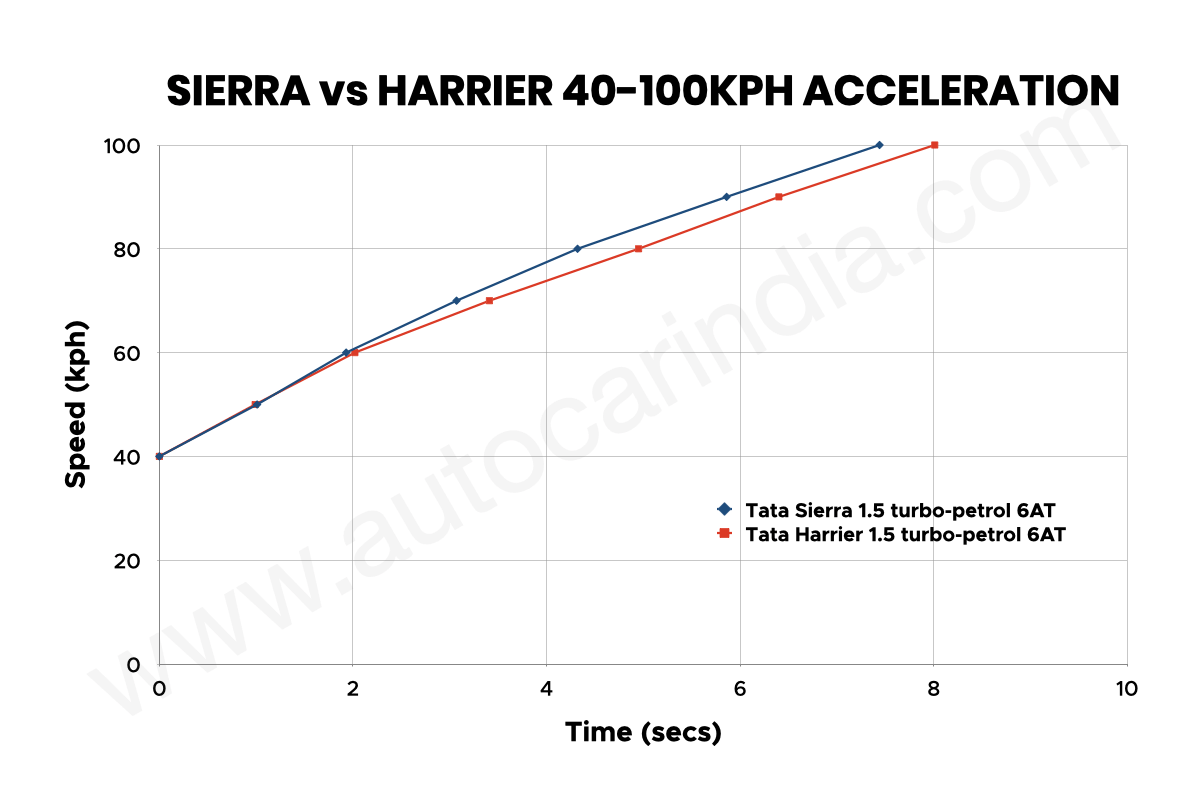
40-100kph8.017.44

The Sierra is also quicker in the rolling acceleration tests. It completes the 20-80kph kickdown run 0.62 seconds faster than the Harrier, while the gap narrows slightly to 0.57 seconds in the 40-100kph test. Although both SUVs use the same gearbox, the Sierra’s lower kerb weight is reflected in the results.

Tata Harrier vs Tata Sierra turbo-petrol automatic: prices

Harrier has a lower entry price; Sierra range tops out lower

Price range (Rs lakh)HarrierSierra
Turbo-petrol automatic17.69-24.7917.99-20.99

The Harrier’s turbo-petrol automatic range starts at Rs 17.69 lakh, undercutting the Sierra by Rs 30,000 at the entry point. However, the Sierra’s range tops out at Rs 20.99 lakh, while the Harrier extends to Rs 24.79 lakh.

Autocar India’s testing standards

Before we conduct our performance tests, we check and maintain tyre pressures based on the manufacturer’s recommendations and ensure the car has a full tank of fuel. The car is then tested in a controlled environment with two people on board, and the data is collected via highly accurate GPS-based timing equipment.

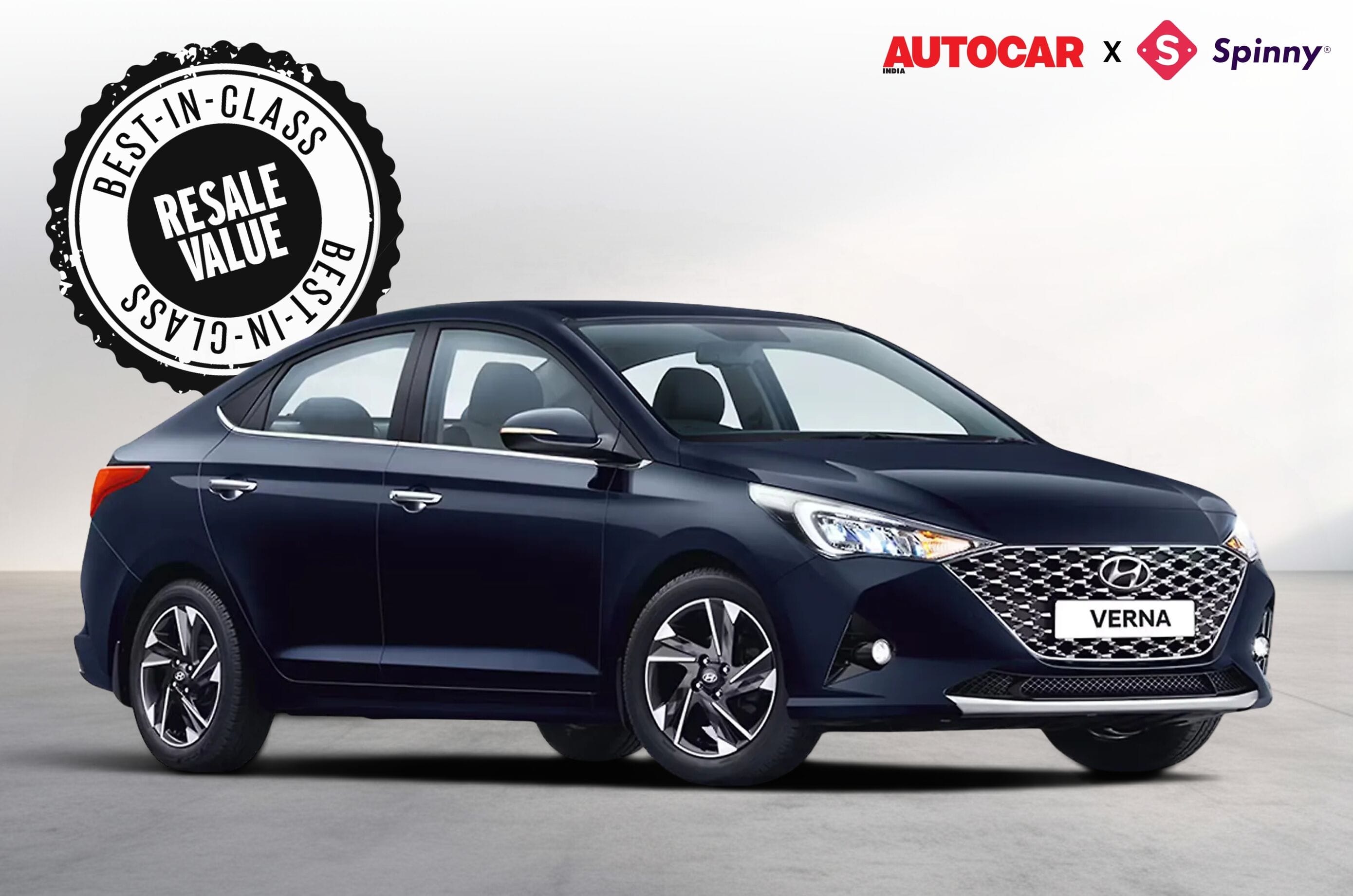
Used Car Study 2026: Hyundai Verna holds its value best among midsize sedans

Hyundai Verna resale value

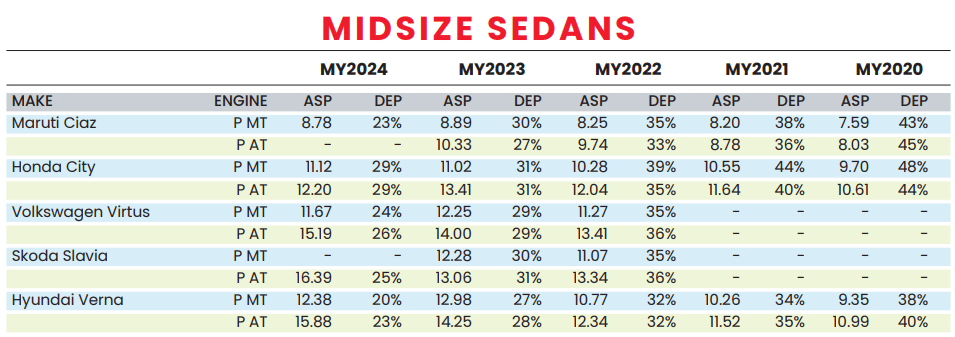
Conducted in association with Spinny, India’s leading pre-owned car platform, the fourth edition of our Used Car Study analyses real-world resale values across a broad spectrum of vehicles sold in the Indian market to assess depreciation trends over a five-year ownership period. The study is based on actual transactional data shared by Spinny for vehicles sold between January 1 and August 31, 2025.

In this part of the resale value study series, we take a look at the midsize sedan segment:

Midsize sedan resale value 

*Average selling price (ASP) in Rs lakh

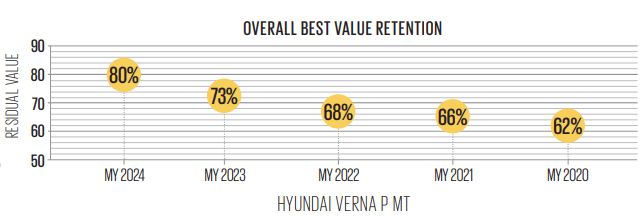
The Hyundai Verna petrol-manual displays the most stable depreciation curve among midsize sedans. Strong demand, modern styling and a well-rounded ownership experience appear to have positively influenced its used-market appeal. In contrast, five-year-old examples of the Honda City petrol-manual are currently trading at nearly half their original on-road prices. 

Between the two European rivals, the Volkswagen Virtus appears to retain value marginally better than the mechanically identical Skoda Slavia. Meanwhile, one-year-old and three-year-old examples of the now-discontinued Maruti Ciaz seem to hold its value relatively better than other midsize sedans of the same age.  

As per the study, the average selling price of a five-year-old midsize sedan retailed through Spinny was Rs 9.38 lakh. Comparable figures for three-year-old and one-year-old midsize sedans were Rs 11.25 lakh and Rs 12.95 lakh, respectively. Average depreciation over the same periods worked out to 43 percent, 34.8 percent and 24.8 percent, respectively.

Autocar-Spinny resale value study methodology 

The analysis covers the average selling prices (ASPs) of vehicles retailed through Spinny’s network across nine cities – Delhi-NCR, Bengaluru, Hyderabad, Pune, Chennai, Mumbai, Lucknow, Ahmedabad and Kolkata.

For the purposes of this study, depreciation has been defined as the percentage difference between a vehicle’s original on-road price in its year of manufacture and its resale value in 2025. In instances where a model was offered with multiple engine options using the same fuel type, the data has been consolidated and averaged. Variant-wise differences have similarly been averaged out.

Discontinued models and powertrain options have been excluded. Additionally, premium vehicles priced above Rs 30 lakh, electric vehicles and certain low-volume models have not been included due to limited transaction data and insufficient sample sizes.

Revolt’s electric motorcycle range explained: Where the RVX slots in

Revolt's electric motorcycle range explained: Where the RVX slots in

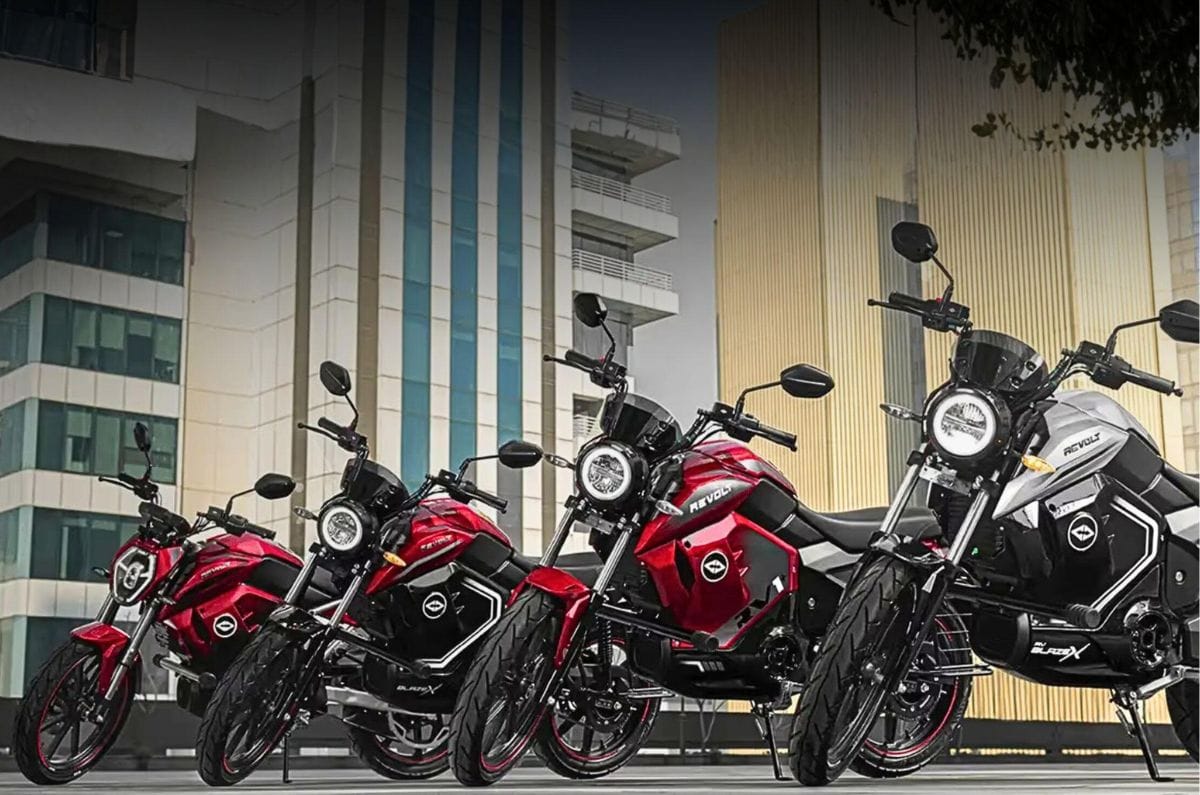
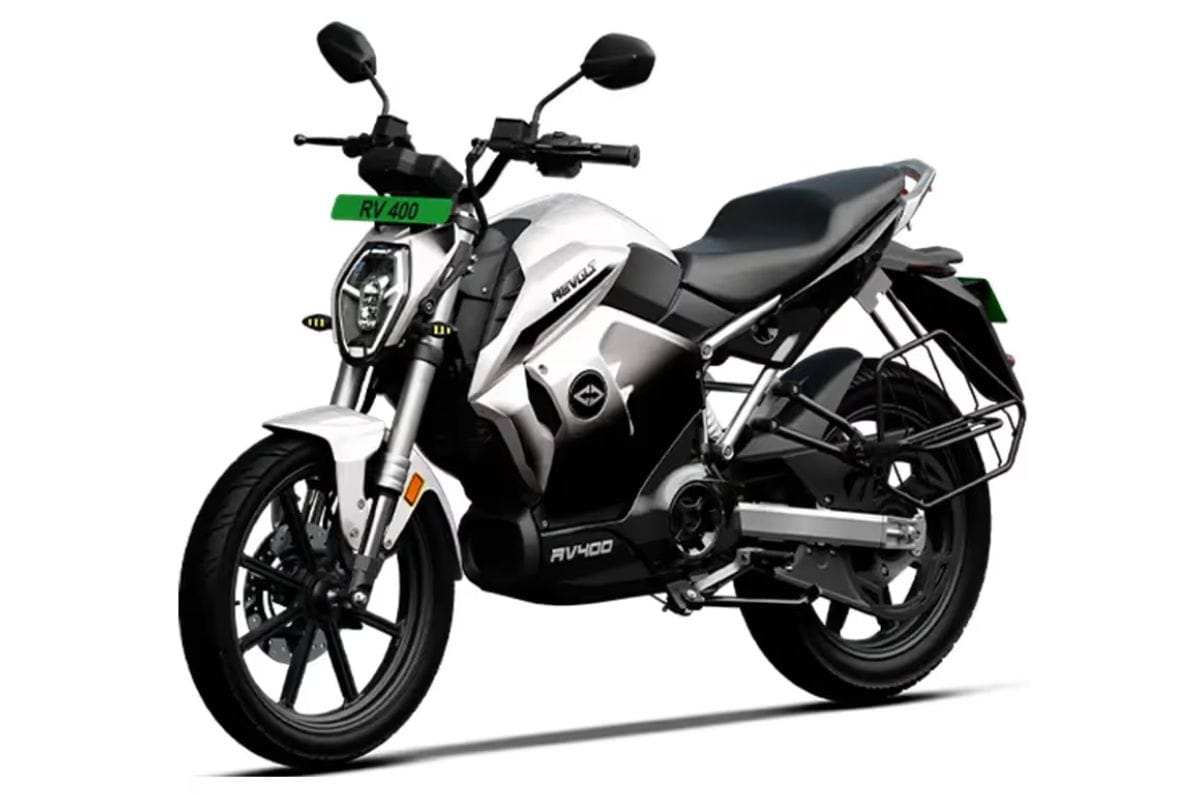
With the launch of the RVX, Revolt Motors has further expanded its electric motorcycle portfolio, strengthening its presence in India’s growing electric motorcycle market. The line-up now spans six models, catering to everyone from first-time EV buyers to those looking for a more performance-oriented electric motorcycle. While the RV1 and RV1+ are aimed at commuters, the BlazeX, RV400 BRZ, RV400 and the new RVX offer progressively higher levels of performance, equipment and styling. Here’s a closer look at where each model fits in the range.

RV1 and RV1+

Revolt RV1

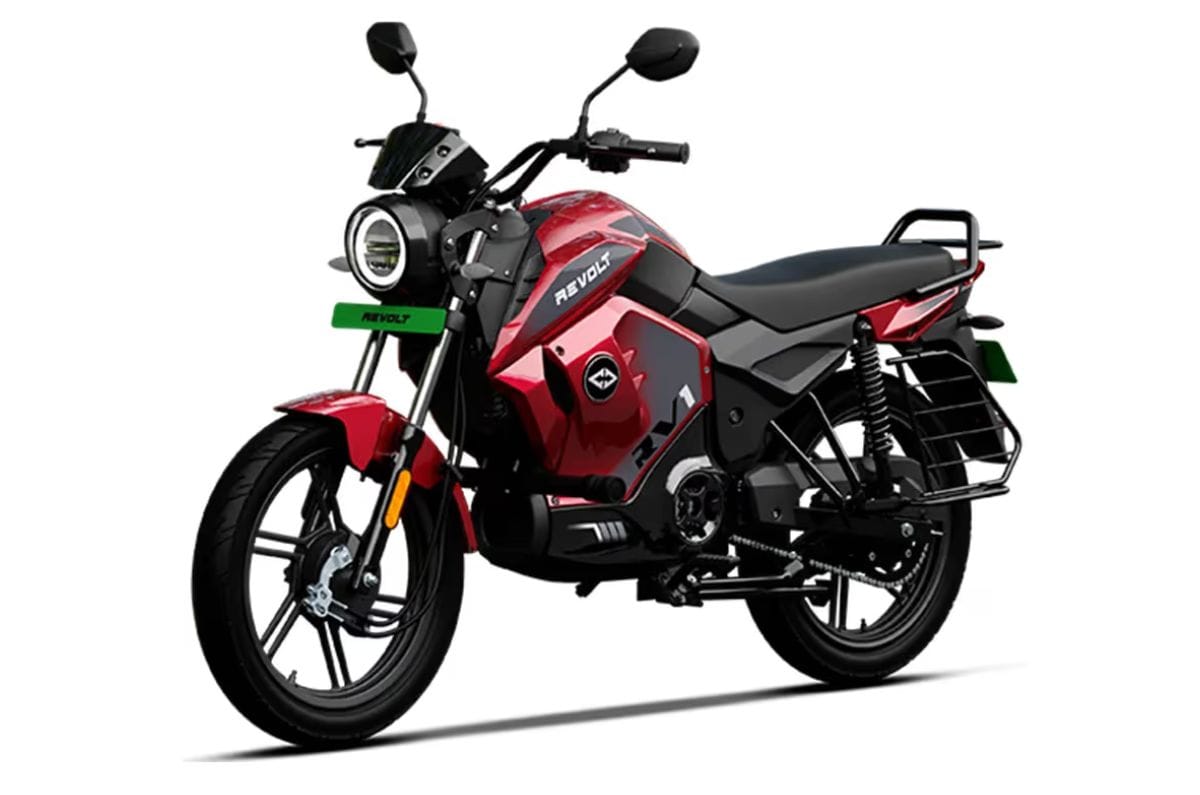
The RV1 twins form the entry point into the Revolt range and are aimed squarely at urban riders. Priced at Rs 99,999, the RV1 gets a 2.2kWh removable battery, a 2.8kW mid-drive motor and a claimed 100km IDC range. The motorcycle adopts a straightforward commuter design with upright ergonomics, conventional cycle parts and minimal bodywork, keeping both costs and complexity in check.

For buyers covering longer daily distances, the Rs 1,04,990 RV1+ swaps in a larger 3.24kWh battery, increasing the claimed IDC range to 160km, while retaining the same motor and overall design. In essence, the RV1+ is less about additional performance and more about reducing charging frequency.

BlazeX and RV400 

Revolt RV BlazeX

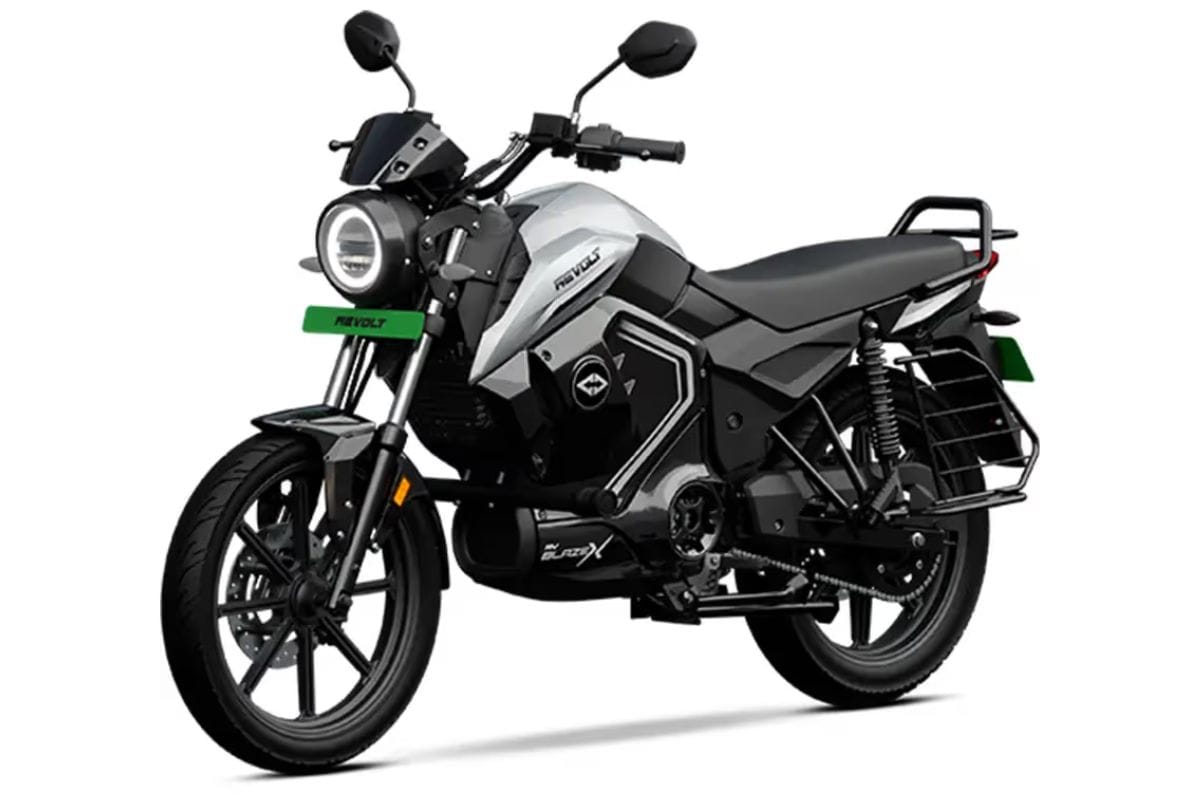
The next step up is the RV BlazeX, priced at Rs 1,19,990. While it shares the 3.24kWh battery with the RV1+, it upgrades to a 4.1kW motor, claimed 150km IDC range and a higher 85kph top speed. Mechanically, it also benefits from upside-down front forks and fast-charging capability, while its styling is noticeably sportier than the commuter-focused RV1 twins.

The RV400 BRZ and RV400, priced at Rs 1,29,950 and Rs 1,39,950 respectively, continue with the same 3.24kWh battery and familiar naked streetfighter-inspired styling that has defined Revolt since the original RV400 debuted. The BRZ serves as the more accessible variant, while the standard RV400 continues as the range-topper in terms of price and equipment.

Revolt RV400

RVX

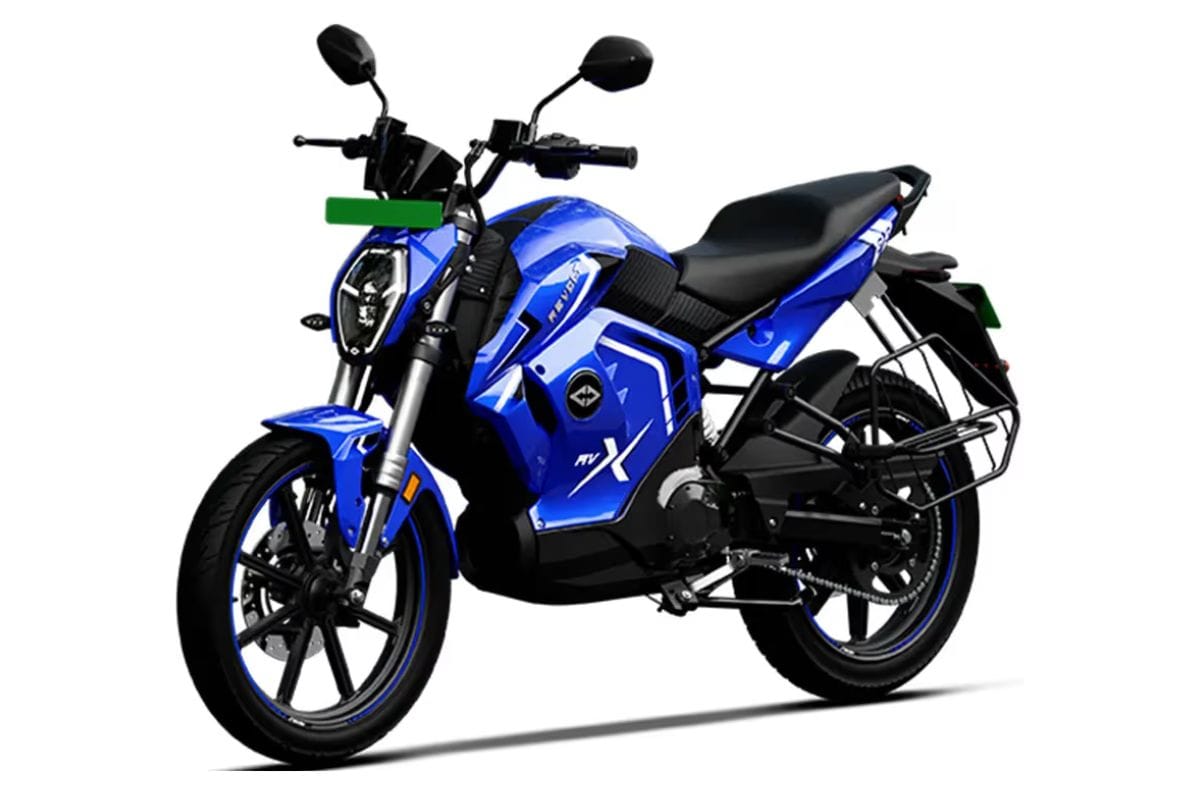
Rather than replacing the RV400, the new RVX introduces an altogether different proposition. Priced at an introductory Rs 1.30 lakh, it debuts a sharper and more aggressive design language, with similar LED headlight, angular body panels, muscular tank shrouds, unique graphics with ‘X’ motif, giving it a refreshed appearance than the rest of the range.

Revolt RVX

Under the bodywork sits a new 4kW mid-drive PMSM motor producing 5.3kW of peak power and 230Nm of torque at the wheel, making it the most powerful electric motorcycle Revolt has built. The motor is paired with a 3.24kWh removable NMC battery, which delivers a claimed 160km IDC range. Performance claims include a 0-40kph time of 3.9 seconds, while the new Boost mode unlocks a 90kph top speed. The battery also supports 0-80 percent charging in 80 minutes with the fast charger.

Where does the RVX fit?

Positioned alongside the RV400 BRZ at the upper end of Revolt’s line-up, the RVX expands the brand’s portfolio rather than replacing any existing model. It distinguishes itself with gold-finished USD forks, contrasting body accents and exclusive colour options, giving it a sportier appearance aimed at younger buyers. While the RV400 remains the most expensive motorcycle in the range, the RVX offers buyers an alternative with a different visual identity and positioning within Revolt’s electric motorcycle portfolio.

IMD Alert: प्रचंड गर्मी के मौसम में इस साल AC की मांग क्यों ठंडी पड़ी? हीटवेव से बचने के लिए लोग कर रहे हैं ये काम

Heatwave Alert in india: चालू वित्त वर्ष की जून तिमाही में गर्मी से जुड़े उत्पादों की मांग में मिला-जुला रुख देखने को मिला है। मौसम में आए बदलाव और महंगाई के दबाव के कारण एयर कंडीशनर (AC) की बिक्री अपेक्षा से कमजोर रही है। वहीं, ठंडे ड्रिंक्स, आइसक्रीम, डेयरी उत्पाद और अन्य ताजगी देने वाले उत्पादों की मांग मजबूत बनी रही। उद्योग विशेषज्ञों का कहना है कि जून में कई हिस्सों में बेमौसम बारिश, आंधी और शाम के समय अपेक्षाकृत कम तापमान रहने से AC की जरूरत कम महसूस हुई।

वहीं, बढ़ती कीमतों के कारण उपभोक्ता महंगे एसी खरीदने के बजाय एयर कूलर और पंखों जैसे अपेक्षाकृत सस्ते विकल्पों की ओर रुख कर रहे हैं। गोदरेज एंटरप्राइजेज समूह के कारोबार प्रमुख और ईवीपी (उपकरण कारोबार) कमल नंदी ने पीटीआई से कहा कि ठंडक प्रदान करने वाले उत्पादों की कैटेगरी में मांग का रुख मिला-जुला रहा। रेफ्रिजरेटर की मांग सामान्य और प्रीमियम दोनों वर्गों में मजबूत बनी हुई है, जबकि मानसून के आगमन के साथ वॉशिंग मशीन की मांग भी बढ़ रही है।

AC की बिक्री में उल्लेखनीय गिरावट

हालांकि, उन्होंने कहा कि जून में पूरे देश खासकर उत्तर भारत में एसी की बिक्री में उल्लेखनीय गिरावट आई है। उनके अनुसार, उद्योग स्तर पर एसी की बिक्री घटी है। इसकी बड़ी वजह मौसम में बदलाव है। कई क्षेत्रों में आंधी-बारिश और रात के समय तापमान कम रहने से लोगों को एसी की जरूरत पहले जैसी नहीं रही। इसके अलावा महंगाई के चलते उपभोक्ता गैर-जरूरी खर्च टाल रहे हैं।

नंदी ने बताया कि पिछले कुछ वर्षों में कई दौर की मूल्य वृद्धि के कारण एसी की कीमतें करीब 18 से 20 प्रतिशत तक बढ़ चुकी हैं। इसी वजह से कई उपभोक्ता एसी की जगह एयर कूलर और पंखों को प्राथमिकता दे रहे हैं।

गर्मी का मौसम उद्योग की उम्मीदों के अनुरूप नहीं रहा

एक प्रमुख एसी कंपनी के वरिष्ठ अधिकारी ने कहा कि इस बार गर्मी का मौसम उद्योग की उम्मीदों के अनुरूप नहीं रहा, विशेषकर जून का महीना कमजोर रहा। हालांकि, चालू वर्ष में अब तक उद्योग के कारोबार में लगभग 35 प्रतिशत की वृद्धि दर्ज की गई है। इसका मुख्य कारण प्रीमियम उत्पादों की बढ़ती हिस्सेदारी और ऊंची कीमतें हैं।

इन कंपनियों की हुई बंपर कमाई

इसके उलट पेय पदार्थ बनाने वाली कंपनियों ने गर्मियों के दौरान मजबूत मांग दर्ज की। कोका-कोला भारत और दक्षिण-पश्चिम एशिया के उपाध्यक्ष (ग्राहक विकास) अभिषेक गुप्ता ने कहा कि कंपनी को पूरे गर्मी के मौसम में अच्छी मांग मिल रही है। छोटे पैक, क्विक कॉमर्स और चलते-फिरते उपभोग की बढ़ती प्रवृत्ति से बिक्री को मजबूती मिली है।

उन्होंने कहा कि कंपनी अपने बॉटलिंग साझेदारों के साथ मिलकर ठंडे पेय की उपलब्धता बढ़ाने के लिए कूलिंग ढांचे और वितरण नेटवर्क का विस्तार कर रही है। डेयरी क्षेत्र में भी इसी तरह का रुझान देखने को मिला। मदर डेयरी के प्रबंध निदेशक जयतीर्थ चारी ने कहा कि जून तिमाही में कंपनी के ताजा डेयरी उत्पादों और आइसक्रीम कारोबार की बिक्री मात्रा में पिछले वर्ष की समान अवधि की तुलना में 30 प्रतिशत से अधिक की वृद्धि दर्ज की गई है।

डेयरी उत्पादों की मजबूत मांग

उन्होंने बताया कि आइसक्रीम, दही और डेयरी उत्पादों की मजबूत मांग ने इस वृद्धि को गति दी। हैवमोर आइसक्रीम के मैनेजिंग डायरेक्टर देबब्रत मुखर्जी ने कहा कि कोन, स्टिक और सिंगल-सर्व कप जैसे त्वरित उपभोग वाले उत्पादों की मांग लगातार बढ़ रही है। फटाफट सामान पहुंचाने वाले ऑनलाइन प्लेटफॉर्म और तत्काल उपभोग की बढ़ती प्रवृत्ति से इन उत्पादों की बिक्री को विशेष बल मिला है।

डीएस ग्रुप के कारोबार प्रमुख (मसाला) संदीप घोष ने कहा कि गर्मियों के दौरान रायता मसाला, छाछ मसाला, जलजीरा और काला नमक जैसे पारंपरिक उत्पादों की मांग में उल्लेखनीय बढ़ोतरी दर्ज की गई। उन्होंने कहा कि यह रुझान दर्शाता है कि पारंपरिक भारतीय स्वाद और पेय आज भी ग्रामीण और शहरी, दोनों बाजारों में उपभोक्ताओं की पहली पसंद बने हुए हैं।

ये भी पढ़ें- Monsoon Heavy Rain Alert: यूपी, बिहार, दिल्ली समेत इन 20+ राज्यों में भारी बारिश, आंधी-तूफान का अलर्ट! 8 जुलाई तक ऐसा रहेगा मौसम

India-Japan trade: AI से लेकर नेक्स्ट-जेन मोबिलिटी तक… भारत-जापान संबंधों का नया अध्याय, जानिए बड़ी बातें

India-Japan trade: भारत और जापान के रिश्तों को नई मजबूती देने की दिशा में बड़ा कदम उठाया गया है। जापान की प्रधानमंत्री सनाए तकाइची अपने पहले भारत दौरे पर हैं। प्रधानमंत्री नरेंद्र मोदी ने उनका गर्मजोशी से स्वागत करते हुए उन्हें अपनी ‘छोटी बहन’ बताया। दोनों नेताओं के बीच नई दिल्ली में 16वें भारत-जापान वार्षिक शिखर सम्मेलन के दौरान कई अहम मुद्दों पर चर्चा हुई। राष्ट्रपति भवन में जापान की प्रधानमंत्री तकाइची का भव्य स्वागत किया गया। उन्हें औपचारिक ‘गार्ड ऑफ ऑनर’ दिया गया। इसके बाद नई दिल्ली के हैदराबाद हाउस में प्रधानमंत्री मोदी और तकाइची के बीच द्विपक्षीय वार्ता हुई।

भारत और जापान ने गुरुवार को कई अहम पहलों की घोषणा की। इसमें एक इकोनॉमिक पार्टनरशिप फ्रेमवर्क और मिलिट्री इक्विपमेंट को मिलकर डेवलप करने के लिए एक डिफेंस एग्रीमेंट शामिल है। इन पहलों की घोषणा प्रधानमंत्री नरेंद्र मोदी और उनके जापान की अपनी समकक्ष सनाए तकाइची के बीच समिट बातचीत के बाद की गई। मीटिंग में कई अहम फैसले लिए गए, जिसमें इकोनॉमिक सिक्योरिटी पर एक घोषणा, आर्टिफिशियल इंटेलिजेंस (AI) के क्षेत्र में सहयोग पर एक जॉइंट स्टेटमेंट और एनर्जी सप्लाई चेन में सहयोग को मजबूत करने का एक एग्रीमेंट शामिल है।

कल्चरल वैल्यू से लेकर मॉडर्न टेक्नोलॉजी तक 

प्रधानमंत्री मोदी ने मीडिया को जारी एक बयान में कहा, “भारत और जापान की इकोनॉमी एक-दूसरे की पूरक हैं। कल्चरल वैल्यू से लेकर मॉडर्न टेक्नोलॉजी तक, हम अपनी सोच और कामों में भी समानताएं शेयर करते हैं।” उन्होंने कहा, “हमारे रिश्ते की नींव अटूट आपसी भरोसे पर टिकी है।” PM मोदी ने आगे कहा कि दोनों पक्षों ने इकोनॉमिक सिक्योरिटी के लिए एक जॉइंट रोडमैप बनाया है।

सप्लाई चेन को और मजबूत और लचीला बनाएंगे

पीएम मोदी ने कहा, “इसके जरिए हम सेमीकंडक्टर, क्वांटम टेक्नोलॉजी और एडवांस्ड मटीरियल जैसे स्ट्रेटेजिक सेक्टर में सप्लाई चेन को और मजबूत और लचीला बनाएंगे।” प्रधानमंत्री ने कहा कि भारत और जापान ने एनर्जी सिक्योरिटी के क्षेत्र में भी कई अहम फैसले लिए हैं। उन्होंने कहा, “इंडिया-जापान बायोगैस इनिशिएटिव के ज़रिए, हम इंडिया में 1,000 बायोगैस और ऑर्गेनिक फर्टिलाइज़र प्लांट लगाएंगे। इससे इंडियन गांवों में खुशहाली आएगी और गांव की रोजी-रोटी और मजबूत होगी।”

भारत-जापान में कई अहम करार

PM मोदी और तकाइची की मौजूदगी में इकोनॉमिक सिक्योरिटी, क्लीन एनर्जी, जरूरी टेक्नोलॉजी और रिसर्च एंड डेवलपमेंट के एरिया में कोऑपरेशन से जुड़े जरूरी मेमोरेंडम ऑफ़ अंडरस्टैंडिंग (MoUs) एक्सचेंज किए गए। विदेश मंत्रालय के प्रवक्ता रणधीर जायसवाल ने कहा कि इंडिया और जापान डिप्लोमैटिक रिलेशन शुरू होने की 75वीं एनिवर्सरी के मौके पर ऑर्गनाइज़ किए जाने वाले इवेंट्स की एक लिस्ट पर भी सहमत हुए।

पीएम मोदी ने इंडिया-जापान रिलेशन की मजबूती और इंपॉर्टेंस पर भी जोर दिया। उन्होंने कहा, “कुछ ही दिन पहले, G7 समिट में मैंने कहा था कि आज के ग्लोबल उथल-पुथल के माहौल में आपसी भरोसा हमारा सबसे बड़ा स्ट्रेटेजिक रिसोर्स है।” प्रधानमंत्री ने कहा, “मुझे गर्व है कि इंडिया-जापान पार्टनरशिप इस टेस्ट में पूरी तरह खरी उतरी है।”

PM मोदी ने कहा कि जापान की सटीक टेक्नोलॉजी और भारत की सॉफ्टवेयर क्षमताओं का मेल आर्टिफिशियल इंटेलिजेंस के क्षेत्र में नई तेजी और ताकत देगा। उन्होंने कहा, “डिफेंस सेक्टर में हमने भारत और जापान के बीच पहले जॉइंट डेवलपमेंट प्रोजेक्ट पर एक एग्रीमेंट साइन किया है।” जापानी प्रधानमंत्री तीन दिन के भारत दौरे पर हैं।

जापानी पीएम ने क्या कहा?

इस दौरान तकाइची ने कहा कि दोनों पक्ष इन्वेस्टमेंट और इनोवेशन कोऑपरेशन के जरिए इकोनॉमिक डेवलपमेंट पर फोकस कर रहे हैं। उन्होंने कहा, “मैं एक मजबूत इकोनॉमी बनाने के लिए कमिटेड हूं और 17 स्ट्रेटेजिक सेक्टर में इन्वेस्टमेंट के जरिए जापान की सप्लाई चेन और टेक्नोलॉजिकल क्षमताओं को बढ़ाने का लक्ष्य रखती हूं।”

उन्होंने कहा, “प्रधानमंत्री मोदी ने ‘डेवलप्ड इंडिया’ लॉन्च किया, जो 2047 तक भारत को एक डेवलप्ड देश बनाने का एक नेशनल लक्ष्य है और वह भारत के डेवलपमेंट प्रोसेस को जोर-शोर से आगे बढ़ा रहे हैं।” जापानी प्रधानमंत्री ने कहा, “इस तरह हम भविष्य में इन्वेस्टमेंट के ज़रिए अपने देशों को मज़बूत और खुशहाल बनाने के लक्ष्य को शेयर करते हैं।”

हाल के सालों में भारत और जापान के रिश्ते मजबूत हुए हैं। 2014 में दोनों देशों को स्पेशल स्ट्रेटेजिक और ग्लोबल पार्टनरशिप का दर्जा दिया गया। दोनों देश 2027 में डिप्लोमैटिक रिलेशन शुरू होने की 75वीं सालगिरह मनाएंगे। सिक्योरिटी, ट्रेड और इन्वेस्टमेंट, इकोनॉमिक सिक्योरिटी, साइंस और टेक्नोलॉजी, कल्चर और लोगों के बीच संबंधों जैसे कई एरिया में सहयोग लगातार मजबूत हो रहा है। इस बाइलेटरल फ्रेमवर्क में अब 70 से ज्यादा डायलॉग मैकेनिज्म शामिल हैं।

स्ट्रेटेजिक एजेंडा को आगे बढ़ाने का मुख्य फोरम

प्रधानमंत्री मोदी पिछले साल अगस्त में टोक्यो में हुए 15वें सालाना समिट के लिए जापान गए थे। सालाना समिट दोनों देशों के बीच पार्टनरशिप के स्ट्रेटेजिक एजेंडा को आगे बढ़ाने का मुख्य फोरम है। PM मोदी ने जापानी PM के साथ विस्तृत बातचीत की।

इस बातचीत में दोनों देशों के बीच आर्थिक रिश्ते बढ़ाने, सेमीकंडक्टर्स के लिए एक मजबूत और लचीली सप्लाई चेन बनाने और जरूरी टेक्नोलॉजी में सहयोग बढ़ाने पर फोकस किया गया। बातचीत के बाद, दोनों पक्षों के आर्थिक सुरक्षा सहयोग पर एक जॉइंट डिक्लेरेशन और आर्टिफिशियल इंटेलिजेंस (AI) के क्षेत्र में सहयोग पर एक जॉइंट स्टेटमेंट जारी किया है।

ये भी पढ़ें- ‘मेक इन इंडिया’ को रफ्तार! जापानी PM और पीएम मोदी करेंगे 35,000 करोड़ के मारुति सुजुकी के चौथे प्लांट का उद्घाटन, खरखौदा बनेगा ऑटो मैन्युफैक्चरिंग हब

Tata and Mahindra EV sales double YoY in Q1 FY2027

India's EV market nearly doubles in Q1 FY27 YoY

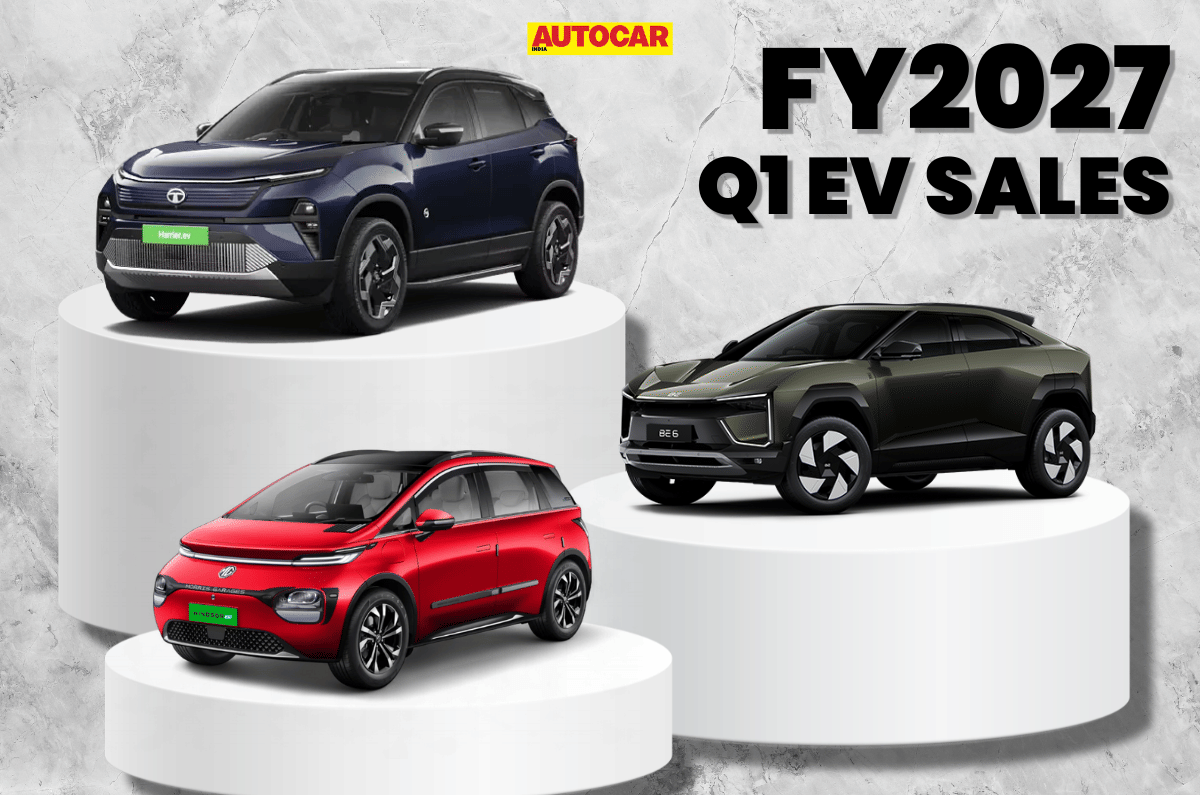
India’s electric passenger vehicle market grew by over 89 percent in the first quarter of the fiscal year 2027, recording 82,737 registrations, according to Vahan data. In comparison, 43,710 EVs were sold in the corresponding year-ago period of 2025. This surge was led by Tata Motors, followed by Mahindra and JSW MG.

Q1 FY2027 vs Q1 FY2026 sales comparison

Tata leads the pack, registers over 104 percent YoY growth

CarmakerQ1 FY2027 (units)Q1 FY2026 (units)YoY difference (percent)
Tata32,28315,794

104.40

Mahindra20,11210,144

98.30

JSW MG16,50213,499

22.20

Maruti4,894

Not applicable

Vinfast3,973

Not applicable

BYD2,1731,671

30

Hyundai1,3862,142

-35.30

Kia1,304133

880.50

Stellantis78327

-76.10

Toyota32

Not applicable

Total82,73743,710

89.30

Tata Motors sold 32,283 EVs between April and June, more than double the 15,794 units it logged in year-ago period. It also expanded its market share to 39 percent from 36.1 percent during the same, and with the recent launches of the facelifted Tiago EV and Sierra EV, the momentum is expected to continue. The second-ranked Mahindra nearly doubled registrations from 10,144 units to 20,112 units driven by its expanding portfolio of electric SUVs, which includes models such as the XEV 9S and BE 6. JSW MG, which sells popular cars like the Windsor EV and Comet EV, sold 16,502 units, marking a 22 percent YoY growth.

Maruti ranks fourth with 4,894 e Vitara units

The April-June 2026 quarter also witnessed the entry of Maruti Suzuki and Vinfast, which had no offerings in the corresponding period last year. Maruti sold 4,894 units of the e Vitara, while Vinfast recorded 3,973 registrations in its first full quarter of sales here. Meanwhile, BYD posted a 30 percent YoY growth with 2,173 registrations.

Hyundai’s EV sales slid from 2,142 units a year earlier to 1,386 units, but its sister company Kia saw a massive rise in sales, going up from 133 units to 1,304 units. Stellantis (which owns the Citroen and Maserati brands) and Toyota were minor participants, posting sales of 32 and 78 units, respectively.

With inputs from Uday Singh and Darshan Nakhwa.