15 अगस्त को भारत खेलेगा श्रीलंका से 2 टेस्ट मैचों की अहम सीरीज

भारत श्रीलंका के खिलाफ पहला टेस्ट मैच 15 अगस्त को गाले में खेलेगा। इस सीरीज का दूसरा टेस्ट 23 अगस्त को कोलंबो के स्टेडियम में खेला जाएगा। विश्व टेस्ट चैंपियनशिप फाइनल में जगह बनाने के लिए दोनों ही टीमों को अपने बचे 9 मैचों में से 7 मैच जीतने है। इस लिहाज से यह सीरीज बहुत अहम हो जाती है।


भारत को विश्व टेस्ट चैंपियनशिप 2025-27 के चक्र में 9 मैचों में 4 जीत और 4 हार मिली है और एक मैच ड्रॉ हुआ है। इस कारण भारत का जीत प्रतिशत अंक तालिका में 48.15 है और वह पांचवे स्थान पर है। वहीं श्रीलंका छठवें स्थान पर है और उसका जीत प्रतिशत 44.44 है। श्रीलंका की टीम वेस्टइंडीज दौरे पर है और उसको पहले टेस्ट में पारी की हार मिली है।

भारत चाहेगा कि यह 2 टेस्ट जीतकर न्यूजीलैंड के खिलाफ घसियाली पिच के लिए गुंजाइश रखे। अगर न्यूजीलैंड में सीरीज हार भी जाते हैं तो बॉर्डर गावस्कर ट्रॉफी भारत को अपने घर में खेलनी है। हालांकि घर पर भी भारत का रिकॉर्ड हाल में बहुत अच्छा नहीं रहा है।

वहीं श्रीलंका के लिए एक और हार फिर भले ही वह कैरिबियाई दौरे पर हो या फिर भारत के खिलाफ टीम को विश्व टेस्ट चैंपियनशिप फाइनल की दौड़ से बाहर कर देगी।  इस कारण यह सीरीज दोनों टीमों के लिए अहम है।

भारतीय टीम के लिए चिंता का विषय श्रीलंका की स्पिन की मुफीद पिचें है। अगर इस दौरे पर टीम को जीत की आशा रखनी है तो स्पिन कोच साइराज बहुतुले को काफी काम करने होंगे।

BMW X5 new vs old: Differences and similarities explained

BMW X5 New vs Old differences explained

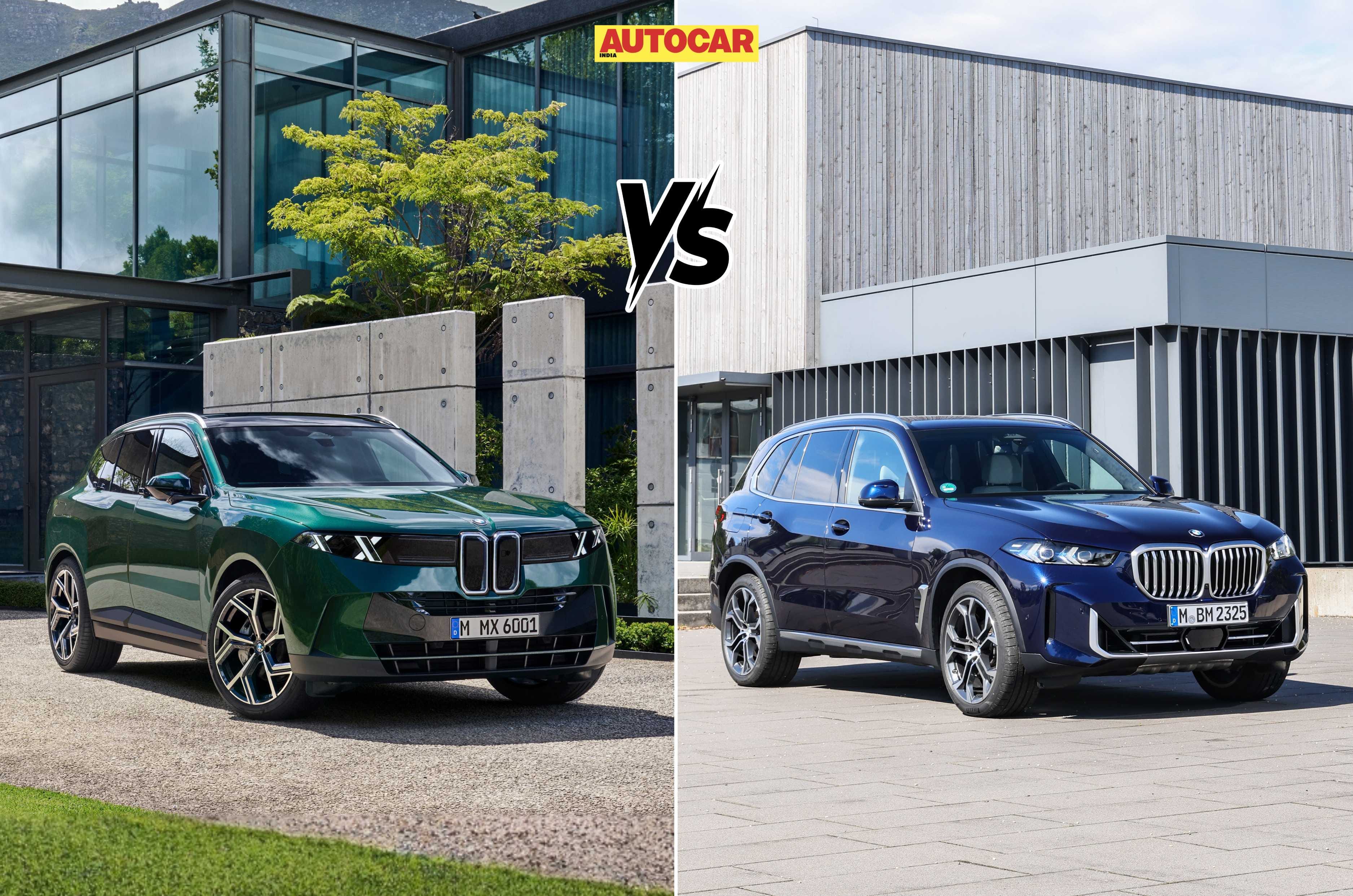
The fourth generation of the BMW X5 arrived in the Indian market in May 2019, with a facelift arriving in July 2023. However, the German automaker will follow this up with the introduction of the new fifth-generation model in India later on. On June 30, 2026, BMW revealed this next-gen model on the global stage. The luxury SUV comes with a thoroughly revamped exterior and interior, along with an expanded feature set and powertrain options. Here are the main differences (and some similarities) between the previous-gen and new-gen BMW X5.

BMW X5 new vs old: Exterior design

Uses the Bavarian brand’s latest Neue Klasse-based design language

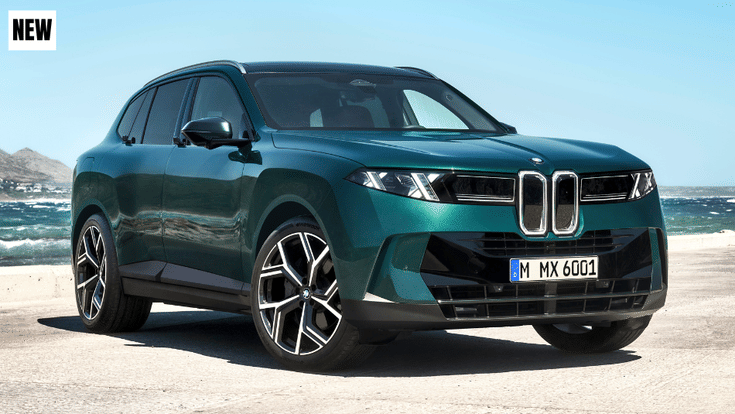
New-gen BMW X5 front quarter
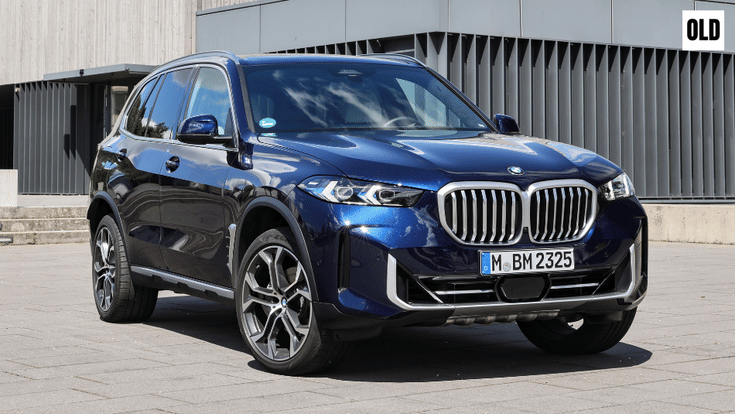
BMW X5 front quarter
 

The new BMW X5 sports a more chiselled exterior with an upright front fascia and a sculpted shoulder line. The brand’s signature ‘kidney grille’ is now slimmer and taller than before and is illuminated as well. Flanking this are single-unit LED headlamps with BMW’s new ‘double-X’ lighting signature, whilst the redesigned two-tone bumper integrates multiple air intakes.

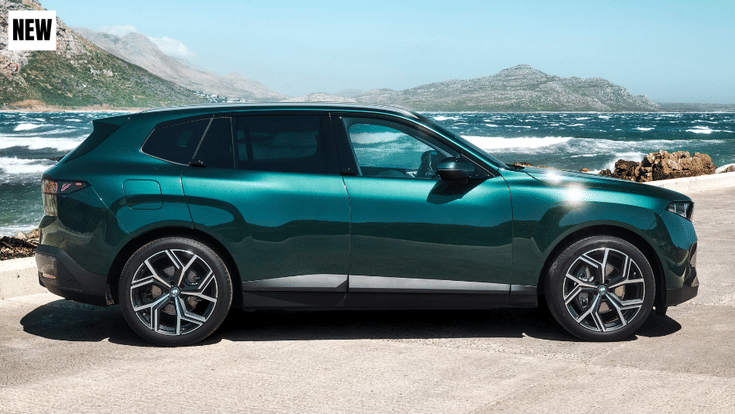
New-gen BMW X5 side
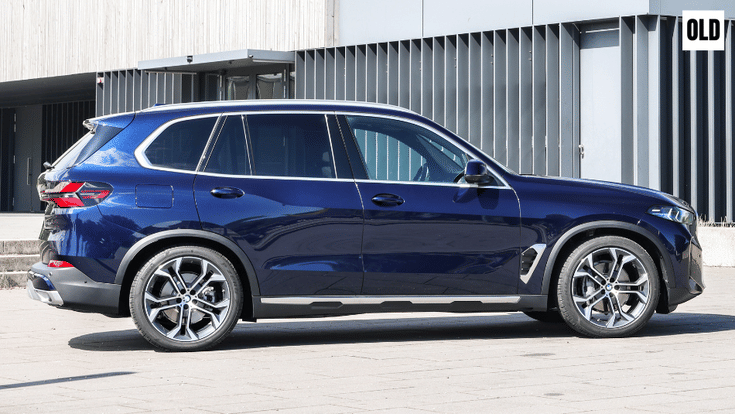
BMW X5 side
 

The chiselled side profile of the X5 features looks sleeker than before and gets new wheel designs ranging in size from 21 to 23 inches – the latter being a size larger than what was offered with the old X5. Other new exterior details include repositioned outer rearview mirrors (ORVMs) and new winglet-style door handles compared to the previous car’s pull-type units.

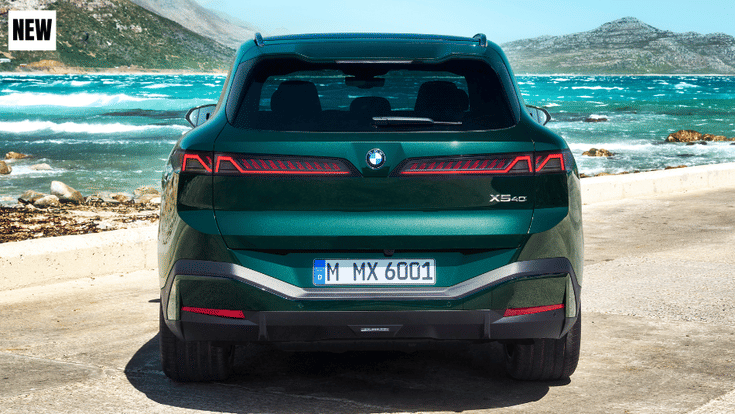
New-gen BMW X5 rear
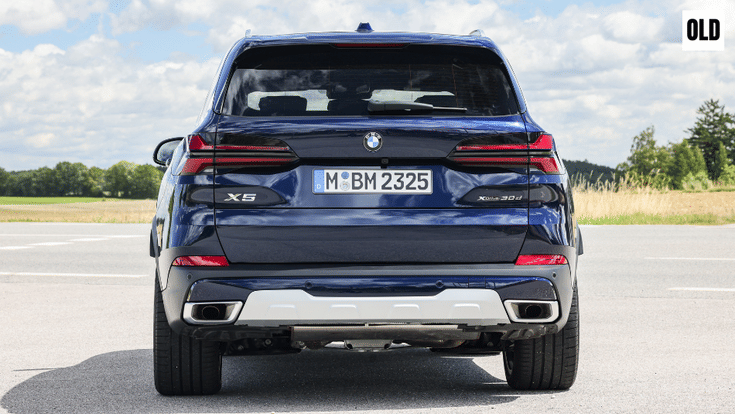
BMW X5 rear
 

The restyled rear of the BMW X5 gets sleeker LED tail-lamps that extend further into the tailgate. The new back bumper has a more sculpted look than before, but the tailpipes are now hidden from view. Upgrading to one of the M Sport packages gets gloss-black elements alongside a sportier-looking front splitter, roof spoiler and rear diffuser.

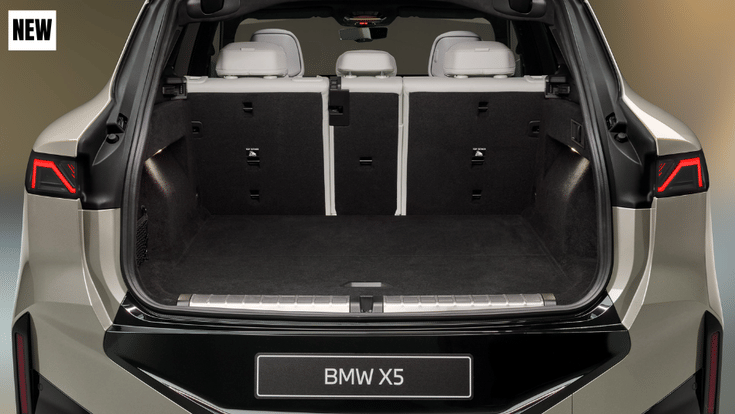
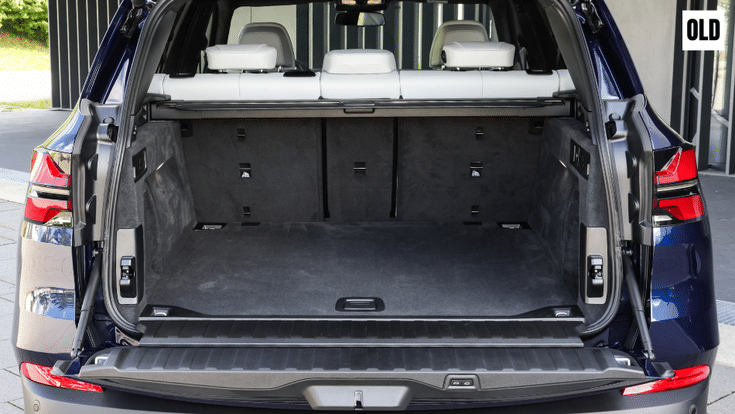
New-gen BMW X5 boot
Old BMW X5 boot
 

The new X5 is longer than the old one – both in terms of its overall length and wheelbase. Where the previous-gen X5 had a maximum boot capacity of 1,850 litres, the new-gen model takes that up to 2,047 litres. On the other hand, the X5 no longer gets the split-folding tailgate mechanism offered in the old model. It has been replaced by a traditional, single unit design.

BMW X5 new vs old: Interior design and features

The thoroughly updated interior looks more minimalistic and gets new design details

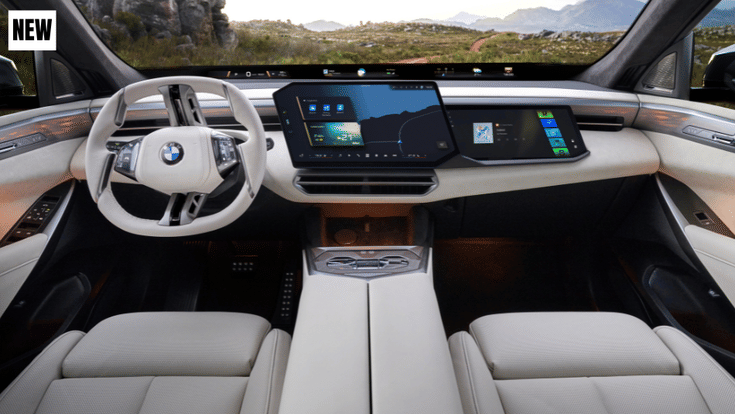
New-gen BMW X5 interior
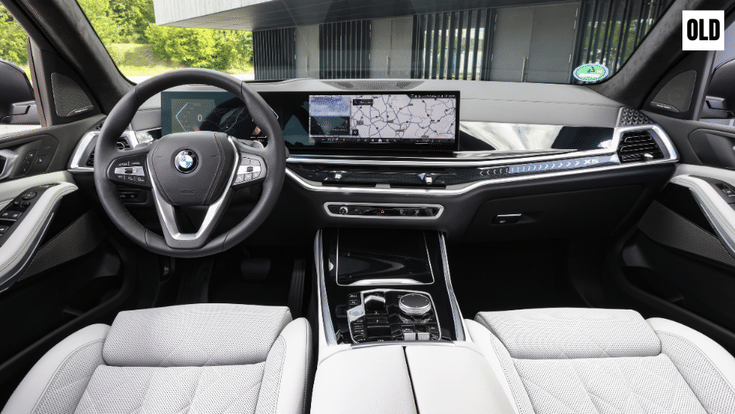
Old BMW X5 interior
 

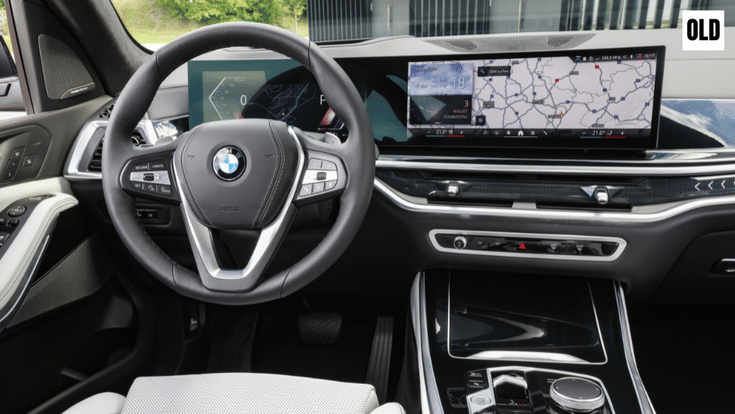
Inside the new-gen BMW X5 is a new door-to-door wrap-around design featuring metallic trim and new integrated LEDs. On the other hand, the previous-gen model’s interior sported a wedge-shaped, sloping dashboard. Taking centre stage on the dashboard is the uniquely shaped ‘Panoramic iDrive’ display measuring 17.9 inches diagonally – the old X5’s main screen measured up to 14.9 inches. Right next to the primary head unit is an optional 14.6-inch front passenger display, with the other side taken up by a new-designed steering wheel. The traditional instrument cluster of the previous-gen X5 has made way for a strip of smaller screens at the base of the windscreen called ‘Panoramic Vision’.

There are full-width climate control vents on the dashboard, with the centre vents placed below the main touchscreen. Meanwhile, the previous-gen X5 had a curved twin-screen setup and air vents with conventional direction toggles. The rotary drive selector for the iDrive is gone, while the toggle-type mechanism for drive selection has been integrated into a three-section unit on the centre console. Buttons from the dashboard have also been moved down to the centre console. Controls for the hazard lights and electronic parking brake are found here as well, along with a couple more buttons.

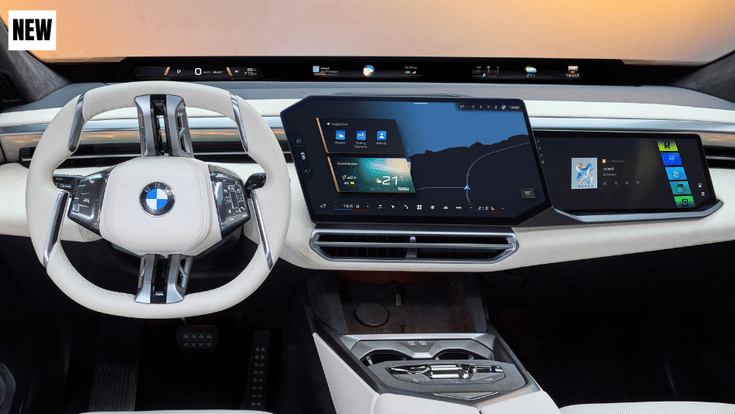
New-gen BMW X5 dashboard
Old BMW X5 dashboard
 

The infotainment unit uses the BMW’s new Operating System X software compared to the old car’s previous-gen iDrive software, which also featured the rotary iDrive controller. The X5’s premium audio system now supports Dolby Atmos, while the ADAS (Advanced Driver Assistance Systems) suite has also been updated. However, the new X5 will continue to be available with a head-up display, ventilated front seats with massaging functions, adaptive air suspension, and a panoramic sunroof. Of course, other safety nannies such as multiple airbags, electronic stability management and surround-view cameras will be offered with the new-gen X5 too.

BMW X5 new vs old: Powertrain options

The next-gen X5 can support fully electric and hydrogen powertrains as well

One of the biggest changes between the old and new BMW X5 is the latter’s compatibility with a variety of powertrain types. Its Neue Klasse platform means the X5 now supports battery electric (BEV) and hydrogen fuel-cell electric (FCEV) options. The latter has been co-developed with Toyota, and in the iX5 Hydrogen, output is a claimed 401hp.

BMW has updated the 3.0-litre inline-six turbo-petrol engine of the 40 and 40 xDrive variants of the X5. While they still get a 48V mild-hybrid system and direct fuel injection, the output has gone up to 394hp and 580Nm. The 8-speed automatic gearbox has been retained, though. The new X5’s plug-in hybrid (PHEV) version carries forward its 3.0-litre petrol engine and electric motor combination – output for the 50e xDrive is rated at 483hp and 700Nm.

Compared to the previous-gen model, the new-gen BMW X5 will be offered in a fully electric avatar. The new iX5 60 xDrive uses an 800V architecture, along with a 144kWh lithium-ion battery pack and two electric motors. The combined output is rated at 570hp and 804Nm, while claimed range is 700km. BMW’s sixth-gen eDrive technology supports charging rates of up to 460kW, which means 10-80 percent charge in a claimed 22 minutes.

Production of the fifth-gen BMW X5 will commence at the brand’s Spartanburg plant in the US in August 2026. The combustion-only variants are set to go on sale in late November 2026, followed by the plug-in hybrid and fully electric versions in early 2027.

Also read

3 reasons to buy the BMW X6 and 2 reasons not to

Tata Sierra EV prices and specs compared with Harrier EV, Curvv EV

Q1 FY27 car sales: Maruti, Tata record highest growth among top 6 carmakers

Q1 FY2027 car sales

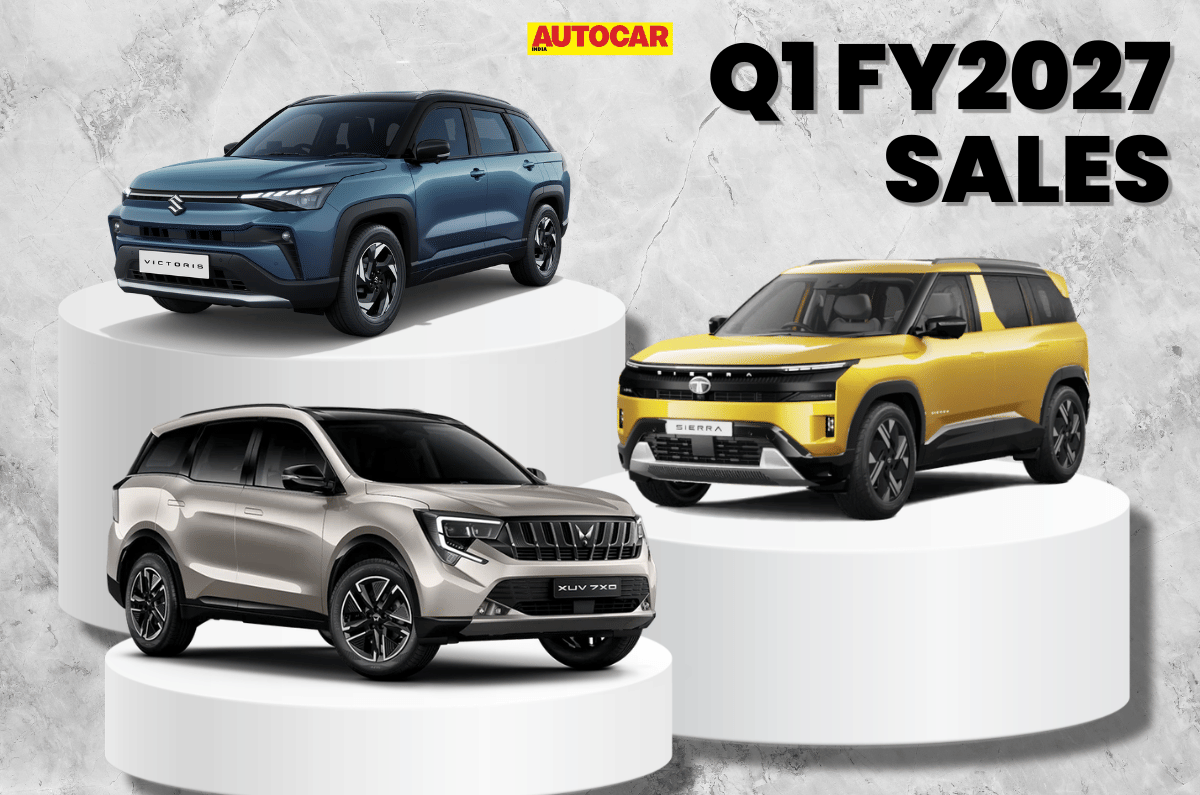
India’s passenger vehicle market made a strong start to FY2027, with all six leading carmakers recording higher retail registrations than in the April-June quarter last year. Maruti Suzuki remained the market leader with nearly 5 lakh registrations, while Tata Motors recorded the highest year-on-year growth among the top six manufacturers. Mahindra, Hyundai, Toyota and Kia also ended the quarter with higher retail volumes than last year.

  1. Maruti Suzuki closes in on the 5 lakh registration mark this quarter
  2. Hyundai only carmaker to record single-digit growth
CarmakerQ1 FY2027Q1 FY2026YoY (%)
Maruti Suzuki4,98,6323,91,73527.3
Tata Motors1,74,2991,24,98439.5
Mahindra1,65,4021,44,79714.2
Hyundai1,40,5521,28,5639.3
Toyota84,47475,35612.1
Kia75,12261,45122.2

Maruti remains on top; Tata records strongest growth

Maruti Suzuki retained a comfortable lead over the rest of the market with 4,98,632 retail registrations during Q1 FY2027, up 27.3 percent year on year.  The company added over 1.06 lakh registrations compared to the same period last year. Growth was driven by both its small car and SUV portfolios, which recorded 2,69,786 and 2,18,885 units respectively during the quarter. Maruti Suzuki also said bookings for its CNG models have increased by around 40 percent in recent weeks.

Tata Motors recorded the highest growth among the six largest carmakers, led by incremental volumes from the Sierra and sustained demand for the Punch and Nexon. Its registrations rose 39.5 percent to 1,74,299 units. During the quarter, the company refreshed its entry-level hatchback range with the Tiago and Tiago EV facelifts, while also expanding its EV portfolio with the launch of the Sierra EV.
Mahindra remained the third-largest passenger vehicle manufacturer with 1,65,402 retail registrations, up 14.2 percent year on year. The company continued to benefit from steady demand for its Scorpio, Thar and XUV range, while its electric vehicle portfolio also helped growth.

Hyundai records slowest gains; Toyota and Kia post double-digit growth

Hyundai remained the fourth-largest passenger vehicle manufacturer with 1,40,552 retail registrations, up 9.3 percent year on year. Although the company reported higher volumes than a year ago, it recorded the slowest growth among the six largest carmakers during the quarter, amid relatively lower product activity than its rivals.

Toyota and Kia also reported double-digit growth during the quarter. Toyota recorded 84,474 retail registrations, up 12.1 percent, while Kia’s registrations increased 22.2 percent to 75,122 units.

Revolt RVX launched at Rs 1.30 lakh

Revolt RVX launched at Rs 1.30 lakh

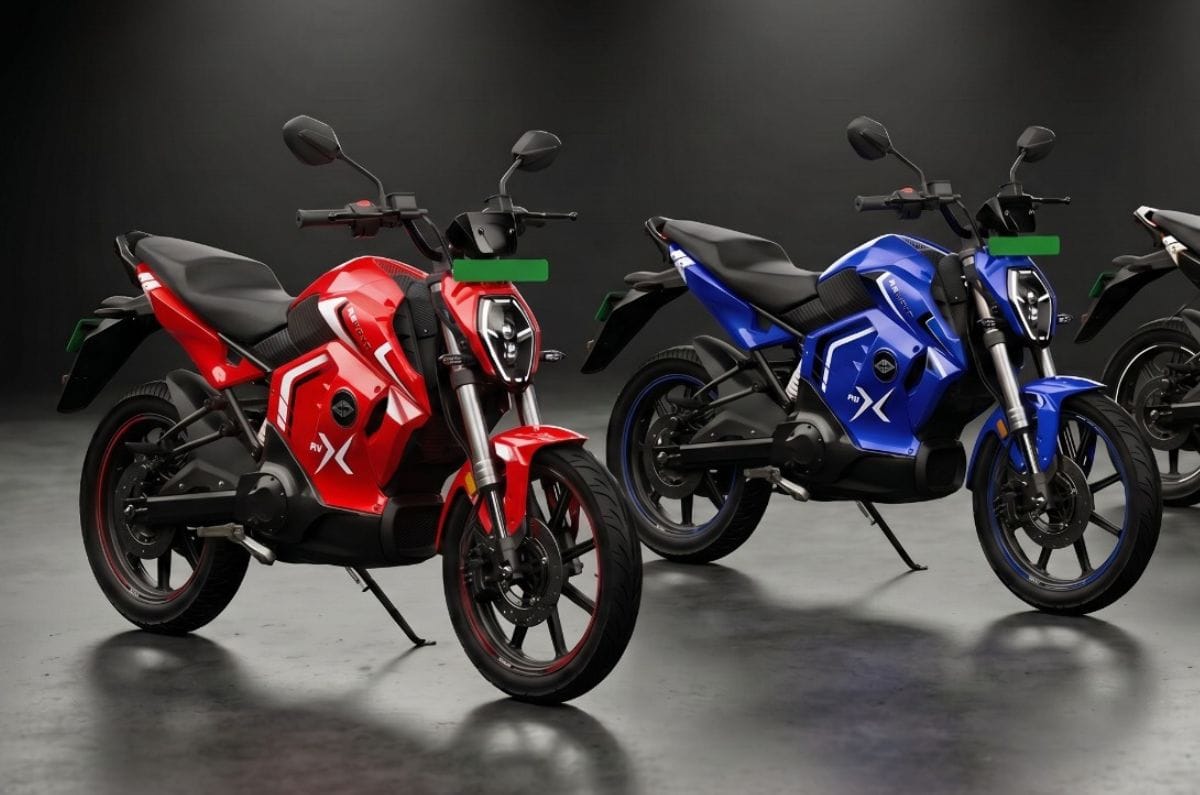
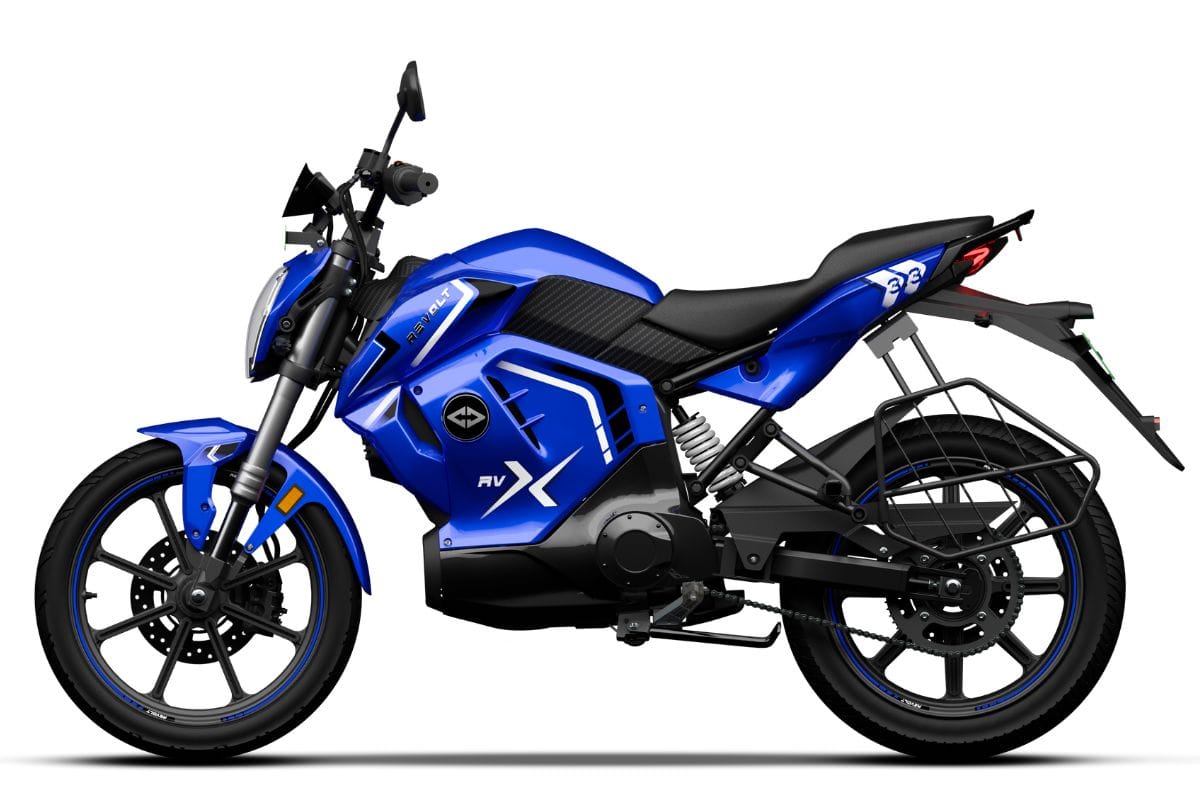
Revolt Motors has expanded its electric motorcycle line-up with the launch of the new RVX at an introductory price of Rs 1.30 lakh (ex-showroom, India). Positioned as the brand’s new performance-focused offering aimed at a younger audience, the RVX gets a new mid-drive motor, a removable battery and a claimed IDC range of 160km.

  1. 3.24kWh removable battery 
  2. 160km claimed IDC range
  3. Priced between RV BlazeX and RV400 

Revolt RVX: What’s new?

The RVX gets a mid-mounted motor with 5.3kW of peak output

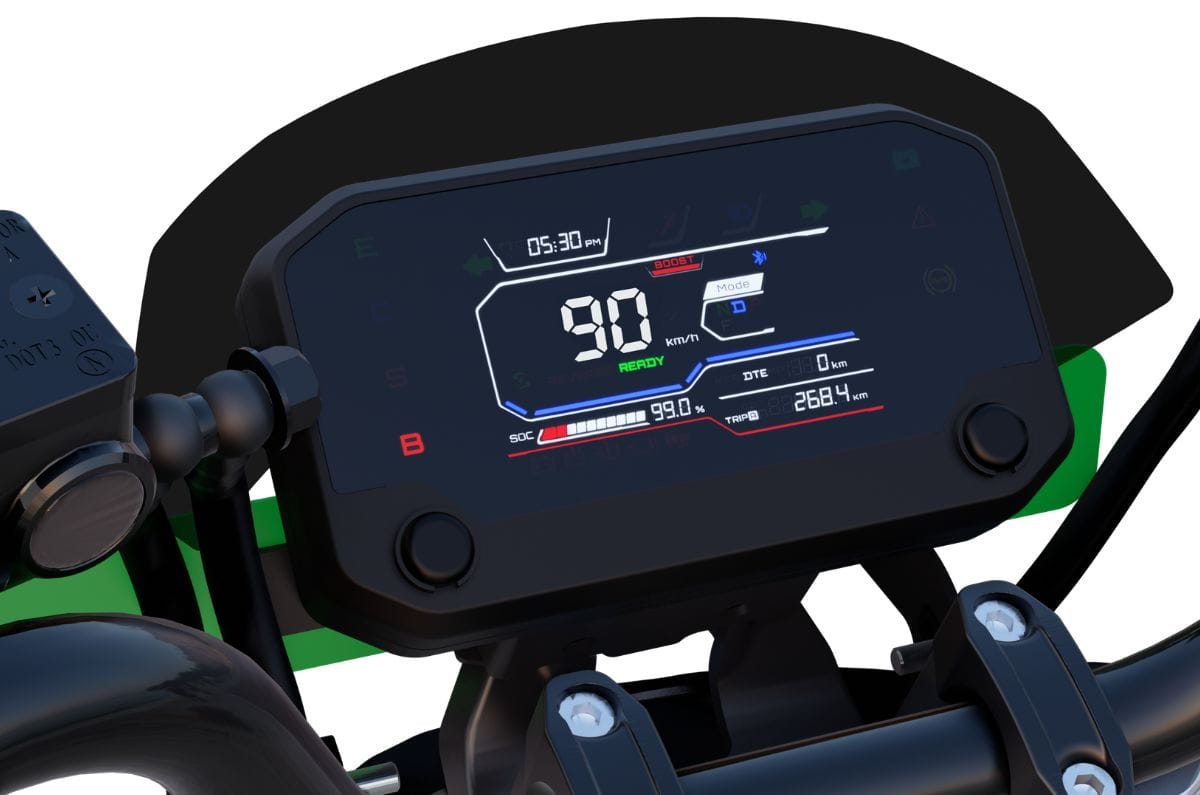
Powering the RVX is a new mid-drive permanent magnet synchronous motor (PMSM) rated at 4kW, with a peak output of 5.3kW. Revolt claims the motorcycle produces up to 230Nm of torque at the rear wheel, accelerates from 0-40kph in 3.9 seconds and has a top speed of 90kph in Boost mode.

The motor draws power from a 3.24kWh removable NMC battery pack, which is claimed to deliver an IDC-certified range of 160km on a single charge. Using a fast charger, the battery can be charged from 0 to 80 percent in 80 minutes.

The RVX is suspended on a USD fork and a rear monoshock. It gets a new 3.5-inch IP67-rated PMVA display with Bluetooth connectivity, telematics and over-the-air updates. The RVX also offers four riding modes: Boost, Sport, City and Eco.

Other features include geofencing, call and message notifications, hill-hold assist, reverse mode, walk assist, an immobiliser and vehicle locator. The RVX will be available in Pearl Black, Electric Blue and Eclipse Red colours.

The RVX has been launched at an introductory price of Rs 1.30 lakh (ex-showroom, inclusive of applicable PM E-DRIVE incentives) and will be sold through Revolt’s network of over 200 dealerships across India. In Delhi, the company says the motorcycle can be purchased at an effective ex-showroom price of Rs 94,990 after applicable incentives under the state’s EV policy.

At Rs 1.30 lakh, the RVX is priced very close to the recently launched Oben Rorr EVO, which starts at Rs 1.25 lakh (ex-showroom). Within Revolt’s own line-up, the RVX sits above the RV BlazeX (Rs 1.20 lakh), at par with the RV400 BRZ (Rs 1.30 lakh) and below the RV400 (Rs 1.40 lakh). The RV1 and RV1+ remain the brand’s entry-level offerings.

Land Rover introduces new Discovery Landmark Edition

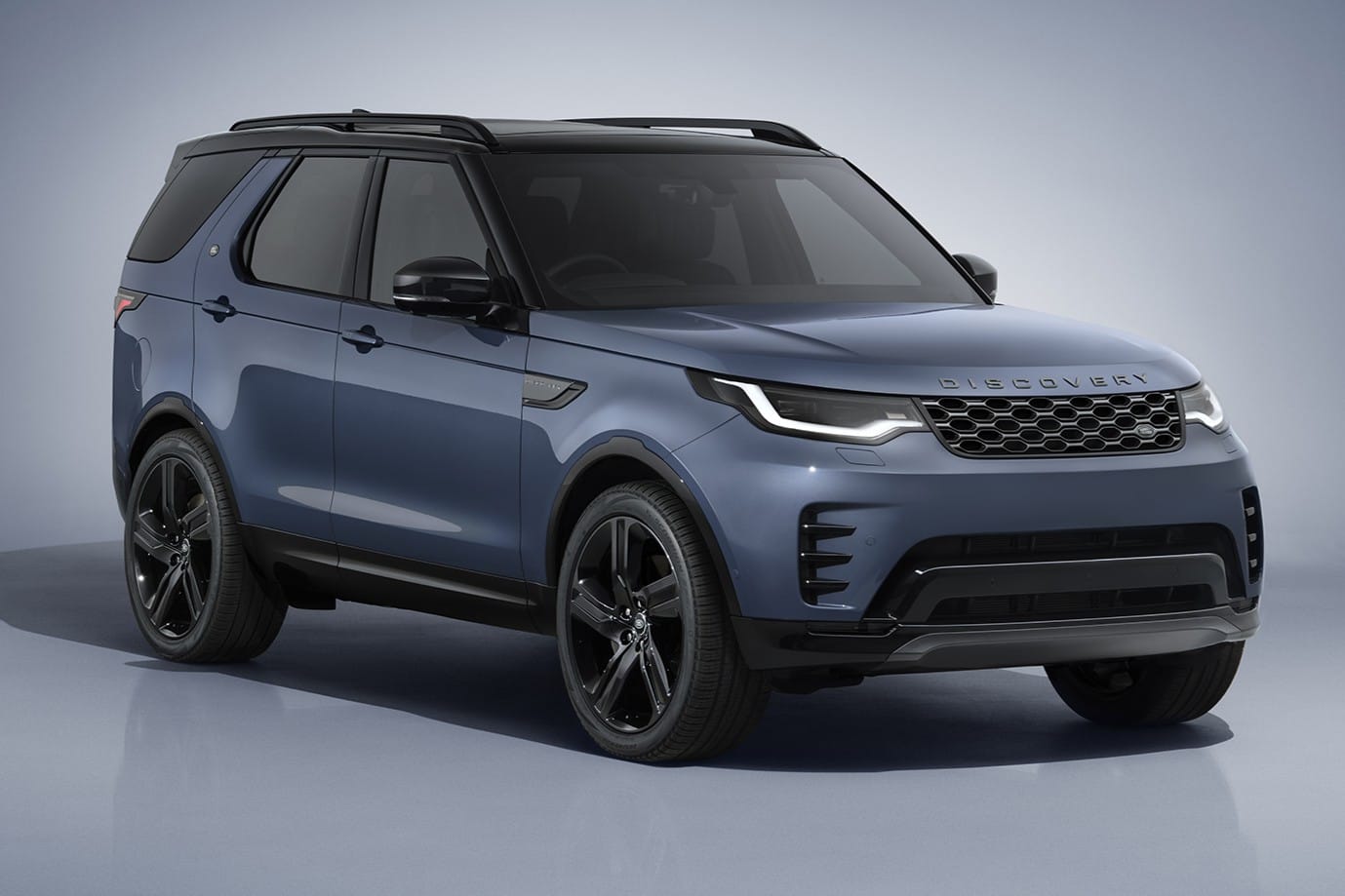
Land Rover Discovery Landmark front quarter static

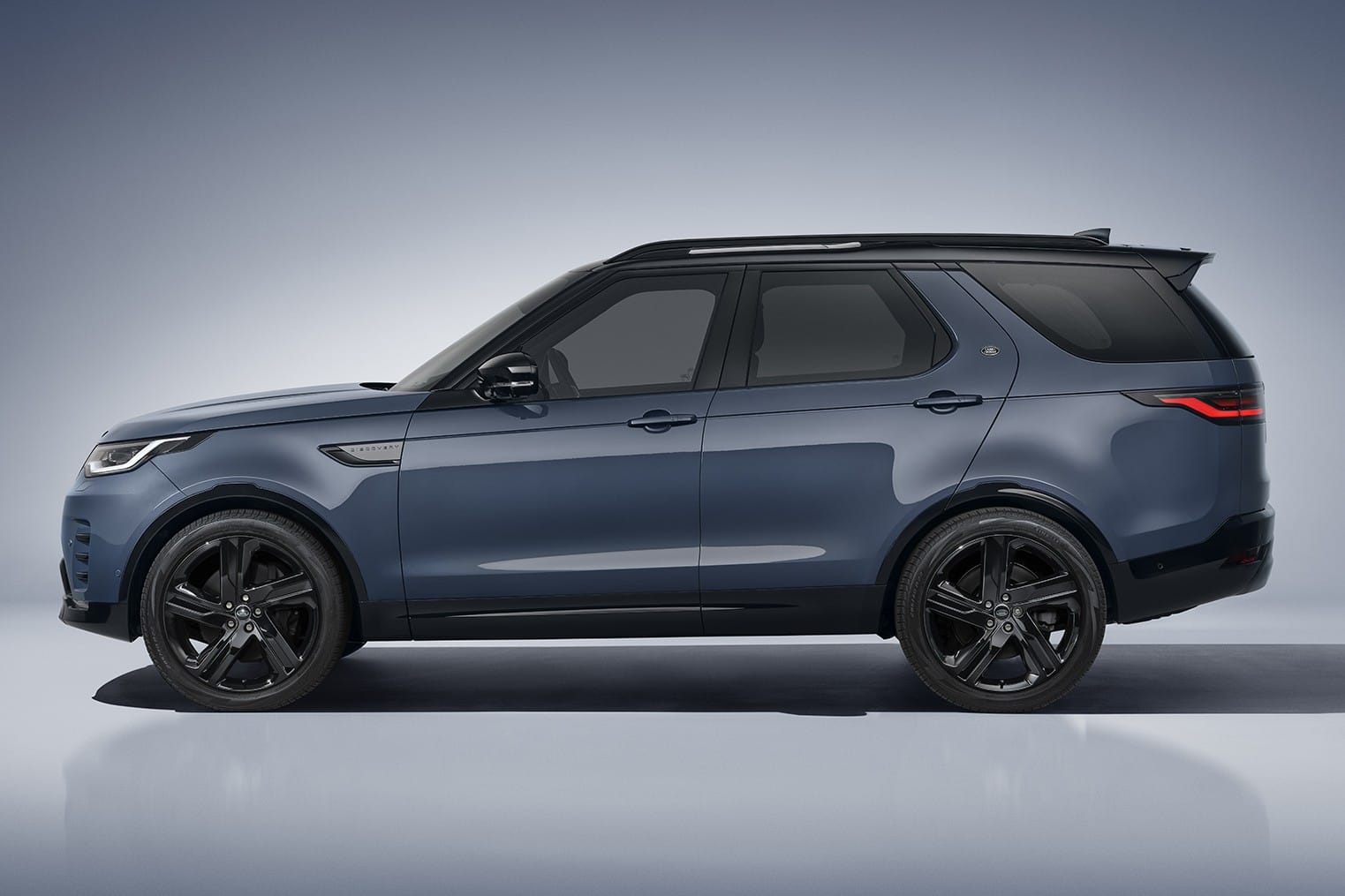
Land Rover has added a new variant to the Discovery SUV range. Called the Landmark edition, it will be positioned as a mid-level variant, slotting between the base S and top-end Tempest editions. Additionally, the SUV maker has also refreshed the Discovery lineup with new colours and feature updates. While JLR has listed the edition on its India website, it has not yet announced its price. 

Land Rover Discovery Landmark Edition: What’s new?

Compared to the rest of the Discovery lineup, the Landmark Edition gets mainly cosmetic differences. It gets an exclusive new Tasman Blue paint job in a metallic finish. The brand says the colour “draws inspiration from the original Clearwater Blue heritage paint dating back to Discovery’s inception in 1989.” There’s also a grey “Graphite Atlas” finish for the grille, front fender vents and Discovery branding at the front and rear, while the front and rear skidplates are done in “Carpathian Grey”.

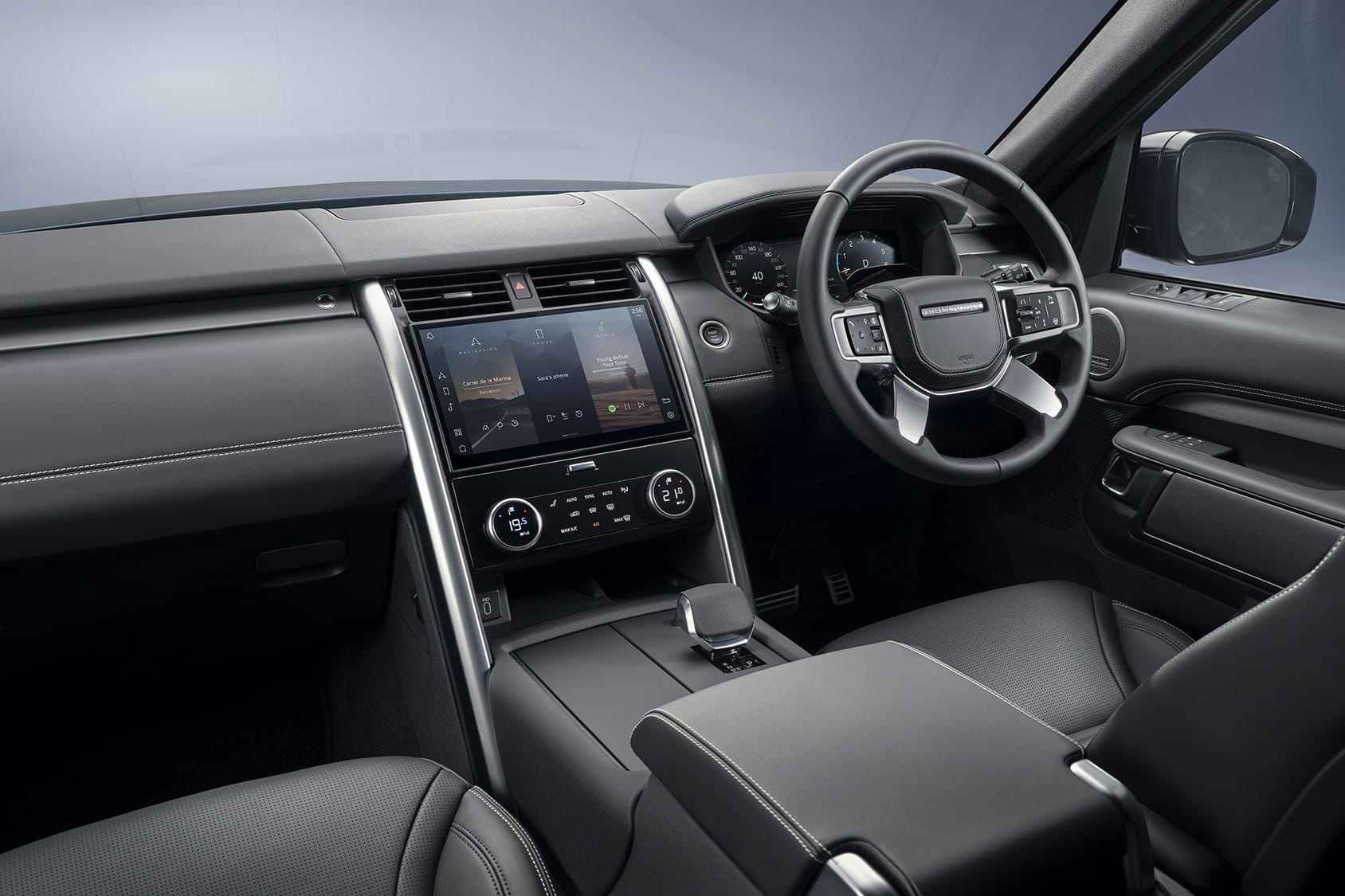
Additionally, it gets a unique mountain logo on the scuff plate, centre console, circular B-pillar insert and puddle lamp projectors. The interior features brushed aluminium accents with Landmark branding, while the door pads and dashboard feature a faux suede (Tech Velour) trim. Landmark versions get a panoramic sunroof and a centre console refrigerator.  

Tempest versions get a new paint job

The top-end Tempest variant of the Discovery gets a new exclusive Borasco Grey paint job, and irrespective of the colour chosen, all Tempest variants get matte protective film as standard. Additionally, all Discovery models get a new ‘Dark Agate Grey’ finish for the 21-inch alloy wheels and a driver attention monitoring system.

Updated Land Rover Discovery: Powertrain 

The Discovery continues to be powered by a single 3.0-litre diesel engine, delivering 350hp and 700Nm of torque. Power is sent to all wheels via an 8-speed automatic transmission. There’s also Land Rover’s Terrain Response 2 onboard, providing a range of terrain and driving modes. Land Rover says the Discovery has a water wading capacity of 900mm and a towing capacity of 3,500kg. 

LIC सहित इन 8 कंपनियों और बैंकों में हिस्सेदारी बेचेगी सरकार, IDBI Bank का शेयर 2.46% उछला

सरकार एलआईसी सहित 8 बड़ी सरकारी कंपनियों में हिस्सेदारी बेचेगी। क्रूड ऑयल की कीमतों में उछाल ने सरकार की वित्तीय सेहत पर दवाब बढ़ा दिया था। वित्तीय सेहत ठीक करने के लिए सरकार विनिवेश पर फोकस बढ़ाना चाहती है। इसके लिए एलआईसी, हिंदुस्तान जिंक सहित 8 कंपनियों में अगले कुछ महीनों में विनिवेश की प्रक्रिया शुरू हो सकती है। इनमें कुछ सरकारी बैंक भी शामिल हैं। मामले से जुड़े सूत्रों ने यह जानकारी दी।

LIC में हिस्सा बेचने से 10000 करोड़ मिल सकते हैं

Life Insurance Corporation (LIC) देश की सबसे बड़ी इंश्योरेंस कंपनी है। ब्लूमबर्ग ने पहले खबर दी थी कि इस कंपनी में हिस्सेदारी बेच सरकार 10,000 करोड़ रुपये जुटाना चाहती है। Hindustan Zinc के शेयरों में हिस्सेदारी बेचने से सरकार को 5,000 करोड़ रुपये मिल सकते हैं। सरकार के विनिवेश कार्यक्रम से जुड़े अधिकारी हर हफ्ते इस बारे में मीटिंग कर रहे हैं। इनवेस्टमेंट बैंकर्स इनवेस्टर्स डिमांड का पता लगा रहे हैं। वे शेयरों की कीमत और बिक्री के समय के बारे में भी विचार कर रहे हैं। मामले से जुड़े लोगों ने नाम जाहिर नहीं करने की शर्त पर यह जानकारी दी।

IDBI Bank के लिए भी नई बोलियां आमंत्रित की जा सकती हैं

इस मामले के बारे में जानकारी देने वाले लोगों ने यह भी बताया कि भविष्य में कुछ और सरकारी कंपनियों में हिस्सेदारी बेचने के लिए अतिरिक्त बैंकर्स की नियुक्ति की जा रही है। अथॉरिटीज IDBI Bank में ब़ड़ी हिस्सेदारी बेचने के लिए नई बोलियां (bids) आमंत्रित करने के बारे में भी सोच रही है। इसके लिए सरकार रिजर्व प्राइस में कमी कर सकती है। इससे पहले आईडीबीआई बैंक में हिस्सेदारी बेचने की प्रक्रिया इसलिए रोक दी गई थी, क्योंकि खरीदारों ने ज्यादा दिलचस्पी नहीं दिखाई थी। 2 जुलाई को IDBI Bank के शेयर में तेजी दिखी। यह 2.46 फीसदी चढ़कर 84.30 रुपये पर चल रहा था।

विदेशी निवेशकों ने इस साल 29 अरब डॉलर की बिकवाली की

इस बारे में पूछने पर वित्त मंत्रालय के प्रवक्ता ने टिप्पणी करने से इनकार कर दिया। सरकार ऐसे वक्त अपनी कंपनियों में हिस्सेदारी बेचने जा रही है, जब विदेशी निवेशकों की बिकवाली से भारतीय बाजार के सेंटिमेंट पर असर पड़ा है। इस साल की पहली छमाही में विदेशी निवेशकों ने भारतीय बाजार में 29 अरब डॉलर की बिकवाली की है। इस दौरान निफ्टी में करीब 9 फीसदी की गिरावट में इसका बड़ा हाथ है।

इस साल जियो प्लेटफॉर्म्स और एनएसई के मेगा आईपीओ भी आएंगे

इस साल Jio Platforms और NSE के आईपीओ भी आने वाले हैं। सरकार के अपनी कंपनियों में हिस्सेदारी बेचने के प्लान पर इन आईपीओ का असर पड़ सकता है, क्योंकि ये दोनों ही आईपीओ काफी ज्यादा अमाउंट के होंगे। इस मामले की जानकारी देने वाले एक व्यक्ति ने बताया कि सरकार पहले Coal India और NHPC में हिस्सेदारी बेचकर निवेशकों के रिस्पॉन्स का पता लगाना चाहती है।

यह भी पढ़ें: Vedanta Oil and Gas के शेयरों में तूफानी तेजी, समूह की दूसरी कंपनियों के स्टॉक्स भी उछले

सरकार का विनिवेश से 80,000 करोड़ रुपये जुटाने का लक्ष्य

सरकार ने इस वित्त वर्ष में सरकारी कंपनियों में हिस्सेदारी बेचकर 80,000 करोड़ रुपये जुटाने का लक्ष्य तय किया है। अप्रैल से जून के दौरान सरकार ने विनिवेश से करीब 2 अरब डॉलर (18,000 करोड़ रुपये से ज्यादा) जुटाए  हैं। यह बीते तीन सालों में हर साल विनिवेश से आए कुल अमाउंट से ज्यादा है। 2 जुलाई को शेयर बाजारों में तेजी दिखी। सेंसेक्स और निफ्टी दोनों में 0.50 फीसदी से ज्यादा मजबूती थी।

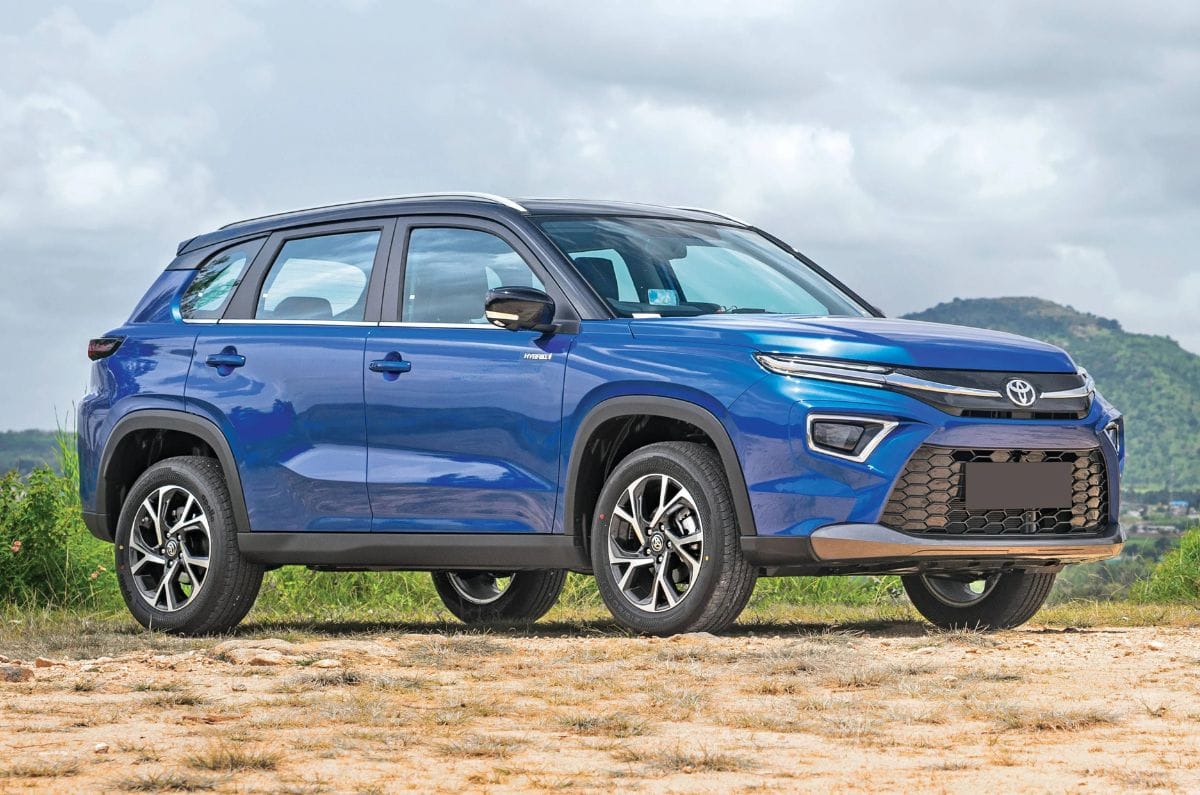
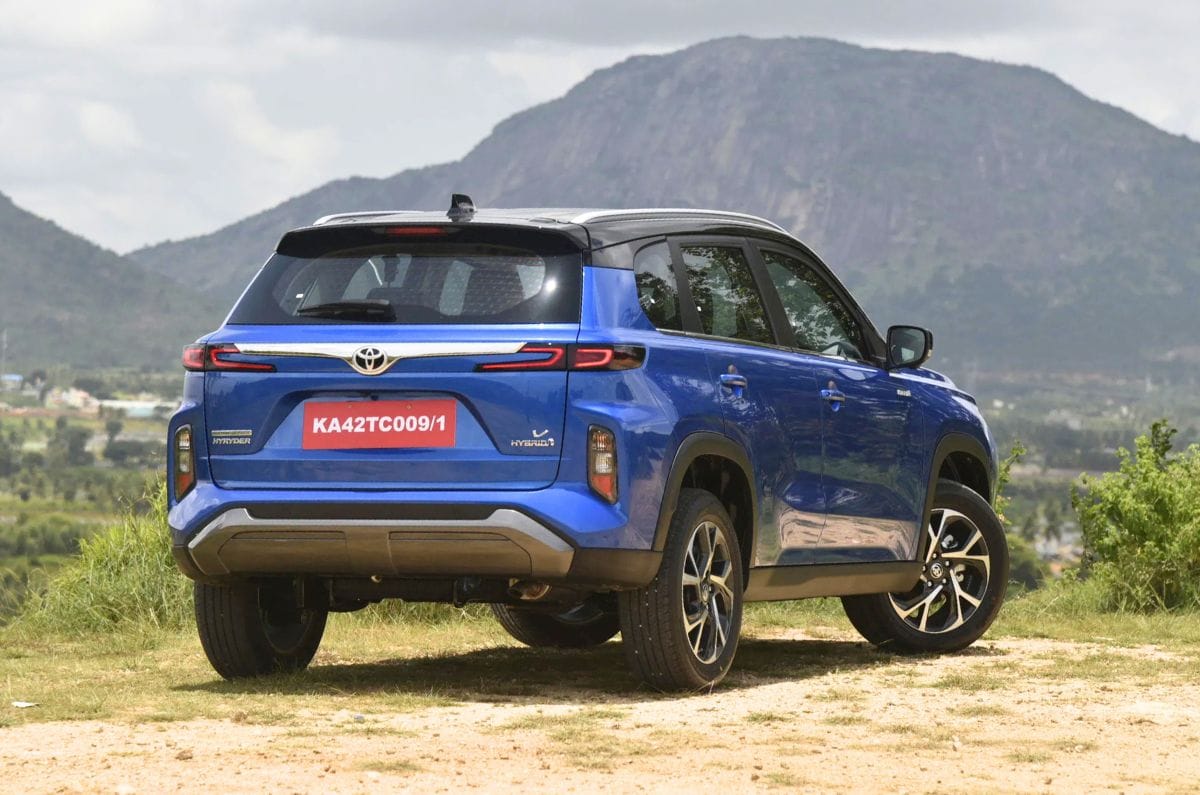
Urban Cruiser Hyryder strong-hybrid battery size reduced, confirms Toyota

Toyota Hyryder front quarter static

Owners of the Urban Cruiser Hyryder recently posted on online forums about Toyota silently downsizing the strong-hybrid variant’s battery size. Autocar India reached out to Toyota for an official clarification, and the Japanese carmaker has now confirmed the same. “In line with our continuous efforts to enhance products internally, the Urban Cruiser Hyryder Strong Hybrid has also undergone similar improvements through its lifecycle,” said the company in an official statement. 

  1. Hyryder strong hybrid battery size reduced from 0.76kWh to 0.60kWh 
  2. Claimed performance and efficiency figures remain unchanged
  3. Downsized battery not likely to have any real-world impact  

Toyota Urban Cruiser Hyryder strong hybrid battery update

Strong-hybrid variants of the Urban Cruiser Hyryder were originally offered with a 0.76kWh battery. However, with the 2025 model year update that was introduced in April last year, Toyota reportedly changed the battery size to a 0.60kWh unit. The company claims this does not have any bearing on the SUV’s performance or efficiency. 

“It continues to offer the same powerful performance of 115.56PS and impressive unchanged ARAI mileage of 27.97 kmpl,” said the Japanese carmaker in its statement. 

Does this have any real-world implications?

Toyota continues to claim an efficiency of 27.97kpl for the Hyryder. 

Due to the working cycle of the strong hybrid powertrain, where it continuously charges and discharges the battery on the go, this is unlikely to affect real world performance. The Hyryder may allow coasting in electric-only mode for slightly shorter distances, which means the combustion engine will kick in faster to power the wheels. Conversely, the smaller battery will also take lesser time and energy to recharge using engine power. 

Toyota Urban Cruiser Hyryder strong hybrid specifications

Strong-hybrid variants of the Toyota Hyryder are powered by a 1.5-litre, 3-cylinder Atkinson-cycle petrol engine that’s now coupled with a 0.60kWh lithium-ion battery and an AC synchronous motor. The combustion engine produces 92hp and 112Nm, while the electric motor produces 80hp and 141Nm. Total system output is rated at 115hp, and the powertrain comes mated to an e-CVT gearbox, driving the front wheels.  

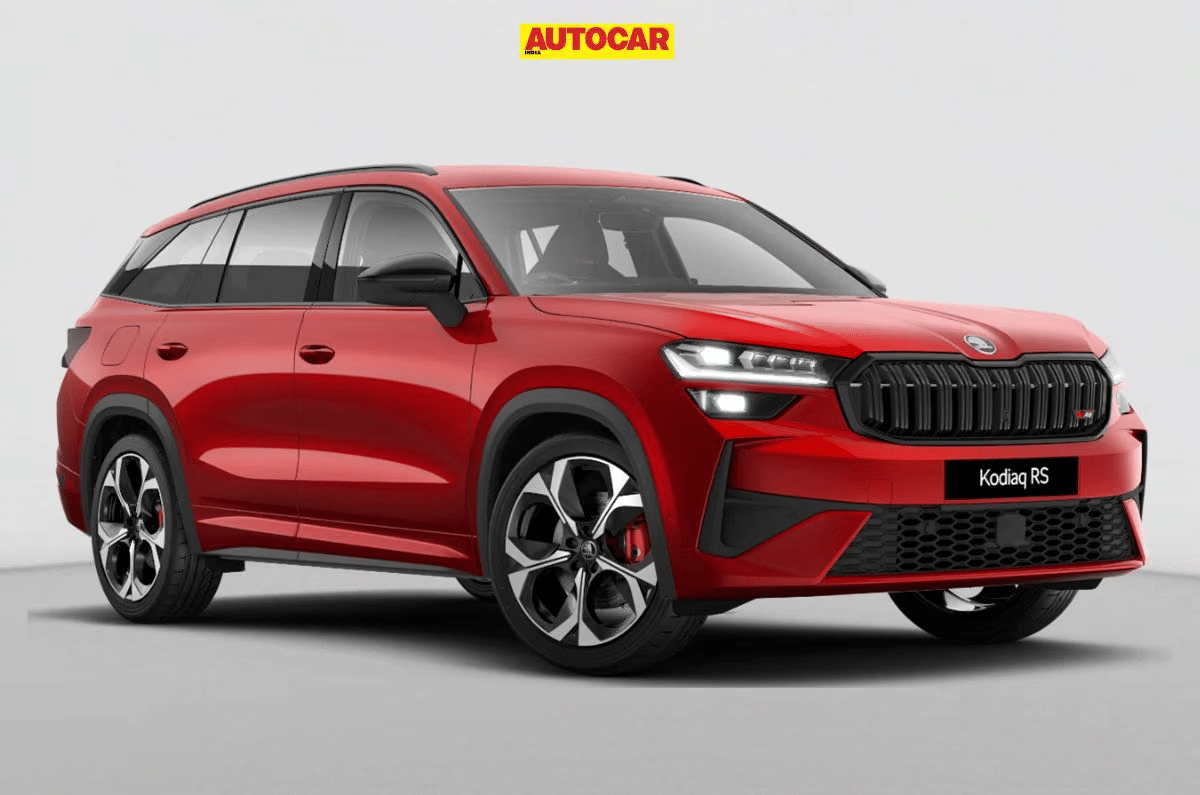
Skoda Kodiaq RS priced at Rs 66.99 lakh

Skoda Kodiaq RS

The Skoda Kodiaq RS is priced at Rs 66.99 lakh, ex-showroom, in India. The 50 units allocated for the first batch of the Kodiaq RS in India were sold out in six minutes after bookings opened on June 22. This high-performance version of the brand’s flagship three-row SUV offers a potent 2-litre turbo-petrol powertrain, but it has been tuned to deliver outputs.

Skoda Kodiaq variant-wise price list

VariantPrice (Rs lakh)
Lounge36.99
Sportline44.99
Selection L&K46.99
RS (new)66.99

Skoda Kodiaq powertrain

In the Kodiaq RS, the 2-litre TSI unit generates 265hp and 400Nm, an additional 61hp and 80Nm over the standard SUV. A 7-speed dual-clutch automatic gearbox sends power to all wheels, and the carmaker claims a 0-100kph time of 6.3 seconds, making the Kodiaq RS “the quickest Skoda ever launched in India”. 

Other enhancements over the standard Kodiaq include progressive steering (it alters the ratio depending on lock) and adaptive dampers (Dynamic Chassis Control or DCC) with 15 settings ranging from soft to firm.

क्या हमारी थाली में पूरा पोषण है? | The Better India Hindi

आप रोज़ भरपेट खाना खाते हैं, फिर भी कमजोरी, और थकान महसूस होती है और बार-बार बीमार पड़ते हैं?
क्योंकि आपको भोजन से उर्जा (कैलोरी) तो मिलती है, लेकिन जरूरी विटामिन और मिनरल्स जैसे Iron, Vitamin A, Iodine और Zinc की कमी रह जाती है। इसे हिडन हंगर [यानि सुक्ष्म पोषक तत्वों (micronutrients) की कमी] भी कहते है।
ये कमी धीरे-धीरे आपकी इम्युनिटी, एनर्जी लेवल और दिमागी क्षमता को प्रभावित करती है, और हम इसे सामान्य थकान समझकर नजरअंदाज कर देते हैं।
जानिए हमारी थाली से क्या कम है और इसका असर हम सभी पर कैसे पड़ रहा है?

@globalhealthstrategies

[Micronutrients | Nutrients | Food | Healthy Food ]

#thebetterindia #goodnews #positivestories #indianews #thebetterindiahindi #hindi

Follow us for more:

Facebook: https://www.facebook.com/thebetterindia.hindi
Instagram: https://www.instagram.com/thebetterindia.hindi/
Twitter: https://twitter.com/TbiHindi
LinkedIn: https://www.linkedin.com/company/the-better-india-hindi/

Website: https://hindi.thebetterindia.com/

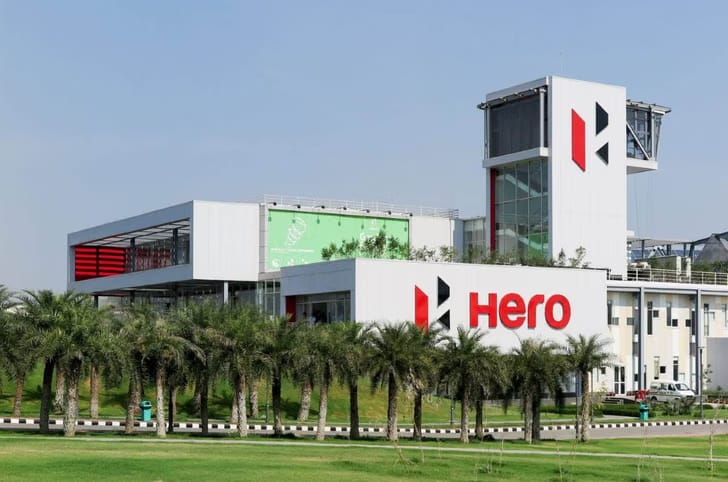
Hero MotoCorp to invest over Rs 3,200 crore in Andhra Pradesh

Hero facility

Hero MotoCorp has laid the foundation stone for its second Global Parts Centre (GPC) in Tirupati, Andhra Pradesh, marking the start of an investment roadmap worth over Rs 3,200 crore in the state.

  1. Hero MotoCorp lays foundation stone for second Global Parts Centre in Tirupati
  2. New facility represents an initial investment of over Rs 750 crore
  3. Expected to create around 4,000 employment opportunities in the state

Hero MotoCorp Andhra Pradesh investment

The new Global Parts Centre is expected to support annual production of 12-15 lakh units

The new GPC will serve as a strategic hub for Hero MotoCorp’s domestic and international spare parts operations. With the expansion, the Tirupati plant’s annual production capacity is expected to increase to between 12 lakh and 15 lakh units. Hero MotoCorp also noted that its entire electric vehicle portfolio, including the Vida range, is designed, engineered and manufactured at the Tirupati facility, making the site a key pillar of its EV strategy.

The investment is expected to generate around 4,000 employment opportunities in the region. Alongside the new parts centre, Hero MotoCorp’s broader investment commitment in Andhra Pradesh also includes community welfare and technical education initiatives, including a scholarship programme.

Andhra Pradesh Chief Minister N. Chandrababu Naidu said Hero MotoCorp’s decision to expand in Tirupati reflected the state’s investor-friendly policies and infrastructure, adding that the company’s presence had already generated employment and strengthened local supply chains across the Rayalaseema region.

Hero MotoCorp Executive Chairman Dr. Pawan Munjal said the investment reinforces the company’s “Made in India, for India and the World” commitment. He also noted that the foundation stone ceremony coincided with the 103rd birth anniversary of the company’s founder, Dr. Brijmohan Lall Munjal.

Sarthak Mahajan