India Heavy Rain Alert: दिल्ली से यूपी तक भारी बारिश, IMD ने इन 20+ राज्यों में आंधी-तूफान का अलर्ट दिया, 7 जुलाई तक ऐसा रहेगा मौसम

India Heavy Rain Alert: देश भर में मानसून तेजी से आगे बढ़ रहा है और इसके साथ ही कई राज्यों में भारी से बहुत भारी बारिश का दौर शुरू हो चुका है। भारतीय मौसम विज्ञान विभाग (IMD) ने 1 जुलाई को जारी अपने ताजा बुलेटिन में दिल्ली, उत्तर प्रदेश, मध्य प्रदेश और मुंबई (कोंकण) सहित देश के 20 से अधिक राज्यों में आंधी-तूफान, बिजली कड़कने और भारी बारिश का अलर्ट जारी किया है। मौसम विभाग के मुताबिक, देश के अधिकांश हिस्सों में आगामी 7 जुलाई तक मौसम का मिजाज ऐसा ही बना रहेगा।

तेजी से आगे बढ़ा मानसून, दिल्ली-राजस्थान में अगले 2 दिन अनुकूल

IMD के मुताबिक दक्षिण-पश्चिम मानसून 1 जुलाई को उत्तर अरब सागर के कुछ और हिस्सों, गुजरात, पूरे दमन और दीव, मध्य प्रदेश और उत्तर प्रदेश के कुछ और हिस्सों में आगे बढ़ गया है। इसके अलावा उत्तराखंड, हिमाचल प्रदेश, लद्दाख के बचे हुए हिस्सों, पूरे जम्मू-कश्मीर और हरियाणा व पंजाब के कुछ हिस्सों में भी मानसून ने दस्तक दे दी है। 1 जुलाई को मानसून की उत्तरी सीमा (NLM) पोरबंदर, वल्लभ विद्यानगर, शाजापुर, नौगांव, मिर्जापुर, आजमगढ़, अयोध्या, बदायूं, मेरठ, करनाल और गुरदासपुर से होकर गुजर रही है। अगले 2 दिनों के दौरान मानसून के दिल्ली, चंडीगढ़, हरियाणा, पंजाब, उत्तर प्रदेश, मध्य प्रदेश, गुजरात और राजस्थान के कुछ और हिस्सों में आगे बढ़ने के लिए परिस्थितियां पूरी तरह अनुकूल हैं।

उत्तर-पश्चिम भारत: दिल्ली-यूपी में आंधी और भारी बारिश का अलर्ट

मौसम विभाग ने उत्तर-पश्चिम भारत के राज्यों के लिए 1 से 7 जुलाई तक विस्तृत पूर्वानुमान जारी किया है।

दिल्ली, हरियाणा और पंजाब: इन राज्यों में 2 से 7 जुलाई के बीच व्यापक रूप से भारी बारिश होने की संभावना है। वहीं 1 जुलाई को छिटपुट बारिश का अनुमान है। 2 से 4 जुलाई और 6 से 7 जुलाई को पंजाब में जबकि 2 से 7 जुलाई के दौरान दिल्ली, चंडीगढ़ और हरियाणा में अलग-अलग स्थानों पर भारी बारिश की चेतावनी है। इन क्षेत्रों में 1 से 7 जुलाई के दौरान 40-50 किमी प्रति घंटे की रफ्तार (झोंके 60 किमी प्रति घंटे तक) से तेज हवाएं और आंधी चलने की आशंका है।

उत्तर प्रदेश: पश्चिमी उत्तर प्रदेश में 1 और 2 जुलाई को व्यापक बारिश होगी जबकि 3 से 7 जुलाई तक छिटपुट से लेकर सामान्य बारिश की संभावना है। वहीं पूर्वी उत्तर प्रदेश में 1 से 5 जुलाई तक छिटपुट बारिश और 6 व 7 जुलाई को व्यापक रूप से भारी बारिश का अनुमान है। पश्चिमी यूपी में 1 जुलाई को अत्यंत भारी बारिश हो सकती है जबकि दोनों क्षेत्रों में 1 से 3 जुलाई और 6-7 जुलाई को भारी बारिश की संभावना है। 1 और 2 जुलाई को यहां 40-50 किमी प्रति घंटे की रफ्तार से आंधी-तूफान आ सकता है।

हिमाचल प्रदेश और उत्तराखंड: दोनों पहाड़ी राज्यों में 1 से 7 जुलाई तक व्यापक बारिश जारी रहेगी। उत्तराखंड में 1 से 3 जुलाई के दौरान और हिमाचल में 2-3 जुलाई व 5-6 जुलाई को भारी से बहुत भारी बारिश का अलर्ट है।

जम्मू-कश्मीर और लद्दाख: यहां 1 से 7 जुलाई तक व्यापक बारिश के साथ 40-50 किमी प्रति घंटे की रफ्तार से तेज हवाएं चलने और बिजली कड़कने की संभावना है। 1 से 3 जुलाई तक भारी बारिश का अलर्ट है।

राजस्थान: पूर्वी राजस्थान में 5 से 7 जुलाई तक व्यापक बारिश और 3-4 जुलाई को भारी से बहुत भारी बारिश होने की संभावना है। पश्चिमी राजस्थान में 1 से 7 जुलाई तक छिटपुट बारिश के साथ ही 3 से 5 जुलाई के बीच धूल भरी आंधी चलने की आशंका है।

मध्य भारत: मध्य प्रदेश में बिजली कड़कने और ‘थंडरस्क्वाल’ की चेतावनी

मध्य प्रदेश: पूर्वी और पश्चिमी मध्य प्रदेश में 1 से 7 जुलाई तक लगातार व्यापक बारिश दर्ज की जाएगी। 1 जुलाई को पूरे मध्य प्रदेश में मध्यम से तीव्र गति से बिजली कड़कने की गतिविधि देखी जाएगी। इसके साथ ही 1 जुलाई को दोनों हिस्सों में 50-60 किमी प्रति घंटे (झोंके 70 किमी प्रति घंटे तक) की रफ्तार से थंडरस्क्वाल (भीषण आंधी) आने की चेतावनी है। पश्चिमी मध्य प्रदेश में 3 और 4 जुलाई को कुछ स्थानों पर अत्यधिक भारी बारिश होने की आशंका है।

छत्तीसगढ़ और विदर्भ: छत्तीसगढ़ में 1 से 7 जुलाई तक और विदर्भ में 1 से 5 जुलाई व 7 जुलाई को व्यापक बारिश होगी। विदर्भ में 1 से 3 जुलाई और छत्तीसगढ़ में 1-2 जुलाई के दौरान भारी से बहुत भारी बारिश की संभावना जताई गई है।

पश्चिम भारत: मुंबई, कोंकण और गुजरात में आफत की बारिश का अनुमान

पश्चिम भारत के तटीय और मैदानी इलाकों में अत्यंत भारी बारिश का रेड अलर्ट जैसा अनुमान है:

कोंकण, गोवा और गुजरात: गुजरात क्षेत्र, कोंकण व गोवा और मध्य महाराष्ट्र में 1 से 7 जुलाई तक मूसलाधार और व्यापक बारिश का अनुमान है। गुजरात क्षेत्र और कोंकण व गोवा में 1 से 5 जुलाई के दौरान जबकि मध्य महाराष्ट्र में 2 से 5 जुलाई के दौरान कई स्थानों पर भारी से बहुत भारी बारिश के साथ कुछ स्थानों पर अत्यधिक भारी बारिश होने की बड़ी चेतावनी दी गई है।

सौराष्ट्र और कच्छ: यहां 4 से 6 जुलाई तक व्यापक बारिश होगी, जबकि 1 से 5 जुलाई के दौरान अलग-अलग स्थानों पर भारी से बहुत भारी बारिश होने की संभावना है।

पूर्वी और पूर्वोत्तर भारत: ओडिशा और बिहार में कैसा रहेगा मौसम?

बिहार और झारखंड: बिहार में 1 जुलाई को व्यापक बारिश और 2 से 7 जुलाई तक छिटपुट बारिश होगी। वहीं झारखंड में 1 से 7 जुलाई तक व्यापक बारिश के साथ 40-50 किमी प्रति घंटे की रफ्तार से हवाएं चलेंगी। बिहार में 1 से 4 जुलाई तक भारी बारिश का अनुमान है।

पश्चिम बंगाल और ओडिशा: गंगीय पश्चिम बंगाल में 5 से 7 जुलाई तक बहुत भारी बारिश हो सकती है, जबकि ओडिशा में 1 से 6 जुलाई तक भारी से बहुत भारी बारिश का अलर्ट जारी किया गया है। 1 जुलाई को गंगीय पश्चिम बंगाल और झारखंड में तीव्र बिजली कड़कने की संभावना है।

पूर्वोत्तर राज्य: अरुणाचल प्रदेश, असम, मेघालय, नागालैंड, मणिपुर, मिजोरम और त्रिपुरा में जुलाई के शुरुआती दिनों में व्यापक बारिश होगी जो बाद के दिनों में छिटपुट हो जाएगी। असम, मेघालय और अरुणाचल में 2 से 5 जुलाई के दौरान मौसम गर्म और उमस भरा रहने की भी संभावना है।

दक्षिण प्रायद्वीपीय भारत: कर्नाटक में अत्यंत भारी बारिश का अलर्ट

तटीय और आंतरिक कर्नाटक: तटीय कर्नाटक में 1 से 7 जुलाई तक लगातार व्यापक बारिश होगी। मौसम विभाग ने 1 व 2 जुलाई और फिर 5 से 7 जुलाई के दौरान तटीय कर्नाटक में कई स्थानों पर भारी से बहुत भारी बारिश के साथ ही कुछ जगहों पर अत्यधिक भारी बारिश की चेतावनी दी है। दक्षिण आंतरिक कर्नाटक में 5 से 7 जुलाई तक बहुत भारी बारिश का अनुमान है।

केरल, तेलंगाना और आंध्र प्रदेश: केरल और लक्षद्वीप में 1 से 7 जुलाई तक व्यापक बारिश होगी, जहां केरल में 1 जुलाई को बहुत भारी बारिश का अलर्ट है। तेलंगाना में 1-2 जुलाई को व्यापक बारिश और 4 से 7 जुलाई के दौरान तेज सतही हवाएं चलने का अनुमान है।

मछुआरों के लिए विशेष चेतावनी: समुद्र में न जाने की सलाह

खराब मौसम और तेज हवाओं के मद्देनजर मौसम विभाग ने मछुआरों को 1 से 6 जुलाई 2026 के बीच समुद्र में न उतरने की सख्त सलाह दी है:

अरब सागर: गुजरात, कोंकण, गोवा और कर्नाटक तटों, उससे सटे मध्य-पूर्वी व उत्तर-पूर्वी अरब सागर, सोमालिया और ओमान तटों के साथ-साथ केरल तट और लक्षद्वीप क्षेत्र में 1 से 5/6 जुलाई तक मछुआरों को न जाने के लिए कहा गया है।

बंगाल की खाड़ी: मन्नार की खाड़ी, श्रीलंका तट, ओडिशा तट, गंगीय पश्चिम बंगाल और उत्तरी आंध्र प्रदेश के तटों के साथ-साथ पूरे अंडमान सागर में 6 जुलाई तक मछुआरों के जाने पर पाबंदी रहेगी।

Top Bikes Under Rs 3 Lakh in India (2026)

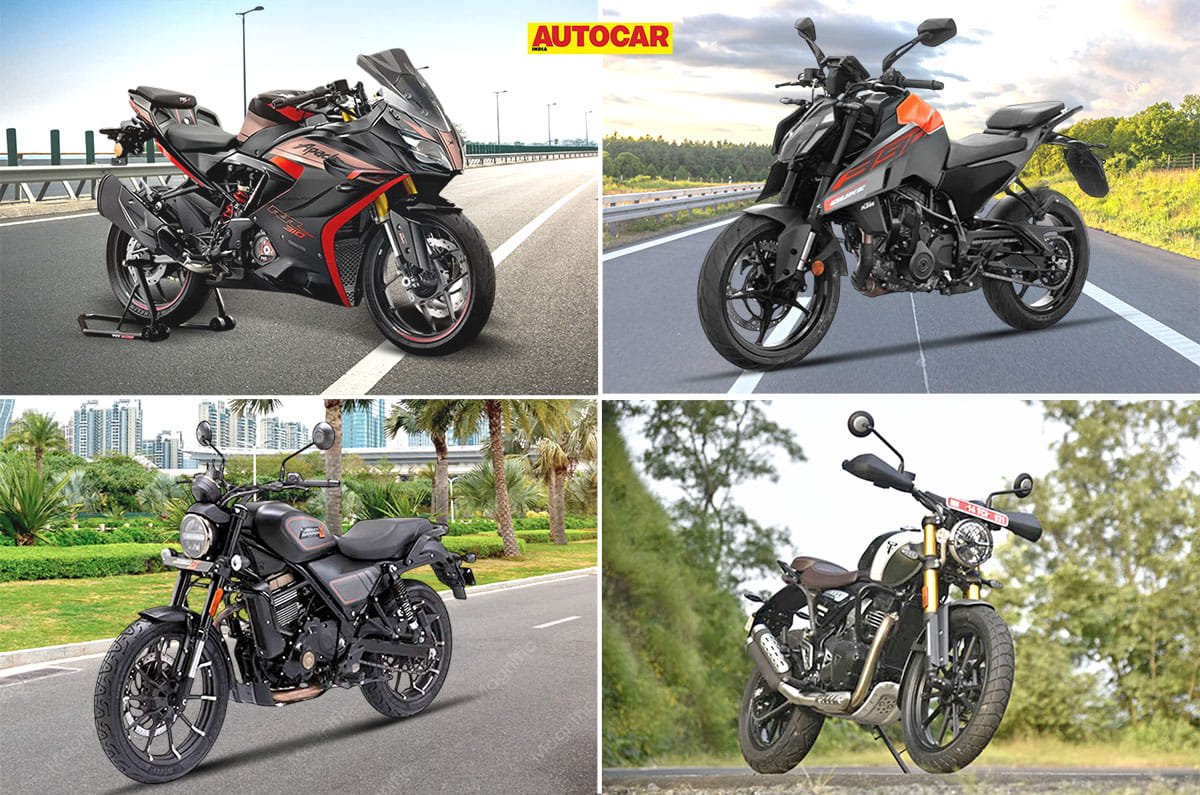
Top bikes under Rs 3 lakh in India (2026) featuring KTM 390 Duke, TVS Apache RR 310, Triumph Scrambler 400 X and Harley-Davidson X440

The sub-Rs 3 lakh motorcycle segment offers a wide variety of options today, ranging from performance-focused naked bikes and fully faired sportbikes to modern classics and scramblers.

Here are the 4 standout bikes in this price range and exactly why they stand out.

All prices are ex-showroom, Delhi.

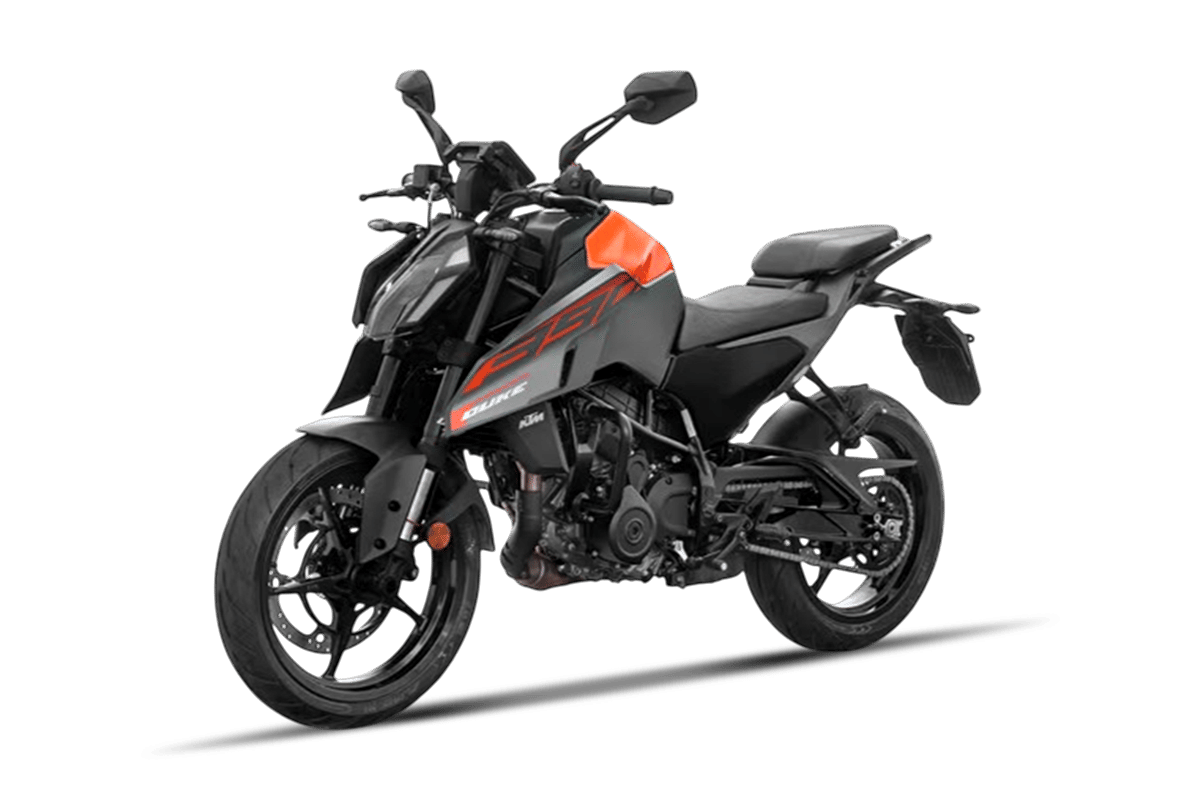
KTM 390 Duke

Price: Rs 2.79 lakh

The KTM 390 Duke remains one of the benchmarks in this price bracket. Powered by a 349cc liquid-cooled single-cylinder engine producing 41.5hp, it is among the most powerful motorcycles available below Rs 3 lakh.

The latest-generation Duke also benefits from a comprehensive electronics package that includes riding modes, launch control, traction control and a TFT display. It also gets a fully adjustable suspension as standard, a feature that remains rare in this price range. Combined with its relatively low kerb weight of 168.3kg, the 390 Duke continues to offer performance and handling that few motorcycles in this segment can match. You can also browse the complete range of KTM bikes in India for more choices.

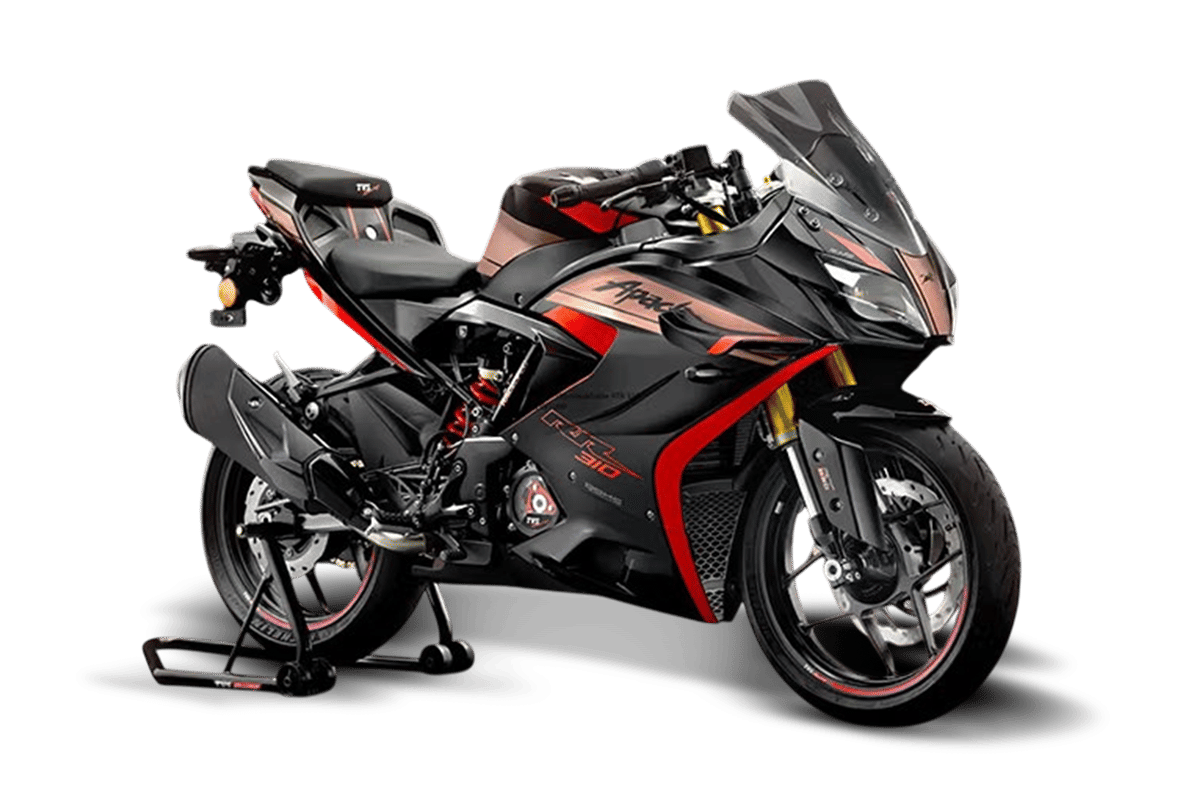
TVS Apache RR 310

Price: Rs. 2.63 – Rs. 2.79 lakh

The Apache RR 310 is TVS’ flagship supersport motorcycle and remains one of the few fully-faired options in this price range. Its 312.2cc liquid-cooled engine produces 38hp, while the fully-faired design helps differentiate it from the plethora of naked bikes available at this price point.

Over the years, TVS has steadily updated the RR 310 with additional features and electronic aids. Performance remains one of its strongest attributes, with TVS claiming the motorcycle can accelerate from 0-60kph in 2.82 seconds and 0-100kph in 6.74 seconds. Combined with its relatively comfortable ergonomics and extensive feature set, the RR 310 continues to offer a balance of everyday usability. For more options from the brand, explore all TVS bikes in India.

Triumph Scrambler 400 X

Price: Rs 2.60 lakh

The Scrambler 400 X is based on the same platform as the Speed 400 but feels like a noticeably different motorcycle. It gets a 19-inch front wheel, longer-travel suspension and a taller 835mm seat height, which gives it a bigger and more commanding feel on the road.

Power comes from the same 349cc liquid-cooled single-cylinder engine producing 37hp, paired with a six-speed gearbox. It is also one of the more versatile motorcycles in this price range, with wider handlebars, relaxed ergonomics and 195mm ground clearance that help it tackle broken roads. Interested in other models from the brand? Check out all Triumph bikes in India.

Harley-Davidson X440

Price: Rs. 2.35 lakh – Rs 2.84 lakh

The X440 marked Harley-Davidson’s entry into the accessible single-cylinder segment in India. Its 440cc air/oil-cooled engine produces approx 27hp, but the star of the show here is the 38Nm of torque, spread across the low and mid-range, which is the highlight of the riding experience.

Unlike some of the higher-revving motorcycles on this list, the X440 delivers its performance in a more relaxed manner. The torquey nature of the engine and comfortable ergonomics, as well as pliant suspension, make it particularly well-suited to everyday commuting as well as highway trips. For more options from the brand, explore all Harley-Davidson bikes in India.

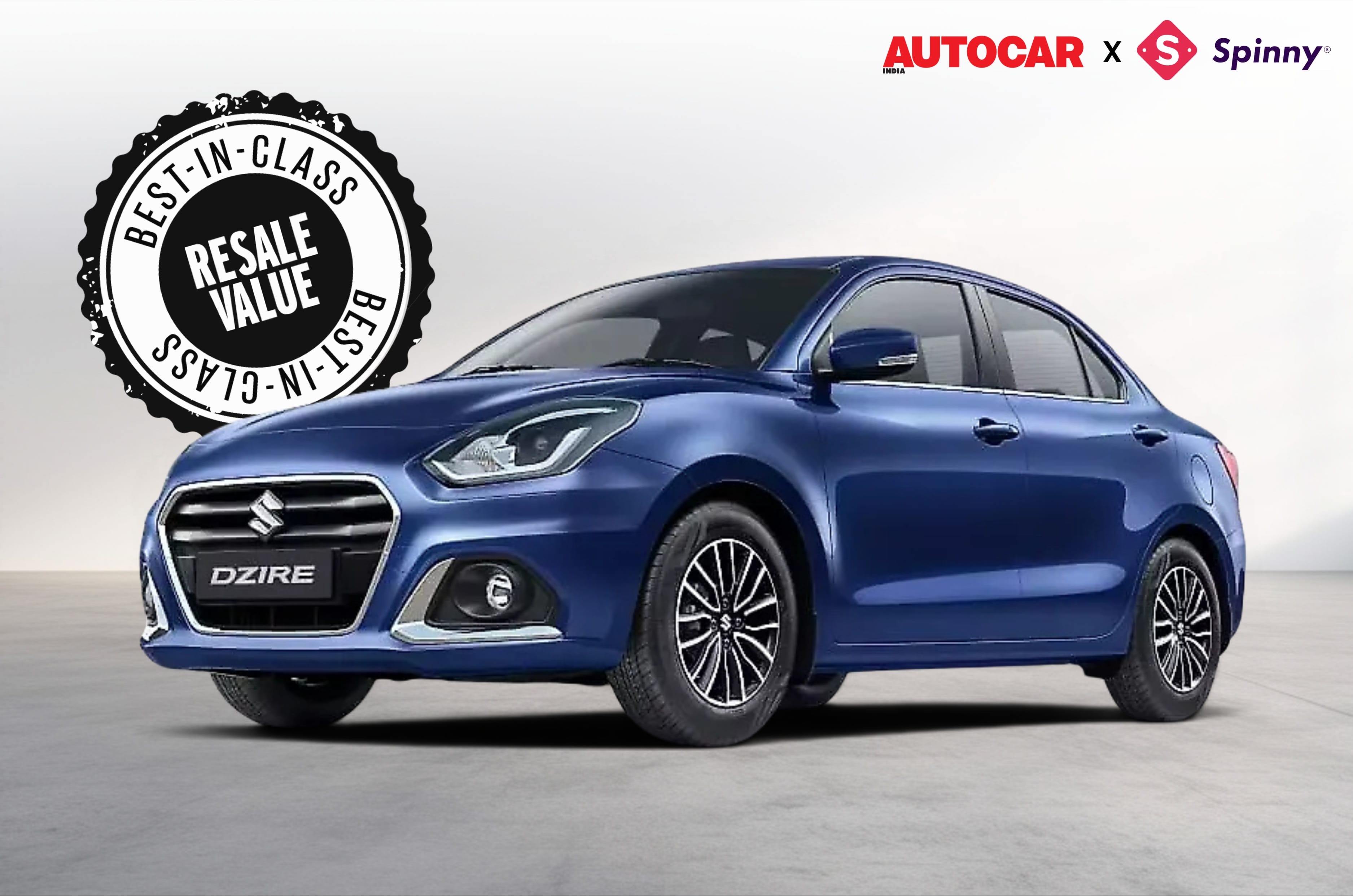
Used Car Study 2026: Maruti Dzire holds its value best among compact sedans

Conducted in association with Spinny, India’s leading pre-owned car platform, the fourth edition of our Used Car Study analyses real-world resale values across a broad spectrum of vehicles sold in the Indian market in order to assess depreciation trends over a five-year ownership period. The study is based on actual transactional data shared by Spinny for vehicles sold between January 1 and August 31, 2025.

In this part of the resale value study series, we now take a look at the compact sedan segment:

Compact sedan resale value 

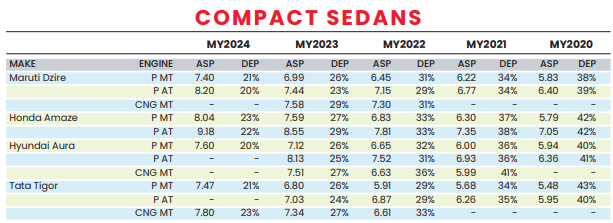
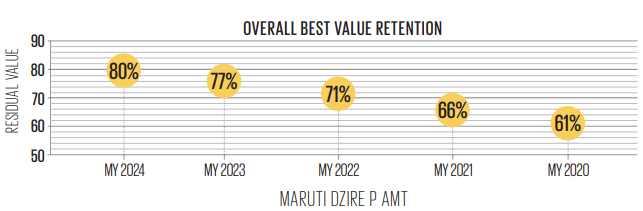
The Maruti Dzire continues to dominate the compact sedan segment in terms of resale value retention. Its immense popularity in the new car market directly translates to strong residuals in the used market, helping it maintain the lowest average depreciation.

Following closely behind is the Tata Tigor petrol-manual, although examples over two years old tend to record the lowest average resale prices in the category, making them attractive value propositions for budget-conscious used car buyers. Meanwhile, though the Honda Amaze depreciates more, its average prices are higher than the Dzire. 

As per the study, the average selling price of a five-year-old compact sedan retailed through Spinny was Rs 6.10 lakh. Comparable figures for three-year-old and one-year-old compact sedans were Rs 6.88 lakh and Rs 7.95 lakh, respectively. Average depreciation over the same periods worked out to 46.4 percent, 31.55 percent and 21.4 percent, respectively.

Autocar-Spinny resale value study methodology 

The analysis covers the average selling prices (ASPs) of vehicles retailed through Spinny’s network across nine cities – Delhi-NCR, Bengaluru, Hyderabad, Pune, Chennai, Mumbai, Lucknow, Ahmedabad and Kolkata.

For the purposes of this study, depreciation has been defined as the percentage difference between a vehicle’s original on-road price in its year of manufacture and its resale value in 2025. In instances where a model was offered with multiple engine options using the same fuel type, the data has been consolidated and averaged. Variant-wise differences have similarly been averaged out.

Discontinued models and powertrain options have been excluded. Additionally, premium vehicles priced above Rs 30 lakh, electric vehicles and certain low-volume models have not been included due to limited transaction data and insufficient sample sizes.

Used Car Study 2026: Maruti Dzire holds its value best among compact sedans

Maruti Dzire resale value

Conducted in association with Spinny, India’s leading pre-owned car platform, the fourth edition of our Used Car Study analyses real-world resale values across a broad spectrum of vehicles sold in the Indian market in order to assess depreciation trends over a five-year ownership period. The study is based on actual transactional data shared by Spinny for vehicles sold between January 1 and August 31, 2025.

In this part of the resale value study series, we now take a look at the compact sedan segment:

Compact sedan resale value 

The Maruti Dzire continues to dominate the compact sedan segment in terms of resale value retention. Its immense popularity in the new car market directly translates to strong residuals in the used market, helping it maintain the lowest average depreciation.

Following closely behind is the Tata Tigor petrol-manual, although examples over two years old tend to record the lowest average resale prices in the category, making them attractive value propositions for budget-conscious used car buyers. Meanwhile, though the Honda Amaze depreciates more, its average prices are higher than the Dzire. 

As per the study, the average selling price of a five-year-old compact sedan retailed through Spinny was Rs 6.10 lakh. Comparable figures for three-year-old and one-year-old compact sedans were Rs 6.88 lakh and Rs 7.95 lakh, respectively. Average depreciation over the same periods worked out to 46.4 percent, 31.55 percent and 21.4 percent, respectively.

Autocar-Spinny resale value study methodology 

The analysis covers the average selling prices (ASPs) of vehicles retailed through Spinny’s network across nine cities – Delhi-NCR, Bengaluru, Hyderabad, Pune, Chennai, Mumbai, Lucknow, Ahmedabad and Kolkata.

For the purposes of this study, depreciation has been defined as the percentage difference between a vehicle’s original on-road price in its year of manufacture and its resale value in 2025. In instances where a model was offered with multiple engine options using the same fuel type, the data has been consolidated and averaged. Variant-wise differences have similarly been averaged out.

Discontinued models and powertrain options have been excluded. Additionally, premium vehicles priced above Rs 30 lakh, electric vehicles and certain low-volume models have not been included due to limited transaction data and insufficient sample sizes.

Govt clarifies stance on calling E20 programme an ‘experiment’ to Supreme Court

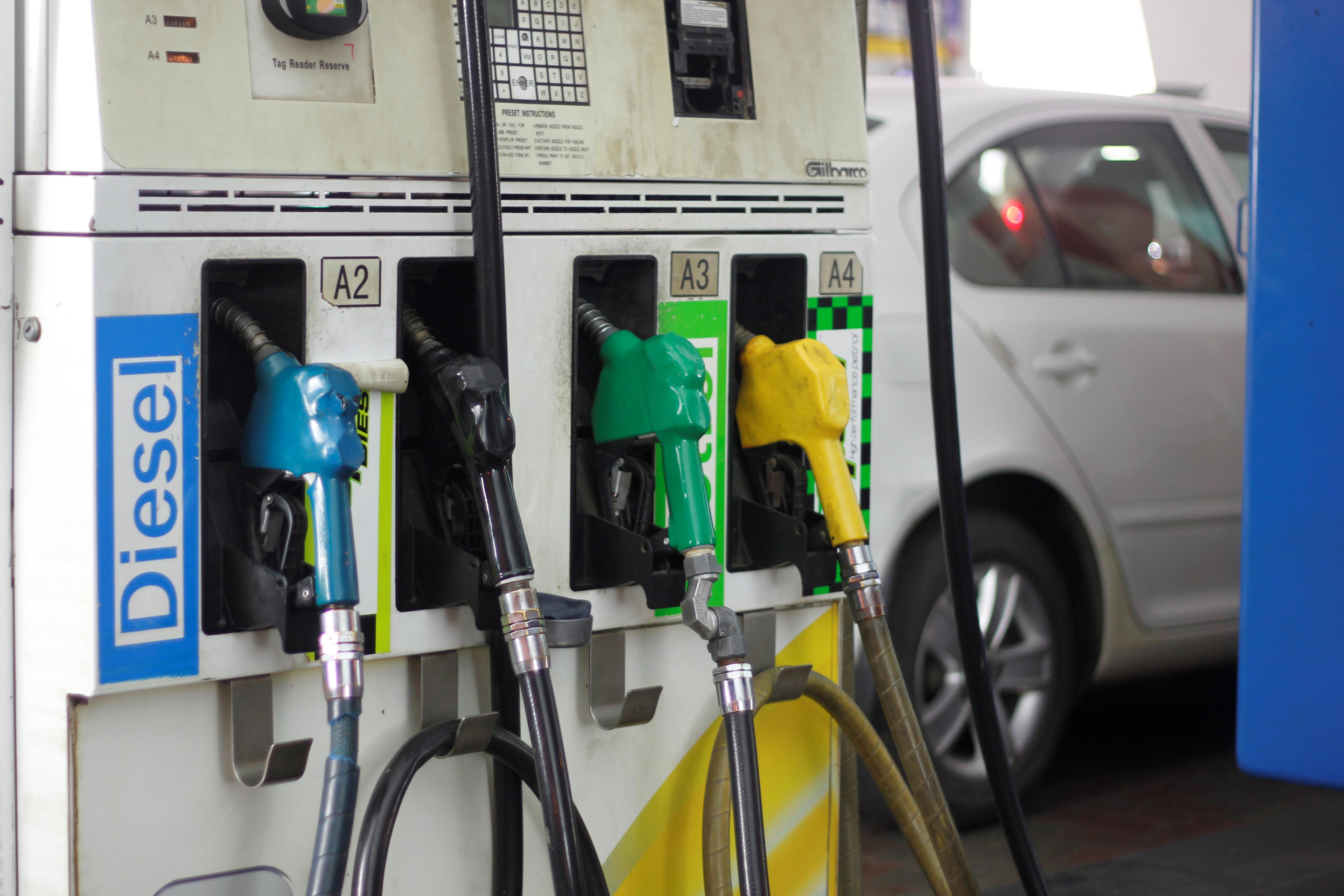
Fuel pump

The Office of the Attorney General for India has issued a clarification stating that media reports published on June 30 claiming the Government described the 20% Ethanol Blended Petrol (E20) programme as an “experiment” before the Supreme Court are incorrect. 

It was previously reported that while hearing Bharat Petroleum Corporation Limited (BPCL)’s appeal against a Karnataka High Court Order, the Attorney General told the court that the E20 programme was, quote unquote, an “experiment” and that its impact would be “clear by next year”. The Karnataka High Court’s order mandates that government-owned oil companies must honour their contractual agreements to purchase specific volumes of ethanol from a dedicated factory, preventing them from unfairly reducing orders. The Supreme Court, however, has put a hold on the order as oil companies argued that it could affect the nationwide E20 rollout policy proposed by the Central government.   

This comes at a time when the rollout of E20 has caused a lot of stir, especially among owners of older vehicles who have been experiencing drops in fuel efficiency. Moreover, it has been a year since the nationwide rollout of E20 blended petrol was implemented.

What did the clarification mention?

According to the statement, reports suggesting that the Attorney General told the Court the E20 programme was “still an ongoing experiment” or that “the impact of the policy would become clearer by next year” are “completely false” and do not reflect the submissions made on behalf of the Union of India. The Attorney General’s Office emphasised that “at no stage was any submission made that the Government’s Ethanol Blended Petrol (EBP) Programme or the E20 blending programme is an ‘experiment’.”

The Attorney General’s Office said that during the hearing, the submissions before the Supreme Court were confined to the litigation surrounding ethanol allocation to Dedicated Ethanol Plants. It informed the Court that similar writ petitions involving identical issues are pending before different High Courts and that Transfer Petitions are being filed to bring the matters before the Supreme Court for a common adjudication.

According to the clarification, the purpose of the proposed transfer is to avoid parallel proceedings and the possibility of conflicting judicial decisions, while enabling an expeditious resolution of the litigation so that ethanol supplies to Oil Marketing Companies for maintaining 20% ethanol blending with petrol under the national Ethanol Blended Petrol Programme are not affected.

The statement further said that, after considering these submissions, the Supreme Court held that the proposed Transfer Petitions should be filed and that status quo should continue with respect to ethanol allocation for the current Ethanol Supply Year 2025-26, insofar as the present matter is concerned.

With inputs from Mukul Yudhveer Singh

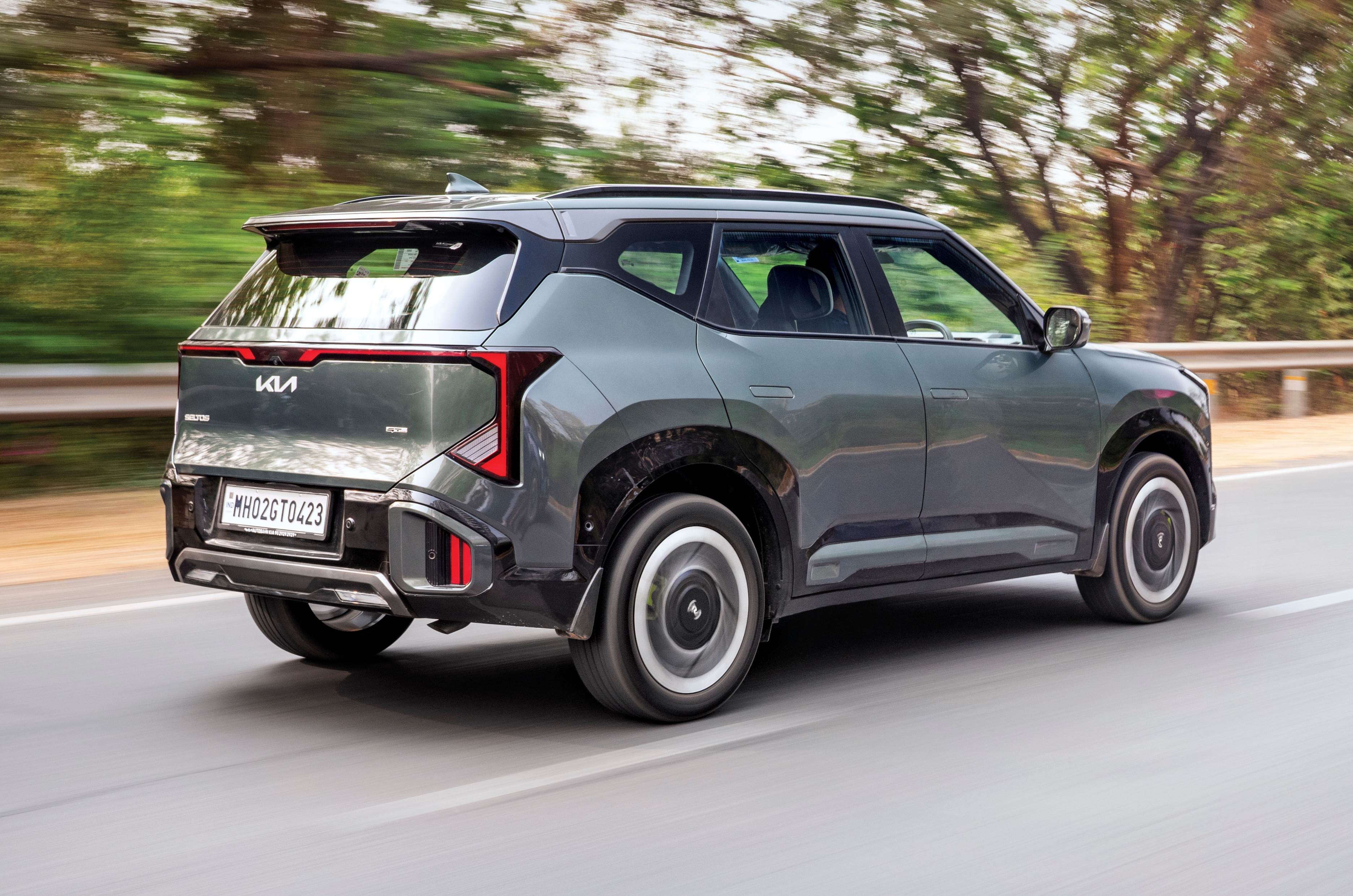
Kia Seltos GTX(O), X-Line(O) variants launched at Rs 21.57 lakh

kia seltos

The Kia Seltos variant line-up has been expanded with two new trim levels: GTX(O) and X-Line(O). These pack additional safety kit and creature comforts over the previous top-spec trims of the Seltos, namely the GTX(A) and X-Line(A).

Kia Seltos GTX(O), X-Line(O) variant prices and details

Available only in turbo-petrol DCT and diesel AT guises

Both the Seltos GTX(O) and X-Line(O) can be had with only the automatic versions of the 160hp 1.5-litre turbo-petrol and the 116hp 1.5-litre diesel engines. The turbo-petrol is paired with a 7-speed dual-clutch automatic, while the diesel gets a 6-speed torque converter. Prices for the Seltos GTX(O) and X-Line(O) start at Rs 21.57 lakh.

GTX(O) and X-Line(O) get Level 2+ ADAS

The headliner of the Seltos GTX(O) and X-Line(O) trims is an expanded ‘Level 2+ ADAS’ suite. Compared to the Seltos GTX(A) and its 21-strong list of ADAS features, the GTX(O) adds seven more for a total of 28. The new Seltos ADAS features comprise Junction Crossing, Lane Change Oncoming, Lane Change Side, and Evasive Steering Assist functions for the frontal collision avoidance system, as well as navigation-based adaptive cruise control for corners and speed-limited zones, and highway driving assist.

Alongside the broadened ADAS suite, the Seltos GTX(O) packs a navigation functions for the 12.3-inch digital driver’s display, one-touch auto up/down for all windows, a heads-up display, built-in front and rear dashcams, rain-sensing wipers, and VR and navigation features in the Kia Connect mobile app.

Meanwhile, the Seltos X-Line(O) maintains feature parity with the GTX(O), but with cosmetic upgrades like an exclusive Matte Graphite exterior finish, a black-and-green interior theme, blacked-out exterior trim, and black 18-inch alloy wheels.

All prices are ex-showroom, India.

Features that the Tata Sierra EV gets over its rivals

Tata Sierra EV features

With the new Sierra EV, Tata Motors now has its second entrant in the highly competitive midsize electric SUV segment after the Curvv EV. It takes on rivals such as the Hyundai Creta Electric, Maruti e Vitara, Toyota Ebella, MG ZS EV, Mahindra BE 6 and Vinfast VF6, all of which offer long equipment lists. However, the Sierra EV does have a few standout features that none of its rivals offer. Here’s a closer look at them.

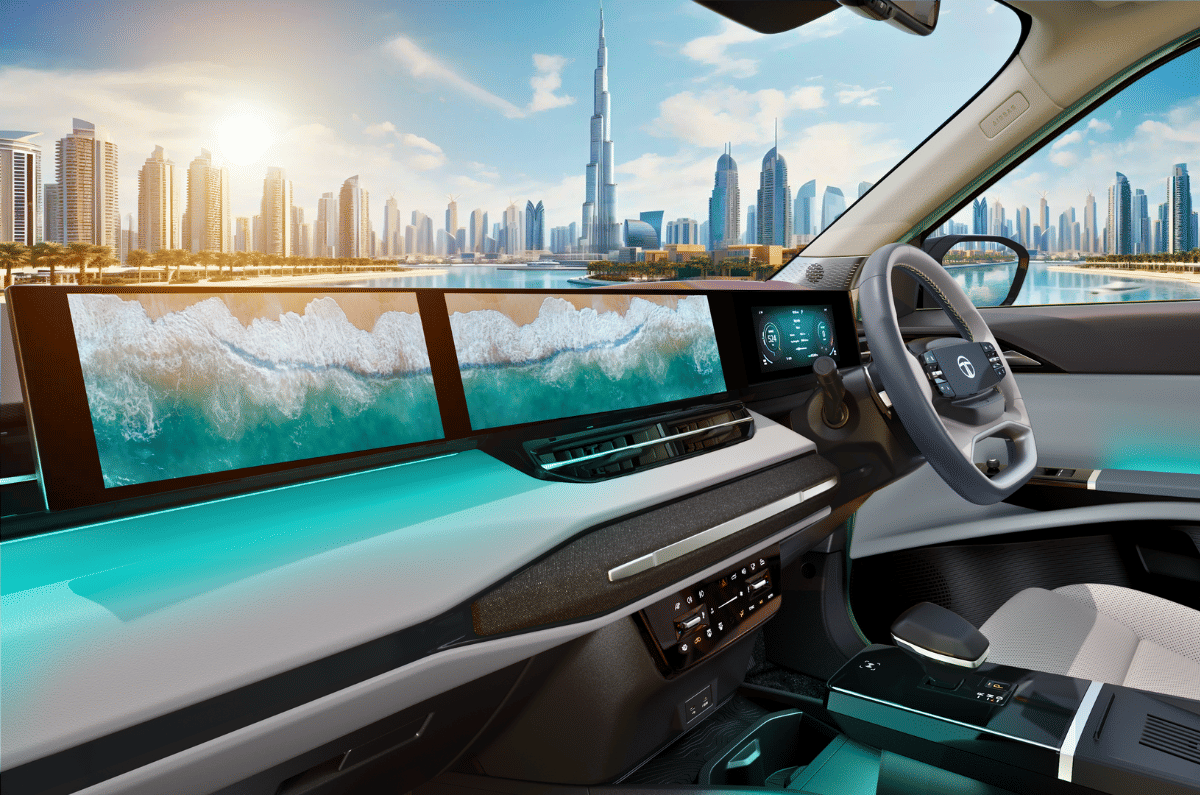
Triple screens

Triple screens

Unlike the dual-screen setup of rivals, the Sierra EV gets three screens: 12.3-inch touchscreen, a 12.3-inch instrument cluster and a 10.25-inch passenger screen. The latter unit gives the co-driver a dedicated touchscreen for entertainment. There’s Dolby Atmos support as well, just like the BE 6, but Tata claims the Sierra EV is the first car in India to bring the surround sound technology to Apple CarPlay.

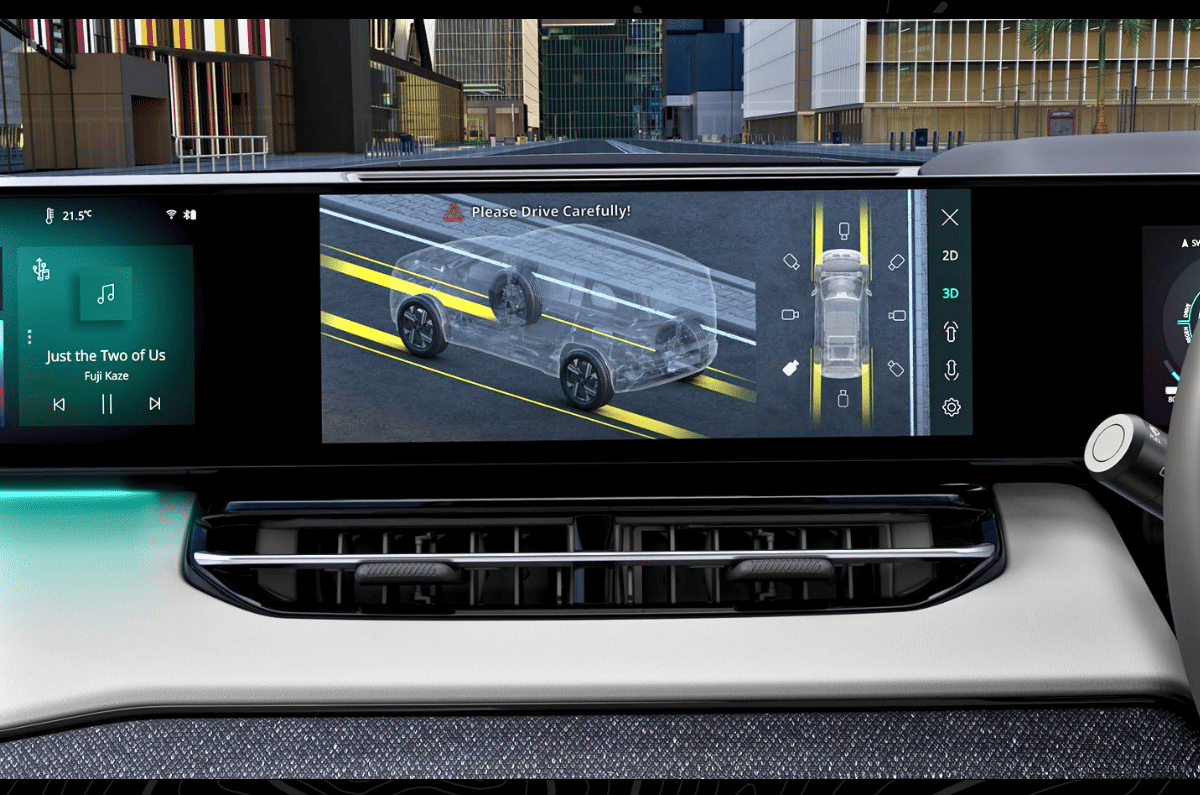
540-degree camera

540-degree camera

A 360-degree camera, as the name suggests, gives a surround view of the area around the car, but a 540-degree camera goes a step further by showing what’s underneath the vehicle. This can be useful while off-roading, as it helps the driver see where the wheels are placed and better understand the terrain below.

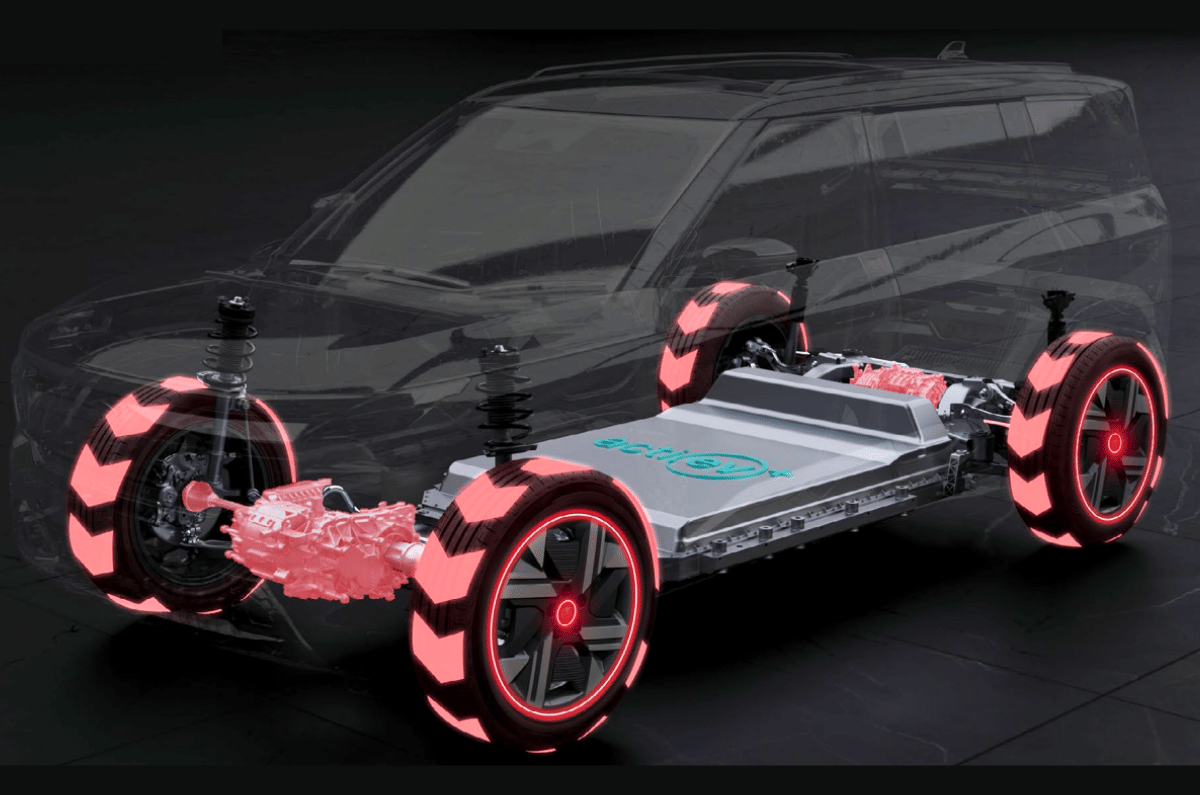
All-wheel drive

All-wheel drive

Speaking of off-roading again, Tata Motors has equipped the Sierra EV with electric motors at both the front and rear, which enable all-wheel-drive (AWD). Not only is AWD a standout feature in this segment, it also makes the Sierra EV the quickest among its rivals, with a claimed 0-100kph time of 5.8 seconds; the BE 6 has the next best sprint time at 6.7 seconds (claimed), which is nearly a second more than the Sierra. This is with the 75kWh battery pack, which uses a 140hp front motor and a 209hp rear motor, producing a combined 504Nm of torque.

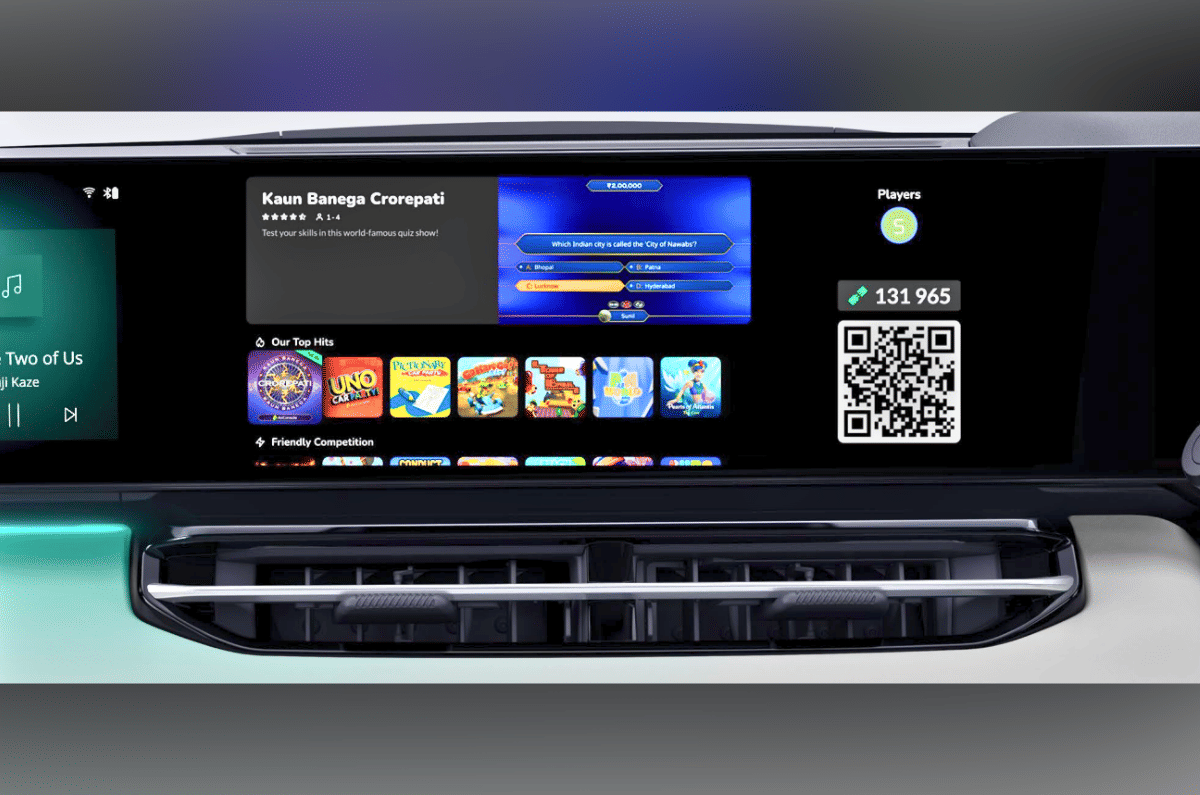
Remote gaming support

Remote gaming support

The Sierra EV comes with AirConsole, which turns the infotainment screen into a multiplayer gaming console. Even better, players can use their smartphones as game controllers, eliminating the need to poke at the touchscreen while playing. This can help keep occupants entertained, especially during charging breaks.

Tata Sierra EV price vs rivals

The top-spec Tata Sierra EV Empowered A AWD variant, which gets all of the above mentioned standout features, costs Rs 25.99 lakh, ex-showroom. That makes it costlier than most of it rivals at the top-end, save for the Rs 26.9 lakh-Mahindra BE 6 Pack Three (price is exclusive of home charger and installation costs). Despite being priced Rs 91,000 lower than the Mahindra EV, the Tata Sierra EV makes a strong case for itself by offering both standout features and an AWD setup.

Gold Price Today: गोल्ड की चमक में हल्का इजाफा, चांदी सस्ती, चेक करें लेटेस्ट भाव

Gold Rate Today In India: अमेरिका और ईरान के सुलह की तेज कोशिशों ने जियोपॉलिटिल टेंशन में नरमी के संकेत दिए तो सोने की चमक बढ़ी लेकिन दूसरी तरफ इंडस्ट्रियल डिमांड की सुस्ती ने चांदी पर दबाव बनाया हुआ है। पहले गोल्ड की बात करें तो एक दिन की गिरावट के बाद लगातार दूसरे दिन आज यह महंगा हुआ है। 24 कैरट वाला 10 ग्राम गोल्ड दो दिनों में ₹120 और 22 कैरट वाला ₹110 महंगा हुआ है। इससे पहले 29 जून को 24 कैरट वाला 10 ग्राम गोल्ड ₹2020 और 22 कैरट वाला ₹1850 सस्ता हुआ था। आज की बात करें तो फिलहाल 24 और 22 कैरट वाला 10 ग्राम गोल्ड ₹10 नीचे आया है।

चांदी की बात करें तो इंडस्ट्रीज की तरफ से डिमांड में सुस्ती ने इस पर दबाव डाला है और चमक फीकी की है। लगातार तीन दिनों की स्थिरता के बाद आज लगातार दूसरे दिन इसके भाव नीचे आए हैं और इन दो दिनों में एक किलो चांदी ₹5100 सस्ती हुई है।

सिटीवाइज गोल्ड के भाव

देश के 10 बड़े शहरों में 18 कैरट, 22 कैरट और 24 कैरट शुद्धता वाले 10 ग्राम सोने की कीमत क्या है, आइए जानते हैं…

शहर 24 कैरट22 कैरट18 कैरट
दिल्ली₹1,42,200₹1,30,360₹1,06,690
मुंबई₹1,42,050₹1,30,210₹1,06,540
कोलकाता₹1,42,050₹1,30,210₹1,06,540
चेन्नई₹1,43,990₹1,31,990₹1,10,490
बेंगलुरू₹1,42,050₹1,30,210₹1,06,540
हैदराबाद₹1,42,050₹1,30,210₹1,06,540
लखनऊ₹1,42,200₹1,30,360₹1,06,690
पटना₹1,42,100₹1,30,260₹1,06,590
जयपुर₹1,42,200₹1,30,360₹1,06,690
अहमदाबाद₹1,42,100₹1,30,260₹1,06,590

तीन दिनों की स्थिरता के बाद लगातार दूसरे दिन फिसली चांदी

चांदी की बात करें तो तीन दिनों की स्थिरता के बाद आज लगातार दूसरे दिन इसके भाव नीचे आए हैं। इससे पहले लगातार तीन दिनों की स्थिरता से पहले 26 जून को एक किलो चांदी ₹5 हजार महंगी हुई थी और 25 जून को ₹10 हजार सस्ती हुई थी। अब आज की बात करें तो दिल्ली में यह प्रति किग्रा ₹100 ऊपर सस्ती होकर ₹2,34,900 के भाव में बिक रही है। बाकी अहम महानगरों की बात करें तो मुंबई और कोलकाता में भी यह इसी भाव पर बिक रही है। हालांकि चेन्नई में एक किलो चांदी का भाव ₹2,44,900 है यानी चारों महानगरों में सबसे महंगी चांदी चेन्नई में ही है।

जना स्मॉल फाइनेंस बैंक की होल्डिंग कंपनी को मिल सकती है ‘डिफॉल्ट’ रेटिंग, कर्ज चुकाने में की देरी : सूत्र

जना स्मॉल फाइनेंस बैंक की होल्डिंग कंपनी Jana Holdings Limited (JHL) की क्रेडिट रेटिंग घटकर ‘डिफॉल्ट’ कैटेगरी में जा सकती है। CNBC-TV18 को मामले की जानकारी रखने वाले सूत्रों ने बताया कि इसकी वजह नॉन-कन्वर्टिबल डिबेंचर (NCD) की रकम तय समय पर नहीं चुका पाना है।

NCD भुगतान में हुई देरी

सूत्रों के मुताबिक, JHL ने NCD की भुगतान अवधि 30 जून 2026 से बढ़ाकर 31 दिसंबर 2026 कर दी है। यानी कंपनी को भुगतान के लिए छह महीने का अतिरिक्त समय मिला है।

बताया जा रहा है कि यह फैसला डिबेंचर-होल्डर्स की सहमति से लिया गया है। इनमें प्रमुख निवेशक TPG Asia VI India Markets Pte भी शामिल है। ऐसे में इसे टेक्निकल डिफॉल्ट माना जा रहा है।

 Jana Holdings को क्यों आई दिक्कत?

सूत्रों के अनुसार, JHL को उम्मीद थी कि वह Jana Small Finance Bank में अपनी हिस्सेदारी बेचकर NCD का भुगतान कर देगी। लेकिन हिस्सेदारी का समय पर मोनेटाइजेशन नहीं हो पाया, जिससे भुगतान में देरी हुई।

JHL की हिस्सेदारी पहले 44% थी, जो TVS Venu Group को आंशिक हिस्सेदारी बेचने के बाद घटकर करीब 16.95% रह गई है। सूत्रों का कहना है कि अगर रीफाइनेंसिंग की जरूरत पड़ी, तो कंपनी अपनी बची हुई हिस्सेदारी का कुछ हिस्सा भी बेच सकती है।

Jana Small Finance Bank पर कितना असर?

सूत्रों के मुताबिक, इस घटनाक्रम का Jana Small Finance Bank के कारोबार पर सीधा असर सीमित रहने की उम्मीद है। बैंक को जून 2022 के बाद से JHL की ओर से कोई नई पूंजी नहीं मिली है। फंडिंग के मामले में बैंक स्वतंत्र रूप से काम करता है।

इसके अलावा JHL और बैंक के बोर्ड में कोई साझा प्रतिनिधित्व नहीं है। दोनों के कर्ज भी आपस में जुड़े नहीं हैं। इसलिए होल्डिंग कंपनी की रेटिंग में गिरावट का सीधा वित्तीय असर बैंक पर पड़ने की संभावना कम मानी जा रही है।

हालांकि, अगर JHL आगे अपनी बची हुई हिस्सेदारी भी बेचती है, तो इससे Jana Small Finance Bank के शेयर पर शॉर्ट टर्म में दबाव बन सकता है। फिलहाल इस मामले पर Jana Holdings और Jana Small Finance Bank की ओर से कोई आधिकारिक प्रतिक्रिया नहीं आई है।

Stocks to Watch: 1 जुलाई को फोकस में रहेंगे ये 9 स्टॉक्स, दिख सकता है तगड़ा एक्शन

Disclaimer: यहां मुहैया जानकारी सिर्फ सूचना के लिए दी जा रही है। यहां बताना जरूरी है कि मार्केट में निवेश बाजार जोखिमों के अधीन है। निवेशक के तौर पर पैसा लगाने से पहले हमेशा एक्सपर्ट से सलाह लें। मनीकंट्रोल की तरफ से किसी को भी पैसा लगाने की यहां कभी भी सलाह नहीं दी जाती है।