WhatsApp जल्द ही अपने यूजर्स के लिए एक बड़ा बदलाव लेकर आने वाला है, जिसका नाम है Username फीचर। इस नए फीचर के जरिए लोग अपनी एक यूनिक डिजिटल पहचान बना सकेंगे और दूसरों से जुड़ने के लिए मोबाइल नंबर शेयर करने की जरूरत नहीं होगी। यह कदम ऐप में प्राइवेसी और सेफ्टी को और मजबूत करने की दिशा में माना जा रहा है। यूजर्स अब अपने मनपसंद यूजरनेम चुन सकेंगे, जिससे चैटिंग का तरीका पहले से ज्यादा आसान और सुरक्षित हो जाएगा।
साथ ही, WhatsApp ने इस फीचर के लिए कुछ खास नियम भी तैयार किए हैं, ताकि हर यूजर का नाम अलग और वैध हो तथा किसी तरह की कॉपी या गलत पहचान से बचा जा सके। इस बदलाव को सोशल मीडिया और टेक वर्ल्ड में एक बड़े अपडेट के रूप में देखा जा रहा है, जो आने वाले समय में ऑनलाइन बातचीत के तरीके को पूरी तरह बदल सकता है।
प्राइवेसी के साथ बढ़ेगी चुनौतियां
WhatsApp का कहना है कि यह फीचर यूजर्स की प्राइवेसी को मजबूत करेगा, क्योंकि अब हर बातचीत के लिए फोन नंबर साझा करना जरूरी नहीं होगा। हालांकि, इस फीचर के सामने आते ही साइबर सुरक्षा और फर्जी पहचान को लेकर नई चिंताएं भी सामने आने लगी हैं।
अंकुर वारिकू ने जताई बड़ी चिंता
उद्यमी और कंटेंट क्रिएटर अंकुर वारिकू ने इस फीचर को लेकर सोशल मीडिया प्लेटफॉर्म X पर अपनी चिंता जाहिर की। उनका कहना है कि अगर मजबूत सुरक्षा व्यवस्था नहीं बनाई गई, तो ठग ऐसे यूजरनेम बना सकते हैं जो किसी प्रसिद्ध व्यक्ति से मिलते-जुलते हों और लोगों को आसानी से धोखा दे सकते हैं।
‘भारत जैसे देश में यह खतरनाक साबित हो सकता है’
वारिकू ने कहा कि भारत जैसे देश में ऑनलाइन ठगी पहले से ही बड़ी समस्या है। अगर किसी ठग ने warikoo, ankur_warikoo या इससे मिलते-जुलते यूजरनेम बनाकर लोगों से पैसे मांगे, तो कई लोग आसानी से भ्रमित हो सकते हैं। उनके अनुसार, ऐसे मामलों को रोकने के लिए WhatsApp को मजबूत एंटी-अब्यूज सिस्टम लागू करना होगा।
पहले भी उठा चुके हैं फर्जी विज्ञापनों का मुद्दा
वारिकू ने बताया कि वह पहले भी Meta के खिलाफ कानूनी लड़ाई लड़ चुके हैं। उनका आरोप था कि AI से बने फर्जी विज्ञापनों में उनकी तस्वीर का इस्तेमाल कर लोगों को निवेश वाले WhatsApp ग्रुप में जोड़ने की कोशिश की गई थी। उनका मानना है कि इसी तरह की ठगी नए Username फीचर के जरिए भी बढ़ सकती है।
सोशल मीडिया पर यूजर्स भी बंटे
वारिकू की पोस्ट के बाद कई लोगों ने उनकी चिंता से सहमति जताई। कुछ यूजर्स का कहना था कि अगर WhatsApp को सच में प्राइवेसी बढ़ानी थी, तो उसे ऐसे विकल्प देने चाहिए थे जिनसे केवल कॉन्टैक्ट लिस्ट में मौजूद लोग ही मैसेज या कॉल कर सकें।
4 अंकों का PIN भी होगा, फिर भी चिंता बरकरार
रिपोर्ट्स के मुताबिक, WhatsApp यूजरनेम के साथ 4 अंकों का PIN भी जोड़ेगा, जिससे गलत व्यक्ति तक पहुंचना आसान नहीं होगा। इसके बावजूद कई यूजर्स का मानना है कि यह फीचर प्लेटफॉर्म की मूल पहचान को बदल सकता है और फर्जी अकाउंट्स के लिए नए रास्ते खोल सकता है।
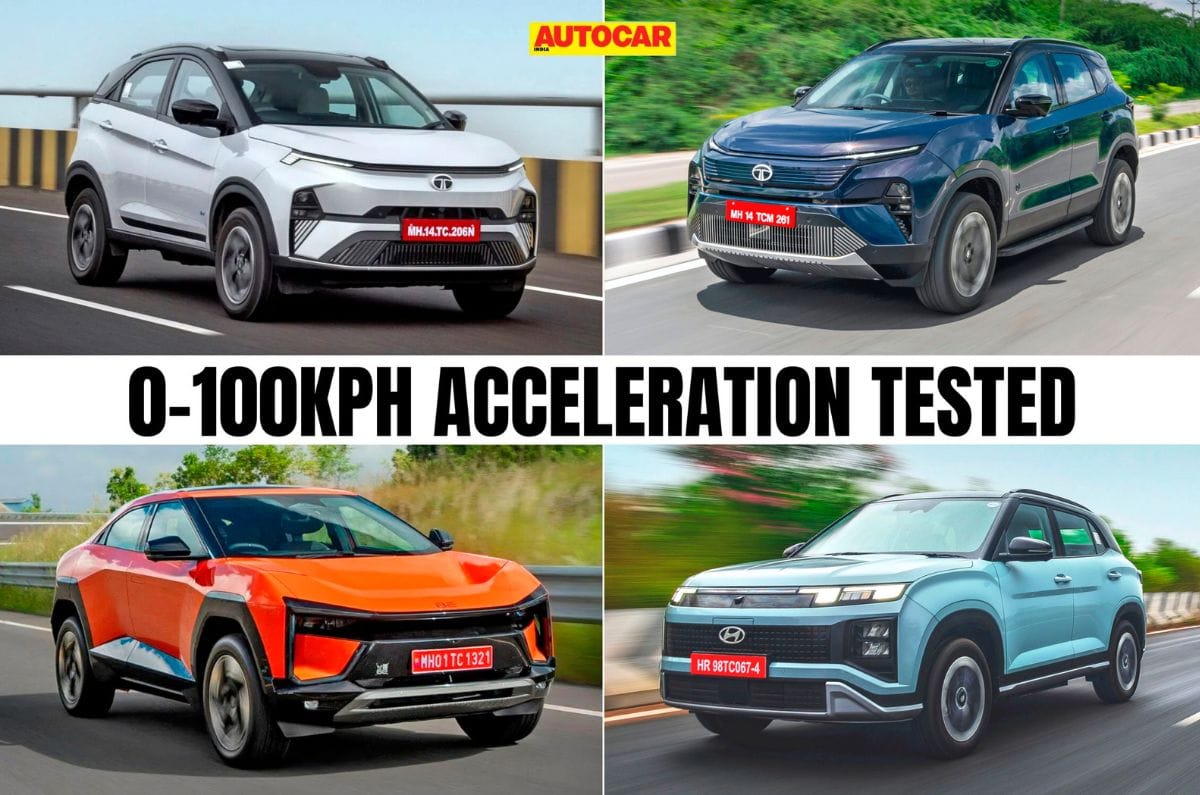
Due to the nature of an electric motor, EVs have all their torque available from 0rpm, which gives electric cars a great initial burst of acceleration. In fact, mass-market EVs are usually more powerful and quicker than their ICE counterparts. Here, we list out every mass-market EV under Rs 30 lakh that Autocar India has tested to see which is the quickest.
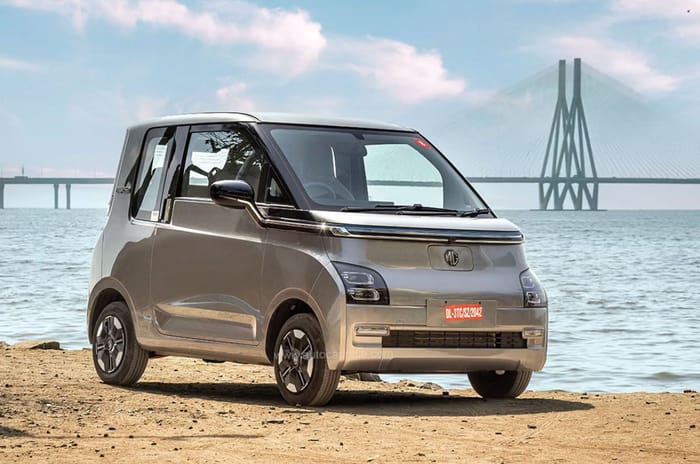
MG Comet
0-100kph: 23.87s
The MG Comet sits at the last spot, with a 0-100kph time of 23.87 seconds. However, its 0-60kph time of 7.6 seconds is closer to others on this list, showcasing that the smallest four-wheeler EV in India can keep up with urban traffic with ease. The Comet comes with a 17.3kWh battery that powers a 42hp and 110Nm rear axle-mounted motor. The MG Comet EV is priced from Rs 7.63 lakh to Rs 9.99 lakh.
MG Comet EV performance factfile
Battery
17.3kWh
Power
42hp
Torque
110Nm
ARAI range
230km
0-60kph
7.6s
0-100kph
23.87s
20-80kph (rolling acceleration)
10.5s
40-100kph (rolling acceleration)
20.28s
MG Windsor
38kWh 0-100kph: 9.79s
The MG Windsor with the smaller 38kWh battery (pro versions get a larger 52.9kWh battery) is the first EV here to record a sub-10-second 0-100kph time. It comes with a 136hp, 200Nm rear motor, which enables a 0-60kph time of 4.48 seconds and a 0-100kph time of 9.79 seconds. The Windsor with the 38kWh battery is priced between Rs 14.10 lakh and Rs 16.53 lakh.
MG Windsor performance factfile
Battery
38kWh
Power
136hp
Torque
200Nm
ARAI range
332km
0-60kph
4.48s
0-100kph
9.79s
20-80kph (rolling acceleration)
5.22s
40-100kph (rolling acceleration)
6.92s
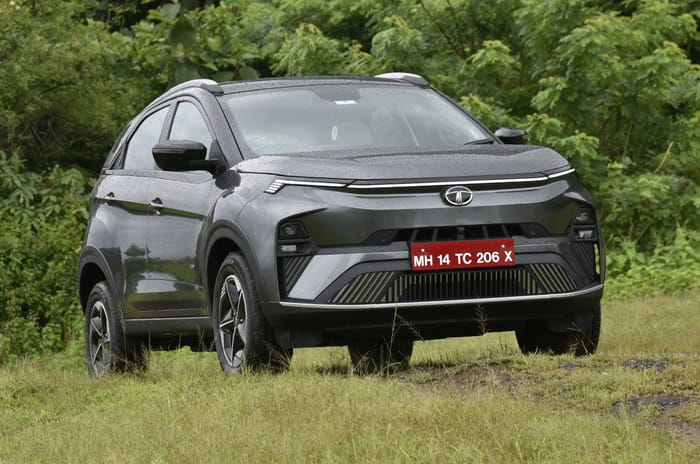
Tata Nexon EV
45kWh 0-100kph: 9.77s
As is usually the case, we have tested the larger 45kWh battery version of the Tata Nexon EV; it is also available with a 30.2kWh battery, and is called the ‘MR’ (Medium Range). The Nexon EV 45, named for the 45kWh battery, comes with a front axle-mounted 144hp, 215Nm motor, with Tata claiming a 0-100kph time of 8.9 seconds. However, our tests saw the Nexon EV 45 record a 0-100kph time of 9.77 seconds, 0.87 seconds slower than the claimed time. Prices for the Nexon EV 45 range between Rs 13.99 lakh and Rs 17.49 lakh, including the Red Dark variants.
Tata Nexon EV 45 performance factfile
Nexon EV 45
Battery
45kWh
Power
144hp
Torque
215Nm
ARAI range
489km
0-60kph
4.66s
0-100kph
9.77s
20-80kph (rolling acceleration)
5.32s
40-100kph (rolling acceleration)
6.68s
Tata Curvv EV
0-100kph: 9.25s
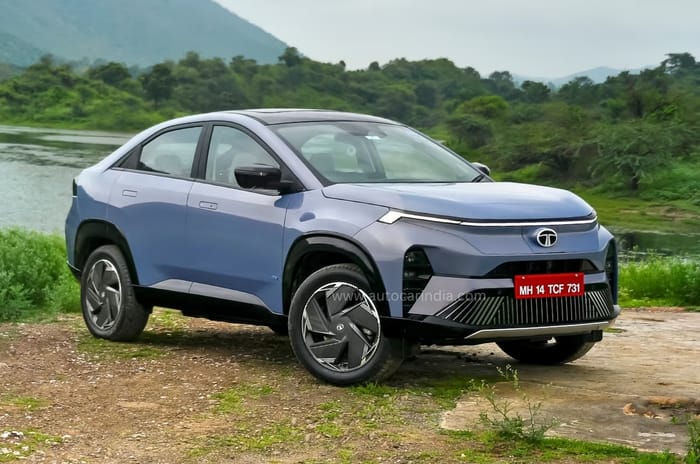
Unlike the rest of the Tata EVs in this list that offer two battery packs, the Curvv EV only gets one battery pack option. It’s a 55kWh unit, which gets a front axle-mounted 167hp, 215Nm motor. Tata claims a 0-100kph time of 8.6 seconds, though our tests show the Curvv EV sprints from 0-100kph in 9.25 seconds. The Curvv EV prices currently range between Rs 16.99 lakh and Rs 19.19 lakh, including the Dark variants.
Tata Curvv EV 55 performance factfile
Battery
55kWh
Power
167hp
Torque
215Nm
ARAI range
502km
0-60kph
4.66s
0-100kph
9.25s
20-80kph (rolling acceleration)
4.92s
20-80kph (rolling acceleration)
6s
Kia Carens Clavis EV
51.4kWh 0-100kph: 8.44 seconds
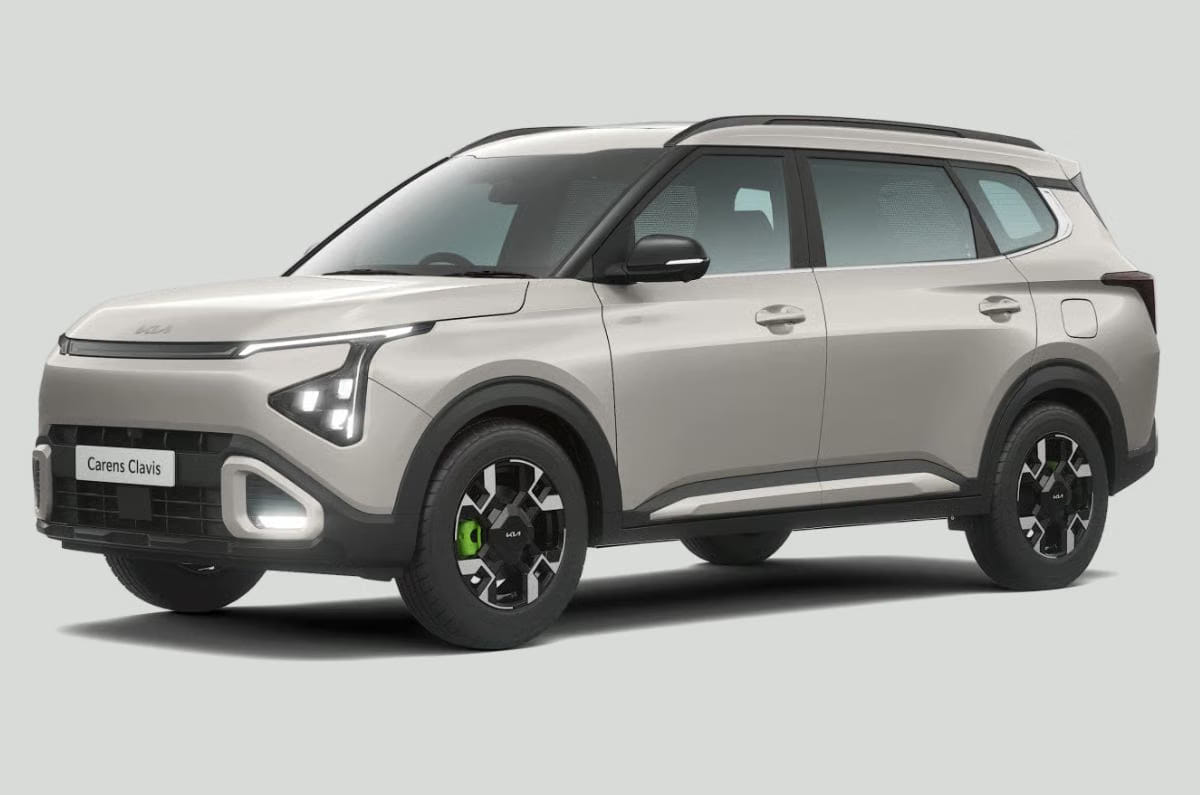
The Kia Carens Clavis EV is the only electric MPV in this list that we’ve tested. It’s also the most affordable Kia EV in our market and is powered by either a 42kWh or a 51.4kWh battery pack. We’ve tested the latter version that’s paired to a front-mounted motor developing 171hp and 255Nm of torque. In our 0-100kph test the Kia MPV achieved a time of 8.44 seconds. 51.4kWh extended range versions of the Carens Clavis EV are priced between Rs 22 lakh and Rs 25 lakh .
Kia Carens Clavis EV ER Performance fact file
Battery
51.4kWh
Power
171hp
Torque
255Nm
ARAI range
510km
0-100kph
7.91s
20-80kph (rolling acceleration)
4.43s
40-100kph (rolling acceleration)
5.07s
MG ZS EV
0-100kph: 8.42 seconds
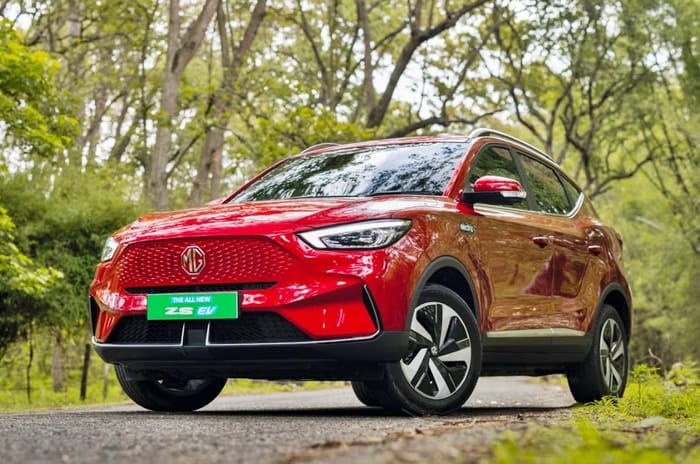
The ZS EV is the most powerful all-electric car from MG currently available. The ZS EV gets a 50.3kWh battery, which powers a front axle-mounted motor that produces 177hp and 280Nm of torque. Our real-world performance tests showed the ZS EV reaching 60kph from standstill in 4.37 seconds, while the 0-100kph sprint took 8.42 seconds. The MG ZS EV is currently priced between Rs 17.99 lakh and Rs 20.74 lakh.
MG ZS EV performance factfile
Battery
50.3kWh
Power
177hp
Torque
280Nm
ARAI range
461km
0-60kph
4.37s
0-100kph
8.42s
20-80kph (rolling acceleration)
4.64s
40-100kph (rolling acceleration)
5.46s
Hyundai Creta Electric
51.4kWh 0-100kph: 7.91 seconds
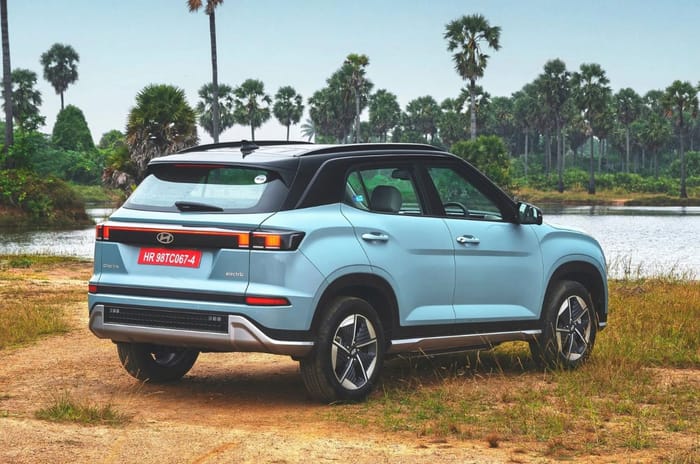
Up next is the most quintessential midsize electric SUV, the Hyundai Creta Electric. It is offered with two battery pack options – 42kWh and 51.4kWh – and it’s the latter version that we’ve tested. The battery powers a front-axle electric motor producing 171hp and 255Nm, and in Sport mode, the Creta Electric sprints from 0-100kph in 7.91 seconds, nearly close to the carmaker’s claimed time. Long range versions of the Creta range between Rs 20 lakh and Rs 23.67 lakh.
Hyundai Creta Electric ER Performance fact file
Battery
51.4kWh
Power
171hp
Torque
255Nm
ARAI range
510km
0-100kph
7.91s
20-80kph (rolling acceleration)
4.43s
40-100kph (rolling acceleration)
5.07s
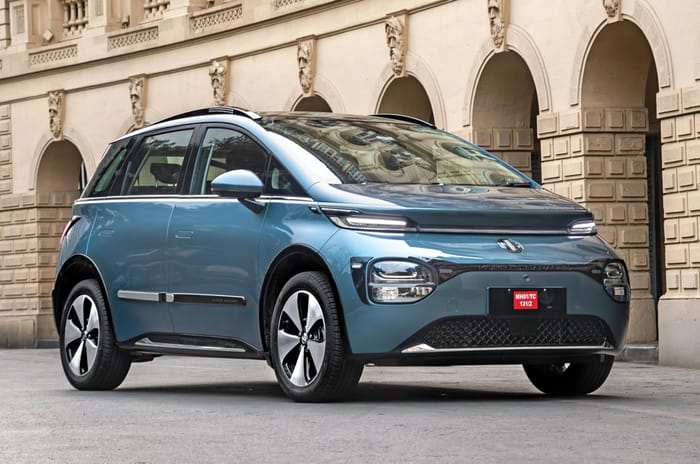
Mahindra XEV 9S
79kWh 0-100kph: 7.54 seconds
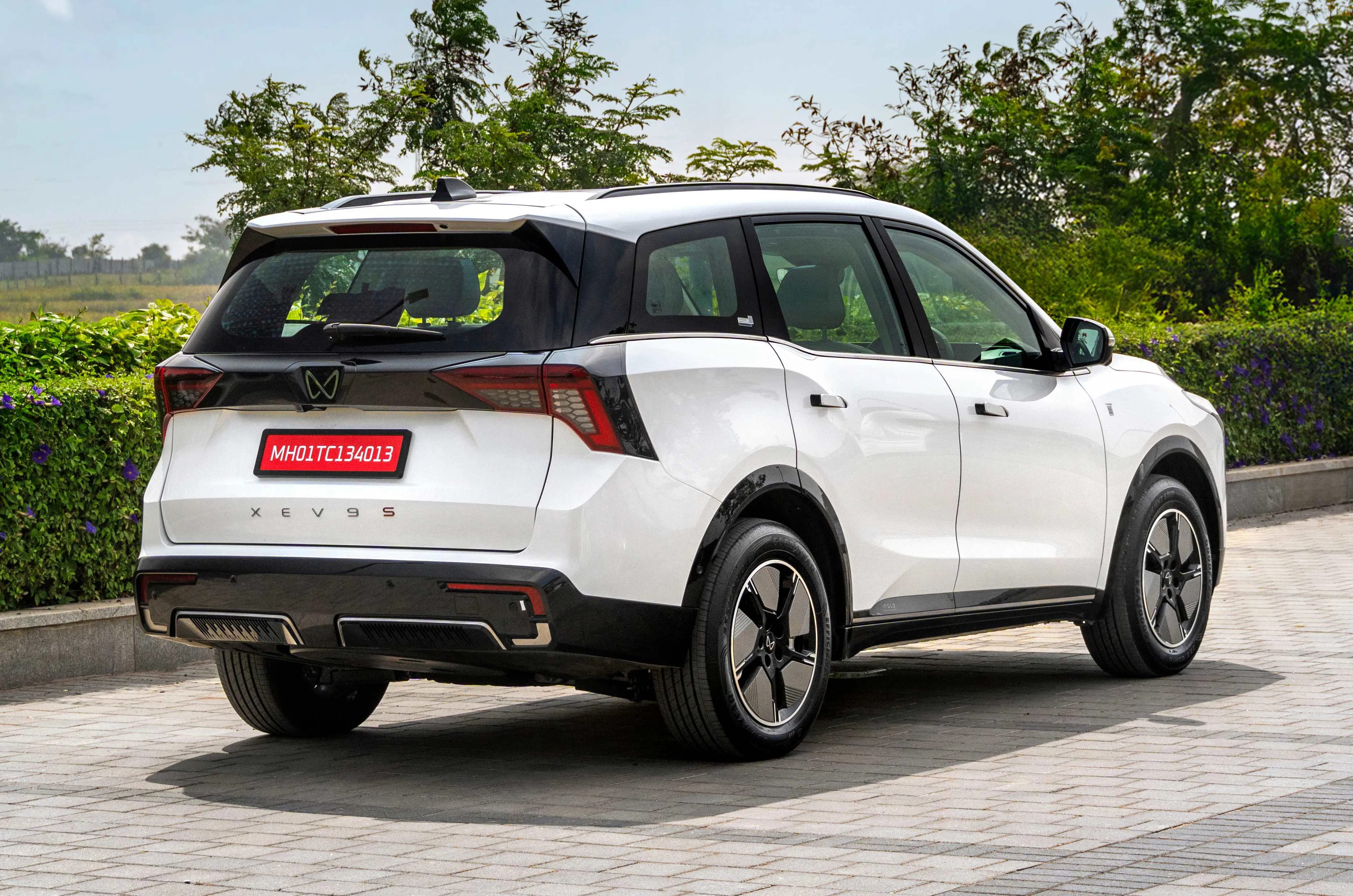
The XEV 9S is Mahindra’s only three-row electric vehicle in its lineup. It’s the only mass market three row SUV in India. The XEV 9S sits on the INGLO platform, and is available with either 59kWh, 70kWh, and 79kWh battery packs. We’ve tested the largest 79kWh version that’s paired to a rear-mounted motor developing 286hp and 380Nm of torque. The 9S managed to take 7.54 seconds in our 0-100kph test. 79kWh variants of the XEV 9S range between Rs 21.95 lakh and Rs 29.55 lakh.
Mahindra XEV 9S Pack Three performance factfile
Battery
79kWh
Power
286hp
Torque
380Nm
ARAI range
679km
0-100kph
7.54s
20-80kph (rolling acceleration)
4.11s
40-100kph (rolling acceleration)
4.74s
Mahindra XEV 9e
79kWh 0-100kph: 7.45 seconds
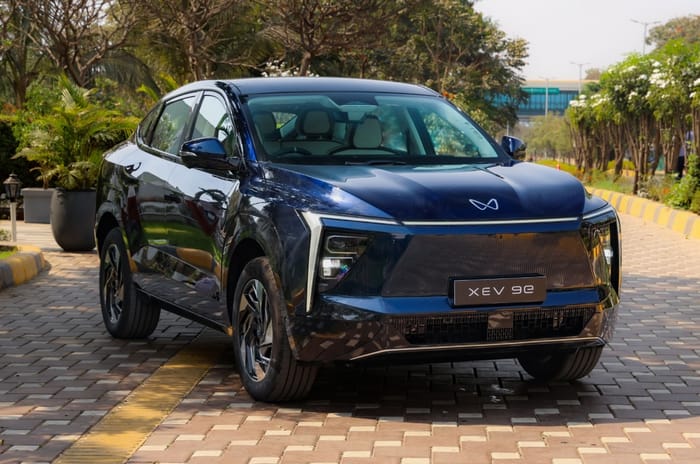
Mahindra’s flagship two-row EV has two battery pack options – 59kWh and 79kWh – and we’ve managed to test the larger battery version. The top-spec XEV 9e Pack Three – only available with the 79kWh battery – has a 286hp, 380Nm rear motor, with Mahindra claiming a 0-100kph time of 6.8 seconds. However, our performance tests showed the Mahindra XEV 9e 79kWh version sprints to 60kph in 4.14 seconds and to 100kph in 7.45 seconds; 0.65 seconds slower than Mahindra’s claim. 79kWh variants of the XEV 9e begin from Rs 26.50 lakh and go up to Rs 30.50 lakh.
Mahindra XEV 9e Pack Three performance factfile
Battery
79kWh
Power
286hp
Torque
380Nm
ARAI range
656km
0-60kph
4.14s
0-100kph
7.45s
20-80kph (rolling acceleration)
4.17s
40-100kph (rolling acceleration)
4.61s
Mahindra BE 6
79kWh 0-100kph: 7.1 seconds
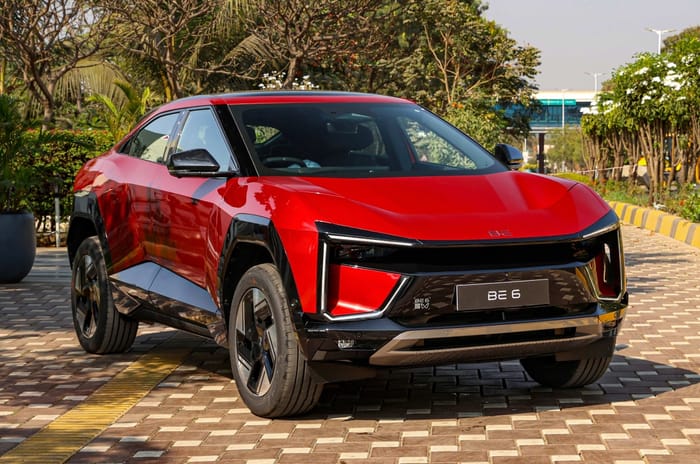
Mahindra’s answer to the Hyundai Creta Electric shares its battery options and motor with the larger XEV 9e. Naturally, the smaller Mahindra BE 6 is quicker than the coupe-SUV, with a claimed 0-100kph time of 6.7 seconds. In our tests, the BE 6 Pack Three recorded a 0-60kph time of 4 seconds and a 0-100kph time of 7.1 seconds (0.4 seconds short of the claimed time). The Mahindra BE 6 Pack Three is priced from Rs 26.90 lakh.
Mahindra BE 6 Pack Three performance factfile
Battery
79kWh
Power
286hp
Torque
380Nm
ARAI range
683km
0-60kph
4s
0-100kph
7.14s
20-80kph (rolling acceleration)
4.03s
40-100kph (rolling acceleration)
4.46s
Tata Harrier EV
75kWh AWD 0-100kph: 6.74 seconds
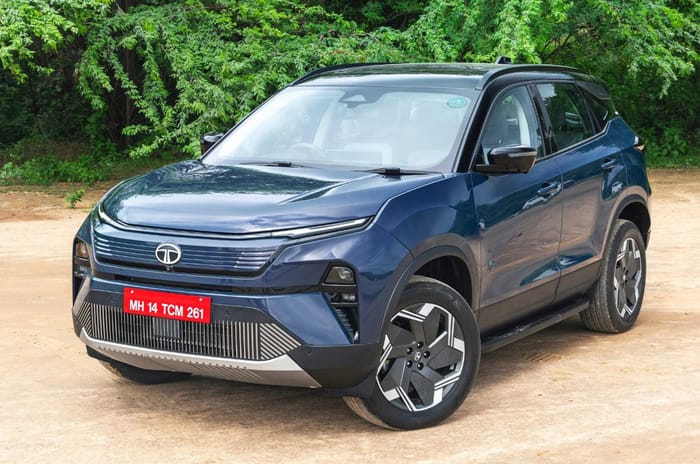
The Tata Harrier EV is the second quickest EV to 100kph that we have tested so far. It gets an all-wheel-drive setup, courtesy of dual electric motors (one on each axle), and even gets a Boost function. We tested the larger 75kWh battery variant, which produces a combined 313hp and 504Nm from the two electric motors. Naturally, the sprint to 100kph was also rapid in just 6.74 seconds in Boost Mode, quite commendable for Harrier EV AWD’s portly 2.3-tonne kerb weight. It’s also not too far from Tata’s claimed time of 6.3 seconds. The top-spec Harrier EV AWD is priced at Rs 28.99 lakh.
Tata Harrier EV AWD Performance factfile
Battery
75kWh
Power
313hp
Torque
504Nm
ARAI range
622km
0-60kph
3.62s
0-100kph
6.74s
20-40kph (rolling acceleration)
3.89s
40-100kph (rolling acceleration)
4.32s
Vinfast VF7
79.kWh AWD 0-100kph: 6.03 seconds
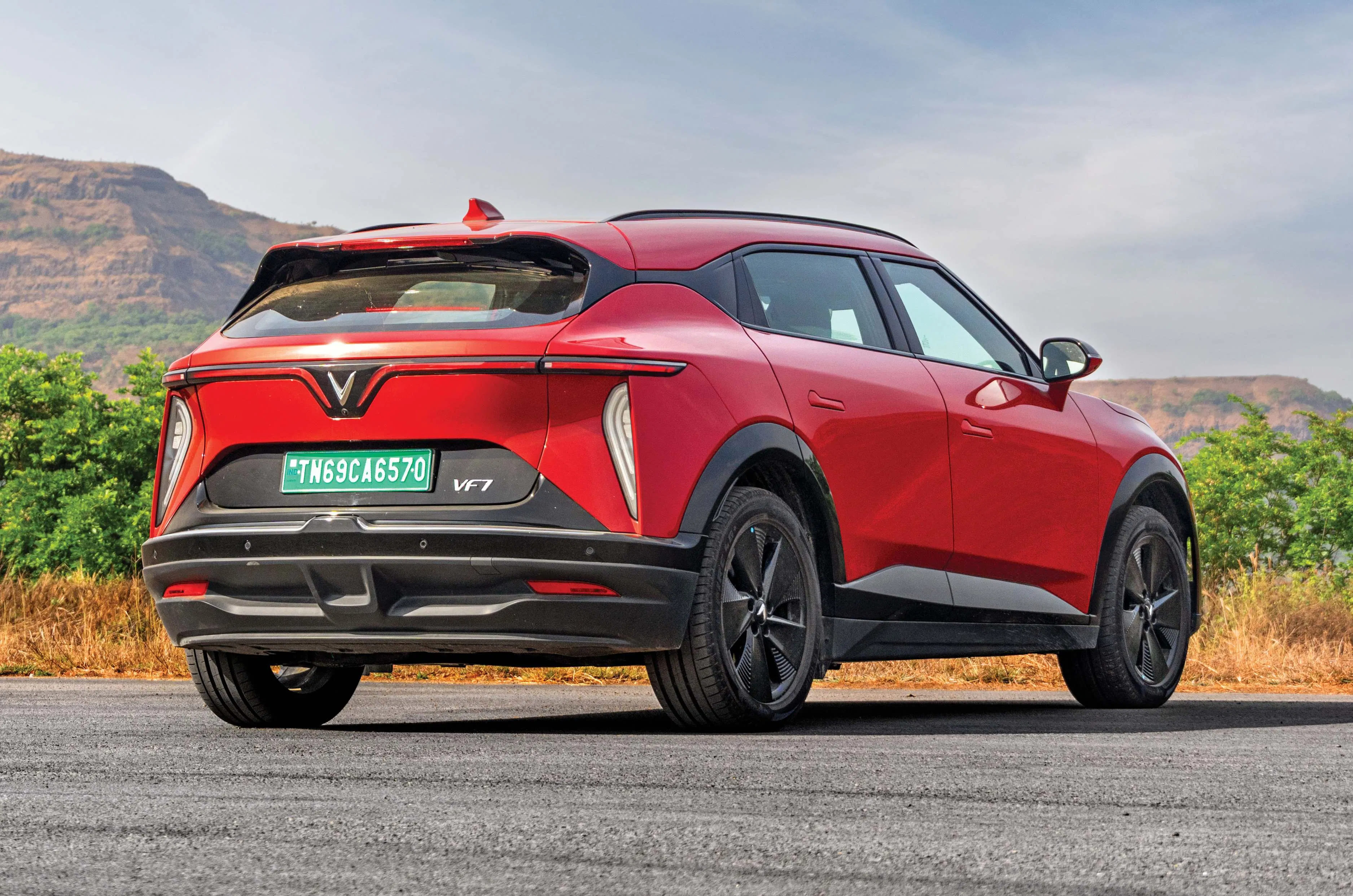
Vinfast’s flagship offering for India, the VF7 is the quickest mass-market EV we’ve tested till date. The SUV is available with either a 59.6kWh battery pack or a 70kWh unit. The latter option is available in two states of tune- a front mounted motor developing 204hp and 310Nm of torque and an dual-motor AWD version churning out 353hp (the most powerful one in this list) and 500Nm. We tested the 353hp version and managed to clock a 0-100kph time of 6.03 seconds, falling short of the company-claimed time by 0.23 seconds. The top-spec VF7 versions range from Rs 26.19 lakh to Rs 26.79 lakh.
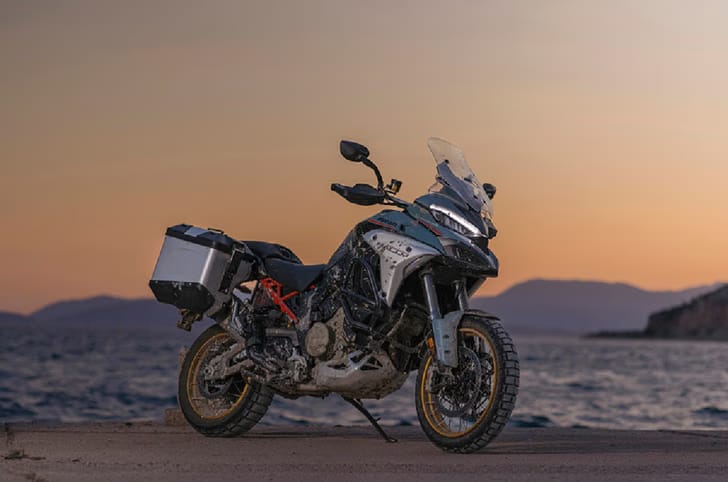
The 2026 Ducati Multistrada V4 Rally was unveiled for global markets last October and, less than a year later, the adventure tourer has arrived in India with prices starting at Rs 32.40 lakh. For 2026, it receives a number of updates, including revised suspension and enhanced electronics.
Gets Automatic Lowering Device and Forward Collision Warning
Powered by the 1,158cc V4 Granturismo engine producing 170hp and 123Nm
Available in Ducati Red and Jade Green
2026 Ducati Multistrada V4 Rally India price and details
The bike gets an updated semi-active Adaptive Ducati Skyhook Suspension (DSS) EVO system
The updated Ducati Multistrada V4 Rally continues to be powered by the 1,158cc V4 Granturismo engine, producing 170hp at 10,750rpm and 123Nm at 9,000rpm. It also retains the rear-cylinder deactivation feature at standstill and low engine speeds.
Notable chassis updates include a repositioned, higher-mounted swingarm pivot and a larger 280mm rear brake disc. Ducati has also revised the windscreen, making it 40mm wider and 20mm taller, redesigned the centre stand to make it easier to use, and made heated grips with five temperature settings standard fitment.
The semi-active Marzocchi suspension now uses the updated Adaptive Ducati Skyhook Suspension (DSS) EVO system, which adjusts damping in real time based on road conditions and riding style. The bike also gets Ducati Vehicle Observer (DVO), an algorithm that processes inputs from 70 sensors to further refine the intervention of rider aids such as cornering ABS and wheelie control. A new Automatic Lowering Device automatically lowers the bike below 10kph to make low-speed manoeuvres easier before returning it to its standard ride height once speeds exceed 50kph on-road or 20kph off-road. The radar suite has also been expanded to include Forward Collision Warning alongside the existing Adaptive Cruise Control and Blind Spot Detection.
The 2026 Ducati Multistrada V4 Rally is available in Ducati Red at Rs 32.40 lakh and Jade Green at Rs 32.73 lakh (both prices ex-showroom, India).
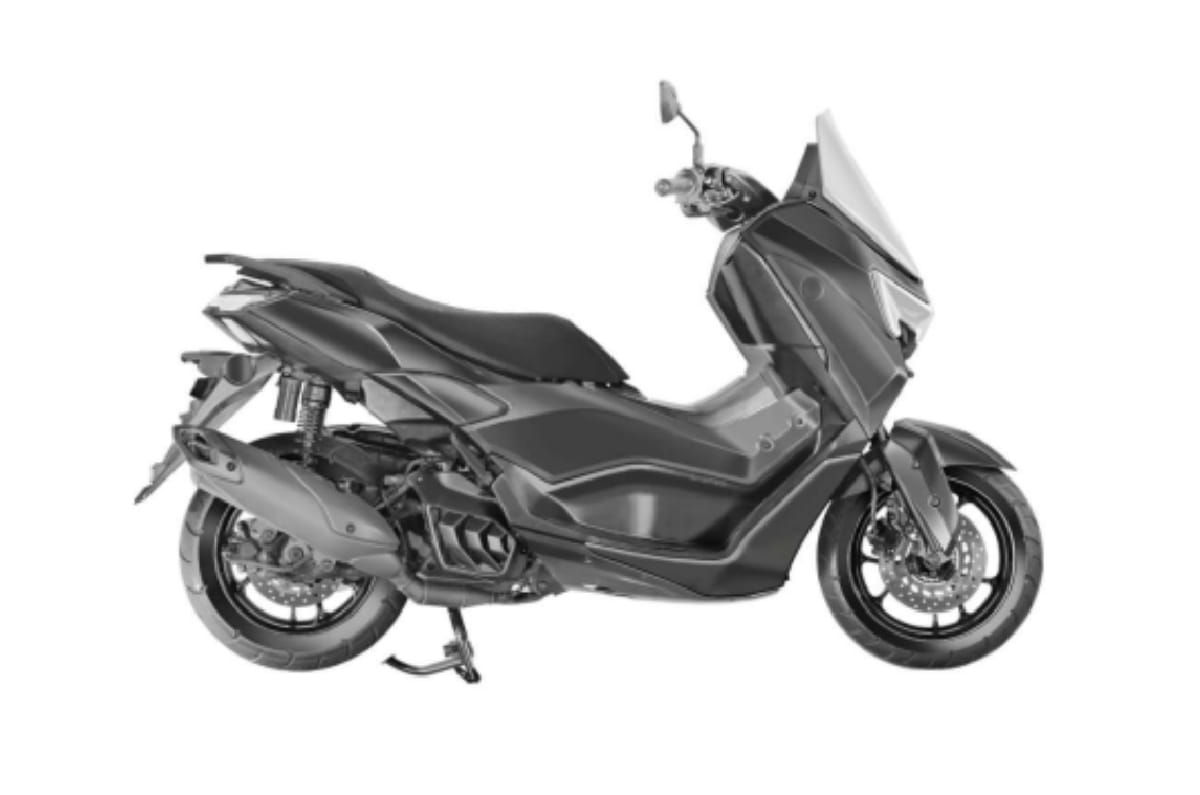
Earlier this month, we learnt that Yamaha was actively working on bringing the NMax 155 to India by 2027. The publication of a design patent for the maxi-scooter in India now adds further weight to those reports.
Design patent filed for the Yamaha NMax 155 in India
Maxi-scooter shares its 155cc engine with the Aerox 155
Expected to be priced above the Aerox 155
Yamaha NMax 155 India launch details
The NMax shares its engine with the Aerox but differs significantly in size and equipment
Despite looking very different from the Aerox, the NMax 155 shares the same 155cc liquid-cooled, single-cylinder engine producing 15hp at 8,000rpm and 14Nm at 6,500rpm. Given that both scooters use the same engine and the Aerox is already E20 compliant, the NMax is expected to be similarly compatible.
The NMax rides on smaller 13-inch wheels compared to the Aerox’s 14-inch units, and is also quite different dimensionally. It has a lower 770mm seat height versus the Aerox’s 790mm, a marginally shorter 1,340mm wheelbase, and 125mm of ground clearance compared to the Aerox’s 145mm. Despite its smaller 5.5-litre fuel tank (versus 7.1 litres on the Aerox), the NMax weighs around 10kg more at 135kg with a full tank. Under-seat storage stands at 25 litres, marginally larger than the Aerox’s 24.5 litres and the Hero Xoom 160’s 22 litres.
In international markets, the NMax is offered with a comprehensive feature set that includes a Bluetooth-compatible 4.2-inch colour TFT display, keyless ignition, all-LED lighting, an idle stop-start system and two front storage cubbies – one open and one enclosed. It also gets a rear disc brake and dual-channel ABS, both of which are absent on the India-spec Aerox. Whether Yamaha carries over this equipment to the India-spec NMax remains to be seen, and we’ll update this story as more details emerge.
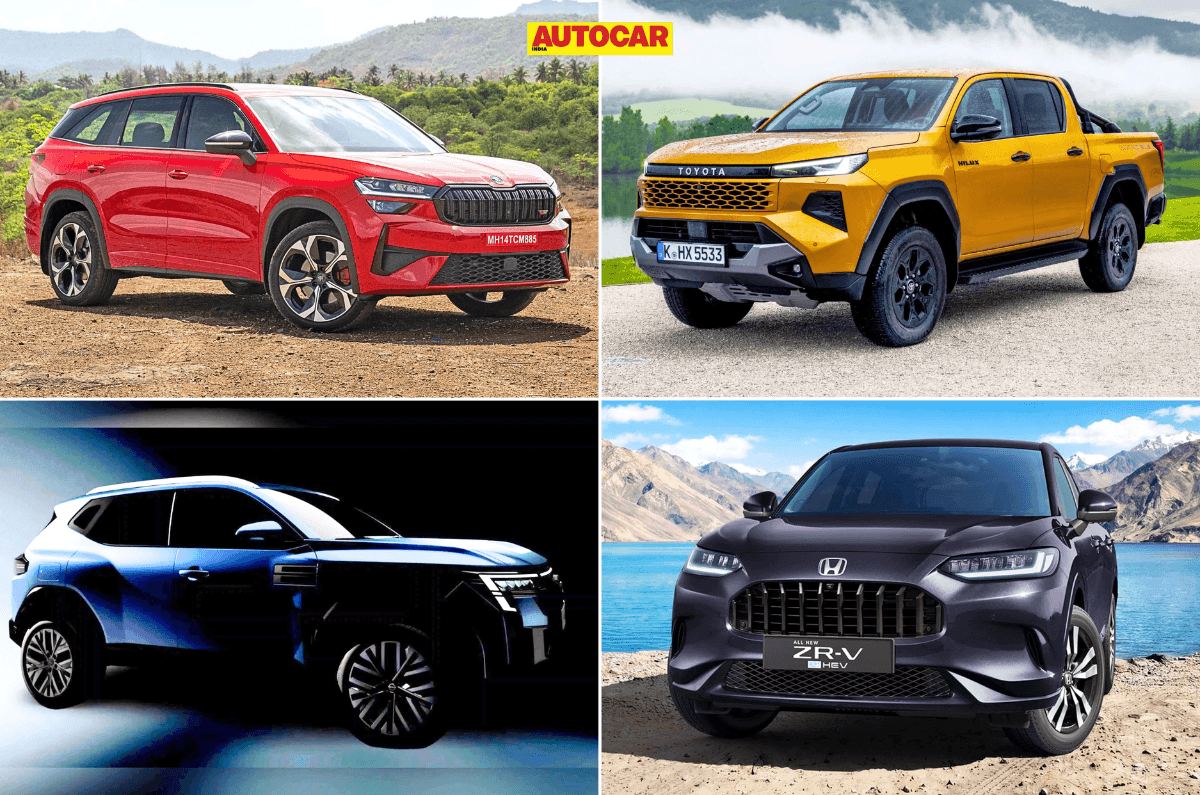
June was a busy month for automobile industry, bringing us the updated Toyota Innova Crysta, Mercedes-Benz S-Class facelift, Maruti Wagon R flex-fuel, Citroen eC3X and Porsche 911 GT3. With July marking the start of the second half of 2026, several more models are lined up. Here is a look at the cars set to either launch or debut next month.
2026 Renault Kwid facelift
Launch date: July 3
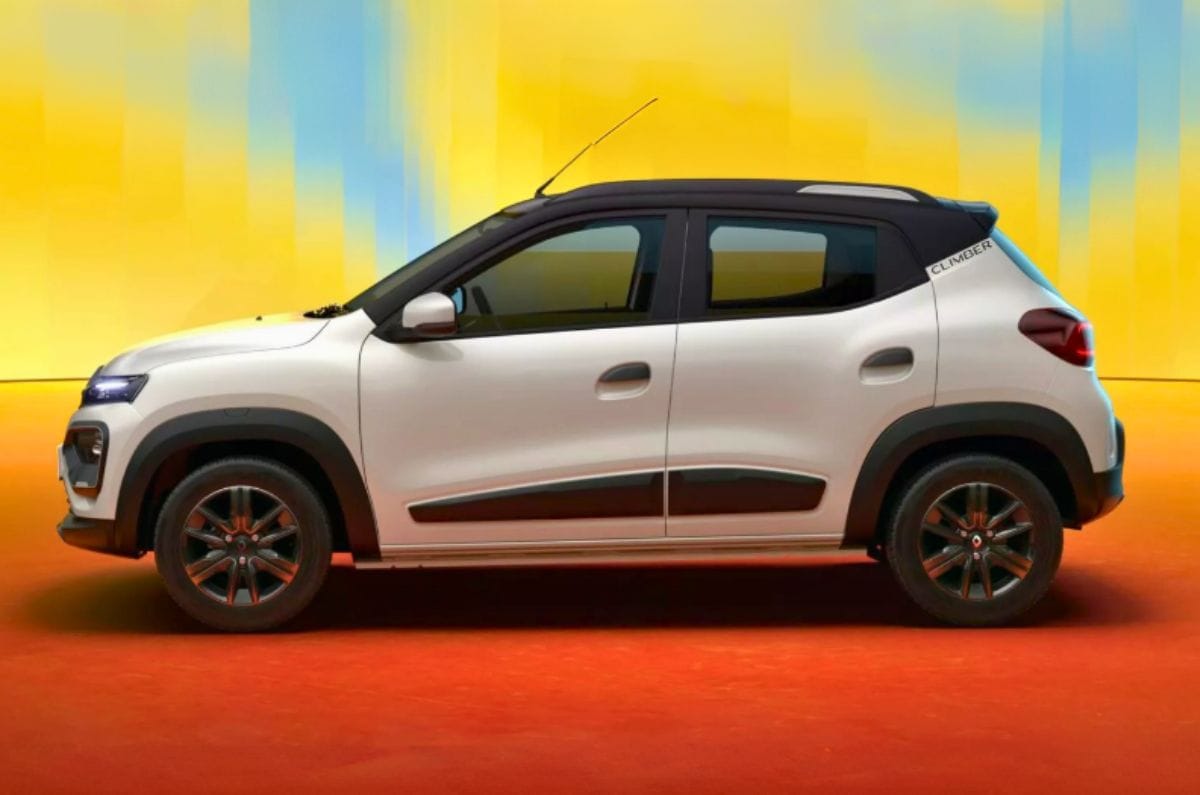
Current Renault Kwid (image used for representation).
Renault’s answer to Maruti Alto K10 was first launched in 2015, followed by a facelift in 2019. The current model has been on sale for seven years, and is pretty long in the tooth. Part of Renault’s “rethink strategy”, the entry-level hatchback is set to receive its second facelift in July. Based on spy shots from before, it could get fresh Y-shaped LED daytime running lamps similar to those on the international-spec Duster, new bumpers and tail-lights.
Upgrades such as standard six airbags, a bigger touchscreen, a new steering wheel and instrument cluster are likely. The Kwid is currently available only with a 69hp, 92.5Nm 1.0-litre petrol engine paired to either a manual gearbox or an AMT unit, which could be carried over. Currently priced between Rs 4.30 lakh and Rs 5.88 lakh, ex-showroom, a slight price bump is likely with the facelift.
Nissan Tekton
Debut date: July 9
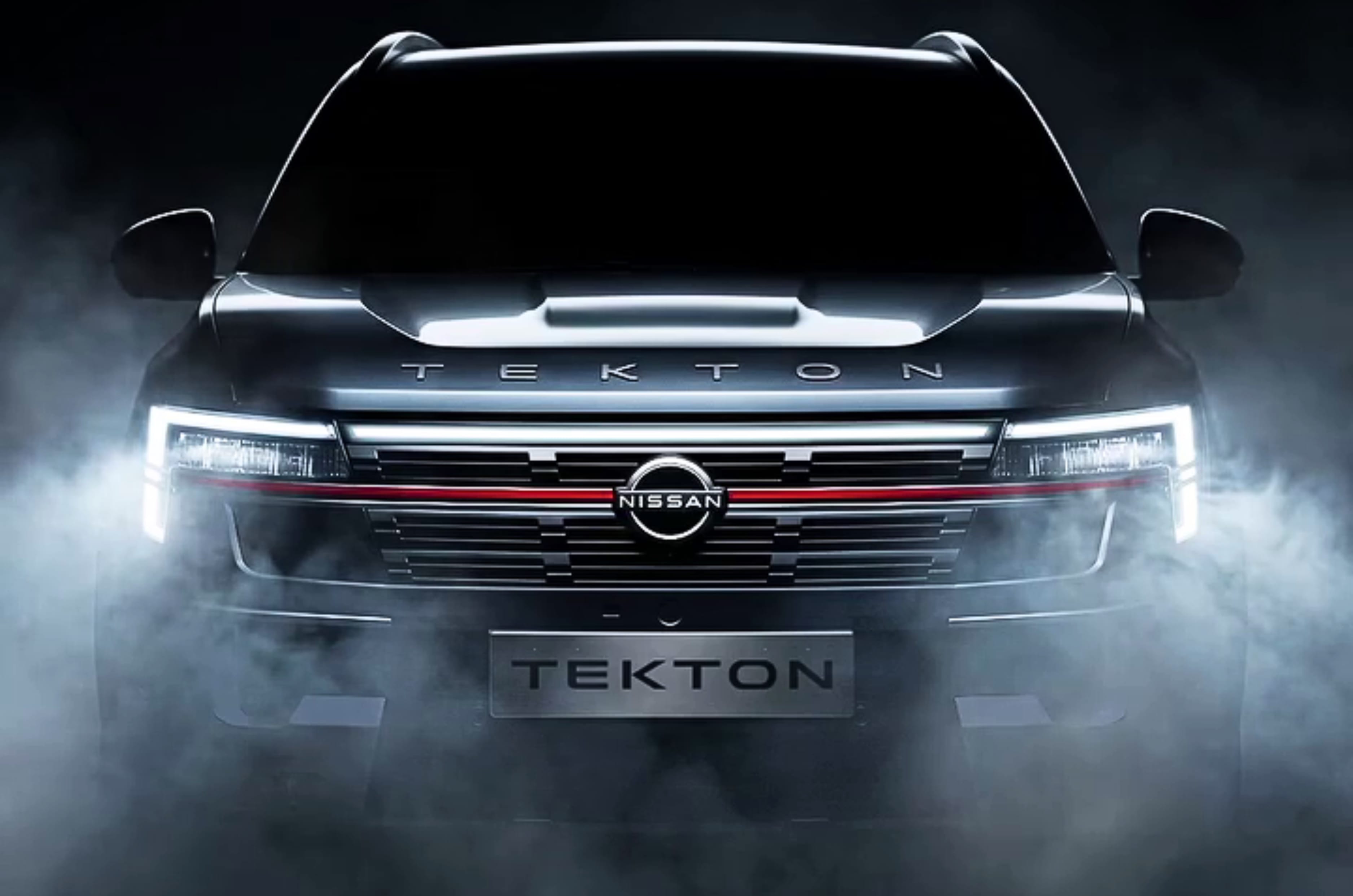
Nissan has been drip-feeding teasers of the Tekton, the Japanese carmaker’s version of the Duster, revealing features such as LED headlights, pull-type door handles at the front and C-pillar-mounted ones at the rear, multi-spoke alloy wheels, a twin-ridge spoiler and C-shaped tail-lights.
The Tekton will be offered with 100hp, 166Nm 1-litre and 163hp, 280Nm 1.3-litre turbo-petrol engine options. A 6-speed manual gearbox will be offered with both engines, but an automatic gearbox – a 7-speed DCT in this case – will be limited to the more powerful mill.
The Tekton is expected to be priced similarly to the Duster, which starts at Rs 10.49 lakh and goes up to Rs 18.69 lakh for the top-spec turbo-petrol variant. In addition to the Duster, the Tekton will take on the likes of the Tata Sierra, Hyundai Creta, Kia Seltos, Skoda Kushaq, Maruti Grand Vitara and more.
Wuling Starlight 560-based JSW-MG SUV
Debut date: July 16
Wuling Starlight 560 (image used for representation).
JSW-MG Motor’s new SUV debuting in July is likely to be a rebadged version of the Wuling Starlight 560 SUV, for which a design patent was filed in India in March. The Starlight 560 is a 4,745mm-long SUV and features LED headlights, 18-inch alloy wheels and LED tail-lights. Inside, the seven-seater SUV gets a dual-tone cabin, a 12.8-inch touchscreen, an 8.8-inch digital driver’s display, 6-speaker audio system, a 50W wireless phone charger and a panoramic sunroof.
In international markets, the Starlight 560 is available in plug-in hybrid and EV guises. For instance, the PHEV has a 1.5-litre petrol engine and a front-mounted electric motor powered by a 20.5kWh battery. Combined, this hybrid setup produces 195hp and 230Nm and offers a claimed range of over 1,000km. Meanwhile, the all-electric version gets a 69.2kWh battery and a 201hp motor at the front, with a CLTC-claimed range of 530km. It remains to be seen which powertrain is headed to India.
We expect it to be priced competitively, much like other MG models. The PHEV version could serve as an alternative to the Mahindra XUV 7XO and Tata Safari, while the EV may rival the Mahindra XEV 9S.
Maruti Brezza facelift
Debut date: July 23
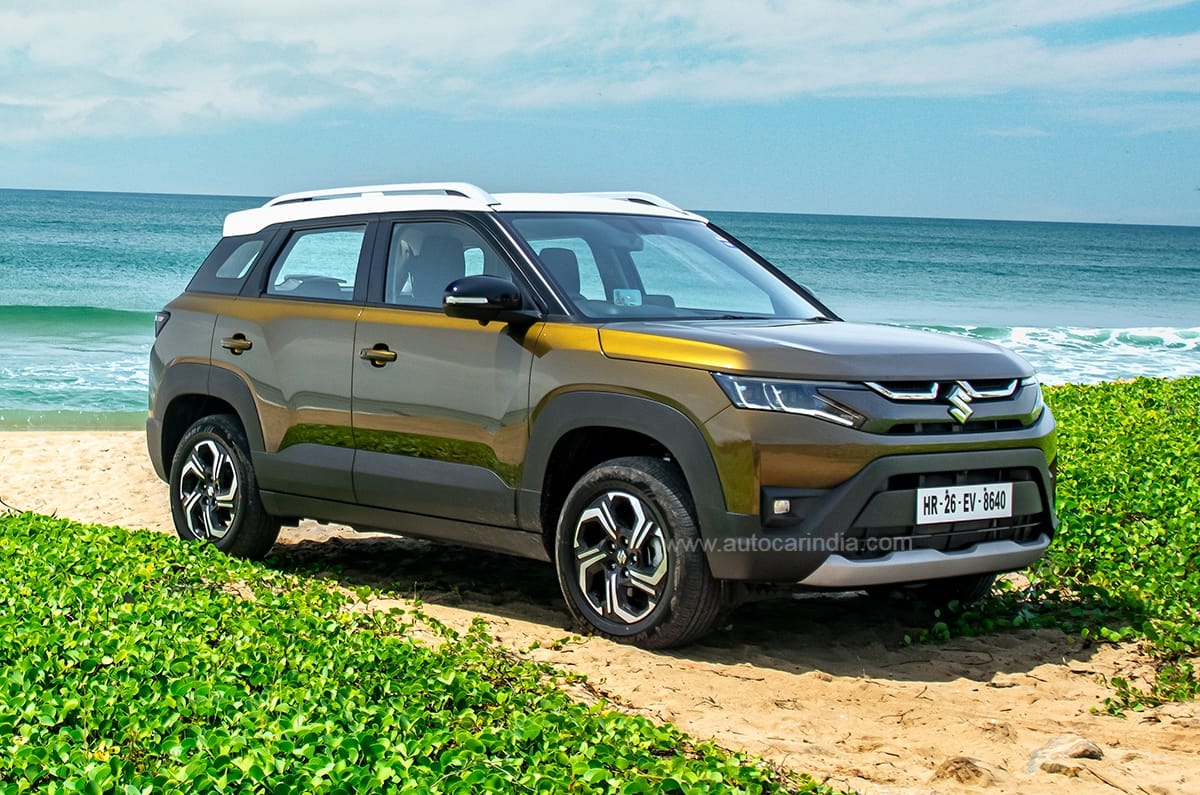
Current Maruti Brezza (image used for representation).
The current-generation Maruti Brezza was launched in 2022, and it’s set to get a mid-lifecycle update towards the latter half of July. Several test mules of the Brezza facelift have been spied before, and among expected updates are revised bumpers and new alloy wheels and a larger 10.1-inch infotainment touchscreen, replacing the current 9-inch unit. The Brezza is currently offered with the 103hp, 137Nm 1.5-litre naturally aspirated petrol engine with a choice between 5-speed manual and 6-speed automatic gearboxes; a CNG option is on offer as well. The new Brezza could get a Victoris-like underbody CNG tank setup to liberate more space in the boot.
However, the biggest change to the new Brezza could be under the hood, as it’s expected to get a turbo-petrol engine for the first time. It’s likely going to be the 1.0-litre three-cylinder Boosterjet unit that powers the Fronx, where it generates 100hp and 148Nm. The engine could be paired with a new 6-speed manual transmission, something that was seen in one of the interior spy shots earlier.
Having a 1.0-litre turbo-petrol engine would also mean a lower 18 percent tax on the Brezza facelift variants with this engine, as they will then fall under sub-4m cars with petrol engines up to 1,200cc category. The current Brezza 1.5 attracts 40 percent GST, and is priced between Rs 8.26 lakh and Rs 12.86 lakh, ex-showroom.
Skoda Kodiaq RS
Launch date: Not disclosed yet
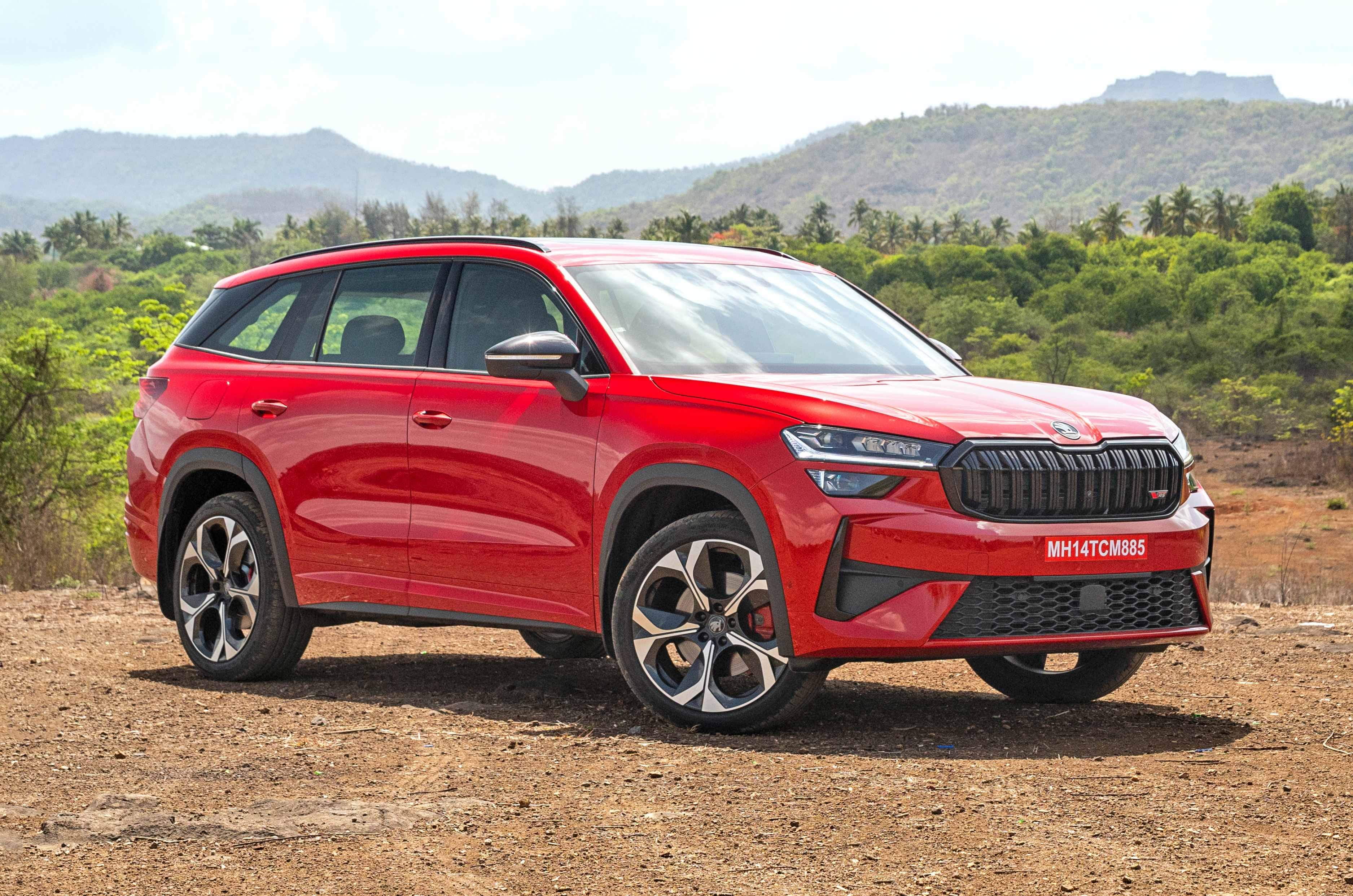
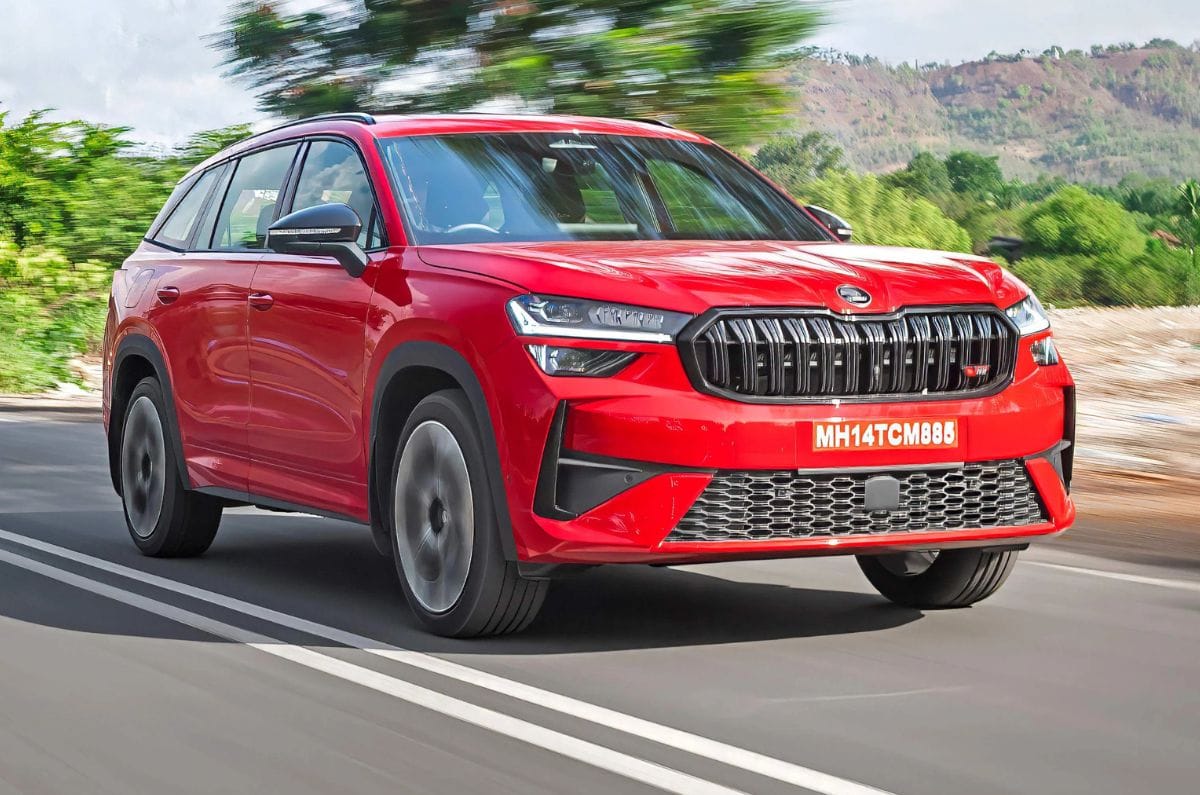
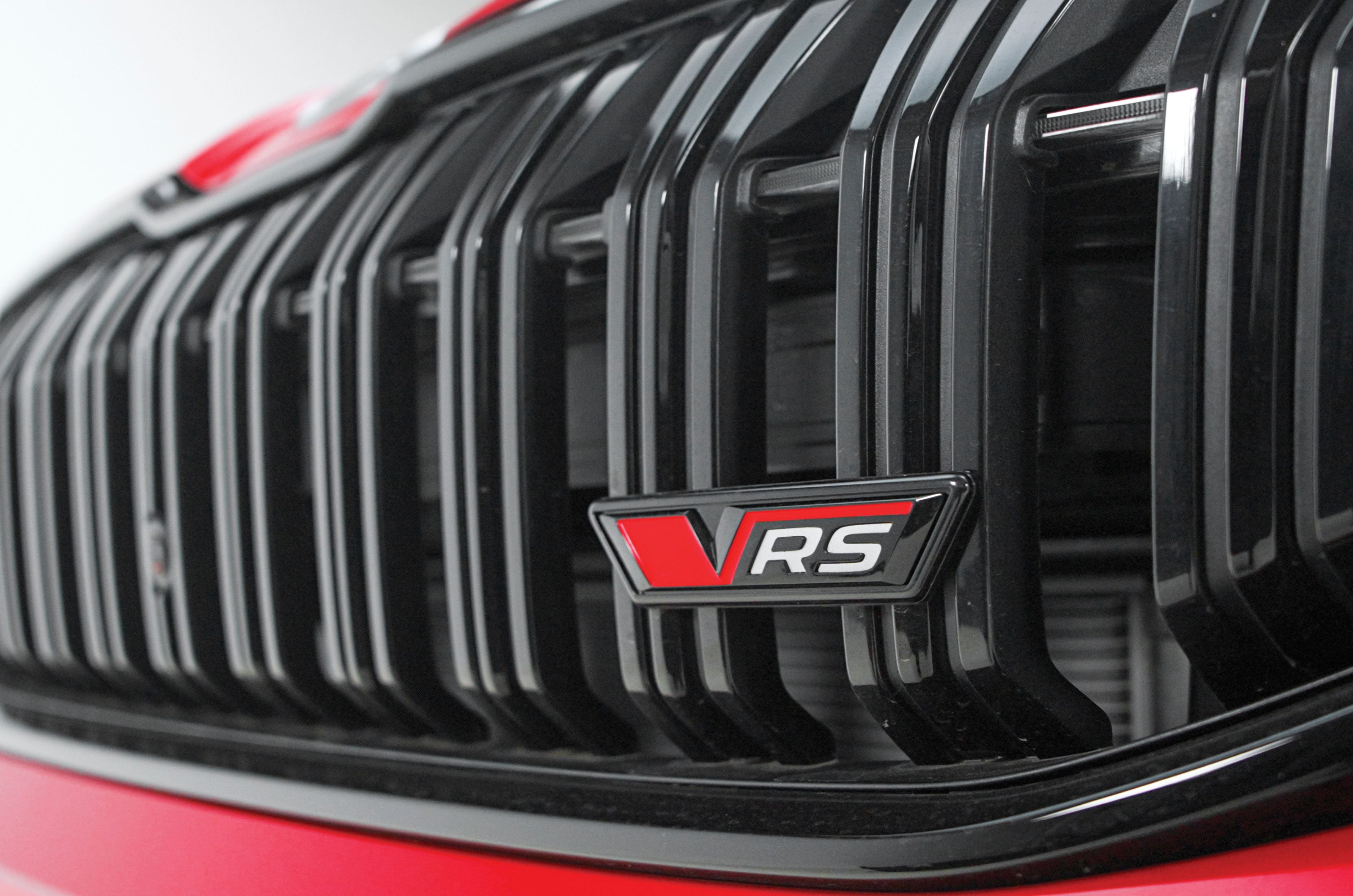
Even before the price announcement, the first 50 units of Skoda Kodiaq RS allocated for India are already sold out. Compared to the standard Kodiaq, the RS stands out with sportier bumpers, 20-inch alloy wheels, a larger roof spoiler, dual exhaust tips and RS badging
Under the hood, the RS has a retuned version of the standard Kodiaq’s 2.0-litre four-cylinder turbo-petrol engine, producing 265hp and 400Nm. That is 61hp and 80Nm more than the standard model. The engine is paired with a 7-speed dual-clutch automatic gearbox and an all-wheel-drive system. Skoda claims a 0-100kph time of 6.3 seconds, making it the “quickest Skoda ever [to be] launched in India”. It also gets Dynamic Chassis Control Plus adaptive suspension.
The fully imported Kodiaq RS is expected to be priced between Rs 60 lakh and Rs 65 lakh, ex-showroom). That would make it around Rs 15-20 lakh more expensive than the locally assembled Kodiaq L&K.
Honda ZR-V
Launch date: Not disclosed yet
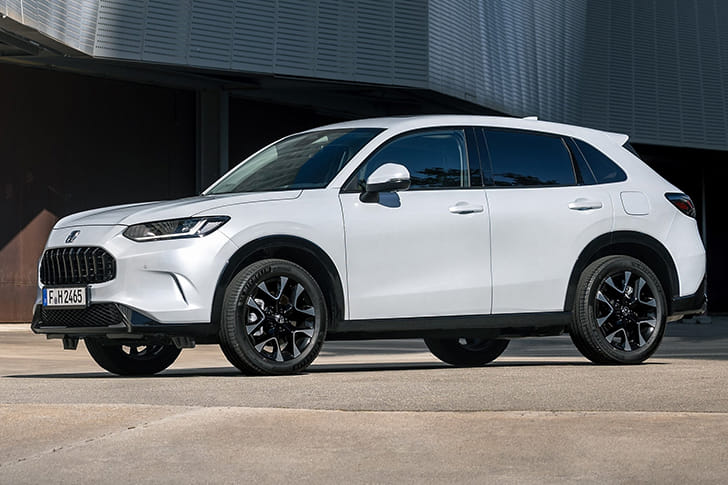
Pre-bookings for the Honda ZR-V hybrid SUV have been underway since May and upon launch, it’ll be the brand’s flagship SUV here. It gets features like LED headlights, 18-inch alloy wheels, wraparound tail-lights, 9-inch touchscreen, a 10.25-inch digital driver’s display, dual-zone climate control, a wireless phone charger and a 12-speaker Bose sound system.
The ZR-V hybrid has a 2.0-litre four-cylinder petrol engine along with two electric motors, and this setup produces combined outputs of 184hp and 315Nm. An e-CVT sends drive to the front wheels and the SUV has a claimed 0-100kph time of 8 seconds and Honda claims a 22.79kpl mileage for the hybrid SUV. Being a CBU import, the Honda ZR-V hybrid may be priced around Rs 45 lakh, ex-showroom. If that happens, the ZR-V will find itself in the company of the Skoda Kodiaq and Volkswagen Tayron.
2026 Toyota Hilux
Launch date: Not disclosed yet
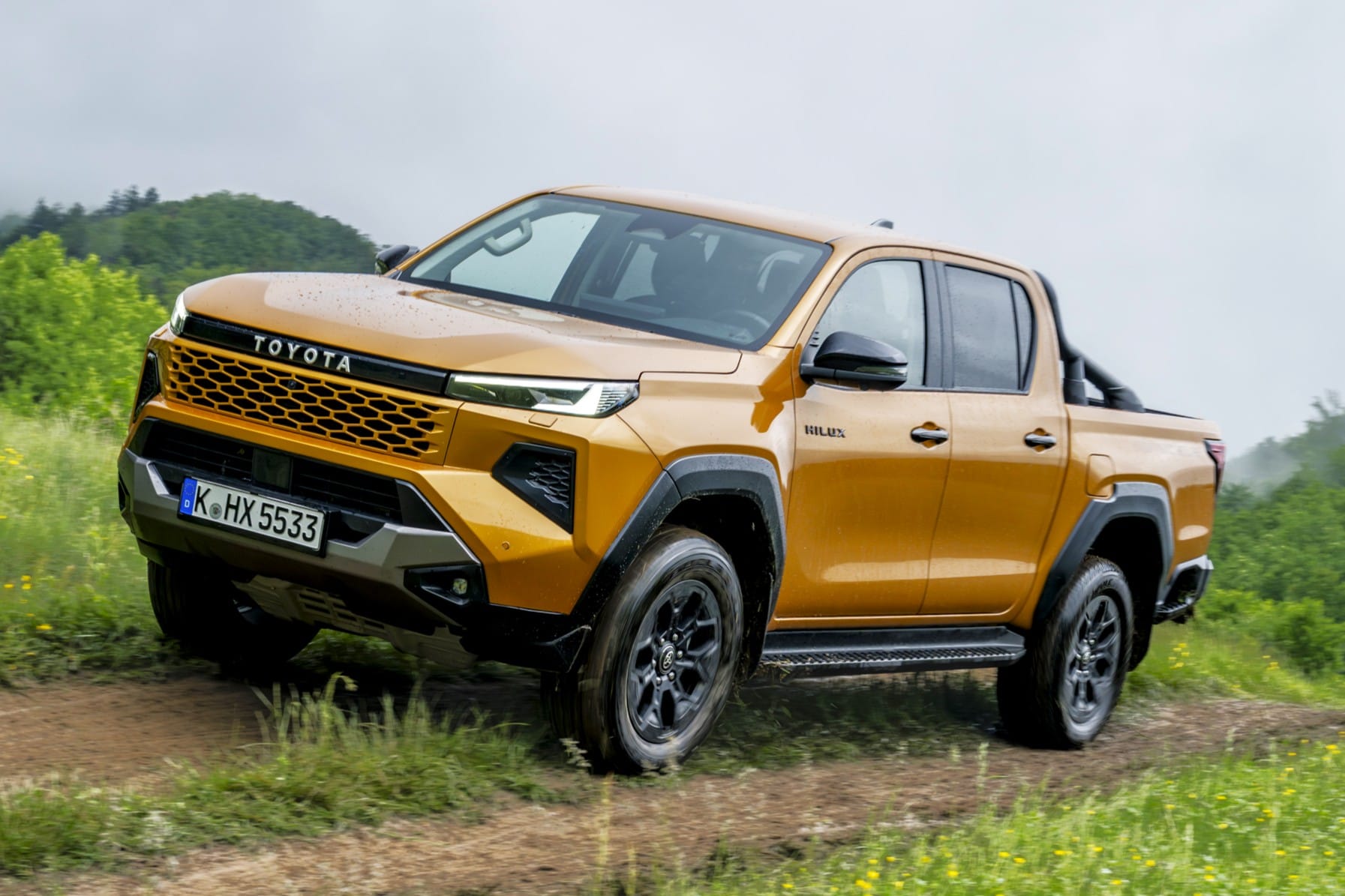
Toyota debuted the ninth-generation Hilux in 2025 and much like the outgoing model, the new pickup truck is based on the brand’s IMV body-on-frame platform. The new Hilux gets slimmer LED headlights, honeycomb-patterned grille, vertically oriented tail-lamps with C-shaped LED daytime running lamps and a chunky rear bumper. It is leagues more modern on the inside, featuring twin 12.3-inch displays, a new steering wheel, a wireless charging pad, powered and ventilated front seats and more.
The new Hilux is expected to be offered with Toyota’s 204hp, 500Nm 2.8-litre diesel engine with a 48V mild hybrid system as the Fortuner Neo Drive. While the Hilux even gets an EV version in overseas markets, that is unlikely for India. The current Hilux is priced between Rs 28.52 lakh and Rs 36 lakh, ex-showroom.
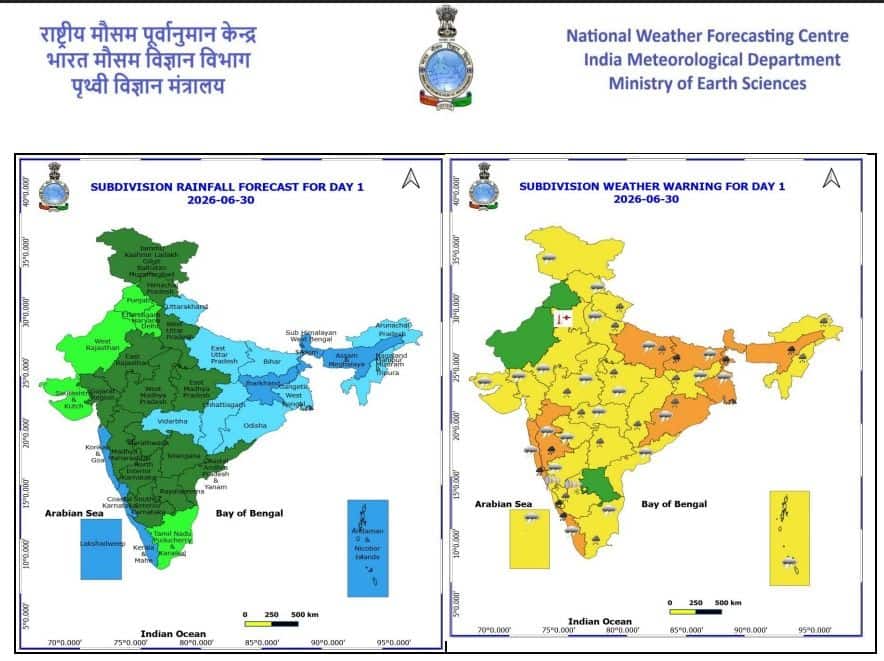
Aaj Ka Mausam 30 जून: देश के बड़े हिस्से में मानसून की रफ्तार तेज होने के साथ ही मौसम का मिजाज पूरी तरह बदल गया है। भारतीय मौसम विज्ञान विभाग (IMD) ने आज यानी 30 जून को देश के 20 से अधिक राज्यों में भारी से बहुत भारी बारिश और 15 से ज्यादा राज्यों में तेज आंधी-तूफान व बिजली गिरने का अलर्ट जारी किया है। दिल्ली-एनसीआर, उत्तर प्रदेश और बिहार समेत उत्तर-पश्चिम, मध्य और पूर्वी भारत के कई हिस्सों में आज मौसम का डबल अटैक देखने को मिल सकता है। एक तरफ तेज हवाएं चलेंगी तो दूसरी तरफ मूसलाधार बारिश लोगों को प्रभावित करेगी।
मौसम विभाग के मुताबिक दक्षिण-पश्चिम मानसून के अगले दो दिनों में उत्तर अरब सागर, गुजरात, मध्य प्रदेश, छत्तीसगढ़, झारखंड, बिहार, उत्तर प्रदेश और उत्तराखंड के कुछ और हिस्सों में आगे बढ़ने के लिए परिस्थितियां पूरी तरह अनुकूल हैं। इस बीच आइए जानते हैं क्षेत्रवार मौसम का पूरा पूर्वानुमान।
उत्तर-पश्चिम भारत: दिल्ली में हीटवेव के साथ बारिश और यूपी में भारी अलर्ट
उत्तर-पश्चिम भारत में मानसून और वेस्टर्न डिस्टर्बेंस (जो 2 जुलाई से सक्रिय होगा) के चलते मौसम में बड़ा बदलाव आ रहा है। 4 जुलाई तक यहां के तापमान में 4 से 5 डिग्री सेल्सियस की गिरावट दर्ज की जा सकती है।
दिल्ली, हरियाणा और पंजाब: आज दिल्ली, हरियाणा और चंडीगढ़ के कुछ इलाकों में लू की स्थिति बनी रह सकती है, लेकिन इसके साथ ही आज और कल यानी 1 जुलाई को हल्की से मध्यम बारिश की भी संभावना है। इसके बाद 2 से 4 जुलाई के बीच दिल्ली, पंजाब और हरियाणा में व्यापक रूप से भारी बारिश होगी। 1 से 6 जुलाई के दौरान 40-50 किमी/घंटा की रफ्तार से तेज हवाएं चलने का भी अनुमान है।
उत्तर प्रदेश: यूपी में आज मौसम का तगड़ा असर दिखेगा। पश्चिमी और पूर्वी उत्तर प्रदेश में आज से 2 जुलाई के बीच भारी बारिश की चेतावनी है। पूरे राज्य में 30 जून से 6 जुलाई के दौरान गरज-चमक के साथ 40-50 किमी/घंटा की रफ्तार से तेज धूलभरी हवाएं चलने का अलर्ट जारी किया गया है।
उत्तराखंड और हिमाचल प्रदेश: उत्तराखंड में 30 जून से 6 जुलाई तक व्यापक बारिश होगी। 1 और 2 जुलाई को बहुत भारी बारिश का अलर्ट है। हिमाचल प्रदेश में भी 2 और 3 जुलाई को अत्यंत भारी बारिश की चेतावनी दी गई है। जम्मू-कश्मीर में 2 से 4 जुलाई के बीच भारी बारिश होगी।
राजस्थान: पूर्वी राजस्थान में 1 और 2 जुलाई को 50-60 किमी/घंटा (झोंके 70 किमी/घंटा तक) की रफ्तार से गंभीर आंधी-तूफान आने की आशंका है। यहां 2 से 6 जुलाई के बीच भारी बारिश होगी। पश्चिमी राजस्थान में 2 से 6 जुलाई के बीच धूलभरी आंधी चलने की संभावना है।
पूर्वी और पूर्वोत्तर भारत: बिहार और बंगाल में अत्यंत भारी बारिश की चेतावनी
पूर्वी भारत के राज्यों में मानसूनी सिस्टम पूरी तरह सक्रिय हो चुका है, जिससे कई जिलों में बाढ़ जैसे हालात बन सकते हैं।
बिहार: बिहार में आज (30 जून) और कल (1 जुलाई) मौसम विभाग ने बहुत भारी बारिश का अलर्ट जारी किया है। इसके साथ ही आज और कल 40-50 किमी/घंटा की रफ्तार से आंधी चलने और आकाशीय बिजली गिरने की आशंका है। 2 से 6 जुलाई के बीच भी बारिश का दौर जारी रहेगा।
पश्चिम बंगाल और सिक्किम: उप-हिमालयी पश्चिम बंगाल और सिक्किम में आज अत्यंत भारी बारिश होने का अनुमान है। वहीं गांगेय पश्चिम बंगाल में 5 और 6 जुलाई को बहुत भारी बारिश की चेतावनी दी गई है।
ओडिशा और झारखंड: ओडिशा में 1 से 4 जुलाई के बीच बहुत भारी बारिश की संभावना है जबकि झारखंड में 30 जून और 1 जुलाई को भारी बारिश के साथ 40-50 किमी/घंटा की रफ्तार से तेज हवाएं चलने का अलर्ट है।
पूर्वोत्तर भारत: असम और मेघालय में आज बहुत भारी बारिश का अलर्ट है, जबकि अरुणाचल प्रदेश, नागालैंड, मणिपुर, मिजोरम और त्रिपुरा में 2 जुलाई तक भारी बारिश और गरज-चमक की स्थिति बनी रहेगी।
मध्य और पश्चिमी भारत: मध्य प्रदेश से गुजरात तक मूसलाधार आफत
मध्य प्रदेश: मध्य प्रदेश में 1 से 6 जुलाई के दौरान व्यापक बारिश होगी। मौसम विभाग ने 2 से 4 जुलाई के बीच पूर्वी और पश्चिमी मध्य प्रदेश के कई हिस्सों में बहुत भारी बारिश का ऑरेंज अलर्ट जारी किया है। 3 जुलाई तक यहां 40-50 किमी/घंटा की रफ्तार से हवाएं चलेंगी।
विदर्भ और छत्तीसगढ़: विदर्भ में 3 और 4 जुलाई को बहुत भारी बारिश होने की संभावना है। वहीं छत्तीसगढ़ में 30 जून से 6 जुलाई के दौरान लगातार भारी बारिश का दौर जारी रहेगा।
गुजरात और महाराष्ट्र: कोंकण, गोवा और मध्य महाराष्ट्र के घाट इलाकों में आज और कल (1 जुलाई) और दोबारा 4 से 6 जुलाई के बीच अत्यधिक भारी बारिश होने की आशंका है। गुजरात क्षेत्र में 3 से 6 जुलाई के बीच भारी से बहुत भारी बारिश का अनुमान है, जिससे तापमान में 3 से 4 डिग्री की गिरावट आएगी।
दक्षिण भारत: कर्नाटक और केरल में रेड अलर्ट जैसी स्थिति, तटों पर हाई अलर्ट
दक्षिण प्रायद्वीपीय भारत के तटीय इलाकों में समुद्र बेहद अशांत रहने वाला है, जिसके लिए मछुआरों को चेतावनी जारी की गई है।
कर्नाटक: तटीय कर्नाटक में 30 जून से 6 जुलाई तक लगातार बहुत भारी बारिश का अनुमान है। दक्षिण आंतरिक कर्नाटक में 3 से 6 जुलाई के बीच अत्यंत भारी बारिश होने की संभावना है।
केरल और तेलंगाना: केरल और माहे में आज बहुत भारी बारिश का अलर्ट है। इसके बाद 1 से 6 जुलाई तक भारी बारिश जारी रहेगी। तेलंगाना में भी 30 जून से 6 जुलाई के बीच लगातार भारी बारिश और आंधी-तूफान की चेतावनी दी गई है।
राष्ट्रीय मौसम पूर्वानुमान केंद्र की ओर से जारी 30 जून का पूरे देश का वेदर मैप देखिए
मछुआरों के लिए चेतावनी: कोंकण, गोवा, कर्नाटक, केरल के तटों, लक्षद्वीप क्षेत्र और पूर्वी-मध्य अरब सागर में 40-50 किमी/घंटा से लेकर 60 किमी/घंटा की रफ्तार से खतरनाक हवाएं चलने की संभावना है। इसके अलावा मन्नार की खाड़ी और श्रीलंका के तटीय इलाकों में भी 45-55 किमी/घंटा की रफ्तार से चलने वाली तेज हवाओं के कारण समुद्र में न जाने की सलाह दी गई है।
डिस्क्लेमर: Moneycontrol पर दिए गए मौसम के ये अनुमान भारतीय मौसम विज्ञान विभाग (IMD) की आधिकारिक बुलेटिन पर आधारित हैं। किसी भी क्षेत्र में यात्रा करने या घर से बाहर निकलने से पहले स्थानीय मौसम चेतावनियों का पालन जरूर करें।
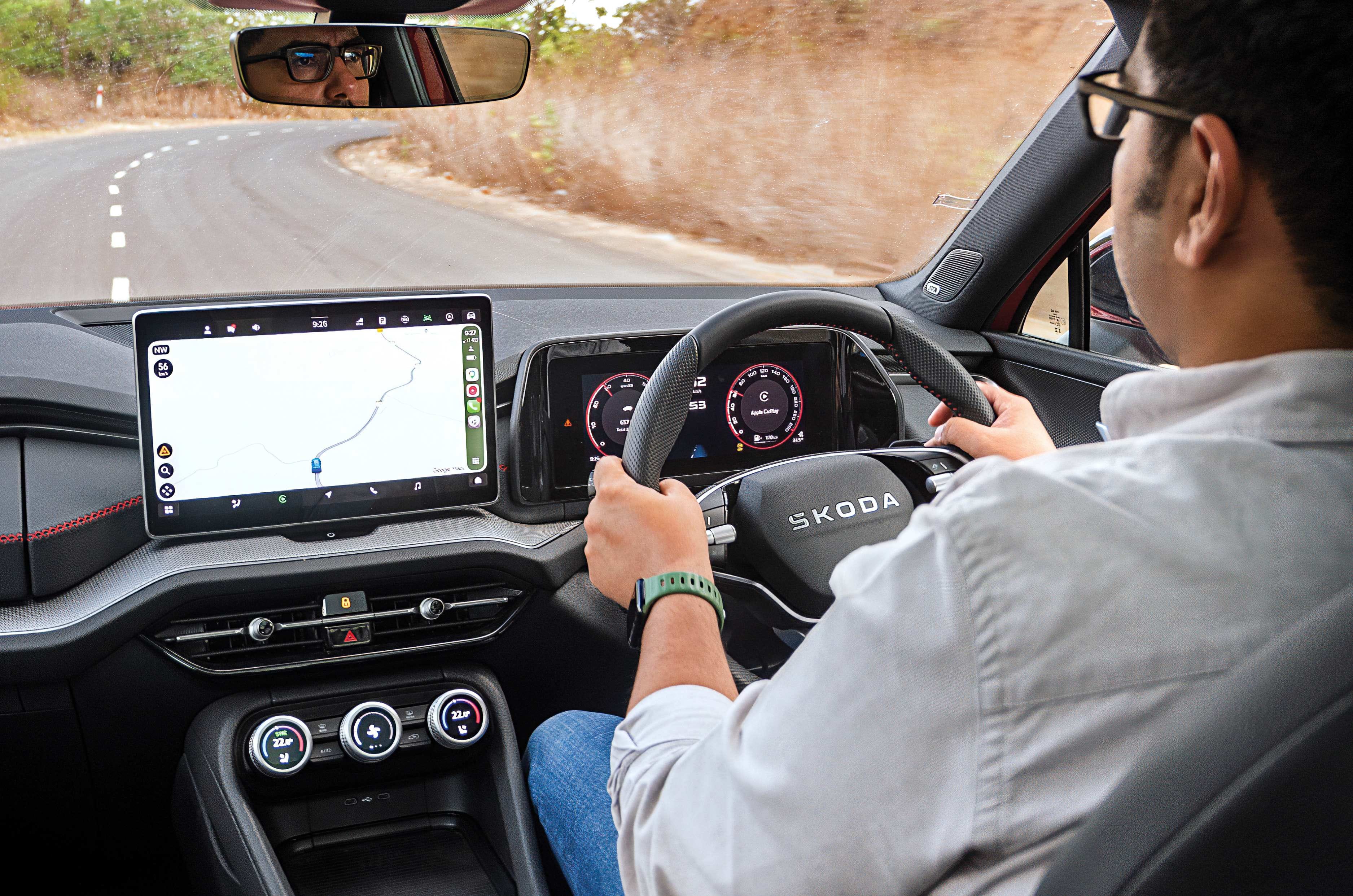
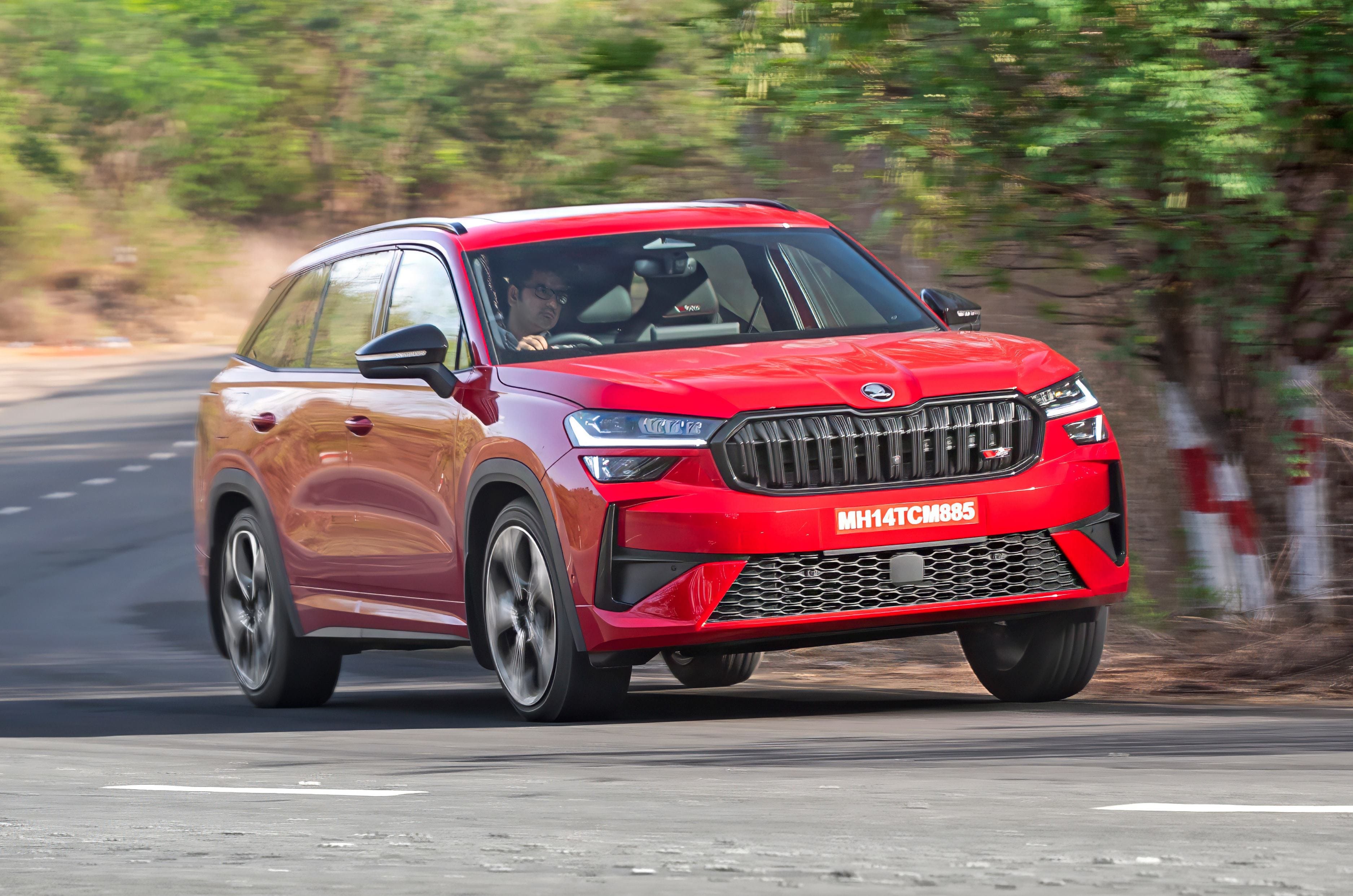
The Skoda Kodiaq RS is built on the Volkswagen Group’s MQB Evo platform and finds competition in the Volkswagen Tayron R-Line. Within a claimed six minutes of Skoda opening bookings for the Kodiaq RS in India, all 50 units were already spoken for. That said, the brand could allocate a second batch for our market if there’s enough demand. If you’re a prospective buyer of this 7-seater performance SUV, here are its pros and cons.
Lively engine and gearbox
Rev-happy engine snarls when pushed, adding to the engagement
Skoda has tweaked the 2.0-litre four-cylinder turbo-petrol direct injection engine for the Kodiaq RS. It now produces 265hp and 400Nm of torque – that’s 61hp and 80Nm more than the standard model. Not only does this engine pull hard all the way to 6,500rpm, but the power it produces remains usable throughout the rev-range. The 7-speed dual-clutch automatic transmission is also quick to shift and feels responsive when using the paddle shifters. Moreover, the sporty notes played through the speakers have been well-executed and do not sound fake.
A capable ride and handling package
The Kodiaq RS handles corners just as well as it does straight roads
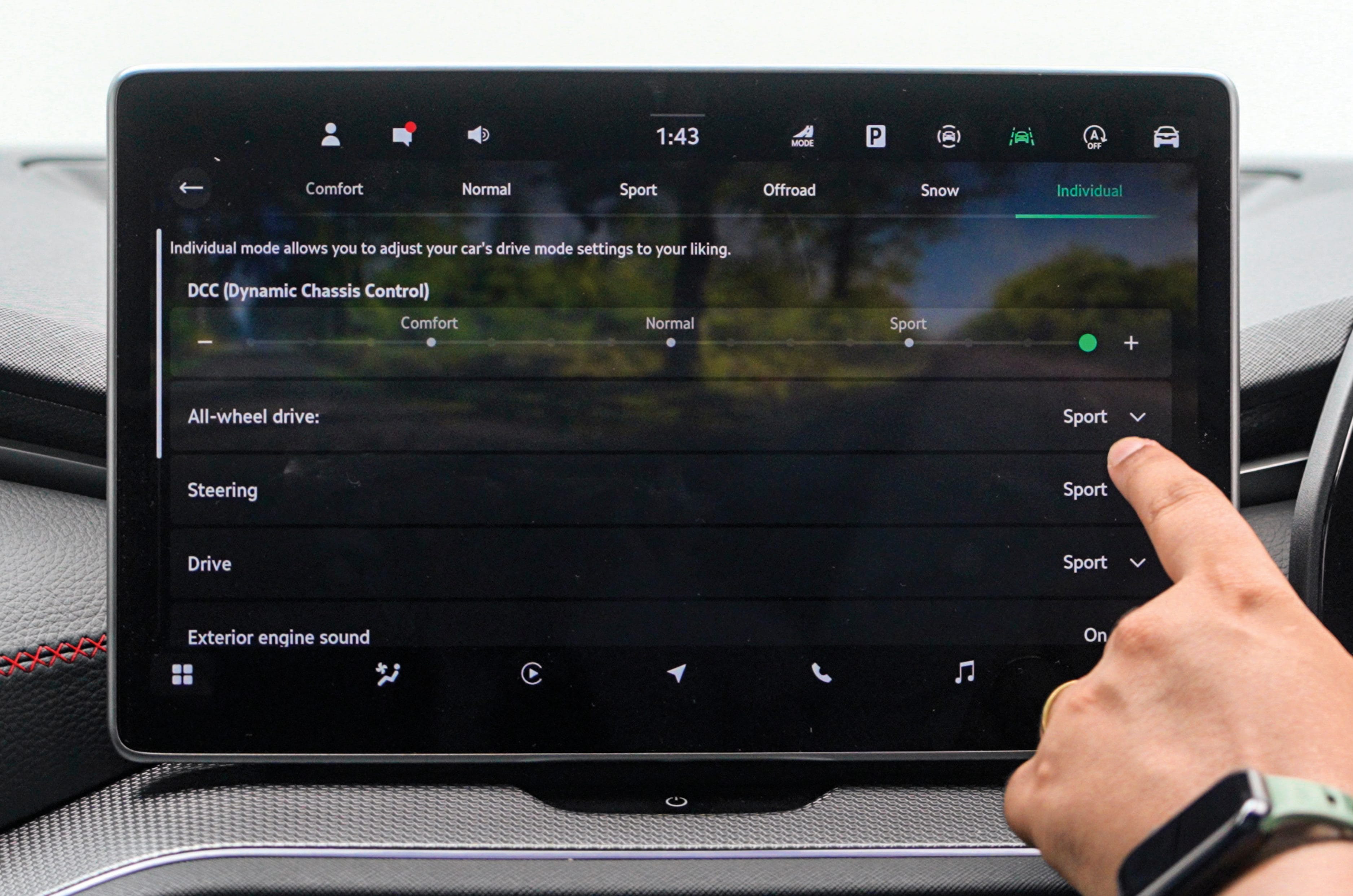
Despite being tall and heavy, the 7-seater Kodiaq RS is engaging to drive – whether that be around corners or in a straight line. One of the features that allows this are the adaptive dampers, or Dynamic Chassis Control (DCC), as VW-Skoda call it. Depending on your preference, the system can be set to one of 15 damping modes – ranging from various levels of soft and firm. In its sportiest setting, the suspension allows the RS to change directions quickly without upsetting body control even when tackling high-speed corners.
The Kodiaq RS also gets an all-wheel drive system that can send all of the engine’s torque to the rear axle, plus an electronic differential lock system. Known as the ‘XDS+’, this allows the car to brake the inner wheel to counter any understeering tendencies, leading to better agility around fast corners. Finally, the steering wheel feels responsive and is well-weighted, adding to the overall fun factor.
A sporty-looking interior
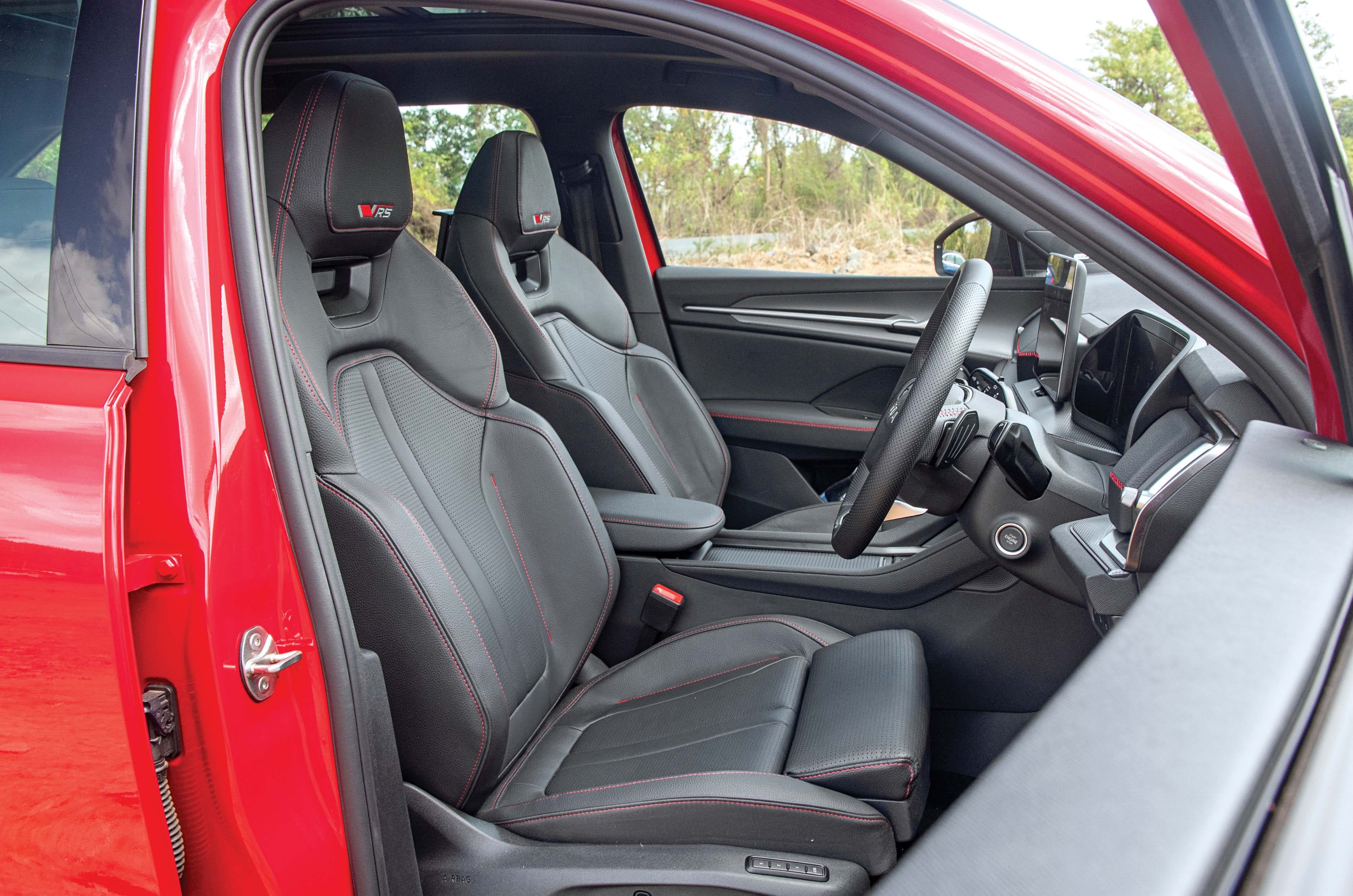
The all-black interior features RS-specific touches
The all-black interior theme and sports seats at the front are similar to those of the Kodiaq Sportline. However, the seat headrests here get ‘RS’ branding, along with contrast red stitching and a textured metal finish on various surfaces and trim. Such detailing adds to the overall sporty nature of the Kodiaq RS.
Let’s now look at what’s not so good about the Skoda Kodiaq RS.
The ‘RS’ tax
The price premium could be difficult for most to jusity
Even though the first batch of 50 units have already been spoken for, Skoda is yet to disclose the official price of the Kodiaq RS in India. However, since it’s fully imported, the price difference is expected to be around Rs 15-20 lakh more than the locally assembled Kodiaq L&K. It feels more premium and sporty than the standard model, but a price tag of about Rs 65 lakh can be hard to justify for some.
Alongside the Xoom 125 Adventure, Hero MotoCorp has filed a design patent in India for another product first showcased at EICMA 2025 – the Vida NEX 2. Part of the Vida Novus concept line-up, the NEX 2 is a self-balancing electric trike designed for urban mobility.
First shown as a concept at EICMA 2025 as part of the Vida Novus line-up
Features a tilting, self-balancing three-wheel setup
Hero Vida NEX 2: What we know
The Nex 2 uses a complex front suspension setup that allows it to lean into corners
The NEX 2 was positioned at EICMA as a compact electric trike designed to combine the riding experience of a conventional two-wheeler with the added stability of three wheels. One of its defining features is a self-balancing system, which allows the vehicle to stabilise itself automatically at low speeds and when stationary.
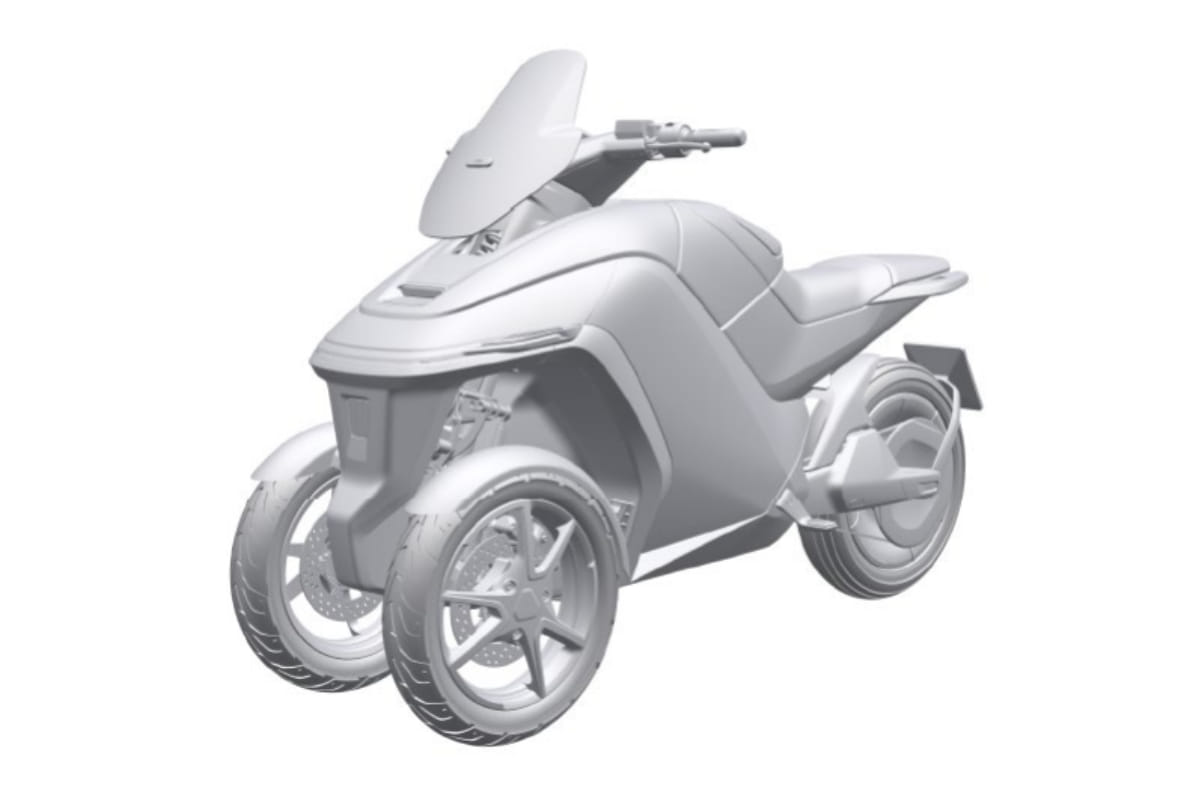
Looking at the design patent, the NEX 2’s overall silhouette is more akin to the Yamaha Niken than the Piaggio MP3 – you sit on it like a conventional motorcycle rather than in a scooter-like stance with a flat footboard. The design features flowing bodywork with large side panels, a large windscreen and a round, likely TFT display. Power is sent to the rear wheel via a belt drive, and a swingarm-mounted number plate holder is visible. Disc brakes are fitted to both front wheels.
The patent is filed under ‘three-wheel electric motorcycle with storage compartment’, suggesting the fuel tank area may open up to provide usable storage space. The front suspension is where most engineering complexity lies, and the design images reveal an intricate arrangement that will allow the NEX 2 to lean into corners much like a conventional two-wheeler. The complexity of this system, along with the self-balancing hardware, is likely to push the NEX 2 into premium pricing territory if it does make it to production.
If the Vida NEX 2 does eventually launch, it could become the first electric trike from a mass-market manufacturer to go on sale in India, effectively creating a segment of its own. The NEX 2 forms part of the broader Vida Novus sub-brand, which Hero unveiled at EICMA 2025 alongside the NEX 1 personal mobility device and the NEX 3 compact electric car. Hero MotoCorp has not officially confirmed production plans for any of the Novus concepts, including the NEX 2, and we’ll update this story if more information becomes available.
भारत का 2 मैचों की टी20 सीरीज का आयरलैंड दौरा खत्म हो गया। भारत को इस दौरे पर 2-0 से करारी शिकस्त मिली है। वहीं अब इस हार को भुलाकर भारतीय टीम इंग्लैंड के खिलाफ मुकाबला खेलने उतरेगी। भारत और इंग्लैंड के बीच 5 मैचों की टी20 सीरीज का शुरुआत 1 जुलाई से होगी। इस सीरीज में युवा बल्लेबाज वैभव सूर्यवंशी के अंतरराष्ट्रीय डेब्यू को लेकर चर्चाएं तेज हो गई हैं। वहीं भारतीय टीम के सहायक कोच रायन टेन डोएशेट ने कहा कि, युवा बल्लेबाज वैभव सूर्यवंशी में अंतरराष्ट्रीय क्रिकेट खेलने की पूरी क्षमता है। उन्होंने साफ किया कि सिर्फ प्रतिभा के आधार पर टीम में जगह नहीं मिलती। 15 वर्षीय वैभव को भी बाकी खिलाड़ियों की तरह लगातार अच्छा प्रदर्शन करके अपनी जगह पक्की करनी होगी।
आयरलैंड के खिलाफ टी20 सीरीज में भारत की 2-0 से हार के बाद युवा बल्लेबाज वैभव सूर्यवंशी को प्लेइंग इलेवन में मौका न मिलने को लेकर काफी चर्चा हुई। दूसरे मुकाबले में भारत को 1 रन से हार का सामना करना पड़ा, जिसके बाद कई लोगों ने सवाल उठाया कि वैभव को टीम में शामिल क्यों नहीं किया गया।
टेन डोएशेट ने क्या कहा
टेन डोएशेट ने मैच के बाद कहा, “वैभव सूर्यवंशी अंतरराष्ट्रीय क्रिकेट खेलने के लिए पूरी तरह तैयार हैं, इसमें कोई संदेह नहीं है। लेकिन संजू सैमसन भी ऐसे खिलाड़ी हैं, जिन्होंने कुछ महीने पहले हमें टी20 विश्व कप जिताने में अहम भूमिका निभाई थी।” उन्होंने आगे कहा कि टीम मैनेजमेंट लगातार अच्छा प्रदर्शन करने वाले खिलाड़ियों पर भरोसा बनाए रखना चाहता है। उन्होंने आगे कहा, “खिलाड़ियों का आत्मविश्वास बढ़ाना और उन्हें लंबे समय तक मौके देना हमारे लिए जरूरी है। हम भी वैभव को खेलते हुए देखने के लिए एक्साईटमेंट हैं, लेकिन उन्हें भी बाकी खिलाड़ियों की तरह अपनी बारी का इंतज़ार करना होगा। उनकी टैलेंट पर किसी को कोई शक नहीं है।”
बैटिंग कोच ने भी कहीं थी ये बात
सहायक कोच रायन टेन डोएशेट की राय बल्लेबाजी कोच सीतांशु कोटक के पहले दिए गए बयान से मिलती-जुलती है। सीरीज शुरू होने से पहले भी कोटक ने कहा था कि वैभव सूर्यवंशी को लेकर काफी एक्साईटेड है, लेकिन उन्हें टीम में जगह पाने के लिए सही समय का इंतजार करना होगा। उनका मानना था कि हर खिलाड़ी की तरह वैभव को भी अपने प्रदर्शन के दम पर मौका मिलेगा। अगर वैभव को इस दौरे पर खेलने का मौका मिलता है, तो वह भारत के सबसे कम उम्र के पुरुष इंटरनेशनल क्रिकेटर बन जाएंगे। वहीं वैभव सचिन तेंदुलकर के 16 साल के डेब्यू का रिकॉर्ड भी पीछे छोड़ देंगे।
आईपीएल में खेली शानदार पारी
वैभव सूर्यवंशी ने अपने शानदार आईपीएल प्रदर्शन से सभी का ध्यान अपनी ओर खींचा है। बाएं हाथ के इस युवा ओपनर ने पूरे सीजन में 230 से अधिक के स्ट्राइक रेट से 776 रन बनाए और सबसे ज्यादा रन बनाने वाले बल्लेबाज बने। उनके बेहतरीन प्रदर्शन के लिए उन्हें मोस्ट वैल्यूएबल प्लेयर और इमर्जिंग प्लेयर दोनों पुरस्कारों से सम्मानित किया गया, जिसके बाद उन्हें भारत के सबसे होनहार युवा खिलाड़ियों में गिना जाने लगा।
Stocks to Watch: शेयर बाजार में मंगलवार, 30 जून को कई कंपनियों के शेयरों में हलचल देखने को मिल सकती है। कुछ कंपनियों ने बड़े ऑर्डर हासिल किए हैं, तो कुछ ने फंड जुटाने, डिविडेंड, अधिग्रहण और मैनेजमेंट से जुड़े अहम ऐलान किए हैं। इससे इन 10 शेयरों में हलचल दिख सकती है।
HDFC Bank और Axis Bank
प्राइवेट सेक्टर के Axis Bank के चीफ फाइनेंशियल ऑफिसर (CFO) पुनीत शर्मा ने इस्तीफा दे दिया है। सूत्रों के मुताबिक, पुनीत HDFC Bank अपने अगले CFO बन सकते हैं। वह मौजूदा CFO श्रीनिवासन वैद्यनाथन की जगह ले सकते हैं।
BSE
स्टॉक एक्सचेंज BSE 1 जनवरी 2027 से अपने इंटरनेशनल मार्केट डेटा बिजनेस को खुद संभालेगी। अभी यह काम Deutsche Börse AG करती है। इससे विदेशी ग्राहकों को BSE की सेवाएं सीधे मिलेंगी और कंपनी को अपने ग्लोबल मार्केट डेटा कारोबार पर ज्यादा नियंत्रण मिलेगा।
Sterling & Wilson Renewable Energy
रिन्यूएबल एनर्जी कंपनी Sterling & Wilson Renewable Energy को विदेश में करीब 56 करोड़ डॉलर का ऑर्डर मिला है। यह ऑर्डर उसकी 50:50 जॉइंट वेंचर कंपनी को मिस्र के West Minya Solar Project के लिए मिला है।
Afcons Infrastructure
इंफ्रास्ट्रक्चर कंपनी Afcons Infrastructure ने FY26 के लिए प्रस्तावित 2 रुपये प्रति शेयर के फाइनल डिविडेंड की रिकॉर्ड डेट 23 जुलाई 2026 तय की है। कंपनी की 50वीं AGM 30 जुलाई को होगी। शेयरधारकों की मंजूरी मिलने पर डिविडेंड का भुगतान 28 अगस्त 2026 तक कर दिया जाएगा।
RITES
सरकारी इंजीनियरिंग कंपनी RITES ने Container Corporation of India (CONCOR) के साथ एक समझौता (MoU) किया है। इसके तहत दोनों कंपनियां लॉजिस्टिक्स इंफ्रास्ट्रक्चर परियोजनाओं के लिए प्रोजेक्ट मैनेजमेंट कंसल्टेंसी (PMC) सेवाओं में साथ मिलकर काम करेंगी।
Bandhan Bank
प्राइवेट सेक्टर के बैंक Bandhan Bank ने बताया कि उसके चीफ फाइनेंशियल ऑफिसर (CFO) और की मैनेजेरियल पर्सन राजीव मंत्री ने इस्तीफा दे दिया है। बैंक को उनका इस्तीफा 29 जून 2026 को मिला।
Yes Bank
प्राइवेट सेक्टर के बैंक Yes Bank के बोर्ड ने 7,500 करोड़ रुपये तक के योग्य सिक्योरिटीज जारी कर फंड जुटाने और 8,500 करोड़ रुपये तक के डेट सिक्योरिटीज जारी करने के प्रस्ताव को मंजूरी दी है। इसके लिए शेयरधारकों और नियामकीय मंजूरी की जरूरत होगी।
Jagsonpal Pharmaceuticals
फार्मा कंपनी Jagsonpal Pharmaceuticals ने Aequitas Healthcare Pvt. Ltd. में 85% हिस्सेदारी खरीदने के लिए शेयर परचेज एग्रीमेंट (SPA) किया है। इस अधिग्रहण से कंपनी घरेलू दवा बाजार में अपनी मौजूदगी मजबूत करना चाहती है।
Juniper Hotels
होटल कंपनी Juniper Hotels ने बताया कि उसके चीफ फाइनेंशियल ऑफिसर (CFO) तरुण जेटली ने इस्तीफा दे दिया है। वह 15 जुलाई 2026 से अपने पद से हट जाएंगे।
SJVN
सरकारी पावर कंपनी SJVN ने Gujarat Urja Vikas Nigam Ltd (GUVNL) के साथ तीन जलविद्युत परियोजनाओं से ग्रीन पावर सप्लाई के लिए पावर परचेज एग्रीमेंट (PPA) पर हस्ताक्षर किए हैं। हिमाचल प्रदेश की धौलासिद्ध (66 मेगावाट), लुहरी स्टेज-I (210 मेगावाट) और सुन्नी डैम (382 मेगावाट) परियोजनाओं की कुल क्षमता 658 मेगावाट होगी।
Disclaimer: मनीकंट्रोल.कॉम पर दिए गए सलाह या विचार एक्सपर्ट/ब्रोकरेज फर्म के अपने निजी विचार होते हैं। वेबसाइट या मैनेजमेंट इसके लिए उत्तरदायी नहीं है। यूजर्स को मनीकंट्रोल की सलाह है कि कोई भी निवेश निर्णय लेने से पहले हमेशा सर्टिफाइड एक्सपर्ट की सलाह लें।