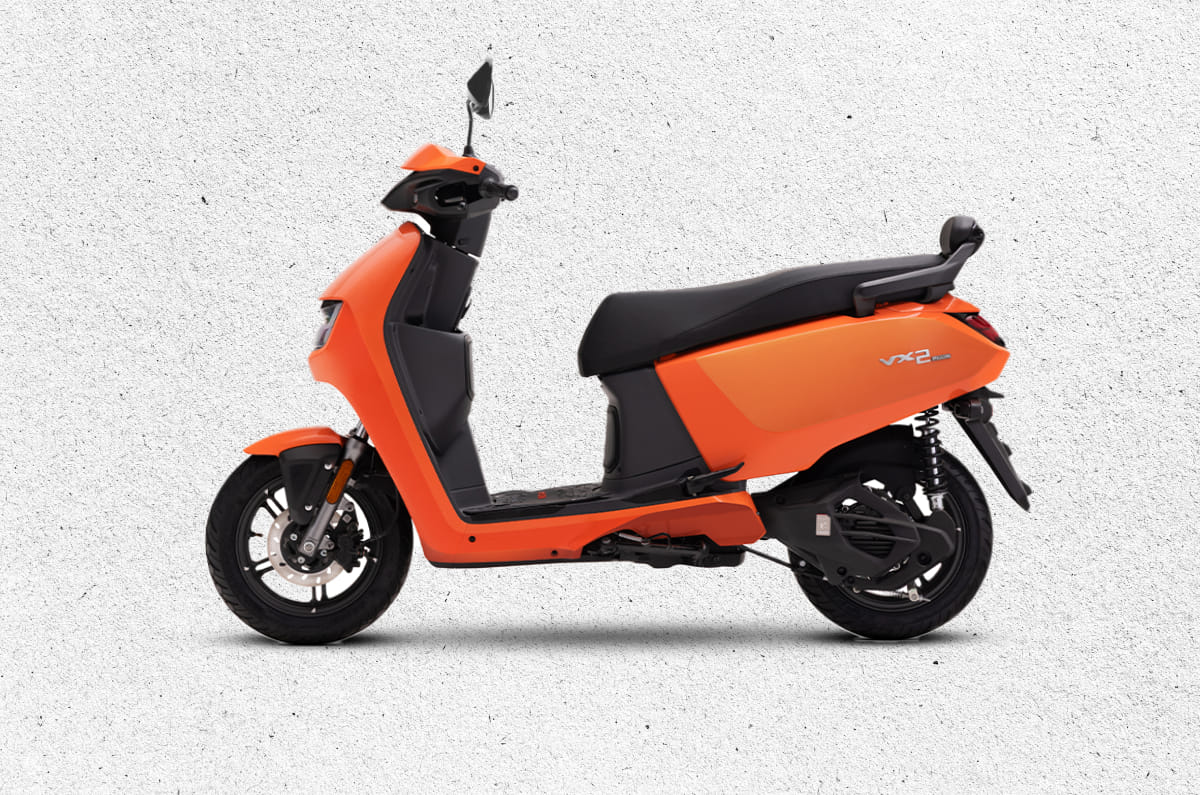
Hero Vida has launched the VX2 Plus with a new 4.4kWh battery pack, offering notably more range while retaining the powertrain and performance of the existing 3.4kWh variant.
Priced at Rs 1.44 lakh (ex-showroom, New Delhi)
Offers a claimed IDC range of 187km
DC fast charging from 0 to 80 percent in 65 minutes
Hero Vida VX2 Plus 4.4kWh details
The scooter uses dual removable 2.2kWh battery packs
The new VX2 Plus variant uses two removable 2.2kWh battery packs for a combined capacity of 4.4kWh, delivering a claimed IDC range of 187km – notably more than the 146km offered by the existing VX2 Plus 3.4kWh. The scooter comes with a new 1kW portable charger, nearly twice as powerful as the unit supplied with the 3.4kWh variant, which claims a 0 to 80 percent charging time of 3 hours and 17 minutes, and a 0 to 100 percent charging time of 5 hours and 8 minutes. DC fast charging cuts those figures down to 65 minutes and 2 hours 30 minutes, respectively. Vida says it now operates a network of over 6,000 fast-charging stations across the country.
The rest of the scooter remains largely identical to the VX2 Plus 3.4kWh. Power continues to come from a 6kW motor producing 26Nm of torque, with a claimed top speed of 90kph. The scooter offers three riding modes – Eco, Ride and Sport – along with a Boost function that provides short bursts of additional performance for overtaking. Other features include a 4.3-inch TFT display with smartphone connectivity and turn-by-turn navigation.
Vida says the VX2 Plus 4.4kWh will be available at authorised dealerships across the country by the end of July 2026. The manufacturer also announced an Asia Book of Records achievement for the “Longest Journey by an Electric Scooter”, after completing a continuous 12,111km ride across India over 52 days using this variant.
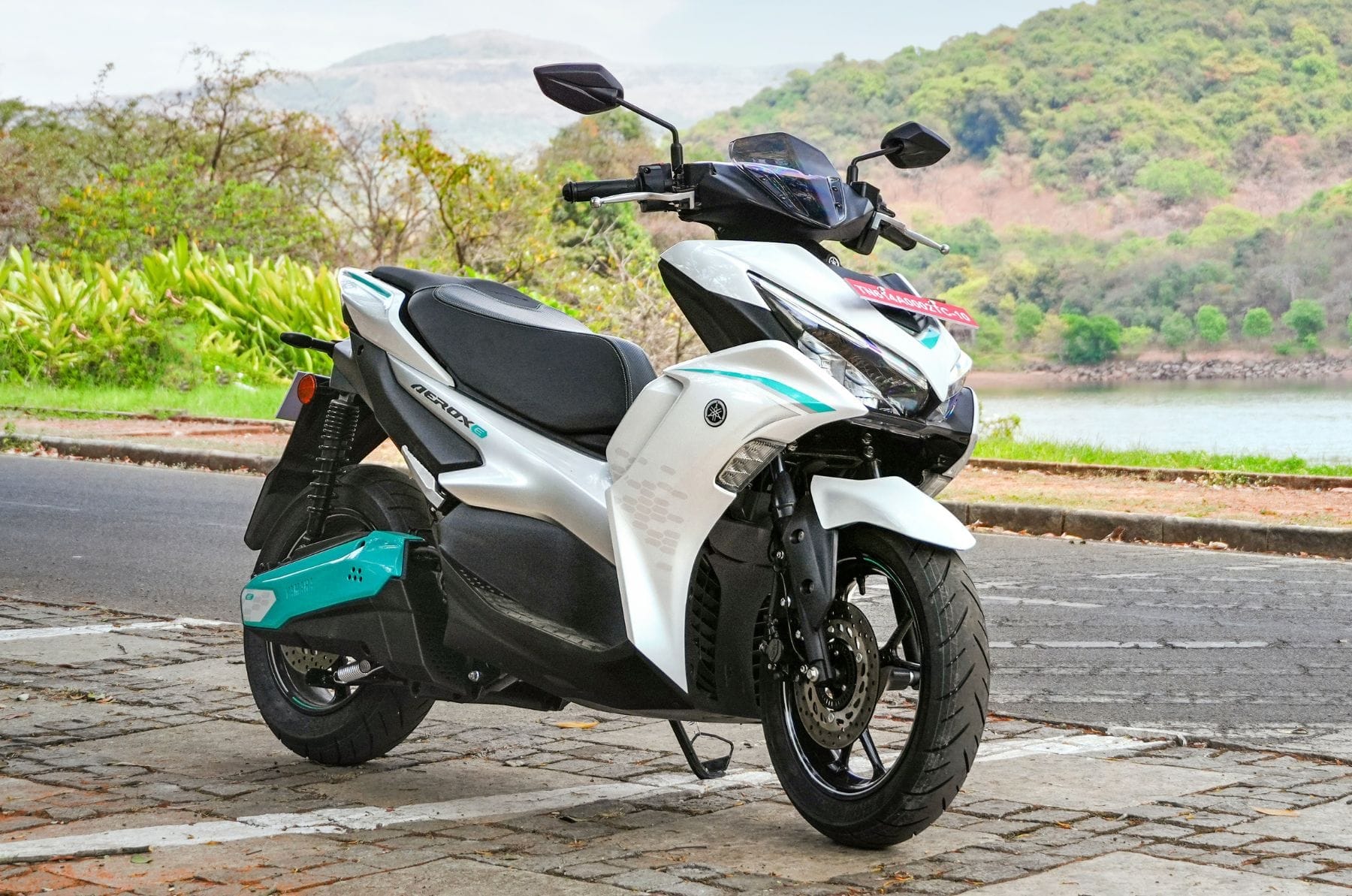
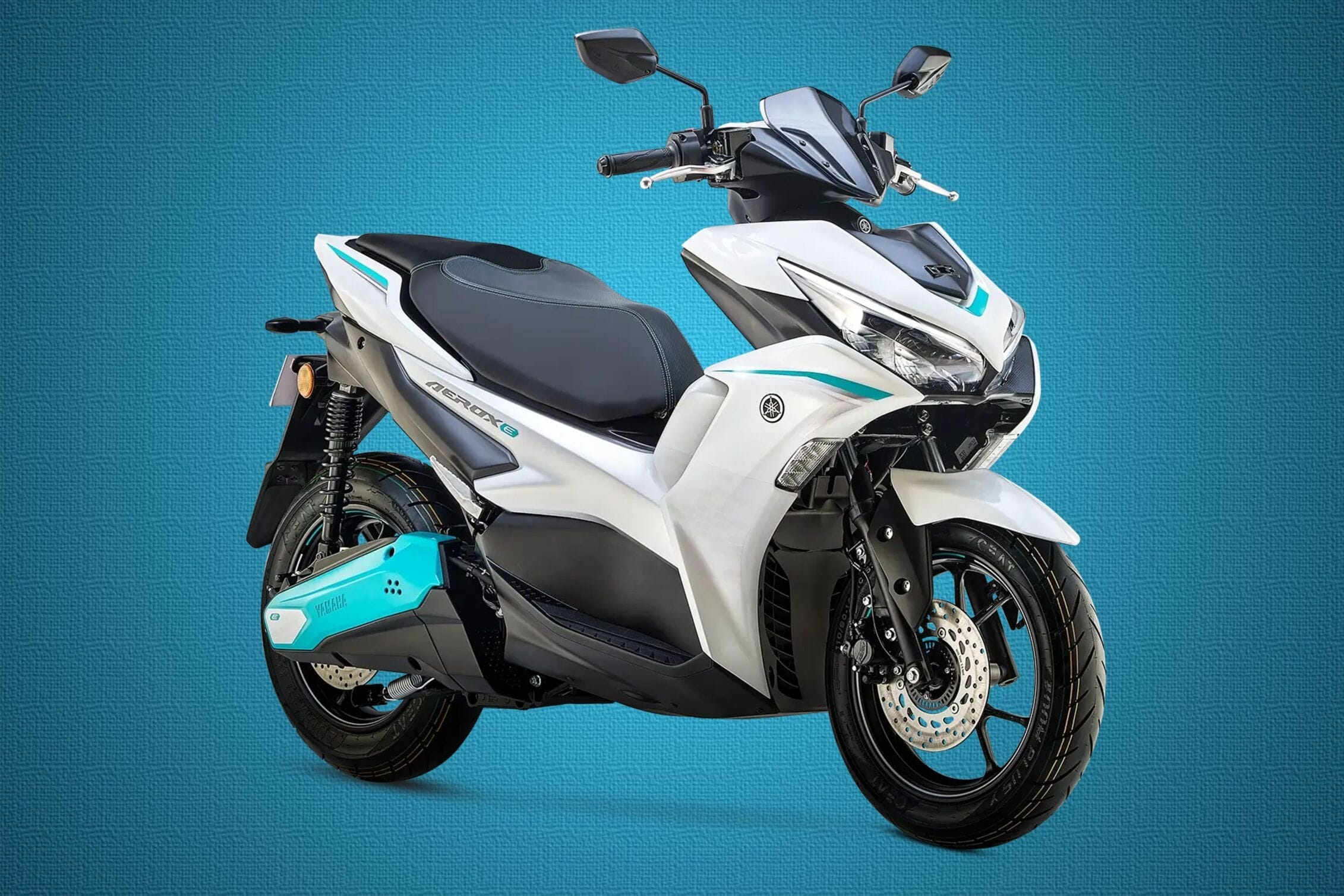
The Yamaha Aerox-E is the brand’s first electric scooter for India, and is currently the most expensive Yamaha product on sale in the country. It is closely based on the petrol Aerox 155 in terms of design, retaining the twin-LED headlight, aggressive front apron and sporty bodywork, but switching to a TFT instrument cluster in place of the petrol model’s LCD unit. The Aerox-E uses a dual removable battery setup with two 1.5kWh packs that can be charged independently at home or at work without needing access to a charging point for the scooter itself – giving a combined capacity of 3kWh and a claimed IDC range of 117km.
Power comes from a hub-mounted motor producing 9.5kW of peak power and 48Nm of torque, with four riding modes – Eco, Standard, Power and Boost – the last of which provides a short burst of additional performance for overtaking.
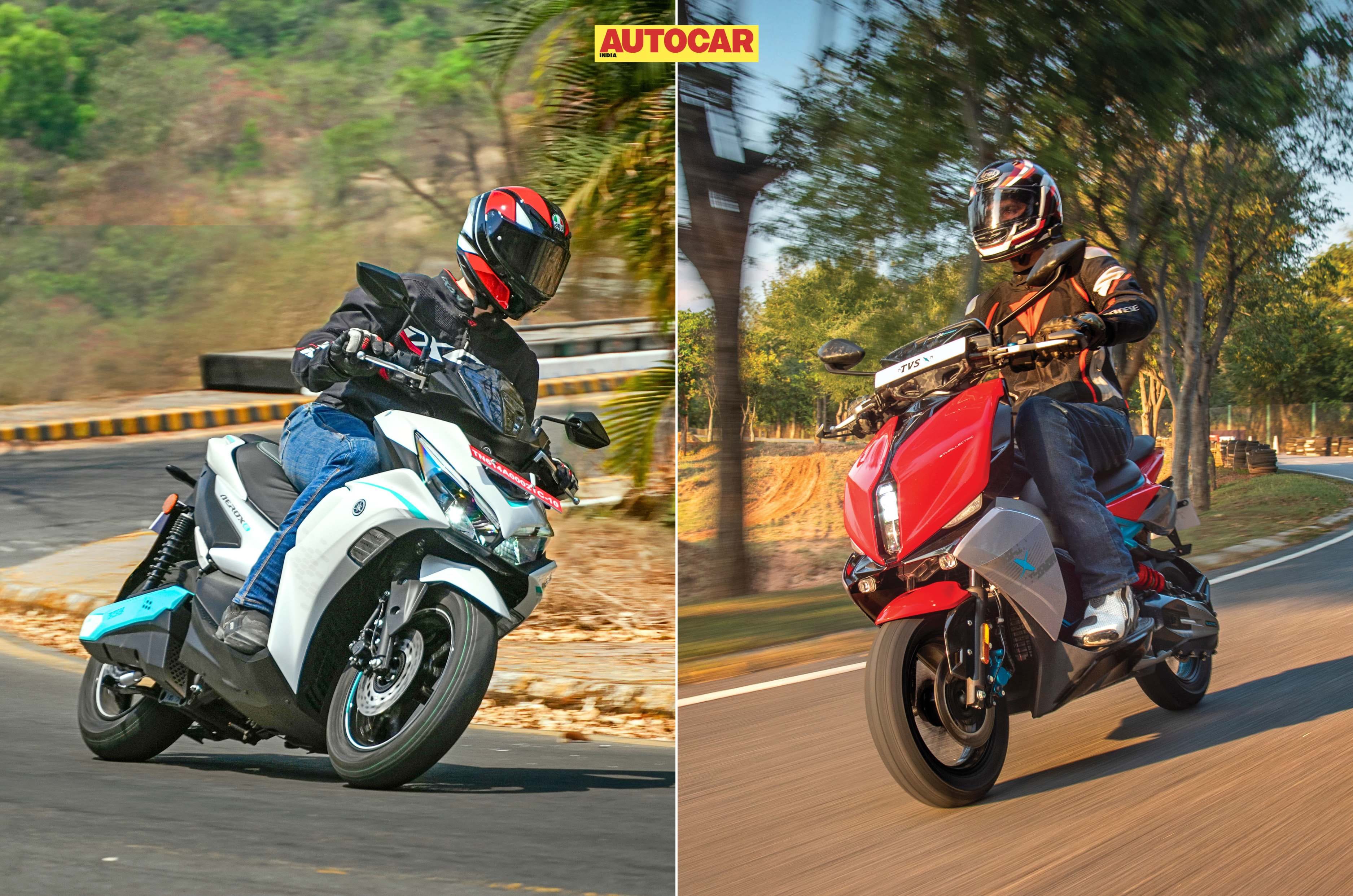
Last year, Yamaha announced that it would enter the Indian electric scooter market with two products – the River Indie-based EC-06 and the Aerox-E. The former was launched earlier this year, and the company has now revealed pricing for the electric Aerox at Rs 2.82 lakh. That makes it Yamaha’s most expensive offering in India and one of the costliest electric scooters on sale. At that price point, its only real rival is the TVS X, which has occupied a unique position at the top end of the Indian electric scooter market since its launch in 2023. Here’s how the two compare on paper.
Yamaha Aerox-E vs TVS X: Motor, battery and range
The TVS X offers better performance and range
Yamaha Aerox-E
TVS X
Peak motor output
9.4kW
11.7kW
Continuous motor output
NA
7kW
Peak torque
48Nm
40Nm
Battery capacity
2 x 1.5kWh (3kWh total)
4.4kWh
Charging time (0-100%)
6 hours 20 minutes
Claimed IDC range
117km
159km
Claimed top speed
95.5kph
110kph
The TVS X holds a clear advantage in outright performance and range. TVS claims a 0-40kph time of 2.5 seconds and a top speed of 110kph, both comfortably ahead of the Aerox-E. Its larger 4.4kWh battery also delivers a significantly higher claimed IDC range, although, as with all IDC figures, real-world range is likely to be lower.
The Aerox-E comes with dual removable battery setup comprising two 1.5kWh packs. That’s a meaningful practical advantage if you don’t have easy access to a charging point, as the batteries can be removed and charged separately using Yamaha’s optional charging dock (priced at Rs 18,000). That said, each battery weighs around 13kg, so removing them regularly may not be the most convenient solution.
Yamaha Aerox-E vs TVS X: Dimensions and underpinnings
The TVS X is lighter and runs on smaller 12-inch wheels
Yamaha Aerox-E
TVS X
Kerb weight
139kg
134kg
Suspension (F/R)
Telescopic fork / Twin shock absorbers
Telescopic fork / Monoshock
Brakes (F/R)
Disc / Disc
220mm disc / 195mm disc
Tyres (F/R)
110/80-14 / 140/70-14
100/80-12 / 110/80-12
Both scooters use a conventional telescopic fork up front, but they differ at the rear. The Aerox-E uses twin shock absorbers, while the TVS X gets a monoshock. Another notable difference is wheel size. The Aerox-E rides on larger 14-inch wheels, which should offer better stability, while the TVS X uses 12-inch wheels that are likely to feel a little more agile. It’s worth noting that TVS showcased a version of the X with 14-inch wheels at EICMA last year, although there’s been no update on whether or when that version will make it into production.
The TVS X is also 5kg lighter and is built around a sporty aluminium twin-spar frame, which means it doesn’t have a conventional flat floorboard.
Yamaha Aerox-E vs TVS X: Features
The TVS X has a clear edge in the features deparetmnt
The TVS X is the more comprehensively equipped scooter of the two. Its headline feature is a massive 10.25-inch TFT touchscreen with Bluetooth connectivity, Android Auto, navigation, music playback and smartphone integration. It also gets three riding modes – Xtealth, Xtride and Xonic – along with reverse assist, hill hold and TVS’ RAM air-cooling system for the motor. TVS has positioned the X as a flagship product, and its equipment list reflects that.
The Aerox-E isn’t quite as feature-rich. It upgrades from the petrol Aerox 155’s LCD console to a TFT display with smartphone connectivity, but the unit is relatively basic compared to the TVS. The Aerox-E offers three riding modes – Eco, Standard and Power – along with a dedicated Boost button that provides short bursts of additional performance.
Yamaha Aerox-E vs TVS X: Price
The TVS X undercuts the Aerox-E by Rs 16,000
TVS X
Yamaha Aerox-E
Price (ex-showroom, Bengaluru)
Rs 2.66 lakh
Rs 2.82 lakh
At Rs 2.66 lakh, the TVS X undercuts the Aerox-E by Rs 16,000. On paper, it’s clearly the stronger package, offering higher performance, a larger battery, longer claimed range and a considerably more comprehensive feature list.
Availability, however, remains limited for both scooters. The TVS X was initially launched only in Bengaluru, with the company indicating plans to expand to more cities, although there hasn’t been a meaningful update since. The Aerox-E will be available in Delhi, Bengaluru, Mumbai, Pune and Chennai, giving it slightly wider reach, but both remain niche offerings at the premium end of the electric scooter market.
Alongside the launch of the XSR155 last year, Yamaha had also showcased the EV counterpart of the Aerox, called the Aerox-E. This electric scooter has officially been launched by Yamaha today and is priced at Rs 2.82 lakh. This makes it the most expensive Yamaha product on sale in India currently.
Yamaha Aerox-E produces 9.5kW and 48Nm
Has dual 1.5kWh removable battery packs
Becomes the most expensive Yamaha product in India
The Aerox-E features dual 1.5kWh detachable batteries paired with a motor that produces 9.5kW (12.9hp) of peak power and 48Nm of torque. Yamaha claims that these dual batteries are packed with ‘high energy type cells’ for performance. The e-scooter has a claimed IDC range of 117km and a kerb weight of 139kg (13kg heavier than the base Aerox 155).
The Aerox-E also offers multiple riding modes including Eco, Standard and Power along with an additional Boost mode, giving you short bursts of power for quick overtakes. Braking duties are handled by a front disc with ABS and a rear disc brake.
In terms of design, the Aerox-E is similar to its petrol-powered counterpart, featuring the same twin-LED headlight and LED tail-light. However, it gets a TFT dash with app-based connectivity as opposed to the LCD dash on the Aerox.
Currently, the scooter is available in Delhi, Bangalore, Mumbai, Pune and Chennai.
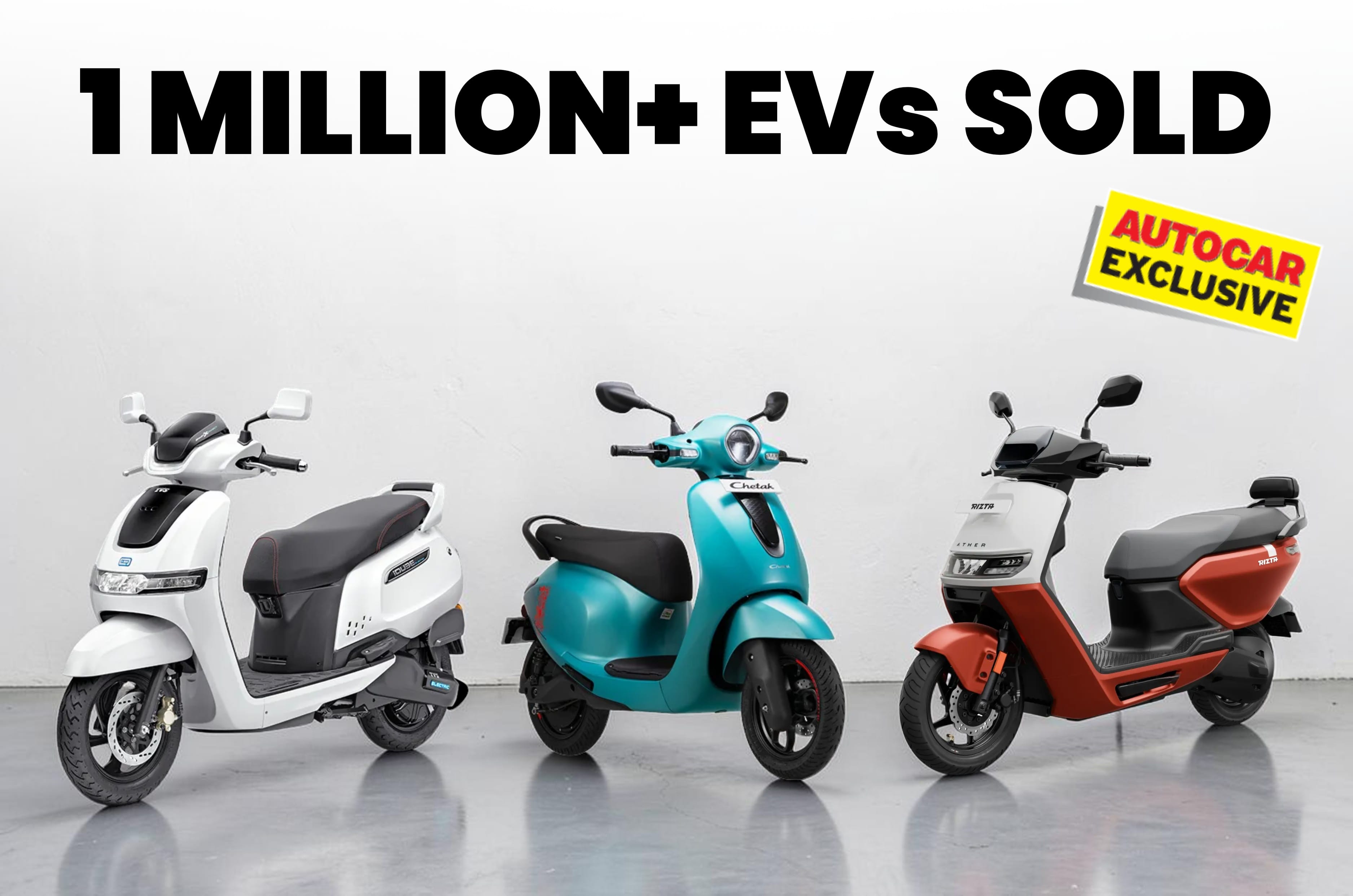
The Indian electric two-wheeler industry has surpassed 1 million unit sales as of July 6 this year. As per the latest data on the Vahan portal, a record 10,05,279 e-scooters, motorcycles and mopeds have been sold between January 1 and July 6 this year. This marks a handsome YoY increase of 54 percent (January 1-July 6, 2025: 6,54,592 units) and daily sales of 5,375 units.
Month
Units sold
January
1,29,265
February
1,18,408
March
1,99,393
April
1,57,619
May
1,72,530
June
1,94,186
July (till 6 July, 2026)
33,878
As the six-month retail sales data table above depicts, 2026 opened with 1,29,265 units in January, dropping 8 percent MoM in February (1,18,408 units). March saw retails jump 68 percent MoM to 1,99,393 units, which remains the highest monthly total yet for the industry. As a result, Q1 2026 (4,47,066 units) registered YoY growth of 39 percent (Q1 2025: 3,21,520 units). Sales rose higher in Q2 2026 (5,24,335 units) which was a 17 percent increase over Q1 and a 68 percent jump YoY (Q1 2025: 3,12,070 units) due to the sharp spike in sales in April (1,57,619 units, up 63 percent), May (194,196 units, up 64 percent) and June (1,94,186 units, up 75 percent).
Retail sales in May 2026, particularly from the second half, got a boost from the sharp increase in the price of petrol and a market dynamic that saw a fair number of two-wheeler buyers go electric to save money on costly petrol. Starting May 15, oil marketing companies implemented four hikes in petrol price in a span of 10 days. So far, fuel prices remain unchanged (as of July 7) and are enabling a higher level of transition to electric mobility across passenger and commercial vehicle segments.
Top brands on track to clock highest-ever annual sales
TVS, Bajaj Auto, Ather Energy and Vida have already achieved more than 80 percent of their record annual sales in 2025 already in 2026 so far.
The e-2W segment’s stellar growth this year is being driven by its Top 10 movers and shakers, with the bulk of them set to register their highest calendar year retail sales in CY2026. Combined sales of these 10 OEMs, at 9,39,894 units, gives them a 93 percent share of the 1-million retails to date, leaving the remaining 7 percent to be fought out by the other 16 players in the segment.
Rank
Company
Sales till date
% Market share
1
TVS
2,60,938
26
2
Bajaj
2,25,960
22
3
Ather
1,74,677
17
4
Vida (Hero)
1,09,306
11
5
Ola Electric
68,148
7
6
Greaves
45,240
5
7
River
22,490
2
8
BGauss
20,276
2
9
Simple
7,391
1
10
Revolt
5,468
1
Total
9,39,894
Market leader TVS Motor Co has sold 2,60,938 iQube and Orbiter scooters till July 6 and accounts for a 26 percent share of the 1 million sales. This total is already 83 percent of its 2025 sales of 3,15,085 units which means TVS is well set to surpass the 5 lakh units annual sales milestone for the first time in 2026.
Bajaj Auto, with 2,25,960 units and 22 percent share, is the closest challenger to TVS. The manufacturer of the Chetak has achieved 81 percent of its 2025 sales (2,79,687 units). It should cross the 3 lakh units annual sales mark by mid-August and then go on to surpass 4 lakh unit sales by the end of the year. It will be achieving both these milestones for the first time in a calendar year.
Ather Energy, the firm No. 3, is also on a roll this year. The company has delivered 1,74,677 units between January 1-July 6, which gives it a 17 percent share of the million units and constitute 81 percent of its 2025 sales (2,14,984 units). Given the strong growth momentum for its products, particularly the Rizta and the potential of its upcoming more affordable EL-platform based products, Ather should likely go on to surpass 3.50 lakh units this year.
Hero MotoCorp (Vida) will, for the first time, achieve the 2 lakh unit annual sales milestone for its EVs. The 1,09,306 e-scooters sold till date are 97 percent of its 2025 total (1,13,024 units) and give the company an 11 percent share of all e-2Ws sold in the year to date.
Ola Electric has delivered 68,148 e-scooters and e-motorcycles in the first 187 days of this year. This gives it a 7 percent share of the million units albeit this total is just 33 percent of its sales in 2025 (2,04,526 units). While annual sales will surely cross the 1.25 lakh units mark this year, only a massive resurgence in demand for products from the former market leader will see it hit 1.50 lakh units, far fewer than the top three OEMs – TVS, Bajaj and Ather.
IPO-bound Greaves Electric Mobility, the manufacturer of Ampere e-scooters, has clocked retail sales of 45,240 units in the year to date. This gives it a 5 percent share of the million-unit sales and is 78 percent of its 2025 sales (57,700 units). GEM’s highest annual sales were in 2022 (80,000-plus including Ampere Vehicles).
Bengaluru-based River Mobility, which is witnessing growing demand for its sole product – the River Indie – has already hit a new annual sales high of 22,490 units. This is 5,470 units more than in 2025 (17,020 units) and should see the startup close in on the 50,000 mark in 2026. The company also manufactures the Yamaha EC-06, which is based on the Indie platform.
Eighth-ranked BGauss Auto sold 20,276 units between January and July 6, which gives it a 2 percent share of all-India e-2W sales to date and 80 percent of its 2025 sales (25,131 units).
Scooter maker Simple Energy has sold 7,391 units in the year to date, 763 units more than the 6,628 e-scooters it sold in 2025. Electric motorcycle manufacturer Revolt Motors, with 5,468 units, has achieved 50 percent of its 2025 sales of 11,018 units.
Given that the surging demand for electric scooters and motorcycles continues in H2 this year, the industry is racing towards breaching the 2-million annual sales milestone for the first time. And, considering that e-2Ws constitute the largest volume, they will also help the domestic EV industry to achieve a record 3 million sales this year.
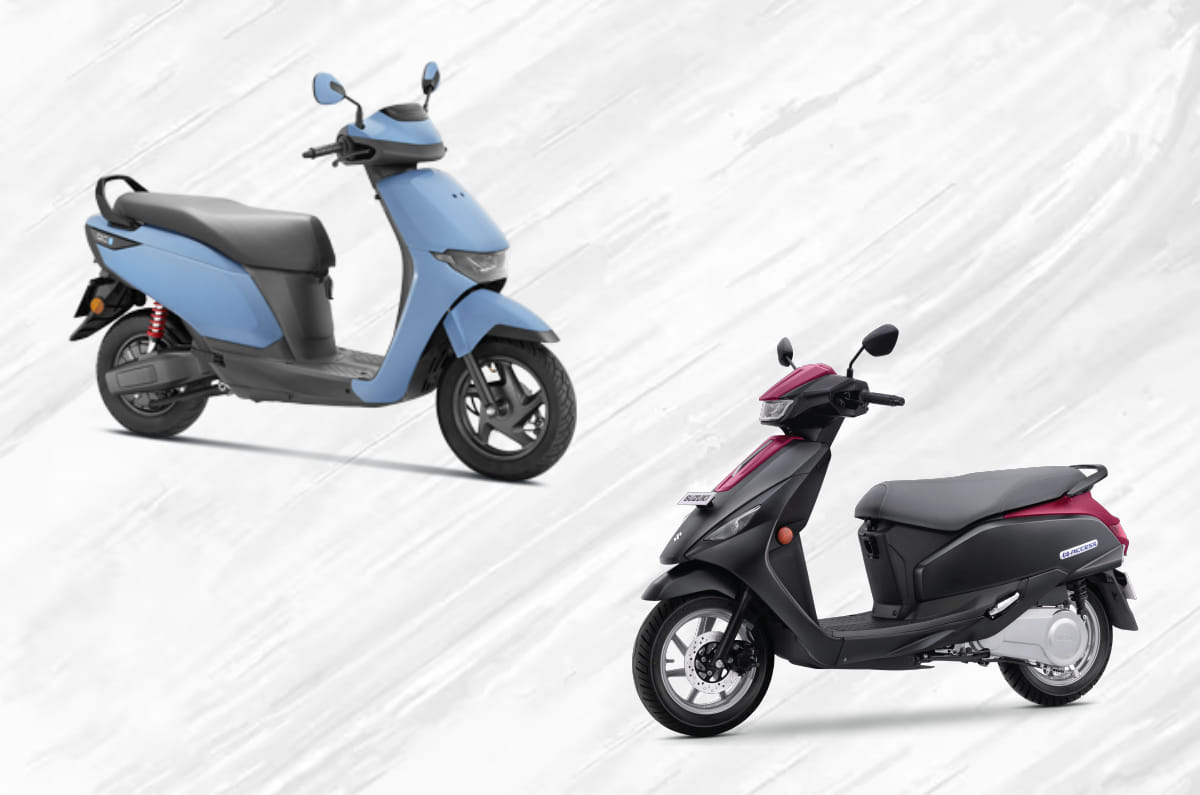
This past June was the strongest month yet for Japanese electric scooters in our market, with Honda and Suzuki both posting their highest-ever monthly retail figures. As per Vahan data, the three Japanese e-2W makers – Honda, Suzuki and Yamaha – collectively sold 1,469 electric scooters in June, giving them a combined 0.74 percent share of the e-2W market for the month.
Honda delivers 810 electric scooters in June, its best-ever month
Suzuki posts best-ever monthly sales of 523 e-Access units in June
Honda leads Suzuki by 347 units after the first six months of 2026
Japanese electric scooter sales in 2026
Honda: 2,389 units
HMSI delivered 810 units of the Activa-e and QC1 in June, marking the first time the company has crossed 800 units in a single month, and a 78 percent year-on-year increase over the 454 units delivered in June last year. Cumulative retail sales of the two models have now crossed 6,000 units, standing at 6,254 units at the end of June. For the first half of 2026, Honda delivered 2,389 units – up 68 percent year-on-year from 1,419 units in H1 2025.
Suzuki: 2,042 units
Suzuki posted its best-ever monthly sales of 523 e-Access units in June, contributing to a first-half total of 2,042 units. Suzuki had actually outsold Honda in the January-April period, but HMSI’s stronger May-June performance – 1,335 units versus Suzuki’s 875 in those two months – has given Honda a 347-unit lead at the halfway point of the year.
Yamaha: 418 units
Yamaha, which entered the India EV market in March 2026 with the EC-06, sold 136 units in June to take its cumulative total to 418 units. Combined six-month sales of all three Japanese brands stand at 4,849 units – a 0.49 percent share of the 9,71,023 electric scooters, motorcycles and mopeds retailed in India in the first half of 2026.
Delhi EV Policy : दिल्ली सरकार ने 1 जुलाई से दिल्ली EV पॉलिसी 2026 लागू कर दी है। यह पॉलिसी तुरंत प्रभाव से लागू हो गई है और 31 मार्च 2030 तक लागू रहेगी।
सरकार का मकसद दिल्ली में इलेक्ट्रिक गाड़ियों को बढ़ावा देना है। इसके लिए चार्जिंग और बैटरी स्वैपिंग नेटवर्क का विस्तार किया जाएगा। साथ ही, पूरा EV इकोसिस्टम मजबूत किया जाएगा, ताकि प्रदूषण कम हो और पेट्रोल-डीजल पर निर्भरता घटे। नई पॉलिसी में सब्सिडी, स्क्रैपेज इंसेंटिव, रोड टैक्स और रजिस्ट्रेशन फीस में छूट जैसी कई सुविधाएं दी गई हैं।
पुरानी गाड़ी स्क्रैप करने पर फायदा
नई पॉलिसी के तहत अगर कोई BS-IV या उससे पुरानी कार स्क्रैप करके इलेक्ट्रिक कार खरीदता है, तो उसे 1 लाख रुपये तक का स्क्रैपेज इंसेंटिव मिलेगा।
अगर कोई पुरानी दोपहिया गाड़ी स्क्रैप करके नई इलेक्ट्रिक टू-व्हीलर खरीदता है, तो उसे 10,000 रुपये का अतिरिक्त स्क्रैपेज इंसेंटिव मिलेगा। वहीं, पुराना थ्री-व्हीलर स्क्रैप कर इलेक्ट्रिक थ्री-व्हीलर खरीदने पर 25,000 रुपये का अतिरिक्त इंसेंटिव मिलेगा।
दोपहिया और तिपहिया पर नियम
नई पॉलिसी के तहत इलेक्ट्रिक टू-व्हीलर खरीदने वालों को पहले साल 30,000 रुपये, दूसरे साल 20,000 रुपये और तीसरे साल 10,000 रुपये की सब्सिडी मिलेगी।
इलेक्ट्रिक थ्री-व्हीलर या ई-ऑटो खरीदने वालों को पहले साल 50,000 रुपये, दूसरे साल 40,000 रुपये और तीसरे साल 30,000 रुपये का इंसेंटिव मिलेगा।
इलेक्ट्रिक ट्रक और कार के नियम
N1 कैटेगरी के इलेक्ट्रिक ट्रक खरीदने वालों को 1 लाख रुपये तक का खरीद इंसेंटिव मिलेगा। इसके अलावा, 30 लाख रुपये तक की एक्स-शोरूम कीमत वाली सभी इलेक्ट्रिक कारों पर 100% रोड टैक्स और रजिस्ट्रेशन फीस माफ रहेगी। यह छूट सिर्फ दिल्ली में रजिस्टर्ड गाड़ियों पर मिलेगी।
सब्सिडी के लिए कैसे करें आवेदन?
दिल्ली सरकार ने 3 जुलाई को Delhi EV Subsidy Portal लॉन्च किया है। इसी पोर्टल पर सब्सिडी के लिए आवेदन करना होगा। आवेदन के लिए आधार कार्ड, RC और वोटर आईडी जैसे दस्तावेज देने होंगे। इसके बाद मोबाइल पर आए OTP से पहचान की पुष्टि करनी होगी।
सरकार के मुताबिक, गाड़ी खरीदने और RC मिलने के 30 दिनों के भीतर आवेदन करना होगा। अगर आवेदन मंजूर हो जाता है, तो 60 दिनों के भीतर सब्सिडी की रकम DBT के जरिए सीधे बैंक खाते में भेज दी जाएगी। पोर्टल पर आवेदन की स्थिति भी ऑनलाइन देखी जा सकेगी।
नई पॉलिसी लागू कैसे होगी?
दिल्ली की मुख्यमंत्री रेखा गुप्ता ने कहा कि इस पॉलिसी को लागू करने की जिम्मेदारी परिवहन विभाग के पास होगी। इसके लिए अलग से EV Cell बनाया जाएगा। यही सेल पूरी पॉलिसी की निगरानी करेगा। जरूरत पड़ने पर दिशा-निर्देश जारी करेगा और अलग-अलग विभागों के बीच तालमेल बनाएगा। सरकार एक प्रोजेक्ट मैनेजमेंट कंसल्टेंट (PMC) भी नियुक्त करेगी।
किसे मिलेगी सब्सिडी?
सरकार Model Approval Committee भी बनाएगी। यह समिति तय करेगी कि कौन-से EV मॉडल सरकारी सब्सिडी और इंसेंटिव के लिए योग्य हैं। समिति तकनीकी मानकों और दूसरे नियमों के आधार पर EV मॉडल की जांच करेगी। सिर्फ मंजूर किए गए मॉडल ही सरकारी सब्सिडी का फायदा उठा सकेंगे।
नई पॉलिसी से क्या बदलेगा?
नई पॉलिसी के तहत 1 जनवरी 2027 से दिल्ली में सिर्फ ई-ऑटो का ही रजिस्ट्रेशन होगा। वहीं, 1 अप्रैल 2028 से नए पेट्रोल और CNG दोपहिया का रजिस्ट्रेशन धीरे-धीरे बंद कर दिया जाएगा। इसके बाद सिर्फ इलेक्ट्रिक दोपहिया का ही रजिस्ट्रेशन होगा।
सब्सिडी लेने वालों के लिए नियम
सरकार ने नई पॉलिसी में 3 साल का लॉक-इन पीरियड रखा है। अगर आपने सरकारी सब्सिडी लेकर EV खरीदी है, तो पहले तीन साल तक उस गाड़ी का दूसरे राज्य में रजिस्ट्रेशन नहीं कराया जा सकेगा। इसका मकसद यह सुनिश्चित करना है कि लोग सिर्फ सब्सिडी का फायदा लेकर तुरंत गाड़ी दूसरे राज्यों में न बेच दें।
भारतीय रेलवे का डिजिटल टिकटिंग सिस्टम अब पहले से कहीं ज्यादा स्मार्ट और आधुनिक हो गया है। वर्ष 1986 में शुरू हुई रेलवे आरक्षण प्रणाली में पिछले चार दशकों के दौरान कई छोटे-बड़े बदलाव हुए, लेकिन अब इसे अत्याधुनिक तकनीक के साथ पूरी तरह अपग्रेड कर दिया गया है। नई व्यवस्था से न केवल टिकट बुकिंग आसान हुई है, बल्कि इसकी क्षमता भी कई गुना बढ़ाई गई है।
भारतीय रेलवे ने वर्ष 2002 में इंटरनेट आधारित टिकट बुकिंग सेवा शुरू की थी। आज स्थिति यह है कि अधिकांश यात्री टिकट काउंटर की बजाय ऑनलाइन टिकट बुक करना पसंद करते हैं। वर्तमान में देश में कुल टिकट बुकिंग की करीब 88 प्रतिशत मांग ऑनलाइन माध्यमों से पूरी हो रही है।
RailOne App तेजी से बन रहा यात्रियों की पहली पसंद
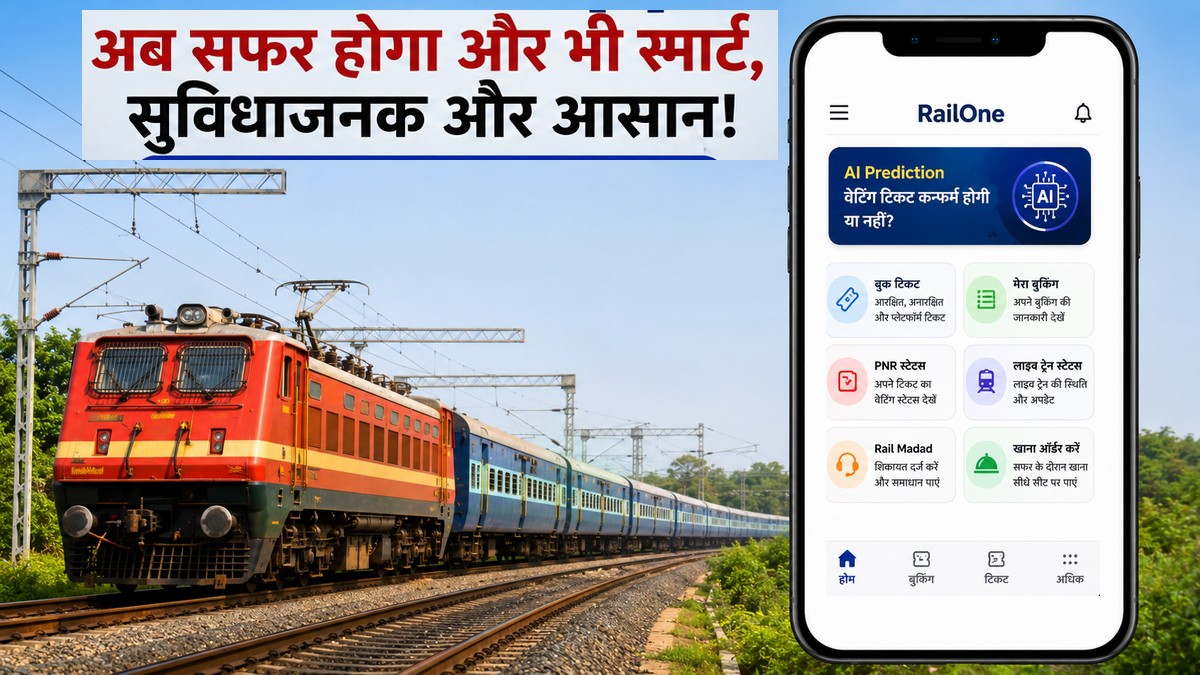
भारतीय रेलवे का RailOne मोबाइल ऐप यात्रियों के बीच तेजी से लोकप्रिय हो रहा है। पिछले साल जुलाई में लॉन्च किए गए इस ऐप को एक साल से भी कम समय में 3.5 करोड़ से अधिक बार डाउनलोड किया जा चुका है।
इस ऐप की सबसे बड़ी खासियत यह है कि यह सिर्फ टिकट बुकिंग तक सीमित नहीं है, बल्कि रेलवे से जुड़ी लगभग सभी सेवाएं एक ही प्लेटफॉर्म पर उपलब्ध कराता है। टिकटिंग या अन्य सेवाओं से जुड़ी शिकायतों का समाधान भी इसी ऐप के जरिए किया जा सकता है।
AI बताएगा वेटिंग टिकट कन्फर्म होगी या नहीं
RailOne ऐप में अब आर्टिफिशियल इंटेलिजेंस (AI) आधारित नई सुविधा जोड़ी गई है। टिकट बुक करते समय ऐप यह अनुमान लगाता है कि वेटिंग टिकट के कन्फर्म होने की कितनी संभावना है। रेलवे के अनुसार, पहले इस अनुमान की सटीकता करीब 53 प्रतिशत थी, जिसे अब बढ़ाकर 94 प्रतिशत तक पहुंचा दिया गया है। यह फीचर इस साल की शुरुआत में शुरू किया गया था और यात्रियों से इसे अच्छा रिस्पॉन्स मिला है।
एक ही ऐप में मिलती हैं रेलवे की सभी सुविधाएं
RailOne ऐप के जरिए यात्री आरक्षित (Reserved), अनारक्षित (Unreserved) और प्लेटफॉर्म टिकट की बुकिंग, टिकट कैंसिलेशन और रिफंड जैसी सुविधाओं का लाभ उठा सकते हैं। इसके अलावा ऐप पर लाइव ट्रेन स्टेटस, ट्रेन का टाइम टेबल, प्लेटफॉर्म नंबर, कोच पोजिशन, वेटिंग स्टेटस, Rail Madad के जरिए शिकायत दर्ज करने की सुविधा और यात्रा के दौरान सीट पर खाना ऑर्डर करने जैसी सेवाएं भी उपलब्ध हैं।
रोजाना 9 लाख से ज्यादा टिकट हो रहे बुक
रेलवे के अनुसार, देशभर में प्रतिदिन 9.29 लाख से अधिक टिकट RailOne ऐप के जरिए बुक किए जा रहे हैं। इनमें लगभग 7.20 लाख अनारक्षित (Unreserved) और 2.09 लाख आरक्षित (Reserved) टिकट शामिल हैं। अनारक्षित टिकटों में प्लेटफॉर्म टिकट भी शामिल हैं। अब तक इस ऐप को Google Play Store से 3.16 करोड़ और Apple iOS डिवाइस पर 33.17 लाख से अधिक बार डाउनलोड किया जा चुका है।
भारतीय रेलवे देश के करोड़ों लोगों के लिए जीवनरेखा मानी जाती है। वित्त वर्ष 2024-25 में रेलवे ने यात्री किराए पर 60,239 करोड़ रुपए की सब्सिडी दी। इसका मतलब है कि प्रत्येक यात्री को औसतन 43 प्रतिशत तक की छूट मिल रही है। यानी यदि किसी यात्रा की वास्तविक लागत 100 रुपए है, तो यात्री को उसके लिए औसतन केवल 57 रुपए ही चुकाने पड़ते हैं।
WhatsApp के नए Username फीचर को लेकर शुरू हुआ विवाद अब और गहरा गया है। भारत सरकार की आपत्तियों के बाद अब सिर्फ WhatsApp ही नहीं, बल्कि Telegram, Signal और भारतीय मैसेजिंग ऐप Arattai भी सरकार की जांच के दायरे में आ गए हैं। इसी बीच Zoho के सह-संस्थापक श्रीधर वेंबु ने घोषणा की है कि उनकी मैसेजिंग ऐप Arattai से भी Username फीचर हटाया जाएगा। कुछ साइबर एक्सपर्ट्स का मानना है कि सही सुरक्षा उपायों के साथ Username फीचर मोबाइल नंबर साझा किए बिना सुरक्षित बातचीत का बेहतर विकल्प भी बन सकता है। WhatsApp को मिला नोटिस, सरकार ने लगाई रोक
हाल ही में WhatsApp ने घोषणा की थी कि वह अपने यूजर्स के लिए Username फीचर लाने जा रहा है। इस फीचर की मदद से लोग बिना मोबाइल नंबर साझा किए एक-दूसरे से जुड़ सकेंगे। लेकिन फीचर की घोषणा के तुरंत बाद इलेक्ट्रॉनिक्स और सूचना प्रौद्योगिकी मंत्रालय (MeitY) ने Meta को नोटिस जारी कर इसकी लॉन्चिंग पर फिलहाल रोक लगाने को कहा। सरकार का कहना है कि पहले इस फीचर के प्राइवेसी और साइबर सुरक्षा से जुड़े पहलुओं पर चर्चा और समीक्षा जरूरी है।
अब Telegram और Signal से भी मांगा जाएगा जवाब
WhatsApp के बाद अब सरकार की नजर Telegram और Signal पर भी है। इन दोनों मैसेजिंग प्लेटफॉर्म पर पहले से ही Username फीचर उपलब्ध है, जिससे यूजर बिना मोबाइल नंबर बताए दूसरे व्यक्ति से संपर्क कर सकते हैं। सरकार यह जानना चाहती है कि इन प्लेटफॉर्म्स पर किसी यूजर की वास्तविक पहचान कैसे सत्यापित की जाती है और क्या कोई व्यक्ति किसी सरकारी संस्था, सेलिब्रिटी या अन्य व्यक्ति जैसा फर्जी यूजरनेम बनाकर लोगों के साथ धोखाधड़ी कर सकता है। रिपोर्ट्स के मुताबिक, दोनों कंपनियों से इस संबंध में स्पष्टीकरण मांगा गया है।
Zoho के सह-संस्थापक श्रीधर वेंबु ने सोशल मीडिया पर जानकारी दी कि भारतीय मैसेजिंग ऐप Arattai भी अपना Username फीचर बंद करने जा रही है। उन्होंने कहा कि यह फैसला बदलते नियामकीय माहौल और संभावित नियमों के अनुरूप लिया जा रहा है। हालांकि, सरकार ने किसी भी प्लेटफॉर्म पर Username फीचर पर प्रतिबंध नहीं लगाया है, लेकिन उससे जुड़े सुरक्षा जोखिमों पर जवाब जरूर मांगा है।
सरकार की सबसे बड़ी चिंता यह है कि Username फीचर का गलत इस्तेमाल कर साइबर अपराधी किसी सरकारी विभाग, बैंक, सेलिब्रिटी या प्रसिद्ध संस्था से मिलता-जुलता यूजरनेम बनाकर लोगों को धोखा दे सकते हैं। चूंकि WhatsApp देश में सबसे अधिक इस्तेमाल होने वाले मैसेजिंग ऐप्स में शामिल है, इसलिए इस तरह की धोखाधड़ी का खतरा और बढ़ सकता है।
WhatsApp ने सफाई में क्या कहा
Meta का कहना है कि Username फीचर को सुरक्षित बनाने के लिए कई सुरक्षा उपाय किए गए हैं। सेलिब्रिटी और प्रमुख संस्थाओं से जुड़े यूजरनेम रिजर्व रखे जाएंगे, ताकि उनकी फर्जी पहचान न बनाई जा सके। यूजर चाहें तो Username Key फीचर चालू कर सकते हैं। इसके बाद किसी व्यक्ति को सिर्फ यूजरनेम ही नहीं, बल्कि उससे जुड़ा चार अंकों का यूनिक कोड भी पता होना जरूरी होगा। WhatsApp पर Username की कोई सार्वजनिक Search Directory नहीं होगी, जिससे अनचाहे मैसेज और स्पैम की संभावना कम होगी।
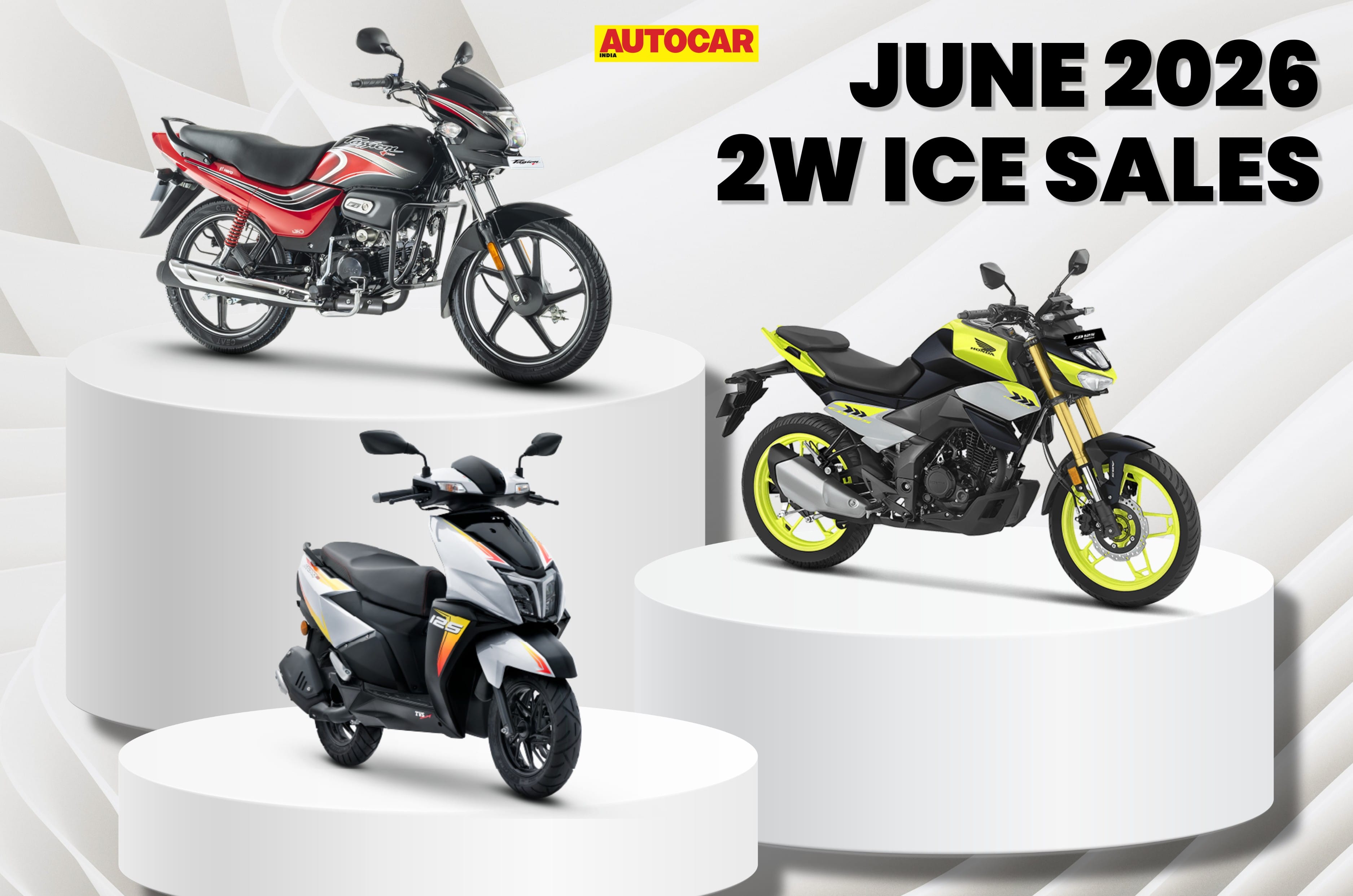
As the scorching summer draws to a close and the monsoon season well and truly sets in, here’s how each of the top six heavyweights in the ICE Indian two-wheeler market performed in the month of June.
Hero: 5,02,890 units
Hero MotoCorp retained its position at the top of this sextet with over 5 lakh units sold last month in the domestic market – usual fare for this powerhouse. In doing so, it actually reported a 6.31 percent decline in comparison to its May 2026 sales number of 5,36,784 units. It was also a similar story when compared to its June 2025 sales (5,25,136 units) wherein it reported a smaller decline of 4.24 percent. It bears mentioning that Hero bundles in the burgeoning sales of its electric arm, Vida, which is now a regular fixture in the top ten bestselling brands in the electric mobility space, into this number.
Last month, Hero updated two of its commuter motorcycles – the Passion+ and the Super Splendor XTEC 2.0. Hero shipped 38,269 units overseas last month, an improvement over the 33,284 units it sent to export markets in May.
Honda: 4,68,956 units
Honda Motorcycle and Scooter India (HMSI) is in its usual runner-up spot but even so, the company reported a small 2.03 percent increase when compared to its May 2026 sales tally (4,59,611 units). Similarly, HMSI also reported a substantial 20.61 percent increase when compared to its June 2025 sales figure of 3,88,812 units. Honda is gearing up to enter the affordable end of the maxi-scooter game in India, with its ADV160, whose design has already been patented in our country.
The company exported 59,325 units last month, which was more or less on par compared to the 59,166 units it shipped overseas in May of this year.
TVS: 4,11,014 units
TVS Motor Company breached the 4 lakh units mark in the domestic market for the first time ever last month. In doing so, the company reported a noteworthy 6.88 percent increase when compared to its May 2026 sales figure of 3,84,565 units. When compared to its relatively small sales figure for June 2025 (2,81,012 units), the Hosur-based manufacturer reported a huge 46.26 percent increase.
It is worth mentioning that TVS doesn’t bundle the sales of its EVs – shouldered largely by the popular iQube, India’s bestselling electric two-wheeler – into the aforementioned numbers. TVS recently refreshed the popular Ntorq 125 scooter with some fresh new colourways on its entry-level variants. It is also working quite hard to set up its premium two-wheeler dealer network – Paddock – in India and also bringing the quartet of brand-new Norton products to market, both local and international.
The company, which is India’s second-largest exporter of two-wheelers, shipped 1,54,403 units overseas last month which was slightly lower than the 1,58,546 two-wheelers it sent to export markets in May.
Bajaj: 1,66,956 units
Pune-based Bajaj Auto had a slower than usual month in terms of sales in June, reporting a 20.32 percent decline in comparison to its May 2026 sales of 2,09,528 units. That being said, the company reported an 11.81 percent increase in comparison to its June 2025 sales tally of 1,49,317 units. It must be noted that the Chetak electric scooter portfolio and all sub-400cc Triumph and KTM models manufactured by Bajaj are also bundled into the above figures.
Bajaj is gearing up to revamp its entire Classic Pulsar lineup in the coming months, which should bolster its sales numbers in the near term. India’s largest two-wheeler exporter sent 2,22,439 units overseas last month, which was a healthy increase over the 1,83,676 units it shipped abroad in May.
Royal Enfield: 1,02,930
Royal Enfield has again sold over 1 lakh units in a single month in the domestic market, and in the process, it reported a 9.37 percent increase in comparison to its May 2026 sales number of 94,115 units. Even in comparison to its relatively smaller sales tally of 76,957 units in June 2025, it reported a substantial 33.75 percent increase.
Royal Enfield is working on a litany of new launches and refreshes to existing models, which will be spread out over the next few months and it also began deliveries of its first electric bike – the Flying Flea C6 – recently. The marque sent 11,102 units to export markets in June, which was quite a step up over the 9,116 bikes it shipped globally in May.
Suzuki: 91,264 units
Suzuki Motorcycle India Private Limited (SMIPL)’s sales last month dipped below the usual 1 lakh units it usually averages and thereby the company reported a noticeable 17.05 percent decline in comparison to the 1,10,028 units it sold in May. Even in comparison to its sales in June 2025 (95,244 units), SMIPL reported a small 4.18 percent decrease.
Suzuki shipped 23,766 two-wheelers last month to global markets, a small increment over the 22,216 units it sent overseas in May.