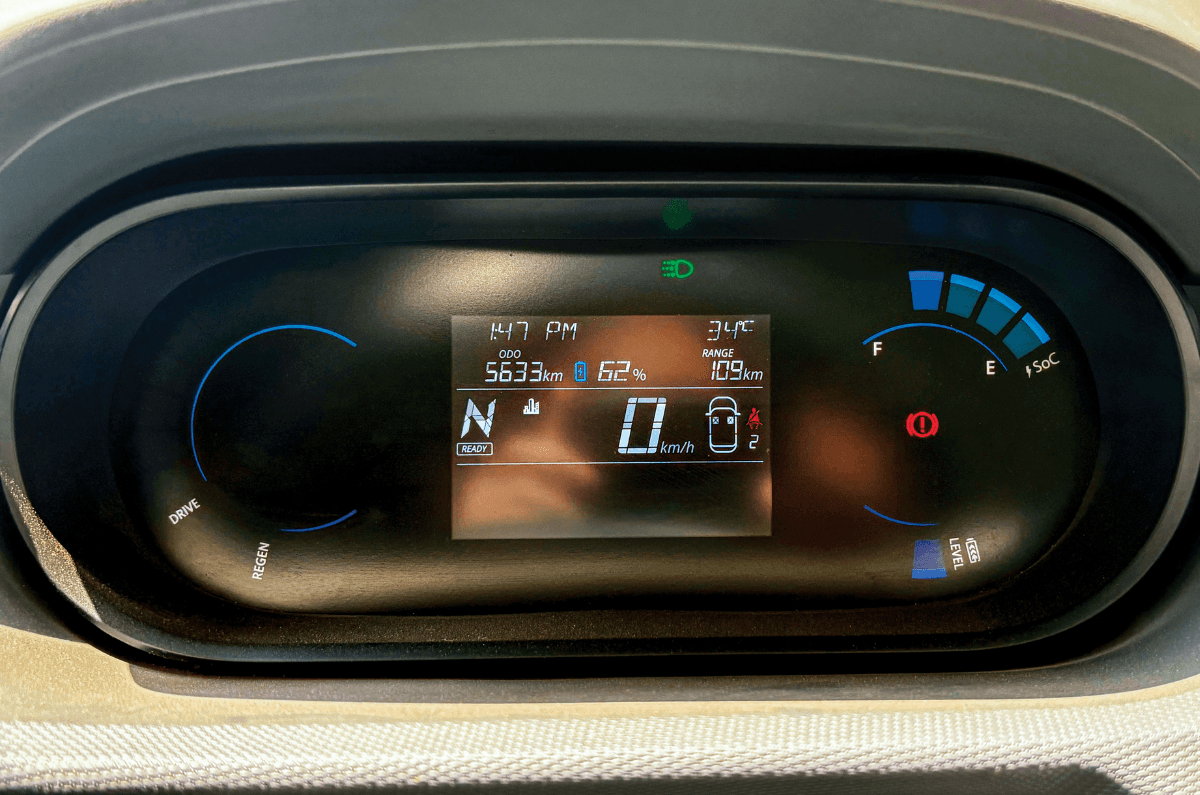
Renault Triber: अगर आप नई कार खरीदने की सोच रहे हैं, तो यह खबर आपके लिए फायदेमंद साबित हो सकती है। दरअसल, Renault India अपने Triber MPV पर 60,000 रुपये तक की छूट दे रहा है। जो कि केवल इसी महीने तक लागू है। ये ऑफर राज्य, मॉडल ईयर, वेरिएंट और कस्टमर की पात्रता के आधार पर अलग-अलग हो सकते हैं। रेनॉ इंडिया की ऑफिशियल ऑफर लिस्ट के अनुसार, केरल में कस्टमर Triber पर कुल 60,000 रुपये तक का डिस्काउंट मिल सकता है, जबकि गुजरात में खरीदार 45,000 रुपये तक का लाभ उठा सकते हैं। ज्यादातर दूसरे राज्यों में, MY2026 मॉडल पर ज्यादा से ज्यादा फायदे 30,000 रुपये तक हैं।
इन ऑफर्स में 30,000 रुपये तक का कैश डिस्काउंट शामिल हो सकता है। इसके अलावा, ग्राहक को एक्सचेंज बोनस, स्क्रैपेज बोनस, लॉयल्टी बोनस, रेफरल और कॉरपोरेट बेनिफिट्स जैसे फायदे भी मिल सकते हैं। हालांकि, ये लाभ ग्राहक की पात्रता और लागू स्कीम पर निर्भर करेंगे।
रेनॉ ने ग्राहकों को सलाह दी है कि वे अपने शहर में लागू सही ऑफर के बारे में जानने के लिए अपने नजदीकी ऑथराइज्ड डीलर से संपर्क करें, क्योंकि ऑफर के फायदे अलग-अलग जगहों पर अलग-अलग हो सकते हैं और ये डीलर की भागीदारी और स्टॉक की उपलब्धता पर निर्भर करते हैं।
रेनॉ ट्राइबर की कीमत अभी 5.81 लाख रुपये से 8.48 लाख रुपये (एक्स-शोरूम) के बीच है। यह भारतीय बाजार में सबसे सस्ती थ्री-रो वाली MPV में से एक बनी हुई है, जिसमें सात लोगों के बैठने की सुविधा मिलती है।
पावरट्रेन और इंजन
इंजन की बात करें तो, Renault Triber में 1.0 लीटर का नैचुरली एस्पिरेटेड 3-सिलेंडर पेट्रोल इंजन दिया गया है। यह इंजन 72 bhp की पावर और 96 Nm का पीक टॉर्क जनरेट करता है। इस इंजन के साथ ग्राहकों को 5-स्पीड मैनुअल गियरबॉक्स और 5-स्पीड ऑटोमेटेड मैनुअल ट्रांसमिशन (AMT) का विकल्प मिलता है।
ट्राइबर के मैनुअल वर्जन की ARAI-क्लेम्ड फ्यूल एफिशिएंसी 20.0 kmpl तक है, जबकि AMT वेरिएंट 17.0 kmpl तक का माइलेज देता है।
फीचर्स
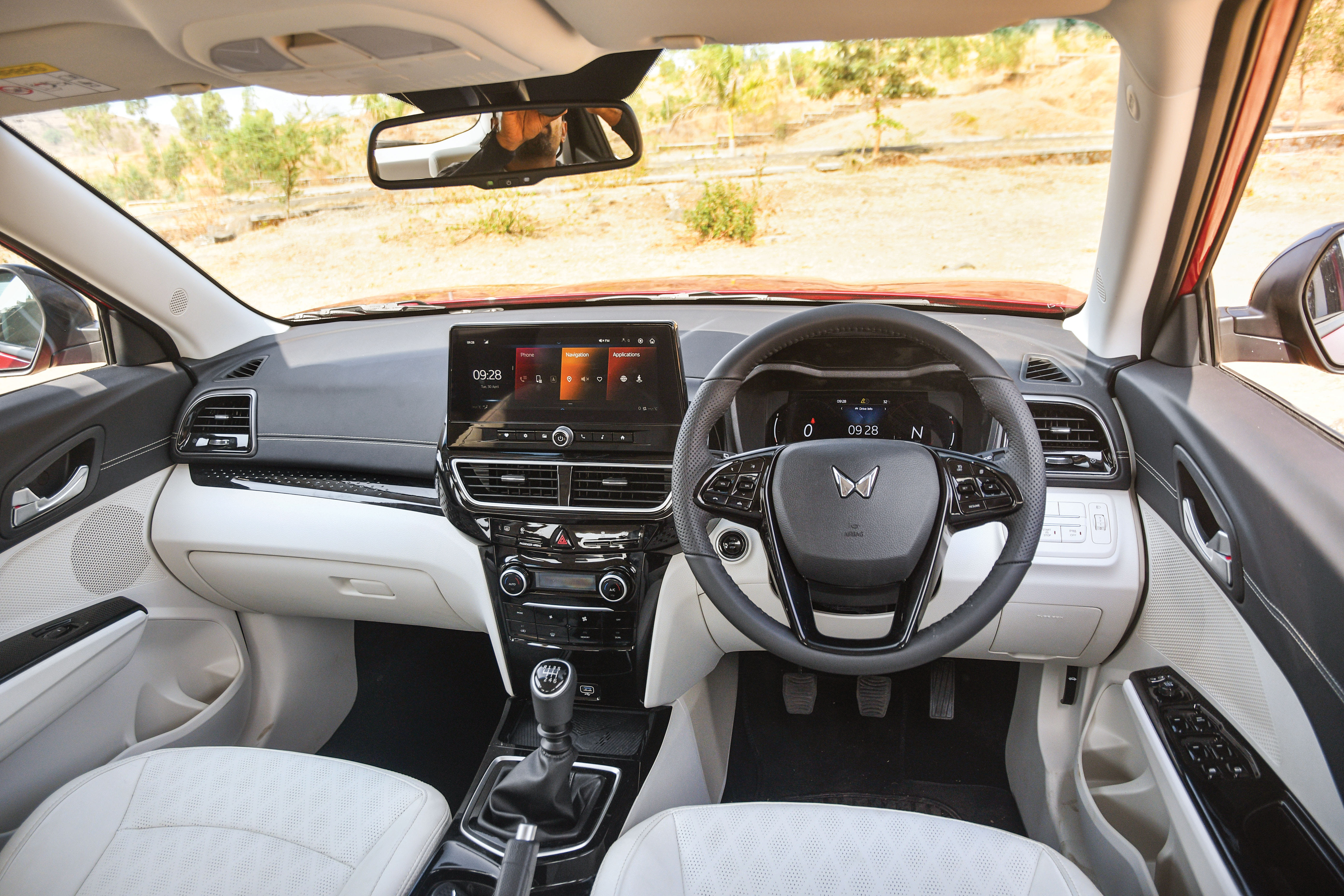
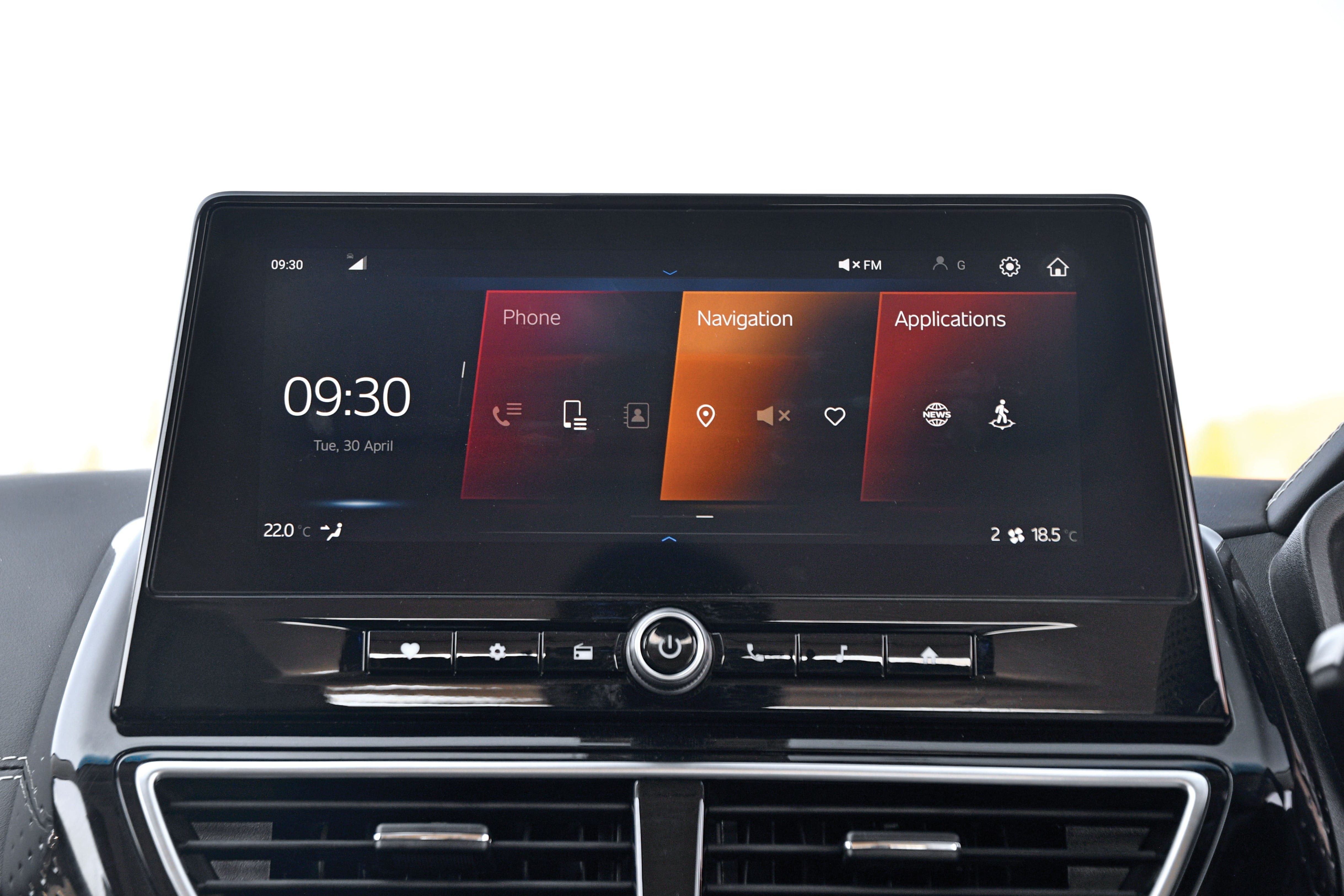
वेरिएंट के आधार पर, ट्राइबर में कई फीचर्स देखने को मिलते हैं। इनमें 8 इंच का टचस्क्रीन इंफोटेनमेंट सिस्टम, वायरलेस Android Auto और Apple CarPlay, डिजिटल इंस्ट्रूमेंट क्लस्टर, स्टीयरिंग पर ऑडियो कंट्रोल, पीछे की सीटों के लिए AC वेंट्स, पुश-बटन स्टार्ट/स्टॉप, कीलेस एंट्री, इलेक्ट्रिकली एडजस्ट होने वाले ORVMs और कूल्ड सेंटर स्टोरेज कंपार्टमेंट शामिल हैं।
सेफ्टी फीचर्स की बात करें तो, वेरिएंट के आधार पर Triber में स्टैंडर्ड तौर पर छह एयरबैग, EBD के साथ ABS, इलेक्ट्रॉनिक स्टेबिलिटी प्रोग्राम (ESP), हिल स्टार्ट असिस्ट, टायर प्रेशर मॉनिटरिंग सिस्टम (TPMS), रियर पार्किंग सेंसर, रिवर्सिंग कैमरा और सीट बेल्ट रिमाइंडर दिए गए हैं।
बता दें कि Renault Triber उन खरीदारों की जरूरतों को पूरा करती है जो थ्री-रो सीटिंग वाली किफायती फैमिली गाड़ी की तलाश में हैं। जुलाई 2026 के ऑफर सीमित समय के लिए हैं और ये मैन्युफैक्चरर और भाग लेने वाली डीलरशिप द्वारा तय की गई शर्तों और नियमों के अधीन हैं।
वंदे भारत एक्सप्रेस को अक्सर भारत की सबसे मॉडर्न और तेज ट्रेनों में गिना जाता है, लेकिन क्या यह सच में देश की सबसे तेज ट्रेन है? ‘मेक इन इंडिया’ पहल के तहत तैयार की गई यह भारत की पहली स्वदेशी सेमी-हाई-स्पीड ट्रेन है, जो मॉडर्न टेक्निक, तेज रफ्तार और शानदार सुविधाओं के लिए जानी जाती है। इसकी मैक्सिमम स्पीड 160 किमी/घंटा तक है और यह बिना अलग इंजन के इलेक्ट्रिक मल्टीपल यूनिट (EMU) सिस्टम पर चलती है। आइए जानते हैं वंदे भारत, नमो भारत, राजधानी, शताब्दी और नई वंदे भारत स्लीपर में से कौन-सी ट्रेन स्पीड, टेक्नोलॉजी और आराम के मामले में सबसे आगे है:
वंदे भारत स्लीपर एक्सप्रेस:
2026 में शुरू की गई वंदे भारत स्लीपर एक्सप्रेस, वंदे भारत प्लेटफॉर्म पर बनी भारत की पहली ओवरनाइट (रात भर चलने वाली) ट्रेन है। कोटा-नागदा रूट पर ट्रायल रन के दौरान इसने 180 किमी/घंटा की स्पीड हासिल की, जबकि रिसर्च डिज़ाइन्स एंड स्टैंडर्ड्स ऑर्गनाइजेशन (RDSO) ने मुंबई-अहमदाबाद कॉरिडोर पर लॉन्ग डिस्टेंस के टेस्ट भी किए। हालांकि, रेगुलर कमर्शियल ऑपरेशन में यह ट्रेन मंजूर की गई ऑपरेशनल स्पीड पर चलेगी।
राजधानी एक्सप्रेस:
1969 में शुरू हुई राजधानी एक्सप्रेस भारत की पहली पूरी तरह से एयर-कंडीशंड प्रीमियम ट्रेन सर्विस थी। 130 किमी/घंटा की टॉप स्पीड के साथ, यह नई दिल्ली को देश भर की कई स्टेट की राजधानियों और बड़े शहरों से जोड़ती है। दशकों से, राजधानी भारत में लॉन्ग डिस्टेंस की प्रीमियम रेल ट्रैवल के लिए एक बेंचमार्क रही है।
अमृत भारत एक्सप्रेस:
2023 में शुरू की गई अमृत भारत एक्सप्रेस एक नॉन-AC पुश-पुल ट्रेन है जिसे किफायती लॉन्ग डिस्टेंस के ट्रैवल के लिए डिजाइन किया गया है। चेन्नई की इंटीग्रल कोच फैक्ट्री में बनी यह ट्रेन 130 किमी/घंटा तक की स्पीड से चल सकती है। दोनों सिरों पर लोकोमोटिव होने के कारण, ट्रेन की स्पीड तेजी से बढ़ती और कम होती है। इसका ऑब्जेक्टिव छोटे कस्बों और शहरों को तेज और कम्फर्टेबल ट्रैवल ऑप्शन देना है, जहां राजधानी या शताब्दी जैसी प्रीमियम ट्रेनें नहीं जाती हैं।
गतिमान एक्सप्रेस:
अप्रैल 2016 में शुरू की गई गतिमान एक्सप्रेस भारत की पहली सेमी-हाई-स्पीड ट्रेन सेवा थी। हजरत निजामुद्दीन और आगरा कैंट के बीच चलने वाली यह ट्रेन मैक्सिमम 160 किमी/घंटा की स्पीड से चलती है। इस ट्रेन को 5,500 HP वाले WAP-5 इलेक्ट्रिक लोकोमोटिव से चलाया जाता है और इसमें एग्जीक्यूटिव चेयर कार और AC चेयर कार कोच होते हैं। सभी कोच बायो-टॉयलेट से लैस हैं, जो इसे इंडियन रेलवे की प्रीमियम डे की ट्रैवल सर्विस में से एक बनाता है।
शताब्दी एक्सप्रेस:
1988 में शुरू हुई शताब्दी एक्सप्रेस भारत की सबसे पॉपुलर प्रीमियम दिन की ट्रेनों में से एक है। इसे उसी दिन वापसी की जर्नी के लिए डिजाइन किया गया है और यह मैक्सिमम 130 किमी/घंटा की गति से चलती है। इस ट्रेन में केवल AC चेयर कार और एग्जीक्यूटिव चेयर कार कोच होते हैं, इसमें स्लीपर डिब्बे नहीं होते, जिससे यह कम से मीडियम डिस्टेंस की जर्नी के लिए आइडियल बन जाती है।
नमो भारत RRTS:
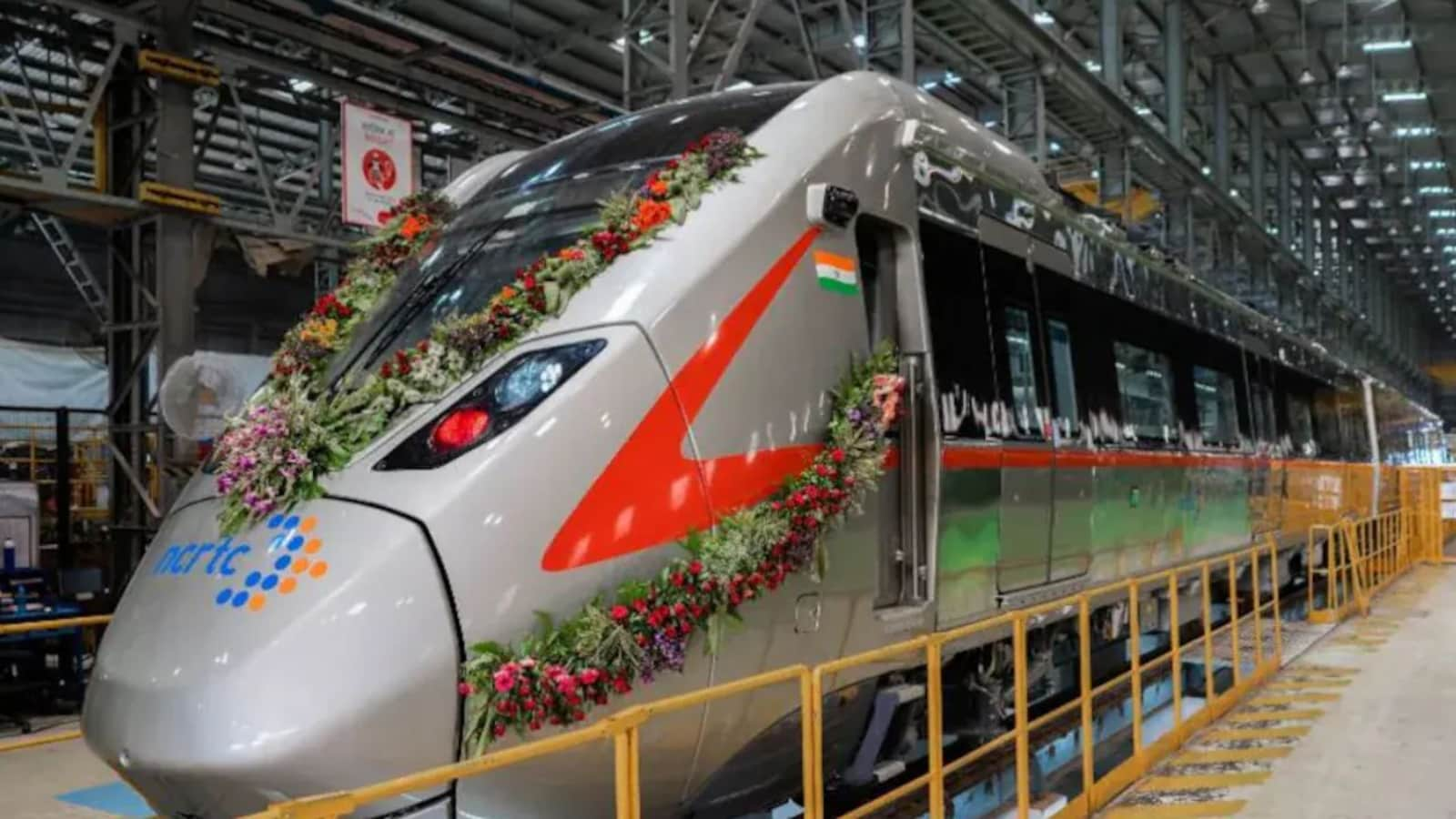
दिल्ली-मेरठ रीजनल रैपिड ट्रांजिट सिस्टम (RRTS) पर चलने वाली नमो भारत ट्रेनें तेज स्पीड वाली रीजनल ट्रैवल के लिए डिज़ाइन की गई हैं। हालांकि ये 160 किमी/घंटा की ऑपरेशनल स्पीड से चलती हैं, लेकिन इन ट्रेनों की डिज़ाइन स्पीड 180 किमी/घंटा है। नेशनल कैपिटल रीजन ट्रांसपोर्ट कॉरपोरेशन (NCRTC) डेवलप्ड यह सिस्टम ट्रेडिशनल रेलवे लाइनों और रोड ट्रैफिक से अलग, खास तौर पर इसके लिए बनाए गए ट्रैक पर चलता है, जिससे ट्रैवल तेज और ज़्यादा भरोसेमंद होती है।
वंदे भारत से लेकर अमृत भारत तक, इंडियन रेलवे तेजी से मॉडर्न हो रहा है और तेज ट्रेनें, बेहतर टेक्नोलॉजी और पैसेंजर के लिए ज्यादा आराम जैसी सुविधाएं ला रहा है। ये अगली जनरेशन की सर्विस ट्रैवल का समय कम कर रही हैं, सेफ्टी बढ़ा रही हैं और देश भर के ज्यादा शहरों और कस्बों तक हाई-स्पीड कनेक्टिविटी पहुंचा रही हैं।
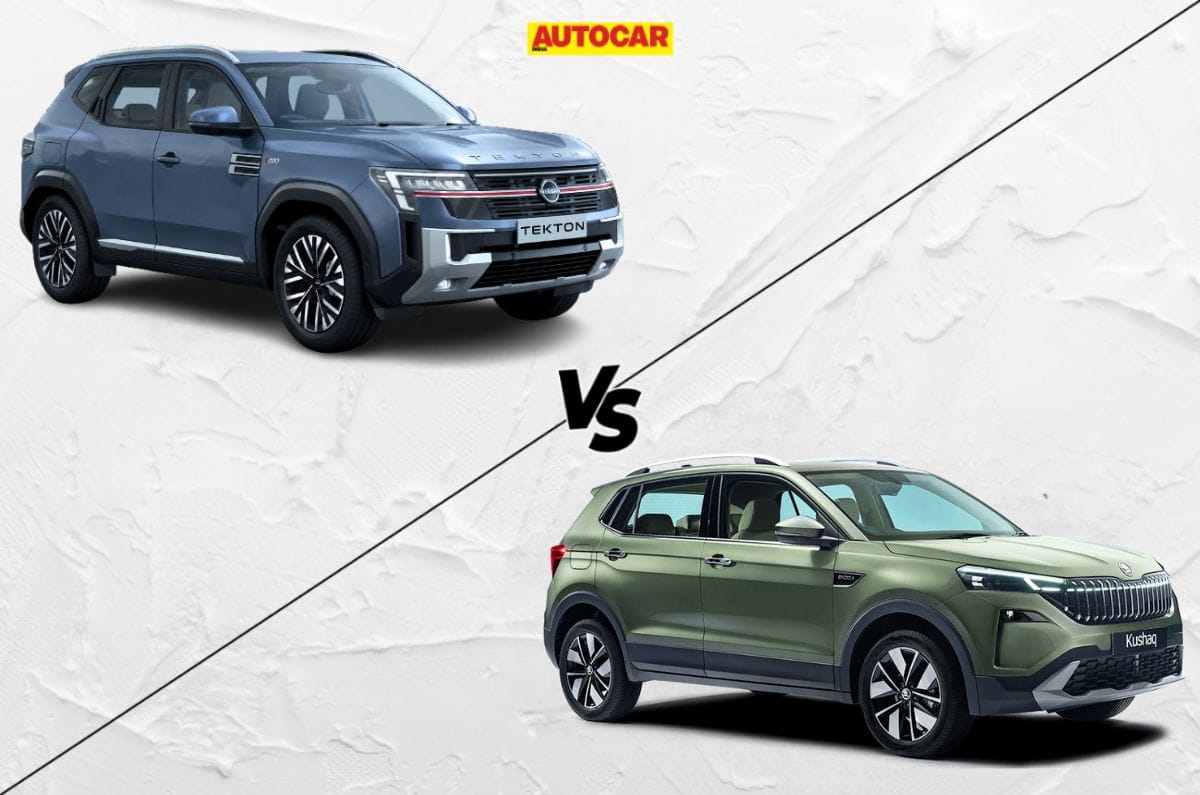
Nissan recently launched the Tekton midsize SUV in India. It is being offered in six trims: Visia, Visia+, Acenta, N-Connecta, Tekna, and Tekna+, with prices ranging from Rs 10.49 lakh to Rs 18.59 lakh (ex-showroom). The Skoda Kushaq is also offered at a similar top-end price. So, which top-spec model should you choose between the Tekton Tekna+ and Kushaq Prestige? Let us find out.
Nissan Tekton vs Skoda Kushaq: Dimensions
The Tekton is much larger than the Kushaq and offers a bigger boot
Nissan Tekton vs Duster: Dimensions and other specifications
Nissan Tekton
Skoda Kushaq
Difference
Length (mm)
4,349
4,229
+120
Width (mm)
1,815
1,760
+55
Height (mm)
1,674
1,612
+62
Wheelbase (mm)
2,657
2,651
+6
Ground clearance (mm)
212
188
+24
Boot space (litres)
518
385
+133
Although the Tekton and Kushaq have a similar wheelbase, the Tekton has larger proportions than the Kushaq and offers a bigger boot. The Tekton also has a 24mm higher ground clearance than the Kushaq.
Nissan Tekton Tekna+ vs Skoda Kushaq Prestige: Powertrain
Both top-spec trims are offered with two turbo-petrol engine options
Nissan Tekton Tekna+ vs Kushaq Prestige: Powertrain
Tekton Tekna+
Kushaq Prestige
Engine*
1.0L TP | 1.3L TP
1.0L TP | 1.5L TP
Power
100hp | 163hp
115hp | 150hp
Torque
160Nm | 280Nm
178Nm | 250Nm
Transmission
6MT | 6DCT
6MT, 8AT | 7DCT
Drivetrain^
FWD
FWD
*TP = Turbo-petrol
^FWD = Front-wheel-drive
Both the Nissan Tekton and the Skoda Kushaq offer two turbo-petrol engines with their respective top trims. Comparing the smaller engines, the Kushaq produces 15hp and 18Nm more than the Tekton, while also offering an automatic transmission option.
The Tekton’s 1.3-litre engine is, however, 13hp and 30Nm more potent than the Kushaq’s larger-capacity 1.5-litre engine. Both manufacturers, however, offer their top-spec trims with such an engine with a DCT only.
Nissan Tekton Tekna+ vs Skoda Kushaq Prestige: Exterior
The Tekton gets larger rims, and everything else is the same as the Kushaq
Nissan Tekton Tekna+ vs Kushaq Prestige: Exterior
Tekton Tekna+
Kushaq Prestige
Headlights
Auto LED
Auto LED
Taillights
Connected LED
Connected LED
DRLs
Connected LED
Segmented LED
Front fog lamps
LED
LED
Rear fog lamps
LED
LED
Puddle lamps
Yes
Yes
Wheels
18-inch
17-inch
Powered ORVMs
Yes
Yes
Roof rails
Yes
Yes
Colour
Mono, Dual tones
Mono, Dual tones
While both top-spec models get all-LED lighting, puddle lamps, powered outside rearview mirrors (ORVMs) and roof rails, the Tekton Tekna+ goes a step further with larger 18-inch alloy wheels compared to the 17-inch units on the Kushaq Prestige.
Nissan Tekton Tekna+ vs Skoda Kushaq Prestige: Interior
The Tekton gets a powered tailgate, but Kushaq offers massage rear seats
Nissan Tekton Tekna+ vs Kushaq Prestige: Interior and features
Tekton Tekna+
Kushaq Prestige
Driver’s display
10.25-inch
10.25-inch
Infotainment screen
10.1-inch
10.1-inch
Android Auto, Apple CarPlay
Wireless
Wireless
Audio system
6-speaker Akamys
7-speaker*
Sunroof
Panoramic
Panoramic
Climate control
Dual-zone
Automatic
Rear AC vents
Yes
Yes
Front seat adjustment
6-way powered
6-way powered
Front seat features
Ventilation
Ventilation
Rear seat features
None
Massage
Powered tailgate
Yes
No
Seat upholstery
Leatherette
Leatherette
Steering wheel adjustment
Tilt, telescopic
Tilt, telescopic
Wireless phone charger
Yes
Yes
Cruise control
Adaptive
Adaptive
*Kushaq’s sound system comprises 6 speakers, an amplifier and a subwoofer
The Kushaq is the only car in the midsize SUV segment to offer a massage function on the rear seats. Over the Tekton, it also offers more speakers. On the other hand, the Tekton Tekna+ is equipped with a powered tailgate and dual-zone AC, which are missing from the Kushaq Prestige. Everything else is the same, including the 10.25-inch driver’s display, 10.1-inch infotainment system, a panoramic sunroof, powered and ventilated front seats and a wireless phone charger.
Nissan Tekton Tekna+ vs Skoda Kushaq Prestige: Safety
The Tekton offers an ADAS suite, which is missing on the Kushaq
Nissan Tekton Tekna+ vs Kushaq Prestige: Safety features
Tekton Tekna+
Kushaq Prestige
Airbags
6
6
ADAS
Level 2
No
Camera setup
360-degree
360-degree
Parking sensors
Front and rear
Front and rear
Electronic parking brake
DCT variant only
DCT variant only
TPMS
Yes
Yes
IRVM
Auto-dimming
Auto-dimming
Rear wiper, washer
Yes
Yes
Rear defogger
Yes
Yes
Hill start assist
Yes
Yes
Hill descent control
DCT only
No
ESC
Yes
Yes
Traction control
Yes
Yes
Both top-spec variants of the Tekton and Kushaq offer similar features like 6 airbags, a 360-degree camera, front and rear parking sensors, an auto-dimming inside rearview mirror (IRVM), a rear wiper and washer. However, the Tekton offers a Level-2 advanced driver assistance system (ADAS) suite and hill descent control, both of which are missing on the Kushaq.
Nissan Tekton Tekna+ vs Skoda Kushaq Prestige: Price, verdict
Top-spec trims of both SUVs come at a similar price
Nissan Tekton Tekna+ vs Kushaq Prestige: Ex-showroom prices (Rs, lakh)
Tekton Tekna+
Kushaq Prestige
Price range
16.49-18.59
16.79-18.79
The starting price of the Nissan Tekton’s Tekna+ trim is Rs 30,000 less than that of the Kushaq Prestige. The top-end price of the Tekton is also Rs 20,000 less than that of the Kushaq. At this lower price point, the Tekton offers a powered tailgate, Level-2 ADAS, dual-zone AC and larger alloy wheels. It is also larger than the Kushaq and offers a larger boot, making it the better top-spec Tekton variant than the Kushaq Prestige.
LOOK OUT FOR: Suspension rattles, Infotainment issues
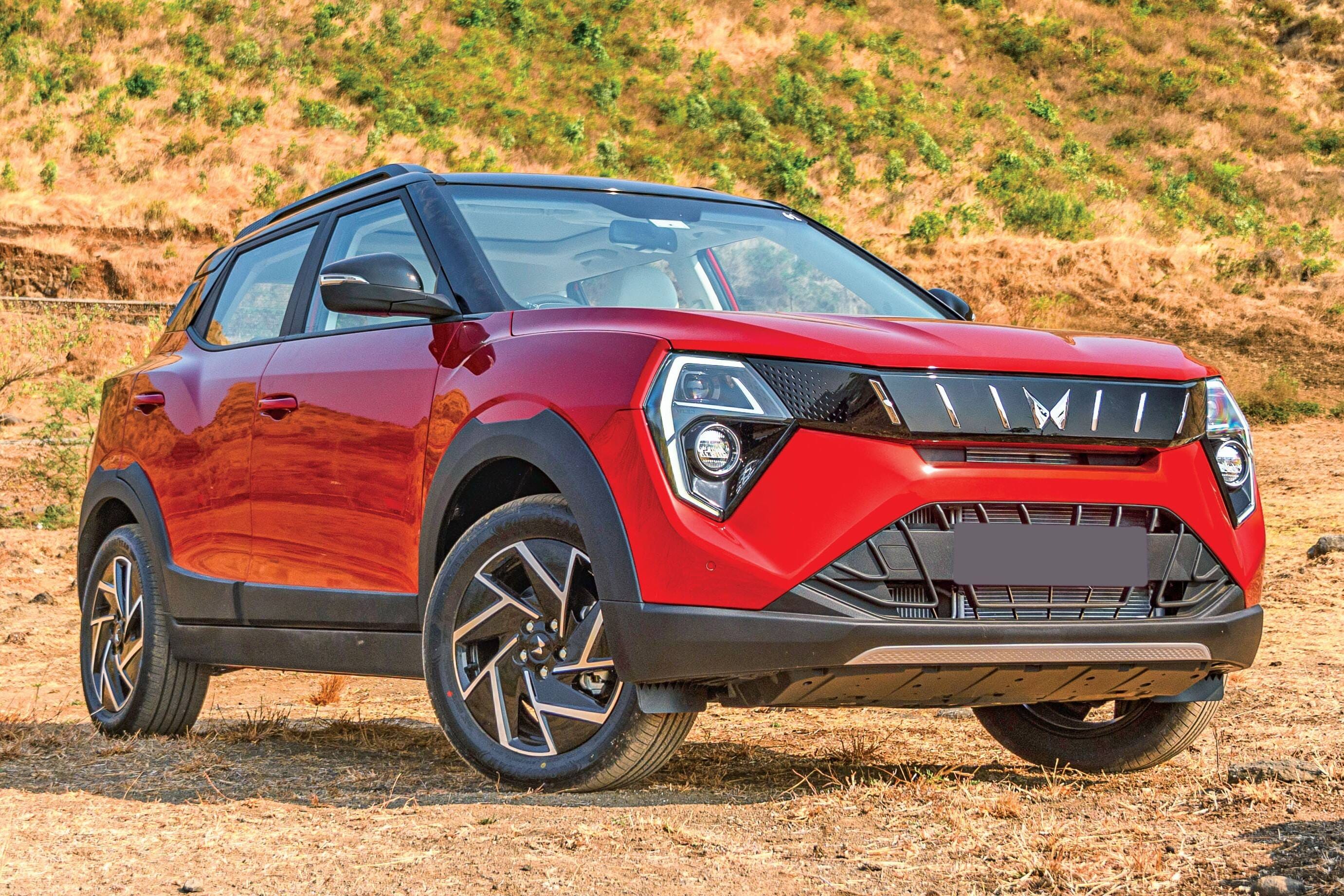
The Mahindra XUV 3XO was launched in 2024 as a replacement for the XUV300. But instead of a mild facelift, Mahindra went all out and gave the compact SUV an overhauled exterior, a thoroughly reworked interior, some segment-first features, a new class-leading petrol powertrain and a new name. Mahindra’s smallest offering stands out in the crowded compact SUV segment for its roomy and premium interior and many powertrain options, making it worth considering as a used buy. Here’s what to keep in mind.
Despite the redesigned exterior, the 3XO’s rear section still looks abruptly chopped off, though it doesn’t look as awkward as the XUV300’s. The front styling, too, is bold, distinctive and splits opinion. Inside, quality took a huge step up, with the 3XO’s interior feeling genuinely premium. It’s very good on space too, and can easily accommodate five adults, though the trade-off is one of the smallest boots in the segment.
Petrol, turbo-petrol, and diesel engines; up to 21.8kpl claimed mileage
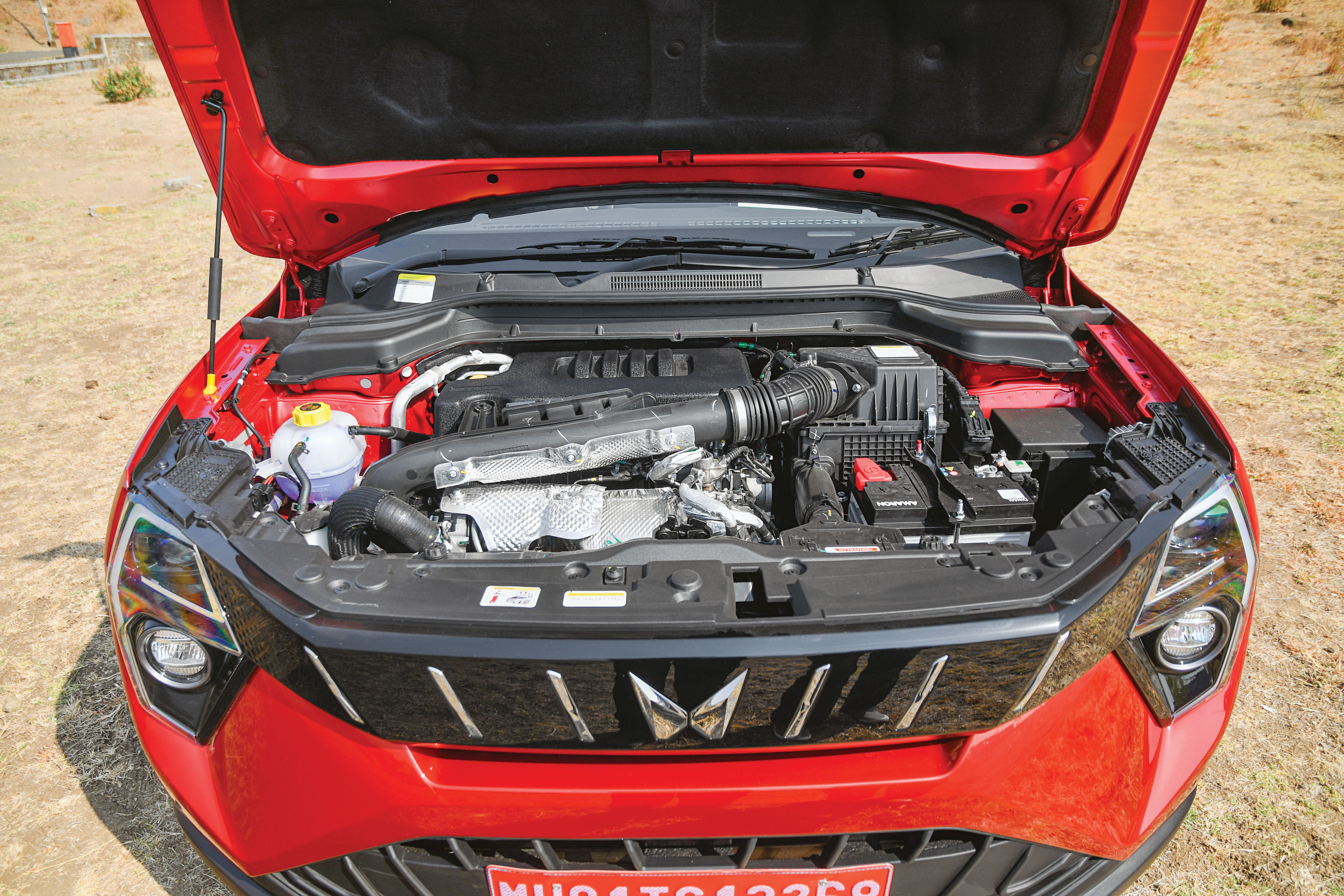
Mahindra offers the XUV 3XO with three engine options – two petrols and one diesel. The range starts with a 111hp, 1.2-litre, MPFi, turbo-petrol engine that can be had with a 6-speed manual (ARAI-rated 18.89kpl fuel economy) or a 6-speed torque converter automatic (17.96kpl) option. Then there’s a 117hp, 1.5-litre diesel, which comes with a 6-speed manual (20.6kpl) and 6-speed AMT (21.2kpl). Meanwhile, the range topper is a 131hp, 1.2-litre direct-injection turbo-petrol unit, which is available with an Aisin-sourced 6-speed torque converter automatic (18.2kpl) and a 6-speed manual option (20.1kpl).
The diesel makes sense for high-mileage users or for those who do frequent road trips owing to its higher real-world efficiency. Enthusiasts will enjoy the 131hp turbo-petrol for its punchy character and the performance it packs in. However, for most users, the 111hp turbo-petrol will do the job just fine, as it has a good balance of performance, drivability and efficiency. What’s great is that every engine option can be had with an automatic gearbox option for greater convenience.
Mahindra XUV 3XO variants and features
Twin 10.25-inch screens, panoramic sunroof
At launch, there were nine trim lines on offer – MX1, MX2, MX2 Pro, MX3, MX3 Pro, AX5, AX5 L, AX7 and AX7 L. Mahindra later launched a mid-spec RevX trim for the XUV 3XO too. As for features, the top-spec AX7L gets all-LED lighting, a seven-speaker Harman Kardon audio system with a 380W amplifier, a 10.25-inch infotainment screen and driver’s display, panoramic sunroof, AdrenoX Connect connectivity suite, wireless Android Auto and Apple CarPlay, a wireless charger, rear AC vents, and more.
All variants get safety features like 6 airbags, rear disc brakes, ESP and ISOFIX anchors. Higher-spec versions get an electronic parking brake with auto-hold, hill-start and hill-descent assist, a 360-degree camera, a blind spot monitor and Level 2 ADAS. As always, the range-topping variant will give you the best experience given all that it packs in, but for most users, the mid-spec AX5 will also suffice, as it has a good balance of features.
XUV 3XO warranty details
The XUV 3XO is a reliable SUV, with problems few and far between, and it’s backed up by Mahindra’s widespread service network throughout the country. What’s nice is that it comes with a standard warranty of 3 years / 1,00,000km, which can be extended to a total of 5 years or 1,50,000km.
What to look out for in a used Mahindra XUV 3XO
Suspension rattles
Some owners have reported rattling or thudding sounds coming from the suspension when driven through rough patches or potholes. This is often linked to worn out lower control arms. Take a test drive and drive through a rough patch of road, and listen out for any thudding or rattling from the suspension. Many of the suspension components are covered under warranty too, so this is something to keep in mind.
Infotainment issues
Owners have faced issues with the XUV 3XO’s AdrenoX infotainment system like Apple CarPlay/Android Auto disconnections, screen freezing and the reverse camera display getting stuck on a black screen. Before purchasing, check that it functions smoothly, pairs up with your phone easily, and that the system’s software is up to date.
Braking trouble
Mahindra XUV 3XO owners have reported a few distinct brake issues, ranging from inconsistent, spongy brake pedal feel to hissing noises and overly sensitive Automatic Emergency Braking (AEB). Before purchasing, it’s worth getting the brakes checked by an authorised service center.
Second hand Mahindra XUV 3XO price and resale value
Rs 6 lakh-10 lakh
Being a new model that’s still on sale, the XUV 3XO commands good value in the resale market. With such a wide spread of trim levels and powertrain options, you’ll find used options across a wide price range, but refrain from spending over Rs 10 lakh. Look for an example with the extended warranty package, as that’ll give you added peace of mind.
ब्रिटेन में साल की तीसरी भीषण गर्मी के बीच कर्मचारी घर की उमस में काम करने के बजाय एयर-कंडीशन्ड दफ्तरों का रुख कर रहे हैं। ब्रिटेन के कई हिस्सों में तापमान 40° डिग्री के पार चला गया है। पारंपरिक ब्रिटिश घर गर्मी को रोकने के लिए डिजाइन नहीं किए गए हैं, जिसके कारण लोग ‘वर्क फ्रॉम होम’ के बजाय एसी लगे दफ्तरों में जाकर काम करना पसंद कर रहे हैं। दफ्तरों में उपस्थिति कोविड के बाद के उच्चतम स्तर पर पहुंच गई है। लंदन में कंपनियों को ऑफिस स्पेस दिलाने वाली ‘एडॉप्ट वर्कस्पेस’ ने भी कहा कि गर्म मौसम में उनके साथ जुड़े कई सर्विस प्रोवाइडर्स के यहां एसी ऑफिस की डिमांड दोहरे अंकों में बढ़ी है। गौरतलब है कि लंदन में प्रदूषण रोकने के लिए स्थानीय काउंसिलों ने घरों में एसी न लगाने और लगे हुए एसी हटाने के निर्देश दिए हैं। अधिकारियों का कहना है कि एसी के बजाय पंखे चलाएं और खिड़की-दरवाजे खोलकर रखें। तीन साल में एसी वाले घरों की संख्या दोगुनी ब्रिटेन में एयर कंडीशनिंग (एसी) वाले घरों की संख्या तीन वर्षों में दोगुनी होकर 40 लाख तक पहुंच गई है। विशेषज्ञों का मानना है कि घर से काम करने के चलन और बढ़ती भीषण गर्मी के कारण पोर्टेबल पंखों और एसी की मांग में सालाना 79% का उछाल आया है। इन 40 लाख घरों में से 19 लाख में स्थायी एसी इकाइयां लगी हैं। लंदन की फ्लेक्सिबल ऑफिस कंपनी ‘ऑफिस स्पेस इन टाउन’ के मुताबिक ‘रेड अलर्ट’ वाले गर्म दिनों में उनके दफ्तरों में मौजूदगी 75% बढ़ गई। कंपनी के अनुसार लोग घरों में गर्मी से परेशान हैं इसलिए ठंडी जगह चुन रहे हैं, ताकि आराम से काम कर सकें और उनकी कार्यक्षमता बनी रहे।
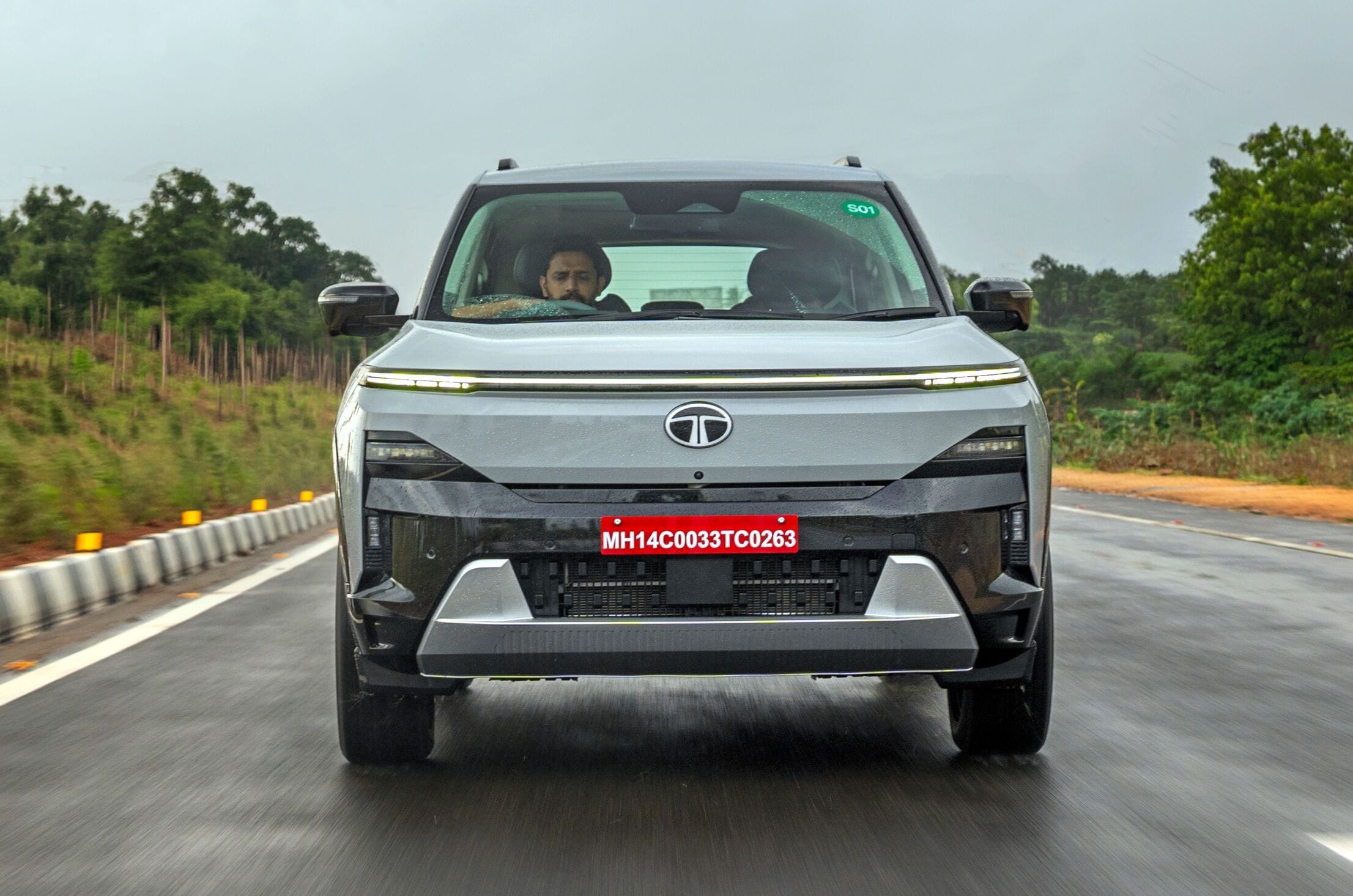
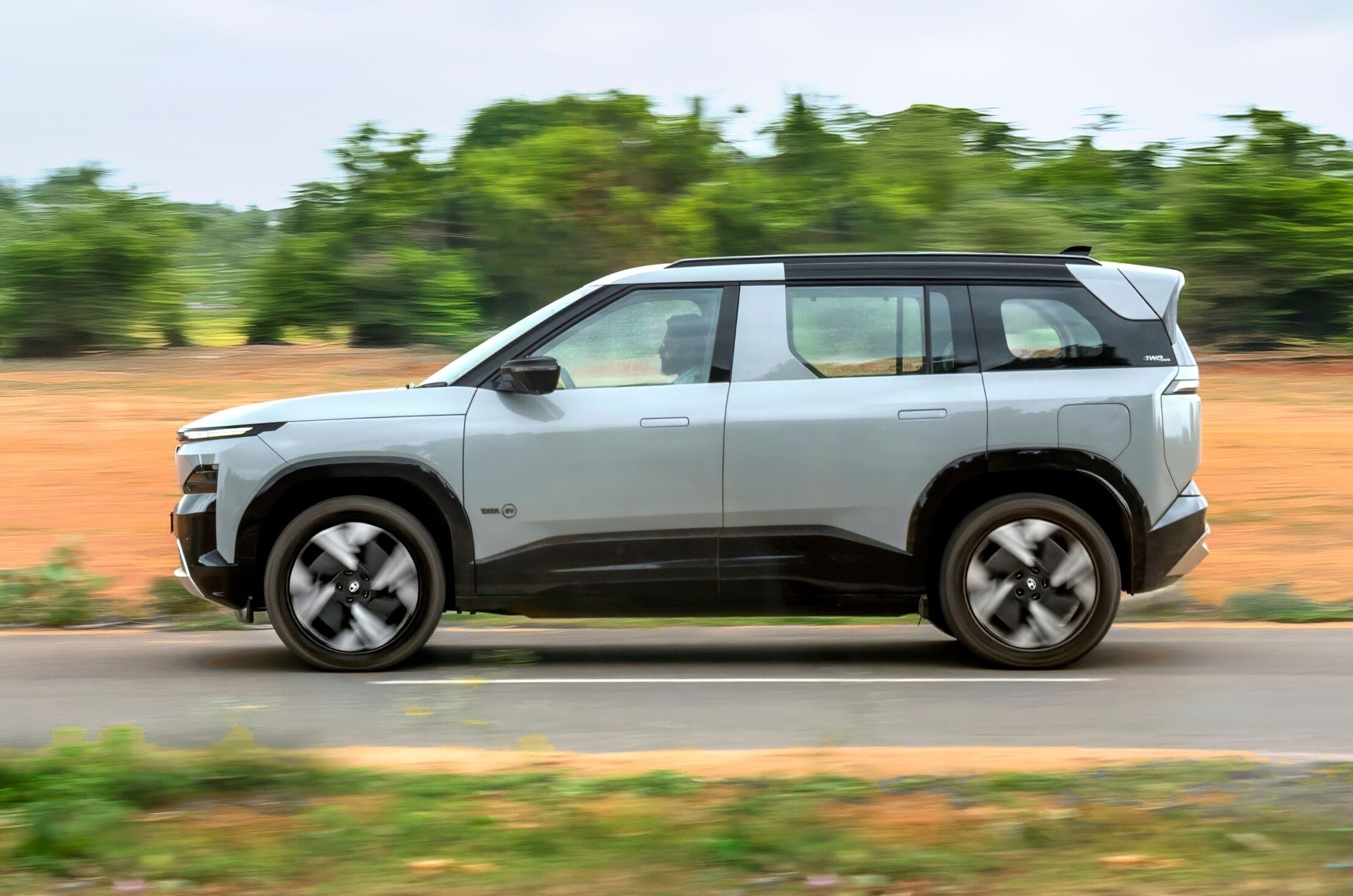
We’ve said in the past, the Sierra is the best Tata model on sale currently, representing the best of the brand’s learnings over the years. We’ve also said Tata’s electric powertrains are better than the equivalent combustion engines on offer. So, combine the two, and it’s undoubtedly a winning formula. But with EV tech and customer expectations moving so rapidly these days, is that necessarily a foregone conclusion?
2026 Tata Sierra EV exterior design and engineering – 9/10
Retains the ICE version’s sharp looks and practicality while incorporating a large battery.
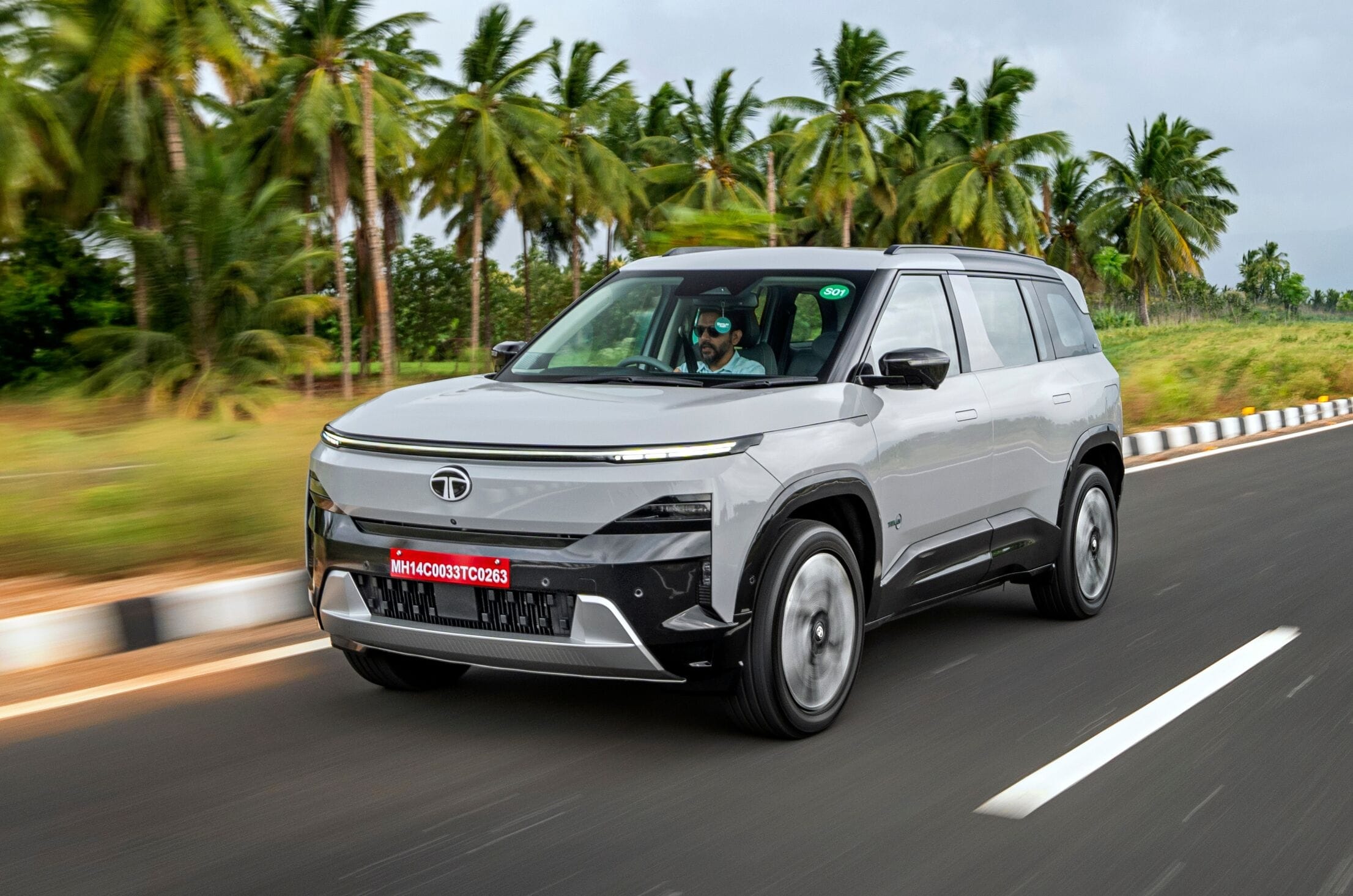
The new Sierra is a bold piece of design, and this has been carried over to – and perhaps even improved – on the electric version. It’s a welcome departure from the notion that all EVs need to be shaped like bars of soap for better aero efficiency. Instead, it is upright and boxy, albeit smoothed out just enough for air to flow over it a bit better.
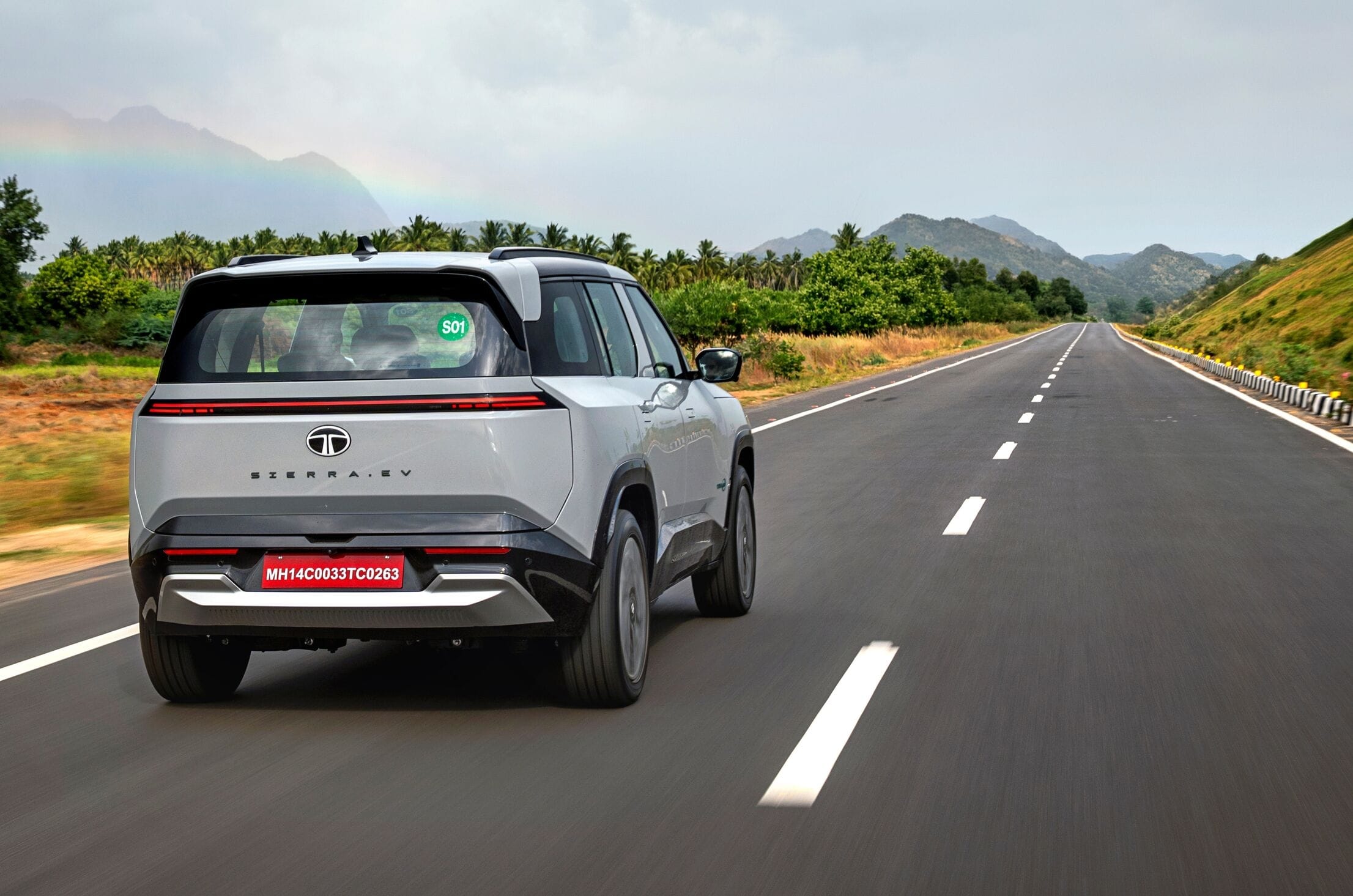
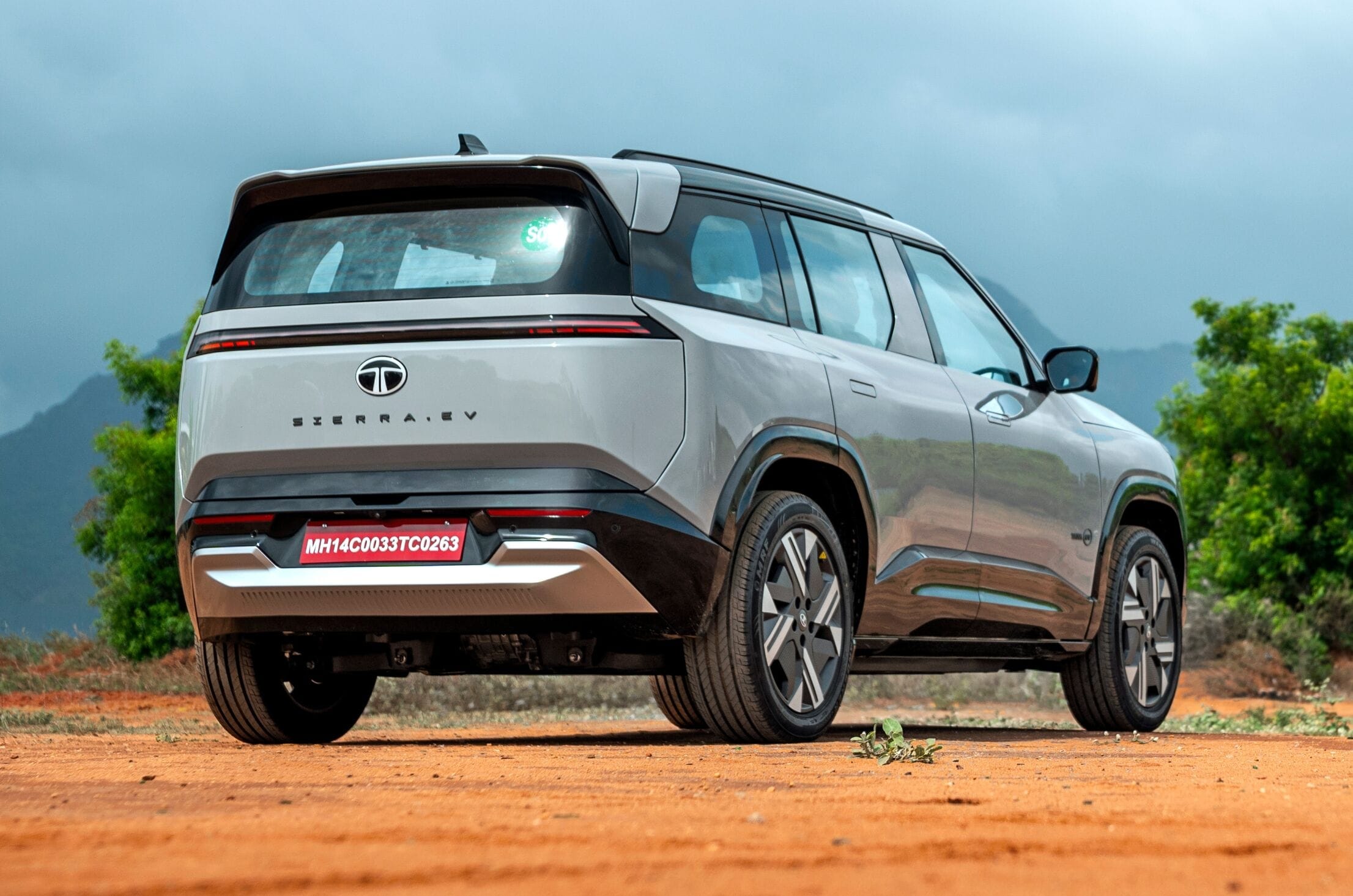
The difference is up front, where the gloss black surround for the headlamps found in the ICE version has been replaced by a body-coloured panel to give that EV-typical ‘grille-less’ look. For contrast, the gloss black treatment has been applied lower down in the bumper instead. Perhaps the wheels could have been more different – they are the same design as the ICE model, albeit in a matte finish rather than gloss. The badges now say ‘Sierra.ev’ on the sides and rear, and have a blue-coloured outer edge.
To the untrained eye, it might not immediately be apparent which version is which, but conversely, this is unmistakably a Sierra, and that is perhaps more important.
Little practicality has been lost in the move to electric; in fact, some has been gained. Almost as if to drive the point home that, despite the similar looks, this is a pure EV underneath, it gets a frunk that holds 55 litres in the single-motor models, and 35 litres in the dual-motor version. Good enough for the charging cable or small valuables you don’t want to keep in the main boot.
There’s also still 205mm of ground clearance, despite the battery pack, and thanks to its use of prismatic cells and C2P (cell to pack) packaging, it doesn’t weigh or impede on cabin and boot space as much as conventional batteries of similar capacity (like the ones in the Harrier EV).
2026 Tata Sierra EV interior space and comfort – 7/10
Superb space and comfort, though quality inconsistencies and ergonomic gaffes remain.
However, while boot space has been retained at a cavernous 622 litres (floor to roof), a casualty of the battery pack is the spare wheel, which was previously mounted under the body. You now only get a puncture repair kit.
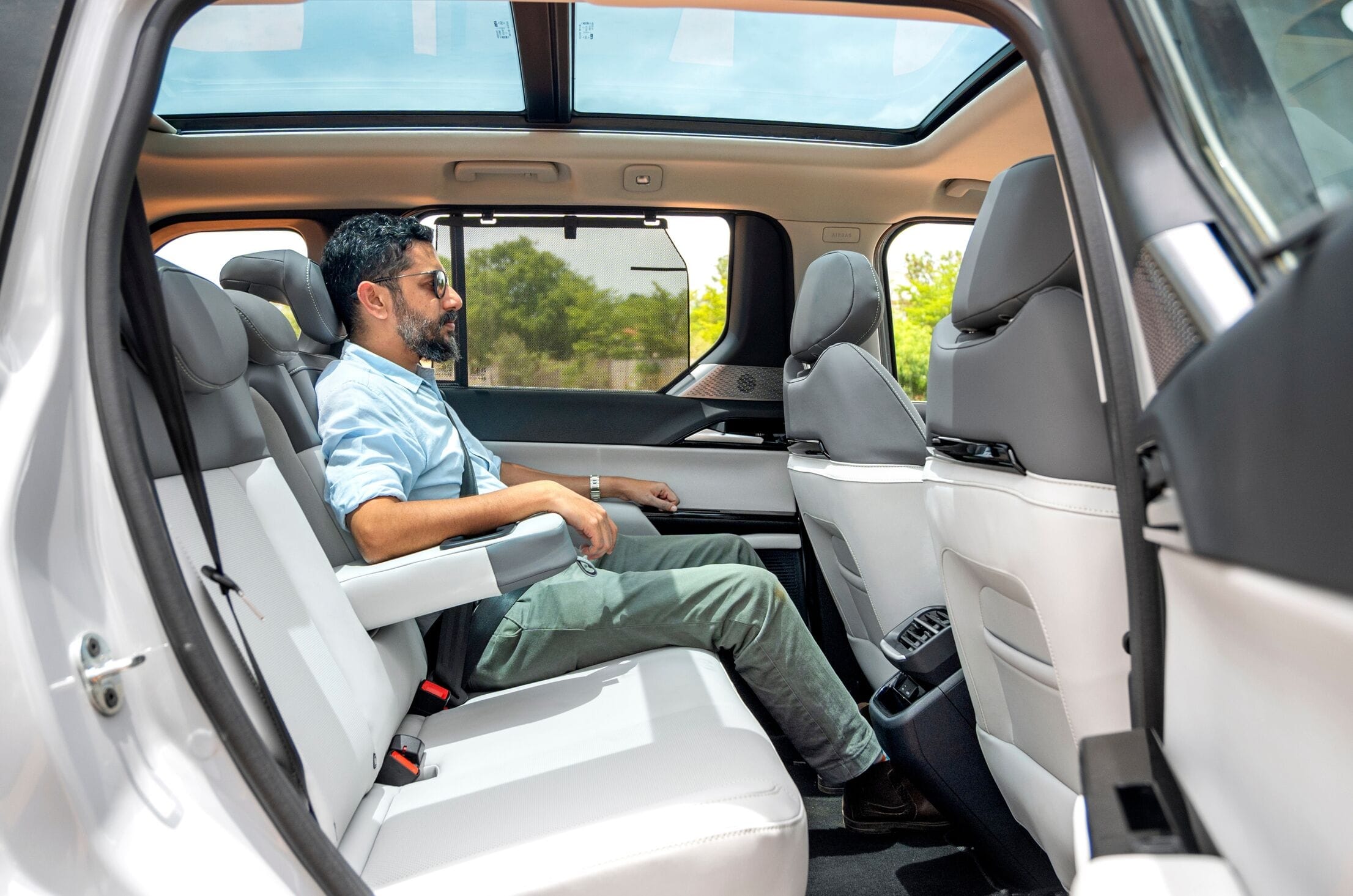
There’s seemingly no compromise to space or comfort in the cabin in the move to electric power. Engineers say the floor height has gone up by less than an inch compared to the ICE Sierra, and in truth there is no perceptible difference when you’re sat in the back seat. It remains spacious and comfortable, and even gets a small amount of backrest recline. The awkward L-shaped B-pillar returns, leaving a conspicuous gap next to the sun blind that could have easily been avoided. As before, you get a gigantic sunroof on top-spec trims that lets in a lot of light.
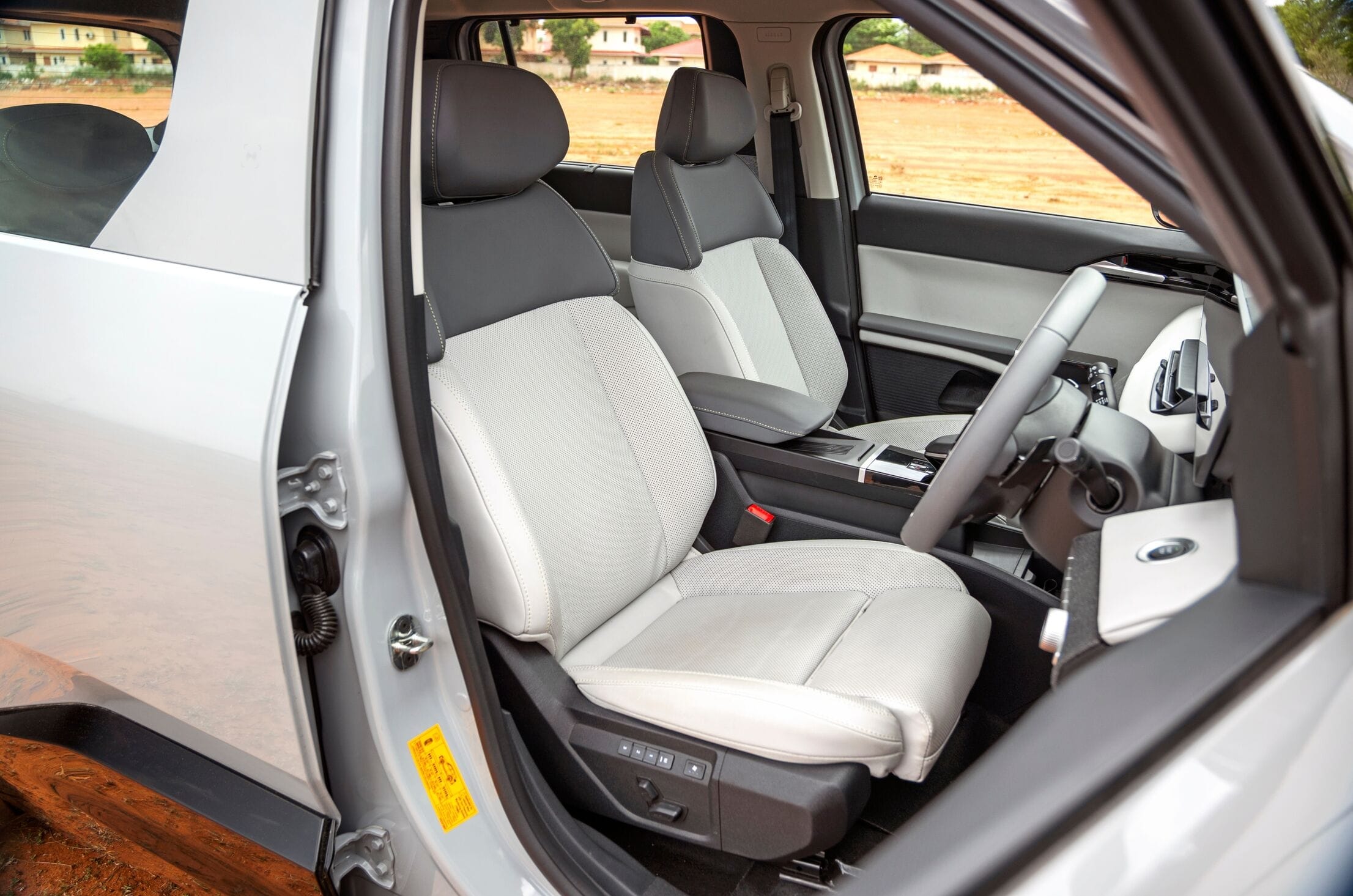
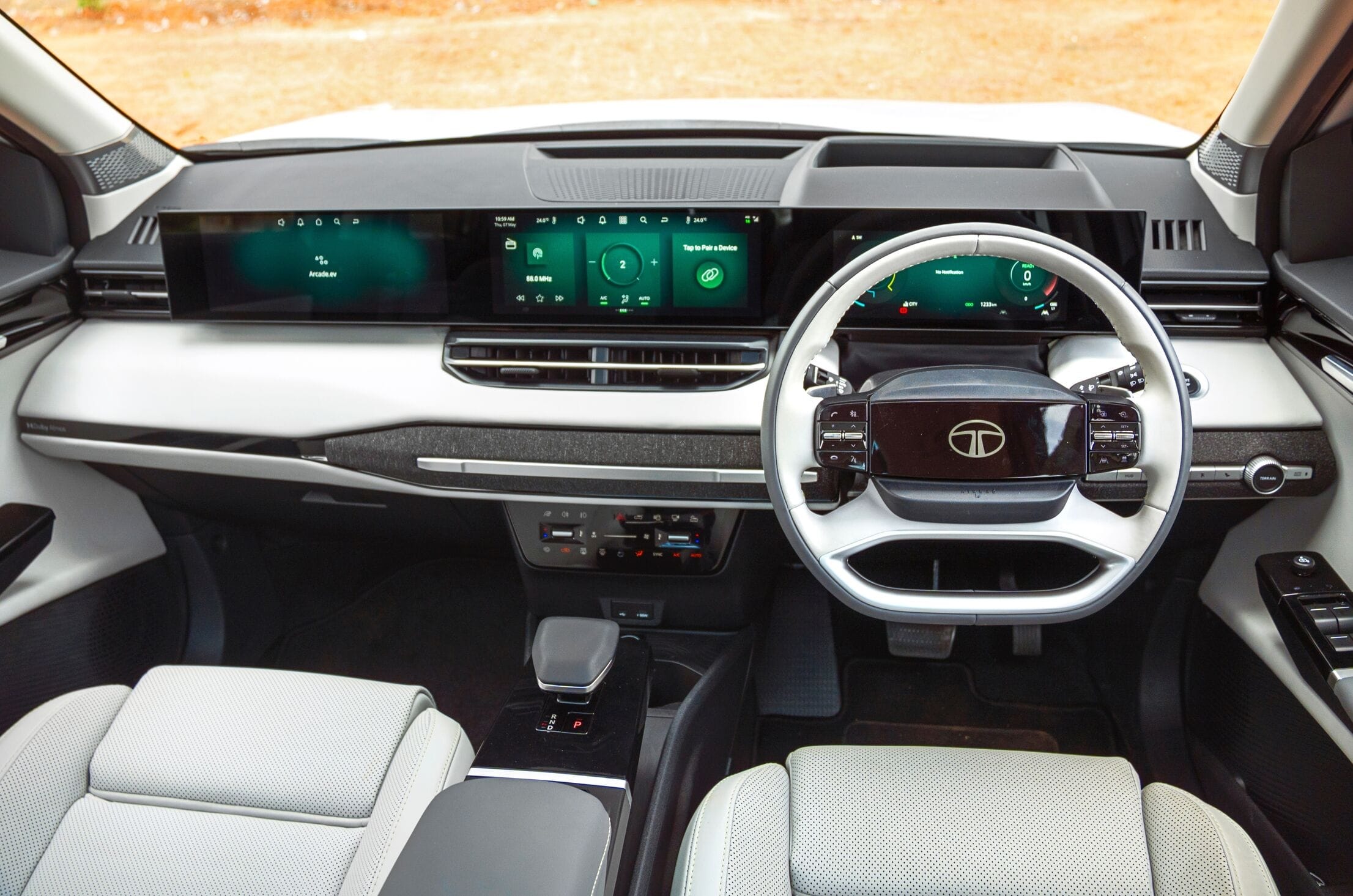
Up front, the lounge-like ambiance remains, with a cream-coloured, leatherette-bound dashboard and a textured fabric surface for the ‘sound bar’ central speaker. The three-screen stack adds a techy vibe to this atmosphere, and between the seats is a pedestal for the drive selector. The front seats are very comfortable and offer a good amount of shoulder support – something often overlooked in seat design.
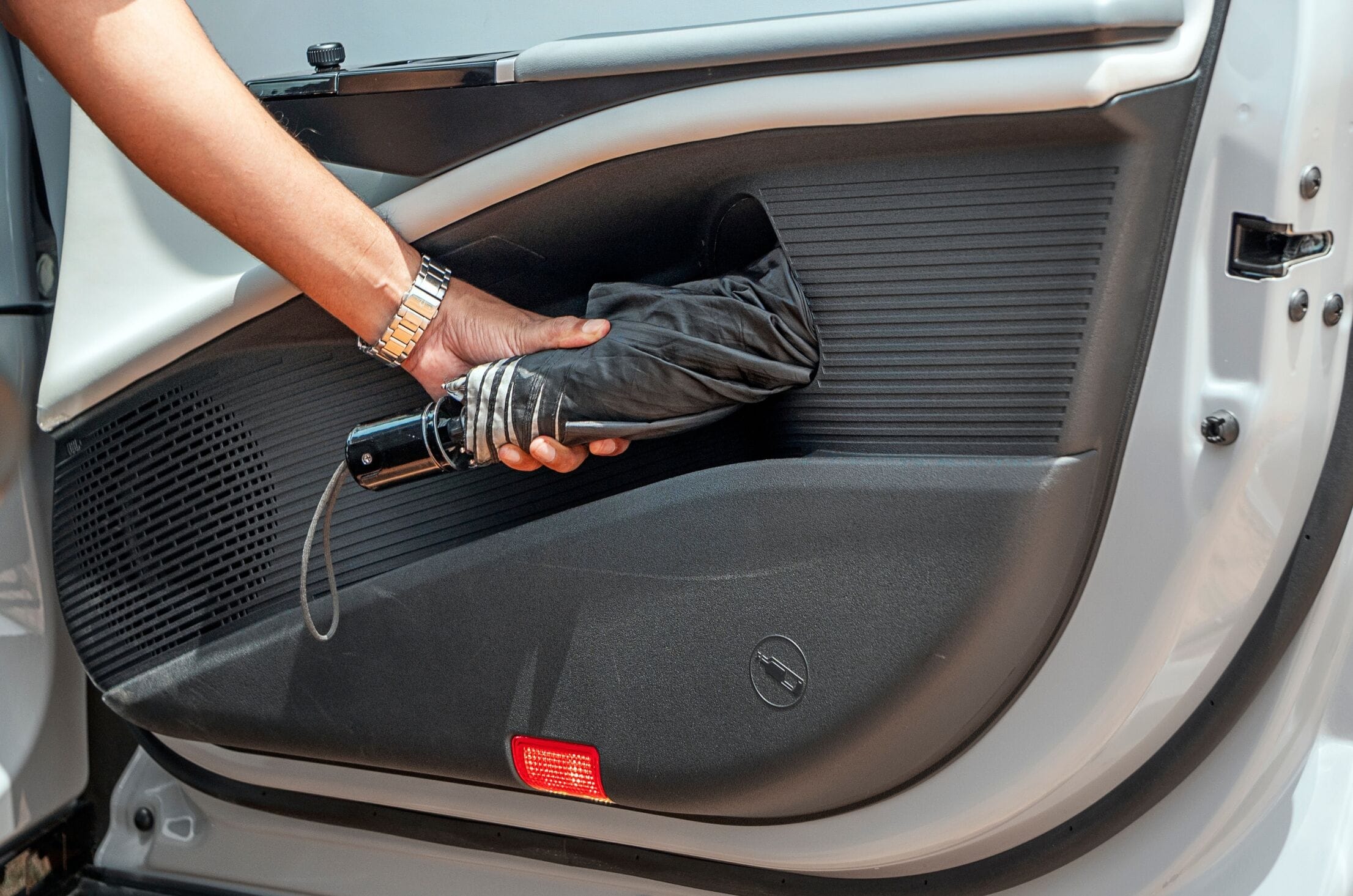
For every soft surface and attractive trim piece, however, there is visible hard plastic, rough edges, crooked stitching and misaligned panel fit, which are an eyesore, especially at this price. And while the design is attractive, its execution could have been far better considered from a practicality and ergonomics standpoint. For example, the pedestal-mounted drive selector is set at a comfortable height, but wastes the space below it. Consequently, the storage box behind it is narrow, tall and harder to reach, while the cupholders are tiny and forced to the base of the dashboard. And while the inclusion of small umbrella holders in the door cards is a nice touch, there is no drain plug, so surplus water will collect in the door pockets. Good intentions; poor execution.
2026 Tata Sierra EV features and safety – 9/10
Packed to the gills with safety and tech, more so even than the ICE version.
Tata in the last few years has caught up to the features freight train that has the Indian car industry in a stranglehold. The Sierra EV is, thus, one of if not the best equipped in its segment, with every conceivable gizmo imaginable on the top-spec Empowered A variant. And as always, the EV gets a small edge on its ICE counterpart, which comes in the form of a powered front passenger seat, as well as an HUD alongside the three-screen layout (instead of either one or the other).
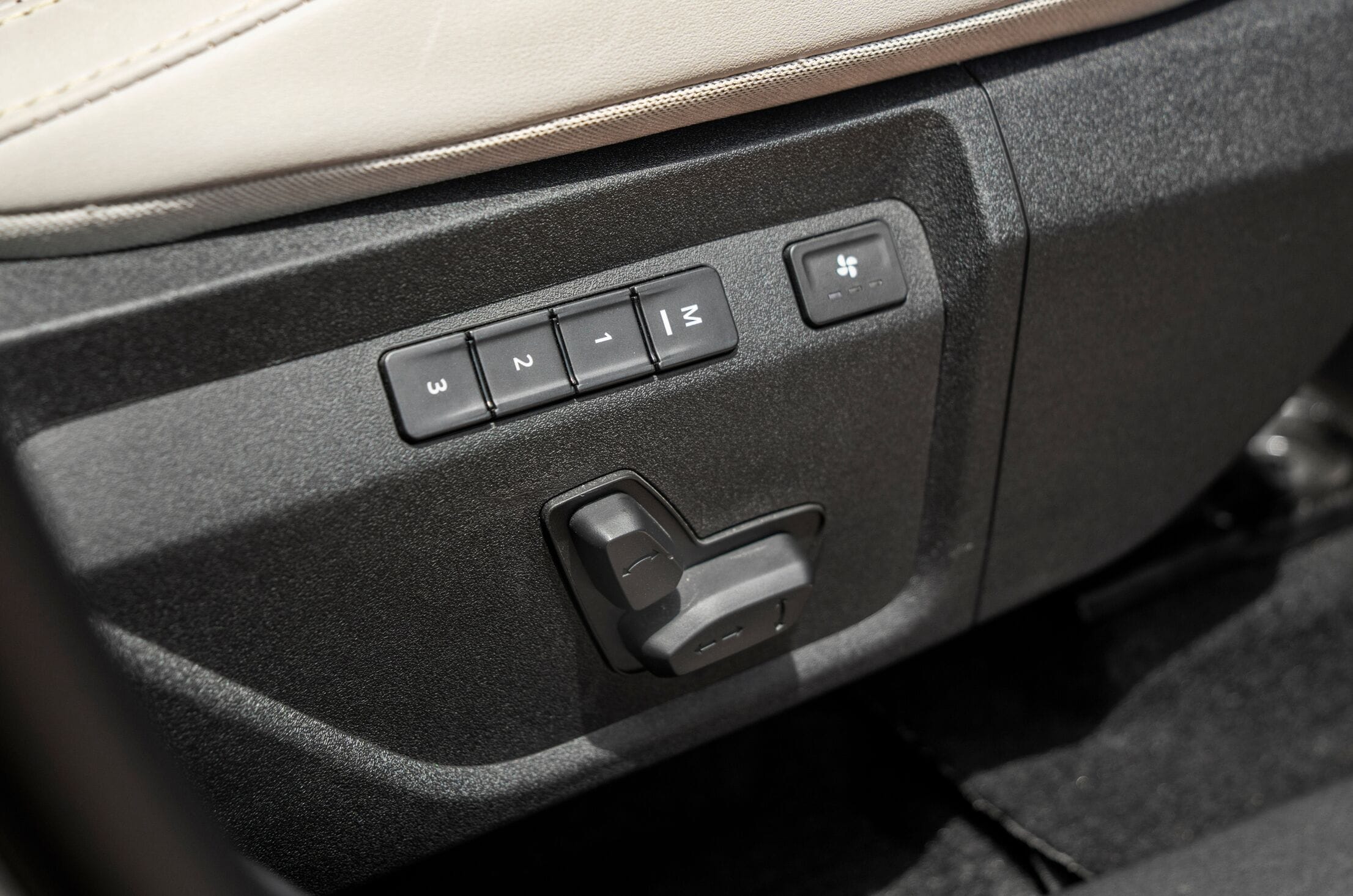
Those front seats are ventilated too, and the driver gets a memory function. There’s a full ADAS suite, drive modes, regen modes and terrain modes, the panoramic sunroof, dual-zone auto climate control, a 12-speaker JBL Black sound system with Dolby Atmos, an onboard air purifier, connected car tech and much, much more. There’s also a clever integration with Google Maps that predicts what the car’s SOC will be when you reach your destination, helping you plan better.
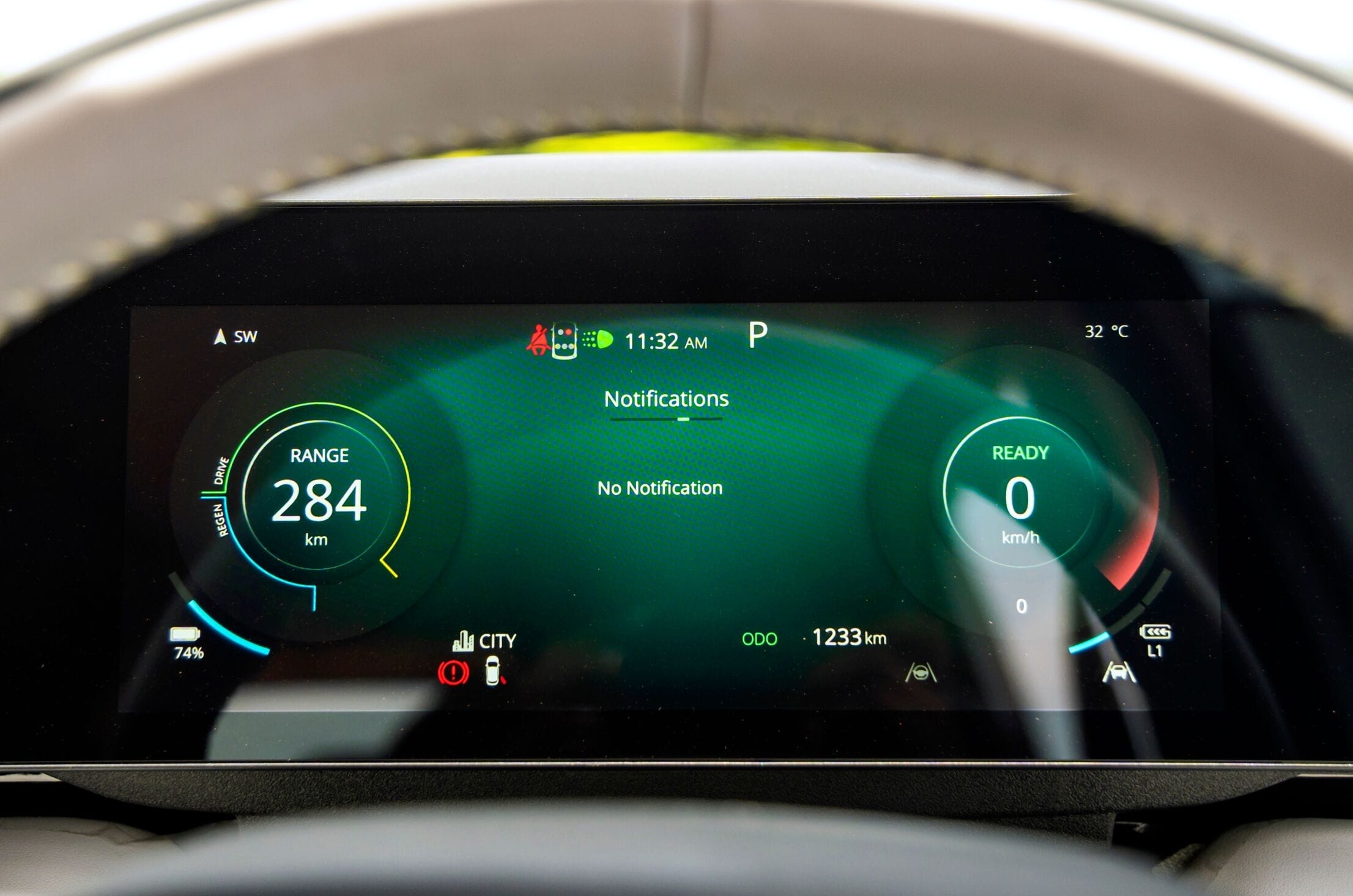
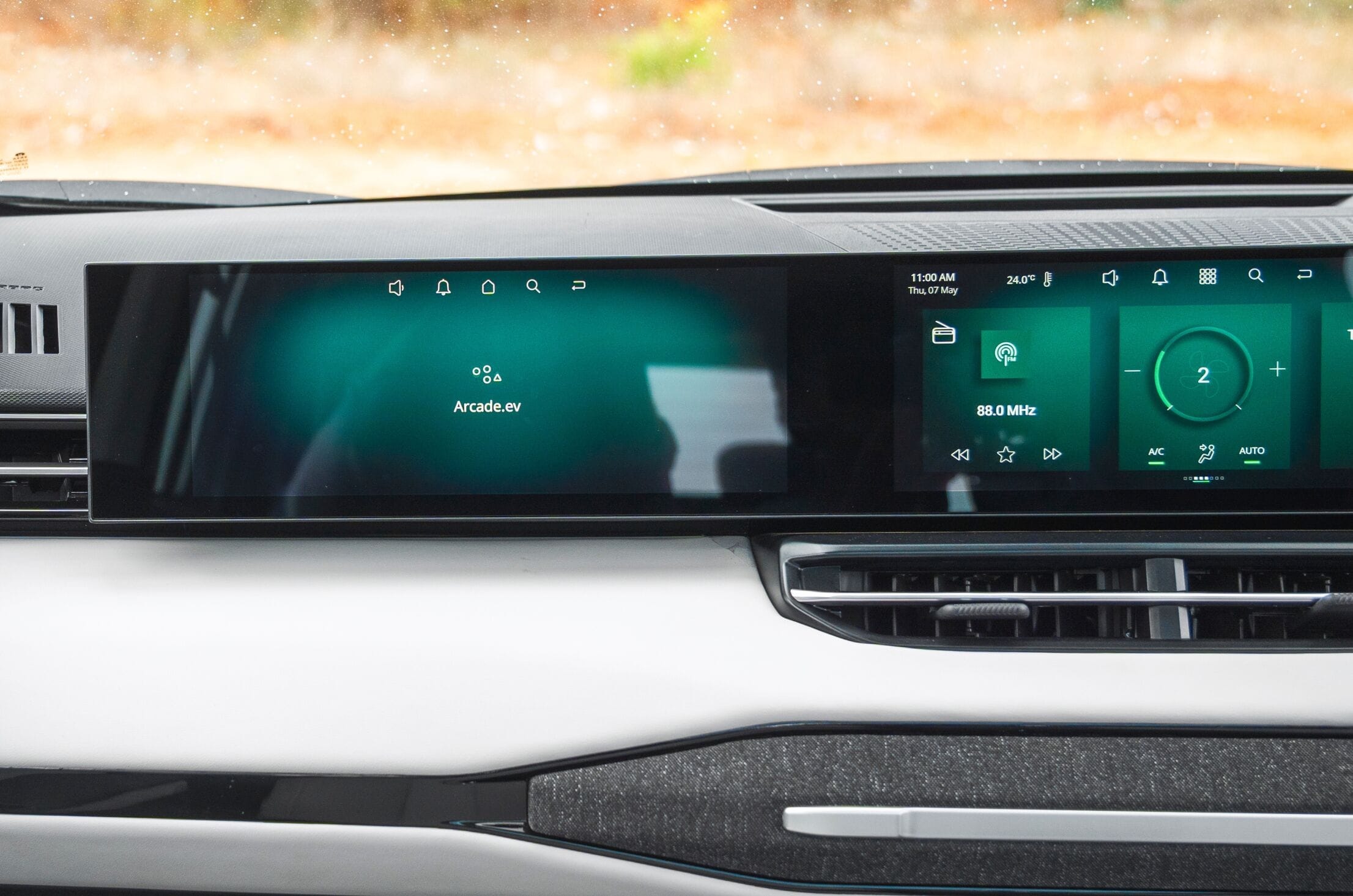
The screens are crisp and smooth in their animations, although as before, the 10.25-inch driver’s display feels a bit too cluttered; the HUD actually provides a cleaner and more focused driver display. And while Tata is not the first brand to do it, the passenger screen feels like a gimmick, more so now that there is a multiplayer gaming suite that lets all passengers connect their phones to the car and play from their own device.
While there hasn’t been a crash test of the EV specifically, the ICE Sierra scored a 5-star Bharat NCAP rating, which should feasibly carry forward to this car too. Apart from an extensive ADAS suite on the top trim, there are 6 airbags as standard, as well as several other safety features.
2026 Tata Sierra EV performance and refinement – 8/10
Dual-motor QWD version brings AWD to the segment and delivers class-best performance.
The Sierra EV can be had in one of three powertrain configurations – a 63kWh battery with a rear motor, a 75kWh battery with a rear motor, or the one we’ve got to test drive – the 75kWh battery with dual motors. This makes the Sierra the first to bring AWD to this segment and is, expectedly, the most potent version, with a class-leading output of 306hp and 504Nm. Despite weighing in at around 2.1 tonnes, the SUV can sprint to 100kph from a standstill in a claimed 5.8sec. However, while it is undoubtedly capable of that, it doesn’t feel neck-snappingly quick off the line. Instead, it is quite undramatic, and frankly that is fine in a family SUV such as this. It’s a smooth and refined powertrain, as we’ve come to expect from Tata Motors’ EVs over the years.
That said, it perhaps feels a bit too similar to older Tata EVs, considering this is a new-generation model. Where newer EVs now have greater responsiveness off the line, this one still has a small dead zone at the start of the pedal travel, after which power comes in abruptly, and this requires care in stop-go traffic. Thereafter, it’s delivered in a constant lump of torque, where others have managed to program in some sort of progression. A minor criticism, and it’s still a far better experience than any ICE powertrain, but the EV game has since moved on.
There are drive modes, though apart from a noticeable dullness in Eco mode, the rest – City, Sport and Boost – don’t feel too different from one another. Similarly, the regen modes – easily accessible using the steering-mounted paddles – don’t feel all that different from one another.
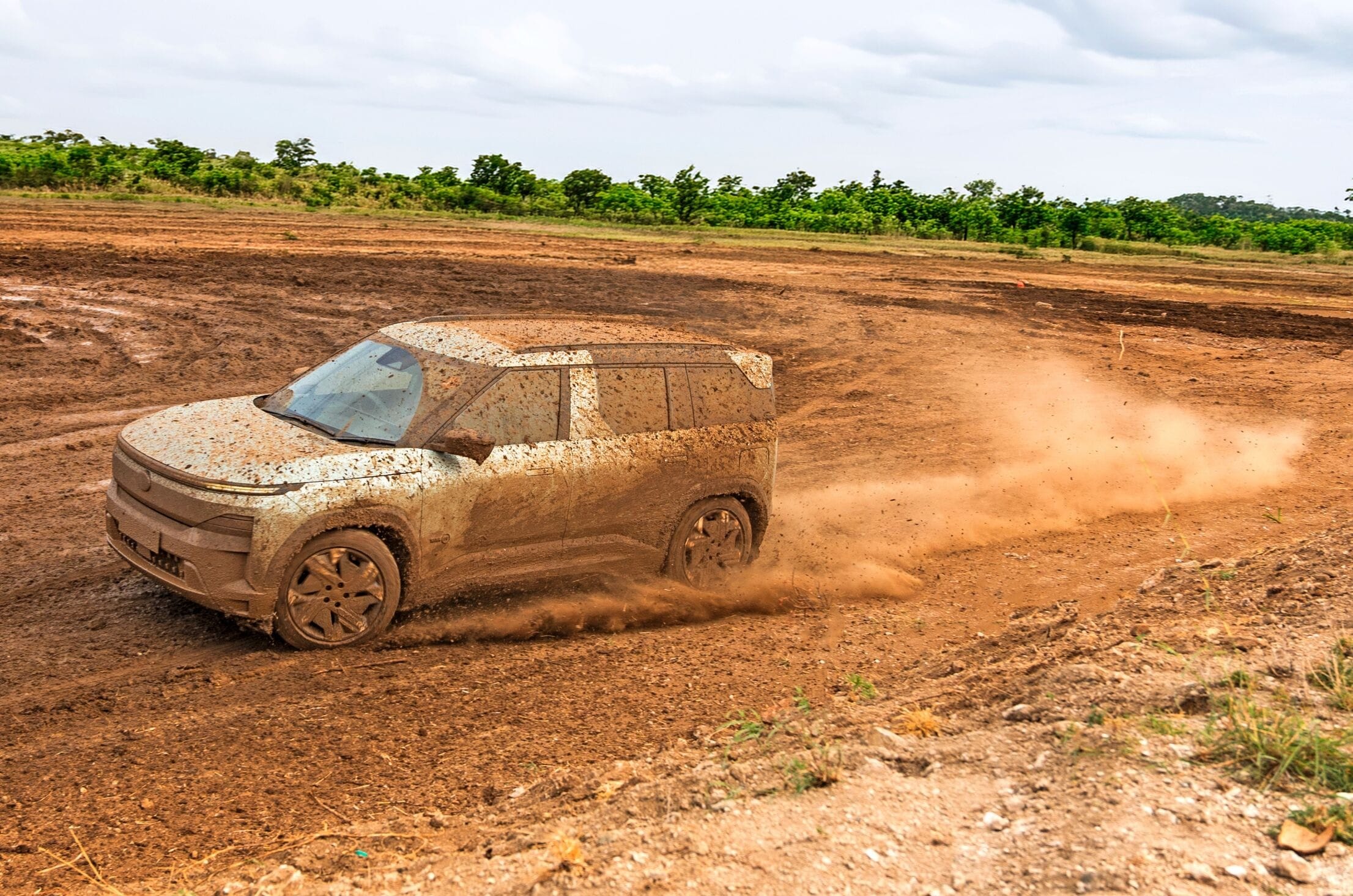
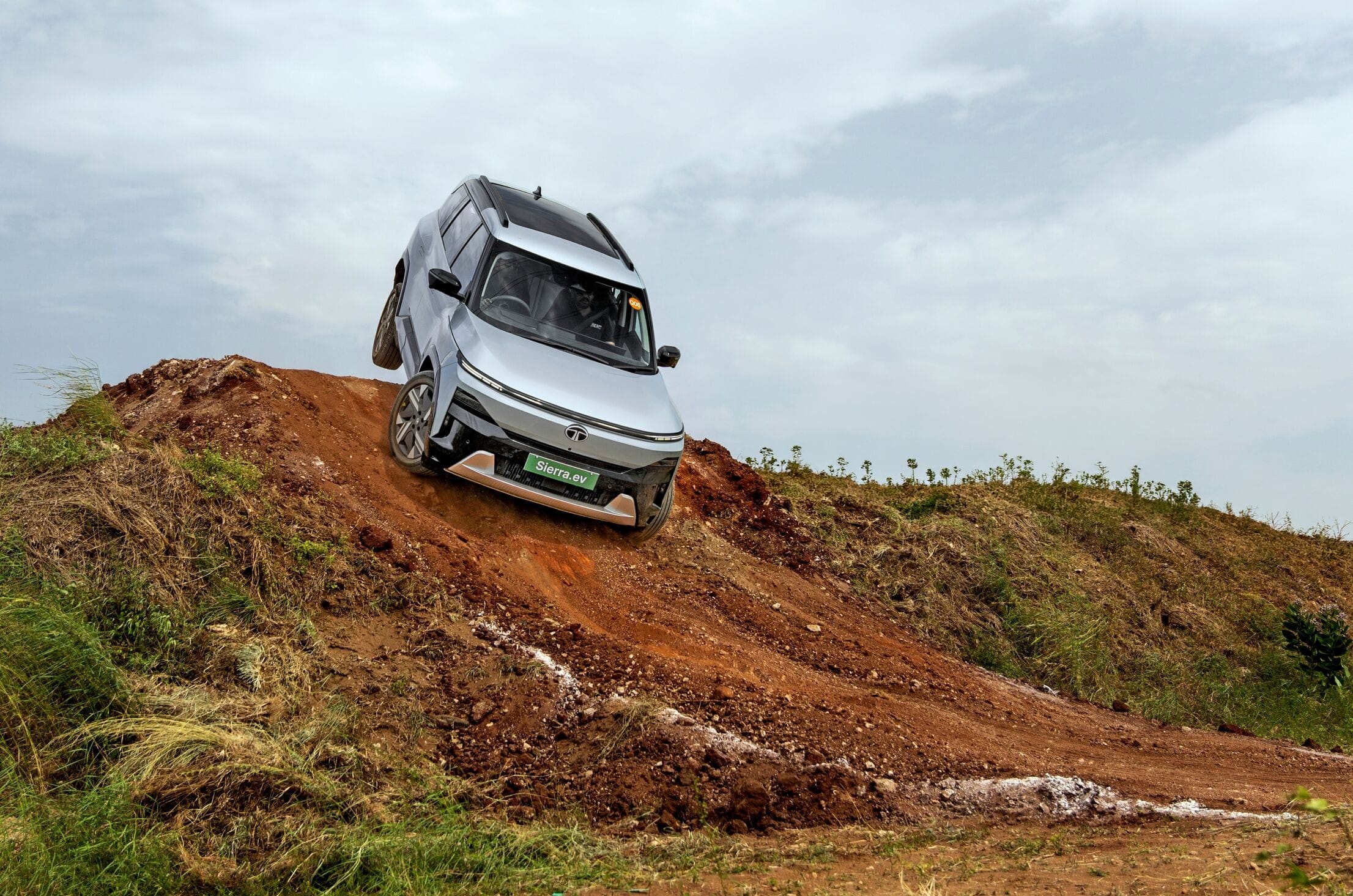
The Sierra EV QWD was rather impressive on the off-road course Tata Motors set up for it, which wasn’t the usual walk in the park, and had some pretty significant obstacles. Put it down to the short overhangs that improve approach and departure angles, or the responsiveness of the e-motors, but the result was surprisingly effortless. We didn’t even need to delve into the terrain modes for the most part, though there were instances where it would fumble shifting torque between the left and right wheels mid obstacle.
2026 Tata Sierra EV range and efficiency – 8/10
Big battery means big numbers, though a real-world test remains.
63kWh and 75kWh are among the bigger batteries offered in this segment, with only the Mahindra BE 6 offering a larger 78kWh unit. The Sierra’s smaller pack is rated at 565km on the MIDC, while the larger at 665km for the single motor and 624km for the dual motor. Tata itself says the MIDC rating won’t be achieved in real-world use, but that the larger battery can deliver upwards of 500km realistically.
When it comes to charging, on a 7.2kW AC charger, the 63kWh pack will take 8.9 hours to get from 10-100 percent, while the 75kWh pack will take 10.5 hours. On a 120kW DC charger, meanwhile, both will do a 20-80 percent top-up in about 26 minutes. At what rate the car actually accepts charge, however, remains to be seen. Tata offers a 15-year warranty on the battery of the Sierra EV, which is reassuring.
2026 Tata Sierra EV ride comfort and handling – 8/10
No compromise on comfort, despite added weight. Handles amicably too.
Tata SUVs have always been great in the dynamics department, and that continues here too. Despite the 19-inch wheels and the 2.1-tonne kerb weight, the Sierra EV can handle any manner of surface with equal composure and comfort. Put it down to the frequency dependent dampers (FDD) but no pothole is too big, nor surface too broken to upset the SUV.
It holds its line well at high speeds and lane change manoeuvres can be made with confidence and little effort. Similarly, at low speeds, the steering is light without feeling loose, letting you change direction easily even in traffic.
High-speed handling too is also pretty engaging, helped no doubt by its lower centre of gravity, and if you really wanted to, you could lean onto the Sierra EV quite hard. That said, it is a tall, high-riding vehicle, so an acceptable amount of body roll is present. The boxy profile, however, does result in some wind noise around the A-pillars at high speed, made more apparent by the silent powertrain.
2026 Tata Sierra EV price and verdict – 7/10
Overlaps with Curvv and Harrier, but feels the better EV than either of them.
It’s not much of a surprise that the Sierra EV is the best Tata you can buy right now, as it the latest product of the brand’s strategy of constant evolution and improvement. It’s not without its flaws, of course, but these feel less like huge deal breakers, and more like matters of finesse in manufacturing and calibration that Tata should take the time to address.
Apart from being a great EV, it’s also just a very good family car, offering space, comfort and the features Indian buyers now expect. The bigger problem for Tata could be where it fits between the Curvv and Harrier EVs, because there is some price overlap, and in our opinion, it surpasses them both overall. And while, at Rs 18.79 lakh to Rs 25.99 lakh, it is priced at the upper end of its segment, it does pack in a lot, and sits on par with the BE 6, which doesn’t have an AWD variant. Which of these two is better is a question for another time, but for now, the Sierra EV has the makings of a winner.
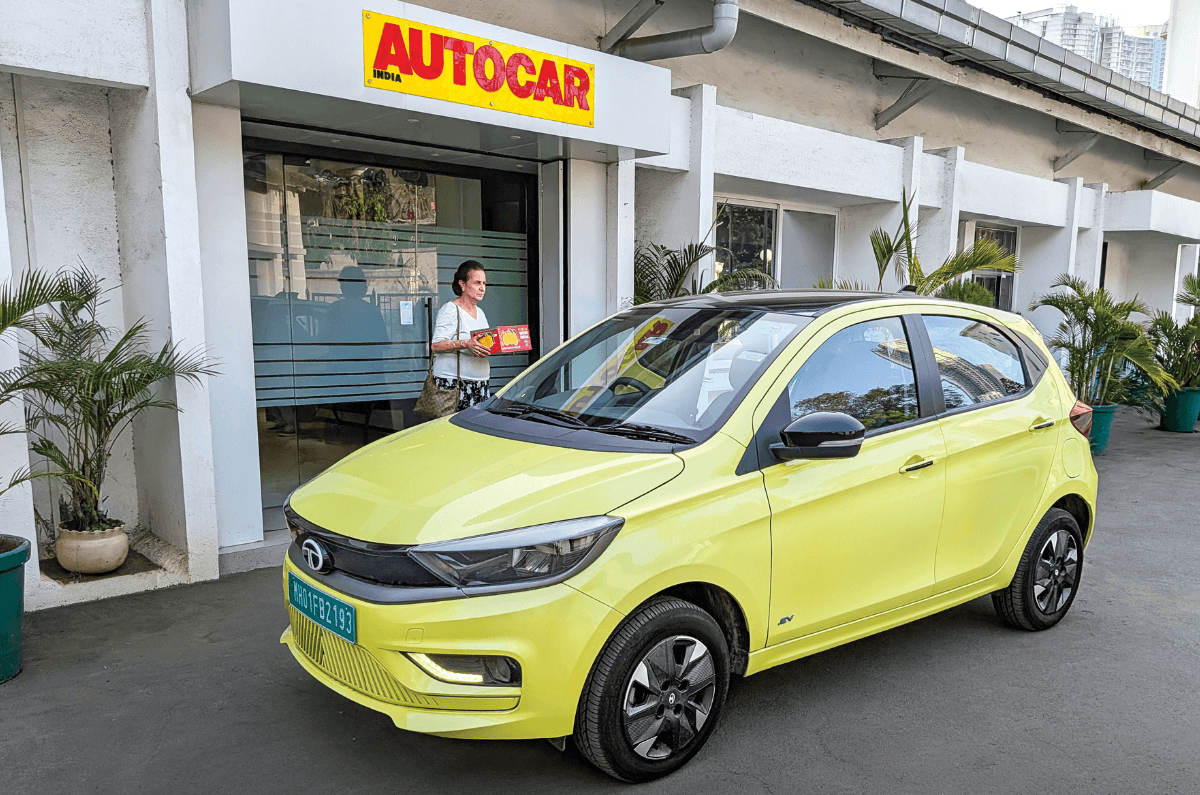
The recently updated Tata Tiago EV is a real good looker, and that’s no surprise; it’s got strong bones. Take a look at the pre-facelifted car; the proportions and stance are spot on. Then there are the lines – crisp and sharp, and the sheet metal skinning looks nice and taut. A testament to its styling is the fact that even ten years after its launch, it still turns heads. Of course, a lot has to do with the neon-yellow shade our car came in. Not everyone at the office is a fan, but I really love it. And even in more sober shades, the Tiago has the ability to grab a few glances.
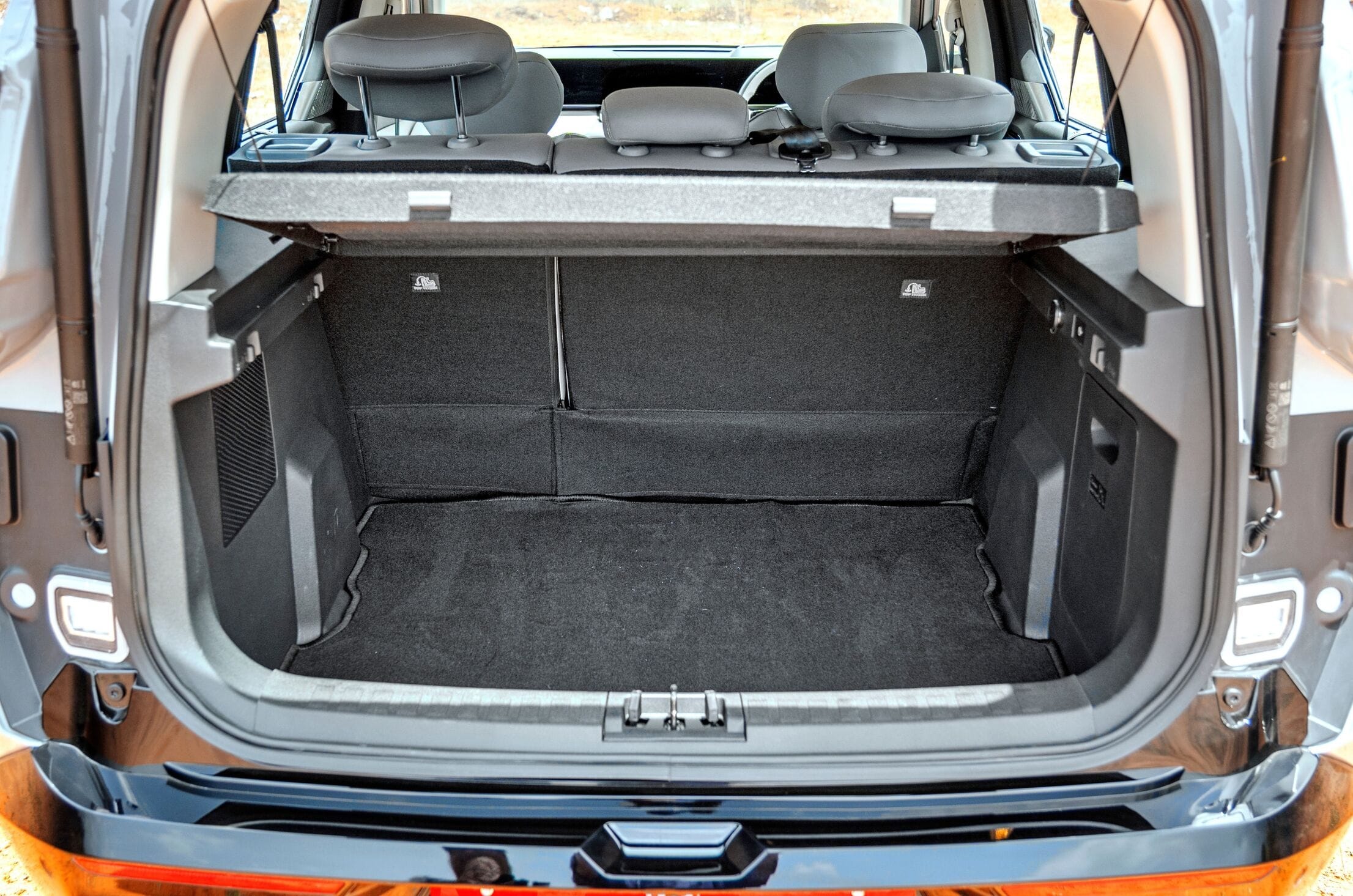
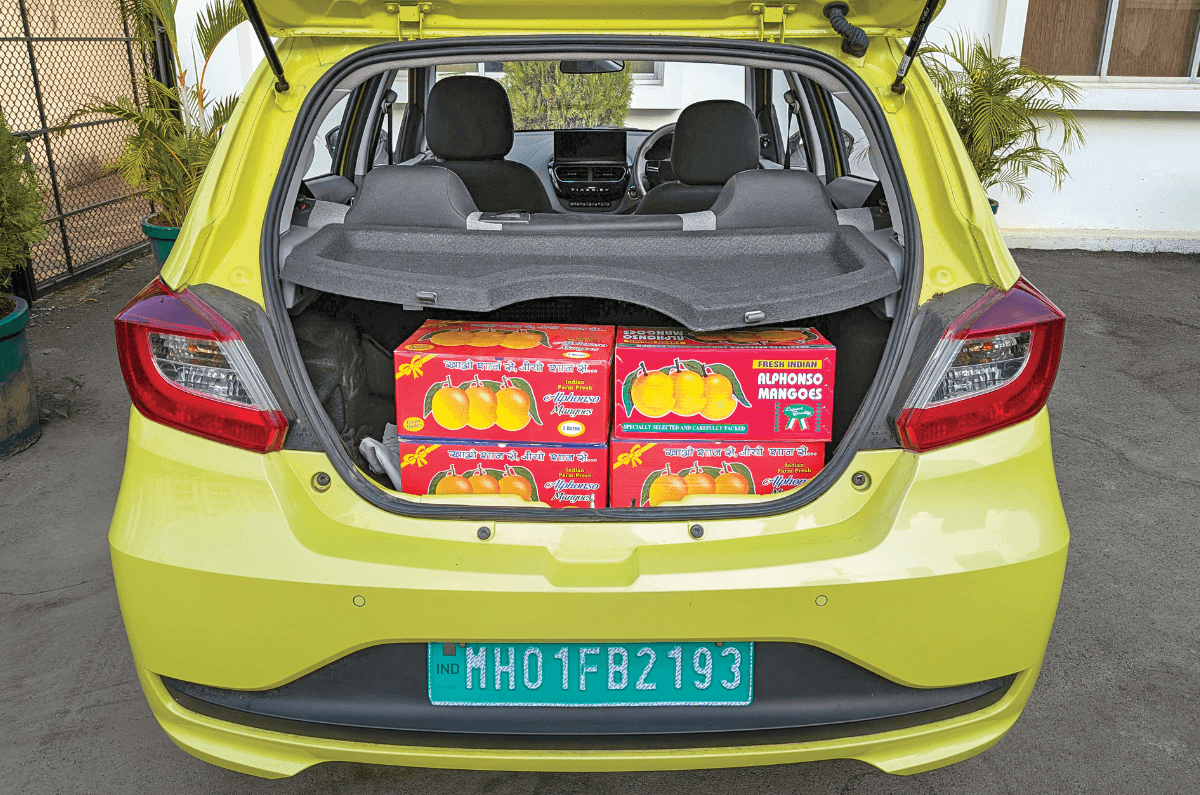
A cold glance, though, was what it got when I suggested to our receptionist, Zenobia (the lady pictured in the lead image), that we would use it to drop off some eight dozen mangoes she had ordered. She wasn’t convinced they would all fit inside and wanted a larger car. But to her surprise and my relief (she can be quite mean when you get things wrong), they fit quite easily inside the boot. At about 240 litres, it’s not that large, but it’s well-shaped, and for regular-sized luggage like these rectangular boxes, it’s not a problem. You have to load over a lip, though, and the opening is narrow.
240-litre boot isn’t large, but manages small luggage.
Besides the mango run, I used the car mainly to commute to the office and for chores around my home, unlike Ameya, who took it to Pune quite a few times. The Mumbai-to-Pune run is about 150km and with a climb as well, but he managed the trip with about 10 percent battery left. I wasn’t going to test the Tiago’s 24kWh battery to that extent. As a practice, I never let the battery level drop below 40 percent on any EV. With me, the Tiago returned an efficiency of around 8km/kWh, which would translate to a range of about 192km. Pretty good, and more than adequate for what is a city EV.
Another benefit of an EV is that you have to wait in the car for someone. I had to wait 25 minutes for my wife at the parlour, and all through it I sat in the Tiago reading a book, comfy and cool with the AC on. I forgot to record the exact drain on the battery, but it was only about four percent. I would not have dreamt of doing this with an internal combustion car.
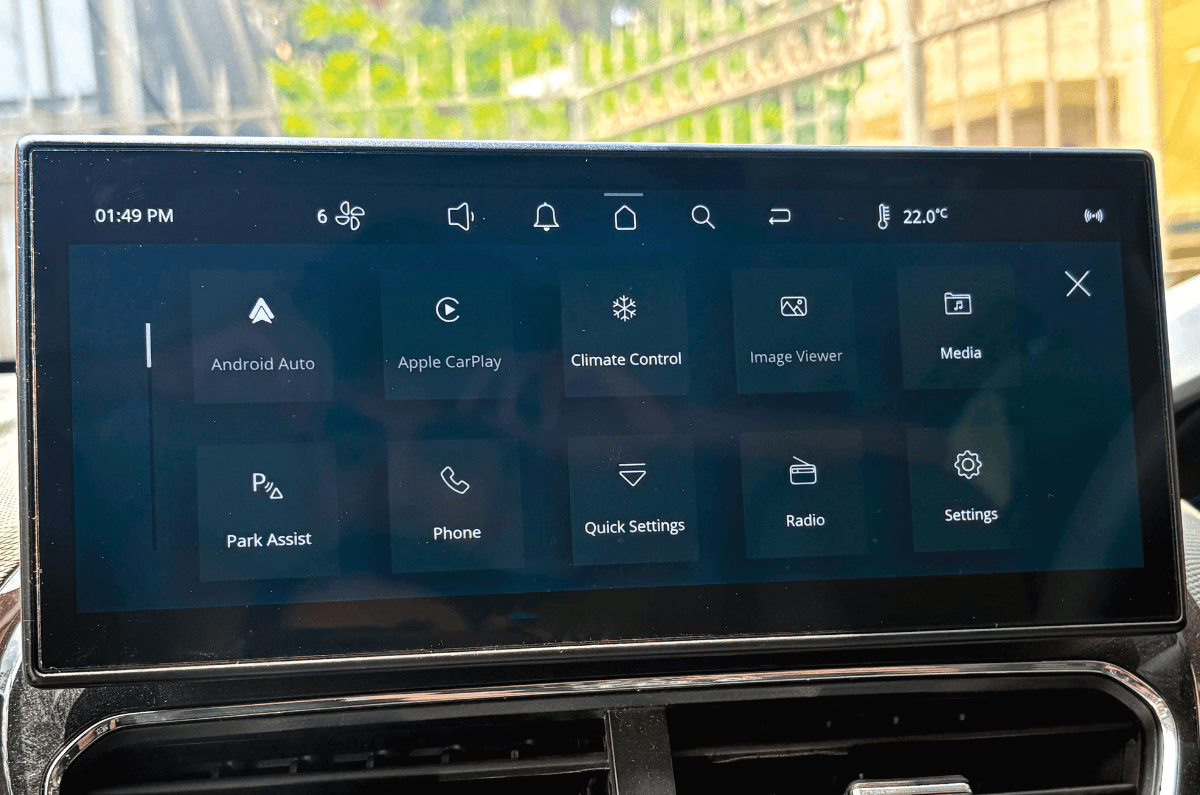
Touchscreen is very modern; slick, responsive and with plenty of features.
My wife loved the car too. Its size made it handy in the city, and for some reason, she really found the electric motor whirr pleasing and even cute; not something she’s liked on other EVs. I think it’s more to do with the cute appeal of the car and the fact that the sound is like a little spaceship or something like that. But everything about it isn’t small. As with most Tata Motors cars, the space inside is big; headroom, particularly so, and my son, for whom we recently bought an Altroz, found the Tiago to be an airier cabin.
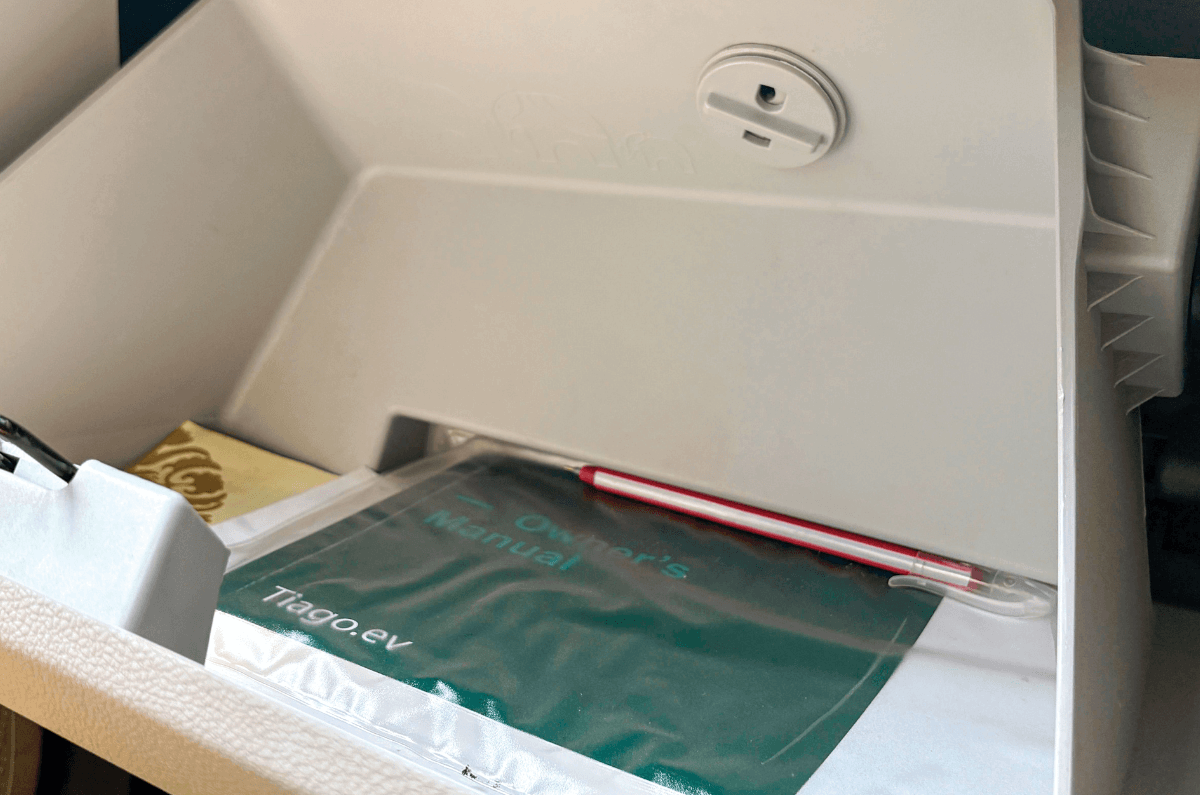
Glove box has an AC vent providing cooled storage, which is quite large too.
Besides the space, the seats are comfy, and the cabin is well-equipped. Since its launch, the Tiago has been steadily updated, and the steering wheel and touchscreen are what you will find on Tata’s newer models. I’m no fan of a two-spoke steering wheel; I find them generally awkward and somehow incomplete, and it’s the same here. The buttons are handy to have but are fiddly to use; they are stubby, and I find toggling them up or down to be something of a deliberate action rather than a natural and easy flick of the thumb. The touchscreen, though, is lovely. It looks nice and sharp, is responsive to touch, and it’s got wireless Apple CarPlay and Android Auto too. While I’m on about features, I like the fact that there is a 45W Type-C USB charging slot, and to my wife’s surprise, she found out that it had a cooled glovebox too.
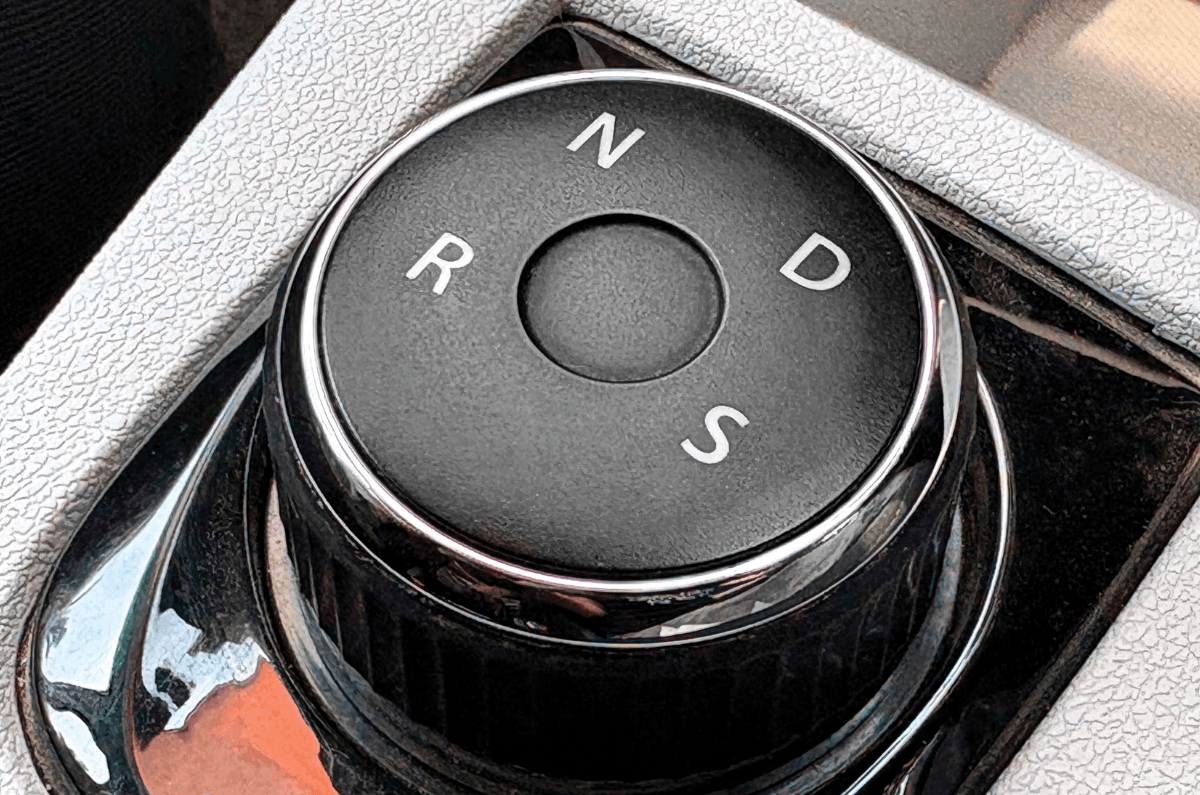
Drive selection is slow and needs firmer-than-usual brake pedal pressure.
As with most EVs, driving the Tiago is a very straightforward affair. I would have said fuss-free, too, but the rotary drive selector does not engage sometimes. An old issue that hopefully the new car will have sorted. The instrument panel, too, is something I don’t like. There are dial-like info readouts, but not for speed, which is mixed in with other alphanumeric info in the centre.
Driver’s display carries enough info, but its presentation is cluttered and untidy.
Speaking of speed, this is something the Tiago does quite well. Despite its humble 75hp motor, performance isn’t an issue. Overtaking is quick, even in the regular City mode, and passing vehicles at higher speeds, too, is quite a straightforward affair. Ameya found it easy to maintain momentum even out on the Mumbai-Pune expressway. The ride, too, is something that has found praise from all of us. It has the maturity of a larger car – it’s soft at low speeds, but at highway pace, you don’t feel unsettled going over long-wave undulating stretches. This is certainly a car we are all going to miss, and with the update out already, we’re hoping to see the new version in our garage soon.
Pre-facelift Tata Tiago EV XZ+ Tech Lux LR test data
आमतौर पर माना जाता है कि किसी व्यक्ति की संपत्ति पर सबसे पहला अधिकार उसके परिवार का होता है। यही वजह है कि अधिकतर लोग अपनी वसीयत में माता-पिता, जीवनसाथी या बच्चों को वारिस बनाते हैं। लेकिन चीन के शंघाई से सामने आया एक मामला इस सोच से बिल्कुल अलग है। यहां 19 साल के एक छात्र ने ऐसा फैसला लिया, जिसने लोगों को हैरान कर दिया। करोड़ों रुपये की संपत्ति होने के बावजूद उसने अपने परिवार के बजाय किसी और को अपना उत्तराधिकारी चुना। खास बात यह है कि उसने यह फैसला पूरी कानूनी प्रक्रिया के तहत लिया, ताकि भविष्य में उसकी इच्छा को लेकर कोई विवाद न हो।
कम उम्र में वसीयत बनवाने और परिवार की जगह किसी दूसरे व्यक्ति को अपनी संपत्ति सौंपने के पीछे की वजह भी काफी दिलचस्प बताई जा रही है। इस अनोखे फैसले की चर्चा सोशल मीडिया से लेकर कानूनी विशेषज्ञों के बीच भी हो रही है।
बचपन के दोस्त पर था सबसे ज्यादा भरोसा
रिपोर्ट के मुताबिक, छात्र का उपनाम ली (Li) है। उसने अपनी वसीयत में फ्लैट और बैंक में जमा करोड़ों रुपये की बचत समेत सारी संपत्ति अपने बचपन के दोस्त के नाम कर दी। ली का कहना है कि वही उसका सबसे भरोसेमंद साथी है।
परिवार से क्यों बना फासला?
ली ने बताया कि उसके माता-पिता का तलाक हो गया था और बाद में दोनों ने दूसरी शादी कर ली। उन्होंने संपत्ति तो उसके नाम कर दी, लेकिन बचपन में उसके साथ ज्यादा समय नहीं बिताया। इसी वजह से समय के साथ उसके और माता-पिता के रिश्ते कमजोर होते गए।
19 साल की उम्र में वसीयत क्यों बनाई?
ली को एडवेंचर और एक्सट्रीम स्पोर्ट्स का बहुत शौक है। वो ऐसे खेलों में हिस्सा लेता है जिनमें जोखिम ज्यादा होता है। उसे लगा कि अगर कभी उसके साथ कोई हादसा हो जाए, तो उसकी संपत्ति को लेकर कोई विवाद न हो। इसलिए उसने कम उम्र में ही कानूनी वसीयत तैयार करवा ली।
सौतेले रिश्तेदारों को नहीं देना चाहता था हिस्सा
ली ने कहा कि अगर उसने वसीयत नहीं बनाई होती, तो भविष्य में उसके माता-पिता के नए जीवनसाथियों को भी उसकी संपत्ति का फायदा मिल सकता था। वो ऐसा नहीं चाहता था। इसलिए उसने पूरी संपत्ति अपने बचपन के दोस्त के नाम कर दी।
कानून ने कैसे पूरी की उसकी इच्छा?
चीन के उत्तराधिकार कानून के अनुसार, अगर कोई व्यक्ति बिना वसीयत के मरता है तो उसकी संपत्ति सबसे पहले जीवनसाथी, बच्चों और माता-पिता को मिलती है। ली की शादी नहीं हुई है और उसके बच्चे भी नहीं हैं, इसलिए सामान्य स्थिति में उसकी संपत्ति माता-पिता को मिलती।
लेकिन चीन का कानून यह भी अनुमति देता है कि कोई व्यक्ति वैध वसीयत बनाकर अपनी संपत्ति परिवार के बाहर किसी भी भरोसेमंद व्यक्ति के नाम कर सकता है। इसी नियम का फायदा उठाकर ली ने अपने दोस्त को अपनी पूरी संपत्ति का वारिस बनाया।
वसीयत को कानूनी रूप से कराया पक्का
ली ने शंघाई के चाइना विल रजिस्ट्रेशन सेंटर जाकर अपनी वसीयत का नोटरीकरण और रजिस्ट्रेशन कराया। अब अगर भविष्य में उसके साथ कुछ होता है, तो उसका दोस्त 60 दिनों के भीतर कानूनी रूप से संपत्ति स्वीकार कर सकता है। तय समय में ऐसा नहीं करने पर उसे संपत्ति लेने से इनकार माना जाएगा।
किसी भी पार्टी पर लाखों रुपये खर्च करने के बाद लोग अच्छी व्यवस्था और बेहतरीन सर्विस की उम्मीद करते हैं। लेकिन गुरुग्राम के एक रेस्टोरेंट को लेकर किया पोस्ट सोशल मीडिया पर तेजी से वायरल हो रहा है। एक कस्टमर ने दावा किया कि करीब 1.4 लाख रुपये खर्च करने के बाद भी उसे उम्मीद के मुताबिक सुविधा और सेवा नहीं मिली। उनका आरोप है कि पार्टी के दौरान कई एसी से पानी टपक रहा था, बार-बार बिजली जा रही थी, खाने की व्यवस्था में काफी देरी हुई। वहीं जरूरत पड़ने पर वेन्यू का जिम्मेदार व्यक्ति भी मौजूद नहीं था। Reddit पर शेयर की गई उनकी पोस्ट अब सोशल मीडिया पर तेजी से वायरल हो रही है।
शेयर किया एक्सपीरिएंस
एक व्यक्ति ने अपना एक्सपीरिएंस सोशल मीडिया प्लेटफॉर्म Reddit पर शेयर किया। पोस्ट में उन्होंने दावा किया कि गुरुग्राम के साइबर सिटी स्थित एक माइक्रोब्रुअरी और रेस्टोरेंट में 40 से ज्यादा लोगों के लिए आयोजित पार्टी उम्मीदों पर खरी नहीं उतरी। Reddit पोस्ट के अनुसार, ग्रुप ने प्रति व्यक्ति 3,500 रुपये का “टिप्सी पैकेज” बुक किया था, जिससे पार्टी का कुल खर्च करीब 1.4 लाख रुपये पहुंच गया। इतना महंगा पैकेज लेने के बाद आयोजकों को उम्मीद थी कि वेन्यू पर सभी व्यवस्थाएं अच्छी होंगी, लेकिन उनका दावा है कि ऐसा नहीं हुआ।
एसी से टपक रहा था पानी
शुरुआती परेशानियों का जिक्र करते हुए कस्टमर ने लिखा, “पूरे इवेंट के दौरान AC वेंट्स से पानी टपकता रहा, जिससे फिसलने का खतरा बना हुआ था। AC ठीक से काम नहीं कर रहा था, इसलिए अंदर काफी गर्मी थी। इसके अलावा, तीन घंटे के इवेंट के दौरान करीब पांच बार बिजली भी चली गई।” कस्टमर के मुताबिक, परेशानियां सिर्फ यहीं तक सीमित नहीं थीं। उनका आरोप है कि मेहमानों की संख्या पहले से तय होने के बावजूद वेन्यू प्रबंधन खाने की सर्विस को सही तरीके से संभाल नहीं पाया।
सफाई की लिया एक्सट्रा चार्ज
यूजर ने लिखा, “उनके पास दाल मखनी जैसी डिश परोसने के लिए भी पर्याप्त कटोरे नहीं थे। सर्विस काफी धीमी थी। हर बार जब स्टार्टर खत्म हो जाते थे, तो दोबारा आने में 15 से 20 मिनट लग जाते थे। तब तक मेहमानों का इंतजार करते-करते मन ही हट जाता था। खाना भी सिर्फ औसत था। कीमत के हिसाब से उसमें कुछ भी खास या यादगार नहीं था।” कस्टमर ने बताया कि पार्टी के दौरान एक मेहमान की तबीयत बिगड़ गई थी। इसके बाद वेन्यू की ओर से उनसे अतिरिक्त सफाई शुल्क लिया गया। उनके मुताबिक, अगर सफाई के लिए अलग से शुल्क लेना था, तो इसकी जानकारी पहले ही देनी चाहिए थी, ताकि बाद में किसी तरह की गलतफहमी या विवाद की स्थिति न बने।
कस्टमर का कहा कि, जब पार्टी के दौरान लगातार परेशानियां बढ़ने लगीं, तो उन्होंने बुकिंग संभाल रहे जिम्मेदार व्यक्ति से कई बार संपर्क करने की कोशिश की। अपनी नाराजगी जाहिर करते हुए कस्टमर ने लिखा, “मैं आमतौर पर नेगेटिव रिव्यू नहीं लिखता, लेकिन जब आप एक ही इवेंट पर 1.4 लाख रुपये से ज्यादा खर्च करते हैं, तो कम से कम अच्छी सर्विस और प्रोफेशनल व्यवहार की उम्मीद जरूर करते हैं।”
यूजर्स ने किए कमेंट
इस पोस्ट के वायरल होने के बाद Reddit पर कई यूजर्स ने अपनी राय दी। कुछ लोगों ने दावा किया कि उन्हें भी इस जगह पर इसी तरह की परेशानियों का सामना करना पड़ा, वहीं ने कहा कि पिछले कुछ वर्षों में इस जगह की क्वालिटी काफी बदल गई है। एक यूज़र ने लिखा, “भाई, वहां का AC अप्रैल से ही खराब है। वह जगह बेकार, घुटन वाली और क्लॉस्ट्रोफोबिक लगती है।” एक अन्य यूजर ने अपने पुराने अनुभव को याद करते हुए कहा, “मुझे लगता है कि वह कॉर्पोरेट इवेंट था, कोई पर्सनल पार्टी नहीं। हमने 2017 में करीब 50 लोगों का एक इवेंट वहां किया था और उस समय सब कुछ बहुत अच्छा था। लाइव म्यूजिक, बढ़िया माहौल और अच्छी सर्विस मिली थी। लेकिन कुछ महीनों बाद जब मैं दोस्तों के साथ दोबारा गया, तो पूरा अनुभव बिल्कुल अलग और निराशाजनक था। मुझे नहीं पता कि आखिर ऐसा क्या बदल गया।”
Hero Vida VX2 Plus 4.4kWh: अगर आप रोजाना यूज के लिए नई बाइक खरीदने की सोच रहे हैं, तो यह खबर आपके लिए अच्छी साबित हो सकती है। दरअसल, Hero MotoCorp के इलेक्ट्रिक मोबिलिटी ब्रांड, Vida ने Vida VX2 Plus 4.4kWh नाम का एक नया स्कूटर लॉन्च किया है। जिसकी स्टैंडर्ड कीमत 1.44 लाख रुपये (एक्स-शोरूम, दिल्ली) है। हालांकि, ऑफिशियल वेबसाइट पर इसकी कीमत 1.14 लाख रुपये बताई गई है। यह कीमत सेंट्रल PM E-Drive सब्सिडी और 2,000 रुपये की छूट घटाने के बाद तय की गई है। इस स्कूटर में मौजूदा VX2 Plus 3.4kWh वाली ही मोटर और ज्यादातर इक्विपमेंट दिए गए हैं, लेकिन इसमें बड़ी बैटरी पैक है जिससे इसकी रेंज बढ़ जाती है। अब चलिए Vida VX2 Plus के इस नए वेरिएंट के फीचर्स और स्पेसिफिकेशन के बारे में जानते हैं।
Hero Vida VX2 Plus 4.4kWh: बैटरी और रेंज
Vida VX2 Plus में 4.4kWh का बैटरी पैक दिया गया है, जो दो 2.2kWh की रिमूवेबल बैटरी के साथ आएगा। रिमूवेबल बैटरी होने की वजह से यूजर्स इसे आसानी से स्कूटर से निकालकर घर या ऑफिस में चार्ज कर सकते हैं। रेंज की बात करें तो, बड़ी बैटरी क्षमता वाला यह इलेक्ट्रिक स्कूटर एक बार चार्ज करने पर 187 किलोमीटर की IDC-सर्टिफाइड रेंज देता है, जो मौजूदा 3.4kWh वाले वर्जन की 146km रेंज से 41 किलोमीटर ज्यादा है।
Hero Vida VX2 Plus 4.4kWh: चार्जिंग
Vida VX2 Plus 4.4kWh के साथ 1kW का Zap चार्जर मिलता है, जबकि इसके स्टैंडर्ड वर्जन में 580W का चार्जर आता है। साथ में मिलने वाले AC चार्जर से बैटरी को 0 से 80% तक चार्ज होने में 3 घंटे 17 मिनट, 20 से 80% तक चार्ज होने में 2 घंटे 28 मिनट और 0 से 100% तक चार्ज होने में 5 घंटे 8 मिनट लगते हैं। इसके अलावा, यह स्कूटर DC फास्ट चार्जिंग को भी सपोर्ट करता है, जिससे स्टैंडर्ड टेस्ट कंडिशन्स में इसे 0 से 80% तक चार्ज होने में 65 मिनट और 0 से 100% तक पूरी तरह चार्ज होने में 150 मिनट (2 घंटे 30 मिनट) लगते हैं।
Hero Vida VX2 Plus 4.4kWh: टॉप स्पीड और डाइमेंशन
इस इलेक्ट्रिक स्कूटर में 6kW (8.98hp) की परमानेंट मैग्नेट सिंक्रोनस मोटर लगी है। इसकी टॉप स्पीड 90km/h है और यह 3.1 सेकंड में 0 से 40km/h की रफ्तार पकड़ सकता है। इस EV की ग्रेडिबिलिटी 18 डिग्री है। डाइमेंशन की बात करें तो, स्कूटर की सीट की ऊंचाई 777mm, सीट की लंबाई 851mm, कर्ब वेट 120kg, सीट के नीचे 27.2 लीटर का स्टोरेज और सामने की तरफ 4.8 लीटर का एक्स्ट्रा स्टोरेज कम्पार्टमेंट है।
Hero Vida VX2 Plus 4.4kWh: हार्डवेयर और फीचर्स
Vida इलेक्ट्रिक स्कूटर में CBS के साथ आगे डिस्क और पीछे ड्रम ब्रेक का सेटअप है, और इसमें दोनों तरफ 12-इंच के अलॉय व्हील्स दिए गए हैं। फीचर्स की बात करें तो, इस EV में इको, राइड और स्पोर्ट राइडिंग मोड्स, 4.3-इंच का TFT डिस्प्ले, स्मार्टफोन कनेक्टिविटी और टर्न-बाय-टर्न नेविगेशन जैसे फीचर्स मिलते हैं। यह स्कूटर ओवर-द-एयर (OTA) अपडेट्स को भी सपोर्ट करता है।