Petrol Diesel Price: क्या सस्ते होने वाले हैं पेट्रोल-डीजल? पेट्रोलियम मंत्री हरदीप सिंह पुरी का आया बड़ा बयान

Petrol Diesel Price Cut: अंतरराष्ट्रीय बाजार में कच्चे तेल की कीमतों में आई भारी गिरावट के बाद देश भर में पेट्रोल और डीजल के दाम घटने की अटकलें तेज हो गई हैं। कच्चा तेल अब पश्चिम एशिया विवाद के शुरू होने से पहले के स्तर पर वापस आ चुका है।

इस बीच केंद्रीय पेट्रोलियम मंत्री हरदीप सिंह पुरी ने देश में तेल की कीमतें घटने की संभावनाओं पर सरकार का रुख साफ किया है। उन्होंने बताया कि अगर वैश्विक बाजार में कच्चे तेल के दाम इसी तरह स्थिर बने रहते हैं, तो सरकार स्थिति की समीक्षा करेगी। आइए समझते हैं कि अंतरराष्ट्रीय बाजार में तेल कितना सस्ता हुआ है और आपकी जेब को इसका फायदा कब से मिलेगा।

कच्चा तेल $120 से गिरकर $70 पर आया, फिर भी क्यों नहीं घटे दाम?

पश्चिम एशिया में तनाव के दौरान जब होर्मुज जलडमरूमध्य को बंद कर दिया गया था, तब ब्रेंट क्रूड की कीमतें उछलकर 120 डॉलर प्रति बैरल के करीब पहुंच गई थीं। लेकिन हाल ही में अमेरिका और ईरान के बीच तनाव खत्म करने के लिए हुए एक समझौते के बाद कच्चे तेल के दाम वापस 70 डॉलर प्रति बैरल के आसपास आ गए हैं।

इसके बावजूद घरेलू बाजार में पेट्रोल-डीजल की खुदरा कीमतें तुरंत न घटने के पीछे पेट्रोलियम मंत्री ने दो मुख्य कारण बताए हैं:

पुराने महंगे स्टॉक की प्रोसेसिंग: तेल विपणन कंपनियां अभी भी उस कच्चे तेल को प्रोसेस कर रही हैं, जिसे पश्चिम एशिया संकट के चरम पर महंगे दामों में खरीदा गया था।

पहले का भारी नुकसान: इस विवाद के दौरान आम जनता को महंगाई से बचाने के लिए कंपनियों ने लागत से कम कीमत पर ईंधन बेचा, जिससे 30 जून तक कंपनियों को ₹74781 करोड़ का भारी नुकसान उठाना पड़ा है।

प्राइवेट कंपनी ने घटाईं कीमतें: राहत की शुरुआत?

सरकारी तेल कंपनियों द्वारा समीक्षा किए जाने से पहले ही निजी क्षेत्र की दिग्गज तेल कंपनी नायरा एनर्जी ने आम जनता को राहत देने की शुरुआत कर दी है। नायरा एनर्जी ने अपने 7000 से अधिक फ्यूल स्टेशनों के नेटवर्क पर पेट्रोल की कीमतों में ₹5 प्रति लीटर और डीजल में ₹3 प्रति लीटर की कटौती का ऐलान किया है। ऐसे में उम्मीद जताई जा रही है कि अगर क्रूड ऑयल की कीमतें $70 के आसपास स्थिर रहीं, तो जल्द ही सरकारी तेल कंपनियां भी बड़ी राहत दे सकती हैं।

क्या इस समय सोना-चांदी में इन्वेस्टमेंट खतरनाक? दिग्गज फंड मैनेजर एस नरेन की इस सलाह से चौंके निवेशक, बताया कमाई का सही फॉर्मूला

Toyota Fortuner image gallery

Toyota Fortuner front quarter static

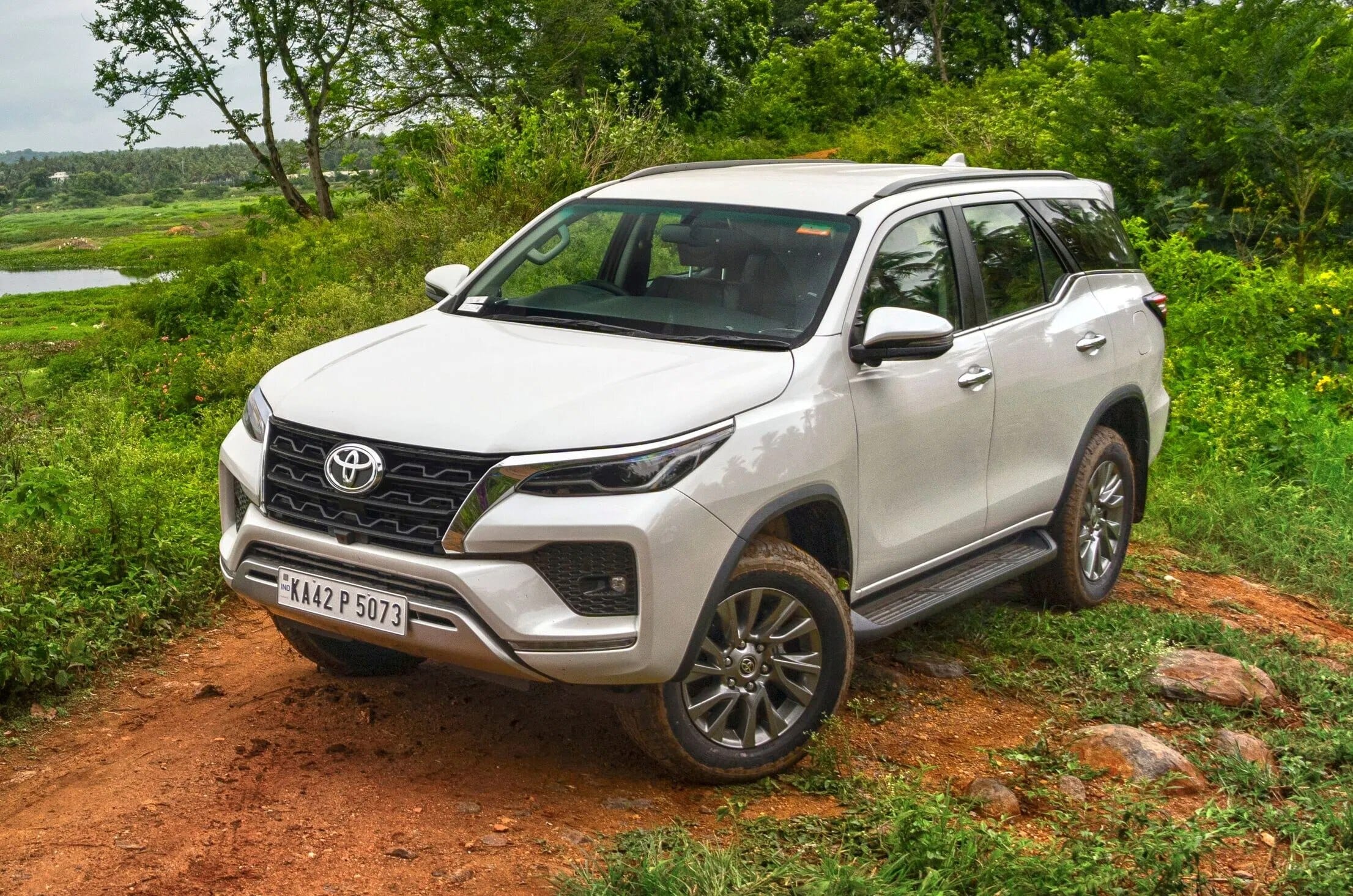
The Fortuner is Toyota’s longstanding premium three-row SUV that’s been on sale since 2009. It sits on a ladder-frame chassis and is one of the best SUVs in its class for serious off-roading. Toyota also sells the Legender, which gets cosmetic upgrades over the Fortuner. Powering the Fortuner is either a 166hp, 245Nm, 2.7-litre petrol engine or a 204hp, 420Nm (500Nm AT) diesel engine. The latter engine is also available with a 48V mild hybrid system but only with an automatic gearbox. A 5-speed manual is offered with the petrol engine, while the diesel is offered with a 6-speed manual or a 6-speed automatic transmission. 4WD is available with the diesel engine. The SUV is priced from Rs 34.76 lakh, and goes all the way up to Rs 50.46 lakh. Swipe to check out images of the exterior and interior of the Fortuner, along with its space on offer.

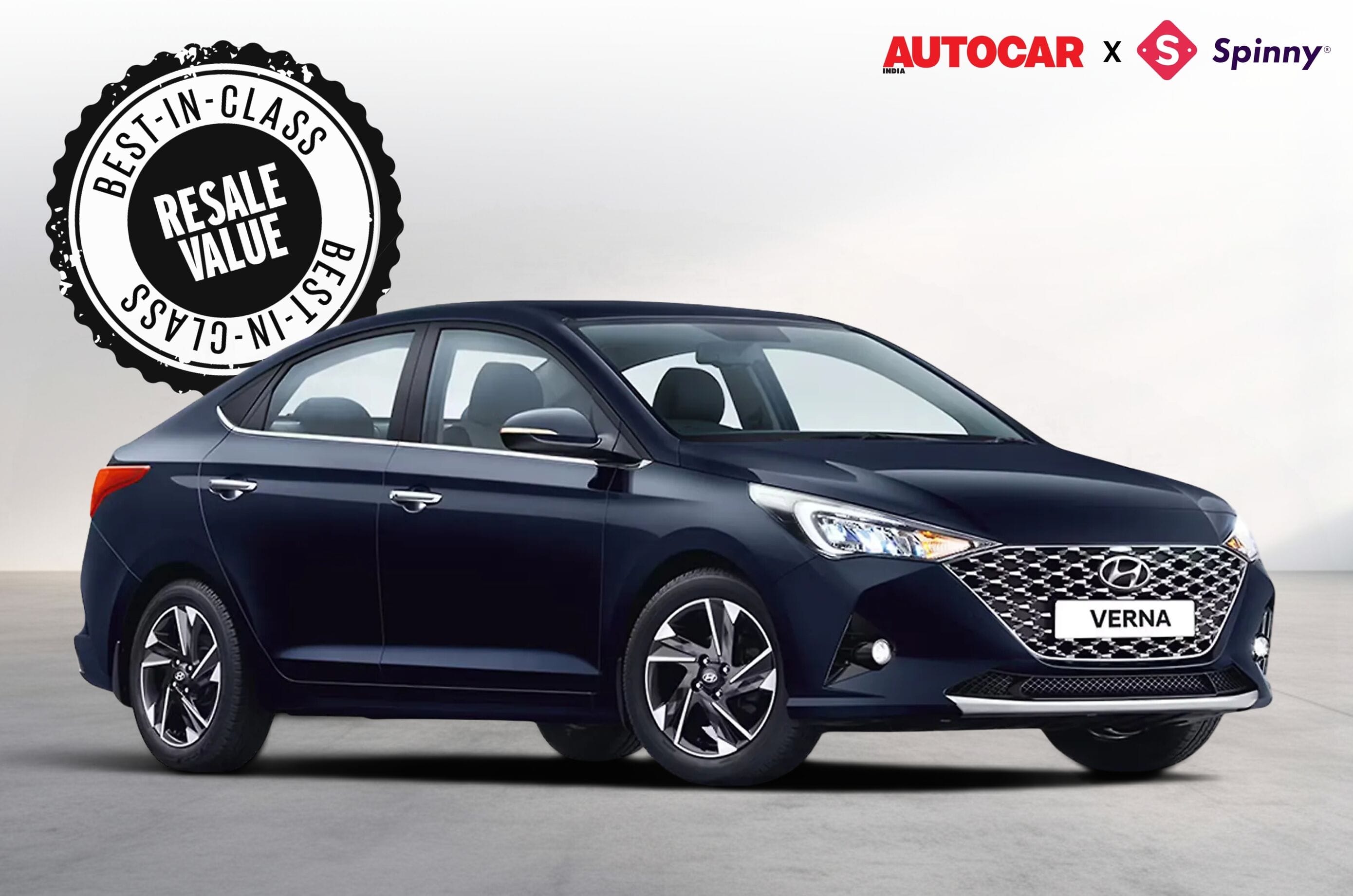
Used Car Study 2026: Hyundai Verna holds its value best among midsize sedans

Hyundai Verna resale value

Conducted in association with Spinny, India’s leading pre-owned car platform, the fourth edition of our Used Car Study analyses real-world resale values across a broad spectrum of vehicles sold in the Indian market to assess depreciation trends over a five-year ownership period. The study is based on actual transactional data shared by Spinny for vehicles sold between January 1 and August 31, 2025.

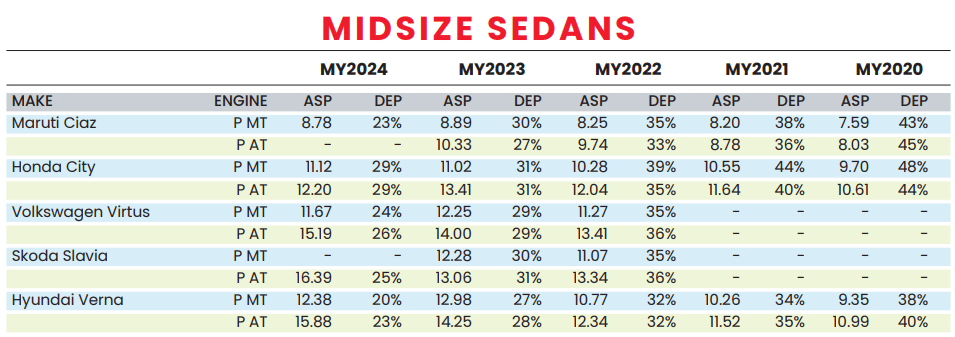
In this part of the resale value study series, we take a look at the midsize sedan segment:

Midsize sedan resale value 

*Average selling price (ASP) in Rs lakh

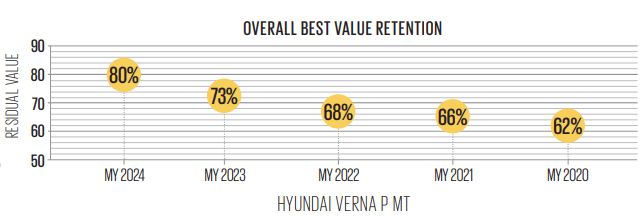
The Hyundai Verna petrol-manual displays the most stable depreciation curve among midsize sedans. Strong demand, modern styling and a well-rounded ownership experience appear to have positively influenced its used-market appeal. In contrast, five-year-old examples of the Honda City petrol-manual are currently trading at nearly half their original on-road prices. 

Between the two European rivals, the Volkswagen Virtus appears to retain value marginally better than the mechanically identical Skoda Slavia. Meanwhile, one-year-old and three-year-old examples of the now-discontinued Maruti Ciaz seem to hold its value relatively better than other midsize sedans of the same age.  

As per the study, the average selling price of a five-year-old midsize sedan retailed through Spinny was Rs 9.38 lakh. Comparable figures for three-year-old and one-year-old midsize sedans were Rs 11.25 lakh and Rs 12.95 lakh, respectively. Average depreciation over the same periods worked out to 43 percent, 34.8 percent and 24.8 percent, respectively.

Autocar-Spinny resale value study methodology 

The analysis covers the average selling prices (ASPs) of vehicles retailed through Spinny’s network across nine cities – Delhi-NCR, Bengaluru, Hyderabad, Pune, Chennai, Mumbai, Lucknow, Ahmedabad and Kolkata.

For the purposes of this study, depreciation has been defined as the percentage difference between a vehicle’s original on-road price in its year of manufacture and its resale value in 2025. In instances where a model was offered with multiple engine options using the same fuel type, the data has been consolidated and averaged. Variant-wise differences have similarly been averaged out.

Discontinued models and powertrain options have been excluded. Additionally, premium vehicles priced above Rs 30 lakh, electric vehicles and certain low-volume models have not been included due to limited transaction data and insufficient sample sizes.

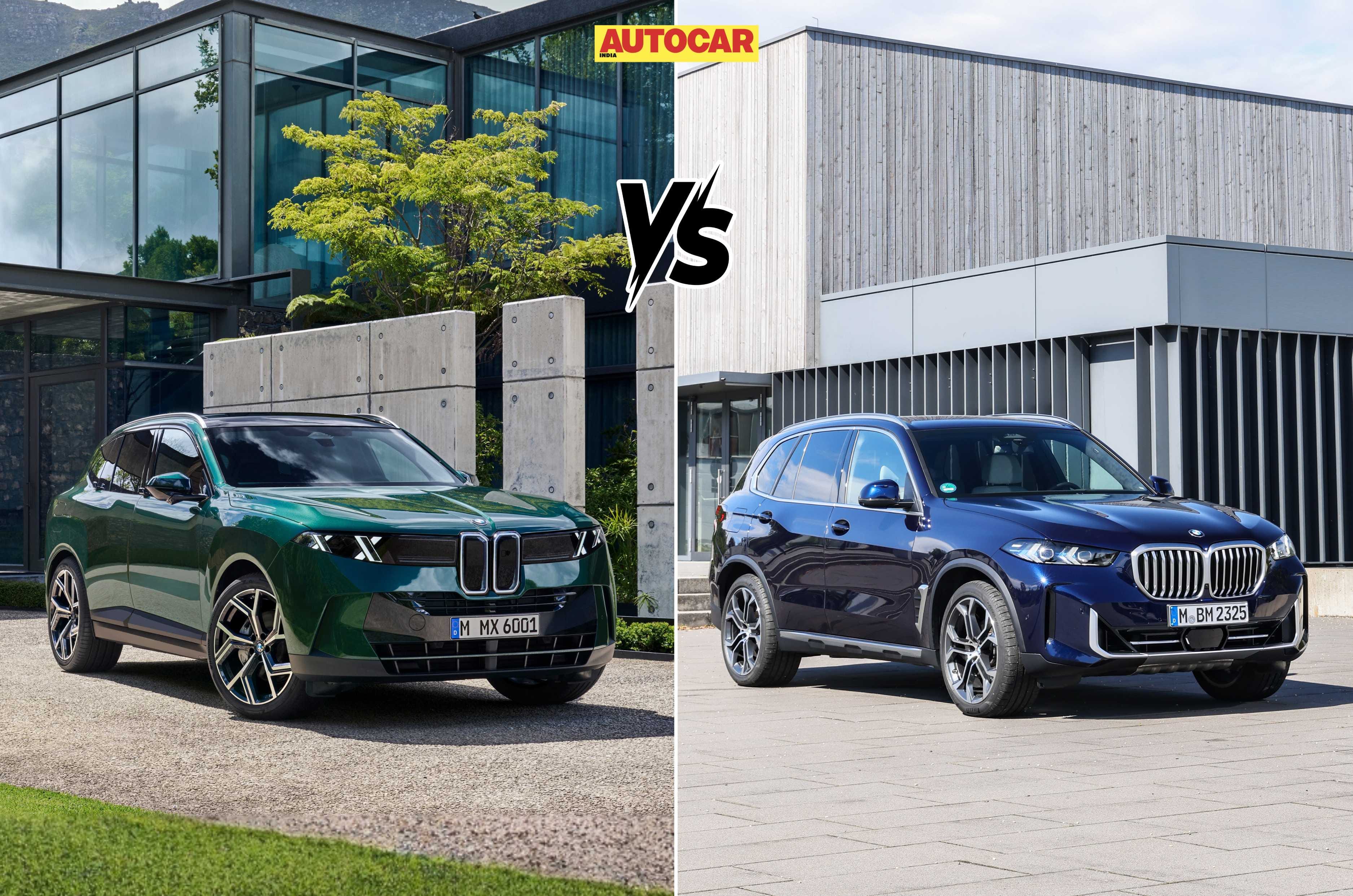
BMW X5 new vs old: Differences and similarities explained

BMW X5 New vs Old differences explained

The fourth generation of the BMW X5 arrived in the Indian market in May 2019, with a facelift arriving in July 2023. However, the German automaker will follow this up with the introduction of the new fifth-generation model in India later on. On June 30, 2026, BMW revealed this next-gen model on the global stage. The luxury SUV comes with a thoroughly revamped exterior and interior, along with an expanded feature set and powertrain options. Here are the main differences (and some similarities) between the previous-gen and new-gen BMW X5.

BMW X5 new vs old: Exterior design

Uses the Bavarian brand’s latest Neue Klasse-based design language

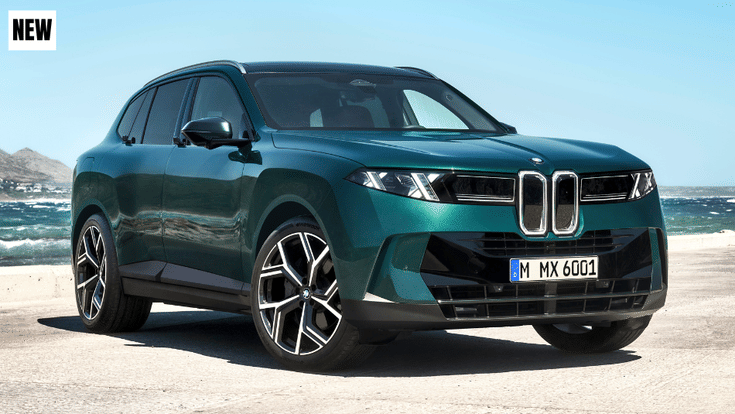
New-gen BMW X5 front quarter
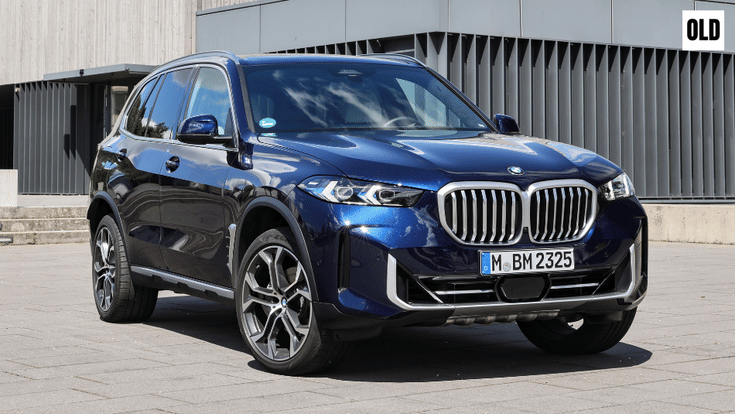
BMW X5 front quarter
 

The new BMW X5 sports a more chiselled exterior with an upright front fascia and a sculpted shoulder line. The brand’s signature ‘kidney grille’ is now slimmer and taller than before and is illuminated as well. Flanking this are single-unit LED headlamps with BMW’s new ‘double-X’ lighting signature, whilst the redesigned two-tone bumper integrates multiple air intakes.

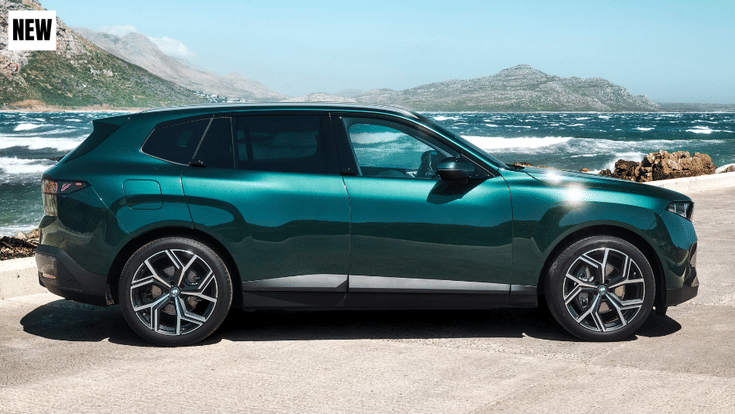
New-gen BMW X5 side
BMW X5 side
 

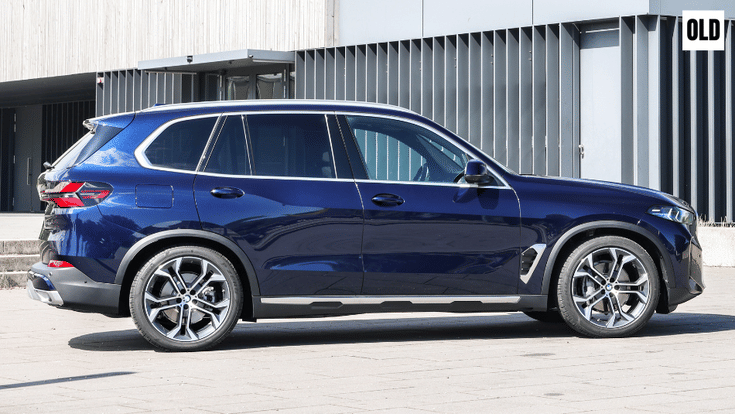
The chiselled side profile of the X5 features looks sleeker than before and gets new wheel designs ranging in size from 21 to 23 inches – the latter being a size larger than what was offered with the old X5. Other new exterior details include repositioned outer rearview mirrors (ORVMs) and new winglet-style door handles compared to the previous car’s pull-type units.

New-gen BMW X5 rear
BMW X5 rear
 

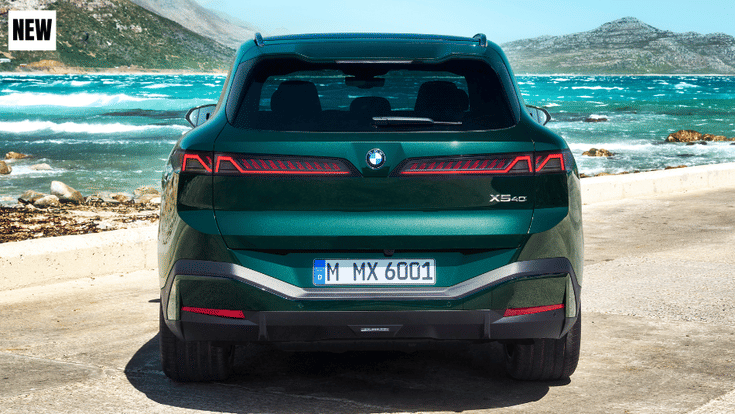
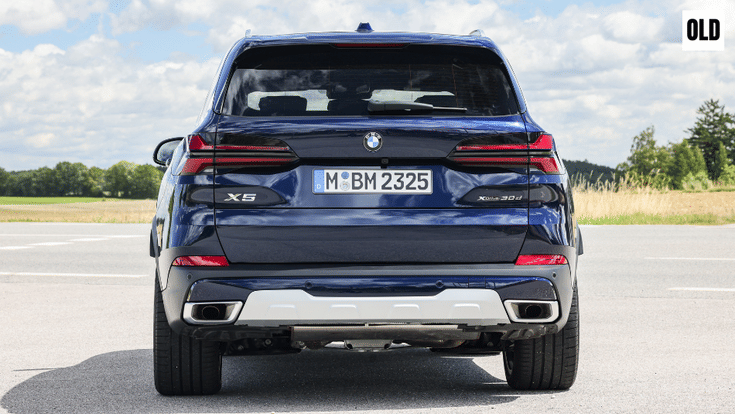
The restyled rear of the BMW X5 gets sleeker LED tail-lamps that extend further into the tailgate. The new back bumper has a more sculpted look than before, but the tailpipes are now hidden from view. Upgrading to one of the M Sport packages gets gloss-black elements alongside a sportier-looking front splitter, roof spoiler and rear diffuser.

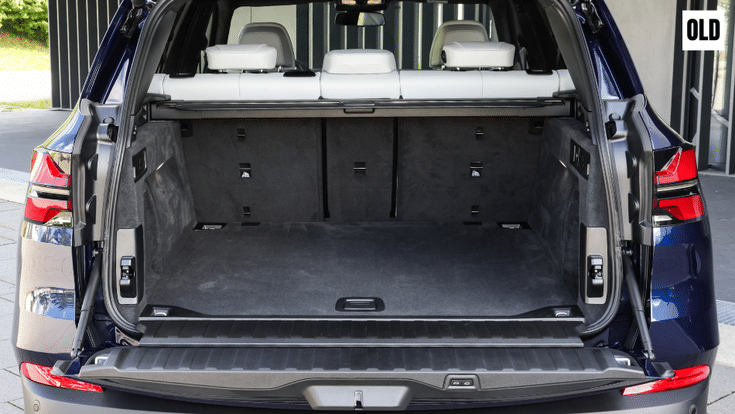
New-gen BMW X5 boot
Old BMW X5 boot
 

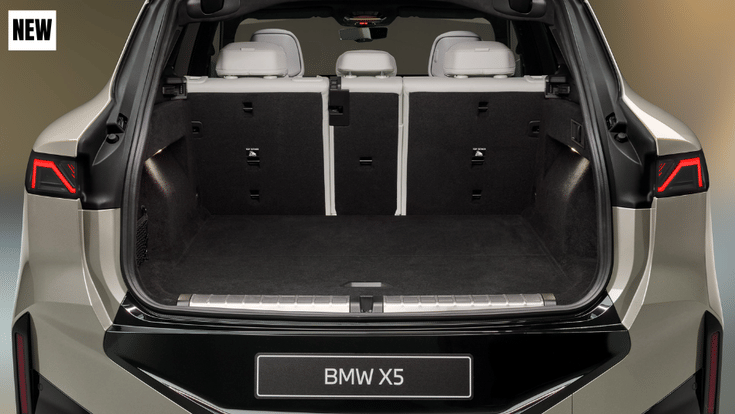
The new X5 is longer than the old one – both in terms of its overall length and wheelbase. Where the previous-gen X5 had a maximum boot capacity of 1,850 litres, the new-gen model takes that up to 2,047 litres. On the other hand, the X5 no longer gets the split-folding tailgate mechanism offered in the old model. It has been replaced by a traditional, single unit design.

BMW X5 new vs old: Interior design and features

The thoroughly updated interior looks more minimalistic and gets new design details

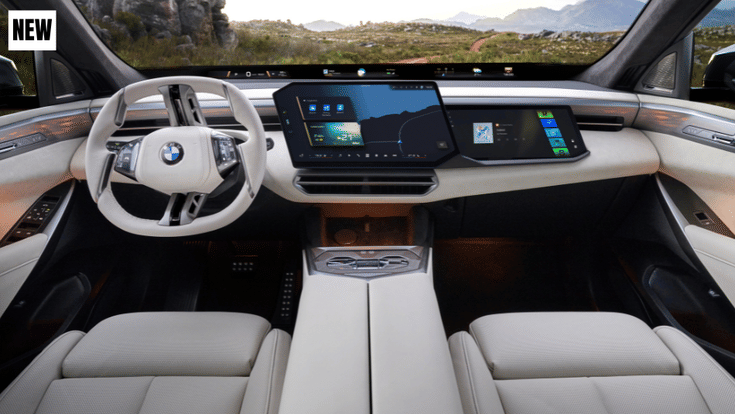
New-gen BMW X5 interior
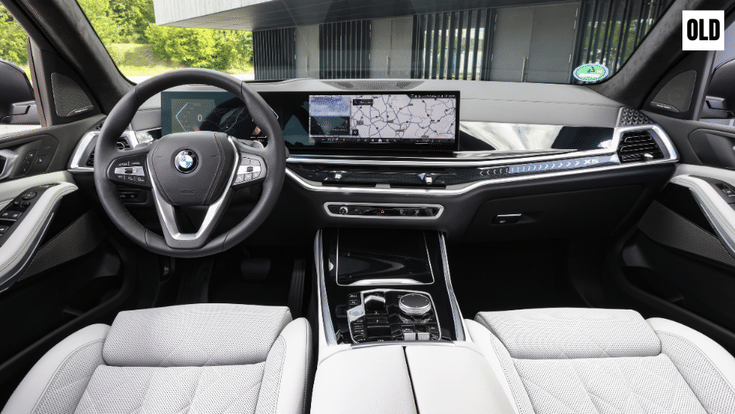
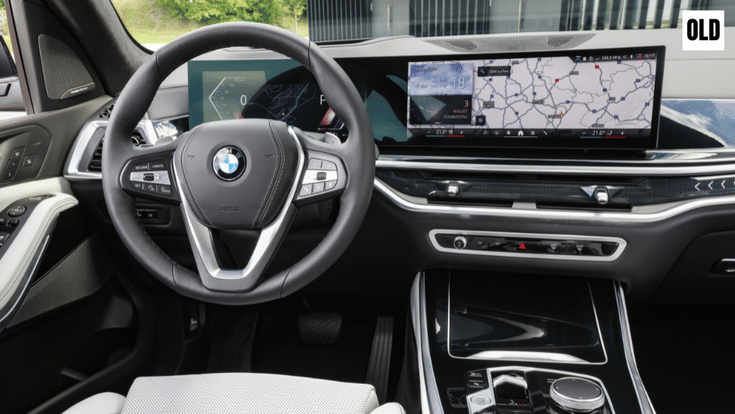
Old BMW X5 interior
 

Inside the new-gen BMW X5 is a new door-to-door wrap-around design featuring metallic trim and new integrated LEDs. On the other hand, the previous-gen model’s interior sported a wedge-shaped, sloping dashboard. Taking centre stage on the dashboard is the uniquely shaped ‘Panoramic iDrive’ display measuring 17.9 inches diagonally – the old X5’s main screen measured up to 14.9 inches. Right next to the primary head unit is an optional 14.6-inch front passenger display, with the other side taken up by a new-designed steering wheel. The traditional instrument cluster of the previous-gen X5 has made way for a strip of smaller screens at the base of the windscreen called ‘Panoramic Vision’.

There are full-width climate control vents on the dashboard, with the centre vents placed below the main touchscreen. Meanwhile, the previous-gen X5 had a curved twin-screen setup and air vents with conventional direction toggles. The rotary drive selector for the iDrive is gone, while the toggle-type mechanism for drive selection has been integrated into a three-section unit on the centre console. Buttons from the dashboard have also been moved down to the centre console. Controls for the hazard lights and electronic parking brake are found here as well, along with a couple more buttons.

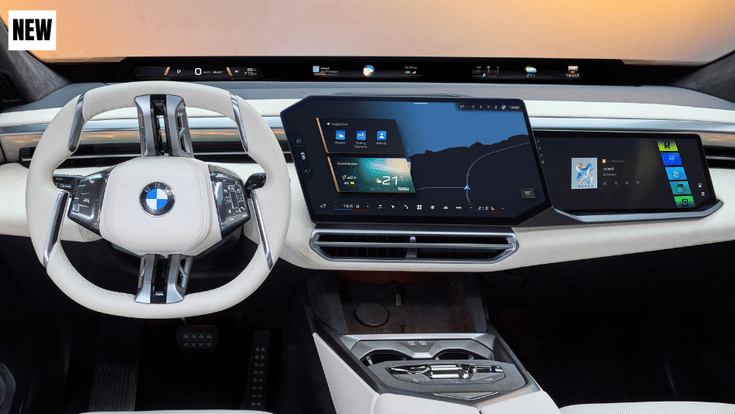
New-gen BMW X5 dashboard
Old BMW X5 dashboard
 

The infotainment unit uses the BMW’s new Operating System X software compared to the old car’s previous-gen iDrive software, which also featured the rotary iDrive controller. The X5’s premium audio system now supports Dolby Atmos, while the ADAS (Advanced Driver Assistance Systems) suite has also been updated. However, the new X5 will continue to be available with a head-up display, ventilated front seats with massaging functions, adaptive air suspension, and a panoramic sunroof. Of course, other safety nannies such as multiple airbags, electronic stability management and surround-view cameras will be offered with the new-gen X5 too.

BMW X5 new vs old: Powertrain options

The next-gen X5 can support fully electric and hydrogen powertrains as well

One of the biggest changes between the old and new BMW X5 is the latter’s compatibility with a variety of powertrain types. Its Neue Klasse platform means the X5 now supports battery electric (BEV) and hydrogen fuel-cell electric (FCEV) options. The latter has been co-developed with Toyota, and in the iX5 Hydrogen, output is a claimed 401hp.

BMW has updated the 3.0-litre inline-six turbo-petrol engine of the 40 and 40 xDrive variants of the X5. While they still get a 48V mild-hybrid system and direct fuel injection, the output has gone up to 394hp and 580Nm. The 8-speed automatic gearbox has been retained, though. The new X5’s plug-in hybrid (PHEV) version carries forward its 3.0-litre petrol engine and electric motor combination – output for the 50e xDrive is rated at 483hp and 700Nm.

Compared to the previous-gen model, the new-gen BMW X5 will be offered in a fully electric avatar. The new iX5 60 xDrive uses an 800V architecture, along with a 144kWh lithium-ion battery pack and two electric motors. The combined output is rated at 570hp and 804Nm, while claimed range is 700km. BMW’s sixth-gen eDrive technology supports charging rates of up to 460kW, which means 10-80 percent charge in a claimed 22 minutes.

Production of the fifth-gen BMW X5 will commence at the brand’s Spartanburg plant in the US in August 2026. The combustion-only variants are set to go on sale in late November 2026, followed by the plug-in hybrid and fully electric versions in early 2027.

Also read

3 reasons to buy the BMW X6 and 2 reasons not to

Tata Sierra EV prices and specs compared with Harrier EV, Curvv EV

Indian Oil launches premium Servo Hyper Series lubricants

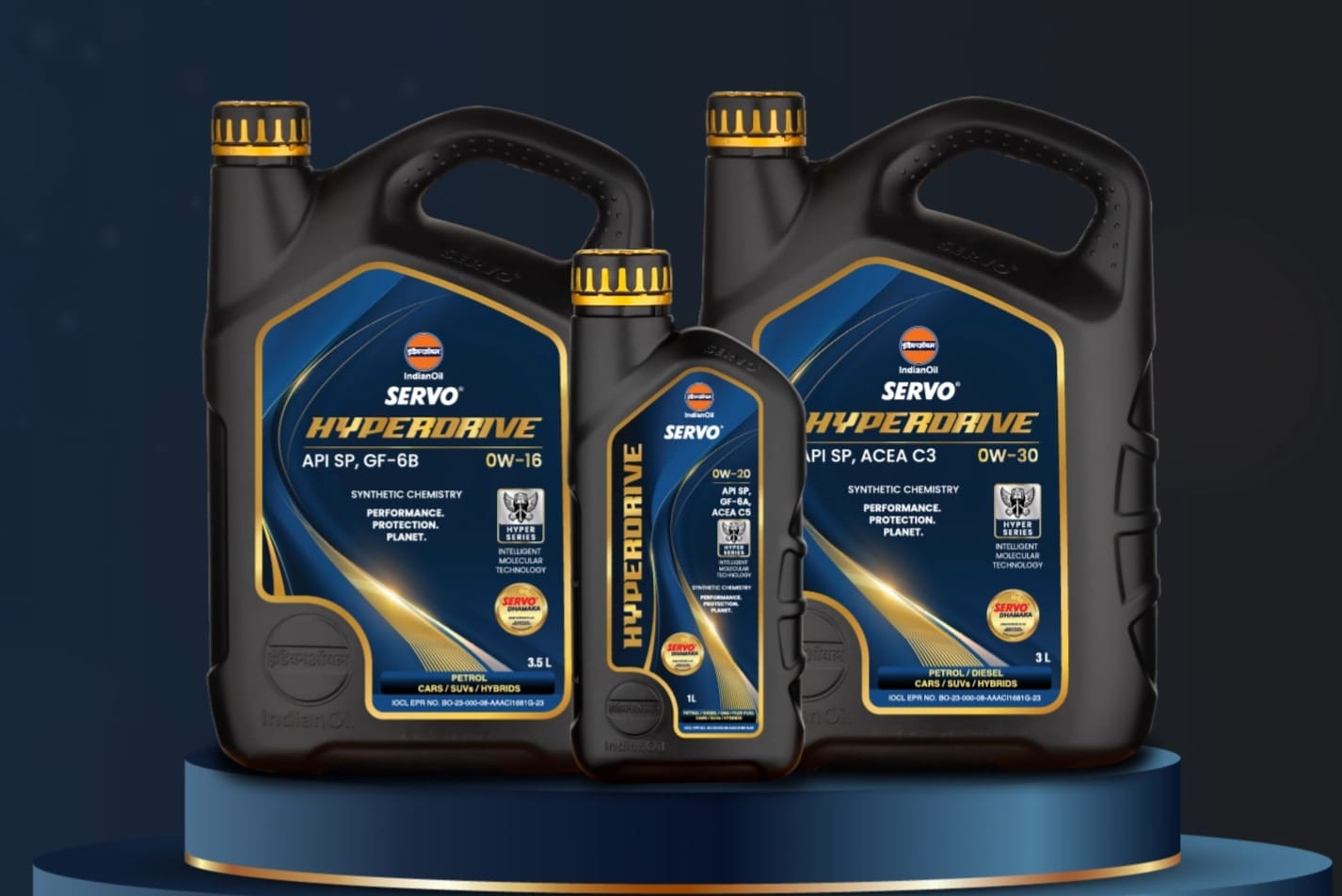
Servo Hyper Drive lubricants

Indian Oil has introduced a new premium lubricant to its Servo range. Called the Servo Hyper Series, the brand says its the ‘most advanced premium lubricant portfolio, designed to meet the evolving requirements of modern engines and high- performance industrial equipment.” 

Servo Hyper Series Lubricants: What is it?

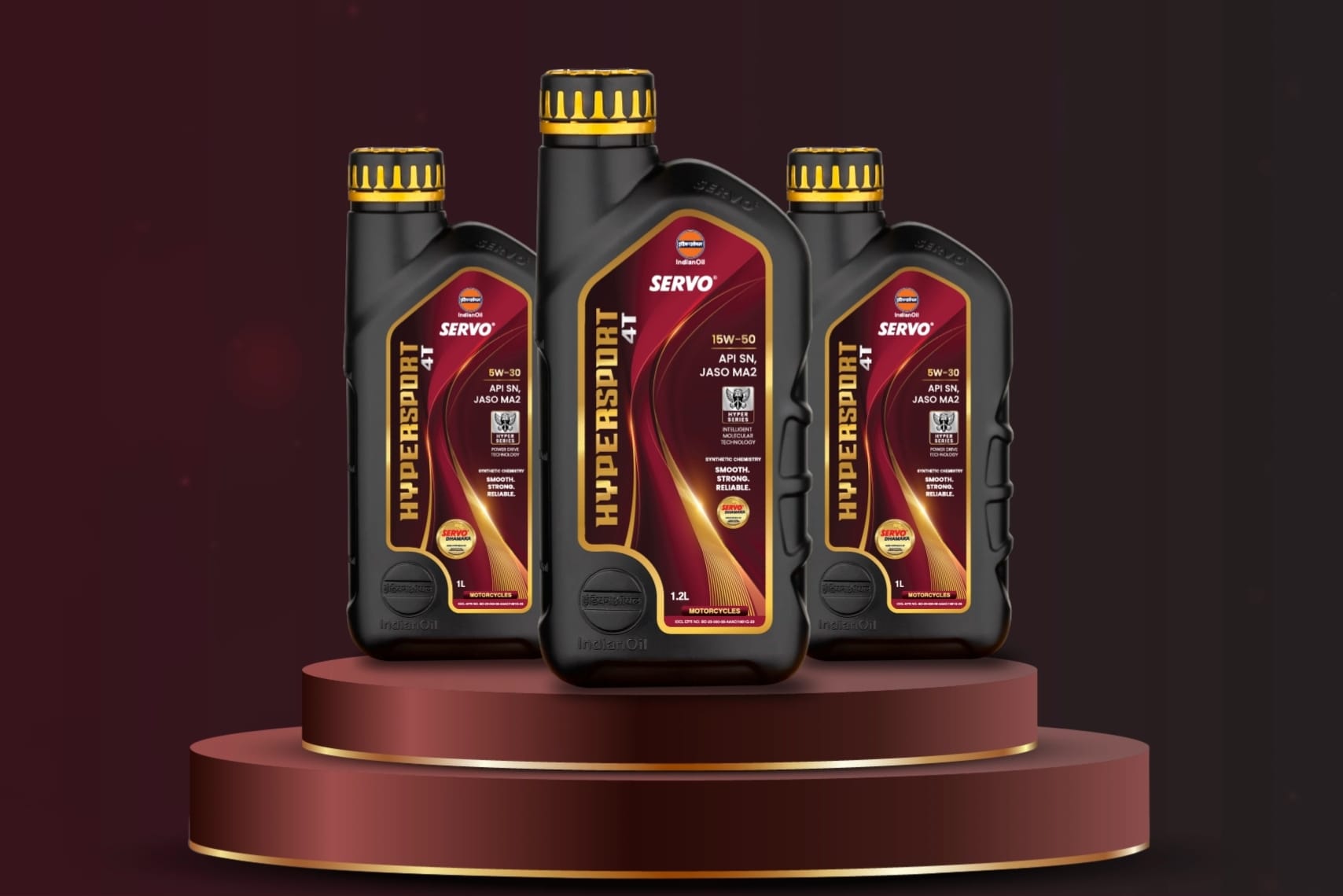
Indian Oil states that the Servo Hyper Series Lubricants deliver superior engine performance, improved fuel efficiency and extended drain intervals under demanding operating conditions by using “advanced synthetic base oils and next-generation additive technologies.” It comprises three versions for different vehicle applications, namely Hyper Sport for motorcycles, Hyper Drive for passenger cars, and Hyper Torq for commercial vehicles.

The Hyper Drive lubricants for cars consist of two products. The regular Hyper Drive applies to BS6 petrol and diesel-powered cars and is recommended for vehicles from manufacturers such as Honda, GM (Chevrolet), Ford, Toyota, Nissan, Maruti-Suzuki, MG, Renault, Hyundai, Citroën, Volkswagen Group, BMW, Mercedes-Benz and others. The Hyperdrive NXT is for high-performance cars and is compatible with petrol, diesel, CNG, flex-fuel and hybrid vehicles. Indian Oil says that the NXT is ‘optimised for hybrid cold starts and E85 petrol.’  

Under its Hyper Sport series of lubricants for bikes, the Hyper Sport F5 is recommended for superbikes and racing motorcycles from BMW Motorrad, Ducati, Suzuki, Kawasaki, Yamaha, KTM and Honda. It has a drain interval of up to 10000km. The Hyper Sport 4T is recommended for most four-stroke 2-wheeler engines and is specifically recommended for Royal Enfield, Hero MotoCorp, Bajaj, TVS, Honda, Yamaha and other leading motorcycle brands. The Hyper Sport scooter is specifically recommended for 4-stroke gearless scooters. Both the Hyper Sport 4T and Scooter have a drain interval of up to 8000km.

For commercial vehicles, Indian Oil’s Servo Hyper Torq consists of three versions. The standard Hyper Torq is applicable for heavy-duty diesel-powered commercial vehicles operating under BS4 emissions and earlier. It has a drain interval of up to 80,000 km. The Hyper Torq NXT is recommended for BS6-compliant commercial vehicles and has a drain interval up to 1,20,000 km. The Hyper Torq XP is a fully synthetic commercial vehicle engine oil for truck engines operating with low sulphur content. This oil has a drain interval of up to 10,000km.

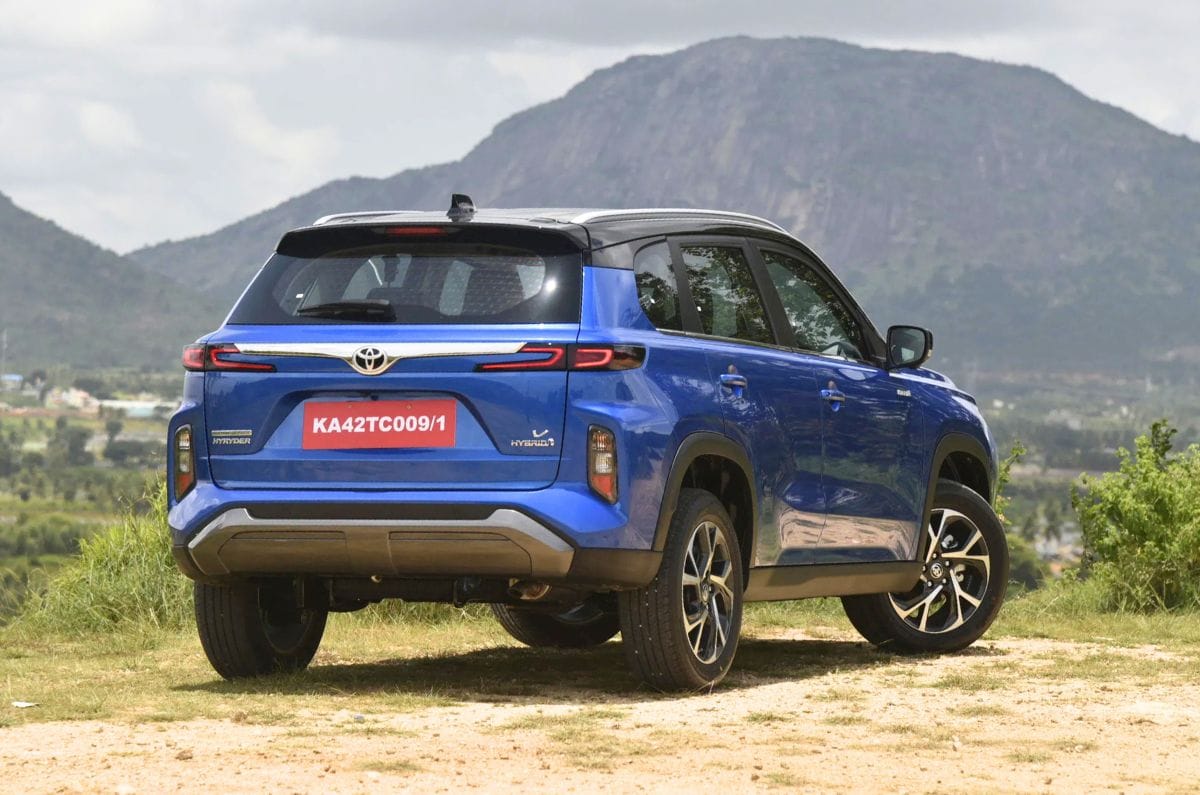
Urban Cruiser Hyryder strong-hybrid battery size reduced, confirms Toyota

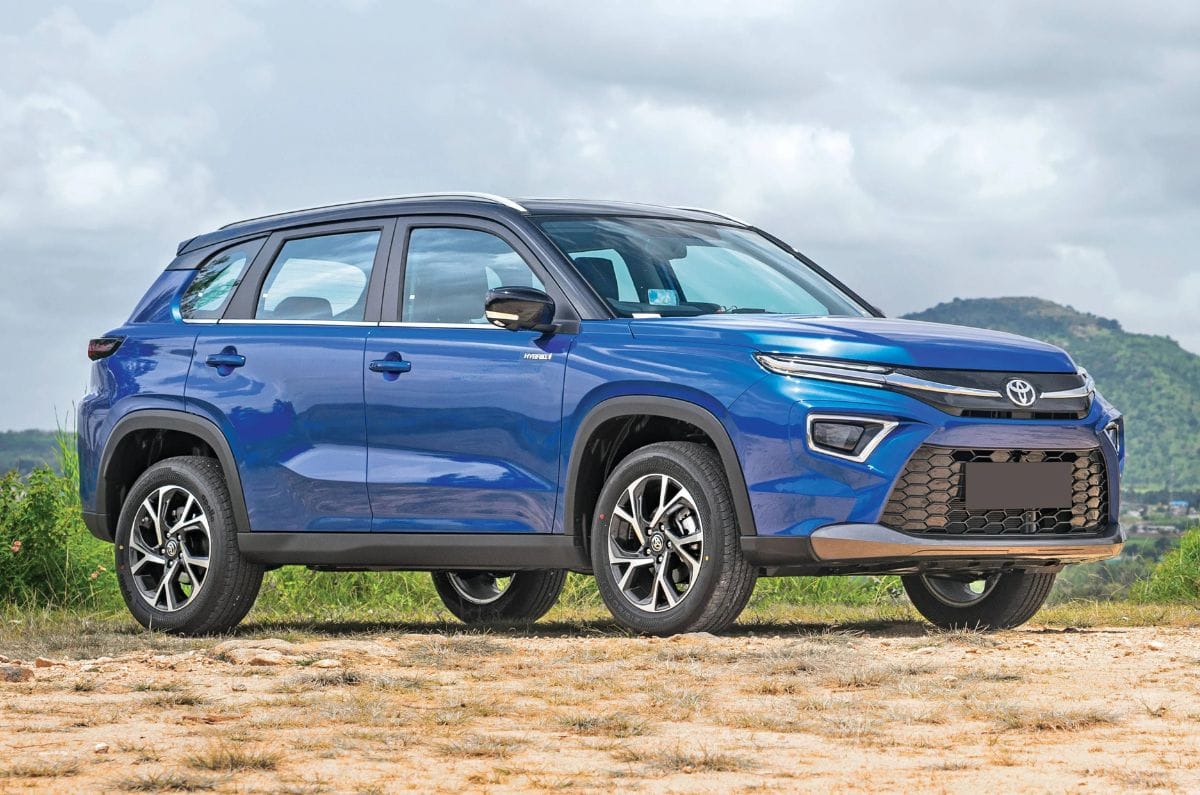
Toyota Hyryder front quarter static

Owners of the Urban Cruiser Hyryder recently posted on online forums about Toyota silently downsizing the strong-hybrid variant’s battery size. Autocar India reached out to Toyota for an official clarification, and the Japanese carmaker has now confirmed the same. “In line with our continuous efforts to enhance products internally, the Urban Cruiser Hyryder Strong Hybrid has also undergone similar improvements through its lifecycle,” said the company in an official statement. 

  1. Hyryder strong hybrid battery size reduced from 0.76kWh to 0.60kWh 
  2. Claimed performance and efficiency figures remain unchanged
  3. Downsized battery not likely to have any real-world impact  

Toyota Urban Cruiser Hyryder strong hybrid battery update

Strong-hybrid variants of the Urban Cruiser Hyryder were originally offered with a 0.76kWh battery. However, with the 2025 model year update that was introduced in April last year, Toyota reportedly changed the battery size to a 0.60kWh unit. The company claims this does not have any bearing on the SUV’s performance or efficiency. 

“It continues to offer the same powerful performance of 115.56PS and impressive unchanged ARAI mileage of 27.97 kmpl,” said the Japanese carmaker in its statement. 

Does this have any real-world implications?

Toyota continues to claim an efficiency of 27.97kpl for the Hyryder. 

Due to the working cycle of the strong hybrid powertrain, where it continuously charges and discharges the battery on the go, this is unlikely to affect real world performance. The Hyryder may allow coasting in electric-only mode for slightly shorter distances, which means the combustion engine will kick in faster to power the wheels. Conversely, the smaller battery will also take lesser time and energy to recharge using engine power. 

Toyota Urban Cruiser Hyryder strong hybrid specifications

Strong-hybrid variants of the Toyota Hyryder are powered by a 1.5-litre, 3-cylinder Atkinson-cycle petrol engine that’s now coupled with a 0.60kWh lithium-ion battery and an AC synchronous motor. The combustion engine produces 92hp and 112Nm, while the electric motor produces 80hp and 141Nm. Total system output is rated at 115hp, and the powertrain comes mated to an e-CVT gearbox, driving the front wheels.  

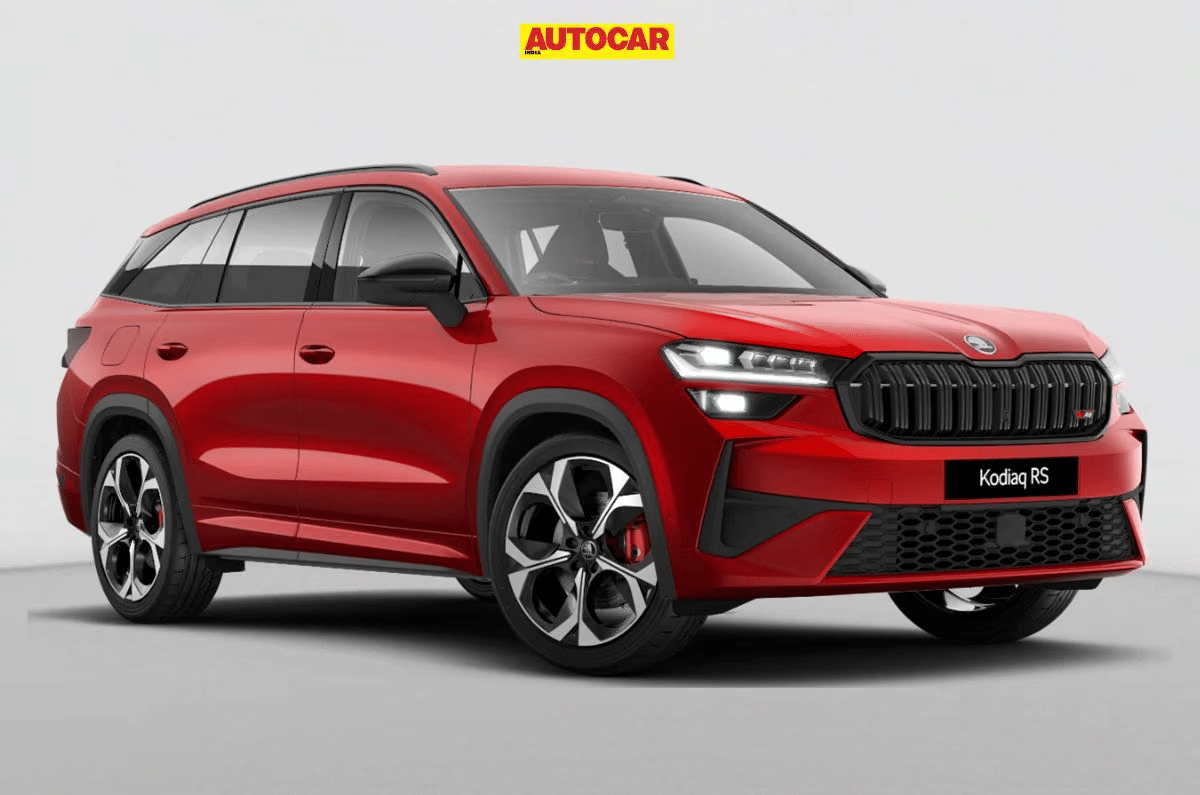
Skoda Kodiaq RS priced at Rs 66.99 lakh

Skoda Kodiaq RS

The Skoda Kodiaq RS is priced at Rs 66.99 lakh, ex-showroom, in India. The 50 units allocated for the first batch of the Kodiaq RS in India were sold out in six minutes after bookings opened on June 22. This high-performance version of the brand’s flagship three-row SUV offers a potent 2-litre turbo-petrol powertrain, but it has been tuned to deliver outputs.

Skoda Kodiaq variant-wise price list

VariantPrice (Rs lakh)
Lounge36.99
Sportline44.99
Selection L&K46.99
RS (new)66.99

Skoda Kodiaq powertrain

In the Kodiaq RS, the 2-litre TSI unit generates 265hp and 400Nm, an additional 61hp and 80Nm over the standard SUV. A 7-speed dual-clutch automatic gearbox sends power to all wheels, and the carmaker claims a 0-100kph time of 6.3 seconds, making the Kodiaq RS “the quickest Skoda ever launched in India”. 

Other enhancements over the standard Kodiaq include progressive steering (it alters the ratio depending on lock) and adaptive dampers (Dynamic Chassis Control or DCC) with 15 settings ranging from soft to firm.

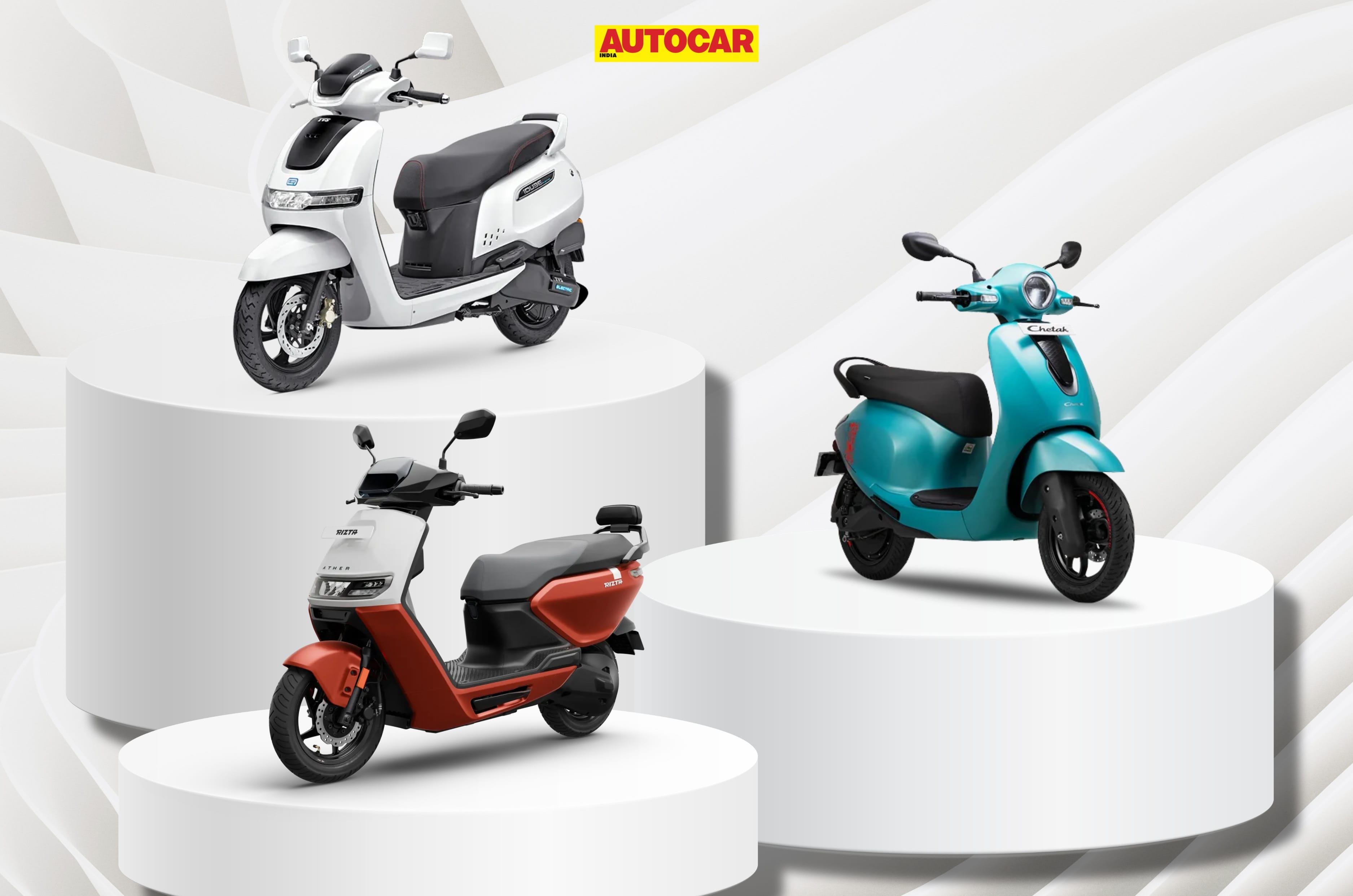
Electric scooter market records its second highest monthly sales in June 2026

Electric scooter market records its second highest monthly sales in June 2026

The Indian electric two-wheeler industry has notched its second-highest monthly retail sales total in June. The 1,93,495 e-scooters delivered to customers last month are a 75 percent YoY increase and just 5,891 units short of the record sales in March 2026. 

  1. TVS currently holds a 24 percent share of the E-2 wheeler market
  2. Ather records second-highest monthly sales after March 2026
  3. Bajaj records a 80-percent year-over-year increase

May 2026 saw a sales spike due to four petrol price hikes, June 2026 witnessed a 12 percent month-on-month increase to take cumulative January-June 2026 sales to 9,70,611 units, up 53 percent YoY. In a segment which has over 175 players, let’s take a closer look at the Top 10 led by TVS Motor Co. 

TVS Motor Co: 46,999 units

Market share: 24 percent

Electric 2W market leader TVS Motor Co, with 46,999 units and handsome 76 percent YoY growth (June 2026: 26,74 units), registered its second-highest monthly retails after the record 51,630 units it sold in March this year. This gives TVS a 24 percent market share, the same as June 2025. Each of the first three months of the current fiscal year have seen 40,000-plus sales for TVS.  

Among the highlights of June for TVS was achieving the cumulative 1-million sales milestone to be the second OEM to do so after Ola.

With 2,51,335 iQubes and Orbiters sold in January-June this year, TVS looks well set to surpass the 500,000-units or half-a-million annual sales milestone, for the first time in CY2026.

Bajaj Auto: 43,234 units

Market share: 22 percent

Bajaj Auto, the closest challenger to TVS, sold 43,234 units. This marks robust 80 percent YoY growth, giving the Chetak manufacturer a 22 percent market share. Like TVS, this is also Bajaj Auto’s second-highest monthly retail sales after March 2026. The gap between TVS and Bajaj has been narrowing steadily. In June, Bajaj Auto became the third Indian e-2W manufacturer to surpass 800,000 sales.

Ather Energy: 31,188 units

Market share: 16 percent

Like TVS and Bajaj, Ather Energy too has clocked its second-highest monthly sales in June. The 31,188 units are the second time the Bengaluru-based e-2W startup has sold over 30,000 units, with the highest being in March 2026 (36,365 units). Ather’s stellar sales last month are a 95 YoY increase, which sees its market share rise to 16 percent from 14 percent a year ago. 

The Rizta family scooter, which has crossed 300,000 cumulative sales, remains the most popular product for Ather which last week surpassed the 700,000 sales milestone.

Hero MotoCorp (Vida): 21,792 units

Market share: 11 percent

The EV arm of the world’s largest 2W manufacturer continues to shine. Hero Vida e-scooter deliveries of 21,792 units were a 175 percent YoY increase (June 2025: 7,920 units) and only the second instance of over 20,000 monthly sales. June numbers missed the highest Vida sales total of 22,201 by only 409 units.

At 1,05,986 units in the first six months of this year, Hero Vida retail sales are already 94 percent of its CY2025 sales of 113,021 units and indicate that Hero MotoCorp will, for the first time, achieve the 200,000 annual sales milestone for its EVs.

Ola Electric: 16,144 units

Market share: 8 percent

Ola Electric, the longstanding e-2W market leader till April 2025, is witnessing a revival in demand. The company delivered 16,144 units to its customers in June. While this number is down 22 percent YoY (June 2025: 20,697 units), it also marks the fifth straight month-on-month growth for Ola Ranked No. 5 on the OEM ladder, Ola’s current monthly market share is 8 percent, considerably down from the 19 percent it had in June 2025 when it was ranked No. 3 after TVS and Bajaj Auto.

Greaves Electric Mobility: 10,928 units

Market share: 6 percent

The IPO-bound Greaves Electric Mobility, the manufacturer of Ampere e-scooters, is another OEM which is witnessing growing demand for its products. In June 2026, the company delivered 10,928 units, marking a handsome 152 percent YoY growth (June 2025: 4,334 units). This robust performance, which sees GEM breach the 10,000-units monthly retail sales mark after nearly three years, sees the Ampere scooter market share rise to 6 percent from 4 percent a year ago.

At nearly 44,000 units sold in the first six months of this year, GEM is well placed to cross 100,000 units in CY2026. Demand has risen following the launch of the new Ampere Magnus Neo, a lighter and redesigned variant aimed at urban commuter buyers. GEM’s EV portfolio comprises the Nexus (EX and ST), Magnus (G Max, Grand, Neo) and Reo 80 brands. 

River Mobility: 4,391 units

Market share: 2 percent

Bengaluru-based River Mobility, which is witnessing growing demand for its sole product – the River Indie – delivered 4,391 units, up 214 percent YoY. This sees the company double its e-2W market share to 2 percent. The EV startup had clocked its highest monthly sales in March 2026 (4,271 units) and has sold over 43,000 Indies to date since the e-scooter’s rollout in October 2023. 

The last three OEMs in the Top 10 list comprise three startups. At No. 8 is Bgauss Auto, which began sales in August 2022 and is now a regular in the monthly Top 10 OEM list. Bgauss sold 3,916 units last month. Between January and June, Bgauss has sold 19,480 units which gives it a 2 percent share of all-India e-2W sales in H1 CY2026.

The Delhi-based E-Sprinto Green Energy is also registering good demand for its e-scooters. In June, this startup sold 1,878 units and a 1 percent market share to take ninth rank amongst 175 players. 

Wrapping up the Top 10 is Simple Energy which sold 1,365 e-scooters last month. The company has outlined an ambitious future sales target of 10,000 units a month by March 2027. It could be banking on the upcoming e-scooter, understood to be called the Simple Arrive and a family-centric model aimed to rival the TVS iQube, Ather Rizta and Bajaj Chetak.

Promise of Strong Growth Continuing in CY2026

The e-2W segment, the largest volume provider to India EV Inc, is on a roll this year. The 9,70,611 electric scooters, bikes and mopeds sold in the first six months of this year are already 72 percent of the record 1.34 million units sold in CY2025. With petrol prices surging in May as a result of multiple hikes, a growing number of ICE scooter buyers are actively considering a shift to zero-emission models, which leading players like TVS, Bajaj Auto, Ather Energy, Hero Vida, Ola and Greaves Electric Mobility are capitalising on.

In June, these 6 OEMs with combined sales of 170,285 units had an 88 percent share of the total 193,495 e-2Ws sold. Add the remaining four OEMs to the Top 10 list and their 1,81,835 units give these movers and shakers a commanding 94 percent share of last month’s sales, leaving just 6 percent to be fought over by 165 other players.

What will add tailwinds to future growth is the Delhi government’s game-changing EV Policy 2.0, which kicks in from today, July 1 and enables strong demand potential for electric two-wheelers in the capital city. It would not be surprising if other states and UTs in India take the EV-friendly policy cue from Delhi and tweak their existing EV policies or introduce one.


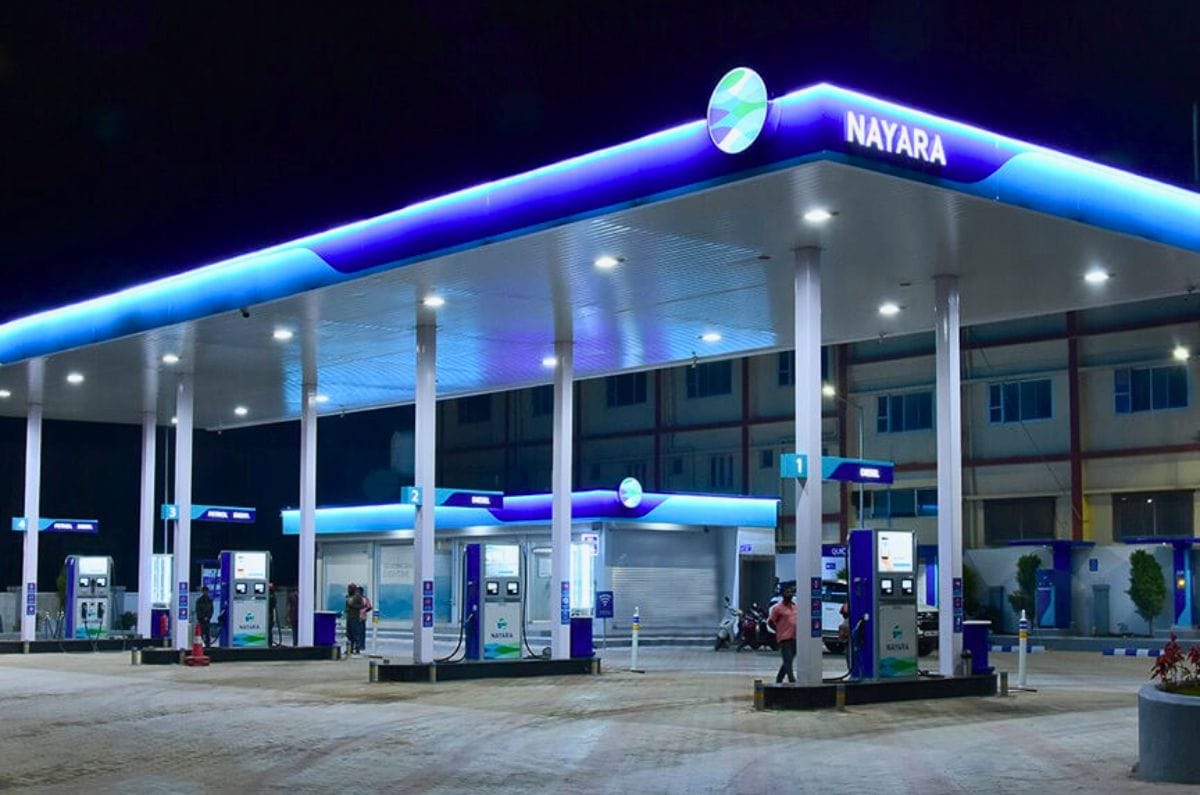
Nayara reduces petrol, diesel prices by up to Rs 5 per litre

Nayara petrol pump

Nayara Energy has slashed its petrol and diesel prices across India by Rs 5 per litre and Rs 3 per litre, respectively. With this, Nayara petrol price in Mumbai stands at Rs 111.66 per litre while diesel is Rs 97.99 per litre, both of which are similar to the fuel prices at the state-owned Indian Oil, HP and Bharat Petroleum pumps.

  1. First price cut after a reduction in global crude oil rates
  2. Marks a full reversal of Nayara’s fuel prices after March 2026 hike

Nayara is the country’s largest privately owned petrol pump network with over 7,000 fuel pumps, and the price cut is effective across India. The latest price cuts essentially reverse the previous hike from March 2026, when petrol and diesel prices rose by Rs 5 per litre and Rs 3 per litre, respectively. However, prices will vary from one state to another based on the taxes imposed on them.

This move comes after global oil prices have fallen due to easing geopolitical conflicts between Iran and the USA, and reduced concerns of oil supply disruptions. Notably, this is the first time retail fuel prices have been reduced after crude oil costs started falling. However, petrol and diesel prices at state-owned fuel pumps, such as Indian Oil, HP and Bharat Petroleum, are yet to be revised.

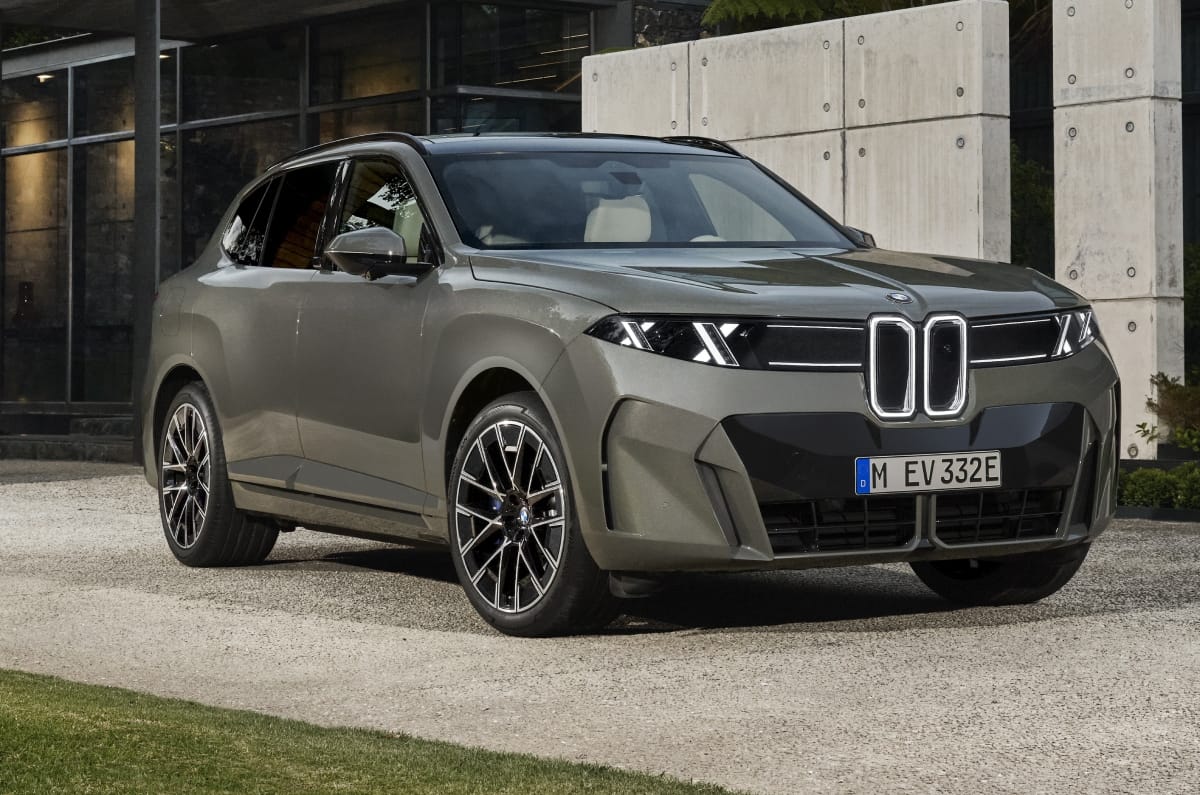
Next Gen BMW X5 exterior image gallery

BMW X5

BMW has unveiled the fifth-generation X5 with a completely redesigned exterior based on its latest Neue Klasse design language. While it retains its familiar SUV proportions, the new X5 gets a taller front end, new lighting signatures, cleaner surfacing and new ‘BMW Winglet’ door handles integrated into the bodywork. The luxury SUV gets slimmer tail-lamps, redesigned bumpers, 11 exterior colours and alloy wheels ranging from 21 to 23 inches. The new X5 will be offered globally with petrol, diesel, plug-in hybrid, electric and, later, hydrogen powertrains.