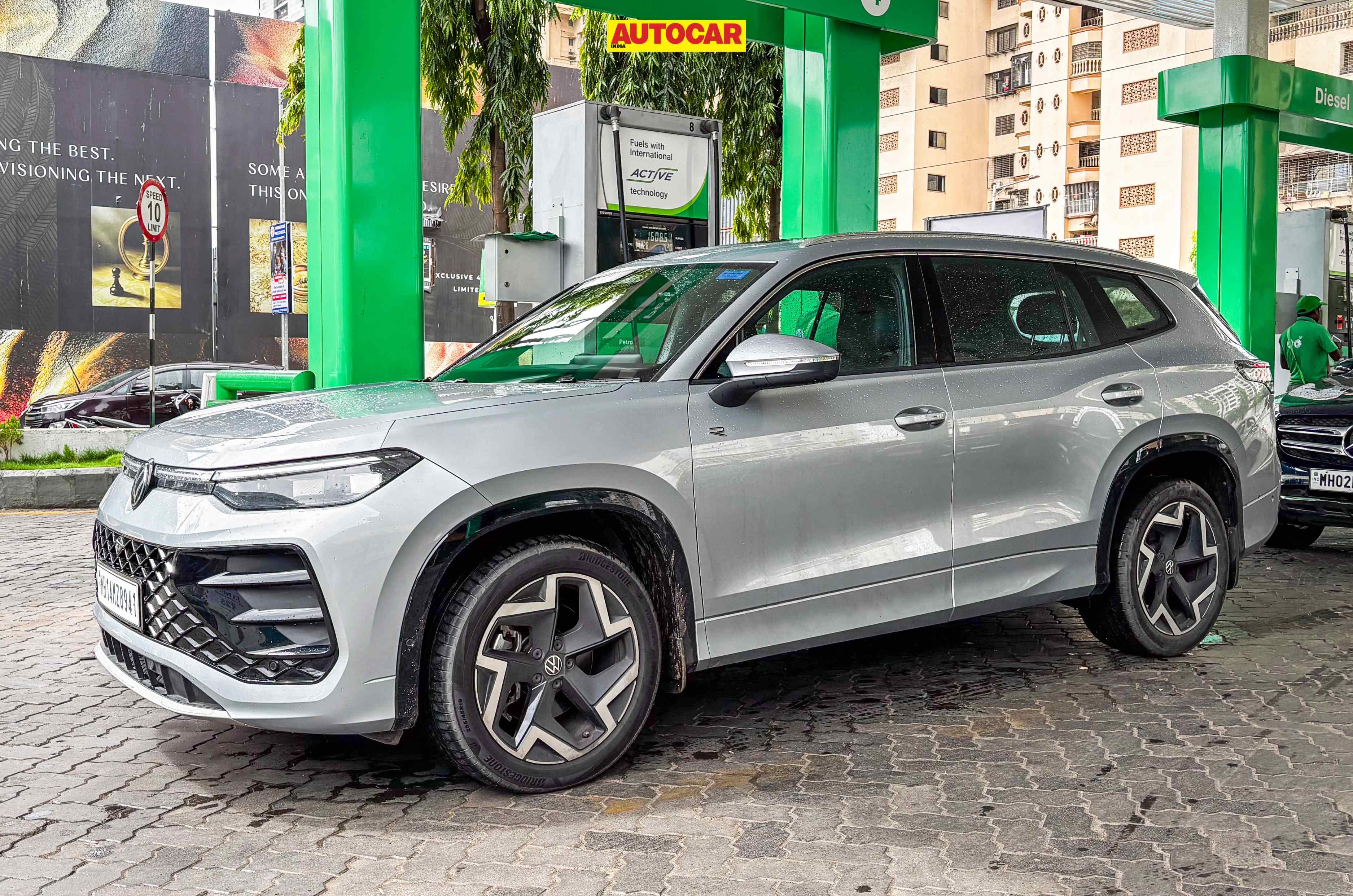
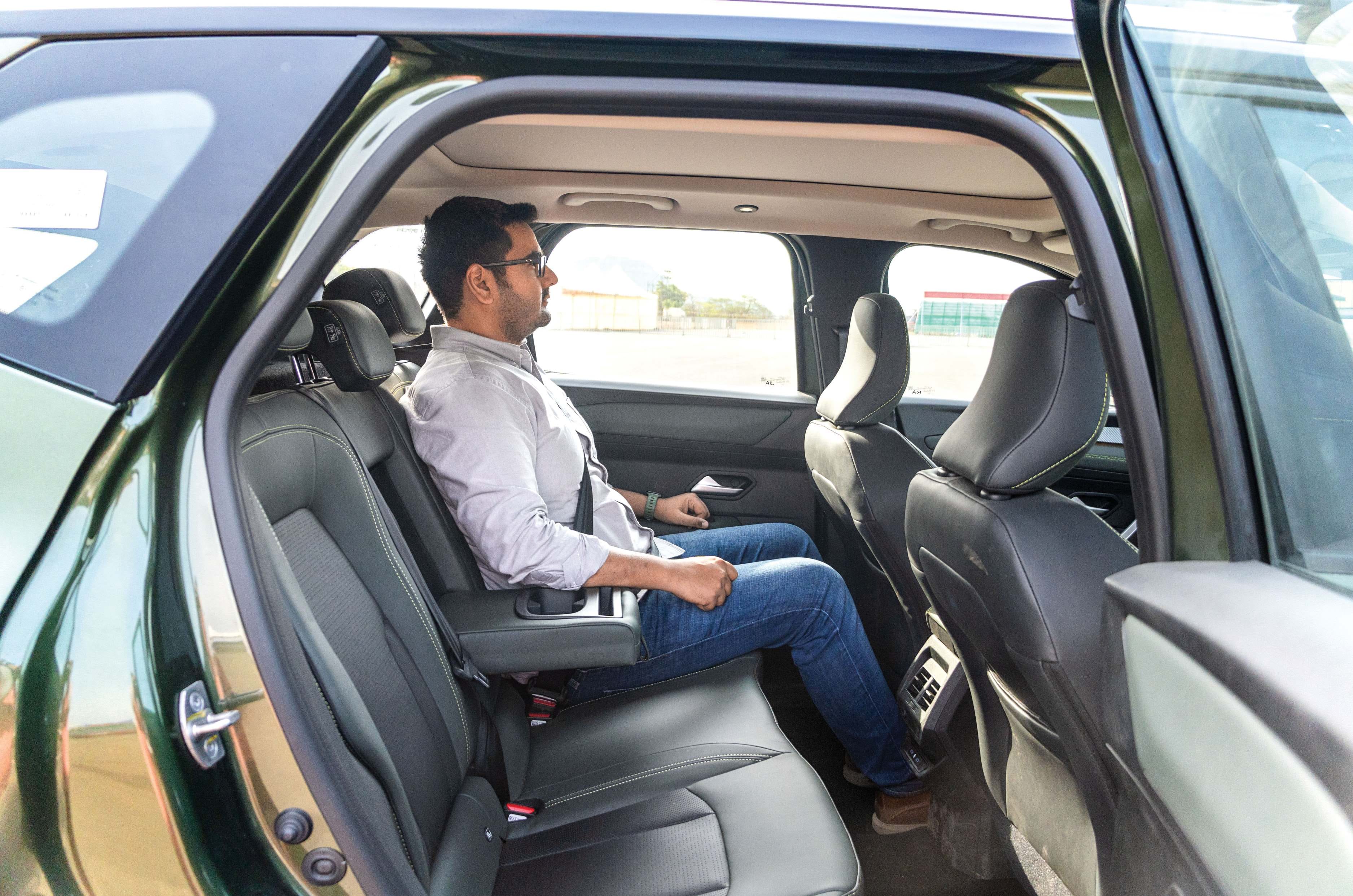
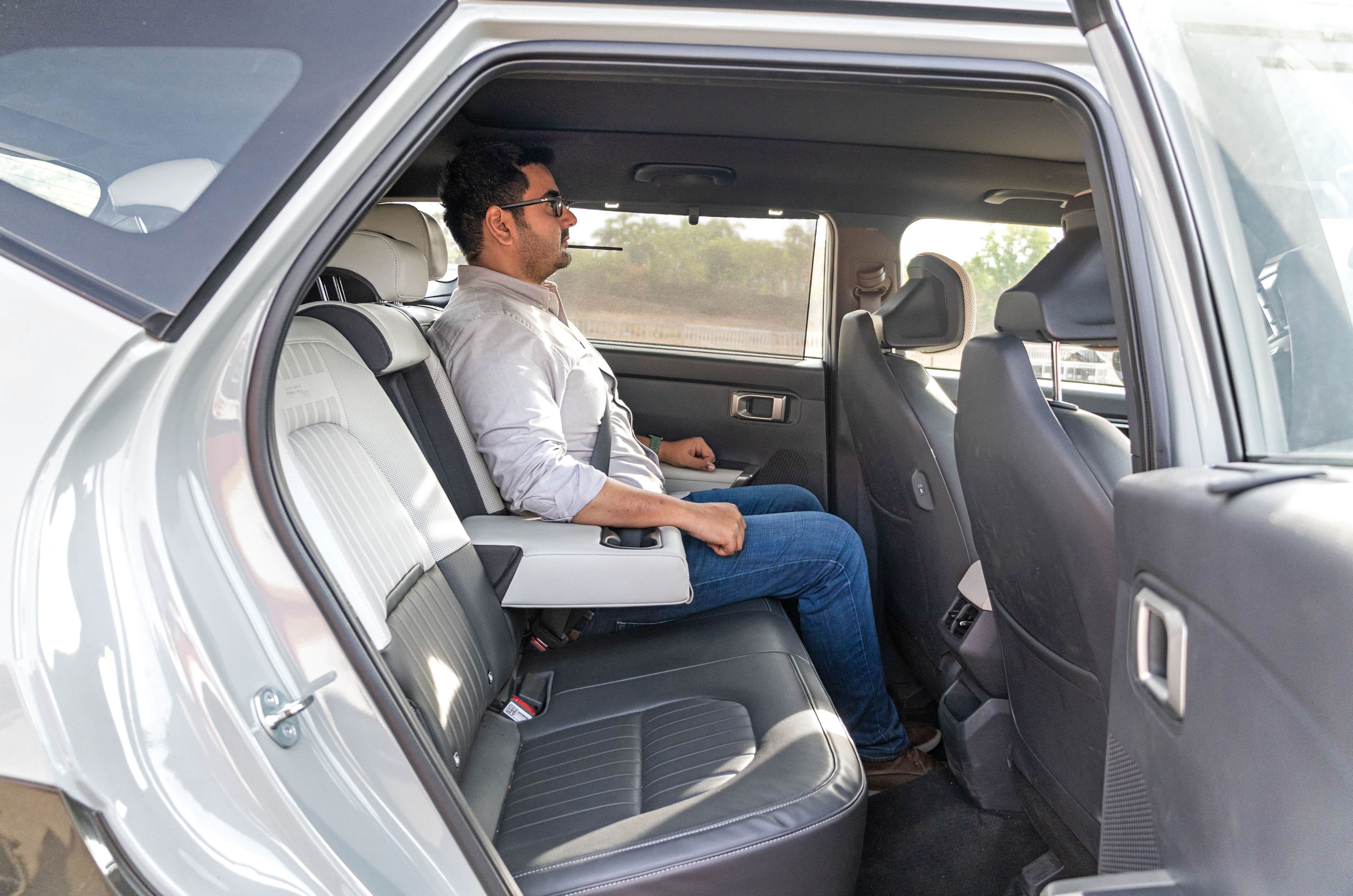
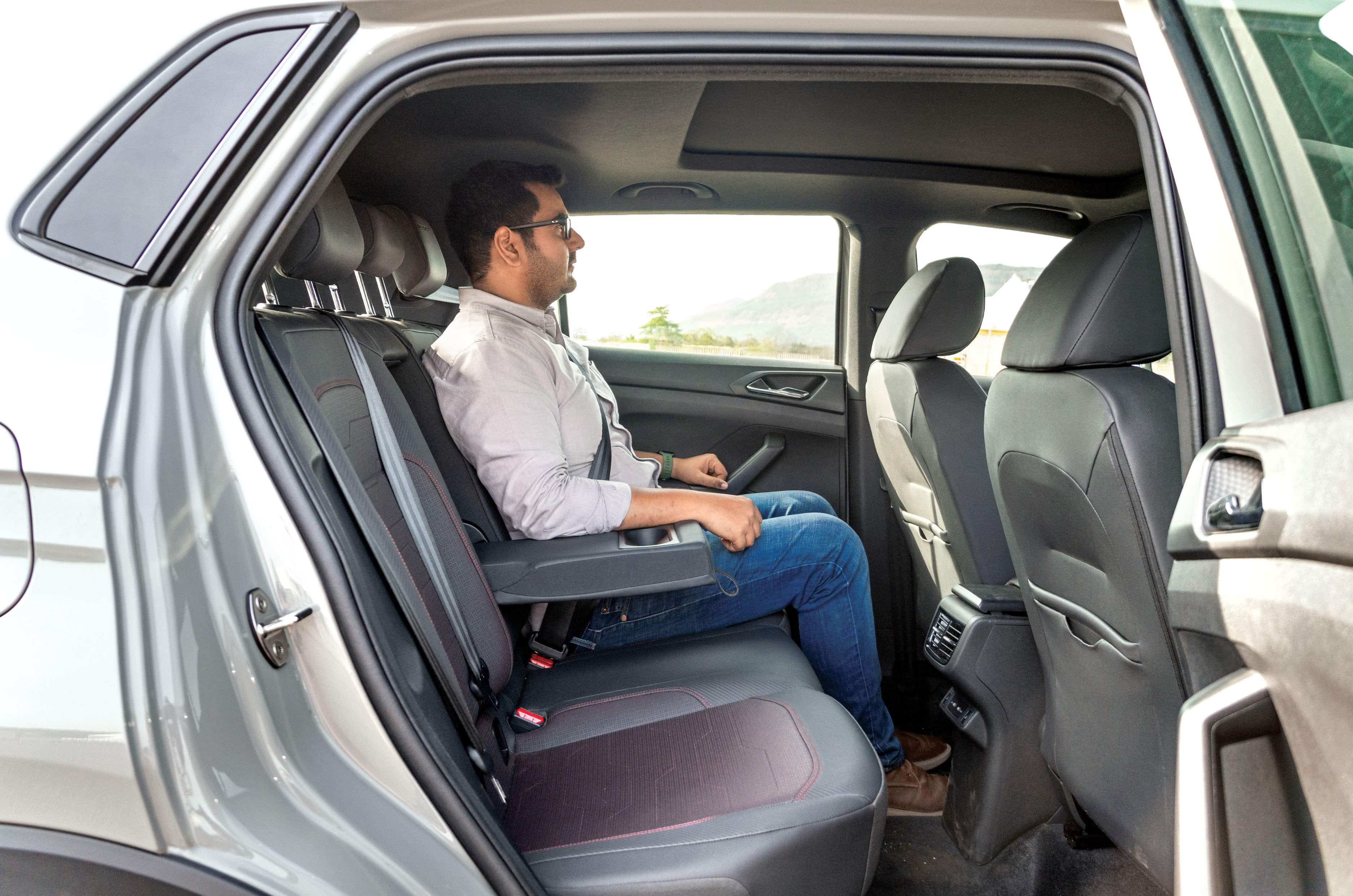
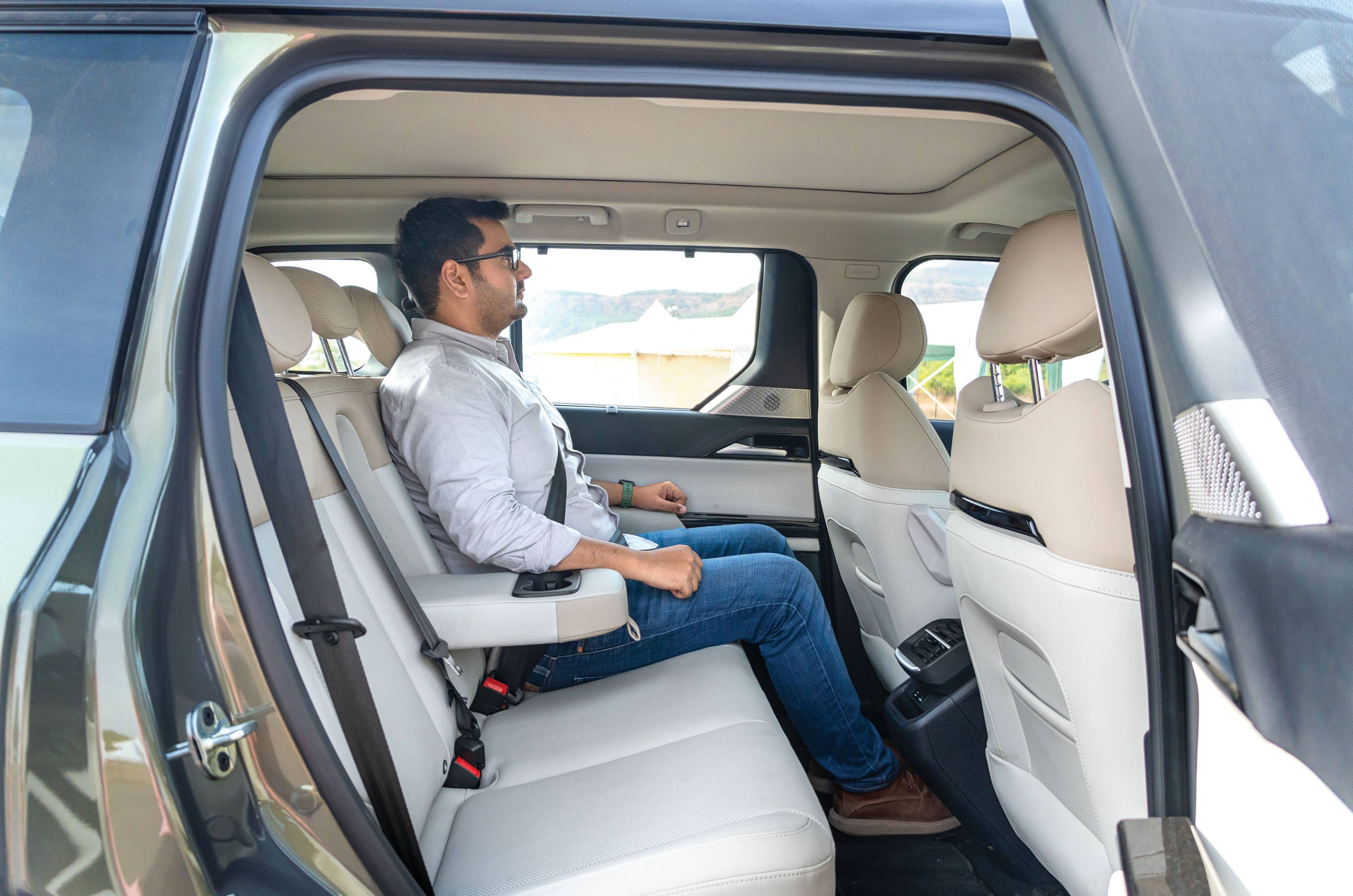
Volkswagen launched its seven-seater Tayron SUV in India earlier this year. Based on the same platform as the Tiguan, but with an extra row of seats, the Tayron serves as the German carmaker’s flagship SUV offering in India. While it is available with multiple engine options including petrol, diesel and hybrid in international markets, for India, it’s only offered with the 2-litre TSI EA888 turbo-petrol engine, which it shares with the Skoda Kodiaq and Volkswagen Tiguan.
Fuel-saving features like Eco-Coasting, auto engine stop-start.
Six driving modes, including an Eco mode.
Weighs 1,864kg.
Volkswagen Tayron mileage explained
The Tayron’s 2.0-litre turbo-petrol engine produces 204hp and 320Nm, and is paired with a 7-speed dual-clutch automatic transmission that sends power to all four wheels. It also offers six drive modes – Eco, Comfort, Sport, Off-Road, Snow and Individual.
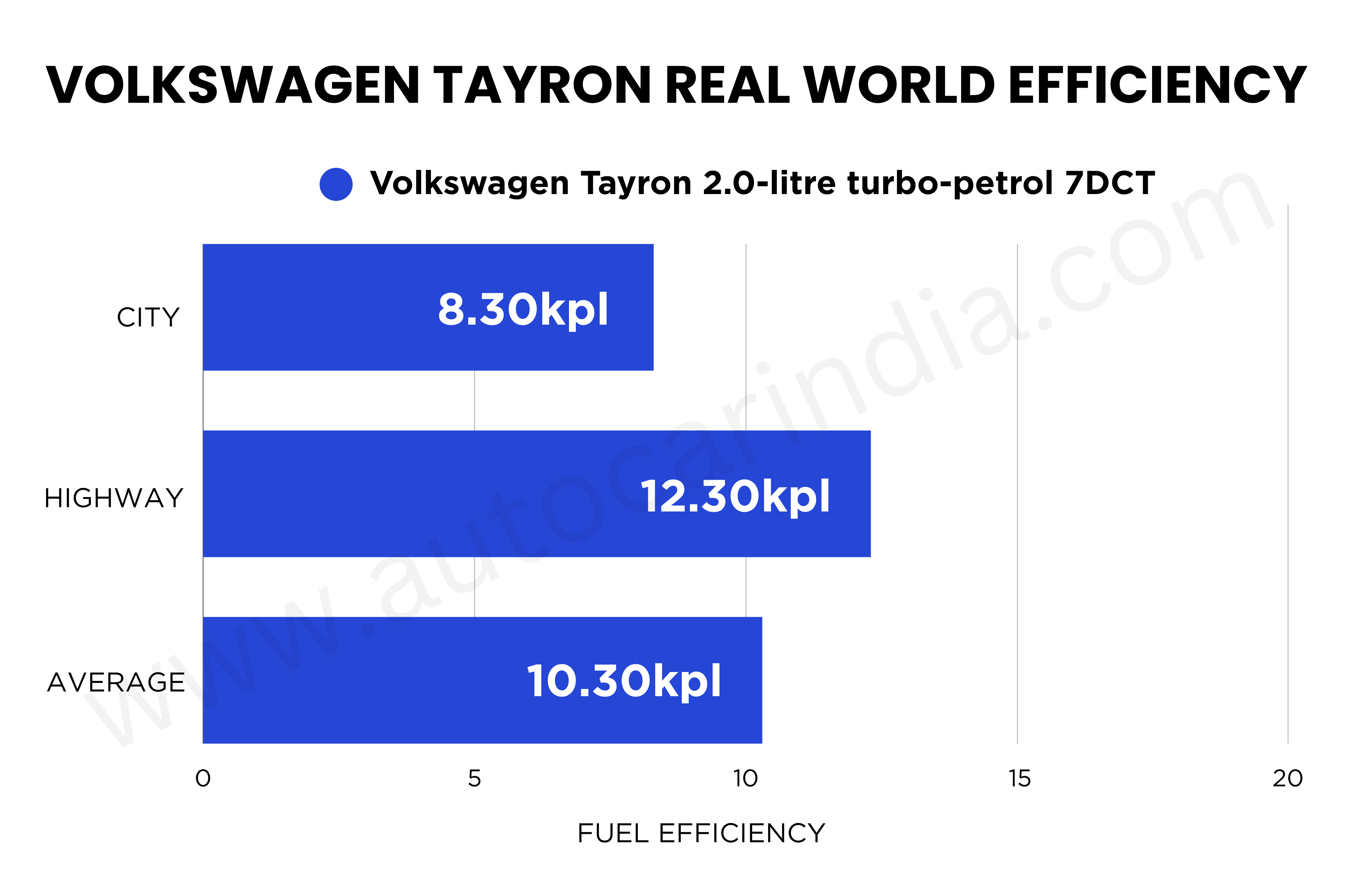
In our fuel-efficiency tests conducted in Eco mode, the Tayron returned 8.3kpl in the city and 12.3kpl on the highway, resulting in an overall average of 10.3kpl.
Several fuel-saving technologies help improve efficiency. In urban conditions, the automatic engine stop-start system reduces fuel consumption during traffic halts. On the highway, the engine remains relaxed, spinning at just 1,900rpm at 100kph in seventh gear. The Tayron also features an Eco-Coasting function, which decouples the engine from the transmission when the driver lifts off the accelerator. This allows the SUV to freewheel with the engine idling, reducing fuel consumption before seamlessly re-engaging a gear when throttle input is applied.
Despite weighing 1,864kg, the Tayron’s efficiency is respectable. Combined with its large 61-litre fuel tank, the SUV can comfortably deliver a real-world touring range of around 600km between fuel stops.
That said, as with most turbo-petrol engines, fuel economy is highly dependent on driving style. Use the engine’s performance enthusiastically and efficiency can easily drop into single-digit territory.
Autocar India’s fuel-efficiency testing
Before conducting our real-world fuel-efficiency tests, we fill our test cars’ tanks to the brim and maintain tyre pressures based on the manufacturer’s recommendation. These cars are then driven on fixed city and highway loops in and around Navi Mumbai, and we maintain certain average speeds. Throughout the tests, we run the aircon at 22 degrees in full-auto mode and other electricals, such as the audio system, indicators and wipers, when required – just as a regular user would. Periodic driver swaps further neutralise variations in driver patterns. At the end of each cycle, we calculate efficiency by filling the tanks to full again.
LPG price Today India: राहत की खबर के बीच LPG उपभोक्ताओं को फिलहाल कोई झटका नहीं लगा है। देश में आज घरेलू और कॉमर्शियल LPG सिलेंडर की कीमतें स्थिर बनी हुई हैं। वैश्विक स्तर पर कच्चे तेल के दामों में गिरावट और स्ट्रेट ऑफ होर्मुज में धीरे-धीरे सामान्य होती स्थिति के बावजूद घरेलू बाजार में रेट में कोई बदलाव नहीं देखा गया है। वहीं, इससे पहले 14.2 किलोग्राम वाले घरेलू LPG की कीमतों में बीते 7 जून को 29 रुपये की बढ़ोतरी की गई थी, जबकि कमर्शियल LPG की कीमतों में आखिरी बार 1 जून को 42 रुपये की बढ़ोतरी हुई थी।
आज क्या है LPG सिलेंडर का रेट?
शहर
कीमत (₹)
नई दिल्ली
942.00
कोलकाता
968.00
मुंबई
941.50
चेन्नई
957.50
गुरुग्राम
950.50
नोएडा
939.50
बेंगलुरु
944.50
भुवनेश्वर
968.00
चंडीगढ़
951.50
जयपुर
945.50
लखनऊ
979.50
पटना
1031.50
तिरुवनंतपुरम
951.00
LPG सप्लाई पर सरकार ने दी बड़ी राहत
गौरतलब है कि केंद्र सरकार ने 19 किलो वाले कमर्शियल एलपीजी गैस सिलेंडरों की सप्लाई पर पिछले दो महीनों से लागू सभी पाबंदियां हटा दी हैं और सिलेंडरों की सप्लाई को फिर से सामान्य स्तर पर बहाल कर दिया है।
वहीं, पेट्रोलियम और प्राकृतिक गैस मंत्रालय के इस फैसले के पीछे पश्चिम एशिया में तनाव कम होना, होर्मुज (Strait of Hormuz) का फिर से सामान्य रूप से खुलना और अंतरराष्ट्रीय बाजार में कच्चे तेल की कीमतों में गिरावट को प्रमुख वजह माना जा रहा है। क्योंकि इन परिस्थितियों के चलते समुद्री मार्ग से LPG का आयात फिर से सामान्य हो गया है।
बल्क एलपीजी सप्लाई से रोक हटी
केंद्र सरकार ने बल्क एलपीजी सप्लाई पर भी लगे प्रतिबंध को हटा लिया है। सरकार के इस फैसले से इंडस्ट्रीयल ग्राहकों को बड़ी राहत मिली है। बता दें, अमेरिका-ईरान-इजरायल युद्ध की वजह से स्ट्रेट ऑफ होर्मुज बंद हो गया था। जिसके बाद एलपीजी की सप्लाई प्रभावित हुई थी। केंद्र सरकार ने बढ़ती समस्या को देखते हुए घरेलू स्तर पर एलपीजी प्रोडक्शन बढ़ाने का निर्देश कंपनियों को दिया था।
कीमत कब तक होगी कम?
अंतरराष्ट्रीय बाजार में कच्चे तेल की कीमतों में कुछ कमी देखने को मिली है, लेकिन इसका असर एलपीजी सिलेंडर के दामों पर तुरंत नहीं दिखेगा। आमतौर पर गैस की कीमतों में बदलाव होने में 3 से 6 महीने तक का समय लग सकता है।
मौजूदा अंतर्राष्ट्रीय कीमतों की बात करें तो एक सिलेंडर की वास्तिवक लागत करीब 1,600 रुपये पड़ती है, लेकिन दिल्ली में 14.2 किलोग्राम वाले घरेलू सिलेंडर की कीमत 942 रुपये है। यानी सिलेंडर की असली लागत और उपभोक्ताओं से वसूली जा रही कीमत के बीच जो अंतर है, उसका बड़ा हिस्सा फिलहाल तेल कंपनियां खुद वहन कर रही हैं, ताकि लोगों पर कीमतों का पूरा बोझ न पड़े। इसी अंतर की वजह से चालू वित्त वर्ष में तेल कंपनियों को कुल 60000 करोड़ रुपये तक का घाटा होने का अनुमान है।
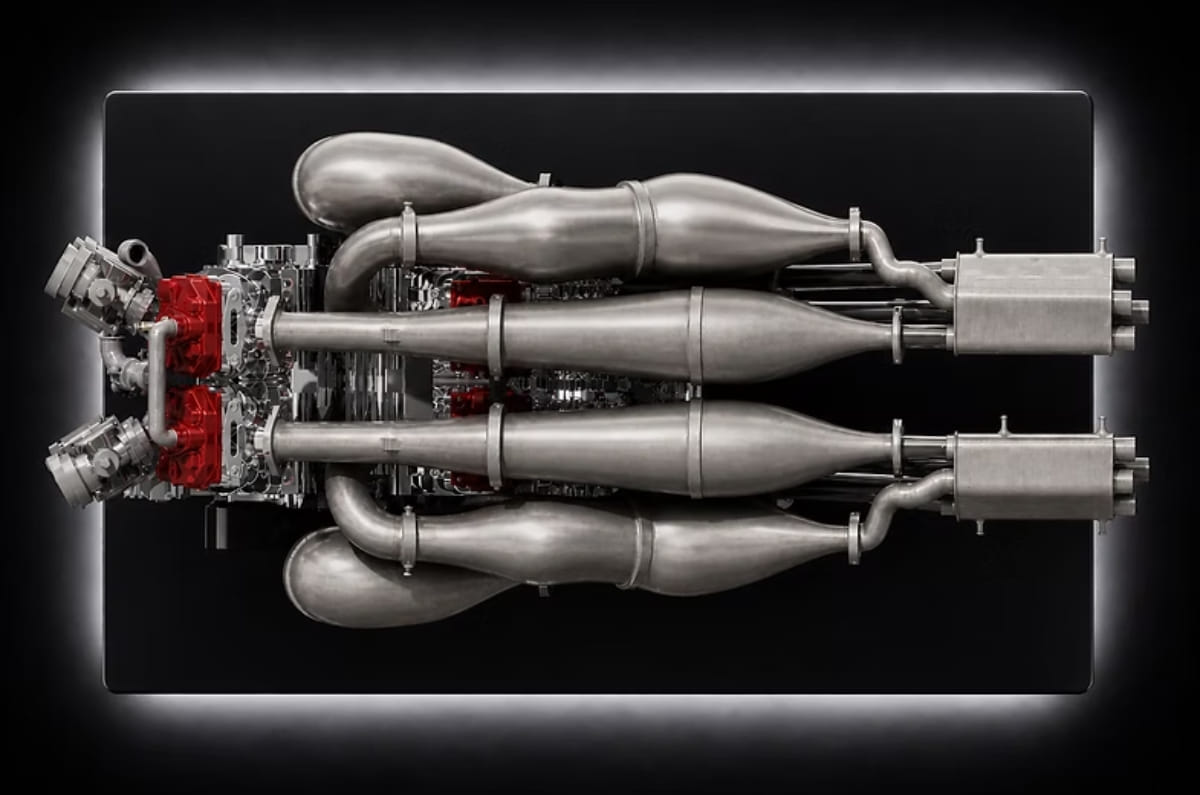
Two-strokes have all but become a relic of the past, pushed out by increasingly stringent emissions regulations. However, there are still manufacturers challenging that notion, and just this past month we saw Kawasaki keep that spirit alive with the introduction of the KX237. More often than not, though, it’s small garage-based outfits and ambitious engineering startups that experiment with concepts like this. The latest example comes from Oxfordshire, UK-based startup Veloce Motorcycles.
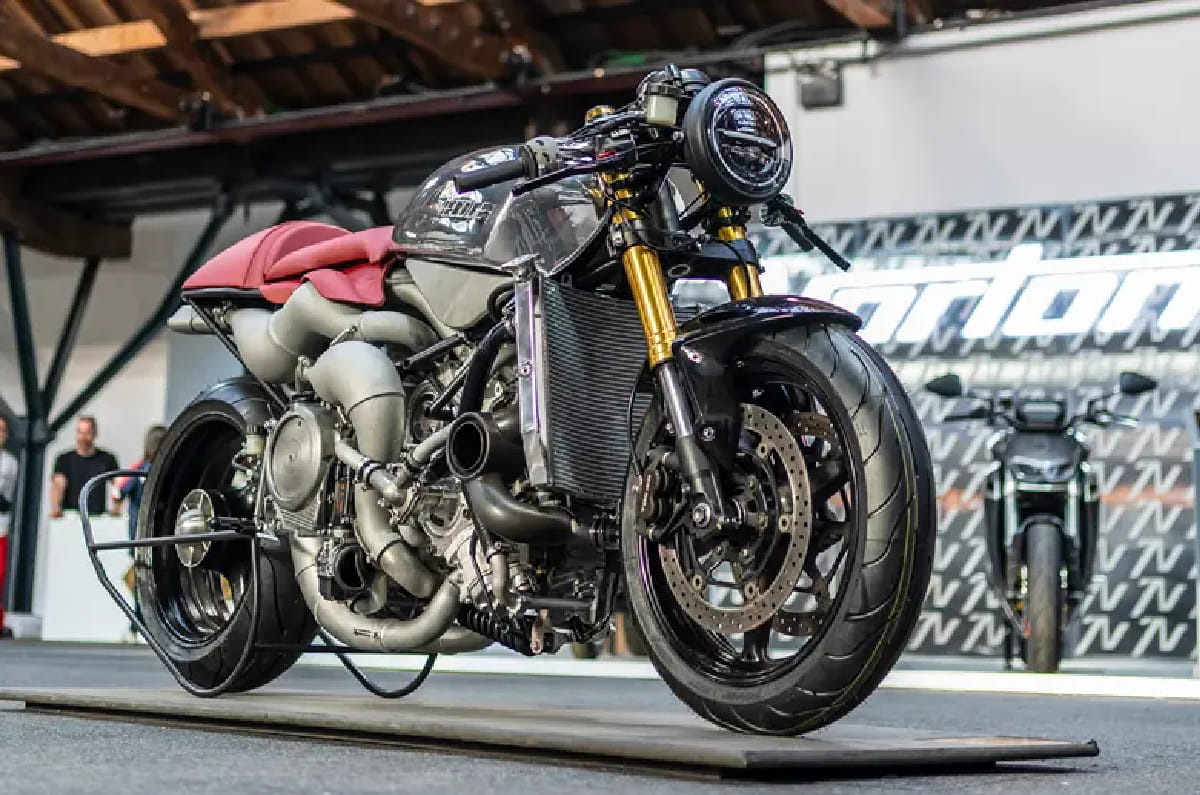
What you’re looking at in the image above is what the company calls the Aperion – presumably a play on the Greek word Apeiron, meaning something that is limitless or unbounded. And that is certainly one way to describe this motorcycle.
Eight-cylinder, 1,000cc two-stroke producing a claimed 280hp at 12,000rpm
Engine, chassis and transmission combined into a single structural unit
Limited to 24 units
Veloce Aperion details
The X configuration allows opposing forces within the engine to cancel each other out
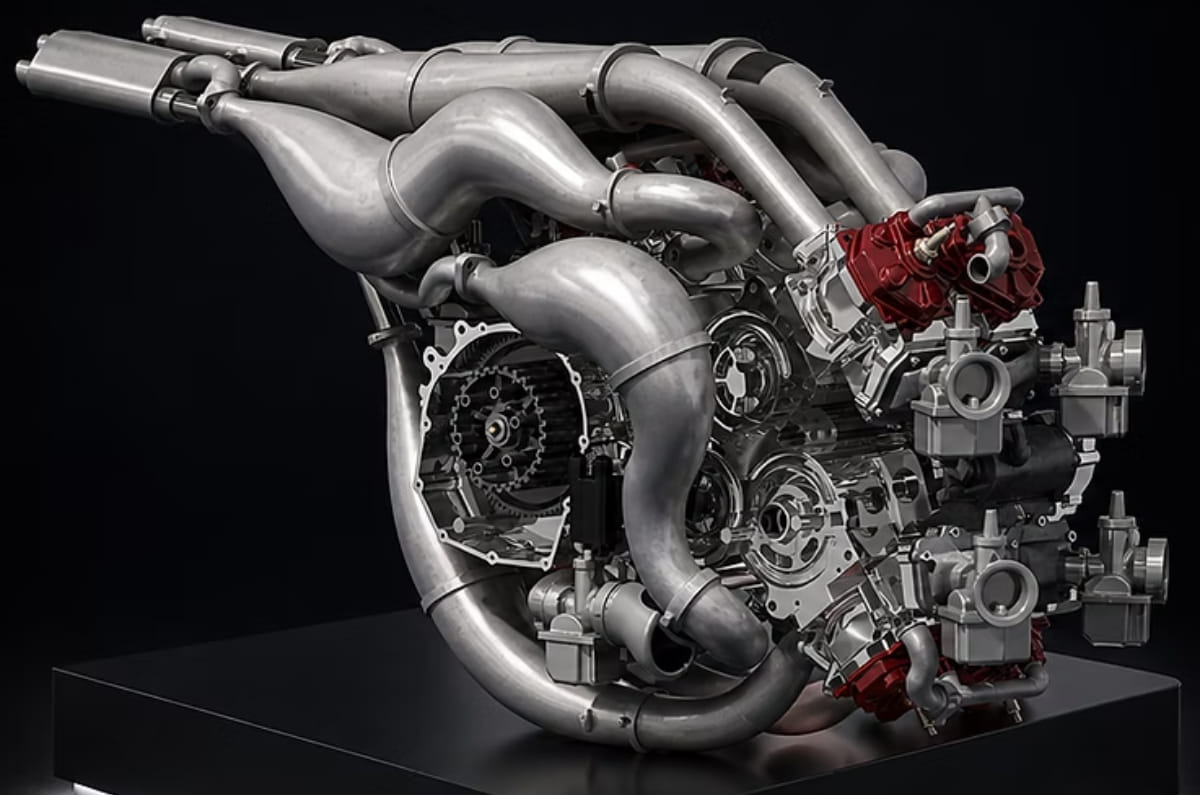
The Veloce Aperion is built around a 1,000cc, eight-cylinder, two-stroke engine producing a claimed 280hp at 12,000rpm. Yes, your eyes aren’t deceiving you. Described by the company as an ‘X8’, the engine consists of eight cylinders arranged in two V4 banks around a central gearbox housing. Reports suggest the cylinders are derived from the Aprilia RS125, with fuelling via eight 24mm Dellorto carburettors fed through a distinctive spiral throttle cable arrangement, running on pre-mixed petrol and two-stroke oil – an engineering feat not only to package them all into a compact space around the engine but also to tune them to work together efficiently.
Veloce says the X-cylinder layout was chosen specifically for a two-stroke because the absence of a conventional lubrication system allows such a configuration to be realised far more easily than it would in a four-stroke engine. It also brings a significant balancing advantage. Diagonally opposed pistons fire simultaneously, which the company claims allows the engine’s combustion, inertial and rotational forces to naturally cancel each other out, resulting in exceptionally smooth operation.
The exhaust system is arguably one of the most captivating aspects of the motorcycle. Expansion chambers are critical to extracting power from a two-stroke engine, and packaging eight of them into a road-going motorcycle is an extraordinary engineering challenge. Veloce has addressed this with a laser-sintered, all-alloy resonance exhaust system. Laser sintering allows engineers to create mathematically precise and highly complex shapes that would be difficult, if not impossible, to manufacture using conventional techniques. The engine, chassis and transmission are also integrated into a single structural unit, which Veloce says delivers exceptional rigidity while reducing weight.
The bike was first shown publicly at the Bike Shed Moto Show in London, and commissions are available for 2027 with production strictly limited to 24 units, priced at a reported £78,000 (approximately Rs 97.3 lakh) each. All examples will receive individual UK Motor Single Vehicle Approval (MSVA) certification for road use, meaning this outrageous two-stroke could legally find its way onto public roads in the UK.
Veloce is also developing a second model called the Ethereal, which follows a similarly unhinged engineering philosophy. It uses a 500cc four-cylinder, two-stroke engine producing a claimed 145hp at 12,000rpm, with the focus shifting towards lower weight, greater agility and even sharper handling.
Petrol Diesel Price Today: हर दिन की शुरुआत सिर्फ सूरज की किरणों से नहीं होती, बल्कि पेट्रोल और डीजल की नई कीमतों से भी होती है, जो आम आदमी की जेब पर सीधा असर डालती हैं। सुबह 6 बजे देश की तेल विपणन कंपनियां (OMCs) ताजा दरें जारी करती हैं, जो अंतरराष्ट्रीय बाजार में कच्चे तेल की कीमतों और डॉलर-रुपए की विनिमय दर में आए बदलावों पर आधारित होती हैं। ये बदलाव रोजमर्रा की जिंदगी को प्रभावित करते हैं, चाहे वो ऑफिस जाने वाला व्यक्ति हो या फल-सब्जी बेचने वाला व्यापारी।
ऐसे में हर दिन की कीमतों की जानकारी रखना सिर्फ जरूरी ही नहीं, बल्कि समझदारी भी है। सरकार की यह प्रणाली पारदर्शिता सुनिश्चित करती है ताकि उपभोक्ताओं को किसी तरह की भ्रमित जानकारी न मिले।
आपके शहर में आज का पेट्रोल-डीजल का भाव
ये रहे 27 जून 2026 के प्रमुख शहरों के पेट्रोल-डीजल के ताजा रेट —
नई दिल्ली: पेट्रोल 102.12 रुपये और डीजल 83.09 रुपये प्रति लीटर।
मुंबई: पेट्रोल 111.18 रुपये और डीजल 86 रुपये प्रति लीटर।
कोलकाता: पेट्रोल 113.47 रुपये और डीजल 93.50 रुपये प्रति लीटर।
चेन्नई: पेट्रोल 107.77 रुपये और डीजल 91.50 रुपये प्रति लीटर।
गुरुग्राम: पेट्रोल 102.77 रुपये और डीजल 91.70 रुपये प्रति लीटर।
नोएडा: पेट्रोल 102.12 रुपये और डीजल 91.70 रुपये प्रति लीटर।
बेंगलुरु: पेट्रोल 110.93 रुपये और डीजल 90 रुपये प्रति लीटर।
भुवनेश्वर: पेट्रोल 109.92 रुपये प्रति लीटर।
चंडीगढ़: पेट्रोल 98.10 रुपये प्रति लीटर।
हैदराबाद: पेट्रोल 115.69 रुपये और डीजल 97 रुपये प्रति लीटर।
जयपुर: पेट्रोल 112.66 रुपये और डीजल 90.91 रुपये प्रति लीटर।
लखनऊ: पेट्रोल 102.05 रुपये और डीजल 95.75 रुपये प्रति लीटर।
पटना: पेट्रोल 113.35 रुपये प्रति लीटर।
तिरुवनंतपुरम: पेट्रोल 115.49 रुपये प्रति लीटर।
अहमदाबाद: डीजल 82.25 रुपये प्रति लीटर।
पुणे: डीजल 92.50 रुपये प्रति लीटर।
पिछले दो साल से स्थिर क्यों हैं कीमतें?
मई 2022 के बाद से केंद्र और कई राज्यों द्वारा टैक्स में कटौती की गई, जिसके बाद पेट्रोल-डीजल की कीमतों में स्थिरता देखी जा रही है। हालांकि अंतरराष्ट्रीय बाजार में उतार-चढ़ाव होता रहता है, फिर भी भारतीय उपभोक्ताओं के लिए कीमतें तुलनात्मक रूप से स्थिर बनी हुई हैं।
किन कारणों से तय होती हैं ईंधन की कीमतें?
कच्चे तेल की कीमतें:
पेट्रोल और डीजल का उत्पादन मुख्य रूप से कच्चे तेल से होता है। जब अंतरराष्ट्रीय स्तर पर कच्चे तेल की कीमतें बढ़ती हैं, तो इसका असर सीधे भारतीय बाजार पर पड़ता है।
डॉलर के मुकाबले रुपया:
भारत अधिकतर कच्चा तेल आयात करता है, और यह डॉलर में खरीदा जाता है। यदि रुपया कमजोर होता है, तो ईंधन महंगा हो जाता है।
सरकारी टैक्स और शुल्क:
केंद्र और राज्य सरकारें पेट्रोल-डीजल पर भारी टैक्स लगाती हैं, जो खुदरा मूल्य का बड़ा हिस्सा होते हैं। यही कारण है कि राज्यों में कीमतों में अंतर होता है।
रिफाइनिंग की लागत:
कच्चे तेल को इस्तेमाल लायक बनाने की प्रक्रिया (रिफाइनिंग) में भी खर्च होता है। ये लागत कच्चे तेल की गुणवत्ता और रिफाइनरी की क्षमता पर निर्भर करती है।
मांग और आपूर्ति का संतुलन:
बाजार में ईंधन की मांग अगर बढ़ जाती है, तो कीमतें भी ऊपर जाने लगती हैं। खासकर त्योहारों, गर्मी या सर्दी के मौसम में ईंधन की खपत ज्यादा होती है।
कैसे करें अपने शहर की कीमतें SMS से चेक?
अगर आप मोबाइल से ईंधन की कीमत जानना चाहते हैं, तो ये प्रक्रिया आसान है:
Indian Oil ग्राहक: अपने शहर का कोड टाइप करें और उसे “RSP” के साथ 9224992249 पर भेजें।
BPCL ग्राहक: “RSP” लिखकर 9223112222 पर भेजें।
HPCL ग्राहक: “HP Price” लिखकर 9222201122 पर भेजें।
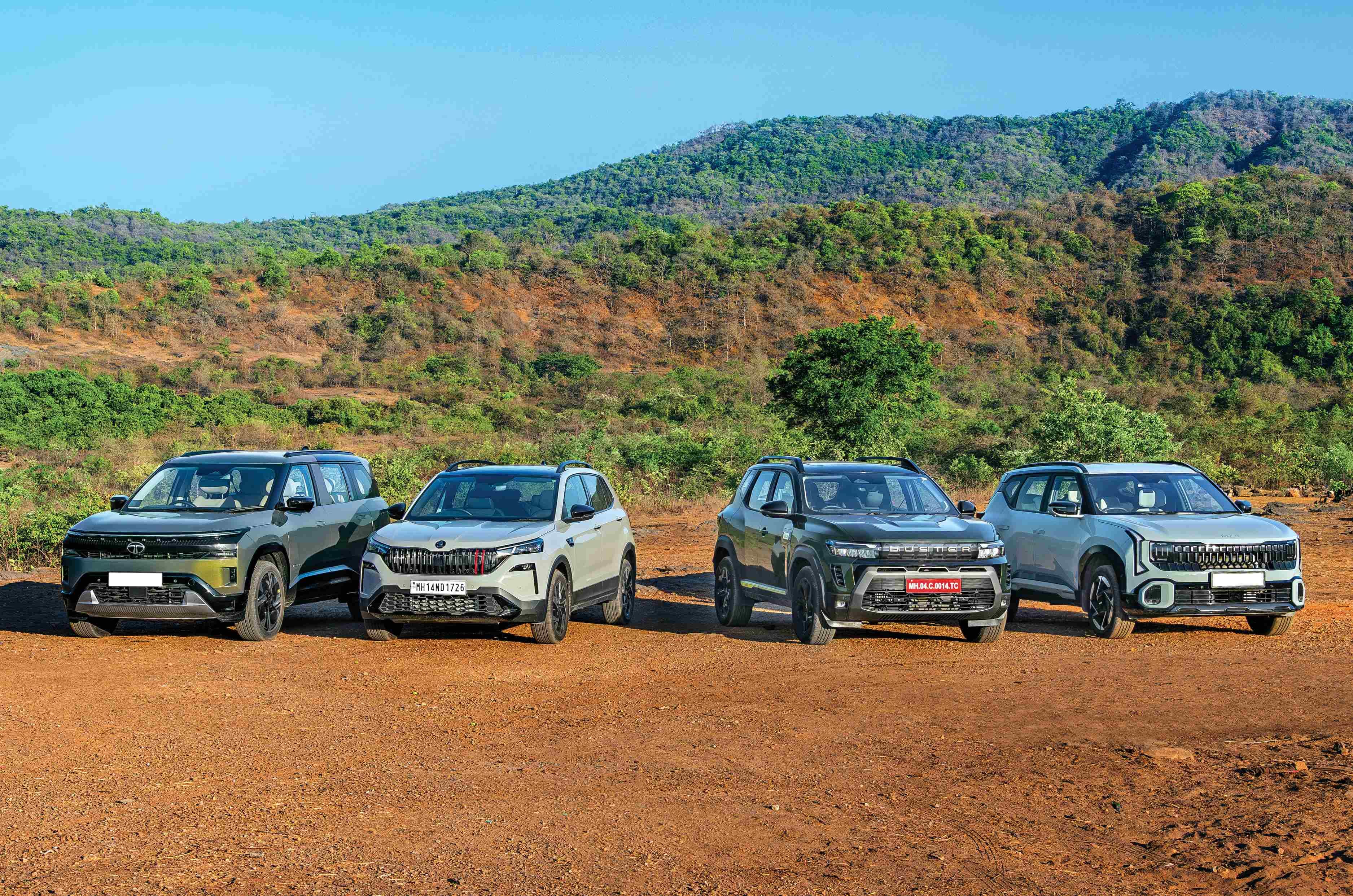
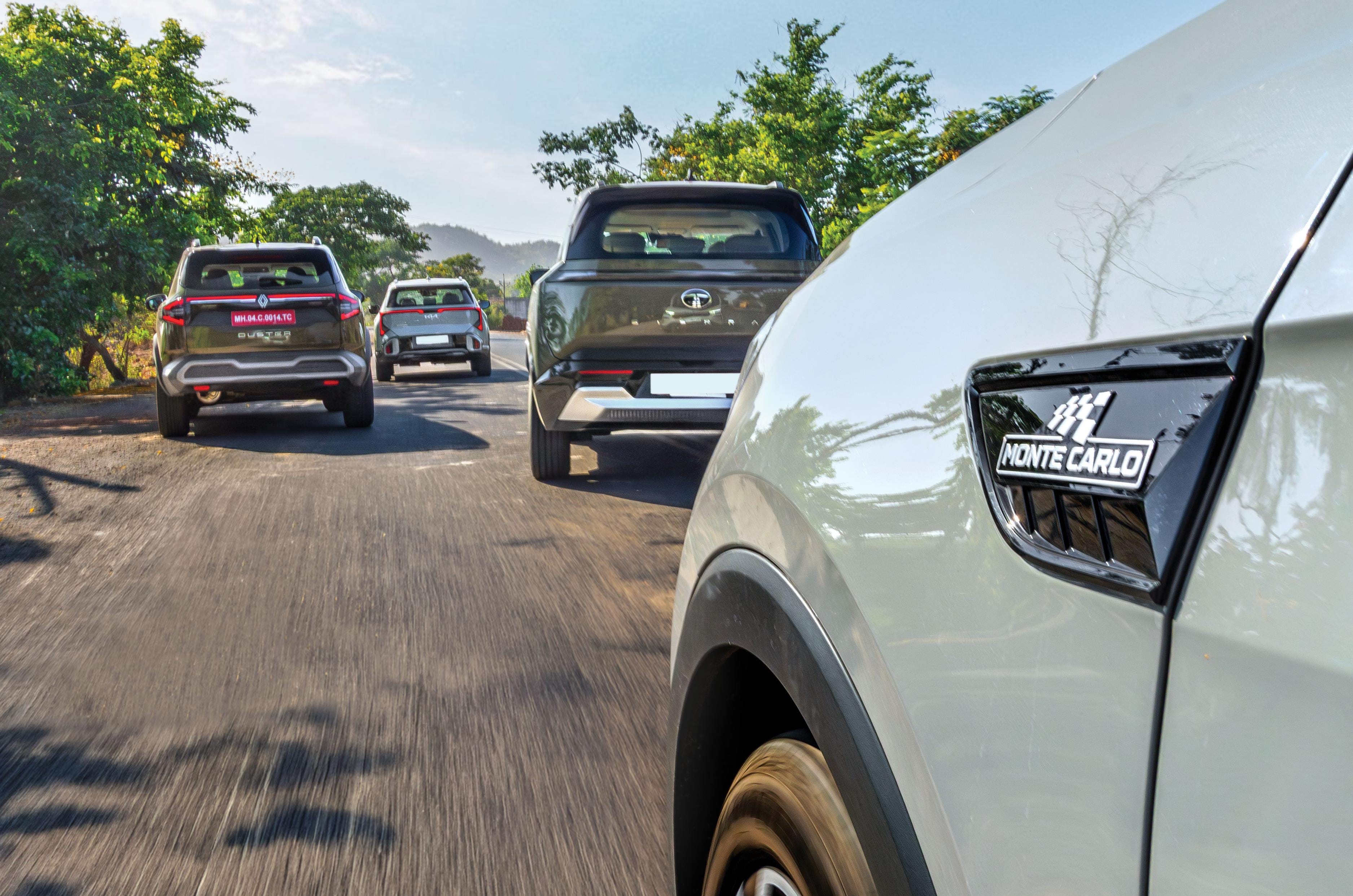
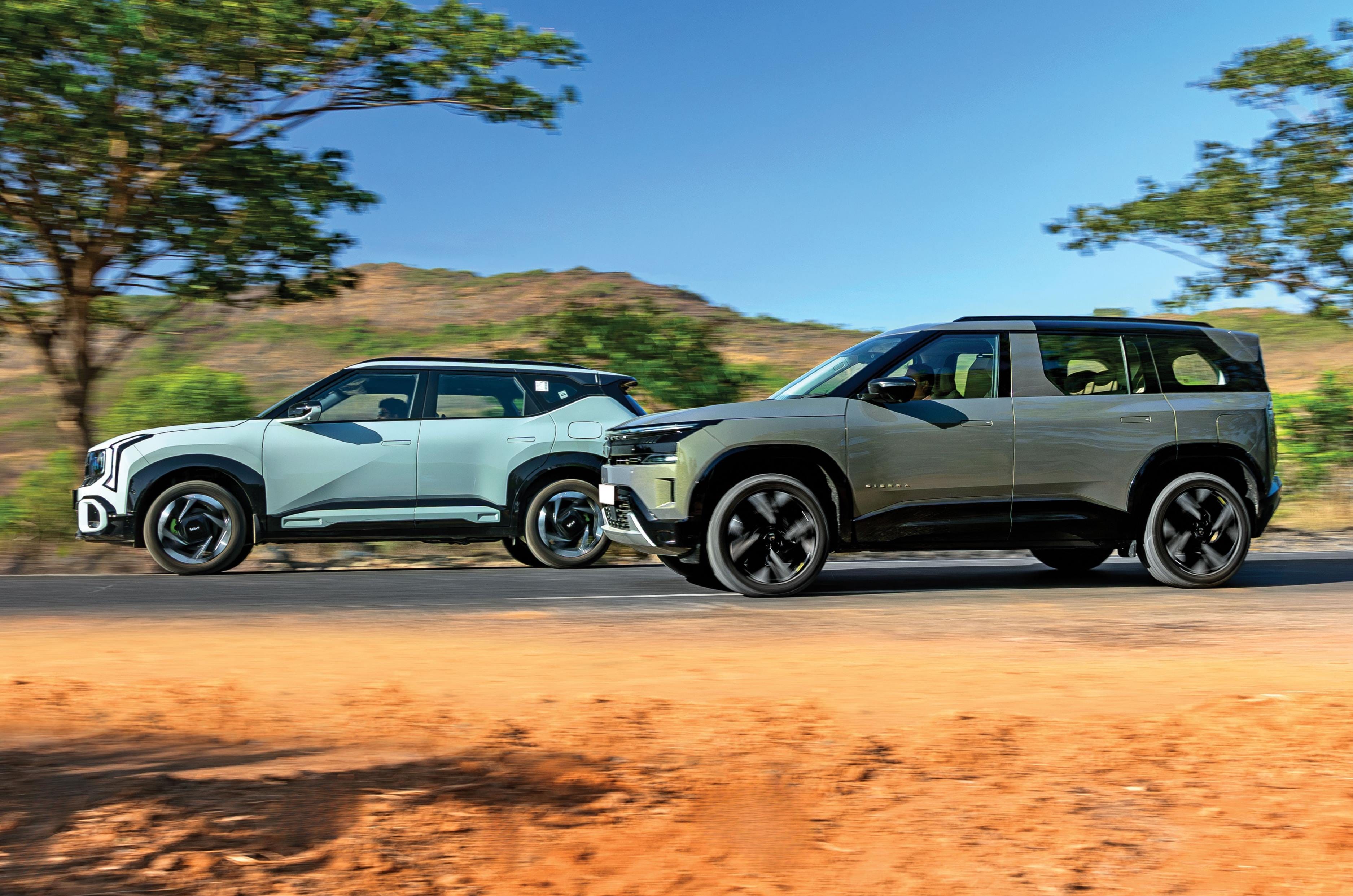
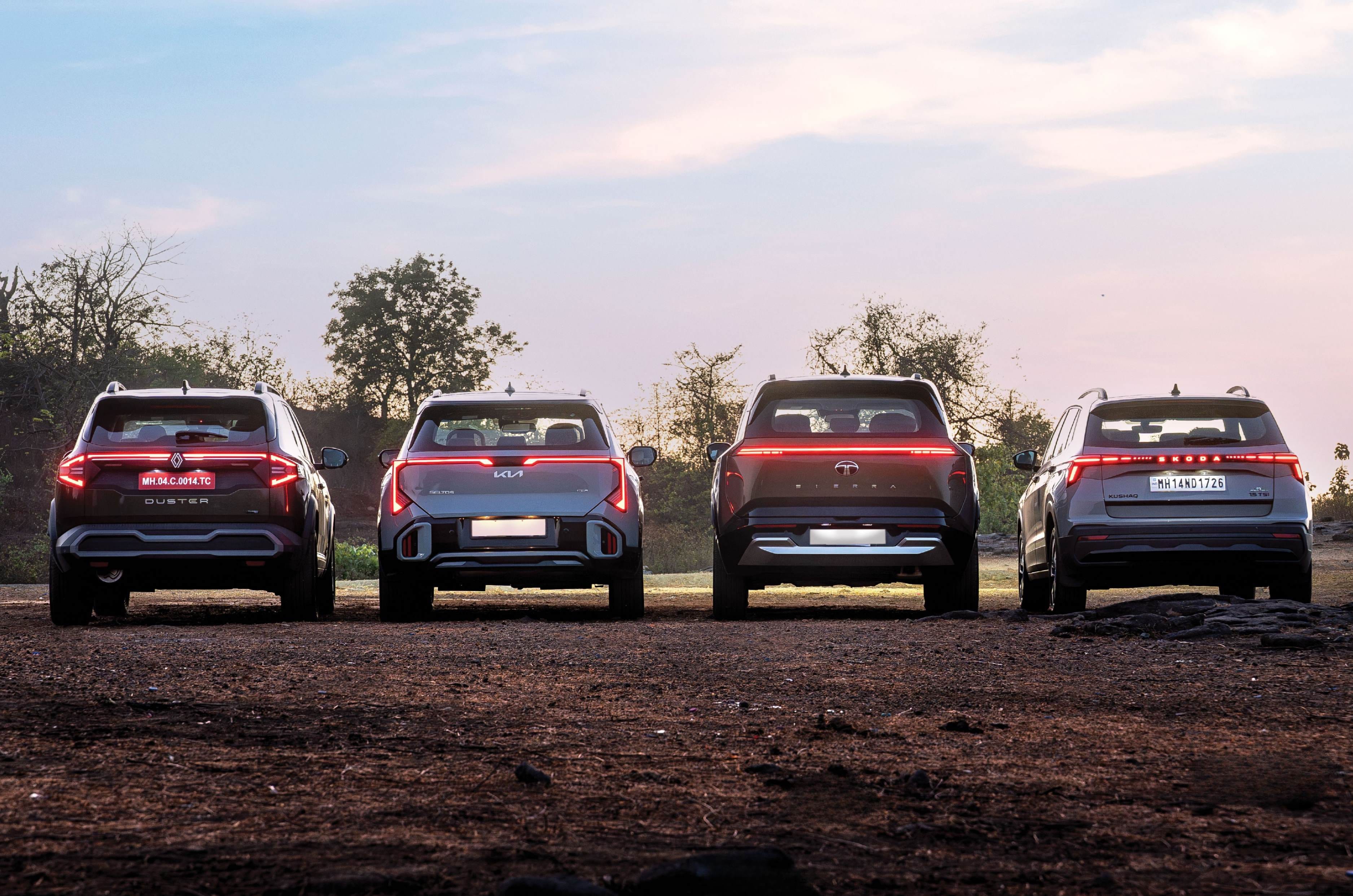
The last few months sure haven’t been easy for anyone shopping for a midsize SUV, because every time you think you’ve zeroed in on the right model for your needs, out comes a new one. This avalanche of new launches started with the Tata Sierra – an iconic nameplate brought back for a new generation of buyers. Then we got the second-generation Kia Seltos – bigger and better in every way. The Renault Duster also made a comeback to the very segment it started back in 2012. Most recently came the Skoda Kushaq and Volkswagen Taigun (see box) that have been given makeovers for 2026 and beyond. Over the next few pages, we’ll make your job easier by telling you which is the right model for you.
Sierra vs Seltos vs Duster vs Kushaq: Exterior design
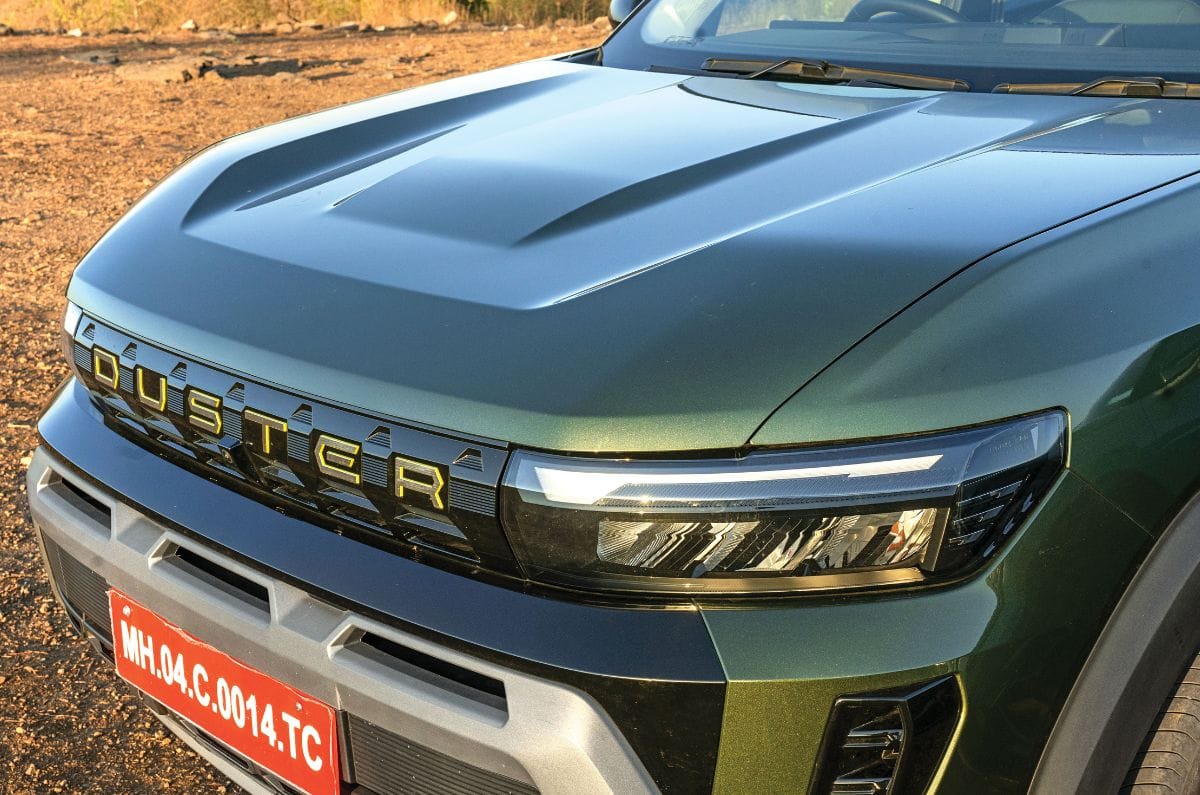
Pronounced bonnet bulges give Duster visual muscle.
Let’s start with the way they look. The Renault Duster, with its class-best 212mm of ground clearance, pronounced cladding, and even functional roof rails, clearly communicates a rugged look. There’s muscle to the design thanks to the shapely bonnet and flared wheel arches, and it does look every bit a new-age Duster. It’s about the same size as the original Duster, which means it’s bang in the middle by today’s midsize SUV class standards.
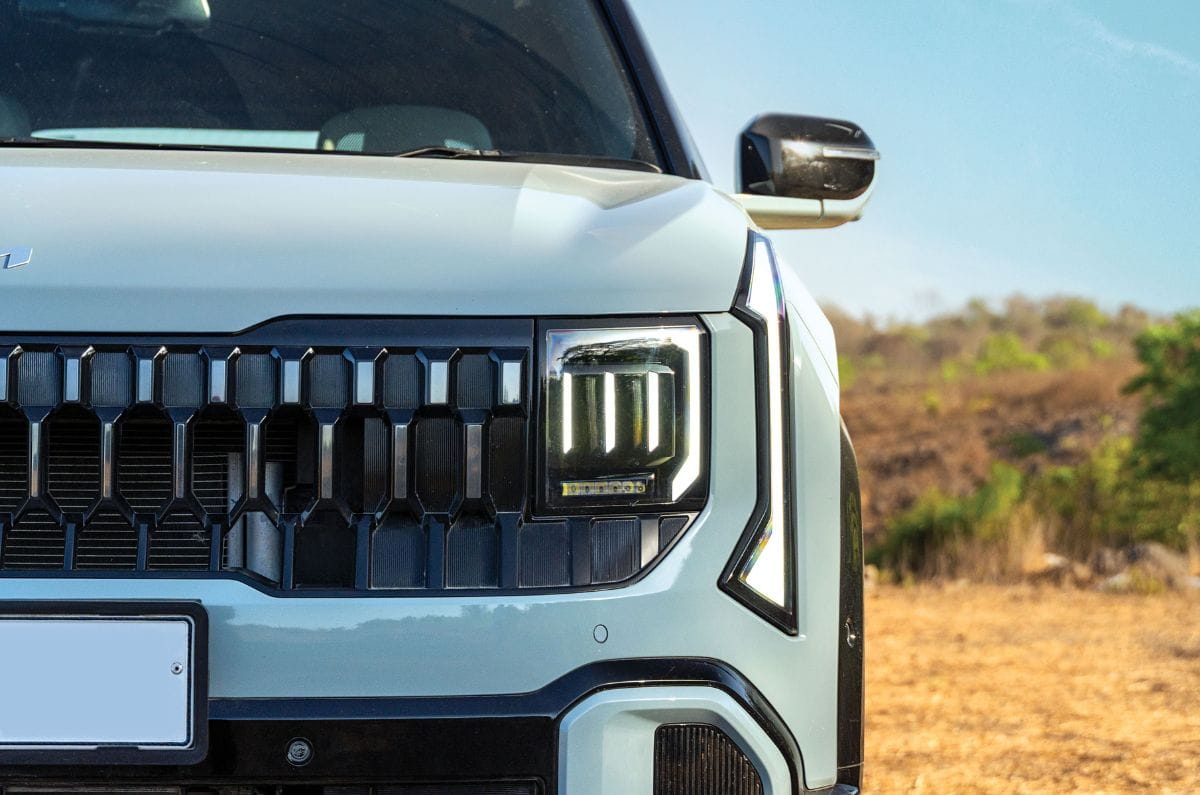
Seltos’ split headlamp arrangement is polarising.
The Kia Seltos, on the other hand, has grown substantially from Gen 1 to this Gen 2, and is now the longest of the midsize SUVs. It looks particularly substantial in profile, which is where the long wheelbase and 200mm of ground clearance also come into view. A large grille helps with that big SUV look, but the headlights that are split between vertical DRLs and square main units amidst the grille won’t be to all tastes.
Top-spec Sierra brings 19-inch rims to segment.
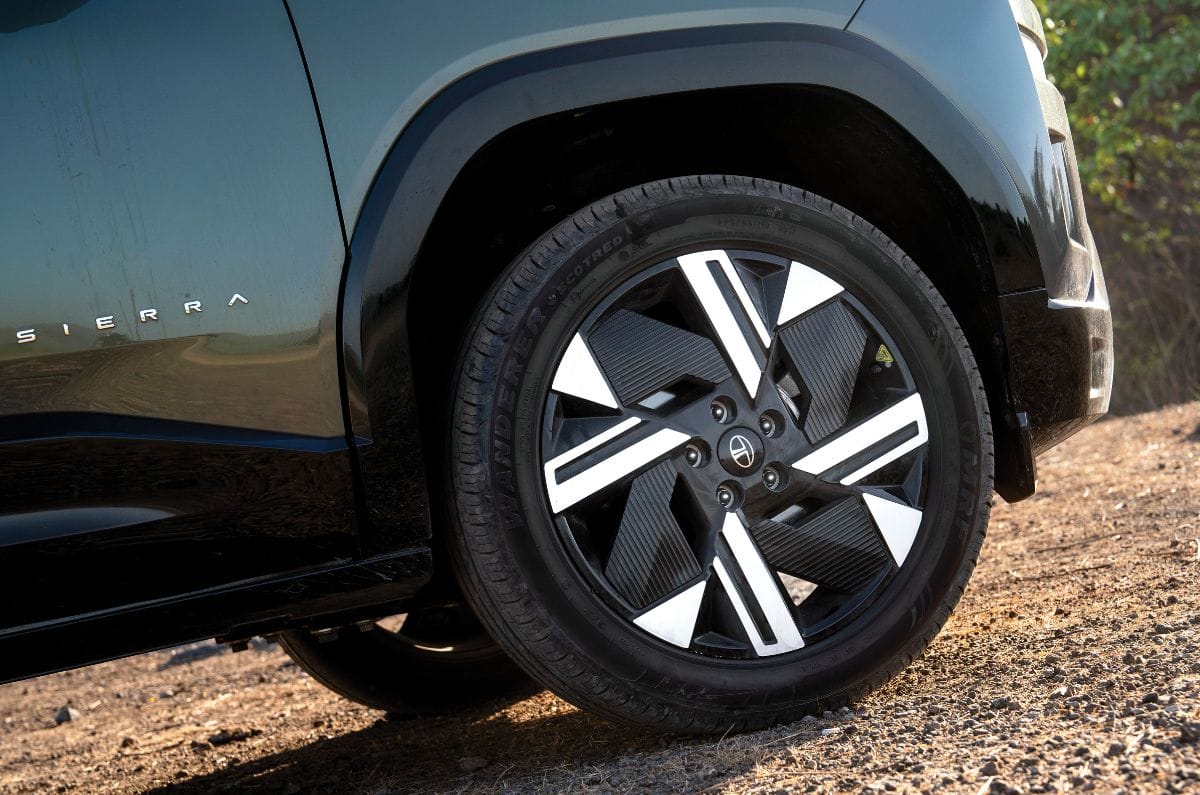
It’s the Tata Sierra that draws the most eyeballs. It’s got the SUV-typical upright shape, it’s the widest and tallest model in the segment, and standing proud on its largest-in-class 19-inch wheels, it simply aces road presence. The Sierra also has the longest wheelbase, made possible by pushing the wheels to the extremities. The styling comes together really well, with the wraparound treatment of the rear glasshouse being the standout element.
Glowing Skoda lettering on light bar looks cool.
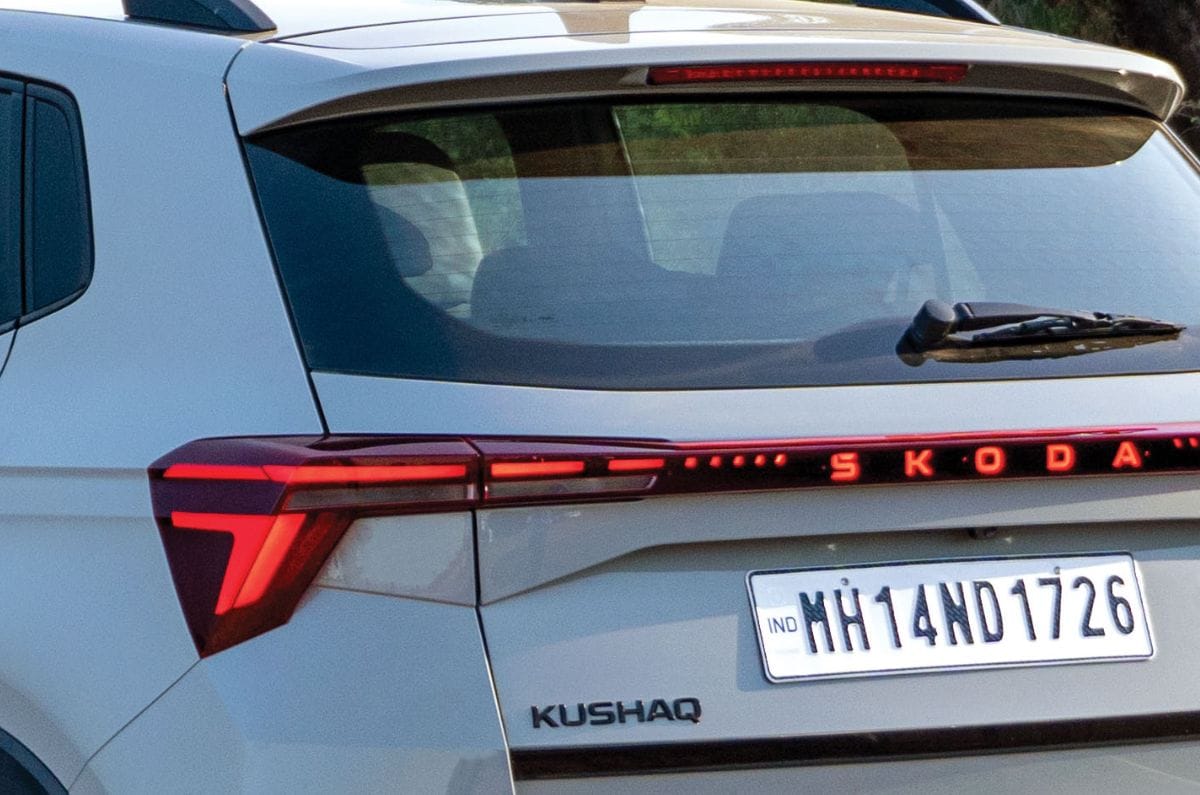
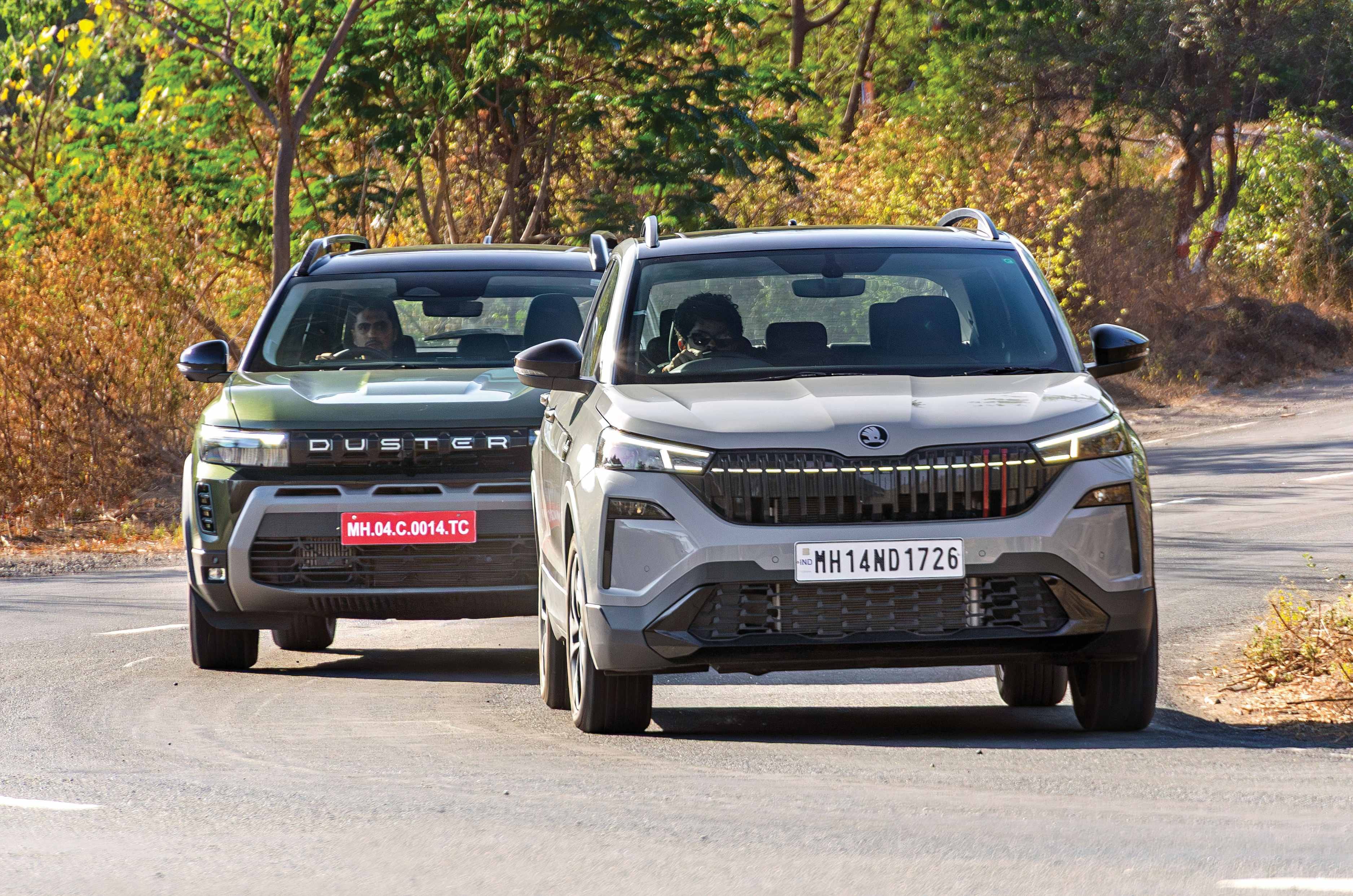
The Skoda Kushaq is the smallest model here and can’t match the others on road presence. However, it is nicely turned out, and Skoda’s designers have done well to update the look. The Kushaq’s revamped headlights as well as the larger grille with segmented LED DRLs that run through it are stylish, and the redone tail styling with illuminated Skoda lettering give distinction in an era when light bars are almost the norm. And would you agree when I say the Kushaq looks its best in Monte Carlo guise?
Sierra vs Seltos vs Duster vs Kushaq: Interior
Duster interior is inviting. Angled centre console puts focus on driver.
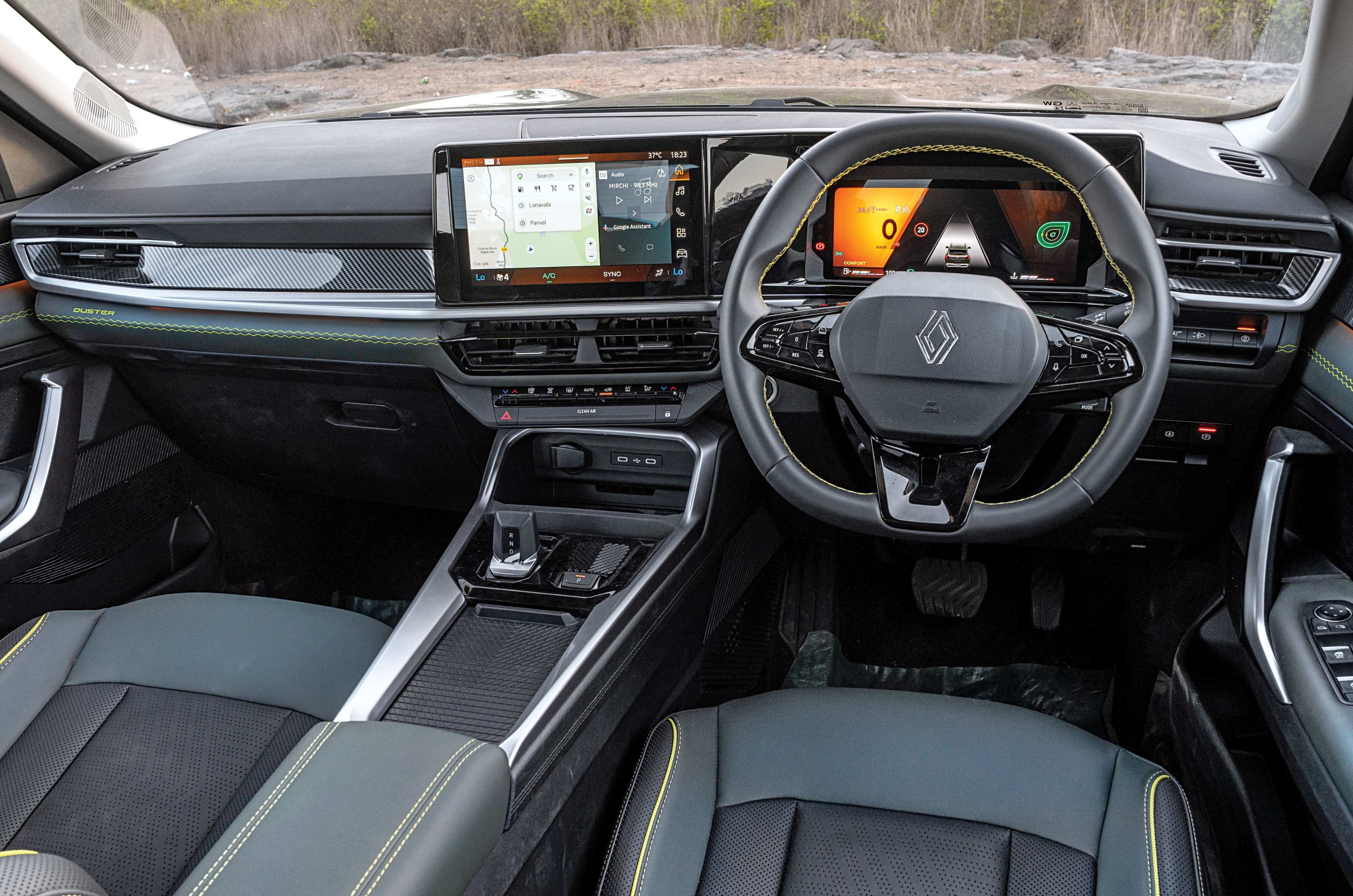
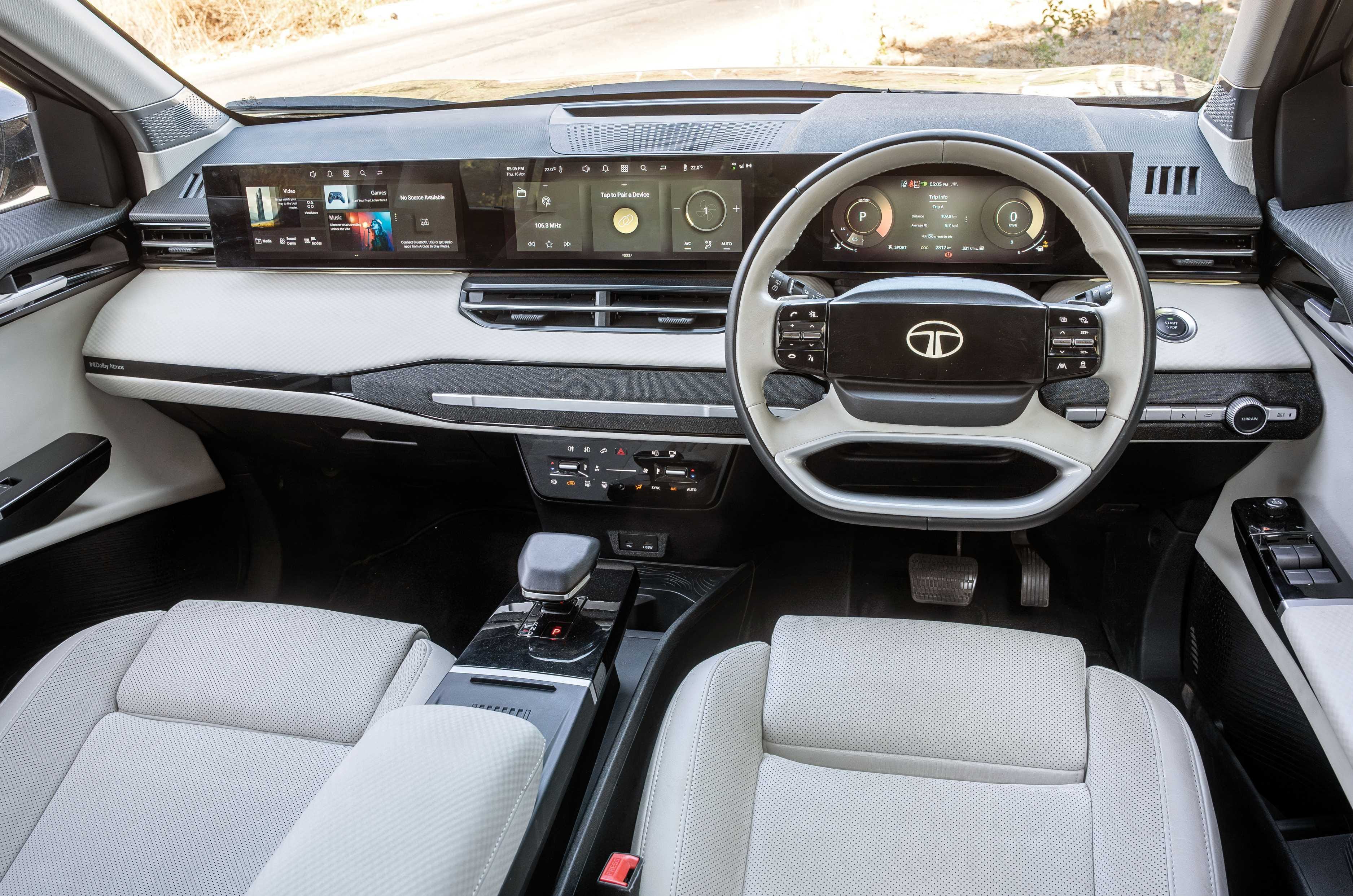
Before we talk interiors, you should know that all models featured here are in their top-spec avatars. Into the Duster, and first things first, it’s far removed from the OG Duster, which was always behind the curve in terms of technology. The new one is contemporary with digital dials, a touchscreen neatly angled to the driver, and vibrant ambient lighting. Helping the ambience in the top-spec Iconic Edition is contrast stitching, and there’s also a pretty generous use of gloss materials. Drivers will like the seat for its comfort as well as the view out the windscreen – the sight of the bonnet bulges make you feel you are in something tough. Disappointingly for a car that you’d love to do long journeys in, storage space is limited. The glovebox is tiny, while the door pockets are oddly shaped and can’t comfortably accommodate a one-litre bottle.
Seltos’ dash is neatly laid out. Interior quality is the best here.
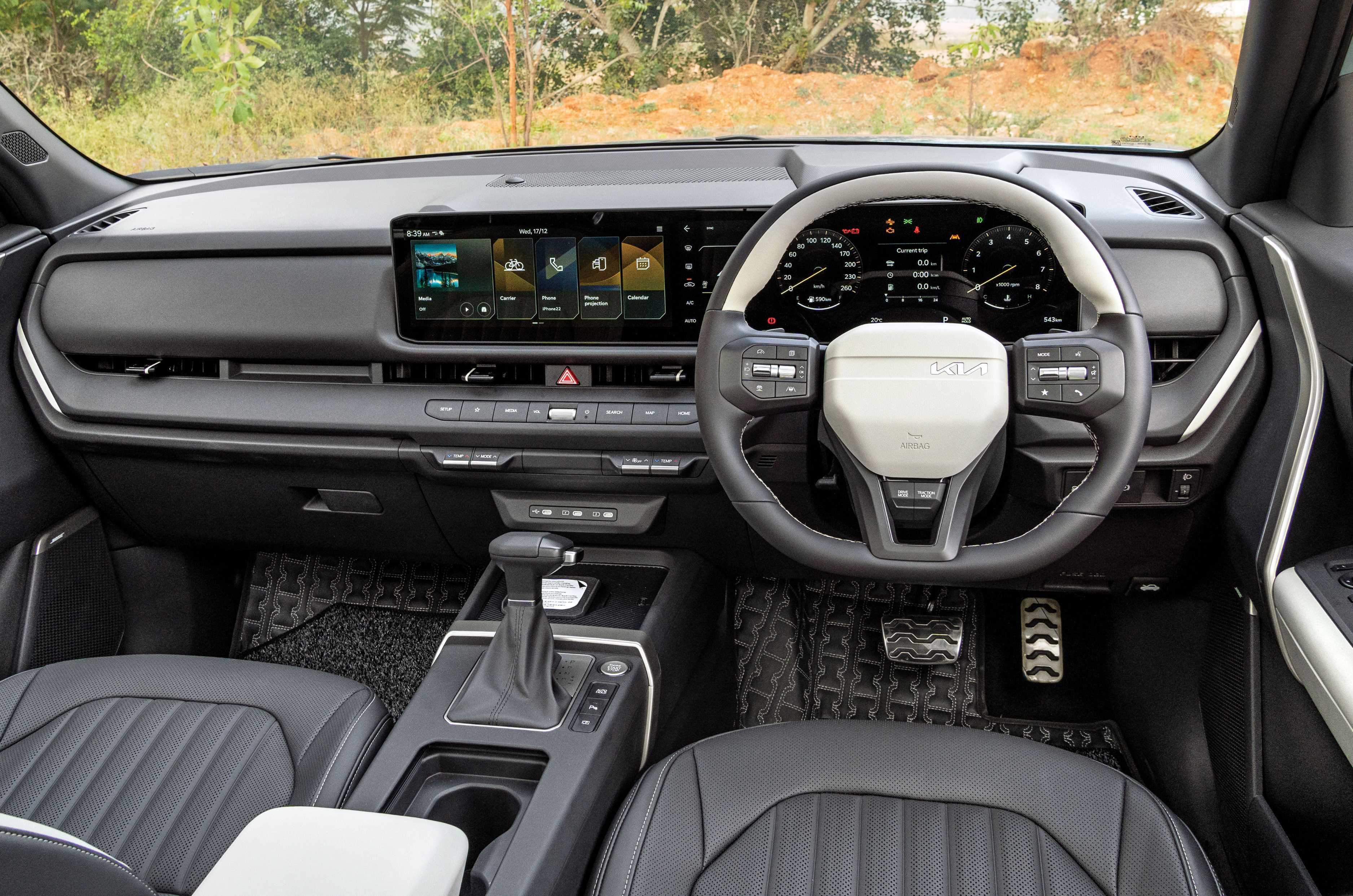
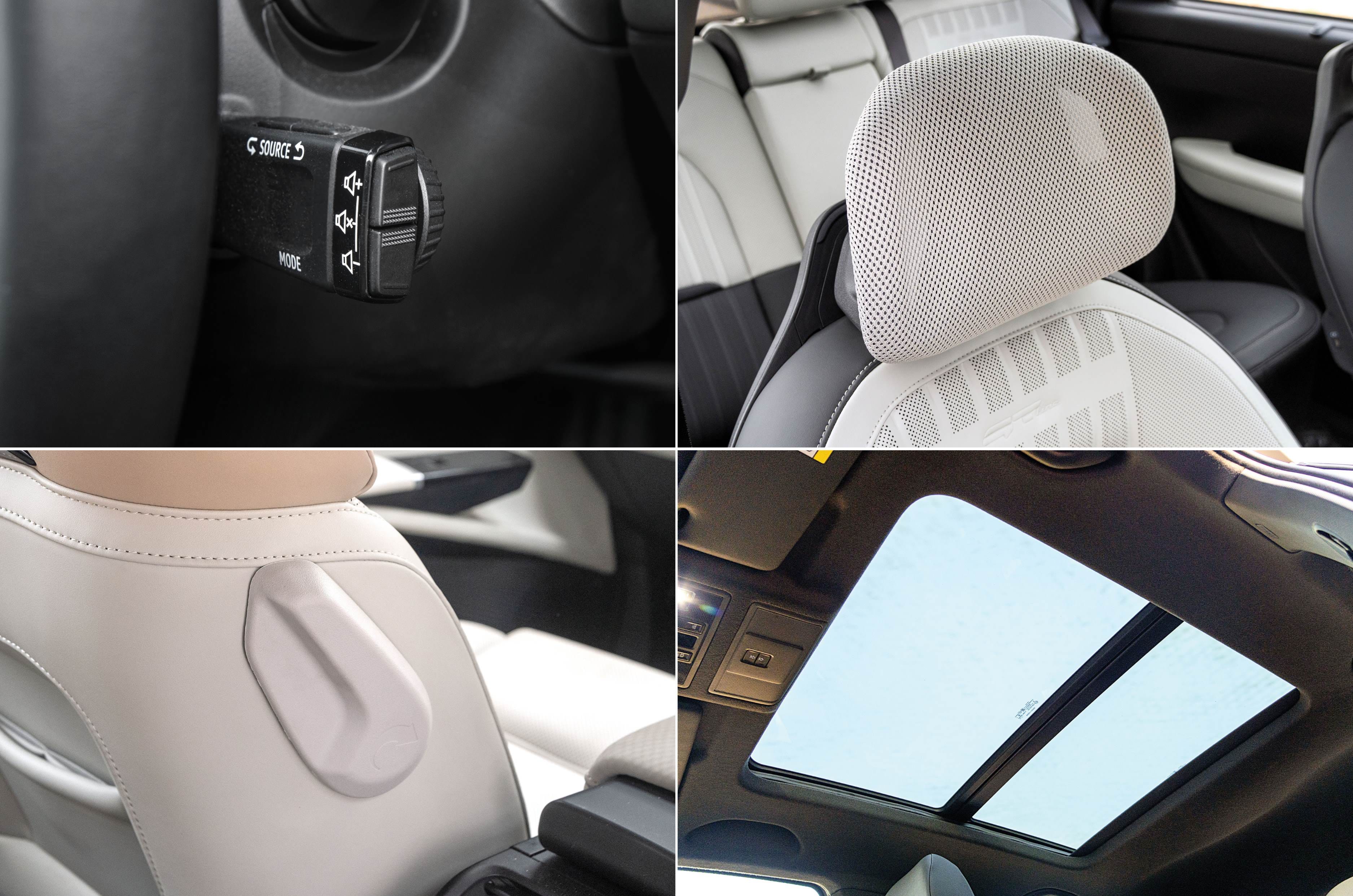
You don’t need to spend much time in a Kia Seltos to establish that its cabin is a well-thought-out space. Furthermore, quality is a highlight. Soft-touch surfaces are limited to the dashboard panel only, but the use of different grains and textures, and consistently good fit and finish, make the interior feel special. The two-tone upholstery is a clever mix of light materials on top with darker colours for the lower section (making the seats easier to keep clean). A mesh-like finish for the front headrests is also a unique touch. Front seat comfort is good for average-sized adults, but larger-framed individuals will find shoulder support limited and side bolstering a bit snug. Cushioning is nicely judged, and you’ll also like the view out the windscreen.
Sierra cabin looks premium. Triple screens lend wow factor.
It’s the Tata Sierra that immediately delivers the feel of being in a big SUV. The relatively high seating, large seats (they feature adjustable thigh support) and upright pillars do their bit to give you an ego boost every time you get behind the wheel. The Tata interior is also big on wow factor. The three screens and the illumination effect on the steering and climate panels on start up give the Tata some theatre. There’s also a generous use of soft and textured materials, and much of what you touch feels premium. However, elements like the flimsy front door armrests take away from that impression, and the finishing on bits like the wireless charger pad near the centre armrest could be nicer too. Of the other things, toggles for temperature adjustment are good, but touch controls for other climate control functions aren’t easy to use on the go.
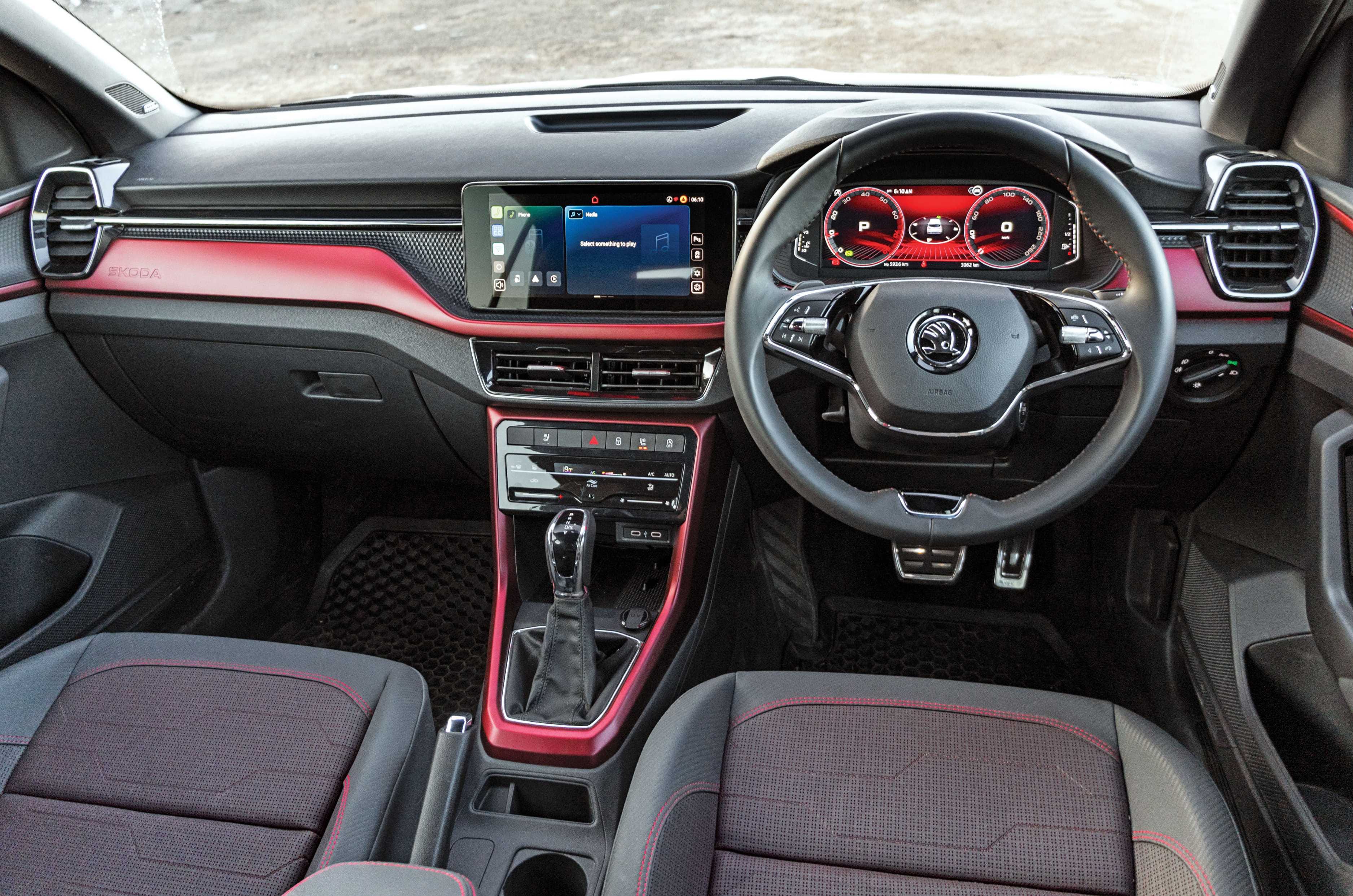
Kushaq dash gets subtle update. Red finish on Monte Carlo trim.
The Skoda Kushaq seats you lowest and doesn’t quite convey that SUV feel as well as the others. Skoda has spruced up the interior with newer colours and more features (more on this in a bit). It remains a neatly laid-out space, with chrome detailing on the air-con vents and stylish two-spoke steering lending some premium appeal. You won’t find soft-touch materials in here, though. Something we really like about the Kushaq are its front seats. They comfortably accommodate large-framed individuals and offer great back, shoulder and leg support.
Sierra vs Seltos vs Duster vs Kushaq: Features
Clockwise from left: Duster’s audio controls are behind steering; Seltos’ front headrests have mes finish; Pano sunroof is a big upgrade on Kushaq; Sierra’s boss mode allows for huge legroom.
To quickly run through features on these SUVs, all feature leatherette upholstery and front-seat ventilation. The Duster and Kushaq offer power adjust for the driver as well as co-driver, while the Seltos and Sierra’s powered driver’s seats get memory settings. All models get panoramic sunroofs, which is a noteworthy upgrade on the Kushaq. It’s the Seltos, Sierra and Duster that offer the added adjustability of dual-zone climate control. However, we found the Kushaq that makes do with a single-zone system to have the strongest AC. Skoda has upgraded the AC compressor, and it’s made a world of a difference. The Kushaq is the only one without an electronic parking brake and, along with the Seltos, also misses out on an onboard air purifier.
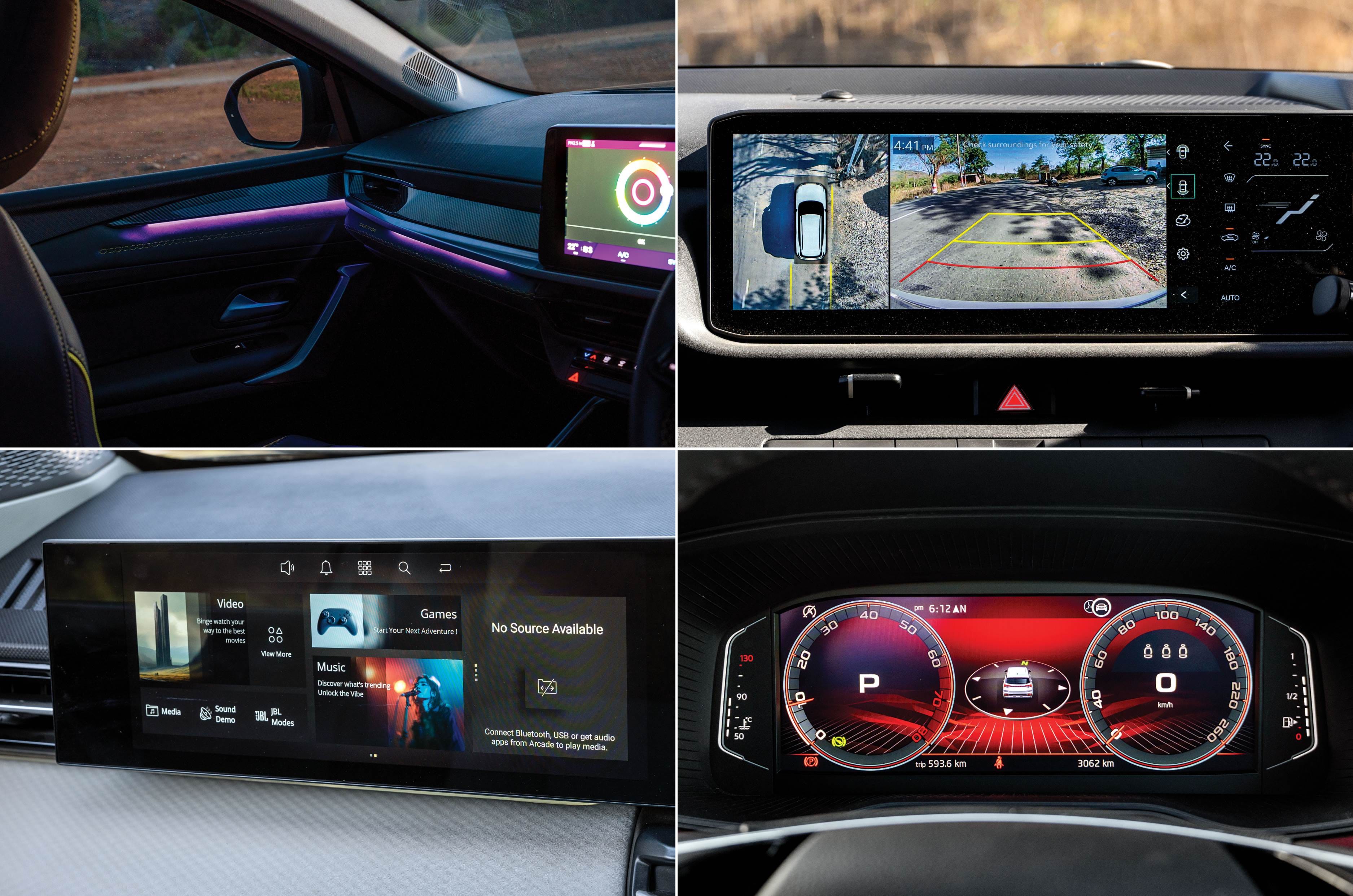
In terms of tech features, all models sport digital dials and touchscreen infotainment systems. The Kushaq Monte Carlo’s new 10.25-inch digital dials look best. The Seltos’ instrument panel is largest at 12.3 inches, but themes are limited to colour changes only. Tata also seems to have held back on the Sierra’s 10.25-inch dials, which could have offered more. The Duster’s 10.25-inch unit is nice, but traditionalists will miss a classic two-dial view.
Clockwise from left: Duster’s ambient lighting is most vibrant; Seltos has best touchscreen; Kushaq’s digital dials look sportiest; Sierra’s passenger screen can distract driver.
It’s a more even fight when talking touchscreens. All screens are slick to use, but we find the user interface best on the Seltos. A dedicated 5-inch screen for climate control is also part of the package on the Kia, but it feels redundant given nicer-to-use physical buttons are in easy reach. Fully loaded Sierras are unique in the segment, offering a third screen up front dedicated for the passenger. It’s a great way for front passengers to kill time on long commutes, but the absence of a privacy filter makes the screen an unnecessary distraction for the driver. The option to connect Bluetooth headphones to this screen at least takes care of the audio aspect. Talking audio, the Sierra has the most immersive sound system. Of the other things, you get the best parking cameras on the Tata Sierra and Kia Seltos. The Duster also packs in a 360-degree camera like the other two, but resolution is just okay. The Kushaq only offers a rear-view camera, and image quality is disappointing too.
Sierra vs Seltos vs Duster vs Kushaq: Reat seat experience
Duster offers good space at the back. Rear seat is comfy for three too.
You’ll have to make your way past a high door sill to get onto the Duster’s back seat, and once in place, you’ll realise that space is good, but not at par with larger rivals. There’s good knee room and headroom even for six footers, but the seat bolstering isn’t ideal for big-framed individuals. When it’s a full house, you’ll like how comfortably the Duster accommodates three abreast.
Seltos is big on legroom, but tall occupants will find headroom just adequate.
The Kia Seltos makes the most of its length to offer great legroom at the back. Average-sized adults will be very comfortable, but tall occupants will find headroom just about adequate. Meanwhile, the raised centre seat also means it’s not the most comfortable experience for the middle-seat passenger. Features-wise, the Seltos does well to pack in rear window sun shades and rear-seat recline adjust.
Kushaq’s back seat is best for two occupants. Rear legroom is generous.
The Kushaq is the smallest SUV in this competition, and you feel it as much when you’re sat at the back. It simply doesn’t offer the same sense of space as rivals, and seating for three is cramped. However, the Kushaq’s rear seat works well for two occupants, and legroom is actually pretty good. Skoda has also packed in a segment-first rear-seat massage function on the updated Kushaq. You can’t adjust intensity or types of massage as you can on a luxury car, but the pulsing sensations on your back do work well to soothe you.
Sierra is easily the roomiest at the back.
It’s the Tata Sierra that delivers the most space and comfort at the back. It has the longest wheelbase and is also the tallest, and it really makes good on those dimensions by offering the airiest cabin. The massive panoramic sunroof helps with this impression. Even six footers will find space ample, and should you need more room to stretch out, the front passenger seat can be slid away from the back. A backrest recline adjust (it’s limited in movement) and window sunshades (they don’t cover the full window) are part of the package too.
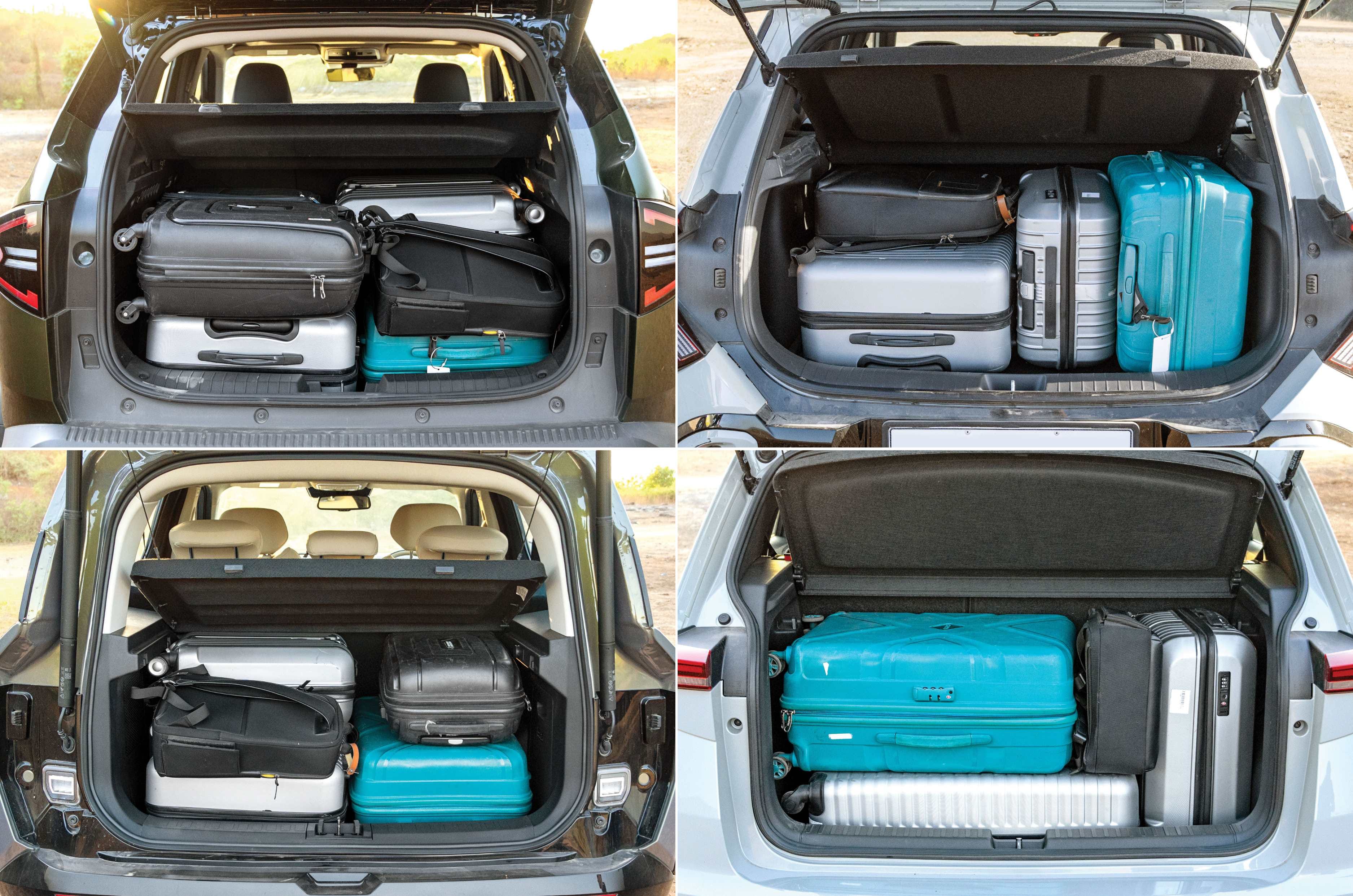
Clockwise from left: Duster swallows the most luggage but lacks spare wheel; low height limits the Seltos’ otherwise deep boot; Kushaq uses vertical space well to fit plenty; Sierra is accommodating with an underbody spare.
The back seats on all models split and fold 60:40 for times when you need maximum luggage room. With the seats in their standard position, it’s the Duster that packs in the most luggage. Trouble is, the loading lip is high. The bigger issue is there’s no spare tyre under the boot floor. You only get a puncture repair kit. The Seltos also has a high load lip, and while the boot is deep, height is limited. Luggage room is decent. The Sierra’s luggage area is well shaped and can pack in plenty. Unique among the SUVs here, the Sierra mounts its spare tyre under the body. The Skoda Kushaq’s boot is smallest on paper, but it uses vertical space well.
When it’s time to load luggage, you’ll appreciate the convenience of powered tailgates offered on the Tata Sierra and Renault Duster.
Sierra vs Seltos vs Duster vs Kushaq: Performance
The Skoda Kushaq and Renault Duster are petrol-only models with two turbo-petrol engine options each, while the Kia Seltos and Tata Sierra offer a wider spread of naturally aspirated petrol, turbo-petrol and diesel engines. For this comparison, we’ve considered the most powerful turbo-petrol automatic versions.
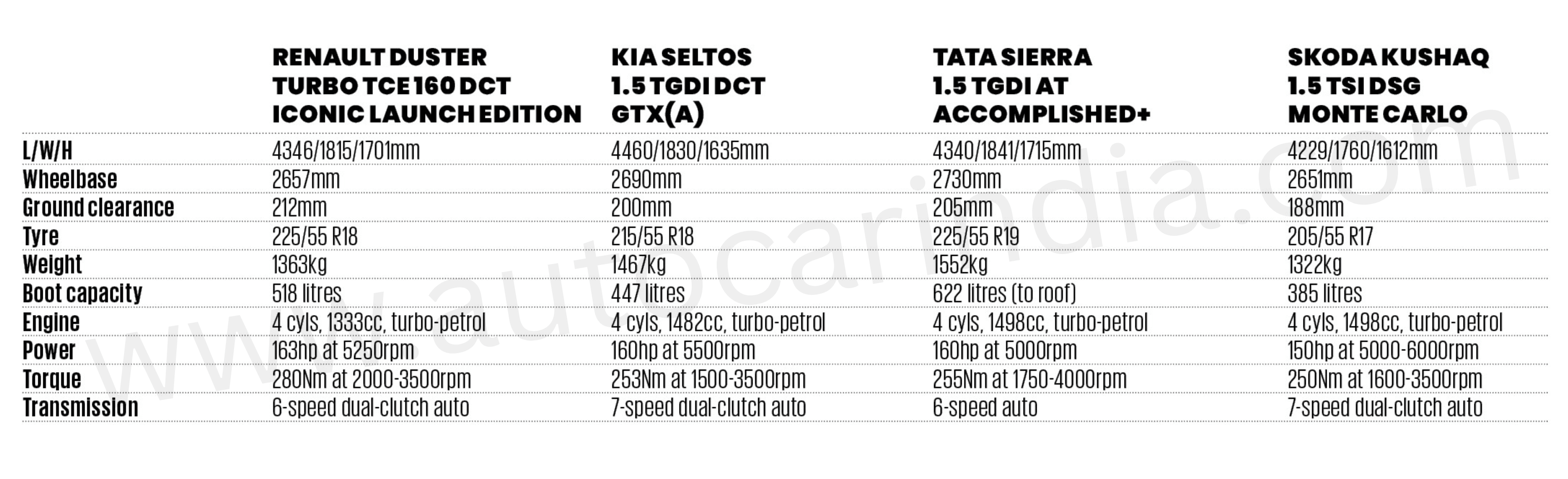
The Duster’s 1,333cc turbo-petrol is the smallest engine here, but also the strongest, producing 163hp and 280Nm. The Seltos and Sierra’s 1.5 units make 160hp, while the Kushaq’s 1.5 TSI develops 150hp. There’s a notable spread in kerb weights. The Kushaq is the lightest at 1,322kg, while the Sierra is the heaviest at 1,552kg.
All four are front-wheel drive. The Duster, Kushaq and Seltos use dual-clutch automatics, while the Sierra takes a different approach with a torque-converter gearbox.
They’re all close on power but are very different in how they drive.
On the move, the Duster feels most rugged and adventure-ready. Broken roads barely faze it, and in fact, it almost feels engineered for poor surfaces. The class-best 212mm of ground clearance only adds to confidence. Importantly, the new Duster retains the toughness of the original but adds sophistication. Unlike the old car, there’s no steering kickback over potholes or rough patches. Handling is good too. It corners with grace, and while the steering is light, it has a reassuring on-centre feel.
Performance, however, is a mixed bag. While the Duster has the most power on paper, it doesn’t feel especially eager at low speeds. There’s noticeable turbo lag below 2,000-2,500rpm, and at times you can feel a lurch as the gearbox works around this lag. As speeds build, the engine comes alive with a stronger, freer mid-range. Refinement is excellent, though keen ears will notice a distinct turbo hiss.
The dual-clutch gearbox deserves mention too. Its wet-clutch arrangement (the others are dry-clutch units) feels impressively smooth – almost torque converter-like – but it isn’t as quick-shifting as the others. That relaxed nature reflects in the numbers as well. The Duster is about a second slower to 100kph than the others and also trails in roll-on acceleration, if only by a bit.
Duster vs Seltos vs Sierra vs Kushaq: Acceleration from rest
Duster
Seltos
Sierra
Kushaq
0-20kph
1.71 seconds
1.46 seconds
1.19 seconds
1.73 seconds
0-40kph
3.55 seconds
2.93 seconds
2.54 seconds
3.02 seconds
0-60kph
5.52 seconds
4.69 seconds
4.51 seconds
4.79 seconds
0-80kph
7.94 seconds
7.04 seconds
6.77 seconds
7.04 seconds
0-100kph
11.33 seconds
9.87 seconds
9.85 seconds
9.62 seconds
0-120kph
15.37 seconds
13.90 seconds
13.73 seconds
13.16 seconds
0-140kph
–
18.88 seconds
19.25 seconds
17.77 seconds
0-160kph
–
–
29.25 seconds
23.90 seconds
The Seltos is quicker on paper but actually masks its performance. Drive in an easygoing manner, and you will like how the Kia builds its speed. It’s very friendly and doesn’t give the impression that you’re driving a fairly powerful vehicle. When you want more, the Seltos delivers its performance in a strong and linear manner. It’s not an outright engaging drive, but handling is tidy, grip levels are good, and the Seltos feels secure at high speeds too. There’s some firmness to the suspension, but it’s not a deal breaker.
Cruising refinement is another strong point. The engine remains quiet, outside noise suppression is excellent, and the cabin feels calm and refined. The weak link is the dual-clutch gearbox. At low speeds, shifts aren’t always smooth, and the transmission can occasionally fumble in traffic. Once speeds rise, though, the DCT settles down nicely and even responds well to inputs at the paddle shifters. Word of advice for anyone keen on the Seltos: get the Seltos CVT if the bulk of your driving is in town.
Duster is enjoyable in corners but Kushaq is a more complete driver’s car.
The Sierra delivers a very different experience. It backs up the feeling of being in a large SUV with a tough build that comes through on bad roads. The Sierra remains composed over broken patches, and bump absorption is really good. However, the 19-inch wheels on top variants do impact ride comfort. Versions with the smaller 18-inch and especially 17-inch wheels ride better still. At highway speeds, the Sierra feels big, heavy and reassuringly planted. Body control is also better than expected for such a tall SUV. The steering is lighter than ideal, but still offers a reasonable sense of connection.
The Sierra’s turbo-petrol and torque-converter combination works well in daily driving. The engine feels responsive low down, and paired with the smooth gearbox, it delivers effortless progress in traffic. Even when driven harder, the Sierra retains its smooth character. It may not feel as urgent as the Kushaq, but outright performance is strong enough. The downside is that the gearbox feels relaxed even when you want aggressive responses. Downshifts aren’t particularly quick, even via the paddle shifters, and there’s also some delay when shifting between drive modes at the gear selector. The Kushaq will mean different things to different buyers. Some might pass up on it for its relatively small size, while some might actually see its dimensions as a virtue. It is the easiest to drive in city confines, and its DSG gearbox is the best of the dual-clutch units here. There’s a firmness to the suspension that you’ll experience in town, but it smoothens wonderfully at highway speeds.
Duster vs Seltos vs Sierra vs Kushaq: Rolling acceleration from rest
Duster
Seltos
Sierra
Kushaq
20-80kph
6.07 seconds
5.61 seconds
5.75 seconds
5.18 seconds
40-100kph
7.60 seconds
7.07 seconds
7.44 seconds
6.37 seconds
It’s when speeds build that the Kushaq comes into its element, cementing itself as the SUV to buy for keen driving enthusiasts. The 1.5 TSI feels eager, power delivery is effortless, and the SUV feels genuinely brisk. It’s the quickest to 100kph and also leads in rolling acceleration. Drive with vigour, and you’ll find shifts on the DSG to be quick and particularly rewarding when controlled through the paddles.
Handling is where the Kushaq really shines. It feels tight, agile, and the most engaging of the lot through corners. If you enjoy driving, this is still the SUV that will put the biggest smile on your face. A useful trick up the Kushaq’s sleeve is cylinder deactivation, which helps efficiency under light loads. It paid off in our tests, too. The Kushaq emerged as the most fuel-efficient SUV here, returning 9.55kpl in the city and 15.29kpl on the highway.
Duster vs Seltos vs Sierra vs Kushaq: Tested fuel economy
Duster
Seltos
Sierra
Kushaq
City mileage
7.47kpl
9.27kpl
7kpl
9.55kpl
Highway mileage
13.47kpl
14.76kpl
13.70kpl
15.29kpl
The Seltos came next with 9.27kpl and 14.76kpl, respectively. There was then a noticeable gap to the Duster, which managed 7.47kpl in town and 13.47kpl on the highway, while the heavier Sierra returned a best of 7kpl in the city and 13.7kpl on the highway.
Sierra vs Seltos vs Duster vs Kushaq: Safety
All models comply with the latest Indian crash-test norms, and all have performed remarkably well in their crash tests. The Tata Sierra, Renault Duster and Kia Seltos have been rated five stars by Bharat NCAP, while the Skoda Kushaq is a five-star Global NCAP-rated model. Six airbags, ABS, electronic stability control and ISOFIX child seat mounts are safety features you’ll find on all models. All but the Kushaq also get radar- and camera-based ADAS, or advanced driver-assistance systems with functions like auto emergency braking, adaptive cruise control and lane-keep assist.
All models do get front and rear disc brakes. In our 80-0kph test, which simulates a panic stop, the Kushaq stopped in the shortest distance, while the Duster took an extra three metres to come to a halt. However, it was the Seltos that didn’t feel as sure-footed as the others in emergency braking.
Sierra vs Seltos vs Duster vs Kushaq: Verdict
Before we sum up, a quick overview of prices. The Renault Duster with the 1.3 turbo-petrol engine and DCT combo has the lowest starting price (Rs 14.49 lakh, ex-showroom) as well as the lowest price (Rs 18.69 lakh) for the fully loaded version featured here. The Skoda Kushaq 1.5 TSI DSG that’s only sold in fully loaded form is just slightly pricier at Rs 18.99 lakh. The Kia Seltos gives most choice, with 7 trim levels for the Turbo DCT (Rs 16.29-20.19 lakh) combo alone. The Tata Sierra Turbo AT starts at Rs 17.99 lakh, but in top-spec form, it is the priciest car of the test, coming in at Rs 20.99 lakh.
The Seltos doesn’t ace every parameter but makes for a solid all-rounder.
We’ll start with the Skoda Kushaq that stands out as the most fun-to-drive midsize SUV. The upgraded AC has also addressed one of the models’ big shortcomings, while it has reduced the gap to others in terms of equipment with the inclusion of a panoramic sunroof. ADAS would have been nice, but at a broader level, what works against the Kushaq (and Taigun) is its price-to-size proposition. In a segment in which like-priced rivals are only getting larger and road presence counts for a lot, the Kushaq’s relatively small size limits its appeal.
The new Renault Duster appeals for the very reasons that the original did. It’s tough, rugged and a vehicle you’d love exploring the country in. At the same time, the new Duster feels more wholesome too thanks to an inviting interior and the latest features. It’s just that when you view the Duster in light of rivals that you’d feel it could have been better still. Fuel efficiency is so-so, low-speed city drives aren’t smoothest, and cabin space is good but not great.
They cater to the same segment, but there’s great variety among these four.
The team at Tata Motors put its heart and soul into the new Sierra, and it shows. The design draws eyeballs, it’s the roomiest midsize SUV, and Tata has gone all out on features too. It’s not particularly sporty even with the turbo-petrol engine, but the smoothness of the powertrain is a highlight. The Sierra’s scorecard takes a big hit when you bring fuel economy into the equation, which is the lowest here. Also as good as the package is, it still can’t match global rivals on final finesse. Tata Motors’ inconsistent service experience could also deter buyers.
The Kia Seltos might not have the same emotional appeal as the Tata, but it delivers where it matters. Its increased size gives the impression you’ve got your money’s worth, and that feeling is only underlined by the premium interior that feels the best put together. The Seltos also scores on space and tech features. The DCT does take away from the drive experience at low speeds, but on the whole, performance, refinement and even efficiency are really good. It’s an all-rounder that you can’t go wrong with, making it our pick of the new midsize SUVs.
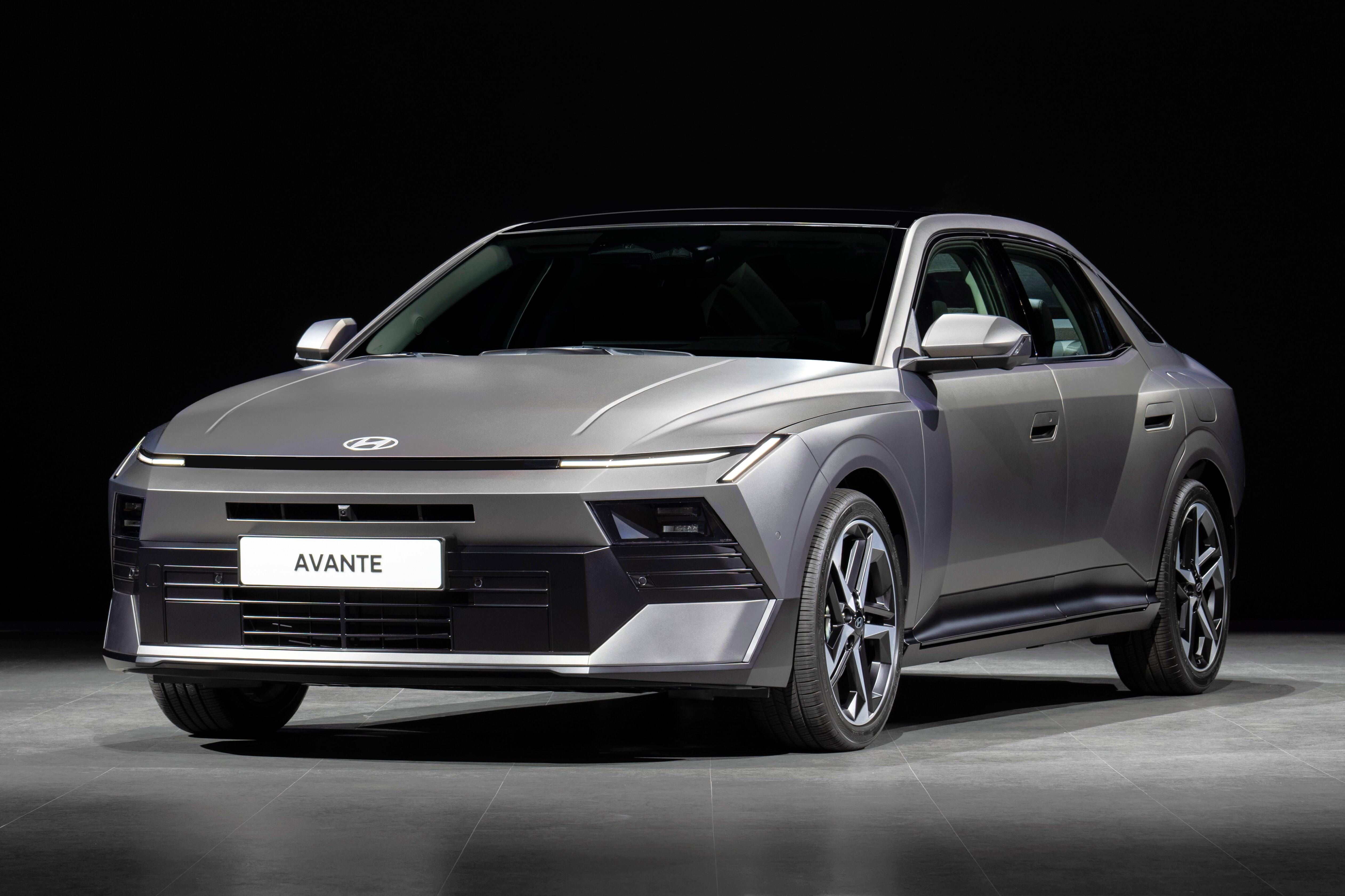
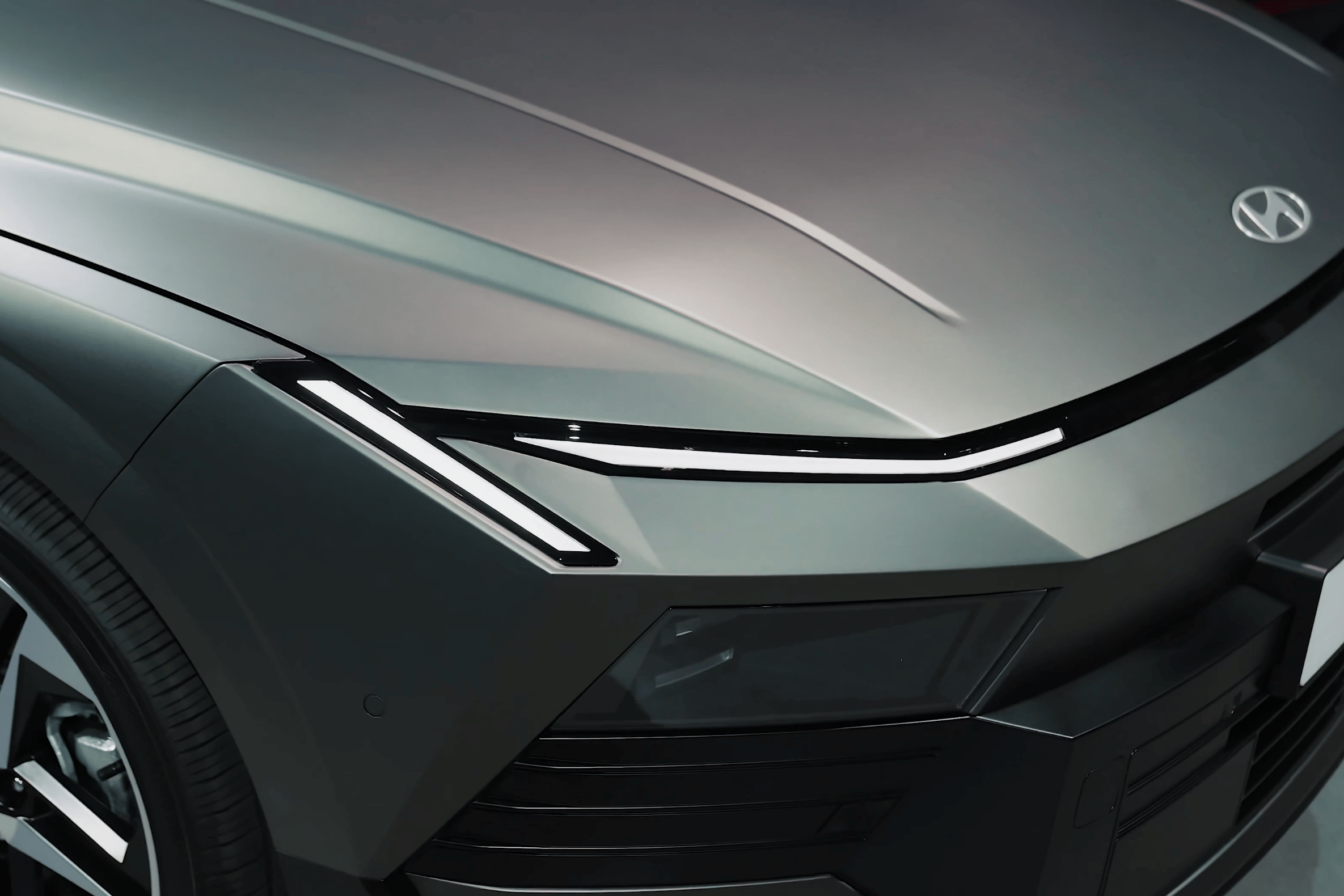
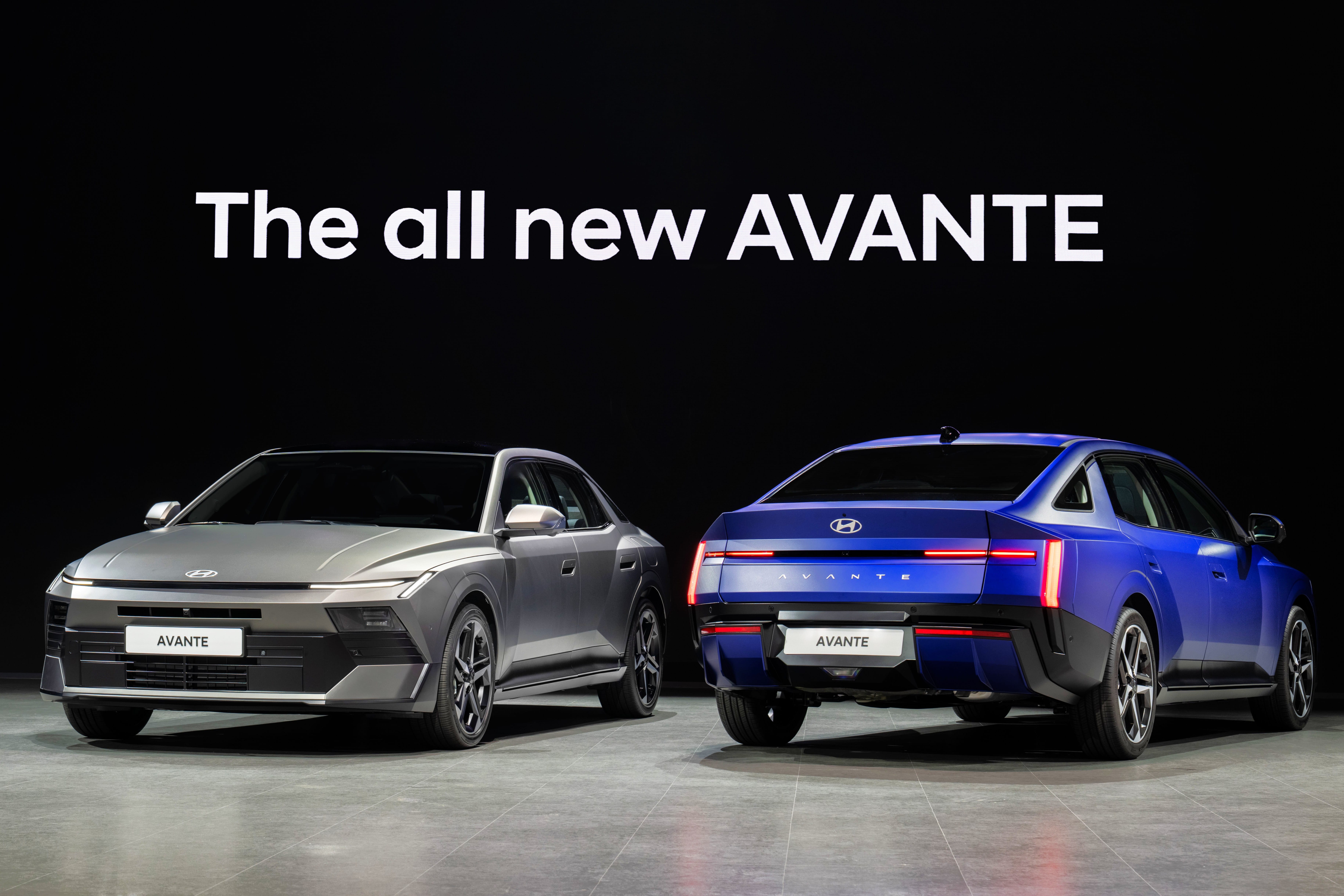
Hyundai has pulled the wraps off the eight-gen Elantra sedan, which is labelled the Avante in the Korean market, at the 2026 Busan Auto Show. The new-gen Elantra arrives just over six years after the debut of its predecessor (codename: CN7), and introduces larger proportions, entirely new interior and exterior designs, a longer list of features, and an upgraded hybrid powertrain.
Follows Hyundai’s new Art of Steel design language, looks edgier and more aggressive
Interior gets Pleos Connect interface with 14.6-inch touchscreen and slim driver’s display
1.6-litre hybrid makes 16hp more, gets upgraded transmission, drive motor, and battery
2026 Hyundai Elantra exterior design
55mm longer and 30mm wider than previous Elantra
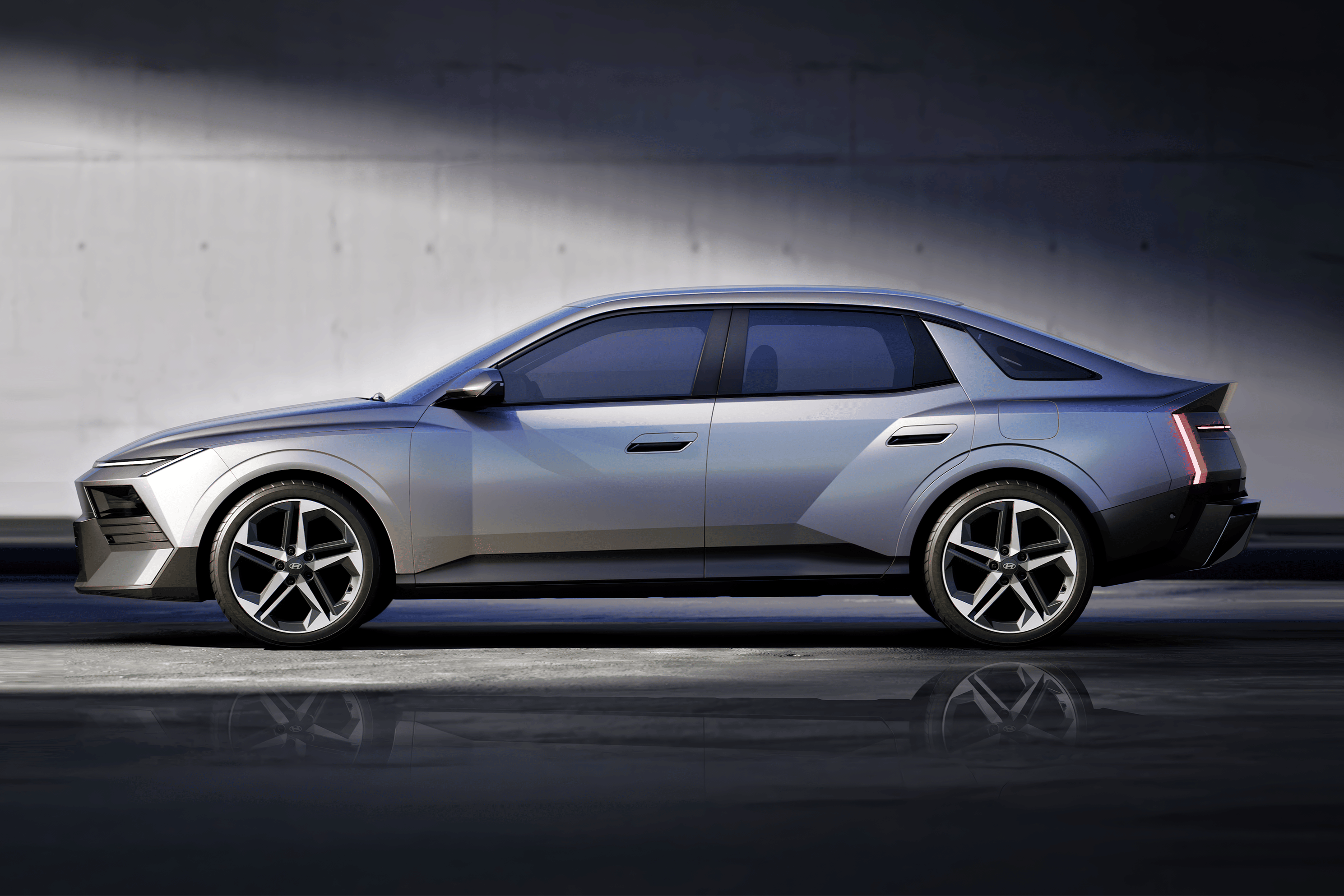
Measuring 4,765 millimeters in length, 1,855mm in width, 1,425mm in height, and 2,750mm in wheelbase, the new Elantra is 55mm longer overall (30mm increase in wheelbase) and 30mm wider than its predecessor. The sedan adopts Hyundai’s Art of Steel design language, featuring lots of cuts and creases throughout the bodywork.
Up front, one of the most notable changes to the new Elantra is its split-headlamp setup, which comprises T-shaped DRLs up top and rhomboidal LED units below. Unlike the Sonata and Verna, the section bridging the new Elantra’s DRLs does not seem to light up. The chiselled bumper sports lots of black trim, along with a slim intake on the upper side and an air dam below.
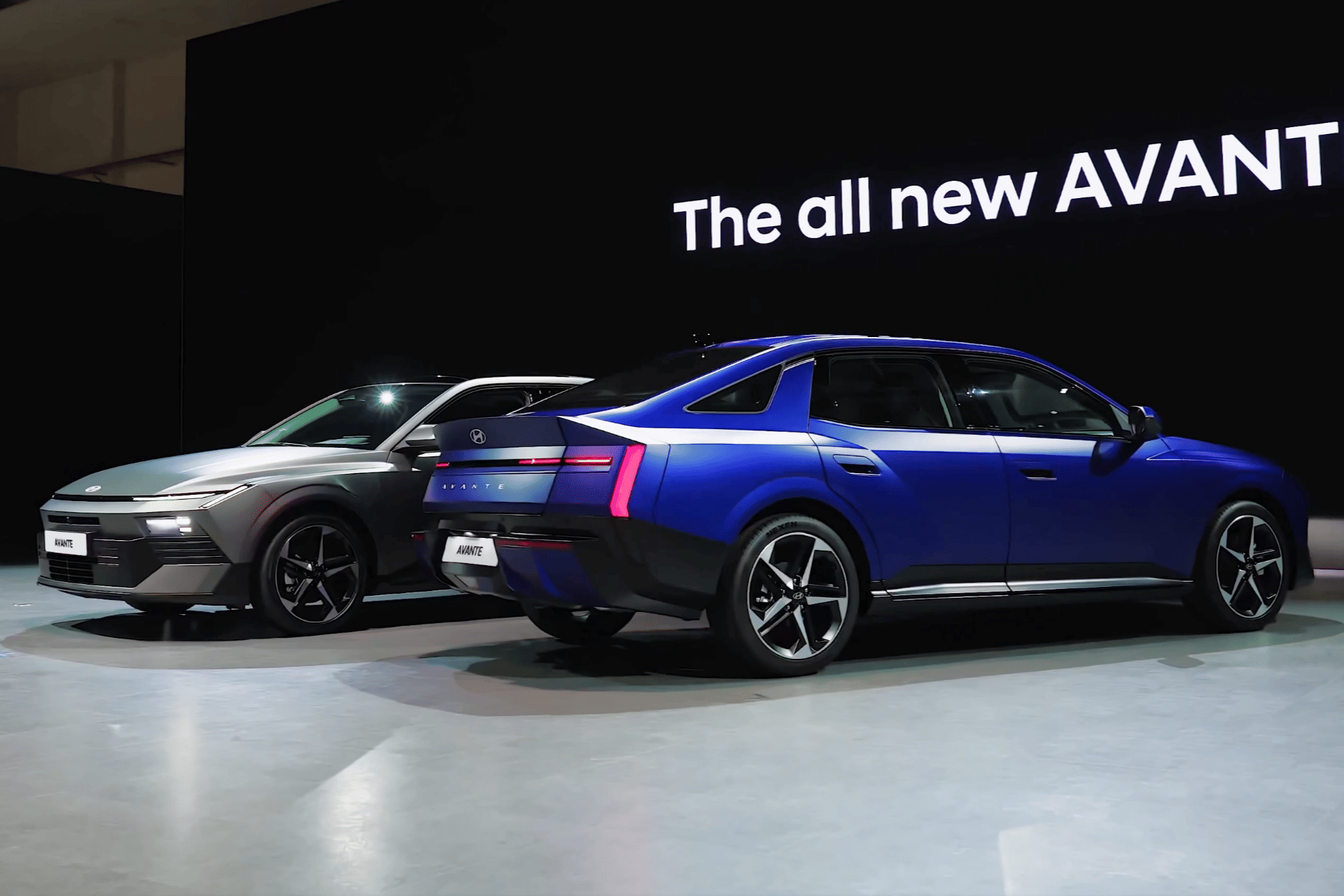
Over to the side, the new Elantra gets bulging wheel arches and edgier lines compared to those of its predecessor, along with 18-inch dual-tone alloy wheels, flap-type door handles, and what looks to be black cladding on the side skirts. A rear quarter glass has also been added, presumably to break the visual bulk of the C- and D-pillars.
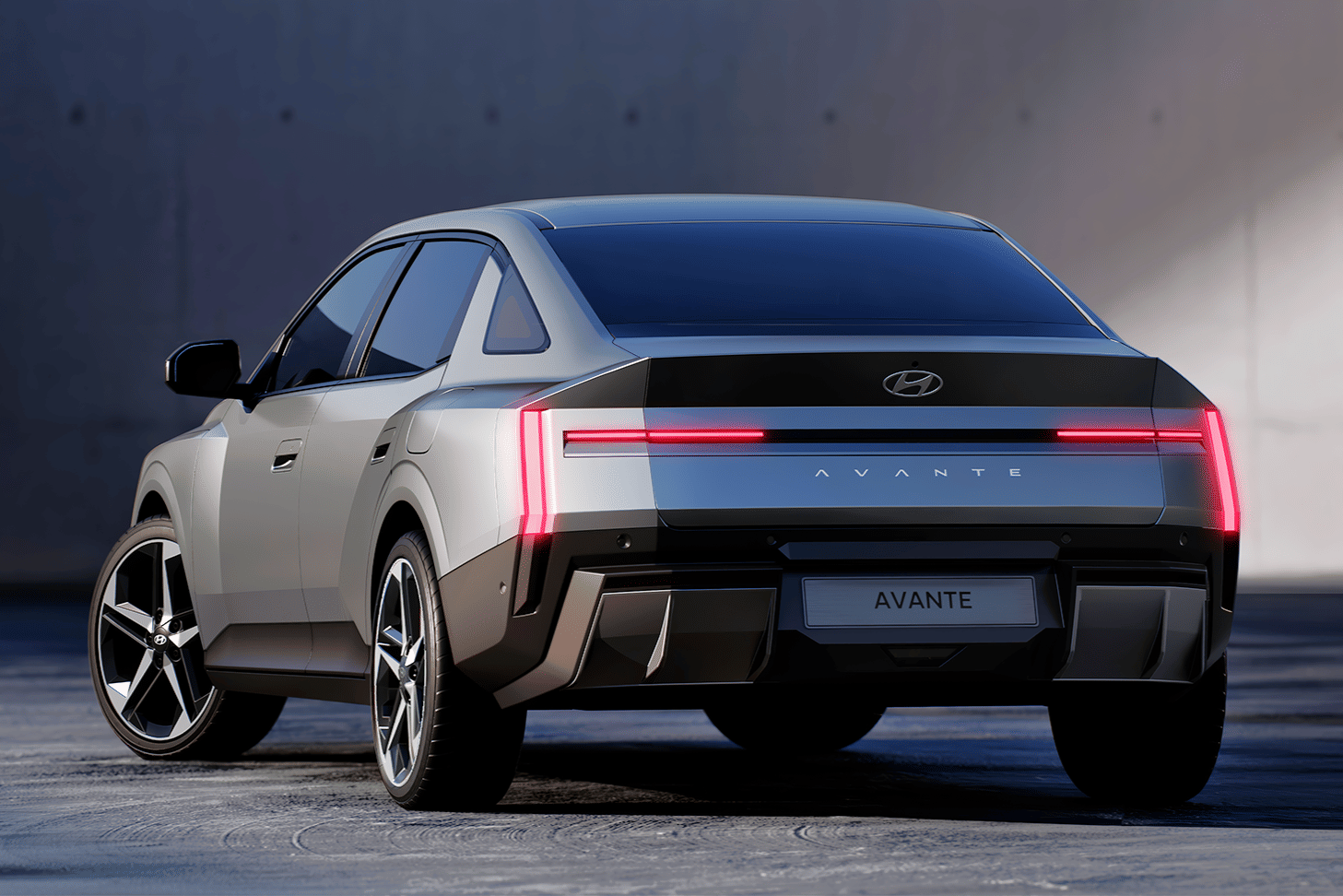
The Elantra’s roofline smoothly flows into its radically different posterior, which includes an integrated ducktail-esque spoiler, large T-shaped LED tail-lamps, a wordmark on the tailgate, and a chunky bumper with generous amounts of black cladding and a diffuser treatment on either side.
2026 Hyundai Elantra interior and features
Massive 14.6-inch touchscreen is central to the Pleos Connect interface
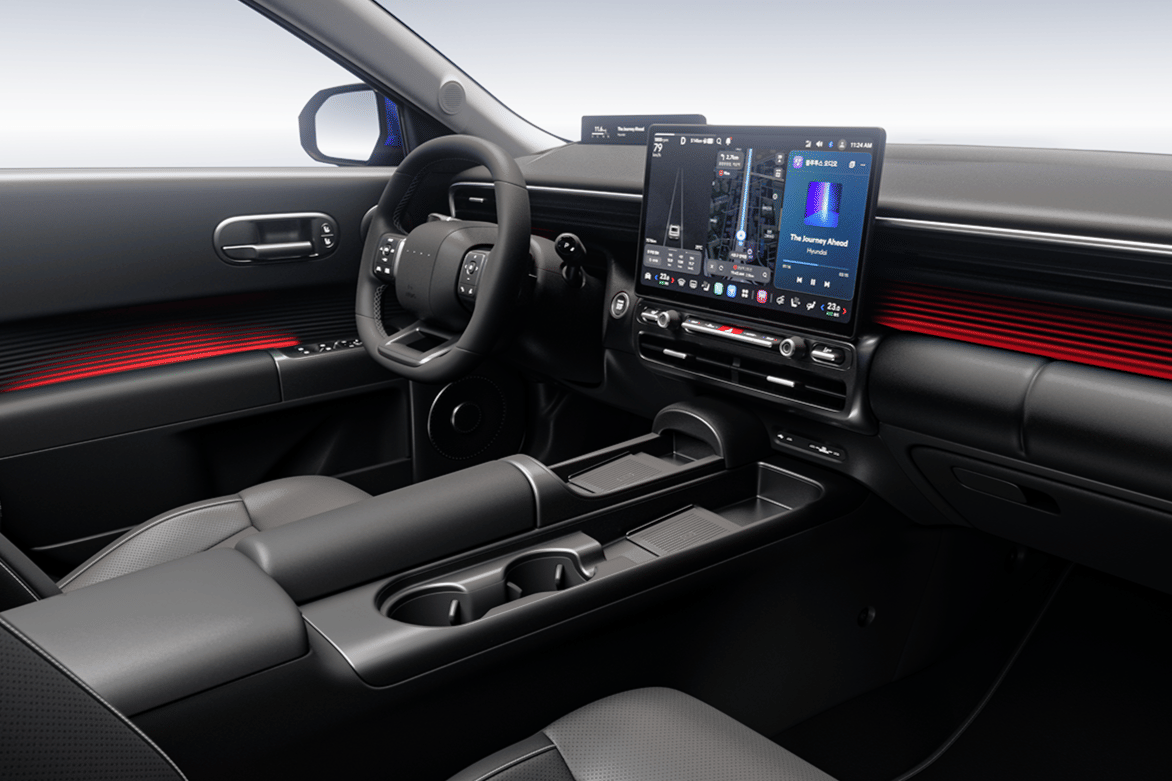
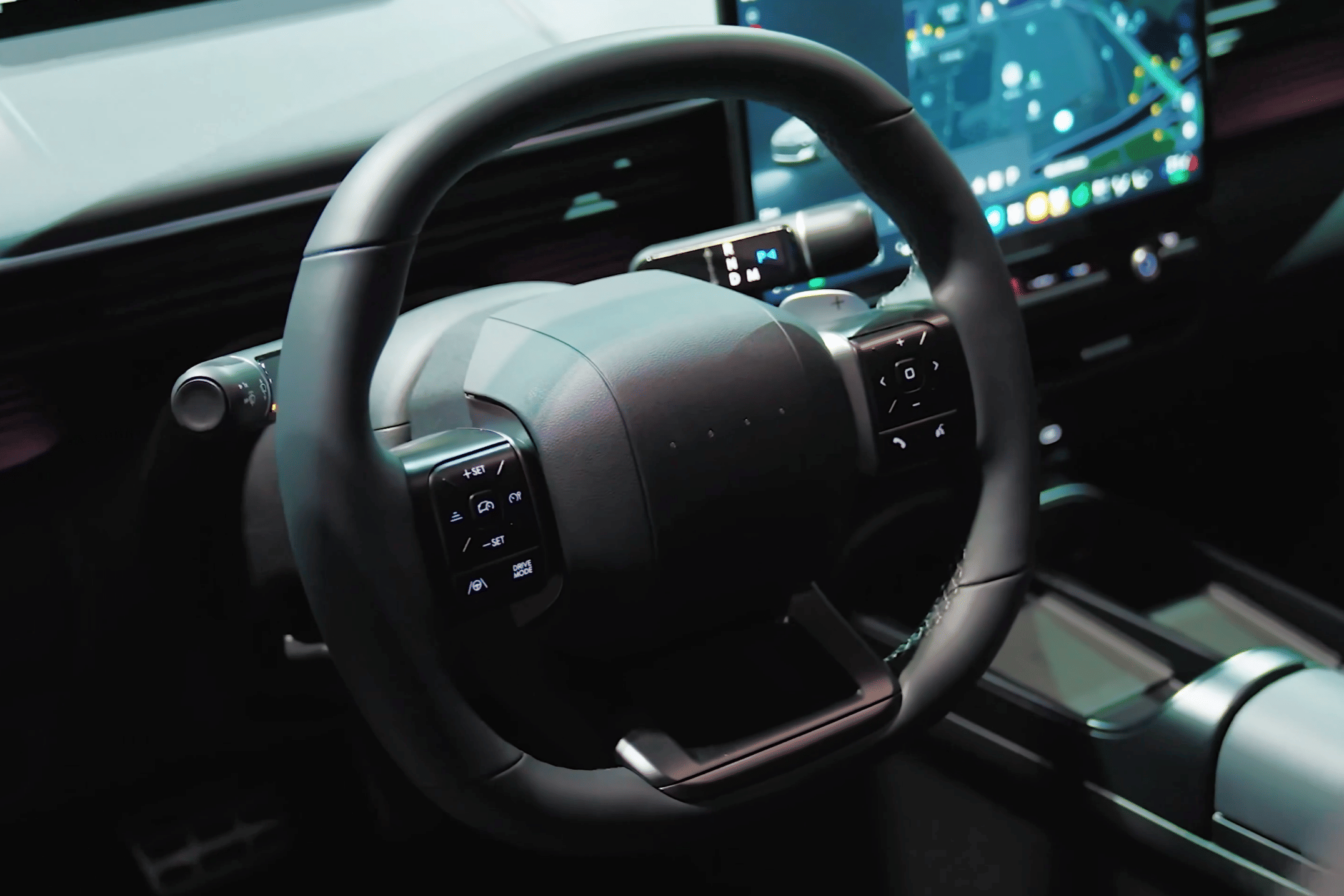
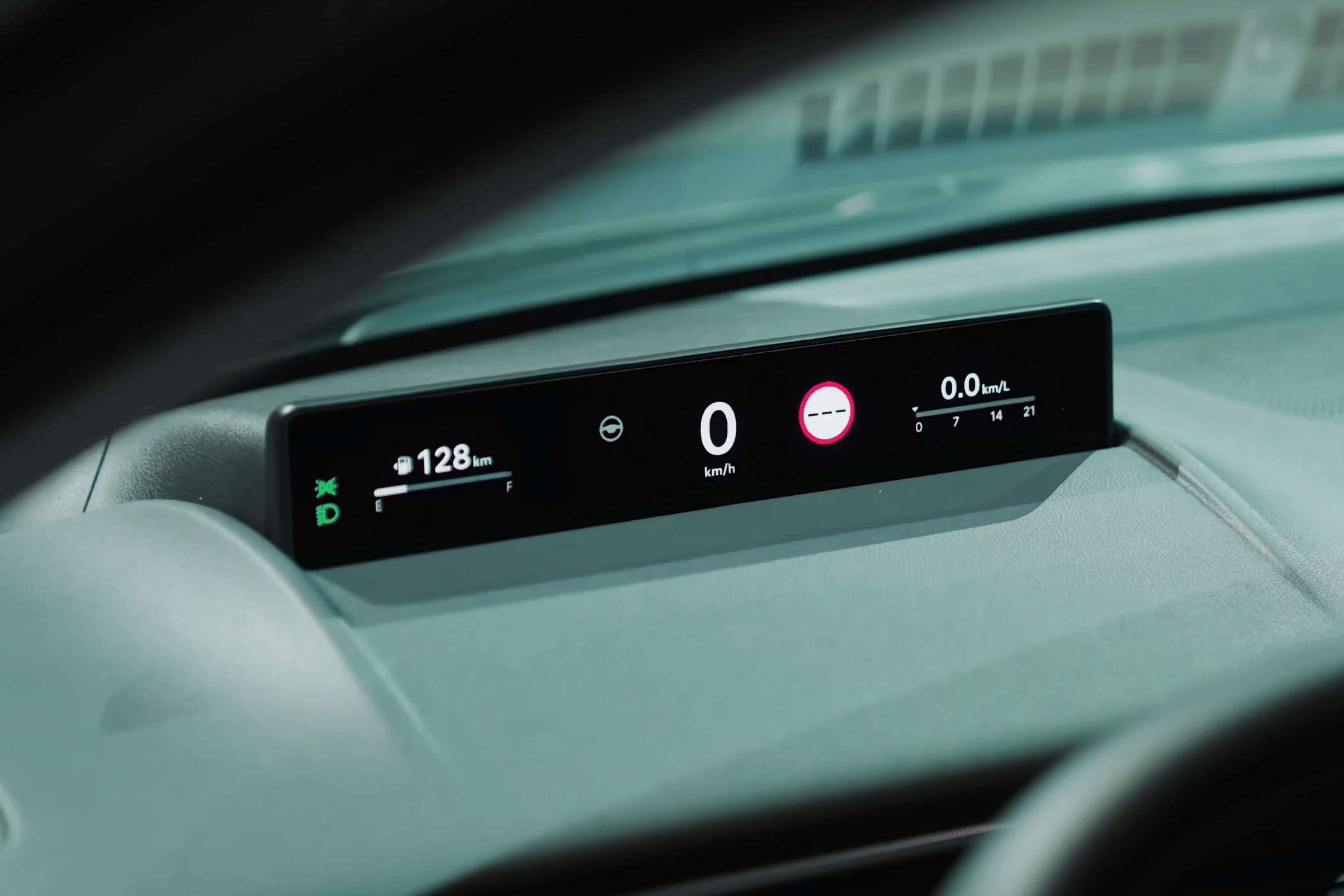
Inside, the eighth-gen Elantra comes with Hyundai’s new Pleos Connect interface, which comprises a massive centrally-mounted infotainment touchscreen (up to 14.6 inches) and a slim digital driver’s display that sits on top of the all-new dashboard. Also gone is the outgoing Elantra’s grab handle on the passenger side of the central tunnel.
There’s a chunky three-spoke flat-bottomed steering wheel with the four-dot Hyundai motif and lots of buttons, along with an array of toggles and knobs on the centre console for functions like the hazard lights, media controls, AC settings, and more – Hyundai has evidently not skimped on physical controls. The interior of the new Elantra also gets lots of ambient lighting, dual wireless charging pads, and a fair amount of storage spaces.
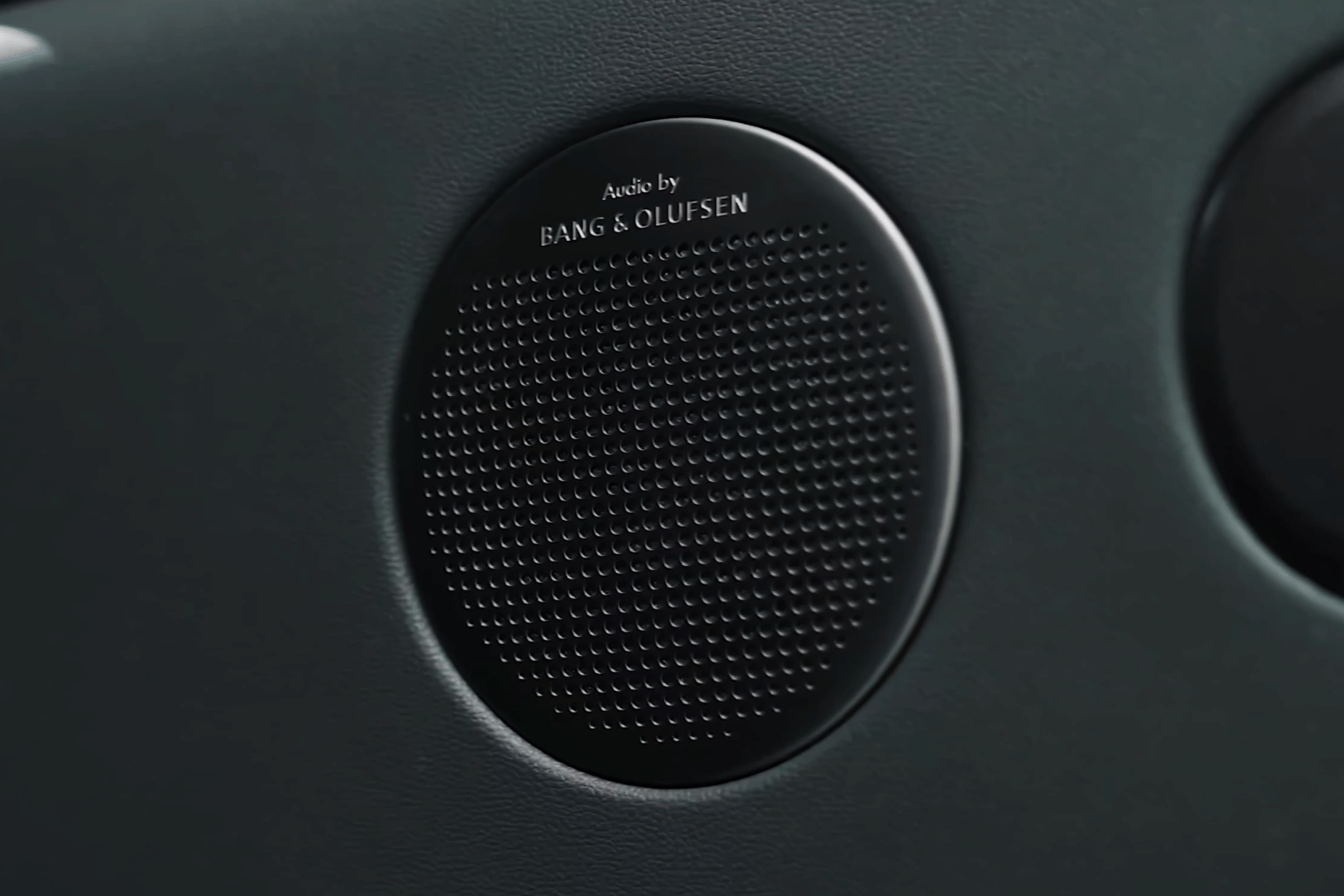
As for features, the new Elantra packs a Bang and Olufsen sound system, a built-in dashcam, over-the-air (OTA) updates, a digital key, 100W USB charging ports, 10 airbags, an ADAS suite, an electronic parking brake with auto-hold, powered front seats with memory functions, dual-zone climate control, a 360-degree camera, auto park assist, and more.
Hyundai has also added two new safety features to the eight-gen Elantra, namely Navigation-based Smart Cruise Control 2, which automatically decelerates the car in specific sections, like speed-limited areas, speed breakers, and intersections, and Pedal Misuse Safety Assist, which automatically applies the brakes in situations where the driver mistakes the accelerator for the brake pedal.
2026 Hyundai Elantra powertrains
Same 2.0-litre petrol and 1.6-litre hybrid options as before
The new Elantra carries over its predecessor’s 2.0-litre naturally aspirated petrol and 1.6-litre hybrid powertrains. While the former continues to develop 149hp and be mated to a CVT automatic, the latter’s output has been bumped to 157hp – up 16hp over the outgoing Elantra hybrid – and its transmission, drive motor, and battery capacity have been improved.
The Elantra hybrid features a new smart regenerative braking system, which automatically modulates the level of regenerative braking needed based on traffic flow and navigation information, thereby reducing the frequency of brake pedal use. There’s also a ‘Hybrid Hierarchical Predictive Control System’, which improves fuel efficiency by predicting and analysing the route and road conditions to your destination and accordingly controlling the battery charge.
Lastly, the new Elantra hybrid gets a ‘Stay Mode’ that allows occupants to use in-car functions like climate control and infotainment for a certain amount of time while the engine is turned off.
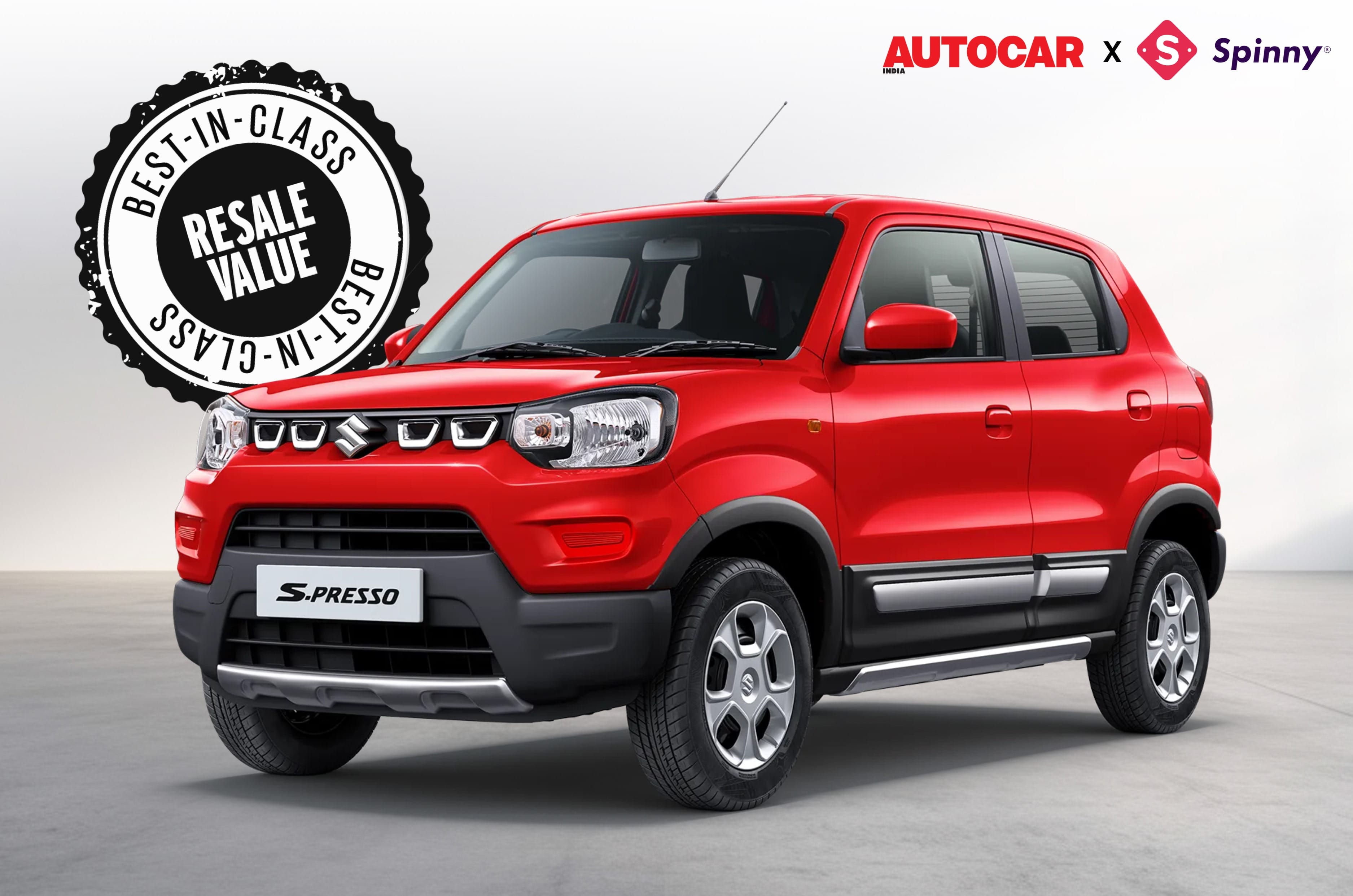
Conducted in association with Spinny, India’s leading pre-owned car platform, the fourth edition of our Used Car Study analyses real-world resale values across a broad spectrum of vehicles sold in the Indian market in order to assess depreciation trends over a five-year ownership period. The study is based on actual transactional data shared by Spinny for vehicles sold between January 1 and August 31, 2025.
In this series of the resale value study, we are first taking a look at the budget hatchback segment:
Budget hatchbacks Resale Value
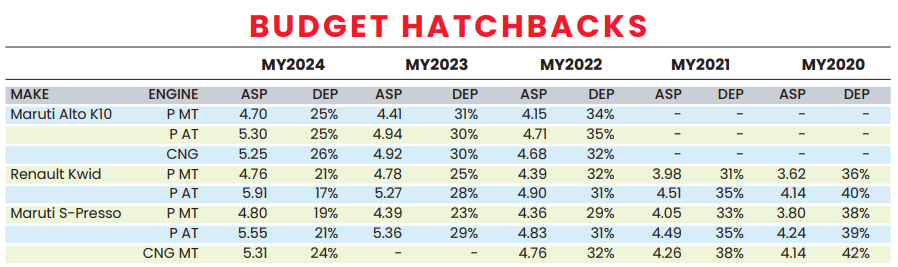
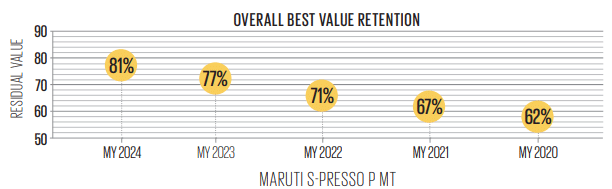
Following a similar trend as last year, the Maruti S-Presso petrol-manual continues to showcase the lowest average depreciation in the entry-level hatchback space. Interestingly, despite their differing positioning and appeal, the Maruti Alto and Renault Kwid trade at similar average resale prices, often separated by only a few thousand rupees, effectively creating a level playing field for buyers in the used car market.
The Renault Kwid witnessed several price hikes in 2022 alongside a mid-cycle update. Interestingly, in the used car market, MY22 manual versions depreciated higher than MY21 models, which was the only exception to the depreciation trend.
Notably, one-year-old petrol-manual variants of Kwid depreciate 2 percentage points more than the S-Presso, while the difference is much wider with the Alto K10 at 6 percentage points. That’s despite the fact that both the S-Presso and Alto K10 come from the same manufacturer and use the same engine. The difference, however, is much slimmer for the CNG variants.
The study found that the average selling price of a five-year-old budget hatchback retailed through Spinny stood at Rs 3.98 lakh. Comparable figures for three-year-old and one-year-old budget hatchbacks were Rs 4.60 lakh and Rs 5.12 lakh, respectively. Average depreciation over the same periods worked out to 39 percent, 32 percent and 22.25 percent, respectively.
Autocar-Spinny Resale Value Study methodology
The analysis covers the average selling prices (ASPs) of vehicles retailed through Spinny’s network across nine cities – Delhi-NCR, Bengaluru, Hyderabad, Pune, Chennai, Mumbai, Lucknow, Ahmedabad and Kolkata.
For the purposes of this study, depreciation has been defined as the percentage difference between a vehicle’s original on-road price in its year of manufacture and its resale value in 2025. In instances where a model was offered with multiple engine options using the same fuel type, the data has been consolidated and averaged. Variant-wise differences have similarly been averaged out.
Discontinued models and powertrain options have been excluded. Additionally, premium vehicles priced above Rs 30 lakh, electric vehicles and certain low-volume models have not been included due to limited transaction data and insufficient sample sizes.
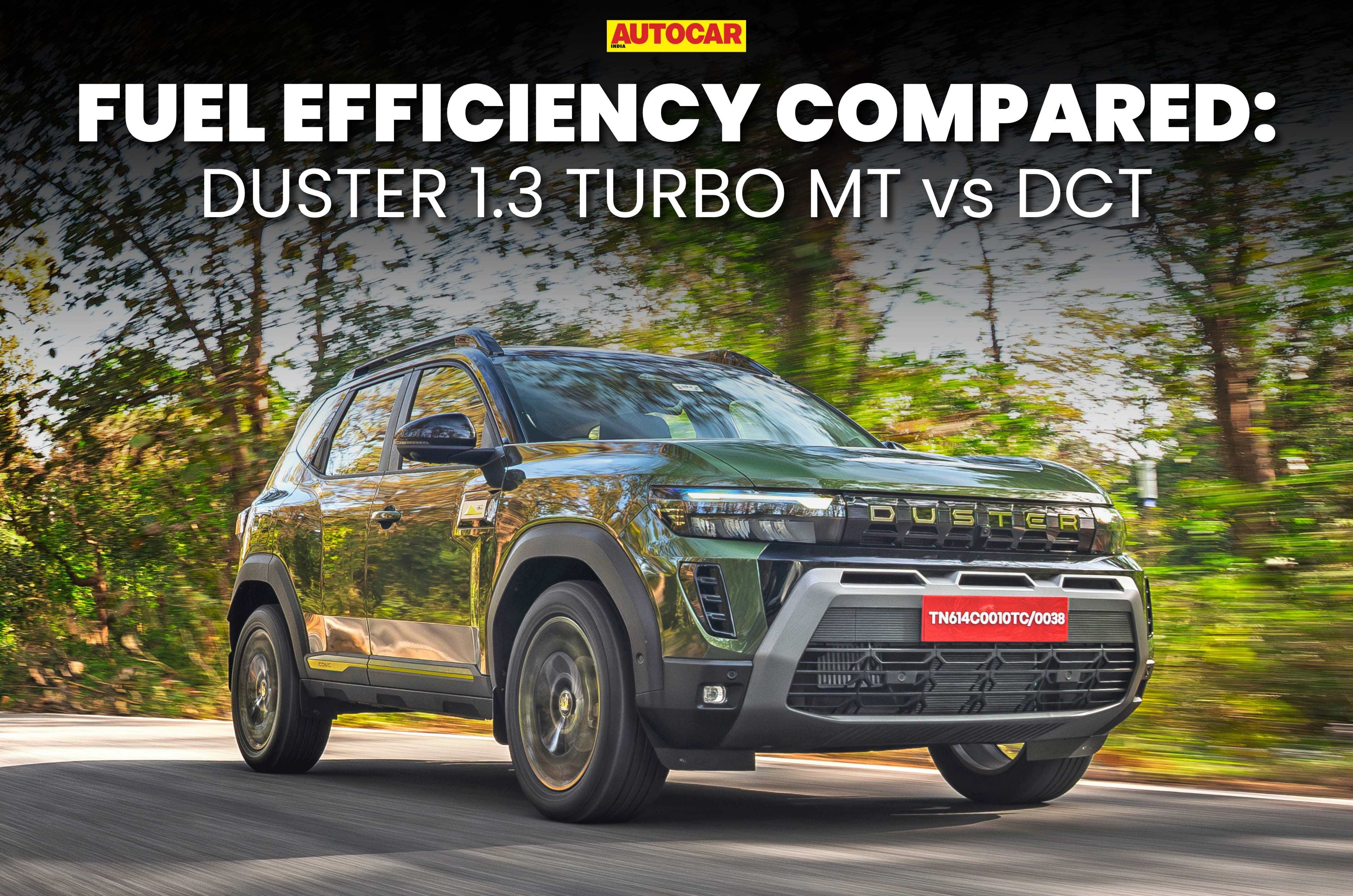
The old Duster was offered with both petrol and diesel engines. With the follow-up model, Renault is no longer providing customers its midsize SUV with an oil burner. Instead, there are now two turbo-petrol engine options – a 1.0-litre three-cylinder and a 1.3-litre four-cylinder. The larger engine option, which features direct fuel injection, has made up 91 percent of all customer bookings for the new Duster. While the three-pot is only available with a 6-speed manual gearbox, the latter can also be had with a dual-clutch automatic. Which transmission should you pick? Let’s look at the details.
Renault Duster turbo MT vs Duster turbo DCT: Specifications and price
There’s no change in engine output between the manual and automatic versions
Renault Duster turbo MT vs Duster turbo DCT: Specifications and price
Renault Duster 1.3 turbo MT
Renault Duster 1.3 turbo DCT
Engine
4 cyl, petrol
4 cyl, petrol
Displacement (cc)
1333
1333
Power (hp)
163 (5,250rpm)
163 (5,250rpm)
Torque (Nm)
280 (2,000-3,500rpm)
280 (2,000-3,500rpm)
Gearbox
6-speed manual
6-speed dual-clutch automatic
Fuel tank (litres)
50
50
Price range (Rs, lakh)
12.99-16.99
14.49-18.49
No matter which transmission you choose, the power and torque values remain identical on paper. There’s also no difference between the two when it comes to the size of the fuel tank. However, the Duster’s 6-speed manual transmission (MT) has been geared tall, which could have been an attempt by Renault to help improve fuel economy as well as reduce driver fatigue in stop-go traffic. Like the manual, the 6-speed dual-clutch automatic transmission (DCT) of the Duster also features tall gearing.
When it comes to price, the entry-level Evolution 1.3 MT variant costs Rs 1.5 lakh less than its 1.3 DCT equivalent. Interestingly, the price difference between the top-spec Iconic 1.3 MT and DCT variants is also Rs 1.5 lakh.
Renault Duster turbo MT vs Duster turbo DCT: Real-world fuel efficiency
The manual is more efficient in the city, while the automatic takes the lead on the highway
Renault Duster 1.3 turbo MT vs Duster 1.3 turbo DCT: Real-world mileage
Renault Duster 1.3 turbo MT
Renault Duster 1.3 turbo DCT
Tested city mileage (kpl)
8.04
7.47
Tested highway mileage (kpl)
13.24
13.47
Tested average mileage (kpl)
10.64
10.47
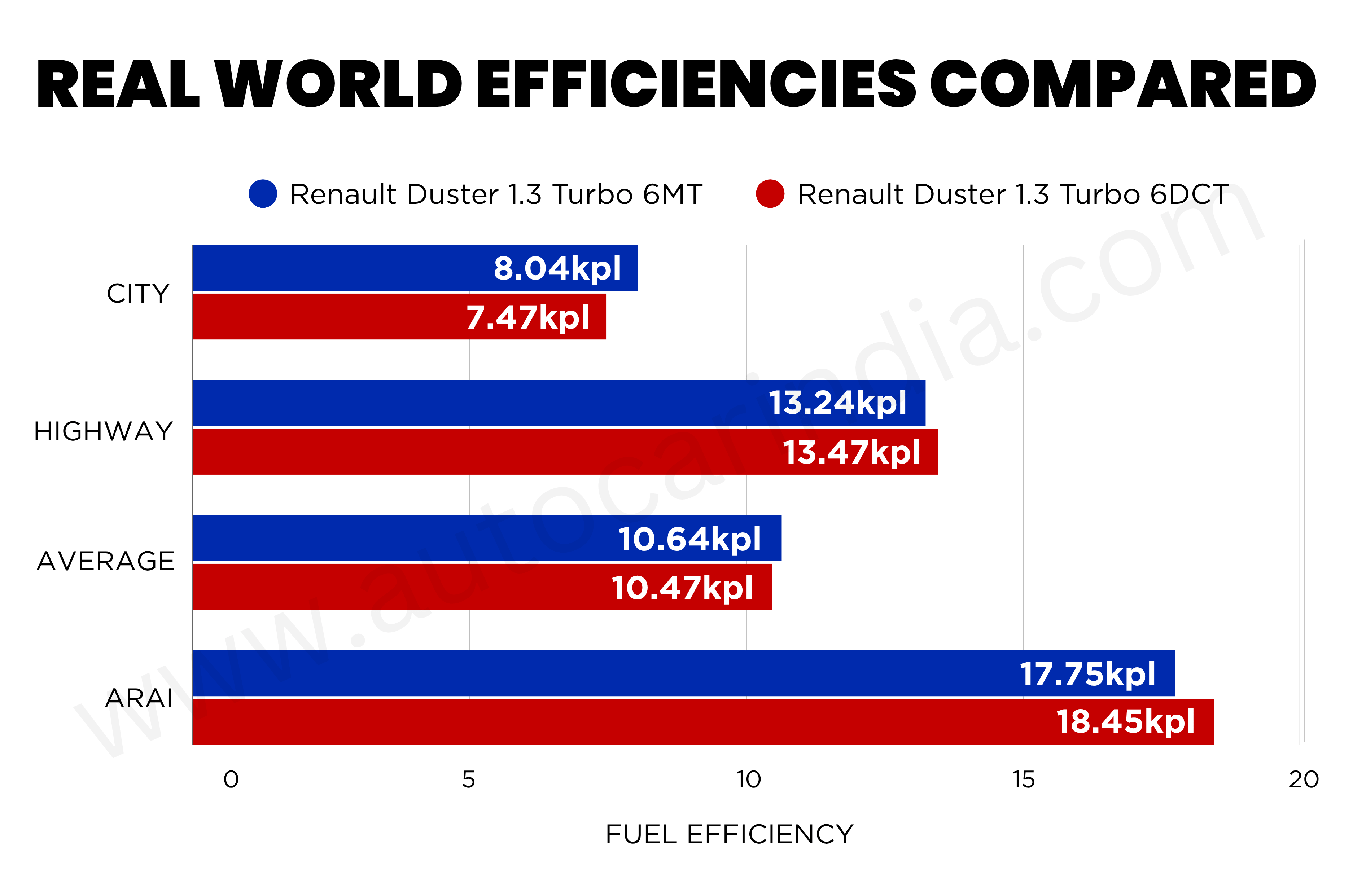
The claimed mileage of the Duster 1.3 MT is 17.75kpl, whilst that of the Duster 1.3 DCT is 18.45kpl. During our time testing manual transmission, it returned a combined mileage of 10.64kpl, which is 66.82 percent lower than claimed. Meanwhile, the dual-clutch automatic’s real-world mileage of 10.47kpl is 76.22 percent lower than what Renault claims.
As tested in city conditions, the Duster 1.3 MT returned a mileage of 0.57kpl higher than the 1.3 DCT version. Out on the highway, it’s the latter that edges past by a margin of 0.23kpl. Over a combined cycle, it was the Duster 1.3 MT that turned out to be ever so slightly more efficient – albeit by just 0.17kpl. Since the delta in their fuel economy figures is small, we recommend the dual-clutch automatic for its overall convenience, smoothness and responsiveness via the paddle shifters. These advantages, among others, make up for the additional Rs 1.5 lakh the DCT commands over the MT.
Autocar India’s fuel efficiency testing
Before our real-world fuel efficiency tests, we fill our test cars’ tanks to the brim and maintain tyre pressures based on the manufacturer’s recommendations. These cars are driven in fixed city and highway loops in and around Navi Mumbai, and we maintain certain average speeds. Throughout the tests, there is only one person in each car, running the air conditioner and other electricals, such as the audio system, indicators and wipers, when required, just like a regular user would. Periodic driver swaps further neutralise variations in driver patterns. At the end of each cycle, we calculate efficiency by filling the tanks to full again.
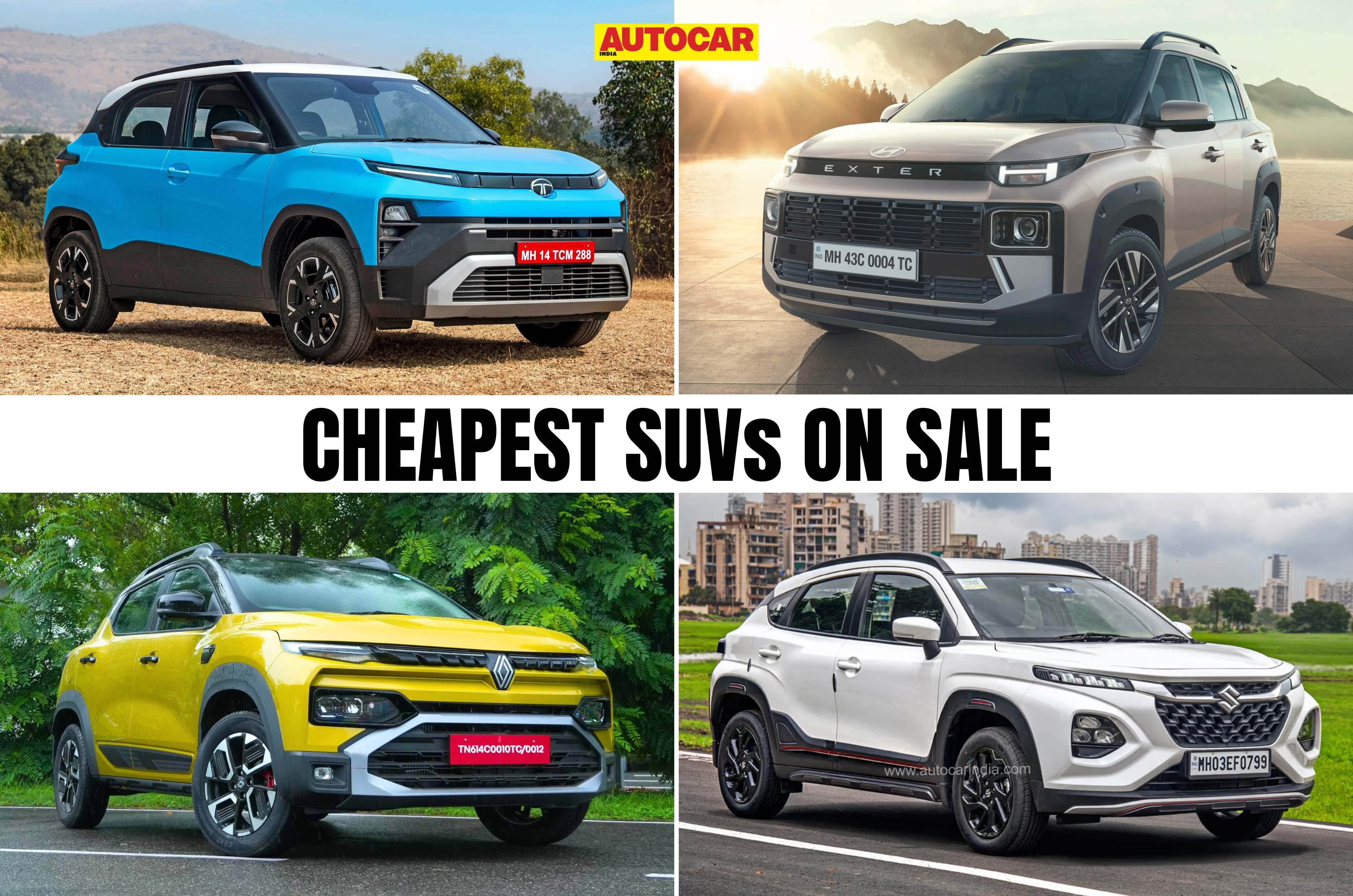
SUVs attract Indian mass-market buyers thanks to their high ground clearances, ease of ingress/egress and greater perception of safety. Compact SUVs particularly hit a sweet spot: their sub-4m proportions enable easier manoeuvrability, and their lower taxation rates are easier on the pocket. With that in mind, let’s take a look at the 10 cheapest SUVs you can currently buy in India, ranked in descending order of their base ex-showroom prices.
10. Mahindra XUV 3XO
Starting price: Rs 7.54 lakh
The XUV 3XO is currently the most affordable Mahindra model in India and among the more enthusiastic options on this list. It’s offered with two 1.2-litre turbo-petrol engines putting out 111hp and 131hp, as well as a 117hp 1.5-litre diesel mill. A 6-speed manual is standard across all three engines, with the petrol ones additionally offering a 6-speed torque-converter automatic and the diesel a 6-speed AMT.
Mahindra XUV 3XO price list (Rs lakh)
Trim
1.2 Turbo P 6MT
1.5 D 6MT
1.2 Turbo P 6AT
1.5 D 6AMT
MX1
7.54
–
–
–
RevX M
8.39
–
–
–
RevX M (O)
8.91
–
–
–
MX2
–
9.22
–
–
MX2 Pro
8.99
9.90
9.94
–
MX3
9.20
10.20
10.74
11.10
MX3 Pro
9.42
10.73
11.02
–
AX5
10.00
11.26
11.76
12.06
RevX A
11.17
–
12.28
–
AX5L
11.91
–
13.15
–
AX7
12.08
12.89
13.21
13.64
AX7L
13.20
13.91
14.89
–
9. Tata Nexon
Starting price: Rs 7.37 lakh
Tata is the only carmaker with two models on this list, and the Nexon is the first of them. Initially launched in September 2017, the Nexon is the oldest SUV here but continues to accrue very strong sales numbers. As it stands, the Nexon is also the cheapest car to offer a panoramic sunroof in India. The Nexon is available with 120hp 1.2-litre turbo-petrol, 100hp 1.2-litre turbo CNG and 115hp 1.5-litre diesel engine options, along with manual and automatic transmissions.
Tata Nexon price list (Rs lakh)
1.2 Turbo P 5MT
1.2 Turbo P 6MT
1.2 Turbo P 6AMT
1.2 Turbo P 7DCT
1.2 CNG 6MT
1.5 D 6MT
1.5 D 6AMT
Smart
7.37
–
–
–
8.30
–
–
Smart +
8.07
–
8.82
–
9.22
9.00
–
Smart + S
8.37
–
–
–
9.52
9.37
–
Pure +
–
8.95
9.60
–
9.85
10.00
10.65
Pure + S
–
9.23
9.88
–
10.00
10.28
–
Pure+ PS
–
9.60
10.15
–
10.40
10.55
11.20
Creative
–
10.00
10.75
11.25
11.05
11.25
11.85
Creative + S
–
10.35
11.05
–
11.35
11.50
12.15
Creative + PS
–
11.32
–
12.47
12.27
12.42
13.07
Fearless + PS
–
12.27
–
–
13.22
13.37
14.02
Fearless + A PS
–
–
–
13.62
–
–
–
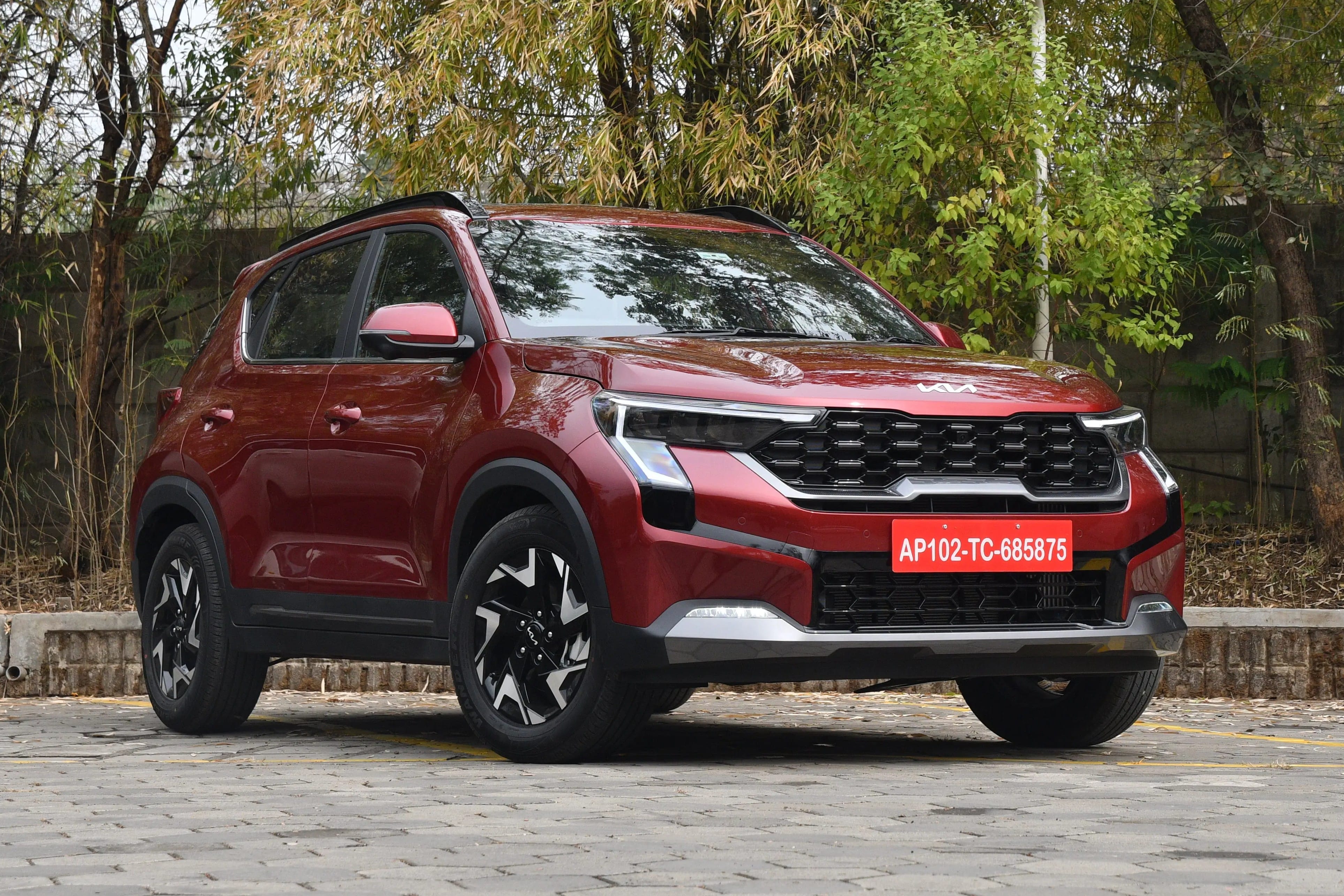
8. Kia Sonet
Starting price: Rs 7.34 lakh
The Kia Sonet narrowly edges ahead of the Nexon to clinch eighth place. Kia offers the Sonet with three engine options: an 83hp 1.2-litre naturally aspirated petrol, a 120hp 1.0-litre turbo-petrol and a 116hp 1.5-litre diesel. Gearbox options comprise a 5-speed manual for the NA petrol, a 6-speed iMT and 7-speed DCT for the turbo-petrol, and a 6-speed manual and 6-speed automatic for the diesel engine.
Kia Sonet price list (Rs lakh)
Trim
1.2 P 5MT
1.0 Turbo P 6iMT
1.0 Turbo P 7DCT
1.5 D 6MT
1.5 D 6AT
HTE
7.34
–
–
–
–
HTE(O)
7.77
–
–
9.02
9.82
HTK
–
–
–
–
–
HTK(O)
8.78
9.17
9.97
10.00
10.82
HTK+
9.15
–
–
10.38
11.18
HTK+(O)
9.65
10.12
10.92
10.88
11.68
HTX
–
–
11.67
11.33
12.12
GTX+
–
–
13.68
–
14.19
X-Line
–
–
13.72
–
–
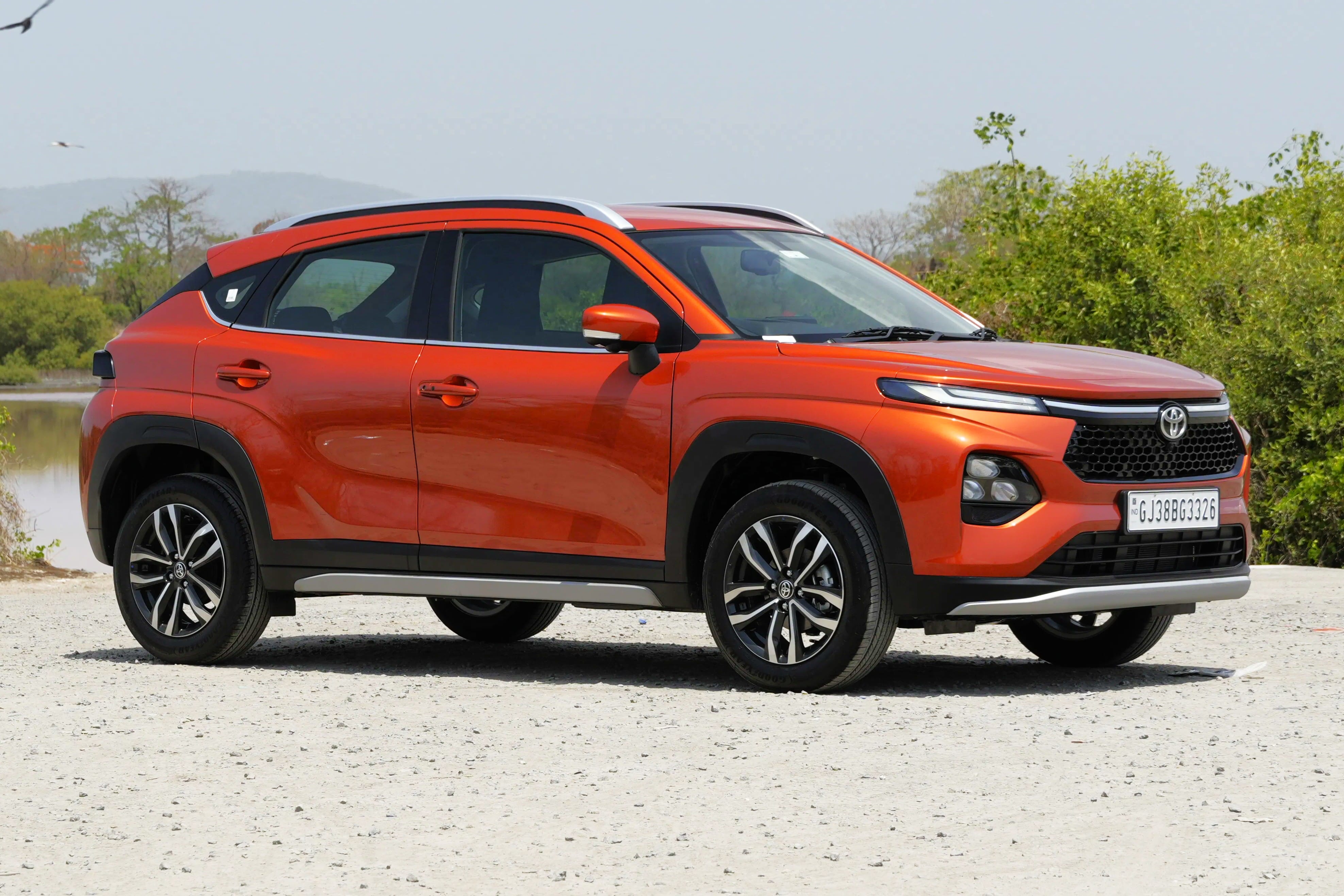
7. Toyota Taisor
Starting price: Rs 7.25 lakh
Toyota’s most affordable SUV, the Taisor, is a rebadged version of the Maruti Fronx. It comes with a 1.2-litre naturally aspirated engine in 90hp petrol and 76hp CNG guises, as well as a 100hp 1.0-litre turbo-petrol motor. A 5-speed manual is standard fit for the NA petrol and CNG engines, with the former additionally getting a 5-speed AMT. The turbo-petrol Taisor can be had with 5-speed manual and 6-speed automatic options.
Toyota Taisor price list (Rs lakh)
Trim
1.2 P 5MT
1.2 P 5AMT
1.2 CNG 5MT
1.0 Turbo P 5MT
1.0 Turbo P 6AT
E
7.25
–
8.24
–
–
S
8.13
8.72
–
–
–
S+
8.47
9.06
–
–
–
G
–
–
–
10.20
11.57
V
–
11.08
12.47
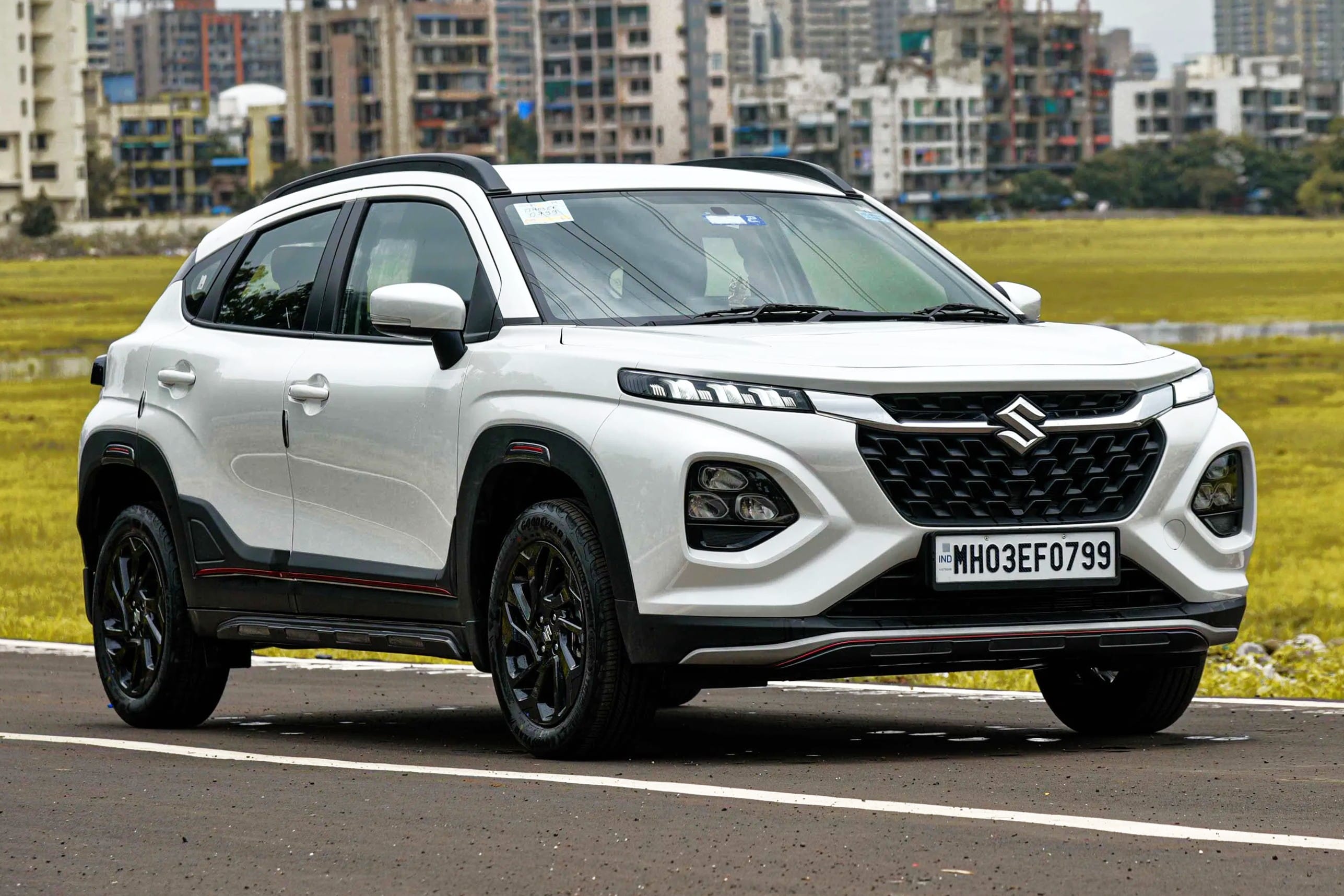
6. Maruti Suzuki Fronx
Starting price: Rs 6.85 lakh
Based on the Baleno hatchback, the Fronx stands as a more stylish (albeit smaller) alternative to the Brezza in Maruti Suzuki’s compact SUV line-up. The Fronx, expectedly, offers the same petrol, turbo-petrol and CNG engine options as the Taisor, along with their respective gearbox options, but is Rs 40,000 cheaper than its Toyota twin at the base level.
Maruti Fronx price list (Rs lakh)
Trim
1.2 P 5MT
1.2 P 5AMT
1.2 CNG 5MT
1.0 Turbo P 5MT
1.0 Turbo P 6AT
Sigma
6.85
–
7.86
–
–
Delta
7.70
8.20
8.66
–
–
Delta+
8.10
8.60
–
8.92
–
Zeta
–
–
–
9.71
10.99
Alpha
–
–
–
10.56
11.84
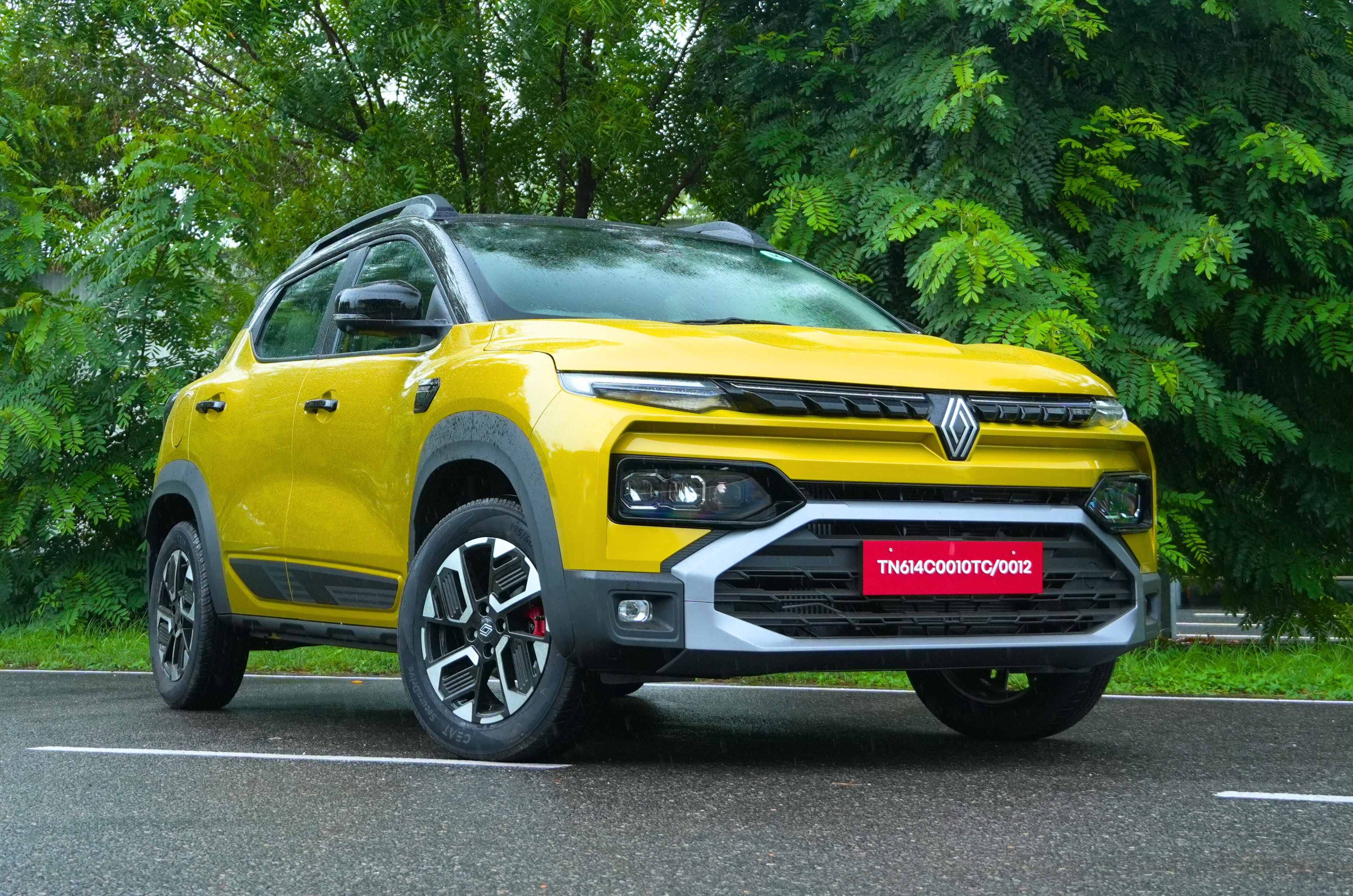
5. Renault Kiger
Starting price: Rs 5.81 lakh
The Renault Kiger, which received a facelift in 2025 with updated styling elements and more features, ranks among the top 5 cheapest SUVs currently available in India. The Kiger comes with a 72hp 1.0-litre petrol engine with manual and AMT options and a 100hp 1.0-litre turbo-petrol with manual and CVT options. A dealer-level CNG kit is also offered for the Kiger, costing an additional Rs 79,500 over the naturally aspirated petrol version.
Renault Kiger price list (Rs lakh)
Trim
1.0 P 5MT
1.0 P 5AMT
1.0 Turbo P 5MT
1.0 Turbo P CVT
Authentic
5.81
–
–
–
Evolution
6.55
6.99
–
–
Evolution+
6.99
7.45
7.89
–
Techno
7.55
8.05
8.45
9.35
Emotion
8.45
–
9.35
10.35
4. Hyundai Exter
Starting price: Rs 5.81 lakh
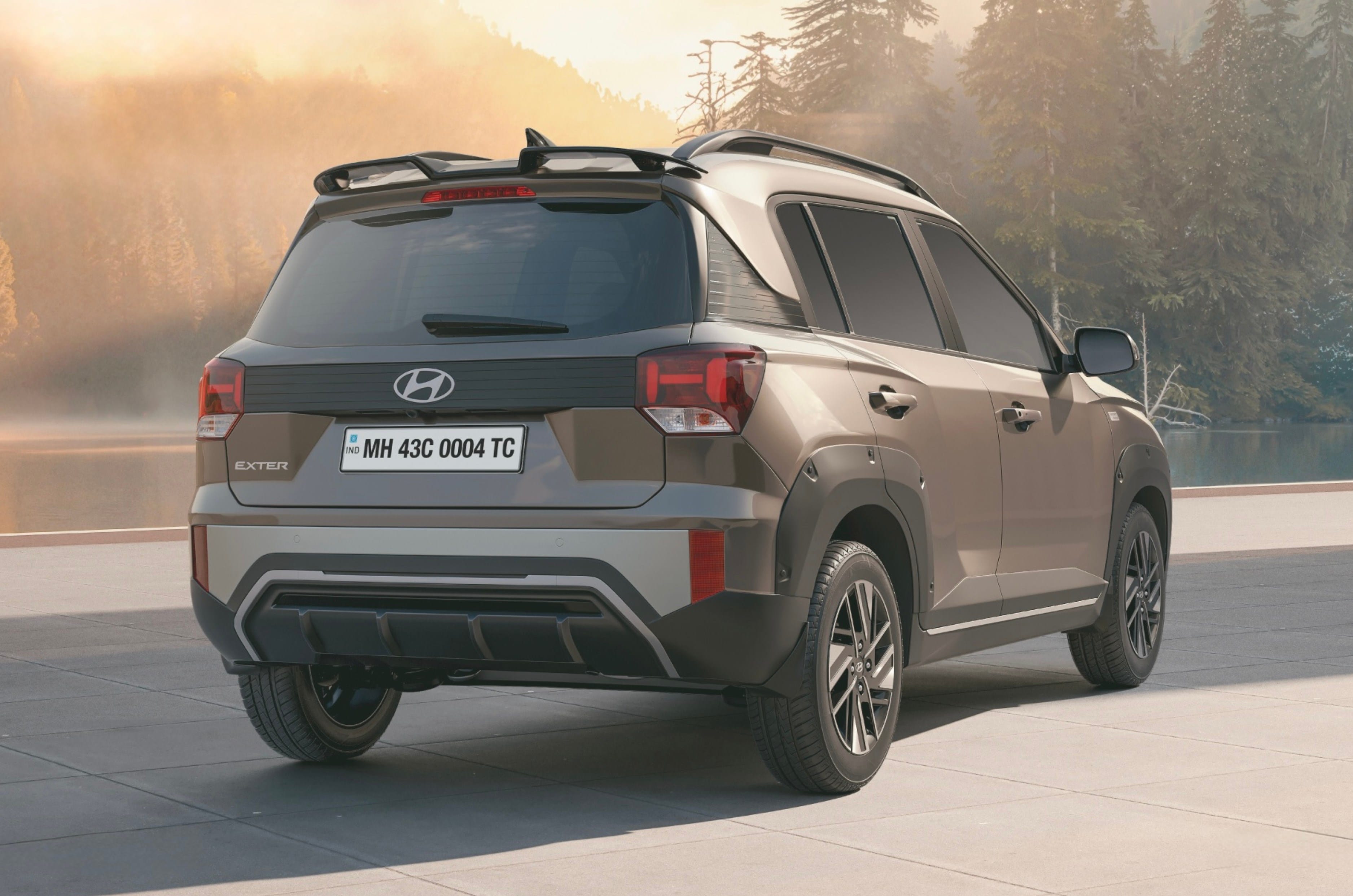
Hyundai’s entry-level SUV, the Exter, received a facelift in March 2026 that introduced revised styling, updated interior upholstery, some new features and a simplified variant nomenclature. As before, engine options for the Exter include a sole 1.2-litre 4-cylinder engine in 83hp petrol and 69hp CNG states of tune. A 5-speed manual is standard for both engines, with the petrol mill additionally offering a 5-speed AMT.
Hyundai Exter price list (Rs lakh)
Trim
1.2 P 5MT
1.2 P 5AMT
1.2 CNG 5MT
HX2
5.81
–
7.00
HX3
6.30
6.95
7.45
HX4
7.28
–
8.28
HX4+
–
8.10
–
HX6
7.99
8.59
8.95
HX8
8.40
9.12
9.42
HX10
–
9.46
–
3. Nissan Magnite
Starting price: Rs 5.65 lakh
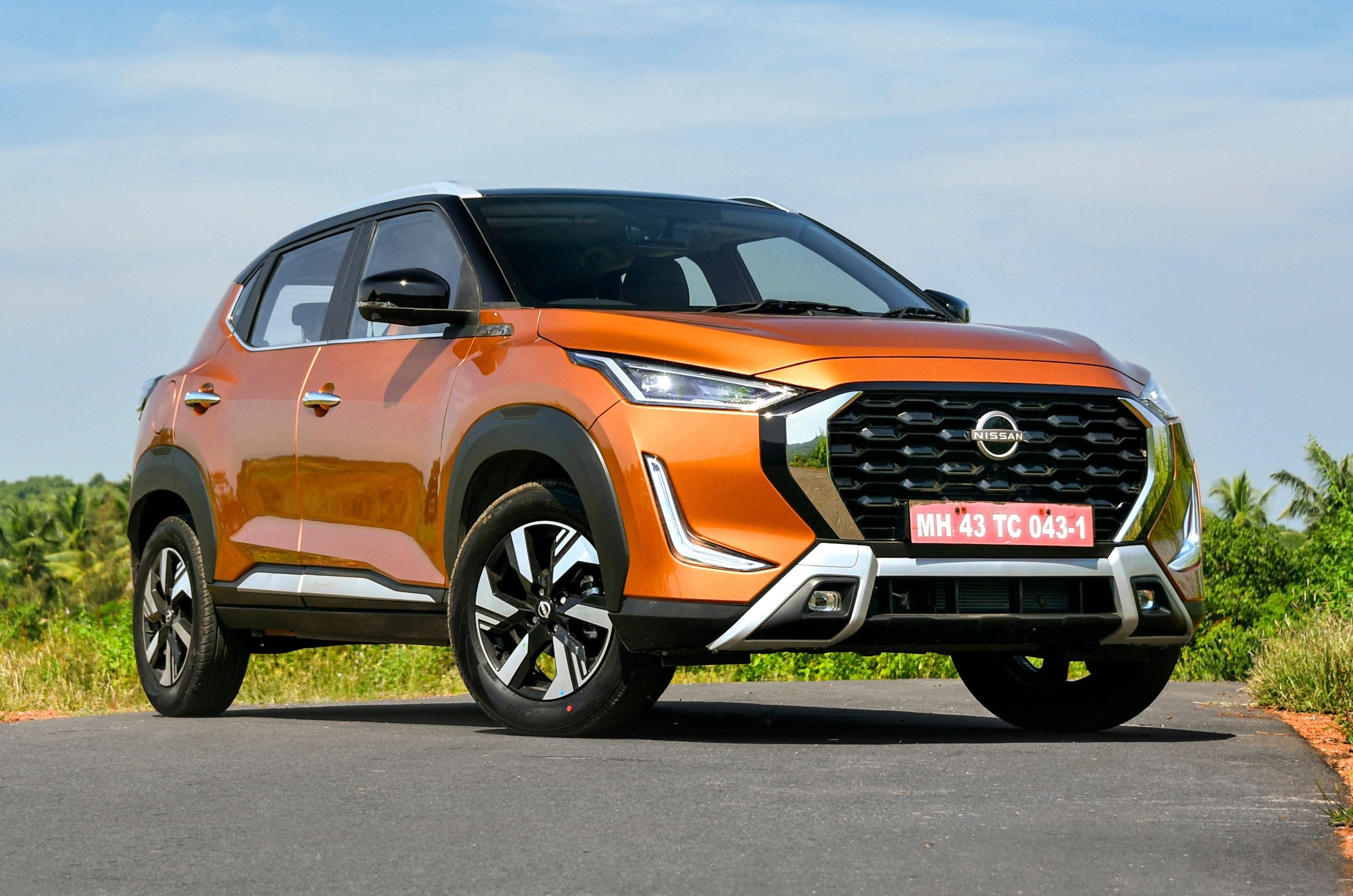
While the Magniteis essentially Nissan’s version of the Kiger, it outprices the Renault SUV by Rs 14,000 at the base level. Expectedly, the Magnite shares its 1.0-litre 3-cylinder petrol and turbo-petrol engines with the Kiger, as well as the dealer-fit CNG option, priced at Rs 74,999 (all charges included). The Magnite is also one of only two SUVs on this list to offer an AMT gearbox with its CNG powertrain.
Nissan Magnite price list (Rs lakh)
Trim
1.0 P 5MT
1.0 P 5AMT
1.0 Turbo P 5MT
1.0 Turbo P CVT
Visia
5.65
6.24
–
–
Visia+
6.20
–
–
–
Acenta
6.81
7.36
–
9.25
N-Connecta
7.44
7.99
8.71
9.67
Tekna
8.37
8.92
9.55
10.62
Tekna+
8.70
9.25
9.88
10.96
Kuro
7.79
8.34
9.10
9.99
2. Tata Punch
Starting price: Rs 5.65 lakh
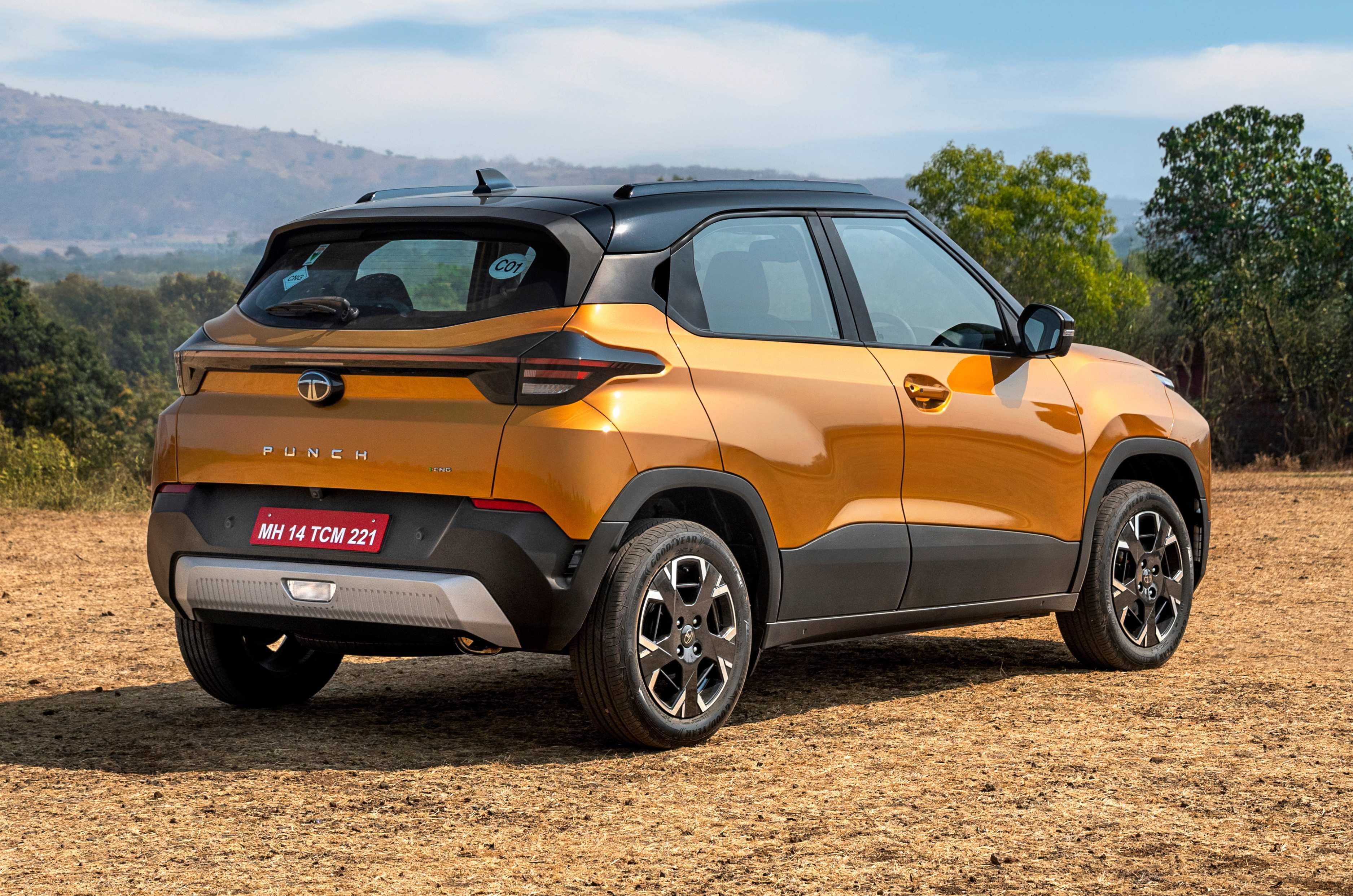
With the 2026 Punch facelift, Tata not only introduced several styling tweaks, feature upgrades and a new 120hp turbo-petrol engine, but it also reduced the model’s starting price by Rs 40,000. This makes the Punch the second-cheapest SUV in India right now. Aside from the new turbo-petrol mill, the 2026 Punch retains its prior 1.2-litre 3-cylinder naturally aspirated engine in 88hp petrol and 73hp CNG guises, along with their manual and AMT options.
2026 Tata Punch price list (Rs lakh)
Trim
1.2 P 5MT
1.2 P 5AMT
1.2 CNG MT
1.2 CNG AMT
1.2 Turbo P MT
Smart
5.65
–
6.75
–
–
Pure
6.55
–
7.55
–
–
Pure+
7.05
7.60
8.05
8.60
–
Pure+ S
7.40
7.95
8.40
–
–
Adventure
7.65
8.20
8.65
9.20
8.35
Adventure S
8.00
–
9.00
9.55
–
Accomplished
8.35
8.90
9.35
–
–
Accomplished+ S
9.05
9.60
–
10.60
9.85
1. Citroen C3
Starting price: Rs 4.99 lakh
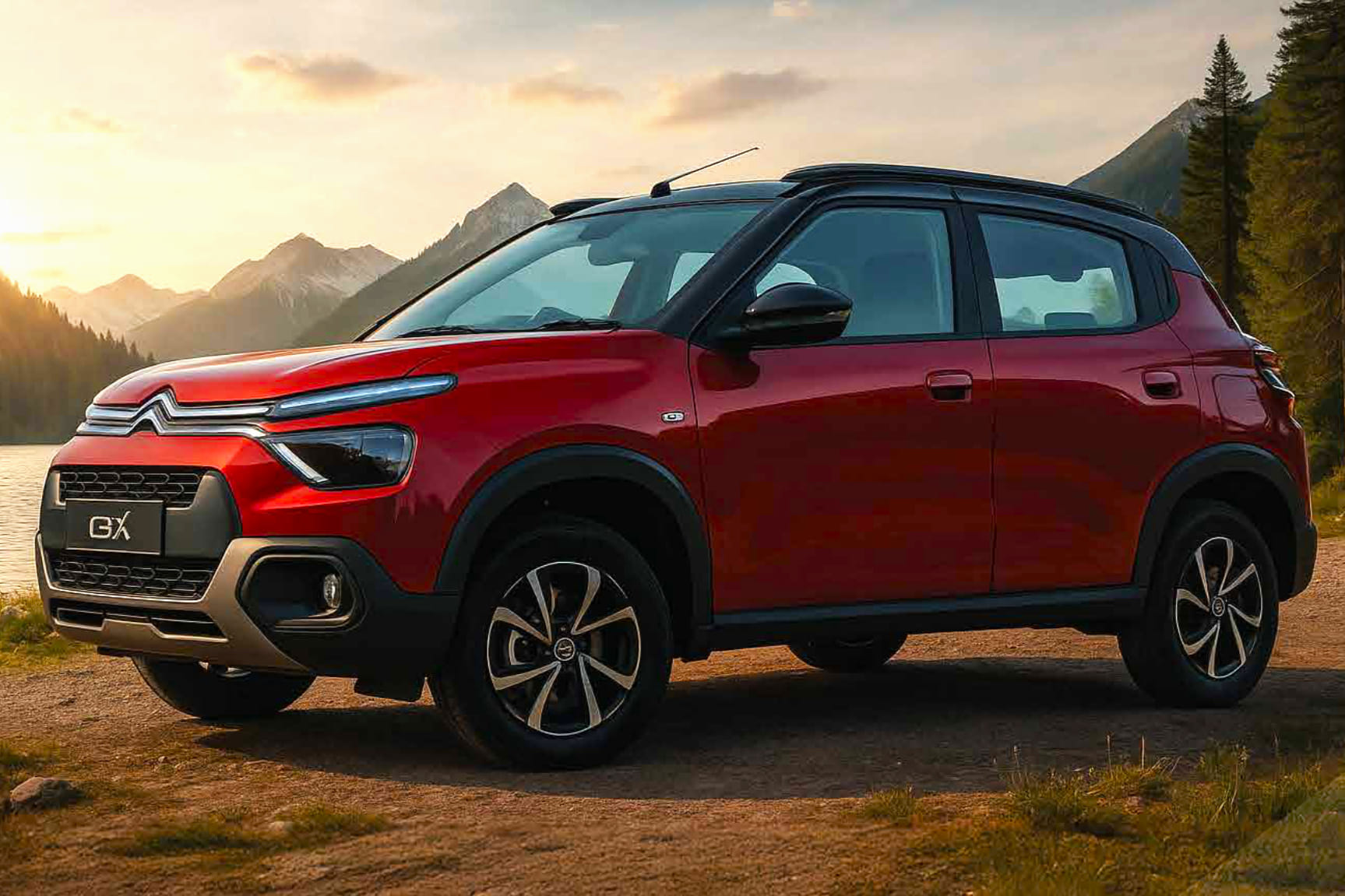
Taking top spot on the affordability rankings is the Citroen C3, the French carmaker’s entry-level model for the Indian market. The C3 received an ‘X’ update in 2025 that lowered its pricing and added some useful features. There are two 1.2-litre 3-cylinder petrol engines on offer with the C3: an 82hp naturally aspirated unit and a 110hp turbocharged mill. The NA engine comes with a 5-speed manual only, while the turbo-petrol motor offers either a 6-speed manual or a 6-speed torque-converter automatic.
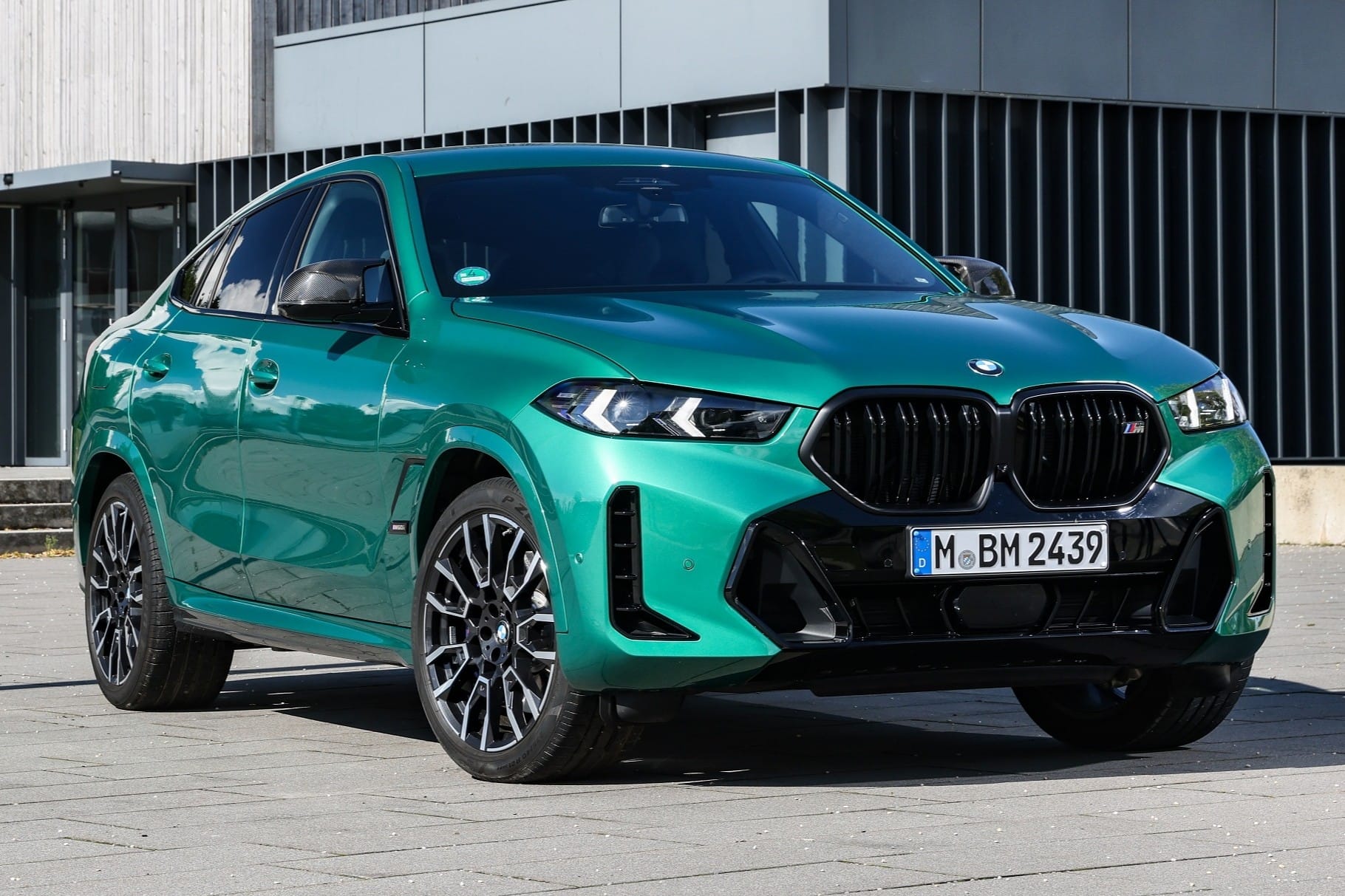
BMW India has brought back the X6 coupe-SUV at an ex-showroom price of Rs 1.78 crore. The model is only available in M60i xDrive guise, and is sold via the CBU route.
Powered by a 530hp, 750Nm 4.4-litre V8 petrol engine.
Does a 0-100kph sprint in 4.3 seconds (claimed).
BMW X6 M60i xDrive powertrain details
Powering the BMW X6 is a 4.4-litre twin-turbo V8 petrol engine with 48V mild-hybrid assist producing 530hp and 750Nm of torque. Power is sent to all four wheels via an 8-speed automatic gearbox. Additionally, there’s rear wheel steering, adaptive suspension, a limited-slip differential, while there’s also an xDrive AWD system thats rear biased. BMW claims a 0-100kph sprint in 4.3 seconds, while it can reach speeds of up to 250kph.