Petrol Diesel Price Today: इंटरनेशनल मार्केट में कच्चे तेल की कीमतों में नमी आई है। ऐसा इसिलए है क्योंकि होर्मुज में फंसे मालवाहक जहाजों के निकलने से सप्लाई की चिंताएं कम हुई हैं, जिससे अंतर्राष्ट्रीय स्तर पर तेल की कीमतें इस हफ्ते भारी गिरावट की ओर बढ़ रही हैं। इसके बावजूद देश में पेट्रोल और डीजल की कीमतों में कोई बदलाव नहीं किया गया है। सरकारी तेल कंपनियों IOCL, BPCL और HPCL ने आज भी दिल्ली, मुंबई, कोलकाता, चेन्नई समेत प्रमुख शहरों में ईंधन के दाम स्थिर रखे हैं।
इंटरनेशनल मार्केट में क्रूड ऑयल की कीमतें
शुक्रवार, 26 जून को ग्लोबल मार्केट में कच्चे तेल की कीमतों में गिरावट देखी गई। जिसके चलते ब्रेंट क्रूड फ्यूचर्स 0.56% गिरकर $74.84 प्रति बैरल पर आ गया, जबकि US वेस्ट टेक्सास इंटरमीडिएट 0.50% गिरकर $71.56 प्रति बैरल पर आ गया। मिंट की रिपोर्ट के मुताबिक, इस हफ्ते ब्रेंट और WTI क्रूड दोनों में लगभग 7% की गिरावट आने वाली है।
आज आपके शहर में क्या है पेट्रोल-डीजल का रेट?
अंतरराष्ट्रीय बाजार में कच्चे तेल की कीमतों में गिरावट के बावजूद देश में पेट्रोल और डीजल के दाम फिलहाल स्थिर बने हुए हैं। हालांकि, अलग-अलग राज्यों में वैट (VAT), स्थानीय टैक्स और माल ढुलाई (फ्रेट) शुल्क अलग होने की वजह से ईंधन की कीमतों में अंतर देखने को मिलता है। अब चलिए जानतें हैं आपके शहर में आज पेट्रोल-डीजल का क्या है भाव?
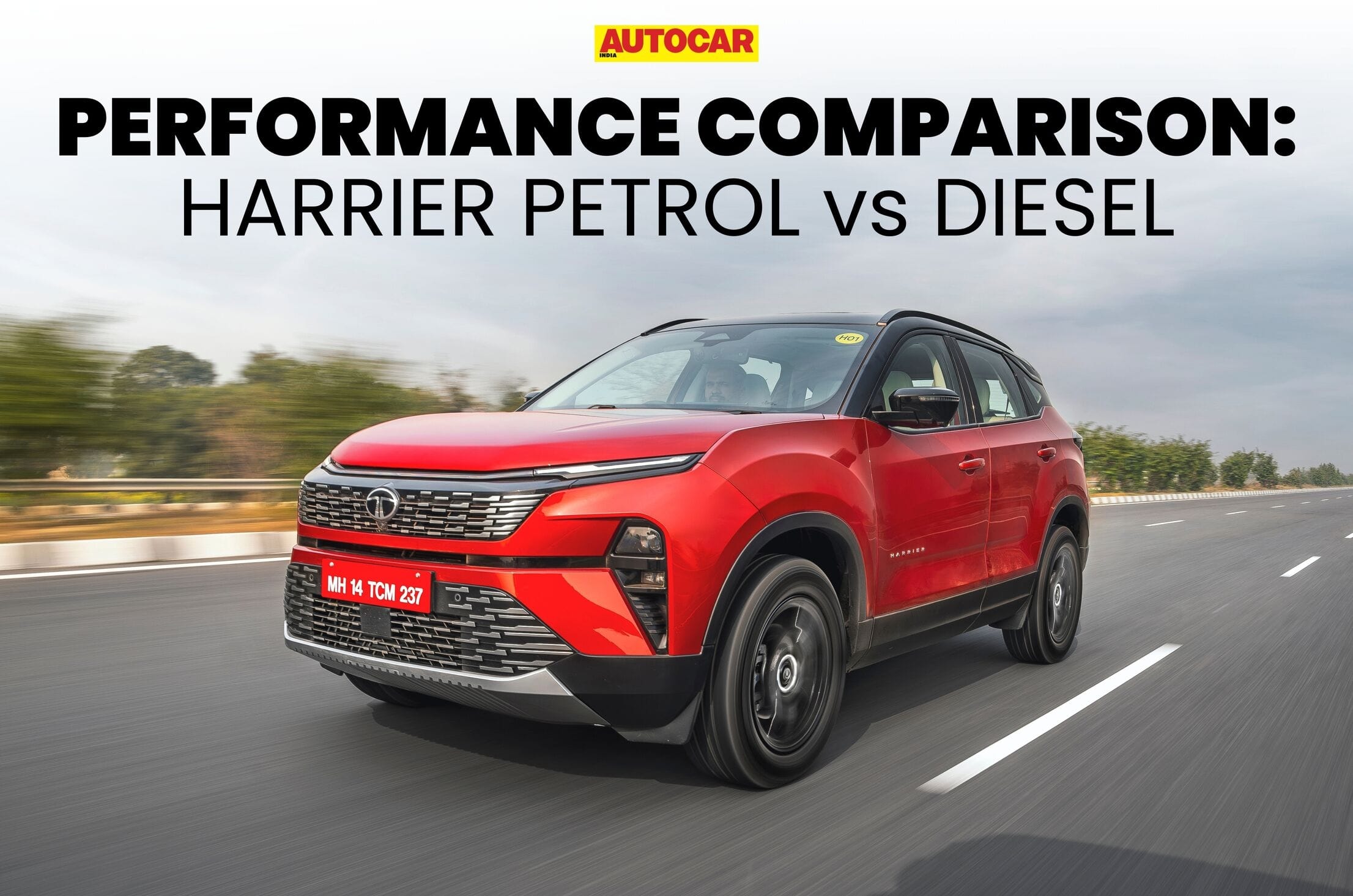
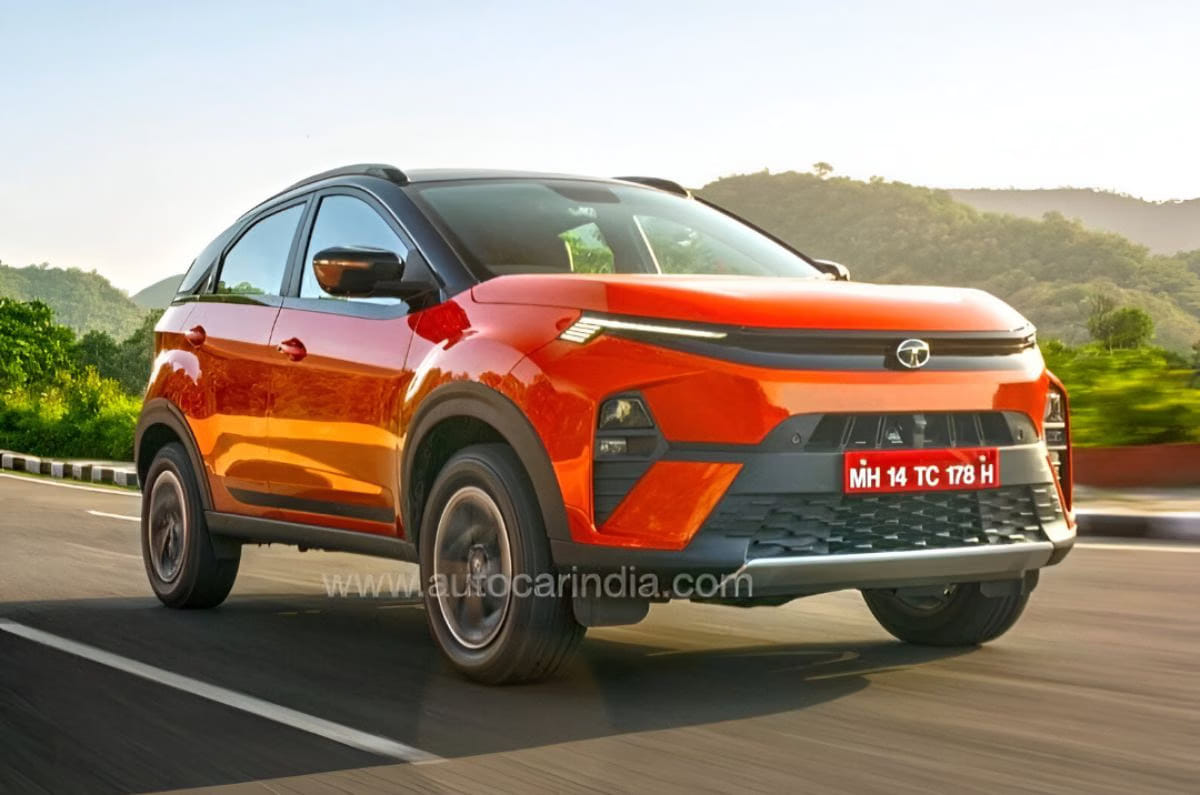
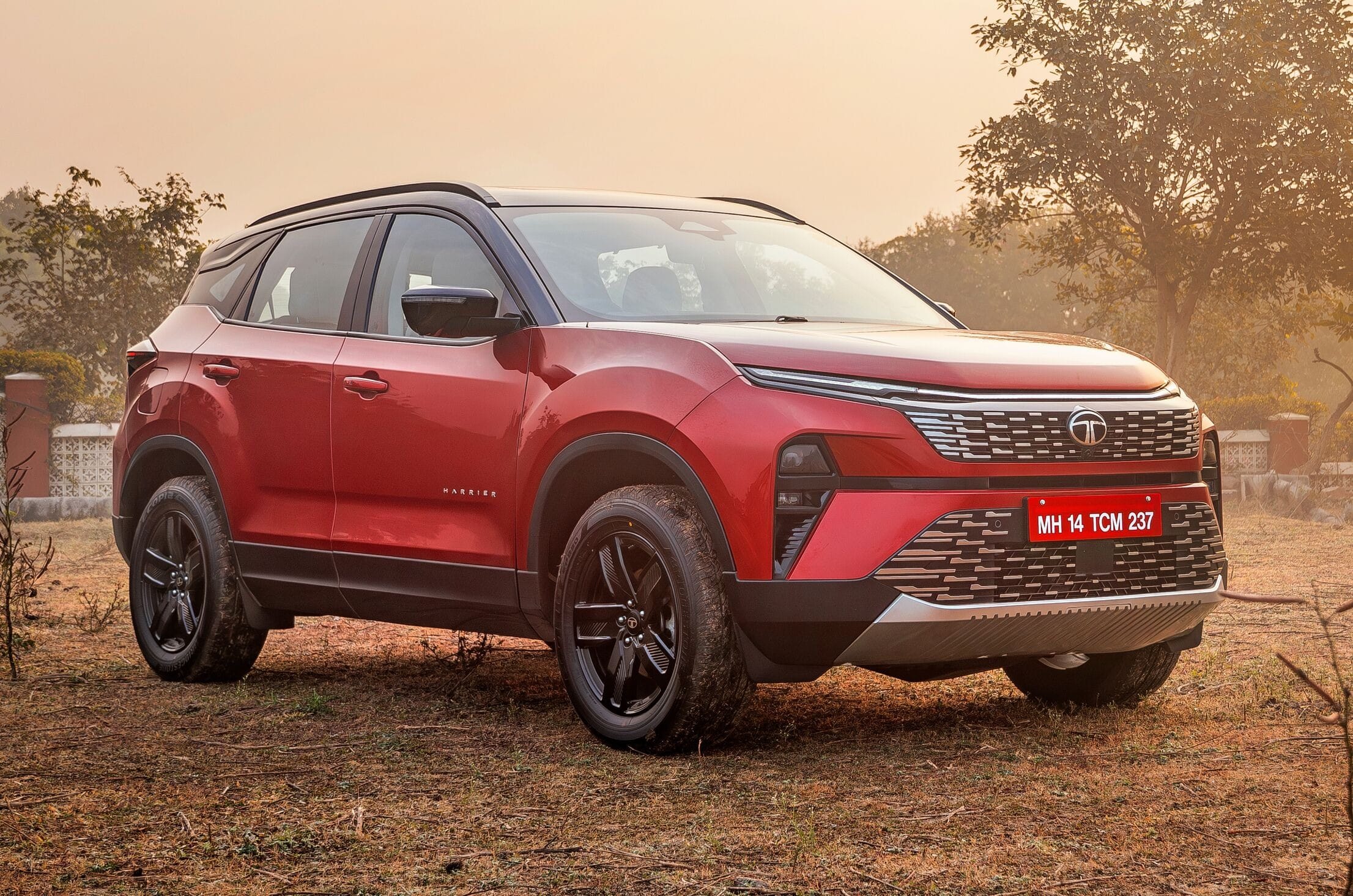
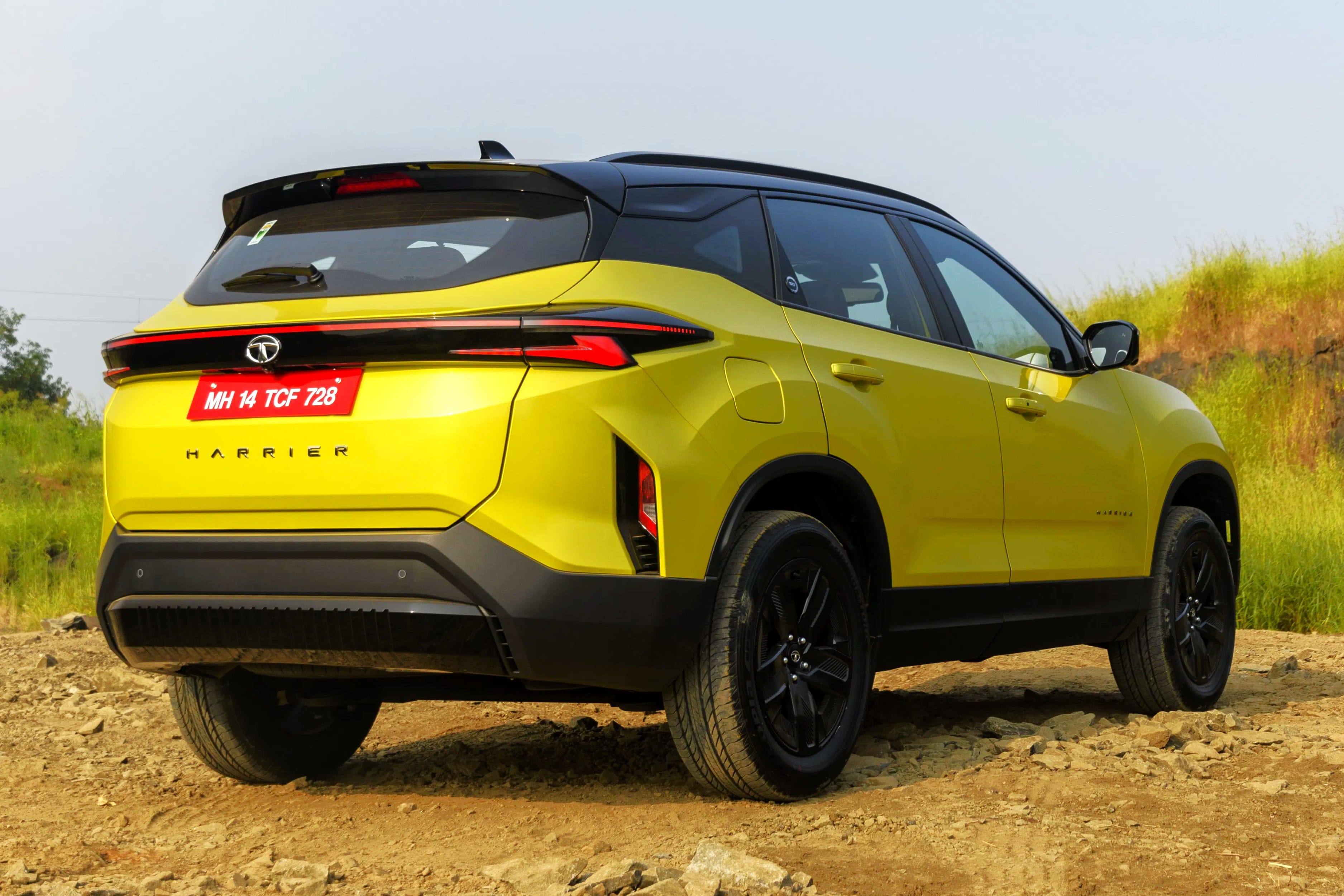
Introduced in 2019, the Harrier was Tata’s first attempt at a premium 5-seat SUV and the first model to utilise the brand’s Land Rover-derived Omega Arc platform. It was initially sold with only a diesel engine, and a petrol-powered version was launched about seven years later, in 2026. We’ve tested both of these in the automatic guise to find out which powertrain offers better real-world performance.
Both engines develop identical power, but the diesel delivers more torque
Tata Harrier petrol vs diesel automatic: Specifications
Harrier Petrol
Harrier Diesel
Engine
4 cyls, 1,498cc, turbocharged
4 cyls, 1,956cc, turbocharged
Power (hp)
170
170
Torque (Nm)
280
350
Gearbox
6AT
6AT
Weight (kg)
1,738
1,823
Tata offers the Harrier with two turbocharged engine options: a 1.5-litre petrol, developed in-house by Tata, and a Fiat-sourced 2.0-litre diesel. While both churn out 170hp, the diesel is torquier, developing 350Nm – 70Nm more than the petrol. These can be paired with a 6-speed torque-converter automatic or a 6-speed manual gearbox.
Tata Harrier petrol vs diesel AT: 0-100kph acceleration test
Tata Harrier petrol vs diesel AT: 0-100kph acceleration test
Harrier petrol (seconds)
Harrier diesel (seconds)
0-20kph
1.51
1.31
0-40kph
3.49
3.14
0-60kph
5.28
5.32
0-80kph
7.70
8.17
0-100kph
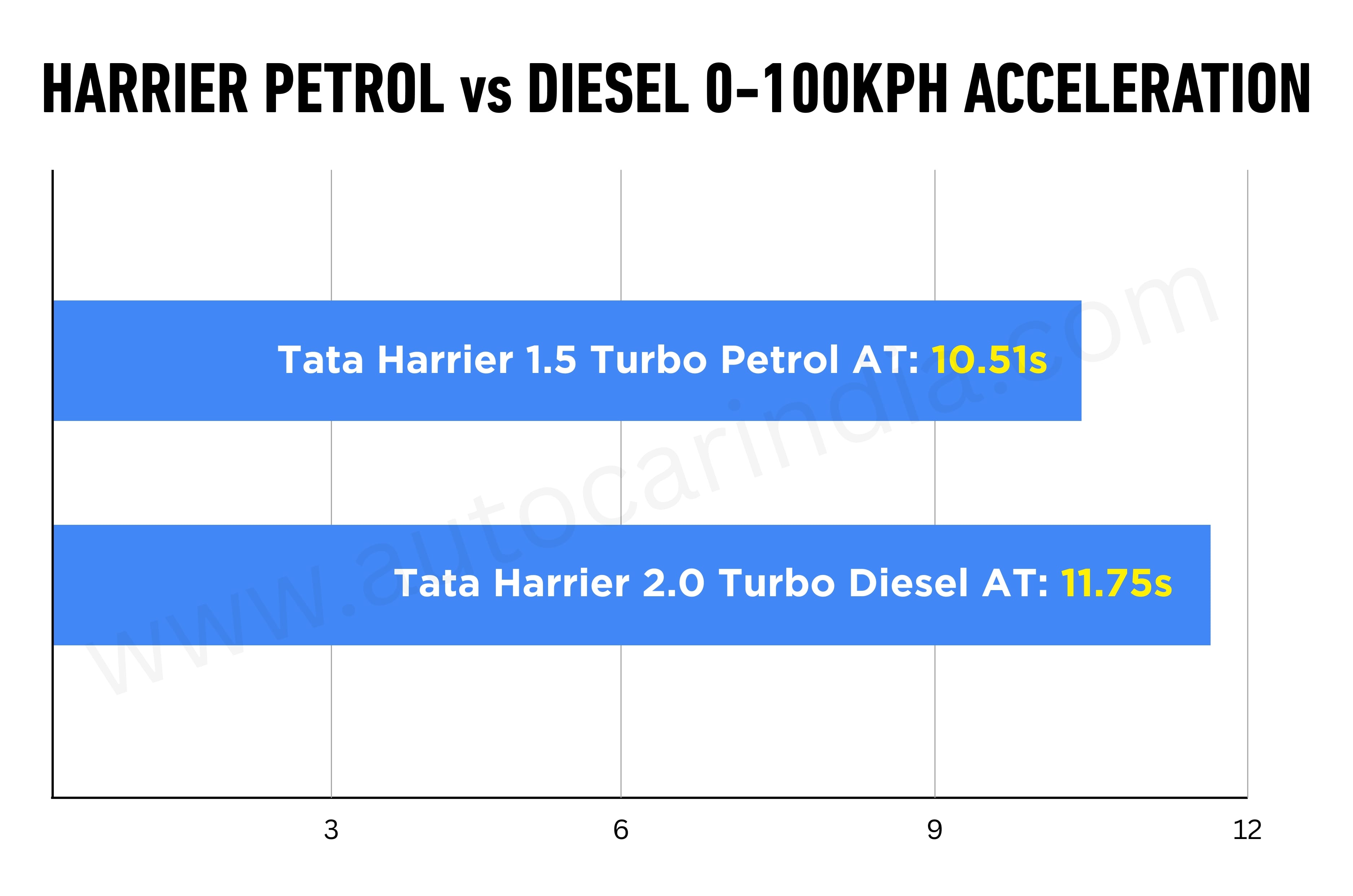
10.51
11.75
0-120kph
15.79
16.84
In our 0-100kph acceleration tests, the Harrier petrol outperformed the diesel by 1.24 seconds despite the latter having a 70Nm torque advantage. Up to 40kph, the diesel’s higher torque and its accessibility from lower revs helped it grab the lead. At about 60kph, the petrol version’s lighter footprint and stronger high-end power delivery helped it pull ahead and stay ahead.
Tata Harrier petrol vs diesel AT: Rolling acceleration test
Tata Harrier petrol vs diesel AT: Rolling acceleration test
Harrier petrol (seconds)
Harrier diesel (seconds)
20-80kph (in kickdown)
6.37
8.32
40-100kph (in kickdown)
8.01
6.82
In our rolling acceleration tests, the Harrier petrol outran the diesel by nearly 2 seconds in the 20-80kph run. However, in the 40-100kph test, the Harrier diesel was ahead by 1.69 seconds.
Tata Harrier petrol vs diesel AT: Prices
Diesel variants cost more than the petrol ones
Tata Harrier petrol vs diesel AT: Prices
Harrier petrol-AT
Harrier diesel-AT
Price (Rs lakh)
17.53-24.69
18.65-25.84
Both engines are available with an automatic gearbox option from the one-above-the-base Pure X trim. However, the Harrier’s petrol-automatic variants are more affordable than the diesel-automatic ones by well over Rs 1 lakh in the same trim levels.
Autocar India’s testing standards
Before we conduct our performance tests, we check and maintain tyre pressures based on the manufacturer’s recommendations and ensure the car has a full tank of fuel. The car is then tested in a controlled environment with two people on board, and the data is collected via highly accurate GPS-based timing equipment.
A pilot trial for blending 2 percent isobutanol with diesel is expected to begin in the second quarter of FY27, Girish Wagh, MD and CEO of Tata Motors stated during a media roundtable on Thursday. A government-led task force, which includes active participation from original equipment manufacturers (OEMs), oil marketing companies, testing agencies and others, is driving the initiative. Tata Motors is currently coordinating with state-run Hindustan Petroleum to secure the specialised blended fuel for the upcoming tests.
Isobutanol has a lower calorific value (energy content) than diesel
A minimal 2 percent blend may have a negligible effect on the vehicle’s performance
The development should be seen in the context of how ethanol is being blended with petrol, with the base blending level now at 20 percent (also called as E20). Amidst fuel supply challenges emanating from the West Asia war, the government recently notified standards for ethanol blending of E22, E25, E27 and E30. Plans are now being prepared to take blending levels up further, and the government also announced the rollout of E85 and E100.
ARAI to lead 10-month-long assessment
Our sister publication Autocar Professional had reported earlier about how commercial vehicle manufacturers, Automotive Research Association of India (ARAI), the Council of Scientific and Industrial Research, oil marketing companies and others are moving to break a decades-long deadlock in diesel decarbonisation by launching a nationwide validation program for isobutanol blending.
The ARAI will lead a 10-month technical assessment alongside bioenergy tech supply major Praj Industries to determine if isobutanol can serve as a seamless “drop-in” replacement for standard diesel. With nearly all major OEMs expected to participate, the initiative indicates a shift away from problematic diesel-blending trials, focusing instead on a molecule that promises better stability and safety for the nation’s critical transport fleet.
Oil majors like Bharat Petroleum have been testing isobutanol for two years, recently completing a three-month trial in stationary Cummins engines. They are now committing significant capital to validate data across 33 different vehicle types in India.
Issues in isobutanol-diesel blending
To understand why isobutanol is causing a stir, one must look at the failures of ethanol-diesel blending. For years, engineers tried to force ethanol into diesel tanks, but the chemistry refused to cooperate. Ethanol is a two-carbon alcohol with a “polar” structure, meaning it doesn’t like to mix with the oily consistency of diesel. Without expensive chemical binders, the two fuels simply separate in the tank.
More critically, ethanol is a fire hazard in a diesel ecosystem. Its flashpoint – the temperature at which it catches fire – is a mere 12 to 13deg C. Diesel, by contrast, is regulated to a minimum of 35deg C. This difference puts them in entirely different petroleum safety classes, making shared storage and transport a logistical nightmare. Even with proprietary binders, OEMs were rarely comfortable going beyond a 5 percent blend before combustion issues emerged.
Technical bridge in the making
Praj Industries, the Pune-based bioenergy giant, has spent the last two years building the technical bridge that ethanol couldn’t cross. As a four-carbon alcohol, isobutanol behaves much more like diesel. Its flashpoint sits between 27 and 30deg C, which allows it to stay within the same Class B petroleum category as diesel. This means the existing network of tankers and pumps doesn’t need a multi-billion-dollar overhaul. Initial investigation found that isobutanol remained stable at 10 percent blends for over 40 days without any separation. Early dynamometer trials on standard Indian driving cycles showed that a 5 percent blend slashed emissions with a negligible 1 to 2 percent impact on fuel mileage, a trade-off most fleet operators would take in a heartbeat.
Shift to blended fuels essential for national energy security: Girish
According to Wagh, isobutanol is a key lever for reducing reliance on imported fuels. While isobutanol has a lower calorific value (energy content) than traditional diesel, the minimal 2 percent blend is expected to have a negligible effect on vehicle performance.
“We do expect that isobutanol, because the calorific value is lower than that of diesel, there would be some impact,” said Girish. “But 2 percent is hardly anything to have an impact. But we will start these trials”. Wagh emphasised that the shift is essential for national energy security, noting that “energy independence is so important that I am sure… everybody will fall in line and do this”.
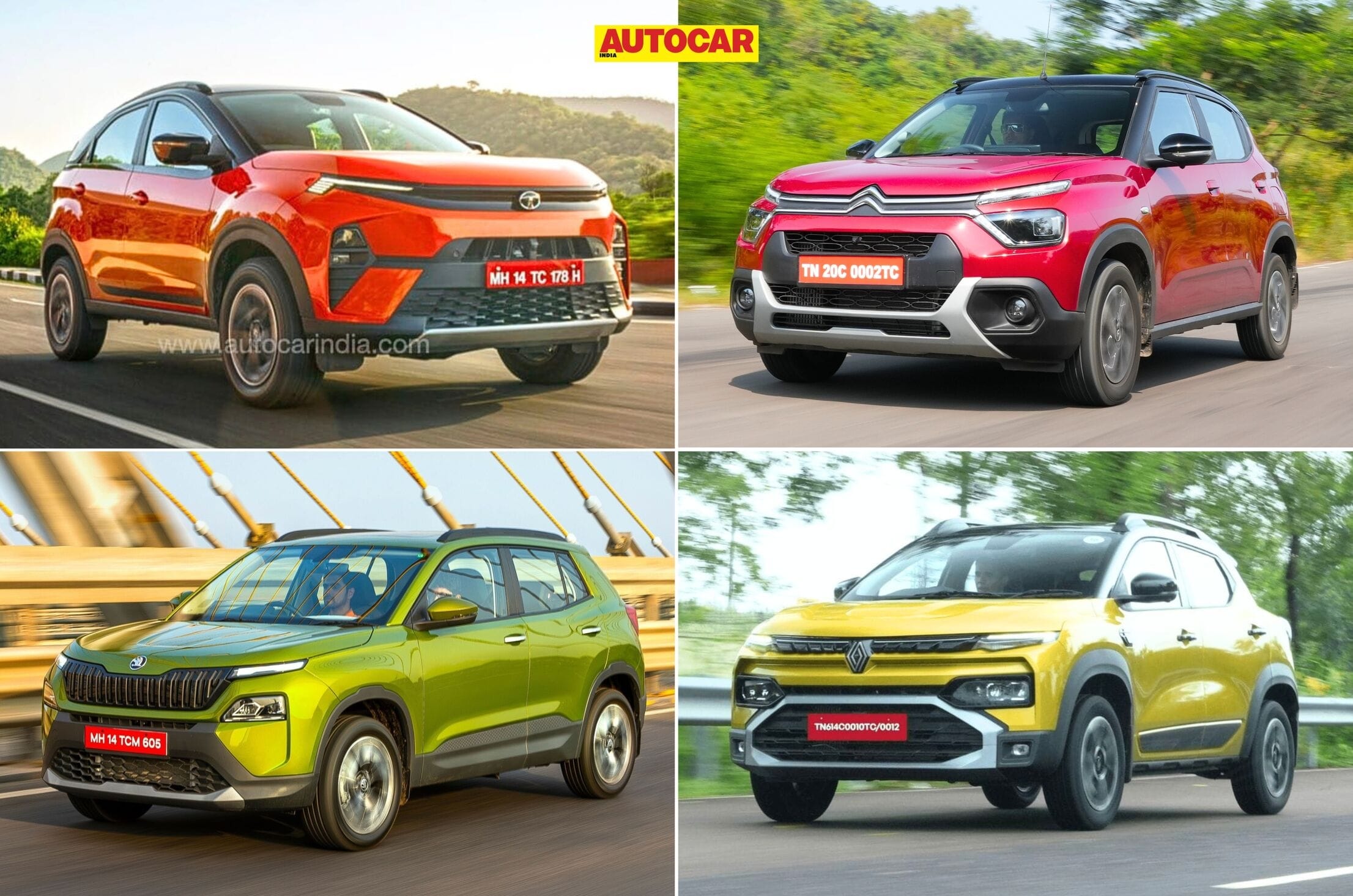
Turbocharged petrol engines are known to pack strong performance, and in some cases, they are even more fuel-efficient than their naturally aspirated counterparts, offering a nice blend of power and efficiency. If you’re looking for turbo-petrol cars under Rs 10 lakh, the Indian market currently has offerings from brands like Hyundai, Tata, Kia, Maruti Suzuki, Renault, Nissan, Skoda, and Citroen that come with a turbo-petrol engine. Read on to discover these 10 models, listed in the order of least to most affordable.
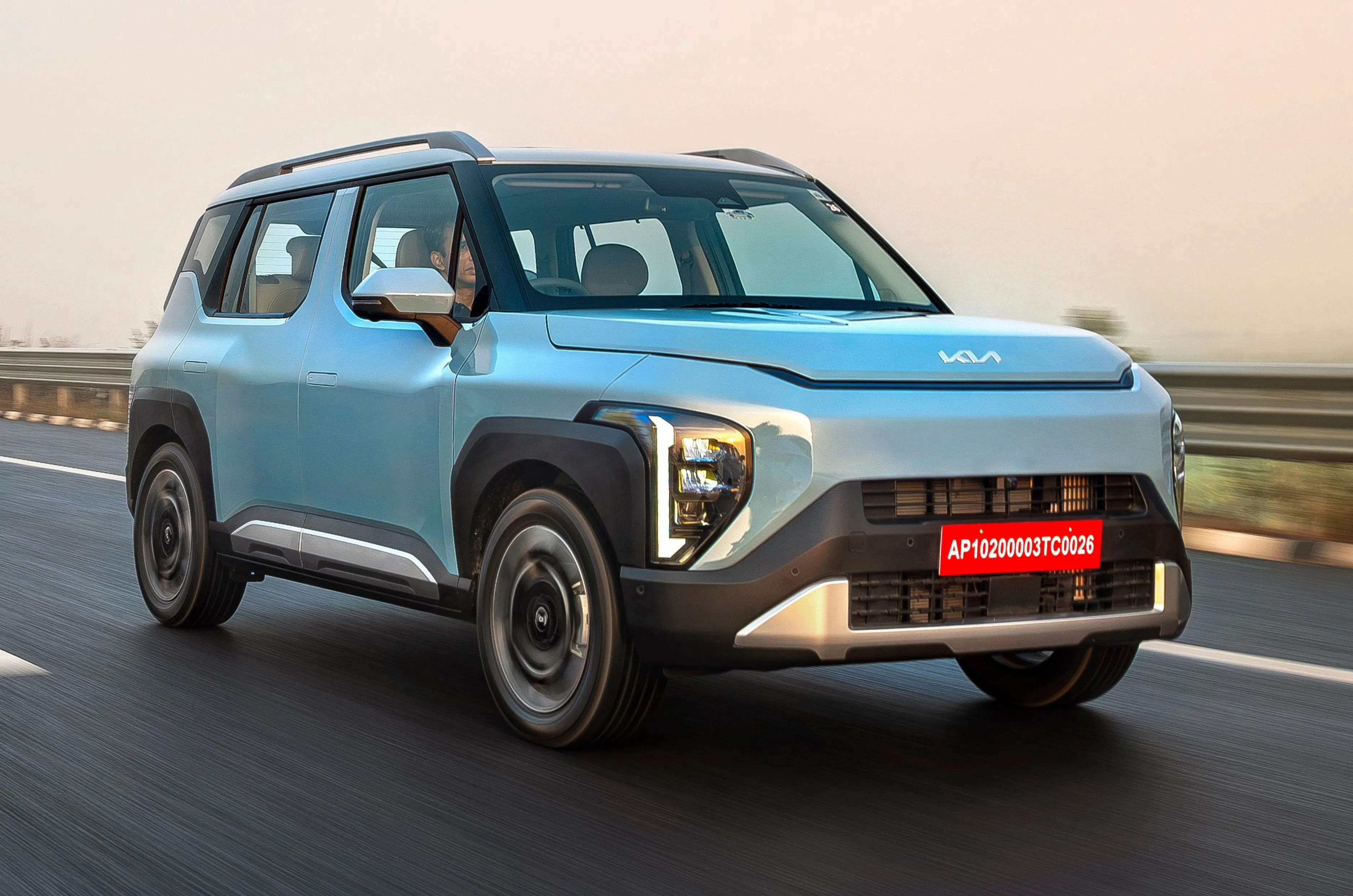
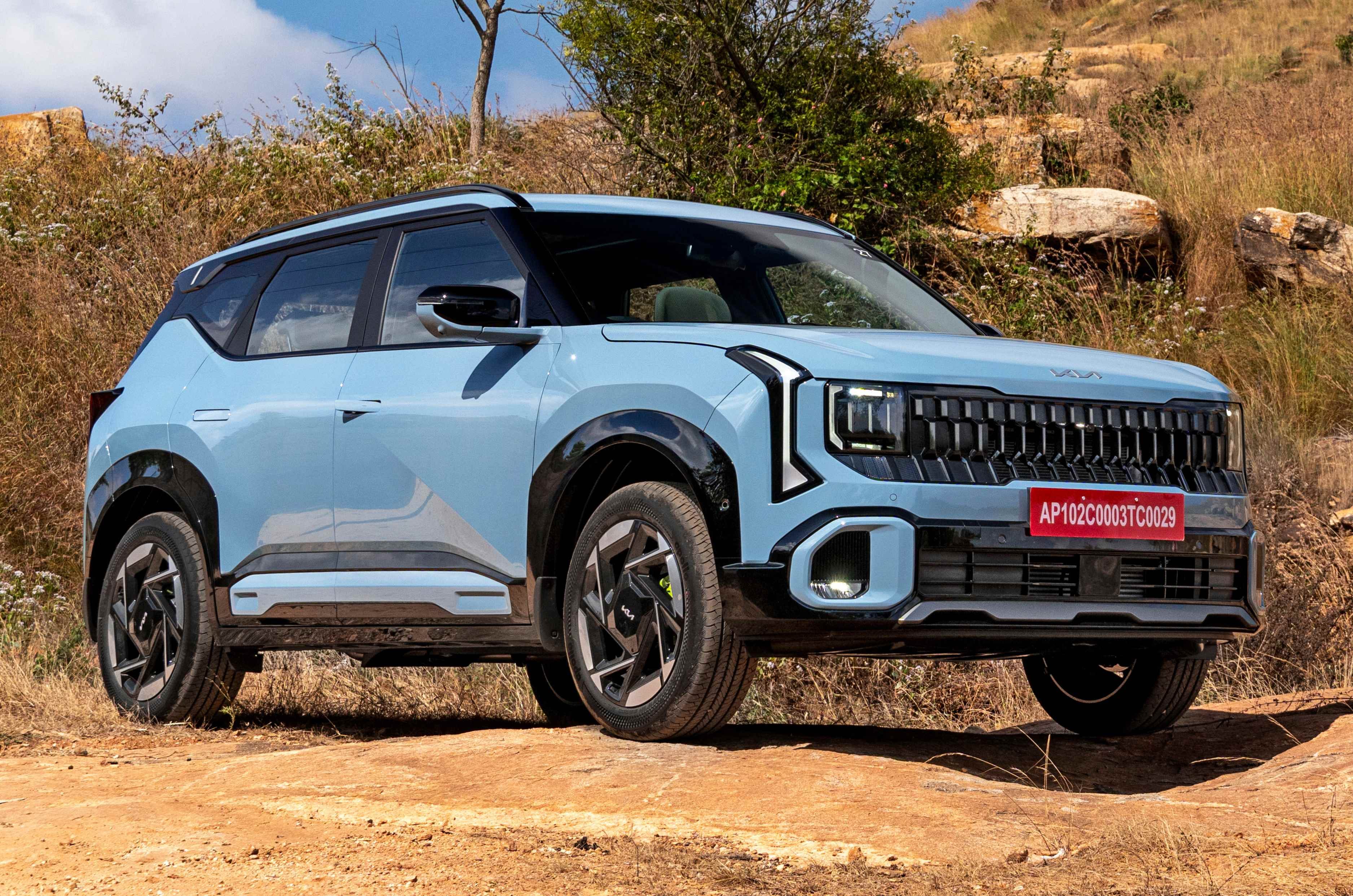
10. Kia Sonet
Price: 8.79 lakh onwards
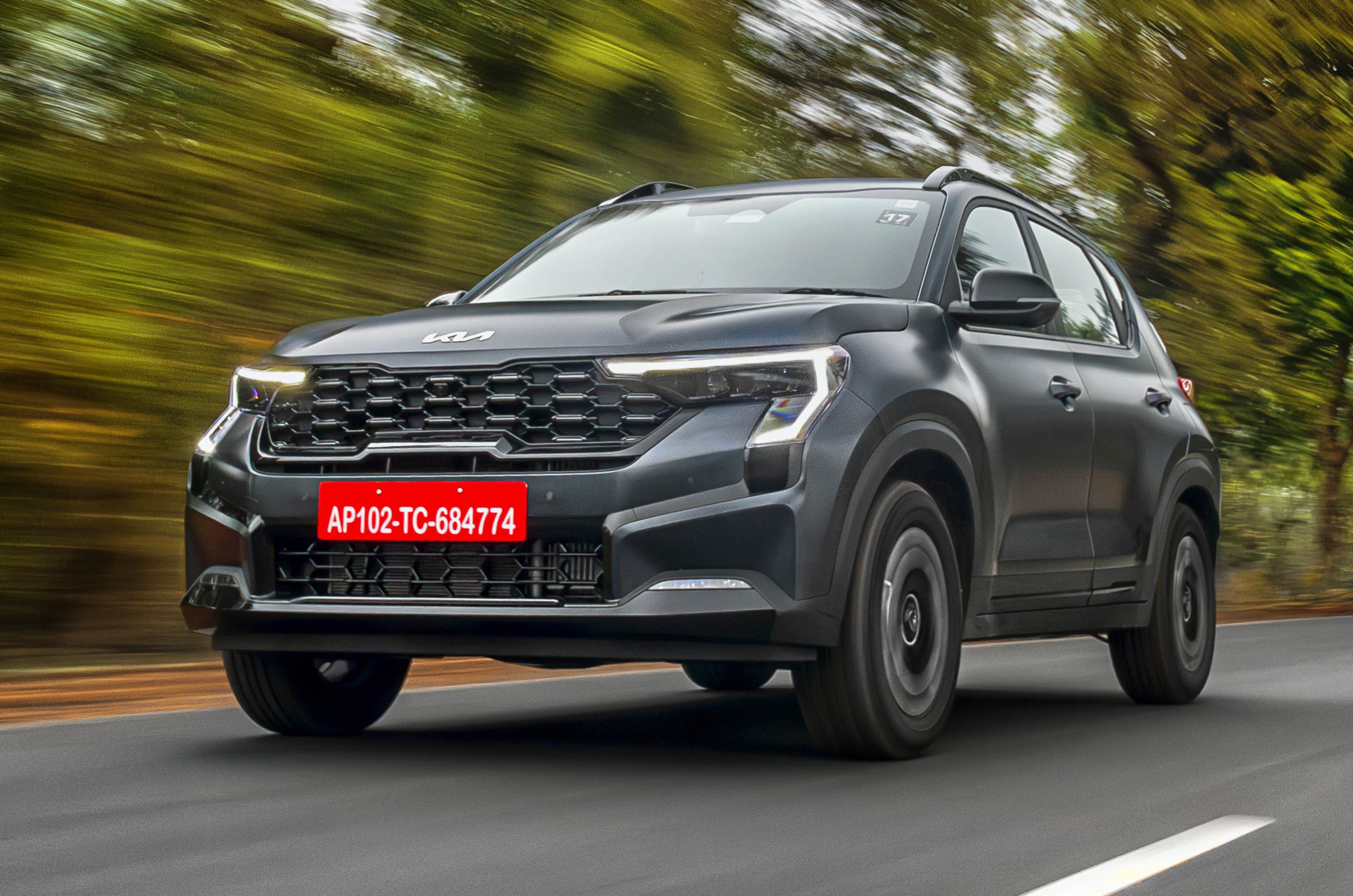
The Sonet is one of two contenders from Kia in the compact SUV space. It utilises the same 1.0-litre turbo-petrol unit as the i20 N Line’s. Notably, it’s the only model in this list that utilises a clutchless manual gearbox (iMT) with its turbo-petrol engine. There’s also a 7-speed DCT on offer as well. The Kia Sonet review mentions that its turbo-petrol unit has sufficient pep in most use cases.
Kia Sonet turbo-petrol price
Variant
Price (Rs lakh)
HTK(O) iMT
9.16
HTK(O) DCT
9.96
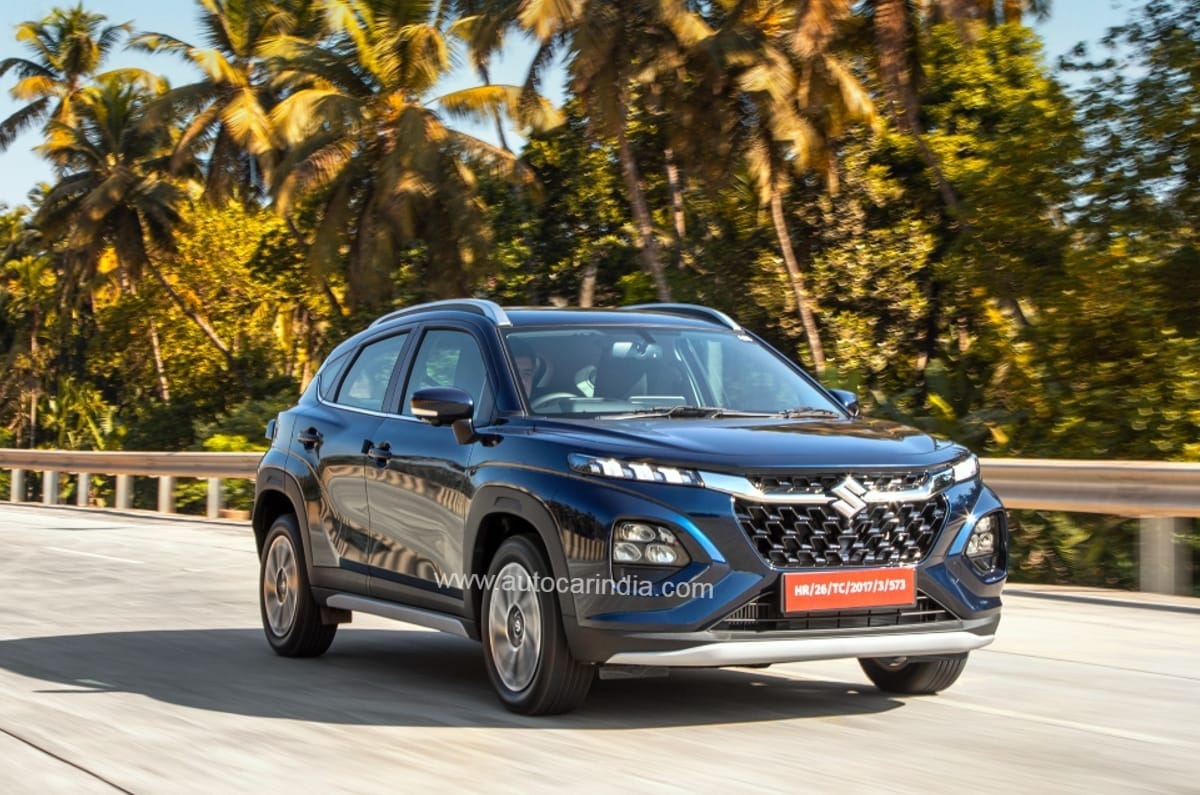
9. Maruti Suzuki Fronx
Price: Rs 8.91 lakh onward
The Fronx is Maruti’s only turbo-petrol-powered model, developing 100hp and 148Nm from a 1.0-litre unit. Power is sent to the front wheels via a 5-speed manual transmission. There’s also a 6-speed automatic gearbox on offer, but it’s priced over the Rs 10 lakh mark. In our Fronx review, we found its turbo-petrol unit has minimal turbo lag, but it lacked the mid-range punch one expects from a turbo-petrol engine.
Maruti Fronx turbo-petrol price
Variant
Price (Rs lakh)
Delta Plus MT
8.91
Zeta MT
9.71
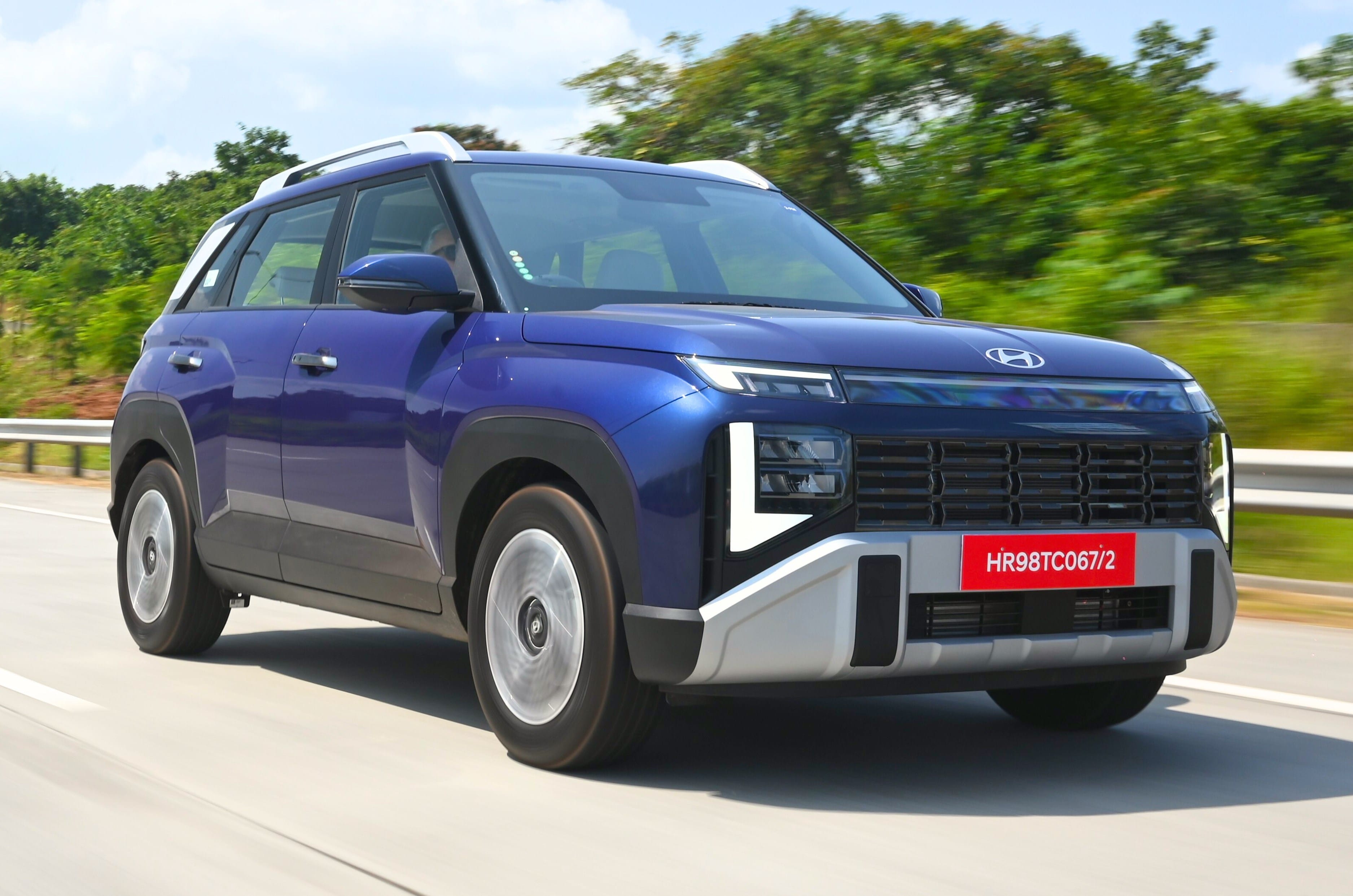
8. Hyundai Venue
Price: Rs 8.89 lakh onwards
The Hyundai Venue gets a similar 120hp, 1.0-litre turbo-petrol unit as the i20. Since the engine is paired with the base HX2 trim, it is more affordable in the Venue than the better-equipped i20 N-Line in the N6 trim. It is the most powerful model here, along with the i20 and Kia’s Sonet and Syros. We found the turbo-petrol engine’s performance to be strong and refined in our Hyundai Venue review.
Hyundai Venue turbo-petrol price
Variant
Price (Rs lakh)
HX2 MT
8.91
HX5 MT
9.90
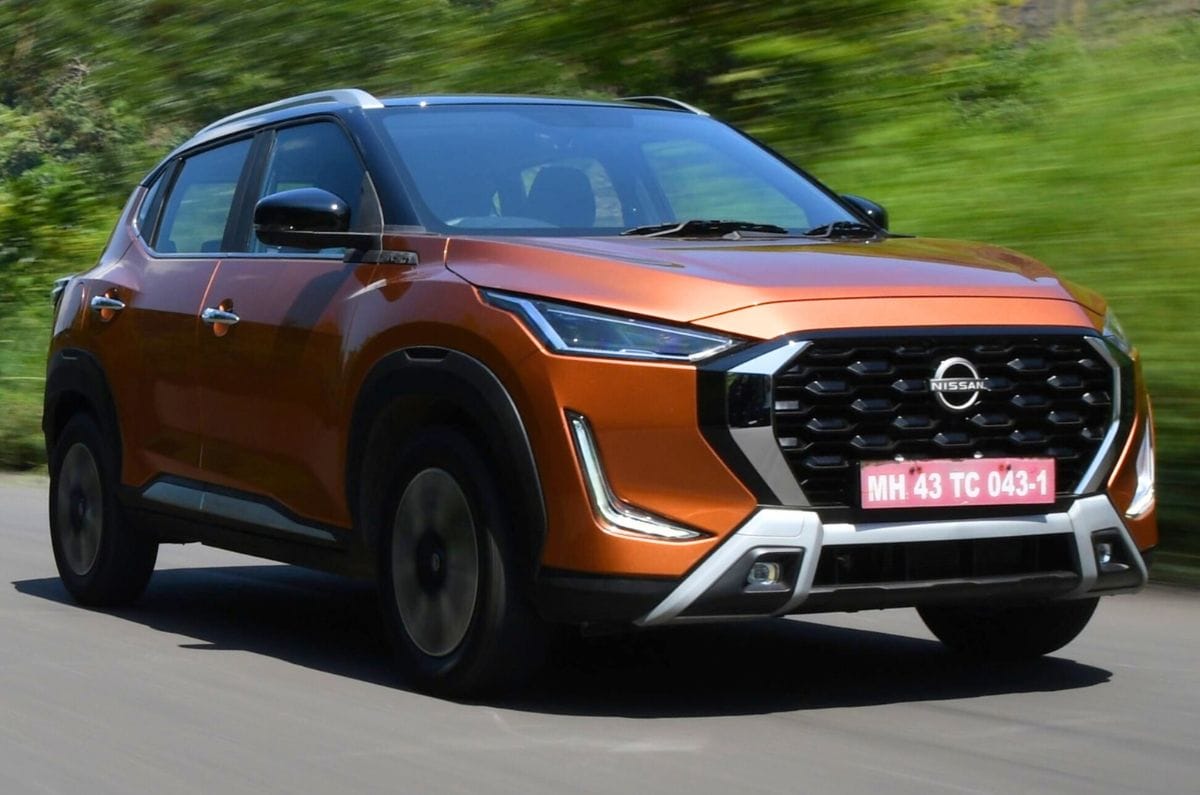
7. Nissan Magnite
Price: Rs 8.75 lakh onwards
The Magnite is Nissan’s only model on sale that offers a turbo-petrol engine. Its 1.0-litre unit delivers 100hp and 152Nm of torque and can be paired to a 5-speed manual transmission or a CVT gearbox. We found the Magnite’s engine to have great mid-range punch, and its CVT to be smooth-shifting in our review. There’s also a Kuro Edition of the SUV, which gets blacked-out styling and interior details.
Nissan Magnite turbo-petrol price
Variant
Price (Rs lakh)
N-Connecta MT
8.75
Tekna MT
9.54
Tekna+ MT
9.55
Acenta CVT
9.25
N-Connecta CVT
9.67
Kuro Edition MT
9.10
Kuro Edition CVT
9.99
6. Kia Syros
Price: Rs 8.42 lakh onwards
Despite sharing the same engine as the Venue, i20 and Sonet, the Syros is the most affordable of the four. Unlike the Sonet that offers an iMT gearbox with its turbo-petrol engine, the Syros offers a proper three-pedal setup. Our review of the Syros finds its engine to pull smoothly through seamless gearshifts, especially with the manual transmission.
Kia Syros turbo-petrol price
Variant
Price (Rs lakh)
HTE
8.42
HTE(O)
9.22
HTE(EX)
9.82
5. Tata Punch
Price: Rs 8.35 lakh onwards
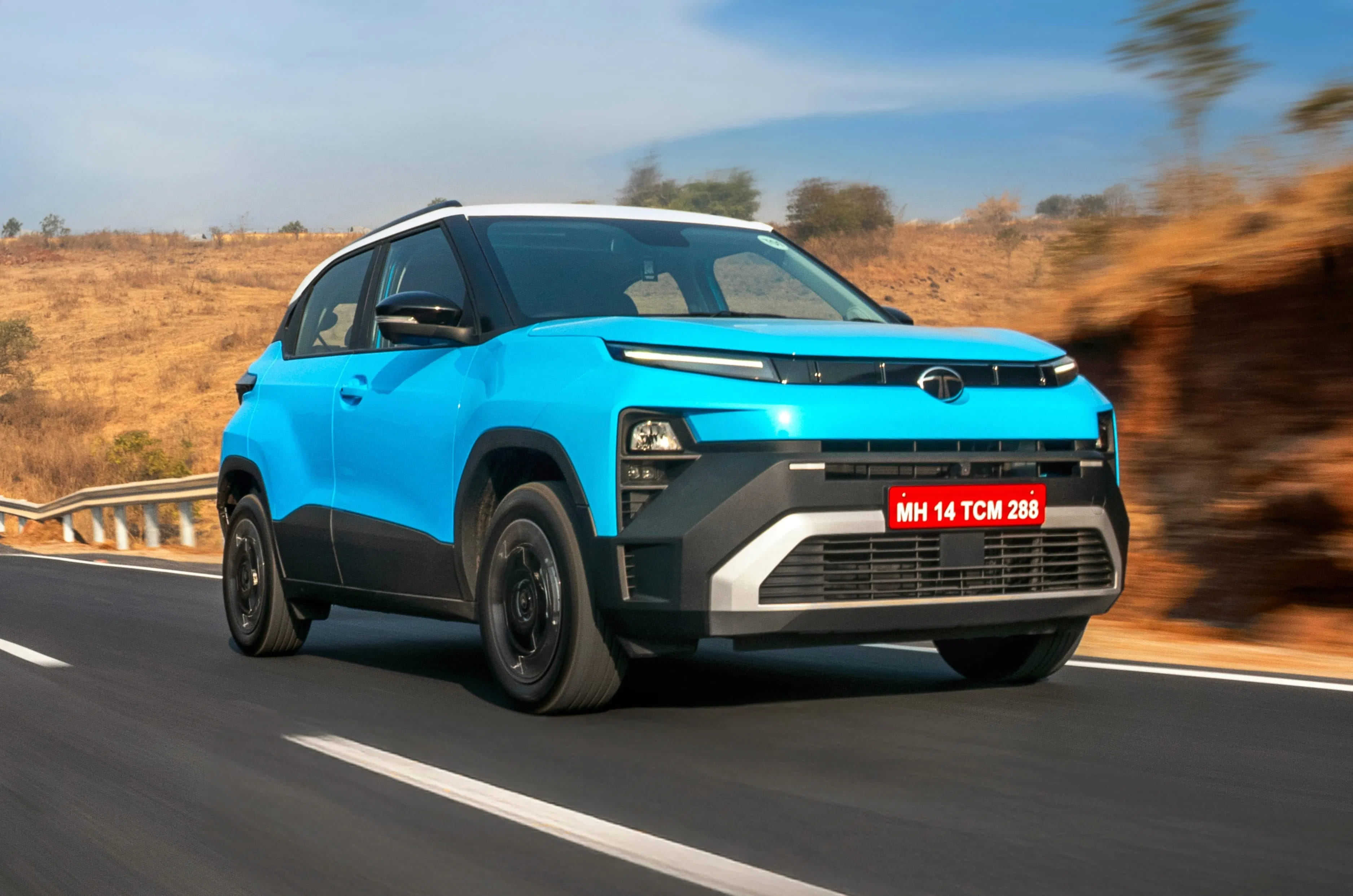
The 2026 Punch gets the Nexon’s 120hp turbo-petrol engine with its mid and top-level trims. However, unlike the Nexon, which also gets automatic transmissions, the Punch only gets a 6-speed manual gearbox with its turbo-petrol engine. It is the most affordable sub-compact SUV in this list, powered by a turbo-petrol engine. We experienced this engine in our review of the Punch and were impressed with its linear power delivery, overall grunt, and eager responsiveness.
Tata Punch turbo-petrol price
Variant
Price (Rs lakh)
Adventure
8.35
Accomplished+ S
9.85
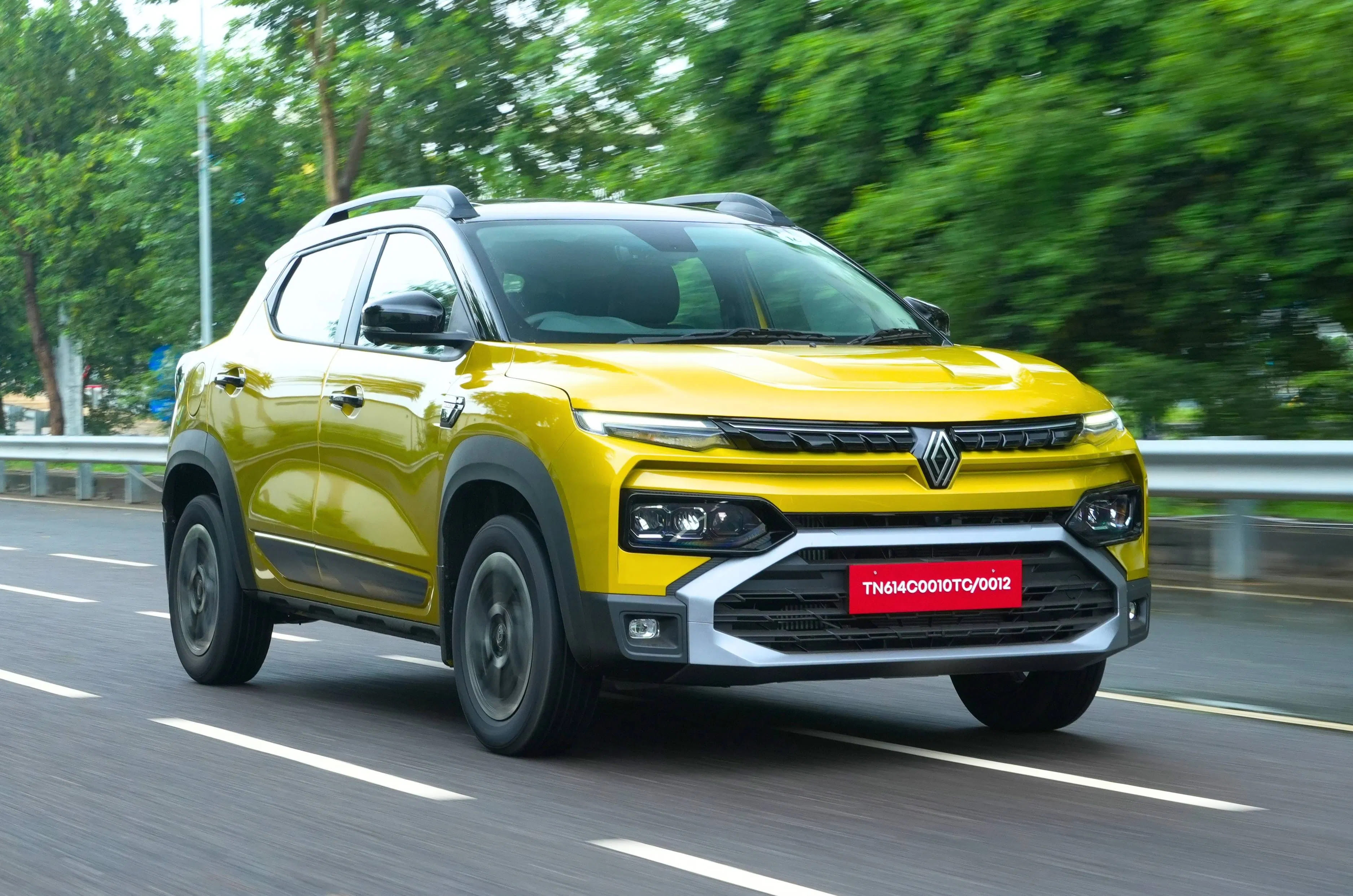
4. Renault Kiger
Price: Rs 7.89 lakh
The Kiger is Renault’s badge-engineered version of the Nissan Magnite. It also utilises Magnite’s 1.0-litre turbo-petrol engine and offers the same gearbox options. Our experience of the Kiger’s turbo-petrol engine mentions that it has enough pep and is responsive, and is much better to drive when paired with the CVT.
Renault Kiger turbo-petrol price
Variant
Price (Rs lakh)
Evolution+ Turbo MT
7.89
Techno Turbo MT
8.45
Techno Turbo CVT
9.35
Emotion Turbo MT
9.35
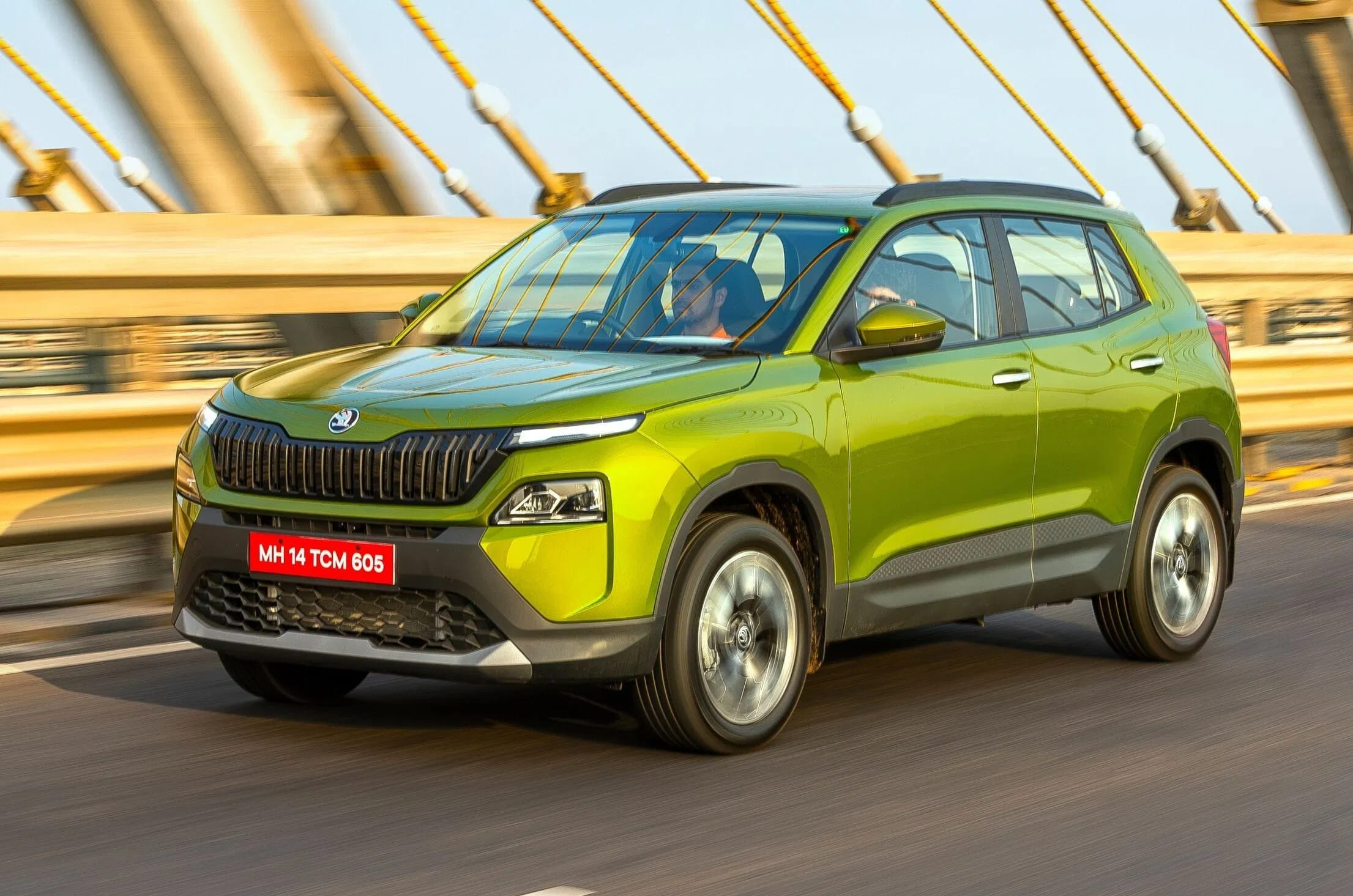
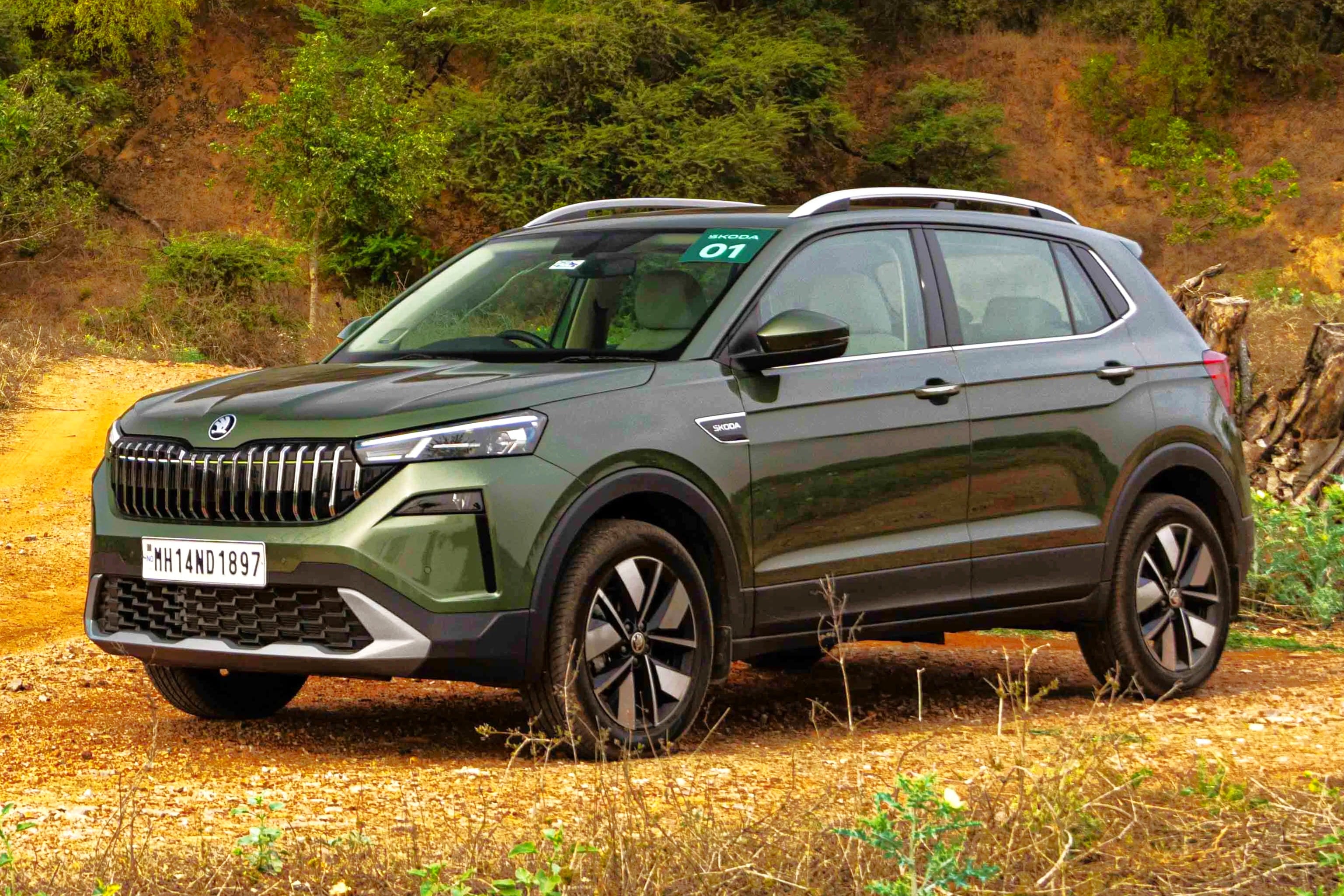
3. Skoda Kylaq
Price: Rs 7.59 lakh onwards
Skoda’s best-selling model in its lineup, the Kylaq compact SUV, is powered by a single 1.0-litre turbo-petrol engine delivering 115hp and 178Nm of torque, and is paired to a 6-speed manual or a 6-speed automatic gearbox. We found the Kylaq TSI engine’s strong power delivery to be a key highlight in our review.
Skoda Kylaq price
Variant
Price (Rs lakh)
Classic
7.59
Classic+
8.25
Classic+ AT
9.25
Signature
9.43
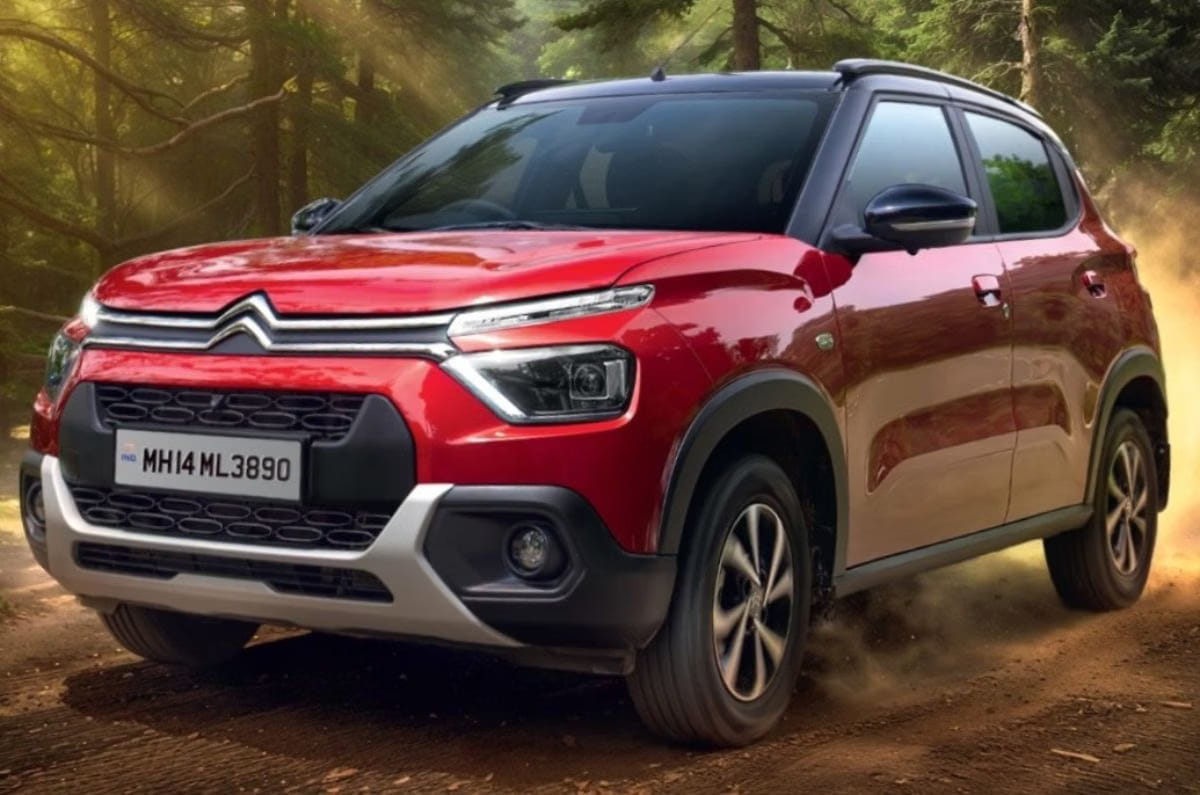
2. Citroen C3 X
Price: Rs 7.50 lakh onwards
The Citroen C3 X gets a turbo petrol engine on its mid and top trims. Powered by a 110hp,1.2-litre turbo-petrol engine, it produces the highest torque figures in this list with 190Nm and 205Nm with its 6-speed manual and automatic gearboxes, respectively. We found the engine quite responsive, with smooth shifts, making it engaging to drive compared with its rivals.
Citroen C3 X turbo-petrol price
Variant
Price (Rs lakh)
Feel turbo MT
7.50
Shine turbo MT
8.89
Shine turbo AT
9.60
1. Tata Nexon
Price: Rs 7.37 lakh onwards
Currently, the Nexon holds the crown for being the most affordable car and compact SUV with a turbo-petrol engine. Powering it is a 1.2-litre turbo-petrol engine producing 120hp and 170Nm of torque. The engine can be paired with multiple transmission options, including a 5-speed manual, 6-speed manual, and a 6-speed AMT. There’s also a DCT automatic gearbox as an option, but it’s priced above Rs 10 lakh. We found its engine and gearbox performance to be smooth, especially at city speeds, with Sport mode giving it slightly more punch in our Nexon review.
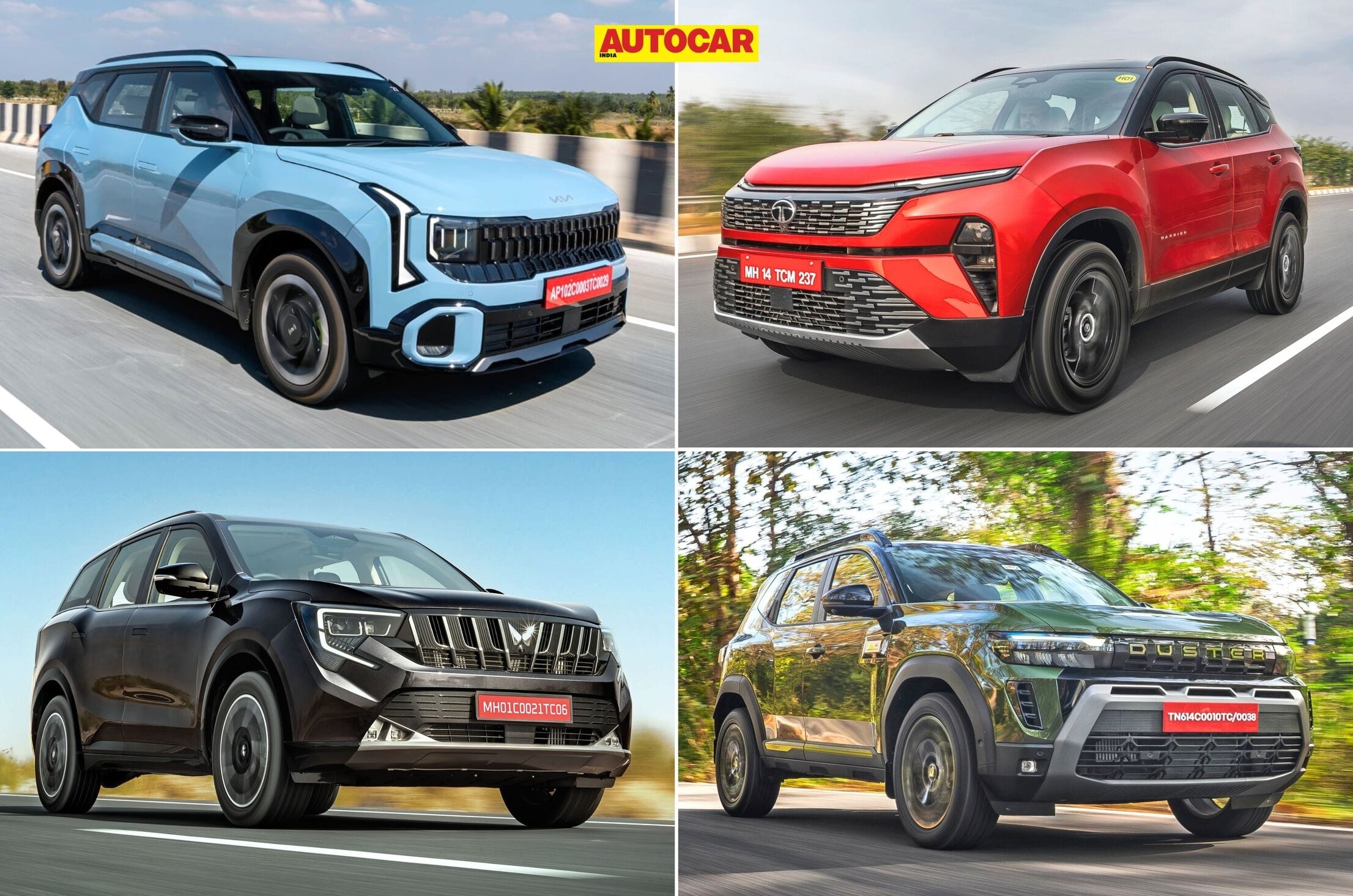
SUVs are not only extremely popular in the Indian mass market, they’re also highly aspirational. With aspiration comes the demand for higher power outputs, and many carmakers have answered that call by offering sporty and powerful SUVs to mass-market buyers. Therefore, we’ve put together a list of the most powerful ICE SUVs available under the Rs 25 lakh mark. The rankings are based on power output in ascending order.
10. Volkswagen Taigun and Skoda Kushaq 1.5 turbo-petrol
150hp, 250Nm
Both the Taigun and Kushaq are among the most fun-to-drive options in the midsize SUV segment, largely thanks to their 150hp 1.5-litre direct-injection turbo-petrol engines. This is the only engine on this list to feature active cylinder deactivation, which can shut off two of its cylinders at cruising speeds to save fuel. Volkswagen and Skoda offer the 1.5 TSI only in higher variants of the Taigun (GT Plus and GT Plus Sport) and Kushaq (Prestige and Monte Carlo), that too with a sole 7-speed dual-clutch automatic gearbox.
The Taigun 1.5 TSI price starts at Rs 19 lakh and extends to Rs 19.3 lakh, whereas pricing for the Kushaq 1.5 TSI starts at Rs 18.79 lakh and tops off at Rs 18.99 lakh.
9. Kia Seltos and Hyundai Creta, Alcazar 1.5 turbo-petrol
160hp, 253Nm
Launched in early 2026, the second-gen Kia Seltos carries forward its predecessor’s powertrains, including the 160hp 1.5-litre direct-injection turbo-petrol, which is offered from the HTE(O) trim onwards. Gearbox options for the Seltos turbo-petrol comprise a 6-speed iMT and a 7-speed dual-clutch automatic. The Seltos turbo-petrol price starts at Rs 12.91 lakh and tops off at Rs 20 lakh.
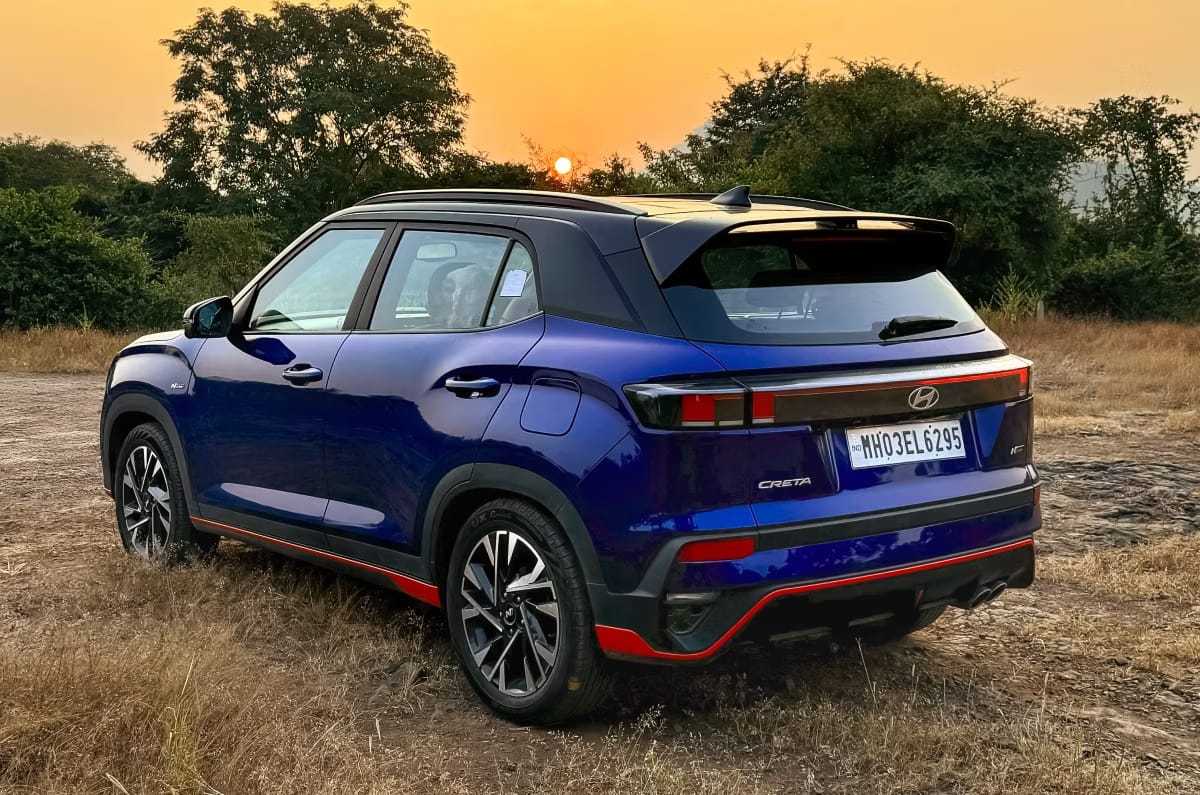
Hyundai’s venerable Creta and its 7-seater derivative, the Alcazar, get the same turbo-petrol engine too, albeit with slightly different transmission options. The standard Creta turbo-petrol is available in the top-spec King trim with the 7-speed DCT, while the SUV’s sportier N Line variants additionally offer a 6-speed manual. Meanwhile, the Alcazar gets the turbo-petrol engine from its base Executive trim onwards and can be had with 6-speed manual and 7-speed DCT options.
The standard Creta turbo-petrol is priced at Rs 19.91 lakh, whereas the N Line variants start at Rs 19.03 lakh and top off at Rs 19.95 lakh. Interestingly, the Alcazar turbo-petrol, priced from Rs 14.51 lakh to Rs 21.1 lakh, carries the lowest starting price of any Hyundai SUV equipped with this engine.
8. Tata Sierra 1.5 turbo-petrol
160hp, 255Nm
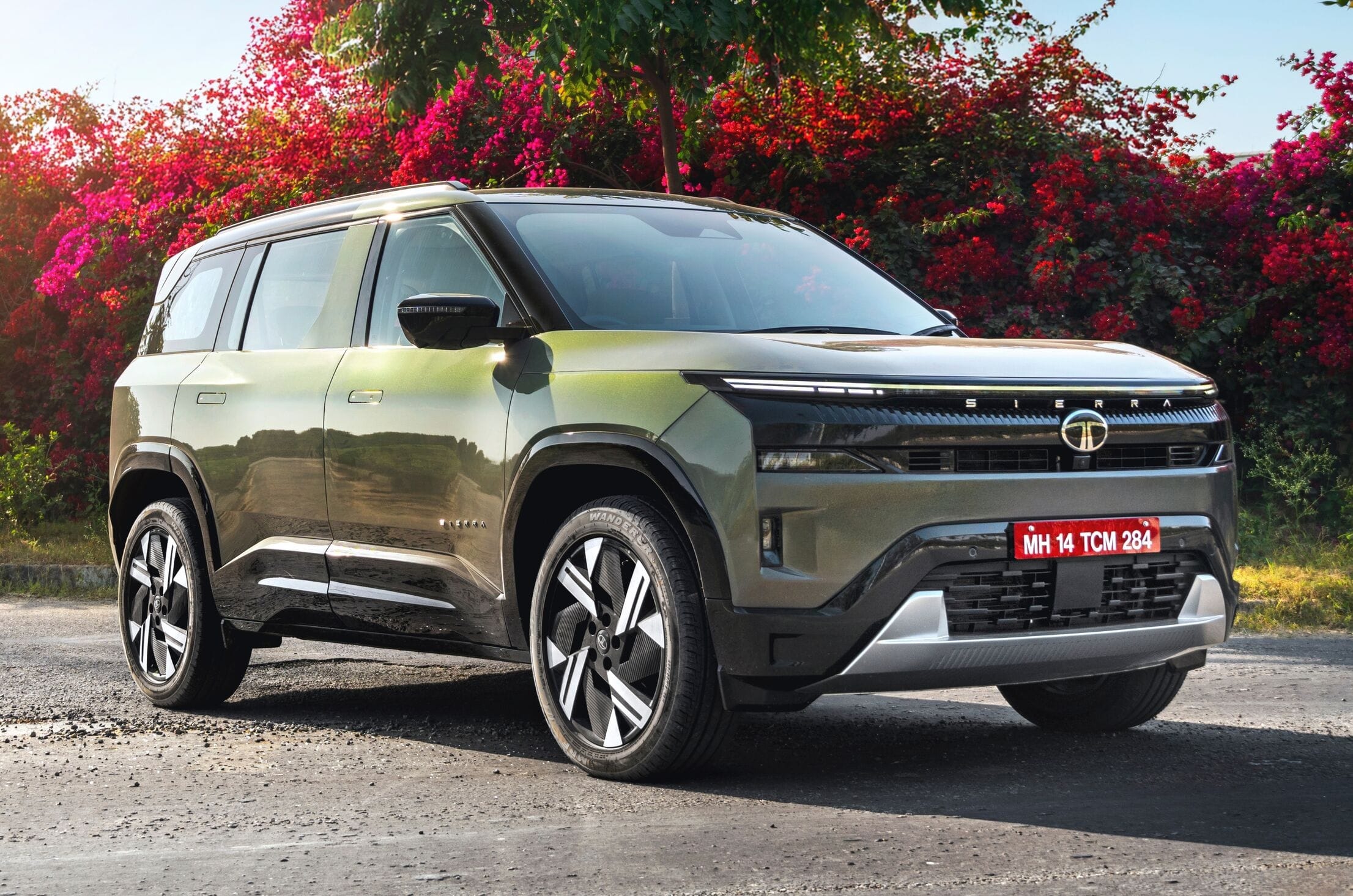
The Sierra is the first Tata model to use the carmaker’s 160hp 1.5-litre direct-injection turbo-petrol ‘Hyperion’ engine, which is offered from the SUV’s Adventure+ trim onwards. Unlike most SUVs on this list, though, the Sierra turbo-petrol can be had solely with a 6-speed torque converter automatic. Pricing for the Sierra turbo-petrol starts at Rs 17.99 lakh and climbs to Rs 20.99 lakh.
7. Renault Duster 1.3 turbo-petrol
163hp, 280Nm
The new Renault Duster is the most powerful midsize SUV you can currently buy thanks to the 163hp 1.3-litre direct-injection turbo-petrol engine available from the one-above-base Evolution variant. This mill is paired with either a 6-speed manual or a 6-speed wet-clutch DCT – the Duster is the only SUV on this list to offer the latter gearbox. The Duster 1.3 turbo-petrol price range is Rs 12.99 lakh-18.49 lakh.
6. Tata Safari, Harrier 1.5 turbo-petrol
170hp, 280Nm
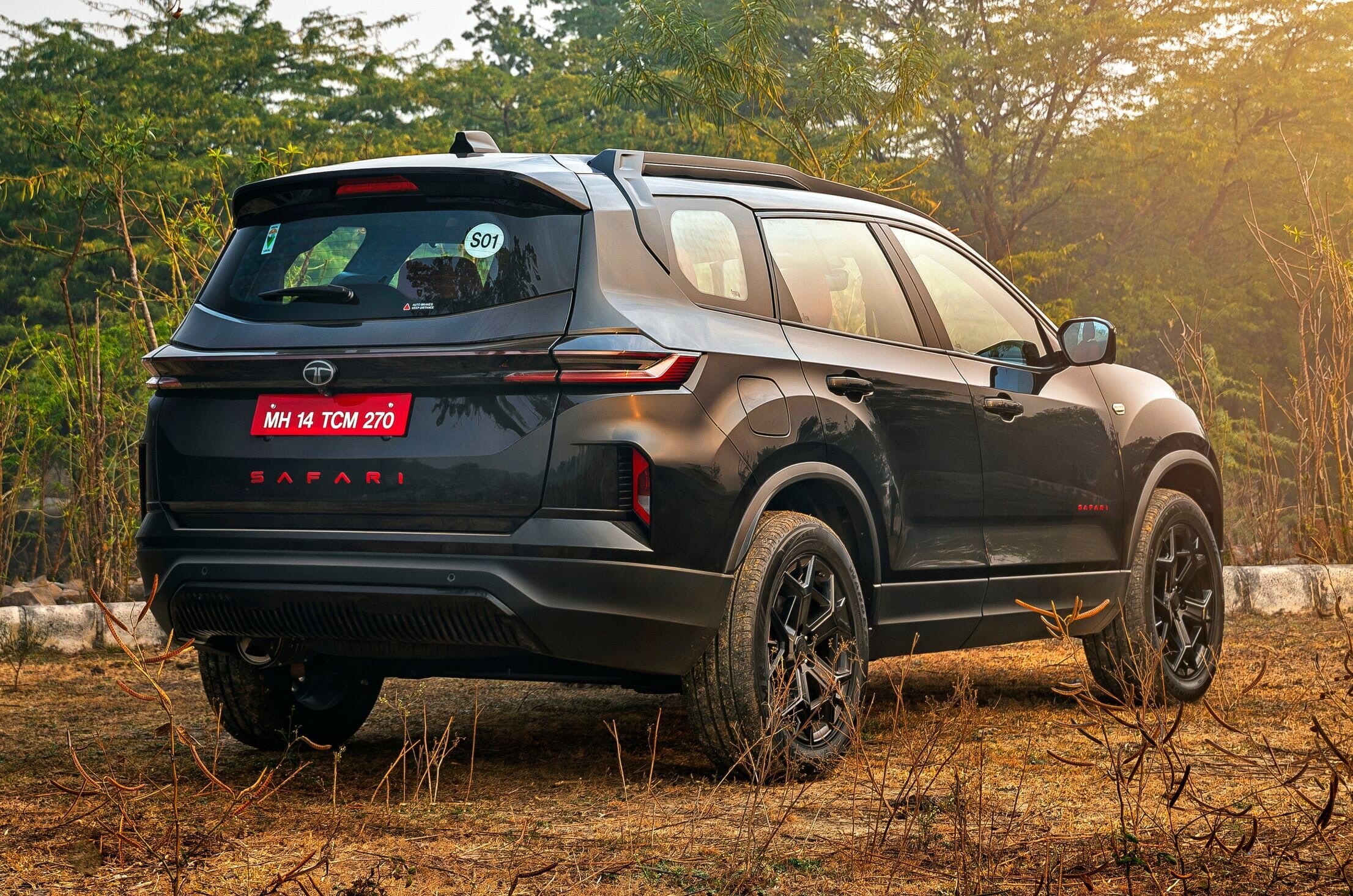
Not long after the launch of the Sierra, Tata started offering its 1.5-litre turbo-petrol engine under the bonnets of the Harrier and Safari as well. However, the engine features a higher state of tune for the Safari and Harrier – up 10hp and 25Nm over the Sierra – and can even be had with a 6-speed manual gearbox in addition to the 6-speed torque converter.
The Harrier petrol is priced from Rs 12.89 lakh to Rs 24.14 lakh, while the Safari price range is Rs 13.29 lakh-24.85 lakh. These prices are exclusive of premiums for cosmetic packages like Dark, Red Dark, and Stealth.
5. Tata Safari, Harrier and Jeep Compass, Meridian 2.0 diesel
170hp, 350Nm
The Tata Harrier and Safari have long offered a Fiat-sourced 2.0-litre diesel engine in the same 170hp state of tune. These diesel SUVs can be had with either a 6-speed manual or a 6-speed torque converter automatic. The Harrier diesel price range is Rs 14 lakh to 25.3 lakh, whereas pricing for the Safari diesel starts at Rs 14.75 lakh and tops off at Rs 26.05 lakh (excluding premiums for cosmetic packages).
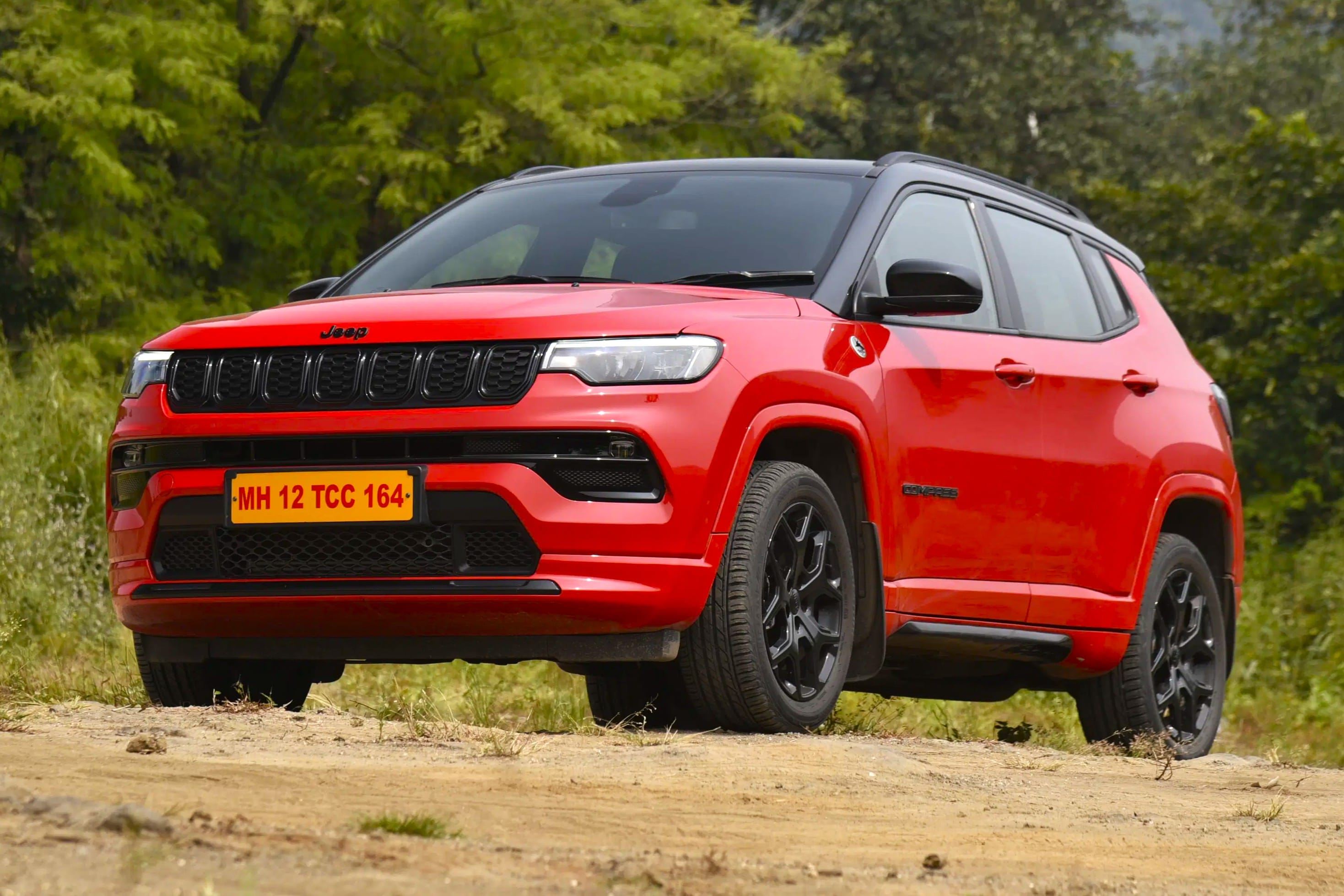
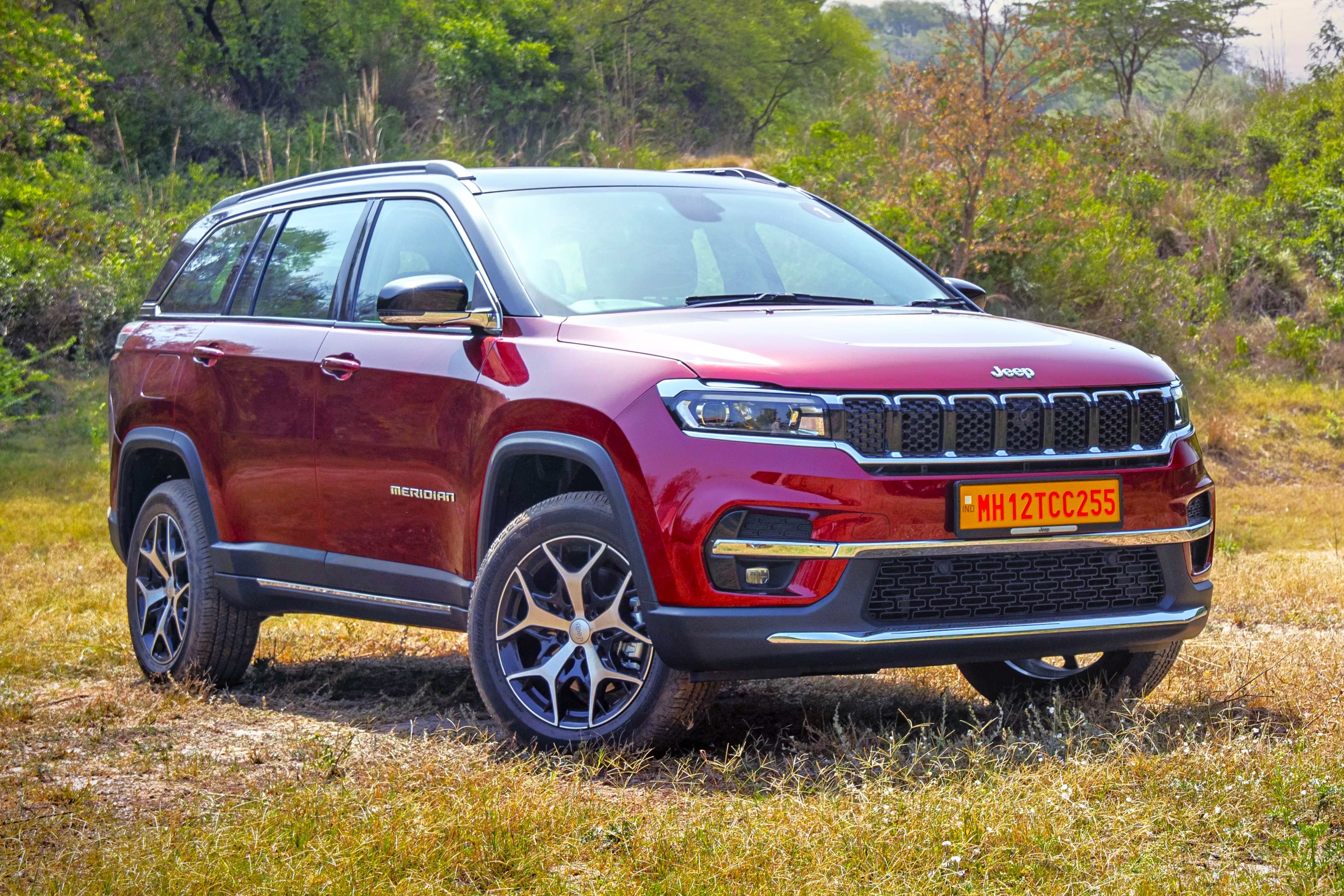
Both of Jeep India’s mass-market offerings, the Compass and Meridian, also come with the same 170hp 2.0-litre diesel engine. However, the Compass and Meridian differ slightly in terms of gearbox options, offering either a 6-speed manual or a 9-speed torque converter automatic. The Compass and Meridian also offer 4×4 as an option in higher variants.
Pricing for the Compass starts at Rs 17.99 lakh and climbs to Rs 30.45 lakh, whereas the Meridian is priced from Rs 23.33 lakh to Rs 37.48 lakh, excluding special editions for both SUVs.
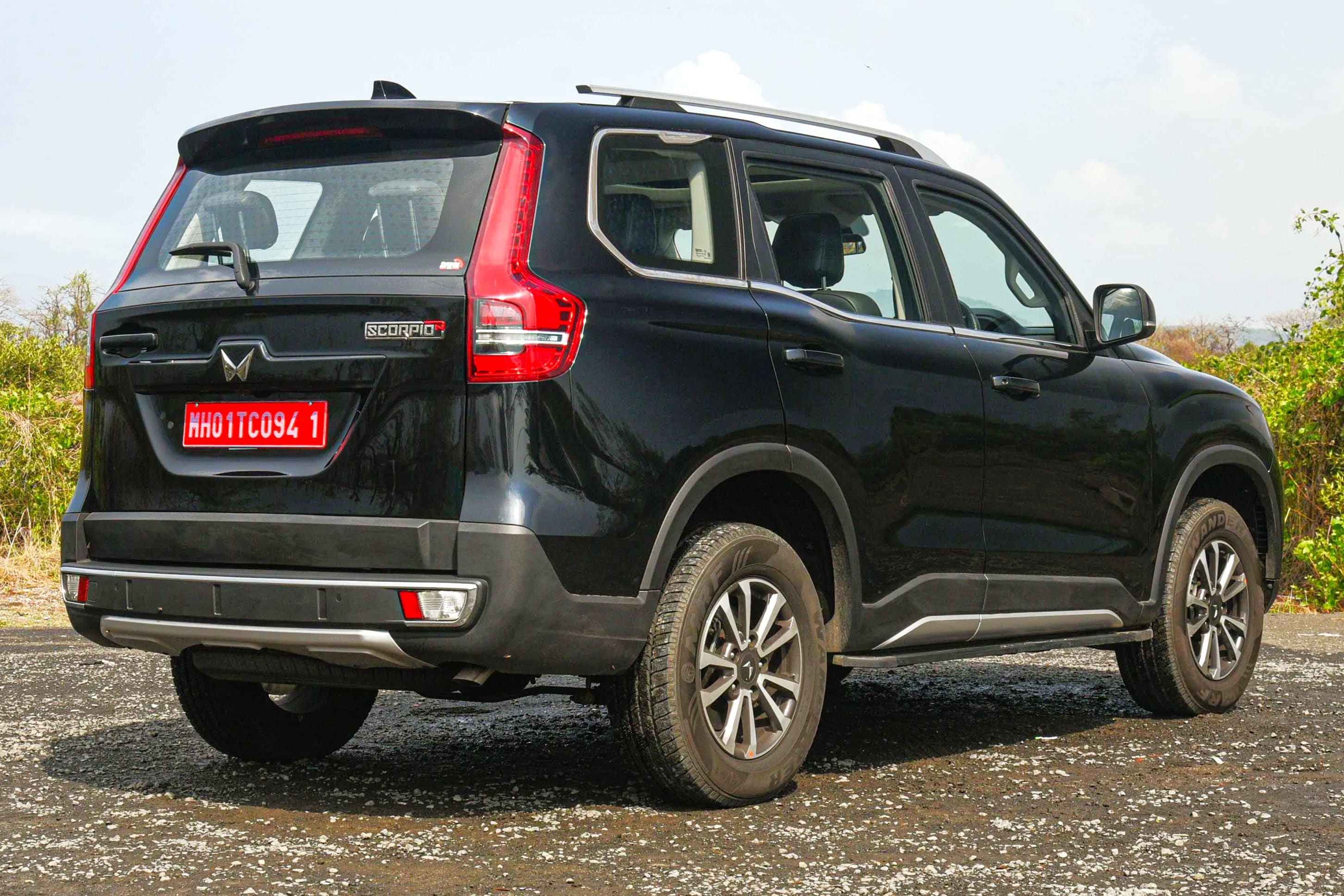
4. Mahindra Scorpio N, Thar Roxx 2.2 diesel
Up to 175hp, 400Nm
Mahindra sells both the Scorpio N and Thar Roxx SUVs with a 2.2-litre diesel engine, albeit in varying states of tune. From the Z6 trim onwards, the Scorpio N diesel develops 175hp, but outputs 370Nm when paired with the 6-speed manual and 400Nm with the 6-speed torque converter. Meanwhile, the lower Scorpio N Z2 and Z4 diesel MT variants produce 132hp and 300Nm.
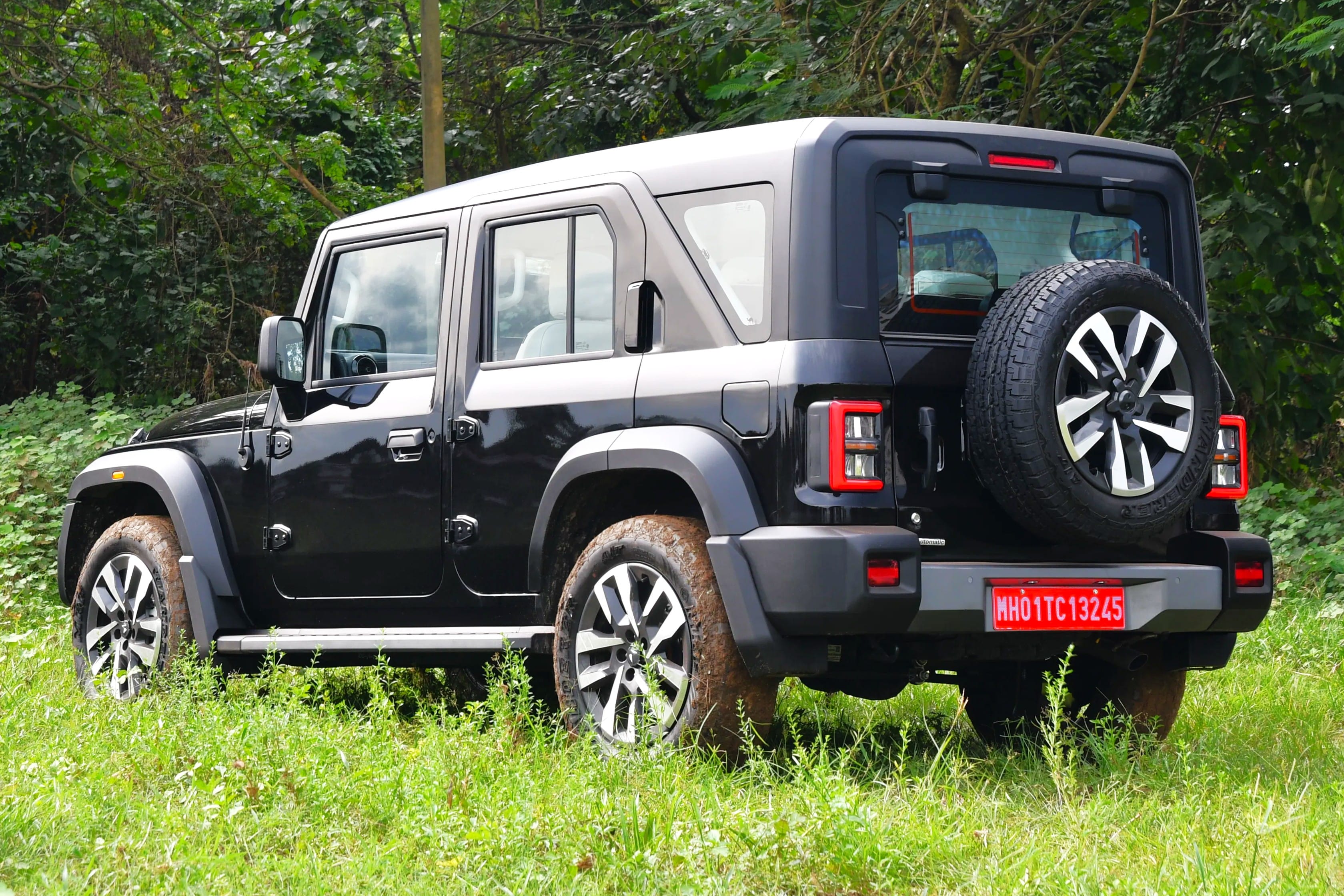
The Thar Roxx diesel offers the same transmission options as that of the Scorpio N, and makes 175hp and 400Nm in its higher-spec AX5L AT and AX7L AT variants. Lower variants of the Thar Roxx diesel generate 152hp and 330Nm. Both SUVs are available with 4×4 in higher-spec diesel variants as well. Prices for the Scorpio N diesel start at Rs 13.99 lakh and extend to Rs 24.95 lakh, while the Thar Roxx diesel price range is Rs 13.86 lakh-22.82 lakh.
3. Mahindra Thar Roxx 2.0 turbo-petrol
Up to 177hp, 380Nm
The Thar Roxx is also available with Mahindra’s 2.0-litre direct-injection turbo-petrol ‘mStallion’ engine, though outputs vary depending on gearbox. With the 6-speed manual equipped, the Thar Roxx petrol outputs 162hp and 330Nm, whereas with the 6-speed automatic, the output is bumped to 177hp and 380Nm. The Thar Roxx petrol price range is Rs 12.4 lakh-20 lakh.
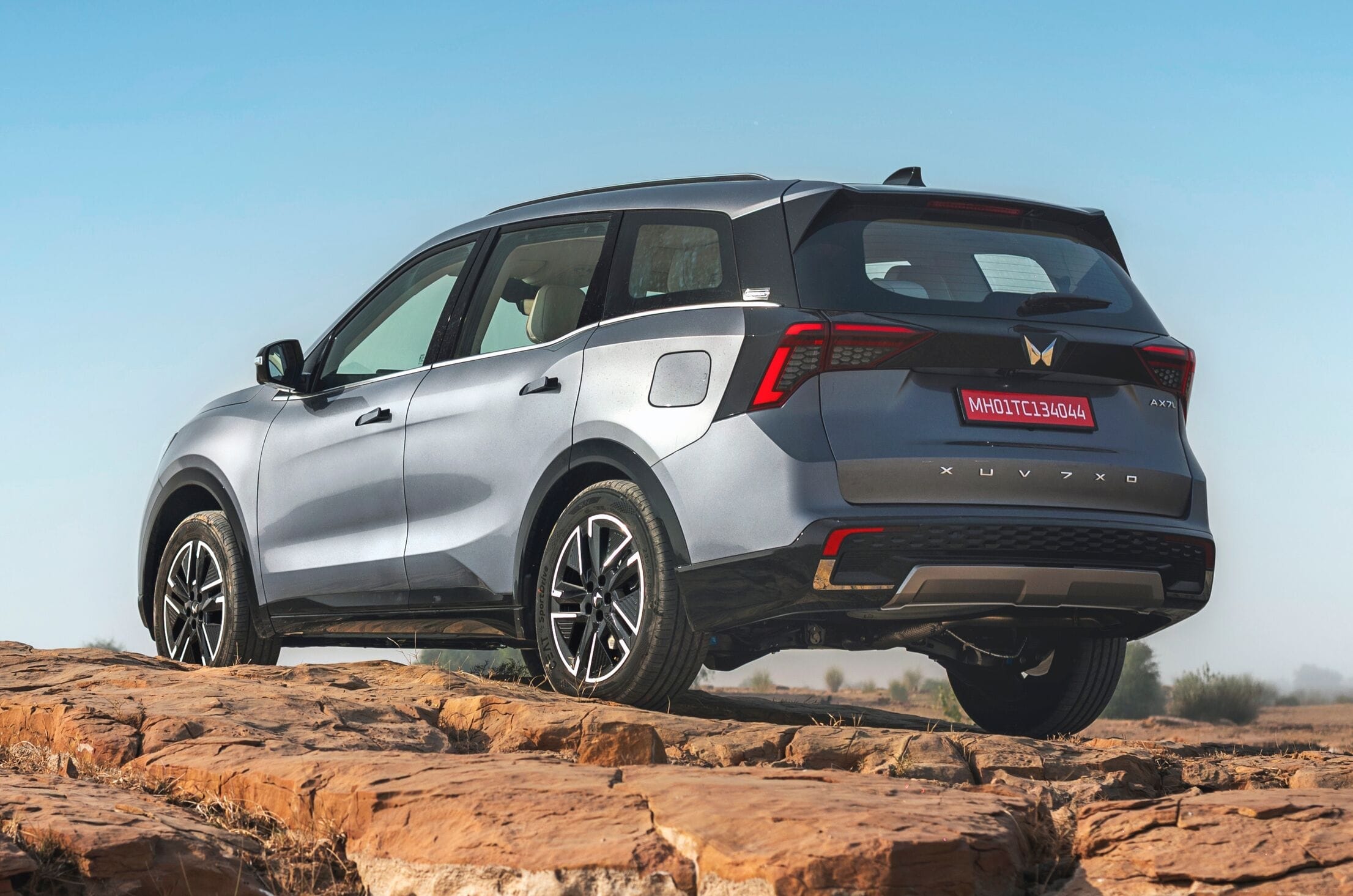
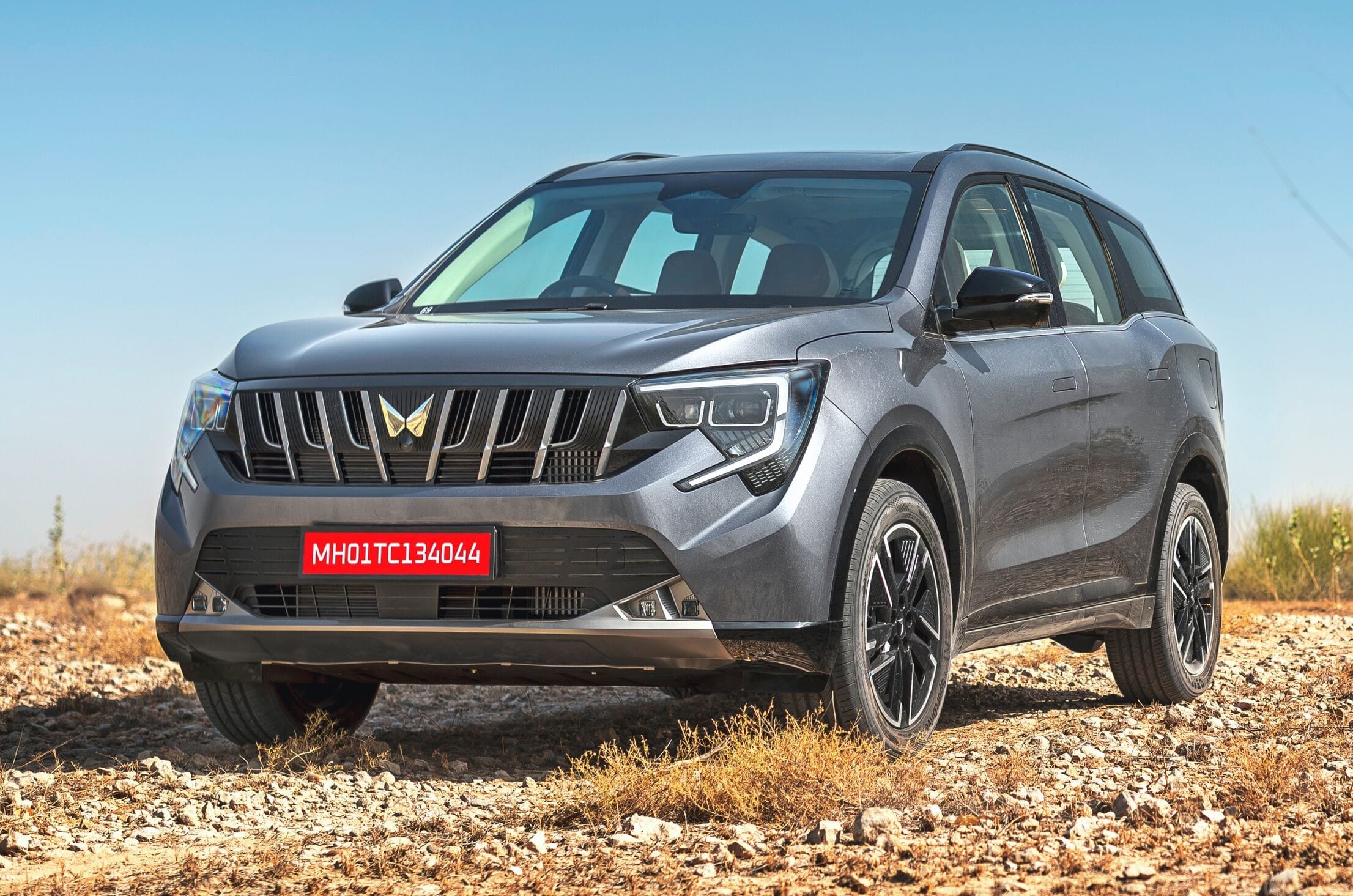
2. Mahindra XUV 7XO 2.2 diesel
185hp, up to 450Nm
Like the Scorpio N and Thar Roxx, the Mahindra XUV 7XO gets a 2.2-litre diesel engine, but in a more powerful 185hp state of tune. When paired with the 6-speed manual, the XUV 7XO diesel outputs 420Nm, rising to 450Nm with the 6-speed torque converter automatic equipped. The XUV 7XO diesel is also offered with AWD in higher variants. Prices for the XUV 7XO diesel start at Rs 14.96 lakh and climb to Rs 24.92 lakh.
1. Mahindra XUV 7XO, Scorpio N 2.0 turbo-petrol
203hp, up to 380Nm (370 MT SCN)
The turbo-petrol Mahindra XUV 7XO and Scorpio N are officially the most powerful SUVs you can buy under Rs 25 lakh. Their 2.0-litre direct-injection turbo-petrol engine develops a healthy 203hp across all variants. While the XUV 7XO petrol outputs 380Nm for both its manual and automatic transmission options, the Scorpio N petrol makes 370Nm when paired with the manual and 380Nm with the automatic.
Pricing for the XUV 7XO petrol starts at Rs 13.66 lakh and extends to Rs 23.64 lakh, while the Scorpio N petrol price range is Rs 13.49 lakh-22.45 lakh.
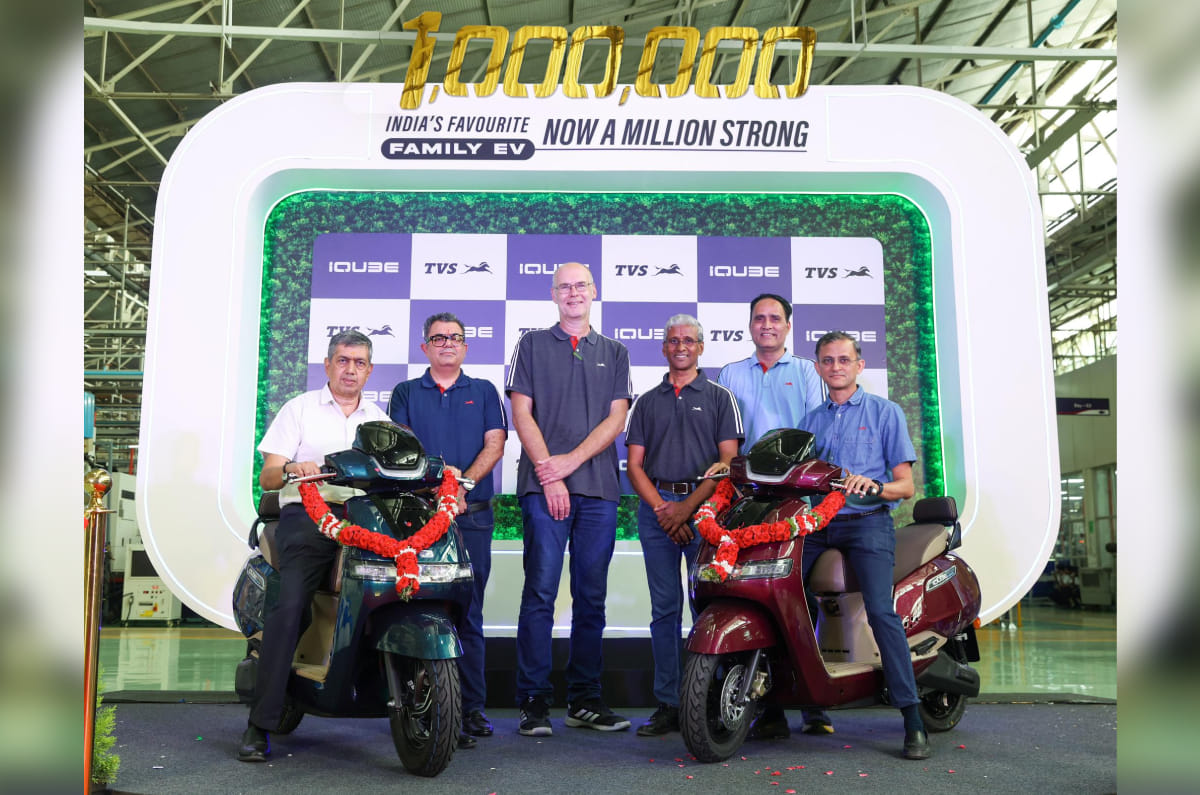
TVS Motor Company has announced the rollout of the one millionth TVS iQube from its manufacturing facility in Hosur, Tamil Nadu. The production milestone follows closely on the heels of TVS crossing one million cumulative retail sales of its electric scooters – comprising the iQube and Orbiter – earlier this month, making it the second Indian EV manufacturer after Ola Electric to reach that milestone.
One millionth TVS iQube rolled out from Hosur manufacturing facility
iQube community has collectively covered 14.94 billion km
TVS iQube now available across 3,300 touchpoints in over 3,000 cities
TVS iQube one million production milestone details
The iQube is available in three variants with multiple battery options
The TVS iQube was launched in 2020 as the company’s first electric two-wheeler. The lineup has since expanded to three variants – the base iQube, available with 2.2kWh, 3.1kWh and 3.5kWh battery options; the iQube S with a 4.7kWh battery; and the range-topping iQube ST with a 5.3kWh battery.
TVS now supports its growing customer base through a sales and service network spanning more than 3,300 touchpoints across over 3,000 cities. Since launch, iQube owners have collectively covered 14.94 billion kilometres and, which the company claims, helped avoid 5.22 lakh tonnes of CO₂ emissions – the equivalent to planting approximately 2.09 crore trees.
Commenting on the milestone, TVS Motor Company chairman Sudarshan Venu said the rollout reflected “the scale at which electric mobility is becoming part of everyday life in India,” adding that the achievement was built on years of investment in engineering, innovation and manufacturing capability.
The production milestone comes at a time when India’s electric two-wheeler market continues to gather notable pace. The segment is on track to approach two million annual sales for the first time, driven in part by rising petrol prices. TVS, which has led the segment since April 2025, is currently averaging over 40,000 electric scooter sales a month and appears well on course to cross the five lakh annual sales mark for the first time this calendar year.
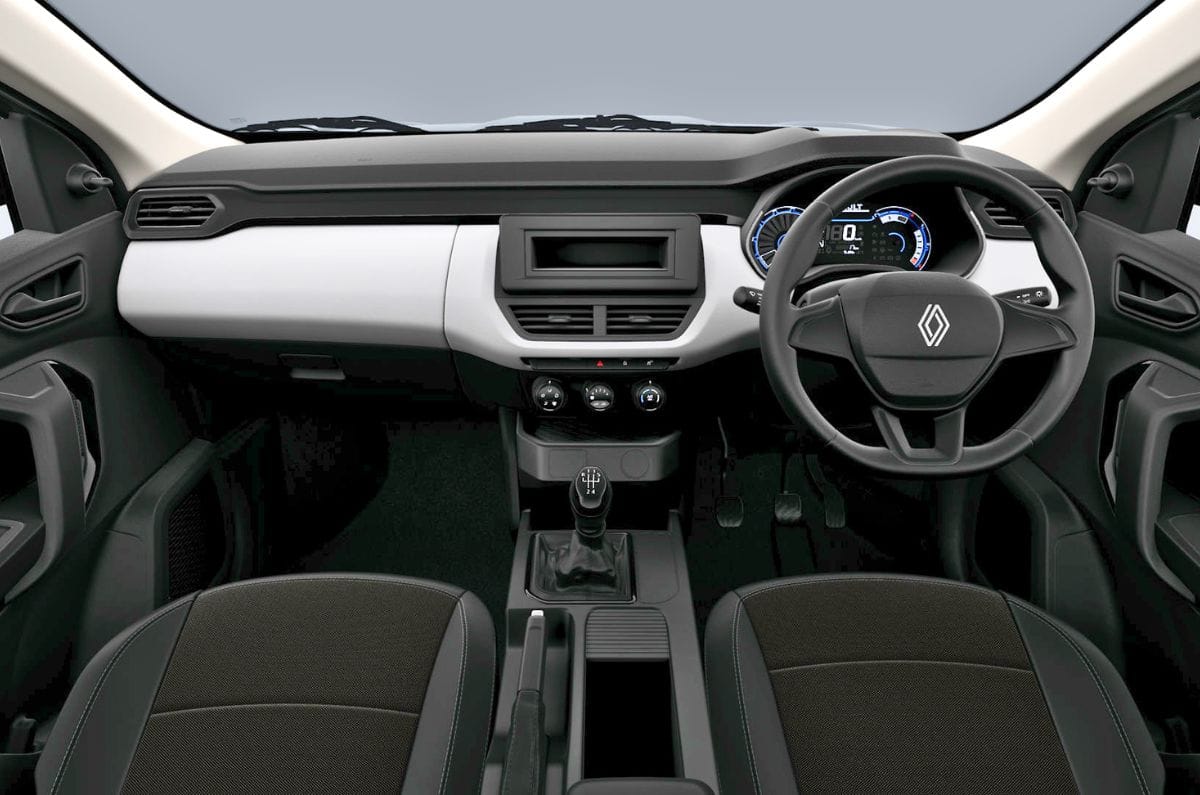
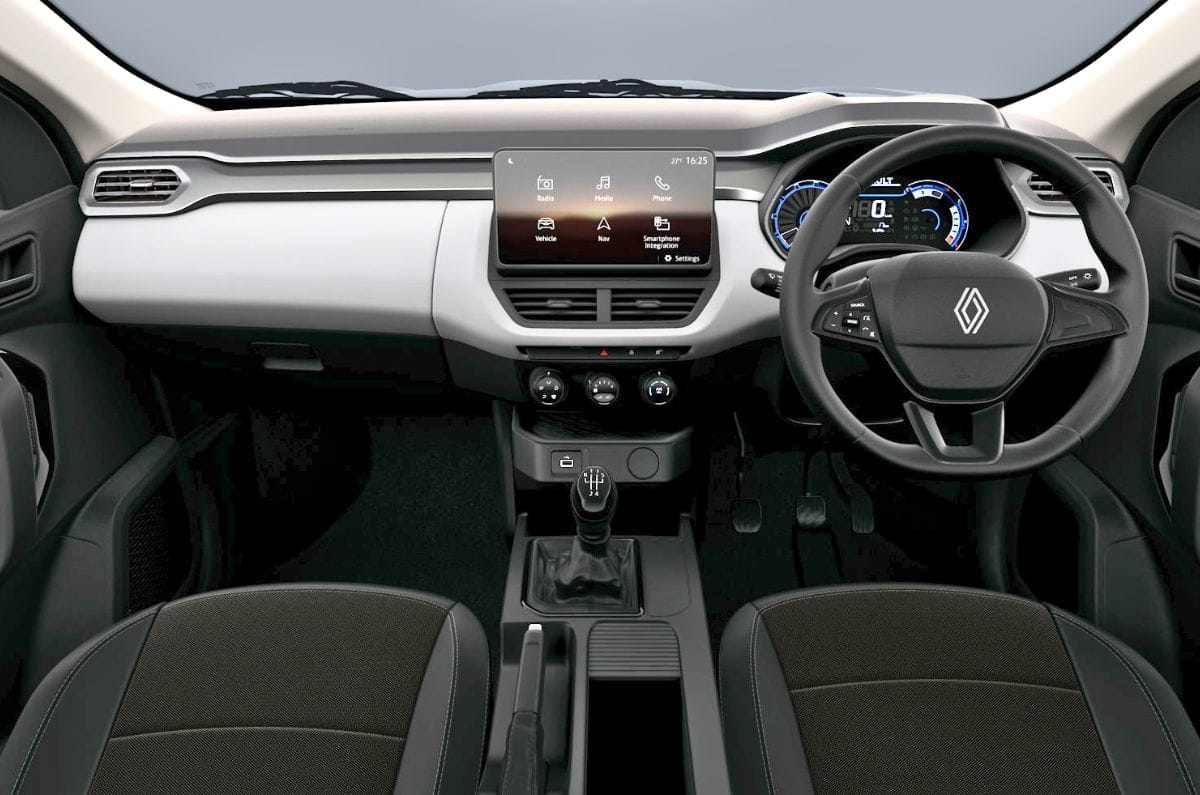
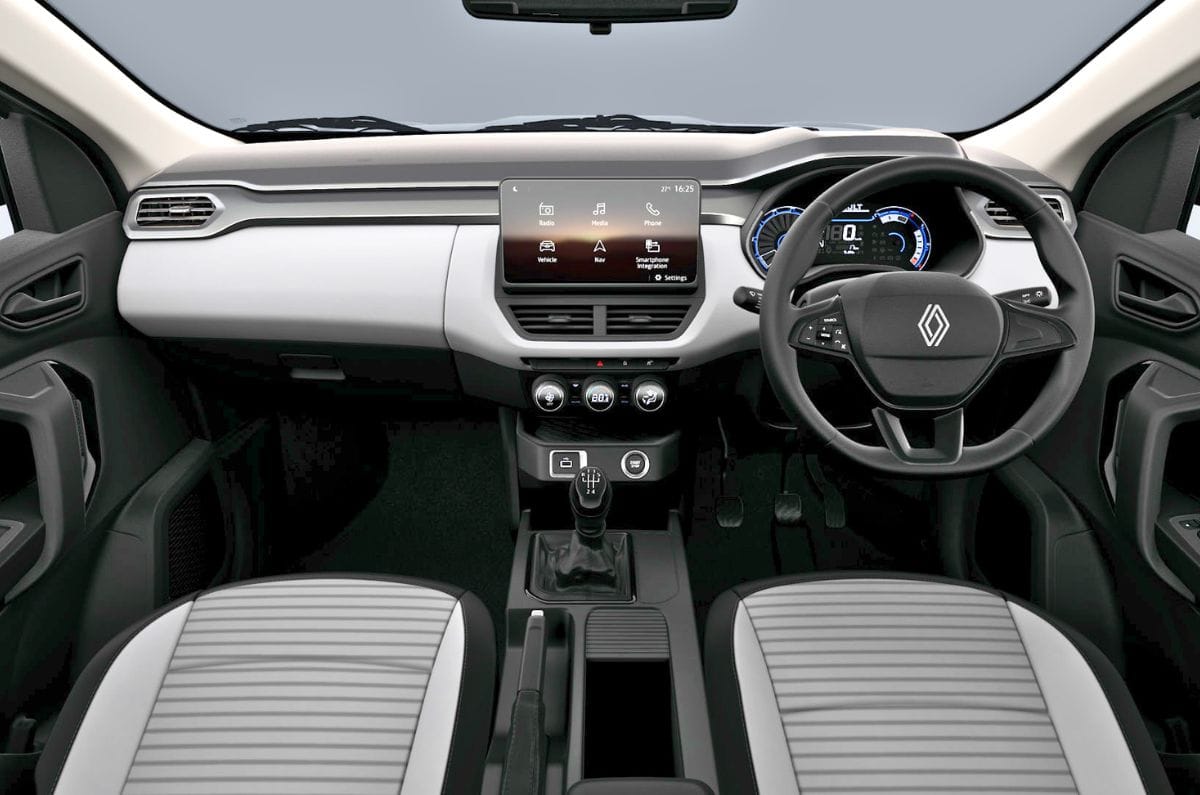
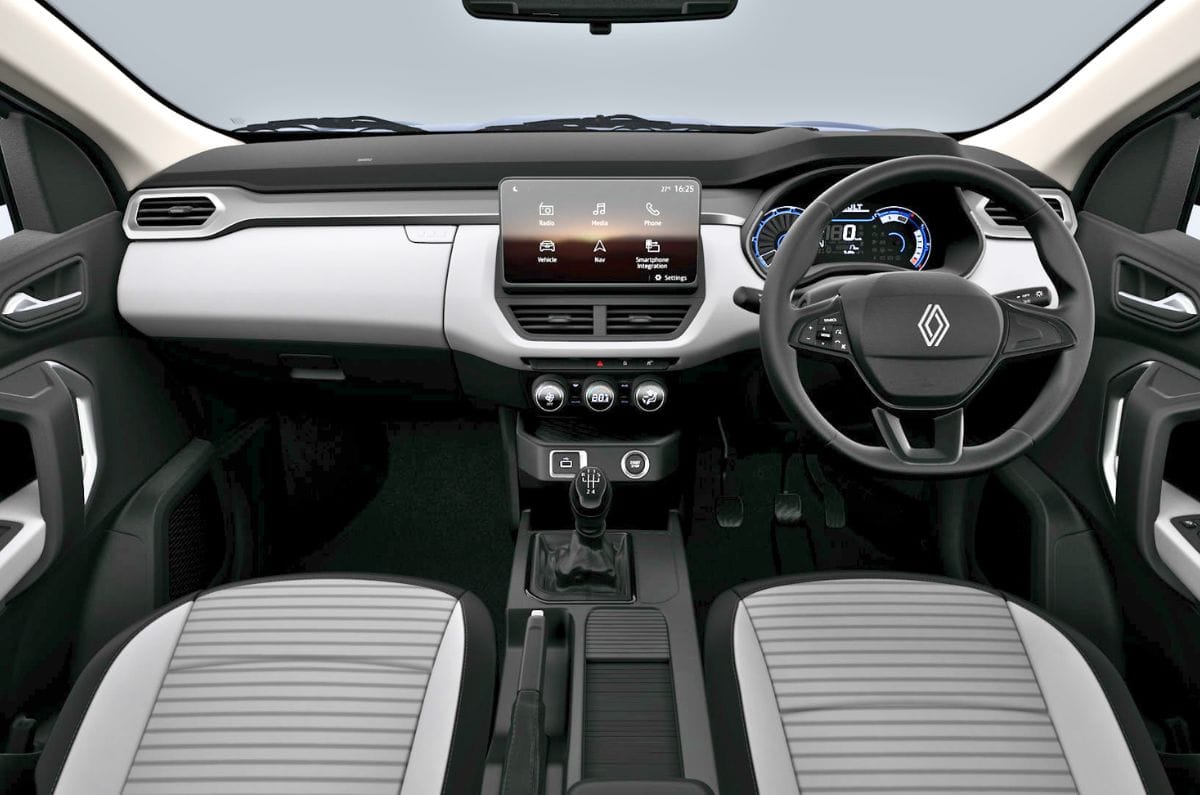
The Renault Kiger is the most affordable SUV in the French manufacturer’s India portfolio. It is available with the choice of a 1.0-litre naturally aspirated petrol or a 1.0-litre turbo-petrol engine, the latter making it one of the most affordable turbo-petrol options in India. The Kiger is a decently equipped model at its price, which starts at Rs 5.81 lakh (ex-showroom), and is offered in five trims: Authentic, Evolution, Evolution+, Techno and Emotion. Let’s take a closer look at the powertrain options and features available with each trim.
Renault Kiger powertrain options and prices
It is offered with two engine options, both of which get manual and automatic gearbox choices
Renault Kiger variant-wise powertrain options and prices (ex-showroom)
1.0P MT
1.0P AMT
1.0TP MT
1.0TP CVT
Authentic
Rs 5.81 lakh
–
–
–
Evolution
Rs 6.55 lakh
Rs 6.99 lakh
–
–
Evolution+
Rs 6.99 lakh
–
Rs 7.89 lakh
–
Techno
Rs 7.55 lakh
Rs 8.05 lakh
Rs 8.45 lakh
Rs 9.35 lakh
Emotion
Rs 8.45 lakh
–
Rs 9.35 lakh
Rs 10.35 lakh
*P = Naturally-aspirated petrol engine; TP = Turbo-petrol engine
The Kiger is available with four powertrain options. There’s a 72hp/96Nm, 1.0-litre naturally aspirated petrol engine that’s offered with either a 5-speed manual or a 5-speed AMT. There’s also a 100hp/160Nm, 1.0-litre turbo-petrol unit that’s paired with either the 5-speed manual or a CVT gearbox. The naturally aspirated engine is offered with a CNG option as a dealer-level fitment.
The 72hp petrol engine with the manual gearbox is available across the range, while the AMT is offered on the mid-spec Evolution and Techno trims, but not on the top-spec Emotion. Meanwhile, the turbo-petrol range starts from Rs 7.89 lakh for the manual gearbox and Rs 9.35 lakh for the CVT option.
Top-spec Emotion is recommended, but budget buyers can also consider the Evolution+
Of the four powertrain choices on offer, we’d recommend the turbo-petrol CVT, which is smooth for city usage and offers decent performance; the naturally aspirated petrol variants’ performance can feel a little underwhelming. As for the trim, we’d recommend the top-spec Emotion, which offers niceties and convenience, including ventilated front seats, a 360-degree camera, leatherette upholstery and a wireless charger, all at a very reasonable price. For those on a strict budget, the mid-spec Evolution+ offers a lot of value with all the necessary comfort and convenience features at a lower price tag.
LPG Price Today: बुधवार, 24 जून को घरेलू और कमर्शियल LPG सिलेंडर की कीमतें स्थिर रही, जबकि US-ईरान शांति वार्ता में प्रगति के कारण ग्लोबल ऑयल की कीमतों में कमी आई है। बता दें कि 7 जून को हुई बढ़ोतरी के बाद से रसोई गैस (14.2 किलोग्राम) की कीमतों में कोई बदलाव नहीं हुआ है। उस समय तेल कंपनियों (OMCs) ने 14.2 किलो वाले घरेलू LPG सिलेंडर के दाम 29 रुपये बढ़ाए थे। इससे पहले 7 मार्च को भी सिलेंडर 60 रुपये महंगा किया गया था। वहीं, 19 किलो वाले कमर्शियल LPG सिलेंडर की कीमत में पिछली बार करीब 42 रुपये की बढ़ोतरी की गई थी। इसकी वजह ऊर्जा की बढ़ती कीमतें और हॉर्मुज जलडमरूमध्य के रास्ते सप्लाई में आई दिक्कतें थीं।
गौरतलब है कि US-ईरान तनाव के कारण पश्चिम एशिया से एनर्जी सप्लाई प्रभावित हुई है और LPG का आयात प्रति माह 2 मिलियन टन से घटकर अप्रैल में 696,000 टन रह गया। पिछले चार महीनों में कमर्शियल सिलेंडर की कीमत में लगभग 79% की बढ़ोतरी हुई है, क्योंकि इसकी कीमत सऊदी कॉन्ट्रैक्ट प्राइस (CP) पर आधारित होती है, जिसे सऊदी अरामको हर महीने की शुरुआत में तय करती है।
शहर के हिसाब से घरेलू और कमर्शियल सिलेंडर की कीमतें
शहर
घरेलू LPG (14.2 किलोग्राम)
कमर्शियल LPG (19 किलोग्राम)
नई दिल्ली
₹942.00 (+₹29.00)
₹3,113.50 (+₹42.00)
कोलकाता
₹968.00 (+₹29.00)
₹3,255.50 (+₹53.50)
मुंबई
₹941.50 (+₹29.00)
₹3,067.50 (+₹43.50)
चेन्नई
₹957.50 (+₹29.00)
₹3,283.00 (+₹46.00)
गुरुग्राम
₹950.50 (+₹29.00)
₹3,130.00 (+₹42.00)
नोएडा
₹939.50 (+₹29.00)
₹3,113.50 (+₹42.00)
बेंगलुरु
₹944.50 (+₹29.00)
₹3,198.00 (+₹46.00)
भुवनेश्वर
₹968.00 (+₹29.00)
₹3,290.00 (+₹52.00)
चंडीगढ़
₹951.50 (+₹29.00)
₹3,136.00 (+₹43.50)
हैदराबाद
₹994.00 (+₹29.00)
₹3,367.00 (+₹52.00)
जयपुर
₹945.50 (+₹29.00)
₹3,141.00 (+₹42.00)
लखनऊ
₹979.50 (+₹29.00)
₹3,236.00 (+₹42.00)
पटना
₹1,031.50 (+₹29.00)
₹3,400.00 (+₹53.50)
तिरुवनंतपुरम
₹951.00 (+₹29.00)
₹3,152.00 (+₹46.
US-Iran डील के बाद भारत आने वाले कितने जहाज होर्मुज से गुजरे?
पिछले हफ्ते US और ईरान के बीच शांति समझौते पर हस्ताक्षर होने के बाद, भारत आने वाले कुल 11 जहाज होर्मुज स्ट्रेट से गुजरे। मंगलवार को एक मीडिया ब्रीफिग में विदेश मंत्रालय (MEA) के प्रवक्ता रणधीर जायसवाल ने कहा, “17 जून को MoU (समझौता ज्ञापन) पर हस्ताक्षर होने के बाद से, भारत आने वाले 11 जहाज होर्मुज से गुजरे हैं।”
इन जहाजों में 3 भारतीय झंडे वाले कच्चे तेल के टैंकर शामिल हैं, जिनमें प्रत्येक में 2.85 लाख मीट्रिक टन से अधिक कच्चा तेल है। इसके अलावा विदेशी झंडे वाला एक LPG कैरियर, विदेशी झंडे वाला एक कच्चे तेल का टैंकर और विदेशी झंडे वाले छह बल्क कैरियर शामिल हैं, जिनमें उर्वरक (खाद) लदा था। विदेश मंत्रालय के अनुसार, भारतीय झंडे वाले 10 जहाज अभी भी फारस की खाड़ी क्षेत्र में हैं, जबकि दो हाल ही में वहां पहुंचे हैं।
क्या भारत के लिए वेस्ट एशिया से आने वाली LPG का कोई स्थायी विकल्प है?
रॉयटर्स ने इंडस्ट्री के सूत्रों के हवाले से बताया है कि जून में अमेरिका से भारत का LPG इंपोर्ट 1 मिलियन मीट्रिक टन तक पहुंचने वाला है, जो अब तक का सबसे ज्यादा आंकड़ा है। रिपोर्ट में यह भी कहा गया है कि इसी महीने संयुक्त अरब अमीरात से सप्लाई में सुधार हुआ है और यह 3,00,000 से 4,00,000 टन के आसपास पहुंच गई है। साथ ही, जून में OMCs को कुवैत से भी लगभग 45,000 टन LPG मिलेगी।
आपको बताते चलें कि अमेरिका-ईरान युद्ध और होर्मुज जलडमरूमध्य की नाकेबंदी से पहले, भारत अपने LPG आयात के लिए पश्चिमी एशिया पर बहुत ज्यादा निर्भर था; इसका लगभग 90% हिस्सा इसी व्यापार मार्ग से आता था।
LPG Price Today: LPG सिलेंडर के रेट आज सोमवार को ना तो बढ़े हैं और ना ही घटे हैं। आखिरी बार 7 जून को कंपनियों ने 29 रुपये की बढ़ोतरी घरेलू LPG सिलेंडर के दाम में की थी। वहीं, कॉमर्शियल सिलेंडर के रेट में तब 42 रुपये से 53.50 रुपये का इजाफा हुआ था। अच्छी बात यह है कि अमेरिका-ईरान समझौते बाद स्ट्रेट ऑफ होर्मुज फिर से खुल हो गया है। ऐसे में भारत जो कि LPG के लिए पूरी तरह से आयात पर निर्भर है वो अब आसानी से इंपोर्ट कर पाएगा।
ईरान-अमेरिका युद्ध शुरू होने के बाद घरेलू LPG सिलेंडर की कीमतों में दो बार इजाफा हुआ था। वहीं, कॉमर्शियल सिलेंडर के दाम तब से अबतक 79% बढ़ चुके हैं।
शहरवार देखें कीमतें
शहर
घरेलू सिलेंडर की कीमत
कमर्शियल सिलेंडर की कीमत
दिल्ली
942.0 रुपये
3113.5 रुपये
मुंबई
941.5 रुपये
3067.5 रुपये
कोलकाता
968.0 रुपये
3256.0 रुपये
चेन्नई
957.5 रुपये
3283.0 रुपये
बेंगलुरु
944.5 रुपये
3198.0 रुपये
आईजॉल
1094.0 रुपये
3598.5 रुपये
लखनऊ
979.5 रुपये
3236.0 रुपये
गाजियाबाद
939.50 रुपये
3113.50 रुपये
पटना
1031.5 रुपये
3400.5 रुपये
भारत में LPG की कीमत पड़ोसी देशों से भी कम
सरकारी आंकड़ों के अनुसार भारत में घरेलू LPG सिलेंडर की कीमत पड़ोसी और कई विकसित देशों के मुकाबले बहुत कम है। नई दिल्ली में 14.2 किलों का एक सिलेंडर 942 रुपये में उपलब्ध है, जबकि पाकिस्तान में इसकी कीमत 1046 रुपये, नेपाल में 1207 रुपये, बांग्लादेश में 1225 रुपये और श्रीलंका में 1241 रुपये, अमेरिका में 1755 रुपये, आस्ट्रेलिया में 1765 रुपये और कनाडा में 2411 रुपये हैं। उज्जवला योजना के तहत लाभार्थियों को यही सिलेंडर 642 रुपये में मिलता है, जो इन देशों के मुकाबले बेहत कम है।
सऊदी अरामको ने बढ़ाया कॉन्ट्रैक्ट प्राइस
रॉयटर्स की रिपोर्ट के अनुसार, दुनिया की सबसे बड़ी तेल कंपनी सऊदी अरामको ने जून महीने के लिए LPG के आधिकारिक विक्रय मूल्य (OSP) में 1% से 3% तक की बढ़ोतरी की है। कंपनी ने प्रोपेन की कीमत में 10 डॉलर प्रति मीट्रिक टन और ब्यूटेन की कीमत में 20 डॉलर प्रति मीट्रिक टन का इजाफा किया है। इसके बाद प्रोपेन का नया भाव 760 डॉलर प्रति मीट्रिक टन और ब्यूटेन का 820 डॉलर प्रति मीट्रिक टन हो गया है।
दरअसल, अमेरिका और ईरान के बीच संभावित समझौते को लेकर बनी अनिश्चितता और होर्मुज जलडमरूमध्य (Strait of Hormuz) के दोबारा बंद होने की आशंकाओं ने बाजार की चिंता बढ़ा दी है। यही वजह है कि वैश्विक बाजार में गैस की कीमतों को बढ़ावा मिल रहा है।
क्या होगा असर?
सऊदी कॉन्ट्रैक्ट प्राइस में हुई इस बढ़ोतरी का असर सरकारी खाजने के साथ-साथ आम आदमी की जेब पर भी पड़ेगा। अगर अंतर्राष्ट्रीय मार्केट में इसी तरह गैस के दाम ऊंचे स्तर पर बने रहे, तो हो सकता है कि 1 जुलाई को सरकारी तेल कंपनियों की अगली समीक्षा बैठक में घरेलू LPG सिलेंडर की कीमत में एक बार फिर से बढ़ोतरी कर दी जाए।
बता दें कि सऊदी कॉन्ट्रैक्ट प्राइस एक अंतर्राष्ट्रीय बेंचमार्क रेट है, जिस पर सऊदी अरामको हर महीने दुनिया भर के देशों को एलपीजी बेचती है। चूंकि सऊदी अरब दुनिया में LPG का सबसे बड़ा एक्सपोर्टर है इसलिए इसके द्वारा तय की गई कीमत को दुनिया का एलपीजी का आधिकारिक रेट मान लिया जाता है।
Petrol Diesel Price Today: हर दिन की शुरुआत सिर्फ सूरज की किरणों से नहीं होती, बल्कि पेट्रोल और डीजल की नई कीमतों से भी होती है, जो आम आदमी की जेब पर सीधा असर डालती हैं। सुबह 6 बजे देश की तेल विपणन कंपनियां (OMCs) ताजा दरें जारी करती हैं, जो अंतरराष्ट्रीय बाजार में कच्चे तेल की कीमतों और डॉलर-रुपए की विनिमय दर में आए बदलावों पर आधारित होती हैं। ये बदलाव रोजमर्रा की जिंदगी को प्रभावित करते हैं, चाहे वो ऑफिस जाने वाला व्यक्ति हो या फल-सब्जी बेचने वाला व्यापारी।
ऐसे में हर दिन की कीमतों की जानकारी रखना सिर्फ जरूरी ही नहीं, बल्कि समझदारी भी है। सरकार की यह प्रणाली पारदर्शिता सुनिश्चित करती है ताकि उपभोक्ताओं को किसी तरह की भ्रमित जानकारी न मिले।
आपके शहर में आज का पेट्रोल-डीजल का भाव
ये रहे 22 जून 2026 के प्रमुख शहरों के पेट्रोल-डीजल के ताजा रेट —
नई दिल्ली: पेट्रोल 102.12 रुपये और डीजल 83.09 रुपये प्रति लीटर।
मुंबई: पेट्रोल 111.18 रुपये और डीजल 86 रुपये प्रति लीटर।
कोलकाता: पेट्रोल 113.47 रुपये और डीजल 93.50 रुपये प्रति लीटर।
चेन्नई: पेट्रोल 107.77 रुपये और डीजल 91.50 रुपये प्रति लीटर।
गुरुग्राम: पेट्रोल 102.77 रुपये और डीजल 91.70 रुपये प्रति लीटर।
नोएडा: पेट्रोल 102.12 रुपये और डीजल 91.70 रुपये प्रति लीटर।
बेंगलुरु: पेट्रोल 110.93 रुपये और डीजल 90 रुपये प्रति लीटर।
भुवनेश्वर: पेट्रोल 109.92 रुपये प्रति लीटर।
चंडीगढ़: पेट्रोल 98.10 रुपये प्रति लीटर।
हैदराबाद: पेट्रोल 115.69 रुपये और डीजल 97 रुपये प्रति लीटर।
जयपुर: पेट्रोल 112.66 रुपये और डीजल 90.91 रुपये प्रति लीटर।
लखनऊ: पेट्रोल 102.05 रुपये और डीजल 95.75 रुपये प्रति लीटर।
पटना: पेट्रोल 113.35 रुपये प्रति लीटर।
तिरुवनंतपुरम: पेट्रोल 115.49 रुपये प्रति लीटर।
अहमदाबाद: डीजल 82.25 रुपये प्रति लीटर।
पुणे: डीजल 92.50 रुपये प्रति लीटर।
पिछले दो साल से स्थिर क्यों हैं कीमतें?
मई 2022 के बाद से केंद्र और कई राज्यों द्वारा टैक्स में कटौती की गई, जिसके बाद पेट्रोल-डीजल की कीमतों में स्थिरता देखी जा रही है। हालांकि अंतरराष्ट्रीय बाजार में उतार-चढ़ाव होता रहता है, फिर भी भारतीय उपभोक्ताओं के लिए कीमतें तुलनात्मक रूप से स्थिर बनी हुई हैं।
किन कारणों से तय होती हैं ईंधन की कीमतें?
कच्चे तेल की कीमतें:
पेट्रोल और डीजल का उत्पादन मुख्य रूप से कच्चे तेल से होता है। जब अंतरराष्ट्रीय स्तर पर कच्चे तेल की कीमतें बढ़ती हैं, तो इसका असर सीधे भारतीय बाजार पर पड़ता है।
डॉलर के मुकाबले रुपया:
भारत अधिकतर कच्चा तेल आयात करता है, और यह डॉलर में खरीदा जाता है। यदि रुपया कमजोर होता है, तो ईंधन महंगा हो जाता है।
सरकारी टैक्स और शुल्क:
केंद्र और राज्य सरकारें पेट्रोल-डीजल पर भारी टैक्स लगाती हैं, जो खुदरा मूल्य का बड़ा हिस्सा होते हैं। यही कारण है कि राज्यों में कीमतों में अंतर होता है।
रिफाइनिंग की लागत:
कच्चे तेल को इस्तेमाल लायक बनाने की प्रक्रिया (रिफाइनिंग) में भी खर्च होता है। ये लागत कच्चे तेल की गुणवत्ता और रिफाइनरी की क्षमता पर निर्भर करती है।
मांग और आपूर्ति का संतुलन:
बाजार में ईंधन की मांग अगर बढ़ जाती है, तो कीमतें भी ऊपर जाने लगती हैं। खासकर त्योहारों, गर्मी या सर्दी के मौसम में ईंधन की खपत ज्यादा होती है।
कैसे करें अपने शहर की कीमतें SMS से चेक?
अगर आप मोबाइल से ईंधन की कीमत जानना चाहते हैं, तो ये प्रक्रिया आसान है:
Indian Oil ग्राहक: अपने शहर का कोड टाइप करें और उसे “RSP” के साथ 9224992249 पर भेजें।
BPCL ग्राहक: “RSP” लिखकर 9223112222 पर भेजें।
HPCL ग्राहक: “HP Price” लिखकर 9222201122 पर भेजें।