Conducted in association with Spinny, India’s leading pre-owned car platform, the fourth edition of our Used Car Study analyses real-world resale values across a broad spectrum of vehicles sold in the Indian market in order to assess depreciation trends over a five-year ownership period. The study is based on actual transactional data shared by Spinny for vehicles sold between January 1 and August 31, 2025.
In this part of the resale value study series, we now take a look at the compact sedan segment:
Compact sedan resale value
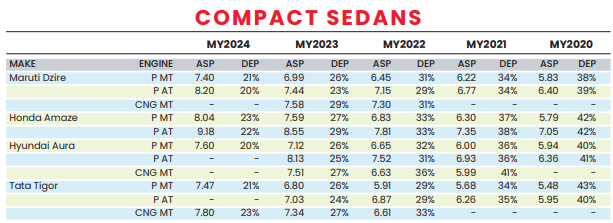
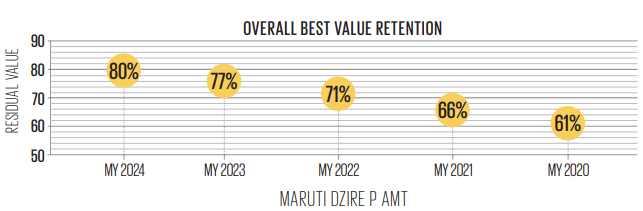
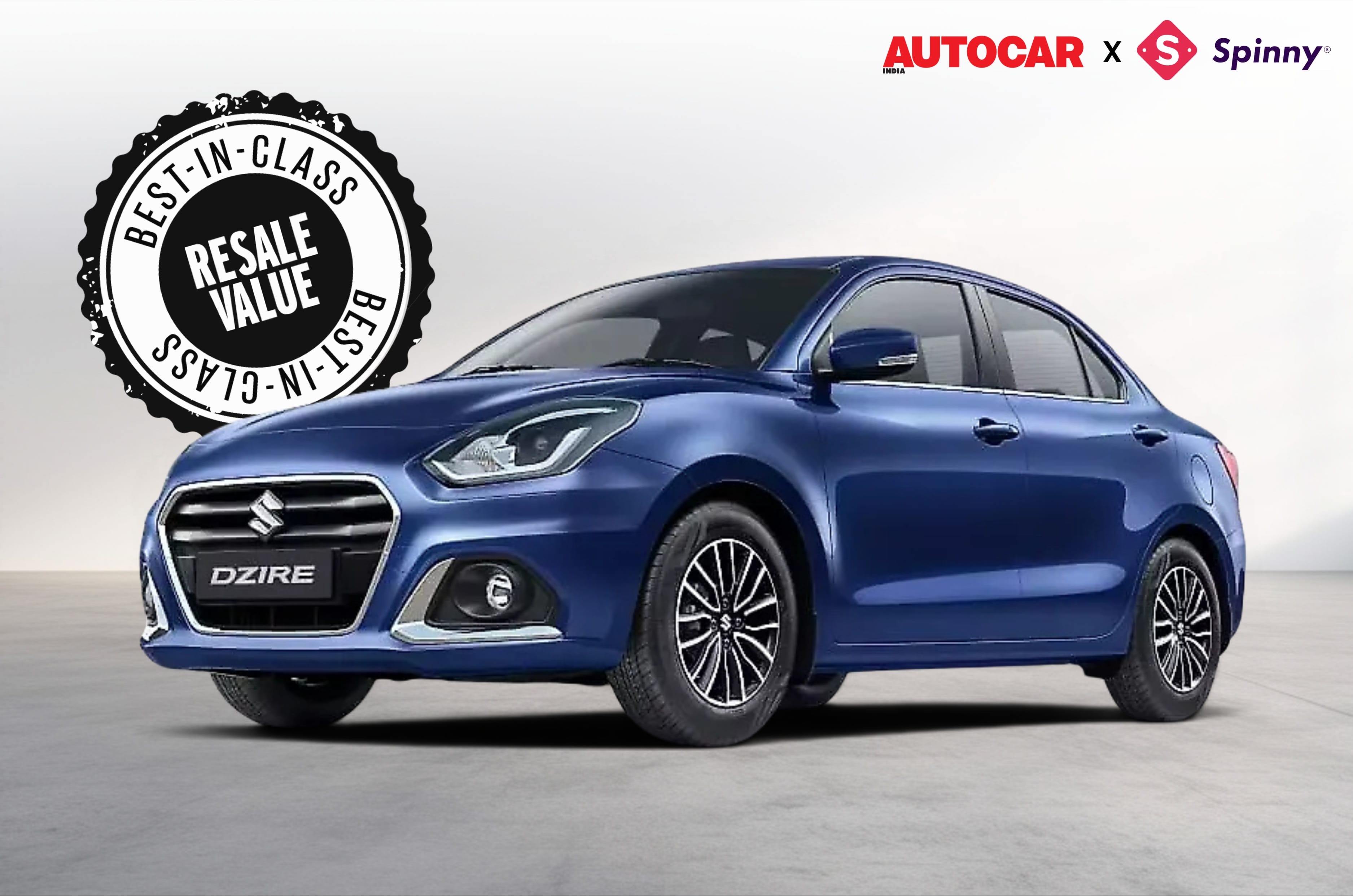
The Maruti Dzire continues to dominate the compact sedan segment in terms of resale value retention. Its immense popularity in the new car market directly translates to strong residuals in the used market, helping it maintain the lowest average depreciation.
Following closely behind is the Tata Tigor petrol-manual, although examples over two years old tend to record the lowest average resale prices in the category, making them attractive value propositions for budget-conscious used car buyers. Meanwhile, though the Honda Amaze depreciates more, its average prices are higher than the Dzire.
As per the study, the average selling price of a five-year-old compact sedan retailed through Spinny was Rs 6.10 lakh. Comparable figures for three-year-old and one-year-old compact sedans were Rs 6.88 lakh and Rs 7.95 lakh, respectively. Average depreciation over the same periods worked out to 46.4 percent, 31.55 percent and 21.4 percent, respectively.
Autocar-Spinny resale value study methodology
The analysis covers the average selling prices (ASPs) of vehicles retailed through Spinny’s network across nine cities – Delhi-NCR, Bengaluru, Hyderabad, Pune, Chennai, Mumbai, Lucknow, Ahmedabad and Kolkata.
For the purposes of this study, depreciation has been defined as the percentage difference between a vehicle’s original on-road price in its year of manufacture and its resale value in 2025. In instances where a model was offered with multiple engine options using the same fuel type, the data has been consolidated and averaged. Variant-wise differences have similarly been averaged out.
Discontinued models and powertrain options have been excluded. Additionally, premium vehicles priced above Rs 30 lakh, electric vehicles and certain low-volume models have not been included due to limited transaction data and insufficient sample sizes.
Conducted in association with Spinny, India’s leading pre-owned car platform, the fourth edition of our Used Car Study analyses real-world resale values across a broad spectrum of vehicles sold in the Indian market in order to assess depreciation trends over a five-year ownership period. The study is based on actual transactional data shared by Spinny for vehicles sold between January 1 and August 31, 2025.
In this part of the resale value study series, we now take a look at the compact sedan segment:
Compact sedan resale value
The Maruti Dzire continues to dominate the compact sedan segment in terms of resale value retention. Its immense popularity in the new car market directly translates to strong residuals in the used market, helping it maintain the lowest average depreciation.
Following closely behind is the Tata Tigor petrol-manual, although examples over two years old tend to record the lowest average resale prices in the category, making them attractive value propositions for budget-conscious used car buyers. Meanwhile, though the Honda Amaze depreciates more, its average prices are higher than the Dzire.
As per the study, the average selling price of a five-year-old compact sedan retailed through Spinny was Rs 6.10 lakh. Comparable figures for three-year-old and one-year-old compact sedans were Rs 6.88 lakh and Rs 7.95 lakh, respectively. Average depreciation over the same periods worked out to 46.4 percent, 31.55 percent and 21.4 percent, respectively.
Autocar-Spinny resale value study methodology
The analysis covers the average selling prices (ASPs) of vehicles retailed through Spinny’s network across nine cities – Delhi-NCR, Bengaluru, Hyderabad, Pune, Chennai, Mumbai, Lucknow, Ahmedabad and Kolkata.
For the purposes of this study, depreciation has been defined as the percentage difference between a vehicle’s original on-road price in its year of manufacture and its resale value in 2025. In instances where a model was offered with multiple engine options using the same fuel type, the data has been consolidated and averaged. Variant-wise differences have similarly been averaged out.
Discontinued models and powertrain options have been excluded. Additionally, premium vehicles priced above Rs 30 lakh, electric vehicles and certain low-volume models have not been included due to limited transaction data and insufficient sample sizes.
The Office of the Attorney General for India has issued a clarification stating that media reports published on June 30 claiming the Government described the 20% Ethanol Blended Petrol (E20) programme as an “experiment” before the Supreme Court are incorrect.
It was previously reported that while hearing Bharat Petroleum Corporation Limited (BPCL)’s appeal against a Karnataka High Court Order, the Attorney General told the court that the E20 programme was, quote unquote, an “experiment” and that its impact would be “clear by next year”. The Karnataka High Court’s order mandates that government-owned oil companies must honour their contractual agreements to purchase specific volumes of ethanol from a dedicated factory, preventing them from unfairly reducing orders. The Supreme Court, however, has put a hold on the order as oil companies argued that it could affect the nationwide E20 rollout policy proposed by the Central government.
This comes at a time when the rollout of E20 has caused a lot of stir, especially among owners of older vehicles who have been experiencing drops in fuel efficiency. Moreover, it has been a year since the nationwide rollout of E20 blended petrol was implemented.
What did the clarification mention?
According to the statement, reports suggesting that the Attorney General told the Court the E20 programme was “still an ongoing experiment” or that “the impact of the policy would become clearer by next year” are “completely false” and do not reflect the submissions made on behalf of the Union of India. The Attorney General’s Office emphasised that “at no stage was any submission made that the Government’s Ethanol Blended Petrol (EBP) Programme or the E20 blending programme is an ‘experiment’.”
The Attorney General’s Office said that during the hearing, the submissions before the Supreme Court were confined to the litigation surrounding ethanol allocation to Dedicated Ethanol Plants. It informed the Court that similar writ petitions involving identical issues are pending before different High Courts and that Transfer Petitions are being filed to bring the matters before the Supreme Court for a common adjudication.
According to the clarification, the purpose of the proposed transfer is to avoid parallel proceedings and the possibility of conflicting judicial decisions, while enabling an expeditious resolution of the litigation so that ethanol supplies to Oil Marketing Companies for maintaining 20% ethanol blending with petrol under the national Ethanol Blended Petrol Programme are not affected.
The statement further said that, after considering these submissions, the Supreme Court held that the proposed Transfer Petitions should be filed and that status quo should continue with respect to ethanol allocation for the current Ethanol Supply Year 2025-26, insofar as the present matter is concerned.
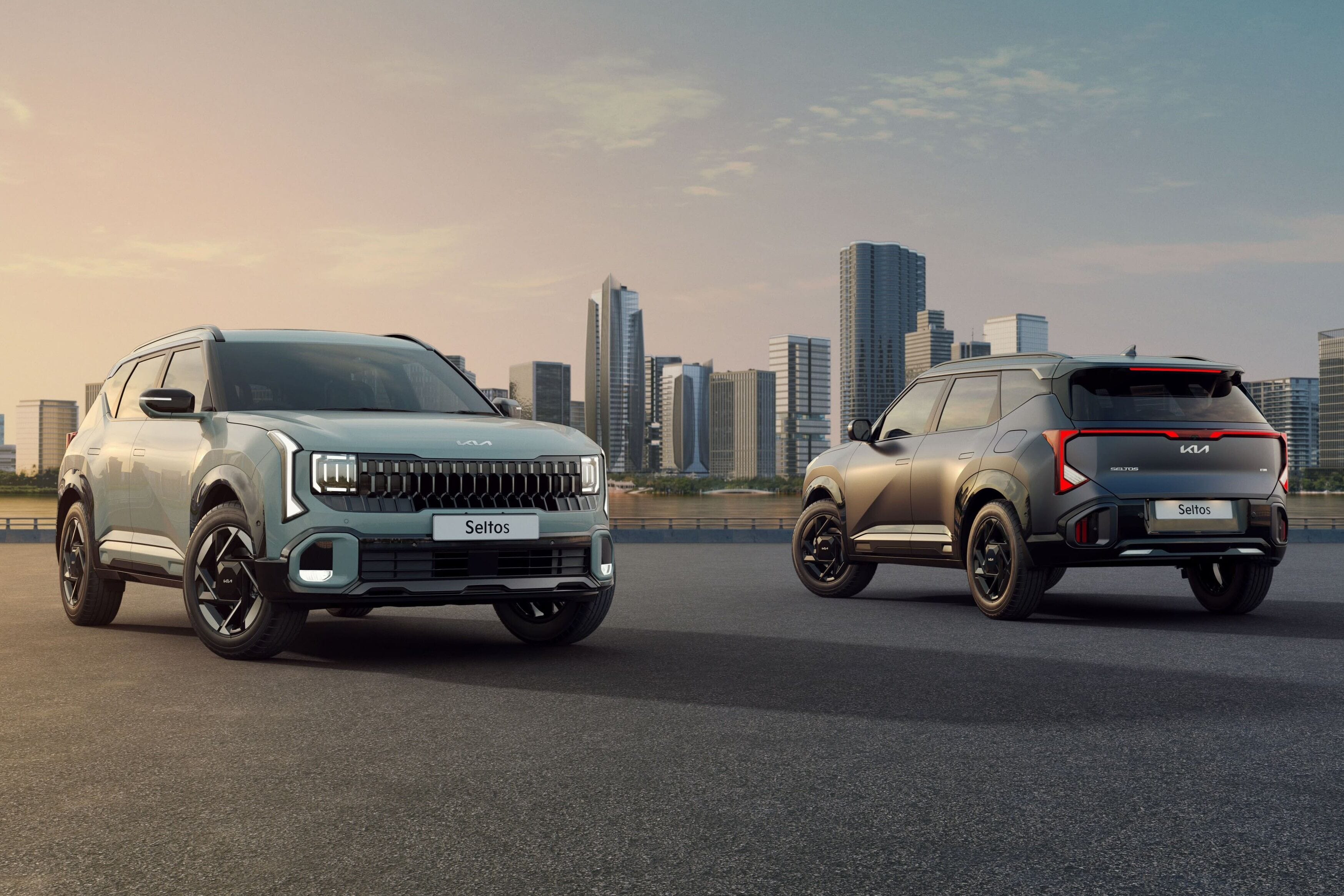
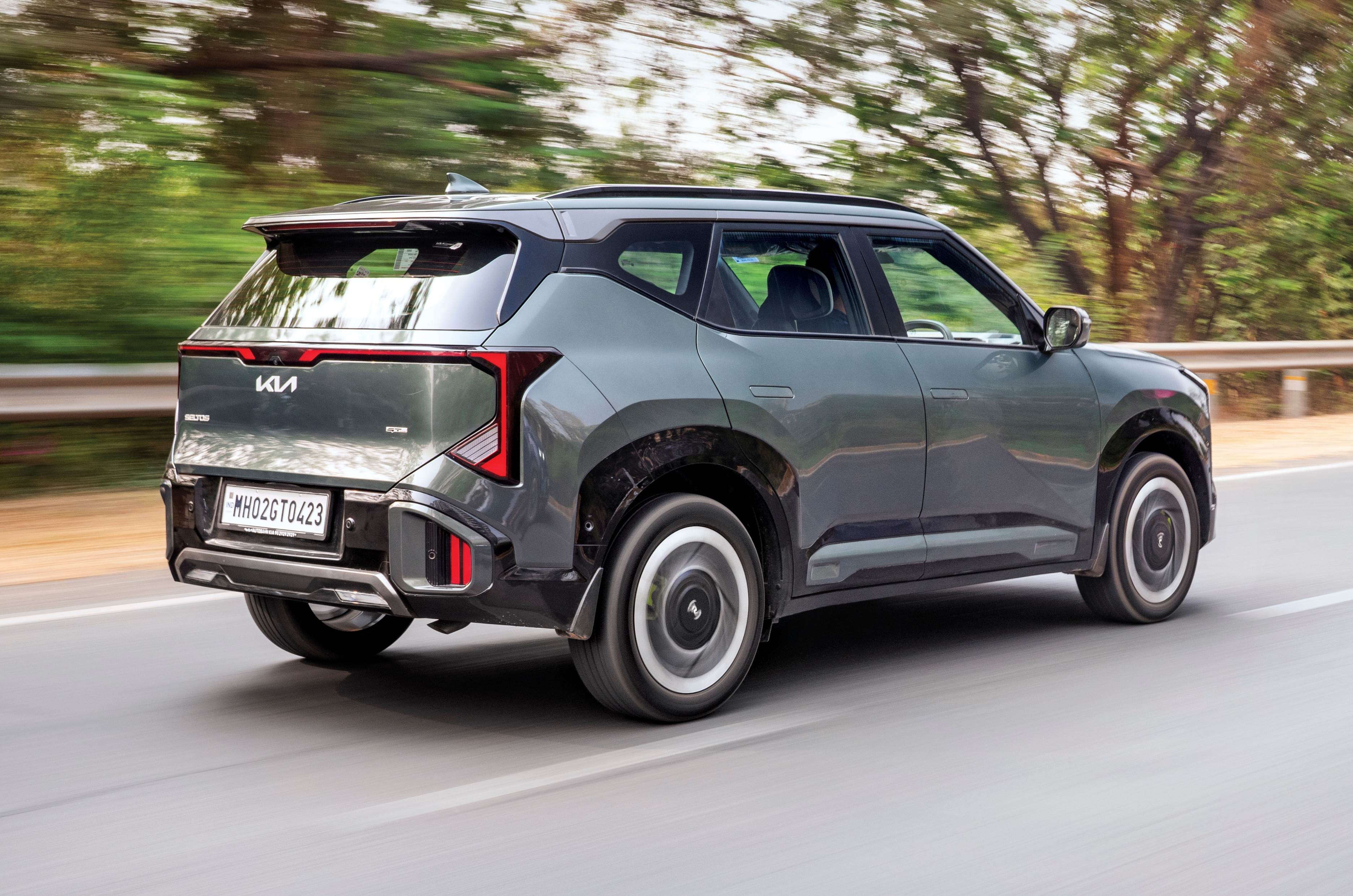
The Kia Seltos variant line-up has been expanded with two new trim levels: GTX(O) and X-Line(O). These pack additional safety kit and creature comforts over the previous top-spec trims of the Seltos, namely the GTX(A) and X-Line(A).
Kia Seltos GTX(O), X-Line(O) variant prices and details
Available only in turbo-petrol DCT and diesel AT guises
Both the Seltos GTX(O) and X-Line(O) can be had with only the automatic versions of the 160hp 1.5-litre turbo-petrol and the 116hp 1.5-litre diesel engines. The turbo-petrol is paired with a 7-speed dual-clutch automatic, while the diesel gets a 6-speed torque converter. Prices for the Seltos GTX(O) and X-Line(O) start at Rs 21.57 lakh.
GTX(O) and X-Line(O) get Level 2+ ADAS
The headliner of the Seltos GTX(O) and X-Line(O) trims is an expanded ‘Level 2+ ADAS’ suite. Compared to the Seltos GTX(A) and its 21-strong list of ADAS features, the GTX(O) adds seven more for a total of 28. The new Seltos ADAS features comprise Junction Crossing, Lane Change Oncoming, Lane Change Side, and Evasive Steering Assist functions for the frontal collision avoidance system, as well as navigation-based adaptive cruise control for corners and speed-limited zones, and highway driving assist.
Alongside the broadened ADAS suite, the Seltos GTX(O) packs a navigation functions for the 12.3-inch digital driver’s display, one-touch auto up/down for all windows, a heads-up display, built-in front and rear dashcams, rain-sensing wipers, and VR and navigation features in the Kia Connect mobile app.
Meanwhile, the Seltos X-Line(O) maintains feature parity with the GTX(O), but with cosmetic upgrades like an exclusive Matte Graphite exterior finish, a black-and-green interior theme, blacked-out exterior trim, and black 18-inch alloy wheels.
LPG Price Today @ 1 July: व्यावसायिक प्रतिष्ठानों और कारोबारियों के लिए महीने के पहले ही दिन राहत भरी खबर आई है। सरकार ने महीने की पहली तारीख से 19 किलोग्राम वाले कमर्शियल एलपीजी सिलेंडर की कीमतों में ₹183.50 की बड़ी कटौती करने का फैसला किया है। इस ताजा कटौती के बाद देश के अलग-अलग शहरों में कमर्शियल सिलेंडर के दाम काफी नीचे आ गए हैं।
हालांकि, घरेलू रसोई में इस्तेमाल होने वाले 14.2 किलोग्राम वाले डोमेस्टिक एलपीजी सिलेंडर की कीमतों में कोई बदलाव नहीं किया गया है और इसकी दरें स्थिर बनी हुई हैं।
दिल्ली, लखनऊ समेत अन्य बड़े शहरों में क्या हैं आज के रेट?
ताजा संशोधन के बाद देश के प्रमुख शहरों में 19 किलोग्राम वाले कमर्शियल एलपीजी सिलेंडर की नई कीमतें इस प्रकार हैं:-
दिल्ली: देश की राजधानी दिल्ली में कमर्शियल सिलेंडर की कीमत अब घटकर ₹2,930 हो गई है, जो पहले ₹3,113.50 थी।
लखनऊ: उत्तर प्रदेश की राजधानी लखनऊ में सिलेंडर का रेट ₹3,236 से घटकर अब ₹3,052.50 पर आ गया है।
कोलकाता: पश्चिम बंगाल के कोलकाता में इसकी कीमत ₹3,255.50 से कम होकर ₹3,081.50 हो गई है।
पटना: बिहार की राजधानी पटना में अब 19 किलोग्राम वाले कमर्शियल सिलेंडर के लिए ₹3,227 चुकाने होंगे।
साल 2026 में पहली बार घटे दाम, लगातार बढ़ रही थीं कीमतें
साल 2026 में कमर्शियल एलपीजी सिलेंडर की कीमतों में यह पहली कटौती है। इससे पहले इस साल के शुरुआती महीनों में कीमतों में लगातार और भारी बढ़ोतरी देखने को मिली थी। साल के शुरुआत में दिल्ली में 19 किलोग्राम वाले कमर्शियल सिलेंडर की कीमत ₹1,691.50 थी लेकिन इसके बाद के महीनों में दरें तेजी से बढ़ीं। अकेले मार्च के महीने में कीमतों को दो बार बढ़ाया गया।
पहले 1 मार्च को सिलेंडर ₹28 महंगा हुआ और फिर 7 मार्च को इसमें ₹114.50 की एक और बढ़ोतरी की गई। मई महीने में कमर्शियल एलपीजी की कीमतों में ₹993 की रिकॉर्ड तोड़ भारी बढ़ोतरी की गई, जिससे दिल्ली में इसका रेट बढ़कर ₹3,071.50 तक पहुंच गया था। इसके बाद 1 जून को भी कीमतों में ₹42 की एक और बढ़ोतरी लागू की गई थी।
पेट्रोल निर्यात पर बढ़ा टैक्स, घरेलू आपूर्ति मजबूत करने की कोशिश
एलपीजी की कीमतों में बदलाव के साथ ही केंद्र सरकार ने 1 जुलाई से पेट्रोल के निर्यात पर लगने वाली स्पेशल एडिशनल एक्साइज ड्यूटी को ₹1.5 प्रति लीटर से बढ़ाकर ₹4 प्रति लीटर कर दिया है। सरकार के इस कदम का मुख्य उद्देश्य तेल कंपनियों को घरेलू बाजार में आपूर्ति करने के बजाय सिर्फ अधिक मुनाफे की तलाश में विदेशों में पेट्रोल निर्यात करने से हतोत्साहित करना है। निर्यात शुल्क में किया गया यह ताजा संशोधन अंतरराष्ट्रीय कच्चे तेल की बदलती कीमतों के बीच घरेलू स्तर पर ईंधन की उपलब्धता को संतुलित बनाए रखने के लिए किया गया है।
वैश्विक तेल बाजार में उतार-चढ़ाव का असर
सरकार अंतरराष्ट्रीय ऊर्जा बाजार के रुझानों और रिफाइनिंग मार्जिन के आधार पर समय-समय पर इस विंडफॉल टैक्स की समीक्षा करती है। यह पाक्षिक (हर 15 दिन में होने वाली) समीक्षा ऐसे समय में आई है जब पश्चिम एशिया में भू-राजनीतिक तनाव के कारण वैश्विक तेल बाजारों में लगातार उतार-चढ़ाव की स्थिति बनी हुई है। इस वैश्विक अस्थिरता का सीधा असर भारतीय रिफाइनरियों के ईंधन व्यापार और निर्यात अर्थशास्त्र पर पड़ रहा है।
Petrol-Diesel Rates: भारत की सबसे बड़ी प्राइवेट फ्यूल रिटेलर कंपनी नायरा एनर्जी (Nayara Energy) ने पेट्रोल की कीमत में 5 रुपये प्रति लीटर और डीजल की कीमत में ₹3 प्रति लीटर की कटौती की है। नई दरें बुधवार (1 जुलाई) से कंपनी के देशभर में मौजूद 7,000 से अधिक पेट्रोल पंपों पर लागू हो गई हैं। यह पिछले दो सालों में किसी भी तेल कंपनी द्वारा की गई पहली बड़ी खुदरा ईंधन की कीमतों में कटौती है। कंपनी ने यह फैसला अंतरराष्ट्रीय बाजार में कच्चे तेल की कीमतों में आई गिरावट के बाद लिया है।
यह कीमत कटौती वेस्ट एशिया में तनाव कम होने और एक अहम समुद्री रास्ते के फिर से खुलने के बाद ग्लोबल क्रूड ऑयल की कीमतों में गिरावट के बाद हुई है। समुद्री रास्ते के खुलने से क्रूड ऑयल और लिक्विफाइड नेचुरल गैस की सप्लाई फिर से शुरू हो गई। इससे सप्लाई में रुकावट की चिंता कम हो गई है।
इंडस्ट्री के सूत्रों के मुताबिक, देश भर में नायरा के 7,000 से ज़्यादा फ्यूल स्टेशनों पर नई कीमतें लागू हो गई हैं। राज्यों में लोकल टैक्स, जैसे वैल्यू-एडेड टैक्स (VAT) के आधार पर पंप पर असल कीमतें अलग-अलग हो सकती हैं।
क्यों सस्ते हुए पेट्रोल-डीजल?
पश्चिम एशिया में तनाव कम होने और एक महत्वपूर्ण समुद्री रूट्स के दोबारा खुलने से कच्चे तेल और एलएनजी की आपूर्ति सामान्य हुई है। इससे वैश्विक बाजार में कच्चे तेल की कीमतों में नरमी आई। इसका लाभ Nayara Energy ने अपने ग्राहकों को दिया है।
हालांकि, सरकारी तेल कंपनियां Indian Oil (IOC), Bharat Petroleum (BPCL) और Hindustan Petroleum (HPCL) ने फिलहाल पेट्रोल-डीजल के दामों में कोई बदलाव नहीं किया है। दिल्ली में IOC के पेट्रोल पंपों पर पेट्रोल ₹102.12 प्रति लीटर और डीजल ₹95.20 प्रति लीटर पर ही मिल रहा है।
मार्च में बढ़ाए थे दाम
ईरान संघर्ष के बाद अंतरराष्ट्रीय तेल कीमतों में तेजी आने पर Nayara Energy ने 26 मार्च को पेट्रोल के दाम ₹5 प्रति लीटर और डीजल के दाम ₹3 प्रति लीटर बढ़ाए थे। अब कंपनी ने वही बढ़ोतरी वापस ले ली है।
उपभोक्ताओं को कितना फायदा होगा?
यदि आप 50 लीटर पेट्रोल भरवाते हैं, तो लगभग ₹250 की बचत होगी।
यदि आप 50 लीटर डीजल भरवाते हैं, तो लगभग ₹150 की बचत होगी।
देशभर में आपूर्ति के लिए तैयार
सूत्रों के अनुसार, रिफाइनरी का रखरखाव कार्य पूरा होने के बाद Nayara Energy की गुजरात के वाडिनार स्थित 20 मिलियन टन प्रति वर्ष क्षमता वाली रिफाइनरी पूरी क्षमता से काम कर रही है। यह कंपनी देशभर में ईंधन की मांग पूरी करने के लिए तैयार है। ईरान-अमेरिका संघर्ष के कारण इंटरनेशनल ऑयल की कीमतों में उछाल आने के बाद फ्यूल की कीमतें बढ़ाने वाली पहली रिटेलर्स में नायरा शामिल थी। 26 मार्च को उसने पेट्रोल की कीमतों में ₹5 प्रति लीटर और डीजल की कीमतों में ₹3 प्रति लीटर की बढ़ोतरी की थी।
बाद में सरकारी फ्यूल रिटेलर्स ने भी कीमतें बढ़ाईं। मई के दूसरे हिस्से में कई बार कीमतों में बदलाव करते हुए उन्होंने पेट्रोल और डीज़ल की कीमतों में कुल ₹7.50 प्रति लीटर की बढ़ोतरी की। यह बढ़ोतरी इंटरनेशनल क्रूड की ज़्यादा कीमतों और प्रोडक्ट की ज्यादा लागत को दिखाती है। बुधवार को नायरा द्वारा की गई कटौती असल में मार्च में की गई बढ़ोतरी को वापस लेती है।
यह हाल के हफ़्तों में ग्लोबल ऑयल मार्केट के स्थिर होने के बाद भारतीय ग्राहकों तक कम फ्यूल कीमतें पहुंचने का पहला संकेत है। सूत्रों के मुताबिक, रिफाइनरी में मेंटेनेंस का काम पूरा होने के बाद नयारा मांग को पूरा करने के लिए पूरी तरह तैयार है। देश की खपत की जरूरतों को पूरा करने के लिए अपने पूरे नेटवर्क का इस्तेमाल कर रही है।
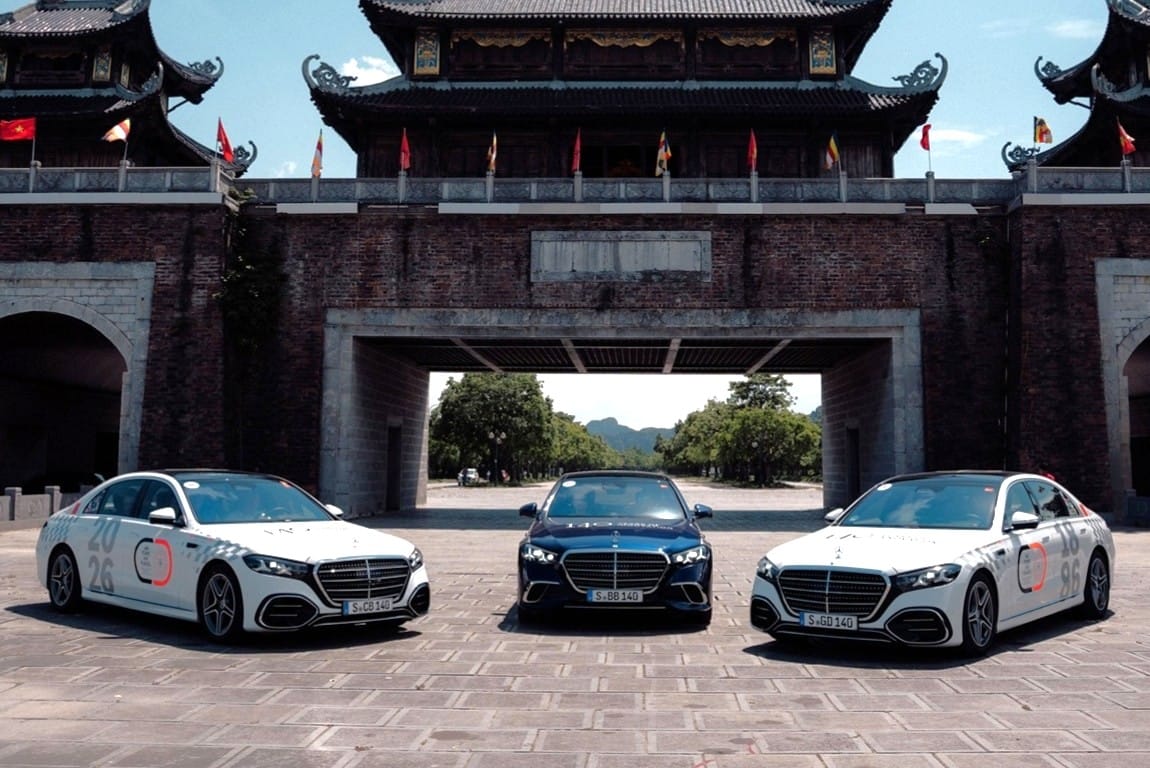
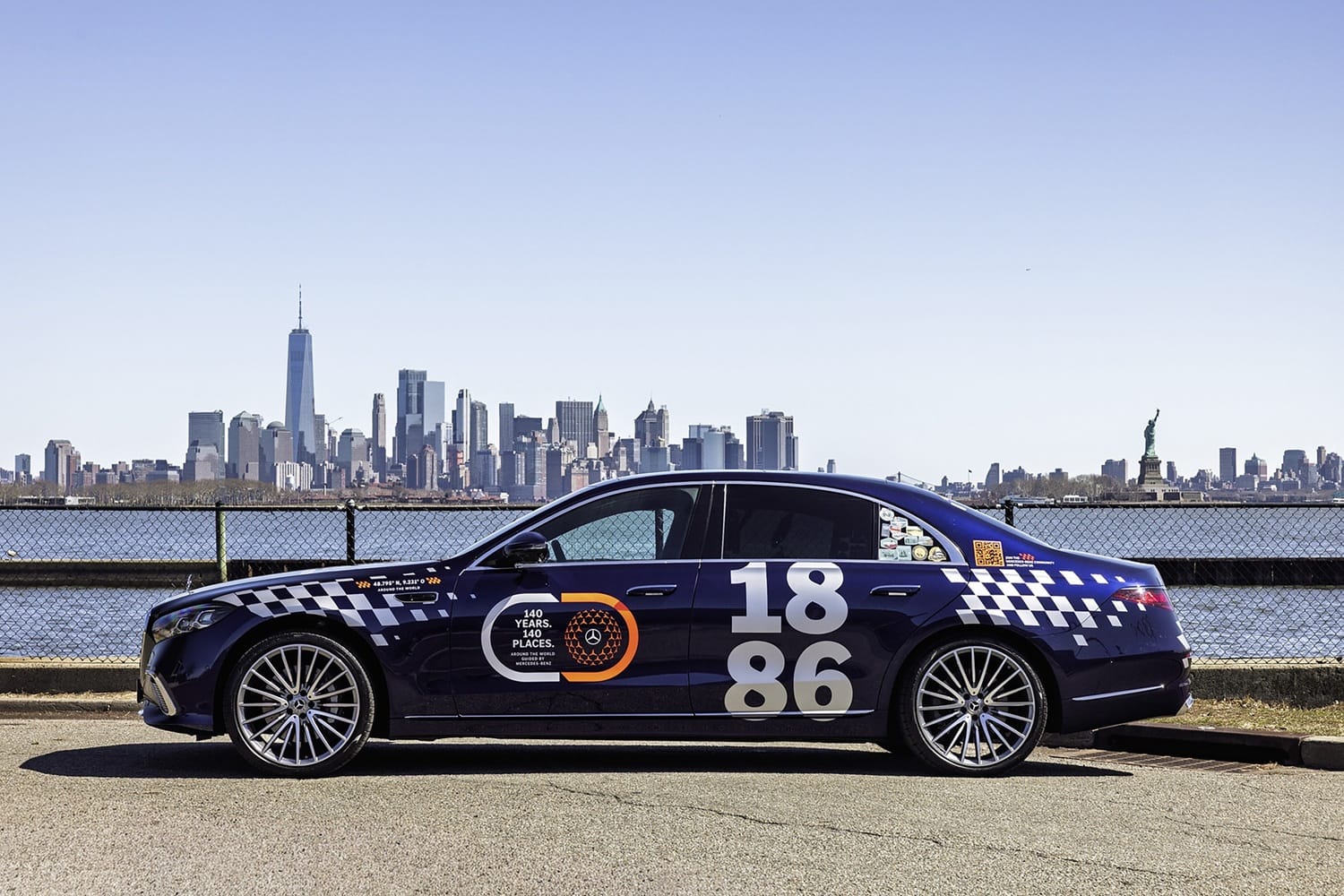
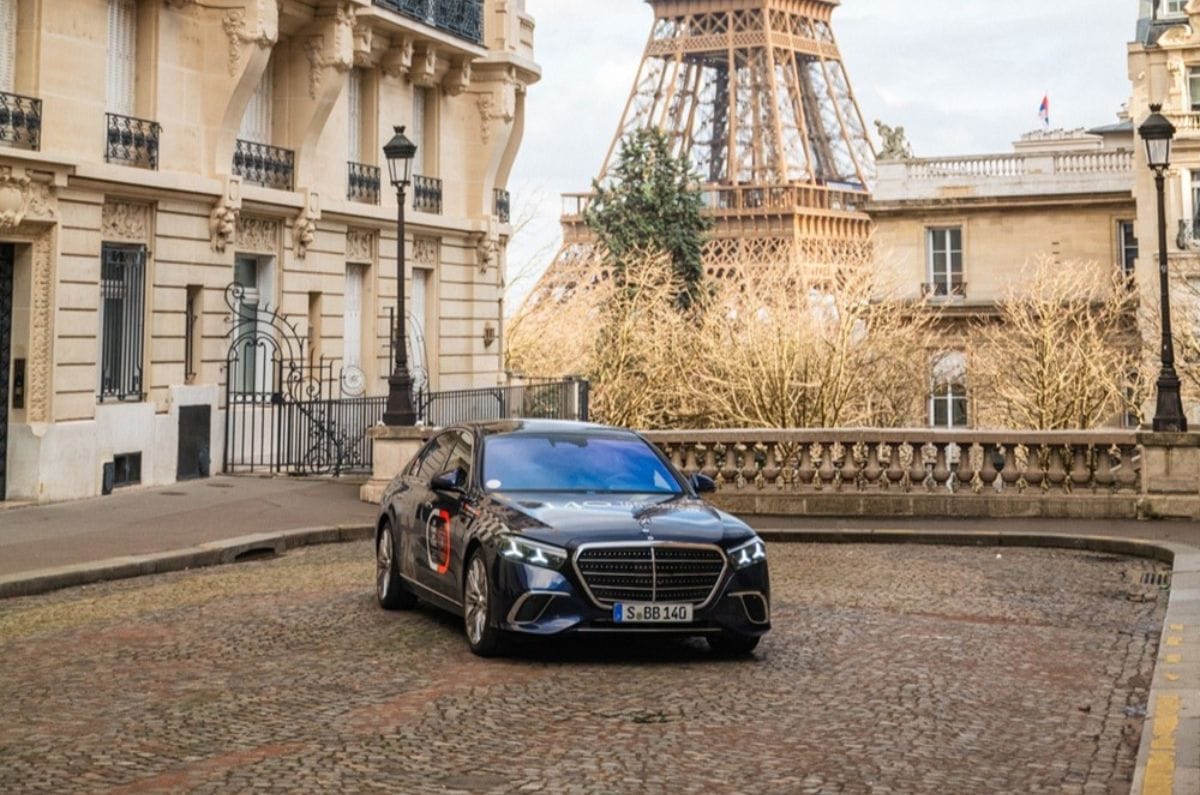
Mercedes-Benz is bringing its ‘140 Years.140 Places’ transcontinental journey to India in July 2026. The luxury carmaker is undertaking this journey to celebrate 140 years since Carl Benz filed the patent for the world’s first car- the Patent-Motorwagen- thereby marking its own 140th anniversary. The journey has already passed through Europe, South America, North America, South-East Asia, Australia & New Zealand, and is now on its way to India.
Mercedes 140 Years. 140 Places transcontinental journey: Additional details
Mercedes-Benz has been undertaking a worldwide road trip, visiting 140 locations to mark its anniversary year. The carmaker is utilising the recently updated S-Class, its flagship sedan, for this journey. Three S-Class models have been on this trip since January 29, 2026, covering 60,000 kilometres, crossing 55 countries, and travelling across six continents. The carmaker says that the India leg of the journey will “celebrate the diverse places, people, myriad experiences and novel ideas that shape the world around us, documenting through key engagements across the route, the landscapes, traditions and innovations that make each destination unique.”
Each of the three S-Class models has been given a special name – Gotlieb (after Gottlieb Daimler, who made the first petrol-fuelled internal combustion engine), Carl (after Carl Benz, the maker of the world’s first car, Patent-Motorwagen), and Bertha (after Bertha Benz, the world’s first person to perform a long-distance car trip). The models will travel along two routes across India.
Gotlieb will begin from New Delhi and make its way to Amritsar. From Amritsar, it will move toward Jammu and Kashmir, then on to Ladakh. This S-Class will also travel on Himalayan roads, including Umling La, the highest motorable pass in the world, and then head towards Manali. It will also move eastward through well-known places like Lucknow, Varanasi and Patna, and explore Bhutan before concluding its trip in New Delhi
Though starting from New Delhi together with Gotlieb, Carl and Bertha will voyage through Agra, Jaipur, Udaipur and Ahmedabad. After that, the two models will also head toward Pune, which houses Mercedes’ manufacturing facility. From there, both cars will go on individual trips- one will go across Mumbai, while the other will explore Hampi. Both cars will then reunite in Bangalore, where Mercedes’ India R&D centre is housed. The cars will then travel westward towards Goa, and then conclude their journey in Mumbai.
Conducted in association with Spinny, India’s leading pre-owned car platform, the fourth edition of our Used Car Study analyses real-world resale values across a broad spectrum of vehicles sold in the Indian market in order to assess depreciation trends over a five-year ownership period. The study is based on actual transactional data shared by Spinny for vehicles sold between January 1 and August 31, 2025.
In this series of the resale value study, here we are taking a look at the premium hatchback segment:
Premium hatchback resale value
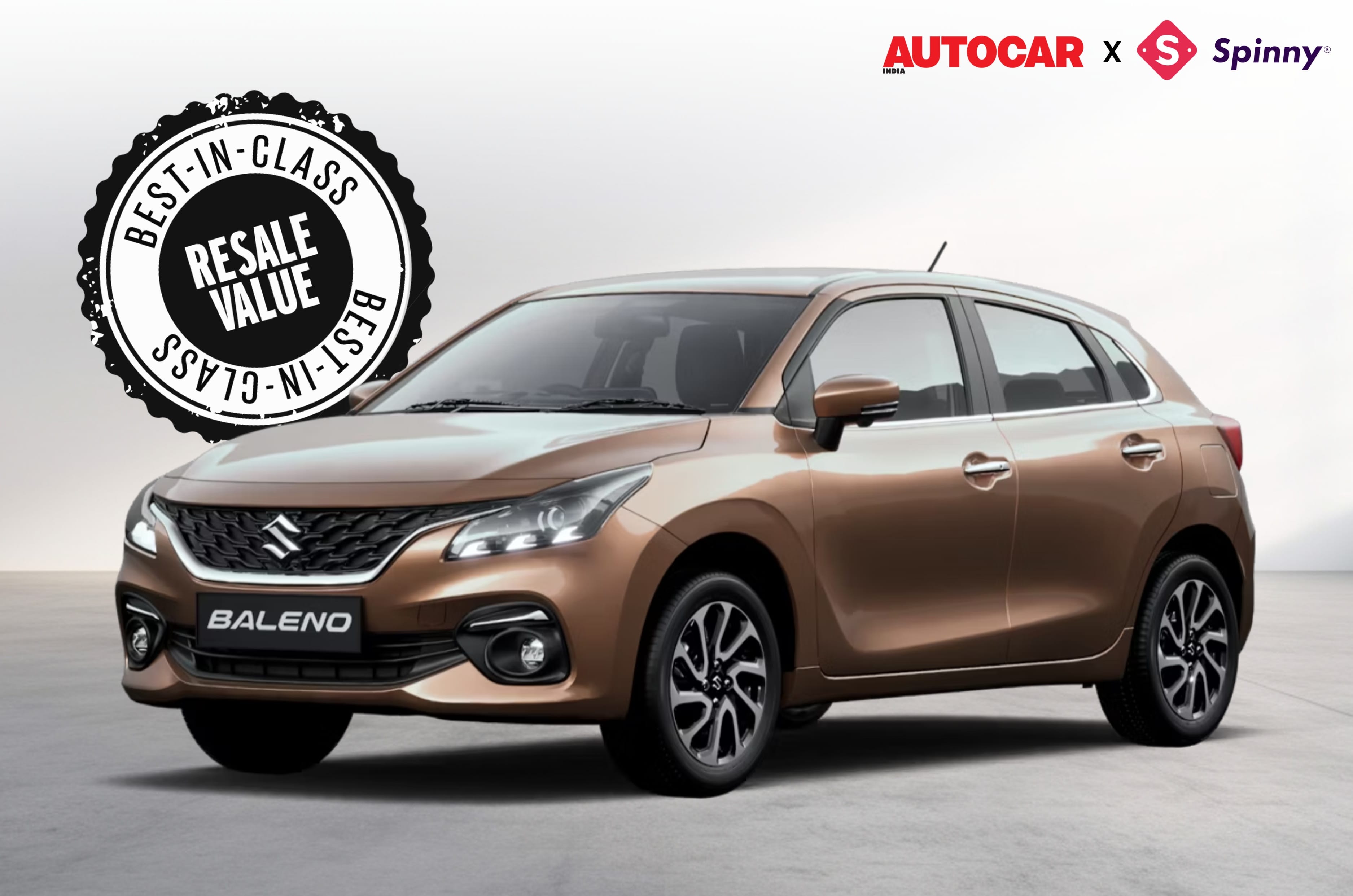
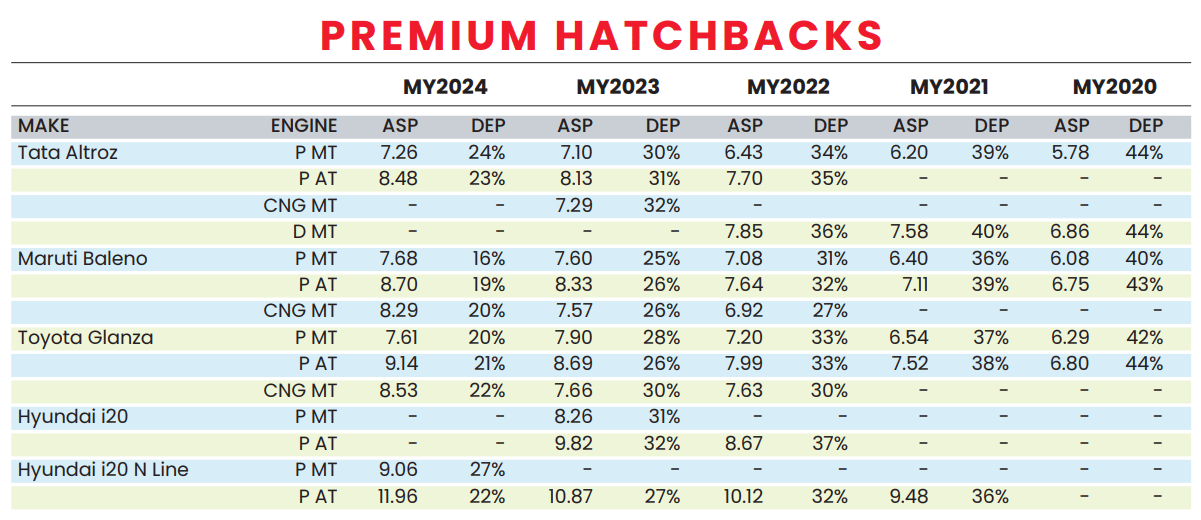
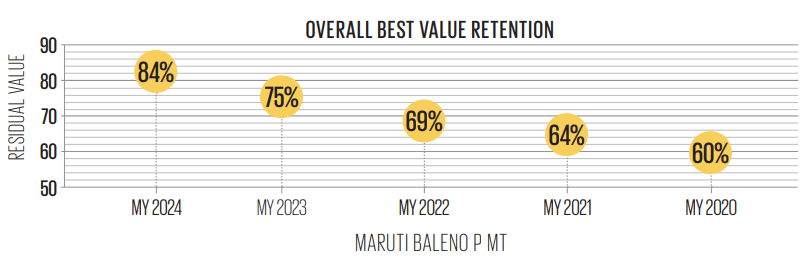
Among premium hatchbacks, the Maruti Baleno and Toyota Glanza remain closely matched; unsurprising given that both are mechanically identical products. However, the Toyota-badged hatchback consistently commands a slight premium in the used car market, reflecting stronger brand perception and Toyota’s reputation for reliability.
Meanwhile, the Tata Altroz – the only car in this segment to offer a diesel engine option – demonstrates depreciation trends broadly in line with its petrol-powered rivals, indicating balanced demand across fuel types.
As per the study, the average selling price of a five-year-old premium hatchback retailed through Spinny stood at Rs 6.43 lakh. Comparable figures for three-year-old and one-year-old the premium hatchbacks were Rs 8.27 lakh and Rs 8.67 lakh, respectively. Average depreciation over the same periods worked out to 42.8 percent, 32.7 percent and 21.4 percent, respectively.
Autocar-Spinny Resale Value Study methodology
The analysis covers the average selling prices (ASPs) of vehicles retailed through Spinny’s network across nine cities – Delhi-NCR, Bengaluru, Hyderabad, Pune, Chennai, Mumbai, Lucknow, Ahmedabad and Kolkata.
For the purposes of this study, depreciation has been defined as the percentage difference between a vehicle’s original on-road price in its year of manufacture and its resale value in 2025. In instances where a model was offered with multiple engine options using the same fuel type, the data has been consolidated and averaged. Variant-wise differences have similarly been averaged out.
Discontinued models and powertrain options have been excluded. Additionally, premium vehicles priced above Rs 30 lakh, electric vehicles and certain low-volume models have not been included due to limited transaction data and insufficient sample sizes.
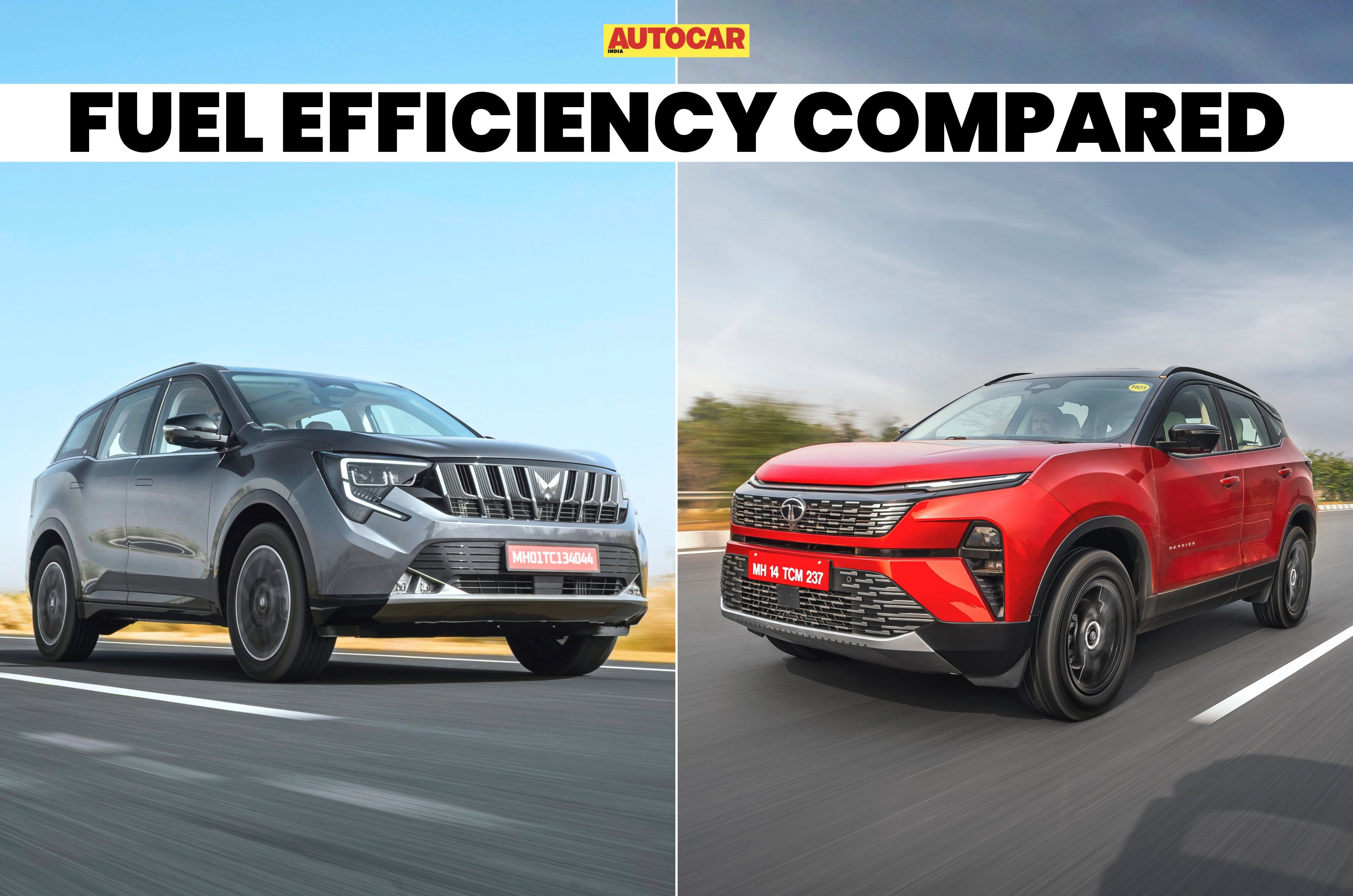
While the petrol-automatic option has only recently been introduced to the Tata Harrier, the Mahindra XUV 7XO has had petrol versions for a while now. The turbo-petrol engine of the 7XO is known as the mStallion, while that of the Harrier is called Hyperion. Unlike the XUV 7XO, which can seat either six or seven occupants, the Harrier turbo-petrol is only available with seating for five. In both these SUVs, the automatic transmission (AT) is available in all but the base trim. So, which petrol-automatic SUV between these fares better in terms of fuel economy?
Explore full specs, features and a price breakdown in our XUV 7XO vs Harrier comparison.
Mahindra XUV 7XO vs Tata Harrier turbo-petrol AT: Specifications
The larger-engine XUV 7XO clearly has the upper hand when it comes to output
Mahindra XUV 7XO vs Tata Harrier turbo-petrol AT: Specifications
Mahindra XUV 7XO
Tata Harrier
Engine
4 cyl, petrol
4 cyl, petrol
Displacement (cc)
1997
1498
Power (hp)
203 (5,000rpm)
170 (5,000rpm)
Torque (Nm)
380 (1,750-3,000rpm)
280 (1,750-3,500rpm)
Gearbox
6-speed automatic
6-speed automatic
Fuel tank (litres)
60
50
The petrol engine powering the XUV 7XO is a turbocharged direct injection unit that produces 33hp and a massive 100Nm more than the engine under the Harrier bonnet. Speaking of which, the Harrier’s petrol engine also features four cylinders, a turbocharger and direct injection like its Mahindra rival. However, it’s 499cc short of the XUV 7XO’s engine displacement. In terms of fuel capacity, the Tata rival has the larger tank.
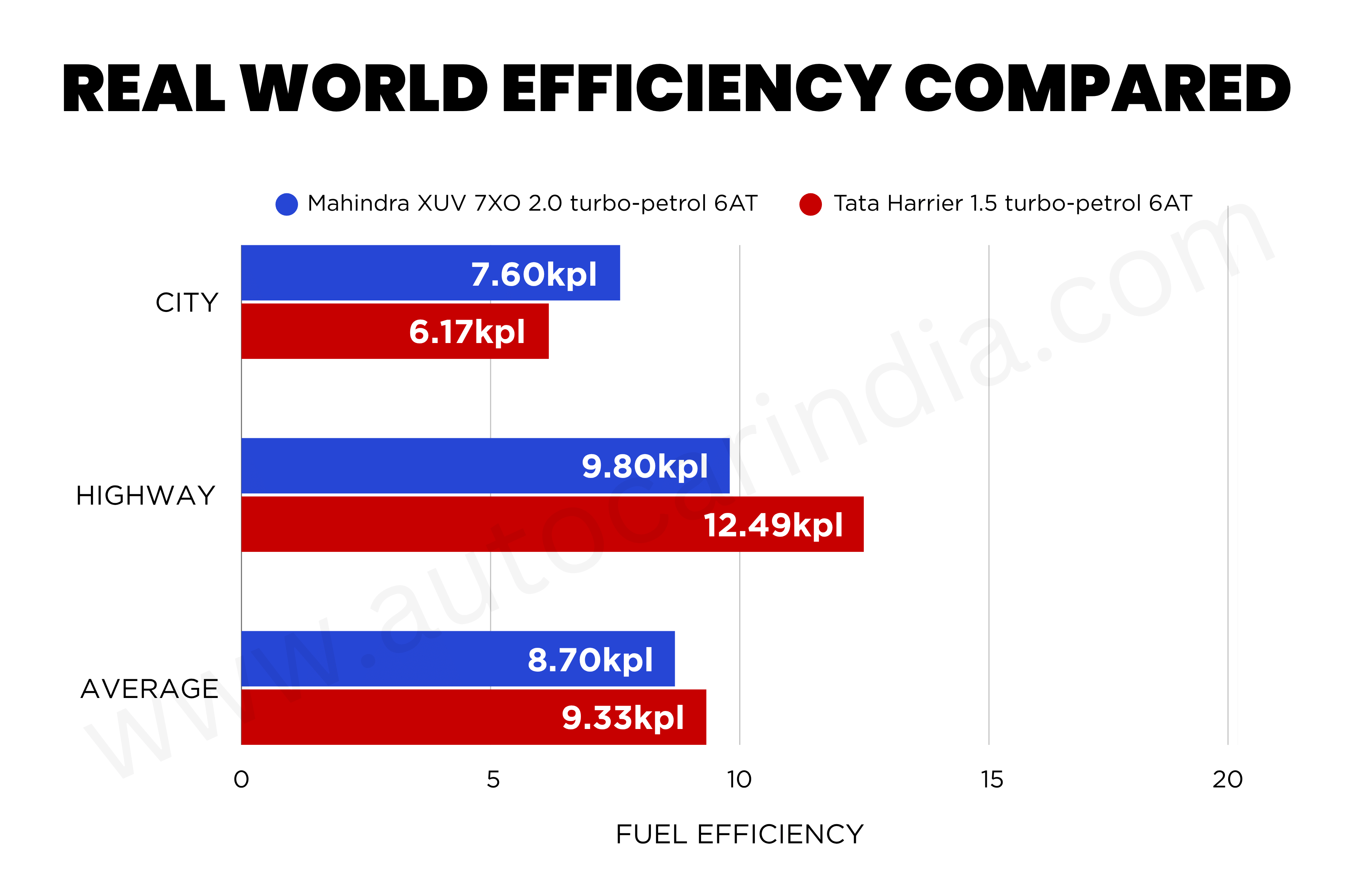
The XUV 7XO’s mileage in the city is better than the Harrier’s, but this changes on the highway
Mahindra XUV 7XO vs Tata Harrier turbo-petrol AT: Real-world mileage
Mahindra XUV 7XO
Tata Harrier
Tested city mileage (kpl)
7.60
6.17
Tested highway mileage (kpl)
9.80
12.49
Tested average mileage (kpl)
8.70
9.33
During our time testing these two, the XUV 7XO turbo-petrol AT achieved 1.43kpl better in the city than the Harrier turbo-petrol AT. Out on the highway, the latter was more frugal, returning 2.69kpl more than the Tata SUV. This is because moderate throttle inputs or overtaking manoeuvres hits the XUV 7XO’s fuel economy hard.
A couple of factors helping the Harrier turbo-petrol AT are its smaller-capacity engine and the inclusion of Eco mode – the latter is absent in the XUV 7XO. However, what the Mahindra SUV does get is an automatic engine stop-start system, which helps explain its higher fuel efficiency in the city. Having said that, the Tata Harrier turbo-petrol AT edges ahead in terms of average mileage by a narrow margin of 0.63kpl.
Mahindra XUV 7XO vs Tata Harrier turbo-petrol AT: Prices
Mahindra XUV 7XO vs Tata Harrier turbo-petrol AT: Prices
Mahindra XUV 7XO
Tata Harrier
Price range (Rs, lakh)
17.47-23.64
17.53-24.14
There are 7 trim levels of the Mahindra XUV 7XO turbo-petrol with the automatic gearbox. The most affordable variant here costs Rs 7,000 less than its Tata Harrier turbo-petrol automatic equivalent. Similarly, the fully loaded turbo-petrol AT variant of the XUV 7XO costs Rs 50,000 less than the top-spec Harrier turbo-petrol AT.
Autocar India’s fuel efficiency testing
Before our real-world fuel efficiency tests, we fill our test cars’ tanks to the brim and maintain tyre pressures based on the manufacturer’s recommendations. These cars are driven in fixed city and highway loops in and around Navi Mumbai, and we maintain certain average speeds. Throughout the tests, there is only one person in each car, running the air conditioner and other electricals, such as the audio system, indicators and wipers, when required, just like a regular user would. Periodic driver swaps further neutralise variations in driver patterns. At the end of each cycle, we calculate efficiency by filling the tanks to full again.
June was a busy month for automobile industry, bringing us the updated Toyota Innova Crysta, Mercedes-Benz S-Class facelift, Maruti Wagon R flex-fuel, Citroen eC3X and Porsche 911 GT3. With July marking the start of the second half of 2026, several more models are lined up. Here is a look at the cars set to either launch or debut next month.
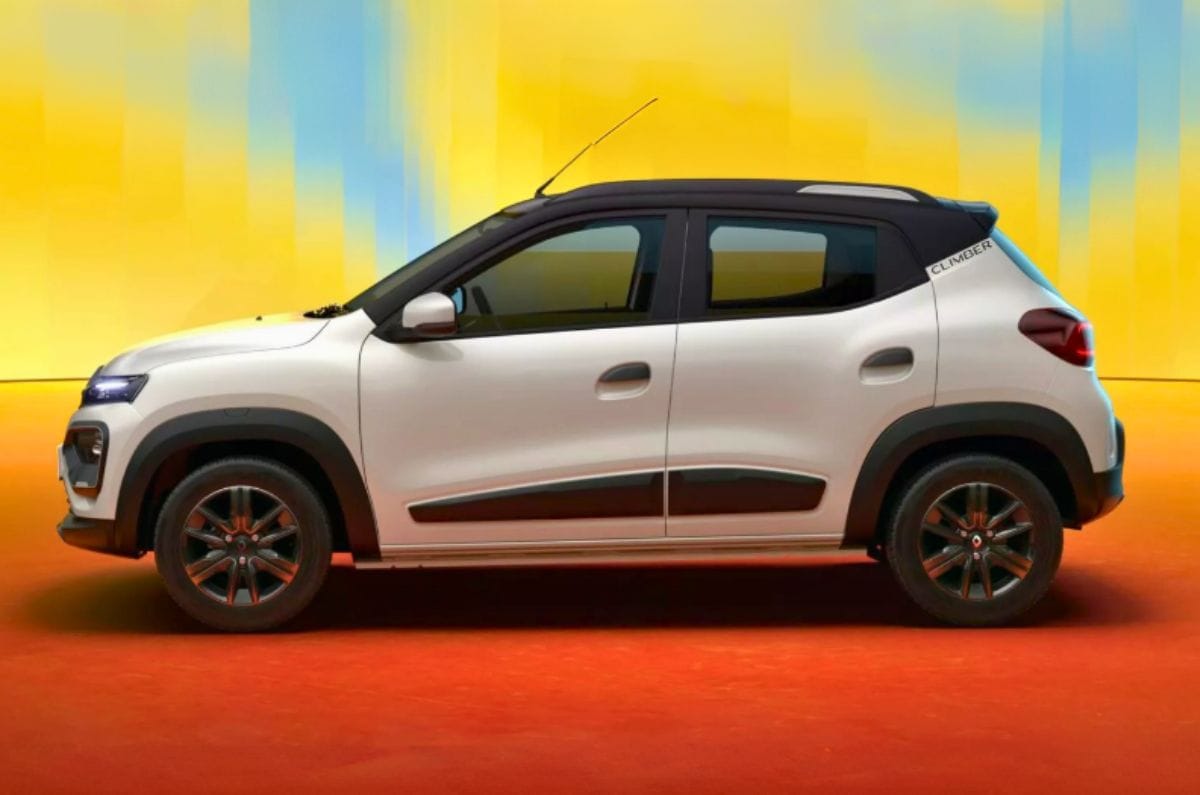
2026 Renault Kwid facelift
Launch date: July 3
Current Renault Kwid (image used for representation).
Renault’s answer to Maruti Alto K10 was first launched in 2015, followed by a facelift in 2019. The current model has been on sale for seven years, and is pretty long in the tooth. Part of Renault’s “rethink strategy”, the entry-level hatchback is set to receive its second facelift in July. Based on spy shots from before, it could get fresh Y-shaped LED daytime running lamps similar to those on the international-spec Duster, new bumpers and tail-lights.
Upgrades such as standard six airbags, a bigger touchscreen, a new steering wheel and instrument cluster are likely. The Kwid is currently available only with a 69hp, 92.5Nm 1.0-litre petrol engine paired to either a manual gearbox or an AMT unit, which could be carried over. Currently priced between Rs 4.30 lakh and Rs 5.88 lakh, ex-showroom, a slight price bump is likely with the facelift.
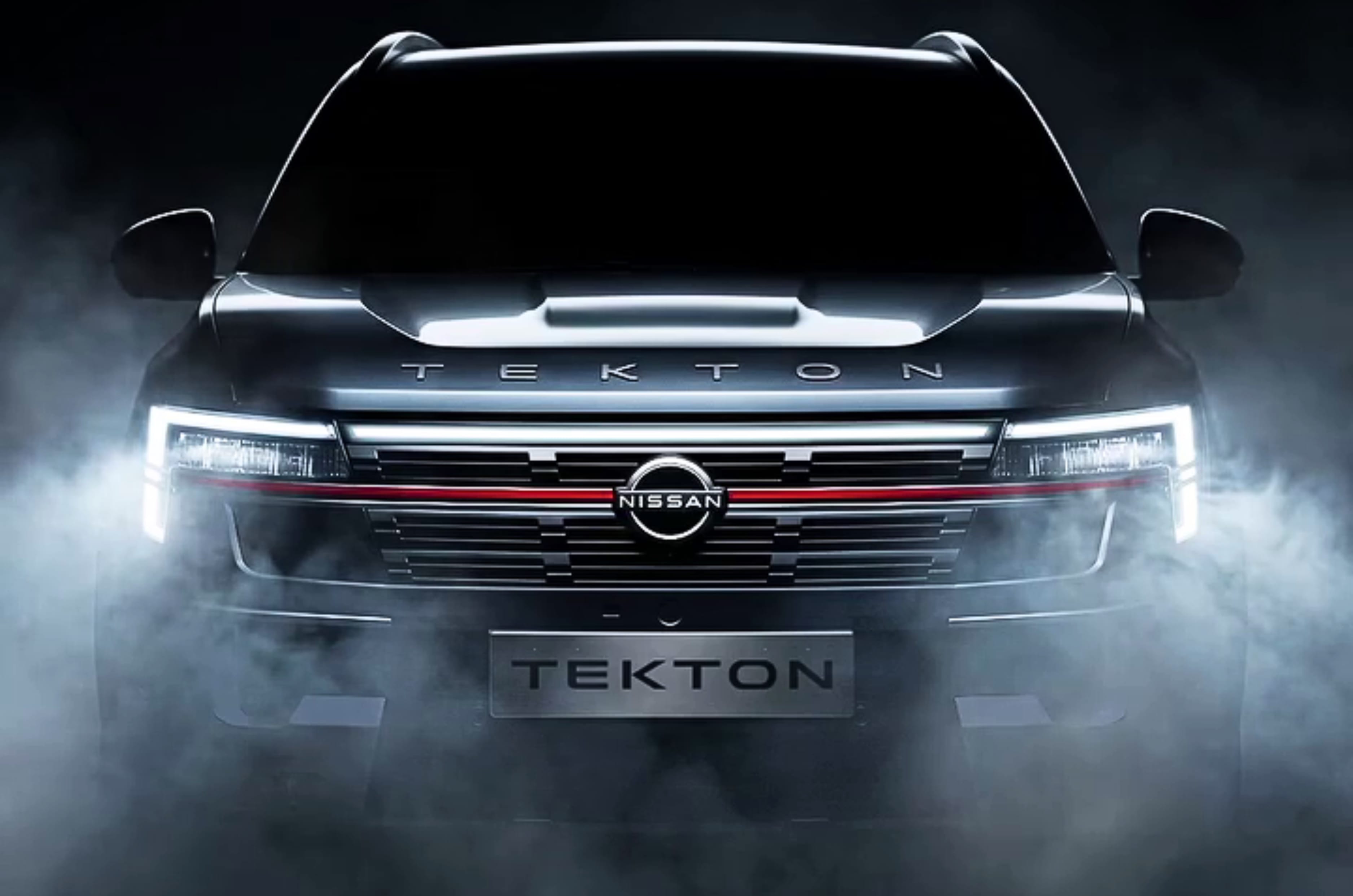
Nissan Tekton
Debut date: July 9
Nissan has been drip-feeding teasers of the Tekton, the Japanese carmaker’s version of the Duster, revealing features such as LED headlights, pull-type door handles at the front and C-pillar-mounted ones at the rear, multi-spoke alloy wheels, a twin-ridge spoiler and C-shaped tail-lights.
The Tekton will be offered with 100hp, 166Nm 1-litre and 163hp, 280Nm 1.3-litre turbo-petrol engine options. A 6-speed manual gearbox will be offered with both engines, but an automatic gearbox – a 7-speed DCT in this case – will be limited to the more powerful mill.
The Tekton is expected to be priced similarly to the Duster, which starts at Rs 10.49 lakh and goes up to Rs 18.69 lakh for the top-spec turbo-petrol variant. In addition to the Duster, the Tekton will take on the likes of the Tata Sierra, Hyundai Creta, Kia Seltos, Skoda Kushaq, Maruti Grand Vitara and more.
Wuling Starlight 560-based JSW-MG SUV
Debut date: July 16
Wuling Starlight 560 (image used for representation).
JSW-MG Motor’s new SUV debuting in July is likely to be a rebadged version of the Wuling Starlight 560 SUV, for which a design patent was filed in India in March. The Starlight 560 is a 4,745mm-long SUV and features LED headlights, 18-inch alloy wheels and LED tail-lights. Inside, the seven-seater SUV gets a dual-tone cabin, a 12.8-inch touchscreen, an 8.8-inch digital driver’s display, 6-speaker audio system, a 50W wireless phone charger and a panoramic sunroof.
In international markets, the Starlight 560 is available in plug-in hybrid and EV guises. For instance, the PHEV has a 1.5-litre petrol engine and a front-mounted electric motor powered by a 20.5kWh battery. Combined, this hybrid setup produces 195hp and 230Nm and offers a claimed range of over 1,000km. Meanwhile, the all-electric version gets a 69.2kWh battery and a 201hp motor at the front, with a CLTC-claimed range of 530km. It remains to be seen which powertrain is headed to India.
We expect it to be priced competitively, much like other MG models. The PHEV version could serve as an alternative to the Mahindra XUV 7XO and Tata Safari, while the EV may rival the Mahindra XEV 9S.
Maruti Brezza facelift
Debut date: July 23
Current Maruti Brezza (image used for representation).
The current-generation Maruti Brezza was launched in 2022, and it’s set to get a mid-lifecycle update towards the latter half of July. Several test mules of the Brezza facelift have been spied before, and among expected updates are revised bumpers and new alloy wheels and a larger 10.1-inch infotainment touchscreen, replacing the current 9-inch unit. The Brezza is currently offered with the 103hp, 137Nm 1.5-litre naturally aspirated petrol engine with a choice between 5-speed manual and 6-speed automatic gearboxes; a CNG option is on offer as well. The new Brezza could get a Victoris-like underbody CNG tank setup to liberate more space in the boot.
However, the biggest change to the new Brezza could be under the hood, as it’s expected to get a turbo-petrol engine for the first time. It’s likely going to be the 1.0-litre three-cylinder Boosterjet unit that powers the Fronx, where it generates 100hp and 148Nm. The engine could be paired with a new 6-speed manual transmission, something that was seen in one of the interior spy shots earlier.
Having a 1.0-litre turbo-petrol engine would also mean a lower 18 percent tax on the Brezza facelift variants with this engine, as they will then fall under sub-4m cars with petrol engines up to 1,200cc category. The current Brezza 1.5 attracts 40 percent GST, and is priced between Rs 8.26 lakh and Rs 12.86 lakh, ex-showroom.
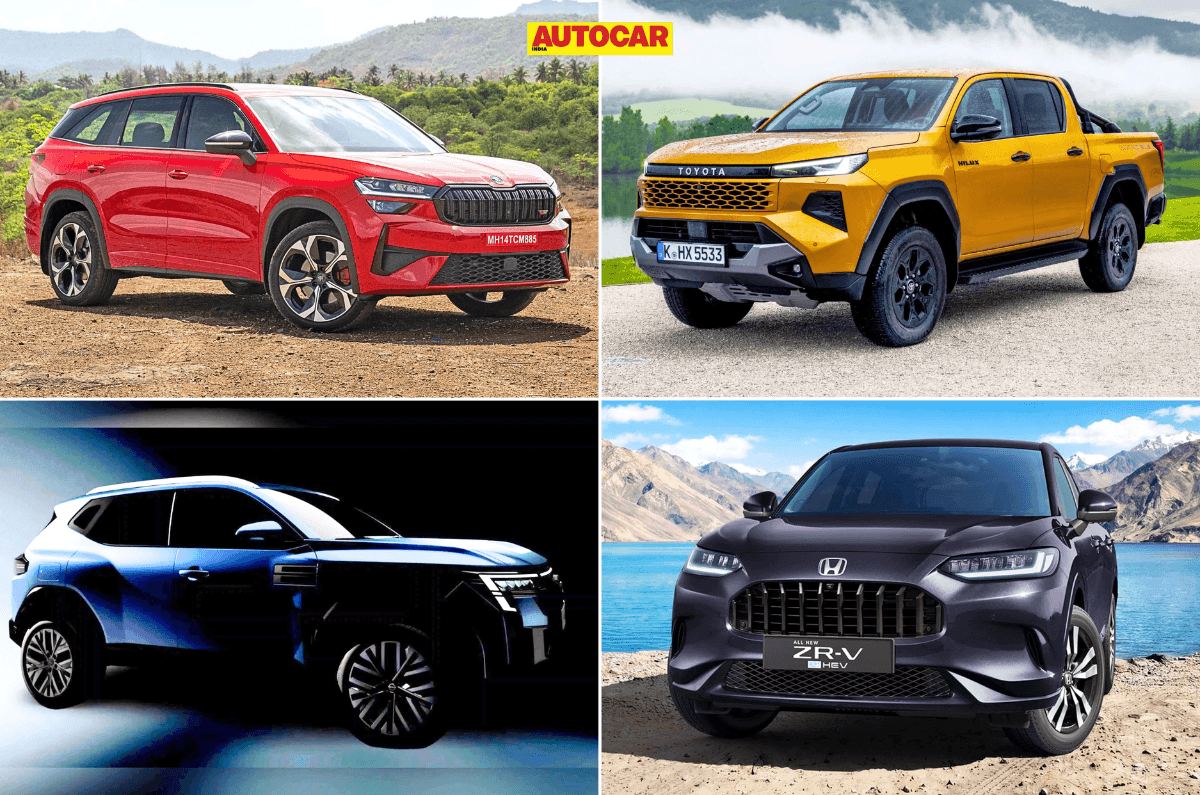
Skoda Kodiaq RS
Launch date: Not disclosed yet
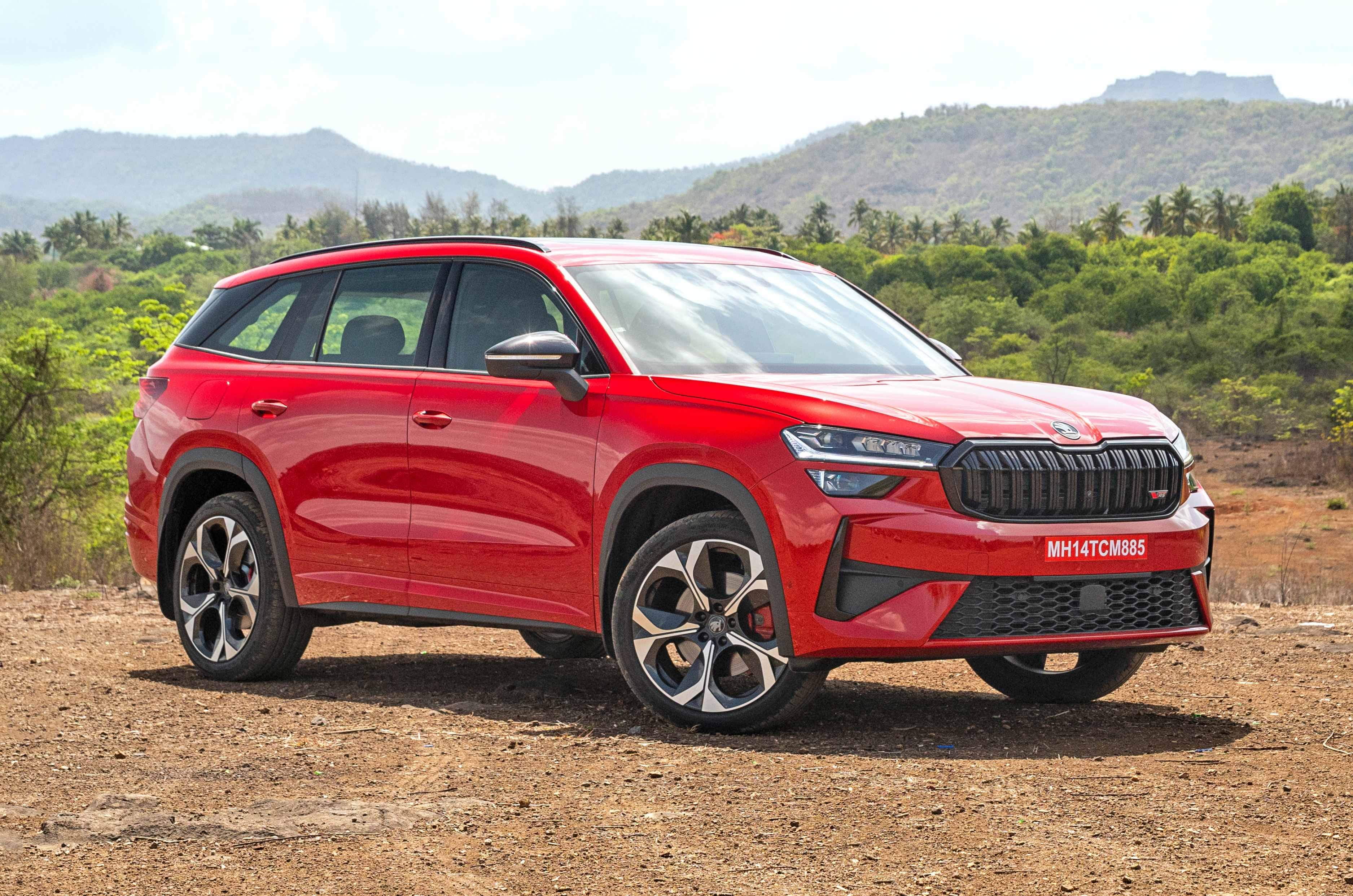
Even before the price announcement, the first 50 units of Skoda Kodiaq RS allocated for India are already sold out. Compared to the standard Kodiaq, the RS stands out with sportier bumpers, 20-inch alloy wheels, a larger roof spoiler, dual exhaust tips and RS badging
Under the hood, the RS has a retuned version of the standard Kodiaq’s 2.0-litre four-cylinder turbo-petrol engine, producing 265hp and 400Nm. That is 61hp and 80Nm more than the standard model. The engine is paired with a 7-speed dual-clutch automatic gearbox and an all-wheel-drive system. Skoda claims a 0-100kph time of 6.3 seconds, making it the “quickest Skoda ever [to be] launched in India”. It also gets Dynamic Chassis Control Plus adaptive suspension.
The fully imported Kodiaq RS is expected to be priced between Rs 60 lakh and Rs 65 lakh, ex-showroom). That would make it around Rs 15-20 lakh more expensive than the locally assembled Kodiaq L&K.
Honda ZR-V
Launch date: Not disclosed yet
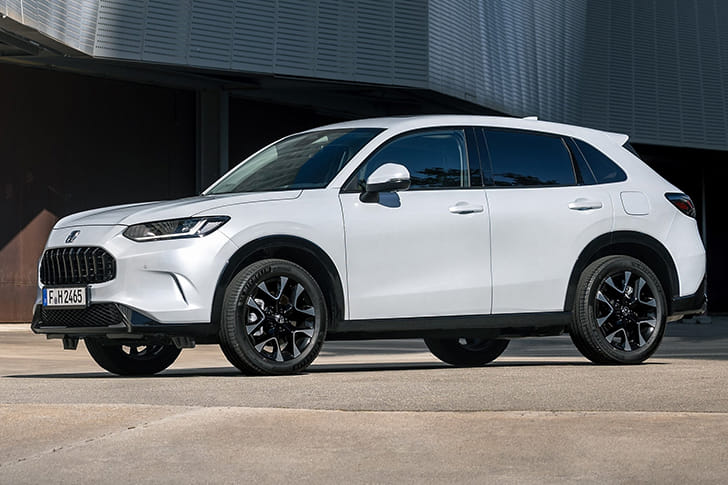
Pre-bookings for the Honda ZR-V hybrid SUV have been underway since May and upon launch, it’ll be the brand’s flagship SUV here. It gets features like LED headlights, 18-inch alloy wheels, wraparound tail-lights, 9-inch touchscreen, a 10.25-inch digital driver’s display, dual-zone climate control, a wireless phone charger and a 12-speaker Bose sound system.
The ZR-V hybrid has a 2.0-litre four-cylinder petrol engine along with two electric motors, and this setup produces combined outputs of 184hp and 315Nm. An e-CVT sends drive to the front wheels and the SUV has a claimed 0-100kph time of 8 seconds and Honda claims a 22.79kpl mileage for the hybrid SUV. Being a CBU import, the Honda ZR-V hybrid may be priced around Rs 45 lakh, ex-showroom. If that happens, the ZR-V will find itself in the company of the Skoda Kodiaq and Volkswagen Tayron.
2026 Toyota Hilux
Launch date: Not disclosed yet
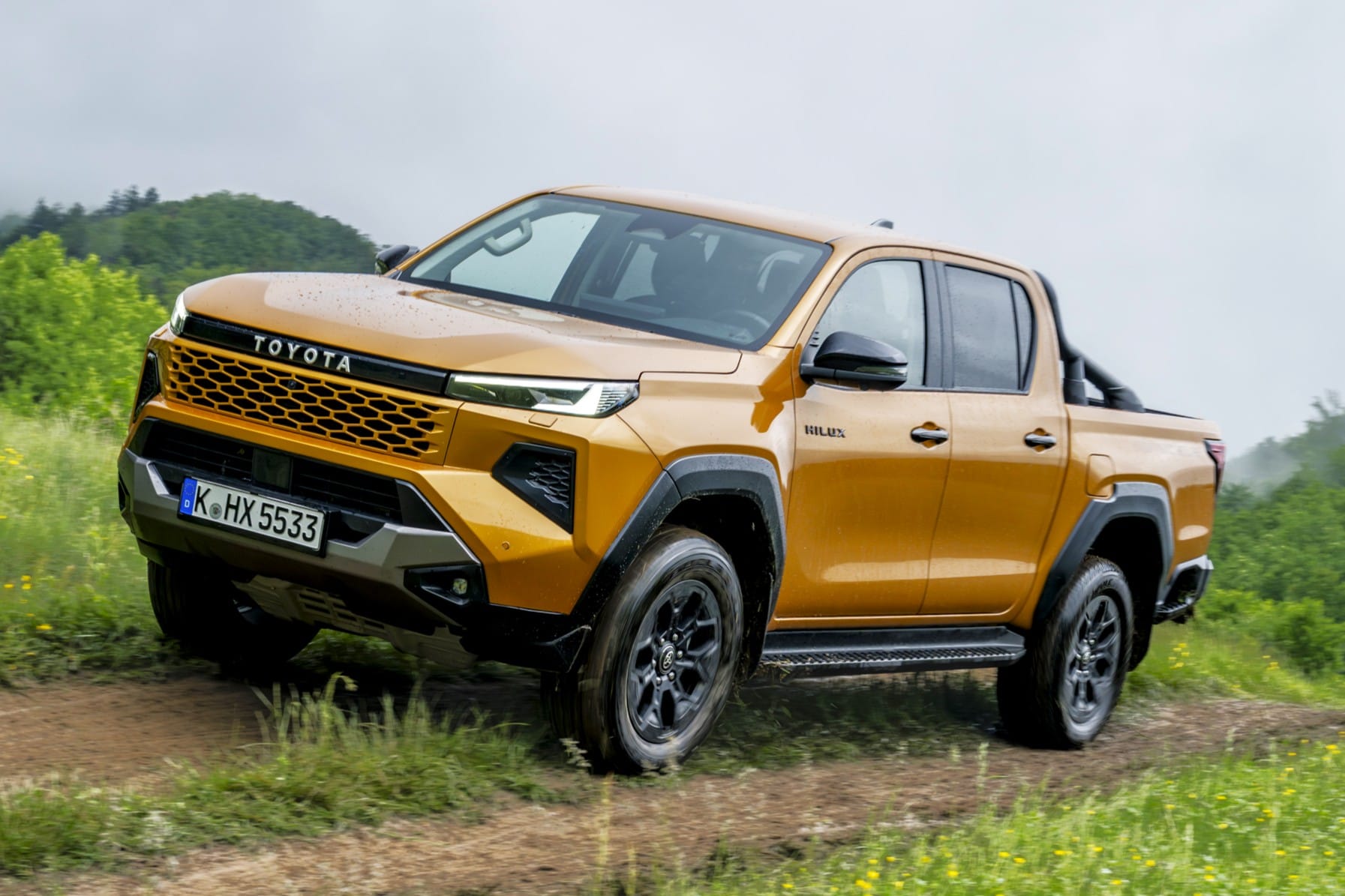
Toyota debuted the ninth-generation Hilux in 2025 and much like the outgoing model, the new pickup truck is based on the brand’s IMV body-on-frame platform. The new Hilux gets slimmer LED headlights, honeycomb-patterned grille, vertically oriented tail-lamps with C-shaped LED daytime running lamps and a chunky rear bumper. It is leagues more modern on the inside, featuring twin 12.3-inch displays, a new steering wheel, a wireless charging pad, powered and ventilated front seats and more.
The new Hilux is expected to be offered with Toyota’s 204hp, 500Nm 2.8-litre diesel engine with a 48V mild hybrid system as the Fortuner Neo Drive. While the Hilux even gets an EV version in overseas markets, that is unlikely for India. The current Hilux is priced between Rs 28.52 lakh and Rs 36 lakh, ex-showroom.