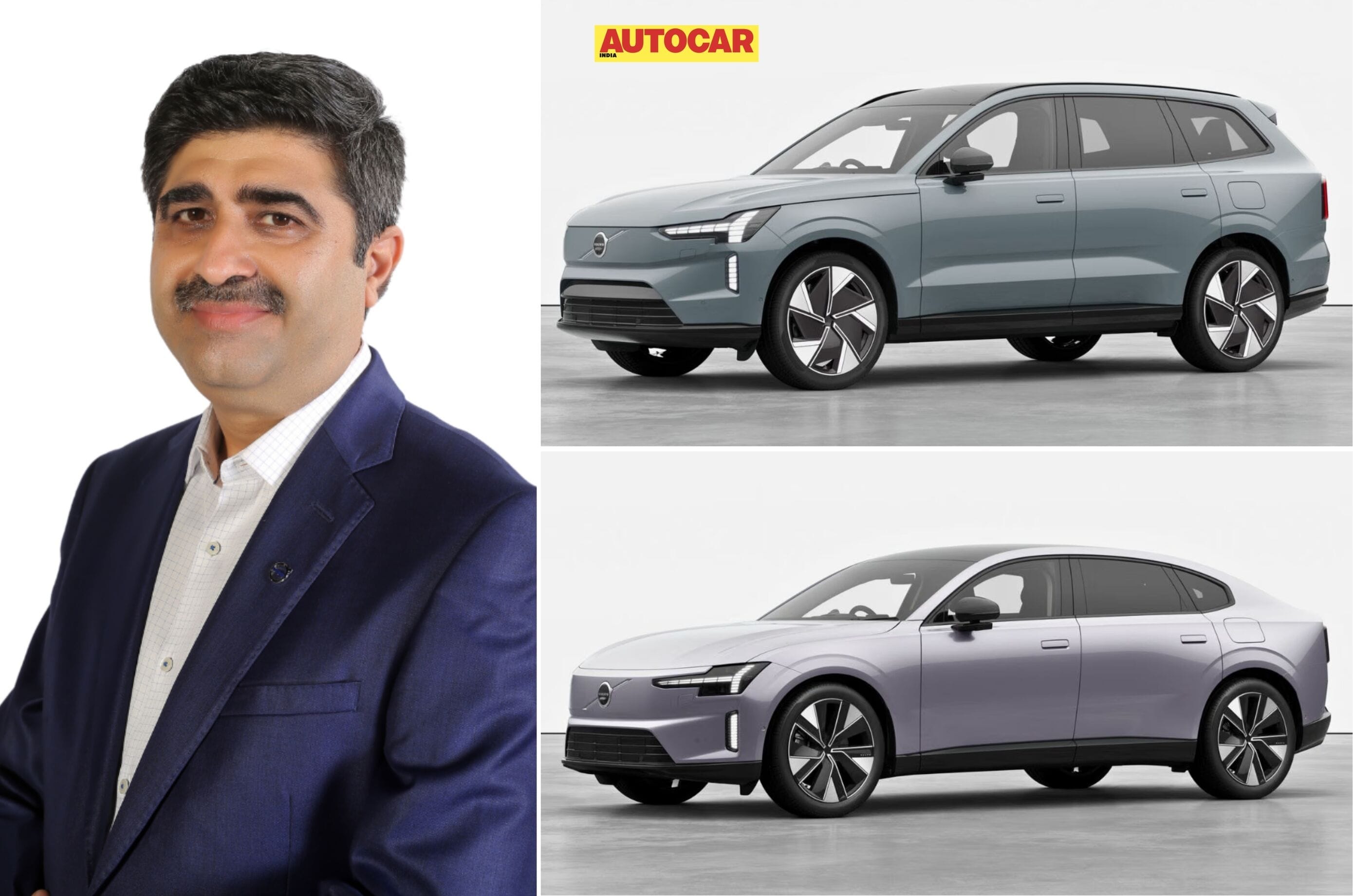
Volvo EX90 India debut on August 19

volvo ex90

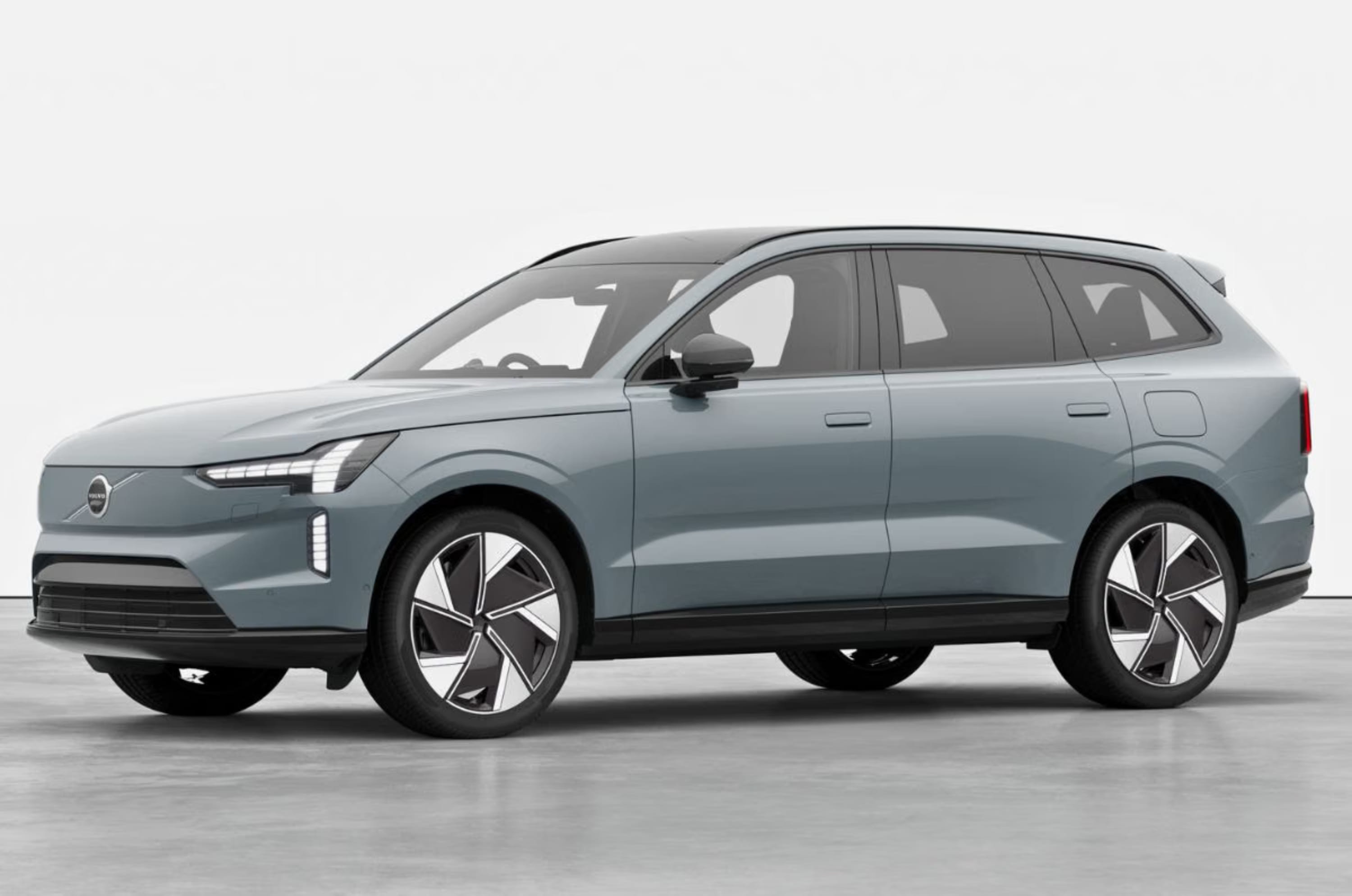
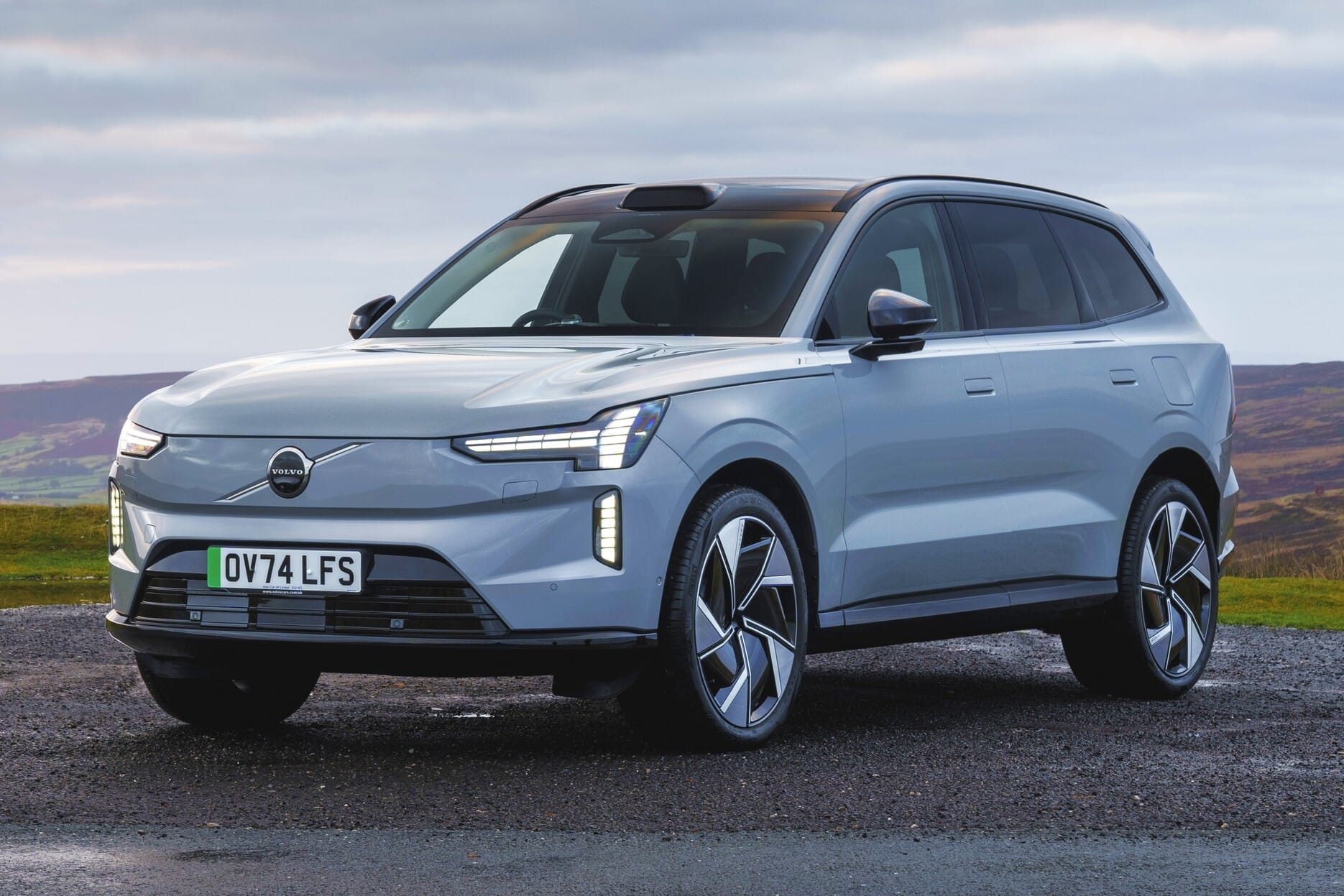
Volvo has confirmed that the India debut of the EX90 electric SUV will take place on August 19, 2026. The EX90 will be Volvo’s second EV for the Indian market, and is also the Swedish carmaker’s global flagship offering.

Volvo EX90 battery and range

92kWh RWD and 106kWh AWD powertrains

The EX90 is underpinned by an 800V architecture and offers 92kWh (Single Motor) and 106kWh (Twin Motor) battery options. In 92kWh guise, the SUV gets a single rear-mounted motor (RWD) outputting 333hp and 480Nm. 0-100kph comes up in a claimed 6.6 seconds, and the WLTP-rated range is 565km.
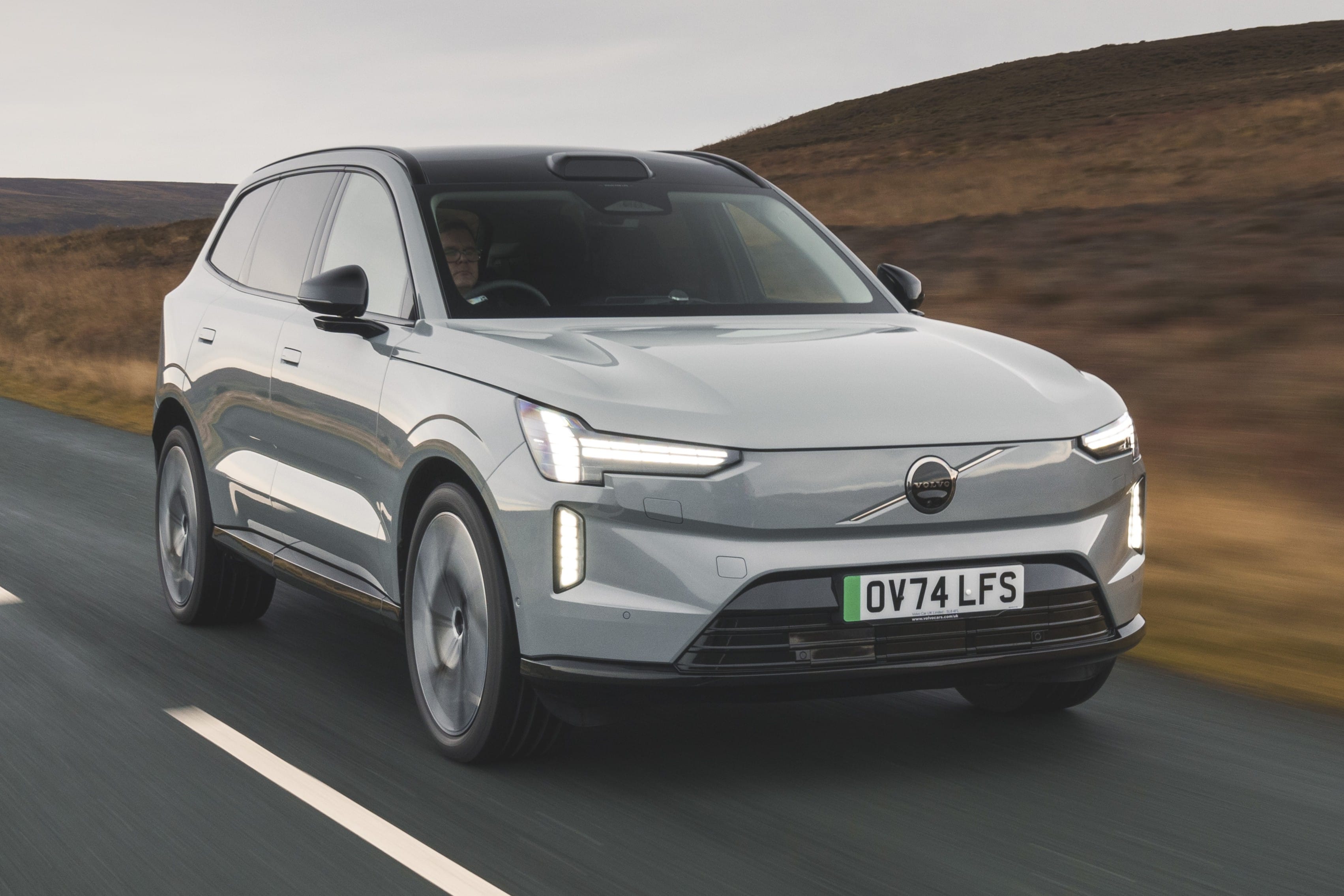
Meanwhile, the 106kWh EX90 features a dual-motor AWD setup that outputs 456hp and 670Nm in base spec, and 680hp and 870Nm in the range-topping Performance variant. The former version completes the 0-100kph run in a claimed 5.3 seconds, whereas the latter takes 4 seconds for the same. As for WLTP range, the lower-powered 106kWh variant boasts 608km and the Performance trim manages 602km.
Coming to charging speeds, all three variants of the EX90 can utilise up to 350kW DC charging, and take 22 minutes for a 10-80 percent charge.

Volvo EX90 exterior design

Looks very different compared to the XC90
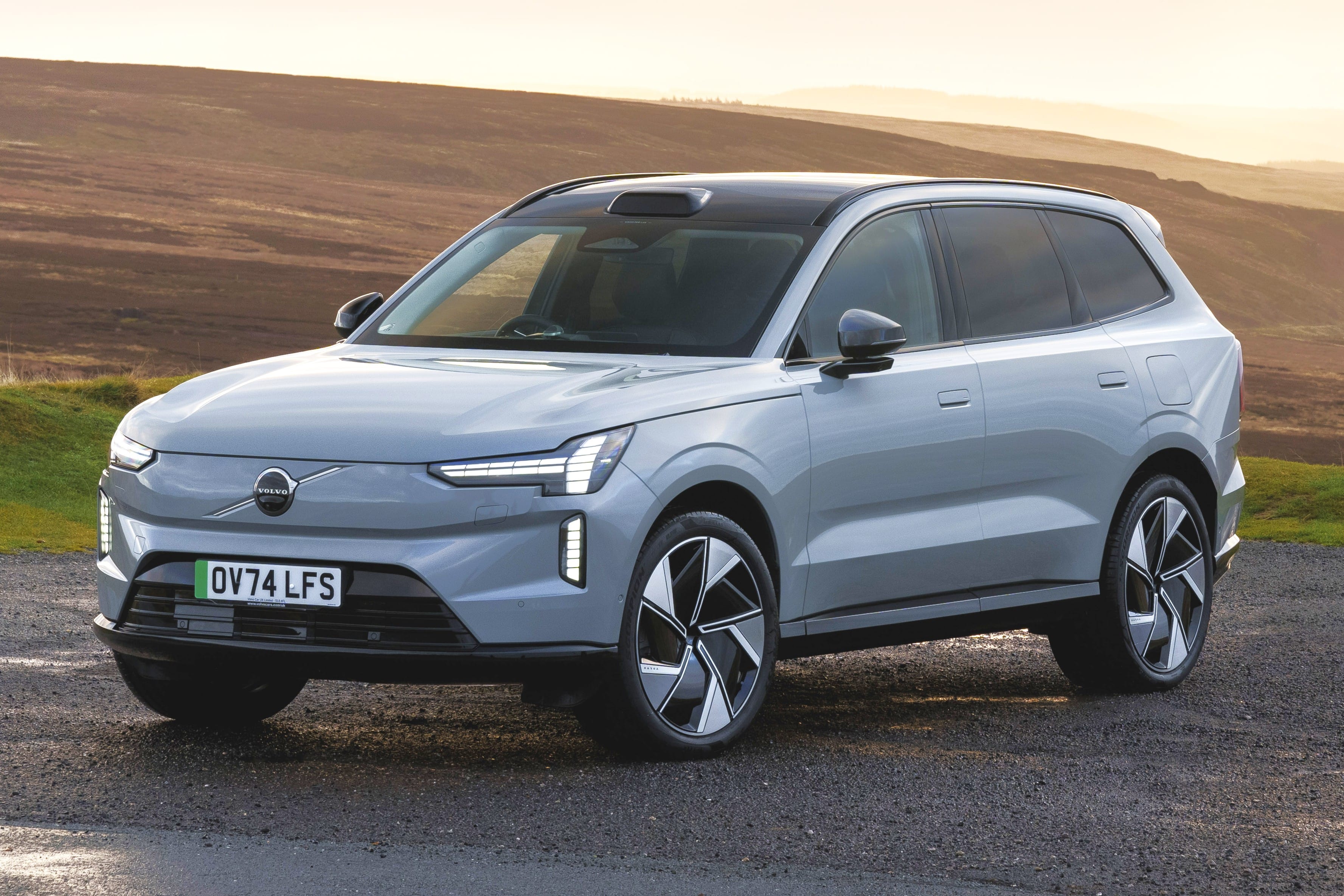
Measuring 5,037mm in length, 1,964mm in width, 1,744mm in height, and 2,985mm in wheelbase, the EX90 is dimensionally similar to the XC90, but sports a distinct design. Up front, the EX90 has sleeker T-shaped headlamps with pixel-like ‘Thor’s Hammer’ DRL signatures, below which sits a pair of slim vertically-arranged lights. The Volvo badge is placed front and centre on the grille-less fascia, with a discreet air dam underneath. A LiDAR sensor can also be spotted on the leading edge of the roof.
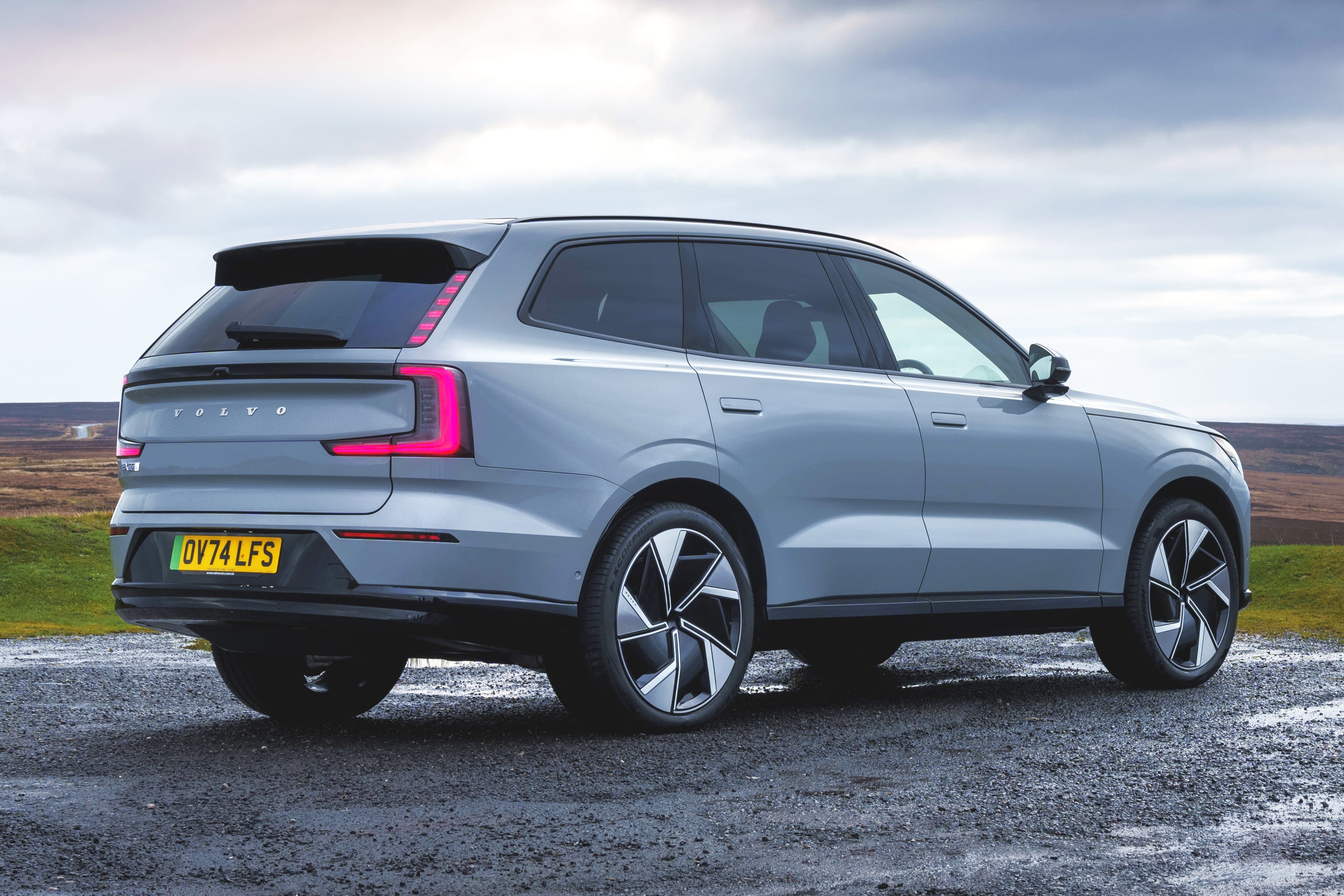
The side profile of the EX90 is cleanly-styled, with a prominent shoulder line and gently rising glass area, and there’s not much in the way of body cladding – Volvo claims a drag coefficient of 0.29Cd. 20-inch alloy wheels are fitted as standard, with 21- and 22-inchers optionally available. Over to the rear, the EX90 gets C-shaped LED tail-lamps with an additional vertical row of lights flanking the rear windscreen. Other styling elements of note include a sizable roof spoiler and a Volvo wordmark on the bootlid.

Volvo EX90 interior and features

14.5-inch infotainment touchscreen sits front and centre on the dash
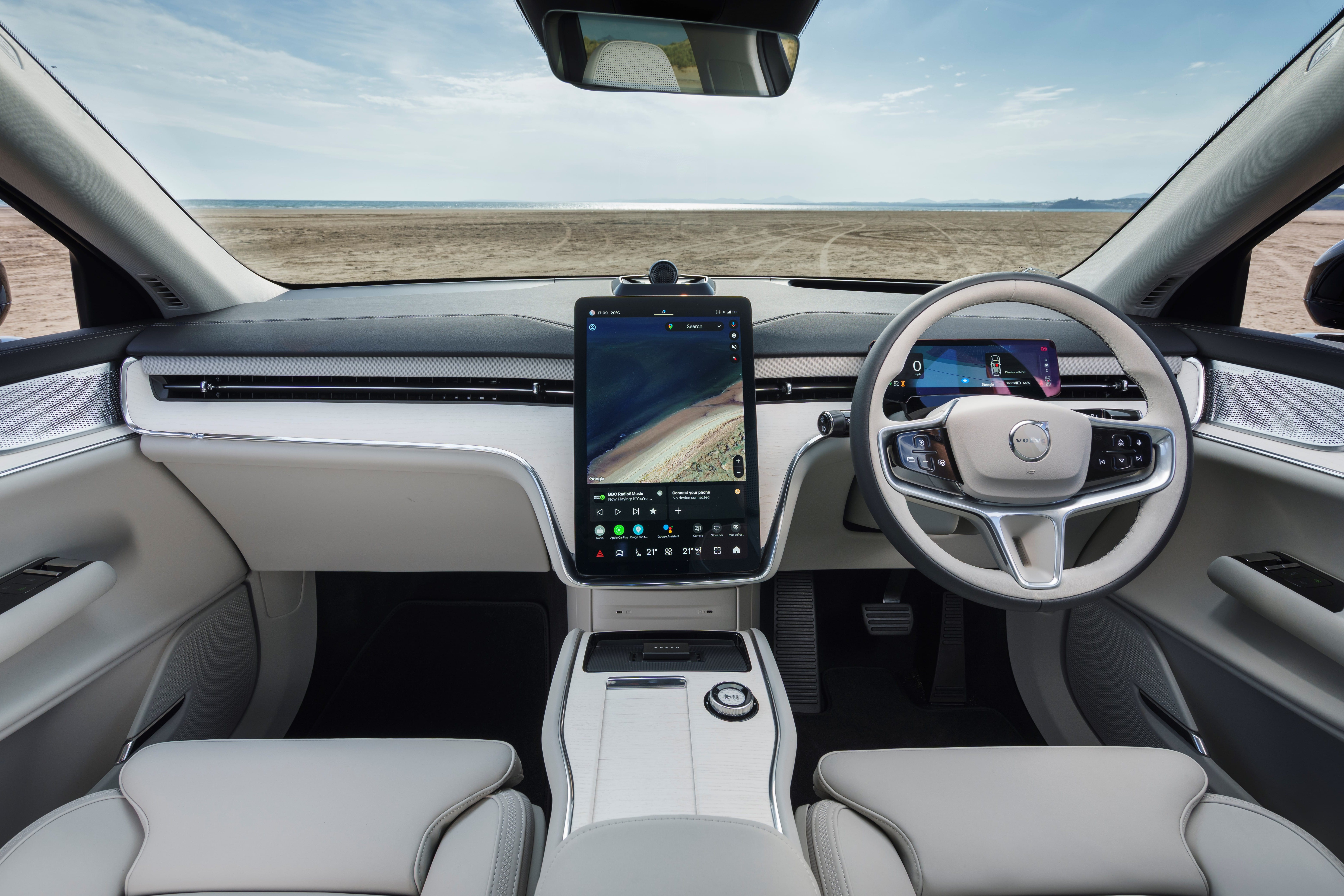
Inside, the EX90’s minimalistic dashboard is dominated by a 14.5-inch Google-based portrait touchscreen that incorporates much of the in-car functionality – physical controls are few and far between. There’s also a floating centre console, a three-spoke steering wheel with a neat layered design, a slim 9-inch digital driver’s display, and a 13.2-inch heads-up display.
The EX90 is a 7-seater as standard, but certain variants offer a 6-seat configuration with captain’s chairs for the second row as well. In some markets, Volvo even offers a 4-seater version of the EX90 with a rear centre console that integrates a refrigerator, rivalling the likes of the Mercedes Maybach EQS SUV. Boot space is pegged at up to 384 litres with all three rows up, and there’s a 45-litre frunk too.
As for features, the EX90 packs a 5G connection to aid OTA updates, a digital key, ambient lighting, four-zone climate control, a cabin air purifier, a wireless charging pad, a 360-degree camera, powered front seats, a panoramic glass roof, a Bose sound system, connected car tech, auto park assist, Level 3 ADAS, V2L functionality, and more. It’s also claimed to be Volvo’s safest car to date, holding 5-star crash safety ratings from Euro NCAP and NCAP.

Royal Enfield Shotgun 650 Rough Crafts Edition image gallery

Royal Enfield Shotgun 650 Rough Crafts Edition front three quarter with Caliber Royale Custom motorcycle

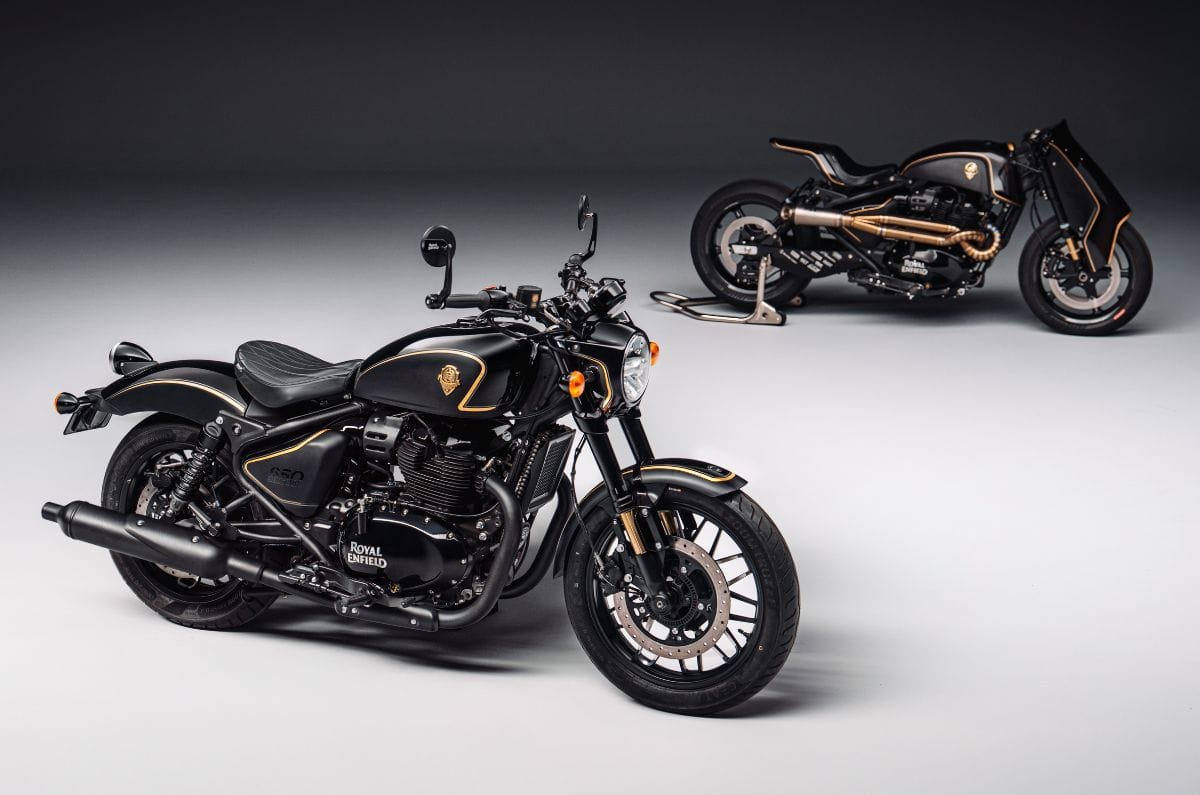
The limited-edition motorcycle is based on the Shotgun 650 and draws inspiration from the ‘Caliber Royale’ custom built by Taiwanese custom house Rough Crafts. It was first showcased at EICMA 2025 before making its India appearance at Motoverse 2025. 
Priced at Rs 5.75 lakh (ex-showroom, India), the motorcycle will be limited to just 100 individually numbered units worldwide, of which, only 25 are allocated for India. Finished in a combination of Gloss Jet Black and Matte Stealth Black, the motorcycle gets hand-applied gold leaf stripes with subtle grey accents, a cast brass Rough Crafts collaboration badge and individually numbered fuel tanks. Other exclusive touches include black bar-end mirrors, quilted leather seats, contrast-cut alloy wheels and gold-coloured fork tubes.

Royal Enfield will retail the motorcycle through its ‘Drop’ format, with sales staggered across global markets between July 27 and July 30. India’s allocation of 25 motorcycles will go on sale on July 30 at 7pm IST.

To be eligible, prospective buyers must register through the Royal Enfield App or the company’s website between July 15 and July 30. On the sale day, the first 25 customers to successfully complete their purchase will secure one of the motorcycles allotted for India.

Royal Enfield Shotgun 650 Rough Crafts edition revealed; only 25 units for India

Royal Enfield Shotgun 650 Rough Crafts edition revealed; only 25 units for India

Royal Enfield has opened registrations for the limited-edition Shotgun 650 x Rough Crafts, a factory-built version of the bobber inspired by the one-off ‘Caliber Royale’ custom motorcycle. Priced at Rs 5.75 lakh (ex-showroom, India), the motorcycle will be limited to just 100 individually numbered units worldwide, of which only 25 are allocated for India.

  1. Limited to 100 units globally, with 25 for India
  2. Priced at Rs 5.75 lakh (ex-showroom)
  3. Registrations open until July 30; India sale on July 30 at 7pm IST

Royal Enfield Shotgun 650 Limited edition: What is it?

It draws inspiration from the custom built ‘Caliber Royale’ by Rough Crafts. 

The limited-edition motorcycle is based on the Shotgun 650 and draws inspiration from the ‘Caliber Royale’ custom built by Taiwanese custom house Rough Crafts. It was first showcased at EICMA 2025 before making its India appearance at Motoverse 2025.

Finished in a combination of Gloss Jet Black and Matte Stealth Black, the motorcycle gets hand-applied gold leaf stripes with subtle grey accents, a cast brass Rough Crafts collaboration badge and individually numbered fuel tanks. Other exclusive touches include black bar-end mirrors, quilted leather seats, contrast-cut alloy wheels and gold-coloured fork tubes.

Royal Enfield will also include a numbered artwork featuring a sketch of the Caliber Royale custom, designed and signed by Rough Crafts founder Winston Yeh, with every motorcycle.

Royal Enfield Shotgun 650 Rough Crafts edition: availability

Royal Enfield will retail the motorcycle through its ‘Drop’ format, with sales staggered across global markets between July 27 and July 30. India’s allocation of 25 motorcycles will go on sale on July 30 at 7pm IST.

To be eligible, prospective buyers must register through the Royal Enfield App or the company’s website between July 15 and July 30. On the sale day, the first 25 customers to successfully complete their purchase will secure one of the motorcycles allotted for India.

The Rough Crafts edition is mechanically unchanged from the standard Shotgun 650 and continues to use the same 648cc, parallel-twin, air/oil-cooled engine producing 47hp and 52.3Nm, paired with a six-speed gearbox. Its updates are limited to cosmetic and equipment enhancements inspired by the Caliber Royale custom, making it a more exclusive, collector-focused version of the Shotgun 650.

Harley Davidson Deadwood unveiled

Harley Davidson Deadwood unveiled

Harley-Davidson has expanded its cruiser lineup with the introduction of the Deadwood, a new factory-built bobber-inspired motorcycle that pays homage to the stripped-down Harley-Davidsons popular in the years following World War II. The 2026 Deadwood will be sold exclusively in the US and Canada markets, where it is priced at USD 17,999 (around Rs 17.32 lakh, before taxes).

  1. Harley Davidson Deadwood has been unveiled exclusively for the US and Canada markets
  2. It features a blacked out finish and pays homage to stripped down H-Ds of yesteryears 
  3. H-D Deadwood’s, 1,923cc, V-twin engine produces 98hp and 163Nm

Harley Davidson Deadwood: What’s new?

The Deadwood will make its public debut at the Sturgis Motorcycle Rally on August 7

The Deadwood gets an almost entirely blacked-out finish, with the engine, exhaust, handlebar, fork, wheels and lighting all finished in black. Chrome is limited to the lower rocker covers and pushrod tubes, while Denim Black paint is offered as the sole colour option.

Other styling highlights include a solo ‘tuck-and-roll’ seat, wire-spoke wheels, chopped windscreen and the absence of saddlebags, leaving the Softail’s hardtail-inspired rear section exposed. Harley says the 648mm seat height makes it one of the lowest motorcycles in its current line-up.

Power comes from Harley-Davidson’s 1,923cc, Milwaukee-Eight, 117 cubic inches, V-twin engine producing 98hp and 163Nm, mated to a six-speed gearbox. It is paired with a 2-into-1 exhaust and can be upgraded with Harley’s Screamin’ Eagle performance parts.

Despite its retro styling, the Deadwood comes equipped with a comprehensive electronics package that includes cornering ABS, cornering traction control, drag torque slip control, TPMS and riding modes that includes – Road, Sport and Rain.

Other equipment includes all-LED lighting, a 5-inch analogue instrument cluster with an LCD display, USB-C charging, preload-adjustable rear suspension and 49mm front fork.

The Deadwood will make its public debut at the Sturgis Motorcycle Rally on August 7, which is the largest biker gathering globally, drawing over 4.50 lakh riders. It will subsequently go on sale in the United States and Canadian markets.

All USD to INR conversions based on current exchange rates

Upcoming CFMoto 250SR-R parallel-twin sportbike details revealed

CFMoto 250SR-R prototype

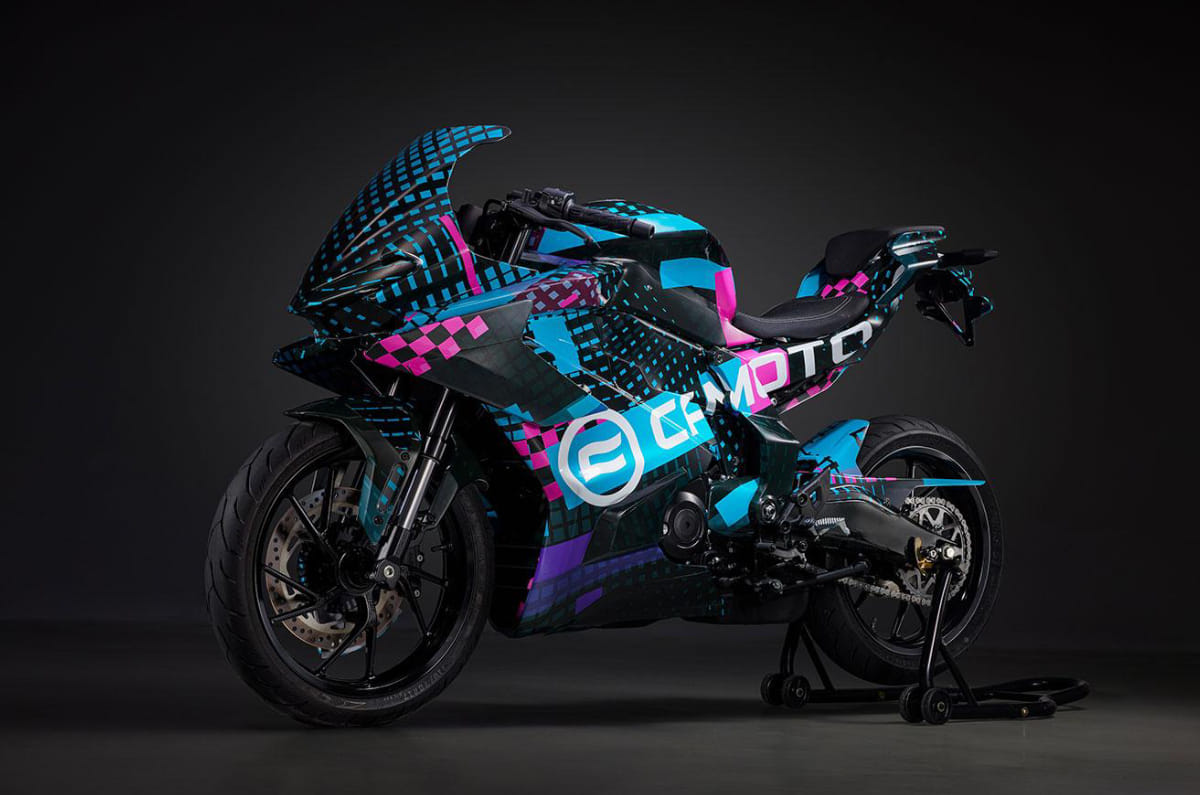
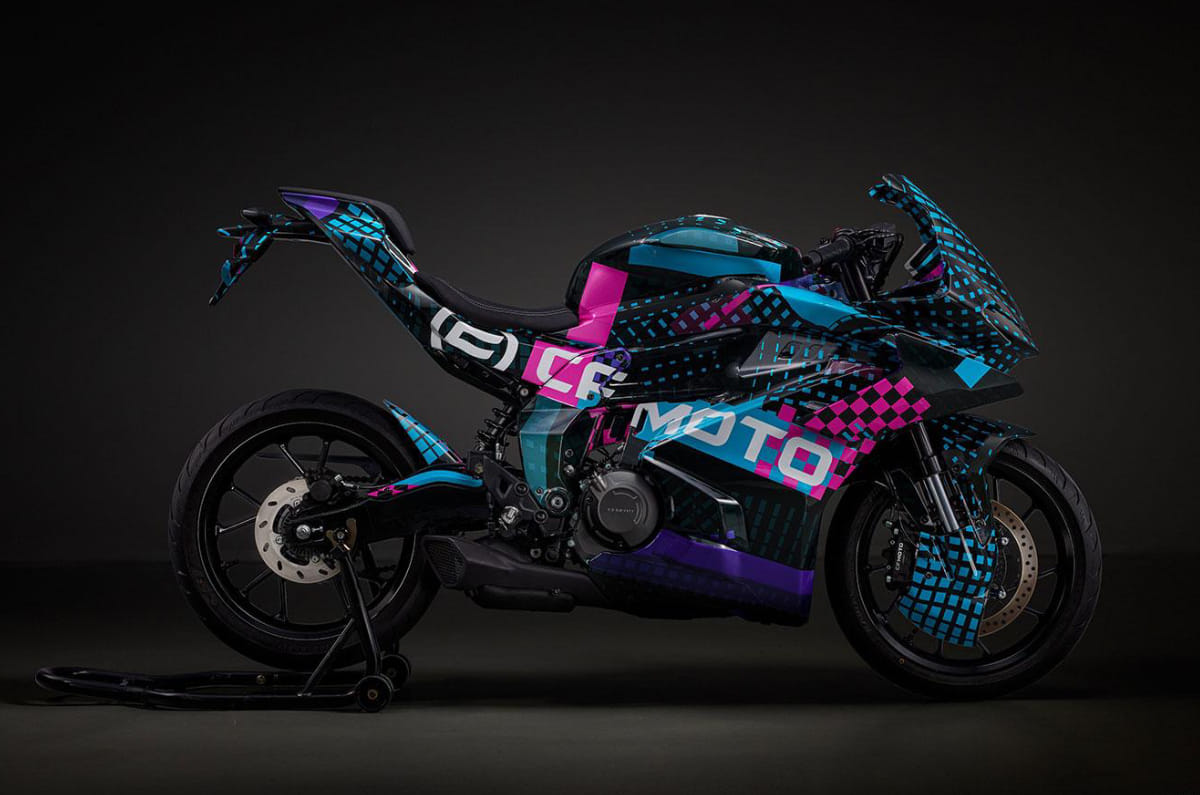
CFMoto first showcased a heavily disguised prototype of the 250SR-R at its annual CFMoto Day event in China in 2024, hinting at a twin-cylinder upgrade that would sit above the existing single-cylinder 250SR. Now, a newly published patent filing has revealed multiple details about what to expect from the upcoming motorcycle.

  1. Patent reveals a part-aluminium, part-steel trellis frame and twin-cylinder engine
  2. Headlight design appears similar to the larger CFMoto 750SR-S

CFMoto 250SR-R: What the patent reveals

The engine appears to be a downsized version of the 450SR’s parallel-twin

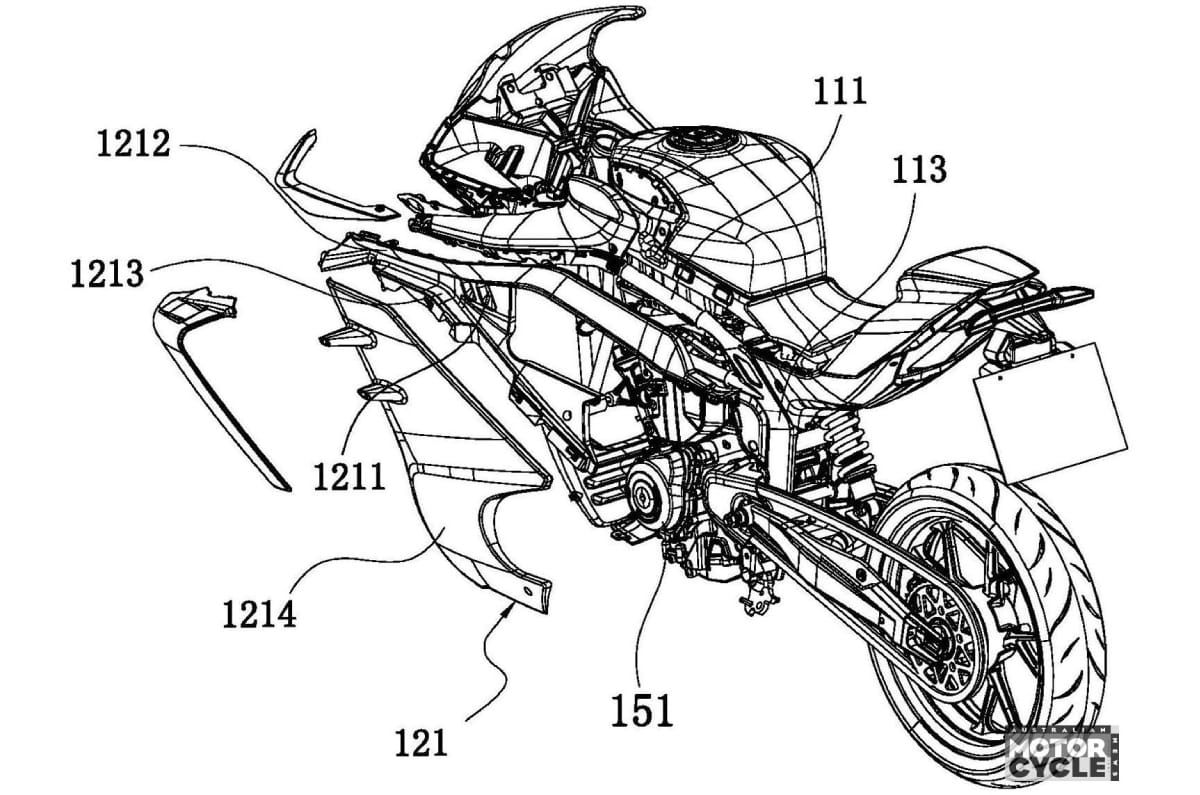
The patent drawings confirm that the 250SR-R uses a parallel-twin engine that appears visually similar to the unit found in the 450SR, suggesting it could be a downsized version displacing around 250cc. The engine is housed in a mixed-construction trellis frame that combines aluminium and steel sections.

Over the past year, CFMoto has expanded its global portfolio with models such as the 750SR-S and the V4-powered SR-RR. The upcoming 250SR-R appears to follow the same design language, featuring a headlight arrangement similar to that of the 750SR-S. The patent drawings also reveal small winglets integrated into the fairing. While they resemble the aerodynamic appendages seen on larger superbikes, on a motorcycle of this size they are more likely intended to improve airflow around the bodywork and reduce drag rather than generate meaningful downforce.

CFMoto currently sells the single-cylinder 250SR and 300SR in several international markets, with the twin-cylinder 250SR-R expected to slot above both as the more performance-focused option. For reference, the 250SR is powered by a 249cc liquid-cooled single-cylinder engine producing 27.9hp at 9,750rpm and 22Nm at 7,250rpm, while the 298cc single on the 300SR makes 29.9hp at 9,500rpm and 27Nm at 6,500rpm.

While a production timeline for the 250SR-R remains unknown, it’s unlikely we’ll see it in India anytime soon. CFMoto had previously planned to re-enter our market in 2025, but the company has since confirmed to us that those plans have been put on hold while it re-evaluates a longer-term strategy for India.

Source: AMCN

Volkswagen Group to cut model line-up by up to 50 percent by 2030

VW

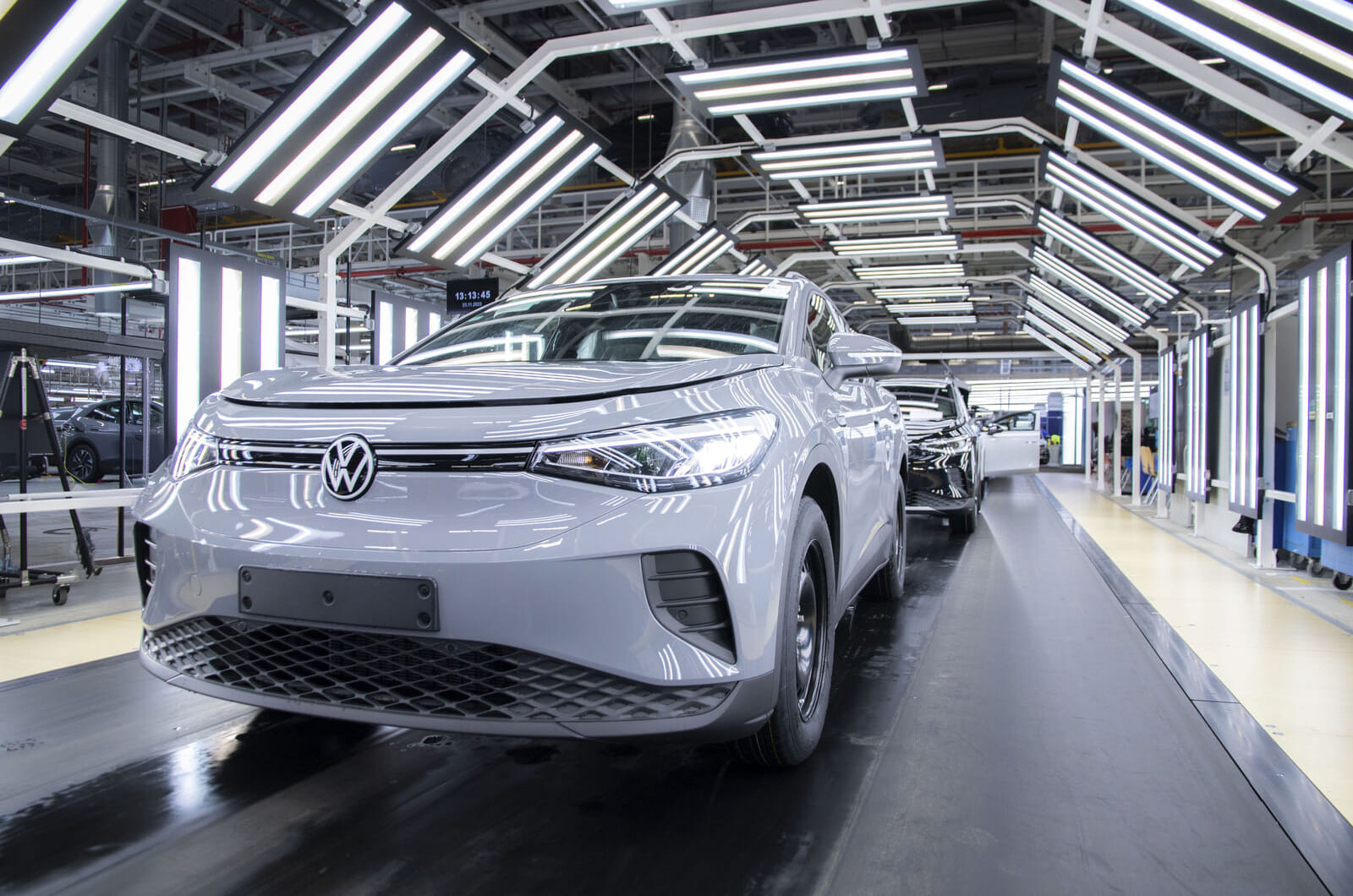
The Volkswagen Group plans to reduce its global model line-up by up to 50 percent by 2030 as part of a wider restructuring of its business. The Group will also cut the number of variant options offered across its portfolio by up to 75 percent and reduce production capacity, as it looks to lower costs and simplify its operations. Volkswagen has not named the models that will be discontinued.

  1. Future line-up to focus on the ‘most attractive market segments’
  2. Annual production capacity to fall to around 9 million vehicles, from 10 million
  3. Platforms and electronic architectures will also be consolidated

Volkswagen Group to halve model line-up by 2030

The product changes form part of 12 initiatives that the Volkswagen Group plans to implement by 2030. The company said it will gradually “streamline” its model line-up by up to 50 percent, concentrating its portfolio on “the most attractive market segments”.

Volkswagen is also targeting a 75 percent reduction in what it calls “offering complexity”, which includes the number of equipment options available across its models. The company said this will allow it to focus investment and development resources on products that deliver the “greatest added value for customers and the highest value contribution” to the Group.

The Group has not confirmed which models will be affected by the reduction. Its portfolio spans Volkswagen, Skoda, Seat, Cupra, Audi, Porsche, Bentley and Lamborghini, among other brands.

“We are making the Volkswagen Group faster, more resilient and more competitive, through less complexity, focused technologies, and an even stronger alignment of products, development and production with regional markets,” said Volkswagen Group CEO Oliver Blume.

VW Group to reduce platforms, production capacity

Volkswagen also plans to reduce the number of platforms and electronic architectures used across the Group, with the aim of increasing the use of common technologies across its brands. The company will focus on technologies with what it describes as “high scaling potential”.

Annual production capacity will be reduced to around 9 million vehicles. Before the Covid-19 pandemic, the Group had established capacity to produce around 12 million vehicles annually and has already reduced this by about 2 million units. Volkswagen said further reductions are planned in Europe and China.

The restructuring comes as Volkswagen faces increased competition from Chinese carmakers, regulatory pressures, tariffs and geopolitical tensions. These factors have contributed to the Group’s profits falling by around half since 2021.

Up to 100,000 Volkswagen Group job cuts reported

The restructuring could also result in further workforce and factory reductions. Around 50,000 job cuts had already been outlined under earlier restructuring measures. Reports suggest Volkswagen could increase its planned workforce reduction to a total of 100,000 jobs and close four plants in Germany. However, the Group has not confirmed further job cuts or factory closures. 

The plants reportedly under consideration for closure are Hanover, Emden, Zwickau and Audi’s Neckarsulm facility. It remains unclear whether the sites would be closed or whether Volkswagen could seek buyers for them.

Mercedes-AMG E 53 PHEV to launch on July 23

Mercedes-AMG E 53

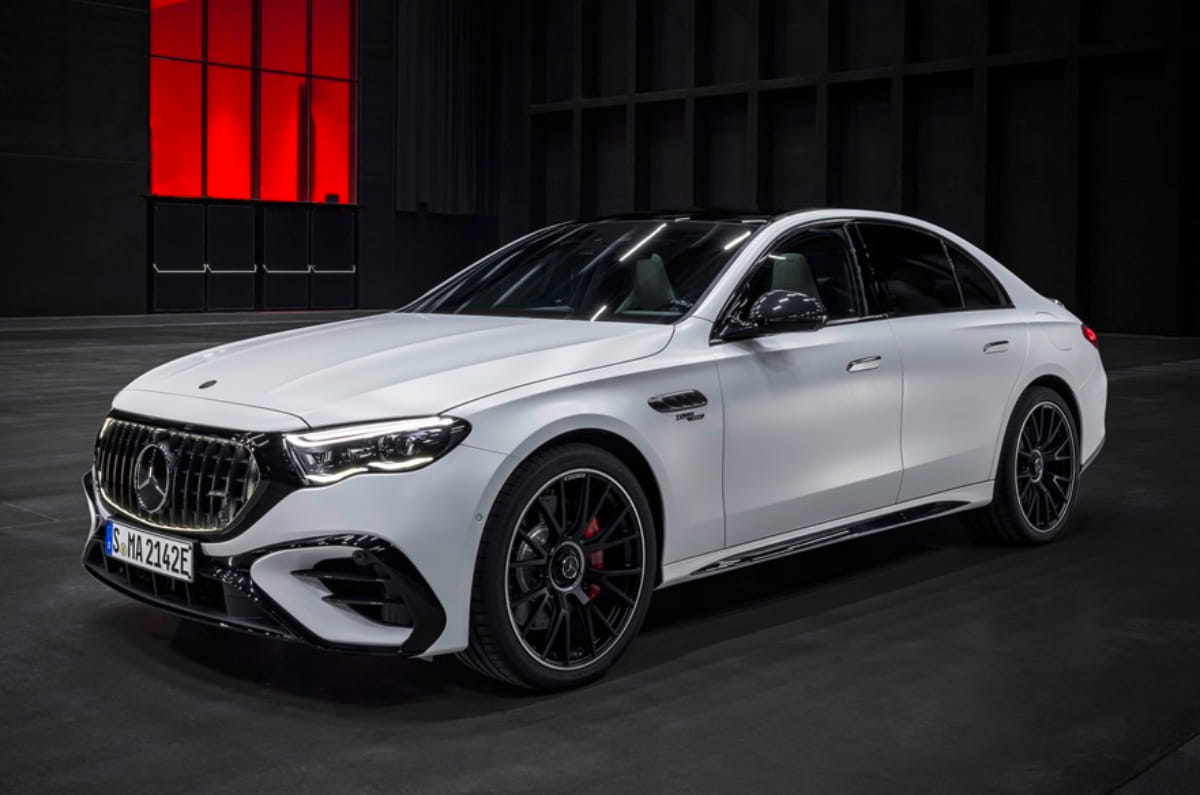
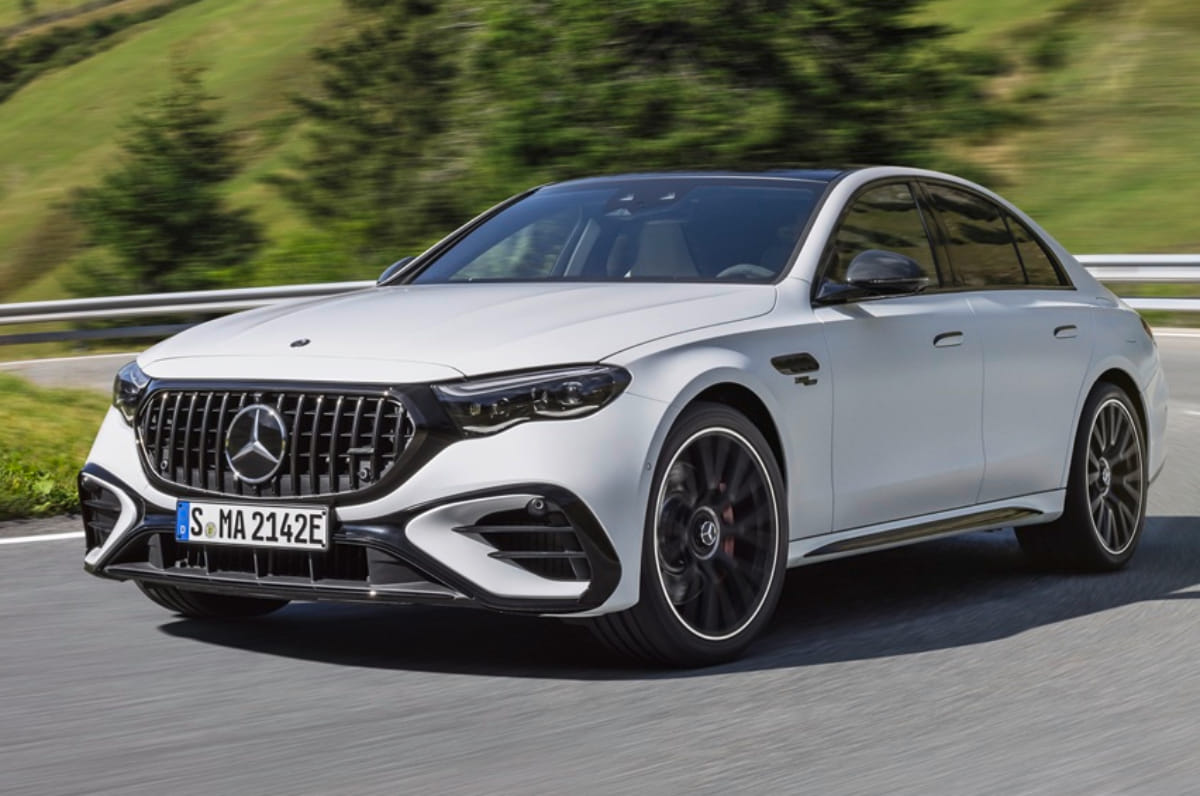
Mercedes-Benz will launch the new AMG E 53 HYBRID 4MATIC+ in India on July 23. The performance sedan returns to India with a plug-in hybrid powertrain that combines a 3.0-litre six-cylinder petrol engine with an electric motor. It will join Mercedes-AMG’s India line-up as its latest electrified performance model.

  1. Plug-in hybrid system uses a 21.2kWh battery
  2. 0-100kph takes as little as 3.8 seconds
  3. India-bound E 53 will get 4Matic+ all-wheel drive

Mercedes-AMG E 53 powertrain and performance

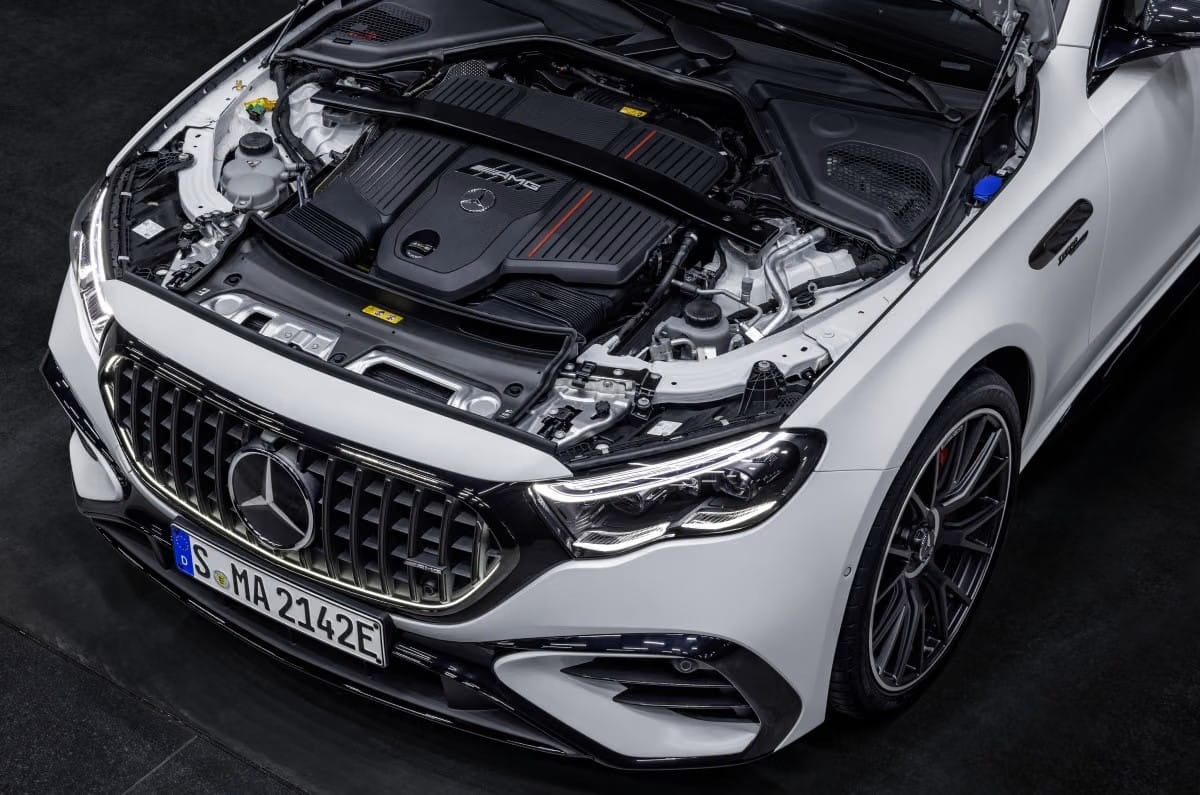
The E 53 uses a 3.0-litre turbo-petrol straight-six engine producing 449hp, paired with an electric motor integrated into the 9-speed automatic gearbox. The motor develops up to 163hp, taking combined output to 585hp and 750Nm in standard form.

With the optional AMG Dynamic Plus package, output rises to 612hp when Race Start is activated. In this configuration, the sedan can accelerate from 0-100kph in 3.8 seconds and reach a top speed of 280kph. A 21.2kWh usable battery gives the E 53 a claimed electric-only range of over 100km. The PHEV can run on electric power at speeds of up to 140kph and supports 11kW AC charging. In international markets, optional 60kW DC charging can take the battery from 10-80 percent in around 20 minutes.

The E 53 gets AMG-specific chassis changes, including additional bracing at the front and rear axles, an 11mm wider front track and adaptive suspension with Comfort, Sport and Sport+ settings. The braking system has also been adapted to work with the hybrid system’s energy recuperation.

Mercedes-AMG E 53 exterior and interior

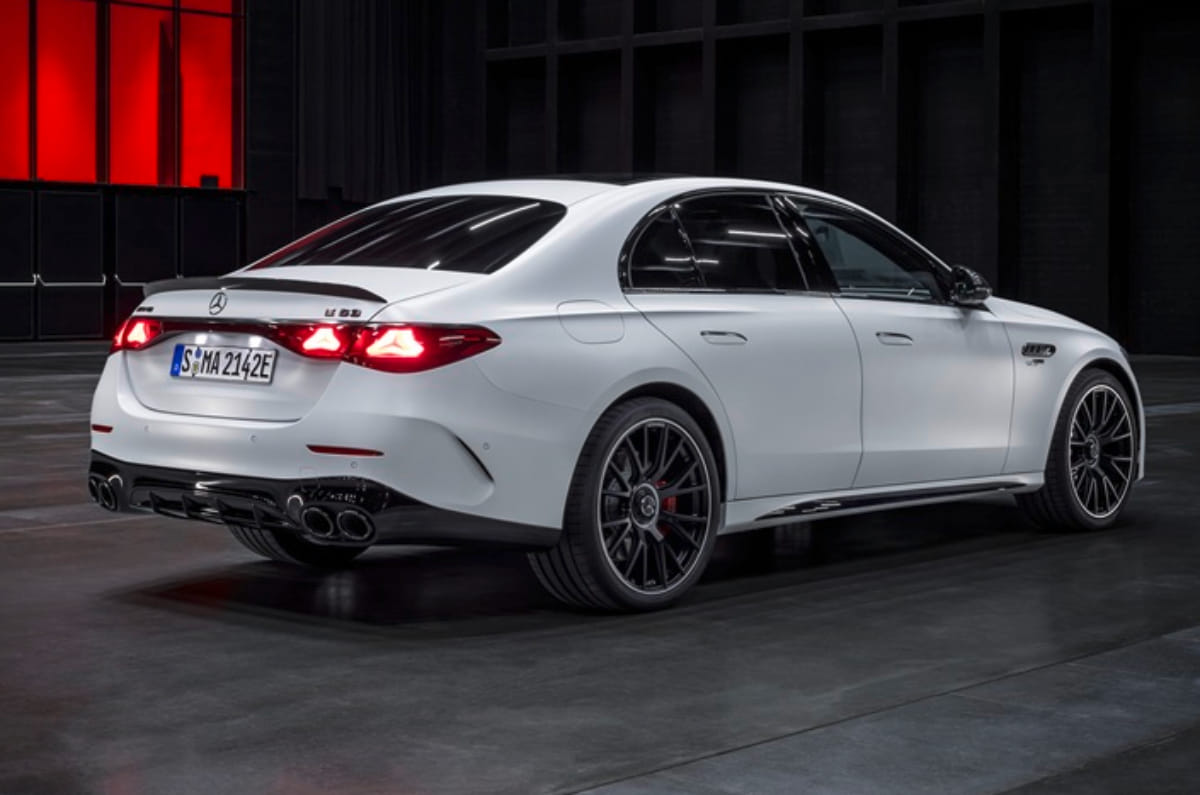
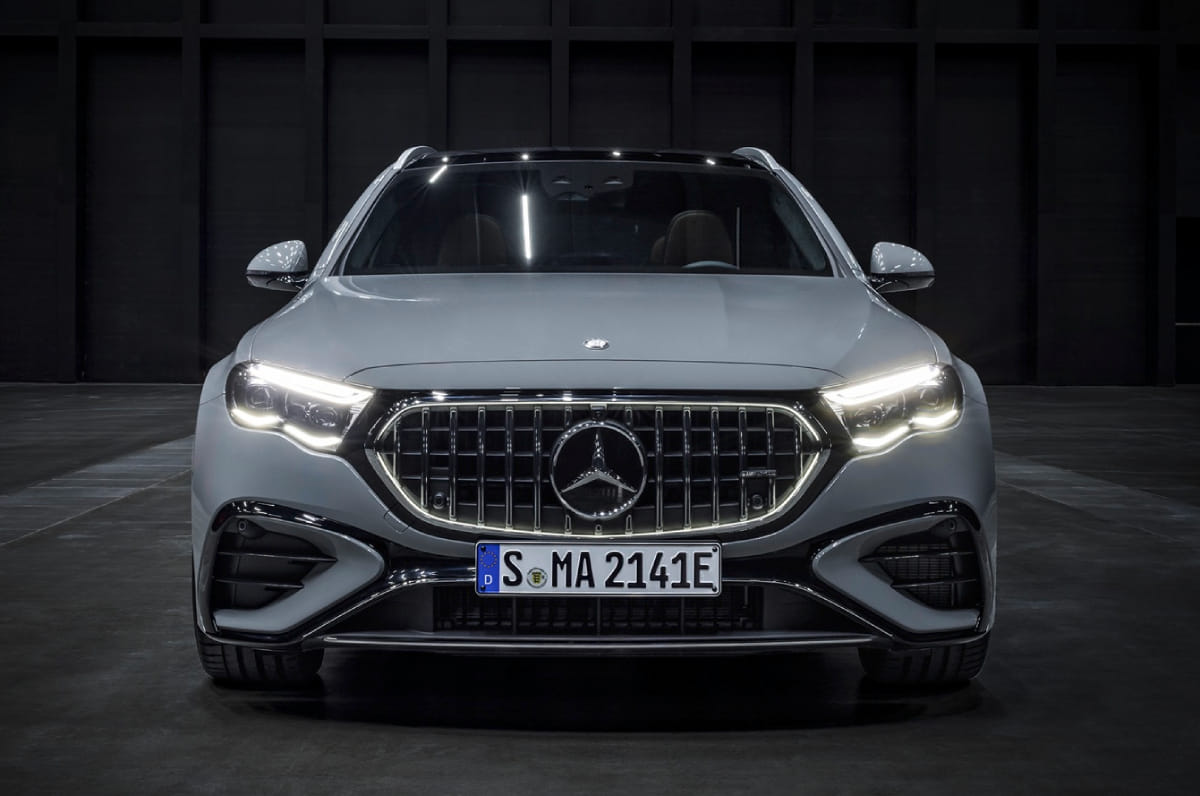
The E 53 is based on the current E-Class but gets several AMG-specific design changes. These include an illuminated AMG grille, larger front air intakes, wider front wheel arches and a boot-lid spoiler. At the rear, it gets a diffuser and four round exhaust outlets.

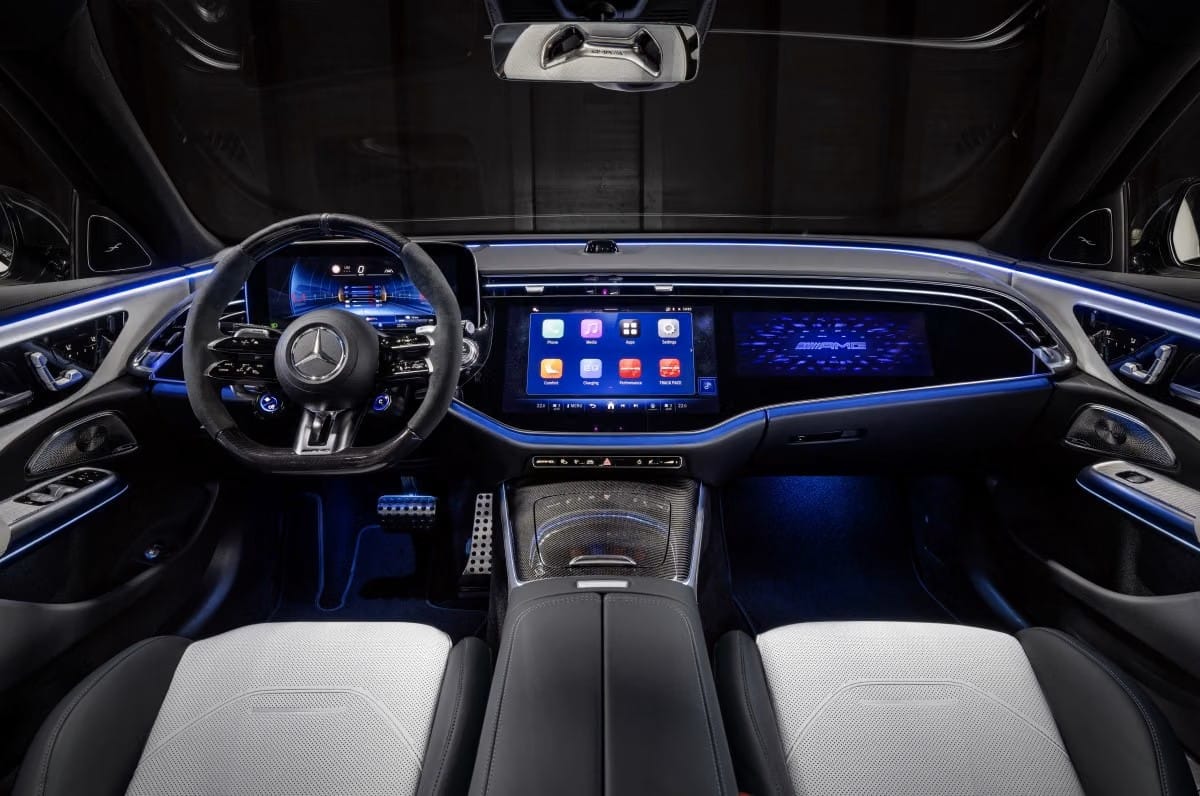
Inside, the E 53 gets AMG sports seats, an AMG steering wheel and model-specific trim. The dashboard houses a 12.3-inch digital instrument display and 14.4-inch central touchscreen, while the MBUX Superscreen, which adds a separate display for the front passenger, is available in international markets.

Mercedes-AMG E 53 India launch and expected price

Mercedes-Benz will announce prices for the E 53 HYBRID 4MATIC+ on July 23. The previous-generation E 53 sedan was launched in India in 2021, while the E 53 Cabriolet was subsequently introduced here. The new model will return the E 53 sedan to Mercedes-AMG’s India range.

Volvo India confirms two new flagship EVs for 2026

Volvo

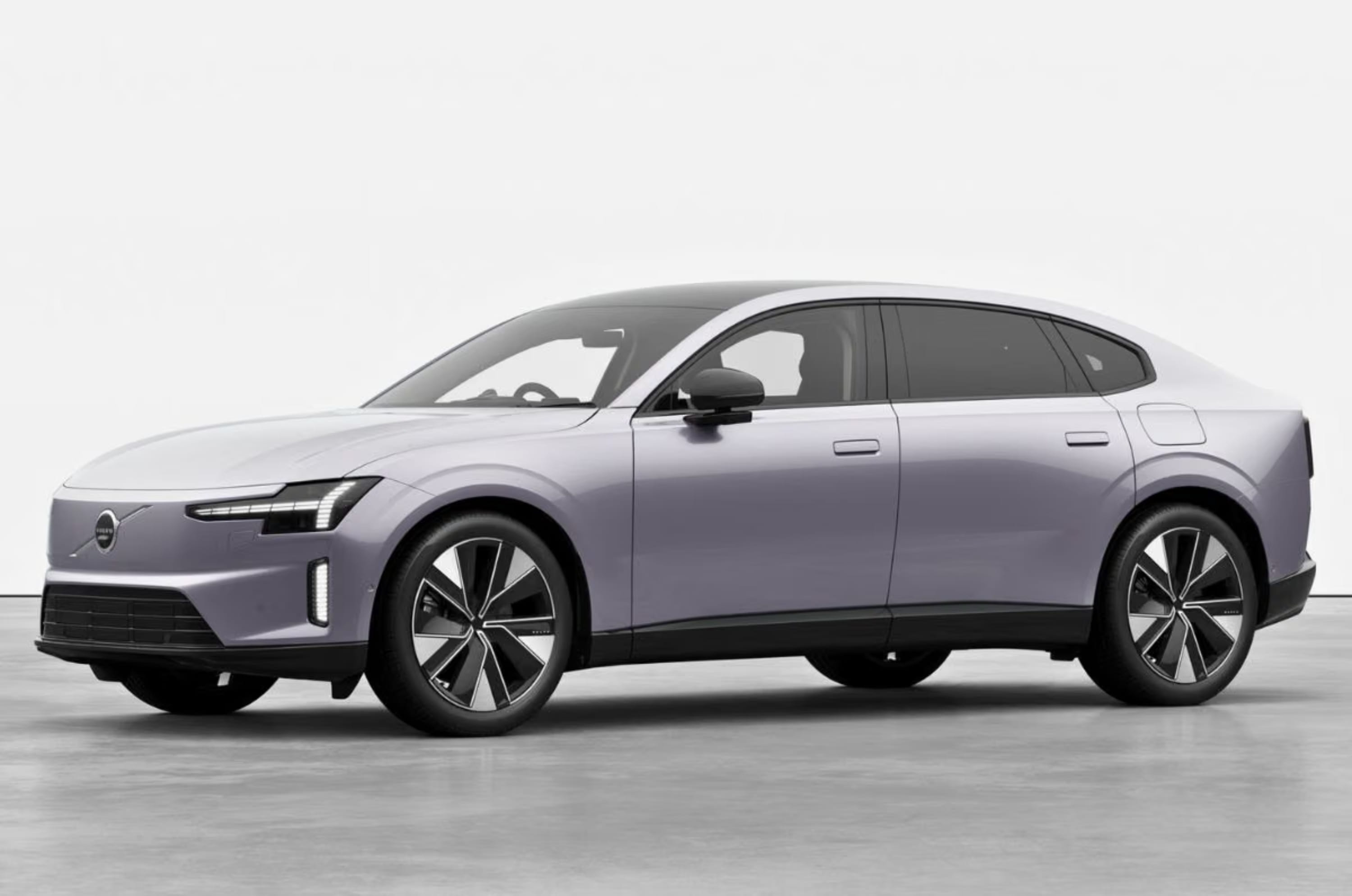
Volvo India has confirmed it will expand its electric vehicle portfolio with two new 90-series EVs over the coming months. While the company stopped short of naming the models, it said the line-up will comprise a flagship sedan and SUV, confirming our earlier report that the ES90 sedan and EX90 SUV were being lined up for India.

  1. One in every four Volvos sold in India is now electric
  2. Volvo says it will continue launching one EV every year

ES90 sedan and EX90 SUV expected to join the line-up

Volvo ES90

Speaking to our sister publication, Autocar Professional, Volvo Car India Managing Director Jyoti Malhotra said the company remains committed to introducing one new electric vehicle every year in India. “We have promised that we’ll bring one electric car every year. We brought in the EX30, and now we’ll be bringing two new electric cars in the 90 series later this year or in the next few months. They are from our 90 series – an SUV and a sedan,” Malhotra said.

Although Volvo has not officially confirmed the names, the company’s current global EV portfolio indicates the upcoming models are likely to be the ES90 electric sedan and the EX90 electric SUV. 

Volvo EX90

Both new flagship EVs are based on Volvo’s SPA2 architecture and use an 800V electrical system, supporting faster charging than the brand’s current EVs. The ES90 is expected to rival the BMW i5, while the EX90 will sit above the EC40 as Volvo’s flagship electric SUV. Both models are likely to be launched in India by Q3 2026.

EVs account for one in four Volvo sales

Volvo said electric vehicles now account for around one in every four cars it sells in India, with the remaining portfolio comprising mild-hybrid models such as the recently updated XC60 and XC90. The company also reported around 6 percent year-on-year growth in FY2026 and said it received an encouraging response to the EX30, which entered a new price point for the brand. Volvo also refreshed the XC60 and XC90 during the past year, with Malhotra saying both models have been well received by existing and new customers alike.

Malhotra reiterated that Volvo’s long-term goal remains to become an all-electric carmaker, although the company no longer has a fixed 2030 deadline because EV adoption varies across global markets. “Our end goal is still the same. We want to become an all-electric car company. But we are not saying that we want to do it by 2030,” he said.

He added that Volvo will continue offering both electric and mild-hybrid models in India as customer demand evolves.

Two-wheeler registrations grew 21 percent YoY in June 2026

Podium with Activa, Splendor, and Raider

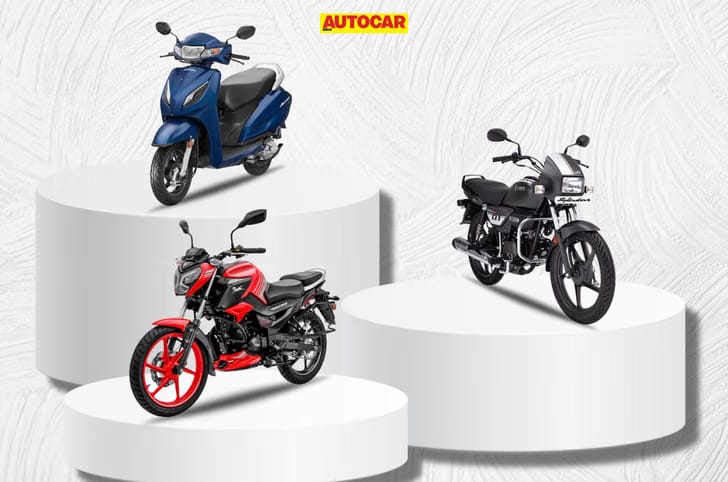
India’s two-wheeler market registered 18.26 lakh units in June 2026, a 21 percent year-on-year increase over the 15.09 lakh units sold in June 2025, according to data from JATO Dynamics India. On a month-on-month basis, volumes eased slightly from the 18.58 lakh units recorded in May, marking a marginal 1.7 percent decline that JATO described as normal seasonal moderation.

  1. Two-wheeler registrations up 21 percent YoY to 18.26 lakh units in June 2026
  2. Electric two-wheelers account for 10.6 percent of monthly registrations
  3. Hero MotoCorp leads with a 26.2 percent market share; Honda close behind at 25.19 percent

India two-wheeler sales in June 2026

Motorcycles continue to dominate registrations, while EVs cross the 10 percent mark

Motorcycles continued to account for the largest share of the market at 59.9 percent of total registrations, followed by scooters at 30.4 percent. Petrol-powered two-wheelers held an 89.3 percent share, while electric models increased their contribution to 10.6 percent of monthly registrations. JATO noted that this reflects the broader growth of the EV segment through 2026, aided in part by the petrol price hikes introduced in May.

Urban markets led demand with 10.92 lakh registrations, followed by rural areas with 4.48 lakh units and major metropolitan cities with 2.86 lakh units. The Hero Splendor Plus was the country’s best-selling two-wheeler in June, ahead of the Honda Activa, TVS Jupiter and Bajaj Pulsar.

Hero MotoCorp retained its position as the market leader with 4.72 lakh registrations and a 26.2 percent share. Honda Motorcycle & Scooter India followed closely with 4.52 lakh units and a 25.19 percent share, with the Activa family continuing to drive volumes. TVS Motor Company registered 2.59 lakh units for a 19.99 percent share, buoyed by strong demand for its scooter lineup and the iQube. Bajaj Auto followed with 1.87 lakh units and a 10.46 percent share, with both the Pulsar range and Chetak EV contributing to volumes, while Suzuki Motorcycle India rounded out the top five with 1.04 lakh units and a 5.83 percent market share.

Dev Vadchhedia

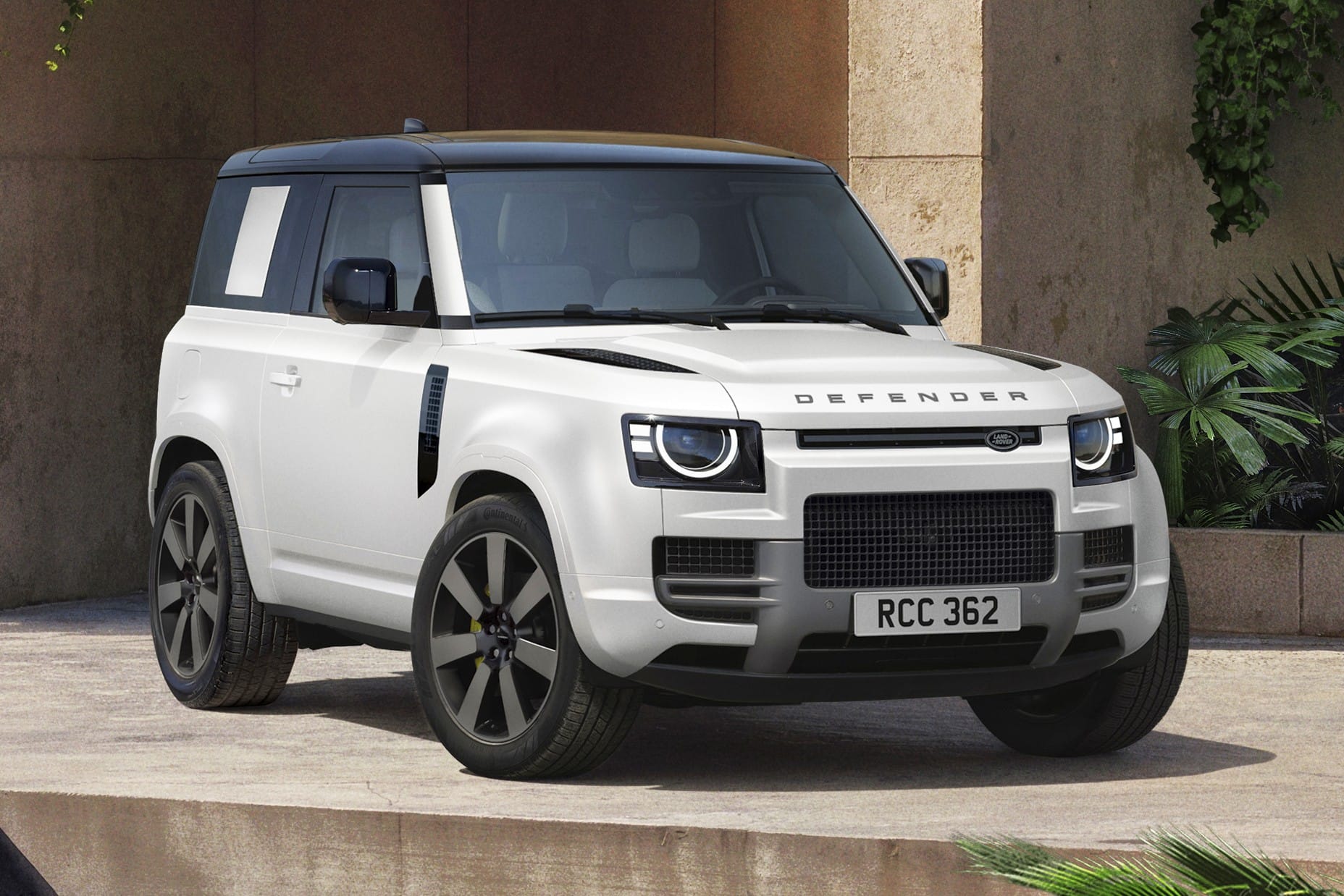
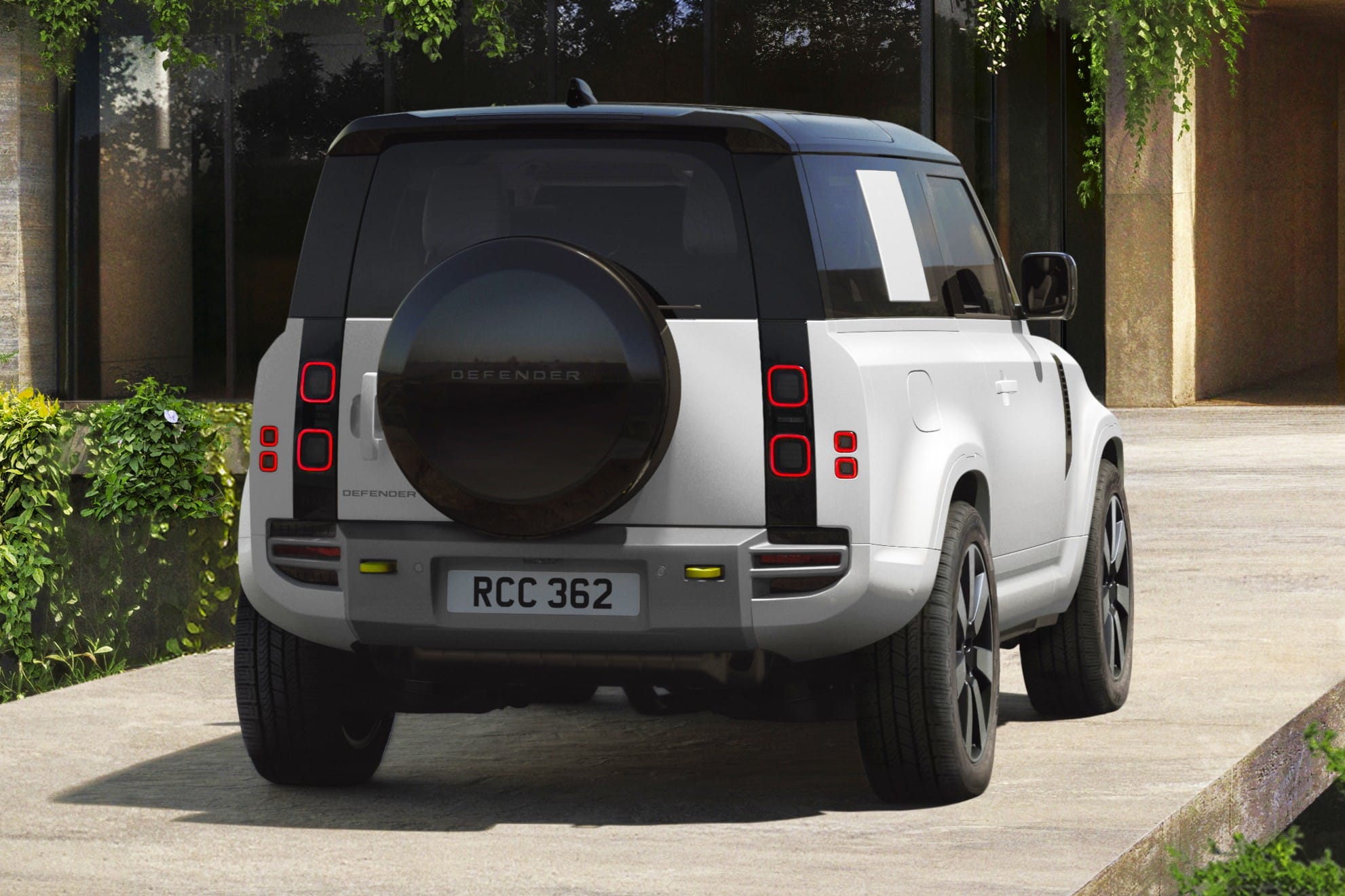
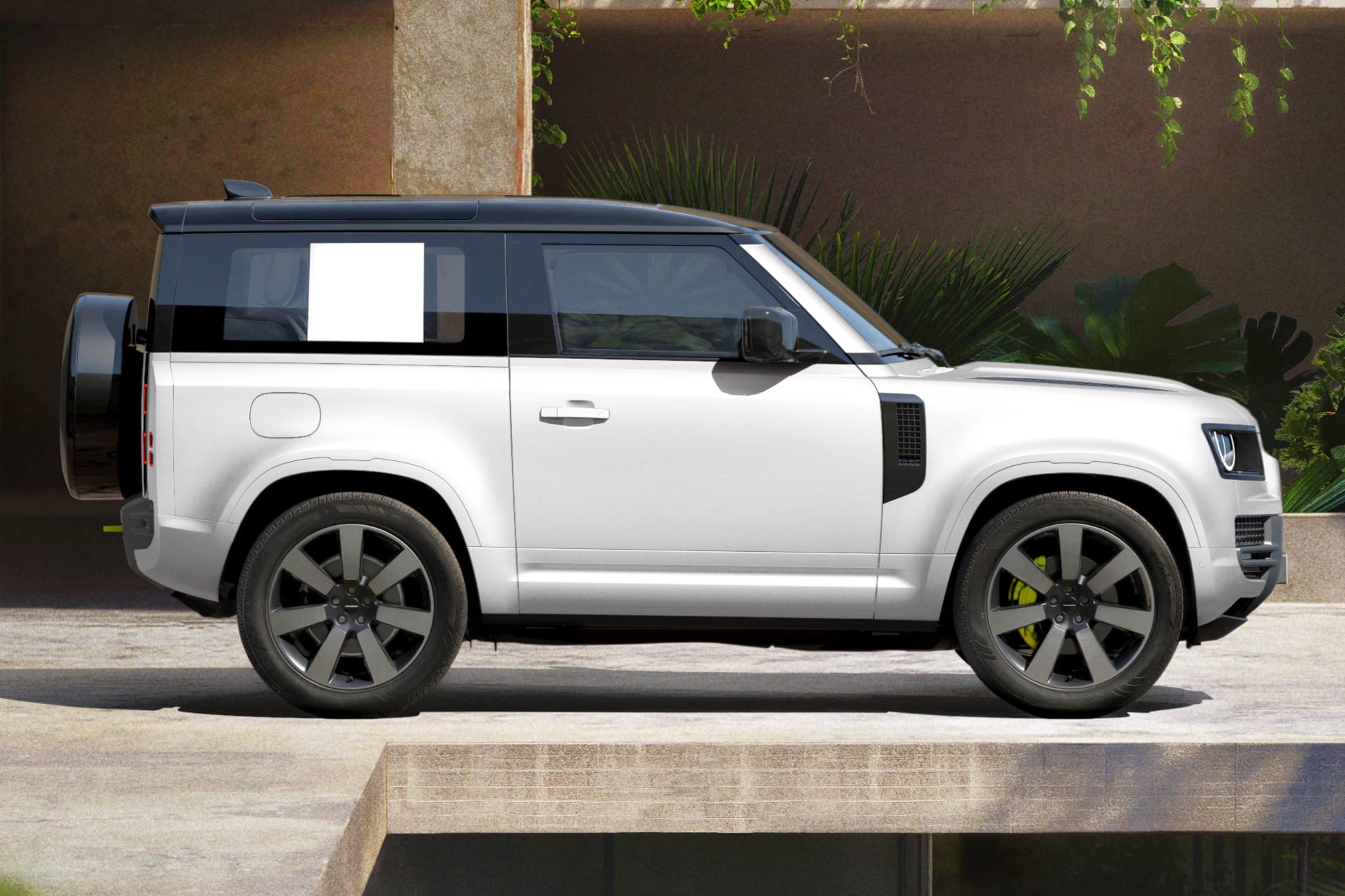
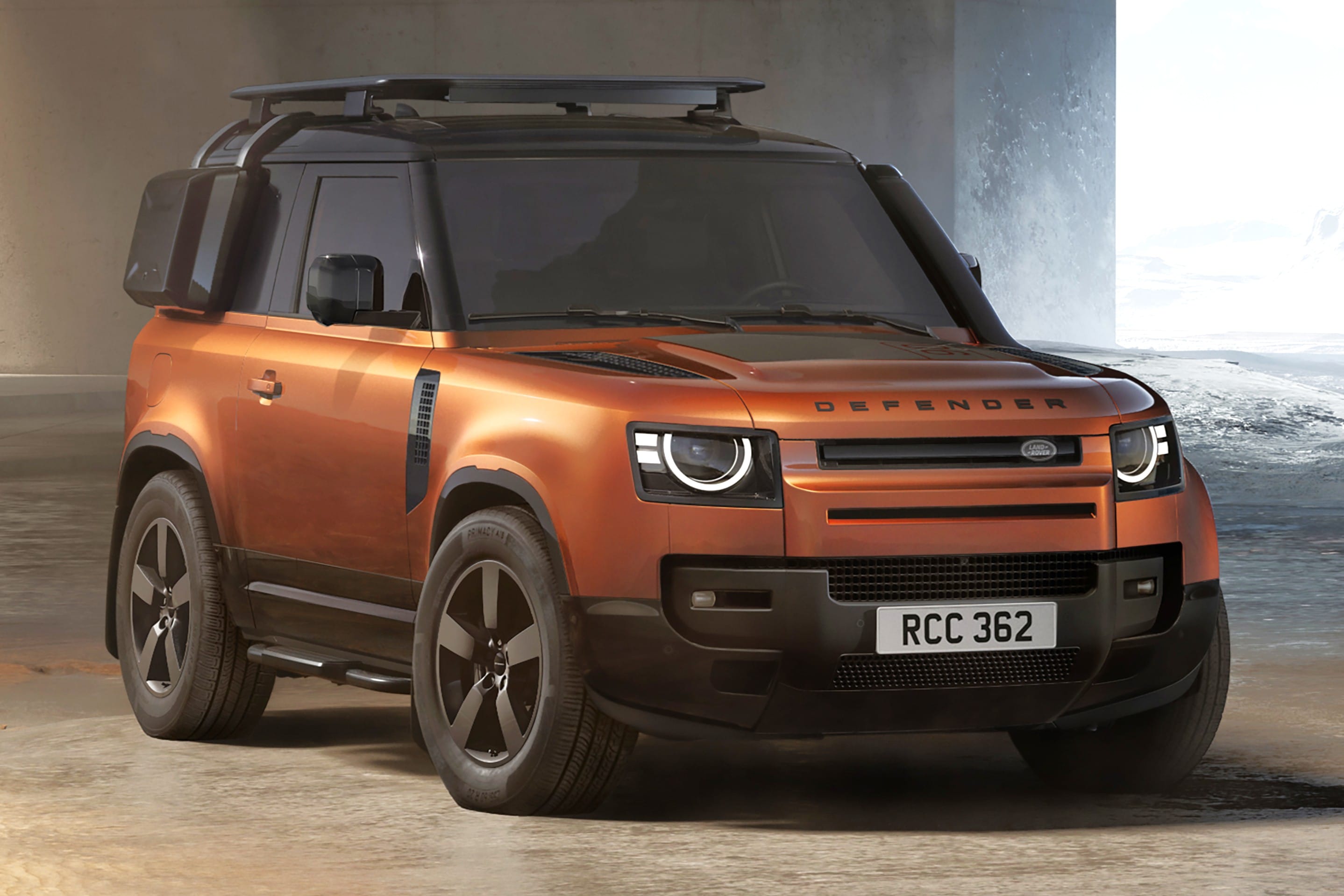
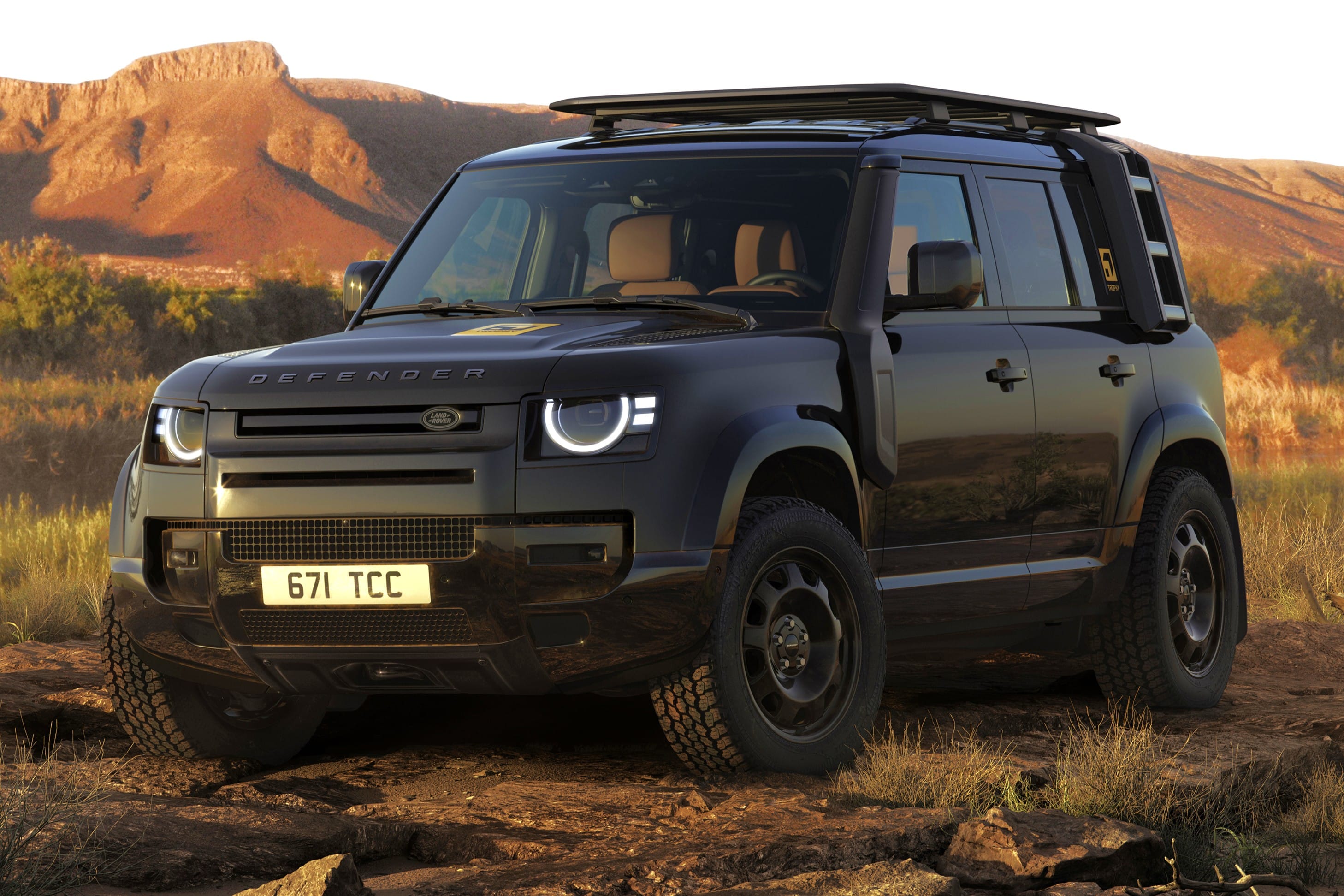
Defender line-up updated for 2026, gets new Vertex variant

2026 land rover defender

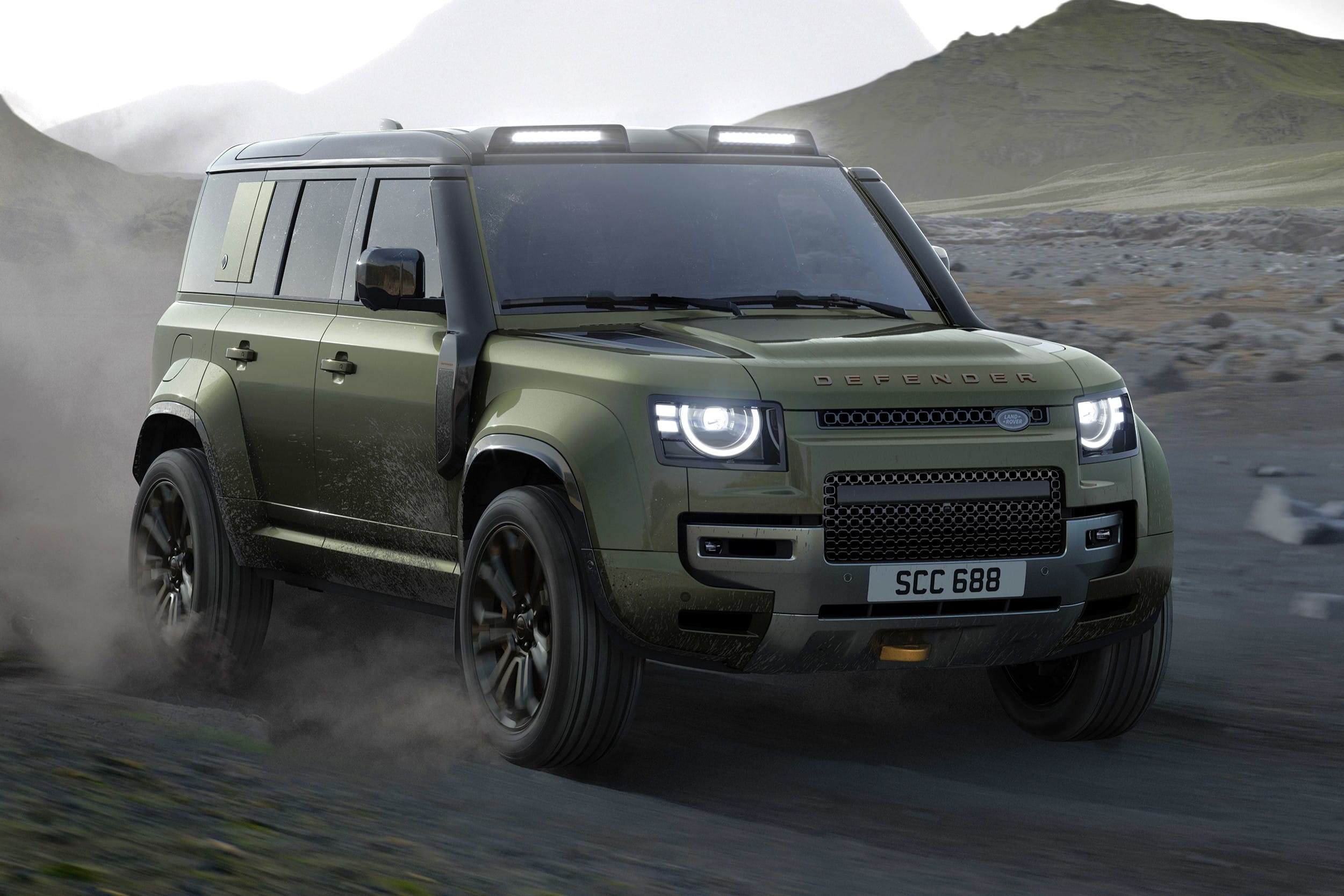
Land Rover has comprehensively updated the Defender range for 2026 and beyond, introducing a new urban-focused Vertex variant, an expanded powertrain line-up, additional personalisation and colour options, and a 6-seat configuration for the Defender 110. The 2026 Defender line-up is now available to order in global markets, with deliveries scheduled to begin this autumn. An India launch for the 2026 Defender is also expected, though the timeline is unconfirmed.

2026 Defender Vertex leads styling changes for the line-up

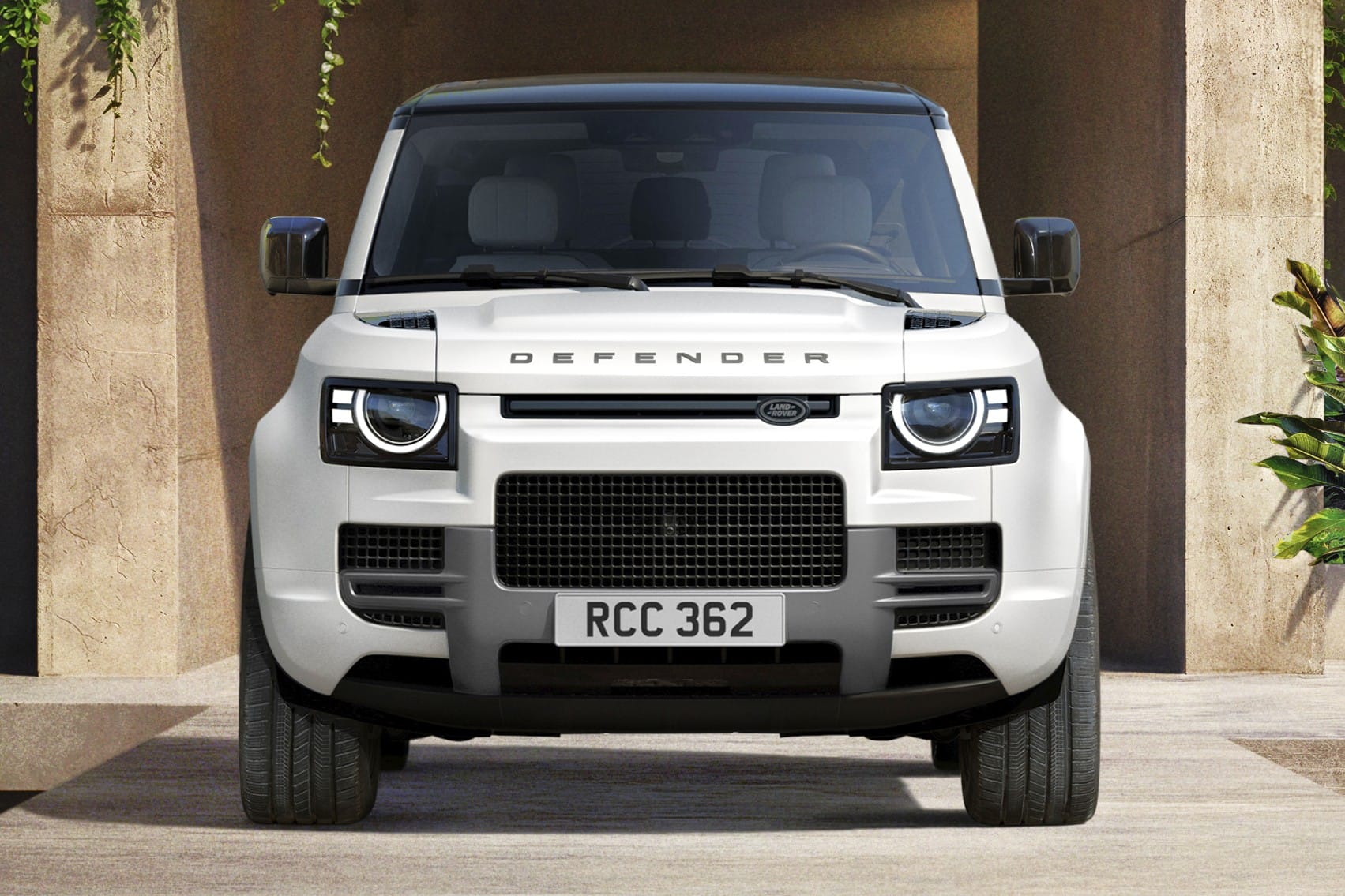
The headline addition to the 2026 Defender range is the urban-centric Vertex variant, which sits alongside the Defender X trims. Available in 90, 110, and 130 body styles, the Vertex is the first non-Octa Defender variant to feature a significant exterior redesign, which includes a larger front grille, updated front and rear bumpers finished in Carpathian Grey, revised fog lamps, yellow brake calipers and recovery eyes, body-coloured cladding and side sills, and a Gloss Black roof spoiler.

22-inch alloy wheels finished in Satin Dark Grey are standard fit for the Defender Vertex, with 22-inch Gloss Black and 20-inch Satin Dark Grey alloy wheels optionally available as well. As for colour options, the Defender Vertex is available in Fuji White, Santorini Black, Woolstone Green, Borasco Grey, Carpathian Grey, and Patagonia White (matte). Buyers can even opt for Matte or Gloss paint protection films, which are claimed to resist stone chips, scratches, and scuffs via a self-healing coating.

Other Defender variants to offer Vertex styling updates too, along with more colours

2026 Defender 110 in Namib Orange.

These styling updates aren’t exclusive to the Defender Vertex, as Land Rover will offer them as part of the new Extended Exterior Pack for the luxury off-roader’s existing variants. The Defender range is now available in 15 colour options too, including a new Namib Orange finish.

New colours for Defender Trophy Edition and Octa

2026 Defender Trophy Edition in Santorini Black.

Land Rover has also refreshed the Defender Trophy Edition with a new Santorini Black exterior finish and expanded interior customisation options. The Defender Octa also gets a new Woolstone Green colour option.

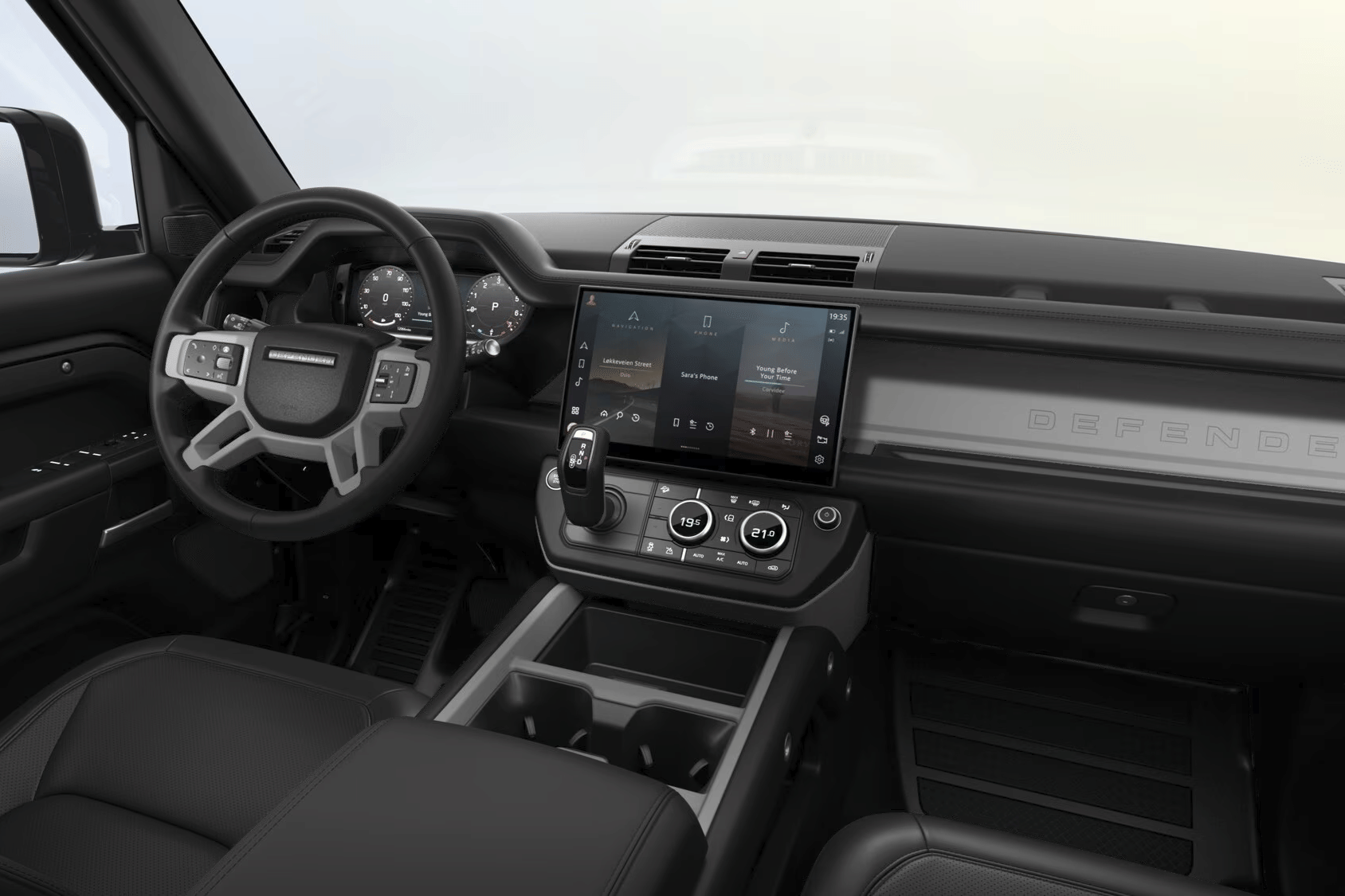
2026 Defender interior gets new AI voice assistant

Current Defender interior. Image used for representation only.

Inside, the 2026 Defender features a new AI-powered ‘Hey Land Rover’ voice assistant. There’s also a new optional Technology Pack that bundles a heads-up display, a Meridian surround sound system, a camera-based IRVM, and a domestic power socket.

6-seat configuration now offered for Defender 110

Another notable update is a new 6-seat configuration for the Defender 110, featuring second-row captain’s chairs with additional bolstering, armrests, and a manual recline function. It also improves access to the third row, increases rear passenger legroom, and enables additional storage space between the second-row seats.

6-seat layout for 2026 Defender 110.

For the Defender Vertex, Land Rover is offering Windsor Leather, Forged Textile, and Ultrafabrics upholstery options in a variety of colour schemes. Standard equipment for the Defender Vertex 90 and 110 includes 3-zone climate control, a cabin air purifier, and a domestic power socket, while the 130 version upgrades the climate control to a 4-zone system.

2026 Defender gets new 6-cyl petrol engine options, but Octa is 95hp weaker

Land Rover has added a new 3.0-litre 6-cylinder mild hybrid petrol engine option, dubbed ‘P380’, to the 2026 Defender range, producing 380hp and 550Nm. In select markets, the prior 300hp 2.0-litre 4-cylinder petrol engine in the ‘P300’ variant (currently offered in India) has been replaced by a 3.0-litre 6-cylinder petrol engine producing 300hp and 470Nm.

Meanwhile, the range-topping Defender Octa’s BMW-sourced 4.4-litre twin-turbo mild-hybrid V8 has been detuned in the interest of complying with the latest Euro 6 emissions regulations. Power drops from the current 635hp to 540hp, though the torque output remains unchanged at 750Nm.

2026 Defender Octa in Woolstone Green.

As a result, the claimed 0-100kph time increases from 3.8 seconds to 4.4 seconds – over half a second slower. However, the 2026 Defender Octa does feature a redesigned exhaust manifold, which is touted to deliver a deeper and more authentic V8 soundtrack.

Lastly, the long-running 5.0-litre supercharged petrol V8 option for higher Defender variants has been discontinued in most markets as part of the 2026 update.