India drafts cybersecurity rules for connected vehicles

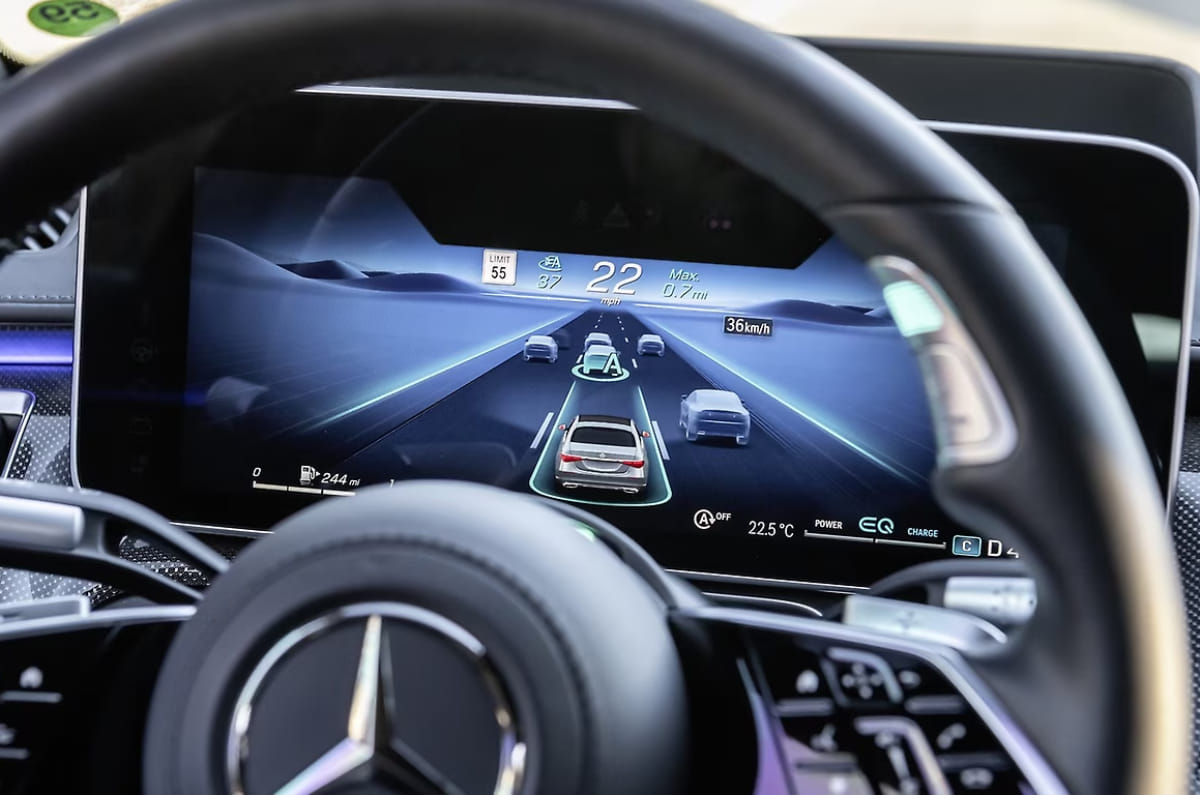
Mercedes Drive Pilot

The Ministry of Road Transport and Highways (MoRTH) has published draft rules that would, for the first time, make cybersecurity and software-update management mandatory for certain categories of motor vehicles in India. The proposed regulations introduce two new provisions under the Central Motor Vehicles Rules, 1989, and are open for public comments for 30 days before being finalized.

  1. New rules introduce mandatory cybersecurity and software-update standards
  2. New standards to remain in force until BIS issues its own norms
  3. India aligns with vehicle regulations followed in the EU, Japan and South Korea

New cybersecurity and software-update rules proposed

The draft notification proposes adding Rules 125-T and 125-U to the Central Motor Vehicles Rules, 1989. Rule 125-T covers vehicle cybersecurity and requires eligible vehicles to comply with AIS-189, India’s cybersecurity standard, while Rule 125-U mandates compliance with AIS-190 for software updates. Both standards will remain in force until the Bureau of Indian Standards (BIS) issues its own specifications, at which point those will take over.

The cybersecurity rules will apply to passenger vehicles, commercial vehicles and tractors equipped with at least one electronic control unit (ECU), as well as quadricycles with Level 3 or higher automated driving capability. The software-update requirements will cover a wider range of vehicles, including passenger vehicles, commercial vehicles, trailers and semi-trailers.

Rollout to be phased until 2029

Rather than applying the rules to all vehicles at once, MoRTH has proposed a phased rollout based on risk exposure. Vehicles with Level 3 or higher automated driving systems will be the first to comply, with deadlines beginning in October 2026 for new models and April 2027 for existing ones. Vehicles capable of receiving over-the-air (OTA) software updates will follow between April and October 2028, while all other vehicles with software-update capability will come under the rules from October 2029.

India moves closer to global regulations

According to the draft notification, the proposed rules align India with the United Nations regulatory framework already adopted in markets such as the European Union, Japan and South Korea, where cybersecurity and software-update management are mandatory requirements for vehicle type approval.

Bajaj Pulsar N125 discontinued in India

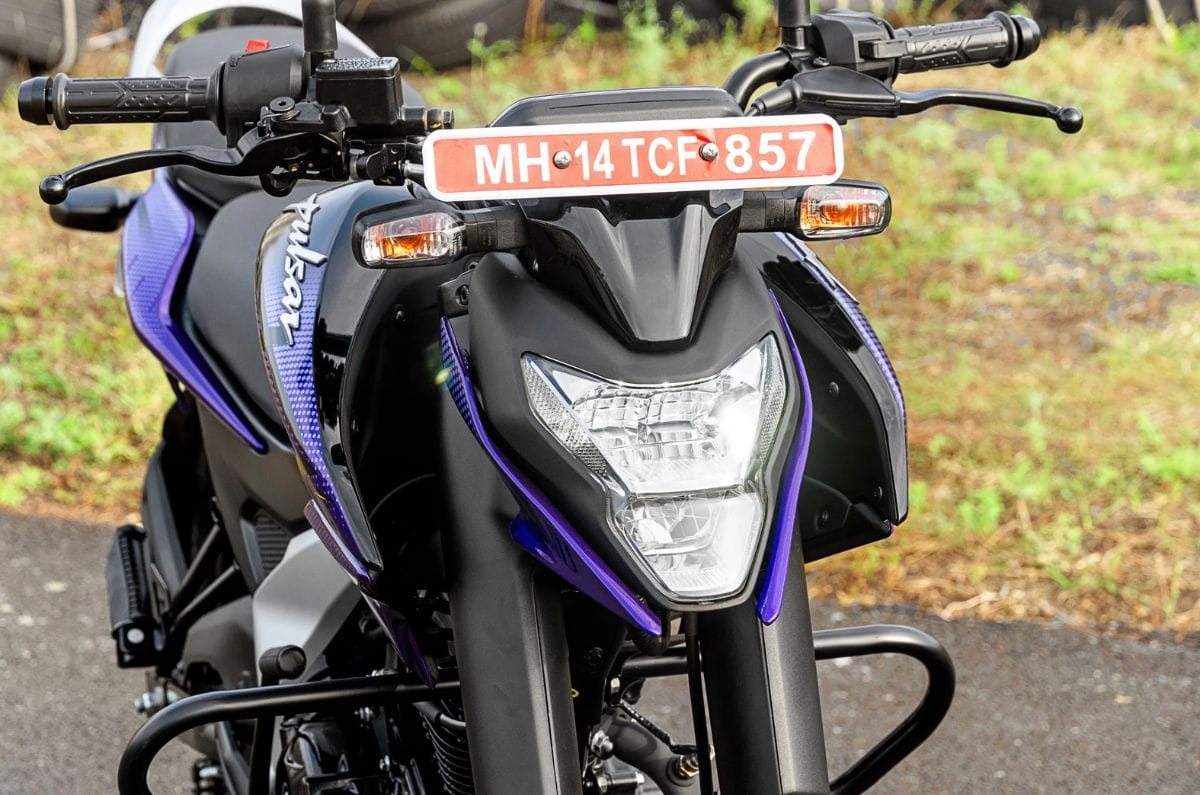
Bajaj Pulsar N125 headlight

Bajaj Auto has a history of discontinuing bikes that aren’t selling in good enough numbers and the Pulsar N125 is the latest example. Less than two years after it was launched in India, the bike has now been discontinued in India.

  1. First launched in October 2024
  2. Was based on an all-new platform, not shared with other Pulsars
  3. Slow sales in India have resulted in the bike being discontinued

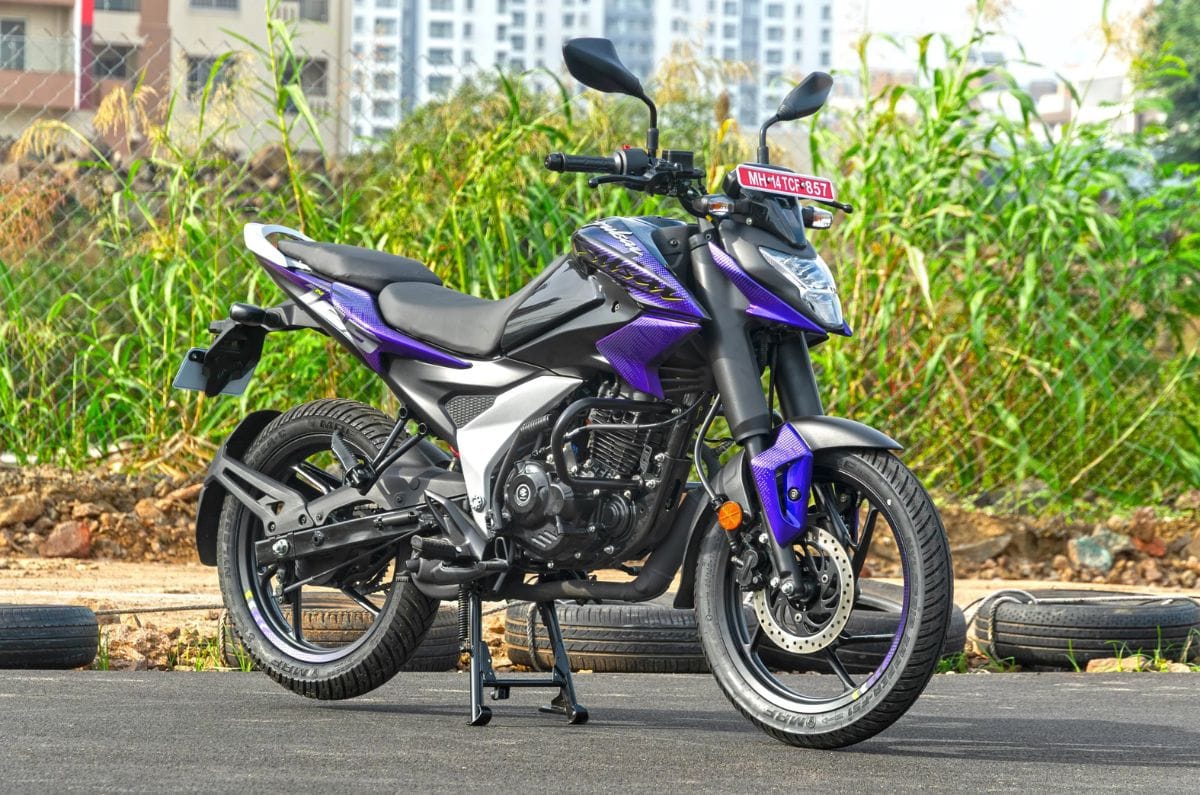
The Pulsar N125 wasn’t just another Pulsar variant but it debuted an all new platform. This included a new engine and a brand new chassis that helped keep kerb weight down to just 125kg. The bike also debuted brand new styling which was unlike anything in the market.

Bajaj Pulsar N125 front right side static in field

While we appreciated the unusual styling direction, it appears that customers in India did not take too well to the Pulsar N125’s thin and stretched out look. This seems to have held especially true when you consider that rivals like the Hero Xtreme 125R and Honda CB125 Hornet are very popular because they look bigger and more sporty than they actually are.

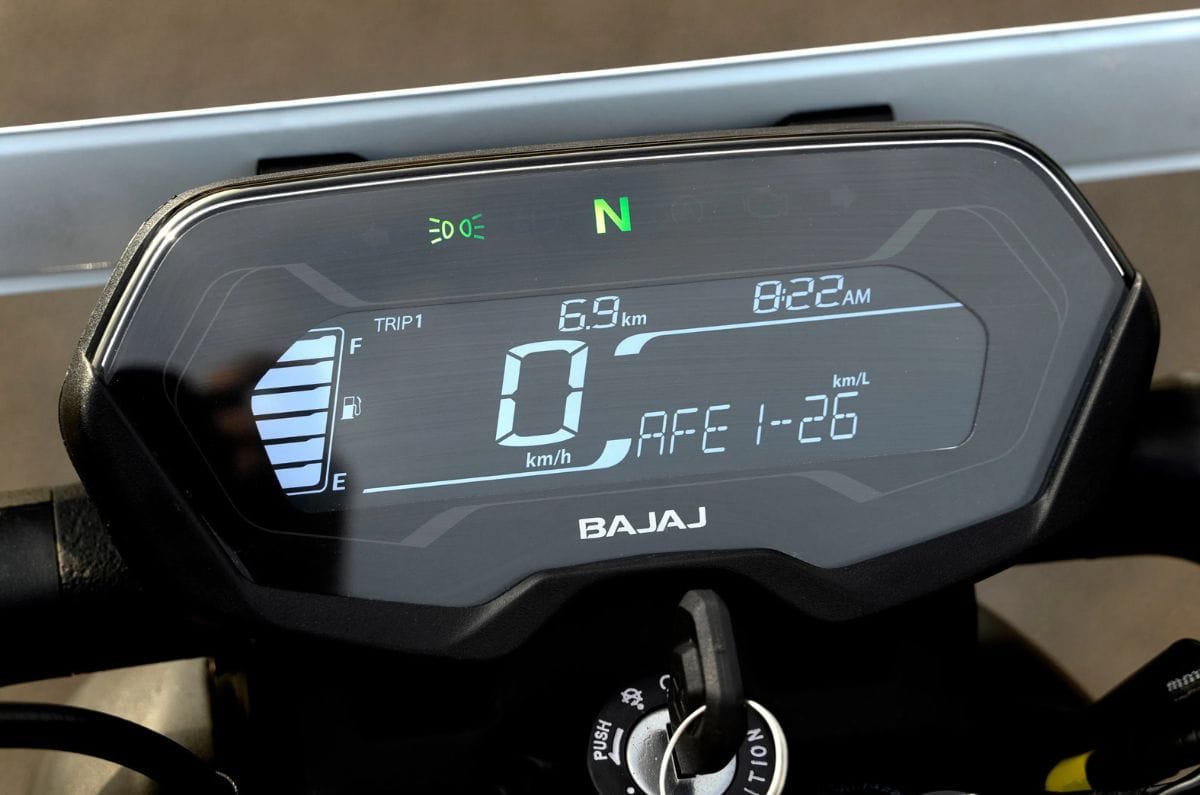
The Pulsar N125’s relatively limited feature set probably didn’t do it any favours either and the bikes lacked things that you would find in some rivals, including a TFT display and ABS. While the bike continues to be displayed on Bajaj’s India website, we have learned that dispatches to dealers have ceased.

Bajaj Pulsar N125 display

However, this does not mark the complete end of the Pulsar N125 as the bike continues to be sold in multiple overseas markets. These include countries like Nepal, Peru, Colombia, Morocco and more. Whether the Pulsar N125 (or at least the platform underpinning) will make a return to India in the future with revised styling and more features remains unclear. 

Used Car Study 2026: Grand i10 Nios holds its value best among midsize hatches

Used car study 2026 midsize hatchbacks

Conducted in association with Spinny, India’s leading pre-owned car platform, the fourth edition of our Used Car Study analyses real-world resale values across a broad spectrum of vehicles sold in the Indian market in order to assess depreciation trends over a five-year ownership period. The study is based on actual transactional data shared by Spinny for vehicles sold between January 1 and August 31, 2025.

In this series of the resale value study, we are first taking a look at the budget hatchback segment:

Midsize Hatchbacks Resale Value 

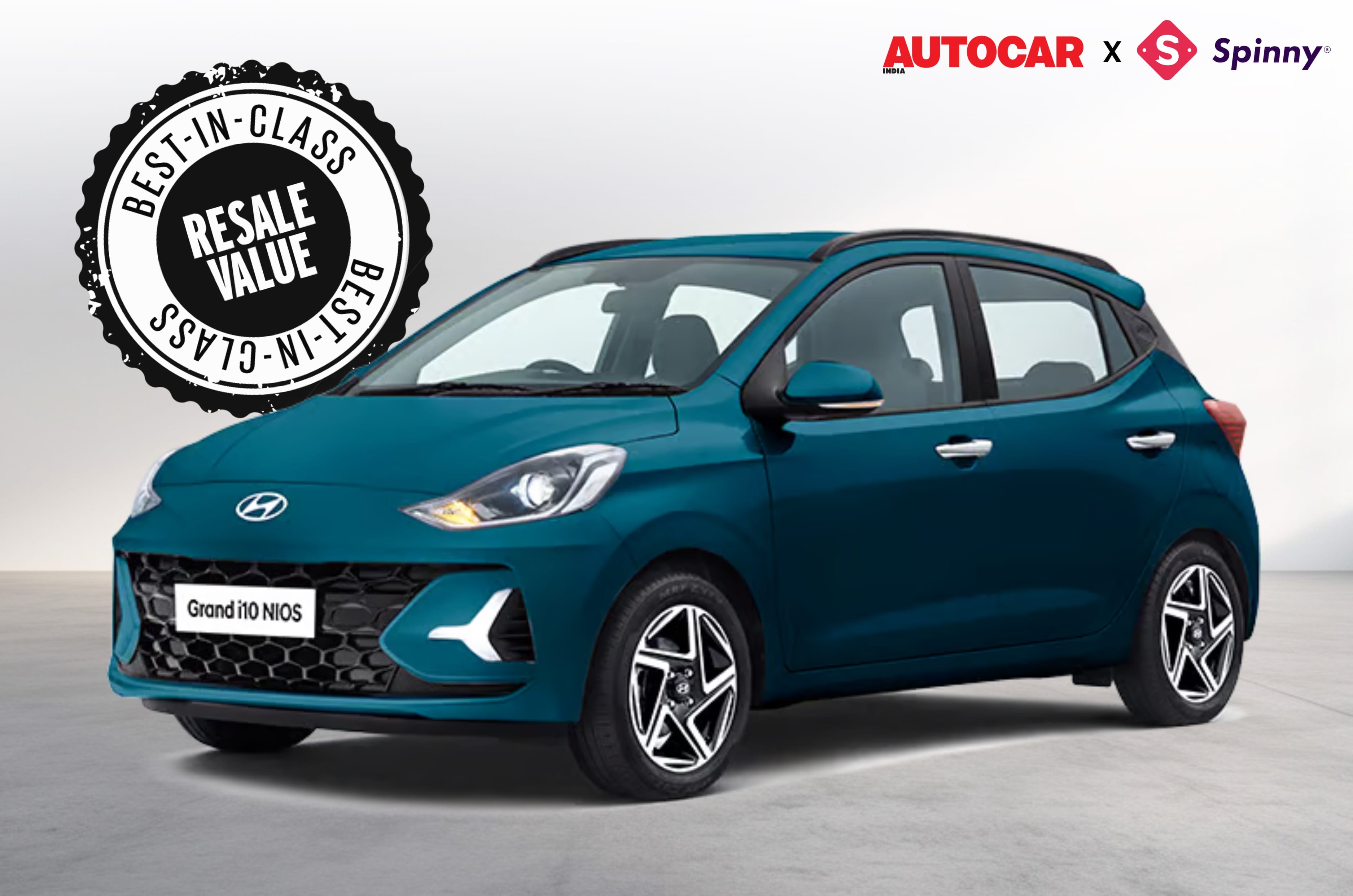
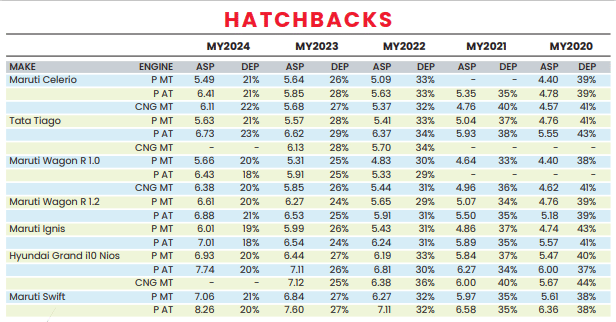
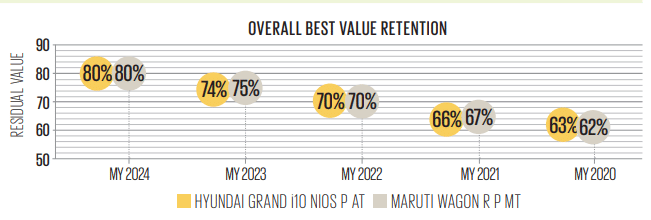
The Hyundai Grand i10 Nios petrol-AMT emerged as the strongest performer in terms of residual value, registering the flattest depreciation curve in the segment. Matching it closely are both the 1.0-litre and 1.2-litre petrol-manual variants of the Maruti Wagon R, whose consistently strong demand in the new and used car markets has helped preserve resale values.

At the other end of the spectrum, the Grand i10 Nios CNG sees the steepest depreciation among its siblings, while the Tata Tiago petrol-AMT also records relatively greater value loss over time. The Maruti Ignis is also among the ones to lose the most value over the five-year period. The Maruti Swift stands out in this company for having the most consistent rate of depreciation across both its manual and automatic variants. 

As per the study, the average selling price of a five-year-old midsize hatchback retailed through Spinny stood at Rs 5.47 lakh. Comparable figures for three-year-old and one-year-old the midsize hatchbacks were Rs 5.84 lakh and Rs 6.58 lakh, respectively. Average depreciation over the same periods worked out to 40 percent, 31.9 percent and 20.3 percent, respectively.

Autocar-Spinny Resale Value Study methodology 

The analysis covers the average selling prices (ASPs) of vehicles retailed through Spinny’s network across nine cities – Delhi-NCR, Bengaluru, Hyderabad, Pune, Chennai, Mumbai, Lucknow, Ahmedabad and Kolkata.

For the purposes of this study, depreciation has been defined as the percentage difference between a vehicle’s original on-road price in its year of manufacture and its resale value in 2025. In instances where a model was offered with multiple engine options using the same fuel type, the data has been consolidated and averaged. Variant-wise differences have similarly been averaged out.

Discontinued models and powertrain options have been excluded. Additionally, premium vehicles priced above Rs 30 lakh, electric vehicles and certain low-volume models have not been included due to limited transaction data and insufficient sample sizes.

Next-gen BMW X5 to launch in India in LWB guise

BMW iX3 LWB

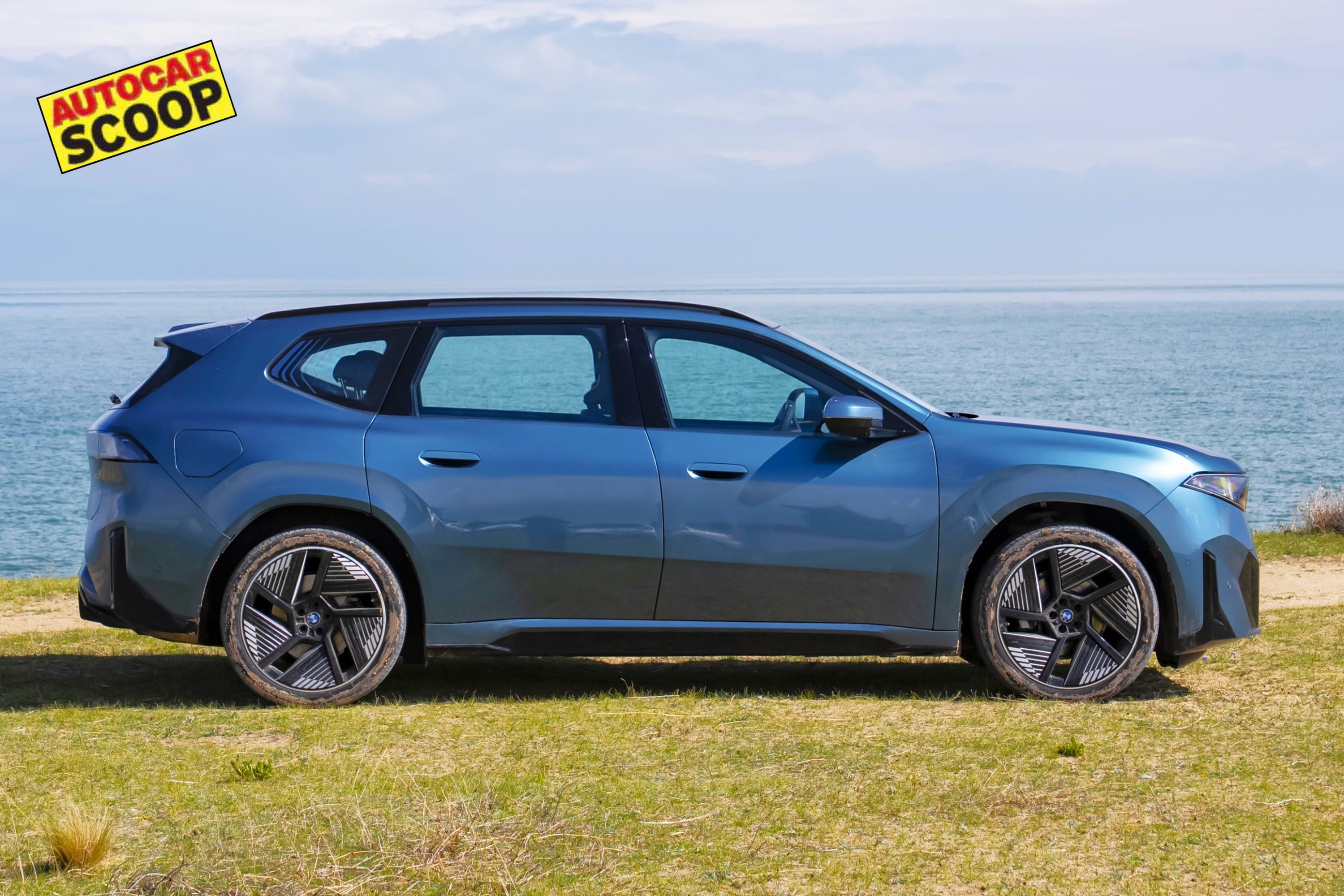
BMW will bring the next-generation X5 SUV to India in long wheelbase (LWB) form, our sources have indicated. The next-gen X5 is set to debut in Europe soon in all-electric iX5 guise, and will feature the Neue Klasse design overhaul as seen on the iX3 and i3 EVs.

  1. BMW LWB models currently sold in India garnering healthy demand
  2. Next-gen X5 is being adapted for LWB, and will make it here in this form
  3. i5 LWB and iX3 LWB also headed to India

Next-gen X5 to join growing list of BMW LWB models in India

LWB BMWs resonated well with Indian customers

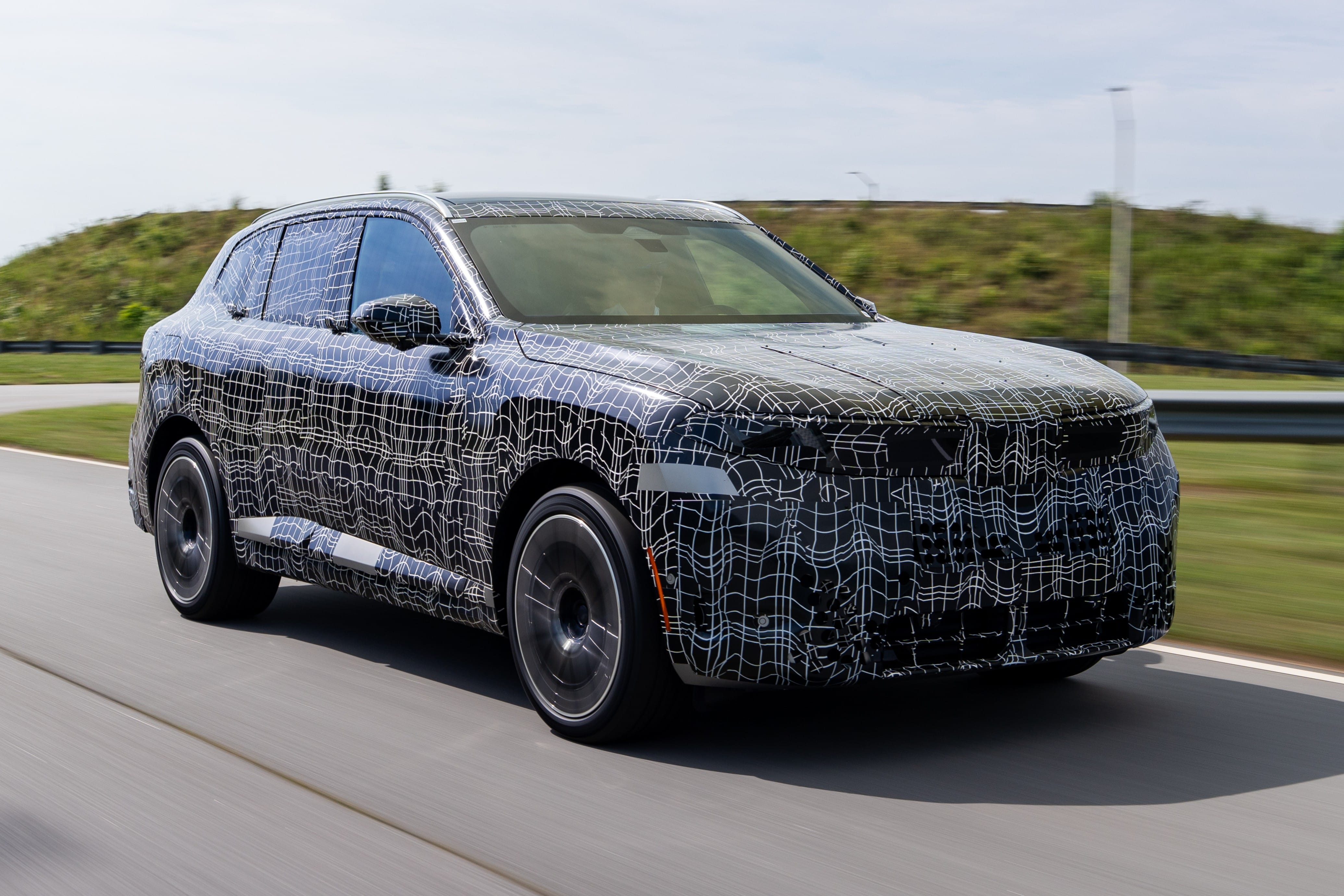
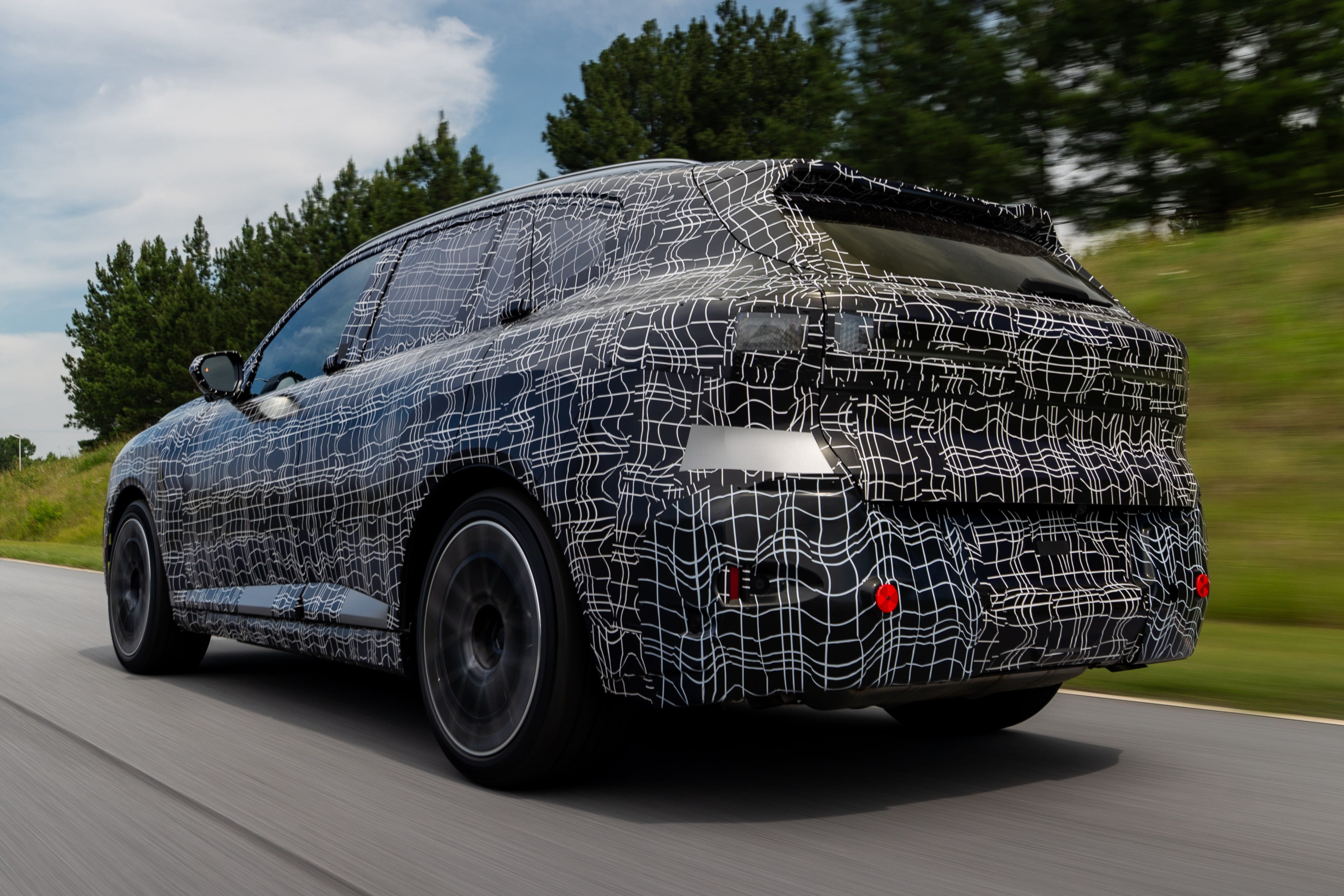
Next-gen BMW X5 (standard wheelbase) prototype. Image used for representation only.

BMW has seen great success with the three LWB models it currently retails in India: the 3 Series LWB, 5 Series LWB, and iX1 LWB. These models were originally designed for the Chinese market, and resonated with Indian luxury car buyers (many of whom are chauffeur-driven) thanks to the extra space they offer in the second row.

The next-gen BMW X5 will be adapted for a China-spec LWB version too, and this will be the one offered in India as well. However, given that the new X5 has yet to be revealed globally and the extra time required for LWB adaptation, don’t expect the BMW SUV to make its way to India before the latter half of 2027.

BMW iX3 LWB

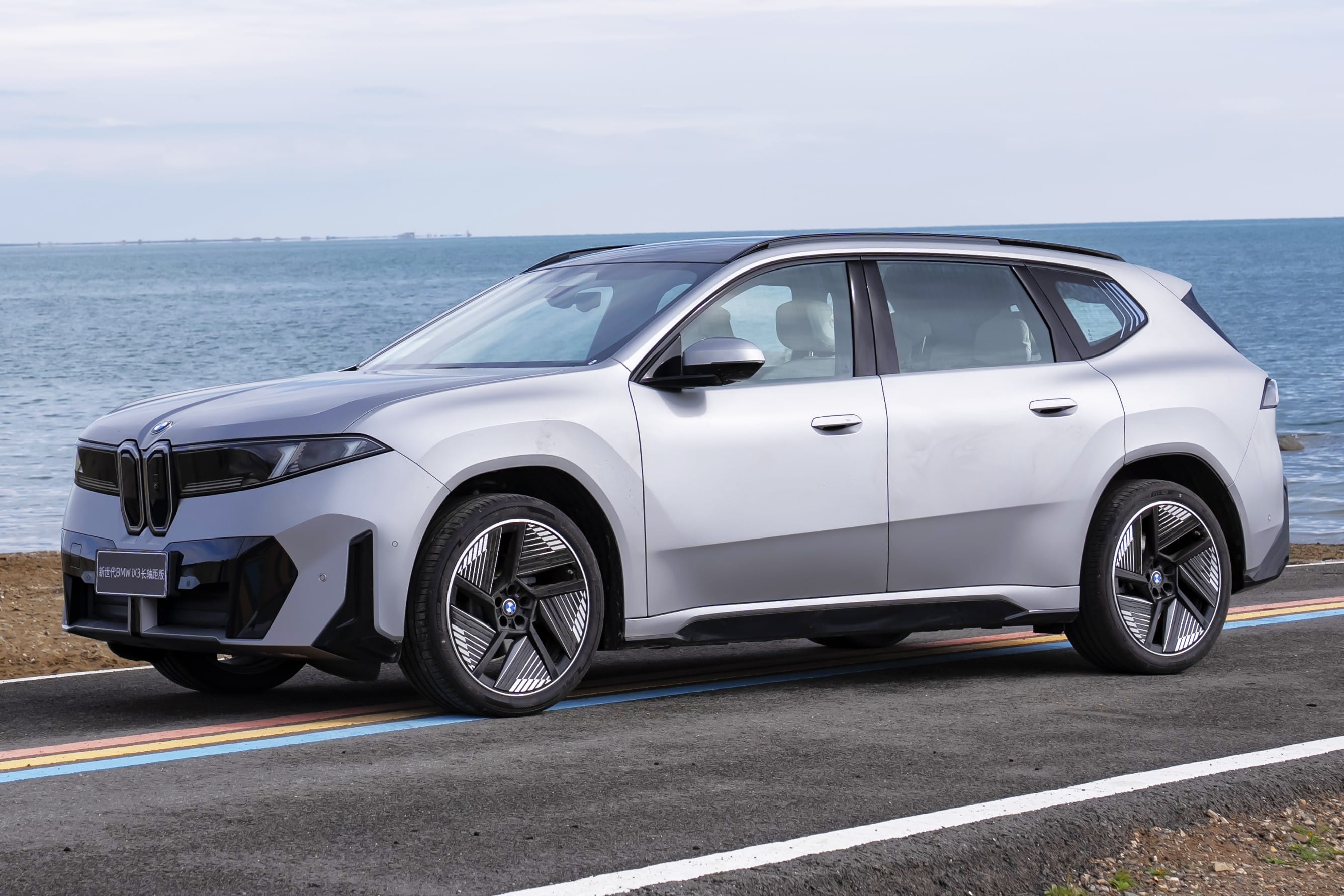
BMW India has other LWB models on the way too, including the i5 LWB, which is set to launch this year, and the iX3 LWB, which will go on sale here in 2027.

What to expect from the next-gen BMW X5

One of the first ICE-powered BMWs to adopt Neue Klasse design language

A few months ago, images of the next-gen X5 leaked online, confirming a radical Neue Klasse redesign. Up front, it gets a pair of sharp blacked-out sections housing the headlamps and vertically-arranged illuminated kidney grilles in the centre. At the back, it gets a sporty sloping roofline and wide wraparound LED tail-lamps.

Next-gen BMW X5 (standard wheelbase) prototype. Image used for representation only.

Inside, the next-gen X5 is anticipated to feature an all-new layout with the large rhomboidal touchscreen seen in newer BMWs, along with the pillar-to-pillar Panoramic Vision display and quad-spoke steering wheel.

Expect petrol, diesel, and plug-in hybrid powertrains to be offered for the new X5. As noted previously, there will be an all-electric iX5 on offer in global markets too, which will come with the largest battery pack of any BMW EV to date.

With inputs from Hormazd Sorabjee

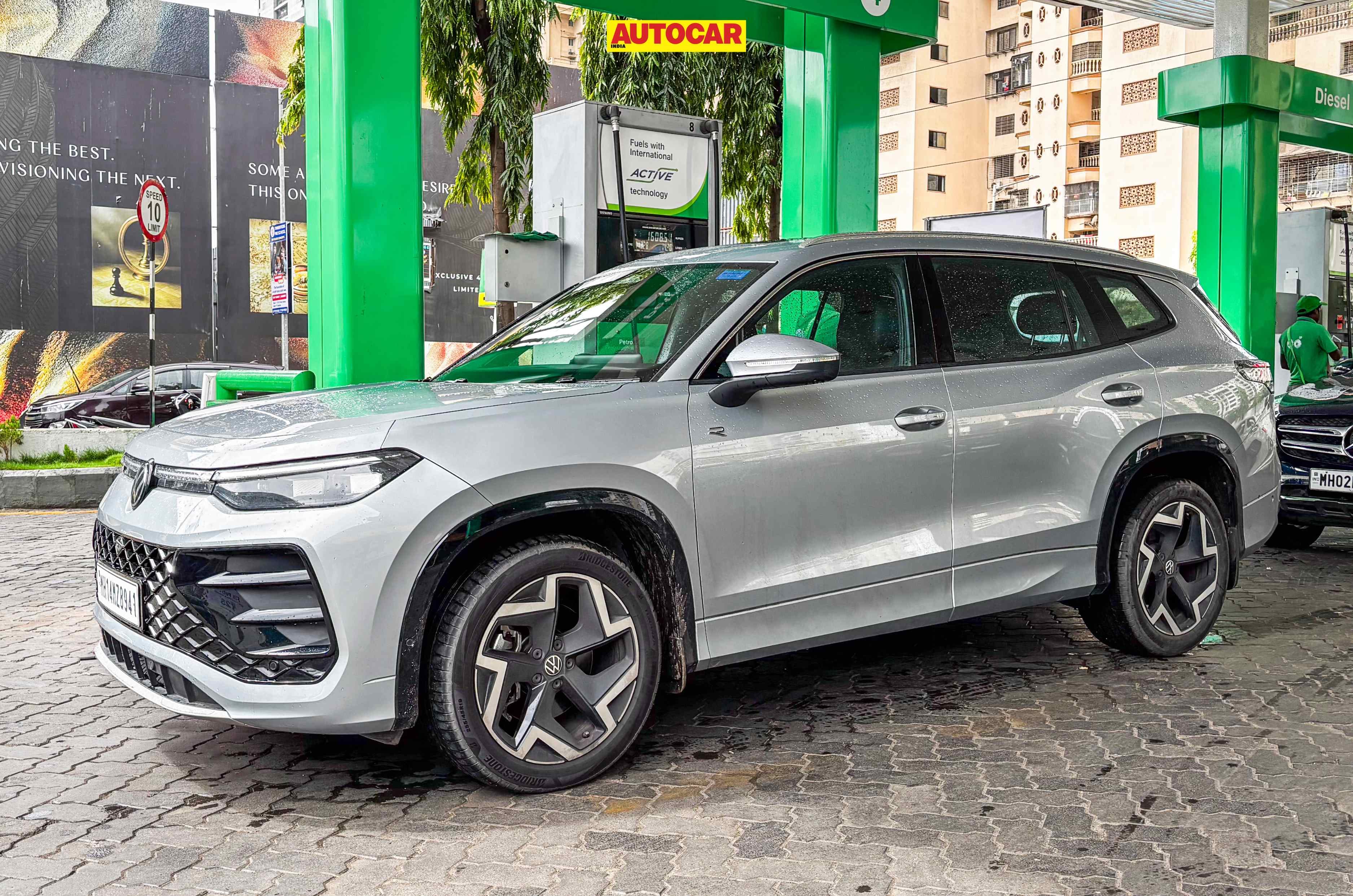
Volkswagen Tayron real world fuel economy tested, explained

Volkswagen Tayron real world fuel economy tested, explained

Volkswagen launched its seven-seater Tayron SUV in India earlier this year. Based on the same platform as the Tiguan, but with an extra row of seats, the Tayron serves as the German carmaker’s flagship SUV offering in India. While it is available with multiple engine options including petrol, diesel and hybrid in international markets, for India, it’s only offered with the 2-litre TSI EA888 turbo-petrol engine, which it shares with the Skoda Kodiaq and Volkswagen Tiguan. 

  1. Fuel-saving features like Eco-Coasting, auto engine stop-start.
  2. Six driving modes, including an Eco mode.
  3. Weighs 1,864kg.

Volkswagen Tayron mileage explained

The Tayron’s 2.0-litre turbo-petrol engine produces 204hp and 320Nm, and is paired with a 7-speed dual-clutch automatic transmission that sends power to all four wheels. It also offers six drive modes – Eco, Comfort, Sport, Off-Road, Snow and Individual.

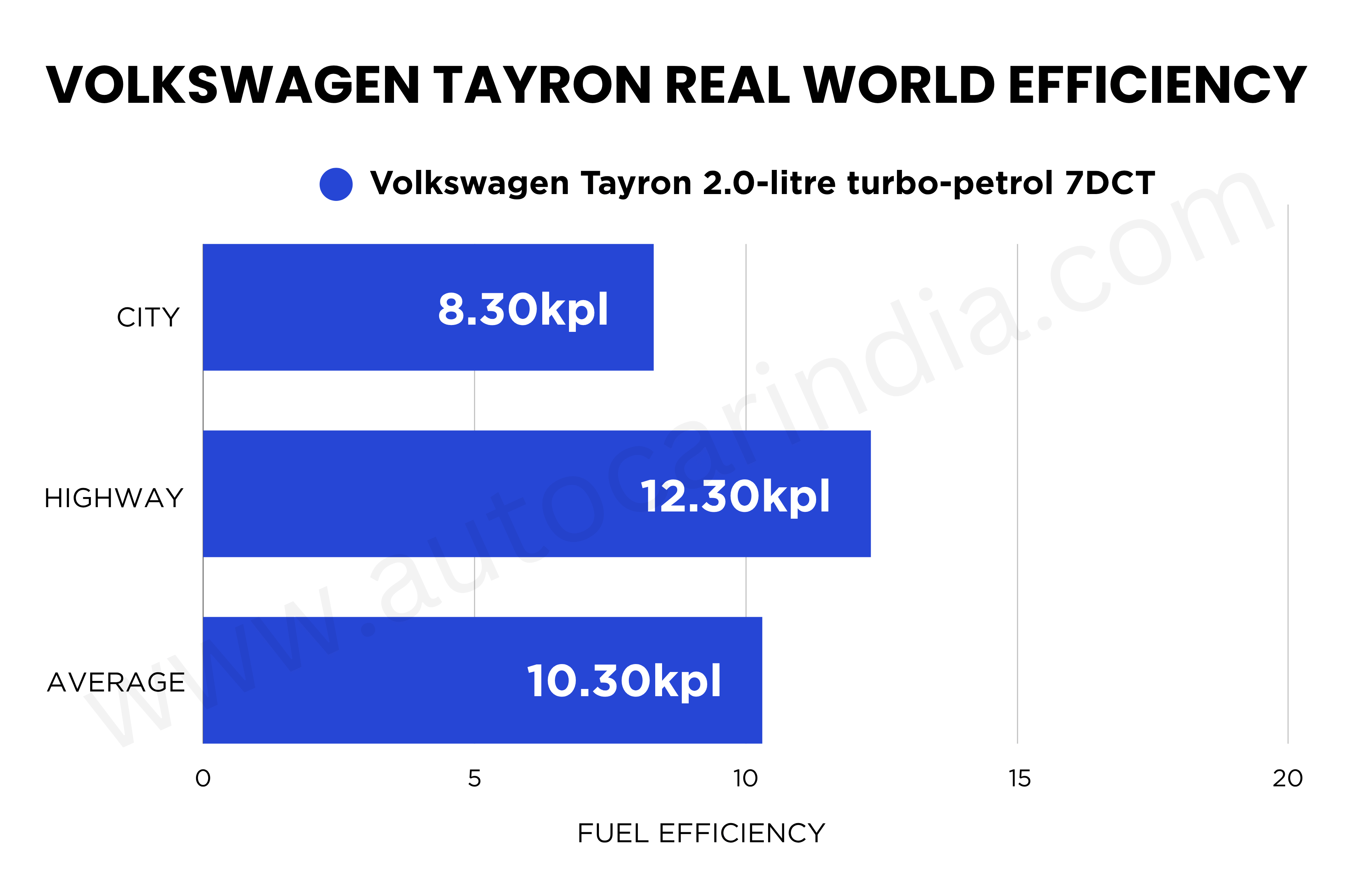
In our fuel-efficiency tests conducted in Eco mode, the Tayron returned 8.3kpl in the city and 12.3kpl on the highway, resulting in an overall average of 10.3kpl.

Several fuel-saving technologies help improve efficiency. In urban conditions, the automatic engine stop-start system reduces fuel consumption during traffic halts. On the highway, the engine remains relaxed, spinning at just 1,900rpm at 100kph in seventh gear. The Tayron also features an Eco-Coasting function, which decouples the engine from the transmission when the driver lifts off the accelerator. This allows the SUV to freewheel with the engine idling, reducing fuel consumption before seamlessly re-engaging a gear when throttle input is applied.

Despite weighing 1,864kg, the Tayron’s efficiency is respectable. Combined with its large 61-litre fuel tank, the SUV can comfortably deliver a real-world touring range of around 600km between fuel stops.

That said, as with most turbo-petrol engines, fuel economy is highly dependent on driving style. Use the engine’s performance enthusiastically and efficiency can easily drop into single-digit territory.

Autocar India’s fuel-efficiency testing

Before conducting our real-world fuel-efficiency tests, we fill our test cars’ tanks to the brim and maintain tyre pressures based on the manufacturer’s recommendation. These cars are then driven on fixed city and highway loops in and around Navi Mumbai, and we maintain certain average speeds. Throughout the tests, we run the aircon at 22 degrees in full-auto mode and other electricals, such as the audio system, indicators and wipers, when required – just as a regular user would. Periodic driver swaps further neutralise variations in driver patterns. At the end of each cycle, we calculate efficiency by filling the tanks to full again.

Upcoming Suzuki GSX250R details revealed

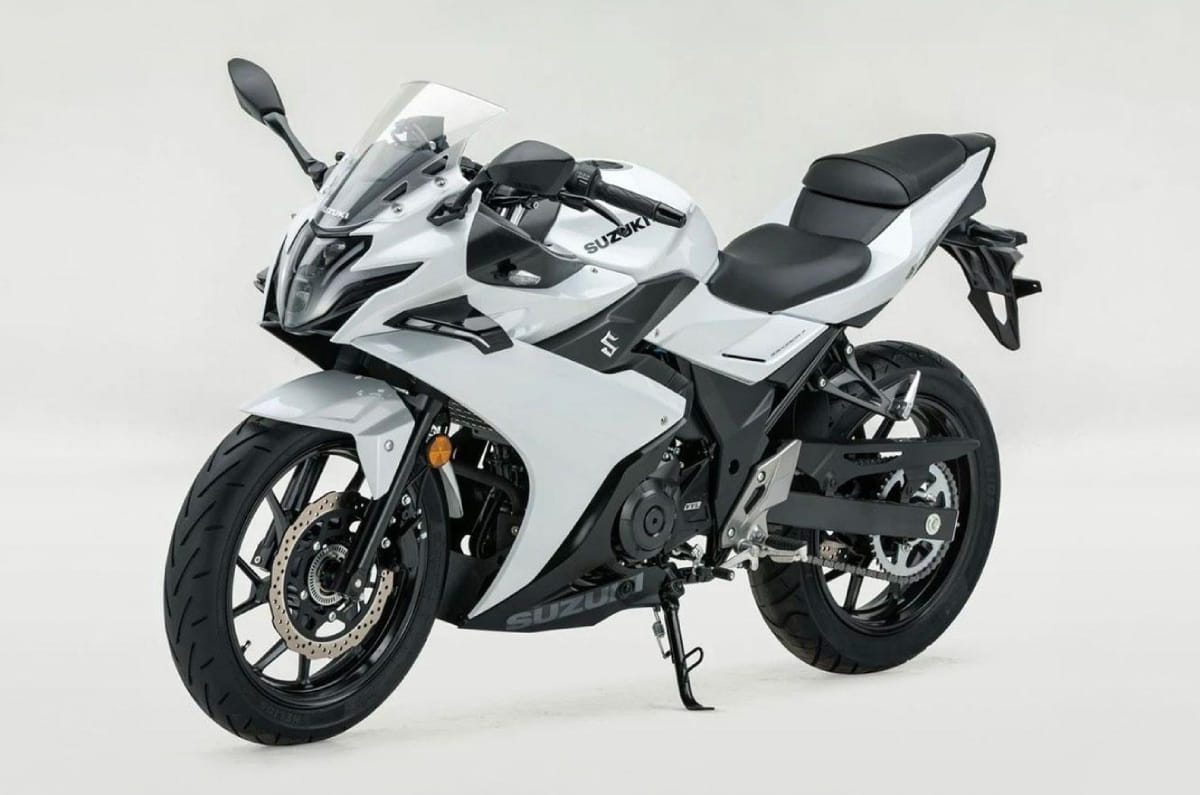
Updated Suzuki GSX250R type approval document image

An updated Suzuki GSX250R, not to be confused with the Gixxer 250 sold in India, has surfaced in Chinese type-approval documents, revealing multiple changes to the existing global model. The bike is expected to be officially launched in China next month before making its way to other international markets.

  1. Updated GSX250R spotted in Chinese type-approval documents
  2. Gets a variable valve timing system
  3. Reports suggest power increases from 25hp to 29.2hp

Updated Suzuki GSX250R: What we know

The variable valve timing system works similarly to Yamaha’s VVA setup

The most significant technical development on the updated GSX250R is the addition of a variable valve timing and lift system. The setup works similarly to Yamaha’s Variable Valve Actuation (VVA) system that we’ve experienced on motorcycles like the Yamaha R15. Reports suggest the GSX250R uses a second set of intake cam lobes and rocker arms that the engine switches to higher up in the rev range. The engine visible in the type-approval documents otherwise appears unchanged from the current model, suggesting this is an evolution of the existing powertrain rather than an all-new unit. The chassis, suspension and most of the bodywork also appear to carry over.

The images also reveal a revised front end featuring a new headlight and surrounding fairing, along with the addition of small winglets in place of the previously mounted front indicators. The indicators themselves have been repositioned higher up on the fairing, closer to the fuel tank. Reports also suggest the update will bring a TFT instrument cluster with Bluetooth connectivity, replacing the existing LCD unit.

The current GSX250R is sold in several global markets, including Europe and the US, but has never made its way to India. There are also no indications from Suzuki that the model is headed here anytime soon. That said, we had earlier reported that Suzuki Motorcycle India is working on next-generation versions of the Gixxer 150 and Gixxer 250, with a coordinated launch across both platforms expected by the end of 2026 or early 2027.

Source: AMCN

Share Markets Closing: आखिर ऐसा क्या हुआ कि अंतिम 75 मिनट में सेंसेक्स 500 अंक गिर गया?

इस हफ्ते के आखिरी कारोबारी दिन बाजार में जबर्दस्त उतार-चढ़ाव रहा। ज्यादातर समय बाजार के प्रमुख सूचकांक निफ्टी और सेंसेक्स में शानदार तेजी दिखी। लेकिन, कारोबार के करीब एक-सवा घंटे में सूचकांकों ने अपनी काफी बढ़त गंवा दी। अंतिम कुछ मिनटों में प्रॉफिट बुकिंग ने बाजार पर दबाव बना दिया।

75 मिनट में सेंसेक्स ने गंवाएं 500 अंक

दो दिनों के कारोबार में 1700 अंक चढ़ने वाले सेंसेक्स ने अंतिम कुछ मिनटों में घुटने टेक दिए। 1:50 बजे सेंसेक्स 77,594 अंक पर था। 3:05 में यह गिरकर 77,095 अंक पर आ गया। यह सिर्फ 75 मिनट में 500 अंक की गिरावट है। इस गिरावट ने इनवेस्टर्स को चौंकाया। खासकर लॉन्ग पोजीशन वाले इनवेस्टर्स ज्यादा परेशान दिखे।

26 जून को बीएसई-एनएसई में छुट्टी

इक्विरियस वेल्थ के एमडी और डायरेक्टर अंकुर पुंज ने रायटर्स को बताया, “चूंकि शेयर बाजार 26 जून को बंद रहेंगे, इसलिए इनवेस्टर्स ने कारोबार के अंतिम पलों में अपने पोजीशन काटे।” 26 जून को शेयर बाजारों में मुहर्रम की छुट्टी है। इसलिए बीएसई और एनएसई बंद रहेंगे। 29 जून यानी सोमवार को बीएसई और एनएसई खुलेंगे।

मानसून में कम बारिश बाजार के लिए रिस्क

बजाज फिनसर्व एएमसी ने अपनी रिपोर्ट में कहा है, “मानसून में सामान्य से कम बारिश शेयर बाजार के लिए शॉर्ट टर्म रिस्क है। लेकिन, केंद्रीय बैंक ने फॉरेन करेंसी डिपॉजिट बढ़ाने के उपाय किए हैं। सरकार ने फॉरेन इनवेस्टर्स को बॉन्ड्स में निवेश पर टैक्स में छूट दी है। इससे मार्केट में इनफ्लो बढ़ना चाहिए।”

एविएशन कंपनियों के शेयरों में तेजी

इंटरग्लोब एविएशन का शेयर अंत तक तेजी बनाए रखने में सफल रहा। यह 4.7 फीसदी चढ़कर बंद हुआ। क्रूड में नरमी का असर एविएशन कंपनियों के शेयरों पर दिखा। स्पाइसजेट के शेयरों में भी मजबूती दिखी। ऑटो और इससे संबंधित सेक्टर की कंपनियों में भी मजबूत दिखी।

ऑटो शेयरों ने भी दिखाई रफ्तार

Bajaj Auto, Maruti Suzuki, Tata Motors PV और महिंद्रा एंड महिंद्रा के शेयर 1-4 फीसदी चढ़कर बंद हुए। TVS Motor, Ashok Leyland और टाटा मोटर्स सीवी के शेयर तो 4-5 फीसदी तक उछल गए। Motherson Sumi Wiring का शेयर तो 9 फीसदी चढ़कर बंद हुआ।

यह भी पढ़ें: Stock Market Holiday: लगातार तीन दिन शेयर बाजारों में नहीं होगा कारोबार, BSE और NSE में रहेगी छुट्टी

भारतीय बाजार का बुरा दौर हो रहा खत्म

आईसीआईसीआई सिक्योरिटीज ने कहा है कि भारतीय बाजार के लिए स्थितियां अनुकूल हो रही हैं। क्रूड में नरमी है। घरेलू डिमांड स्ट्रॉन्ग बनी हुई है। इससे आगे कॉर्पोरेट अर्निंग्स बढ़ने की उम्मीद है। अमेरिका-ईरान में लड़ाई खत्म होने से महंगाई बढ़ने का खतरा कम हुआ है। एआई कंपनियों में निवेश को लेकर उत्साह ठंडा पड़ रहा है। इससे बाजार का सेंटीमेंट पॉजिटिव बना रह सकता है।

Norton Atlas global launch next month, production begins

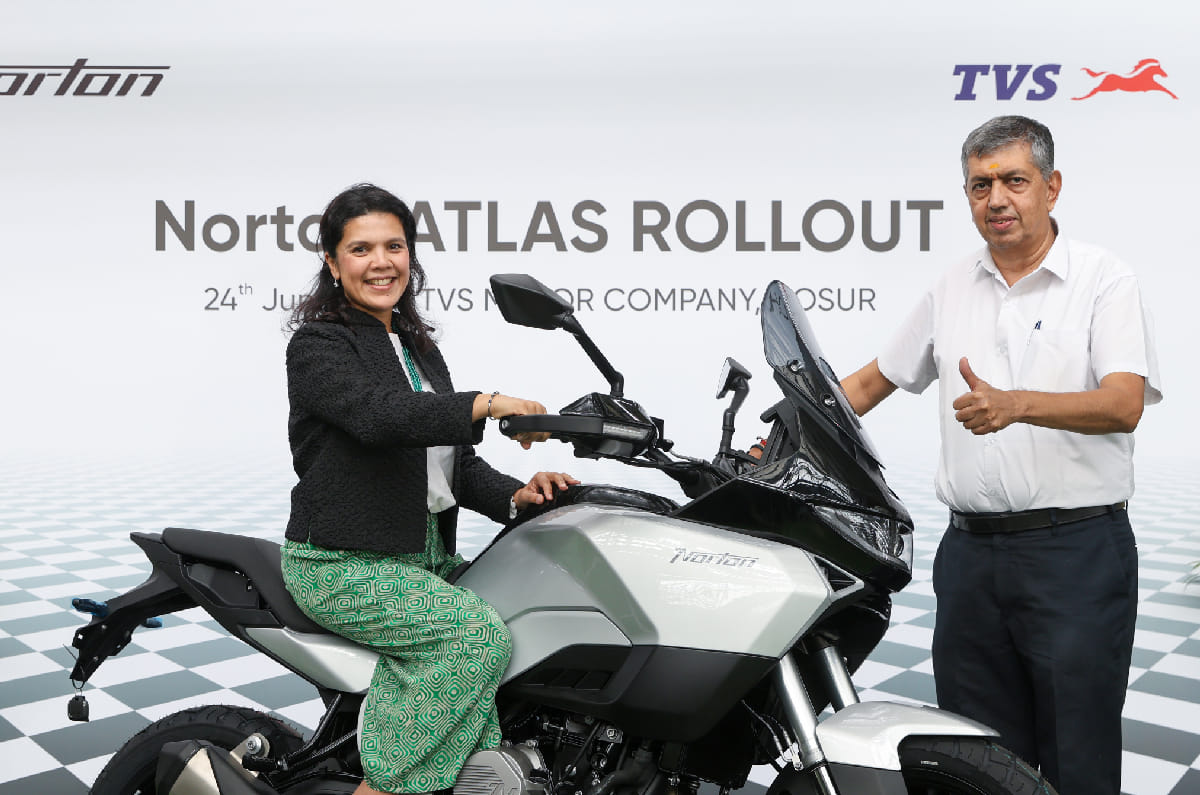
First Norton Atlas at the plant

Norton Motorcycles has marked the rollout of the first Atlas models at TVS Motor Company’s Hosur manufacturing facility ahead of the motorcycle’s global launch next month. The Atlas is set to go on sale in global markets in Q3 2026, with an India launch planned later in the year.

  1. Atlas and Atlas GT designed and engineered at Norton’s Solihull headquarters
  2. India launch expected later in 2026 through the TVS Paddock network
  3. 585cc parallel-twin produces 70hp and 57.5Nm

Norton Atlas production details

First Norton Atlas rolls off the production line at TVS Motor Company’s Hosur plant

Norton says its Solihull facility is currently operating at full capacity with production of the Manx R, making the Hosur plant the natural choice for manufacturing the Atlas. The move also reflects Norton’s operating model under TVS Motor Company ownership, with Norton responsible for the motorcycles’ design, engineering and riding character, while TVS provides the manufacturing infrastructure and supply chain support.

Commenting on the rollout, TVS Motor Company Director and CEO K. N. Radhakrishnan said the occasion brings together “British design and engineering capability with Indian manufacturing excellence.” Norton Motorcycles CEO Richard Arnold added that the Atlas name carries forward the heritage of the original 1962 model and that the company’s focus now shifts to customer deliveries over the coming months.

The Norton Atlas and Atlas GT are powered by a 585cc liquid-cooled parallel-twin, producing 70hp and 57.5Nm. Both motorcycles feature a Bosch six-axis IMU enabling lean-sensitive rider aids, five riding modes, fully adjustable KYB suspension, cornering cruise control and an 8-inch TFT display.

Norton has confirmed that the Atlas range will be launched in India later in 2026 through TVS Paddock– TVS Motor Company’s new premium retail format, which is expected to begin operations in Q2 FY27. Customer deliveries are expected to commence once the network is operational.

इकोनॉमी पर भी पड़ेगी कमजोर मानसून की मार, S&P ने कहा- घट सकती है भारत की GDP ग्रोथ

रेटिंग एजेंसी S&P Global Ratings ने कहा है कि वित्त वर्ष 2026-27 (FY27) में भारत की GDP ग्रोथ घटकर 6.6% रह सकती है। एजेंसी का मानना है कि गैस-तेल के ऊंचे दाम, कमजोर मानसून और वैश्विक अर्थव्यवस्था की सुस्ती का असर भारतीय अर्थव्यवस्था पर पड़ सकता है।

भारत की GDP ग्रोथ FY26 में 7.7% रही थी। वहीं FY25 में यह 7.1% थी। S&P का अनुमान भारतीय रिजर्व बैंक (RBI) के 6.6% के अनुमान के बराबर है। महंगाई के बढ़ते दबाव को देखते हुए S&P को उम्मीद है कि RBI इस वित्त वर्ष की दूसरी छमाही में ब्याज दरों में बढ़ोतरी कर सकता है।

क्यों घट सकती है GDP ग्रोथ?

S&P के मुताबिक, पश्चिम एशिया में तनाव के कारण एनर्जी मार्केट दबाव में हैं। इसका असर कच्चे तेल की कीमतों पर दिखा है। भारत अपनी जरूरत का करीब 88% कच्चा तेल आयात करता है। ऐसे में तेल महंगा होने से आयात बिल बढ़ता है और महंगाई के जोखिम में इजाफा होता है।

एजेंसी ने यह भी कहा कि अल नीनो के असर से मानसून कमजोर पड़ा है। 22 जून तक देश में बारिश सामान्य से 43% कम दर्ज की गई थी। कमजोर मानसून का असर खेती और ग्रामीण मांग दोनों पर पड़ सकता है।

स्थिति से निपटने के लिए सरकार ने राज्यों के लिए वैकल्पिक फसल योजनाएं तैयार की हैं। इनमें कम बारिश की स्थिति में होने वाली फसलों की सिफारिश की गई है।

महंगाई बढ़ने की आशंका

S&P का कहना है कि तेल का दाम बढ़ने से उद्योगों का खर्च बढ़ रहा है। सप्लाई चेन पर भी दबाव दिखाई दे रहा है। इसके अलावा उर्वरक (Fertiliser) महंगे होने से खेती की लागत बढ़ सकती है। यह फैक्टर खाद्य उत्पादन और खाद्य कीमतों दोनों पर असर डाल सकता है।

एजेंसी का अनुमान है कि चालू वित्त वर्ष में भारत की रिटेल इंफ्लेशन बढ़कर 5.1% तक पहुंच सकती है। तीसरी तिमाही में महंगाई 0.5 से 0.6 प्रतिशत अंक तक ज्यादा रह सकती है।

S&P के मुताबिक, कंपनियां तेल के बढ़े दाम का बोझ ग्राहकों पर डाल सकती हैं। हाल में पेट्रोल, डीजल और रसोई गैस की कीमतों में बढ़ोतरी भी महंगाई बढ़ाएगी।

एशिया-प्रशांत क्षेत्र पर क्या कहा?

अपनी रिपोर्ट ‘Economic Outlook Asia-Pacific Q3 2026: AI-Exposed Markets To Outperform’ में S&P ने कहा कि एशिया-प्रशांत क्षेत्र की तस्वीर तीन बड़े फैक्टर से तय होगी। इनमें वैश्विक आर्थिक गतिविधियों की मजबूती, कच्चे तेल का दबाव और AI बेस्ड टेक्नोलॉजी एक्सपोर्ट में तेजी शामिल है।

एजेंसी का कहना है कि फिलहाल भारत समेत पूरे क्षेत्र पर कच्चे तेल की लागत और महंगाई का दबाव बना हुआ है। इसका असर आर्थिक विकास पर पड़ सकता है।

अभी महंगे नहीं होंगे होम लोन और कार लोन, RBI गवर्नर ने इंटरेस्ट रेट में वृद्धि से किया इनकार

New Hero MotoCorp commuter motorcycle design patented

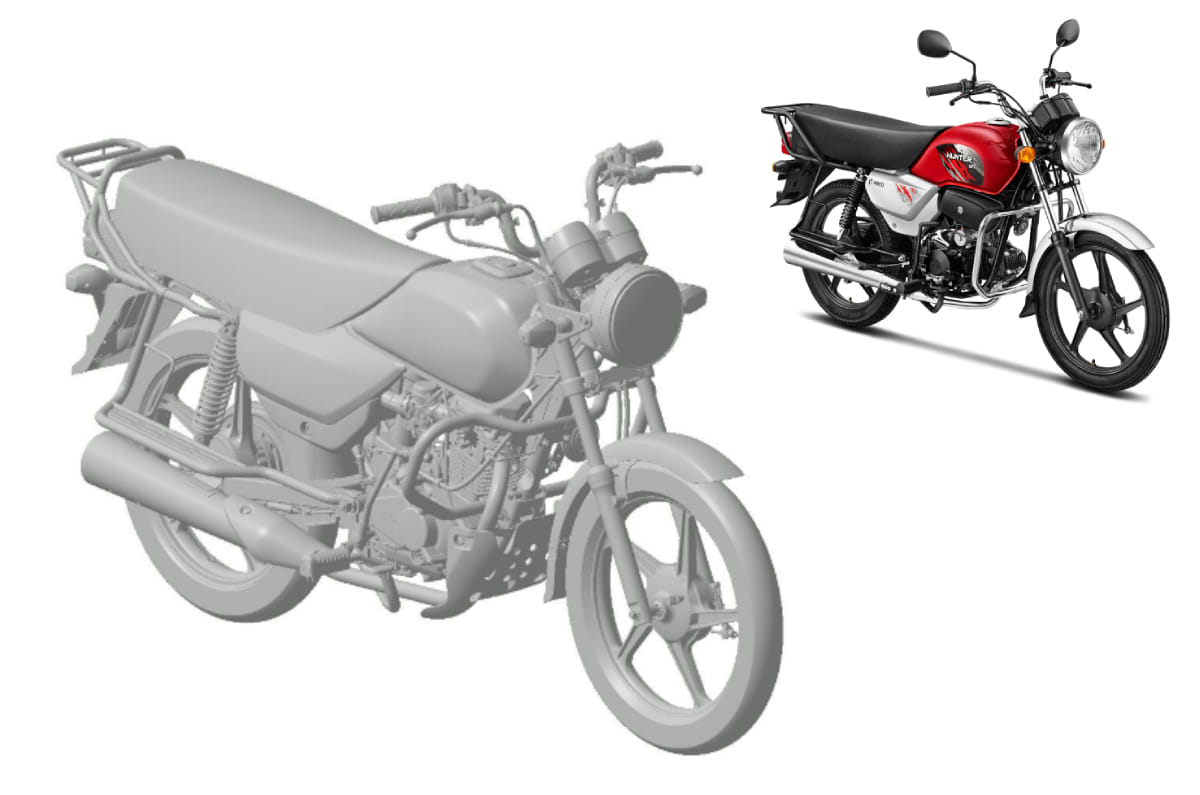
Hero commuter design patent image next to a studio image of the Hunter 125

Hero MotoCorp has filed a design patent in India for a new commuter motorcycle, and a closer look at the patent drawings reveals several interesting details about what the company could be working on. The design bears a strong resemblance to the Hero Hunter 125 currently on sale in select African markets, including Nigeria, but there are enough differences in the engine layout and styling details to suggest this isn’t a straightforward import of that model. 

  1. Design patent filed in India
  2. Closely resembles the Africa-market Hero Hunter 125 in overall silhouette
  3. Engine layout and instrument cluster differ from the Hunter 125

Hero new commuter patent: What the design reveals

The engine layout is different compared to the existing Hunter 125

The overall silhouette and proportions of the patented design are closely aligned with the Hunter 125 sold in Nigeria – a commuter built around a 124.7cc air-cooled single-cylinder engine housed in a simple double-cradle tubular frame. The bike runs on 17-inch alloy wheels and features a flat, boxy single seat. Like Hero’s commuter motorcycles in our market, the Hunter appears to be positioned as a no-nonsense workhorse, reflected in its tagline, “Any load, any road”.

That said, the engine configuration shown in the patent appears to differ from the one used on the existing Hunter 125, which features a slanted ‘sloper’ engine similar to those found in the Splendor, Passion, and HF Deluxe sold in India. The new engine shown in the design patent features a more conventional, upright layout.

The instrument cluster is also a notable detail. Rather than the single-pod console seen on the Hunter 125, the cluster on the patented design appears to be a twin-pod unit similar to the one Hero uses on the Hunter 100 ES in its African line-up.

Taken together, these details suggest this could be a new 125cc commuter intended for the Indian market, drawing styling inspiration from the Hunter family while being built around an updated mechanical package. Whether Hero intends to position this as an addition to an existing line-up here or as an entirely new nameplate remains to be seen. The manufacturer has not made any official announcement regarding this patent, and we will update this story as more information becomes available.