It has been just over ten years since Hero inaugurated its sprawling CIT (Centre of Innovation and Technology) in Jaipur. The intention behind this massive, world-class tech centre was to encourage innovation and engineering – the results of which would be most evident in premium vehicles. Having conquered the mass-market segment for decades, premium two wheelers were obviously the next big step for Hero, not just in India, but for its global aspirations as well. However, as of mid 2026, the company’s premium push has been underwhelming at best.
This is not for want of good motorcycles. In the last few years, Hero has come out with some very impressive products, particularly the Xpulse 210 and the Xtreme 250 that we rode this month. Yes, there are some rough edges to these motorcycles when it comes to those last few degrees of finesse and quality; however, they are solidly engineered, and you can tell that they have been made by a team of proper motorcycle enthusiasts.
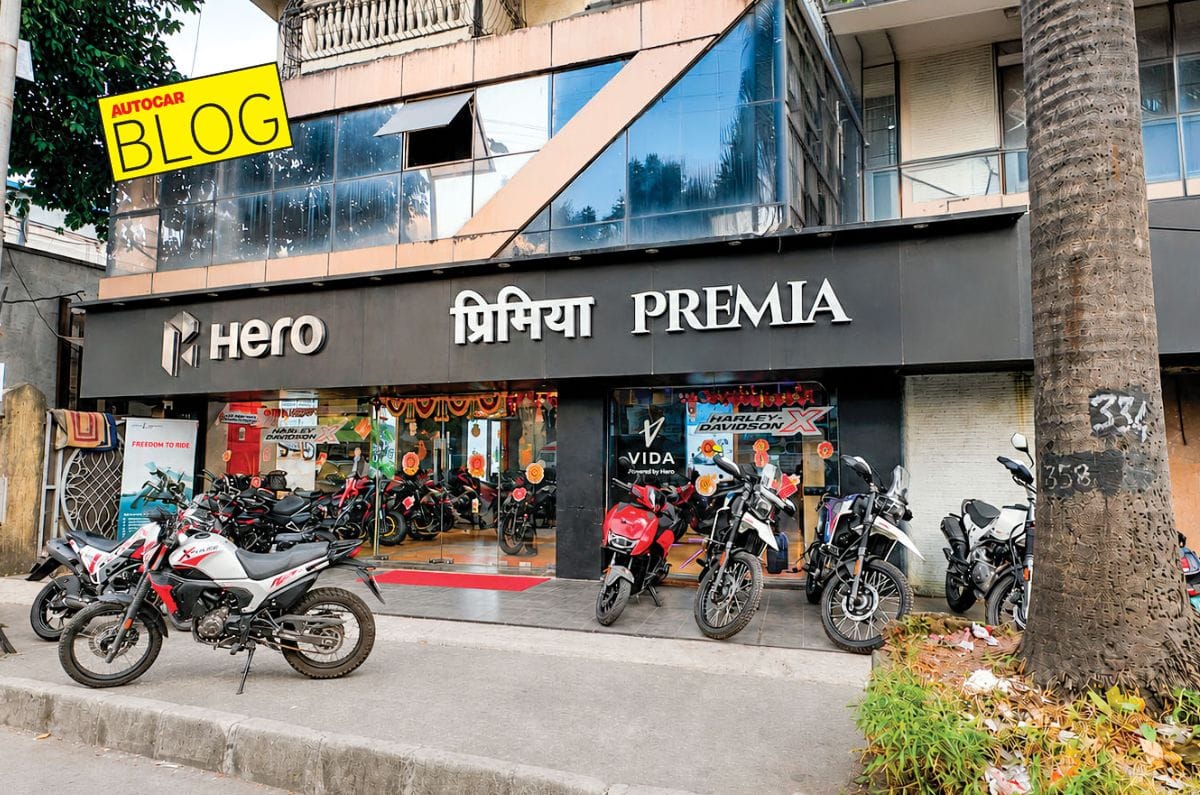
The problem is not the motorcycles themselves, but how they are being sold. Or rather, how they aren’t. Hero’s first Premia dealership opened three years ago, but to date, there are just 135 of these across the country. For India’s largest two-wheeler manufacturer, that’s a miniscule number, especially when the most affordable Premia-exclusive product, the Xoom 160, starts from just Rs 1.39 lakh. For some reference, Triumph, whose products are considerably more expensive, already has over 200 dealers in India.
The far bigger problem, though, is product availability. The aforementioned Xoom 160 was officially launched in January 2025, but we only got to ride it in September 2025, and customer deliveries were minimal till the end of the year. Even today, some dealers quote long waiting periods. The same goes for the Xtreme 250 – it was launched in January 2025, but Hero wasn’t able to send review units to the media until June 2026.
It also doesn’t help that Hero regularly shows off exciting new, seemingly production-ready products at motor shows, but then doesn’t launch them for as much as two years in some cases. The fact that the company discontinued its most premium bike ever, the Mavrick 440, less than 18 months after it was launched, also wasn’t a good look.
None of this inspires confidence in Hero’s premium products, and that’s a pity because they are genuinely likeable. Beyond that, Hero also offers some of the most aggressive pricing in the business, evident in how the Xtreme 250 costs a whopping Rs 48,000 less than the KTM 250 Duke. Customers should be lapping these bikes up, but that’s simply not happening at the moment. A prime example is how a friend of ours couldn’t even get an Xtreme 250 test ride from a Premia dealer in Mumbai this April (15 months after it was launched!), so he ended up buying the KTM instead.
This is surely not a case of inability, and it appears that Hero’s premium business is simply not being treated as a priority. In 2025, the GST rate cut helped Hero to further increase its lead in commuter sales, and it successfully fended off Honda’s push for number 1 in the Indian market. Hopefully, the company will now give its premium business the attention and focus that it deserves.
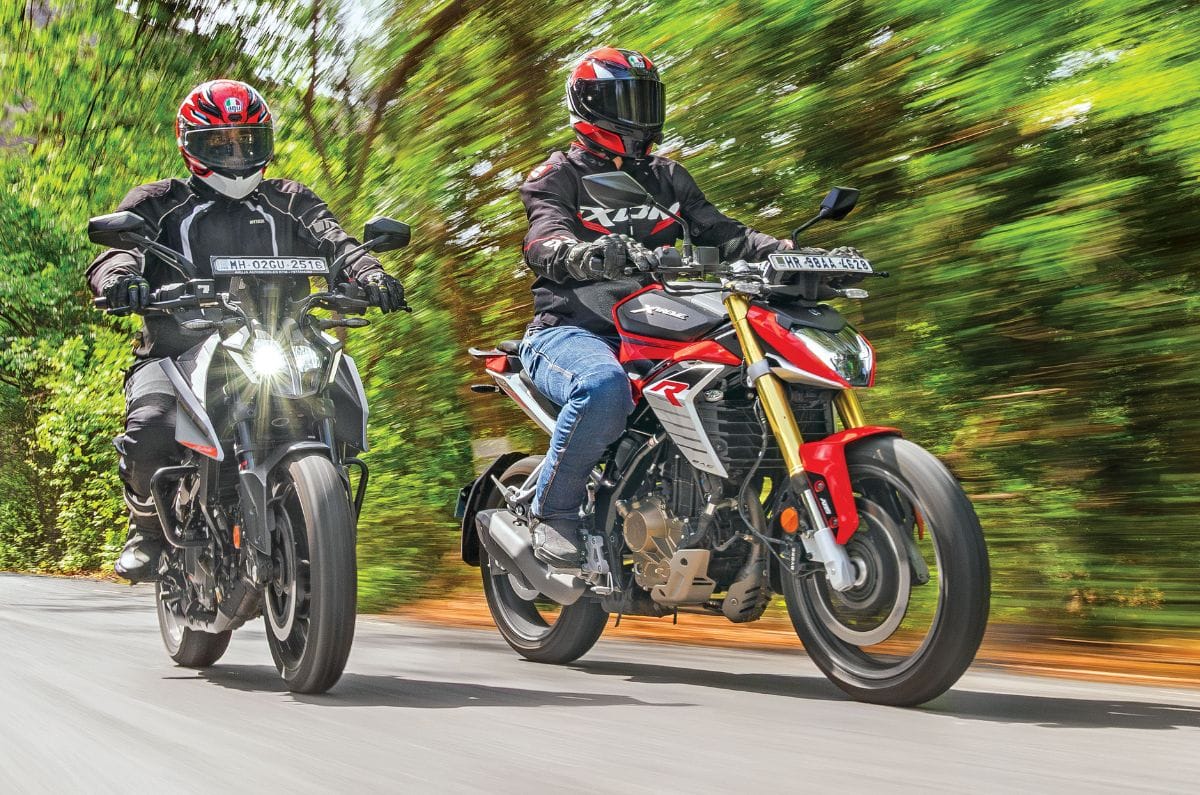
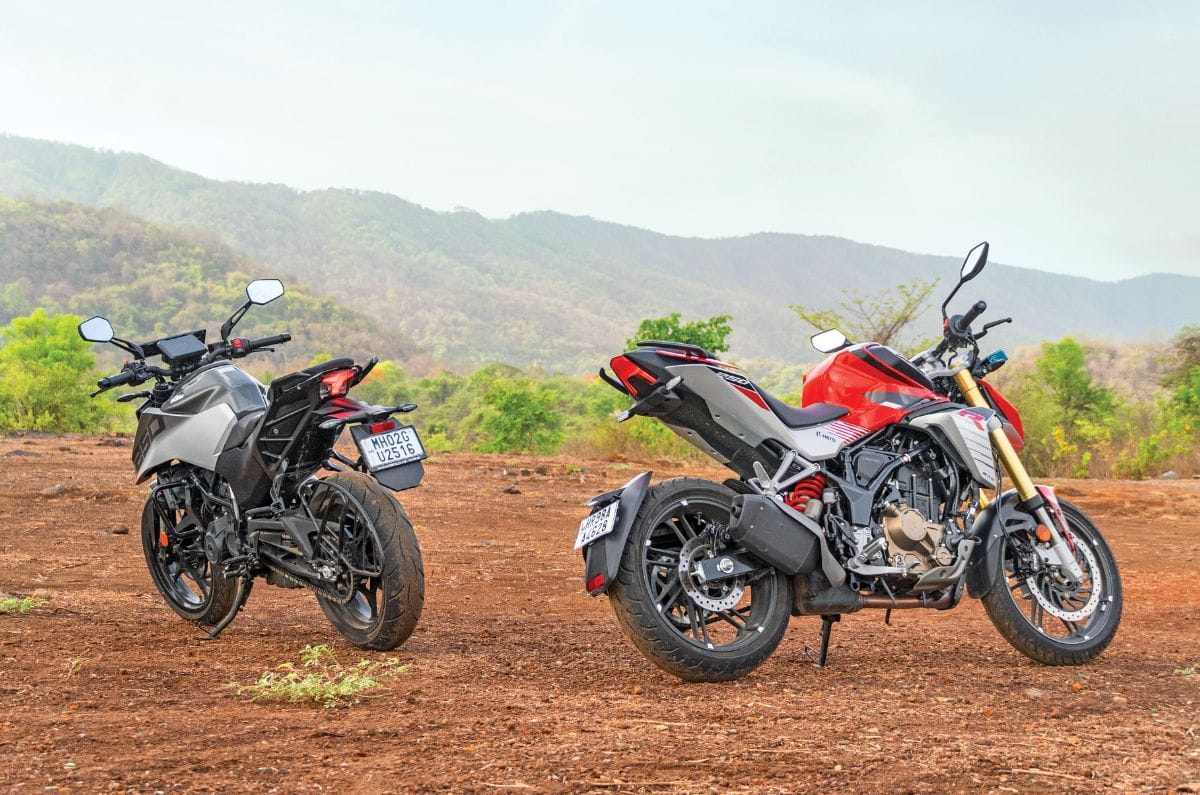
Until recently, if you wanted a sporty 250cc motorcycle with a liquid-cooled engine, the KTM 250 Duke was your only option. However, Hero decided to enter this niche of the market in early 2025 with its Xtreme 250R. Before we begin, you may be wondering why this comparison is being made 18 months after the Xtreme was launched. That’s because Hero has only just now managed to send it out for proper reviews, but we’ll revisit this issue later on. Now, on with the show!
Hero Xtreme 250R vs KTM 250 Duke design and features
The way a bike looks is one of the most compelling reasons to buy it, and in that regard, both the Xtreme and Duke have angular, sporty designs that will stand out, but I prefer the Xtreme’s aesthetic. It is well-proportioned and looks upmarket without trying too hard. The Duke, with its garish headlight, overly long tank shrouds and mishmash of angular surfaces, feels too busy.
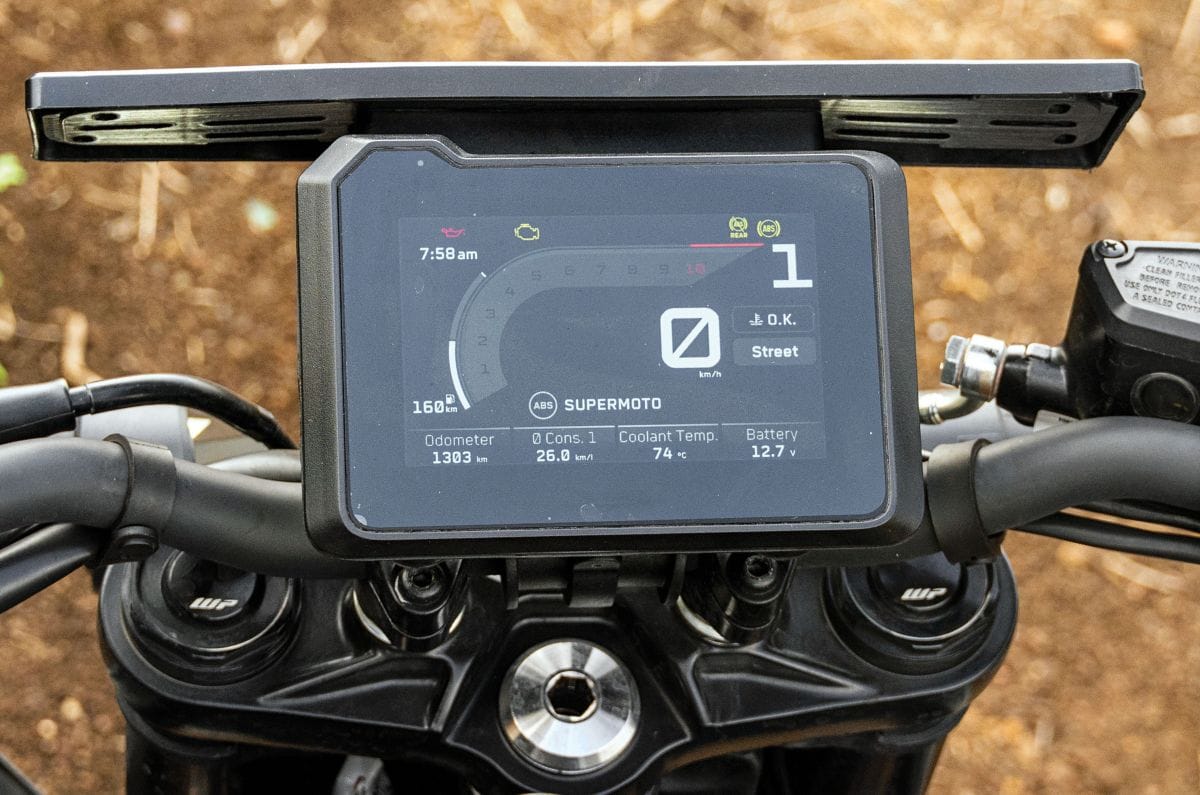
Duke’s TFT is slick to use, feels nice.
However, when it comes to features, the Duke has the Xtreme thoroughly spanked. The KTM has unique features like a bright and well-laid-out colour TFT display, a lovely bi-directional quickshifter, as well as two riding modes. Its overall quality levels are also far nicer than the Hero’s, making it feel like the more expensive bike.
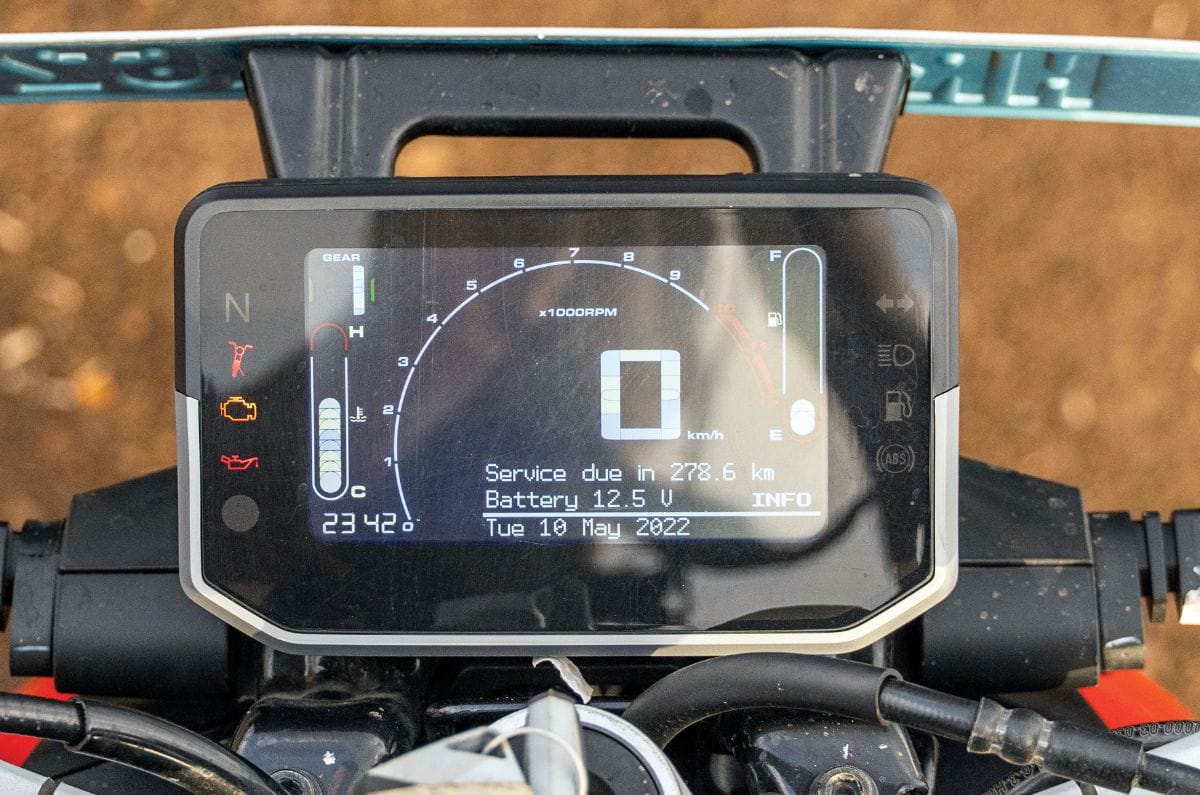
LCD screen is not bright enough, and smaller digits are hard to see.
In comparison, the Xtreme definitely feels like a step down. Its small negative LCD dash isn’t bright enough, with the smaller digits particularly hard to read. While the bodywork is of a fairly decent quality, its switchgear is quite disappointing, and you never get the crisp feel of having pressed a tactile, good-quality button.
Hero Xtreme 250R vs KTM 250 Duke performance and fuel efficiency
Now, everything I’ve told you about so far has probably not surprised you. But what I am about to tell you will. Everyone who rode the bikes back-to-back thought that the Xtreme was quicker than the Duke. Our VBox tests corroborated those impressions, and the Xtreme was noticeably quicker than the Duke not just during standing starts, but also in roll-on acceleration runs.
ACCELERATION
Hero Xtreme 250R
KTM 250 Duke
0-60kph
3.15s
3.44s
0-80kph
5.2s
5.50s
0-100kph
8.22s
8.50s
ROLL-ON ACCELERATION
20-50kph (2nd gear)
2.33s
2.62s
30-70kph (3rd gear)
4.20s
4.68s
50-80kph (4th gear)
4.41s
5.16s
What makes the difference is that the Duke feels quite mellow under 6,000rpm, whereas the Xtreme’s added mid-range punch is immediately apparent. On the Duke, you have to work noticeably harder to extract the maximum, although once it wakes up, it’s a real hoot!
Hero Xtreme 250R
KTM 250 Duke
Fuel capacity
11.5 litres
15 litres
The cherry on top is that the Xtreme’s higher performance doesn’t really come at the cost of fuel economy. Both bikes were very closely matched, although the Duke’s tank is much larger than the Xtreme’s, so it will go much further on a single tankful.
FUEL EFFICIENCY
Hero Xtreme 250R
KTM 250 Duke
City
32.84kpl
34.14kpl
Highway
39.21kpl
39.66kpl
Hero Xtreme 250R vs KTM 250 Duke ride and handling
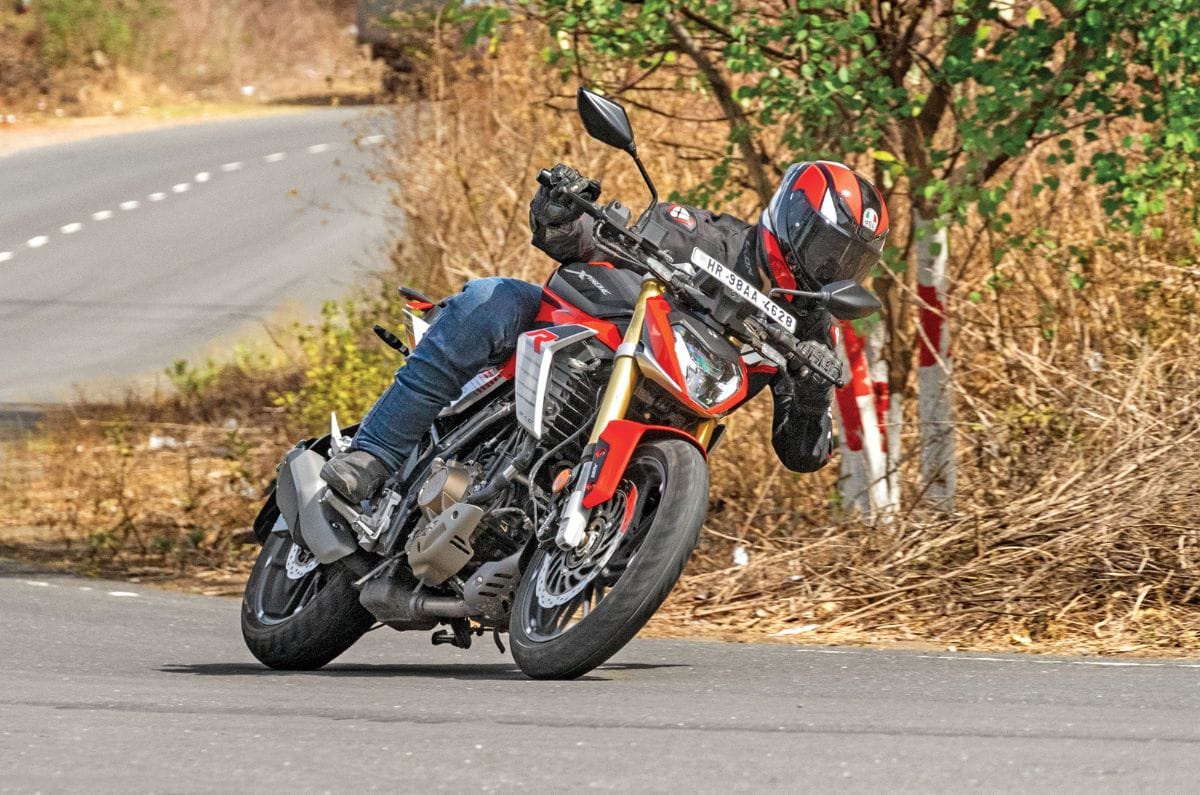
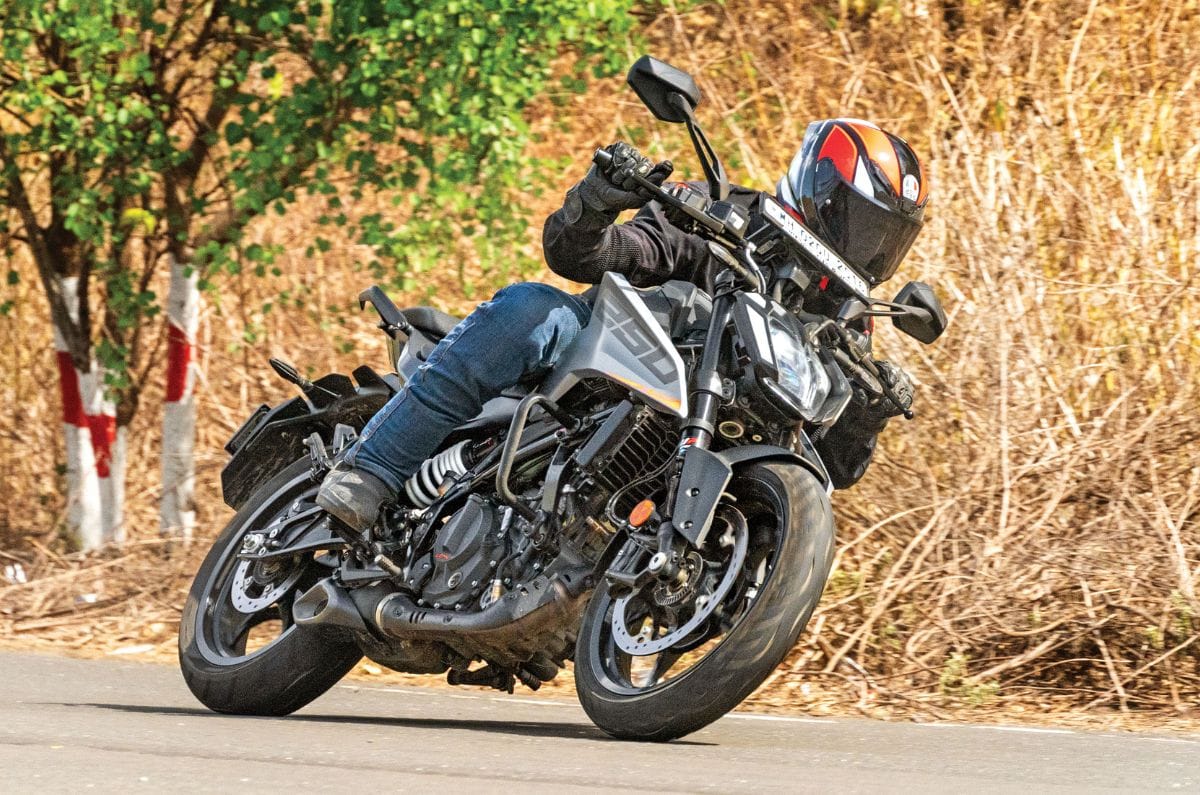
The Xtreme is also an engaging handler, feeling responsive and set up like a premium sporty motorcycle. But if the Xtreme’s handling is good, the Duke’s is great! The Duke’s chassis feels wonderfully intuitive, and it feels like this bike was born to attack corners. Its suspension and brakes also have that extra edge when you’re pushing hard, which makes all the difference.
The XTreme tips in eagerly and holds the line well once leaned over.
Speaking of brakes, the Xtreme’s rear brake pedal seems like it’s placed a little too low down, and you really need to move your foot downwards a little more than necessary to use it. Another area of the Xtreme’s mechanicals we didn’t really gel with was that there’s very little feedback from the gearbox when shifting. Some of us also experienced false neutrals occasionally on the Xtreme, particularly when shifting from fourth to fifth. None of these are big problems, but they do expose some of its rough edges.
The Duke is a telepathic handler and keeps egging you on to push harder!
Both can easily venture onto the highway, and sustaining 100-110kph is entirely doable as long as you don’t mind some vibrations. In fact, the Xtreme’s engine feels smoother than the Duke’s at most speeds, although neither is entirely so. What we found was that the KTM is a tiny bit smoother till 6,000rpm, but above that, it’s the Hero that has the edge.
Hero Xtreme 250R
KTM 250 Duke
Engine
249cc, single-cyl, liquid-cooled
249cc, single-cyl, liquid-cooled
Power
30hp at 9,250rpm
31hp at 9,250rpm
Torque
25Nm at 7,250rpm
25Nm at 7,250rpm
Gearbox
6-speed
6-speed
This means that in top gear, the 250 Duke’s sweet spot is around 100-110kph, but the Xtreme can sustain 120kph pretty reasonably – very impressive, especially when you consider its displacement.
BRAKING
Hero Xtreme 250R
KTM 250 Duke
60-0kph
17.54m
17.32m
Hero Xtreme 250R vs KTM 250 Duke ergonomics and comfort
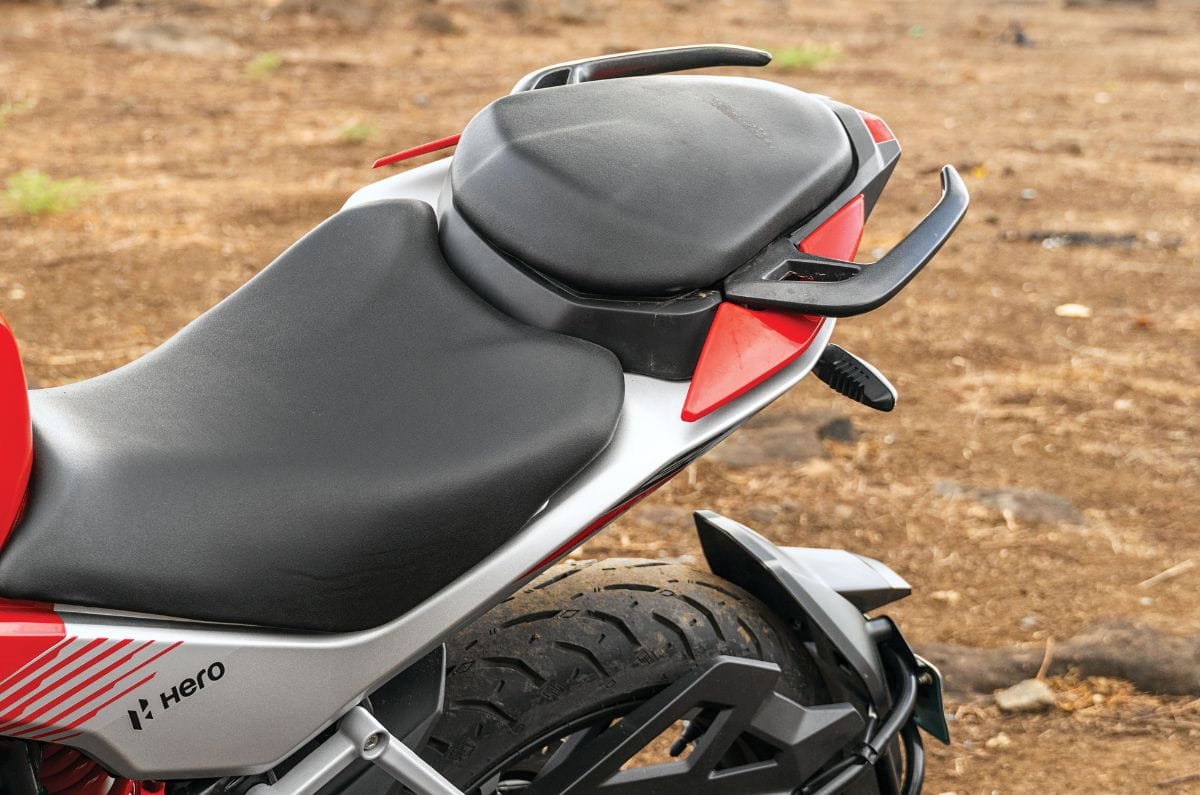
Riding for longer distances, too, will be more comfortable on the Xtreme. This is thanks to its spacious, well-padded seats and roomier seat-to-footpeg angle. At 806mm, its perch is also not very high, and average-sized people will be able to live with it easily. What is an annoyance, though, is that its footpegs foul the rider’s shin when you’re at a standstill.
Xtreme’s seats are cushy and spacious.
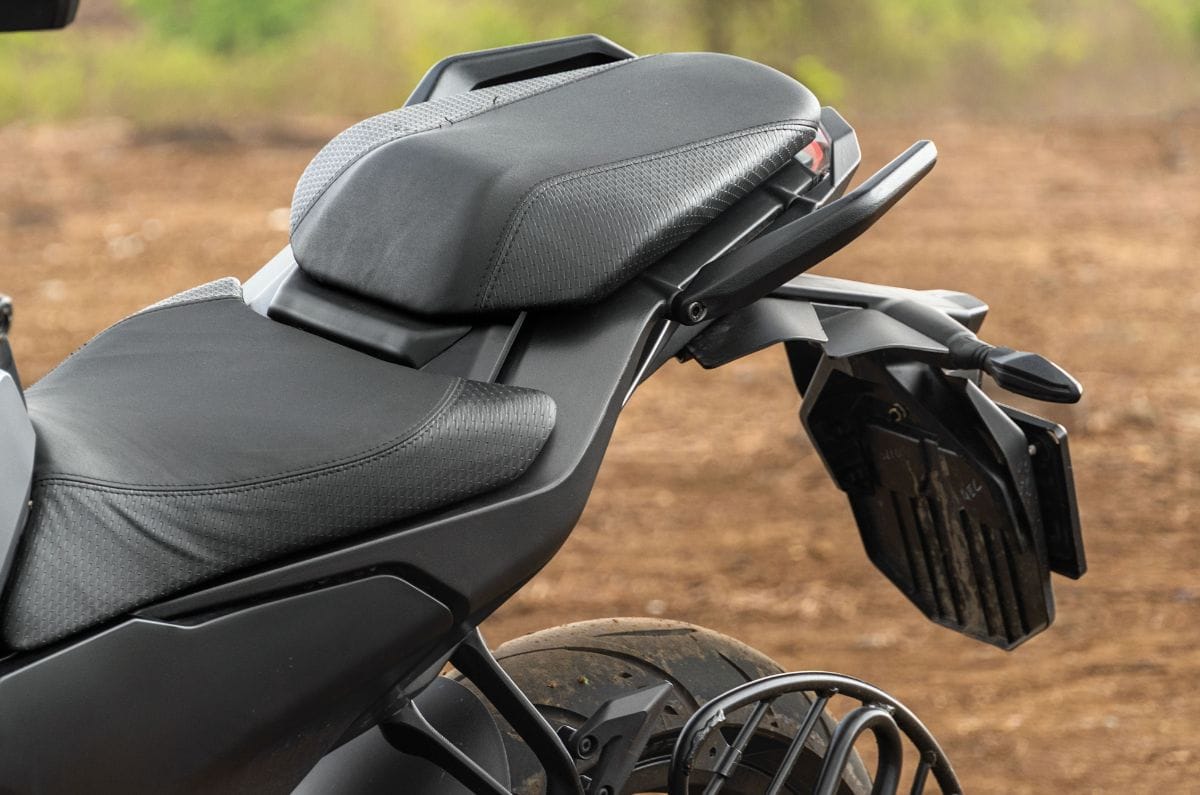
Since the 250 Duke is based on the same platform as the 390, it is a compact machine, and taller riders will feel hemmed in once seated. Also because the seat-to-footpeg distance is quite tight. You can alleviate this by opting for the accessory taller seat (Rs 2,500 extra), but that doesn’t entirely solve the problem, and this bike simply isn’t as comfy as the Hero.
KTM’s seats are firm, lack space.
That’s also because the Duke’s suspension feels decidedly firmer than the Xtreme’s, and over bad roads, we all preferred being on the latter. This is even more impressive because the Xtreme still behaves very well in the twisties.
Hero Xtreme 250R vs KTM 250 Duke price and verdict
By now, we’ve established that both have their unique strengths and weaknesses, but price is where one has a massive advantage. Hero has priced the Xtreme very competitively, and it undercuts the Duke by almost Rs 50,000. It is, without question, the faster, more comfortable and more affordable machine, while the KTM is a more polished, sporty and feature-laden package. The Xtreme’s warranty coverage is also better than the KTM’s as standard. So then, it’s a win for the Xtreme, right? Well, not exactly.
Hero Xtreme 250R
KTM 250 Duke
PRICE (Ex-showroom, Delhi)
Rs 1.73 lakh
Rs 2.21 lakh
Remember how I said at the start that the Xtreme has come to us a year and a half after launch? That’s because Hero’s strategy with its Premia products and dealer network is seemingly still a work in progress, and availability is still a concern, both for the bikes and for spares.
The Premia dealer network is still small (135 stores in 130 cities), especially in comparison to KTM’s widespread reach (456 showrooms in total) in the country. You also have to contend with the fact that the Xtreme is a very new product with unproven reliability. In fact, it’s not just the Xtreme, and these concerns currently apply to most Hero Premia products.
Not only is the Duke a more sophisticated and appealing machine, it comes from a far more established and premium brand. It also has the better finish and features, up-spec cycle parts and beautiful handling. Moreover, it also brings the peace of mind of having great service reach and spare parts availability. It also carries a more premium and recognisable badge, although that KTM identity is a double-edged sword.
While the Xtreme is a fantastic first attempt, we can only confidently vouch for it once Hero improves the image and speed of its premium bike business. Until then, the KTM 250 Duke remains the safer buy.
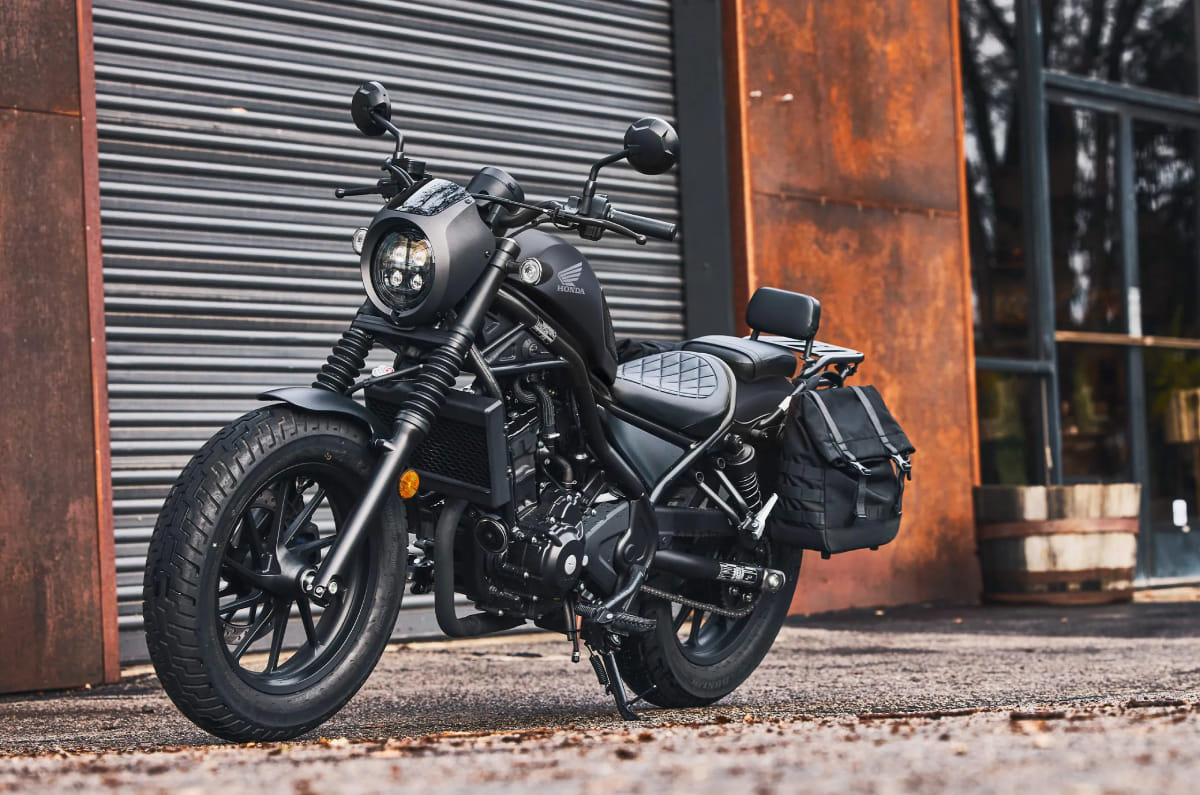
Honda Motorcycle & Scooter India (HMSI) is sharpening its focus on premium scooters and mid-capacity motorcycles. The strategy marks a significant evolution for Honda, whose India business has long been anchored by high-volume commuter products such as the Activa scooter and Shine motorcycle.
More premium products incoming
Localisation will be key to affordability
The company says this has been done to retain younger buyers whose purchasing decisions are increasingly driven by design, technology and global products rather than just affordability. “Today’s customers, especially Gen Z and Gen Alpha, expect easy access to information through their smartphones and the internet,” HMSI president and CEO Tsutsumu Otani told Autocar Professional in an interview.
“Customers today don’t just compare models available in India; they also explore products offered in Asia, Europe and the United States,” he added.
Otani also said that Honda’s objective is no longer confined to winning first-time buyers but also to ensuring customers continue to remain within the brand as their aspirations evolve.
“The most important thing is not just market share. The key question is how we can increase loyal Honda customers,” he said. “Selling a vehicle is a one-time transaction. If customers do not choose Honda again when they purchase their next vehicle, that is not a good outcome for us.”
Industry analysts say the shift comes as India’s two-wheeler market becomes increasingly segmented, with premium motorcycles, feature-rich scooters and electric two-wheelers emerging as the fastest-growing parts of the industry.
Honda plans to draw more extensively from its global portfolio while increasing localisation to make premium products commercially viable for India.
“For our premium and step-up models, HMSI intends to leverage Honda’s global portfolio. We are also preparing new models based on Honda’s global portfolio,” Otani said.
He added that localisation would remain central before introducing any global model in India, both to improve affordability and strengthen domestic manufacturing.
While Otani declined to identify future products, Autocar Professional understands Honda is developing several new programmes covering 125cc and 150cc motorcycles, scooters, electric scooters, and 350cc and 500cc motorcycles. Although individual products and launch schedules remain undisclosed, the pipeline is consistent with the company’s strategy of building a broader premium portfolio while retaining customers within the Honda brand.
Honda is also giving India a larger role in product development as it seeks to shorten development cycles and improve localisation.
“‘Made in India’ means the supply chain exists in India. So, we have already changed our R&D process as well,” Otani said.
Asked whether Honda was now ready to design and develop products specifically for India, he replied, “Yes.”
The company’s strategy extends beyond internal-combustion products. Honda currently has a limited presence in India’s electric two-wheeler market but plans to expand its EV portfolio as adoption accelerates.
Otani said the company remained cautious about the pace of electrification because charging infrastructure and customer usage patterns were still evolving.
“Our first priority is to closely monitor the EV market in India and understand how it is developing,” he said.
At the same time, Honda sees growing opportunities in premium scooters as buyers seek larger engines, more features and stronger styling without sacrificing everyday practicality.
Otani said the challenge would be to localise advanced components and powertrains sufficiently to offer premium products at prices acceptable to Indian consumers.
The broader strategy reflects Honda’s attempt to reposition itself for a market where younger buyers increasingly expect global products adapted for local conditions rather than stripped-down versions developed solely for affordability.
For Honda, the next phase of growth may depend less on expanding its share of commuter motorcycles and scooters and more on building a complete portfolio that keeps customers within the brand as they move into premium motorcycles, larger scooters and electric mobility.
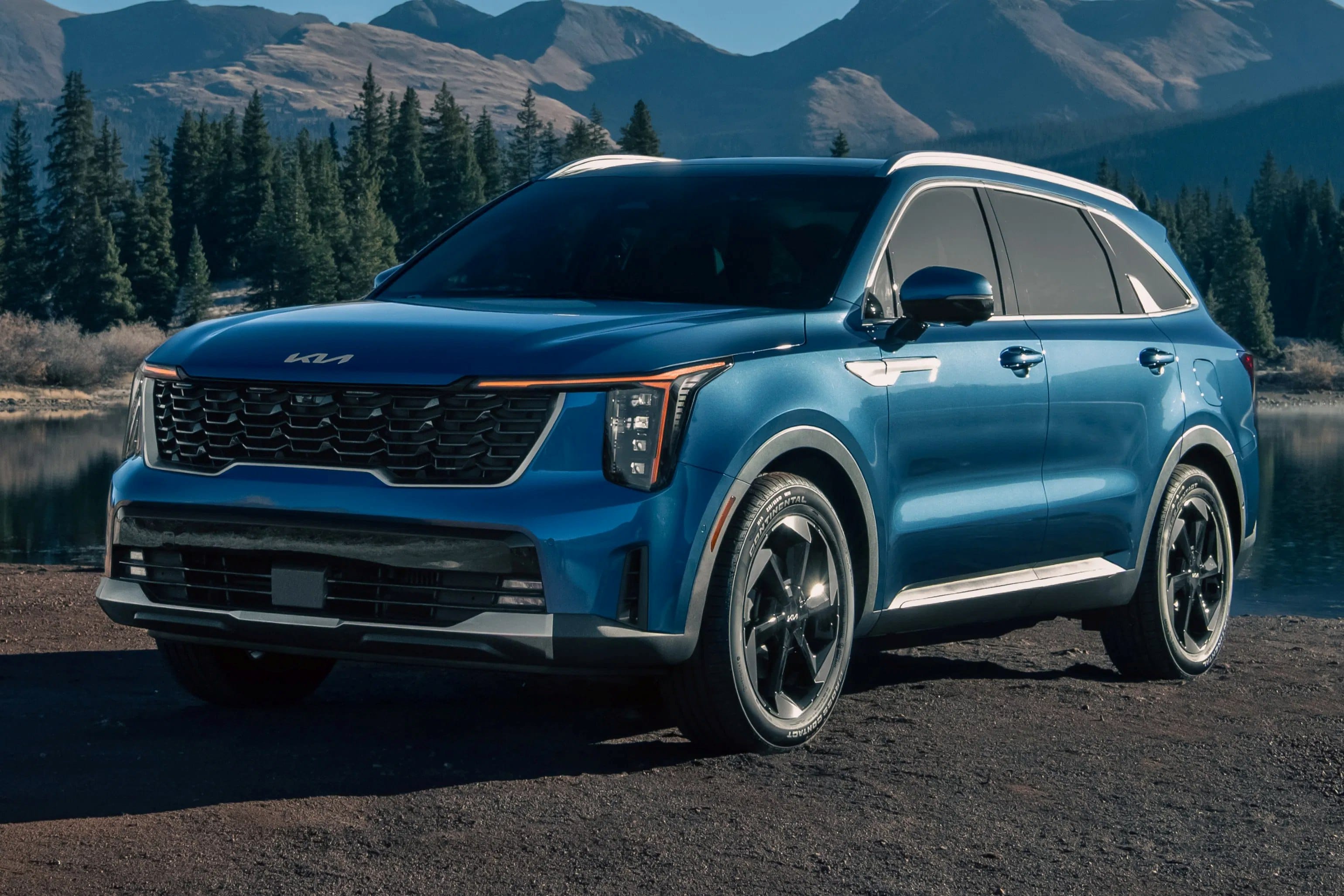
Kia has unofficially commenced pre-bookings for the Sorento for an amount of Rs 25,000, our dealer sources have confirmed. The new model will serve as the flagship ICE-powered SUV of Kia India’s lineup. While the Sorento is expected to debut later this month, our dealer sources have hinted at an October 2026 launch.
Kia Sorento: All that we know so far
Our dealer sources stated that a 1.6-litre strong-hybrid turbo-petrol engine would power the Sorento. While power figures remain under wraps, the UK-spec Sorento, for reference, gets a 1.6-litre strong-hybrid turbo-petrol engine that produces a combined 238hp and 380Nm of torque, and comes mated to a 6-speed torque converter automatic transmission. Depending on the market, the Sorento is offered in FWD or AWD configurations, and it remains to be seen what is brought to India.
Additionally, dealers mentioned that the SUV would offer 5,6, and 7-seater configurations. If that’s the case, it would be the segment’s only model to offer three seating configurations.
Kia Sorento: Additional details
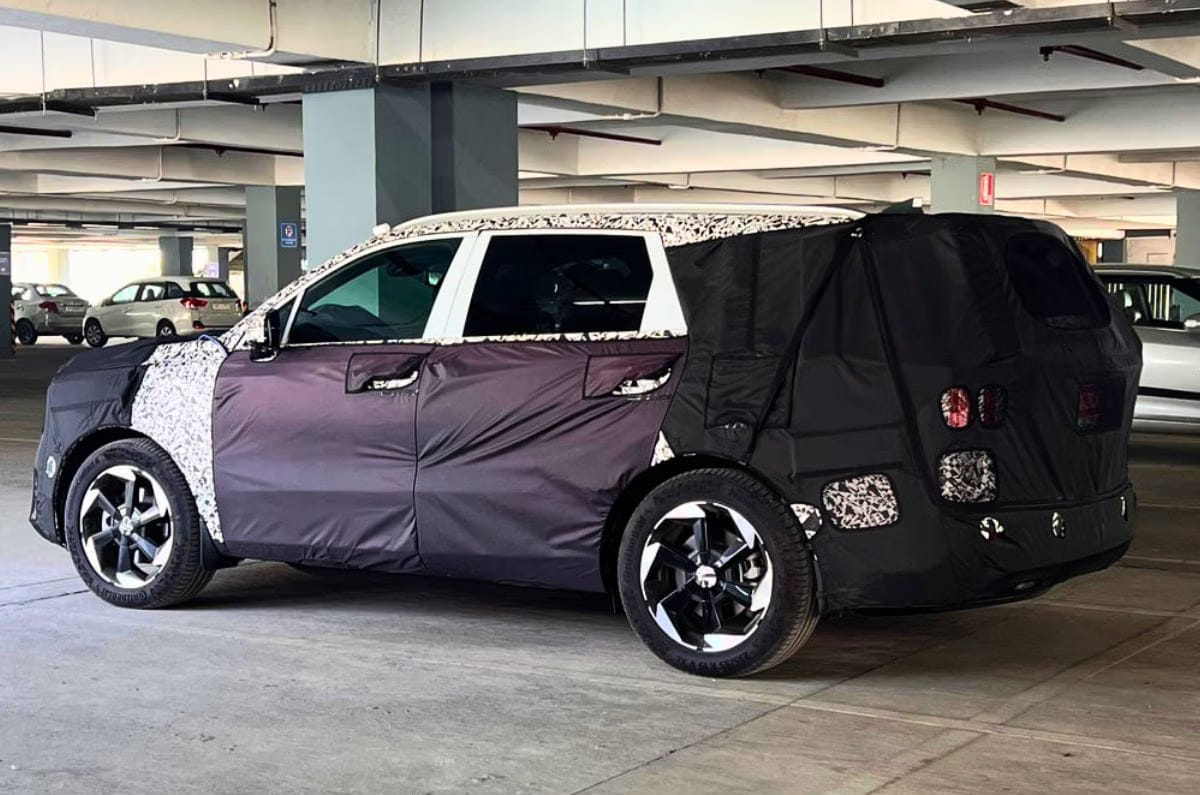
The SUV was first spied on our roads in late 2025.
The global-spec Sorento is 4,815mm long, 1,900mm wide, 1,700mm tall and gets a 2,815mm wheelbase. Being a slightly older model, it does not get the carmaker’s latest ‘Opposite Unite’ design language, though it retains typical Kia design details like the ‘Tiger nose’ inspired grille, and gets roof rails, chrome surrounds for the side windows and dual-tone 19-inch alloy wheels. Heavily camouflaged mules of the SUV have been spied testing previously on our roads. Its interior comes well equipped with features like dual 12.3-inch displays for the instrument and infotainment displays, panoramic sunroof, front seat ventilation, powered driver seat level 2 ADAS, 360-degree camera and more.
The Sorento will be locally assembled in India. With an expected ex-showroom price of Rs 40 lakh to Rs 50 lakh, it will take on the likes of the Skoda Kodiaq and the Volkswagen Tyron.
Early last year, Nissan exited its manufacturing joint venture with Renault and has since launched two Renault based models – the Gravite, a sister car to the Triber and the Tekton, its version of the Duster. Thus, Nissan’s locally built portfolio comprises entirely of shared platform products. That however does not need to be the case.
When asked about the possibility of building Nissan platform-based vehicles at the Renault plant, Guillaume Cartier Chief Performance Officer at Nissan confirmed the possibility and said “yes we can have a car on a Nissan platform manufactured at RNAIPL”
Reserved Production Capacity
Towards that end, Nissan has already a production capacity reservation with Renault. The plants total current output too is far from its total capacity, thus, room for additional products is available. Nissan also has its own engineering team at the R&D facility it partners with Renault, which it says is capable of undertaking its own product development work as well as independent model lifecycle management too. Thus, lifecycle management for products like the Tekton for instance can run distinct from Renault’s plans says Nissan.
As for independent products, we had reported earlier that Nissan is exploring the possibility of building its newly unveiled Nissan Terrano SUV in India. Built along with Nissan’s Chinese partners Dongfeng, the new platform provides for various body types as well as powertrain options and these products form a good fit for our market which demands low prices, plenty of equipment and frequent updates.
Additional Investment
While shared platforms make sense for both partners, it is important for Nissan to have a strategy not tied in completely to Renault, both for its brand identity as well as strategic reasons. For instance, we understand the Tekton is currently not be offered with Renault’s upcoming strong-hybrid powertrain as sources indicate Renault wishes to keep the 1.8-litre hybrid system exclusive and use it as a competitive advantage in an increasingly crowded midsize SUV space.
Theoretically, Nissan could work around this with its own technologies. “Our product plans can be built along with our partner, or with our own platform, or technologies too” says Cartier, however it comes down to investments required. We understand the €700 million investment is already spoken for, thus further product plans would require additional investments, something that Nissan will have to stump up if it’s wants success here. Nissan says though, it is very keen on the Indian market with Cartier stressing again that its plans are long term and which is why it has secured its local production capacity, retained its engineering as well as financial arm in India and expanded its network.
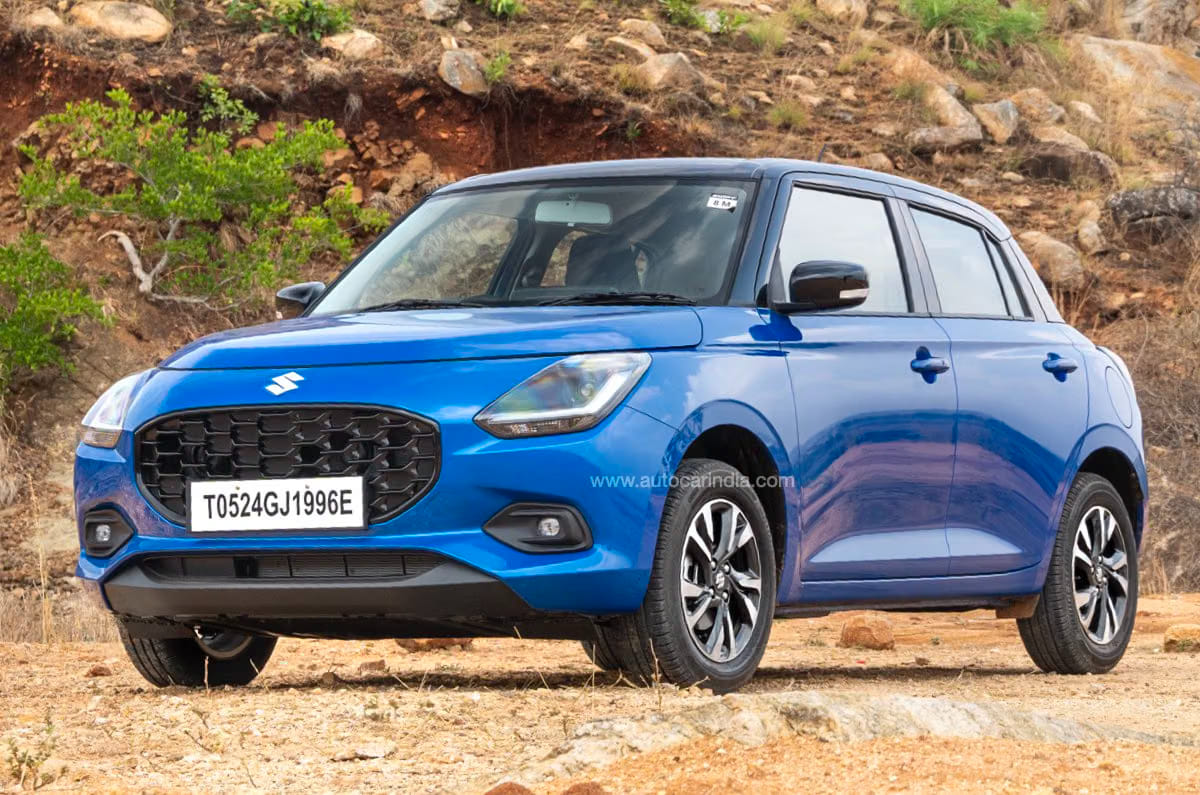
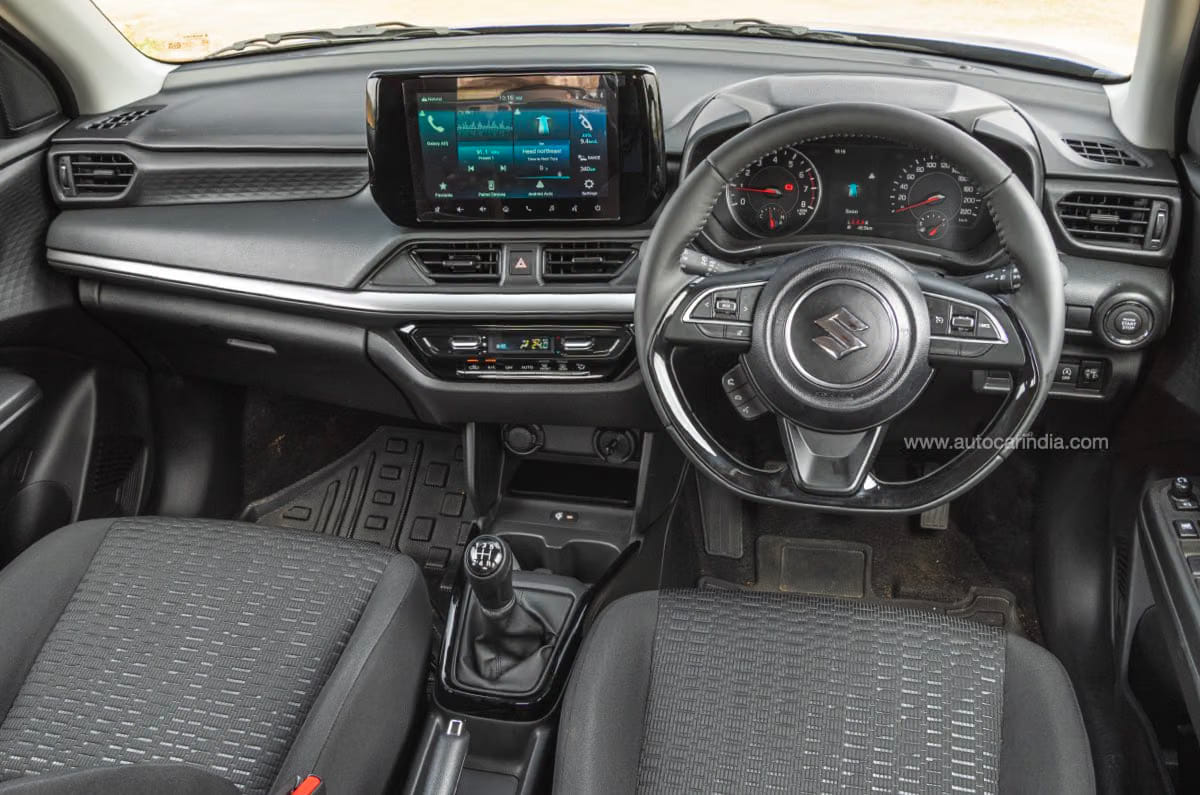
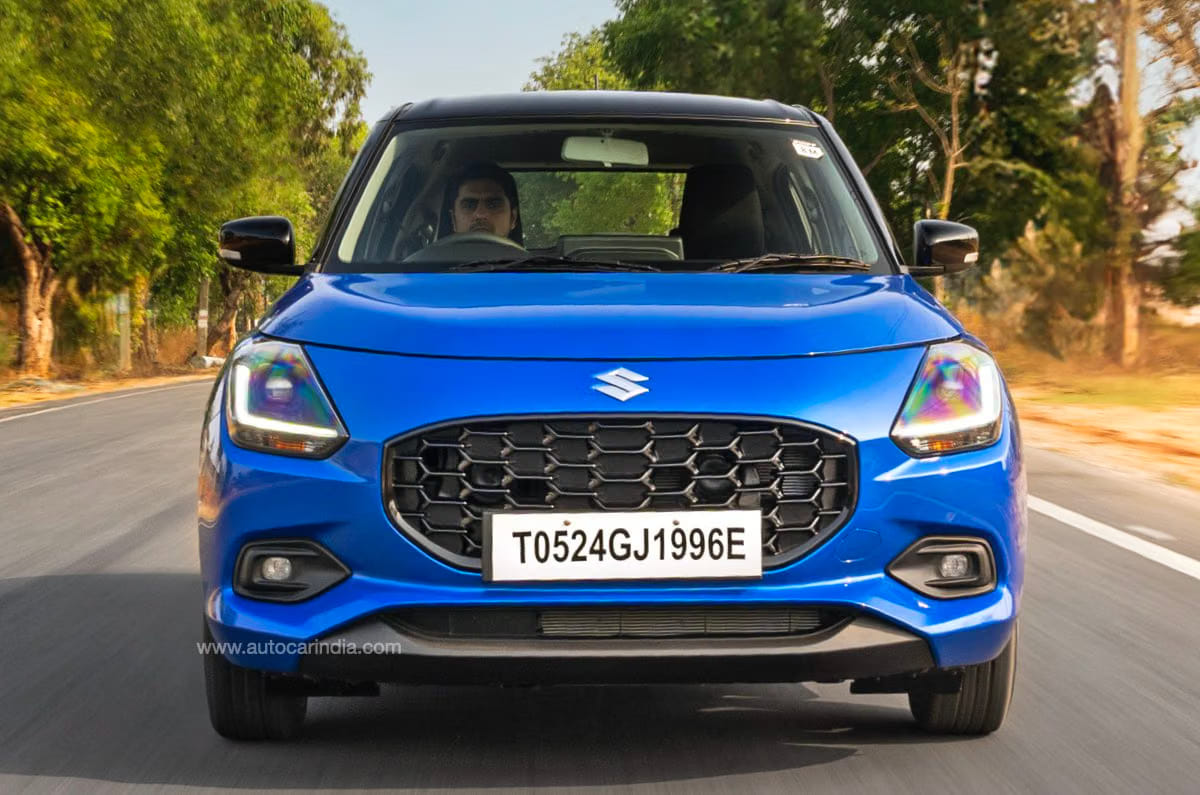
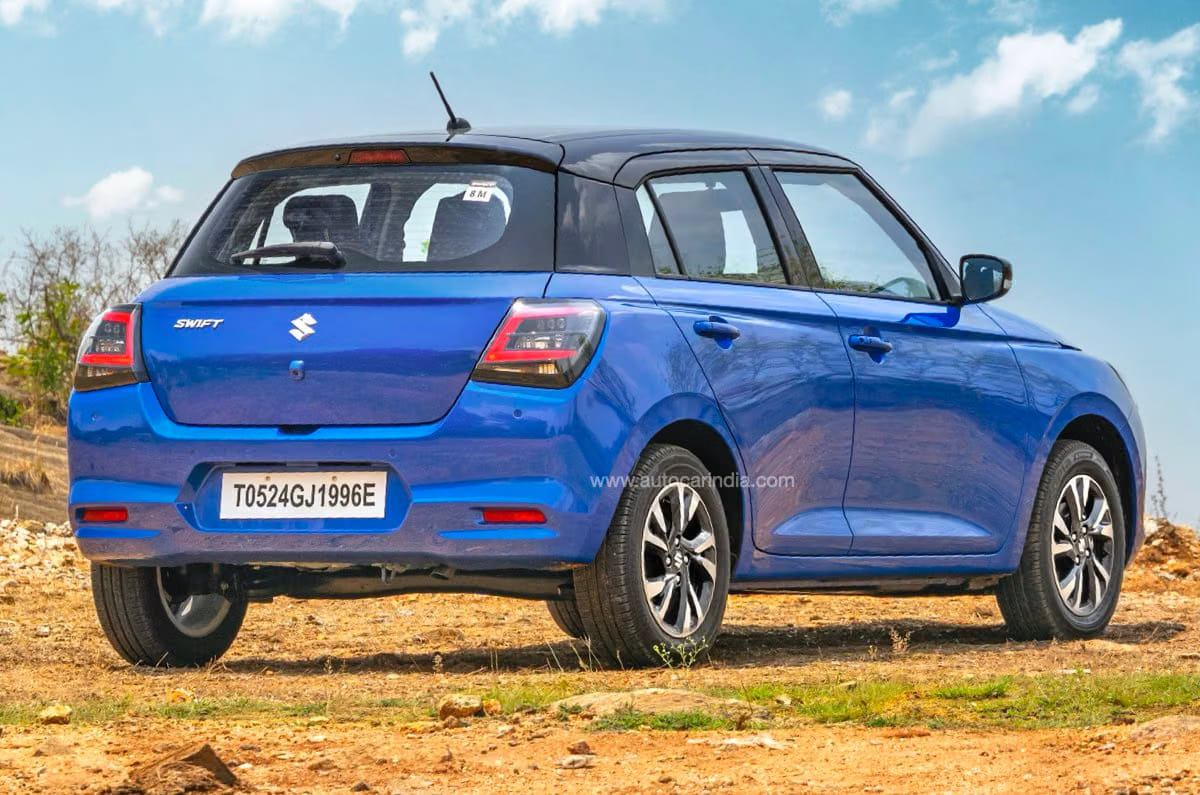
The Maruti Suzuki Swift remains one of the most popular premium hatchbacks in India. It combines compact dimensions with light controls, strong fuel efficiency and engaging driving manners, making it well suited to everyday use. However, buyers should also be aware of a few compromises before making a purchase.
Here are three reasons to consider the Swift, and three reasons to look elsewhere.
Reasons to buy
Excellent real-world fuel efficiency
Low running costs without compromising everyday usability
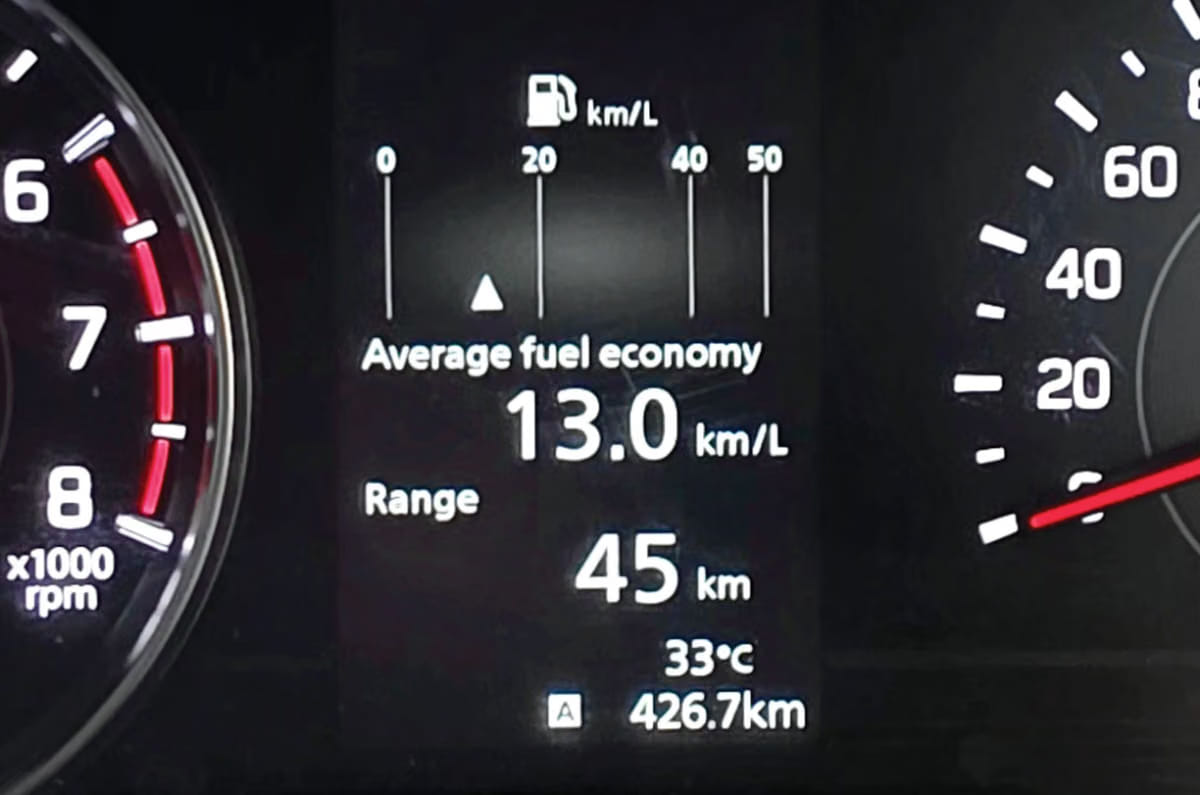
Hilariously good fuel economy, even in rushhour, start-stop traffic.
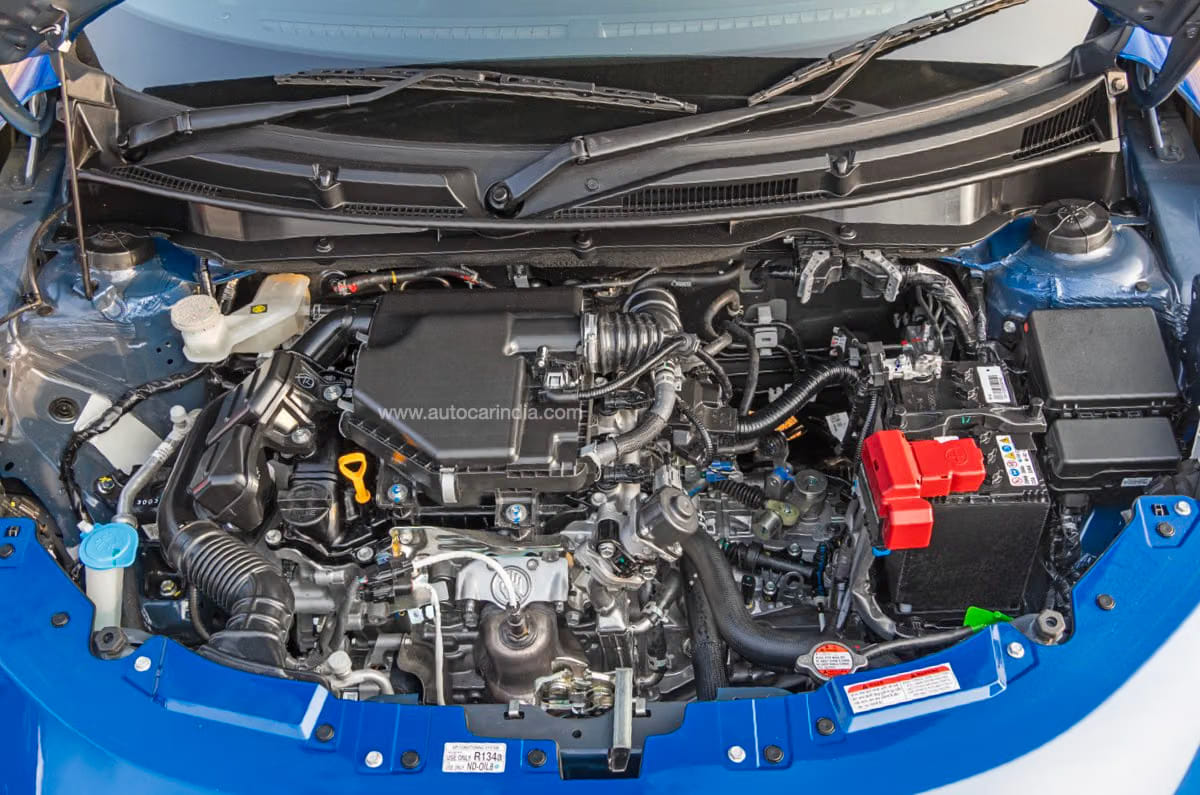
Fuel efficiency is one of the Swift’s biggest strengths. Its 1.2-litre, three-cylinder petrol engine is tuned to prioritise efficiency while remaining easy to drive in everyday conditions. In Autocar India’s real-world tests, the manual returned 14kpl in the city and 19kpl on the highway, while the AMT managed 12.7kpl and 19.1kpl respectively.
The engine delivers smooth low-speed responses, the clutch is light, the 5-speed manual gearbox offers short, precise shifts and is pleasant to use, and the automatic stop-start system further helps reduce fuel consumption in traffic.
Engaging handling and light controls
Fun to drive without compromising everyday usability
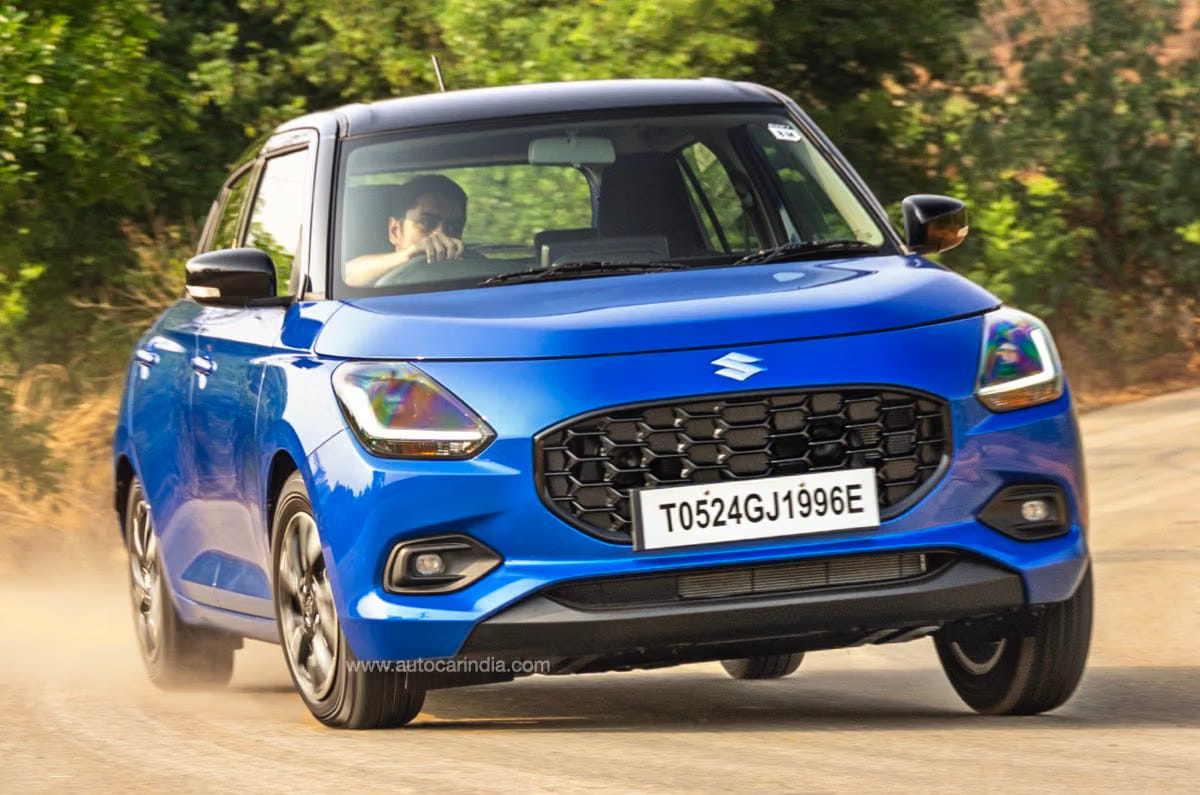
The Swift continues to be one of the more enjoyable hatchbacks to drive. Steering is precise, body roll is well controlled and front-end grip inspires confidence on winding roads, while its compact dimensions make it equally easy to manoeuvre through city traffic.
Ride quality is comfortable for everyday driving, although sharper bumps are felt more noticeably than in some rivals. Braking performance is confidence inspiring and the light steering and controls make it effortless to drive every day.
Practical and well equipped
Comfortable cabin with a well-rounded feature list
The Swift offers a comfortable driving position, supportive front seats and adequate rear-seat space for two adults. Storage spaces around the cabin are generous, and the 265-litre boot is sufficient for everyday luggage.
Higher variants add a 9-inch touchscreen with wireless Android Auto and Apple CarPlay, wireless charger, rear AC vents, connected-car technology and automatic climate control. Six airbags are offered as standard across the range, strengthening its safety package.
Reasons to skip
Engine lacks enthusiasm
Performance takes a back seat to efficiency
The Swift’s 1.2-litre petrol engine is refined in everyday driving but isn’t particularly exciting to drive. Its 82hp and 112Nm outputs are adequate for city commuting and highway cruising, but enthusiastic drivers may find the mid-range and top-end performance lacking.
The three-cylinder engine also transmits mild vibrations into the cabin at idle, something buyers accustomed to four-cylinder engines may notice.
AMT feels dated
Convenient in traffic but not the smoothest automatic
The 5-speed AMT works well for relaxed city driving, but under hard acceleration, gearshifts remain slow and noticeable. This affects performance and makes the automatic feel less engaging than the manual version.
Buyers looking for a smoother automatic driving experience may prefer hatchbacks that offer CVT, DCT or torque-converter automatic gearboxes.
Top variants face stronger competition
Pricing overlaps with larger hatchbacks
The Swift’s higher variants are priced close to larger premium hatchbacks such as the Baleno that offer more cabin space, greater comfort and a richer interior experience. While the Swift remains well equipped, its cabin relies heavily on hard plastics, which makes it feel less premium than some rivals.
For buyers shopping at the top end of the range, it is worth comparing alternatives before making a decision.
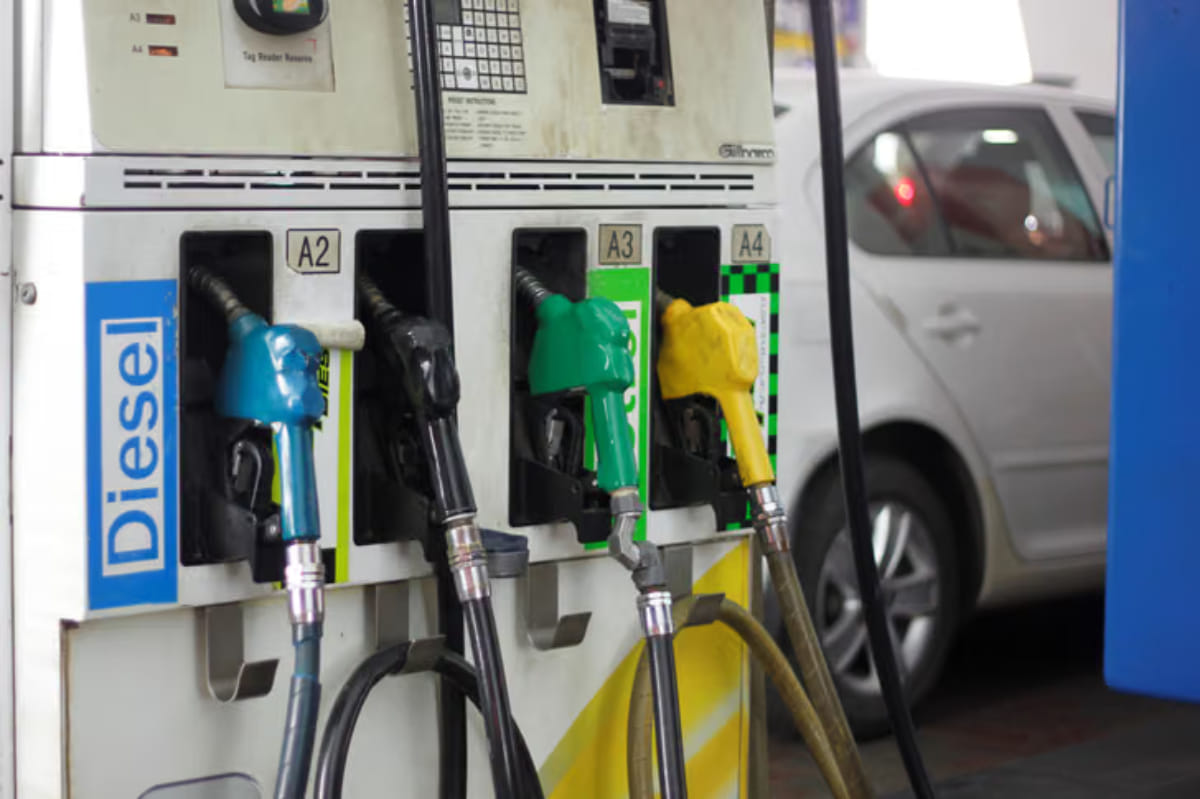
The central government has asked state chief secretaries to ensure strict action against fuel adulteration and any lapses in the ethanol-blended petrol supply chain. This directive comes as concerns surrounding the quality and compatibility of E20 petrol recently flared up among swathes of motorists.
Centre calls for ‘iron hand’ consequences against fuel adulteration
In a recently-issued Q&A note addressing concerns about the use of E20, the Ministry of Petroleum and Natural Gas said that any procedural lapse in the handling of fuel must be dealt with firmly. It called for “an iron hand against any instance of adulteration” and said there should be zero tolerance for practices that compromise fuel quality.
However, the ministry did not mention whether adulteration had been detected across the E20 supply chain. The release also did not provide details of specific cases, inspections, or penalties imposed by states.
The primary reason behind the crackdown is to distinguish between concerns related to the approved E20 specification, and problems that could arise from adulteration or failures in handling and quality-control procedures. According to the ministry, a lapse at any stage of the supply chain should not be treated as evidence that the prescribed E20 fuel standard is unsafe.
Many motorists have raised concerns about E20, particularly pertaining to mileage drops, reduced performance, and possible damage to fuel system components. Some online reports even linked vehicle breakdowns to E20, when in reality, the culprit was found to be adulterated fuel.
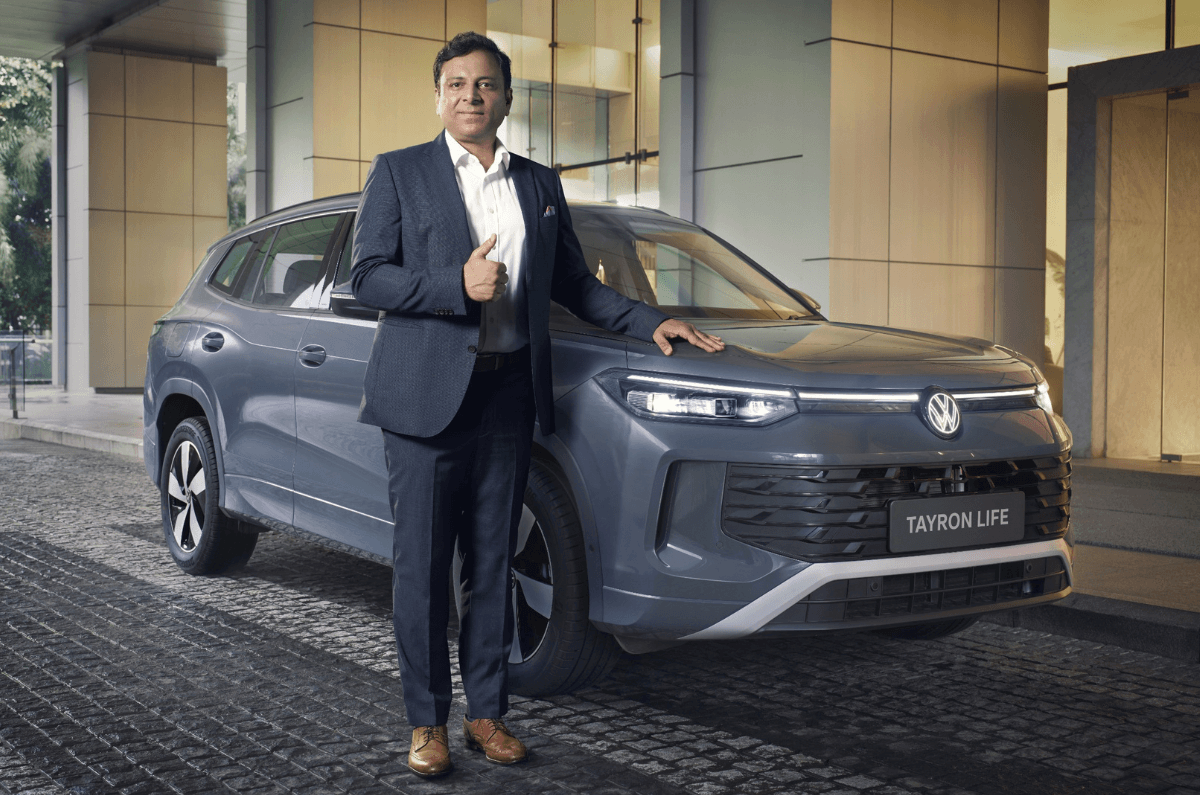
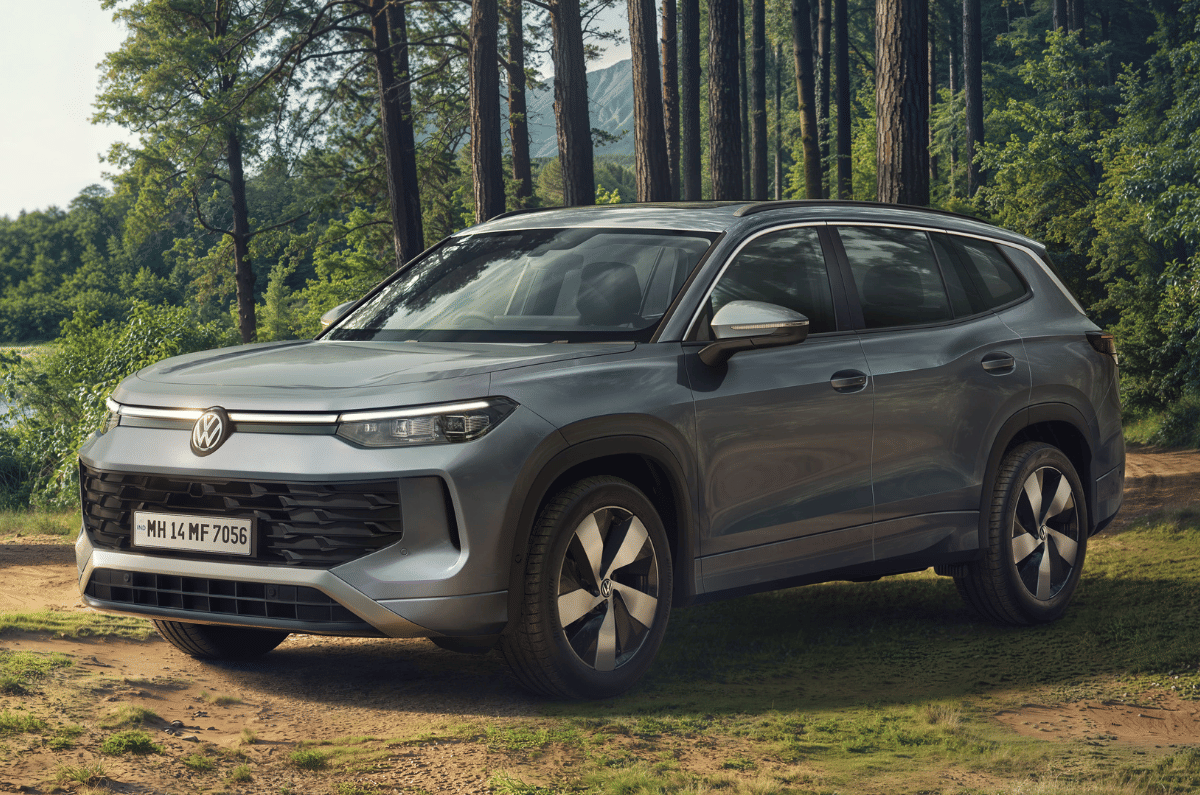
Volkswagen has introduced the lower-spec Tayron Life trim in India at Rs 41.99 lakh, pricing it Rs 5 lakh lower than the range-topping R-Line. Compared to the Tayron R-Line, the Life trim misses out on the sporty cosmetic treatment and a pair of seats in the third row.
Volkswagen Tayron Life engine and gearbox details
The same 204hp, 320Nm 2-litre turbo-petrol unit used in the R-Line also does duty in the Tayron Life. Similarly, transmission duties are handled by a 7-speed dual-clutch automatic gearbox, which sends drive to all four wheels.
Volkswagen Tayron Life exterior highlights
Since it misses out on the R-Line styling package, parts like the front grille, cladding under the doors and over the wheel arches and rear bumper trim are not finished in gloss black. Speaking of the bumper ahead, it has a much cleaner look with L-shaped slats (inverted on the left half section) on the grille. A silver-painted trim is placed below the grille, which complements the overall look. That said, slim Matrix LED headlights and an illuminated VW roundel bridged by a wide light bar are similar to the top-spec trim.
The Tayron is a 4,792mm-long SUV, with a wheelbase of 2,789mm. In profile, it’s easy to notice a different design for the alloy wheels, which measure relatively an inch less at 18 inches. In fact, the wheels resemble those on the Volkswagen Golf GTI. Styling continues to be clean with neat lines. The shoulder line swells from the rear doors to the tail and the silver surround dips down from the roof to the rear glass section. A chrome strip adds to the look as well.
At the back, changes are limited to a simpler design for the bumper, while features like intricately done tail-lights with LED elements, a light bar, illuminated VW logo and roof spoiler have been carried over.
Volkswagen Tayron Life interior and features
Save for the ‘R’ badges on certain parts and third-row seats, not a lot differs when it comes to the interior. Even the list of features between the two trims is largely similar, including a 15-inch touchscreen, a 10.25-inch digital instrument cluster, a panoramic sunroof, three-zone automatic climate control, powered front seats with ventilation and massaging functions, two wireless smartphone charging pads, 360-degree camera, 9 airbags and Level 2 ADAS.
Volkswagen Tayron rivals
The VW Tayron is up against rivals like the Skoda Kodiaq and Jeep Meridian. Like the R-Line, the Life trim is locally assembled at the carmaker’s Chhatrapati Sambhajinagar (previously Aurangabad) facility in Maharashtra.
Market Outlook : 10 जुलाई को भारतीय इक्विटी इंडेक्स लगातार दूसरे दिन बढ़त के साथ बंद हुए और निफ्टी 24,200 के ऊपर टिके रहने में कामयाब रहा। निफ्टी में सबसे ज़्यादा बढ़त दिखाने वाले शेयरों में जियो फाइनेंशियल,HDFC लाइफ,अदाणी एंटरप्राइजेज,SBI लाइफ इंश्योरेंस और रिलायंस इंडस्ट्रीज शामिल रहे। जबकि गिरने वाले शेयरों में डॉ.रेड्डीज़ लैब्स,एटरनल,भारती एयरटेल,नेस्ले और सिप्ला शामिल रहे।
सेक्टर के हिसाब से परफॉर्मेंस काफी हद तक पॉजिटिव रहा और सभी बड़े इंडेक्स बढ़त के साथ बंद हुए। रियल्टी शेयरों ने सबसे अच्छा प्रदर्शन किया। निफ्टी रियल्टी इंडेक्स में 3.5 प्रतिशत की बढ़त हुई। इसके बाद निफ्टी PSU बैंक इंडेक्स में 3 प्रतिशत की तेजी आई। जून तिमाही के नतीजों के बाद TCS में बढ़त की वजह से निफ्टी IT इंडेक्स में 2 प्रतिशत की बढ़ोतरी हुई।
अन्य सेक्टरों में,निफ्टी मेटल इंडेक्स 1.5 प्रतिशत और निफ्टी बैंक 1.4 प्रतिशत ऊपर चढ़े। जबकि ऑयल एंड गैस,प्राइवेट बैंक,एनर्जी,इंफ्रास्ट्रक्चर और कंज्यूमर ड्यूरेबल्स इंडेक्स में 1 प्रतिशत से 1.3 प्रतिशत के बीच बढ़त हुई। ऑटो इंडेक्स में 0.72 प्रतिशत की बढ़ोतरी हुई। निफ्टी स्मॉलकैप 100 और निफ्टी मिडकैप 100 इंडेक्स में 1.59 प्रतिशत और 1.41 प्रतिशत की बढ़त हुई।
जियोजित इन्वेस्टमेंट्स में हेड ऑफ़ रिसर्च,विनोद नायर का कहना है कि थोड़े समय के करेक्शन के बाद,मार्केट में जबरदस्त रिकवरी के संकेत दिख रहे हैं। बैंकों के पॉजिटिव बिजनेस अपडेट,IT सेक्टर के उम्मीद के मुताबिक गाइडेंस और AI से जुड़े मौकों के साथ-साथ ग्लोबल खर्च में बढ़त की उम्मीद ने पहली तिमाही के अर्निंग्स सीजन की अच्छी शुरुआत के लिए माहौल तैयार कर रहे है। उम्मीद से बेहतर Q1 नतीजों का सिलसिला अर्निंग में बढ़ोतरी को लेकर बनी चिंताओं को कम करने में मदद करेगा। इससे मौजूदा तेजी को और सपोर्ट मिल सकता है।
ग्लोबल स्तर पर तेल की कीमतों में नरमी और टेक्नोलॉजी सेक्टर में रिकवरी ने भारत के प्रति सेंटीमेंट को और बेहतर बनाया है,जिससे FII निवेश में रिकवरी को सपोर्ट मिला है। अहम बात यह है कि FOMC मीटिंग के सख़्त रुख का ग्लोबल मार्केट पर कोई बुरा असर नहीं पड़ा है,क्योंकि हालिया डेटा से पता चलता है कि महंगाई का दबाव कम होने की संभावना है। साथ ही,US, EU और चीन से आ रहे सुस्त आर्थिक आंकड़ो से संकेत मिल रहा है कि सेंट्रल बैंक आगे चलकर कम सख्त रुख अपना सकते हैं।
आगे कैसी रह सकती है बाजार की चाल?
SBI सिक्योरिटीज में टेक्निकल और डेरिवेटिव्स रिसर्च हेड सुदीप शाह ने कहा कि निफ्टी गैप-अप के साथ खुला,लेकिन पूरे सेशन के दौरान एक सीमित दायरे में कारोबार करता दिख। कारोबार के अंत में यह 1.02% की बढ़त के साथ 24,207 पर बंद हुआ। इंडेक्स ने स्मॉल अपर विक (wick) वाली एक स्मॉल बॉडी बुलिश कैंडल बनाई,जो इंट्राडे में अनिश्चितता को दिखाती है। इसने सफलतापूर्वक अपना 100-दिन का EMA वापस हासिल कर लिया है और बुधवार को आई 516 अंको की भारी गिरावट का एक बड़ा हिस्सा रिकवर कर लिया है। RSI थोड़ा ऊपर गया है,जो धीरे-धीरे बुलिश मोमेंटम के बढ़ने का संकेत है।
आगे निफ्टी के लिए तत्काल रेजिस्टेंस 24350-24400 के जोन में है। अगर निफ्टी इस जोन के ऊपर टिकता है तो यह शॉर्ट टर्म में 24550 और उसके बाद 24700 तक बढ़ सकता है। दूसरी ओर निफ्टी के लिए तत्काल सपोर्ट 24050-24000 के जोन में है।
बोनान्जा में रिसर्च एनालिस्ट अभिनव तिवारी का कहना है कि आगे बाजार की दिशा तय करने में पहली तिमाही के नतीजों की अहम भूमिका होगी। अच्छी अर्निंग, घरेलू निवेशकों की तरफ से हो रहा मजबूत निवेश और अच्छे मॉनसून से बाजार को सहारा मिल रहा है। हालांकि,मिडिल ईस्ट में भू-राजनीतिक तनाव और कच्चे तेल की कीमतों में कोई भी बड़ी बढ़ोतरी बाजार के लिए बड़े जोखिम बने हुए हैं।
बैंक निफ्टी व्यू
सुदीप शाह ने कहा कि बैंक निफ्टी भी गैप-अप के साथ खुला और पहले हाफ में एक रेंज में ट्रेड किया। फिर दूसरे हाफ की शुरुआत में ब्रेकआउट दिया और ऊपर बंद हुआ। आखिर में इंडेक्स 1.39% की बढ़त के साथ 58,046 पर बंद हुआ।
बैंक निफ्टी ने सफलतापूर्वक अपना 20-दिन का EMA वापस हासिल कर लिया है,जबकि RSI 60 के लेवल के करीब पहुंच रहा है। इससे पता चलता है कि इस हफ्ते की शुरुआत में दिखे सेलिंग प्रेशर को झेलने के बाद बुल्स ने फिर से कंट्रोल हासिल कर लिया है। इसके अलावा,ADX इंडिकेटर पर DI+ ने DI− को पार कर लिया है,जो बुलिश ट्रेंड को और मजबूत करता है।
आगे बैंक निफ्टी के लिए तत्काल रेजिस्टेंस 58500-58600 के जोन में है। अगर यह इस जोन के ऊपर टिकता है तो बैंक निफ्टी का पुलबैक 59000 और उसके बाद शॉर्ट टर्म में 59500 तक जा सकता है। नीचे की तरफ,बैंक निफ्टी के लिए तत्काल सपोर्ट 57600-57500 के जोन में है।
डिस्क्लेमर: मनीकंट्रोल.कॉम पर दिए गए विचार एक्सपर्ट के अपने निजी विचार होते हैं। वेबसाइट या मैनेजमेंट इसके लिए उत्तरदाई नहीं है। यूजर्स को मनी कंट्रोल की सलाह है कि कोई भी निवेश निर्णय लेने से पहले सर्टिफाइड एक्सपर्ट की सलाह लें।
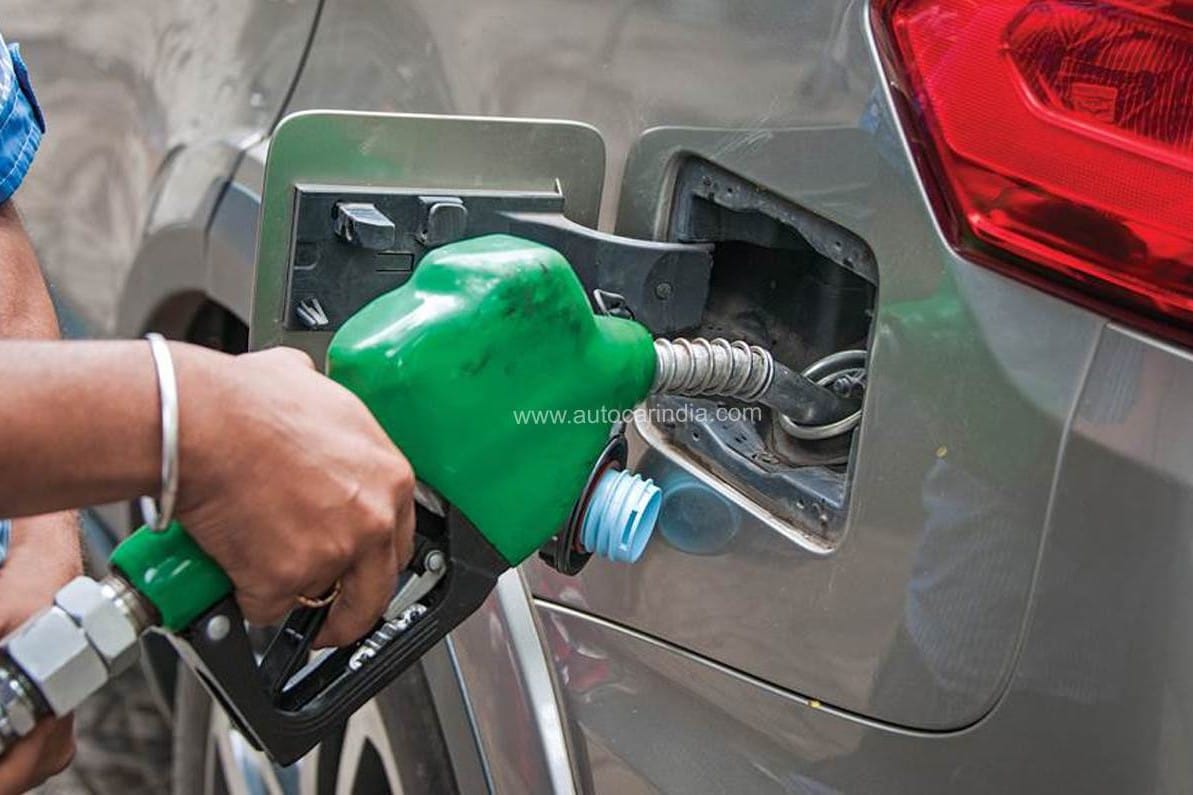
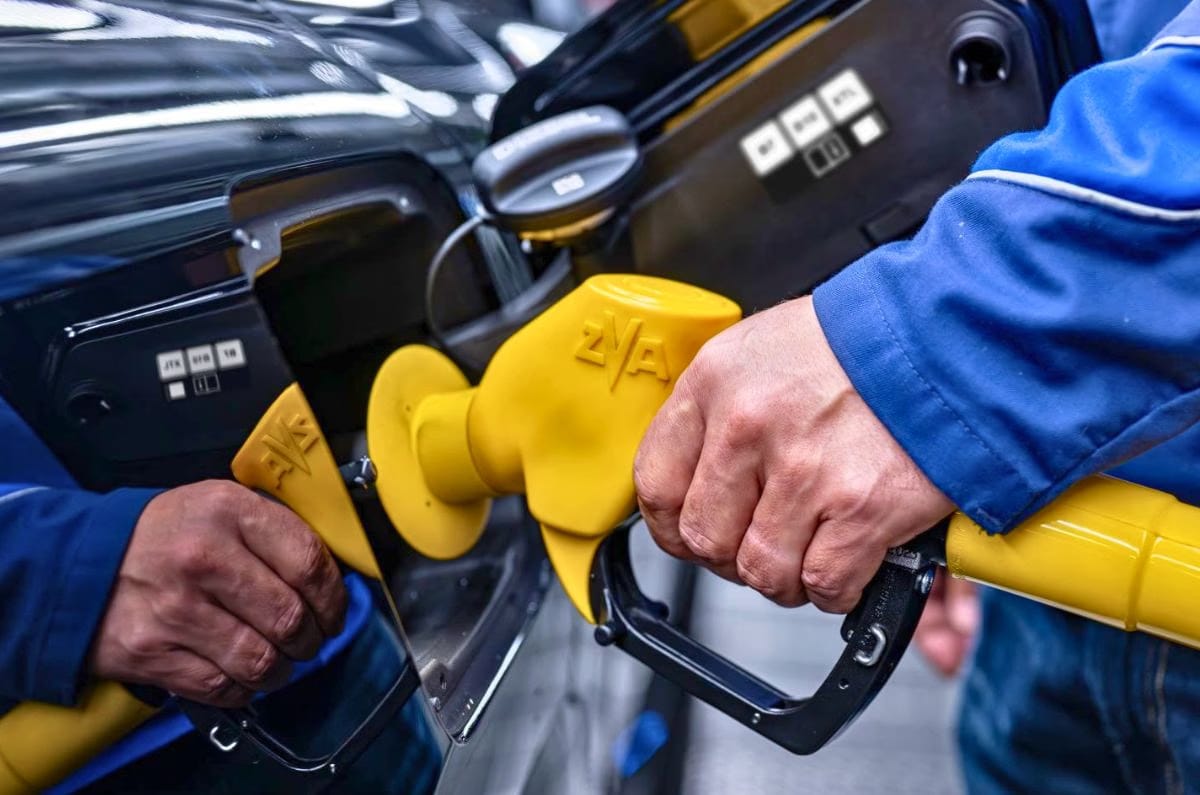
The Central government has ruled out offering pure petrol, E10 and E20 simultaneously across India, saying maintaining multiple petrol grades would increase costs and create significant logistical challenges. In a question-and-answer note issued on July 10, the Ministry of Petroleum and Natural Gas reiterated that E20 will continue as the country’s standard petrol blend.
Government cites investments made in ethanol production infrastructure
Separate fuel grades would require parallel storage and distribution
E20 to remain the standard petrol blend across India
Government cites distribution challenges
The ministry said India’s fuel distribution network comprises more than one lakh retail outlets, supported by refineries, terminals, depots, pipelines and storage facilities. Maintaining three different petrol grades across this network would require separate storage, inventory management and distribution infrastructure, increasing handling costs and reducing operational efficiency.
The government also rejected comparisons with premium petrol, saying it is a niche product sold in relatively small volumes and does not require a separate nationwide fuel supply chain.
Investments in ethanol infrastructure
The ministry said substantial investments have been made in ethanol production, including distilleries, storage facilities and logistics infrastructure, to support India’s ethanol blending programme. It added that reverting to E10 as the standard petrol blend could leave ethanol production capacity underutilized and affect investments made by farmers, cooperatives, companies and financial institutions.
According to the ministry, India achieved an average 20 percent ethanol blending between November 2025 and June 2026, compared with 19.2 percent during the previous ethanol supply year.
What it means for older vehicles
The question of offering multiple petrol grades has been raised by owners of older vehicles originally certified to run on E10 petrol. The ministry said vehicle manufacturers, component suppliers, testing agencies and research institutions were consulted before the introduction of E20, covering areas such as material compatibility, engine calibration, fuel systems, durability, emissions and fuel economy.
To support its position, the ministry cited field data from Maruti Suzuki and Hero MotoCorp. It said Maruti Suzuki serviced 2.84 crore vehicles during FY2025-26, including 1.5 crore older vehicles that were not originally certified for E20, and reported no E20-related corrosion, abnormal wear or component-life damage. Hero MotoCorp also reported similar field experience.
The ministry acknowledged that some vehicles may record a 3-5 percent reduction in fuel economy when running on E20. However, it said this should be weighed against the fuel’s higher octane rating, as well as the benefits of lower crude oil imports and reduced emissions.
These are claims made by the Petroleum Ministry in support of the E20 programme. The release does not provide an independent comparison of the additional cost of maintaining multiple fuel grades against the benefit of allowing consumers to select fuel based on their vehicle’s original certification.