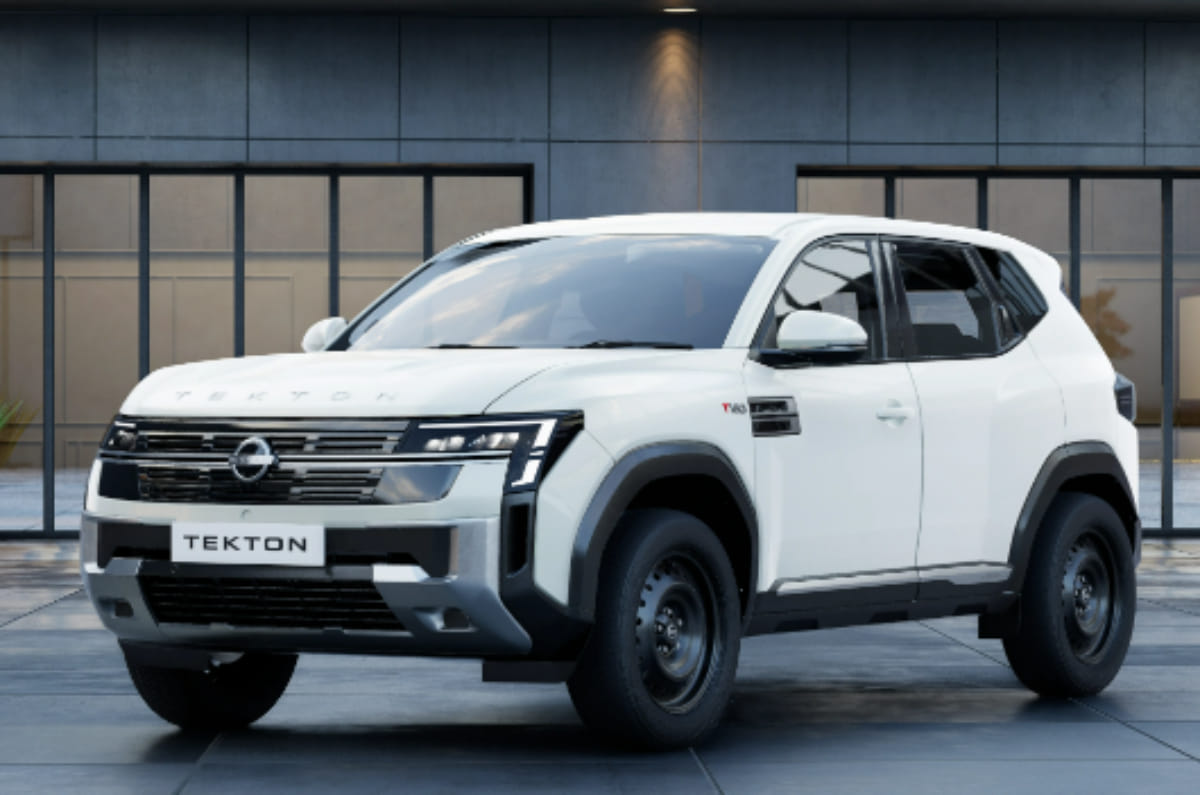
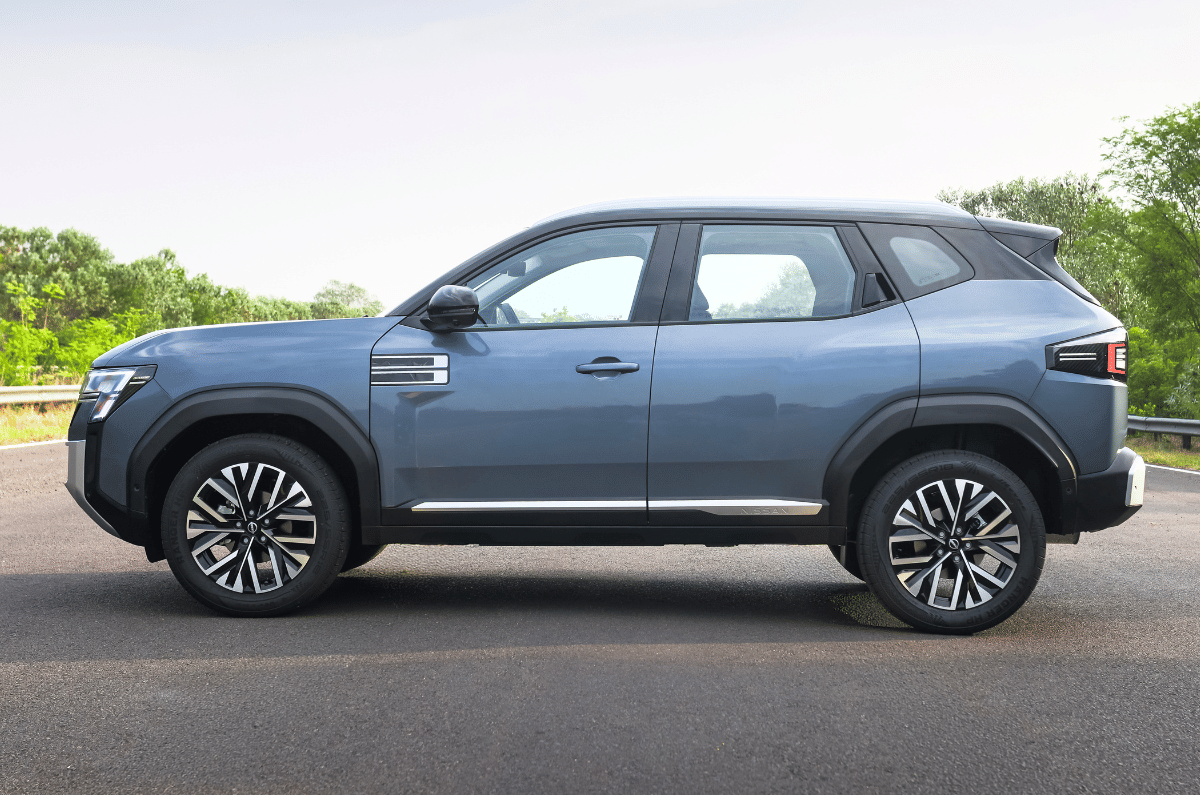
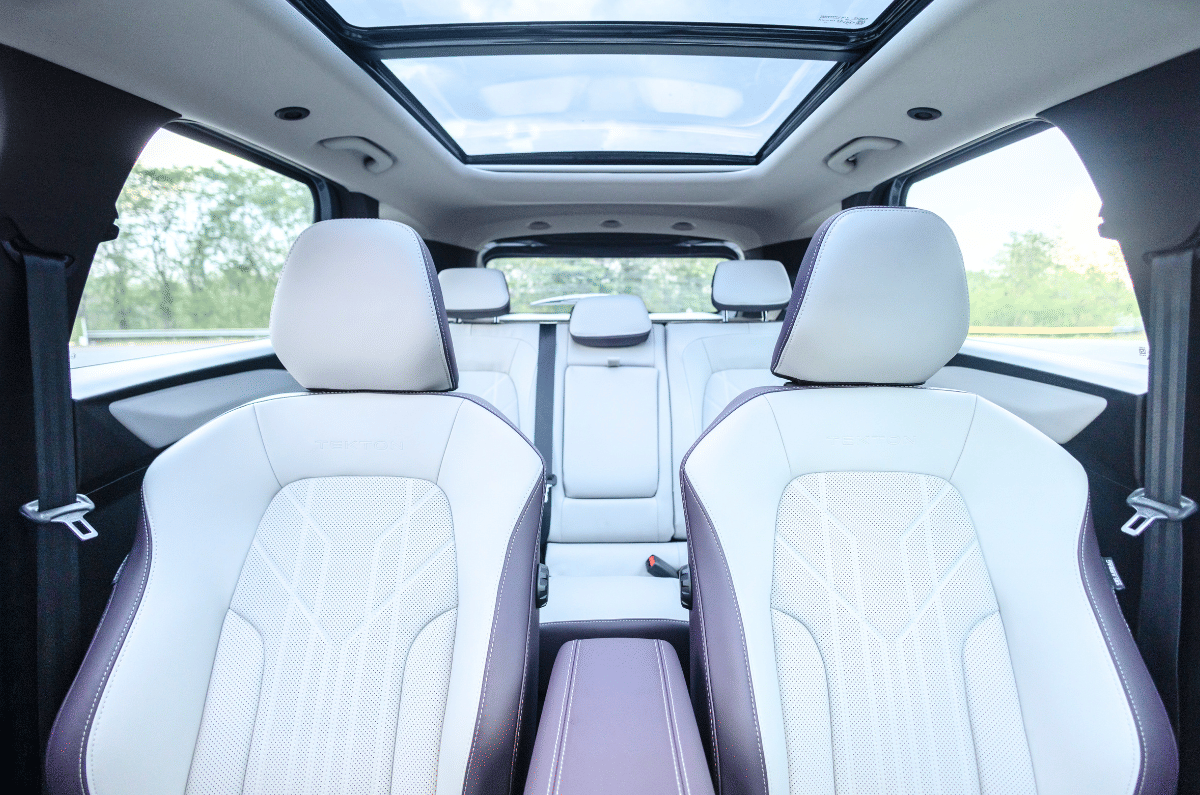
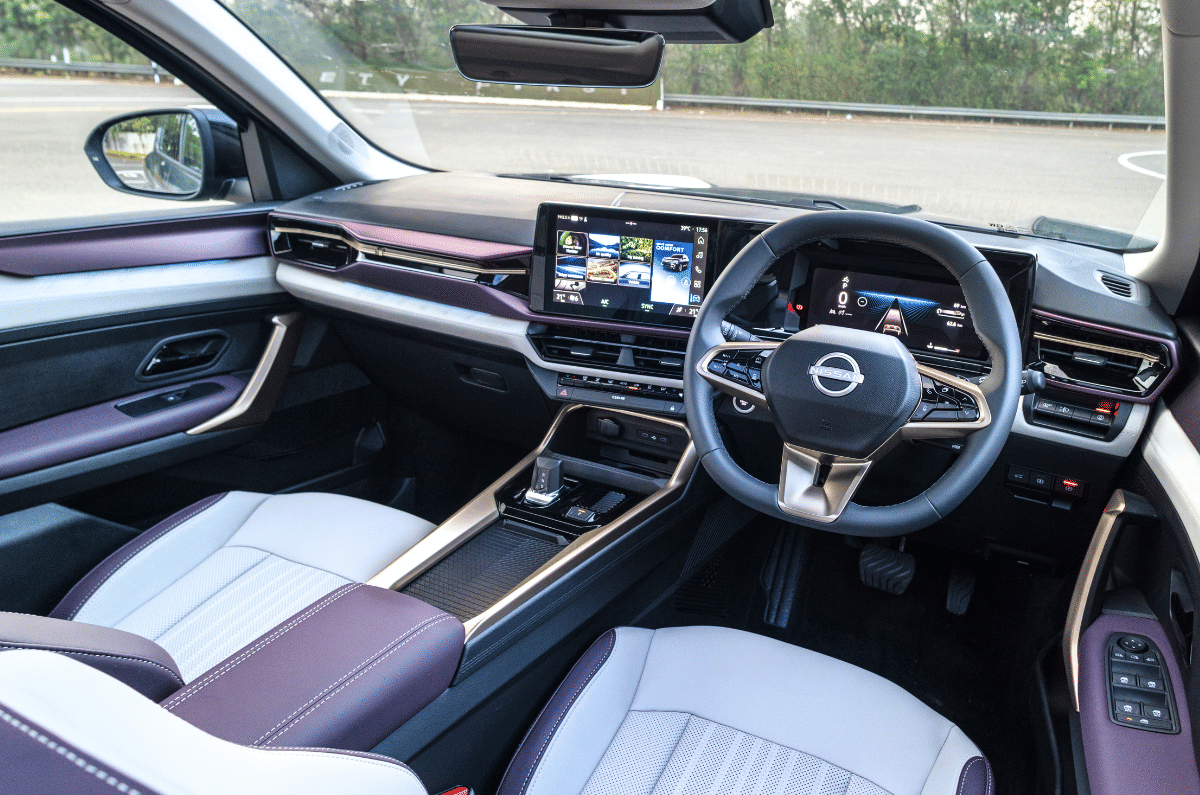
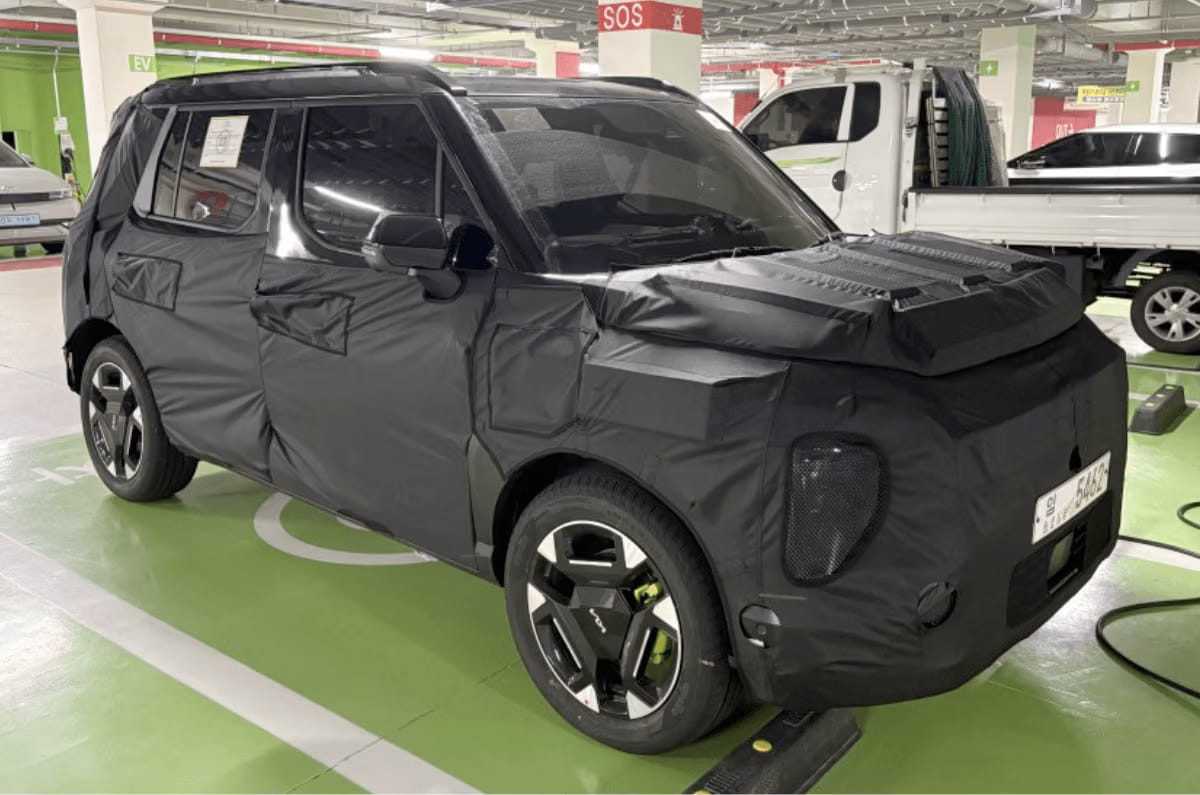
The Visia is the entry-level variant of the Nissan Tekton and is priced at Rs 10.49 lakh (ex-showroom). Despite its base-variant positioning, it gets automatic LED headlamps, LED DRLs and tail-lights, 17-inch steel wheels with covers and a roof spoiler. Inside, the Visia features a 7-inch digital instrument display, manual AC, rear AC vents, a four-speaker Arkamys audio system and a height-adjustable driver’s seat. Safety kit includes six airbags, ESC, traction control, hill-start assist, TPMS and rear parking sensors. The Tekton Visia is powered by a 100hp, 1.0-litre turbo-petrol engine, paired with a 6-speed manual gearbox.
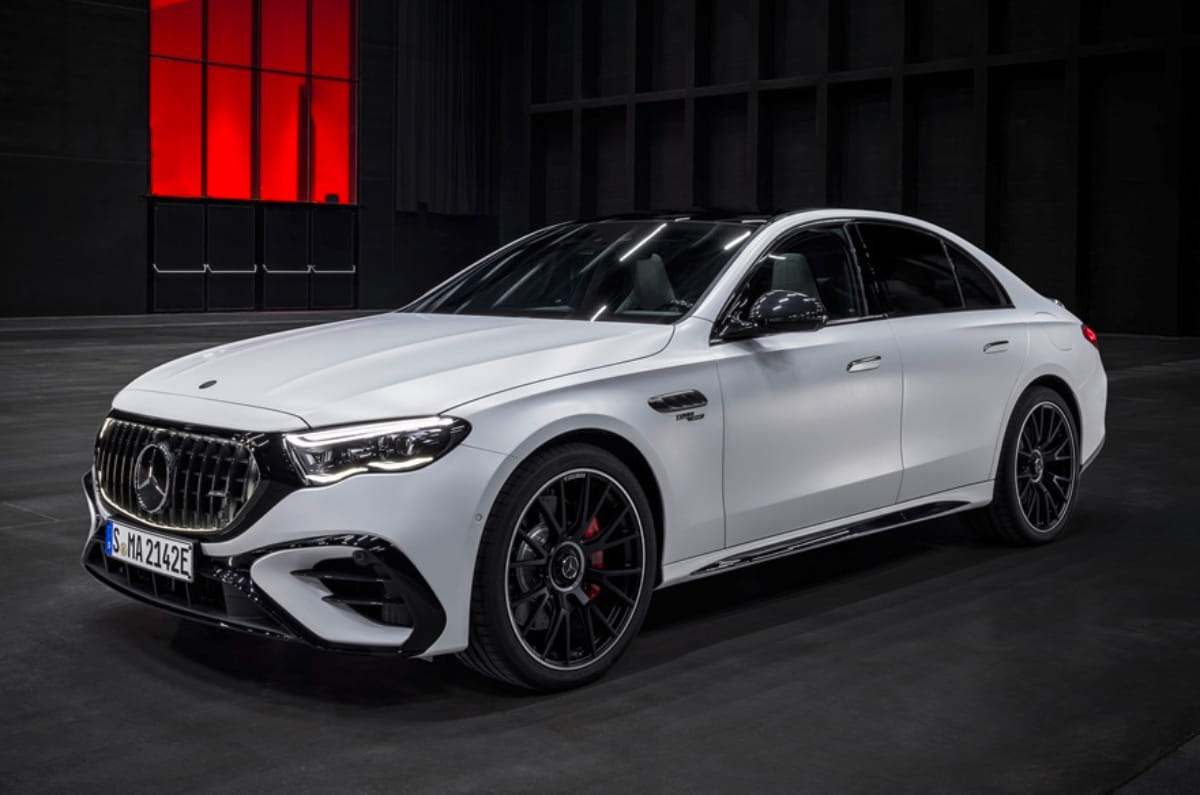
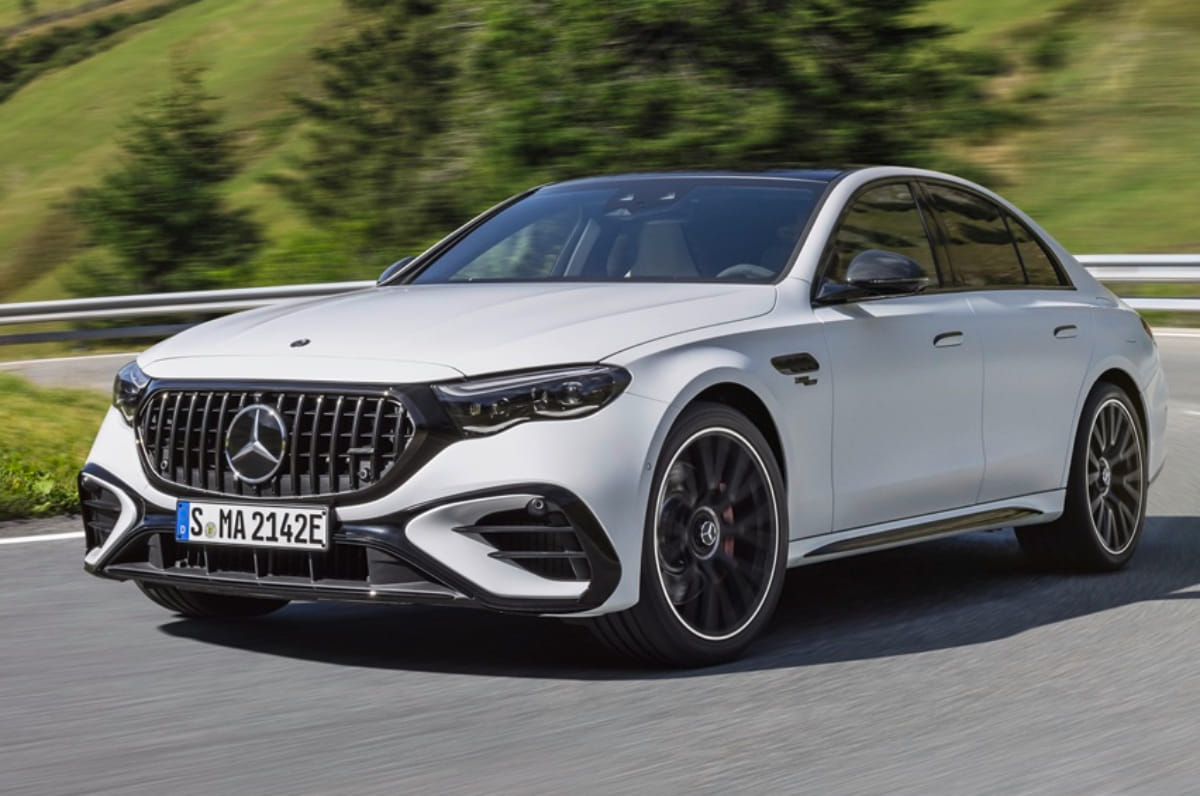
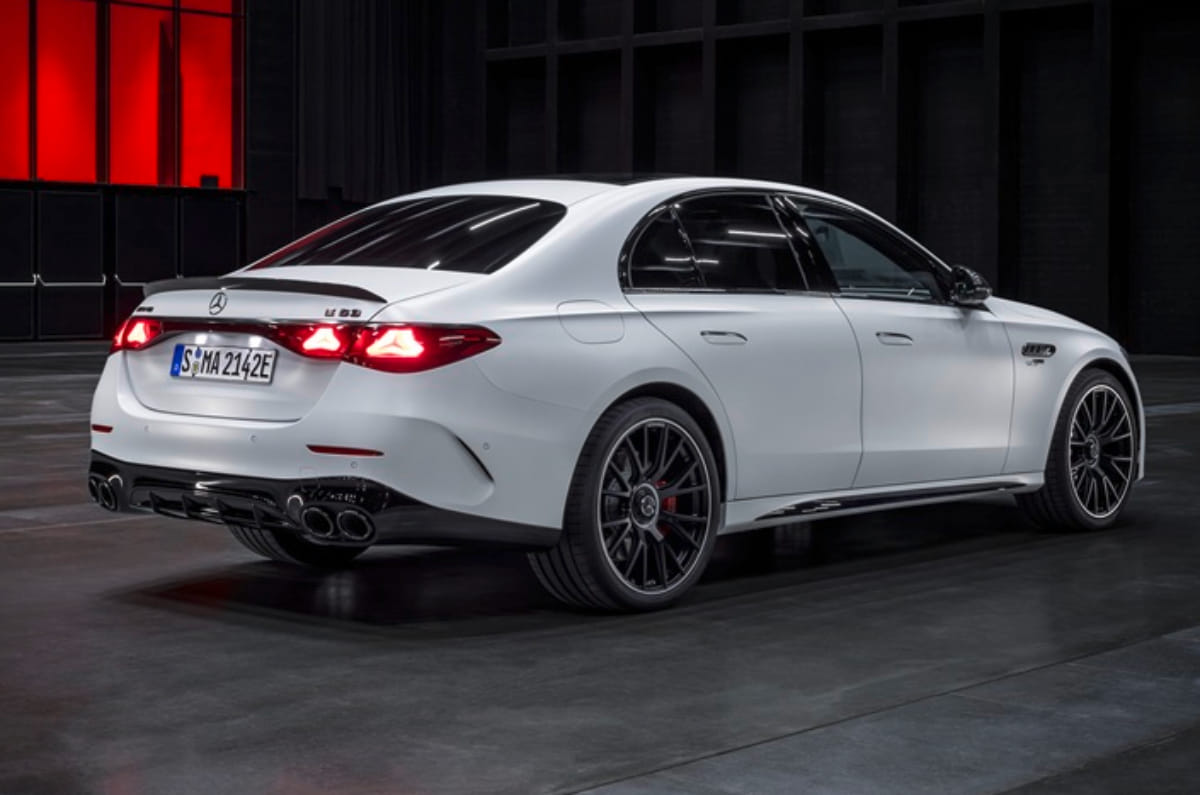
Mercedes-Benz will launch the new AMG E 53 HYBRID 4MATIC+ in India on July 23. The performance sedan returns to India with a plug-in hybrid powertrain that combines a 3.0-litre six-cylinder petrol engine with an electric motor. It will join Mercedes-AMG’s India line-up as its latest electrified performance model.
Plug-in hybrid system uses a 21.2kWh battery
0-100kph takes as little as 3.8 seconds
India-bound E 53 will get 4Matic+ all-wheel drive
Mercedes-AMG E 53 powertrain and performance
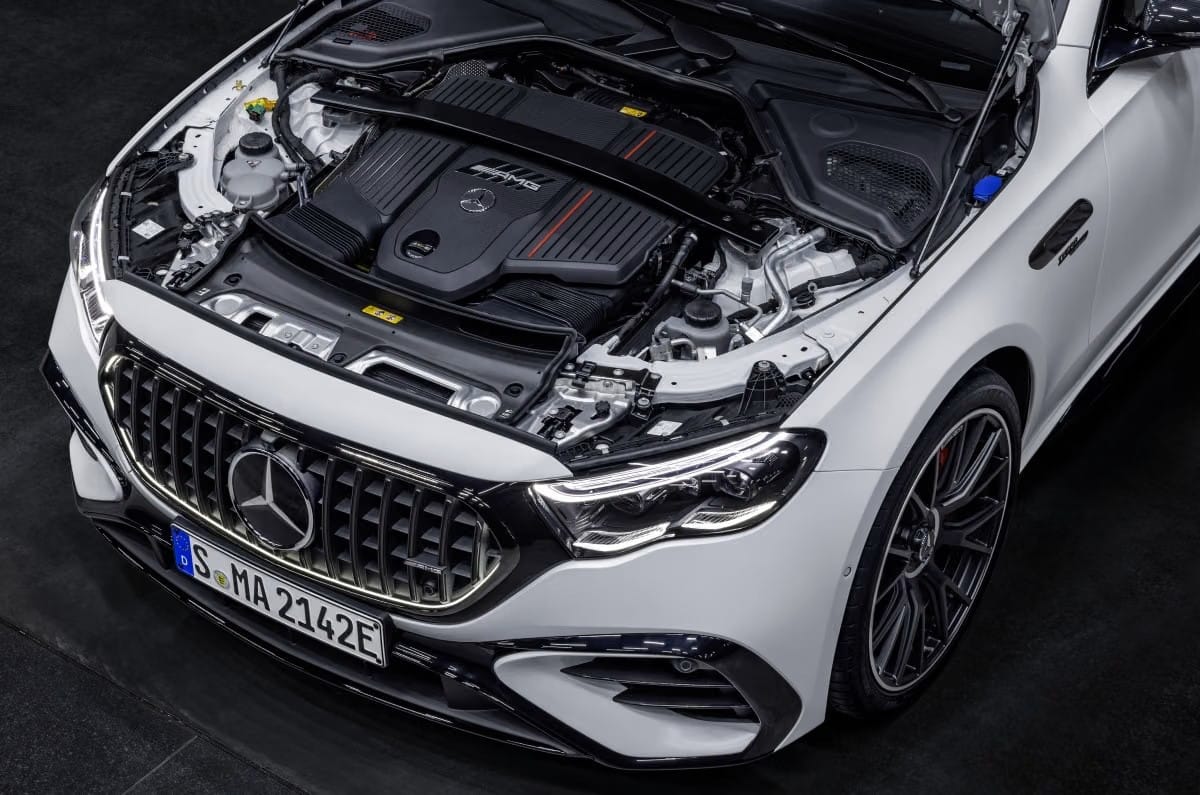
The E 53 uses a 3.0-litre turbo-petrol straight-six engine producing 449hp, paired with an electric motor integrated into the 9-speed automatic gearbox. The motor develops up to 163hp, taking combined output to 585hp and 750Nm in standard form.
With the optional AMG Dynamic Plus package, output rises to 612hp when Race Start is activated. In this configuration, the sedan can accelerate from 0-100kph in 3.8 seconds and reach a top speed of 280kph. A 21.2kWh usable battery gives the E 53 a claimed electric-only range of over 100km. The PHEV can run on electric power at speeds of up to 140kph and supports 11kW AC charging. In international markets, optional 60kW DC charging can take the battery from 10-80 percent in around 20 minutes.
The E 53 gets AMG-specific chassis changes, including additional bracing at the front and rear axles, an 11mm wider front track and adaptive suspension with Comfort, Sport and Sport+ settings. The braking system has also been adapted to work with the hybrid system’s energy recuperation.
Mercedes-AMG E 53 exterior and interior
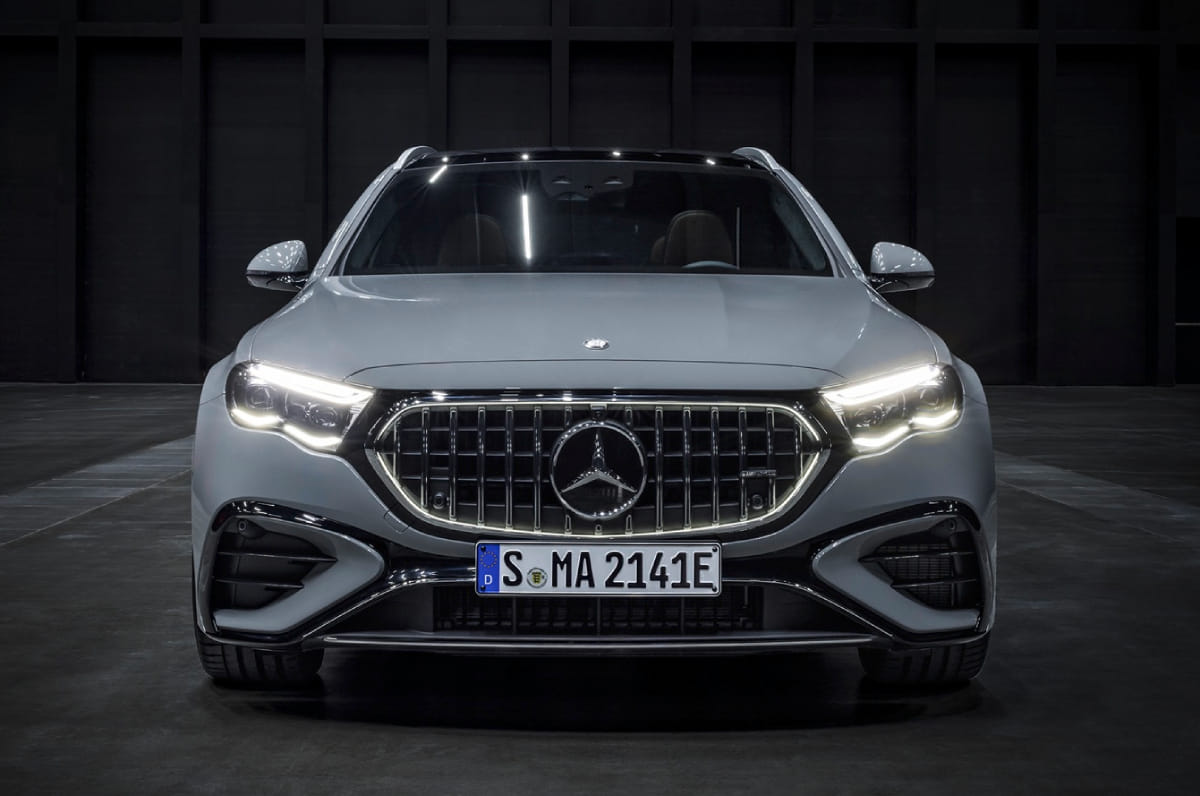
The E 53 is based on the current E-Class but gets several AMG-specific design changes. These include an illuminated AMG grille, larger front air intakes, wider front wheel arches and a boot-lid spoiler. At the rear, it gets a diffuser and four round exhaust outlets.
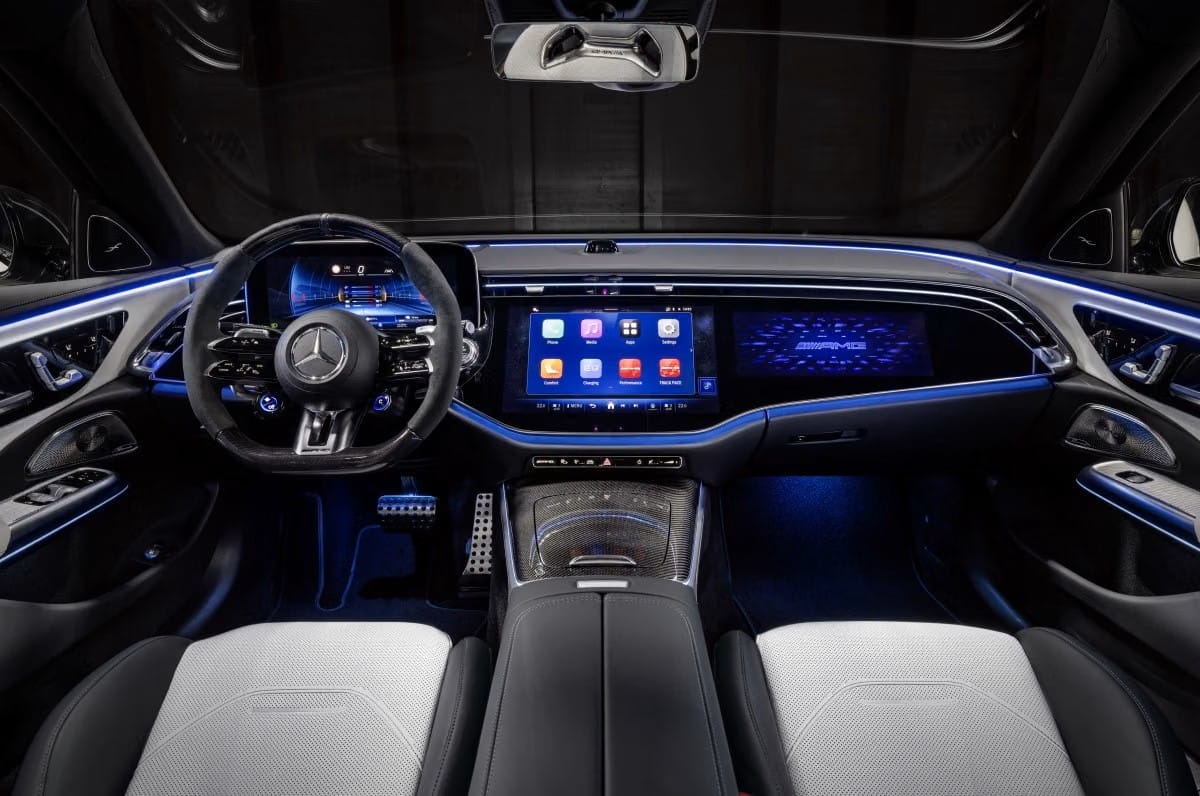
Inside, the E 53 gets AMG sports seats, an AMG steering wheel and model-specific trim. The dashboard houses a 12.3-inch digital instrument display and 14.4-inch central touchscreen, while the MBUX Superscreen, which adds a separate display for the front passenger, is available in international markets.
Mercedes-AMG E 53 India launch and expected price
Mercedes-Benz will announce prices for the E 53 HYBRID 4MATIC+ on July 23. The previous-generation E 53 sedan was launched in India in 2021, while the E 53 Cabriolet was subsequently introduced here. The new model will return the E 53 sedan to Mercedes-AMG’s India range.
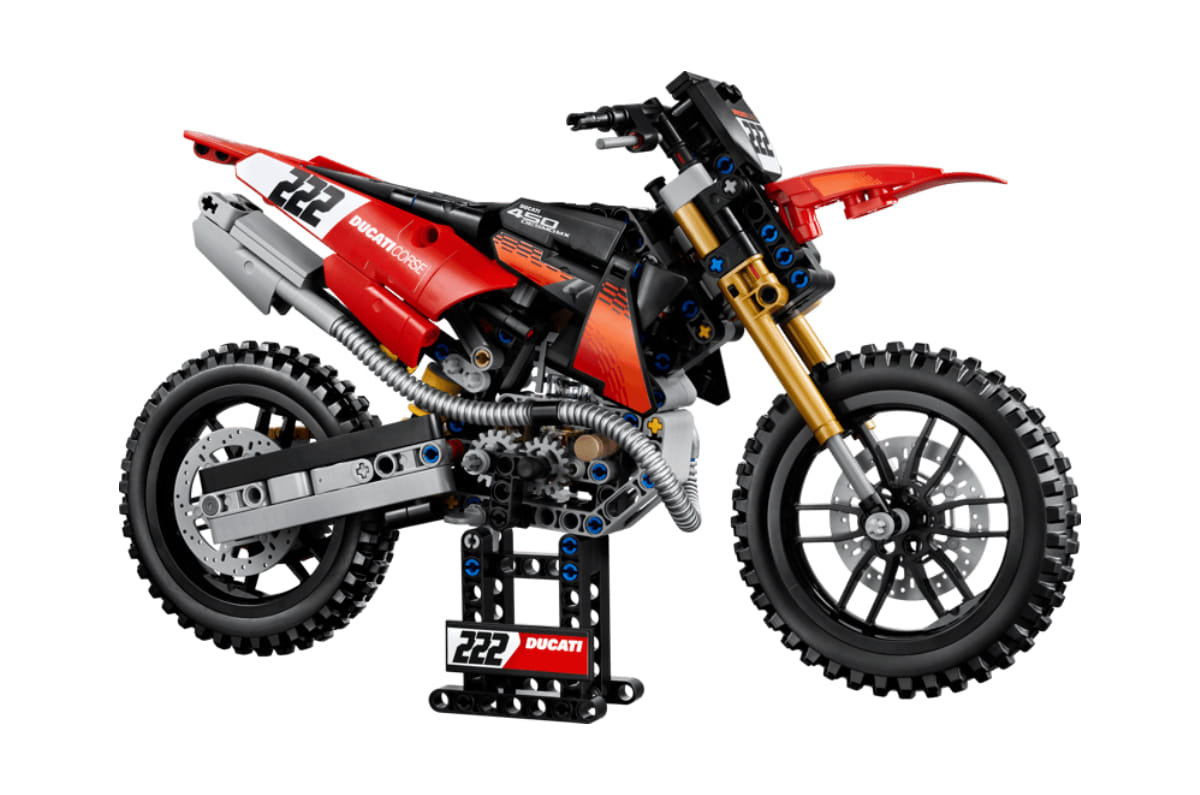
The Lego Technic Ducati Desmo 450MX Factory Motorcycle is a 457-piece assembly kit based on Ducati’s real-world 449.6cc single-cylinder motocross machine. Aimed at children aged 10 and above, the completed model measures 19cm tall, 31cm long and 11cm wide. Despite its relatively modest part count– roughly a third of the existing Lego Ducati Panigale V4 S kit — it still features functional steering, working suspension at both ends and a moving chain that actuates the single piston within the engine. A three-speed transmission, as found on the Panigale kit, is not included.
The kit is priced at USD 50 (approximately Rs 4,768)– significantly more affordable than the Panigale V4 S kit at USD 200. It goes on sale in the US on August 1, 2026, and is already listed on Lego’s India website, with availability expected to follow shortly after the US launch.
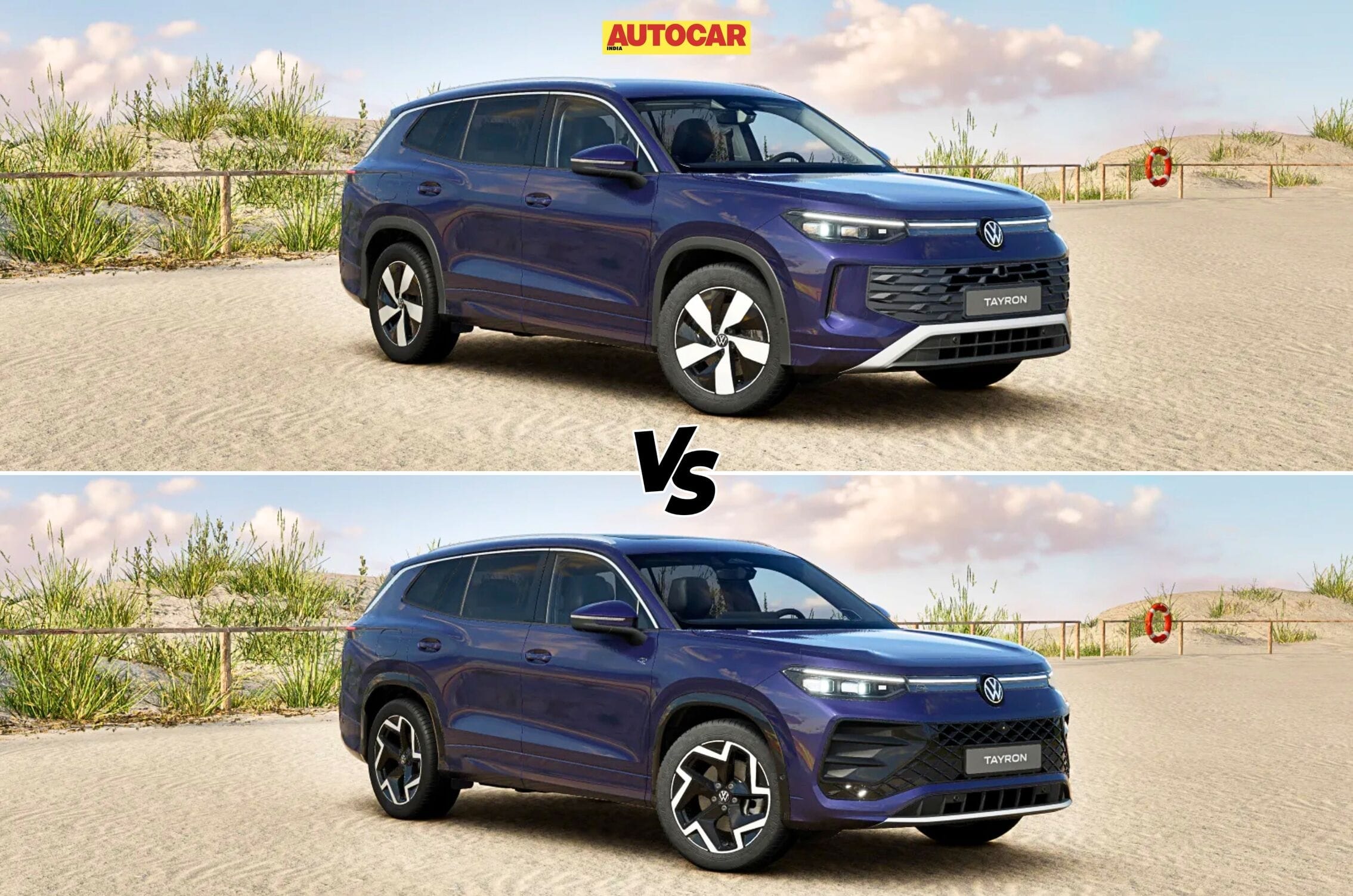
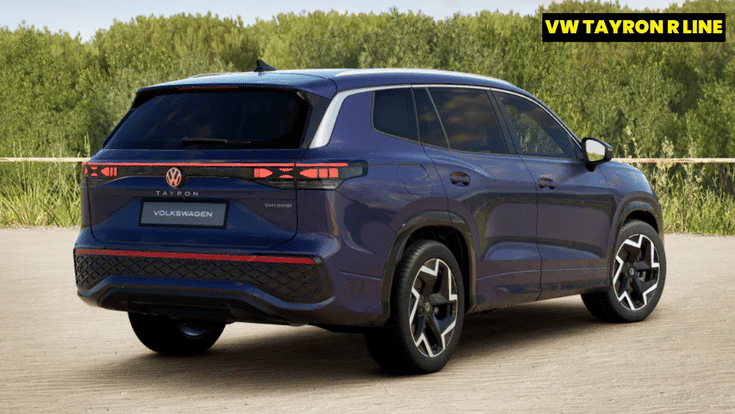
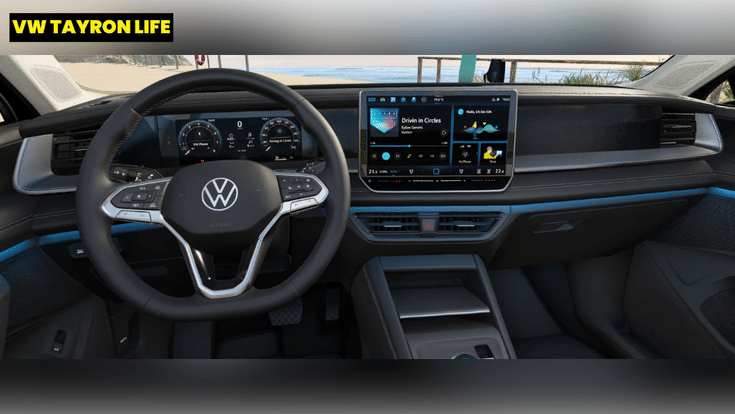
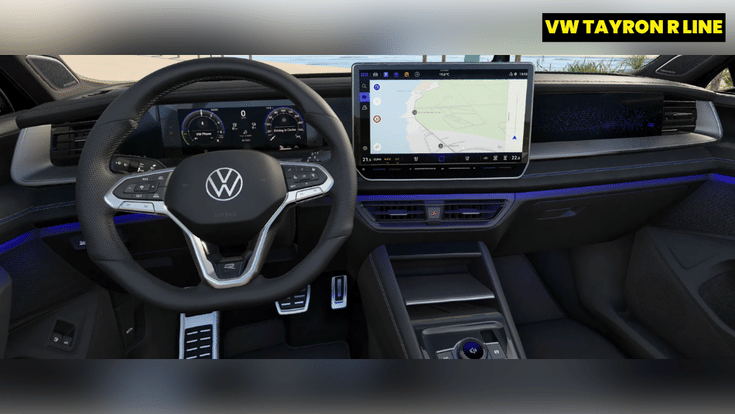
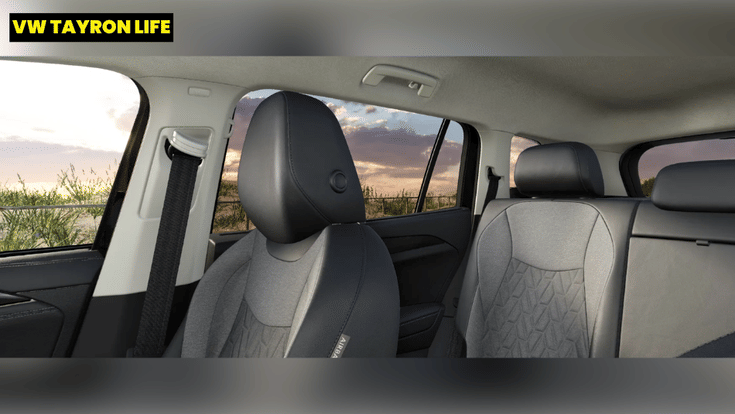
The Volkswagen Tayron Life serves as the entry-level trim in the SUV’s line-up, slotting below the range-topping R-Line. While a price gap between the two is a given, how different are they in terms of features, and what sets them apart visually? Here’s a closer look at the differences between the two trims.
Volkswagen Tayron Life vs R-Line: Exterior
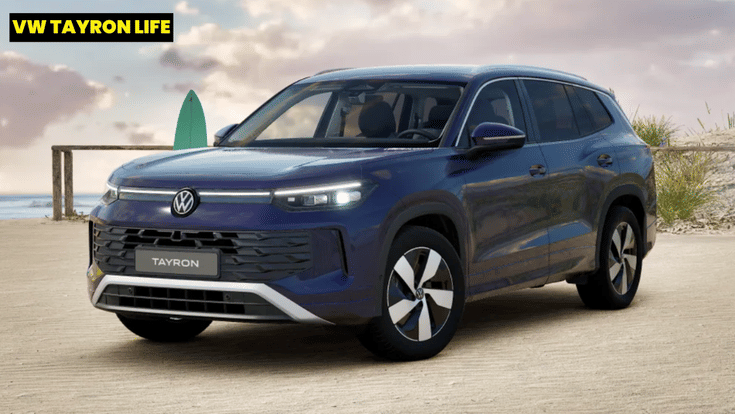
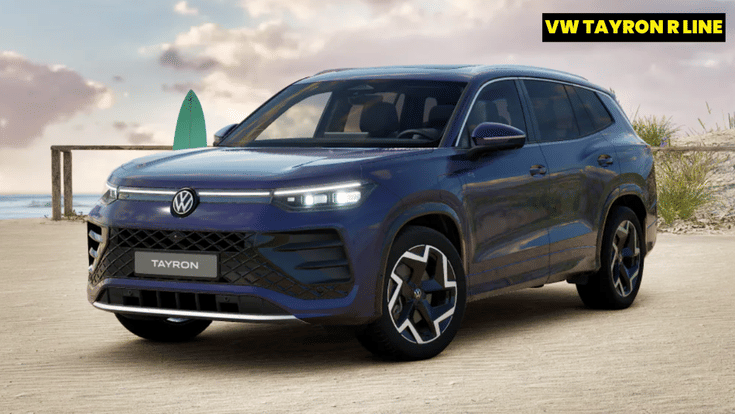
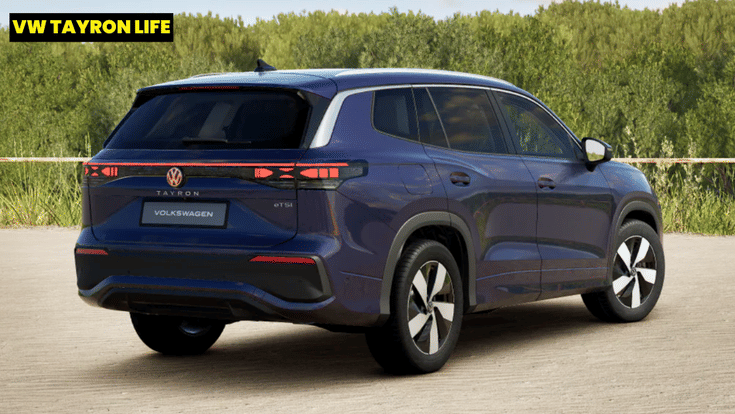
The Life trim has a cleaner-looking front bumper with L-shaped grille slats. The R-Line, meanwhile, gets a sportier front end with a criss-cross grille pattern and large air intakes on either side of the bumper. Other R-Line-specific styling elements include a gloss black front grille, wheel-arch cladding and rear bumper trim. Also, Matrix LED headlights are also exclusive to the R-Line.
In profile, the most noticeable difference is the alloy wheel design. The Life rides on 18-inch alloy wheels, an inch smaller than those on the R-Line. The styling remains clean, with a rising shoulder line stretching from the rear doors to the rear end, while the silver window surround extends from the roof and dips towards the rear glass. A chrome strip further adds to the look.
That said, several exterior features are common to both trims, including illuminated Volkswagen logos at the front and rear, illuminated LED light bars, body-coloured ORVMs and door handles, and a panoramic sunroof.
Volkswagen Tayron Life vs R-Line: Interior
The cabin layout is largely the same in both trims, and most of the key comfort and convenience features are shared. Both get a heated steering wheel with paddle shifters, a 10.25-inch driver’s display, wireless Apple CarPlay and Android Auto, three-zone climate control, powered front seats with heating, ventilation and massage functions, sliding and reclining second-row seats, and a powered tailgate.
The biggest differences lie in the infotainment and premium features. The Life gets a 12.9-inch touchscreen paired with an 8-speaker audio system, while the R-Line upgrades to a 15-inch touchscreen and an 11-speaker Harman Kardon sound system. The latter also exclusively gets a head-up display, illuminated ‘R’ inserts on the dashboard and doors, a black roof lining, and matte chrome interior accents.
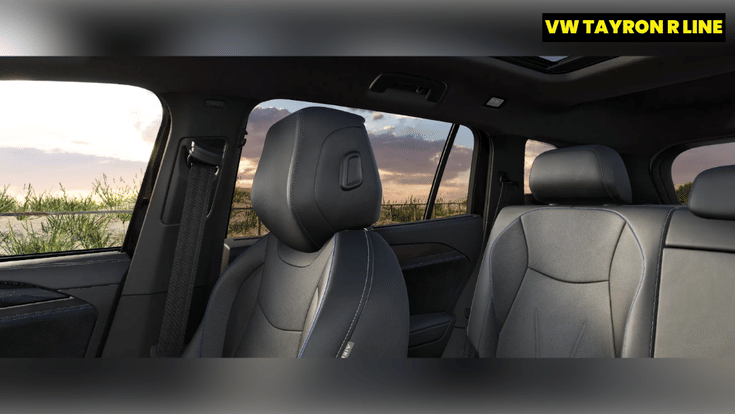
Another key difference is seating. The R-Line is the only trim to get a third row, making it a seven-seater, while the Life is offered as a five-seater. As a result, the Life offers a much larger 885-litre boot, compared to the R-Line’s 345-litre luggage capacity with all seats up.
Volkswagen Tayron Life vs R-Line: Powertrain
This is one area where the two trims don’t differ. The same 2-litre turbo-petrol unit used in the Tayron R-Line also does duty in the Life trim, producing identical peak outputs of 204hp and 320Nm. Additionally, transmission duties are handled by a 7-speed dual-clutch automatic unit, which sends drive to all four wheels.
Volkswagen Tayron Life vs R-Line: Price
Tayron trim
Price (Rs lakh)
Life
41.99
R-Line
46.99
As the entry-level trim in the Tayron line-up, the Life is priced Rs 5 lakh lower than the R-Line, at Rs 41.99 lakh. Volkswagen has taken a similar approach to Skoda, which offers the Kodiaq Lounge as a more affordable five-seater alternative to the higher-spec seven-seater variants.
The Volkswagen Tayron rivals the Skoda Kodiaq and Jeep Meridian. Like the R-Line, the Life trim is also locally assembled at Volkswagen’s Chhatrapati Sambhajinagar (formerly Aurangabad) plant in Maharashtra.
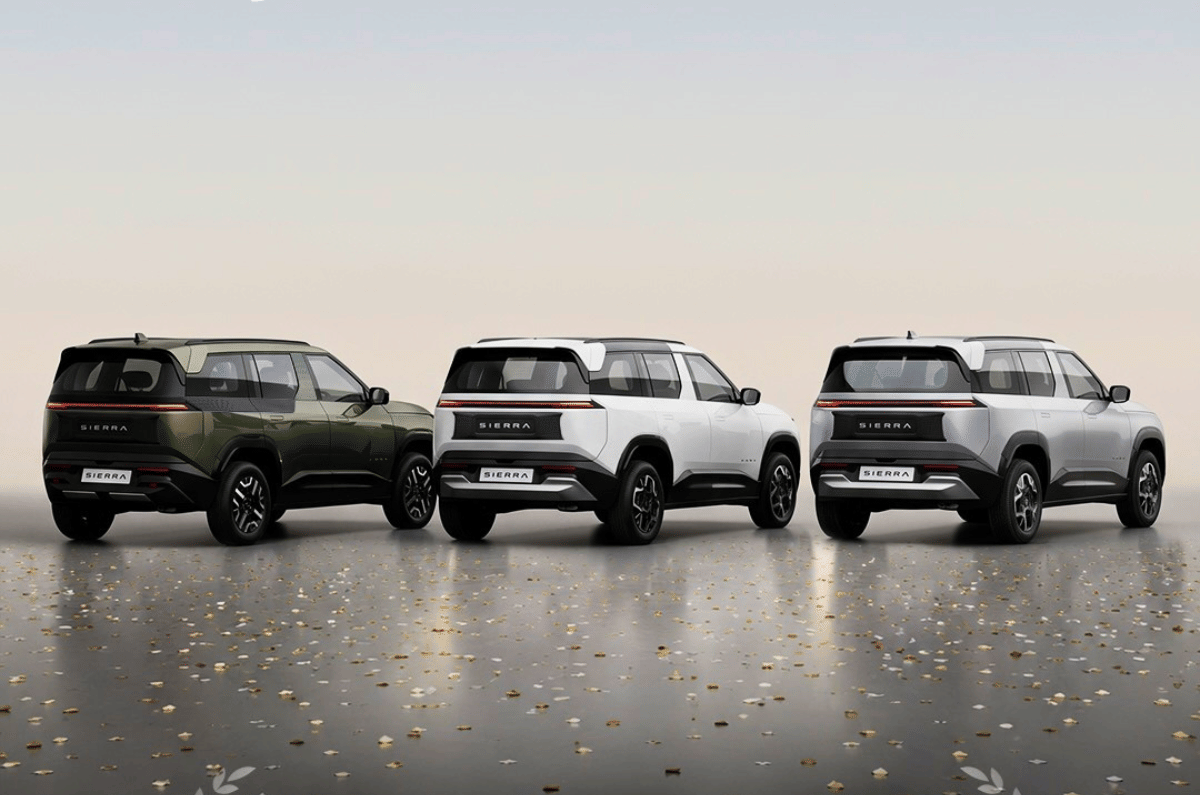
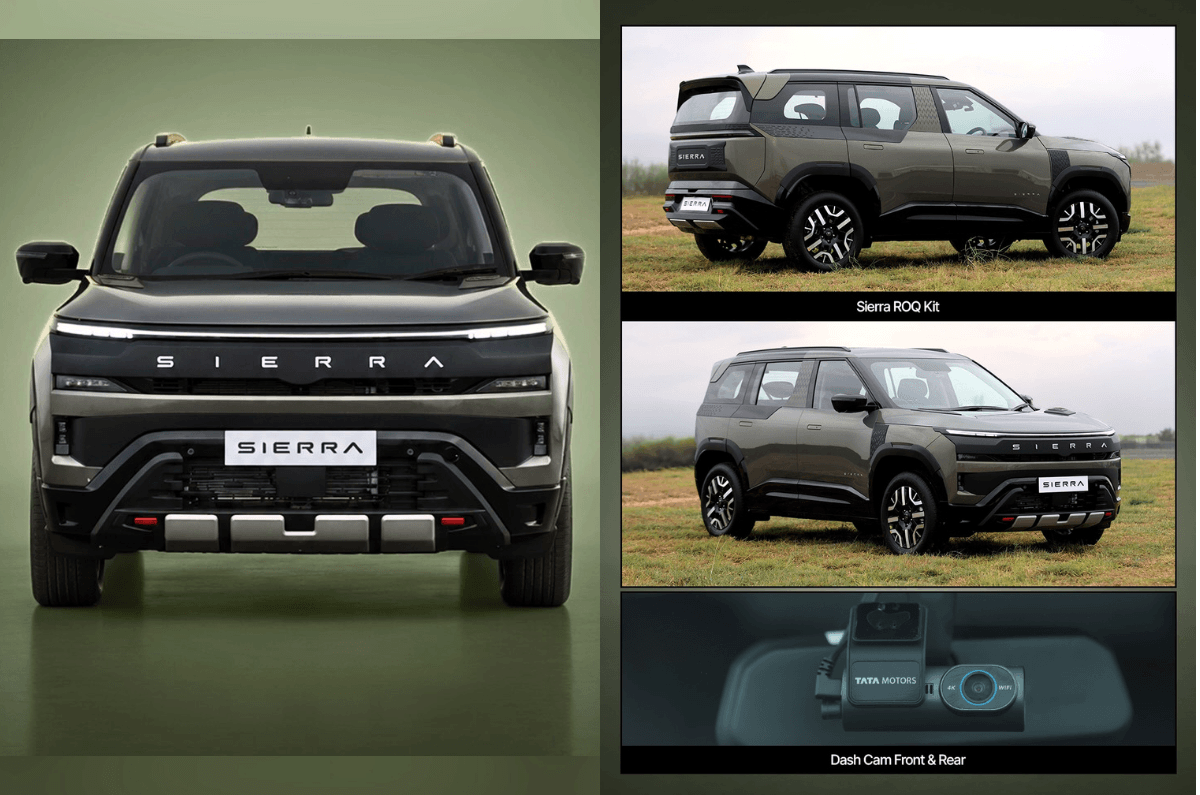
Tata Motors has introduced the Jubilee Edition for the Sierra’s Smart+, Pure and Adventure trims. Depending on the trim, accessories from the Sierra’s ROQ range are on offer, along with a couple of features that are otherwise not offered on those trims. Prices for the Jubilee Edition have not been officially revealed at the time of writing.
Tata Sierra Jubilee Edition details
Smart+
Rs 11.49 lakh-12.99 lakh
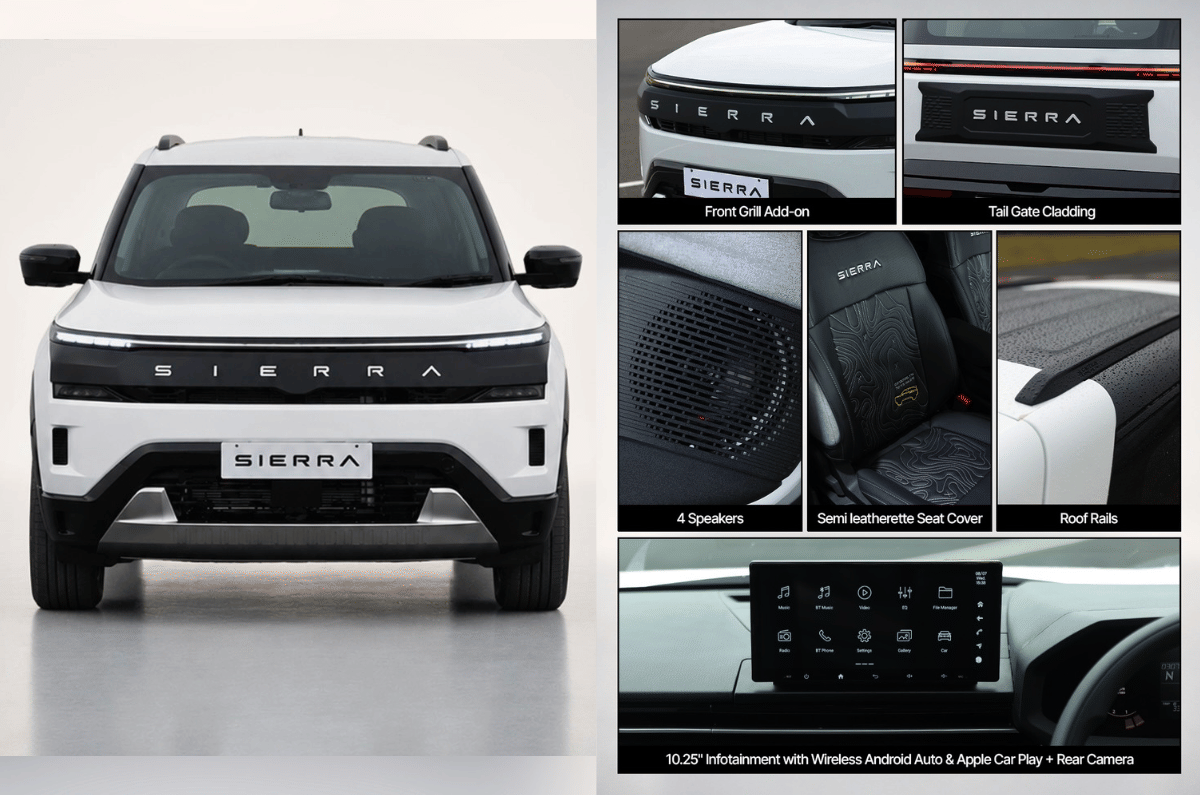
On the entry-level Sierra Smart+, the Jubilee Edition adds front grille and tailgate cladding, roof rails, semi-leatherette seat covers with Jubilee Edition branding, a 4-speaker audio system, and a 10.25-inch touchscreen infotainment system with wireless Android Auto, Apple CarPlay, and a rear-view camera.
Pure
Rs 12.99 lakh-15.99 lakh
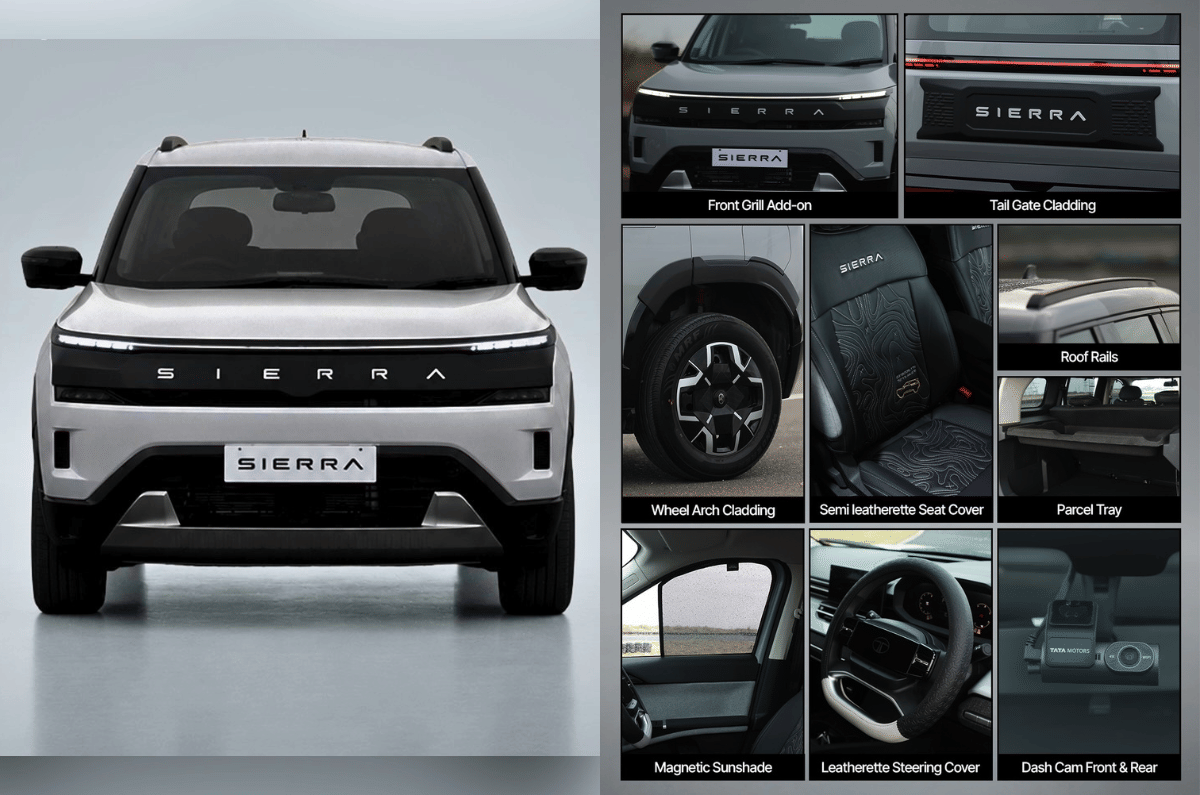
For the one-above-base Sierra Pure trim, the Jubilee Edition adds cladding for the front grille, tailgate and wheel arches, alongside roof rails, semi-leatherette seat covers, a leatherette steering wheel cover, magnetic sunshades, a parcel tray, and front and rear dash cameras.
Adventure
Rs 15.29 lakh-16.79 lakh
Buyers opting for the mid-spec Sierra Adventure Jubilee Edition get the full ROQ styling kit and front and rear dash cameras.
Tata Sierra powertrains and rivals
The Sierra is offered with three engine options. The first is a 1.5-litre turbo-petrol engine that produces 160hp and 255Nm, paired with a 6-speed automatic gearbox. There’s also a 1.5-litre naturally aspirated petrol engine with peak outputs of 106hp and 145Nm, available with either a 6-speed manual or a 7-speed dual-clutch automatic gearbox. Lastly, the 1.5-litre diesel engine develops 118hp and is offered with a 6-speed manual (260Nm) or a 6-speed automatic (280Nm).
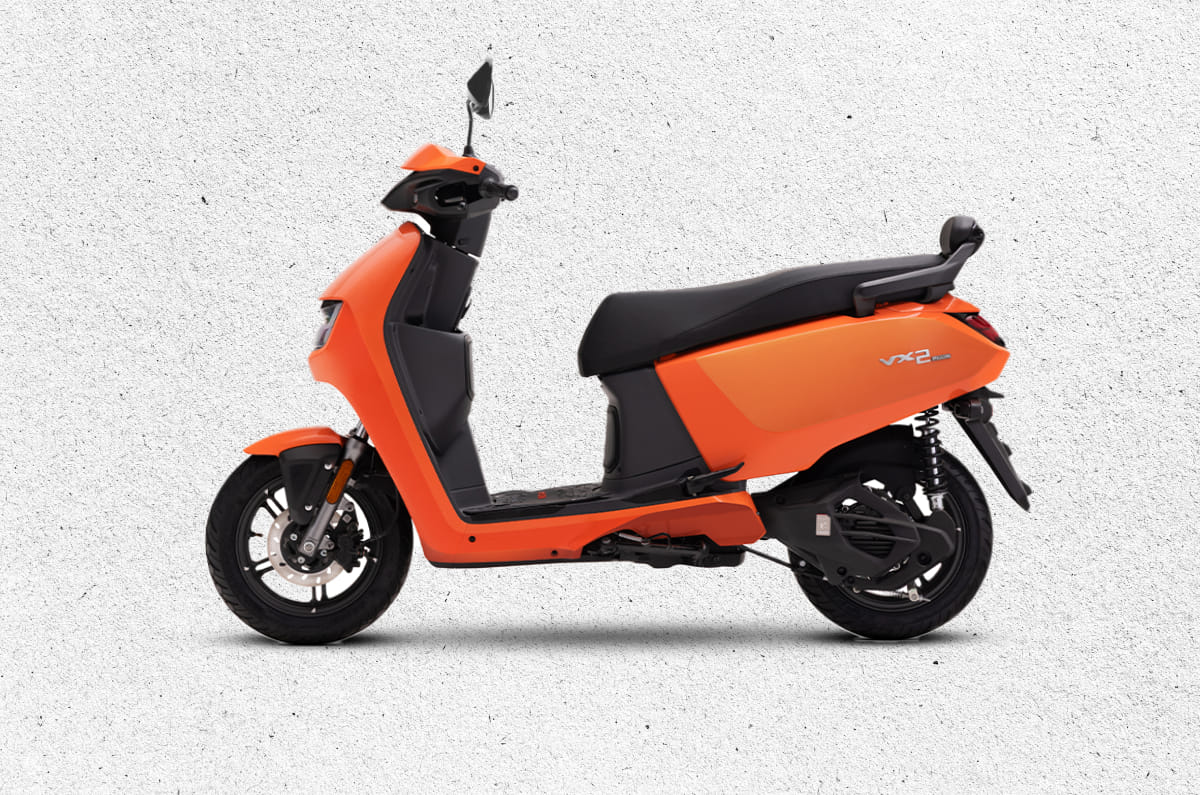
Hero Vida has launched the VX2 Plus with a new 4.4kWh battery pack, offering notably more range while retaining the powertrain and performance of the existing 3.4kWh variant.
Priced at Rs 1.44 lakh (ex-showroom, New Delhi)
Offers a claimed IDC range of 187km
DC fast charging from 0 to 80 percent in 65 minutes
Hero Vida VX2 Plus 4.4kWh details
The scooter uses dual removable 2.2kWh battery packs
The new VX2 Plus variant uses two removable 2.2kWh battery packs for a combined capacity of 4.4kWh, delivering a claimed IDC range of 187km – notably more than the 146km offered by the existing VX2 Plus 3.4kWh. The scooter comes with a new 1kW portable charger, nearly twice as powerful as the unit supplied with the 3.4kWh variant, which claims a 0 to 80 percent charging time of 3 hours and 17 minutes, and a 0 to 100 percent charging time of 5 hours and 8 minutes. DC fast charging cuts those figures down to 65 minutes and 2 hours 30 minutes, respectively. Vida says it now operates a network of over 6,000 fast-charging stations across the country.
The rest of the scooter remains largely identical to the VX2 Plus 3.4kWh. Power continues to come from a 6kW motor producing 26Nm of torque, with a claimed top speed of 90kph. The scooter offers three riding modes – Eco, Ride and Sport – along with a Boost function that provides short bursts of additional performance for overtaking. Other features include a 4.3-inch TFT display with smartphone connectivity and turn-by-turn navigation.
Vida says the VX2 Plus 4.4kWh will be available at authorised dealerships across the country by the end of July 2026. The manufacturer also announced an Asia Book of Records achievement for the “Longest Journey by an Electric Scooter”, after completing a continuous 12,111km ride across India over 52 days using this variant.
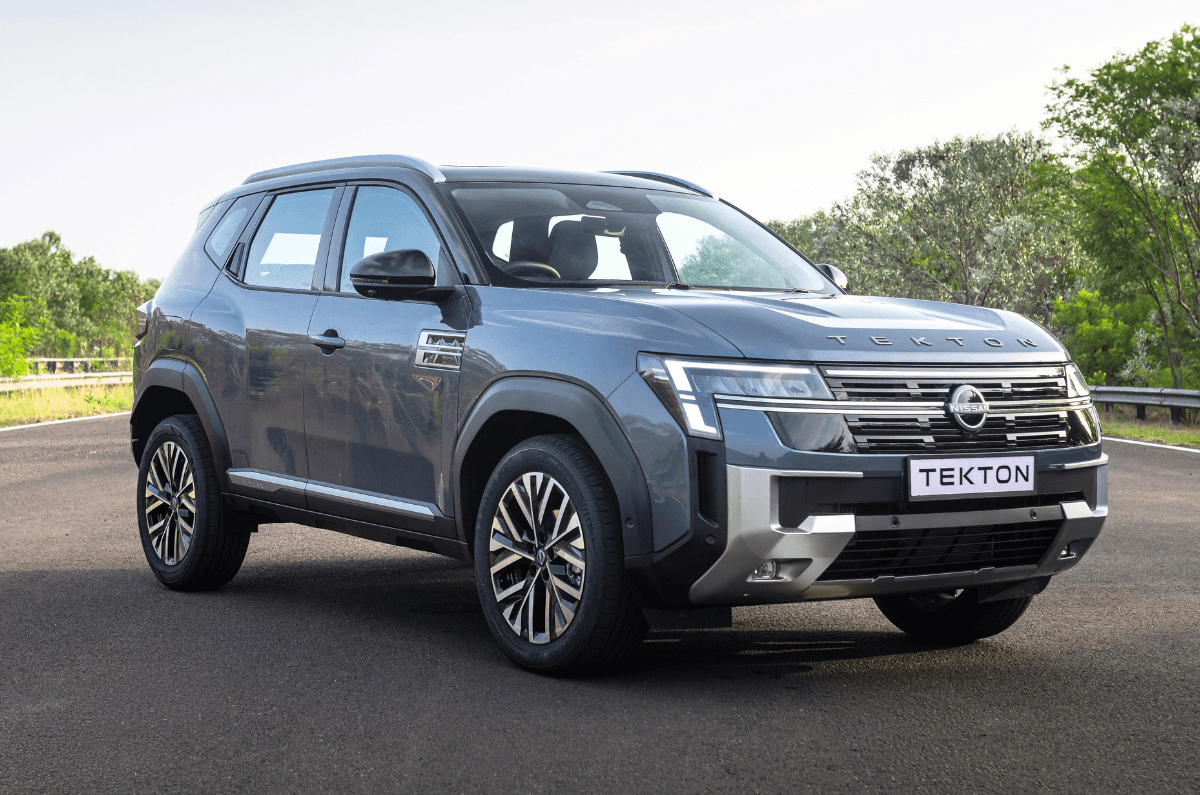
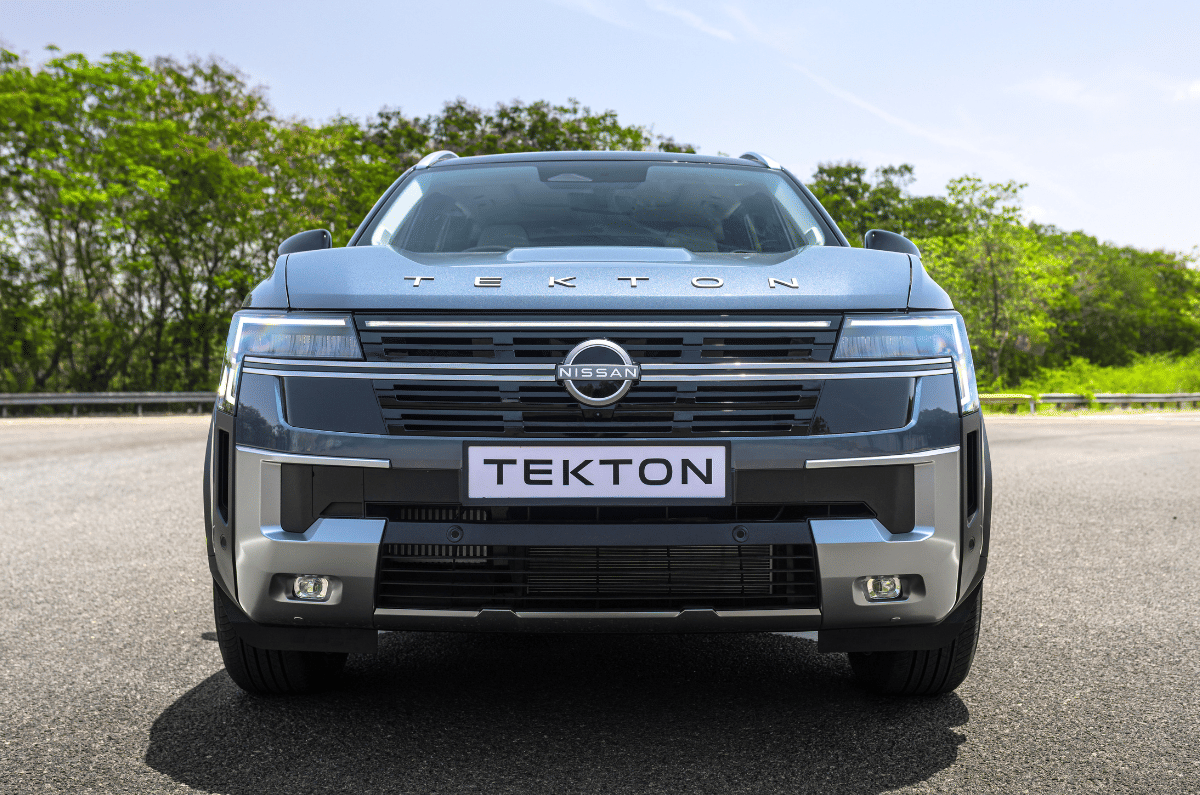
After several delays, Nissan has finally launched the Tekton in India. The SUV is the carmaker’s version of the Renault Duster, featuring a few design changes while sharing the same underpinnings. Competing with the likes of the Hyundai Creta, Kia Seltos, Tata Sierra, Maruti Grand Vitara and more, here’s everything you should know about Nissan’s new midsize SUV contender.
Is the Nissan Tekton pricier than the Renault Duster?
The Tekton range starts at Rs 10.49 lakh, ex-showroom, similar to the Duster. At the entry level, the Tekton is priced on par with the Duster and is among the most affordable midsize SUVs, with only the MG Astor and Citroen Aircross costing less. The Maruti Victoris follows with a premium of just Rs 1,000, while the Maruti Grand Vitara, Hyundai Creta, Kia Seltos, Tata Sierra, Skoda Kushaq, Volkswagen Taigun, Toyota Hyryder and Honda Elevate are all priced higher.
At the top end, the Tekton costs Rs 10,000 more than the Duster at Rs 18.59 lakh. Even then, it’s still cheaper than the Seltos, Creta, Sierra, Hyryder, Victoris, and Grand Vitara. The Aircross remains the most affordable midsize SUV by a wide margin.
When will the Nissan Tekton hybrid launch in India
As we have exclusively reported before, the Tekton will not be adding a hybrid powertrain option. Renault will be keeping the Horse Powertrain-derived strong hybrid system exclusive for the Duster, positioning it as a key competitive advantage in the increasingly crowded midsize SUV space.
The Tekton offers a choice between 100hp 1-litre and 163hp 1.3-litre turbo-petrol engine options. A 6-speed manual gearbox is standard, but an automatic gearbox, a 6-speed dual-clutch unit in this case, is offered with the more powerful mill only.
What is the fuel-efficiency of the Nissan Tekton?
Powertrain
Claimed fuel efficiency (kpl)
100hp 1L turbo-petrol 6MT
19.41
163hp 1.3L turbo-petrol 6MT
17.8
163hp 1.3L turbo-petrol 6DCT
18.5
Evidently, the 1.0-litre turbo-petrol paired with a manual gearbox delivers the highest efficiency at 19.41kpl in the line-up. The 1.3-litre turbo-petrol returns 18.5kpl with the dual-clutch automatic and 17.8kpl with the manual gearbox. Since the powertrains are shared between the Nissan and Renault badge-engineered SUVs, their claimed fuel-efficiency figures are similar.
Is the Nissan Tekton larger in overall size than its rivals?
The Tekton shares its height, wheelbase, ground clearance and wheel size options with the Duster. It is, however, 6mm longer and 2mm wider due to its different styling. Compared to its midsize SUV rivals, the Tekton is longer than the Sierra, Creta, Grand Vitara, Kushaq, Taigun, Elevate, Astor and Aircross. However, it falls short of the Seltos by 111mm, the Hyryder by 16mm and the Victoris by 11mm. When it comes to wheelbase, the Sierra leads the segment, followed by the Seltos, Aircross, and then the Tekton.
The Nissan SUV’s 212mm ground clearance is the second-highest in the segment after the Elevate. It also shares the largest 518-litre boot capacity in the segment with the Duster.
Does the Nissan Tekton have a spacious interior?
Its front seats are supportive and well-cushioned, and they also feature electric adjustment and ventilation. The rear seat is comfortable for two adults, while a third passenger can fit in. However, the limited shoulder room and the transmission hump make it less comfortable for three occupants over longer journeys.
At the rear, there’s enough kneeroom and plenty of headroom for six-footers. The large panoramic sunroof and windows make the cabin feel airy. Rear passengers also get a centre armrest with cup holders, dedicated AC vents and charging ports.
Which Nissan Tekton variant should you buy?
The N-Connecta trim, priced between Rs 13.69 lakh and Rs 16.49 lakh, ex-showroom, is our pick of the Tekton range. It packs a good mix of features, including a 10.25-inch digital instrument cluster, a panoramic sunroof, dual-zone climate control, 18-inch alloy wheels, wireless charger a six-speaker sound system and more. Buyers also get a choice between the two turbo-petrol engine options, along with their respective manual and automatic gearbox pairings.
Higher Tekton trims add features like Google integration for the touchscreen, ventilated front seats, MyNISSAN connected car tech, powered tailgate, 360-degree camera, Level 2 ADAS and more.
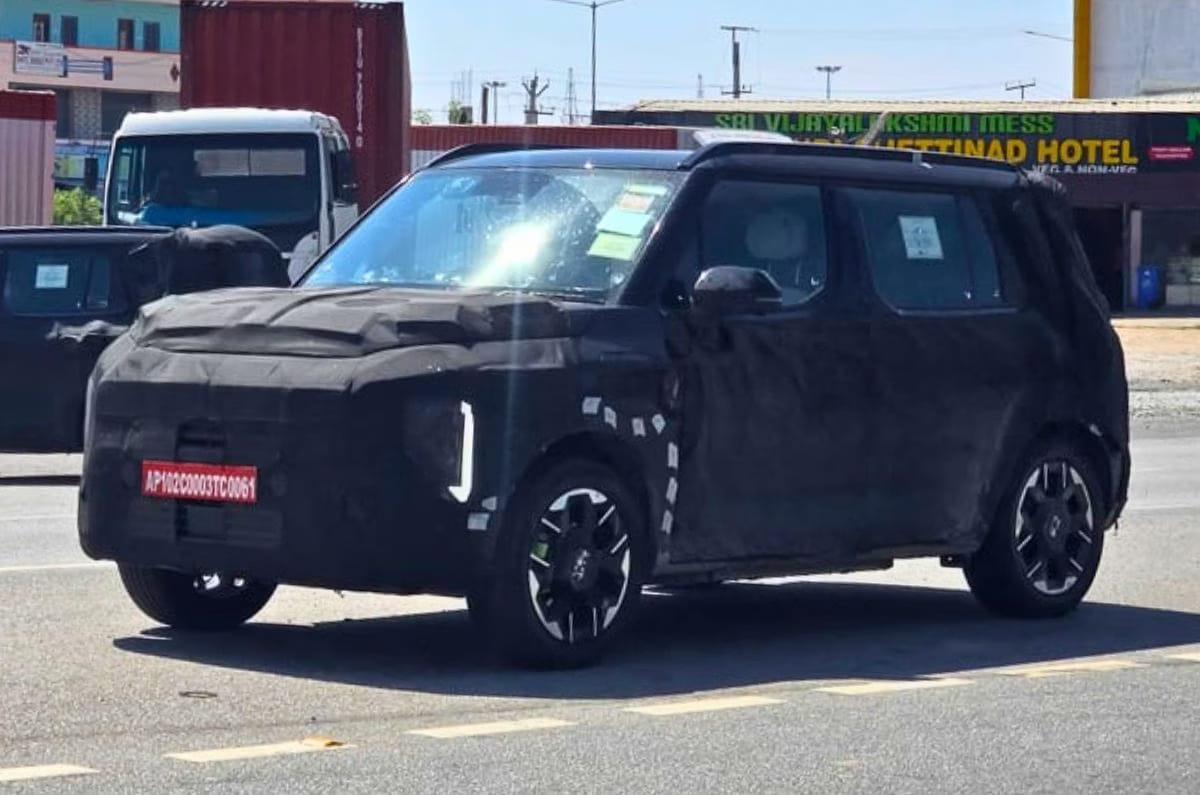
Kia has unofficially started bookings of the Syros EV for a token amount of Rs 25,000. It will be the second ICE-to-EV converted model in Kia India’s portfolio. Our dealer sources have hinted at a launch by the end of this month, along with its powertrain options.
Kia Syros EV: What do we know so far?
Our dealer sources have stated that the Kia Syros EV will offer the same battery packs as found on the Carens Clavis EV. This includes a 42kWh battery pack for the standard-range version and a larger 51.4kWh battery pack for the long-range versions. Additionally, they mentioned that ARAI-claimed ranges for the 42kWh and 51.4kWh versions would be about 420km and 520 km, respectively. The battery packs are expected to be paired to a front-mounted motor; however, power figures remain under wraps.
Image credit: @RasacL on Reddit
For its exterior, we were told that the Syros EV’s design would feature EV-specific design changes over its ICE counterpart, similar to how the Carens Clavis EV looks distinct from its ICE version. This could include a unique design for the alloy wheels, neon-green brake callipers, EV badging, and a slightly revised fascia. Heavily camouflaged test mules of the Syros EV have previously been spied on our roads.
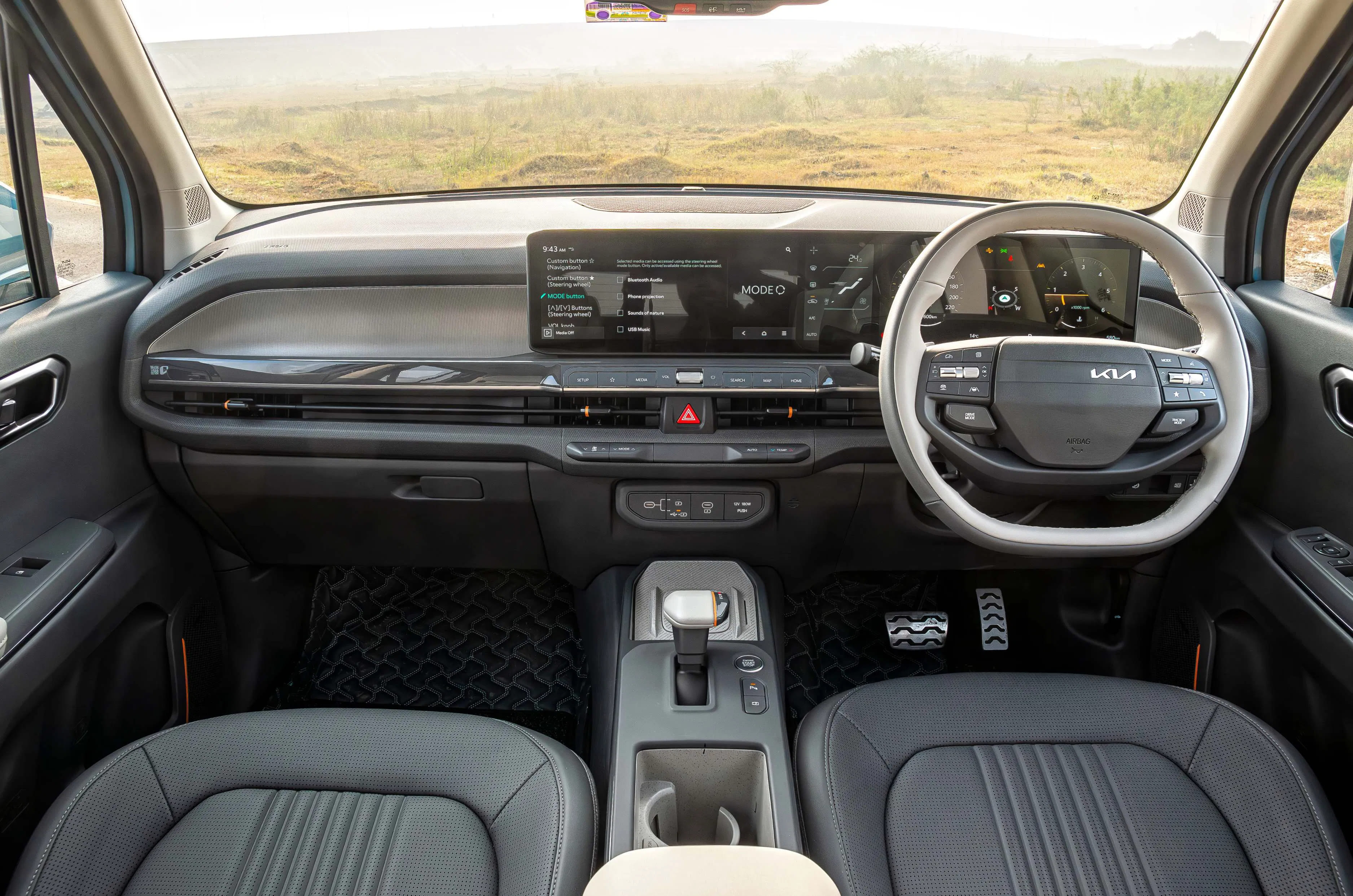
As far as the interior is concerned, it could likely retain the ICE versions’ overall layout, but with a different colour scheme. Its feature set could mirror that of the ICE Syros, which gets 12.3-inch displays for the infotainment and digital driver’s screens, a 5-inch HVAC control display, a panoramic sunroof, a powered driver seat, ventilated front seats, rear seat base ventilation and more. It remains to be seen whether the Syros EV will get an ADAS suite, given that it was discontinued in the MY26 update for the ICE Syros.
Dealer sources also told us that the Syros EV is likely to have a price range of Rs 15 lakh to Rs 20 lakh (ex-showroom). Once launched, it will take on the likes of the Tata Nexon EV and the MG Windsor.
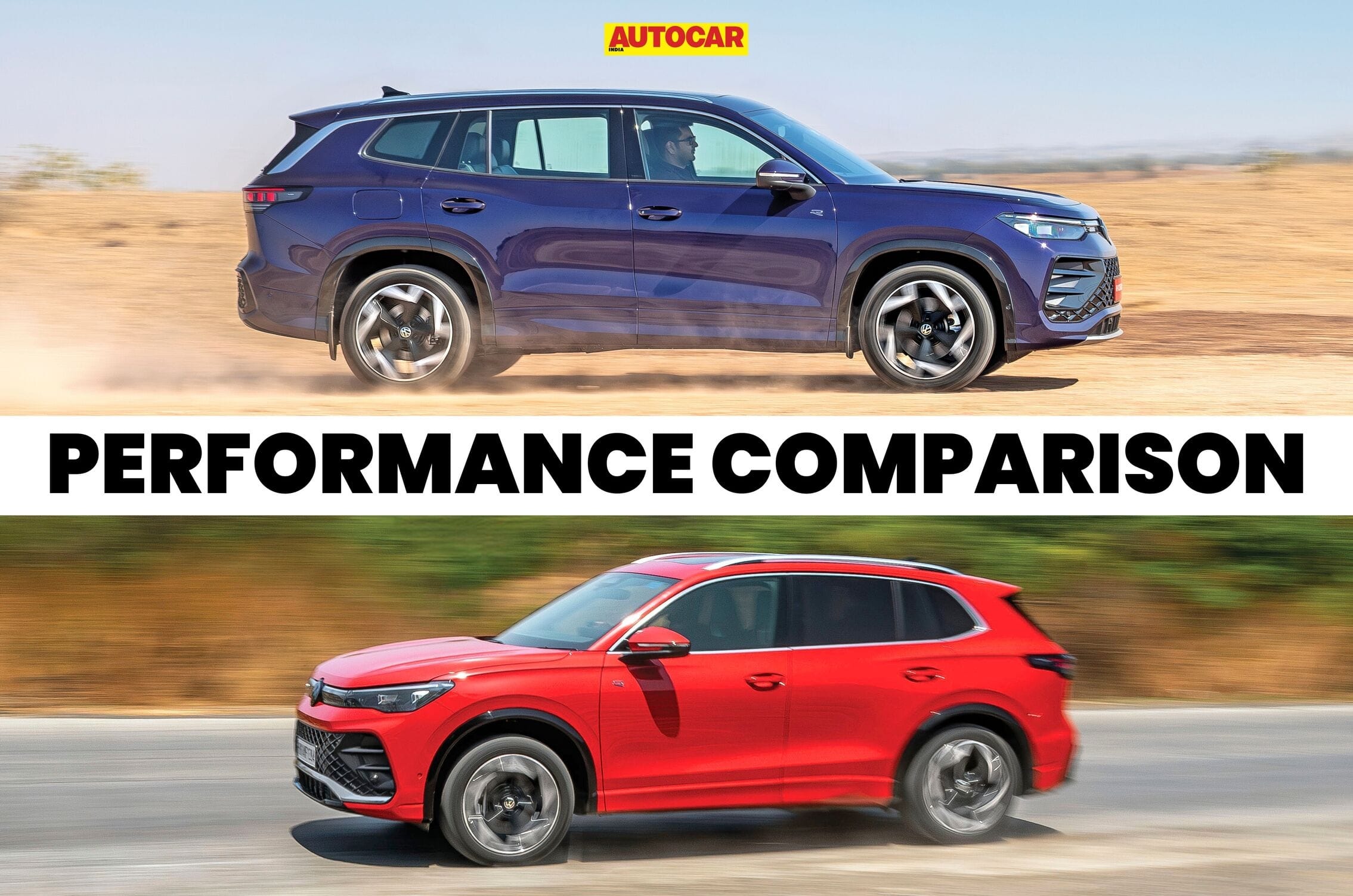
The Tayron R Line and Tiguan R Line sit at the top of Volkswagen’s portfolio in India. Both closely priced SUVs utilise the same platform and engine, but while the former is a 7-seater, the latter gets a 5-seat layout. We’ve tested the real-world performance of both models to find out how each performs with an identical engine and gearbox underneath.
Volkswagen Tayron R Line vs Tiguan R Line: Specifications
Volkswagen Tayron R Line vs Tiguan R Line: Specifications
Specifications
Tayron R Line
Tiguan R Line
Engine
4 cyls, turbo-petrol
4 cyls, turbo-petrol
Displacement (cc)
1,984
1,984
Power (hp)
204
204
Torque (Nm)
320
320
Drive layout
AWD
AWD
Gearbox
7DCT
7DCT
Kerb Weight (kg)
1,864
1,758
Power-to-weight (hp/tonne)
109.44
116.04
Torque-to-weight (Nm/tonne)
171.67
182.02
Powering both the Tayron and Tiguan is Volkswagen’s 2.0L TSI EVO engine, which is a direct-injection turbo-petrol unit. The mill churns out 204hp and 320Nm of torque, with power being sent to all four wheels via a 7-speed DCT gearbox. The only difference here is weight, where the Tiguan is lighter by 106kg leading it to have the better power/torque to weight figures in this comparison.
Volkswagen Tayron R Line vs Tiguan R Line: 0-100kph acceleration test
Volkswagen Tayron R Line vs Tiguan R Line: 0-100kph acceleration timings (seconds)
0-100kph acceleration
Tayron R Line
Tiguan R Line
0-20kph
1.15
1.12
0-40kph
2.16
2.03
0-60kph
3.56
3.26
0-80kph
5.50
5.01
0-100kph
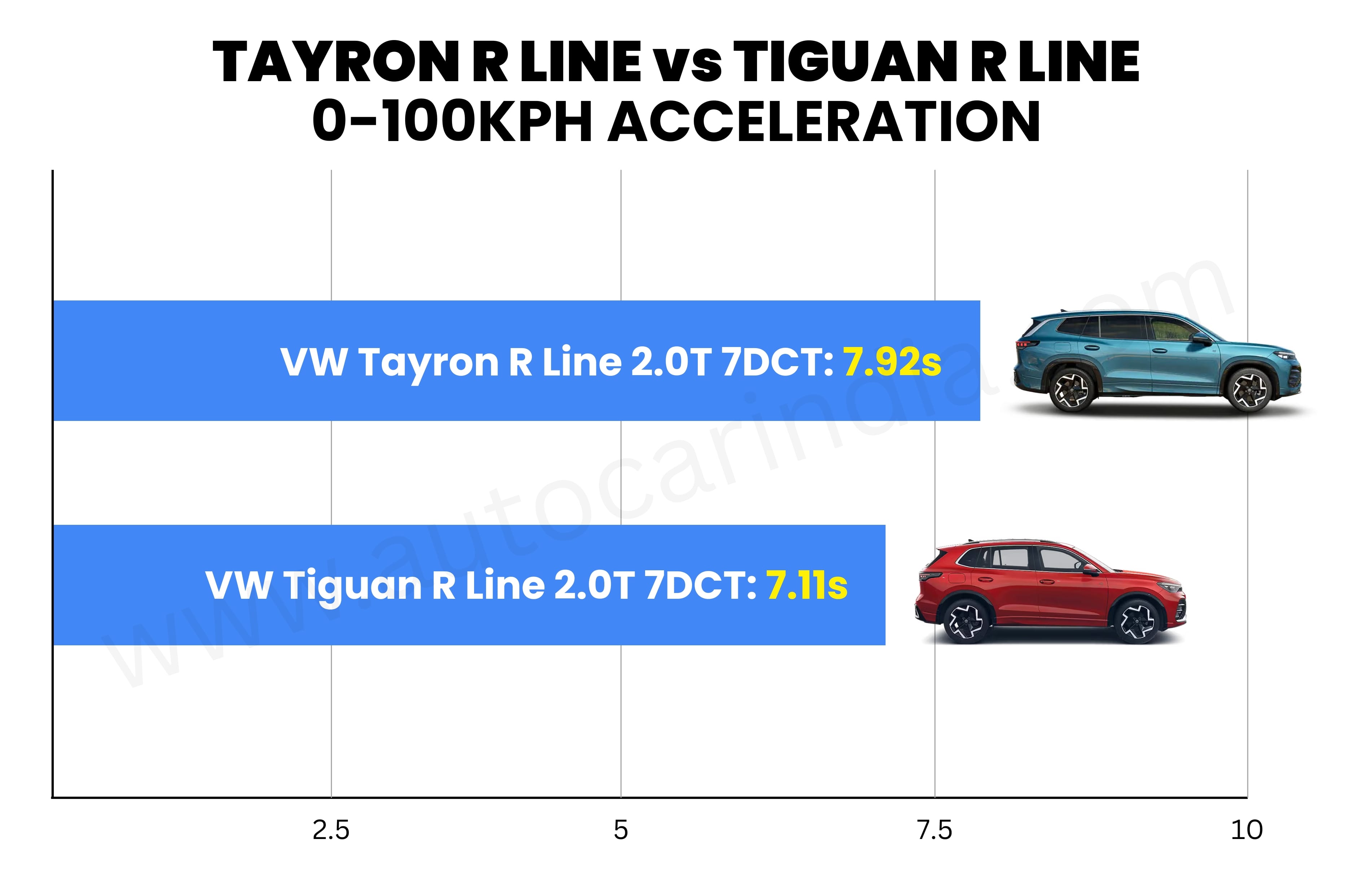
7.92
7.11
0-120kph
11.21
9.89
In our 0-100kph acceleration test, the Tiguan’s lighter weight came to its advantage, allowing it to accelerate 0.81 seconds quicker. At speeds of up to 20kph, both SUVs’ timings are closest, but as speeds increase, the Tiguan increases its gap further. At 120kph, the Tiguan leads over the Tayron by 1.32 seconds.
Volkswagen Tayron R Line vs Tiguan R Line: Rolling acceleration tests
Volkswagen Tayron R Line vs Tiguan R Line: Rolling acceleration tests (seconds)
Tayron R Line
Tiguan R Line
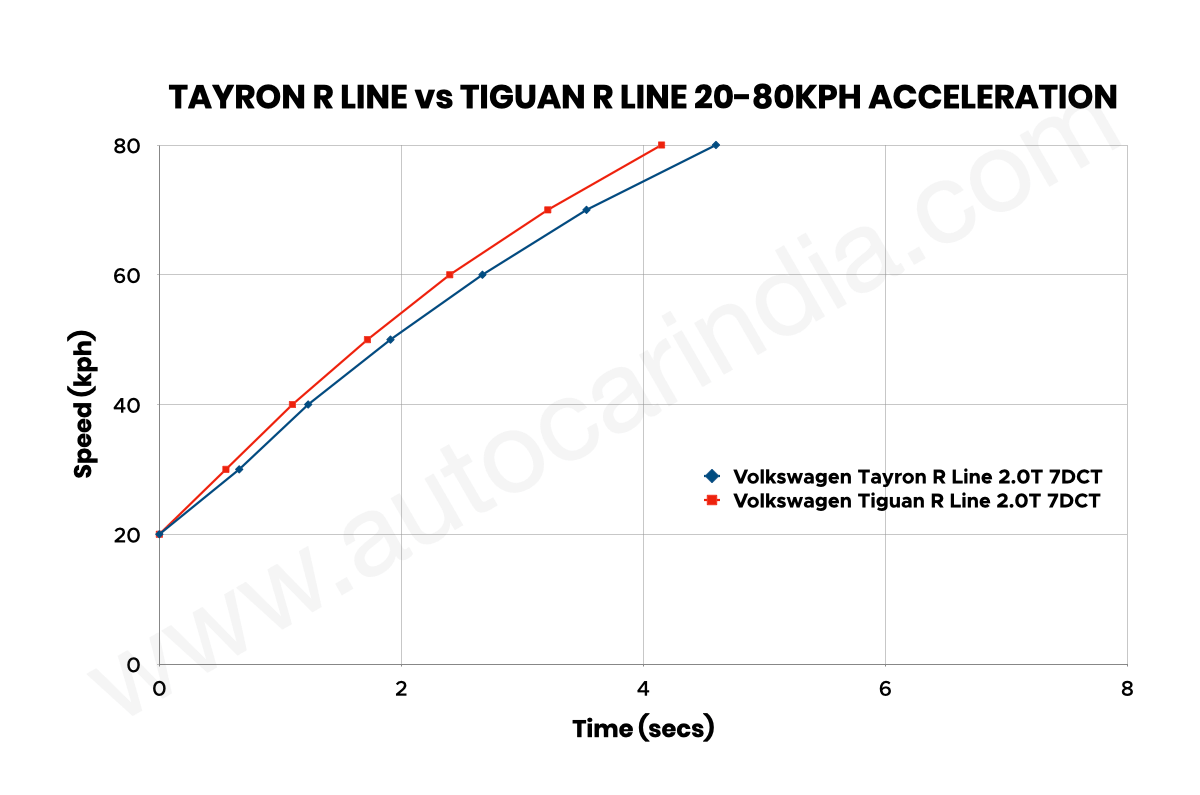
20-80kph (in kickdown)
4.6
4.15
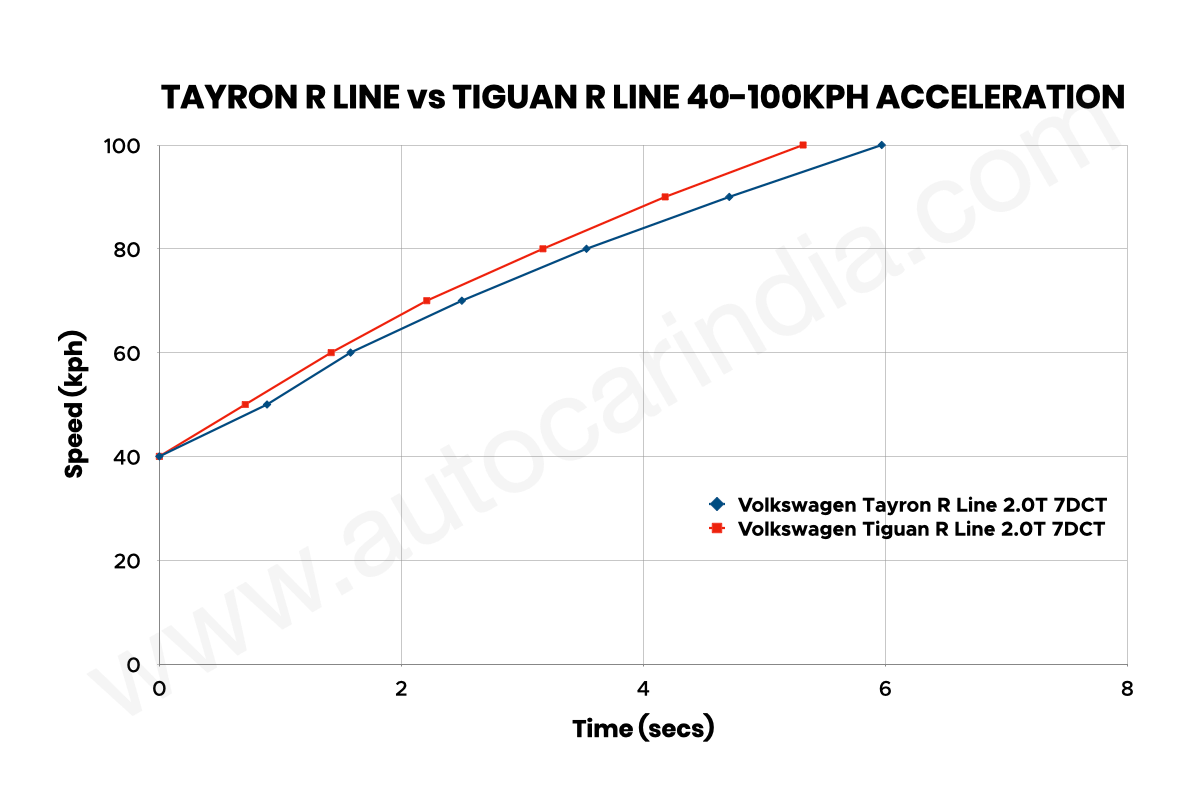
40-100kph (in kickdown)
5.97
5.32
Like their respective 0-100kph timings, the Tayron is outshined by the Tiguan in our rolling acceleration tests as well. It was faster in the 20-80kph and 40-100kph acceleration tests by 0.45 seconds and 0.65 seconds, respectively.
Volkswagen Tayron R Line vs Tiguan R Line: Prices
Volkswagen Tayron R Line vs Tiguan R Line: Prices
Tayron R Line
Tiguan R Line
Price (Rs lakh)
46.99
47.11
Despite being the larger SUV with more seats on offer, the Tayron R Line is more affordable than the Tiguan R Line by Rs 12,000. This is because while the larger Tayron is locally assembled in India, the Tiguan, on the other hand, is a CBU model.
Autocar India’s testing standards
Before we conduct our performance tests, we check and maintain tyre pressures based on the manufacturer’s recommendations and ensure the car has a full tank of fuel. The car is then tested in a controlled environment with two people on board, and the data is collected via highly accurate GPS-based timing equipment.