Honda to increase focus on premium scooters and motorcycles for India

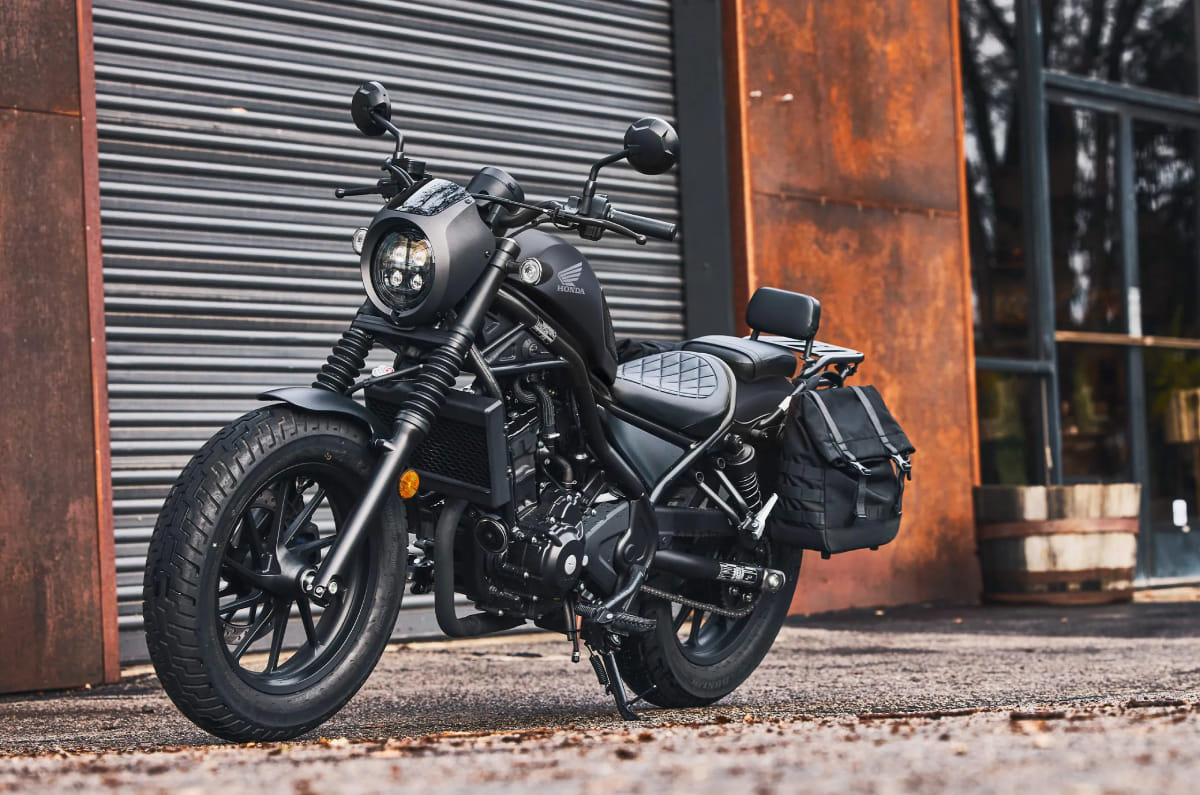
Honda Rebel 300 static image

Honda Motorcycle & Scooter India (HMSI) is sharpening its focus on premium scooters and mid-capacity motorcycles. The strategy marks a significant evolution for Honda, whose India business has long been anchored by high-volume commuter products such as the Activa scooter and Shine motorcycle.

  1. More premium products incoming
  2. Localisation will be key to affordability

The company says this has been done to retain younger buyers whose purchasing decisions are increasingly driven by design, technology and global products rather than just affordability. “Today’s customers, especially Gen Z and Gen Alpha, expect easy access to information through their smartphones and the internet,” HMSI president and CEO Tsutsumu Otani told Autocar Professional in an interview.

“Customers today don’t just compare models available in India; they also explore products offered in Asia, Europe and the United States,” he added.

Otani also said that Honda’s objective is no longer confined to winning first-time buyers but also to ensuring customers continue to remain within the brand as their aspirations evolve.

“The most important thing is not just market share. The key question is how we can increase loyal Honda customers,” he said. “Selling a vehicle is a one-time transaction. If customers do not choose Honda again when they purchase their next vehicle, that is not a good outcome for us.”

Industry analysts say the shift comes as India’s two-wheeler market becomes increasingly segmented, with premium motorcycles, feature-rich scooters and electric two-wheelers emerging as the fastest-growing parts of the industry.

Honda plans to draw more extensively from its global portfolio while increasing localisation to make premium products commercially viable for India.

“For our premium and step-up models, HMSI intends to leverage Honda’s global portfolio. We are also preparing new models based on Honda’s global portfolio,” Otani said.

He added that localisation would remain central before introducing any global model in India, both to improve affordability and strengthen domestic manufacturing.

While Otani declined to identify future products, Autocar Professional understands Honda is developing several new programmes covering 125cc and 150cc motorcycles, scooters, electric scooters, and 350cc and 500cc motorcycles. Although individual products and launch schedules remain undisclosed, the pipeline is consistent with the company’s strategy of building a broader premium portfolio while retaining customers within the Honda brand.

Honda is also giving India a larger role in product development as it seeks to shorten development cycles and improve localisation.

“‘Made in India’ means the supply chain exists in India. So, we have already changed our R&D process as well,” Otani said.

Asked whether Honda was now ready to design and develop products specifically for India, he replied, “Yes.”

The company’s strategy extends beyond internal-combustion products. Honda currently has a limited presence in India’s electric two-wheeler market but plans to expand its EV portfolio as adoption accelerates.

Otani said the company remained cautious about the pace of electrification because charging infrastructure and customer usage patterns were still evolving.

“Our first priority is to closely monitor the EV market in India and understand how it is developing,” he said.

At the same time, Honda sees growing opportunities in premium scooters as buyers seek larger engines, more features and stronger styling without sacrificing everyday practicality.

Otani said the challenge would be to localise advanced components and powertrains sufficiently to offer premium products at prices acceptable to Indian consumers.

The broader strategy reflects Honda’s attempt to reposition itself for a market where younger buyers increasingly expect global products adapted for local conditions rather than stripped-down versions developed solely for affordability.

For Honda, the next phase of growth may depend less on expanding its share of commuter motorcycles and scooters and more on building a complete portfolio that keeps customers within the brand as they move into premium motorcycles, larger scooters and electric mobility.

With input from Kiran Murali

BMW sells record 9,075 cars in H1 2026; 1 in every 4 models an EV

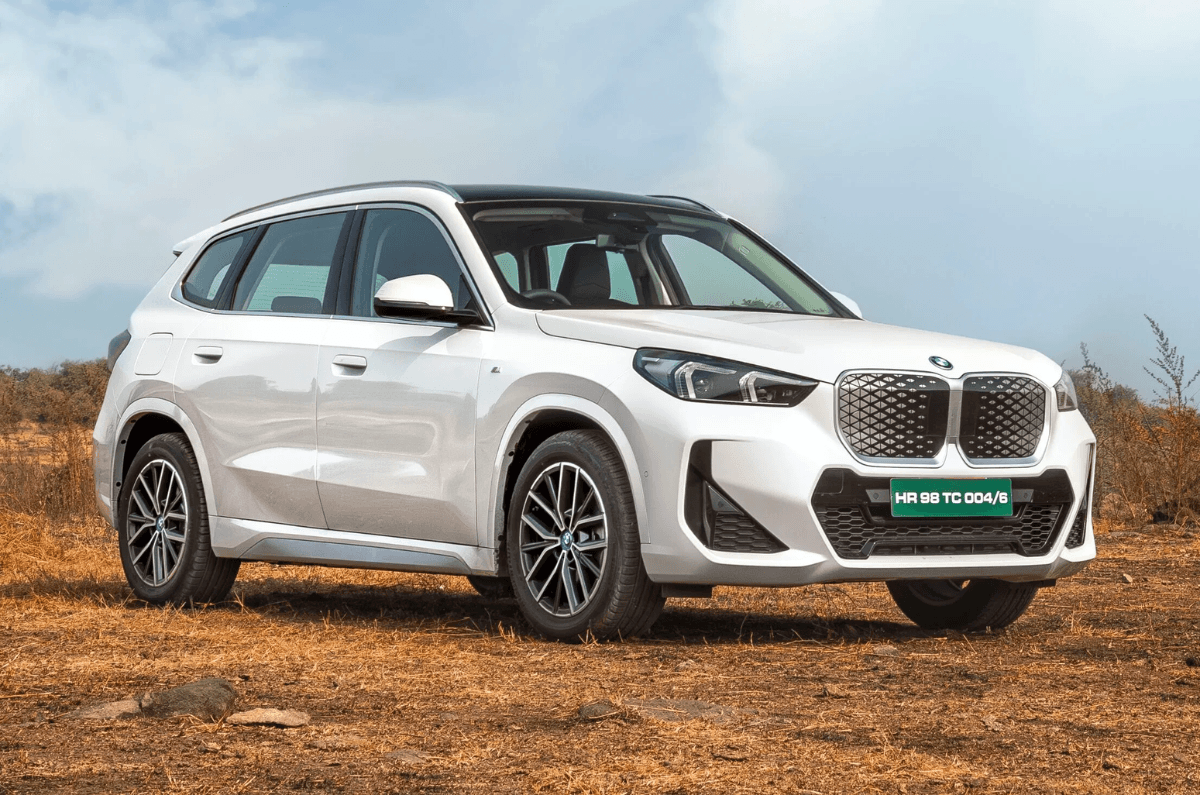
BMW iX1

BMW delivered 9,075 cars in the first six months of 2026 in India, clocking highest-ever H1 sales with a 17 percent year-over-year growth. Out of that figure, EVs accounted for 2,359 units, registering a 78 percent YoY sales growth. In fact, the carmaker claims that one in every four models BMW sold between January and June was an EV. “Our decisive hold on electric mobility has solidified BMW Group India as the number one choice in luxury EV segment…we are confident of driving the momentum…for the rest of the year,” said President and CEO Hardeep Singh Brar.

BMW H1 2026 sales breakdown

Sales of LWB models rose by 24 percent

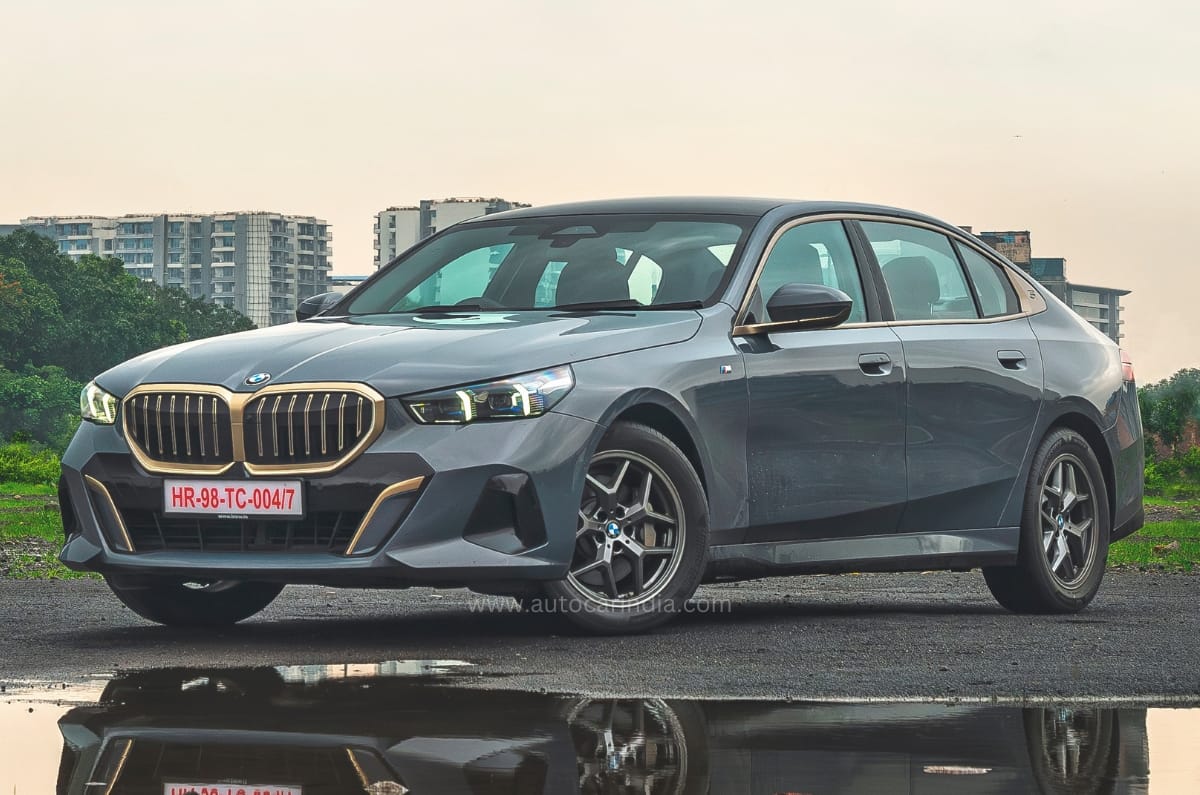
BMW claims that long-wheelbase (LWB) cars had a major 52 percent share in overall H1 sales with 4,428 units, which translates to a 24 percent growth over the year-ago period. Originally designed for the Chinese market, these cars appealed to Indian luxury car buyers, especially those who prefer being chauffeur-driven, because of the extra rear-seat space. LWB versions of the BMW iX1 e-SUV and 5 Series and 3 Series ICE sedans are currently sold in the country. Even the next-generation BMW X5 will launch in the LWB guise.

BMW 5 Series LWB
BMW 5 Series LWB.

What makes the overall package even more appealing is that all of these cars are locally assembled in India, leading to lower duties than fully imported models. For instance, the iX1 EV is the most affordable LWB model, priced at Rs 51.40 lakh, ex-showroom.

Mini H1 2026 sales breakdown

Sales grew by over 70 percent

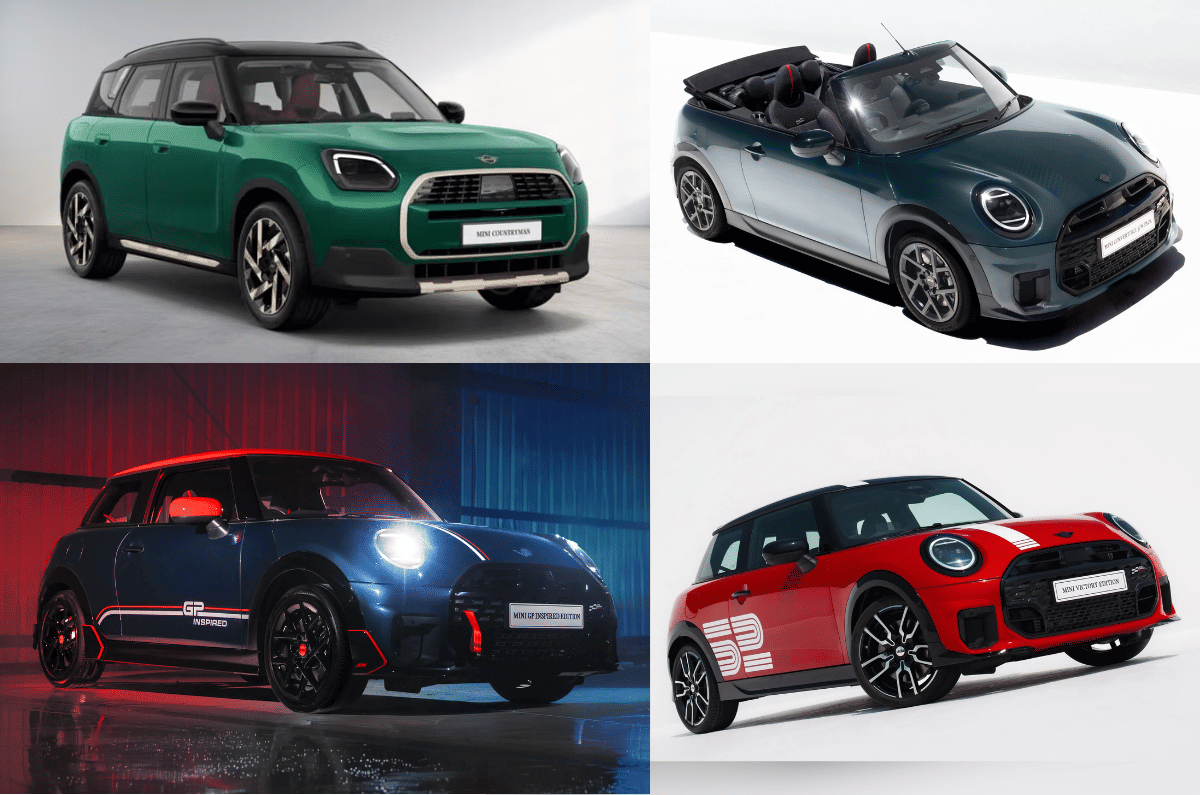
Mini new cars

In H1, BMW-owned Mini sold 504 cars, clocking over 70 percent growth YoY. Mini claims that that Countryman SUV was its most popular model, and the recently launched C trim is also seeing great demand. The Countryman is followed by the Cooper Convertible and its hatchback counterpart. Special editions launched so far this year, including the Mini Cooper S Victory and GP Inspired, along with the Cooper S Convertible JCW Pack, are already sold out.

With 5,926 units, BMW and Mini SUVs together recorded a 35 percent growth YoY.

6 BMW cars to launch in 2026

Facelifts of 4 cars are also planned for this year

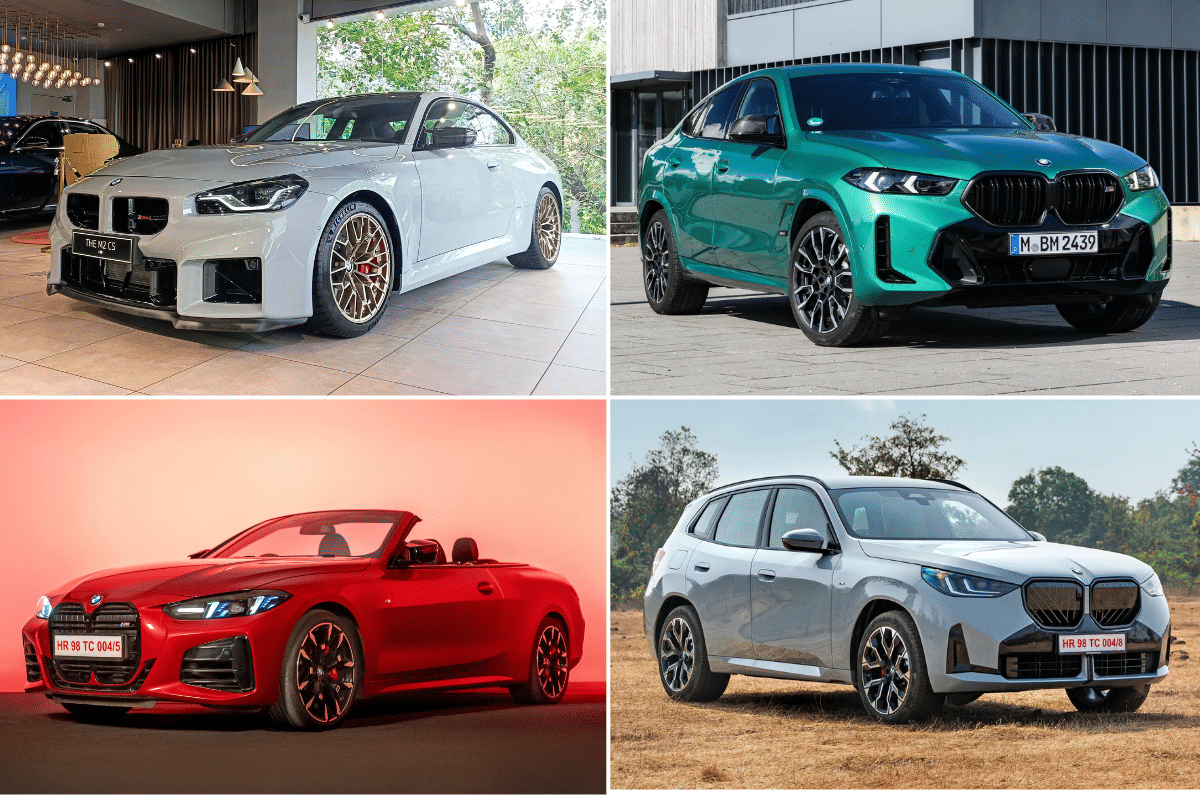
BMW cars

In January, the company had stated that it will introduce six all-new cars, four facelifts and 17 product enhancements this year. So far, it has introduced the X3 30 xDrive, M2 CS, M440i Convertible and X6 M60i. Beyond the expansion of its line-up, BMW Group India plans to expand to 10 new cities in 2026, widening its retail footprint as luxury demand spreads beyond the top metros.

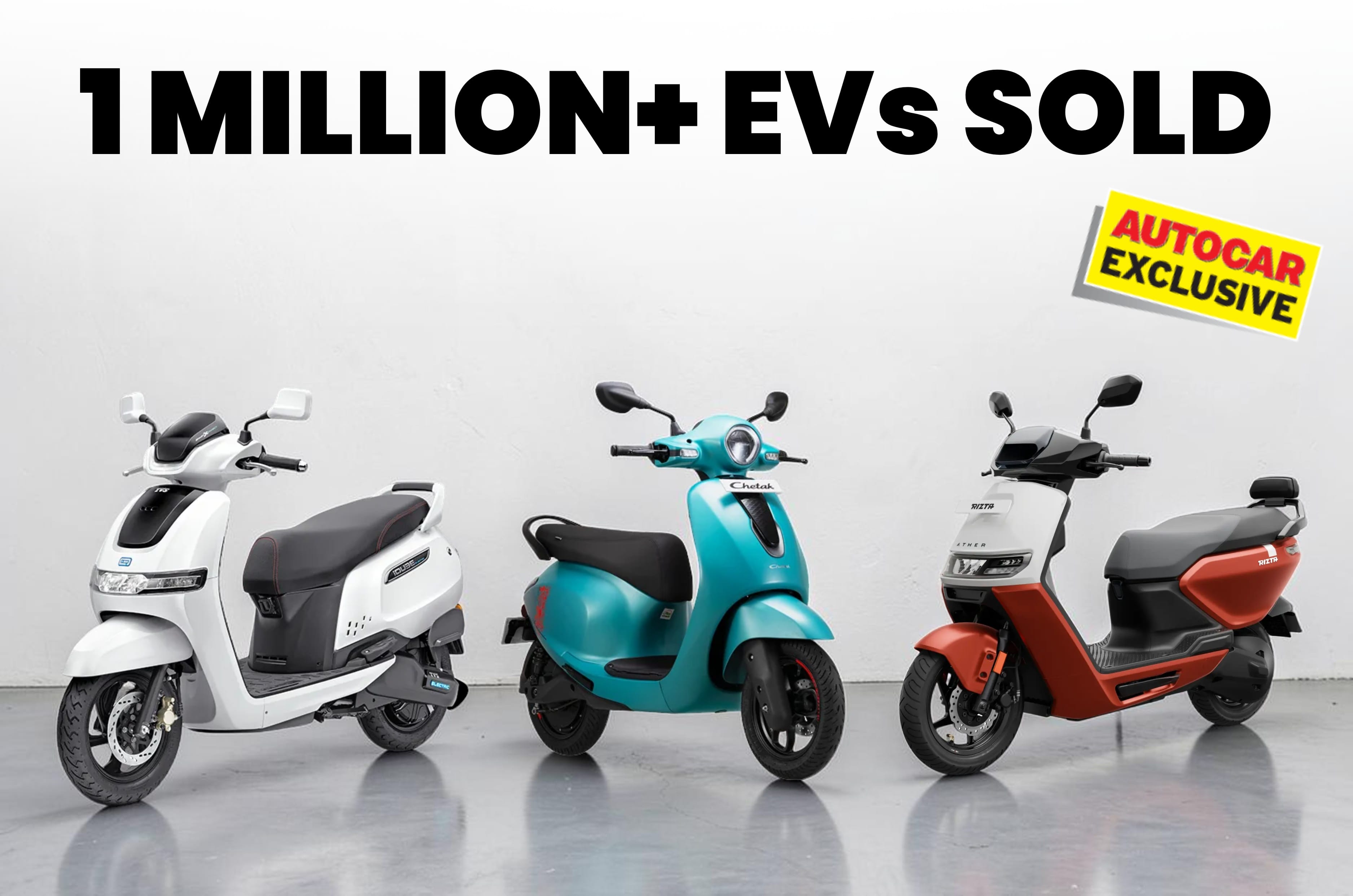
Electric scooter and bike sales cross 1 million units in 2026 so far

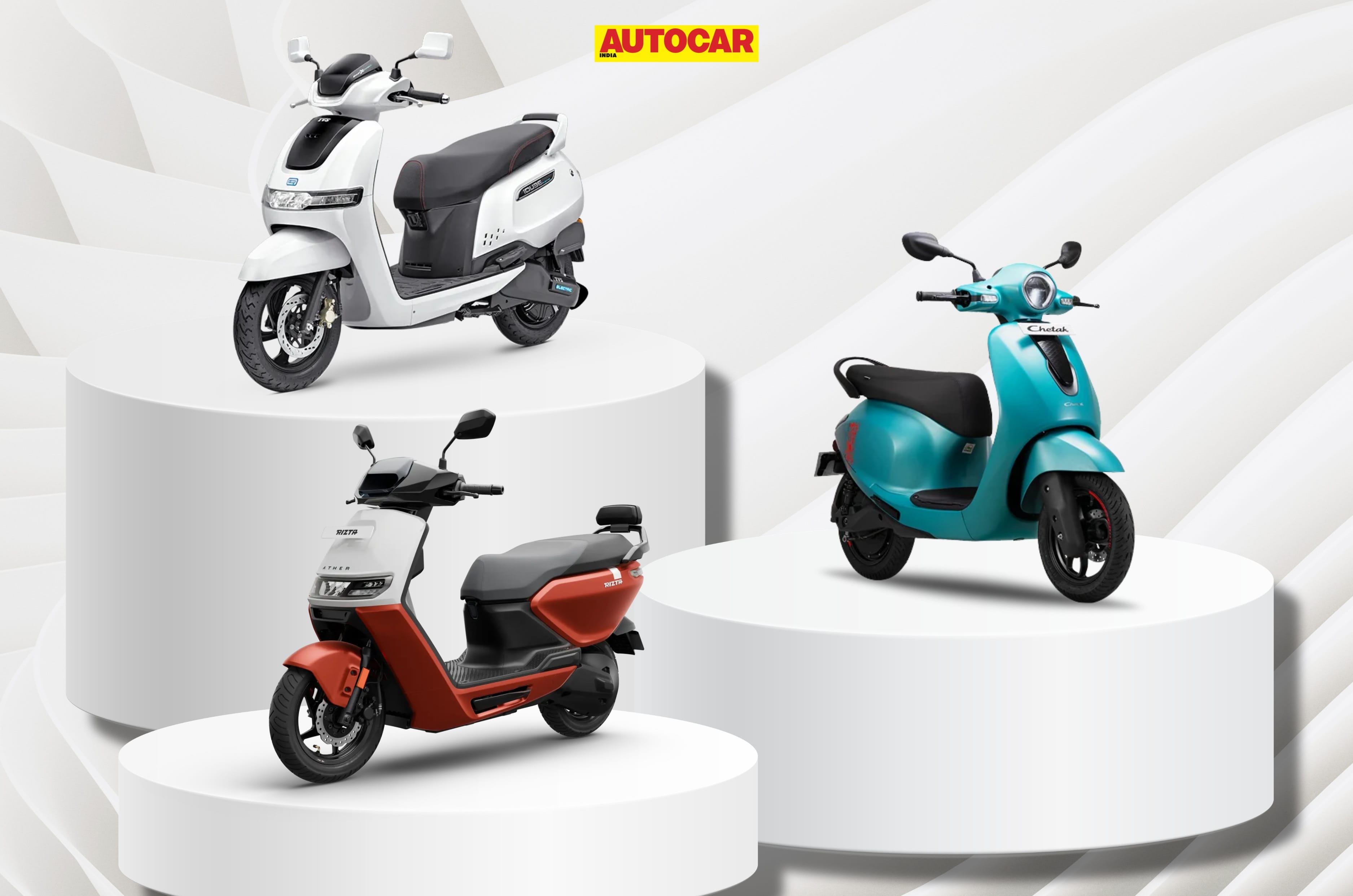
TVS iQube Bajaj Chetak Ather Rizta

The Indian electric two-wheeler industry has surpassed 1 million unit sales as of July 6 this year. As per the latest data on the Vahan portal, a record 10,05,279 e-scooters, motorcycles and mopeds have been sold between January 1 and July 6 this year. This marks a handsome YoY increase of 54 percent (January 1-July 6, 2025: 6,54,592 units) and daily sales of 5,375 units. 

Month

Units sold

January

1,29,265

February

1,18,408

March

1,99,393

April

1,57,619

May

1,72,530

June

1,94,186

July (till 6 July, 2026)

33,878

As the six-month retail sales data table above depicts, 2026 opened with 1,29,265 units in January, dropping 8 percent MoM in February (1,18,408 units). March saw retails jump 68 percent MoM to 1,99,393 units, which remains the highest monthly total yet for the industry. As a result, Q1 2026 (4,47,066 units) registered YoY growth of 39 percent (Q1 2025: 3,21,520 units). Sales rose higher in Q2 2026 (5,24,335 units) which was a 17 percent increase over Q1 and a 68 percent jump YoY (Q1 2025: 3,12,070 units) due to the sharp spike in sales in April (1,57,619 units, up 63 percent), May (194,196 units, up 64 percent) and June (1,94,186 units, up 75 percent).

Retail sales in May 2026, particularly from the second half, got a boost from the sharp increase in the price of petrol and a market dynamic that saw a fair number of two-wheeler buyers go electric to save money on costly petrol. Starting May 15, oil marketing companies implemented four hikes in petrol price in a span of 10 days. So far, fuel prices remain unchanged (as of July 7) and are enabling a higher level of transition to electric mobility across passenger and commercial vehicle segments.

Top brands on track to clock highest-ever annual sales

TVS, Bajaj Auto, Ather Energy and Vida have already achieved more than 80 percent of their record annual sales in 2025 already in 2026 so far.

The e-2W segment’s stellar growth this year is being driven by its Top 10 movers and shakers, with the bulk of them set to register their highest calendar year retail sales in CY2026. Combined sales of these 10 OEMs, at 9,39,894 units, gives them a 93 percent share of the 1-million retails to date, leaving the remaining 7 percent to be fought out by the other 16 players in the segment. 

Rank

Company

Sales till date

% Market share

1

TVS

2,60,938

26

2

Bajaj

2,25,960

22

3

Ather

1,74,677

17

4

Vida (Hero)

1,09,306

11

5

Ola Electric

68,148

7

6

Greaves

45,240

5

7

River

22,490

2

8

BGauss

20,276

2

9

Simple

7,391

1

10

Revolt

5,468

1


Total

9,39,894


Market leader TVS Motor Co has sold 2,60,938 iQube and Orbiter scooters till July 6 and accounts for a 26 percent share of the 1 million sales. This total is already 83 percent of its 2025 sales of 3,15,085 units which means TVS is well set to surpass the 5 lakh units annual sales milestone for the first time in 2026.

Bajaj Auto, with 2,25,960 units and 22 percent share, is the closest challenger to TVS. The manufacturer of the Chetak has achieved 81 percent of its 2025 sales (2,79,687 units). It should cross the 3 lakh units annual sales mark by mid-August and then go on to surpass 4 lakh unit sales by the end of the year. It will be achieving both these milestones for the first time in a calendar year.

Ather Energy, the firm No. 3, is also on a roll this year. The company has delivered 1,74,677 units between January 1-July 6, which gives it a 17 percent share of the million units and constitute 81 percent of its 2025 sales (2,14,984 units). Given the strong growth momentum for its products, particularly the Rizta and the potential of its upcoming more affordable EL-platform based products, Ather should likely go on to surpass 3.50 lakh units this year.

Hero MotoCorp (Vida) will, for the first time, achieve the 2 lakh unit annual sales milestone for its EVs. The 1,09,306 e-scooters sold till date are 97 percent of its 2025 total (1,13,024 units) and give the company an 11 percent share of all e-2Ws sold in the year to date.

Ola Electric has delivered 68,148 e-scooters and e-motorcycles in the first 187 days of this year. This gives it a 7 percent share of the million units albeit this total is just 33 percent of its sales in 2025 (2,04,526 units). While annual sales will surely cross the 1.25 lakh units mark this year, only a massive resurgence in demand for products from the former market leader will see it hit 1.50 lakh units, far fewer than the top three OEMs – TVS, Bajaj and Ather.

IPO-bound Greaves Electric Mobility, the manufacturer of Ampere e-scooters, has clocked retail sales of 45,240 units in the year to date. This gives it a 5 percent share of the million-unit sales and is 78 percent of its 2025 sales (57,700 units). GEM’s highest annual sales were in 2022 (80,000-plus including Ampere Vehicles).

Bengaluru-based River Mobility, which is witnessing growing demand for its sole product – the River Indie – has already hit a new annual sales high of 22,490 units. This is 5,470 units more than in 2025 (17,020 units) and should see the startup close in on the 50,000 mark in 2026. The company also manufactures the Yamaha EC-06, which is based on the Indie platform.

Eighth-ranked BGauss Auto sold 20,276 units between January and July 6, which gives it a 2 percent share of all-India e-2W sales to date and 80 percent of its 2025 sales (25,131 units).

Scooter maker Simple Energy has sold 7,391 units in the year to date, 763 units more than the 6,628 e-scooters it sold in 2025. Electric motorcycle manufacturer Revolt Motors, with 5,468 units, has achieved 50 percent of its 2025 sales of 11,018 units.

Given that the surging demand for electric scooters and motorcycles continues in H2 this year, the industry is racing towards breaching the 2-million annual sales milestone for the first time. And, considering that e-2Ws constitute the largest volume, they will also help the domestic EV industry to achieve a record 3 million sales this year.

3 reasons to buy the Flying Flea C6 and 2 reasons to skip it

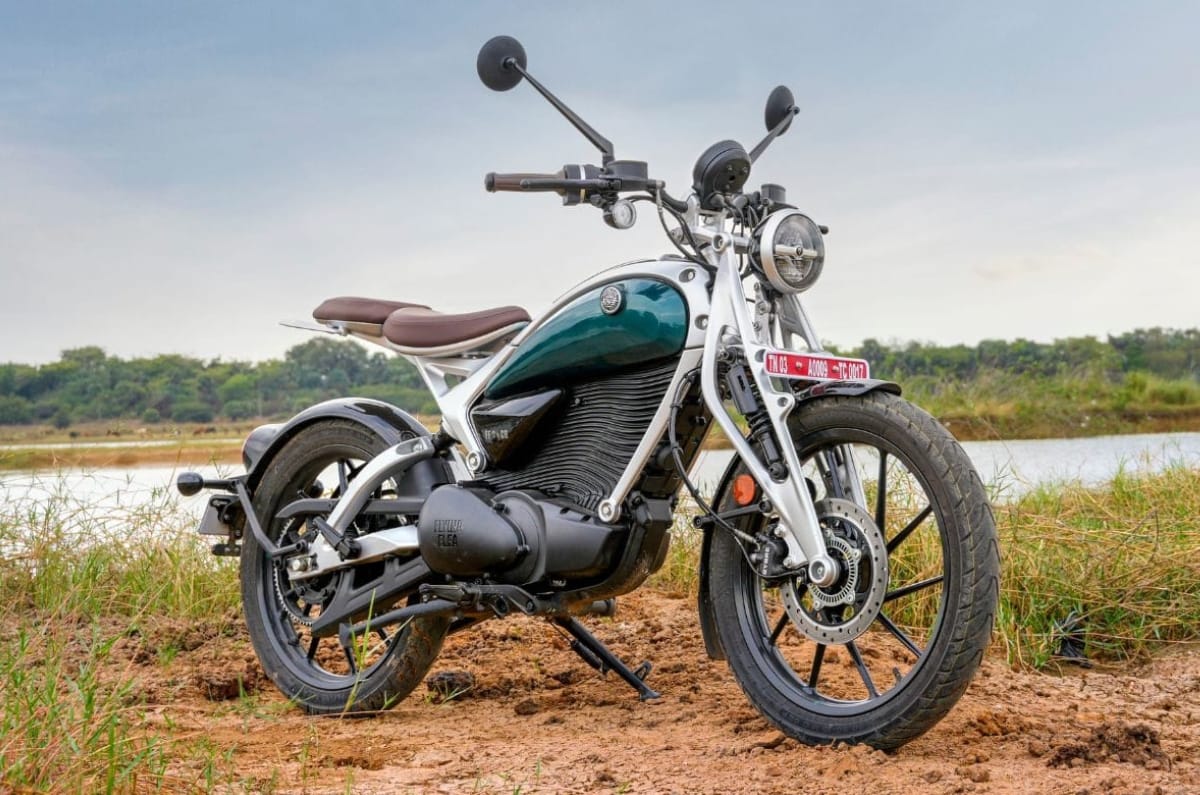
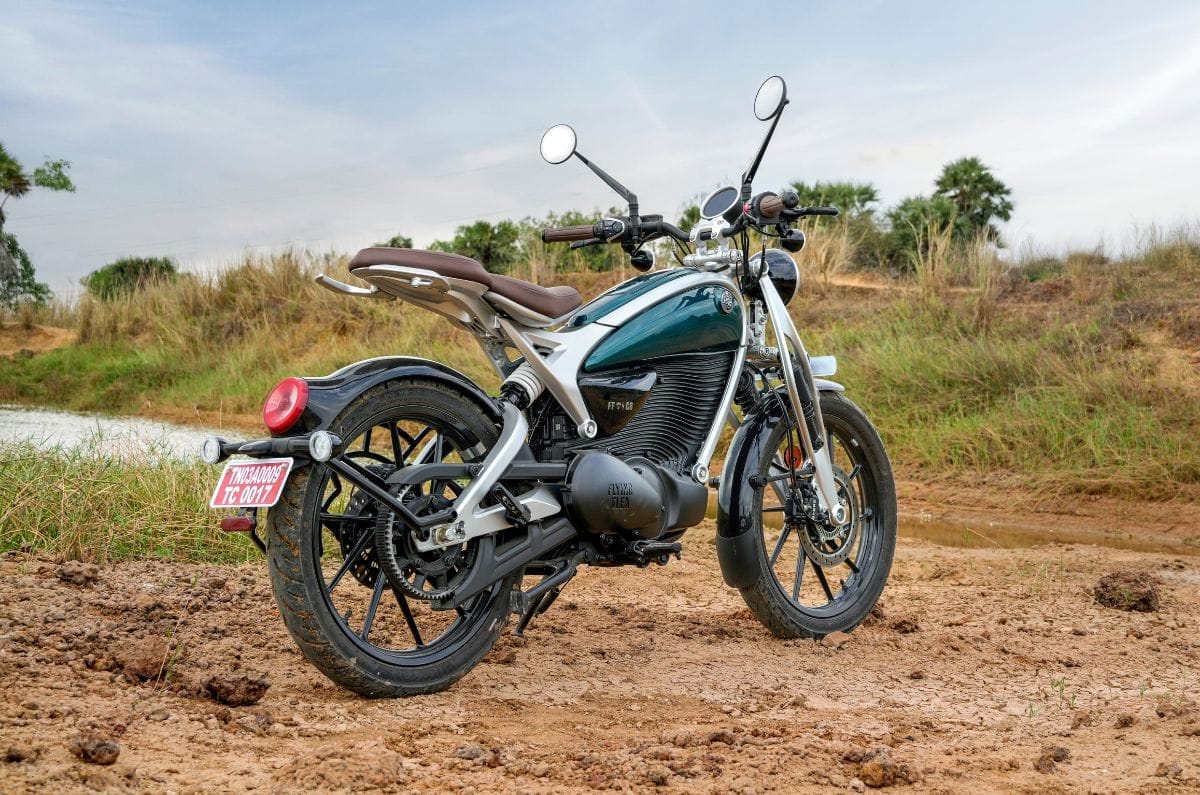
Flying Flea C6 static

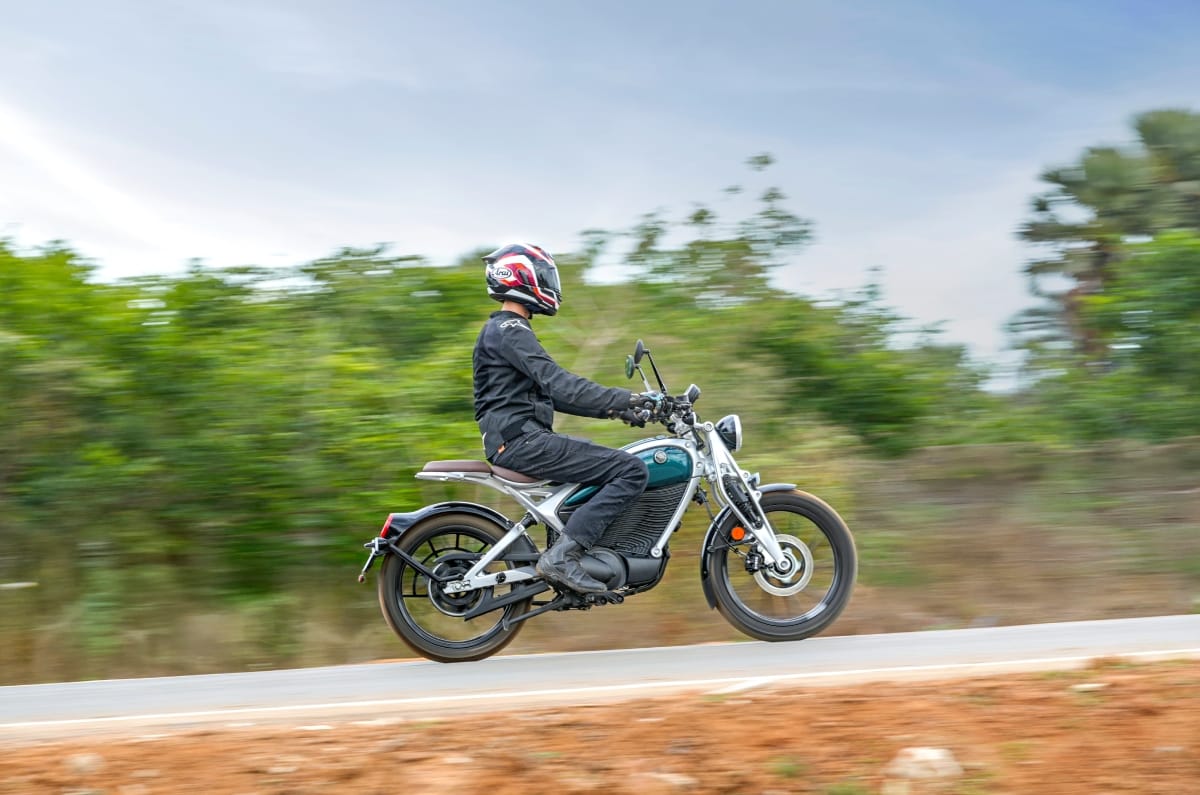
The Flying Flea C6 is Royal Enfield’s first electric motorcycle and, by any measure, one of the most unconventional two-wheelers to come out of an Indian manufacturer. The brand says it isn’t designed to be a high-volume product, but rather as a learning exercise and a statement of intent. During our brief stint with the bike, we found the C6 takes a genuinely different approach to electric mobility. Here’s what works in its favour and a couple of reasons it might not be for everyone.

Reasons to buy the Flying Flea C6

Exciting and engaging to ride

The C6’s performance is more impressive than its compact dimensions might suggest. The 15kW peak motor produces 60Nm and the bike can reach a top speed of around 115kph, which it achieves with ease. More significantly, during our time with the bike we found that this performance is consistently available even as the battery state of charge drops. The motor is capable of 8kW continuous output, which is among the highest of any Indian two-wheeler EV.

Four riding modes – Rain, City, Highway and Sport – are available, along with a custom mode that allows you to tweak throttle response, power level, traction control and regenerative braking independently. 

Beautifully engineered with impressive attention to detail

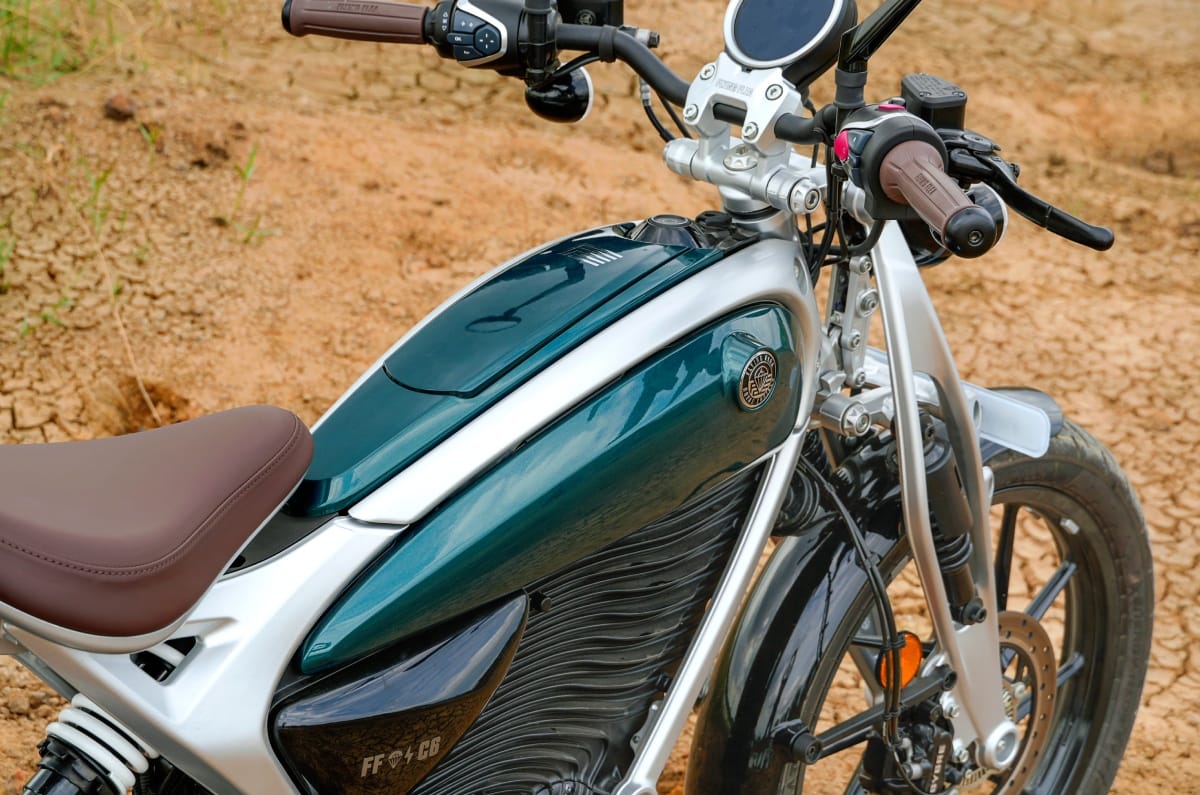
The C6 is a genuinely fascinating piece of engineering to spend time with. Virtually no steel is used in the structural components – the chassis is a forged aluminium exoskeleton, the swingarm is aluminium, and the battery casing is constructed from magnesium alloy, a material that is significantly lighter than aluminium and has never been used in an Indian two-wheeler before. The girder fork, in particular, is a mechanical highlight – it’s virtually extinct on modern motorcycles and is fascinating to observe both at a standstill and in motion. Royal Enfield has addressed magnesium’s combustibility risk by designing the chassis as a protective exoskeleton around the battery casing. 

High-end technology and thoughtful features

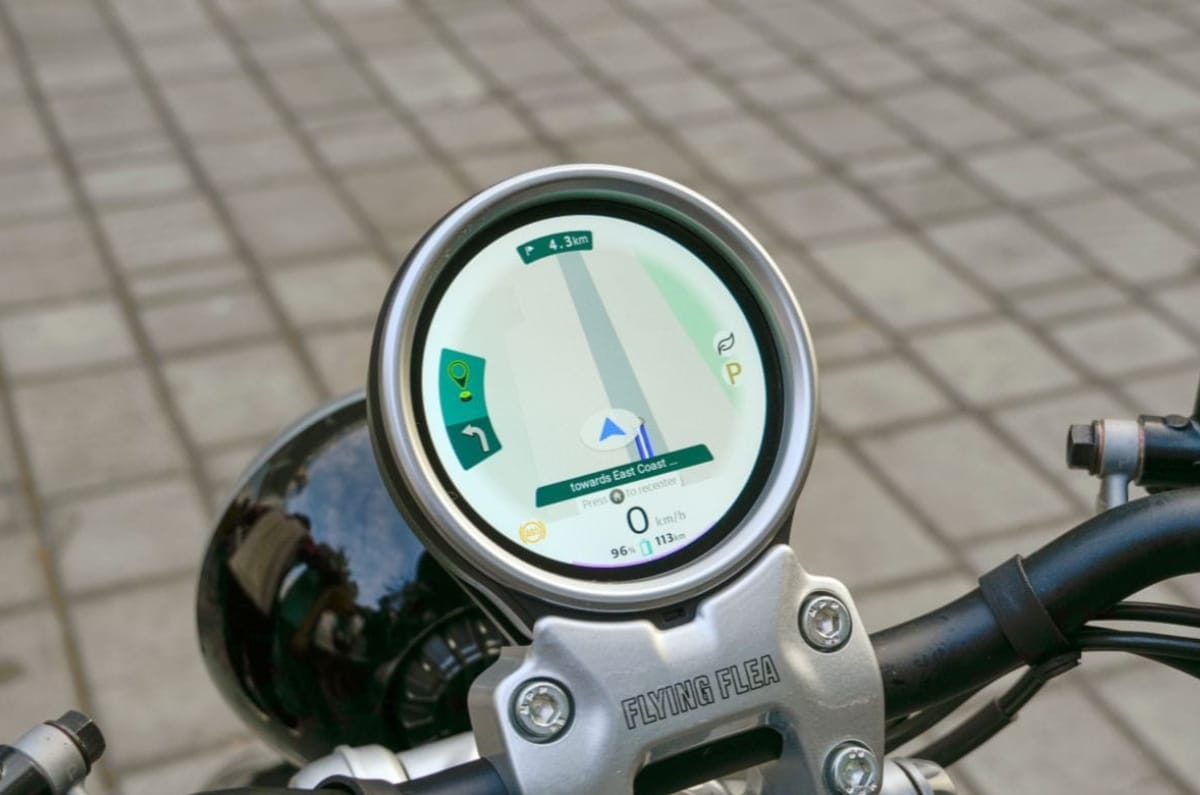
The C6 is the most technically advanced Royal Enfield ever built, by a considerable margin. It comes with cornering ABS, traction control, a 3.5-inch round touchscreen TFT display and keyless operation. A rotary dial on the left switchgear allows riding mode changes on the move and makes for a genuinely intuitive system. App connectivity is standard, and an integrated phone storage compartment with wireless charging allows you to cast Google Maps onto the TFT. An on-board 2kW charger means you only need to carry a cable, not a bulky external unit, and three charging modes let you choose between fast, normal and trickle charging speeds. A notable addition is an optional incognito mode that prevents the bike from relaying data back to the company – a rare and welcome privacy feature for a connected vehicle.

Reasons to skip the Flying Flea C6

Polarising size and limited real-world range

The C6 is a small, compact motorcycle. Deliberately so, given its inspiration from the original World War II-era Flying Flea that needed to be parachute-dropped onto battlefields. Not everyone will find the proportions appealing, and riders expecting a conventional Royal Enfield presence on the road will be surprised by just how compact it feels.

Next, the 3.91kWh battery’s 154km claimed IDC range is modest, and in real-world use the figure varies significantly depending on riding style – aggressive riding can bring it down to 60-70km, while steady riding at 60-70kph makes 100km achievable. The C6 is best suited to urban use; venturing much beyond city limits will require planning. The pillion experience is also compromised, with a small removable rear seat and footpegs mounted on the swingarm that move with the rear suspension.

Price and availability

At Rs 2.79 lakh (ex-showroom), the C6 is a significant ask for a compact, single-speed electric motorcycle with a modest range. That said, given the engineering decisions Royal Enfield has made, it is arguably as reasonable as it could be. More immediately limiting for potential buyers is availability as the C6 is currently only on sale in Bengaluru, with a gradual city-by-city rollout planned. Those outside Bengaluru will have to wait, and there’s no confirmed timeline for when the bike will reach their city.

Design and size key differentiators between Sierra and Harrier EVs: Tata Motors

Sierra vs Harrier

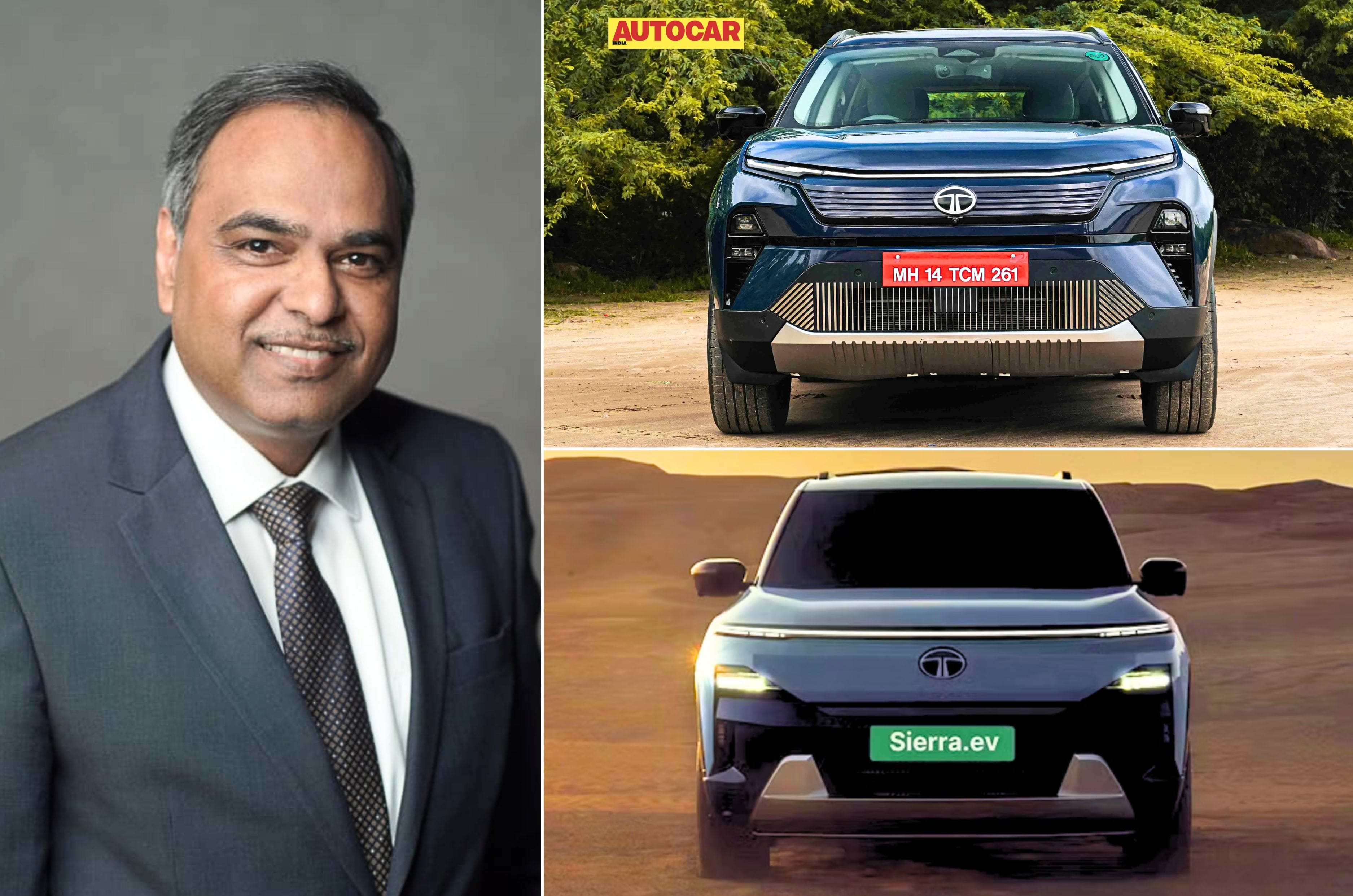
Until now, Tata Motors had maintained fairly distinct positioning of each model in its EV portfolio. However, with the new Sierra EV having a sizeable price overlap with the Curvv EV and the Harrier EV at the two ends of its price range, it begs the question is Tata Motors cannibalisation its own products? Shailesh Chandra, Managing Director and Chief Executive Officer of Tata Motors Passenger Vehicles, thinks not, as the company is banking on differences in size, design, cabin experience and vehicle character to mark out the individual models. 

Tata Motors Plays Down Cannibalisation

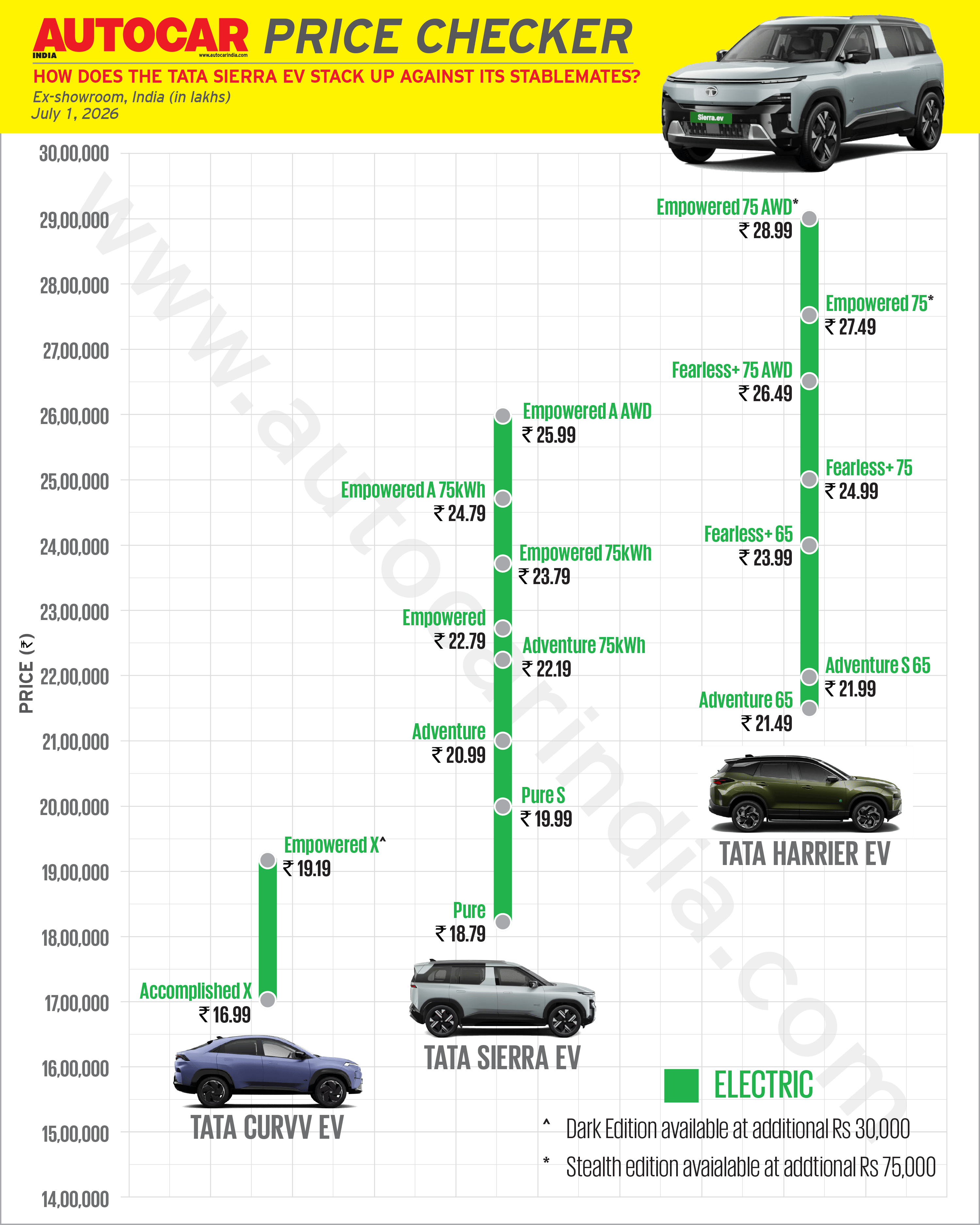
The Sierra EV is, in fact, very closely related to the Harrier EV, sharing similar battery capacities, common front and rear drive units, the thermal management system and also have broadly comparable performance. The former is priced between Rs 18.79 lakh and Rs 25.99 lakh, whereas the latter is priced between Rs 21.49 lakh and Rs 28.99 lakh.

According to Chandra, some movement between models within a broad portfolio was inevitable and is not the company’s primary concern. However, he said buyers do not evaluate models only through price and specifications. Their preferences are also shaped by styling, dimensions and their individual idea of what a model should represent.

“That’s why you see that the buyers of Harriers are very different than Sierra buyers, even in the ICE world,” Chandra said to our sister publication Autocar professional. “Somebody does not like boxy style. Somebody does not like dynamic style. So, first differentiation comes from there.”

Price overlap between Curvv, Sierra and Harrier EVs. 

Chandra also said size plays a particularly important role in India, where buyers often expect the value of a higher-priced vehicle to be visibly reflected in its dimensions and road presence. Different price and accessibility points will further separate the vehicles, he added.

“It’s a combination of all this,” Chandra said. “There is clear separation of what you see in the ICE world also. Same will apply here.”

Any immediate cannibalisation may also be limited by Tata Motors’ supply constraints. “Harrier EV demand is twice of what we are supplying. It is a supply-driven issue,” said Chandra. 

Shared constraints in battery-pack production, power electronics and other aggregates require Tata Motors to allocate components across its electric portfolio, he added. The company is working on capacity expansion and supplier debottlenecking to close the gap between demand and production.

Anand Kulkarni, Chief Product Officer at Tata Passenger Electric Mobility, further reiterated the differences between the two electric SUVs. “These products don’t necessarily compete with each other,” Kulkarni said. “They are enabled by a common underlying technology stack, but they are tuned completely differently and operate differently.”

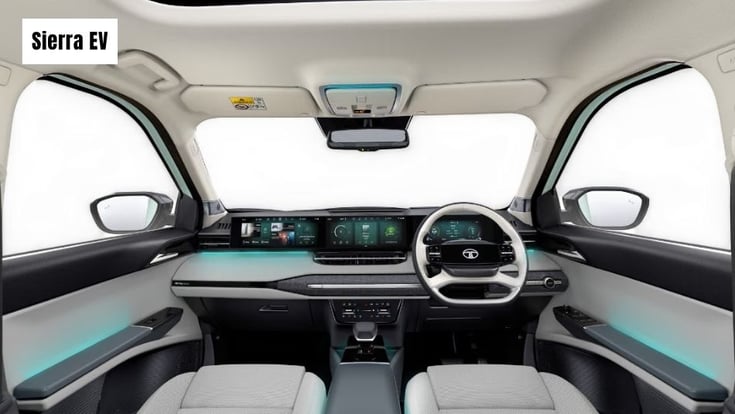
Tata Sierra EV interior
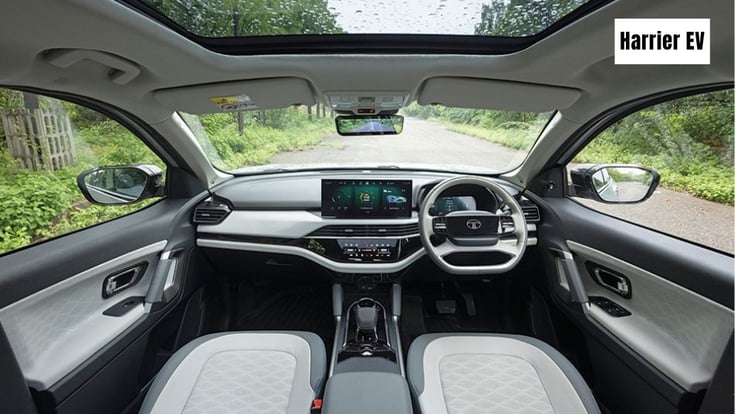
Tata Harrier EV interior


Kulkarni highlighted that the Sierra EV has a different cabin ambience from that of the Harrier EV. He compared this approach with the ICE versions of these SUVs, where they share the engine but deliver different driving and ownership experiences. “Just because two cars have a common engine, that does not make them a choice of one over the other,” he said.

Commonality gives scale and shared costs 

Commonality allows Tata Motors to distribute engineering, supplier-development and localisation investments across more products. “A lot of technologies that we developed in Harrier EV allowed us to also give it in the Sierra EV,” added Chandra, alluding to the ADAS suite, automatic parking and vehicle summoning features, as well as the all-wheel-drive technology,

The Sierra.ev and Harrier.ev will test both sides of Tata Motors’ EV strategy. Shared engineering must deliver scale, localisation and development-cost benefits, while Tata hopes styling, size and positioning creates enough distinction to expand the company’s addressable market. Some cannibalisation may be unavoidable. The larger test is whether the two SUVs collectively attract more customers to Tata Motors than either model could have done on its own.

With inputs from Saptarshi Mondal

Scooter and bike sales June 2026: Mixed results for different brands

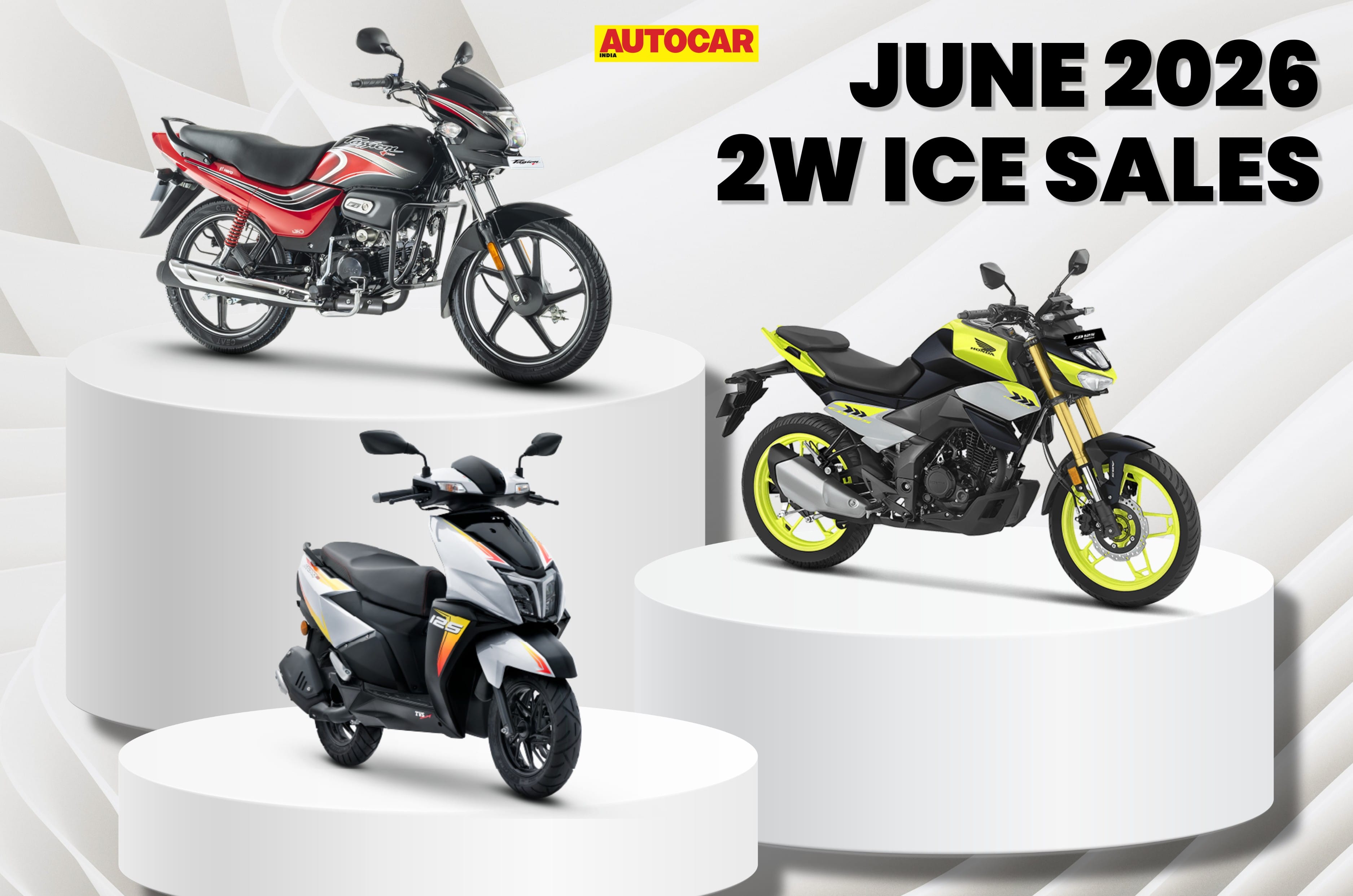
Hero Passion. Honda CB125 Hornet and TVS Ntorq 125

As the scorching summer draws to a close and the monsoon season well and truly sets in, here’s how each of the top six heavyweights in the ICE Indian two-wheeler market performed in the month of June.

Hero: 5,02,890 units

Hero MotoCorp retained its position at the top of this sextet with over 5 lakh units sold last month in the domestic market – usual fare for this powerhouse. In doing so, it actually reported a 6.31 percent decline in comparison to its May 2026 sales number of 5,36,784 units. It was also a similar story when compared to its June 2025 sales (5,25,136 units) wherein it reported a smaller decline of 4.24 percent. It bears mentioning that Hero bundles in the burgeoning sales of its electric arm, Vida, which is now a regular fixture in the top ten bestselling brands in the electric mobility space, into this number.

Last month, Hero updated two of its commuter motorcycles – the Passion+ and the Super Splendor XTEC 2.0. Hero shipped 38,269 units overseas last month, an improvement over the 33,284 units it sent to export markets in May.

Honda: 4,68,956 units

Honda Motorcycle and Scooter India (HMSI) is in its usual runner-up spot but even so, the company reported a small 2.03 percent increase when compared to its May 2026 sales tally (4,59,611 units). Similarly, HMSI also reported a substantial 20.61 percent increase when compared to its June 2025 sales figure of 3,88,812 units. Honda is gearing up to enter the affordable end of the maxi-scooter game in India, with its ADV160, whose design has already been patented in our country.

The company exported 59,325 units last month, which was more or less on par compared to the 59,166 units it shipped overseas in May of this year.

TVS: 4,11,014 units

TVS Motor Company breached the 4 lakh units mark in the domestic market for the first time ever last month. In doing so, the company reported a noteworthy 6.88 percent increase when compared to its May 2026 sales figure of 3,84,565 units. When compared to its relatively small sales figure for June 2025 (2,81,012 units), the Hosur-based manufacturer reported a huge 46.26 percent increase.

It is worth mentioning that TVS doesn’t bundle the sales of its EVs – shouldered largely by the popular iQube, India’s bestselling electric two-wheeler – into the aforementioned numbers. TVS recently refreshed the popular Ntorq 125 scooter with some fresh new colourways on its entry-level variants. It is also working quite hard to set up its premium two-wheeler dealer network – Paddock – in India and also bringing the quartet of brand-new Norton products to market, both local and international.

The company, which is India’s second-largest exporter of two-wheelers, shipped 1,54,403 units overseas last month which was slightly lower than the 1,58,546 two-wheelers it sent to export markets in May.

Bajaj: 1,66,956 units

Pune-based Bajaj Auto had a slower than usual month in terms of sales in June, reporting a 20.32 percent decline in comparison to its May 2026 sales of 2,09,528 units. That being said, the company reported an 11.81 percent increase in comparison to its June 2025 sales tally of 1,49,317 units. It must be noted that the Chetak electric scooter portfolio and all sub-400cc Triumph and KTM models manufactured by Bajaj are also bundled into the above figures.

Bajaj is gearing up to revamp its entire Classic Pulsar lineup in the coming months, which should bolster its sales numbers in the near term. India’s largest two-wheeler exporter sent 2,22,439 units overseas last month, which was a healthy increase over the 1,83,676 units it shipped abroad in May.

Royal Enfield: 1,02,930

Royal Enfield has again sold over 1 lakh units in a single month in the domestic market, and in the process, it reported a 9.37 percent increase in comparison to its May 2026 sales number of 94,115 units. Even in comparison to its relatively smaller sales tally of 76,957 units in June 2025, it reported a substantial 33.75 percent increase.

Royal Enfield is working on a litany of new launches and refreshes to existing models, which will be spread out over the next few months and it also began deliveries of its first electric bike – the Flying Flea C6 – recently. The marque sent 11,102 units to export markets in June, which was quite a step up over the 9,116 bikes it shipped globally in May.

Suzuki: 91,264 units

Suzuki Motorcycle India Private Limited (SMIPL)’s sales last month dipped below the usual 1 lakh units it usually averages and thereby the company reported a noticeable 17.05 percent decline in comparison to the 1,10,028 units it sold in May. Even in comparison to its sales in June 2025 (95,244 units), SMIPL reported a small 4.18 percent decrease.

Suzuki shipped 23,766 two-wheelers last month to global markets, a small increment over the 22,216 units it sent overseas in May.


June 2026 sales

May 2026 sales

% change

June 2025 sales

% change

Hero

5,02,890

5,36,784

-6.31

5,25,136

-4.24

Honda

4,68,956

4,59,611

2.03

3,88,812

20.61

TVS

4,11,014

3,84,565

6.88

2,81,012

46.26

Bajaj

1,66,956

2,09,528

-20.32

1,49,317 

11.81

Royal Enfield

1,02,930

94,115

9.37

76,957 

33.75

Suzuki

91,264

1,10,028

-17.05

95,244

-4.18

Electric scooter market records its second highest monthly sales in June 2026

Electric scooter market records its second highest monthly sales in June 2026

The Indian electric two-wheeler industry has notched its second-highest monthly retail sales total in June. The 1,93,495 e-scooters delivered to customers last month are a 75 percent YoY increase and just 5,891 units short of the record sales in March 2026. 

  1. TVS currently holds a 24 percent share of the E-2 wheeler market
  2. Ather records second-highest monthly sales after March 2026
  3. Bajaj records a 80-percent year-over-year increase

May 2026 saw a sales spike due to four petrol price hikes, June 2026 witnessed a 12 percent month-on-month increase to take cumulative January-June 2026 sales to 9,70,611 units, up 53 percent YoY. In a segment which has over 175 players, let’s take a closer look at the Top 10 led by TVS Motor Co. 

TVS Motor Co: 46,999 units

Market share: 24 percent

Electric 2W market leader TVS Motor Co, with 46,999 units and handsome 76 percent YoY growth (June 2026: 26,74 units), registered its second-highest monthly retails after the record 51,630 units it sold in March this year. This gives TVS a 24 percent market share, the same as June 2025. Each of the first three months of the current fiscal year have seen 40,000-plus sales for TVS.  

Among the highlights of June for TVS was achieving the cumulative 1-million sales milestone to be the second OEM to do so after Ola.

With 2,51,335 iQubes and Orbiters sold in January-June this year, TVS looks well set to surpass the 500,000-units or half-a-million annual sales milestone, for the first time in CY2026.

Bajaj Auto: 43,234 units

Market share: 22 percent

Bajaj Auto, the closest challenger to TVS, sold 43,234 units. This marks robust 80 percent YoY growth, giving the Chetak manufacturer a 22 percent market share. Like TVS, this is also Bajaj Auto’s second-highest monthly retail sales after March 2026. The gap between TVS and Bajaj has been narrowing steadily. In June, Bajaj Auto became the third Indian e-2W manufacturer to surpass 800,000 sales.

Ather Energy: 31,188 units

Market share: 16 percent

Like TVS and Bajaj, Ather Energy too has clocked its second-highest monthly sales in June. The 31,188 units are the second time the Bengaluru-based e-2W startup has sold over 30,000 units, with the highest being in March 2026 (36,365 units). Ather’s stellar sales last month are a 95 YoY increase, which sees its market share rise to 16 percent from 14 percent a year ago. 

The Rizta family scooter, which has crossed 300,000 cumulative sales, remains the most popular product for Ather which last week surpassed the 700,000 sales milestone.

Hero MotoCorp (Vida): 21,792 units

Market share: 11 percent

The EV arm of the world’s largest 2W manufacturer continues to shine. Hero Vida e-scooter deliveries of 21,792 units were a 175 percent YoY increase (June 2025: 7,920 units) and only the second instance of over 20,000 monthly sales. June numbers missed the highest Vida sales total of 22,201 by only 409 units.

At 1,05,986 units in the first six months of this year, Hero Vida retail sales are already 94 percent of its CY2025 sales of 113,021 units and indicate that Hero MotoCorp will, for the first time, achieve the 200,000 annual sales milestone for its EVs.

Ola Electric: 16,144 units

Market share: 8 percent

Ola Electric, the longstanding e-2W market leader till April 2025, is witnessing a revival in demand. The company delivered 16,144 units to its customers in June. While this number is down 22 percent YoY (June 2025: 20,697 units), it also marks the fifth straight month-on-month growth for Ola Ranked No. 5 on the OEM ladder, Ola’s current monthly market share is 8 percent, considerably down from the 19 percent it had in June 2025 when it was ranked No. 3 after TVS and Bajaj Auto.

Greaves Electric Mobility: 10,928 units

Market share: 6 percent

The IPO-bound Greaves Electric Mobility, the manufacturer of Ampere e-scooters, is another OEM which is witnessing growing demand for its products. In June 2026, the company delivered 10,928 units, marking a handsome 152 percent YoY growth (June 2025: 4,334 units). This robust performance, which sees GEM breach the 10,000-units monthly retail sales mark after nearly three years, sees the Ampere scooter market share rise to 6 percent from 4 percent a year ago.

At nearly 44,000 units sold in the first six months of this year, GEM is well placed to cross 100,000 units in CY2026. Demand has risen following the launch of the new Ampere Magnus Neo, a lighter and redesigned variant aimed at urban commuter buyers. GEM’s EV portfolio comprises the Nexus (EX and ST), Magnus (G Max, Grand, Neo) and Reo 80 brands. 

River Mobility: 4,391 units

Market share: 2 percent

Bengaluru-based River Mobility, which is witnessing growing demand for its sole product – the River Indie – delivered 4,391 units, up 214 percent YoY. This sees the company double its e-2W market share to 2 percent. The EV startup had clocked its highest monthly sales in March 2026 (4,271 units) and has sold over 43,000 Indies to date since the e-scooter’s rollout in October 2023. 

The last three OEMs in the Top 10 list comprise three startups. At No. 8 is Bgauss Auto, which began sales in August 2022 and is now a regular in the monthly Top 10 OEM list. Bgauss sold 3,916 units last month. Between January and June, Bgauss has sold 19,480 units which gives it a 2 percent share of all-India e-2W sales in H1 CY2026.

The Delhi-based E-Sprinto Green Energy is also registering good demand for its e-scooters. In June, this startup sold 1,878 units and a 1 percent market share to take ninth rank amongst 175 players. 

Wrapping up the Top 10 is Simple Energy which sold 1,365 e-scooters last month. The company has outlined an ambitious future sales target of 10,000 units a month by March 2027. It could be banking on the upcoming e-scooter, understood to be called the Simple Arrive and a family-centric model aimed to rival the TVS iQube, Ather Rizta and Bajaj Chetak.

Promise of Strong Growth Continuing in CY2026

The e-2W segment, the largest volume provider to India EV Inc, is on a roll this year. The 9,70,611 electric scooters, bikes and mopeds sold in the first six months of this year are already 72 percent of the record 1.34 million units sold in CY2025. With petrol prices surging in May as a result of multiple hikes, a growing number of ICE scooter buyers are actively considering a shift to zero-emission models, which leading players like TVS, Bajaj Auto, Ather Energy, Hero Vida, Ola and Greaves Electric Mobility are capitalising on.

In June, these 6 OEMs with combined sales of 170,285 units had an 88 percent share of the total 193,495 e-2Ws sold. Add the remaining four OEMs to the Top 10 list and their 1,81,835 units give these movers and shakers a commanding 94 percent share of last month’s sales, leaving just 6 percent to be fought over by 165 other players.

What will add tailwinds to future growth is the Delhi government’s game-changing EV Policy 2.0, which kicks in from today, July 1 and enables strong demand potential for electric two-wheelers in the capital city. It would not be surprising if other states and UTs in India take the EV-friendly policy cue from Delhi and tweak their existing EV policies or introduce one.

A-1 लिमिटेड बनी ईशान डाइज की प्राइमरी डीलर, 5 महीने में ₹40 करोड़ का कारोबार

लॉजिस्टिक्स और इंडस्ट्रियल केमिकल सप्लाई करने वाली कंपनी A-1 लिमिटेड को ईशान डाइज एंड केमिकल्स लिमिटेड ने अपने सल्फर-बेस्ड इंडस्ट्रियल केमिकल्स का प्राइमरी ऑथराइज्ड डीलर बनाया है। कंपनी का कहना है कि इससे उसका प्रोडक्ट पोर्टफोलियो मजबूत होगा और इंडस्ट्रियल केमिकल बाजार में उसकी मौजूदगी बढ़ेगी। फरवरी 2026 से अब तक दोनों कंपनियों के बीच करीब 40 करोड़ रुपये का कारोबार हो चुका है।

कौन-कौन से प्रोडक्ट्स की होगी सप्लाई?

इस डील के तहत A-1 लिमिटेड अब सल्फ्यूरिक एसिड (98% और 70%), ओलियम (23% और 65%) और क्लोरो सल्फोनिक एसिड की सप्लाई करेगी। इन केमिकल्स का इस्तेमाल फर्टिलाइजर, फार्मा, डाइज, पेट्रोकेमिकल्स और वॉटर ट्रीटमेंट जैसे कई सेक्टर में होता है।

कंपनी के मुताबिक, इस साझेदारी से सल्फर-बेस्ड केमिकल्स की बढ़ती मांग पूरी करने में मदद मिलेगी। साथ ही, ग्राहकों को समय पर और लगातार सप्लाई मिल सकेगी। A-1 लिमिटेड के पास 100 से ज्यादा गाड़ियों का नेटवर्क है, जिससे वह अपनी सप्लाई और डिस्ट्रीब्यूशन क्षमता को और मजबूत करेगी।

कंपनी ने क्या कहा?

A-1 लिमिटेड के मैनेजिंग डायरेक्टर हर्षदकुमार पटेल ने कहा कि यह नियुक्ति कंपनी के मजबूत लॉजिस्टिक्स नेटवर्क और भरोसेमंद सेवाओं पर ग्राहकों के विश्वास को दिखाती है। उनके मुताबिक, इससे इंडस्ट्रियल केमिकल्स कारोबार में कंपनी की स्थिति और मजबूत होगी। साथ ही, आने वाले समय में ग्रोथ को भी रफ्तार मिलेगी।

हाल में मिले कई बड़े ऑर्डर

हाल के महीनों में A-1 लिमिटेड को सोलर इंडस्ट्रीज लिमिटेड, महाधन एग्रीटेक लिमिटेड और साईं बाबा पॉलीमर टेक्नोलॉजीज से करीब 35 करोड़ रुपये के सप्लाई ऑर्डर मिले हैं।

इसके अलावा कंपनी ने GNFC और सोलर इंडस्ट्रीज़ इंडिया लिमिटेड के साथ 10,000 मीट्रिक टन नाइट्रिक एसिड की सप्लाई का समझौता किया है। कंपनी को 127.50 करोड़ रुपये का इंडस्ट्रियल यूरिया सप्लाई ऑर्डर भी मिला है।

इलेक्ट्रिक मोबिलिटी में भी रखा कदम

A-1 लिमिटेड ने हाल ही में A-1 सुरेजा इंडस्ट्रीज में अपनी हिस्सेदारी बढ़ाकर 51% कर ली है। इसके बाद यह कंपनी उसकी सब्सिडियरी बन गई है। इसके साथ ही A-1 लिमिटेड ने इलेक्ट्रिक मोबिलिटी कारोबार में भी एंट्री कर ली है।

Disclaimer: यहां मुहैया जानकारी सिर्फ सूचना के लिए दी जा रही है। यहां बताना जरूरी है कि मार्केट में निवेश बाजार जोखिमों के अधीन है। निवेशक के तौर पर पैसा लगाने से पहले हमेशा एक्सपर्ट से सलाह लें। मनीकंट्रोल की तरफ से किसी को भी पैसा लगाने की यहां कभी भी सलाह नहीं दी जाती है।