FIFA World Cup Final में जबरन स्टेज पर खड़े रहे डोनाल्ड ट्रंप, हूटिंग का VIDEO हुआ वायरल

FIFA World Cup 2026 का फाइनल Spain की ऐतिहासिक जीत के साथ खत्म हुआ, लेकिन मैच के बाद Trophy Ceremony में जो हुआ, उसने पूरी दुनिया का ध्यान अपनी ओर खींच लिया। Spain ने Extra Time में Argentina को 1-0 से हराकर दूसरी बार विश्व चैंपियन बनने का गौरव हासिल किया, लेकिन विजेता टीम के जश्न के बीच US President Donald Trump की मौजूदगी सबसे बड़ा चर्चा का विषय बन गई। स्टेडियम में उनके लिए हूटिंग हुई और ट्रॉफी सौंपने के बाद उनका मंच पर रुकना सोशल मीडिया पर वायरल हो गया।


New York New Jersey Stadium में खेले गए रोमांचक फाइनल में दोनों टीमें 90 मिनट तक गोल नहीं कर सकीं। मुकाबले का इकलौता गोल Ferran Torres ने Extra Time के 106वें मिनट में दागा, जिसने Spain को 1-0 की यादगार जीत दिलाई।


Argentina के लिए मैच और मुश्किल तब हो गया जब Enzo Fernandez को दूसरे येलो कार्ड के बाद मैदान छोड़ना पड़ा। अंतिम क्षणों में तनाव इतना बढ़ गया कि खिलाड़ियों के बीच तीखी झड़प भी देखने को मिली। इसके साथ ही Lionel Messi का लगातार दूसरा World Cup जीतने का सपना भी टूट गया।

Donald Trump की एंट्री पर स्टेडियम में गूंजी हूटिंग


फाइनल देखने पहुंचे Donald Trump ने FIFA President Gianni Infantino के साथ मिलकर खिलाड़ियों को मेडल और विजेता टीम को ट्रॉफी सौंपी। जैसे ही Trump मैदान पर पहुंचे, स्टेडियम के कई हिस्सों से तेज हूटिंग और सीटी की आवाजें सुनाई दीं।


हालांकि समारोह आगे बढ़ता रहा और Trump ने Spain के कप्तान Rodri को World Cup Trophy सौंपी। लेकिन इसके बाद जो हुआ, वही पूरी रात की सबसे चर्चित घटना बन गया।

ALSO READ: जिसे Messi ने गोद में नहलाया, अब उसी से होगी FIFA World Cup Final की जंग! जानिए 19 साल पुरानी तस्वीर की कहानी


Trophy देने के बाद स्टेज पर ही खड़े रहे Trump


ट्रॉफी सौंपने के बाद जहां Gianni Infantino मंच से हट गए, वहीं Donald Trump विजेता खिलाड़ियों के बीच ही खड़े रहे। Spain के खिलाड़ी Trophy Lift की तैयारी कर रहे थे, लेकिन Trump कुछ देर तक वहीं मुस्कुराते हुए खिलाड़ियों से हाथ मिलाते और तालियां बजाते नजर आए।


बताया जाता है कि इसके बाद Gianni Infantino दोबारा उनके पास पहुंचे और उन्हें धीरे से मंच से हटने का इशारा किया। कुछ क्षण बाद Trump मंच के किनारे चले गए, जिसके बाद Rodri ने अपने साथियों के साथ World Cup Trophy उठाई और Spain का ऐतिहासिक जश्न शुरू हुआ।


सोशल मीडिया पर वायरल हुआ वीडियो


पूरी Trophy Ceremony के वीडियो कुछ ही मिनटों में सोशल मीडिया पर वायरल हो गए। एक वीडियो में Trump की एंट्री के दौरान हुई हूटिंग चर्चा का विषय बनी, जबकि दूसरे वीडियो में उनके Trophy Lift के दौरान मंच पर खड़े रहने को लेकर लोगों ने अलग-अलग प्रतिक्रियाएं दीं।


कई यूजर्स ने इसे पिछले साल हुए FIFA Club World Cup से भी जोड़कर देखा, जब Chelsea की जीत के बाद भी Donald Trump खिलाड़ियों के साथ मंच पर कुछ देर तक मौजूद रहे थे। इस बार हालांकि Trophy Lift से पहले उन्हें मंच से हटते हुए देखा गया।


पहले भी विवादों में रह चुके हैं Donald Trump


World Cup 2026 के दौरान Donald Trump पहले भी सुर्खियों में आ चुके हैं। उन्होंने एक बयान में दावा किया था कि उन्होंने Gianni Infantino से बात कर USA के खिलाड़ी Folarin Balogun का Red Card हटाने की मांग की थी। इस बयान के बाद भी काफी विवाद हुआ था।


अब World Cup Final की Trophy Ceremony ने Donald Trump को एक बार फिर चर्चा के केंद्र में ला दिया। Spain की ऐतिहासिक जीत के साथ-साथ Trophy Presentation का यह पल भी लंबे समय तक फुटबॉल प्रशंसकों के बीच याद किया जाएगा। 


Pro-Stock Yamaha R3 Race bike: Giant Killer

Race-spec Yamaha R3: Giant Killer

1:47.392. That’s the new lap record set last year by Team RACR’s Rahil Pillarisetty on this very bike. If you know your lap times around the Madras International Circuit, you’ll realise just how devastatingly fast that is. For some frame of reference, the fastest stock bike we ever ran at the Autocar Track Day (back when it used to be held at the MIC) was a 2019 Ducati Panigale V4 S, ridden by 11-time national champion Rajini Krishnan, which set a 1:49.001. Yes, Rajini also would have surely improved the timing if he had more time to work on the bike setup, and yes, the latest Panigale will be quicker. However, it still bends the mind when you realise that this race bike you see here is based on a humble Yamaha R3.

Recipe for speed

As you can imagine, a lot has changed on the donor bike, but there’s still a fair amount of the stock motorcycle’s soul preserved underneath. That’s because this bike comes under the Pro Stock 300-400cc category, which allows a lot of modifications, but also places quite a few restrictions.

It would be easier to start with the significant things that aren’t allowed. The brake components have to be from any FMSCI homologated vehicle, and aftermarket brakes aren’t allowed. Forged metal or carbon-fibre wheels are not allowed either, although replacement wheels from any Indian-made FMSCI homologated vehicle are permitted. Fancy weight saving materials like carbon fibre, titanium and magnesium are also on the no-no list, and the main chassis has to be absolutely stock.

The engine capacity cannot be changed, but major modifications are allowed. This bike uses racing camshafts, larger throttle bodies, a ported head and bigger valves (by 1mm). Engine management is handled by an ARacer ECU, which also brings in a quickshifter, and the engine breathes through large trumpets. Cooling is vital, and the 321cc parallel-twin engine runs a massive racing radiator, which fills up much of the frontal area.

Deceptive power

The result of all these changes is a 55hp power output measured at the rear wheel, which is a big jump over the 36hp dyno figure recorded by the stock motorcycle. The engine redline is set at 14,000rpm, and the peak power sweet spot is between 12,000 and 13,000rpm. That power, combined with a super-light racing chassis, explains how speeds as high as 190kph were recorded during the races at the MIC circuit.

Very short action quick throttle, but it’s quite heavy.

Having ridden plenty of big bikes over the years, I wasn’t initially overwhelmed by the performance. But witnessing how effortlessly it would fly past stock RC 390s and R3s on the straights quickly made it evident that this is a seriously quick bike. In fact, the RACR R3 was never dropped dramatically even by more powerful bikes between the corners.

Because the rules don’t allow gearbox modifications, the engine doesn’t scream through the gears with the short-geared ferocity I’d anticipated. Instead, it spends time revving through each gear, and you have to be careful not to go much higher than that 12-13,000rpm sweet spot. An extremely short throttle action (all of it in about a quarter turn of the accelerator) meant that it’s easy to call for all fifty five horses. However, that quick-turn throttle was also quite heavy, and I found this to be one of the more fatiguing aspects of riding this bike. After all, this was the only ‘heavy’ element to this motorcycle.

Featherweight fun

Things like an aluminium fuel tank and subframe, as well as fibreglass bodywork and a complete strip-down of every non-essential element, help cut the weight down to just 132kg – with its 8-litre fuel tank full! That lack of weight, along with the high-performance K-Tech/Öhlins front/rear suspension combo, is what really made this bike magic to ride.

Regulations don’t allow for aftermarket brakes.

The corner speeds that it is capable of nearly fried my brain, and this is entirely where the bike makes that incredible lap time. No matter how much I tried, I simply couldn’t get myself to fling the bike into corners with the sort of speed that it is built for. Despite this, I had a blast riding the bike through the day, and that was largely because it was rather friendly and encouraging. The suspension was set to perfectly handle MIC’s bumpy layout, and I only truly realised how well it was doing this when I hopped onto the Ducati Panigale V2 the next day (page 122), and was startled by how much it was being affected by the bumps.

Of course, the bike is quite tiny, but I did manage to fit on it okay after the RACR crew kindly set the adjustable RCB footpegs to their lowest position. We left the suspension settings in Rahil’s setup, and that seemed to work well for me. He is a good ten-fifteen kilos lighter than me, but his immense skill and speed also make the suspension work much harder than I could, so it evened out in the end.

This bike is purely built to function, evident in the ‘jugaad’ sun visor for the tiny racing display!

As you’d expect from something that carries such little mass, the R3’s steering is light and incredibly quick, but it also has a reassuring sense of composure. This faith in the chassis quickly allowed me to stop being intimidated by the bike and simply enjoy riding it. All things considered, the bike’s deliciously light and poised handling is why I truly fell in love with it.

Even the stock brakes worked perfectly well, partly because of the lack of weight, and also because MIC doesn’t have many particularly heavy braking zones. Of course, at pure race pace, I imagine it could be quite a different animal, and that’s where the steering damper would earn its place, but for my pace, it was a complete joy.

Like many internal engine components, this skinny, lightweight racing chain has a very short life and needs replacing every race weekend.

Racing 101

As you might expect, there are zero electronic rider assists, but I never felt like it needed any. The bike runs on MRF racing slick tyres, which offered very good grip, but not a lot of feedback, and I wasn’t getting much feel for where the limit lay. Team RACR made sure I had the full racing experience, with tyre warmers being slapped on between every session and a giant cooling fan being pointed at the radiator when the bike was parked in the pits.

In fact, a bike like this would make for a superb track toy, and it will teach you the art of carrying higher corner speeds instead of more lazily using the power of a bigger bike on corner exits. However, such major engine modifications are best avoided. Because this is such a highly stressed engine, it needs part changes every race weekend and a full rebuild every two race weekends. The latter includes changing core components like the camshafts, pistons, and even the crankshaft!

In fact, Rajini let me know that running just one of these bikes for an entire season costs about Rs 25 lakh when you factor in routine part-change costs and crash damage. Team RACR ran three of them last year, with Rajini himself piloting one – and they even had an additional bike as a spare!

Racing is undoubtedly an expensive business, and Team RACR does this with no support from Yamaha India, something that will hopefully change soon. What really earns my respect, though, is that this is a relatively small operation that has fully developed this bike in-house in Chennai. Despite this, they managed to beat a factory race team last year, and Rahil won the overall championship on this very bike.

Jeep Wrangler Rubicon long term review, 27000km report

Jeep Wrangler long term review

Cross-town excursions in Mumbai need some planning in the Wrangler Rubicon. Will there be parking when I get there? Will I be allowed to park it myself rather than give it to a valet who might find the size and width intimidating? And most importantly: will the on- and off-ramps be wide enough to access the parking levels easily? A quick phone call to NMACC, the Ambani cultural center in BKC Mumbai, confirms all of the above. “Some of our parking spaces and access ramps have been designed to house the largest and widest luxury cars,” comes the polite answer, “and, of course, you can park yourself.”

With its wheels pushed out and big plastic fenders, it’s pretty wide and, at times, is a squeeze.

The early morning trudge up along the coastal road brings its own set of challenges. While the wide, open vistas of the sea are an absolute treat, as is the road’s ability to shrink time and distance in the city, what you do have to contend with at highway speeds is the loud hum from the off-road tyres.

Not the best place for long drives as the seats are placed low and space is at a premium.

Apart from that, the Rubicon feels just ice cool to drive around. For one, it’s the real thing; a true icon with a direct link to the off-roader that started it all. And a real ‘tool’ of a car with genuine functionality. And that means something. To top it off, its proportions are seriously alluring, and Jeep has given this one a massive amount of embellishments to make it ‘pop.’ Talk about being eye candy, this off-roader gets more eyeballs and attention than the Maybachs and Range Rovers at NMACC. It’s tall, however, and I was worried about all the low ducting and plumbing in the parking lot, but the Rubicon managed just fine. 

Subwoofer adds some nice thump to the audio system; plays loud even with roof off.

Also, after having driven it for a bit, the size isn’t as intimidating as it originally was. Sure, I still crane my neck to get a glimpse of the plastic fenders that stick out when parking, and I sometimes forget just how long it is when reversing into a tight slot, but otherwise, I’m much more comfortable with the size. And what makes it even more agreeable to drive in the city is its direct, meaty steering and the surprisingly strong responses from the 270hp engine. 

With a hefty right foot, the gearbox and turbo engine deliver a nice shove in the back.

The Rubicon is also unique in another way; you can remove all the doors, remove the roof, drop the windscreen and drive it around with as much of an open and airy feeling as a bike. And that’s just what we’ll be doing next, subsequently finding out how well the cabin gets along with the rain and, of course, what it’s like on a long off-road trail in the monsoon. That, and other fascinating stuff, coming up from the off-roader that started the SUV craze. 

Odometer 26,900km
Price Rs 68.31 lakh (ex-showroom)
Economy 8.0kpl
Maintenance CostNone
Faults None 

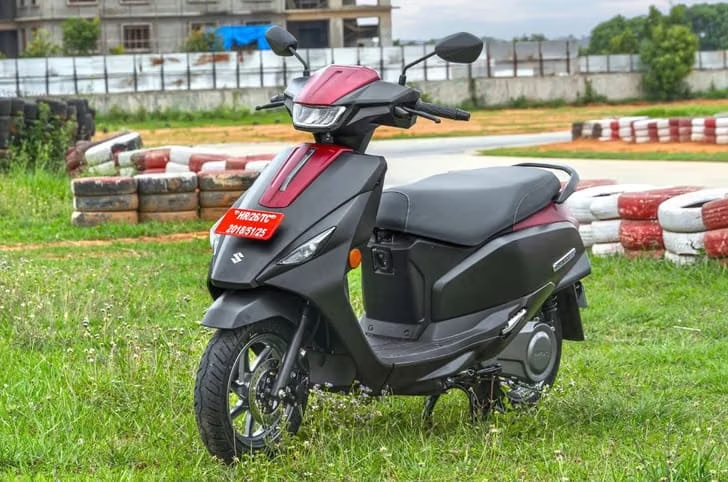
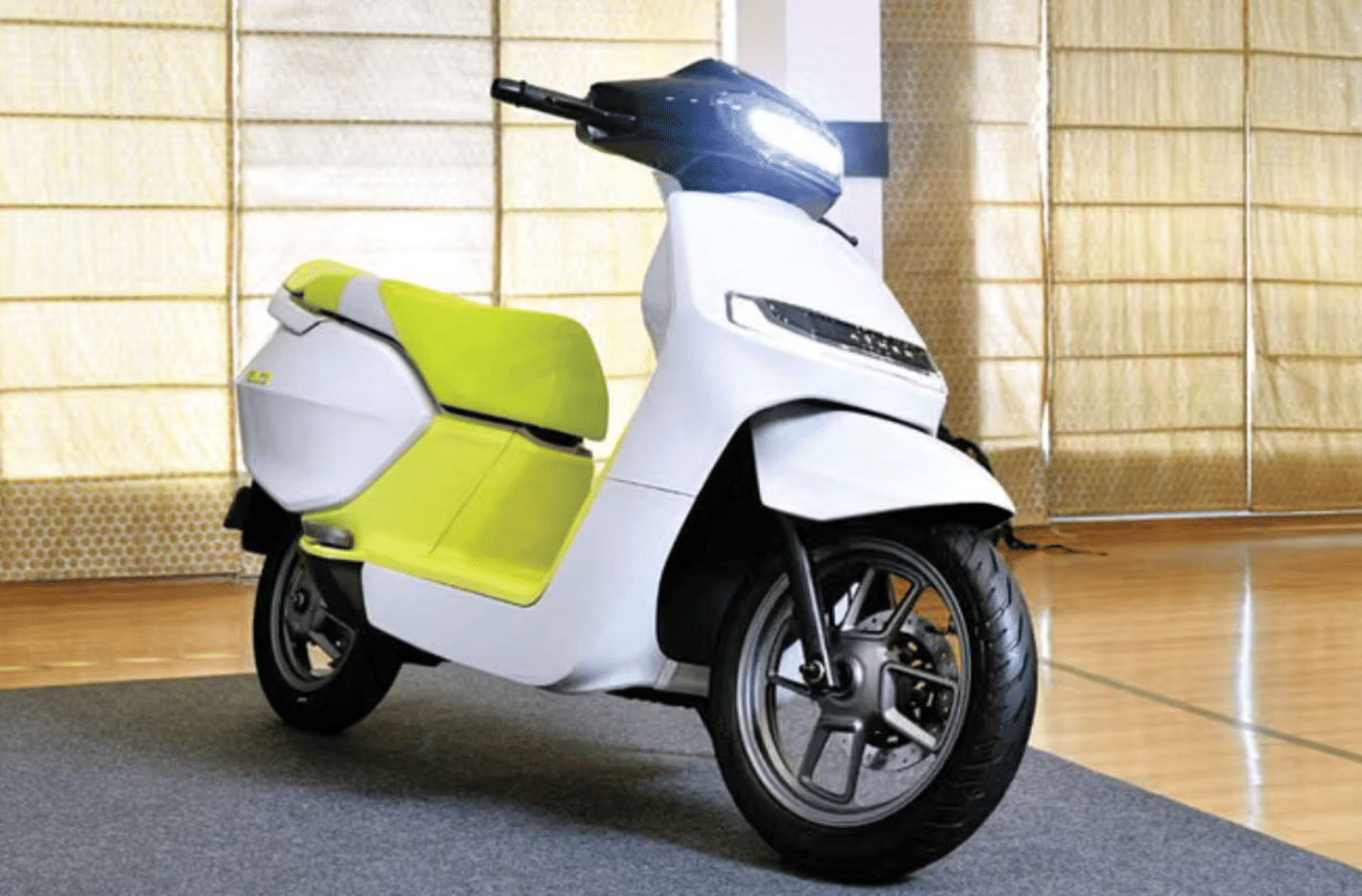
All you need to know about the Suzuki e-Access

Suzuki e-Access

The Suzuki e-Access is the first electric two-wheeler from Suzuki Motorcycle India, built on an entirely new platform developed in-house rather than shared with the petrol Access 125. It brings Suzuki’s reputation for reliability to a segment increasingly crowded with newer entrants. Here are answers to some of the most commonly asked questions about it.

What is the price of the Suzuki e-Access?

The Suzuki e-Access is available in a single variant priced at Rs 1.88 lakh (ex-showroom, Delhi). At this price, it is one of the more expensive electric scooters from a mainstream manufacturer in the country, sitting above the TVS iQube S and Bajaj Chetak C3501, and closer to the Ather Rizta S in pricing.

What motor and battery does the Suzuki e-Access use?

The Suzuki e-Access is powered by a hub-mounted permanent magnet synchronous motor producing 3.5kW of rated power and 6kW of peak power, with 90Nm of torque at the rear wheel. The battery is a 3kWh LFP (Lithium Ferrous Phosphate) pack – a chemistry that offers relatively longer battery life and better thermal stability compared to the NCM batteries used in most rival electric scooters, but at the cost of lower energy density and, as a result, lower range for a given pack size. 

What is the charging time of the Suzuki e-Access?

The e-Access ships with a portable 600W charger capable of topping up a flat battery to full in 6 hours 20 minutes. In our real-world test, we verified the actual charging time to be 6 hours flat when plugged into a standard 12A, 3-pin socket – slightly faster than the claimed figure. There is no fast-charging option available.

What is the range of the Suzuki e-Access?

Suzuki claims an IDC range of 95km on a full charge. In our real-world range test conducted in Ride A mode – the more powerful of the two ride modes – the e-Access covered 88.4km before the battery was fully depleted. Notably, the range indicator on the display was reliable throughout, with the scooter displaying an estimated range of 93km at the start of the run and never catching us by surprise as the battery dropped. Riding in the more efficient Eco mode will yield additional range. The e-Access comes closest to its claimed IDC figure in real-world conditions compared to other electric scooters we have tested.

What is the top speed of the Suzuki e-Access?

The Suzuki e-Access has a claimed top speed of 80kph, which should be achievable in either of its two Ride modes – Ride A and Ride B. Both offer identical peak power and throttle response, differing only in the level of regenerative braking intervention, with Ride B providing a gentler regen effect than Ride A. There’s also a lower-power Eco mode, which in our tests reached a VBOX-verified 55kph.

किचन में कुत्ते की एक मासूम हरकत बनी बड़ी तबाही! टोस्टर ऑन होते ही जल उठा पूरा घर, 3 पालतू जानवरों की मौत [VIDEO]

पालतू जानवर परिवार का हिस्सा होते हैं, लेकिन उनकी एक अनजानी हरकत भी कभी-कभी बड़े हादसे की वजह बन सकती है। अमेरिका के Maryland में ऐसा ही एक दर्दनाक मामला सामने आया, जहां घर में अकेले छोड़े गए एक पालतू कुत्ते ने गलती से टोस्टर (Toaster) ऑन कर दिया। देखते ही देखते पूरे घर में आग लग गई। इस हादसे में परिवार के तीन पालतू जानवरों की मौत हो गई, जबकि घर को लाखों रुपये का नुकसान हुआ।


यह घटना 10 जुलाई को Belcamp, Maryland के एक घर में हुई। उस समय घर के मालिक बाहर गए हुए थे और अंदर केवल उनके पालतू कुत्ते और बिल्लियां मौजूद थीं। बाद में घर में लगे Ring Security Camera की फुटेज ने आग लगने की पूरी वजह सामने ला दी।


कैसे लगी आग? CCTV में कैद हुई पूरी घटना


जांच में सामने आया कि परिवार का पालतू कुत्ता Bo खेलते-खेलते किचन के काउंटर पर चढ़ गया। काउंटर पर रखा टोस्टर पहले से बिजली के प्लग में लगा हुआ था। कुत्ते के शरीर के संपर्क में आने से टोस्टर का स्विच ऑन हो गया।


कुछ ही देर में टोस्टर गर्म होने लगा और उसके आसपास रखा ज्वलनशील सामान आग की चपेट में आ गया। देखते ही देखते आग ने पूरे किचन और फिर घर के बाकी हिस्सों को अपनी गिरफ्त में ले लिया।


फायर अधिकारियों ने सुरक्षा कैमरे की फुटेज देखने के बाद स्पष्ट किया कि यह पूरी तरह एक दुर्घटना थी और आग लगने की वजह गलती से चालू हुआ टोस्टर था।

दो पालतू जानवर बच गए, तीन की चली गई जान


आग लगते ही आसपास के लोगों ने धुआं उठता देखा और तुरंत मदद के लिए दौड़ पड़े। पड़ोसियों ने बहादुरी दिखाते हुए दो कुत्तों Bo और Addie को सुरक्षित बाहर निकाल लिया।


हालांकि तीसरे कुत्ते Dakota और परिवार की दो बिल्लियां आग और धुएं में फंस गईं। उन्हें बचाया नहीं जा सका और उनकी मौत हो गई।


सूचना मिलते ही करीब 30 दमकलकर्मी मौके पर पहुंचे और लगभग 20 मिनट की मशक्कत के बाद आग पर काबू पाया। अधिकारियों के अनुसार, घर की संरचना को करीब 1.5 लाख डॉलर और अंदर रखे सामान को करीब 50 हजार डॉलर का नुकसान हुआ।


हर साल पालतू जानवरों की वजह से लगती हैं सैकड़ों आग


विशेषज्ञों का कहना है कि ऐसे हादसे बेहद दुर्लभ नहीं हैं। National Fire Protection Association (NFPA) के मुताबिक, अमेरिका में हर साल करीब 1,000 घरों में पालतू जानवरों की वजह से आग लग जाती है।** कई बार कुत्ते या बिल्लियां गलती से स्टोव, टोस्टर या दूसरे किचन उपकरण चालू कर देते हैं। वहीं मोमबत्तियां गिरने या बिजली के तारों को नुकसान पहुंचने से भी आग लगने के मामले सामने आते हैं।


NFPA का अनुमान है कि हर साल करीब 5 लाख पालतू जानवर किसी न किसी रूप में घर में लगी आग से प्रभावित होते हैं।


ऐसे हादसों से कैसे बचें?


फायर सेफ्टी एक्सपर्ट्स लोगों को सलाह देते हैं कि घर से बाहर निकलते समय टोस्टर, ओवन और दूसरे इलेक्ट्रिक किचन उपकरणों का प्लग जरूर निकाल दें। किचन काउंटर पर ज्वलनशील सामान न रखें और जहां पालतू जानवर हों वहां स्टोव नॉब कवर या अन्य सुरक्षा उपायों का इस्तेमाल करें।


इसके अलावा घर में स्मोक अलार्म सही स्थिति में होना भी बेहद जरूरी है, ताकि किसी भी आपात स्थिति में समय रहते अलर्ट मिल सके और जान-माल का नुकसान कम किया जा सके।

Road tripping through Lancashire in a Bentley Bentayga: Finesse in the Fells

Bentley Bentayga front quarter static

We left London at quarter past two on a Monday afternoon, and for the next four hours, the Bentley Bentayga did what most cars can only pretend to do on the M40 and M6. It made the motorway disappear. Settle into the driver’s seat of this Speed variant, and the first thing you notice is how little there is to notice – and yet how much there is to appreciate. The cabin is hushed to the point of unease, wind and road noise simply refusing to show up, leaving you enveloped in a space that celebrates analogue tactile pleasure in an increasingly digital world. Front and centre on the dashboard sits a Breitling analogue clock, anchoring the cabin with old-world authority. Below it, the knurled metal organ stop levers for the air vents operate with a satisfying mechanical resistance that no touchscreen has ever replicated. 

A cabin that celebrates tactile touch in an age that has forgotten it. Leather-stitched with the patience of people who still care.

The audio system is by Naim – the Wiltshire-based hi-fi company whose amplifiers have been a byword for sonic purity since 1973 – and with Pavarotti filling the cabin at modest volume somewhere past Birmingham, it was immediately clear this was not a system installed merely to tick a specification box. Rear seat passengers, meanwhile, had their own touchscreen for climate and media control – ours showing Pavarotti mid-aria, which felt, in a Bentley, entirely correct. Neither the Bentayga nor Lancashire feel the need to tom-tom their virtues. Both simply get on with it, and trust that the right people will notice. I have driven this route north before in lesser company, and it has never once felt this short.

Every detail in the Bentayga Speed — the Naim audio system, the organ-stop vents, the diamond-quilted dash, the rear-passenger screen, the sill that quietly announces it was hand-crafted in Crewe — speaks of a car assembled by people who considered indulgence a serious responsibility.

We continued north, crossing into Lancashire before finally turning off the motorway. Our destination was Northcote, nestled in the Ribble Valley near the village of Langho. As we made our approach, England changed its mind about what kind of country it wanted to be. The road narrowed and hedges closed in from both sides, threatening the Bentley’s two-metre width. The light was dropping into that long northern evening glow, and at the end of a gravel drive, Northcote appeared looking exactly like the opening shot of a film about an English country weekend. The Bentayga rolled up the approach, announcing its arrival with the polite crunch of low-profile Pirelli tyres on small stones – a suitably understated entrance for a 19th-century manor house that has seen a thing or two pull up outside.

We were here for dinner, bed and breakfast, and Northcote does none lightly. Chef Patron Lisa Goodwin-Allen has been translating this landscape into food since 1996 – three decades of a Michelin star, unbroken, which in the restaurant business is closer to a geological era than a career. Five courses arrived in unhurried succession, featuring asparagus, scallop, sole, local Lake District lamb, and a rich Valrhona chocolate to close – each dish a study in contrast and harmony, every course making the next feel inevitable. After dinner, we retired to one of the garden lodge deluxe suites: a fireplace casting a warm glow across the room, a private terrace looking out toward the dark valley, a deep tub in a bathroom that invited lingering. I went to bed deeply content, waking to a golden Ribble Valley morning that invited long, lazy walks. But the ribbon of tarmac through the Forest of Bowland was waiting, and the Bentayga was beckoning from the car park.

One of England’s best-kept secrets, this area of outstanding beauty is a delight for walkers and driving enthusiasts.

The road out runs through Clitheroe, where a Norman keep sits on a limestone mound with views stretching all the way to Pendle Hill, then climbs into the Forest of Bowland proper – 312 square miles of open moorland, fell, and river valley, largely left alone by the twenty-first century. I flicked the rotary drive selector into Sport early, curious to see what a two-and-a-half tonne SUV would make of roads that seemed written for something small and nimble. The transformation was immediate and theatrical – the car drew a long breath, settled onto its haunches, and changed its personality entirely. The steering weighted up with quiet authority, the throttle sharpened to a hair-trigger, and the Bentley Dynamic Ride system – it uses a 48-volt electrical architecture to split the anti-roll bars and sandwich an electric motor and planetary gear set between the halves, applying up to 1,300Nm of torque to each bar and reacting in as little as 0.06 seconds – kept the big SUV as flat through corners as a saloon car, entirely unbothered by its own considerable mass. The Bentayga had stopped being a grand tourer and become, without any fuss whatsoever, a driver’s car.

The signpost at Newton-in-Bowland offers four directions. For the traveller with time, there is no wrong turn here.

Dunsop Bridge slid past in a matter of seconds – a handful of stone houses, a red telephone box marking the geographic centre of Great Britain, and directly opposite, the Puddleducks Tearooms, where actual ducks were crossing the asphalt in front of us with the unhurried confidence of creatures who know they own the place.

And then came the Inn at Whitewell. It sits on a bend of the River Hodder, a low stone building with the fells rising behind it and the river running just below the terrace, dating to the 14th century when it housed the keeper of the King’s Forest. The manager told me that King Charles III had stayed the night here once, arriving by train to Lancaster and driving up through the valley. We parked the Bentayga in the gravel yard among vintage Land Rovers in active use by local farmers – the Bentley not looking remotely out of place, which says everything about both the car and the inn.

The ducks at Dunsop Bridge crossed the road with unhurried nonchalance. The Bentayga waited indulgently.

We had lunch at the exact spot where Steve Coogan and Rob Brydon filmed the opening episode of The Trip. Head chef Jamie Cadman has been running this kitchen for 29 years, and the scallops, the ribeye cooked medium-rare, and a crème brûlée of memorable creaminess proved that his tenure was very well spent. Afterwards we walked – an hour and a half across stepping stones and up into the moors, dappled afternoon light, the swish of boots in wet grass, sheep in fields arranged for maximum Englishness. We came back with deep-cleaned lungs, finding the Bentayga still flanked by a mud-caked Land Rover and a tractor. Even if it had feelings about its utilitarian neighbours, it kept them, with characteristic British restraint, entirely to itself.

Then came the Trough of Bowland – and the Bentayga’s finest hour. On these sweeping corners and squiggly bends that open into long glorious straights, the V8 deepened into a proper barrel-chested growl, the eight-speed ZF gearbox snapping through ratios with surgical precision. Burying my right foot out of a long right-hander, the 4.0-litre twin-turbo unleashed 850Nm of torque across a broad plateau between 2,250 and 4,500rpm – not a single violent hit but a sustained, relentless wave that simply didn’t stop. 2,440 kilograms of hand-built British engineering launched forward, brutally and joyfully hard, dispatching 0-100kph in 3.6 seconds. Yet at no point did it feel like it was getting away from me. The permanent all-wheel-drive system shuffles power between axles with imperceptible speed, while the all-wheel steering tightens the car into corners at low speed and plants it with absolute authority on high-speed straights. The confidence arrives quickly and stays.

Lancaster revealed itself in the late afternoon, featuring cobbled streets, a castle that hosted the Pendle Witch Trials of 1612, and a quayside built on 18th-century trading wealth. Our base was Quite Simply French on St George’s Quay, four boutique rooms in a 1750 warehouse with bare stone walls, timber beams, and the River Lune drifting past the windows. The 360-degree camera system made light work of threading the Bentley down the narrow quayside street. Dinner was a proper French feast including lobster, escargots, and a wine list worth lingering over.

Crème brûlée and ribeye at Whitewell, scallops at Northcote, scrambled eggs at Quite Simply French – Lancashire is a foodie’s delight.

Breakfast the next morning was the quiet revelation of the trip: scrambled eggs of extraordinary creaminess, sourdough toast, hand-churned butter, sea salt, genuinely good coffee – a little slice of France transplanted into the heart of Lancashire, courtesy of head chef Luke Johnson, fifteen years in this kitchen and showing no signs of slowing down.

From Lancaster, we pointed toward the coast. Lytham is a handsome Edwardian seaside town of independent shops, a sprawling seafront green, and the wide Ribble Estuary beyond. At its centre stands a solid white 19th-century windmill, which we explored as the weather turned grey and blustery in the way English coastal mornings sometimes insist upon. We spent the night at the Clifton Arms on the seafront – Grade II-listed, dating to 1839, cast-iron balconies and classical columns looking out over the Green. The next morning’s photograph said everything: the Bentayga framed against the stark white of the windmill, hand-assembled British engineering against handmade British stone, both entirely unhurried and at home.

The Bentayga on Lytham seafront, with the town’s 19th-century windmill for company.

The drive back down the M6 was every bit as uneventful as the journey up. This is perhaps the highest compliment a grand tourer of this calibre can be paid. Over three days, the Bentayga had done everything asked of it by devouring a motorway slog in near-total silence, charging through the Trough of Bowland with a soundtrack fit for a film score, threading a medieval quayside without breaking a sweat, and reshaping its chassis, drivetrain, and suspension to whatever the road demanded, all while making every mile feel like it was exactly where it was meant to be.

A burbling brook, a solid oak, and a hand-crafted car from Crewe — together in the Forest of Bowland. This picture quietly states “England”.

Lancashire is a county most tourists simply ignore, and that is precisely its saving grace. A few slow days spent looping through its corners delivered everything the quintessential English road trip ought to be – cosy country inns with roaring fires, smashing food that makes a detour entirely mandatory, and layers of medieval history etched into stone castles. There were long walks across the wet moors that left my boots soaked and my head clear, and scenic roads that begged to be driven. This is the good old English countryside exactly as it should be. It is a landscape that deserves to be savoured in a leisurely manner and preferably from the cockpit of something exactly this magnificent.

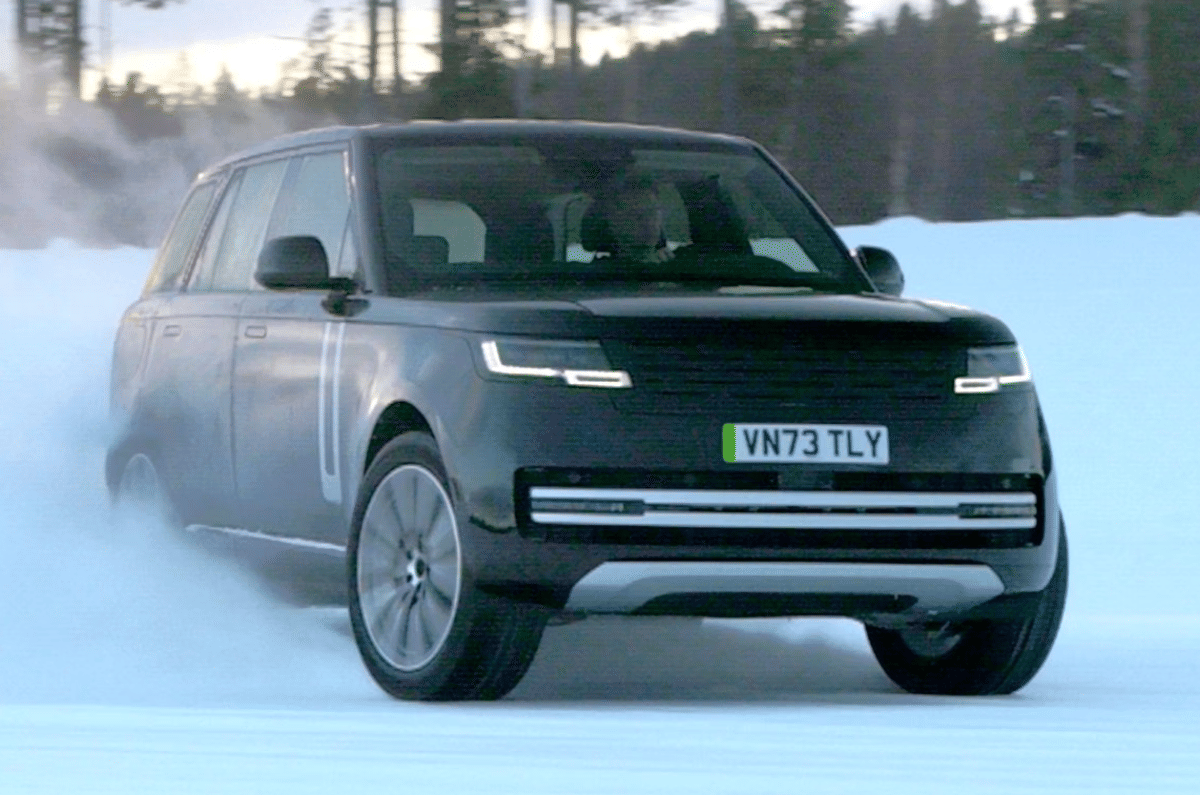
Range Rover Sport Electric previewed at Goodwood Festival of Speed

Range Rover Sport Electric prototype

JLR previewed the all-new Range Rover Sport Electric at a private event at the recently concluded Goodwood festival of Speed.  It will go on sale globally in September this year, and is expected to arrive at an Indian showroom by March 2027. Save for the powertrain, the Range Rover Sport Electric is largely identical to its ICE-powered sibling inside and out. This will be the brand’s second EV following the flagship Range Rover Electric. 

  1. Range Rover Sport Electric is powered by a 118.5kWh battery and two electric motors 
  2. It’s estimated to have a real-world driving range of around 530km 
  3. Will rival Porsche Cayenne Electric, BMW iX5 upon launch 

Range Rover Sport Electric: key specifications 

The technical details for the Sport are much the same as for the full-size Range Rover. It’s underpinned by JLR’s MLA platform, which was already designed with electrification in mind, and uses an 800V architecture. The 118.5kWh battery pack is estimated to return a real-world driving range of around 530km. There are two in-house developed electric motors (one on each axle), thereby enabling all-wheel drive, and total system out is rated at 550hp and 850Nm. Nought to 100kph is estimated to take about 4.4 seconds, which is quite brisk for an SUV that weighs about 2700kgs. 

It also gets regenerative braking, although there are no paddles for manual control, just D (which can be configured in the screen as ‘light’ or ‘standard’) and S (one-pedal) on the drive selector. 

As for the design, other than the closed-off front grille and the EV badges on the slightly more aerodynamically optimised wheels, it looks the same as any other Sport. The interior is the same as other Sports, too, which means it’s a tech-laden and premium cabin. 

We’ve already sampled a prototype of the Range Rover Sport Electric at Goodwood, and first impressions are that it has an exceptional ride quality, perhaps even better than the ICE-powered version. Performance is smooth and expectedly brisk, although there is a hint of torque steer from the front axle under hard acceleration. It also gets a single pedal mode which is particularly handy when off-roading. 

The company says it has not only tried to retain all the qualities of the ICE-powered Range Rover Sport in this EV version, but even make it better. As such, the electric Sport isn’t meant to be an EV statement but rather just another powertrain option. 

Upon launch, the new Range Rover Sport Electric will rival the likes of the Porsche Cayenne Electric and BMW iX5. When it arrives in India next year, expect it to be more expensive than the locally assembled combustion-powered variants. 

Royal Enfield Shotgun 650 Rough Crafts Edition image gallery

Royal Enfield Shotgun 650 Rough Crafts Edition front three quarter with Caliber Royale Custom motorcycle

The limited-edition motorcycle is based on the Shotgun 650 and draws inspiration from the ‘Caliber Royale’ custom built by Taiwanese custom house Rough Crafts. It was first showcased at EICMA 2025 before making its India appearance at Motoverse 2025. 

Priced at Rs 5.75 lakh (ex-showroom, India), the motorcycle will be limited to just 100 individually numbered units worldwide, of which, only 25 are allocated for India. Finished in a combination of Gloss Jet Black and Matte Stealth Black, the motorcycle gets hand-applied gold leaf stripes with subtle grey accents, a cast brass Rough Crafts collaboration badge and individually numbered fuel tanks. Other exclusive touches include black bar-end mirrors, quilted leather seats, contrast-cut alloy wheels and gold-coloured fork tubes.

Royal Enfield will retail the motorcycle through its ‘Drop’ format, with sales staggered across global markets between July 27 and July 30. India’s allocation of 25 motorcycles will go on sale on July 30 at 7pm IST.

To be eligible, prospective buyers must register through the Royal Enfield App or the company’s website between July 15 and July 30. On the sale day, the first 25 customers to successfully complete their purchase will secure one of the motorcycles allotted for India.

Royal Enfield Shotgun 650 Rough Crafts edition revealed; only 25 units for India

Royal Enfield Shotgun 650 Rough Crafts edition revealed; only 25 units for India

Royal Enfield has opened registrations for the limited-edition Shotgun 650 x Rough Crafts, a factory-built version of the bobber inspired by the one-off ‘Caliber Royale’ custom motorcycle. Priced at Rs 5.75 lakh (ex-showroom, India), the motorcycle will be limited to just 100 individually numbered units worldwide, of which only 25 are allocated for India.

  1. Limited to 100 units globally, with 25 for India
  2. Priced at Rs 5.75 lakh (ex-showroom)
  3. Registrations open until July 30; India sale on July 30 at 7pm IST

Royal Enfield Shotgun 650 Limited edition: What is it?

It draws inspiration from the custom built ‘Caliber Royale’ by Rough Crafts. 

The limited-edition motorcycle is based on the Shotgun 650 and draws inspiration from the ‘Caliber Royale’ custom built by Taiwanese custom house Rough Crafts. It was first showcased at EICMA 2025 before making its India appearance at Motoverse 2025.

Finished in a combination of Gloss Jet Black and Matte Stealth Black, the motorcycle gets hand-applied gold leaf stripes with subtle grey accents, a cast brass Rough Crafts collaboration badge and individually numbered fuel tanks. Other exclusive touches include black bar-end mirrors, quilted leather seats, contrast-cut alloy wheels and gold-coloured fork tubes.

Royal Enfield will also include a numbered artwork featuring a sketch of the Caliber Royale custom, designed and signed by Rough Crafts founder Winston Yeh, with every motorcycle.

Royal Enfield Shotgun 650 Rough Crafts edition: availability

Royal Enfield will retail the motorcycle through its ‘Drop’ format, with sales staggered across global markets between July 27 and July 30. India’s allocation of 25 motorcycles will go on sale on July 30 at 7pm IST.

To be eligible, prospective buyers must register through the Royal Enfield App or the company’s website between July 15 and July 30. On the sale day, the first 25 customers to successfully complete their purchase will secure one of the motorcycles allotted for India.

The Rough Crafts edition is mechanically unchanged from the standard Shotgun 650 and continues to use the same 648cc, parallel-twin, air/oil-cooled engine producing 47hp and 52.3Nm, paired with a six-speed gearbox. Its updates are limited to cosmetic and equipment enhancements inspired by the Caliber Royale custom, making it a more exclusive, collector-focused version of the Shotgun 650.

Tata Harrier vs Tata Sierra turbo petrol AT real-world mileage compared

Tata Harrier vs Tata Sierra

The new 1.5-litre ‘Hyperion’ turbo-petrol engine was developed in-house by Tata and first debuted on the Sierra in 2025. In January 2026, the carmaker introduced this engine into its larger stablemate, the Harrier. Since its inception in 2019, the Harrier has been offered only with a diesel engine. We’ve put the turbo-petrol automatic versions of both SUVs through our real-world mileage tests and compared their efficiency figures to find out which is more frugal. 

Tata Harrier vs Tata Sierra turbo petrol AT: Specifications

Tata Harrier vs Hyundai Alcazar turbo-petrol: Specification and price 


Tata Harrier

Tata Sierra

Engine

4 cyls, turbo-petrol

4 cyls, turbo-petrol

Displacement (cc)

1,498

1,498

Power (hp)

170

160

Torque (Nm)

280

255

Gearbox

6AT

6AT

Fuel tank (litres)

50

50

Kerb weight (kg)

1,738

1,552

Though powered by the same 1.5-litre turbo-petrol engine, both SUVs are tuned differently. While the Sierra’s mill develops 160hp and 255Nm, the Harrier’s unit develops more power and torque at 170hp and 280Nm, respectively. However, the larger Harrier is 186 kg heavier than the Sierra. Common to both SUVs are 6-speed torque-converter automatics and 50-litre fuel tanks. 

Tata Harrier vs Tata Sierra turbo petrol AT:  Real-world fuel efficiency

In our real-world fuel efficiency tests, the Sierra’s lighter weight helped it deliver 0.77kpl better fuel efficiency than the Harrier overall. Despite the Harrier getting an ‘Eco’ driving mode over the Sierra to improve fuel efficiency, the latter outperformed it by 0.32kpl in the city. On the highway, the efficiency gap increased to 1.21kpl because at 100kph, the Harrier’s engine runs at 1,900rpm in top gear, whereas the Sierra cruises at 1,750rpm in sixth gear at the same speed.

Tata Harrier vs Tata Sierra turbo petrol AT: Price

Tata Harrier vs Tata Sierra turbo petrol AT: Price


Tata Harrier

Tata Sierra

Petrol automatic price range (Rs lakh)

17.68 – 24.85

17.99 – 20.99

Considering turbo-petrol automatic price ranges, the Harrier turbo petrol automatic is Rs 31,000 cheaper than the Sierra. This is because the engine-gearbox combo is offered on the former’s one above the base trim, while the latter gets it on a mid-level trim onward. At the top end, however, the Harrier is pricier than the Sierra by Rs 3.86 lakh. 

Autocar India’s fuel-efficiency testing

Before our real-world fuel-efficiency tests, we fill our test cars’ tanks to the brim and maintain tyre pressures based on the manufacturer’s recommendations. These cars are driven in fixed city and highway loops in and around Navi Mumbai, and we maintain certain average speeds. Throughout the tests, there is only one person in each car, operating the air conditioner and other electricals, such as the audio system, indicators and wipers, when required, just like a regular user would. Periodic driver swaps further neutralise variations in driver patterns. At the end of each cycle, we calculate efficiency by filling the tanks to full again.