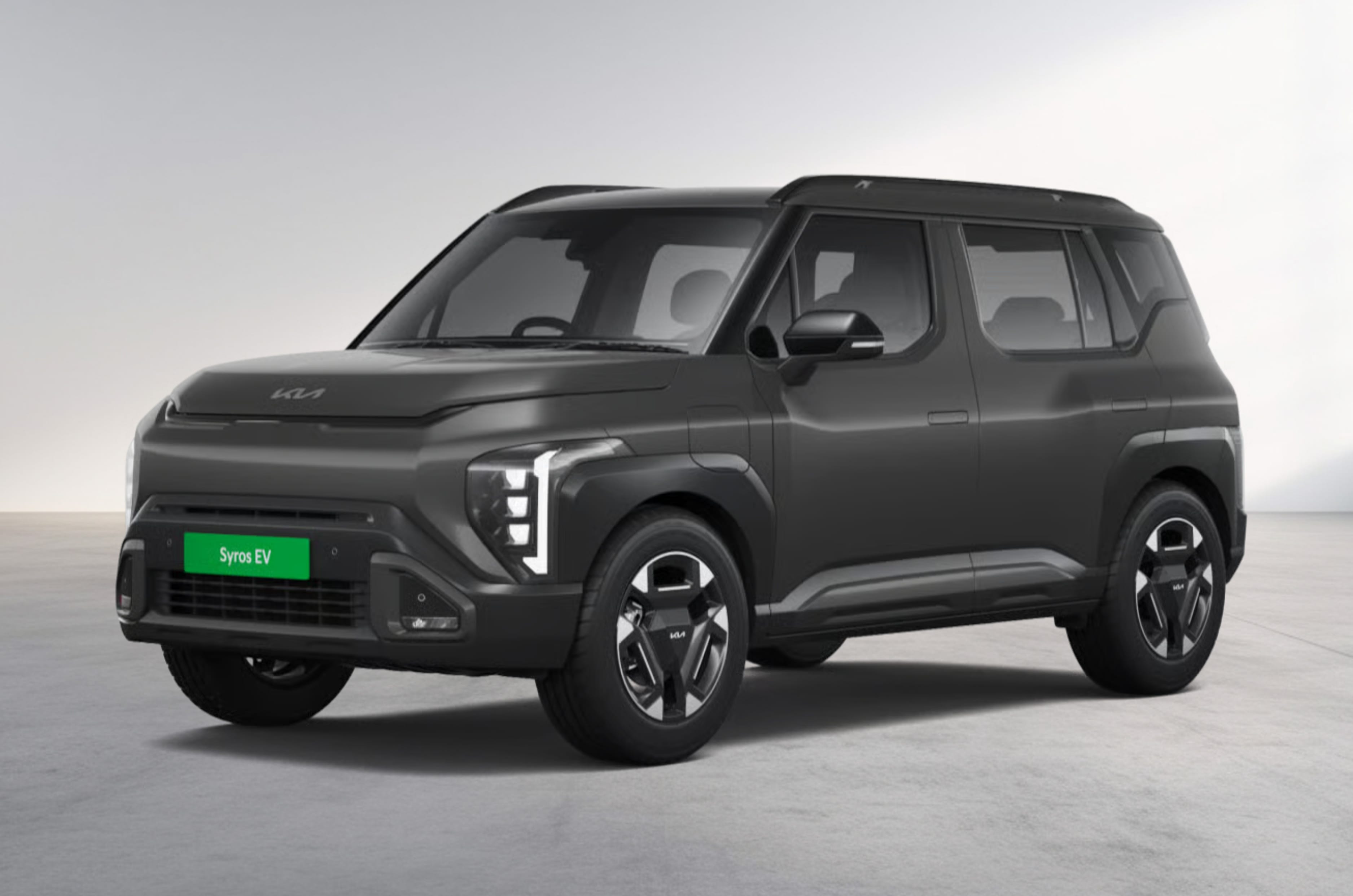
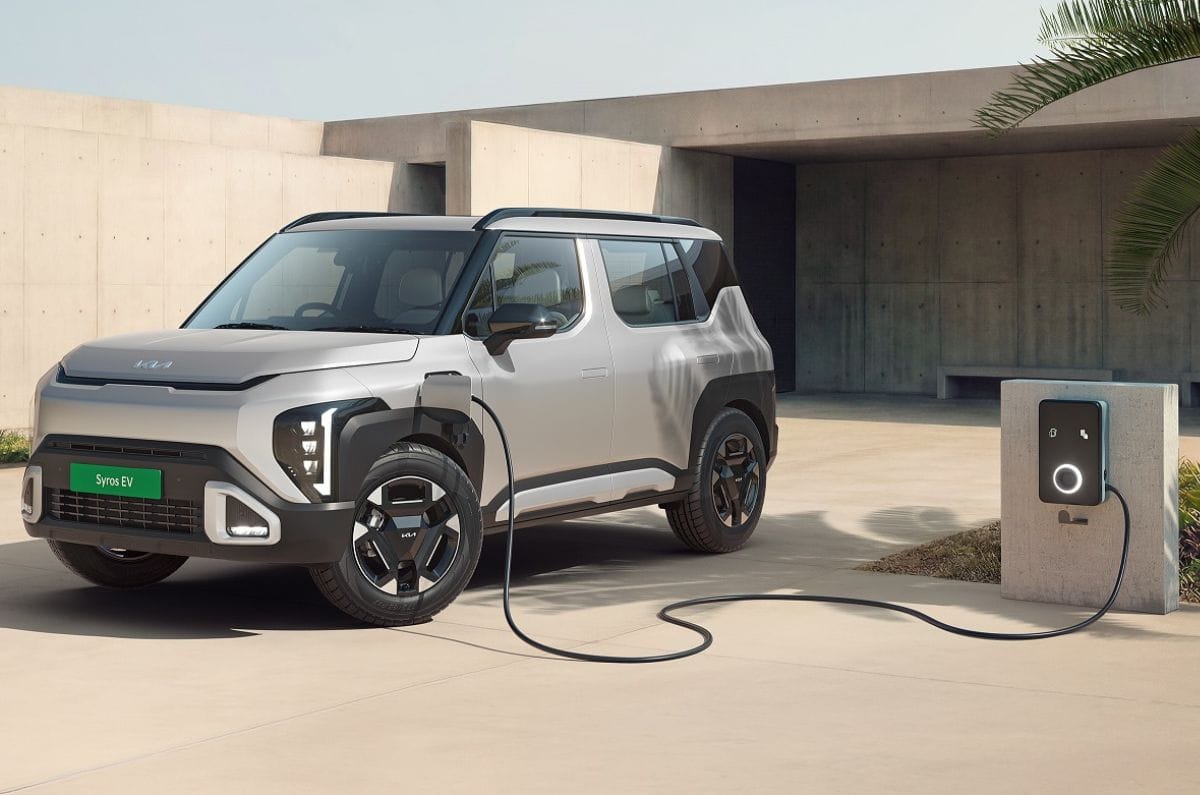
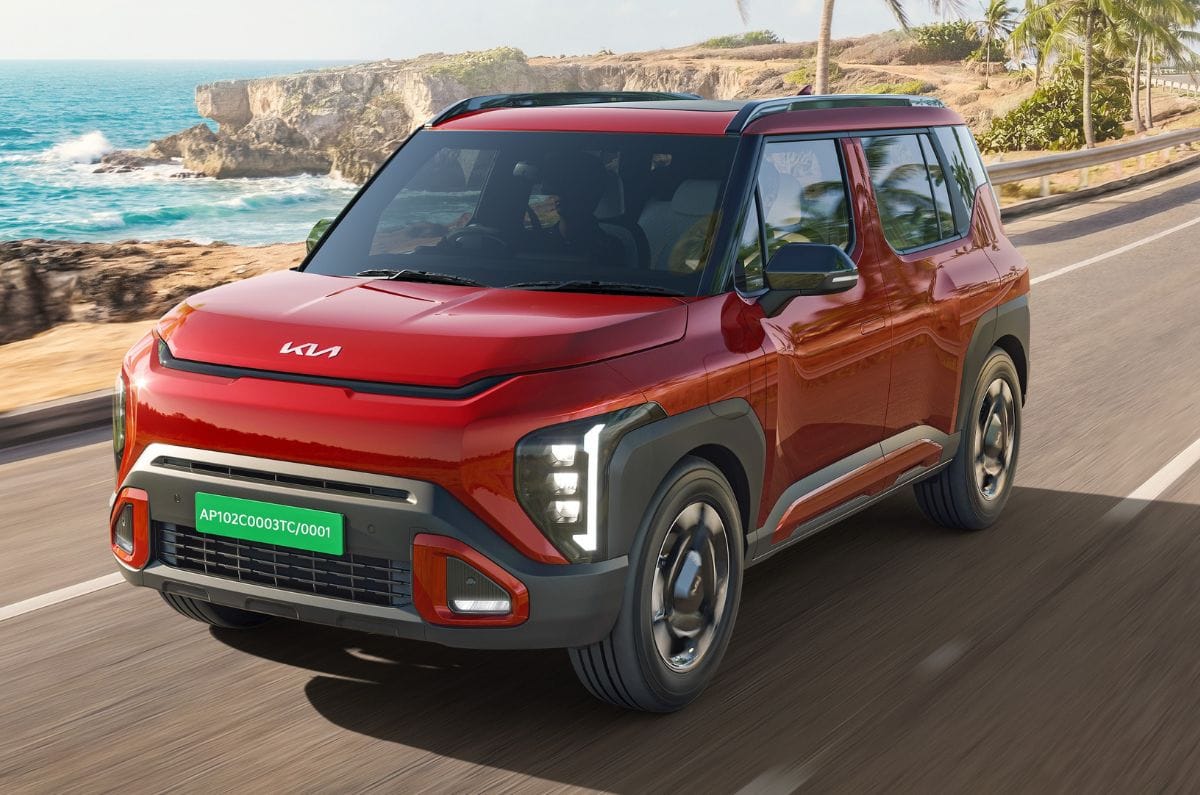
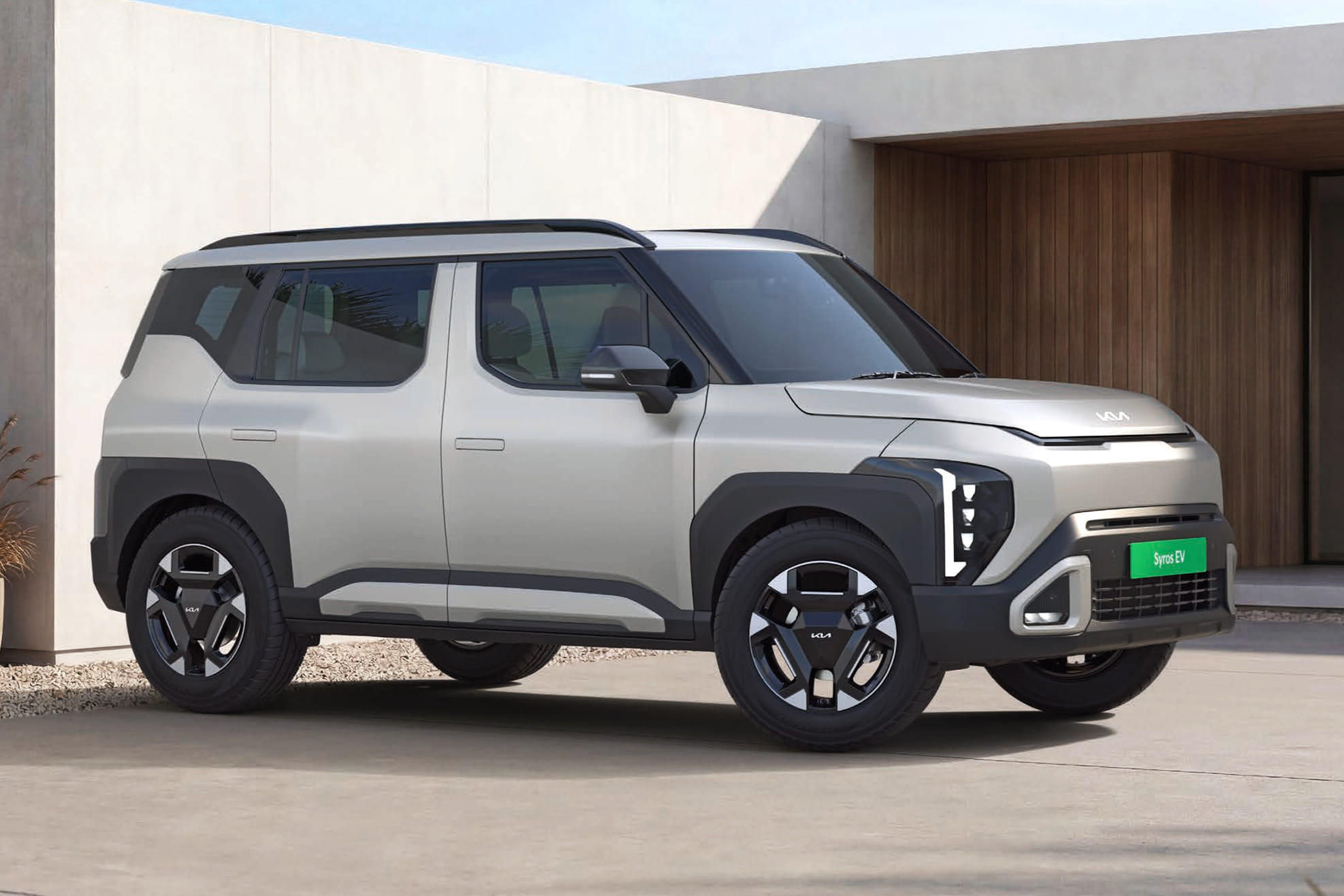
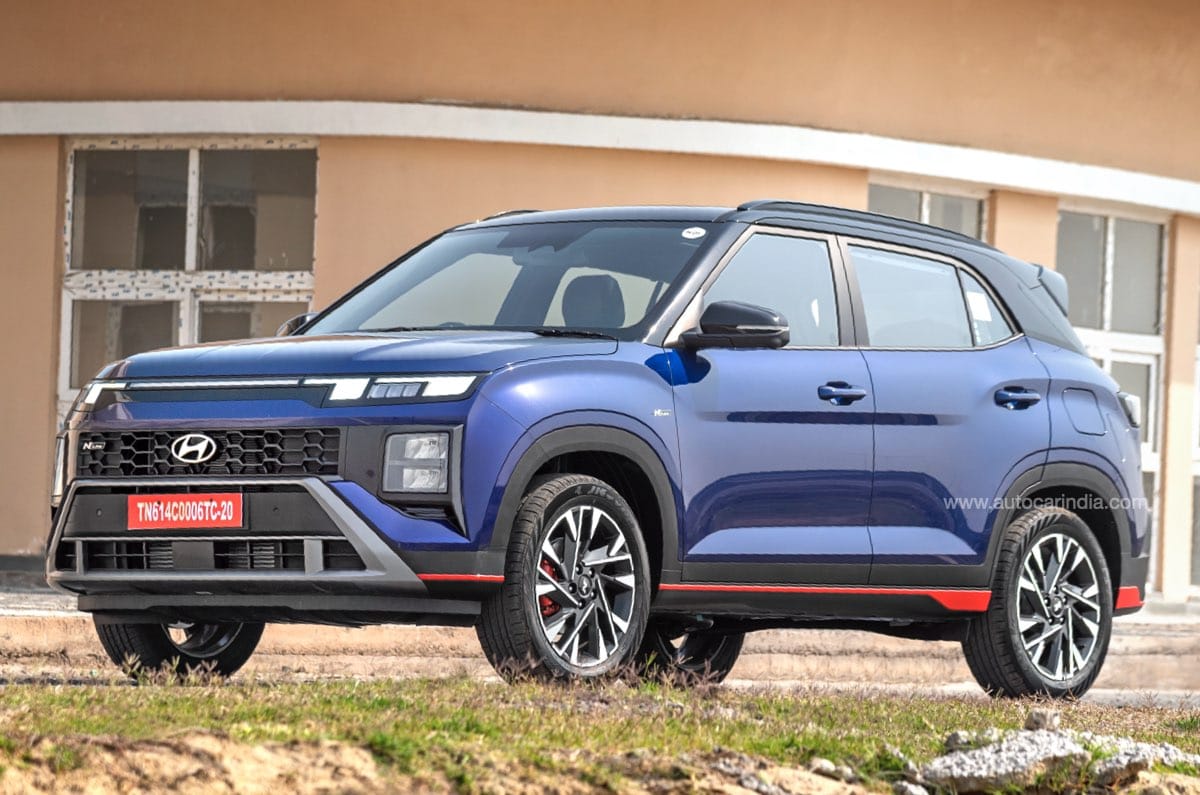
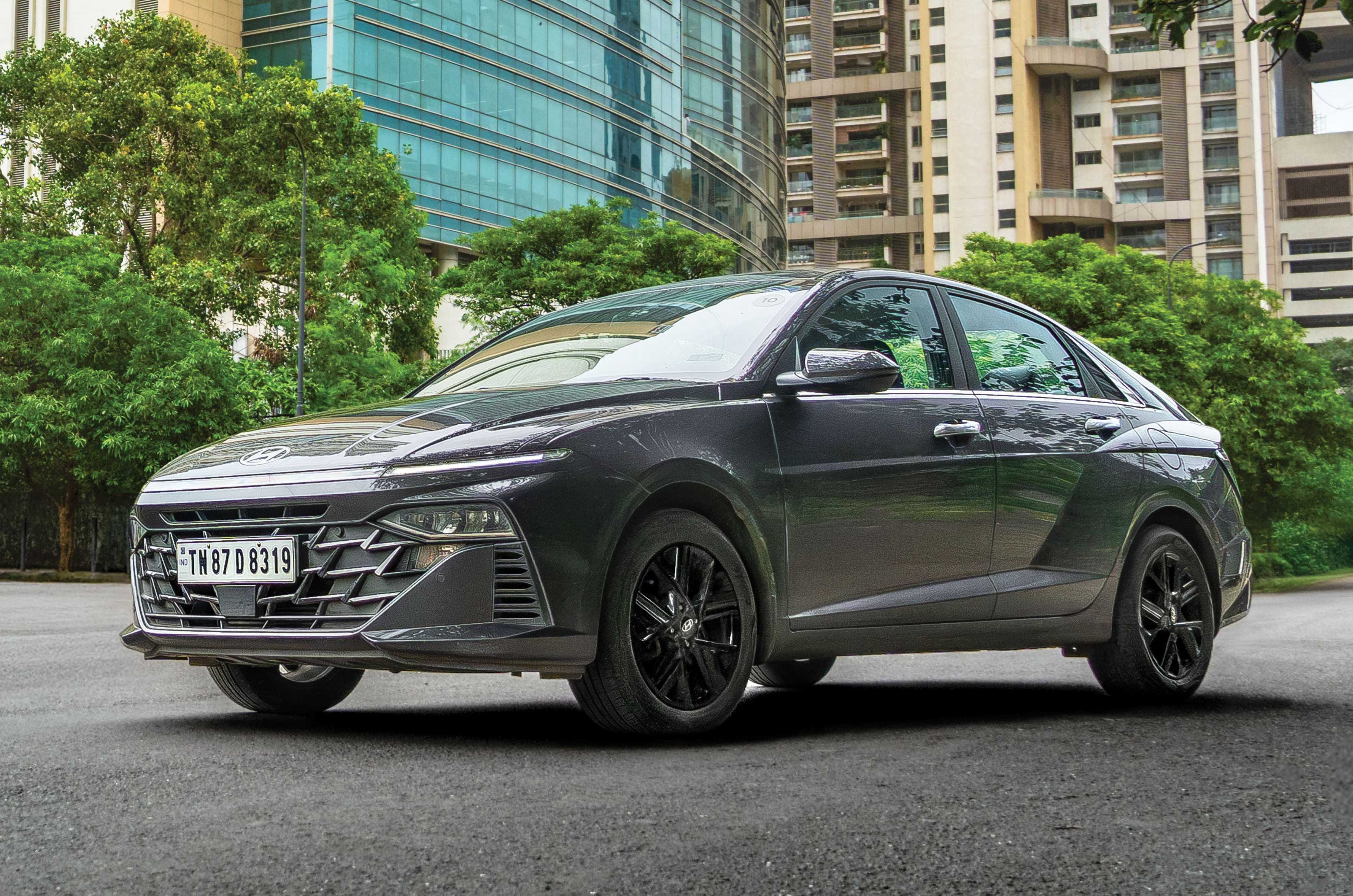
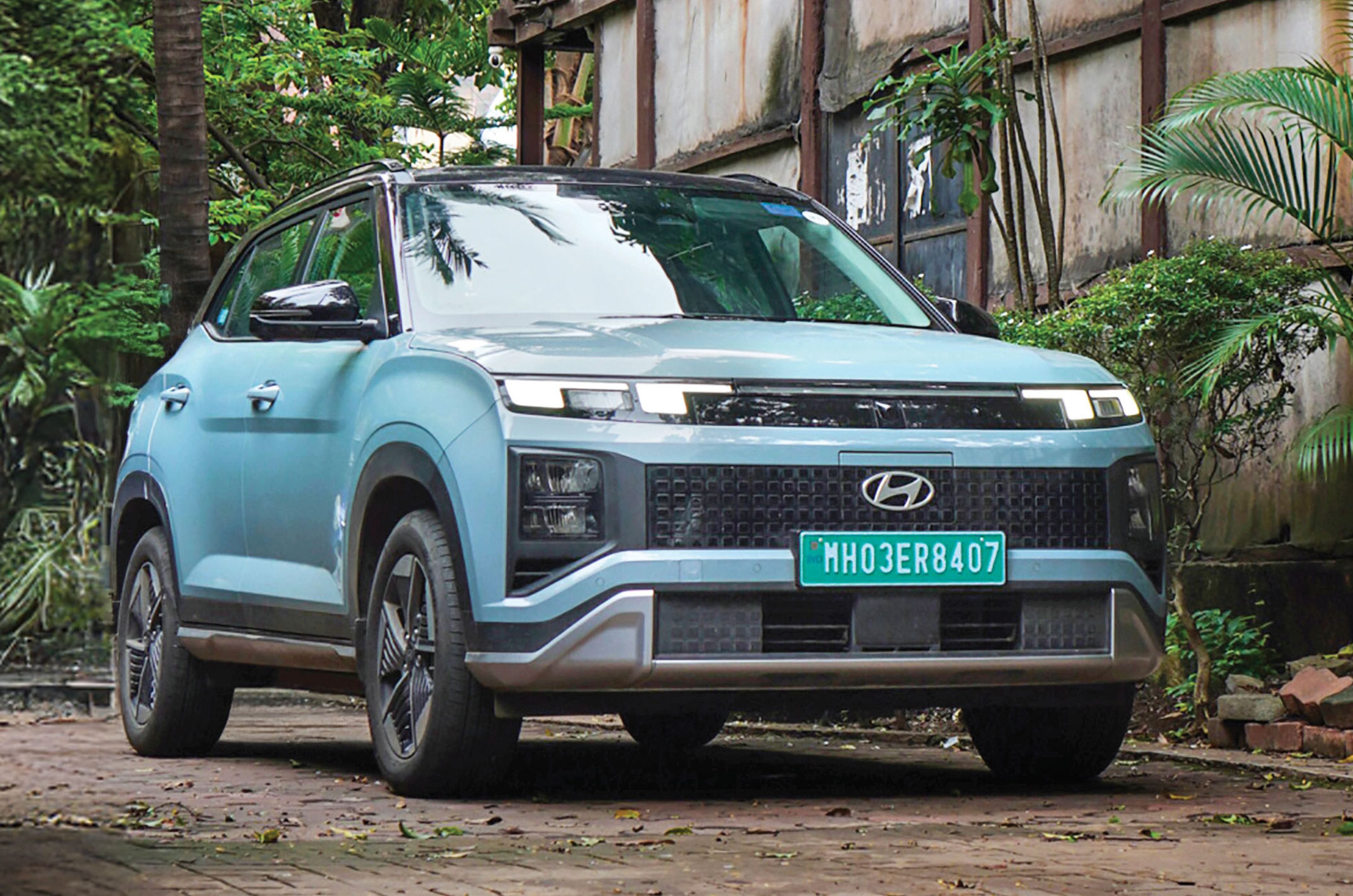
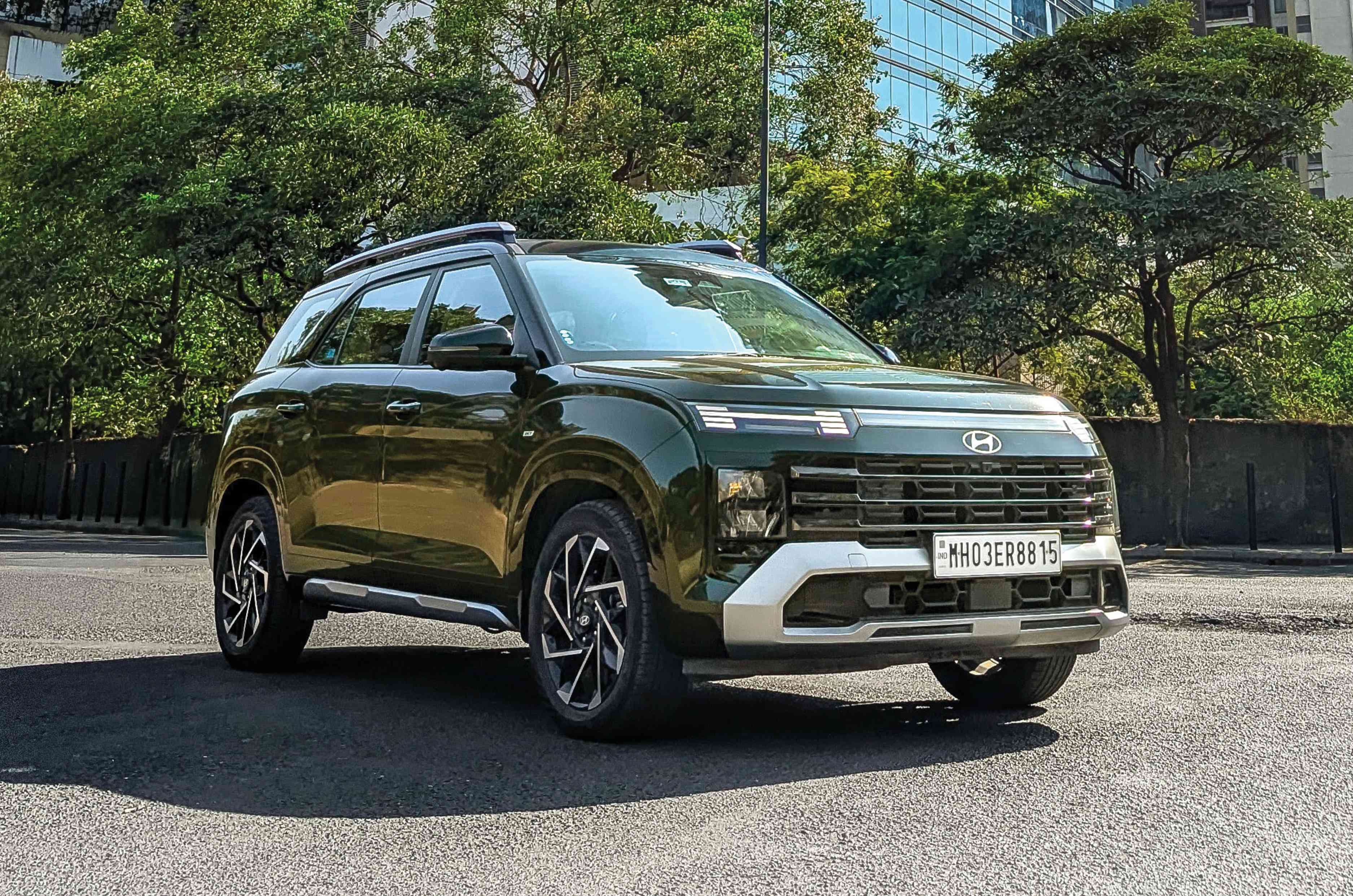
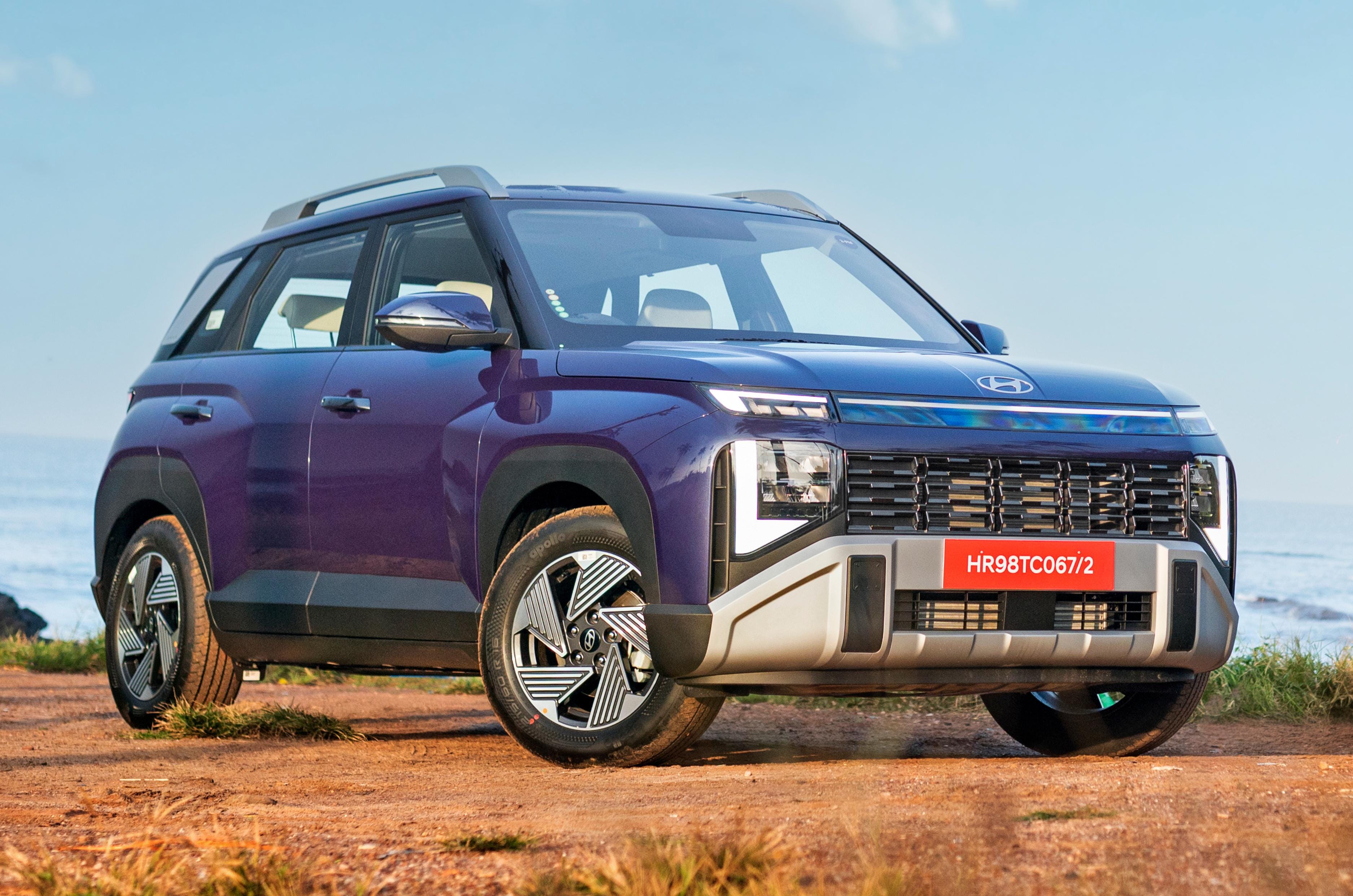
Kia is aiming at the growing compact electric SUV segment with the upcoming Syros EV, set to be its second mass-market electric model for India. The Syros EV utilises the same K1 platform as its ICE-powered counterpart. Bookings for the Syros EV are already open ahead of its launch, scheduled for the end of July 2026. In this article, we answer everything that you need to know about the Syros EV.
1. What battery pack options does the Kia Syros EV offer, and how much power does its motor produce?
The Kia Syros EV offers the same 42kWh and 51.4kWh battery packs that do duty in the Kia Carens Clavis EV and the Hyundai Creta Electric. Both are mated to a front-mounted motor. In the 42kWh guise, the motor delivers 135hp and 255Nm, but in the 51.4kWh guise, power is bumped to 171hp, while torque remains the same. The 51.4kWh battery pack and its 171hp motor make it the model with the largest battery pack and the most powerful motor in the class. Kia claims a 0-100kph sprint in 8.1 seconds with the 51.4kWh version.
2. What is the claimed range of the Kia Syros EV?
The ARAI-rated range is 443km for the 42kWh battery pack and 543km for the larger 51.4kWh unit. Not only does the Syros EV have a higher claimed range than the Clavis EV and the Creta Electric, but its 543km figure is also the highest in the compact electric SUV segment.
3. What charging speeds does the Kia Syros EV support, and how long does it take to charge?
The Kia Syros EV supports up to 11kW AC charging speeds, while DC charging is capped at 100kW. A 10-100 percent top-up for the 42kWh version takes 6 hours with the 7.4kW charger and 4 hours with the 11kW unit. In the 51.4kWh guise, the same takes 7 hours and 15 minutes with a 7.4kW charger and 4 hours and 50 minutes with an 11kW charger. Kia also claims that with a 100kW DC fast charger, both batteries can charge from 10 to 80 percent in 39 minutes.
4. How different is the Kia Syros EV from the ICE Syros on the outside and inside?
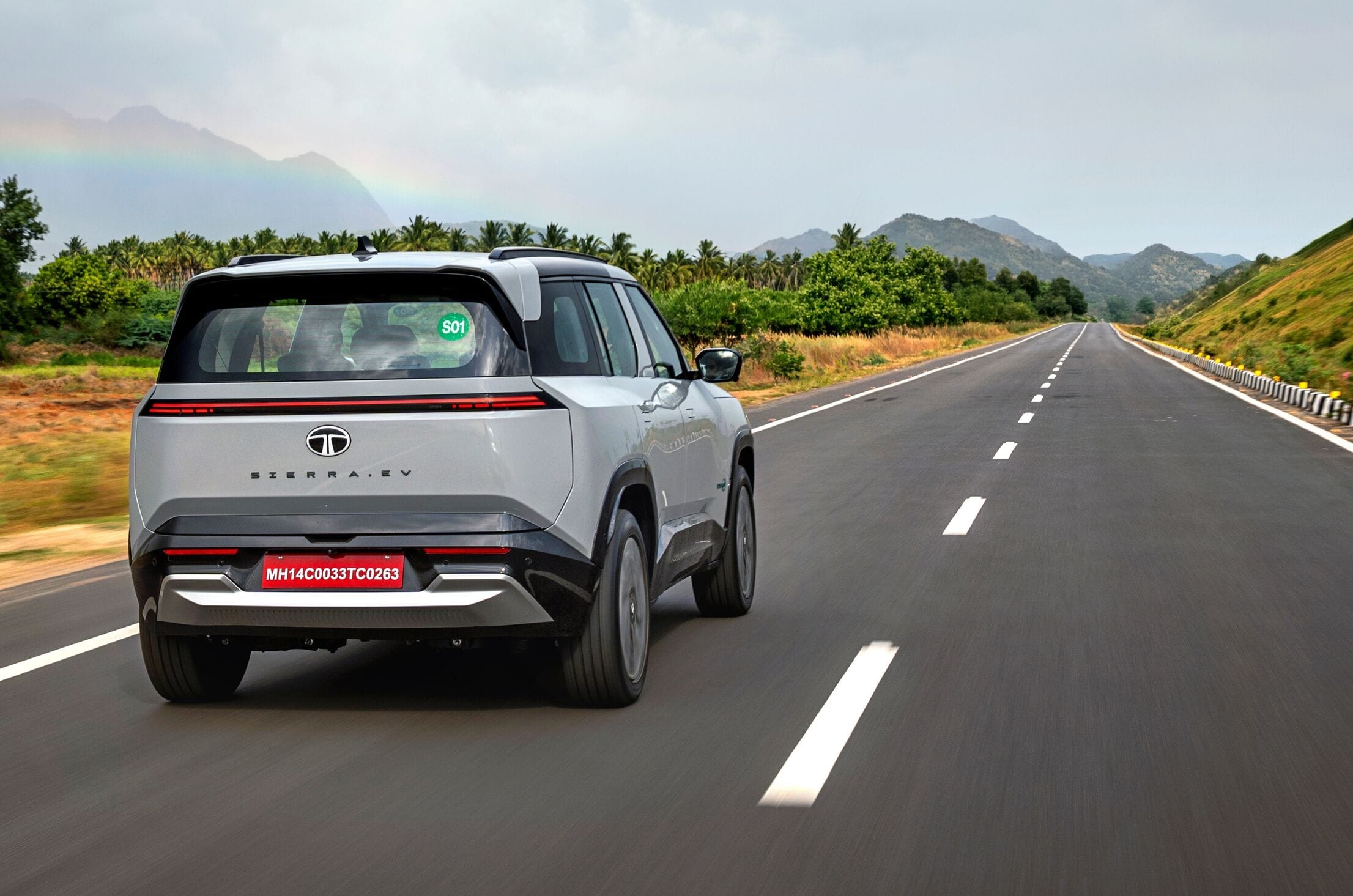
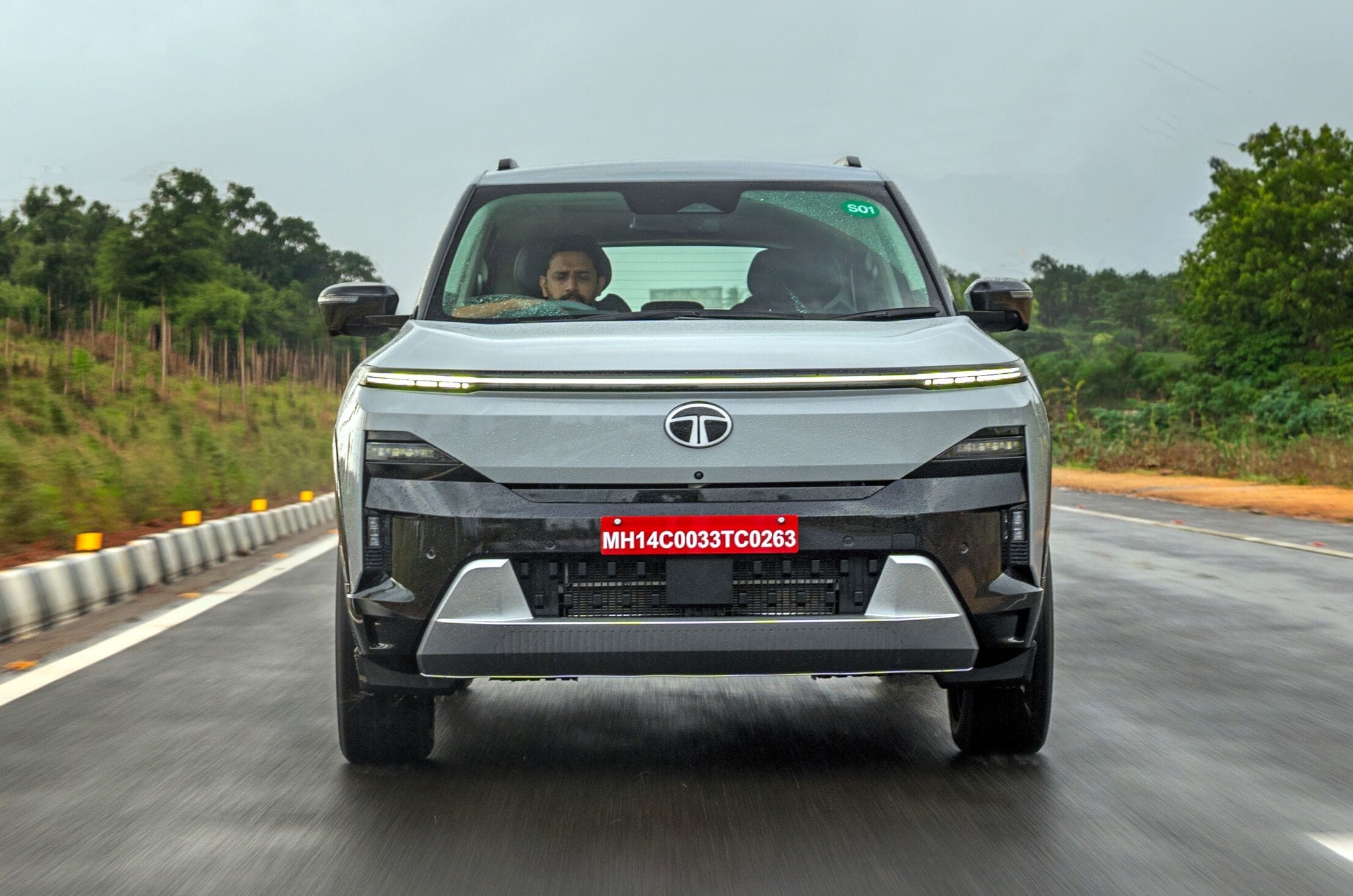
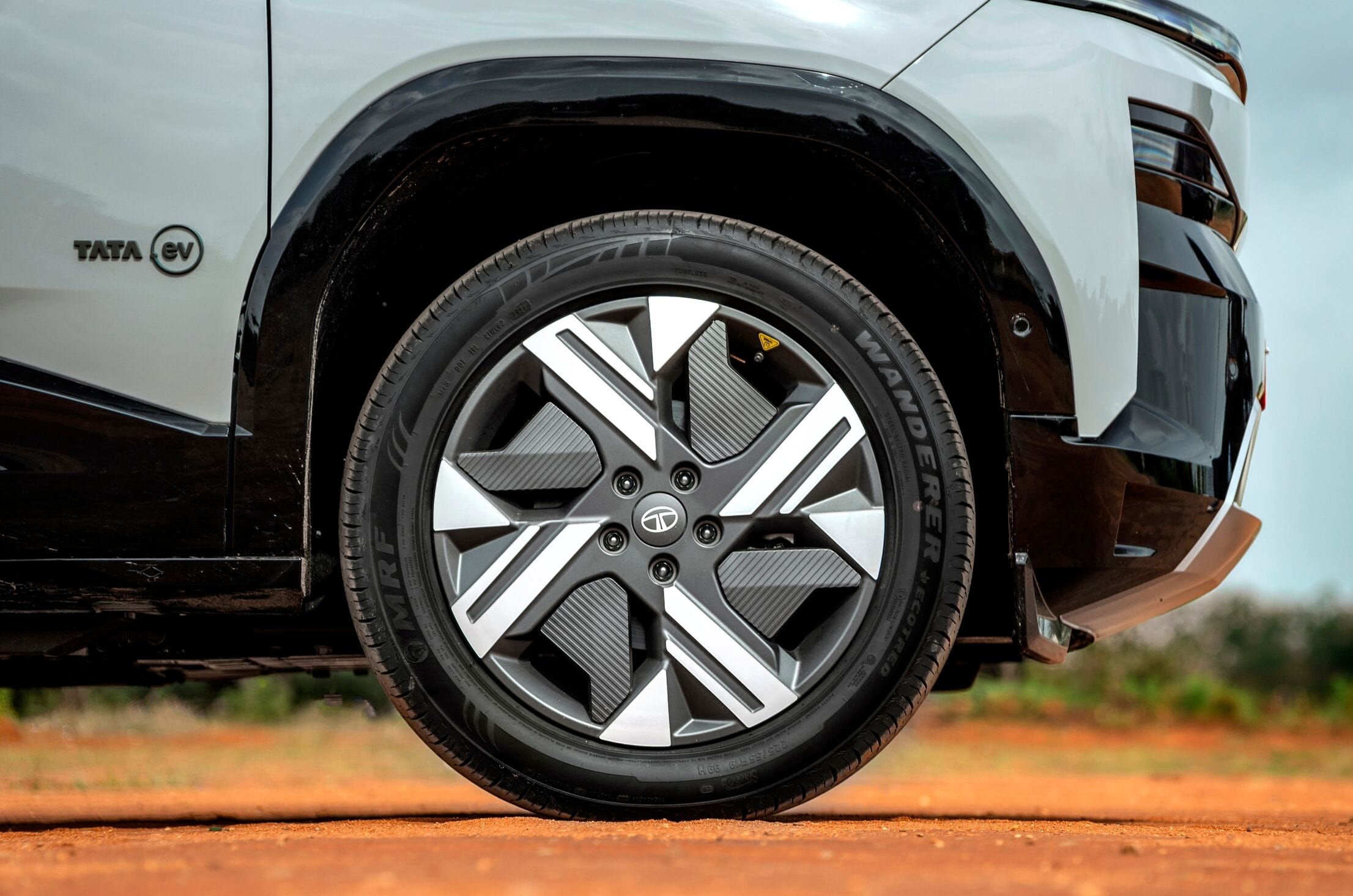
The Kia Syros EV may look largely similar to the ICE Syros, but it comes with a charging flap on the front fender, EV badging at the rear and a different set of alloy wheels that give it some distinction. Apart from these differences, it retains the overall tall-boy silhouette, front and rear bumper designs and lighting elements found on its combustion-powered counterpart.
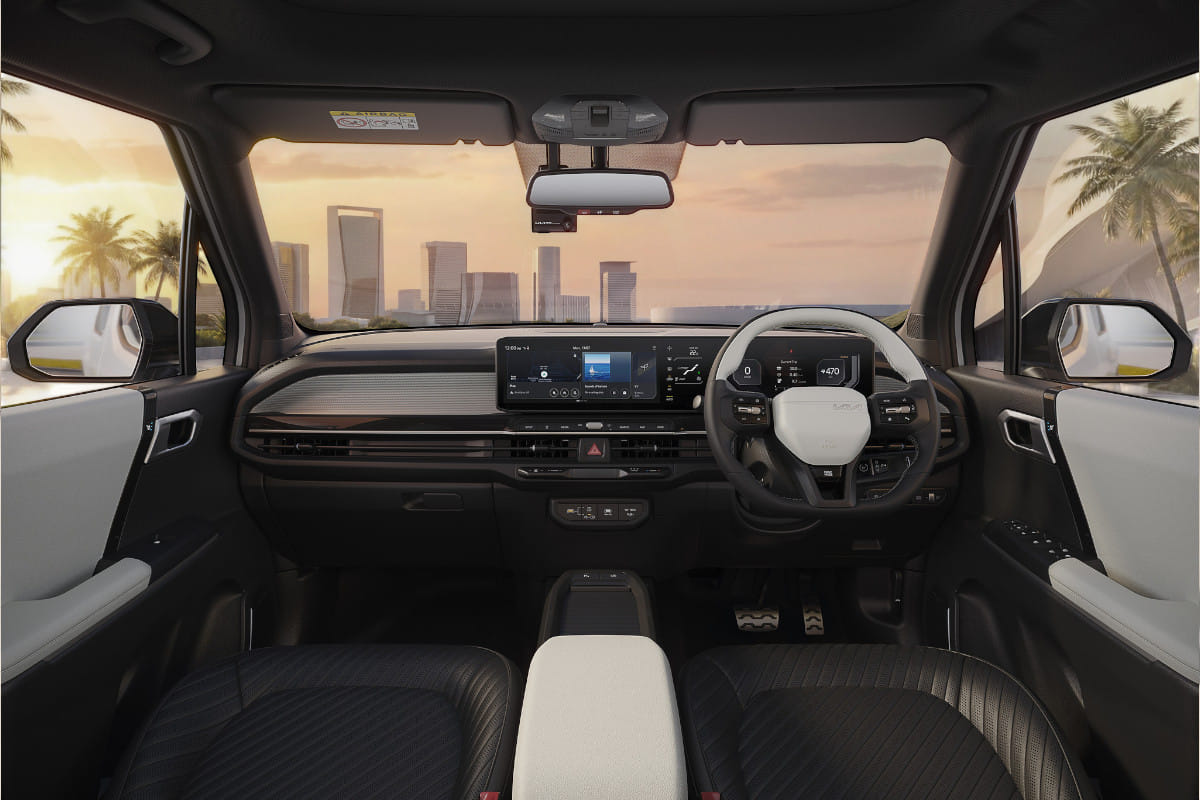
Inside, the dashboard layout remains the same as the ICE Syros, but there are some revisions to the centre console, which is high-set and features storage spaces and retractable cup holders. Also, the drive select lever has shifted to the steering wheel column.
5. What features does the Kia Syros EV come with?
For starters, the Kia Syros EV retains its ICE counterpart’s unique sliding and reclining rear seat with a ventilation function for the seat base. It also gets features such as dual 12.3-inch screens, a 5-inch HVAC control screen, wireless Apple CarPlay and Android Auto, a wireless charging pad, an 8-speaker Harman Kardon sound system, a panoramic sunroof, 64-colour ambient lighting and rear sunshades.
6. What does the Kia Syros EV offer over the ICE-powered Syros?
Apart from having EV-specific features such as a 16-litre frunk, regenerative braking, a virtual engine sound system and vehicle-to-load (V2L) functionality, it gets Level 2 ADAS, automatic flush door handles, a 360-degree camera setup, a dual-camera dashcam, a digital key, puddle lamps, multi-colour ambient lighting and metal pedals over the ICE-powered Syros.
7. What is the expected price of the Kia Syros EV?
The Kia Syros EV is expected to be priced from Rs 15 lakh to Rs 20 lakh, ex-showroom. It will take on the Mahindra XUV 3XO EV and the segment-reigning Tata Nexon EV, among others.
Ahead of its launch later this month, the Kia Syros EV has been unveiled in full. It follows a similar philosophy to the Kia Carens Clavis EV, wherein there are little to no exterior changes compared to the ICE-powered Syros. Even on the inside, the Syros EV is largely identical to its ICE counterpart, save for a three-spoke steering wheel instead of the latter’s two-spoke one, a floating centre console, and additional features like V2L functionality and virtual engine sounds. Under the skin, the Syros EV offers the same 42kWh and 51.4kWh battery options as the Carens Clavis EV and Hyundai Creta Electric.
Kia has revealed the all-new Syros EV ahead of its launch later this month. Based on the K1 platform, the Syros EV is largely identical to its ICE counterpart inside and out. The fundamental difference is on the powertrain front, with the Syros EV sharing its battery pack options with the Carens Clavis EV and also the Hyundai Creta Electric. It is available with two battery pack options – 42kWh and 51.4kWh – with the larger one offering up to 526km of claimed range. Bookings for the Kia Syros EV have commenced today for a token amount of Rs 25,000.
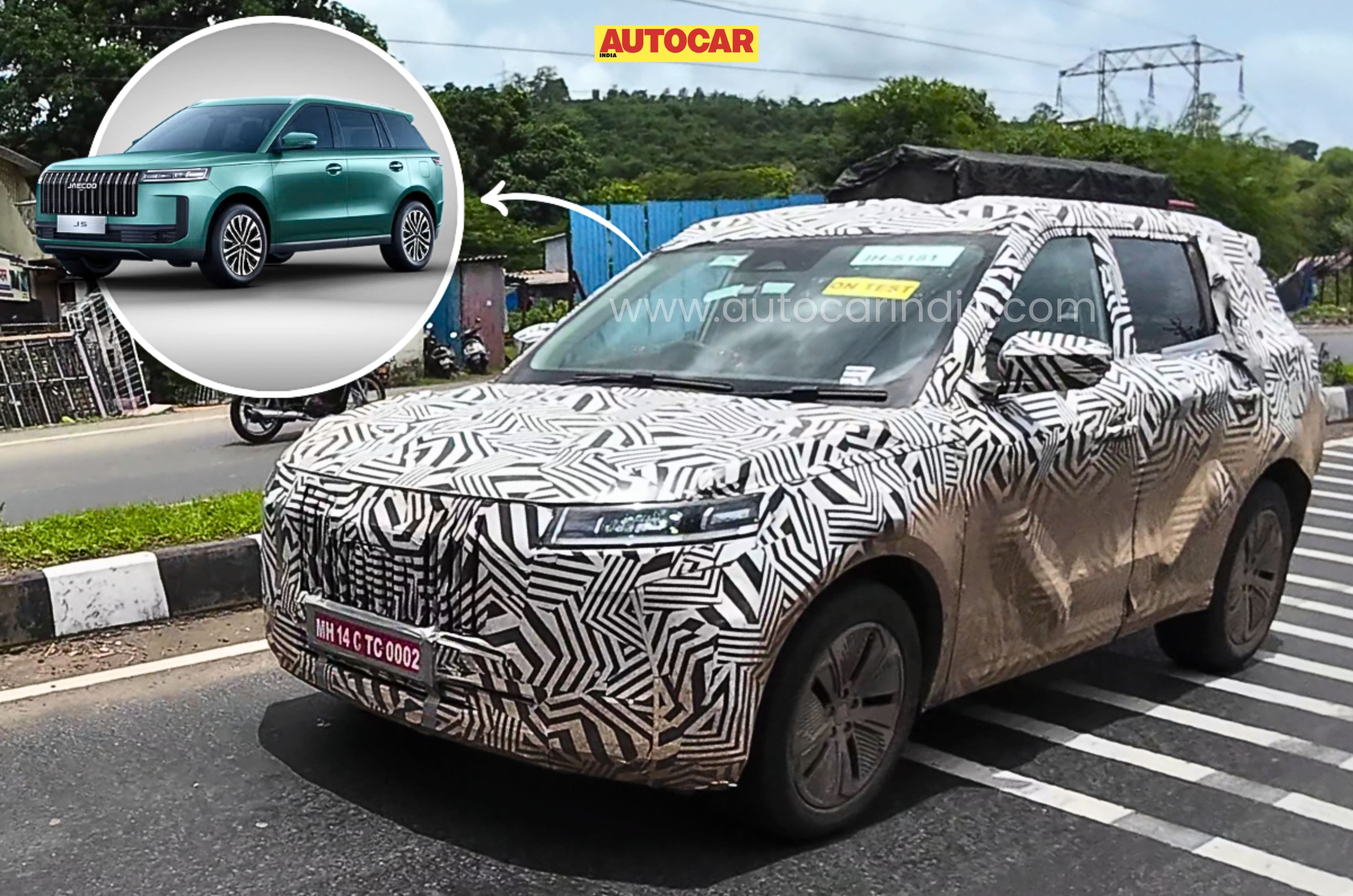
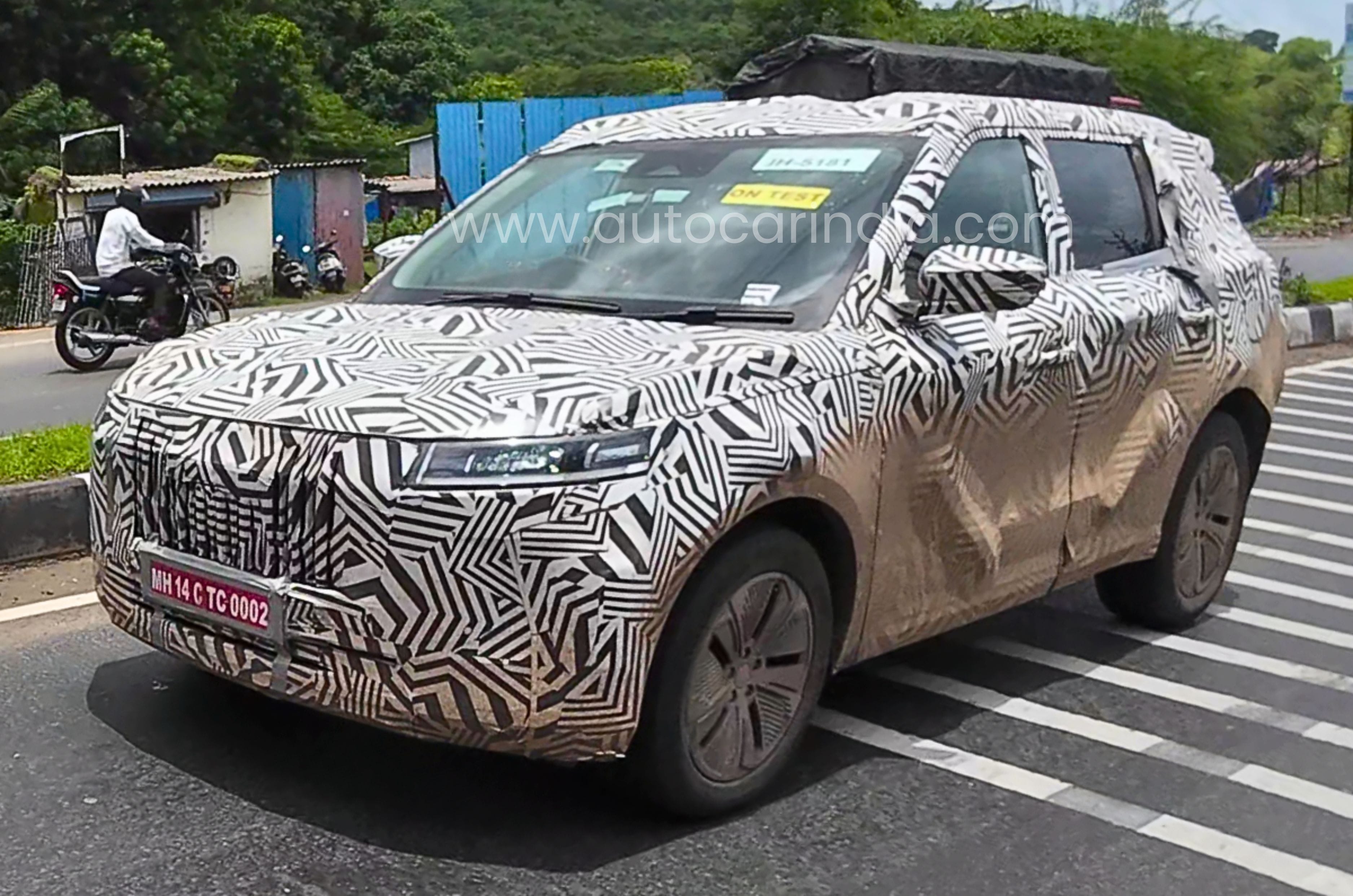
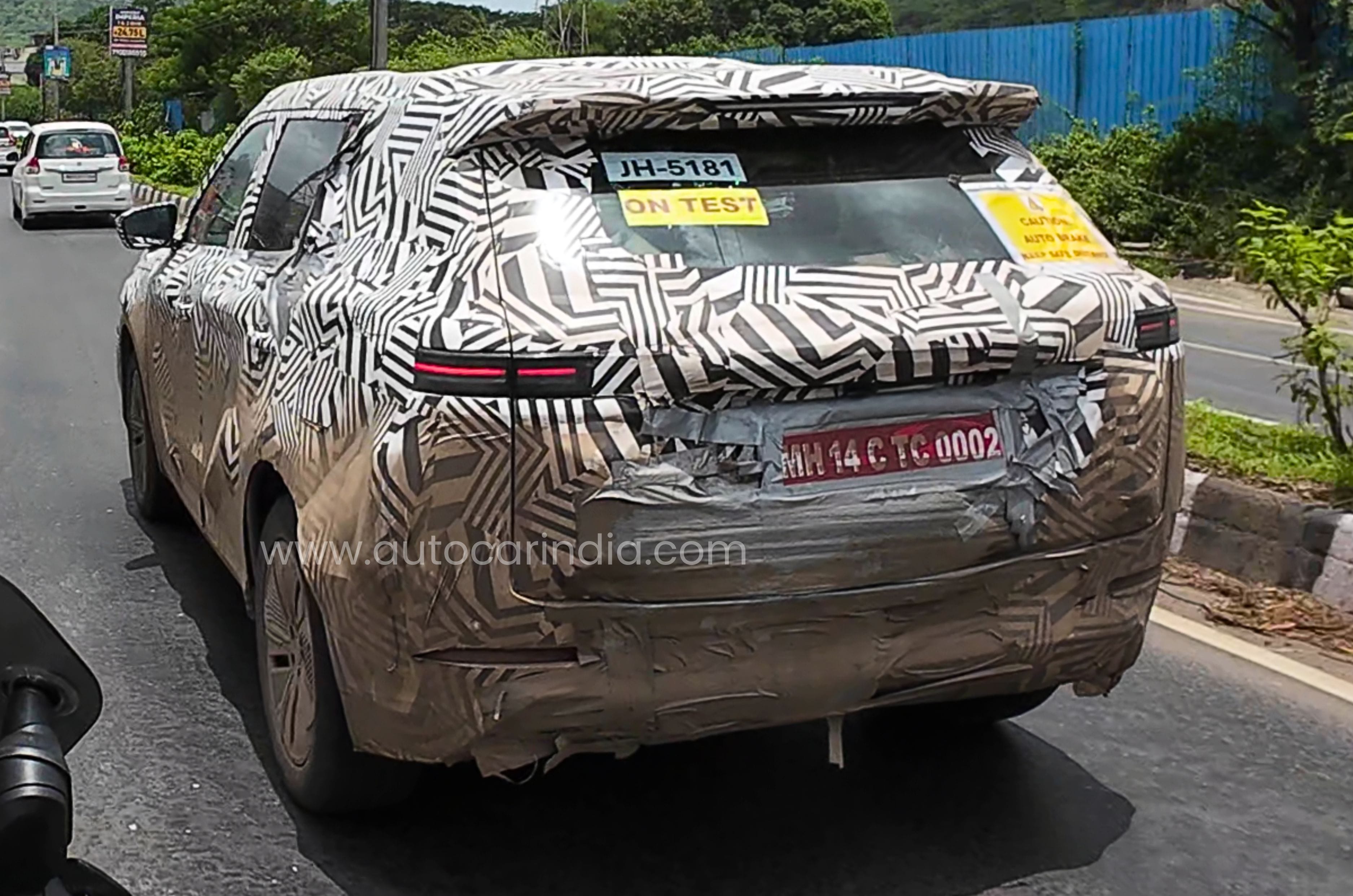
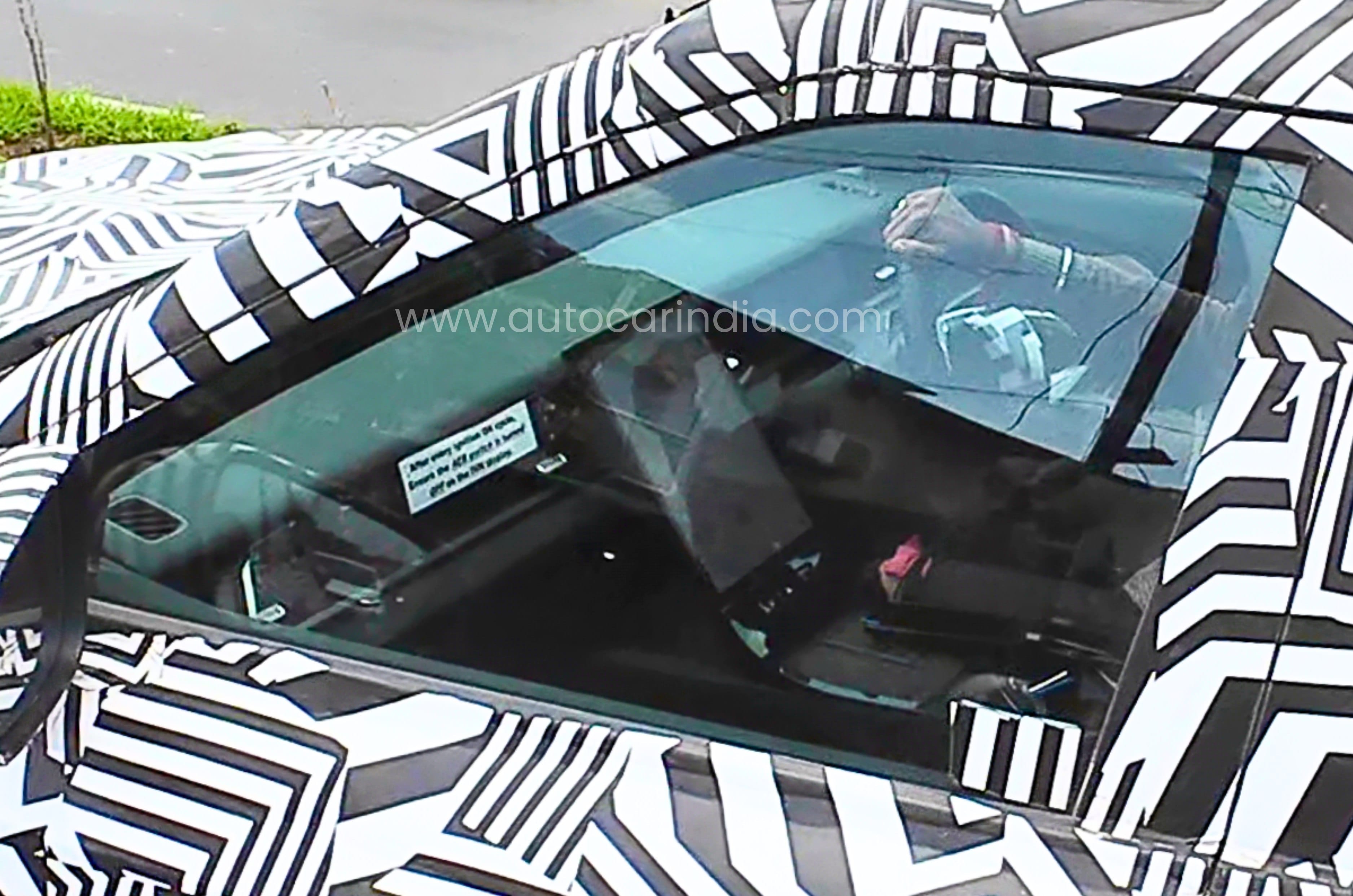
The Jaecoo J5 SUV has been spied testing in an ICE avatar for the first time in India. Interestingly, the latest spy shots suggest the Jaecoo J5 could launch in India with an ICE powertrain, whereas earlier sightings pointed to an all-electric (EV) version only. The new exterior and interior spy shots of the ICE-powered Jaecoo J5 reveal some visible differences from the EV version.
A functional grille, all-LED lighting and 18-inch alloy wheels can be seen
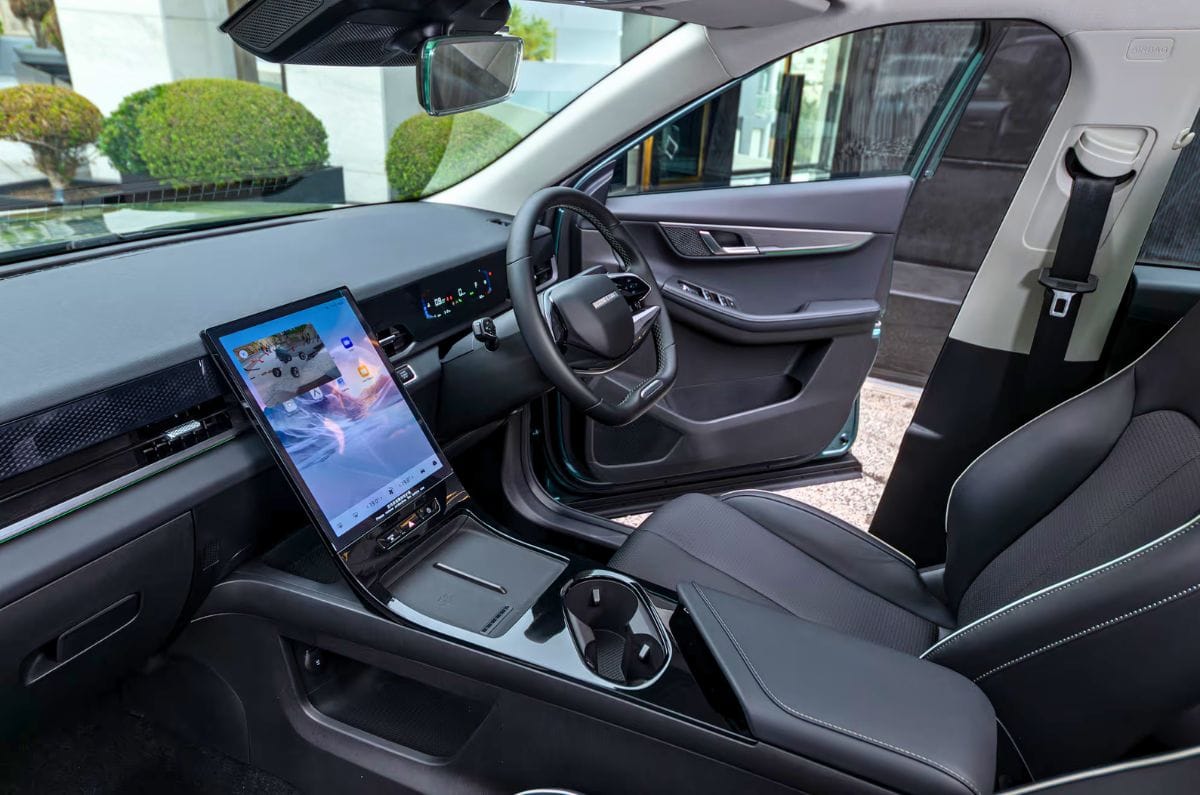
An all-black cabin with a vertically mounted infotainment system was spotted
Offered with a turbo-petrol and strong hybrid petrol internationally
In India, JSW Motors will launch its own standalone SUV based on the Jaecoo J5 under a technology and component licensing agreement with Chery, the Chinese automaker that owns the Jaecoo brand.
Jaecoo J5-based ICE SUV spied: What was spotted?
A functional grille with vertical slats confirms it is the ICE version of the Jaecoo J5
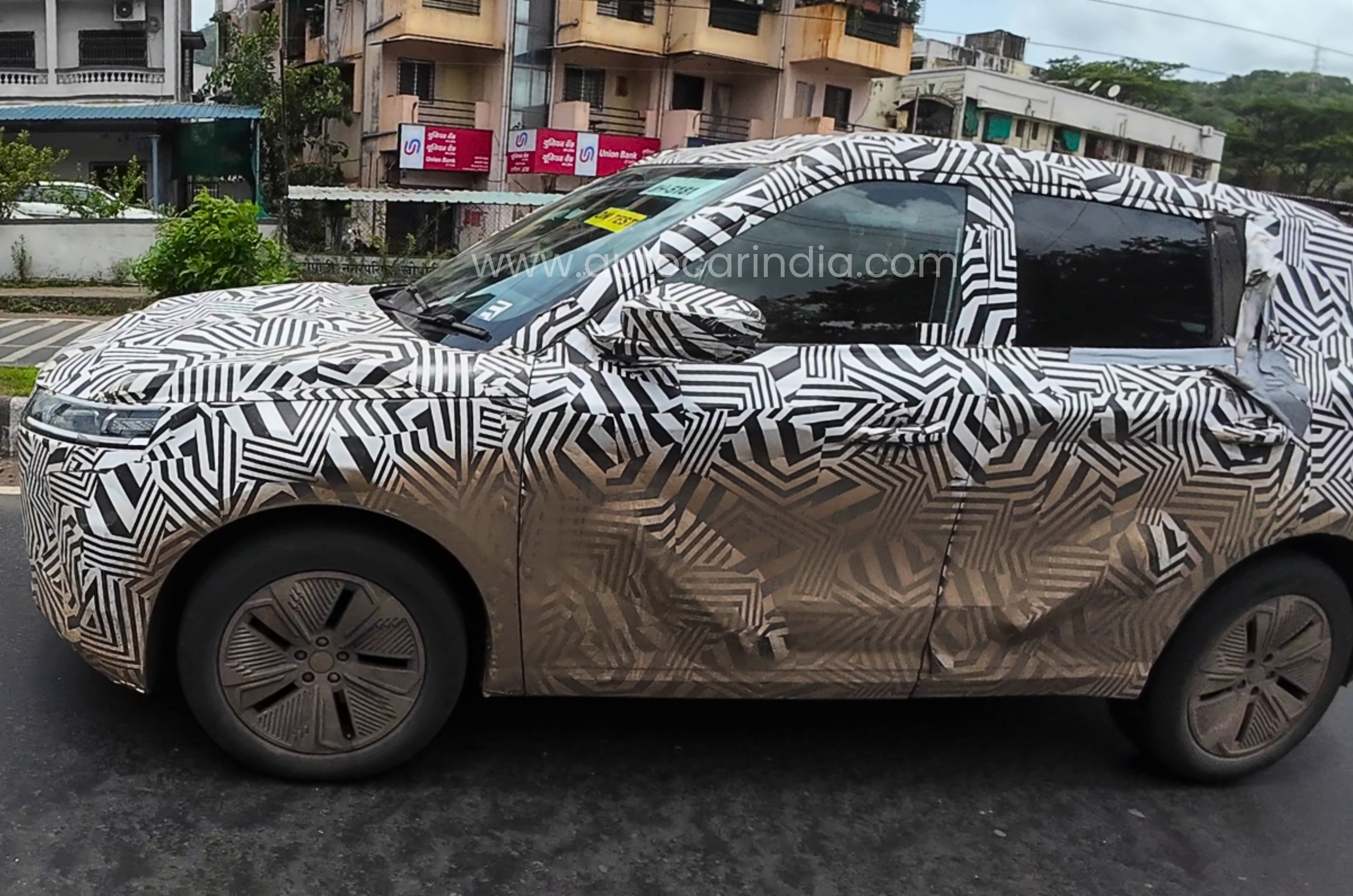
Although the Jaecoo J5-based SUV’s test mule is heavily camouflaged, a few design elements are visible. Among these is a functional grille with vertical slats, confirming it is the ICE version, as the EV features a blanked-off grille. The sleek LED headlights with LED DRL surrounds, however, are the same as those on the EV version. The bumper has a clean design, but it seems to miss out on the fog lamps offered with the international model.
In profile, the international-spec model gets 18-inch wheels. At the rear, slim wraparound LED taillights can be spotted. On the international model, these taillights are joined by a black trim with ‘Jaecoo’ badging in the centre.
The interior design mimics that of the all-electric model
The spy shots also reveal a large vertically oriented infotainment system on the dashboard, likely the same as the international model’s 13.2-inch unit. The international model also gets an 8.8-inch driver’s display, a panoramic sunroof, an 8-speaker Sony sound system, dual-zone climate control, a powered tailgate and a wireless phone charger. It will be interesting to see what features are offered with the India-spec model sold by JSW Motors.
South Africa-spec Jaecoo J5 dashboard shown for representational purposes only.
In terms of safety, the international model gets 7 airbags, a 540-degree camera (surround-view camera with an under-bonnet view function), a tyre pressure monitoring system (TPMS) and an advanced driver assistance system (ADAS) suite.
Jaecoo J5-based ICE SUV: Expected powertrain
Offered with a turbo-petrol and a strong hybrid petrol engine internationally
Depending on the market, the ICE-powered Jaecoo J5 gets either a turbo-petrol or a strong-hybrid engine option. The 1.5-litre turbo-petrol produces up to 156hp and 275Nm, and is mated to either a 7-speed DCT or a CVT, depending on the market. It allows for a 0-100kph sprint time of 10.2 seconds
A strong-hybrid version has a 1.5-litre 4-cylinder turbo-petrol engine and an electric motor powered by a 1.83 kWh lithium-ion battery. Combined, this setup produces 224hp and 295Nm. It does a 0-100kph sprint in 7.9 seconds. Jaecoo claims a fuel efficiency of 18.9kpl, allowing a total range of around 1,000km. It will be interesting to see which powertrain option is offered with the India-spec model.
India launch timeline is yet to be revealed
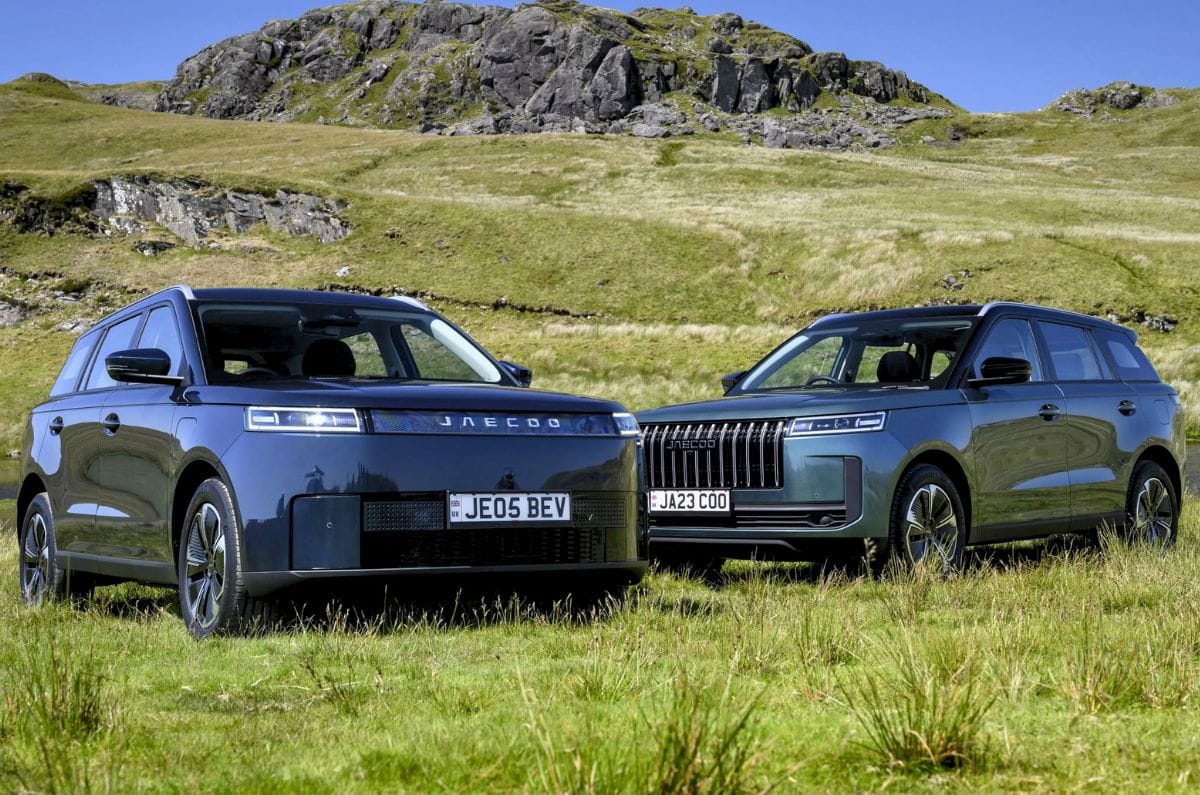
UK-spec Jaecoo J5’s EV (left) and ICE (right) versions shown for representational purposes only.
JSW Motors is expected to start its India operations with the Diwali launch of the Jetour T2-derived hybrid SUV, followed by launches of the SUVs derived from the Jaecoo J5 and iCaur V23. Upon launch, JSW Motors’ Jaecoo J5-based ICE SUV will lock horns with midsize SUVs such as the Hyundai Creta, Tata Sierra, Maruti Suzuki Victoris, Renault Duster and Nissan Tekton. The EV version will rival the Hyundai Creta Electric, Mahindra BE 6, Tata Sierra EV, Vinfast VF6 and Maruti Suzuki eVitara.
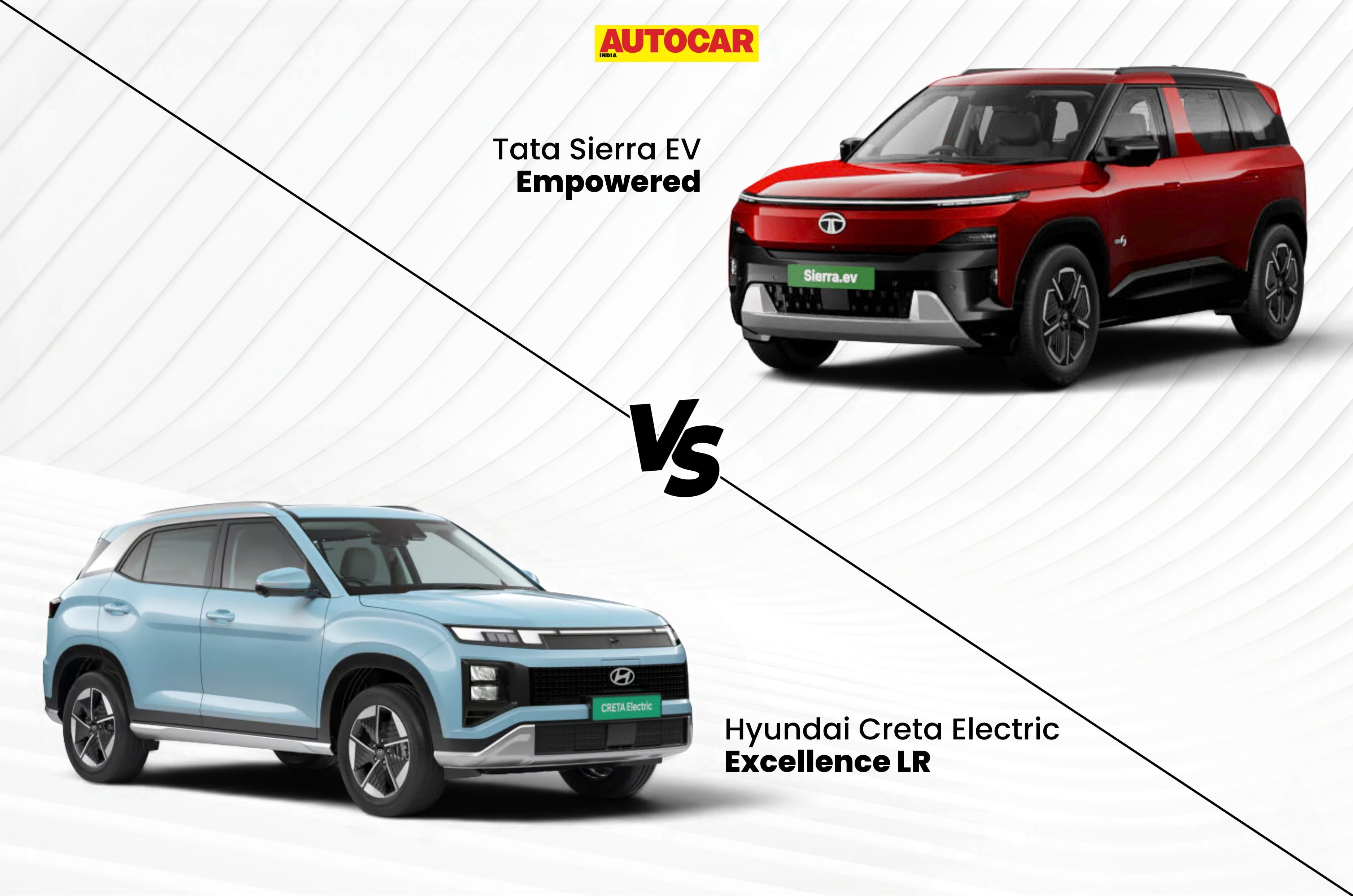
Both the Tata Sierra EV and Hyundai Creta Electric are available with two battery pack options. However, the lower variants of the Creta Electric feature a smaller 42kWh battery pack, so we’ll be looking at the 51.4kWh version here – the Creta’s top-spec Excellence LR (Long Range) variant is only offered with the larger battery pack. However, the Sierra EV’s Empowered trim offers buyers more flexibility as it’s available in 63kWh and 75kWh guises. The Sierra EV Empowered is priced from Rs 22.79 lakh to Rs 23.79 lakh, while the Creta Electric’s top-spec Excellence LR costs Rs 23.67 lakh. Let’s find out which midsize electric SUV is right for you.
Tata Sierra EV Empowered vs Hyundai Creta Electric Excellence LR: Dimensions
The Sierra is the bigger car here, but the Creta EV is just as long
Tata Sierra EV Empowered vs Hyundai Creta Electric Excellence LR dimensions
Tata Sierra EV
Hyundai Creta Electric
Length (mm)
4,340
4,340
Width (mm)
1,841
1,790
Height (mm)
1,750
1,655
Wheelbase (mm)
2,730
2,610
Boot space (litres)
450
433
Frunk (litres)
55
22
Wheel size (inches)
18
17
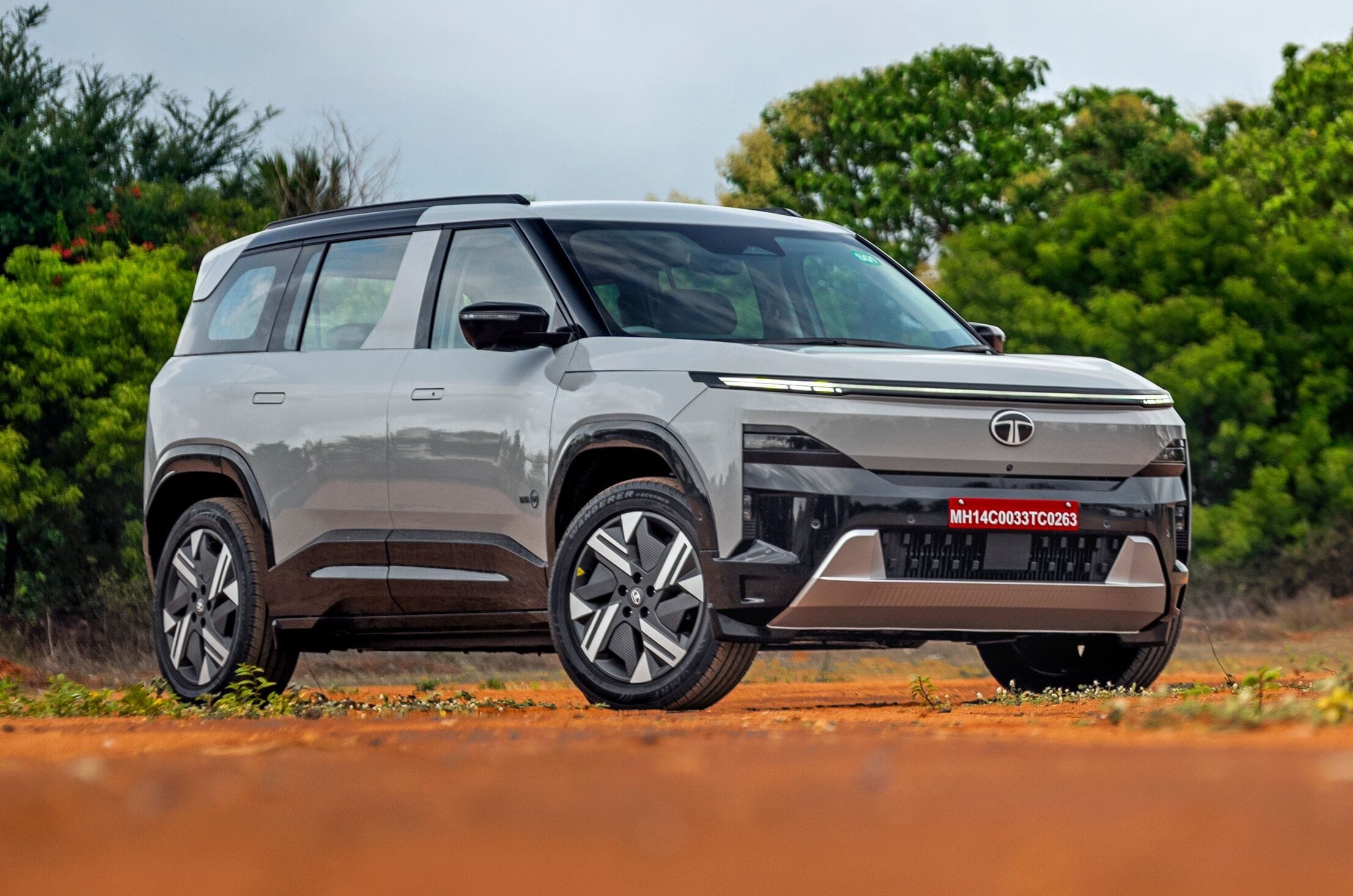
While the overall length of the Hyundai Creta Electric is identical to the Tata Sierra EV, the latter boasts 120mm longer wheelbase. The Sierra EV is 51mm wider and 95mm taller at the roof than its Hyundai rival. The range-topping Excellence LR variant of the Creta EV only gets 17-inch wheels, but the Empowered trim of the Tata SUV comes equipped with larger 18-inch rims. In terms of their luggage-carrying capacity as well, the Sierra EV has the bigger rear boot and frunk (front trunk).
Tata Sierra EV Empowered vs Hyundai Creta Electric Excellence LR: Powertrain
The rear-wheel drive Sierra gets two powertrain options and has the range advantage
Tata Sierra EV Empowered vs Hyundai Creta Electric Excellence LR powertrain options
Tata Sierra EV
Hyundai Creta Electric
Battery size (kWh)
63/75
51.4
Electric motor setup
Single, rear (RWD)
Single, front (FWD)
Power (hp)
238/209
171
Torque (Nm)
315
255
Claimed 0-100kph
–
7.9 seconds
Claimed range (km)
566/665
510
AC charging
Up to 10.5 hrs at 7.2kW (10-100%)
7.25 hrs at 7.4kW (10-100%)
DC fast charging
Up to 26 mins at 120kW (20-80%)
39 mins at 100kW (10-80%)
The Sierra EV in Empowered trim is offered with 63kWh and 75kWh battery packs. Even with the smaller battery option, the Sierra EV’s claimed range is 56km more than the top-spec Creta Electric’s. Bumping up to the top-spec, rear-wheel drive (RWD) 75kWh version of the Sierra EV means a claimed range of 665km – that’s 155km more than the top-spec Creta Electric.
The smaller battery size and a slightly faster AC charging speed means that the Creta Electric can be charged from 10-100 percent in 7 hours and 15 minutes, which is over 3 hours less than what the Sierra EV with the 75kWh battery pack requires. Meanwhile, the Sierra EV with the 63kWh battery takes under 9 hours to achieve the same SoC (state of charge). Both cars support DC fast charging of over 100kW, with the Sierra EV’s claimed charging time being based on 120kW DC charging.
The Sierra EV’s single electric motor powers its rear wheels, while that of the Creta Electric powers its front. While the punchier 63kWh version of the Tata SUV makes 67hp more than its Hyundai EV rival, even its lower-output 75kWh version makes more power (38hp more than the Creta Electric). The Sierra EV also has the torque advantage, developing 60Nm more than its Hyundai rival. While Tata Motors hasn’t published the claimed 0-100kph time of the mid-spec Sierra EV, it’s likely to be brisk.
Tata Sierra EV Empowered vs Hyundai Creta Electric Excellence LR: Exterior features
The Sierra EV’s Empowered trim adds more novelty features on the outside than its Hyundai rival
Tata Sierra EV Empowered vs Hyundai Creta Electric Excellence LR exterior features
Tata Sierra EV
Hyundai Creta Electric
LED projector headlamps
Yes (auto)
Yes (auto)
Connected light bar
Yes
Yes
Front fog lamps
Yes
No
Rear fog lamps
Yes
No
Cornering lights
Yes
No
Sequential turn signals
Yes
Yes
Welcome lights
Yes
Yes
Puddle lamps
Yes
Yes
Powered ORVMs
Yes (with auto-fold function)
Yes (with auto-fold function)
Flush door handles
Yes
No
Body cladding
Yes
Yes
Roof rails
Yes
Yes
Rear spoiler
Yes
Yes
Powered tailgate
Yes (gesture activated)
No
Colours
Mono-tone
Mono-tone and Dual-tone
The Empowered trim of the Sierra EV gets useful features such as a gesture-activated powered tailgate, front & rear fog lamps, and front cornering lights. While both cars gets a rear spoiler, the Sierra EV’s unit actually hides the rear wiper for a cleaner look. They also feature niceties like puddle lamps, welcome & good-bye light animations, and automatic LED headlamps. The Creta Electric sticks to conventional pull-type door handles, whilst the Tata SUV uses flush door handles. Hyundai offers dual-tone colour choices with the Creta Electric, but Tata Motors does not.
Tata Sierra EV Empowered vs Hyundai Creta Electric Excellence LR: Interior features
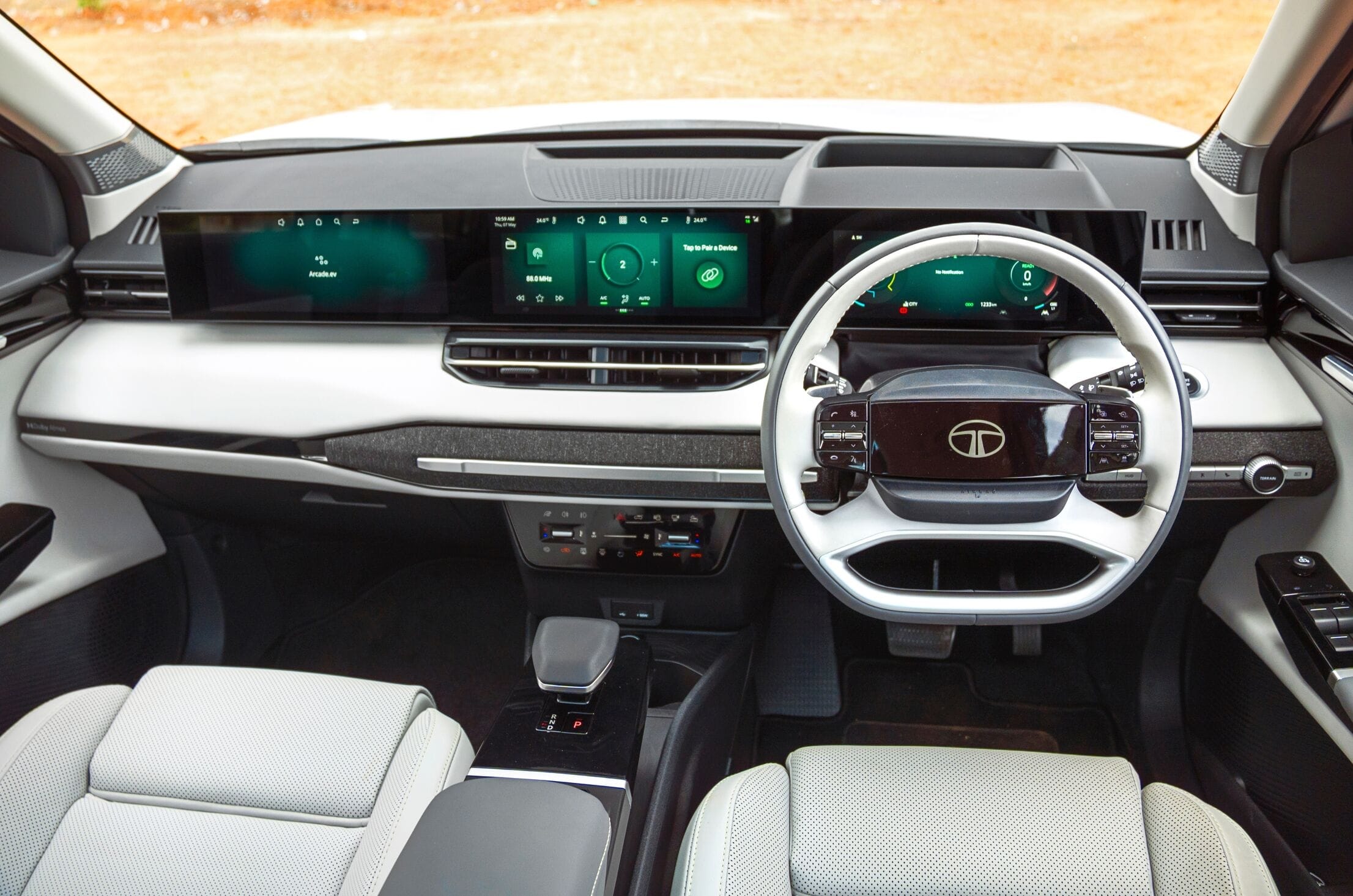
Both electric SUVs are fairly well-matched when it comes to interior convenience features
Tata Sierra EV Empowered vs Hyundai Creta Electric Excellence LR interior features
Tata Sierra EV
Hyundai Creta Electric
Infotainment screen
12.3-inch
10.25-inch
Digital driver’s display
10.25-inch
10.25-inch
Front passenger display
12.3-inch
No
Panoramic sunroof
Yes (voice assisted)
Yes (voice assisted)
Wireless charger
Yes
Yes
Driver’s seat adjustment
6-way powered
8-way powered
Co-driver’s seat adjustment
4-way manual
8-way powered
Thigh-support extender
Yes
No
‘Boss’ mode
Yes (manual)
Yes (powered)
Ventilated front seats
Yes
Yes
Leatherette upholstery
Yes
Yes
Rear split seats
Yes
Yes
Automatic climate control
Yes (dual-zone)
Yes (dual-zone)
Cooled glovebox
Yes
Yes
Cooled armrest storage
No
Yes (front)
Ambient lighting
Yes
Yes
Audio system
12-speaker JBL Black
8-speaker Bose
Dolby Atmos
Yes
No
Apple CarPlay & Android Auto
Yes (wireless)
Yes (wired)
USB Type-C ports
Yes (4 ports)
Yes (3 ports)
Connected car tech
Yes
Yes
Voice assistant
Yes (multiple)
Yes
OTA updates
Yes
Yes
EV route planner
Yes
No
Gaming
Yes
No
Rear sunblinds
Yes
Yes
Rear armrest
Yes (with cupholders)
Yes (with cupholders)
Rear tray tables
No
Yes
The Tata Sierra EV gets more speakers as part of its JBL Black audio system, along with Dolby Atmos and wireless Apple CarPlay & Android Auto. The Sierra offers more USB ports and Tata’s new ‘AirConsole’ gaming system with a high-definition front passenger screen. Other interior features exclusive to the Sierra EV include front thigh-support extenders for added comfort and a route planner to help minimise range anxiety.
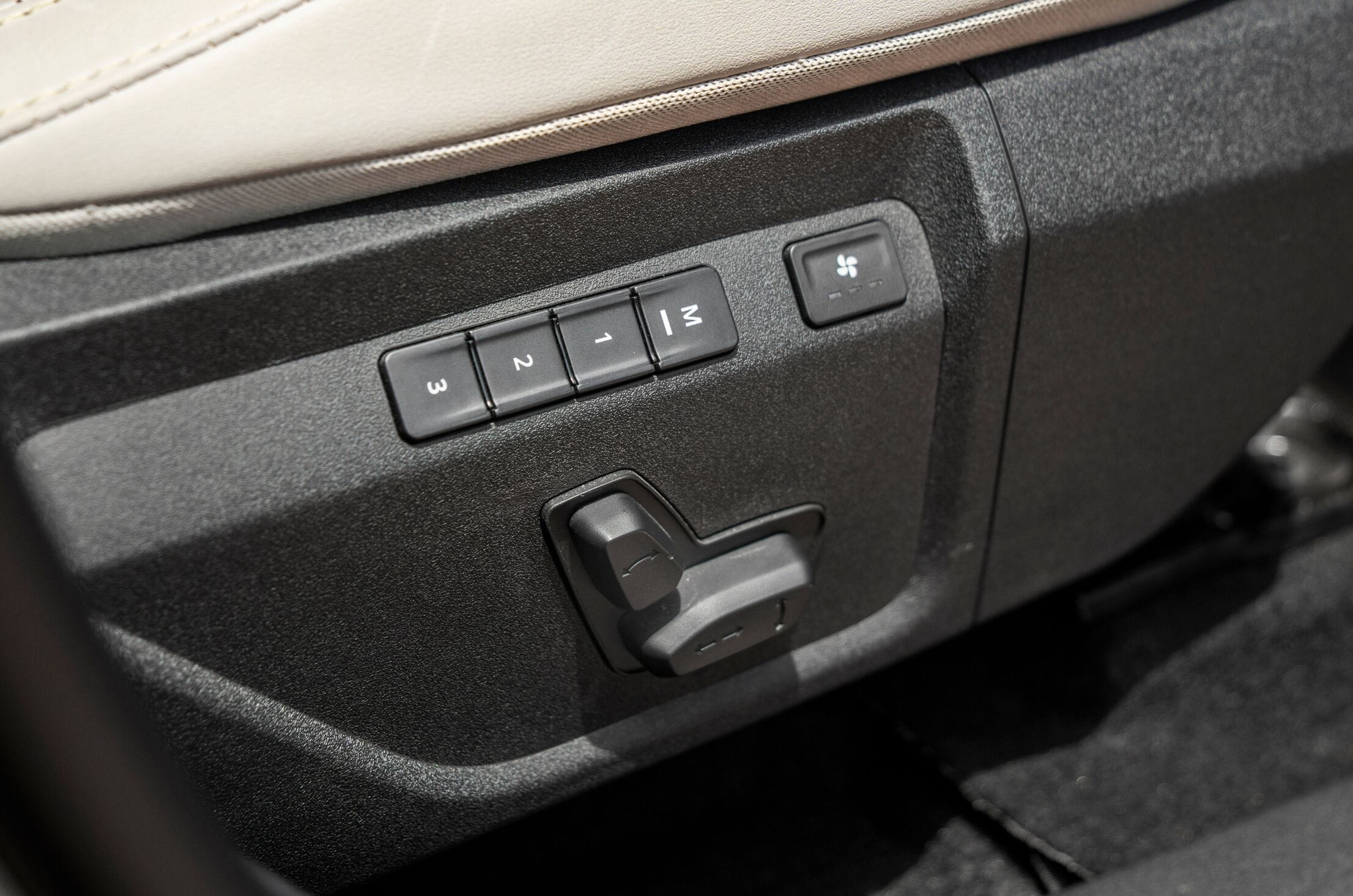
The Hyundai Creta Electric doesn’t get a third screen and its dual digital displays are smaller than the Sierra’s. However, the Hyundai EV offers a powered ‘Boss’ function, a cooled compartment under the front armrest, tray tables with cupholders for rear passengers, and a leatherette-like eco-friendly material for the seats.
Tata Sierra EV Empowered vs Hyundai Creta Electric Excellence LR: Safety features
The fully loaded Creta EV comes with ADAS, which the Sierra EV lacks in its mid-spec trim
Tata Sierra EV Empowered vs Hyundai Creta Electric Excellence LR safety features
Tata Sierra EV
Hyundai Creta Electric
Airbags
6
6
ABS with EBD
Yes
Yes
Electronic stability program
Yes
Yes
Hill-hold assist
Yes
Yes
Hill-descent control
Yes
Yes
TPMS
Yes
Yes
Parking sensors
Yes (front & rear)
Yes (front & rear)
360-degree camera
Yes
Yes
Electronic parking brake
Yes (with auto-hold function)
Yes (with auto-hold function)
Auto-dimming IRVM
Yes
Yes
Rain-sensing wipers
Yes
Yes
Auto-dimming IRVM
Yes
Yes
ISOFIX
Yes
Yes
Rear wiper and defogger
Yes
Yes
All-wheel disc brakes
Yes
Yes
Level 2 ADAS
No
Yes
Both these cars come well-equipped with modern safety features. However, the Creta Electric adds Level 2 ADAS (Advanced Driver Assistance Systems), too. This ropes in nannies such as forward collision warning, blind-spot warning, lane-departure warning with lane-keeping assist, rear cross-traffic alert, high-beam assist, and adaptive cruise control with stop & go functionality.
Tata Sierra EV Empowered vs Hyundai Creta Electric Excellence LR: Other features
The Sierra EV is better equipped on this front too
Tata Sierra EV Empowered vs Hyundai Creta Electric Excellence LR other features
Tata Sierra EV
Hyundai Creta Electric
Drive modes
Yes (3)
Yes (3)
Terrain modes
Yes (4)
No
Single-pedal driving
No
Yes
V2V and V2L
Yes
Yes (V2L)
AVAS
Yes
Yes
Unlike the Sierra EV, the Hyundai Creta Electric gets a proper single-pedal driving mode. This makes driving it over long distances on the highway less tiresome while also helping improve range because of energy recuperation even without using the brake pedal. However, the Sierra EV supports both vehicle-to-load and vehicle-to-vehicle charging functions – the Creta Electric only supports the former. Both EVs come with an Acoustic Vehicle Alerting System (AVAS).
Conclusion
Tata Sierra EV Empowered vs Hyundai Creta Electric Excellence LR prices
Tata Sierra EV
Hyundai Creta Electric
Price range (In Rs, lakh)
22.79-23.79
23.67
If you want more cabin & luggage space, longer range & faster performance plus conveniences like a powered tailgate, wireless smartphone connectivity, multiple voice assistants, plus V2V and V2L functions, then the Tata Sierra EV will be a suitable pick. In case you don’t need the additional range offered by the 75kWh version, you can save Rs 1 lakh and go for the 63kWh version instead – it’s Rs 88,000 cheaper than the Creta Electric. However, prospective Sierra EV buyers should be aware of the inconsistencies in Tata’s service quality and vehicle fit & finish.
If you’re considering bringing home a Sierra EV, here are three reasons why you should go through with it, and two reasons why you may want to think twice before signing the dotted line.
Pros
Loaded with features
Gets some additional goodies over the ICE Sierra
The Sierra EV retains the expansive equipment list of its ICE sibling, including a triple-screen layout (12.3-inch infotainment and passenger screens, 10.25-inch driver’s display), dual-zone climate control, a panoramic sunroof, Level 2 ADAS, a powered tailgate, a 360-degree camera, a wireless charging pad, a 12-speaker JBL Black sound system, ventilated front seats, a powered driver’s seat with memory and welcome functions, and more.
In typical Tata EV fashion, the Sierra EV even packs some bonus features over the ICE version, specifically a powered co-driver seat, an under-floor camera view, auto park assist, a summon mode, vehicle-to-load (V2L) and vehicle-to-vehicle (V2V) charging functions, and a heads-up display along with the triple-screen setup.
Excellent cabin space and practicality
Great for chauffeur-driven buyers
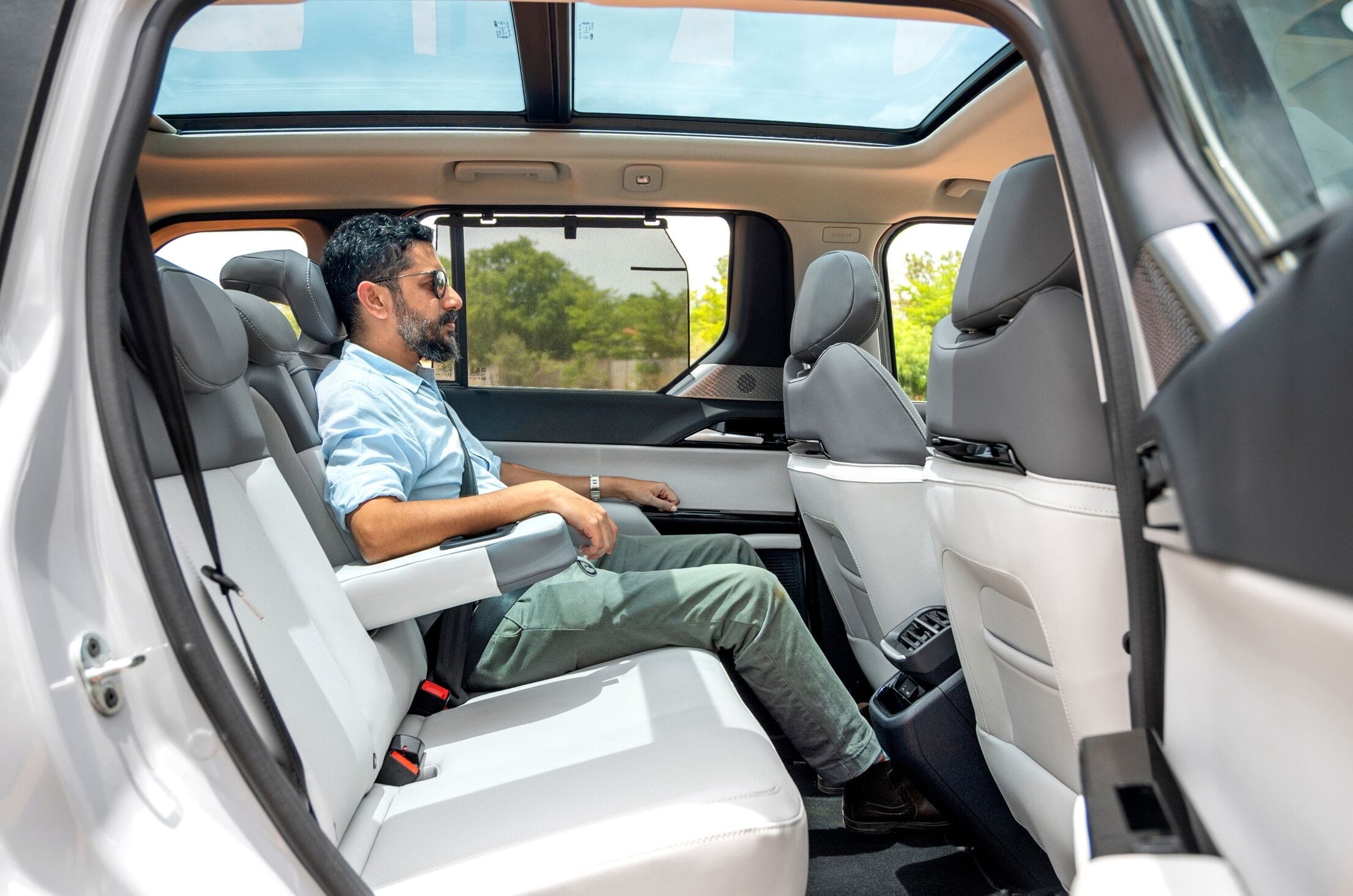
Dimensionally, the Sierra is very similar to its ICE counterpart, which means you get an incredibly roomy and lounge-like interior. Though the floor height has increased by less than an inch compared to that of the ICE Sierra, there’s nary a perceptible difference for occupants. The seats are very comfortable, there’s loads of rear legroom, and the bench even features a small amount of backrest recline.
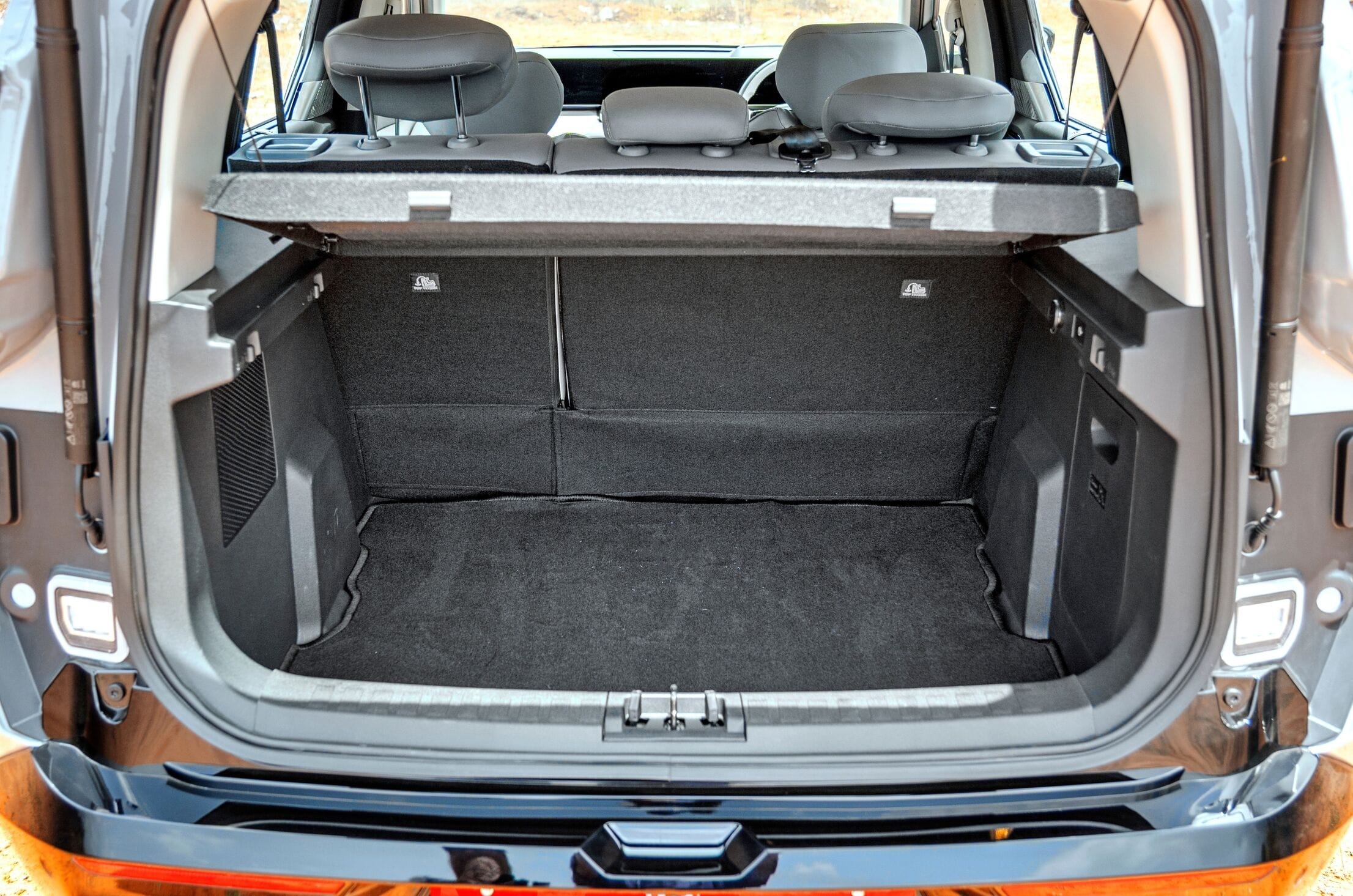
Despite the addition of a rear motor, the Sierra EV’s boot space matches the ICE version’s 622 litres. That’s measured up to the roof, though, and using the conventional method of measurement, which is up to the parcel tray, the Sierra EV should offer roughly 450 litres of boot space. You even get a frunk, which measures 55 litres in the RWD versions and 35 litres in the AWD variant.
Smooth and potent powertrains
Only one in its segment to offer AWD
The Sierra EV can be had with 63kWh and 75kWh battery options, both of which are powered by a 315Nm rear motor (RWD) as standard. In 63kWh RWD guise, the Sierra EV develops 238hp, while the 75kWh RWD versions make 209hp. The top-spec Sierra EV Empowered A 75kWh variant additionally packs a 140hp front motor to form an AWD layout, churning out a segment-best combined output of 306hp and 504Nm.
Performance is thereby a strong suit for the AWD Sierra EV, with a claimed 0-100kph time of 5.8 seconds. As we noted in our Sierra EV review, though, the SUV doesn’t feel neck-snappingly quick off the line. Power delivery is progressive and undramatic, which is fine considering the Sierra is, after all, a family SUV. On the curated off-road course we took the Sierra EV AWD on, it proved quite capable too.
As for range, the Sierra EV 75kWh RWD claims the highest ARAI figure of the range at 665km, followed by the 75kWh AWD version at 624km and then the 63kWh RWD version at 535km. These are quite competitive range figures when compared to the Sierra EV’s rivals.
Cons
Poor interior quality and ergonomics
Umbrella holders provided, but with no drain plugs
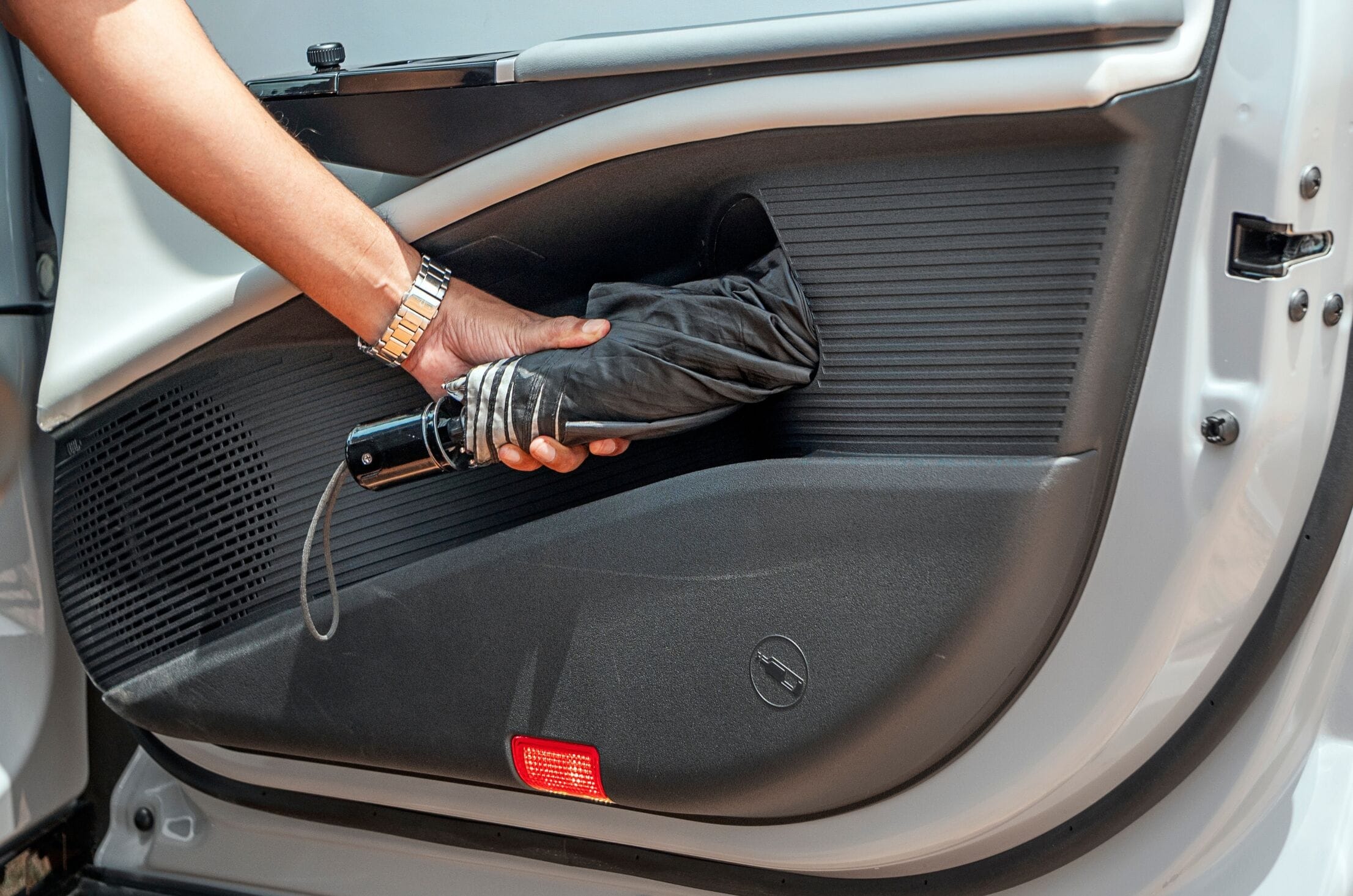
While Tata has upped its game in terms of interior fit and finish, we could still spot hard plastics, rough edges, crooked stitching, and misaligned panels in the Sierra EV. There are some interior design oddities, too, like wasted space below the pedestal-mounted drive selector, narrow and tough-to-reach armrest storage, tiny cupholders placed at the base of the dashboard, no drain plugs for the umbrella holders in the door cards, and conspicuous gaps next to the rear window sunblinds due to the L-shaped B-pillars.
No spare tyre on offer
Removed to accommodate battery pack
In an effort to accommodate the large battery pack, the Sierra EV sacrifices the underbody-mounted spare tyre of its ICE counterpart, offering only a puncture repair kit instead.
Tata Motors PV Q1 Update: टाटा ग्रुप की दिग्गज ऑटो कंपनी Tata Motors Passenger Vehicles Ltd के लिए अप्रैल-जून 2026 तिमाही शानदार रही है। कंपनी की ज्यादातर पैसेंजर गाड़ियों की बिक्री और प्रोडक्शन में अच्छी बढ़ोतरी हुई है। कंपनी ने ये आंकड़े सोसायटी ऑफ इंडियन ऑटोमोबाइल मैन्युफैक्चरर्स (SIAM) को सौंपे हैं।
Punch और Nexon की बिक्री 52% बढ़ी
अप्रैल-जून 2026 तिमाही में Punch और Nexon का प्रोडक्शन बढ़कर 1,17,711 यूनिट हो गया। पिछले साल इसी तिमाही में यह 80,001 यूनिट था। घरेलू बिक्री भी जोरदार बढ़ी। यह 76,230 यूनिट से बढ़कर 1,15,882 यूनिट पहुंच गई। यानी करीब 52% की बढ़ोतरी हुई।
हालांकि, निर्यात लगभग स्थिर रहा। इस बार 317 यूनिट का निर्यात हुआ। पिछले साल यह आंकड़ा 320 यूनिट था।
Curvv और Sierra की बिक्री तीन गुना के करीब
Curvv और Sierra की डिमांड भी तेजी से बढ़ी। इन दोनों मॉडलों का प्रोडक्शन 9,135 यूनिट से बढ़कर 25,790 यूनिट हो गया। घरेलू बिक्री 8,272 यूनिट से बढ़कर 25,150 यूनिट पहुंच गई। यानी लगभग तीन गुना बढ़ोतरी हुई।
हालांकि, निर्यात में गिरावट आई। इस तिमाही में 23 यूनिट का निर्यात हुआ। पिछले साल यह आंकड़ा 101 यूनिट था।
Safari, Harrier और Sumo की भी अच्छी डिमांड
Safari, Harrier और Sumo की बिक्री भी मजबूत रही। इन मॉडलों का प्रोडक्शन 6,488 यूनिट से बढ़कर 11,976 यूनिट हो गया। घरेलू बिक्री 6,536 यूनिट से बढ़कर 12,117 यूनिट पहुंच गई।
निर्यात में भी अच्छी बढ़त देखने को मिली। इस बार 30 यूनिट का निर्यात हुआ। पिछले साल सिर्फ 1 यूनिट विदेश भेजी गई थी।
Tiago, Tigor और Altroz की बिक्री घटी
हर मॉडल की कहानी अच्छी नहीं रही। Tiago, Tigor, Altroz, Zest और Bolt की बिक्री में गिरावट दर्ज की गई। इनका प्रोडक्शन 35,496 यूनिट से घटकर 30,163 यूनिट रह गया। घरेलू बिक्री भी 32,801 यूनिट से घटकर 27,017 यूनिट पर आ गई।
हालांकि, एक अच्छी बात भी रही। इन मॉडलों का निर्यात 548 यूनिट से बढ़कर 2,038 यूनिट हो गया।
Nano और Hexa अब भी लाइन से बाहर
इस तिमाही में भी Nano और Hexa का न तो प्रोडक्शन हुआ और न ही घरेलू बिक्री या निर्यात। कंपनी ने साफ किया है कि ये शुरुआती आंकड़े हैं। इनका अभी ऑडिट नहीं हुआ है। ऑडिट के बाद अंतिम आंकड़ों में थोड़ा बदलाव हो सकता है।
Tata Motors पर Citi की क्या राय?
पिछले हफ्ते ब्रोकरेज फर्म Citi ने Tata Motors Passenger Vehicles पर अपनी ‘Sell’ रेटिंग बरकरार रखी थी। हालांकि, नई Sierra EV की तारीफ भी की। ब्रोकरेज के मुताबिक, Sierra EV में 63 kWh और 75 kWh बैटरी पैक का विकल्प मिलेगा। बड़ा बैटरी पैक एक बार चार्ज करने पर 500 किलोमीटर से ज्यादा की रेंज देगा।
इसकी शुरुआती कीमत 18.8 लाख रुपये रखी गई है। टॉप वेरिएंट की कीमत 24.8 लाख रुपये तक जाती है। इसका मुकाबला Mahindra BE 6, Mahindra XEV 9E और Maruti e-Vitara से होगा।
Citi का कहना है कि Hyundai Creta Electric और MG ZS EV के मुकाबले Sierra EV की कीमत प्रतिस्पर्धी है। खासकर एंट्री-लेवल वेरिएंट की कीमत ऐसी रखी गई है, जिससे ग्राहक ऊंचे वेरिएंट खरीदने के लिए प्रेरित हो सकते हैं।
टाटा मोटर्स के शेयरों का हाल
Tata Motors Passenger Vehicles Ltd का शेयर सोमवार को 0.81% की बढ़त के साथ 346.95 रुपये पर बंद हुआ। पिछले 1 महीने में स्टॉक 10.72% टूटा है। वहीं, 1 साल के दौरान इसमें करीब 16% की गिरावट आई है।
Disclaimer: मनीकंट्रोल.कॉम पर दिए गए सलाह या विचार एक्सपर्ट/ब्रोकरेज फर्म के अपने निजी विचार होते हैं। वेबसाइट या मैनेजमेंट इसके लिए उत्तरदायी नहीं है। यूजर्स को मनीकंट्रोल की सलाह है कि कोई भी निवेश निर्णय लेने से पहले हमेशा सर्टिफाइड एक्सपर्ट की सलाह लें।
Hyundai India has rolled out benefits for its petrol, diesel and CNG cars for July 2026. Customers walking into a Hyundai showroom can expect benefits such as cash discounts, scrappage incentives, exchange offers, corporate discounts and additional upgrade benefits. All Hyundai cars, including model year 2026 (MY26) and model year 2025 (MY25), except the Ioniq 5 are being offered with benefits this month. These discounts will be valid between July 1 and July 31, 2026.
Disclaimer: Offers/benefits may vary by city and are subject to stock availability. Buyers are advised to check with their local dealer for exact figures.
Hyundai Creta offers in July 2026
Benefits up to Rs 1,00,000
Most petrol variants of the Hyundai Creta – including the N Line – are available this month with benefits amounting to Rs 95,000. This includes a cash discount of Rs 30,000, an exchange offer of Rs 30,000 or scrappage discount of Rs 50,000, and an upgrade offer of Rs 15,000.
Customers opting for the Creta petrol iVT trims or a base E petrol variant get total benefits of up to Rs 90,000, with the upgrade offer dropping to Rs 10,000. Meanwhile, Creta diesel variants are only available with a scrappage discount of Rs 5,000. All Creta variants also get a corporate discount of Rs 5,000. The Hyundai Creta has a price tag of between Rs 10.91 lakh and Rs 19.91 lakh.
Hyundai Verna offers in July 2026
Benefits up to Rs 95,000
Old (MY25) stock of the Hyundai Verna petrol iVT trims is being offered with benefits worth up to Rs 85,000 in July 2026. This includes a cash discount of Rs 50,000, a scrappage offer of Rs 20,000 or an exchange benefit worth Rs 15,000, and an upgrade discount of Rs 15,000. All non-iVT petrol trims of the 2025 Verna are available with benefits of up to Rs 70,000 as the cash discount here falls to Rs 25,000. Both iVT and non-iVT trims also offer corporate discounts worth Rs 10,000.
All trims of the MY26 Hyundai Verna are on sale this month with benefits of up to Rs 65,000, which includes a cash discount of Rs 30,000. Other benefits come in the form of an exchange deal worth Rs 20,000 or a scrappage offer worth Rs 25,000. Hyundai also has a corporate offer of Rs 10,000 that’s applicable on the MY26 Verna. The 2026 Hyundai Verna is priced from Rs 10.99 lakh to Rs 18.26 lakh.
Hyundai Creta Electric offers in July 2026
Benefits up to Rs 85,000
All variants of the Hyundai Creta Electric are on sale in July 2026 with benefits amounting to Rs 85,000, which includes cash and upgrade discounts of Rs 15,000 each. Then there’s scrappage benefits of Rs 35,000 or an exchange offer of Rs 15,000, plus a corporate discount of Rs 20,000. The Hyundai Creta Electric range is priced between Rs 18.03 lakh and Rs 24.40 lakh.
Hyundai Alcazar offers in July 2026
Benefits up to Rs 75,000
The petrol variants of the Hyundai Alcazar are being offered with cash and upgrade discounts worth Rs 50,000. Furthermore, customers can avail either a scrappage offer of Rs 25,000 or an exchange bonus of Rs 20,000. Meanwhile, diesel variants of the Alcazar get benefits up to Rs 45,000. This accounts for a cash discount of Rs 10,000 and an upgrade bonus of Rs 15,000, along with an exchange offer of Rs 15,000 or a scrappage discount of Rs 20,000. The Hyundai Alcazar is priced from Rs 14.51 lakh and Rs 21.10 lakh.
Hyundai Grand i10 Nios offers in July 2026
Benefits up to Rs 70,000
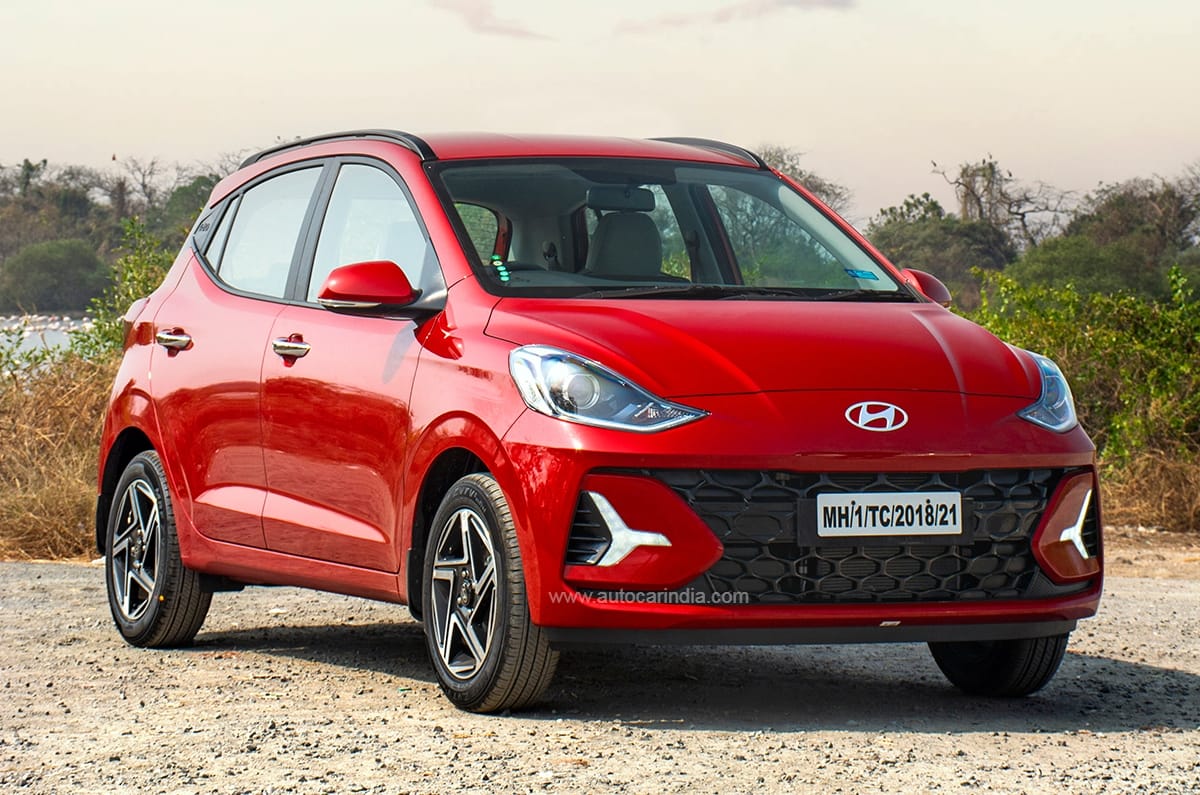
All petrol trims except the base Era of the Hyundai Grand i10 Nios are available with benefits of up to Rs 70,000. This comes in the form of a cash discount worth Rs 30,000, an upgrade offer of Rs 15,000, corporate benefits of up to Rs 5,000, and an exchange bonus of Rs 15,000 or a scrappage discount of Rs 20,000.
For the base Era petrol variants of the Grand i10 Nios, benefits amount to up to Rs 25,000 – including a cash discount of Rs 10,000, a scrappage deal worth Rs 10,000 or an exchange offer worth Rs 5,000, and a corporate discount of up to Rs 5,000. CNG variants are being offered with benefits of up to Rs 65,000. This amount includes a corporate discount of up to Rs 5,000, an upgrade bonus of Rs 15,000, a scrappage benefit of Rs 20,000 or an exchange deal worth Rs 15,000, and a cash discount of Rs 25,000. The Hyundai Grand i10 Nios range costs between Rs 5.60 lakh and Rs 8.04 lakh.
Hyundai Exter offers in July 2026
Benefits up to Rs 45,000
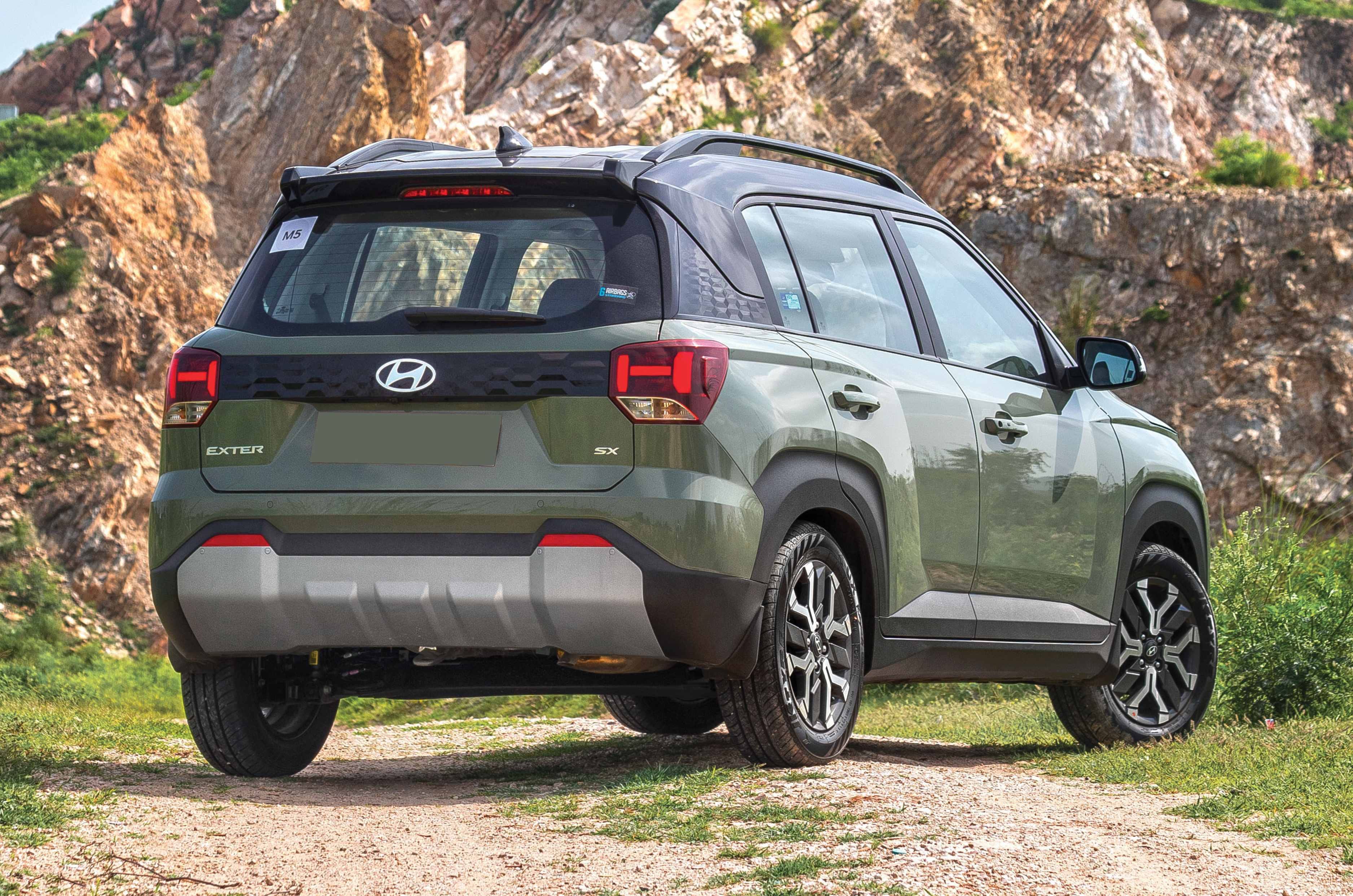
The S petrol MT and AMT variants of the MY25 Hyundai Exter is being offered with benefits worth up to Rs 45,000. The deal takes into account a cash discount of Rs 25,000 and a scrappage offer of Rs 15,000 or an exchange deal of Rs 10,000. These are the same benefits offered with the CNG variants as well.
The SX and SX (O) petrol MT and AMT variants come with benefits worth up to Rs 35,000, getting a cash discount of Rs 15,000, an exchange offer worth Rs 10,000 or a scrappage discount worth Rs 15,000. All are available with a corporate discount of up to Rs 5,000. The MY25 Exter petrol and CNG EX variants as well as the petrol EX (O) variants are being offered with cumulative discounts of Rs 10,000. This comes in the form of a scrappage deal worth Rs 5,000 and a corporate discount worth Rs 5,000.
Every variant of the MY26 Hyundai Exter except the base HX2 petrol and CNG are available this month with benefits worth up to Rs 40,000. This is broken down into a cash discount of Rs 20,000, a scrappage deal worth Rs 15,000 or an exchange offer worth Rs 10,000, and a corporate discount of Rs 5,000. Meanwhile, the aforementioned base variants of the MY26 Exter are only available with a scrappage and corporate offers amounting to Rs 10,000. The 2026 Hyundai Exter range is priced between Rs 5.81 lakh and Rs 9.61 lakh.
The S petrol MT and AMT variants of the MY25 Hyundai Exter is being offered with benefits worth up to Rs 45,000. The deal takes into account a cash discount of Rs 25,000 and a scrappage offer of Rs 15,000 or an exchange deal of Rs 10,000. These are the same benefits offered with the CNG variants as well.
Hyundai i20 offers in July 2026
Benefits up to Rs 45,000
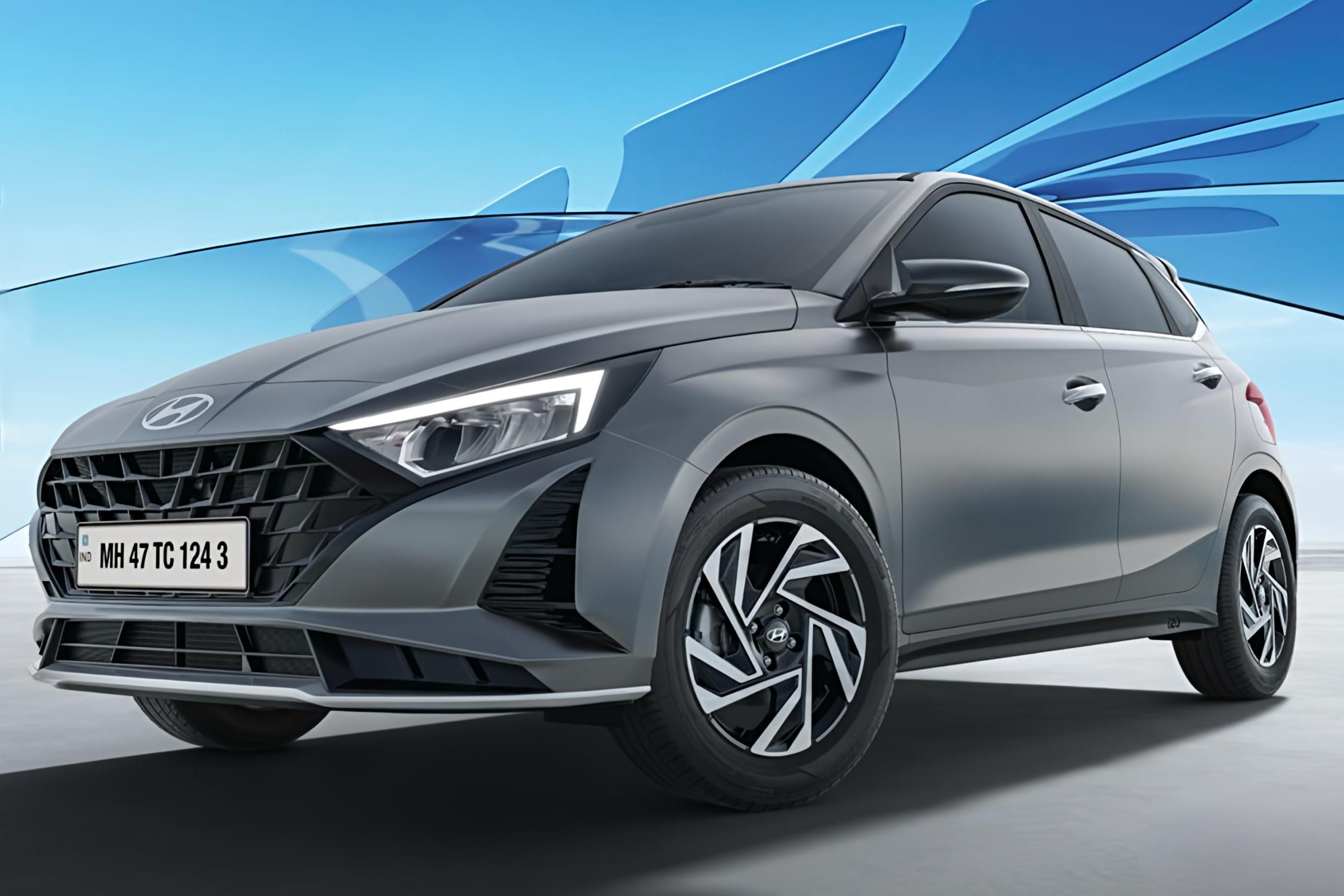
Almost all variants of the Hyundai i20 (including the N Line) are available with benefits of up to Rs 45,000 this July. This includes a cash discount of Rs 20,000, an exchange offer of Rs 15,000 or a scrappage deal worth Rs 20,000, and a corporate discount of up to Rs 5,000. Customers opting the base-spec Era MT variant can avail benefits of up to Rs 25,000 – including a scrappage offer worth Rs 20,000 or an exchange deal worth Rs 15,000, and a corporate discount of up to Rs 5,000. The price of the Hyundai i20 range between Rs 6.00 lakh and Rs 10.39 lakh.
Hyundai Aura offers in July 2026
Benefits up to Rs 30,000
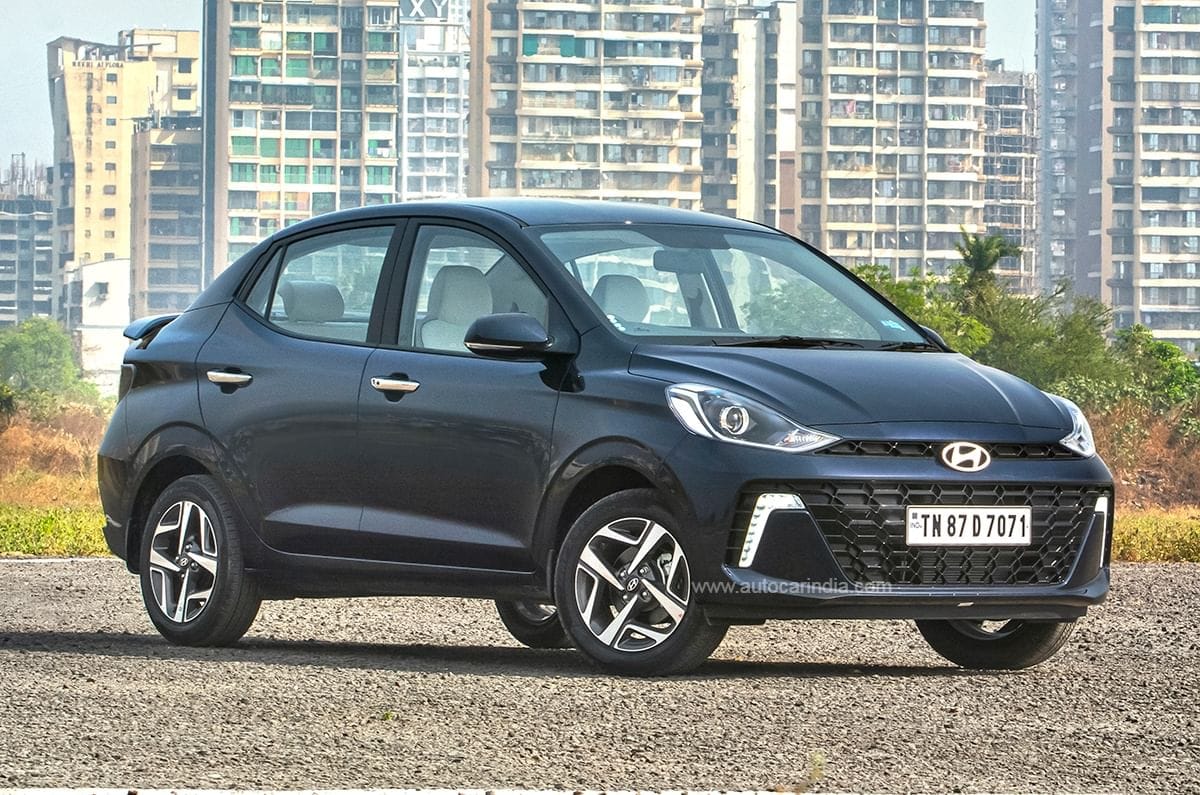
The S, SX and Corporate CNG variants of the Hyundai Aura are available with benefits such as a cash discount of Rs 20,000, a scrappage deal worth Rs 5,000, and a corporate discount of Rs 5,000. Meanwhile the petrol-only variants of the Aura get benefits worth up to Rs 20,000, which includes a cash discount of Rs 10,000, a scrappage deal worth Rs 5,000 and a corporate discount of Rs 5,000. The Hyundai Aura line-up is priced from Rs 6.00 lakh 8.60 lakh.
Hyundai Venue offers in July 2026
Benefits up to Rs 5,000
The only benefit offered to customers of the Hyundai Venue in July 2026 is a scrappage deal worth Rs 5,000. The price of the Hyundai Venue range between Rs 8.00 lakh and Rs 15.83 lakh for the standard variants, and from Rs 10.66 lakh to Rs 15.67 lakh for the N Line variants.
One of the biggest hurdles to the adoption of electric vehicles is their relatively higher prices compared to combustion-powered cars. To address this, mass-market brands such as Hyundai, Citroen, JSW-MG, Maruti Suzuki, Kia, Tata Motors and Toyota have started offering models with Battery-as-a-Service (BaaS) schemes, which are essentially subscription plans for the battery pack and substantially lower upfront costs. Here is a list of all the EVs offered with the BaaS option.
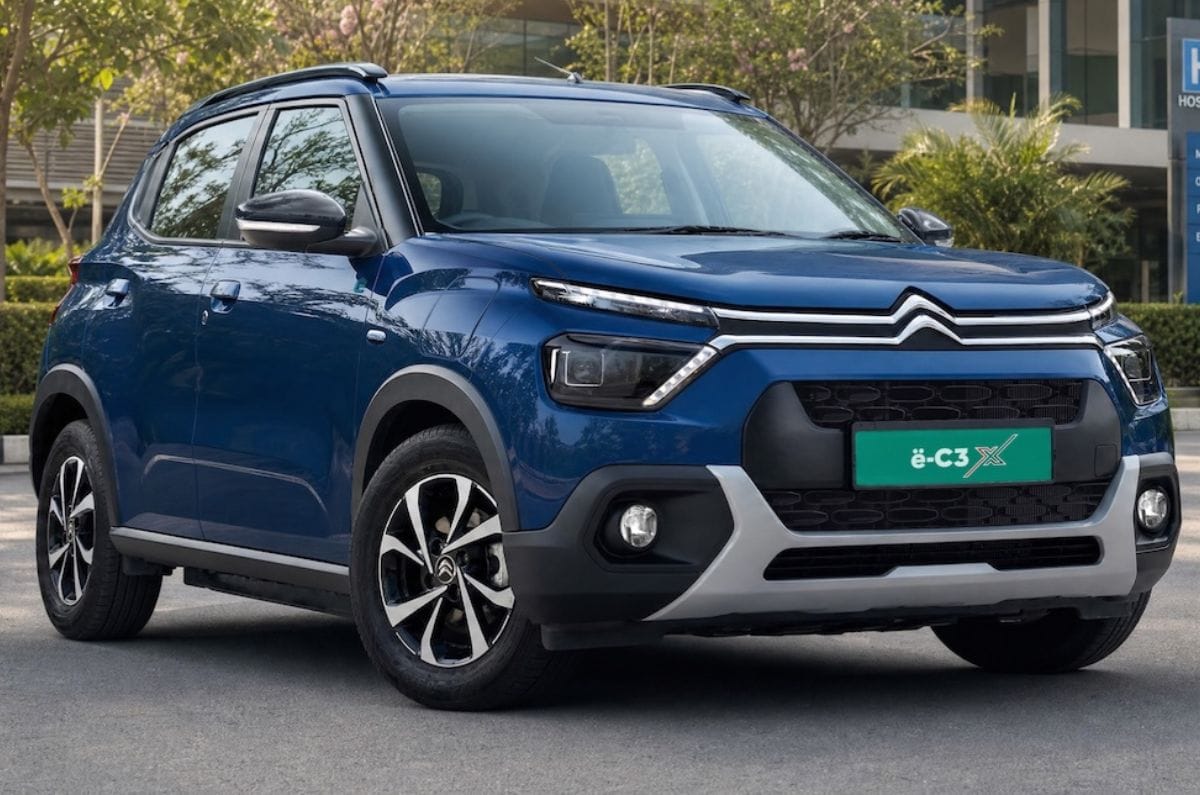
Citroen eC3X
BaaS price: Rs 6.89 lakh + Rs 2.26 per km onwards
Citroen introduced a BaaS scheme option with the June 2026 update for the eC3X, reducing the EV’s upfront price by up to Rs 5.26 lakh. Buyers also have to pay a battery subscription fee of Rs 2.26 per kilometre, the lowest here, with a minimum monthly commitment of 2,000km, which works out to Rs 4,520 per month. If monthly usage exceeds 2,000km, charges apply for the additional distance covered.
For buyers opting out of the BaaS plan, Citroen is offering an introductory consumer discount of up to Rs 1.50 lakh, bringing the eC3X’s starting price down to Rs 10.49 lakh.
Citroen eC3X ex-showroom prices (in Rs)
Variant
Non-BaaS price
BaaS price
Upfront saving
Live
11.99 lakh
6.89 lakh + 2.26 per km
5.10 lakh
Live (O)
12.35 lakh
7.09 lakh + 2.26 per km
5.26 lakh
Shine
13.26 lakh
8.30 lakh + 2.26 per km
4.96 lakh
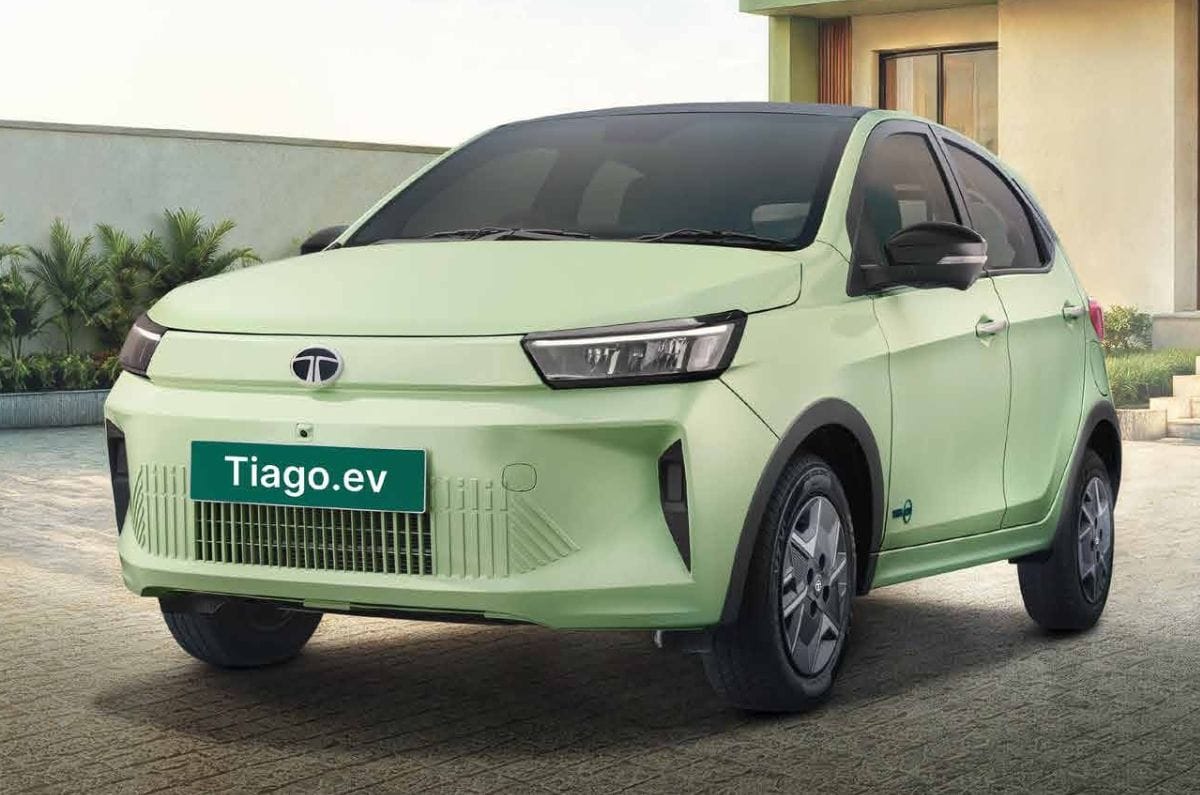
Tata Tiago EV
BaaS price: Rs 4.69 lakh + Rs 2.6 per km onwards
Priced from Rs 6.99 lakh, the Tata Tiago EV is the most affordable electric car in India. Under the BaaS scheme, it starts at Rs 4.69 lakh, reducing the upfront cost by Rs 2.30 lakh, and users pay an additional Rs 2.6 per km as a subscription fee. Tata has yet to reveal the full variant-wise BaaS prices of the Tiago EV.
Tata Tiago EV ex-showroom prices (in Rs)*
Variant
Non-BaaS price
BaaS price
Upfront cost saving
Smart 19
6.99 lakh
4.69 lakh + 2.6 per km
2.30 lakh
*Tata hasn’t revealed the BaaS prices for all variants at the time of writing.
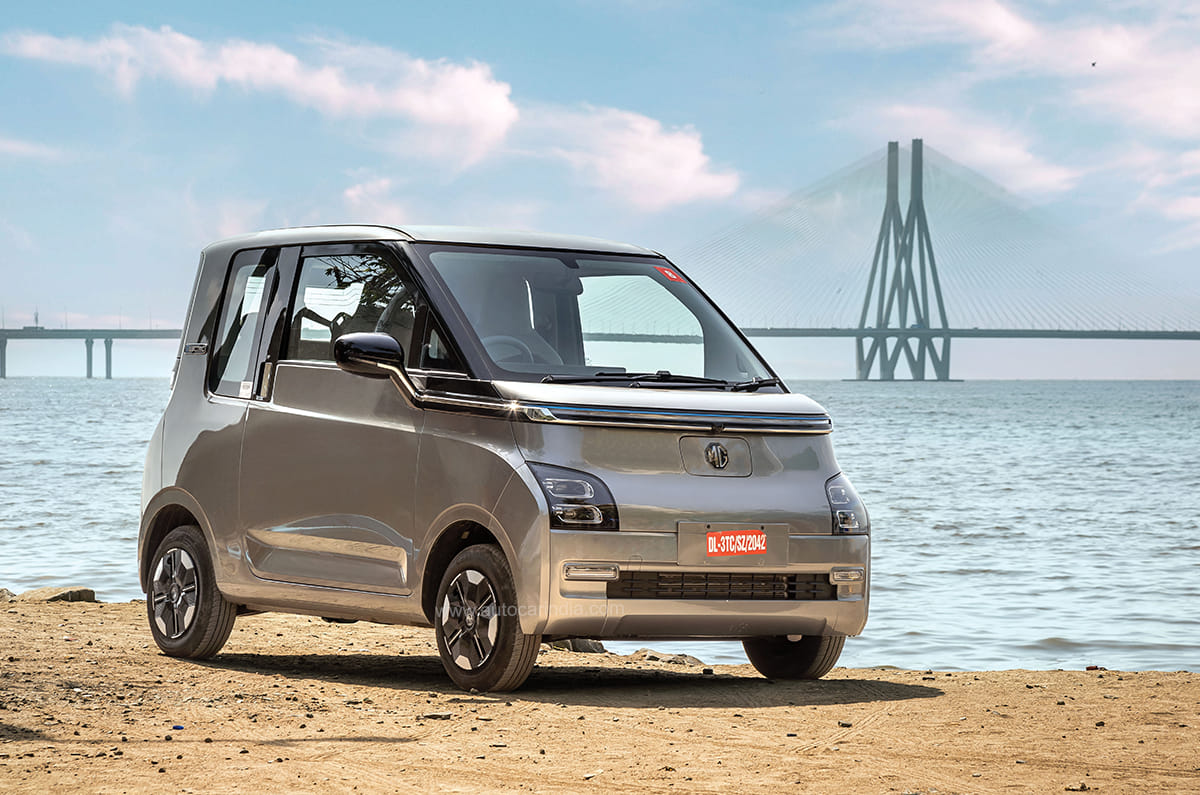
MG Comet EV
BaaS price: Rs 4.99 lakh + Rs 3.2 per km onwards
The Comet EV is priced from Rs 7.63 lakh, and its entry-level trims feature a 17.3kWh battery, while higher-spec models get a 17.4kWh unit. The BaaS scheme lowers the price by Rs 2.64 lakh across trims, and buyers opting for this have to pay a Rs 3.2/km subscription cost for the battery pack. Do note that when MG introduced the BaaS plan for the Comet EV in 2024, the subscription fee was slightly lower at Rs 2.5 per km.
MG Comet EV ex-showroom prices (in Rs)
Variant
Non-BaaS price
BaaS price
Upfront saving
Executive 17.3kWh
7.63 lakh
4.99 lakh + 3.2 per km
2.64 lakh
Excite 17.3kWh
8.73 lakh
6.09 lakh + 3.2 per km
2.64 lakh
Excite 17.4kWh
9 lakh
6.36 lakh + 3.2 per km
2.64 lakh
Exclusive 17.3kWh
9.73 lakh
7.09 lakh + 3.2 per km
2.64 lakh
Exclusive 17.4kWh
10 lakh
7.36 lakh + 3.2 per km
2.64 lakh
Tata Punch EV
BaaS price: Rs 6.49 lakh + Rs 2.6 per km onwards
The Tata Punch EV is another electric offering from the Indian manufacturer that is available with a BaaS scheme. Its base trim costs Rs 9.69 lakh but with the BaaS scheme, that can be lowered by Rs 3.2 lakh. However, buyers will have to pay a battery rental fee of Rs 2.6 per km. Tata claims that a monthly running of 1,800km is reasonable for most buyers, which works out to a battery rental of about Rs 4,688.
Tata Punch EV ex-showroom prices (in Rs)
Variant
Non-BaaS price
BaaS price*
Upfront saving
Smart 30kWh
9.69 lakh
6.49 lakh + 4,688 per month
3.2 lakh
Smart+ 30kWh
10.29
7.09 lakh + 4,688 per month
3.2 lakh
Smart+ 40kWh
10.99
7.29 lakh + 5,274 per month
3.7 lakh
Adventure 40kWh
11.74
7.99 lakh + 5,274 per month
3.75 lakh
Empowered 40kWh
12.49
8.69 lakh + 5,274 per month
3.8 lakh
Empowered+ S 40kWh
12.79
8.99 lakh + 5,274 per month
3.8 lakh
*The battery EMI is assumed on a loan tenure of 8 years.
MG Windsor EV
BaaS price: Rs 9.99 lakh + Rs 3.99 per km onwards
MG first introduced the BaaS ownership plan in India with the Windsor EV, which was launched in September 2024 with a 38kWh battery pack. A larger 52.9kWh pack was added to the line-up in May 2025. The Windsor EV’s battery rental fee depends on the battery pack selected: Rs 3.99 per km for the 38kWh unit and Rs 4.5 per km for the larger 52.9kWh unit. This scheme lowers the upfront cost by up to Rs 5 lakh.
MG Windsor EV ex-showroom prices (in Rs)
Variant
Non-BaaS price
BaaS price
Upfront saving
Excite 38kWh
14.7 lakh
9.99 lakh + 3.99 per km
4.71 lakh
Exclusive 38kWh
16 lakh
11.29 lakh + 3.99 per km
4.71 lakh
Essence 38kWh
17 lakh
12.29 lakh + 3.99 per km
4.71 lakh
Exclusive Pro 52.9kWh
17.9 lakh
12.9 lakh + 4.5 per km
5 lakh
Essence Pro 52.9kWh
19 lakh
14 lakh + 4.5 per km
5 lakh
Hyundai Creta Electric
BaaS price: Rs 10.99 lakh + Rs 3.9 per km onwards
The Hyundai Creta Electric is the latest EV here to get a BaaS scheme option, which was introduced in July 2026. The Creta EV starts with the Rs 18.03 lakh Executive 42kWh variant but with the battery rental option, buyers can save Rs 7.04 lakh up front, one of the highest savings here. Prices for the other 42kWh variants, as well as the 51.4kWh variants are expected to be revealed soon.
Hyundai Creta Electric ex-showroom price (in Rs)*
Variant
Non-BaaS price
BaaS price
Upfront saving
Executive 42kWh
18.03 lakh
10.99 lakh + 3.9 per km
7.04 lakh
*Hyundai hasn’t revealed the BaaS prices for all variants at the time of writing.
Maruti Suzuki e Vitara
BaaS price: Rs 10.99 lakh + Rs 3.99 per km onwards
The Maruti e Vitara is also available with the BaaS scheme, the subscription fee of which differs with the chosen battery pack. With the smaller 49kWh battery, Maruti charges Rs 3.99 per km, while with the larger battery pack, a fee of Rs 4.39 per km is charged.
Maruti Suzuki e Vitara ex-showroom prices (in Rs)
Variant
Non-BaaS price
BaaS price
Upfront saving
Delta 49kWh
15.99 lakh
10.99 lakh + 3.99 per km
5 lakh
Zeta 61kWh
17.79 lakh
12.29 lakh + 4.39 per km
5.5 lakh
Alpha 61kWh
19.99 lakh
14.49 lakh + 4.39 per km
5.5 lakh
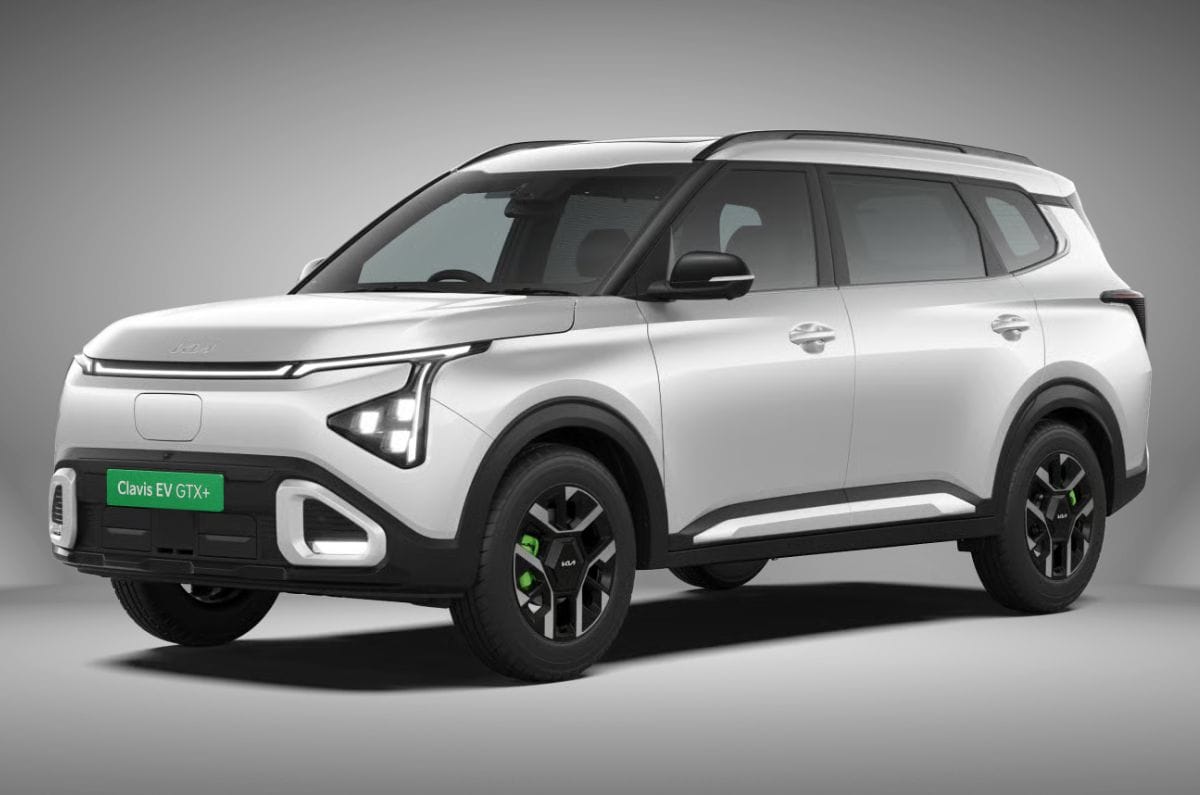
Kia Carens Clavis EV
BaaS price: Rs 12.84 lakh + Rs 3.3 per km onwards
In May 2026, Kia introduced the BaaS scheme for its Carens Clavis EV, which stands out here as the only MPV. Kia charges a rental fee of Rs 3.3 per km for both the 42kWh and 51.4kWh battery pack options. While the entire BaaS price list isn’t out at the time of writing, one can save Rs 5.16 lakh and Rs 6.06 lakh on the HTK+ 42kWh and HTX E ER 51.4kWh variants, respectively.
Kia Carens Clavis EV ex-showroom prices (in Rs)*
Variant
Non-BaaS price
BaaS price
Upfront saving
HTK+ 42kWh
18 lakh
12.84 lakh + 3.3 per km
5.16 lakh
HTX E ER 51.4kWh
22 lakh
15.94 lakh + 3.3 per km
6.06 lakh
*Kia hasn’t revealed the BaaS prices for all variants at the time of writing.
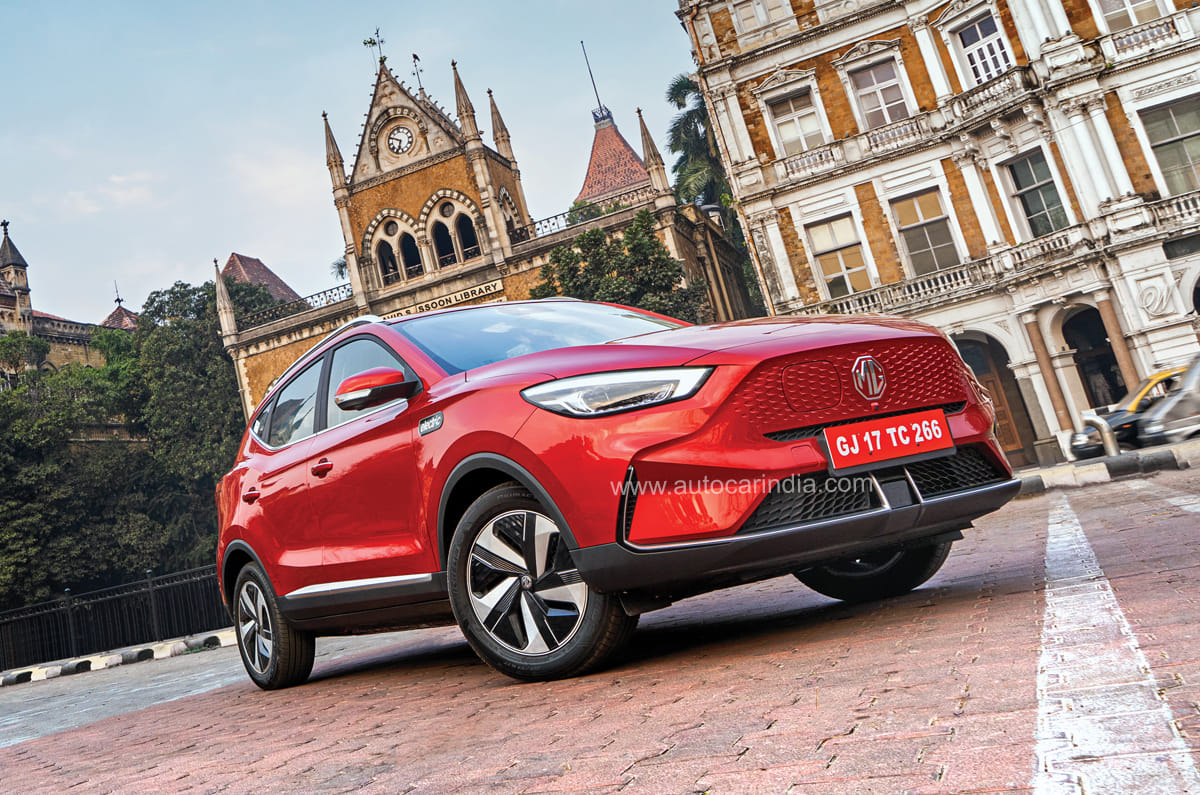
MG ZS EV
BaaS price: Rs 13 lakh + Rs 4.5 per km onwards
The ZS EV, MG’s first electric offering in India, received its mid-lifecycle update in 2022. However, it was only in September 2024 that MG introduced a BaaS scheme for the midsize electric SUV. The subscription fee for the ZS EV, which comes with a 50.3kWh battery pack, is Rs 4.5 per km – the same as that of the Windsor EV Pro. The upfront cost saving of up to Rs 5.24 lakh is the highest in MG’s electric line-up.
MG ZS EV ex-showroom prices (in Rs)
Variant
Non-BaaS price
BaaS price
Upfront saving
Executive 50.3kWh
17.99 lakh
13 lakh + 4.5 per km
4.99 lakh
Excite Pro 50.3kWh
18.75 lakh
13.51 lakh + 4.5 per km
5.24 lakh
Exclusive Pro 50.3kWh
19.75 lakh
14.51 lakh + 4.5 per km
5.24 lakh
Essence 50.3kWh
20.75 lakh
15.51 lakh + 4.5 per km
5.24 lakh
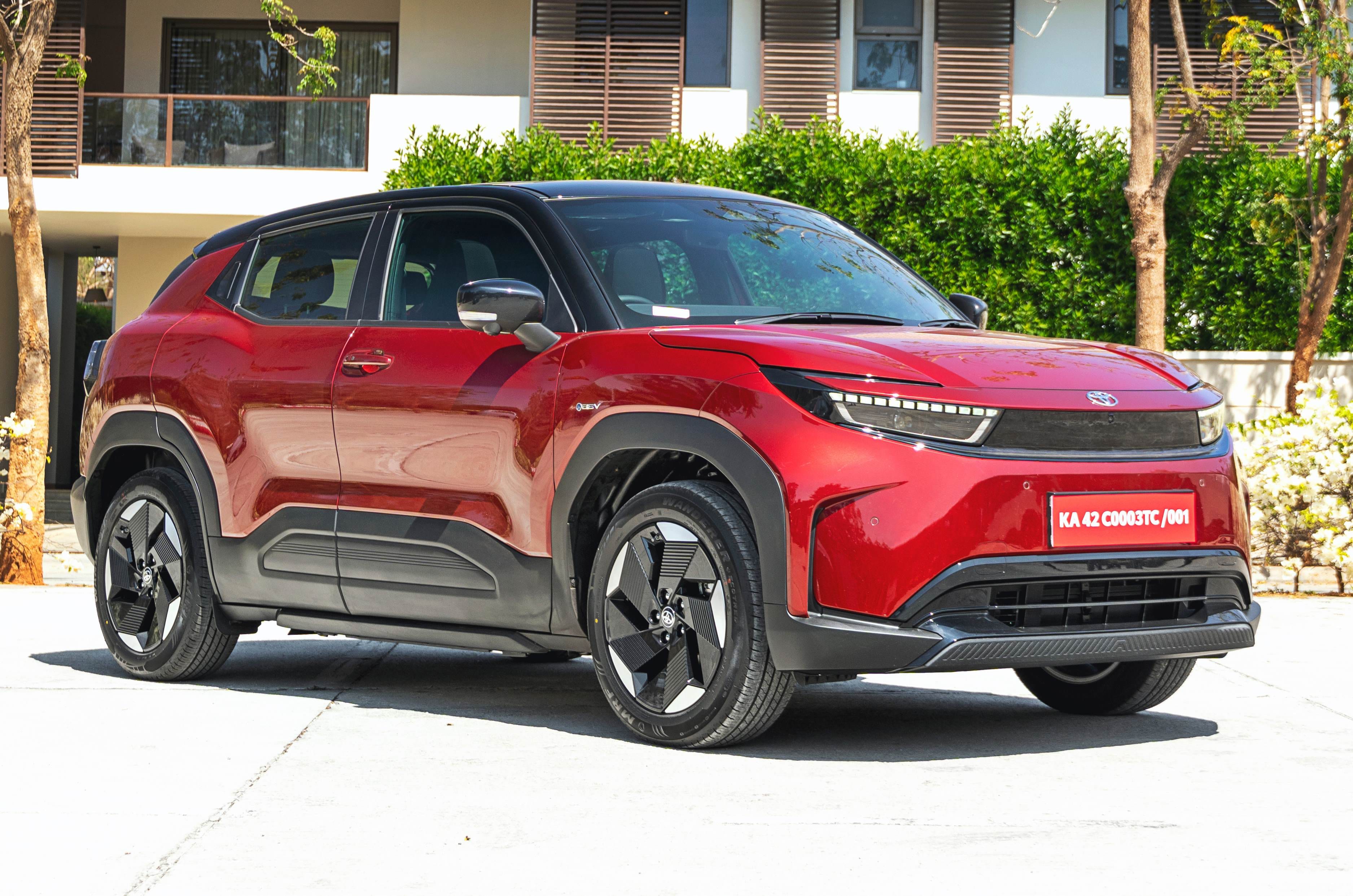
Toyota Urban Cruiser Ebella
BaaS price: Rs 15.25 lakh + Rs 4.99 per km
Toyota showcased its first EV for India, the Urban Cruiser Ebella, in January 2026 and revealed the price for its top-spec variant in May 2026. This E3 variant is powered by a 61kWh battery pack and offers a claimed range of 543km. Under the BaaS scheme, the E3’s upfront cost is Rs 15.25 lakh and the battery rental fee is Rs 4.99 per km – higher than the Rs 4.39 per km charged for its Maruti twin, the e Vitara.
Toyota Ebella EV ex-showroom prices (in Rs)*
Variant
Non-BaaS price
BaaS price
Upfront saving
E3
23.60 lakh
15.25 lakh + 4.99 per km
8.35 lakh
*Toyota hasn’t revealed the BaaS prices for all variants at the time of writing.