Yamaha EC-06 real world range tested and explained

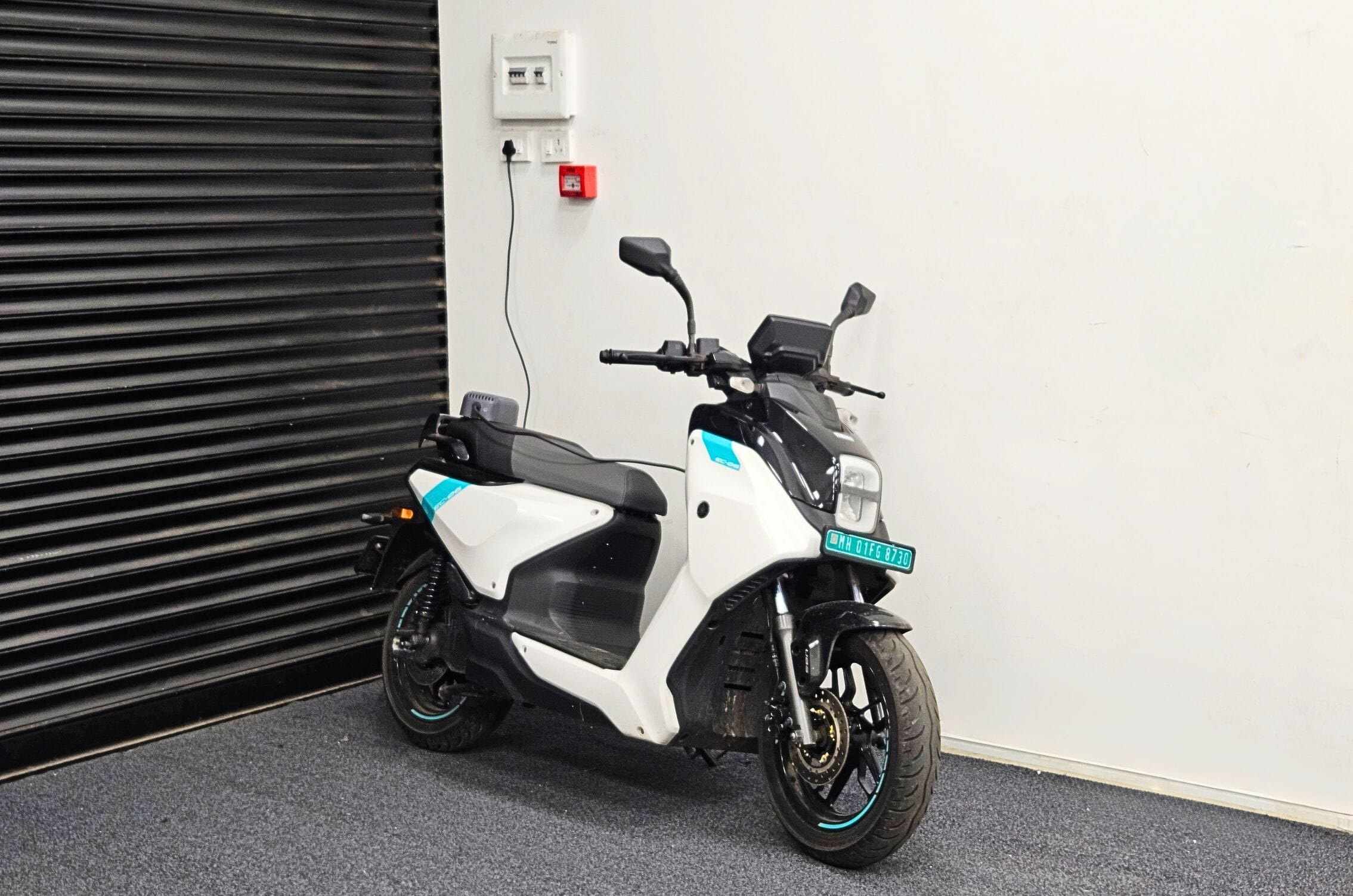
Yamaha EC-06 front right side image in front of shutter

Yamaha recently entered the electric scooter market with its EC-06, which is a redesigned River Indie but retains all the core mechanicals. At Rs 1.71 lakh (ex-showroom, Bengaluru), the EC-06 is also one of the more expensive options in the electric scooter market. We were able to subject the EC-06 to our real-world range tests and this is how Yamaha’s debut EV performed.

  1. In ‘Normal’ mode, it covered 114km
  2. It has an efficiency of 28.5km/kWh
  3. Small 450W charger takes 10hr to top up a flat battery to full

Yamaha EC-06 real world range

When subjecting the EC-06 to our range tests, we used the middle ‘Standard’ riding mode, where the range indicator on the display showed us 93km with a fully charged battery. Its 4kWh battery sends power to a mid-mounted motor capable of 6.7kW peak output – same as the River Indie it is based on. In its Standard riding mode, you can achieve the 79kph top speed but power delivery is gentler than on the top ‘Power’ mode and the regenerative braking too is in its middle setting.

At 132kg, the EC-06 is one of the heaviest electric scooters in India and is just 3 kilos lighter than the Indie it is based on. It also uses larger 14-inch wheels shod with chunky tyres and both this as well as its weight do play a role in the range it can travel on a single charge.

In city traffic conditions, at lower speeds and with regenerative braking kicking in more often, the EC-06’s range was dropping at a slower rate than when we were at faster speeds on open roads – this will be the case for all EVs and isn’t a trait exclusive to it. For every 10 percent SOC drop, the EC-06 covered an average of 11.4km and at the end of the test, the scooter covered 114km.

This was actually much higher than what the range indicator on the display showed (93km) and ultimately the range you get will vary on a multitude of factors like your riding style, tyre pressures, prevailing traffic and weather conditions among others.

Its performance remained consistently reliable and even below 20 percent SOC, it was able to comfortably climb flyovers and pass moving traffic effortlessly. Under 10 percent SOC was the first time we experienced a noticeable performance drop and even then, the scooter could reach a speedo-indicated 50-55kph and acceleration too was not impacted severely.

Once the battery fell below 5 percent SOC, the scooter defaulted to ‘Eco’ mode and both acceleration and top speed were quite mellow but even so, it wasn’t painfully slow and we saw 40-45kph on the display. At 0 percent SOC, when the scooter finally ran out of juice, it stopped moving despite twisting the accelerator but the display and all the other functions of the vehicle like the seat and charger release flaps were functional.

With this range number we received, the EC-06’s efficiency works out to 28.5km/kWh. While the EC-06’s range is undoubtedly quite impressive, one point to bear in mind is that you need to plan your charging cycle properly because the Yamaha only comes with a 450W charger, which takes a glacial 10 hours (claimed) to top up a flat battery to full.

Autocar India’s range testing

Before our real-world range test, the battery of our two-wheeler on test is fully charged, and we maintain tyre pressures as recommended by the manufacturer. The two-wheeler is then driven in a fixed loop in the city and highway (for electric bikes that are capable of doing so), and we maintain certain average speeds while following the speed limit. While doing so, we also ensure periodic rider swaps to ensure consistency and subject the vehicle to varying riding styles. The vehicle is run until its battery is completely drained and it shuts down or does not go ahead even if the screen is on. 

Suzuki e-Access real world range tested and explained

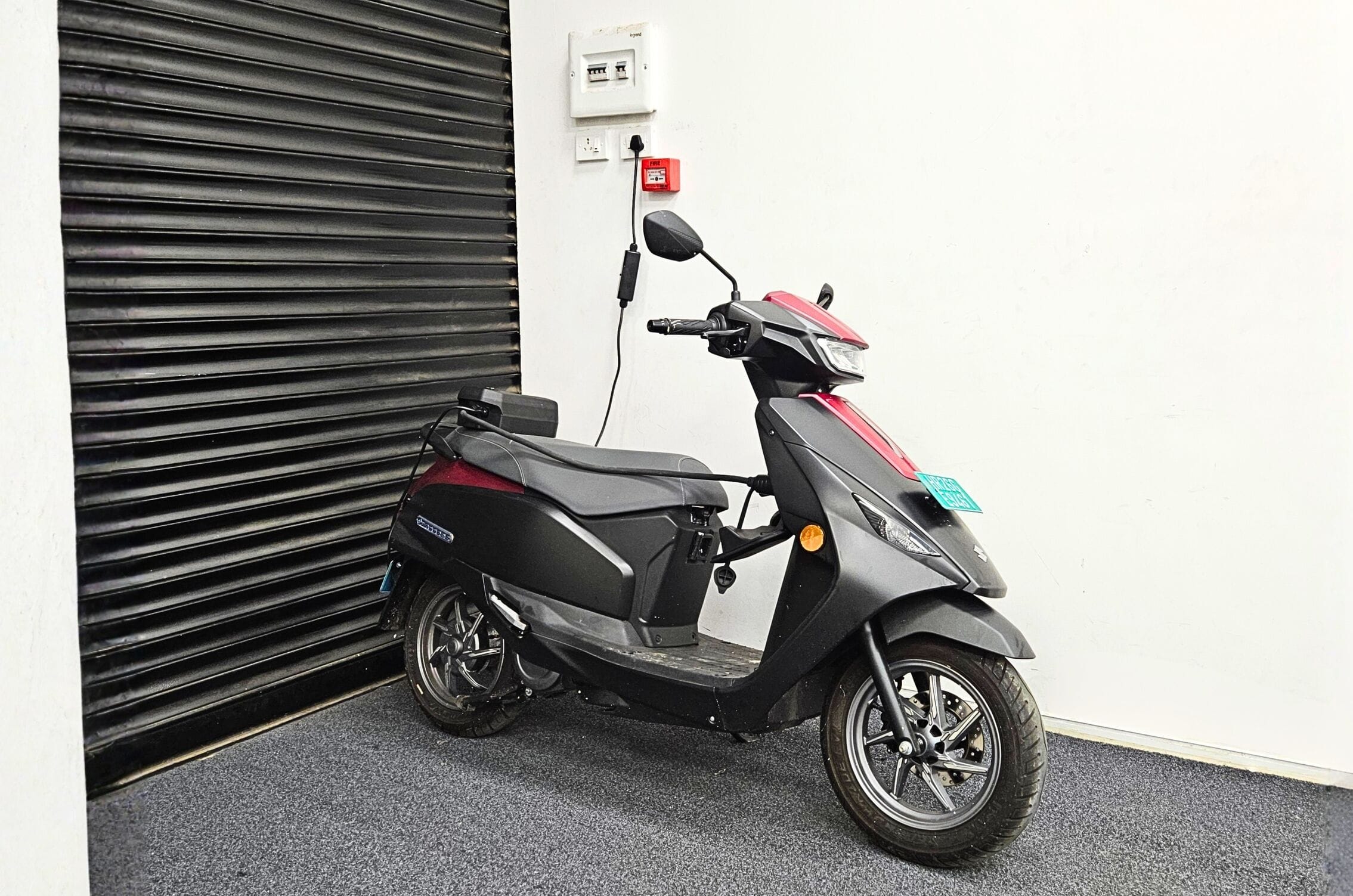
Suzuki e-Access front right side static image in front of shutter

Suzuki entered the electric scooter market earlier this year with its self-developed e-Access, which at Rs 1.92 lakh (ex-showroom, Bengaluru), is one of the most expensive electric scooters from a mainstream manufacturer right now. We were recently able to subject the e-Access to our real-world range tests and here’s how Suzuki’s maiden two-wheeler EV performed.

  1. In Ride A mode, it covered 88.4km
  2. It has an efficiency of 28.78km/kWh
  3. 600W charger can top up a flat battery to full in 6 hours

Suzuki e-Access real world range

The e-Access has a 3kWh battery which uses LFP (Lithium Ferrous Phosphate) chemistry unlike most other well-known EVs which use NCM (Nickel Cobalt Manganese) battery packs. The advantages of LFP chemistry over NCM are relatively longer battery life and better thermal stability but the tradeoff is lower energy density, and ergo, lower range. Suzuki claims a 95km IDC range on a full charge.

The e-Access has 3 riding modes – Ride A, Ride B and Eco. On the move, you can only toggle between one of the Ride modes and Eco. To switch between the two Ride modes you need to be at a complete stop.

In both Ride modes, throttle response and peak power is identical but what changes is the level of regenerative braking. Ride B has gentler intervention than Ride A so we elected to conduct our test in Ride A in a bid to extract more range.

With 12-inch wheels shod with standard-issue scooter sized tyres and a fairly light 122kg kerb weight (in the EV space), the e-Access sits more or less on par with the bestsellers in this class in these parameters.

In city traffic conditions, at lower speeds and with regenerative braking kicking in more often, the e-Access’s range was dropping at a slower rate than when we were at faster speeds on open roads – this will be the case for all EVs and isn’t a trait exclusive to it.

At the end of the run, when the range indicator and battery SOC meter on the display both ran out to zero, the scooter kept running with progressively lower performance for another 2.2km. Eventually, it was restricted to just 10kph, which is when we decided to park it and at that point we had covered 88.4km.

When the battery was at 100 percent SOC at the start of the test the display told us that the estimated range was 93km. The figure we ultimately got was slightly lower than that, but the range indicator gave us trustworthy readouts as the battery capacity dropped and it never caught us by surprise at the end. Ultimately the range you get will vary on a multitude of factors like your riding style, tyre pressures, prevailing traffic and weather conditions among others.

Even so, the e-Access delivered a commendable range number when you consider that its LFP battery isn’t as energy dense as the competition and it is a scooter that comes closest to achieving the claimed IDC number in the real world in our tests. This was in the more powerful Ride A mode and were one to use the more efficient Eco mode, the e-Access will return more range on a single charge.

Almost throughout the run, the e-Access delivered consistent performance until its SOC dropped down to 18 percent, which is when it automatically defaulted to Eco mode. Performance in Ride A is quite brisk and more than sufficient to keep up with and overtake big city traffic while simultaneously not overwhelming someone who’s transitioning over from an ICE vehicle. Even in Eco mode, you can comfortably keep pace with traffic and reach a speedo-indicated 55kph, which ensures you don’t get caught out if you are on a faster stretch of road.

With these numbers, Suzuki’s electric scooter returned an efficiency of 28.78km/kWh. The e-Access ships with a portable 600W charger which is capable of topping up a flat battery to full in 6hr20min. We verified the actual charging time to be 6 hours flat when the e-Access was plugged into a 12A 3-pin socket at our office.

Autocar India’s range testing

Before our real-world range test, the battery of our two-wheeler on test is fully charged, and we maintain tyre pressures as recommended by the manufacturer. The two-wheeler is then driven in a fixed loop in the city and highway (for electric bikes that are capable of doing so), and we maintain certain average speeds while following the speed limit. While doing so, we also ensure periodic rider swaps to ensure consistency and subject the vehicle to varying riding styles. The vehicle is run until its battery is completely drained and it shuts down or does not go ahead even if the screen is on. 
Used car study 2026: Maruti Ertiga holds its value best among MPVs

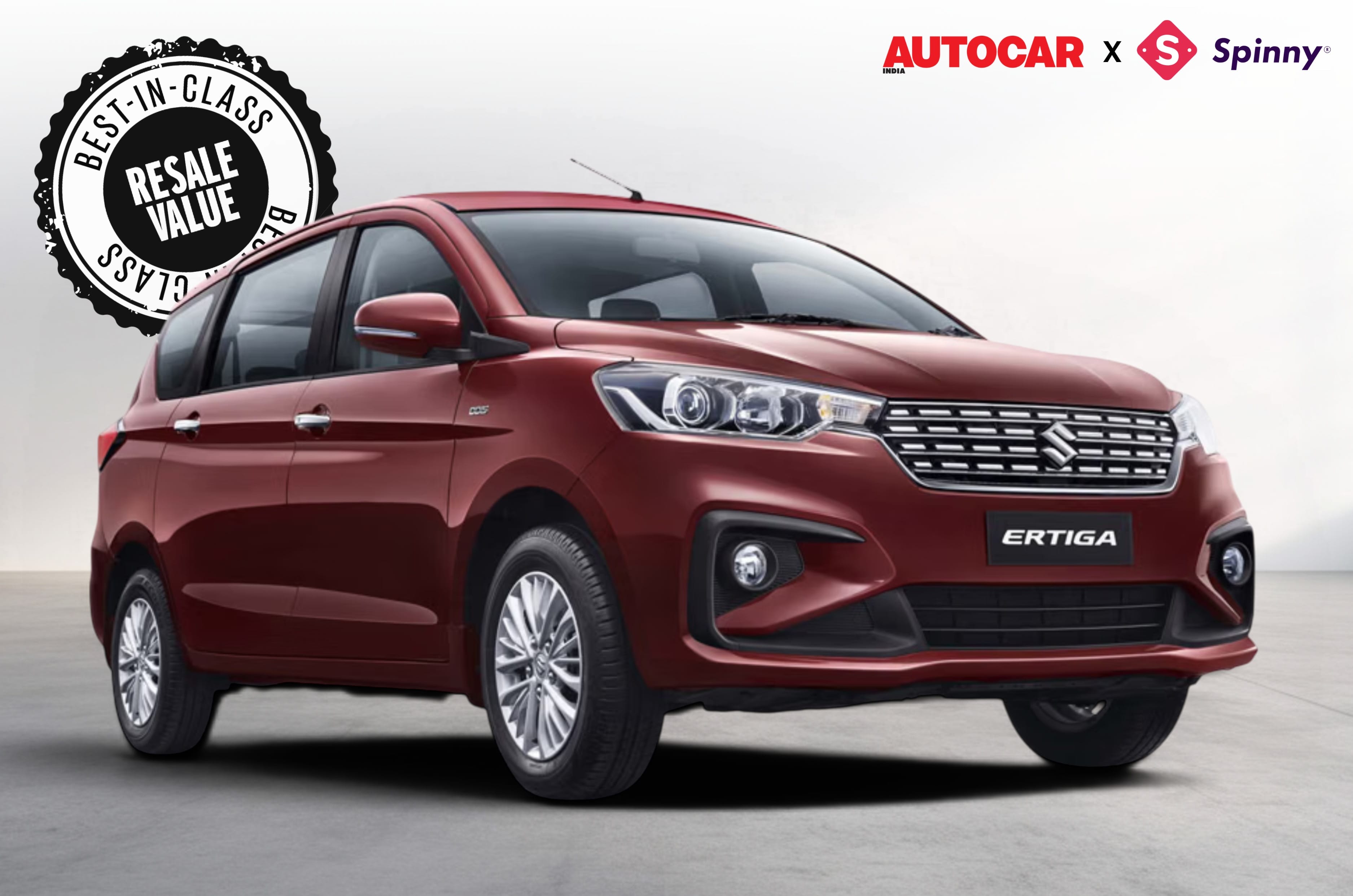
Maruti Ertiga resale value

Conducted in association with Spinny, India’s leading pre-owned car platform, the fourth edition of our Used Car Study analyses real-world resale values across a broad spectrum of vehicles sold in the Indian market to assess depreciation trends over a five-year ownership period. The study is based on actual transactional data shared by Spinny for vehicles sold between January 1 and August 31, 2025.

In this part of the resale value study series, we take a look at the MPV segment:

MPVs resale value 

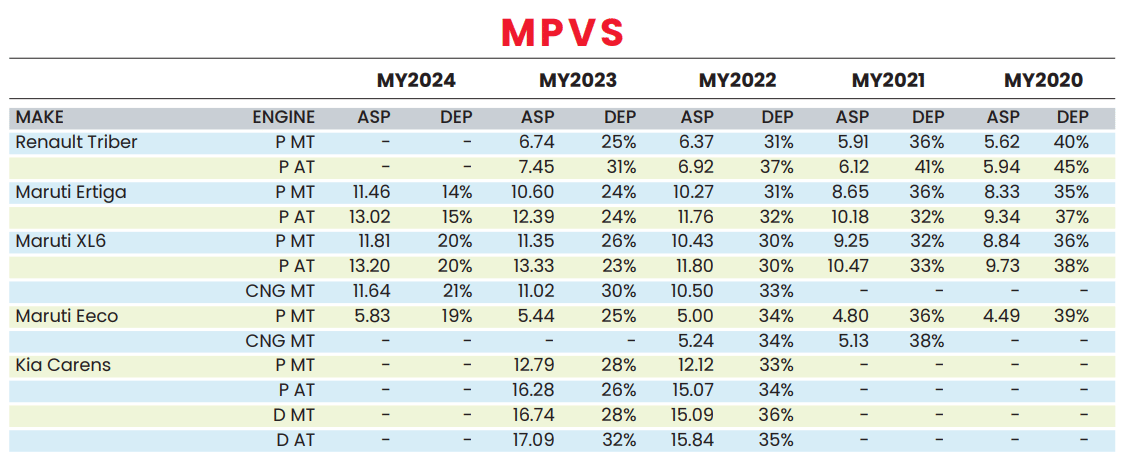
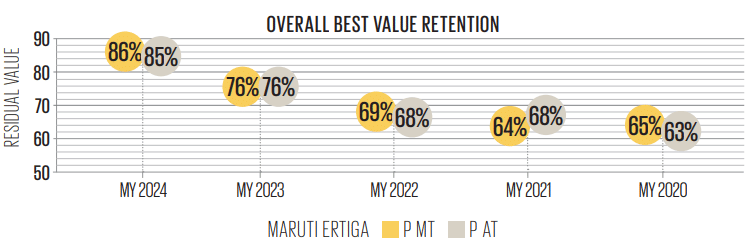
The MPV segment spans a broad price spectrum, starting with the affordable Maruti Eeco and extending up to premium offerings such as the Kia Carens. Dominating the segment in terms of resale value retention, however, is the Maruti Ertiga, which continues to exhibit the flattest depreciation trend over a five-year period.

Meanwhile, the Renault Triber showed the highest depreciation, more so for the AMT variants. Due to limited used market transaction data, the Toyota Innova Crysta and Hycross have been excluded from this study. 

As per the study, the average selling price of a five-year-old MPV retailed through Spinny was Rs 7.47 lakh. Comparable figures for three-year-old and one-year-old MPVs were Rs 10.50 lakh and Rs 11.16 lakh, respectively. Average depreciation over the same periods worked out to 38.5 percent, 33.10 percent and 18.15 percent, respectively.

Autocar-Spinny resale value study methodology 

The analysis covers the average selling prices (ASPs) of vehicles retailed through Spinny’s network across nine cities – Delhi-NCR, Bengaluru, Hyderabad, Pune, Chennai, Mumbai, Lucknow, Ahmedabad and Kolkata.

For the purposes of this study, depreciation has been defined as the percentage difference between a vehicle’s original on-road price in its year of manufacture and its resale value in 2025. In instances where a model was offered with multiple engine options using the same fuel type, the data has been consolidated and averaged. Variant-wise differences have similarly been averaged out.

Discontinued models and powertrain options have been excluded. Additionally, premium vehicles priced above Rs 30 lakh, electric vehicles and certain low-volume models have not been included due to limited transaction data and insufficient sample sizes.

Nissan Tekton on-road prices listed in major Indian cities

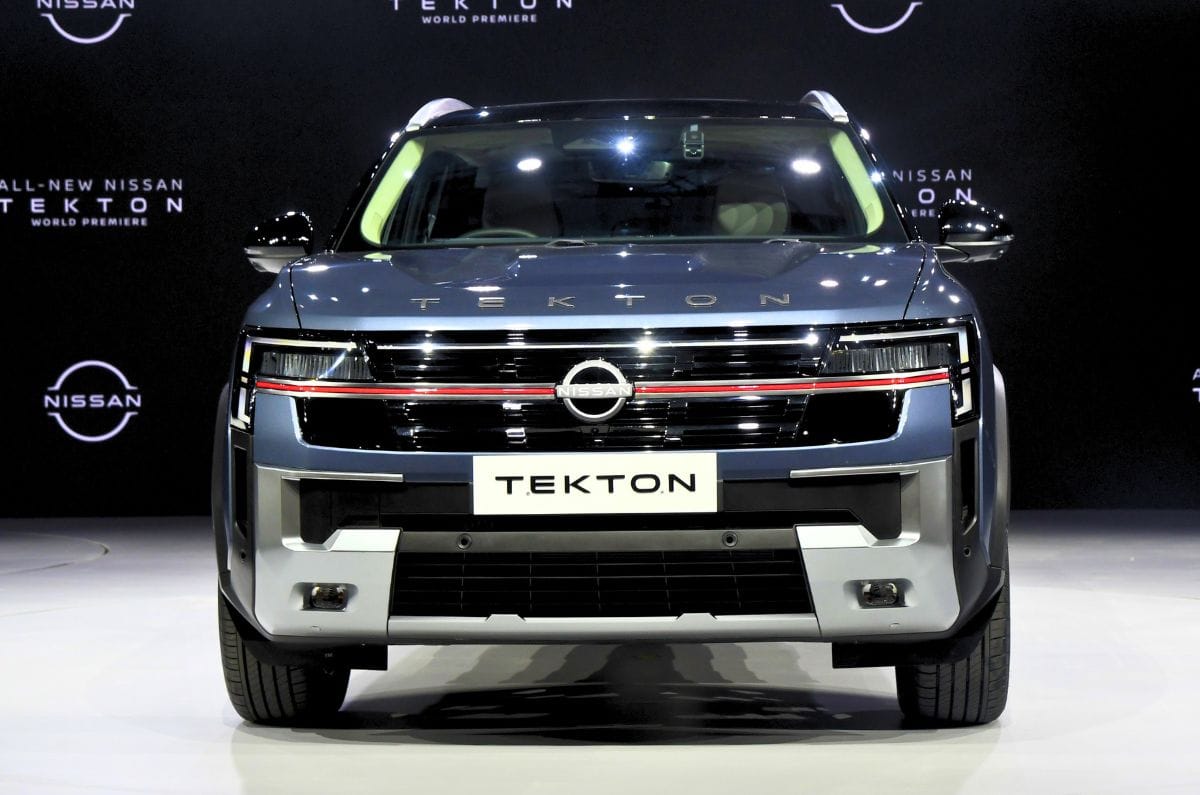
Nissan Tekton front design

The Nissan Tekton, launched recently in India, marked the manufacturer’s comeback to the midsize SUV segment after the Kicks’ discontinuation in 2023. This badge-engineered version of the Renault Duster is being offered in six trims: Visia, Visia+, Acenta, N-Connecta, Tekna, and Tekna+, offered with either a 100hp, 1.0-litre 3-cylinder turbo-petrol engine or a 163hp, 1.3-litre 4-cylinder turbo-petrol mill. Its ex-showroom prices range from Rs 10.49 lakh to Rs 18.59 lakh.

In case you want to know how much you need to pay to get your hands on one, here are the Nissan Tekton’s on-road prices across major Indian cities.

Nissan Tekton on-road price range

On-road prices of the Tekton range from Rs 11.96 lakh to Rs 23.06 lakh in major cities

Nissan Tekton price range in major Indian cities (in Rs, lakh)


1.0L TP 6MT

1.3L TP 6MT

1.3L TP 6DCT

Ex-showroom

10.49-16.49

14.99-16.39

14.99-18.59

Gurugram (on-road)

11.96-18.80

17.09-18.69

17.09-21.20

Delhi (on-road)

12.17-19.13

17.39-19.02

17.39-21.57

Mumbai (on-road)

12.38-19.46

17.69-19.35

17.69-21.94

Bengaluru (on-road)

12.91-20.29

18.44-20.17

18.44-22.87

Chennai (on-road)

13.01-20.45

18.59-20.33

18.59-23.06

Note: On-road prices may vary based on city-specific registration charges and other cost components, including insurance, FASTag and RTO fees. Please check with your nearest Nissan dealership for exact figures.

Nissan Tekton on-road prices are the lowest in Gurugram among all the mentioned cities. Delhi comes next, followed by Mumbai and Bengaluru. Prices are the highest in Chennai, and compared to Gurugram, the top-spec versions of the 1.0-litre turbo-petrol MT (Tekna+), 1.3-litre turbo-petrol MT (Tekna), and 1.3-litre turbo-petrol DCT (Tekna+) cost an additional Rs 1.65 lakh, Rs 1.64 lakh and Rs 1.86 lakh, respectively.

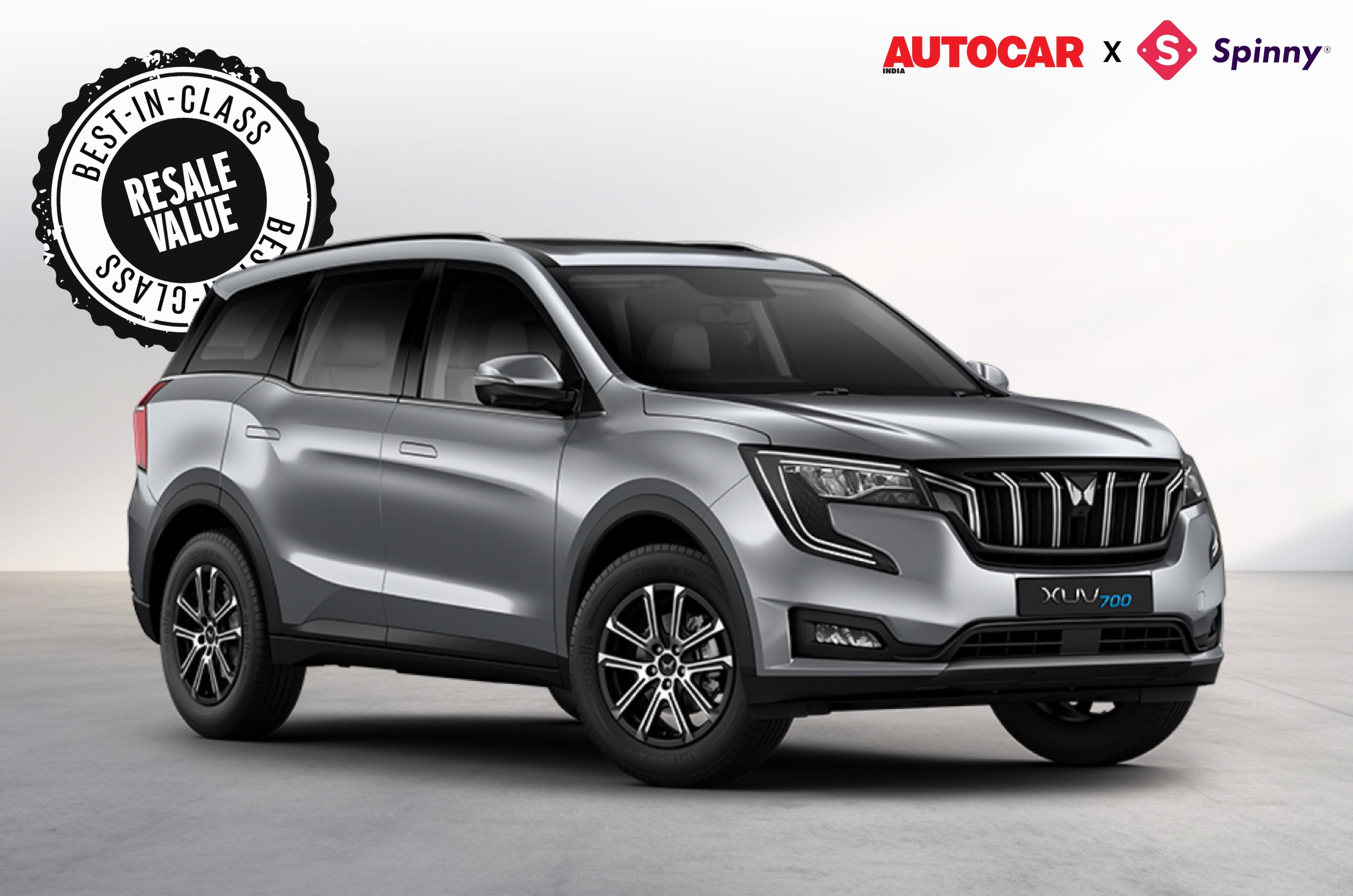
Used car study 2026: Mahindra XUV700 holds its value best among executive SUVs

Mahindra XUV700 resale value

Conducted in association with Spinny, India’s leading pre-owned car platform, the fourth edition of our Used Car Study analyses real-world resale values across a broad spectrum of vehicles sold in the Indian market to assess depreciation trends over a five-year ownership period. The study is based on actual transactional data shared by Spinny for vehicles sold between January 1 and August 31, 2025.

In this part of the resale value study series, we take a look at the executive SUV segment:

Executive SUVs resale value 

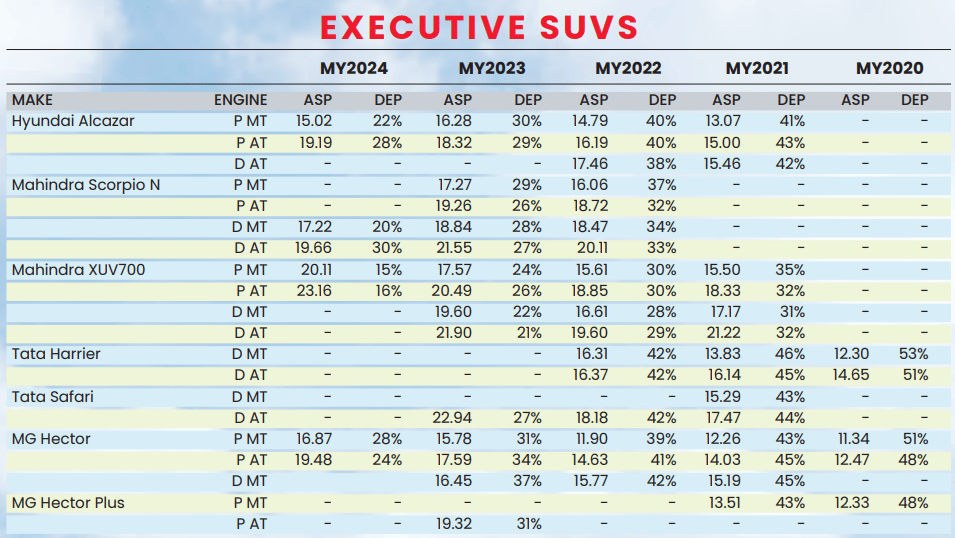
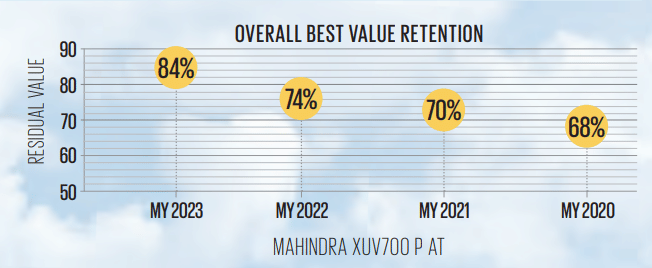
The Mahindra XUV700 has emerged as one of the strongest performers in the used car market, with all variants retaining value impressively well. Particularly noteworthy are the petrol variants, which display the flattest depreciation curves over a four-year period. In fact, one-year-old used examples are trading at only 15-16 percent below their average on-road prices, underlining the SUV’s exceptionally strong market demand.

By comparison, five-year-old examples of the Tata Harrier and MG Hector depreciate significantly more, with resale values falling to less than half of their original purchase prices. The Mahindra Scorpio N also holds better value than its rivals, and overall, the Mahindra SUVs display slower depreciation than their Tata counterparts. 

As per the study, the average selling price of a five-year-old executive SUV retailed through Spinny was Rs 12.6 lakh. Comparable figures for three-year-old and one-year-old executive SUVs were Rs 16.80 lakh and Rs 18.84 lakh, respectively. Average depreciation over the same periods worked out to 50 percent, 36.41 percent and 22.90 percent, respectively.

Autocar-Spinny resale value study methodology 

The analysis covers the average selling prices (ASPs) of vehicles retailed through Spinny’s network across nine cities – Delhi-NCR, Bengaluru, Hyderabad, Pune, Chennai, Mumbai, Lucknow, Ahmedabad and Kolkata.

For the purposes of this study, depreciation has been defined as the percentage difference between a vehicle’s original on-road price in its year of manufacture and its resale value in 2025. In instances where a model was offered with multiple engine options using the same fuel type, the data has been consolidated and averaged. Variant-wise differences have similarly been averaged out.

Discontinued models and powertrain options have been excluded. Additionally, premium vehicles priced above Rs 30 lakh, electric vehicles and certain low-volume models have not been included due to limited transaction data and insufficient sample sizes.

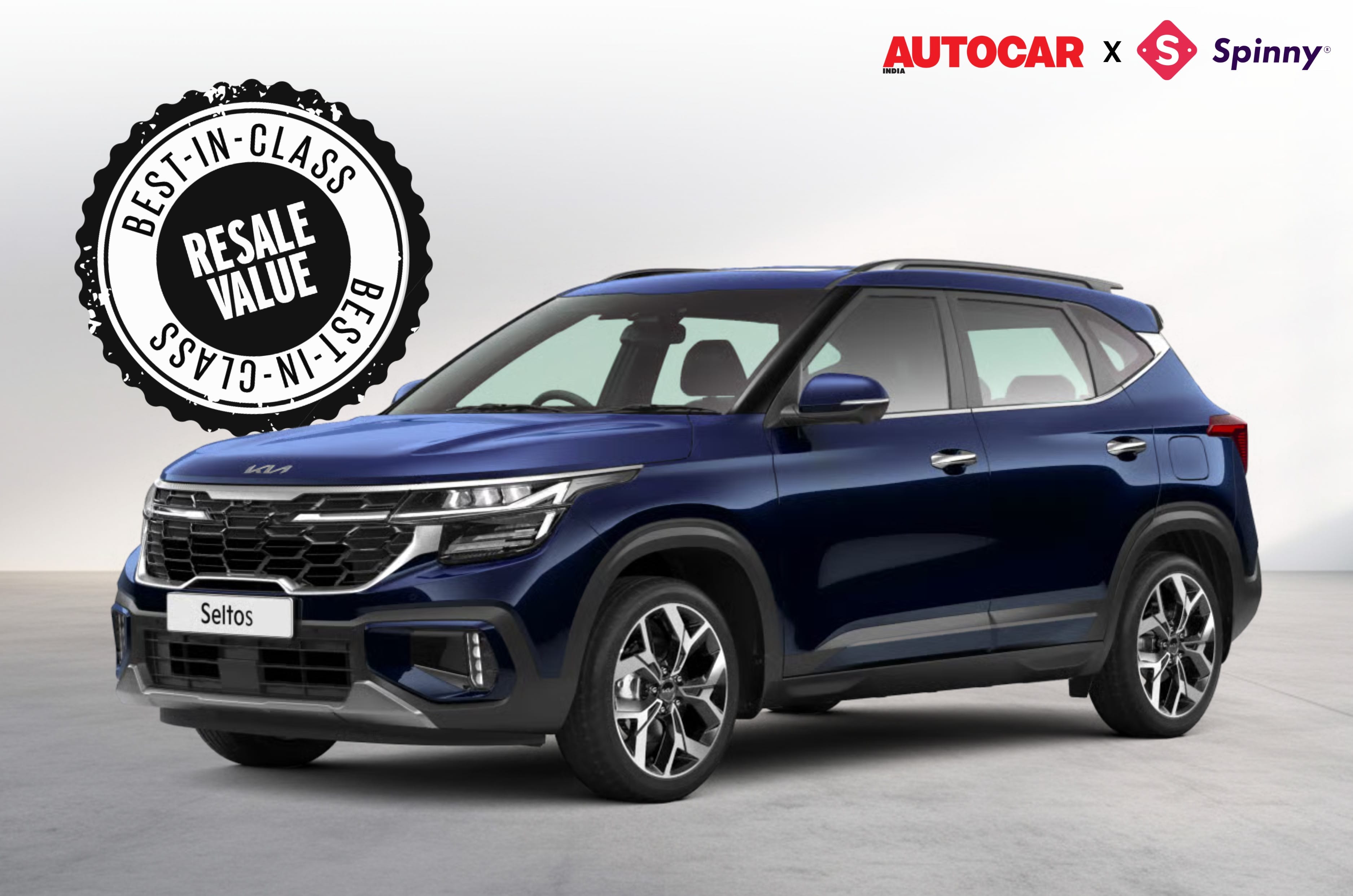
Used car study 2026: Kia Seltos holds its value best among midsize SUVs

Kia Seltos resale value

Conducted in association with Spinny, India’s leading pre-owned car platform, the fourth edition of our Used Car Study analyses real-world resale values across a broad spectrum of vehicles sold in the Indian market to assess depreciation trends over a five-year ownership period. The study is based on actual transactional data shared by Spinny for vehicles sold between January 1 and August 31, 2025.

In this part of the resale value study series, we take a look at the midsize SUV segment:

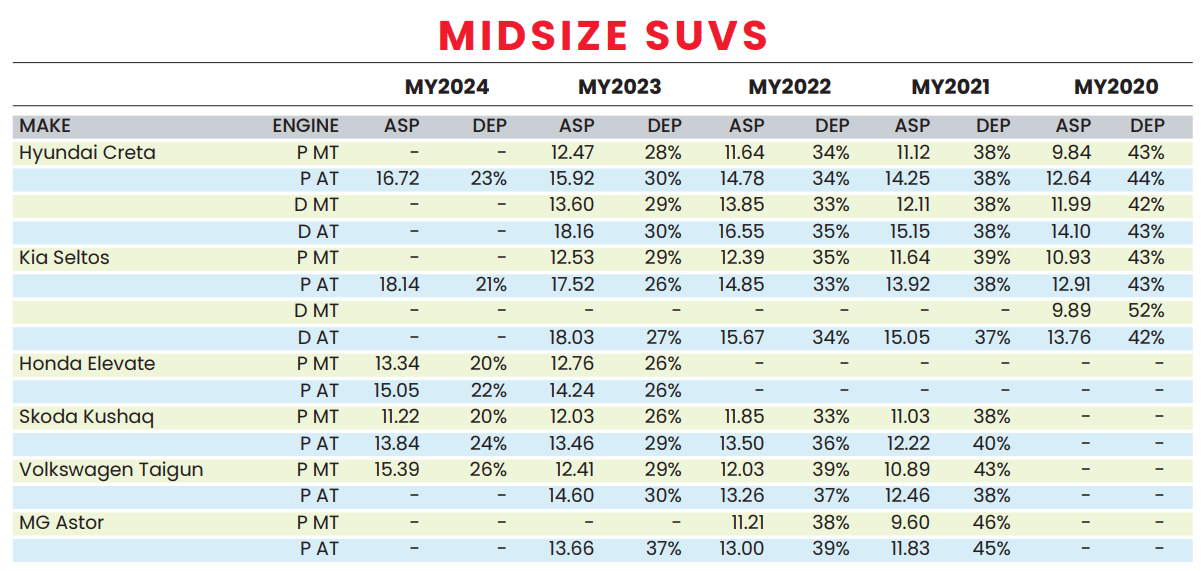
Midsize SUVs resale value 

*Average selling price (ASP) in Rs lakh

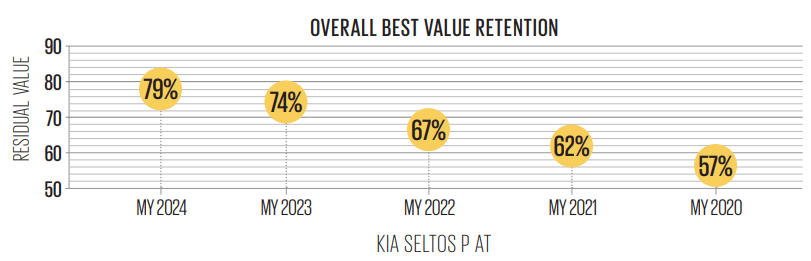
Over a five-year ownership period, the Kia Seltos petrol-automatic showcases the strongest residual performance in the midsize SUV category, retaining value better than most of its rivals. Notably, the Seltos considered here is the outgoing version – the new Seltos was only introduced in 2026. As for the Skoda-Volkswagen duo, the Taigun saw greater depreciation over a 4-year than the Kushaq. 

Despite being on sale only since 2023, the Honda Elevate has already demonstrated promising used market performance, with a notably flatter depreciation trend than expected for a relatively new entrant. In contrast, weaker demand for the MG Astor in the new car market appears to have impacted its resale values as well, with the petrol-automatic version showing the highest depreciation in the segment.

As per the study, the average selling price of a five-year-old midsize SUV retailed through Spinny was Rs 12 lakh. Comparable figures for three-year-old and one-year-old midsize SUVs were Rs 13.43 lakh and Rs 14.81 lakh, respectively. Average depreciation over the same periods worked out to 44 percent, 35.4 percent and 22.30 percent, respectively.

Autocar-Spinny resale value study methodology 

The analysis covers the average selling prices (ASPs) of vehicles retailed through Spinny’s network across nine cities – Delhi-NCR, Bengaluru, Hyderabad, Pune, Chennai, Mumbai, Lucknow, Ahmedabad and Kolkata.

For the purposes of this study, depreciation has been defined as the percentage difference between a vehicle’s original on-road price in its year of manufacture and its resale value in 2025. In instances where a model was offered with multiple engine options using the same fuel type, the data has been consolidated and averaged. Variant-wise differences have similarly been averaged out.

Discontinued models and powertrain options have been excluded. Additionally, premium vehicles priced above Rs 30 lakh, electric vehicles and certain low-volume models have not been included due to limited transaction data and insufficient sample sizes.

Yamaha Aerox-E vs TVS X: price and specification comparison

Aerox E vs TVS X

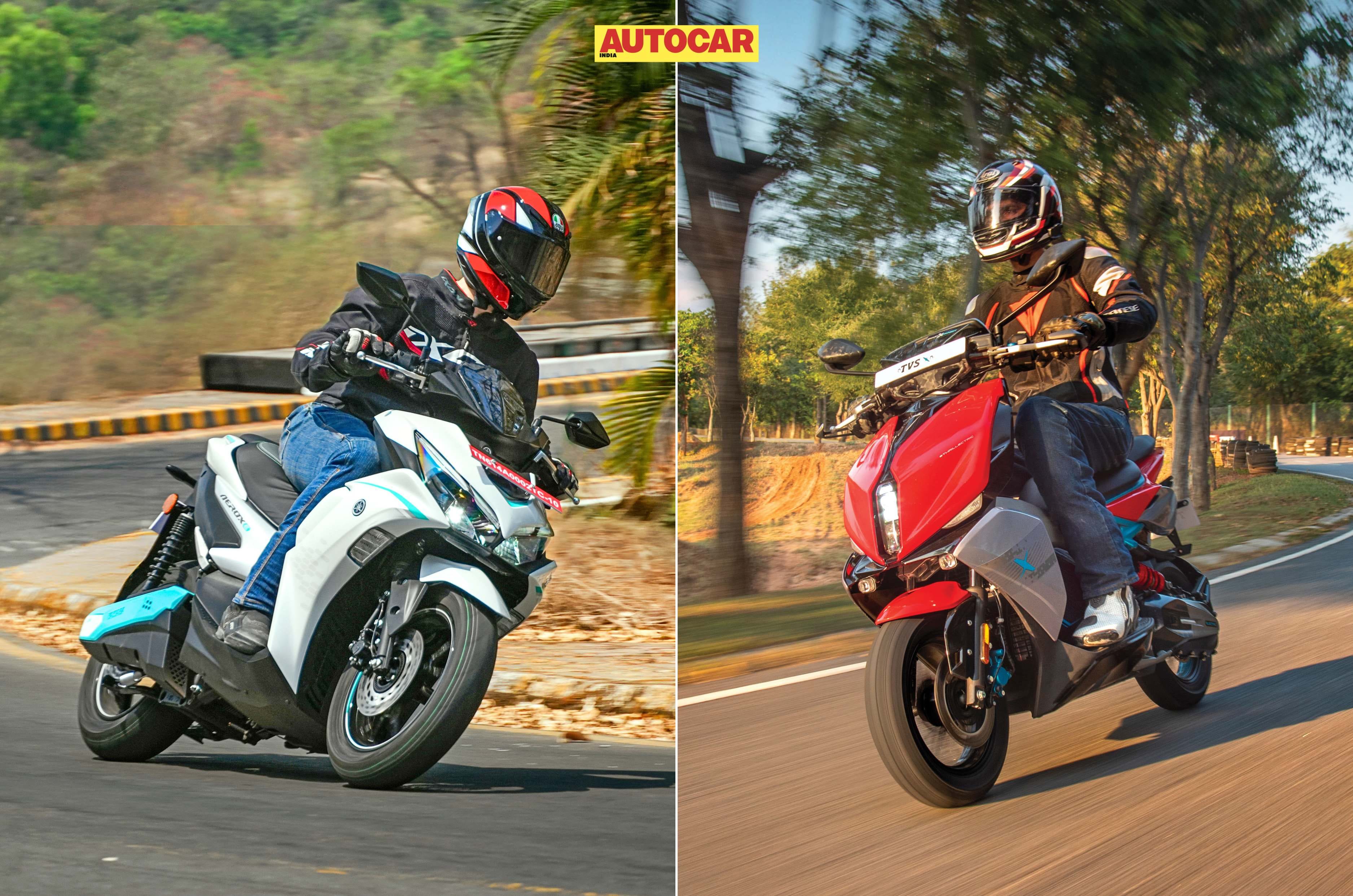
Last year, Yamaha announced that it would enter the Indian electric scooter market with two products – the River Indie-based EC-06 and the Aerox-E. The former was launched earlier this year, and the company has now revealed pricing for the electric Aerox at Rs 2.82 lakh. That makes it Yamaha’s most expensive offering in India and one of the costliest electric scooters on sale. At that price point, its only real rival is the TVS X, which has occupied a unique position at the top end of the Indian electric scooter market since its launch in 2023. Here’s how the two compare on paper.

Yamaha Aerox-E vs TVS X: Motor, battery and range

The TVS X offers better performance and range


Yamaha Aerox-E

TVS X

Peak motor output

9.4kW

11.7kW

Continuous motor output

NA

7kW

Peak torque

48Nm

40Nm

Battery capacity

2 x 1.5kWh (3kWh total)

4.4kWh

Charging time (0-100%)

6 hours 20 minutes


Claimed IDC range

117km

159km

Claimed top speed

95.5kph

110kph

The TVS X holds a clear advantage in outright performance and range. TVS claims a 0-40kph time of 2.5 seconds and a top speed of 110kph, both comfortably ahead of the Aerox-E. Its larger 4.4kWh battery also delivers a significantly higher claimed IDC range, although, as with all IDC figures, real-world range is likely to be lower.

The Aerox-E comes with dual removable battery setup comprising two 1.5kWh packs. That’s a meaningful practical advantage if you don’t have easy access to a charging point, as the batteries can be removed and charged separately using Yamaha’s optional charging dock (priced at Rs 18,000). That said, each battery weighs around 13kg, so removing them regularly may not be the most convenient solution.

Yamaha Aerox-E vs TVS X: Dimensions and underpinnings

The TVS X is lighter and runs on smaller 12-inch wheels


Yamaha Aerox-E

TVS X

Kerb weight

139kg

134kg

Suspension (F/R)

Telescopic fork / Twin shock absorbers

Telescopic fork / Monoshock

Brakes (F/R)

Disc / Disc

220mm disc / 195mm disc

Tyres (F/R)

110/80-14 / 140/70-14

100/80-12 / 110/80-12

Both scooters use a conventional telescopic fork up front, but they differ at the rear. The Aerox-E uses twin shock absorbers, while the TVS X gets a monoshock. Another notable difference is wheel size. The Aerox-E rides on larger 14-inch wheels, which should offer better stability, while the TVS X uses 12-inch wheels that are likely to feel a little more agile. It’s worth noting that TVS showcased a version of the X with 14-inch wheels at EICMA last year, although there’s been no update on whether or when that version will make it into production.

The TVS X is also 5kg lighter and is built around a sporty aluminium twin-spar frame, which means it doesn’t have a conventional flat floorboard.

Yamaha Aerox-E vs TVS X: Features

The TVS X has a clear edge in the features deparetmnt

The TVS X is the more comprehensively equipped scooter of the two. Its headline feature is a massive 10.25-inch TFT touchscreen with Bluetooth connectivity, Android Auto, navigation, music playback and smartphone integration. It also gets three riding modes – Xtealth, Xtride and Xonic – along with reverse assist, hill hold and TVS’ RAM air-cooling system for the motor. TVS has positioned the X as a flagship product, and its equipment list reflects that.

The Aerox-E isn’t quite as feature-rich. It upgrades from the petrol Aerox 155’s LCD console to a TFT display with smartphone connectivity, but the unit is relatively basic compared to the TVS. The Aerox-E offers three riding modes – Eco, Standard and Power – along with a dedicated Boost button that provides short bursts of additional performance.

Yamaha Aerox-E vs TVS X: Price

The TVS X undercuts the Aerox-E by Rs 16,000


TVS X

Yamaha Aerox-E

Price (ex-showroom, Bengaluru)

Rs 2.66 lakh

Rs 2.82 lakh

At Rs 2.66 lakh, the TVS X undercuts the Aerox-E by Rs 16,000. On paper, it’s clearly the stronger package, offering higher performance, a larger battery, longer claimed range and a considerably more comprehensive feature list.

Availability, however, remains limited for both scooters. The TVS X was initially launched only in Bengaluru, with the company indicating plans to expand to more cities, although there hasn’t been a meaningful update since. The Aerox-E will be available in Delhi, Bengaluru, Mumbai, Pune and Chennai, giving it slightly wider reach, but both remain niche offerings at the premium end of the electric scooter market.

E-Class is Mercedes’ bestseller in H1 2026; EQS SUV tops EV sales

E-Class is Mercedes’ bestseller in H1 2026; EQS SUV tops EV sales

Mercedes-Benz India has announced it achieved its best H1 (January to July) sales ever in 2026, with total sales of 9,768 units, marking a 9 percent increase over H1 2025. The manufacturer has also revealed it recorded its best-ever Q2 (April to June) sales of 4,238 units, a 10 percent growth over Q2 2025.

  1. Mercedes-AMG sales grew by 50 percent in H1 2026
  2. The top-end luxury portfolio grew by 20 percent
  3. EVs contributed to 25 percent of Mercedes’ top-end car sales 

Mercedes-Benz H1 2026 performance breakdown

‘Top-end Luxury’ segment saw a robust 20 percent growth

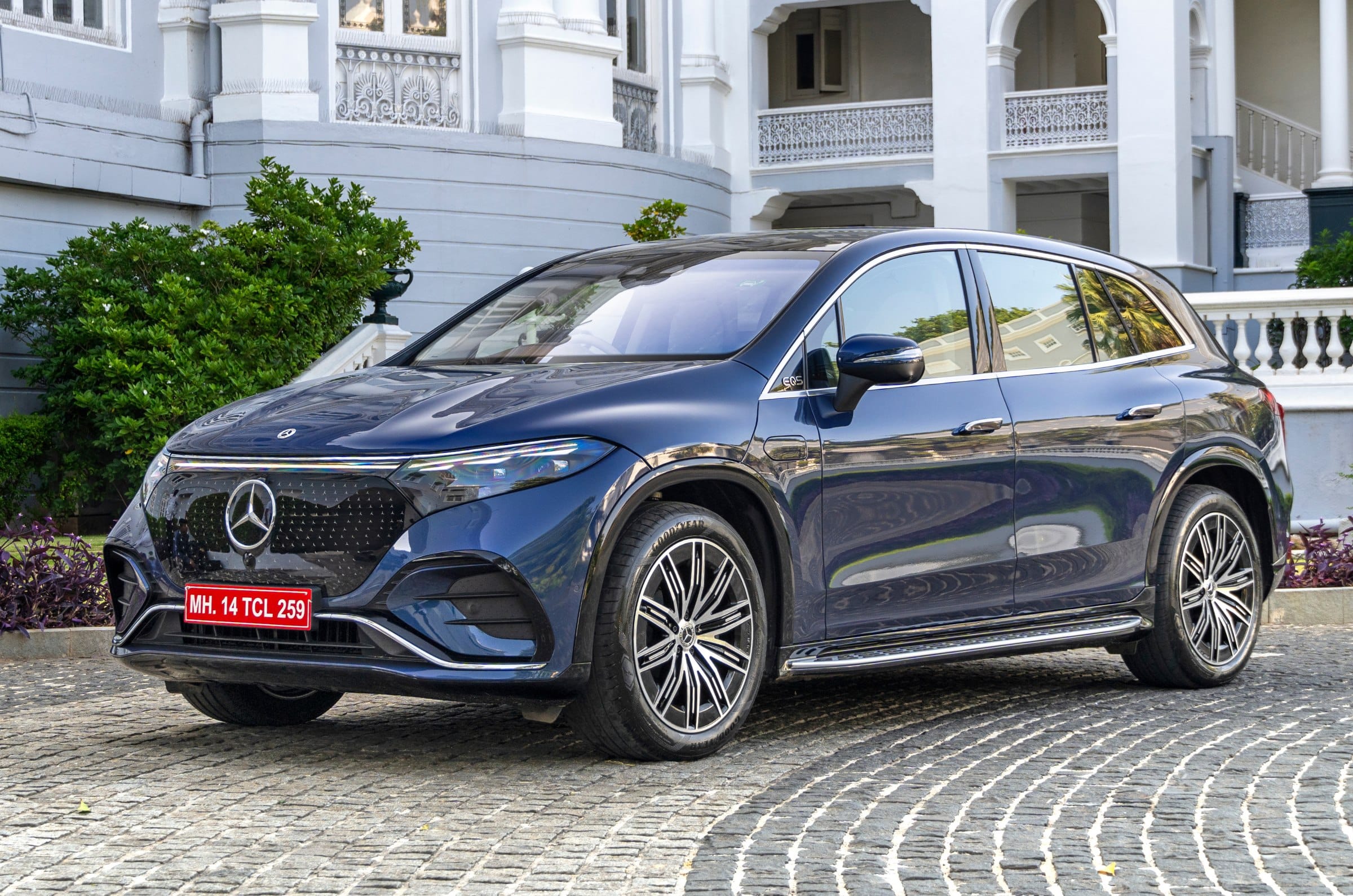
The EQS SUV was the best-selling Mercedes-Benz BEC in H1 2026.

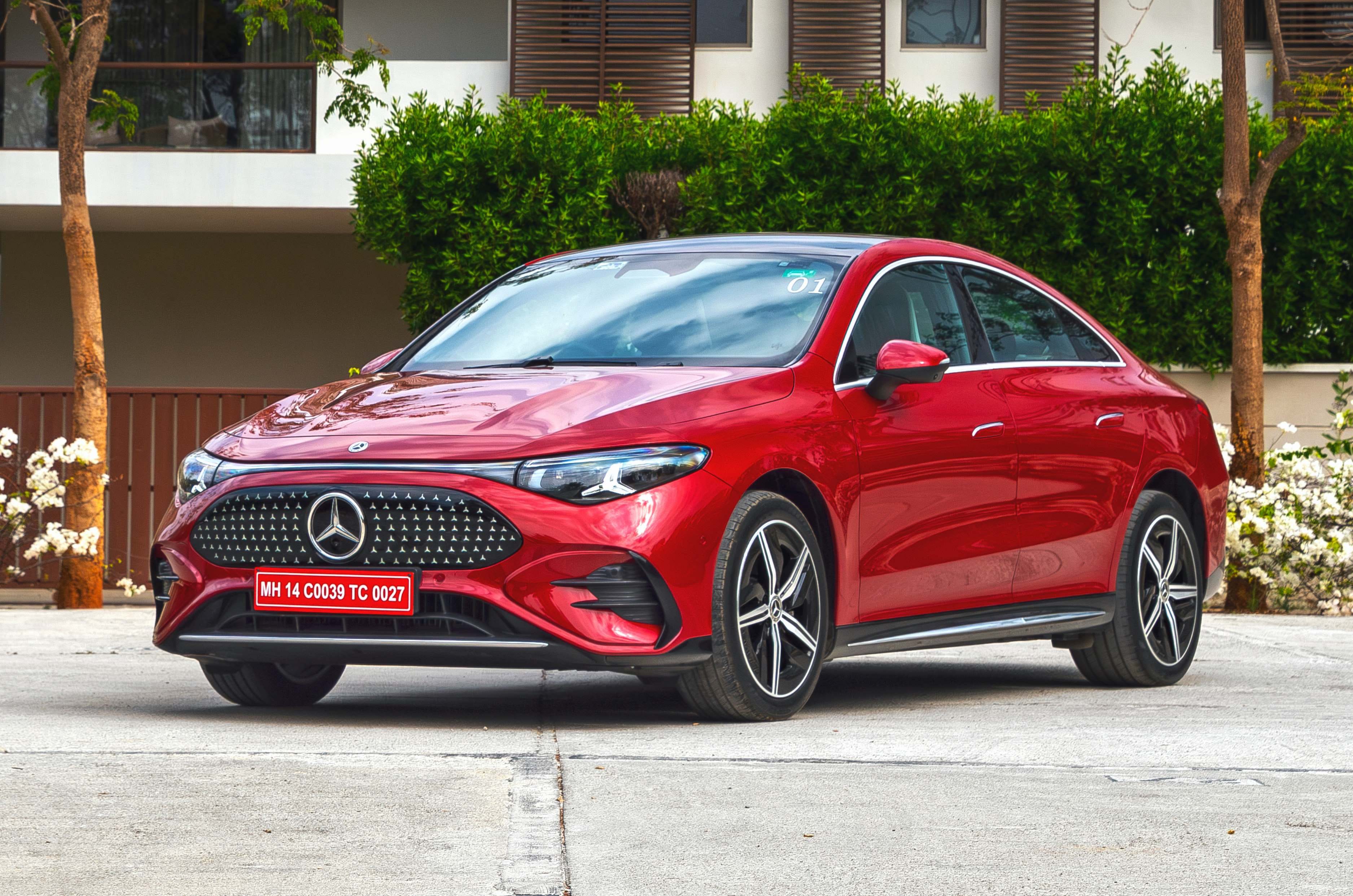
Mercedes-Benz has stated that its ‘Top-end Luxury’ segment, comprising models like the V-Class, Mercedes-Maybach cars, EQS SUV and the AMG range, grew by over 20 percent. In fact, 28 percent of total Mercedes-Benz sales in H1 2026 were from this ‘Top-end Luxury’ segment. Among total sales in this segment in H1 2026, 25 percent were from EVs. These top-end BEV sales were driven by the EQS SUV, which was also the brand’s bestselling EV. In the more affordable ‘luxury entry segment’, however, the CLA Electric drove sales. Notably, the Mercedes-AMG sales surged by 50 percent in H1 2026.

Mercedes also revealed that the waiting period for cars in this segment ranges from 4 months to up to a year for models like the AMG G63 SUV. 

Mercedes-Benz’s ‘Core’ segment saw steady demand

CLA Electric, launched in April 2026, drove entry-level luxury segment growth. 

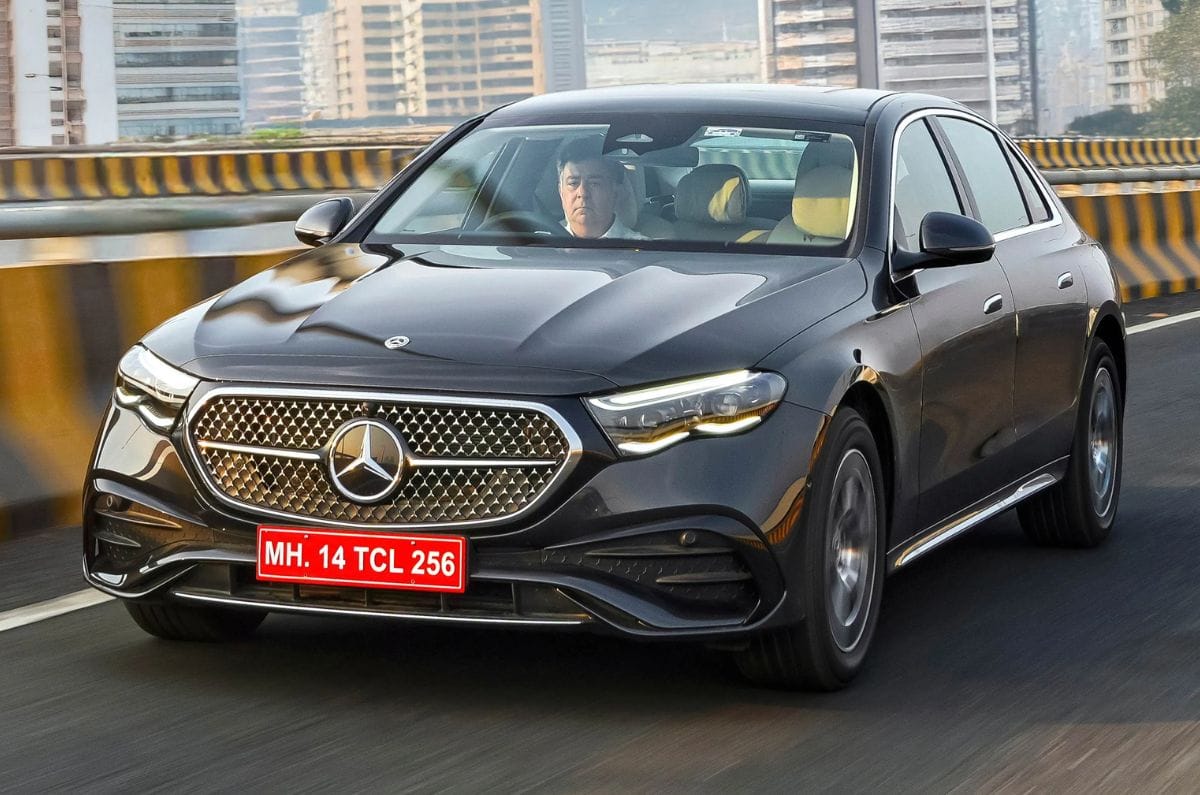
The ‘Core’ segment, comprising models like the C-Class, E-Class LWB, GLC and GLE, “significantly contributed to the sales performance in H1 2026 and in Q2 2026.” The manufacturer did not reveal sales numbers for this segment. Mercedes-Benz, however, claimed that “the Long Wheelbase E-Class continues to remain the highest-selling luxury car in India” and that they witnessed “a strong demand for the top-end E 450 variant.”

The ‘Entry Luxury’ segment witnessed 29 percent growth in Q2 2026, driven by the CLA Electric and the GLA.

A Rs 450 crore expansion plan over the next two years was underlined too

Mercedes-Benz has also underlined an investment of Rs 450 crores over the next two years as part of an expansion plan. Under this plan, the company plans to debut in new markets like Varanasi, while “strengthening its footprint in established markets of Mumbai, Pune, Delhi NCR, and Hyderabad during H2 2026.” Mercedes has added six new touchpoints in H1 2026 across Bengaluru, Bhopal, Raipur, Goa and Visakhapatnam.

JSW MG Motor ties up with Spinny for used EV retail

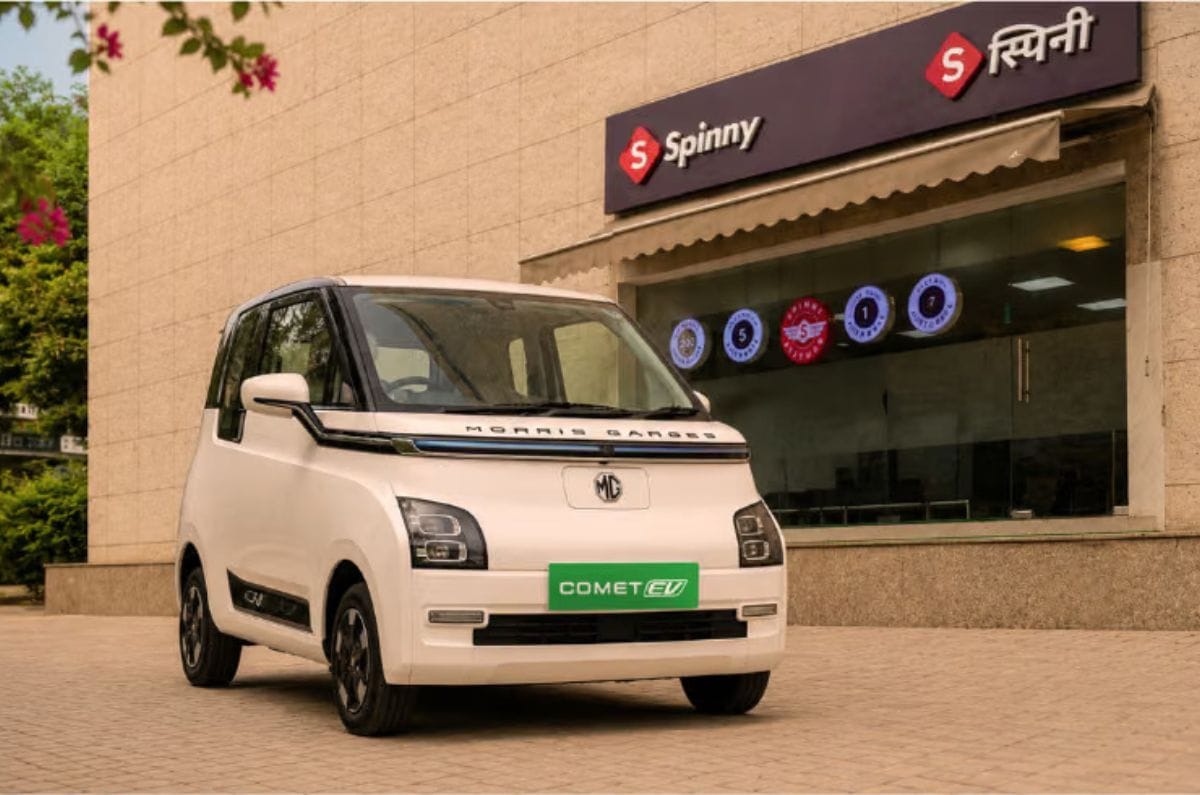
MG Comet front quarter static

Used car platform Spinny has finalised a commercial partnership with JSW MG Motor India to establish a structured secondary market ecosystem for pre-owned electric vehicles (EVs). The collaboration is designed to counter common barriers in secondary EV transactions, particularly consumer uncertainty surrounding real-time battery degradation, residual valuation transparency, and long-term diagnostic verification.

What does the partnership entail? 

Under the terms of the agreement, Spinny will introduce specialised EV evaluation protocols across its network, utilising technical inputs from JSW MG Motor India. The inspection framework focuses on standardised battery health assessment and certification processes intended to provide clearer valuation metrics for both buyers and sellers. The program will initially roll out across major urban centres, including Bengaluru, Chennai, Delhi NCR, Hyderabad, Kochi, Mumbai, Pune, Jaipur, Ahmedabad, Kolkata, Lucknow, Chandigarh, and Coimbatore.

The transaction pipeline allows consumers to list and purchase certified pre-owned MG electric models—such as the Comet EV, Windsor EV, and ZS EV—directly through Spinny’s digital platform and physical car hubs. Vehicles processed through this channel will feature a 200-point inspection check, OEM warranty continuity, fixed pricing assurance, and a five-day money-back window. The reconditioned units will undergo technical refurbishment at Spinny’s network of Integrated Restoration Centres, which are being upgraded with specialised EV diagnostic tooling and battery restoration workflows.

Vinay Raina, Chief Commercial Officer at JSW MG Motor India, stated that developing a reliable pre-owned framework is critical for the brand as it expands its new energy vehicle portfolio in the country. Niraj Singh, Founder and CEO of Spinny, noted that establishing structural transparency in battery diagnostics is essential to building secondary market transaction volume.

With inputs from Dev Vadchhedia 

Electric scooter and bike sales cross 1 million units in 2026 so far

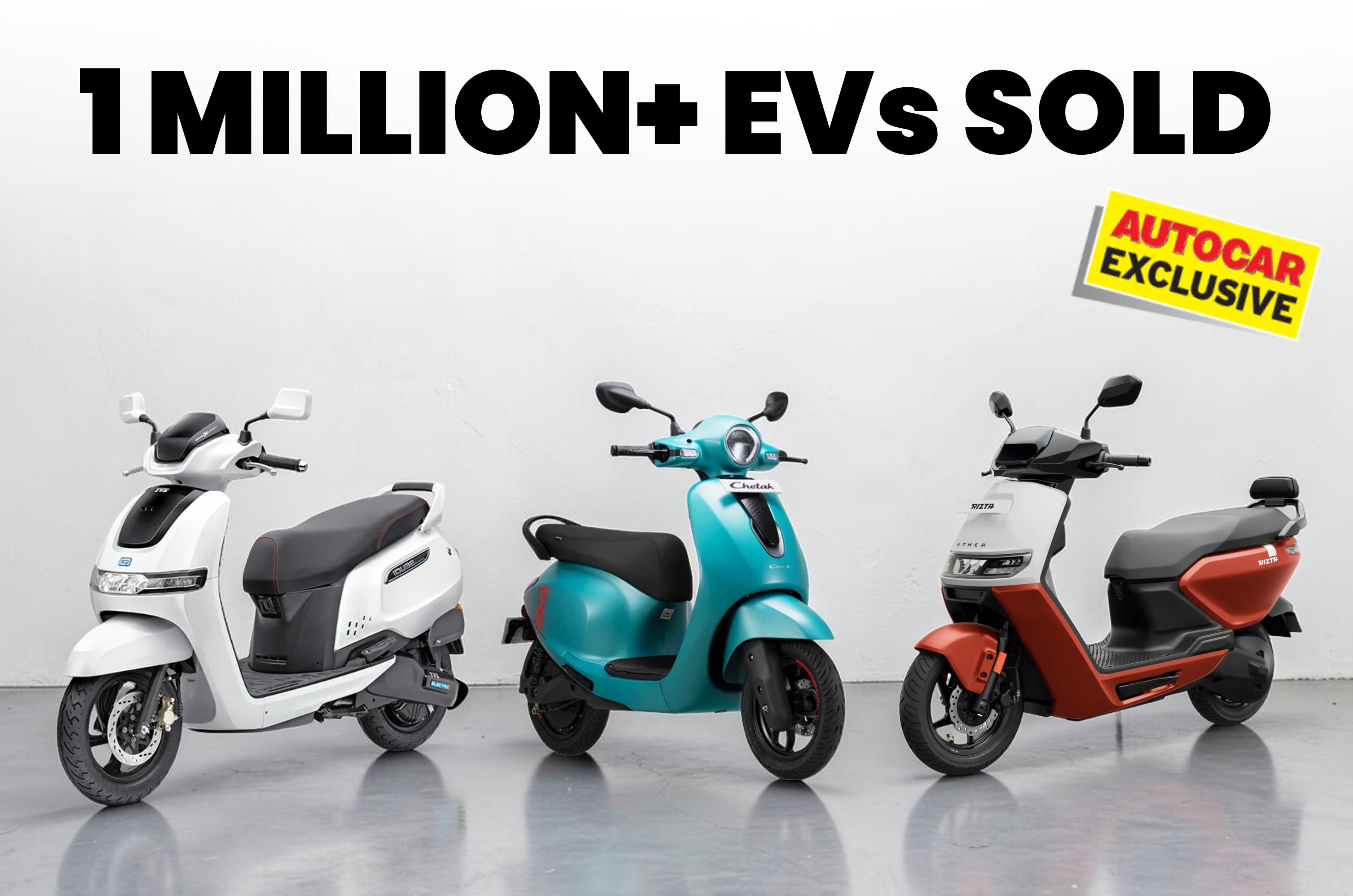
TVS iQube Bajaj Chetak Ather Rizta

The Indian electric two-wheeler industry has surpassed 1 million unit sales as of July 6 this year. As per the latest data on the Vahan portal, a record 10,05,279 e-scooters, motorcycles and mopeds have been sold between January 1 and July 6 this year. This marks a handsome YoY increase of 54 percent (January 1-July 6, 2025: 6,54,592 units) and daily sales of 5,375 units. 

Month

Units sold

January

1,29,265

February

1,18,408

March

1,99,393

April

1,57,619

May

1,72,530

June

1,94,186

July (till 6 July, 2026)

33,878

As the six-month retail sales data table above depicts, 2026 opened with 1,29,265 units in January, dropping 8 percent MoM in February (1,18,408 units). March saw retails jump 68 percent MoM to 1,99,393 units, which remains the highest monthly total yet for the industry. As a result, Q1 2026 (4,47,066 units) registered YoY growth of 39 percent (Q1 2025: 3,21,520 units). Sales rose higher in Q2 2026 (5,24,335 units) which was a 17 percent increase over Q1 and a 68 percent jump YoY (Q1 2025: 3,12,070 units) due to the sharp spike in sales in April (1,57,619 units, up 63 percent), May (194,196 units, up 64 percent) and June (1,94,186 units, up 75 percent).

Retail sales in May 2026, particularly from the second half, got a boost from the sharp increase in the price of petrol and a market dynamic that saw a fair number of two-wheeler buyers go electric to save money on costly petrol. Starting May 15, oil marketing companies implemented four hikes in petrol price in a span of 10 days. So far, fuel prices remain unchanged (as of July 7) and are enabling a higher level of transition to electric mobility across passenger and commercial vehicle segments.

Top brands on track to clock highest-ever annual sales

TVS, Bajaj Auto, Ather Energy and Vida have already achieved more than 80 percent of their record annual sales in 2025 already in 2026 so far.

The e-2W segment’s stellar growth this year is being driven by its Top 10 movers and shakers, with the bulk of them set to register their highest calendar year retail sales in CY2026. Combined sales of these 10 OEMs, at 9,39,894 units, gives them a 93 percent share of the 1-million retails to date, leaving the remaining 7 percent to be fought out by the other 16 players in the segment. 

Rank

Company

Sales till date

% Market share

1

TVS

2,60,938

26

2

Bajaj

2,25,960

22

3

Ather

1,74,677

17

4

Vida (Hero)

1,09,306

11

5

Ola Electric

68,148

7

6

Greaves

45,240

5

7

River

22,490

2

8

BGauss

20,276

2

9

Simple

7,391

1

10

Revolt

5,468

1


Total

9,39,894


Market leader TVS Motor Co has sold 2,60,938 iQube and Orbiter scooters till July 6 and accounts for a 26 percent share of the 1 million sales. This total is already 83 percent of its 2025 sales of 3,15,085 units which means TVS is well set to surpass the 5 lakh units annual sales milestone for the first time in 2026.

Bajaj Auto, with 2,25,960 units and 22 percent share, is the closest challenger to TVS. The manufacturer of the Chetak has achieved 81 percent of its 2025 sales (2,79,687 units). It should cross the 3 lakh units annual sales mark by mid-August and then go on to surpass 4 lakh unit sales by the end of the year. It will be achieving both these milestones for the first time in a calendar year.

Ather Energy, the firm No. 3, is also on a roll this year. The company has delivered 1,74,677 units between January 1-July 6, which gives it a 17 percent share of the million units and constitute 81 percent of its 2025 sales (2,14,984 units). Given the strong growth momentum for its products, particularly the Rizta and the potential of its upcoming more affordable EL-platform based products, Ather should likely go on to surpass 3.50 lakh units this year.

Hero MotoCorp (Vida) will, for the first time, achieve the 2 lakh unit annual sales milestone for its EVs. The 1,09,306 e-scooters sold till date are 97 percent of its 2025 total (1,13,024 units) and give the company an 11 percent share of all e-2Ws sold in the year to date.

Ola Electric has delivered 68,148 e-scooters and e-motorcycles in the first 187 days of this year. This gives it a 7 percent share of the million units albeit this total is just 33 percent of its sales in 2025 (2,04,526 units). While annual sales will surely cross the 1.25 lakh units mark this year, only a massive resurgence in demand for products from the former market leader will see it hit 1.50 lakh units, far fewer than the top three OEMs – TVS, Bajaj and Ather.

IPO-bound Greaves Electric Mobility, the manufacturer of Ampere e-scooters, has clocked retail sales of 45,240 units in the year to date. This gives it a 5 percent share of the million-unit sales and is 78 percent of its 2025 sales (57,700 units). GEM’s highest annual sales were in 2022 (80,000-plus including Ampere Vehicles).

Bengaluru-based River Mobility, which is witnessing growing demand for its sole product – the River Indie – has already hit a new annual sales high of 22,490 units. This is 5,470 units more than in 2025 (17,020 units) and should see the startup close in on the 50,000 mark in 2026. The company also manufactures the Yamaha EC-06, which is based on the Indie platform.

Eighth-ranked BGauss Auto sold 20,276 units between January and July 6, which gives it a 2 percent share of all-India e-2W sales to date and 80 percent of its 2025 sales (25,131 units).

Scooter maker Simple Energy has sold 7,391 units in the year to date, 763 units more than the 6,628 e-scooters it sold in 2025. Electric motorcycle manufacturer Revolt Motors, with 5,468 units, has achieved 50 percent of its 2025 sales of 11,018 units.

Given that the surging demand for electric scooters and motorcycles continues in H2 this year, the industry is racing towards breaching the 2-million annual sales milestone for the first time. And, considering that e-2Ws constitute the largest volume, they will also help the domestic EV industry to achieve a record 3 million sales this year.