प्रधानमंत्री नरेंद्र मोदी फिलहाल इंडोनेशिया के दौरे पर हैं। वह सोमवार शाम जकार्ता एयरपोर्ट पर उतरे, जहां इंडोनेशिया के राष्ट्रपति प्रोबोवो सुबियांतो ने उनका स्वागत किया। वहीं इंडोनेशिया की राजधानी जकार्ता में भारतीय समुदाय के एक कार्यक्रम के दौरान राष्ट्रपति प्राबोवो सुबियांतो ने प्रधानमंत्री नरेंद्र मोदी की मौजूदगी में कहा कि उनके शरीर में भी भारतीय डीएनए है। उनकी इस बात पर कार्यक्रम में मौजूद लोगों ने जोरदार तालियां बजाईं।
अपने संबोधन में प्राबोवो सुबियांतो ने बताया कि भारत की राजकीय यात्रा पर आने से पहले उन्होंने अपना डीएनए (जीनोम) टेस्ट कराया था। जांच में उन्हें पता चला कि उनके भीतर भारतीय मूल के डीएनए के अंश भी मौजूद हैं। उन्होंने मुस्कुराते हुए कहा कि शायद यही वजह है कि जब भी वह कोई संगीत, खासकर भारतीय संगीत सुनते हैं, तो उनके पैर अपने आप थिरकने लगते हैं।
भारत को लेकर कही ये बात
राष्ट्रपति प्राबोवो सुबियांतो की यह बात सुनकर कार्यक्रम में मौजूद भारतीय समुदाय के लोगों ने जोरदार तालियां बजाईं और खुशी जताई। उन्होंने आगे कहा कि उनके कई मंत्री और सेना के वरिष्ठ अधिकारी भी भारतीय गाने सुनना पसंद करते हैं। मजाकिया अंदाज में उन्होंने कहा कि हो सकता है उनके भीतर भी भारतीय डीएनए हो। प्राबोवो ने खुद को भारत का अच्छा दोस्त बताते हुए कहा कि इंडोनेशिया को भारत के अनुभवों से सीखना चाहिए। उन्होंने कहा कि इंडोनेशिया की संस्कृति और सभ्यता पर भारत का गहरा प्रभाव रहा है। उनकी भाषा के कई शब्द संस्कृत से आए हैं और वहां के बहुत से लोगों के नाम भी संस्कृत से जुड़े हुए हैं।
#WATCH | Indonesia: At a community event in Jakarta, President of Indonesia Prabowo Subianto says, “… Just before I made my state visit to India, I had a what is called a genome sequencing test. I tested my DNA and I found out I had Indian DNA. And that’s why I think every… pic.twitter.com/CRT0WqjImD
इससे पहले इंडोनेशिया के राष्ट्रपति प्रबोवो ने मोदी की तारीफ करते हुए कहा, ‘मैं आपका करियर कॉपी करता हूं।’ उनके इतना कहते ही तालियां बजने लगीं। उन्होंने कहा, ‘ मोदी सरकार की कई योजनाएं सफल रही हैं। इसलिए वे इन्हें अपनाने की कोशिश कर रहे हैं। अच्छा हुआ इन योजनाओं पर ‘कॉपीराइट’ नहीं है।’ भारत-इंडोनेशिया के बीच मंगलवार को जकार्ता में 20 समझौते हुए। भारत इंडोनेशिया को ब्रह्मोस मिसाइल की अतिरिक्त यूनिट देगा। इसी के साथ फिलीपींस, वियतनाम के बाद इंडोनेशिया ब्रह्मोस खरीदने वाला तीसरा देश बन गया है।
फिल्म ‘सतलुज’ में अपने दमदार अभिनय से चर्चा में आए जगजीत संधू ने, सिर्फ़ 7 साल की उम्र में नुक्कड़ नाटक से शुरुआत की थी। और उनकी पहली कमाई 50 रुपये थी। पंजाबी फिल्म Qissa Punjab, Oye Bhola Oye, और हिंदी भाषा के बड़े प्रोजेक्ट जैसे Patal Lok, The Diplomat, और अब Satluj का हिस्सा रहे जगजीत जब भी स्क्रीन पर आए, अपनी एक छाप छोड़ गए।
क्या आपको भी इनकी एक्टिंग पसंद है?
@ijagjeetsandhu
Satluj Movie Actor, Jagjeet Sandhu, Punjabi Cinema
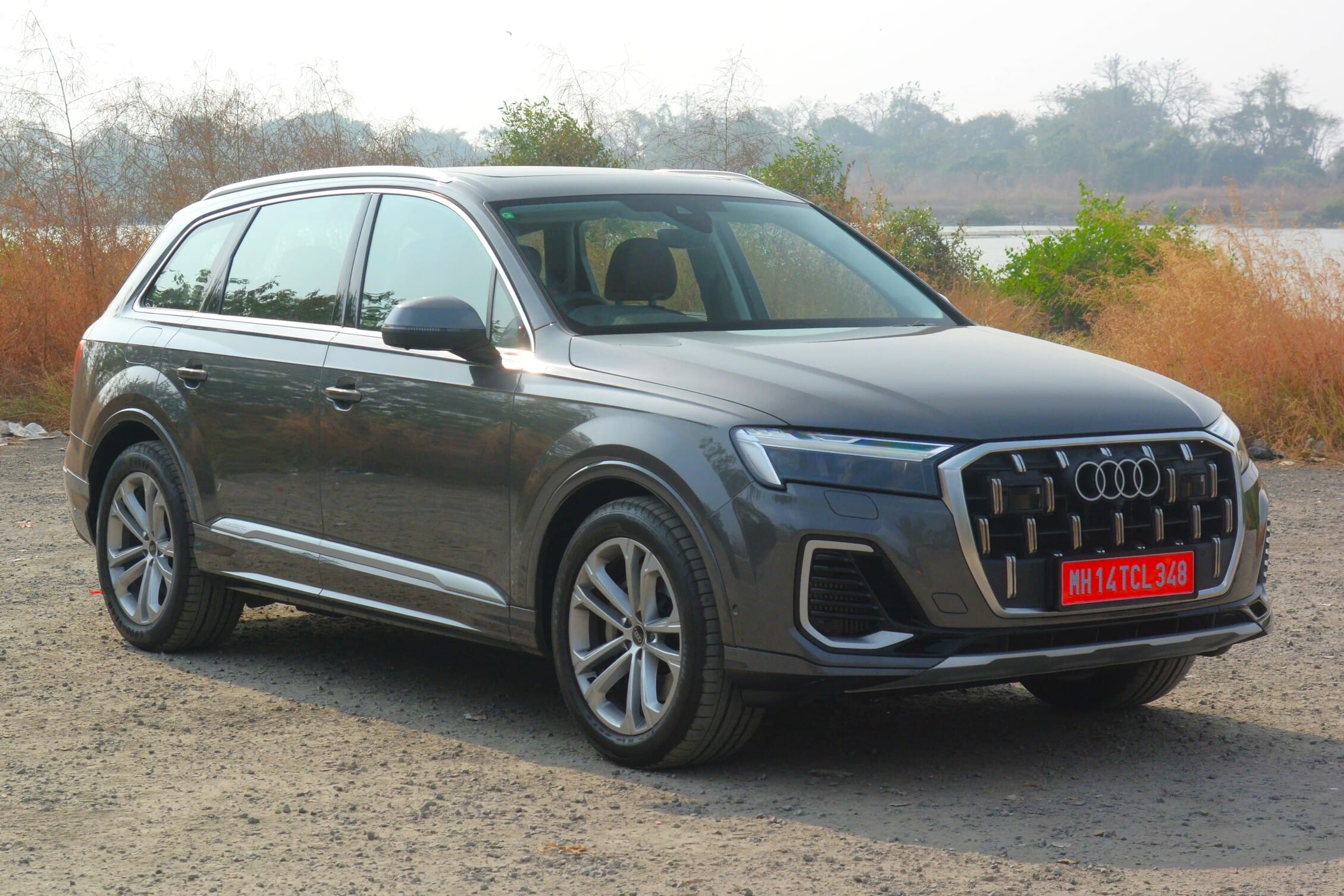
Audi launched the second-gen Q7 in India back in 2015, and the SUV has undergone two facelifts since then. Though it’s a bit long in the tooth, the Q7 remains a good pick for buyers shopping in the three-row luxury SUV space. Its styling strikes the right balance between understated and aggressive, while the interior and features list fare decently even by current standards. Under the bonnet, the Q7 is powered solely by a 3.0-litre turbo-petrol V6 churning out 340hp and 500Nm, which is funneled to all four wheels via an 8-speed torque converter automatic. 0-100kph comes up in a claimed 5.6 seconds, stretching onwards to an electronically limited top speed of 250kph.
India Weather Forecast for 8th July: देश भर में दक्षिण-पश्चिम मानसून अब पूरी तरह से रफ्तार पकड़ चुका है। भारतीय मौसम विज्ञान विभाग (IMD) के ताजा बुलेटिन के मुताबिक मानसून गुजरात के बचे हुए हिस्सों, राजस्थान और हरियाणा के कुछ और इलाकों में आगे बढ़ चुका है। मौसम वैज्ञानिकों का कहना है कि अगले 2 से 3 दिनों के भीतर मानसून पंजाब, राजस्थान और हरियाणा के शेष हिस्सों को कवर करते हुए पूरे देश में दस्तक दे देगा। मौसम प्रणालियों की बात करें तो पूर्वी मध्य प्रदेश और उसके आसपास के इलाके पर एक वेल-मार्कड लो प्रेशर एरिया सक्रिय है। इसके साथ ही दक्षिण गुजरात से लेकर केंद्रीय केरल तक ऑफ-शोर ट्रफ और राजस्थान से लेकर बांग्लादेश तक सीजनल ट्रफ बनी हुई है। इन मजबूत सिस्टम्स के प्रभाव के चलते बुधवार 8 जुलाई को देश के 19 राज्यों में भारी से अत्यंत भारी बारिश और करीब 18 राज्यों में आंधी-तूफान व आसमानी बिजली का हाई अलर्ट जारी किया गया है।
उप-हिमालयी पश्चिम बंगाल और सिक्किम में अत्यंत भारी बारिश का रेड अलर्ट
मौसम विभाग के मुताबिक 8 जुलाई को उप-हिमालयी पश्चिम बंगाल और सिक्किम में अलग-अलग स्थानों पर मूसलाधार से अत्यंत मूसलाधार बारिश होने की प्रबल आशंका है। इस क्षेत्र में रहने वाले लोगों को सतर्क रहने और प्रशासनिक दिशानिर्देशों का पालन करने की सलाह दी गई है।
इन 9 राज्यों में बहुत भारी बारिश की चेतावनी
IMD के पूर्वानुमान के मुताबिक 8 जुलाई को देश के 9 राज्यों में अलग-अलग स्थानों पर बहुत भारी बारिश दर्ज की जा सकती है। ये अलर्ट नीचे दिए गए राज्यों के लिए जारी किया गया है-
अरुणाचल प्रदेश
असम और मेघालय
तटीय कर्नाटक
दक्षिण आंतरिक कर्नाटक
पूर्वी राजस्थान
गुजरात क्षेत्र
कोंकण और गोवा
मध्य महाराष्ट्र
मध्य प्रदेश
यूपी, दिल्ली-NCR और बिहार समेत इन राज्यों में भारी बारिश का अलर्ट
8 जुलाई को देश के कई अन्य हिस्सों में भी भारी बारिश होने की संभावना जताई गई है। इस सूची में नीचे दिए गए राज्य शामिल हैं-
उत्तर प्रदेश (पश्चिमी हिस्सा)
बिहार
हरियाणा, चंडीगढ़ और दिल्ली
पंजाब
हिमाचल प्रदेश और उत्तराखंड
जम्मू-कश्मीर-लद्दाख
पश्चिमी राजस्थान
सौराष्ट्र और कच्छ
विदर्भ (महाराष्ट्र)
केरल और माहे
उत्तरी आंतरिक कर्नाटक
नागालैंड, मणिपुर, मिजोरम और त्रिपुरा
आंधी-तूफान, बिजली और तेज हवाओं का अलर्ट (18 प्रभावित राज्य)
मौसम विभाग ने बारिश के साथ-साथ देश के विभिन्न राज्यों में तेज हवाओं और गरज-चमक को लेकर भी चेतावनी जारी की है:
1- 50 से 60 किमी/घंटे की रफ्तार से थंडरस्कॉल
गुजरात क्षेत्र, संपूर्ण कर्नाटक, तमिलनाडु, पुडुचेरी व कराइकल और तेलंगाना में 50-60 किमी प्रति घंटे की तूफानी रफ्तार से हवाएं चलने और आंधी-तूफान आने की आशंका है।
2- 40 से 50 किमी/घंटे की रफ्तार से आंधी और बिजली
आंध्र प्रदेश, जम्मू-कश्मीर-लद्दाख, झारखंड, केरल और माहे, लक्षद्वीप और पूरे राजस्थान में अलग-अलग स्थानों पर 40-50 किमी प्रति घंटे की रफ्तार से झोंकेदार हवाएं चलने और बिजली कड़कने का अलर्ट है।
3- 30 से 40 किमी/घंटे की रफ्तार से हवाएं
बिहार, ओडिशा, संपूर्ण पश्चिम बंगाल और सिक्किम, तथा अंडमान और निकोबार द्वीप समूह में 30-40 किमी प्रति घंटे की रफ्तार से तेज हवाओं के साथ गरज-चमक की स्थिति बनी रहेगी।
4- गरज-चमक और बिजली का अलर्ट
अरुणाचल प्रदेश, असम और मेघालय, नागालैंड, मणिपुर, मिजोरम व त्रिपुरा और उत्तराखंड में आकाशीय बिजली चमकने और गरज-चमक के साथ सामान्य आंधी आ सकती है। इसके अलावा आंध्र प्रदेश, कर्नाटक, केरल, माहे, लक्षद्वीप और तेलंगाना में सतह पर बेहद मजबूत हवाएं चलने का भी अनुमान है।
समुद्री तटीय इलाकों के लिए चेतावनी: मछुआरों को न जाने की सलाह
मौसम विभाग ने अरब सागर और बंगाल की खाड़ी दोनों ही क्षेत्रों में तूफानी मौसम और भारी लहरें उठने की चेतावनी जारी की है:
उत्तरी कोंकण तट: यहां सबसे खतरनाक स्थिति रहने वाली है। यहां 60-70 किमी प्रति घंटे की रफ्तार से चलने वाली तूफानी हवाएं 80 किमी प्रति घंटे की रफ्तार तक पहुंच सकती हैं।
दक्षिणी कोंकण और गोवा तट: यहां 50-60 किमी प्रति घंटे की रफ्तार से चलने वाली हवाएं 70 किमी प्रति घंटे की रफ्तार तक छू सकती हैं।
गुजरात, कर्नाटक और केरल तट: दक्षिण गुजरात, कर्नाटक, केरल के तटों और लक्षद्वीप क्षेत्र में 40-50 किमी प्रति घंटे की रफ्तार से चलने वाली हवाओं के 60 किमी प्रति घंटे तक पहुंचने के आसार हैं। इससे मौसम खराब रहेगा।
बंगाल की खाड़ी: ओडिशा और पश्चिम बंगाल के तटों के साथ-साथ केंद्रीय, उत्तरी और दक्षिणी बंगाल की खाड़ी में 40-50 किमी प्रति घंटे की रफ्तार से तूफानी हवाएं (झोंके 60 किमी प्रति घंटे तक) चलने की संभावना है। तटीय क्षेत्रों में मछुआरों को समुद्र में न उतरने की सख्त हिदायत दी गई है।
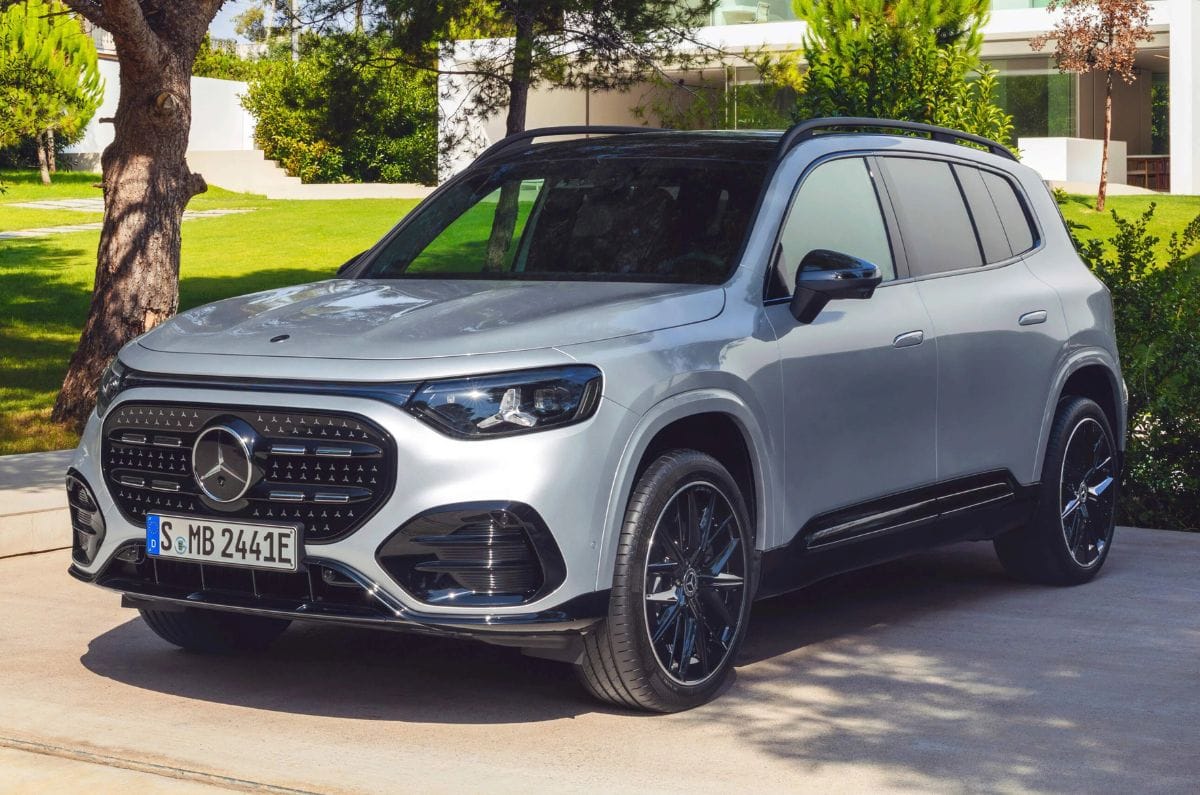
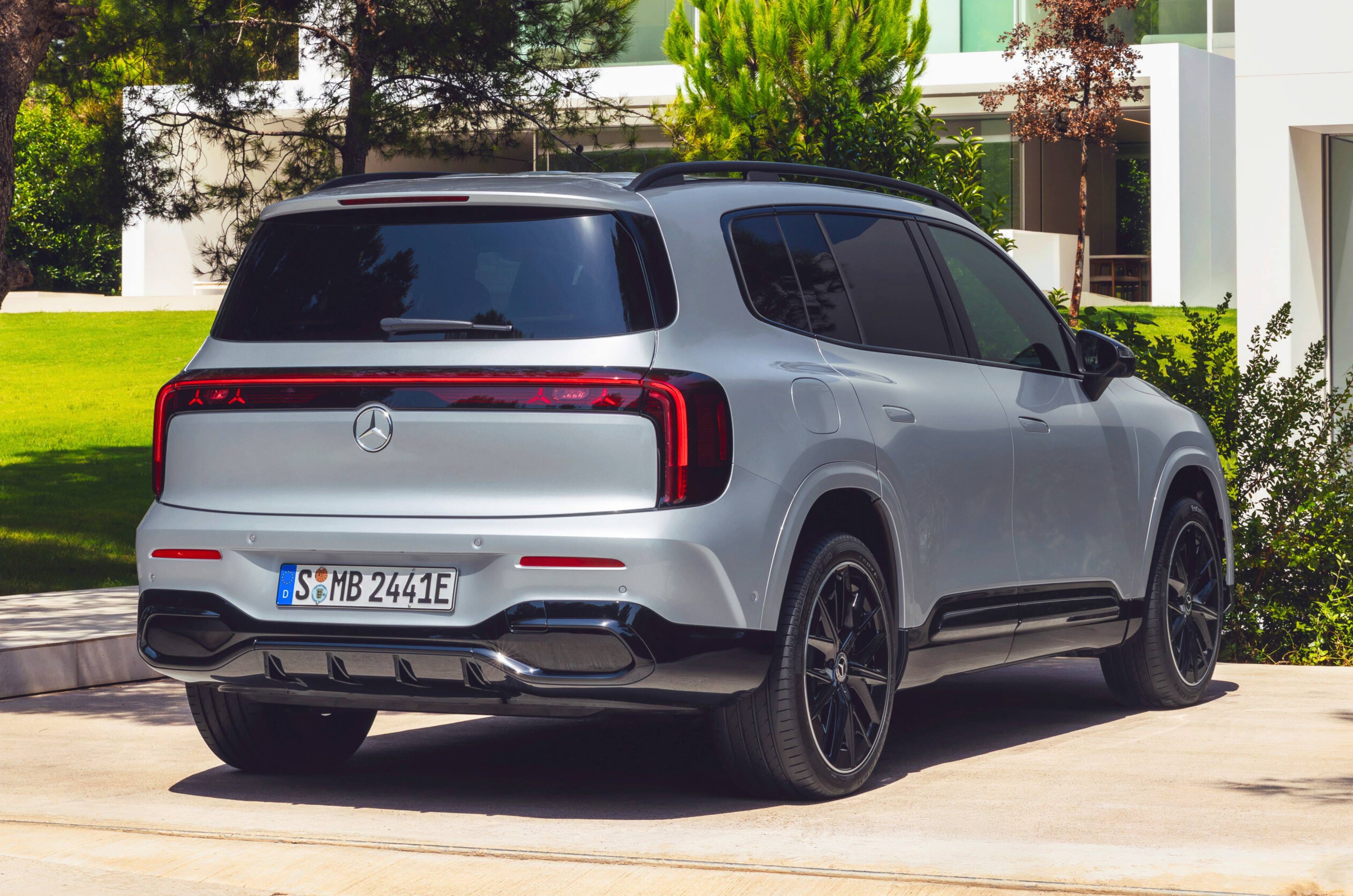
The new-gen GLB EV will be coming to our market, Santosh Iyer, Managing Director and CEO of Mercedes-Benz India, said during the company’s half-yearly sales call. Sitting atop the Mercedes-Benz Modular Architecture (MMA) platform, the GLB EV was revealed globally in December 2025. The compact luxury SUV shares a lot of its general design and feature set with its combustion-powered stablemates, and is already on sale in markets like the UK.
GLB 250+ and GLB 350 4MATIC variants available globally
85kWh battery pack; WLTP-claimed range of up to 631km
Can be had with MBUX Superscreen, MB.OS, AI assistants and ADAS
Mercedes-Benz GLB EV range and powertrain
Two variants available globally with a claimed range of up to 631km
The international-spec Mercedes-Benz GLB EV is available in GLB 250+ and GLB 350 4MATIC variants. The single-motor GLB 250+ develops 272hp and 335Nm, whilst the dual-motor GLB 350 4MATIC variant offers up 353hp and 515Nm. While both variants house an 85kWh lithium-ion battery pack, Mercedes-Benz says that the single-motor variant has a WLTP-claimed range of up to 631km.
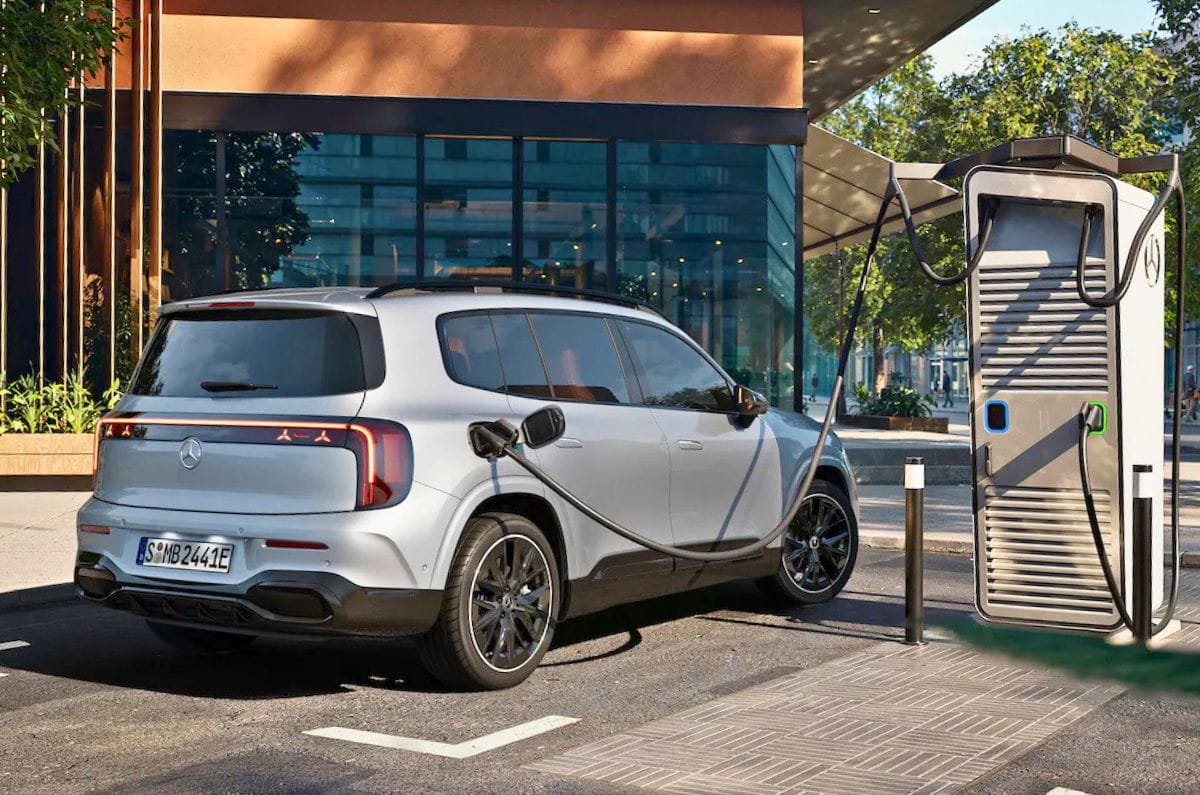
The 800V architecture of the new-gen Mercedes GLB EV allows DC fast-charging of up to 320kW, while 260km of range can be added in a claimed 10 minutes. Abroad, the GLB EV is also offered with optional adaptive dampers. While Iyer did not reveal any technical details for a India-spec GLB EV, the German automaker could bring more than just one variant to our market.
Mercedes-Benz GLB EV design and features
Much of the styling is similar to that found on the combustion-powered GLB
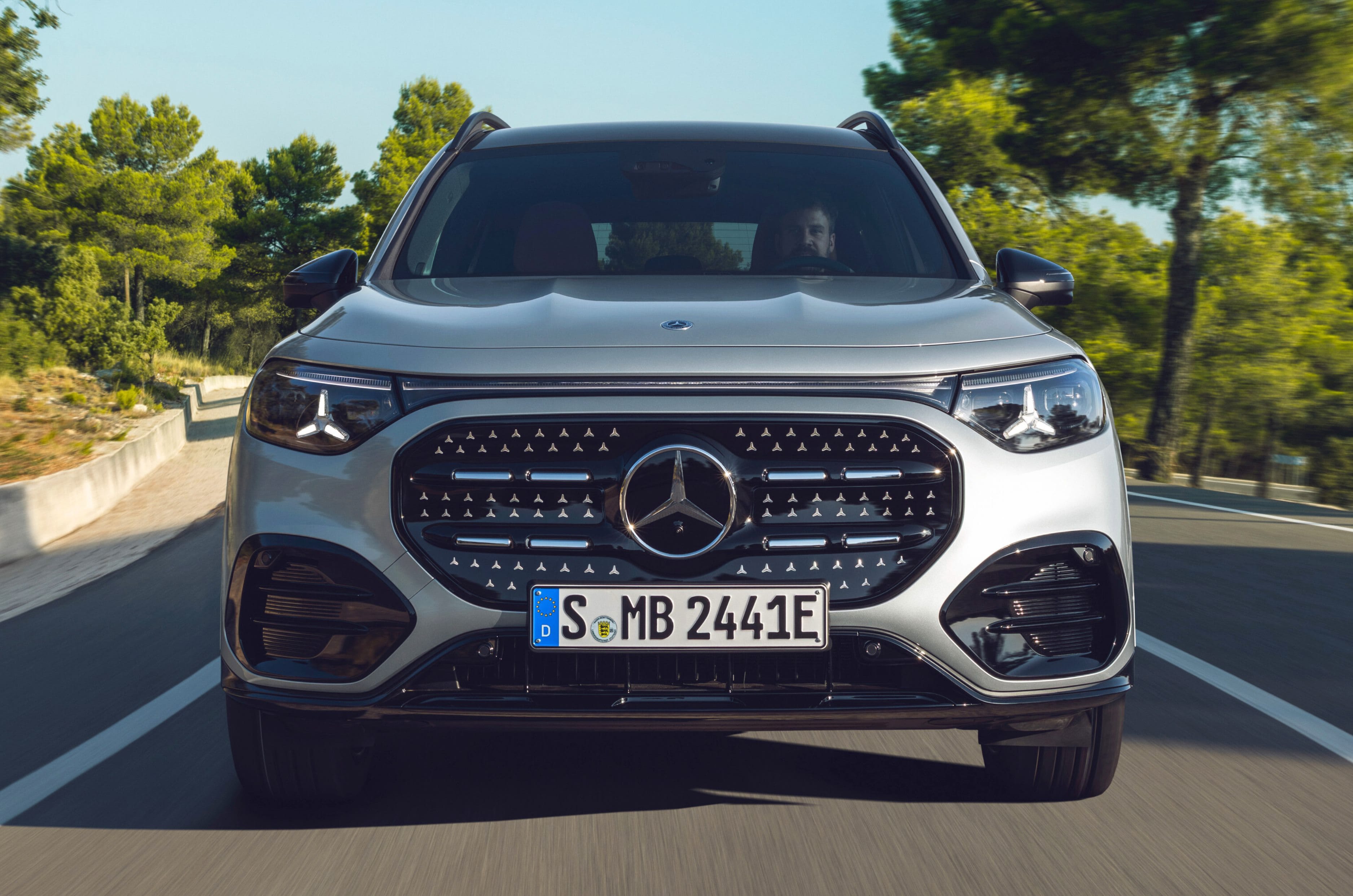
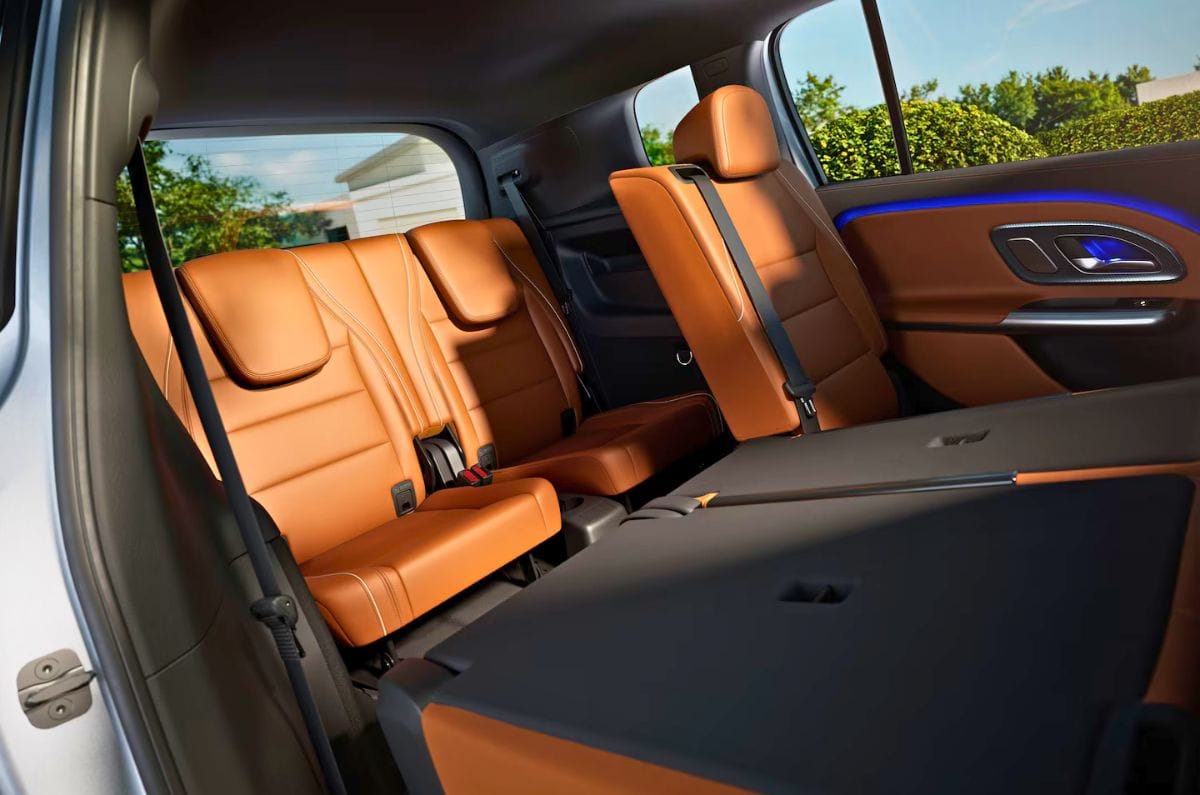
The new-gen GLB EV shares a lot of design similarities with its combustion-powered stablemate. While the upright front and rear ends, connected LED lighting and squared wheel arches remain comparable to the ICE-powered GLB, the pure-electric version gets a sealed off grille with multiple illuminated stars. Other design similarities here include the large three-pointed star up front, flush door handles and short overhangs. Inside, the global-spec GLB EV can seat either 5 or 7 occupants.
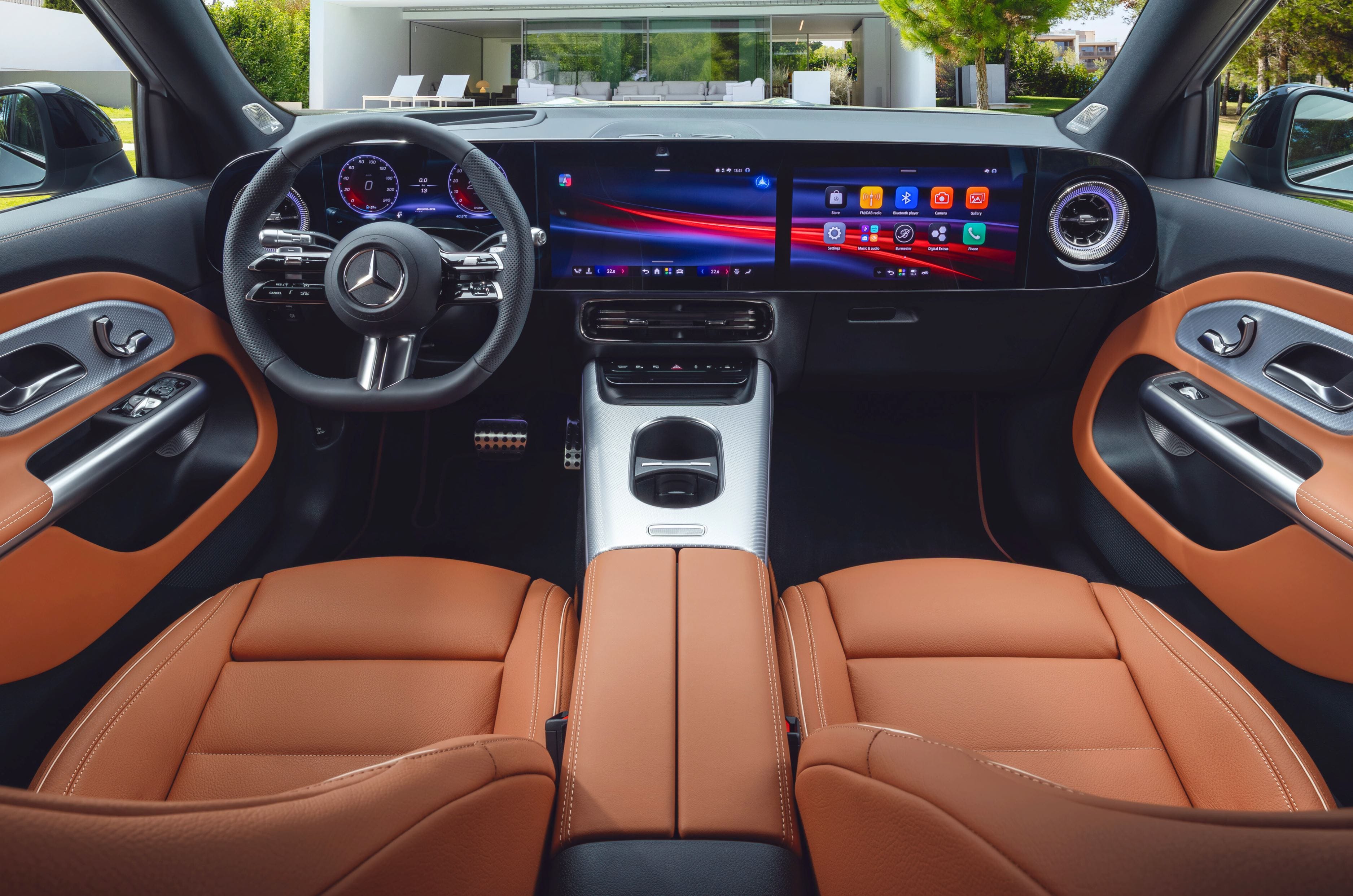
The global-spec GLB EV is available with the brand’s ‘MBUX Superscreen’, which includes a 10.25-inch digital driver’s display, a 14-inch touch-infotainment screen and a front passenger display. The whole setup is powered by the Mercedes‑Benz Operating System (MB.OS), and AI integration includes names such as Microsoft, Google and ChatGPT4o.
There’s over-the-air (OTA) software updates, built-in Google Maps, a panoramic glass roof with opacity control, multi-mood ambient lighting, a Burmester audio system with Dolby Atmos and an advanced driver assistance systems (ADAS) suite as well. It remains to be seen which variant of the GLB EV Mercedes-Benz brings to India, as Iyer did not delve into details on this front either.
Mercedes-Benz GLB EV expected price
There’s no word yet from Mercedes India regarding the pricing of the new-gen GLB EV, but the compact luxury SUV is priced between GBP 46,100 and GBP 56,800 in the UK. Once it makes its way to India as a CBU import, the Mercedes GLB EV will likely be priced at around Rs 80 lakh (ex-showroom).
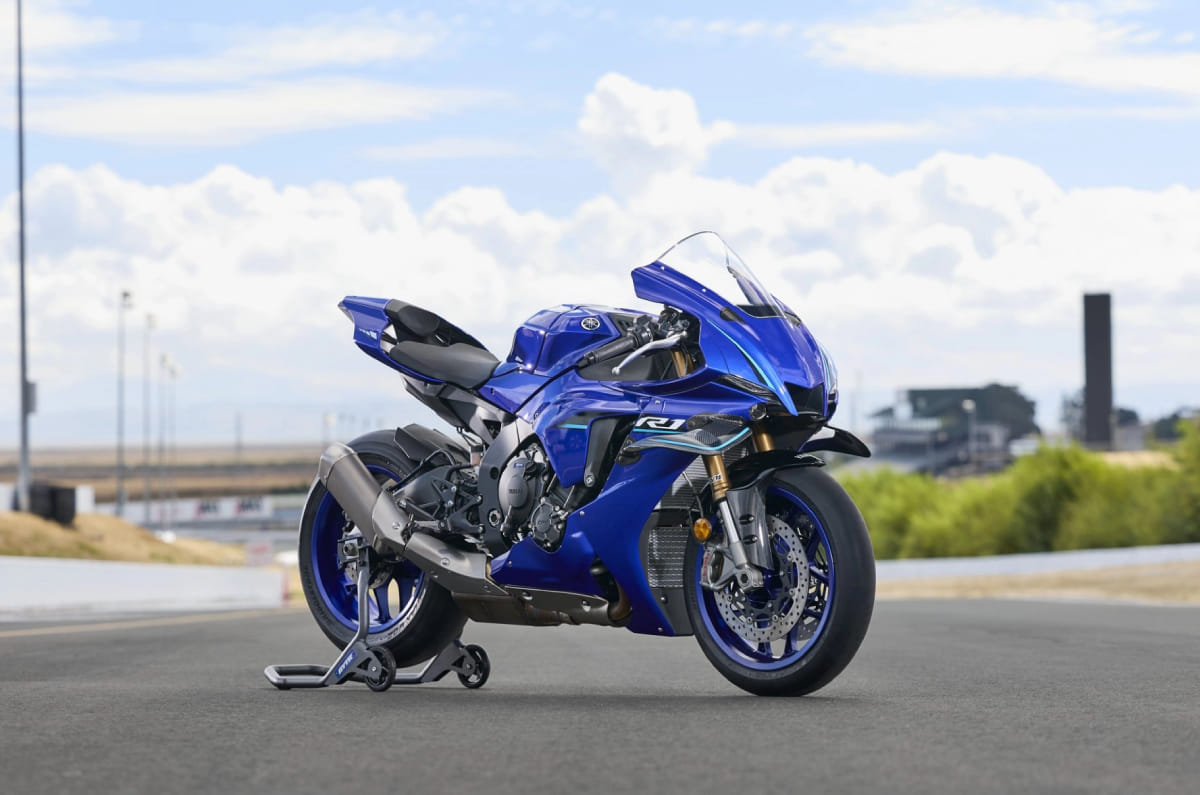
The Yamaha YZF-R1 is the Japanese manufacturer’s flagship litre-class superbike, built around a 998cc crossplane inline-four engine producing 200hp and 113Nm. The crossplane crankshaft equalises the inertial forces generated by a conventional inline-four, delivering a more linear torque character and the distinctive exhaust note that has become synonymous with the R1.
The 2025 update introduced carbon-fibre winglets inspired by the YZR-M1, along with Brembo Stylema front brake calipers and a Brembo master cylinder, all of which have been carried over for 2026.
The standard R1 comes equipped with a fully adjustable KYB front fork featuring independent high- and low-speed compression and rebound adjustment, while the range-topping R1M upgrades to electronically controlled Öhlins NPX suspension at both ends. The electronics suite is built around a six-axis IMU and includes cornering ABS, traction control, wheelie control and multiple customisable riding modes. While the R1 is not currently sold in India, international markets also get a special 70th Anniversary Edition livery.
Mercedes-Benz India has announced it achieved its best H1 (January to July) sales ever in 2026, with total sales of 9,768 units, marking a 9 percent increase over H1 2025. The manufacturer has also revealed it recorded its best-ever Q2 (April to June) sales of 4,238 units, a 10 percent growth over Q2 2025.
Mercedes-AMG sales grew by 50 percent in H1 2026
The top-end luxury portfolio grew by 20 percent
EVs contributed to 25 percent of Mercedes’ top-end car sales
Mercedes-Benz H1 2026 performance breakdown
‘Top-end Luxury’ segment saw a robust 20 percent growth
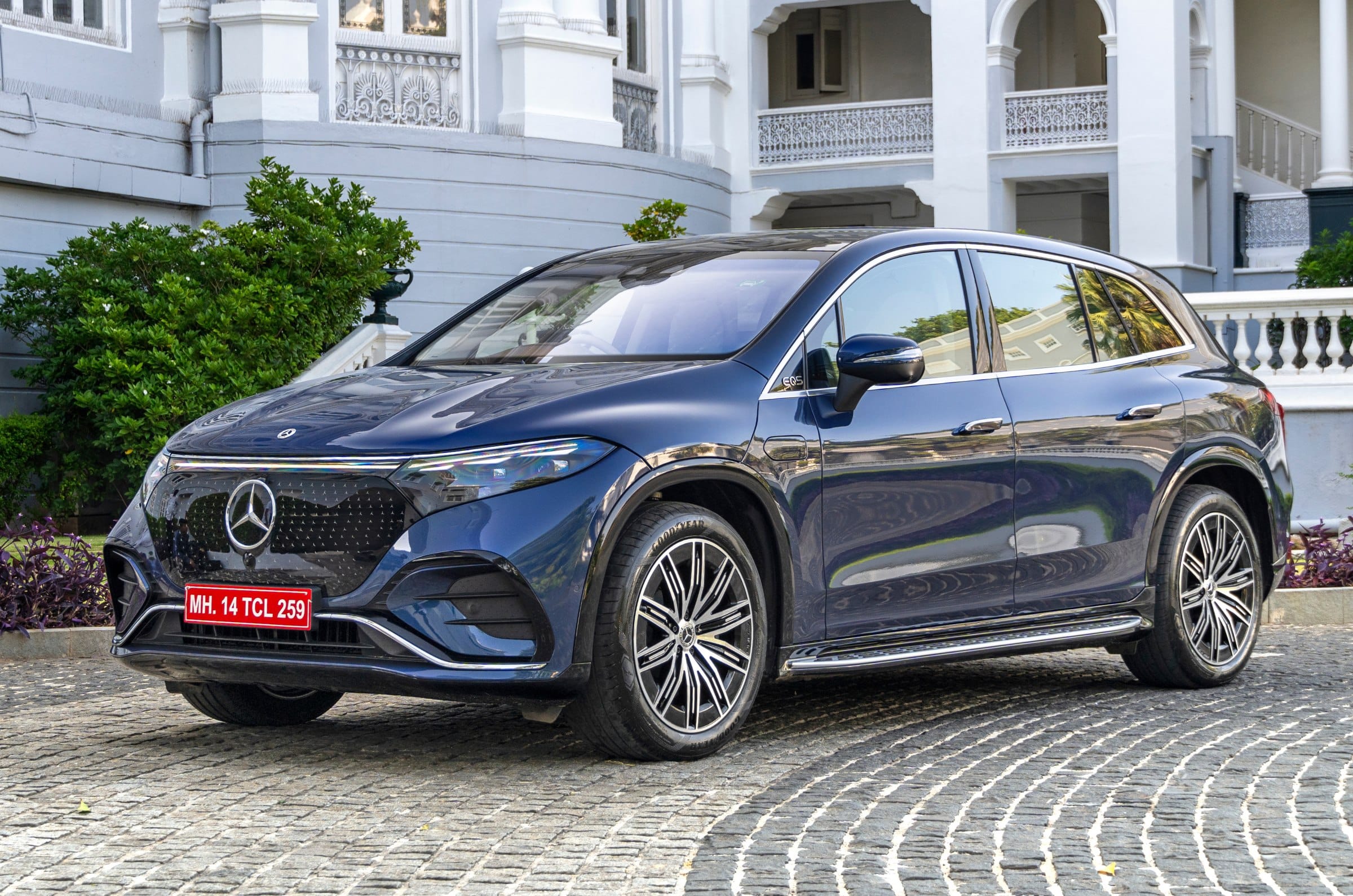
The EQS SUV was the best-selling Mercedes-Benz BEC in H1 2026.
Mercedes-Benz has stated that its ‘Top-end Luxury’ segment, comprising models like the V-Class, Mercedes-Maybach cars, EQS SUV and the AMG range, grew by over 20 percent. In fact, 28 percent of total Mercedes-Benz sales in H1 2026 were from this ‘Top-end Luxury’ segment. Among total sales in this segment in H1 2026, 25 percent were from EVs. These top-end BEV sales were driven by the EQS SUV, which was also the brand’s bestselling EV. In the more affordable ‘luxury entry segment’, however, the CLA Electric drove sales. Notably, the Mercedes-AMG sales surged by 50 percent in H1 2026.
Mercedes also revealed that the waiting period for cars in this segment ranges from 4 months to up to a year for models like the AMG G63 SUV.
Mercedes-Benz’s ‘Core’ segment saw steady demand
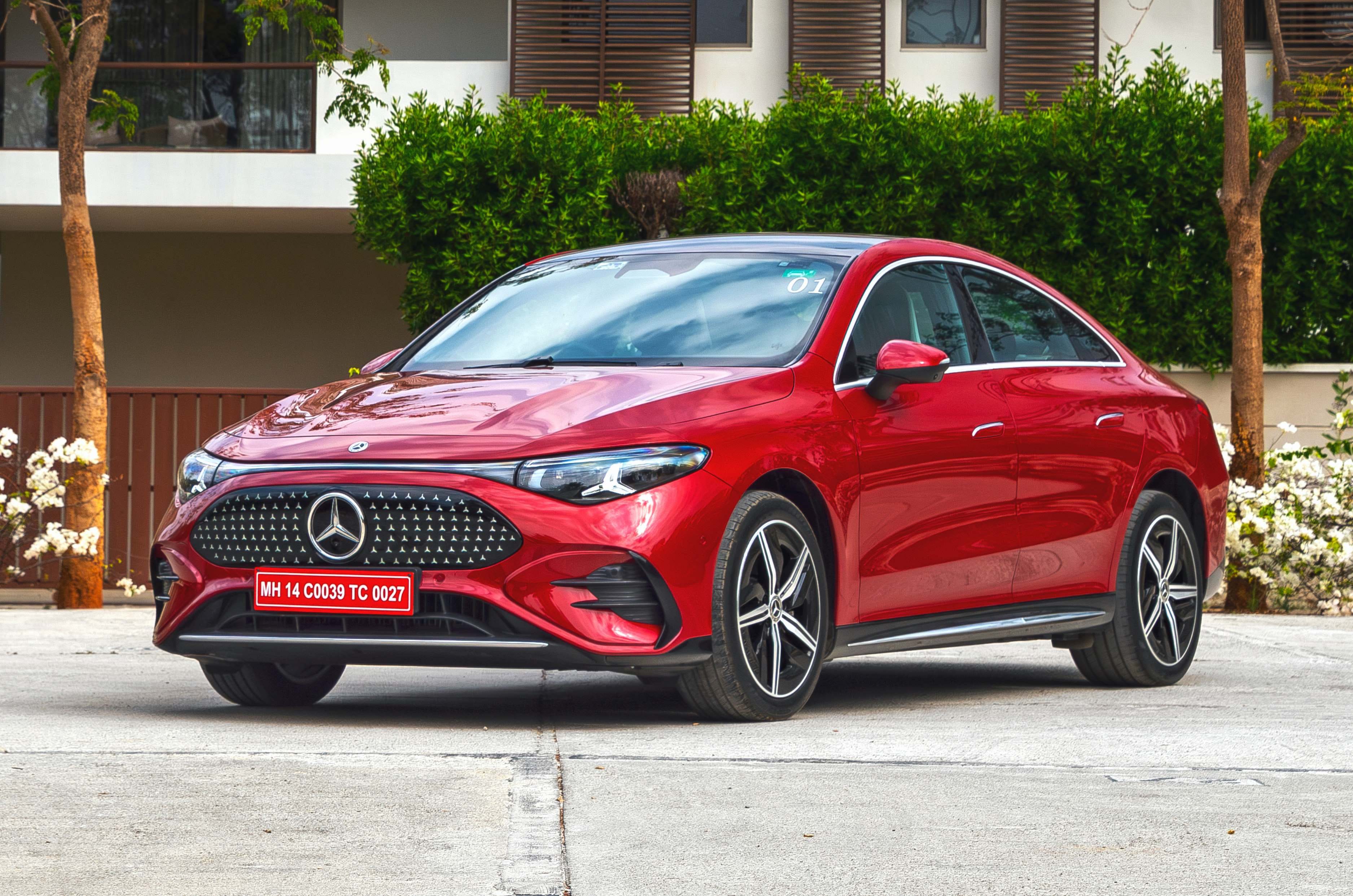
CLA Electric, launched in April 2026, drove entry-level luxury segment growth.
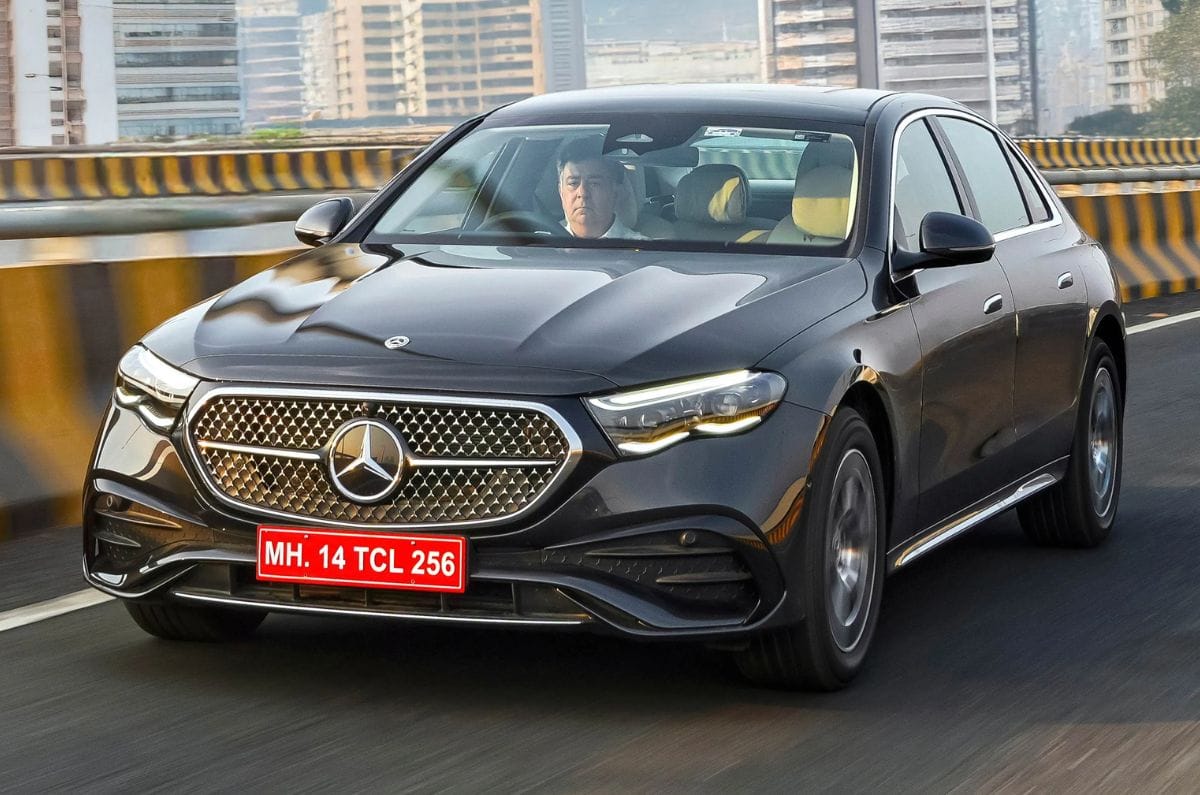
The ‘Core’ segment, comprising models like the C-Class, E-Class LWB, GLC and GLE, “significantly contributed to the sales performance in H1 2026 and in Q2 2026.” The manufacturer did not reveal sales numbers for this segment. Mercedes-Benz, however, claimed that “the Long Wheelbase E-Class continues to remain the highest-selling luxury car in India” and that they witnessed “a strong demand for the top-end E 450 variant.”
The ‘Entry Luxury’ segment witnessed 29 percent growth in Q2 2026, driven by the CLA Electric and the GLA.
A Rs 450 crore expansion plan over the next two years was underlined too
Mercedes-Benz has also underlined an investment of Rs 450 crores over the next two years as part of an expansion plan. Under this plan, the company plans to debut in new markets like Varanasi, while “strengthening its footprint in established markets of Mumbai, Pune, Delhi NCR, and Hyderabad during H2 2026.” Mercedes has added six new touchpoints in H1 2026 across Bengaluru, Bhopal, Raipur, Goa and Visakhapatnam.
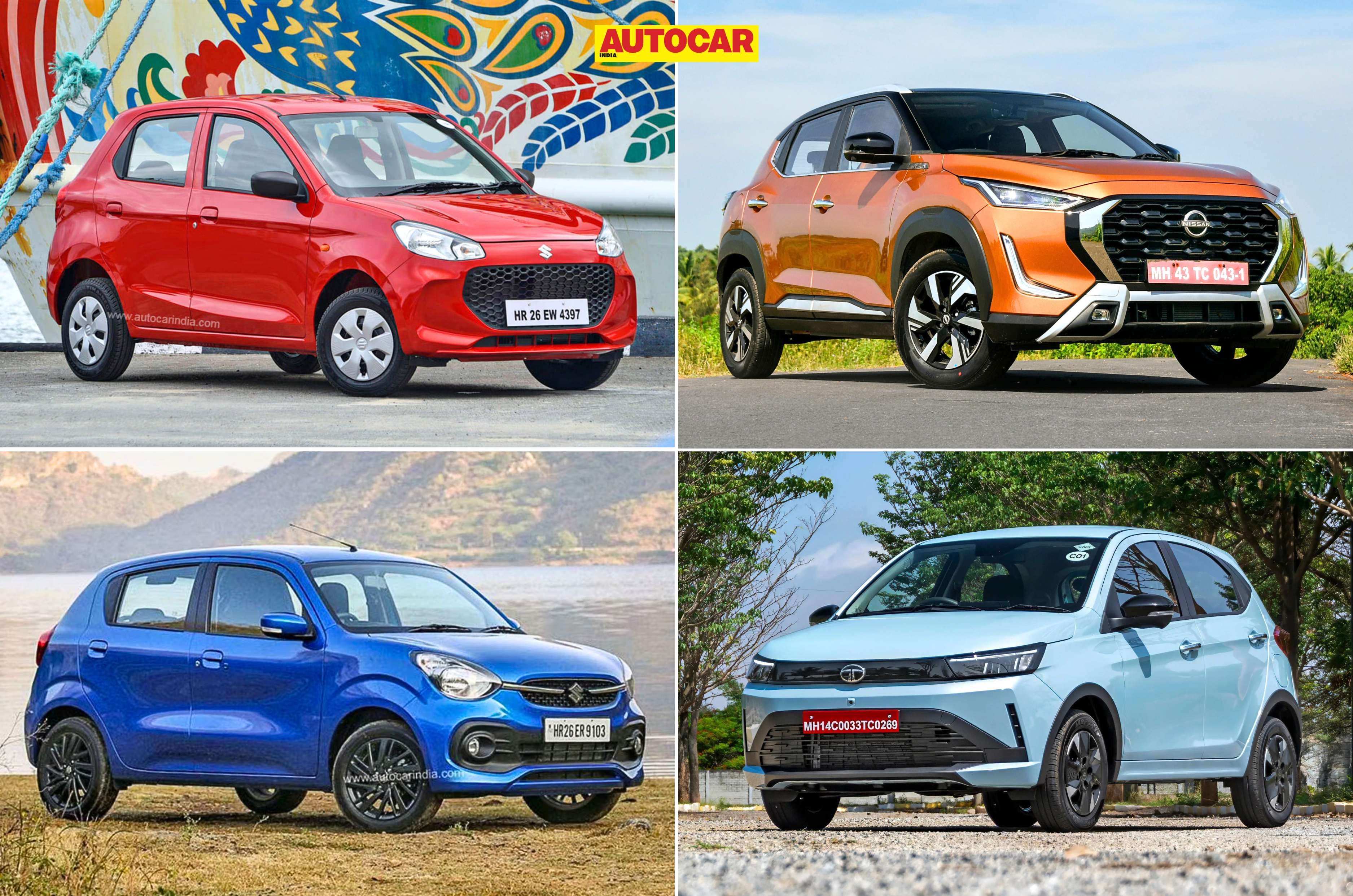
With traffic on our roads getting denser by the day, driving a manual car in the city can often feel like a chore. That is where automatic gearboxes help, and among the top 10 most affordable cars, AMT is the most popular, though some offer a CVT option too. Petrol is the dominant fuel type in this list, with some cars even pairing an automatic transmission with a CNG powertrain. Read on to find out which models made the cut.
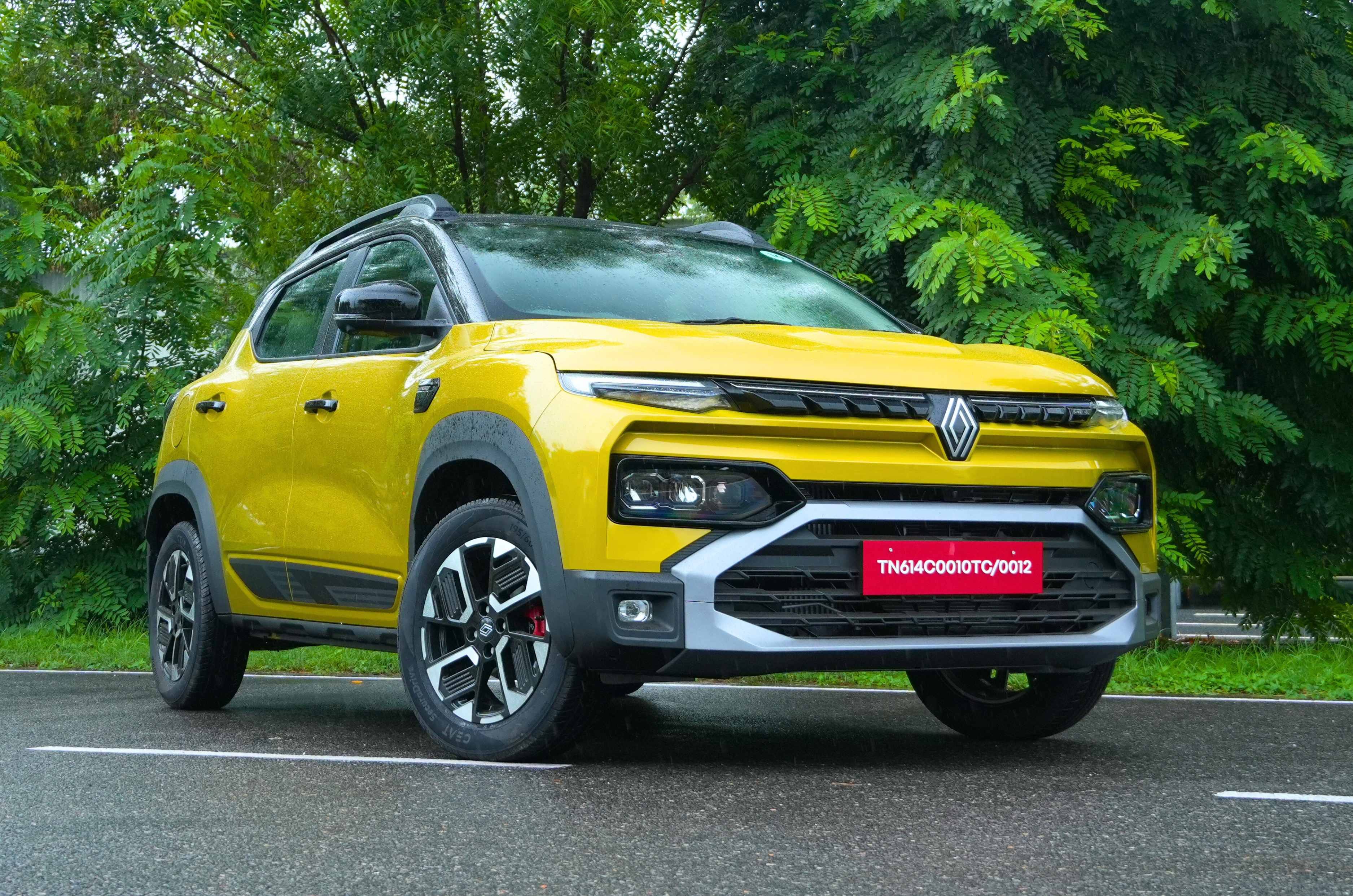
10. Renault Kiger
Rs 6.99 lakh-10.35 lakh
Starting this list is the Renault Kiger, which offers an AMT option with its 72hp, 96Nm 1-litre naturally aspirated petrol engine. A turbo-petrol mill with CVT is also on offer, an engine-and-gearbox combination no other vehicle here provides apart from the Nissan Magnite. Also, this powertrain’s peak output figures are 100hp and 152Nm are the highest here. The Renault Kiger’s NA petrol-AMT option is available in the Evolution, Evolution+ and Techno Energy trims, while the turbo-petrol CVT is offered in the Techno Turbo and Emotion Turbo trims.
During our time with the turbo-petrol CVT, we experienced very little of that ‘rubberband’ effect, and it’s virtually absent at city speeds. It even does a good job of staying in the power band.
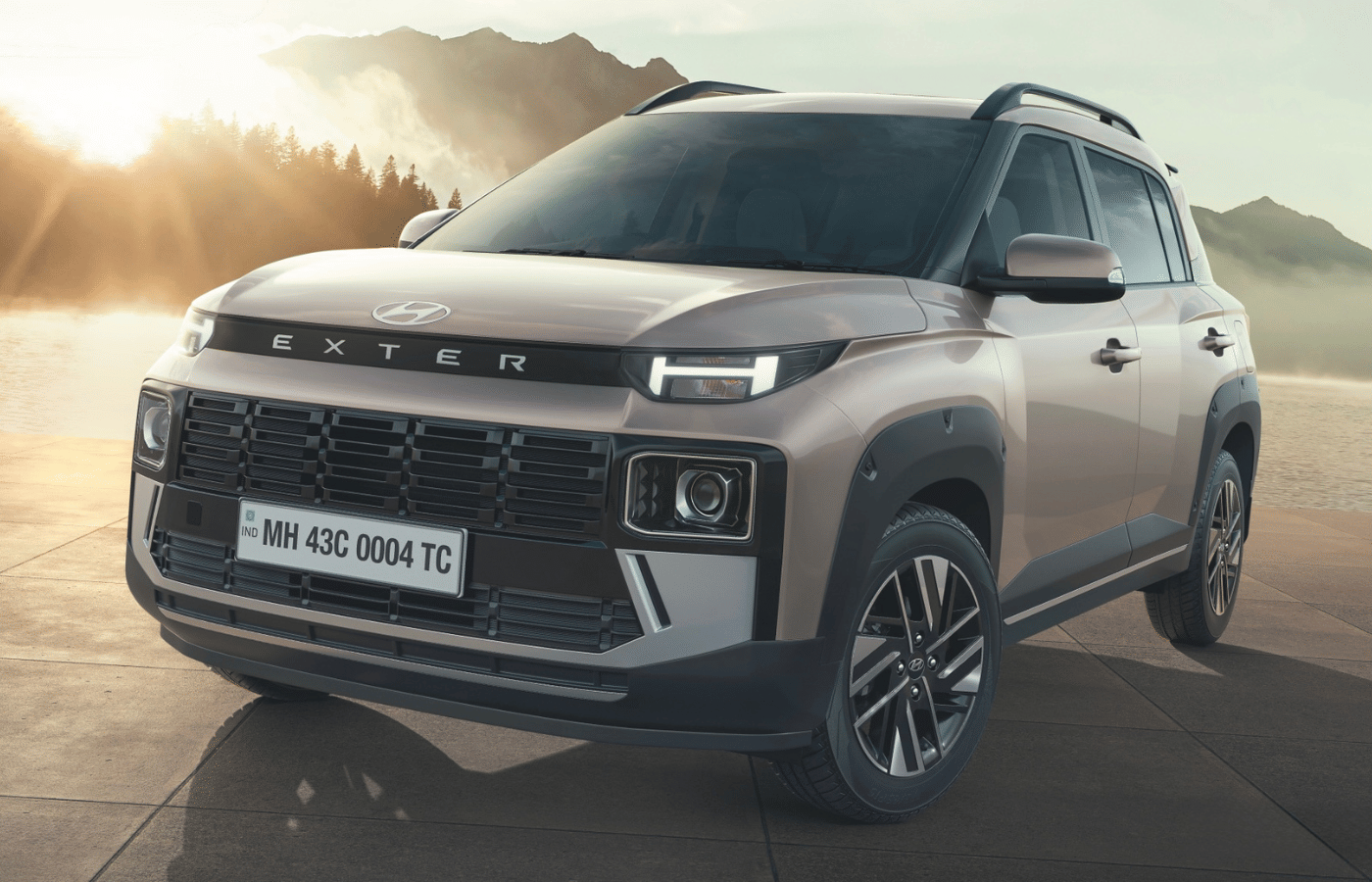
9. Hyundai Exter
Rs 6.95 lakh-9.61 lakh
Moving down the price ladder, we have the Hyundai Exter at the ninth place and its 1.2-litre NA petrol mill paired with an AMT makes 83hp and 114Nm. AMT is offered in the HX 3, HX 4+, HX 6, HX 8 and HX 10 trims. The sub-compact SUV received a facelift in March 2026, which brought cosmetic updates and a few feature upgrades but no mechanical changes. As a result, the Exter AMT should feel fairly smooth in regular driving. It also gets paddle shifters.
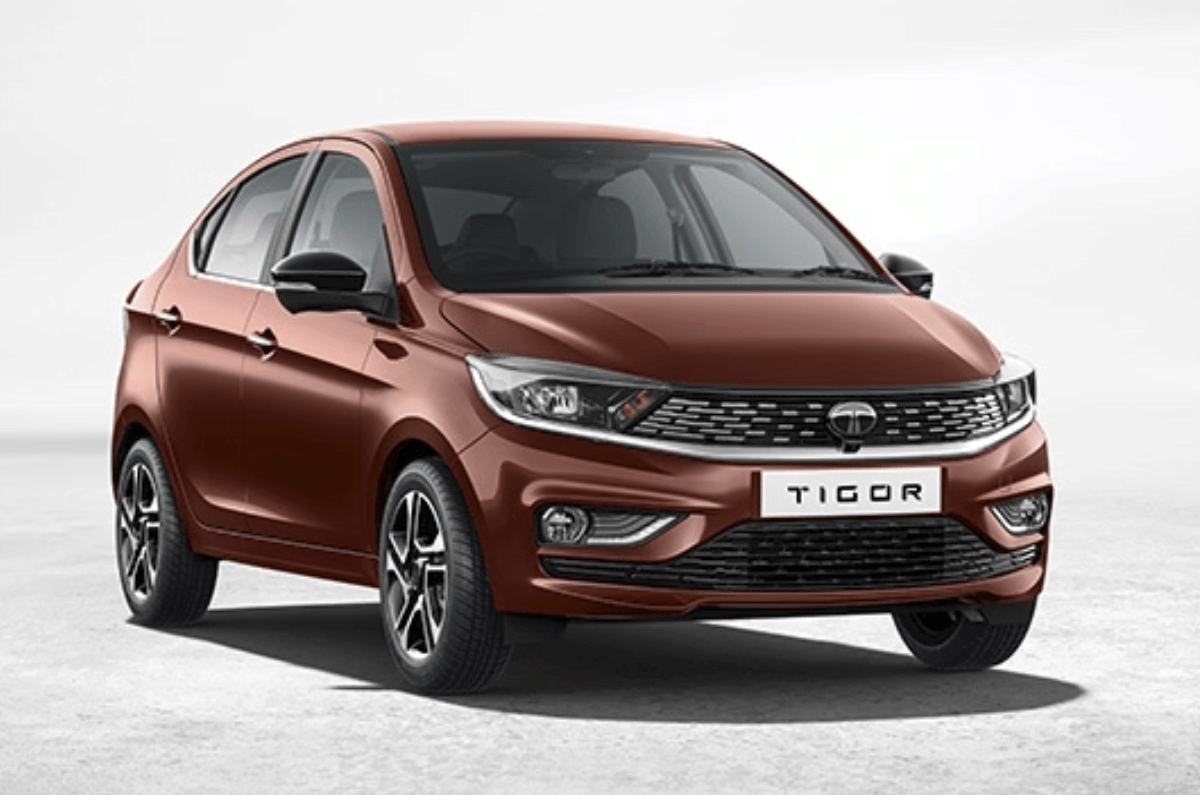
8. Tata Tigor
Rs 6.8 lakh-8.84 lakh
The Tata Tigor stands apart as the only sedan on this list. An AMT option with a CNG powertrain is also something only the Tigor and the Tiago offer. The Tigor petrol-AMT uses a 1.2-litre NA engine, generating 86hp and 113Nm, whereas in CNG mode, it makes 76hp and 97Nm. The AMT is offered in the XTA, XZA, XZA+ petrol trims and XZA CNG and XZA+ CNG trims.
Speaking of the engine, it feels adequate for everyday city driving and does a decent job of keeping up with the flow of traffic on the highway. It’s a capable commuter, although throttle responses could be sharper. Notably, in the Tigor CNG, the sedan starts in CNG mode by default, saving that extra bit of petrol, and the CNG-AMT version comes with the carmaker’s space-efficient dual-cylinder tank setup that limits the impact on boot space.
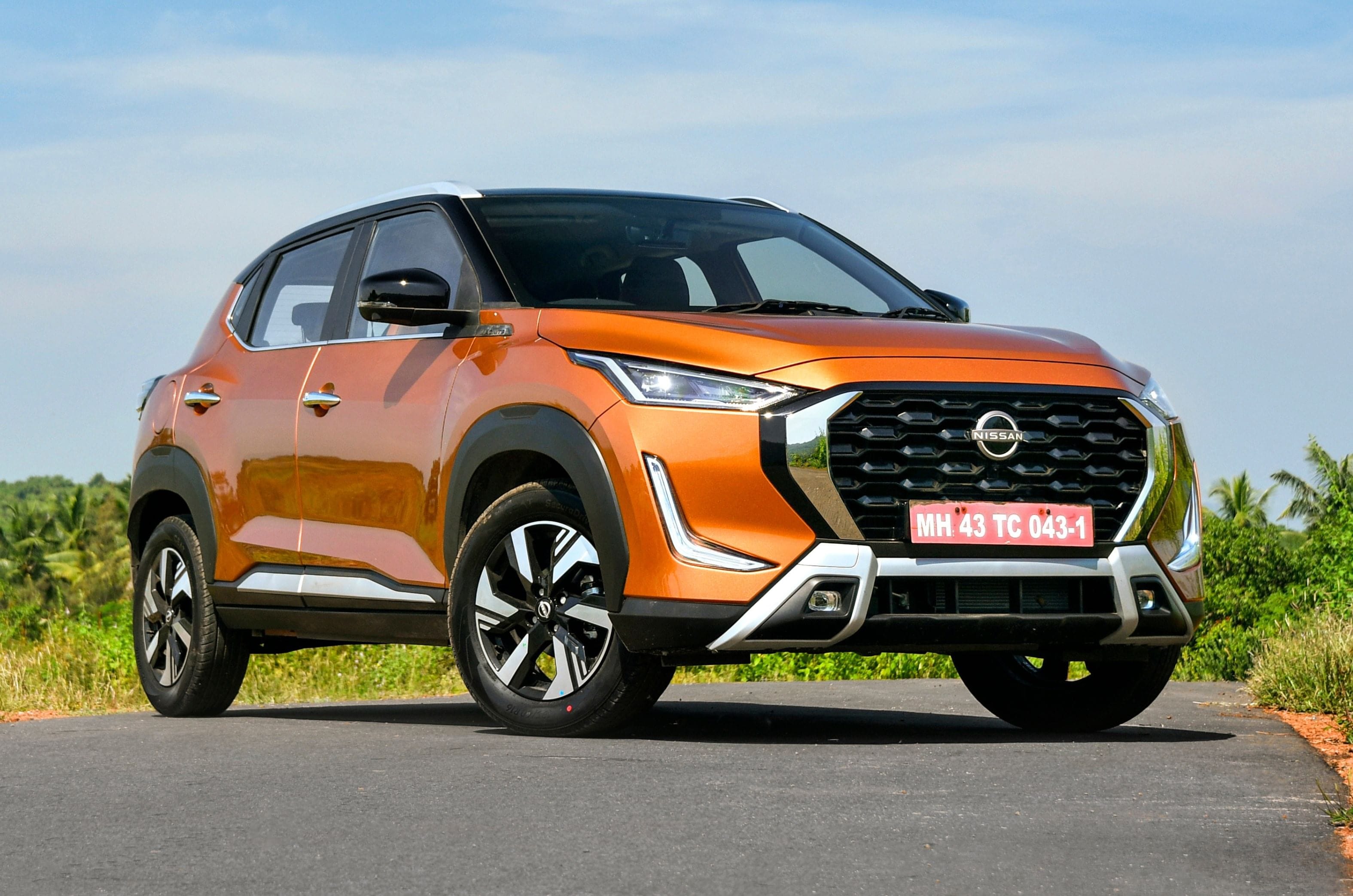
7. Nissan Magnite
Rs 6.24 lakh-10.96 lakh
The Nissan Magnite is a badge-engineered sibling of the Renault Kiger, offering the same 72hp 1-litre NA-AMT and 100hp turbo-petrol CVT powertrains. The AMT is available with the Visia, Acenta, N-Connecta, Tekna and Tekna+ trims, while the CVT is offered with turbo-petrol versions of these variants, save for Visia. We have sampled the turbo-petrol engine, which has a strong mid-range punch and works well with the smooth CVT to mask any lag at lower revs.
6. Tata Tiago
Rs 6 lakh-8.55 lakh
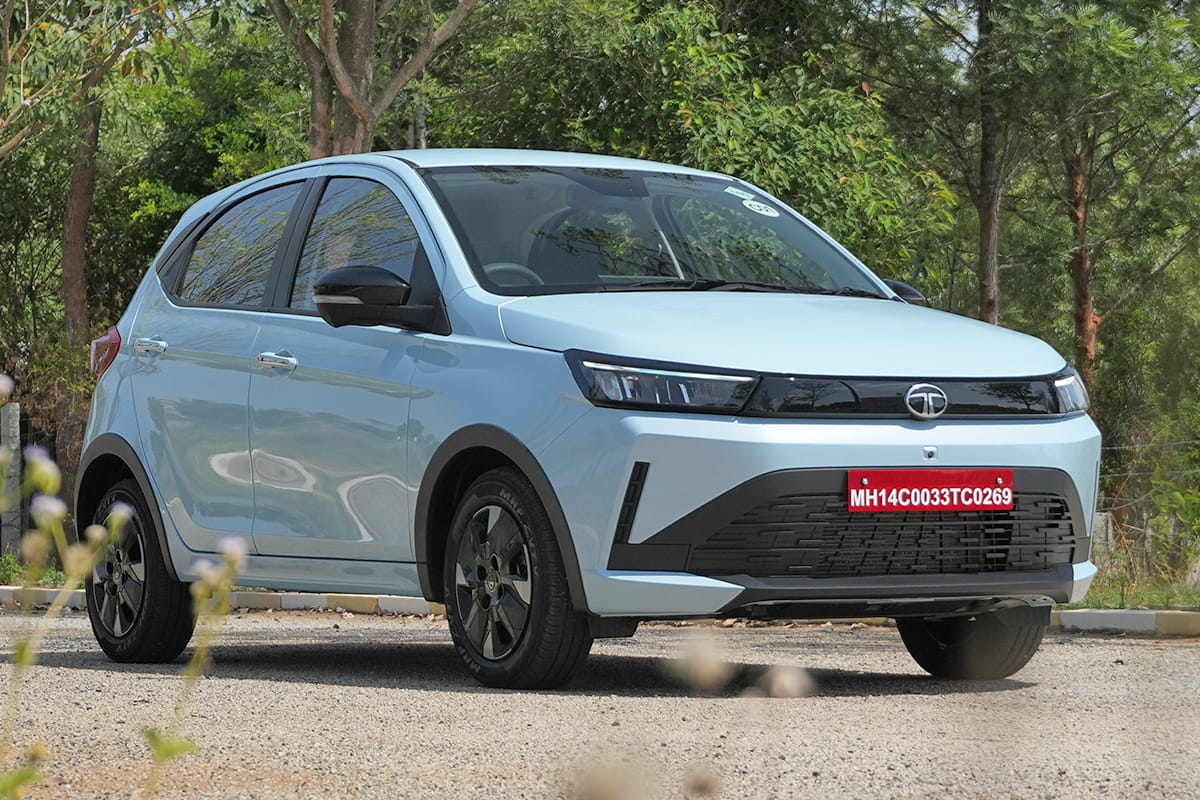
Like the Tigor, the Tata Tiago is available with 86hp petrol and 76hp petrol-CNG (dual-cylinder tank setup) options, both paired with an AMT. The AMT is offered with the Pure, Pure+, Pure+ A and Creative petrol and CNG trims. The Creative+ also offers an AMT choice, but only with the petrol engine. Tata gave the Tiago a major update in May 2026, although the changes were largely limited to styling revisions and feature additions. While reviewing the hatchback, we found that the engine is not particularly refined. For everyday commuting in heavy city traffic, performance is adequate.
5. Maruti Wagon R
Rs 5.97 lakh-6.84 lakh
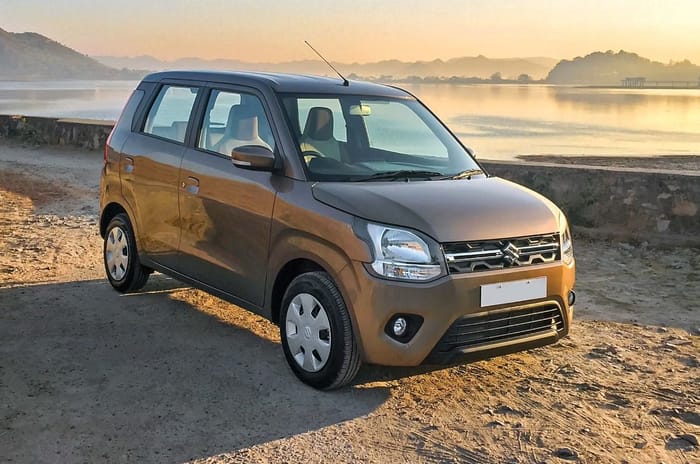
One of India’s bestselling cars, the Maruti Wagon R offers an AMT with two naturally aspirated petrol engines: a 69hp, 91Nm 1-litre unit and a 91hp, 114Nm 1.2-litre unit. The Wagon R offers an AMT with the 1.0 VXI, 1.2 ZXI and 1.2 ZXI+. Both engines have been around for years and have proven to be both reliable and efficient. On this list alone, the 69hp NA petrol-AMT combination is offered in three other Maruti cars, including the Celerio, Alto K10 and S-Presso. While real-world performance varies by engine, the Wagon R comes with Maruti Suzuki’s reputation for hassle-free ownership and low running costs.
4. Maruti Celerio
Rs 5.61 lakh-6.73 lakh
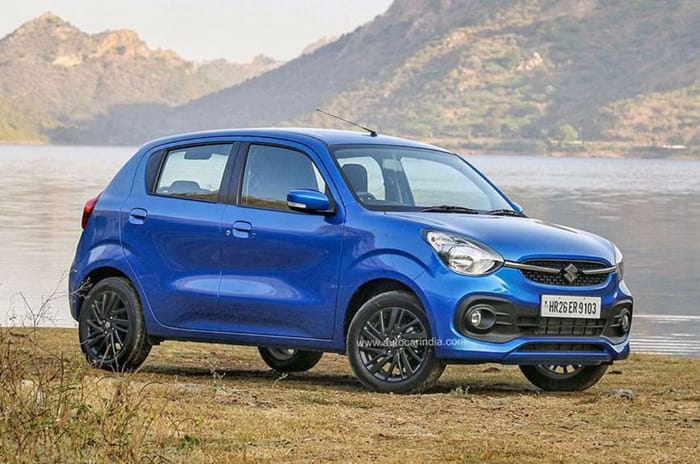
Compared to the Wagon R’s tall-boy hatchback design, the Maruti Celerio opts for a more traditional look. The AMT is available with the VXI, ZXI and ZXI+ trims. For those unaware, the first-generation Celerio debuted AMT in India in 2014. The Celerio AMT is a good option for buyers who want the convenience of an automatic without spending too much. Gearshifts are generally timely, and the typical AMT pause or head-nod between shifts is well controlled, making it easy to drive in everyday conditions.
3. Maruti Alto K10
Rs 4.95 lakh-5.45 lakh
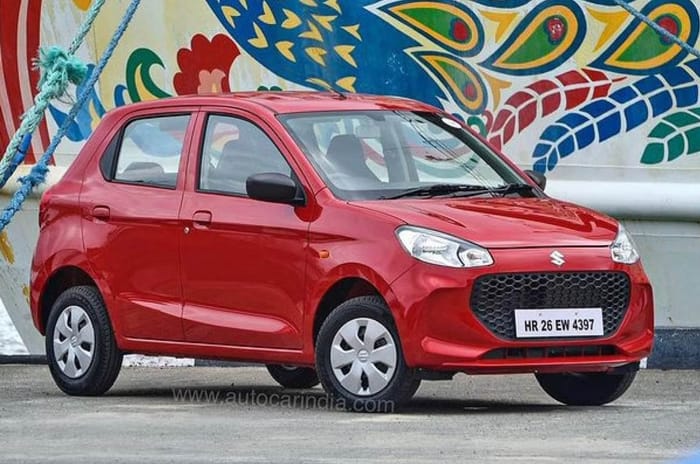
Like the Wagon R, the Maruti Alto K10 is another long-running nameplate from the carmaker. The AMT is offered with the VXI (O) and VXI+ (O) trims. Compared with the manual, the AMT-equipped Alto K10 feels a bit slower. Even so, it is smooth for a single-clutch automated manual and shows how much Maruti has improved this technology over the years. It responds well to kickdown, but overtaking on the highway needs a bit more planning. In city traffic, though, the AMT works very well.
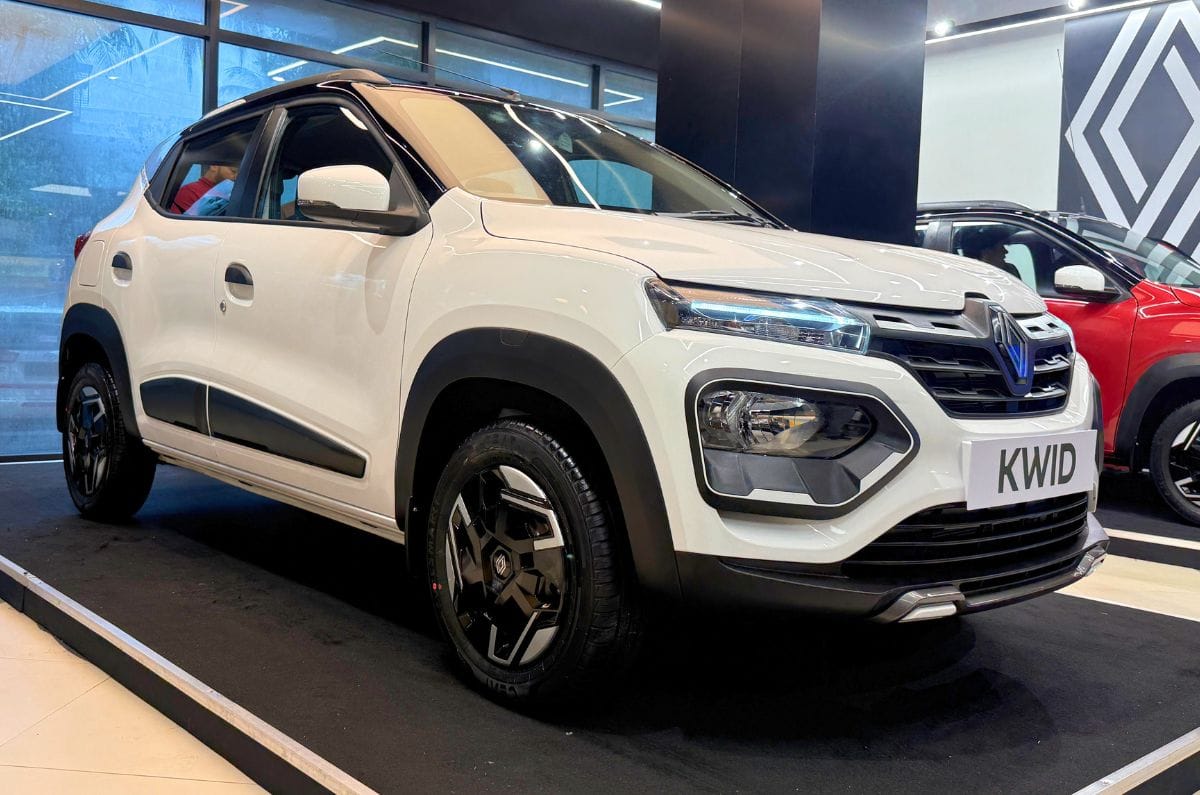
2. Renault Kwid
Rs 4.90 lakh-5.61 lakh
The Renault Kwid is the French carmaker’s second model to feature on this list. Under the hood, the Kwid gets a 1-litre NA petrol engine that makes 69hp and 93Nm. The AMT is available on both Evolution and Climber trims. The engine has been tuned to deliver good power delivery, and it ambles along smoothly with just a light tap on the accelerator. But it does get gruff as the revs rise.
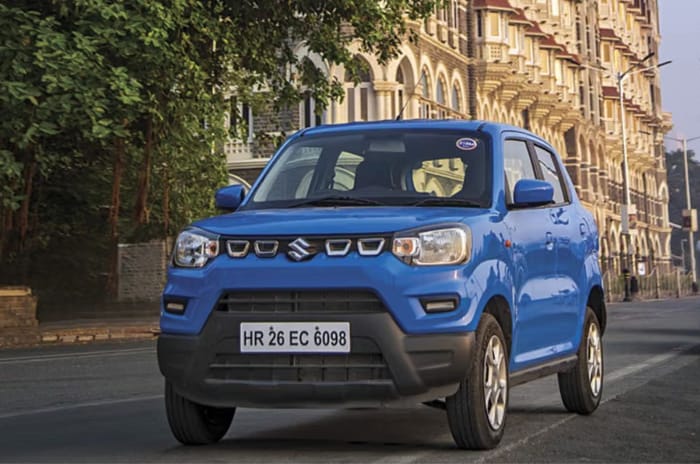
1. Maruti S-Presso
Rs 4.75 lakh-5.25 lakh
At number one is the Maruti S-Presso, currently the most affordable car in India to offer an automatic gearbox. The AMT is offered with the VXI (O) and VXI+ (O) trims. It is aimed at buyers looking for a budget-friendly automatic with low running and maintenance costs. However, even in its top-spec form, it misses out on several features, particularly on the safety front. Hence, spending a little more and getting the Alto K10 will be the more sensible and practical choice.
Ex-showroom prices mentioned above are as of July 7, 2026.
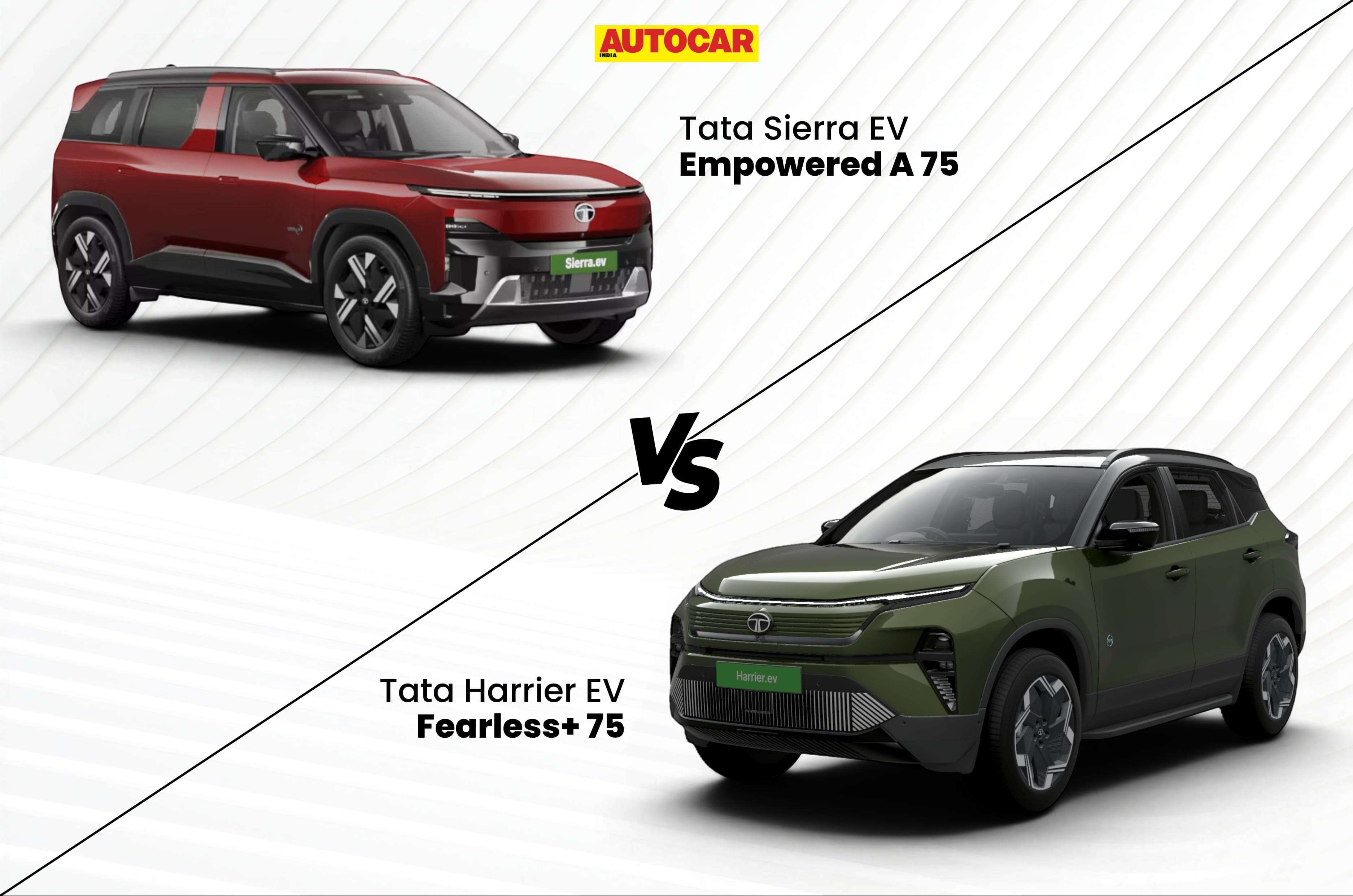
The recently launched Tata Sierra EV is positioned right below its larger sibling, the Harrier EV. However, there’s quite a lot of pricing overlap between the two Tata electric SUVs. To that end, we’ve compared the top-spec Sierra EV Empowered A 75 to the mid-spec Harrier EV Fearless+ 75 to find out which variant delivers better value on paper.
Tata Sierra EV top-spec vs Harrier EV mid-spec: Dimensions
Harrier EV is longer and wider, but Sierra EV is taller and offers greater boot space
Tata Sierra EV Empowered A 75 vs Harrier EV Fearless+ 75 dimensions
Sierra EV
Harrier EV
Length (mm)
4,340
4,607
Width (mm)
1,841
1,922
Height (mm)
1,750
1,740
Wheelbase (mm)
2,730
2,741
Boot space (litres)
622
502
Frunk space (litres)
55 (RWD) / 35 (AWD)
67 (RWD) / 35 (AWD)
Wheel size (inches)
19
19
Expectedly, the Harrier EV is 267mm longer than the Sierra EV, but there’s only an 11mm difference between their wheelbases, suggesting that the smaller SUV doesn’t lose out on much interior space. While the Harrier EV is 81mm wider than the Sierra EV, the latter is 10mm taller. Wheel sizes are matched at 19 inches for both electric SUVs.
Interestingly, the Sierra EV offers 120 litres of additional boot space over the Harrier EV – it’s worth nothing that both SUVs’ boot capacity is measured up until the roof, as opposed to the conventional method, which is up to the parcel tray. In terms of frunk capacity, the RWD Harrier EV offers the bigger one, while their AWD versions are matched in this regard.
Tata Sierra EV top-spec vs Harrier EV mid-spec: Battery and range
Harrier EV offers more power, Sierra EV is quicker and claims higher range figures
Tata Sierra EV Empowered A 75 vs Harrier EV Fearless+ 75 powertrains
Sierra EV
Harrier EV
Battery size (kWh)
75
75
Motor setup
Single, rear / Dual, front and rear
Single, rear / Dual, front and rear
Power (hp)
209 / 306
238 / 313
Torque (Nm)
315 / 504
315 / 504
Drive layout
RWD / AWD
RWD / AWD
Claimed 0-100kph time (seconds)
5.8 (AWD)
6.3 (AWD)
MIDC range (km)
665 / 624
627 / 622
Both the Sierra EV and Harrier EV get 75kWh battery packs, along with single-motor (RWD) and dual-motor (AWD) options. The Harrier EV edges ahead in terms of powertrain output, though the RWD versions of both SUVs feature identical torque figures. Despite the Sierra EV’s slightly lower output, its AWD variant is half a second quicker in the 0-100kph run compared to that of the Harrier EV – this is on account of the Sierra EV being smaller and lighter.
Similarly, MIDC-claimed range is a total victory for the Sierra EV as well. The Sierra EV AWD’s claimed range is 2km higher than that of the Harrier EV AWD, while the RWD version can travel 38km more on a single charge.
Tata Sierra EV top-spec vs Harrier EV mid-spec: Charging times
Both electric SUVs trade punches here
Tata Sierra EV Empowered A 75 vs Harrier EV Fearless+ 75 charging times and warranty details
Sierra EV
Harrier EV
AC charging time (10-100 percent)
10.5hrs (7.2kW)
10.7hrs (7.2kW)
DC charging time (20-80 percent)
26mins (120kW)
25mins (120kW)
Battery warranty
Lifetime warranty and unlimited kilometres
Lifetime warranty and unlimited kilometres
Motor warranty
8 years/1,60,000km (whichever is earlier)
8 years/1,60,000km (whichever is earlier)
Vehicle warranty
3 years/1,25,000km (whichever is earlier)
3 years/1,25,000km (whichever is earlier)
Despite battery capacities being identical for both electric SUVs, the Harrier EV takes slightly longer to charge from 10-100 percent via a 7.2kW AC outlet. On the other hand, the Harrier EV is marginally quicker in a 20-80 percent top-up from a 120kW DC fast charger. Tata offers the same battery, motor, and vehicle warranties for the Harrier EV and Sierra EV, so buyers can rest easy on this front.
Tata Sierra EV top-spec vs Harrier EV mid-spec: Exterior features
Harrier EV additionally offers side step and charging indicator function for the front light bar
Tata Sierra EV Empowered A 75 vs Harrier EV Fearless+ 75 exterior features
Sierra EV
Harrier EV
Headlamps
Automatic LED
Automatic LED
Front light bar
LED
LED
Welcome/goodbye sequence
Yes
Yes
Charging indicator in light bar
No
Yes
Front fog lamps
LED
LED
Cornering lamps
Yes
Yes
Tail-lamps
LED
LED
Rear fog lamps
Yes
Yes
Sequential indicators
Yes
Yes
Side step
No
Yes
Electrically adjustable ORVMs with auto-fold
Yes
Yes
Rear spoiler
Yes
Yes
Rear wiper and washer
Yes
Yes
Shark-fin antenna
Yes
Yes
Roof rails
Yes
Yes
Puddle lamps
Yes
Yes
Coming to exterior features, the Sierra EV and Harrier EV are near-identical. However, the Sierra EV does miss out on a charging indicator in the front light bar, with it instead being situated on the charging port. The Harrier EV additionally offers a side step too, which makes ingress and egress a tad easier.
Tata Sierra EV top-spec vs Harrier EV mid-spec: Interior features
Sierra EV is the only Tata electric car to offer a triple-screen setup
Tata Sierra EV Empowered A 75 vs Harrier EV Fearless+ 75 interior features
Sierra EV
Harrier EV
Touchscreen
12.3 inches
12.3 inches
Digital driver’s display
10.25 inches
10.25 inches
Passenger display
12.3 inches
No
Heads-up display
Yes
No
Automatic climate control
Dual-zone
Dual-zone
Steering-mounted controls
Yes
Yes
Ambient lights
Yes
Yes
Panoramic sunroof
Yes
Yes
Powered driver seat
6-way adjustment
6-way adjustment
Driver seat functions
Memory and welcome
Memory and welcome
Powered co-driver seat
4-way adjustment
4-way adjustment
Ventilated front seats
Yes
Yes
Boss mode
Yes
No
Sound system
12-speaker JBL Black
10-speaker JBL Black
Wireless charging pad
Yes
Yes
Cabin air purifier
Yes
Yes
Powered windows
Front and rear
Front and rear
Rear sunshade
Yes
Yes
Rear AC vents
Yes
Yes
Rear centre armrest
Yes
Yes
Connected car tech
Yes
Yes
V2L, V2V functionality
Yes
Yes
Despite its lower positioning, the Sierra EV pulls a clear lead over the Harrier EV in terms of cabin equipment. Features like a 12.3-inch passenger display, a 12-speaker JBL sound system, and a heads-up display are not offered even on the top-spec Harrier variant. In fact, the Sierra EV is the only electric Tata to come with a triple-screen setup at the moment.
Tata Sierra EV top-spec vs Harrier EV mid-spec: Driving features
Sierra EV comes with extra terrain mode and adaptive cruise control
Tata Sierra EV Empowered A 75 vs Harrier EV Fearless+ 75 driving features
Sierra EV
Harrier EV
Drive modes
Eco, City, Sport
Eco, City, Sport
Battery regen modes
Yes
Yes
Terrain modes
Normal, Wet, Rough, Custom
Normal, Wet, Rough
Cruise control
Adaptive with stop/go functions
Yes
Drift mode
Yes
Yes
Boost mode
AWD only
AWD only
Low-speed cruise control
AWD only
AWD only
Extra terrain modes (AWD only)
Yes
Yes
Both the top-spec Sierra EV and mid-spec Harrier EV are very similar on the driving features front. However, the Sierra EV gets an additional ‘Custom’ terrain mode in the RWD version, as well as adaptive cruise control with stop and go functionality. The latter is much more convenient than the Harrier EV’s standard cruise control, as it can automatically adjust the speed based on proximity to nearby vehicles, and even come to a standstill and set off by itself. AWD versions of both SUVs get additional terrain modes too, namely Snow/Grass, Mud-Ruts, Sand, Rock Crawl, and Custom.
Tata Sierra EV top-spec vs Harrier EV mid-spec: Safety features
Harrier EV has 7 airbags and 5-star BNCAP rating, Sierra EV gets Level 2 ADAS and better camera setup
Tata Sierra EV Empowered A 75 vs Harrier EV Fearless+ 75 safety features
Sierra EV
Harrier EV
Bharat NCAP rating
Yet to be tested
5 stars
Airbags
6
7
Level 2 ADAS
Yes
No
Camera setup
540-degree
Rear only
Parking sensors
Front and rear
Front and rear
Disc brakes
Front and rear
Front and rear
ABS with EBD
Yes
Yes
Electronic stability program (ESP)
Yes
Yes
TPMS
Yes
Yes
Electronic parking brake with auto-hold
Yes
Yes
Auto-dimming IRVM
Yes
Yes
Rain-sensing wipers
Yes
Yes
Rear defogger
Yes
Yes
Driver drowsiness detection
No
Yes
Acoustic vehicle alarm system (AVAS)
Yes
Yes
In the safety department, the Harrier EV holds some notable advantages, specifically a 5-star Bharat NCAP rating (the Sierra EV is yet to be tested, but will likely perform well too), 7 airbags, and driver drowsiness detection. The Sierra EV, though, trades punches with the Harrier EV thanks to safety features like Level 2 ADAS and a 540-degree camera (360-degree with underfloor view).
Tata Sierra EV top-spec vs Harrier EV mid-spec: Prices and verdict
Sierra EV is up to Rs 70,000 cheaper
Tata Sierra EV Empowered A 75 vs Harrier EV Fearless+ 75 price* (Rs, lakh)
Sierra EV
Harrier EV
Difference
RWD
Rs 24.79 lakh
Rs 25.19 lakh
Rs 40,000
AWD
Rs 25.99 lakh
Rs 26.69 lakh
Rs 70,000
*Exclusive of home charger and installation, which costs Rs 49,000 extra.
The Sierra EV Empowered A 75 clearly emerges as the better option over the Harrier EV Fearless+ 75, as the smaller SUV offers considerably more comfort and convenience features, a larger boot, higher claimed range figures, similar powertrain outputs and charging speeds, and greater performance – all while being Rs 40,000-70,000 more affordable.
पूर्व टी-20 अंतरराष्ट्रीय कप्तान सुर्यकुमार यादव ने वायरल हो रही पोस्ट को फेक बताते हुए कहा कि वह टीम से बाहर रहकर भी टीम इंडिया का समर्थन करते हैं। सूर्यकुमार यादव ने साथ ही कहा कि फैंस ऐसी किसी भी पोस्ट पर यकीन ना करें जो यह बताए कि वह टीम इंडिया के हालिया फॉर्म को देखते हुए बहुत खुश है।
सूर्यकुमार यादव ने 5 साल के क्रिकेट करियर में इतना कुछ कमा लिया जितना क्रिकेट खिलाड़ी दस साल में नहीं कमा पाते। खासकर 2013 से 2023 के कालखंड के लिए तो यह कहा जा सकता है। विराट कोहली जैसा क्रिकेटर भी टी-20 विश्वकप विजेता कप्तान नहीं बन पाया, यह तथ्य इस बात को साबित करने के लिए काफी है।
हालांकि 35 वर्षीय सूर्यकुमार यादव को जब टी-20 अंतरराष्ट्रीय टीम में नहीं चुना गया तो उनके करियर पर अर्धविराम लग गया। इस उम्र में वापस टीम में जगह बनाना काफी मुश्किल है क्योंकि युवा खिलाड़ियों की खेप इंडियन प्रीमियर लीग में हर साल तैयार हो रही है।