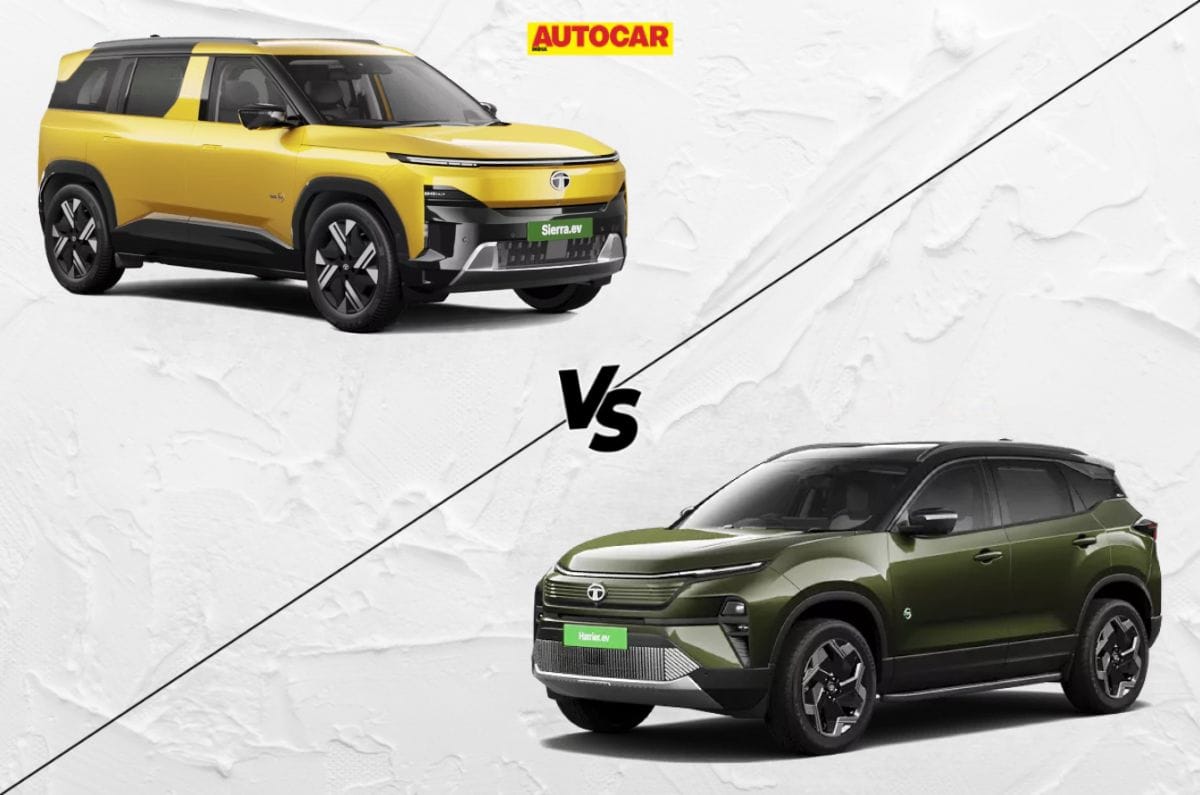
Tata Sierra EV vs Harrier EV: Whose top trim offers more value?

Tata Sierra EV vs Harrier EV: Whose top trim offers more value?

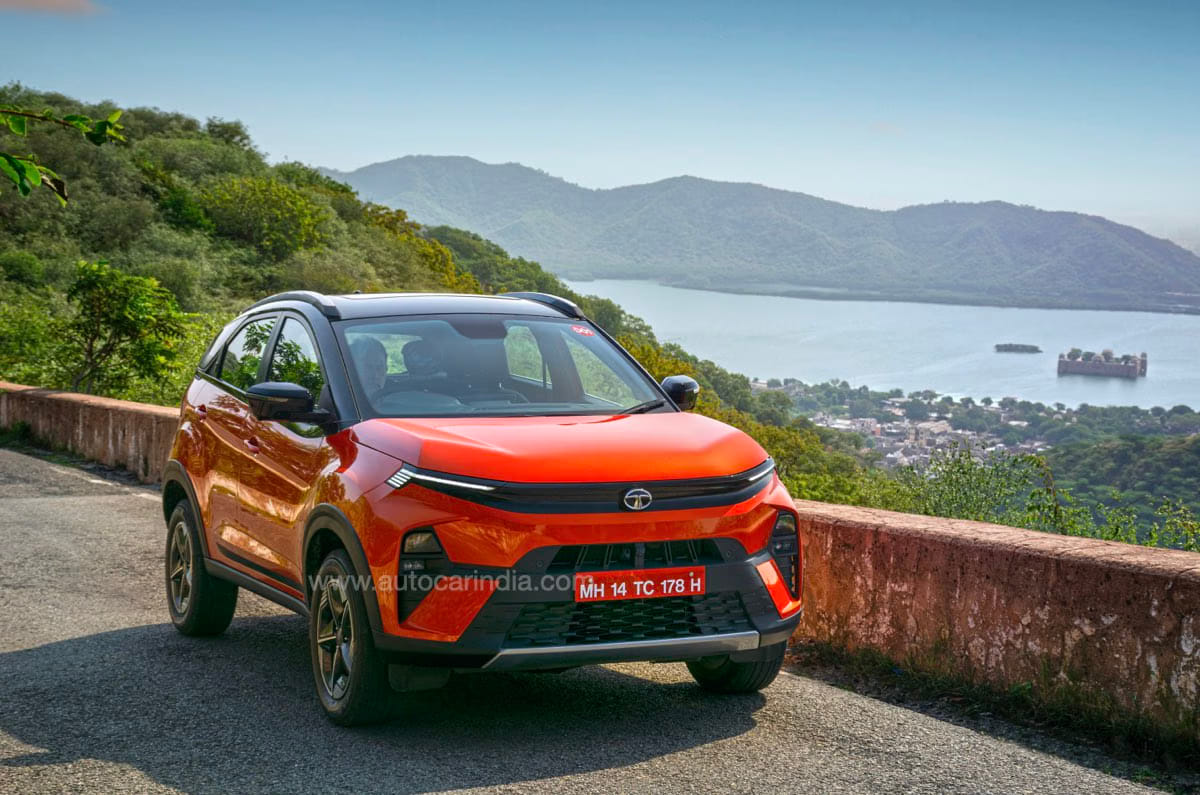
The Tata Sierra EV was recently launched as the manufacturer’s second all-electric offering with a dual-motor AWD choice. It is positioned between the Curvv EV and Harrier EV, the latter of which is also offered with an AWD option. So, between the Sierra EV and Harrier EV, whose top trim offers more features and better specifications? Let us find out.

Tata Sierra EV vs Harrier EV: Dimensions

Although smaller in size, the Sierra EV offers a larger boot and frunk

Tata Sierra EV vs Harrier EV dimensions and other specifications


Sierra EV 

Harrier EV

Difference

Length (mm)

4340

4607

-267

Width (mm)

1841

1922

-81

Height (mm)

1750

1740

+10

Wheelbase (mm)

2730

2741

-11

Ground clearance (mm)

205

Boot space (litres)

622

502

+120

Frunk space (litres)

55

35

+20

Number of seats

5

5

While the height and wheelbase of both the Sierra EV and Harrier EV are similar, the Harrier EV is longer and wider by a considerable margin. However, the Sierra EV offers a 120-litre larger boot space and a 20-litre larger frunk.

Notably, Tata has not revealed the official ground clearance figures of the Harrier EV, but it is likely to be similar to the Sierra EV’s 205mm ground clearance.

Tata Sierra EV vs Harrier EV: Powertrain

Both get similar battery packs, but the Harrier EV offers more potent electric motors

Tata Sierra EV vs Harrier EV: Powertrain specifications


Sierra EV RWD

Harrier EV RWD

Sierra EV AWD

Harrier EV AWD

Battery pack

75kWh

75kWh

75kWh

75kWh

eMotor configuration*

RWD

RWD

AWD

AWD

Power (hp)

209

238

140 (front), 209 (rear)

158 (front), 238 (rear)

Torque (Nm)

315

315

504

504

Claimed range (km)

665

627

624

622

*RWD = Rear-wheel-drive; AWD = All-wheel-drive

Top-spec trims of both the Sierra EV and the Harrier EV get identical 75kWh battery packs powering either a rear-axle-mounted (RWD) motor or dual electric motors (AWD). The Harrier EV RWD produces 29hp more than the Sierra EV RWD and has a higher claimed range.

With the AWD setup, the combined torque output of both SUVs is 504Nm, but their power outputs differ. The Harrier EV is the more powerful eSUV, its front and rear motors producing 18hp and 29 more than the Sierra EV, respectively.  The claimed range of both Tata EVs is similar too.

Notably, the Sierra EV’s lower variants are offered with a 63kWh battery with an RWD motor, and the Harrier EV is also available with a smaller 65kWh battery with an RWD setup.

Tata Sierra EV vs Harrier EV: Exterior

Both eSUVs offer identical exterior features

Tata Sierra EV vs Harrier EV: Exterior


Sierra EV Empowered A

Harrier EV Empowered

Headlights

Auto projector LED

Auto projector LED

Taillights

Connected LED

Connected LED

DRLs

Connected LED

Connected LED

Front fog lamps

LED, cornering function

LED, cornering function

Flush door handles

Yes

Yes

Wheels

19-inch alloy

19-inch alloy

Powered ORVMs

Yes

Yes

Roof rails

Yes

Yes

Sharkfin antenna

Yes

Yes

Colour

Monotone, Dual tone

Monotone, Dual tone

Exterior features on both the top-spec Sierra EV and Harrier EV are identical. These include an all-LED lighting setup, 19-inch rims, powered outside rearview mirrors (ORVMS) and roof rails.

Tata Sierra EV vs Harrier EV: Interior and features

Sierra EV offers three screens and more speakers, but misses out on boss mode

Tata Sierra EV vs Harrier EV: Interior and features


Sierra EV Empowered A

Harrier EV Empowered

Driver’s display

10.25-inch

10.25-inch

Infotainment screen

12.3-inch

14.5-inch

Passenger display

12.3-inch

Android Auto, Apple CarPlay

Yes, wireless

Yes, wireless

Audio system

12-speaker JBL

10-speaker JBL Black

On-board navigation

Yes

Yes 

Sunroof

Panoramic

Panoramic

Powered tailgate

Yes

Yes

Climate control

Dual-zone

Dual-zone

Air purifier

Yes

Yes

Seat upholstery

Leatherette

Leatherette

Steering wheel adjustment

Tilt, telescopic

Tilt, telescopic

Wireless phone charger

Yes

Yes

Driver seat adjustment

6-way powered

6-way powered

Driver’s seat features

Ventilation, memory, welcome 

Ventilation, memory, welcome 

Co-driver’s seat adjustment

4-way powered

4-way powered

Co-driver’s seat features

Ventilation

Ventilation

Rear seat features

Boss mode

Rear window sunshade

Yes

Yes

Head-up display (HUD)

Yes

No

Vehicle-to-load (V2L)

Yes

Yes

Vehicle-to-vehicle (V2V)

Yes

Yes

One of the Tata Sierra EV’s USPs is a triple-screen setup, which is not even offered on the pricier Harrier EV. Compared to the Harrier EV, the Sierra EV also gets 2 more speakers and a coloured HUD.

The flagship Harrier EV, however, offers a larger touchscreen infotainment system and powered boss mode on the co-driver’s seat, which are not available on the Sierra EV. Other features are identical to both eSUVs. 

Tata Sierra EV vs Harrier EV: Driving tech

Both electric SUVs are on par with each other in terms of driving tech

Tata Sierra EV vs Harrier EV: Driving technology


Sierra EV Empowered A

Harrier EV Empowered

Drive modes

Boost (AWD only), Eco, City, Sport

Boost (AWD only), Eco, City, Sport

RWD terrain modes

4

4

AWD terrain modes

6

6

Paddle shifters for regen

Yes

Yes

Cruise control

Adaptive

Adaptive

The Tata Sierra EV and Harrier EV share the same acti.ev+ platform, which is why they offer identical driving tech. These include 3 drive modes and up to 6 terrain modes (depending on the drivetrain).

Tata Sierra EV vs Harrier EV: Safety

Harrier EV gets an additional knee airbag and a digital IRVM

Tata Sierra EV vs Harrier EV: Safety features


Sierra EV Empowered A

Harrier EV Empowered

Airbags

6

7

ADAS

Level 2

Level 2

Camera setup

540-degree

540-degree

Parking sensors

Front and rear

Front and rear

Electronic parking brake

Yes

Yes

All-wheel disc brakes

Yes

Yes

TPMS

Yes

Yes

IRVM

Auto-dimming

Digital

Rear wiper, washer

Yes

Yes

Hill start assist

Yes

Yes

Hill descent control

Yes

Yes

ESC

Yes

Yes

Traction control

Yes

Yes

Over the Sierra EV, the top-spec Tata Harrier EV Empowered offer an additional knee airbag and a digital inside rearview mirror (IRVM). Other features, a 540-degree camera (with an under-bonnet view) and Level 2 ADAS, are identical on both EVs. 

Tata Sierra EV vs Harrier EV: Price and verdict

Sierra EV is around Rs 3 lakh more affordable than the Harrier EV

Sierra EV Empowered A vs Harrier EV Empowered ex-showroom price


Sierra EV Empowered A

Harrier EV Empowered

Difference

RWD price

Rs 24.79 lakh

Rs 27.69 lakh

– Rs 2.90 lakh

AWD price

Rs 25.99 lakh

Rs 29.19 lakh

– Rs 3.20 lakh

The top-spec Tata Harrier EV’s Empowered trim is around Rs 3 lakh pricier than the Sierra EV’s fully loaded Empowered A trim. Although the Harrier EV is larger, the Sierra EV offers more boot space and a higher claimed range with both RWD and AWD. Unlike the Harrier EV, it gets features like a dedicated screen for the co-driver and more speakers, while getting the same driving tech as the Harrier EV. Although it misses out on boss mode, an additional knee airbag and a digital IRVM, a Rs 3 lakh difference makes the Sierra EV a better value-for-money proposition.

Prices are ex-showroom, India.

Hyundai Creta benefits go up to Rs 95,000 in July 2026

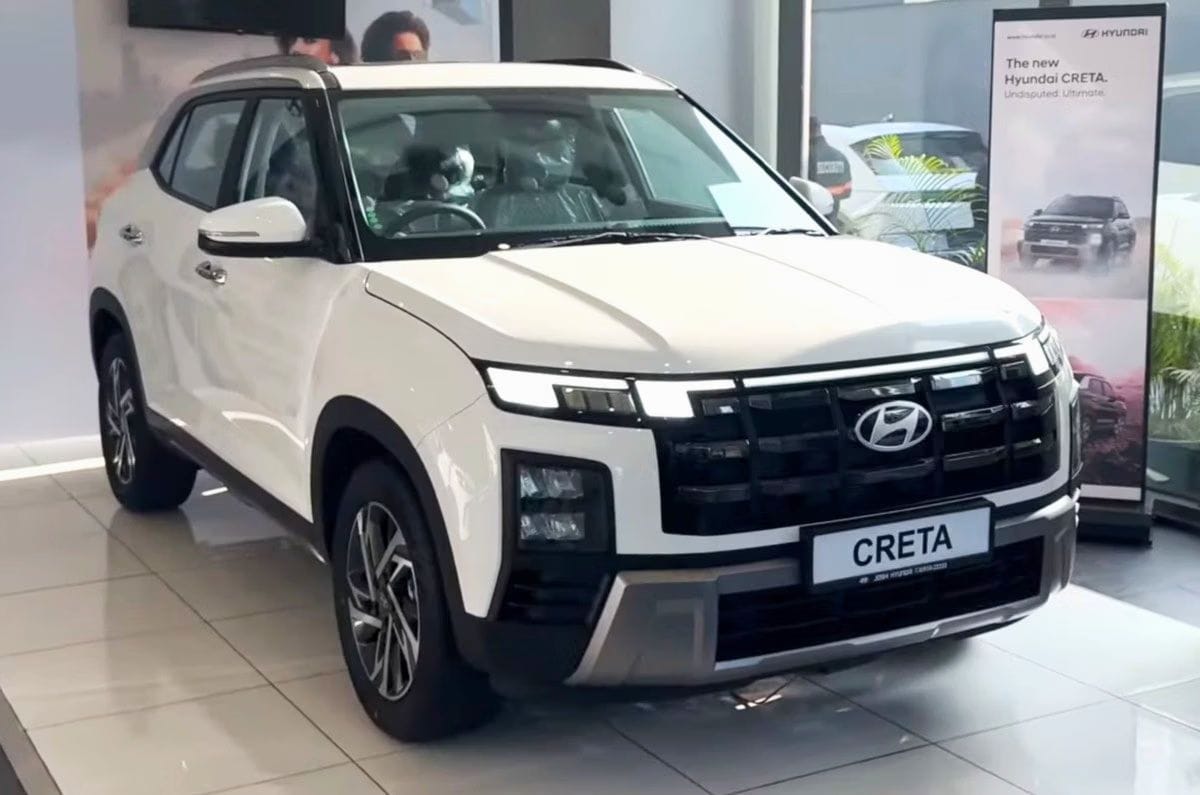
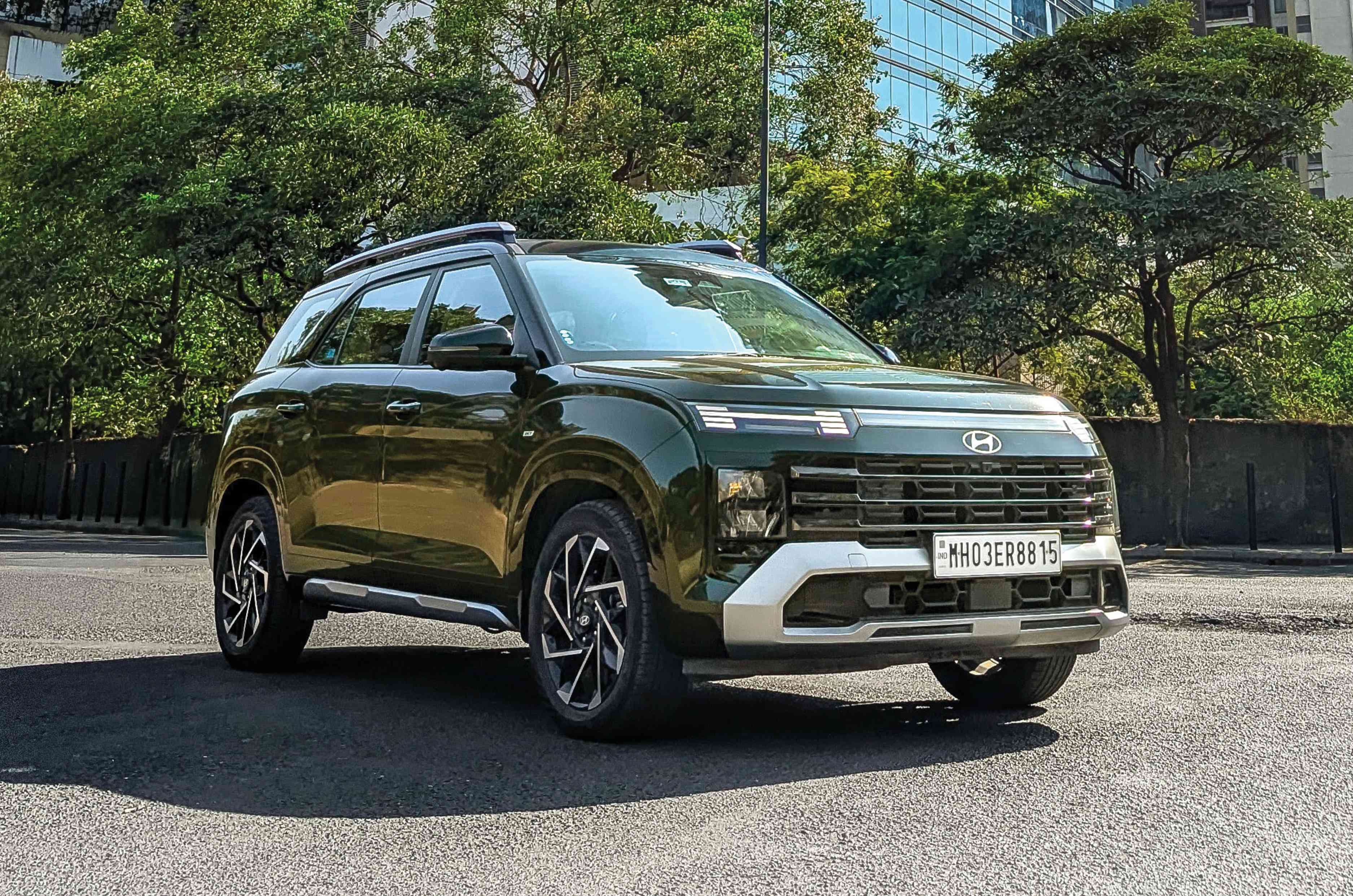
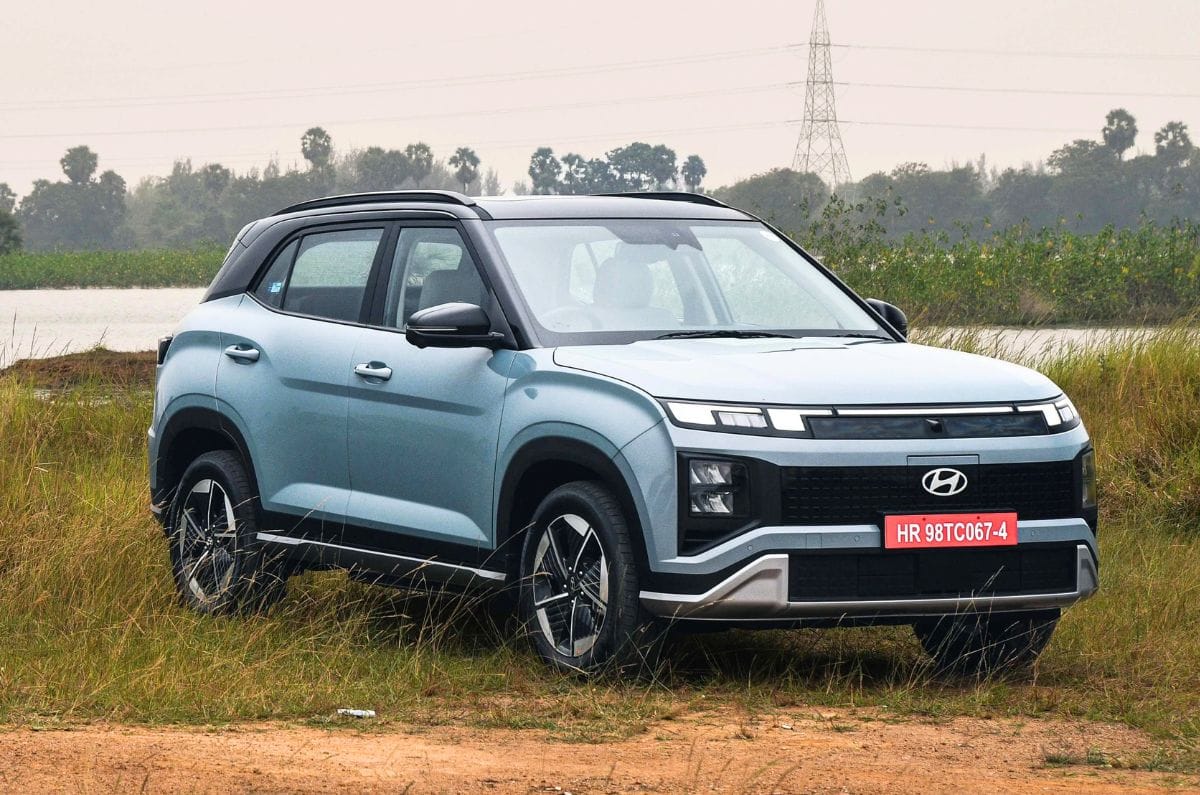
Hyundai Creta front three quarter showroom

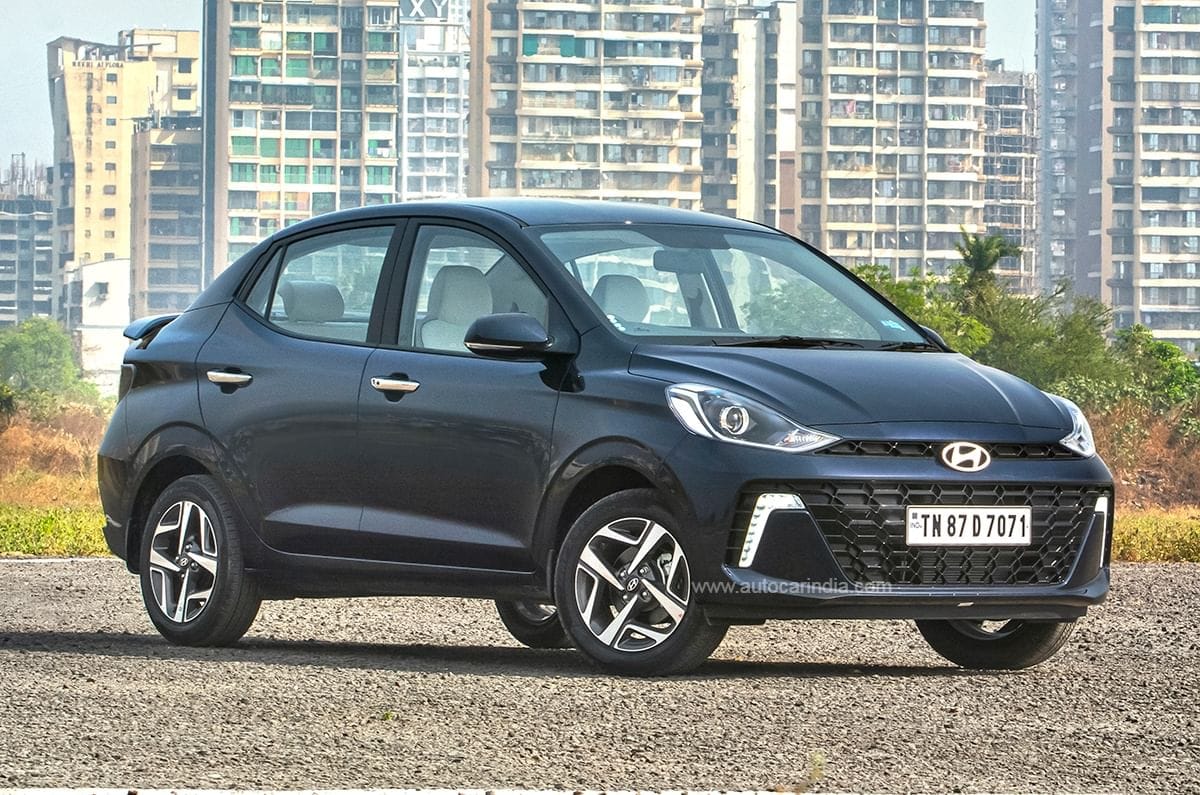
Hyundai India has rolled out benefits for its petrol, diesel and CNG cars for July 2026. Customers walking into a Hyundai showroom can expect benefits such as cash discounts, scrappage incentives, exchange offers, corporate discounts and additional upgrade benefits. All Hyundai cars, including model year 2026 (MY26) and model year 2025 (MY25), except the Ioniq 5 are being offered with benefits this month. These discounts will be valid between July 1 and July 31, 2026.

Disclaimer: Offers/benefits may vary by city and are subject to stock availability. Buyers are advised to check with their local dealer for exact figures.

Hyundai Creta offers in July 2026

Benefits up to Rs 1,00,000

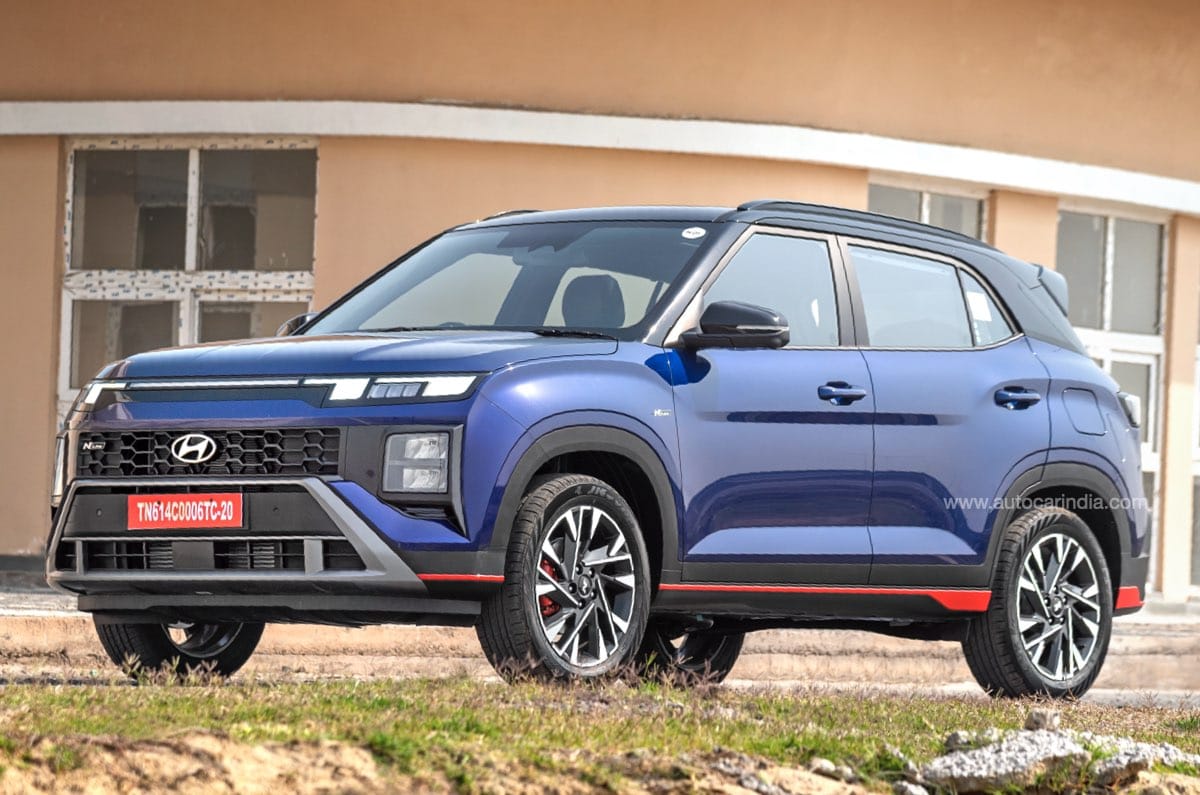
Hyundai Creta N Line front three quarter

Most petrol variants of the Hyundai Creta – including the N Line – are available this month with benefits amounting to Rs 95,000. This includes a cash discount of Rs 30,000, an exchange offer of Rs 30,000 or scrappage discount of Rs 50,000, and an upgrade offer of Rs 15,000.

Customers opting for the Creta petrol iVT trims or a base E petrol variant get total benefits of up to Rs 90,000, with the upgrade offer dropping to Rs 10,000. Meanwhile, Creta diesel variants are only available with a scrappage discount of Rs 5,000. All Creta variants also get a corporate discount of Rs 5,000. The Hyundai Creta has a price tag of between Rs 10.91 lakh and Rs 19.91 lakh.

Hyundai Verna offers in July 2026

Benefits up to Rs 95,000

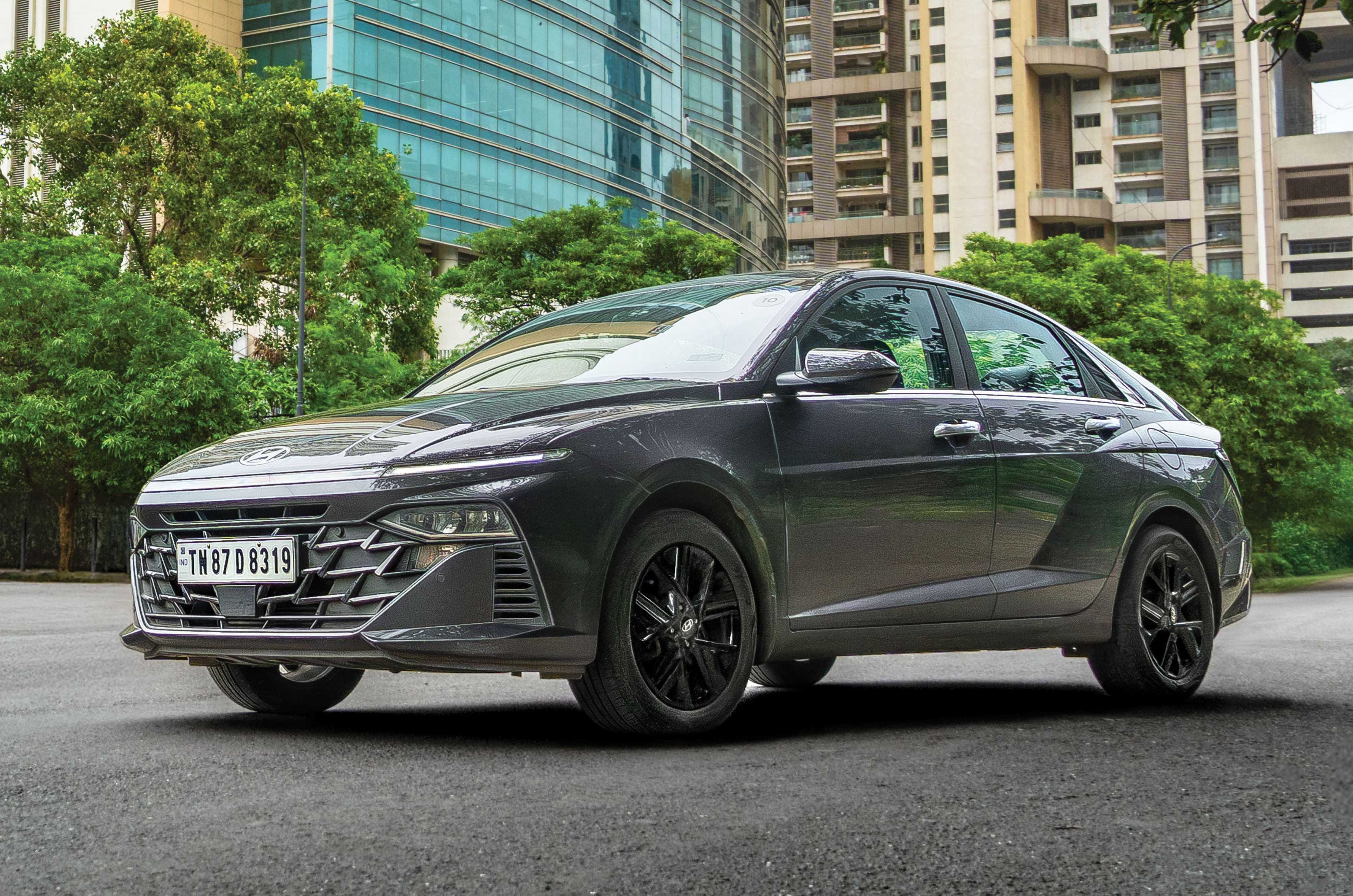
Old (MY25) stock of the Hyundai Verna petrol iVT trims is being offered with benefits worth up to Rs 85,000 in July 2026. This includes a cash discount of Rs 50,000, a scrappage offer of Rs 20,000 or an exchange benefit worth Rs 15,000, and an upgrade discount of Rs 15,000. All non-iVT petrol trims of the 2025 Verna are available with benefits of up to Rs 70,000 as the cash discount here falls to Rs 25,000. Both iVT and non-iVT trims also offer corporate discounts worth Rs 10,000.

2025 Hyundai Verna front three quarter

All trims of the MY26 Hyundai Verna are on sale this month with benefits of up to Rs 65,000, which includes a cash discount of Rs 30,000. Other benefits come in the form of an exchange deal worth Rs 20,000 or a scrappage offer worth Rs 25,000. Hyundai also has a corporate offer of Rs 10,000 that’s applicable on the MY26 Verna. The 2026 Hyundai Verna is priced from Rs 10.99 lakh to Rs 18.26 lakh.

Hyundai Creta Electric offers in July 2026

Benefits up to Rs 85,000

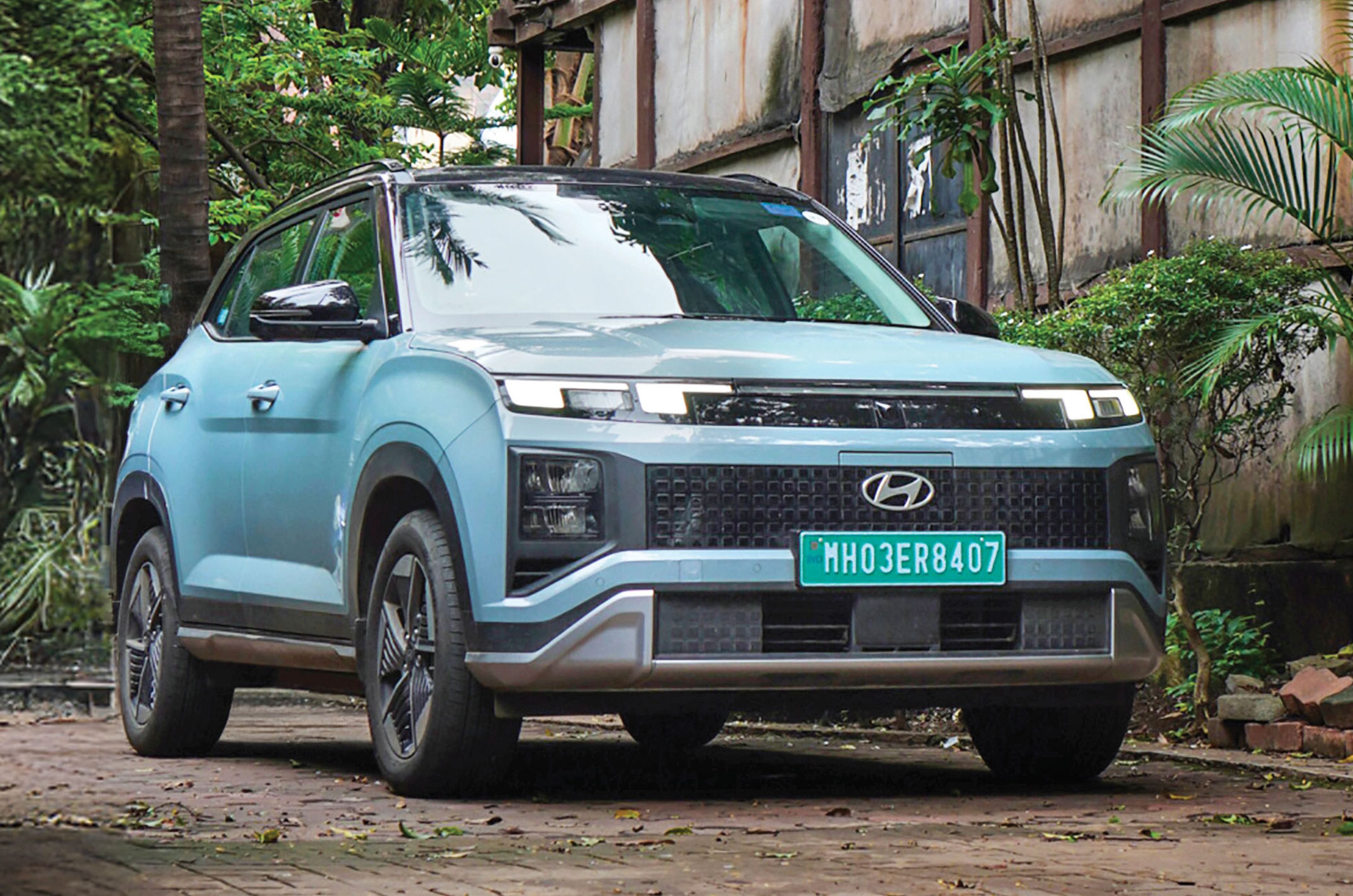
Hyundai Creta Electric front three quarter

All variants of the Hyundai Creta Electric are on sale in July 2026 with benefits amounting to Rs 85,000, which includes cash and upgrade discounts of Rs 15,000 each. Then there’s scrappage benefits of Rs 35,000 or an exchange offer of Rs 15,000, plus a corporate discount of Rs 20,000. The Hyundai Creta Electric range is priced between Rs 18.03 lakh and Rs 24.40 lakh.

Hyundai Alcazar offers in July 2026

Benefits up to Rs 75,000

Hyundai Alcazar front three quarter

The petrol variants of the Hyundai Alcazar are being offered with cash and upgrade discounts worth Rs 50,000. Furthermore, customers can avail either a scrappage offer of Rs 25,000 or an exchange bonus of Rs 20,000. Meanwhile, diesel variants of the Alcazar get benefits up to Rs 45,000. This accounts for a cash discount of Rs 10,000 and an upgrade bonus of Rs 15,000, along with an exchange offer of Rs 15,000 or a scrappage discount of Rs 20,000. The Hyundai Alcazar is priced from Rs 14.51 lakh and Rs 21.10 lakh.

Hyundai Grand i10 Nios offers in July 2026

Benefits up to Rs 70,000

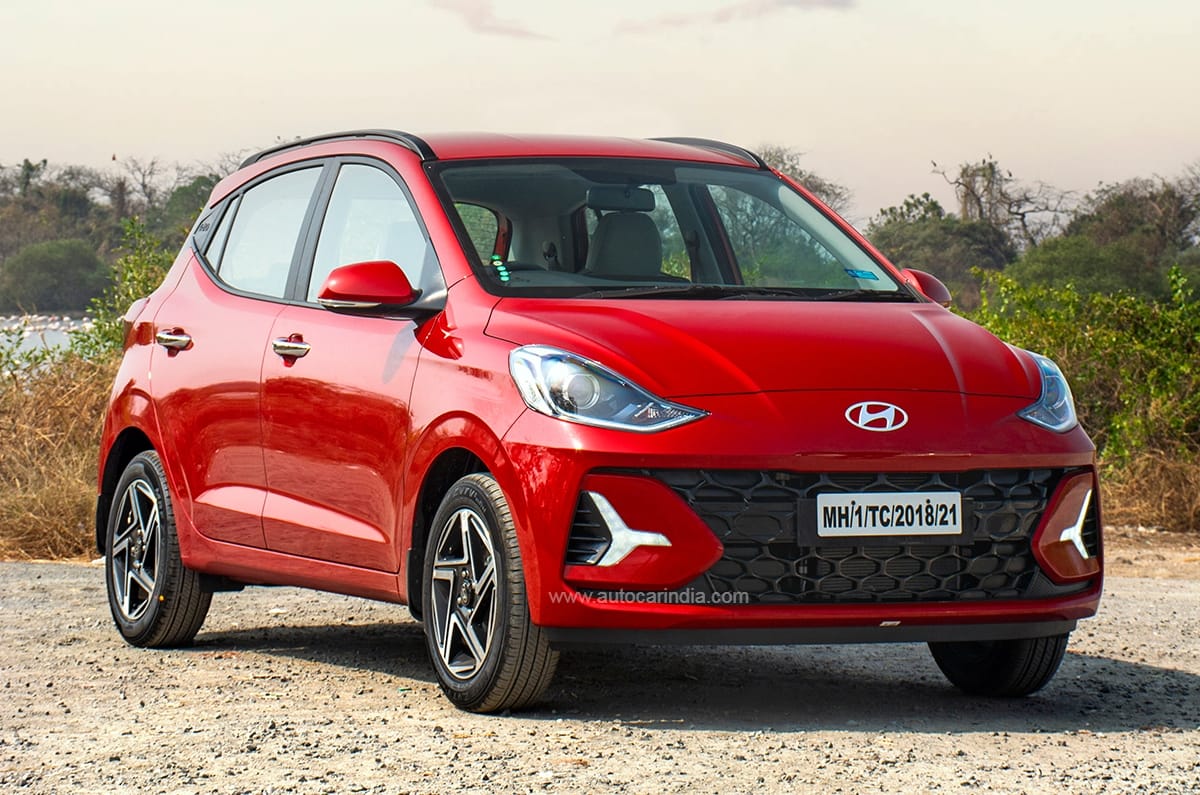
All petrol trims except the base Era of the Hyundai Grand i10 Nios are available with benefits of up to Rs 70,000. This comes in the form of a cash discount worth Rs 30,000, an upgrade offer of Rs 15,000, corporate benefits of up to Rs 5,000, and an exchange bonus of Rs 15,000 or a scrappage discount of Rs 20,000.

Hyundai Grand i10 Nios front three quarter

For the base Era petrol variants of the Grand i10 Nios, benefits amount to up to Rs 25,000 – including a cash discount of Rs 10,000, a scrappage deal worth Rs 10,000 or an exchange offer worth Rs 5,000, and a corporate discount of up to Rs 5,000. CNG variants are being offered with benefits of up to Rs 65,000. This amount includes a corporate discount of up to Rs 5,000, an upgrade bonus of Rs 15,000, a scrappage benefit of Rs 20,000 or an exchange deal worth Rs 15,000, and a cash discount of Rs 25,000. The Hyundai Grand i10 Nios range costs between Rs 5.60 lakh and Rs 8.04 lakh.

Hyundai Exter offers in July 2026

Benefits up to Rs 45,000

The S petrol MT and AMT variants of the MY25 Hyundai Exter is being offered with benefits worth up to Rs 45,000. The deal takes into account a cash discount of Rs 25,000 and a scrappage offer of Rs 15,000 or an exchange deal of Rs 10,000. These are the same benefits offered with the CNG variants as well.

The SX and SX (O) petrol MT and AMT variants come with benefits worth up to Rs 35,000, getting a cash discount of Rs 15,000, an exchange offer worth Rs 10,000 or a scrappage discount worth Rs 15,000. All are available with a corporate discount of up to Rs 5,000. The MY25 Exter petrol and CNG EX variants as well as the petrol EX (O) variants are being offered with cumulative discounts of Rs 10,000. This comes in the form of a scrappage deal worth Rs 5,000 and a corporate discount worth Rs 5,000.

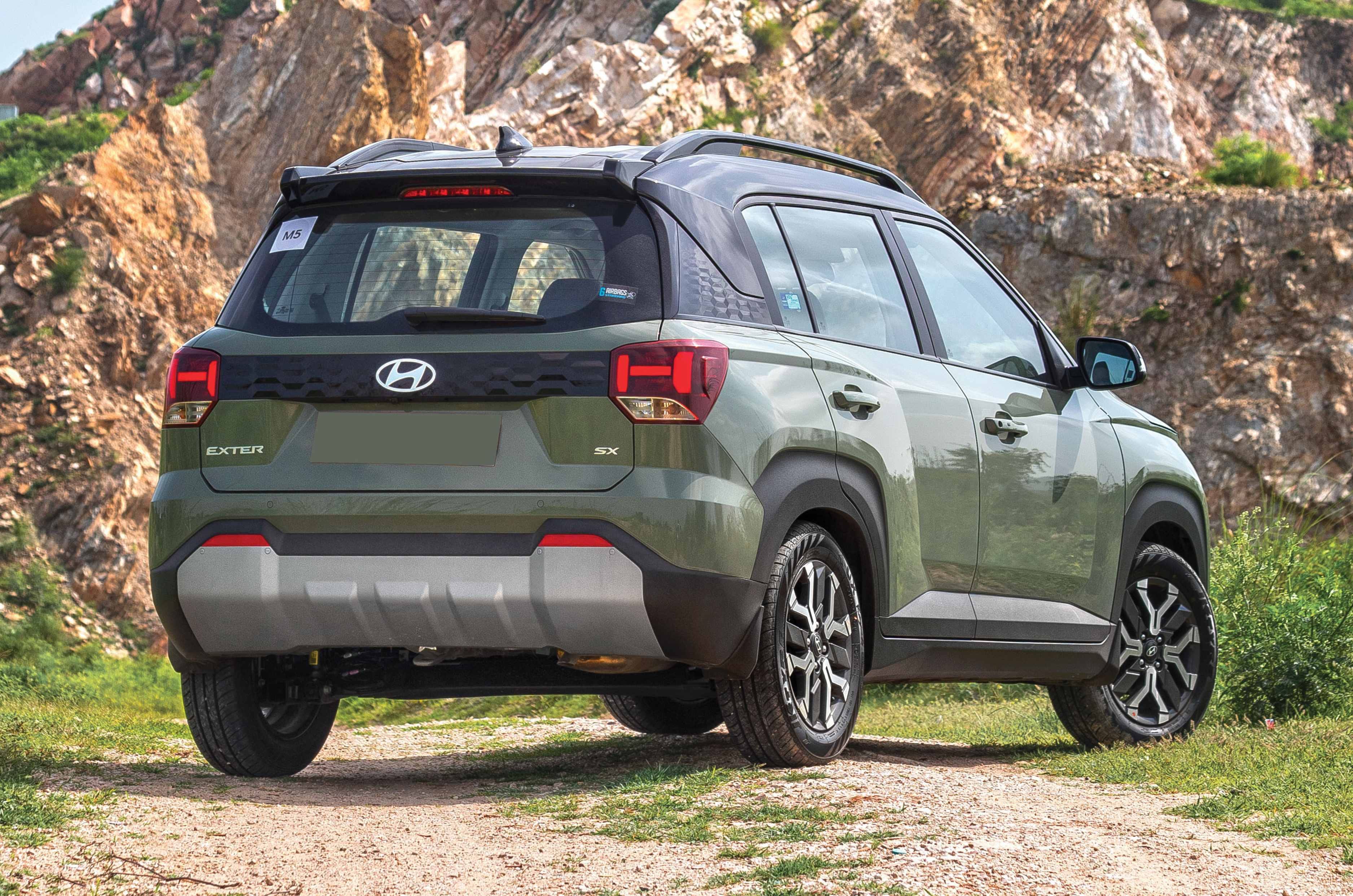
2025 Hyundai Exter rear quarter

Every variant of the MY26 Hyundai Exter except the base HX2 petrol and CNG are available this month with benefits worth up to Rs 40,000. This is broken down into a cash discount of Rs 20,000, a scrappage deal worth Rs 15,000 or an exchange offer worth Rs 10,000, and a corporate discount of Rs 5,000. Meanwhile, the aforementioned base variants of the MY26 Exter are only available with a scrappage and corporate offers amounting to Rs 10,000. The 2026 Hyundai Exter range is priced between Rs 5.81 lakh and Rs 9.61 lakh.

The S petrol MT and AMT variants of the MY25 Hyundai Exter is being offered with benefits worth up to Rs 45,000. The deal takes into account a cash discount of Rs 25,000 and a scrappage offer of Rs 15,000 or an exchange deal of Rs 10,000. These are the same benefits offered with the CNG variants as well.

Hyundai i20 offers in July 2026

Benefits up to Rs 45,000

Hyundai i20 front quarter

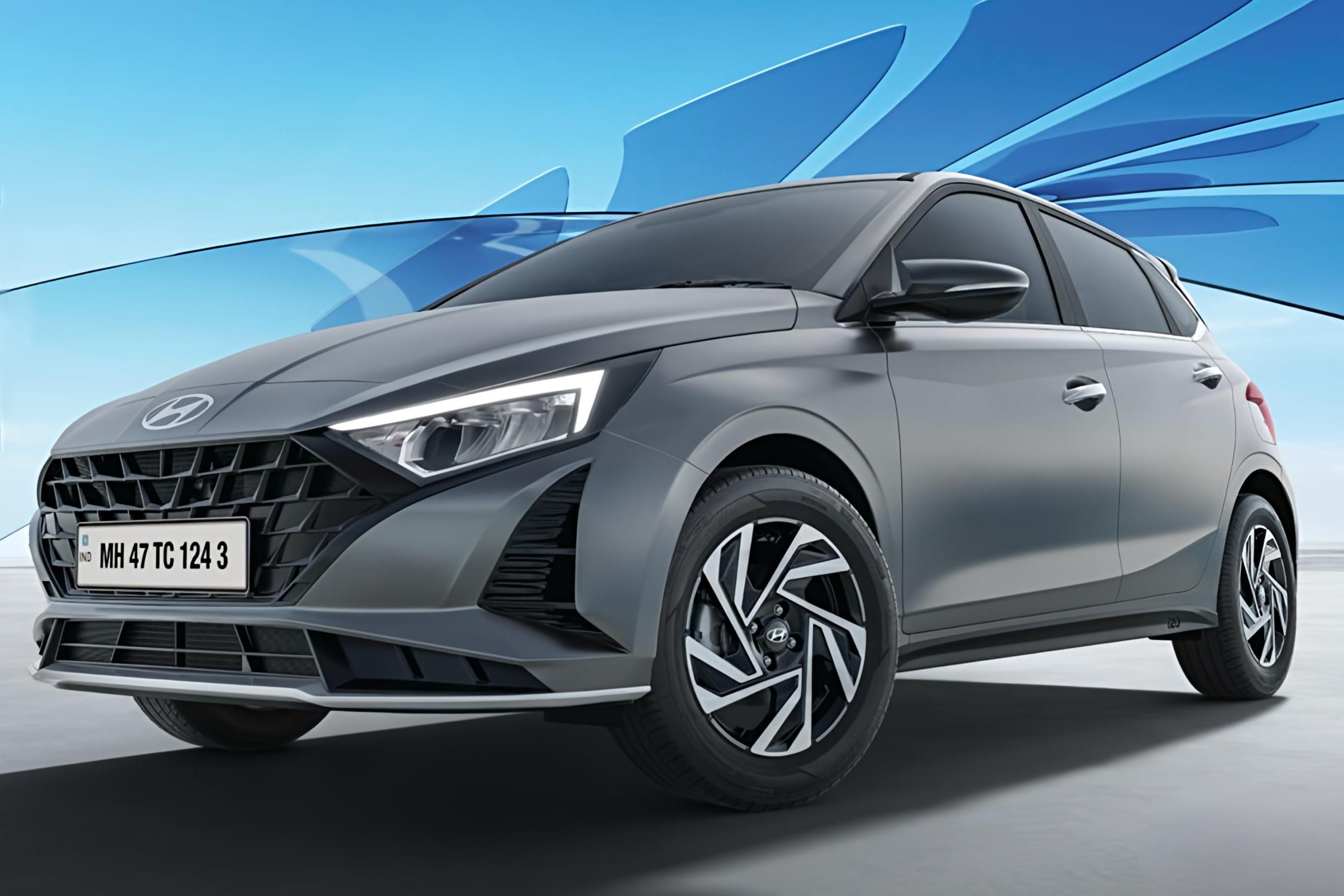
Almost all variants of the Hyundai i20 (including the N Line) are available with benefits of up to Rs 45,000 this July. This includes a cash discount of Rs 20,000, an exchange offer of Rs 15,000 or a scrappage deal worth Rs 20,000, and a corporate discount of up to Rs 5,000. Customers opting the base-spec Era MT variant can avail benefits of up to Rs 25,000 – including a scrappage offer worth Rs 20,000 or an exchange deal worth Rs 15,000, and a corporate discount of up to Rs 5,000. The price of the Hyundai i20 range between Rs 6.00 lakh and Rs 10.39 lakh.

Hyundai Aura offers in July 2026

Benefits up to Rs 30,000

Hyundai Aura front quarter

The S, SX and Corporate CNG variants of the Hyundai Aura are available with benefits such as a cash discount of Rs 20,000, a scrappage deal worth Rs 5,000, and a corporate discount of Rs 5,000. Meanwhile the petrol-only variants of the Aura get benefits worth up to Rs 20,000, which includes a cash discount of Rs 10,000, a scrappage deal worth Rs 5,000 and a corporate discount of Rs 5,000. The Hyundai Aura line-up is priced from Rs 6.00 lakh 8.60 lakh.

Hyundai Venue offers in July 2026

Benefits up to Rs 5,000

Hyundai Venue front quarter

The only benefit offered to customers of the Hyundai Venue in July 2026 is a scrappage deal worth Rs 5,000. The price of the Hyundai Venue range between Rs 8.00 lakh and Rs 15.83 lakh for the standard variants, and from Rs 10.66 lakh to Rs 15.67 lakh for the N Line variants.

All prices are ex-showroom, India.
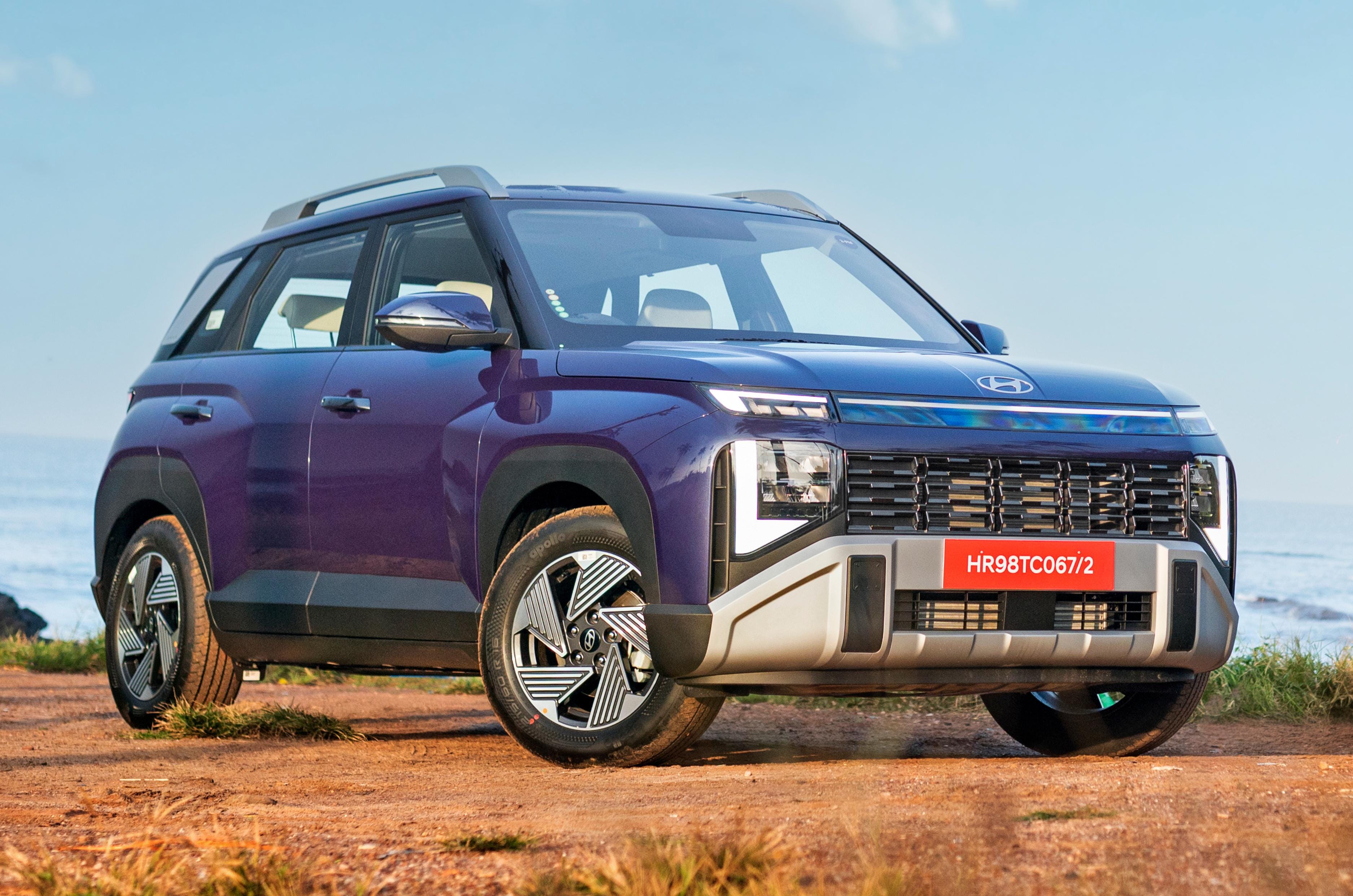
Image Source

Also read

Tata Harrier EV discounts go up to Rs 2.75 lakh in July 2026

Up to Rs 1.2 lakh benefits on Tata Curvv in July 2026

Yamaha R2: What You Should Expect

Yamaha R2 Teaser What to Expect

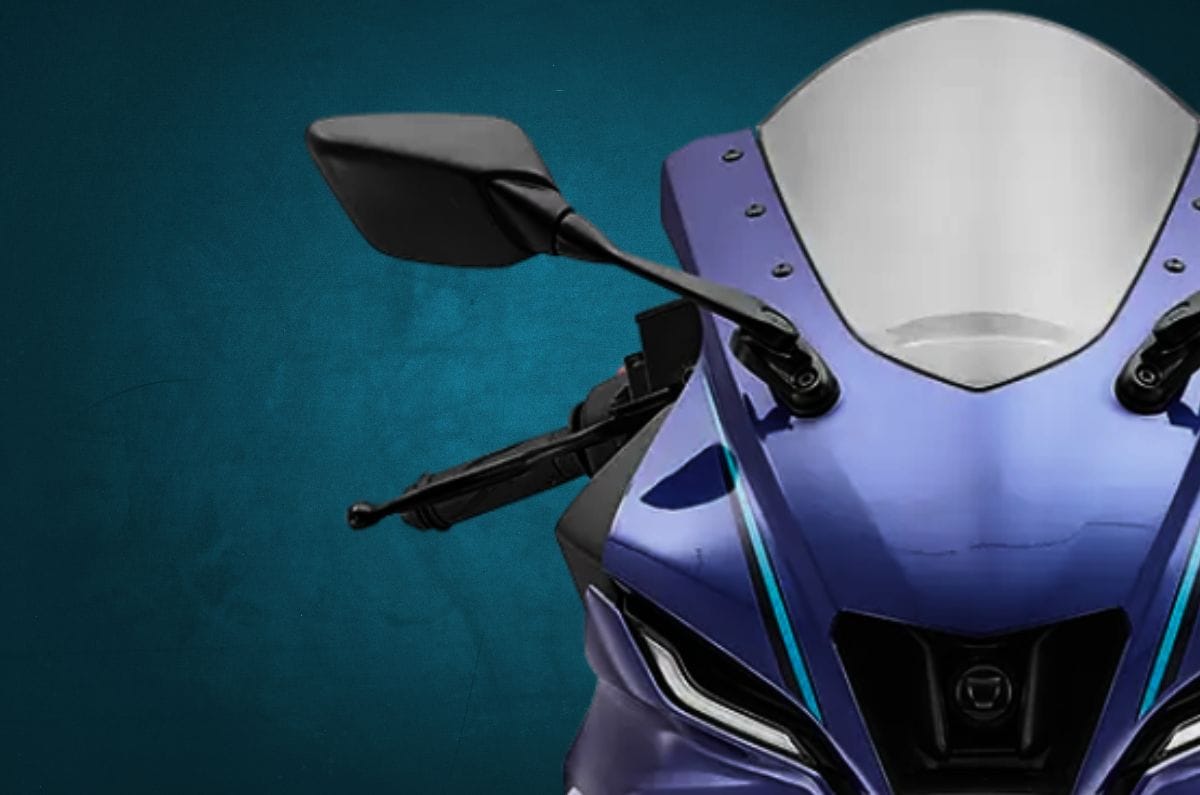
The Yamaha R2 is likely to launch in India in about a month’s time and it will add to the company’s existing line up in India, rather than replace the current R15. Here’s everything we know about this bike prior to its launch:

  1. Will be made in India and exported to multiple countries.
  2. Expected to have segment leading performance.

The Yamaha R2 is an upcoming sport bike from Yamaha that will follow in its smaller sibling, the R15’s footsteps in terms of what sort of experience it will offer. This will be a fully faired sportbike that uses a high revving single cylinder and it should offer performance that punches above its weight.

Yamaha R2: Power and Performance

Details are not yet clear on the exact engine size, but we believe it will be slightly over 200cc, perhaps in the 200-220cc ballpark. Exact power figures are unknown at this time as well, but sources indicate that it is likely to have equal, if not best in class performance. The two bikes that this motorcycle will be pitted directly against include the KTM RC 200 and the Hero Karizma XMR. Both those bikes produce around 25hp, so it is likely that the Yamaha will also be somewhere close.

However, the Yamaha may not have as much power and its performance advantage could also come from having a lower weight. For example, the KTM weighs 160kg, the Karizma 163.5kg, while the current Yamaha R15 V4 weighs in at just 141kg.

Yamaha R2: Features

The Yamaha R15 V4 is already the most feature packed bike in this end of the market and it offers things like a TFT display, traction control and even an (upshift only) quickshifter in its top variants. However, the R2 is expected to take this a level above with the inclusion of ride by wire throttle which could unlock features like riding modes and a bi-directional quickshifter. The new Yamaha R2 will be manufactured in Chennai and it is likely to be sold in multiple overseas markets. On that note, there may also be some specification differences based on where the bike is being sold.

Yamaha R2: Price

As mentioned earlier, the Yamaha R2 will not replace the Yamaha R15. That being said, the current R15 lineup will be streamlined and we expect that the range topping M will be discontinued to make way for the R2. It’s also possible that the current R15 S (which is based on the gen 3 R15) will also be discontinued. Other models like the recently launched. Yamaha XSR 155 and the MT-15 will continue to be on sale.

With current R15 prices starting at Rs 1.57 lakh for the S and going up to Rs 1.98 lakh for the top M variant, we expect that the R2 range could start at around Rs 2-2.2 lakh, depending on how aggressive Yamaha plans to be. For reference, the KTM RC 200 costs Rs 2.24 lakh ex-showroom, while the Hero XMR starts at a lower Rs 1.76 lakh ex-showroom. 

Finally, the new R2 platform won’t be restricted to just one model and we expect to see more bikes based on it in the future, just as Yamaha has done with its 155cc platform.

Top 10 best-selling cars in June 2026: Tata Punch, Nexon dethrone Dzire

Top 10 best-selling cars in June 2026

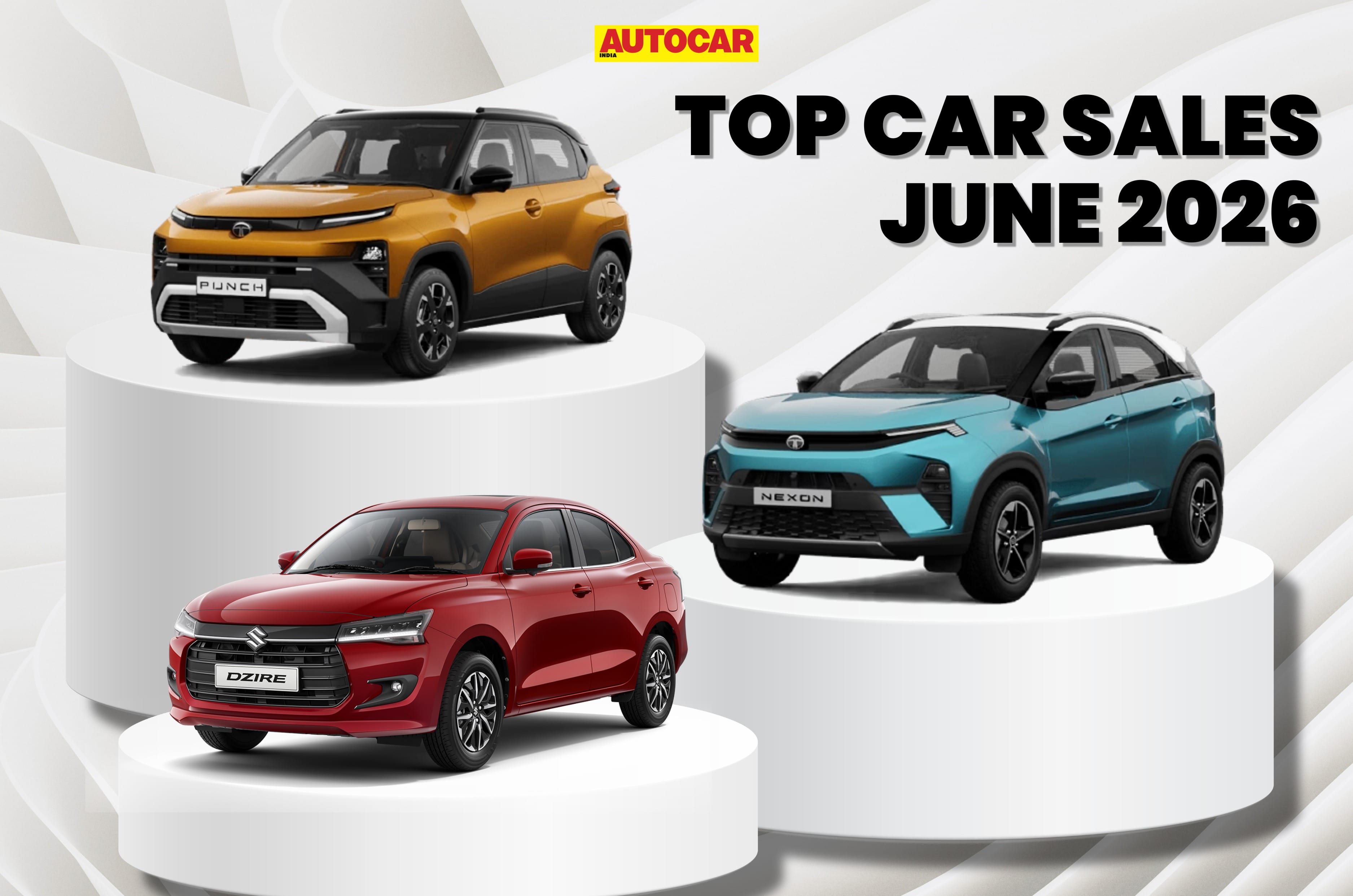
In June 2026, Tata models grabbed the top two, replacing the Dzire, which had been consistently topping the sales charts over the past few months. While nine out of 10 cars on this list are retained from the May 2026 rankings, the Creta has exited the top 10 and been replaced by another Hyundai model, the Venue. Maruti still dominates the top 10 list with over half the models here, while the remaining spots are occupied by two Tata models and one each from Mahindra and Hyundai.

Rank

Model

June 2026 sales (units)

YoY growth (percent)

1

Tata Punch / EV

21,006

101.09

2

Tata Nexon / EV

18,335

58.03

3

Maruti Dzire

17,899

15.60

4

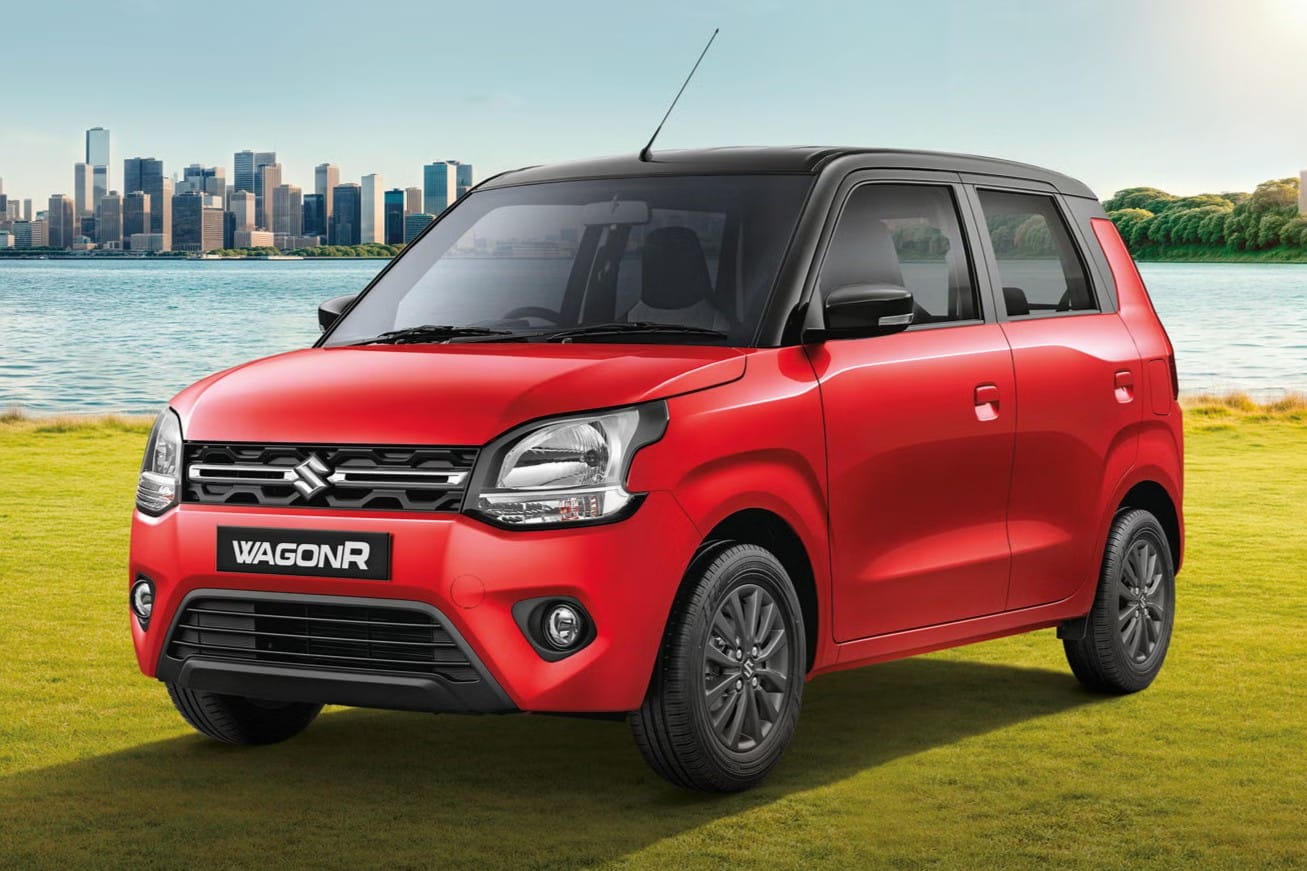
Maruti WagonR

16,952

31.11

5

Maruti Ertiga

16,111

13.85

6

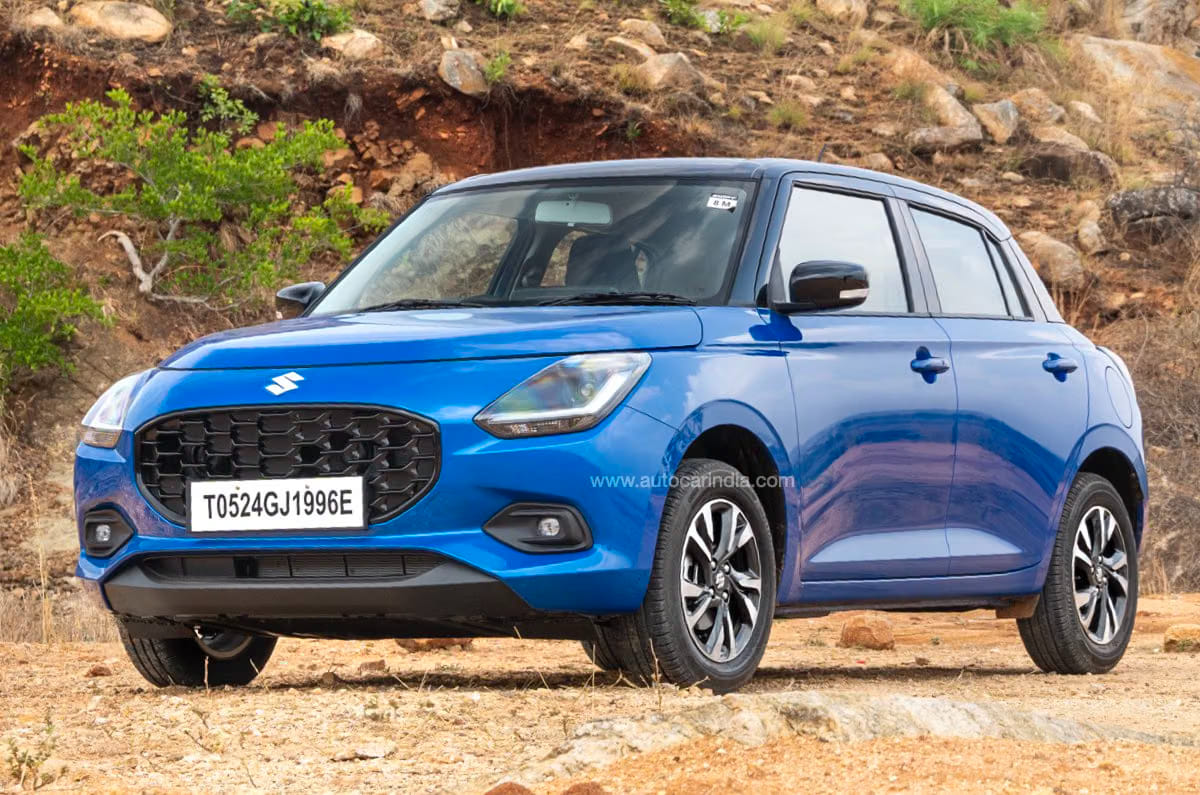
Maruti Swift 

15,215

14.61

7

Mahindra Scorpio / N

14,097

10.65

8

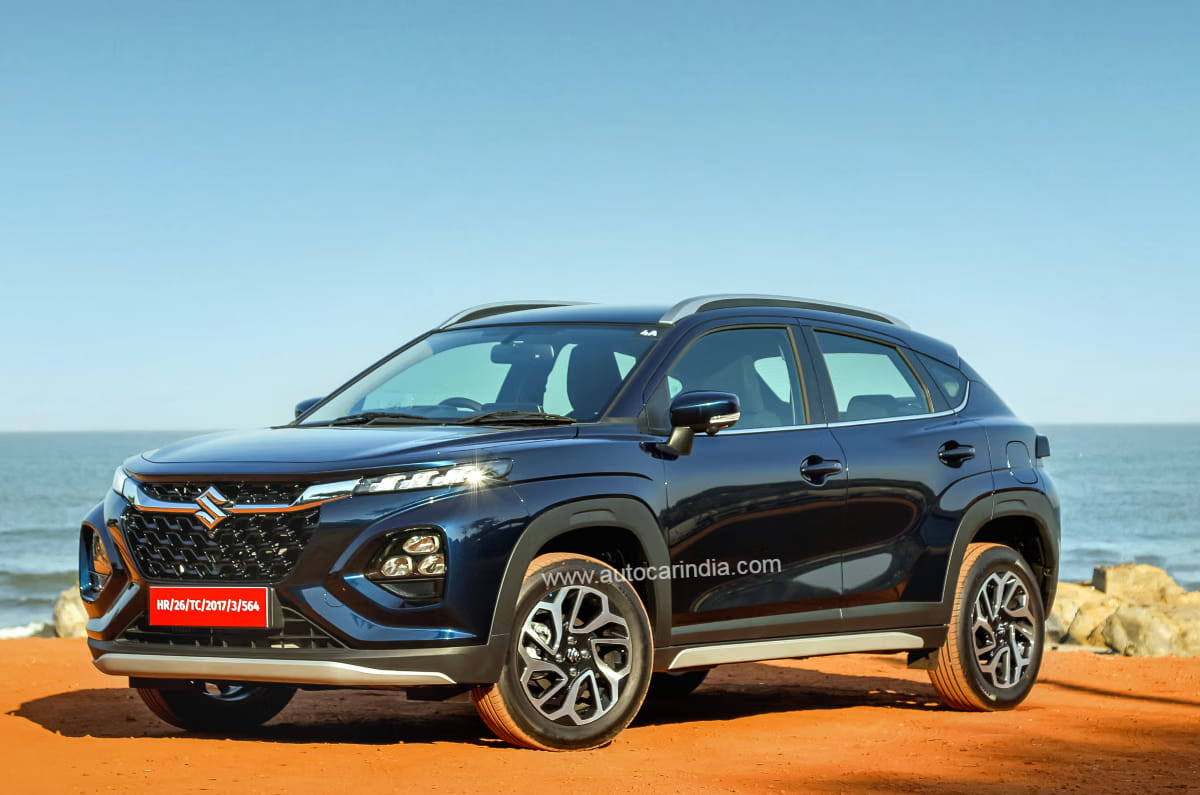
Maruti Fronx

13,135

33.83

9

Maruti Baleno 

12,488

39.28

10

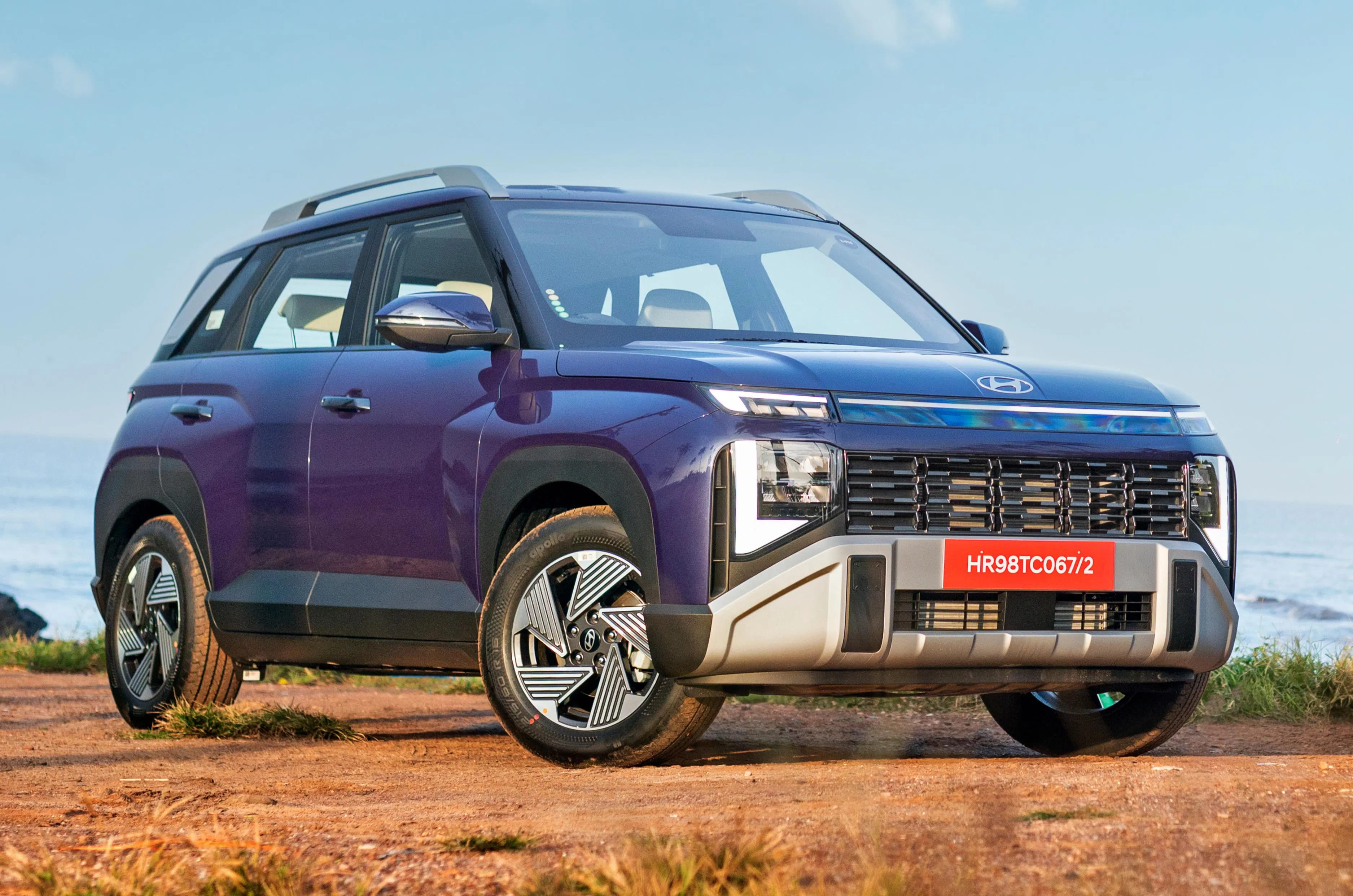
Hyundai Venue

10,776

57.13

1. Tata Punch 

21,006 units

The Punch has grabbed the top spot in 2026 for the first time in June, moving up four spots from the previous month. It is the only model here to cross the 20,000 unit sales barrier. With 21,006 units sold in June 2026, it has seen a slight increase of 798 units compared to May 2026. As far as YoY growth is concerned, at 101.09 percent, it’s the highest here. Tata’s smallest SUV is offered with diverse powertrains, with city-friendly dimensions, good ride and handling balance being its strengths.

2. Tata Nexon 

18,335 units

The Nexon moved up three spots to grab the second position in June 2026. With 18,355 units sold, it saw the second-highest YoY growth here at 58 percent. However, the Nexon sold 745 units less in comparison to May 2026, despite its higher position. Like its smaller brother Punch, the Nexon also gets multiple powertrain and gearbox options. Its unique design, features, and supple ride are what make it a strong seller for the Tata brand.

3. Maruti Dzire 

17,899 units 

The only compact sedan on this list, the Maruti Dzire, slipped to the third rank in June 2026. A reason for this is Maruti’s week-long maintenance shutdown across its production facilities in June, during which manufacturing was halted. This has also affected sales units of the subsequent Marutis in this list as well. Due to this, the Dzire sold 6,647 fewer units in comparison to May 2026. However, it did see a modest YoY growth of 15.6 percent.

4. Maruti Wagon R

16,952 units

Like the Nexon, the Wagon R jumped three spots to gain the 4th position in June 2026. Although it sold 1,124 fewer units in comparison to May 2026, YoY growth remained modest at 31.11 percent. The Wagon R continues to be a volume driver for Maruti because of its space-maximising tall-boy design and fuel-efficient engines. Additionally, the E85-compliant Bioflex variant of the WagonR was launched in June 2026, making it the only production-spec E85-compatible car on sale. 

5. Maruti Ertiga 

16,111 units 

The Ertiga continues to hold the title of being India’s highest-selling MPV. However, it dropped by two ranks to hold the fifth spot in June 2026. As it also bore the impact of Maruti’s production halt, it sold fewer this time, with 16,111 units being sold. Compared to the same month last year, YoY growth saw a mild 13.85 percent increase. 

6. Maruti Swift

15,215 units

The Maruti Swift outdid its more premium Nexa siblings, the Baleno and Fronx, to gain the sixth position. However, it sold 2,304 units fewer in June, considering May sales numbers. YoY growth for the Swift was a decent 14 percent, among the lower side in this list. 

7. Mahindra Scorpio/N 

14,097 units 

Apart from being the only Mahindra model on this list, the Scopio models are the only three-row SUVs here. Comprising the utilitarian Classic and the more modern N version, both sold a combined 14,097 units to grab the seventh rank, up from two spots in May 2026. At 10 percent, YoY growth happened to be the lowest in this list.

8. Maruti Fronx 

13,135 units

The Maruti Fronx saw the biggest drop in rankings, going from the second spot in May to the eighth spot in June. With 13,135 units sold, it sold 7,551 units less than in May 2026, making it the model with the largest sales gap here. In contrast, it saw a substantial YoY growth, while holding the spot of the highest-selling model from Maruti’s Nexa range of cars. 

9. Maruti Baleno

12,488 units 

In June 2026, the Baleno slipped three ranks to hold the ninth position. 12,488 units if the premium hatchback were sold in the month, 5,881 units less than in May 2026. But its YoY growth of 39 percent is slightly higher than its crossover-counterpart Fronx. 

10. Hyundai Venue 

10,776 units 

Replacing the Hyundai Creta in the tenth position is the Venue compact SUV, making it the carmaker’s best-selling model. However, its sales would have been higher because the company’s Chennai manufacturing plant was hit by a fire, halting production for 22 days. Fresh off a second-gen from last year, it sold 10,776 units in June 2026. This led to having the third-highest YoY growth here at 58 percent. Upmarket styling, diverse powertrains and feature-packed and spacious interiors are the Venue’s key USPs.

Shakti Pumps Share Price: ₹354 करोड़ का ऑर्डर मिलने पर निवेशक गदगद, शेयर 8% तक भागा

कंप्रेसर, पंप और डीजल इंजन बनाने वाली शक्ति पंप्स इंडिया के शेयरों में 6 जुलाई को दिन में 8 प्रतिशत तक की अच्छी बढ़त देखी गई। हालांकि बाद में तेजी की रफ्तार कम हो गई। शेयर में खरीद बढ़ने की वजह है कंपनी को 353.89 करोड़ रुपये का एक ऑर्डर मिलना। शक्ति पंप्स ने शनिवार को शेयर बाजारों को इस बारे में जानकारी दी थी। एक्सचेंज फाइलिंग के मुताबिक, कंपनी को यह ऑर्डर महाराष्ट्र स्टेट इलेक्ट्रिसिटी डिस्ट्रीब्यूशन कंपनी लिमिटेड (MSEDCL) से मिला है।

यह ऑर्डर पूरे महाराष्ट्र के लिए 3 हॉर्सपावर (HP), 5 HP, 7.5 HP की 15,000 ऑफ-ग्रिड सोलर फोटोवॉल्टिक वॉटर पंपिंग सिस्टम्स (SPWPS) पंपों के लिए है। ऑर्डर ‘मागेल त्याला सौर कृषी पंप योजना’ के तहत है। इस काम को वर्क ऑर्डर जारी होने के 60 दिनों के अंदर पूरा किया जाना है।

शक्ति पंप्स पर इन SPWPS पंपों की डिजाइनिंग, मैन्युफैक्चरिंग, सप्लाई, ट्रांसपोर्ट, इंस्टॉलेशन, टेस्टिंग और कमीशनिंग की जिम्मेदारी है। ऑर्डर की वैल्यू GST के बिना 324.96 करोड़ रुपये और GST के साथ 353.89 करोड़ रुपये है। यह रिलेटेड पार्टी ट्रांजेक्शन नहीं है।

2 साल में Shakti Pumps India शेयर 350 प्रतिशत चढ़ा

शक्ति पंप्स इंडिया का मार्केट कैप बढ़कर 7300 करोड़ रुपये से ज्यादा हो गया है। शेयर की फेस वैल्यू 10 रुपये है। कंपनी में मार्च 2026 के आखिर तक प्रमोटर्स के पास 50.35 प्रतिशत हिस्सेदारी थी। शेयर 3 साल में 510 प्रतिशत और 3 महीनों में 18 प्रतिशत चढ़ा है। वहीं एक साल में कीमत 36 प्रतिशत फिसली है। BSE पर शेयर का 52 सप्ताह का एडजस्टेड हाई 949.95 रुपये और एडजस्टेड लो 457 रुपये है। शेयर BSE 1000 इंडेक्स का हिस्सा है।

PC Jeweller Share Price: चढ़ते बाजार में ज्वेलरी स्टॉक में जबरदस्त सेलिंग, कीमत 9% तक लुढ़की; लेकिन क्यों?

कंपनी की वित्तीय सेहत

जनवरी-मार्च 2026 तिमाही में कंपनी का स्टैंडअलोन रेवेन्यू 842.36 करोड़ रुपये और शुद्ध मुनाफा 29.13 करोड़ रुपये रहा। वित्त वर्ष 2026 के दौरान स्टैंडअलोन रेवेन्यू 2,643.11 करोड़ रुपये और शुद्ध मुनाफा 243.79 करोड़ रुपये दर्ज किया गया। शक्ति पंप्स वित्त वर्ष 2026 के लिए 1 रुपये प्रति शेयर का फाइनल डिविडेंड देने वाली है। रिकॉर्ड डेट 29 जुलाई 2026 है। वित्त वर्ष 2025 के लिए भी कंपनी ने इतने ही रुपये का फाइनल डिविडेंड दिया था।

Disclaimer: यहां मुहैया जानकारी सिर्फ सूचना के लिए दी जा रही है। यहां बताना जरूरी है कि मार्केट में निवेश बाजार जोखिमों के अधीन है। निवेशक के तौर पर पैसा लगाने से पहले हमेशा एक्सपर्ट से सलाह लें। मनीकंट्रोल की तरफ से किसी को भी पैसा लगाने की यहां कभी भी सलाह नहीं दी जाती है।

Govt attempts to quell heightened E20 backlash with industry support

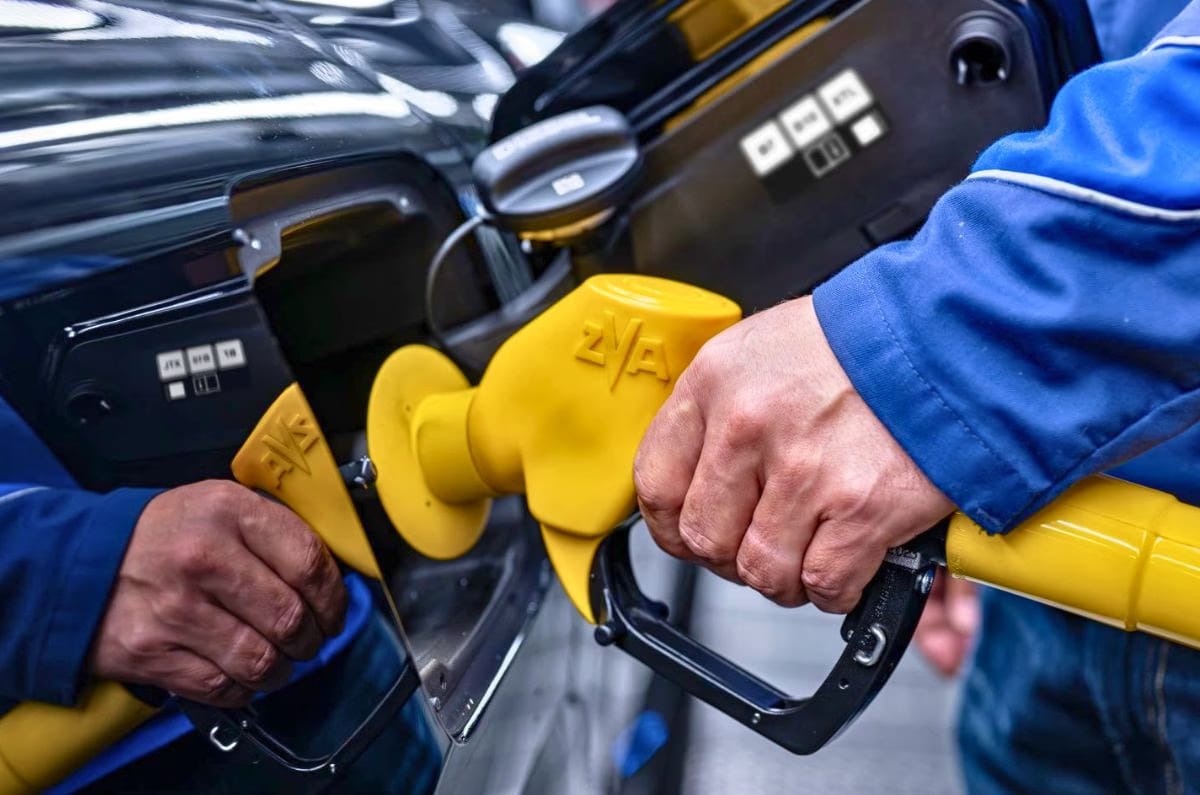
fuel filling in car

India’s mandatory rollout of E20 petrol has come under renewed scrutiny after a series of public complaints, political criticism and viral social media posts incited fresh debate over the ethanol blending programme. Meanwhile, manufacturers such as Toyota, Maruti Suzuki and Hero Motocorp have publicly defended the E20 policy.

The controversy heightened early last week after reports emerged of Attorney General for India, R Venkataramani, describing the country’s ethanol blending programme as an “experiment” during a court hearing, saying its results would only be known next year. Though the government later denied that the remark referred to the E20 policy and Venkataramani clarified that he was speaking about ethanol supply volumes rather than the fuel itself, the comments have intensified an already growing backlash.

Auto manufacturers express support for India’s ethanol blending programme

No E20-related issues recorded in non-compliant vehicles so far, claim manufacturers 

At a government briefing held on July 4, several automotive manufacturers and industry representatives mounted a coordinated defence of the ethanol blending programme. Maruti Suzuki’s Senior Executive Officer for Corporate Affairs, Rahul Bharti, acknowledged the key concern of E20’s impact on E10-compliant and older vehicles.

“India mandated E20 from 2023 for material compliance, and before that it was E10. Obviously, after 2023 both the cars and the fuel are mandated for E20,” he said. For perspective, E20 compliance was mandated as part of Bharat Stage 6 Phase 2 regulations, which went into effect from April 2023 onwards.

However, Bharti claimed that Maruti Suzuki had tested older E10-compatible vehicles on E20 and found no significant concerns related to wear, corrosion, or component durability. “As a manufacturer we have tested E10 cars, which were prevalent before 2023, on E20 fuel for all parameters, and we have not found anything of concern,” stated Bharti.

Hero MotoCorp Chief Business Officer Ashutosh Verma concurred with Bharti’s statement, confirming that analysis of crores of service records had not found a higher incidence of vehicle damage in vehicles running on E20 compared with earlier fuel blends. Vikram Gulati, Country Head and Executive Vice President of Toyota Kirloskar Motor, added that the auto industry features highly stringent regulations, and that vehicles and fuels are put through extensive testing, certification, and homologation before reaching customers.

Gulati also said that ethanol is a cleaner, high-performance fuel that helps cut vehicle emissions and reduces India’s dependence on crude oil imports. Former Engineers India chairman and managing director Vartika Shukla echoed Gulati, stating that the transition to E20 was carried out via a phased, scientifically driven process involving auto manufacturers and testing agencies. She noted that ethanol blending had increased from around 1.5 percent in 2013-14 to 20 percent by December 2025, achieving the government’s target five years ahead of schedule.

Petroleum minister Hardeep Singh Puri remarked at a separate briefing on July 2: “They use it [ethanol] in racing cars also, the acceleration increases. Mileage, yes, ​it may drop a little.” Puri’s comments are not germane to public concerns at all, as race cars use ethanol solely for performance, and the mileage drop is the central pain point for the overwhelming majority of vehicle owners. Race car engines are also designed to take full advantage of ethanol and are frequently rebuilt, with the latter residing completely outside the realm of reason for the average motorist.

Toyota attributes Innova Hycross issue to fuel contamination

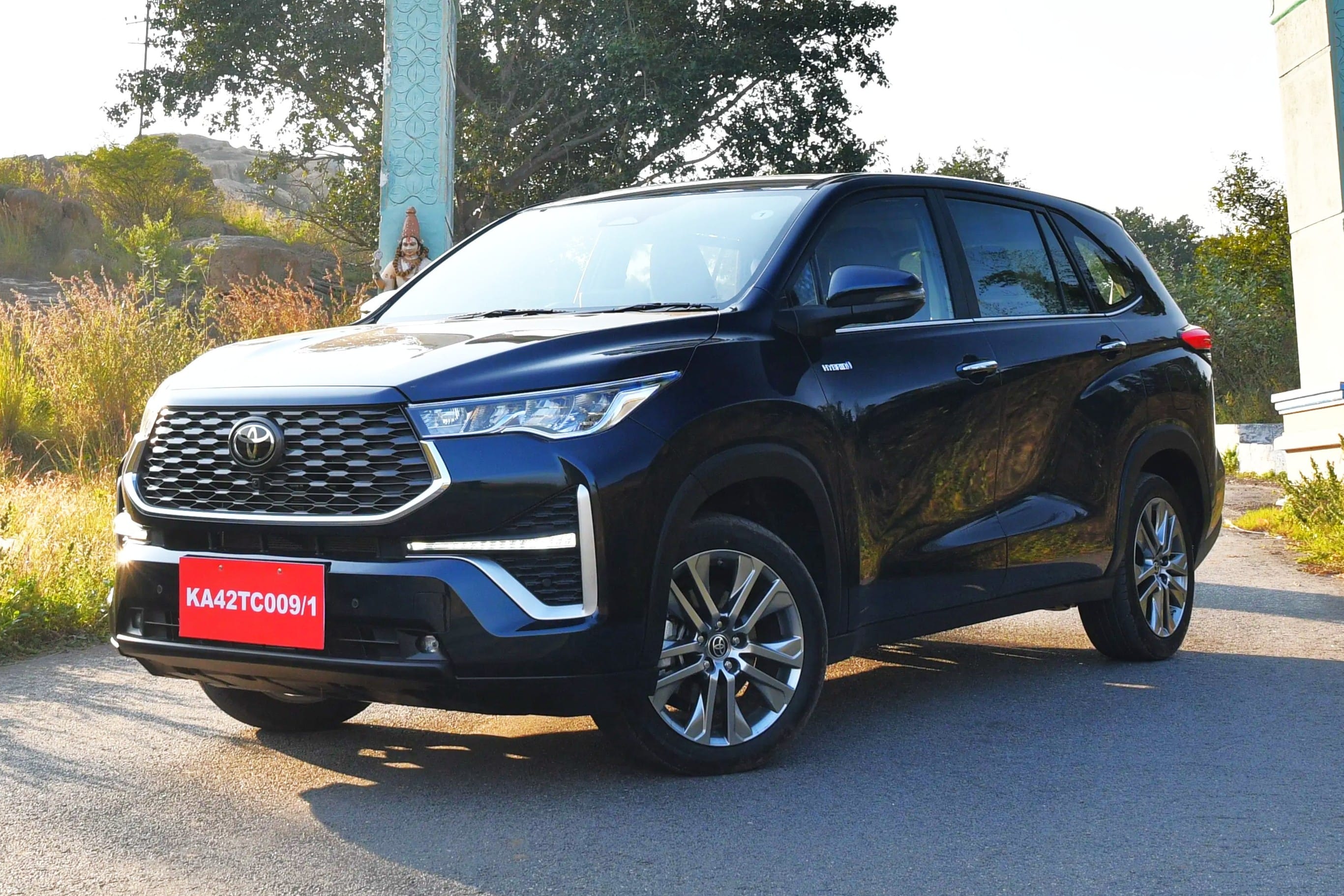
The Hycross in question belonged to Manoj Kashyap, a Bihar-based content creator

Motorists across India have emerged in droves online to voice concerns over reduced fuel efficiency, vehicle performance, and the long-term complications of using E20 petrol. A recent video posted by Bihar-based content creator Manish Kashyap gained immense traction on social media, showing his Toyota Innova Hycross hybrid at a service centre after it reportedly developed engine vibration and knocking issues at around 12,000km.

Kashyap blamed the issue on E20 petrol, criticised Union Road Transport Minister Nitin Gadkari (a major proponent of the ethanol-blending programme), and argued that consumers should have the option of purchasing unblended petrol. Responding to Kashyap’s viral claims, Toyota said it conducted an investigation on the damaged Innova Hycross and found no link between the car’s fault and E20 petrol, and that the culprit was actually contaminated fuel.

Toyota Innova Hycross hybrid. Image used for representation only.

“Based on our detailed technical assessment of the vehicle, the issue was due to fuel contamination,” Toyota noted in its statement. The Japanese carmaker said its technicians drained and cleaned the fuel tank and lines before refilling the vehicle with standard E20 petrol. Following the procedure, the Innova Hycross was found to be operating normally and was returned to Kashyap.

“The incident is not related to E20 fuel usage and was solely caused by non-standard and contaminated fuel,” Toyota added, advising customers to refuel only at authorised and reputed fuel stations. Contaminated fuel is a legitimate issue across the country and is compounded further by the introduction of E20, as fuel-related damage in vehicles becomes more difficult to pin down – ethanol is hygroscopic in nature, which means it can draw moisture from air and rot plastic and rubber components in the fuel system, especially in non-compliant vehicles.

Opposition voices disapproval of E20 policy implementation

Hundreds showed up to an anti-E20 protest in Delhi

Despite the industry’s defence, criticism surrounding the ethanol blending policy continues to grow in the political arena. Opposition leader Priyank Kharge argued that the rollout lacked adequate consultation and that the government could not dismiss consumer concerns while its own assessment remained pending. Political analyst Tehseen Poonawalla staged a protest against the mandatory E20 rollout at Jantar Mantar in New Delhi on July 5, which was attended by hundreds of aggrieved motorists.

The government, meanwhile, has continued to back E20, saying the fuel reduces carbon emissions, cuts crude oil imports, saves foreign exchange and supports farmers by increasing demand for ethanol feedstocks. In fact, the government has signaled an impending increase in baseline ethanol blending beyond E20, with standards notified for E22, E25, E27, and E30. ARAI has also been tasked with carrying out a study on the impact of E25 on existing E20- and E10-compliant vehicles.

Isobutanol-diesel blending under serious consideration

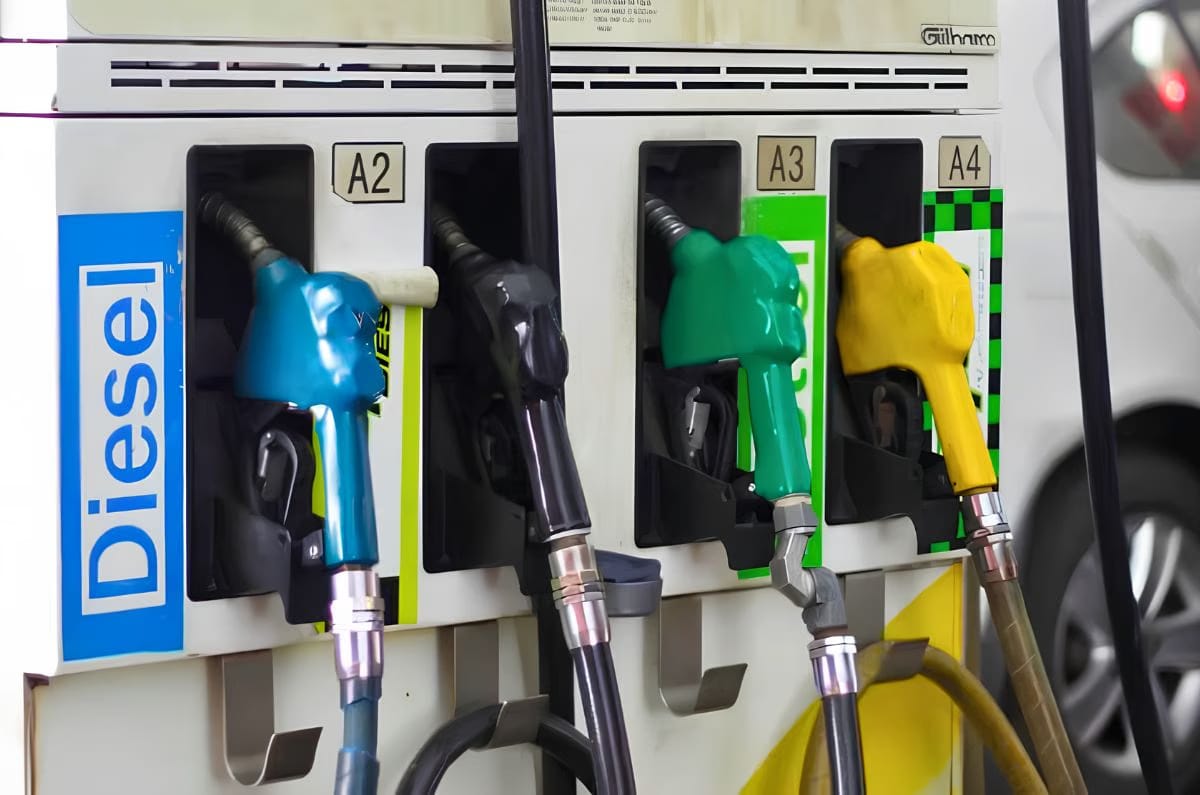
Diesel isn’t safe either, as plans to move forward with isobutanol blending in diesel this year are under consideration – isobutanol is an ethanol-derived compound, but is more energy-dense, less corrosive, and has a lower tendency to absorb water (hygroscopicity). This is despite the fact that none of the diesel cars currently sold in India are compliant with isobutanol-blended fuel.

All EVs available with BaaS schemes in India

BaaS cars

One of the biggest hurdles to the adoption of electric vehicles is their relatively higher prices compared to combustion-powered cars. To address this, mass-market brands such as Hyundai, Citroen, JSW-MG, Maruti Suzuki, Kia, Tata Motors and Toyota have started offering models with Battery-as-a-Service (BaaS) schemes, which are essentially subscription plans for the battery pack and substantially lower upfront costs. Here is a list of all the EVs offered with the BaaS option.

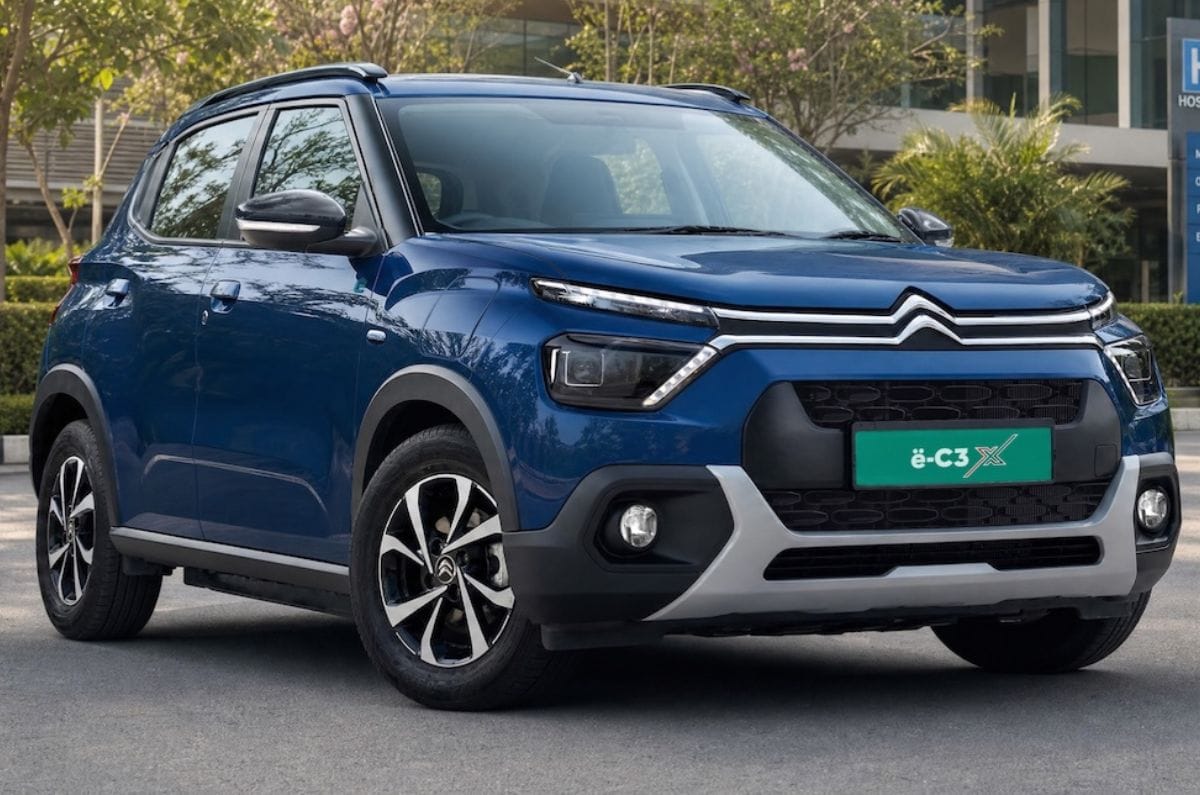
Citroen eC3X

BaaS price: Rs 6.89 lakh + Rs 2.26 per km onwards

Citroen eC3X

Citroen introduced a BaaS scheme option with the June 2026 update for the eC3X, reducing the EV’s upfront price by up to Rs 5.26 lakh. Buyers also have to pay a battery subscription fee of Rs 2.26 per kilometre, the lowest here, with a minimum monthly commitment of 2,000km, which works out to Rs 4,520 per month. If monthly usage exceeds 2,000km, charges apply for the additional distance covered.

For buyers opting out of the BaaS plan, Citroen is offering an introductory consumer discount of up to Rs 1.50 lakh, bringing the eC3X’s starting price down to Rs 10.49 lakh. 

Citroen eC3X ex-showroom prices (in Rs)

Variant

Non-BaaS price

BaaS price

Upfront saving

Live

11.99 lakh

6.89 lakh + 2.26 per km

5.10 lakh

Live (O)

12.35 lakh

7.09 lakh + 2.26 per km

5.26 lakh

Shine

13.26 lakh

8.30 lakh + 2.26 per km

4.96 lakh

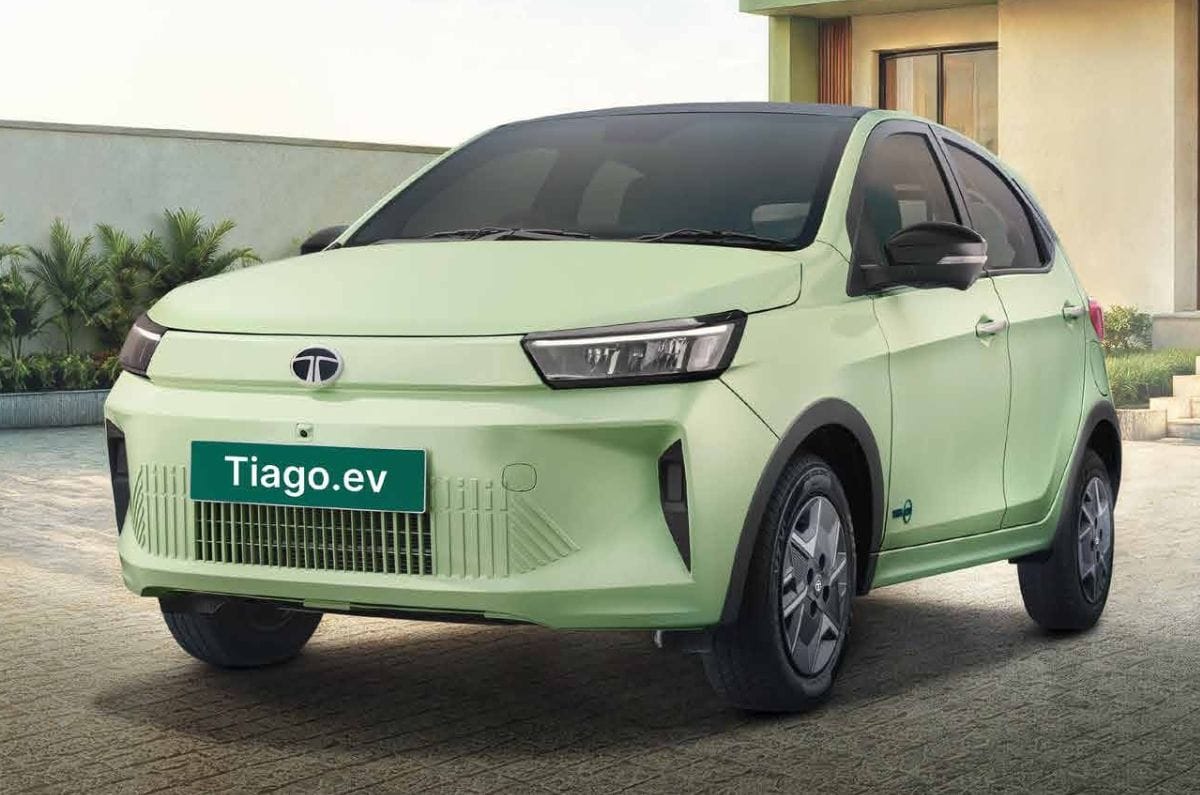
Tata Tiago EV

BaaS price: Rs 4.69 lakh + Rs 2.6 per km onwards

Tata Tiago EV

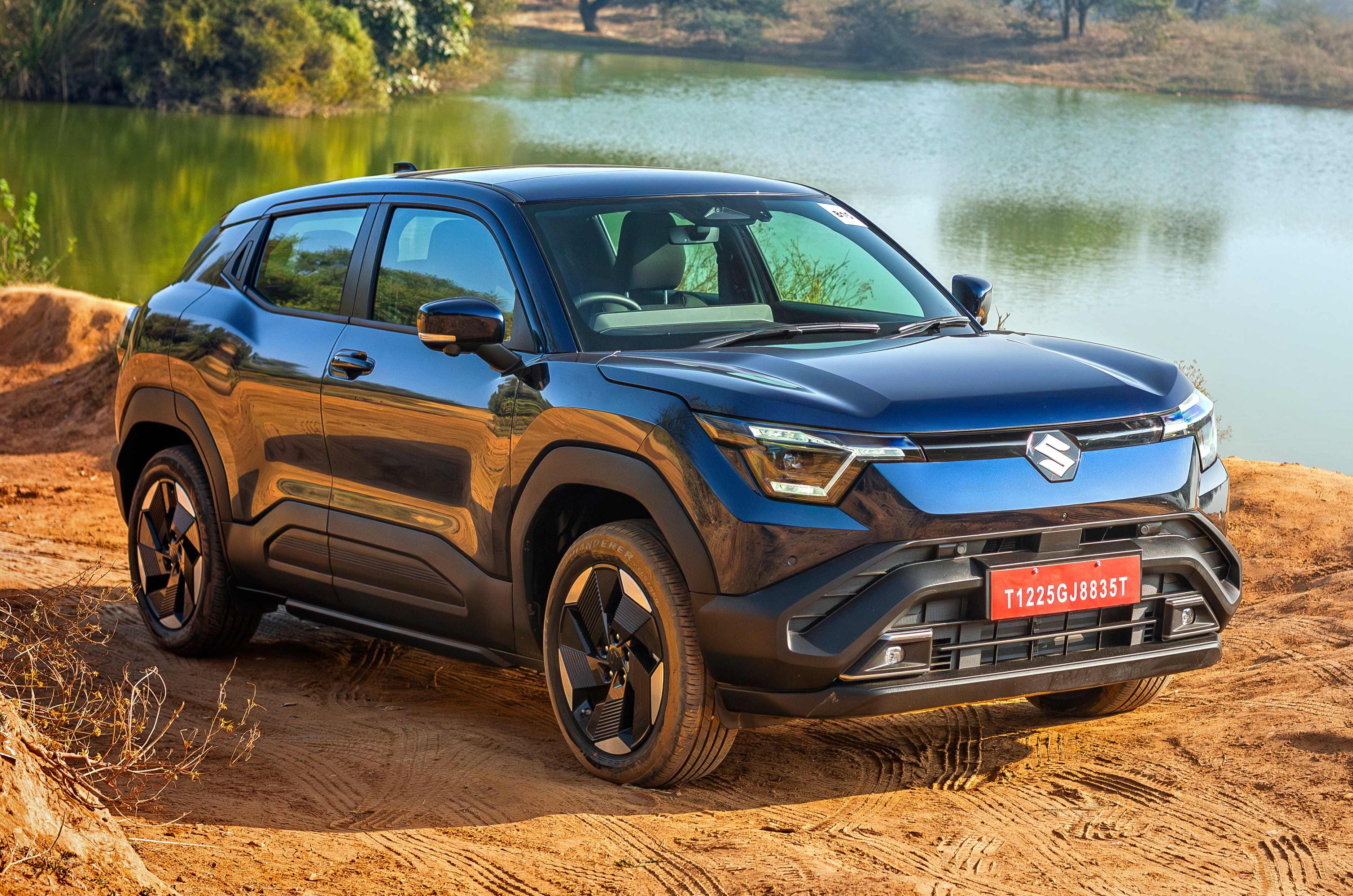
Priced from Rs 6.99 lakh, the Tata Tiago EV is the most affordable electric car in India. Under the BaaS scheme, it starts at Rs 4.69 lakh, reducing the upfront cost by Rs 2.30 lakh, and users pay an additional Rs 2.6 per km as a subscription fee. Tata has yet to reveal the full variant-wise BaaS prices of the Tiago EV.
Tata Tiago EV ex-showroom prices (in Rs)* 

Variant

Non-BaaS price

BaaS price

Upfront cost saving

Smart 19

6.99 lakh

4.69 lakh + 2.6 per km

2.30 lakh

*Tata hasn’t revealed the BaaS prices for all variants at the time of writing.

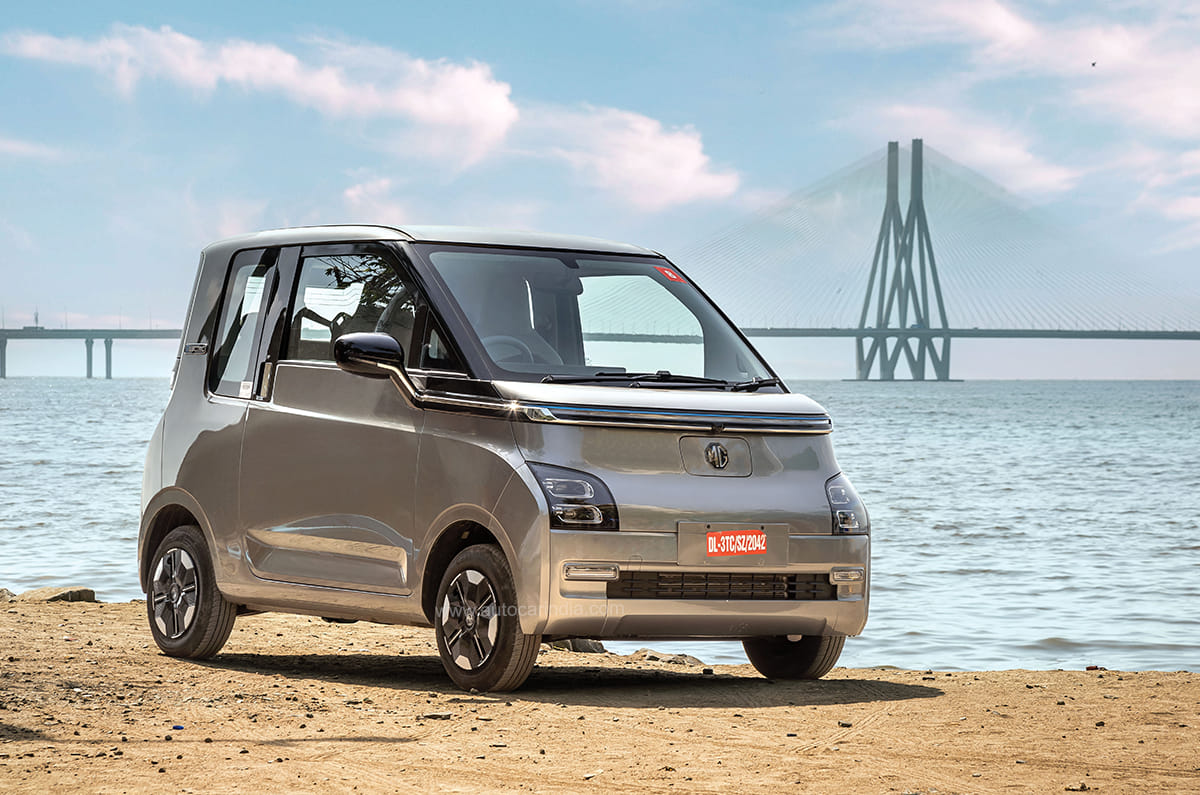
MG Comet EV

BaaS price: Rs 4.99 lakh + Rs 3.2 per km onwards

MG Comet EV

The Comet EV is priced from Rs 7.63 lakh, and its entry-level trims feature a 17.3kWh battery, while higher-spec models get a 17.4kWh unit. The BaaS scheme lowers the price by Rs 2.64 lakh across trims, and buyers opting for this have to pay a Rs 3.2/km subscription cost for the battery pack. Do note that when MG introduced the BaaS plan for the Comet EV in 2024, the subscription fee was slightly lower at Rs 2.5 per km. 

MG Comet EV ex-showroom prices (in Rs)

Variant

Non-BaaS price

BaaS price

Upfront saving

Executive 17.3kWh

7.63 lakh

4.99 lakh + 3.2 per km

2.64 lakh

Excite 17.3kWh

8.73 lakh

6.09 lakh + 3.2 per km

2.64 lakh

Excite 17.4kWh9 lakh6.36 lakh + 3.2 per km2.64 lakh

Exclusive 17.3kWh

9.73 lakh

7.09 lakh + 3.2 per km

2.64 lakh

Exclusive 17.4kWh10 lakh7.36 lakh + 3.2 per km2.64 lakh

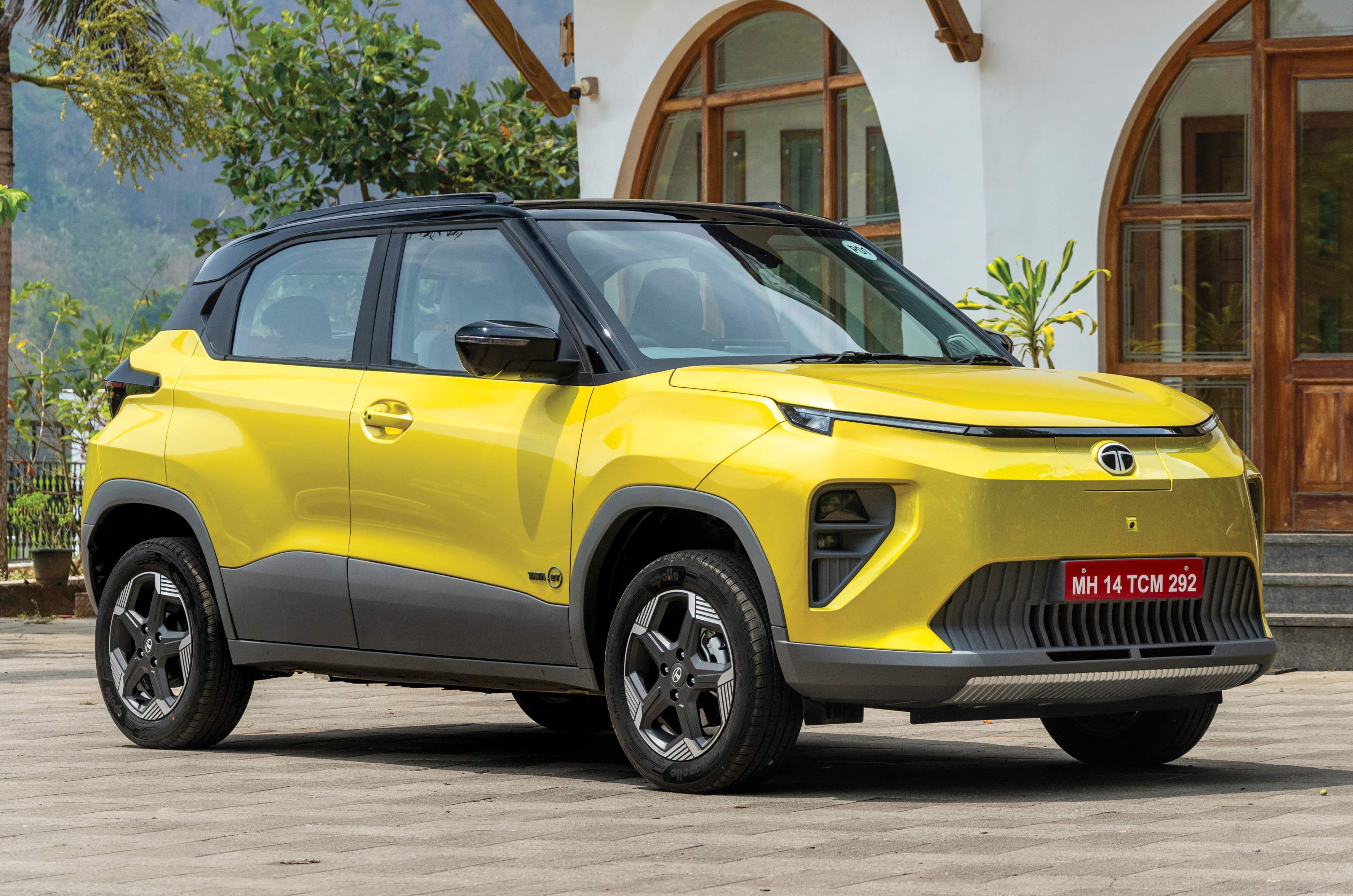
Tata Punch EV

BaaS price: Rs 6.49 lakh + Rs 2.6 per km onwards

Tata Punch EV facelift review: More for less

The Tata Punch EV is another electric offering from the Indian manufacturer that is available with a BaaS scheme. Its base trim costs Rs 9.69 lakh but with the BaaS scheme, that can be lowered by Rs 3.2 lakh. However, buyers will have to pay a battery rental fee of Rs 2.6 per km. Tata claims that a monthly running of 1,800km is reasonable for most buyers, which works out to a battery rental of about Rs 4,688.

Tata Punch EV ex-showroom prices (in Rs)

Variant

Non-BaaS price

BaaS price*

Upfront saving

Smart 30kWh

9.69 lakh

6.49 lakh + 4,688 per month

3.2 lakh

Smart+ 30kWh10.297.09 lakh + 4,688 per month3.2 lakh
Smart+ 40kWh10.997.29 lakh + 5,274 per month3.7 lakh
Adventure 40kWh11.747.99 lakh + 5,274 per month3.75 lakh
Empowered 40kWh12.498.69 lakh + 5,274 per month3.8 lakh
Empowered+ S 40kWh12.798.99 lakh + 5,274 per month3.8 lakh

*The battery EMI is assumed on a loan tenure of 8 years.

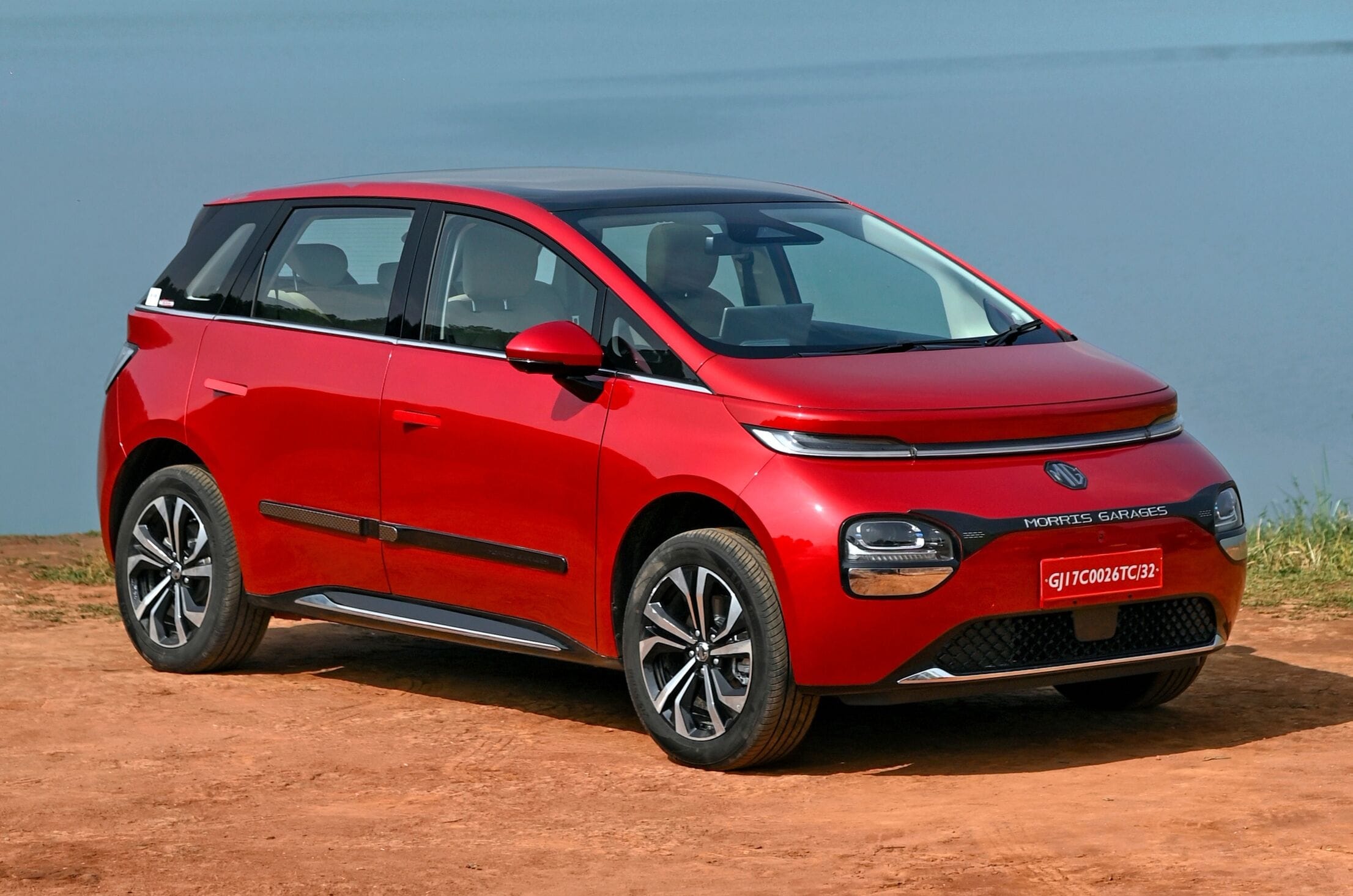
MG Windsor EV

BaaS price: Rs 9.99 lakh + Rs 3.99 per km onwards

MG Windsor EV

MG first introduced the BaaS ownership plan in India with the Windsor EV, which was launched in September 2024 with a 38kWh battery pack. A larger 52.9kWh pack was added to the line-up in May 2025. The Windsor EV’s battery rental fee depends on the battery pack selected: Rs 3.99 per km for the 38kWh unit and Rs 4.5 per km for the larger 52.9kWh unit. This scheme lowers the upfront cost by up to Rs 5 lakh.

MG Windsor EV ex-showroom prices (in Rs)

Variant

Non-BaaS price

BaaS price

Upfront saving

Excite 38kWh

14.7 lakh

9.99 lakh + 3.99 per km

4.71 lakh

Exclusive 38kWh

16 lakh

11.29 lakh + 3.99 per km

4.71 lakh

Essence 38kWh

17 lakh

12.29 lakh + 3.99 per km

4.71 lakh

Exclusive Pro 52.9kWh

17.9 lakh

12.9 lakh + 4.5 per km

5 lakh

Essence Pro 52.9kWh

19 lakh

14 lakh + 4.5 per km

5 lakh

Hyundai Creta Electric

BaaS price: Rs 10.99 lakh + Rs 3.9 per km onwards

Hyundai Creta Electric

The Hyundai Creta Electric is the latest EV here to get a BaaS scheme option, which was introduced in July 2026. The Creta EV starts with the Rs 18.03 lakh Executive 42kWh variant but with the battery rental option, buyers can save Rs 7.04 lakh up front, one of the highest savings here. Prices for the other 42kWh variants, as well as the 51.4kWh variants are expected to be revealed soon.

Hyundai Creta Electric ex-showroom price (in Rs)*

Variant

Non-BaaS price

BaaS price

Upfront saving

Executive 42kWh

18.03 lakh

10.99 lakh + 3.9 per km

7.04 lakh

*Hyundai hasn’t revealed the BaaS prices for all variants at the time of writing.

Maruti Suzuki e Vitara

BaaS price: Rs 10.99 lakh + Rs 3.99 per km onwards

Maruti Suzuki e Vitara

The Maruti e Vitara is also available with the BaaS scheme, the subscription fee of which differs with the chosen battery pack. With the smaller 49kWh battery, Maruti charges Rs 3.99 per km, while with the larger battery pack, a fee of Rs 4.39 per km is charged. 

Maruti Suzuki e Vitara ex-showroom prices (in Rs)

Variant

Non-BaaS price

BaaS price

Upfront saving

Delta 49kWh

15.99 lakh

10.99 lakh + 3.99 per km

5 lakh

Zeta 61kWh

17.79 lakh

12.29 lakh + 4.39 per km 

5.5 lakh

Alpha 61kWh

19.99 lakh

14.49 lakh + 4.39 per km

5.5 lakh

Kia Carens Clavis EV

BaaS price: Rs 12.84 lakh + Rs 3.3 per km onwards

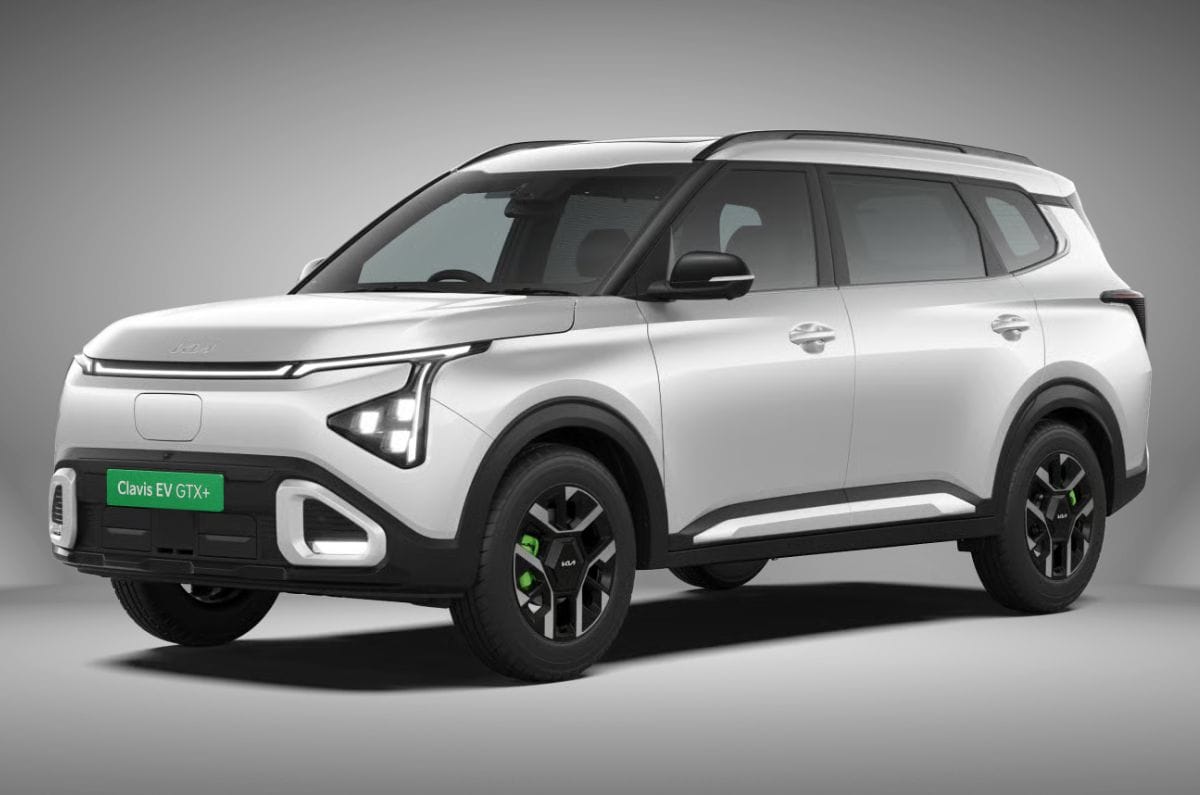
In May 2026, Kia introduced the BaaS scheme for its Carens Clavis EV, which stands out here as the only MPV. Kia charges a rental fee of Rs 3.3 per km for both the 42kWh and 51.4kWh battery pack options. While the entire BaaS price list isn’t out at the time of writing, one can save Rs 5.16 lakh and Rs 6.06 lakh on the HTK+ 42kWh and HTX E ER 51.4kWh variants, respectively. 

Kia Carens Clavis EV ex-showroom prices (in Rs)*

Variant

Non-BaaS price

BaaS price

Upfront saving

HTK+ 42kWh

18 lakh

12.84 lakh + 3.3 per km

5.16 lakh

HTX E ER 51.4kWh

22 lakh

15.94 lakh + 3.3 per km

6.06 lakh

*Kia hasn’t revealed the BaaS prices for all variants at the time of writing.

MG ZS EV

BaaS price: Rs 13 lakh + Rs 4.5 per km onwards

MG ZS EV

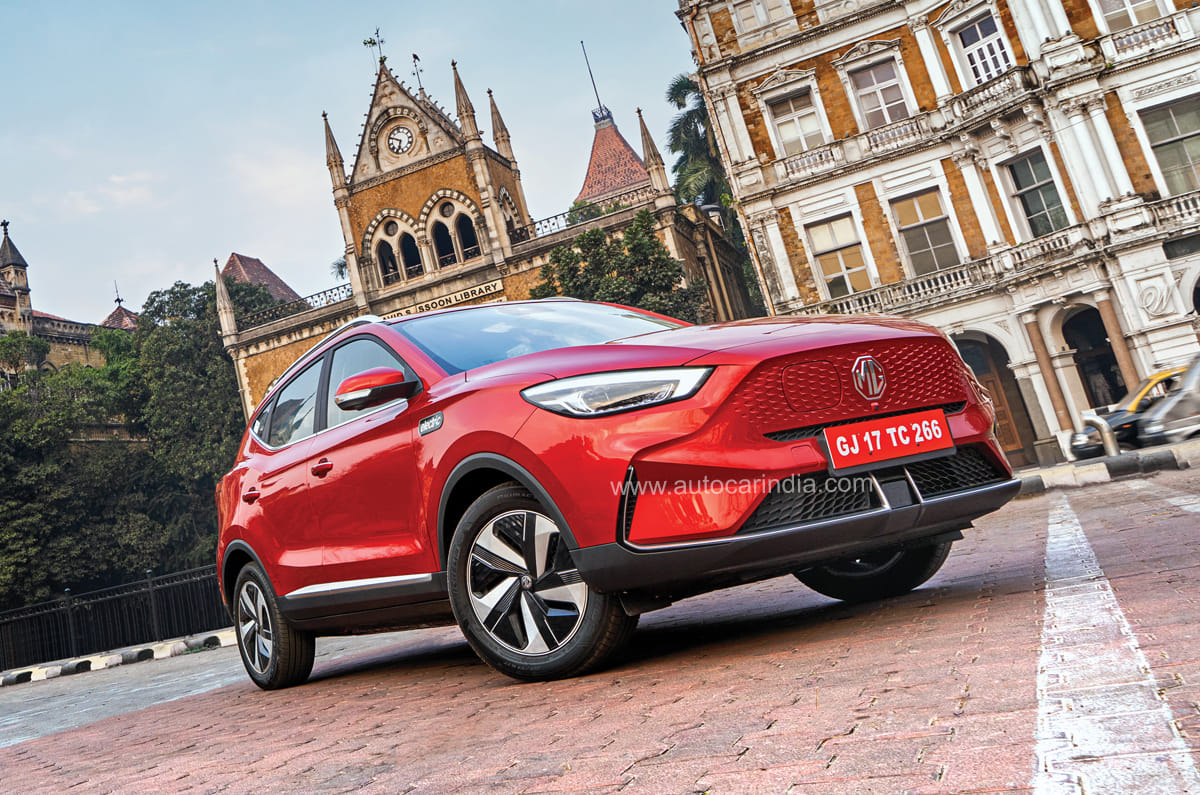
The ZS EV, MG’s first electric offering in India, received its mid-lifecycle update in 2022. However, it was only in September 2024 that MG introduced a BaaS scheme for the midsize electric SUV. The subscription fee for the ZS EV, which comes with a 50.3kWh battery pack, is Rs 4.5 per km – the same as that of the Windsor EV Pro. The upfront cost saving of up to Rs 5.24 lakh is the highest in MG’s electric line-up. 

MG ZS EV ex-showroom prices (in Rs)

Variant

Non-BaaS price

BaaS price

Upfront saving

Executive 50.3kWh

17.99 lakh

13 lakh + 4.5 per km

4.99 lakh

Excite Pro 50.3kWh

18.75 lakh

13.51 lakh + 4.5 per km

5.24 lakh

Exclusive Pro 50.3kWh

19.75 lakh

14.51 lakh + 4.5 per km

5.24 lakh

Essence 50.3kWh

20.75 lakh

15.51 lakh + 4.5 per km

5.24 lakh

Toyota Urban Cruiser Ebella

BaaS price: Rs 15.25 lakh + Rs 4.99 per km

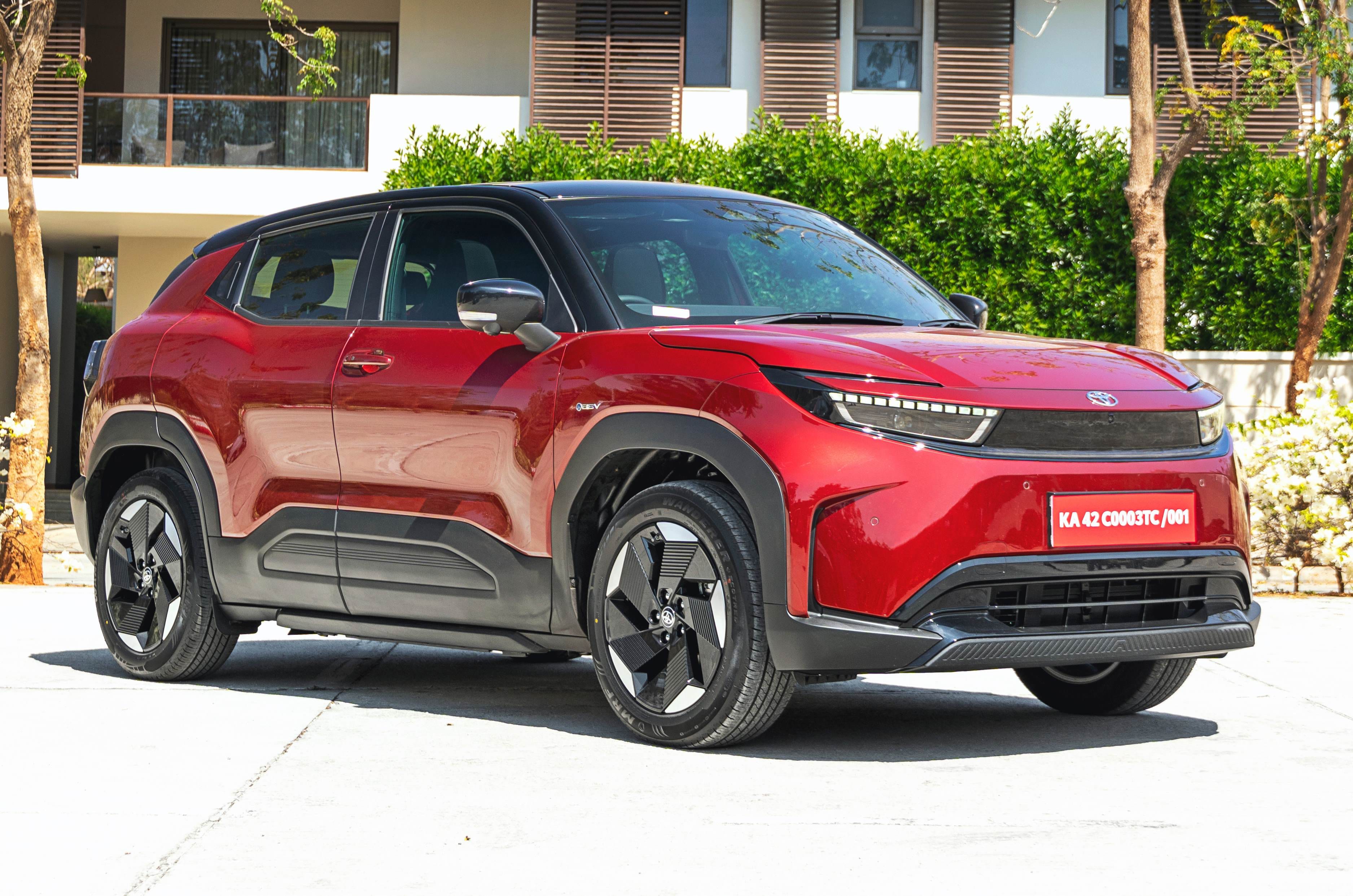
Toyota showcased its first EV for India, the Urban Cruiser Ebella, in January 2026 and revealed the price for its top-spec variant in May 2026. This E3 variant is powered by a 61kWh battery pack and offers a claimed range of 543km. Under the BaaS scheme, the E3’s upfront cost is Rs 15.25 lakh and the battery rental fee is Rs 4.99 per km – higher than the Rs 4.39 per km charged for its Maruti twin, the e Vitara.

Toyota Ebella EV ex-showroom prices (in Rs)* 

Variant

Non-BaaS price

BaaS price

Upfront saving

E3

23.60 lakh

15.25 lakh + 4.99 per km

8.35 lakh

*Toyota hasn’t revealed the BaaS prices for all variants at the time of writing.

नॉवें के हालैंड ने अकेले दम पर ब्राजील को हराकर किया विश्वकप से बाहर

एर्लिंग हालैंड अंतिम क्षणों में किये गये दो गोलों की बदौलत नॉर्वे ने पांच बार की चैंपियन ब्राजील को 2-1 से हराकर फीफा वर्ल्ड कप 2026 से बाहर कर दिया है। इस जीत के साथ नॉर्वे ने टूर्नामेंट के क्वार्टरफाइनल में जगह बना ली है। इस रोमांचक मुकबाले के हीरो एर्लिंग हालैंड ने मैच के आखिरी क्षणों (79वें और 90वें मिनट) में दो शानदार गोल दागकर नॉर्वे को जीत दिलाई। इंजरी टाइम में ब्राजील के लिए नेमार ने पेनल्टी से एक गोल किया, लेकिन यह हार टालने के लिए नाकाफी था।

पहले हाफ में खेल का रुख बिल्कुल अलग हो सकता था, जब ब्राजील के फॉरवर्ड मैथियस कुन्हा ने पेनल्टी हासिल की, लेकिन नॉर्वे के ओरजान नाइलैंड ने ब्रूनो गुइमारेस के कमजोर प्रयास को बचा लिया। कई मौको के बावजूद पहला हॉफ गोल रहित रहा। मुकाबले के तीनों गोल मैच के दूसरे हॉफ में आये।

ब्रेक के बाद नॉर्वे ने आक्रामक खेल दिखाया, जिसका श्रेय सोलबैकन के दो बड़े और शायद अप्रत्याशित बदलावों को जाता है। उन्होंने अलेक्जेंडर सोरलॉथ और एंटोनियो नुसा की जगह एंड्रियास शेल्डरुप और ऑस्कर बॉब को मैदान पर उतारा । वहीं ब्राजील के कोच कार्लो एंसेलोटी के बदलाव – जिनमें एंड्रिक और नेमार जैसे खिलाड़ी शामिल थे – ने शायद दर्शकों को खुश किया हो, लेकिन खेल पर इसका कोई खास असर नहीं पड़ा।
नॉर्वे का क्वार्टर फाइनल में मुकाबला मियामी में इंग्लैंड बनाम मैक्सिको के मैच के विजेता से होगा । ब्राजील के लिए, यह 36 वर्षों में विश्व कप से उनका सबसे जल्दी बाहर होना है।

Honda and Suzuki post best-ever EV sales in June 2026

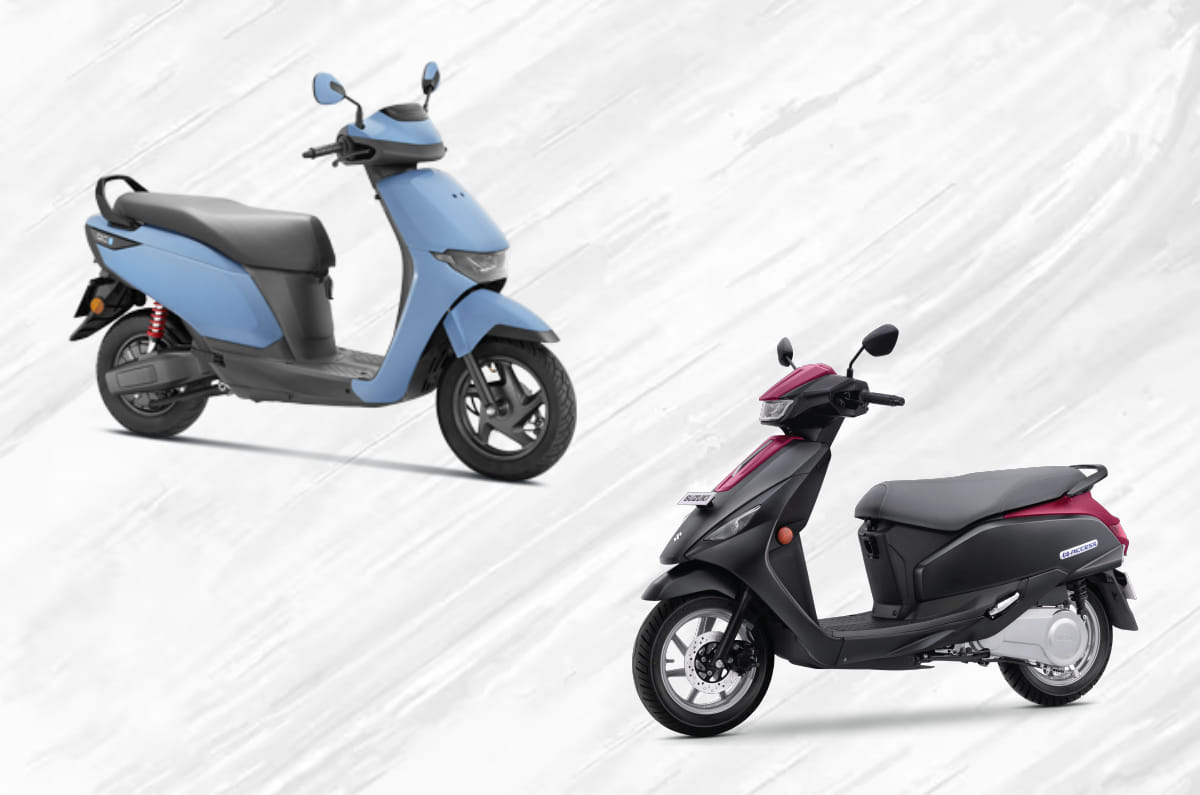
Composite studio image of e-Activa and e-Access

This past June was the strongest month yet for Japanese electric scooters in our market, with Honda and Suzuki both posting their highest-ever monthly retail figures. As per Vahan data, the three Japanese e-2W makers – Honda, Suzuki and Yamaha – collectively sold 1,469 electric scooters in June, giving them a combined 0.74 percent share of the e-2W market for the month.

  1. Honda delivers 810 electric scooters in June, its best-ever month
  2. Suzuki posts best-ever monthly sales of 523 e-Access units in June
  3. Honda leads Suzuki by 347 units after the first six months of 2026

Japanese electric scooter sales in 2026

Honda: 2,389 units

HMSI delivered 810 units of the Activa-e and QC1 in June, marking the first time the company has crossed 800 units in a single month, and a 78 percent year-on-year increase over the 454 units delivered in June last year. Cumulative retail sales of the two models have now crossed 6,000 units, standing at 6,254 units at the end of June. For the first half of 2026, Honda delivered 2,389 units – up 68 percent year-on-year from 1,419 units in H1 2025.

Suzuki: 2,042 units

Suzuki posted its best-ever monthly sales of 523 e-Access units in June, contributing to a first-half total of 2,042 units. Suzuki had actually outsold Honda in the January-April period, but HMSI’s stronger May-June performance – 1,335 units versus Suzuki’s 875 in those two months – has given Honda a 347-unit lead at the halfway point of the year.

Yamaha: 418 units

Yamaha, which entered the India EV market in March 2026 with the EC-06, sold 136 units in June to take its cumulative total to 418 units. Combined six-month sales of all three Japanese brands stand at 4,849 units – a 0.49 percent share of the 9,71,023 electric scooters, motorcycles and mopeds retailed in India in the first half of 2026.


कौन से हैं भारत के वो 2 एयरपोर्ट, जिनकी डिजाइन और खूबसूरती ने ग्लोबल लिस्ट में बनाई जगह?

2026 की “World’s Most Beautiful Airports” लिस्ट में भारत ने एक बार फिर अपनी खास पहचान बनाई है। इस बार भारत के दो एयरपोर्ट टर्मिनल इस सूची में शामिल किए गए हैं, जो दुनिया के कई बड़े देशों जैसे चीन, जर्मनी, अमेरिका और कंबोडिया के बेहतरीन एयरपोर्ट्स के साथ खड़े हैं। यह लिस्ट बताती है कि अब एयरपोर्ट सिर्फ यात्रा करने की जगह नहीं रहे, बल्कि इन्हें सुंदर डिजाइन और पर्यावरण के अनुकूल तरीके से भी बनाया जा रहा है। आज के समय में एयरपोर्ट्स में आधुनिक तकनीक के साथ-साथ प्राकृतिक थीम और लोकल संस्कृति का भी ध्यान रखा जा रहा है।

भारत के इन दोनों एयरपोर्ट्स की खासियत यह है कि ये न सिर्फ देखने में सुंदर हैं, बल्कि यात्रियों को एक अलग और आरामदायक अनुभव भी देते हैं, जिससे देश की आधुनिक सोच और संस्कृति दोनों दुनिया के सामने आती हैं।

गुवाहाटी एयरपोर्ट

गुवाहाटी के लोकप्रिया गोपीनाथ बोरदोलोई इंटरनेशनल एयरपोर्ट का टर्मिनल 2 पूरी तरह से प्राकृतिक थीम पर बनाया गया है। इसका डिजाइन बांस ऑर्किड फूल से प्रेरित है, जो उत्तर-पूर्व भारत की खास पहचान है। अंदर जाते ही यह जगह एक प्राकृतिक दुनिया जैसी महसूस होती है। यहां “स्काई फॉरेस्ट” जैसी हरियाली, ऊंची छतें और स्थानीय कला देखने को मिलती है, जो यात्रियों को असम की संस्कृति से जोड़ती है।

नवी मुंबई एयरपोर्ट

नवी मुंबई इंटरनेशनल एयरपोर्ट का टर्मिनल 1 बेहद आधुनिक और भविष्यवादी डिजाइन में बनाया गया है। इसकी छत कमल के फूल की पंखुड़ियों जैसी दिखती है। यह डिजाइन सिर्फ सुंदरता के लिए नहीं है, बल्कि प्राकृतिक रोशनी और हवा को बेहतर तरीके से अंदर लाने में भी मदद करता है, जिससे ऊर्जा की खपत कम होती है। अंदर की सजावट में डिजिटल आर्ट और कमल पैटर्न का खास इस्तेमाल किया गया है।

दुनिया के टॉप 7 खूबसूरत एयरपोर्ट्स

इस लिस्ट में भारत के अलावा चीन, जर्मनी, कंबोडिया और अमेरिका के एयरपोर्ट भी शामिल हैं। इनमें शामिल हैं—

  • Guangzhou Baiyun International Airport (China)
  • Frankfurt Airport (Germany)
  • Techo International Airport (Cambodia)
  • Pittsburgh International Airport (USA)
  • San Diego International Airport (USA)
  • Guwahati Airport Terminal 2 (India)
  • Navi Mumbai Airport Terminal 1 (India)

क्या है इस साल की खास बात?

इस साल की रैंकिंग में साफ दिख रहा है कि अब एयरपोर्ट डिजाइन में प्रकृति, पर्यावरण और आधुनिक तकनीक का मेल तेजी से बढ़ रहा है। भारत के दोनों एयरपोर्ट इस बदलाव का बेहतरीन उदाहरण हैं, जो देश की संस्कृति और आधुनिक सोच को दुनिया के सामने पेश करते हैं।