All you need to know about the upcoming Hyundai Bayon

All you need to know about the upcoming Hyundai Bayon
Hyundai Bayon front quarter tracking

Hyundai is slated to launch the Bayon midsize SUV during the festive season. It will be one of two new nameplate additions for Hyundai India in FY27. The Bayon will compete in the popular midsize SUV space but with a completely different positioning from the Creta. Ahead of its launch, here’s everything you need to know about the Hyundai Bayon.

Why is Hyundai launching the Bayon if it already has the Creta in the mid-size SUV space?

Hyundai’s strategy is to offer two models in the mid-size SUV space. This two-pronged approach will allow Hyundai to occupy the lower and higher rungs of the segment with the Bayon and Creta, respectively. The former will have fuel-efficient powertrains like CNG, while the latter will offer wider powertrain choices, including a hybrid version in its next generation that’s due in 2027.

Where will the Bayon sit in Hyundai’s India portfolio? 

In Hyundai’s India portfolio, the Bayon will slot right between the Venue compact SUV and the Creta. 

Is the Bayon sold in India similar to the Bayon sold abroad?
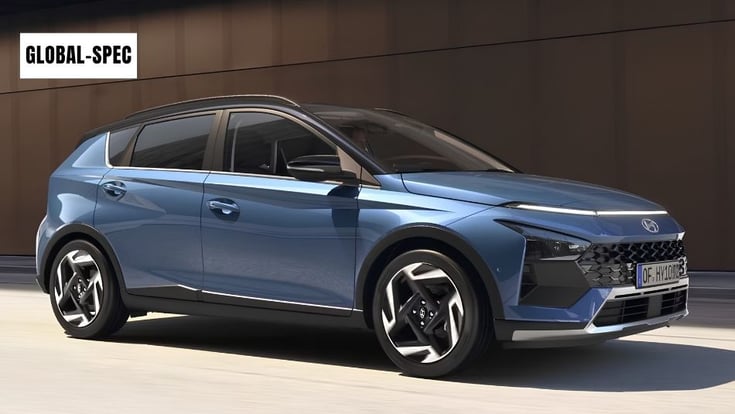
Global-spec Hyundai Bayon
India-spec Hyundai Bayon


Apart from an identical nameplate, the India-spec Bayon is quite different from the global-spec model. In comparison to the latter, the former will get a completely different top hat and interior. 

What powertrains will the Hyundai Bayon come with?

The Bayon will likely be powered by the Creta’s 1.5-litre naturally aspirated petrol engine with manual and CVT gearbox options. It will also be the first Hyundai model over 4 metres to offer CNG power, likely utilising the same 1.5-litre mill with an underbody-mounted tank.  

What will the Hyundai Bayon look like?

We’ve had a glimpse of what the Bayon would look like through various spy shots and, more recently, with Hyundai’s design sketches. As opposed to the boxy stance of regular SUVs, the Bayon sports a crossover-esque design. The fascia will have a split-headlamp setup with a half-split H-shaped signature for the DRLs and a scuff plate for the bumper. In profile, the Bayon gets a window line with an upward kink, pull-type door handles, flared wheel arches, and dual-tone alloy wheels. The rear is characterised by a roof-mounted spoiler, LED tail-lamps with similar signatures to the DRLs, and a smooth finish for the bumper. 

What will the Hyundai Bayon’s interior look like, and what features will it get?
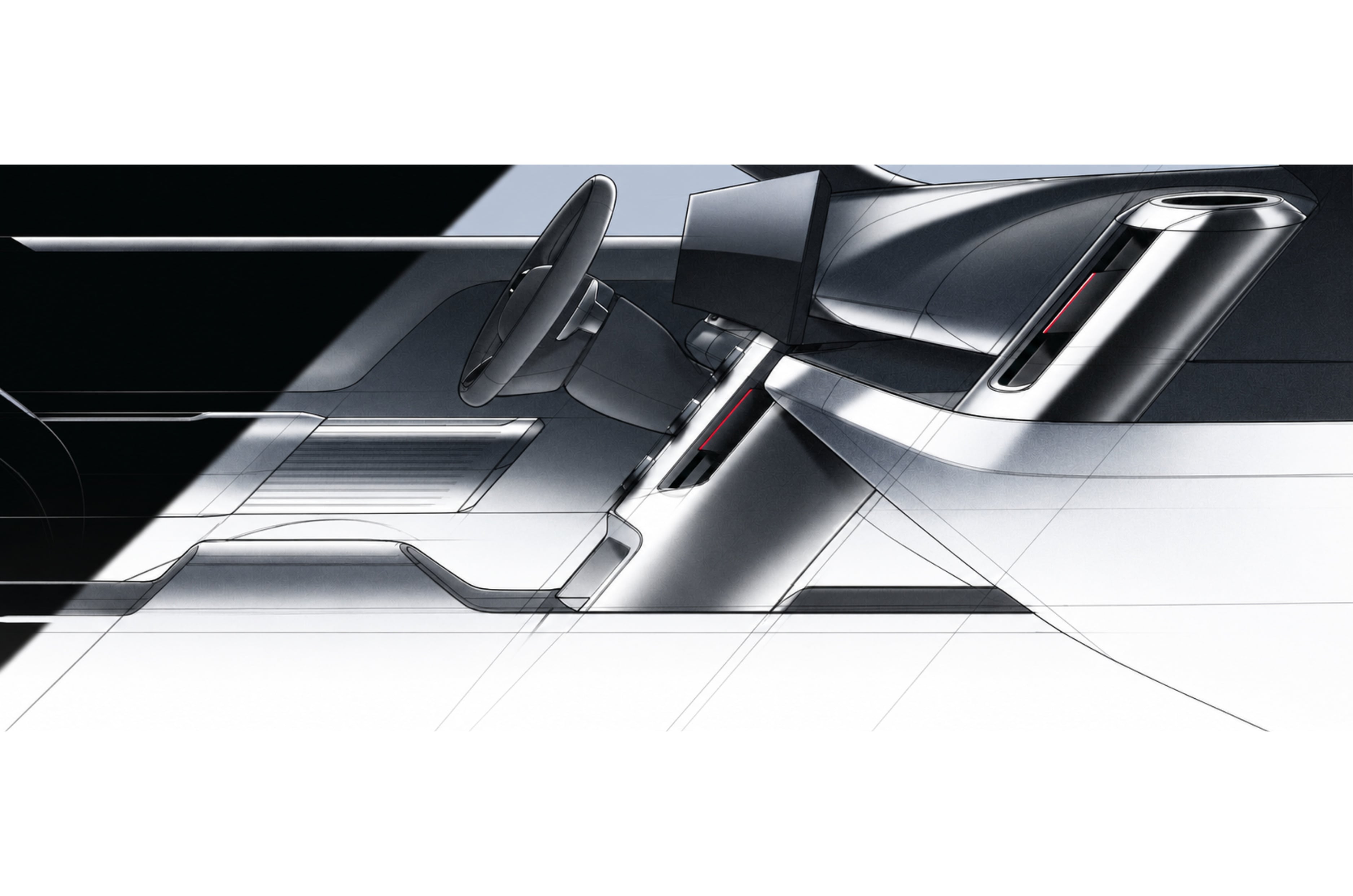
Hyundai’s design sketches of the Bayon’s interior reveal a layout that looks similar to the Brazil-spec fourth-gen i20. The dashboard gets a Venue-like curved dual-screen setup and a vertically oriented centre console with physical knobs. A black-and-white theme is expected, and spy images of the Bayon’s interior show a three-spoke steering wheel with a four-dot motif signifying ‘H’ in Morse code. In typical Hyundai fashion, the Bayon is expected to come with a lengthy feature list, including a sunroof, ventilated front seats, a wireless phone charger, a 360-degree camera, and a level 2 ADAS suite.     

What is the expected price of the Hyundai Bayon?

Since the Bayon will be positioned below the Creta, it will be priced more affordably with an expected price ranging between Rs 9 lakh and Rs 14 lakh. It will lock horns with the Maruti Victoris, MG Astor, Volkswagen Taigun, Honda Elevate and Skoda Kushaq

All prices are ex-showroom, India

Hyundai Bayon-based SUV interior spied for the first time

Hyundai Bayon-based SUV interior spied for the first time
Hyundai Bayon-based SUV interior

Some newly released spy shots of Hyundai’s upcoming Bayon-based midsize SUV offer the first glimpse of its interior. This SUV is expected to launch in the festive season as an alternative to Hyundai’s other midsize SUV, the highly popular Creta. However, the spy shots here indicate that the Bayon-based SUV will offer a more modern interior layout.

Hyundai Bayon-based SUV interior: What do the spy shots reveal?

Credit: Ankan Baruah via YouTube

Among the most notable elements visible in the spy shots is a new curved set of displays, similar to the dual 12.3-inch screens found in top-spec variants of the smaller Venue. By contrast, the Creta comes with dual 10.25-inch displays at most, and its infotainment system doesn’t natively support wireless Apple CarPlay and Android Auto – a separate USB adapter is required for that. We expect the Bayon-based SUV to rectify this shortcoming with updated infotainment software.

A dual-tone steering wheel resembling that of the Venue can be observed too. Like many of Hyundai’s newer cars, the steering wheel is expected to bear the four-dot motif that signifies ‘H’ in Morse code. Its black-and-white finish likely informs the overall colour scheme of the cabin as well.

Credit: Ankan Baruah via YouTube

In the second spy shot, we can clearly see a black-and-white finish for the door liners. The Bayon-based SUV also looks to have circular interior door handles.

Hyundai Bayon-based SUV: What else do we know?

On the outside, the Bayon-based SUV is anticipated to adopt Hyundai’s latest ‘Art of Steel’ design language, which is seen in newer global models like the eighth-gen Elantra and fifth-gen Tucson. Expect the Bayon-based SUV to sport T-shaped light bars at the front and rear, squared-off wheel-arch cladding, new alloy wheels, edgy proportions, and lots of cuts and creases on the bodywork.

The Bayon-based SUV will differ majorly from the Creta in powertrain offerings. We exclusively reported in July that the upcoming Hyundai SUV is expected to get the Creta’s 115hp 1.5-litre 4-cylinder naturally aspirated petrol engine with its respective 6-speed manual and CVT options. However, this engine will also be offered in CNG form, which will make the Bayon-based SUV the first Hyundai car over four metres long to be powered by CNG.

An underbody CNG tank is expected for the Bayon-based SUV as well, allowing it to directly rival the Maruti Suzuki Victoris, which is the only CNG-powered midsize SUV with an underbody tank at the moment.

TCS से ₹1537 करोड़ के ऑर्डर पर बनी बात, 13% उछल पड़े Tejas Networks के शेयर

Tejas Networks Share Price: तेजस नेटवर्क्स को टीसीएस (TCS) से एक LoI (लेटर ऑफ इंटेंट) मिला तो शेयर रॉकेट बन गए। तूफानी स्पीड से इसके शेयर करीब 13% उछल पड़े। टीसीएस ने इसे BSNL के 4जी मोबाइल नेटवर्क के लिए इक्विपमेंट्स की सप्लाई का इतना बड़ा ऑर्डर दिया है कि अकेले यह तेजस नेटवर्क के मौजूदा ऑर्डर बुक से अधिक है। इसने तेजस नेटवर्क्स के शेयरों में जोश भर दिया। इस तेजी का कुछ निवेशकों ने फायदा उठाया, जिससे भाव थोड़े नरम पड़े लेकिन निचले स्तर पर खरीदारी के चलते अब भी यह काफी मजबूत स्थिति में है। फिलहाल बीएसई पर यह 8.58% की बढ़त के साथ ₹554.70 पर है। इंट्रा-डे में यह 12.91% उछलकर ₹576.80 तक पहुंच गया था।

BSNL के लिए Tejas Networks को TCS से मिला तगड़ा LoI

तेजस नेटवर्क्स को 18,685 साइट्स पर बीएसएनएल (BSNL) के 4जी नेटवर्क के लिए RAN (रेडियो एक्सेस नेटवर्क) इक्विपमेंट, एक्सेसरीज और इंस्टॉलेशन मैटेरियल्स की सप्लाई को लेकर टीसीएस से लेटर ऑफ इंटेंट मिला है। यह ऑर्डर 1,537 करोड़ का है जोकि तेजस नेटवर्क्स के पूरे मौजूदा ऑर्डर बुक से अधिक है। जून 2026 तिमाही के आखिरी में कंपनी का ऑर्डर बुक ₹1529 करोड़ का था। तेजस नेटवर्क्स का कहना है कि टीसीएस की तरफ से जल्द ही एक डिटेल्ड परचेज ऑर्डर जारी किया जाएगा।

यह नया ऑर्डर बीएसएनएल के 4G नेटवर्क के विस्तार से जुड़ा है, जिस पर एक साल से अधिक समय से काम चल रहा है। मई 2025 में टीसीएस को बीएसएनएल से 18,685 साइट्स पर 4G नेटवर्क की प्लानिंग, इंजीनियरिंग, सप्लाई, इंस्टॉलेशन, टेस्टिंग, कमीशनिंग और सालाना मेंटेनेंस के लिए ₹2,903 करोड़ का एक एड-ऑन एडवांस पर्चेज ऑर्डर मिला था। इस प्रोजेक्ट के लिए RAN इक्विपमेंट सप्लाई करने वाली तेजस नेटवर्क्स ने बाद में इससे जुड़ा करीब ₹1526 करोड़ का पर्चेज ऑर्डर मिलने की उम्मीद जताई थी।

तेजस नेटवर्क्स ने बीएसएनएल के स्वदेशी 4G रोलआउट के लिए बेस स्टेशन और रेडियो इंफ्रास्ट्रक्चर सप्लाई किए हैं तो टीसीएस ने उस कंसोर्टियम में ओवरऑल डिप्लॉयमेंट की कमान संभाली जिसमें सेंटर फॉर डेवलपमेंट ऑफ टेलीमैटिक्स (C-DOT) भी शामिल है। शुरुआत में इसमें 1 लाख से अधिक साइट्स थीं और तेजस नेटवर्क्स को 4G RAN इक्विपमेंट सप्लाई के लिए करीब ₹7492 करोड़ का ऑर्डर मिला था।

कैसी है सेहत

कंपनी के कारोबारी सेहत की बात करें तो जून 2026 तिमाही में सालाना आधार पर तेजस नेटवर्क्स का रेवेन्यू सालाना आधार पर लगभग दोगुना होकर ₹202 करोड़ से ₹404 करोड़ पर पहुंच गया लेकिन नेट लॉस भी इस दौरान ₹194 करोड़ से ₹202 करोड़ पर पहुंच गया। जून तिमाही में 5G रेडियो के इंटरनेशनल शिपमेंट और 100G/400G ऑप्टिकल और फाइबर-टू-द-x प्रोडक्ट्स के घरेलू शिपमेंट से इसके रेवेन्यू को सपोर्ट मिला। जून तिमाही के आखिर में कंपनी पर कुल कर्ज ₹4,866 करोड़, कैश ₹589 करोड़ और नेट कर्ज ₹4,277 करोड़ था।

अब इसके शेयरों की बात करें तो 27 जनवरी 2026 को बीएसई पर यह एक साल के निचले स्तर ₹294.10 पर था। इस निचले स्तर से 5 ही महीने में यह 119.23% उछलकर 19 जून 2026 को एक साल के हाई ₹644.75 पर पहुंच गया।

HDFC Bank एक साल के निचले स्तर पर, रिकवरी में ₹1172 तक जाएगा शेयर, मैक्वेरी ने सीईओ को लेकर जताई दो संभावनाएं

डिस्क्लेमर: यहां मुहैया जानकारी सिर्फ सूचना के लिए दी जा रही है। यहां बताना जरूरी है कि मार्केट में निवेश बाजार जोखिमों के अधीन है। निवेशक के तौर पर पैसा लगाने से पहले हमेशा एक्सपर्ट से सलाह लें। मनीकंट्रोल की तरफ से किसी को भी पैसा लगाने की यहां कभी भी सलाह नहीं दी जाती है।

SIM Card Rules: 9 से ज्यादा SIM रखने वालों पर कसेगा शिकंजा, 23 अगस्त से लागू होगा नया नियम; जानें क्या बदलेगा

SIM Card Rules: 9 से ज्यादा SIM रखने वालों पर कसेगा शिकंजा, 23 अगस्त से लागू होगा नया नियम; जानें क्या बदलेगा

भारत में मोबाइल SIM कार्ड को लेकर नियम और सख्त होने जा रहे हैं। दूरसंचार विभाग (DoT) अब ऐसे लोगों की पहचान करने के लिए Digital Intelligence Platform (DIP) का इस्तेमाल करेगा, जो अपने नाम पर निर्धारित अधिकतम संख्या में SIM कार्ड पहले ही ले चुके हैं। ऐसे यूजर्स को अतिरिक्त मोबाइल कनेक्शन लेने से रोका जाएगा।


देश के अधिकांश हिस्सों में एक व्यक्ति अपने नाम पर अधिकतम 9 मोबाइल कनेक्शन रख सकता है। वहीं जम्मू-कश्मीर, असम और पूर्वोत्तर राज्यों में यह सीमा 6 SIM कार्ड की है। सरकार का मुख्य उद्देश्य SIM कार्ड के जरिए होने वाले धोखाधड़ी, फर्जी पहचान और साइबर अपराध पर लगाम लगाना है।

ALSO READ: SBI ने करोड़ों की Bulk FD पर घटाई ब्याज दरें, 15 अगस्त से लागू हुए नए रेट; वरिष्ठ नागरिकों को भी झटका

10वां SIM लेने की कोशिश की तो क्या होगा?


एक बार निर्धारित सीमा पूरी होने के बाद टेलीकॉम कंपनियां उसी व्यक्ति के नाम पर नया मोबाइल कनेक्शन जारी नहीं कर सकेंगी। नए सिस्टम के तहत यदि किसी व्यक्ति के नाम पर 9 SIM कार्ड हैं, तो उसकी जानकारी और उपलब्ध होने पर फोटो भी Digital Intelligence Platform (DIP) पर दिखाई देगी। टेलीकॉम कंपनियां नया कनेक्शन देने से पहले यह जांच सकेंगी कि ग्राहक पहले ही तय सीमा तक SIM ले चुका है या नहीं।


यह व्यवस्था 23 अगस्त 2026 से लागू होने की योजना है। शुरुआत में टेलीकॉम कंपनियां नए कनेक्शन जारी करने से पहले DIP में उपलब्ध जानकारी के आधार पर क्रॉस-चेक करेंगी। इसके बाद सिस्टम को धीरे-धीरे अधिक ऑटोमेटेड बनाया जाएगा।


पहले से लिमिट से ज्यादा SIM हैं तो क्या होगा?


नए नियम उन लोगों पर भी लागू होंगे, जिनके नाम पर पहले से तय सीमा से ज्यादा मोबाइल कनेक्शन मौजूद हैं। ऐसे अतिरिक्त SIM कार्ड की पहचान कर उन्हें डिस्कनेक्ट किया जा सकता है। DoT की तकनीक पहले से ही फर्जी दस्तावेजों के जरिए हासिल किए गए SIM कार्ड या निर्धारित सीमा से ज्यादा कनेक्शन की पहचान करने में सक्षम है।


SIM कार्ड के जरिए होने वाले साइबर फ्रॉड पर लगाम


सरकार के इस कदम का बड़ा मकसद उन SIM कार्ड के इस्तेमाल को रोकना है, जिनका इस्तेमाल अपराधी दूसरे लोगों की पहचान बनाकर, वित्तीय धोखाधड़ी और साइबर अपराध करने के लिए करते हैं। DIP के जरिए DoT पहले से ही टेलीकॉम कंपनियों, बैंकों, पुलिस और अन्य संबंधित संस्थाओं के साथ SIM और टेलीकॉम दुरुपयोग से जुड़ी जानकारी साझा करता है।


नवंबर 2026 तक टेलीकॉम कंपनियों को करना होगा सिस्टम तैयार


DoT ने टेलीकॉम कंपनियों को 30 नवंबर 2026 तक रियल-टाइम SIM जांच व्यवस्था लागू करने और अपने सिस्टम को Digital Intelligence Platform के साथ पूरी तरह इंटीग्रेट करने की समयसीमा दी है। इसका उद्देश्य यह सुनिश्चित करना है कि तय सीमा से ज्यादा SIM रखने वाले ग्राहकों की पहचान जल्द हो सके और अतिरिक्त कनेक्शन पर समय रहते कार्रवाई की जा सके।


ASTR भी करेगा फर्जी SIM की पहचान


सरकार ने फर्जी दस्तावेजों या निर्धारित सीमा से अधिक संख्या में जारी किए गए SIM कार्ड की पहचान के लिए ASTR नाम का AI आधारित सिस्टम भी तैयार किया है। यह तकनीक संदिग्ध या फर्जी दस्तावेजों से जुड़े मोबाइल कनेक्शन का पता लगाने में मदद करती है।


CNAP से कॉल आने पर दिखेगा नाम


SIM कार्ड की संख्या सीमित करने के साथ टेलीकॉम सेक्टर में एक और बड़ा बदलाव Calling Name Presentation (CNAP) के रूप में हो रहा है। CNAP के जरिए जब किसी व्यक्ति के पास कॉल आएगी तो मोबाइल स्क्रीन पर उस नंबर से जुड़ा नाम दिखाई देगा, भले ही वह नंबर कॉन्टैक्ट लिस्ट में सेव न हो। CNAP में टेलीकॉम कंपनियों के पास मौजूद KYC जानकारी का इस्तेमाल किया जाएगा, न कि किसी क्राउडसोर्स्ड डेटाबेस का।


कुल मिलाकर, SIM की सीमा सख्त करना, DIP के जरिए जानकारी साझा करना और CNAP लागू करना सरकार की उस रणनीति का हिस्सा है, जिसका उद्देश्य फर्जी मोबाइल कनेक्शन के जरिए पहचान छिपाकर धोखाधड़ी करने वालों पर शिकंजा कसना है।

Axor launches updated MX Carbon helmet at Rs 20,000

Axor launches updated MX Carbon helmet at Rs 20,000

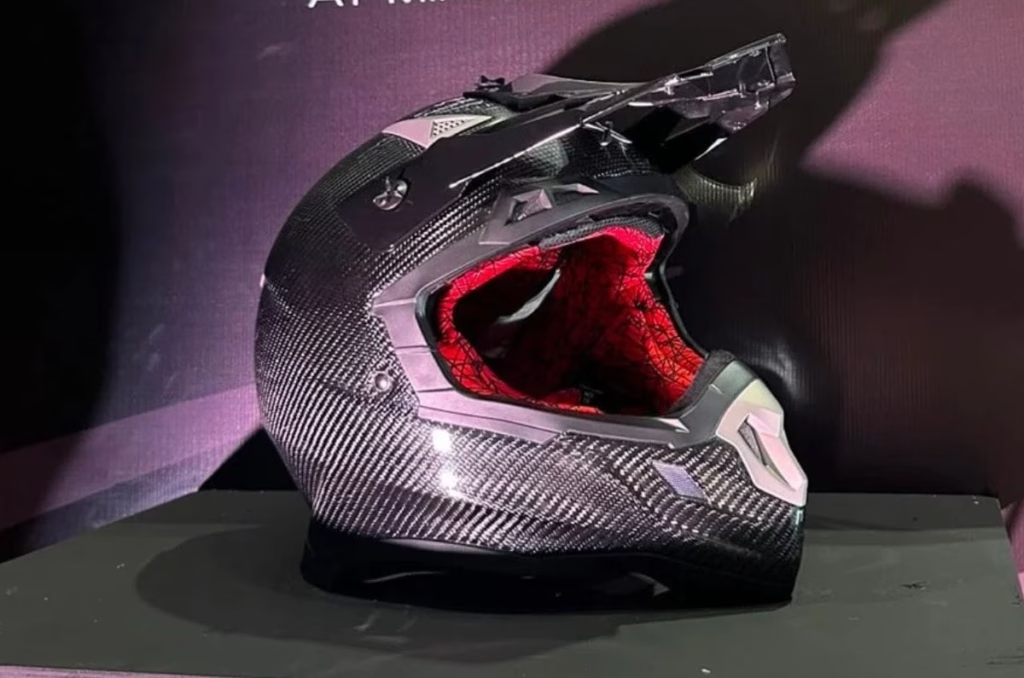
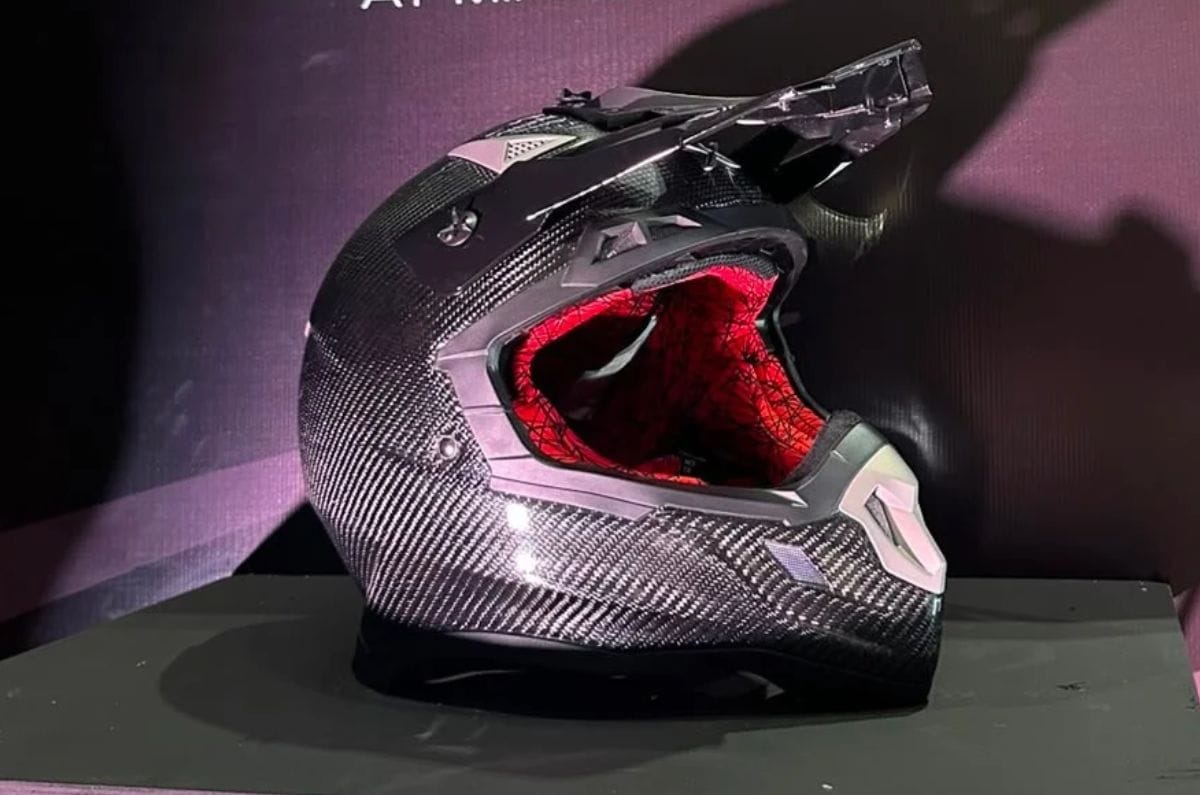
Indian riding gear manufacturer Axor has launched an updated MX Carbon helmet. Built on an improved shell technology from the previous MX Carbon, according to Axor this is the world’s lightest, triple certified helmet with ECE 22.06, ISI and DOT certifications.

  1. Available in three shell sizes
  2. Uses a tri-composite shell

Updated Axor MX Carbon has a lighter shell

Pre-orders are open now

The updated MX Carbon’s shell is made of a tri-composite (3K carbon fibre, aramid fibre, and aerospace-grade fibreglass) to achieve a lighter weight than before. Available in three shell sizes, the MX Carbon weighs 1,040g (±50g depending on the sizes) and is available in four sizes (M, L, XL, and 2XL). Axor also sells another off-road helmet, the Retro Moto X, but it’s not meant to rival the MX Carbon. The only other off-road helmet in its price range is the KYT Skyhawk. However, it is heavier (1,200g), more expensive (Rs 27,000). 

It also only gets ECE 22.05 rating, but does have ISI certification. The next closest competitor is the LS2 MX700 Subverter Evo but that’s not available for purchase anywhere. The helmet is manufactured in India and is available for pre-order now at Rs 20,060 with deliveries starting soon, making the MX Carbon Axor’s most expensive helmet at the moment.

BSNL Investment Plan: सरकारी टेलीकॉम कंपनी 5 साल में ₹77000 करोड़ निवेश करेगी, 2 लाख नए 4G टावर लगाएगी

BSNL Investment Plan: सरकारी टेलीकॉम कंपनी BSNL अगले पांच साल में करीब 77,000 करोड़ रुपये निवेश करने की तैयारी कर रही है। इस योजना में 2 लाख नए 4G साइट, नेटवर्क को मजबूत करना और ज्यादा ट्रैफिक वाले इलाकों में 5G सेवा शुरू करना शामिल है। दूरसंचार विभाग (DoT) ने यह जानकारी संचार और सूचना प्रौद्योगिकी से जुड़ी संसदीय समिति को दी है।

98% आबादी तक पहुंचाने का लक्ष्य

DoT के मुताबिक, इस निवेश में एक नया इंटीग्रेटेड कस्टमर सपोर्ट सिस्टम भी बनाया जाएगा। सरकार का अनुमान है कि इस योजना के बाद FY29 तक BSNL अपने रोजमर्रा के कारोबार में नफा-नुकसान के बराबर पहुंच जाएगी। यानी कंपनी की ऑपरेशनल कमाई उसके ऑपरेशनल खर्च के बराबर हो जाएगी। साथ ही कंपनी की सेवाएं देश की 98% आबादी तक पहुंच जाएंगी।

₹21,588 करोड़ की अतिरिक्त मदद

DoT ने यह भी बताया कि FY27 के लिए BSNL को मिलने वाली पूंजी सहायता (Capital Infusion) में 21,588 करोड़ रुपये बढ़ाने का प्रस्ताव रखा गया है। यह रकम पहले से मंजूर BSNL रिवाइवल पैकेज के तहत मांगी गई है।

यह रकम 77,000 करोड़ रुपये की निवेश योजना से अलग है। 77,000 करोड़ रुपये अगले पांच साल के निवेश के लिए हैं, जबकि 21,588 करोड़ रुपये सरकार की अतिरिक्त पूंजी सहायता है।

1.05 लाख स्वदेशी 4G साइट लगीं

अप्रैल 2026 तक BSNL 1,05,290 स्वदेशी 4G साइट लगा चुकी है। DoT का कहना है कि इन्हें आगे चलकर 5G में अपग्रेड किया जा सकता है। कंपनी ने दिल्ली में 5G-as-a-Service की शुरुआत भी कर दी है।

सरकार को उम्मीद है कि इससे BSNL के ग्राहकों की संख्या, प्रति ग्राहक औसत कमाई (ARPU) और कुल रेवेन्यू बढ़ेगा।

घाटा अभी भी बना हुआ है

हालांकि BSNL की आमदनी बढ़ रही है। कंपनी का ऑपरेशनल रेवेन्यू FY23 के 19,131 करोड़ रुपये से बढ़कर FY26 में 23,259 करोड़ रुपये हो गया है। FY27 में इसके 26,407 करोड़ रुपये तक पहुंचने का अनुमान है।

इसके बावजूद कंपनी का घाटा FY27 में 5,946 करोड़ रुपये रहने का अनुमान है। कुल खर्च 34,853 करोड़ रुपये रहने का अनुमान लगाया गया है।

खर्च घटाने और कमाई बढ़ाने पर फोकस

संसदीय समिति ने BSNL और DoT से खर्च कम करने और इंफ्रास्ट्रक्चर शेयरिंग बढ़ाने को कहा है। साथ ही 4G, 5G, एंटरप्राइज सर्विसेज और फाइबर कनेक्टिविटी जैसे ज्यादा कमाई वाले कारोबार पर ध्यान देने को कहा है।

BSNL अपनी वित्तीय स्थिति सुधारने के लिए टावर और डार्क फाइबर लीज पर भी दे रही है। मार्च 2026 तक कंपनी ने 11,398 टावर दूसरी टेलीकॉम कंपनियों को किराये पर दिए थे। इससे FY26 में 1,019 करोड़ रुपये की कमाई हुई।

वहीं, करीब 3 लाख रूट किलोमीटर डार्क फाइबर लीज पर देकर 410 करोड़ रुपये का रेवेन्यू हासिल किया। साथ ही, कंपनी ने FY25 के 9,460 करोड़ रुपये के मुकाबले FY26 में अपना ऑपरेशनल खर्च घटाकर 8,970 करोड़ रुपये कर लिया।

निफ्टी में हेरफेर से आखिरी समय में जोरदार तेजी आई? 3 और 4 अगस्त के ट्रेड्स की जांच कर रहा SEBI