दिल्ली की इस महिला के साथ उसके किराएदारों ने कर दिया ₹18 करोड़ का फ्रॉड! किराए पर देते हैं घर तो हो जाएं सावधान

Delhi Fraud News: अगर आप भी अपना घर या फ्लैट किराए पर देते हैं तो यह घटना आपके लिए एक बड़ा सबक साबित हो सकती है। देश की राजधानी दिल्ली से धोखाधड़ी का एक ऐसा सनसनीखेज मामला सामने आया है जहां किराएदारों ने मिलकर मकान मालकिन के नाम पर करोड़ों रुपये का चूना लगा दिया। ‘इंडियन एक्सप्रेस’ की रिपोर्ट के मुताबिक दिल्ली की रहने वाली एक महिला के साथ उसके किराएदारों ने कथित तौर पर फर्जी दस्तावेज तैयार कर ₹18 करोड़ का लोन ले लिया और महिला को एक बड़े आइडेंटिटी फ्रॉड का शिकार बना दिया।

11 शेल कंपनियों के जरिए ठिकाने लगाए ₹18 करोड़

पुलिस से मिली जानकारी के मुताबिक आरोपियों ने मकान मालकिन के फर्जी दस्तावेजों का इस्तेमाल करके कई अलग-अलग कंपनियों के नाम पर बैंकों या वित्तीय संस्थानों से लोन के रूप में फंड हासिल किया। इसके बाद इस रकम को चालाकी से छुपाने के लिए 11 शेल कंपनियों में ट्रांसफर किया गया और बाद में इस भारी-भरकम राशि को निकाल लिया गया। पुलिस ने बताया कि इस मामले में एक आरोपी को गिरफ्तार कर लिया गया है। दूसरे आरोपी की तलाश अभी भी जारी है।

साल 2012 में किराएदार बनकर आए थे दो शख्स

इस पूरे फ्रॉड की शुरुआत जून 2012 में हुई थी। पूर्वी दिल्ली के विवेक विहार की रहने वाली 55 वर्षीय उषा रानी सेठी ने विवेक विहार के ब्लॉक-डी में दो नए फ्लैट खरीदे थे। वह इन दोनों फ्लैट्स को किराए पर देने के लिए किरायेदारों की तलाश कर रही थीं। इसी दौरान सचिन और संजय नाम के दो व्यक्ति उषा रानी के पास आए और फ्लैट किराए पर लेने की इच्छा जताई। इनमें से मुख्य आरोपी सचिन ने खुद को एक बिजनेसमैन बताया और दावा किया कि वह जगदंबा मेटल्स नाम की एक मेटल ट्रेडिंग फर्म का मालिक है। संजय ने खुद को सचिन का बिजनेस एसोसिएट बताया।

सब-रजिस्ट्रार ऑफिस में बकायदा रजिस्टर्ड हुआ था रेंट एग्रीमेंट

पीड़ित महिला उषा रानी सेठी ने पुलिस को दिए अपने बयान में बताया कि मैंने अपने दूसरे फ्लोर का फ्लैट सचिन को करीब 47000 रुपये प्रति महीने के किराए पर दिया था। तीसरे फ्लोर का छोटा फ्लैट संजय को 17000 रुपये प्रति महीने के किराए पर दिया था।

ये भी पढ़ें- Muskan Soni: कौन हैं डॉ. मुस्कान सोनी? डेंटिस्ट ने केतन की हत्या का उड़ाया मजाक, अब 5 साल के लिए हुई सस्पेंड

महिला ने आगे बताया कि दोनों फ्लैटों के रेंट डीड बाकायदा सब-रजिस्ट्रार के कार्यालय में रजिस्टर्ड कराए गए थे। इसके बाद दोनों आरोपी कुछ समय तक वहां किराए पर रहे और फिर फ्लैट खाली करके वहां से चले गए। बाद में महिला के दस्तावेजों का दुरुपयोग कर इस ₹18 करोड़ के बड़े घोटाले को अंजाम दिया गया।

Top Bikes Under Rs 3 Lakh in India (2026)

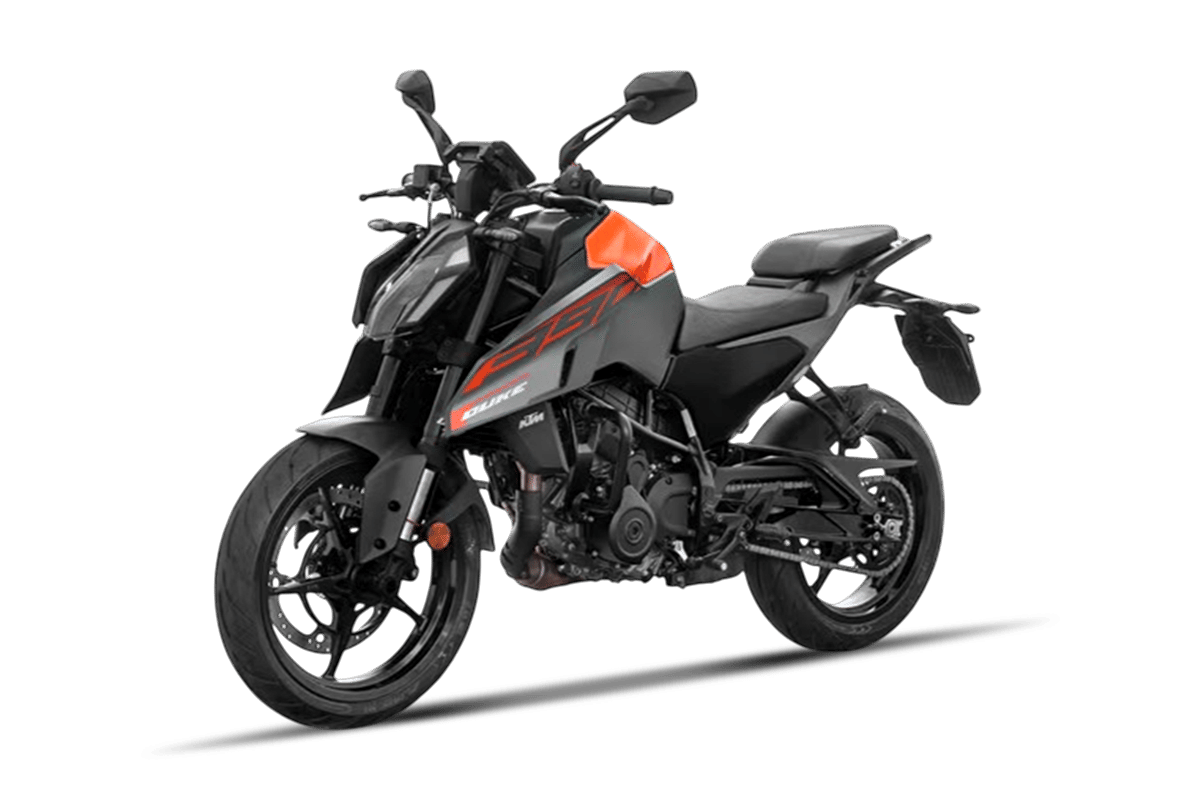
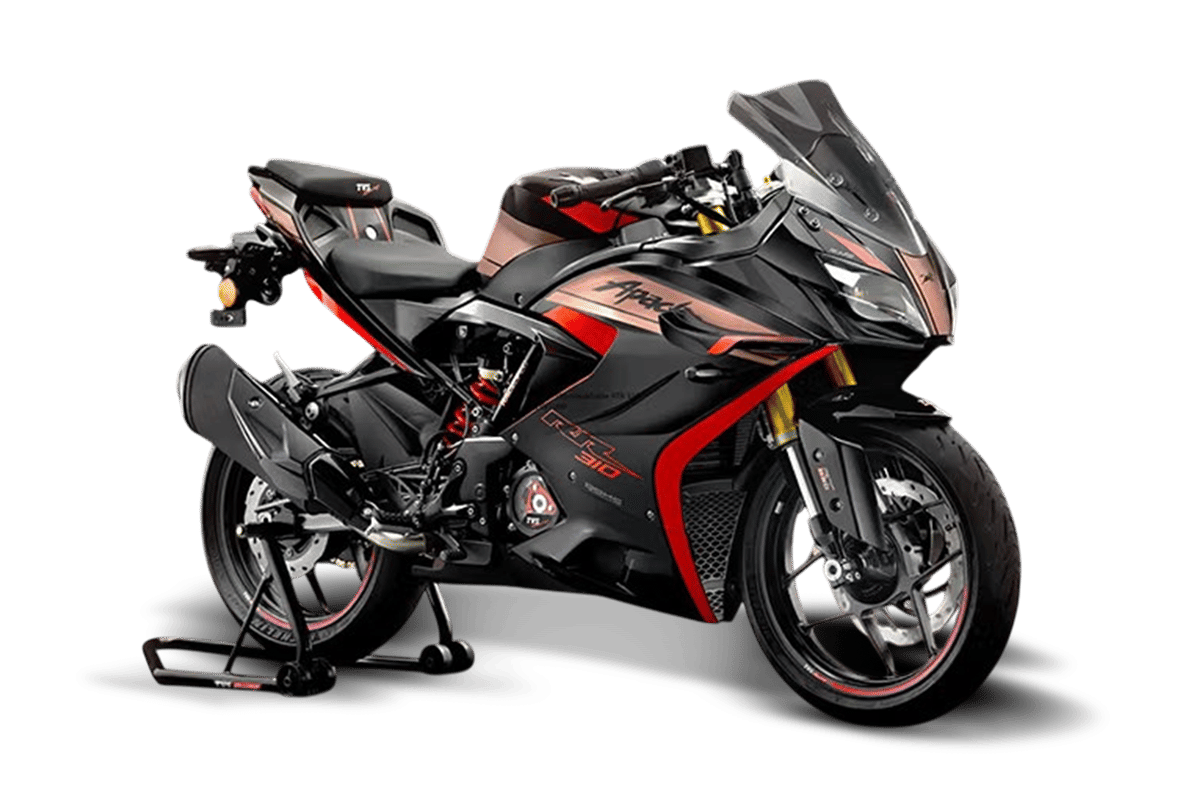
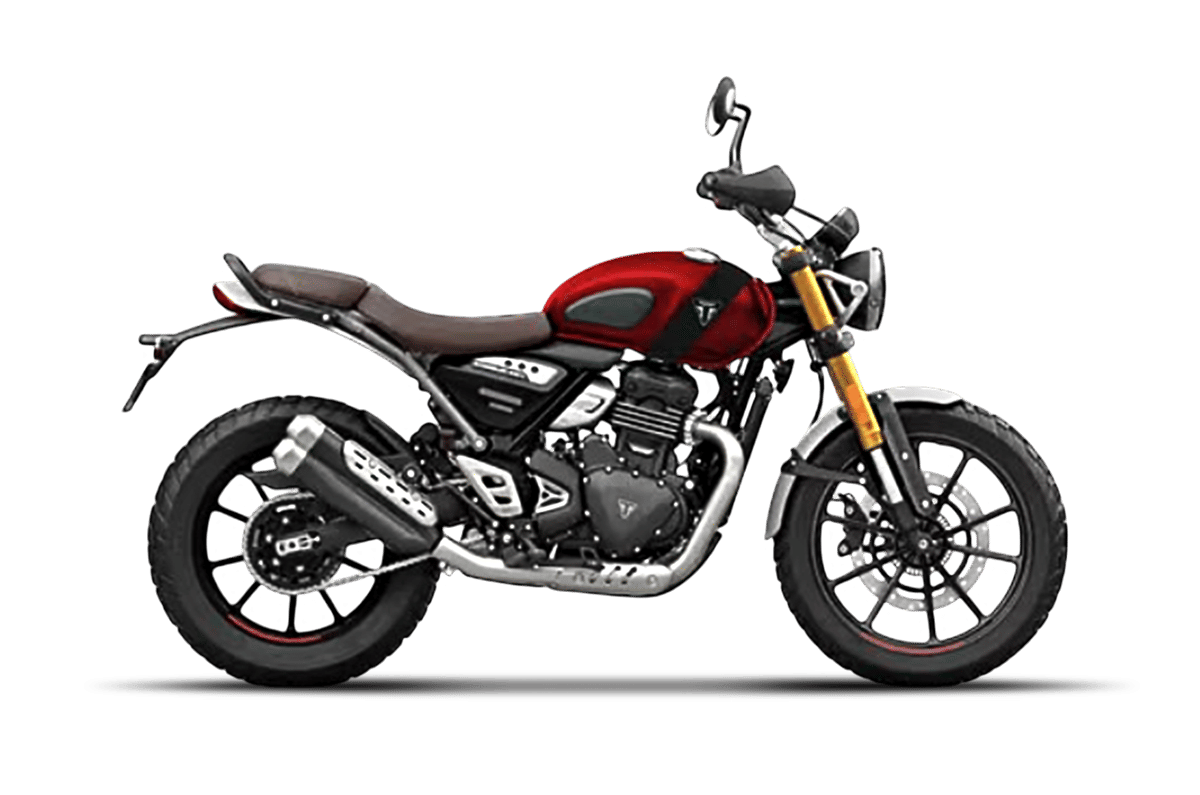
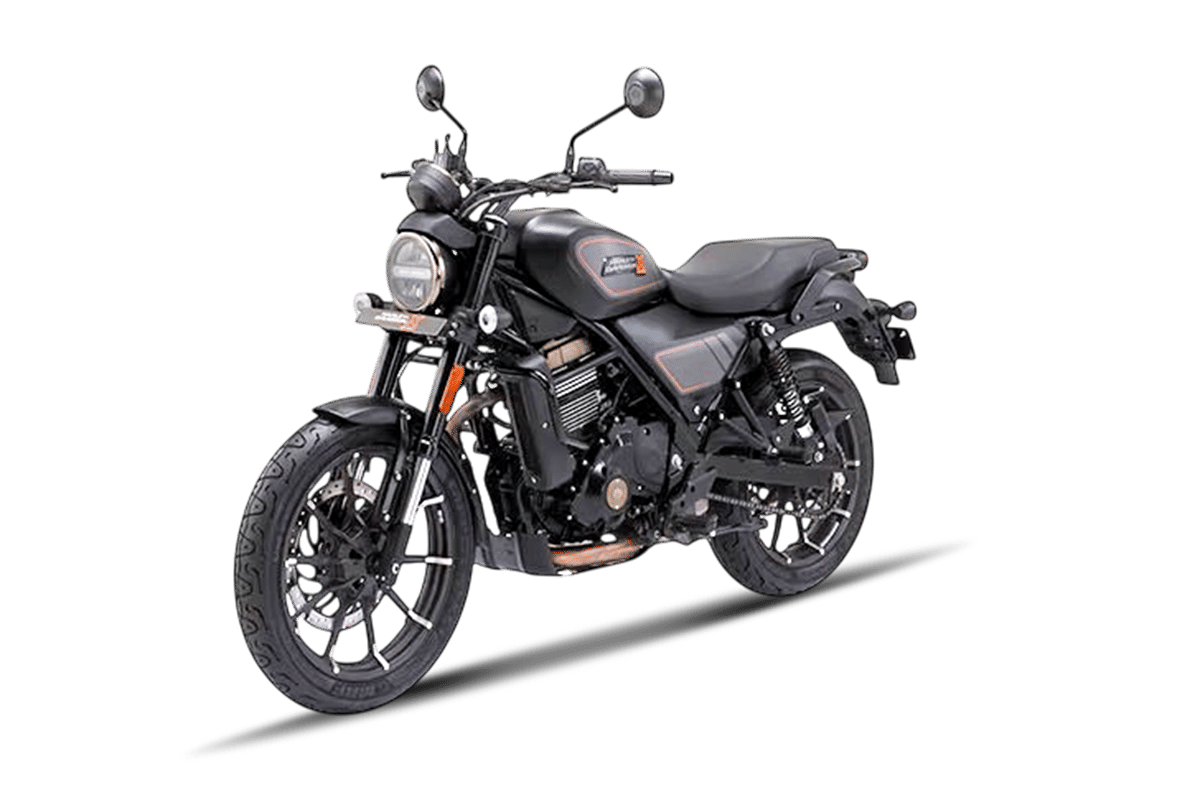
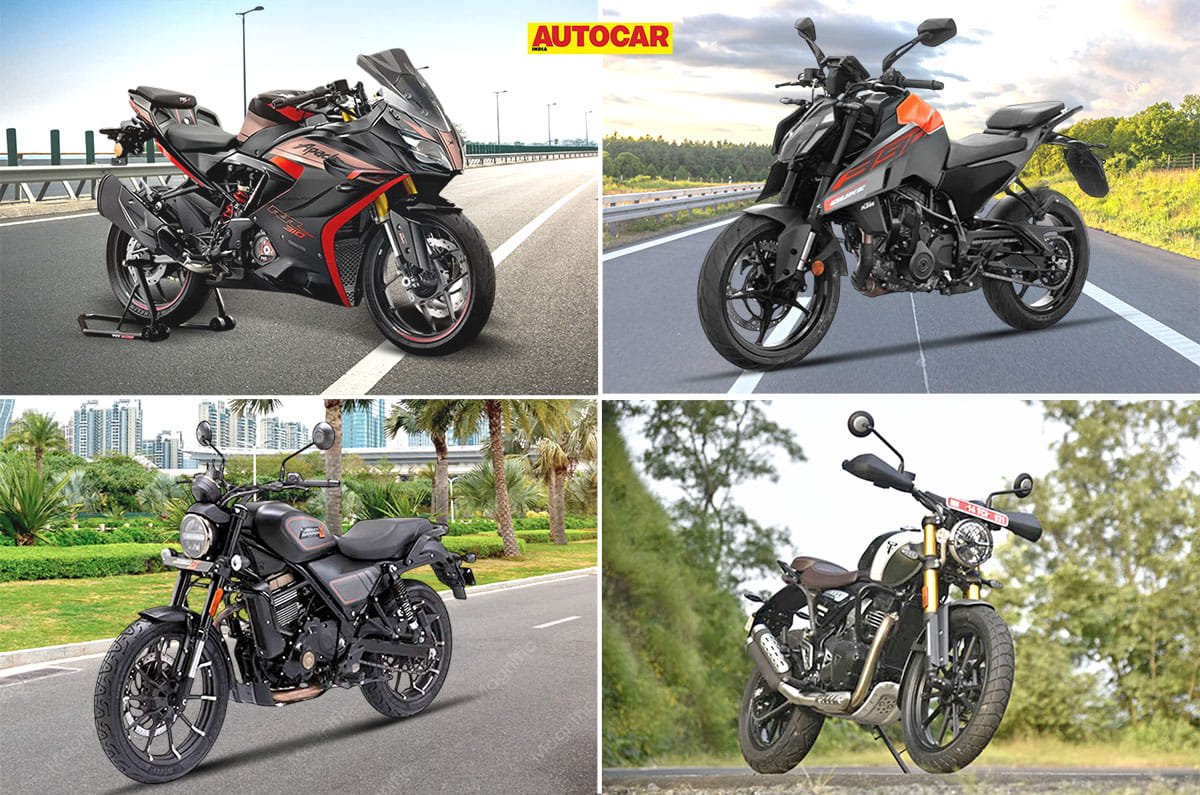
Top bikes under Rs 3 lakh in India (2026) featuring KTM 390 Duke, TVS Apache RR 310, Triumph Scrambler 400 X and Harley-Davidson X440

The sub-Rs 3 lakh motorcycle segment offers a wide variety of options today, ranging from performance-focused naked bikes and fully faired sportbikes to modern classics and scramblers.

Here are the 4 standout bikes in this price range and exactly why they stand out.

All prices are ex-showroom, Delhi.

KTM 390 Duke

Price: Rs 2.79 lakh

The KTM 390 Duke remains one of the benchmarks in this price bracket. Powered by a 349cc liquid-cooled single-cylinder engine producing 41.5hp, it is among the most powerful motorcycles available below Rs 3 lakh.

The latest-generation Duke also benefits from a comprehensive electronics package that includes riding modes, launch control, traction control and a TFT display. It also gets a fully adjustable suspension as standard, a feature that remains rare in this price range. Combined with its relatively low kerb weight of 168.3kg, the 390 Duke continues to offer performance and handling that few motorcycles in this segment can match. You can also browse the complete range of KTM bikes in India for more choices.

TVS Apache RR 310

Price: Rs. 2.63 – Rs. 2.79 lakh

The Apache RR 310 is TVS’ flagship supersport motorcycle and remains one of the few fully-faired options in this price range. Its 312.2cc liquid-cooled engine produces 38hp, while the fully-faired design helps differentiate it from the plethora of naked bikes available at this price point.

Over the years, TVS has steadily updated the RR 310 with additional features and electronic aids. Performance remains one of its strongest attributes, with TVS claiming the motorcycle can accelerate from 0-60kph in 2.82 seconds and 0-100kph in 6.74 seconds. Combined with its relatively comfortable ergonomics and extensive feature set, the RR 310 continues to offer a balance of everyday usability. For more options from the brand, explore all TVS bikes in India.

Triumph Scrambler 400 X

Price: Rs 2.60 lakh

The Scrambler 400 X is based on the same platform as the Speed 400 but feels like a noticeably different motorcycle. It gets a 19-inch front wheel, longer-travel suspension and a taller 835mm seat height, which gives it a bigger and more commanding feel on the road.

Power comes from the same 349cc liquid-cooled single-cylinder engine producing 37hp, paired with a six-speed gearbox. It is also one of the more versatile motorcycles in this price range, with wider handlebars, relaxed ergonomics and 195mm ground clearance that help it tackle broken roads. Interested in other models from the brand? Check out all Triumph bikes in India.

Harley-Davidson X440

Price: Rs. 2.35 lakh – Rs 2.84 lakh

The X440 marked Harley-Davidson’s entry into the accessible single-cylinder segment in India. Its 440cc air/oil-cooled engine produces approx 27hp, but the star of the show here is the 38Nm of torque, spread across the low and mid-range, which is the highlight of the riding experience.

Unlike some of the higher-revving motorcycles on this list, the X440 delivers its performance in a more relaxed manner. The torquey nature of the engine and comfortable ergonomics, as well as pliant suspension, make it particularly well-suited to everyday commuting as well as highway trips. For more options from the brand, explore all Harley-Davidson bikes in India.

Used Car Study 2026: Maruti Dzire holds its value best among compact sedans

Conducted in association with Spinny, India’s leading pre-owned car platform, the fourth edition of our Used Car Study analyses real-world resale values across a broad spectrum of vehicles sold in the Indian market in order to assess depreciation trends over a five-year ownership period. The study is based on actual transactional data shared by Spinny for vehicles sold between January 1 and August 31, 2025.

In this part of the resale value study series, we now take a look at the compact sedan segment:

Compact sedan resale value 

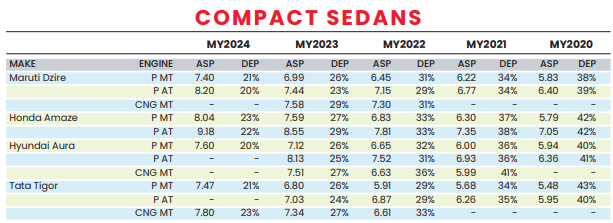
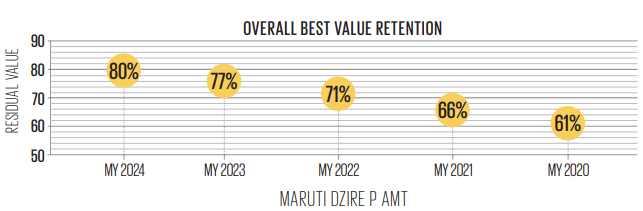
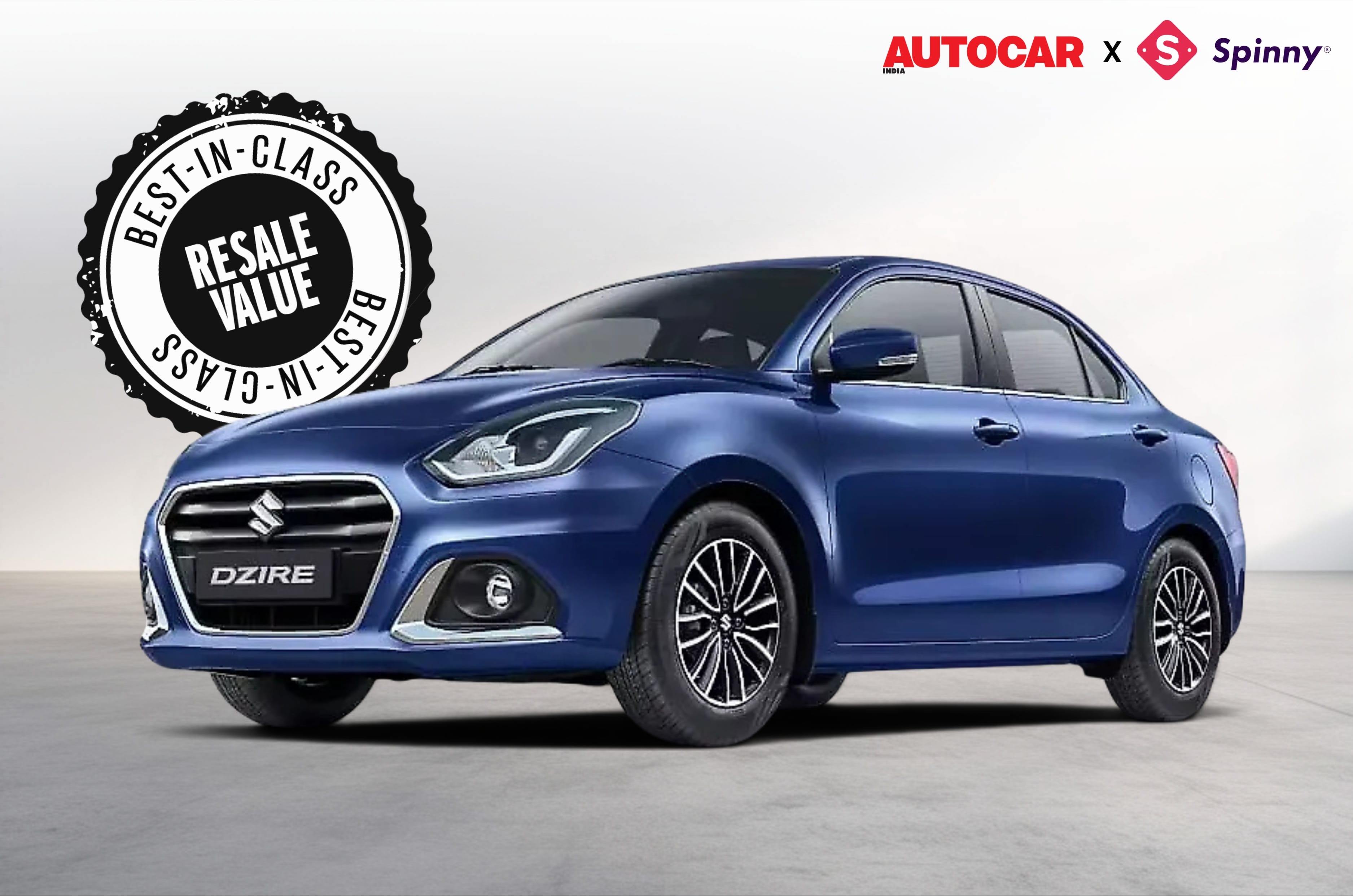
The Maruti Dzire continues to dominate the compact sedan segment in terms of resale value retention. Its immense popularity in the new car market directly translates to strong residuals in the used market, helping it maintain the lowest average depreciation.

Following closely behind is the Tata Tigor petrol-manual, although examples over two years old tend to record the lowest average resale prices in the category, making them attractive value propositions for budget-conscious used car buyers. Meanwhile, though the Honda Amaze depreciates more, its average prices are higher than the Dzire. 

As per the study, the average selling price of a five-year-old compact sedan retailed through Spinny was Rs 6.10 lakh. Comparable figures for three-year-old and one-year-old compact sedans were Rs 6.88 lakh and Rs 7.95 lakh, respectively. Average depreciation over the same periods worked out to 46.4 percent, 31.55 percent and 21.4 percent, respectively.

Autocar-Spinny resale value study methodology 

The analysis covers the average selling prices (ASPs) of vehicles retailed through Spinny’s network across nine cities – Delhi-NCR, Bengaluru, Hyderabad, Pune, Chennai, Mumbai, Lucknow, Ahmedabad and Kolkata.

For the purposes of this study, depreciation has been defined as the percentage difference between a vehicle’s original on-road price in its year of manufacture and its resale value in 2025. In instances where a model was offered with multiple engine options using the same fuel type, the data has been consolidated and averaged. Variant-wise differences have similarly been averaged out.

Discontinued models and powertrain options have been excluded. Additionally, premium vehicles priced above Rs 30 lakh, electric vehicles and certain low-volume models have not been included due to limited transaction data and insufficient sample sizes.

Used Car Study 2026: Maruti Dzire holds its value best among compact sedans

Maruti Dzire resale value

Conducted in association with Spinny, India’s leading pre-owned car platform, the fourth edition of our Used Car Study analyses real-world resale values across a broad spectrum of vehicles sold in the Indian market in order to assess depreciation trends over a five-year ownership period. The study is based on actual transactional data shared by Spinny for vehicles sold between January 1 and August 31, 2025.

In this part of the resale value study series, we now take a look at the compact sedan segment:

Compact sedan resale value 

The Maruti Dzire continues to dominate the compact sedan segment in terms of resale value retention. Its immense popularity in the new car market directly translates to strong residuals in the used market, helping it maintain the lowest average depreciation.

Following closely behind is the Tata Tigor petrol-manual, although examples over two years old tend to record the lowest average resale prices in the category, making them attractive value propositions for budget-conscious used car buyers. Meanwhile, though the Honda Amaze depreciates more, its average prices are higher than the Dzire. 

As per the study, the average selling price of a five-year-old compact sedan retailed through Spinny was Rs 6.10 lakh. Comparable figures for three-year-old and one-year-old compact sedans were Rs 6.88 lakh and Rs 7.95 lakh, respectively. Average depreciation over the same periods worked out to 46.4 percent, 31.55 percent and 21.4 percent, respectively.

Autocar-Spinny resale value study methodology 

The analysis covers the average selling prices (ASPs) of vehicles retailed through Spinny’s network across nine cities – Delhi-NCR, Bengaluru, Hyderabad, Pune, Chennai, Mumbai, Lucknow, Ahmedabad and Kolkata.

For the purposes of this study, depreciation has been defined as the percentage difference between a vehicle’s original on-road price in its year of manufacture and its resale value in 2025. In instances where a model was offered with multiple engine options using the same fuel type, the data has been consolidated and averaged. Variant-wise differences have similarly been averaged out.

Discontinued models and powertrain options have been excluded. Additionally, premium vehicles priced above Rs 30 lakh, electric vehicles and certain low-volume models have not been included due to limited transaction data and insufficient sample sizes.

Delhi-Mumbai Expressway Accident: दिल्ली-मुंबई एक्सप्रेसवे पर भयानक हादसा, ट्रक से टक्कर के बाद धू-धू कर जली बस, 2 की मौत और 17 घायल

Delhi-Mumbai Expressway Accident: राजस्थान के दौसा जिले में मंगलवार को दिल्ली-मुंबई एक्सप्रेसवे पर एक बेहद दर्दनाक और भयानक सड़क हादसा सामने आया है। यहां एक बस और ट्रक के बीच हुई भीषण टक्कर के बाद बस में अचानक भीषण आग लग गई। अधिकारियों से मिली जानकारी के मुताबिक इस हादसे में कम से कम 2 यात्रियों की मौत हो गई है जबकि 17 लोग गंभीर रूप से घायल हुए हैं। राहत और बचाव कार्य अभी भी जारी होने के कारण अधिकारियों ने मरने वालों की संख्या बढ़ने की आशंका जताई है।

अनियंत्रित होकर ट्रक से टकराई बस, बनी आग का गोला

पुलिस के मुताबिक यह यात्री बस हरिद्वार और इंदौर के बीच चल रही थी। मंगलवार को जब यह बस एक्सप्रेसवे पर दौसा जिले के कोलवा थाना क्षेत्र के अंतर्गत एक रेस्ट एरिया के पास पहुंची तभी ड्राइवर ने गाड़ी पर से नियंत्रण खो दिया। अनियंत्रित होने के बाद बस वहां खड़े या जा रहे एक ट्रक से सीधे जा टकराई। टक्कर इतनी जबरदस्त थी कि इसके तुरंत बाद बस में शॉर्ट सर्किट या किसी दूसरी वजह से भीषण आग लग गई। देखते ही देखते पूरी बस धू-धू कर जल उठी और आग की ऊंची लपटों ने उसे पूरी तरह अपनी चपेट में ले लिया।

घायलों के लिए बनाया गया ग्रीन कॉरिडोर

हादसे की सूचना मिलते ही स्थानीय प्रशासन और पुलिस महकमे में हड़कंप मच गया। आग पर काबू पाने के लिए तुरंत दमकल की गाड़ियों को मौके पर रवाना किया गया। इसके साथ ही राहत और बचाव टीमों ने स्थानीय पुलिस के साथ मिलकर बस से यात्रियों को निकालने का काम शुरू किया। दौसा के पुलिस अधीक्षक पीयूष दीक्षित खुद बचाव और राहत कार्यों की निगरानी के लिए दुर्घटनास्थल पर पहुंचे। इसके साथ ही अतिरिक्त पुलिस अधीक्षक योगेंद्र फौजदार कई थानों के पुलिस बल के साथ जिला अस्पताल में मुस्तैद रहे।

अतिरिक्त पुलिस अधीक्षक योगेंद्र फौजदार ने हादसे की पुष्टि करते हुए बताया कि बस इंदौर से हरिद्वार जा रही थी। ये दिल्ली हाईवे पर एक रेस्ट एरिया के पास भीषण दुर्घटना का शिकार हो गई। इस हादसे में 2 यात्रियों की मौत हो गई है और 17 अन्य घायल हुए हैं। एसपी सहित अन्य अधिकारियों के साथ मौके पर मौजूद हैं।

हादसे के शिकार हुए 2 शवों और 17 घायल यात्रियों को तुरंत दौसा के जिला अस्पताल लाया गया। घायलों की गंभीर स्थिति को देखते हुए प्रशासन ने उन्हें अस्पताल पहुंचाने के लिए तुरंत ग्रीन कॉरिडोर तैयार किया ताकि आपातकालीन चिकित्सा व्यवस्था में कोई बाधा न आए और घायलों का इलाज जल्द से जल्द शुरू हो सके।

एक दिन पहले यमुना एक्सप्रेसवे पर भी हुआ था ऐसा ही भीषण हादसा

एक्सप्रेसवे पर हादसों का यह सिलसिला लगातार जारी है। इस हादसे से ठीक एक दिन पहले उत्तर प्रदेश के मथुरा जिले में यमुना एक्सप्रेसवे पर भी ऐसा ही एक बेहद दर्दनाक हादसा देखने को मिला था। वहां एक यात्री बस और कंटेनर ट्रक के बीच हुई भिड़ंत में 4 लोगों की मौत हो गई थी और 27 अन्य लोग घायल हो गए थे। मथुरा के वरिष्ठ पुलिस अधीक्षक श्लोक कुमार ने बताया कि वह हादसा तड़के करीब 4 बजे हुआ था। यह बस लखनऊ से दिल्ली जा रही थी।

कंडक्टर चला रहा था बस, गैस कटर से काटने पड़े थे हिस्से

उत्तर प्रदेश पुलिस की जांच में सामने आया था कि उस बस में क्षमता से अधिक यात्री सवार थे। सबसे बड़ी लापरवाही यह थी कि हादसे के वक्त तय ड्राइवर की जगह बस का कंडक्टर उसे चला रहा था। बस सीधे कंटेनर ट्रक में जा घुसी। टक्कर इतनी भीषण थी कि बस का अगला हिस्सा पूरी तरह चकनाचूर हो गया था। हादसे के वक्त ज्यादातर यात्री नींद में थे। टक्कर के बाद कई लोग सीटों के बीच में ही बुरी तरह फंस गए थे। इसके बाद रेस्क्यू टीमों को बस के हिस्सों को काटने के लिए गैस कटर का इस्तेमाल करना पड़ा था। करीब दो घंटे तक चले इस कठिन रेस्क्यू ऑपरेशन के बाद फंसे हुए लोगों को बाहर निकाला जा सका था। उस हादसे में जान गंवाने वाले 4 लोगों की पहचान बस ड्राइवर, कंडक्टर, क्लीनर और एक यात्री के रूप में हुई थी।


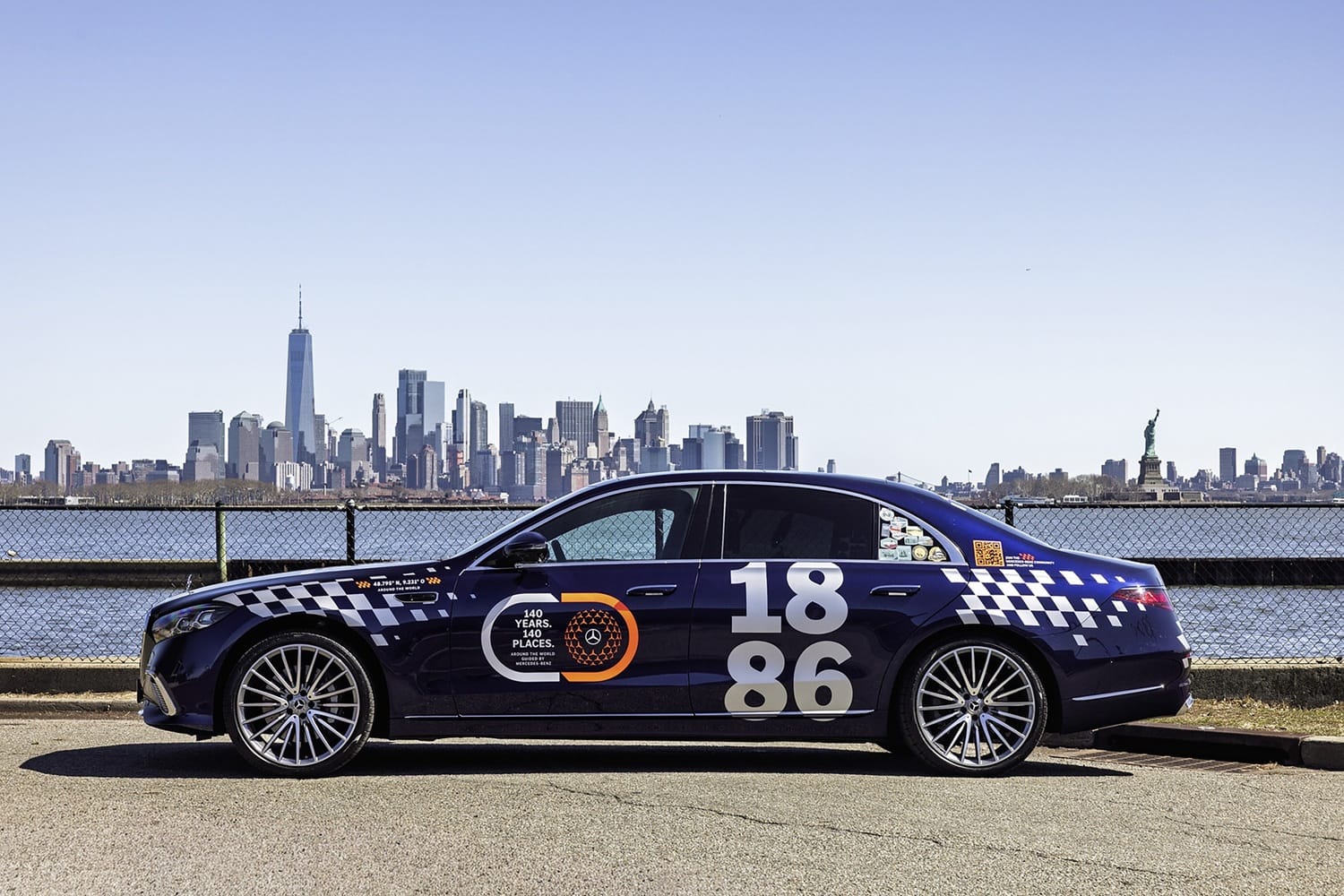
Mercedes’ 140th year transcontinental journey to come to India

Mercedes S-Class 140 Years 140 Places

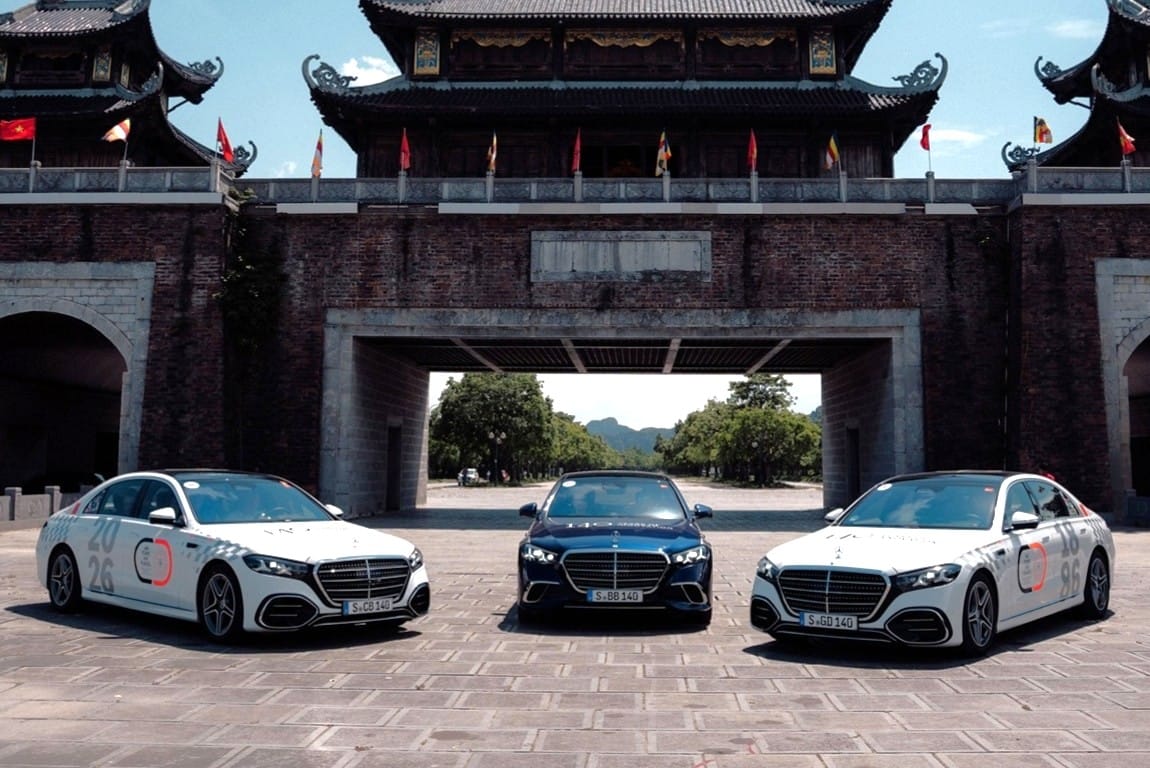
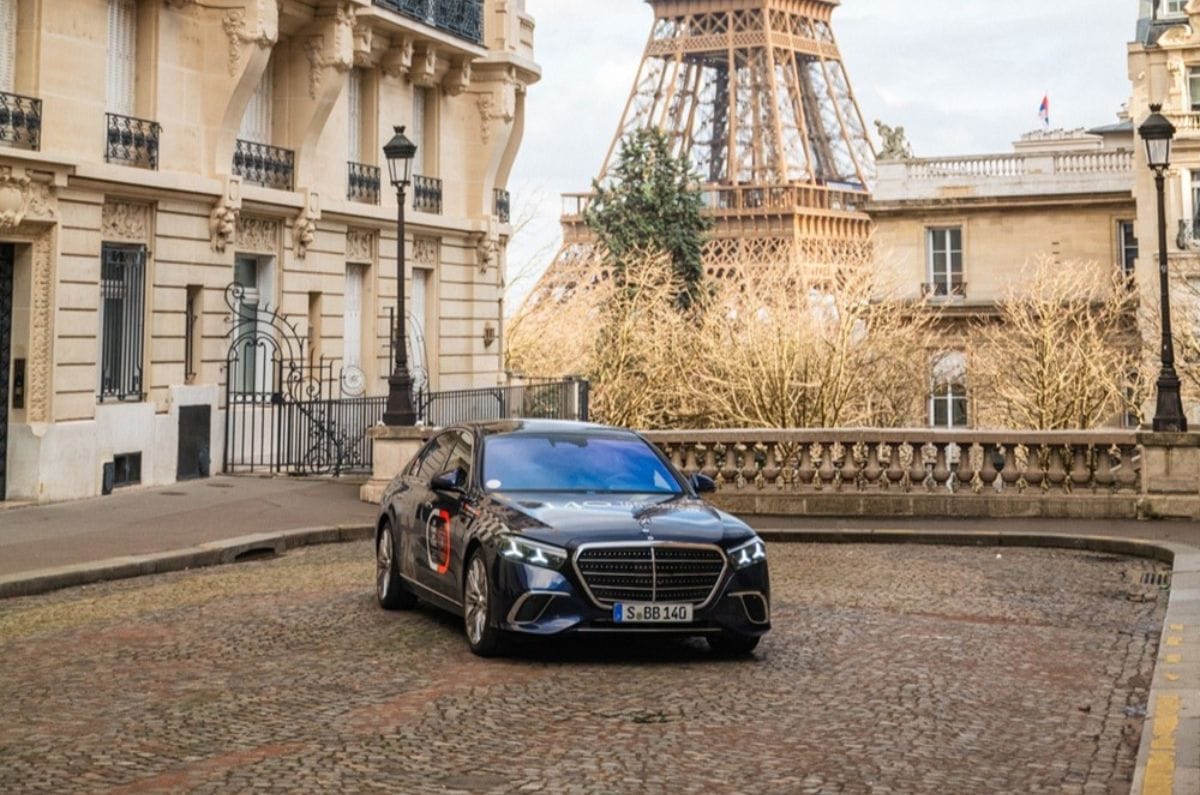
Mercedes-Benz is bringing its ‘140 Years.140 Places’ transcontinental journey to India in July 2026. The luxury carmaker is undertaking this journey to celebrate 140 years since Carl Benz filed the patent for the world’s first car- the Patent-Motorwagen- thereby marking its own 140th anniversary. The journey has already passed through Europe, South America, North America, South-East Asia, Australia & New Zealand, and is now on its way to India.  

Mercedes 140 Years. 140 Places transcontinental journey: Additional details 

Mercedes-Benz has been undertaking a worldwide road trip, visiting 140 locations to mark its anniversary year. The carmaker is utilising the recently updated S-Class, its flagship sedan, for this journey. Three S-Class models have been on this trip since January 29, 2026, covering 60,000 kilometres, crossing 55 countries, and travelling across six continents. The carmaker says that the India leg of the journey will “celebrate the diverse places, people, myriad experiences and novel ideas that shape the world around us, documenting through key engagements across the route, the landscapes, traditions and innovations that make each destination unique.”

Each of the three S-Class models has been given a special name – Gotlieb (after Gottlieb Daimler, who made the first petrol-fuelled internal combustion engine), Carl (after Carl Benz, the maker of the world’s first car, Patent-Motorwagen), and Bertha (after Bertha Benz, the world’s first person to perform a long-distance car trip). The models will travel along two routes across India. 

Gotlieb will begin from New Delhi and make its way to Amritsar. From Amritsar, it will move toward Jammu and Kashmir, then on to Ladakh. This S-Class will also travel on Himalayan roads, including Umling La, the highest motorable pass in the world, and then head towards Manali. It will also move eastward through well-known places like Lucknow, Varanasi and Patna, and explore Bhutan before concluding its trip in New Delhi

Though starting from New Delhi together with Gotlieb, Carl and Bertha will voyage through Agra, Jaipur, Udaipur and Ahmedabad. After that, the two models will also head toward Pune, which houses Mercedes’ manufacturing facility. From there, both cars will go on individual trips- one will go across Mumbai, while the other will explore Hampi.  Both cars will then reunite in Bangalore, where Mercedes’ India R&D centre is housed. The cars will then travel westward towards Goa, and then conclude their journey in Mumbai.

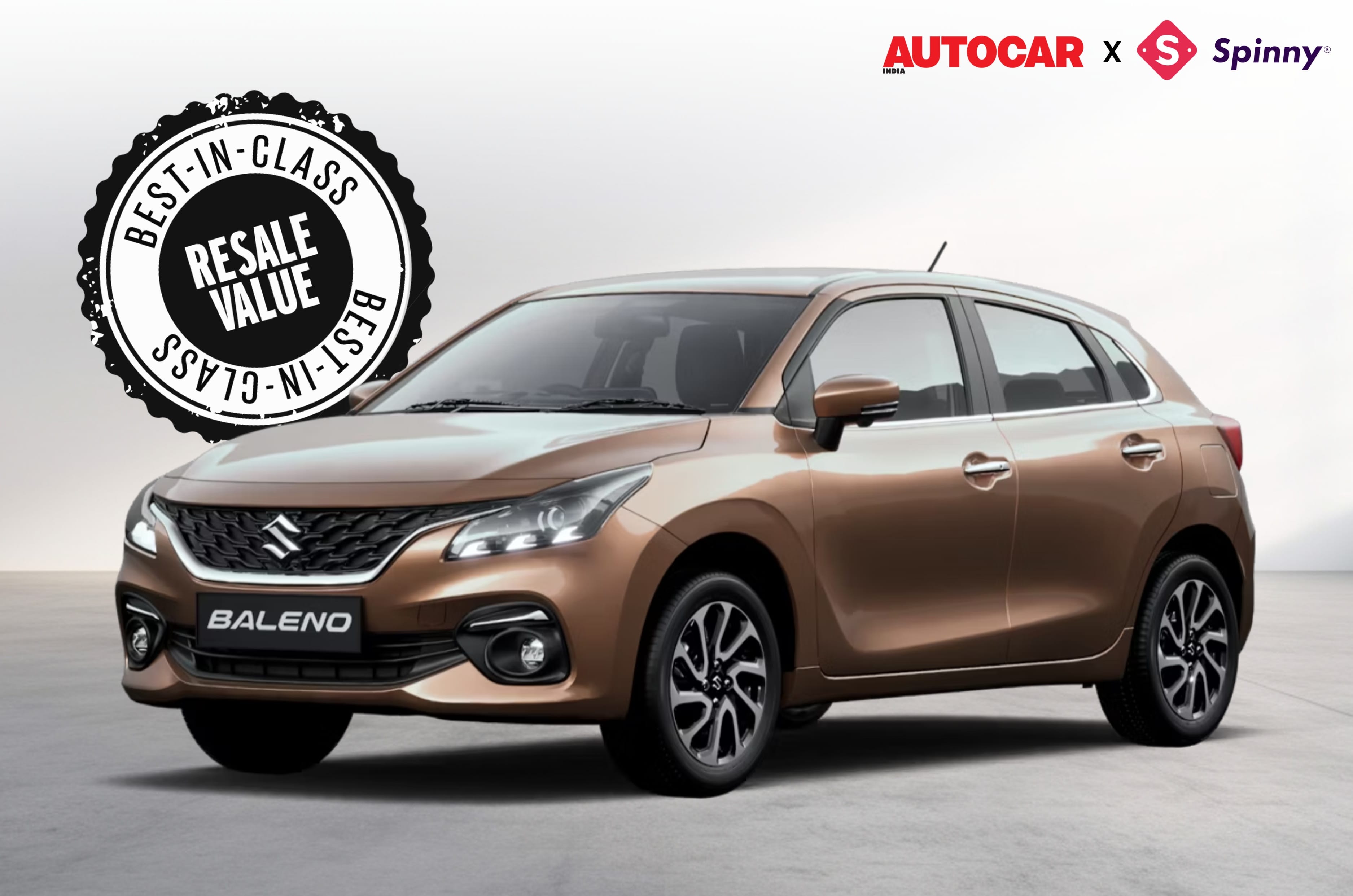
Used Car Study 2026: Maruti Baleno holds its value best among midsize hatches

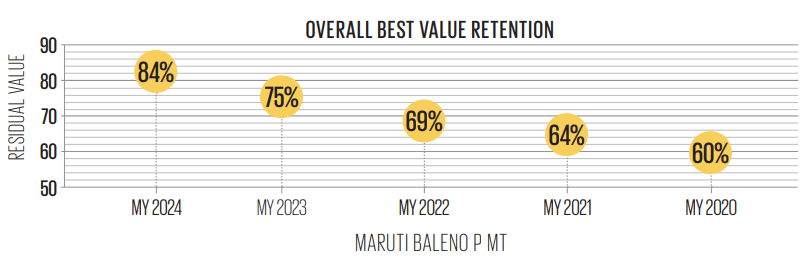
Maruti Baleno resale value

Conducted in association with Spinny, India’s leading pre-owned car platform, the fourth edition of our Used Car Study analyses real-world resale values across a broad spectrum of vehicles sold in the Indian market in order to assess depreciation trends over a five-year ownership period. The study is based on actual transactional data shared by Spinny for vehicles sold between January 1 and August 31, 2025.

In this series of the resale value study, here we are taking a look at the premium hatchback segment:

Premium hatchback resale value 

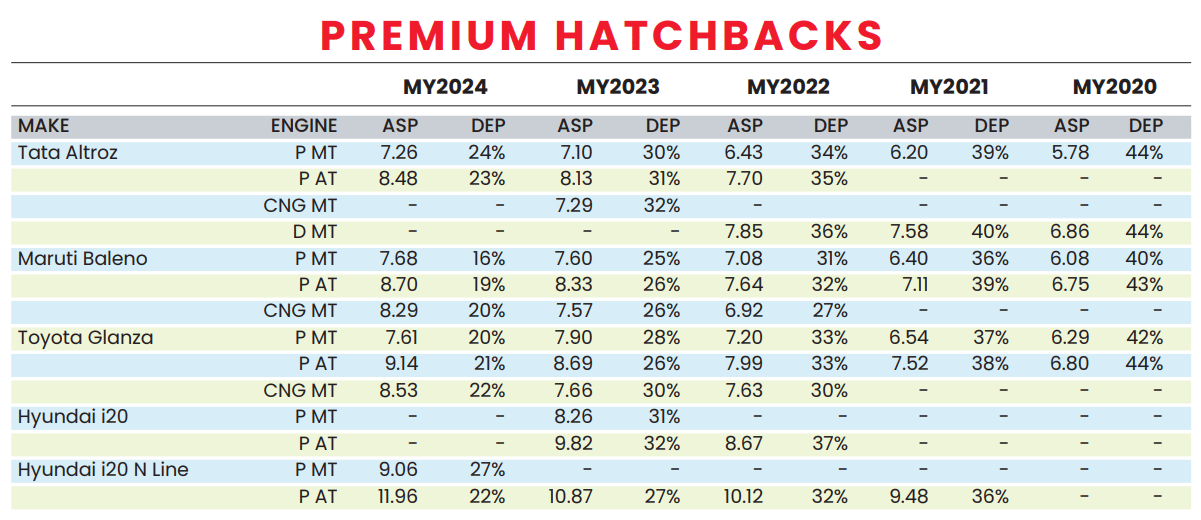
Among premium hatchbacks, the Maruti Baleno and Toyota Glanza remain closely matched; unsurprising given that both are mechanically identical products. However, the Toyota-badged hatchback consistently commands a slight premium in the used car market, reflecting stronger brand perception and Toyota’s reputation for reliability.

Meanwhile, the Tata Altroz – the only car in this segment to offer a diesel engine option – demonstrates depreciation trends broadly in line with its petrol-powered rivals, indicating balanced demand across fuel types.

As per the study, the average selling price of a five-year-old premium hatchback retailed through Spinny stood at Rs 6.43 lakh. Comparable figures for three-year-old and one-year-old the premium hatchbacks were Rs 8.27 lakh and Rs 8.67 lakh, respectively. Average depreciation over the same periods worked out to 42.8 percent, 32.7 percent and 21.4 percent, respectively.

Autocar-Spinny Resale Value Study methodology 

The analysis covers the average selling prices (ASPs) of vehicles retailed through Spinny’s network across nine cities – Delhi-NCR, Bengaluru, Hyderabad, Pune, Chennai, Mumbai, Lucknow, Ahmedabad and Kolkata.

For the purposes of this study, depreciation has been defined as the percentage difference between a vehicle’s original on-road price in its year of manufacture and its resale value in 2025. In instances where a model was offered with multiple engine options using the same fuel type, the data has been consolidated and averaged. Variant-wise differences have similarly been averaged out.

Discontinued models and powertrain options have been excluded. Additionally, premium vehicles priced above Rs 30 lakh, electric vehicles and certain low-volume models have not been included due to limited transaction data and insufficient sample sizes.

Delhi EV Policy 2.0: सरकार दे रही टैक्स छूट, कैश इंसेंटिव और खास सुविधाएं…जान लें ये बड़े बदलाव

Delhi EV Policy 2.0:  दिल्ली सरकार ने इलेक्ट्रिक वाहनों को बढ़ावा देने के लिए नई ईवी पॉलिसी 2.0 को मंजूरी दे दी है, जिसे 1 जुलाई से लागू किया जाएगा। इस पॉलिसी के तहत इलेक्ट्रिक वाहन खरीदने पर लोगों को टैक्स में छूट और दूसरी आर्थिक मदद मिलेगी। इसका मकसद ज्यादा से ज्यादा लोगों को पेट्रोल और डीजल की गाड़ियों की बजाय इलेक्ट्रिक वाहन खरीदने के लिए प्रोत्साहित करना है।

कितने का करेगी निवेश

इस योजना के तहत अगले चार वर्षों में करीब 15,000 करोड़ रुपये का निवेश किया जाएगा। सरकार चाहती है कि ज्यादा से ज्यादा लोग इलेक्ट्रिक वाहन इस्तेमाल करें। इसके लिए चार्जिंग की सुविधाएं बढ़ाई जाएंगी और पेट्रोल-डीजल की गाड़ियों का इस्तेमाल धीरे-धीरे कम किया जाएगा। इससे दिल्ली में प्रदूषण कम होगा और लोगों को साफ व बेहतर परिवहन व्यवस्था मिल सकेगी।

माफ होगा रजिस्ट्रेशन शुल्क

दिल्ली सरकार ने इलेक्ट्रिक कार खरीदने वालों को बड़ी राहत देने का फैसला किया है। नई ईवी पॉलिसी के तहत 30 लाख रुपये (एक्स-शोरूम) तक की इलेक्ट्रिक कार खरीदने पर रोड टैक्स और रजिस्ट्रेशन शुल्क पूरी तरह माफ रहेगा। इससे लोगों को नई ईवी खरीदने में कम खर्च करना पड़ेगा और ज्यादा से ज्यादा लोग पेट्रोल-डीजल की जगह इलेक्ट्रिक वाहनों को अपनाने के लिए प्रेरित होंगे।

लोगों को की जाएगी सहायता

दिल्ली सरकार की नई ईवी पॉलिसी के तहत इलेक्ट्रिक दोपहिया और तिपहिया वाहन खरीदने वालों को आर्थिक सहायता दी जाएगी। योजना के अनुसार, नई ईवी पॉलिसी के तहत इलेक्ट्रिक दोपहिया और तिपहिया वाहन खरीदने वालों को आर्थिक सहायता दी जाएगी। इलेक्ट्रिक बाइक या स्कूटर खरीदने पर पहले साल ₹30,000, दूसरे साल ₹20,000 और तीसरे साल ₹10,000 तक का इंसेंटिव मिलेगा। वहीं, इलेक्ट्रिक थ्री-व्हीलर खरीदने वालों को पहले साल ₹50,000, दूसरे साल ₹40,000 और तीसरे साल ₹30,000 तक की प्रोत्साहन राशि दी जाएगी।

सरकार इलेक्ट्रिक वाहनों को दे रही बढ़ावा

दिल्ली सरकार ने पेट्रोल, डीजल और सीएनजी से चलने वाले वाहनों की जगह धीरे-धीरे इलेक्ट्रिक वाहनों को बढ़ावा देने की योजना बनाई है। नई नीति के अनुसार, 1 जनवरी 2027 से राजधानी में केवल इलेक्ट्रिक ऑटो-रिक्शा का ही नया पंजीकरण होगा। इसके बाद 1 अप्रैल 2028 से नए पेट्रोल और सीएनजी दोपहिया वाहनों का रजिस्ट्रेशन भी बंद कर दिया जाएगा। उस समय से सिर्फ इलेक्ट्रिक बाइक और स्कूटर ही नए पंजीकरण के लिए मान्य होंगे। सरकार का उद्देश्य स्वच्छ परिवहन को बढ़ावा देना और प्रदूषण में कमी लाना है।

2027 तक हो 95 प्रतिशत इलेक्ट्रिक वाहन

दिल्ली सरकार ने लक्ष्य रखा है कि वर्ष 2027 तक राजधानी में होने वाले नए वाहन पंजीकरण में लगभग 95 प्रतिशत इलेक्ट्रिक वाहन हों। इसके लिए सरकार इलेक्ट्रिक वाहनों के इस्तेमाल को बढ़ावा देने और लोगों को पारंपरिक ईंधन वाले वाहनों से ईवी की ओर लाने पर काम करेगी। मुख्यमंत्री रेखा गुप्ता ने कहा कि नई ईवी नीति का उद्देश्य परिवहन व्यवस्था को अधिक स्वच्छ, आधुनिक और पर्यावरण के अनुकूल बनाना है, जिससे प्रदूषण कम करने में भी मदद मिलेगी।

मिलेगा विशेष लाभ

दिल्ली सरकार की नई ईवी पॉलिसी के तहत पुराने प्रदूषण फैलाने वाले वाहनों को हटाकर इलेक्ट्रिक वाहन अपनाने वालों को विशेष लाभ दिया जाएगा। बीएस-4 या उससे पुराने चारपहिया वाहन स्क्रैप कराने पर मालिकों को 1 लाख रुपये तक की प्रोत्साहन राशि मिलेगी। वहीं, एन1 श्रेणी के इलेक्ट्रिक ट्रक खरीदने वालों को भी खरीद पर 1 लाख रुपये तक की आर्थिक सहायता दी जाएगी। सरकार का मानना है कि इससे व्यावसायिक परिवहन में इलेक्ट्रिक वाहनों का इस्तेमाल बढ़ेगा और प्रदूषण कम करने में मदद मिलेगी।

2030 तक दिल्ली को प्रदूषण मुक्त शहर बनाना है

दिल्ली सरकार के मुताबिक, नई ईवी पॉलिसी राजधानी में प्रदूषण कम करने और स्वच्छ परिवहन को बढ़ावा देने की दिशा में एक महत्वपूर्ण पहल है। मुख्यमंत्री रेखा गुप्ता के अनुसार, इस योजना का उद्देश्य 2030 तक दिल्ली को अधिक साफ और प्रदूषण मुक्त शहर बनाना है। सरकार ने स्पष्ट किया कि इस नीति के तहत केवल पूरी तरह इलेक्ट्रिक वाहनों को ही प्रोत्साहन और सब्सिडी मिलेगी, जबकि हाइब्रिड वाहनों को किसी भी तरह की आर्थिक सहायता का लाभ नहीं दिया जाएगा। इससे साफ है कि सरकार का पूरा ध्यान शून्य प्रदूषण वाले वाहनों को बढ़ावा देने पर है।

Delhi EV 2.0 policy brings no incentives for hybrid cars

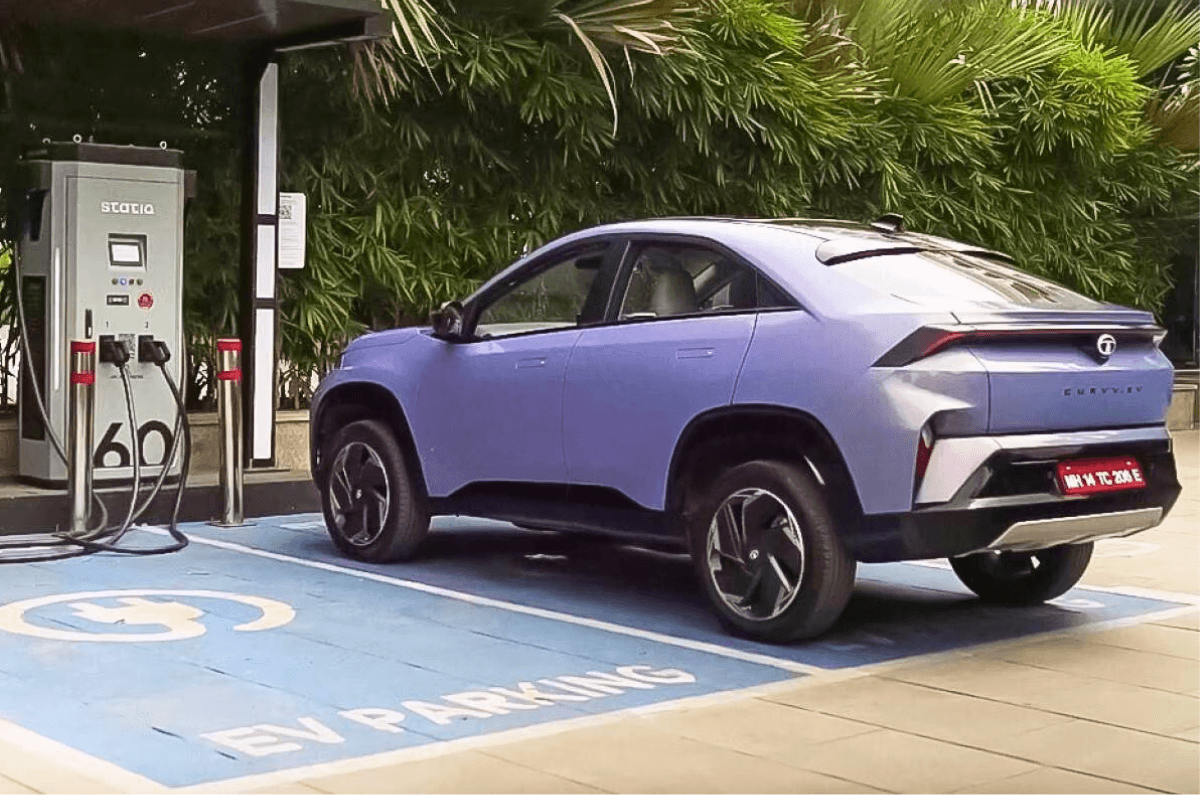
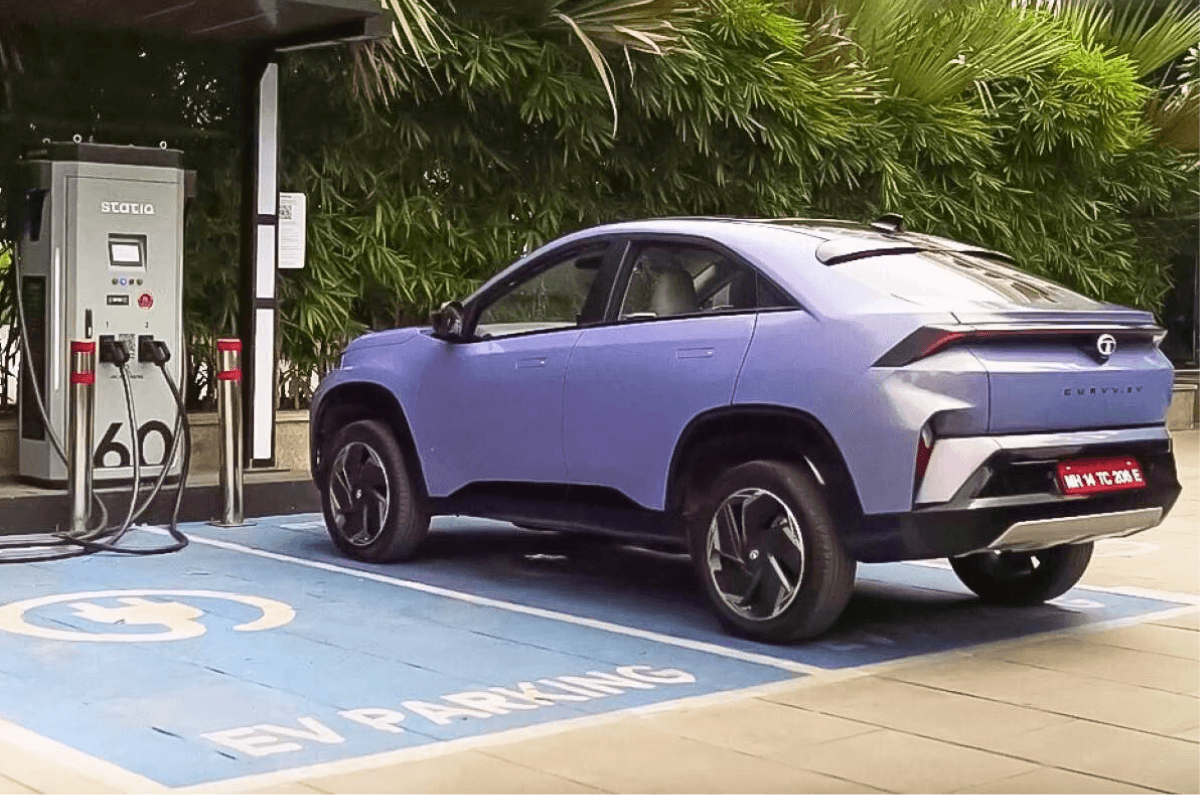
Curvv EV

The Delhi EV 2.0 policy will be implemented from July 1, 2026, and remain in effect till March 31, 2030, Chief Minister Rekha Gupta announced. Over this period, the government plans to invest around Rs 15,000 crore to curb vehicular pollution and accelerate the transition towards electric vehicles in the national capital, however, no incentives will be on offer for strong hybrid vehicles. In fact, 50 percent exemption from both road tax and registration fees for hybrid vehicles priced up to Rs 30 lakh was a major sticking point in the April 2026 draft policy.

  1. 100 percent exemption from road tax and registration charges for EVs up to Rs 30 lakh
  2. Only electric two-wheelers to be registered in Delhi from April 1, 2028

Delhi EV 2.0 policy key highlights

The Delhi EV 2.0 policy comprises a 100 percent exemption on road tax and registration charges for electric cars priced up to Rs 30 lakh, something that was proposed earlier in April. It also offers purchase incentives of up to Rs 30,000 for electric two-wheelers, Rs 50,000 for electric three-wheelers and Rs 1 lakh for electric goods vehicles (N1 category). Owners replacing older vehicles will also be eligible for scrapping incentives ranging from Rs 5,000 to Rs 1 lakh.

The policy also aims to expand Delhi’s EV charging network with more than 30,000 charging points across the city. From January 1, 2027, only new electric auto-rickshaws and N1 goods carriers will be registered, while from April 1, 2028, only new electric two-wheelers will be eligible for registration. Notably, all eligible incentives will be transferred directly to beneficiaries’ bank accounts through the direct benefit transfer.

Investments in charging infrastructure, public transport electrification and supporting infrastructure will be made, Delhi CM said. Detailed allocations for charging infrastructure, incentives and other programmes are expected to be announced in the detailed notification.

Delhi EV 2.0 policy to take effect from July 1

Tata Curvv EV

The Delhi EV 2.0 policy will be implemented from July 1, 2026, and remain in effect till March 31, 2030. Over this period, the government plans to invest around Rs 15,000 crore to curb vehicular pollution and accelerate the transition towards electric vehicles in the national capital. Investments in charging infrastructure, public transport electrification and supporting infrastructure will be made, Delhi Chief Minister Rekha Gupta said.

Delhi EV 2.0 policy key highlights

The Delhi EV 2.0 policy comprises a 100 percent exemption on road tax and registration charges for electric cars priced up to Rs 30 lakh, something that was proposed earlier in April 2026. It also offers purchase incentives of up to Rs 30,000 for electric two-wheelers, Rs 50,000 for electric three-wheelers and Rs 1 lakh for electric goods vehicles (N1 category). Owners replacing older vehicles will also be eligible for scrapping incentives ranging from Rs 5,000 to Rs 1 lakh.

The policy also aims to expand Delhi’s EV charging network with more than 30,000 charging points across the city. From January 1, 2027, only new electric auto-rickshaws and N1 goods carriers will be registered, while from April 1, 2028, only new electric two-wheelers will be eligible for registration. Notably, all eligible incentives will be transferred directly to beneficiaries’ bank accounts through the direct benefit transfer.

No incentive for hybrid cars

The April draft had also proposed a 50 percent exemption from both road tax and registration fees for strong hybrid vehicles priced up to Rs 30 lakh, but that did not materialise. In fact, incentives for hybrid vehicles was a major sticking point in Delhi’s new EV Policy, but the focus is clearly on EVs. 

A traditional strong hybrid vehicle has an internal combustion engine, which works with an electric motor. Power is supplied to the electric motor via a separate battery, allowing the car to run on electric power alone at certain times, reducing both fuel consumption and pollution. Thus, hybrids have the potential to serve as a practical middle ground, effectively bridging the gap until EV infrastructure improves and charging times become more convenient.