Delhi EV 2.0 policy brings no incentives for hybrid cars

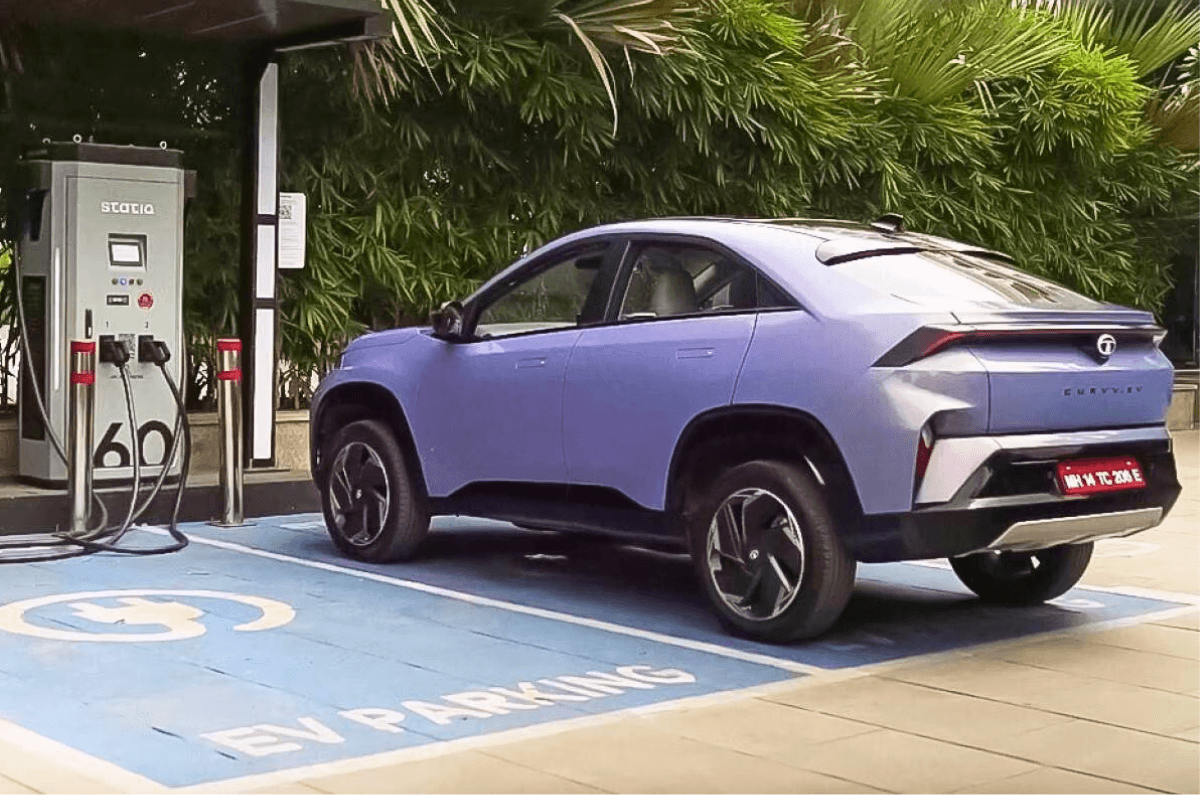
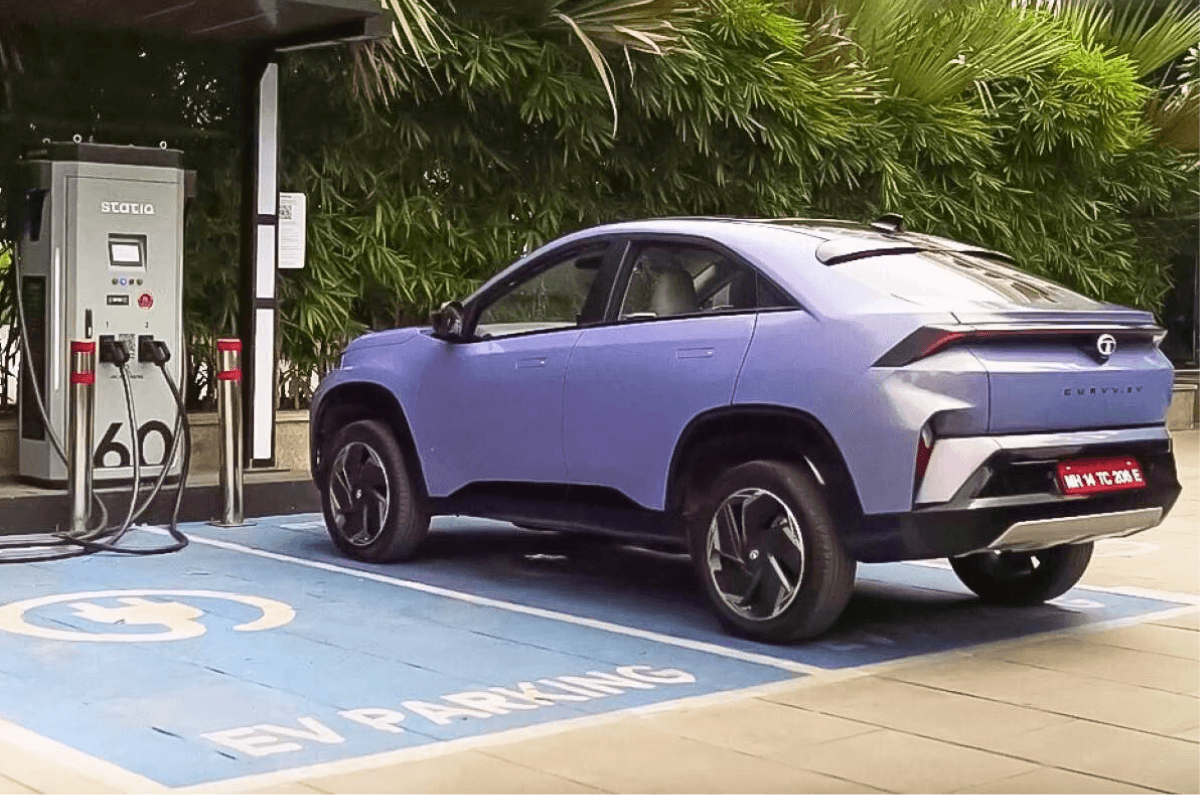
Curvv EV

The Delhi EV 2.0 policy will be implemented from July 1, 2026, and remain in effect till March 31, 2030, Chief Minister Rekha Gupta announced. Over this period, the government plans to invest around Rs 15,000 crore to curb vehicular pollution and accelerate the transition towards electric vehicles in the national capital, however, no incentives will be on offer for strong hybrid vehicles. In fact, 50 percent exemption from both road tax and registration fees for hybrid vehicles priced up to Rs 30 lakh was a major sticking point in the April 2026 draft policy.

  1. 100 percent exemption from road tax and registration charges for EVs up to Rs 30 lakh
  2. Only electric two-wheelers to be registered in Delhi from April 1, 2028

Delhi EV 2.0 policy key highlights

The Delhi EV 2.0 policy comprises a 100 percent exemption on road tax and registration charges for electric cars priced up to Rs 30 lakh, something that was proposed earlier in April. It also offers purchase incentives of up to Rs 30,000 for electric two-wheelers, Rs 50,000 for electric three-wheelers and Rs 1 lakh for electric goods vehicles (N1 category). Owners replacing older vehicles will also be eligible for scrapping incentives ranging from Rs 5,000 to Rs 1 lakh.

The policy also aims to expand Delhi’s EV charging network with more than 30,000 charging points across the city. From January 1, 2027, only new electric auto-rickshaws and N1 goods carriers will be registered, while from April 1, 2028, only new electric two-wheelers will be eligible for registration. Notably, all eligible incentives will be transferred directly to beneficiaries’ bank accounts through the direct benefit transfer.

Investments in charging infrastructure, public transport electrification and supporting infrastructure will be made, Delhi CM said. Detailed allocations for charging infrastructure, incentives and other programmes are expected to be announced in the detailed notification.

Delhi EV 2.0 policy to take effect from July 1

Tata Curvv EV

The Delhi EV 2.0 policy will be implemented from July 1, 2026, and remain in effect till March 31, 2030. Over this period, the government plans to invest around Rs 15,000 crore to curb vehicular pollution and accelerate the transition towards electric vehicles in the national capital. Investments in charging infrastructure, public transport electrification and supporting infrastructure will be made, Delhi Chief Minister Rekha Gupta said.

Delhi EV 2.0 policy key highlights

The Delhi EV 2.0 policy comprises a 100 percent exemption on road tax and registration charges for electric cars priced up to Rs 30 lakh, something that was proposed earlier in April 2026. It also offers purchase incentives of up to Rs 30,000 for electric two-wheelers, Rs 50,000 for electric three-wheelers and Rs 1 lakh for electric goods vehicles (N1 category). Owners replacing older vehicles will also be eligible for scrapping incentives ranging from Rs 5,000 to Rs 1 lakh.

The policy also aims to expand Delhi’s EV charging network with more than 30,000 charging points across the city. From January 1, 2027, only new electric auto-rickshaws and N1 goods carriers will be registered, while from April 1, 2028, only new electric two-wheelers will be eligible for registration. Notably, all eligible incentives will be transferred directly to beneficiaries’ bank accounts through the direct benefit transfer.

No incentive for hybrid cars

The April draft had also proposed a 50 percent exemption from both road tax and registration fees for strong hybrid vehicles priced up to Rs 30 lakh, but that did not materialise. In fact, incentives for hybrid vehicles was a major sticking point in Delhi’s new EV Policy, but the focus is clearly on EVs. 

A traditional strong hybrid vehicle has an internal combustion engine, which works with an electric motor. Power is supplied to the electric motor via a separate battery, allowing the car to run on electric power alone at certain times, reducing both fuel consumption and pollution. Thus, hybrids have the potential to serve as a practical middle ground, effectively bridging the gap until EV infrastructure improves and charging times become more convenient.

Only electric two-wheelers to be registered in Delhi from April 1, 2028

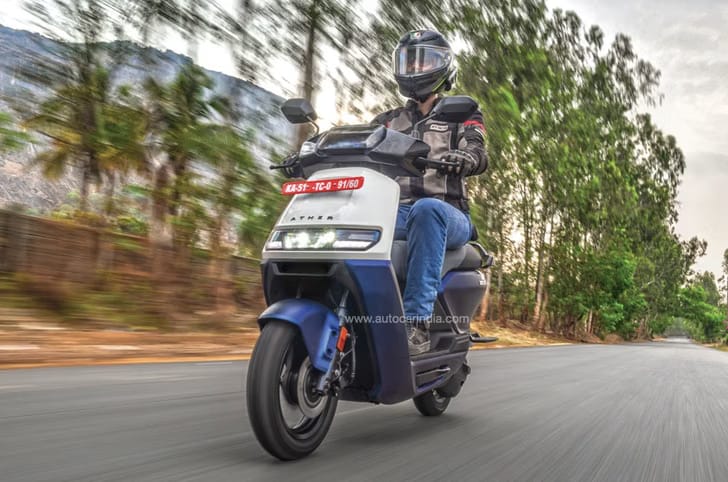
Ather Rizta tracking shot

The Delhi Cabinet has formally approved the Delhi EV Policy 2026, confirming measures that we had earlier reported were under consideration. The policy comes into effect on July 1, 2026, and will remain in force until March 31, 2030. Its most significant provision for the two-wheeler industry is that only new electric two-wheelers will be eligible for registration in Delhi from April 1, 2028.

  1. Delhi EV Policy 2026 approved; comes into effect July 1, 2026
  2. Only electric two-wheelers to be registered in Delhi from April 1, 2028
  3. Purchase incentives of up to Rs 30,000 for electric two-wheelers

Delhi EV Policy 2026: Key details

Electric auto-rickshaws and N1 goods carriers face an earlier January 2027 deadline

The policy introduces a tiered timeline for transitioning different vehicle categories to electric. Electric auto-rickshaws and N1 goods carriers face an earlier deadline – from January 1, 2027, only new electric versions of these vehicles will be registered in Delhi. The two-wheeler deadline follows on April 1, 2028.

To support the transition, the policy offers purchase incentives of up to Rs 30,000 for electric two-wheelers, Rs 50,000 for electric three-wheelers and up to Rs 1 lakh for electric N1 goods vehicles. Scrappage incentives ranging from Rs 5,000 to Rs 1 lakh are also available for replacing older, more polluting vehicles with electric alternatives. All incentives will be transferred directly to beneficiaries’ bank accounts.

On the infrastructure front, the policy targets the installation of more than 30,000 EV charging points across Delhi.

For India’s two-wheeler industry, the April 2028 deadline marks a significant shift. A Crisil impact assessment published in April projected that the move could increase the share of electric two-wheelers in Delhi’s new vehicle sales to 21-23 percent by FY29 and add nearly 6 lakh electric two-wheelers to national sales volumes, compared to a projected 18-20 percent without the policy. With two-wheelers accounting for nearly 67 percent of Delhi’s registered vehicle stock, Crisil also noted that the capital’s move could encourage other states to adopt similar mandates.

Delhi New EV Policy Explainer: 1 जुलाई से दिल्ली में नई ईवी पॉलिसी, टू-व्हीलर और बड़ी गाड़ियां खरीदने पर मिलेगी इतनी छूट, देखें लिस्ट

Delhi New EV Policy 2026 Subsidies: दिल्ली में रहने वालों और नई गाड़ी खरीदने का प्लान बना रहे लोगों के लिए बड़ी खुशखबरी है। दिल्ली कैबिनेट ने मुख्यमंत्री रेखा गुप्ता की अध्यक्षता में राज्य की नई इलेक्ट्रिक व्हीकल (EV) पॉलिसी 2026 को मंजूरी दे दी है। यह नई पॉलिसी 1 जुलाई 2026 से लागू होने जा रही है।

अगर आप टू-व्हीलर, ऑटो या कमर्शियल गाड़ी खरीदने की सोच रहे हैं, तो सरकार आपको भारी-भरकम छूट देने जा रही है। इस नीति को लागू करने के लिए सरकार करीब ₹7000 करोड़ खर्च करेगी और यह 31 मार्च 2030 तक लागू रहेगी। आइए समझते हैं कि आपको किस गाड़ी पर कितनी छूट मिलेगी और कौन से नए नियम लागू होने जा रहे हैं।

गाड़ियों पर मिलने वाली सब्सिडी की पूरी लिस्ट

ट्रांसपोर्ट कमिश्नर निहारिका के मुताबिक, नए नियमों के तहत अलग-अलग कैटेगरी की गाड़ियों पर मिलने वाली छूट और इंसेंटिव इस प्रकार हैं:

इलेक्ट्रिक टू-व्हीलर (बाइक/स्कूटर): नया इलेक्ट्रिक स्कूटर या बाइक खरीदने पर अधिकतम ₹30000 तक की सीधी छूट यानी सब्सिडी मिलेगी।

इलेक्ट्रिक ऑटो-रिक्शा: तीन पहिया ऑटो खरीदने वाले ग्राहकों को ₹50000 तक का इंसेंटिव दिया जाएगा।

N1 इलेक्ट्रिक ट्रक्स (माल ढोने वाली गाड़ियां): बड़ी कमर्शियल गाड़ियों की खरीद पर सबसे ज्यादा ₹1 लाख तक की बड़ी छूट मिलेगी।

स्क्रैपिंग का एक्स्ट्रा फायदा: अगर आप अपनी पुरानी पेट्रोल या डीजल गाड़ी को कबाड़ में देकर नई ईवी खरीदते हैं, तो आपको अलग से स्क्रैपिंग इंसेंटिव का लाभ भी दिया जाएगा।

टैक्स और रजिस्ट्रेशन में 100% की छूट, हाइब्रिड को झटका

अगर आप पूरी तरह से इलेक्ट्रिक गाड़ी खरीदते हैं, तो आपको दिल्ली सरकार की तरफ से रोड टैक्स और रजिस्ट्रेशन फीस में 100% की पूरी छूट मिलेगी। यानी सीधे तौर पर हजारों रुपये की एक्स्ट्रा बचत होगी।

हालांकि, सरकार ने साफ किया है कि इस बार हाइब्रिड गाड़ियों पर किसी भी तरह की सब्सिडी या विशेष छूट का प्रावधान नहीं किया गया है। अच्छी बात यह है कि इस पॉलिसी में गाड़ियों की संख्या पर कोई लिमिट नहीं है, यानी एक खरीदार एक से ज्यादा ईवी खरीदने पर भी इन फायदों का लाभ उठा सकता है।

पेट्रोल-डीजल और CNG गाड़ियों पर कब से लगेगा बैन?

दिल्ली में बढ़ते प्रदूषण को देखते हुए पर्यावरण मंत्री मंजींदर सिंह सिरसा और ट्रांसपोर्ट मिनिस्टर डॉ. पंकज सिंह ने बताया कि सरकार ने चरणबद्ध तरीके से पेट्रोल, डीजल और सीएनजी गाड़ियों के नए रजिस्ट्रेशन को बंद करने का कड़ा फैसला लिया है:

1 जनवरी 2027 से: दिल्ली में सभी नए थ्री-व्हीलर्स (ऑटो) और N1 कैटेगरी के ट्रक्स का रजिस्ट्रेशन सिर्फ और सिर्फ EV के रूप में ही होगा।

1 अप्रैल 2028 से: दिल्ली में सभी नए टू-व्हीलर्स (बाइक और स्कूटर) का रजिस्ट्रेशन भी सिर्फ इलेक्ट्रिक वेरिएंट में ही किया जाएगा। यानी इसके बाद नए पेट्रोल स्कूटर नहीं खरीदे जा सकेंगे।

स्कूल बसों का इलेक्ट्रिफिकेशन: दिल्ली के स्कूलों में चलने वाली बसों के बेड़े को भी धीरे-धीरे चरणों में पूरी तरह इलेक्ट्रिक बसों में बदल दिया जाएगा।

23000 नए चार्जिंग पॉइंट्स और पावर इंफ्रास्ट्रक्चर

पावर मिनिस्टर आशीष सूद के अनुसार, जैसे-जैसे दिल्ली में ईवी गाड़ियों की संख्या बढ़ेगी, उसी रफ्तार से बिजली के इंफ्रास्ट्रक्चर और ग्रिड को भी मजबूत किया जाएगा ताकि पावर सप्लाई में कोई दिक्कत न आए। इस पूरी पॉलिसी की अवधि 2026 से 2030 के दौरान दिल्लीभर में 23000 नए ईवी चार्जिंग पॉइंट्स लगाए जाएंगे ताकि लोगों को रेंज या चार्जिंग स्टेशन खोजने की चिंता न रहे।

Monsoon Watch: दिल्ली-NCR और यूपी हीटवेव से बेहाल दिखे, इस बीच मानसून एंट्री और बारिश को लेकर IMD ने दिया ये अलर्ट

Monsoon updates: देश की राजधानी दिल्ली-NCR और उत्तर प्रदेश समेत उत्तर-पश्चिम भारत के कई हिस्से इस समय भीषण गर्मी और उमस की दोहरी मार झेल रहे हैं। दिल्ली में रविवार को फील्स लाइक टेंप्रेचर (हीट इंडेक्स) 50 डिग्री सेल्सियस के पार पहुंच गया। इससे लोगों को भारी दिक्कतों का सामना करना पड़ा। इस बीच भारतीय मौसम विज्ञान विभाग (IMD) ने मानसून की एंट्री और आगामी बारिश को लेकर राहत भरा अपडेट जारी किया है।

मौसम विभाग (IMD) के मुताबिक, मानसून की कमी के कारण हाल के दिनों में हीट स्ट्रेस काफी बढ़ गया है। वैसे उत्तर भारत के कई राज्यों में अगले 5 से 6 दिनों के भीतर दक्षिण-पश्चिम मानसून के आगे बढ़ने के लिए परिस्थितियां पूरी तरह अनुकूल बनी हुई हैं।

मानसून की एंट्री को लेकर क्या है लेटेस्ट अपडेट?

मानसून अगले 2 से 3 दिनों के दौरान उत्तरी अरब सागर के कुछ और हिस्सों, उत्तर प्रदेश के कुछ क्षेत्रों और उत्तराखंड में आगे बढ़ेगा। इसके बाद के 2-3 दिनों में मानसून उत्तर प्रदेश और उत्तराखंड के कुछ और हिस्सों, हिमाचल प्रदेश, जम्मू-कश्मीर, लद्दाख और दक्षिण-पूर्वी राजस्थान के कुछ क्षेत्रों को कवर कर लेगा।

दिल्ली में मानसून के पहुंचने की सामान्य तारीख 27 जून थी। लेकिन इस बार इसमें करीब एक हफ्ते की देरी है। स्काईमेट के मुताबिक अगर परिस्थितियां अनुकूल रहीं तो दिल्ली में मानसून 4 जुलाई के आसपास पहुंच सकता है। अगले कुछ दिनों में एक चक्रवाती हवाओं का क्षेत्र बनने की संभावना है। इससे हल्की से मध्यम बारिश हो सकती है।

क्यों बढ़ रही है दिल्ली में गर्मी और उमस?

स्काईमेट के मौसम विज्ञान और जलवायु परिवर्तन विभाग के उपाध्यक्ष महेश पालावत के मुताबिक मानसून में देरी और शुष्क एवं नम हवाओं के आपस में मिलने से तापमान और उमस दोनों बढ़े हुए हैं। पाकिस्तान से आ रही शुष्क पश्चिमी हवाएं तापमान को बढ़ा रही हैं। जबकि अरब सागर से आ रही दक्षिण-पश्चिमी हवाएं उमस बढ़ा रही हैं।

जब ये दोनों हवाएं मिलती हैं तो बादल बनते हैं। लेकिन उनमें व्यापक बारिश के लिए पर्याप्त नमी नहीं होती। शाम 4 या 5 बजे तक बादल बनते हैं, तब तक दिन का अधिकतम तापमान दर्ज हो चुका होता है। यही वजह है कि अधिकतम टेंप्रेचर और फील्स लाइक टेंप्रेचर इतना ज्यादा बना हुआ है।

दिल्ली-NCR का हाल: दो साल की सबसे गर्म सुबह और रात

दिल्ली में रविवार को गर्मी ने पिछले दो साल के रिकॉर्ड तोड़ दिए। सफदरजंग मौसम केंद्र पर न्यूनतम तापमान सामान्य से 3.2 डिग्री अधिक 31.1 डिग्री सेल्सियस दर्ज किया गया, जो पिछले दो सालों में जून की सबसे गर्म सुबह रही। इससे पहले 14 जून 2024 को न्यूनतम तापमान 33.3 डिग्री दर्ज हुआ था। वहीं रविवार को अधिकतम तापमान 41.8 डिग्री सेल्सियस रहा, जो सामान्य से 4.6 डिग्री ज्यादा था। दिल्ली का लोधी रोड इलाका 42.1 डिग्री सेल्सियस के साथ सबसे गर्म स्थान रहा।म

दिल्ली के लिए आगे का पूर्वानुमान

दिल्ली में सोमवार 29 जून को अधिकतम तापमान 40 से 42 डिग्री के बीच रहने और गरज-चमक के साथ बारिश होने का अनुमान है। मौसम विभाग ने मंगलवार और बुधवार के लिए बारिश, आंधी और तेज हवाओं का ‘येलो अलर्ट’ जारी किया है। 1 जुलाई तक अधिकतम तापमान 40 डिग्री से नीचे आने और 3 जुलाई तक 35 डिग्री सेल्सियस तक गिरने की उम्मीद है, जिससे तापमान में 5 से 6 डिग्री की क्रमिक गिरावट आएगी।

उत्तर प्रदेश: प्रयागराज में पारा 43.4 डिग्री, हीटवेव का अलर्ट

उत्तर प्रदेश के कई हिस्सों में भी भीषण गर्मी का प्रकोप जारी है। प्रयागराज में पारा 43.4 डिग्री सेल्सियस तक जा पहुंचा, जबकि लखनऊ में अधिकतम तापमान सामान्य से 3.6 डिग्री अधिक 39.7 डिग्री सेल्सियस दर्ज किया गया। मौसम विभाग ने उत्तर प्रदेश के कुछ अलग-अलग हिस्सों में अगले 24 घंटों के दौरान लू (Heat Wave) चलने की चेतावनी दी है। इसके साथ ही पूर्वी उत्तर प्रदेश में कुछ स्थानों पर गरज-चमक और तेज हवाओं के साथ आंधी चलने की संभावना जताई गई है।

अन्य राज्यों के लिए मौसम विभाग का पूर्वानुमान

1- उत्तराखंड और हिमाचल प्रदेश

उत्तराखंड: देहरादून में अधिकतम तापमान सामान्य से 5 डिग्री अधिक 37.1 डिग्री और न्यूनतम तापमान 26.8 डिग्री सेल्सियस दर्ज किया गया। देहरादून मौसम केंद्र ने पहाड़ी जिलों में गरज-चमक, बिजली कड़कने, तेज से बहुत तेज बारिश और झोंकेदार हवाओं का येलो अलर्ट जारी किया है।

हिमाचल प्रदेश: शिमला मौसम केंद्र ने राज्य में 4 जुलाई तक बारिश का दौर जारी रहने का अनुमान जताया है। 2 जुलाई से उत्तर-पश्चिम भारत में एक नया पश्चिमी विक्षोभ सक्रिय होने की संभावना है। 30 जून से 4 जुलाई के बीच राज्य में 30-40 किमी/घंटे की रफ़्तार से हवाएं चलने और आंधी का अलर्ट है। बीते 24 घंटों में शिमला, कांगड़ा और मंडी में आंधी और हल्की बारिश दर्ज की गई है।

2- पंजाब और हरियाणा

इन दोनों राज्यों में तापमान सामान्य से ऊपर बना हुआ है। IMD ने 29 जून, 1 जुलाई और 2 जुलाई को कुछ स्थानों पर छिटपुट बारिश का अनुमान जताया है। इसके अलावा, 1 से 4 जुलाई के बीच दोनों राज्यों में गरज-चमक के साथ 40-50 किमी/घंटे की रफ़्तार से हवाएं चलने (जो 60 किमी/घंटे तक जा सकती हैं) की चेतावनी दी गई है।

3- जम्मू-कश्मीर

श्रीनगर में अधिकतम तापमान सामान्य से 3.8 डिग्री अधिक 33.8 डिग्री और जम्मू में अधिकतम तापमान 37 डिग्री सेल्सियस दर्ज किया गया। मौसम विभाग ने जम्मू के मैदानी इलाकों और आसपास के क्षेत्रों में 29 जून को प्री-मानसून बारिश होने और कुछ स्थानों पर भारी बौछारें व तेज हवाएं चलने का अनुमान जताया है।

4- राजस्थान

राजस्थान के बड़े हिस्से में उमस भरा मौसम बना हुआ है। हालांकि कुछ जिलों में छिटपुट बारिश हुई है। झुंझुनू जिले के पिलानी में सुबह से 7 मिमी बारिश दर्ज की गई। मौसम विभाग ने आगामी कुछ दिनों में कोटा और उदयपुर संभाग के हिस्सों में मध्यम से भारी बारिश की संभावना जताई है जबकि 2 जुलाई से दक्षिण-पूर्वी और पूर्वी राजस्थान में बारिश की गतिविधियों में तेजी आएगी।

ये भी पढ़ें- Delhi Weather Today: 2 साल में सबसे गर्म सुबह के बाद, दिल्ली में बारिश और आंधी का अलर्ट, देखें मौसम पूर्वानुमान


Delhi Weather Today: 2 साल में सबसे गर्म सुबह के बाद, दिल्ली में बारिश और आंधी का अलर्ट, देखें मौसम पूर्वानुमान

Delhi Weather Today: हीटवेव के बीच दिल्ली में पिछले दो सालों में सबसे गर्म सुबह दर्ज होने के अगले दिन, यानी सोमवार को मौसम सुहावना रहा। आसमान में बादल छाए रहे और तापमान में गिरावट से चिलचिलाती गर्मी से राहत मिली। भारत मौसम विज्ञान विभाग (IMD) ने दिन में आंधी-तूफान के साथ बारिश का अनुमान जताया है और कहा है कि बारिश का यह दौर 1 जुलाई तक जारी रहने की संभावना है।

बता दें कि रविवार को दिल्ली का न्यूनतम तापमान 31.1 डिग्री सेल्सियस दर्ज किया गया, जो शहर में पिछले दो सालों में सबसे गर्म सुबह थी। IMD के अनुसार, न्यूनतम तापमान सामान्य से 3.2 डिग्री सेल्सियस अधिक था और 14 जून, 2024 (जब यह 33.3 डिग्री सेल्सियस तक पहुंच गया था) के बाद से सबसे अधिक दर्ज किया गया तापमान था।

वहीं, सफदरजंग में अधिकतम तापमान 41.8 डिग्री सेल्सियस तक पहुंच गया, जो मौसम के औसत से 4.6 डिग्री ज्यादा है। मौसम विभाग ने बताया कि राजधानी में लू (हीटवेव) की स्थिति बनी हुई थी, जबकि ज्यादा नमी और दक्षिण-पश्चिम मॉनसून के देर से आने के कारण शाम 5.30 बजे ‘महसूस होने वाला’ तापमान (feels-like temperature) लगभग 50.7 डिग्री सेल्सियस तक पहुंच गया।

मौसम विभाग के मुताबिक, रविवार की तेज गर्मी के उलट, सोमवार की शुरुआत आसमान में बादल और कम तापमान के साथ काफी सुखद रही। IMD ने अधिकतम तापमान लगभग 40 डिग्री सेल्सियस और न्यूनतम तापमान 29 डिग्री सेल्सियस रहने का अनुमान लगाया है। जबकि नमी का स्तर 35 से 55 प्रतिशत के बीच रहने की उम्मीद है।

इसके अलावा, मौसम विभाग ने दिन में बारिश के साथ आंधी-तूफान की भविष्यवाणी की है। सोमवार के लिए मौसम की कोई चेतावनी जारी नहीं की गई है, हालांकि कुछ इलाकों में बिजली चमकने और थोड़ी देर के लिए बारिश हो सकती है।

1 जुलाई तक आंधी-तूफान की संभावना

IMD के अनुसार, अगले दो दिनों तक मौसम के हालात ऐसे ही बने रहने की उम्मीद है। 30 जून को दिल्ली में अधिकतम तापमान 38 डिग्री सेल्सियस और न्यूनतम तापमान 28 डिग्री सेल्सियस रहने की संभावना है। मौसम के पूर्वानुमान में दोपहर और शाम के समय हल्की बारिश, बिजली चमकने और 40-50 किमी प्रति घंटे की रफ्तार से तेज हवाएं चलने के साथ आंधी-तूफान की बात कही गई है।

वहीं, 1 जुलाई को अधिकतम तापमान और गिरकर 37 डिग्री सेल्सियस हो सकता है, जबकि न्यूनतम तापमान 27 डिग्री सेल्सियस रह सकता है। दोपहर और शाम के समय हल्की बारिश, बिजली चमकने और 40-50 किमी प्रति घंटे की रफ्तार से तेज हवाएं चलने के साथ आंधी-तूफान की संभावना है। इसके साथ ही 3 जुलाई तक तापमान और गिरकर 35 डिग्री सेल्सियस तक पहुंच सकता है।

आने वाले दिनों में तापमान में होने वाली गिरावट से शहर में वीकेंड के दौरान पड़ी भीषण गर्मी (हीटवेव) से राहत मिलने की उम्मीद है। हालांकि, लोगों को आंधी-तूफान के दौरान सावधान रहने की सलाह दी गई है, क्योंकि तेज हवाएं और बिजली चमकने से ट्रैफिक और बाहर की गतिविधियों पर असर पड़ सकता है।

यह भी पढ़ें: Delhi Weather: भीषण गर्मी और उमस से दिल्ली का हाल बेहाल, जानें कब मिलेगी राहत…IMD ने बताया

3 reasons to buy the Triumph Tracker 400 and 2 reasons to skip it

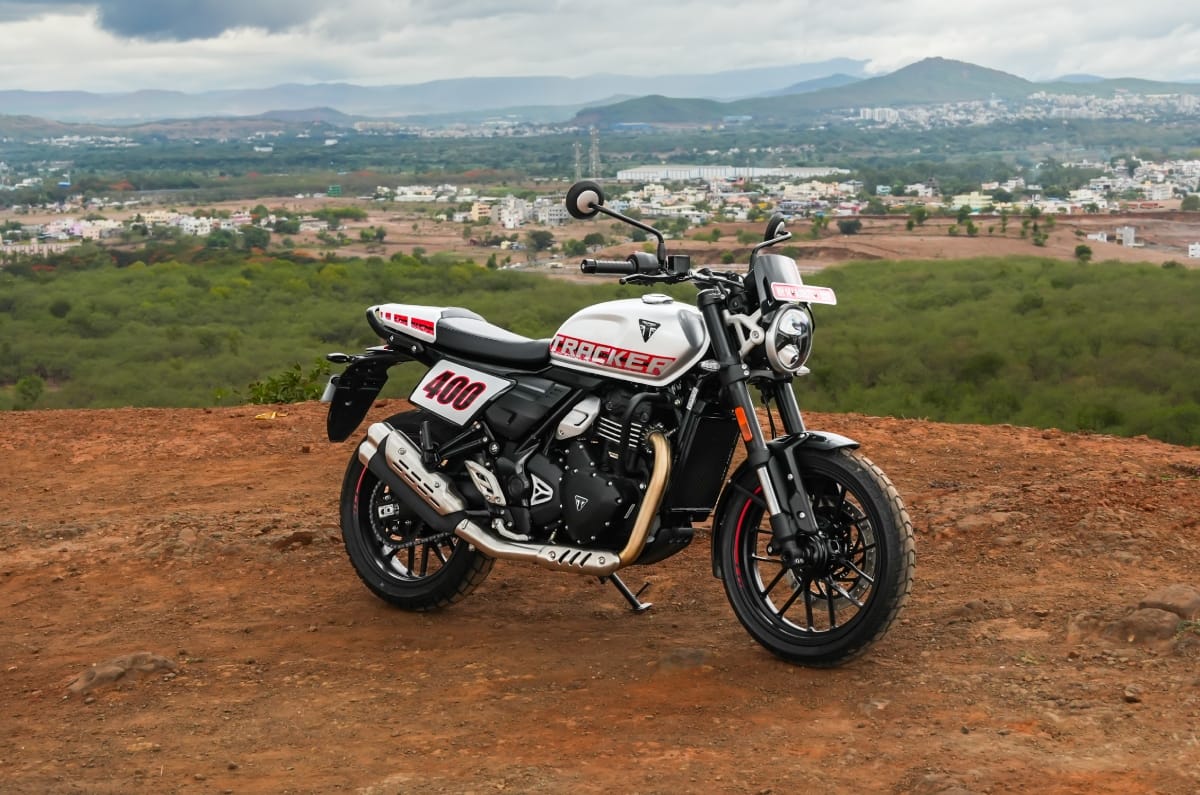
Tracker 400 static

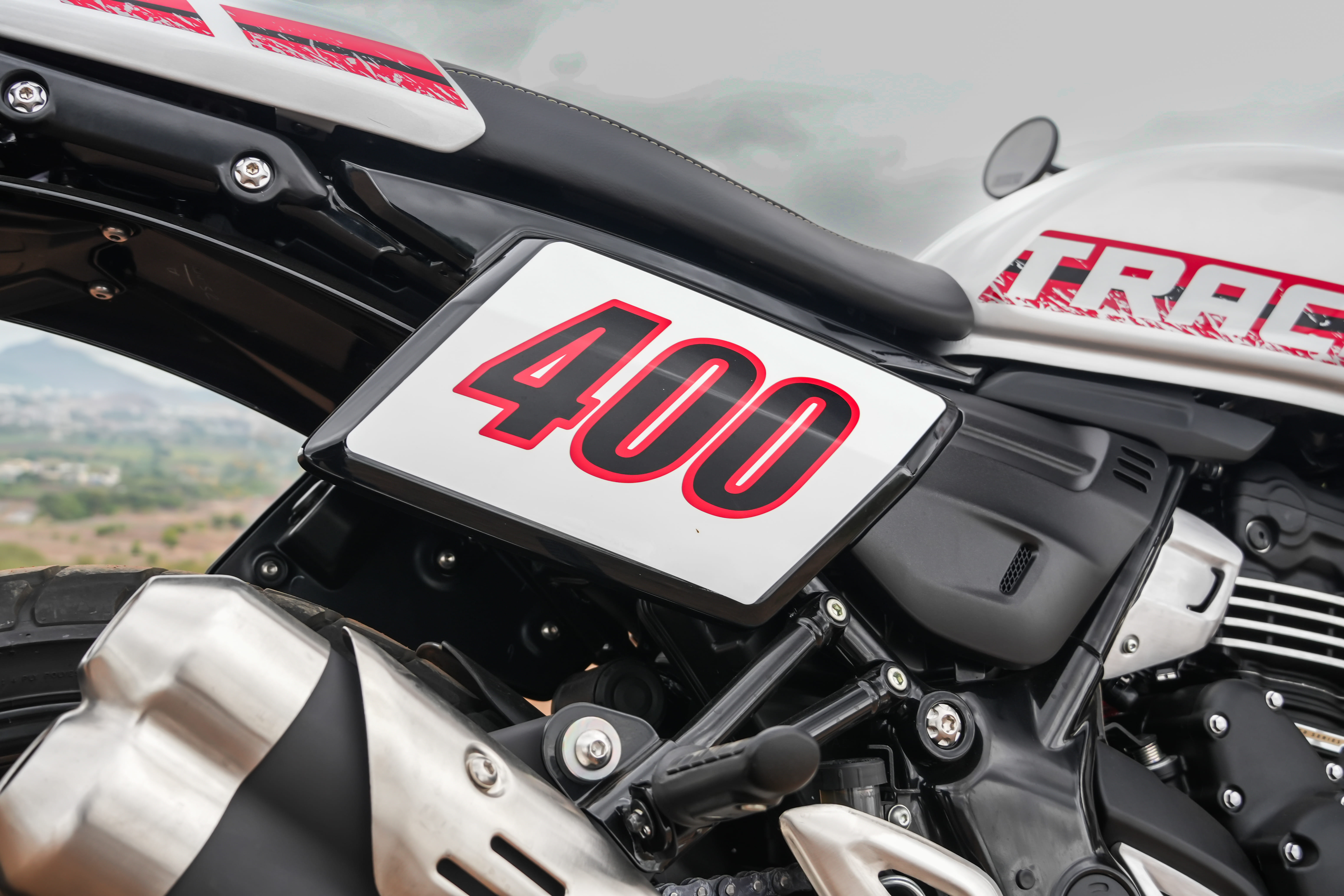
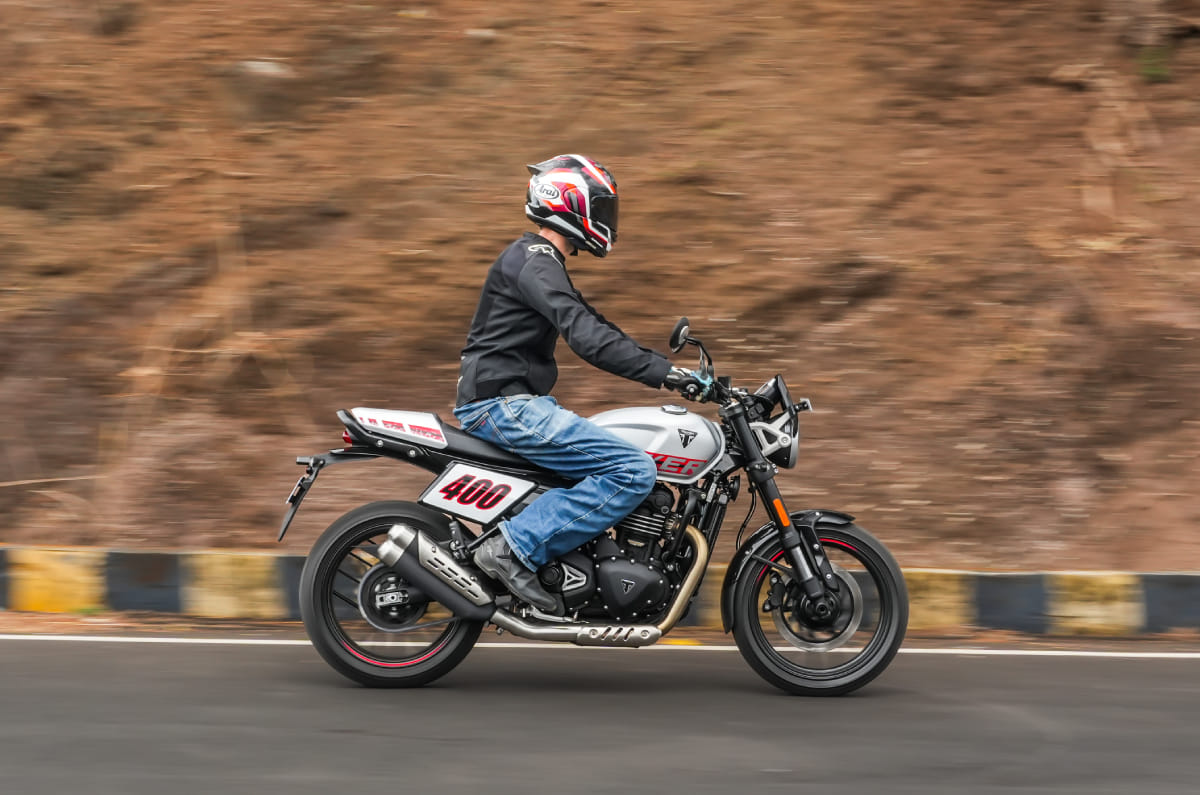
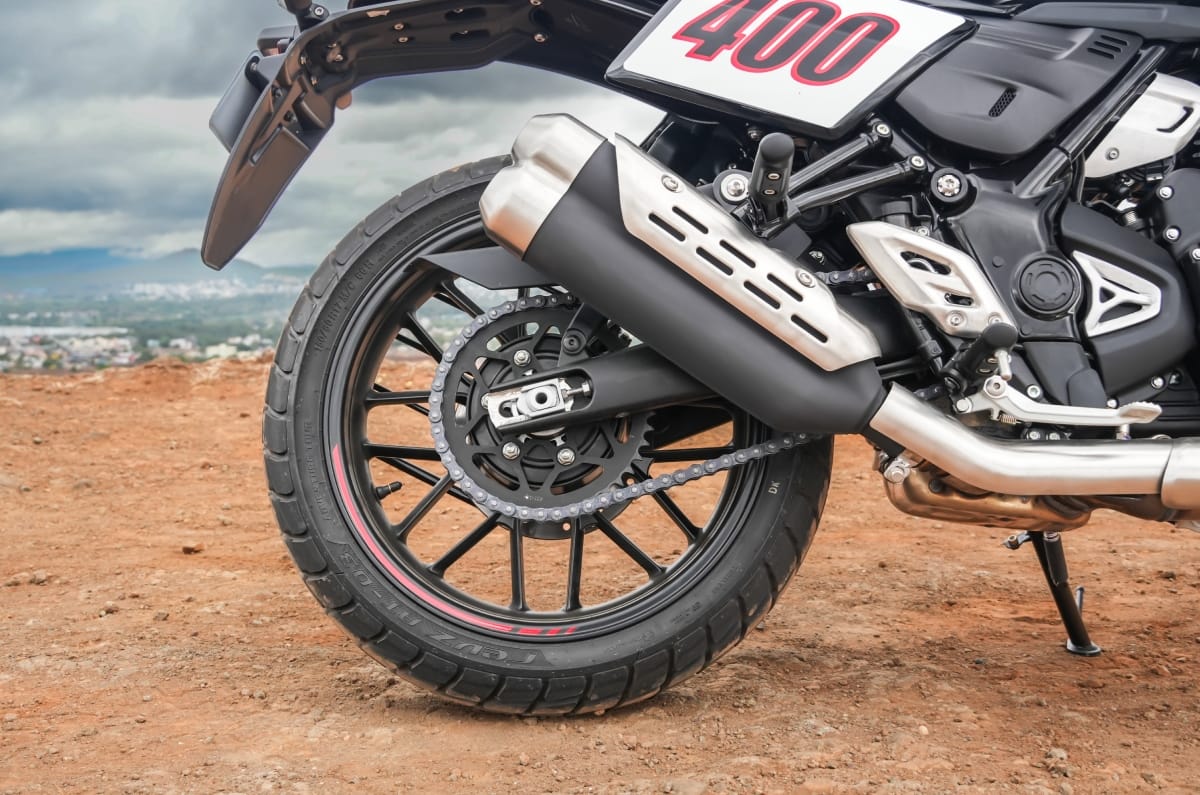
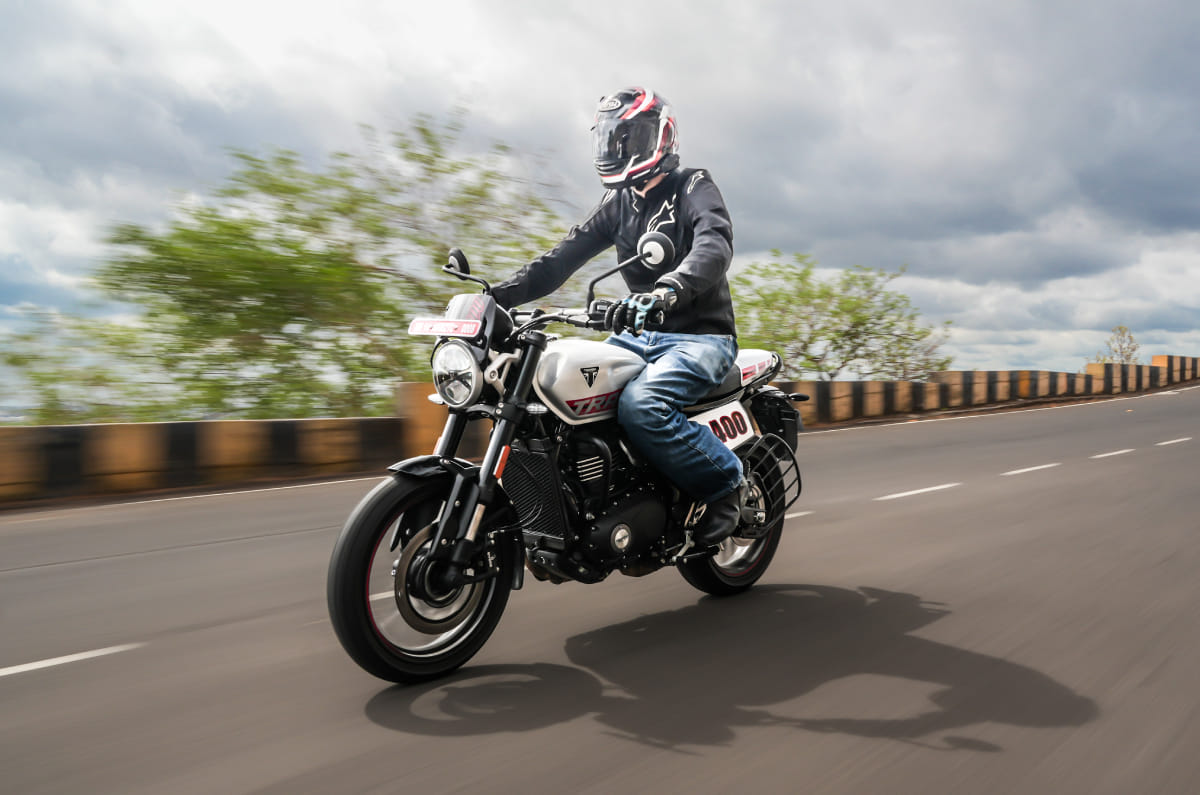
The Triumph Tracker 400 is the newest addition to the Indian-made Triumph lineup and, on paper at least, the most distinctive of the lot. It draws its design inspiration from flat-track racing, with a wider fuel tank, chunky dual-purpose tyres, number board-style panels and a flyscreen. Here’s what works in its favour and a couple of reasons it might not be for you.

Reasons to buy the Triumph Tracker 400

Eye-catching, distinctive design

The Tracker 400 is the most visually striking motorcycle in the Indian Triumph range. The wider tank, cast aluminium headlamp mount, flyscreen and number board panels give it a strong, individual character that you won’t find anywhere else at this price. During our time with the bike, it attracted more attention than any of the other single-cylinder Triumphs – and for riders who want something that stands apart from the crowd of retro-styled commuters in this segment, that matters. The tail section, shared with the Thruxton, is the one visual weak point, but it doesn’t significantly detract from the overall look.

Handling and comfort

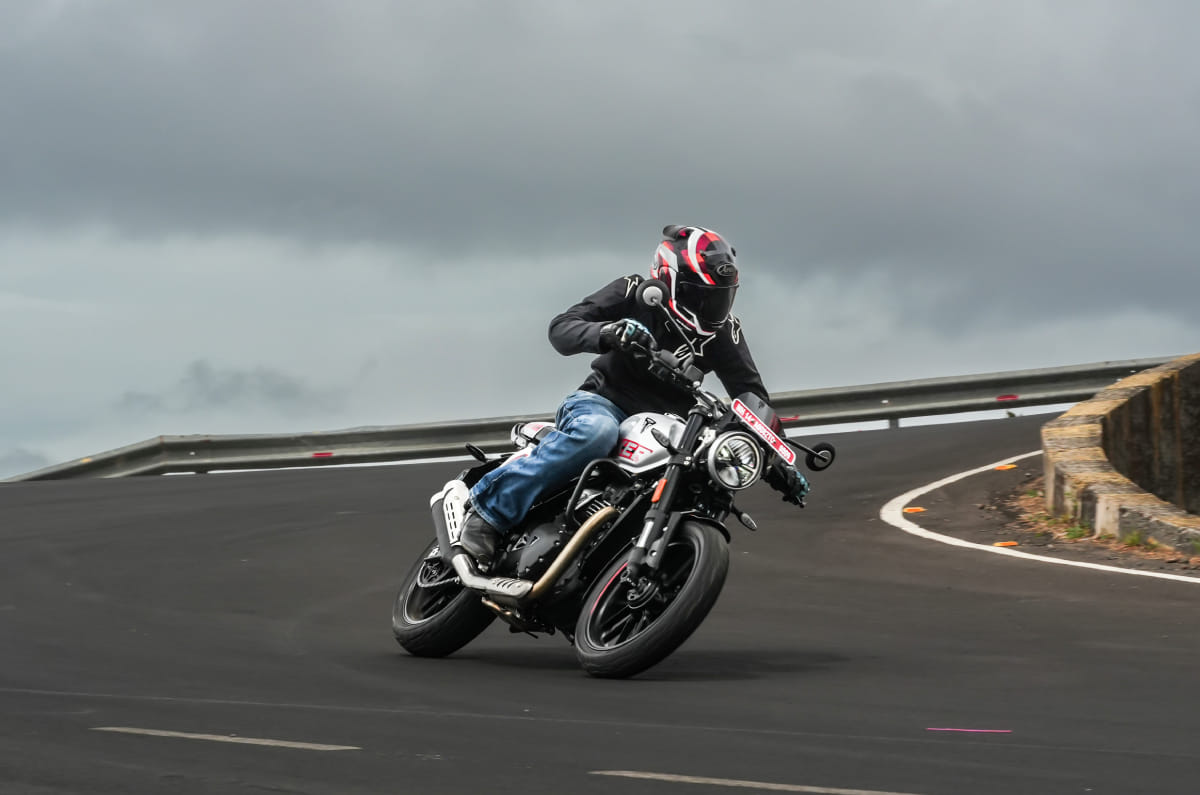
Despite the off-road-styled MRF Revz AT-03 tyres, the Tracker 400 is a genuinely capable and entertaining handler. The sharper 24.5-degree steering rake angle that it shares with the Thruxton 400 makes itself felt in the corners, and there is good lean-angle clearance available. More impressive is how well the suspension balances firmness with compliance – it inspires confidence at higher speeds while still absorbing rough roads without fuss. The sporty, leaned-forward riding position created by the lower and wider handlebar and repositioned footpegs adds to the sense of connection without crossing into discomfort over longer rides.

Price

At Rs 2.46 lakh (ex-showroom, Delhi), the Tracker 400 is priced Rs 14,000 more than the Speed 400 and Rs 24,000 less than the Thruxton 400 – a sensible position in the range given it shares the latter’s engine tune and suspension character. It comes with the same full feature set as the rest of the Indian Triumph lineup, including switchable traction control, a semi-digital display and a bi-directional quickshifter, making it good value for what you get.

Reasons to skip the Triumph Tracker 400

It’s a tracker only in name

The Tracker 400’s flat-track styling is exactly that – styling. Look beneath the chunky tyres and number boards, and you’re riding a bike based on the Thruxton 400 with a sporty steering geometry and a more aggressive riding position. There is no off-road capability to speak of, and the dual-purpose tyres, while they look the part, would have been better replaced with road-biased rubber that lets the chassis show what it can actually do. If you’re buying this expecting anything beyond a road-focused sporty roadster, you’ll be disappointed.

High-rpm vibrations

The Tracker shares the Thruxton 400’s higher state of tune – 40hp versus 37hp on the Speed 400 – but that extra performance comes with a noticeable increase in vibration above 8,000rpm. During our time with the bike, the buzz through the handlebars, footpegs and tank became more intrusive than on the Speed 400 once the revs climbed, and sustained highway cruising above 110kph required more mental effort to manage. For a bike that is otherwise well-suited to longer rides, this is a genuine drawback.

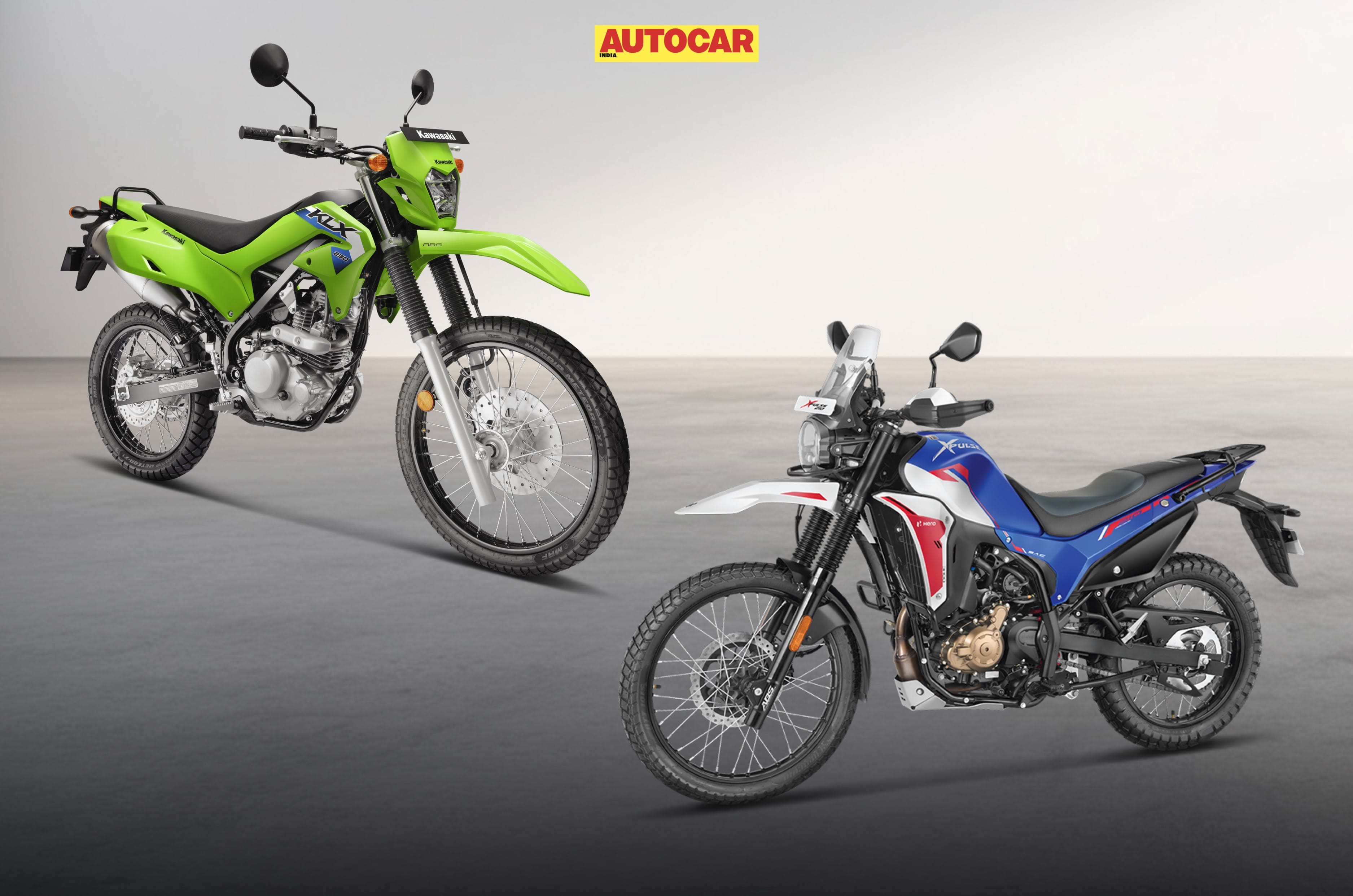
Kawasaki KLX230 S vs Hero Xpulse 210: Price and specification comparison

Kawasaki KLX230 S vs Hero Xpulse 210: Price and specification comparison

Kawasaki has launched a more road-focused model of its KLX230 with an ‘S’ suffix. The KLX230 S comes with a lower seat height and reduced suspension travel, making it ideal for riders that are intimidated by the tall seat-height of the regular KLX230. Here we pit it against the Hero Xpulse 210, to see how it fairs on paper.

Kawasaki KLX230 S vs Hero Xpulse 210: Engine and output


Kawasaki KLX230 S

Hero Xpulse 210

Engine

233cc, single-cylinder, air-cooled

210cc, single-cylinder, liquid-cooled

Power

19hp at 7,800rpm

24.6hp at 9,250rpm

Torque

19Nm at 6,200rpm

20.7Nm at 7,250rpm

Gearbox

6-speed

6-speed

Power-to-weight ratio

136.6hp/tonne

144.7hp/tonne (Top)  / 146.4hp/tonne (Base)

The Xpulse 210 boasts a better power-to-weight ratio

Despite its larger 233cc displacement, the KLX230 S trails the Xpulse 210 in outright performance. The Hero produces 5.6hp and 1.7Nm more while also boasting a better power-to-weight ratio. The Kawasaki, however, develops its peak power and torque lower down the rev range, suggesting it should feel more relaxed at lower engine speeds.

Kawasaki KLX230 S vs Hero Xpulse 210: Weight and dimensions


Kawasaki KLX230 S

Hero Xpulse 210

Kerb weight

139kg 

170kg (168kg Base variant)

Seat height

830mm

830mm

Ground clearance

220mm

220mm

Fuel tank capacity

7.5 litres

13-litres

Wheelbase

1350mm

1446mm

The KLX230 S is 31kg lighter than the Xpulse 210

The KLX230 S’ biggest advantage is its kerb weight. At 139kg, it’s a substantial 31kg lighter than the Xpulse 210, which should make it easier to handle on technical trails and at lower speeds. Both motorcycles have the same 830mm seat height and 220mm ground clearance, but the Hero counters with a much larger 13-litre fuel tank and a longer wheelbase that could lend it greater stability. As opposed to the standard KLX230’s 890mm seat height and 255mm ground-clearance, the KLX230 S gets a more accessible seat height.

Kawasaki KLX230 S vs Hero Xpulse 210: Tyres, brakes and suspension


Kawasaki KLX230 S

Hero Xpulse 210

Tyres

2.75-21 45P / 

4.10-18 59P

90/90 – 21 / 120/80 – 18

Suspension

Telescopic fork / monoshock

Telescopic fork / monoshock

Brakes

290mm disc / 230mm disc

276mm disc / 220mm disc

Both motorcycles come with the same off-road biased 21/18-inch setup

On paper, both motorcycles employ a conventional telescopic fork and monoshock setup and ride on a 21-/18-inch wheel combination. The Kawasaki uses slightly larger brake discs at both ends, while the Hero features wider tyres, particularly at the front, although the two use different tyre sizing conventions.

Kawasaki KLX230 S vs Hero Xpulse 210: Features

The Xpulse gets a TFT dash on its top-variant

Here the KLX230 S falls short of offering creature comforts like a TFT dash and Bluetooth connectivity that the Xpulse 210 gets. However, both motorcycles cover the essentials such as LED headlights and dual-channel ABS. Sticking to their off-road intent, both motorcycles get a tubed tyre setup with a 21-inch/18-inch (F/R).

Kawasaki KLX230 S vs Hero Xpulse 210: Price


Kawasaki KLX230 S

Hero Xpulse 210

Price


Rs 2.19 lakh (ex-showroom, India)

Rs 1.67 lakh – Rs 1.76 lakh (ex-showroom, Delhi)

At Rs 2.19 lakh (ex-showroom), the KLX230 S costs around Rs 43,000 more than the top-spec Xpulse 210. That premium buys you a significantly lighter motorcycle, but on paper the Hero offers stronger performance and a much larger fuel tank for considerably less money. It is also worth bearing in mind that the Kawasaki is a more premium brand whose after sales service ought to cost more


Used Car Study 2026: Grand i10 Nios holds its value best among midsize hatches

Used car study 2026 midsize hatchbacks

Conducted in association with Spinny, India’s leading pre-owned car platform, the fourth edition of our Used Car Study analyses real-world resale values across a broad spectrum of vehicles sold in the Indian market in order to assess depreciation trends over a five-year ownership period. The study is based on actual transactional data shared by Spinny for vehicles sold between January 1 and August 31, 2025.

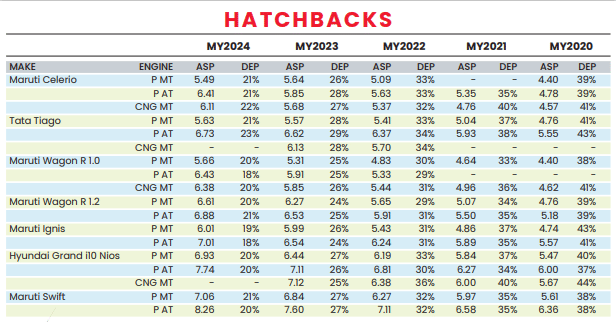
In this series of the resale value study, we are first taking a look at the budget hatchback segment:

Midsize Hatchbacks Resale Value 

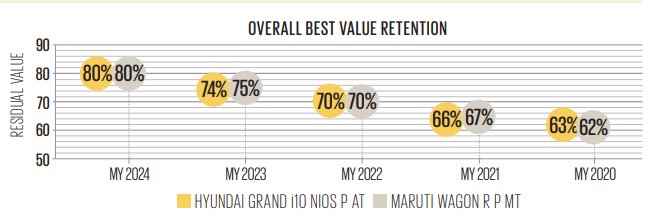
The Hyundai Grand i10 Nios petrol-AMT emerged as the strongest performer in terms of residual value, registering the flattest depreciation curve in the segment. Matching it closely are both the 1.0-litre and 1.2-litre petrol-manual variants of the Maruti Wagon R, whose consistently strong demand in the new and used car markets has helped preserve resale values.

At the other end of the spectrum, the Grand i10 Nios CNG sees the steepest depreciation among its siblings, while the Tata Tiago petrol-AMT also records relatively greater value loss over time. The Maruti Ignis is also among the ones to lose the most value over the five-year period. The Maruti Swift stands out in this company for having the most consistent rate of depreciation across both its manual and automatic variants. 

As per the study, the average selling price of a five-year-old midsize hatchback retailed through Spinny stood at Rs 5.47 lakh. Comparable figures for three-year-old and one-year-old the midsize hatchbacks were Rs 5.84 lakh and Rs 6.58 lakh, respectively. Average depreciation over the same periods worked out to 40 percent, 31.9 percent and 20.3 percent, respectively.

Autocar-Spinny Resale Value Study methodology 

The analysis covers the average selling prices (ASPs) of vehicles retailed through Spinny’s network across nine cities – Delhi-NCR, Bengaluru, Hyderabad, Pune, Chennai, Mumbai, Lucknow, Ahmedabad and Kolkata.

For the purposes of this study, depreciation has been defined as the percentage difference between a vehicle’s original on-road price in its year of manufacture and its resale value in 2025. In instances where a model was offered with multiple engine options using the same fuel type, the data has been consolidated and averaged. Variant-wise differences have similarly been averaged out.

Discontinued models and powertrain options have been excluded. Additionally, premium vehicles priced above Rs 30 lakh, electric vehicles and certain low-volume models have not been included due to limited transaction data and insufficient sample sizes.