
Namo Bharat Rapid Rail: क्या अब हर 3 मिनट पर मिलने जा रही है ‘नमो भारत’ रैपिड रेल? NCRTC ने बताया यात्रियों के लिए क्या है मेगा प्लान

Namo Bharat Rapid Rail: दिल्ली-गाजियाबाद-मेरठ कॉरिडोर पर दौड़ने वाली नमो भारत रैपिड रेल के यात्रियों के लिए एक बेहद शानदार खबर आई है। नमो भारत नेटवर्क पर यात्रियों की लगातार बढ़ती संख्या को देखते हुए नेशनल कैपिटल रीजन ट्रांसपोर्ट कॉर्पोरेशन (NCRTC) ने भविष्य के लिए एक मेगा प्लान तैयार किया है। पीटीआई को दिए एक खास इंटरव्यू में NCRTC के MD शलभ गोयल ने बताया कि अभी नमो भारत कॉरिडोर पर रोजाना करीब 1 लाख यात्री सफर कर रहे हैं।

गोयल ने बताया कि इस समय ट्रेनें करीब 10 मिनट के गैप में चल रही हैं। लेकिन यात्रियों की डिमांड और जरूरत के हिसाब से इस फ्रीक्वेंसी को घटाकर सिर्फ 3 मिनट किया जा सकता है। कॉरिडोर को इस तरह डिजाइन किया गया है कि इसमें भविष्य की जरूरतों के मुताबिक क्षमता बढ़ाने की पूरी गुंजाइश है।

जरूरत पड़ने पर हर 3 मिनट में मिलेगी नमो भारत ट्रेन

शलभ गोयल ने बताया कि NCRTC लगातार पूरे कॉरिडोर पर यात्रियों की मांग का आकलन करता है और जरूरत के हिसाब से परिचालन में बदलाव करता है। उन्होंने बताया कि अभी ये ट्रेनें करीब 10 मिनट के अंतराल पर मिलती हैं। ये मौजूदा यात्रियों की संख्या के लिहाज से काफी आरामदायक है। उन्होंने आगे कहा कि जरूरत के हिसाब से इन ट्रेनों की फ्रीक्वेंसी को बढ़ाकर 3 मिनट करने की पूरी फ्लेक्सिबिलिटी मौजूद है। यात्रियों की बढ़ती मांग को ध्यान में रखते हुए कॉर्पोरेशन ने हाल ही में सराय काले खां और मेरठ साउथ के बीच पीक आवर्स के दौरान 18 एक्स्ट्रॉ ट्रिप्स शुरू की हैं.

अब तक 3.5 करोड़ यात्रियों ने किया सफर, रोजाना 1 लाख का आंकड़ा

एमडी ने बताया कि इस नेटवर्क पर राइडरशिप में लगातार इजाफा हो रहा है। अभी हर दिन करीब 1 लाख यात्री इस नेटवर्क पर यात्रा कर रहे हैं। इस कॉरिडोर से अब तक 3.5 करोड़ यात्री सफर कर चुके हैं। नमो भारत की 100 प्रतिशत ट्रेनसेट गुजरात के सावली में बनाई गई है। इस लिहाज से ये पूरी तरह मेक इन इंडिया हैं।

सराय काले खां में ट्रेवलेटर से 30% बढ़े यात्री

NCRTC का मुख्य फोकस नमो भारत स्टेशनों को सार्वजनिक परिवहन के अन्य साधनों जैसे भारतीय रेलवे, मेट्रो सिस्टम, आईएसबीटी और सिटी बस सेवाओं के साथ इंटिग्रेट करने पर रहा है। मई 2026 में सराय काले खां नमो भारत स्टेशन को हजरत निजामुद्दीन रेलवे स्टेशन से जोड़ने वाले ट्रेवलेटर से लैस फुट ओवर ब्रिज के चालू होने से यात्रियों की संख्या में करीब 30 प्रतिशत का उछाल आया है।

न्यू अशोक नगर और गाजियाबाद नमो भारत स्टेशनों को फुट ओवर ब्रिज के माध्यम से सीधे मेट्रो स्टेशनों के साथ जोड़ा गया है। आनंद विहार रेलवे स्टेशन, आईएसबीटी, दिल्ली मेट्रो और सिटी बस सेवाओं के साथ बेहतरीन इंटरचेंज की सुविधा देता है।

इन प्रयासों से इन ट्रांजिट सुविधाओं के आसपास पहले से मौजूद भीड़भाड़ और जाम की समस्या का एक सुरक्षित और लंबे समय का समाधान तो मिला ही है, व्यस्त सड़कों पर पैदल चलने वालों की आवाजाही भी कम हुई है। ऐसे मल्टीमॉडल कनेक्टिविटी वाले स्टेशनों का कॉरिडोर की कुल राइडरशिप में लगभग 40 प्रतिशत का योगदान है।

दुनिया की पहली सिग्नलिंग तकनीक का इस्तेमाल

NCRTC ने इस कॉरिडोर में कई नई टेक्नोलॉजी इस्तेमाल की हैं। इसमें वैश्विक स्तर पर पहली बार LTE रेडियो सिग्नलिंग टेक्नोलॉजी पर ETCS लेवल 2 हाइब्रिड लेवल 3 का इस्तेमाल किया गया है। ये भारतीय परिस्थितियों के अनुकूल और बेस्ट-इन-क्लास स्टैंडर्ड पर आधारित है। इस अनुभव के दम पर अब NCRTC देश-विदेश में कहीं भी ऐसे अन्य प्रोजेक्ट्स में योगदान देने के लिए पूरी तरह मजबूत स्थिति में है।

ये भी पढ़ें- Navi Mumbai रियल एस्टेट हॉटस्पॉट 2026: क्यों मुंबई को छोड़ नवी मुंबई में घर खरीद रहे हैं लोग? जानिए बड़े कारण


Navi Mumbai रियल एस्टेट हॉटस्पॉट 2026: क्यों मुंबई को छोड़ नवी मुंबई में घर खरीद रहे हैं लोग? जानिए बड़े कारण
Navi Mumbai Real Estate Hotspot: मुंबई मेट्रोपॉलिटन रीजन (MMR) के रियल एस्टेट मार्केट में एक बड़ा बदलाव देखने को मिल रहा है। कभी मुंबई के एक सैटेलाइट टाउनशिप के रूप में प्लान की गई नवी मुंबई अब इससे कहीं आगे निकल चुकी है। नाइट फ्रैंक इंडिया की गुरुवार को जारी छमाही रियल एस्टेट रिपोर्ट के मुताबिक नवी मुंबई अब तेजी से मुंबई के तीसरे सबसे बड़े ग्रोथ कॉरिडोर के रूप में बदल रही है।

‘द इंडियन एक्सप्रेस’ में छपी नाइट फ्रैंक इंडिया की इस रिपोर्ट के मुताबिक, नवी मुंबई में घरों की बढ़ती कीमतों और मांग ने ग्रेटर मुंबई को भी पीछे छोड़ना शुरू कर दिया है। सबसे खास बात यह है कि अब नवी मुंबई में यह बूम सिर्फ कम कीमतों की वजह से नहीं है। बल्कि इसके पीछे कई दूसरी बड़ी वजहें भी हैं। आइए जानते हैं कि क्यों घर खरीदार मुंबई को छोड़ नवी मुंबई का रुख कर रहे हैं। वहां के रियल एस्टेट मार्केट के लेटेस्ट आंकड़े क्या कहते हैं।

पनवेल और खारघर में सबसे तेज उछाल: क्या हैं प्रॉपर्टी रेट्स?

रिपोर्ट के मुताबिक, पिछले एक साल में पूरे मुंबई मेट्रोपॉलिटन रीजन में नवी मुंबई के पनवेल इलाके में घरों की कीमतों में सबसे तेज बढ़ोतरी दर्ज की गई है। पिछले एक साल के दौरान नवी मुंबई में प्रॉपर्टी की औसत दरों में 9 प्रतिशत का उछाल आया है। पनवेल के साथ ही पड़ोसी इलाके खारघर में भी इसी टाइम पीरियड के दौरान कीमतें 6 फीसदी बढ़ी हैं।

क्यों बढ़ रहा है क्रेज? कनेक्टिविटी ने बदला गेम

नाइट फ्रैंक इंडिया की रिपोर्ट में बताया गया है कि नवी मुंबई का विकास अब सिर्फ सस्ते घरों की वजह से नहीं हो रहा बल्कि बेहतर होती कनेक्टिविटी और मजबूत इंफ्रास्ट्रक्चर भी इसकी मुख्य वजहें हैं। इसके अलावा कुछ बड़े प्रोजेक्ट्स हैं जो इस इलाके कीकनेक्टिविटी की तस्वीर बदल रहे हैं। इन्हें यहां नीचे देखा जा सकता है:-

मुंबई ट्रांस हार्बर लिंक (MTHL/अटल सेतु): इस लिंक ने दक्षिण मुंबई से नवी मुंबई की दूरी को काफी कम कर दिया है। इससे अब यहां की ड्राइव महज 30 मिनट की रह गई है।

नवी मुंबई इंटरनेशनल एयरपोर्ट: आने वाला इस नए एयरपोर्ट के चलते इस पूरे क्षेत्र की वैल्यू बढ़ गई है।

अपकमिंग मेट्रो कॉरिडोर: आगामी मेट्रो लाइन्स से इंटरनल और एक्सटर्नल कनेक्टिविटी काफी मजबूत हो रही है।

विरार-अलीबाग मल्टीमॉडल कॉरिडोर और पनवेल-कर्जत रेलवे दोहरीकरण परियोजना ने भी इस पूरे क्षेत्र के प्रति घर खरीदारों और निवेशकों के आकर्षण को काफी बढ़ा दिया है।

नए लॉन्चेस में नंबर-1 बना नवी मुंबई, ग्रेटर मुंबई पिछड़ा

साल 2026 के पहले छह महीनों के आंकड़ों को देखें तो रियल एस्टेट मार्केट का केंद्र अब बदल चुका है। नए घरों को लॉन्च करने के मामले में नवी मुंबई सबसे आगे निकल गया है। नए लॉन्चेस में सबसे बड़ी हिस्सेदारी 21 प्रतिशत के साथ नवी मुंबई की रही। वसई और विरार जैसे बाहरी पश्चिमी उपनगर 19 प्रतिशत हिस्सेदारी के साथ दूसरे नंबर पर रहे। कल्याण, डोंबिवली, भिवंडी और कर्जत जैसे बाहरी मध्य उपनगरों की हिस्सेदारी 18 प्रतिशत रही। ग्रेटर मुंबई के पश्चिमी उपनगर नए लॉन्चेस के मामले में पिछड़ गए और इनकी हिस्सेदारी सिर्फ 17 प्रतिशत रही।

मार्केट में बिक्री का पैटर्न भी इसी तरह का रहा। इसमें बाहरी मध्य उपनगरों ने सबसे बड़ी हिस्सेदारी दर्ज की। यह दर्शाता है कि उन बाजारों में मांग लगातार बनी हुई है जहां आवास तुलनात्मक रूप से किफायती हैं।

पिछले 10 सालों में ऐसे बदला नवी मुंबई का दबदबा

पिछले एक दशक (2014 से 2026) के दौरान एमएमआर क्षेत्र के भीतर नवी मुंबई का महत्व लगातार बढ़ा है। साल 2014 में कुल आवासीय लॉन्चेस में नवी मुंबई की हिस्सेदारी 18 प्रतिशत थी। ये 2026 की पहली छमाही में बढ़कर 21 प्रतिशत हो गई है। इसी पीरियड में नवी मुंबई की सेल्स हिस्सेदारी 16 प्रतिशत से बढ़कर 22 प्रतिशत पर पहुंच गई है।

रिपोर्ट में एक बेहद महत्वपूर्ण बात सामने आई है कि हाल के वर्षों में नवी मुंबई में आवासीय बिक्री की रफ्तार नए प्रोजेक्ट्स के लॉन्च होने की तुलना में कहीं अधिक तेज रही है। यह संकेत देता है कि बाजार में नई सप्लाई आने की तुलना में यहां घरों की मांग बहुत तेजी से मजबूत हो रही है।

ऑफिस लीजिंग में 33% का उछाल

आर्थिक अनिश्चितता के बावजूद 2026 की पहली छमाही में रियल एस्टेट मार्केट स्थिर और मजबूत बना रहा है। डेवलपर्स ने साल के पहले छह महीनों में 49161 घर लॉन्च किए। ये पिछले साल की समान अवधि से 8 प्रतिशत अधिक है। इस अवधि में बिक्री मामूली रूप से 1 प्रतिशत बढ़कर 47355 यूनिट रही। मार्केट में अनसोल्ड इन्वेंट्री में 4 प्रतिशत की गिरावट आई है और अब यह घटकर 1.57 लाख घरों पर आ गई है।

कमर्शियल प्रॉपर्टी सेगमेंट के लिए भी साल की शुरुआत बेहद शानदार रही है। 2026 की पहली छमाही में ऑफिस लीजिंग सालाना आधार पर 33 प्रतिशत बढ़कर 7.3 मिलियन स्क्वायर फीट पर पहुंच गई। इसमें सबसे बड़ा योगदान जेपी मॉर्गन का रहा। इसने पवई में 2.2 मिलियन स्क्वायर फीट ऑफिस स्पेस लीज पर लिया है।

ये भी पढ़ें- Noida-Navi Mumbai flights: शुरू होते ही बंद हुई नोएडा-नवी मुंबई डायरेक्ट फ्लाइट, दो हफ्ते बाद ही Akasa Air ने सेवा रोकी, जानिए क्यों

नाइट फ्रैंक इंडिया को उम्मीद है कि एंड-यूजर डिमांड, यहां के इंफ्रास्ट्रक्चर प्रोजेक्ट्स और नई सप्लाई की स्थिर पाइपलाइन के दम पर रेजिडेंशियल मार्केट आगे भी मजबूत बना रहेगा। आने वाले समय में पुराने और जर्जर घरों को रिन्यू करने और बाजार में फ्रेश इन्वेंट्री जोड़ने के लिए रीडेवलपमेंट प्रोजेक्ट्स में बड़े डेवलपर्स की भूमिका और बढ़ने की उम्मीद है।

Used car study 2026: Mahindra XUV700 holds its value best among executive SUVs

Mahindra XUV700 resale value

Conducted in association with Spinny, India’s leading pre-owned car platform, the fourth edition of our Used Car Study analyses real-world resale values across a broad spectrum of vehicles sold in the Indian market to assess depreciation trends over a five-year ownership period. The study is based on actual transactional data shared by Spinny for vehicles sold between January 1 and August 31, 2025.

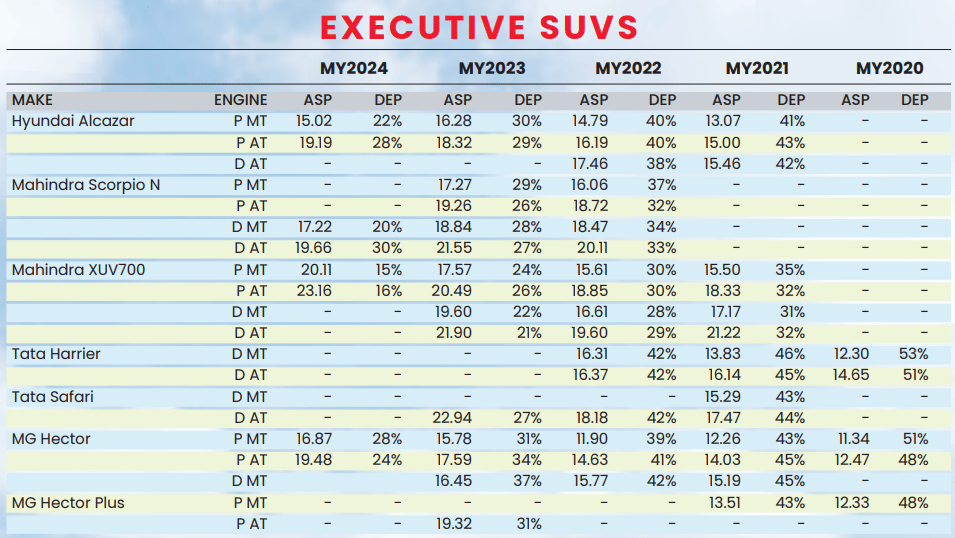
In this part of the resale value study series, we take a look at the executive SUV segment:

Executive SUVs resale value 

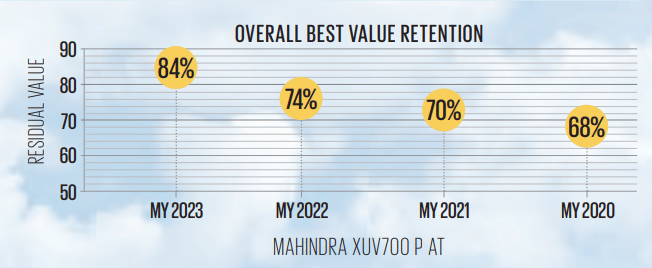
The Mahindra XUV700 has emerged as one of the strongest performers in the used car market, with all variants retaining value impressively well. Particularly noteworthy are the petrol variants, which display the flattest depreciation curves over a four-year period. In fact, one-year-old used examples are trading at only 15-16 percent below their average on-road prices, underlining the SUV’s exceptionally strong market demand.

By comparison, five-year-old examples of the Tata Harrier and MG Hector depreciate significantly more, with resale values falling to less than half of their original purchase prices. The Mahindra Scorpio N also holds better value than its rivals, and overall, the Mahindra SUVs display slower depreciation than their Tata counterparts. 

As per the study, the average selling price of a five-year-old executive SUV retailed through Spinny was Rs 12.6 lakh. Comparable figures for three-year-old and one-year-old executive SUVs were Rs 16.80 lakh and Rs 18.84 lakh, respectively. Average depreciation over the same periods worked out to 50 percent, 36.41 percent and 22.90 percent, respectively.

Autocar-Spinny resale value study methodology 

The analysis covers the average selling prices (ASPs) of vehicles retailed through Spinny’s network across nine cities – Delhi-NCR, Bengaluru, Hyderabad, Pune, Chennai, Mumbai, Lucknow, Ahmedabad and Kolkata.

For the purposes of this study, depreciation has been defined as the percentage difference between a vehicle’s original on-road price in its year of manufacture and its resale value in 2025. In instances where a model was offered with multiple engine options using the same fuel type, the data has been consolidated and averaged. Variant-wise differences have similarly been averaged out.

Discontinued models and powertrain options have been excluded. Additionally, premium vehicles priced above Rs 30 lakh, electric vehicles and certain low-volume models have not been included due to limited transaction data and insufficient sample sizes.

Used car study 2026: Kia Seltos holds its value best among midsize SUVs

Kia Seltos resale value

Conducted in association with Spinny, India’s leading pre-owned car platform, the fourth edition of our Used Car Study analyses real-world resale values across a broad spectrum of vehicles sold in the Indian market to assess depreciation trends over a five-year ownership period. The study is based on actual transactional data shared by Spinny for vehicles sold between January 1 and August 31, 2025.

In this part of the resale value study series, we take a look at the midsize SUV segment:

Midsize SUVs resale value 

*Average selling price (ASP) in Rs lakh

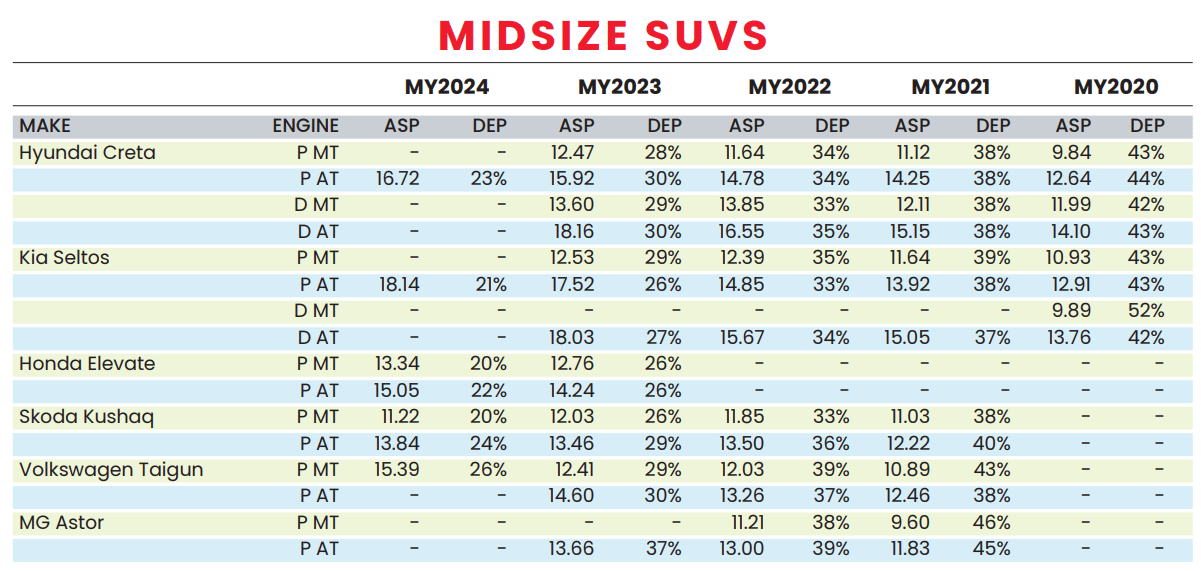
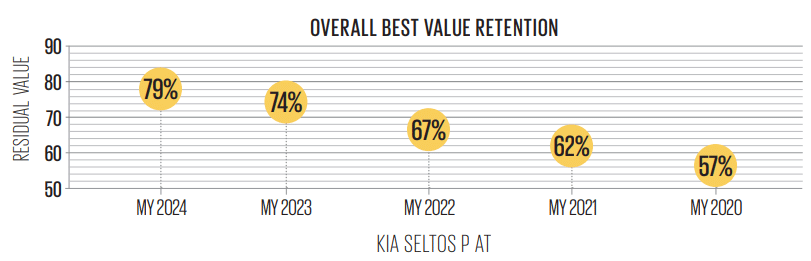
Over a five-year ownership period, the Kia Seltos petrol-automatic showcases the strongest residual performance in the midsize SUV category, retaining value better than most of its rivals. Notably, the Seltos considered here is the outgoing version – the new Seltos was only introduced in 2026. As for the Skoda-Volkswagen duo, the Taigun saw greater depreciation over a 4-year than the Kushaq. 

Despite being on sale only since 2023, the Honda Elevate has already demonstrated promising used market performance, with a notably flatter depreciation trend than expected for a relatively new entrant. In contrast, weaker demand for the MG Astor in the new car market appears to have impacted its resale values as well, with the petrol-automatic version showing the highest depreciation in the segment.

As per the study, the average selling price of a five-year-old midsize SUV retailed through Spinny was Rs 12 lakh. Comparable figures for three-year-old and one-year-old midsize SUVs were Rs 13.43 lakh and Rs 14.81 lakh, respectively. Average depreciation over the same periods worked out to 44 percent, 35.4 percent and 22.30 percent, respectively.

Autocar-Spinny resale value study methodology 

The analysis covers the average selling prices (ASPs) of vehicles retailed through Spinny’s network across nine cities – Delhi-NCR, Bengaluru, Hyderabad, Pune, Chennai, Mumbai, Lucknow, Ahmedabad and Kolkata.

For the purposes of this study, depreciation has been defined as the percentage difference between a vehicle’s original on-road price in its year of manufacture and its resale value in 2025. In instances where a model was offered with multiple engine options using the same fuel type, the data has been consolidated and averaged. Variant-wise differences have similarly been averaged out.

Discontinued models and powertrain options have been excluded. Additionally, premium vehicles priced above Rs 30 lakh, electric vehicles and certain low-volume models have not been included due to limited transaction data and insufficient sample sizes.

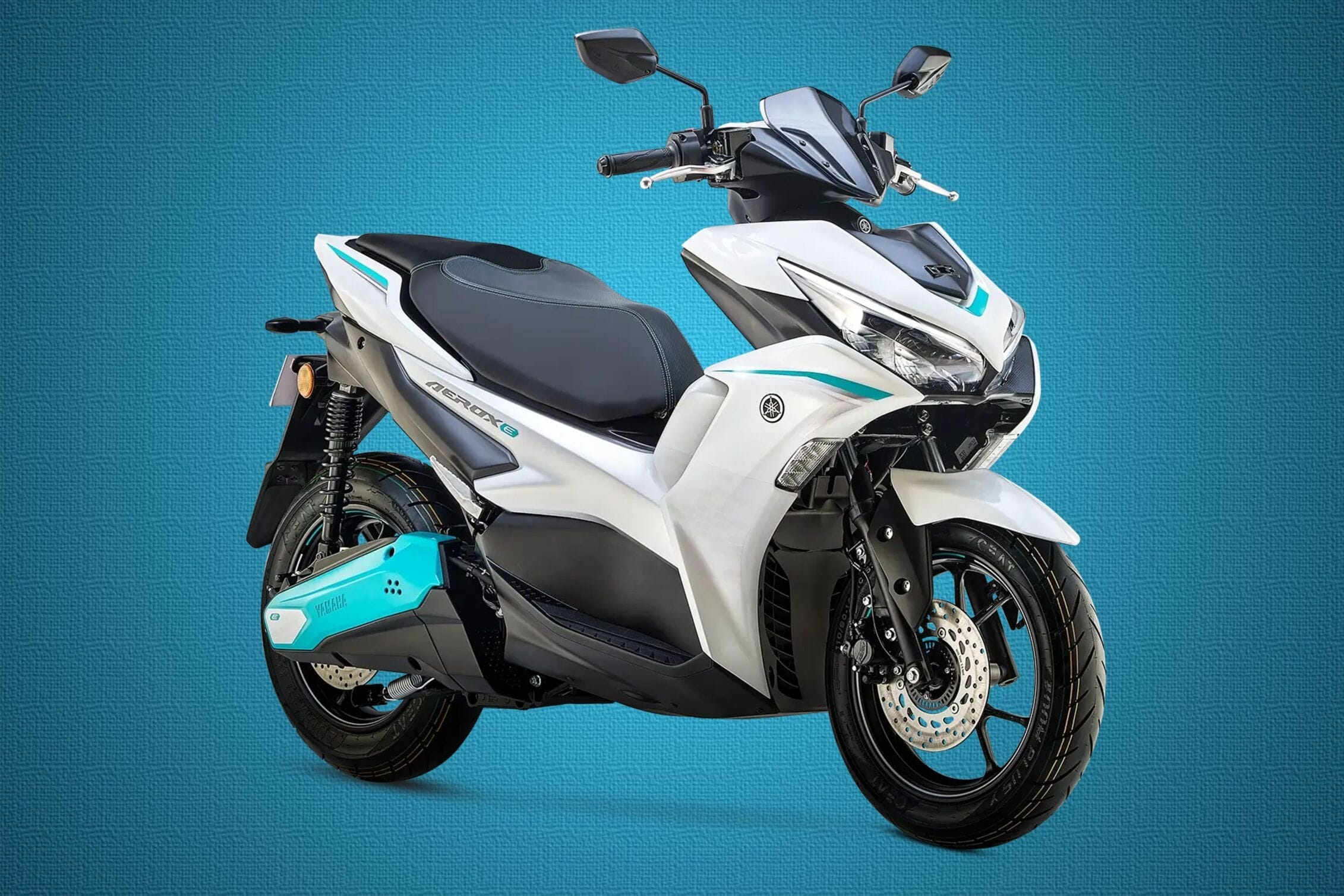
Yamaha Aerox-E vs TVS X: price and specification comparison

Aerox E vs TVS X

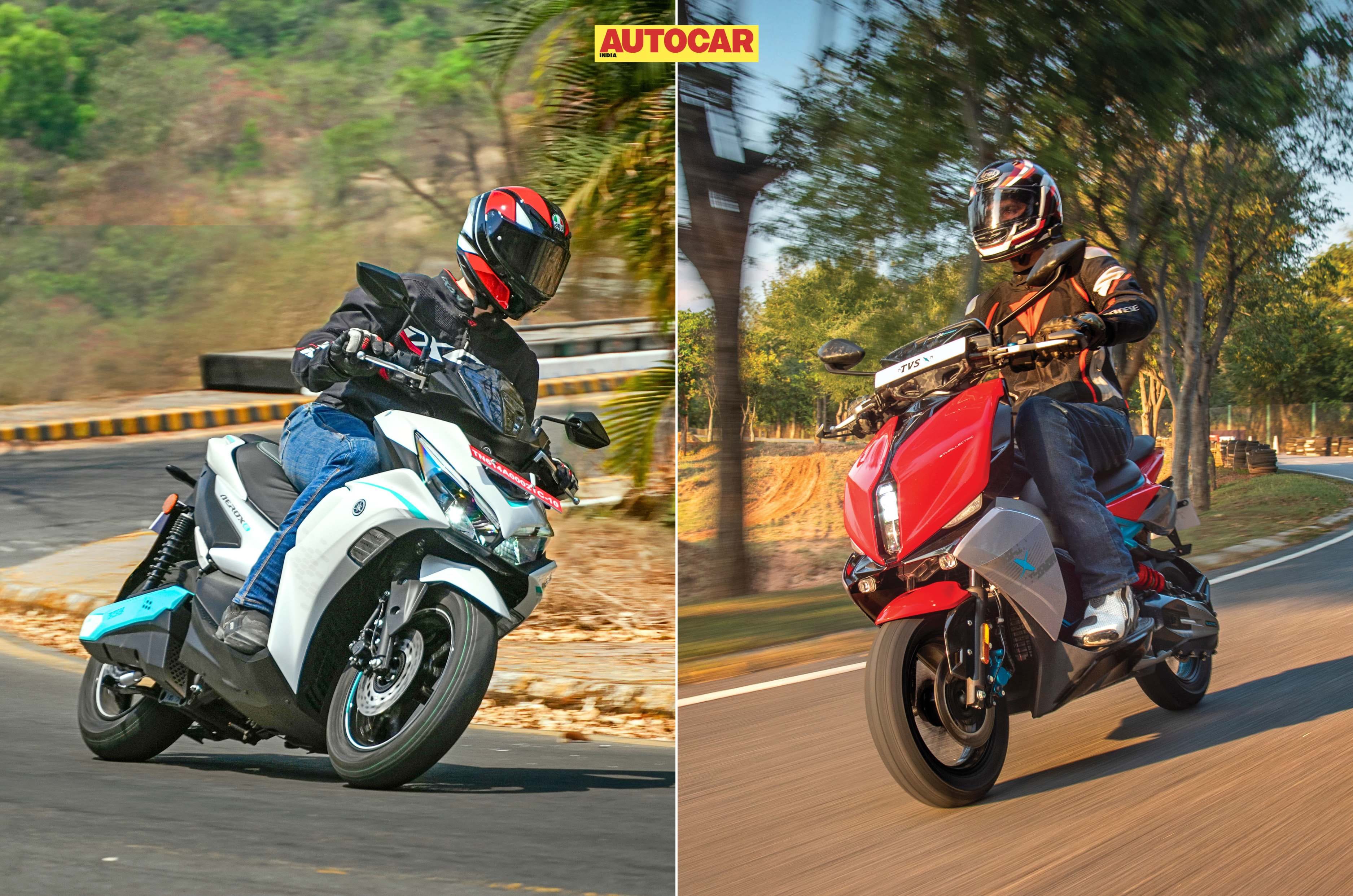
Last year, Yamaha announced that it would enter the Indian electric scooter market with two products – the River Indie-based EC-06 and the Aerox-E. The former was launched earlier this year, and the company has now revealed pricing for the electric Aerox at Rs 2.82 lakh. That makes it Yamaha’s most expensive offering in India and one of the costliest electric scooters on sale. At that price point, its only real rival is the TVS X, which has occupied a unique position at the top end of the Indian electric scooter market since its launch in 2023. Here’s how the two compare on paper.

Yamaha Aerox-E vs TVS X: Motor, battery and range

The TVS X offers better performance and range


Yamaha Aerox-E

TVS X

Peak motor output

9.4kW

11.7kW

Continuous motor output

NA

7kW

Peak torque

48Nm

40Nm

Battery capacity

2 x 1.5kWh (3kWh total)

4.4kWh

Charging time (0-100%)

6 hours 20 minutes


Claimed IDC range

117km

159km

Claimed top speed

95.5kph

110kph

The TVS X holds a clear advantage in outright performance and range. TVS claims a 0-40kph time of 2.5 seconds and a top speed of 110kph, both comfortably ahead of the Aerox-E. Its larger 4.4kWh battery also delivers a significantly higher claimed IDC range, although, as with all IDC figures, real-world range is likely to be lower.

The Aerox-E comes with dual removable battery setup comprising two 1.5kWh packs. That’s a meaningful practical advantage if you don’t have easy access to a charging point, as the batteries can be removed and charged separately using Yamaha’s optional charging dock (priced at Rs 18,000). That said, each battery weighs around 13kg, so removing them regularly may not be the most convenient solution.

Yamaha Aerox-E vs TVS X: Dimensions and underpinnings

The TVS X is lighter and runs on smaller 12-inch wheels


Yamaha Aerox-E

TVS X

Kerb weight

139kg

134kg

Suspension (F/R)

Telescopic fork / Twin shock absorbers

Telescopic fork / Monoshock

Brakes (F/R)

Disc / Disc

220mm disc / 195mm disc

Tyres (F/R)

110/80-14 / 140/70-14

100/80-12 / 110/80-12

Both scooters use a conventional telescopic fork up front, but they differ at the rear. The Aerox-E uses twin shock absorbers, while the TVS X gets a monoshock. Another notable difference is wheel size. The Aerox-E rides on larger 14-inch wheels, which should offer better stability, while the TVS X uses 12-inch wheels that are likely to feel a little more agile. It’s worth noting that TVS showcased a version of the X with 14-inch wheels at EICMA last year, although there’s been no update on whether or when that version will make it into production.

The TVS X is also 5kg lighter and is built around a sporty aluminium twin-spar frame, which means it doesn’t have a conventional flat floorboard.

Yamaha Aerox-E vs TVS X: Features

The TVS X has a clear edge in the features deparetmnt

The TVS X is the more comprehensively equipped scooter of the two. Its headline feature is a massive 10.25-inch TFT touchscreen with Bluetooth connectivity, Android Auto, navigation, music playback and smartphone integration. It also gets three riding modes – Xtealth, Xtride and Xonic – along with reverse assist, hill hold and TVS’ RAM air-cooling system for the motor. TVS has positioned the X as a flagship product, and its equipment list reflects that.

The Aerox-E isn’t quite as feature-rich. It upgrades from the petrol Aerox 155’s LCD console to a TFT display with smartphone connectivity, but the unit is relatively basic compared to the TVS. The Aerox-E offers three riding modes – Eco, Standard and Power – along with a dedicated Boost button that provides short bursts of additional performance.

Yamaha Aerox-E vs TVS X: Price

The TVS X undercuts the Aerox-E by Rs 16,000


TVS X

Yamaha Aerox-E

Price (ex-showroom, Bengaluru)

Rs 2.66 lakh

Rs 2.82 lakh

At Rs 2.66 lakh, the TVS X undercuts the Aerox-E by Rs 16,000. On paper, it’s clearly the stronger package, offering higher performance, a larger battery, longer claimed range and a considerably more comprehensive feature list.

Availability, however, remains limited for both scooters. The TVS X was initially launched only in Bengaluru, with the company indicating plans to expand to more cities, although there hasn’t been a meaningful update since. The Aerox-E will be available in Delhi, Bengaluru, Mumbai, Pune and Chennai, giving it slightly wider reach, but both remain niche offerings at the premium end of the electric scooter market.

Yamaha Aerox Electric Launched at Rs 2.82 lakh

Yamaha Aerox Electric Launched at Rs 2.81 lakh

Alongside the launch of the XSR155 last year, Yamaha had also showcased the EV counterpart of the Aerox, called the Aerox-E. This electric scooter has officially been launched by Yamaha today and is priced at Rs 2.82 lakh. This makes it the most expensive Yamaha product on sale in India currently.

  1. Yamaha Aerox-E produces 9.5kW and 48Nm
  2. Has dual 1.5kWh removable battery packs
  3. Becomes the most expensive Yamaha product in India

The Aerox-E features dual 1.5kWh detachable batteries paired with a motor that produces 9.5kW (12.9hp) of peak power and 48Nm of torque. Yamaha claims that these dual batteries are packed with ‘high energy type cells’ for performance. The e-scooter has a claimed IDC range of 117km and a kerb weight of 139kg (13kg heavier than the base Aerox 155).

The Aerox-E also offers multiple riding modes including Eco, Standard and Power along with an additional Boost mode, giving you short bursts of power for quick overtakes. Braking duties are handled by a front disc with ABS and a rear disc brake.

In terms of design, the Aerox-E is similar to its petrol-powered counterpart, featuring the same twin-LED headlight and LED tail-light. However, it gets a TFT dash with app-based connectivity as opposed to the LCD dash on the Aerox. 

Currently, the scooter is available in Delhi, Bangalore, Mumbai, Pune and Chennai. 

CityPrice (ex-showroom)
BangaloreRs 2,81,600
DelhiRs 2,81,600
MumbaiRs 2,82,390
PuneRs 2,82,390
ChennaiRs 2,82,390

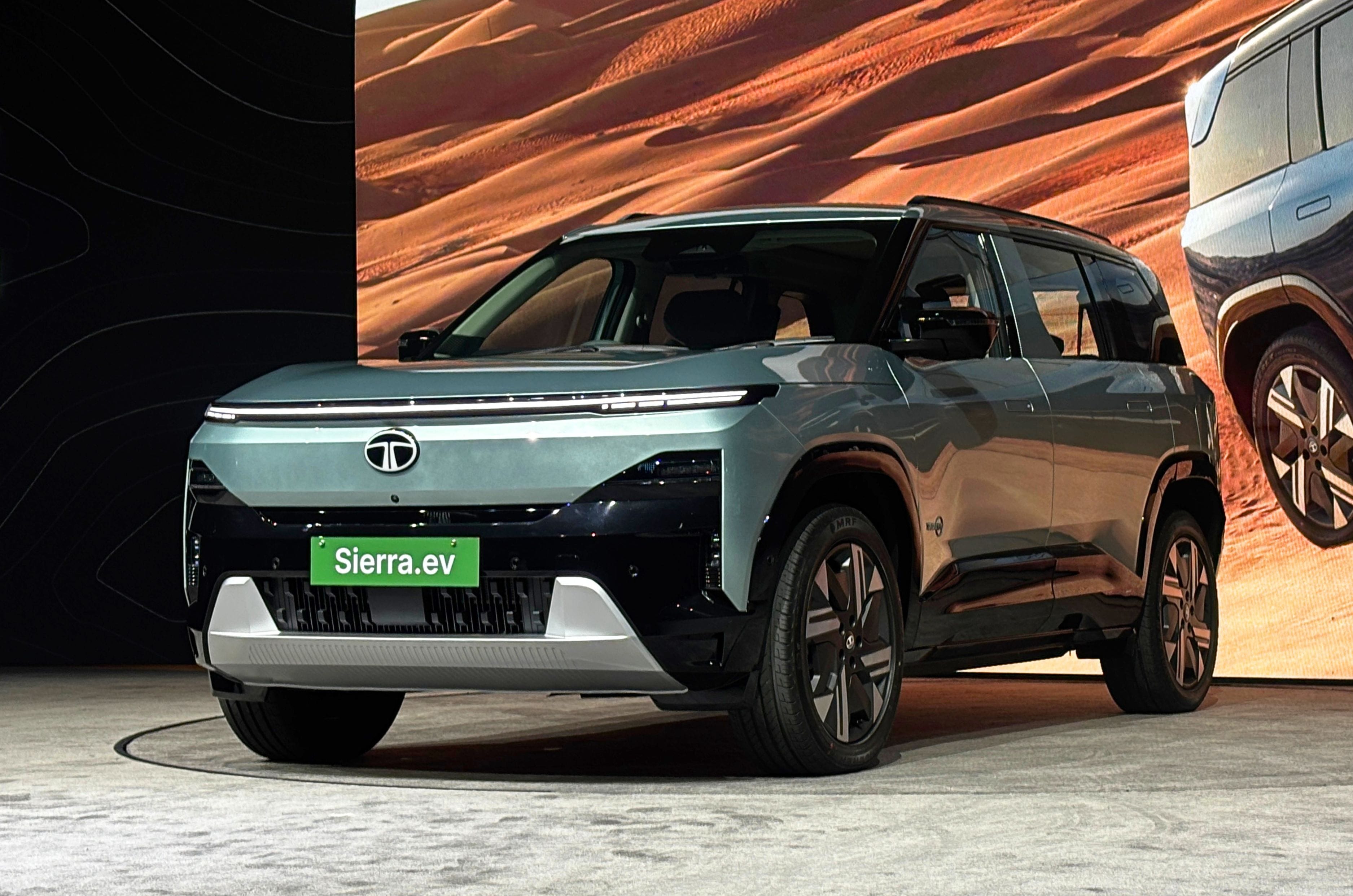
Tata Sierra EV on-road prices listed in top Indian cities

Tata Sierra EV front quarter static

Tata‘s second all-wheel-drive (AWD) offering in its all-electric range, the Sierra EV, was recently launched in India. It borrows most of its interior and exterior design, as well as the feature suite, from its combustion-powered Sierra, introducing new colour themes and some EV-specific features. It is offered with two battery pack options: 63kWh or 75kWh, both with a rear-axle-mounted (RWD) motor, with the larger battery also getting a dual-motor AWD option. The Sierra EV is being offered in five trims: Pure, Pure S, Adventure, Empowered, and Empowered A, priced between Rs 18.79 lakh and Rs 25.99 lakh (ex-showroom).

If you are interested, here are the Tata Sierra EV’s on-road prices across major Indian cities to help you understand how much you need to pay to get your hands on one.

Tata Sierra EV on-road price range

RWD variants are priced up to Rs 26.91 lakh, and AWD costs up to Rs 28.19 lakh

Tata Sierra EV price range in top Indian cities (in Rs, lakh)


63kWh RWD

75kWh RWD

75kWh AWD

Ex-showroom, India

18.79-22.79

22.19-24.79

25.99

Kolkata (on-road)

19.39-23.43

22.82-25.95

26.66

Chennai (on-road)

20.13-24.31

22.69-26.41

27.66

Mumbai (on-road)

20.19-24.38

23.75-26.91

28.19

Note: On-road prices may vary based on city-specific registration charges and other cost components, including insurance, FASTag and RTO fees. Please check with your nearest Tata Motors dealership for the exact figures.

As the table shows, Kolkata offers the lowest Tata Sierra prices among the listed cities, followed by Chennai and Mumbai. The top-spec 63kWh RWD (Empowered 63) is Rs 95,000 cheaper in Kolkata than in Mumbai, while the 75kWh RWD (Empowered A 75) costs Rs 96,000 less. The largest gap is for the range-topping 75kWh AWD (Empowered A 75 AWD), which is priced at Rs 1.53 lakh lower in Kolkata.

Mumbai Building Collapse: हाय रि किस्मत! अगले दिन घर छोड़ने वाला था परिवार, उससे पहले ही भरभराकर गिर गई बिल्डिंग

मुंबई के मानखुर्द इलाके से एक दिल दहला देने वाले घटना घटी है। मानखुर्द इलाके में शनिवार रात एक गैर-कानूनी चार मंजिला इमारत अचानक गिरकर पास बने टिन की छत वाले घर पर आ गिरी। इस हादसे में कई लोगों की जान चली गई। पड़ोसियों के मुताबिक, चार बच्चों की मां अख्तर जहां और उनके पति मोइनुद्दीन वाजिद अली शाह ने रविवार को घर छोड़ने का फैसला किया था। लगातार बारिश के कारण उस बिल्डिंग में दरारें पड़ गई थीं। इसी वजह से दोनों ने रविवार को घर छोड़कर दूसरी जगह जाने की योजना बनाई थी। लेकिन वह समय पर घर खाली नहीं कर पाए। वहीं इस हादसे में अबतक कुल 6 लोगों की मौत हुई है।

एक पड़ोसी ने बताया, “बारिश के कारण लोगों को डर था कि बिल्डिंग कभी भी गिर सकती है, इसलिए निवासी उसे खाली करने लगे थे। अख्तर जहां भी दूसरी जगह जाने के लिए अपना सामान पैक कर रही थीं, तभी यह दर्दनाक हादसा हो गया।” महाराष्ट्र के मुख्यमंत्री देवेंद्र फडणवीस ने हादसे में जान गंवाने वाले लोगों के परिजनों को 5-5 लाख रुपये की आर्थिक सहायता देने की घोषणा की है।

छोड़ने वाले थे घर

जनता नगर के न्यू मंडला इलाके में भारी बारिश के बीच एक चार मंजिला इमारत भरभराकर गिर गई और उसके मलबे की चपेट में आसपास के कई घर आ गए। बताया जा रहा कि इमारत में रहने वाले लोग पहले ही दरारें, टाइलें गिरने और भवन के झुकने जैसे संकेत देखकर बाहर निकल गए थे, लेकिन पास के मकानों को सबसे ज्यादा नुकसान हुआ। मोइनुद्दीन इस हादसे में इसलिए बच गए क्योंकि घटना से कुछ देर पहले ही वह घर से बाहर निकल गए थे। उन्होंने बताया कि उन्होंने अपने परिवार से कह दिया था कि अगले दिन वे दूसरी जगह रहने चले जाएंगे। लेकिन उससे पहले ही पास की इमारत अचानक उनके घर पर गिर गई, जिससे परिवार के लोग मलबे के नीचे दब गए।

दर्ज किया गया केस

हादसे के बाद पुलिस ने गिरी हुई इमारत के मालिक और उसके निर्माण से जुड़े ठेकेदार को गिरफ्तार कर लिया है। दोनों के खिलाफ भारतीय न्याय संहिता (बीएनएस) की संबंधित धाराओं में मामला दर्ज किया गया है, जिसमें गैर-इरादतन हत्या का आरोप भी शामिल है। जांच एजेंसियां ये पता लगा रही हैं कि इमारत का निर्माण अवैध तरीके से किया गया था या नहीं और क्या सुरक्षा से जुड़े नियमों की अनदेखी की गई थी। नगर निगम के अधिकारियों ने भी पुष्टि की है कि गिरी हुई इमारत बिना अनुमति के बनाई गई थी। हादसे के बाद मुंबई फायर ब्रिगेड, पुलिस, नगर निगम और अन्य राहत दलों ने पूरी रात मलबे में फंसे लोगों को निकालने और मृतकों के शव बरामद करने के लिए बचाव अभियान चलाया।