
Reborn Toyota Celica to offer hybrid AWD powertrain

Reborn Toyota Celica to offer hybrid AWD powertrain
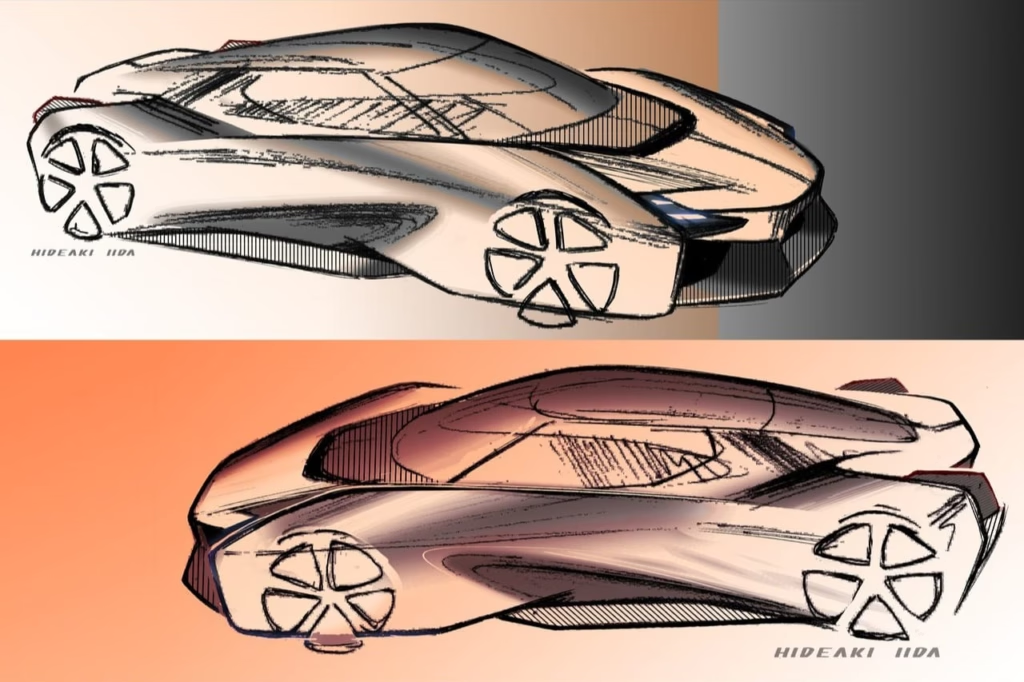
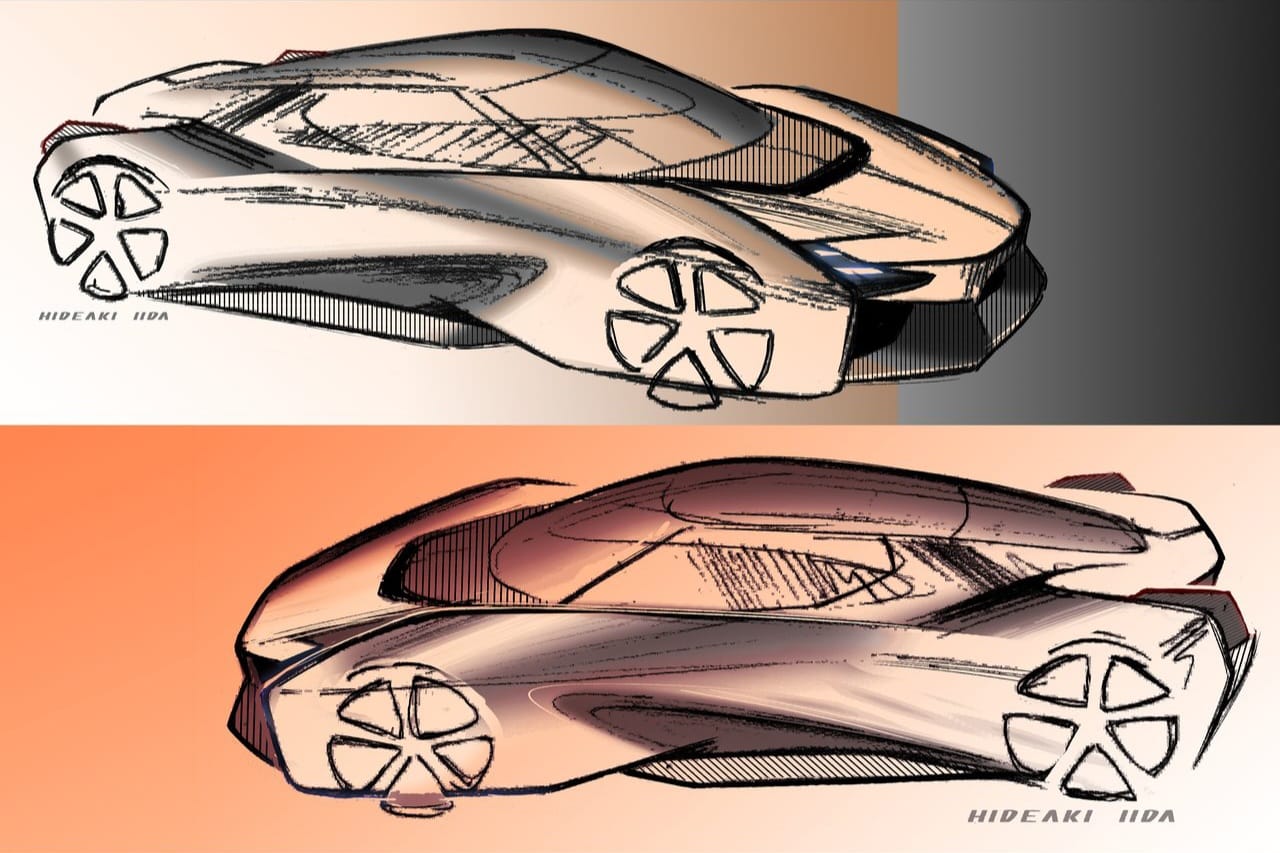
toyota ft-se design sketch

Over two decades after the Toyota Celica nameplate was discontinued with the seventh-generation model, the Japanese carmaker is set to bring the moniker back with a new hybrid all-wheel drive sports coupe, per a new report from Autocar UK. Internally referred to as the Celica Sport, the eighth-gen model will serve as an entry point to Toyota’s performance-focused GR line-up, and is expected to directly rival the Honda Prelude.

The Celica’s return was officially confirmed by Toyota in late 2024 as part of an effort to revive the “three brothers,” which is chairman Akio Toyoda’s affectionate nickname for the Supra, Celica, and MR2. The Supra nameplate came back as part of a joint collaboration with BMW in 2019 for the fifth-gen model (codename: A90), with the Celica likely to be next. A new mid-engined MR2 is tipped to be in development too.

Eighth-gen Toyota Celica: Everything we know
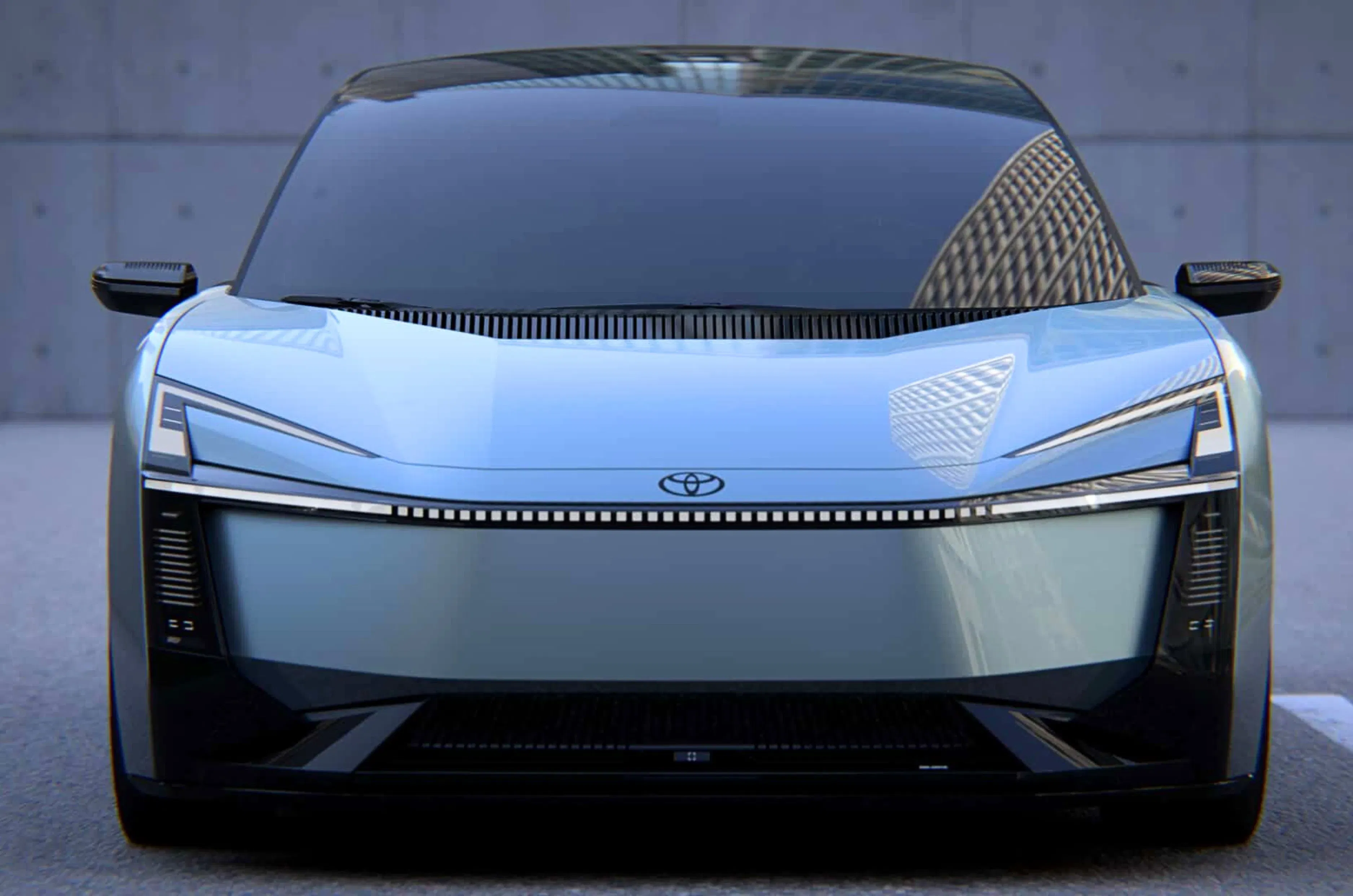
Toyota Corolla Concept. Image used for representation only.

Like prior generations of the Celica, the eighth-gen model is anticipated to use the underpinnings of a mainstream Toyota car, possibly the next-gen Corolla. The front-engined coupe is likely to be powered by Toyota’s all-new 2.0-litre 4-cylinder turbo-petrol engine that debuted last year, which is codenamed the G20E. This motor has a shorter piston stroke than Toyota’s current engines, making it lighter and more compact, and is expected to output around 400hp and 500Nm in road-going applications.

The G20E engine will be paired with a hybrid system in the new Celica – it remains unclear whether the setup will be strong hybrid or plug-in hybrid. A Toyota spokesperson confirmed to Autocar UK that the eighth-gen Celica will be fitted with AWD as well.
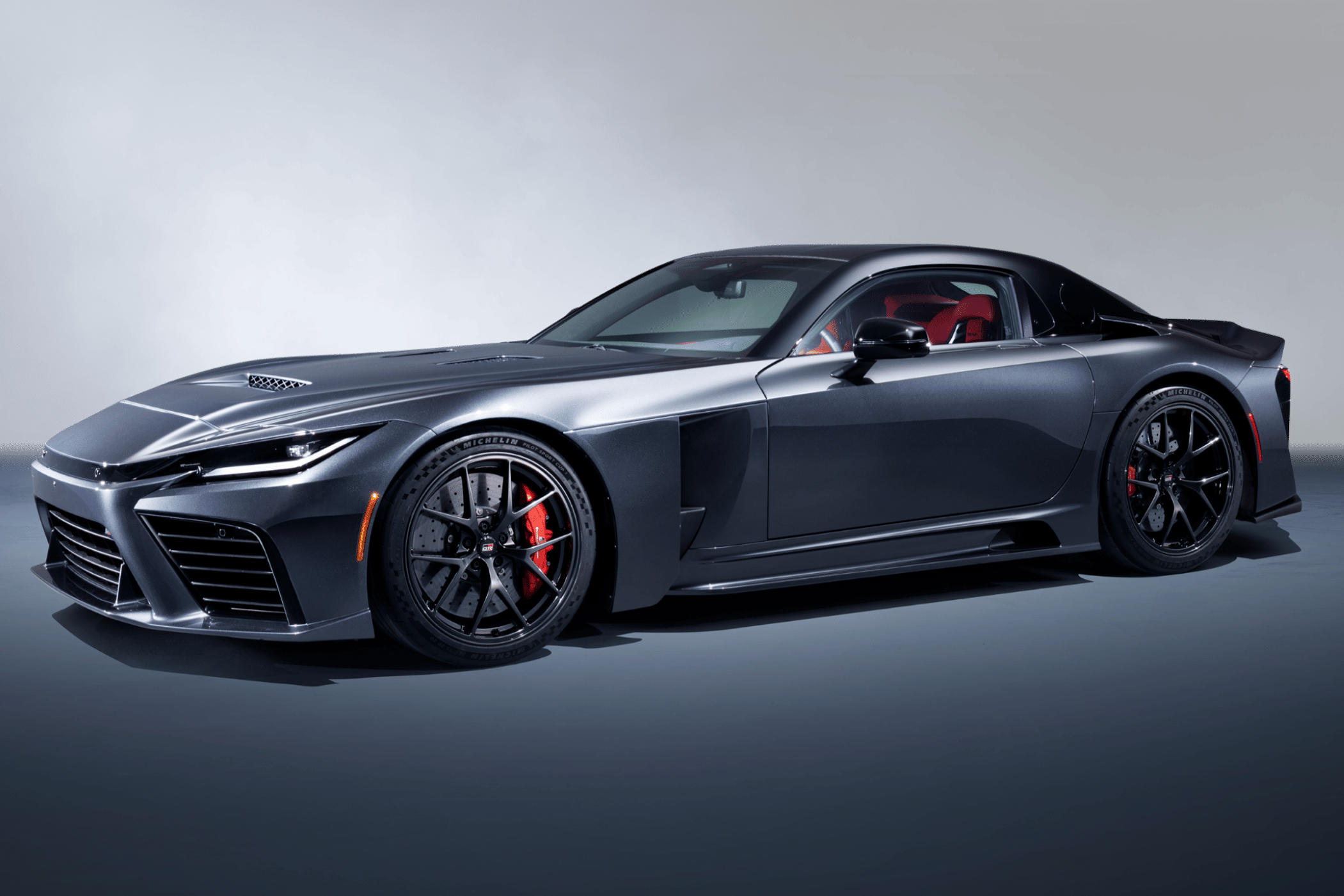
Toyota GR GT. Image used for representation only.

As for the form factor, expect the eighth-gen Celica to be a two-door coupe, much like its predecessors. Styling may draw inspiration from the top-of-the-line Toyota GR GT supercar, which looks quite rakish and menacing. Interestingly, there will be a WRC version of the new Celica for the 2027 season. A prototype of the same was spotted testing a few months ago, sporting an all-new, relatively compact two-door body.

Since the 2027 WRC regulations mandate a 1.6-litre engine, however, the rally Celica is expected to use an evolved version of the GR Yaris’s 3-cylinder turbo-petrol motor. Speaking to Autocar UK, Gazoo Racing marketing manager Mikio Hayashi said, “The displacement size of 1.6 litres, for example, cannot meet emission regulations. So we have to consider the possibility of a 2.0-litre” for the road-going Celica, lending further credence to the utilisation of the G20E.
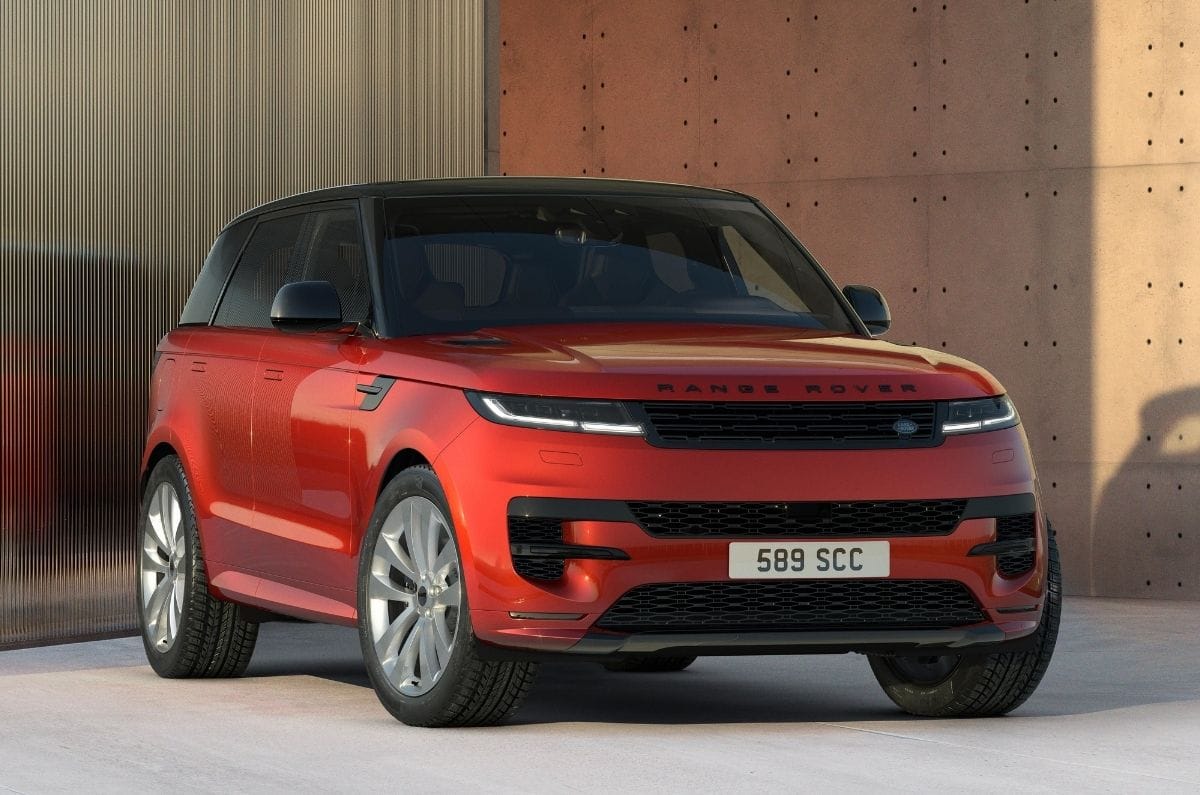
Range Rover Sport Twenty Edition launched at Rs 1.90 crore

Range Rover Sport Twenty Edition launched at Rs 1.90 crore
Range Rover Sport Twenty Edition launched

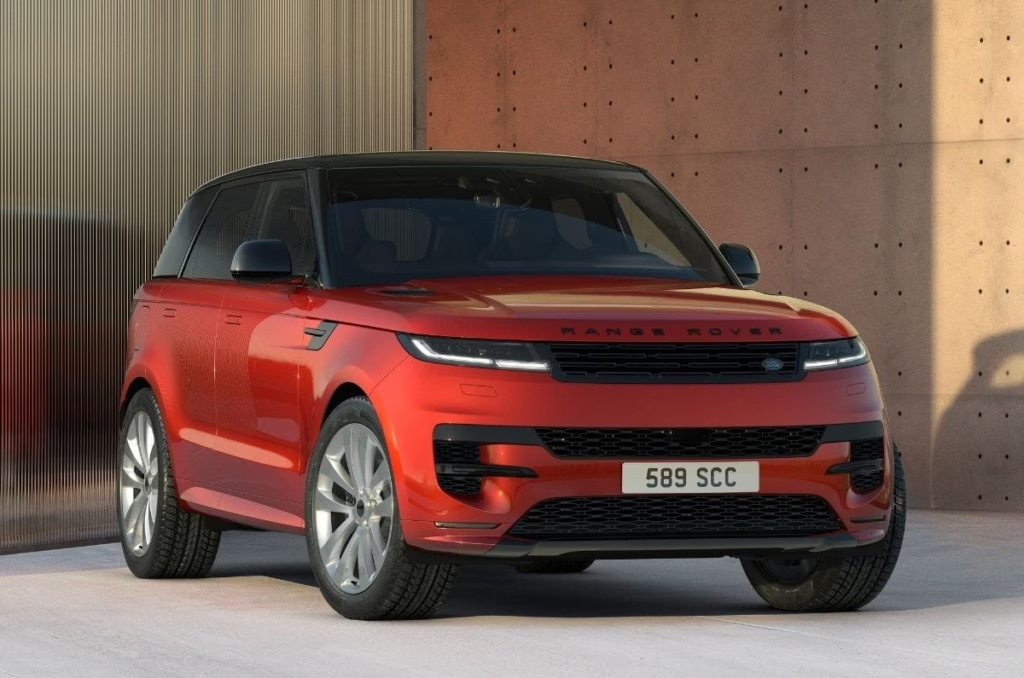
Jaguar Land Rover (JLR) has launched the Range Rover Sport Twenty Edition at Rs 1.90 crore (ex-showroom, India). This limited-run version borrows inspiration from the original Range Stormer concept showcased at the 2004 Detroit Motor Show, while combining various elements from the Range Rover Sport Autobiography and SV, according to the British luxury automaker. Deliveries of the Range Rover Sport Twenty Edition in India are to start from October 2026.
  • Sanguinello Orange inspired by the Stormer concept and Vesuvius Orange First Edition.
  • Features unique ‘TWENTY’ lettering and 23-inch wheels in optional Gloss Black.
  • Interior gets ‘TWENTY’ branding, Ebony Windsor seats, suede headlining and more.
  • Twin-turbo mild-hybrid V8 produces 537hp and 750Nm.

Spyker returns with 800hp C8 Preliator XXV Coupe

Spyker returns with 800hp C8 Preliator XXV Coupe
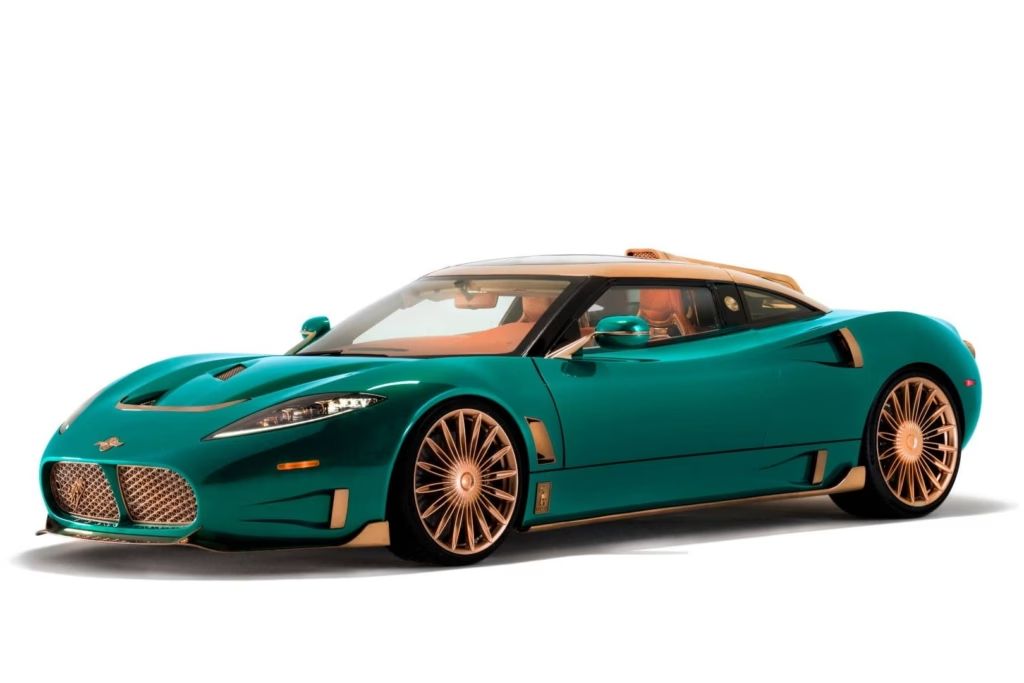
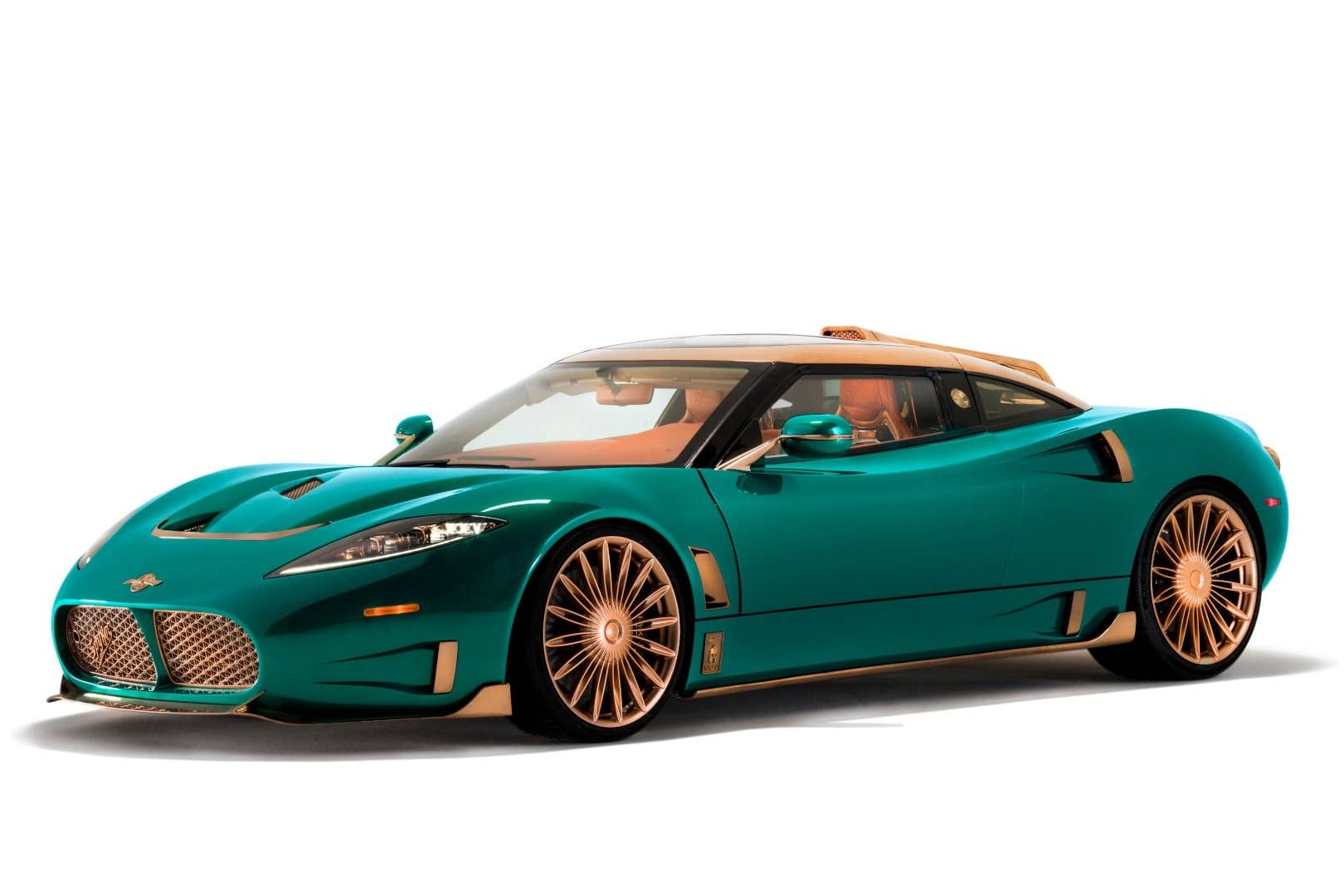
spyker c8 preliator xxv

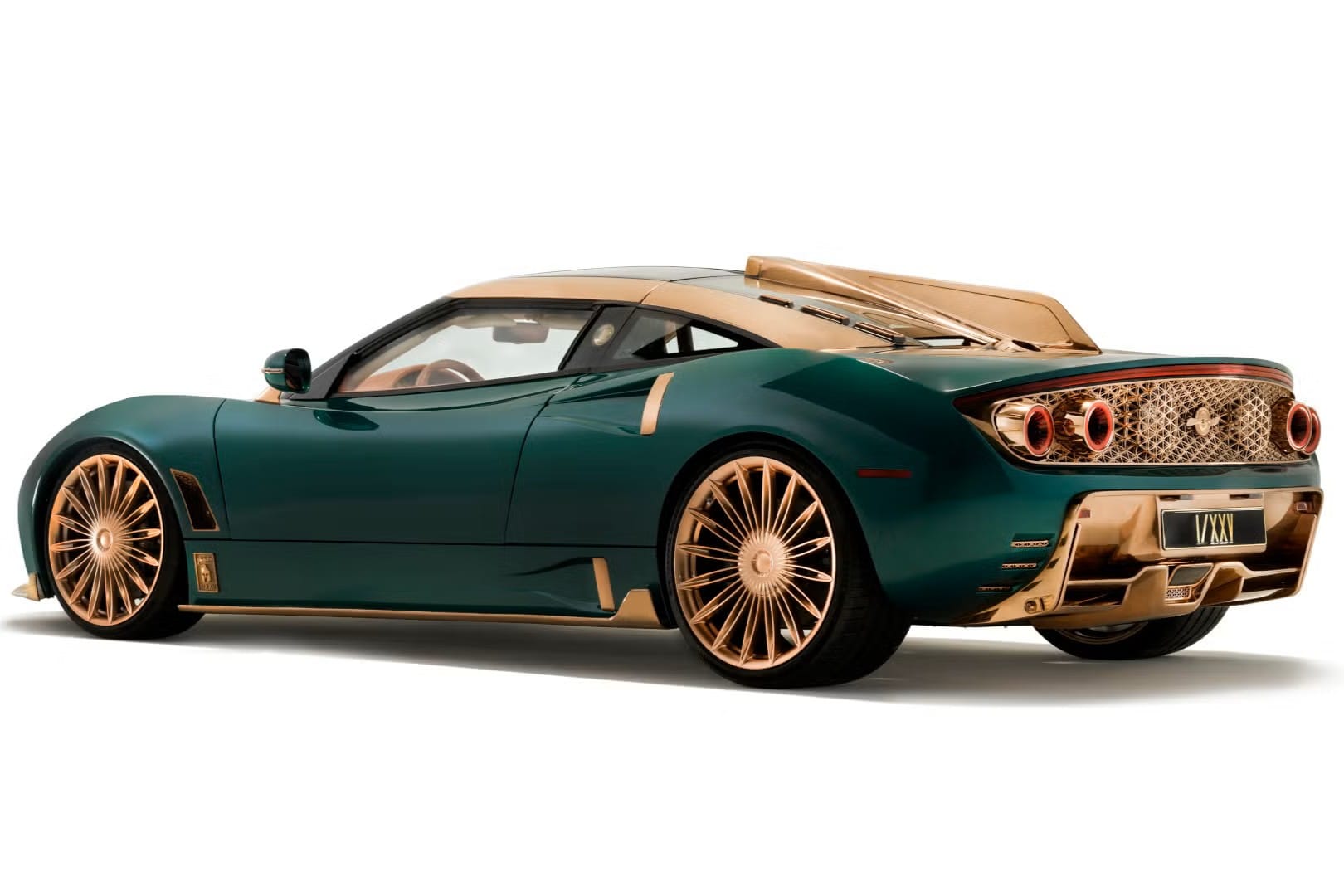
Dutch carmaker Spyker has resurfaced with the C8 Preliator XXV Coupe, a limited-run mid-engined supercar that marks the start of a new chapter for the troubled brand. Unveiled at The Quail during Monterey Car Week, the XXV is based on the C8 Preliator that debuted in 2016 and will be limited to just 25 examples. Pricing has not been disclosed for the C8 Preliator XXV.

Spyker’s return follows its 2021 bankruptcy and a subsequent years-long legal dispute over the brand. In October 2025, co-founder Victor Muller finally reacquired the rights to the Spyker name, and Ukrainian-born cryptocurrency entrepreneur Volodymyr Nosov acquired a significant stake in the company in June 2026 to facilitate its return.

Spyker C8 Preliator XXV powertrain and performance

Built on an aluminium space frame chassis with hand-formed exterior panels, the C8 Preliator XXV is powered by an Audi-sourced 4.0-litre twin-turbo petrol V8 that belts out 800hp and 1,000Nm of torque, and revs to 8,000rpm. Power is sent to the rear wheels via a 6-speed manual gearbox, 0-100kph comes up in a claimed 2.7 seconds, and the top speed is rated in excess of 349kph.

Spyker C8 Preliator XXV exterior design

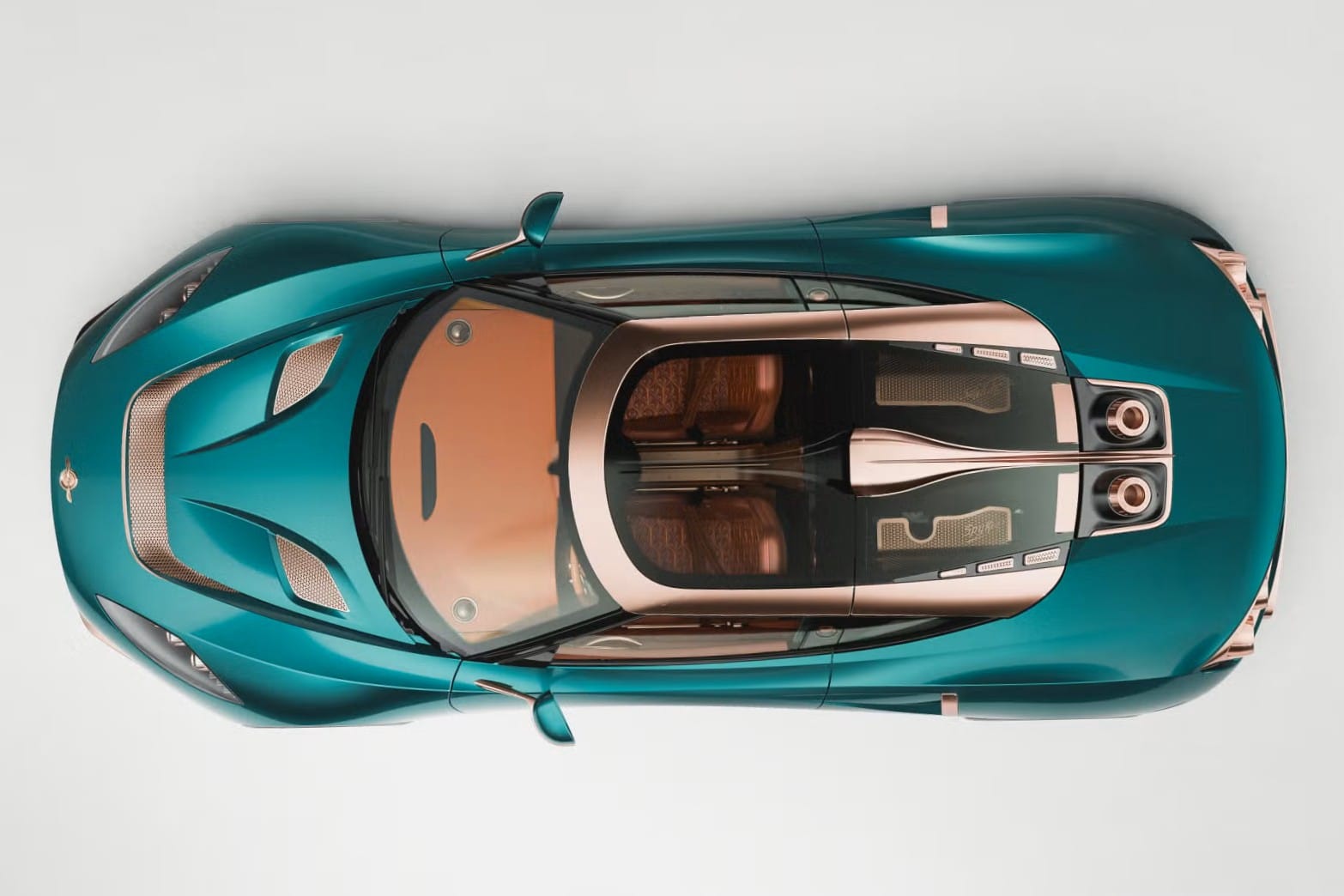
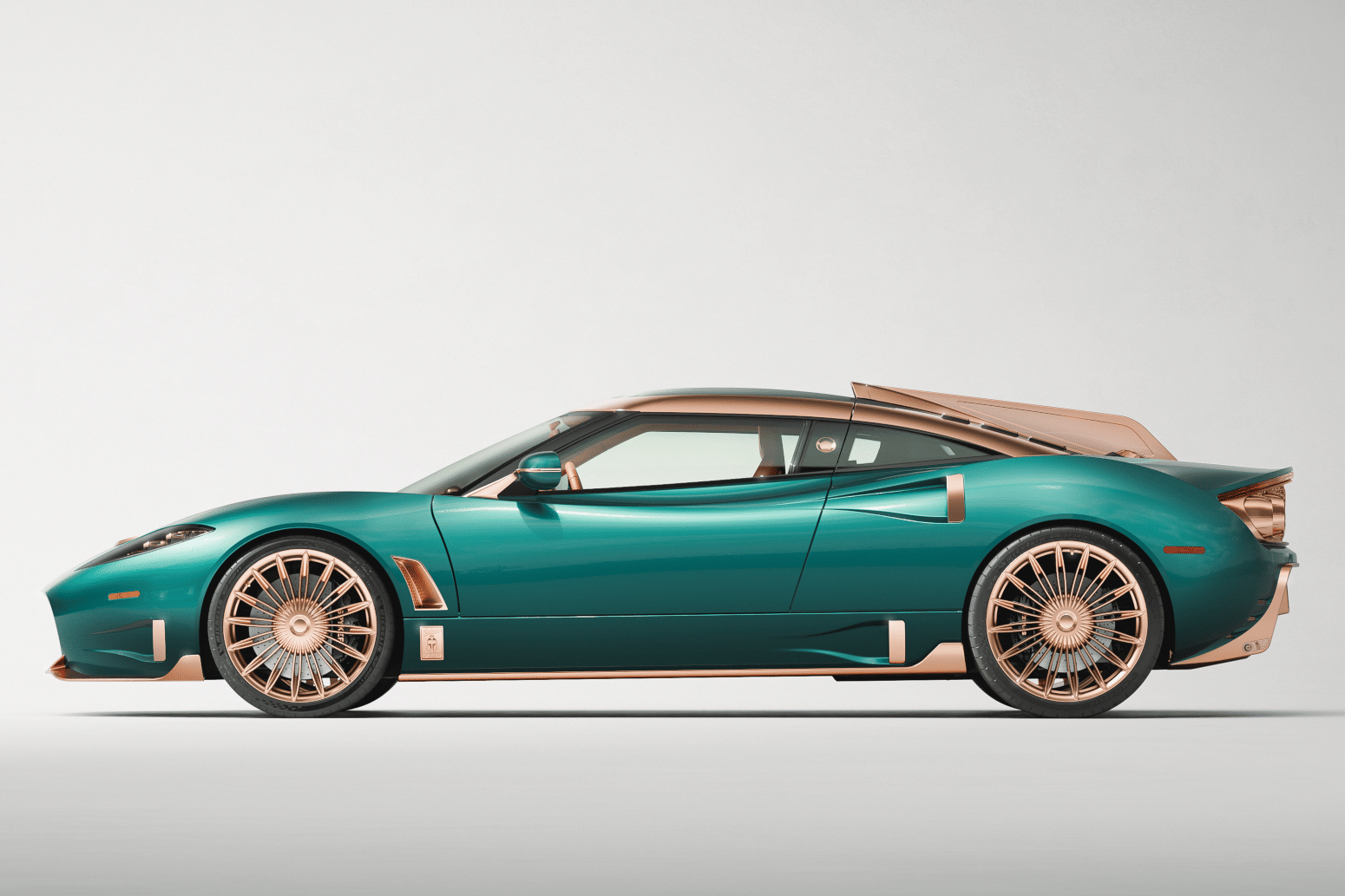
The C8 Preliator XXV’s design continues Spyker’s long-running aviation aesthetic, with propeller-inspired alloy wheels, air ducts, flowing lines, fighter-jet-esque afterburner tail-lamps, and a central roof intake. Other notable styling cues include sleek headlamps with ‘XXV’ DRL signatures, a split grille, a sizable front splitter, a panoramic glass roof, and badging behind the front wheel arches that displays the production number.

The example displayed at The Quail was finished in Quail Green with rose gold accenting on the grille, front splitter, ORVM stalks, air intakes, wheels, rear diffuser, roof, and more.

Spyker C8 Preliator XXV interior

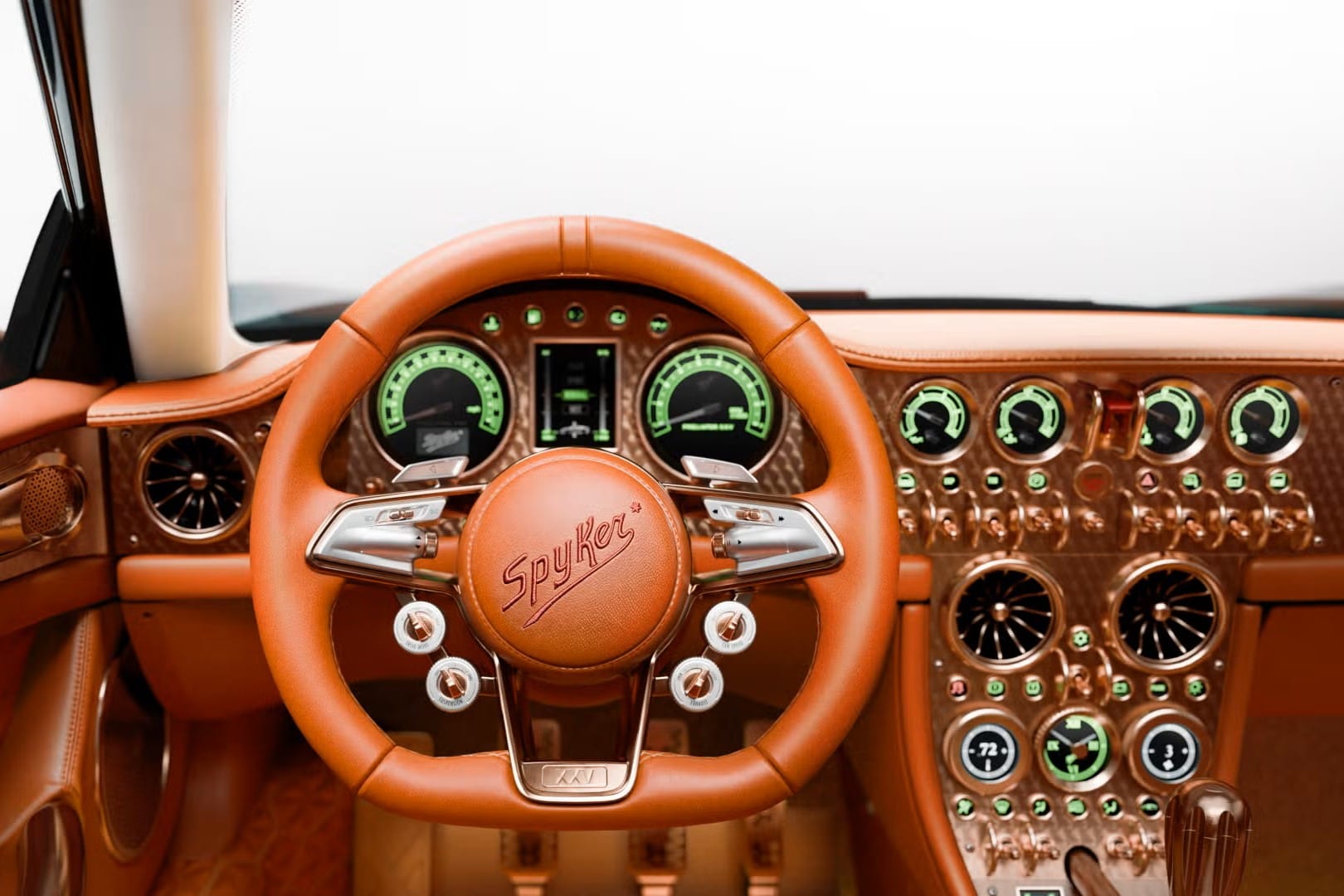
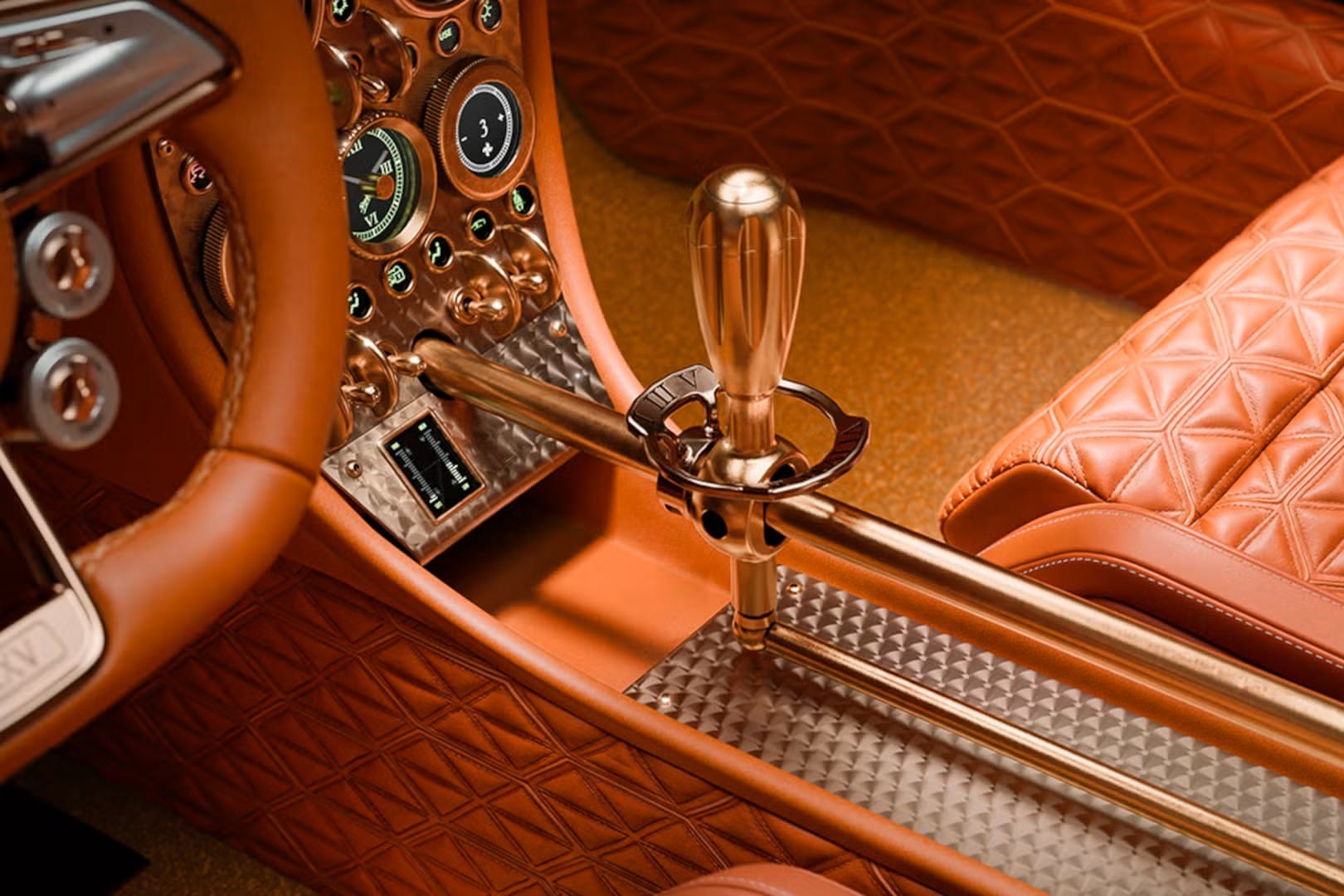
Inside, the C8 Preliator XXV features a refreshingly analogue milled dashboard beset with gauges and physical controls, instead of a barrage of screens. The turbine-like AC vents further the aviation inspiration, and the entire interior is trimmed in an orange-brown leather Spyker calls Tuscan Saddle. In fact, such is the attention to detail in the C8 Preliator XXV, that all the screw heads in the cabin are aligned by hand to face the same direction, and the chassis number is stamped into the space frame.

Ahead of the driver sits a three-spoke flat-bottomed steering wheel, which houses lots of dials, rocker switches, and buttons, along with individual stalks for the left and right indicators. The green-accented instrument cluster is very traditional in look too, though it’s worth noting that Spyker has included a heads-up display as the only digital interface in the C8 Preliator XXV. At the bottom of the dashboard lies a gear lever with an exposed shift linkage, which looks very cool.

What’s next for Spyker?

The revived Spyker says the C8 Preliator XXV is the first step in a larger comeback for the carmaker. Spyker is currently mulling a return to motorsport, specifically GT3-level endurance racing, and is also expected to resume the long-delayed development (owing to financial hardships) of the D8 Peking-to-Paris, a super SUV first previewed at the 2006 Geneva Motor Show.

McLaren McL 6GT concept: brand’s first manual since the F1

McLaren McL 6GT concept: brand's first manual since the F1
McLaren McL 6GT

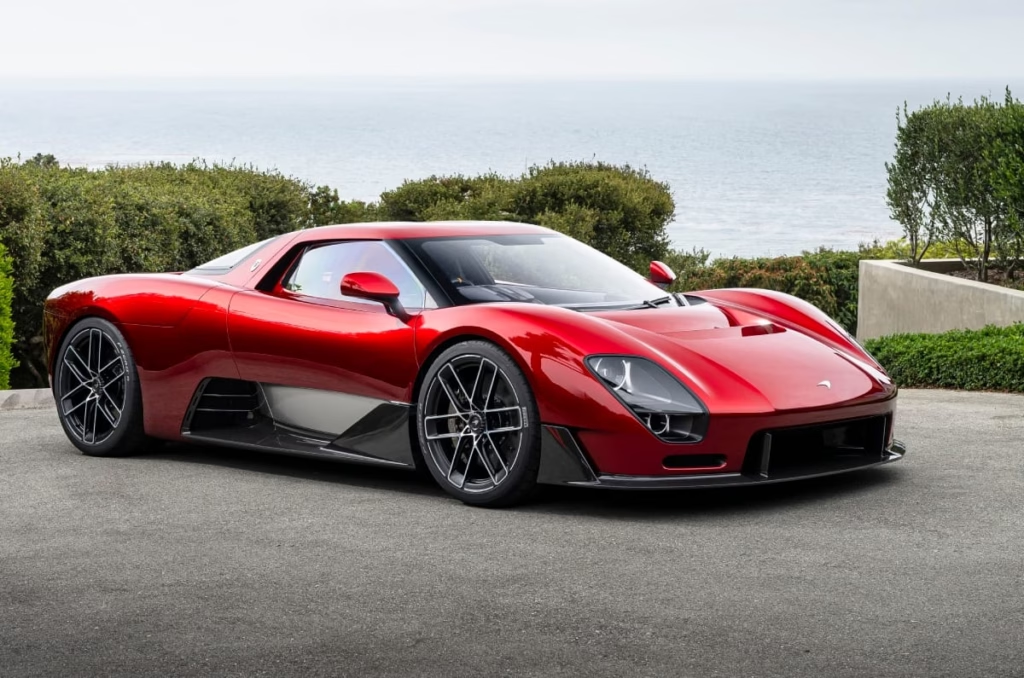
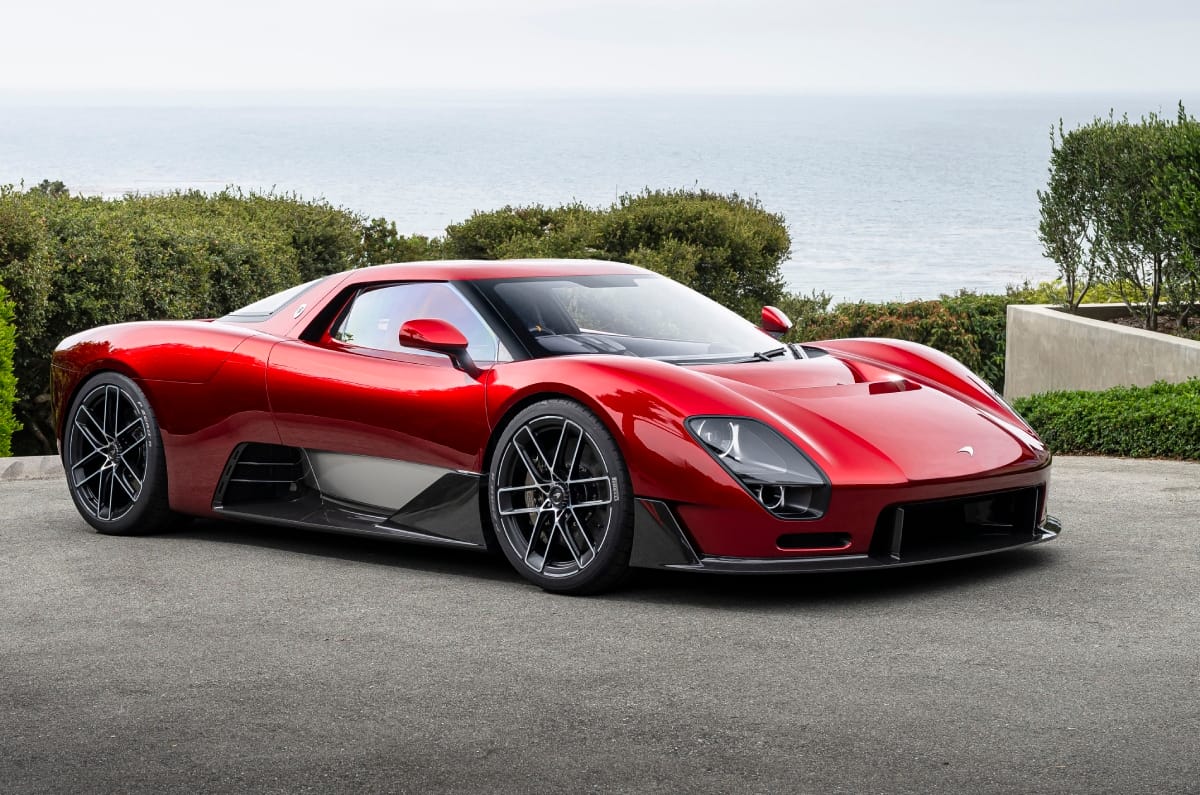
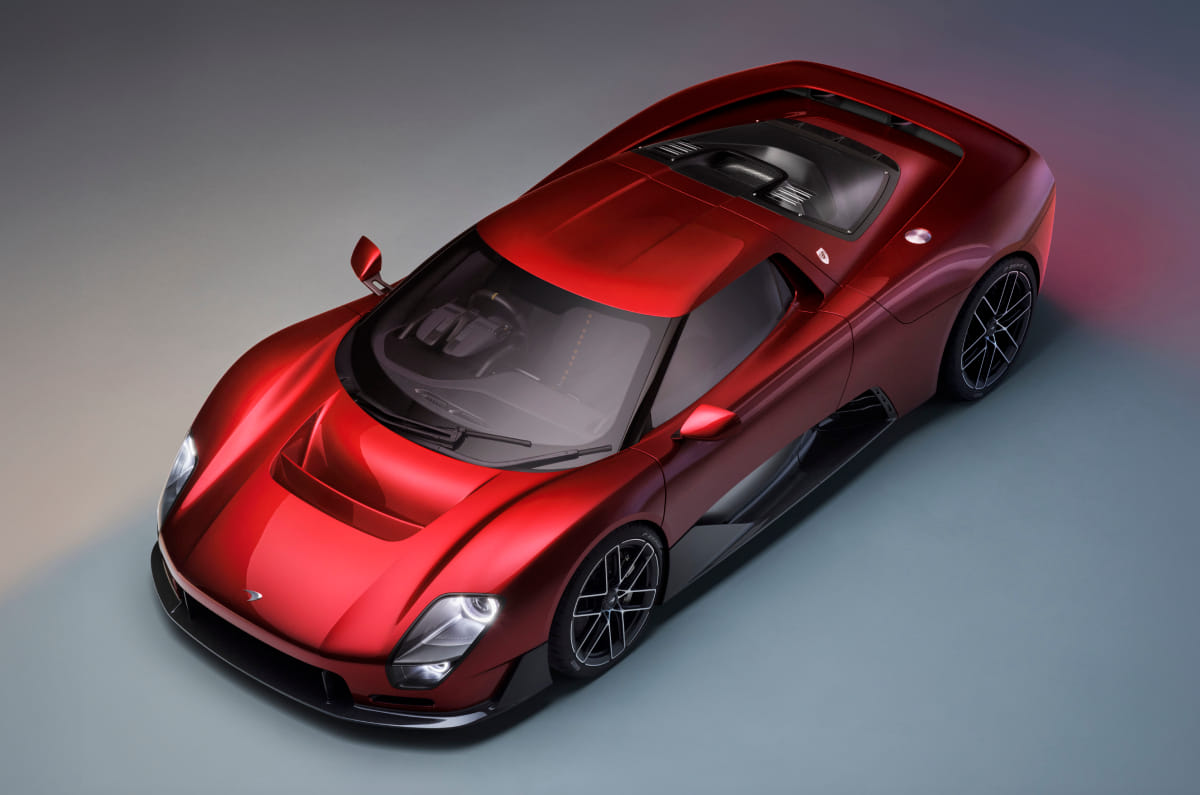
McLaren has revealed the McL 6GT concept at the 2026 Monterey Car Week. Inspired by Bruce McLaren’s unfinished M6GT road car project from the late 1960s, it previews a production model due in 2028 and becomes the first McLaren since the F1 to feature a manual transmission.

  1. First manual McLaren since the F1 launched in 1992
  2. Inspired by Bruce McLaren’s original M6GT road car
  3. Production version confirmed for launch in 2028

McLaren McL 6GT exterior

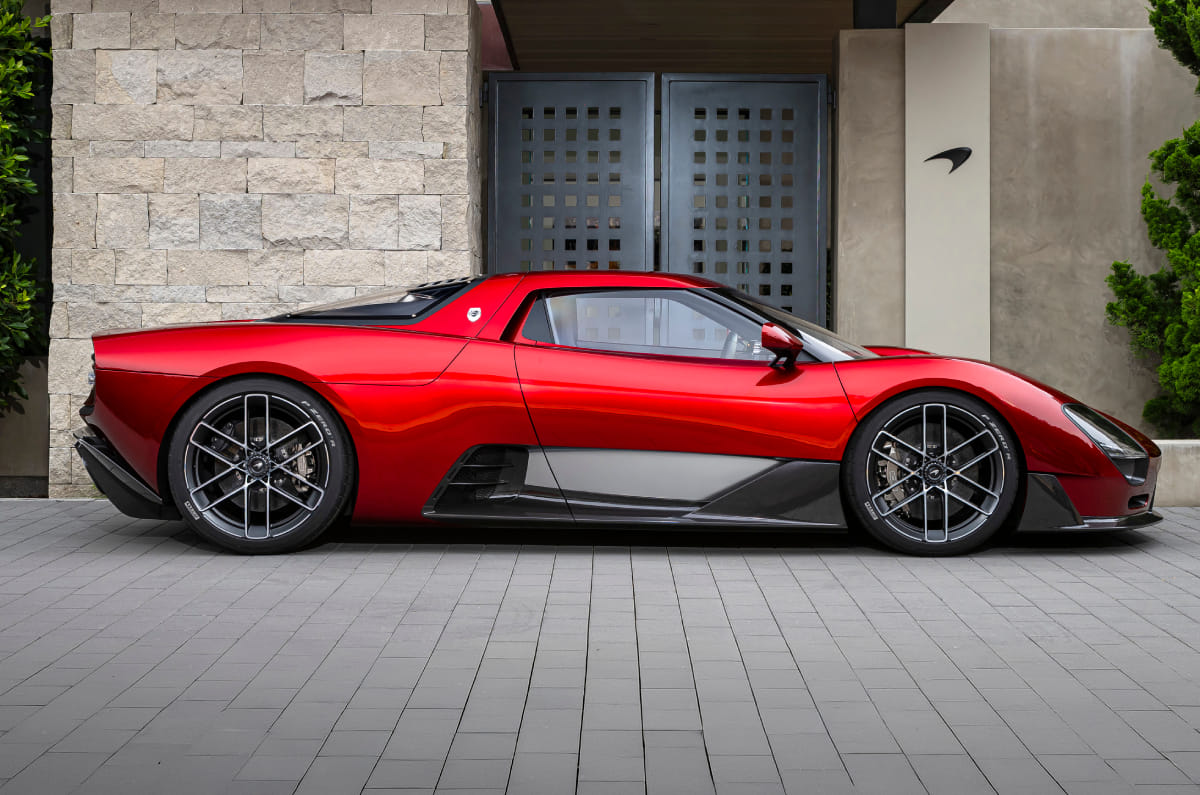
The McL 6GT takes inspiration from the original M6GT, the road-going version of the M6A Can-Am race car that Bruce McLaren had intended to build before the project was abandoned. The concept combines classic proportions with a contemporary design, featuring a low nose, wide stance, clean surfacing and a Kammback-style rear. McLaren says the car has been developed to honour the original M6GT while previewing a future low-volume production model.

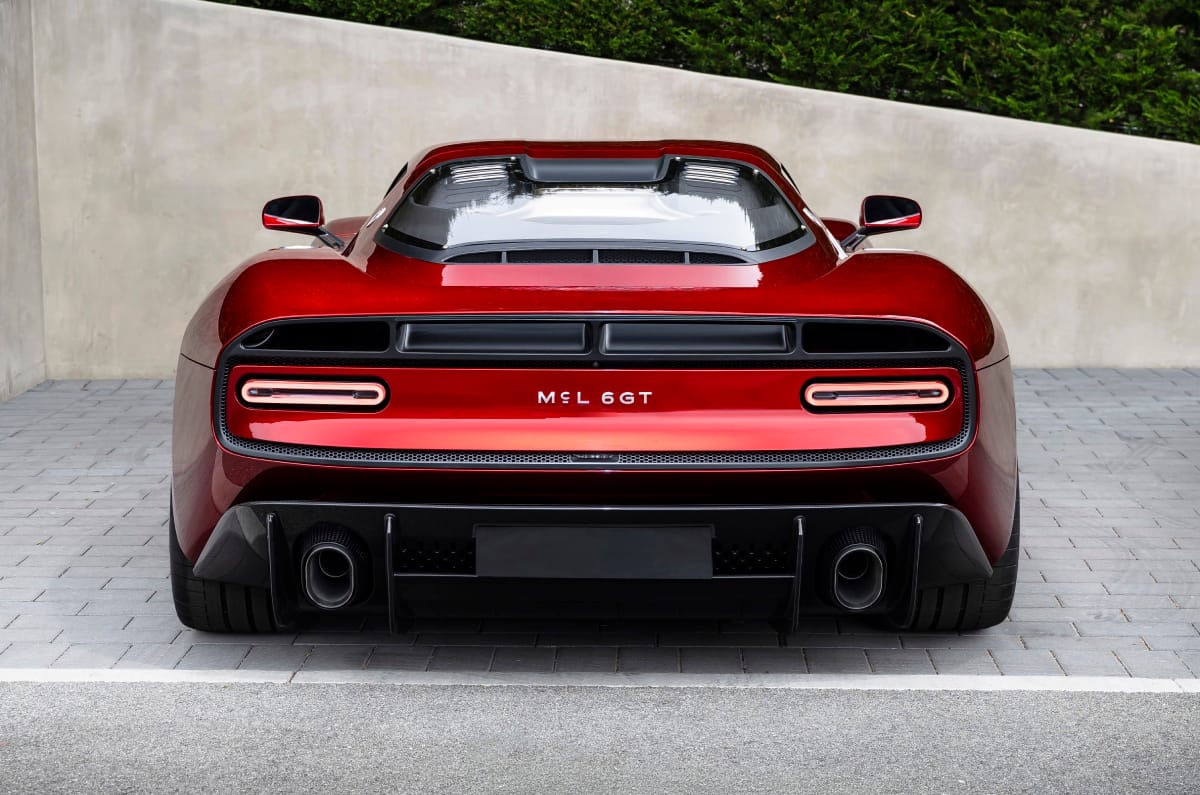
The concept is built around a carbon-fibre monocoque with carbon-fibre body panels. Other design details include a new “Racing Loop” tail-light signature, Bruce McLaren’s signature on the engine cover and the historic Speedy Kiwi emblem engraved into the fuel filler cap.

McLaren McL 6GT interior

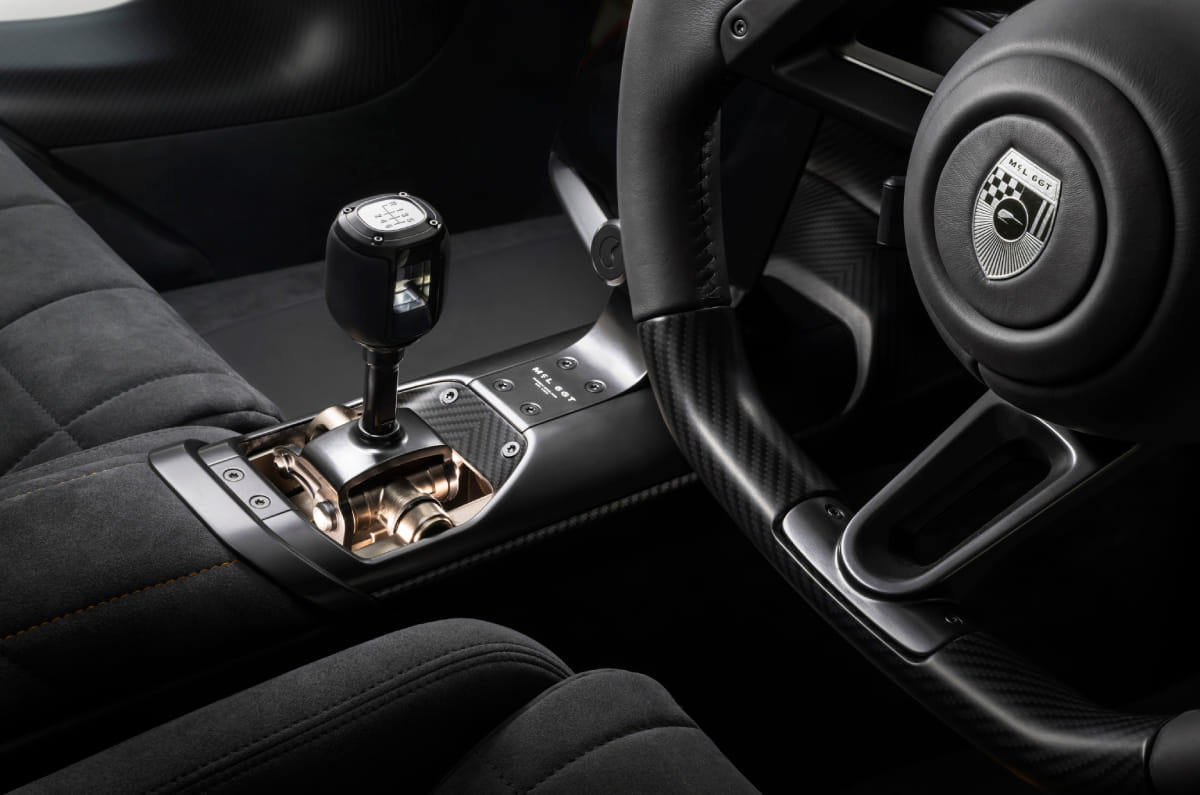
The cabin combines modern technology with design cues inspired by the original M6GT. It features a digital instrument display, machined aluminium controls, exposed carbon-fibre trim and upholstery patterned after the quilted seats of Bruce McLaren’s road car. Physical switchgear has been retained throughout, while the manual gear lever incorporates a three-dimensional Speedy Kiwi emblem. McLaren says the interior has been designed to prioritise driver engagement while maintaining the simplicity of the original M6GT.

McLaren McL 6GT powertrain

Power comes from a rear-mounted V8 petrol engine paired with a manual transmission, driving the rear wheels. It is the first McLaren road car to offer a manual gearbox since the F1, which was introduced in 1992. The company has not disclosed engine output, displacement or performance figures.

McLaren says the McL 6GT has been engineered to deliver a more mechanical driving experience, with hydraulic steering, traditional controls and a manual gearshift forming the core of the driving experience.

McLaren McL 6GT production

McLaren has confirmed that the McL 6GT will enter production in 2028 as a low-volume model positioned outside the brand’s core product range. It joins the company’s growing line-up of limited-production models inspired by its history, although pricing and production numbers have not yet been announced.

Ferrari unveils one-off CZ26 based on SF90 Stradale

Ferrari unveils one-off CZ26 based on SF90 Stradale
Ferrari CZ26

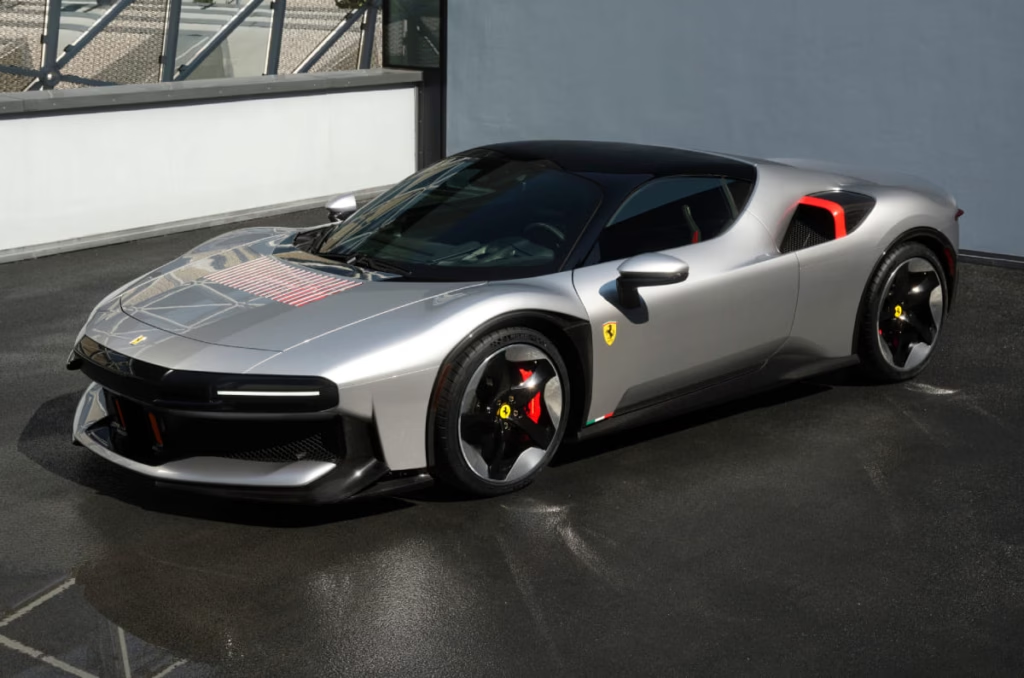
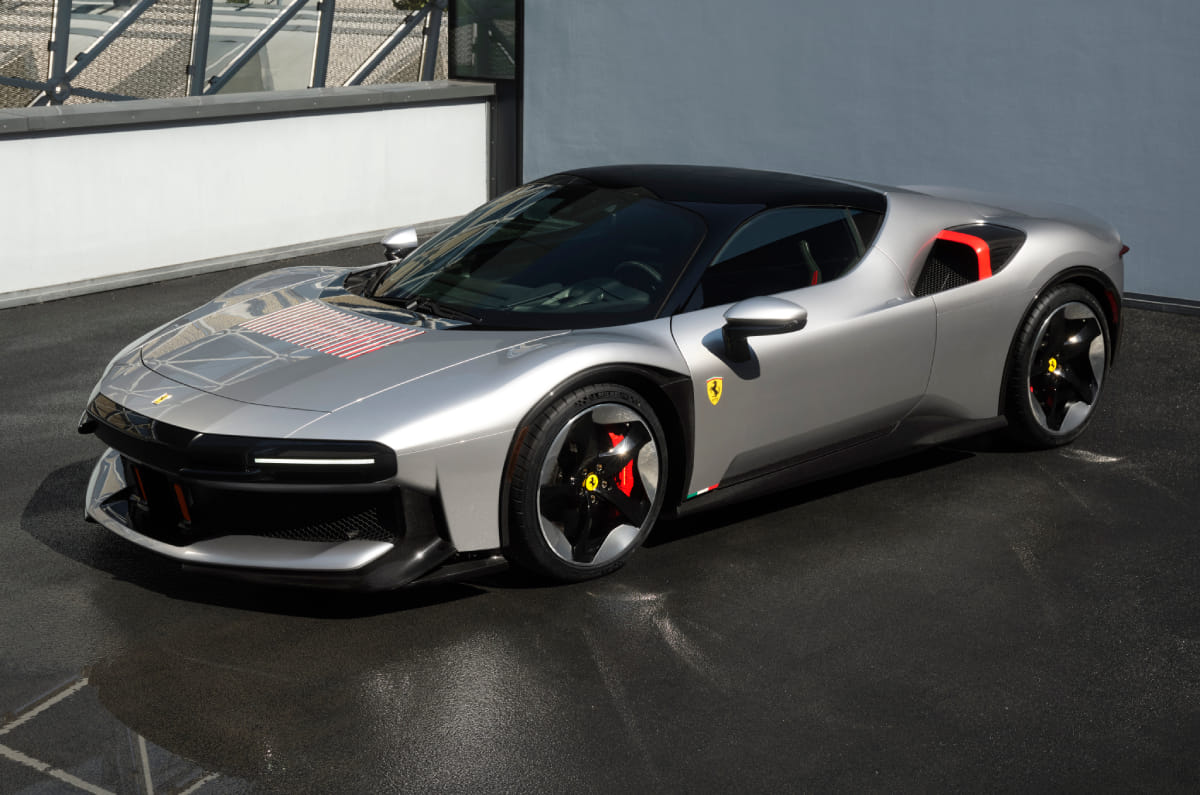
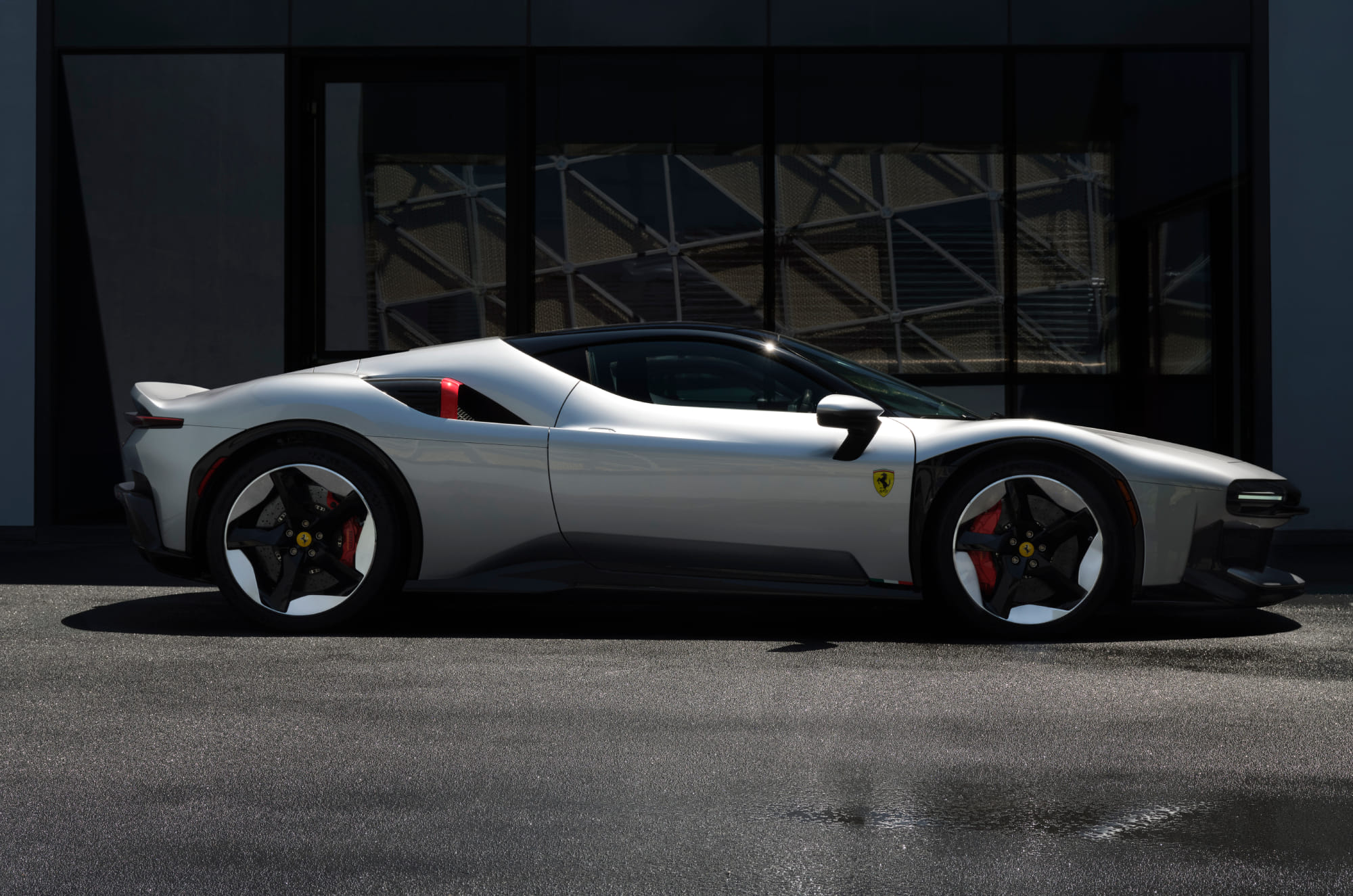
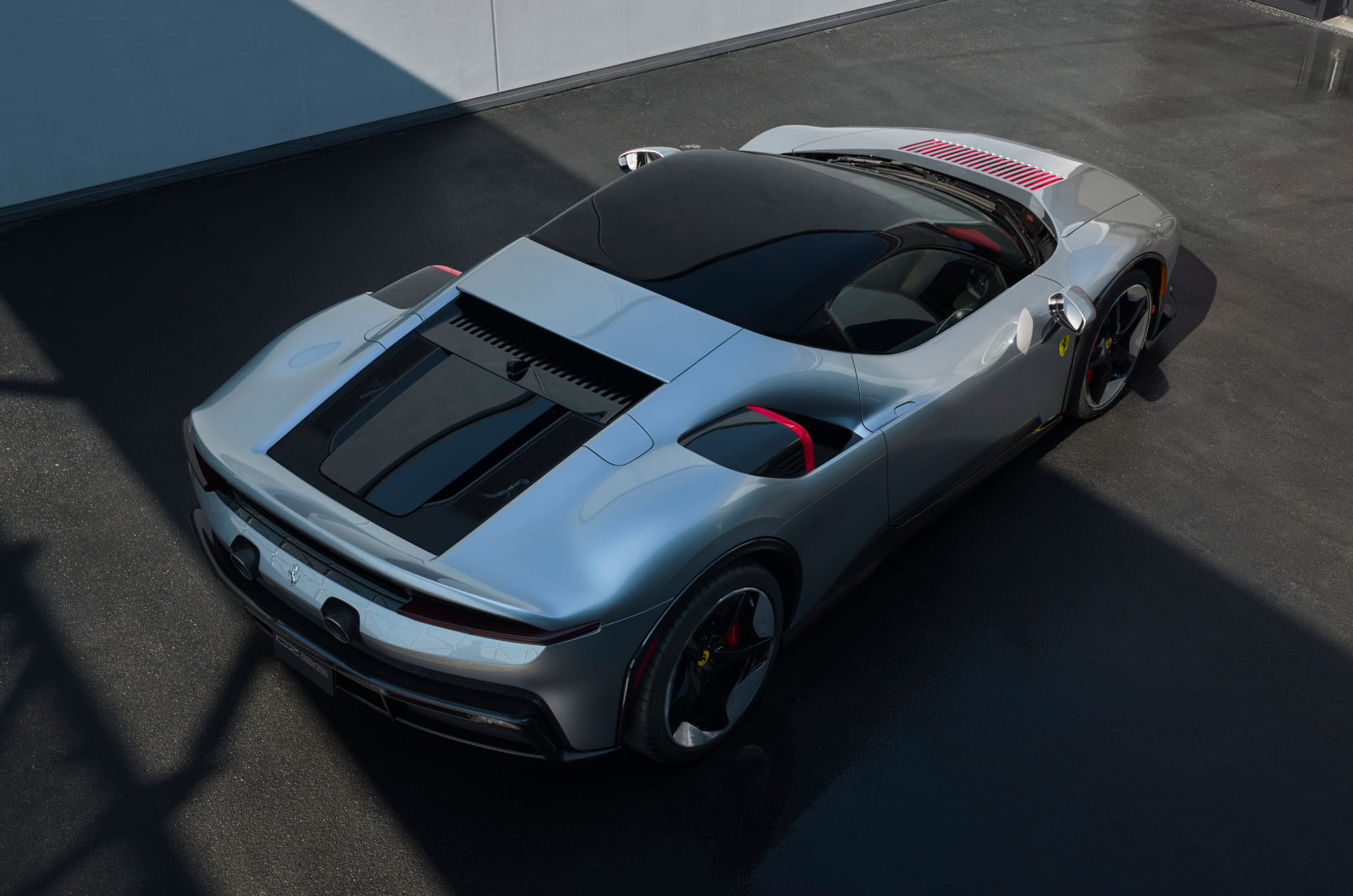
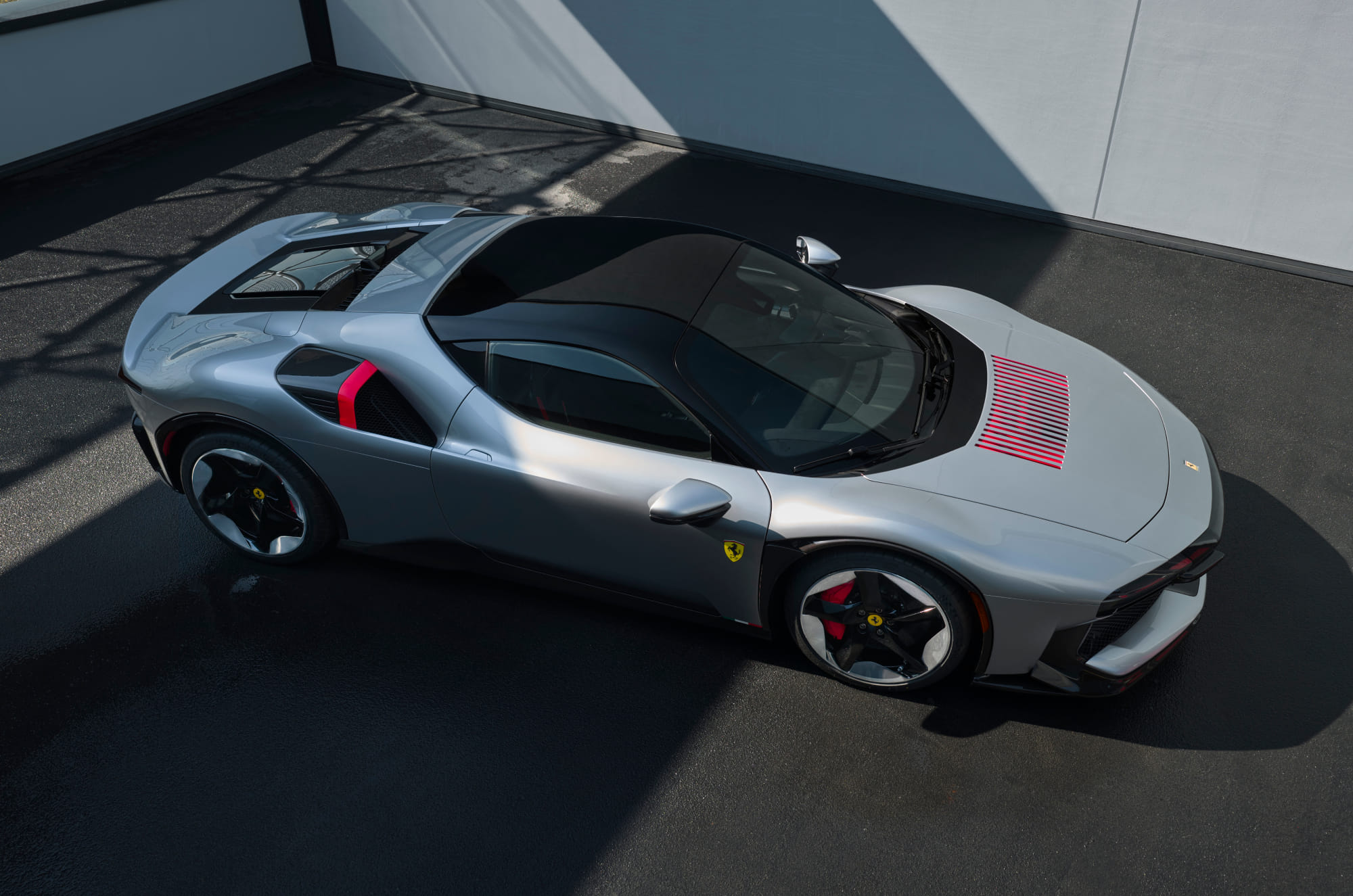
Ferrari has unveiled the CZ26, a one-off supercar created through its Special Projects programme for a US client. Based on the SF90 Stradale, it gets bespoke exterior and interior design, revised aerodynamics and unique detailing while retaining the plug-in hybrid powertrain comprising a twin-turbo V8 and three electric motors.

  1. One-off Special Projects model based on the SF90 Stradale
  2. Bespoke bodywork inspired by 1970s Italian industrial design
  3. Retains SF90’s plug-in hybrid powertrain

The CZ26 was designed by the Ferrari Design Studio under Flavio Manzoni as part of Ferrari’s Special Projects programme, where one-off projects typically take around two years to complete.

Ferrari CZ26: exterior design

Based on the SF90 Stradale, the CZ26 gets completely bespoke bodywork with a clean two-box silhouette, pronounced wheel arches and a truncated rear. Ferrari says the project was developed to give the car an immediately recognisable identity while retaining the SF90’s underlying architecture.

Up front, the CZ26 gets a full-width functional grille housing ultra-slim concealed lighting, brake cooling intakes and sensors. At the rear are cantilevered tail-lamps, a redesigned diffuser and titanium exhaust tips. The body is finished in an exclusive Argento Veloce silver paint with Rosso Lampante accents and exposed carbon-fibre elements. Ferrari says the styling draws inspiration from Italian industrial design of the 1970s, reinterpreted through a contemporary design language.

Ferrari has also reworked the aerodynamics. The cooling system, airflow management, underbody and vortex generators have all been redesigned, while an air-curtain system, a larger rear spoiler, a new diffuser and revised engine cover improve downforce, aerodynamic efficiency and engine cooling.

Ferrari CZ26: interior

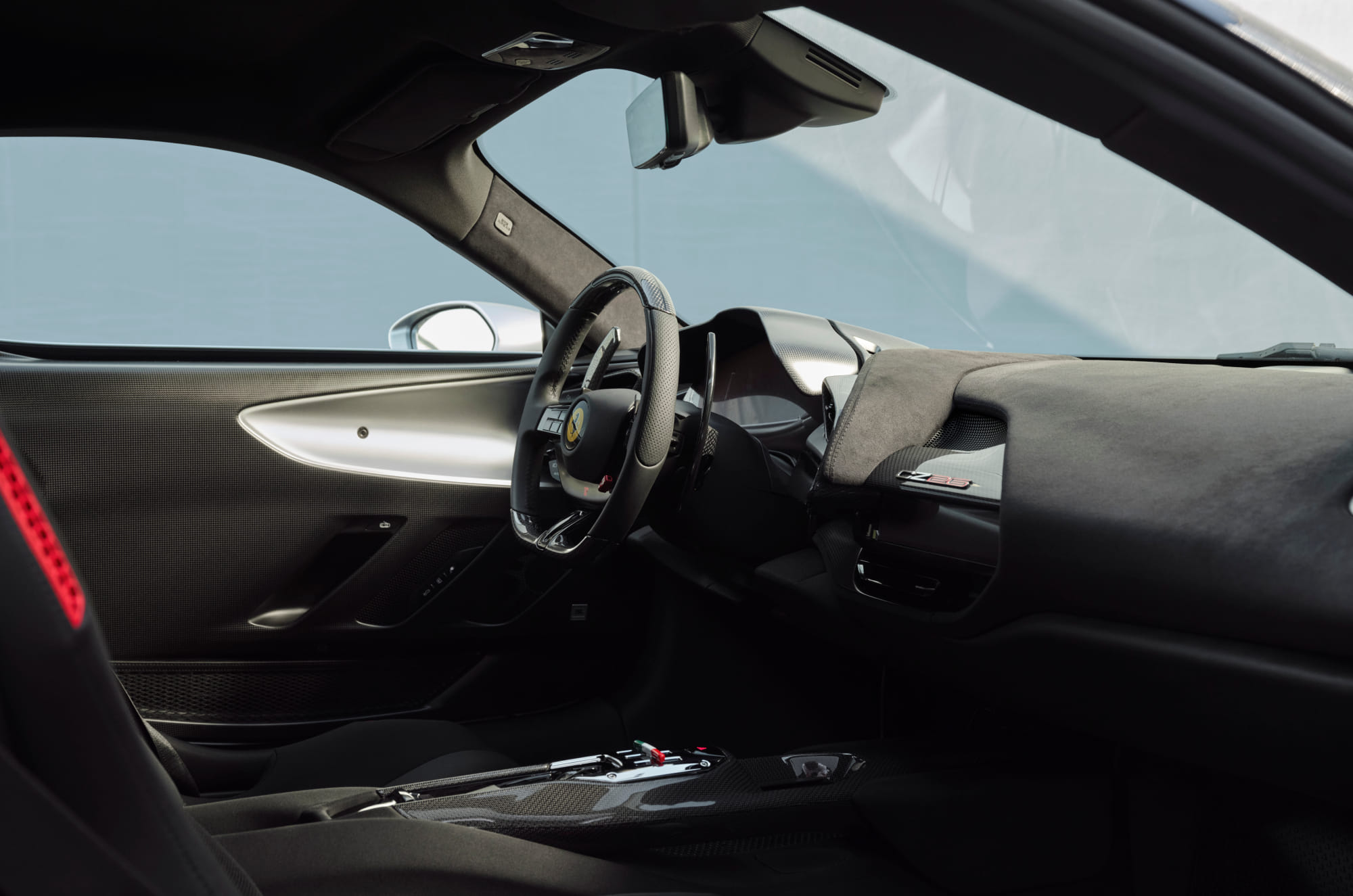
The cabin receives a bespoke design to match the exterior theme. It features bespoke black technical fabric upholstery, additively manufactured seat inserts developed specifically for the CZ26, satin-finish carbon fibre trim and gloss carbon-fibre elements with metallic filaments. Rosso Lampante accents and body-coloured dashboard and door trim mirror the exterior finish, while an embroidered CZ26 logo highlights its one-off status.

Ferrari CZ26: powertrain and performance

Mechanically, the CZ26 remains unchanged from the SF90 Stradale. It is powered by a 4.0-litre twin-turbocharged V8 engine producing 797hp and 804Nm, paired with three electric motors that contribute a further 220hp. Combined system output stands at 1,000hp. The plug-in hybrid system uses a 7.9kWh battery offering an electric-only range of 25km and is paired with an 8-speed dual-clutch transmission. Ferrari claims a 0-100kph time of 2.5 seconds and a top speed of 328kph.

The CZ26 will make its public debut at Monterey Car Week in California. It joins Ferrari’s growing list of Special Projects one-offs, a programme that uses existing Ferrari models as the basis for bespoke customer commissions. Previous projects include the SP48 Unica, SP51, SP-8, KC23 and HC25. Ferrari has not disclosed the price of the CZ26.

How has the Mahindra Scorpio Lifestyler evolved from concept?

How has the Mahindra Scorpio Lifestyler evolved from concept?
How has the Mahindra Scorpio Lifestyler vs Scorpio Global Pik Up concept

The Mahindra Scorpio Lifestyler has marked a comeback for a pickup model under the Scorpio nameplate, after the Scorpio Getaway was discontinued in 2019. The Scorpio Lifestyler’s exterior design finds its roots in the 2023 Mahindra Global Pik Up concept, while the interior is inspired by the 2025 Vision T concept. In the production-spec version, the exterior and interior design have undergone noticeable changes. Here’s a detailed account of all the changes. 

Mahindra Scorpio Lifestyler production vs concept: Exterior changes

Gets a boxier grille, but similar headlights and front bumper

Mahindra Scorpio Lifestyler front quarter static
Mahindra Global Pik Up concept front quarter static
 

At the front, the Mahindra Scorpio Lifestyler has similar LED headlights to the Global Pik Up concept, featuring L-shaped LED DRLs and projector lighting elements. The grille, however, is boxier on the production-spec model and has a ‘Scorpio’ badge. The front bumper features square elements for the air inlays and vertically stacked LED fog lamps. The tow hook is finished in a contrasting colour, similar to the Global Pik Up concept. 

The doors look identical, but the alloys, wheel arches and side steps are different

Not much has changed on the production-spec Scorpio Lifestyler from the Global Pik Up concept. The door and truckbed design are identical. A closer look, however, reveals that the production model gets angular wheel arches, a new set of alloy wheels, simpler side steps and a slightly revised roll cage. A snorkel is offered as an accessory on the Scorpio Lifestyler. 

Rear design is mostly similar, the only change being a new model-specific badge

Mahindra Scorpio Lifestyler rear quarter static
Mahindra Global Pik Up concept rear quarter static
 

At the rear, the embossed ‘Mahindra’ name on the tailgate has been retained, but the production-spec model also gets a ‘Lifestyler’ badge. The wraparound taillights get 3-shaped LED lighting elements compared to the C-shaped units in the concept. Look closely, and you will spot a rear camera housed near the tailgate handle, which was absent on the concept. The rear bumper, with a silver finish in the centre and some small square elements, is identical to both versions of the Mahindra pickup truck. 

The Global Pik Up concept’s loading bay featured two spare wheels, which have been removed on the production-spec model.

Mahindra Scorpio Lifestyler production vs concept: Interior changes

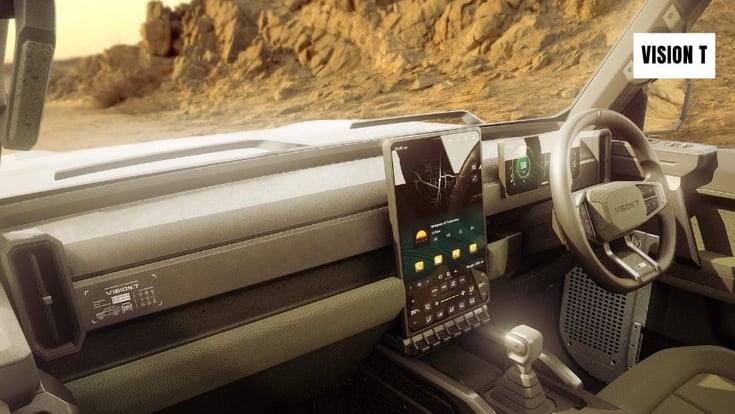
Interior draws heavy inspiration from the 2025 Mahindra Vision T concept

Mahindra Scorpio Lifestyler dashboard design
Mahindra Vision T dashboard design
 

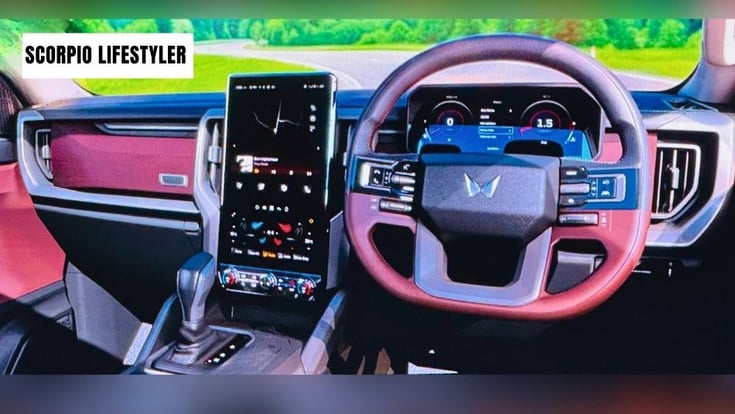
At the 2023 unveiling, Mahindra did not showcase the Global Pik Up concept’s interior. Still, the Mahindra Scorpio Lifestyler’s dashboard is clearly inspired by the 2025 Vision T prototype. The Scorpio Lifestyler gets a larger portrait-oriented touchscreen infotainment system, beneath which is another screen for the dual-zone climate controls. However, the set of buttons underneath the AC control screen has rotary dials on the production model, while the concept features only toggle switches. 

It features a smaller free-standing digital driver’s display, with the UI looking similar to that of the Vision T concept. The chunky 3-spoke steering wheel is also inspired by the Vision T concept, featuring the ‘Twin Peaks’ logo and a lot of physical buttons. Mahindra is yet to offer a full glimpse of the Scorpio Lifestyler’s seat design and other interior elements. 

Mahindra Scorpio Lifestyler powertrain and other details

Expected to borrow the Scorpio N’s powertrain options

The Scorpio Lifestyler will share the ladder-frame chassis and mechanicals with the Scorpio N SUV. Currently, the Scorpio N gets a choice between a 2.0-litre direct-injection turbo-petrol engine and a 2.2-litre direct-injection turbo-diesel engine, both offered with either a 6-speed manual or a 6-speed automatic transmission. The Mahindra Scorpio Lifestyler is also expected to be offered with a four-wheel-drive (4WD) setup to justify its go-anywhere nature. 

Mahindra will launch the Scorpio Lifestyler by March 2027 with a starting price lower than Rs 19.79 lakh (ex-showroom). At this price, it will be an affordable alternative to the Toyota Hilux and Isuzu V-Cross. 

Mahindra BE 07 spied, offers clearest look yet at exterior design

Mahindra BE 07 spied, offers clearest look yet at exterior design
Spied Mahindra BE 07 front quarter static

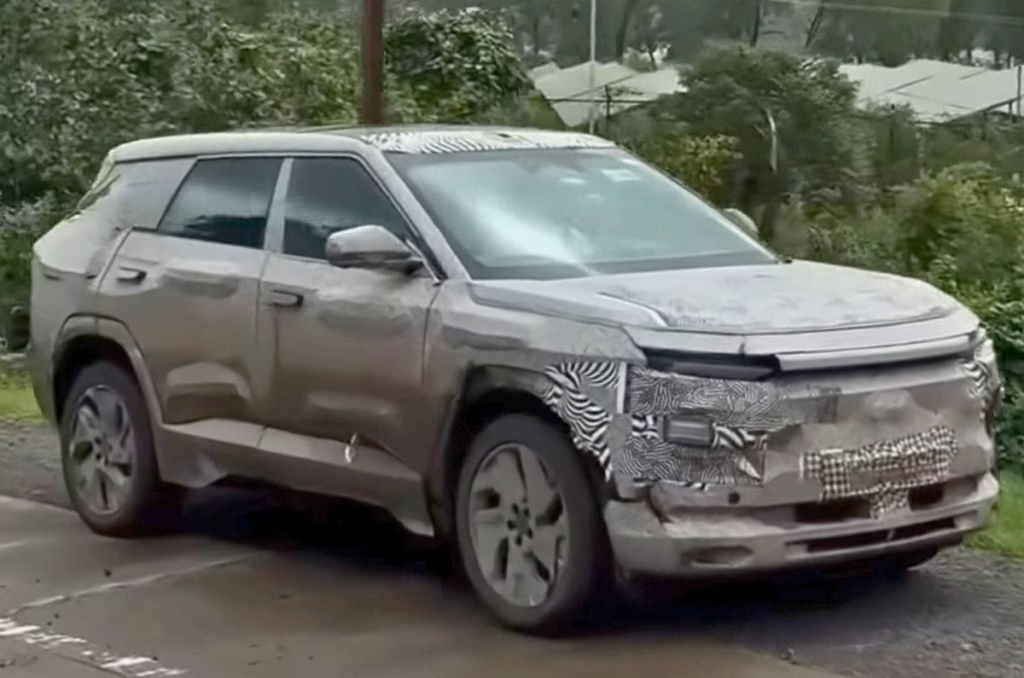
Mahindra’s upcoming BE 07 electric SUV has been spotted testing again, this time offering the clearest look yet at its exterior design. The latest test mule appears to feature a close-to-production version of the exterior design, while also providing a brief glimpse of the cabin.

  1. The front lighting elements and retractable door handles can be seen
  2. Three screens on the dashboard can also be spotted 

Mahindra BE 07 spied: What could be seen?

The front lighting and Mercedes-like retractable handles can be seen

Image source: @AutoVerseByShrey on YouTube

Despite the heavy camouflage, the latest spy shots provide a clearer look at the BE 07’s exterior design. At the front, the SUV features slim LED DRLs, which are expected to resemble the C-shaped units seen on the BE 6. The headlights are positioned vertically beneath the DRLs. As expected of an EV, the grille is largely blanked off, while air inlets in the lower section of the bumper help cool the internal components. The lower bumper also features two distinct crevices, which could house the BE 07’s fog lamps.

Image source: @AutoVerseByShrey on YouTube

In profile, one of the most interesting details is the set of retractable door handles, which appear to draw inspiration from those seen on more premium Mercedes-Benz models. The BE 07 also gets aero-optimised alloy wheels, along with heavily creased cladding around the wheel arches and along the lower section of the body. The outside rear-view mirrors (ORVMs) also feature camera pods, confirming a surround-view camera system.

Image source: @AutoVerseByShrey on YouTube

The rear design of the BE 07 EV could also be seen with makeshift taillights generally associated with an early test mule. The rear wiper is expected to be positioned such that it is hidden under the rear spoiler of the production model. A prominent bulge on the tailgate and the simple rear bumper can also be seen. 

A triple-screen layout on the dashboard could be seen

Image source: @AutoVerseByShrey on YouTube

A previous test mule sported a triple-screen setup on the dashboard, which is also present in the recently spied prototype. Other expected elements likely to be present on the production-spec model include a modern-looking steering wheel with an illuminated ‘BE’ logo, multicolour ambient lighting, a glass roof with illuminated elements, a wireless phone charger and a 5-seat configuration.  

Mahindra BE 07: Other details

Expected to borrow the BE 6’s platform and battery options

The Mahindra BE 07 is expected to go on sale in 2027. It will be based on the INGLO platform, which also underpins the BE 6, XEV 9e and XEV 9S. It is likely to use the same 59kWh and 79kWh battery packs as the BE 6, although its larger size and body are expected to result in a slightly lower claimed range. The BE 07 will rival the Mahindra XEV 9e, VinFast VF7, Tata Harrier EV and BYD Atto 3.

Aston Martin reveals Le Mans-inspired DB12 S models

Aston Martin reveals Le Mans-inspired DB12 S models
Aston Martin reveals Le Mans-inspired bespoke DB12 S models

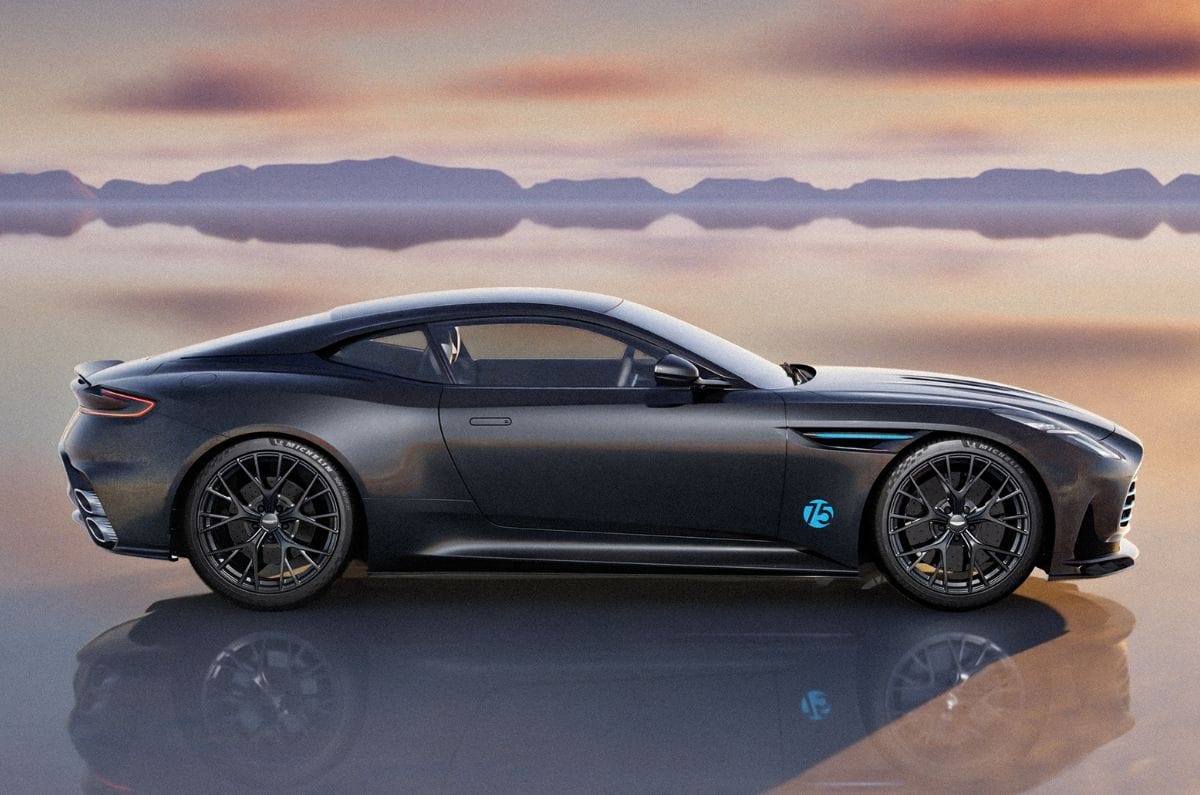
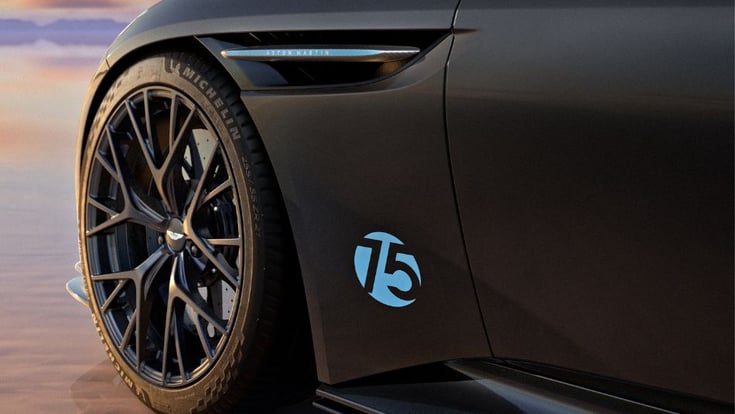
Aston Martin has revealed three bespoke DB12 S Coupe models, called the VMF 63, VMF 64, and VMF 65, at the ongoing Monterey Car Week 2026. These one-off models are curated by the manufacturer’s in-house ‘Q’ personalisation department and take inspiration from the DB2 race cars from the 1951 24 Hours of Le Mans. These new VMF models feature a black exterior paint, distinct hues for the grille vanes, additional carbon fibre elements outside, contrast stitching inside and some ‘75’ badges inside-out.  

  1. Gets black exterior hue, different paint on grille vanes and some carbon fibre elements
  2. Features contrast stitching and bespoke embroideries and door sill plates inside

The British manufacturer says that the three DB12 S ‘VMF’ cars “celebrate and honour the racing roots of the Pebble Beach Concours D’Elegance”, which is seeing its 75th anniversary this year. 

Aston Martin DB12 S ‘VMF’ cars: All you need to know

All VMF models get the same exterior colours but different accent and stitching hues

Aston Martin DB12 S 'VMF' car
 

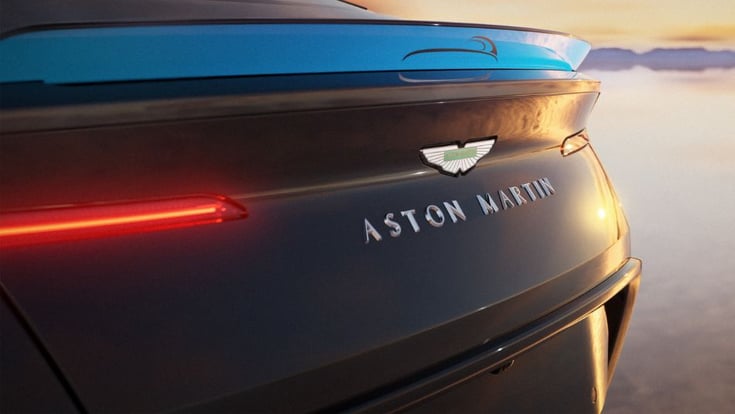
Aston Martin’s ‘Q’ department has distinguished the models with a Carbon Black exterior paint and painted grille vanes – Rosso Red on the VMF 63, Speed Yellow on the VMF 64, and Ellwood Blue on the VMF 65. There’s a ‘75’ decal on the fenders and painted carbon fibre side strakes. The models also get a painted carbon fibre ‘Aeroblade’ and a DB2 silhouette logo graphic at the rear.

Inside, the Aston Martin VMF 63, VMF 64, and VMF 65 feature contrast stitching on the seats, the colour coordinated with the exterior accent hue. The front seat backs have an embroidered DB2 silhouette, while the rear seats sport ‘75’ stitching. The door sills have bespoke ‘75’ plaques, and the start/stop rotary dial and paddle shifters are painted.

Powertrain details of the VMF models are yet to be revealed

While Aston Martin has yet to reveal the powertrain specifications of the VMF 63, VMF 64, and VMF 65, they could be similar to the DB12 S, on which the bespoke models are based. For reference, the DB12 S is powered by a 4.0-litre twin-turbo V8 petrol engine that produces 700hp and 800Nm, and is paired with an 8-speed automatic transmission. It does a 0-100kph run in 3.5 seconds before reaching an electronically limited top speed of 325kph. 

The 75th edition of Monterey Car Week is themed around early 1950s sports cars and racing icons. The one-off models highlight Aston Martin’s racing heritage and the evolution of performance design since the first Pebble Beach Concours d’Elegance. Alongside the three DB12 S ‘VMF’ cars, Aston Martin is also displaying a DB2 heritage model, the limited-run Vanquish 25 Special Edition from its ‘Q’ bespoke division, and its current ‘S’ lineup, comprising the DB12 S, Vantage S, and DBX S.

Jaguar Type 01 interior revealed ahead of October 6 debut

Jaguar Type 01 interior revealed ahead of October 6 debut

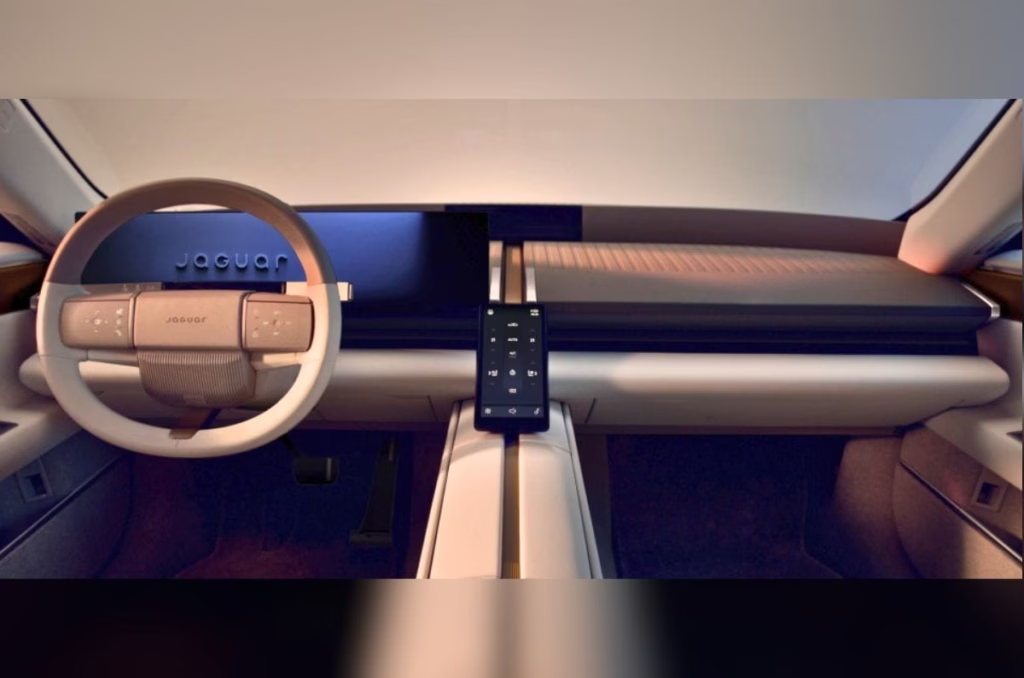
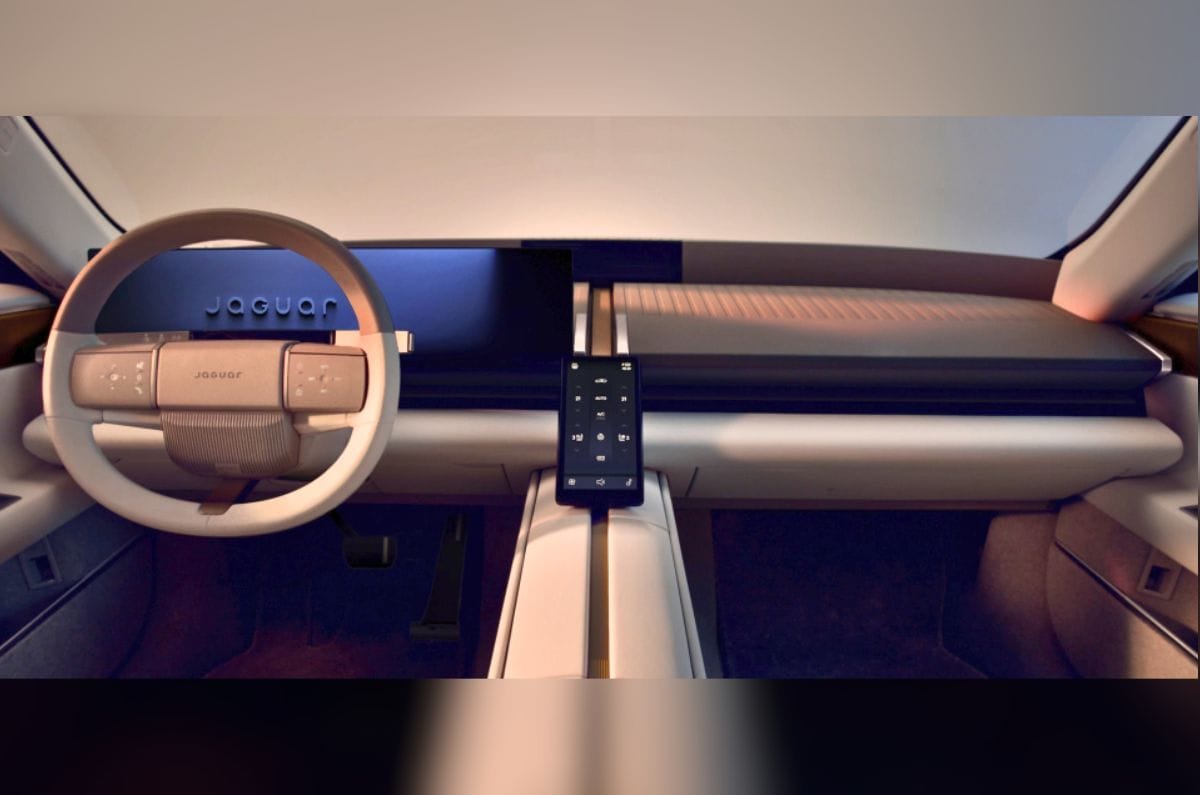
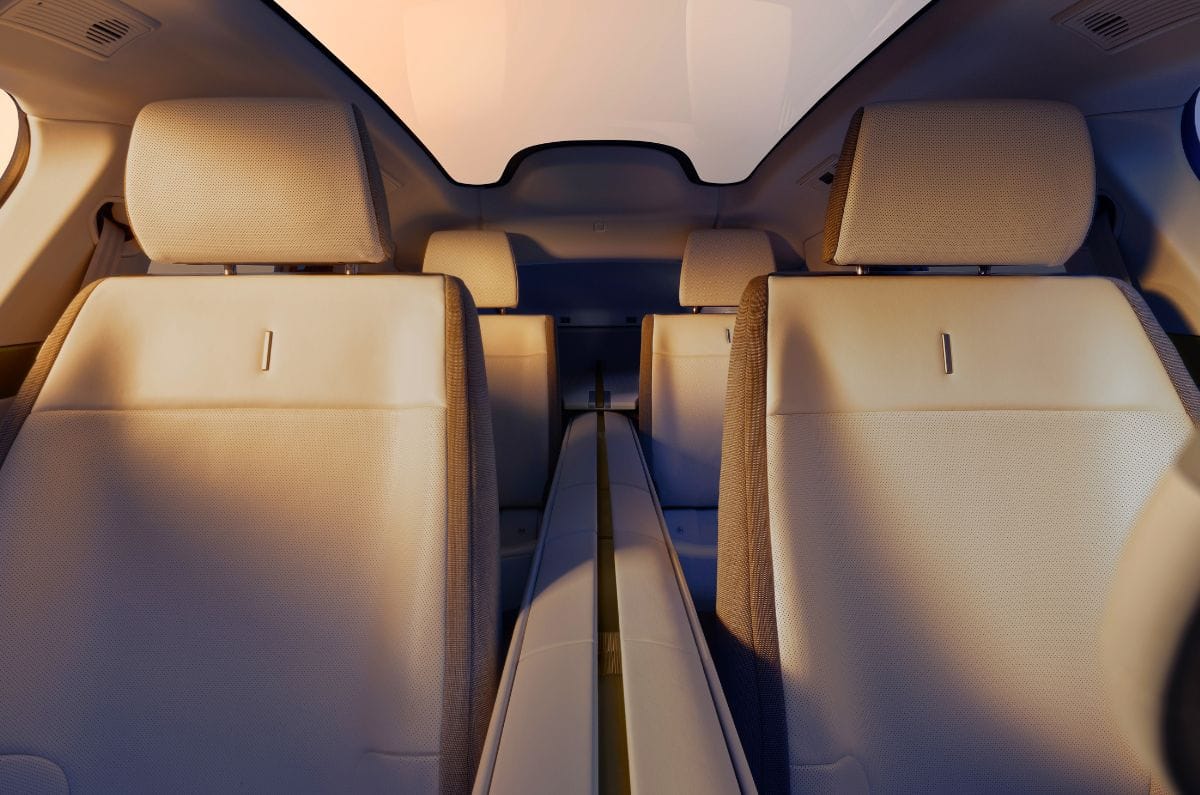
Jaguar has revealed the interior of the upcoming Type 01 electric GT. The Type 01’s cabin is inspired by the Type 00 concept on which it is based, and is as radical as its exterior design. Jaguar will debut the production-spec Type 01 in New York on October 6.

  1. Has a ‘central spine’ spanning the length of the cabin
  2. Gets a screen in front of the driver and a central screen for AC controls
  3. Misses out on a rear windscreen, but features digital rearview cameras

Jaguar Type 01 interior revealed

4-seater electric GT has a minimalist cabin divided into four individual spaces

Jaguar’s “hidden on-demand technology” is integrated into the EV’s architecture. 

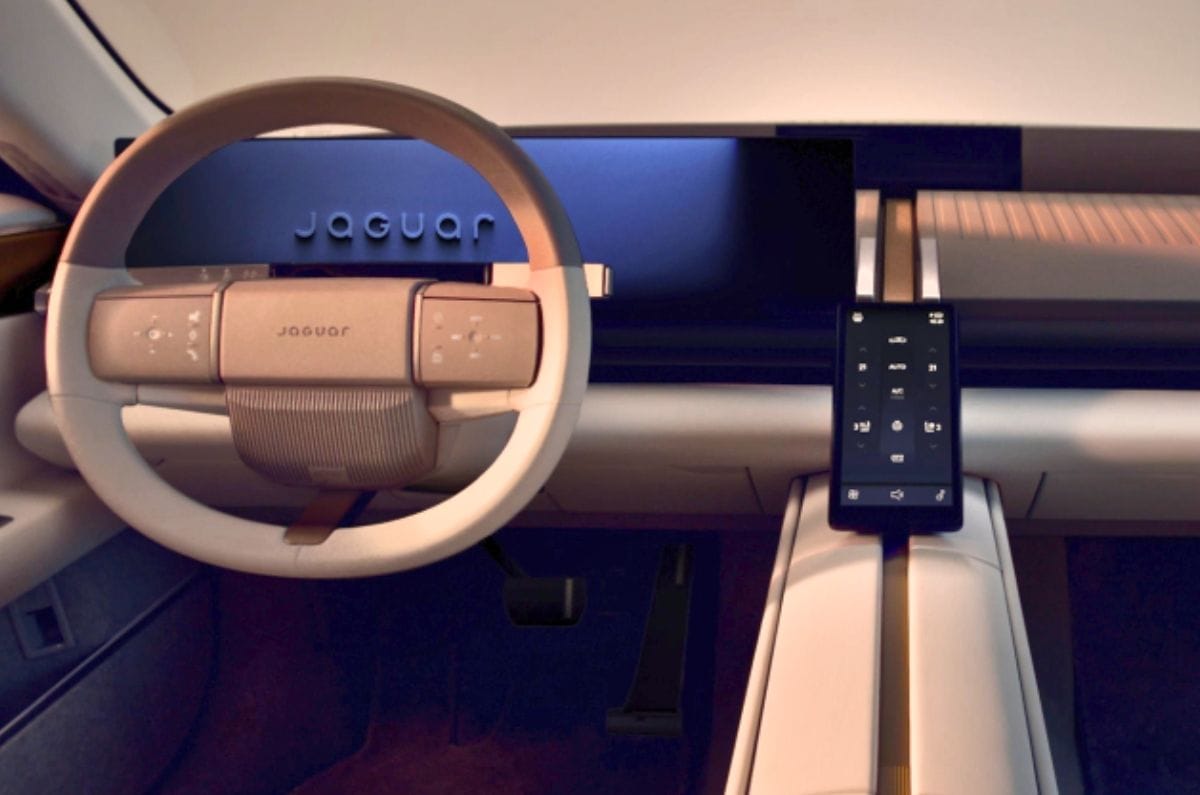
The interior design of the Jaguar Type 01 concept takes inspiration from the Type 00 concept, calling it “a concept car vision brought to production”. The production-spec model features a ‘central spine’ spanning the length of the cabin and divides it into four individual segments – one each for every passenger. This central spine has a brass finish and features a small screen at the front for operating the climate controls. This AC control screen and another display on the dashboard are being called “hidden on-demand technology”, which, Jaguar says, is integrated into the EV’s architecture. 

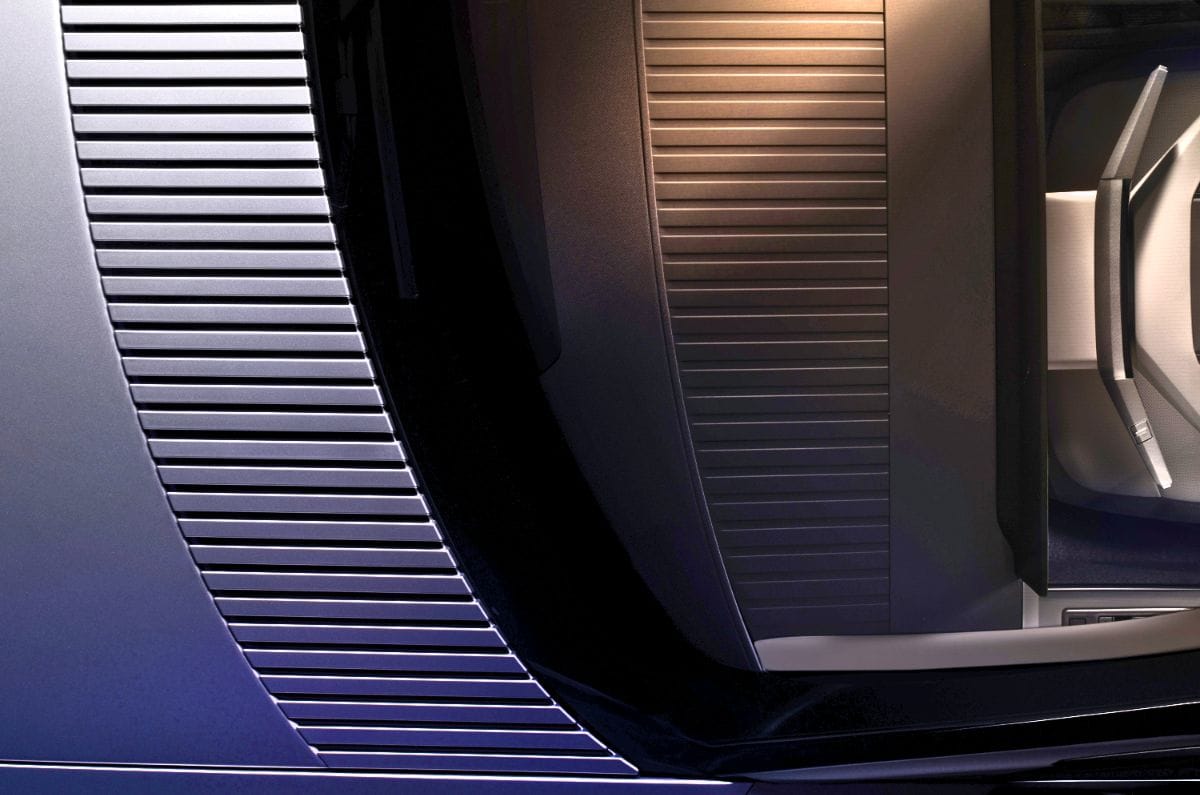
Strikethrough elements on the dashboard are similar to those on the bonnet’s top lip.

The interior features a 2-spoke steering wheel with touch-enabled buttons and a distinct dashboard design for the driver and front passenger areas. There’s a digital screen in front of the driver and ‘strikethrough’ elements in front of the co-driver. Similar ‘strikethrough’ design elements are also present on the top lip of the bonnet to fuse the Type 01’s exterior and interior design. 

There is no glass rear windscreen.

A low swooping roof can also be seen with panoramic glass, which is likely to feature customisable lighting patterns. The Jaguar Type 01 does not feature a rear windscreen but digital rearview cameras instead. It features four seats with a dual-tone upholstery.

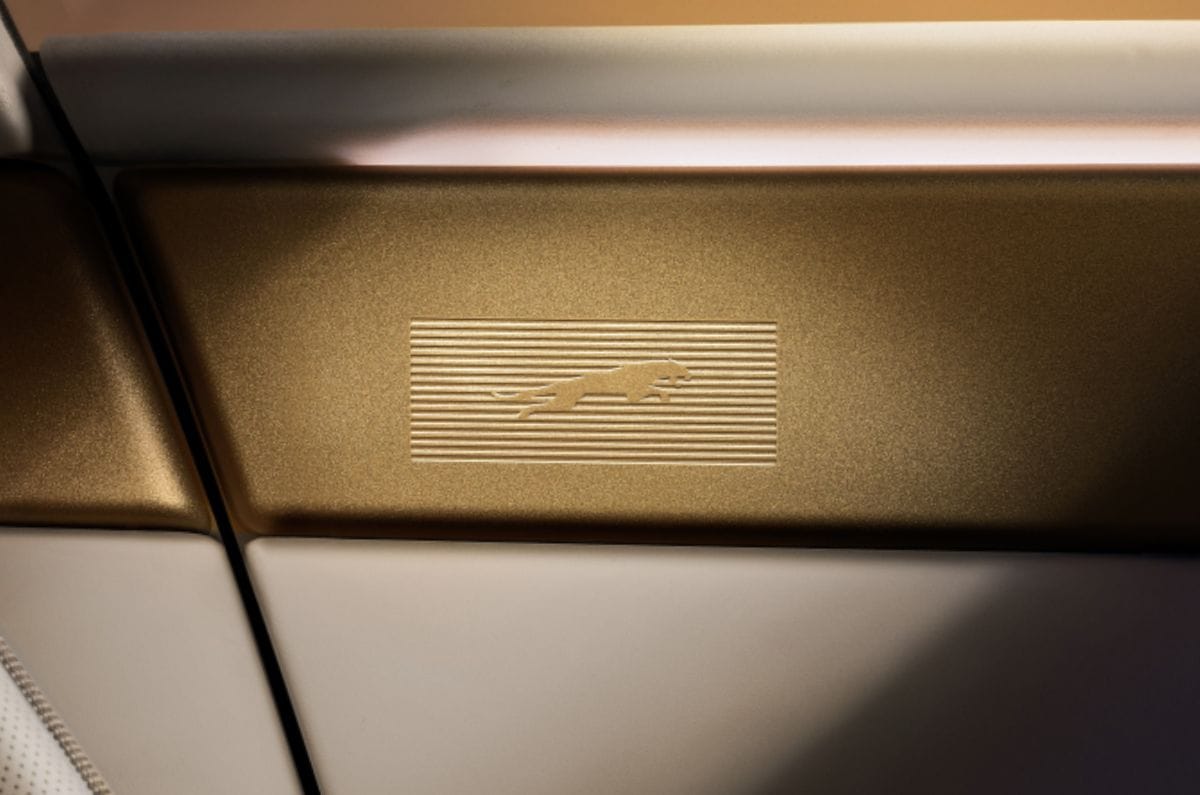
The doors sport the same brass finish as the central spine but additionally feature Jaguar’s ‘leaper’ logo. Jaguar says that the Type 01’s interior is inspired by travertine stone (a type of natural limestone) and textures of artisan textiles for a “deeply sensorial experience”.

Jaguar Type 01: Other details

Built on the JEA platform; will offer over 700km of range

The top section of the doors feature the Jaguar leaper logo. 

The Jaguar Type 01 will debut in New York on October 6, 2026, as the luxury marque’s first car after its ‘reinvention’ as an all-electric brand. It will be underpinned by the Jaguar Electric Architecture (JEA), offering a claimed range of over 700km and featuring three electric motors producing over 1,000hp. It is expected to arrive in international markets by the first half of 2027 as a rival to the Ferrari Luce, Audi e-tron GT, Porsche Taycan and Mercedes-AMG GT 4-Door Coupe.

Bugatti reveals one-off Destrier hypercar

Bugatti Destrier

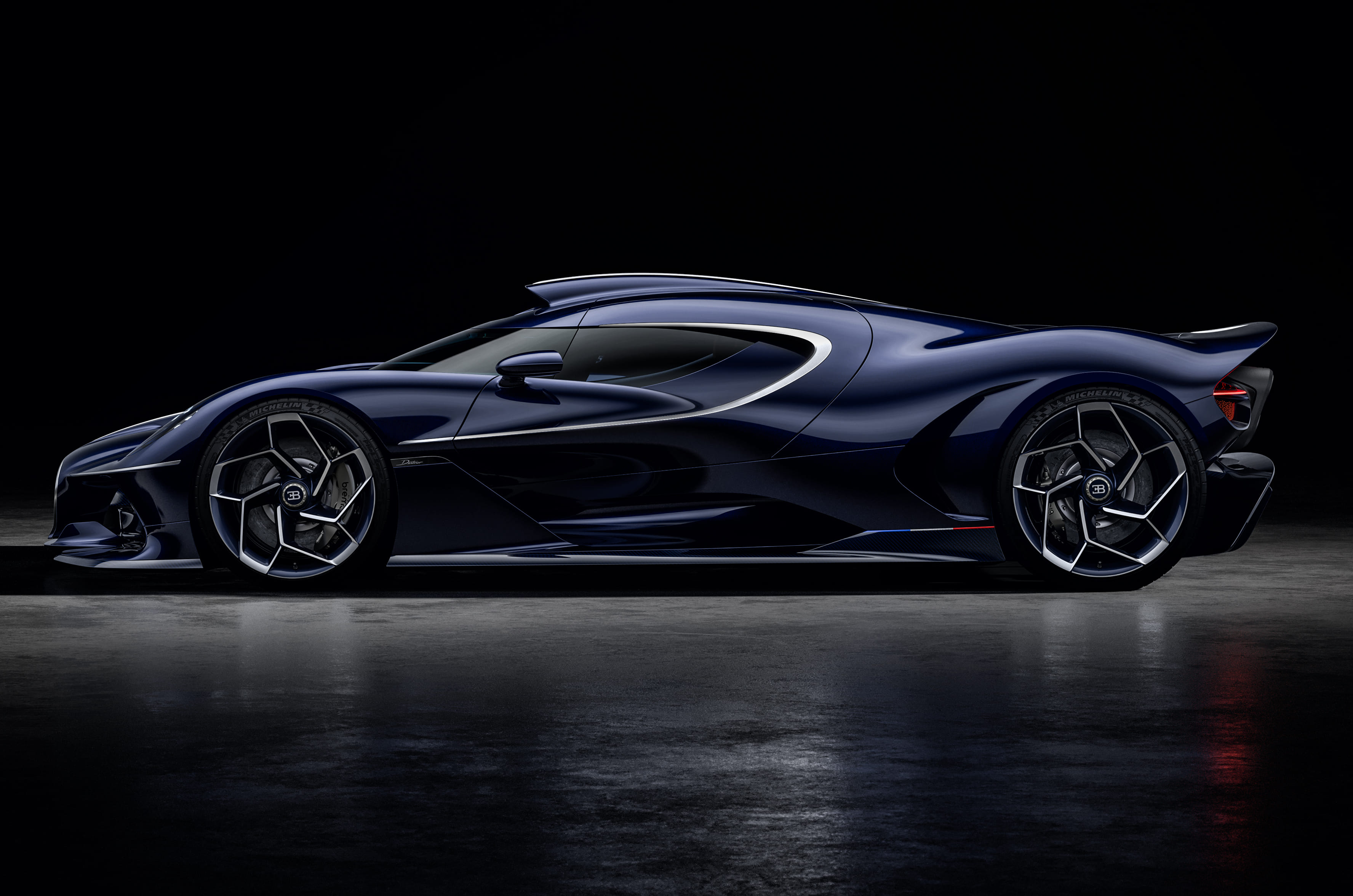
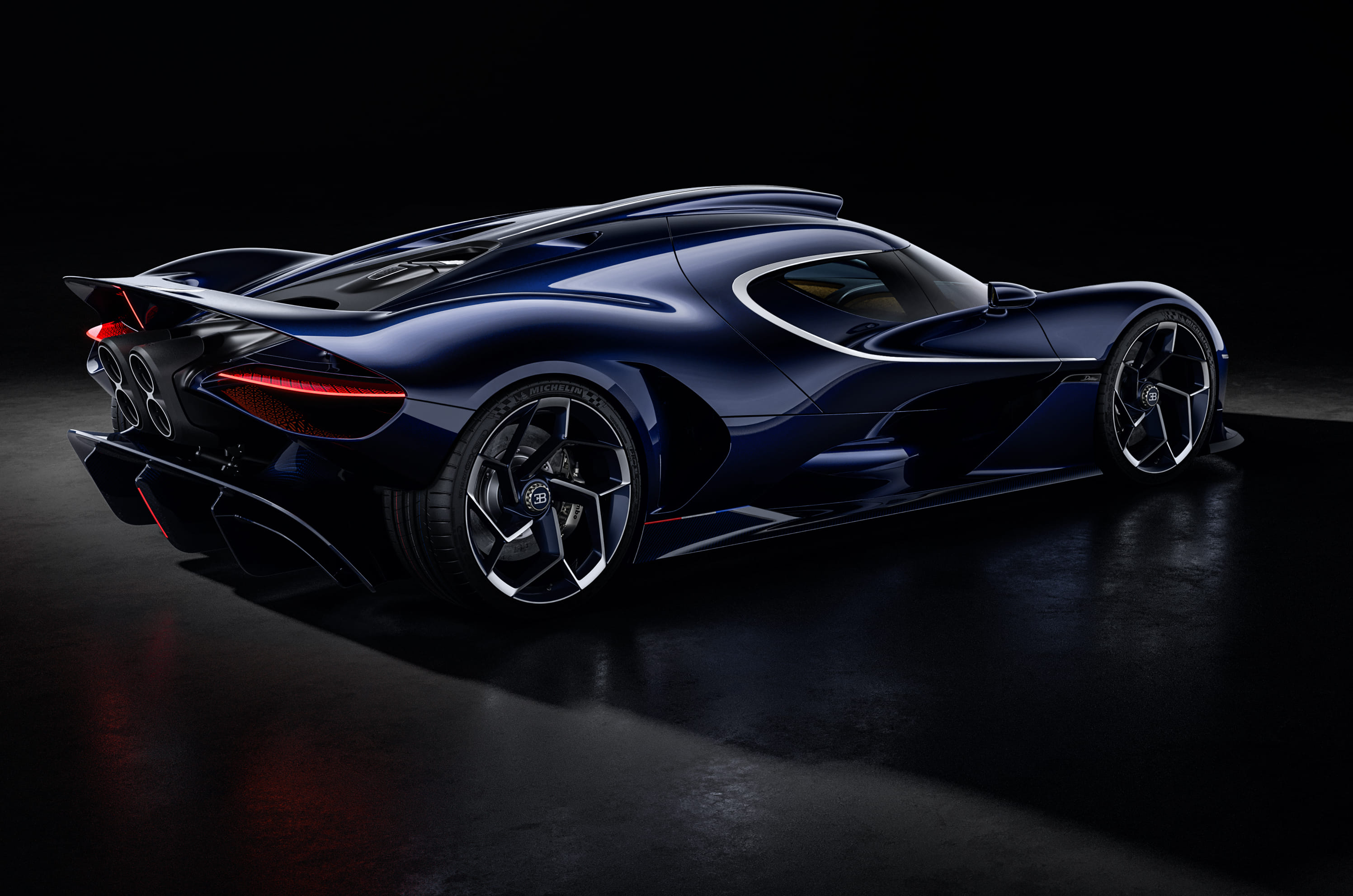
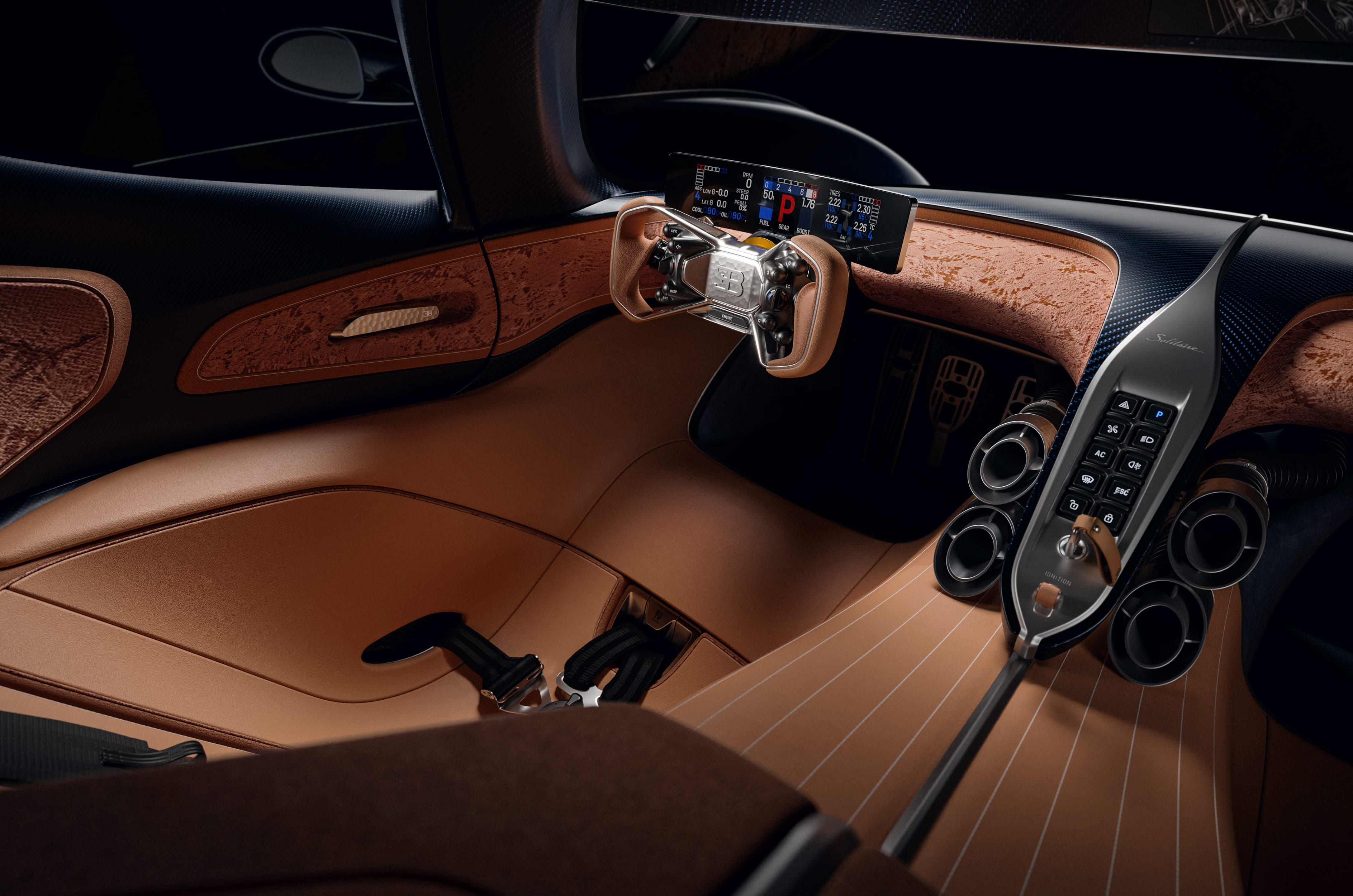
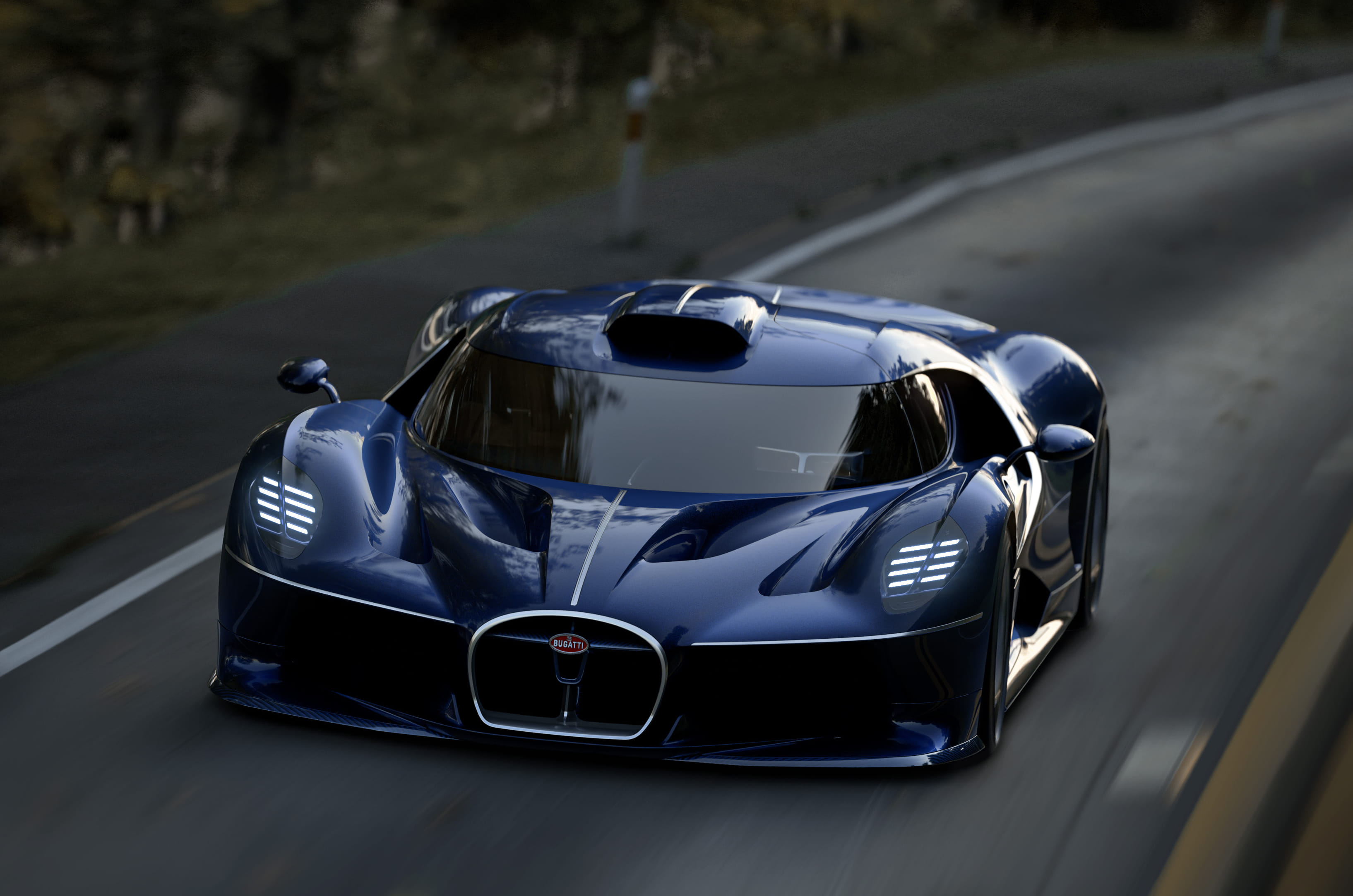
Bugatti has revealed the Destrier, a one-off hypercar created under its Programme Solitaire bespoke division. The third one-off commission after the Brouillard and F.K.P. Hommage, the Destrier is based on the track-only Bolide but adopts an all-new body inspired by the Buggati Type 57SC Atlantic, widely regarded as one of the most beautiful cars ever built. While it retains the Bolide’s W16 powertrain, the Destrier has been conceived as a design-led grand touring hypercar rather than one focused on outright lap times.

  1. Based on the Bugatti Bolide’s carbon-fibre chassis
  2. Retains the 1,600hp quad-turbo W16 engine
  3. Third one-off created under Bugatti’s Programme Solitaire

Bugatti Destrier: exterior

The Destrier shares its carbon-fibre monocoque with the Bolide but wears completely new bodywork. Inspired by the Type 57SC Atlantic, it features a cleaner, more sculpted design with fewer aerodynamic add-ons than its track-focused sibling. The signature Bugatti C-line has been reinterpreted, while redesigned lighting elements, a wider horseshoe grille, blended rear wing and pronounced rear haunches distinguish it from the Bolide.

Standing just 1 metre tall, the Destrier is the lowest Bugatti ever built. It rides on 20-inch front and 21-inch rear wheels, with the proportions intended to resemble those of a medieval war horse, from which the car takes its name. The one-off is finished in a bespoke Sapphire Celeste paint shade created exclusively for its owner, with polished aluminium trim and tinted exposed carbon-fibre accents.

Bugatti Destrier: interior

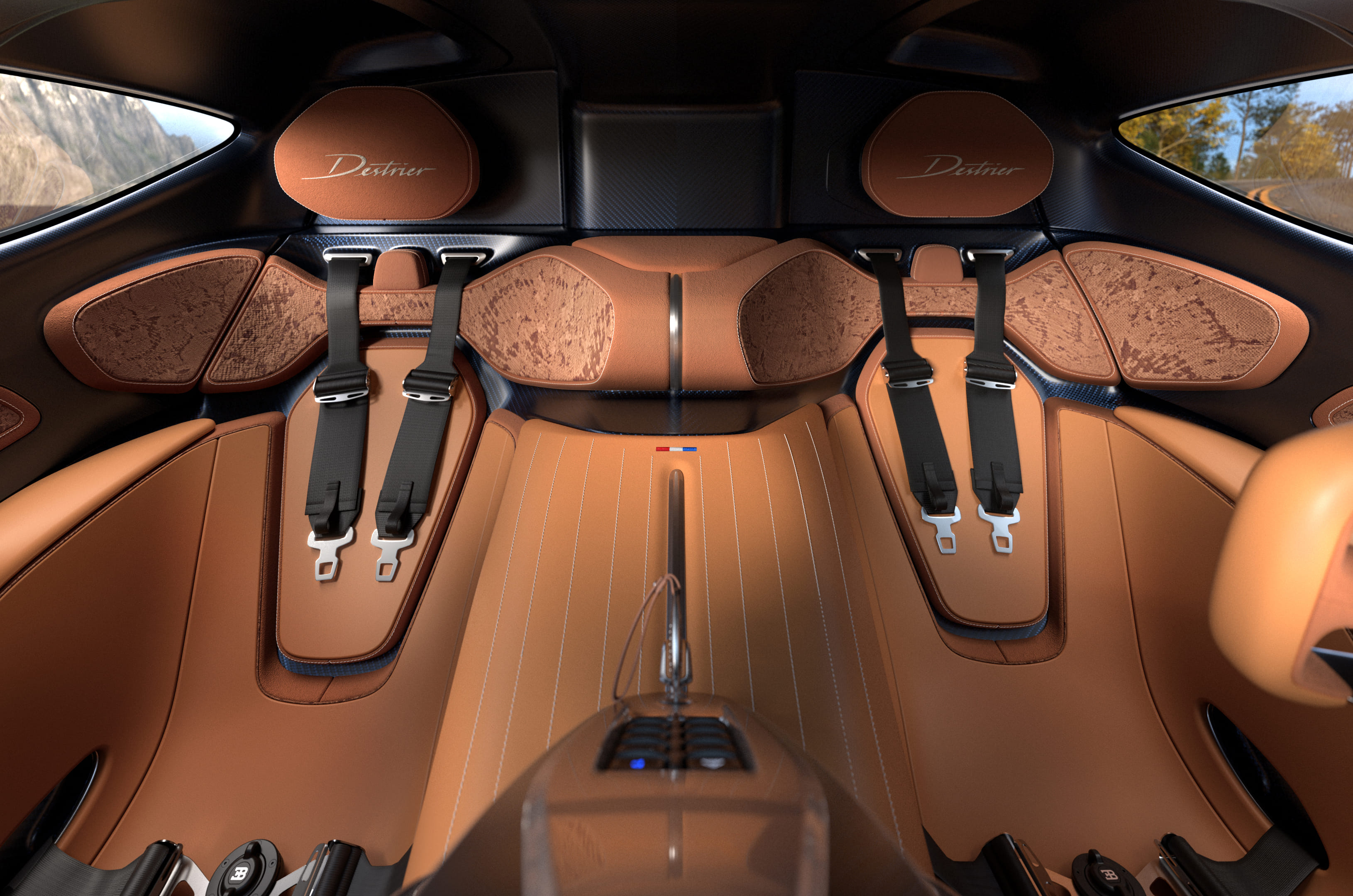
Unlike the stripped-out cockpit of the Bolide, the Destrier’s cabin has been redesigned with a greater emphasis on craftsmanship and luxury. It uses ‘Ambre Voyageur’ leather and nubuck upholstery, together with a bespoke 3D-knitted textile woven with copper yarn. 

Hammered metal finishes on the door handles, air vents, steering wheel hub and entry plates reference the car’s medieval inspiration, while a discreet French flag pays tribute to Bugatti’s heritage.

Bugatti Destrier: engine and performance

Power comes from the Bolide’s 8.0-litre quad-turbocharged W16 engine, producing 1,600hp. The company has not disclosed performance figures, stating that the Destrier’s focus is on design and craftsmanship rather than outright speed.

The Destrier continues to use the Bolide’s carbon-fibre chassis and running gear, although Bugatti has not confirmed any mechanical changes beyond the new bodywork.

The Destrier is a one-off (1/1) commission created under Bugatti’s Programme Solitaire and will make its public debut during Monterey Car Week, culminating at the Pebble Beach Concours d’Elegance on August 16, 2026. As with previous Solitaire projects, Bugatti has not disclosed the price.