



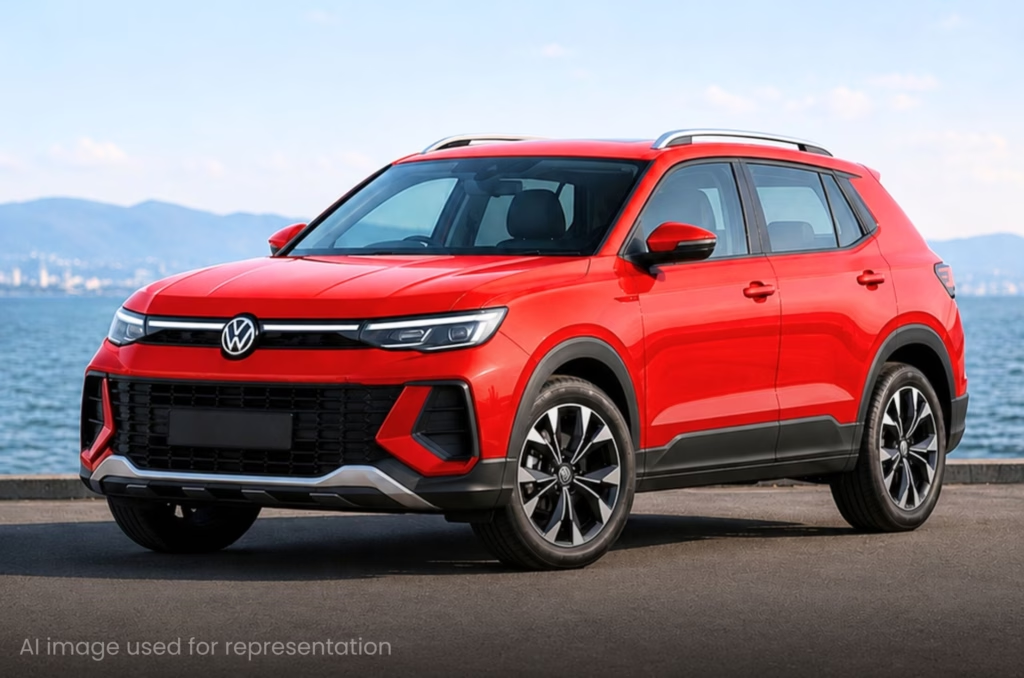
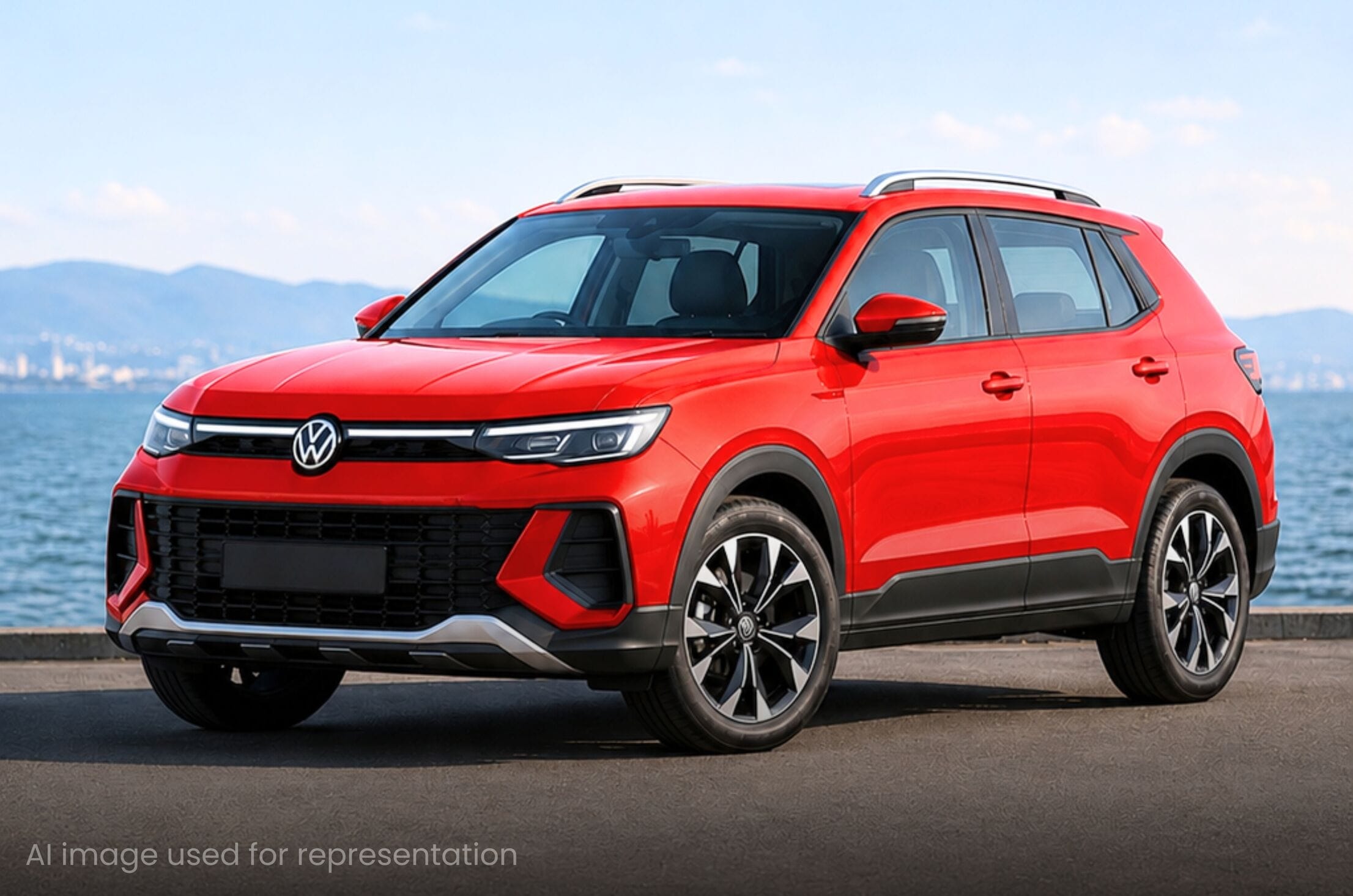
Volkswagen has officially confirmed a compact SUV (under four metres) for India, set for launch in 2027. This comes just over a week after we exclusively reported that the carmaker had secured global approval for the project. This also paves the way for VW’s re-entry into the high-volume sub-four-metre vehicle market in India, which it had exited following the discontinuation of the Ameo compact sedan and Polo hatchback.
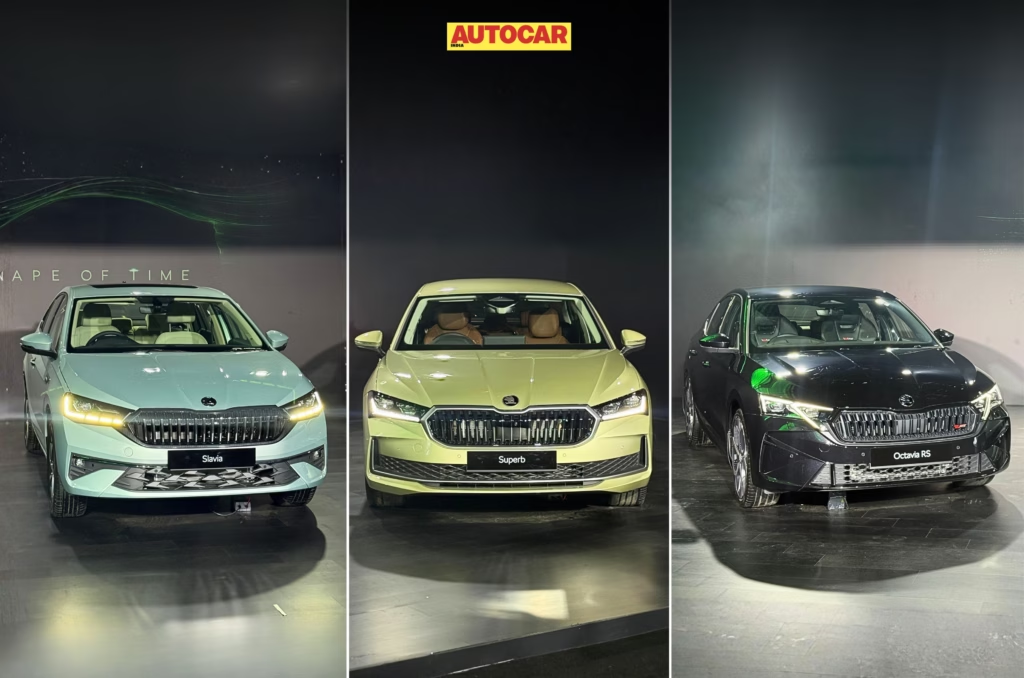
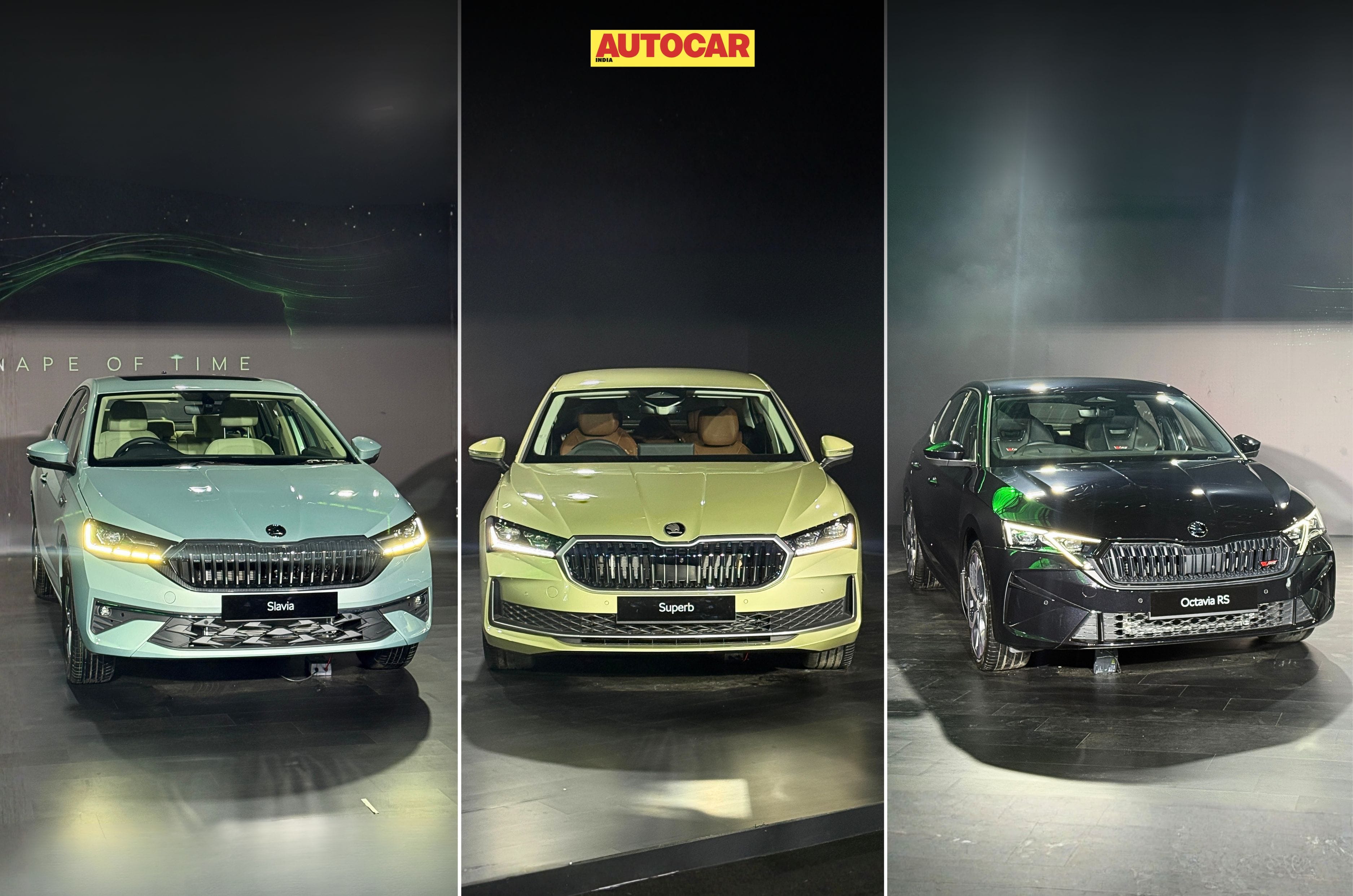
While it sells multiple SUV models, Skoda is the only mass-market automaker that has also remained steadfastly committed to the sedan body type. The Czech brand recently introduced three sedans all at the same event – something of a rarity in an otherwise SUV-dominated market. Skoda’s latest entrants in India include the Slavia facelift, the Superb diesel and the Octavia RS. While admitting to the market’s preference for SUVs over the last decade or so, Ashish Gupta, brand director at Skoda Auto India, also said, “If you look at it, sedans continue to be the quintessential car.”
- Gupta says the charm of sedans hasn’t gone away
- He cites a lack of focus in the segment by manufacturers
- SUV saturation expected to work in favour of sedans
The Czech automaker thinks sedans are here to stay
Gupta believes the sedan body type will continue to make sense for the brand
The Superb nameplate arrived 90 years ago, with the line-up eventually including models such as the Octavia, Rapid and Slavia. “It’s been a long legacy of sedans for Skoda, with the sedan body style defining our brand not only globally but also in India,” said Gupta. The Slavia has been a successful model for the Czech brand in India. “The premium sedan segment in India right now is at around 4,000 to 4,500 units per month, with the Slavia making up nearly 30 percent of all sales in the segment. We are the torchbearers of that segment, and the Slavia facelift will have its role in the company’s India portfolio while also appealing to a wider customer set,” he added.
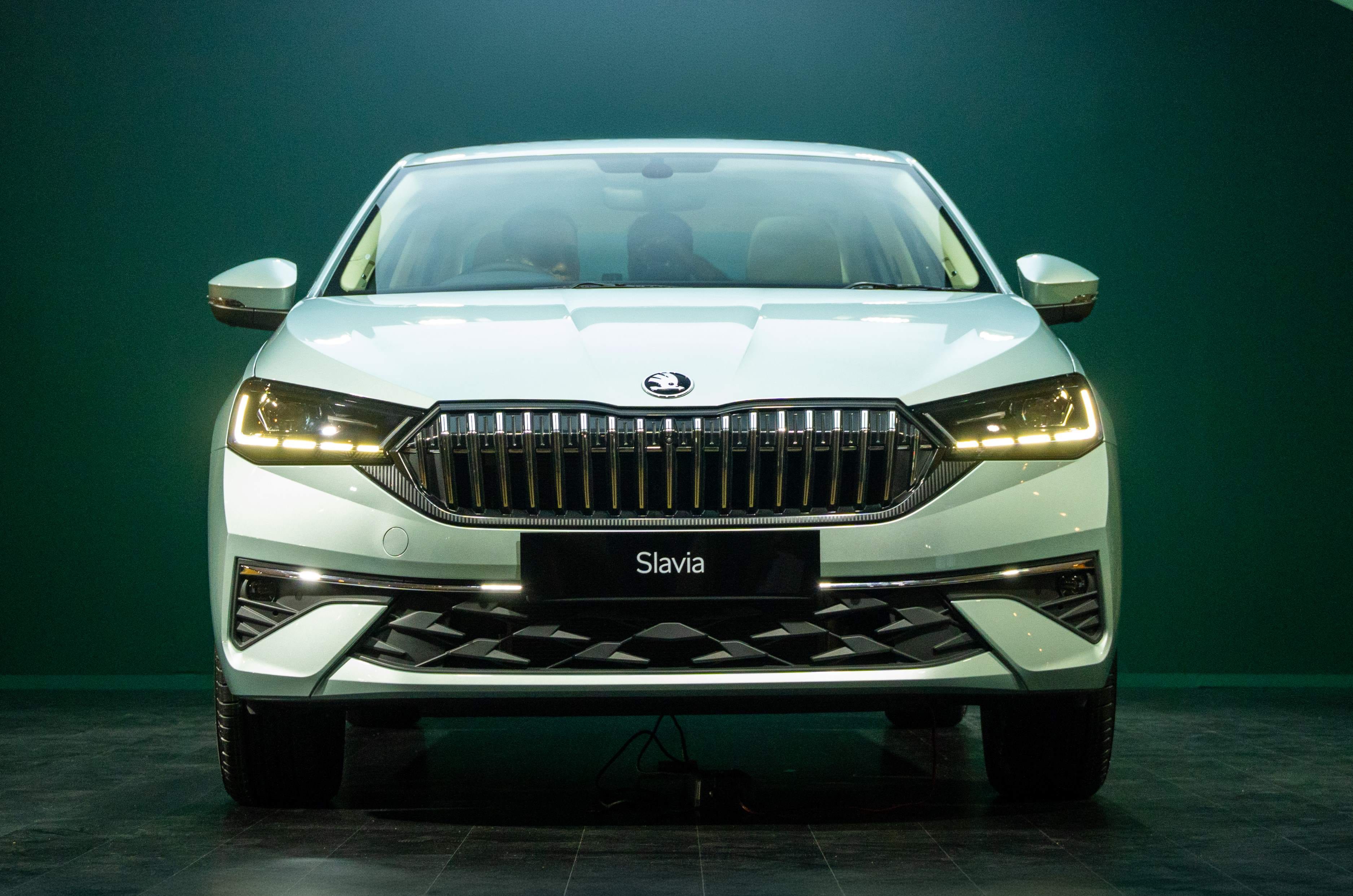
According to Gupta, the Slavia offers buyers a blend of performance and understated elegance. “There are good reasons the charm of a sedan hasn’t gone away. There’s the superior driving dynamics and pure elegance that sedans exude. One would love to arrive at an event in a sedan, or go for a fun drive during the weekend. So I think sedans will continue to have their fans and people who would still want to own one.”
However, the brand director isn’t expecting the segment to make a strong comeback in the near future. “I think the sedan segment will continue to remain a smaller part of the market – that much is very clear,” he remarked while citing the current trend in the industry. “Most of the new product launches and introductions are happening in the SUV segment and other body styles.” He thinks the growth potential is primarily hindered by automakers ignoring sedans and instead doubling down on SUVs. “We, as manufacturers, should take the responsibility for this, as we have not focused on the sedan segment.”
Gupta was quick to point out that Skoda is one of the few automakers worldwide that maintains a focus on the sedan space as well. “Perhaps we are among the few brands who still have a large sedan portfolio, which continues to do well.”
SUV saturation to help revive the sedan
Gupta expects the market to eventually reach a saturation point when it comes to SUVs
According to Gupta, the market will eventually grow tired of the SUV body type, making the case for sedans even stronger. He added that first-time buyers have been contributing to the sales numbers of sedans, while more demand is expected to come from families who want to own more than one car. “Sooner or later, families wanting to have multiple cars would like to have differentiated kind of cars. So that is an opportunity for the sedan and one which will continue to evolve in India as the market matures,” he explained.
Skoda sedans in India
The brand’s sedan line-up in India includes three models
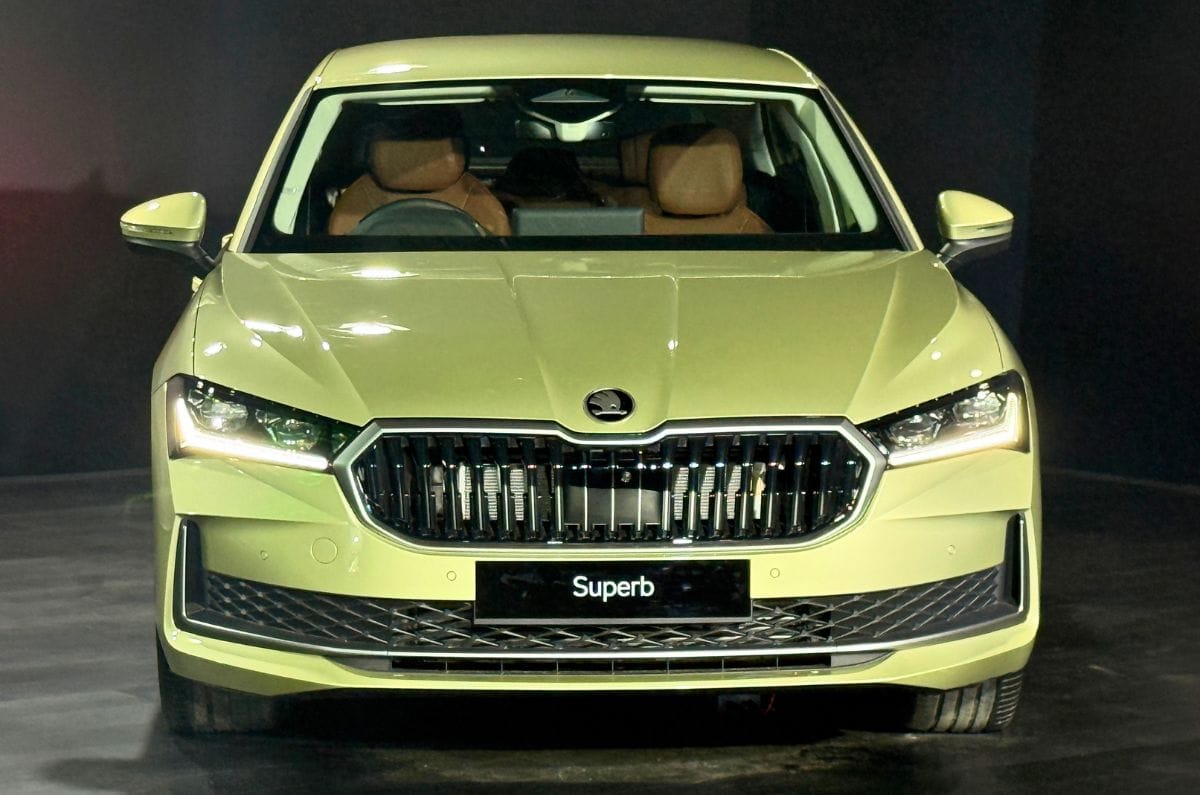
The Slavia remains the entry point into Skoda’s sedan portfolio in India and is the Volkswagen Virtus’s chief rival. However, VW only has this one sedan in its entire India portfolio. Meanwhile, Skoda is also planning to introduce a CNG option for the Slavia, which could interest buyers seeking premium features and lower running costs. Joining the line-up in 2027 will be the Superb diesel in its top-spec Laurin & Klement (L&K) trim – this will be Skoda’s first new diesel car in India since abandoning the powertrain type in 2020. The Superb occupies a space beneath the likes of the Mercedes-Benz C-Class and BMW 5 Series in India.
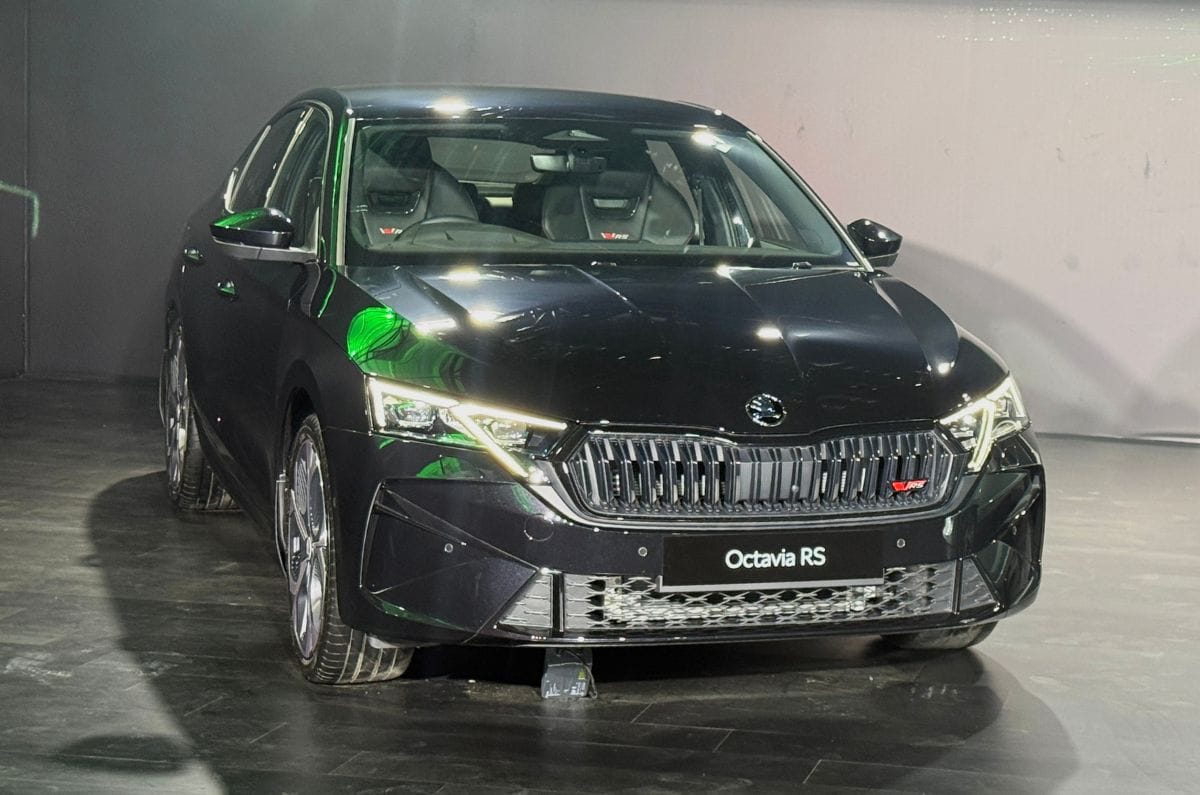
The Octavia RS is also returning to India, with deliveries expected around the upcoming festive season. It’ll once again arrive as a full import and will be limited to just 50 units this time. With the previous 100 units allocated for India reportedly selling out in 20 minutes, the second batch is likely to find takers just as easily. Gupta said customers who had shown genuine interest in the Octavia RS will be given early access. In all, Skoda will be able to cater to mass-market sedan buyers with the Slavia, premium sedan buyers with the Superb and driving enthusiasts with the Octavia RS.
Skoda and the upcoming India-EU FTA
Then there’s the upcoming India-EU Free Trade Agreement (FTA), which will have an impact on fully imported models such as the Superb. “The FTA has kind of given us a good choice between what makes better sense for us and for the market as well. The whole idea is to start deliveries towards Q2 of next year. We are hopeful that by that time, the contours of the FTA will be decided, and we will have clarity on what kind of duty structure to apply to our imported models,” said Gupta. The proposed reduction in import duties could make bringing in more batches from Skoda’s global portfolio to India easier, though Gupta expects currency fluctuations to have an impact on the final price.
Also read
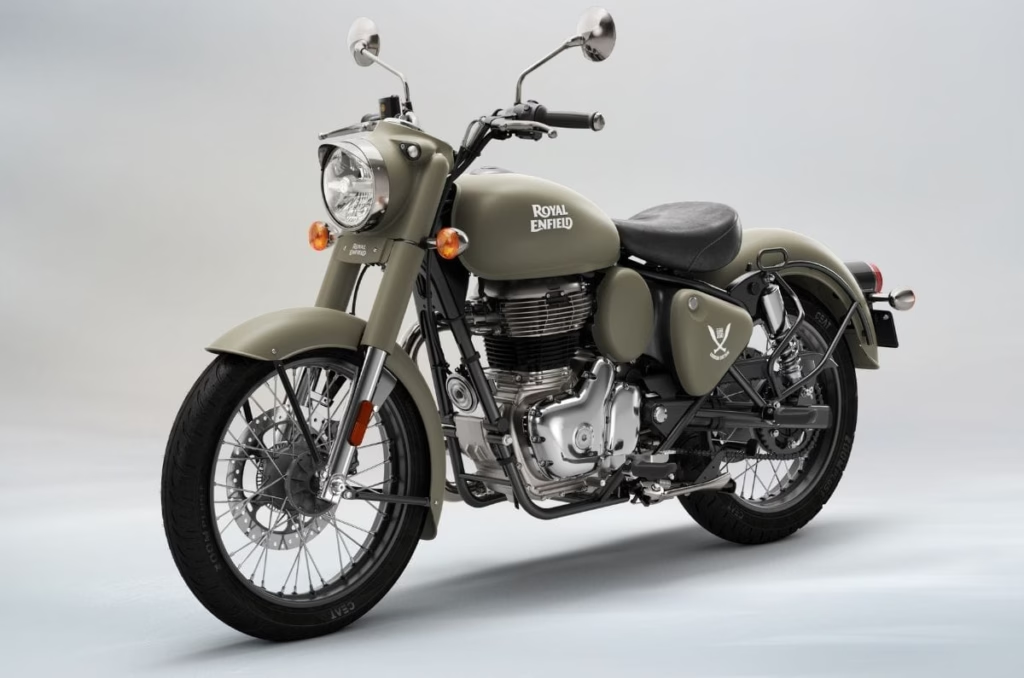
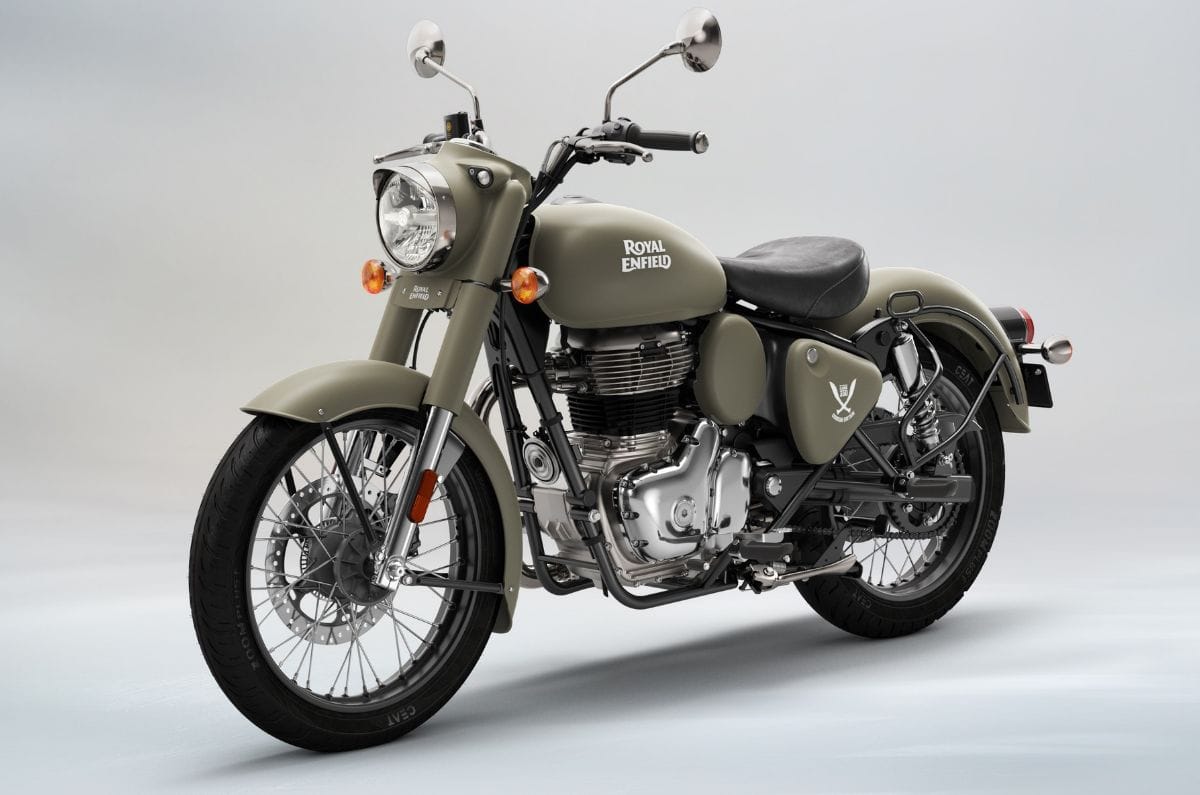
Royal Enfield has just announced a new, commemorative edition of the Classic 350 Gorkha Edition. Meant as an acknowledgement to the bravery and discipline of the Gorkha Regiment of the Indian army, the variant has prominent hat-tips to the most celebrated army unit in the world. If all of that sounds appealing to you and you want to bring one home, here’s what you need to know about it.
1. How is the Gorkha Edition different from the regular Classic 350?
Being a commemorative edition, the Gorkha Edition has a special colour called Gorkha Green which resembles a lot of army vehicles. It features two crossed Khukris on both the side panels, the official insignia of the Gorkha Regiment. There’s also a ‘Gorkha Edition’ sticker on the fuel tank, just above the fuel lid. The overall design and the dimensions remain unchanged otherwise.
2. How much does the Gorkha Edition cost?
Royal Enfield has priced the Classic 350 Gorkha Edition at Rs 2.11 lakh (ex-showroom, Delhi) which puts it right in the middle of the range that starts at Rs 1.87 lakh and goes all the way up to Rs 2.24 lakh. There’s another variant called ‘Commando Sand’ which also costs the same as the ‘Gorkha Edition’.
3. Which engine does the Classic 350 Gorkha Edition have?
The Classic 350 Gorkha Edition continues with Royal Enfield’s tried-and-tested J-series engine. Unveiled first with the Meteor 350 back in 2020, this single-cylinder, air-cooled unit has 20.2hp of power and 27Nm of torque.
4. What is the seat height of the Classic 350 Gorkha Edition?
The seat height on the Classic 350 Gorkha Edition is 805mm (unchanged from the regular Classic 350).
5. What features does the Classic 350 Gorkha Edition get?
The Classic 350 Gorkha Edition has a semi-digital instrument cluster, assist and slipper clutch, and a type-C USB port for charging your devices on the go. Note that Royal Enfield had recently updated all variants of the Classic 350 with the exact same feature set.
6. Does it get dual-channel ABS?
What separates the Classic 350 variants mainly are two things, the colour scheme and ABS. Of the eight available colours, the base ‘Redditch Red’ variant has single-channel ABS, with all the other colours—including the Gorkha Edition—getting dual-channel ABS as standard. Braking duties too are covered by the same 300mm disc at the front and 270mm disc at the rear.
7. What’s the weight and ground clearance like?
They continue unchanged as the Classic 350 at 195kg kerb weight and 170mm of ground clearance. If you like the Royal Enfield J-series engine but are fazed by the weight, the Hunter 350 remains the lightest Royal Enfield motorcycle you can buy today with a lighter kerb weight figure of 181kg but do note that its ground clearance is 160mm although it’s unlikely that the 10mm reduction will ever be an issue.
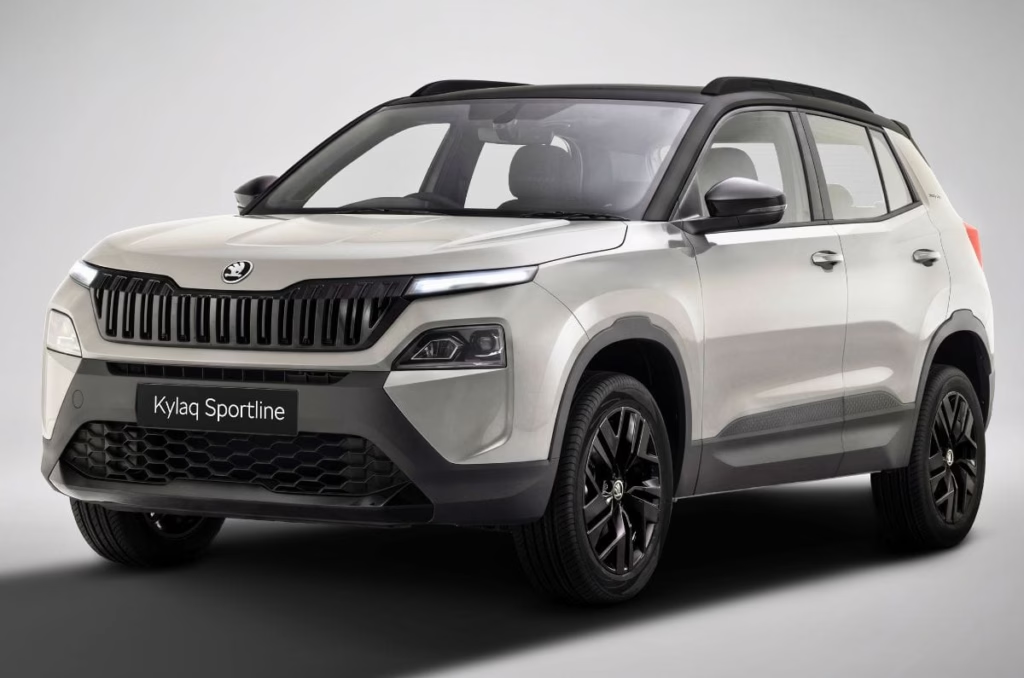
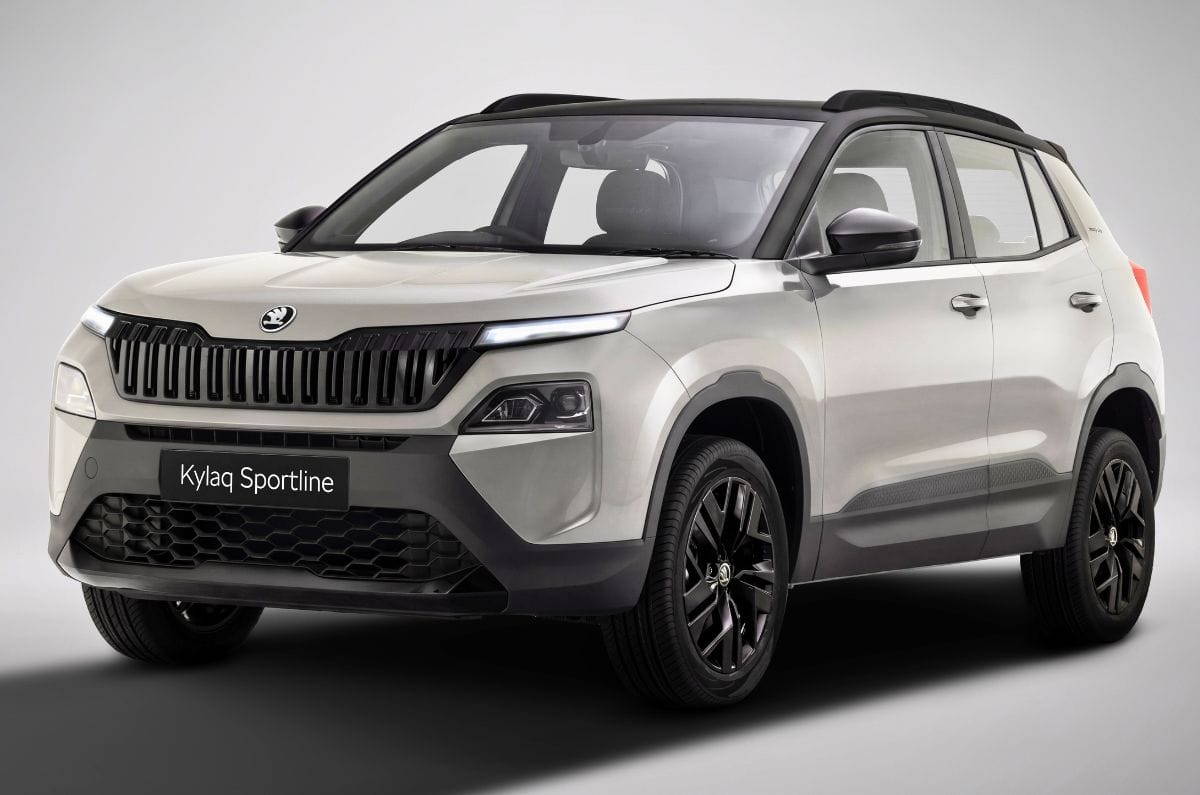
Skoda has launched the Kylaq Sportline in India with prices ranging from Rs 11.32 lakh to Rs 12.32 lakh (ex-showroom). The launch follows our June 2026 report about a sportier-looking Sportline variant joining the Kylaq range. The Kylaq Sportline is positioned between the mid-spec Signature+ trim and the higher-spec Prestige trim, and is offered with a few blacked-out exterior and interior elements for a sportier look.
Skoda Kylaq Sportline: What’s new?
Gets blacked-out elements outside, ‘Sportline’ badges and a new spoiler
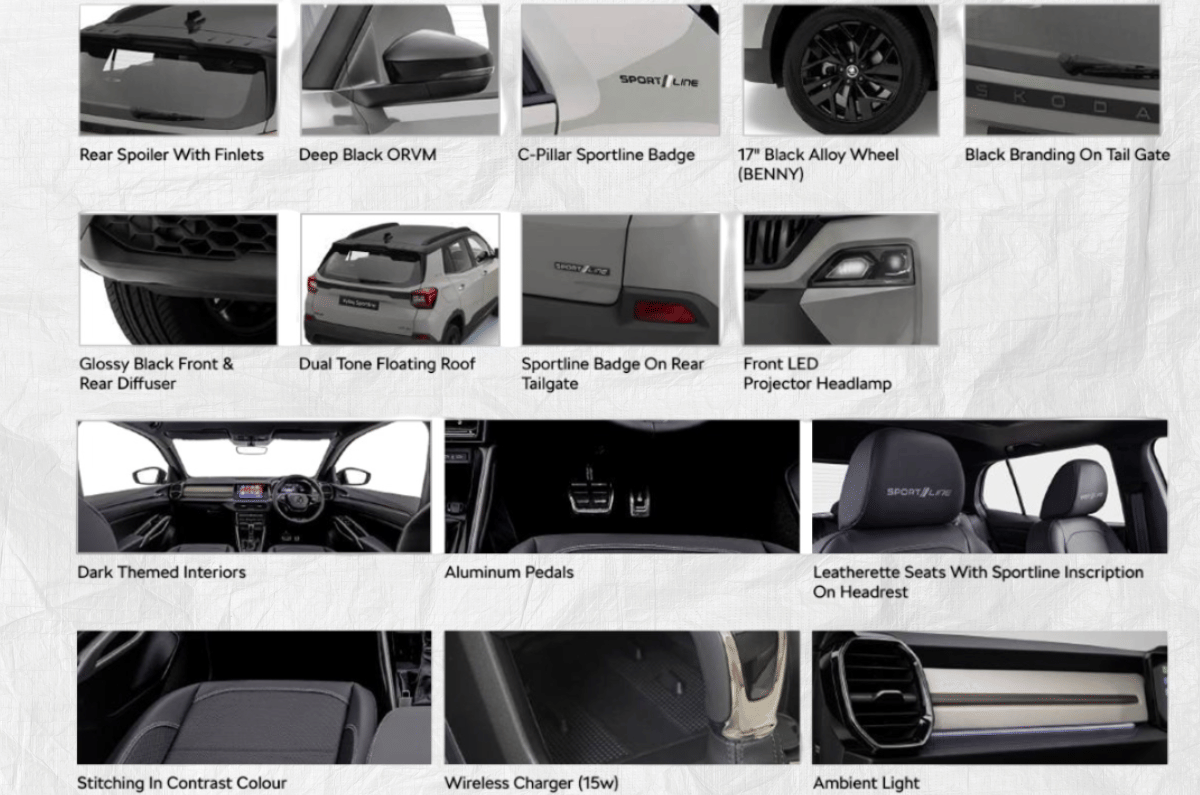
Like the Sportline variants of the Kushaq and Slavia facelift, the Kylaq Sportline gets several blacked-out elements that give it a sportier appearance. These include the 17-inch alloy wheels, ORVMs, faux skid plates on both bumpers, and the roof. It also features a roof-mounted spoiler with vertical strips. The C-pillar and tailgate carry new ‘Sportline’ badges, while the Skoda wordmark between the taillights is finished in black for a more distinctive look.
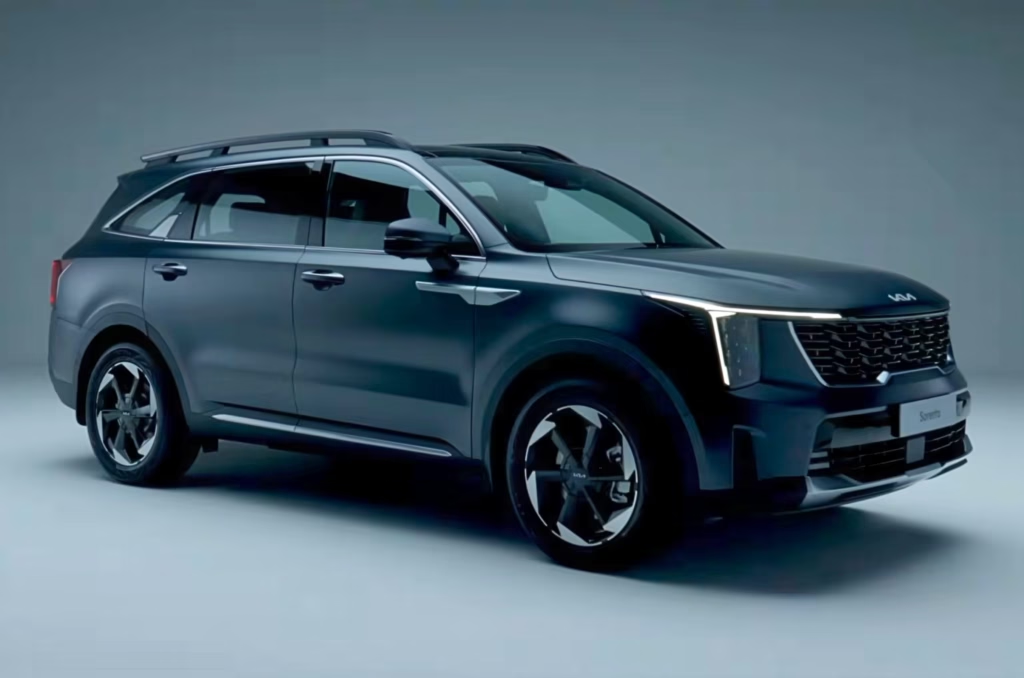
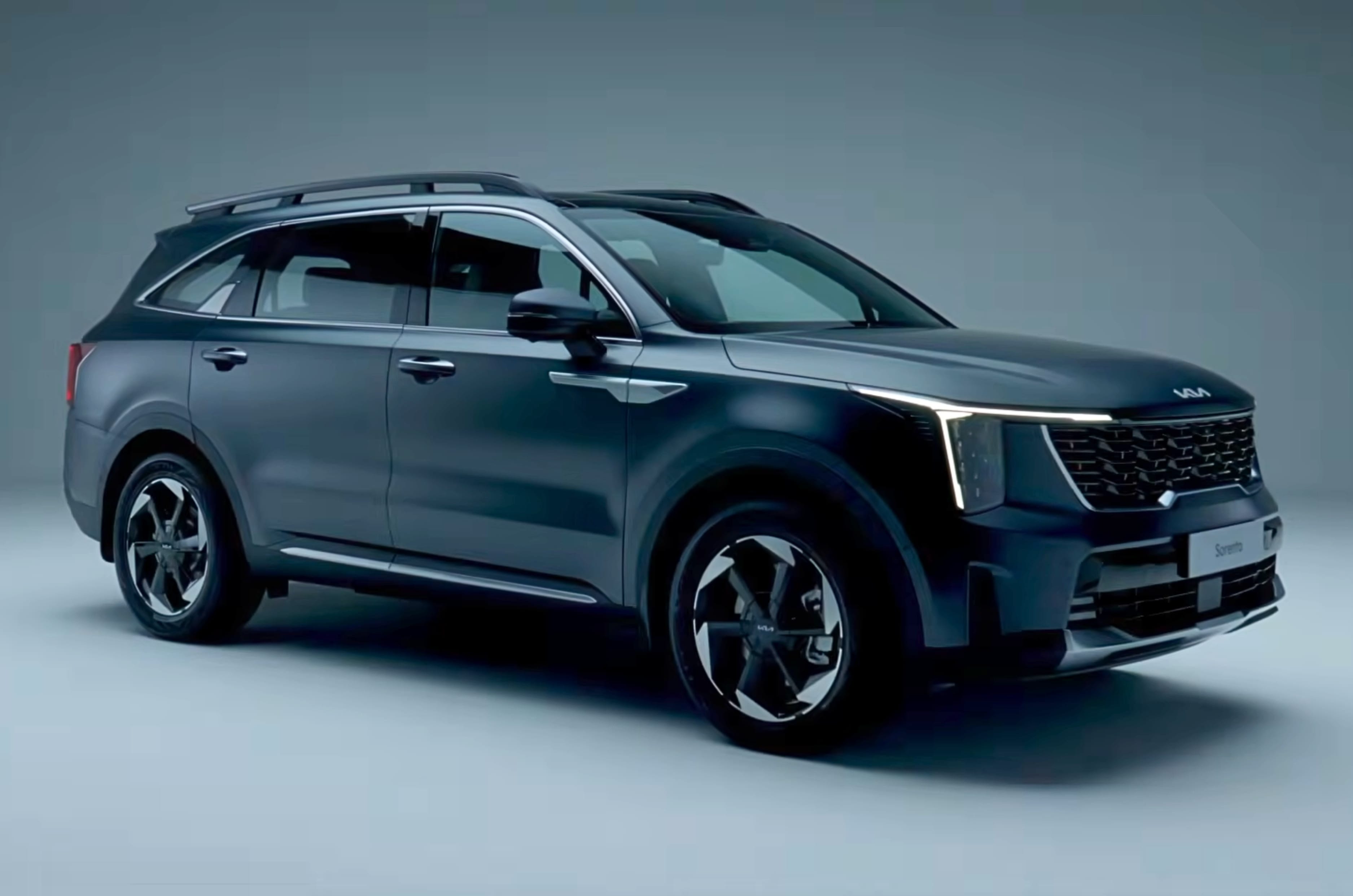
Ahead of its launch on September 4, Kia has officially revealed the India-spec Sorento. It will be Kia’s new flagship ICE-powered model with three rows of seating and will be offered with strong-hybrid and diesel powertrains. The brand has also confirmed that the hybrid variant will be offered with all-wheel drive (AWD), which will make it unique in its segment. It will also be offered with Kia AI assistant – a first for the Sorento globally, debuting with the India-spec model.
Kia has commenced production of the Sorento at its Anantapur facility today. With high levels of localisation, we expect very competitive pricing, likely around the Rs 30-35 lakh mark (Ex-showroom).
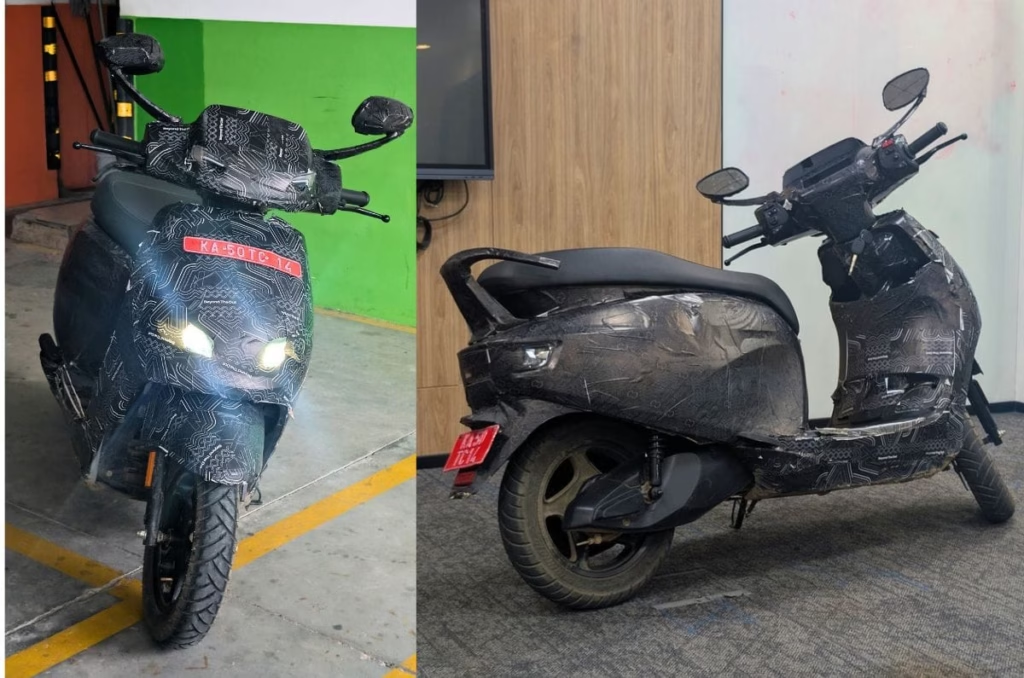
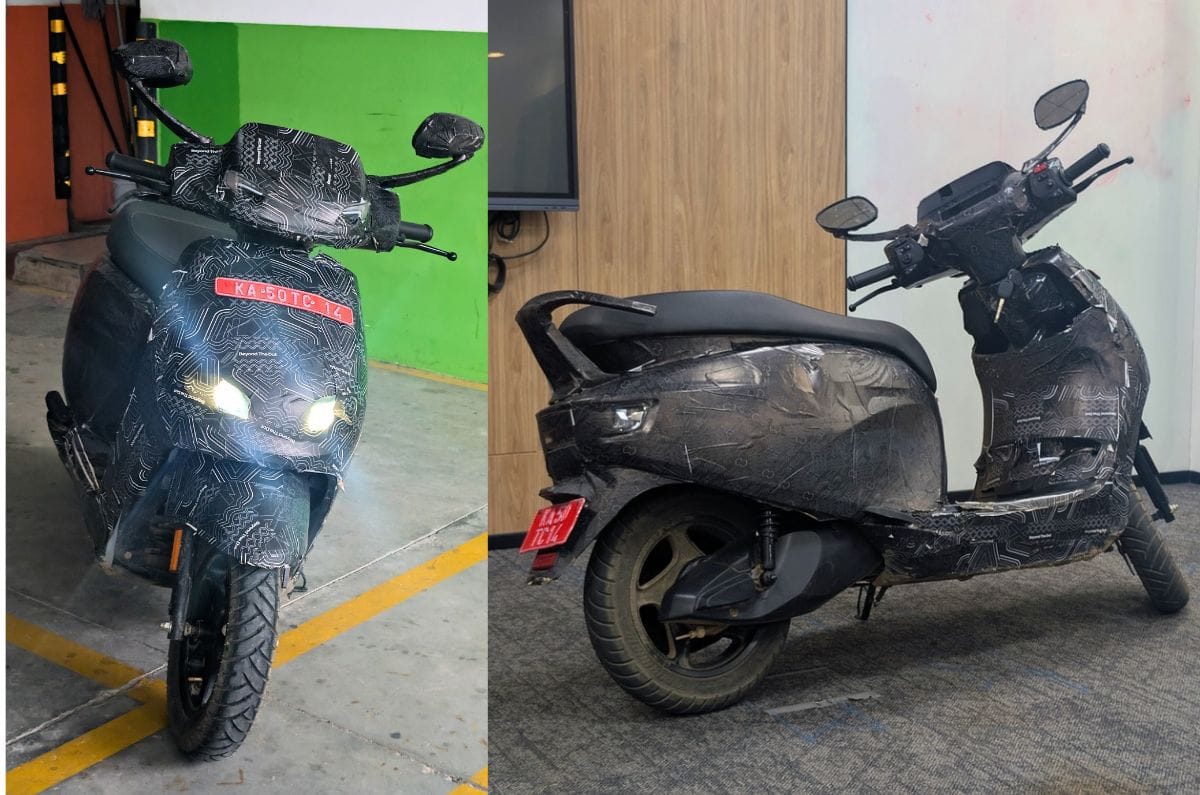
Simple Energy has named its upcoming family electric scooter Simple Wave, which will be unveiled on September 2, 2026. The scooter marks the company’s entry into the mainstream family scooter segment, expanding its portfolio beyond the performance-oriented One range. The model was previously referred to as Arrive during its development and testing, with Simple Energy now confirming Wave as its production name.
- Simple Wave to launch on September 2
- Scooter was previously referred to as Arrive
- New model will target family buyers
Simple Wave to expand the brand’s portfolio
The brand current has the One range on sale.
The Wave has been developed for everyday mobility, with Simple Energy highlighting comfort, practicality and shared journeys. It will take on family-oriented electric scooters such as the Ather Rizta, TVS iQube and Bajaj Chetak.
The scooter has been spotted testing in India on several occasions. Earlier test mules featured a large single-piece seat, a spacious-looking floorboard, telescopic front suspension and twin rear shock absorbers. Braking hardware included a front disc and rear drum, while a TFT instrument display was also seen on test vehicles. Simple Energy has not yet confirmed the final production specification.
The Wave represents a move into a broader part of the electric scooter market for Simple Energy, whose existing products have focused on performance and technology. The company says its new scooter has been developed through its in-house R&D and engineering capabilities, including proprietary software and vehicle technologies.
Simple Energy also says it is the first Indian OEM to commercially manufacture heavy rare earth-free electric motors, highlighting its focus on developing key technologies in-house.
Technical details of the Wave have not yet been revealed. Battery capacity, motor output, claimed range, charging specifications, variants and pricing are expected to be announced at the September 2 launch.
With the Wave, Simple Energy will enter the family scooter market with a product aimed at everyday users, broadening its reach beyond its existing performance-oriented electric scooters.
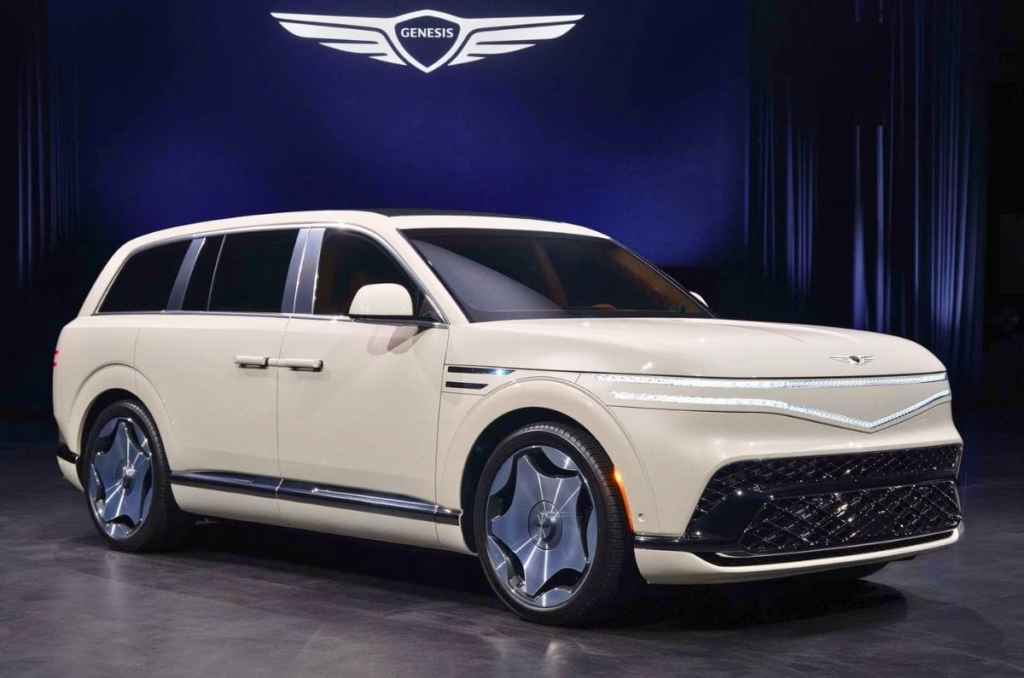
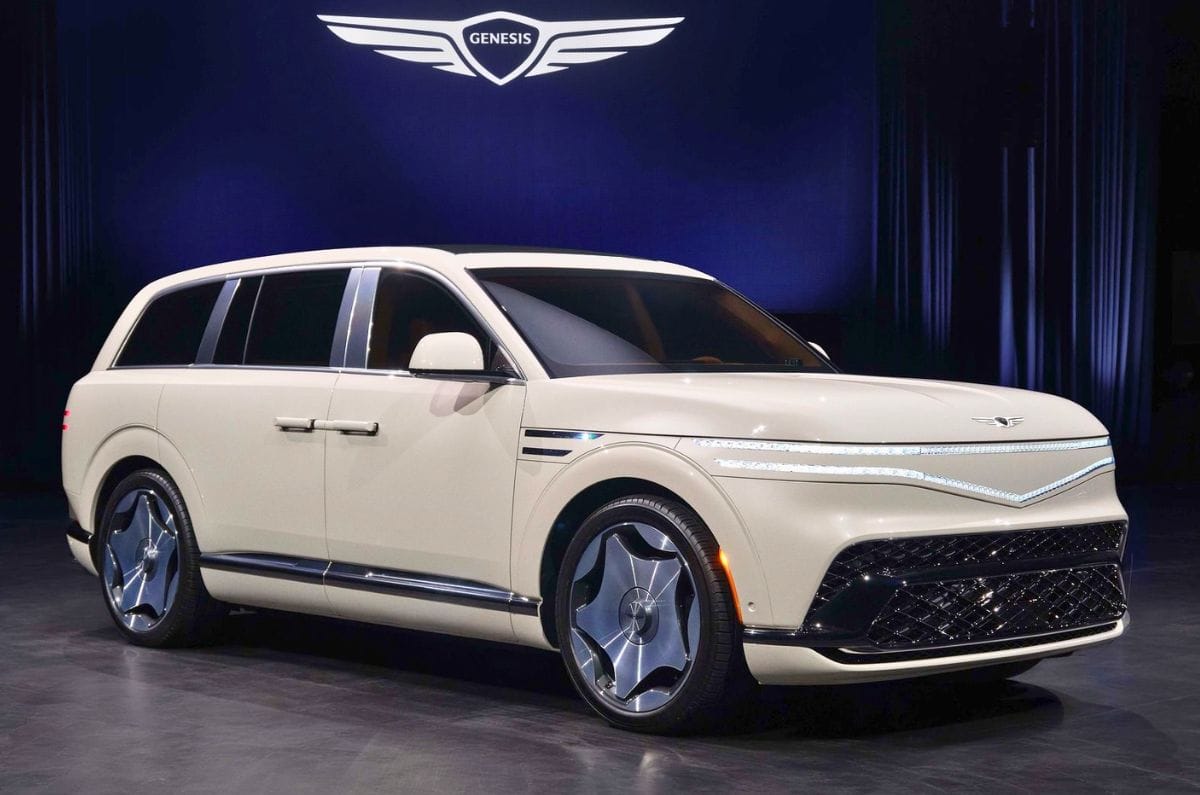
Genesis has revealed the production-ready all-electric GV90 as its flagship SUV. Measuring 5,285mm in length, it is the largest Genesis offering yet, comparable to the Rolls-Royce Cullinan and Bentley Bentayga EWB. The Genesis GV90 is offered globally in two trims: the standard GV90 and the GV90 Neolun, offering a three-row 7-seat layout and a two-row 4-seat option, respectively. It is based on Genesis’ Neolun Concept from 2024 and, compared to it, the production-ready model’s exterior has a similar design but a more evolved cabin. It is equipped with the largest battery on any Hyundai model and is mated to a dual-motor setup.
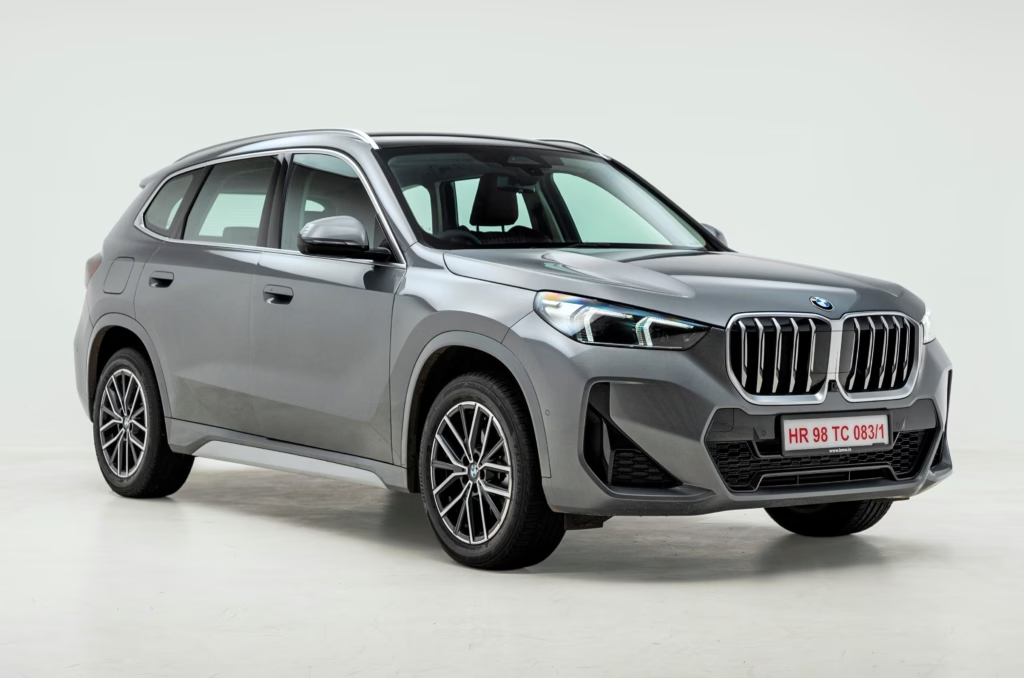
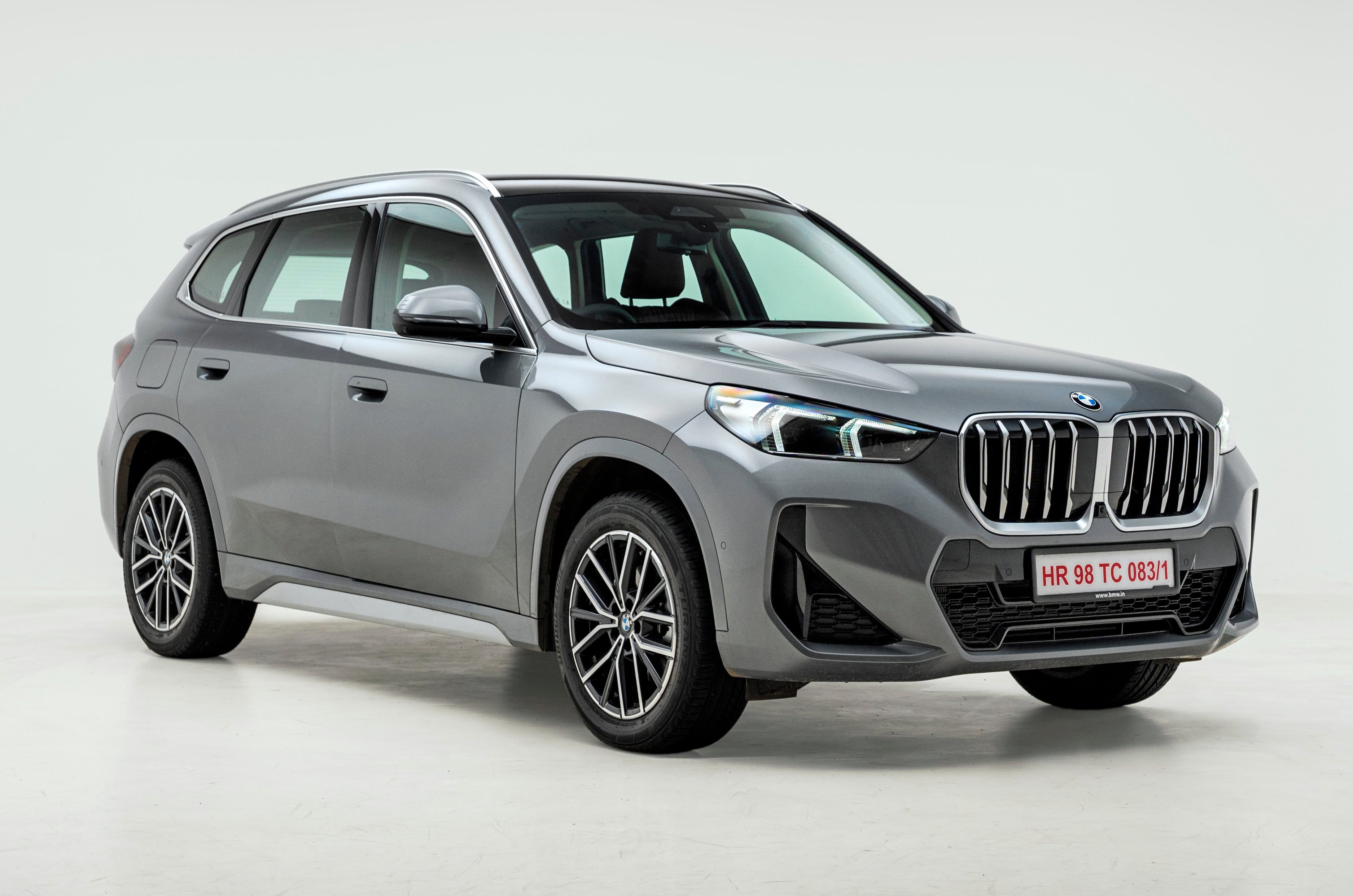
BMW India is set to expand its entry-level SUV range with the X1 Long Wheelbase (LWB) on Friday, August 21. As the name suggests, the X1 LWB is an elongated version of the X1 and the ICE-powered equivalent to the iX1 LWB, which has been a hot seller for BMW here. Ahead of the X1 LWB’s India launch, here’s all you can expect from the stretched SUV.
What is the estimated price of the BMW X1 LWB?
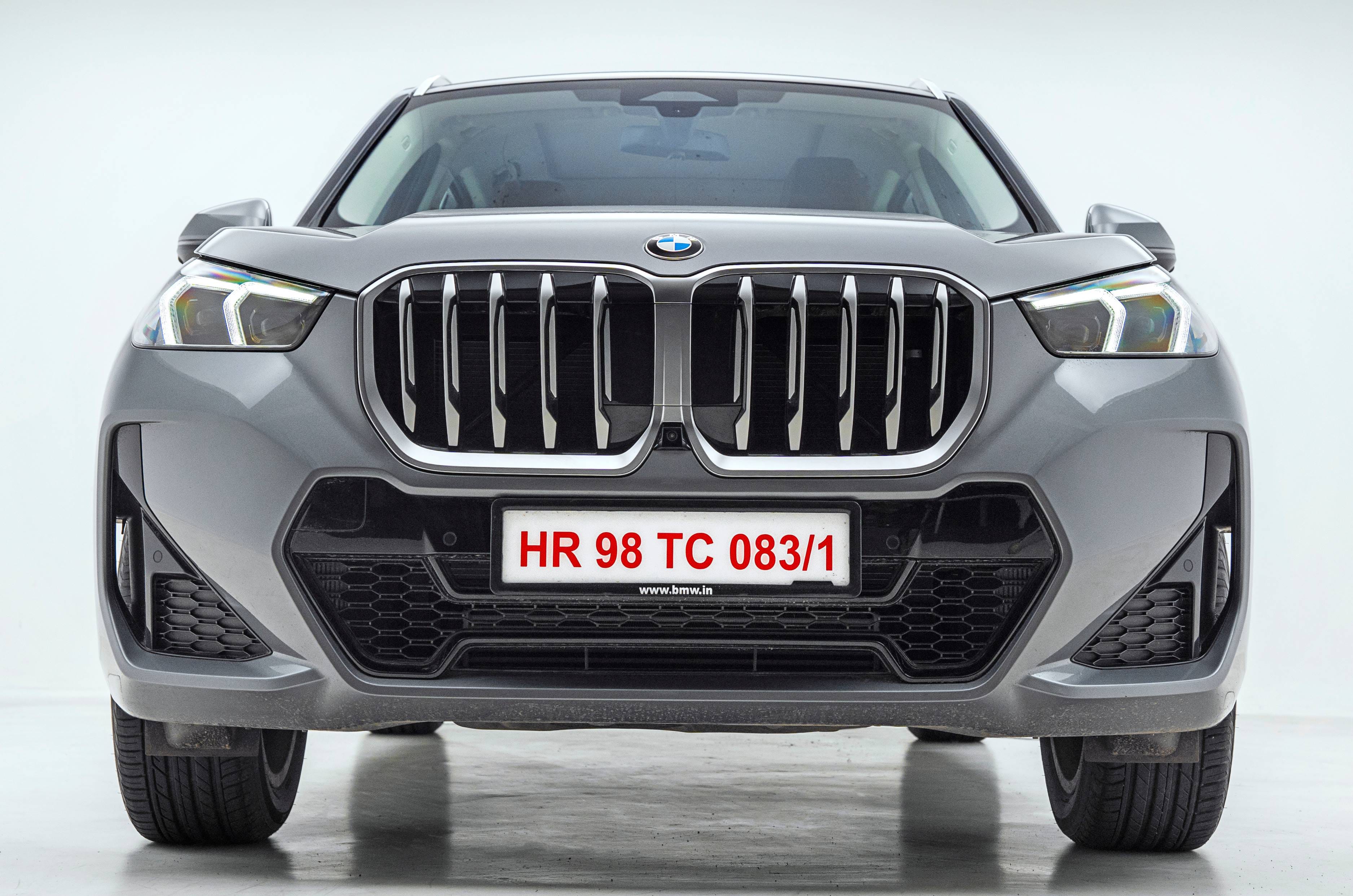
The X1 LWB is anticipated to command a slight premium over the vanilla X1, which is priced in the Rs 50.9 lakh-52.9 lakh range. We expect pricing for the X1 LWB to land under Rs 55 lakh, which would represent good value considering the SUV has no direct rivals in the Indian market at the moment.
How much longer is the BMW X1 LWB over the standard X1?
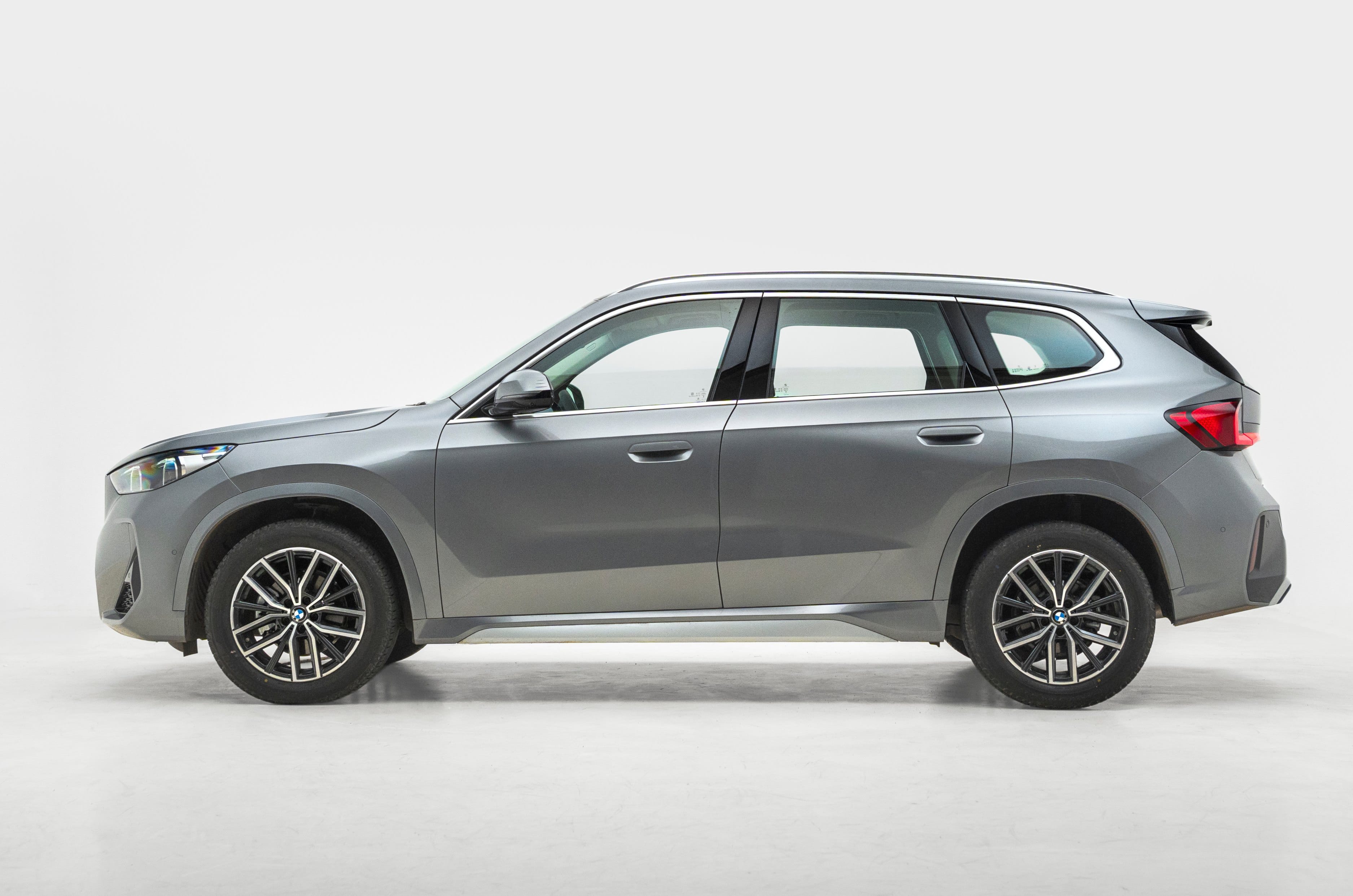
Measuring 4,616mm long, the X1 LWB sees a 116mm bump in overall length compared to the regular X1 – 108mm of that added length has gone into the wheelbase. The X1 LWB is also 11mm taller at 1,641mm, while width remains identical to the X1. Elsewhere, the X1 LWB looks exactly the same as its shorter counterpart, with swept-back LED headlamps, large kidney grilles, 18-inch alloy wheels, a dual-ridge roof spoiler, sharp-looking LED tail-lamps, and an M Sport cosmetic package fitted as standard.
How is the rear seat comfort of the BMW X1 LWB?
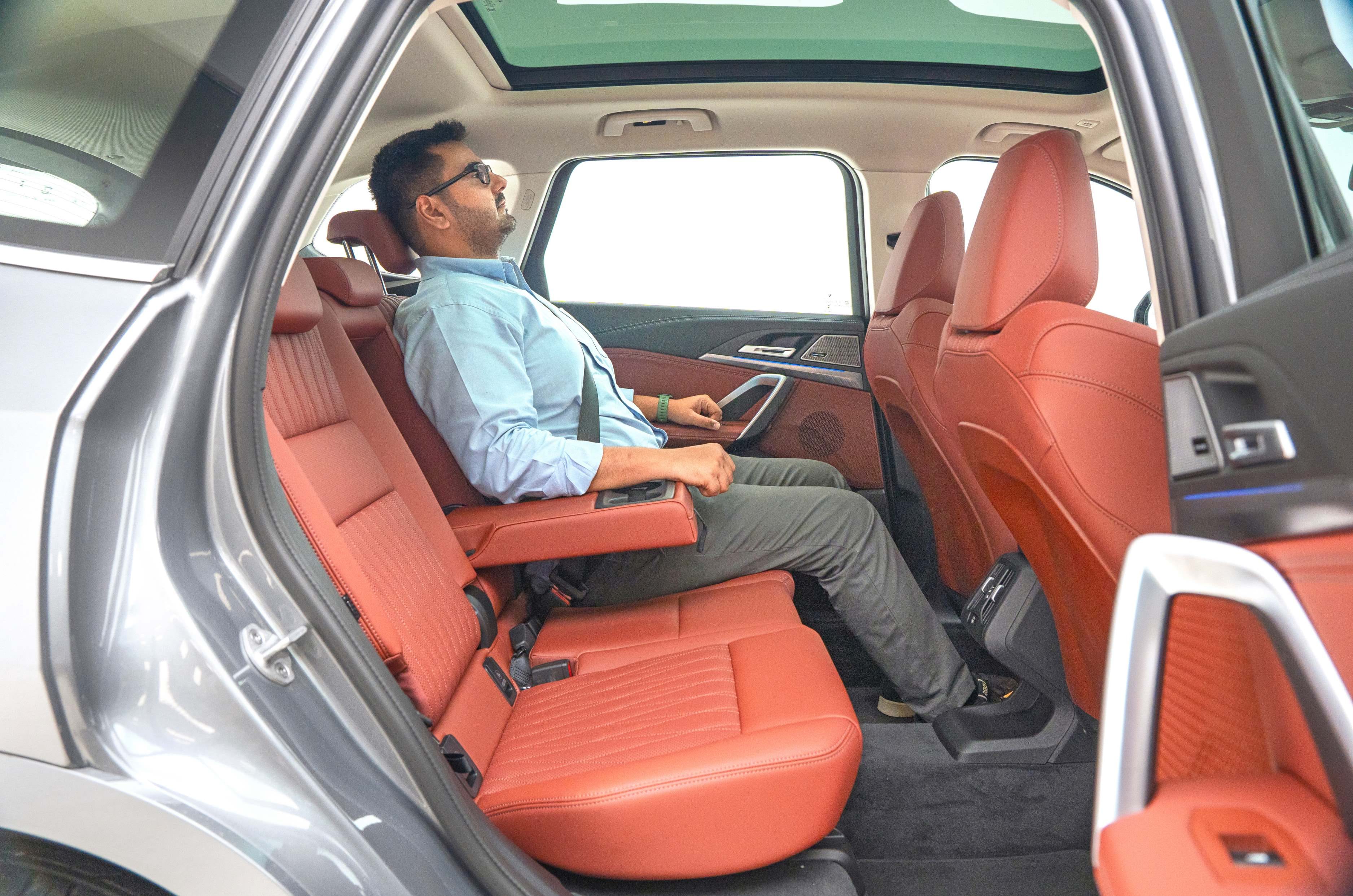
Expectedly, the increased wheelbase of the X1 LWB yields significantly more horizontal space for rear-seat occupants – BMW claims 109mm of extra knee room. The rear seat base has also been extended by 15mm, and cushioning has been enhanced too. In our X1 LWB review, we noted that the lengthened seat base improves thigh support, and the seating position is very good as well.
You can recline the backrest by a couple of degrees for an even more relaxed angle. However, while the added legroom frees up a bit more space for the middle passenger, the high centre tunnel makes the X1 LWB’s rear bench best suited for two occupants only. Boot space is rated at 540 litres, which is larger than X1’s 476-litre bay.
Which features does the BMW X1 LWB get?
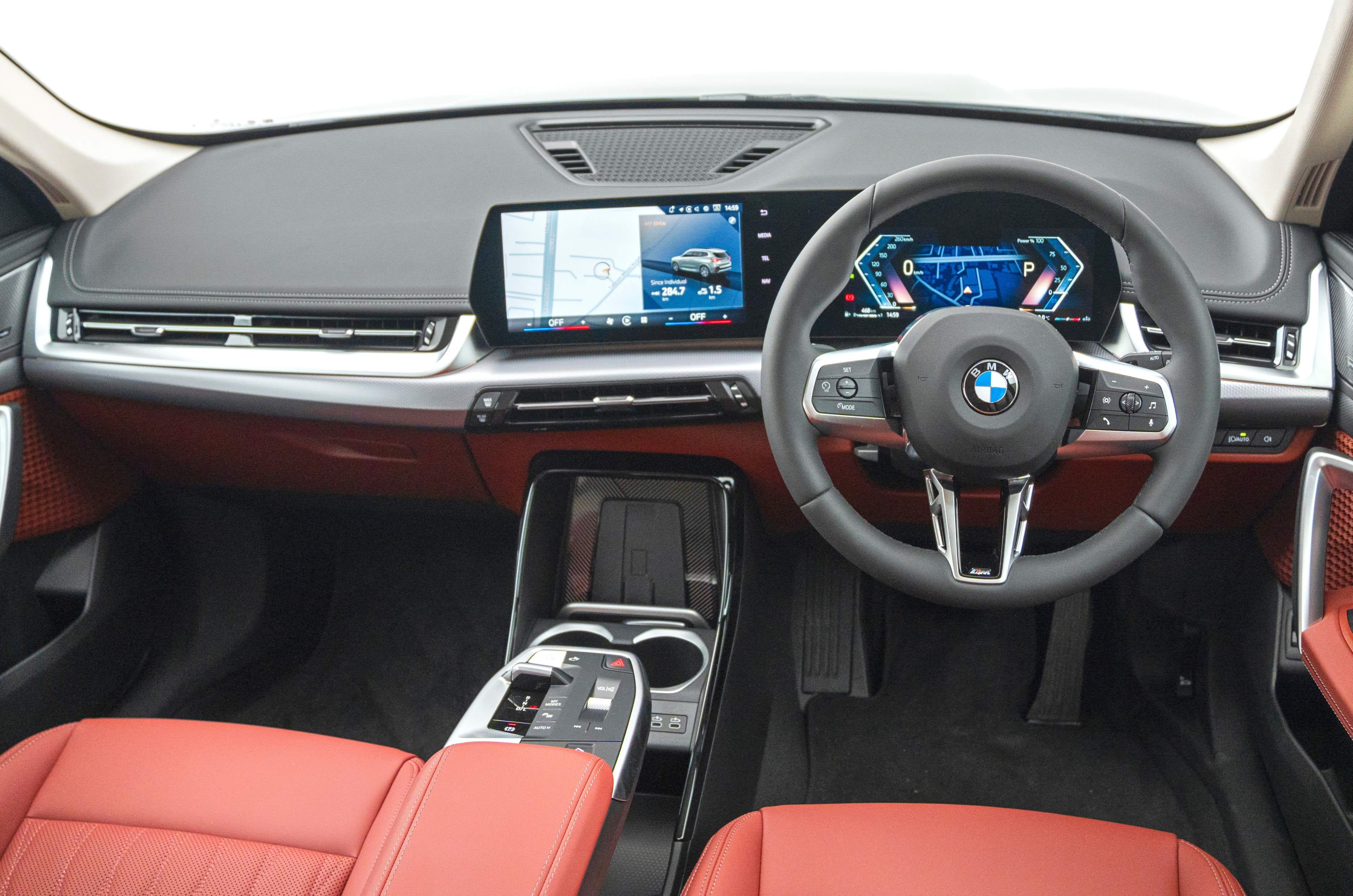
Aside from the bump in rear space, the X1 LWB’s interior is no different to that of the standard X1. This means you get features like a 10.7-inch infotainment touchscreen, a 10.25-inch digital driver’s display, a 12-speaker Harman Kardon sound system, wireless Apple CarPlay and Android Auto, powered front seats, a fixed panoramic glass roof, ambient lighting, a 360-degree camera, auto park assist, connected car tech, a digital key, ADAS, a wireless charging pad, and more.
Which engine options does the BMW X1 LWB offer?
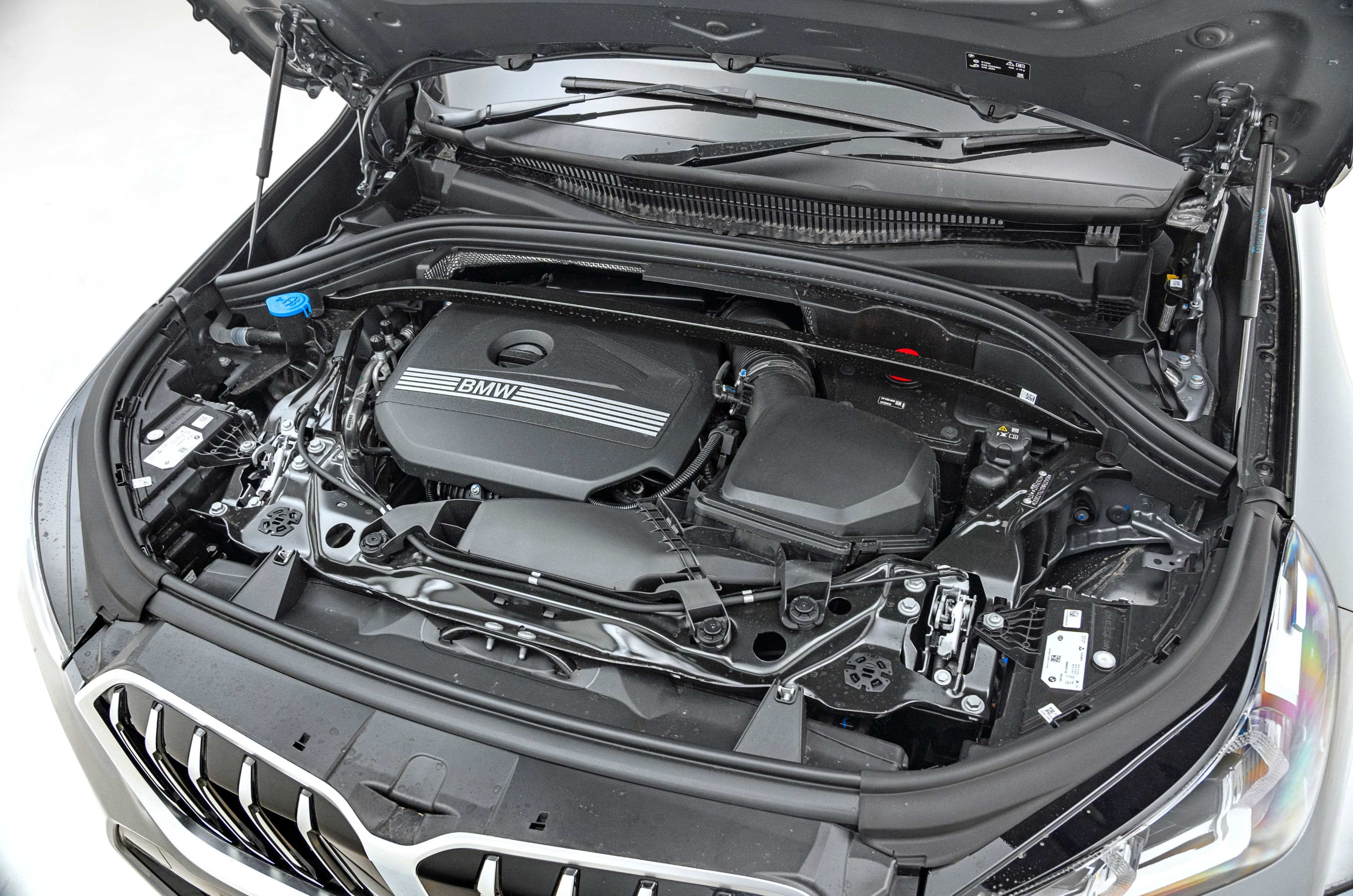
The X1 LWB will launch solely in sDrive18Li guise, which refers to a 1.5-litre 3-cylinder direct-injection turbo-petrol engine developing 156hp (up 20hp over the X1) and 230Nm. This is routed to the front wheels via a 7-speed dual-clutch automatic, and in our testing, the X1 LWB achieved a 0-100kph time of 9.58 seconds. Unlike the standard X1, the LWB will not be offered with a diesel engine.
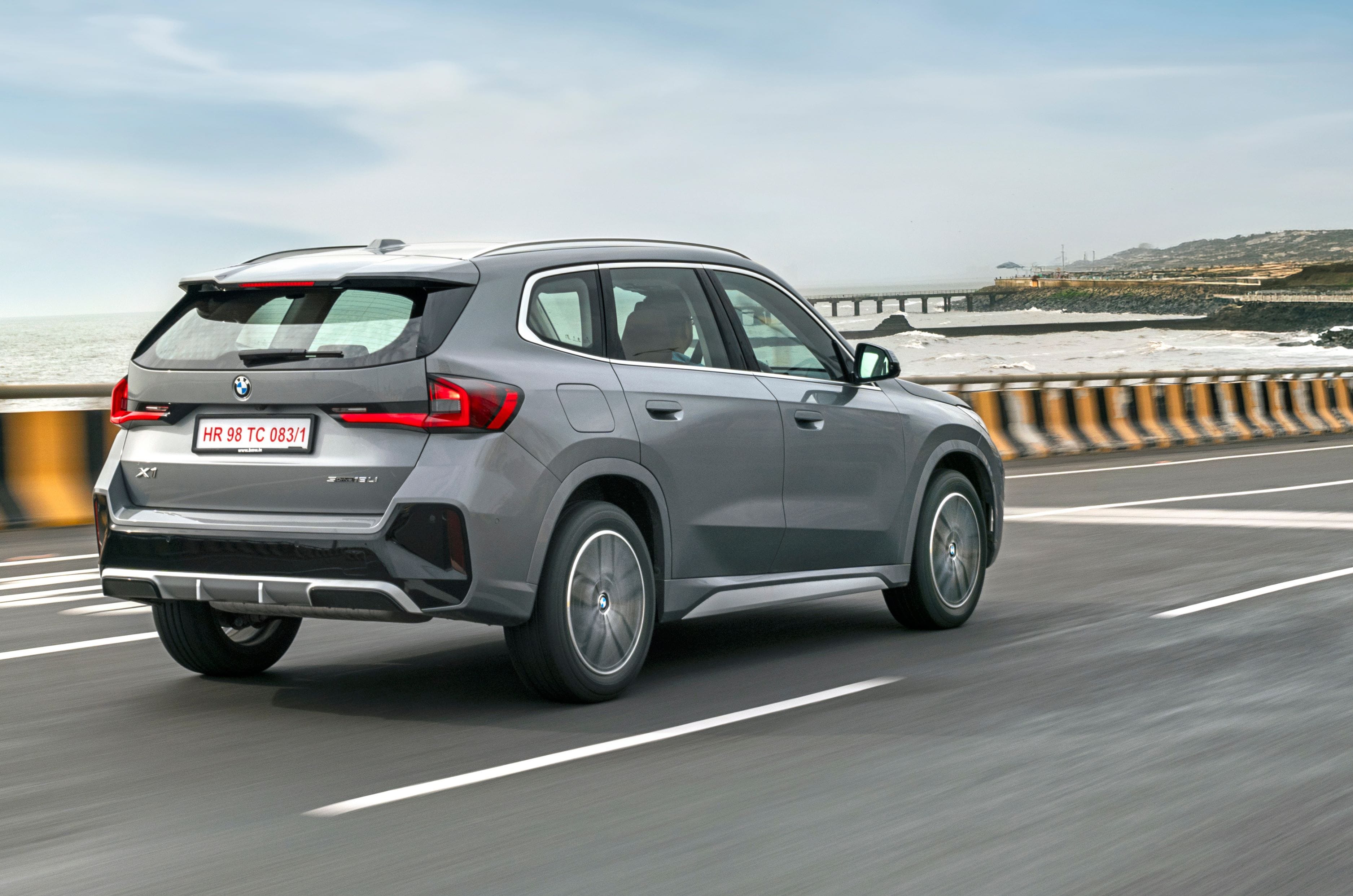
BMW has also tweaked the X1 LWB’s suspension to deliver better ride comfort. The setup is quiet in operation and feels absorbent, with a hint of firmness coming through only when you’re keenly paying attention.
All prices are ex-showroom, India.
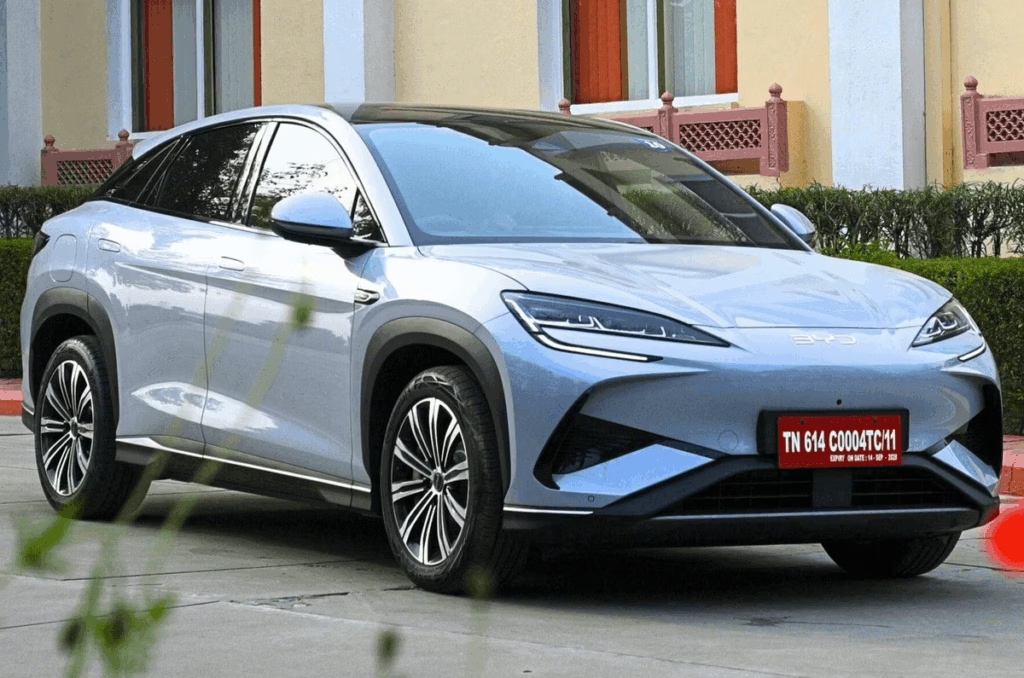
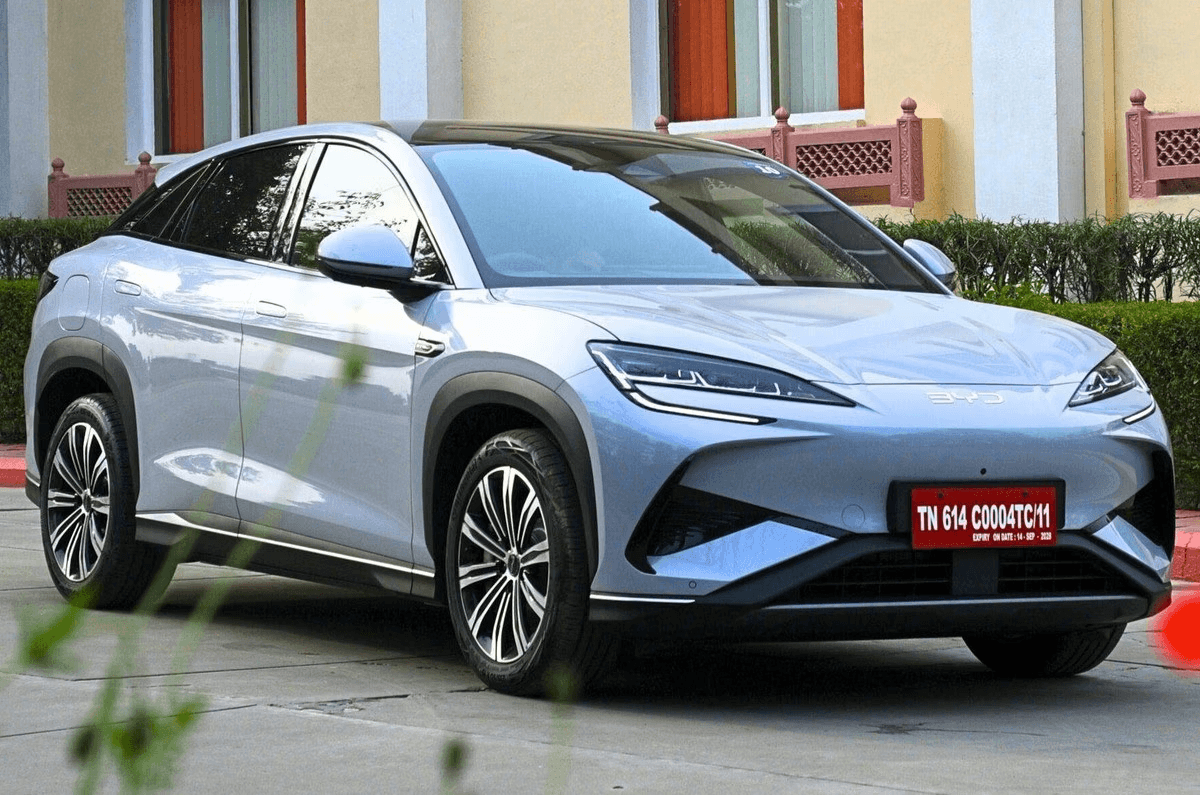
To make the BYD Sealion 7 EV more accessible, the Chinese carmaker has introduced the new Dynamic trim at Rs 41.90 lakh, ex-showroom. It replaces the Rs 49.90 lakh-Premium as the base trim and is Rs 8 lakh cheaper. Compared to the rest of the line-up, the Sealion 7 Dynamic gets a smaller battery and fewer features.