Daily Voice : ग्लोबल AI थीम से जुड़े शेयरों के वैल्यूएशन को लेकर रहें सतर्क, अगले 6-9 महीनों में मार्केट के रिकॉर्ड हाई पर पहुंचने की संभावना कम

Daily Voice : INVasset PMS के पार्टनर और फंड मैनेजर अनिरुद्ध गर्ग ने मनीकंट्रोल को दिए एक इंटरव्यू में कहा कि नैस्डैक कंपोजिट में हालिया गिरावट महीनों से चली आ रही बहुत ज्यादा उम्मीदों के बाद वैल्यूएशन में आया बदलाव है,न कि फंडामेंटल्स में कोई बड़ी गिरावट। वह इस स्ट्रक्चरल थीम को लेकर तो पॉज़िटिव हैं,लेकिन इसके वैल्यूएशन को लेकर सावधान हैं। उनका मानना ​​है कि पिछले दो सालों में हुई बड़ी री-रेटिंग के मुकाबले,अब इनका रिटर्न ज्यादातर चुनिंदा शेयरों और कंपनियों की कमाई पर निर्भर करेगा।

उनके मानना है कि बाजार के नई ऊंचाइयों तक पहुंचने के लिए जरूरी है कि अर्निंग का स्तर वैल्यूएशन के बराबर हो और ग्लोबल वोलैटिलिटी कम हो। लेकिन इस दौरान इनमें से किसी की भी गारंटी नहीं है। इसलिए,अगले छह से नौ महीनों में बाजार के एक सीमित दायरे में रहने और खास शेयरों पर फोकस्ड रहने की ज्यादा संभावना है। अगर अर्निंग अच्छी रहती है,तो दूसरी छमाही में बाजार धीरे-धीरे ऊपर जा सकता है।

क्या आपको लगता है कि ग्लोबल AI स्टॉक्स में अभी भी काफी बढ़त की गुंजाइश है,या आप टेक्नोलॉजी स्टॉक्स में हालिया गिरावट को लेकर चिंतित हैं?

ग्लोबल AI में आसानी से मिलने वाले फायदे का ज्यादातर हिस्सा पहले ही हासिल किया जा चुका है। हाल की गिरावट (जिसमें सेमीकंडक्टर सेक्टर की वैल्यूएशन में एक ट्रिलियन डॉलर से ज्यादा की कमी आई और नैस्डैक में एक ही सेशन में जबरदस्त गिरावट देखी गई) असल में महीनों से चली आ रही बहुत ज्यादा उम्मीदों के बाद वैल्यूएशन का रीसेट है,न कि फंडामेंटल्स में कोई बड़ी गिरावट। इस स्ट्रक्चरल थीम को लेकर तो पॉज़िटिव नजरिया है,लेकिन इसके वैल्यूएशन को लेकर सावधानी की जरूरत है। पिछले दो सालों में हुई बड़ी री-रेटिंग के मुकाबले,अब इस सेक्टर का रिटर्न ज्यादातर चुनिंदा शेयरों और कंपनियों की कमाई पर निर्भर करेगा।

क्या निवेशकों को IT सर्विस कंपनियों और AI इकोसिस्टम में निवेश करने में जल्दबाजी से बचना चाहिए?

हैं, धैर्य रखना सही रहेगा,लेकिन यह धैर्य भी हकीकत पर आधारित होना चाहिए। भारतीय IT सर्विस कंपनियां AI साइकिल के एक मुश्किल दौर में हैं। AI से जुड़ी मांग बढ़ने और उसकी जगह लेने से पहले ही ऑटोमेशन की वजह से हर प्रोजेक्ट से होने वाली कमाई कम हो जाती है। बड़ी कंपनियों के लिए FY27 का कमजोर गाइडेंस (यानी ‘कांस्टेंट-करेंसी’के आधार पर कम सिंगल-डिजिट ग्रोथ) इसी बात को दिखाता है।

टेक्नोलॉजी कंपनियों को डील मिलने की रफ़्तार अच्छी बनी हुई है,लेकिन कीमतों का दबाव और प्रोडक्टिविटी में कमी की वजह से निकट भविष्य में अर्निंग्स की रफ़्तार सीमित रह सकती है। ऐसे में मजबूत कंपनियों में निवेश बनाए रखेंगे,लेकिन रिटर्न की उम्मीदों को कम रखने की सलाह होगी। यह सेक्टर ऐसा है जिसका साइकल बदल रहा है। ऐसे में अभी इसमें सोच समझकर निवेश बनाए रखना चाहिए और बहुत ज्यादा निवेश करने से बचाना चाहिए।

क्या आपको उम्मीद है कि अगले 6-9 महीनों में भारतीय इक्विटी मार्केट नई ऊंचाई पर पहुंचेंगे?

ऐसा हो सकता है,लेकिन हमें इसे ‘बेस केस'(सबसे ज्यादा संभावित स्थिति) नहीं मानना चाहिए। निफ्टी अभी भी अपने पीक (उच्चतम स्तर)से काफी नीचे 24,000 के आसपास है और मोमेंटम इंडिकेटर पक्के भरोसे के बजाय दुविधा की ओर इशारा कर रहे हैं। नई ऊंचाई तक पहुंचने के लिए जरूरी है कि अर्निंग,वैल्यूएशन के बराबर हो और ग्लोबल वोलैटिलिटी कम हो। लेकिन इस समय इसकी कोई गारंटी नहीं है।

अगले छह से नौ महीनों में बाजार के एक सीमित दायरे में रहने और खास स्टॉक्स पर फोकस्ड रहने की ज्यादा संभावना है। अगर कंपनियों की अर्निंग अच्छी रही,तो दूसरी छमाही में बाजार धीरे-धीरे ऊपर जा सकता है। हम रिकॉर्ड स्तर तक तेजी से पहुँचने की उम्मीद करने के बजाय,इस धीरे-धीरे होने वाले सुधार के हिसाब से अपनी रणनीति बनाएंगे।

US-Iran के बीच संभावित डील से जुड़ी गतिविधियों के अलावा,आपको आगे चलकर मार्केट के लिए कौन सी बड़ी चुनौतियां दिखती हैं?

बाजार के लिए कई चुनौतियां हैं। इनमें से पहली है, वैल्यूएशन। मार्केट में अभी भी अभी भी कुछ लोग यह मानकर चल रहे हैं सब कुछ एकदम सही तरीके से होगा। ऐसे में अगर अर्निंग उम्मीद के मुताबिक नहीं रही,तो नुकसान से बचने की गुंजाइश बहुत कम होगी। दूसरी,चुनौती बड़ी ग्लोबल टेक और AI सेक्टर में करेक्शन है। अगर विदेशी बाजारों में वैल्यूएशन में बड़ी गिरावट आती है,तो विदेशी पैसा इमर्जिंग मार्केट (जिनमें भारत भी शामिल है) से बाहर निकल जाएगा। तीसरी चुनौती US में ब्याज दरों में कटौती की रफ्तार और डॉलर की मजबूती को लेकर अभी भी बनी अनिश्चितता है,जिसका सीधा असर FIIs पर पड़ता है।

चौथी चुनौती घरेलू अर्निंग की मजबूती है जहां मार्जिन पर दबाव देखने को मिल सकता है। इसके अलावा ट्रेड पॉलिसी को लेकर भी चिंता बनी हुई है। भारत और अमेरिका के बीच कैसा समझौता होगा,इसको लेकर स्थितियां साफ नहीं हैं। इन सभी बातों को ध्यान में रखते हुए बाजार में सावधानी बरतने की सलाह होगी।

क्या आपको लगता है कि डिजिटल प्लेटफॉर्म्स में लंबे समय के लिए स्ट्रक्चरल निवेश के अच्छे मौके हैं?

ये स्ट्रक्चरल मौके तो हैं,लेकिन मैं इन्हें’सबसे अच्छे’कहने से बचने की जरूरत है। कई भारतीय प्लेटफॉर्म्स में मज़बूत नेटवर्क इफेक्ट और आगे बढ़ने की अच्छी गुंजाइश है,फिर भी कई प्लेटफॉर्म बहुत ज्यादा वैल्यूएशन पर ट्रेड कर रहे हैं। इस वैल्यूएशन में यह मान लिया जाता है कि इनका काम बिना किसी गलती के होगा,जबकि इनके लिए मुनाफा,रेगुलेशन और कड़ी प्रतिस्पर्धा असल जोखिम बने हुए हैं।

हम उन्हें एक बड़े स्ट्रक्चरल बास्केट के हिस्से के तौर पर देखते हैं,जिसमें मैन्युफैक्चरिंग,बचत का फाइनेंशियलाइज़ेशन और प्रीमियम कंजम्पशन भी शामिल हैं । ये ऐसे थीम हैं जिनकी कमाई की संभावना आज ज्यादा साफ है। लेबल से ज्यादा जरूरी है सही चुनाव करना। हम उन कुछ ऐसे प्लेटफ़ॉर्म में निवेश करेंगे जो साफ तौर पर मुनाफ़ा कमा रहे हैं और ग्रोथ के लिए किसी भी कीमत पर निवेश करने से बच रहे हैं।


Market trend : निफ्टी जल्द ही हासिल कर सकता है 24728 के टारगेट, आगे हफ्ते इन दो शेयरों में हो सकती है बंपर कमाई


डिस्क्लेमर:मनीकंट्रोल.कॉम पर दिए गए विचार एक्सपर्ट के अपने निजी विचार होते हैं। वेबसाइट या मैनेजमेंट इसके लिए उत्तरदाई नहीं है। यूजर्स को मनी कंट्रोल की सलाह है कि कोई भी निवेश निर्णय लेने से पहले सर्टिफाइड एक्सपर्ट की सलाह लें।

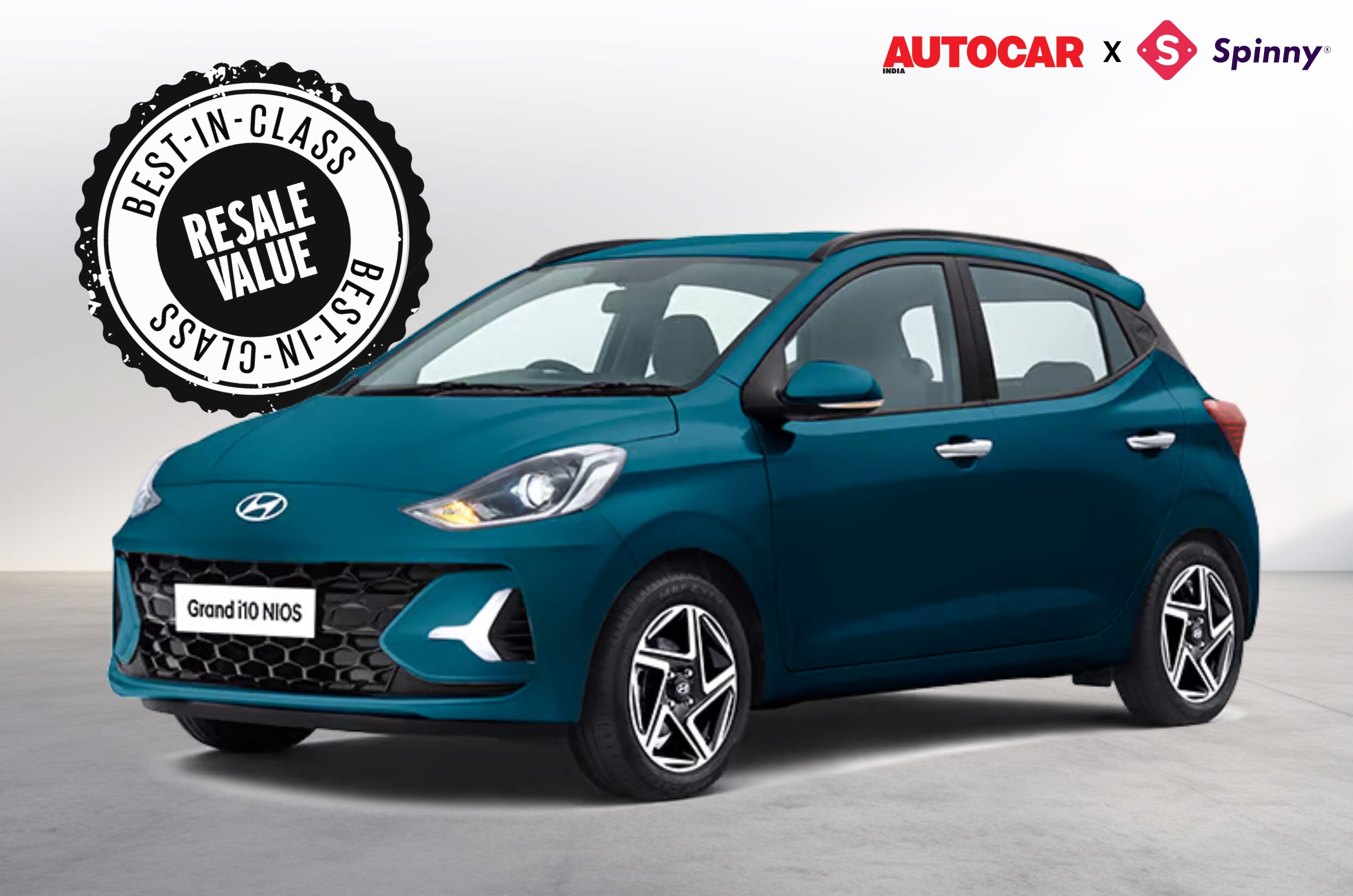
 

Used Car Study 2026: Grand i10 Nios holds its value best among midsize hatches

Used car study 2026 midsize hatchbacks

Conducted in association with Spinny, India’s leading pre-owned car platform, the fourth edition of our Used Car Study analyses real-world resale values across a broad spectrum of vehicles sold in the Indian market in order to assess depreciation trends over a five-year ownership period. The study is based on actual transactional data shared by Spinny for vehicles sold between January 1 and August 31, 2025.

In this series of the resale value study, we are first taking a look at the budget hatchback segment:

Midsize Hatchbacks Resale Value 

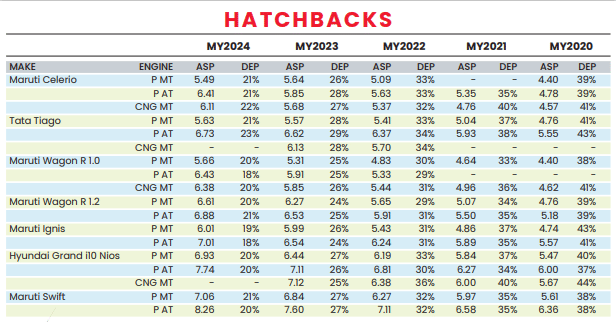
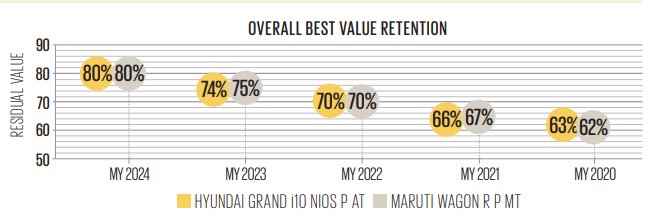
The Hyundai Grand i10 Nios petrol-AMT emerged as the strongest performer in terms of residual value, registering the flattest depreciation curve in the segment. Matching it closely are both the 1.0-litre and 1.2-litre petrol-manual variants of the Maruti Wagon R, whose consistently strong demand in the new and used car markets has helped preserve resale values.

At the other end of the spectrum, the Grand i10 Nios CNG sees the steepest depreciation among its siblings, while the Tata Tiago petrol-AMT also records relatively greater value loss over time. The Maruti Ignis is also among the ones to lose the most value over the five-year period. The Maruti Swift stands out in this company for having the most consistent rate of depreciation across both its manual and automatic variants. 

As per the study, the average selling price of a five-year-old midsize hatchback retailed through Spinny stood at Rs 5.47 lakh. Comparable figures for three-year-old and one-year-old the midsize hatchbacks were Rs 5.84 lakh and Rs 6.58 lakh, respectively. Average depreciation over the same periods worked out to 40 percent, 31.9 percent and 20.3 percent, respectively.

Autocar-Spinny Resale Value Study methodology 

The analysis covers the average selling prices (ASPs) of vehicles retailed through Spinny’s network across nine cities – Delhi-NCR, Bengaluru, Hyderabad, Pune, Chennai, Mumbai, Lucknow, Ahmedabad and Kolkata.

For the purposes of this study, depreciation has been defined as the percentage difference between a vehicle’s original on-road price in its year of manufacture and its resale value in 2025. In instances where a model was offered with multiple engine options using the same fuel type, the data has been consolidated and averaged. Variant-wise differences have similarly been averaged out.

Discontinued models and powertrain options have been excluded. Additionally, premium vehicles priced above Rs 30 lakh, electric vehicles and certain low-volume models have not been included due to limited transaction data and insufficient sample sizes.

Next-gen BMW X5 to launch in India in LWB guise

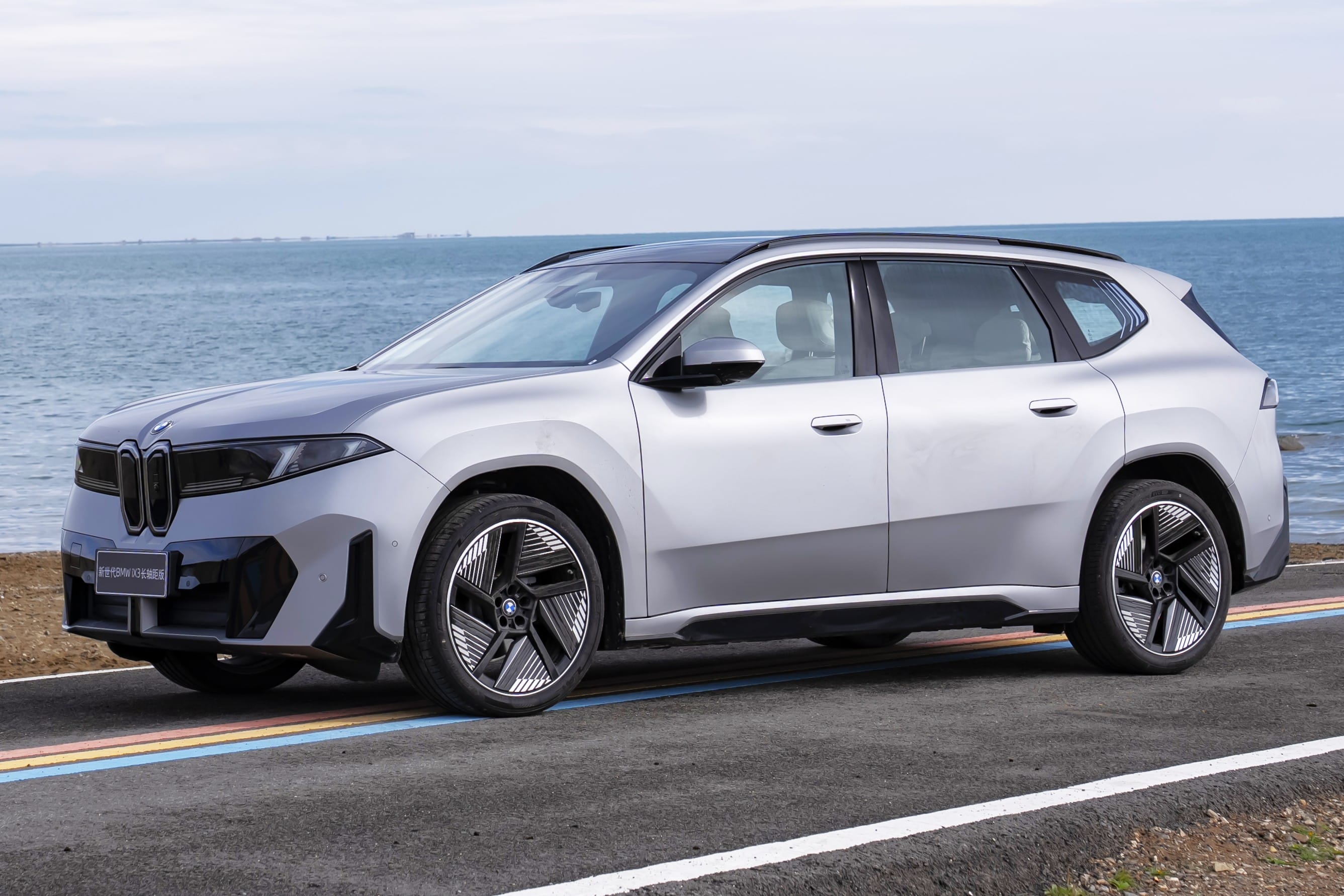
BMW iX3 LWB

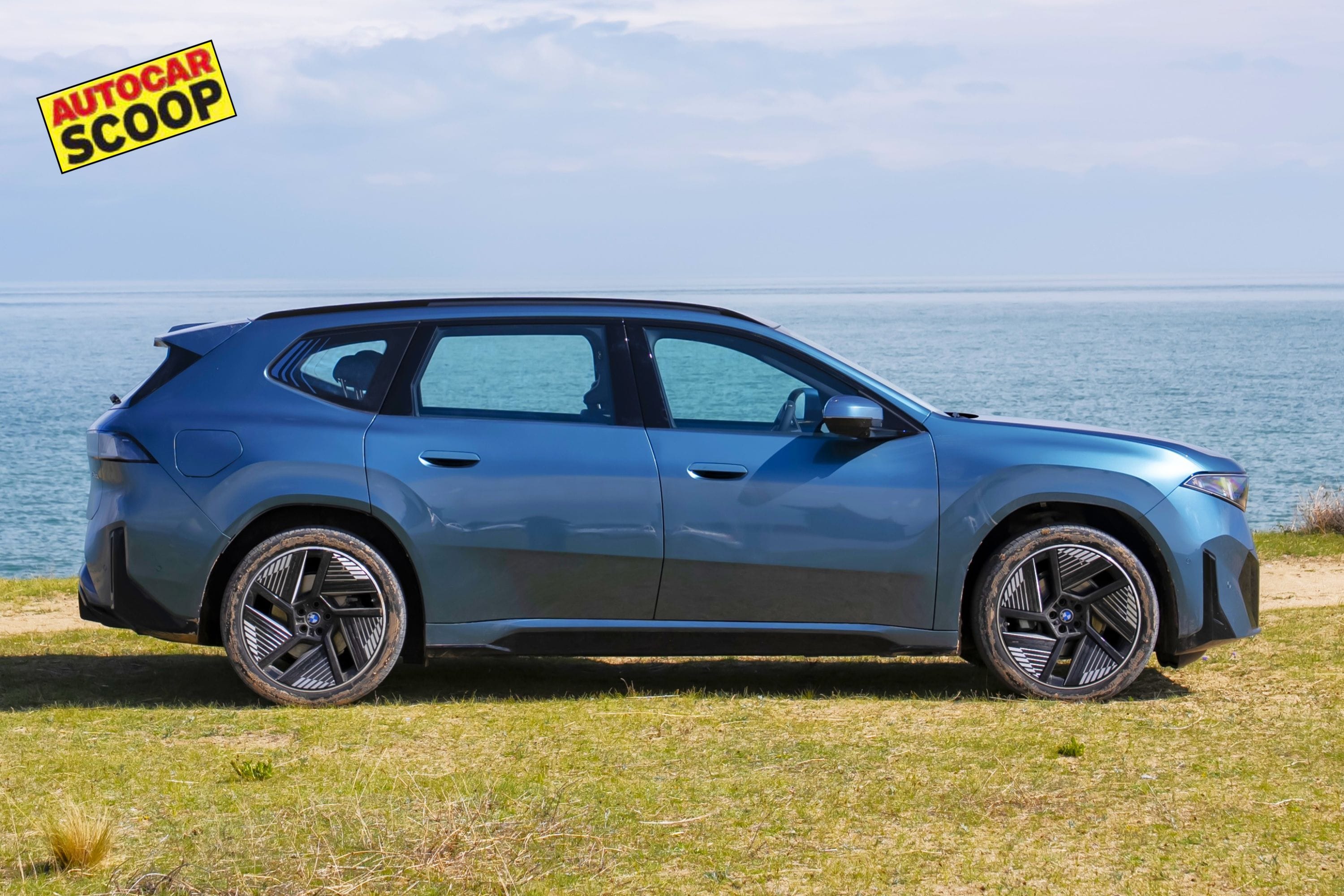
BMW will bring the next-generation X5 SUV to India in long wheelbase (LWB) form, our sources have indicated. The next-gen X5 is set to debut in Europe soon in all-electric iX5 guise, and will feature the Neue Klasse design overhaul as seen on the iX3 and i3 EVs.

  1. BMW LWB models currently sold in India garnering healthy demand
  2. Next-gen X5 is being adapted for LWB, and will make it here in this form
  3. i5 LWB and iX3 LWB also headed to India

Next-gen X5 to join growing list of BMW LWB models in India

LWB BMWs resonated well with Indian customers

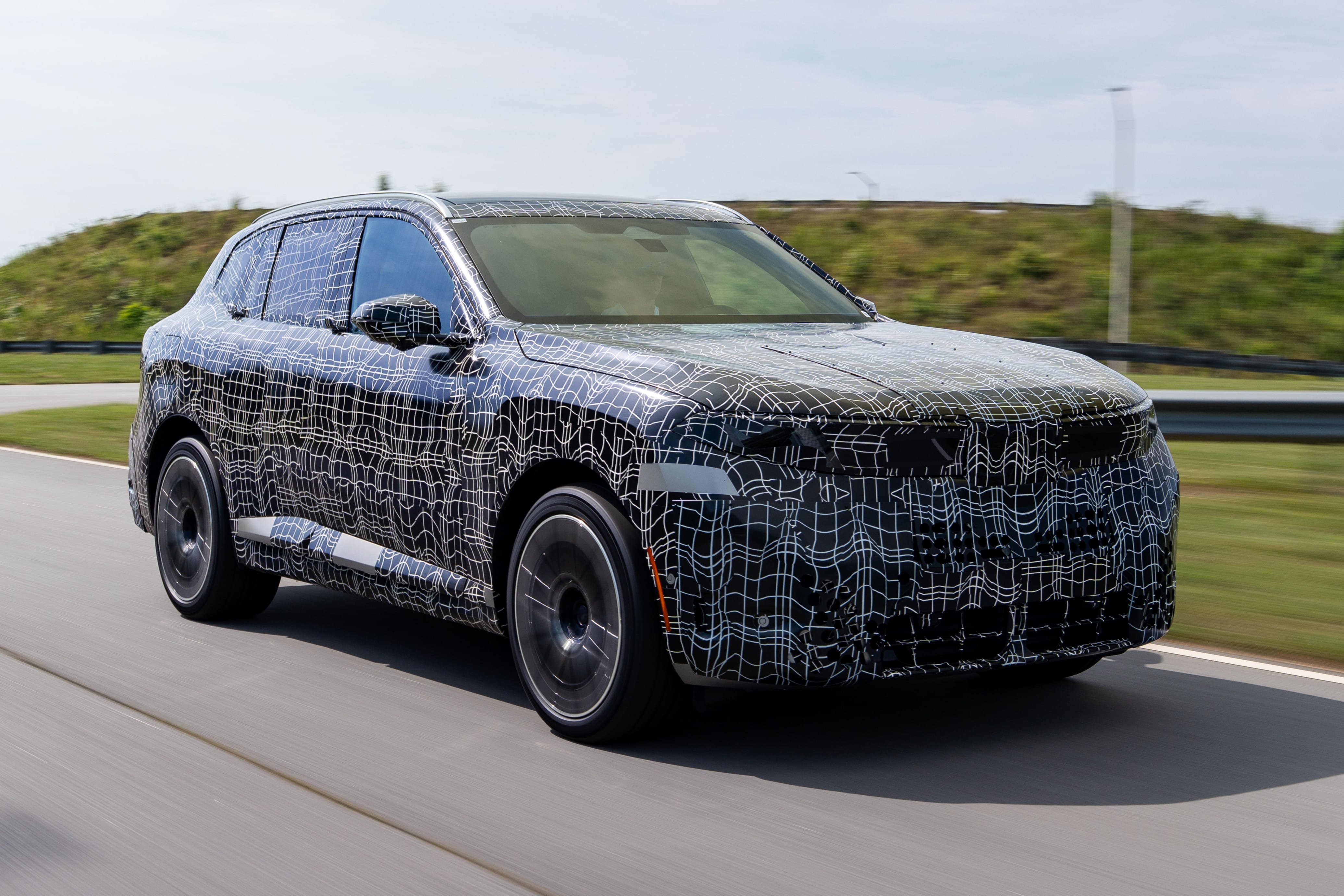
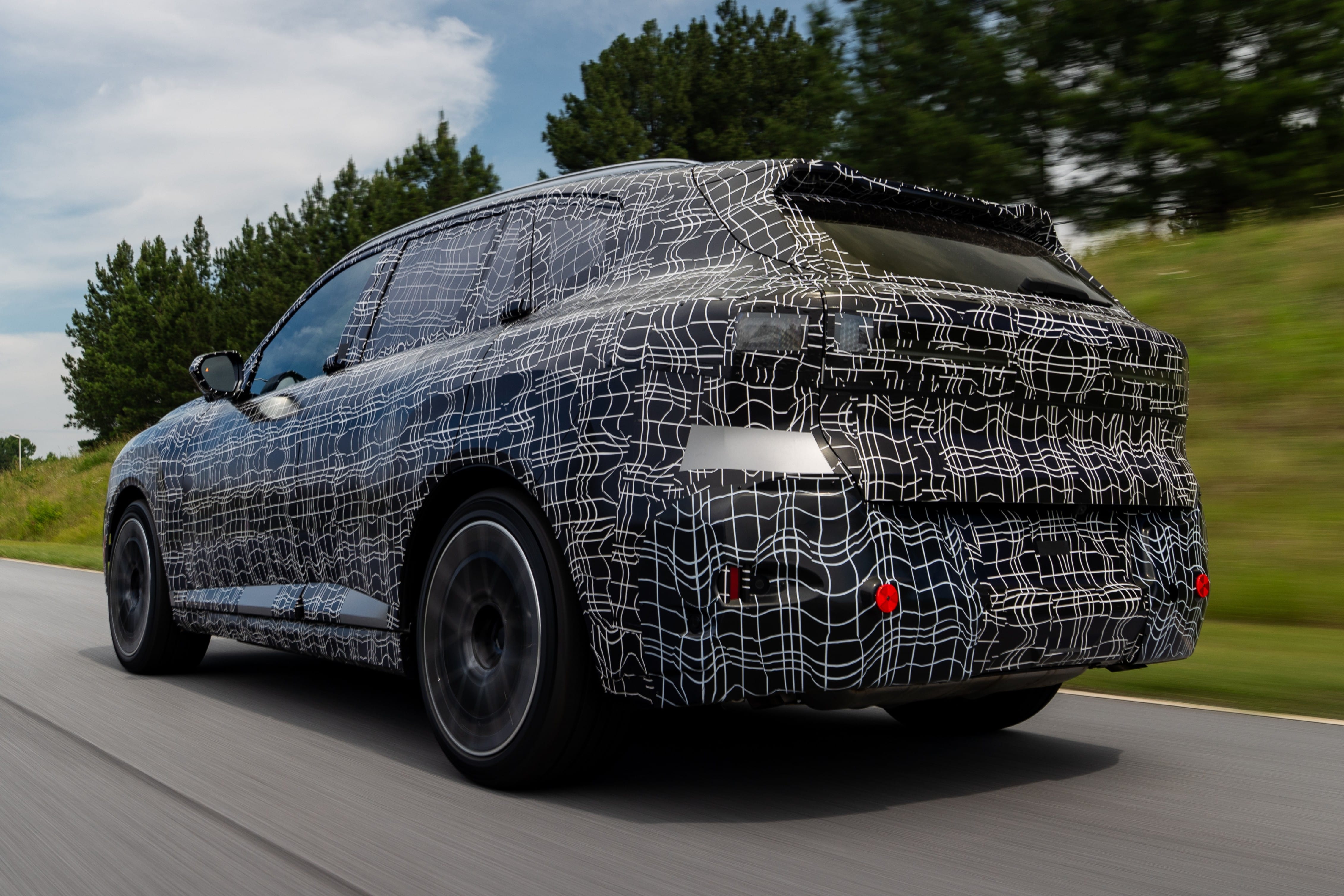
Next-gen BMW X5 (standard wheelbase) prototype. Image used for representation only.

BMW has seen great success with the three LWB models it currently retails in India: the 3 Series LWB, 5 Series LWB, and iX1 LWB. These models were originally designed for the Chinese market, and resonated with Indian luxury car buyers (many of whom are chauffeur-driven) thanks to the extra space they offer in the second row.

The next-gen BMW X5 will be adapted for a China-spec LWB version too, and this will be the one offered in India as well. However, given that the new X5 has yet to be revealed globally and the extra time required for LWB adaptation, don’t expect the BMW SUV to make its way to India before the latter half of 2027.

BMW iX3 LWB

BMW India has other LWB models on the way too, including the i5 LWB, which is set to launch this year, and the iX3 LWB, which will go on sale here in 2027.

What to expect from the next-gen BMW X5

One of the first ICE-powered BMWs to adopt Neue Klasse design language

A few months ago, images of the next-gen X5 leaked online, confirming a radical Neue Klasse redesign. Up front, it gets a pair of sharp blacked-out sections housing the headlamps and vertically-arranged illuminated kidney grilles in the centre. At the back, it gets a sporty sloping roofline and wide wraparound LED tail-lamps.

Next-gen BMW X5 (standard wheelbase) prototype. Image used for representation only.

Inside, the next-gen X5 is anticipated to feature an all-new layout with the large rhomboidal touchscreen seen in newer BMWs, along with the pillar-to-pillar Panoramic Vision display and quad-spoke steering wheel.

Expect petrol, diesel, and plug-in hybrid powertrains to be offered for the new X5. As noted previously, there will be an all-electric iX5 on offer in global markets too, which will come with the largest battery pack of any BMW EV to date.

With inputs from Hormazd Sorabjee

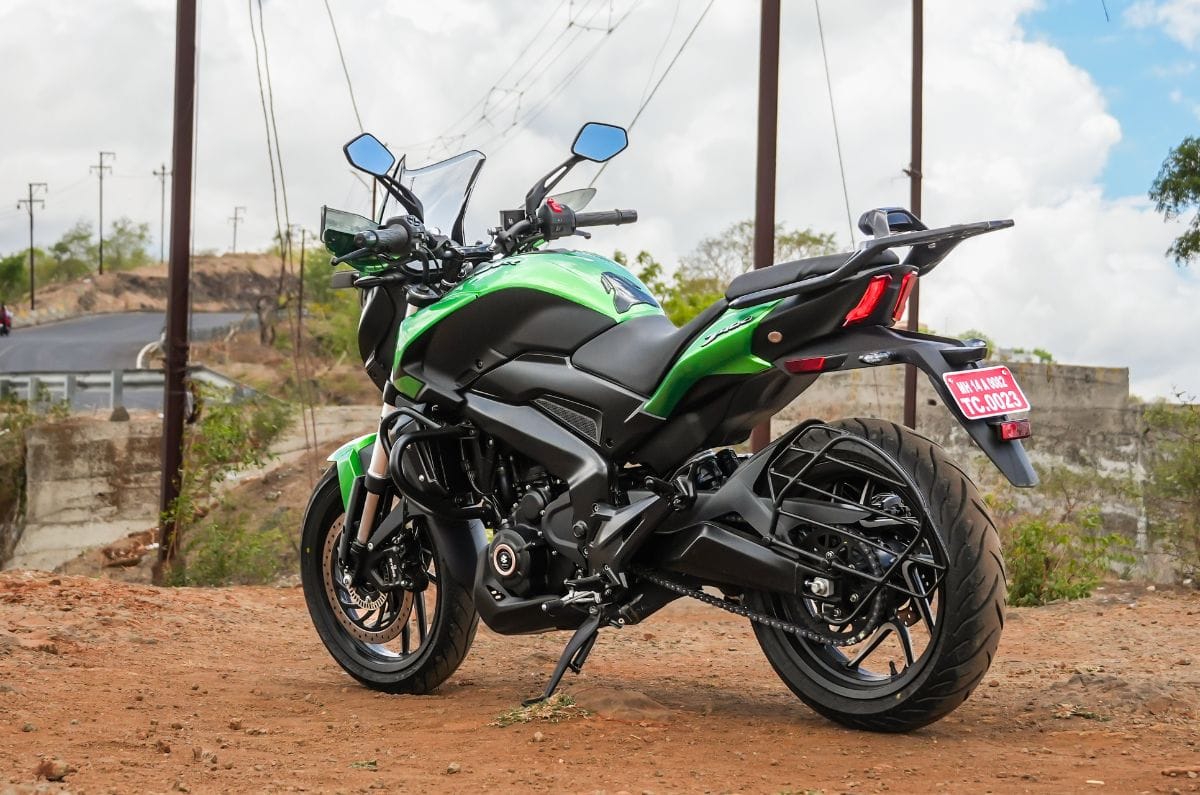
2 reasons to buy the 350cc Bajaj Dominar 400 and 2 not to

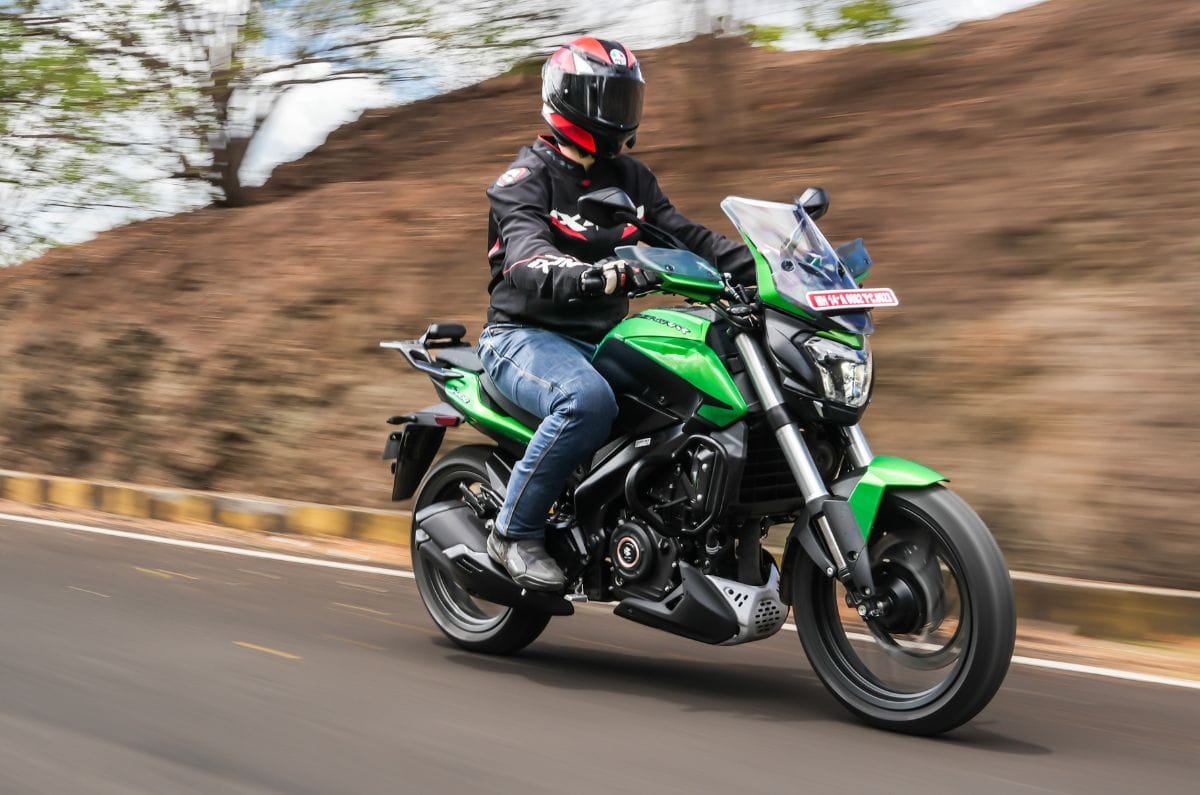
Bajaj Dominar 400 front right side riding shot on road

The Bajaj Dominar 400 has been around for nearly a decade now and the latest version uses a downsized 349cc motor to take advantage of the lower 18 percent GST under the new regime. Here are some reasons why the Dominar 400 is the bike for you and some why it won’t be.

Reasons to buy the Dominar 400

1 Capable highway performance

One of the Dominar’s key strengths has always been its competent highway performance and that trait continues onto the 349cc version as well. In top gear, sustaining speeds between 100-120kph is doable and there are few vibrations when you do so. Do bear in mind that making an overtake will necessitate a downshift and you’ll have to twist the throttle quite deliberately to make swift forward progress. This is a trait we’ve observed on all the downsized 350cc Bajaj-made machines and isn’t unique to the Dominar.

2 Commendable two-up comfort

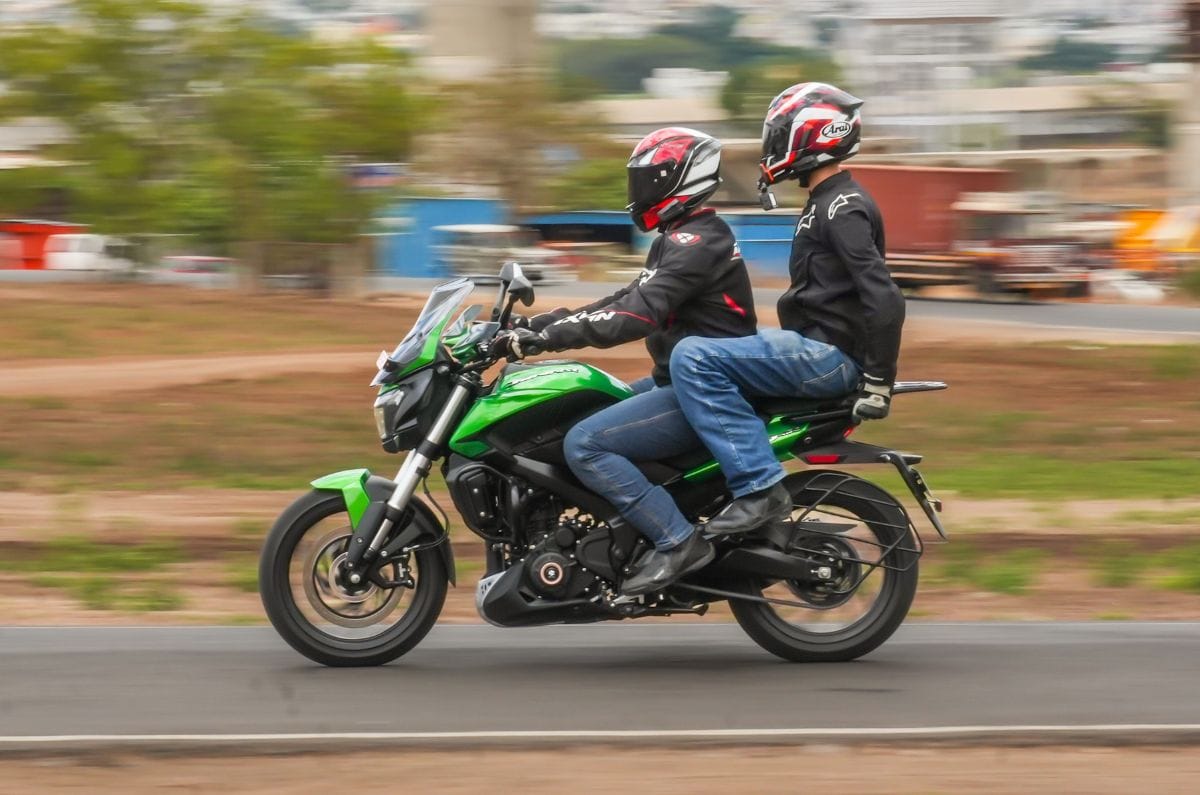
Another typical Dominar strength is two-up comfort, and two full-size adults will fit on the bike quite comfortably. Considering that quite a few Dominar owners go touring two-up, this is an important aspect to get right. The latest iteration comes standard with a small but effective pillion packrest as well as generously sized and well-padded seats for both rider and pillion.

Bajaj Dominar 400 left side profile riding shot on road with two people aboard

Reasons not to buy the Dominar 400

1 Heavy weight

At 190kg fully fueled, the Dominar is no featherweight and you can’t shrug this weight off in slow-speed situations like moving the bike around in the garage. While on the move its not a hindrance, you always are aware that you’re riding a heavy machine and this does impact the bike’s handling to some extent too.

2 Looks and feels old

In the decade that the Dominar has been on sale, its design has seen nary a change and it feels thoroughly old now. In an age of new machines increasingly flooding the market day after day, this aspect is highlighted even further. 

Bajaj Dominar 400 left side rear static on road

Eighth-gen Hyundai Elantra revealed

2026 hyundai elantra

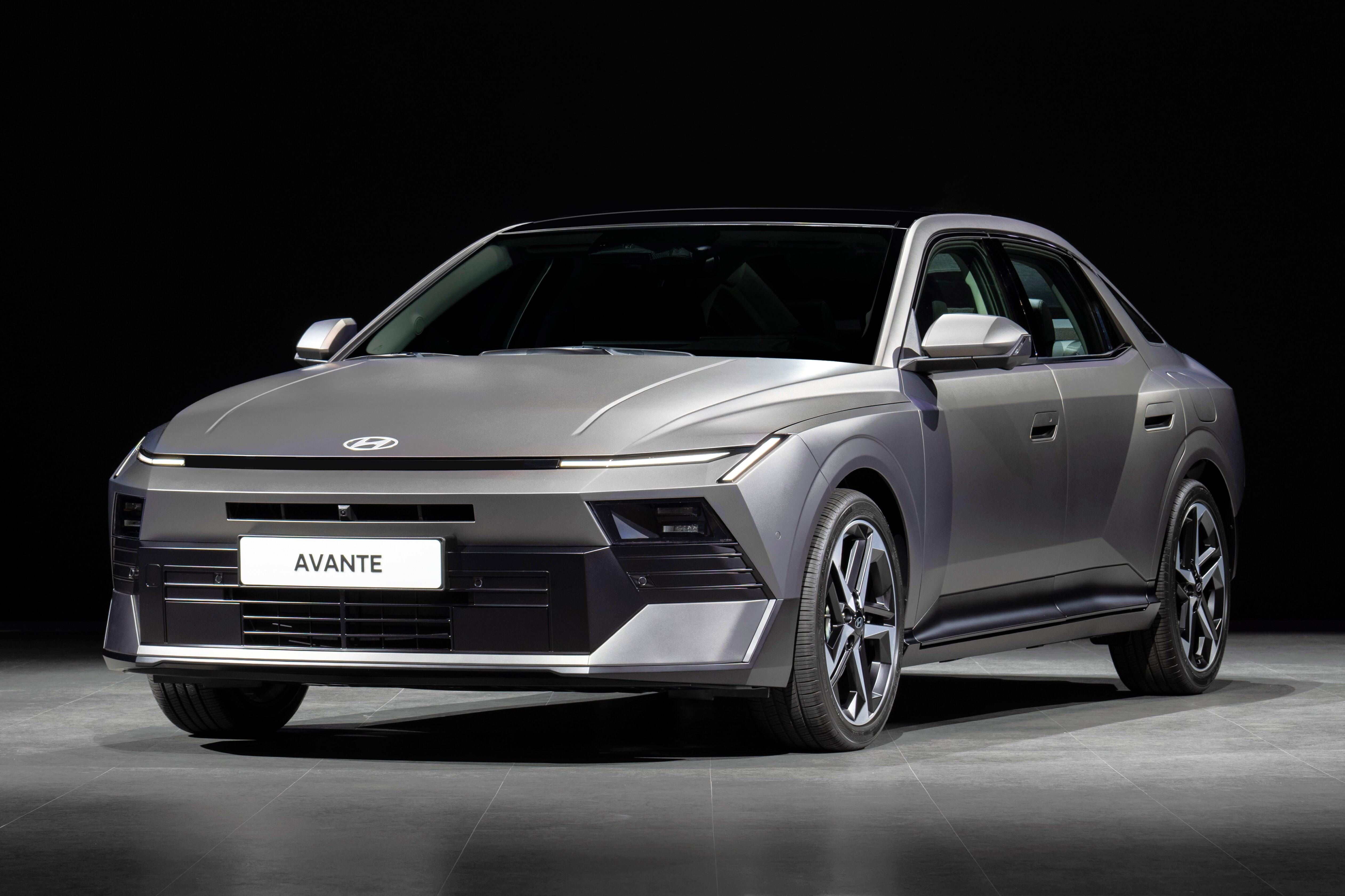
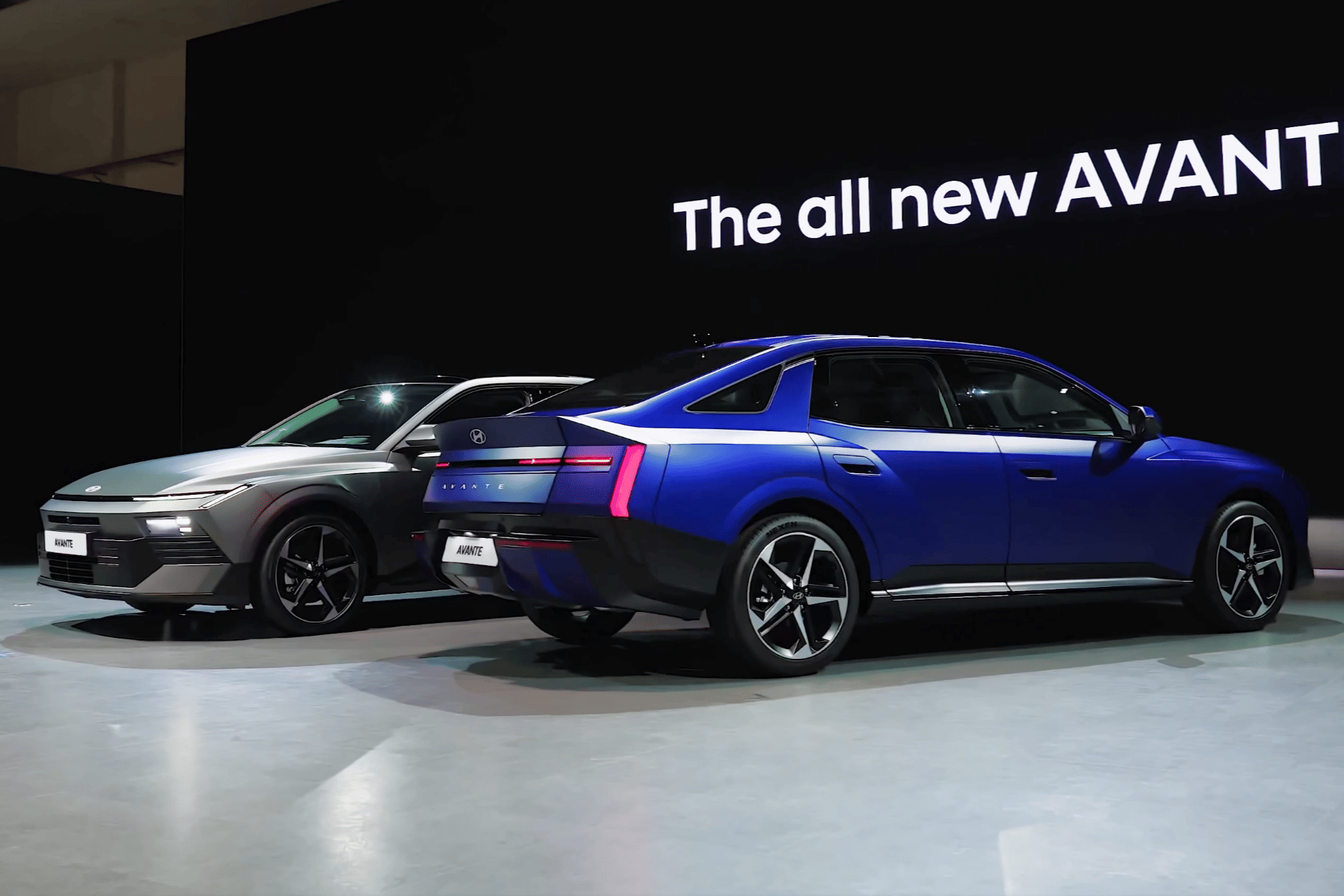
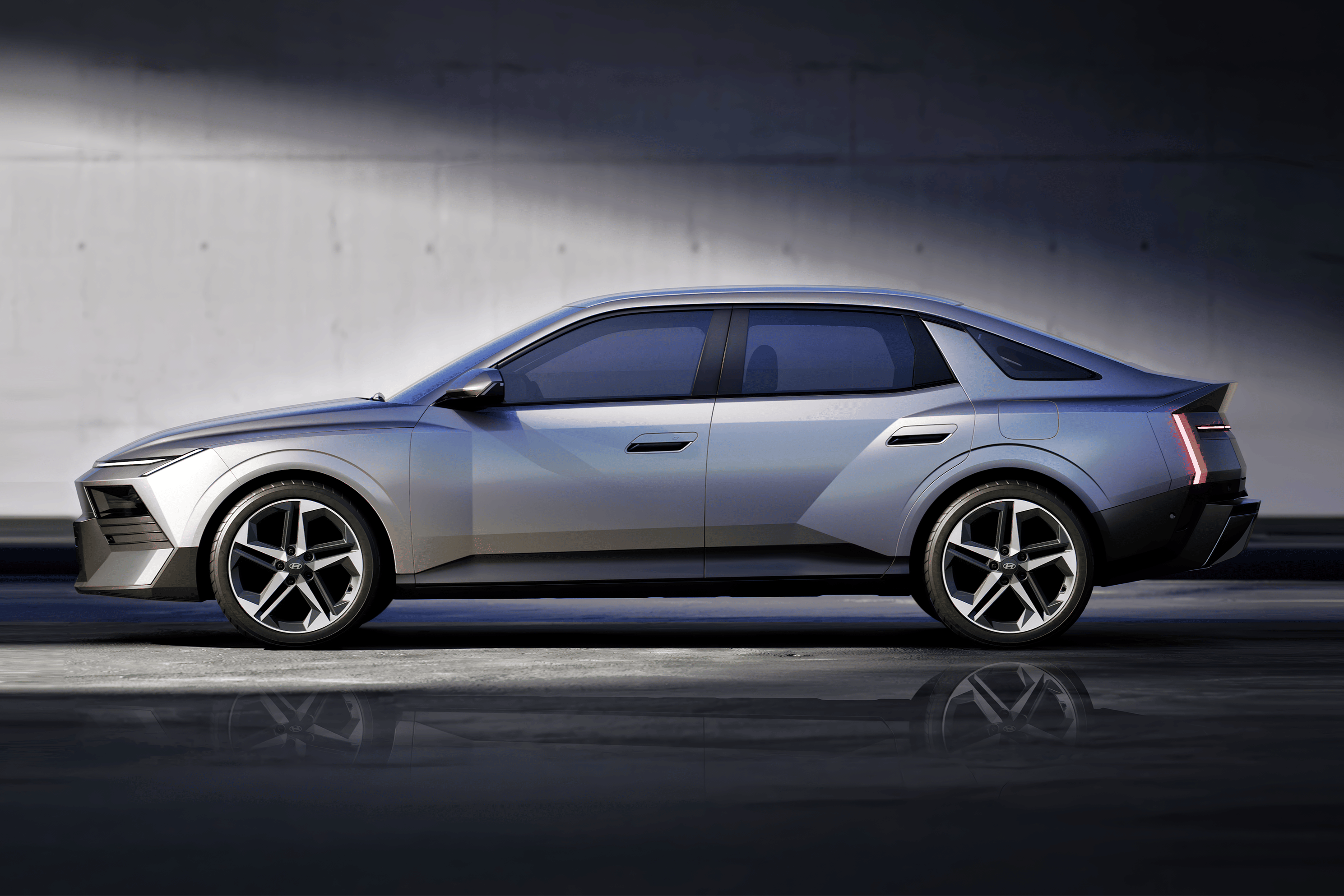
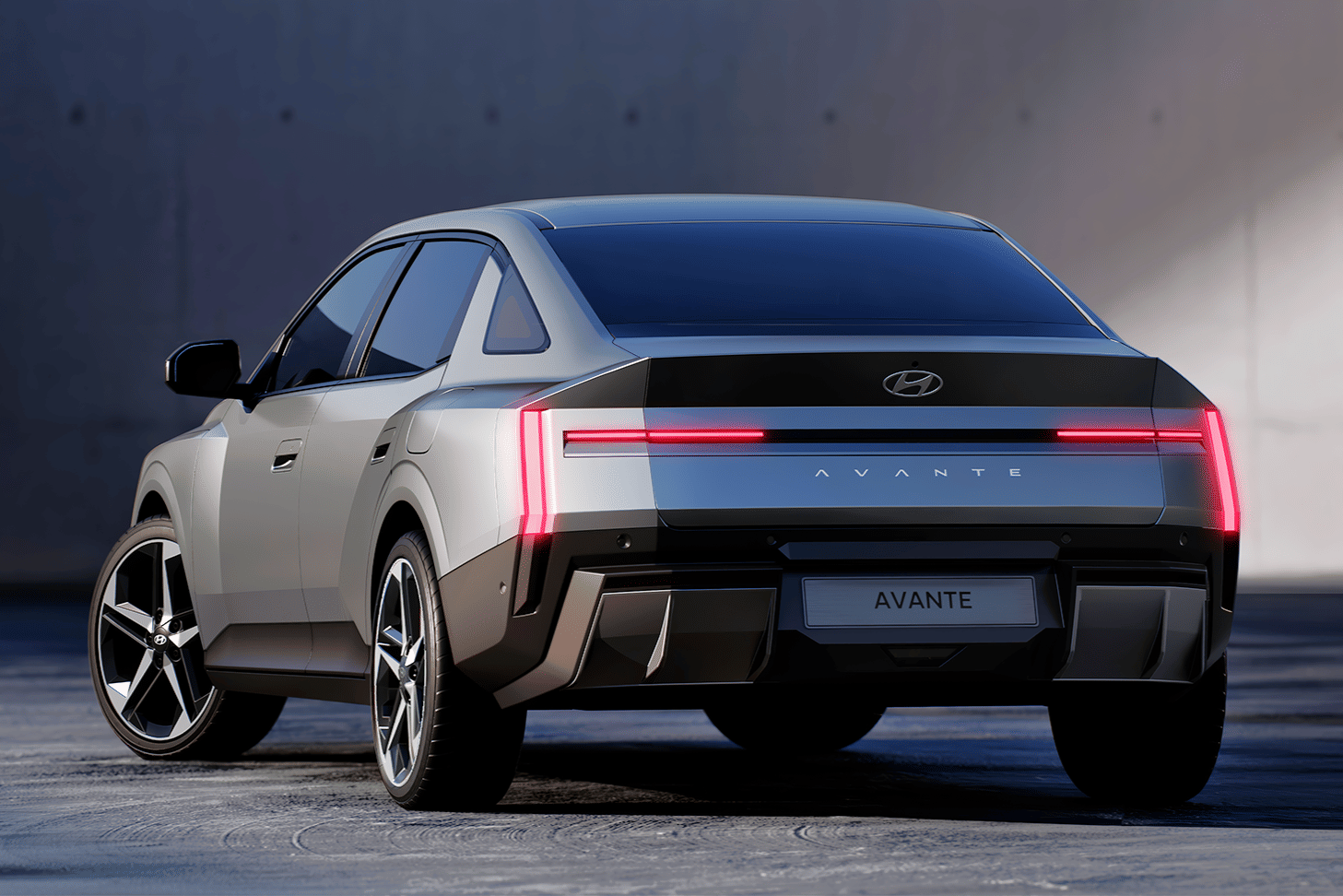
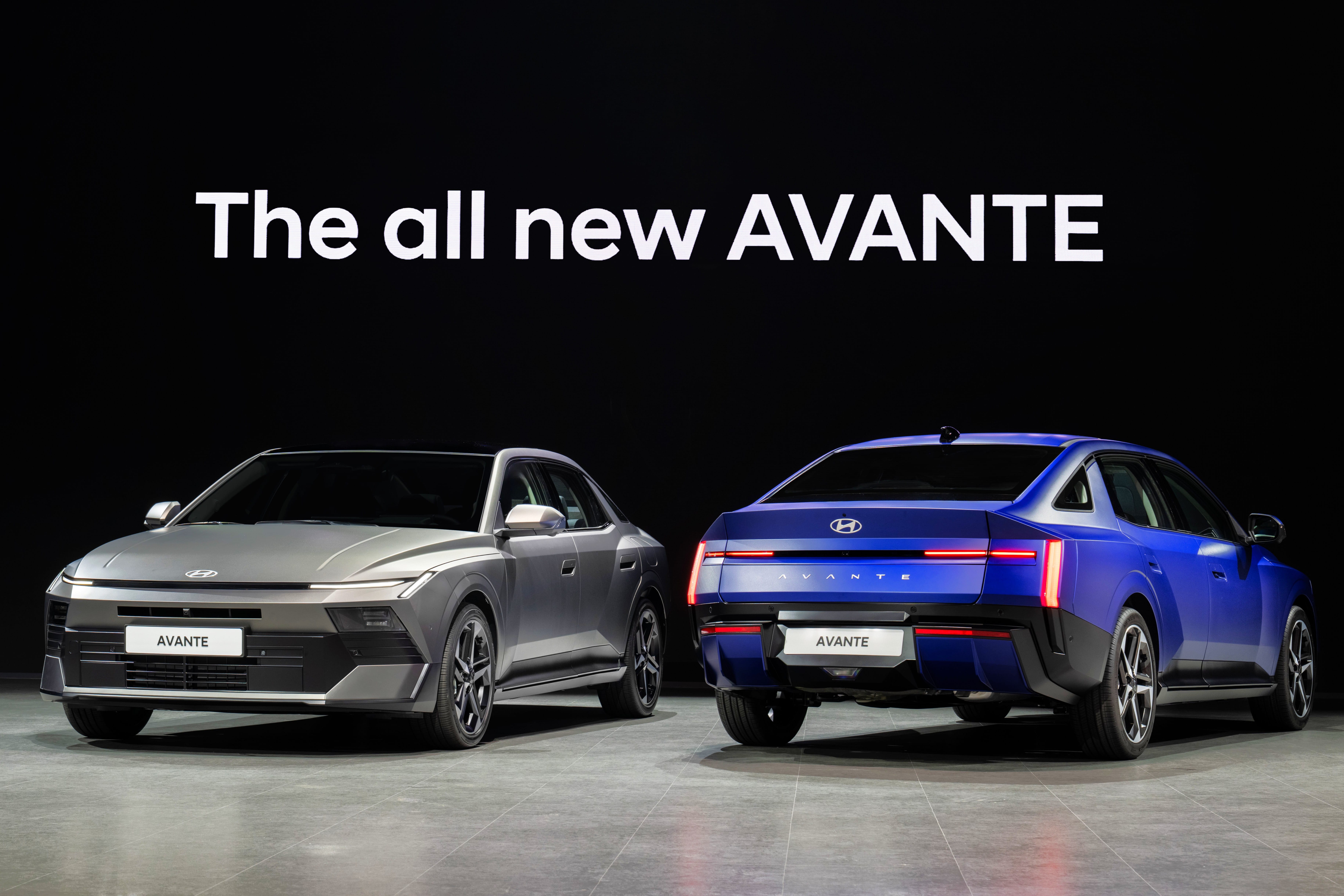
Hyundai has pulled the wraps off the eight-gen Elantra sedan, which is labelled the Avante in the Korean market, at the 2026 Busan Auto Show. The new-gen Elantra arrives just over six years after the debut of its predecessor (codename: CN7), and introduces larger proportions, entirely new interior and exterior designs, a longer list of features, and an upgraded hybrid powertrain.

  1. Follows Hyundai’s new Art of Steel design language, looks edgier and more aggressive
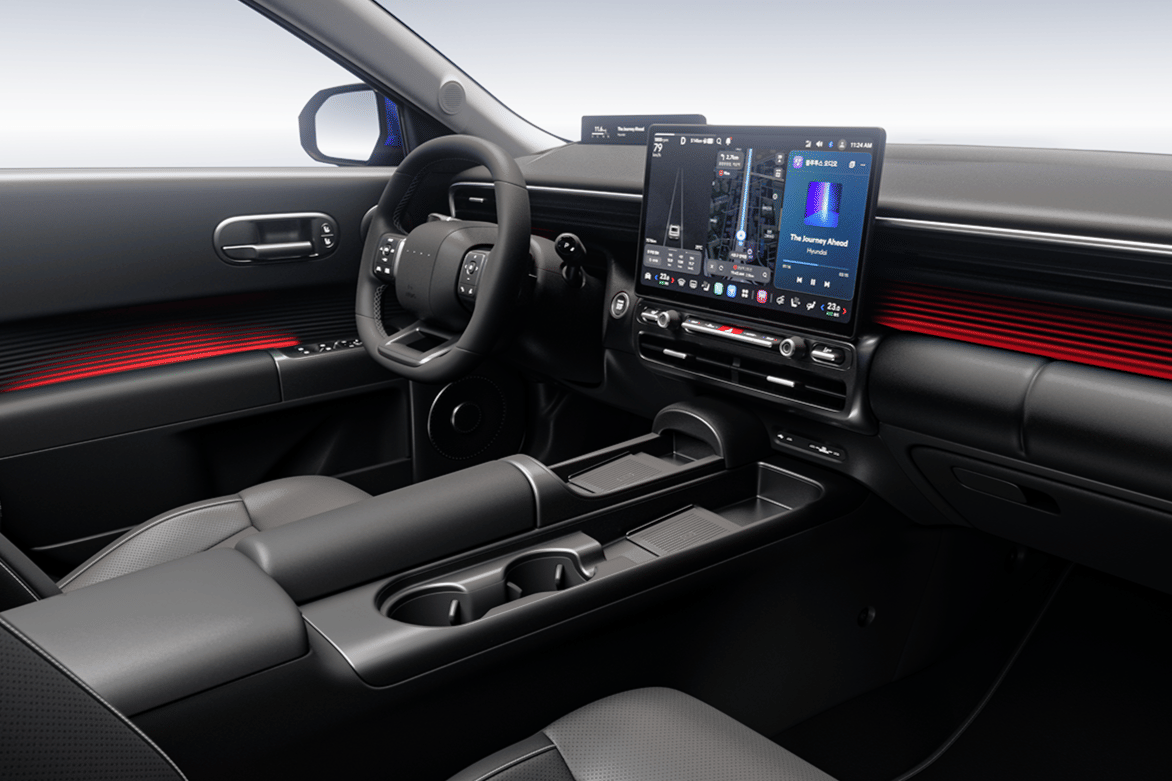
  2. Interior gets Pleos Connect interface with 14.6-inch touchscreen and slim driver’s display
  3. 1.6-litre hybrid makes 16hp more, gets upgraded transmission, drive motor, and battery

2026 Hyundai Elantra exterior design

55mm longer and 30mm wider than previous Elantra

Measuring 4,765 millimeters in length, 1,855mm in width, 1,425mm in height, and 2,750mm in wheelbase, the new Elantra is 55mm longer overall (30mm increase in wheelbase) and 30mm wider than its predecessor. The sedan adopts Hyundai’s Art of Steel design language, featuring lots of cuts and creases throughout the bodywork.

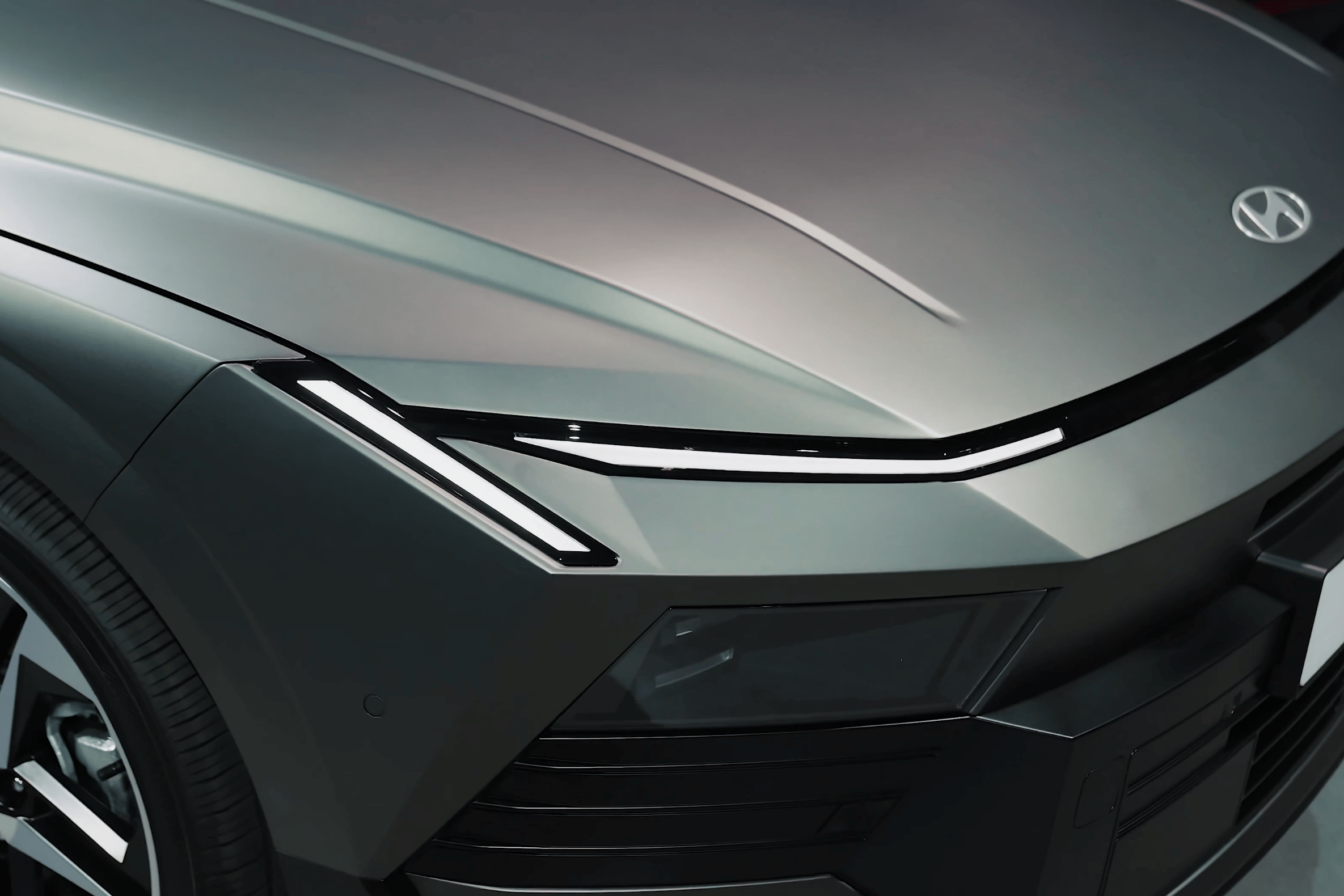
Up front, one of the most notable changes to the new Elantra is its split-headlamp setup, which comprises T-shaped DRLs up top and rhomboidal LED units below. Unlike the Sonata and Verna, the section bridging the new Elantra’s DRLs does not seem to light up. The chiselled bumper sports lots of black trim, along with a slim intake on the upper side and an air dam below.

Over to the side, the new Elantra gets bulging wheel arches and edgier lines compared to those of its predecessor, along with 18-inch dual-tone alloy wheels, flap-type door handles, and what looks to be black cladding on the side skirts. A rear quarter glass has also been added, presumably to break the visual bulk of the C- and D-pillars.

The Elantra’s roofline smoothly flows into its radically different posterior, which includes an integrated ducktail-esque spoiler, large T-shaped LED tail-lamps, a wordmark on the tailgate, and a chunky bumper with generous amounts of black cladding and a diffuser treatment on either side.

2026 Hyundai Elantra interior and features

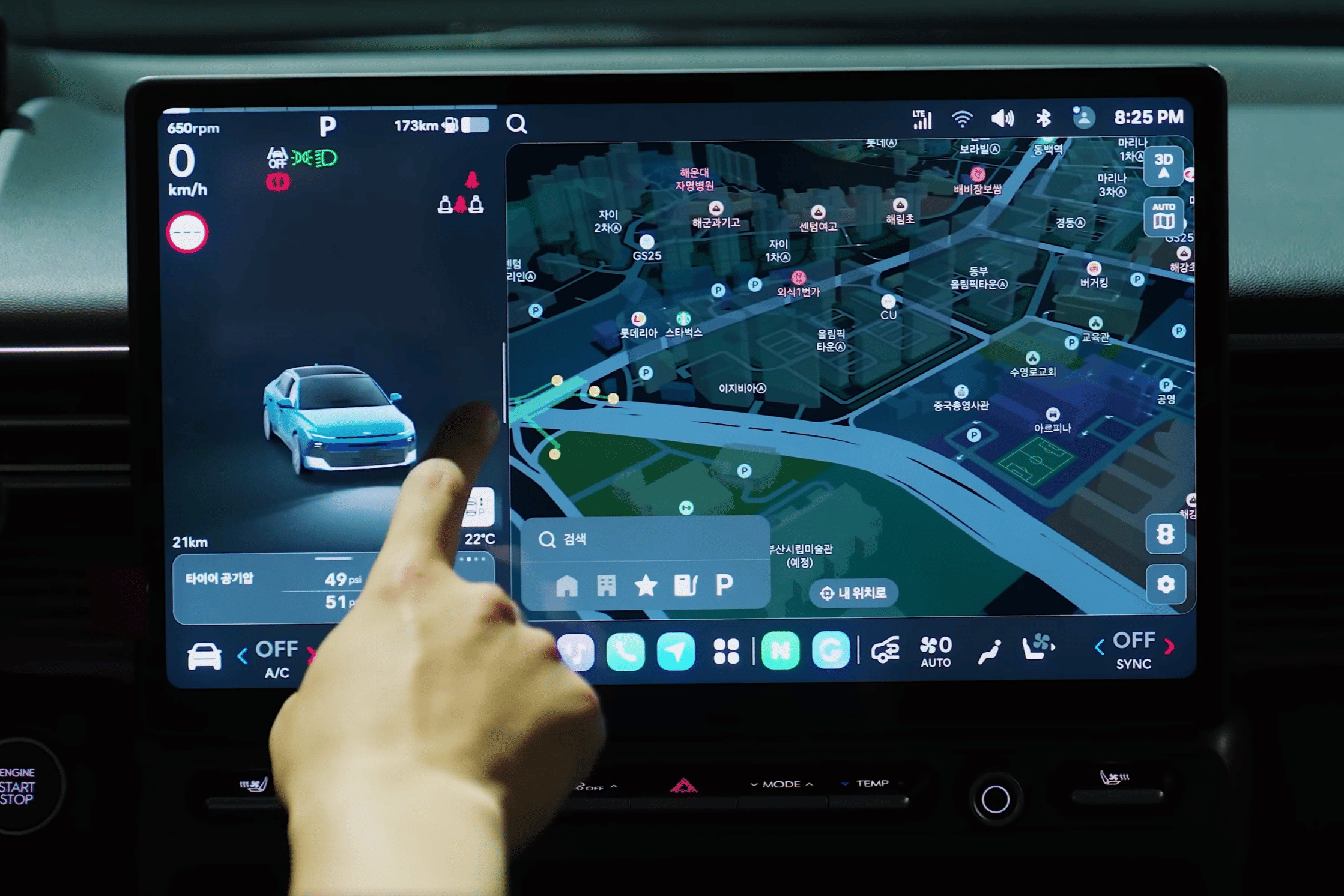
Massive 14.6-inch touchscreen is central to the Pleos Connect interface

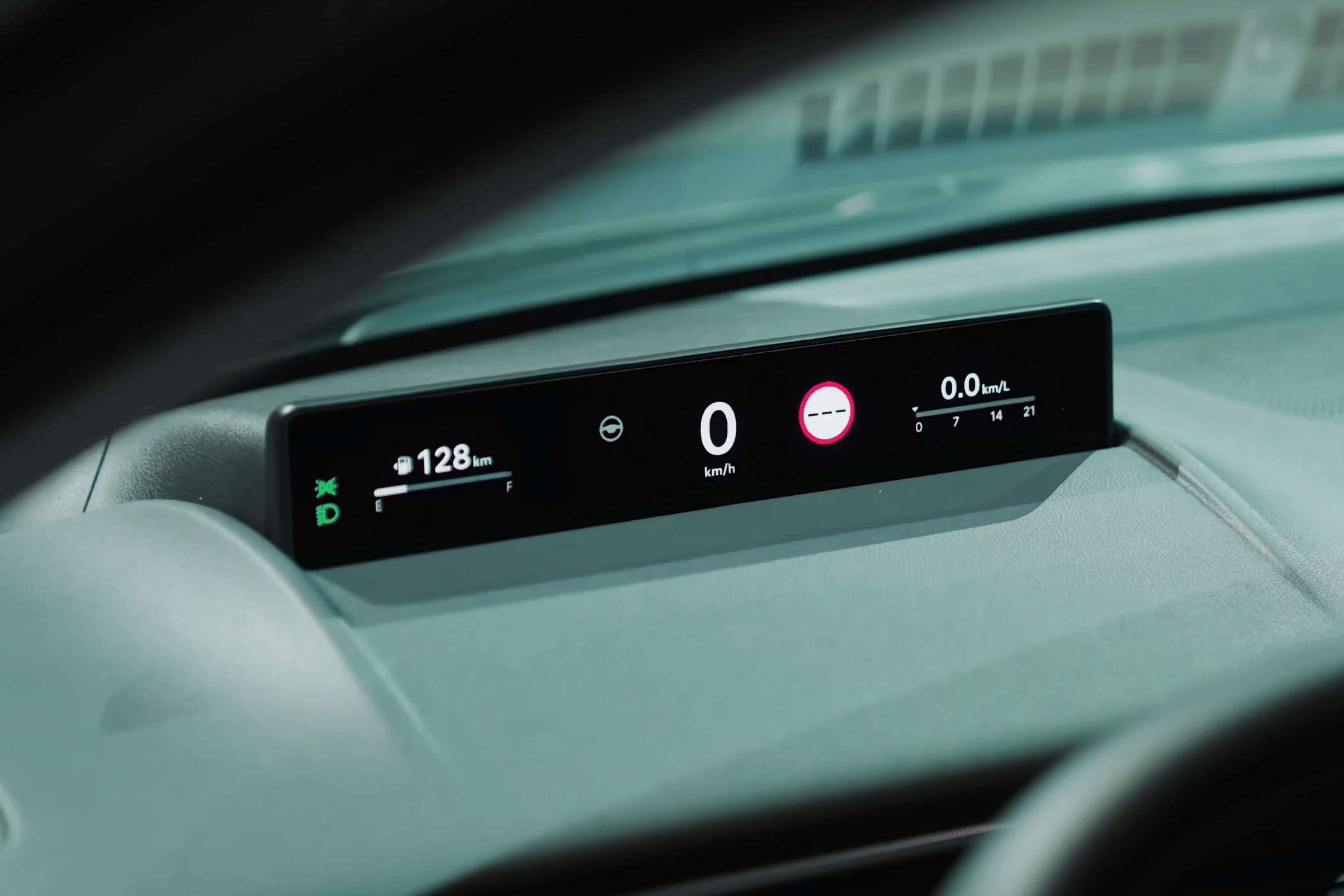
Inside, the eighth-gen Elantra comes with Hyundai’s new Pleos Connect interface, which comprises a massive centrally-mounted infotainment touchscreen (up to 14.6 inches) and a slim digital driver’s display that sits on top of the all-new dashboard. Also gone is the outgoing Elantra’s grab handle on the passenger side of the central tunnel.

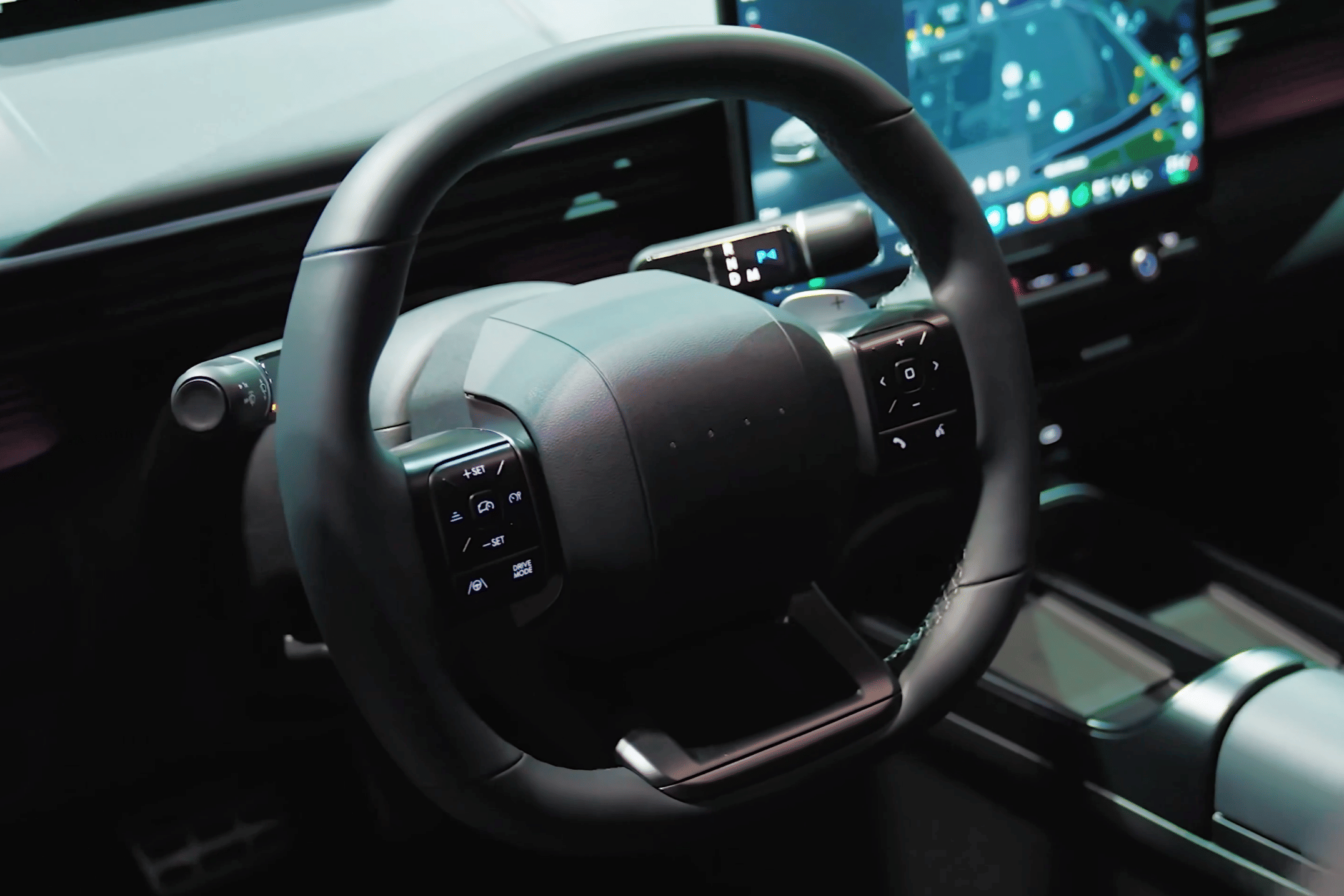
There’s a chunky three-spoke flat-bottomed steering wheel with the four-dot Hyundai motif and lots of buttons, along with an array of toggles and knobs on the centre console for functions like the hazard lights, media controls, AC settings, and more – Hyundai has evidently not skimped on physical controls. The interior of the new Elantra also gets lots of ambient lighting, dual wireless charging pads, and a fair amount of storage spaces.

As for features, the new Elantra packs a Bang and Olufsen sound system, a built-in dashcam, over-the-air (OTA) updates, a digital key, 100W USB charging ports, 10 airbags, an ADAS suite, an electronic parking brake with auto-hold, powered front seats with memory functions, dual-zone climate control, a 360-degree camera, auto park assist, and more.

Hyundai has also added two new safety features to the eight-gen Elantra, namely Navigation-based Smart Cruise Control 2, which automatically decelerates the car in specific sections, like speed-limited areas, speed breakers, and intersections, and Pedal Misuse Safety Assist, which automatically applies the brakes in situations where the driver mistakes the accelerator for the brake pedal.

2026 Hyundai Elantra powertrains

Same 2.0-litre petrol and 1.6-litre hybrid options as before

The new Elantra carries over its predecessor’s 2.0-litre naturally aspirated petrol and 1.6-litre hybrid powertrains. While the former continues to develop 149hp and be mated to a CVT automatic, the latter’s output has been bumped to 157hp – up 16hp over the outgoing Elantra hybrid – and its transmission, drive motor, and battery capacity have been improved.

The Elantra hybrid features a new smart regenerative braking system, which automatically modulates the level of regenerative braking needed based on traffic flow and navigation information, thereby reducing the frequency of brake pedal use. There’s also a ‘Hybrid Hierarchical Predictive Control System’, which improves fuel efficiency by predicting and analysing the route and road conditions to your destination and accordingly controlling the battery charge.

Lastly, the new Elantra hybrid gets a ‘Stay Mode’ that allows occupants to use in-car functions like climate control and infotainment for a certain amount of time while the engine is turned off.

Used Car Study 2026: Maruti S-Presso holds its value best among budget hatches

Maruti S-Presso

Conducted in association with Spinny, India’s leading pre-owned car platform, the fourth edition of our Used Car Study analyses real-world resale values across a broad spectrum of vehicles sold in the Indian market in order to assess depreciation trends over a five-year ownership period. The study is based on actual transactional data shared by Spinny for vehicles sold between January 1 and August 31, 2025.

In this series of the resale value study, we are first taking a look at the budget hatchback segment:

Budget hatchbacks Resale Value 

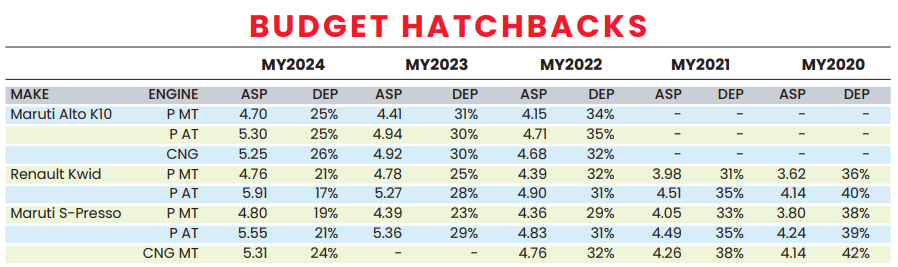
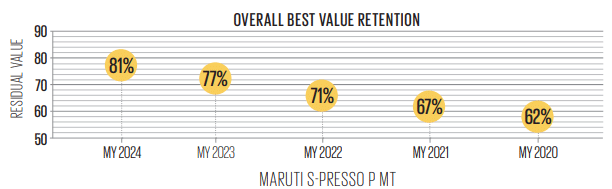
Following a similar trend as last year, the Maruti S-Presso petrol-manual continues to showcase the lowest average depreciation in the entry-level hatchback space. Interestingly, despite their differing positioning and appeal, the Maruti Alto and Renault Kwid trade at similar average resale prices, often separated by only a few thousand rupees, effectively creating a level playing field for buyers in the used car market.

The Renault Kwid witnessed several price hikes in 2022 alongside a mid-cycle update. Interestingly, in the used car market, MY22 manual versions depreciated higher than MY21 models, which was the only exception to the depreciation trend. 

Notably, one-year-old petrol-manual variants of Kwid depreciate 2 percentage points more than the S-Presso, while the difference is much wider with the Alto K10 at 6 percentage points. That’s despite the fact that both the S-Presso and Alto K10 come from the same manufacturer and use the same engine. The difference, however, is much slimmer for the CNG variants. 

The study found that the average selling price of a five-year-old budget hatchback retailed through Spinny stood at Rs 3.98 lakh. Comparable figures for three-year-old and one-year-old budget hatchbacks were Rs 4.60 lakh and Rs 5.12 lakh, respectively. Average depreciation over the same periods worked out to 39 percent, 32 percent and 22.25 percent, respectively.

Autocar-Spinny Resale Value Study methodology 

The analysis covers the average selling prices (ASPs) of vehicles retailed through Spinny’s network across nine cities – Delhi-NCR, Bengaluru, Hyderabad, Pune, Chennai, Mumbai, Lucknow, Ahmedabad and Kolkata.

For the purposes of this study, depreciation has been defined as the percentage difference between a vehicle’s original on-road price in its year of manufacture and its resale value in 2025. In instances where a model was offered with multiple engine options using the same fuel type, the data has been consolidated and averaged. Variant-wise differences have similarly been averaged out.

Discontinued models and powertrain options have been excluded. Additionally, premium vehicles priced above Rs 30 lakh, electric vehicles and certain low-volume models have not been included due to limited transaction data and insufficient sample sizes.

Autocar India and Spinny reveal Used Car Study 2026

Used-Car-Survey-2026

Autocar India, in association with Spinny, has conducted the fourth edition of our Used Car Study which analyses real-world resale values across a broad spectrum of vehicles sold in the Indian market in order to assess depreciation trends over a five-year ownership period. The study is based on more than 11,000 vehicle transactions across nine cities, highlighting the growth of the used car segment, rising financing trends and emerging EV resale challenges. 

As per the report, India’s used car market is estimated to be 1.39 times that of the new car segment, and sees annual growth of 11-13 percent. Within this, the organised segment is growing even more rapidly at more than 20 percent annually. 

  1. Maruti, Hyundai, Kia, Mahindra models retain strong resale value per the study 
  2. Nearly 60 percent of transactions on organised platforms are financed 
  3. Up to 41 percent depreciation observed in 5-year-old vehicles 

Commenting on the report, Hormazd Sorabjee, Editor, Autocar India, said, “The used-car market today offers one of the clearest windows into how mobility preferences are evolving in India. What makes this report particularly valuable is the breadth of consumer and transaction-led insights it brings together from ownership trends and financing behaviour to changing vehicle preferences and value retention.” 

Autocar-Spinny Used Car Survey 2026: emerging trends 

As per the report, 80-82 percent of used car buyers are first time buyers, which isn’t surprising given the decline of the entry-segment in new car sales due to ever rising prices. SUVs continue to be the most preferred body style even among used car buyers, with customers also increasingly opting for larger cars and better-equipped variants for the budget of a new entry-level car.

Another interesting trend observed was that financing has emerged as huge growth driver in this segment, accounting for nearly 60 percent of all transactions on organised platforms such as Spinny. The report highlights that in the last five years, the penetration of financing in the used car segment has doubled from 16 percent to 32 percent. Easier access to financing is helping expand the addressable market while also enabling consumers to purchase higher-value vehicles. 

Autocar-Spinny Used Car Survey 2026: average depreciation observed 

As per the analysis, one-year-old vehicle depreciates by an average of 21 percent, while depreciation reaches 33 percent after three years and 41 percent after five years. A five-year-old vehicle retains about 60 percent of its original value. 

The average selling price of a three-year-old vehicle in the study stood at Rs 8.38 lakh, roughly comparable to the average price of a new car in India in 2020. This reflects how used vehicles are increasingly enabling consumers to access more premium segments without bearing the steepest years of depreciation.

Autocar-Spinny Used Car Survey 2026: most preferred used brands, models 

The study also found that brands such as Maruti Suzuki, Hyundai, Kia and Mahindra have strong value retention across categories. As for individual model, the likes of the Maruti S-Presso, Hyundai Grand i10 Nios, Maruti Baleno, Maruti Dzire, Hyundai Verna, Tata Punch, Hyundai Venue, Kia Seltos, Mahindra XUV700 and Maruti Ertiga are among the strongest in retaining value over time.

However, EV resale faces some significant challenges. Unlike ICE vehicles, EVs currently lack predictable resale benchmarks due to concerns around battery health. Improving transparency around battery performance, battery health assessment and residual value benchmarks will help support the next phase of EV adoption, per the report. 

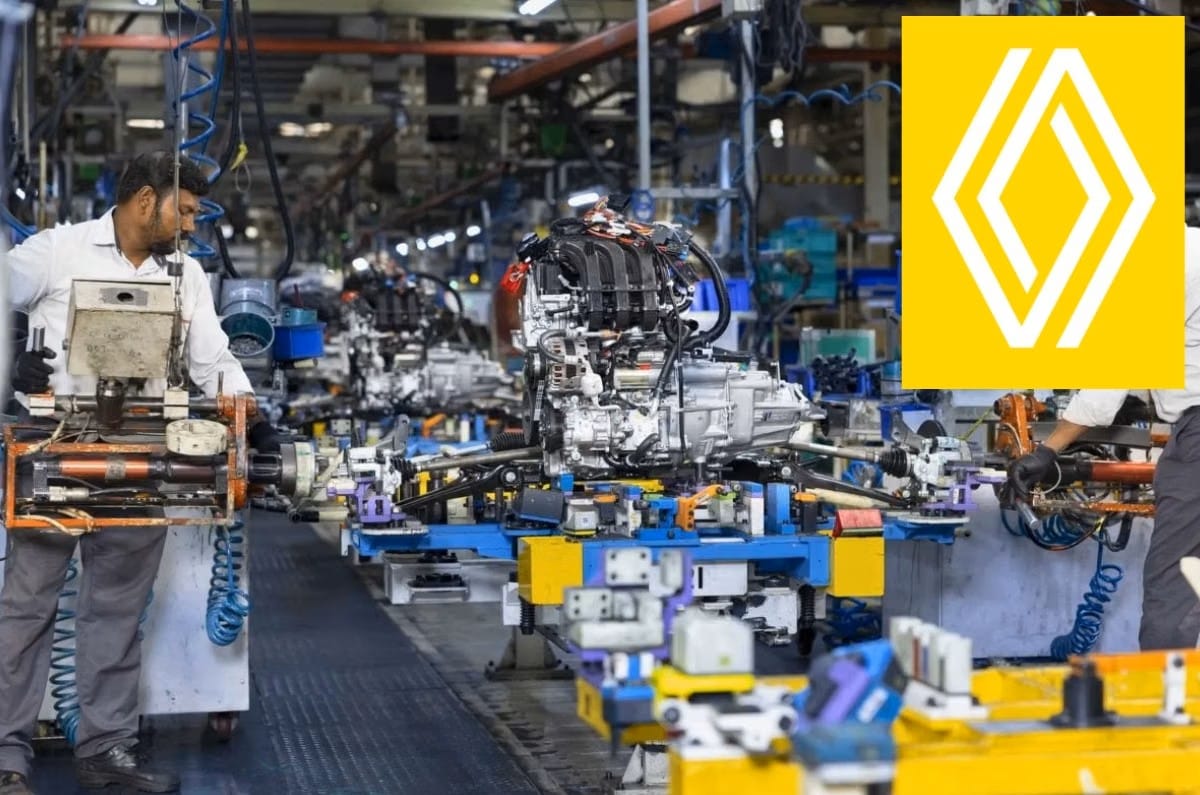
Renault-Geely joint venture expected to manufacture hybrid powertrains in India

Renault Geely

India is expected to approve an investment of around USD 370 million (approximately Rs 3,500 crore) by Horse Powertrain, a joint venture between Renault and Geely, according to a Bloomberg report. If approved, the investment would rank among the largest manufacturing investments by a Chinese-linked company in India in years and allow Horse to invest in Renault’s manufacturing operations in Chennai.

  1. Hybrid powertrains could be manufactured at Renault’s Chennai plant
  2. Renault Duster Hybrid to use Horse-developed powertrain
  3. Horse also in talks to supply technology to other carmakers

Horse Powertrain was established in 2024 as a joint venture between Renault and Geely. Saudi Aramco later acquired a 10 percent stake, leaving Renault and Geely with 45 percent each. The proposed investment also comes weeks after Renault announced plans to separate its powertrain manufacturing business into a dedicated entity in India as part of a broader restructuring of its local operations. 

Horse Powertrain’s manufacturing investment in India

According to Bloomberg, the investment will be implemented in phases, beginning with Renault’s Chennai plant. Horse plans to manufacture strong-hybrid powertrains and engines locally for future Renault and Nissan models sold in India, increasing localization and reducing reliance on imported components.

The upcoming Renault Duster Hybrid will use a 1.8-litre strong hybrid powertrain that’s developed by Horse powertrain. The Bridger compact SUV, expected to follow the Duster, is likely to receive a Horse powertrain too.

In a statement to Bloomberg News, Horse Powertrain said: “India is an important market for Horse Powertrain. We can confirm that we have submitted an application to the Indian authorities to have the right to invest in India and are following the official process. We are expecting a formal decision soon.”

The investment also comes as hybrid vehicles gain traction in India, with several manufacturers expanding their electrified SUV line-ups.

Approval would mark a policy shift

The approval would be among the first major Chinese-linked manufacturing investments since India eased foreign investment rules for neighboring countries earlier this year to encourage more local manufacturing. A Chinese automaker has not made a major investment in India since 2017, when state-owned SAIC Motor Corp. acquired a General Motors Co. plant to launch the MG Motor brand. That venture has since been restructured and is now majority-owned by Indian shareholders, led by JSW Group.

Speaking to Autocar India earlier this year, Carolina Mechai, Chief Sales and Business Development Officer at Horse Powertrain said the company was evaluating multiple routes to expand its presence in India beyond Renault. “We are discussing with our key partner and customer here (Renault), but also with other partners. It could be through development or co-development,” she said, adding that local manufacturing could eventually support exports from India.

10 most affordable SUVs in India

10 cheapest SUVs in India

SUVs attract Indian mass-market buyers thanks to their high ground clearances, ease of ingress/egress and greater perception of safety. Compact SUVs particularly hit a sweet spot: their sub-4m proportions enable easier manoeuvrability, and their lower taxation rates are easier on the pocket. With that in mind, let’s take a look at the 10 cheapest SUVs you can currently buy in India, ranked in descending order of their base ex-showroom prices.

10. Mahindra XUV 3XO

Starting price: Rs 7.54 lakh

The XUV 3XO is currently the most affordable Mahindra model in India and among the more enthusiastic options on this list. It’s offered with two 1.2-litre turbo-petrol engines putting out 111hp and 131hp, as well as a 117hp 1.5-litre diesel mill. A 6-speed manual is standard across all three engines, with the petrol ones additionally offering a 6-speed torque-converter automatic and the diesel a 6-speed AMT.

Mahindra XUV 3XO price list (Rs lakh)

Trim1.2 Turbo P 6MT1.5 D 6MT1.2 Turbo P 6AT1.5 D 6AMT
MX17.54
RevX M8.39
RevX M (O)8.91
MX29.22
MX2 Pro8.999.909.94
MX39.2010.2010.7411.10
MX3 Pro9.4210.7311.02
AX510.0011.2611.7612.06
RevX A11.1712.28
AX5L11.9113.15
AX712.0812.8913.2113.64
AX7L13.2013.9114.89

9. Tata Nexon

Starting price: Rs 7.37 lakh

Tata is the only carmaker with two models on this list, and the Nexon is the first of them. Initially launched in September 2017, the Nexon is the oldest SUV here but continues to accrue very strong sales numbers. As it stands, the Nexon is also the cheapest car to offer a panoramic sunroof in India. The Nexon is available with 120hp 1.2-litre turbo-petrol, 100hp 1.2-litre turbo CNG and 115hp 1.5-litre diesel engine options, along with manual and automatic transmissions. 

Tata Nexon price list (Rs lakh)

 1.2 Turbo P 5MT1.2 Turbo P 6MT1.2 Turbo P 6AMT1.2 Turbo P 7DCT1.2 CNG 6MT1.5 D 6MT1.5 D 6AMT
Smart7.378.30
Smart +8.078.829.229.00
Smart + S8.379.529.37
Pure +8.959.609.8510.0010.65
Pure + S9.239.8810.0010.28
Pure+ PS9.6010.1510.4010.5511.20
Creative10.0010.7511.2511.0511.2511.85
Creative + S10.3511.0511.3511.5012.15
Creative + PS11.3212.4712.2712.4213.07
Fearless + PS12.2713.2213.3714.02
Fearless + A PS13.62

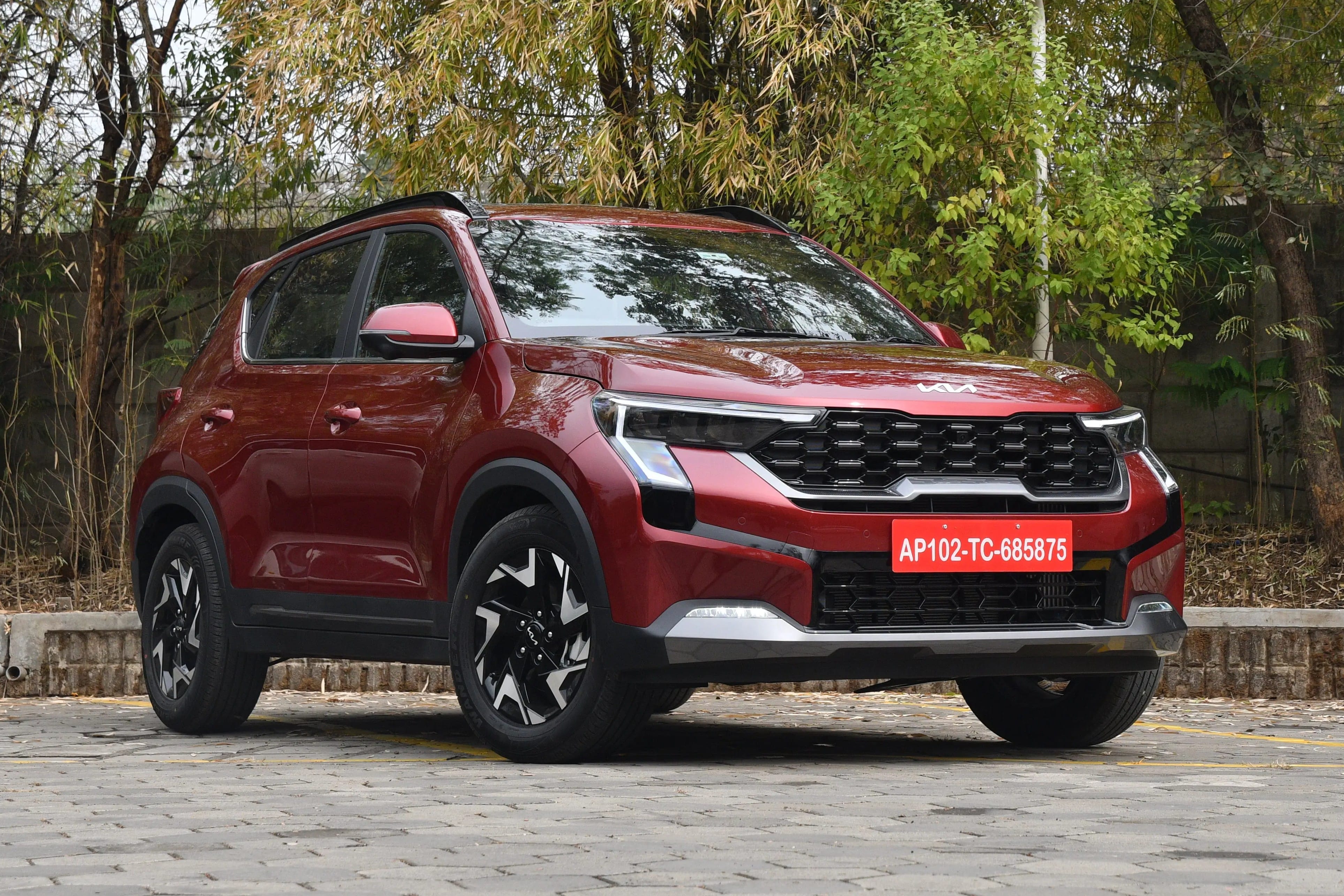
8. Kia Sonet

Starting price: Rs 7.34 lakh

The Kia Sonet narrowly edges ahead of the Nexon to clinch eighth place. Kia offers the Sonet with three engine options: an 83hp 1.2-litre naturally aspirated petrol, a 120hp 1.0-litre turbo-petrol and a 116hp 1.5-litre diesel. Gearbox options comprise a 5-speed manual for the NA petrol, a 6-speed iMT and 7-speed DCT for the turbo-petrol, and a 6-speed manual and 6-speed automatic for the diesel engine.

Kia Sonet price list (Rs lakh)

Trim1.2 P 5MT1.0 Turbo P 6iMT1.0 Turbo P 7DCT1.5 D 6MT1.5 D 6AT
HTE7.34
HTE(O)7.779.029.82
HTK
HTK(O)8.789.179.9710.0010.82
HTK+9.1510.3811.18
HTK+(O)9.6510.1210.9210.8811.68
HTX11.6711.3312.12
GTX+13.6814.19
X-Line13.72

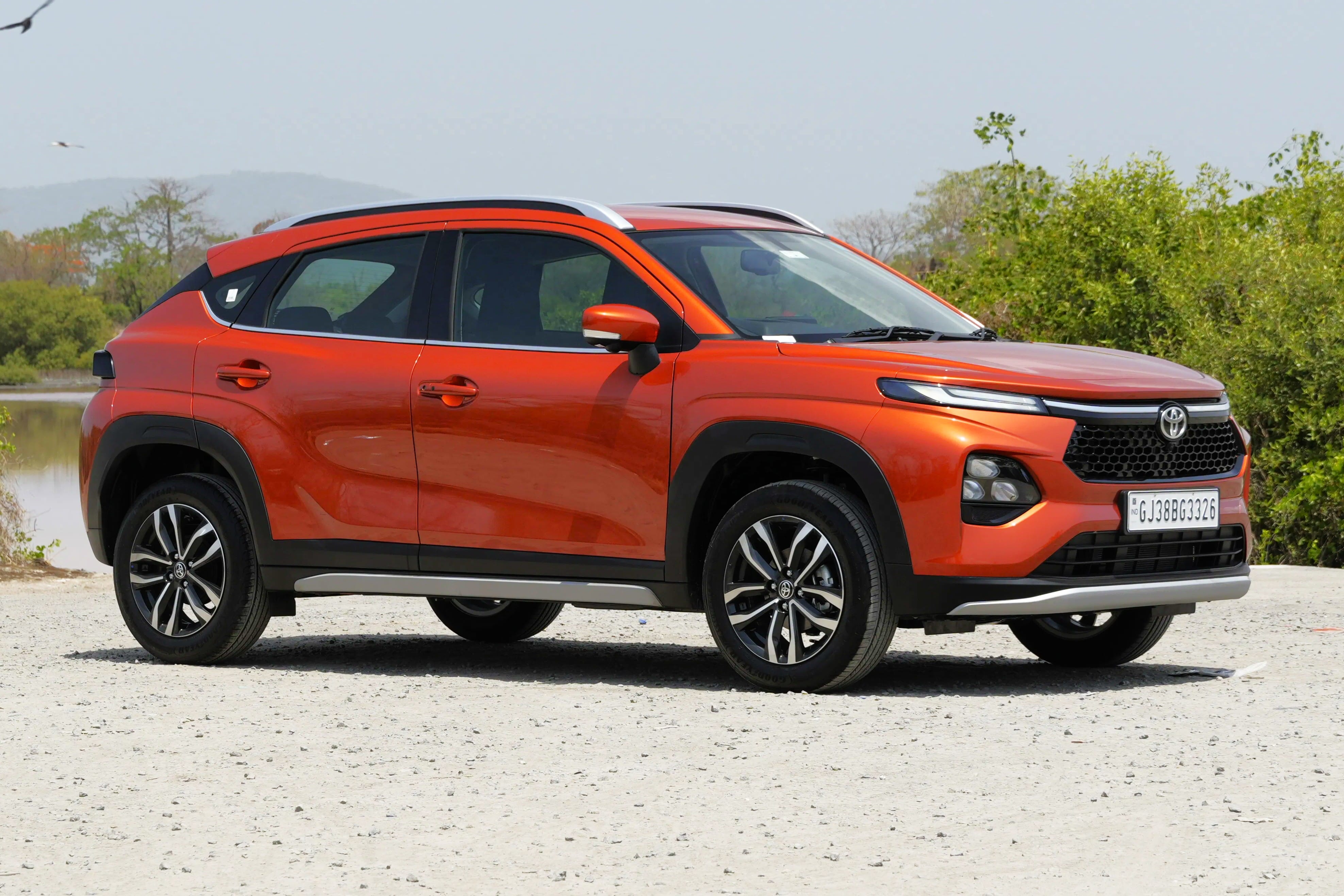
7. Toyota Taisor

Starting price: Rs 7.25 lakh

Toyota’s most affordable SUV, the Taisor, is a rebadged version of the Maruti Fronx. It comes with a 1.2-litre naturally aspirated engine in 90hp petrol and 76hp CNG guises, as well as a 100hp 1.0-litre turbo-petrol motor. A 5-speed manual is standard fit for the NA petrol and CNG engines, with the former additionally getting a 5-speed AMT. The turbo-petrol Taisor can be had with 5-speed manual and 6-speed automatic options.

Toyota Taisor price list (Rs lakh)

Trim1.2 P 5MT1.2 P 5AMT1.2 CNG 5MT1.0 Turbo P 5MT1.0 Turbo P 6AT
E7.258.24
S8.138.72
S+8.479.06
G10.2011.57
V  11.0812.47

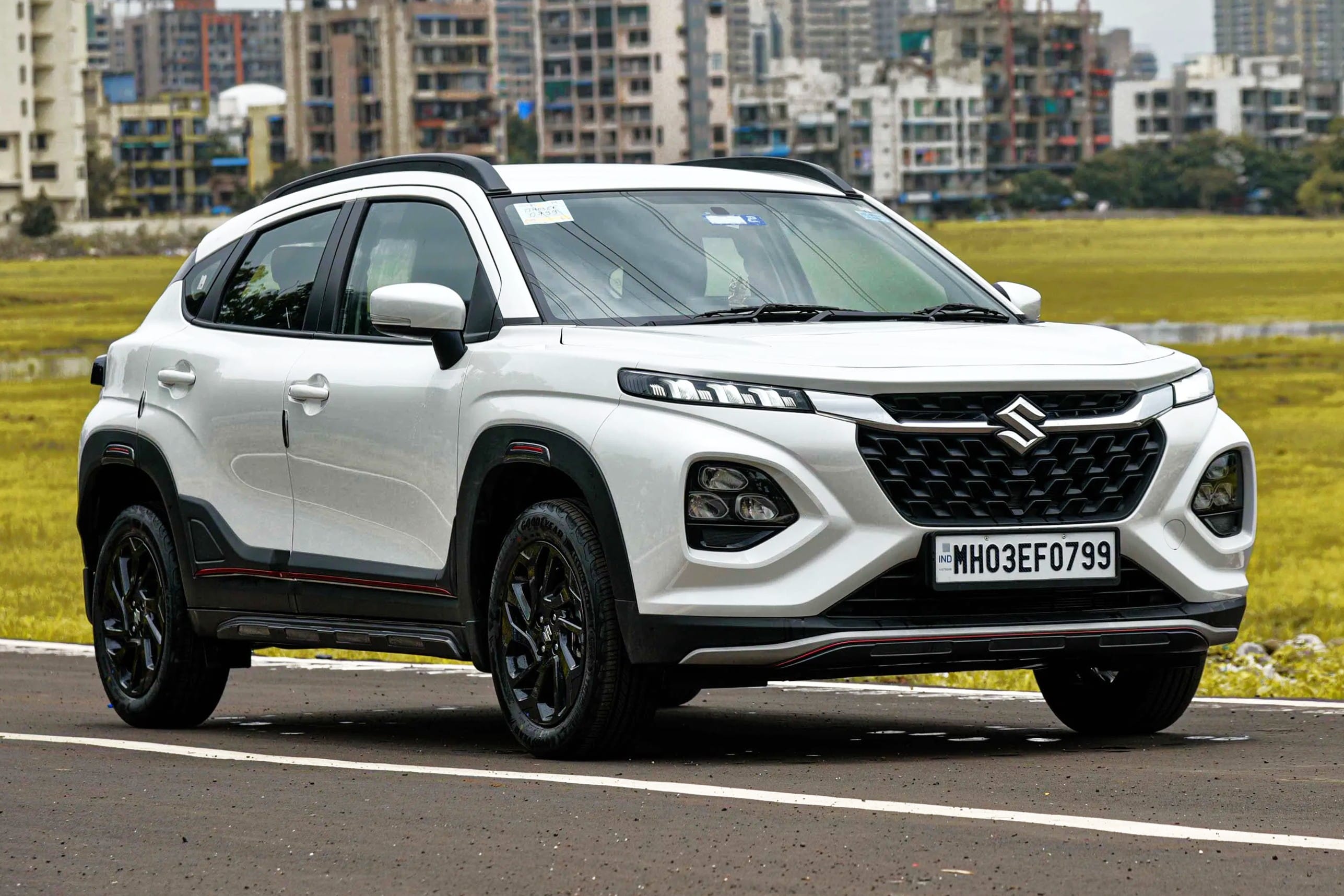
6. Maruti Suzuki Fronx

Starting price: Rs 6.85 lakh

Based on the Baleno hatchback, the Fronx stands as a more stylish (albeit smaller) alternative to the Brezza in Maruti Suzuki’s compact SUV line-up. The Fronx, expectedly, offers the same petrol, turbo-petrol and CNG engine options as the Taisor, along with their respective gearbox options, but is Rs 40,000 cheaper than its Toyota twin at the base level.

Maruti Fronx price list (Rs lakh)

Trim1.2 P 5MT1.2 P 5AMT1.2 CNG 5MT1.0 Turbo P 5MT1.0 Turbo P 6AT
Sigma6.857.86
Delta7.708.208.66
Delta+8.108.608.92
Zeta9.7110.99
Alpha10.5611.84

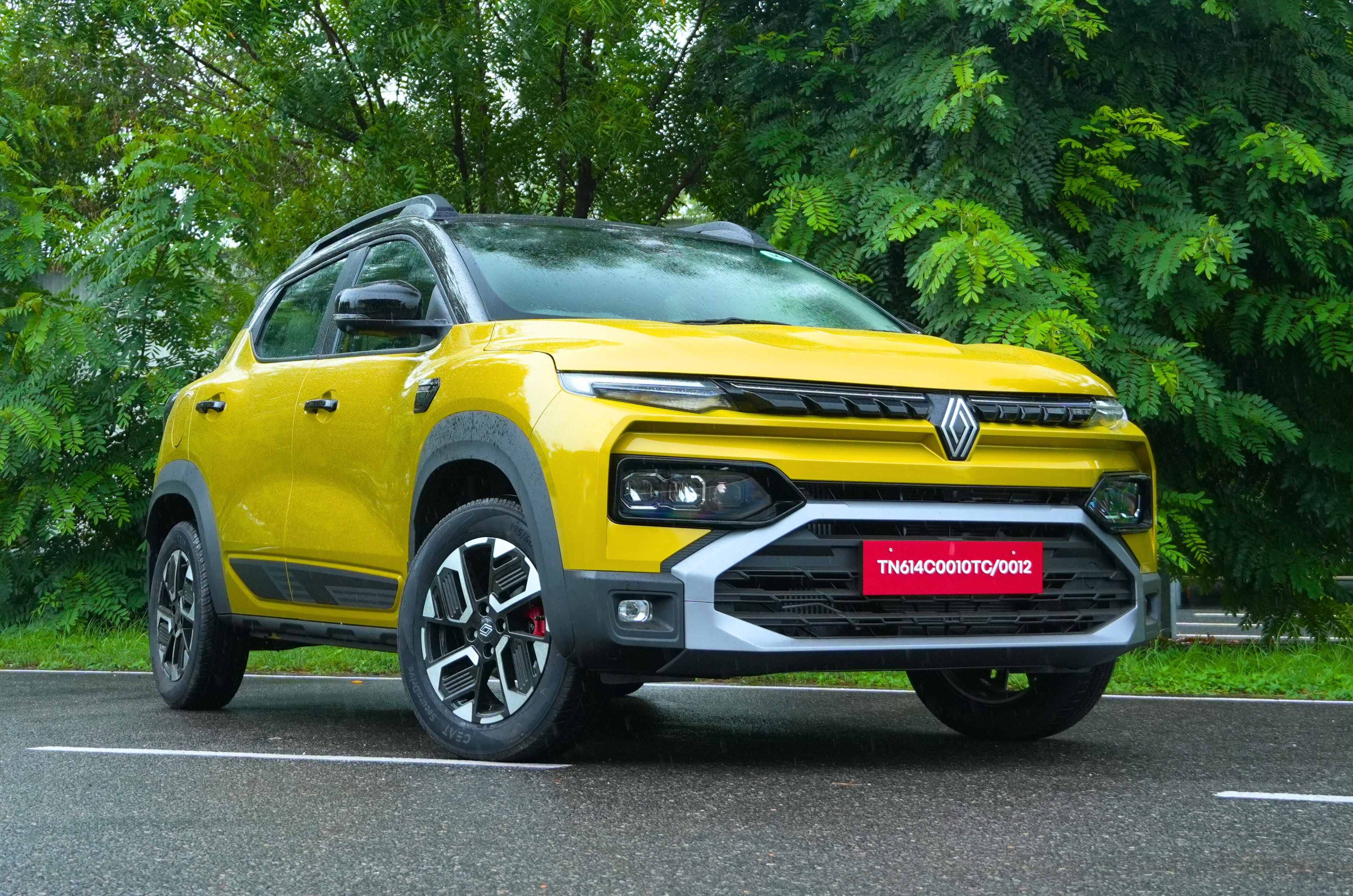
5. Renault Kiger

Starting price: Rs 5.81 lakh

The Renault Kiger, which received a facelift in 2025 with updated styling elements and more features, ranks among the top 5 cheapest SUVs currently available in India. The Kiger comes with a 72hp 1.0-litre petrol engine with manual and AMT options and a 100hp 1.0-litre turbo-petrol with manual and CVT options. A dealer-level CNG kit is also offered for the Kiger, costing an additional Rs 79,500 over the naturally aspirated petrol version.

Renault Kiger price list (Rs lakh)

Trim1.0 P 5MT1.0 P 5AMT1.0 Turbo P 5MT1.0 Turbo P CVT
Authentic5.81
Evolution6.556.99
Evolution+6.997.457.89
Techno7.558.058.459.35
Emotion8.459.3510.35

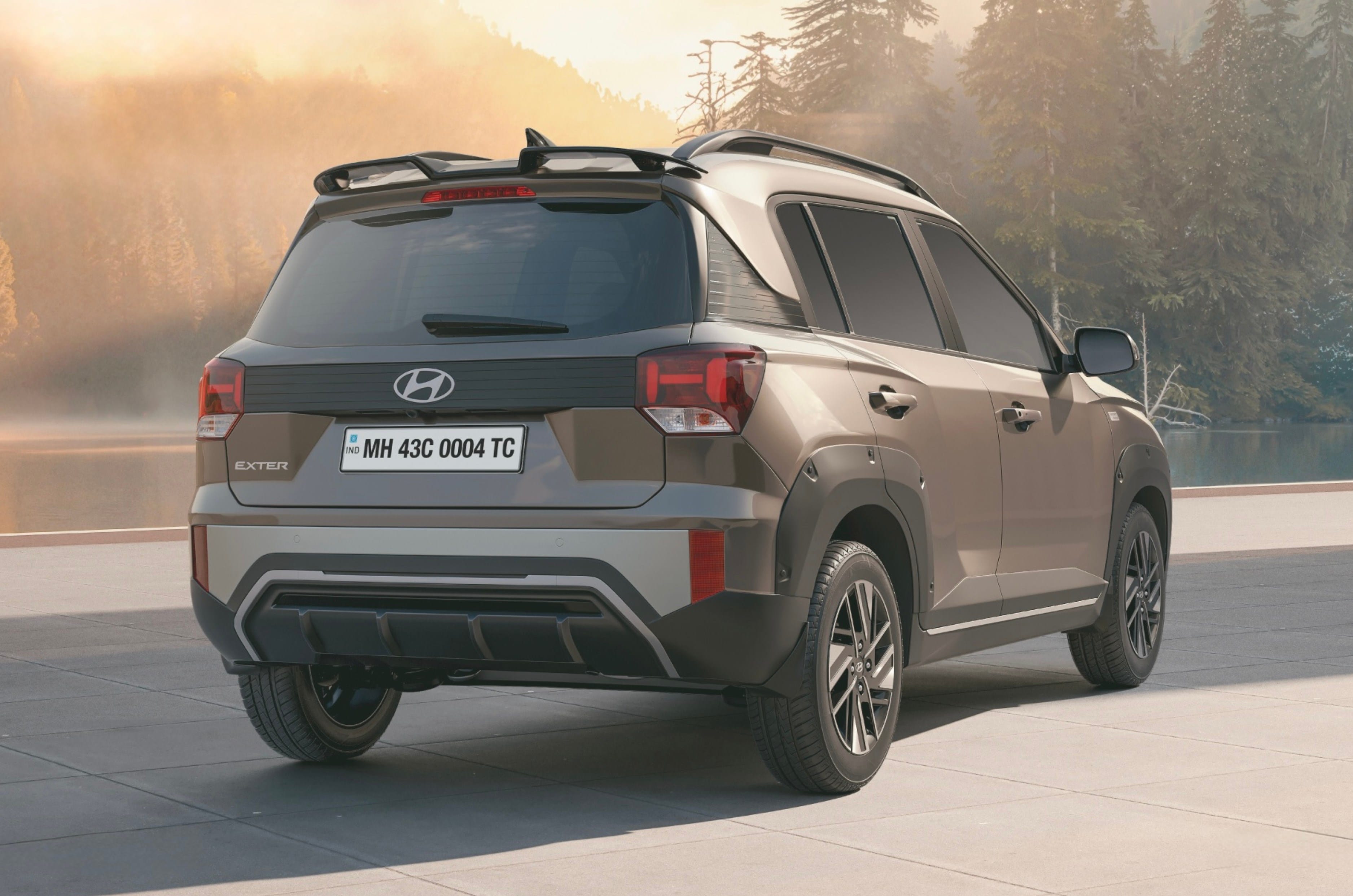
4. Hyundai Exter

Starting price: Rs 5.81 lakh

Hyundai’s entry-level SUV, the Exter, received a facelift in March 2026 that introduced revised styling, updated interior upholstery, some new features and a simplified variant nomenclature. As before, engine options for the Exter include a sole 1.2-litre 4-cylinder engine in 83hp petrol and 69hp CNG states of tune. A 5-speed manual is standard for both engines, with the petrol mill additionally offering a 5-speed AMT.

Hyundai Exter price list (Rs lakh)

Trim1.2 P 5MT1.2 P 5AMT1.2 CNG 5MT
HX25.817.00
HX36.306.957.45
HX47.288.28
HX4+8.10
HX67.998.598.95
HX88.409.129.42
HX109.46

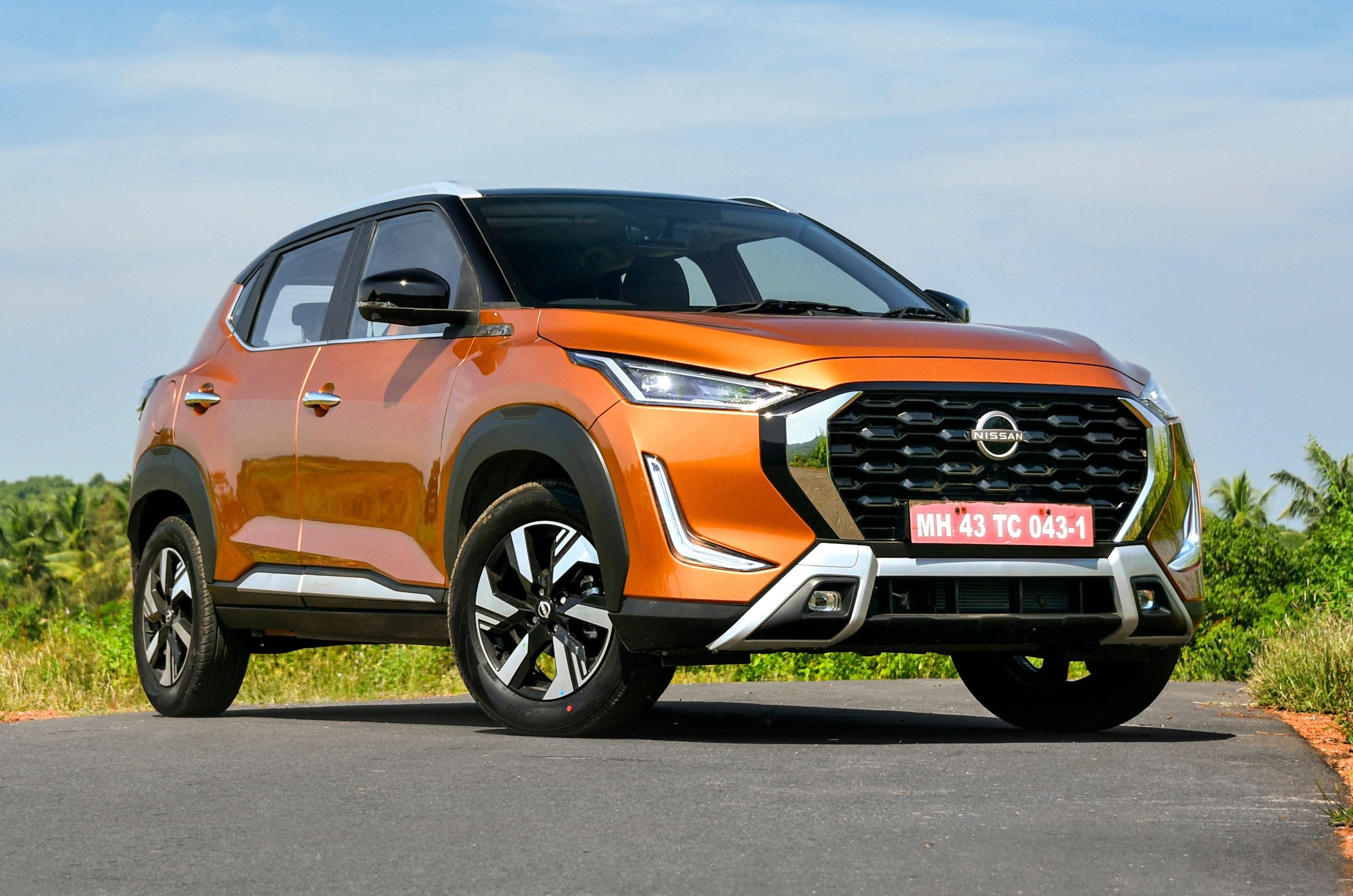
3. Nissan Magnite

Starting price: Rs 5.65 lakh

While the Magnite is essentially Nissan’s version of the Kiger, it outprices the Renault SUV by Rs 14,000 at the base level. Expectedly, the Magnite shares its 1.0-litre 3-cylinder petrol and turbo-petrol engines with the Kiger, as well as the dealer-fit CNG option, priced at Rs 74,999 (all charges included). The Magnite is also one of only two SUVs on this list to offer an AMT gearbox with its CNG powertrain.

Nissan Magnite price list (Rs lakh)

Trim1.0 P 5MT1.0 P 5AMT1.0 Turbo P 5MT1.0 Turbo P CVT
Visia5.656.24
Visia+6.20
Acenta6.817.369.25
N-Connecta7.447.998.719.67
Tekna8.378.929.5510.62
Tekna+8.709.259.8810.96
Kuro7.798.349.109.99

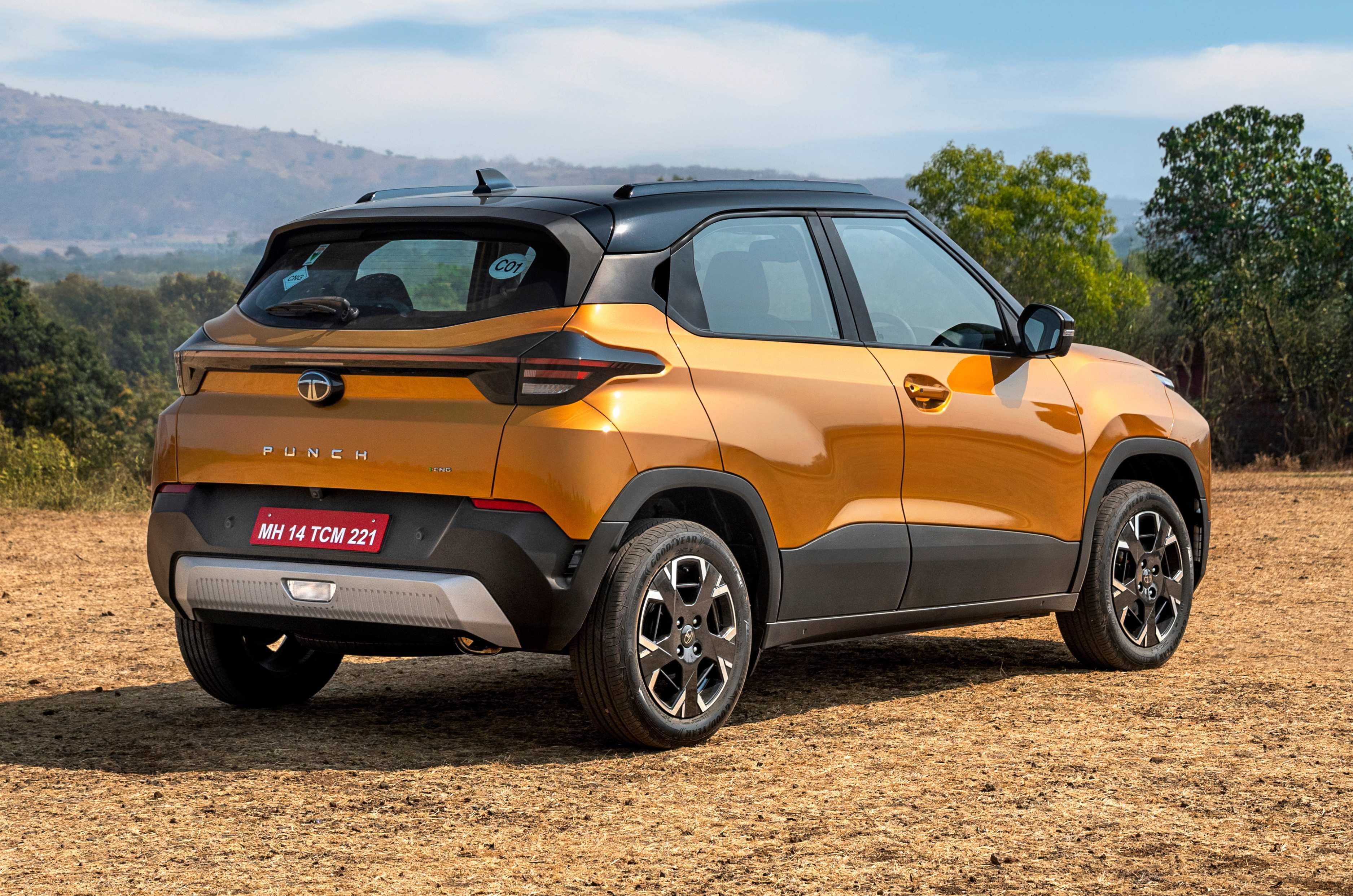
2. Tata Punch

Starting price: Rs 5.65 lakh

With the 2026 Punch facelift, Tata not only introduced several styling tweaks, feature upgrades and a new 120hp turbo-petrol engine, but it also reduced the model’s starting price by Rs 40,000. This makes the Punch the second-cheapest SUV in India right now. Aside from the new turbo-petrol mill, the 2026 Punch retains its prior 1.2-litre 3-cylinder naturally aspirated engine in 88hp petrol and 73hp CNG guises, along with their manual and AMT options.

2026 Tata Punch price list (Rs lakh)
Trim 1.2 P 5MT1.2 P 5AMT1.2 CNG MT1.2 CNG AMT1.2 Turbo P MT
Smart 5.656.75
Pure 6.557.55
Pure+7.05 7.608.058.60
Pure+ S7.407.958.40
Adventure 7.65 8.208.659.208.35
Adventure S8.009.009.55
Accomplished8.358.909.35– 
Accomplished+ S9.059.6010.609.85

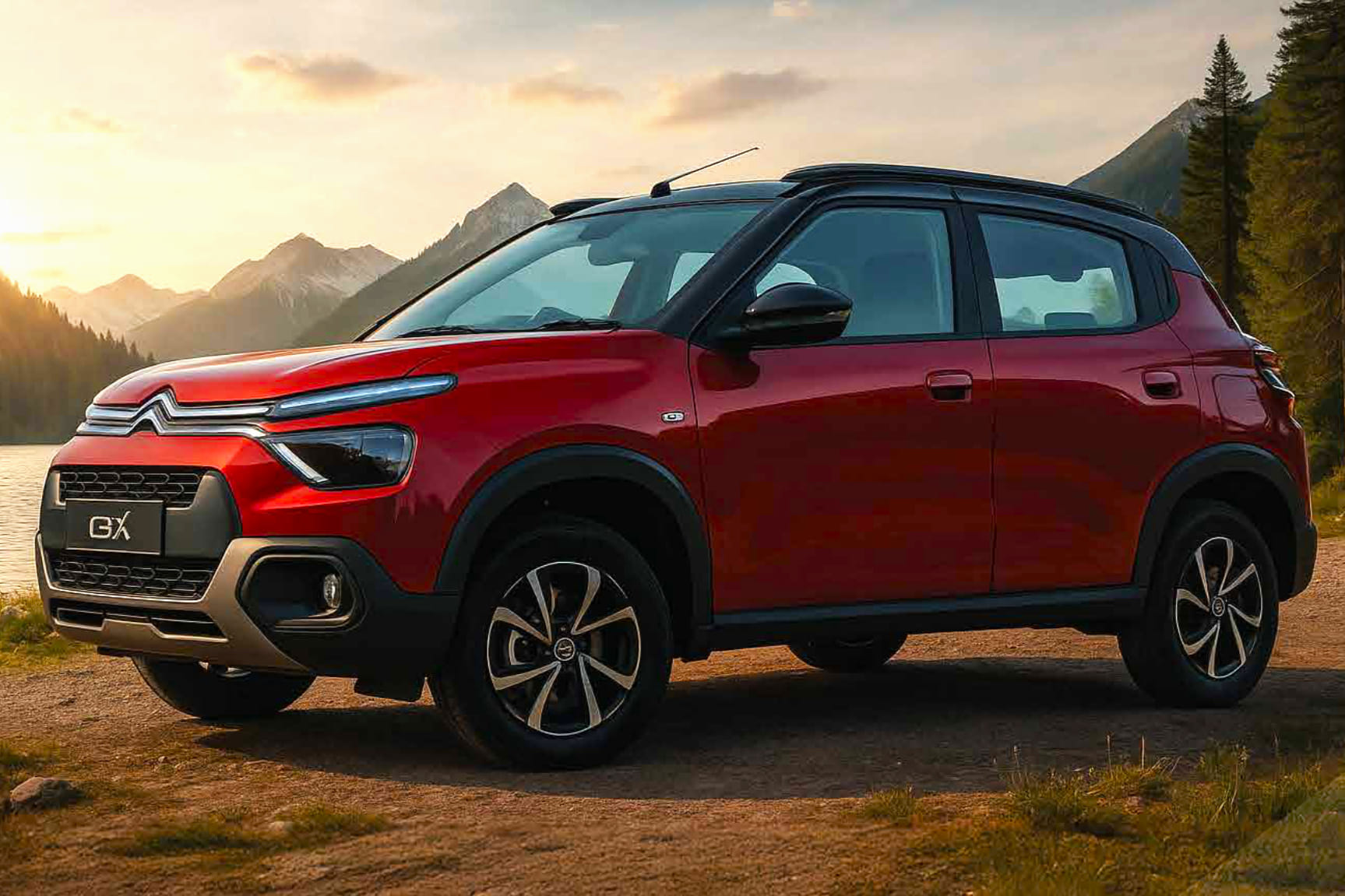
1. Citroen C3

Starting price: Rs 4.99 lakh

Taking top spot on the affordability rankings is the Citroen C3, the French carmaker’s entry-level model for the Indian market. The C3 received an ‘X’ update in 2025 that lowered its pricing and added some useful features. There are two 1.2-litre 3-cylinder petrol engines on offer with the C3: an 82hp naturally aspirated unit and a 110hp turbocharged mill. The NA engine comes with a 5-speed manual only, while the turbo-petrol motor offers either a 6-speed manual or a 6-speed torque-converter automatic.

2026 Citroen C3 price list (Rs lakh)
Trim 1.2 P 5MT1.2 Turbo P 6MT1.2 Turbo P 6AT
Live4.99
Live (O)5.63
Feel6.007.50
Feel (O)6.95
Shine7.788.899.60

All prices are ex-showroom, India.