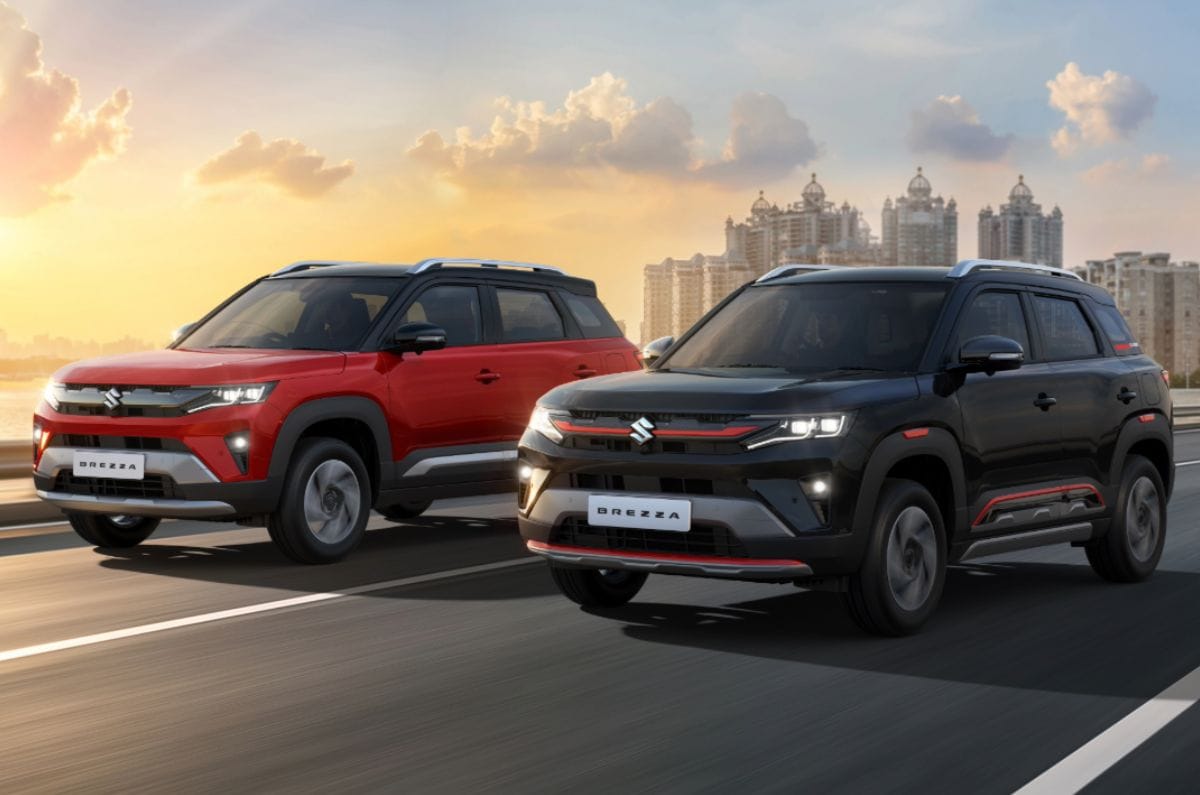
2026 Maruti Brezza turbo petrol vs NA petrol: Differences explained

2026 Maruti Brezza turbo petrol vs NA petrol: Differences explained

The 2026 Maruti Suzuki Brezza has been launched in India with prices starting from Rs 7.40 lakh (ex-showroom). Among the additions Maruti has made to the 2026 Brezza is a 1.0-litre direct-injection turbo-petrol option, which is offered across the SUV’s lineup alongside the naturally aspirated petrol engine. However, some differences distinguish the turbo-petrol variants from the naturally aspirated petrol variants.

2026 Maruti Brezza turbo petrol vs NA petrol: Design differences

Turbo variants differentiate themselves with some red trims outside
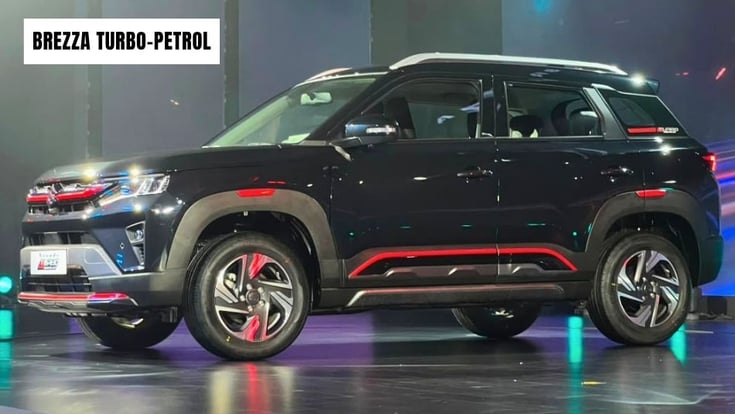
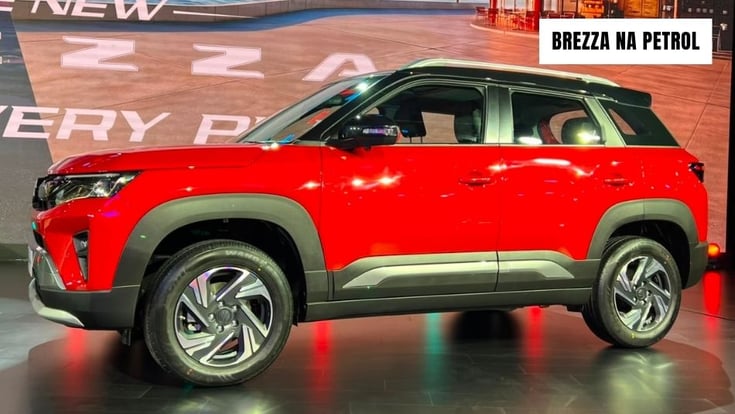
2026 Maruti Brezza turbo petrol
2026 Maruti Brezza NA petrol
 

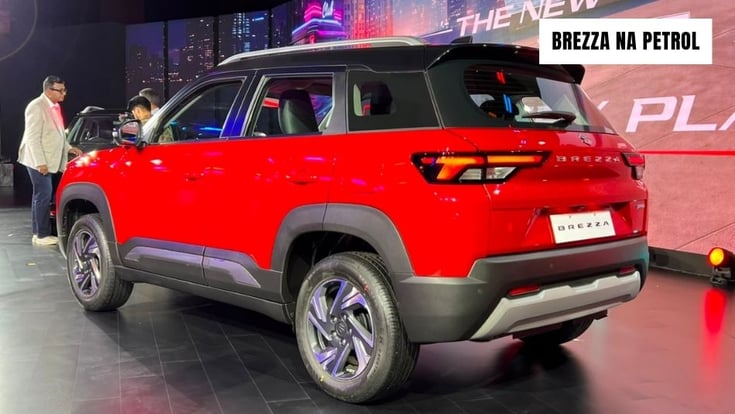
Maruti is offering red exterior trims on the turbo-petrol variants of the Brezza, to differentiate them from the naturally aspirated petrol variants. These red trims, which seem to be aftermarket accessories, can be found on the grille, above the faux silver skid plate on the front and rear bumpers, and on wheel arches and door cladding. Furthermore, the rear quarter glass sports a ‘Turbo Boosterjet” decal, and the tailgate features a ‘Turbo’ badge.
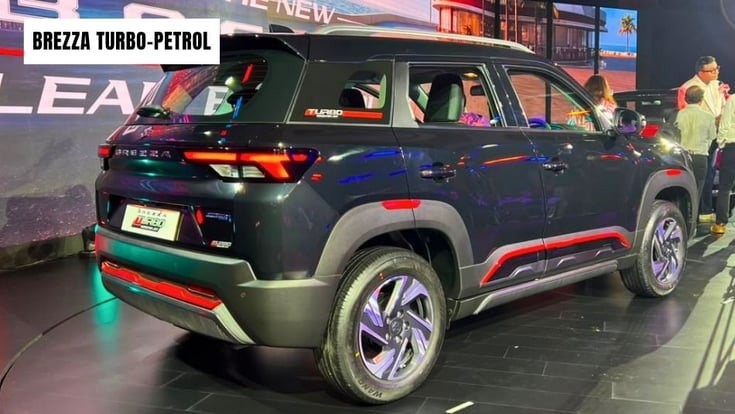
2026 Maruti Brezza turbo petrol
2026 Maruti Brezza NA petrol
 

Everything else, including the dual-pod headlights, LED DRLs, LED fog lamps, 16-inch alloy wheel design, silver roof rails and wraparound LED taillights, is the same on all powertrains. 

Interior design is unchanged across powertrain versions
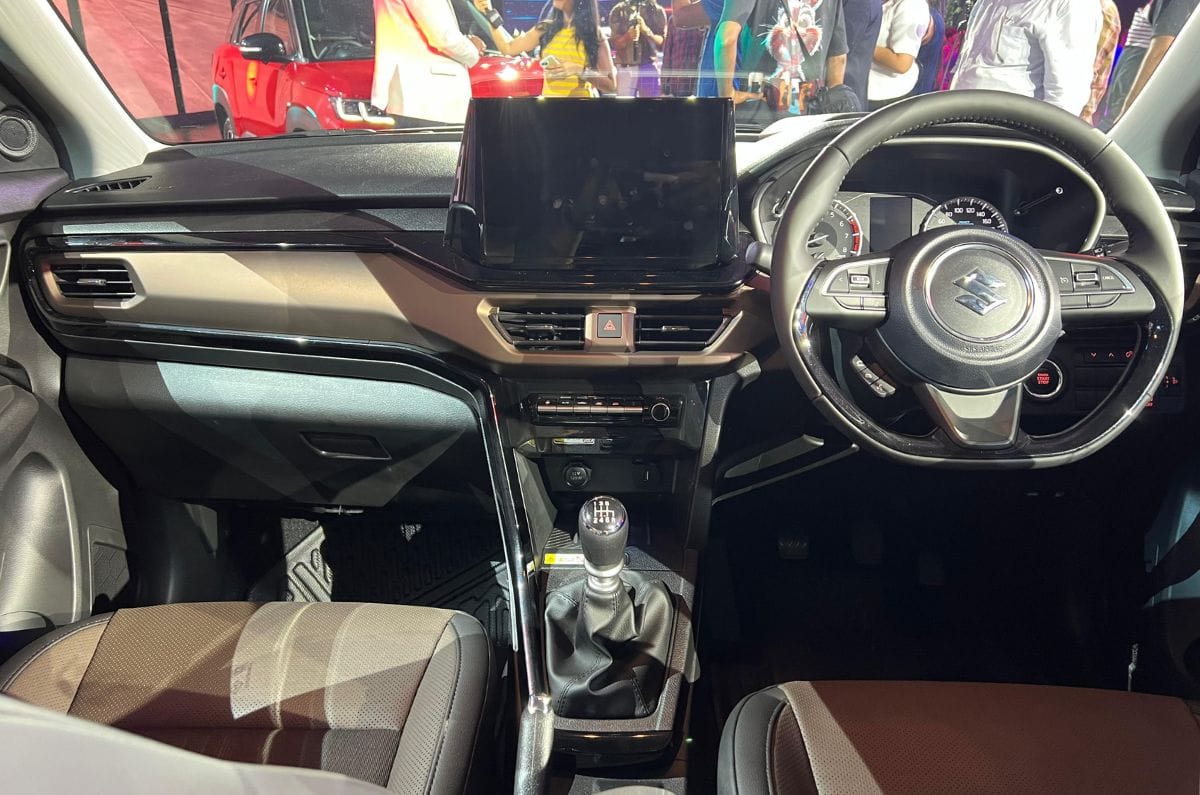
Unlike the exterior, where the red trims, decals and badges are differentiators, the interior design of both naturally aspirated and turbo-petrol variants is identical. Both versions are offered with a black-and-brown cabin theme, a 3-spoke steering wheel, a 10.1-inch touchscreen infotainment system and analogue dials with a coloured multi-information display (MID). Even the menus on the MID are the same across the powertrain versions. 

2026 Maruti Brezza turbo petrol vs NA petrol: Feature differences

Turbo variants get more features in LXi, VXi and ZXi trims

The Brezza’s top-spec ZXi+ variant offers the same feature set across all powertrain options. However, in the lower LXi, VXi, and ZXi trims, the turbo-petrol variants come with additional equipment compared to the naturally aspirated petrol and CNG versions.
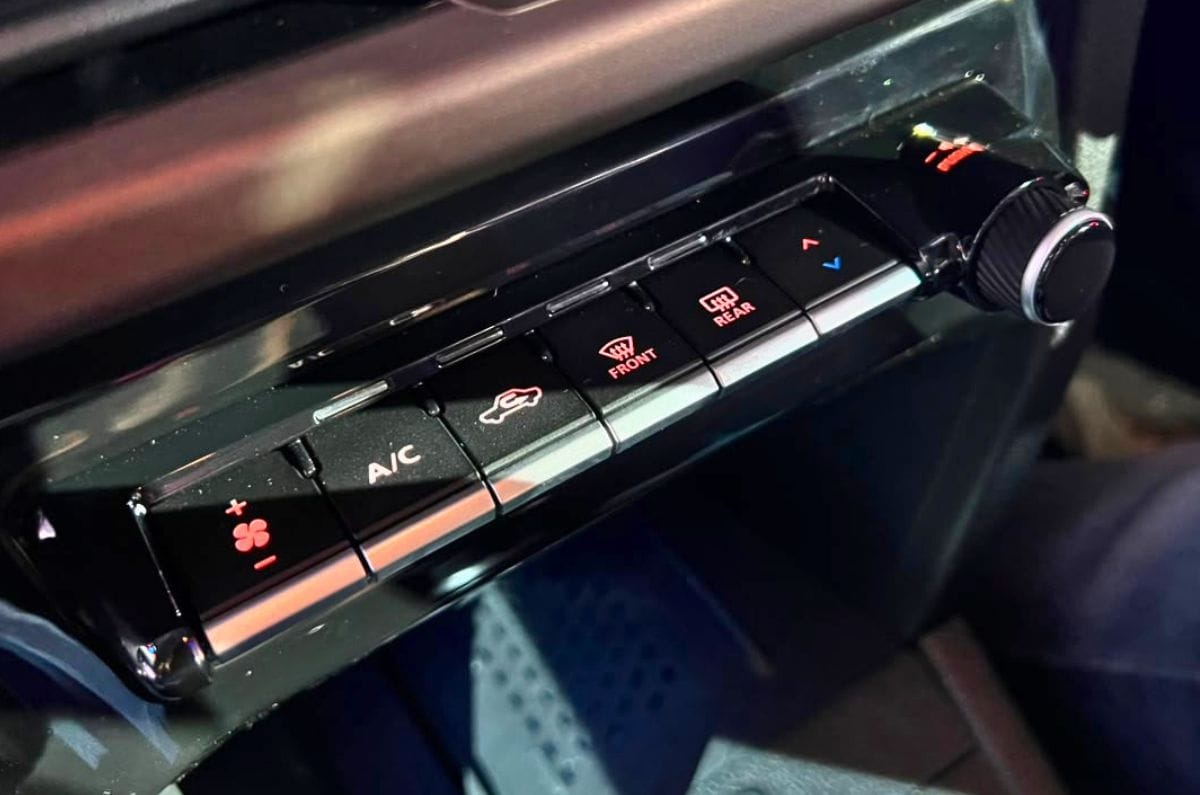
In the LXi trim, the turbo-petrol variants add a rear defogger, a height-adjustable driver’s seat, adjustable rear-seat headrests, and automatic climate control. In the VXi trim, the turbo-petrol variants further gain a reverse parking camera, electrically folding outside rearview mirrors (ORVMs), alloy wheels, and an exclusive Bluish Black exterior colour option. In the ZXi trim, the turbo-petrol variants receive a rear wiper and washer, two tweeters, cruise control, auto headlamps, blind spot warning, safe exit warning, and rear cross-traffic alert.

2026 Maruti Brezza turbo petrol vs NA petrol: Technical differences

The turbo-petrol engine lacks an automatic transmission option
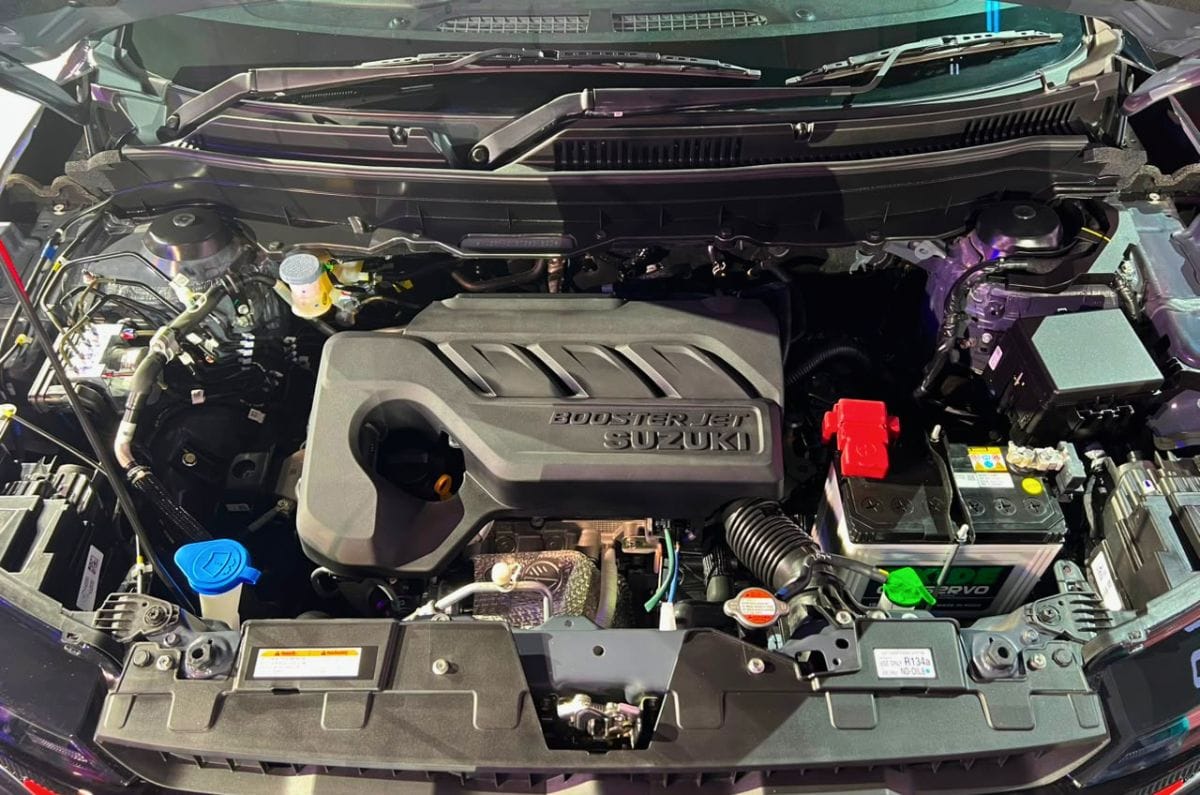
Apart from the visual differences, there are some other technical differences too between the turbo-petrol and naturally aspirated petrol variants. The obvious ones are the differences in cubic capacity and the lack of a cylinder in the turbo unit compared to the naturally aspirated one. What the turbo version also lacks is an automatic gearbox, as this gearbox option is reserved for the naturally aspirated engine on the 2026 Brezza. Interestingly, the Brezza’s turbo-petrol engine is the same as that of the Fronx’s, but the latter is offered with a 6-speed automatic gearbox. Moreover, the turbo-petrol engine is not offered with a CNG option.

Honda ADV160 vs rivals: specification comparison

Honda ADV160 vs rivals: specification comparison

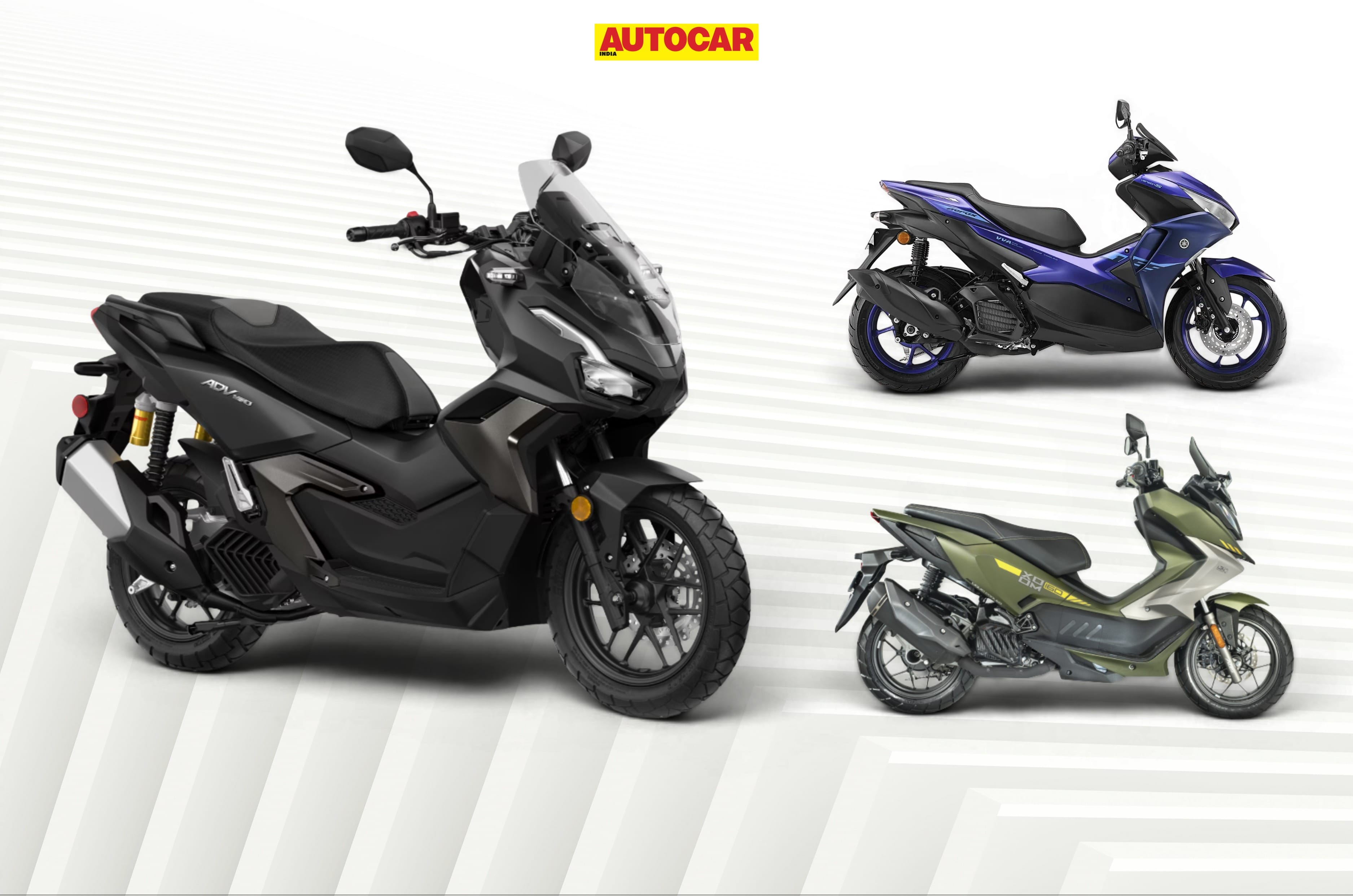
The premium maxi-scooter segment is steadily gathering momentum in India, and Honda has now committed to it with the unveiling of the much-anticipated ADV160. The adventure-styled scooter joins the Hero Xoom 160 and Yamaha Aerox 155, giving buyers another premium 160cc, liquid-cooled option.

Honda, however, has arrived with a trick up its sleeve. The ADV160 has been showcased with an E85-compatible flex-fuel engine, making it the first flex-fuel scooter to be showcased in India. We compare its specifications with those of its closest rivals to see how the three stack up on paper.

Honda ADV160 vs rivals: Engine and output


Honda ADV160

Hero Xoom 160

Yamaha Aerox 155

Engine

157cc, single-cyl, liquid cooled

156cc, single-cyl, liquid-cooled

155cc, single-cyl, liquid-cooled

Power

16.3hp

14.9hp 

15hp

Torque

14.9Nm

14Nm

13.9Nm

Power-to-weight ratio

122.6hp/tonne

104.9hp/tonne

119.0hp/tonne

The ADV160 produces the most power and torque.

Honda has the upper hand on paper here, producing the highest output while also boasting the best power-to-weight ratio of the three. Interestingly, these output figures are marginally higher than those of the ADV160 sold in several overseas markets. Honda also pulled a surprise by showcasing the ADV160 with an E85-compatible flex-fuel engine, making it the first flex-fuel scooter to be showcased in India. While ethanol’s higher octane rating can allow manufacturers to adopt more aggressive engine calibration, Honda hasn’t attributed the ADV160’s class-leading performance specifically to its flex-fuel capability. The Aerox 155 follows closely behind and, thanks to its lower kerb weight, isn’t far off the ADV160 in terms of power-to-weight ratio. The Xoom 160, meanwhile, ranks third on outright performance and also has the lowest power-to-weight ratio, owing largely to it being the heaviest scooter in this comparison.

Honda ADV160 vs rivals: Weight and dimension


Honda ADV160

Hero Xoom 160

Yamaha Aerox 155

Kerb weight

133kg

142kg

126kg

Wheelbase

1323mm

1348mm

1350mm

Ground clearance

NA

155mm

145mm

Seat height

780mm

787mm

790mm

Fuel tank capacity

8.0 litres  

7.0 litres

5.5 litres

The ADV160 comes with the most fuel-carrying capacity

Honda is yet to reveal most of the ADV160’s weight and dimension specifications for the India-spec model, so the figures above have been sourced from the scooter sold in international markets and should be taken with a pinch of salt. Even so, the ADV160 appears to strike a middle ground between its two rivals, undercutting both in seat height while offering the largest underseat storage and fuel tank. The Aerox 155 remains the lightest scooter here and also has the longest wheelbase, while the Xoom 160 is the heaviest but offers a higher ground clearance than the Yamaha.

Honda ADV160 vs rivals: Tyres, brakes and suspension


Honda ADV160

Hero Xoom 160

Yamaha Aerox 155

Tyres

110/80-14 / 130/70-13

120/70 – R14 / 140/60 – R14

110/80-14 / 140/70-14

Brakes

240mm disc / 130mm drum (Single-channel ABS)

240mm disc / drum (Single-channel ABS)

230mm disc / 130mm drum (single-channel ABS)

Suspension

Telescopic fork / dual-shock absorber

Telescopic fork / dual-shock absorber

Telescopic fork / dual-shock absorber

All three scooters get single-channel ABS

There’s little to separate the three scooters when it comes to cycle parts, with telescopic front forks, twin rear shock absorbers and single-channel ABS standard across the board. The ADV160 and Xoom 160 get a larger 240mm front disc, while the Aerox uses a slightly smaller 230mm unit. Hero has equipped the Xoom with the widest front tyre, whereas the Aerox gets the widest rear tyre. The ADV160, meanwhile, is the only scooter here to combine a 14-inch front wheel with a 13-inch rear, while both the Xoom and Aerox ride on 14-inch wheels at both ends. 

Honda ADV160 vs rivals: Features

The ADV160 clearly leads the way when it comes to features. It is the only scooter here to combine a TFT instrument cluster with traction control, an adjustable windscreen and an idling stop system, while also offering the largest underseat storage. The Xoom 160 and Aerox 155 both get smartphone connectivity, navigation and keyless ignition, but rely on LCD instrument clusters. Of the two, only the Aerox offers traction control, while the Xoom counters with an adventure-style design and a competitive feature list. Overall, Honda has equipped the ADV160 with the most comprehensive package on paper.


Honda ZR-V launched at Rs 48 lakh

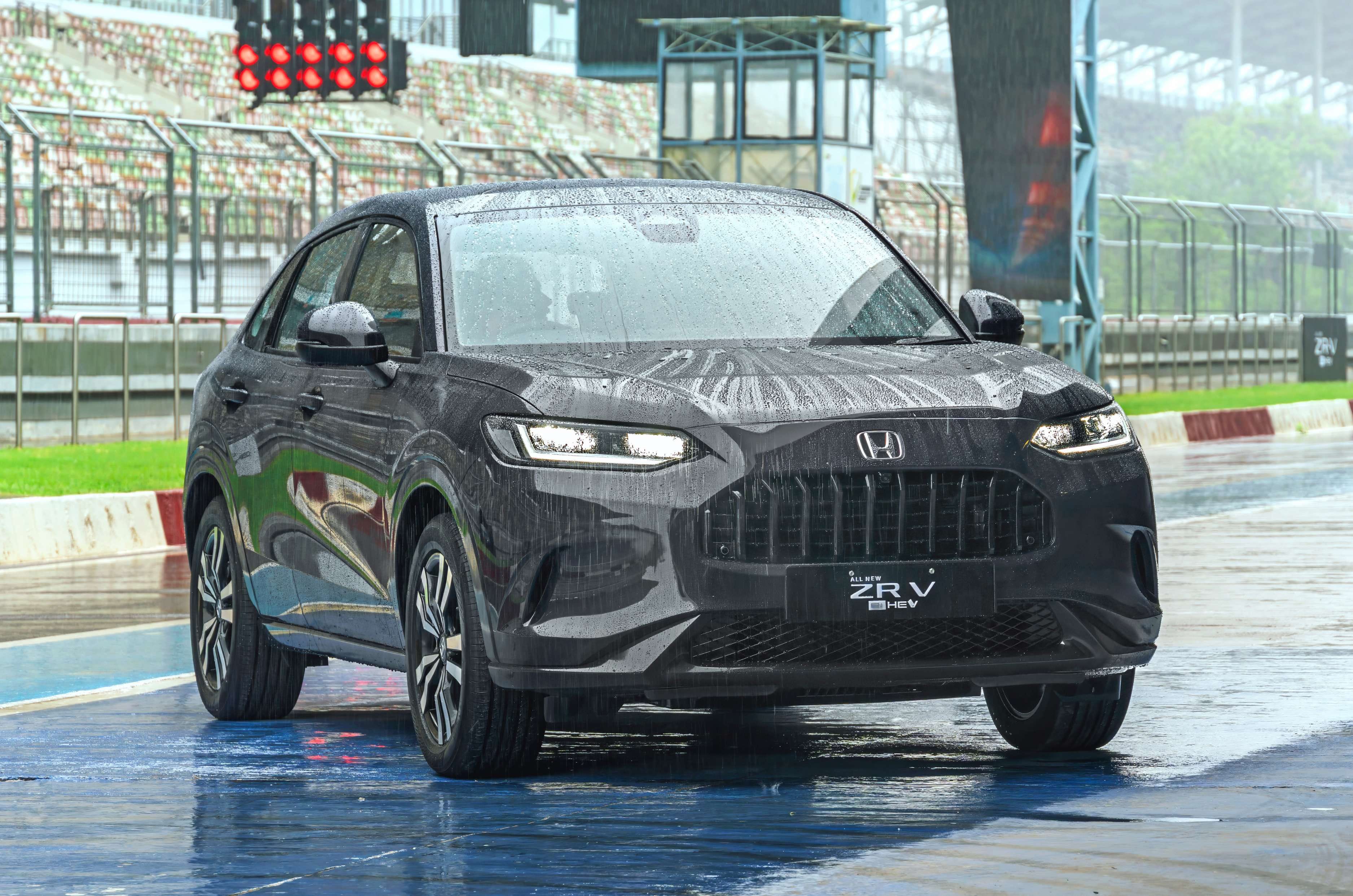
Honda ZR-V front quarter static

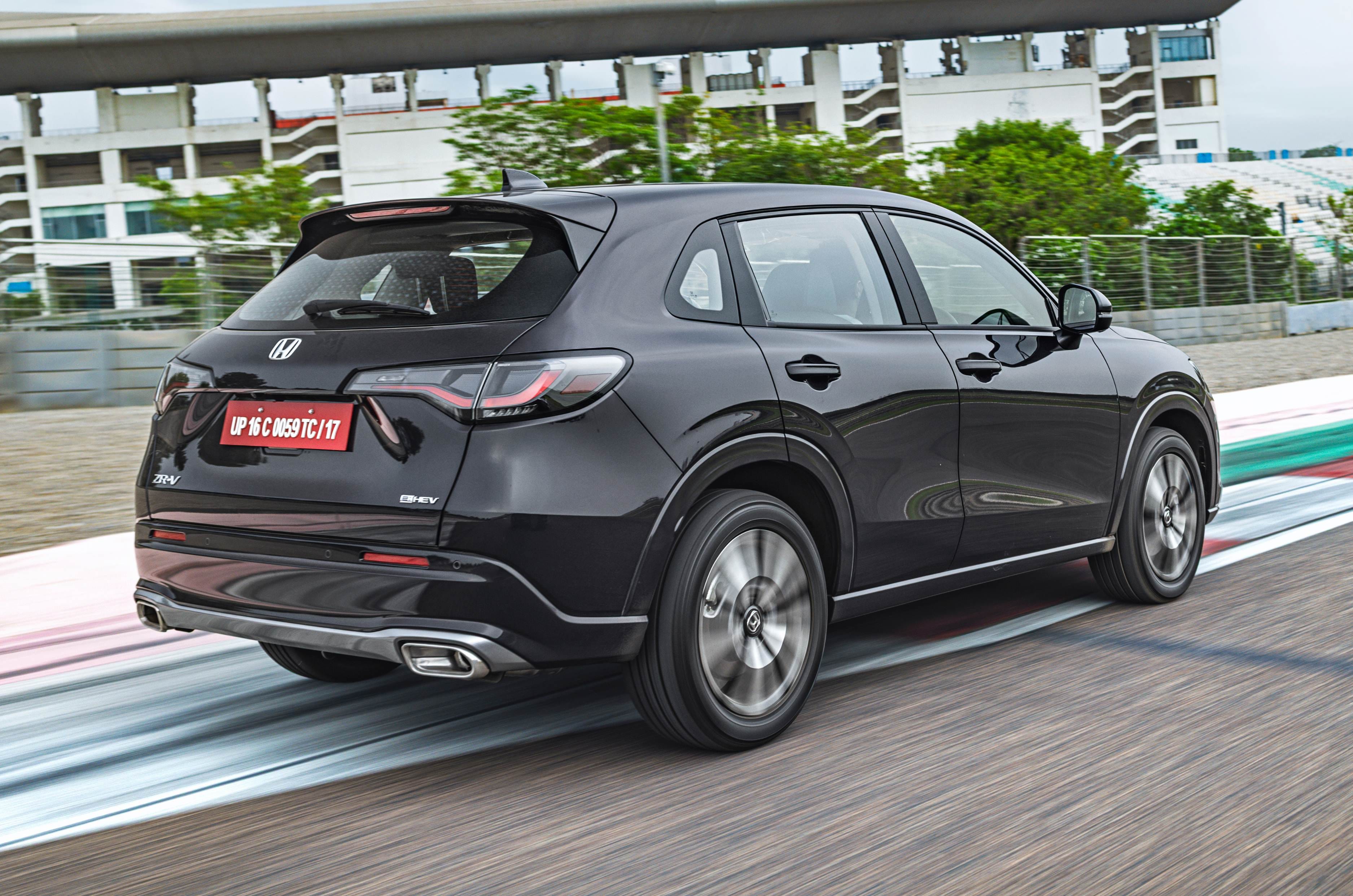
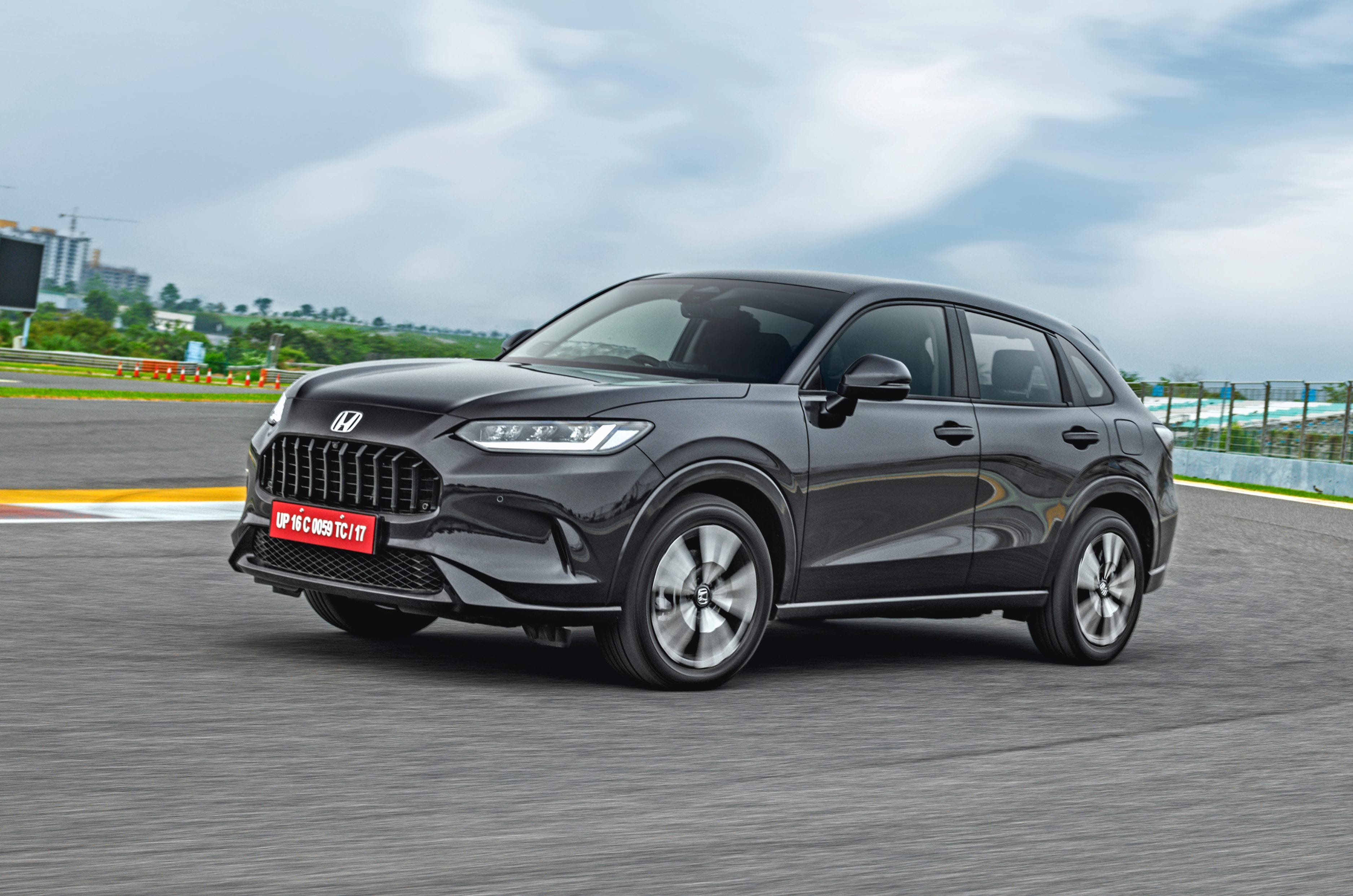
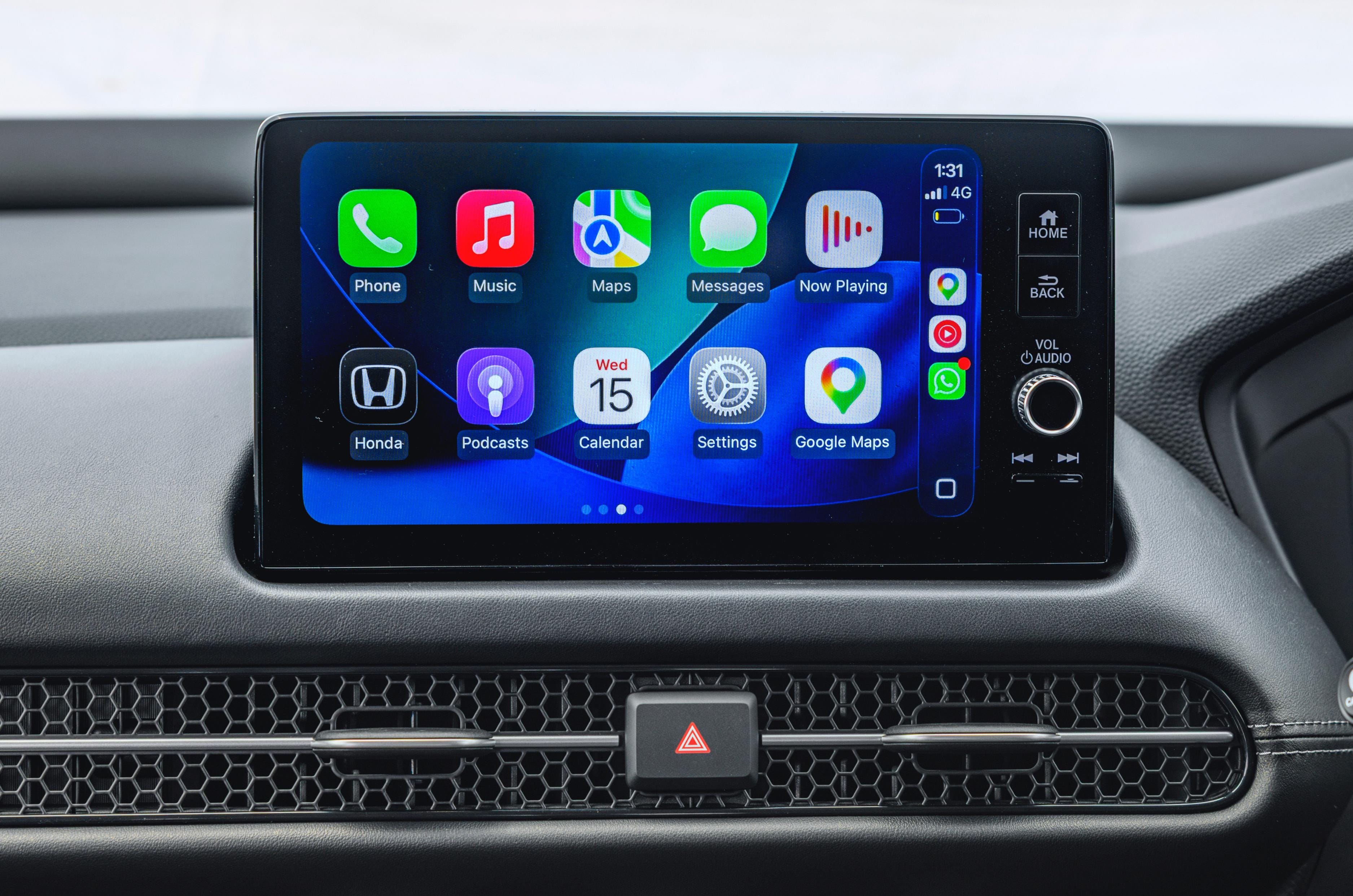
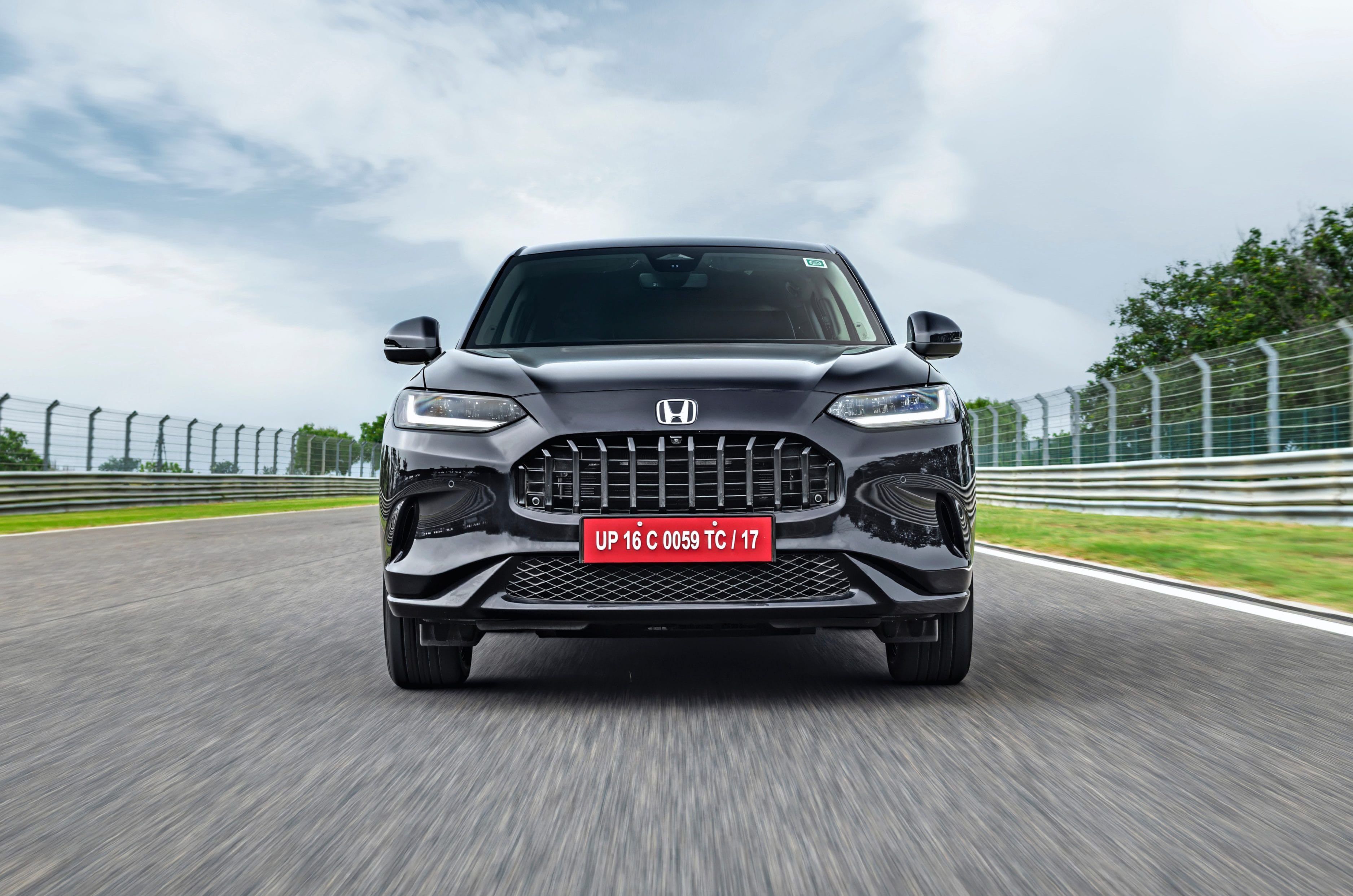
Honda has launched the ZR-V in India at an introductory price of Rs 48 lakh ex-showroom. The SUV sits at the top of the Japanese carmaker’s lineup as the flagship offering for the Indian market. The ZR-V is available only in a single fully loaded variant, and is imported from Japan as a CBU. It is Honda’s alternative to the likes of the Skoda Kodiaq, Volkswagen Tayron and Tiguan. 

3 reasons to buy the Honda ZR-V, and 3 reasons not to

Honda ZR-V

Honda is set to launch the ZR-V hybrid SUV in India as the Japanese carmaker’s new flagship offering for our market. The ZR-V will be sold in India as a fully imported CBU model, and is expected to rival the likes of the Volkswagen Tayron, Jeep Meridian, and Skoda Kodiaq. How compelling a package is the ZR-V at that price? We’ve compiled the upcoming Honda’s most notable strengths and weaknesses below.

Pros

Punchy and refined powertrain

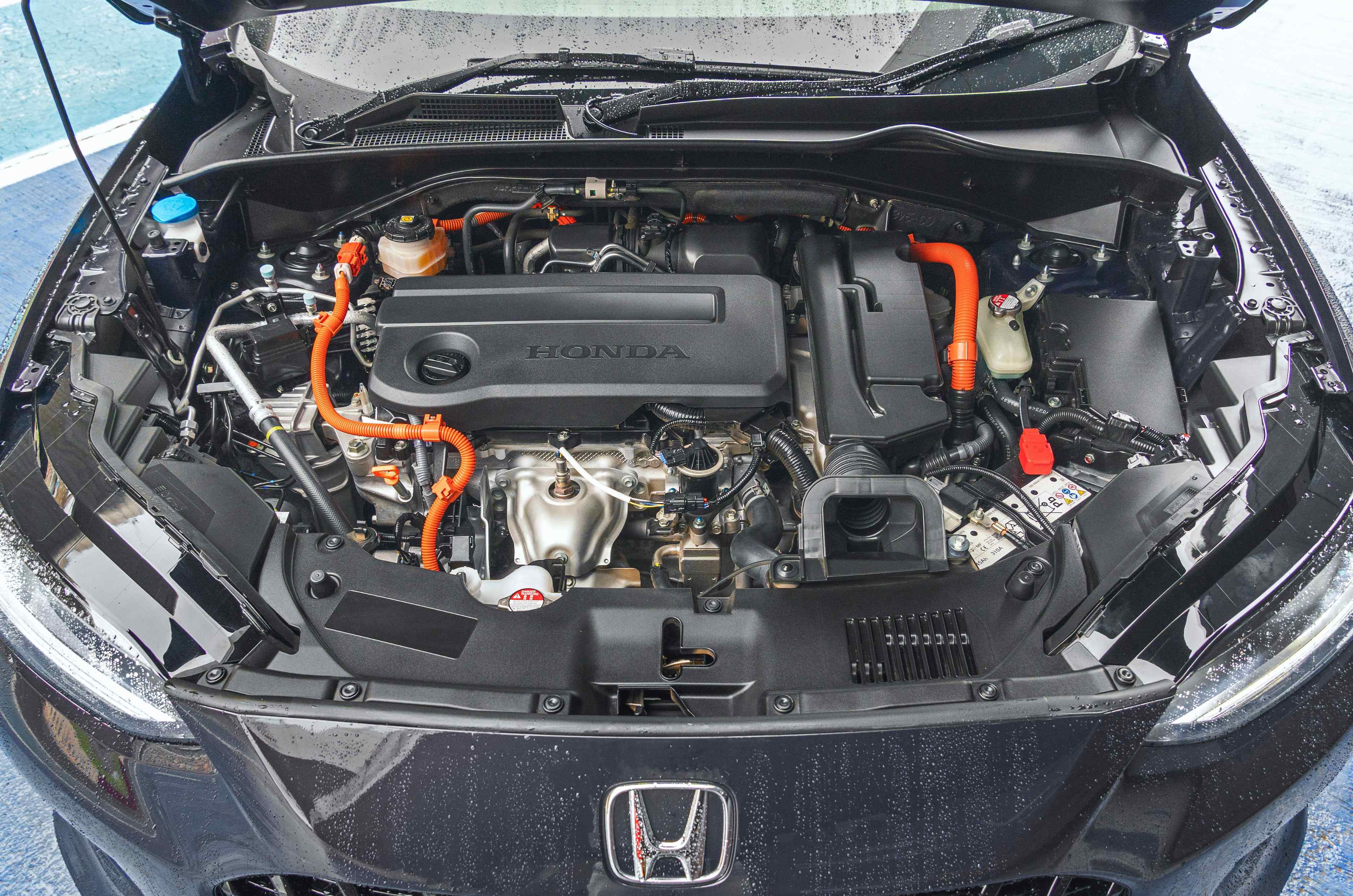
The ZR-V comes with a 2.0-litre naturally aspirated petrol-hybrid powertrain that outputs a combined 184hp and 315Nm, which is routed to the front wheels via an e-CVT. During our BIC track drive of the ZR-V, we found that the SUV deploys all of its torque from the off, which makes it feel rather zippy. Power flows to the wheels in a smooth and linear fashion, and part-throttle inputs feel responsive too.

Overall refinement is excellent, with barely any engine, road, or tyre noise making its way through to the cabin. Provided there’s enough charge in the battery, the ZR-V can even run in pure electric mode at low speeds, thereby reducing NVH levels further. Moreover, Honda claims a 22.8kpl fuel efficiency for the ZR-V, which will likely be appreciated by buyers seeking lower running costs.

Relatively agile handling

Despite its higher-up centre of gravity and front-wheel drive layout, the ZR-V felt nimble and enjoyable to drive around the Buddh International Circuit. The well-weighted and precise steering rack ensured stable and predictable handling around corners, and the ZR-V even held its own around a slalom course, with body control kept well in check.

Well-built interior with good ergonomics

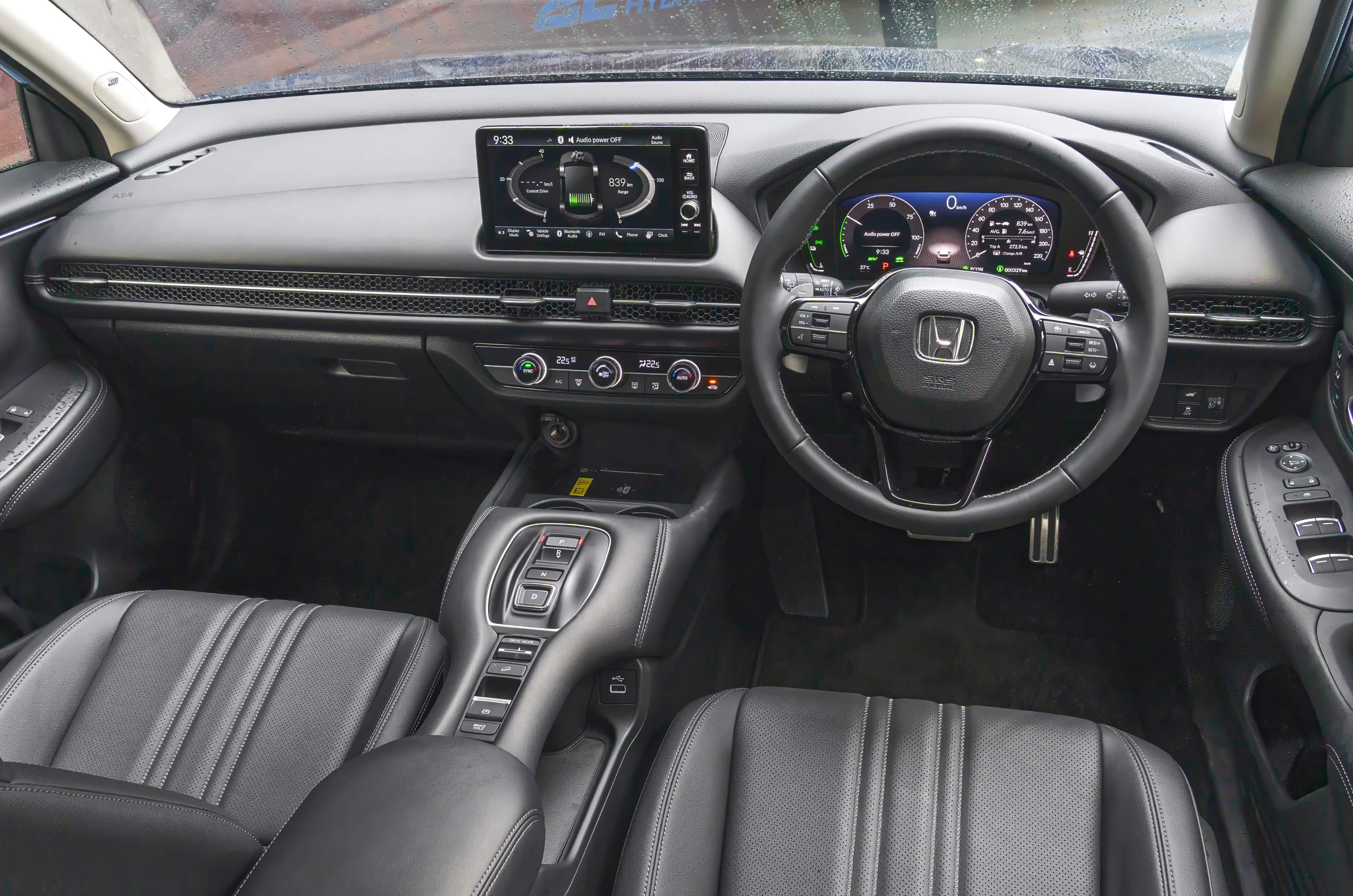
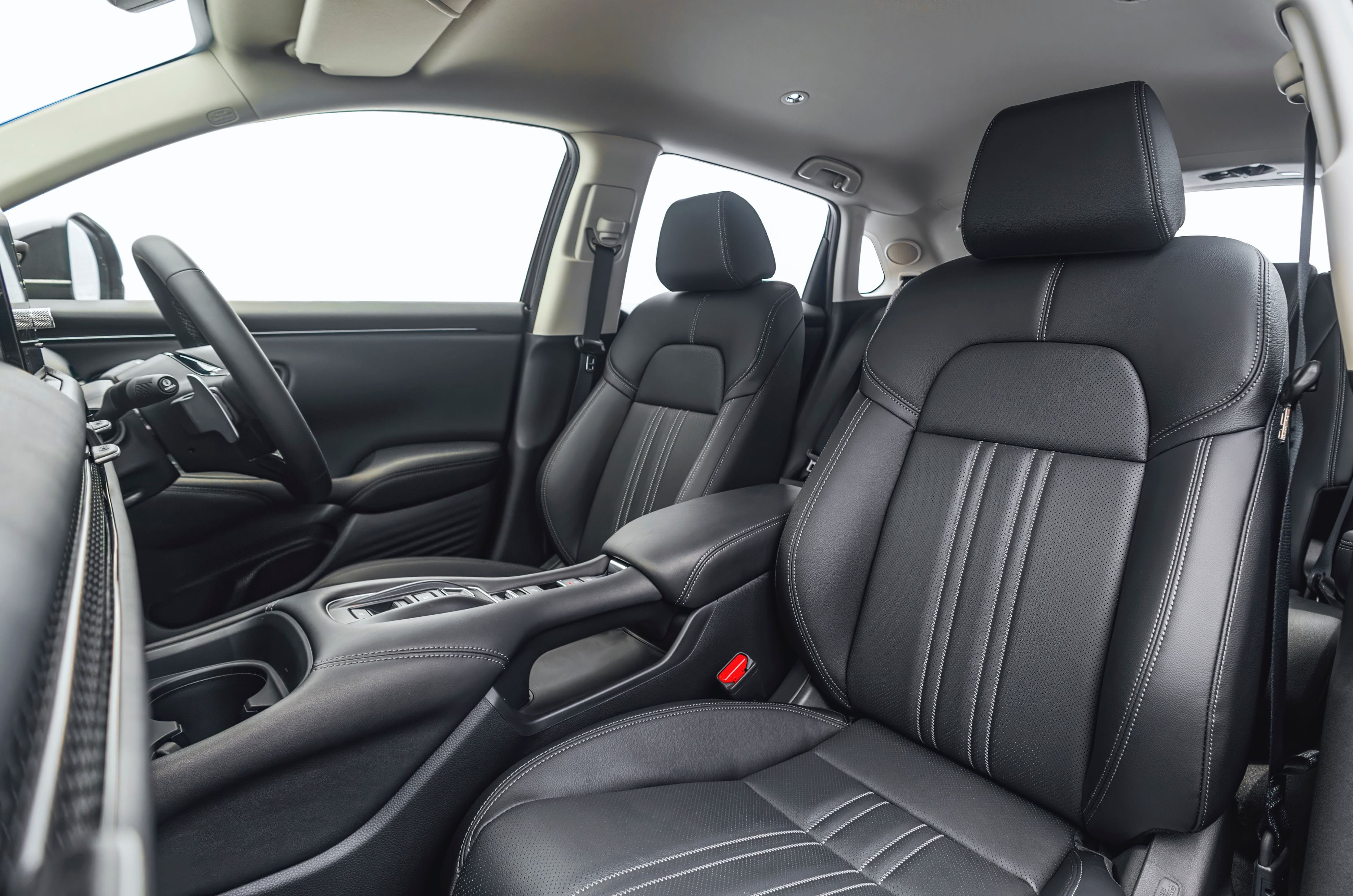
Step inside the ZR-V and you’re greeted by a smartly laid-out dashboard with a plethora of soft-touch materials and premium-feeling trim pieces. The 10.25-inch digital driver’s display also looks neat and well-executed, the front seats feel nicely padded and comfortable, and the low-set dash enables great visibility.

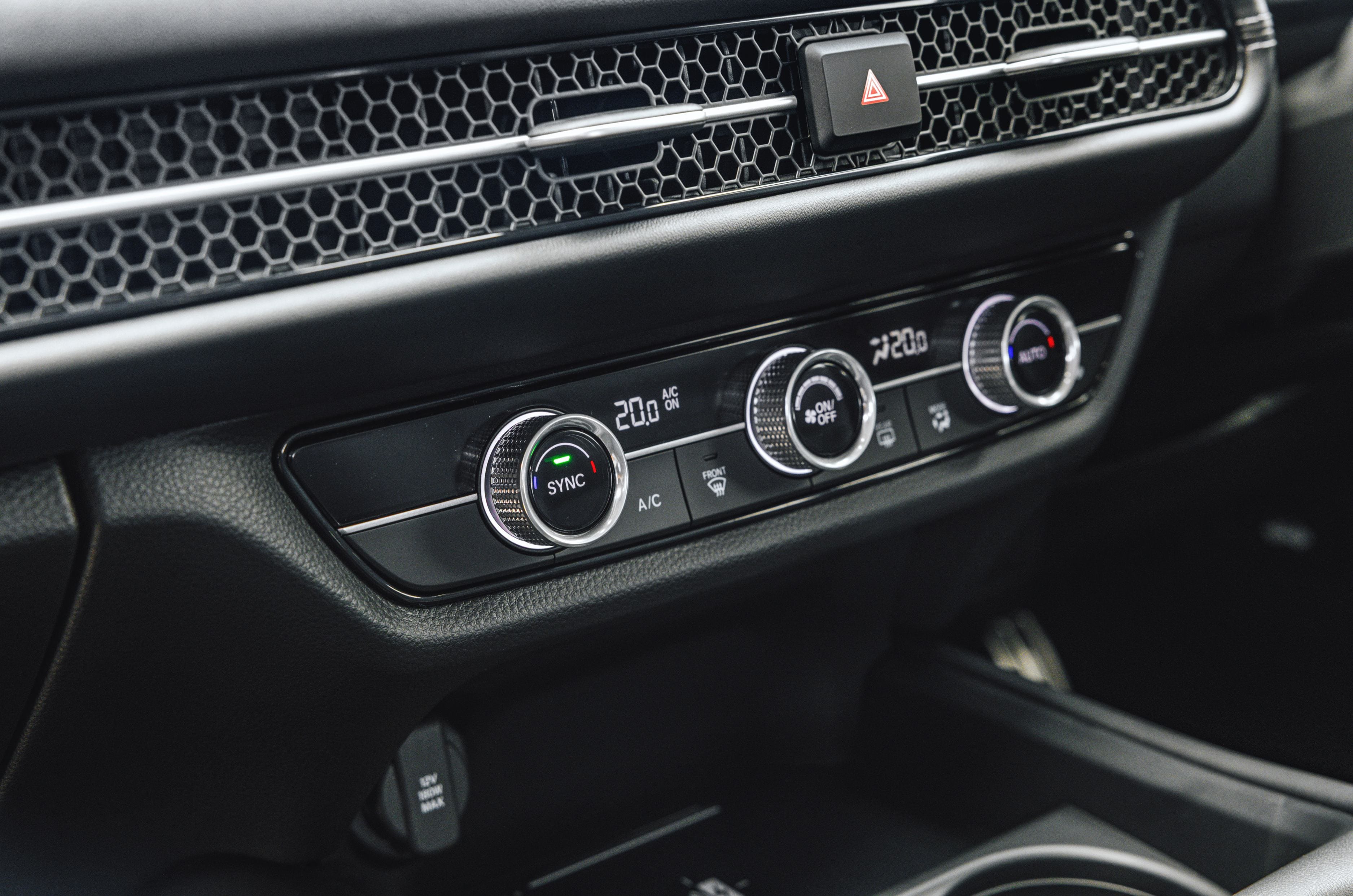
The ZR-V’s dashboard layout isn’t as flashy or tech-laden as some of its rivals, but this isn’t all that bad, as it’s packed with tactile physical controls for nearly every function. There’s a lot of storage space too, including a decently sized glovebox and door bins, and a bridge-type transmission tunnel with a cubby underneath.
Cons

Misses out on some crucial features

A downside of not being as tech-laden as its rivals is that the ZR-V lacks quite a lot of features that buyers may expect at this price point. First off, the ZR-V has a 9-inch infotainment touchscreen, which is bright and works perfectly fine, but is quite small by segment standards – even the much cheaper Honda City has a larger 10.1-inch touchscreen.

The ZR-V also doesn’t get a panoramic sunroof or heated, ventilated, and massaging front seats (the City offers ventilated front seats), and its 360-degree camera is quite low-res too.

Rear seat comfort feels lacking

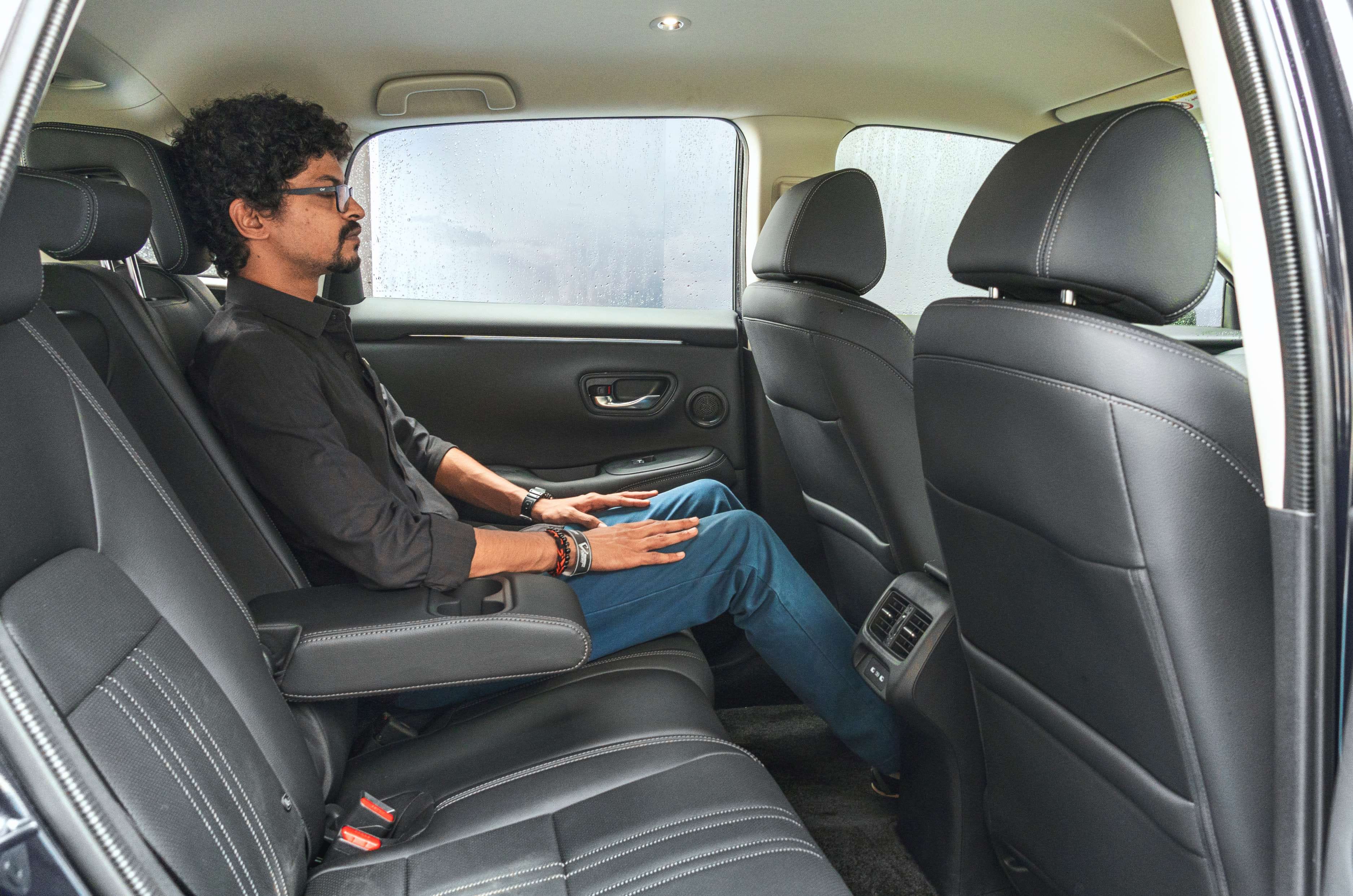
While the ZR-V’s low-set rear bench makes ingress rather easy, it also means that you sit in a somewhat knees-up position, which may not be comfortable over extended periods. There are no rear sunshades to block harsh sunlight either, and the tapering roofline limits headroom for occupants over 6 feet tall.

Expected to be expensive

Since the ZR-V will retail as a CBU, pricing is anticipated to land at around Rs 45 lakh (ex-showroom). At that price, and with all the aforementioned drawbacks, the ZR-V could end up being a hard sell, especially when rivals like the Tayron, Kodiaq, and Meridian are bigger, more feature-loaded, and can even be had as 7-seaters.

Adishwar Group plans new approach for premium motorcycle business in India

Adishwar Group plans new approach for premium motorcycle business in India

Between 2022-2023, AARI (Adishwar Auto Ride India) Pvt. Ltd. introduced as many as sixteen new models under lesser known Chinese brands like Keeway, Moto Morini and Zontes – all of which were new to our market at the time. Since then the company has greatly streamlined its product portfolio. 

  1. New launches will only happen if the products make business sense
  2. Smaller dealer format being considered for tier 2, tier 3 towns

This is especially true for Keeway, which now only has four products on sale, half of what it did in the recent past. AARI has also deliberately scaled back sales of Zontes bikes in India, although aftersales and service support for existing customers will not be impacted. 

Vikas Jhabakh, MD, AARI elaborated, “If you remember a few years back, we had scaled up quite a lot. And in retrospect, maybe quite quickly in a very short period. I think that that realization came to us.”

“With all OEMs, we’ve gotten extremely picky [with what we launch]. If we don’t think it’s a fit for more than one reason, we are very comfortable pushing back saying, thank you, but we won’t take this. Whether it is for price reasons or product [related] reasons.”

Vikas Jhabakh, Managing Director of Adishwar Auto Ride India pvt. ltd.

Currently, the company wants to streamline the number of offerings it has and focus only on retaining models that have cemented a business case for themselves. Case in point, the Keeway V302C has carved out a niche for itself despite commanding a steep Rs 4.49 lakh (ex-showroom, India) sticker price. Vikas claims that, for a small demographic, this 300cc cruiser with a V-Twin engine keeps generating repeat sales and this is the exact niche it wants to target. 

AARI also wants to maintain a healthy relationship with its dealers and ensure they continue to generate business as well as stick around for a long time. On that topic, Vikas said, “I think a better dealer network is always beneficial for customers. You don’t want to be too far away from a product. You don’t want to be too far away from a service centre. Not only have we consolidated on brand and product portfolio, we’ve consolidated on the dealer network also, where we have 37 dealers across the country.” 

In fact, the company is also exploring a new dealer format for smaller tier-2 and tier-3 towns in India. He added, “We are now exploring short store formats in tier two, tier three, [towns] where we only work for products which are priced under Rs 2.50 lakh. Do small stores and workshops, give accessibility to the market, where they don’t have to go to the closest tier 1 city.”

New Benelli, Keeway and Moto Morini launches on the horizon

New Benelli, Keeway and Moto Morini launches on the horizon

There has been an extended period of silence from Adishwar Auto Ride India (AARI) Pvt. Ltd., the company that retails brands like Benelli, Keeway, Moto Morini, Zontes and QJMotor, when it comes to new product launches. We recently had the opportunity to speak to Vikas Jhabakh, MD, who shed some light on the business as well as what to expect from these Chinese brands in the near future. 

  1. New Benelli product likely to launch this year or early 2027
  2. TNT600i ruled out for India return due to emissions norms and E20 fuel

New product launches planned across all brands, starting with Benelli

Keeway and Moto Morini are also due to see new launches

While AARI has had a relatively muted past 18 months (more on that below), the company has plans to launch more models across the various brands in its umbrella. Benelli, Vikas said, is the most important brand name for AARI and there will be more launches under its umbrella. “For Benelli, we will definitely bring in one product before the end of this year. We are under homologation right now. So we are fairly confident.” 

“With Benelli, the strategy is one product every year for the next three years, including this year. So, let us say one this year, one next year, one the year after that. I think Benelli has always been our bread and butter brand that is going to be there. And we’re also exploring more products. Some within Benelli, some within Keeway, one Moto Morini specifically that we’re looking at.”

Vikas Jhabakh, Managing Director of Adishwar Auto Ride India Pvt. Ltd.

Benelli currently has four models in India, all based on the same 502cc, twin-cyl platform – Leoncino neo-retro, 502C sporty cruiser, TRK 502 and TRK 502X ADVs. While Vikas declined to identify any future products, he did rule out the return of the popular four-cylinder TNT600i sport naked. The reason being that the bike is neither emissions nor E20 fuel compatible and ensuring it does will need significant investment and testing. 

Keeway too will see further products coming in, although they could be rebadged Benda models, like the V302C currently sold here. Coming to Moto Morini, Vikas explicitly mentioned that AARI is looking at “one specific product.” While no indication was given about what that model could be, we believe the Alltrhike 450 adventure bike is a good candidate for our market. With CFMoto’s India re-entry plans on hold, the Moto Morini Alltrhike 450 could offer a rather similar experience because it is based on the same engine and chassis platform. 

For future Keeway and Moto Morini launches, no concrete timelines were shared. 

8000 की नौकरी से 14 लाख followers तक | Inspiring Comeback Story | Isa Khan || The Better India Hindi

8000 रुपये की नौकरी करने वाला एक टीचर Covid में सब कुछ खो बैठा। Coaching Centre बंद, सिर्फ 4 student बचे। लेकिन जब लगा कि सब खत्म हो गया है तभी उसने अपनी जिंदगी का सबसे बड़ा फैसला लिया।
आज वही इंसान 14 लाख लोगों को Inspire कर रहा है और पूरी दुनिया घूम रहा है।

ये सिर्फ एक कहानी नहीं, ये Proof है कि अंत के बाद भी एक नई शुरुआत होती है।

@khan.isa

Teacher turned Content Creator Life Changing Story, Failure to Success

8000 की नौकरी से 14 लाख followers तक | Inspiring Comeback Story | Isa Khan |
#thebetterindia #goodnews #positivestories #indianews #thebetterindiahindi #hindi

Follow us for more:

Facebook: https://www.facebook.com/thebetterindia.hindi
Instagram: https://www.instagram.com/thebetterindia.hindi/
Twitter: https://twitter.com/TbiHindi
LinkedIn: https://www.linkedin.com/company/the-better-india-hindi/

Website: https://hindi.thebetterindia.com/

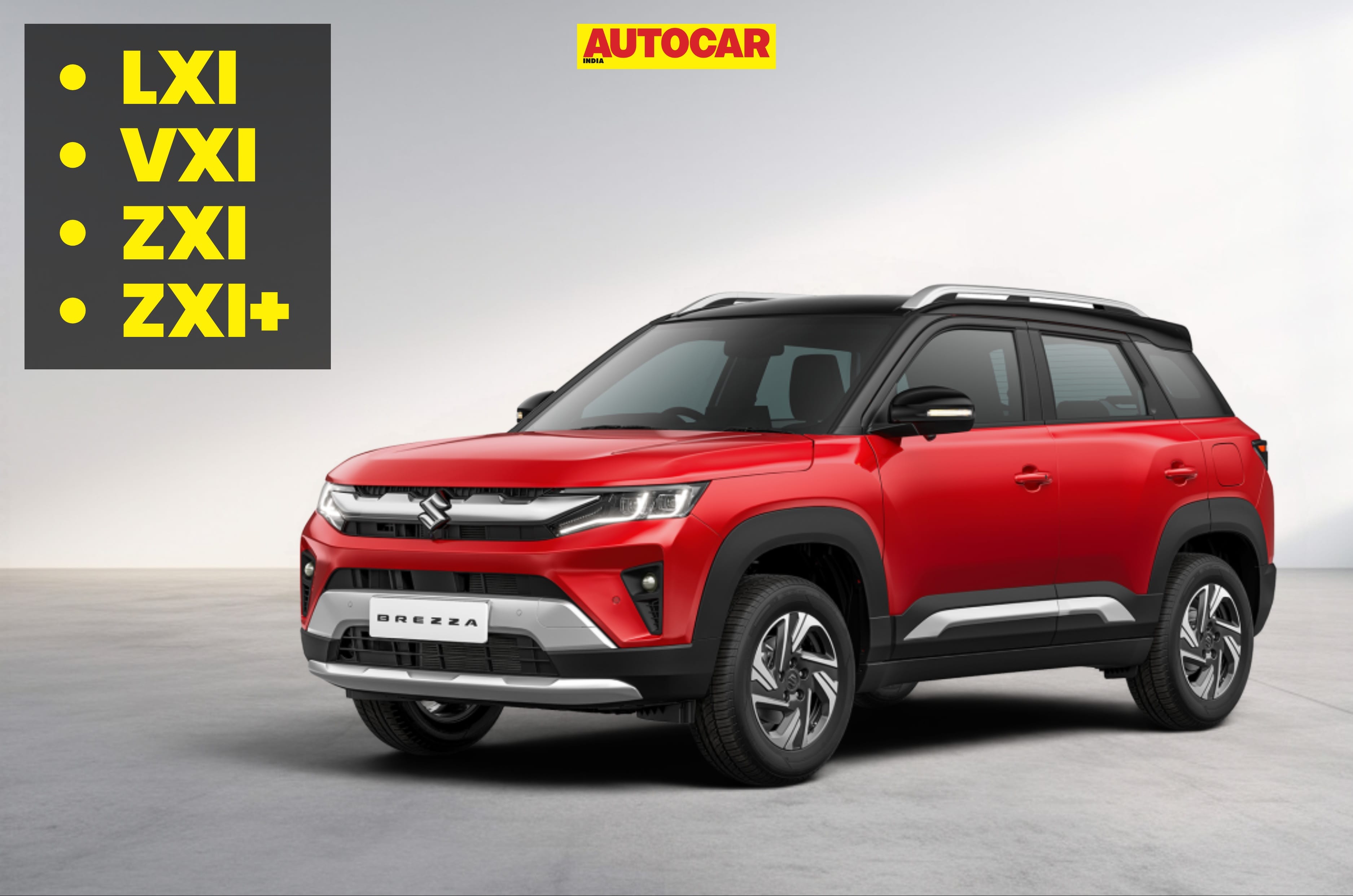
Which variant of the 2026 Maruti Suzuki Brezza should you buy?

Maruti Suzuki Brezza

The 2026 Maruti Suzuki Brezza facelift receives updated exterior styling, a revised interior, new convenience and safety features, and a broader powertrain line-up. Buyers can choose from petrol, turbo-petrol and factory-fitted CNG powertrains across four trims – LXi, VXi, ZXi and ZXi+. Here’s a detailed look at what each variant offers and which one you should consider buying.

2026 Maruti Suzuki Brezza facelift powertrains

Maruti Suzuki Brezza facelift variant-wise powertrain options
Variant1.0 Boosterjet 6MT1.5 Petrol 6MT1.5 Petrol 6AT1.5 CNG 6MT
LXiYYY
VXiYYYY
ZXiYYYY
ZXi+YY

The Brezza facelift is priced at a at a starting price of Rs 7.40 lakh and is available with three powertrain options spread across the four-variant line-up. The new 1.0-litre Boosterjet direct injection turbo-petrol engine is offered across all four trims with a 6-speed manual gearbox. The 1.5-litre K15C petrol engine is available with a 6-speed manual on the LXi, VXi and ZXi, while the 6-speed automatic can be had from the VXi onwards, including the range-topping ZXi+. Buyers looking for a factory-fitted CNG option can choose between the LXi, VXi and ZXi variants, as the top-spec ZXi+ is offered only with petrol power.

2026 Maruti Suzuki Brezza facelift colour options

The Brezza facelift is available in nine exterior colours, including monotone and dual-tone finishes. Dual-tone paint schemes are limited to higher variants, while colour availability varies depending on the trim. The ZXi and ZXi+ also get additional premium paint options and dual-tone combinations.

2026 Maruti Suzuki Brezza facelift variant-wise features

LXi 

Powertrains: 1.0 Boosterjet 6MT, 1.5 Petrol 6MT, 1.5 CNG 6MT

  • Six airbags
  • Electronic Stability Program (ESP)
  • Hill Hold Assist
  • Rear parking sensors 
  • ISOFIX child seat mounts
  • Three-point seatbelts for all occupants
  • Tyre repair kit
  • Tilt-adjust steering
  • Keyless entry
  • Driver-side auto up/down power window
  • Rear AC vents
  • Electrically adjustable ORVMs
  • Halogen projector headlamps
  • LED tail-lamps
  • Roof spoiler
  • Shark-fin antenna
  • 16-inch steel wheels with wheel covers
  • Fabric upholstery
  • Manual day/night IRVM
  • Rear defogger (Boosterjet only)
  • Height-adjustable driver’s seat (Boosterjet only)
  • Auto climate control (Boosterjet only)

VXi 

Features over LXi

Powertrains: 1.0 Boosterjet 6MT, 1.5 Petrol 6MT/6AT, 1.5 CNG 6MT

  • 7-inch touchscreen infotainment system
  • Wireless Android Auto and Apple CarPlay
  • ARKAMYS sound system
  • Steering-mounted audio and Bluetooth controls
  • Suzuki voice assistant
  • Remote infotainment app
  • Reverse parking camera (Boosterjet)
  • Automatic climate control 
  • Height-adjustable driver’s seat
  • Rear defogger
  • 16-inch alloy wheels (Boosterjet)
  • Electrically foldable ORVMs (Boosterjet)

ZXi

Features over VXi

Powertrains: 1.0 Boosterjet 6MT, 1.5 Petrol 6MT/6AT, 1.5 CNG 6MT

  • Electric sunroof
  • Push-button start
  • LED projector headlamps
  • Auto headlamps (Boosterjet)
  • Chrome front grille
  • 60:40 split-folding rear seat
  • Roof rails
  • Rear centre armrest
  • Parcel tray
  • Wireless charger 
  • Rear centre armrest with cupholder
  • Ambient lighting
  • Rear wiper and washer (Boosterjet)
  • Cruise control (Boosterjet)
  • Tweeters (Boosterjet)
  • Front parking sensors (Boosterjet)
  • Blind Spot Warning (Boosterjet)
  • Rear Cross Traffic Alert (Boosterjet)
  • Tyre Pressure Monitoring System (Boosterjet)

ZXi+ 

Features over ZXi

Powertrains: 1.0 Boosterjet 6MT, 1.5 Petrol 6AT

  • 10.1-inch touchscreen infotainment system
  • ARKAMYS Surround Sense audio system
  • Connected car technology (Suzuki Connect)
  • Front centre armrest with storage
  • Front sliding armrest
  • LED fog lamps 
  • LED DRLs
  • Cooled glovebox
  • Auto-folding ORVMs
  • Auto-dimming IRVM
  • 360-degree camera 
  • In-built navigation with live traffic updates
  • Rear USB ports (Type-A and Type-C)
  • Internet connectivity
  • Cruise control
  • Alexa Auto voice assistant
  • Over-the-air app updates
  • PM2.5 cabin air filter with AQI display
  • Ventilated front seats
  • Leatherette upholstery
  • 64-colour ambient lighting
  • 16-inch diamond-cut alloy wheels 
  • Leather-wrapped steering wheel
  • Blind Spot Warning
  • Rear Cross Traffic Alert

Which 2026 Maruti Suzuki Brezza facelift variant should you buy?

The ZXi is the sweet spot in the Brezza facelift range. It gets many of the features buyers in this segment are likely to appreciate, including an electric sunroof, LED projector headlamps, wireless charger, push-button start and ambient lighting, while remaining available with all three mainstream powertrains – the 1.5-litre petrol manual, 1.5-litre petrol automatic and factory-fitted CNG. This makes it the most well-rounded variant for most buyers.

If you’re planning to buy the new 1.0-litre Boosterjet turbo-petrol, the ZXi again stands out. In addition to the features mentioned above, it adds equipment such as cruise control, front parking sensors, Blind Spot Warning, Rear Cross Traffic Alert and a tyre pressure monitoring system, making it the best-balanced turbo variant in the Brezza range.

The ZXi+ is best suited to buyers who specifically want the larger 10.1-inch touchscreen, Suzuki Connect connected car technology, ventilated front seats, leatherette upholstery, 360-degree camera and premium cabin features. While it offers the most comprehensive equipment list in the Brezza range, the additional convenience features may not justify the price premium for every buyer.

All prices are ex-showroom, India.

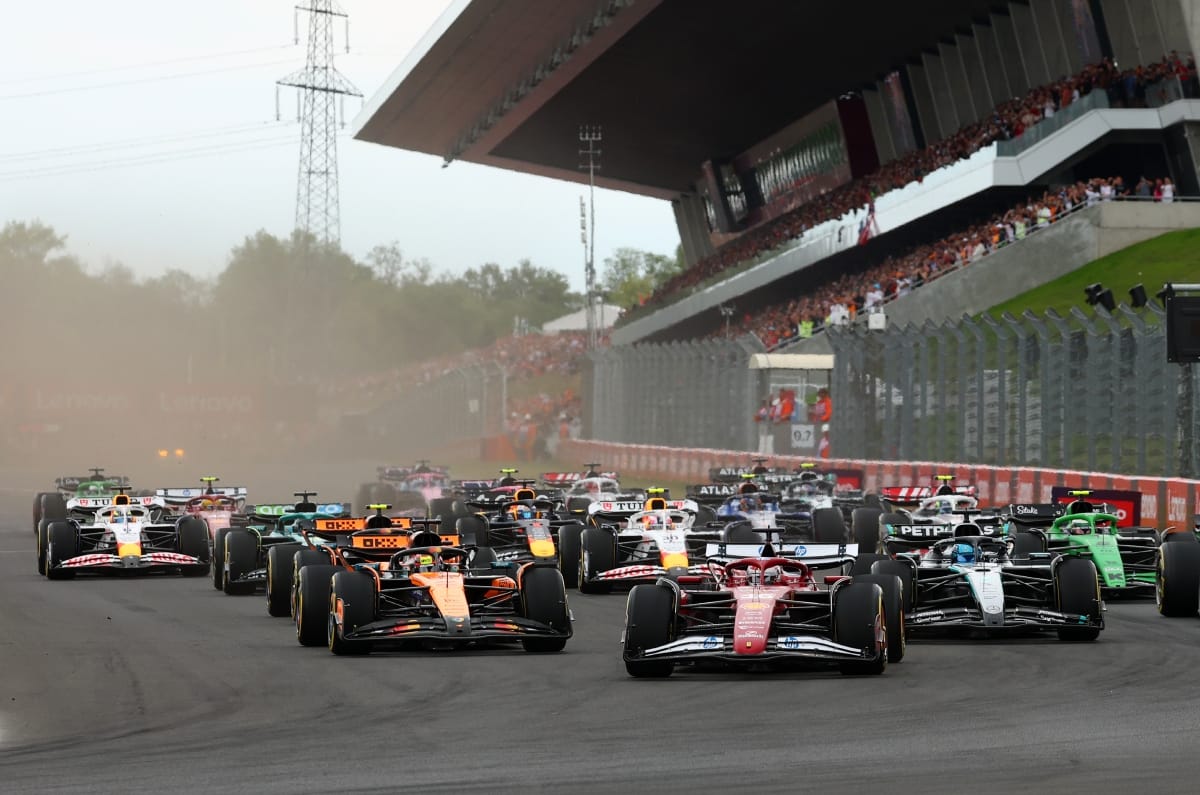
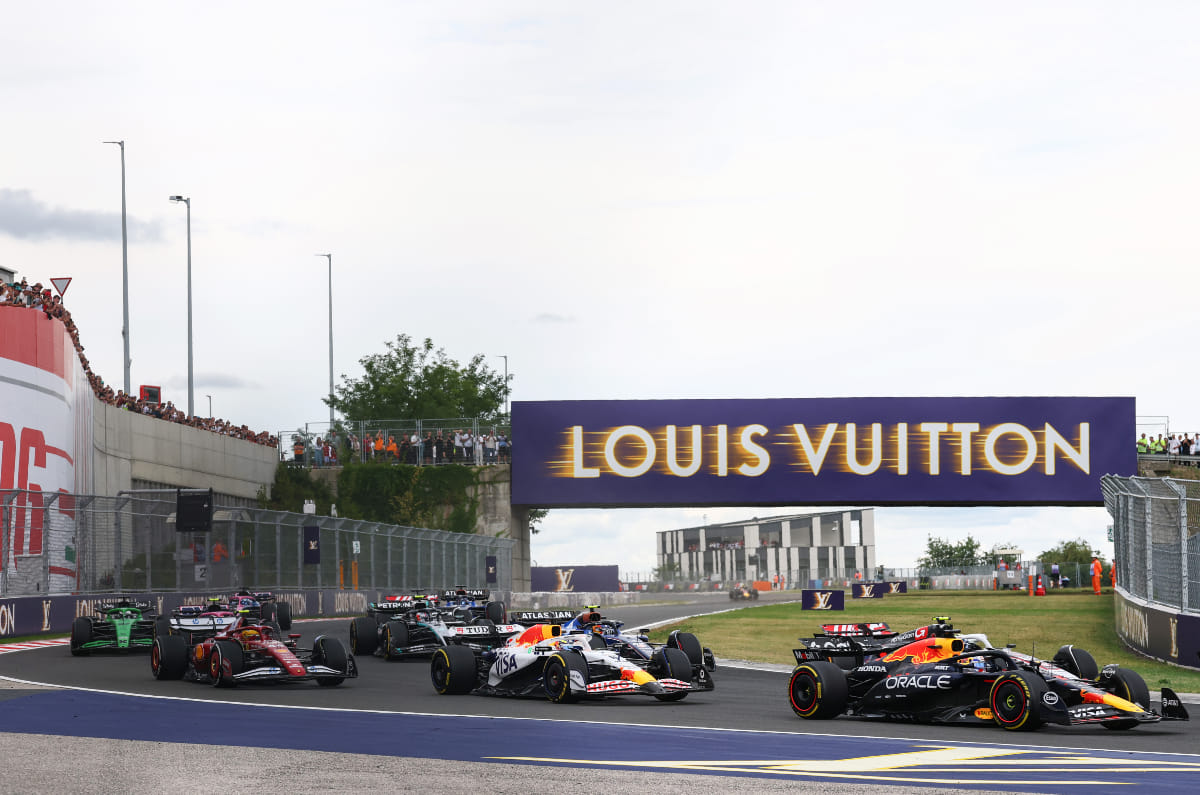
2026 F1 Hungarian GP schedule, India timings

F1 Hungarian GP schedule

The first half of the 2026 F1 season will wrap up at the Hungarian GP this weekend, with this being the last race before the month-long summer break kicks off. All teams will have to stop working on their cars for two weeks in August as part of F1’s mandatory shutdown before the season resumes once again at Zandvoort on August 23. 

There’s plenty more motorsport action in store with F2, Formula E and DTM rounds coming up as well. Here’s our ultimate guide for when and where to tune in from India.

F1 Hungarian GP schedule

F1 Hungarian GP schedule IST

Kimi Antonelli extended his championship lead after winning the Belgian GP. George Russell’s championship bid, however, took a big hit following his retirement. Mercedes later revealed that Russell was struggling with an undiagnosed straight-line speed deficit at Spa. The Hungaroring’s lack of straights should help mitigate this issue a bit, and Russell will be looking for a strong weekend to get his title bid back on track.

Hungaroring is also expected to be a strong track for Ferrari, with the SF-26 proving to be more competitive on less power-sensitive tracks. Aston Martin, meanwhile, is expected to bring some significant updates as it looks to salvage what has been a difficult season so far.

F1 Hungarian GP: Where to watch?

All F1 Hungarian GP sessions will be streamed live on the FanCode and F1 TV apps.

2026 F1 Hungarian GP IST schedule

Date

Day

Session

Time

July 24

Friday

FP1

5pm

July 24

Friday

FP2

8:30pm

July 25

Saturday

FP3

4pm

July 25

Saturday

Qualifying

7:30pm

July 26

Sunday

Race

6:30pm

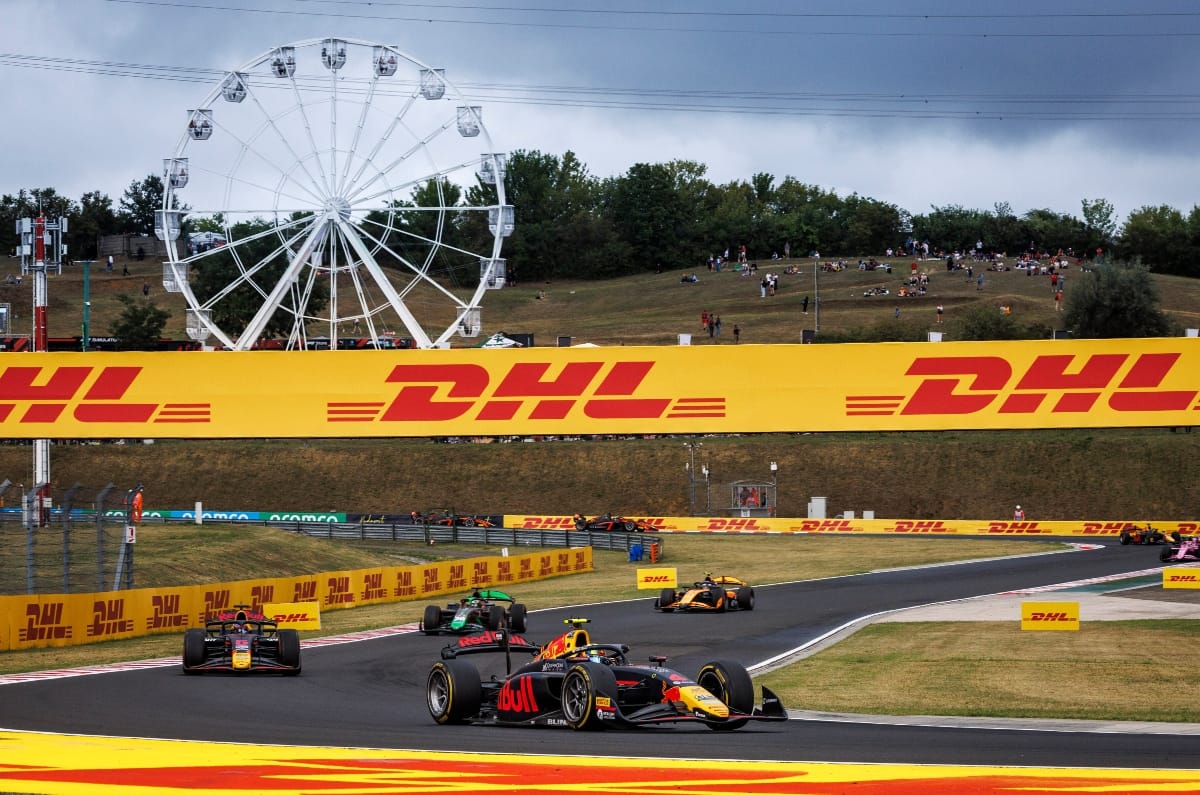
F2 Hungarian GP schedule

F2 Hungarian GP schedule IST

Nikola Tsolov has extended his F2 championship lead to 27 points from Gabriele Mini. However, the season has delivered plenty of twists and turns so far, so the Campos Racing driver will be looking to further consolidate that advantage before the summer break. 

India’s Kush Maini still holds on to sixth place overall, tied with Dino Beganovic and six points behind Noel Leon. 

F2 Hungarian GP: Where to watch?

All F2 Hungarian GP sessions will be streamed live on the FanCode and F1 TV apps.

2026 F2 Hungarian GP IST schedule

Date

Day

Session

Time

July 24

Friday

Practice

2:35pm

July 24

Friday

Qualifying

7:25pm

July 25

Saturday

Sprint Race

5:45pm

July 26

Sunday

Feature Race

2:55pm

Formula E Tokyo E Prix schedule

Formula E Tokyo schedule IST

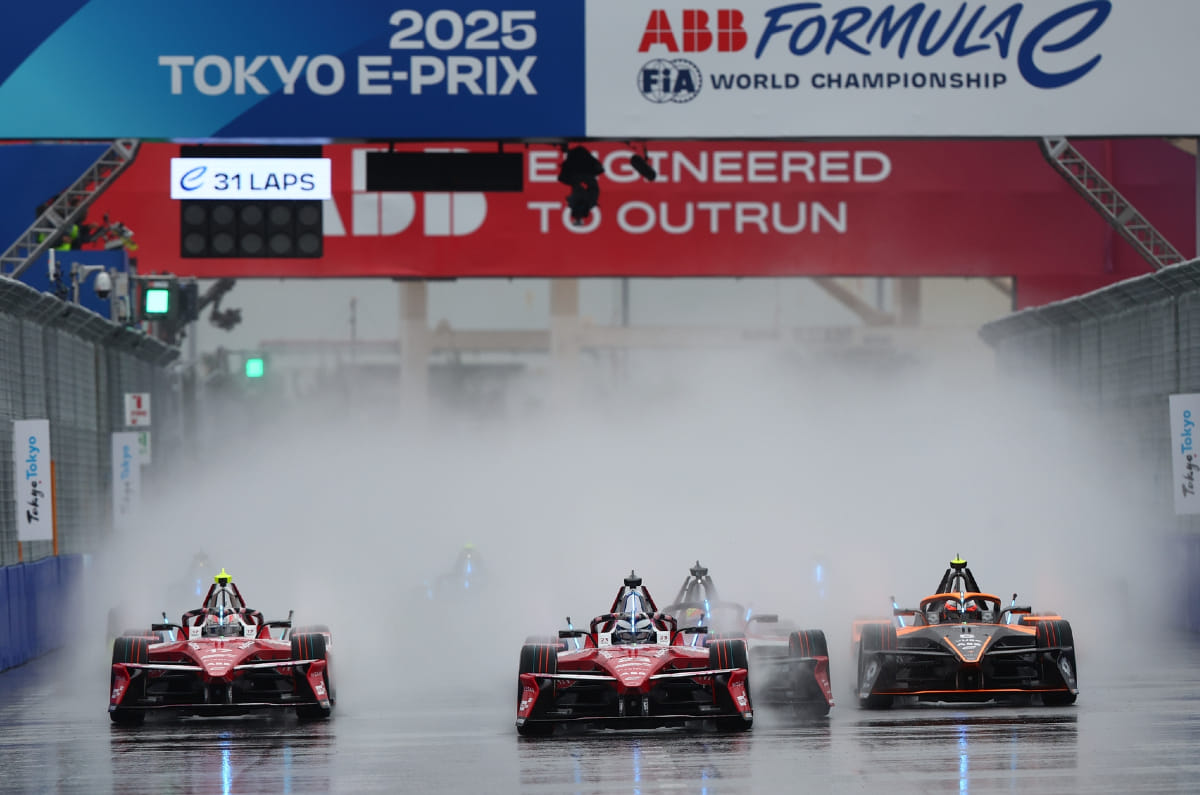
Formula E has been racing at Tokyo since 2024. However, the races will have a new look this year as they will be hosted at night for the very first time. 

With just four more races to go, Porsche’s Pascal Wehrlein currently holds the overall lead, 9 points ahead of Jaguar’s Mitch Evans and 27 points clear of Nissan’s Oliver Rowland. Jaguar holds the advantage in the team’s championship, but Porsche is just six points behind. So the Tokyo double-header could very well shake up the order. India’s Mahindra Racing, meanwhile, is P4 overall, just two points behind Andretti.

Formula E Tokyo E Prix: Where to watch?

Qualifying and races will be streamed live on Sony Liv as well as Sony Sports Ten 5.

2026 Formula E Tokyo E Prix IST schedule

Date

Day

Session

Time

July 24

Friday

FP1

3:30pm

July 25

Saturday

FP2

10am

July 25

Saturday

Qualifying 1

12:10pm

July 25

Saturday

Race 1

4:35pm

July 26

Sunday

FP3

10am

July 26

Sunday

Qualifying 2

12:10pm

July 26

Sunday

Race 2          

4:35pm

DTM Oschersleben IST schedule

DTM Oschersleben schedule IST

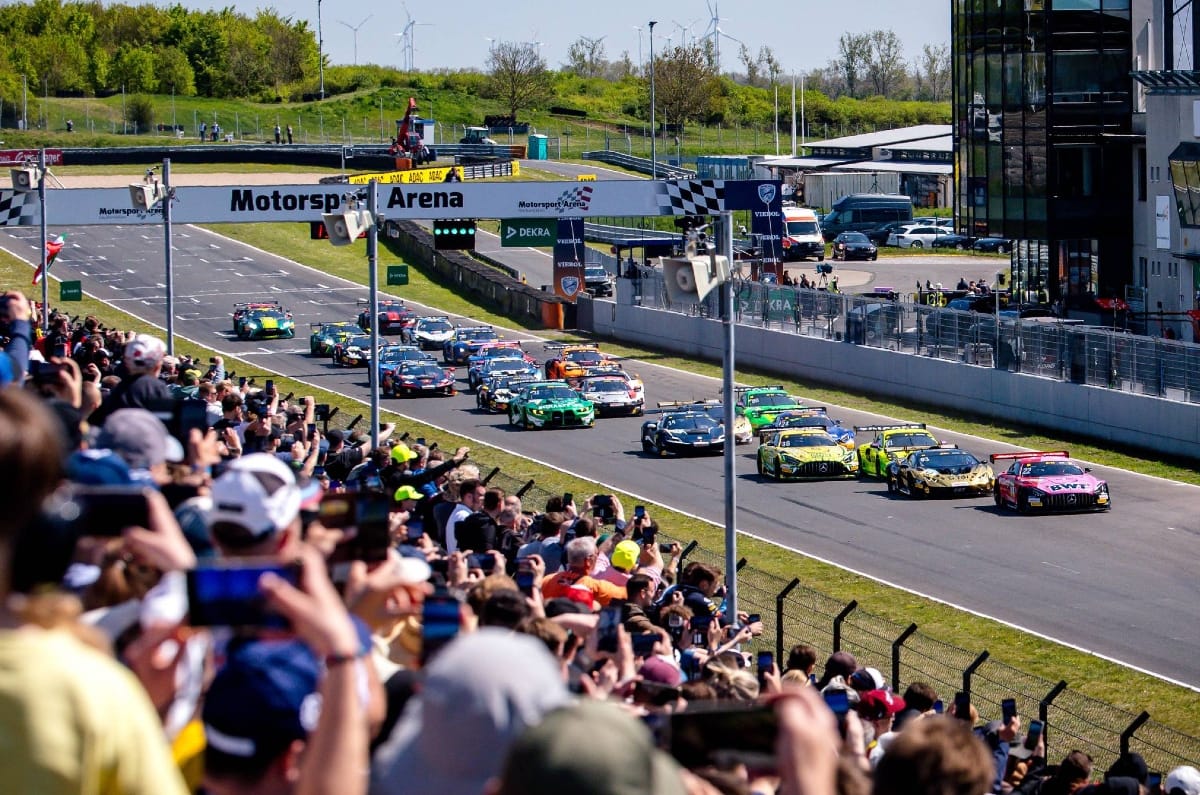
India’s Arjun Maini made his first DTM podium appearance of the year at Norisring. This also marked his very first podium with the HRT Ford Racing Team. He’s now moved up to seventh place in the standings, two points behind Ben Dorr and three points behind Marco Wittmann.

Nicki Thiim holds the overall lead, ahead of Maro Engel and Lucas Auer.

DTM Oschersleben: Where to watch?

All DTM Oschersleben sessions will be streamed live on the FanCode app.

2026 DTM Oschersleben IST schedule

Date

Day

Session

Time

July 24

Friday

FP1

2:30pm

July 24

Friday

FP2

7:05pm

July 25

Saturday

Qualifying 1

1:15pm

July 25

Saturday

Race 1

5pm

July 26

Sunday

Qualifying 2

12:55pm

July 26

Sunday

Race 2

5pm

Hyundai i20 crosses 15 lakh unit sales milestone

Hyundai i20

The Hyundai i20 has crossed the 15 lakh sales milestone in India, nearly 18 years after it first went on sale in December 2008. The premium hatchback reached the 1 lakh sales mark in 2010, crossed 5 lakh units in 2015, and hit the 10 lakh milestone in 2019.

Hyundai i20 generations so far

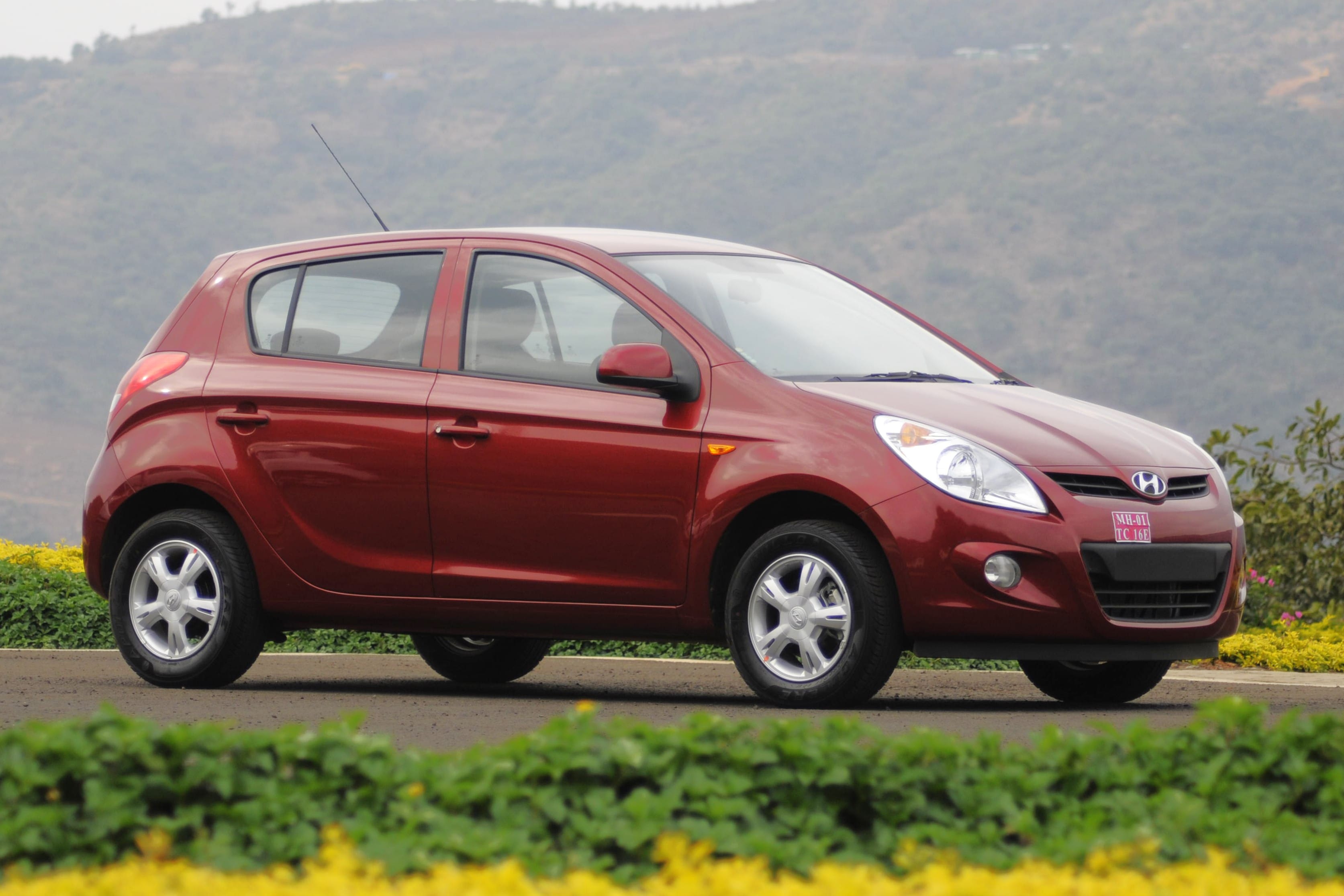
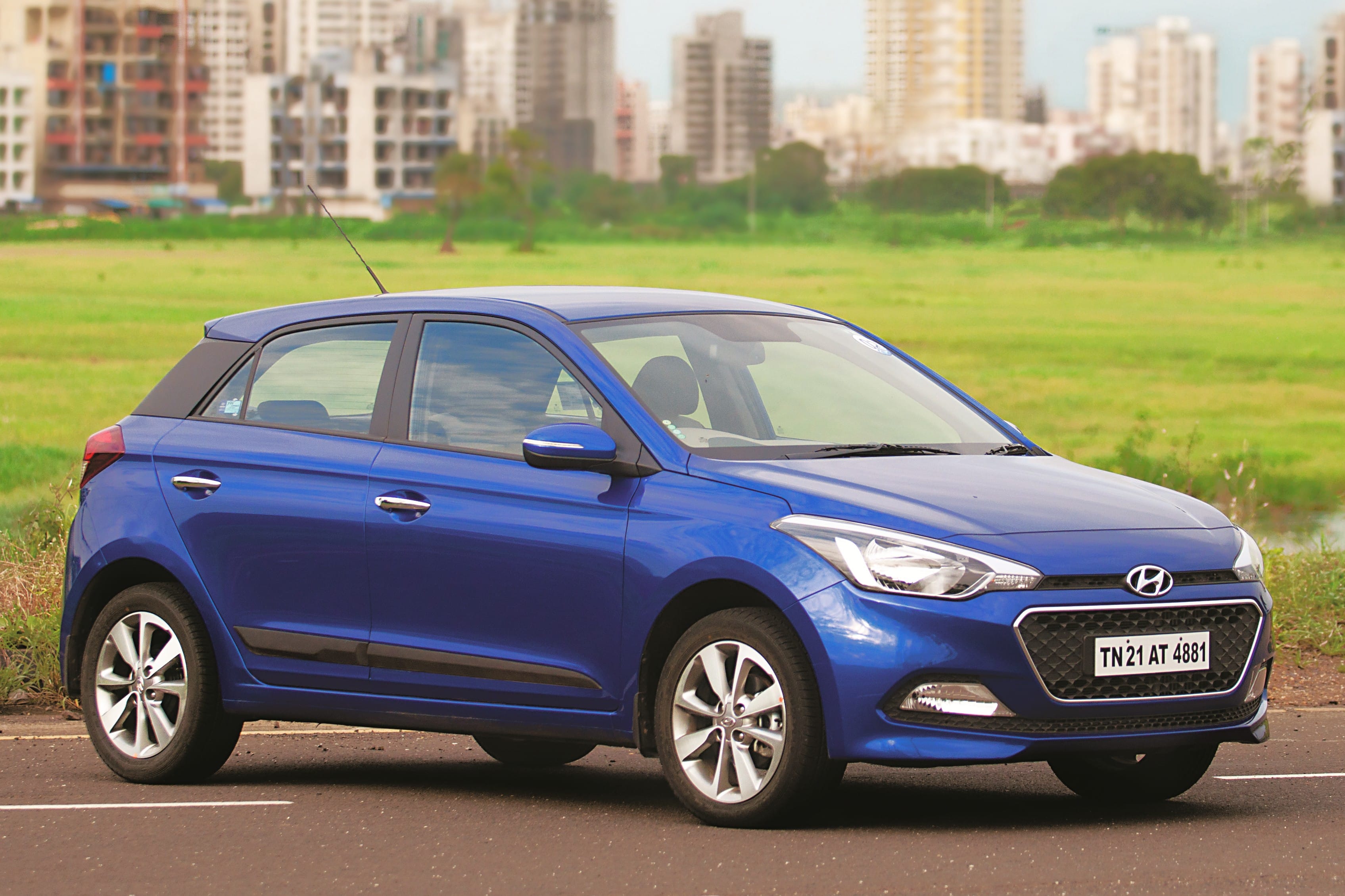
Its first-generation replaced the Hyundai Getz and played a key role in creating the premium hatchback segment in India. Depending on the trim and model year, it came with features such as a sunroof, automatic climate control, a cooled glovebox and six airbags. Buyers could choose between 1.2-litre petrol, 1.4-litre petrol and 1.4-litre diesel engine options.

First generation Hyundai i20
First-generation Hyundai i20.

The carmaker introduced the second-generation model, called the Elite i20, in 2014. It featured the brand’s ‘Fluidic Sculpture 2.0’ design language, added more features and offered 1.2-litre petrol and diesel engine choices. Notably, the Elite i20 proved to be the most successful generation of the hatchback, recording sales of 8 lakh units during its seven-year run in the country.

Second generation Hyundai i20
Second-generation Hyundai i20.

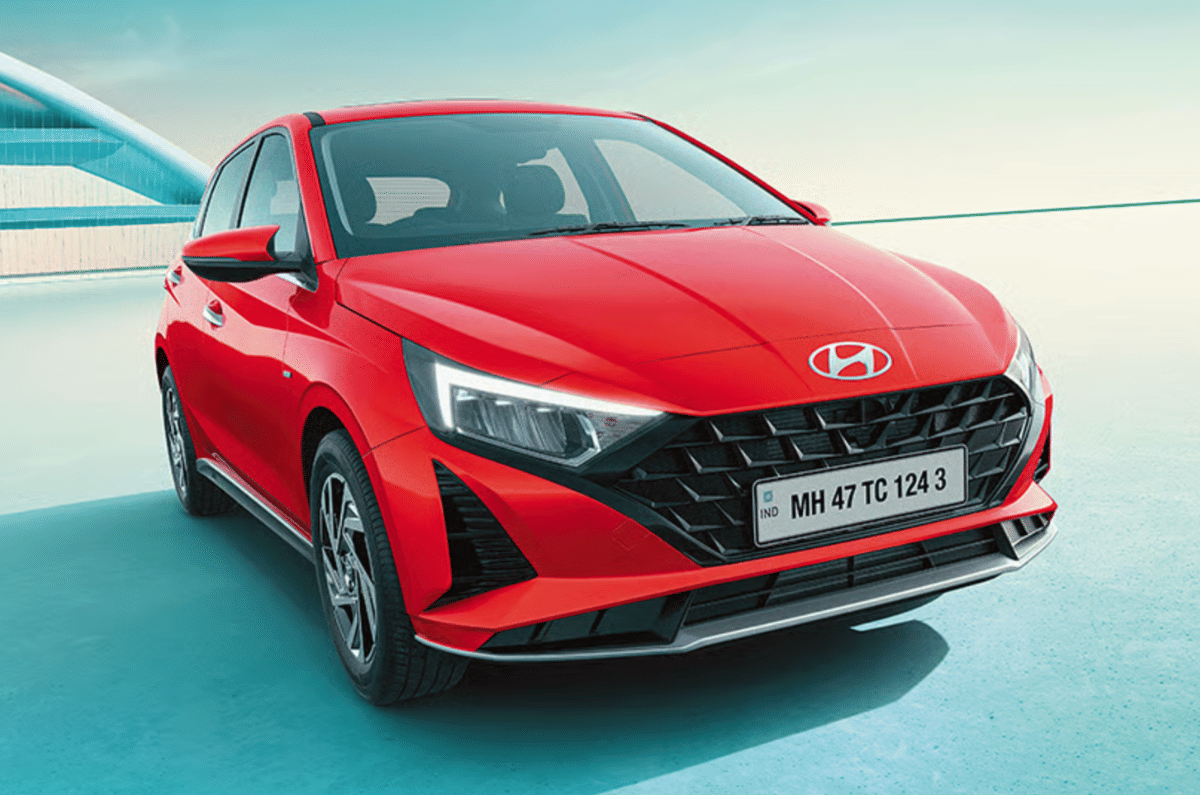
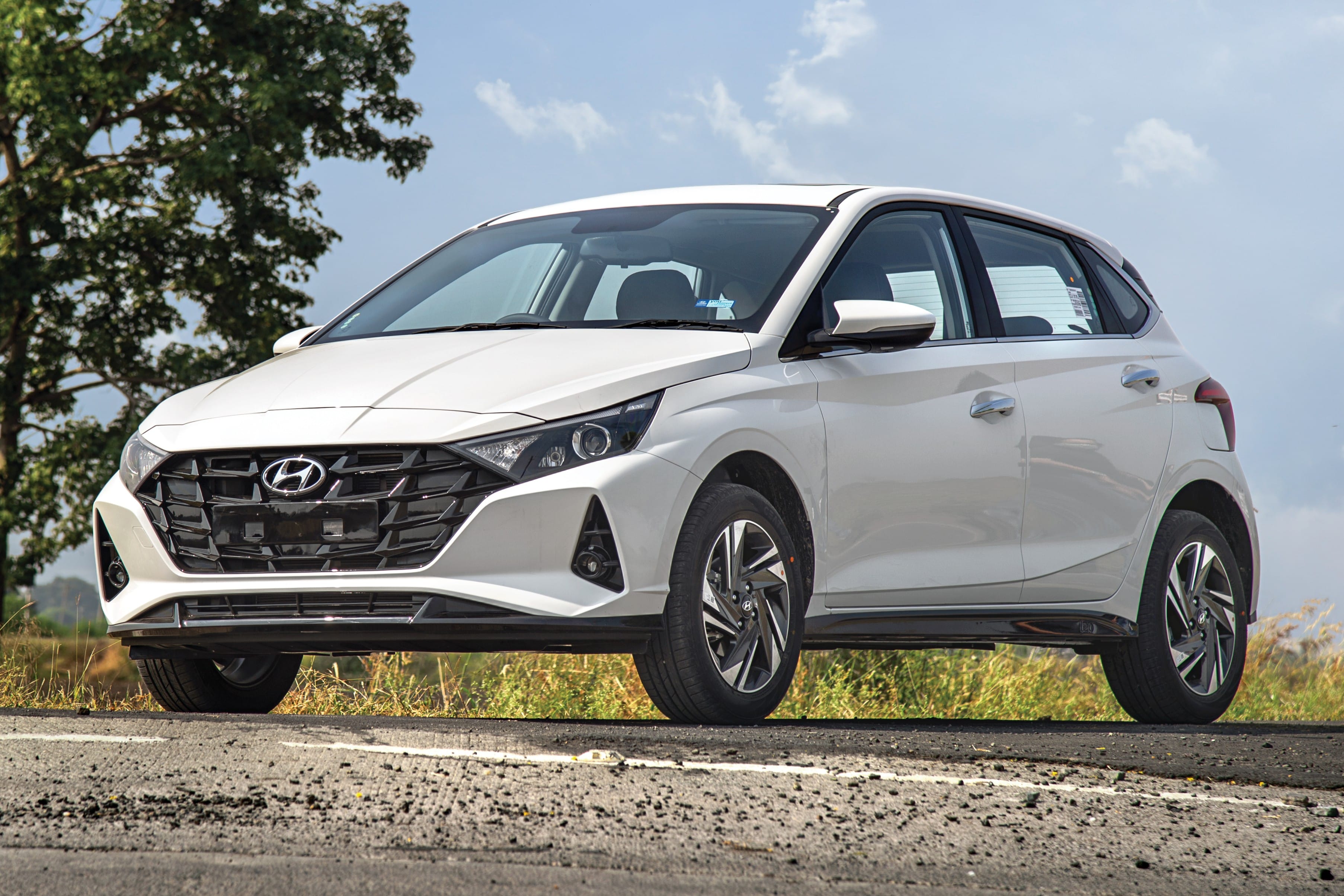
The third-generation of the hatchback arrived in 2020 and remains on sale today. It is the first i20 generation in India to be offered with a turbo-petrol engine, although that is now limited to the sportier N Line version. Hyundai also offered a diesel engine initially, but it was discontinued in 2023. The current generation i20 received a facelift in September 2023 and continues to be one of the most feature-rich offerings in its segment.
Third generation Hyundai i20
Third-generation Hyundai i20.

Today, the standard i20 is powered by an 83hp 1.2-litre naturally aspirated petrol engine, paired with either a 5-speed manual or a CVT automatic. Whereas, the i20 N Line uses a 120hp 1.0-litre turbo-petrol engine, available with either a 6-speed manual or a 7-speed dual-clutch automatic gearbox.

Hyundai i20 price and rivals

The Hyundai i20 is priced between Rs 6 lakh and Rs 10.63 lakh, ex-showroom, while the i20 N Line costs Rs 9.27 lakh to Rs 11.74 lakh. Its rivals include the Maruti Baleno, Toyota Glanza and Tata Altroz. Hyundai unveiled the fourth-generation i20 in June 2026, although the company has not yet announced plans to bring it to India.