Tata Sierra EV vs Harrier EV: Whose top trim offers more value?

Tata Sierra EV vs Harrier EV: Whose top trim offers more value?

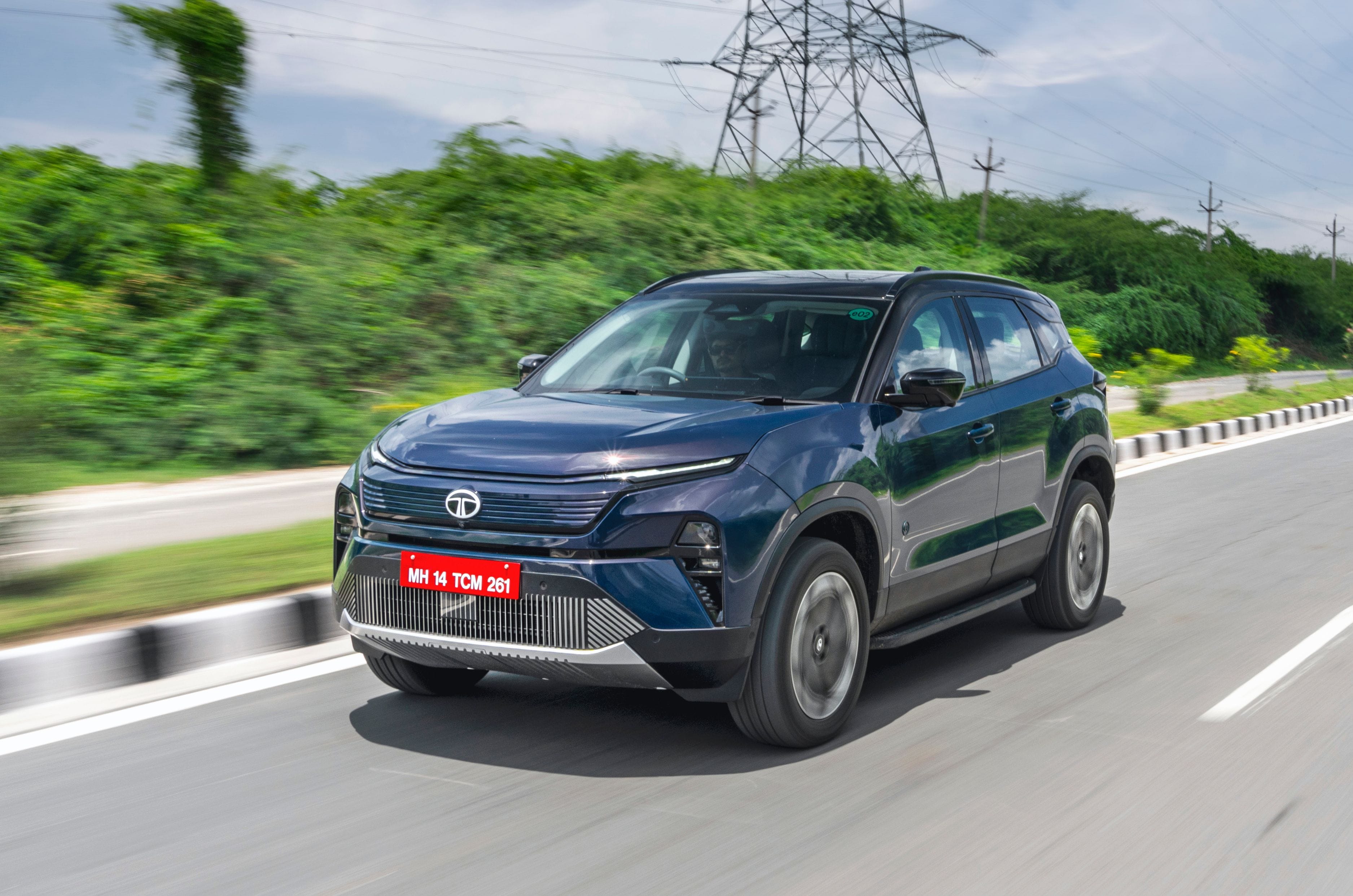
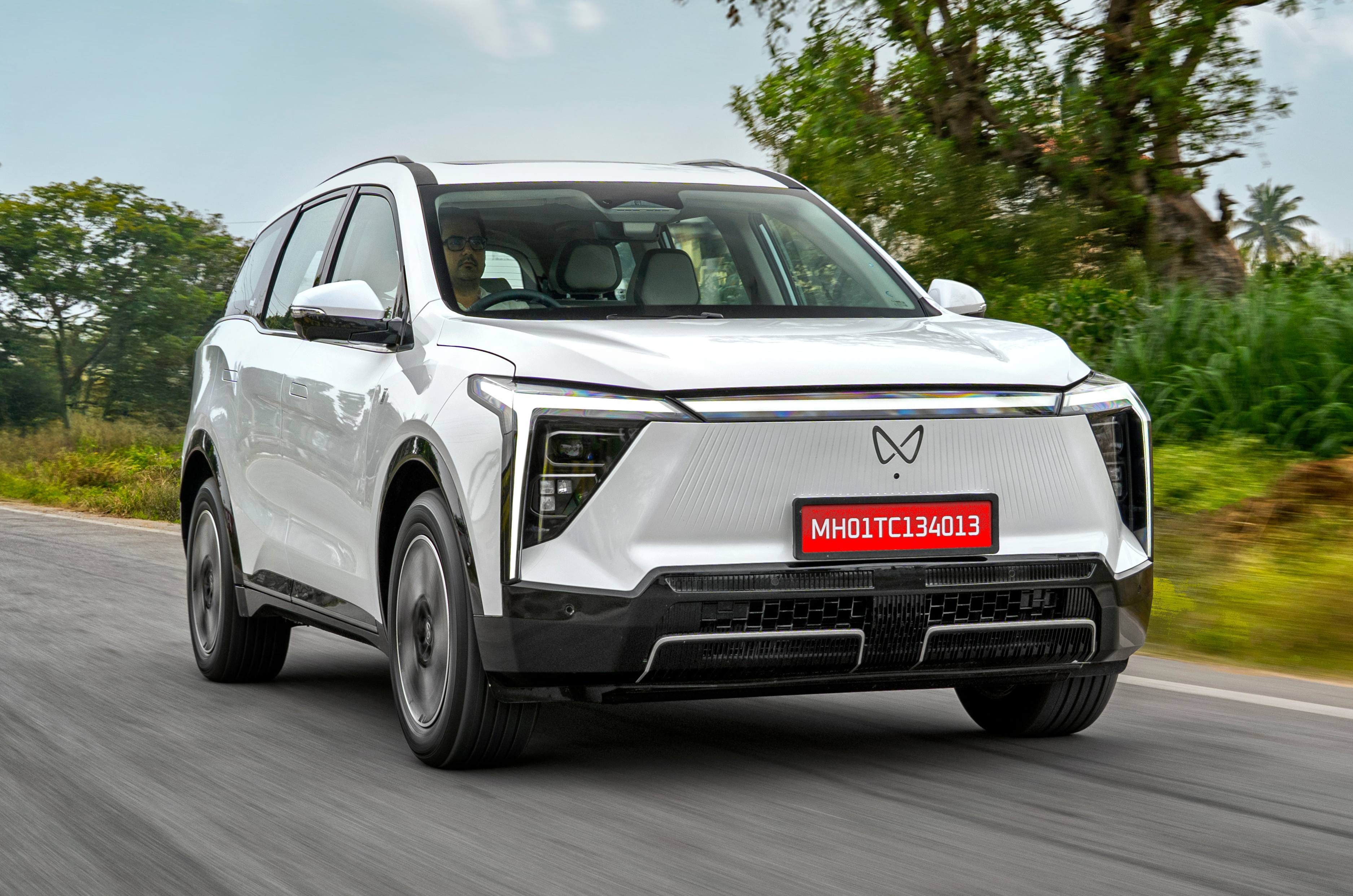
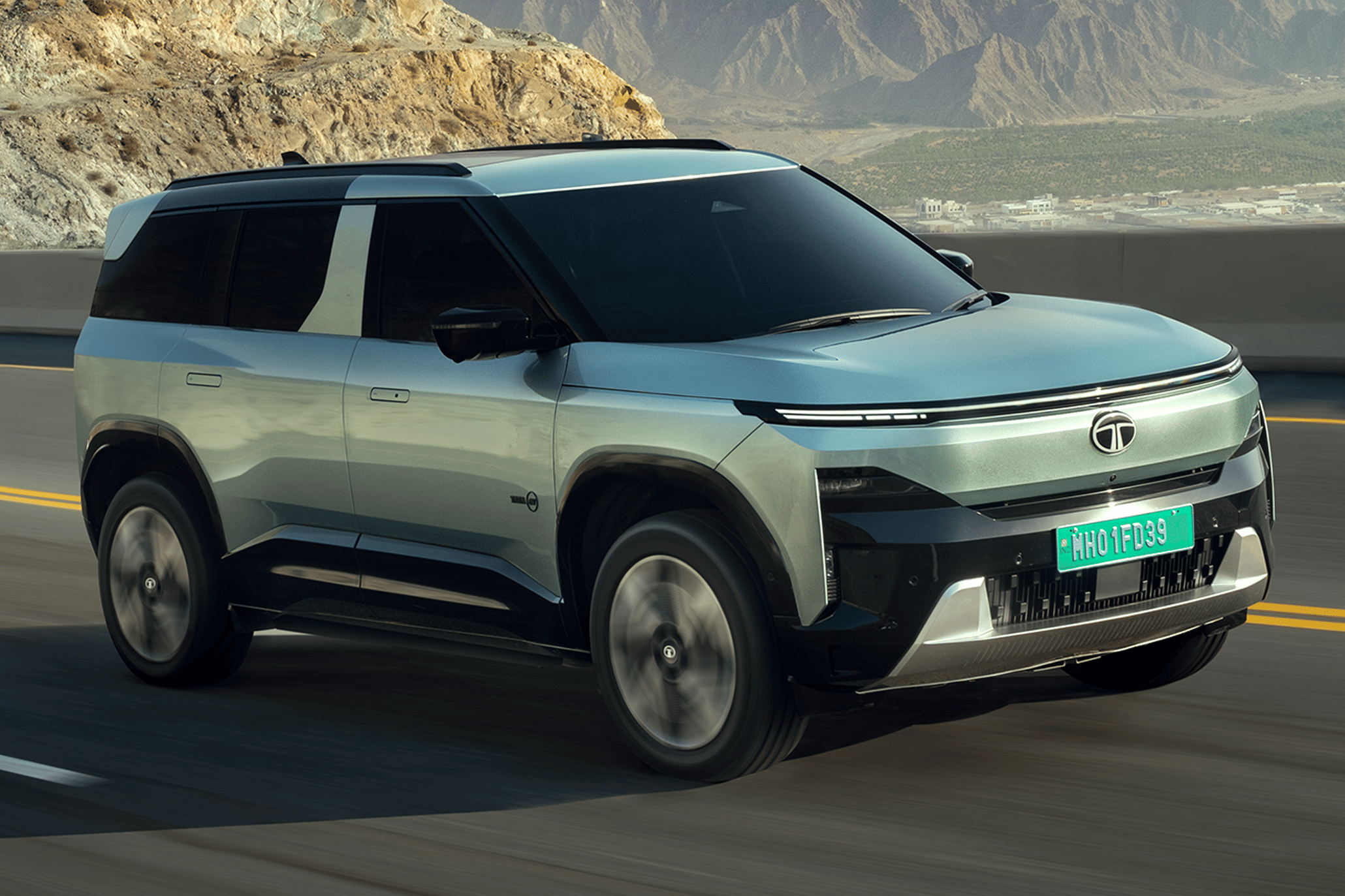
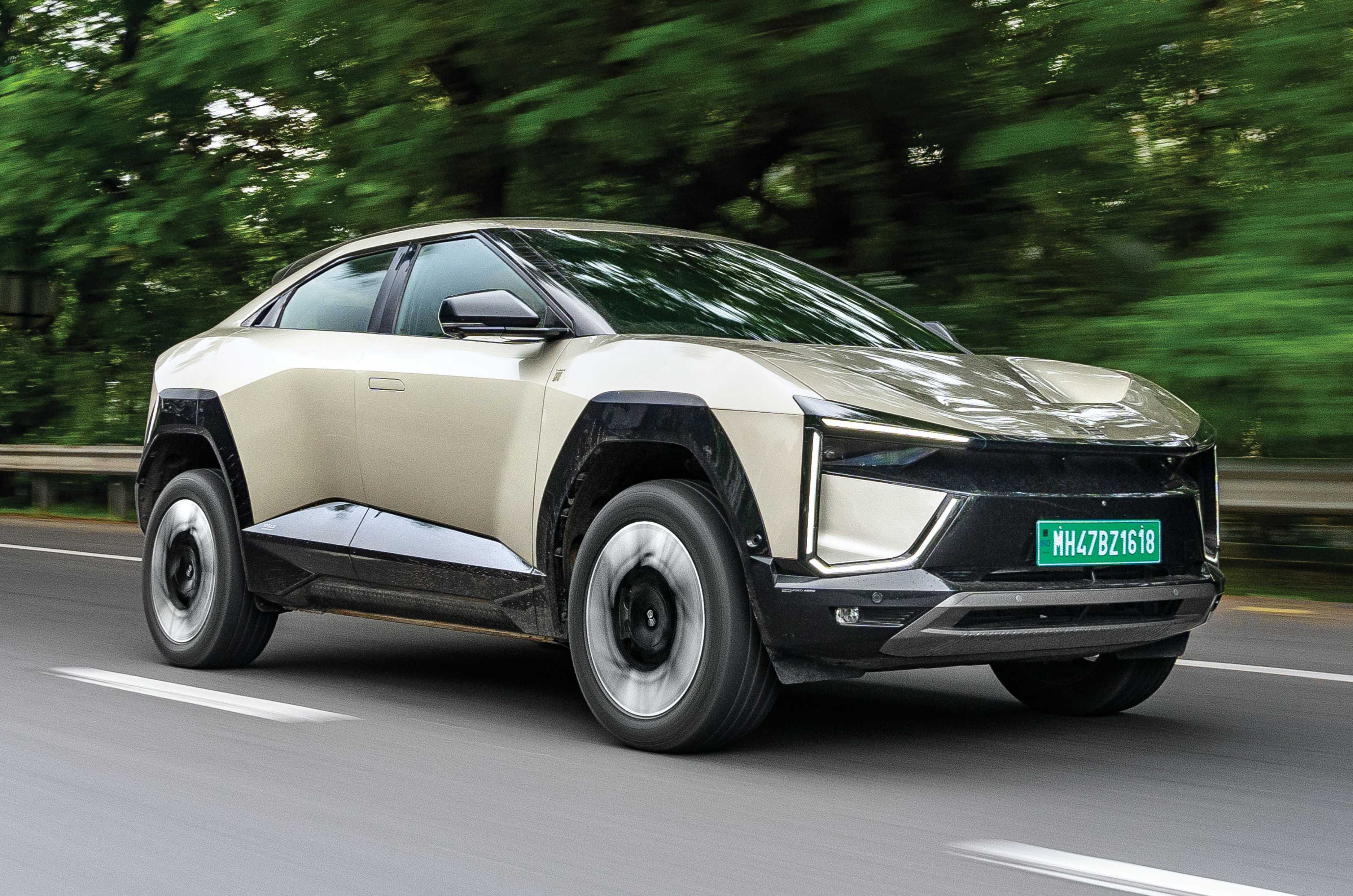
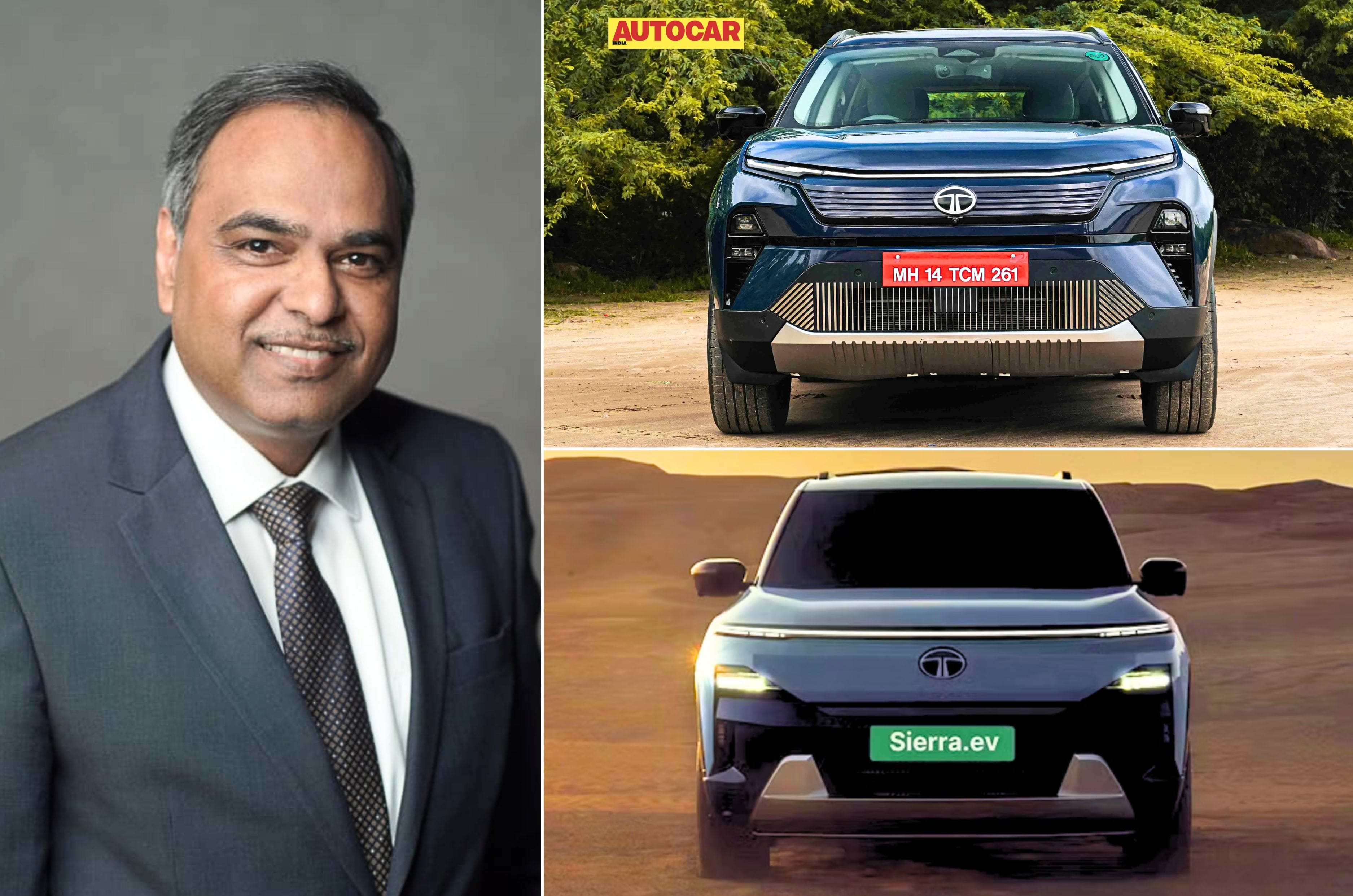
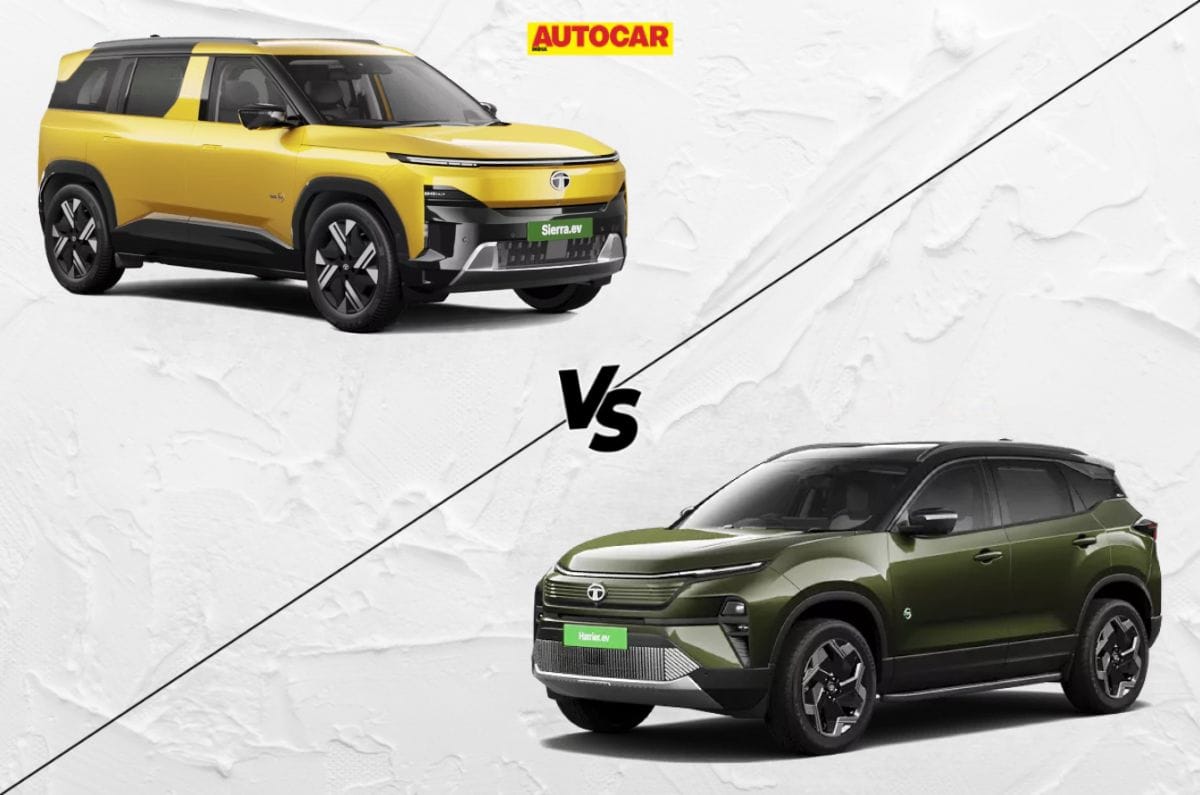
The Tata Sierra EV was recently launched as the manufacturer’s second all-electric offering with a dual-motor AWD choice. It is positioned between the Curvv EV and Harrier EV, the latter of which is also offered with an AWD option. So, between the Sierra EV and Harrier EV, whose top trim offers more features and better specifications? Let us find out.

Tata Sierra EV vs Harrier EV: Dimensions

Although smaller in size, the Sierra EV offers a larger boot and frunk

Tata Sierra EV vs Harrier EV dimensions and other specifications


Sierra EV 

Harrier EV

Difference

Length (mm)

4340

4607

-267

Width (mm)

1841

1922

-81

Height (mm)

1750

1740

+10

Wheelbase (mm)

2730

2741

-11

Ground clearance (mm)

205

Boot space (litres)

622

502

+120

Frunk space (litres)

55

35

+20

Number of seats

5

5

While the height and wheelbase of both the Sierra EV and Harrier EV are similar, the Harrier EV is longer and wider by a considerable margin. However, the Sierra EV offers a 120-litre larger boot space and a 20-litre larger frunk.

Notably, Tata has not revealed the official ground clearance figures of the Harrier EV, but it is likely to be similar to the Sierra EV’s 205mm ground clearance.

Tata Sierra EV vs Harrier EV: Powertrain

Both get similar battery packs, but the Harrier EV offers more potent electric motors

Tata Sierra EV vs Harrier EV: Powertrain specifications


Sierra EV RWD

Harrier EV RWD

Sierra EV AWD

Harrier EV AWD

Battery pack

75kWh

75kWh

75kWh

75kWh

eMotor configuration*

RWD

RWD

AWD

AWD

Power (hp)

209

238

140 (front), 209 (rear)

158 (front), 238 (rear)

Torque (Nm)

315

315

504

504

Claimed range (km)

665

627

624

622

*RWD = Rear-wheel-drive; AWD = All-wheel-drive

Top-spec trims of both the Sierra EV and the Harrier EV get identical 75kWh battery packs powering either a rear-axle-mounted (RWD) motor or dual electric motors (AWD). The Harrier EV RWD produces 29hp more than the Sierra EV RWD and has a higher claimed range.

With the AWD setup, the combined torque output of both SUVs is 504Nm, but their power outputs differ. The Harrier EV is the more powerful eSUV, its front and rear motors producing 18hp and 29 more than the Sierra EV, respectively.  The claimed range of both Tata EVs is similar too.

Notably, the Sierra EV’s lower variants are offered with a 63kWh battery with an RWD motor, and the Harrier EV is also available with a smaller 65kWh battery with an RWD setup.

Tata Sierra EV vs Harrier EV: Exterior

Both eSUVs offer identical exterior features

Tata Sierra EV vs Harrier EV: Exterior


Sierra EV Empowered A

Harrier EV Empowered

Headlights

Auto projector LED

Auto projector LED

Taillights

Connected LED

Connected LED

DRLs

Connected LED

Connected LED

Front fog lamps

LED, cornering function

LED, cornering function

Flush door handles

Yes

Yes

Wheels

19-inch alloy

19-inch alloy

Powered ORVMs

Yes

Yes

Roof rails

Yes

Yes

Sharkfin antenna

Yes

Yes

Colour

Monotone, Dual tone

Monotone, Dual tone

Exterior features on both the top-spec Sierra EV and Harrier EV are identical. These include an all-LED lighting setup, 19-inch rims, powered outside rearview mirrors (ORVMS) and roof rails.

Tata Sierra EV vs Harrier EV: Interior and features

Sierra EV offers three screens and more speakers, but misses out on boss mode

Tata Sierra EV vs Harrier EV: Interior and features


Sierra EV Empowered A

Harrier EV Empowered

Driver’s display

10.25-inch

10.25-inch

Infotainment screen

12.3-inch

14.5-inch

Passenger display

12.3-inch

Android Auto, Apple CarPlay

Yes, wireless

Yes, wireless

Audio system

12-speaker JBL

10-speaker JBL Black

On-board navigation

Yes

Yes 

Sunroof

Panoramic

Panoramic

Powered tailgate

Yes

Yes

Climate control

Dual-zone

Dual-zone

Air purifier

Yes

Yes

Seat upholstery

Leatherette

Leatherette

Steering wheel adjustment

Tilt, telescopic

Tilt, telescopic

Wireless phone charger

Yes

Yes

Driver seat adjustment

6-way powered

6-way powered

Driver’s seat features

Ventilation, memory, welcome 

Ventilation, memory, welcome 

Co-driver’s seat adjustment

4-way powered

4-way powered

Co-driver’s seat features

Ventilation

Ventilation

Rear seat features

Boss mode

Rear window sunshade

Yes

Yes

Head-up display (HUD)

Yes

No

Vehicle-to-load (V2L)

Yes

Yes

Vehicle-to-vehicle (V2V)

Yes

Yes

One of the Tata Sierra EV’s USPs is a triple-screen setup, which is not even offered on the pricier Harrier EV. Compared to the Harrier EV, the Sierra EV also gets 2 more speakers and a coloured HUD.

The flagship Harrier EV, however, offers a larger touchscreen infotainment system and powered boss mode on the co-driver’s seat, which are not available on the Sierra EV. Other features are identical to both eSUVs. 

Tata Sierra EV vs Harrier EV: Driving tech

Both electric SUVs are on par with each other in terms of driving tech

Tata Sierra EV vs Harrier EV: Driving technology


Sierra EV Empowered A

Harrier EV Empowered

Drive modes

Boost (AWD only), Eco, City, Sport

Boost (AWD only), Eco, City, Sport

RWD terrain modes

4

4

AWD terrain modes

6

6

Paddle shifters for regen

Yes

Yes

Cruise control

Adaptive

Adaptive

The Tata Sierra EV and Harrier EV share the same acti.ev+ platform, which is why they offer identical driving tech. These include 3 drive modes and up to 6 terrain modes (depending on the drivetrain).

Tata Sierra EV vs Harrier EV: Safety

Harrier EV gets an additional knee airbag and a digital IRVM

Tata Sierra EV vs Harrier EV: Safety features


Sierra EV Empowered A

Harrier EV Empowered

Airbags

6

7

ADAS

Level 2

Level 2

Camera setup

540-degree

540-degree

Parking sensors

Front and rear

Front and rear

Electronic parking brake

Yes

Yes

All-wheel disc brakes

Yes

Yes

TPMS

Yes

Yes

IRVM

Auto-dimming

Digital

Rear wiper, washer

Yes

Yes

Hill start assist

Yes

Yes

Hill descent control

Yes

Yes

ESC

Yes

Yes

Traction control

Yes

Yes

Over the Sierra EV, the top-spec Tata Harrier EV Empowered offer an additional knee airbag and a digital inside rearview mirror (IRVM). Other features, a 540-degree camera (with an under-bonnet view) and Level 2 ADAS, are identical on both EVs. 

Tata Sierra EV vs Harrier EV: Price and verdict

Sierra EV is around Rs 3 lakh more affordable than the Harrier EV

Sierra EV Empowered A vs Harrier EV Empowered ex-showroom price


Sierra EV Empowered A

Harrier EV Empowered

Difference

RWD price

Rs 24.79 lakh

Rs 27.69 lakh

– Rs 2.90 lakh

AWD price

Rs 25.99 lakh

Rs 29.19 lakh

– Rs 3.20 lakh

The top-spec Tata Harrier EV’s Empowered trim is around Rs 3 lakh pricier than the Sierra EV’s fully loaded Empowered A trim. Although the Harrier EV is larger, the Sierra EV offers more boot space and a higher claimed range with both RWD and AWD. Unlike the Harrier EV, it gets features like a dedicated screen for the co-driver and more speakers, while getting the same driving tech as the Harrier EV. Although it misses out on boss mode, an additional knee airbag and a digital IRVM, a Rs 3 lakh difference makes the Sierra EV a better value-for-money proposition.

Prices are ex-showroom, India.

Oben Rorr Evo Deliveries Begin

Oben Rorr Evo Deliveries BEgin at Bengaluru Event

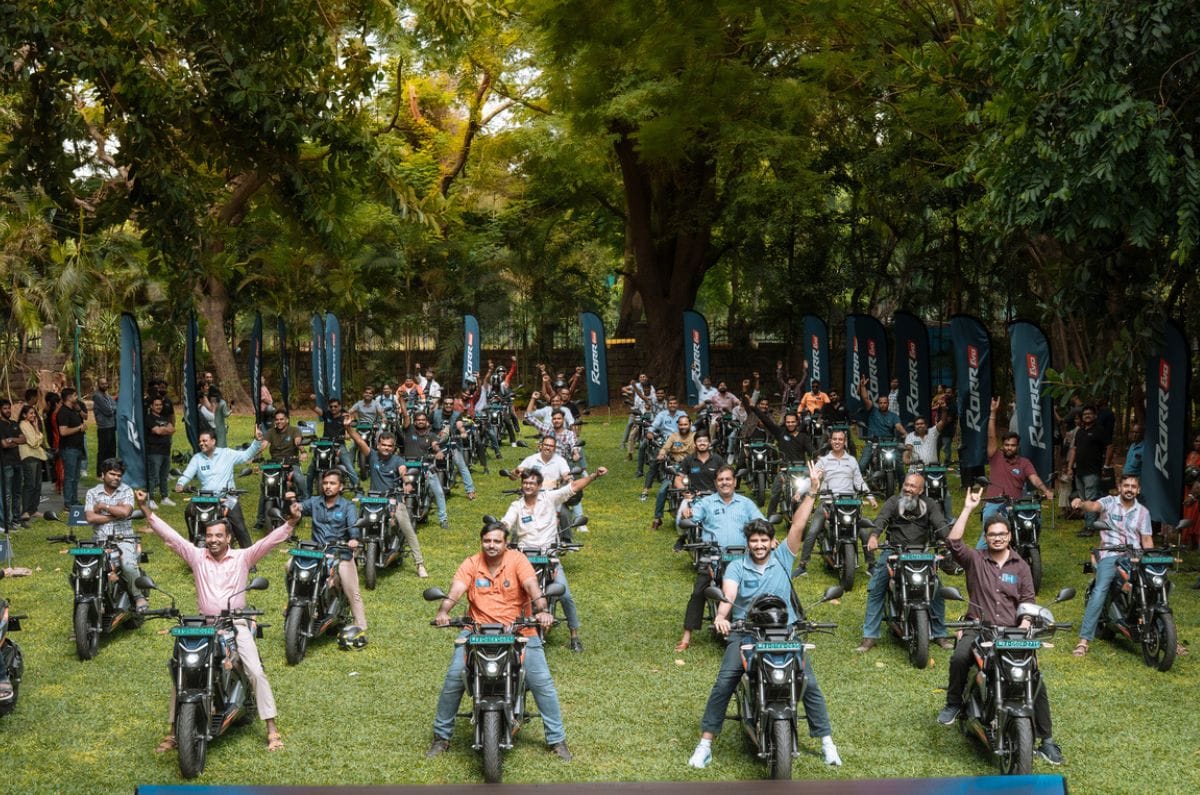
Oben Electric has commenced deliveries of the newly launched Rorr Evo. The first batch of customers in Bengaluru received their motorcycles through the company’s ‘First to Rorr’ delivery event. 

  1. The Rorr Evo received over 25,000 bookings.
  2. The company has an annual production capacity of 1 lakh units.

Deliveries will be rolled out across the country over the coming weeks through Oben’s network of 150 showrooms. Oben says the Rorr Evo crossed 25,000 bookings within 15 days of its launch in May 2026. To meet demand, the company is ramping up production at its facility, which it says has an annual capacity of 1 lakh motorcycles. Its retail and service network now spans over 90 cities across 18 states, including dedicated Oben Care service centres.

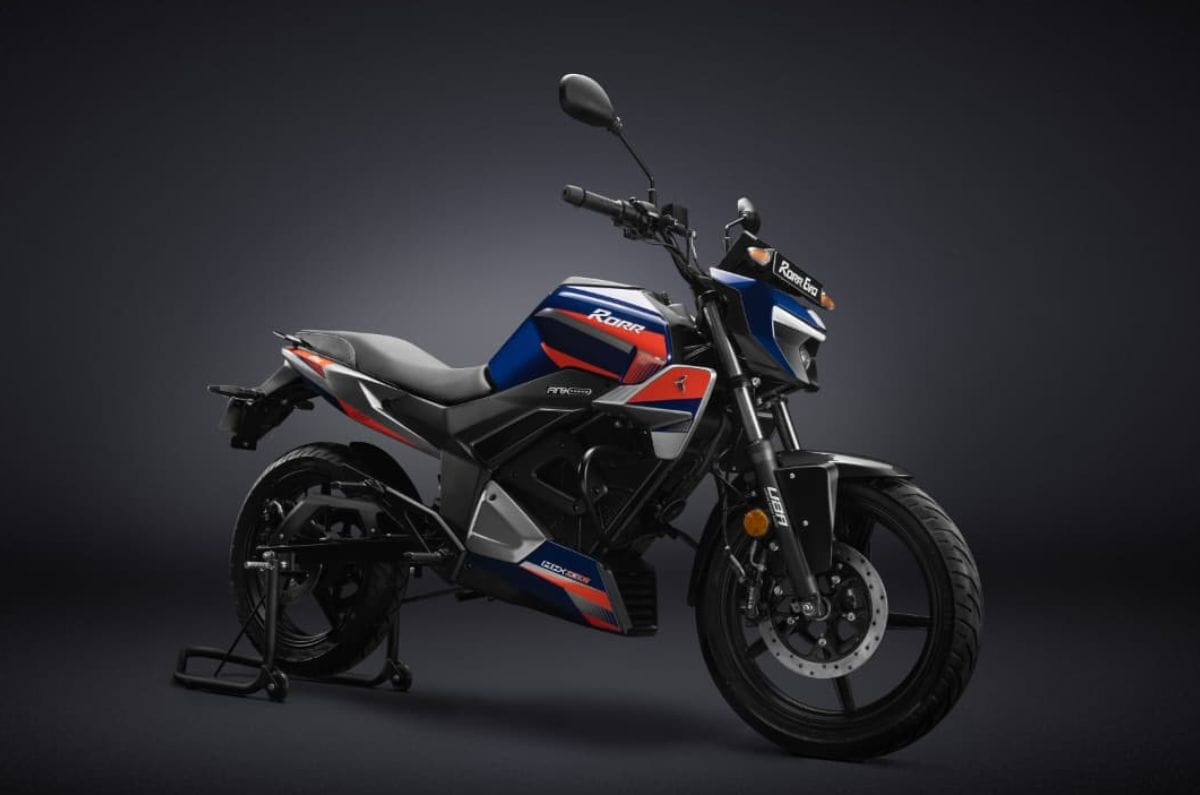
Priced at Rs 1.25 lakh (ex-showroom), the Rorr Evo is powered by a 9kW motor paired with a 3.4kWh LFP battery pack. It features SmartIQ, Oben’s AI-powered ride optimisation technology that claims to improve range by up to 15 percent. Other highlights include a projector LED headlamp and a chain-drive setup, which the company says improves efficiency by 10 percent. The IDC range is rated at 180km, while the real-world range is claimed to be around 150km.

Claimed performance figures include a 110kph top speed, and a 0-40kph sprint in 3 seconds. The battery can be fast charged from 0-80 percent in 90 minutes, and Oben offers an 8-year battery warranty. Features include a 5-inch TFT display, OTA updates, turn-by-turn navigation, geo-fencing, remote immobilisation and fall detection with emergency SOS via the company’s ARGUS connected platform.

3 reasons to buy the Flying Flea C6 and 2 reasons to skip it

Flying Flea C6 static

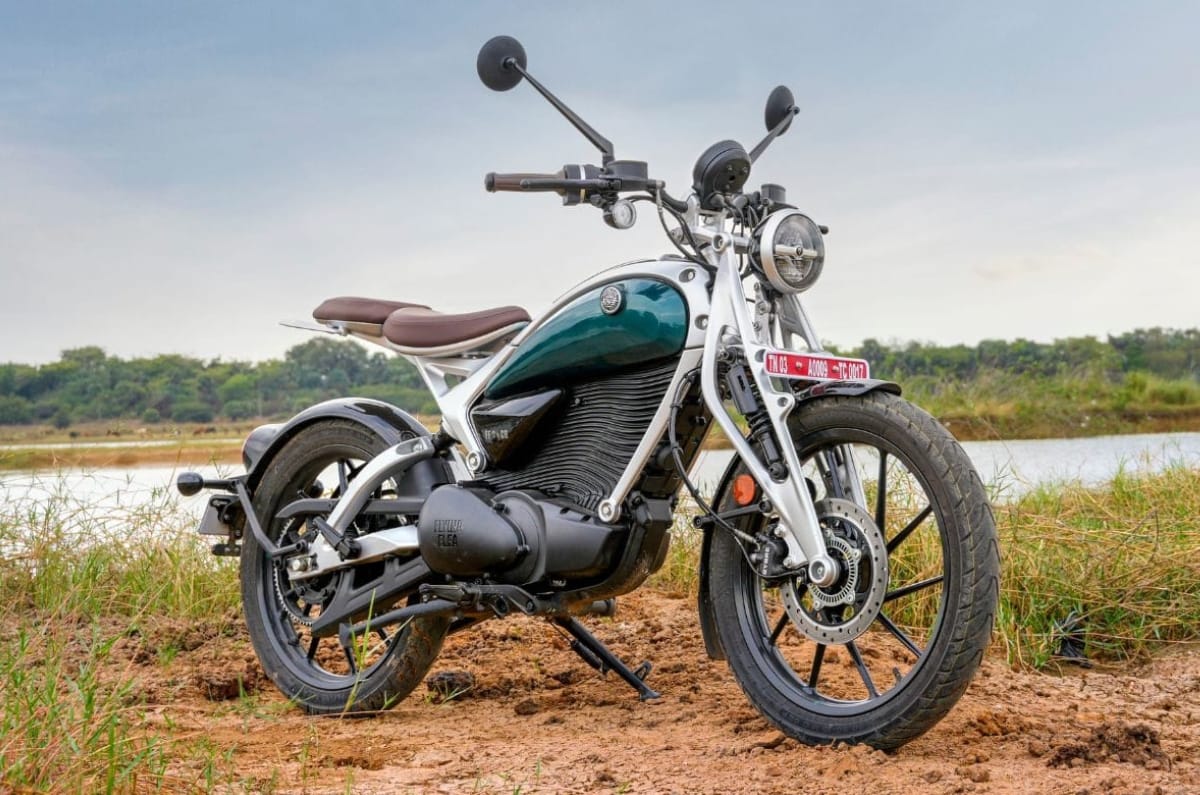
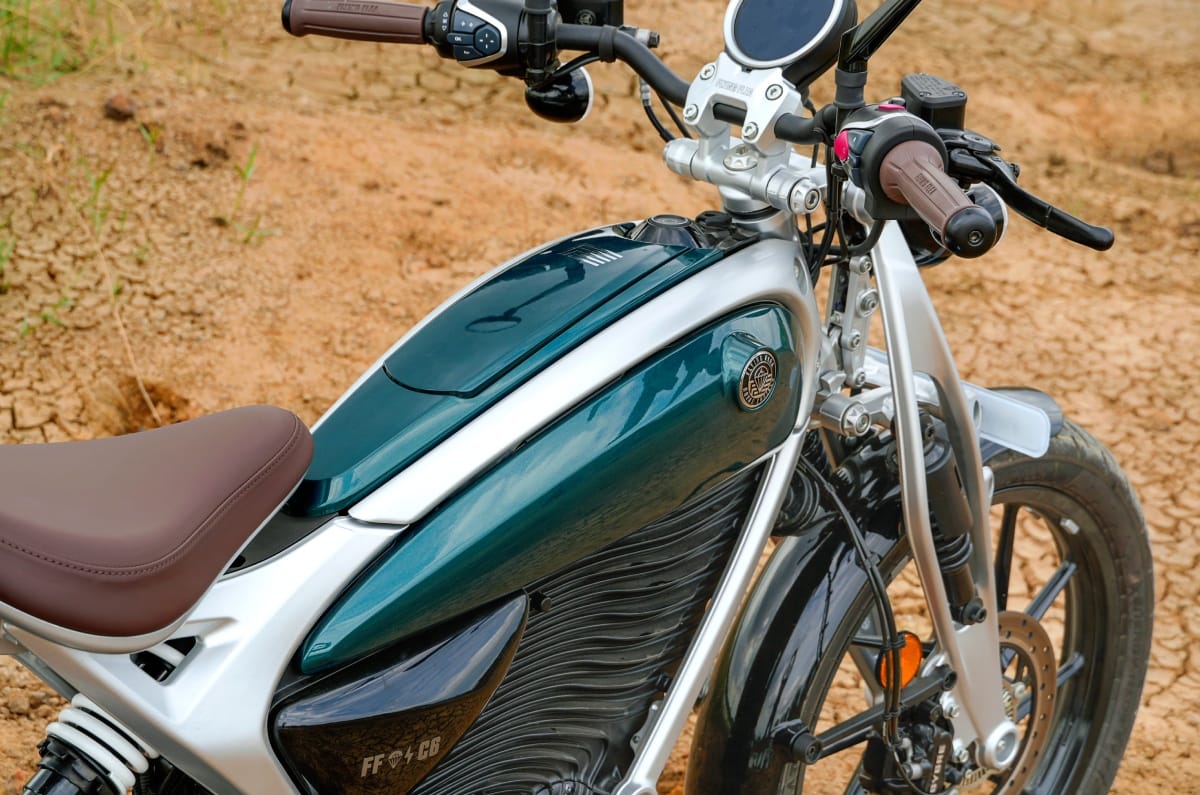
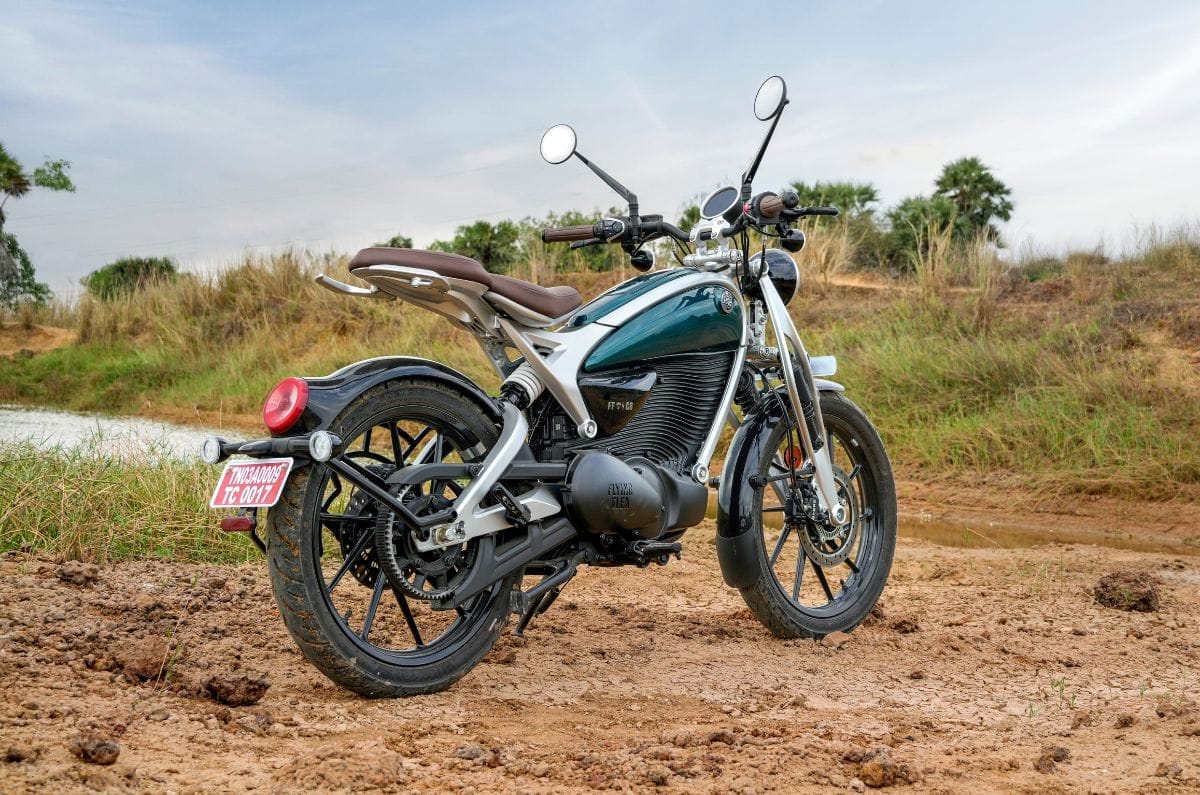
The Flying Flea C6 is Royal Enfield’s first electric motorcycle and, by any measure, one of the most unconventional two-wheelers to come out of an Indian manufacturer. The brand says it isn’t designed to be a high-volume product, but rather as a learning exercise and a statement of intent. During our brief stint with the bike, we found the C6 takes a genuinely different approach to electric mobility. Here’s what works in its favour and a couple of reasons it might not be for everyone.

Reasons to buy the Flying Flea C6

Exciting and engaging to ride

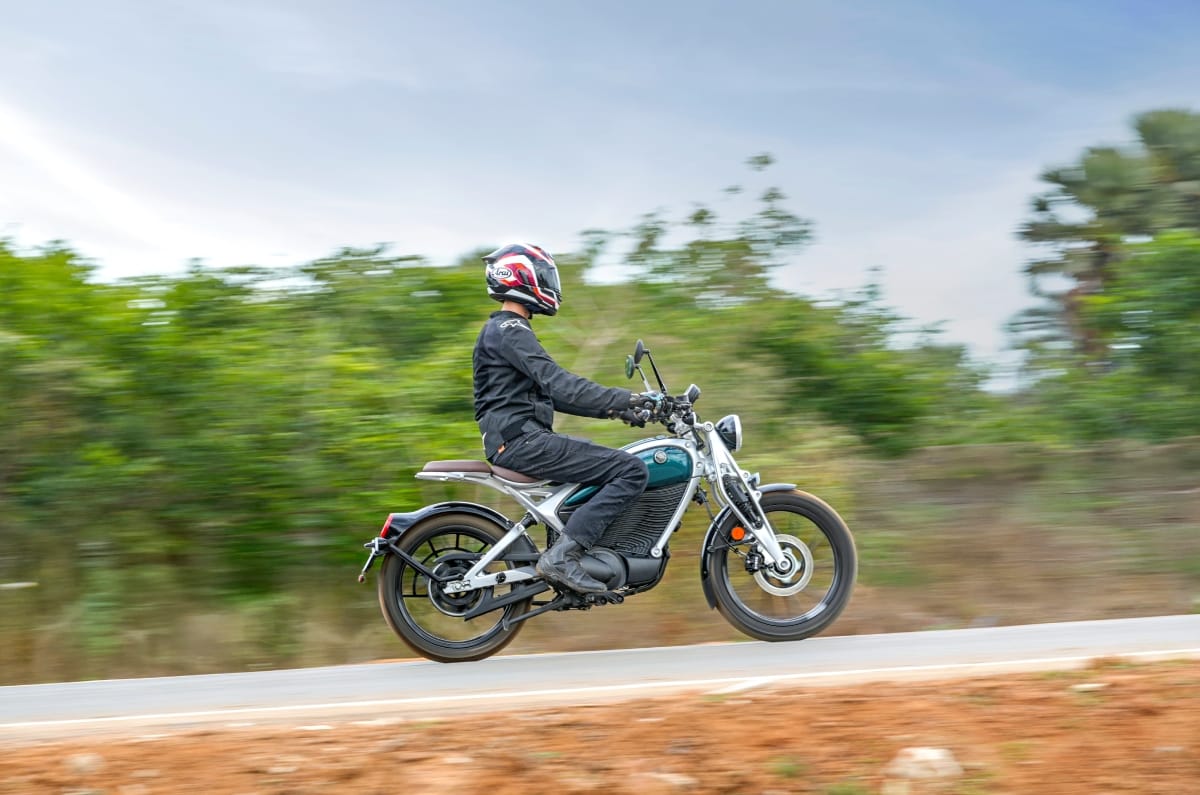
The C6’s performance is more impressive than its compact dimensions might suggest. The 15kW peak motor produces 60Nm and the bike can reach a top speed of around 115kph, which it achieves with ease. More significantly, during our time with the bike we found that this performance is consistently available even as the battery state of charge drops. The motor is capable of 8kW continuous output, which is among the highest of any Indian two-wheeler EV.

Four riding modes – Rain, City, Highway and Sport – are available, along with a custom mode that allows you to tweak throttle response, power level, traction control and regenerative braking independently. 

Beautifully engineered with impressive attention to detail

The C6 is a genuinely fascinating piece of engineering to spend time with. Virtually no steel is used in the structural components – the chassis is a forged aluminium exoskeleton, the swingarm is aluminium, and the battery casing is constructed from magnesium alloy, a material that is significantly lighter than aluminium and has never been used in an Indian two-wheeler before. The girder fork, in particular, is a mechanical highlight – it’s virtually extinct on modern motorcycles and is fascinating to observe both at a standstill and in motion. Royal Enfield has addressed magnesium’s combustibility risk by designing the chassis as a protective exoskeleton around the battery casing. 

High-end technology and thoughtful features

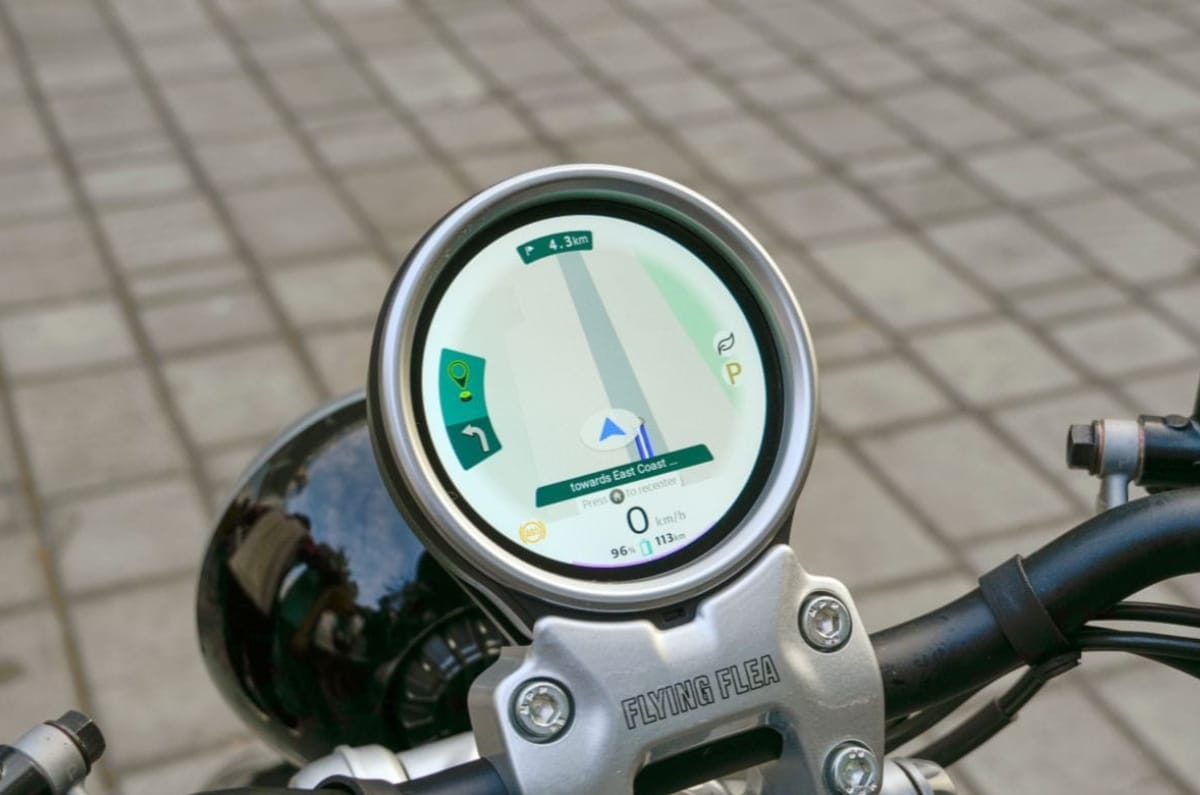
The C6 is the most technically advanced Royal Enfield ever built, by a considerable margin. It comes with cornering ABS, traction control, a 3.5-inch round touchscreen TFT display and keyless operation. A rotary dial on the left switchgear allows riding mode changes on the move and makes for a genuinely intuitive system. App connectivity is standard, and an integrated phone storage compartment with wireless charging allows you to cast Google Maps onto the TFT. An on-board 2kW charger means you only need to carry a cable, not a bulky external unit, and three charging modes let you choose between fast, normal and trickle charging speeds. A notable addition is an optional incognito mode that prevents the bike from relaying data back to the company – a rare and welcome privacy feature for a connected vehicle.

Reasons to skip the Flying Flea C6

Polarising size and limited real-world range

The C6 is a small, compact motorcycle. Deliberately so, given its inspiration from the original World War II-era Flying Flea that needed to be parachute-dropped onto battlefields. Not everyone will find the proportions appealing, and riders expecting a conventional Royal Enfield presence on the road will be surprised by just how compact it feels.

Next, the 3.91kWh battery’s 154km claimed IDC range is modest, and in real-world use the figure varies significantly depending on riding style – aggressive riding can bring it down to 60-70km, while steady riding at 60-70kph makes 100km achievable. The C6 is best suited to urban use; venturing much beyond city limits will require planning. The pillion experience is also compromised, with a small removable rear seat and footpegs mounted on the swingarm that move with the rear suspension.

Price and availability

At Rs 2.79 lakh (ex-showroom), the C6 is a significant ask for a compact, single-speed electric motorcycle with a modest range. That said, given the engineering decisions Royal Enfield has made, it is arguably as reasonable as it could be. More immediately limiting for potential buyers is availability as the C6 is currently only on sale in Bengaluru, with a gradual city-by-city rollout planned. Those outside Bengaluru will have to wait, and there’s no confirmed timeline for when the bike will reach their city.

All electric midsize SUVs ranked as per ARAI-claimed range

Electric mid-size SUVs with the highest claimed range in India

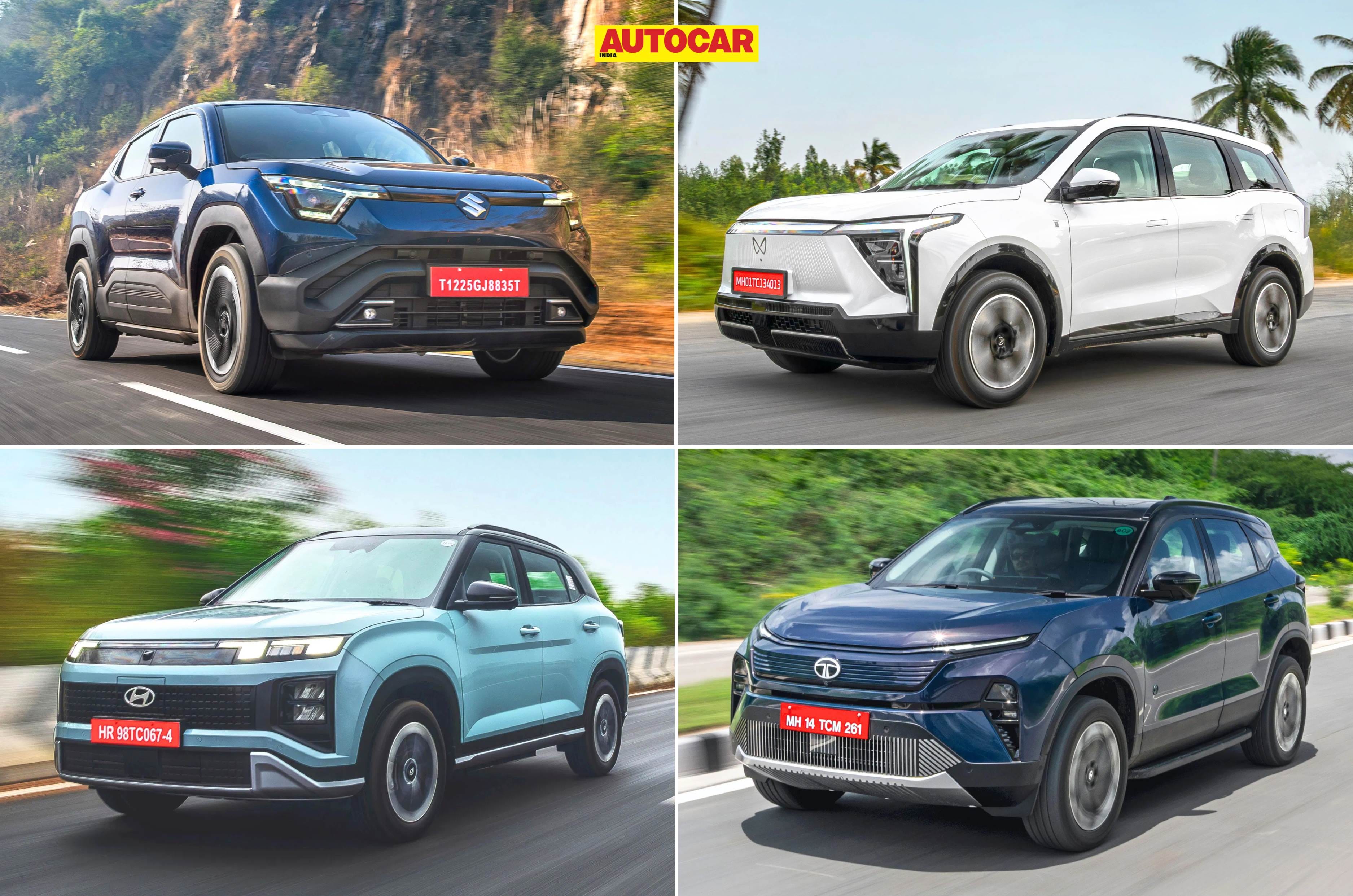
The midsize SUV segment is not only one of the most contested among combustion-powered cars but also among electric vehicles, with 12 different EVs on sale. This form factor allows carmakers to offer large enough batteries for a usable range while also equipping them with the latest in-car tech at a competitive price. Here we have ranked all the midsize electric SUVs currently available in India as per their ARAI-claimed range. Let’s find out which model can go the farthest on a single charge.

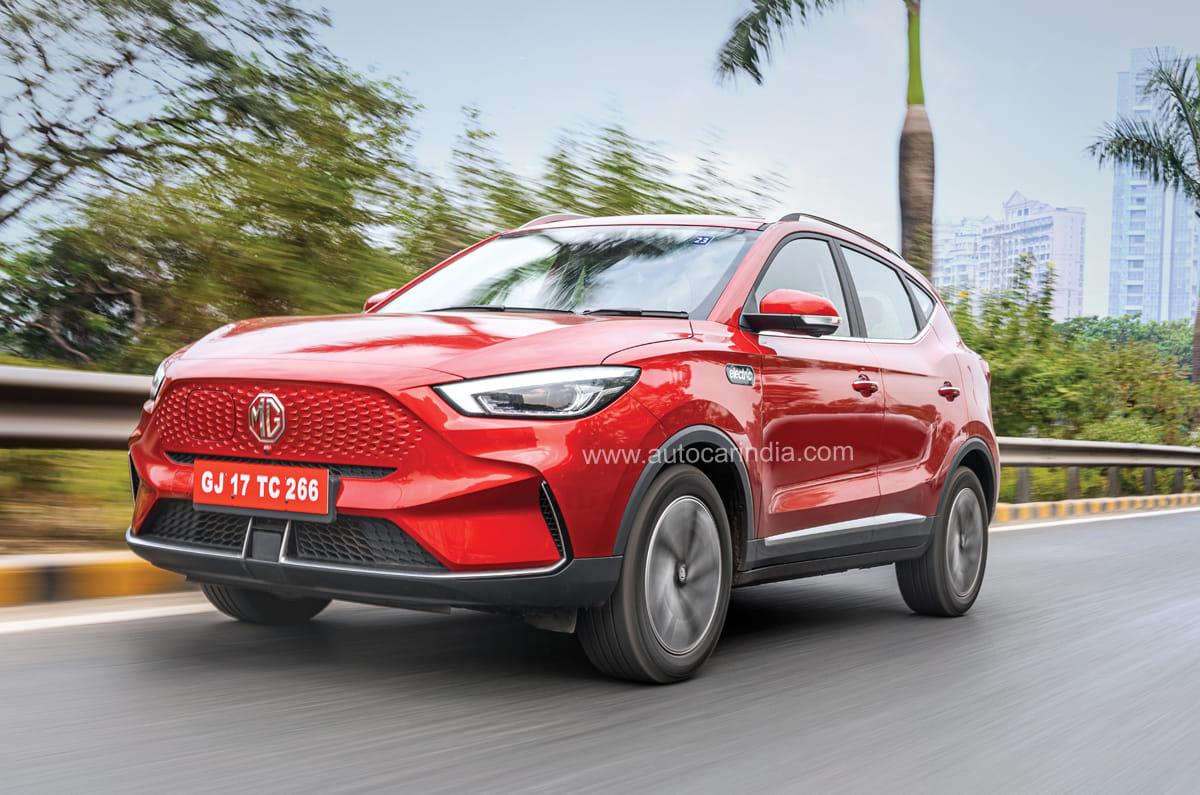
12. MG ZS EV

Up to 461km claimed range  

MG ZS EV battery specifications and ARAI range

Specifications

MG ZS EV

Battery pack (kWh)

50.3

ARAI-claimed range (km)

461

Price (Rs lakh)

17.99-20.75

The ZS EV is the electric equivalent of the MG Astor, adapted from an ICE platform. While it is the oldest midsize electric SUV currently on sale in India, its 50kWh battery pack is on par with even the newer offerings. However, a claimed range of 461km is just fine and places it last on this list. The battery powers a front-axle-mounted (FWD) electric motor that produces 177hp and 280Nm.

11. Vinfast VF6

Up to 468km claimed range 

Vinfast VF6 battery specifications and ARAI range

Specifications

Vinfast VF6

Battery pack (kWh)

59.6

ARAI-claimed range (km)

463-468

Price (Rs lakh)

17.29-19.19

Vinfast’s most affordable EV in India, the VF6, comes with a fairly large battery pack compared to the older ZS EV, but it does not help much in the claimed range department. While the lower trims offer an ARAI-rated range of 463km, the higher ones claim a slightly better 468km. This is likely due to different tuning of the drivetrain, as the lower trims get a 177hp, 250Nm motor, while the higher-spec trims are offered with a 204hp, 310Nm unit.  

10. Tata Curvv EV

Up to 502km claimed range 

Tata Curvv EV battery specifications and ARAI range

Specifications

Tata Curvv EV

Battery pack (kWh)

55

ARAI-claimed range (km)

502

Price (Rs lakh)

16.99-19.19

In this segment, the Tata Curvv EV sets itself apart with a coupe-SUV body style. It is based on the Nexon platform that has been heavily modified for an electric powertrain. Although its 55kWh smaller than the VF6’s, it has a higher claimed range. The front-mounted motor makes 167hp and 215Nm. The Curvv is also offered in a combustion-powered avatar, with petrol and diesel powertrain options.

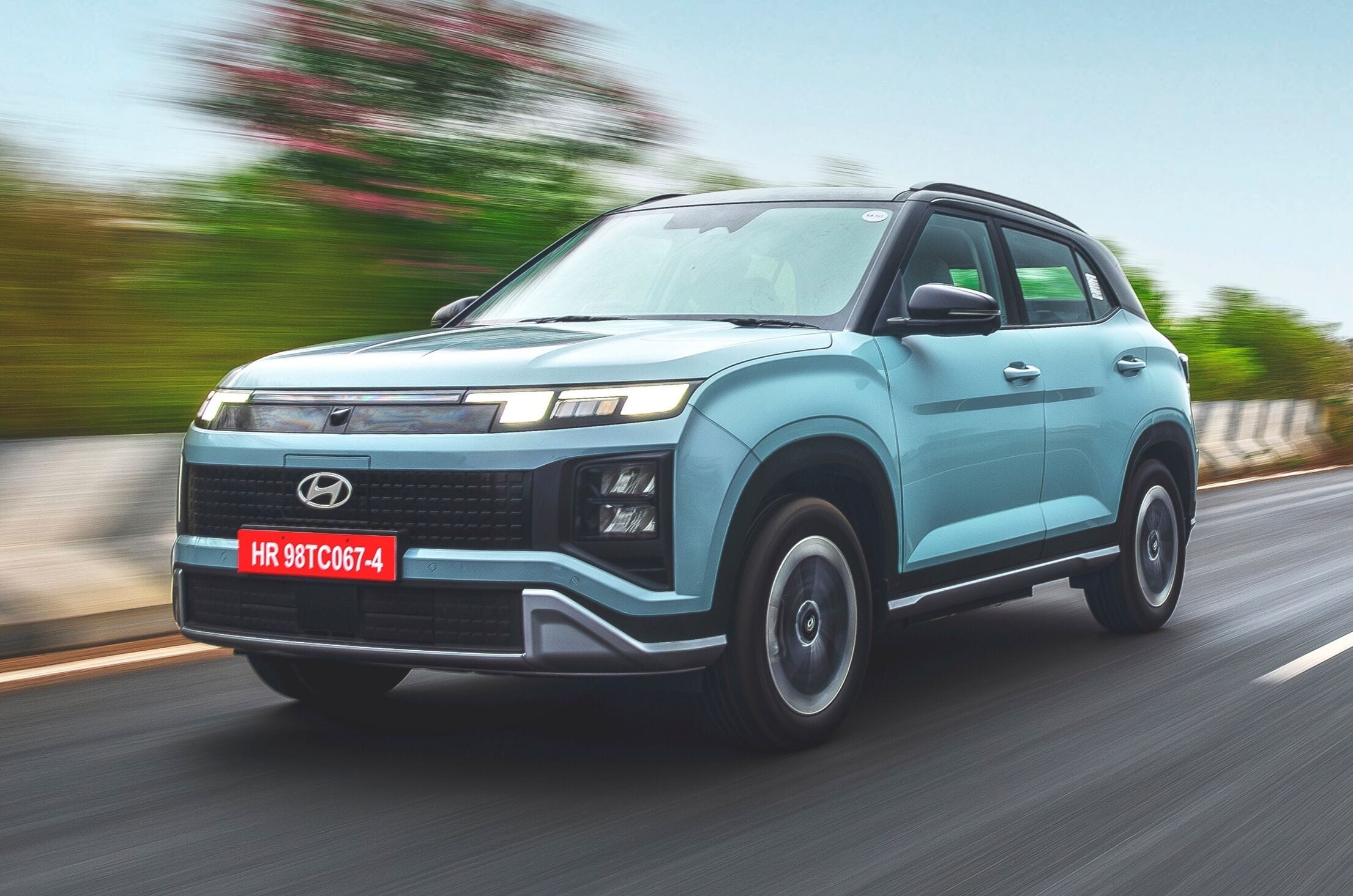
9. Hyundai Creta Electric

Up to 510km claimed range 

Hyundai Creta Electric battery specifications and ARAI range

Specifications

Hyundai Creta Electric

Battery pack (kWh)

42 | 51.4

ARAI-claimed range (km)

420 | 510

Price (Rs lakh)

18.02-23.67

The Creta is a bestseller in its segment by a big margin, and a fraction of its total sales are from the all-electric iteration, the Hyundai Creta Electric. It gets two battery options, 42kWh and 51.4kWh, and the smaller battery’s 420km claimed range is the lowest in the segment. The larger pack’s range improves to a respectable 510km. While power figures are 135hp and 171hp for the 42kWh and 51.4kWh batteries, respectively, the torque is 255Nm for both.

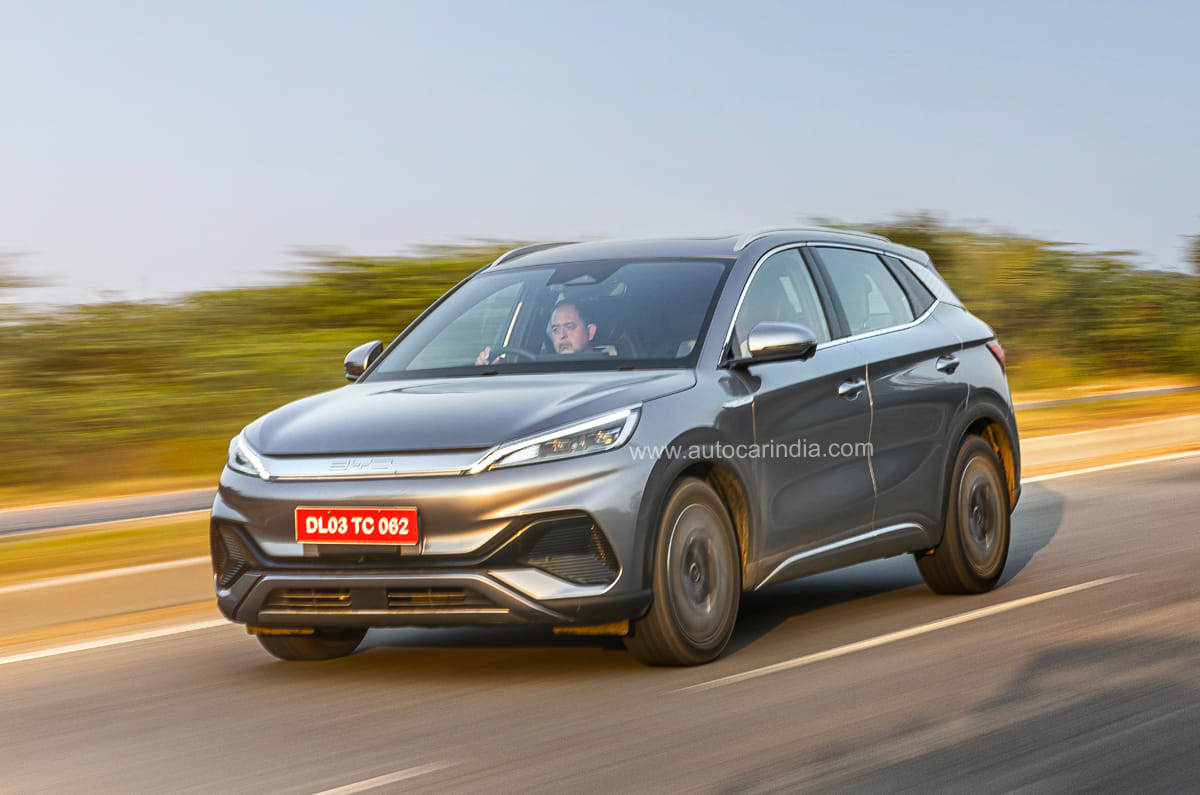
8. BYD Atto 3

Up to 521km claimed range 

BYD Atto 3 battery specifications and ARAI range

Specifications

BYD Atto 3

Battery pack (kWh)

49.92 | 60.48

ARAI-claimed range (km)

468 | 521

Price (Rs lakh)

24.99-33.99

The BYD Atto 3 is the only model here that is not locally made in India. It is brought to India via the CKD (completely knocked down kits) route, which explains its expensive price tag. At the higher end of its price range, it offers the larger battery pack with a claimed range of 521km, which is less than the Tata-Mahindra rivals that offer over 600km of range at a similar price. The Atto 3 is a born EV and therefore does not have an ICE equivalent. At 4.45 metres long, it is also a tad larger than other SUVs on this list. Like the Creta Electric, it gets two battery pack options, both mated to a 204hp, 310Nm front-axle-mounted electric motor. 

7. Vinfast VF7

Up to 532km claimed range 

Vinfast VF7 battery specifications and ARAI range

Specifications

Vinfast VF7

Battery pack (kWh)

59.6 | 70.8

ARAI-claimed range (km)

438 | 510-532

Price (Rs lakh)

21.89-26.79

The Vinfast VF7, launched alongside the VF6, is offered with two battery packs. The smaller battery comes paired with a 177hp, 250Nm front-axle-mounted electric motor, while the larger 70.8kWh unit is available in both FWD and AWD setups. The FWD version produces 204hp and 310Nm, while the AWD iteration puts out 353hp and 500Nm. Interestingly, not only is the VF7 the most affordable EV in India with an AWD setup, but it is also one of the fastest mass-market offerings with a claimed 0-100kph time of 5.8 seconds. Both its battery packs offer a claimed range on par with most other SUVs in this segment. 

6. Maruti Suzuki e Vitara

Up to 543km claimed range

Maruti Suzuki e Vitara battery specifications and ARAI range

Specifications

Maruti Suzuki e Vitara

Battery pack (kWh)

49 | 61

ARAI-claimed range (km)

440 | 543

Price (Rs lakh)

15.99-19.79

Maruti Suzuki’s first EV in India, the e Vitara, is the most affordable midsize electric SUV in India. Moreover, it is offered with a Battery-as-a-Service (BaaS) scheme, like the ZS EV, which lowers the upfront price. It is available with two battery pack options but only with a front-axle-mounted electric motor, unlike the international-spec EV that gets an AWD option too. While the 49kWh version produces 144hp, the 61kWh makes 174hp; the 193Nm torque is common for both. At a top-end price of Rs 19.79 lakh, the e Vitara’s claimed range of 543km is comparatively higher than similarly priced rivals, which mostly quote sub-500km figures. 

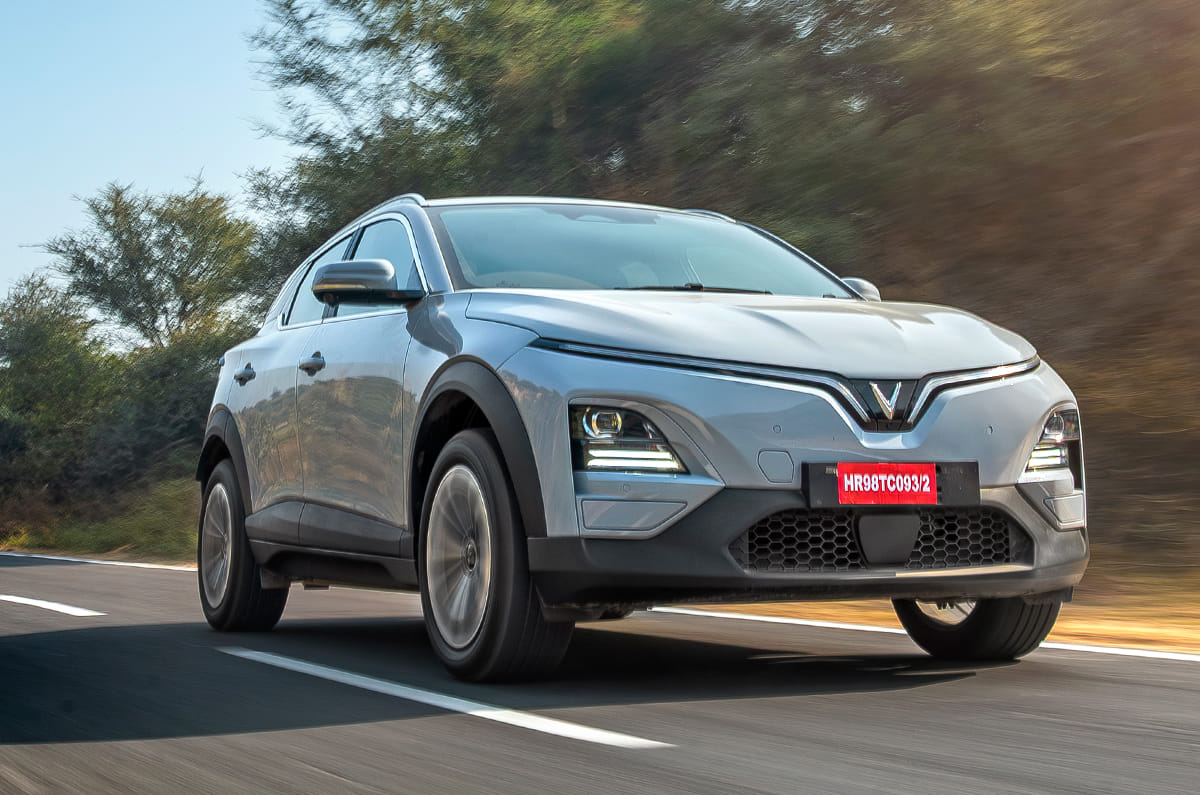
5. Tata Harrier EV

Up to 627km claimed range

Tata Harrier EV battery specifications and ARAI range

Specifications

Tata Harrier EV

Battery pack (kWh)

65 | 75

ARAI-claimed range (km)

538 | 622-627

Price (Rs lakh)

21.49-29.48

The Tata Harrier EV sits at the top of Tata’s EV lineup. It gets an AWD layout, but this drivetrain is offered with the higher-spec trims with the 75kWh battery pack. Lower trims feature an RWD setup that produces 175hp and 315Nm. The AWD version gets the same rear-axle motor along with a 116hp front-axle-mounted unit for a total of 504Nm. With a claimed 0-100kph sprint time of 6.3 seconds, the Harrier EV AWD is slightly slower than the Vinfast VF7 and also costs more. 

4. Mahindra XEV 9e

Up to 656km claimed range

Mahindra XEV 9e battery specifications and ARAI range

Specifications

Mahindra XEV 9e

Battery pack (kWh)

59 | 79

ARAI-claimed range (km)

522 | 656

Price (Rs lakh)

21.90-30.50

The XEV 9e is a born-electric SUV, which, incidentally, uses BYD’s proprietary Blade cell technology in its battery pack. This rear-wheel-drive model’s motor produces 231hp with the 59kWh battery and 286hp with the 79kWh unit; torque is 380Nm for both. The claimed range is over 650km for the 79kWh version. Although the XEV 9e leans towards the expensive side, its specifications help it offer great value for the price.

3. Mahindra XEV 9S

Up to 679km claimed range

Mahindra XEV 9S battery specifications and ARAI range

Specifications

Mahindra XEV 9S

Battery pack (kWh)

59 | 70 | 79

ARAI-claimed range (km)

521 | 600 | 679

Price (Rs lakh)

19.95-29.45

The Mahindra XEV 9S is the first mass-market 3-row electric SUV in India, and it is the only model on this list to get three battery pack options. All come paired with a rear-wheel-drive motor that produces 380Nm but have different power outputs – 231hp in the 59kWh version, 245hp in the 70kWh version and 286hp in the 79kWh version. Notably, even though the XEV 9S gets bigger battery packs and an additional row compared to the XEV 9e, it has a lower price tag, making it offer more value for less money. 

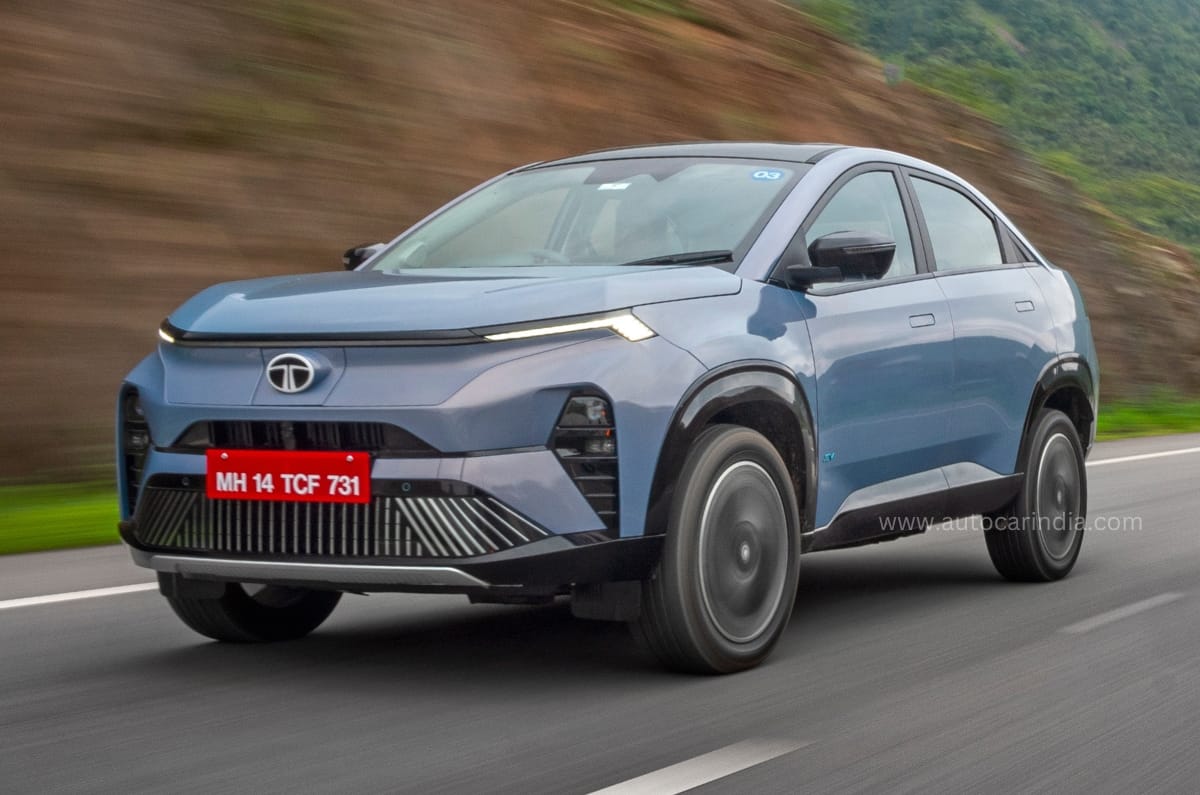
2. Tata Sierra EV

Up to 665km claimed range 

The Sierra EV is Tata’s latest addition to its EV range, slotting between the Cuvv EV and Harrier EV. It is powered by either a 63kWh or a 75kWh battery pack from the Harrier. The latter option also offers an AWD layout, while an RWD layout is standard. With the 63kWh battery pack, the motor produces 238hp, while it delivers 208hp in the 75kWh guise, with torque at 315Nm in both versions. Meanwhile, AWD versions add a front-mounted motor developing 140hp, while torque is bumped to 504Nm. Tata claims a 0-100kph time of 5.8 seconds for the AWD version, equaling that of the VF7’s. 

Tata Sierra EV battery specifications and ARAI range

Specifications

Tata Sierra EV

Battery pack (kWh)

63 | 75

ARAI-claimed range (km)

566 | 665, 624 (AWD)

Price (Rs lakh)

18.49-25.90

1. Mahindra BE 6

Up to 683km claimed range

Mahindra BE 6 battery specifications and ARAI range

Specifications

Mahindra BE 6

Battery pack (kWh)

59 | 79

ARAI-claimed range (km)

548 | 683

Price (Rs lakh)

18.90-26.90

The BE 6 is identical to the XEV 9e under its skin, so it carries over the same rear-wheel-drive layout and battery pack options, arguably in a more stylish package. It is also slightly smaller and lighter than the XEV 9e, which is what gives it the edge in terms of range. With 683km on a single charge with the larger 79kWh battery pack, it has the highest claimed range among all mainstream electric SUVs in India.

Prices are ex-showroom, India.
Design and size key differentiators between Sierra and Harrier EVs: Tata Motors

Sierra vs Harrier

Until now, Tata Motors had maintained fairly distinct positioning of each model in its EV portfolio. However, with the new Sierra EV having a sizeable price overlap with the Curvv EV and the Harrier EV at the two ends of its price range, it begs the question is Tata Motors cannibalisation its own products? Shailesh Chandra, Managing Director and Chief Executive Officer of Tata Motors Passenger Vehicles, thinks not, as the company is banking on differences in size, design, cabin experience and vehicle character to mark out the individual models. 

Tata Motors Plays Down Cannibalisation

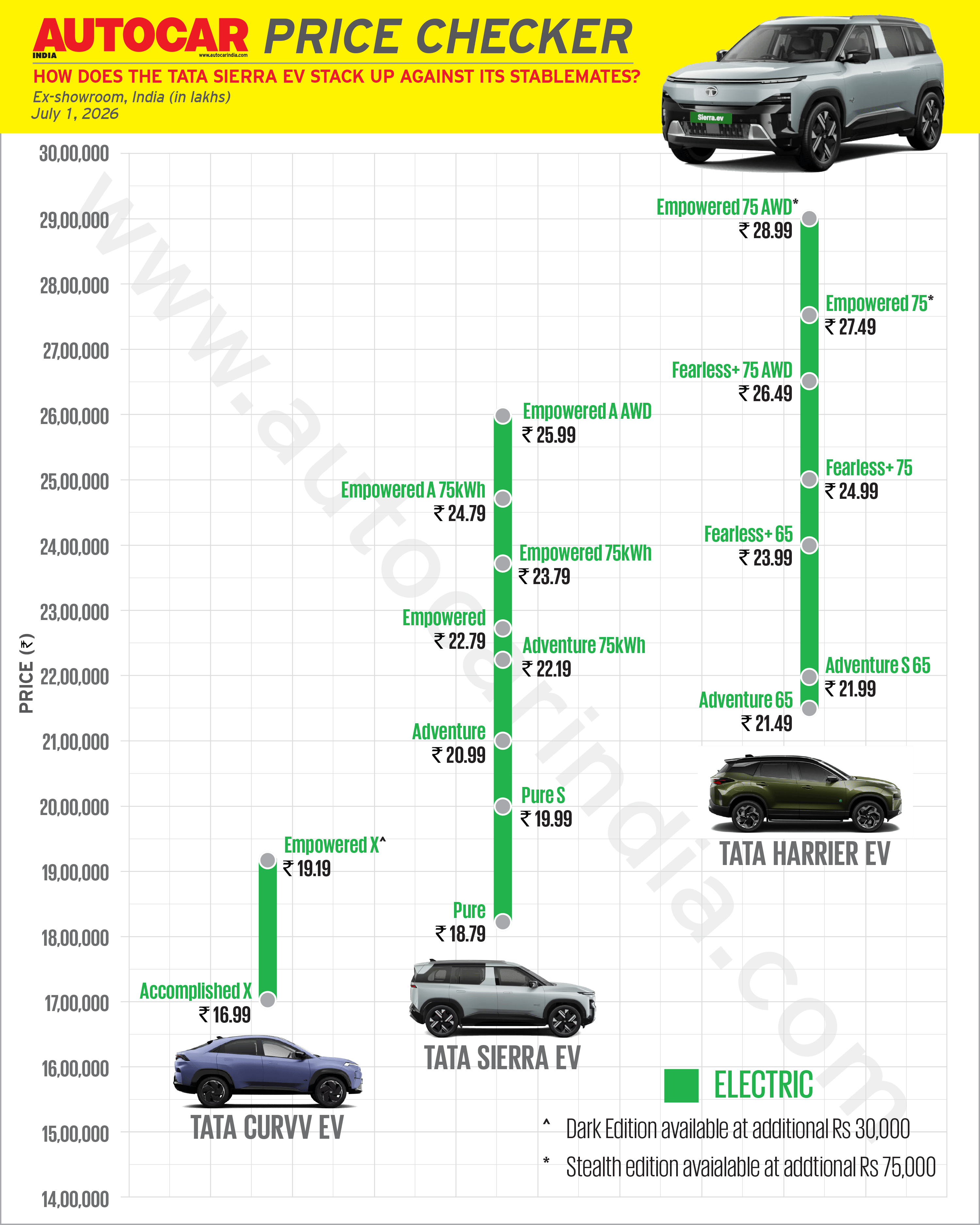
The Sierra EV is, in fact, very closely related to the Harrier EV, sharing similar battery capacities, common front and rear drive units, the thermal management system and also have broadly comparable performance. The former is priced between Rs 18.79 lakh and Rs 25.99 lakh, whereas the latter is priced between Rs 21.49 lakh and Rs 28.99 lakh.

According to Chandra, some movement between models within a broad portfolio was inevitable and is not the company’s primary concern. However, he said buyers do not evaluate models only through price and specifications. Their preferences are also shaped by styling, dimensions and their individual idea of what a model should represent.

“That’s why you see that the buyers of Harriers are very different than Sierra buyers, even in the ICE world,” Chandra said to our sister publication Autocar professional. “Somebody does not like boxy style. Somebody does not like dynamic style. So, first differentiation comes from there.”

Price overlap between Curvv, Sierra and Harrier EVs. 

Chandra also said size plays a particularly important role in India, where buyers often expect the value of a higher-priced vehicle to be visibly reflected in its dimensions and road presence. Different price and accessibility points will further separate the vehicles, he added.

“It’s a combination of all this,” Chandra said. “There is clear separation of what you see in the ICE world also. Same will apply here.”

Any immediate cannibalisation may also be limited by Tata Motors’ supply constraints. “Harrier EV demand is twice of what we are supplying. It is a supply-driven issue,” said Chandra. 
Shared constraints in battery-pack production, power electronics and other aggregates require Tata Motors to allocate components across its electric portfolio, he added. The company is working on capacity expansion and supplier debottlenecking to close the gap between demand and production.

Anand Kulkarni, Chief Product Officer at Tata Passenger Electric Mobility, further reiterated the differences between the two electric SUVs. “These products don’t necessarily compete with each other,” Kulkarni said. “They are enabled by a common underlying technology stack, but they are tuned completely differently and operate differently.”

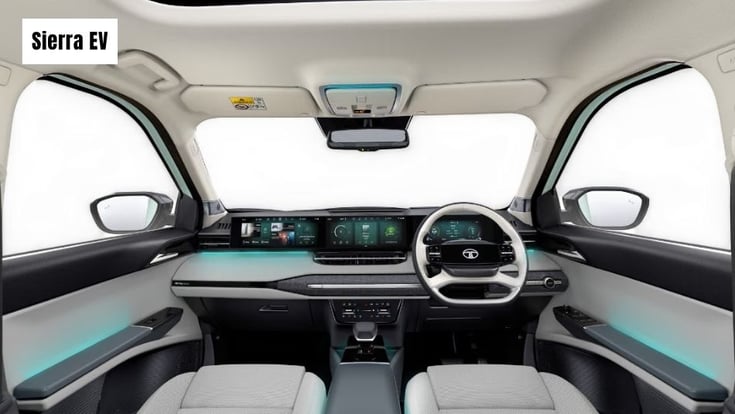
Tata Sierra EV interior
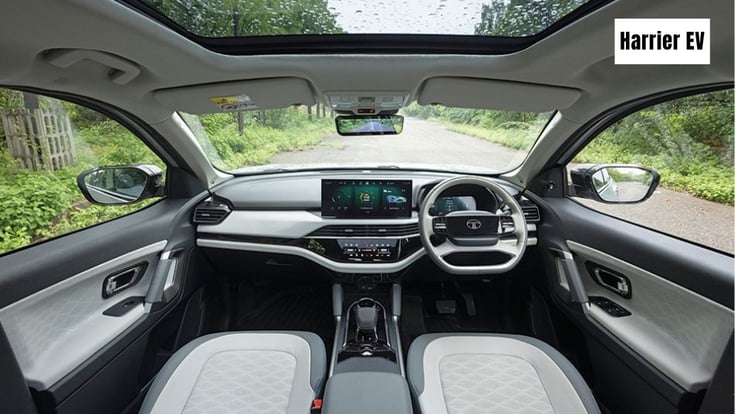
Tata Harrier EV interior


Kulkarni highlighted that the Sierra EV has a different cabin ambience from that of the Harrier EV. He compared this approach with the ICE versions of these SUVs, where they share the engine but deliver different driving and ownership experiences. “Just because two cars have a common engine, that does not make them a choice of one over the other,” he said.

Commonality gives scale and shared costs 

Commonality allows Tata Motors to distribute engineering, supplier-development and localisation investments across more products. “A lot of technologies that we developed in Harrier EV allowed us to also give it in the Sierra EV,” added Chandra, alluding to the ADAS suite, automatic parking and vehicle summoning features, as well as the all-wheel-drive technology,

The Sierra.ev and Harrier.ev will test both sides of Tata Motors’ EV strategy. Shared engineering must deliver scale, localisation and development-cost benefits, while Tata hopes styling, size and positioning creates enough distinction to expand the company’s addressable market. Some cannibalisation may be unavoidable. The larger test is whether the two SUVs collectively attract more customers to Tata Motors than either model could have done on its own.

With inputs from Saptarshi Mondal

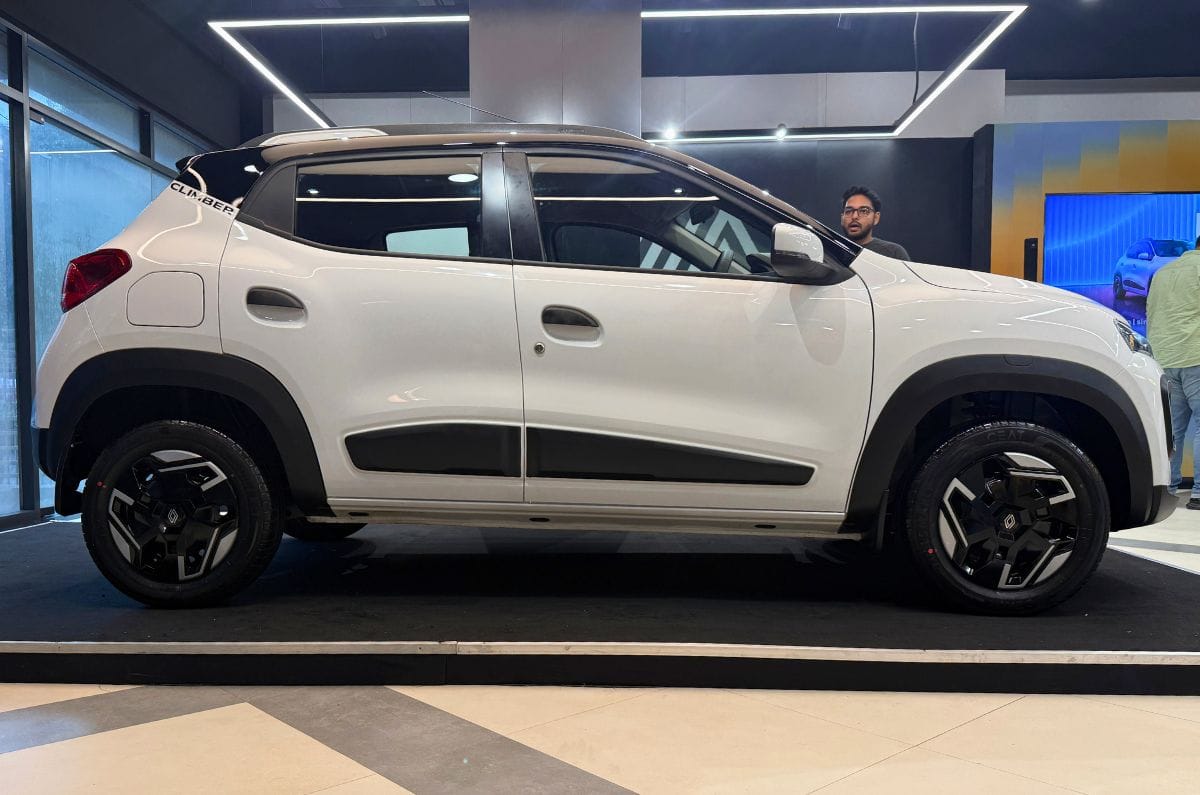
2026 Renault Kwid launched in India at Rs 4.53 lakh

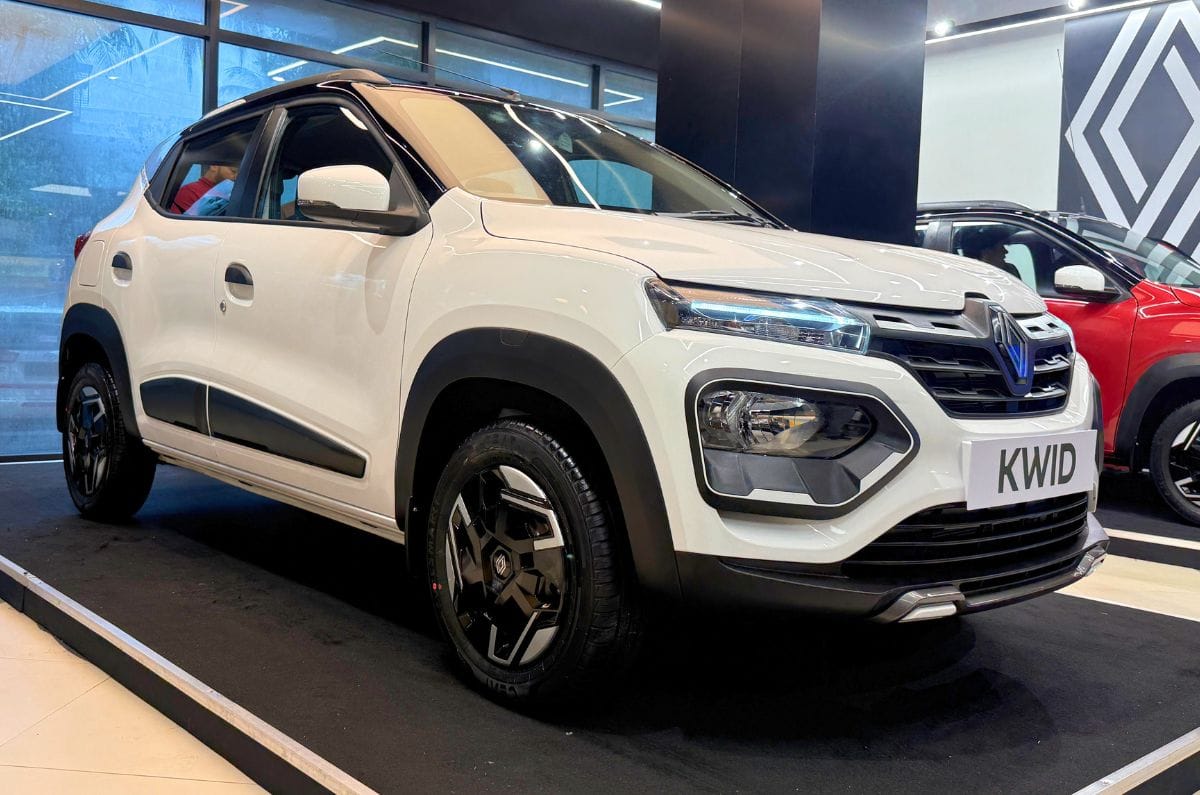
2026 Renault Kwid front quarter static

Renault has launched the 2026 Kwid in India with prices starting from Rs 4.53 lakh (ex-showroom). It is available in two trims: Evolution and Climber, offered with both manual and AMT options. Compared to the older model, the 2026 Renault Kwid gets some exterior and interior design changes and comes at a relatively lower price than before.

  1. Retrofitted CNG kit is available with MT variants at Rs 70,450 extra
  2. Continues with the same 1-litre 3-cylinder petrol engine (69hp, 92.5Nm)

Renault has also revealed its India plans, announcing 12 product “actions” over the next 18 months, 4 of which will happen in the remainder of 2026. Commenting on the upcoming plans, Renault India CEO Stéphane Deblaise said, “There won’t be more than two consecutive months without a significant update from Renault, whether it’s a limited edition, a design refresh, new technology, a new powertrain, or even an all-new car.”

2026 Renault Kwid: Prices

Offered in Evolution and Climber trims with manual and AMT options

2026 Renault Kwid: Variant-wise ex-showroom prices 


5-speed manual

5-speed AMT

Evolution

Rs 4.53 lakh

Rs 4.90 lakh

Climber

Rs 5.15 lakh

Rs 5.61 lakh

Renault is offering a retrofitted CNG kit for the Kwid’s manual variants at an additional Rs 70,450, with a 3-year/1 lakh km standard warranty (whichever is earlier). If you choose, these CNG kits will be installed at authorised workshops. Consult your nearest Renault dealership for more details.

The starting price of the 2026 Kwid is Rs 22,000 more than the older model’s base-spec Authentic trim. With the 2026 update, however, prices of the Evolution and Climber trims have reduced by up to Rs 14,000 and Rs 32,000, respectively. The previously available entry-spec Authentic and mid-spec Techno trims have been discontinued with the 2026 model.

2026 Renault Kwid: What’s new?

Sports new Renault logos and redesigned plastic wheel covers

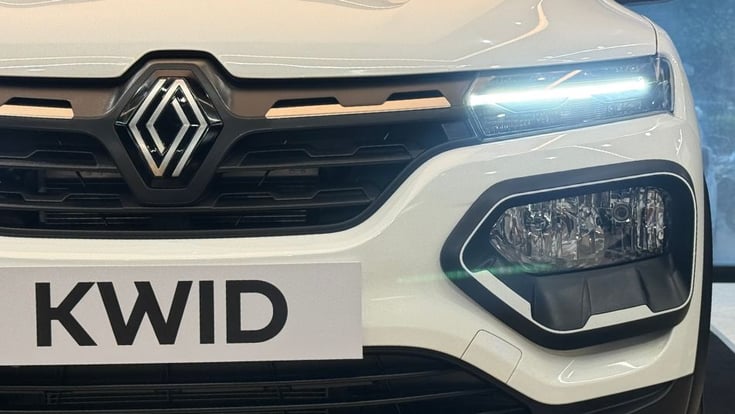
2026 Renault Kwid front design
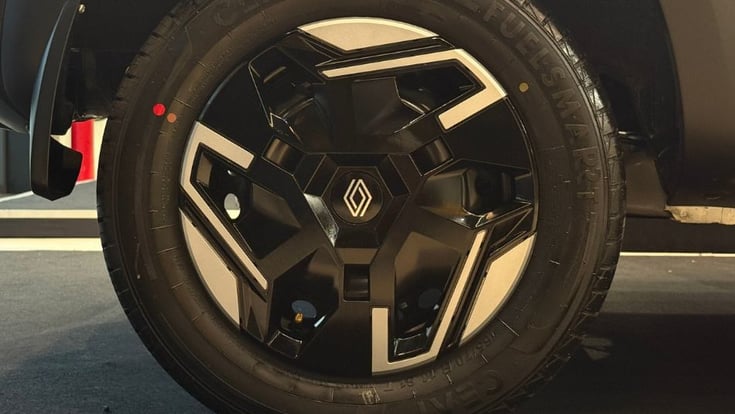
2026 Renault Kwid wheel covers
 

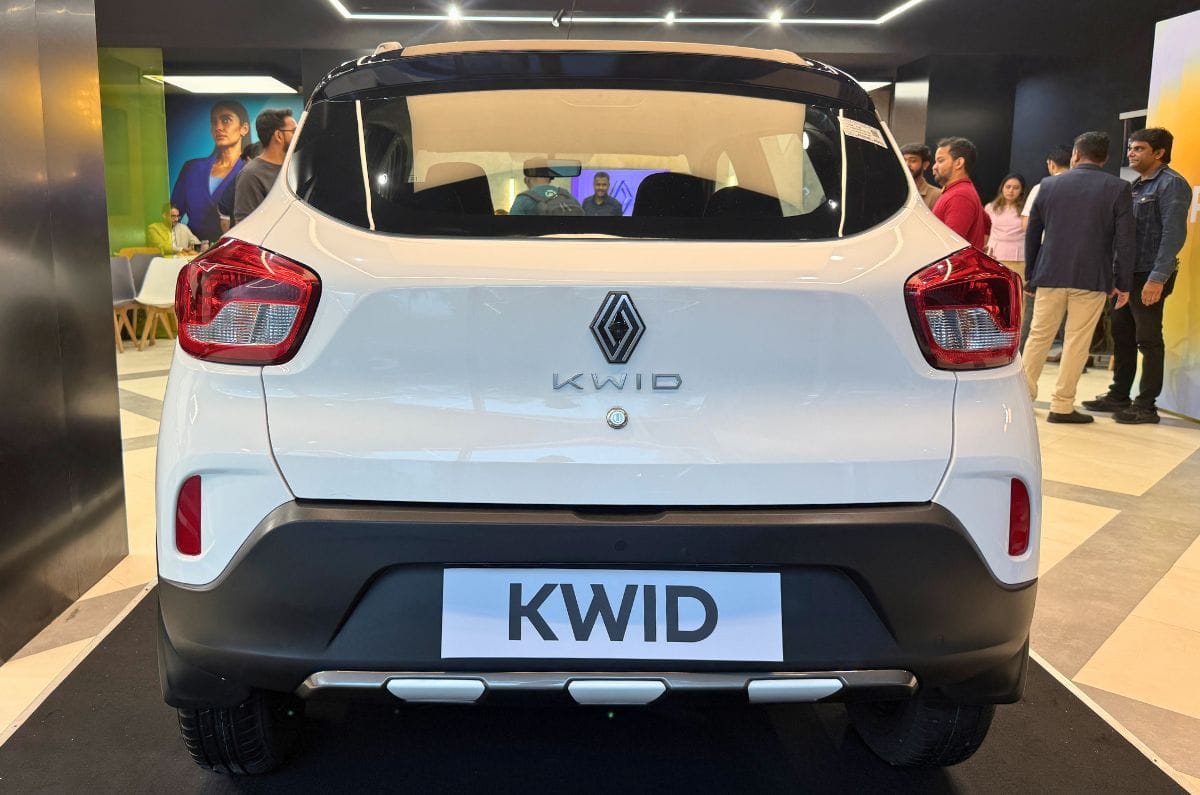
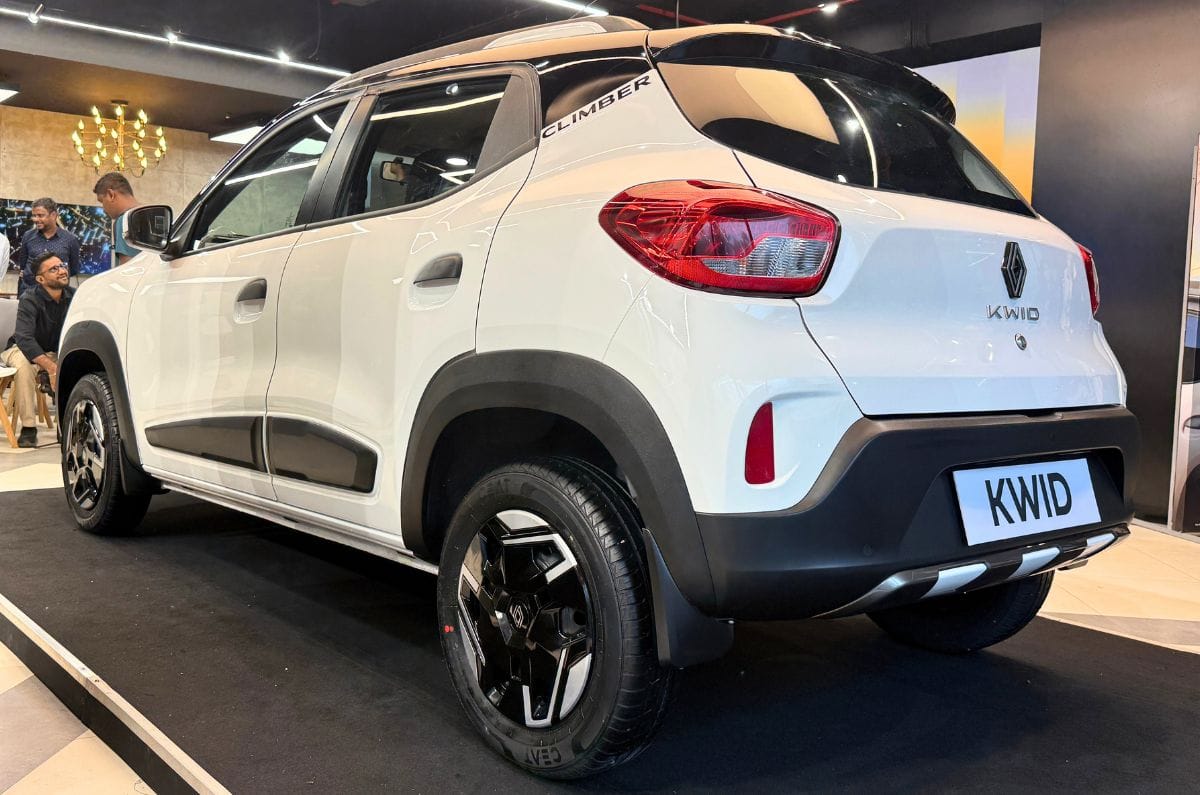
As mentioned earlier, there are only a couple of changes to the 2026 Kwid’s exterior design elements. These include new 3D Renault badges and redesigned dual-tone plastic covers for the 14-inch steel wheels. Keen-eyed viewers can also spot a different font for the Kwid lettering on the tailgate, and it also gets a new silver finish.

Other elements are the same as those on the older Kwid, including the eyebrow-shaped LED DRLs, halogen headlights, front and rear bumpers and halogen taillights.

The 2026 Kwid’s dimensions are identical to the older model, which are as follows:

2026 Renault Kwid dimensions and other specifications

Length 

3,731mm

Width

1,579mm

Height 

1,474mm

Wheelbase

2,422mm

Ground clearance

184mm

Boot space

279 litres

Borrows a steering wheel and gear lever from the Renault Kiger SUV

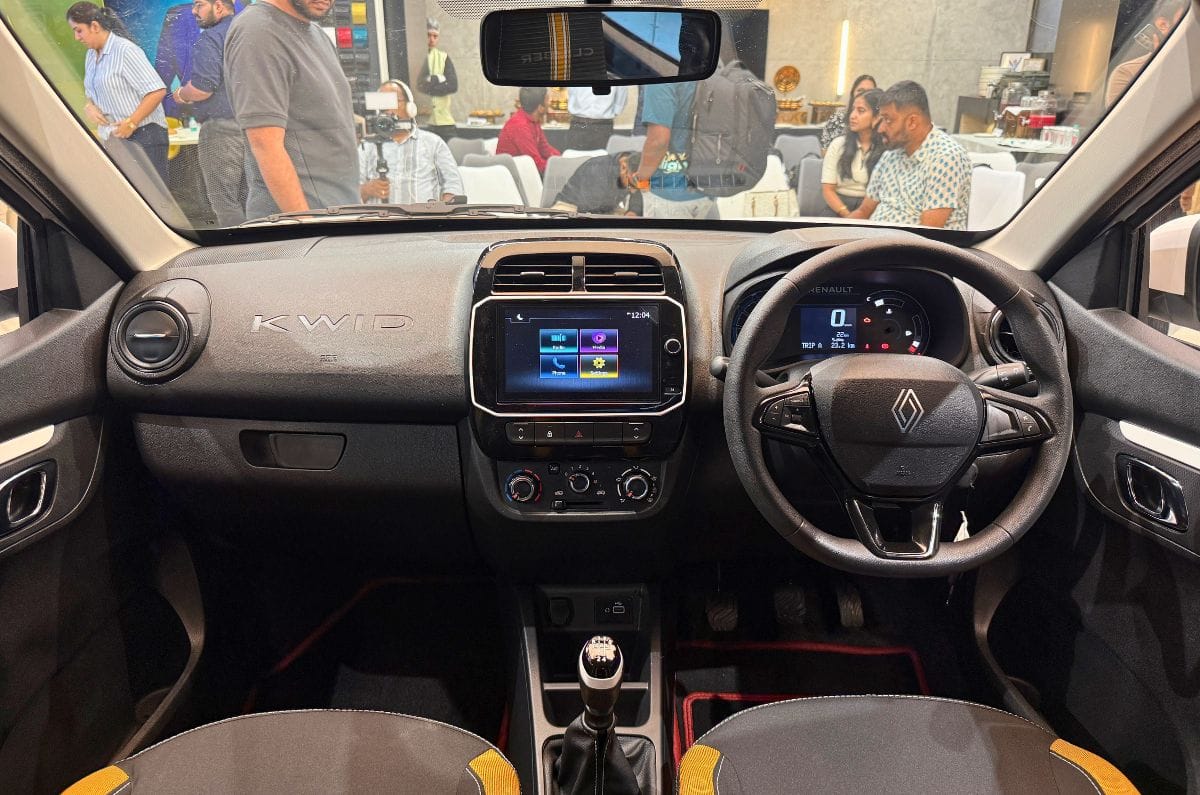
Like the exterior design, not much has changed inside the Renault Kwid’s cabin with the 2026 update. The new 3-spoke steering wheel design is borrowed from the Kiger, featuring buttons for controlling the infotainment system.

Everything else is the same, including the 8-inch touchscreen infotainment system with support for wired Android Auto and Apple CarPlay, a semi-digital instrument cluster with a multi-information display (MID) in the centre, manual AC, and all four power windows. The black fabric seat upholstery with yellow accents is also identical to the older model.

It is offered with dual airbags in the base-spec Evolution trim, while the top-spec Climber gets 6 airbags. Other safety features include a rear parking camera with sensors, a tyre pressure monitoring system (TPMS), hill start assist (with AMT variants only), keyless entry with central locking, ABS with EBD and seatbelt reminders. 

Powered by the same 69hp 1.0L naturally aspirated petrol engine

The 2026 Renault Kwid is powered by the same 1.0-litre 3-cylinder naturally aspirated petrol engine that produces 69hp and 92.5Nm. It is mated to either a 5-speed manual gearbox or a 5-speed automated manual transmission (AMT).

The Renault Kwid continues to rival the Maruti S-Presso and Maruti Alto K10, which start at lower price tags of Rs 3.50 lakh and Rs 3.70 lakh, respectively.

Prices are ex-showroom, Delhi.

ऐप से बंद हुआ ई रिक्शा तो रोने लगा ये मुस्लिम ड्राइवर, इसके बाद बाइक पर बैठे लड़के ने किया दिल जीतने वाला काम

सोशल मीडिया पर वायरल ये इंस्टा रील लोगों का ध्यान तेजी से खींच रही है, जिसमें एक ई-रिक्शा ड्राइवर बीच सड़क पर अचानक वाहन बंद होने के बाद परेशान और भावुक नजर आता है। ये छोटा-सा वीडियो अब बड़ी बहस का कारण बन चुका है, क्योंकि इसमें मजाक के नाम पर एक मेहनत करने वाले ड्राइवर की रोजी-रोटी पर असर पड़ता दिख रहा है। कई यूजर्स इसे सिर्फ प्रैंक नहीं, बल्कि गंभीर लापरवाही मान रहे हैं, जो सड़क पर खतरनाक स्थिति भी पैदा कर सकती है। यही वजह है कि यह रील सोशल मीडिया पर लगातार शेयर की जा रही है और लोग इस पर अलग-अलग प्रतिक्रियाएं दे रहे हैं।

वायरल वीडियो

सोशल मीडिया पर वायरल इस इंस्टा रील में एक ई-रिक्शा ड्राइवर का दर्द साफ झलकता है, जो बीच सड़क पर अचानक अपना वाहन बंद होने से परेशान है। एक बाइक सवार युवक उसके पास आकर पूछता है, “अंकल आप रो क्यों रहे हो…”, जिस पर ड्राइवर बताता है कि किसी ने उसके चीनी ऐप से उसकी तिर्री बंद कर दी, जिससे उसकी रोज़ी-रोटी और आज की कमाई का नुकसान हो गया। यह वीडियो लोगों के बीच चिंता और गुस्से का कारण बन गया है क्योंकि इसमें “प्रैंक” के नाम पर ड्राइवर की कमाई और सुरक्षा दोनों से खिलवाड़ होता दिख रहा है।

क्या है पूरा मामला?

वायरल वीडियो में दावा किया जा रहा है कि कुछ लोग एक मोबाइल ऐप के जरिए ई-रिक्शा को बीच सड़क पर रोक देते हैं। यह सब “मजाक” या प्रैंक के नाम पर किया जा रहा है, लेकिन इसका असर ड्राइवर की रोजी-रोटी पर पड़ रहा है। कई लोग इसे खतरनाक और गैर-जिम्मेदाराना हरकत बता रहे हैं।

BAT-BMS App क्या है?

BAT-BMS एक असली बैटरी मैनेजमेंट ऐप है, जिसे Shenzhen Grenergy Technology ने बनाया है। इसका काम बैटरी की चार्जिंग, वोल्टेज, तापमान और हेल्थ को मॉनिटर करना होता है। ये आमतौर पर बैटरी सिस्टम को सुरक्षित रखने के लिए इस्तेमाल किया जाता है, न कि किसी वाहन को रोकने के लिए।

कैसे किया जा रहा है प्रैंक”?

वायरल क्लिप्स में लोग ई-रिक्शा के पास जाकर Bluetooth के जरिए बैटरी सिस्टम से कनेक्ट करते हैं। कुछ ही सेकंड में वाहन की पावर बंद हो जाती है। यह कोई बड़ा हैक नहीं है, बल्कि उन बैटरी सिस्टम की कमजोरी का फायदा है जिनमें सुरक्षा पासवर्ड नहीं होता।

कौन से वाहन हैं ज्यादा खतरे में?

यह समस्या हर ई-रिक्शा में नहीं होती। खतरा केवल उन्हीं वाहनों में है जिनमें:

  • Bluetooth-enabled lithium battery लगी हो
  • BMS सिस्टम अनसिक्योर्ड हो
  • और 10–15 मीटर के अंदर कनेक्शन संभव हो

पुराने lead-acid बैटरी वाले ई-रिक्शा इस समस्या से सुरक्षित रहते हैं।

ड्राइवरों पर असर और बढ़ता खतरा

इस तरह के प्रैंक से ई-रिक्शा ड्राइवर बीच सड़क पर फंस जाते हैं, जिससे उनकी कमाई रुक जाती है और ट्रैफिक में भी खतरा पैदा होता है। यह सिर्फ मजाक नहीं बल्कि एक गंभीर सुरक्षा और आर्थिक समस्या बनता जा रहा है।

जिम्मेदारी और जरूरी सुधार

इस पूरे मामले में जिम्मेदारी कंपनियों और डीलरों की है। जरूरी है कि बैटरी सिस्टम को मजबूत पासवर्ड और सिक्योरिटी फीचर्स के साथ बेचा जाए, ताकि ऐसे गलत इस्तेमाल को रोका जा सके और ड्राइवरों की सुरक्षा सुनिश्चित हो सके।

2026 में सोशल मीडिया से पैसे कमाने के 5 बेस्ट और आसान तरीके, हर क्रिएटर के लिए जरूरी

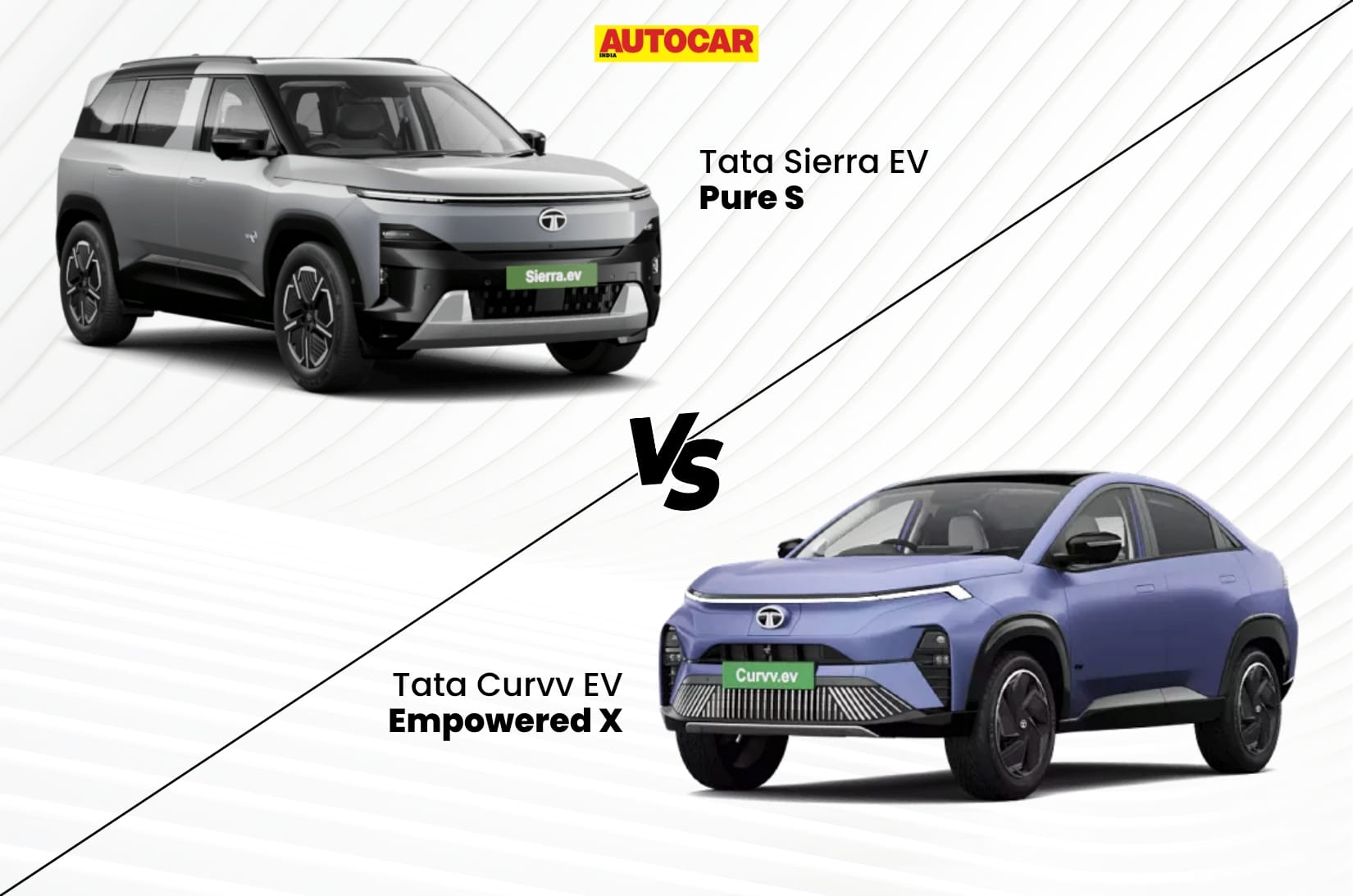
Tata Sierra EV vs Curvv EV: Which EV is better at Rs 20 lakh?

Tata Sierra EV vs Curvv EV: Which EV is better at Rs 20 lakh?

The Tata Sierra EV is the most recent all-electric offering in the manufacturer’s lineup, which is positioned between the Curvv EV and Harrier EV. The new Sierra EV is priced from Rs 18.79 lakh to Rs 25.99 lakh, while the Curvv EV’s prices range from Rs 16.99 lakh to Rs 19.19 lakh. So, if you have a budget of around Rs 20 lakh, should you go for the top-spec Curvv EV Empowered X or the similarly priced one-above-base Sierra EV Pure S variant? Let’s find out.

Tata Sierra EV Pure S vs Curvv EV Empowered X: Dimensions

Sierra EV has larger dimensions and offers additional boot space

Tata Sierra EV vs Curvv EV : Dimensions and other specifications


Sierra EV 

Curvv EV

Difference

Length (mm)

4340

4310

+30

Width (mm)

1841

1810

+31

Height (mm)

1750

1637

+113

Wheelbase (mm)

2730

2560

+170

Ground clearance (mm)

205

186

+19

Boot space (litres)

622

500

+122

Frunk space (litres)

55

11.6

+43.4

Number of seats

5

5

Both Tata EVs are offered with 5 seats, but the Sierra EV is larger than the Curvv EV in all respects. While the differences in height and width won’t matter much in the real world, the Sierra EV’s 113mm-taller height and 170mm-longer wheelbase are expected to translate into better cabin space than the Curvv EV. The Sierra EV also offers 19mm higher ground clearance, a 122-litre larger boot, and 40+ litres of additional frunk space, making it more practical than the Curvv EV. 

Tata Sierra EV Pure S vs Curvv EV Empowered X: Powertrain

Sierra EV Pure S packs a larger battery and a more potent electric motor

Tata Sierra EV Pure S vs Curvv EV Empowered X : Powertrain


Sierra EV Pure S

Curvv EV Empowered X

Battery pack

63kWh

55kWh

eMotor configuration*

RWD

FWD

Power

209hp

165hp

Torque

315Nm

215Nm

Claimed range

665km

502km

*RWD = Rear wheel drive, FWD = Front wheel drive

The Sierra EV’s Pure S variant has a slightly larger battery pack, enabling a whopping 163km higher claimed range compared to the Curvv EV’s Empowered X variant. Respective variants of both Tata EVs are offered with a single-motor setup, but with different layouts. Notably, the top-spec Sierra EV is also available with a dual-motor AWD system with a larger 75kWh battery, but at a much higher price point. The Curvv EV, however, is only offered in a FWD configuration with a 55kWh battery across its lineup.

Along with a larger battery, the Sierra EV 63kWh version is also offered with a more powerful motor, producing 44hp and 100Nm more than the Curvv EV.

Tata Sierra EV Pure S vs Curvv EV Empowered X: Exterior

Both EV variants offer similar exterior features

Tata Sierra EV Pure S vs Curvv EV Empowered X: Exterior


Sierra EV Pure S

Curvv EV Empowered X

Headlights

Auto projector LED

Auto projector LED

Tail-lights

Connected LED

Connected LED

DRLs

Connected LED

Connected LED

Front fog lamps

LED, cornering function

LED, cornering function

Flush door handles

Yes

Yes

Wheels

18-inch alloy

18-inch alloys

Powered ORVMs

Yes

Yes

Roof rails

Yes

No

Sharkfin antenna

Yes

Yes

Colour

Monotone

Monotone

Except for the missing roof rails on the Curvv EV, the exterior features on both the Tata Sierra EV Pure S and Curvv EV Empowered S are the same. Both EVs get all-LED lighting, flush-type door handles, 18-inch alloys and a shark-fin antenna.

Tata Sierra EV Pure S vs Curvv EV Empowered X: Interior, features

A powered driver’s seat and a powered tailgate are not offered with the Sierra EV Pure S 

Tata Sierra EV Pure S vs Curvv EV Empowered X: Interior and features


Sierra EV Pure S

Curvv EV Empowered X

Driver’s display

10.25-inch

10.25-inch 

Infotainment screen

12.3-inch

12.3-inch

Passenger display

No

No

Android Auto, Apple CarPlay

Yes, wireless

Yes, wireless

Audio system

8-speaker

9-speaker JBL*

On-board navigation

Yes

Yes

Sunroof

Panoramic

Panoramic

Powered tailgate

No

Yes, with gesture support

Climate control

Automatic

Automatic

Rear AC vents

Yes

Yes

Air purifier

PM2.5 filter only

Yes

Seat upholstery

Fabric

Leatherette

Steering wheel adjustment

Tilt, telescopic

Tilt

Wireless phone charger

Yes

Yes

Driver seat adjustment

Manual

6-way powered

Co-driver’s seat adjustment

Manual

Manual

Front seat features

Ventilation

Rear window sunshade

Yes

Yes

Vehicle-to-load (V2L)

Yes

Yes

Vehicle-to-vehicle (V2V)

Yes

Yes

*Curvv EV’s sound system includes JBL-sourced 8 speakers and a subwoofer

The top-spec Curvv EV Empowered X gets a few additional features over the lower-spec Sierra EV Pure S, including a powered driver’s seat with ventilation function, a powered tailgate, a subwoofer and leatherette seat upholstery. The Curvv EV also gets a full-blown air purifier, while the Sierra EV’s one-over-base Pure S trim offers only a PM2.5 air filter.

Other features like the 10.25-inch and 12.3-inch screens, a panoramic sunroof, a wireless phone charger, V2L and V2V charging support and auto climate control with rear vents are common to both EVs.

Tata Sierra EV Pure S vs Curvv EV Empowered X: Driving tech

The Curvv EV offers adaptive cruise control over the Sierra EV’s Pure S variant

Tata Sierra EV Pure S vs Curvv EV Empowered X: Driving technology


Sierra EV Pure S

Curvv EV Empowered X

Drive modes

Eco, City, Sport

Eco, City, Sport

Paddle shifters for regen

Yes

Yes

Cruise control

Yes

Adaptive

Both EV variants are offered with the same drive modes and paddle shifters to control the battery regeneration level. The difference, however, is that the top-spec Curvv EV gets adaptive cruise control, while the Sierra EV Pure S gets standard cruise control.

Tata Sierra EV Pure S vs Curvv EV Empowered X: Safety features

Curvv EV gets an ADAS suite and a 360-degree camera over Sierra EV Pure S

Tata Sierra EV Pure S vs Curvv EV Empowered X: Safety features


Sierra EV Pure S

Curvv EV Empowered X

Airbags

6

6

ADAS

No

Level 2

Camera setup

Rear

360-degree

Parking sensors

Front and rear

Front and rear

Electronic parking brake

Yes

Yes

All-wheel disc brakes

Yes

Yes

TPMS

Yes

Yes

IRVM

Manually-adjustable

Auto-dimming

Rear wiper, washer

Yes

No

Hill start assist

Yes

Yes

Hill descent control

Yes

Yes

ESC

Yes

Yes

Traction control

Yes

Yes

Safety features such as 6 airbags, front and rear parking sensors, a tyre pressure monitoring system (TPMS) and disc brakes on all wheels are common to both EVs. The top-spec Curvv EV Empowered X, however, goes a step further and offers a 360-degree camera, an auto-dimming inside rearview mirror, and a Level-2 advanced driver assistance system (ADAS). 

Tata Sierra EV Pure S vs Curvv EV Empowered X: Price, verdict

Sierra EV Pure S offers more claimed range but misses out on some premium features

Sierra EV Pure S vs Curvv EV Empowered X: ex-showroom price

Model variant

Price

Tata Sierra EV Pure S 63kWh

Rs 19.99 lakh

Tata Curvv EV Empowered X 55kWh

Rs 19.19 lakh

The lower-spec Tata Sierra EV is Rs 80,000 pricier than the top-spec Curvv EV Empowered X. However, at the higher price, the Sierra EV Pure S offers a larger battery pack with a higher claimed range. The Tata Sierra EV is also larger, which translates to better cabin space. Although it misses out on premium features like a powered driver’s seat, a powered tailgate, Level-2 ADAS and a 360-degree camera, it offers a decent feature suite. All of this makes the Sierra EV Pure S a better offering compared to the Curvv EV Empowered X. 

Prices are ex-showroom, India

BAT-BMS ऐप से ब्लूटूथ के जरिए बंद किए जा रहे ई-रिक्शा! वायरल प्रैंक ने बढ़ाई ड्राइवरों की परेशानी, जानिए क्या है पूरा मामला

what is bat BMS

सोशल मीडिया पर इन दिनों एक वायरल ट्रेंड ने ई-रिक्शा चालकों और इलेक्ट्रिक वाहनों की सुरक्षा को लेकर गंभीर चिंता पैदा कर दी है। दावा किया जा रहा है कि कुछ शरारती लोग BAT-BMS नाम के एक चीनी ऐप का इस्तेमाल कर ब्लूटूथ के जरिए चलते हुए ई-रिक्शा की बिजली सप्लाई बंद कर रहे हैं। इससे बीच सड़क पर ई-रिक्शा अचानक रुक जाते हैं और चालक असमंजस में पड़ जाते हैं।

ALSO READ: Indian Navy : भारतीय नौसेना के युद्धपोत INS त्रिकंड ने अदन की खाड़ी में MV गोल्डन आर्सेनल पर समुद्री डकैती की कोशिश को नाकाम किया

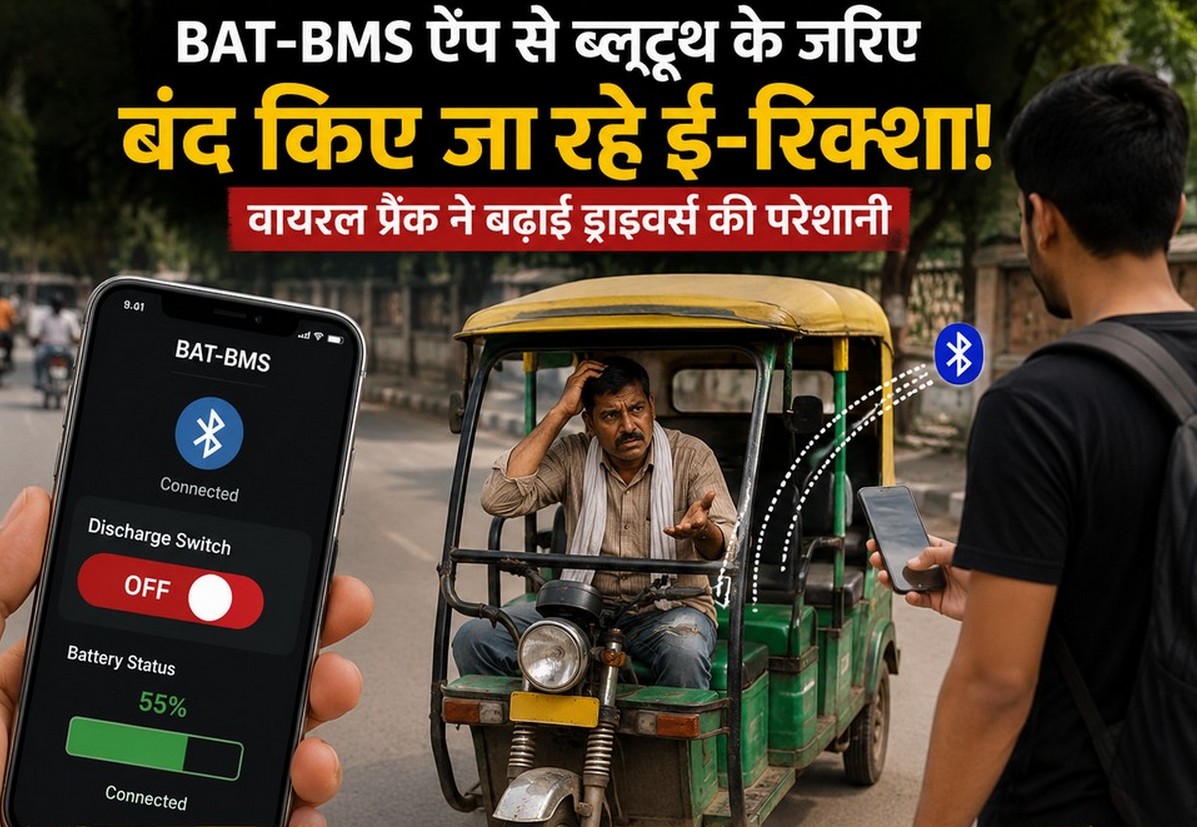
वायरल वीडियो में कुछ युवक ई-रिक्शा का पीछा करते हुए दिखाई देते हैं। इसके बाद वे अपने मोबाइल में BAT-BMS ऐप खोलकर कथित तौर पर 'डिस्चार्ज स्विच' का इस्तेमाल करते हैं, जिससे ई-रिक्शा अचानक बंद हो जाता है। इसके बाद वे ड्राइवर के पास जाकर अनजान बनने का नाटक करते हुए मदद की पेशकश करते हैं।

ALSO READ: Electric Scooter खरीदने से पहले 14 जरूरी बातें जो आपके लिए जानना जरूरी

एक अन्य वायरल वीडियो में एक बुजुर्ग ई-रिक्शा चालक को वाहन बंद होने के बाद करीब 3 किलोमीटर तक रिक्शा धक्का लगाकर ले जाते हुए देखा गया। एक अन्य वीडियो में कथित तौर पर ऐसे ही हरकत करने वाले युवक को लोगों ने पकड़ लिया और पुलिस के हवाले करने की चेतावनी दी।


 कई जगह मारपीट खबरें भी हैं। हालांकि इन वायरल वीडियो और उनमें किए जा रहे दावों की स्वतंत्र रूप से पुष्टि नहीं हुई है। यह भी स्पष्ट नहीं है कि सभी घटनाएं वास्तविक हैं या सोशल मीडिया कंटेंट बनाने के उद्देश्य से रिकॉर्ड की गई हैं।

ALSO READ: सस्ती इलेक्ट्रिक बाइक RVX, 160KM रेंज, 90kmph टॉप स्पीड और फास्ट चार्जिंग के साथ आई

क्या है BAT-BMS ऐप?


BAT-BMS एक बैटरी मैनेजमेंट सिस्टम (Battery Management System) ऐप है, जिसे चीन की कंपनी Shenzhen Grenergy Technology ने डेवलप किया है। यह ऐप ब्लूटूथ के माध्यम से बैटरी से कनेक्ट होकर अधिकृत यूजर्स को बैटरी की स्थिति देखने और आवश्यकता पड़ने पर बैटरी के डिस्चार्ज सर्किट को ऑन या ऑफ करने की सुविधा देता है। खबरों के मुताबिक भारत में कुछ कम कीमत वाले ई-रिक्शा की बैटरियों में ब्लूटूथ सुरक्षा या पासवर्ड प्रोटेक्शन नहीं होता। ऐसे में यदि बैटरी का ब्लूटूथ सार्वजनिक रूप से उपलब्ध रहता है, तो 10 से 15 मीटर की दूरी के भीतर मौजूद कोई भी व्यक्ति बैटरी से कनेक्ट होने की कोशिश कर सकता है।

ALSO READ: Electric scooter खरीदने से पहले जान लें कौन-सी बैटरी है सबसे बेहतर? रेंज, चार्जिंग और लाइफ में कितना फर्क और कैसे करें चेक

ई-वाहनों की सुरक्षा पर उठे सवाल

इस वायरल ट्रेंड के बाद ई-रिक्शा और अन्य इलेक्ट्रिक वाहनों की साइबर सुरक्षा तथा बैटरी प्रबंधन प्रणाली की सुरक्षा को लेकर बहस तेज हो गई है। एक्सपर्ट्‍स के मुताबिक  बैटरी निर्माताओं को मजबूत पासवर्ड, एन्क्रिप्शन और सुरक्षित ब्लूटूथ पेयरिंग जैसी सुविधाएं उपलब्ध करानी चाहिए ताकि अनधिकृत लोग बैटरी तक पहुंच न बना सकें।

iPhone Ultra की एंट्री तय? लॉन्च से पहले डिजाइन, कैमरा और कीमत हुई लीक

Apple के पहले फोल्डेबल iPhone को लेकर कई सालों से चर्चा हो रही है और अब ऐसा लगता है कि यह इंतजार जल्द ही खत्म हो सकता है। हालांकि क्यूपर्टिनो की इस टेक कंपनी ने अभी तक इस डिवाइस के बारे में आधिकारिक तौर पर कुछ नहीं कहा है, लेकिन नई लीक और रिपोर्ट्स से पता चलता है कि कंपनी अगले तीन महीनों में iPhone 18 Pro लाइनअप के साथ लंबे समय से चर्चा में रहे iPhone Ultra को लॉन्च कर सकती है। अब आइए जानते हैं इसके लॉन्च टाइमलाइन, स्पेसिफिकेशन्स, डिजाइन, कैमरा अपग्रेड, कीमत और लेटेस्ट लीक की पूरी जानकारी।

Apple iPhone Ultra: अनुमानित स्पेसिफिकेशन्स और डिजाइन

हाल की लीक पर यकीन करें तो, iPhone Ultra में अंदर की तरफ 7.8-इंच का फोल्डेबल OLED डिस्प्ले और बाहर की तरफ 5.5-इंच की स्क्रीन हो सकती है। उम्मीद है कि US की यह टेक कंपनी इस डिवाइस में अपनी अगली जनरेशन का A20 Pro चिपसेट इस्तेमाल करेगी, जिसके साथ बेहतर कनेक्टिविटी के लिए 12GB LPDDR5X RAM और Apple का अपना C2 मॉडेम दिया जाएगा।

जाने-माने लीकर ‘Jam Online’ की ओर से हाल ही में शेयर किए गए डमी यूनिट्स से पता चलता है कि Apple इसे खोलने पर काफी चौड़ा डिजाइन दे सकता है, जिससे यूजर्स को पतली किताब जैसे फोल्डेबल के बजाय iPad mini जैसा एक्सपीरियंस मिल सकता है।

कैमरा की बात करें तो, लीक्स से संकेत मिलता है कि iPhone बनाने वाली कंपनी इस डिवाइस में डुअल 48MP का रियर कैमरा दे सकती है, जबकि कवर डिस्प्ले और अंदर की फोल्डिंग स्क्रीन, दोनों पर ही खास सेल्फी कैमरे दिए जा सकते हैं। अन्य फीचर्स में USB Type-C पोर्ट, स्टीरियो स्पीकर और पावर बटन के नीचे लगा ‘कैमरा कंट्रोल’ बटन शामिल हो सकता है।

भारत में Apple iPhone Ultra की लॉन्च डेट और कीमत (अनुमानित)

ब्लूमबर्ग के मार्क गुरमन के अनुसार, Apple का एनुअल सितंबर हार्डवेयर इवेंट 9 सितंबर, 2026 को हो सकता है। चूंकि US में लेबर डे 7 सितंबर को पड़ता है, इसलिए गुरमन का मानना ​​है कि Apple के मुख्य इवेंट के लिए 9 सितंबर का समय सबसे सही रहेगा। इसी इवेंट में iPhone 18 Pro और iPhone 18 Pro Max के साथ iPhone Ultra को भी आधिकारिक तौर पर पेश किया जा सकता है।

मौजूदा लीक्स के मुताबिक, फोल्डेबल iPhone भारत में ₹1,99,990 से ₹2,29,990 के बीच लॉन्च हो सकता है। अगर यह कीमत सही साबित होती है, तो यह Apple के अब तक के सबसे महंगे स्मार्टफोन्स में से एक होगा।

यह भी पढ़ें: Google Pixel 11 के फीचर्स लॉन्च से पहले लीक, जानें कीमत और स्पेसिफिकेशन्स