Semiconductor Stocks: भारत अब सिर्फ मोबाइल और इलेक्ट्रॉनिक्स असेंबल करने वाला देश नहीं रहना चाहता। सरकार अब देश में सेमीकंडक्टर यानी चिप मैन्युफैक्चरिंग का पूरा इकोसिस्टम तैयार करने पर जोर दे रही है। इसी दिशा में सरकार ने हाल ही में करीब 1.64 लाख करोड़ रुपये की लागत वाले 12 सेमीकंडक्टर प्रोजेक्ट्स को मंजूरी दी है। India Semiconductor Mission 2.0 और AI इंफ्रास्ट्रक्चर पर भी बड़ा निवेश किया जा रहा है।
इसका असर सिर्फ चिप बनाने वाली कंपनियों तक सीमित नहीं रहेगा। इलेक्ट्रॉनिक्स मैन्युफैक्चरिंग, PCB, EMS और चिप डिजाइन से जुड़ी कई कंपनियों को भी इसका फायदा मिल सकता है। आइए जानते हैं ऐसी 6 कंपनियों के बारे में।
Dixon Technologies
Dixon Technologies देश की सबसे बड़ी इलेक्ट्रॉनिक्स मैन्युफैक्चरिंग सर्विस (EMS) कंपनियों में शामिल है। कंपनी मोबाइल, लैपटॉप, टीवी और दूसरे इलेक्ट्रॉनिक प्रोडक्ट बनाती है।
अगर भारत में चिप और PCB का प्रोडक्शन बढ़ता है, तो Dixon की आयात पर निर्भरता कम हो सकती है। इससे सप्लाई चेन मजबूत होगी। साथ ही, लागत घटाने में भी मदद मिलेगी।
Amber Enterprises
Amber Enterprises इस सरकारी पहल का सीधा फायदा उठाने वाली कंपनियों में मानी जा रही है। कंपनी उत्तर प्रदेश के जेवर में करीब 3,500 करोड़ रुपये का प्लांट लगा रही है। यहां HVAC कंपोनेंट्स और PCB Assemblies की मैन्युफैक्चरिंग होगी। देश में PCB का उत्पादन बढ़ने से कंपनी के कारोबार को नई रफ्तार मिल सकती है।
Kaynes Technology
Kaynes Technology की इलेक्ट्रॉनिक्स मैन्युफैक्चरिंग और PCB Assembly कारोबार में दमदार मौजूदगी है। कंपनी ऑटोमोबाइल, एयरोस्पेस, डिफेंस और इंडस्ट्रियल सेक्टर के लिए इलेक्ट्रॉनिक प्रोडक्ट बनाती है। सेमीकंडक्टर इकोसिस्टम मजबूत होने से कंपनी को नए ऑर्डर मिलने और कारोबार बढ़ने की संभावना है।
CG Power
CG Power अब सिर्फ इलेक्ट्रिकल इक्विपमेंट बनाने वाली कंपनी नहीं रह गई है। कंपनी सेमीकंडक्टर कारोबार में भी कदम रख चुकी है। ये गुजरात में रेनेसास और Stars Microelectronics के साथ मिलकर सेमीकंडक्टर प्लांट बना रही है। सरकार के बढ़ते फोकस से इस प्रोजेक्ट को भी रफ्तार मिल सकती है।
Tata Group
Tata Group भी भारत के सेमीकंडक्टर मिशन का बड़ा हिस्सा है। Tata Electronics असम में चिप पैकेजिंग (OSAT) प्लांट और गुजरात में सेमीकंडक्टर फैब प्रोजेक्ट पर काम कर रही है। सरकार की नई योजनाओं और निवेश का फायदा टाटा ग्रुप को भी मिल सकता है। हालांकि, Tata Electronics अभी शेयर बाजार में लिस्टेड नहीं है।
MosChip Technologies
MosChip Technologies चिप डिजाइन और एम्बेडेड इंजीनियरिंग सेवाएं देने वाली कंपनी है। अगर भारत में सेमीकंडक्टर इंडस्ट्री तेजी से बढ़ती है, तो डिजाइन और रिसर्च से जुड़ी कंपनियों की मांग भी बढ़ सकती है। इसका फायदा MosChip को मिल सकता है।
क्यों अहम है सरकार का यह कदम?
सरकार का लक्ष्य सिर्फ चिप बनाना नहीं है। कोशिश यह है कि भारत पूरी सेमीकंडक्टर वैल्यू चेन विकसित करे। इसमें फैब्रिकेशन, पैकेजिंग, टेस्टिंग, PCB और डिजाइन जैसे सभी हिस्से शामिल हैं।
अगर यह योजना सफल रहती है, तो भारत की आयात पर निर्भरता घटेगी। इलेक्ट्रॉनिक्स मैन्युफैक्चरिंग को मजबूती मिलेगी। साथ ही हजारों नई नौकरियां भी पैदा होंगी। यही वजह है कि निवेशकों की नजर अब इस सेक्टर और इससे जुड़ी कंपनियों पर बनी हुई है।
Disclaimer: मनीकंट्रोल.कॉम पर दिए गए सलाह या विचार एक्सपर्ट/ब्रोकरेज फर्म के अपने निजी विचार होते हैं। वेबसाइट या मैनेजमेंट इसके लिए उत्तरदायी नहीं है। यूजर्स को मनीकंट्रोल की सलाह है कि कोई भी निवेश निर्णय लेने से पहले हमेशा सर्टिफाइड एक्सपर्ट की सलाह लें।
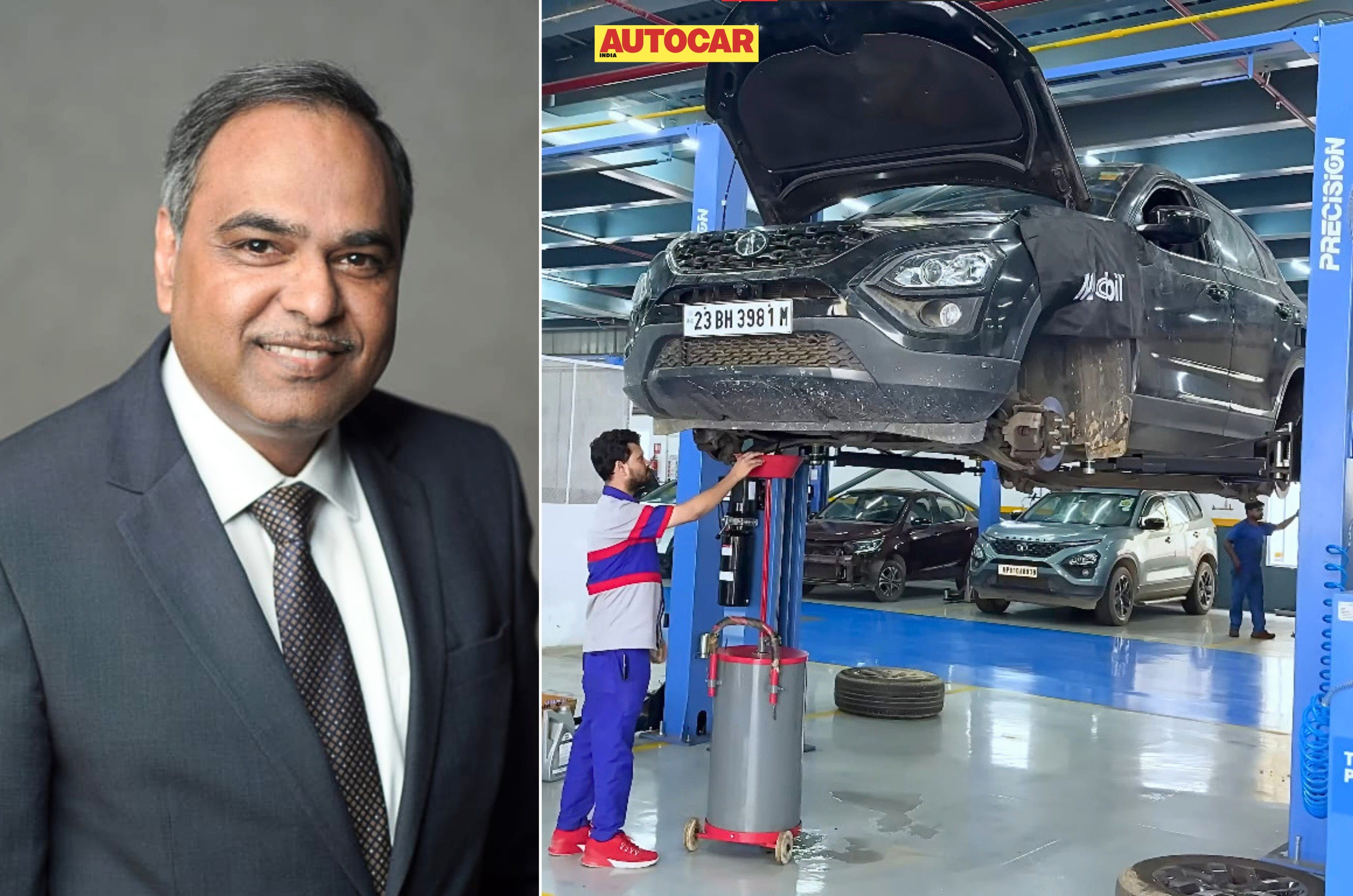
After spending the past few years expanding its product portfolio and nearly quintupling passenger vehicle volumes, Tata Motors is shifting its focus to an area where it has faced criticism in the past – product quality. “We have to prepare the system proactively rather than reactively,” managing director and CEO Shailesh Chandra said, outlining the company’s strategy to strengthen quality through AI, digital engineering, predictive diagnostics and total quality management (TQM).
Early-life vehicle issues are down by nearly 60 percent
AI-based diagnostics to reduce repair times and repeat failures
Digital twins and virtual testing to strengthen product validation
Quality processes being strengthened
Tata Motors acknowledged that rapid growth and increasing vehicle complexity were among the reasons why its after-sales services and product quality came under stress. The company claims it has already reduced early-life vehicle issues by nearly 60 percent through tighter factory quality gates, improved logistics processes and electronic proof-of-delivery systems.
“There are two stress points as far as [product] quality is concerned. One is steep growth, which leads to the system coming under stress, and the second is new technology,” said Chandra.
Predicting outcomes through AI and digital engineering
The company will expand the use of hardware-in-loop testing, software-in-loop validation and digital twins to validate systems virtually before physical testing. It also plans to use AI and telematics data to identify potential defects earlier and improve manufacturing processes.
Chandra noted that state-of-the-art quality infrastructure across the company’s plants will “enable precision manufacturing” and “leverage data and AI”, especially for early defect identification, outcome prediction and continuous learning.
“We are building the capability to detect early signals, predict outcomes and prevent issues before they manifest,” said Tata Motors PV chief product officer and chief corporate quality officer Mohan Savarkar, adding that digital engineering, diagnostics and software-defined vehicles would enable continuous improvement throughout a vehicle’s lifecycle.
AI to support after-sales operations
The company said TQM will be extended across its engineering, manufacturing, supplier and after-sales operations. It will also introduce AI-based diagnostic tools across its service network to improve fault detection, reduce repair times and minimise repeat failures.
“Going forward, you will have diagnostic tools which are AI-based, which completely map the fault tree and are able to immediately identify the real problem. Therefore, turnaround times become faster and repeat failures reduce,” stated Chandra.
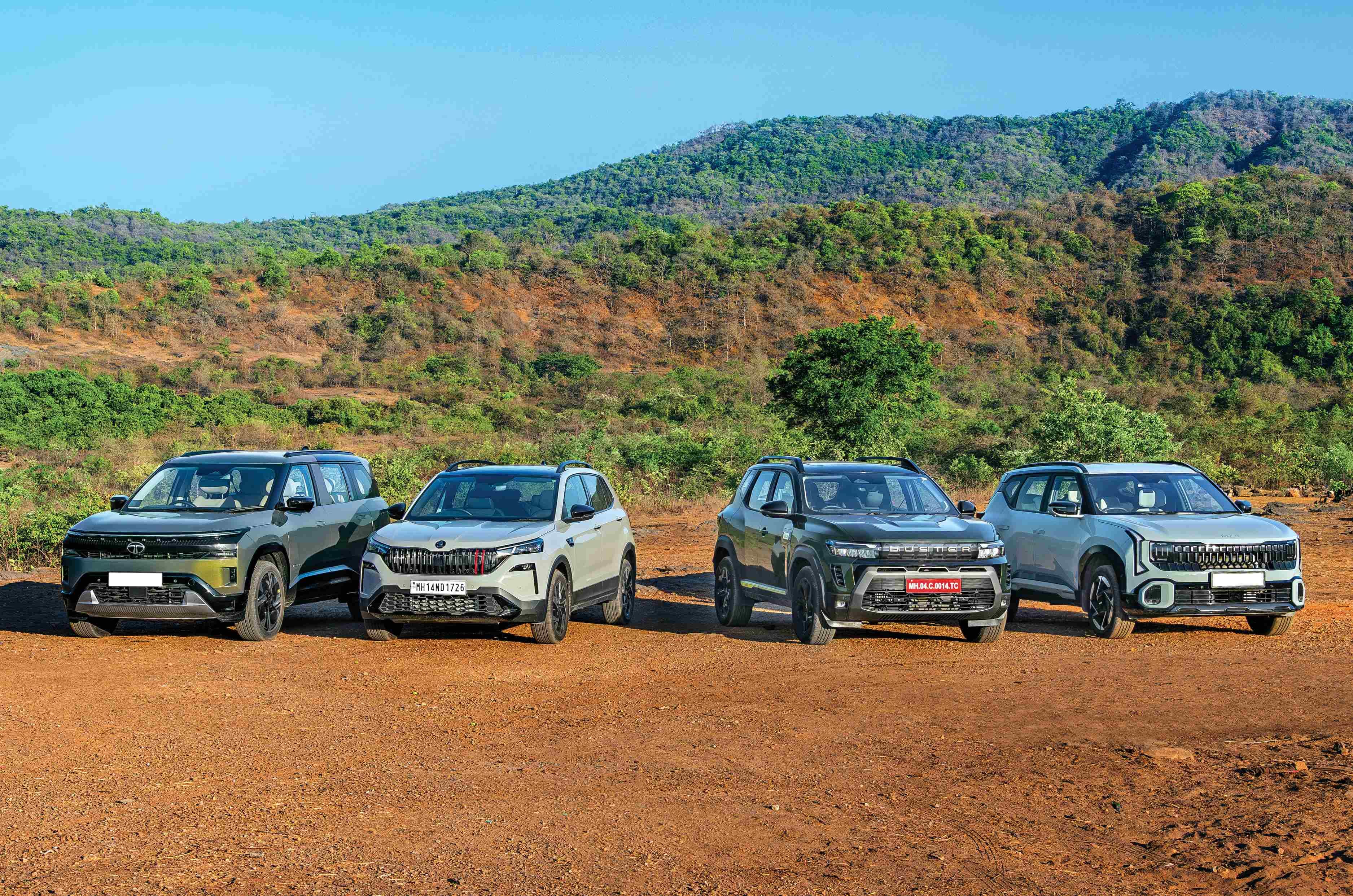
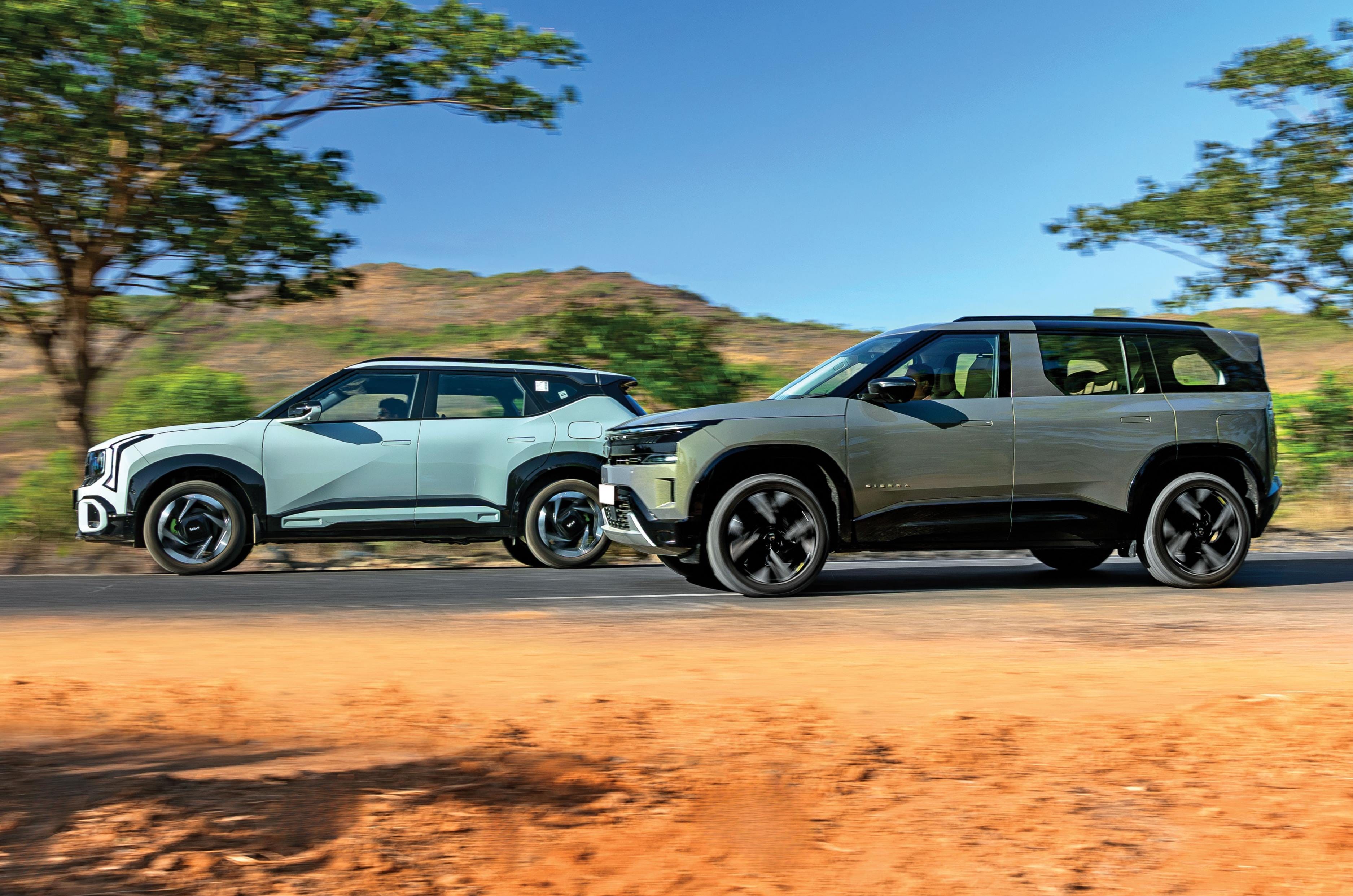
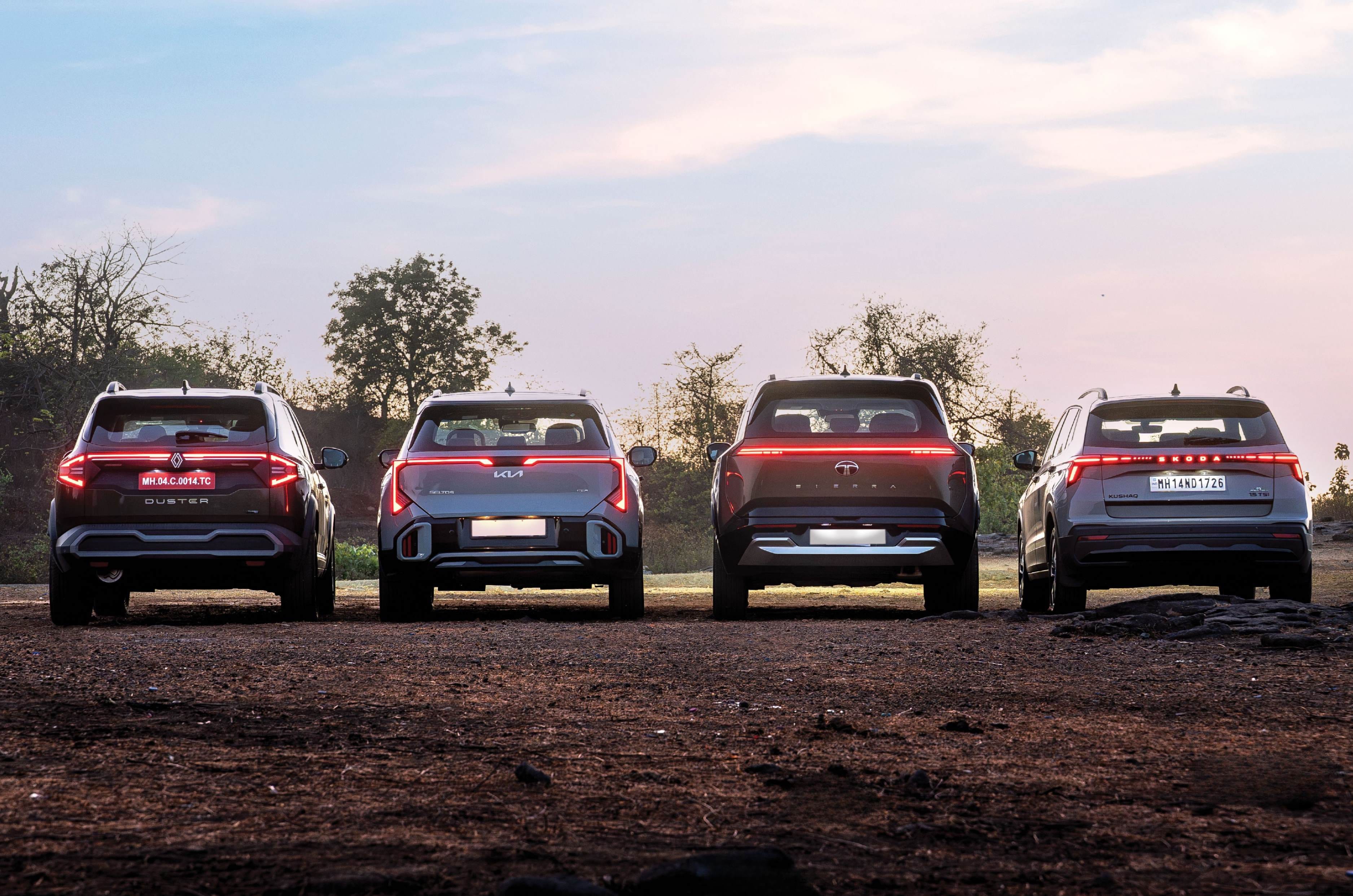
The last few months sure haven’t been easy for anyone shopping for a midsize SUV, because every time you think you’ve zeroed in on the right model for your needs, out comes a new one. This avalanche of new launches started with the Tata Sierra – an iconic nameplate brought back for a new generation of buyers. Then we got the second-generation Kia Seltos – bigger and better in every way. The Renault Duster also made a comeback to the very segment it started back in 2012. Most recently came the Skoda Kushaq and Volkswagen Taigun (see box) that have been given makeovers for 2026 and beyond. Over the next few pages, we’ll make your job easier by telling you which is the right model for you.
Sierra vs Seltos vs Duster vs Kushaq: Exterior design
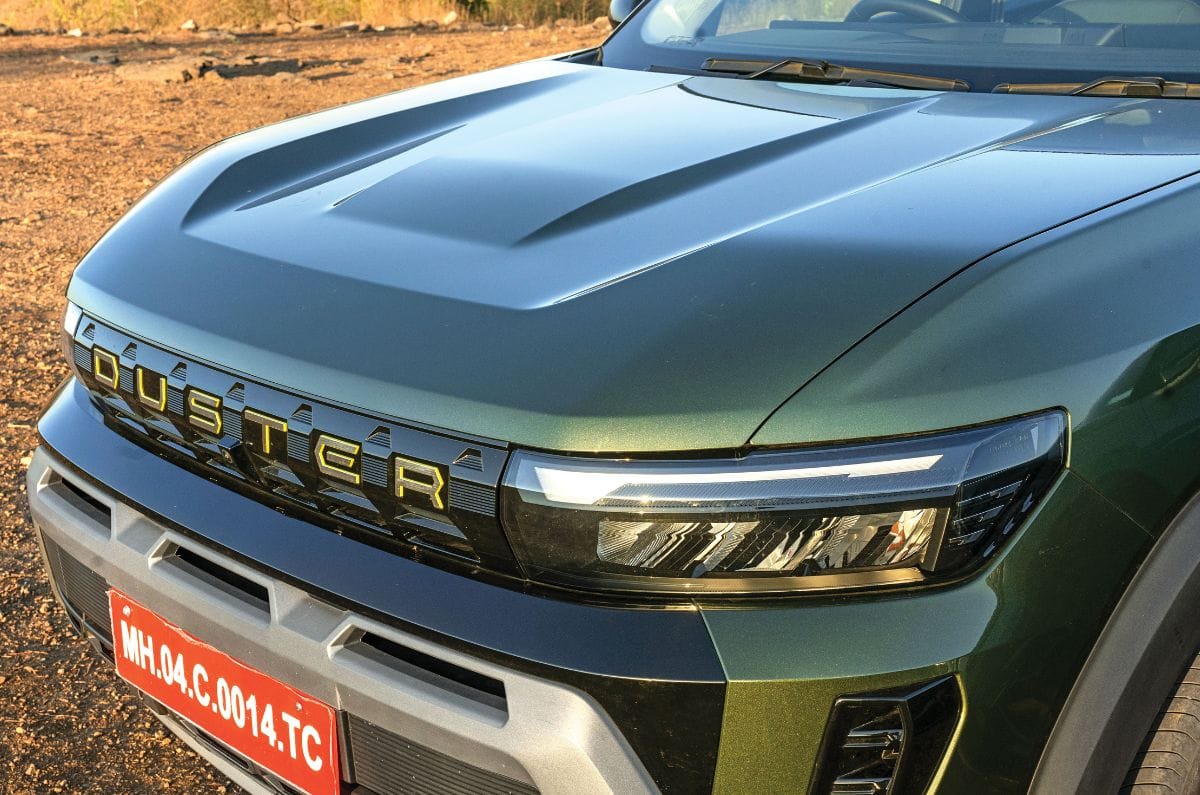
Pronounced bonnet bulges give Duster visual muscle.
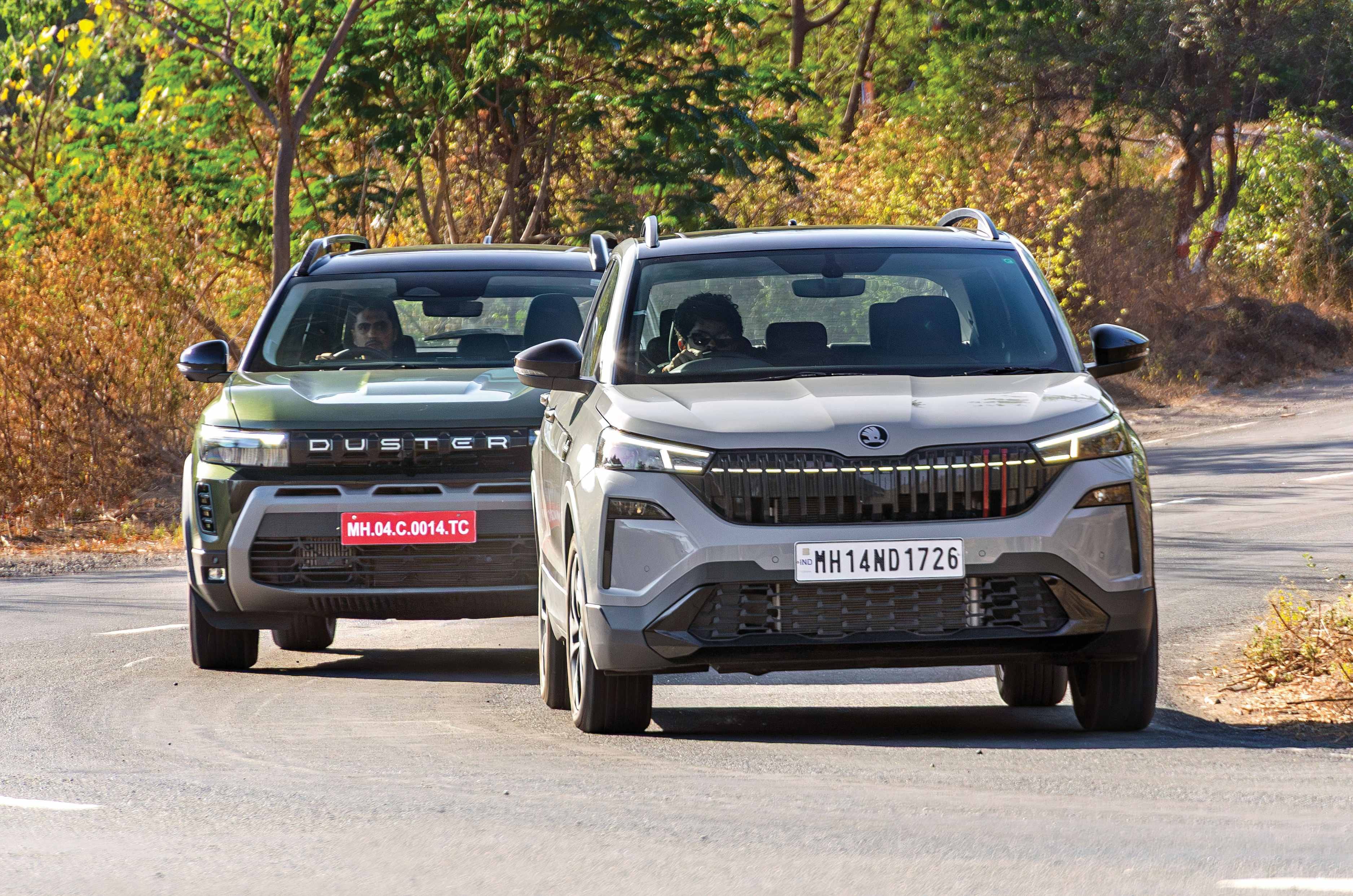
Let’s start with the way they look. The Renault Duster, with its class-best 212mm of ground clearance, pronounced cladding, and even functional roof rails, clearly communicates a rugged look. There’s muscle to the design thanks to the shapely bonnet and flared wheel arches, and it does look every bit a new-age Duster. It’s about the same size as the original Duster, which means it’s bang in the middle by today’s midsize SUV class standards.
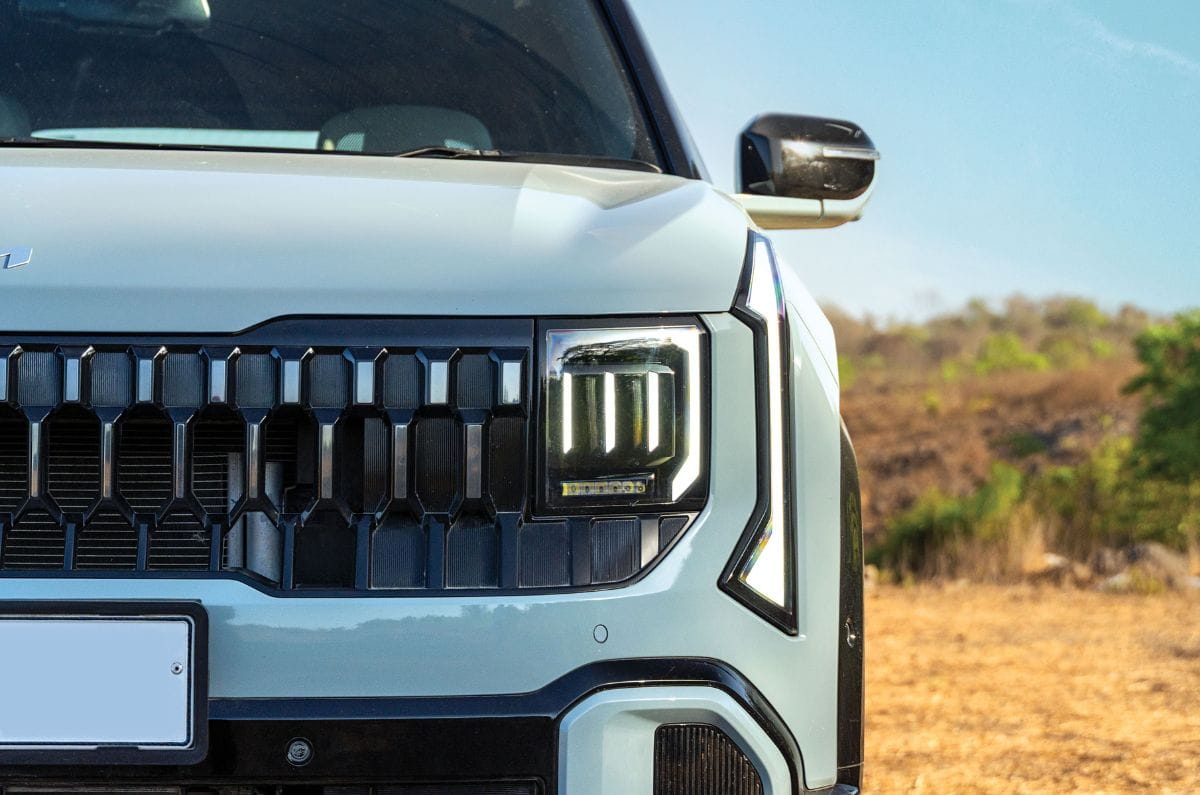
Seltos’ split headlamp arrangement is polarising.
The Kia Seltos, on the other hand, has grown substantially from Gen 1 to this Gen 2, and is now the longest of the midsize SUVs. It looks particularly substantial in profile, which is where the long wheelbase and 200mm of ground clearance also come into view. A large grille helps with that big SUV look, but the headlights that are split between vertical DRLs and square main units amidst the grille won’t be to all tastes.
Top-spec Sierra brings 19-inch rims to segment.
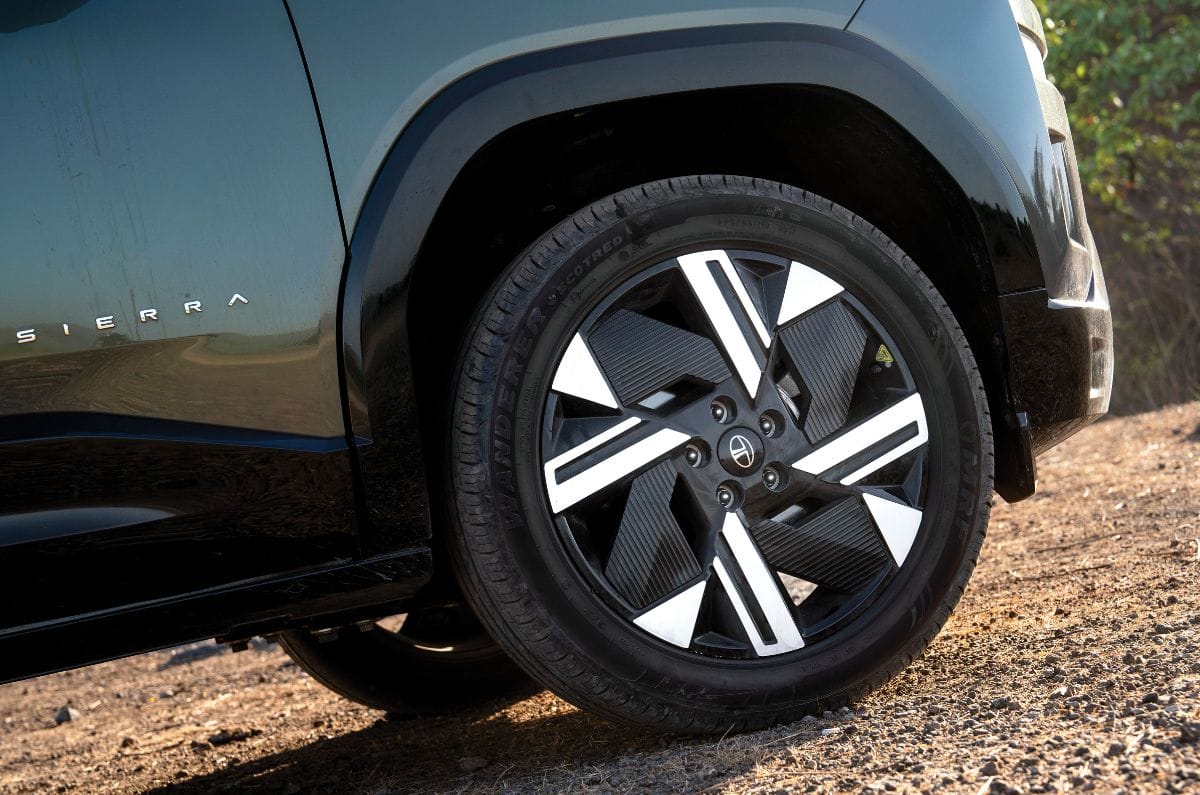
It’s the Tata Sierra that draws the most eyeballs. It’s got the SUV-typical upright shape, it’s the widest and tallest model in the segment, and standing proud on its largest-in-class 19-inch wheels, it simply aces road presence. The Sierra also has the longest wheelbase, made possible by pushing the wheels to the extremities. The styling comes together really well, with the wraparound treatment of the rear glasshouse being the standout element.
Glowing Skoda lettering on light bar looks cool.
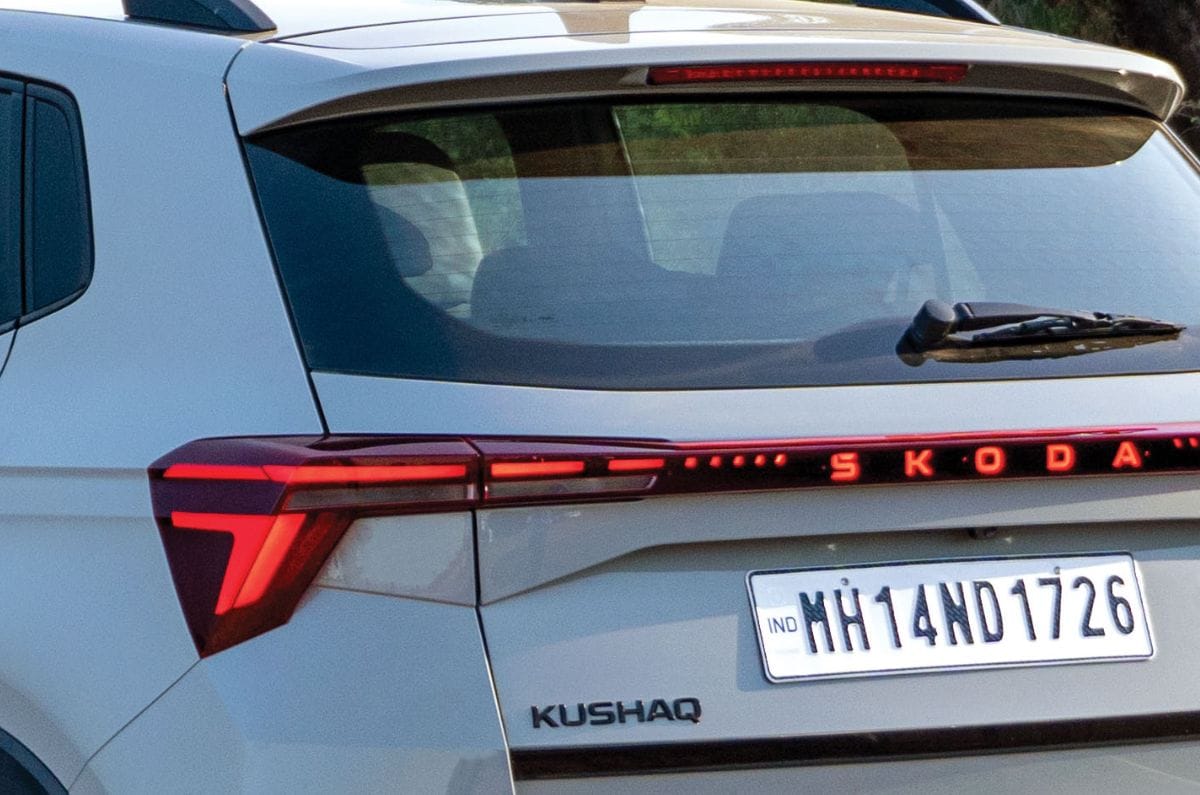
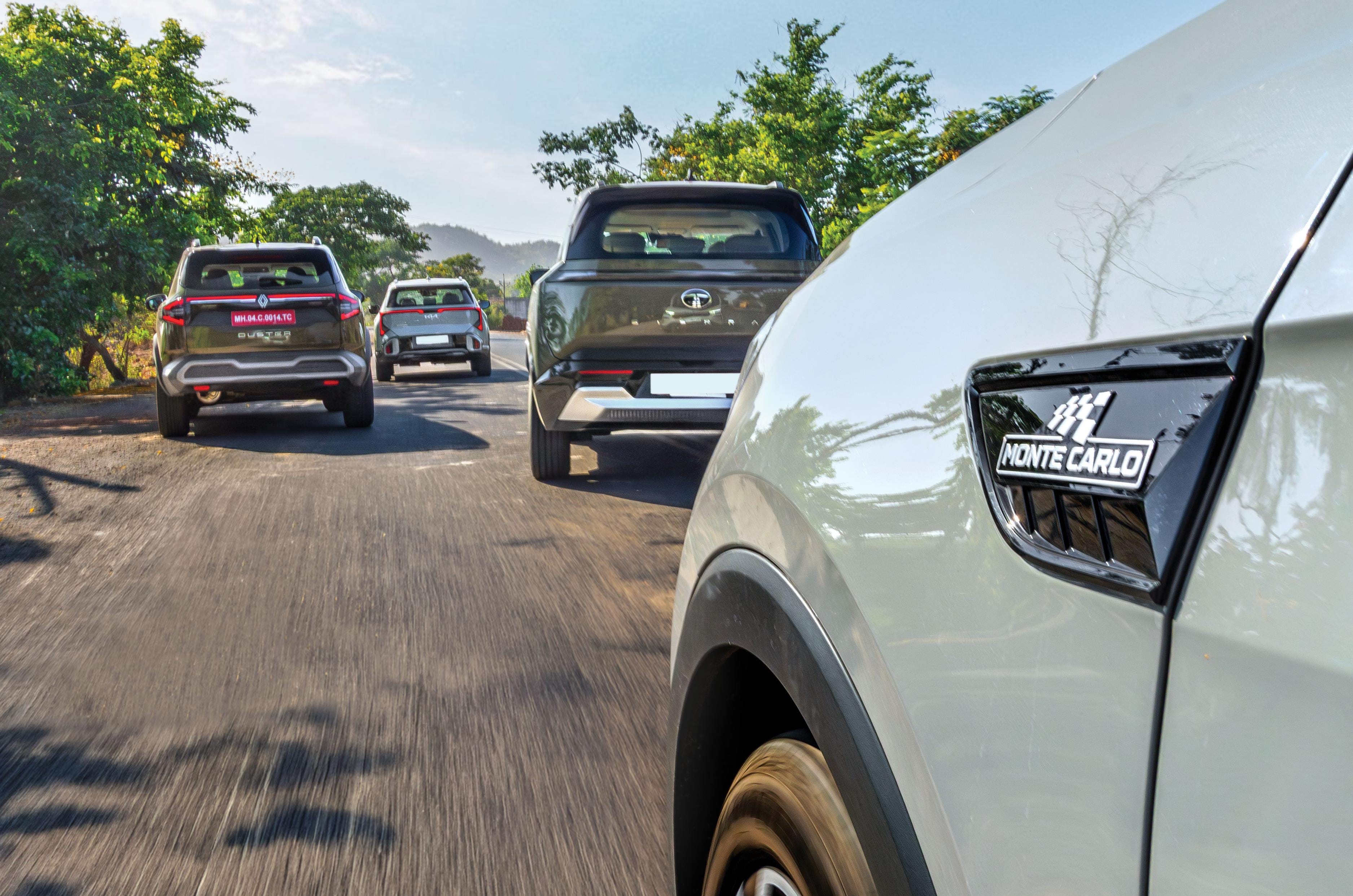
The Skoda Kushaq is the smallest model here and can’t match the others on road presence. However, it is nicely turned out, and Skoda’s designers have done well to update the look. The Kushaq’s revamped headlights as well as the larger grille with segmented LED DRLs that run through it are stylish, and the redone tail styling with illuminated Skoda lettering give distinction in an era when light bars are almost the norm. And would you agree when I say the Kushaq looks its best in Monte Carlo guise?
Sierra vs Seltos vs Duster vs Kushaq: Interior
Duster interior is inviting. Angled centre console puts focus on driver.
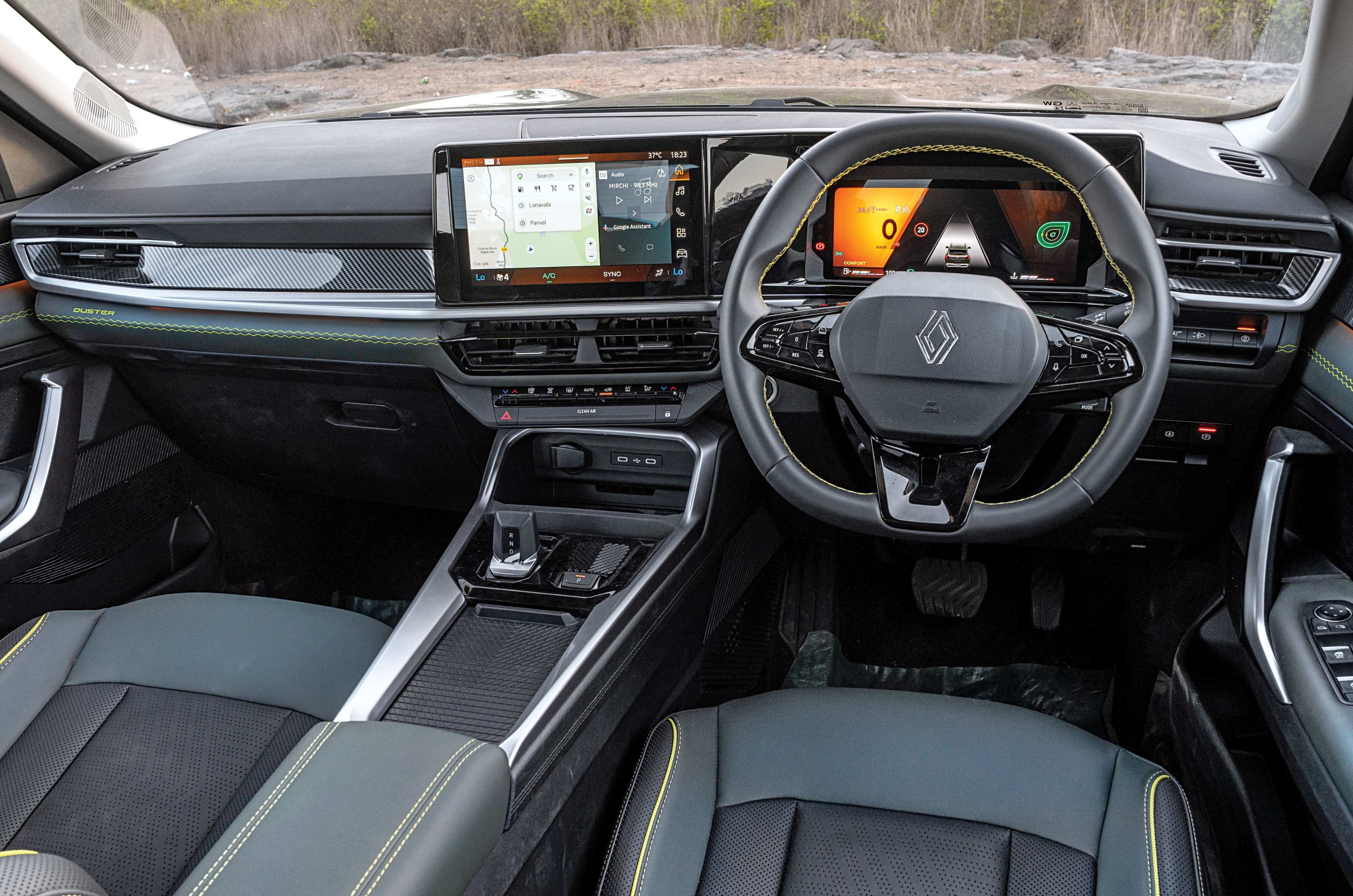
Before we talk interiors, you should know that all models featured here are in their top-spec avatars. Into the Duster, and first things first, it’s far removed from the OG Duster, which was always behind the curve in terms of technology. The new one is contemporary with digital dials, a touchscreen neatly angled to the driver, and vibrant ambient lighting. Helping the ambience in the top-spec Iconic Edition is contrast stitching, and there’s also a pretty generous use of gloss materials. Drivers will like the seat for its comfort as well as the view out the windscreen – the sight of the bonnet bulges make you feel you are in something tough. Disappointingly for a car that you’d love to do long journeys in, storage space is limited. The glovebox is tiny, while the door pockets are oddly shaped and can’t comfortably accommodate a one-litre bottle.
Seltos’ dash is neatly laid out. Interior quality is the best here.
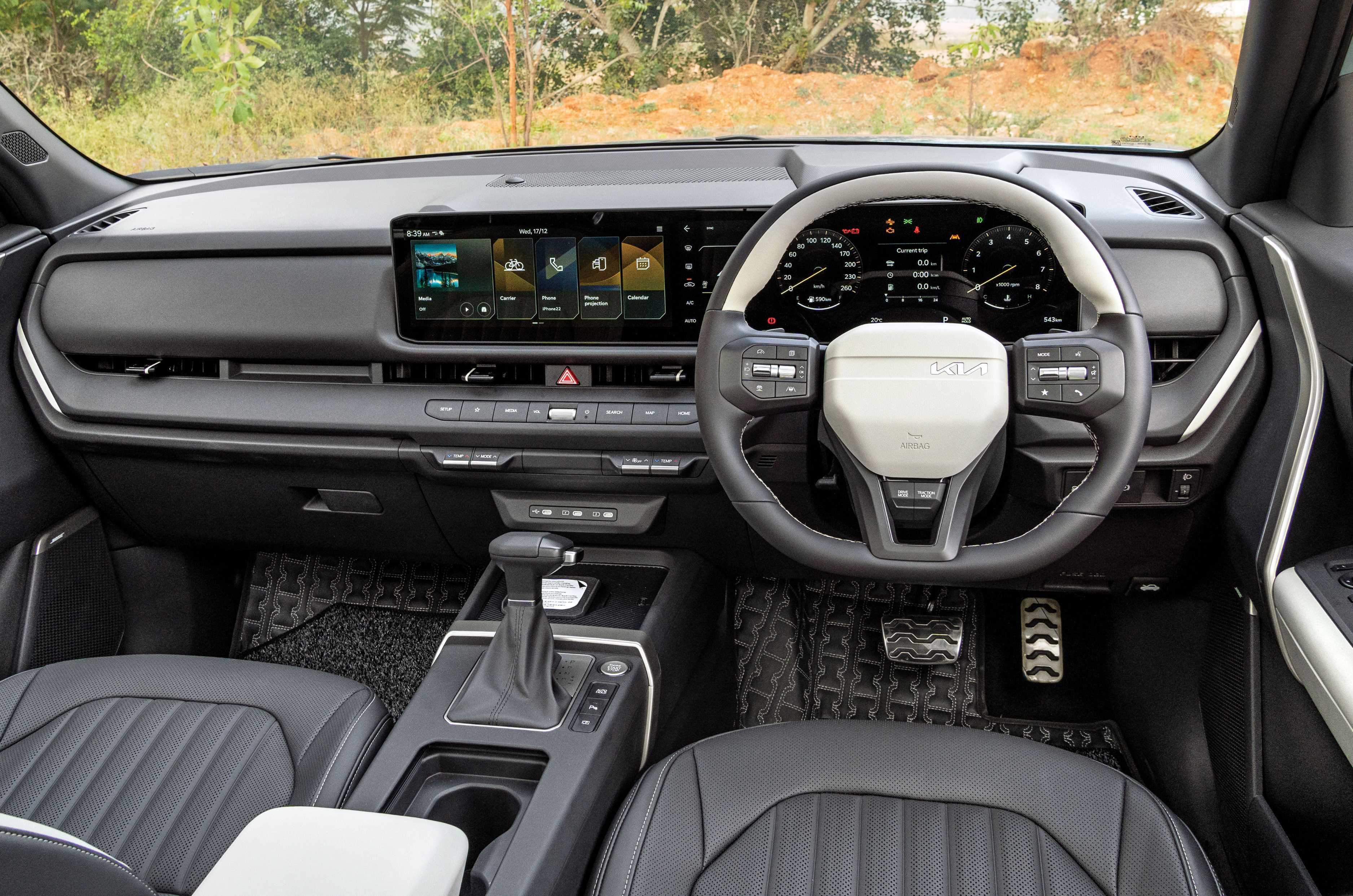
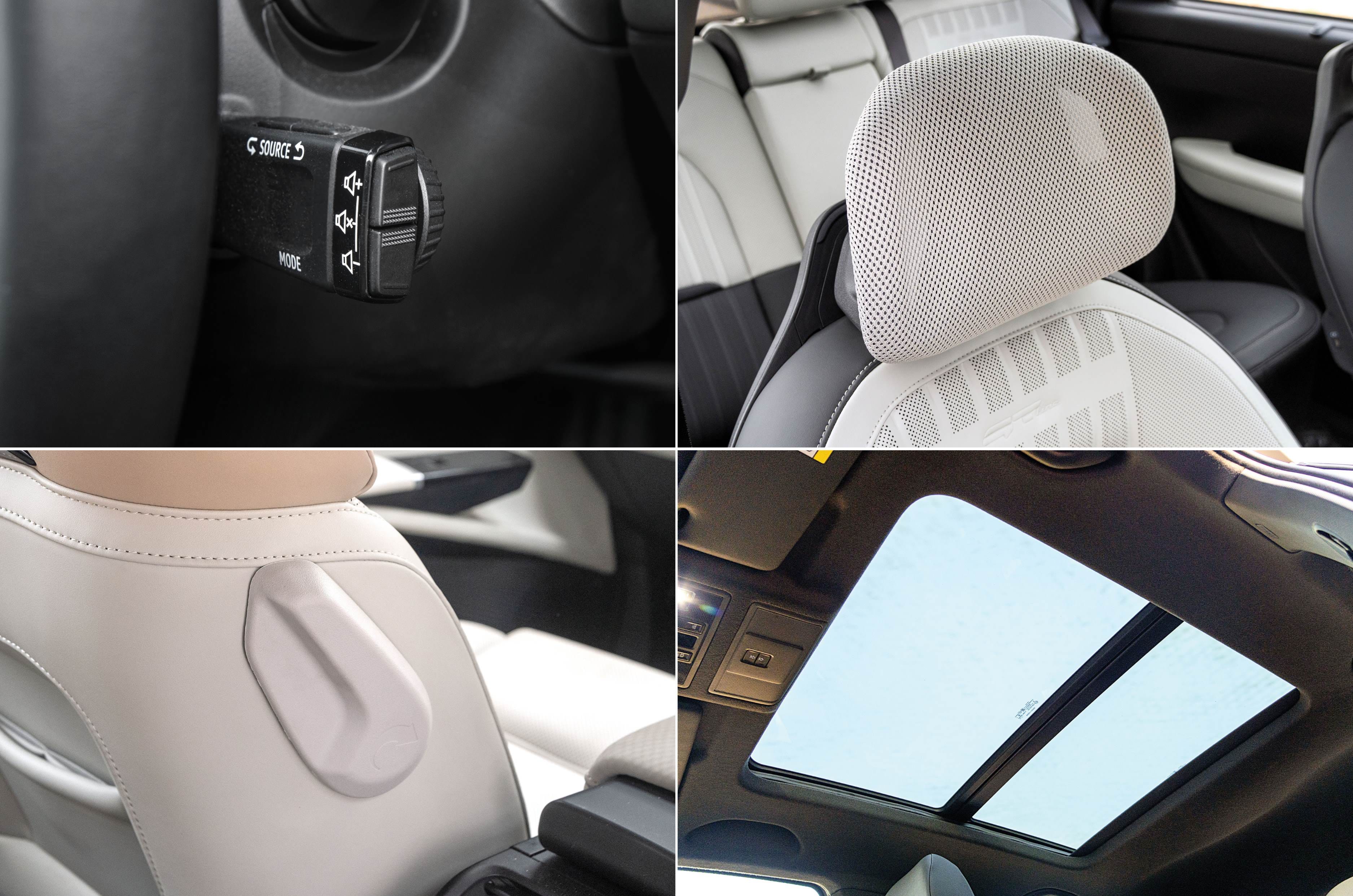
You don’t need to spend much time in a Kia Seltos to establish that its cabin is a well-thought-out space. Furthermore, quality is a highlight. Soft-touch surfaces are limited to the dashboard panel only, but the use of different grains and textures, and consistently good fit and finish, make the interior feel special. The two-tone upholstery is a clever mix of light materials on top with darker colours for the lower section (making the seats easier to keep clean). A mesh-like finish for the front headrests is also a unique touch. Front seat comfort is good for average-sized adults, but larger-framed individuals will find shoulder support limited and side bolstering a bit snug. Cushioning is nicely judged, and you’ll also like the view out the windscreen.
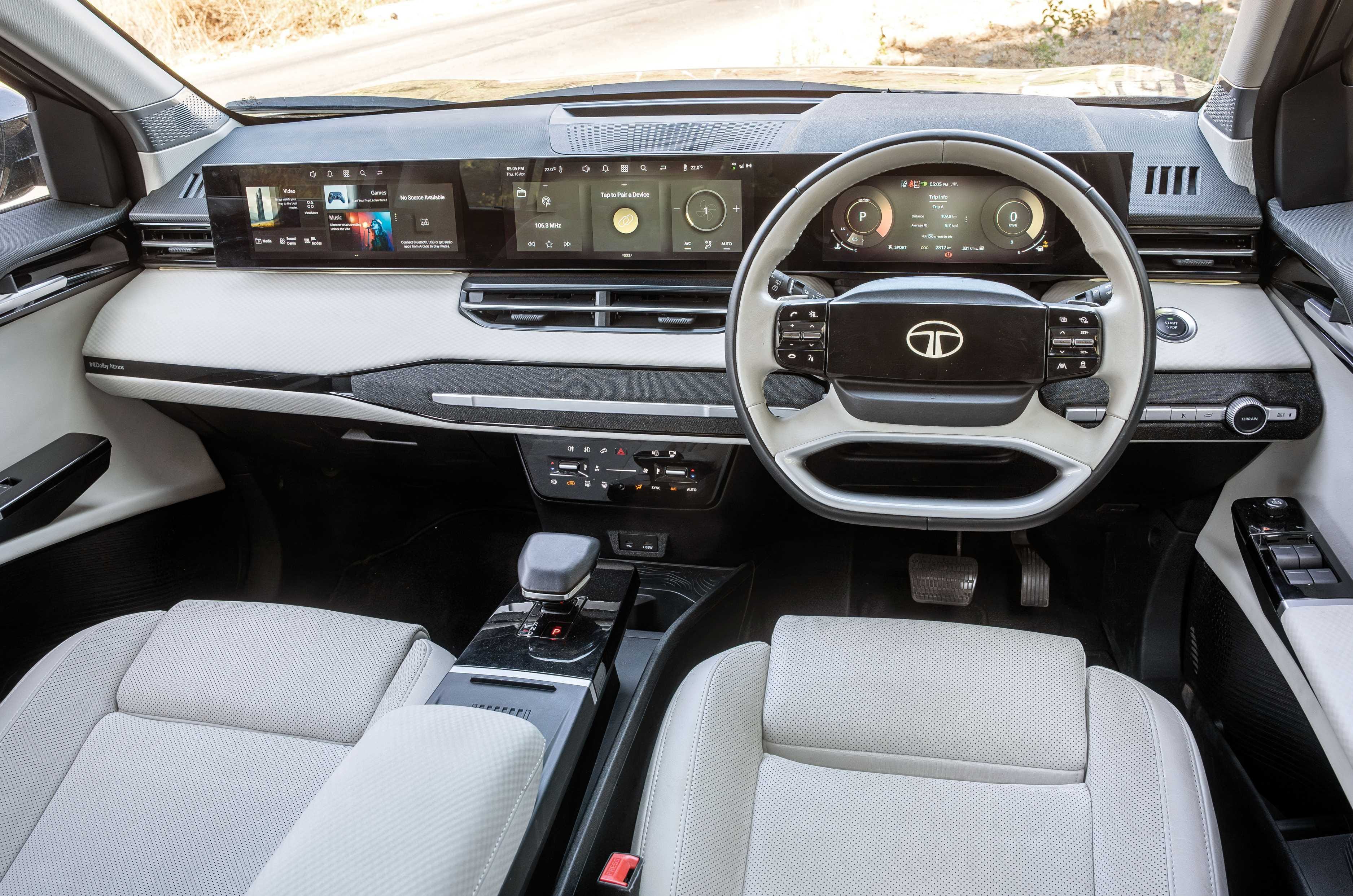
Sierra cabin looks premium. Triple screens lend wow factor.
It’s the Tata Sierra that immediately delivers the feel of being in a big SUV. The relatively high seating, large seats (they feature adjustable thigh support) and upright pillars do their bit to give you an ego boost every time you get behind the wheel. The Tata interior is also big on wow factor. The three screens and the illumination effect on the steering and climate panels on start up give the Tata some theatre. There’s also a generous use of soft and textured materials, and much of what you touch feels premium. However, elements like the flimsy front door armrests take away from that impression, and the finishing on bits like the wireless charger pad near the centre armrest could be nicer too. Of the other things, toggles for temperature adjustment are good, but touch controls for other climate control functions aren’t easy to use on the go.
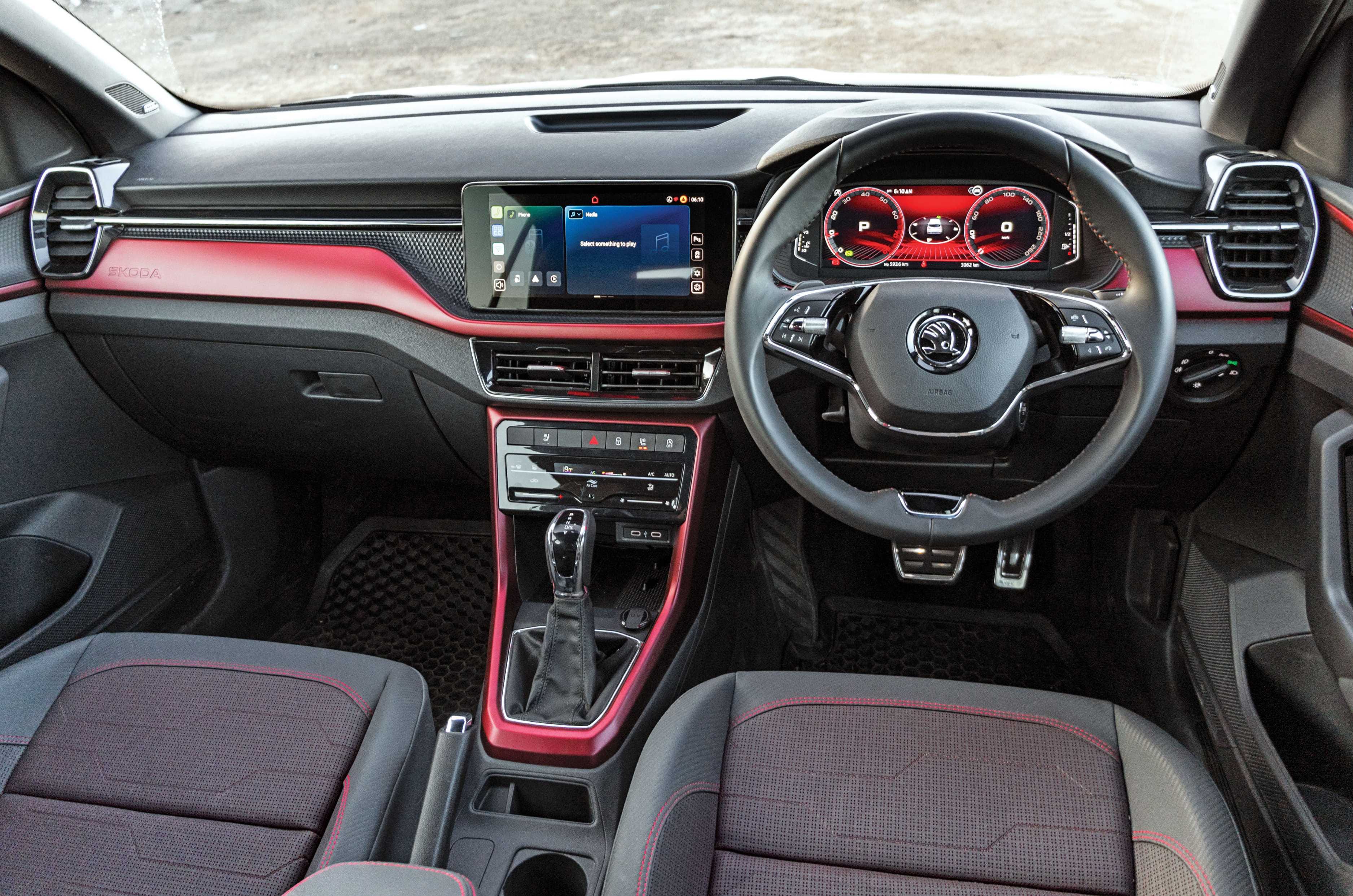
Kushaq dash gets subtle update. Red finish on Monte Carlo trim.
The Skoda Kushaq seats you lowest and doesn’t quite convey that SUV feel as well as the others. Skoda has spruced up the interior with newer colours and more features (more on this in a bit). It remains a neatly laid-out space, with chrome detailing on the air-con vents and stylish two-spoke steering lending some premium appeal. You won’t find soft-touch materials in here, though. Something we really like about the Kushaq are its front seats. They comfortably accommodate large-framed individuals and offer great back, shoulder and leg support.
Sierra vs Seltos vs Duster vs Kushaq: Features
Clockwise from left: Duster’s audio controls are behind steering; Seltos’ front headrests have mes finish; Pano sunroof is a big upgrade on Kushaq; Sierra’s boss mode allows for huge legroom.
To quickly run through features on these SUVs, all feature leatherette upholstery and front-seat ventilation. The Duster and Kushaq offer power adjust for the driver as well as co-driver, while the Seltos and Sierra’s powered driver’s seats get memory settings. All models get panoramic sunroofs, which is a noteworthy upgrade on the Kushaq. It’s the Seltos, Sierra and Duster that offer the added adjustability of dual-zone climate control. However, we found the Kushaq that makes do with a single-zone system to have the strongest AC. Skoda has upgraded the AC compressor, and it’s made a world of a difference. The Kushaq is the only one without an electronic parking brake and, along with the Seltos, also misses out on an onboard air purifier.
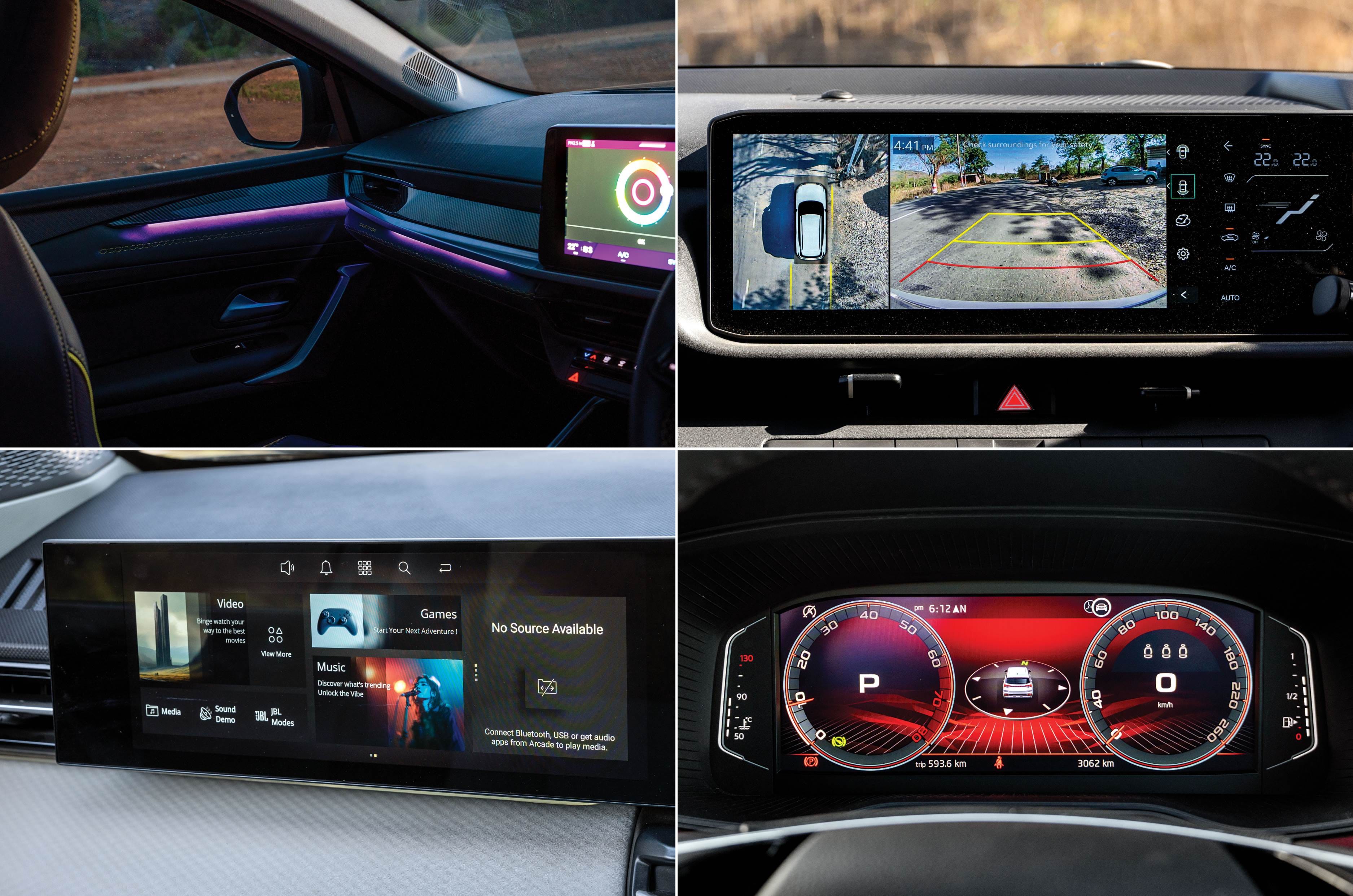
In terms of tech features, all models sport digital dials and touchscreen infotainment systems. The Kushaq Monte Carlo’s new 10.25-inch digital dials look best. The Seltos’ instrument panel is largest at 12.3 inches, but themes are limited to colour changes only. Tata also seems to have held back on the Sierra’s 10.25-inch dials, which could have offered more. The Duster’s 10.25-inch unit is nice, but traditionalists will miss a classic two-dial view.
Clockwise from left: Duster’s ambient lighting is most vibrant; Seltos has best touchscreen; Kushaq’s digital dials look sportiest; Sierra’s passenger screen can distract driver.
It’s a more even fight when talking touchscreens. All screens are slick to use, but we find the user interface best on the Seltos. A dedicated 5-inch screen for climate control is also part of the package on the Kia, but it feels redundant given nicer-to-use physical buttons are in easy reach. Fully loaded Sierras are unique in the segment, offering a third screen up front dedicated for the passenger. It’s a great way for front passengers to kill time on long commutes, but the absence of a privacy filter makes the screen an unnecessary distraction for the driver. The option to connect Bluetooth headphones to this screen at least takes care of the audio aspect. Talking audio, the Sierra has the most immersive sound system. Of the other things, you get the best parking cameras on the Tata Sierra and Kia Seltos. The Duster also packs in a 360-degree camera like the other two, but resolution is just okay. The Kushaq only offers a rear-view camera, and image quality is disappointing too.
Sierra vs Seltos vs Duster vs Kushaq: Reat seat experience
Duster offers good space at the back. Rear seat is comfy for three too.
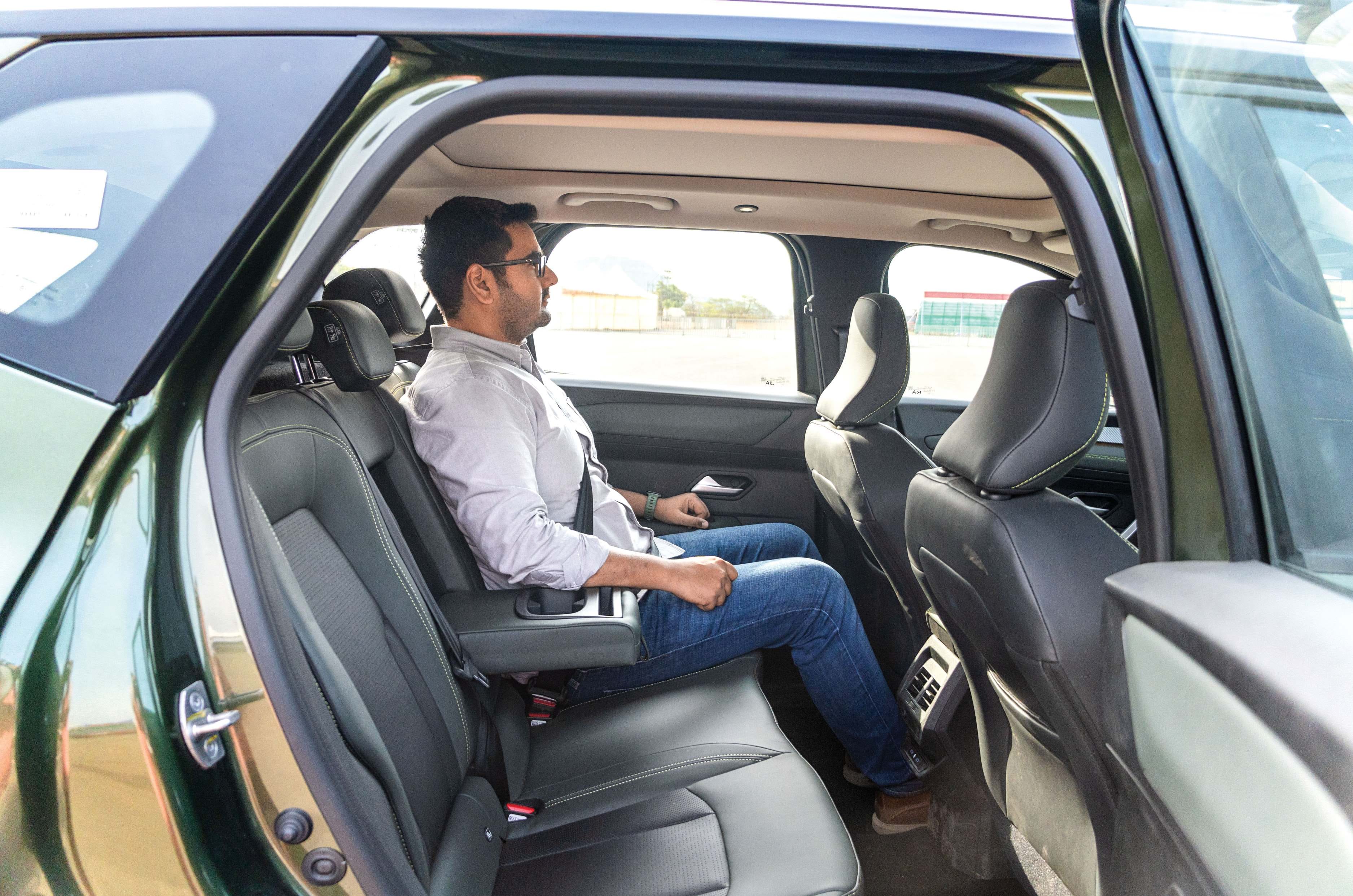
You’ll have to make your way past a high door sill to get onto the Duster’s back seat, and once in place, you’ll realise that space is good, but not at par with larger rivals. There’s good knee room and headroom even for six footers, but the seat bolstering isn’t ideal for big-framed individuals. When it’s a full house, you’ll like how comfortably the Duster accommodates three abreast.
Seltos is big on legroom, but tall occupants will find headroom just adequate.
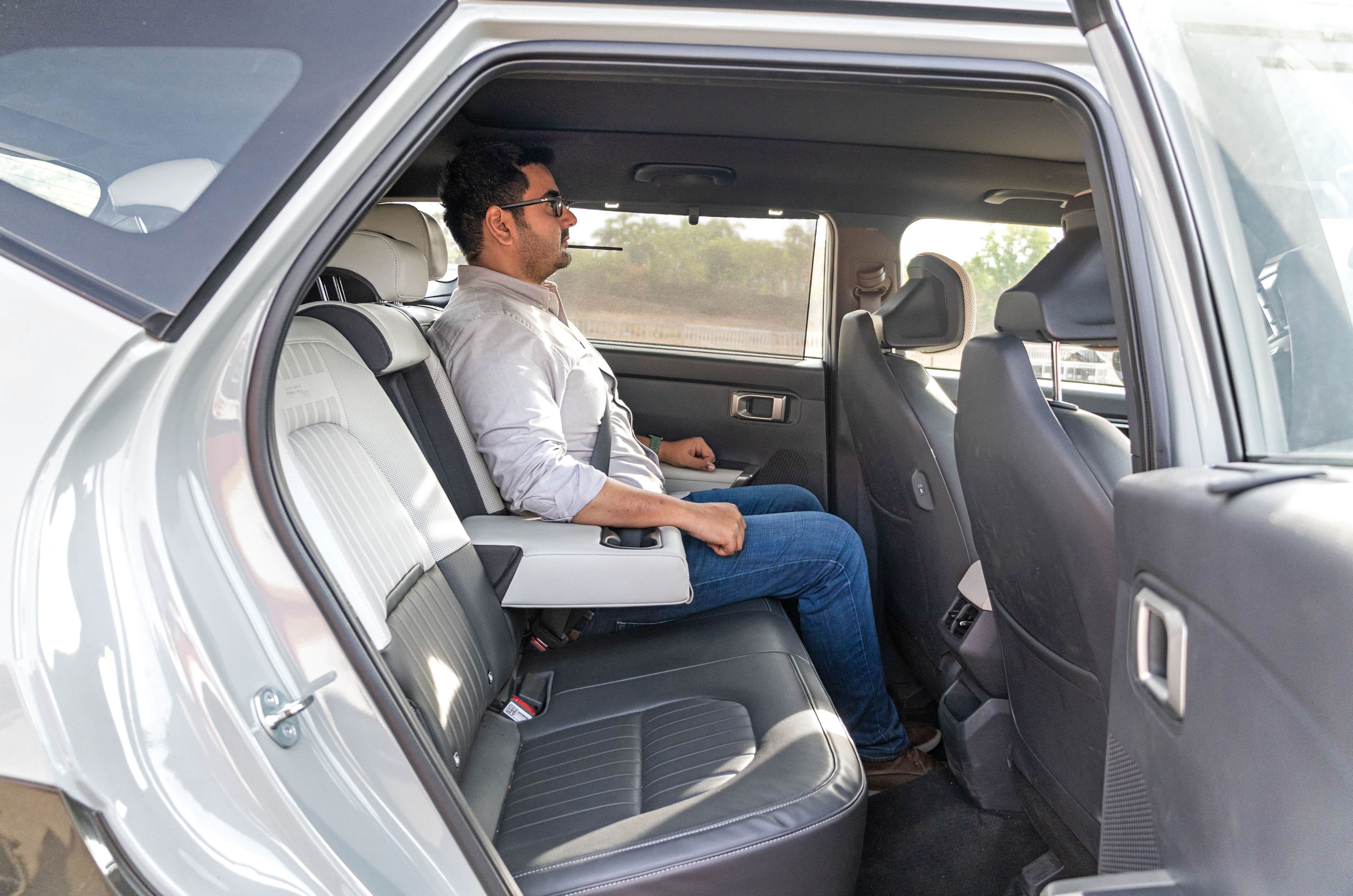
The Kia Seltos makes the most of its length to offer great legroom at the back. Average-sized adults will be very comfortable, but tall occupants will find headroom just about adequate. Meanwhile, the raised centre seat also means it’s not the most comfortable experience for the middle-seat passenger. Features-wise, the Seltos does well to pack in rear window sun shades and rear-seat recline adjust.
Kushaq’s back seat is best for two occupants. Rear legroom is generous.
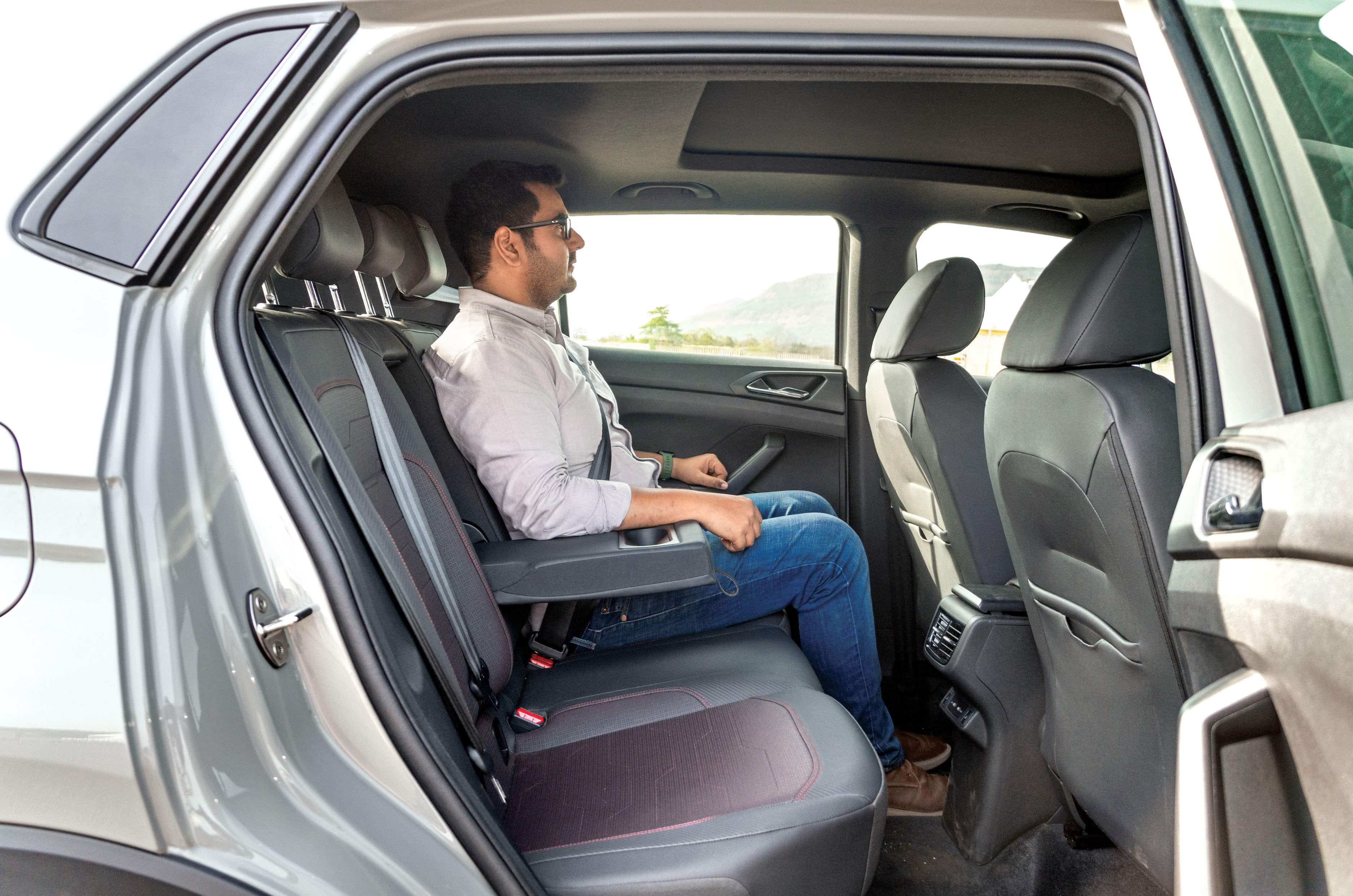
The Kushaq is the smallest SUV in this competition, and you feel it as much when you’re sat at the back. It simply doesn’t offer the same sense of space as rivals, and seating for three is cramped. However, the Kushaq’s rear seat works well for two occupants, and legroom is actually pretty good. Skoda has also packed in a segment-first rear-seat massage function on the updated Kushaq. You can’t adjust intensity or types of massage as you can on a luxury car, but the pulsing sensations on your back do work well to soothe you.
Sierra is easily the roomiest at the back.
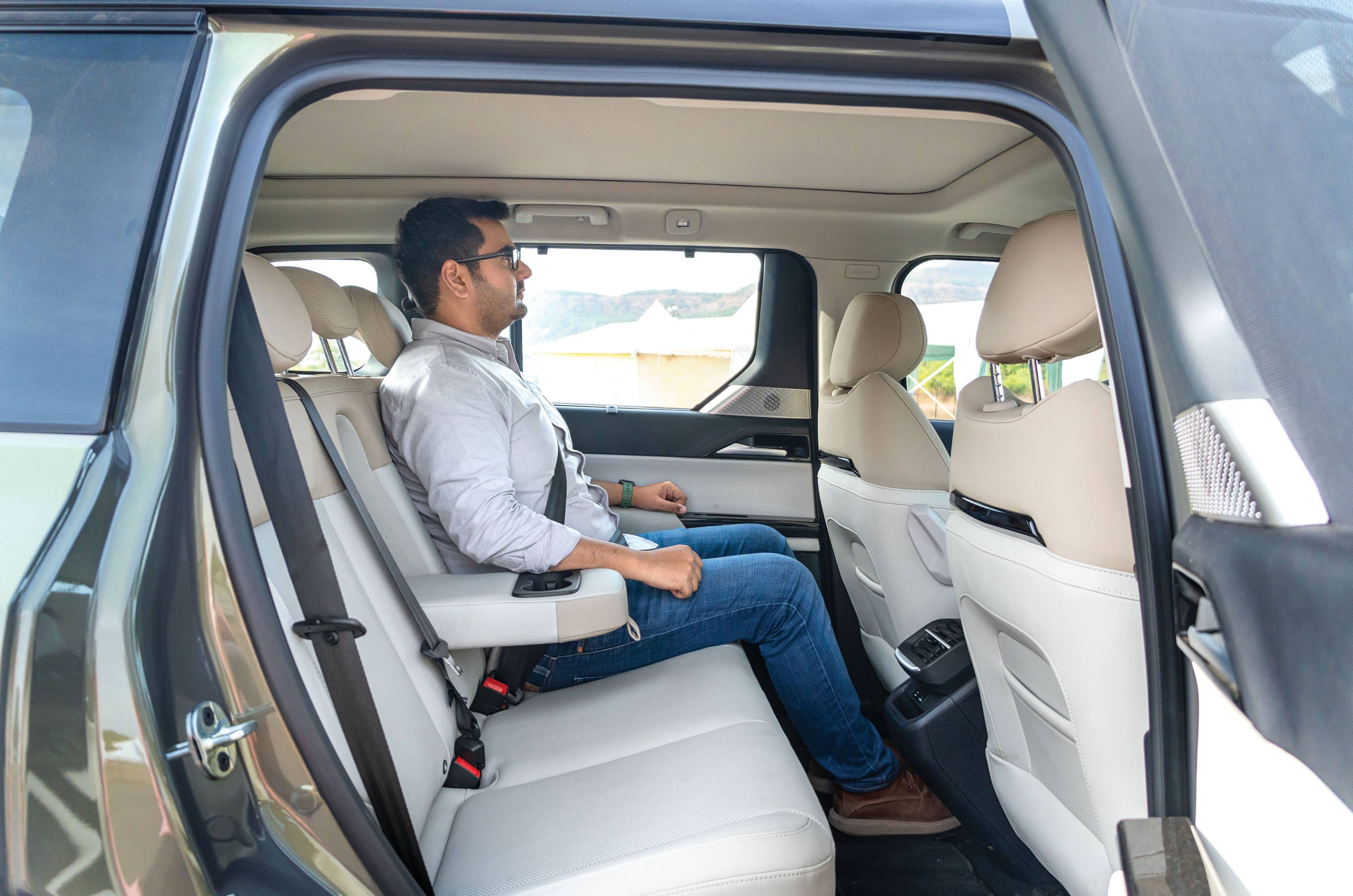
It’s the Tata Sierra that delivers the most space and comfort at the back. It has the longest wheelbase and is also the tallest, and it really makes good on those dimensions by offering the airiest cabin. The massive panoramic sunroof helps with this impression. Even six footers will find space ample, and should you need more room to stretch out, the front passenger seat can be slid away from the back. A backrest recline adjust (it’s limited in movement) and window sunshades (they don’t cover the full window) are part of the package too.
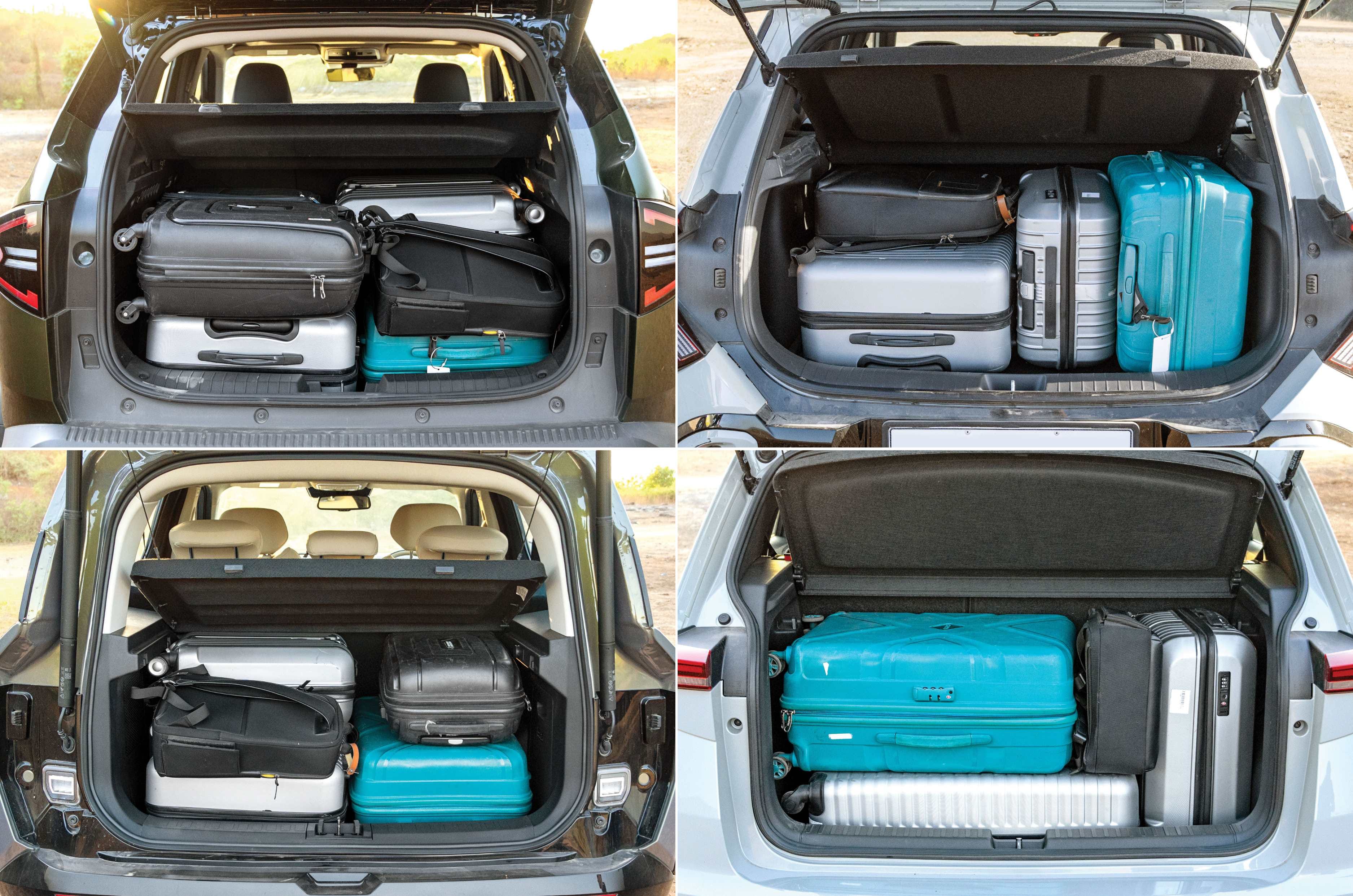
Clockwise from left: Duster swallows the most luggage but lacks spare wheel; low height limits the Seltos’ otherwise deep boot; Kushaq uses vertical space well to fit plenty; Sierra is accommodating with an underbody spare.
The back seats on all models split and fold 60:40 for times when you need maximum luggage room. With the seats in their standard position, it’s the Duster that packs in the most luggage. Trouble is, the loading lip is high. The bigger issue is there’s no spare tyre under the boot floor. You only get a puncture repair kit. The Seltos also has a high load lip, and while the boot is deep, height is limited. Luggage room is decent. The Sierra’s luggage area is well shaped and can pack in plenty. Unique among the SUVs here, the Sierra mounts its spare tyre under the body. The Skoda Kushaq’s boot is smallest on paper, but it uses vertical space well.
When it’s time to load luggage, you’ll appreciate the convenience of powered tailgates offered on the Tata Sierra and Renault Duster.
Sierra vs Seltos vs Duster vs Kushaq: Performance
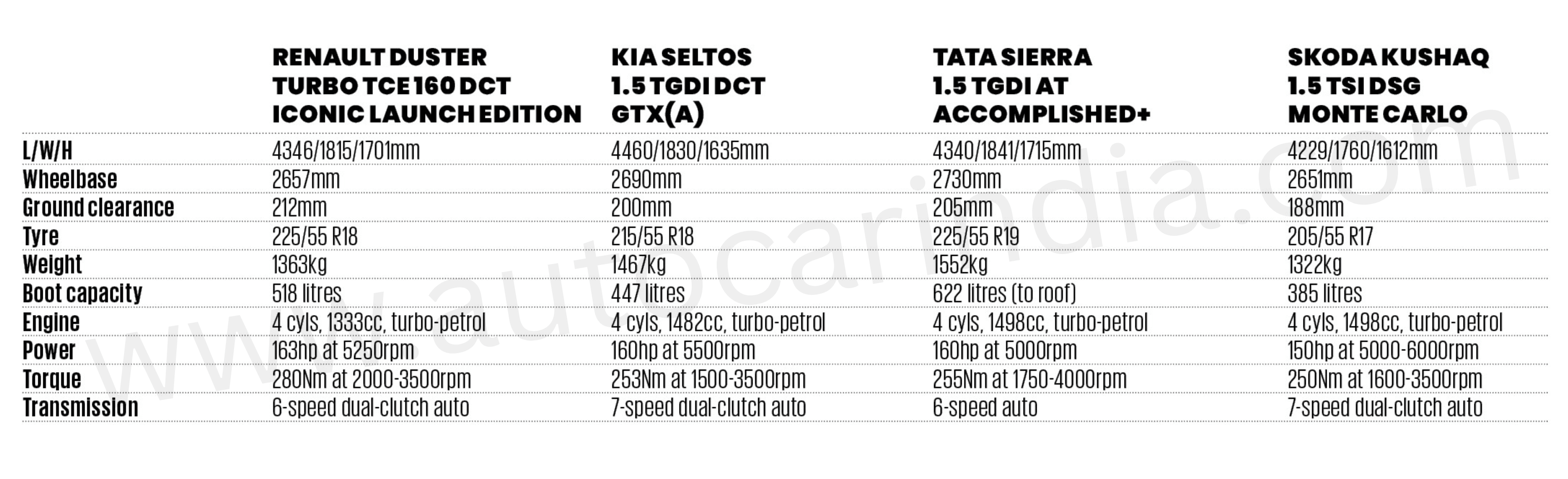
The Skoda Kushaq and Renault Duster are petrol-only models with two turbo-petrol engine options each, while the Kia Seltos and Tata Sierra offer a wider spread of naturally aspirated petrol, turbo-petrol and diesel engines. For this comparison, we’ve considered the most powerful turbo-petrol automatic versions.
The Duster’s 1,333cc turbo-petrol is the smallest engine here, but also the strongest, producing 163hp and 280Nm. The Seltos and Sierra’s 1.5 units make 160hp, while the Kushaq’s 1.5 TSI develops 150hp. There’s a notable spread in kerb weights. The Kushaq is the lightest at 1,322kg, while the Sierra is the heaviest at 1,552kg.
All four are front-wheel drive. The Duster, Kushaq and Seltos use dual-clutch automatics, while the Sierra takes a different approach with a torque-converter gearbox.
They’re all close on power but are very different in how they drive.
On the move, the Duster feels most rugged and adventure-ready. Broken roads barely faze it, and in fact, it almost feels engineered for poor surfaces. The class-best 212mm of ground clearance only adds to confidence. Importantly, the new Duster retains the toughness of the original but adds sophistication. Unlike the old car, there’s no steering kickback over potholes or rough patches. Handling is good too. It corners with grace, and while the steering is light, it has a reassuring on-centre feel.
Performance, however, is a mixed bag. While the Duster has the most power on paper, it doesn’t feel especially eager at low speeds. There’s noticeable turbo lag below 2,000-2,500rpm, and at times you can feel a lurch as the gearbox works around this lag. As speeds build, the engine comes alive with a stronger, freer mid-range. Refinement is excellent, though keen ears will notice a distinct turbo hiss.
The dual-clutch gearbox deserves mention too. Its wet-clutch arrangement (the others are dry-clutch units) feels impressively smooth – almost torque converter-like – but it isn’t as quick-shifting as the others. That relaxed nature reflects in the numbers as well. The Duster is about a second slower to 100kph than the others and also trails in roll-on acceleration, if only by a bit.
Duster vs Seltos vs Sierra vs Kushaq: Acceleration from rest
Duster
Seltos
Sierra
Kushaq
0-20kph
1.71 seconds
1.46 seconds
1.19 seconds
1.73 seconds
0-40kph
3.55 seconds
2.93 seconds
2.54 seconds
3.02 seconds
0-60kph
5.52 seconds
4.69 seconds
4.51 seconds
4.79 seconds
0-80kph
7.94 seconds
7.04 seconds
6.77 seconds
7.04 seconds
0-100kph
11.33 seconds
9.87 seconds
9.85 seconds
9.62 seconds
0-120kph
15.37 seconds
13.90 seconds
13.73 seconds
13.16 seconds
0-140kph
–
18.88 seconds
19.25 seconds
17.77 seconds
0-160kph
–
–
29.25 seconds
23.90 seconds
The Seltos is quicker on paper but actually masks its performance. Drive in an easygoing manner, and you will like how the Kia builds its speed. It’s very friendly and doesn’t give the impression that you’re driving a fairly powerful vehicle. When you want more, the Seltos delivers its performance in a strong and linear manner. It’s not an outright engaging drive, but handling is tidy, grip levels are good, and the Seltos feels secure at high speeds too. There’s some firmness to the suspension, but it’s not a deal breaker.
Cruising refinement is another strong point. The engine remains quiet, outside noise suppression is excellent, and the cabin feels calm and refined. The weak link is the dual-clutch gearbox. At low speeds, shifts aren’t always smooth, and the transmission can occasionally fumble in traffic. Once speeds rise, though, the DCT settles down nicely and even responds well to inputs at the paddle shifters. Word of advice for anyone keen on the Seltos: get the Seltos CVT if the bulk of your driving is in town.
Duster is enjoyable in corners but Kushaq is a more complete driver’s car.
The Sierra delivers a very different experience. It backs up the feeling of being in a large SUV with a tough build that comes through on bad roads. The Sierra remains composed over broken patches, and bump absorption is really good. However, the 19-inch wheels on top variants do impact ride comfort. Versions with the smaller 18-inch and especially 17-inch wheels ride better still. At highway speeds, the Sierra feels big, heavy and reassuringly planted. Body control is also better than expected for such a tall SUV. The steering is lighter than ideal, but still offers a reasonable sense of connection.
The Sierra’s turbo-petrol and torque-converter combination works well in daily driving. The engine feels responsive low down, and paired with the smooth gearbox, it delivers effortless progress in traffic. Even when driven harder, the Sierra retains its smooth character. It may not feel as urgent as the Kushaq, but outright performance is strong enough. The downside is that the gearbox feels relaxed even when you want aggressive responses. Downshifts aren’t particularly quick, even via the paddle shifters, and there’s also some delay when shifting between drive modes at the gear selector. The Kushaq will mean different things to different buyers. Some might pass up on it for its relatively small size, while some might actually see its dimensions as a virtue. It is the easiest to drive in city confines, and its DSG gearbox is the best of the dual-clutch units here. There’s a firmness to the suspension that you’ll experience in town, but it smoothens wonderfully at highway speeds.
Duster vs Seltos vs Sierra vs Kushaq: Rolling acceleration from rest
Duster
Seltos
Sierra
Kushaq
20-80kph
6.07 seconds
5.61 seconds
5.75 seconds
5.18 seconds
40-100kph
7.60 seconds
7.07 seconds
7.44 seconds
6.37 seconds
It’s when speeds build that the Kushaq comes into its element, cementing itself as the SUV to buy for keen driving enthusiasts. The 1.5 TSI feels eager, power delivery is effortless, and the SUV feels genuinely brisk. It’s the quickest to 100kph and also leads in rolling acceleration. Drive with vigour, and you’ll find shifts on the DSG to be quick and particularly rewarding when controlled through the paddles.
Handling is where the Kushaq really shines. It feels tight, agile, and the most engaging of the lot through corners. If you enjoy driving, this is still the SUV that will put the biggest smile on your face. A useful trick up the Kushaq’s sleeve is cylinder deactivation, which helps efficiency under light loads. It paid off in our tests, too. The Kushaq emerged as the most fuel-efficient SUV here, returning 9.55kpl in the city and 15.29kpl on the highway.
Duster vs Seltos vs Sierra vs Kushaq: Tested fuel economy
Duster
Seltos
Sierra
Kushaq
City mileage
7.47kpl
9.27kpl
7kpl
9.55kpl
Highway mileage
13.47kpl
14.76kpl
13.70kpl
15.29kpl
The Seltos came next with 9.27kpl and 14.76kpl, respectively. There was then a noticeable gap to the Duster, which managed 7.47kpl in town and 13.47kpl on the highway, while the heavier Sierra returned a best of 7kpl in the city and 13.7kpl on the highway.
Sierra vs Seltos vs Duster vs Kushaq: Safety
All models comply with the latest Indian crash-test norms, and all have performed remarkably well in their crash tests. The Tata Sierra, Renault Duster and Kia Seltos have been rated five stars by Bharat NCAP, while the Skoda Kushaq is a five-star Global NCAP-rated model. Six airbags, ABS, electronic stability control and ISOFIX child seat mounts are safety features you’ll find on all models. All but the Kushaq also get radar- and camera-based ADAS, or advanced driver-assistance systems with functions like auto emergency braking, adaptive cruise control and lane-keep assist.
All models do get front and rear disc brakes. In our 80-0kph test, which simulates a panic stop, the Kushaq stopped in the shortest distance, while the Duster took an extra three metres to come to a halt. However, it was the Seltos that didn’t feel as sure-footed as the others in emergency braking.
Sierra vs Seltos vs Duster vs Kushaq: Verdict
Before we sum up, a quick overview of prices. The Renault Duster with the 1.3 turbo-petrol engine and DCT combo has the lowest starting price (Rs 14.49 lakh, ex-showroom) as well as the lowest price (Rs 18.69 lakh) for the fully loaded version featured here. The Skoda Kushaq 1.5 TSI DSG that’s only sold in fully loaded form is just slightly pricier at Rs 18.99 lakh. The Kia Seltos gives most choice, with 7 trim levels for the Turbo DCT (Rs 16.29-20.19 lakh) combo alone. The Tata Sierra Turbo AT starts at Rs 17.99 lakh, but in top-spec form, it is the priciest car of the test, coming in at Rs 20.99 lakh.
The Seltos doesn’t ace every parameter but makes for a solid all-rounder.
We’ll start with the Skoda Kushaq that stands out as the most fun-to-drive midsize SUV. The upgraded AC has also addressed one of the models’ big shortcomings, while it has reduced the gap to others in terms of equipment with the inclusion of a panoramic sunroof. ADAS would have been nice, but at a broader level, what works against the Kushaq (and Taigun) is its price-to-size proposition. In a segment in which like-priced rivals are only getting larger and road presence counts for a lot, the Kushaq’s relatively small size limits its appeal.
The new Renault Duster appeals for the very reasons that the original did. It’s tough, rugged and a vehicle you’d love exploring the country in. At the same time, the new Duster feels more wholesome too thanks to an inviting interior and the latest features. It’s just that when you view the Duster in light of rivals that you’d feel it could have been better still. Fuel efficiency is so-so, low-speed city drives aren’t smoothest, and cabin space is good but not great.
They cater to the same segment, but there’s great variety among these four.
The team at Tata Motors put its heart and soul into the new Sierra, and it shows. The design draws eyeballs, it’s the roomiest midsize SUV, and Tata has gone all out on features too. It’s not particularly sporty even with the turbo-petrol engine, but the smoothness of the powertrain is a highlight. The Sierra’s scorecard takes a big hit when you bring fuel economy into the equation, which is the lowest here. Also as good as the package is, it still can’t match global rivals on final finesse. Tata Motors’ inconsistent service experience could also deter buyers.
The Kia Seltos might not have the same emotional appeal as the Tata, but it delivers where it matters. Its increased size gives the impression you’ve got your money’s worth, and that feeling is only underlined by the premium interior that feels the best put together. The Seltos also scores on space and tech features. The DCT does take away from the drive experience at low speeds, but on the whole, performance, refinement and even efficiency are really good. It’s an all-rounder that you can’t go wrong with, making it our pick of the new midsize SUVs.
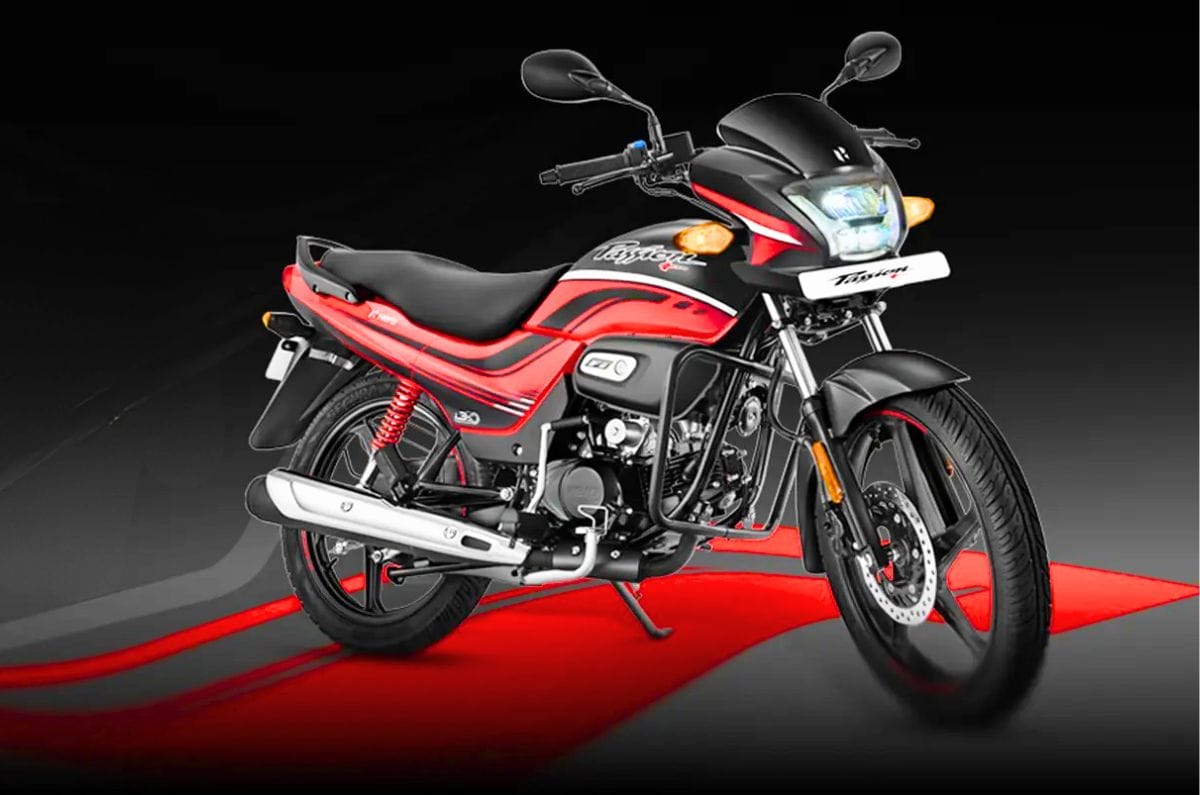
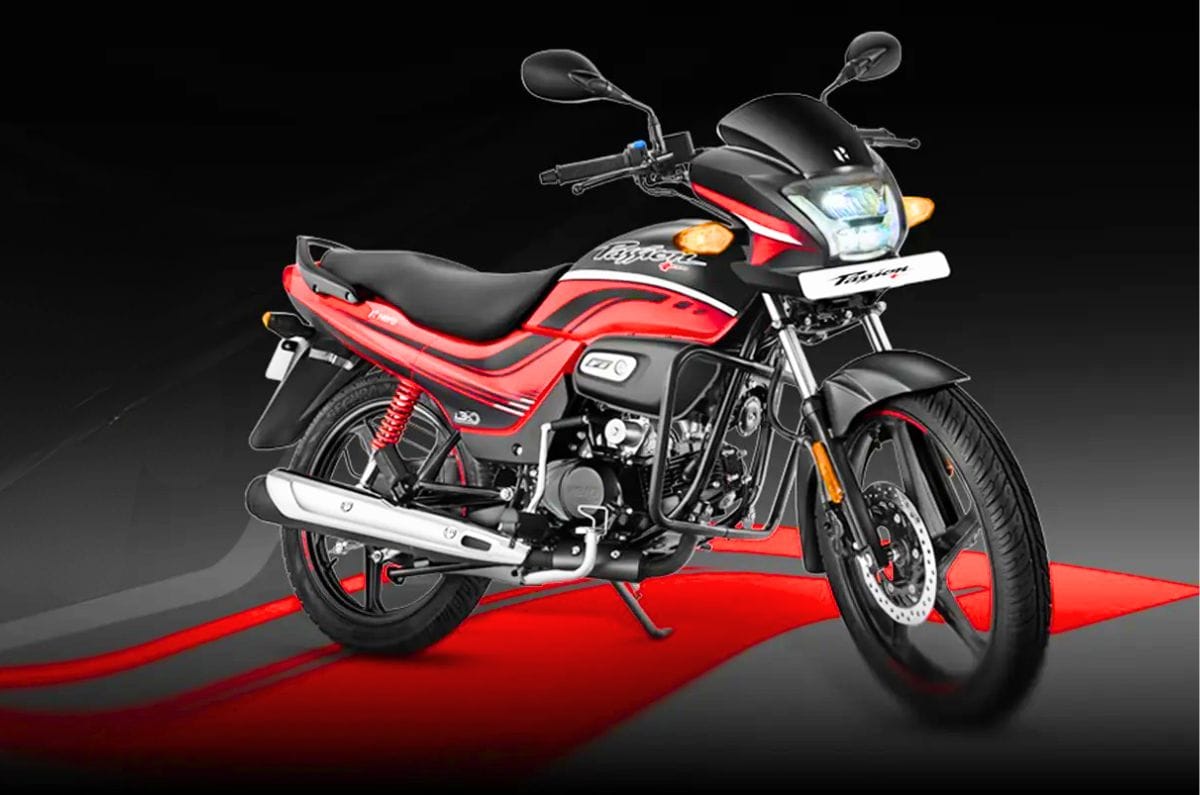
Hero MotoCorp has added a new variant to its premium 100cc commuter, the Passion+, which comes with a front disc brake. The Passion Disc+ costs Rs 84,128 (ex-showroom, Delhi), making it the most expensive of all the 97.2cc Hero machines spanning the Splendor+, HF and Passion+ brands.
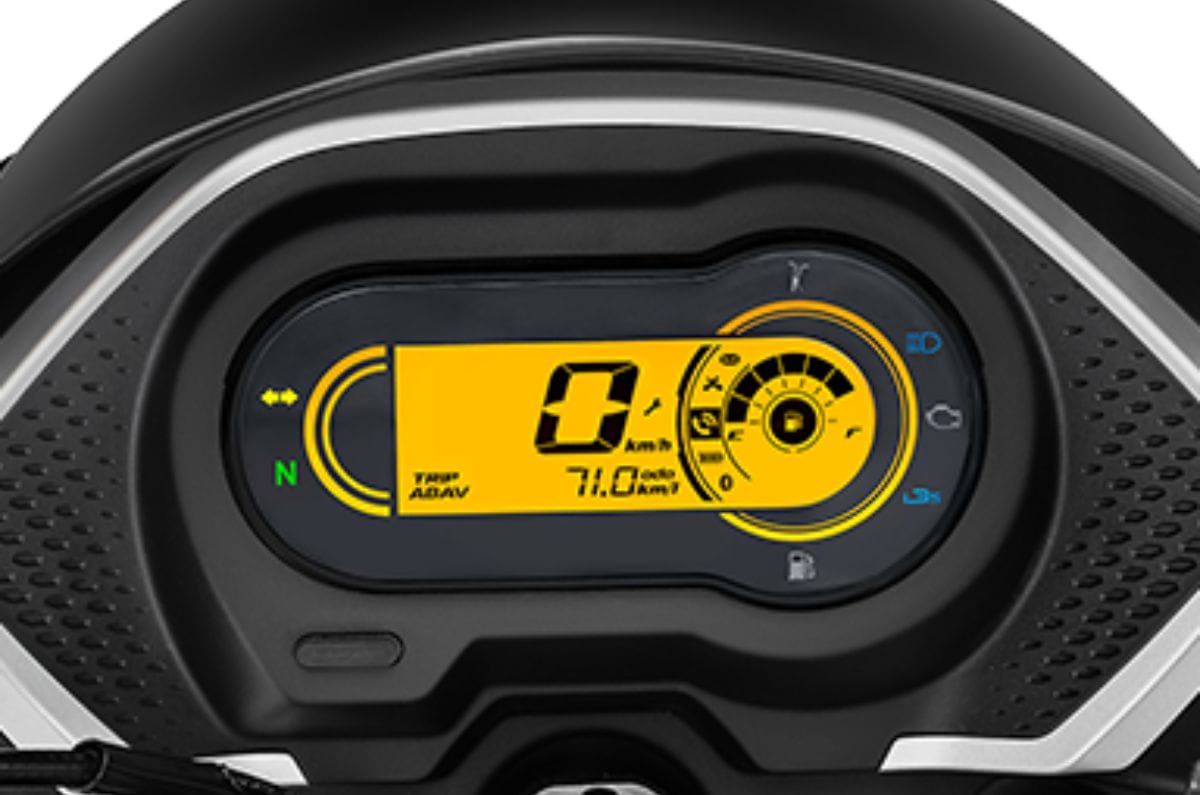
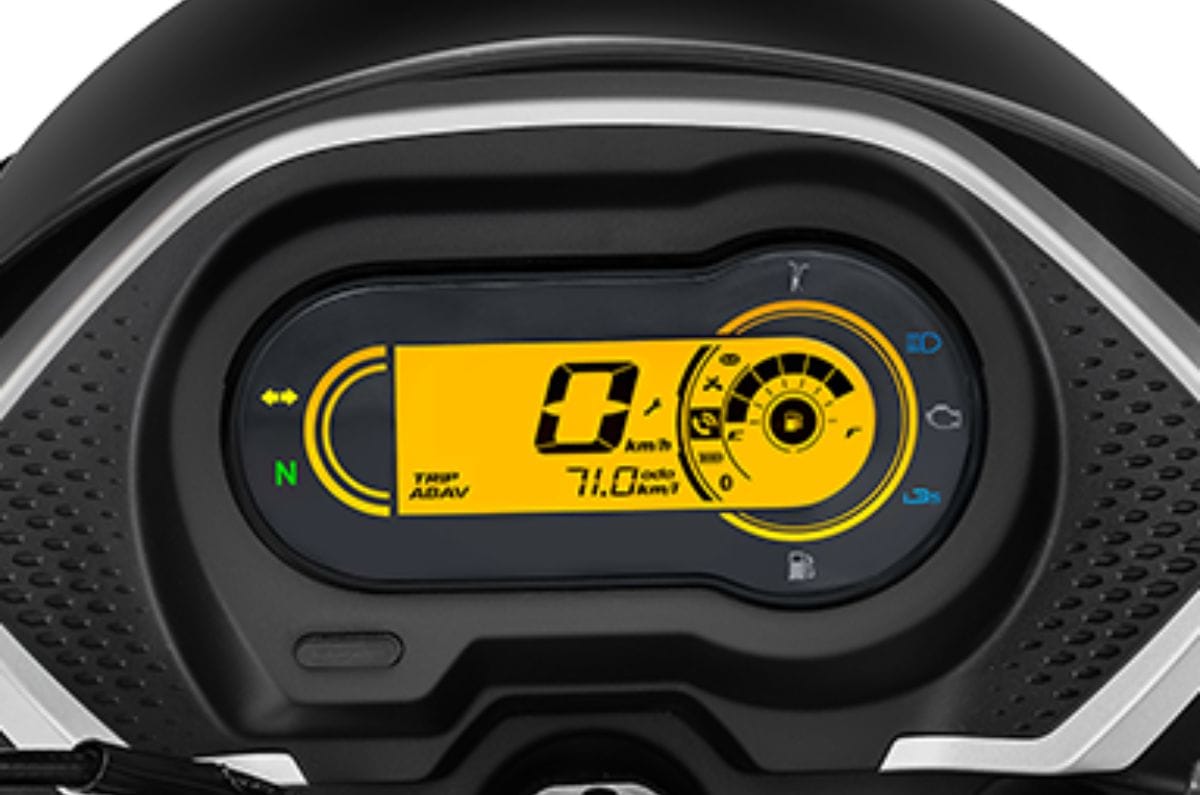
Has a Bluetooth-compatible fully digital display
Weighs 116 kilos, 1kg more than Drum variant
Available in four colours, claimed 71kpl fuel economy
The Passion+ is powered by Hero’s venerable 97.2cc, air-cooled, single-cylinder ‘sloper’ engine making the same 8hp at 8,000rpm and 8.05Nm of torque at 6,000rpm. This engine is mated to a 4-speed gearbox and is nestled within a simple tubular steel cradle frame that is suspended by a slim telescopic fork and twin shock absorbers – hardware that’s par for the course in the segment. This engine comes with Hero’s fuel-saving i3s start/stop technology and the company claims a certified fuel economy figure of 71kpl. Considering our past experience with Hero commuter machines, achieving this figure should be possible with some careful and gentle riding.
The Passion+ Disc variant comes with a 240mm disc brake at the front, replacing the Drum variant’s 130mm drum brake. This change should result in more surefooted braking performance consistently on the Passion+. Another change on the Disc variant compared to the lower Drum variant is that it comes with a fully digital display that is also Bluetooth enabled bringing in functions like call and SMS Alerts, should you choose to pair your smartphone to it. This display also shows the rider useful information such as a real time mileage indicator (RTMI), service reminders and a low fuel warning light. The Passion+ also has the side stand cut-off feature, which cuts the engine should you put the side stand down while a gear is engaged. Hero’s 100cc commuters also have a small storage cubby above the engine complete with a USB charging port – a rather practical addition.
It is available in the same 4 colours as the Drum variant – red, blue, black and grey – albeit with revised graphics. The Passion+ has always been the premium model in Hero’s 100cc lineup, sitting above the HF and Splendor+ ranges and this Disc variant is the most expensive of all of them. At Rs 84,128, the Passion+ Disc costs Rs 3,800 more than the Drum variant. This and the Splendor XTEC Disc are the only two 100cc Hero commuters to come with a front disc brake, something that rivals from Honda and Bajaj do not offer.
Nothing Phone 4b Leak: कल Nothing Phone 4b का डिजाइन आधिकारिक तौर पर सामने आने के बाद, अब लंदन की स्मार्टफोन बनाने वाली कंपनी के इस फोन की ज्यादातर मुख्य स्पेसिफिकेशन्स ऑनलाइन लीक हो गई हैं। यह अपकमिंग स्मार्टफोन कंपनी की नई “b” सीरीज की शुरुआत करेगा, जिसे मौजूदा Nothing Phone 4a सीरीज से नीचे रखा जाएगा। हालांकि, कंपनी के CEO कार्ल पेई (Carl Pei) पहले ही फोन के डिजाइन से जुड़ी कई जानकारियों की पुष्टि कर चुके हैं। अब मशहूर टिपस्टर योगेश बरार ने फोन के मुख्य हार्डवेयर स्पेसिफिकेशन्स के बारे में जानकारी शेयर की है। आइए जानते हैं 7 जुलाई को लॉन्च होने वाले Nothing Phone 4b के संभावित फीचर्स और स्पेसिफिकेशंस।
Nothing Phone 4b के स्पेसिफिकेशन्स और डिजाइन (लीक)
टिप्स्टर योगेश बरार के अनुसार, Nothing Phone 4b में 120Hz रिफ्रेश रेट वाला 6.7-इंच का AMOLED डिस्प्ले हो सकता है। उम्मीद है कि परफॉर्मेंस के लिए इस फोन में Qualcomm का Snapdragon 6 Gen 4 प्रोसेसर होगा। बता दें कि यह जानकारी पहले आई Geekbench लिस्टिंग से भी मेल खाती है, जिसमें बताया गया था कि फोन 8GB RAM और Android 16 पर आधारित Nothing OS के साथ आएगा। लीक में यह भी दावा किया गया है कि डिवाइस में 50MP का प्राइमरी रियर कैमरा होगा, हालांकि, सेकेंडरी सेंसर के बारे में अभी कोई जानकारी नहीं है। Nothing ने पहले ही कन्फर्म कर दिया है कि फोन के पिछले हिस्से में डुअल-कैमरा सेटअप होगा। बैटरी की बात करें तो Phone 4b में 5400mAh की बैटरी मिल सकती है।
पिछले Nothing स्मार्टफोन के उलट, Phone 4b में ब्रांड का सिग्नेचर सेगमेंटेड Glyph Interface नहीं होगा। इसकी जगह कंपनी ने फोन के कैमरा मॉड्यूल के नीचे एक छोटा हॉरिजॉन्टल Glyph Bar दिया है। कंपनी के मुताबिक, यह लाइटिंग स्ट्रिप नोटिफिकेशन, चार्जिंग स्टेटस और ऐप-स्पेसिफिक अलर्ट को संभालेगी, साथ ही Nothing के खास ट्रांसपेरेंट डिजाइन को भी बनाए रखेगी, जिसके लिए यह ब्रांड जाना जाता है।
लीक रिपोर्ट्स के अनुसार, Nothing Phone 4b को 8GB + 128GB और 8GB + 256GB स्टोरेज वेरिएंट में लॉन्च किया जा सकता है। इसके साथ ही फोन तीन कलर ऑप्शन में आने की उम्मीद है। हालांकि, कंपनी ने अभी सभी रंगों का खुलासा नहीं किया है, लेकिन अपने आधिकारिक टीज़र में लाइट ब्लू कलर की झलक दिखाई है।
Nothing Phone 4b की लॉन्च डेट और अनुमानित कीमत
Nothing ने अभी तक इस फोन की कीमत की आधिकारिक घोषणा नहीं की है। लेकिन लीक से पता चलता है कि Phone 4b की कीमत 25,000 रुपये से 30,000 रुपये के बीच हो सकती है, जिससे यह Phone 4a सीरीज से कम कीमत वाला मॉडल होगा। कंपनी 7 जुलाई को होने वाले लॉन्च इवेंट में फोन के बाकी स्पेसिफिकेशन्स, कीमत और उपलब्धता की जानकारी देगी।
Hero MotoCorp has added a new variant to its premium 100cc commuter, the Passion+, which comes with a front disc brake. The Passion Disc+ costs Rs 84,128 (ex-showroom, Delhi), making it the most expensive of all the 97.2cc Hero machines spanning the Splendor+, HF and Passion+ brands.
Has a Bluetooth-compatible fully digital display
Weighs 116 kilos, 1kg more than Drum variant
Available in four colours, claimed 71kpl fuel economy
The Passion+ is powered by Hero’s venerable 97.2cc, air-cooled, single-cylinder ‘sloper’ engine making the same 8hp at 8,000rpm and 8.05Nm of torque at 6,000rpm. This engine is mated to a 4-speed gearbox and is nestled within a simple tubular steel cradle frame that is suspended by a slim telescopic fork and twin shock absorbers – hardware that’s par for the course in the segment. This engine comes with Hero’s fuel-saving i3s start/stop technology and the company claims a certified fuel economy figure of 71kpl. Considering our past experience with Hero commuter machines, achieving this figure should be possible with some careful and gentle riding.
The Passion+ Disc variant comes with a 240mm disc brake at the front, replacing the Drum variant’s 130mm drum brake. This change should result in more surefooted braking performance consistently on the Passion+. Another change on the Disc variant compared to the lower Drum variant is that it comes with a fully digital display that is also Bluetooth enabled bringing in functions like call and SMS Alerts, should you choose to pair your smartphone to it. This display also shows the rider useful information such as a real time mileage indicator (RTMI), service reminders and a low fuel warning light. The Passion+ also has the side stand cut-off feature, which cuts the engine should you put the side stand down while a gear is engaged. Hero’s 100cc commuters also have a small storage cubby above the engine complete with a USB charging port – a rather practical addition.
It is available in the same 4 colours as the Drum variant – red, blue, black and grey – albeit with revised graphics. The Passion+ has always been the premium model in Hero’s 100cc lineup, sitting above the HF and Splendor+ ranges and this Disc variant is the most expensive of all of them. At Rs 84,128, the Passion+ Disc costs Rs 3,800 more than the Drum variant. This and the Splendor+ XTEC Disc are the only two 100cc Hero commuters to come with a front disc brake, something that rivals from Honda and Bajaj do not offer.
Hero MotoCorp has added a new variant to its premium 100cc commuter, the Passion+, which comes with a front disc brake. The Passion Disc+ costs Rs 84,128 (ex-showroom, Delhi), making it the most expensive of all the 97.2cc Hero machines spanning the Splendor+, HF and Passion+ brands.
Has a Bluetooth-compatible fully digital display
Weighs 116 kilos, 1kg more than Drum variant
Available in four colours, claimed 71kpl fuel economy
The Passion+ is powered by Hero’s venerable 97.2cc, air-cooled, single-cylinder ‘sloper’ engine making the same 8hp at 8,000rpm and 8.05Nm of torque at 6,000rpm. This engine is mated to a 4-speed gearbox and is nestled within a simple tubular steel cradle frame that is suspended by a slim telescopic fork and twin shock absorbers – hardware that’s par for the course in the segment. This engine comes with Hero’s fuel-saving i3s start/stop technology and the company claims a certified fuel economy figure of 71kpl. Considering our past experience with Hero commuter machines, achieving this figure should be possible with some careful and gentle riding.
The Passion+ Disc variant comes with a 240mm disc brake at the front, replacing the Drum variant’s 130mm drum brake. This change should result in more surefooted braking performance consistently on the Passion+. Another change on the Disc variant compared to the lower Drum variant is that it comes with a fully digital display that is also Bluetooth enabled bringing in functions like call and SMS Alerts, should you choose to pair your smartphone to it. This display also shows the rider useful information such as a real time mileage indicator (RTMI), service reminders and a low fuel warning light. The Passion+ also has the side stand cut-off feature, which cuts the engine should you put the side stand down while a gear is engaged. Hero’s 100cc commuters also have a small storage cubby above the engine complete with a USB charging port – a rather practical addition.
It is available in the same 4 colours as the Drum variant – red, blue, black and grey – albeit with revised graphics. The Passion+ has always been the premium model in Hero’s 100cc lineup, sitting above the HF and Splendor+ ranges and this Disc variant is the most expensive of all of them. At Rs 84,128, the Passion+ Disc costs Rs 3,800 more than the Drum variant. This and the Splendor+ XTEC Disc are the only two 100cc Hero commuters to come with a front disc brake, something that rivals from Honda and Bajaj do not offer.
India is expected to approve an investment of around USD 370 million (approximately Rs 3,500 crore) by Horse Powertrain, a joint venture between Renault and Geely, according to a Bloomberg report. If approved, the investment would rank among the largest manufacturing investments by a Chinese-linked company in India in years and allow Horse to invest in Renault’s manufacturing operations in Chennai.
Hybrid powertrains could be manufactured at Renault’s Chennai plant
Renault Duster Hybrid to use Horse-developed powertrain
Horse also in talks to supply technology to other carmakers
Horse Powertrain was established in 2024 as a joint venture between Renault and Geely. Saudi Aramco later acquired a 10 percent stake, leaving Renault and Geely with 45 percent each. The proposed investment also comes weeks after Renault announced plans to separate its powertrain manufacturing business into a dedicated entity in India as part of a broader restructuring of its local operations.
Horse Powertrain’s manufacturing investment in India
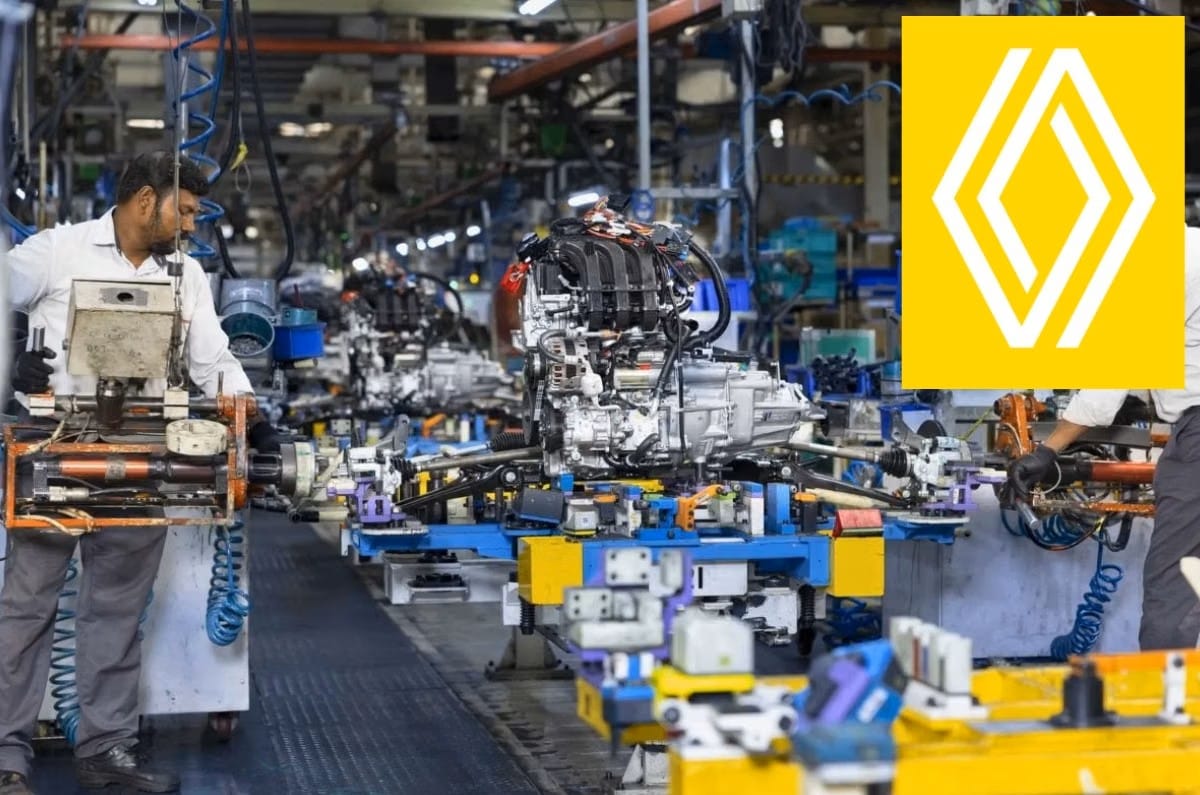
According to Bloomberg, the investment will be implemented in phases, beginning with Renault’s Chennai plant. Horse plans to manufacture strong-hybrid powertrains and engines locally for future Renault and Nissan models sold in India, increasing localization and reducing reliance on imported components.
The upcoming Renault Duster Hybrid will use a 1.8-litre strong hybrid powertrain that’s developed by Horse powertrain. The Bridger compact SUV, expected to follow the Duster, is likely to receive a Horse powertrain too.
In a statement to Bloomberg News, Horse Powertrain said: “India is an important market for Horse Powertrain. We can confirm that we have submitted an application to the Indian authorities to have the right to invest in India and are following the official process. We are expecting a formal decision soon.”
The investment also comes as hybrid vehicles gain traction in India, with several manufacturers expanding their electrified SUV line-ups.
Approval would mark a policy shift
The approval would be among the first major Chinese-linked manufacturing investments since India eased foreign investment rules for neighboring countries earlier this year to encourage more local manufacturing. A Chinese automaker has not made a major investment in India since 2017, when state-owned SAIC Motor Corp. acquired a General Motors Co. plant to launch the MG Motor brand. That venture has since been restructured and is now majority-owned by Indian shareholders, led by JSW Group.
Speaking to Autocar India earlier this year, Carolina Mechai, Chief Sales and Business Development Officer at Horse Powertrain said the company was evaluating multiple routes to expand its presence in India beyond Renault. “We are discussing with our key partner and customer here (Renault), but also with other partners. It could be through development or co-development,” she said, adding that local manufacturing could eventually support exports from India.
Google Pixel 11 Pro Fold: उम्मीद है कि Google अगस्त 2026 में Pixel 11 सीरीज के साथ अपना अगला फोल्डेबल स्मार्टफोन, Pixel 11 Pro Fold लॉन्च करेगा। ऑनलाइन सामने आ रही कई लीक खबरों के अनुसार, इस फ्लैगशिप डिवाइस में AI फीचर्स, परफॉर्मेंस और कैमरा सॉफ्टवेयर में सुधार हो सकता है, जबकि इसका डिजाइन पहले जैसा ही रह सकता है। अब आइए जानते हैं इस फोन के अनुमानित फीचर्स के बारे में।
Pixel 11 Pro Fold के अनुमानित स्पेसिफिकेशन्स
Pixel 11 Pro Fold में मौजूदा Pixel 10 Pro Fold की तरह ही 8-इंच की फोल्डिंग डिस्प्ले और 6.4-इंच की बाहरी स्क्रीन मिल सकती है। हालांकि, Google इसमें बड़े डिजाइन बदलाव नहीं करेगा, लेकिन रिपोर्ट्स के अनुसार कंपनी कैमरा मॉड्यूल में छोटे सुधार कर सकती है और फोन की मोटाई को कम करने की कोशिश कर सकती है।
माना जा रहा है कि यह फ्लैगशिप फोन Green और Black कलर ऑप्शन में आएगा और इसमें प्रीमियम एल्युमीनियम फ्रेम और ग्लास की बनावट होगी।
यह उम्मीद की जा रही है कि यह स्मार्टफोन अगस्त 2026 में Pixel 11, Pixel 11 Pro और Pixel 11 Pro XL के साथ लॉन्च हो सकता है। इस फोन में एक बड़ा अपग्रेड Gemini Intelligence सिस्टम हो सकता है, जो Android 17 के साथ आने की संभावना है। इसके अलावा, इस फोल्डेबल डिवाइस में AI-पावर्ड फोटोग्राफी फीचर्स भी मिल सकते हैं, जिसमें एक नया 100x जूम मोड शामिल हो सकता है, जो मशीन लर्निंग की मदद से तस्वीरों की क्वालिटी को बेहतर बनाएगा।
प्रोसेसर की बात करें तो, इस डिवाइस में कंपनी का आने वाला Tensor G6 चिपसेट हो सकता है। यह चिप 2nm मैन्युफैक्चरिंग प्रोसेस पर बनी हो सकती है।
कैमरे की बात करें तो, Pixel 11 Pro Fold में 48MP का प्राइमरी सेंसर, 10.5MP का अल्ट्रा-वाइड लेंस और 10.8MP का 5x टेलीफोटो सेंसर हो सकता है। सेल्फी के लिए, इस स्मार्टफोन में 10MP का फ्रंट कैमरा मिल सकता है।
बैटरी की बात करें तो, इस स्मार्टफोन में लगभग 5,015mAh की बैटरी हो सकती है, जो 30W वायर्ड और 15W वायरलेस चार्जिंग को सपोर्ट कर सकती है।
Pixel 11 Pro Fold की भारत में अनुमानित कीमत
Google ने इस स्मार्टफोन की कीमत का खुलासा नहीं किया है। हालांकि, ग्लोबल लेवल पर इसकी शुरुआती कीमत लगभग $1,799 हो सकती है। वहीं, भारत में इस डिवाइस की कीमत 1.59 लाख रुपये से 1.82 लाख रुपये के बीच हो सकती है। ध्यान देने वाली बात यह है कि यह जानकारी लीक पर आधारित है, इसलिए इसे पूरी तरह सच न मानें।
Stocks to Watch: बुधवार 24 जून के कारोबार में कई शेयरों पर निवेशकों की नजर रहने वाली है। कुछ कंपनियों ने बड़े अधिग्रहण और साझेदारी की घोषणा की है। वहीं, कुछ पर नियामकीय कार्रवाई, हिस्सेदारी बिक्री, फंड जुटाने और साइबर हमले जैसे अहम अपडेट आए हैं। ऐसे में इन 11 शेयरों में कारोबार के दौरान बड़ी हलचल देखने को मिल सकती है।
Bajaj Auto
ऑटो सेक्टर की कंपनी Bajaj Auto Ltd ने बताया कि 23 जून की सुबह उस पर रैनसमवेयर साइबर हमला हुआ। इसका असर कंपनी और उसकी सहयोगी कंपनी Bajaj Auto Technology Ltd के कुछ सिस्टम्स पर पड़ा। कंपनी ने कहा कि हमले के बाद साइबर सुरक्षा विशेषज्ञों की मदद से जरूरी सुरक्षा कदम उठाए गए हैं।
Infosys
आईटी कंपनी Infosys ने सेमीकंडक्टर निर्माता GlobalFoundries के साथ अपनी मल्टी-ईयर पार्टनरशिप का विस्तार किया है। इस समझौते के तहत Infosys, GlobalFoundries के लिए AI बेस्ड मैनेज्ड सर्विसेज उपलब्ध कराएगी। कंपनी एप्लिकेशन, इंफ्रास्ट्रक्चर, डेटा और सर्विस डेस्क ऑपरेशंस संभालेगी।
Rajesh Exports
गोल्ड ज्वेलरी एक्सपोर्ट करने वाली कंपनी Rajesh Exports Limited पर जांच का दायरा बढ़ गया है। प्रवर्तन निदेशालय (ED) ने कंपनी से जुड़े बेंगलुरु और मुंबई के कई ठिकानों पर छापेमारी की है। सूत्रों के मुताबिक, यह कार्रवाई विदेशी मुद्रा प्रबंधन अधिनियम (FEMA) के तहत की गई है।
NLC India
सरकारी पावर और माइनिंग कंपनी NLC India Ltd ने Indian Oil Corporation (IOCL) के साथ एक MoU साइन किया है। दोनों कंपनियां तमिलनाडु में रिन्यूएबल एनर्जी प्रोजेक्ट्स के लिए जॉइंट वेंचर बनाएंगी। यह सोलर, विंड, एनर्जी स्टोरेज, ग्रीन फ्यूल, ई-मोबिलिटी जैसे क्षेत्रों में काम करेगा।
Delhivery
लॉजिस्टिक्स कंपनी Delhivery में निवेशक Nexus Venture Partners ने अपनी 0.6% हिस्सेदारी बेच दी है। ब्लॉक डील के जरिए 43.2 लाख शेयर करीब ₹208 करोड़ में बेचे गए। यह सौदा ₹481 प्रति शेयर के औसत भाव पर हुआ। मार्च 2026 तक Nexus Ventures के पास कंपनी में 4.5% हिस्सेदारी थी।
IRFC
सरकारी रेलवे कंपनी Indian Railway Finance Corporation (IRFC) में केंद्र सरकार ने OFS लॉन्च किया है। सरकार 1% हिस्सेदारी बेचेगी और 1% अतिरिक्त हिस्सेदारी के लिए ग्रीनशू ऑप्शन भी रखा गया है। नॉन-रिटेल निवेशकों के लिए OFS 24 जून को खुलेगा, जबकि रिटेल निवेशक 25 जून को बोली लगा सकेंगे।
YES Bank
प्राइवेट सेक्टर के बैंक YES Bank का बोर्ड 29 जून को फंड जुटाने के प्रस्तावों पर विचार करेगा। बैंक इक्विटी शेयर और डेट सिक्योरिटीज जारी करके पूंजी जुटाने की संभावनाओं पर फैसला ले सकता है।
Honasa Consumer
Mamaearth और The Derma Co की पैरेंट कंपनी Honasa Consumer ने Fluence Pharma में 58% हिस्सेदारी खरीदने को मंजूरी दी है। यह सौदा करीब ₹135 करोड़ के एंटरप्राइज वैल्यू पर होगा। कंपनी अगले 5 से 7 वर्षों में बाकी 42% हिस्सेदारी भी चरणबद्ध तरीके से खरीदेगी।
Satin Creditcare Network
माइक्रोफाइनेंस कंपनी Satin Creditcare Network ने निजी प्लेसमेंट के जरिए NCD जारी कर ₹5,000 करोड़ तक जुटाने की योजना को मंजूरी दी है। कंपनी अगले एक साल में एक या अधिक चरणों में यह फंड जुटा सकती है। इसके लिए AGM में शेयरधारकों की मंजूरी ली जाएगी।
City Union Bank
प्राइवेट सेक्टर के बैंक City Union Bank ने 14 अगस्त 2026 को AGM बुलाने का फैसला किया है। बैठक में बैंक QIP के जरिए ₹5,500 करोड़ तक जुटाने के प्रस्ताव पर शेयरधारकों की मंजूरी मांगेगा। बैंक ने 14 अगस्त को ही डिविडेंड भुगतान की तारीख भी तय की है।
Rashi Peripherals
आईटी और कम्युनिकेशन प्रोडक्ट्स डिस्ट्रीब्यूशन कारोबार से जुड़ी कंपनी Rashi Peripherals Ltd ने VDA Infosolutions Private Ltd में 67% हिस्सेदारी खरीदने को मंजूरी दे दी है। यह सौदा ₹368.50 करोड़ नकद भुगतान के जरिए किया जाएगा।
Disclaimer: यहां मुहैया जानकारी सिर्फ सूचना के लिए दी जा रही है। यहां बताना जरूरी है कि मार्केट में निवेश बाजार जोखिमों के अधीन है। निवेशक के तौर पर पैसा लगाने से पहले हमेशा एक्सपर्ट से सलाह लें। मनीकंट्रोल की तरफ से किसी को भी पैसा लगाने की यहां कभी भी सलाह नहीं दी जाती है।