Tata Sierra EV top-spec vs Harrier EV mid-spec: Features, specs compared

Tata Sierra EV top-spec vs Harrier EV mid-spec variants compared

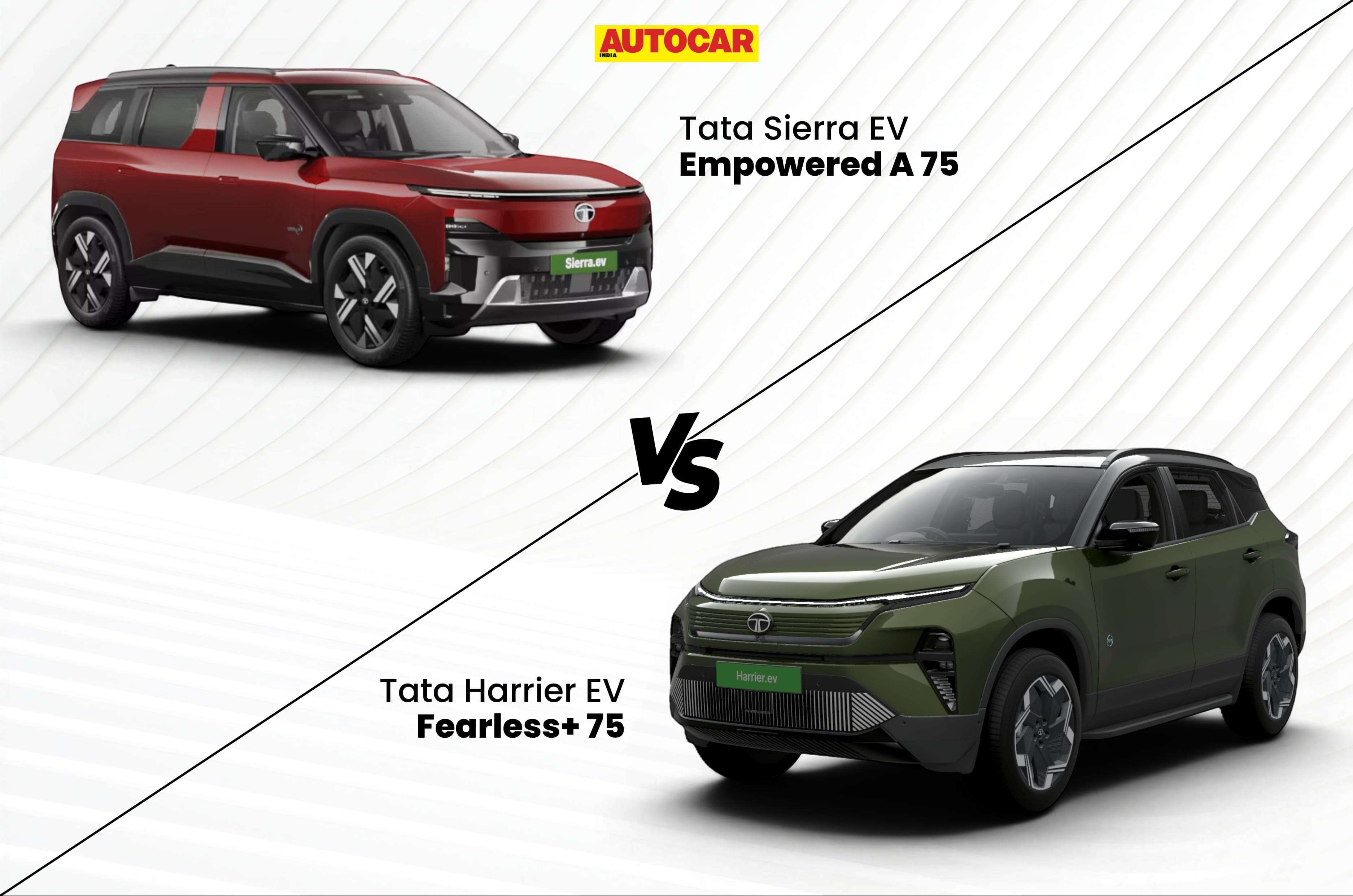
The recently launched Tata Sierra EV is positioned right below its larger sibling, the Harrier EV. However, there’s quite a lot of pricing overlap between the two Tata electric SUVs. To that end, we’ve compared the top-spec Sierra EV Empowered A 75 to the mid-spec Harrier EV Fearless+ 75 to find out which variant delivers better value on paper.

Explore full specs, features, and a price breakdown in our Sierra EV vs Harrier EV comparison.

Tata Sierra EV top-spec vs Harrier EV mid-spec: Dimensions

Harrier EV is longer and wider, but Sierra EV is taller and offers greater boot space

Tata Sierra EV Empowered A 75 vs Harrier EV Fearless+ 75 dimensions

 Sierra EVHarrier EV
Length (mm)4,3404,607
Width (mm)1,8411,922
Height (mm)1,7501,740
Wheelbase (mm)2,7302,741
Boot space (litres)622502
Frunk space (litres)55 (RWD) / 35 (AWD)67 (RWD) / 35 (AWD)
Wheel size (inches)1919

Expectedly, the Harrier EV is 267mm longer than the Sierra EV, but there’s only an 11mm difference between their wheelbases, suggesting that the smaller SUV doesn’t lose out on much interior space. While the Harrier EV is 81mm wider than the Sierra EV, the latter is 10mm taller. Wheel sizes are matched at 19 inches for both electric SUVs.

Interestingly, the Sierra EV offers 120 litres of additional boot space over the Harrier EV – it’s worth nothing that both SUVs’ boot capacity is measured up until the roof, as opposed to the conventional method, which is up to the parcel tray. In terms of frunk capacity, the RWD Harrier EV offers the bigger one, while their AWD versions are matched in this regard.

Tata Sierra EV top-spec vs Harrier EV mid-spec: Battery and range

Harrier EV offers more power, Sierra EV is quicker and claims higher range figures

Tata Sierra EV Empowered A 75 vs Harrier EV Fearless+ 75 powertrains

 Sierra EVHarrier EV
Battery size (kWh)7575
Motor setupSingle, rear / Dual, front and rearSingle, rear / Dual, front and rear
Power (hp)209 / 306238 / 313
Torque (Nm)315 / 504315 / 504
Drive layoutRWD / AWDRWD / AWD
Claimed 0-100kph time (seconds)5.8 (AWD)6.3 (AWD)
MIDC range (km)665 / 624627 / 622

Both the Sierra EV and Harrier EV get 75kWh battery packs, along with single-motor (RWD) and dual-motor (AWD) options. The Harrier EV edges ahead in terms of powertrain output, though the RWD versions of both SUVs feature identical torque figures. Despite the Sierra EV’s slightly lower output, its AWD variant is half a second quicker in the 0-100kph run compared to that of the Harrier EV – this is on account of the Sierra EV being smaller and lighter.

Similarly, MIDC-claimed range is a total victory for the Sierra EV as well. The Sierra EV AWD’s claimed range is 2km higher than that of the Harrier EV AWD, while the RWD version can travel 38km more on a single charge.

Tata Sierra EV top-spec vs Harrier EV mid-spec: Charging times

Both electric SUVs trade punches here

Tata Sierra EV Empowered A 75 vs Harrier EV Fearless+ 75 charging times and warranty details

 Sierra EVHarrier EV
AC charging time (10-100 percent)10.5hrs (7.2kW)10.7hrs (7.2kW)
DC charging time (20-80 percent)26mins (120kW)25mins (120kW)
Battery warrantyLifetime warranty and unlimited kilometresLifetime warranty and unlimited kilometres
Motor warranty8 years/1,60,000km (whichever is earlier)8 years/1,60,000km (whichever is earlier)
Vehicle warranty3 years/1,25,000km (whichever is earlier) 3 years/1,25,000km (whichever is earlier) 

Despite battery capacities being identical for both electric SUVs, the Harrier EV takes slightly longer to charge from 10-100 percent via a 7.2kW AC outlet. On the other hand, the Harrier EV is marginally quicker in a 20-80 percent top-up from a 120kW DC fast charger. Tata offers the same battery, motor, and vehicle warranties for the Harrier EV and Sierra EV, so buyers can rest easy on this front.

Tata Sierra EV top-spec vs Harrier EV mid-spec: Exterior features

Harrier EV additionally offers side step and charging indicator function for the front light bar

Tata Sierra EV Empowered A 75 vs Harrier EV Fearless+ 75 exterior features

 Sierra EVHarrier EV
HeadlampsAutomatic LEDAutomatic LED
Front light barLEDLED
Welcome/goodbye sequenceYesYes
Charging indicator in light barNoYes
Front fog lampsLEDLED
Cornering lampsYesYes
Tail-lampsLEDLED
Rear fog lampsYesYes
Sequential indicatorsYesYes
Side stepNoYes
Electrically adjustable ORVMs with auto-foldYesYes
Rear spoilerYesYes
Rear wiper and washerYesYes
Shark-fin antennaYesYes
Roof railsYesYes
Puddle lampsYesYes

Coming to exterior features, the Sierra EV and Harrier EV are near-identical. However, the Sierra EV does miss out on a charging indicator in the front light bar, with it instead being situated on the charging port. The Harrier EV additionally offers a side step too, which makes ingress and egress a tad easier.

Tata Sierra EV top-spec vs Harrier EV mid-spec: Interior features

Sierra EV is the only Tata electric car to offer a triple-screen setup

Tata Sierra EV Empowered A 75 vs Harrier EV Fearless+ 75 interior features

 Sierra EVHarrier EV
Touchscreen12.3 inches12.3 inches
Digital driver’s display10.25 inches10.25 inches
Passenger display12.3 inchesNo
Heads-up displayYesNo
Automatic climate controlDual-zoneDual-zone
Steering-mounted controlsYesYes
Ambient lightsYesYes
Panoramic sunroofYesYes
Powered driver seat6-way adjustment6-way adjustment
Driver seat functionsMemory and welcomeMemory and welcome
Powered co-driver seat4-way adjustment4-way adjustment
Ventilated front seatsYesYes
Boss modeYesNo
Sound system12-speaker JBL Black10-speaker JBL Black
Wireless charging padYesYes
Cabin air purifierYesYes
Powered windowsFront and rearFront and rear
Rear sunshadeYesYes
Rear AC ventsYesYes
Rear centre armrestYesYes
Connected car techYesYes
V2L, V2V functionalityYesYes

Despite its lower positioning, the Sierra EV pulls a clear lead over the Harrier EV in terms of cabin equipment. Features like a 12.3-inch passenger display, a 12-speaker JBL sound system, and a heads-up display are not offered even on the top-spec Harrier variant. In fact, the Sierra EV is the only electric Tata to come with a triple-screen setup at the moment.

Tata Sierra EV top-spec vs Harrier EV mid-spec: Driving features

Sierra EV comes with extra terrain mode and adaptive cruise control

Tata Sierra EV Empowered A 75 vs Harrier EV Fearless+ 75 driving features

 Sierra EVHarrier EV
Drive modesEco, City, SportEco, City, Sport
Battery regen modesYesYes
Terrain modesNormal, Wet, Rough, CustomNormal, Wet, Rough
Cruise controlAdaptive with stop/go functionsYes
Drift modeYesYes
Boost modeAWD onlyAWD only
Low-speed cruise controlAWD onlyAWD only
Extra terrain modes (AWD only)YesYes

Both the top-spec Sierra EV and mid-spec Harrier EV are very similar on the driving features front. However, the Sierra EV gets an additional ‘Custom’ terrain mode in the RWD version, as well as adaptive cruise control with stop and go functionality. The latter is much more convenient than the Harrier EV’s standard cruise control, as it can automatically adjust the speed based on proximity to nearby vehicles, and even come to a standstill and set off by itself. AWD versions of both SUVs get additional terrain modes too, namely Snow/Grass, Mud-Ruts, Sand, Rock Crawl, and Custom.

Tata Sierra EV top-spec vs Harrier EV mid-spec: Safety features

Harrier EV has 7 airbags and 5-star BNCAP rating, Sierra EV gets Level 2 ADAS and better camera setup

Tata Sierra EV Empowered A 75 vs Harrier EV Fearless+ 75 safety features

 Sierra EVHarrier EV
Bharat NCAP ratingYet to be tested5 stars
Airbags67
Level 2 ADASYesNo
Camera setup540-degreeRear only
Parking sensorsFront and rearFront and rear
Disc brakesFront and rearFront and rear
ABS with EBDYesYes
Electronic stability program (ESP)YesYes
TPMSYesYes
Electronic parking brake with auto-holdYesYes
Auto-dimming IRVMYesYes
Rain-sensing wipersYesYes
Rear defoggerYesYes
Driver drowsiness detectionNoYes
Acoustic vehicle alarm system (AVAS)YesYes

In the safety department, the Harrier EV holds some notable advantages, specifically a 5-star Bharat NCAP rating (the Sierra EV is yet to be tested, but will likely perform well too), 7 airbags, and driver drowsiness detection. The Sierra EV, though, trades punches with the Harrier EV thanks to safety features like Level 2 ADAS and a 540-degree camera (360-degree with underfloor view).

Tata Sierra EV top-spec vs Harrier EV mid-spec: Prices and verdict

Sierra EV is up to Rs 70,000 cheaper

Tata Sierra EV Empowered A 75 vs Harrier EV Fearless+ 75 price* (Rs, lakh)

 Sierra EVHarrier EVDifference
RWDRs 24.79 lakhRs 25.19 lakhRs 40,000
AWDRs 25.99 lakhRs 26.69 lakhRs 70,000

*Exclusive of home charger and installation, which costs Rs 49,000 extra.

The Sierra EV Empowered A 75 clearly emerges as the better option over the Harrier EV Fearless+ 75, as the smaller SUV offers considerably more comfort and convenience features, a larger boot, higher claimed range figures, similar powertrain outputs and charging speeds, and greater performance – all while being Rs 40,000-70,000 more affordable.

All prices are ex-showroom, India.

All EVs available with BaaS schemes in India

BaaS cars

One of the biggest hurdles to the adoption of electric vehicles is their relatively higher prices compared to combustion-powered cars. To address this, mass-market brands such as Hyundai, Citroen, JSW-MG, Maruti Suzuki, Kia, Tata Motors and Toyota have started offering models with Battery-as-a-Service (BaaS) schemes, which are essentially subscription plans for the battery pack and substantially lower upfront costs. Here is a list of all the EVs offered with the BaaS option.

Citroen eC3X

BaaS price: Rs 6.89 lakh + Rs 2.26 per km onwards

Citroen eC3X

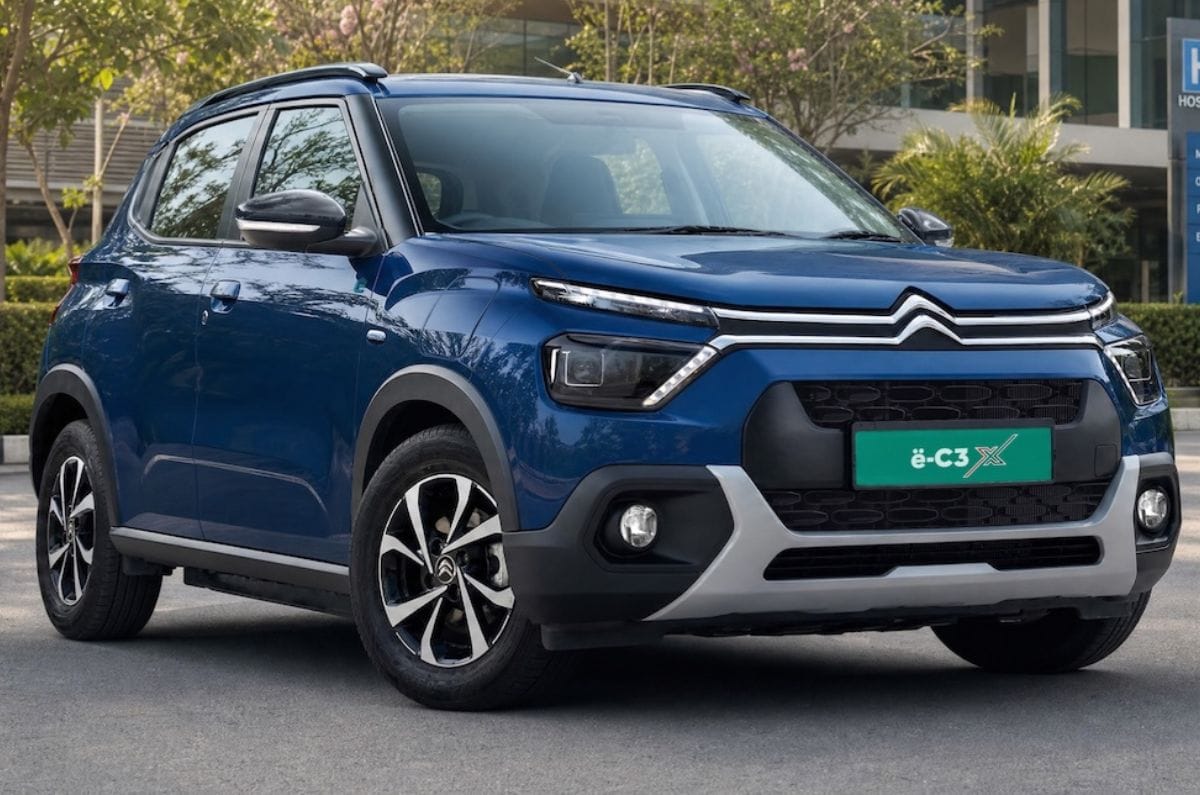
Citroen introduced a BaaS scheme option with the June 2026 update for the eC3X, reducing the EV’s upfront price by up to Rs 5.26 lakh. Buyers also have to pay a battery subscription fee of Rs 2.26 per kilometre, the lowest here, with a minimum monthly commitment of 2,000km, which works out to Rs 4,520 per month. If monthly usage exceeds 2,000km, charges apply for the additional distance covered.

For buyers opting out of the BaaS plan, Citroen is offering an introductory consumer discount of up to Rs 1.50 lakh, bringing the eC3X’s starting price down to Rs 10.49 lakh. 

Citroen eC3X ex-showroom prices (in Rs)

Variant

Non-BaaS price

BaaS price

Upfront saving

Live

11.99 lakh

6.89 lakh + 2.26 per km

5.10 lakh

Live (O)

12.35 lakh

7.09 lakh + 2.26 per km

5.26 lakh

Shine

13.26 lakh

8.30 lakh + 2.26 per km

4.96 lakh

Tata Tiago EV

BaaS price: Rs 4.69 lakh + Rs 2.6 per km onwards

Tata Tiago EV

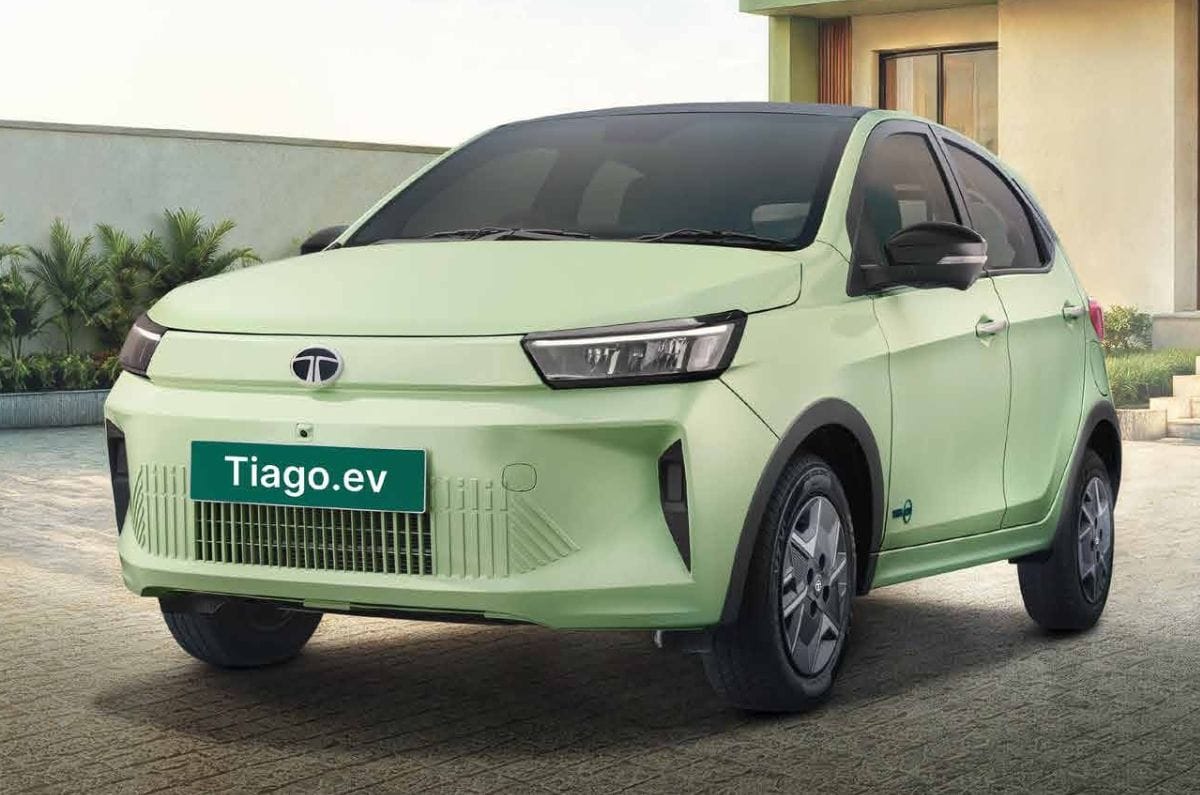
Priced from Rs 6.99 lakh, the Tata Tiago EV is the most affordable electric car in India. Under the BaaS scheme, it starts at Rs 4.69 lakh, reducing the upfront cost by Rs 2.30 lakh, and users pay an additional Rs 2.6 per km as a subscription fee. Tata has yet to reveal the full variant-wise BaaS prices of the Tiago EV.

Tata Tiago EV ex-showroom prices (in Rs)* 

Variant

Non-BaaS price

BaaS price

Upfront cost saving

Smart 19

6.99 lakh

4.69 lakh + 2.6 per km

2.30 lakh

*Tata hasn’t revealed the BaaS prices for all variants at the time of writing.

MG Comet EV

BaaS price: Rs 4.99 lakh + Rs 3.2 per km onwards

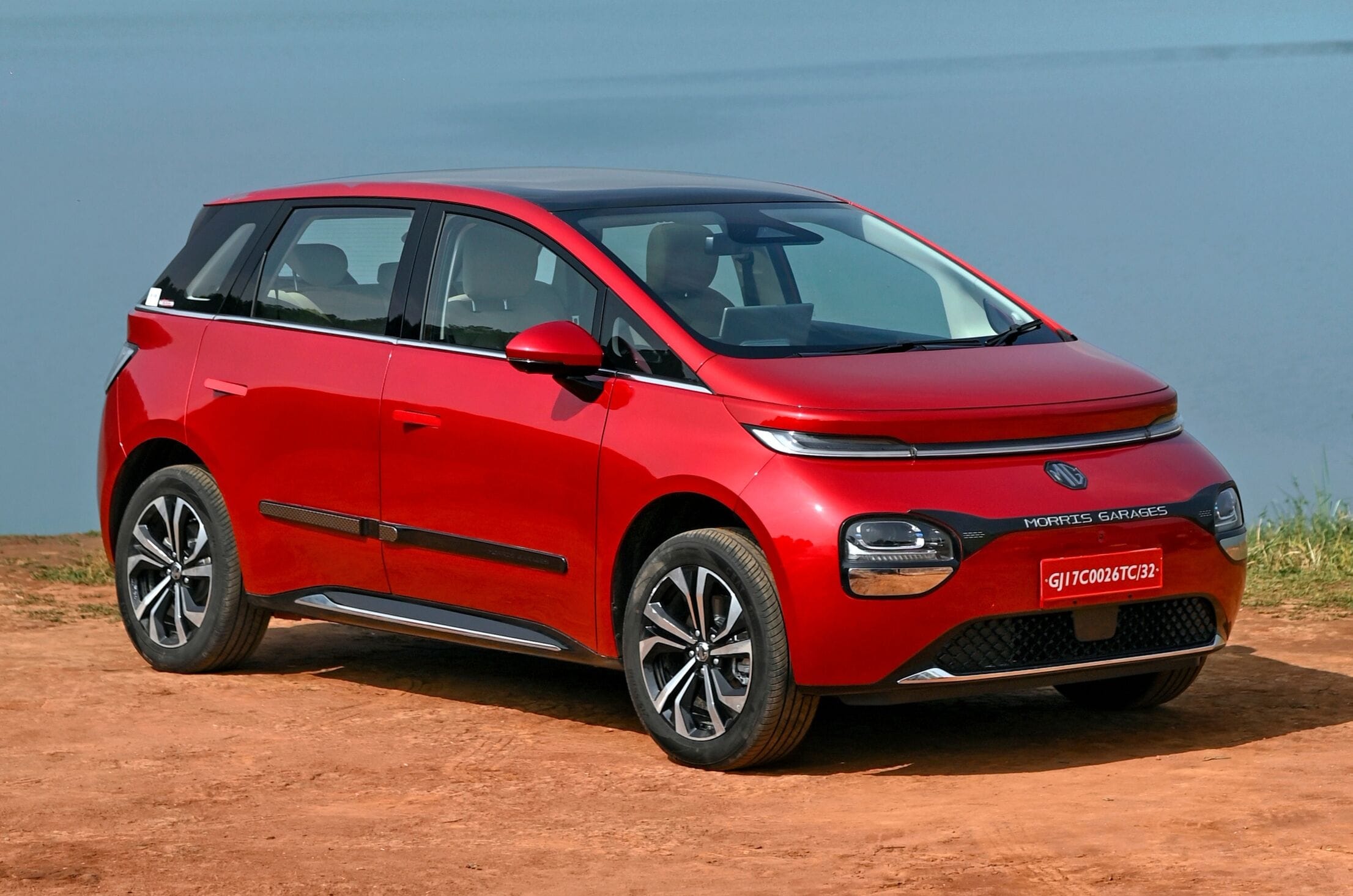
MG Comet EV

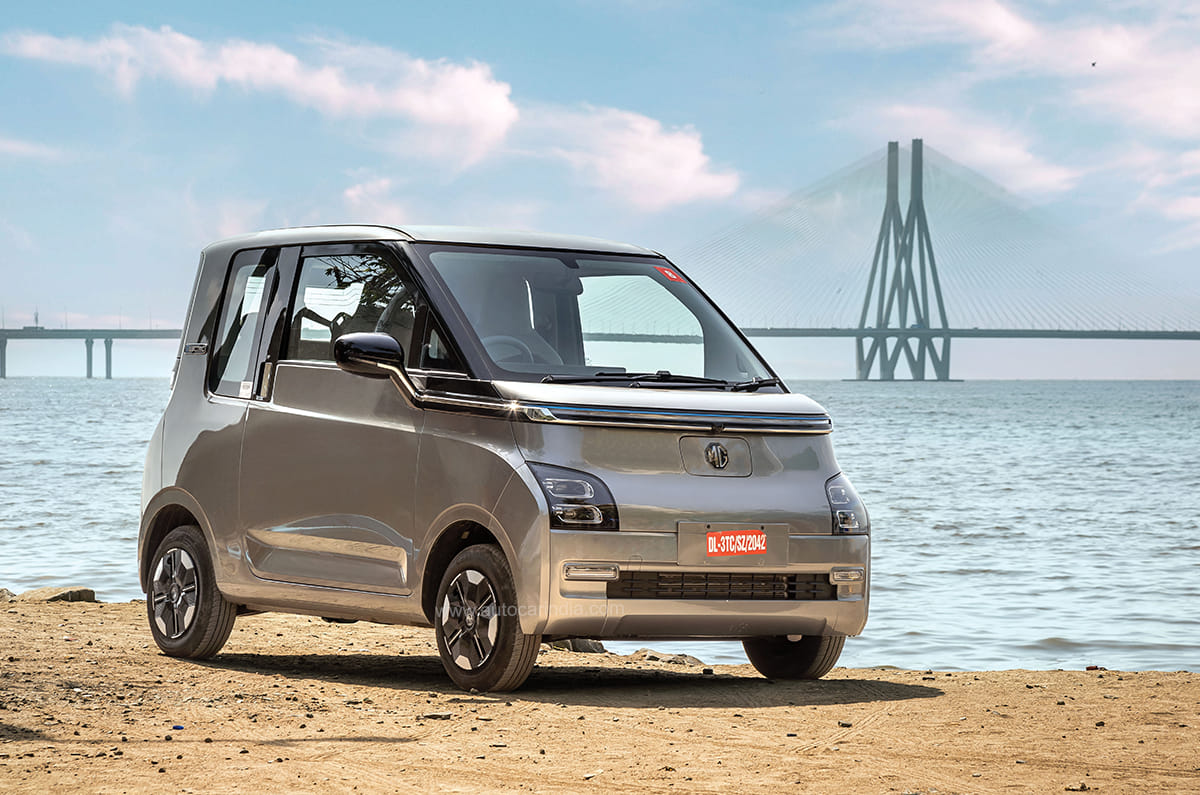
The Comet EV is priced from Rs 7.63 lakh, and its entry-level trims feature a 17.3kWh battery, while higher-spec models get a 17.4kWh unit. The BaaS scheme lowers the price by Rs 2.64 lakh across trims, and buyers opting for this have to pay a Rs 3.2/km subscription cost for the battery pack. Do note that when MG introduced the BaaS plan for the Comet EV in 2024, the subscription fee was slightly lower at Rs 2.5 per km. 

MG Comet EV ex-showroom prices (in Rs)

Variant

Non-BaaS price

BaaS price

Upfront saving

Executive 17.3kWh

7.63 lakh

4.99 lakh + 3.2 per km

2.64 lakh

Excite 17.3kWh

8.73 lakh

6.09 lakh + 3.2 per km

2.64 lakh

Excite 17.4kWh9 lakh6.36 lakh + 3.2 per km2.64 lakh

Exclusive 17.3kWh

9.73 lakh

7.09 lakh + 3.2 per km

2.64 lakh

Exclusive 17.4kWh10 lakh7.36 lakh + 3.2 per km2.64 lakh

Tata Punch EV

BaaS price: Rs 6.49 lakh + Rs 2.6 per km onwards

Tata Punch EV facelift review: More for less

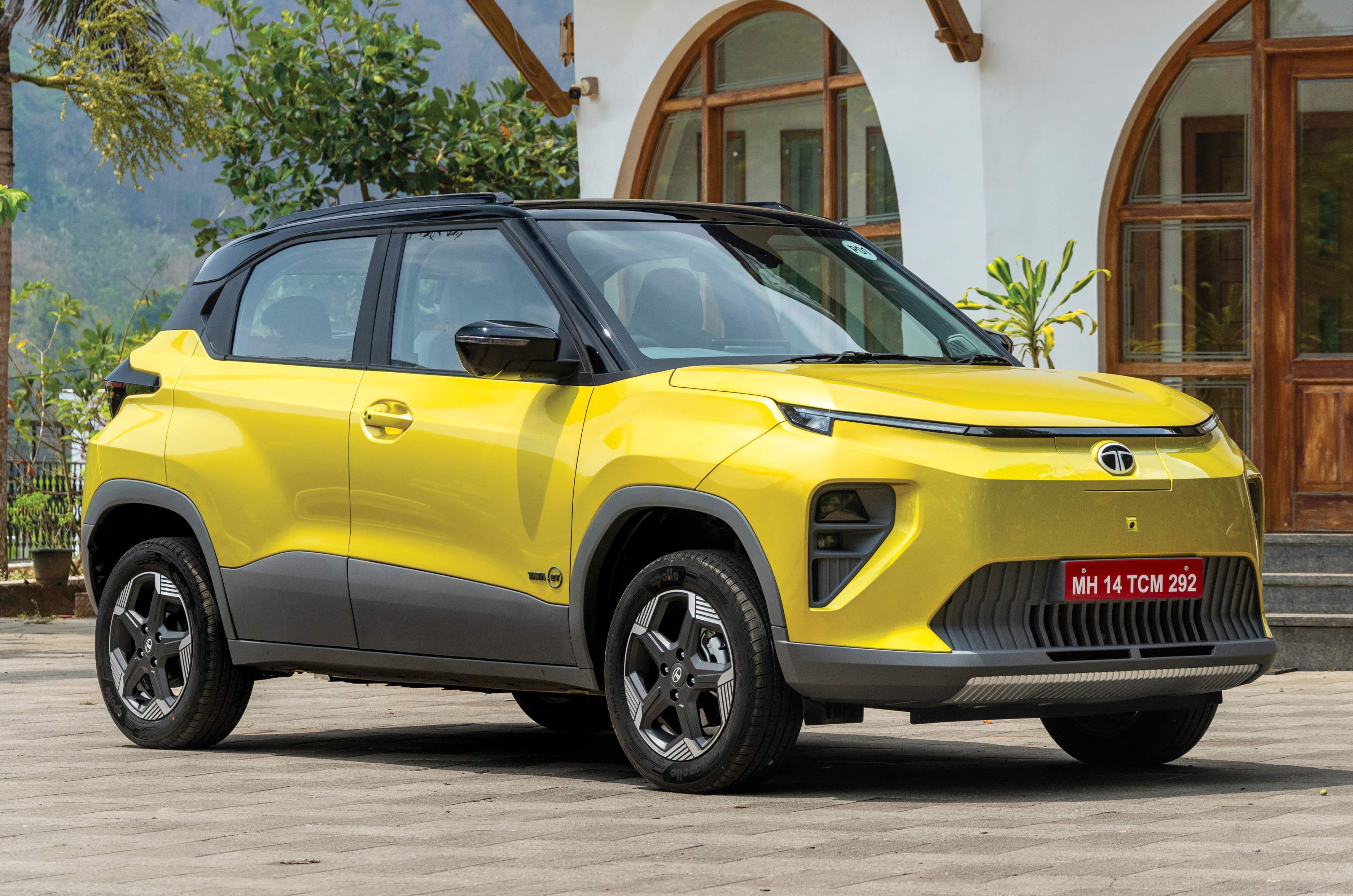
The Tata Punch EV is another electric offering from the Indian manufacturer that is available with a BaaS scheme. Its base trim costs Rs 9.69 lakh but with the BaaS scheme, that can be lowered by Rs 3.2 lakh. However, buyers will have to pay a battery rental fee of Rs 2.6 per km. Tata claims that a monthly running of 1,800km is reasonable for most buyers, which works out to a battery rental of about Rs 4,688.

Tata Punch EV ex-showroom prices (in Rs)

Variant

Non-BaaS price

BaaS price*

Upfront saving

Smart 30kWh

9.69 lakh

6.49 lakh + 4,688 per month

3.2 lakh

Smart+ 30kWh10.297.09 lakh + 4,688 per month3.2 lakh
Smart+ 40kWh10.997.29 lakh + 5,274 per month3.7 lakh
Adventure 40kWh11.747.99 lakh + 5,274 per month3.75 lakh
Empowered 40kWh12.498.69 lakh + 5,274 per month3.8 lakh
Empowered+ S 40kWh12.798.99 lakh + 5,274 per month3.8 lakh

*The battery EMI is assumed on a loan tenure of 8 years.

MG Windsor EV

BaaS price: Rs 9.99 lakh + Rs 3.99 per km onwards

MG Windsor EV

MG first introduced the BaaS ownership plan in India with the Windsor EV, which was launched in September 2024 with a 38kWh battery pack. A larger 52.9kWh pack was added to the line-up in May 2025. The Windsor EV’s battery rental fee depends on the battery pack selected: Rs 3.99 per km for the 38kWh unit and Rs 4.5 per km for the larger 52.9kWh unit. This scheme lowers the upfront cost by up to Rs 5 lakh.

MG Windsor EV ex-showroom prices (in Rs)

Variant

Non-BaaS price

BaaS price

Upfront saving

Excite 38kWh

14.7 lakh

9.99 lakh + 3.99 per km

4.71 lakh

Exclusive 38kWh

16 lakh

11.29 lakh + 3.99 per km

4.71 lakh

Essence 38kWh

17 lakh

12.29 lakh + 3.99 per km

4.71 lakh

Exclusive Pro 52.9kWh

17.9 lakh

12.9 lakh + 4.5 per km

5 lakh

Essence Pro 52.9kWh

19 lakh

14 lakh + 4.5 per km

5 lakh

Hyundai Creta Electric

BaaS price: Rs 10.99 lakh + Rs 3.9 per km onwards

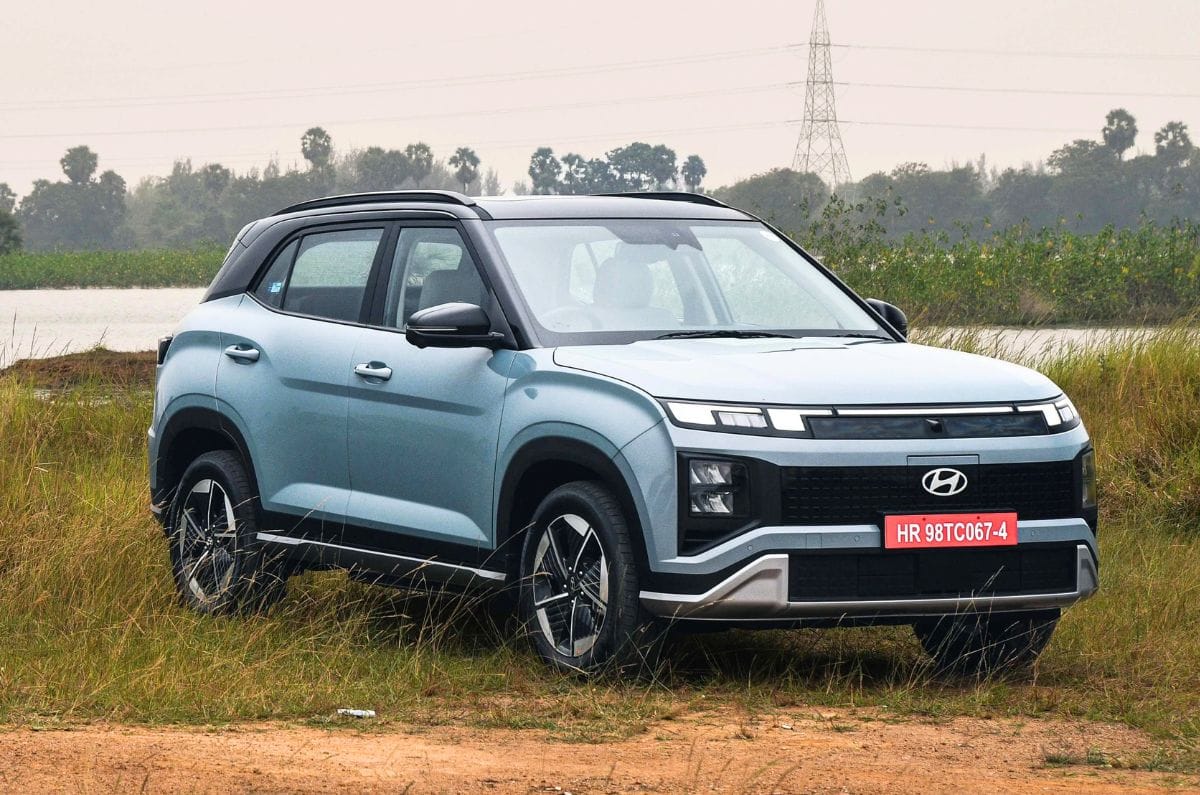
Hyundai Creta Electric

The Hyundai Creta Electric is the latest EV here to get a BaaS scheme option, which was introduced in July 2026. The Creta EV starts with the Rs 18.03 lakh Executive 42kWh variant but with the battery rental option, buyers can save Rs 7.04 lakh up front, one of the highest savings here. Prices for the other 42kWh variants, as well as the 51.4kWh variants are expected to be revealed soon.

Hyundai Creta Electric ex-showroom price (in Rs)*

Variant

Non-BaaS price

BaaS price

Upfront saving

Executive 42kWh

18.03 lakh

10.99 lakh + 3.9 per km

7.04 lakh

*Hyundai hasn’t revealed the BaaS prices for all variants at the time of writing.

Maruti Suzuki e Vitara

BaaS price: Rs 10.99 lakh + Rs 3.99 per km onwards

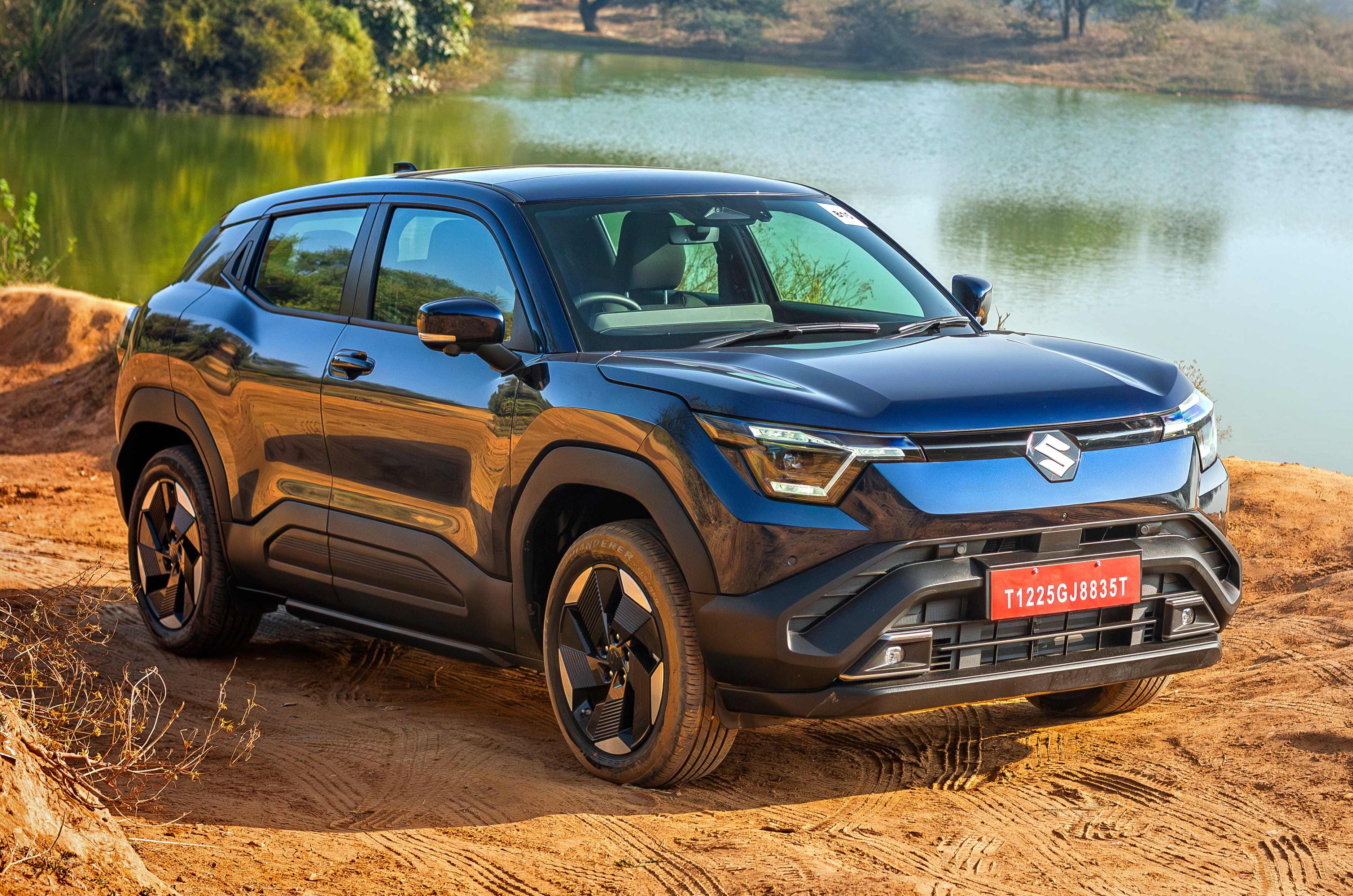
Maruti Suzuki e Vitara

The Maruti e Vitara is also available with the BaaS scheme, the subscription fee of which differs with the chosen battery pack. With the smaller 49kWh battery, Maruti charges Rs 3.99 per km, while with the larger battery pack, a fee of Rs 4.39 per km is charged. 

Maruti Suzuki e Vitara ex-showroom prices (in Rs)

Variant

Non-BaaS price

BaaS price

Upfront saving

Delta 49kWh

15.99 lakh

10.99 lakh + 3.99 per km

5 lakh

Zeta 61kWh

17.79 lakh

12.29 lakh + 4.39 per km 

5.5 lakh

Alpha 61kWh

19.99 lakh

14.49 lakh + 4.39 per km

5.5 lakh

Kia Carens Clavis EV

BaaS price: Rs 12.84 lakh + Rs 3.3 per km onwards

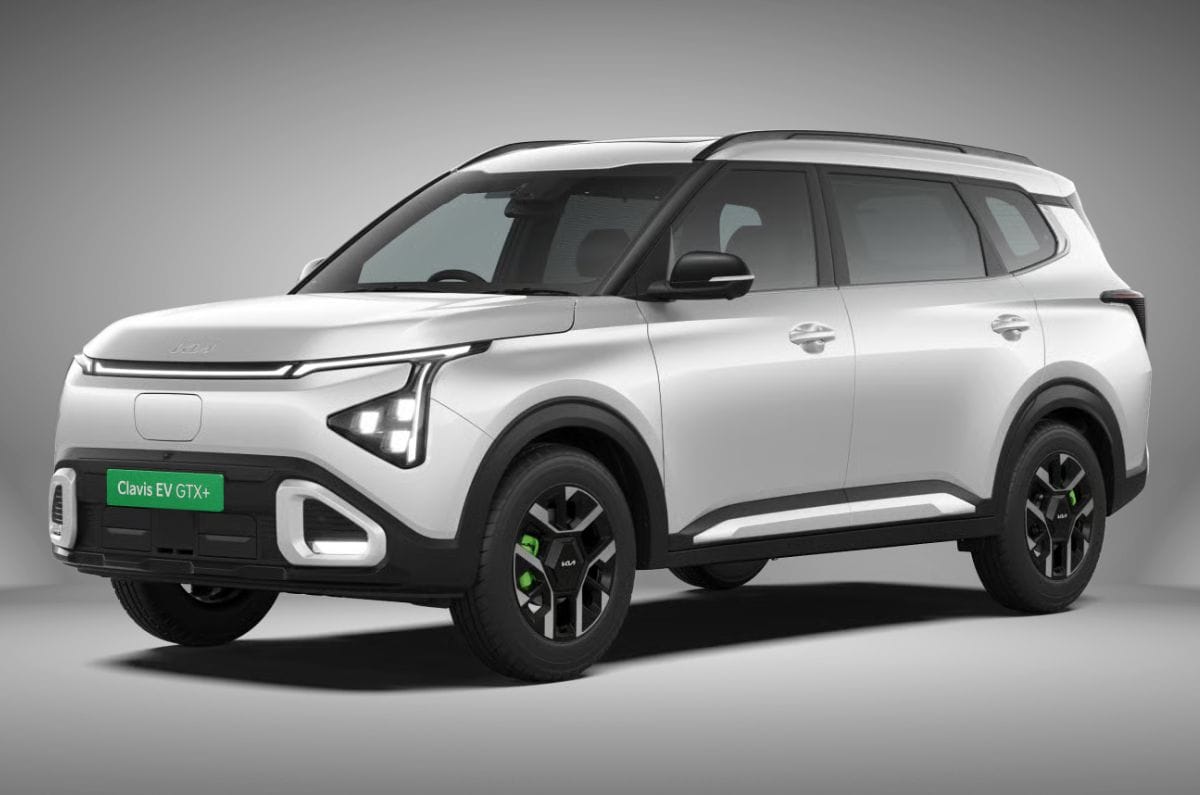
In May 2026, Kia introduced the BaaS scheme for its Carens Clavis EV, which stands out here as the only MPV. Kia charges a rental fee of Rs 3.3 per km for both the 42kWh and 51.4kWh battery pack options. While the entire BaaS price list isn’t out at the time of writing, one can save Rs 5.16 lakh and Rs 6.06 lakh on the HTK+ 42kWh and HTX E ER 51.4kWh variants, respectively. 

Kia Carens Clavis EV ex-showroom prices (in Rs)*

Variant

Non-BaaS price

BaaS price

Upfront saving

HTK+ 42kWh

18 lakh

12.84 lakh + 3.3 per km

5.16 lakh

HTX E ER 51.4kWh

22 lakh

15.94 lakh + 3.3 per km

6.06 lakh

*Kia hasn’t revealed the BaaS prices for all variants at the time of writing.

MG ZS EV

BaaS price: Rs 13 lakh + Rs 4.5 per km onwards

MG ZS EV

The ZS EV, MG’s first electric offering in India, received its mid-lifecycle update in 2022. However, it was only in September 2024 that MG introduced a BaaS scheme for the midsize electric SUV. The subscription fee for the ZS EV, which comes with a 50.3kWh battery pack, is Rs 4.5 per km – the same as that of the Windsor EV Pro. The upfront cost saving of up to Rs 5.24 lakh is the highest in MG’s electric line-up. 

MG ZS EV ex-showroom prices (in Rs)

Variant

Non-BaaS price

BaaS price

Upfront saving

Executive 50.3kWh

17.99 lakh

13 lakh + 4.5 per km

4.99 lakh

Excite Pro 50.3kWh

18.75 lakh

13.51 lakh + 4.5 per km

5.24 lakh

Exclusive Pro 50.3kWh

19.75 lakh

14.51 lakh + 4.5 per km

5.24 lakh

Essence 50.3kWh

20.75 lakh

15.51 lakh + 4.5 per km

5.24 lakh

Toyota Urban Cruiser Ebella

BaaS price: Rs 15.25 lakh + Rs 4.99 per km

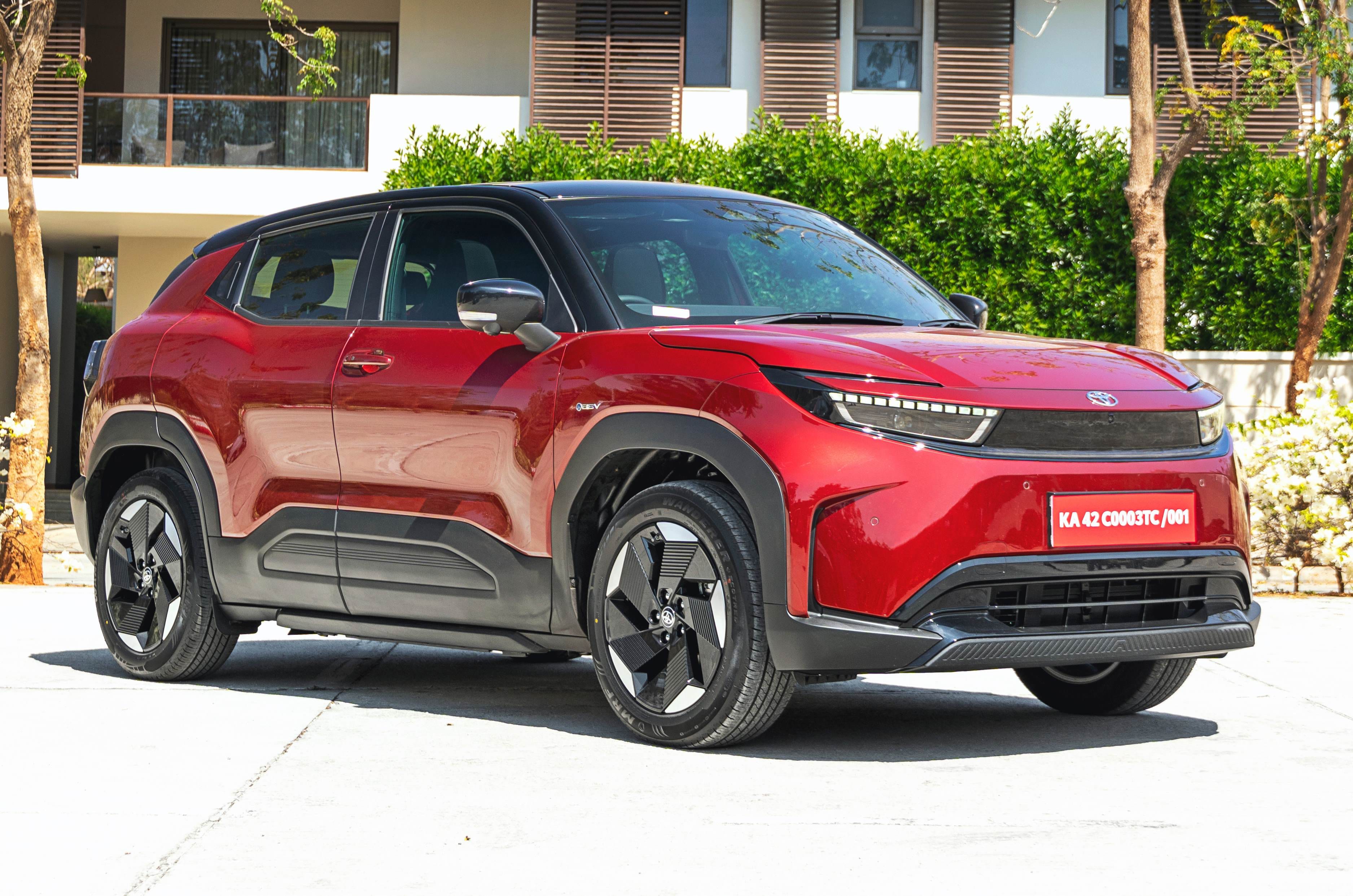
Toyota showcased its first EV for India, the Urban Cruiser Ebella, in January 2026 and revealed the price for its top-spec variant in May 2026. This E3 variant is powered by a 61kWh battery pack and offers a claimed range of 543km. Under the BaaS scheme, the E3’s upfront cost is Rs 15.25 lakh and the battery rental fee is Rs 4.99 per km – higher than the Rs 4.39 per km charged for its Maruti twin, the e Vitara.

Toyota Ebella EV ex-showroom prices (in Rs)* 

Variant

Non-BaaS price

BaaS price

Upfront saving

E3

23.60 lakh

15.25 lakh + 4.99 per km

8.35 lakh

*Toyota hasn’t revealed the BaaS prices for all variants at the time of writing.

Delhi EV Policy : इलेक्ट्रिक व्हीकल में स्विच करने पर मिलेगा ₹1 लाख तक का फायदा, समझिए पूरा हिसाब

Delhi EV Policy : दिल्ली सरकार ने 1 जुलाई से दिल्ली EV पॉलिसी 2026 लागू कर दी है। यह पॉलिसी तुरंत प्रभाव से लागू हो गई है और 31 मार्च 2030 तक लागू रहेगी।

सरकार का मकसद दिल्ली में इलेक्ट्रिक गाड़ियों को बढ़ावा देना है। इसके लिए चार्जिंग और बैटरी स्वैपिंग नेटवर्क का विस्तार किया जाएगा। साथ ही, पूरा EV इकोसिस्टम मजबूत किया जाएगा, ताकि प्रदूषण कम हो और पेट्रोल-डीजल पर निर्भरता घटे। नई पॉलिसी में सब्सिडी, स्क्रैपेज इंसेंटिव, रोड टैक्स और रजिस्ट्रेशन फीस में छूट जैसी कई सुविधाएं दी गई हैं।

पुरानी गाड़ी स्क्रैप करने पर फायदा

नई पॉलिसी के तहत अगर कोई BS-IV या उससे पुरानी कार स्क्रैप करके इलेक्ट्रिक कार खरीदता है, तो उसे 1 लाख रुपये तक का स्क्रैपेज इंसेंटिव मिलेगा।

अगर कोई पुरानी दोपहिया गाड़ी स्क्रैप करके नई इलेक्ट्रिक टू-व्हीलर खरीदता है, तो उसे 10,000 रुपये का अतिरिक्त स्क्रैपेज इंसेंटिव मिलेगा। वहीं, पुराना थ्री-व्हीलर स्क्रैप कर इलेक्ट्रिक थ्री-व्हीलर खरीदने पर 25,000 रुपये का अतिरिक्त इंसेंटिव मिलेगा।

दोपहिया और तिपहिया पर नियम

नई पॉलिसी के तहत इलेक्ट्रिक टू-व्हीलर खरीदने वालों को पहले साल 30,000 रुपये, दूसरे साल 20,000 रुपये और तीसरे साल 10,000 रुपये की सब्सिडी मिलेगी।

इलेक्ट्रिक थ्री-व्हीलर या ई-ऑटो खरीदने वालों को पहले साल 50,000 रुपये, दूसरे साल 40,000 रुपये और तीसरे साल 30,000 रुपये का इंसेंटिव मिलेगा।

इलेक्ट्रिक ट्रक और कार के नियम

N1 कैटेगरी के इलेक्ट्रिक ट्रक खरीदने वालों को 1 लाख रुपये तक का खरीद इंसेंटिव मिलेगा। इसके अलावा, 30 लाख रुपये तक की एक्स-शोरूम कीमत वाली सभी इलेक्ट्रिक कारों पर 100% रोड टैक्स और रजिस्ट्रेशन फीस माफ रहेगी। यह छूट सिर्फ दिल्ली में रजिस्टर्ड गाड़ियों पर मिलेगी।

सब्सिडी के लिए कैसे करें आवेदन?

दिल्ली सरकार ने 3 जुलाई को Delhi EV Subsidy Portal लॉन्च किया है। इसी पोर्टल पर सब्सिडी के लिए आवेदन करना होगा। आवेदन के लिए आधार कार्ड, RC और वोटर आईडी जैसे दस्तावेज देने होंगे। इसके बाद मोबाइल पर आए OTP से पहचान की पुष्टि करनी होगी।

सरकार के मुताबिक, गाड़ी खरीदने और RC मिलने के 30 दिनों के भीतर आवेदन करना होगा। अगर आवेदन मंजूर हो जाता है, तो 60 दिनों के भीतर सब्सिडी की रकम DBT के जरिए सीधे बैंक खाते में भेज दी जाएगी। पोर्टल पर आवेदन की स्थिति भी ऑनलाइन देखी जा सकेगी।

नई पॉलिसी लागू कैसे होगी?

दिल्ली की मुख्यमंत्री रेखा गुप्ता ने कहा कि इस पॉलिसी को लागू करने की जिम्मेदारी परिवहन विभाग के पास होगी। इसके लिए अलग से EV Cell बनाया जाएगा। यही सेल पूरी पॉलिसी की निगरानी करेगा। जरूरत पड़ने पर दिशा-निर्देश जारी करेगा और अलग-अलग विभागों के बीच तालमेल बनाएगा। सरकार एक प्रोजेक्ट मैनेजमेंट कंसल्टेंट (PMC) भी नियुक्त करेगी।

किसे मिलेगी सब्सिडी?

सरकार Model Approval Committee भी बनाएगी। यह समिति तय करेगी कि कौन-से EV मॉडल सरकारी सब्सिडी और इंसेंटिव के लिए योग्य हैं। समिति तकनीकी मानकों और दूसरे नियमों के आधार पर EV मॉडल की जांच करेगी। सिर्फ मंजूर किए गए मॉडल ही सरकारी सब्सिडी का फायदा उठा सकेंगे।

नई पॉलिसी से क्या बदलेगा?

नई पॉलिसी के तहत 1 जनवरी 2027 से दिल्ली में सिर्फ ई-ऑटो का ही रजिस्ट्रेशन होगा। वहीं, 1 अप्रैल 2028 से नए पेट्रोल और CNG दोपहिया का रजिस्ट्रेशन धीरे-धीरे बंद कर दिया जाएगा। इसके बाद सिर्फ इलेक्ट्रिक दोपहिया का ही रजिस्ट्रेशन होगा।

सब्सिडी लेने वालों के लिए नियम

सरकार ने नई पॉलिसी में 3 साल का लॉक-इन पीरियड रखा है। अगर आपने सरकारी सब्सिडी लेकर EV खरीदी है, तो पहले तीन साल तक उस गाड़ी का दूसरे राज्य में रजिस्ट्रेशन नहीं कराया जा सकेगा। इसका मकसद यह सुनिश्चित करना है कि लोग सिर्फ सब्सिडी का फायदा लेकर तुरंत गाड़ी दूसरे राज्यों में न बेच दें।