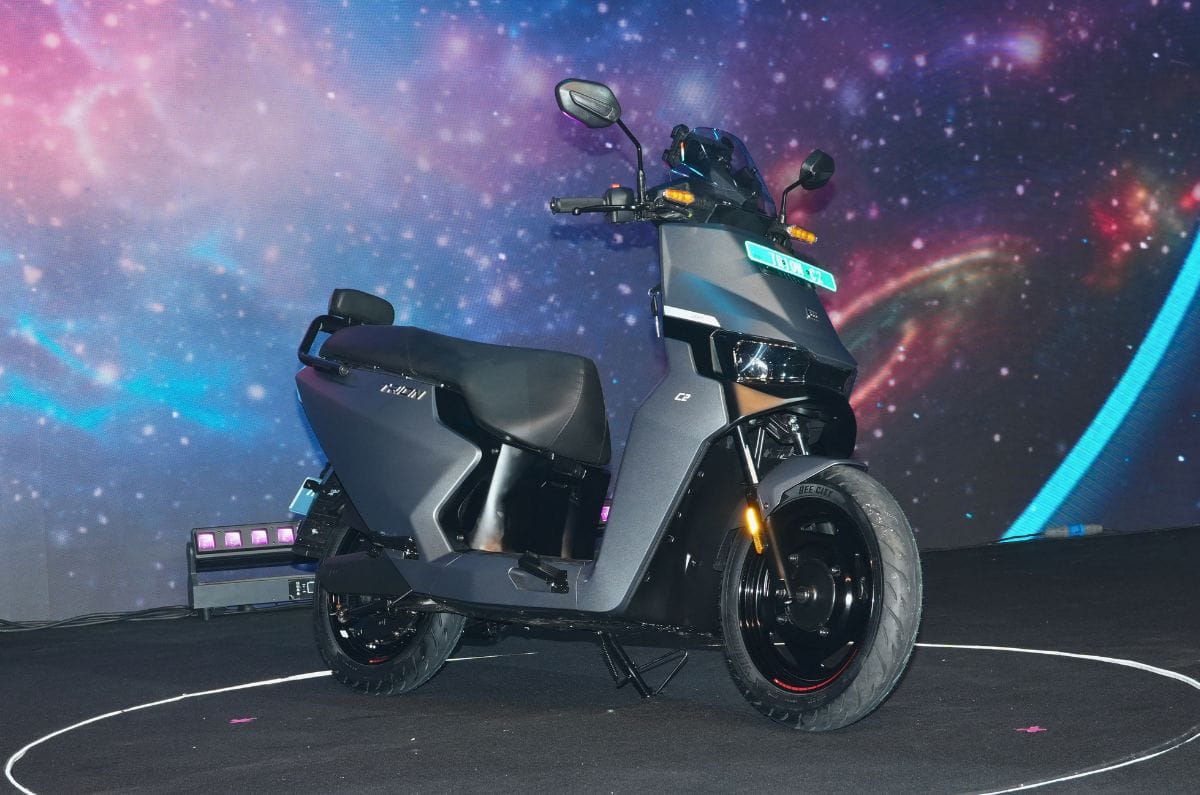
E3 Trion electric scooter launched at Rs 1 lakh

E3 Trion electric scooter launched at Rs 1 lakh

Bengaluru-based electric mobility startup E3 Electric.AI has launched its first electric scooter, the Trion, at an introductory price of Rs 1 lakh (ex-showroom, Bengaluru). The new electric scooter is available in three variants – C1, C1x and C2 – and the company is positioning AI-based predictive features and a modular platform as its key differentiators.

  1. Trion range starts at Rs 1 lakh
  2. Available with 2.3kWh and 3kWh LFP batteries
  3. Top-spec C2 has an 82kph claimed top speed

E3 Trion battery, range and performance

The C1x has a claimed IDC range of 165km
The entry-level Trion C1 uses a removable 2.3kWh LFP battery, while the C1x and C2 get larger, fixed 3kWh LFP units. All three variants use a PMSM hub motor, although E3 has yet to disclose detailed motor output figures.

E3 claims an IDC range of 165km for the C1x. The range figure for the C1 hasn’t been revealed yet. Meanwhile, the range-topping C2 has a claimed top speed of 82kph and can accelerate from 0-40kph in 6 seconds. The C1 and C1x have Eco and Power riding modes, while the C2 adds a Sport mode.

The Trion rides on 14-inch wheels, which are larger than those on most electric scooters currently on sale in India. E3 also says the scooter offers up to 52 litres of combined storage across its underseat compartment, floorboard and glovebox. However, just the underseat storage hasn’t been disclosed. 

E3 Trion features

Its connected suite includes predictive diagnostics, navigation and remote vehicle functions

E3 describes the Trion as India’s first AI-powered intelligent electric scooter. Central to this is what the company calls the E3 CommandCenter, which uses vehicle and cloud data to monitor the scooter and provide predictive diagnostics and service alerts.
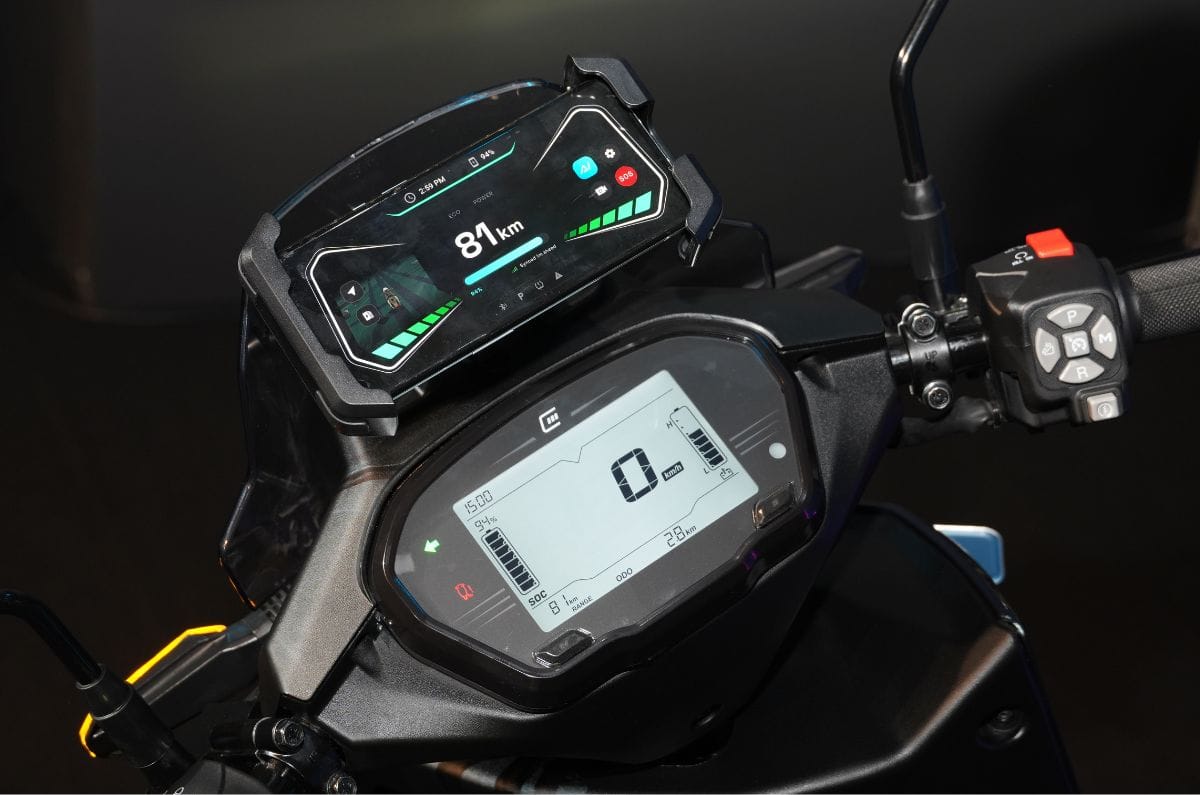
The scooter gets a 5-inch LCD display and connected functionality through the company’s TripSense system, which essentially uses the Rider’s smartphone as a secondary display to provide additional information. Features include navigation, a trip planner with charger locations, remote battery monitoring, vehicle controls, geofencing, SOS assistance and a dashcam. E3 also claims that its AI HealthScan feature can perform vehicle diagnostics in 10 seconds.

The battery system incorporates what E3 calls an AI Digital Twin, which is claimed to provide real-time diagnostics and predictive information about the battery. Both battery options use LFP chemistry.

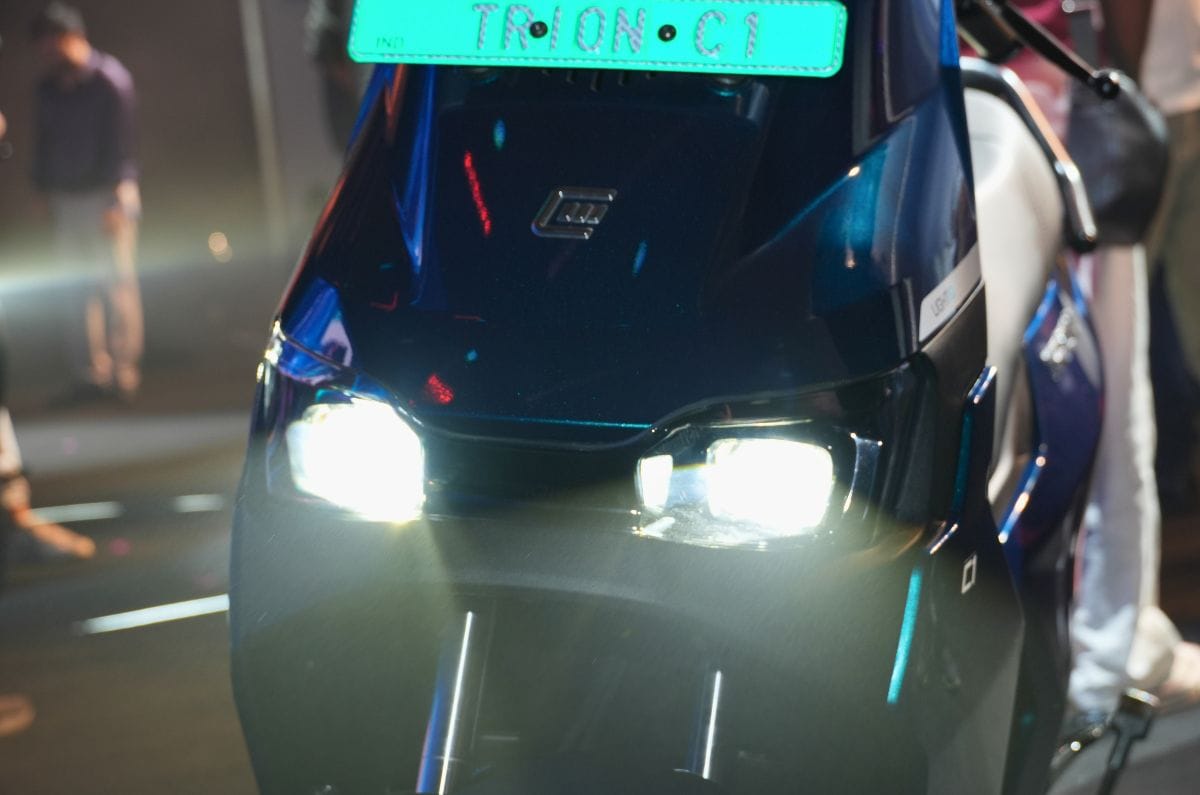
Other equipment includes dual-projector LED headlights, LED tail-lights and IP67-rated weather protection. The Trion is based on E3’s Triaxisframe modular architecture, which has been designed to accommodate different battery configurations and future derivatives.

E3 Trion price, variants and availability

Pre-bookings have opened in Bengaluru, with more markets to follow

The Trion is available in six colours: Solar Red, Misty Green, Graphite Grey, Nova Blue, Teal Blue and Luna White. Accessories include a backrest, helmet, phone holder and pillion footrest.

The E3 Trion C1 has been introduced at Rs 99,999, while the C1x costs Rs 1.10 lakh and the range-topping C2 is priced at Rs 1.20 lakh. All prices are introductory and ex-showroom, Bengaluru.

Pre-bookings have opened in Bengaluru, and E3 says other markets will follow. The company is also offering an extended warranty of up to eight years or 1 lakh kilometres.

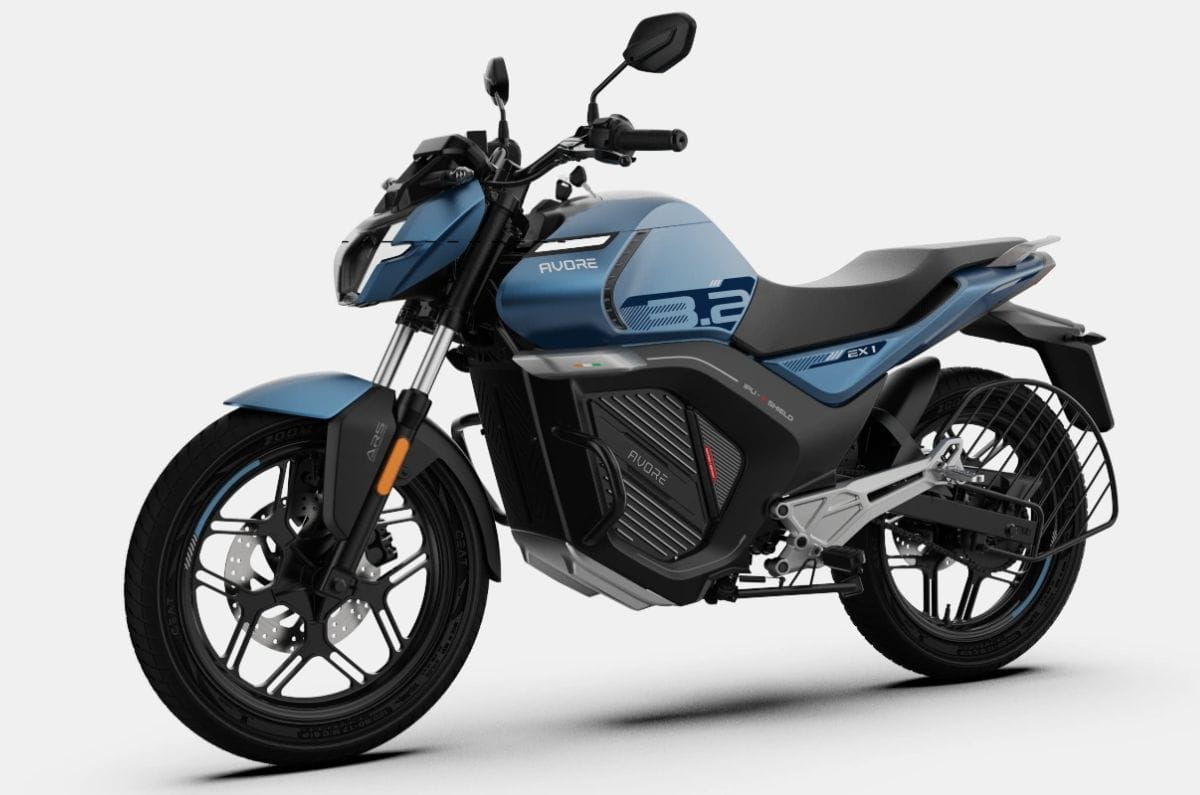
5 things to know before buying the Avore EX1

5 things to know before buying the Avore EX1

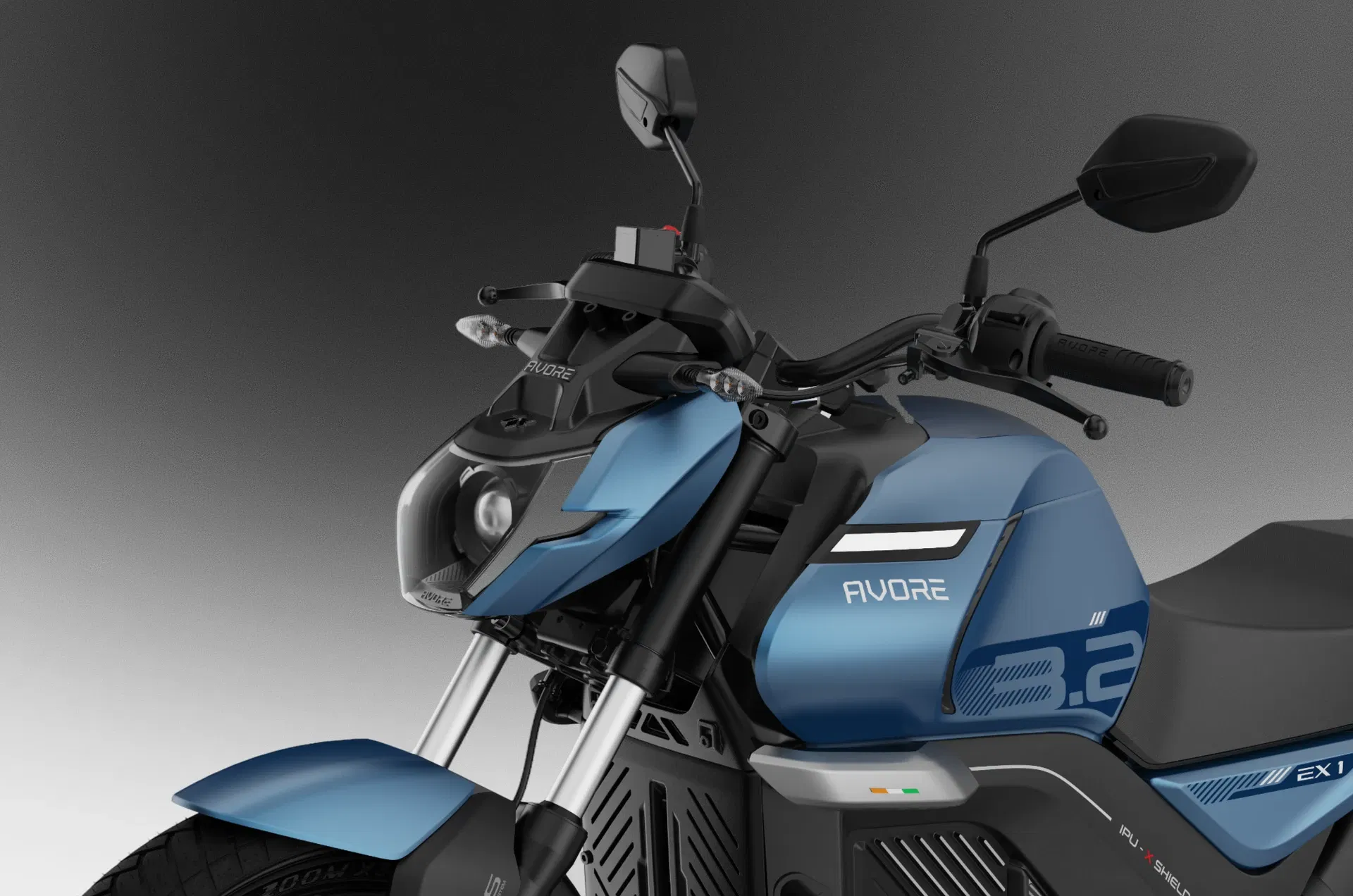
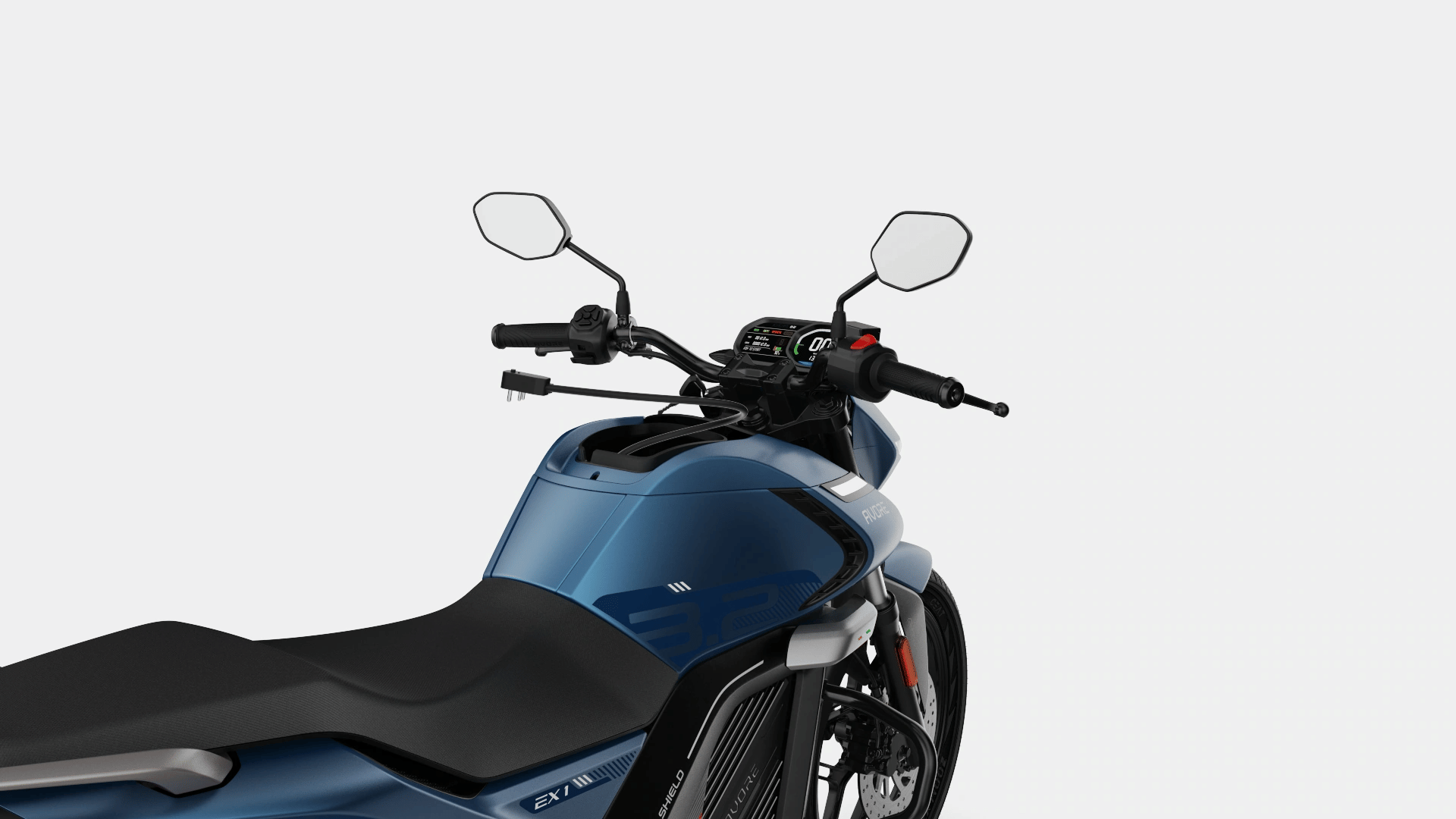
Ahmedabad-based EV startup Avore Electric has entered the Indian electric motorcycle space with its EX range, comprising three variants – EX1, EX2 and EX2S. Of these, the EX1 serves as the entry point to the lineup and is also the most affordable of the three. Here are five things you should know about the Avore EX1 before buying one.

1. How much does the Avore EX1 cost?

The Avore EX1 is priced at Rs 1.25 lakh (Introductory), making it the most affordable model in the three-variant EX lineup. Pre-bookings for the electric motorcycle are currently open for Rs 799, with deliveries slated to begin in the coming months.

2. What is the Avore EX1 battery capacity and range?

The EX1 uses a 3.24kWh battery pack, which is the smallest offered across the EX range. Avore claims an IDC range of 160km on a full charge. It comes with a 750W charger, with a claimed 20-80 percent charging time of around three hours.

3. What is the peak out of the Avore EX1?

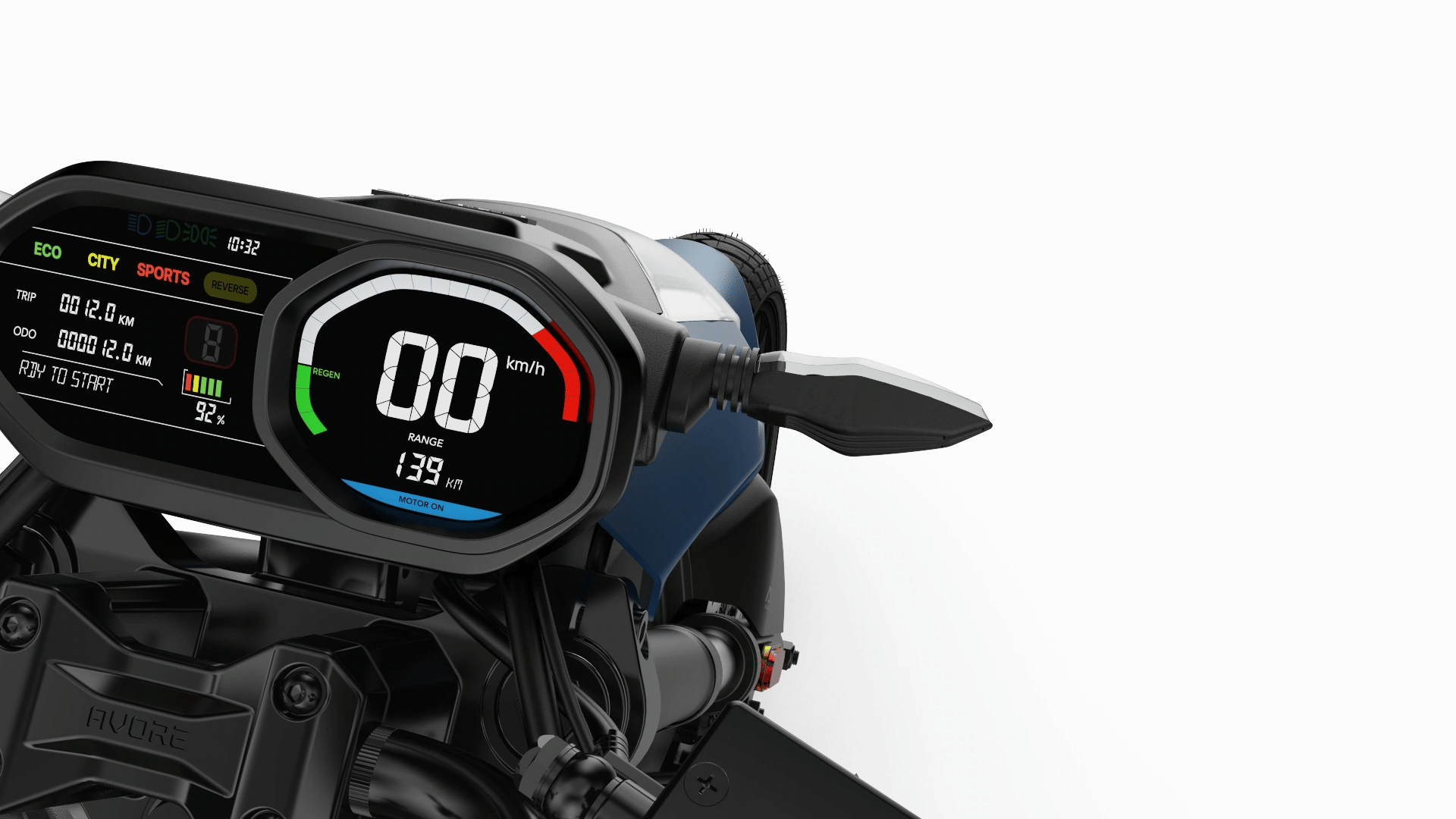
The Avore EX1 uses an electric motor with a peak output of 7.5kW, with power sent to the rear wheel via a chain final drive. It has a claimed top speed of 100kph and can accelerate from 0-40kph in a claimed 3.2 seconds. The EX1 also gets three riding modes – Eco, City and Sport – along with a reverse mode.

4. What features does the Avore EX1 get?

The EX1 gets a 7-inch segmented LCD display along with smartphone connectivity. Its connected features include geofencing, crash alerts and predictive health tracking. Other features include hill-hold assist, cruise control and regenerative braking.

5. What colours is the Avore EX1 available in?

The Avore EX1 is available in three single-tone colours – Starlit Blue, Meteor Red and Stellar Black. Avore also offers a five-year/60,000km warranty with the electric motorcycle.

Avore EX electric bikes launched, prices start at Rs 1.25 lakh

Avore electric bike

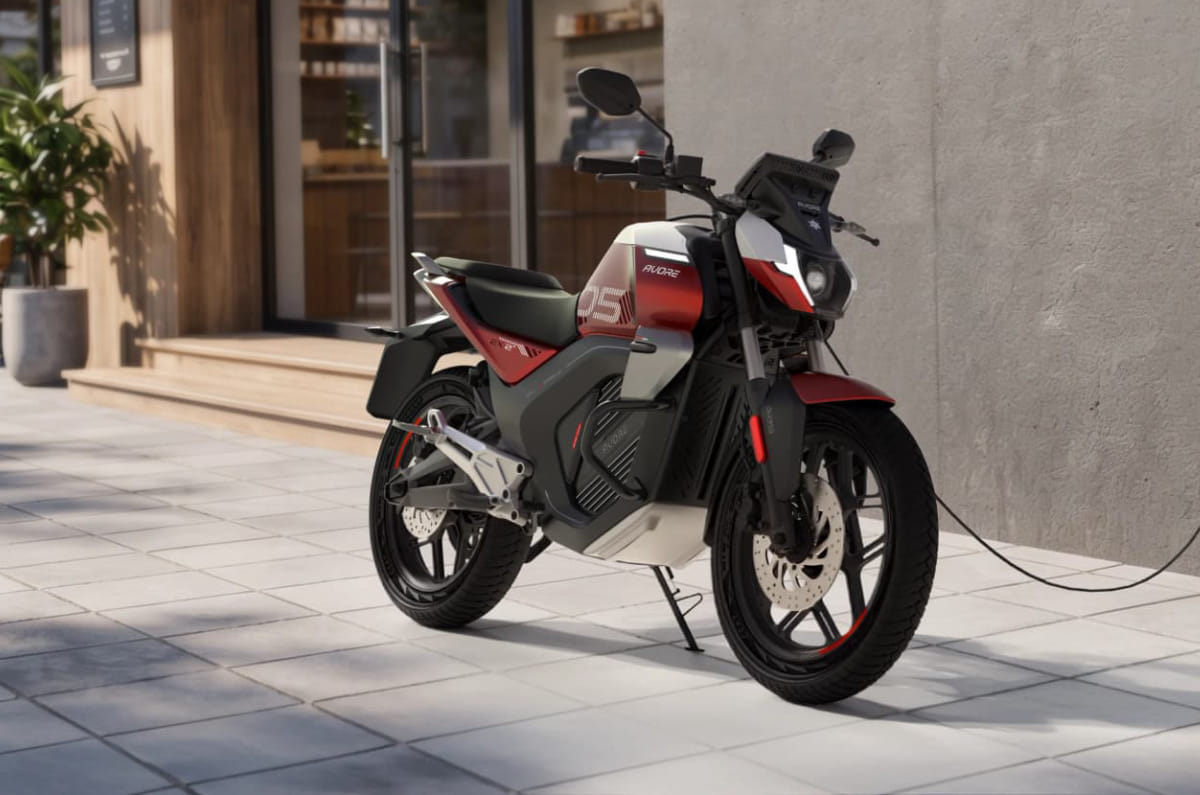
Gujarat-based electric motorcycle startup Avore has unveiled three electric motorcycles simultaneously – the EX1, EX2 and EX2S – marking the brand’s debut products. All three are available for pre-booking and share the same basic design, with the models differentiated by battery capacity, range, top speed and features.

  1. EX1 uses a 3.24kWh battery
  2. EX2 uses a 5kWh battery
  3. Range-topping EX2S is priced at Rs 1.70 lakh

Avore EX1, EX2 and EX2S details

The EX2S is the range-topper, offering the highest top speed and the most comprehensive feature set

The entry-level EX1 uses a 3.24kWh battery pack with a claimed IDC range of 160km and a top speed of 100kph. It comes with three riding modes and is priced at Rs 1.25 lakh.

The EX2 steps up to a larger 5kWh battery, increasing the claimed IDC range to 255km while maintaining the same 100kph top speed. It also gets three riding modes, and Avore claims the battery can be charged from 20 to 80 percent in approximately two hours using a standard 15A socket. The EX2 is priced at Rs 1.46 lakh.

The range-topping EX2S, priced at Rs 1.70 lakh, shares the EX2’s 5kWh battery but raises the top speed to 114kph and the claimed IDC range to 260km. It also gets five riding modes and a 7-inch touchscreen display, making it the only variant in the lineup to feature the larger screen.

Full specifications, including kerb weight, seat height, suspension details and detailed charging times, are yet to be disclosed, and we’ll update this story once they are announced. Avore has confirmed that pre-bookings are now open for a token amount of Rs 799, while delivery timelines are yet to be revealed.

5 AM क्लब Vs Night Owl: IITian फाउंडर इशान 11:30 पर जगते हैं और रात 9 के बाद चलता है असल दिमाग! ये है क्रिएटिविटी का सीक्रेट

हालांकि कई स्टार्टअप फाउंडर सुबह 5 बजे अलार्म लगाने और सुबह के बिज़ी रूटीन को बहुत ज़रूरी मानते हैं, लेकिन IIT दिल्ली के पूर्व छात्र ईशान जिंदल को ऐसा शेड्यूल पसंद है जो देर से शुरू होता है और देर रात तक चलता है। 30 साल के इस एंटरप्रेन्योर का कहना है कि उनके काम के सबसे प्रोडक्टिव घंटे रात 9 बजे के बाद शुरू होते हैं, जब ज़्यादातर कर्मचारी जा चुके होते हैं और ऑफिस में काफी शांति हो जाती है।

जिंदल ने मनीकंट्रोल को बताया, “तभी मैं सबसे ज़्यादा क्रिएटिव होता हूँ।” उन्होंने बताया कि उन्हें सुबह जल्दी उठने के बजाय देर तक काम करना क्यों पसंद है। इस साल की शुरुआत में ‘शार्क टैंक इंडिया’ में आने और Shaadi.com के फाउंडर अनुपम मित्तल से 50 लाख रुपये की डील हासिल करने के बाद चर्चा में आए इस फाउंडर ने बताया कि वे आम तौर पर सुबह 11:30 बजे के आसपास उठते हैं। कई फाउंडर जो सूरज उगने के साथ अपना दिन शुरू करते हैं, उनसे अलग जिंदल ने कहा कि उनका ऑफिस रूटीन आम तौर पर दोपहर 12:30 या 1 बजे के आसपास शुरू होता है। फिर भी, ऑफिस पहुंचने से पहले ही कॉल और दूसरे कामों के ज़रिए काम अक्सर शुरू हो जाता है।

उन्होंने कहा, “मेरा शेड्यूल थोड़ा अलग है। मैं असल में अपना काम दोपहर 12:30 या 1 बजे के आसपास शुरू करता हूं।”IIT दिल्ली के ग्रेजुएट ने कहा कि उनके ऑफिस का समय आम तौर पर रात 9 बजे, 10 बजे या 10:30 बजे तक चलता है, जो काम के बोझ पर निर्भर करता है। लेकिन काम का दिन शायद ही कभी वहीं खत्म होता है।

IIT दिल्ली में बनी आदत

जिंदल अपनी देर रात तक जागने की आदत को IIT दिल्ली में अपने स्टूडेंट दिनों से जोड़कर देखते हैं। उन्होंने मनीकंट्रोल को बताया, “मेरे पहले साल में, इंटरनेट रात 1 बजे बंद हो जाता था।” तब भी, इंटरनेट बंद होने से पहले छात्र अक्सर देर रात तक काम करते थे।

जब बाद में ये पाबंदियां हटा दी गईं, तो देर रात तक काम करने का समय और बढ़ गया। समय के साथ, जिंदल ने पाया कि आधी रात के बाद के शांत समय में कुछ ऐसा मिलता था जो दिन के समय नहीं मिल पाता था: बिना किसी रुकावट के पूरा ध्यान लगाकर काम करना।

उन्होंने कहा, “अगर हमें रात में दो-तीन घंटे का वह शानदार समय मिल जाए, तो हम बहुत सारे दूसरे काम भी कर सकते हैं जिन पर हम काम कर रहे हैं।” जिंदल के लिए, सबसे बड़ा फ़ायदा यह है कि ध्यान भटकाने वाली चीज़ें नहीं होतीं।

उन्होंने कहा, “यह एक ऐसा समय है जब आप बस अपने काम पर ध्यान दे सकते हैं क्योंकि आस-पास कम लोग होते हैं।” “इसका मतलब है कि यह पूरी तरह से आपका अपना समय होता है और आप जिस चीज़ पर चाहें, उस पर ध्यान केंद्रित कर सकते हैं।”

नींद सबसे ज़रूरी है

अक्सर देर रात तक काम करने के बावजूद, जिंदल का कहना है कि वे नींद से समझौता करने में यकीन नहीं रखते। उन्होंने कहा, “मैं अपनी नींद से कोई समझौता नहीं करता।” हर दिन एक तय समय पर जागने के लिए खुद पर ज़बरदस्ती करने के बजाय, वे अपनी सुबह की शुरुआत इस आधार पर करते हैं कि वे पिछली रात कितने बजे सोए थे। ज़्यादातर रातें वे सुबह 2 बजे से 4 बजे के बीच सोते हैं, हालांकि कभी-कभी काम की वजह से उन्हें और भी देर हो जाती है।

घड़ी देखने के बजाय परफॉर्मेंस पर ध्यान

कंपनी के फाउंडर अपनी कंपनी में भी यही सोच अपनाते हैं। कर्मचारियों के आने या जाने के समय से उन्हें आंकने के बजाय, जिंदल नतीजों पर ध्यान देना पसंद करते हैं। उन्होंने कहा, “हमारी कंपनी में हर टीम मेंबर के साथ, हम यह कोशिश करते हैं कि काम किसी खास व्यक्ति की मौजूदगी पर निर्भर न हो।” उन्होंने आगे कहा कि उनका मकसद ऐसे सिस्टम बनाना है जहाँ लोगों का मूल्यांकन उनके काम के नतीजों और लक्ष्यों के आधार पर हो, न कि इस आधार पर कि वे डेस्क पर कितने घंटे बिताते हैं।