Honda City vs Skoda Slavia petrol automatic: Real-world mileage compared

Honda City vs Skoda Slavia petrol automatic real-world mileage compared

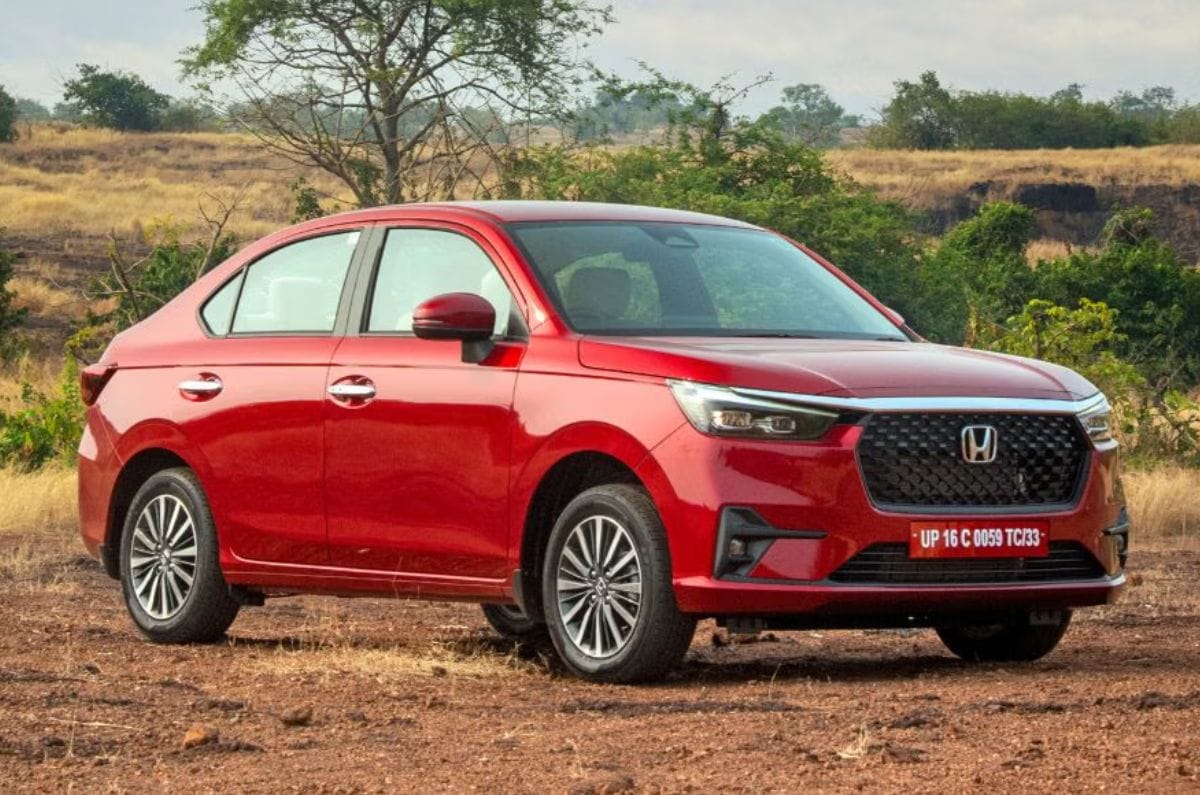
The fifth-gen Honda City is fresh off its second facelift, which aims to make the midsize sedan more compelling against rivals like the Skoda Slavia. Where the Slavia is available with turbo-petrol engines only, the City gets a sole naturally aspirated motor in its petrol variants. We put the petrol automatic versions of the City and Slavia through our real-world test

Honda City vs Skoda Slavia petrol automatic: Price and specs

 CitySlavia
Engine1.5 NA1.0 turbo / 1.5 turbo
Cylinder count43 / 4
Power (hp)121116 / 150
Torque (Nm)145178 / 250
GearboxCVT6AT / 7DCT
Fuel tank capacity (litres)4045
ARAI mileage (kpl)17.9718.73 / 19.36
Price range (Rs, lakh)14.30-17.1514.34-16.69 / 18.04-18.19

As noted previously, the City gets a 1.5-litre 4-cyl naturally aspirated petrol engine, whereas the Slavia can be had with either a 1.0-litre 3-cyl or 1.5-litre 4-cyl turbo-petrol mill – both are direct-injection engines. The City’s i-VTEC engine makes slightly more power than the Slavia’s 1.0 TSI, but falls much short of the 1.5 TSI. Torque output, fuel tank capacity, and ARAI-claimed mileage figures are clear victories for the Skoda sedan too.

Slavia 1.5 TSI offers cylinder deactivation feature

The City also comes with a CVT transmission, which is more cost-effective, but not as smooth or responsive as the Slavia 1.0 TSI’s 6-speed torque converter and the 1.5 TSI’s 7-speed dual-clutch automatic. It’s also worth noting that the Slavia 1.5 TSI gets cylinder deactivation tech, which can shut off two cylinders at cruising speeds to save fuel.

In terms of pricing, the City CVT slightly undercuts the Slavia 1.0 TSI AT at the base level, though the latter’s top-spec version is more affordable than the Honda sedan’s fully-loaded variant. Compared to the Slavia 1.5 TSI, the City CVT is cheaper by up to Rs 1.04 lakh.

Honda City vs Skoda Slavia petrol automatic: Real-world mileage

City vs Slavia 1.0 TSI AT
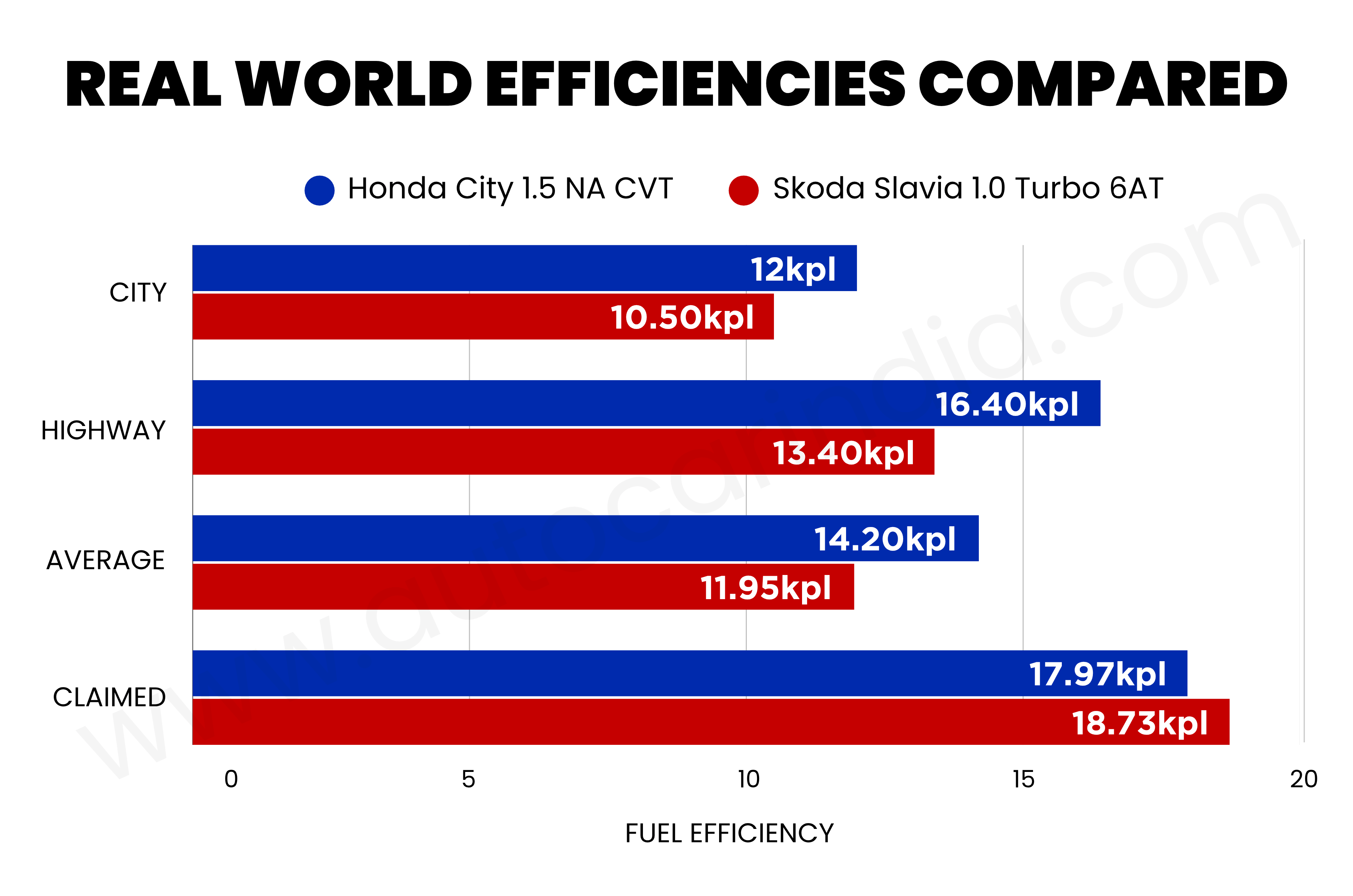
Despite being a cylinder down compared to the City, the Slavia 1.0 TSI yielded lower mileage figures in our real-world testing. In urban conditions, the City eked out a 1.5kpl victory over the Slavia 1.0 TSI, while on the highway, the Honda sedan’s lead widened to a full 3kpl. Looking at their average fuel efficiency figures, the City was 2.25kpl ahead of the Slavia 1.0 TSI.

City vs Slavia 1.5 TSI DCT
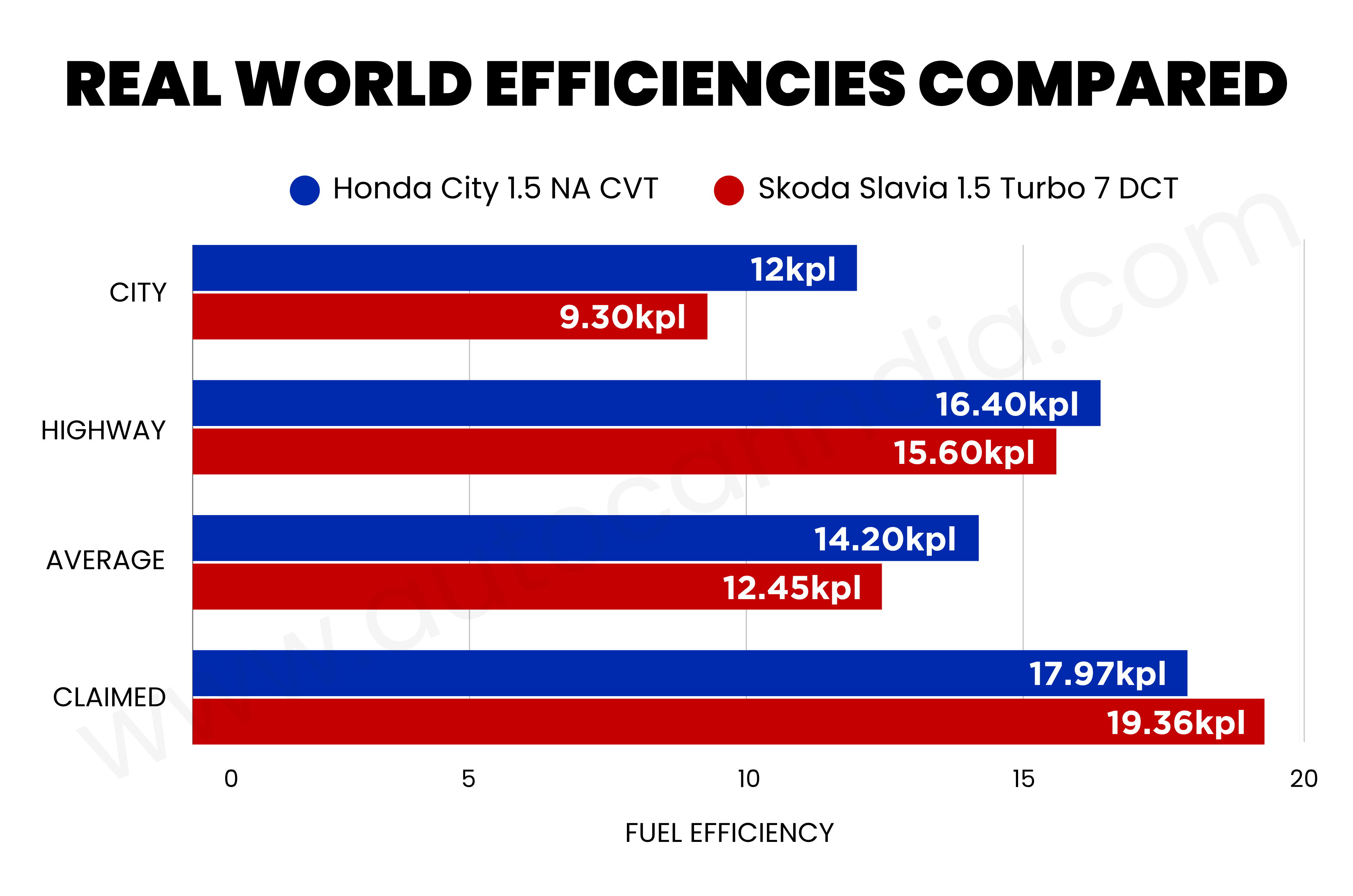
Unsurprisingly, the Slavia 1.5 TSI sipped more fuel than the 1.0 TSI in urban conditions, resulting in a 2.7kpl delta between the City. Thanks to its cylinder deactivation function, though, the Slavia 1.5 TSI majorly closed the mileage gap on the highway, but still fell short of the City by 0.8kpl. All told, the Slavia 1.5 TSI’s average fuel efficiency worked out to 0.5kpl higher than the 1.0 TSI, and 1.75kpl lower than that of the City.

City’s smaller fuel tank lets it down a bit

While the City undeniably offers better real-world mileage, its smaller fuel tank somewhat detracts from the victory. Per the average fuel efficiency numbers, the Honda sedan can travel 568km on a full tank of petrol, while the Slavia 1.0 TSI AT and 1.5 TSI DCT manage real-world range figures of 538km and 560km, respectively. That’s a difference of 8-30km in the City’s favour, which isn’t all that substantial, especially when comparing the 4-cyl versions of each sedan.

Autocar India’s fuel efficiency testing

Before our real-world fuel efficiency tests, we fill our test cars’ tanks to the brim and maintain tyre pressures based on the manufacturer’s recommendations. These cars are driven in fixed city and highway loops in and around Navi Mumbai, and we maintain certain average speeds. Throughout the tests, there is only one person in each car, running the air conditioner and other electricals, such as the audio system, indicators and wipers, when required, just like a regular user would. Periodic driver swaps further neutralise variations in driver patterns. At the end of each cycle, we calculate efficiency by filling the tanks to full again.

All prices are ex-showroom, India.

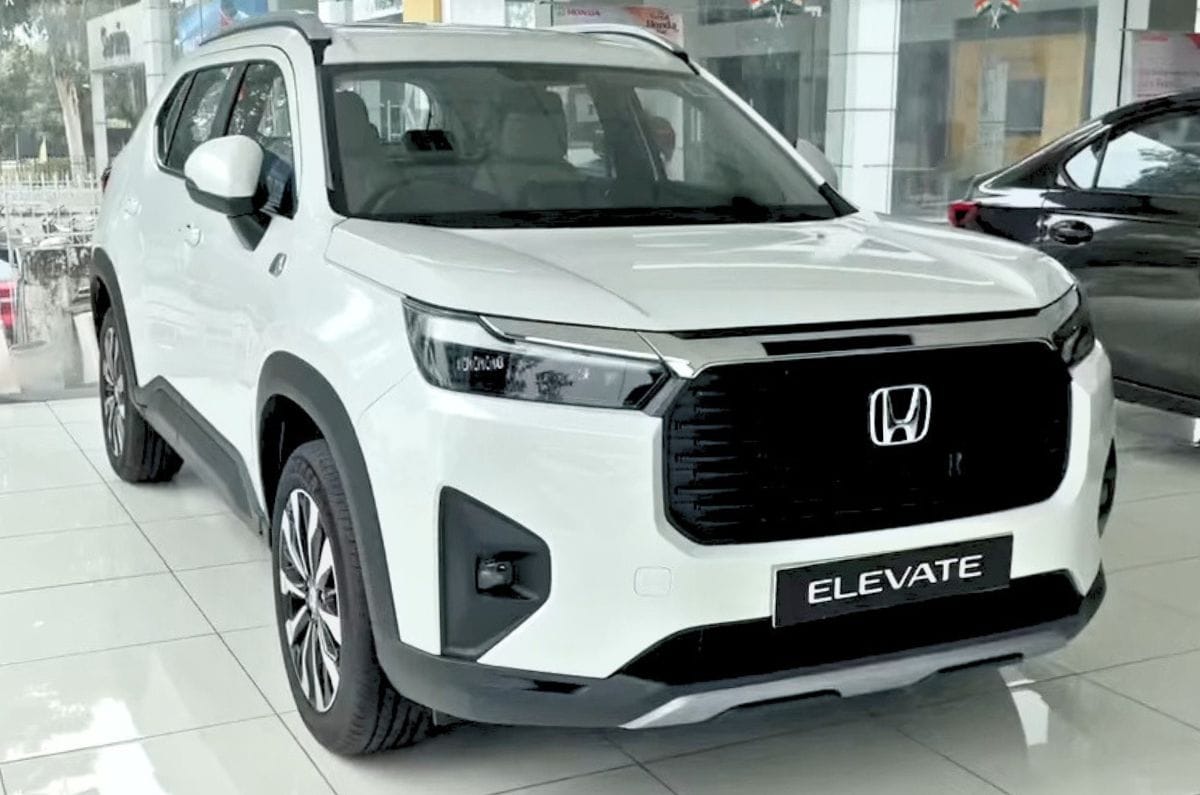
Benefits up to Rs 2.15 lakh on Honda Elevate in July 2026

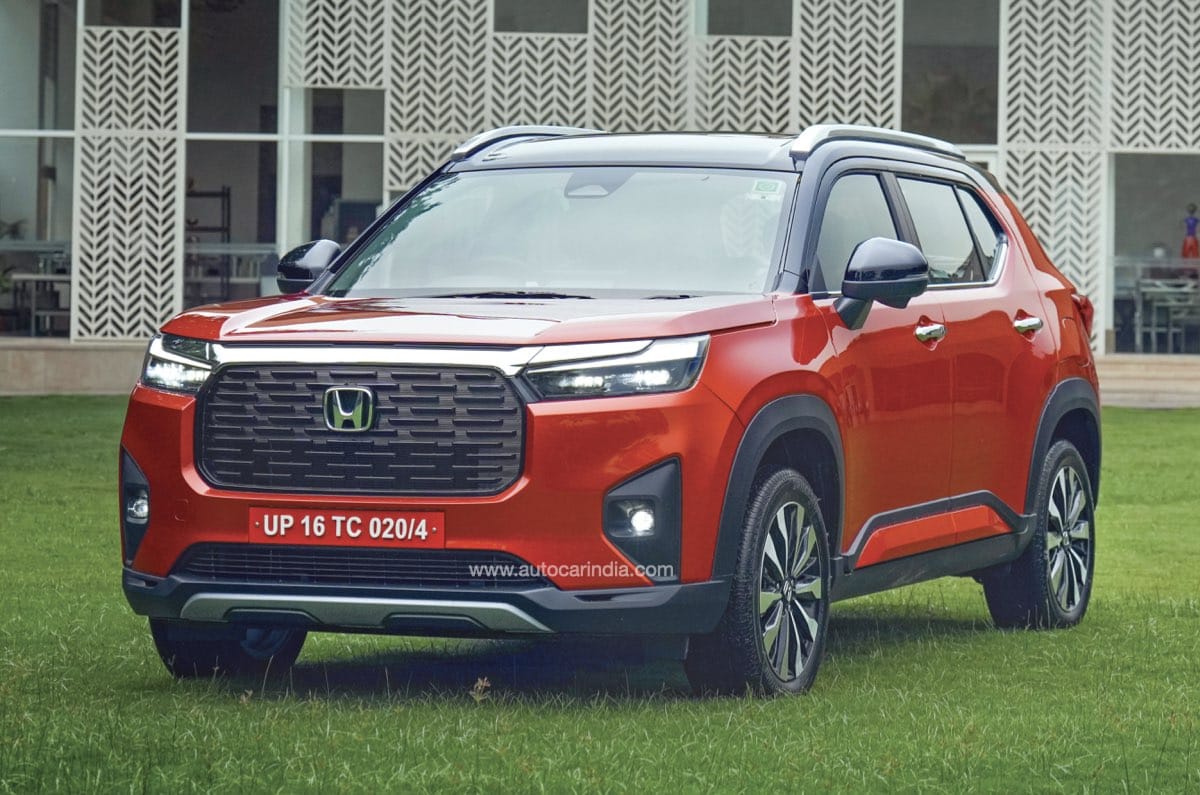
Honda Elevate front quarter static

Honda has revealed the offers available with its models in July 2026. While the Elevate gets the maximum benefits this month, the Honda City, which received a facelift in June, carries no offers this month. Offers are available on the Honda Amaze’s second- and third-generation models too.

Note: All offers are valid till July 31, 2026 and may vary by city and stock availability. Please check with your nearest Honda dealership for the exact figures.

Honda Elevate July 2026 offers

Benefits up to Rs 2.15 lakh

The Elevate is available with benefits of up to Rs 2.15 lakh, the most for any Honda car in July 2026. This includes a cash discount of up to Rs 40,000, an exchange benefit of up to Rs 30,000, corporate offers and loyalty benefits. A 7-year extended warranty is also available at a discounted price. Prices of the Honda Elevate range from Rs 11.60 lakh to Rs 16.16 lakh, and it rivals the Hyundai Creta, Kia Seltos, Tata Sierra, Maruti Victoris, Maruti Grand Vitara and Renault Duster

Honda Amaze July 2026 offers

Benefits up to Rs 67,000

The Amaze’s newer third-generation model is available with the highest benefits of up to Rs 67,000, which include a cash discount of Rs 15,000 and an exchange benefit of up to Rs 15,000. Like the Elevate, the 3rd-gen Amaze is available with some loyalty benefits and a 7-year extended warranty at a discounted price. The second-generation model, in contrast, carries benefits of up to Rs 58,000. 

The second-gen Amaze is priced from Rs 6.98 lakh to Rs 7.80 lakh, while the 3rd-gen model is priced from Rs 7.51 lakh to Rs 10 lakh. Both generations of the Amaze lock horns with the Maruti Dzire, Tata Tigor and Hyundai Aura

Prices are ex-showroom, India.  

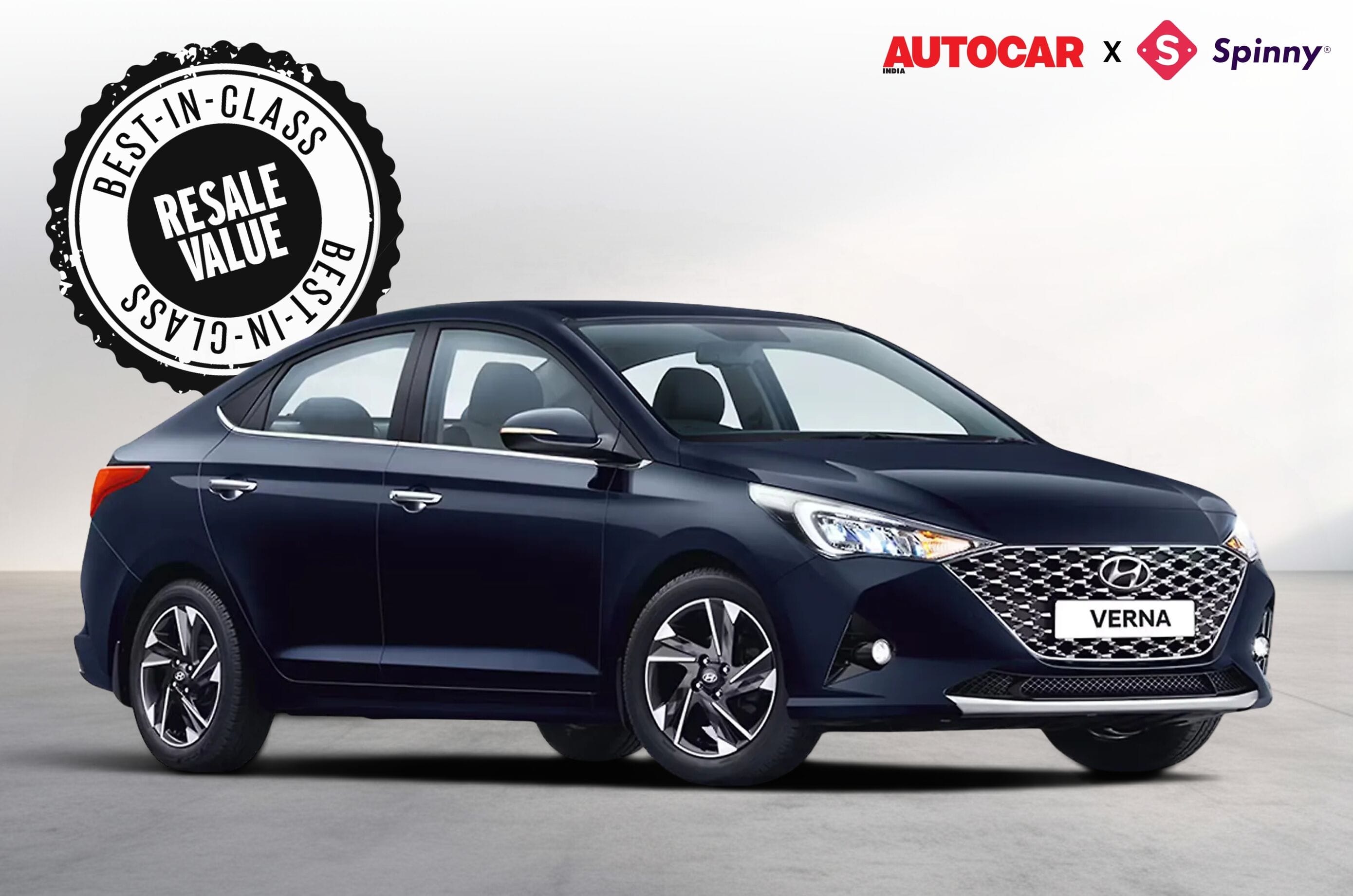
Used Car Study 2026: Hyundai Verna holds its value best among midsize sedans

Hyundai Verna resale value

Conducted in association with Spinny, India’s leading pre-owned car platform, the fourth edition of our Used Car Study analyses real-world resale values across a broad spectrum of vehicles sold in the Indian market to assess depreciation trends over a five-year ownership period. The study is based on actual transactional data shared by Spinny for vehicles sold between January 1 and August 31, 2025.

In this part of the resale value study series, we take a look at the midsize sedan segment:

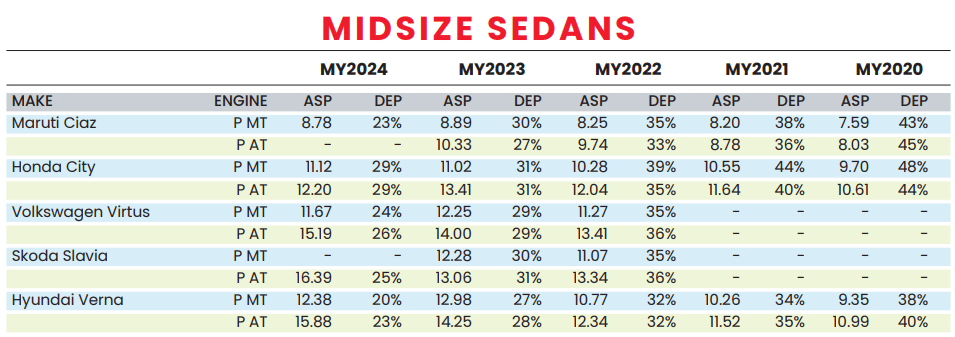
Midsize sedan resale value 

*Average selling price (ASP) in Rs lakh

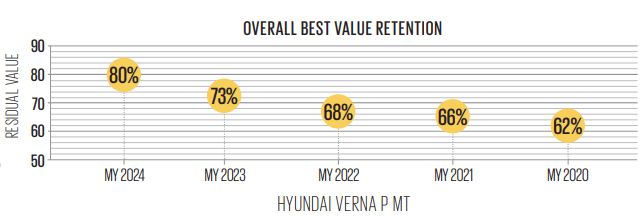
The Hyundai Verna petrol-manual displays the most stable depreciation curve among midsize sedans. Strong demand, modern styling and a well-rounded ownership experience appear to have positively influenced its used-market appeal. In contrast, five-year-old examples of the Honda City petrol-manual are currently trading at nearly half their original on-road prices. 

Between the two European rivals, the Volkswagen Virtus appears to retain value marginally better than the mechanically identical Skoda Slavia. Meanwhile, one-year-old and three-year-old examples of the now-discontinued Maruti Ciaz seem to hold its value relatively better than other midsize sedans of the same age.  

As per the study, the average selling price of a five-year-old midsize sedan retailed through Spinny was Rs 9.38 lakh. Comparable figures for three-year-old and one-year-old midsize sedans were Rs 11.25 lakh and Rs 12.95 lakh, respectively. Average depreciation over the same periods worked out to 43 percent, 34.8 percent and 24.8 percent, respectively.

Autocar-Spinny resale value study methodology 

The analysis covers the average selling prices (ASPs) of vehicles retailed through Spinny’s network across nine cities – Delhi-NCR, Bengaluru, Hyderabad, Pune, Chennai, Mumbai, Lucknow, Ahmedabad and Kolkata.

For the purposes of this study, depreciation has been defined as the percentage difference between a vehicle’s original on-road price in its year of manufacture and its resale value in 2025. In instances where a model was offered with multiple engine options using the same fuel type, the data has been consolidated and averaged. Variant-wise differences have similarly been averaged out.

Discontinued models and powertrain options have been excluded. Additionally, premium vehicles priced above Rs 30 lakh, electric vehicles and certain low-volume models have not been included due to limited transaction data and insufficient sample sizes.

Kia Price Hike 2026: 1 जुलाई से महंगी हो जाएंगी Kia की सभी कारें, जानें आपके बजट पर कितना बढ़ेगा बोझ

Kia Price Hike 2026: कई सेगमेंट में फोर-व्हीलर ऑफर करने वाली किया इंडिया ने कन्फर्म किया है कि 1 जुलाई से उसकी सभी कारों की कीमतों में 2% तक की बढ़ोतरी होगी। इसका मतलब है कि जो लोग अभी Seltos, Sonet या Carens खरीदने की सोच रहे हैं, उनके लिए महीने के खत्म होने से पहले ही बुकिंग करना बेहतर रहेगा। यह बढ़ोतरी मॉडल और वेरिएंट के हिसाब से अधिकतम 2.6 लाख रुपये तक पहुंच सकती है। कंपनी ने इसकी वजह बढ़ती इनपुट लागत और ऑपरेशनल खर्चों में बढ़ोतरी बताई है, जो इस साल भारत में लगभग सभी ऑटो कंपनियों की तरफ से दी गई एक सामान्य वजह है। वहीं, अगर आप इस ब्रांड की कार खरीदने की प्लानिंग कर रहे हैं, तो डीलरशिप पर जाने से पहले आपको यह समझना जरूरी है कि यह बढ़ोतरी बिक्री के लिए मौजूद सभी किया मॉडल्स पर एक जैसी नहीं होगी।

असल में आपको कितना ज्यादा पैसा देना होगा?

Kia ने अभी तक हर मॉडल के हिसाब से सटीक कीमतें नहीं बताई हैं, लेकिन प्राइस लिस्ट को देखें तो आप कहां से गाड़ी खरीद रहे हैं, उसके आधार पर कीमत में बढ़ोतरी अलग-अलग होगी। अभी सोनेट (Sonet) की कीमत ₹7.33 लाख से ₹14.18 लाख, सेल्टोस (Seltos) की ₹11 लाख से ₹20 लाख और कैरेंस (Carens) की ₹11.02 लाख से ₹12.88 लाख (सभी एक्स-शोरूम) के बीच है। सबसे महंगी सेल्टोस के वेरिएंट पर 2% की बढ़ोतरी का मतलब है लगभग ₹40,000 ज्यादा, जबकि सबसे सस्ती सोनेट ट्रिम की कीमत में कम बढ़ोतरी होगी, जो लगभग ₹14,000 से ₹15,000 के बीच होगी। किया का कहना है कि वह बढ़ी हुई लागत का कुछ हिस्सा खुद उठा रही है, न कि पूरा बोझ ग्राहकों पर डाल रही है, हालांकि उसने यह नहीं बताया कि कितना हिस्सा वह खुद उठा रही है।

क्या सिर्फ Kia ऐसा कर रही है, या सभी ऐसा कर रहे हैं?

सिर्फ Kia ही नहीं। Tata Motors, Hyundai और Maruti Suzuki ने भी इस साल की शुरुआत में अपनी कुछ गाड़ियों की कीमतें बढ़ाई हैं, और इसकी वजह भी लागत का दबाव ही बताया है, इसलिए यह कोई अकेला मामला नहीं है। अगर आप Seltos की तुलना Hyundai Creta या Maruti Suzuki Grand Vitara जैसी गाड़ियों से कर रहे हैं, तो उम्मीद करें कि आने वाले महीनों में उनकी कीमतें भी बदलती रहेंगी। जो खरीदार Kia गाड़ी खरीदने का मन बना चुके हैं, उनके लिए समझदारी इसी में है कि वे 1 जुलाई से पहले बुकिंग पक्की कर लें, क्योंकि एक बार कीमतें बढ़ने के बाद वे आम तौर पर कम नहीं होतीं, चाहे बाद में बाजार का हाल कैसा भी रहे। यह भी ध्यान रखने वाली बात है कि हम Kia की पूरी लाइनअप की बात कर रहे हैं; इस बदलाव में Syros, Carens Clavis, Carens Clavis EV, Carnival, EV6 और EV9 भी शामिल हैं, न कि सिर्फ वे तीन मॉडल जिन पर सबसे ज्यादा ध्यान दिया जा रहा है।

यह भी पढ़ें: New Honda City vs Skoda Slavia: 2026 में कौन सी सेडान कार है बेस्ट? जानें फीचर्स से लेकर माइलेज तक पूरी डिटेल

2026 Bajaj Pulsar 220F हुई अपडेट, LED लाइट्स और नए फीचर्स ने बढ़ाया लुक

2026 Bajaj Pulsar 220F को हाल ही में एक नया अपडेट मिला है, जिसमें LED हेडलाइट और इंडिकेटर्स शामिल किए गए हैं। इस अपडेट के बाद इसकी कीमत ₹1.36 लाख (एक्स-शोरूम) तय की गई है और देशभर के ऑथराइज्ड डीलरशिप पर इसकी बुकिंग शुरू हो चुकी है। पहले इस बाइक में पारंपरिक हैलोजन लाइटिंग सेटअप मिलता था, लेकिन अब नई LED यूनिट के साथ यह ज्यादा मॉडर्न हो गई है। बता दें कि LED लाइट्स बेहतर ब्राइटनेस, ज्यादा एनर्जी एफिशिएंसी और लंबी लाइफ के लिए जानी जाती हैं, जिससे राइडिंग एक्सपीरियंस और भी बेहतर हो जाता है। इसके बावजूद Bajaj ने बाइक के सिग्नेचर सेमी-फेयर्ड डिजाइन और भरोसेमंद मैकेनिकल सेटअप में कोई बदलाव नहीं किया है, जिससे इसका क्लासिक लुक और परफॉर्मेंस दोनों बरकरार रहते हैं।

2026 Bajaj Pulsar 220F: क्या है नया?

2026 Bajaj Pulsar 220F इस नए अपडेट के साथ और भी आकर्षक हो गई है। बाइक में अब फुल-LED हेडलाइट और स्लिक LED टर्न इंडिकेटर्स दिए गए हैं, जो न सिर्फ इसके लुक को बेहतर बनाते हैं बल्कि रात में विजिबिलिटी बढ़ाकर सेफ्टी को भी अपग्रेड करते हैं। इसके अलावा, बाइक में नए ग्राफिक्स और अपडेटेड कलर स्कीम्स भी जोड़ी गई हैं, जिससे इसका डिजाइन पहले से ज्यादा फ्रेश और स्पोर्टी नजर आता है।

हालांकि, Bajaj ने इसकी असली पहचान को बरकरार रखते हुए सेमी-फेयर्ड डिजाइन, प्रोजेक्टर-स्टाइल फ्रंट और स्पोर्टी स्टांस में कोई बदलाव नहीं किया है।

2026 Bajaj Pulsar 220F: इंजन और हार्डवेयर

मैकेनिकल तौर पर बजाज ने इसमें कोई बदलाव नहीं किया है। इसमें अभी भी 220cc, सिंगल-सिलेंडर, फ्यूल-इंजेक्टेड, ऑयल-कूल्ड DTS-i इंजन लगा है, जो ज्यादा से ज्यादा 20.6hp की पावर और 18.55Nm का पीक टॉर्क देता है। इस इंजन के साथ 5-स्पीड गियरबॉक्स दिया गया है। हार्डवेयर की बात करें तो बाइक में टेलीस्कोपिक फ्रंट फोर्क्स और ट्विन रियर शॉक एब्जॉर्बर पहले की तरह ही हैं। साथ ही, इसमें दोनों पहियों पर डिस्क ब्रेक और सिंगल-चैनल ABS भी मिलता है।

2026 Bajaj Pulsar 220F: फीचर्स और कीमत

अपडेटेड Pulsar 220F में ब्लूटूथ-इनेबल्ड डिजिटल इंस्ट्रूमेंट कंसोल दिया गया है, जो स्मार्टफोन कनेक्टिविटी और टर्न-बाय-टर्न नेविगेशन को सपोर्ट करता है। इसकी कीमत अब 1.36 लाख रुपये है, जो बाइक की पिछली कीमत 1.28 लाख रुपये से 8,000 रुपये से ज्यादा है। ये दोनों कीमतें एक्स-शोरूम हैं।

यह भी पढ़ें: New Honda City vs Skoda Slavia: 2026 में कौन सी सेडान कार है बेस्ट? जानें फीचर्स से लेकर माइलेज तक पूरी डिटेल

New Honda City vs Skoda Slavia: 2026 में कौन सी सेडान कार है बेस्ट? जानें फीचर्स से लेकर माइलेज तक पूरी डिटेल

New Honda City vs Skoda Slavia: आज के समय में सेडान कारों की लोकप्रियता भले ही पहले जैसी नहीं रही, लेकिन मिड-साइज सेडान सेगमेंट आज भी भारत में SUV के मुकाबले एक प्रीमियम और आरामदायक विकल्प के तौर पर मौजूद है। इस सेगमेंट में Honda City और Skoda Slavia जैसी कारें खासतौर पर काफी पसंद की जाती हैं। दोनों ही मॉडल्स मॉडर्न डिजाइन, बेहतर केबिन क्वालिटी और प्रीमियम फीचर्स के साथ आते हैं, लेकिन इनकी ड्राइविंग फील और टारगेट ऑडियंस अलग है।

अब चलिए इन दोनों लोकप्रिय सेडान की कीमत, इंजन ऑप्शन, माइलेज, फीचर्स और बूट स्पेस के आधार पर तुलना करते हैं, और बताते हैं कि आपके लिए कौन सी कार सही रहेगी।

New Honda City vs Skoda Slavia: कीमत

Skoda Slavia इस मुकाबले में ज्यादा किफायती विकल्प है, जिसकी कीमत ₹10 लाख से ₹17.99 लाख (एक्स-शोरूम) के बीच है। इसकी तुलना में, नई Honda City की कीमत ₹12 लाख से ₹21 लाख (एक्स-शोरूम) के बीच है। Slavia दोनों ही रेंज (बेसिक और टॉप-एंड) में सस्ती है, लेकिन City अपने प्रीमियम दाम को मजबूत हाइब्रिड विकल्प और कई तरह के फीचर्स के साथ सही साबित करती है। जो ग्राहक ज्यादा वैल्यू चाहते हैं, उन्हें Slavia ज्यादा आकर्षक लग सकती है, जबकि जो लोग फ्यूल बचाना चाहते हैं और ज्यादा फीचर्स चाहते हैं, वे City चुन सकते हैं।

बता दें कि Honda ने हाल ही में City को अपडेट किया है, वहीं उम्मीद है कि Skoda बड़े बदलावों के साथ Slavia का फेसलिफ्ट वर्जन लॉन्च करेगी।

New Honda City vs Skoda Slavia: इंजन

Honda अपनी नई City में 1.5-लीटर नैचुरली एस्पिरेटेड पेट्रोल इंजन देना जारी रखेगी, जो 119hp की पावर और 145Nm का टॉर्क जनरेट करता है। इसे 6-स्पीड मैनुअल या CVT ऑटोमैटिक गियरबॉक्स के साथ पेश किया गया है। इसमें 1.5-लीटर स्ट्रॉन्ग-हाइब्रिड पावरट्रेन का ऑप्शन भी मिलता है, जो 124hp की पावर और 253Nm का टॉर्क देता है और इसे e-CVT ट्रांसमिशन के साथ जोड़ा गया है। दूसरी ओर, Skoda की सेडान में दो टर्बो-पेट्रोल इंजन मिलते हैं। 1.0-लीटर थ्री-सिलेंडर टर्बो इंजन 113hp की पावर और 178Nm का टॉर्क देता है, और यह 6-स्पीड मैनुअल या 8-स्पीड ऑटोमैटिक गियरबॉक्स के साथ उपलब्ध है। 1.5-लीटर टर्बो-पेट्रोल इंजन 148hp की पावर और 250Nm का टॉर्क जनरेट करता है और इसे 7-स्पीड DSG ऑटोमैटिक गियरबॉक्स के साथ जोड़ा गया है।

New Honda City vs Skoda Slavia: माइलेज

Honda City का पेट्रोल वेरिएंट मैनुअल में 17.77 km/l और CVT में 17.97 km/l का माइलेज देता है। वहीं इसका स्ट्रॉन्ग-हाइब्रिड वर्जन काफी ज्यादा फ्यूल एफिशिएंट है, जो 27.26 km/l तक का माइलेज देने का दावा करता है।

दूसरी तरफ Skoda Slavia का 1.0-लीटर टर्बो-पेट्रोल इंजन मैनुअल में 20.32 km/l और ऑटोमैटिक में 18.73 km/l का माइलेज देता है। वहीं इसका 1.5-लीटर टर्बो-पेट्रोल DSG वर्जन 19.36 km/l का माइलेज ऑफर करता है।

New Honda City vs Skoda Slavia: फीचर्स

दोनों ही सेडान कारें अच्छे फीचर्स के साथ आती हैं। इनमें LED लाइटिंग, 10.1-इंच का टचस्क्रीन इंफोटेनमेंट सिस्टम, वायरलेस Apple CarPlay और Android Auto, वायरलेस फोन चार्जिंग, ऑटोमैटिक क्लाइमेट कंट्रोल, क्रूज़ कंट्रोल, कनेक्टेड कार टेक्नोलॉजी, छह एयरबैग और सिंगल-पेन सनरूफ जैसे फीचर्स मिलते हैं। हालांकि, City इस मामले में थोड़ी आगे है क्योंकि इसके हाइब्रिड वेरिएंट में लेवल-2 ADAS, 360-डिग्री कैमरा, एडेप्टिव क्रूज कंट्रोल, ड्राइव मोड्स और इलेक्ट्रॉनिक पार्किंग ब्रेक जैसे फीचर्स मिलते हैं। साथ ही, इसके हाइब्रिड मॉडल में रियर सनशेड और सभी पहियों पर डिस्क ब्रेक भी दिए गए हैं।

वहीं, Skoda Slavia इसका जवाब पावर्ड फ्रंट सीट्स, बड़े 8-इंच के पूरी तरह डिजिटल इंस्ट्रूमेंट क्लस्टर, फ्रंट फॉग लैंप्स और इसके स्पोर्टी Monte Carlo एडिशन जैसे फीचर्स के साथ देती है।

New Honda City vs Skoda Slavia: बूट स्पेस

सामान रखने की जगह (बूट स्पेस) की बात करें तो Slavia को Honda City के 506 लीटर के मुकाबले 521 लीटर बूट स्पेस के साथ थोड़ी बढ़त मिलती है। हालांकि, यह अंतर सिर्फ 15 लीटर का है, लेकिन जो खरीदार अक्सर ज्यादा सामान के साथ यात्रा करते हैं, उनके लिए यह एक अहम बात हो सकती है।

यह भी पढ़ें: Citroen eC3X भारत में लॉन्च, प्रीमियम फीचर्स और बैटरी सब्सक्रिप्शन मॉडल के साथ, जानें कीमत

Autocar India:

Our June 2026 issue is headlined by a landmark story: Jeep will use Tata Motors’ ARGOS platform that underpins the Sierra to develop its next-generation SUV in India. On four wheels, we also drive the facelifted Honda City and the updated Mercedes-Benz S-Class, and put the Mahindra XUV 7XO through our exhaustive road test. We bring together four new midsize SUVs for a mega comparison, line up 12 cars for our annual AC torture test in 40-plus-degree heat, and take to the drag strip for Drag Day 2026. On two wheels, we ride the new Norton Manx R on Spanish roads, ride the new BSA Scrambler 650 and the downsized 350cc KTM 390 Duke and 390 Adventure, and road test the updated Suzuki Burgman Street.

Jeep to use Tata’s ARGOS platform: Cover Story

In a remarkable reversal of the traditional technology flow, Stellantis has confirmed it will develop a new Jeep SUV in India on Tata’s ARGOS architecture. The SUV will be assembled here and exported to over 50 countries. For Tata, it is meaningful validation on a world stage. For Jeep, it could be the boost the brand has been waiting for.

Duster vs Seltos vs Sierra vs Kushaq: Comparison Test

Four of the most exciting midsize SUV launches in recent memory, brought together in top-spec form for the first time. Which one is right for you?

Mega AC Test: Feature

Seven compact and five midsize SUVs, baked under 40-plus-degree heat, then put through our rigorous AC protocol. With temperatures soaring across the country, which SUVs can actually keep their cool?

Mercedes-AMG GT 4-Door Coupé: First Look

Up to 1,169hp, axial flux motors, 600kW charging capability, and a V8 soundtrack built from over 1,600 sound files. The most technically ambitious four-door sports car ever made is heading to India. We have a first look.

Honda City Facelift: First Drive

Honda’s longest-running nameplate gets a sportier face, a bigger touchscreen and ventilated front seats for 2026. But with the segment getting sharper by the day, has the City done enough?

Mercedes-Benz S-Class Facelift: Drive

Half its components are new. There’s a bolder face, an all-new electronic backbone running MB.OS, and a new plug-in hybrid promising up to 100km of electric range. We drive the updated benchmark for luxury sedans.

Mahindra XUV 7XO: Road Test

The XUV700’s successor gets new suspension, a triple-screen layout, and sharper engines. We put the turbo-petrol and diesel automatics through our exhaustive real-world tests to find out how the numbers stack up.

Drag Day 2026: Feature

Compact SUVs, midsize SUVs, EVs, hot hatches and a Porsche 911 GTS, all on a drag strip. There are surprises, upsets and a new all-time record. Who came out on top?

Used Car Study 2026: Feature

Our fourth annual resale study, conducted in association with Spinny and based on over 10,800 real-world transactions, reveals which cars hold their value best over five years.

Norton Manx R: Ride

TVS has taken the iconic Norton nameplate into the future with the Manx R, a 206hp V4 superbike that bucks the current trend of mass-market mediocrity. We ride it on Spanish roads and at the Monteblanco circuit to find out if it’s as special as it looks.

BSA Scrambler 650: First Ride

A more rugged take on the Gold Star 650, the BSA Scrambler brings real character to a class that can feel a little generic. We throw a leg over one to find out if it’s more than just a looker.

350cc KTM 390 Duke and 390 Adventure: First Ride

New GST regulations have forced KTM to downsize the 390 range from 399cc to 349cc. The bikes are more affordable, but have the changes come at a cost to the character that made them such favourites. 

2026 Suzuki Burgman Street: Road Test

Suzuki’s popular 125cc maxi-scooter gets its first major overhaul. We put it through our instrumented tests to find out how it measures up.