Huge dash-mounted touchscreen and smaller driver’s display
Three-spoke flat-bottomed steering wheel with paddle shifters
Array of physical controls on the centre console
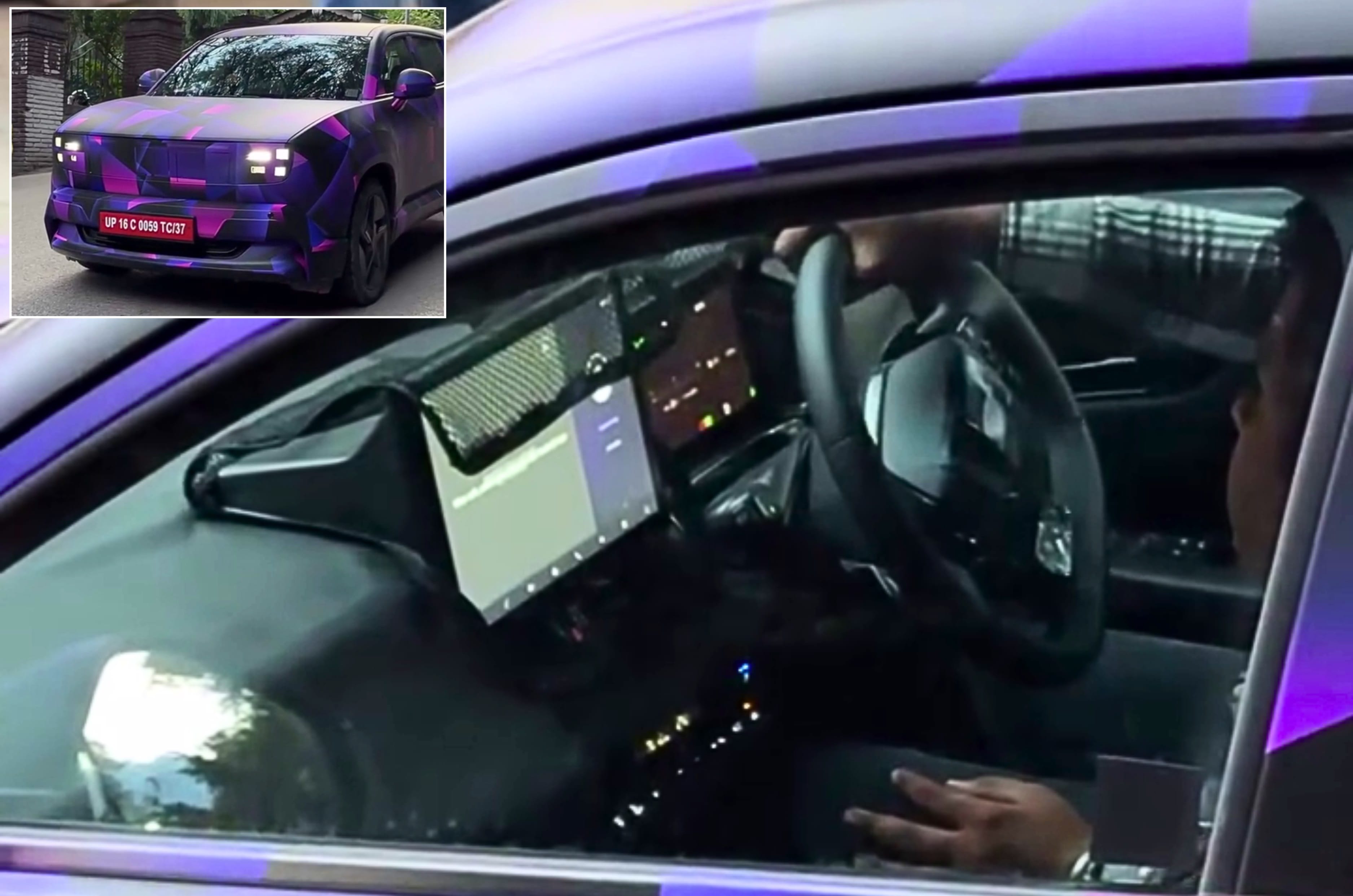
First unofficial look at the Honda 0 Alpha interior
Dual displays take centre stage on the dashboard
While the 0 Alpha concept that Honda unveiled in 2025 did well to preview the exterior design of the upcoming electric SUV, its interior remained under wraps. Courtesy of a fresh set of images, we now know what to expect from the Honda 0 Alpha interior.
Right off the bat, the most prominent element in the 0 Alpha EV interior is a massive central infotainment touchscreen mounted on top of the dashboard. To its right sits a much smaller digital driver’s display, ahead of which there’s a three-spoke flat-bottomed steering wheel with paddle shifters for regeneration.
Despite the inclusion of the colossal touchscreen, the 0 Alpha EV interior incorporates an array of buttons on the centre console, seemingly for functions like the climate control, ventilated seats, and more. The dashboard also has a quirky scooped design, although it’s worth noting that this is a prototype of the 0 Alpha EV and the production-spec version could look different.
What else can we expect from the Honda 0 Alpha EV?
Radically different design language compared to that of the current Honda India line-up
On the outside, the 0 Alpha EV is a complete departure from other Honda models sold in India. Styling highlights for the 0 Alpha include boxy proportions, a rectangular grille section housing the headlights, chunky bumpers, slim high-set vertical tail-lamps, a near-vertical tailgate, and squared-off wheel-arch cladding.
आज का मौसम (India Mausam Today): भारतीय मौसम विज्ञान विभाग (IMD) ने देश के मौसम को लेकर एक बड़ा और व्यापक अलर्ट जारी किया है। मौसम विभाग के ताजा बुलेटिन के मुताबिक दक्षिण-पश्चिम मानसून के आगे बढ़ने के लिए परिस्थितियां बेहद अनुकूल हैं। इसके प्रभाव से देश के 11 राज्यों में भारी से बहुत भारी बारिश और करीब 18 राज्यों व केंद्र शासित प्रदेशों में तेज आंधी-तूफान व गरज-चमक का अलर्ट जारी किया गया है। बिहार से लेकर महाराष्ट्र तक के लोगों को विशेष रूप से सावधान रहने की सलाह दी गई है। आइए जानते हैं मौसम विभाग के अनुसार आज देश के अलग-अलग राज्यों में मौसम का हाल कैसा रहेगा।
मानसून की ताजा स्थिति
मौसम विभाग के मुताबिक मानसून की उत्तरी सीमा (NLM) फिलहाल सूरत, इंदौर, मंडला, डालटनगंज और मोतिहारी से होकर गुजर रही है। 3 से 4 दिनों के भीतर मानसून के उत्तरी अरब सागर, गुजरात के कुछ और हिस्सों, मध्य प्रदेश, छत्तीसगढ़ के शेष भागों, झारखंड, बिहार के बचे हुए इलाकों और उत्तर प्रदेश व उत्तराखंड के कुछ हिस्सों में आगे बढ़ने के लिए स्थितियां पूरी तरह अनुकूल हैं।
इन 11 राज्यों में भारी से बहुत भारी बारिश का अलर्ट
मौसम विभाग ने देश के अलग-अलग हिस्सों में भारी बारिश की चेतावनी जारी की है। उप-हिमालयी पश्चिम बंगाल और सिक्किम के अलग-अलग हिस्सों में बहुत भारी से बेहद भारी बारिश होने की संभावना है। बिहार, कोंकण और गोवा, मध्य महाराष्ट्र, तटीय कर्नाटक, तेलंगाना, तटीय आंध्र प्रदेश, अरुणाचल प्रदेश, असम, मेघालय, नागालैंड, मणिपुर, मिजोरम और त्रिपुरा के अलग-अलग इलाकों में आज भारी बारिश का अलर्ट है।
बिहार, राजस्थान और एमपी में 60 किमी/घंटे की रफ्तार से तीव्र आंधी
बुलेटिन के मुताबिक कुछ राज्यों में सामान्य आंधी से ज्यादा खतरनाक तीव्र आंधी चलने की आशंका है:
बिहार, पूर्वी राजस्थान और पश्चिमी मध्य प्रदेश में अलग-अलग स्थानों पर 50 से 60 किमी प्रति घंटे की रफ्तार से चलने वाले तीव्र आंधी-तूफान और गरज-चमक की चेतावनी दी गई है। इसके साथ ही बिहार में बिजली गिरने की भी आशंका है।
दिल्ली-NCR समेत इन 18 राज्यों/इलाकों में आंधी और बिजली का अलर्ट
देश के करीब 18 राज्यों और केंद्र शासित प्रदेशों में 40 से 50 किमी प्रति घंटे की रफ्तार वाली तेज हवाओं, गरज-चमक और आसमानी बिजली गिरने का अलर्ट है।
उत्तर और मध्य भारत: दिल्ली, हरियाणा, चंडीगढ़, पंजाब, पश्चिमी राजस्थान, उत्तराखंड, हिमाचल प्रदेश, जम्मू-कश्मीर, लद्दाख, पूर्वी मध्य प्रदेश और विदर्भ।
पूर्वी और दक्षिणी भारत: झारखंड, ओडिशा, उप-हिमालयी पश्चिम बंगाल, सिक्किम, आंध्र प्रदेश, तमिलनाडु, पुडुचेरी, कराईकल और अंडमान व निकोबार द्वीप समूह।
इसके अलावा छत्तीसगढ़, गंगा के मैदानी इलाकों वाले पश्चिम बंगाल, केरल, माहे, लक्षद्वीप और तेलंगाना में 30 से 40 किमी प्रति घंटे की रफ्तार से चलने वाली हवाओं के साथ गरज-चमक की संभावना है। वहीं अरुणाचल प्रदेश, कोंकण व गोवा और मध्य महाराष्ट्र में भी बिजली कड़कने का अलर्ट है। कर्नाटक में तेज सतही हवाएं चलेंगी।
पूर्वी यूपी और झारखंड में लू की चेतावनी
एक तरफ जहां देश के बड़े हिस्से में बारिश की गतिविधियां शुरू हो रही हैं, वहीं कुछ इलाके अभी भी भीषण गर्मी की चपेट में रहेंगे। पूर्वी यूपी के अलग-अलग हिस्सों में गंभीर लू की स्थिति बनी रहेगी। उत्तर-पश्चिम भारत में 28 जून तक तापमान में 2-3°C की वृद्धि हो सकती है। इसके बाद (29 जून से) तापमान में 3-5°C की गिरावट आएगी। झारखंड के अलग-अलग पॉकेट्स में आज लू की स्थिति बनी रहेगी।
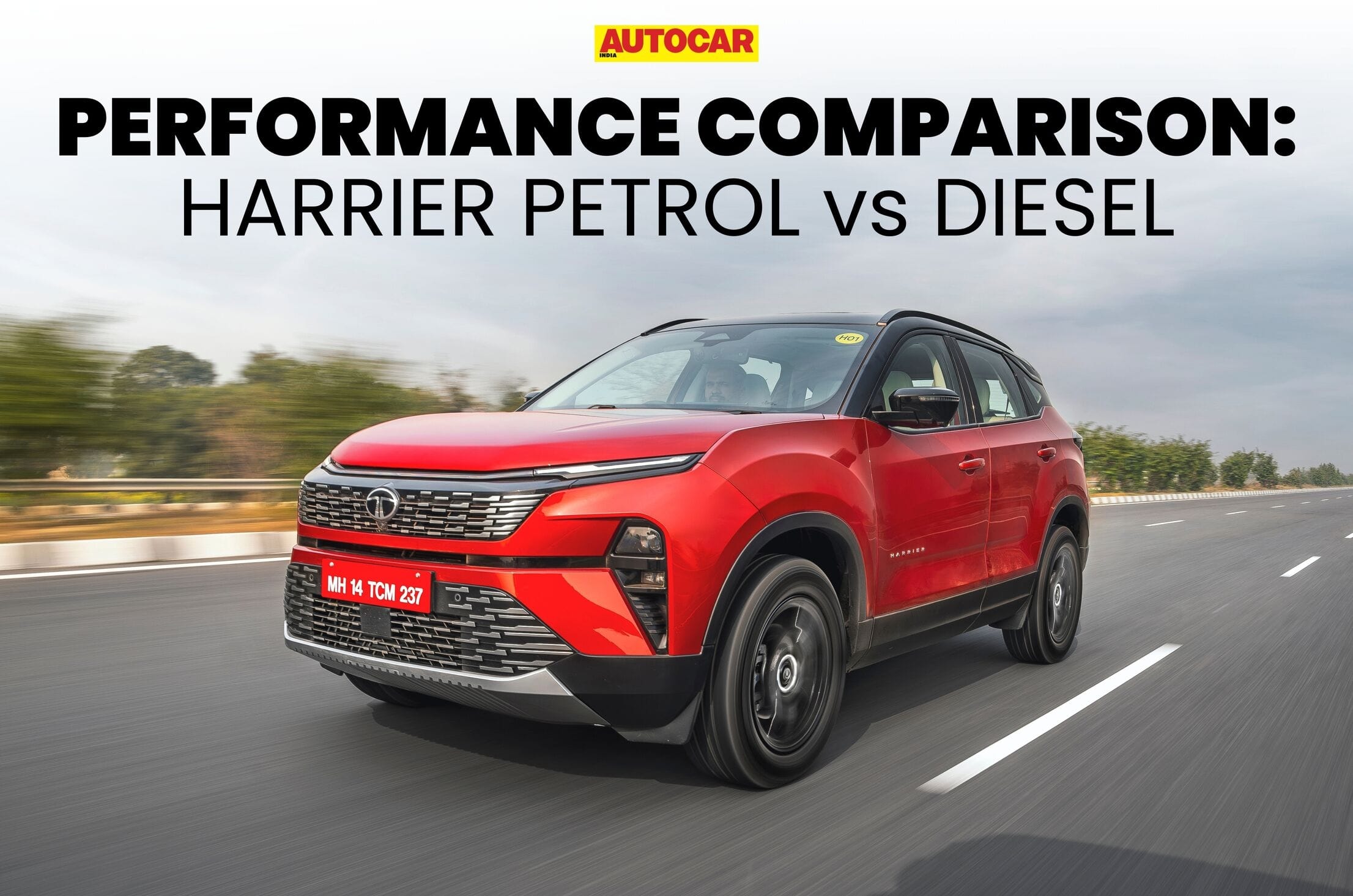
Introduced in 2019, the Harrier was Tata’s first attempt at a premium 5-seat SUV and the first model to utilise the brand’s Land Rover-derived Omega Arc platform. It was initially sold with only a diesel engine, and a petrol-powered version was launched about seven years later, in 2026. We’ve tested both of these in the automatic guise to find out which powertrain offers better real-world performance.
Both engines develop identical power, but the diesel delivers more torque
Tata Harrier petrol vs diesel automatic: Specifications
Harrier Petrol
Harrier Diesel
Engine
4 cyls, 1,498cc, turbocharged
4 cyls, 1,956cc, turbocharged
Power (hp)
170
170
Torque (Nm)
280
350
Gearbox
6AT
6AT
Weight (kg)
1,738
1,823
Tata offers the Harrier with two turbocharged engine options: a 1.5-litre petrol, developed in-house by Tata, and a Fiat-sourced 2.0-litre diesel. While both churn out 170hp, the diesel is torquier, developing 350Nm – 70Nm more than the petrol. These can be paired with a 6-speed torque-converter automatic or a 6-speed manual gearbox.
Tata Harrier petrol vs diesel AT: 0-100kph acceleration test
Tata Harrier petrol vs diesel AT: 0-100kph acceleration test
Harrier petrol (seconds)
Harrier diesel (seconds)
0-20kph
1.51
1.31
0-40kph
3.49
3.14
0-60kph
5.28
5.32
0-80kph
7.70
8.17
0-100kph
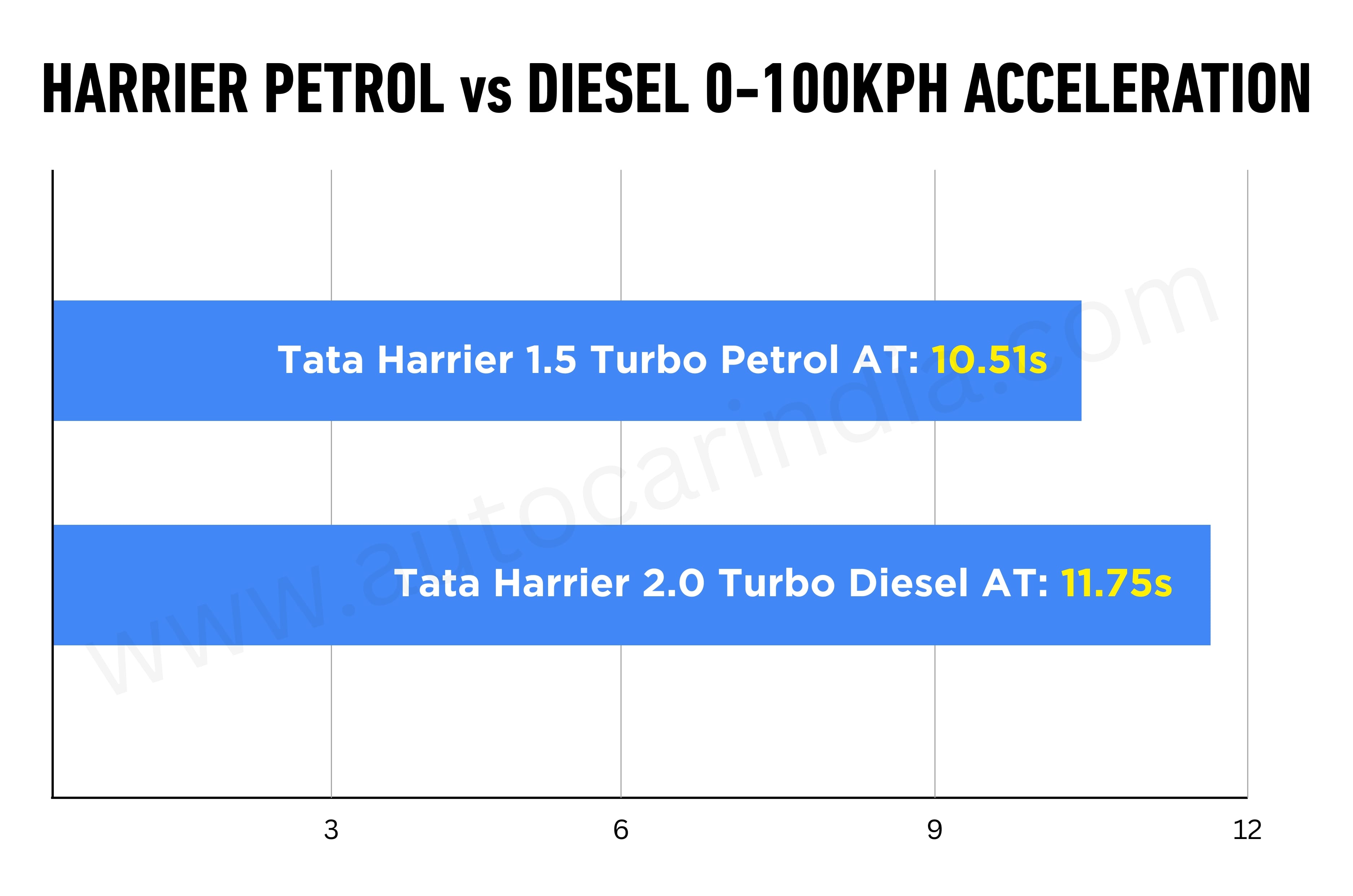
10.51
11.75
0-120kph
15.79
16.84
In our 0-100kph acceleration tests, the Harrier petrol outperformed the diesel by 1.24 seconds despite the latter having a 70Nm torque advantage. Up to 40kph, the diesel’s higher torque and its accessibility from lower revs helped it grab the lead. At about 60kph, the petrol version’s lighter footprint and stronger high-end power delivery helped it pull ahead and stay ahead.
Tata Harrier petrol vs diesel AT: Rolling acceleration test
Tata Harrier petrol vs diesel AT: Rolling acceleration test
Harrier petrol (seconds)
Harrier diesel (seconds)
20-80kph (in kickdown)
6.37
8.32
40-100kph (in kickdown)
8.01
6.82
In our rolling acceleration tests, the Harrier petrol outran the diesel by nearly 2 seconds in the 20-80kph run. However, in the 40-100kph test, the Harrier diesel was ahead by 1.69 seconds.
Tata Harrier petrol vs diesel AT: Prices
Diesel variants cost more than the petrol ones
Tata Harrier petrol vs diesel AT: Prices
Harrier petrol-AT
Harrier diesel-AT
Price (Rs lakh)
17.53-24.69
18.65-25.84
Both engines are available with an automatic gearbox option from the one-above-the-base Pure X trim. However, the Harrier’s petrol-automatic variants are more affordable than the diesel-automatic ones by well over Rs 1 lakh in the same trim levels.
Autocar India’s testing standards
Before we conduct our performance tests, we check and maintain tyre pressures based on the manufacturer’s recommendations and ensure the car has a full tank of fuel. The car is then tested in a controlled environment with two people on board, and the data is collected via highly accurate GPS-based timing equipment.
The Kawasaki KLX230 S is the latest addition to the KLX230 lineup in India, joining the standard KLX230 and the off-road-only KLX230R S. Built on the same platform and sharing the same mechanical package as the standard KLX230, the KLX230 S is aimed at riders who want the KLX experience in a more accessible package. Here are answers to some of the most commonly asked questions about it.
What is the price of the Kawasaki KLX230 S in India
The Kawasaki KLX230 S is priced at Rs 2.19 lakh (ex-showroom), the same as the standard KLX230. Deliveries are set to begin in mid-September, and bookings are open at Kawasaki dealerships for a token amount of Rs 5,500.
What engine does the Kawasaki KLX230 S use?
The Kawasaki KLX230 S is powered by the same 233cc air-cooled, single-cylinder engine used across the KLX230 range. It produces 19hp at 7,800rpm and 19Nm at 6,200rpm, paired with a 6-speed gearbox.
What is the suspension travel on the Kawasaki KLX230 S?
The KLX230 S uses a 37mm conventional telescopic fork with 160mm of wheel travel and a Uni-Trak rear monoshock with adjustable preload and 163mm of travel. That’s notably less than the standard KLX230, which offers 220mm of front and 223mm of rear wheel travel – a trade-off made to achieve the lower seat height.
What is the seat height and ground clearance of the Kawasaki KLX230 S?
The KLX230 S has a seat height of 830mm – 50mm lower than the standard KLX230’s 880mm – and 220mm of ground clearance, compared to 255mm on the standard model. The reduction in both figures is a direct result of the shorter suspension travel and is the primary trade-off for the more accessible seat height. The 21-inch front and 18-inch rear wheel combination is retained from the standard KLX230.
How does the Kawasaki KLX230 S differ from the standard KLX230?
The KLX230 S and the standard KLX230 are mechanically identical, sharing the same engine, gearbox, wheels, tyres and features, including an LED headlight, digital instrument cluster and switchable single-channel ABS. The main differences are the lower 830mm seat height (versus 880mm), reduced suspension travel (160/163mm versus 220/223mm) and the resulting reduction in ground clearance.
A pilot trial for blending 2 percent isobutanol with diesel is expected to begin in the second quarter of FY27, Girish Wagh, MD and CEO of Tata Motors stated during a media roundtable on Thursday. A government-led task force, which includes active participation from original equipment manufacturers (OEMs), oil marketing companies, testing agencies and others, is driving the initiative. Tata Motors is currently coordinating with state-run Hindustan Petroleum to secure the specialised blended fuel for the upcoming tests.
Isobutanol has a lower calorific value (energy content) than diesel
A minimal 2 percent blend may have a negligible effect on the vehicle’s performance
The development should be seen in the context of how ethanol is being blended with petrol, with the base blending level now at 20 percent (also called as E20). Amidst fuel supply challenges emanating from the West Asia war, the government recently notified standards for ethanol blending of E22, E25, E27 and E30. Plans are now being prepared to take blending levels up further, and the government also announced the rollout of E85 and E100.
ARAI to lead 10-month-long assessment
Our sister publication Autocar Professional had reported earlier about how commercial vehicle manufacturers, Automotive Research Association of India (ARAI), the Council of Scientific and Industrial Research, oil marketing companies and others are moving to break a decades-long deadlock in diesel decarbonisation by launching a nationwide validation program for isobutanol blending.
The ARAI will lead a 10-month technical assessment alongside bioenergy tech supply major Praj Industries to determine if isobutanol can serve as a seamless “drop-in” replacement for standard diesel. With nearly all major OEMs expected to participate, the initiative indicates a shift away from problematic diesel-blending trials, focusing instead on a molecule that promises better stability and safety for the nation’s critical transport fleet.
Oil majors like Bharat Petroleum have been testing isobutanol for two years, recently completing a three-month trial in stationary Cummins engines. They are now committing significant capital to validate data across 33 different vehicle types in India.
Issues in isobutanol-diesel blending
To understand why isobutanol is causing a stir, one must look at the failures of ethanol-diesel blending. For years, engineers tried to force ethanol into diesel tanks, but the chemistry refused to cooperate. Ethanol is a two-carbon alcohol with a “polar” structure, meaning it doesn’t like to mix with the oily consistency of diesel. Without expensive chemical binders, the two fuels simply separate in the tank.
More critically, ethanol is a fire hazard in a diesel ecosystem. Its flashpoint – the temperature at which it catches fire – is a mere 12 to 13deg C. Diesel, by contrast, is regulated to a minimum of 35deg C. This difference puts them in entirely different petroleum safety classes, making shared storage and transport a logistical nightmare. Even with proprietary binders, OEMs were rarely comfortable going beyond a 5 percent blend before combustion issues emerged.
Technical bridge in the making
Praj Industries, the Pune-based bioenergy giant, has spent the last two years building the technical bridge that ethanol couldn’t cross. As a four-carbon alcohol, isobutanol behaves much more like diesel. Its flashpoint sits between 27 and 30deg C, which allows it to stay within the same Class B petroleum category as diesel. This means the existing network of tankers and pumps doesn’t need a multi-billion-dollar overhaul. Initial investigation found that isobutanol remained stable at 10 percent blends for over 40 days without any separation. Early dynamometer trials on standard Indian driving cycles showed that a 5 percent blend slashed emissions with a negligible 1 to 2 percent impact on fuel mileage, a trade-off most fleet operators would take in a heartbeat.
Shift to blended fuels essential for national energy security: Girish
According to Wagh, isobutanol is a key lever for reducing reliance on imported fuels. While isobutanol has a lower calorific value (energy content) than traditional diesel, the minimal 2 percent blend is expected to have a negligible effect on vehicle performance.
“We do expect that isobutanol, because the calorific value is lower than that of diesel, there would be some impact,” said Girish. “But 2 percent is hardly anything to have an impact. But we will start these trials”. Wagh emphasised that the shift is essential for national energy security, noting that “energy independence is so important that I am sure… everybody will fall in line and do this”.
The rains may cool things down after months of scorching heat, but they can take a serious toll on your car. Whether it’s flooded roads, poor traction, electrical issues, or corrosion, the monsoon presents several challenges that every car owner should be prepared for. To help you remain prepared for potential issues, we’ve compiled 10 useful tips for trouble-free motoring this rainy season.
1. Check your tyres
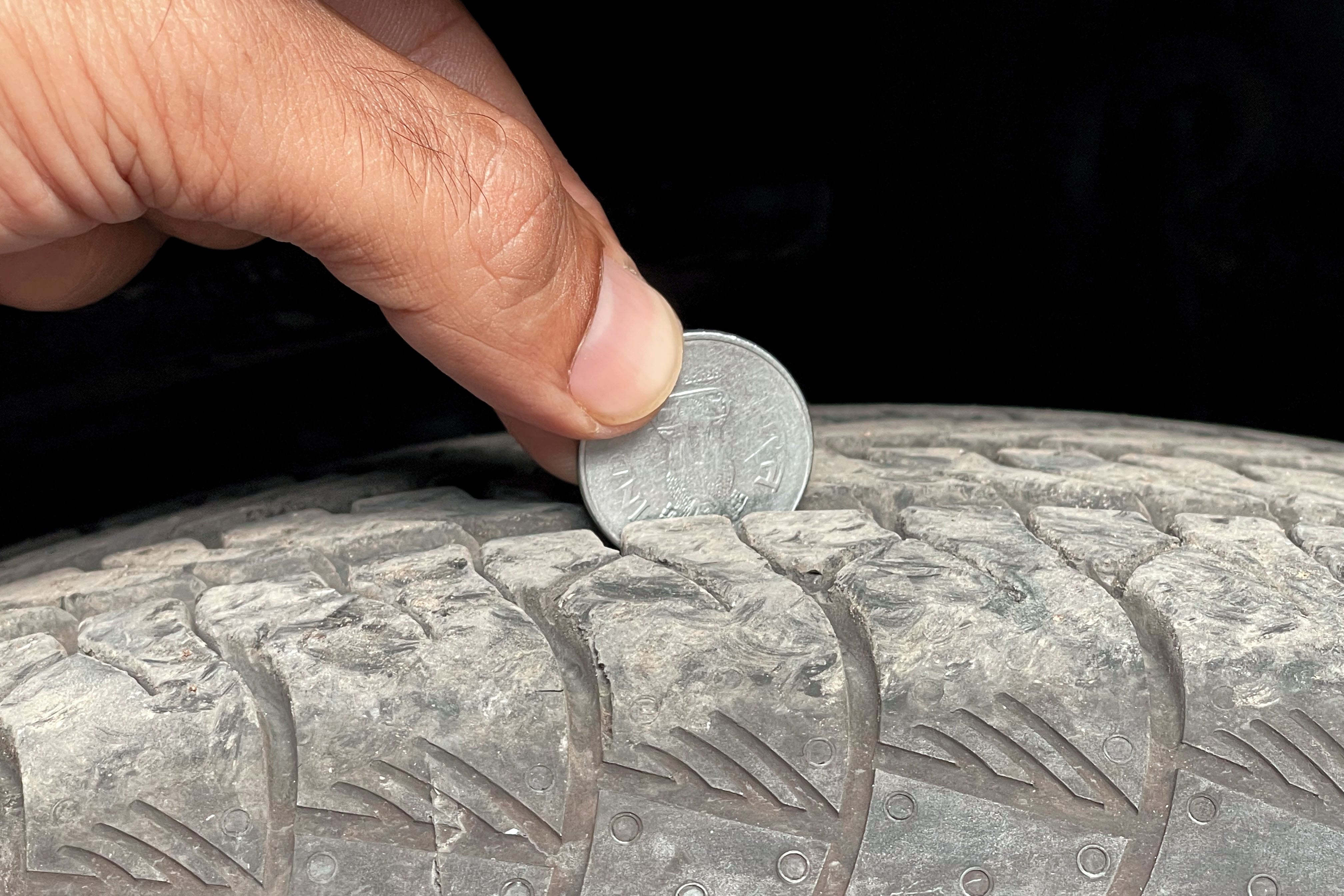
If your treads are worn out, it’s time to replace the tyres
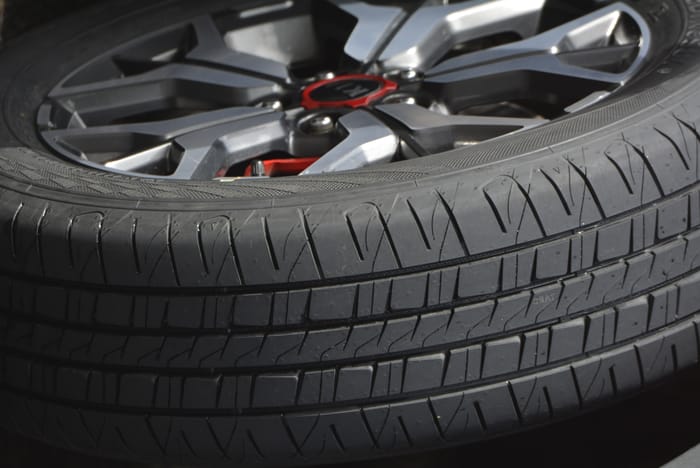
The tyres are the only point of contact between your car and the road, so it goes without saying that it’s crucial to inspect them before heading out during the monsoon. Make sure your tyres have at least 2mm of tread depth, which can be checked using the wear indicators between the treads.
If the tread depth reaches the level of the indicator, the tyre must be replaced. A suitable tread depth will not only provide more grip on wet roads but also significantly reduce the stopping distance in instances of hard braking. Alternatively, you can use a one rupee coin to check the tread depth too. If the top of the Ashoka Pillar on the coin is concealed by the rubber, you have sufficient tread depth, but if the entire pillar is visible, then it’s time to change your tyres.
2. Test the battery and wiring
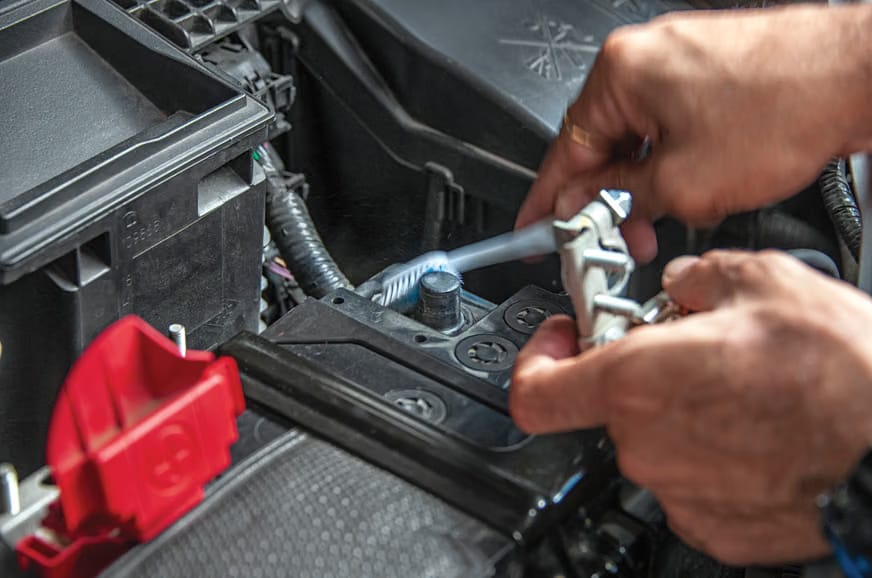
Battery must be ready for greater usage of lights and wipers
Water and electronics don’t mix well, and modern cars contain a lot of the latter. Therefore, we recommend taking a look at your car’s battery when the monsoons roll around, especially for any exposed or frayed wires that could cause short circuits or electrical failures. It’s also worth noting that the use of wipers and lights typically increases during the monsoon, which could strain your battery if it’s not in optimal condition.
3. Inspect brakes thoroughly
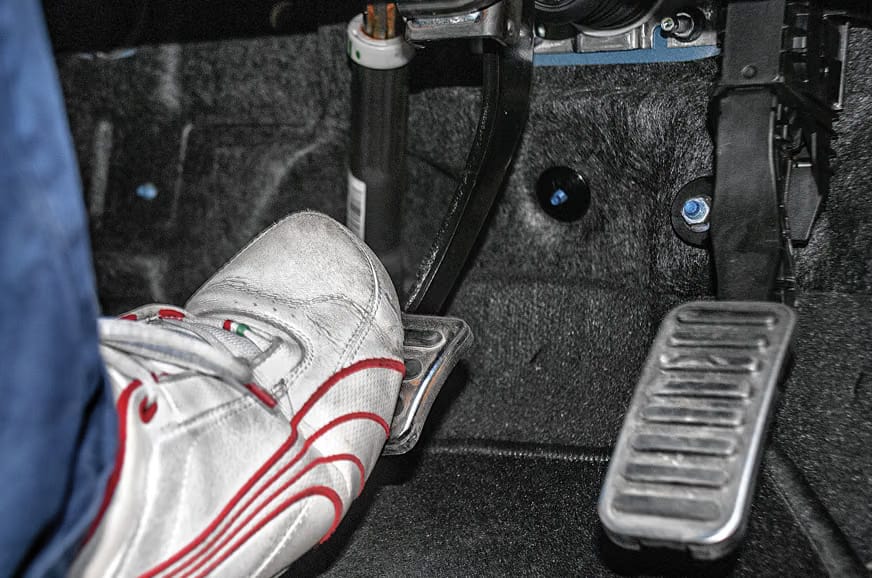
Brake functioning can easily be tested at home
Braking distances increase on wet roads, so your brakes need to be sharp and functioning properly. You can test them at home by starting the engine, letting it warm up, and then pressing the brake pedal. Listen for any squeaks or grinding sounds, and pay close attention to the pedal feel. If the pedal sinks further than expected, there may be a leak in the braking system. If it judders, the brake pads could be worn out. Should any of these issues arise, have your brakes inspected and replaced.
4. Replace worn wiper blades
Summers can take a toll on the wiper blades
Arguably the most helpful feature during the monsoon, wipers must be prepped for a few months of heightened usage. Check the rubber blades first, as they tend to crack from heat during the summer and are rendered ineffective when you need them during the rainy season. Wipers that leave streaks on the windshield or make squeaky noises should also be replaced. Also, don’t forget to top up the washer fluid with windshield cleaner or soapy water.
5. Ensure all lights work
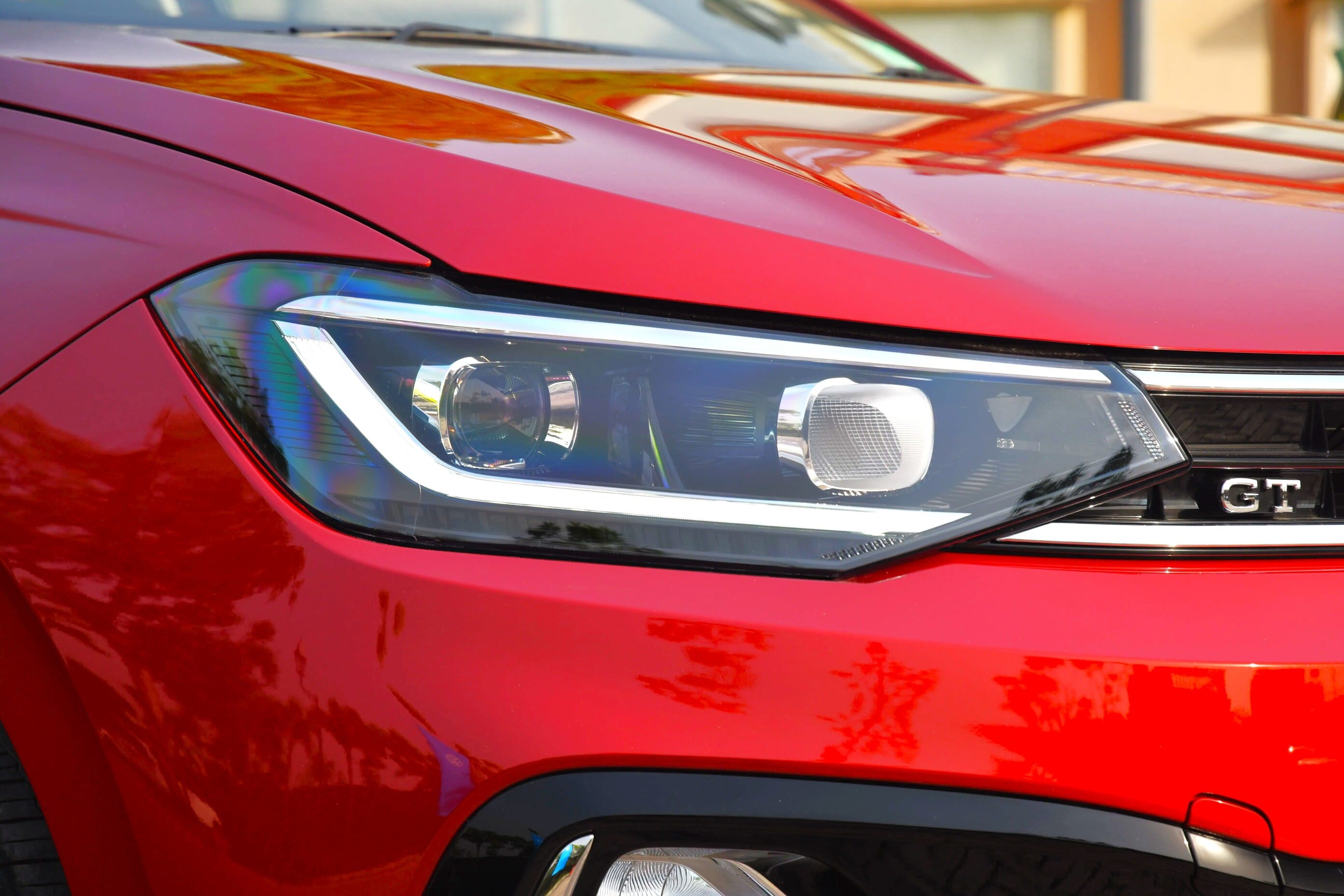
During the monsoon overcast, your car’s lights are essential for both seeing and being seen. Test your headlights, tail-lamps, brake lights, fog lights, and indicators before setting off, especially when it’s dark outside. Replace any dim or flickering bulbs. Getting your headlights and tail-lights fixed or replaced, if they have moisture in them or are hazy, is another important task. Also, ensure that your headlights have an even beam, as this is crucial not only for your safety but also for that of oncoming drivers.
6. Check for leaks
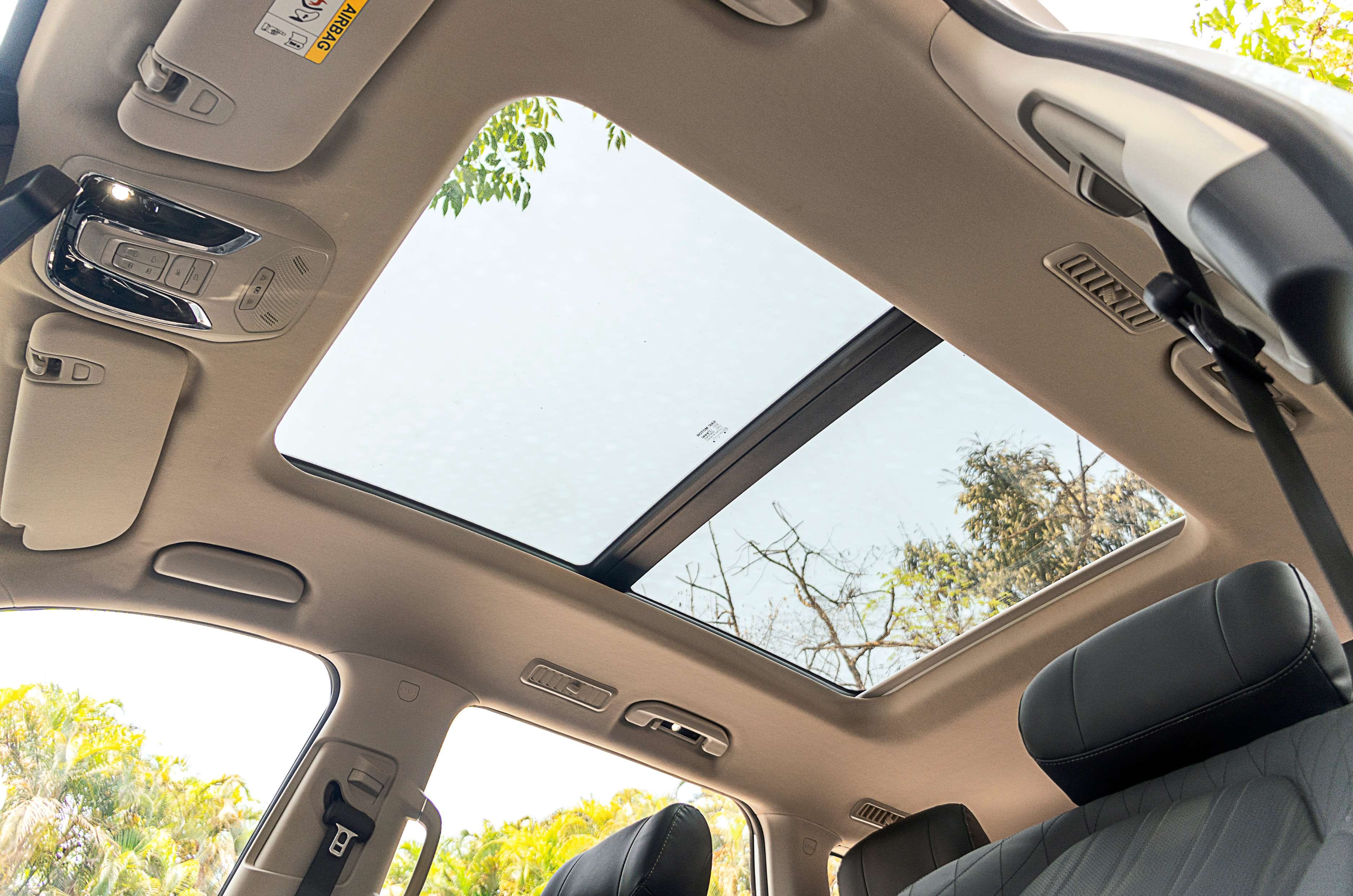
Sunroofs can be a major pain point
Indian car buyers love sunroofs, but these can become a weak point in your car’s armour during the monsoon. If your car has a sunroof, check for any signs of potential water entry from the rubber seals around it. The same applies to windows, doors, and footwells. Damaged seals can let rainwater seep into the cabin, causing interior damage and rust. Replace any worn seals and unclog drainage holes in the cabin floor if necessary.
7. Look out for rust and underbody damage
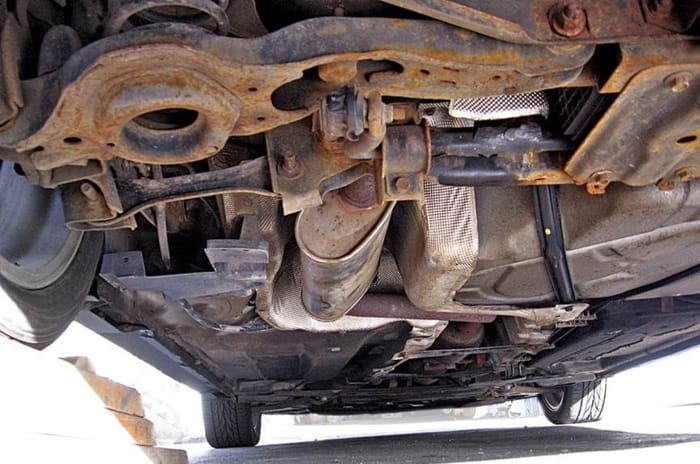
Anti-rust coatings are a must for the monsoons
Water and exposed metal give rise to another worrisome concoction: rust. Inspect your car’s body for any scratches, dents or paint damage, and get them fixed before the monsoon kick in to prevent rust formation. Applying an anti-rust coating will provide further protection, and it’s also recommended to clean the underbody regularly to remove mud and road grime, which can also lead to rust and wear.
8. Monsoon care tips for EV owners
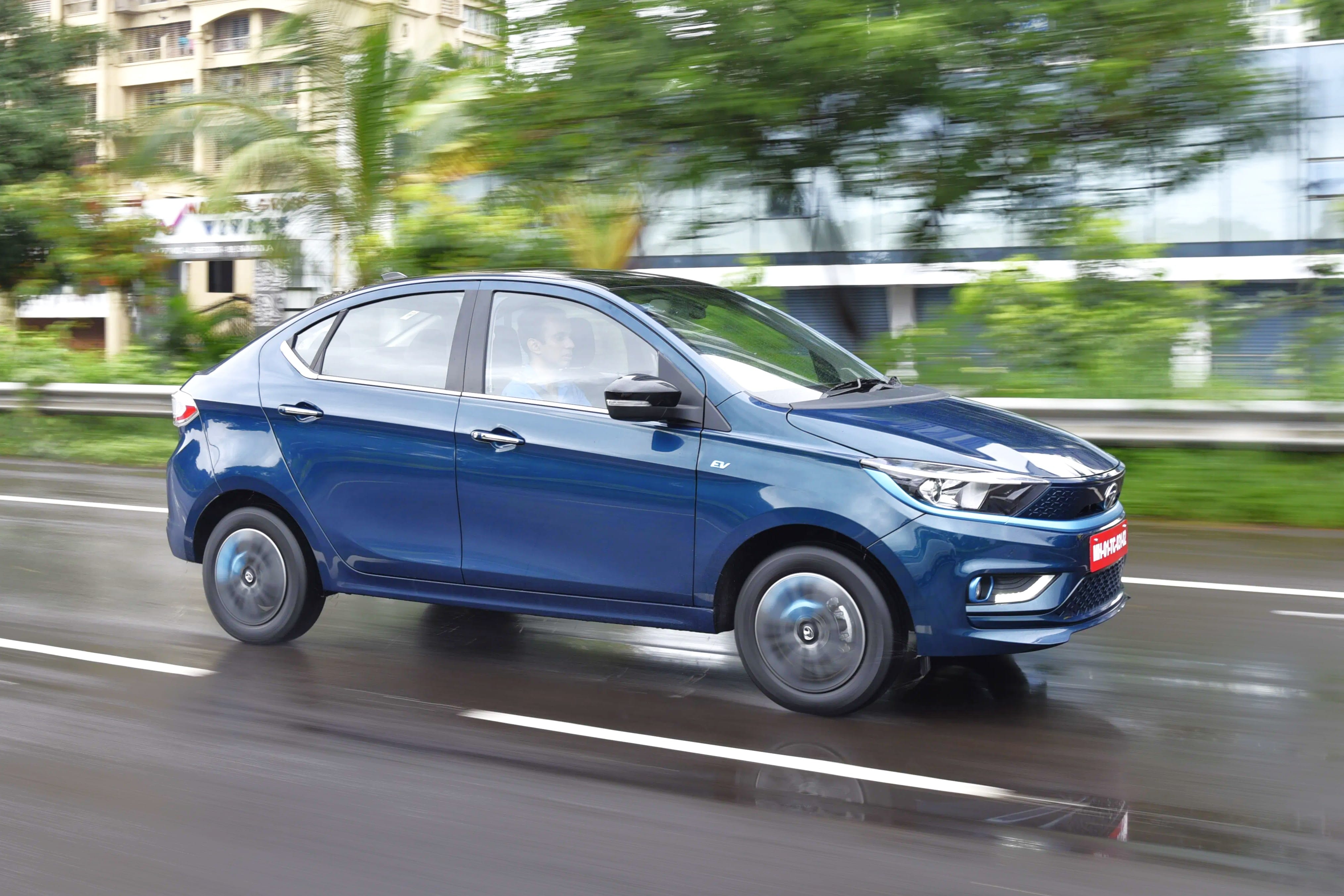
Electric cars aren’t as prone to water damage as some might believe
EV adoption is steadily growing in India, and some owners may be rightfully concerned about how their battery-powered cars will handle the monsoon. Thankfully, most EV batteries are IP67-rated, which means they are built to be waterproof, but as a precaution, you should always charge your EV in a covered or dry area to prevent the possibility of water or moisture entering the charging port. Also, regularly inspect the rubber seals around the charging flap and electrical connectors to ensure they are intact and water-tight.
9. Stock spare parts and essentials
Extremely handy in emergency circumstances
If something goes wrong and help is hard to come by, keep extra fuses, bulbs, wiper blades, and a basic tool kit in the car, and ensure the spare wheel is in good condition. Additionally, pack an umbrella, a towel, a raincoat, and a change of clothes for emergencies. While these items may seem trivial, they can make a big difference if you find yourself stranded in heavy rain.
10. Get a pre-monsoon service
Can make for worry-free driving throughout the monsoon
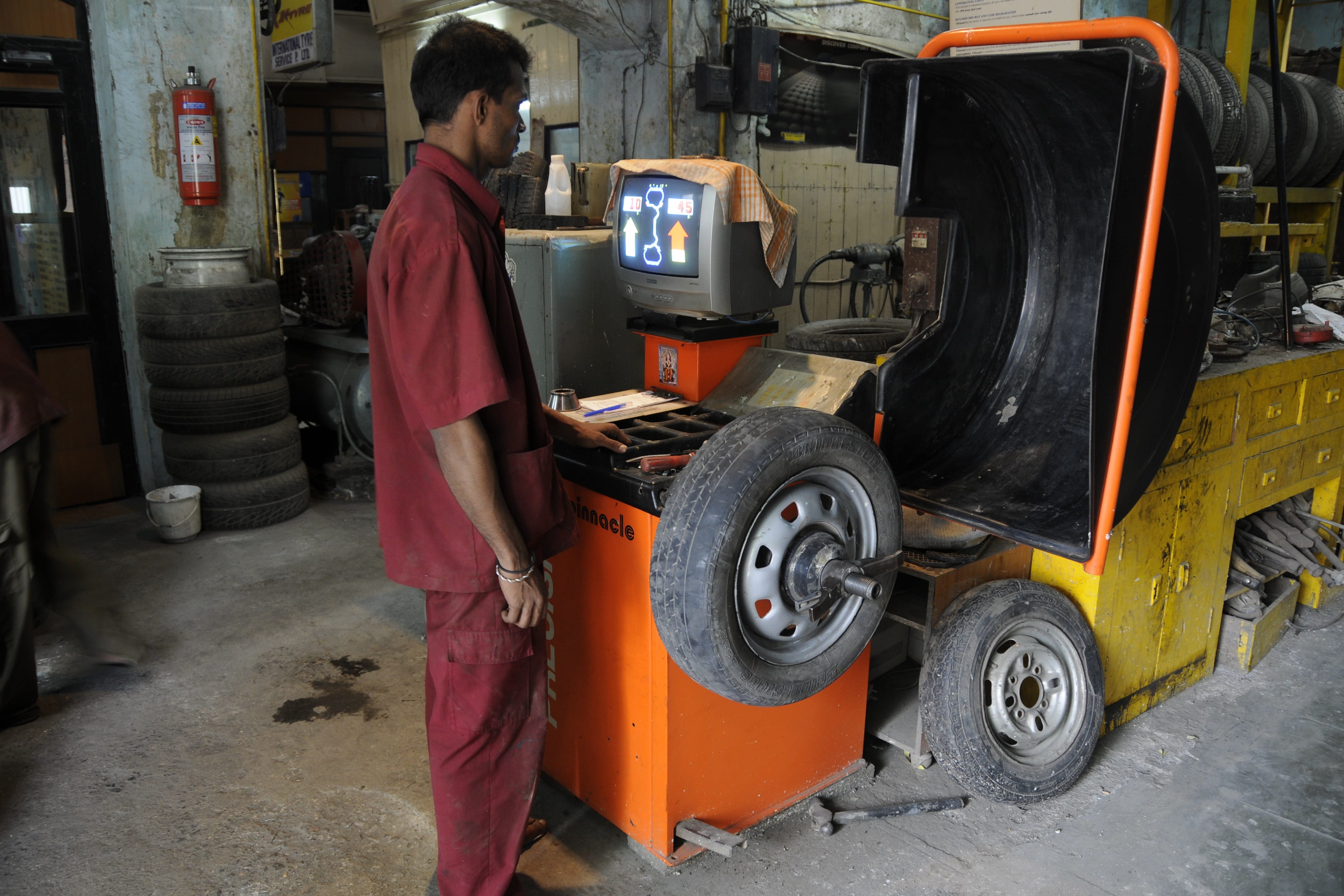
A service before the monsoon – ideally from an authorised service centre – is one of the best ways to prevent problems. Mechanics can check every critical system of your car and spot any potential issues early. Be sure to ask for a thorough inspection, especially of the brakes, battery, wiring harness, tyres, wheel balancing, lights, fluid top-ups, and more.
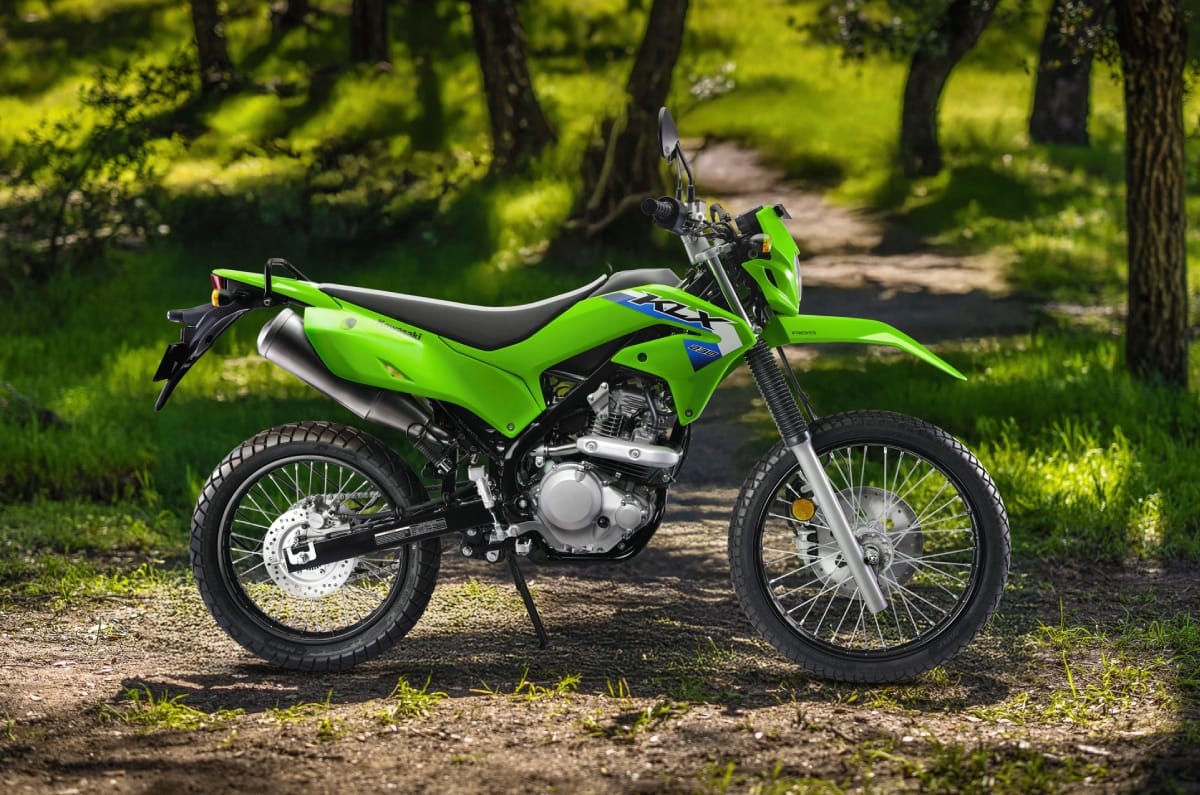
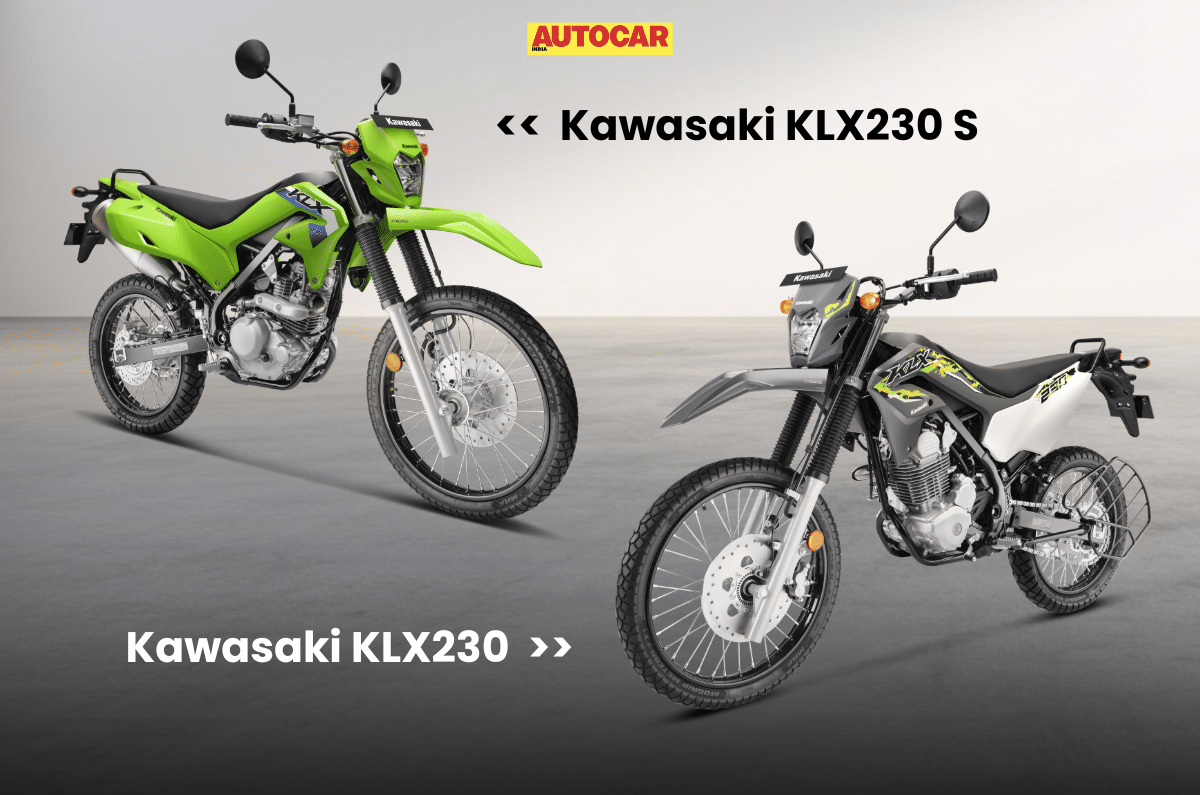
Kawasaki has launched the KLX230 S, a more accessible version of the KLX230. Beyond the new naming scheme, the ‘S’ model features several modifications that make it more accessible for shorter riders and the occasional off-road explorers.
Kawasaki KLX230 S vs KLX230: Suspension and ground clearance
The KLX230 S gets lesser suspension travel resulting in a lower seat height
The KLX230 S utilizes the same 37mm fork and monoshock as the standard model, but travel is reduced to 160mm and 163mm (F/R), respectively – compared to the 220mm and 223mm travel on the standard KLX230. This adjustment results in a more accessible seat height of 830mm, benefiting riders who might find the standard model’s 890mm seat height intimidating. Additionally, the shorter suspension stroke has resulted in a 1,350mm wheelbase, which is 20mm shorter than the standard model.
However, it is worth noting that during our testing of the standard KLX230, we found that the rear suspension sags significantly under load. This makes it easier for riders to flat-foot the bike, especially since the narrow frame and seat design already enhance accessibility.
The reduced suspension travel on the KLX230 S naturally leads to a lower ground clearance of 220mm, compared to 255mm on the standard model. Despite this decrease, the KLX230 S still offers sufficient clearance to handle most off-road situations effectively.
Apart from these specific adjustments, the KLX230 S remains identical to the standard KLX230, including the panels and colour schemes. It is powered by the same 233cc, single-cylinder, air-cooled engine, producing 19hp at 7,800rpm and 19Nm of torque at 6,400rpm, paired with a six-speed gearbox.
At Rs 2.19 lakh (ex-showroom, India), both models cost the same. So the decision lies with the customer if they wish to choose a more accessible seat height and lower suspension stroke as opposed to more off-road capability.
ITR Filing 2026: अब तकरीबन सभी सेक्टर में आर्टिफिशियल इंटेलिजेंस (AI) का इस्तेमाल तेजी से बढ़ रहा है। ईमेल लिखने से लेकर निवेश और टैक्स प्लानिंग तक में लोग AI टूल्स की मदद ले रहे हैं।
लेकिन टैक्स एक्सपर्ट्स का कहना है कि इनकम टैक्स रिटर्न (ITR) भरने के लिए केवल सामान्य AI चैटबॉट्स पर भरोसा करना महंगा पड़ सकता है। खासकर जब मामला कैपिटल गेन, विदेशी संपत्ति, क्रिप्टोकरेंसी या बिजनेस इनकम से जुड़ा हो।
AI पर पूरी तरह भरोसा करना क्यों गलत?
ClearTax के फाउंजर और CEO अर्चित गुप्ता का कहना है कि कई लोग अपना Form 16, सैलरी स्लिप और निवेश से जुड़ी जानकारी सीधे सार्वजनिक AI प्लेटफॉर्म पर अपलोड कर रहे हैं। इससे टैक्स कैलकुलेशन में गलती होने का खतरा रहता है।
उनके मुताबिक, सामान्य AI टूल्स के पास टैक्स नियमों का तय ढांचा नहीं होता। यही वजह है कि एक ही Form 16 अपलोड करने पर अलग-अलग बार अलग टैक्स देनदारी दिख सकती है। अगर रिटर्न में कोई गलती होती है तो उसकी पूरी जिम्मेदारी टैक्सपेयर की होगी, AI टूल की नहीं।
डेटा लीक का भी खतरा
रिटर्न फाइल करने में AI के इस्तेमाल से डेटा लीक होने का खतरा भी रहता है। अर्चित गुप्ता के मुताबिक, सार्वजनिक AI प्लेटफॉर्म पर सैलरी स्लिप, PAN, बैंक डिटेल या दूसरे वित्तीय दस्तावेज अपलोड करना सुरक्षित नहीं है। इससे आपकी निजी जानकारी लीक हो सकती है।
उन्होंने कहा कि यह कई कंपनियों की डेटा सिक्योरिटी पॉलिसी का उल्लंघन भी माना जा सकता है। कुछ मामलों में कर्मचारियों पर कार्रवाई तक की नौबत आ चुकी है।
AI कहां तक मददगार है?
Deloitte India के पार्टनर तरुण गर्ग का कहना है कि AI को टैक्स फाइलिंग का विकल्प नहीं, बल्कि एक सहायक टूल की तरह इस्तेमाल करना चाहिए। यह टैक्स नियम समझाने, जरूरी दस्तावेजों की सूची तैयार करने और पुराने-नए टैक्स रिजीम की तुलना करने में मदद कर सकता है।
हालांकि, AI से तैयार रिटर्न को अंतिम मानने के बजाय ड्राफ्ट की तरह देखें। रिटर्न फाइल करने से पहले सभी जानकारियों का मिलान आधिकारिक दस्तावेजों से जरूर करें।
रिटर्न भरने से पहले ये जांच जरूर करें
AIS, TIS और Form 26AS से सभी आय का मिलान करें।
सही ITR फॉर्म का चयन हुआ है या नहीं, इसकी पुष्टि करें।
पुराना या नया टैक्स रिजीम सही तरीके से चुना गया है या नहीं, यह जांचें।
TDS और TCS क्रेडिट का मिलान करें।
कैपिटल गेन, क्रिप्टो, विदेशी संपत्ति और अन्य जरूरी खुलासों की दोबारा जांच करें।
बैंक अकाउंट प्री-वैलिडेटेड है या नहीं, इसकी पुष्टि करें।
एक्सपर्ट्स का कहना है कि AI टैक्स फाइलिंग को आसान जरूर बना सकता है, लेकिन अंतिम जिम्मेदारी हमेशा टैक्सपेयर की ही रहती है। इसलिए ITR फाइल करते समय AI की सलाह पर आंख बंद करके भरोसा करने के बजाय आधिकारिक पोर्टल या टैक्स प्रोफेशनल की मदद लेना ज्यादा सुरक्षित रहेगा।
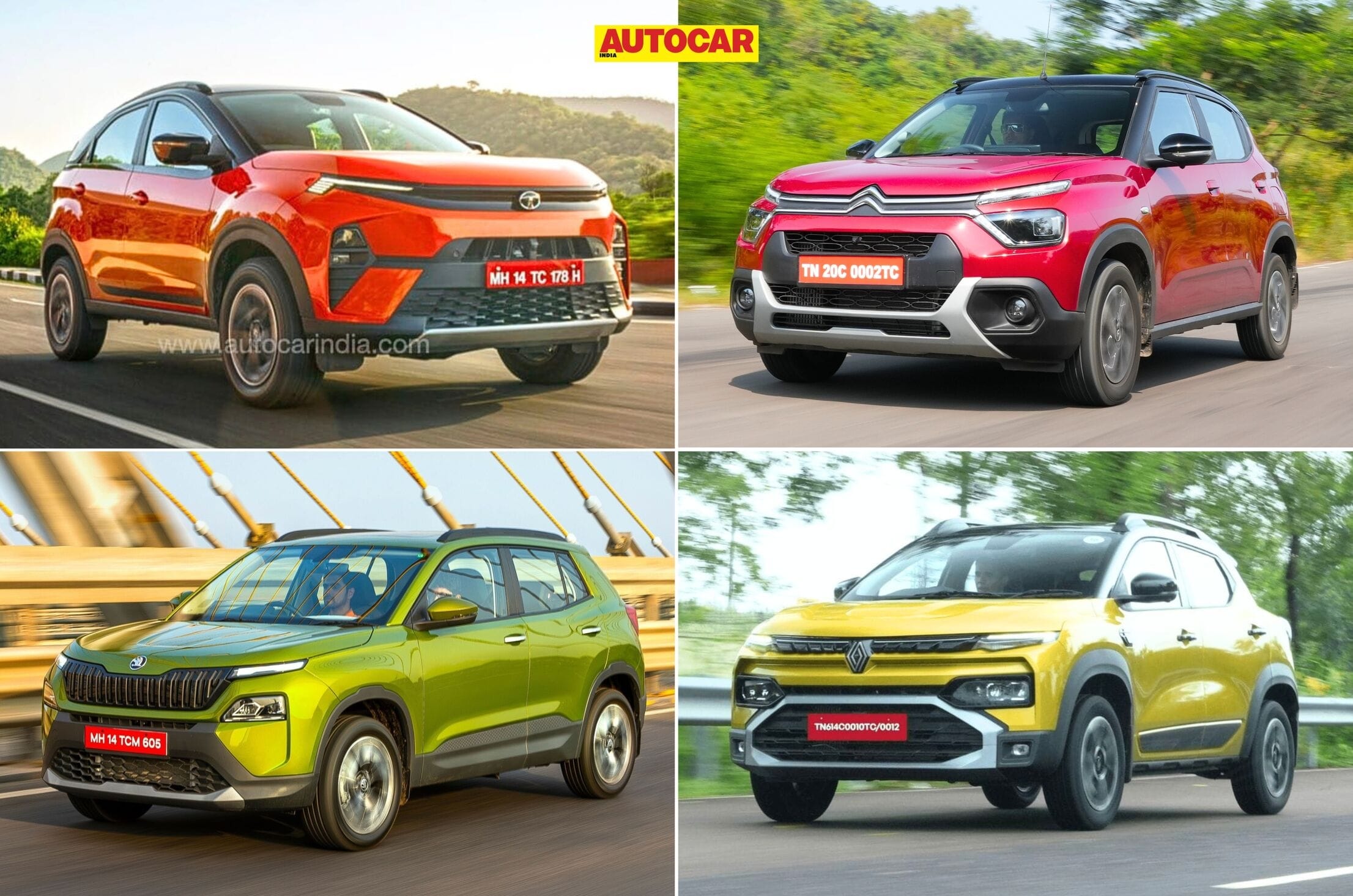
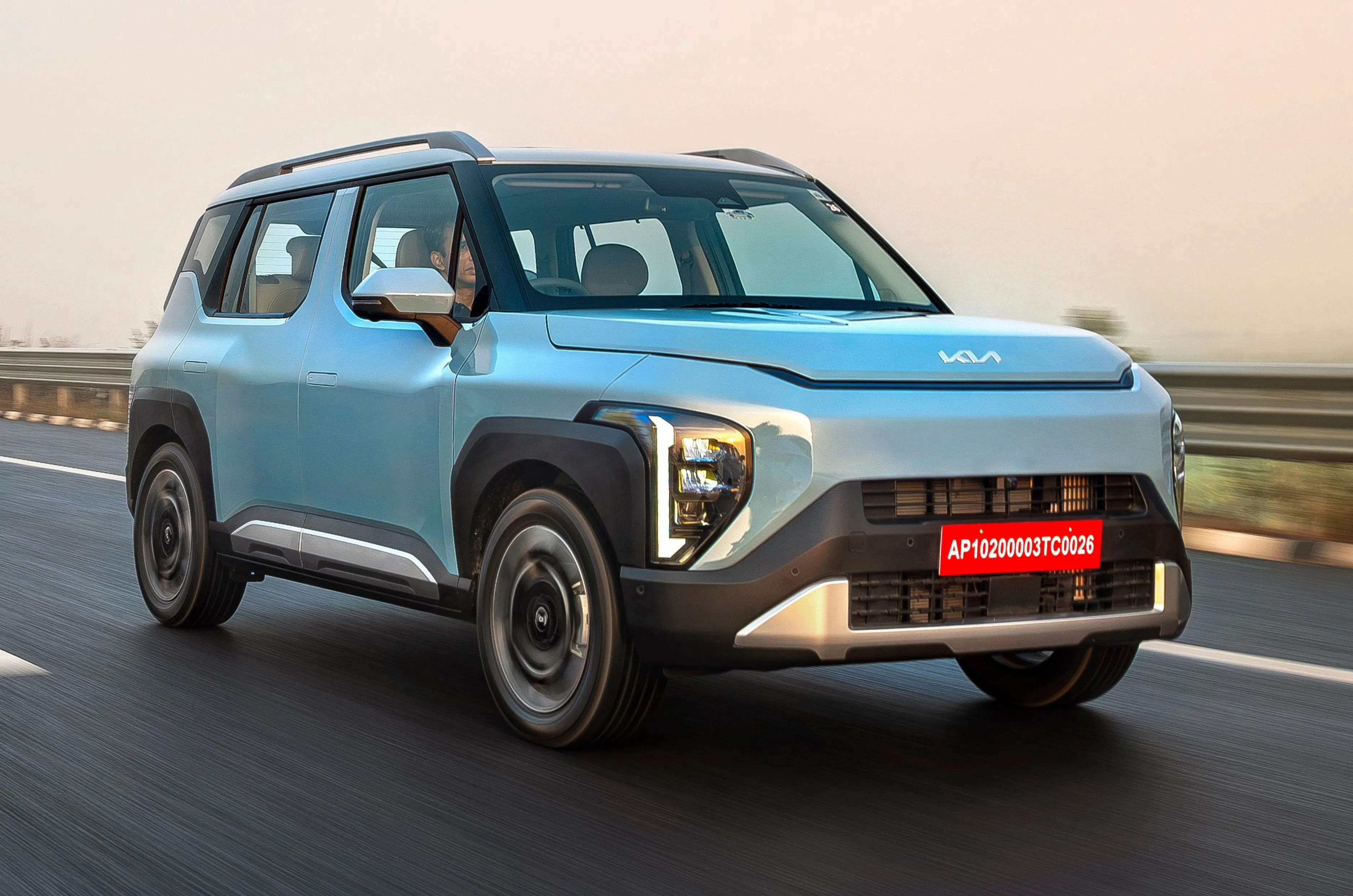
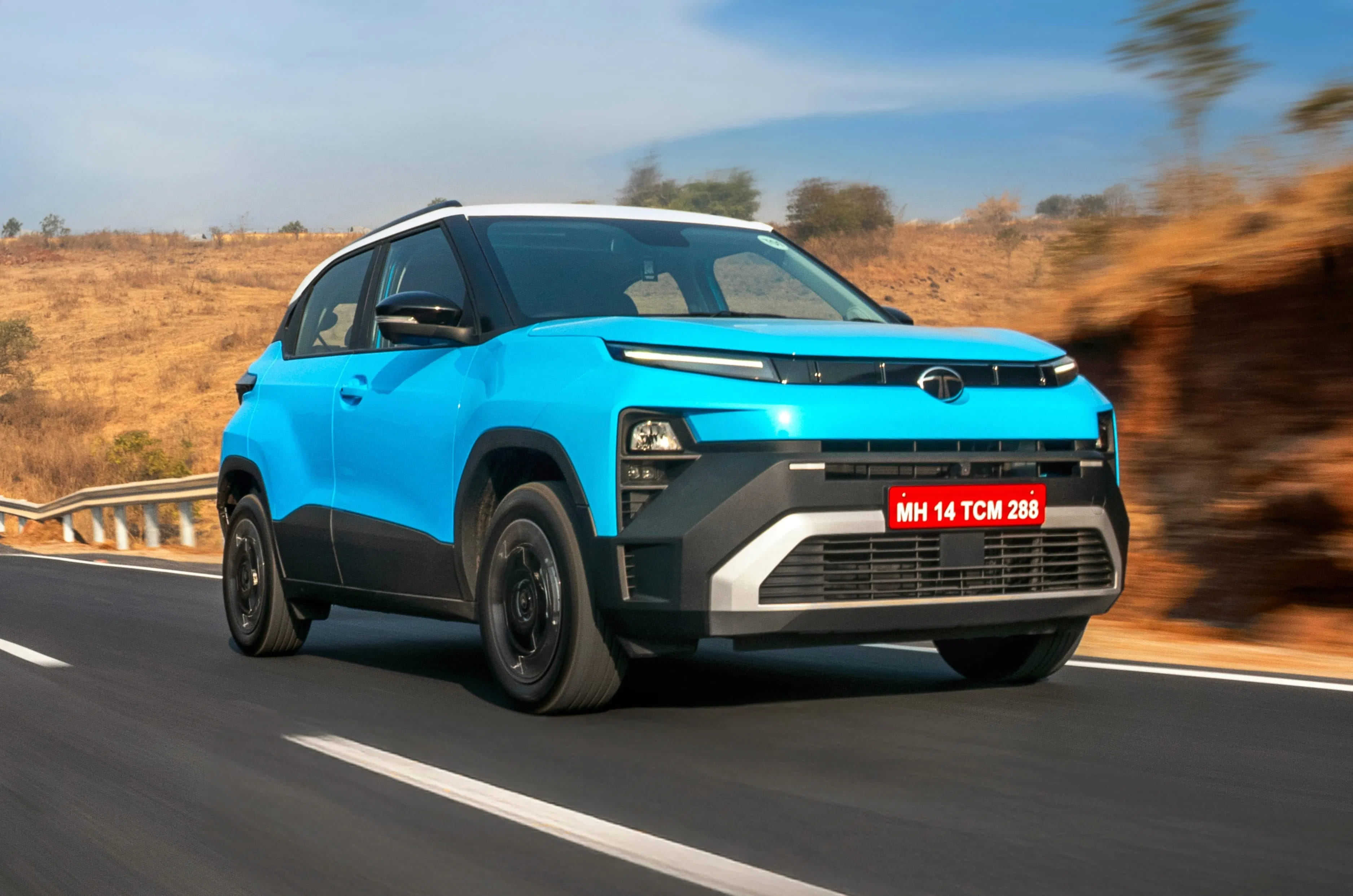
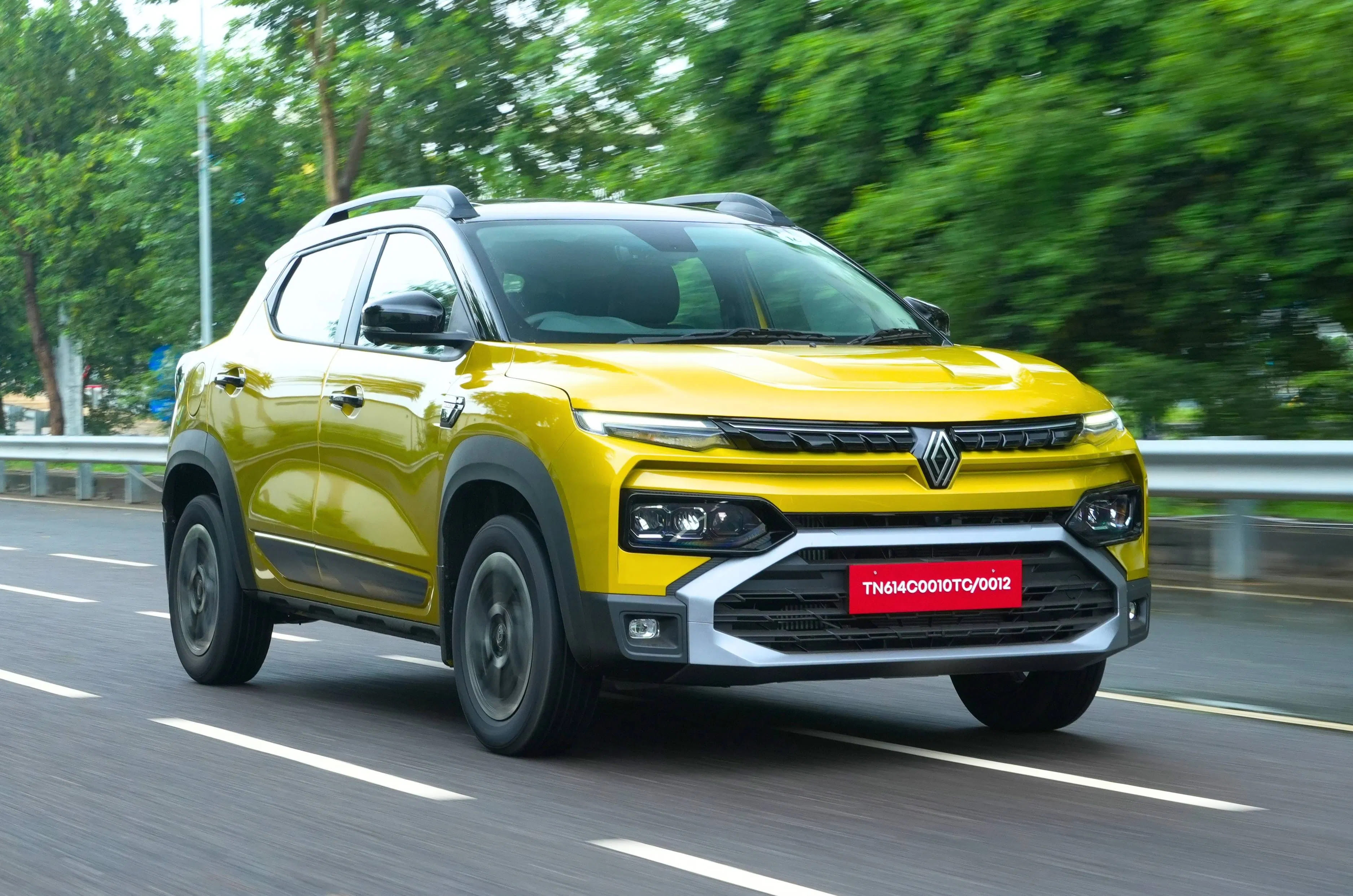
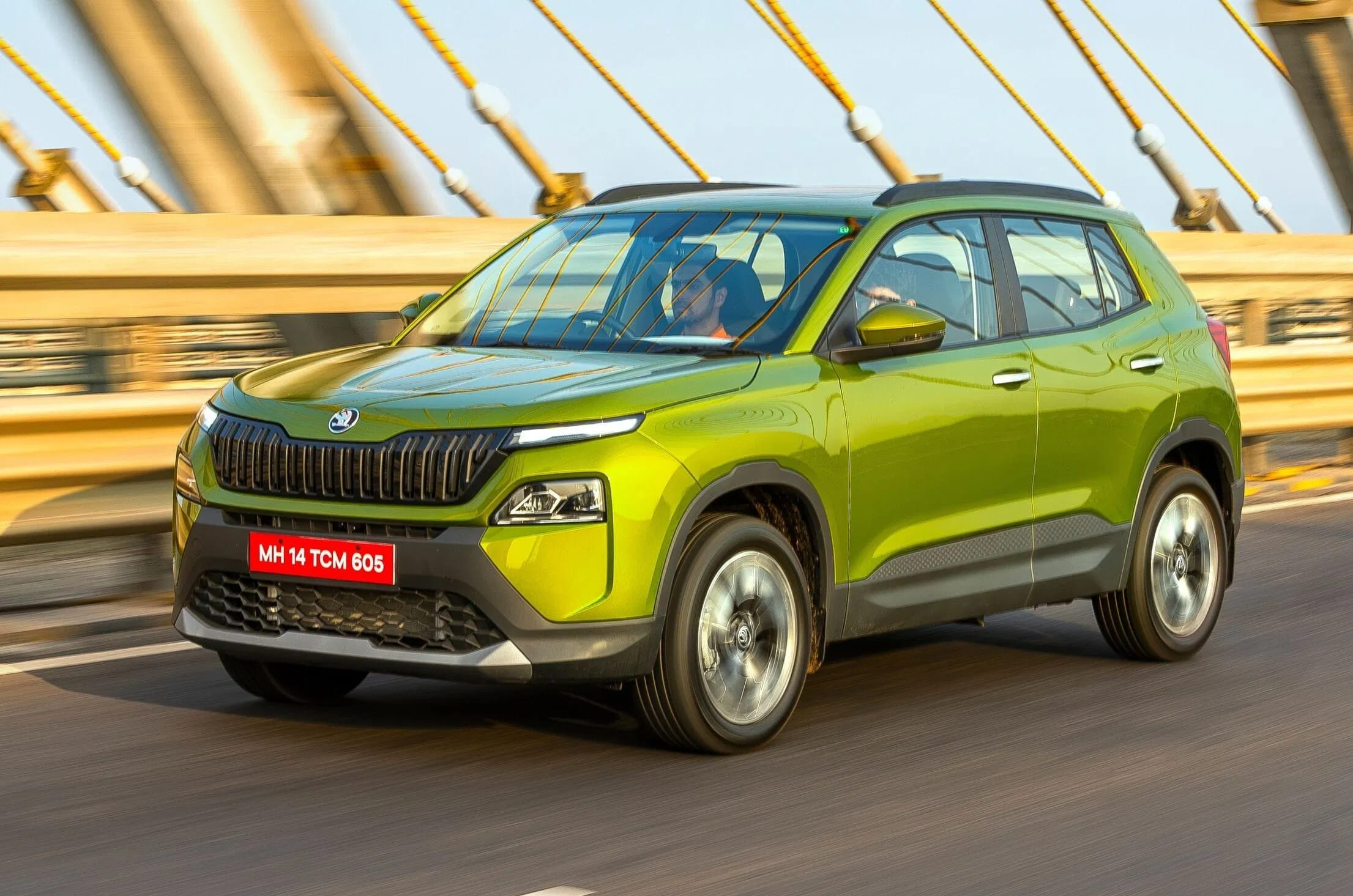
Turbocharged petrol engines are known to pack strong performance, and in some cases, they are even more fuel-efficient than their naturally aspirated counterparts, offering a nice blend of power and efficiency. If you’re looking for turbo-petrol cars under Rs 10 lakh, the Indian market currently has offerings from brands like Hyundai, Tata, Kia, Maruti Suzuki, Renault, Nissan, Skoda, and Citroen that come with a turbo-petrol engine. Read on to discover these 10 models, listed in the order of least to most affordable.
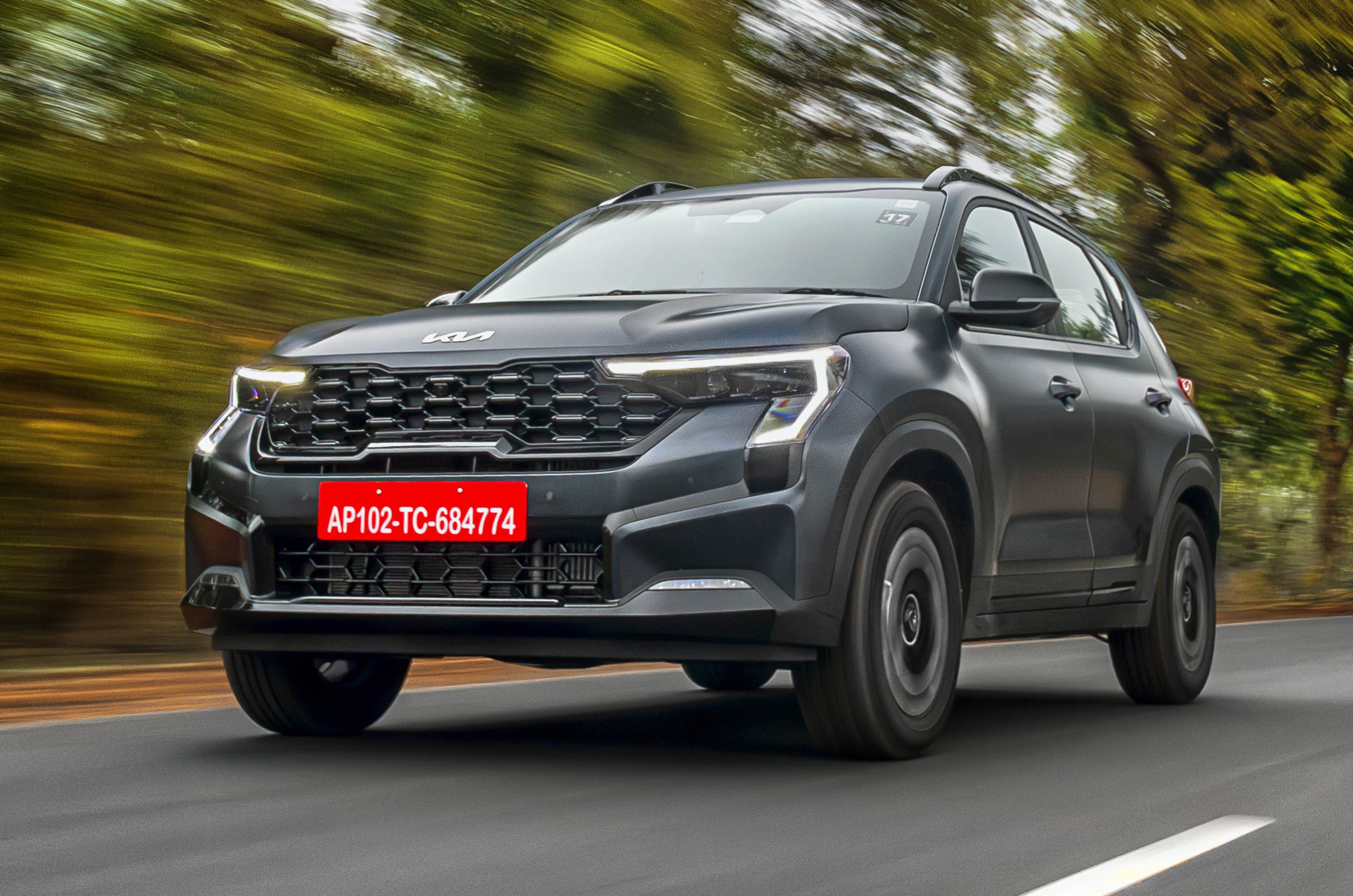
10. Kia Sonet
Price: 8.79 lakh onwards
The Sonet is one of two contenders from Kia in the compact SUV space. It utilises the same 1.0-litre turbo-petrol unit as the i20 N Line’s. Notably, it’s the only model in this list that utilises a clutchless manual gearbox (iMT) with its turbo-petrol engine. There’s also a 7-speed DCT on offer as well. The Kia Sonet review mentions that its turbo-petrol unit has sufficient pep in most use cases.
Kia Sonet turbo-petrol price
Variant
Price (Rs lakh)
HTK(O) iMT
9.16
HTK(O) DCT
9.96
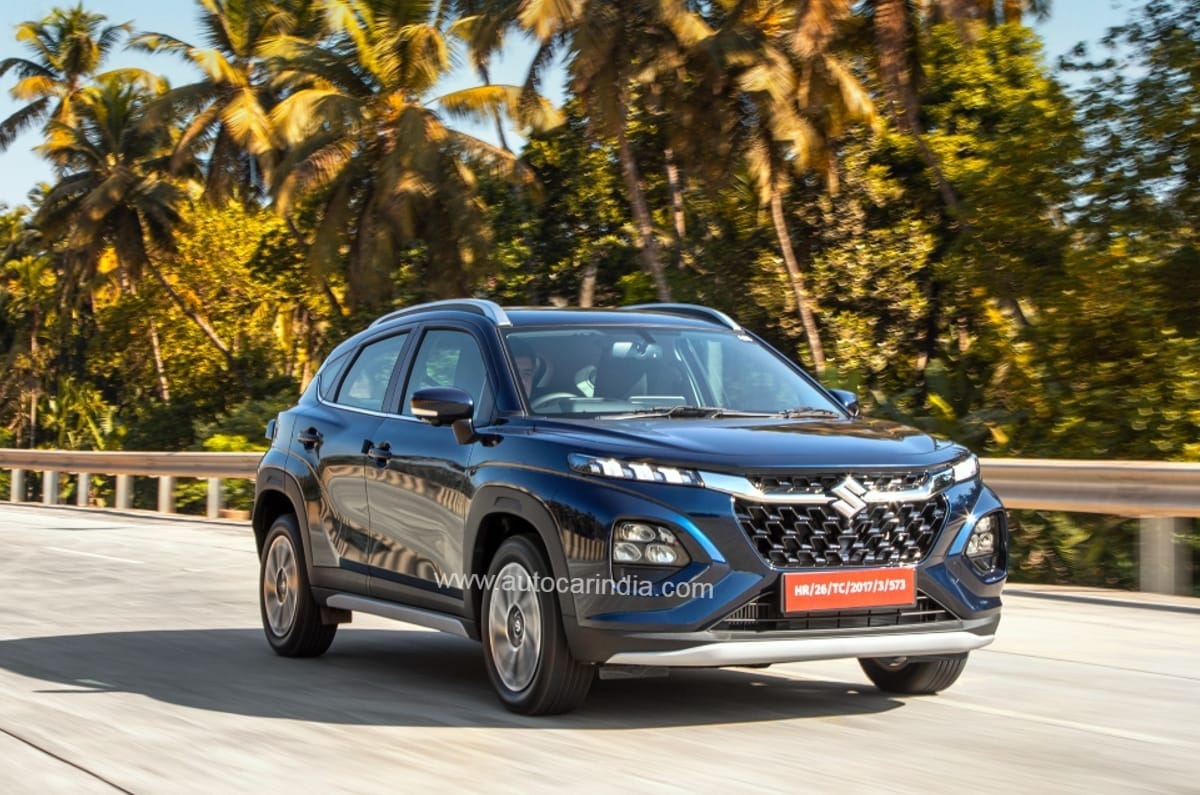
9. Maruti Suzuki Fronx
Price: Rs 8.91 lakh onward
The Fronx is Maruti’s only turbo-petrol-powered model, developing 100hp and 148Nm from a 1.0-litre unit. Power is sent to the front wheels via a 5-speed manual transmission. There’s also a 6-speed automatic gearbox on offer, but it’s priced over the Rs 10 lakh mark. In our Fronx review, we found its turbo-petrol unit has minimal turbo lag, but it lacked the mid-range punch one expects from a turbo-petrol engine.
Maruti Fronx turbo-petrol price
Variant
Price (Rs lakh)
Delta Plus MT
8.91
Zeta MT
9.71
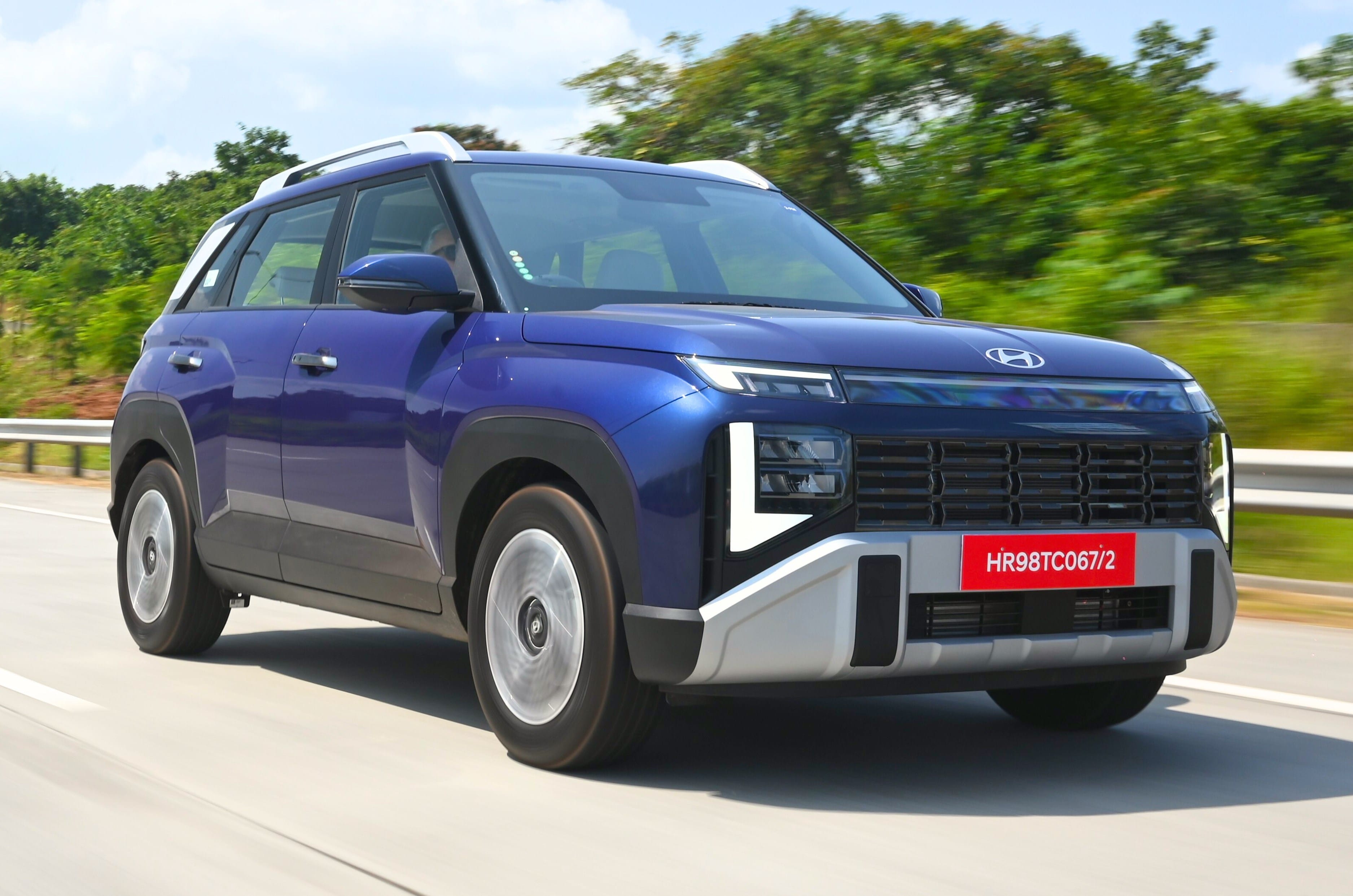
8. Hyundai Venue
Price: Rs 8.89 lakh onwards
The Hyundai Venue gets a similar 120hp, 1.0-litre turbo-petrol unit as the i20. Since the engine is paired with the base HX2 trim, it is more affordable in the Venue than the better-equipped i20 N-Line in the N6 trim. It is the most powerful model here, along with the i20 and Kia’s Sonet and Syros. We found the turbo-petrol engine’s performance to be strong and refined in our Hyundai Venue review.
Hyundai Venue turbo-petrol price
Variant
Price (Rs lakh)
HX2 MT
8.91
HX5 MT
9.90
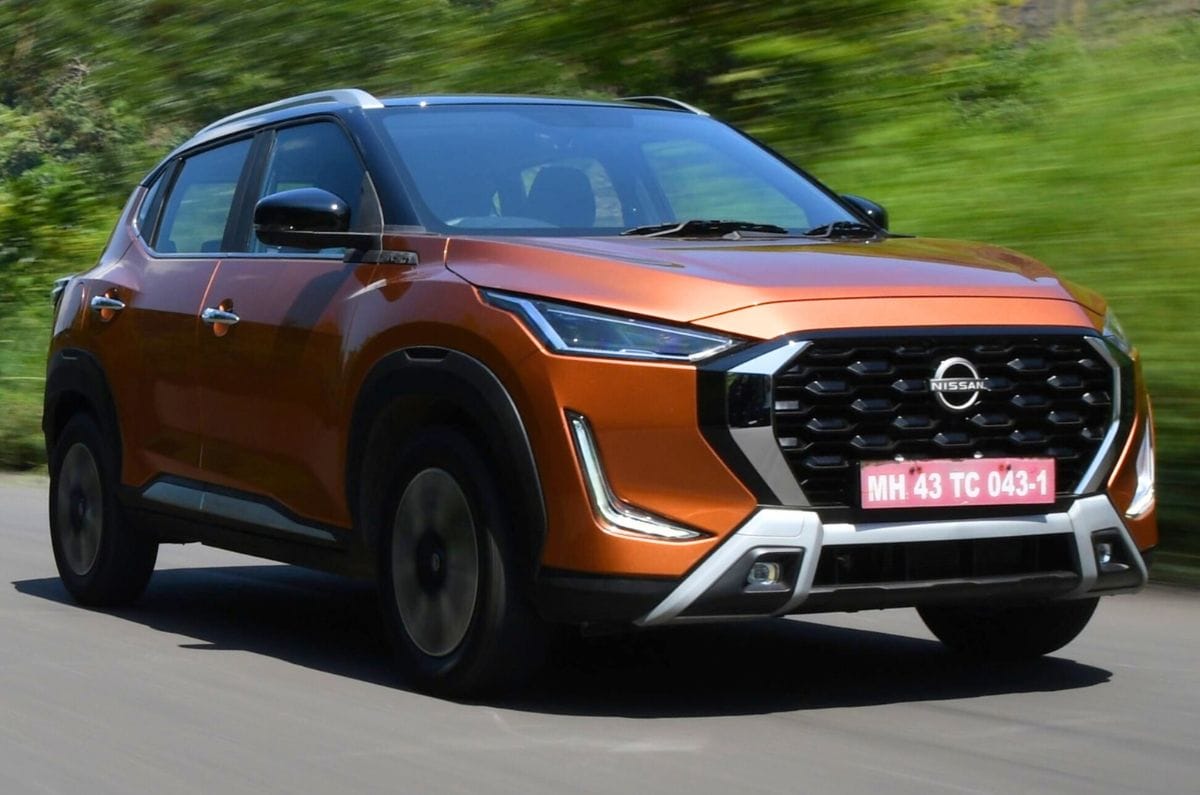
7. Nissan Magnite
Price: Rs 8.75 lakh onwards
The Magnite is Nissan’s only model on sale that offers a turbo-petrol engine. Its 1.0-litre unit delivers 100hp and 152Nm of torque and can be paired to a 5-speed manual transmission or a CVT gearbox. We found the Magnite’s engine to have great mid-range punch, and its CVT to be smooth-shifting in our review. There’s also a Kuro Edition of the SUV, which gets blacked-out styling and interior details.
Nissan Magnite turbo-petrol price
Variant
Price (Rs lakh)
N-Connecta MT
8.75
Tekna MT
9.54
Tekna+ MT
9.55
Acenta CVT
9.25
N-Connecta CVT
9.67
Kuro Edition MT
9.10
Kuro Edition CVT
9.99
6. Kia Syros
Price: Rs 8.42 lakh onwards
Despite sharing the same engine as the Venue, i20 and Sonet, the Syros is the most affordable of the four. Unlike the Sonet that offers an iMT gearbox with its turbo-petrol engine, the Syros offers a proper three-pedal setup. Our review of the Syros finds its engine to pull smoothly through seamless gearshifts, especially with the manual transmission.
Kia Syros turbo-petrol price
Variant
Price (Rs lakh)
HTE
8.42
HTE(O)
9.22
HTE(EX)
9.82
5. Tata Punch
Price: Rs 8.35 lakh onwards
The 2026 Punch gets the Nexon’s 120hp turbo-petrol engine with its mid and top-level trims. However, unlike the Nexon, which also gets automatic transmissions, the Punch only gets a 6-speed manual gearbox with its turbo-petrol engine. It is the most affordable sub-compact SUV in this list, powered by a turbo-petrol engine. We experienced this engine in our review of the Punch and were impressed with its linear power delivery, overall grunt, and eager responsiveness.
Tata Punch turbo-petrol price
Variant
Price (Rs lakh)
Adventure
8.35
Accomplished+ S
9.85
4. Renault Kiger
Price: Rs 7.89 lakh
The Kiger is Renault’s badge-engineered version of the Nissan Magnite. It also utilises Magnite’s 1.0-litre turbo-petrol engine and offers the same gearbox options. Our experience of the Kiger’s turbo-petrol engine mentions that it has enough pep and is responsive, and is much better to drive when paired with the CVT.
Renault Kiger turbo-petrol price
Variant
Price (Rs lakh)
Evolution+ Turbo MT
7.89
Techno Turbo MT
8.45
Techno Turbo CVT
9.35
Emotion Turbo MT
9.35
3. Skoda Kylaq
Price: Rs 7.59 lakh onwards
Skoda’s best-selling model in its lineup, the Kylaq compact SUV, is powered by a single 1.0-litre turbo-petrol engine delivering 115hp and 178Nm of torque, and is paired to a 6-speed manual or a 6-speed automatic gearbox. We found the Kylaq TSI engine’s strong power delivery to be a key highlight in our review.
Skoda Kylaq price
Variant
Price (Rs lakh)
Classic
7.59
Classic+
8.25
Classic+ AT
9.25
Signature
9.43
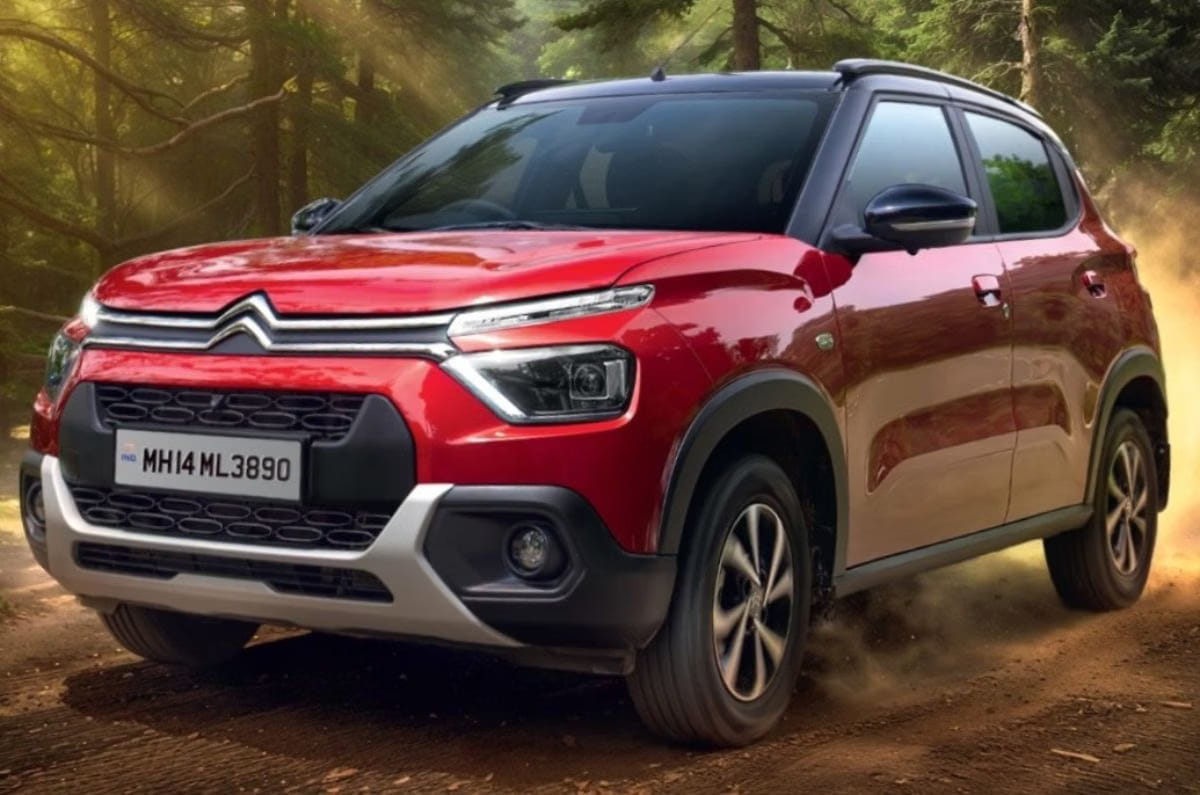
2. Citroen C3 X
Price: Rs 7.50 lakh onwards
The Citroen C3 X gets a turbo petrol engine on its mid and top trims. Powered by a 110hp,1.2-litre turbo-petrol engine, it produces the highest torque figures in this list with 190Nm and 205Nm with its 6-speed manual and automatic gearboxes, respectively. We found the engine quite responsive, with smooth shifts, making it engaging to drive compared with its rivals.
Citroen C3 X turbo-petrol price
Variant
Price (Rs lakh)
Feel turbo MT
7.50
Shine turbo MT
8.89
Shine turbo AT
9.60
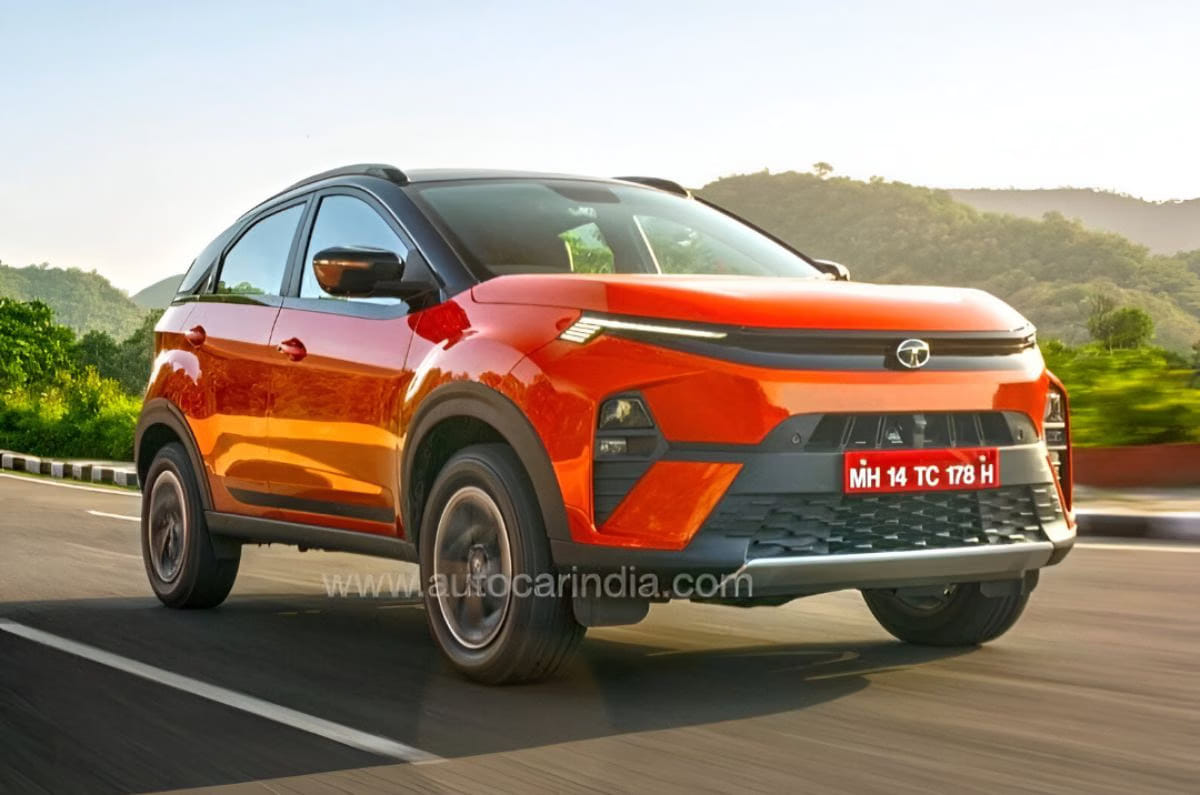
1. Tata Nexon
Price: Rs 7.37 lakh onwards
Currently, the Nexon holds the crown for being the most affordable car and compact SUV with a turbo-petrol engine. Powering it is a 1.2-litre turbo-petrol engine producing 120hp and 170Nm of torque. The engine can be paired with multiple transmission options, including a 5-speed manual, 6-speed manual, and a 6-speed AMT. There’s also a DCT automatic gearbox as an option, but it’s priced above Rs 10 lakh. We found its engine and gearbox performance to be smooth, especially at city speeds, with Sport mode giving it slightly more punch in our Nexon review.
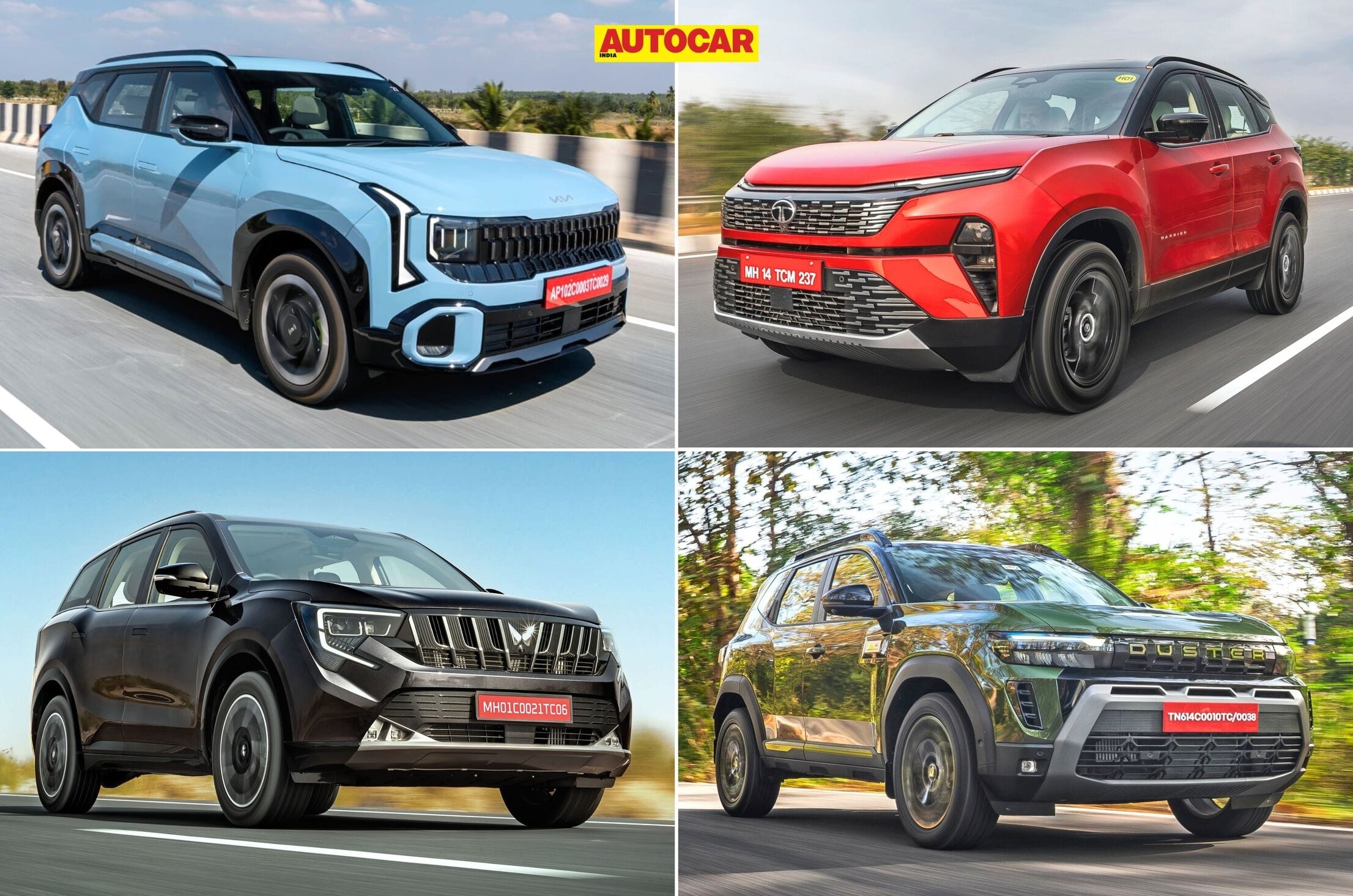
SUVs are not only extremely popular in the Indian mass market, they’re also highly aspirational. With aspiration comes the demand for higher power outputs, and many carmakers have answered that call by offering sporty and powerful SUVs to mass-market buyers. Therefore, we’ve put together a list of the most powerful ICE SUVs available under the Rs 25 lakh mark. The rankings are based on power output in ascending order.
10. Volkswagen Taigun and Skoda Kushaq 1.5 turbo-petrol
150hp, 250Nm
Both the Taigun and Kushaq are among the most fun-to-drive options in the midsize SUV segment, largely thanks to their 150hp 1.5-litre direct-injection turbo-petrol engines. This is the only engine on this list to feature active cylinder deactivation, which can shut off two of its cylinders at cruising speeds to save fuel. Volkswagen and Skoda offer the 1.5 TSI only in higher variants of the Taigun (GT Plus and GT Plus Sport) and Kushaq (Prestige and Monte Carlo), that too with a sole 7-speed dual-clutch automatic gearbox.
The Taigun 1.5 TSI price starts at Rs 19 lakh and extends to Rs 19.3 lakh, whereas pricing for the Kushaq 1.5 TSI starts at Rs 18.79 lakh and tops off at Rs 18.99 lakh.
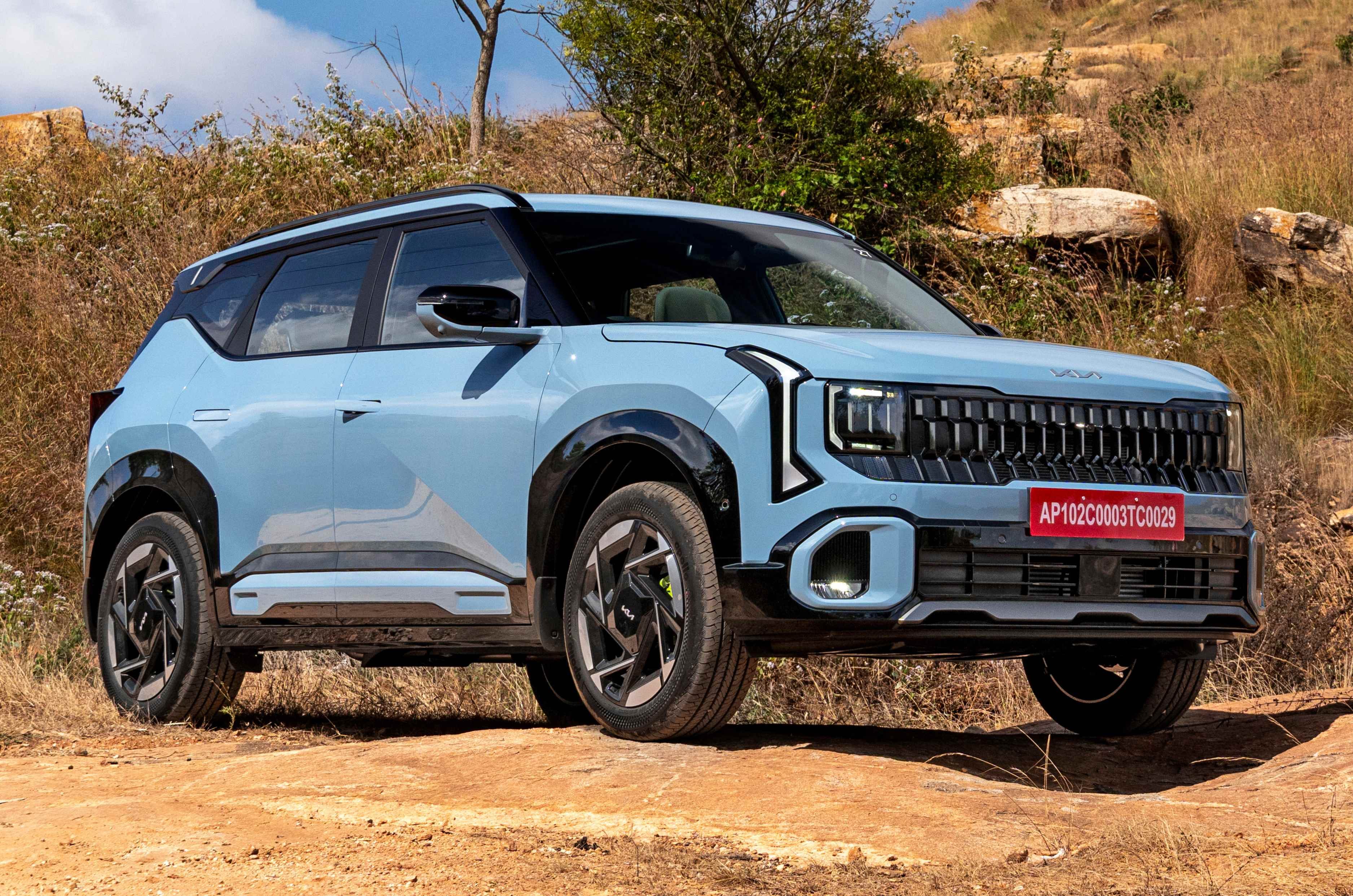
9. Kia Seltos and Hyundai Creta, Alcazar 1.5 turbo-petrol
160hp, 253Nm
Launched in early 2026, the second-gen Kia Seltos carries forward its predecessor’s powertrains, including the 160hp 1.5-litre direct-injection turbo-petrol, which is offered from the HTE(O) trim onwards. Gearbox options for the Seltos turbo-petrol comprise a 6-speed iMT and a 7-speed dual-clutch automatic. The Seltos turbo-petrol price starts at Rs 12.91 lakh and tops off at Rs 20 lakh.
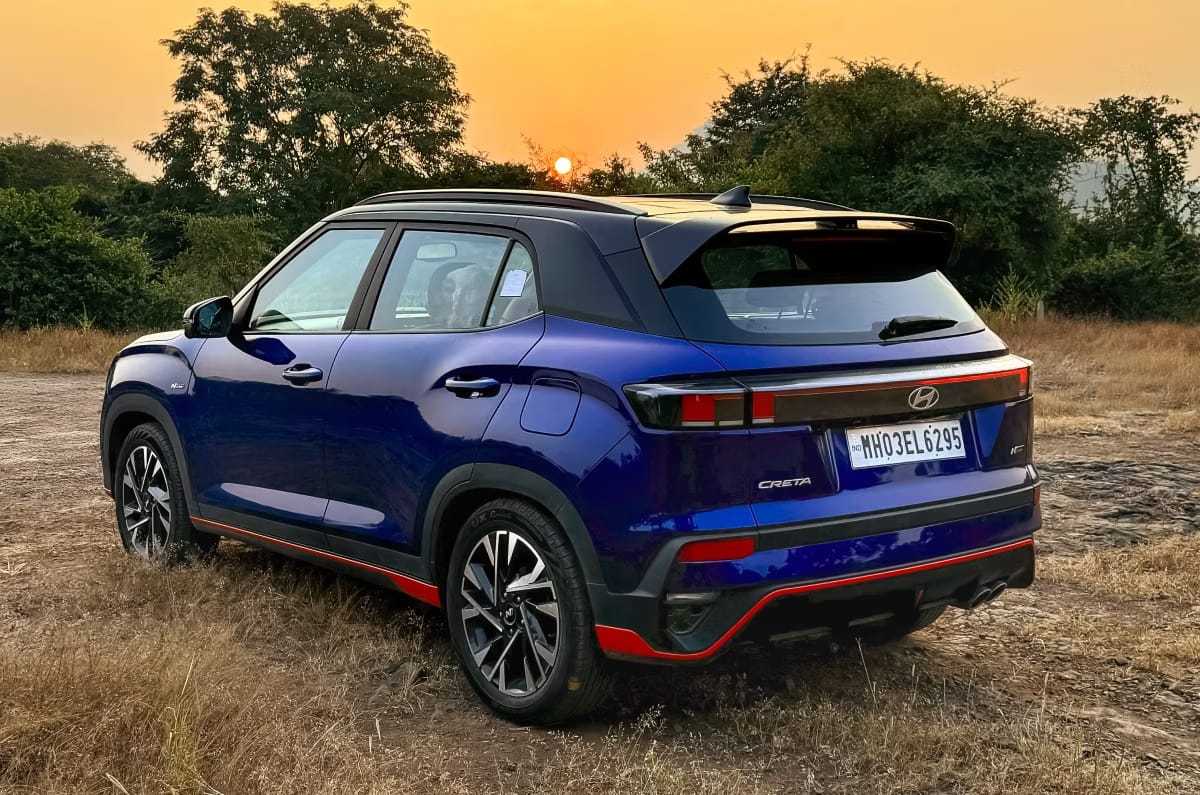
Hyundai’s venerable Creta and its 7-seater derivative, the Alcazar, get the same turbo-petrol engine too, albeit with slightly different transmission options. The standard Creta turbo-petrol is available in the top-spec King trim with the 7-speed DCT, while the SUV’s sportier N Line variants additionally offer a 6-speed manual. Meanwhile, the Alcazar gets the turbo-petrol engine from its base Executive trim onwards and can be had with 6-speed manual and 7-speed DCT options.
The standard Creta turbo-petrol is priced at Rs 19.91 lakh, whereas the N Line variants start at Rs 19.03 lakh and top off at Rs 19.95 lakh. Interestingly, the Alcazar turbo-petrol, priced from Rs 14.51 lakh to Rs 21.1 lakh, carries the lowest starting price of any Hyundai SUV equipped with this engine.
8. Tata Sierra 1.5 turbo-petrol
160hp, 255Nm
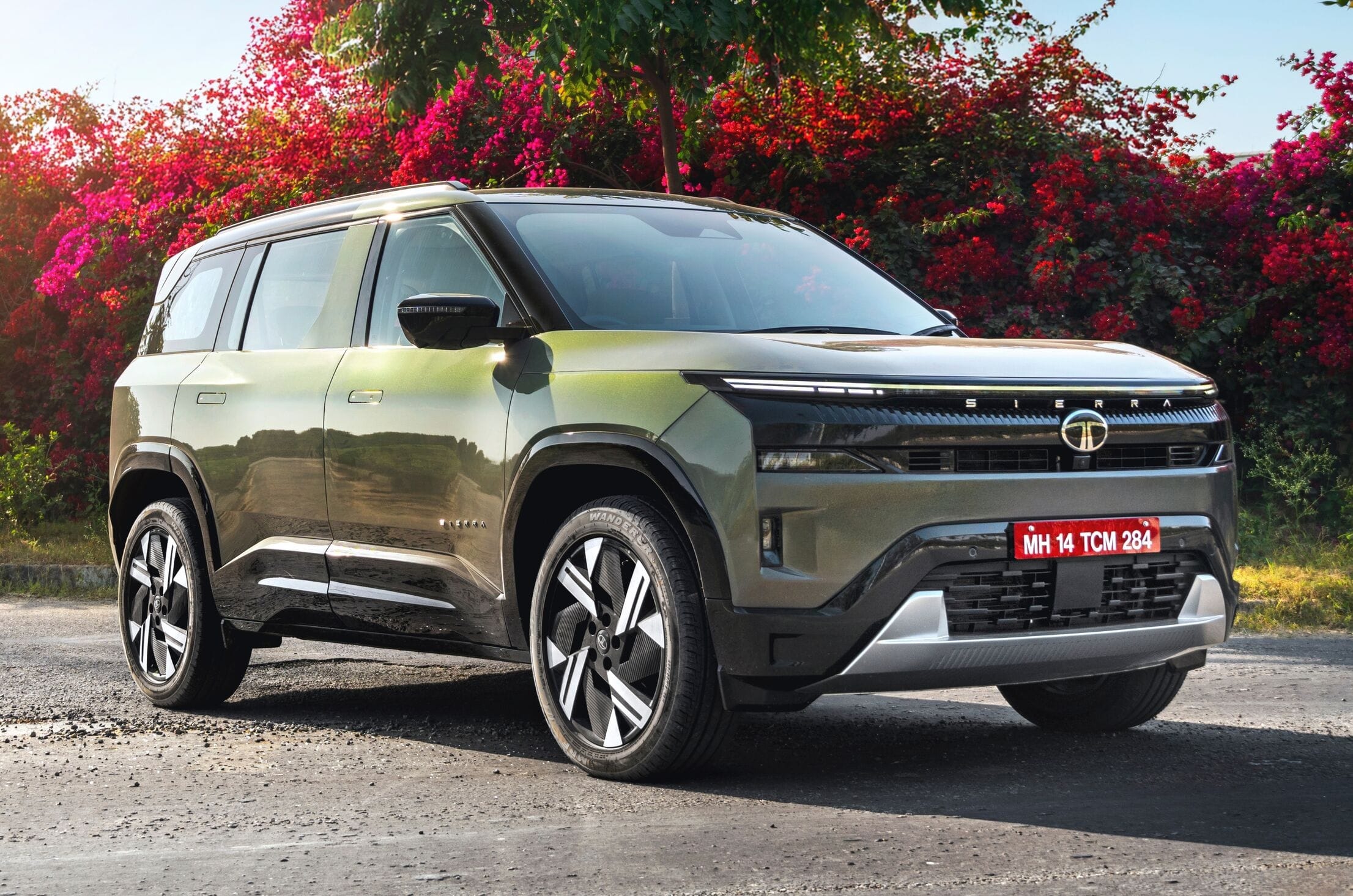
The Sierra is the first Tata model to use the carmaker’s 160hp 1.5-litre direct-injection turbo-petrol ‘Hyperion’ engine, which is offered from the SUV’s Adventure+ trim onwards. Unlike most SUVs on this list, though, the Sierra turbo-petrol can be had solely with a 6-speed torque converter automatic. Pricing for the Sierra turbo-petrol starts at Rs 17.99 lakh and climbs to Rs 20.99 lakh.
7. Renault Duster 1.3 turbo-petrol
163hp, 280Nm
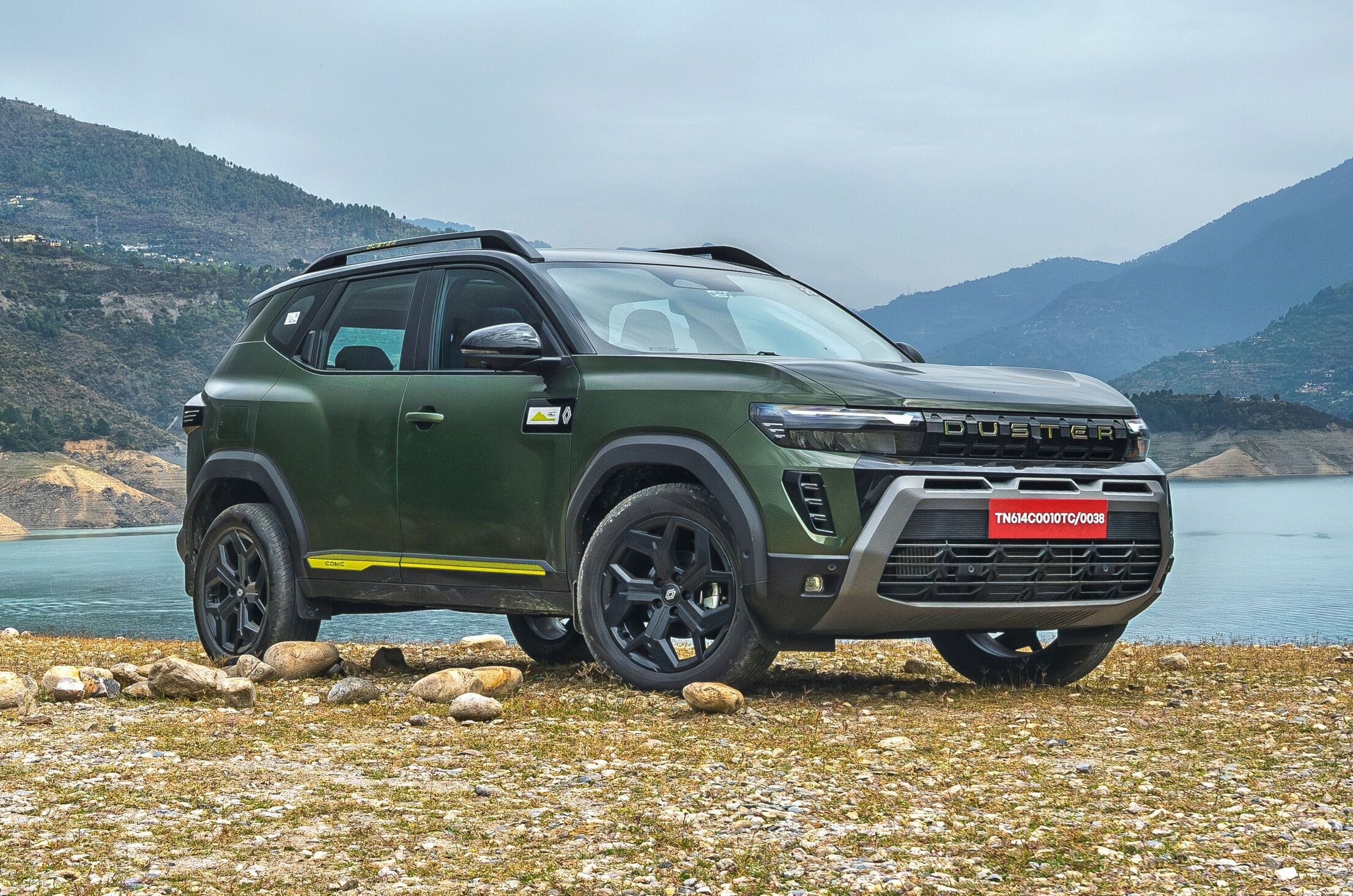
The new Renault Duster is the most powerful midsize SUV you can currently buy thanks to the 163hp 1.3-litre direct-injection turbo-petrol engine available from the one-above-base Evolution variant. This mill is paired with either a 6-speed manual or a 6-speed wet-clutch DCT – the Duster is the only SUV on this list to offer the latter gearbox. The Duster 1.3 turbo-petrol price range is Rs 12.99 lakh-18.49 lakh.
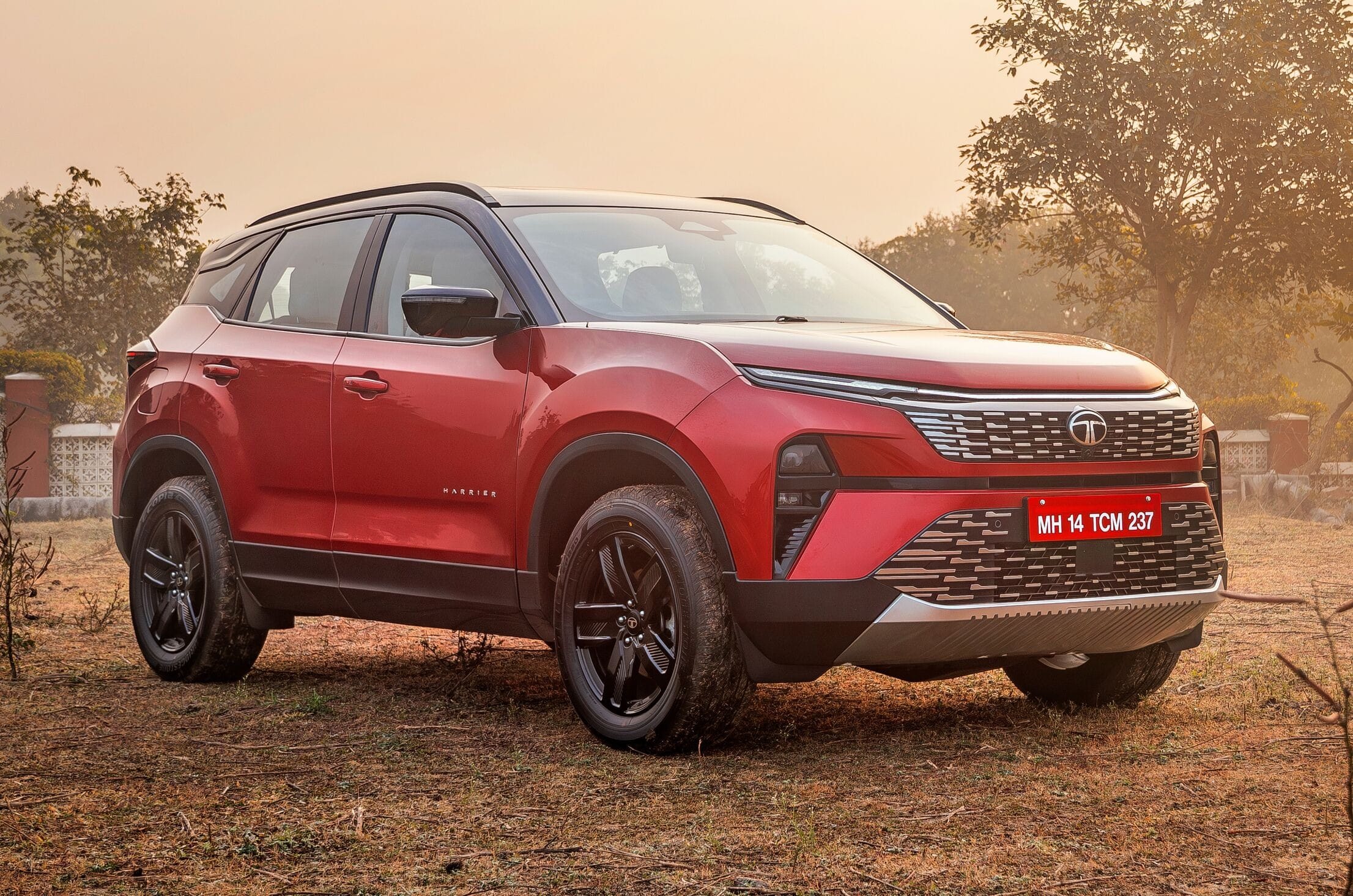
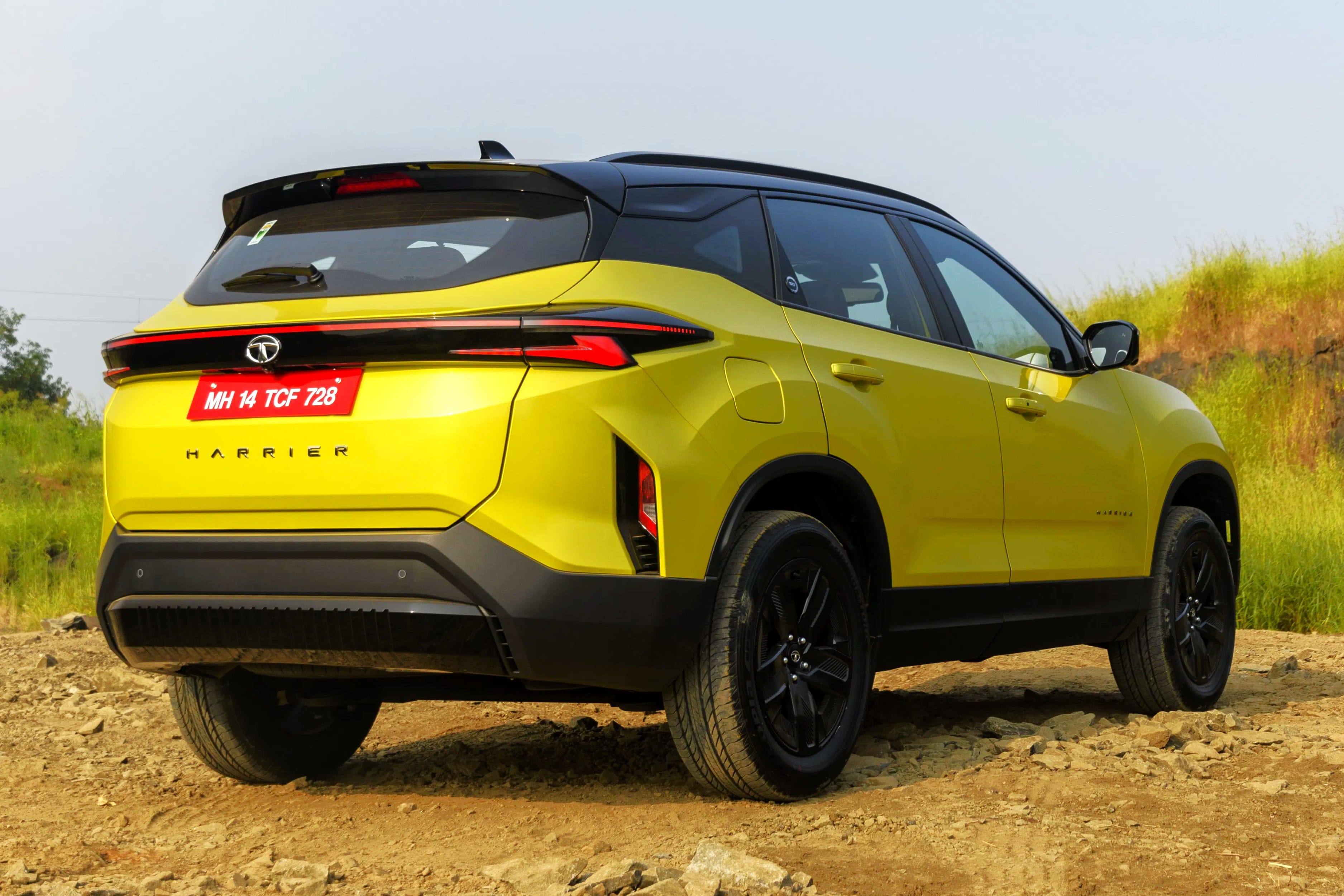
6. Tata Safari, Harrier 1.5 turbo-petrol
170hp, 280Nm
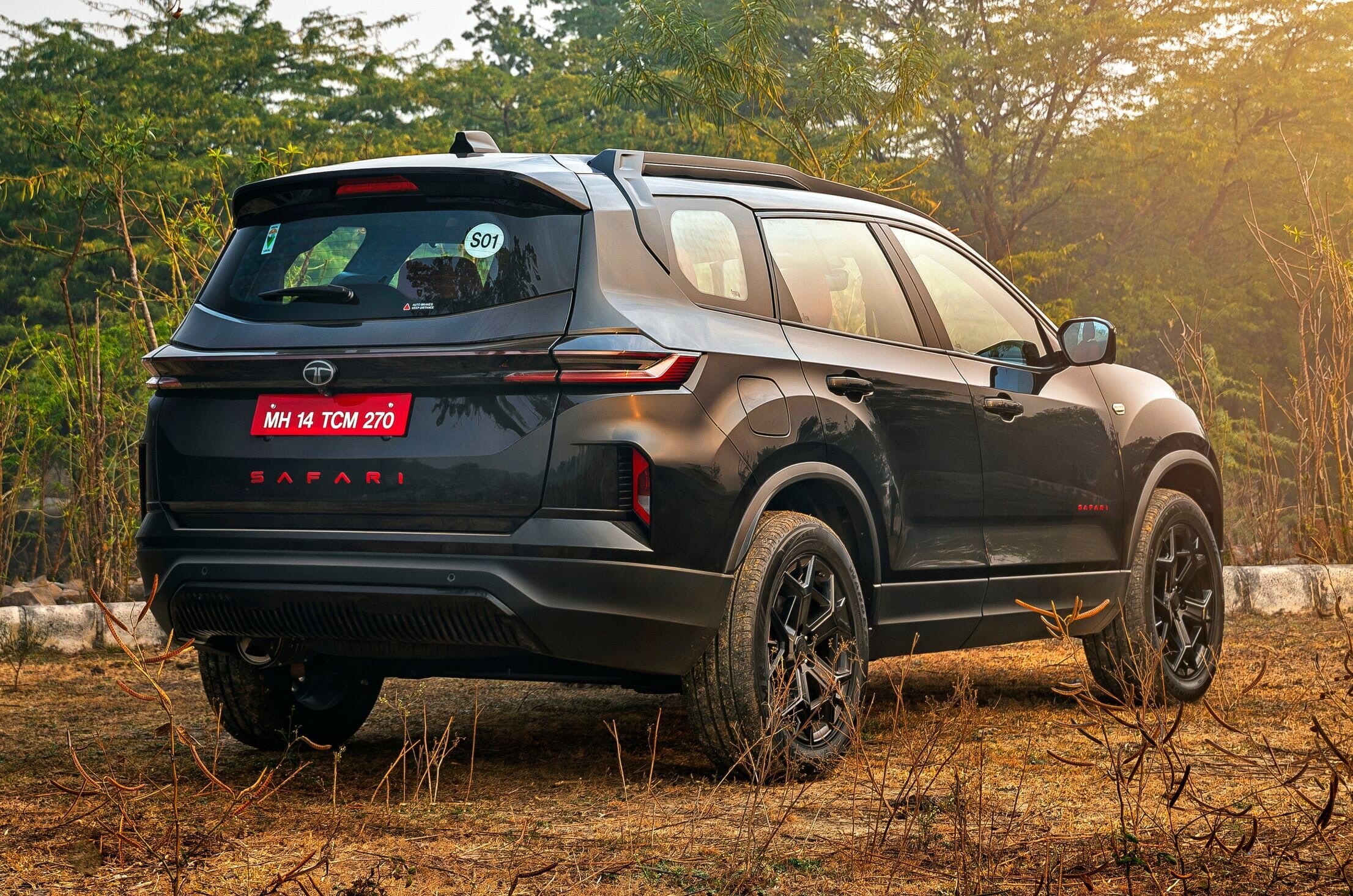
Not long after the launch of the Sierra, Tata started offering its 1.5-litre turbo-petrol engine under the bonnets of the Harrier and Safari as well. However, the engine features a higher state of tune for the Safari and Harrier – up 10hp and 25Nm over the Sierra – and can even be had with a 6-speed manual gearbox in addition to the 6-speed torque converter.
The Harrier petrol is priced from Rs 12.89 lakh to Rs 24.14 lakh, while the Safari price range is Rs 13.29 lakh-24.85 lakh. These prices are exclusive of premiums for cosmetic packages like Dark, Red Dark, and Stealth.
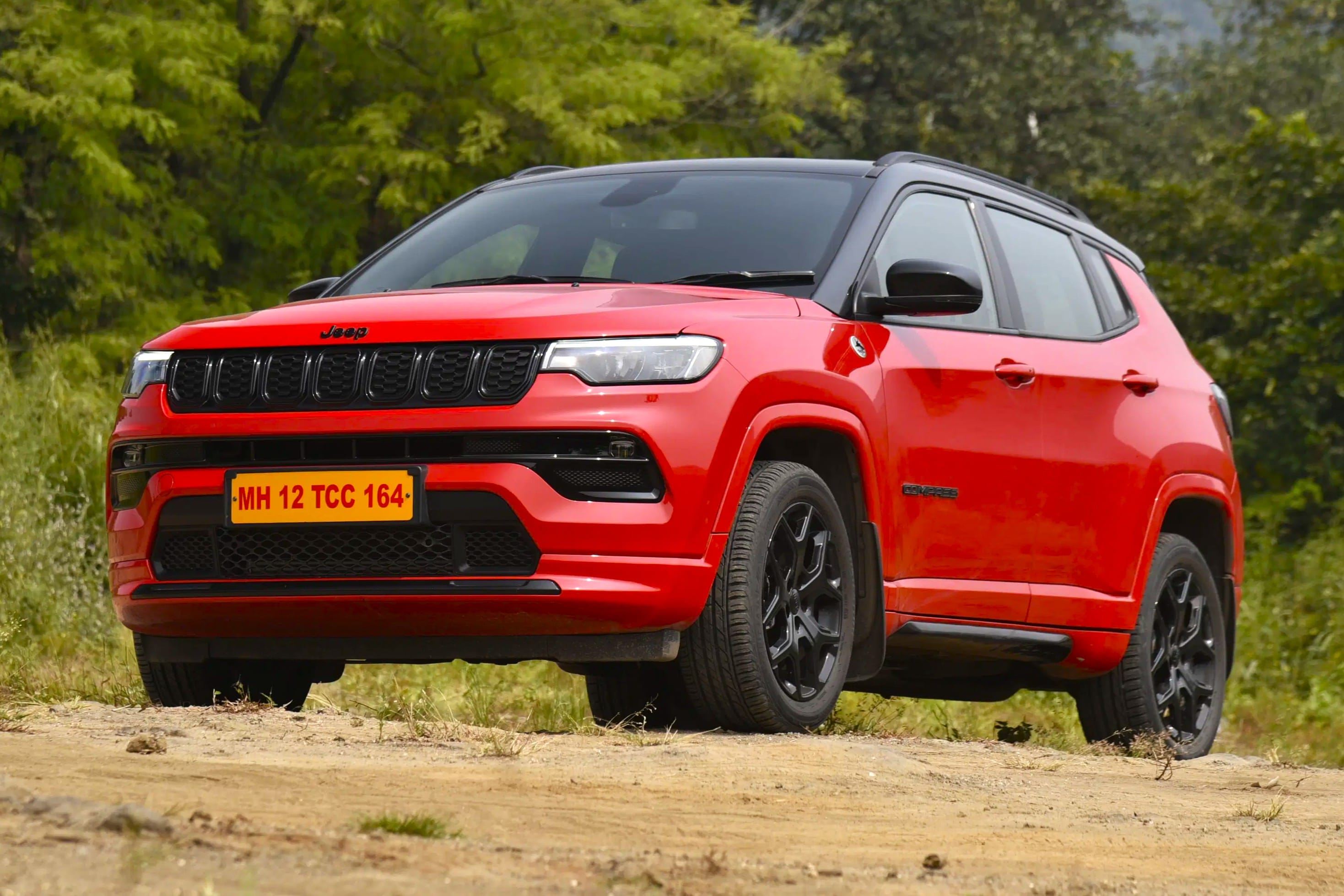
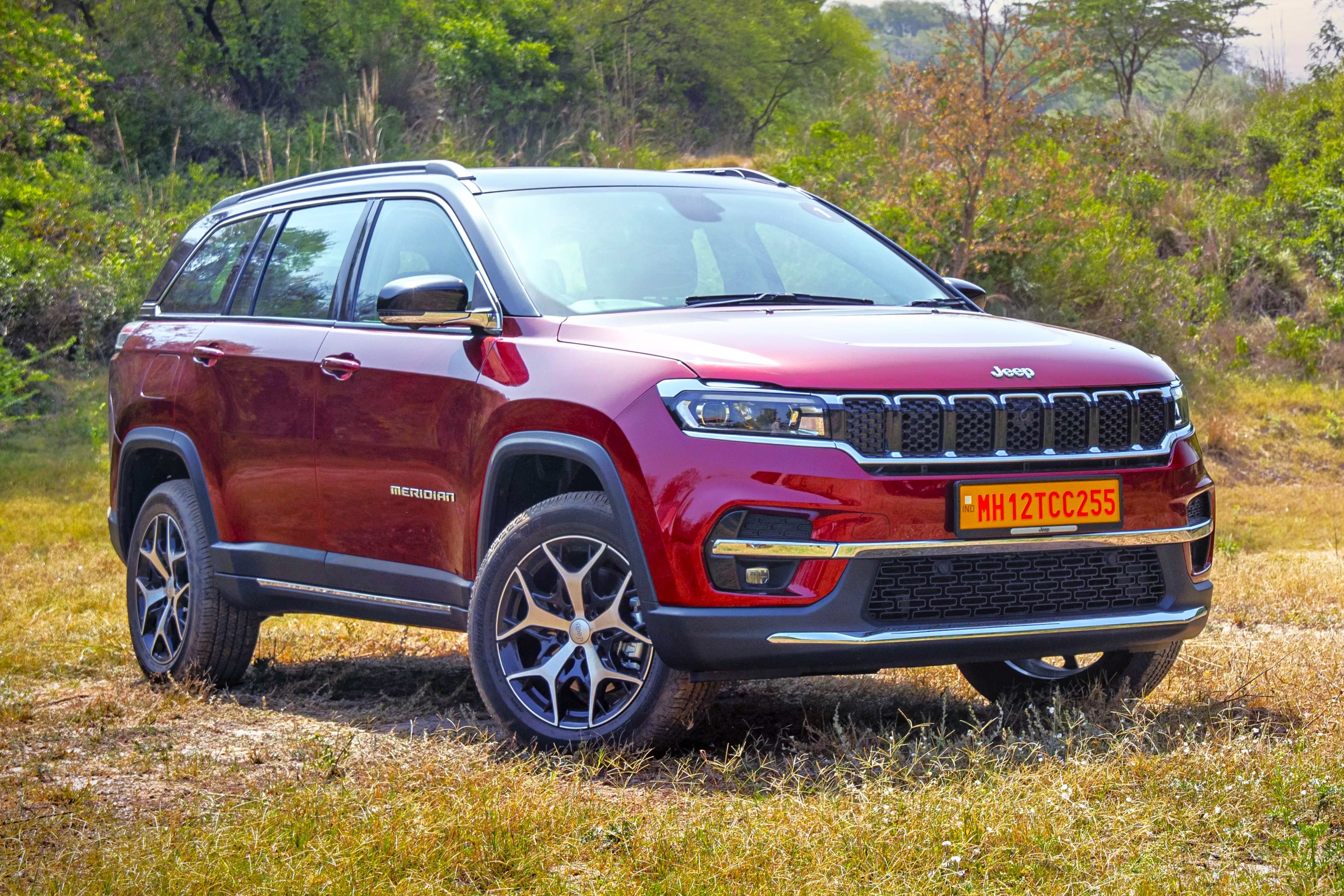
5. Tata Safari, Harrier and Jeep Compass, Meridian 2.0 diesel
170hp, 350Nm
The Tata Harrier and Safari have long offered a Fiat-sourced 2.0-litre diesel engine in the same 170hp state of tune. These diesel SUVs can be had with either a 6-speed manual or a 6-speed torque converter automatic. The Harrier diesel price range is Rs 14 lakh to 25.3 lakh, whereas pricing for the Safari diesel starts at Rs 14.75 lakh and tops off at Rs 26.05 lakh (excluding premiums for cosmetic packages).
Both of Jeep India’s mass-market offerings, the Compass and Meridian, also come with the same 170hp 2.0-litre diesel engine. However, the Compass and Meridian differ slightly in terms of gearbox options, offering either a 6-speed manual or a 9-speed torque converter automatic. The Compass and Meridian also offer 4×4 as an option in higher variants.
Pricing for the Compass starts at Rs 17.99 lakh and climbs to Rs 30.45 lakh, whereas the Meridian is priced from Rs 23.33 lakh to Rs 37.48 lakh, excluding special editions for both SUVs.
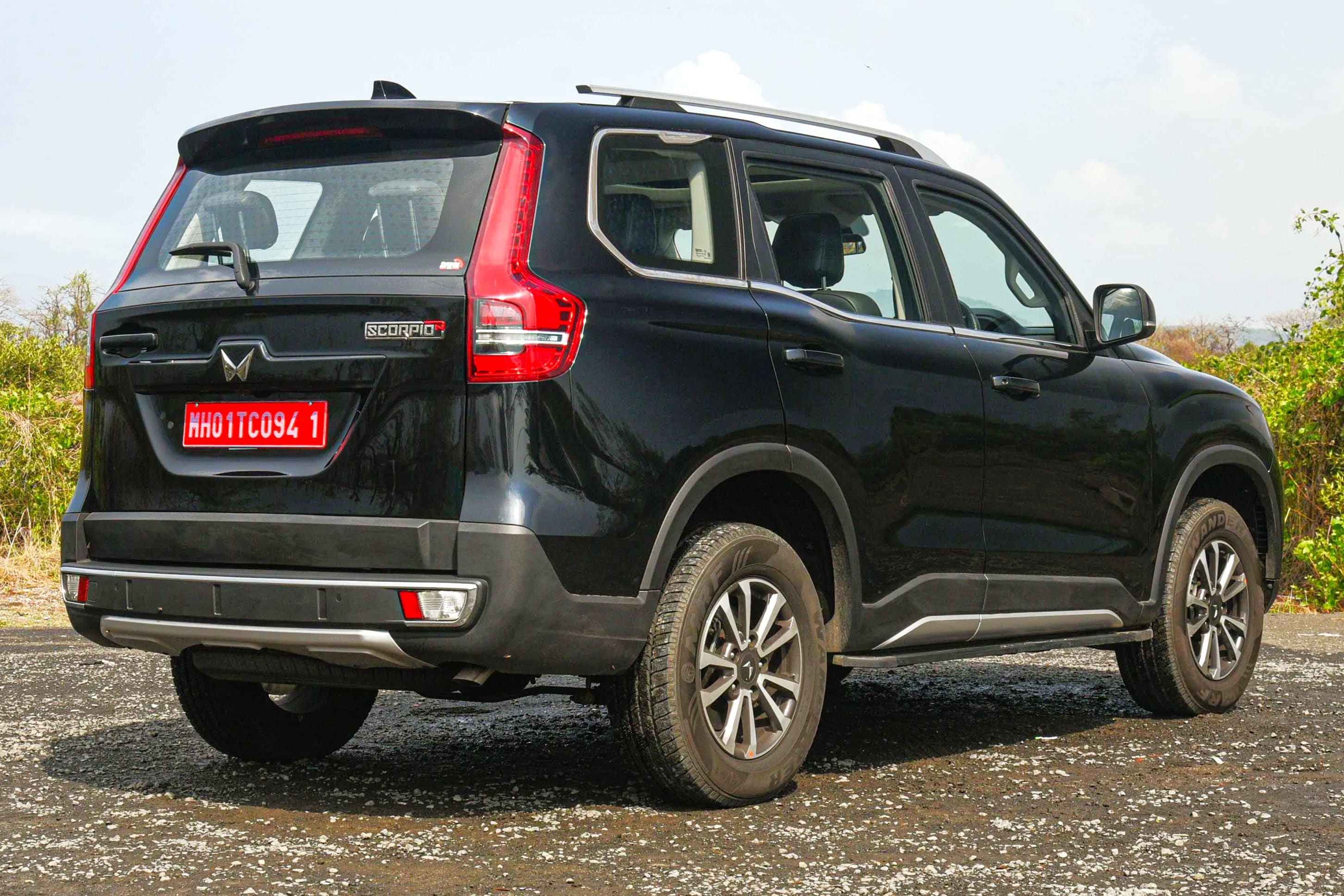
4. Mahindra Scorpio N, Thar Roxx 2.2 diesel
Up to 175hp, 400Nm
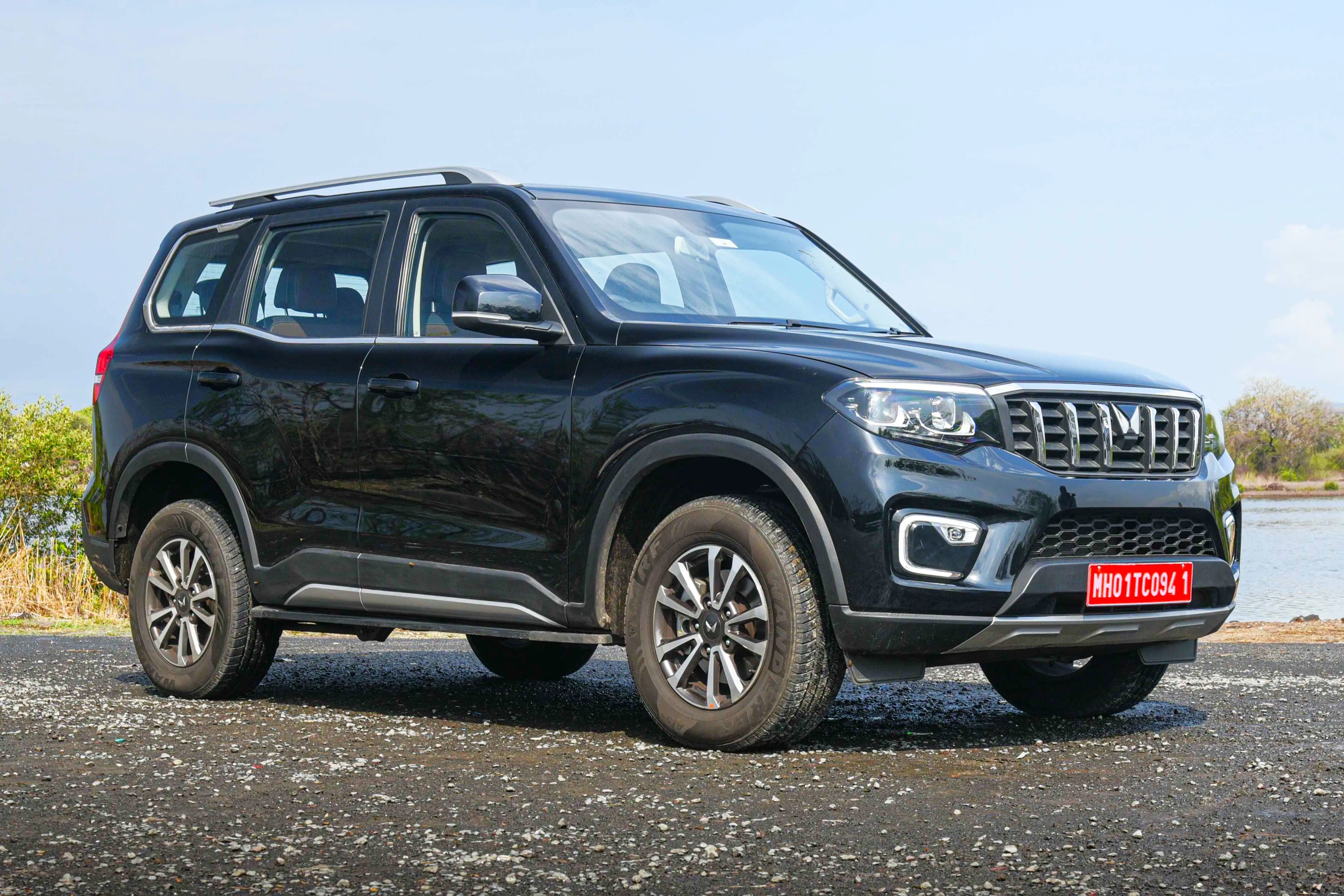
Mahindra sells both the Scorpio N and Thar Roxx SUVs with a 2.2-litre diesel engine, albeit in varying states of tune. From the Z6 trim onwards, the Scorpio N diesel develops 175hp, but outputs 370Nm when paired with the 6-speed manual and 400Nm with the 6-speed torque converter. Meanwhile, the lower Scorpio N Z2 and Z4 diesel MT variants produce 132hp and 300Nm.
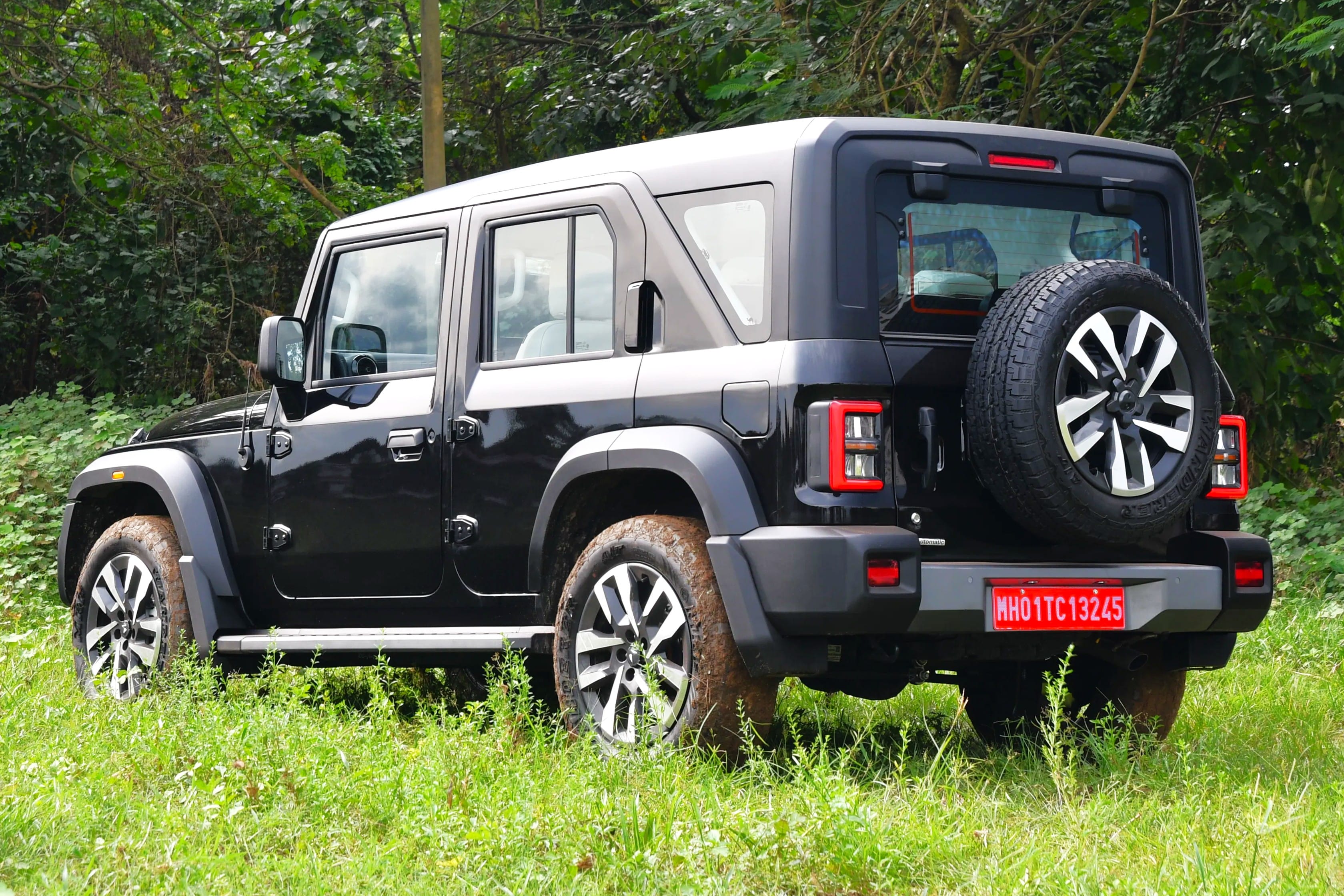
The Thar Roxx diesel offers the same transmission options as that of the Scorpio N, and makes 175hp and 400Nm in its higher-spec AX5L AT and AX7L AT variants. Lower variants of the Thar Roxx diesel generate 152hp and 330Nm. Both SUVs are available with 4×4 in higher-spec diesel variants as well. Prices for the Scorpio N diesel start at Rs 13.99 lakh and extend to Rs 24.95 lakh, while the Thar Roxx diesel price range is Rs 13.86 lakh-22.82 lakh.
3. Mahindra Thar Roxx 2.0 turbo-petrol
Up to 177hp, 380Nm
The Thar Roxx is also available with Mahindra’s 2.0-litre direct-injection turbo-petrol ‘mStallion’ engine, though outputs vary depending on gearbox. With the 6-speed manual equipped, the Thar Roxx petrol outputs 162hp and 330Nm, whereas with the 6-speed automatic, the output is bumped to 177hp and 380Nm. The Thar Roxx petrol price range is Rs 12.4 lakh-20 lakh.
2. Mahindra XUV 7XO 2.2 diesel
185hp, up to 450Nm
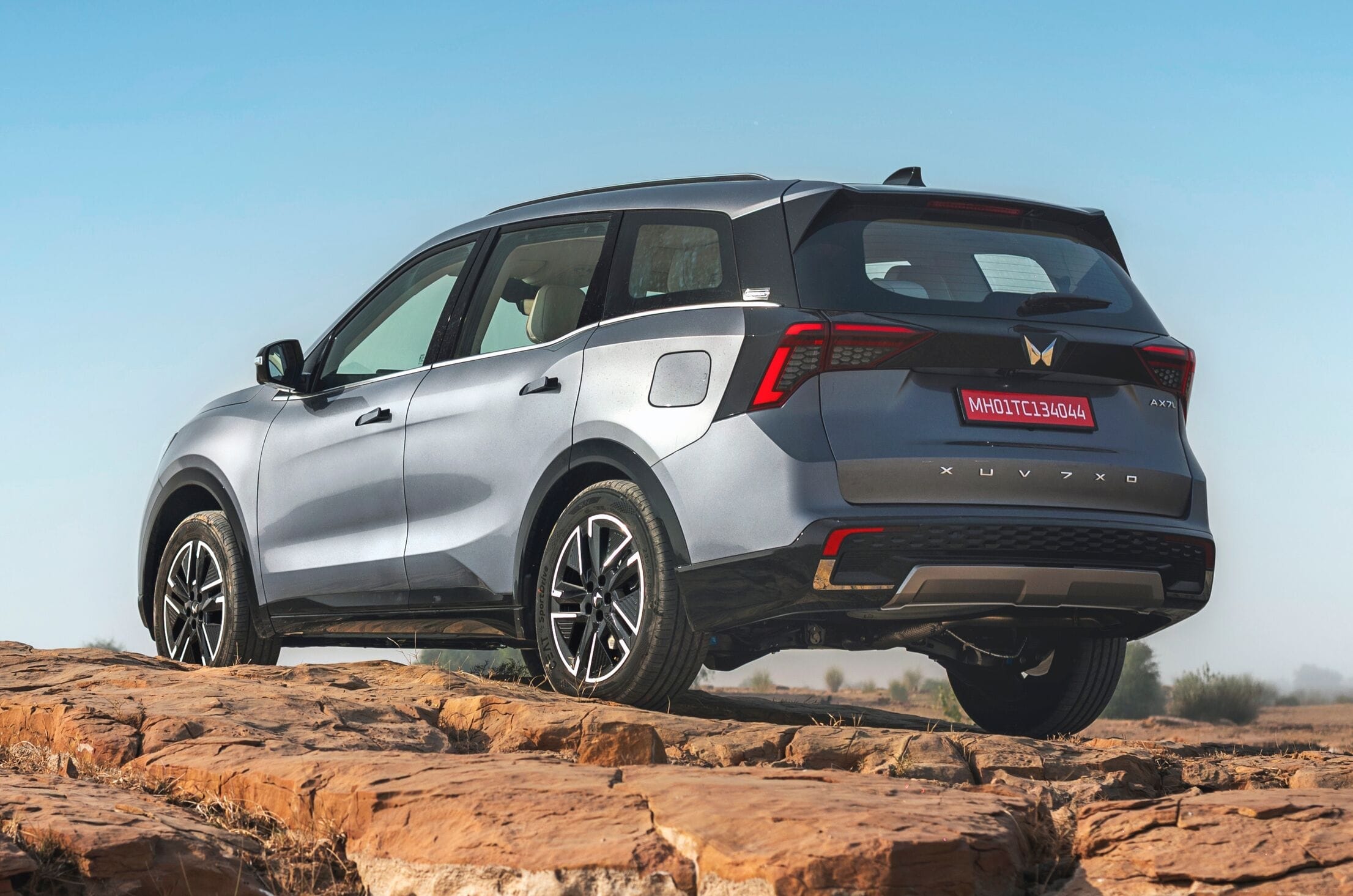
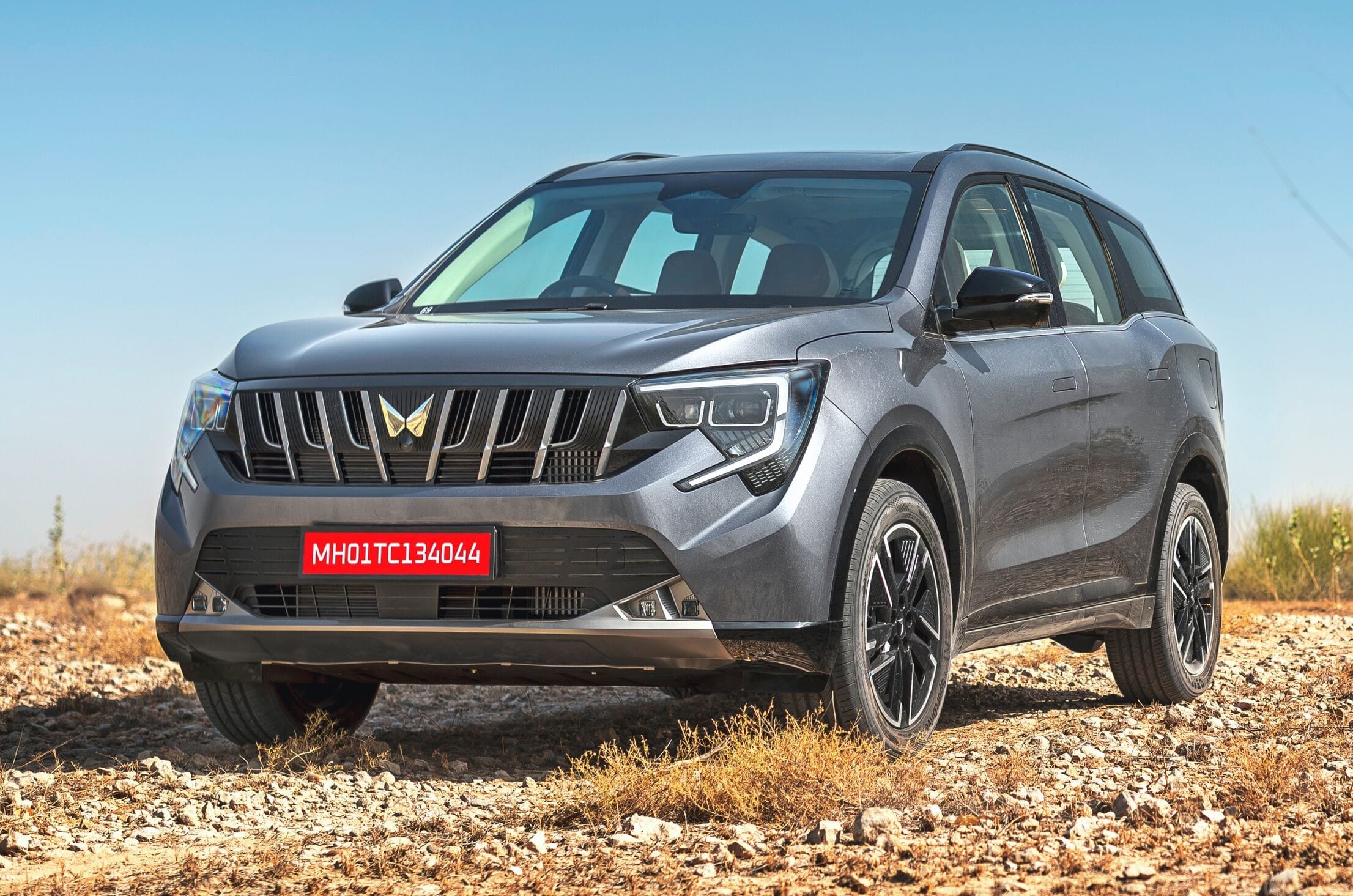
Like the Scorpio N and Thar Roxx, the Mahindra XUV 7XO gets a 2.2-litre diesel engine, but in a more powerful 185hp state of tune. When paired with the 6-speed manual, the XUV 7XO diesel outputs 420Nm, rising to 450Nm with the 6-speed torque converter automatic equipped. The XUV 7XO diesel is also offered with AWD in higher variants. Prices for the XUV 7XO diesel start at Rs 14.96 lakh and climb to Rs 24.92 lakh.
1. Mahindra XUV 7XO, Scorpio N 2.0 turbo-petrol
203hp, up to 380Nm (370 MT SCN)
The turbo-petrol Mahindra XUV 7XO and Scorpio N are officially the most powerful SUVs you can buy under Rs 25 lakh. Their 2.0-litre direct-injection turbo-petrol engine develops a healthy 203hp across all variants. While the XUV 7XO petrol outputs 380Nm for both its manual and automatic transmission options, the Scorpio N petrol makes 370Nm when paired with the manual and 380Nm with the automatic.
Pricing for the XUV 7XO petrol starts at Rs 13.66 lakh and extends to Rs 23.64 lakh, while the Scorpio N petrol price range is Rs 13.49 lakh-22.45 lakh.