GIFT Nifty में दबाव, US-ईरान की घबराहट के बीच लाल निशान में खुल सकता है बाजार, क्रूड ऑयल फिसला

GIFT Nifty ने मंगलवार को भारतीय बेंचमार्क इंडेक्स के लिए कमजोर शुरुआत का संकेत दिया, जो वॉल स्ट्रीट में रात भर की बढ़त और एशियाई बाजारों में तुलनात्मक रूप से स्थिर बढ़त को ट्रैक करता है, भले ही निवेशक US-ईरान की नई बातचीत से पहले सावधानी बरत रहे थे और मिडिल ईस्ट में हो रहे डेवलपमेंट पर नज़र रख रहे थे।

GIFT Nifty सुबह 8.31 बजे के आसपास 24,004 पर ट्रेड कर रहा था, जो 23.80 पॉइंट या 0.23 प्रतिशत नीचे था, जिससे पता चलता है कि सोमवार का सेशन गिरावट के साथ खत्म होने के बाद सेंसेक्स और निफ्टी आज फिर दबाव के साथ खुल सकते हैं।

भारतीय इक्विटी ने 29 जून को दो दिन की बढ़त का सिलसिला तोड़ दिया क्योंकि बड़े पैमाने पर प्रॉफिट बुकिंग ने सेंटिमेंट पर असर डाला। सेंसेक्स 372.10 पॉइंट या 0.48 प्रतिशत गिरकर 76,728.37 पर आ गया, जबकि निफ्टी 109.75 पॉइंट या 0.46 प्रतिशत गिरकर 23,946.25 पर बंद हुआ। सेशन के दूसरे हाफ में ऑटो, IT, ऑयल एंड गैस और बैंकिंग स्टॉक्स की वजह से बिकवाली का दबाव बढ़ गया, जबकि बड़े मार्केट में कमजोरी ने गिरावट को और बढ़ा दिया।

AI स्टॉक्स में रिकवरी के साथ वॉल स्ट्रीट में उछाल

US मार्केट्स में रात भर टेक्नोलॉजी शेयरों की वजह से अच्छी रिकवरी हुई, क्योंकि पिछले हफ्ते की तेज बिकवाली के बाद इन्वेस्टर्स पिटे हुए AI से जुड़े स्टॉक्स में लौट आए। डॉव जोन्स इंडस्ट्रियल एवरेज 0.59 परसेंट बढ़कर रिकॉर्ड ऊंचाई पर पहुंच गया, जबकि S&P 500 में 1.18 परसेंट और नैस्डैक कंपोजिट में 2.07 परसेंट की बढ़त हुई।

हाल ही में वैल्यूएशन से हुई कमजोरी के बाद टेक्नोलॉजी स्टॉक्स ने बेहतर परफॉर्म किया, साथ ही इन्वेस्टर्स को मिडिल ईस्ट में तनाव कम होने से भी राहत मिली। यूनाइटेड स्टेट्स और ईरान के इस हफ्ते डिप्लोमैटिक कोशिशें जारी रखने की उम्मीद है, हालांकि ईरान ने कहा कि वीकेंड में मिसाइल एक्सचेंज के बाद दोहा में अभी तक कोई मीटिंग तय नहीं हुई है, जिस पर इस महीने की शुरुआत में सहमति बनी थी।

एशियाई मार्केट्स मिले-जुले, US-ईरान बातचीत से पहले तेल में नरमी

शुरुआती बढ़त फीकी पड़ने के बाद मंगलवार को एशियाई मार्केट्स को दिशा पाने में मुश्किल हुई। तिमाही में अच्छी तेज़ी के बाद साउथ कोरिया के टेक्नोलॉजी स्टॉक्स में गिरावट आई, जबकि हांगकांग का हैंग सेंग 0.5 परसेंट और शंघाई के स्टॉक्स 0.4 परसेंट गिरे। जापान का टॉपिक्स और ऑस्ट्रेलिया का ASX 200 थोड़ा बदला। US फ्यूचर्स मोटे तौर पर स्थिर रहे, जबकि यूरो स्टॉक्स 50 फ्यूचर्स 0.5 परसेंट बढ़े।

US-ईरान बातचीत के बारे में निवेशकों को ज़्यादा क्लैरिटी का इंतज़ार है, जिससे तेल की कीमतें कम हुईं। ब्रेंट क्रूड लगभग 1 परसेंट गिरकर $72.4 प्रति बैरल के करीब आ गया, जबकि US वेस्ट टेक्सास इंटरमीडिएट $70.3 प्रति बैरल के करीब ट्रेड कर रहा था। यह गिरावट इस उम्मीद को दिखाती है कि वीकेंड में मिसाइल हमलों के फिर से होने के बावजूद डिप्लोमेसी से सप्लाई रिस्क कम हो सकता है।

दोहा बातचीत और मॉनसून की प्रोग्रेस पर मार्केट की नज़र

एनरिच मनी के CEO पोनमुडी आर ने कहा कि US-ईरान बातचीत के अगले राउंड से पहले इन्वेस्टर्स के डेवलपमेंट पर नज़र रखने की वजह से भारतीय इक्विटीज़ में सावधानी के साथ ट्रेड होने की संभावना है। उन्होंने कहा कि हाल की जियोपॉलिटिकल उथल-पुथल के बावजूद ब्रेंट क्रूड $70-71 प्रति बैरल की रेंज के पास बना हुआ है, लेकिन चेतावनी दी कि होर्मुज स्ट्रेट से शिपिंग में कोई भी रुकावट महंगाई और ग्लोबल रिस्क सेंटिमेंट को लेकर चिंताएं फिर से जगा सकती है। घरेलू स्तर पर, निवेशक गर्मियों की फसल की बुआई पिछले साल की रफ्तार से पीछे रहने के बाद मानसून की प्रगति पर भी करीब से नज़र रखेंगे।

टेक्निकल नजरिए से, पोनमुडी ने कहा कि निफ्टी को 24,100-24,200 ज़ोन में तुरंत रेजिस्टेंस का सामना करना पड़ रहा है, जबकि 23,900 पहला अहम सपोर्ट बना हुआ है। बैंक निफ्टी के लिए, 58,200-58,300 रीजन मुख्य रुकावट बना हुआ है, जबकि 57,600-57,500 ज़ोन से तुरंत सपोर्ट मिलने की उम्मीद है।

टेक्निकल नजरिए से, पोनमुडी ने कहा कि निफ्टी को 24,100-24,200 ज़ोन में तुरंत रेजिस्टेंस का सामना करना पड़ रहा है, जबकि 23,900 पहला अहम सपोर्ट बना हुआ है। बैंक निफ्टी के लिए, 58,200-58,300 का इलाका मुख्य रुकावट बना हुआ है, जबकि 57,600-57,500 ज़ोन से तुरंत सपोर्ट मिलने की उम्मीद है।

पिछले सेशन में इंस्टीट्यूशनल फ्लो मिला-जुला रहा। विदेशी इंस्टीट्यूशनल इन्वेस्टर्स ने 29 जून को 1,350 करोड़ रुपये के भारतीय इक्विटी बेचे, जबकि घरेलू इंस्टीट्यूशनल इन्वेस्टर्स ने लगातार पांचवें सेशन में 2,800 करोड़ रुपये की नेट खरीदारी के साथ अपनी खरीदारी का सिलसिला जारी रखा।

Asian Markets Today: एशियाई बाजारों में मिला-जुला कारोबार, निक्केई में बढ़त,US-ईरान बातचीत पर फोकस

(डिस्क्लेमर: मनीकंट्रोल.कॉम पर दिए गए विचार एक्सपर्ट के अपने निजी विचार होते हैं। वेबसाइट या मैनेजमेंट इसके लिए उत्तरदाई नहीं है। यूजर्स को मनी कंट्रोल की सलाह है कि कोई भी निवेश निर्णय लेने से पहले सार्टिफाइड एक्सपर्ट की सलाह लें।

Asian Markets Today: एशियाई बाजारों में मिला-जुला कारोबार, निक्केई में बढ़त,US-ईरान बातचीत पर फोकस

एशियाई बाज़ार

वॉल स्ट्रीट पर रात भर की तेज़ी के बाद, मंगलवार को एशियाई बाज़ार ज़्यादातर ऊपर कारोबार कर रहे थे। जापान का निक्केई 225 0.29% और टॉपिक्स 0.17% बढ़ा। दक्षिण कोरिया का कोस्पी 0.92% गिरा, जबकि कोसडैक 0.88% गिरा। हांगकांग हैंग सेंग इंडेक्स फ्यूचर्स ने कम शुरुआत का संकेत दिया।

गिफ्ट निफ्टी 24,011 के लेवल के आसपास कारोबार कर रहा था, जो निफ्टी फ्यूचर्स के पिछले क्लोज से लगभग 38 पॉइंट्स का प्रीमियम था, जो भारतीय स्टॉक मार्केट इंडेक्स के लिए हल्की पॉजिटिव शुरुआत का संकेत देता है।

वॉल स्ट्रीट

US स्टॉक मार्केट सोमवार को तेज़ी से ऊपर बंद हुआ, जिसमें डाउ जोन्स ने प्रमुख टेक्नोलॉजी शेयरों में तेज़ी के कारण रिकॉर्ड ऊंचाई पर क्लोजिंग की।

डॉव जोन्स इंडस्ट्रियल एवरेज 306.63 पॉइंट्स या 0.59% बढ़कर 52,182.74 पर पहुंच गया, जबकि S&P 500 86.41 पॉइंट्स या 1.18% बढ़कर 7,440.43 पर पहुंच गया। नैस्डैक कंपोजिट 522.53 पॉइंट्स या 2.07% बढ़कर 25,820.14 पर बंद हुआ।

एनवीडिया के स्टॉक की कीमत 1.27% बढ़ी, AMD के शेयर 3.43% बढ़े, माइक्रोसॉफ्ट के शेयर 1.18% गिरे, अमेज़न के शेयर 3.20% बढ़े, एप्पल के स्टॉक की कीमत 0.72% गिरी, अल्फाबेट के शेयर 4.96% बढ़े, मेटा 2.24% बढ़ा, टेस्ला के स्टॉक की कीमत 8.46% बढ़ी और स्पेसएक्स के शेयर 7.15% बढ़े।

US-ईरान बातचीत

ईरान ने उन खबरों से इनकार किया है कि आने वाले दिनों में अमेरिका के साथ उसकी कोई बातचीत तय है। इस बीच, व्हाइट हाउस ने घोषणा की कि US के स्पेशल दूत स्टीव विटकॉफ और राष्ट्रपति डोनाल्ड ट्रंप के सीनियर सलाहकार, जेरेड कुशनर, ईरानी अधिकारियों के साथ बातचीत के लिए मंगलवार को दोहा जाएंगे।

जापान फैक्ट्री आउटपुट

जापान का फैक्ट्री आउटपुट मई में पिछले महीने की तुलना में उम्मीद से कम गति से बढ़ा। मई में इंडस्ट्रियल आउटपुट पिछले महीने की तुलना में 0.5% बढ़ा, जबकि औसत बाजार अनुमान 1.1% बढ़ोतरी का था। यह बढ़ोतरी का दूसरा महीना था।

आज सोने का रेट

सोने की कीमतों में 1% से ज़्यादा की गिरावट आई और यह लगातार चौथे महीने गिरावट के लिए तैयार था। स्पॉट गोल्ड की कीमत 1.5% गिरकर $3,957.74 प्रति औंस हो गई और यह 12.7% की मासिक गिरावट के लिए तैयार थी। अगस्त डिलीवरी के लिए US गोल्ड फ्यूचर्स 1.7% गिरकर $3,971.60 पर आ गया। स्पॉट सिल्वर की कीमतें 2.4% गिरकर $56.89 प्रति औंस हो गईं।

क्रूड ऑयल की कीमतें

दोहा में US-ईरान बातचीत की उम्मीद से पहले क्रूड ऑयल की कीमतों में गिरावट आई। ब्रेंट क्रूड ऑयल की कीमत 1.03% गिरकर $72.40 प्रति बैरल हो गई, जबकि US वेस्ट टेक्सास इंटरमीडिएट (WTI) क्रूड 0.83% गिरकर $70.16 पर आ गया।

डॉलर

डॉलर इंडेक्स, जो US करेंसी को छह दूसरी यूनिट्स के मुकाबले मापता है, पिछले सेशन में 0.26% गिरने के बाद 101.6 पर था, लेकिन दूसरी तिमाही में 1.3% बढ़ने की उम्मीद है। येन 40 साल के सबसे निचले स्तर 162.27 प्रति डॉलर पर आ गया। यूरो $1.14165 पर था, जबकि स्टर्लिंग पिछली बार $1.3251 पर था।


(डिस्क्लेमर: मनीकंट्रोल.कॉम पर दिए गए विचार एक्सपर्ट के अपने निजी विचार होते हैं। वेबसाइट या मैनेजमेंट इसके लिए उत्तरदाई नहीं है। यूजर्स को मनी कंट्रोल की सलाह है कि कोई भी निवेश निर्णय लेने से पहले सार्टिफाइड एक्सपर्ट की सलाह लें।
 

Gold-Silver Price Today: तीन दिन गिरने के बाद उछला सोना, पर चांदी ₹2000 टूटी; चेक करें लेटेस्ट प्राइस

Gold Price Today: लगातार तीन कारोबारी सत्र की गिरावट के बाद सोमवार को सोने की कीमतों में जोरदार वापसी हुई। ऑल इंडिया सर्राफा एसोसिएशन के मुताबिक, राष्ट्रीय राजधानी दिल्ली में 24 कैरेट शुद्धता वाला सोना 1,300 रुपये महंगा हुआ। इसकी कीमत 1,46,600 रुपये प्रति 10 ग्राम (सभी टैक्स सहित) पहुंच गई। इससे पहले गुरुवार को भाव 1,45,300 रुपये प्रति 10 ग्राम था। शुक्रवार को मुहर्रम के कारण सर्राफा बाजार बंद रहे थे।

चांदी में चौथे दिन भी गिरावट

सोने में तेजी के उलट चांदी लगातार चौथे कारोबारी सत्र में कमजोर रही। इसकी कीमत 2,000 रुपये घटकर 2,24,000 रुपये प्रति किलोग्राम (सभी टैक्स सहित) रह गई। पिछले कारोबारी सत्र में चांदी 2,26,000 रुपये प्रति किलोग्राम पर बंद हुई थी।

सोना क्यों चढ़ा?

एनालिस्टों के मुताबिक, हालिया गिरावट के बाद निवेशकों ने निचले स्तर पर खरीदारी की। इससे सोने की कीमतों को सहारा मिला। वहीं, Lemonn Markets Desk के रिसर्च एनालिस्ट गौरव गर्ग ने कहा कि वैश्विक बाजार की कमजोरी की वजह से घरेलू बाजार में चांदी पर दबाव बना हुआ है।

अंतरराष्ट्रीय बाजार में दबाव

अंतरराष्ट्रीय बाजार में स्पॉट गोल्ड 54.14 डॉलर यानी 1.32% गिरकर 4,035.12 डॉलर प्रति औंस पर आ गया। वहीं, चांदी की कीमत में करीब 3% की गिरावट आई और यह 57.62 डॉलर प्रति औंस पर कारोबार करती दिखी।

अमेरिका-ईरान तनाव और डॉलर का असर

Mirae Asset Sharekhan के हेड (कमोडिटीज एंड करेंसी) प्रवीण सिंह के मुताबिक, वीकेंड में अमेरिका और ईरान के बीच तनाव बढ़ने से कच्चे तेल की कीमतों और अमेरिकी डॉलर इंडेक्स में तेजी आई। इसका असर सोने पर पड़ा।

हालांकि बाद में दोनों देशों ने सैन्य कार्रवाई रोकने पर सहमति जताई, लेकिन निवेशक अभी भी सतर्क बने हुए हैं। इसी वजह से बुलियन बाजार पर दबाव बना हुआ है।

अब किन आंकड़ों पर रहेगी नजर?

HDFC Securities के सीनियर एनालिस्ट (कमोडिटीज) सौमिल गांधी के मुताबिक, अब बाजार की नजर अमेरिका के नॉन-फार्म पेरोल और ISM मैन्युफैक्चरिंग PMI जैसे आर्थिक आंकड़ों पर रहेगी। इनसे अमेरिकी अर्थव्यवस्था की स्थिति और फेडरल रिजर्व की ब्याज दरों की अगली दिशा का संकेत मिल सकता है।

क्या अब सुरक्षित निवेश नहीं रहा सोना? युद्ध के बीच भी लगातार चौथे महीने गिरा दाम

Disclaimer: मनीकंट्रोल.कॉम पर दिए गए सलाह या विचार एक्सपर्ट/ब्रोकरेज फर्म के अपने निजी विचार होते हैं। वेबसाइट या मैनेजमेंट इसके लिए उत्तरदायी नहीं है। यूजर्स को मनीकंट्रोल की सलाह है कि कोई भी निवेश निर्णय लेने से पहले हमेशा सर्टिफाइड एक्सपर्ट की सलाह लें।

Ninth-gen Toyota Hilux India launch next month

2026 toyota hilux india launch

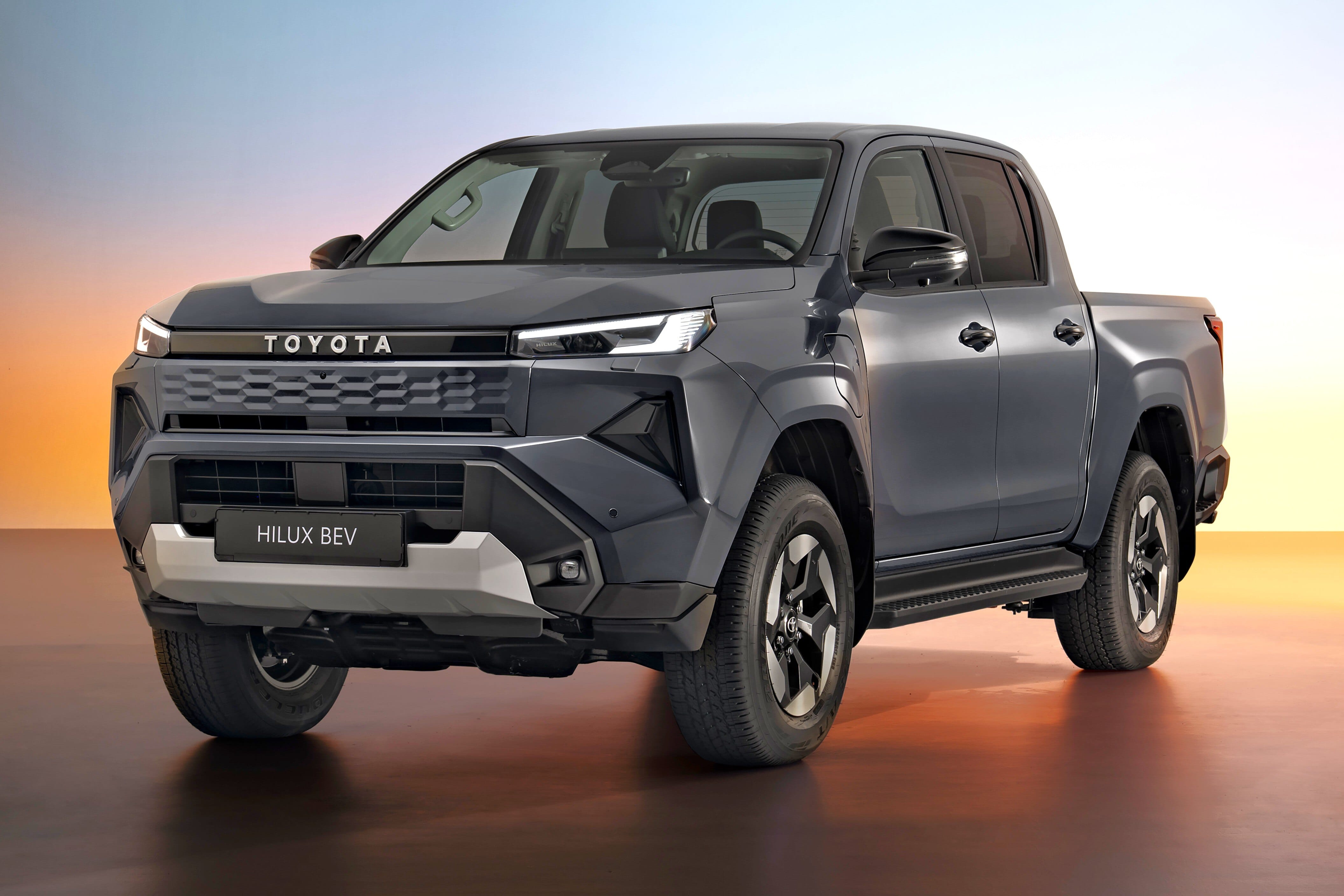
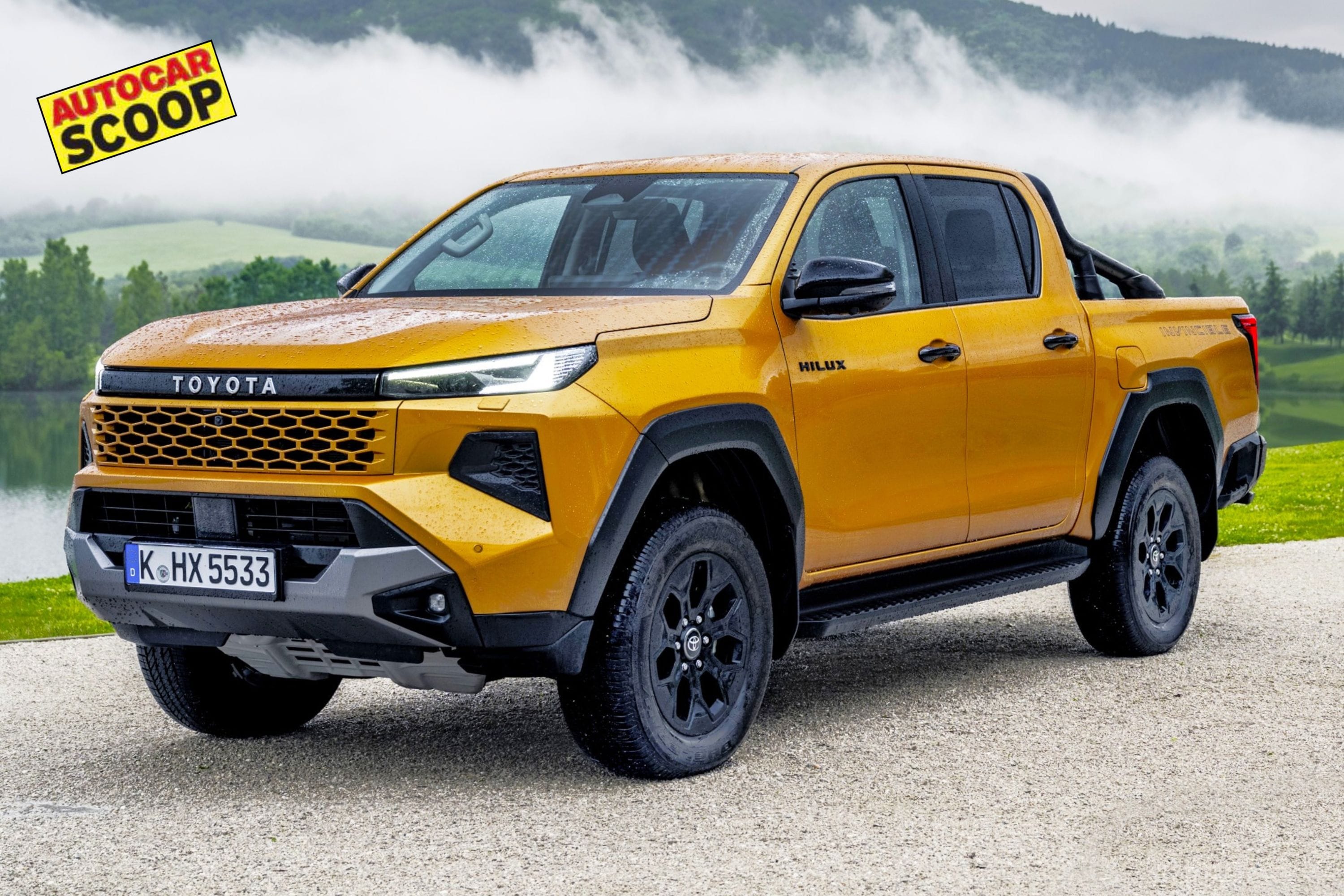
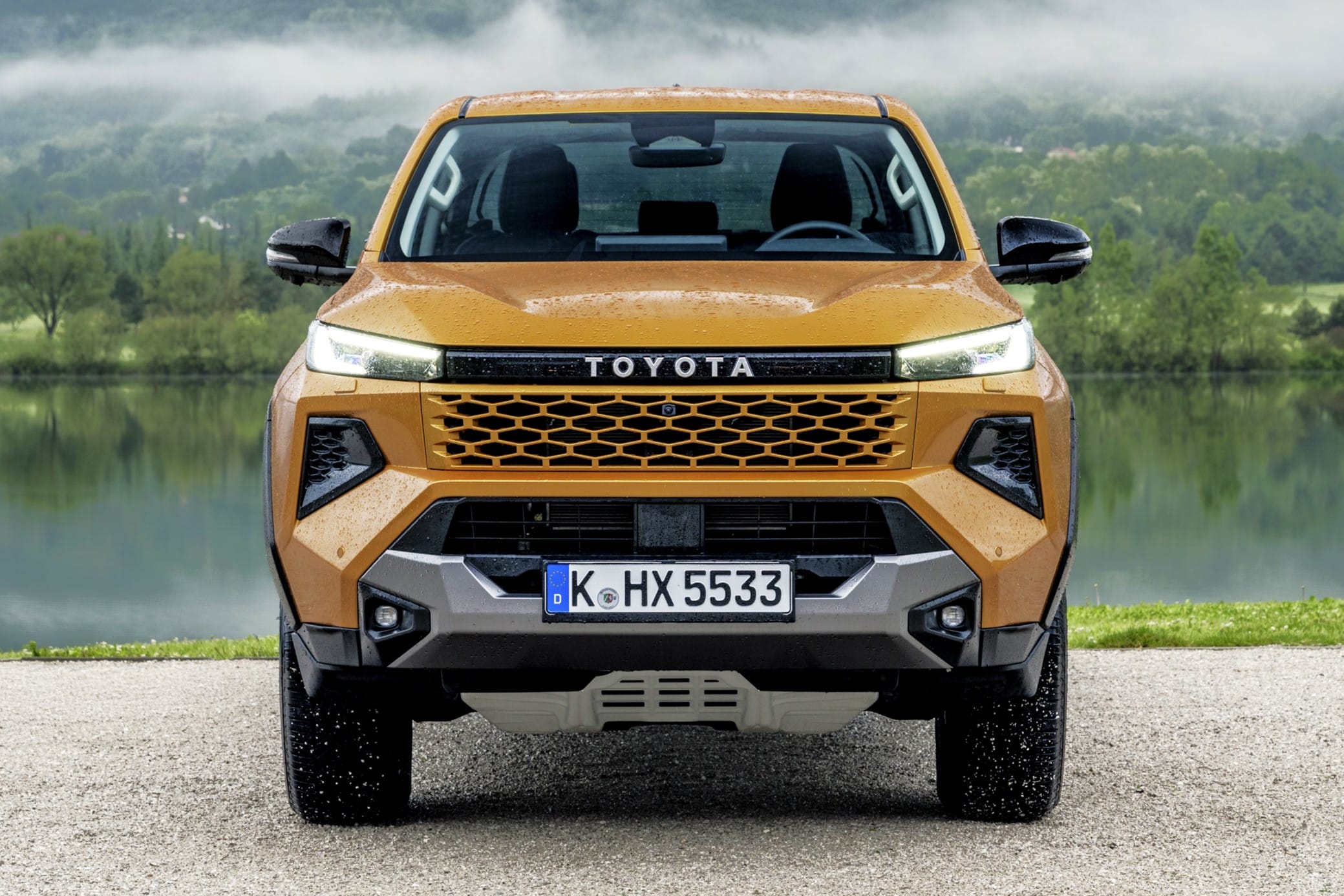
Toyota will launch the ninth-gen Hilux pickup in India next month, our dealer sources have confirmed. This will be just eight months after the new Hilux’s global debut in November 2025. Considering that this is a new-gen model with several mechanical and feature upgrades, expect it to command a significant premium over the outgoing Hilux, which is priced from Rs 28.52 lakh to Rs 36 lakh (ex-showroom).

  1. New Hilux has a sharper, more angular design language
  2. Interior is vastly more premium and feature-loaded than that of the old Hilux
  3. Expected to retain the current 2.8-litre diesel engine and add 48V mild hybrid tech

2026 Toyota Hilux exterior design

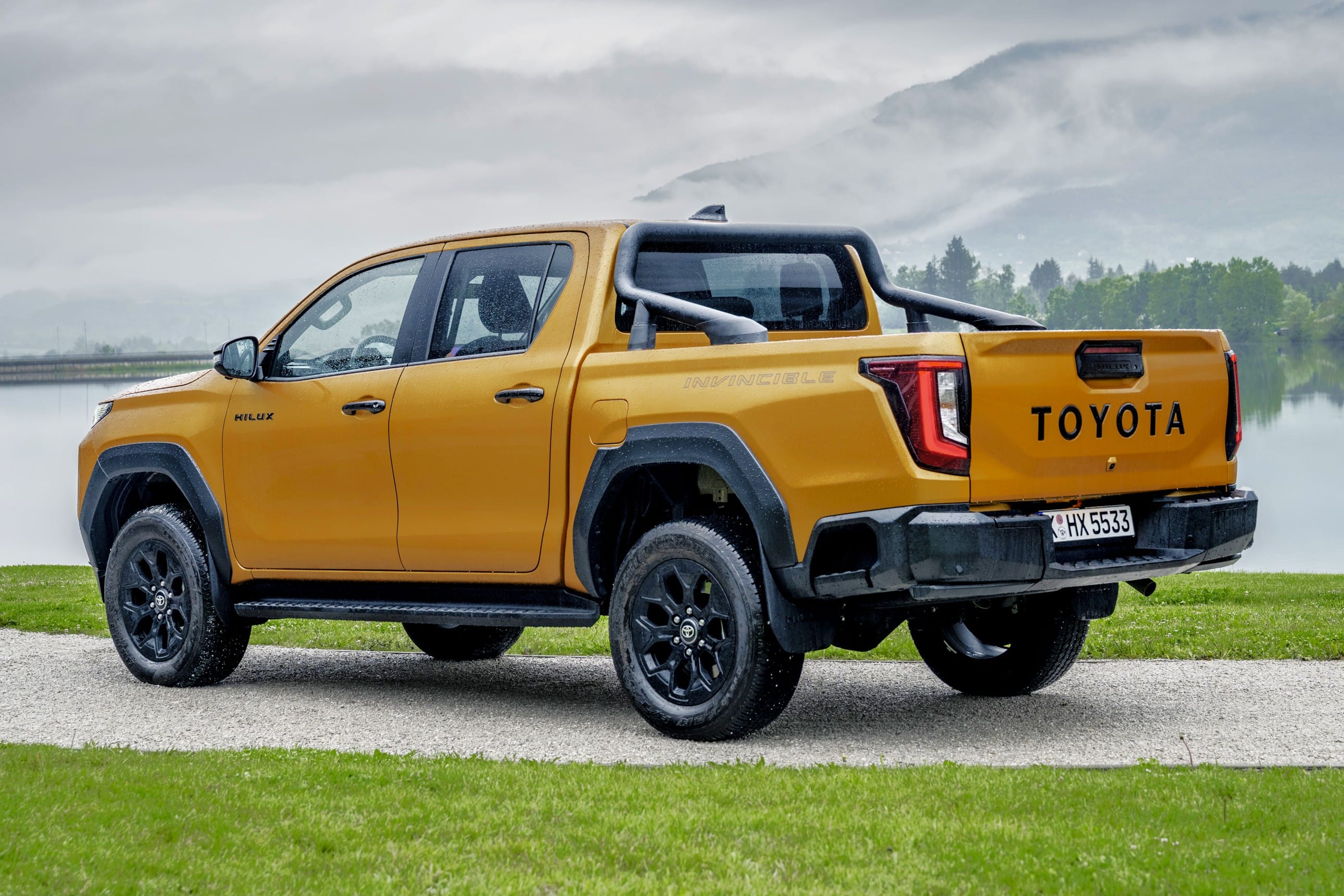
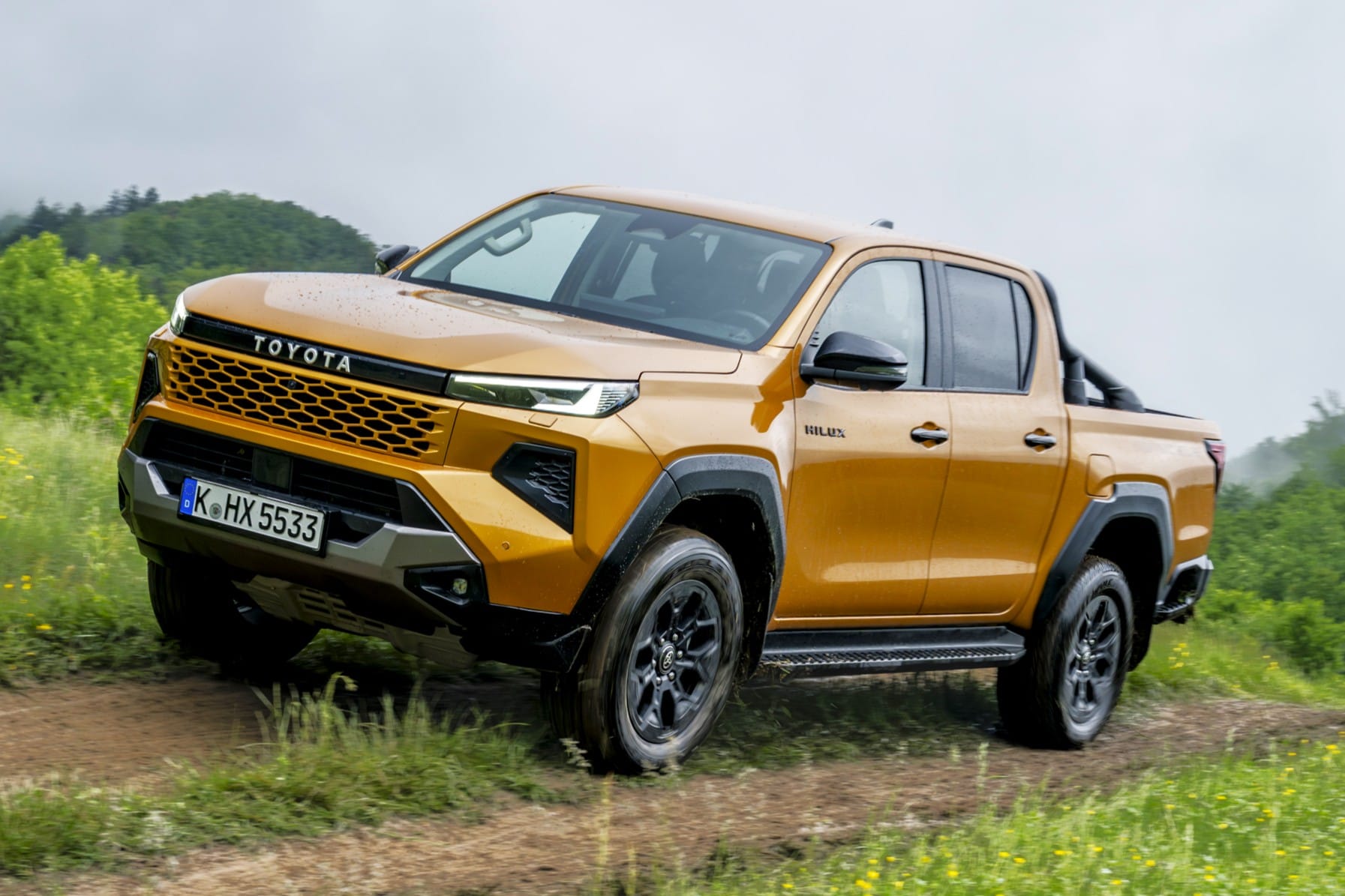
The ninth-gen Hilux introduces an all-new design but retains its predecessor’s rugged ethos. Up front, the pickup features slim high-set LED headlamps bridged by a black trim piece that houses the Toyota wordmark. Below that, there’s a honeycomb-patterned grille flanked by angular air intakes and a chunky bumper.

The side profile is characterised by clean panelling, 17-inch alloy wheels and squared-off body cladding, while the rear gets sizeable vertically oriented tail-lamps with C-shaped DRL signatures. There’s also a large Toyota wordmark on the tailgate and generous cladding on the bumper.

2026 Toyota Hilux interior and features

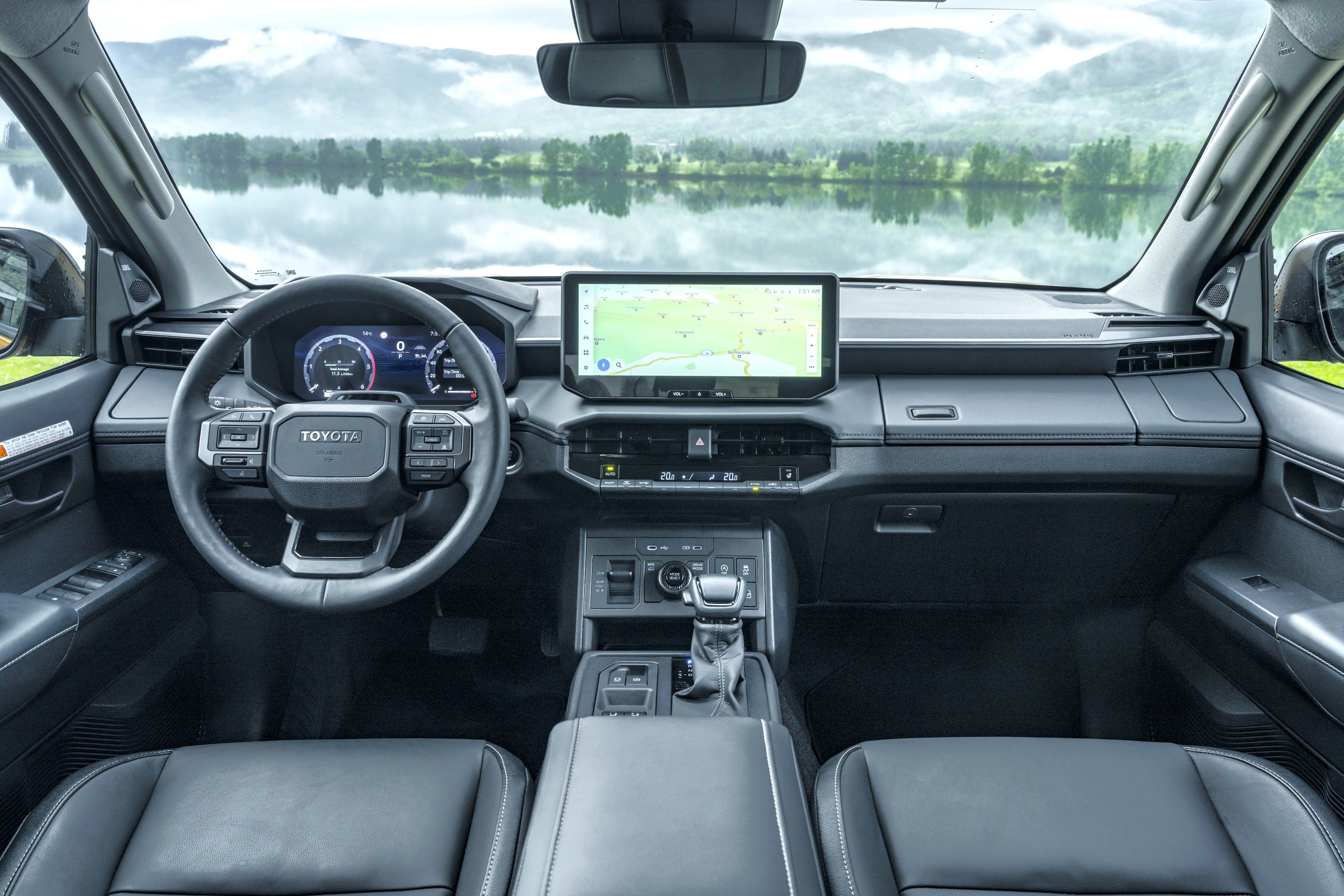
Global-spec Toyota Hilux interior. Image used for representative purposes only.

Inside, the new Hilux is markedly more modern than its predecessor, with dual 12.3-inch displays taking centre stage on the freshly designed dashboard, along with a new three-spoke steering wheel bearing the Toyota lettermark. A welcome sight in the Hilux’s cabin is the abundance of physical controls, spread across the steering wheel, centre console and transmission tunnel.

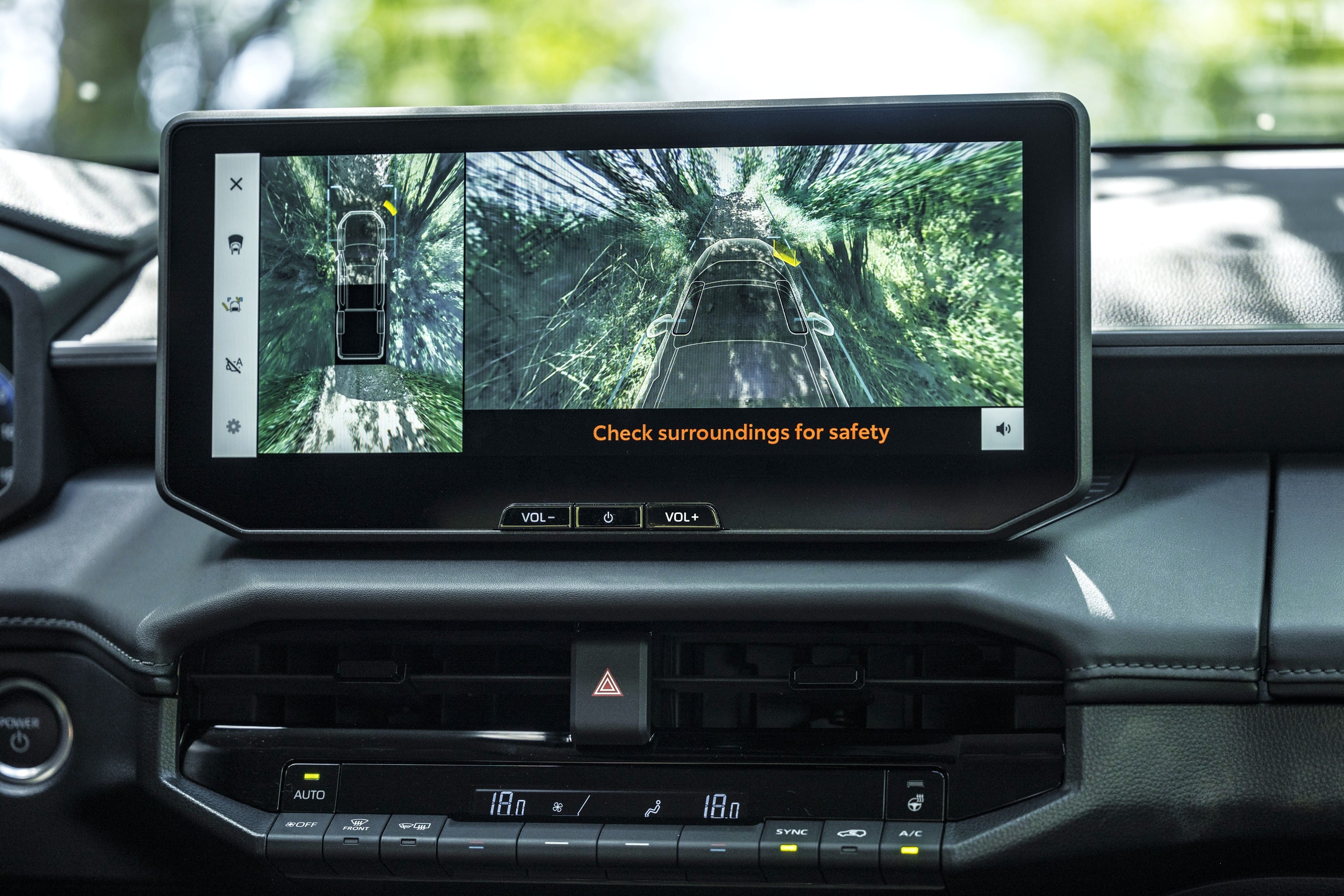
In terms of features, the new Hilux packs terrain and drive modes, dual-zone climate control, a wireless charging pad, a blind-spot monitor, connected car tech, powered and ventilated front seats, multi-terrain and 360-degree cameras, over-the-air (OTA) updates, an advanced driver assistance systems (ADAS) suite, driver drowsiness detection and more.

2026 Toyota Hilux engine and gearbox

The outgoing Hilux is available solely with a 2.8-litre diesel engine that develops 204hp and 500Nm, with gearbox options comprising a 6-speed manual and 6-speed torque converter automatic – 4×4 is fitted as standard. Since the new Hilux is based on the same IMV body-on-frame platform, Toyota is expected to retain the 2.8-litre diesel engine for the India-spec model, and could add the 48V ‘Neo Drive’ mild hybrid system that was introduced with the Fortuner last year.

Toyota Hilux EV

In overseas markets, the new Hilux is available in all-electric guise too, making it Toyota’s first body-on-frame EV. The Hilux EV gets a 59.2kWh battery pack powering front and rear motors, with the former outputting 205Nm and the latter producing 269Nm. WLTP-tested range for the Hilux EV is pegged at 240km. It remains to be seen if Toyota will offer the Hilux EV in India.

India drafts cybersecurity rules for connected vehicles

Mercedes Drive Pilot

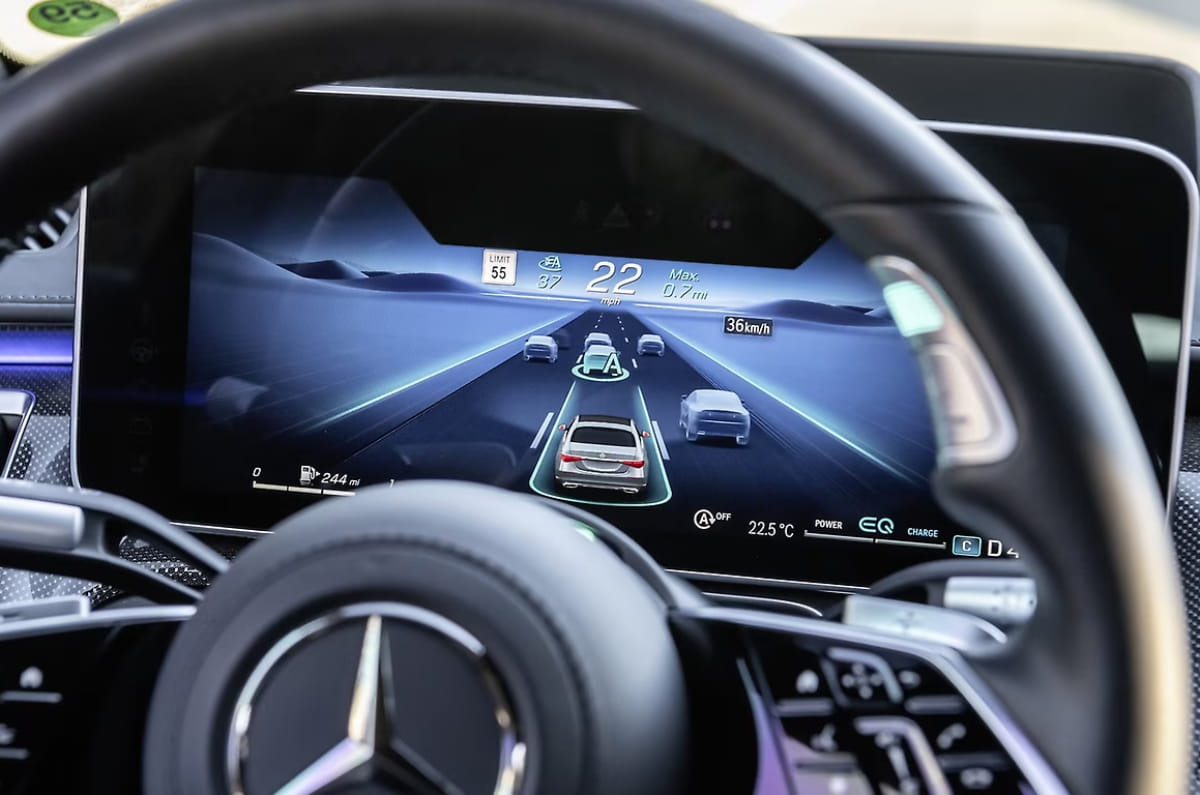
The Ministry of Road Transport and Highways (MoRTH) has published draft rules that would, for the first time, make cybersecurity and software-update management mandatory for certain categories of motor vehicles in India. The proposed regulations introduce two new provisions under the Central Motor Vehicles Rules, 1989, and are open for public comments for 30 days before being finalized.

  1. New rules introduce mandatory cybersecurity and software-update standards
  2. New standards to remain in force until BIS issues its own norms
  3. India aligns with vehicle regulations followed in the EU, Japan and South Korea

New cybersecurity and software-update rules proposed

The draft notification proposes adding Rules 125-T and 125-U to the Central Motor Vehicles Rules, 1989. Rule 125-T covers vehicle cybersecurity and requires eligible vehicles to comply with AIS-189, India’s cybersecurity standard, while Rule 125-U mandates compliance with AIS-190 for software updates. Both standards will remain in force until the Bureau of Indian Standards (BIS) issues its own specifications, at which point those will take over.

The cybersecurity rules will apply to passenger vehicles, commercial vehicles and tractors equipped with at least one electronic control unit (ECU), as well as quadricycles with Level 3 or higher automated driving capability. The software-update requirements will cover a wider range of vehicles, including passenger vehicles, commercial vehicles, trailers and semi-trailers.

Rollout to be phased until 2029

Rather than applying the rules to all vehicles at once, MoRTH has proposed a phased rollout based on risk exposure. Vehicles with Level 3 or higher automated driving systems will be the first to comply, with deadlines beginning in October 2026 for new models and April 2027 for existing ones. Vehicles capable of receiving over-the-air (OTA) software updates will follow between April and October 2028, while all other vehicles with software-update capability will come under the rules from October 2029.

India moves closer to global regulations

According to the draft notification, the proposed rules align India with the United Nations regulatory framework already adopted in markets such as the European Union, Japan and South Korea, where cybersecurity and software-update management are mandatory requirements for vehicle type approval.

Bajaj Pulsar N125 discontinued in India

Bajaj Pulsar N125 headlight

Bajaj Auto has a history of discontinuing bikes that aren’t selling in good enough numbers and the Pulsar N125 is the latest example. Less than two years after it was launched in India, the bike has now been discontinued in India.

  1. First launched in October 2024
  2. Was based on an all-new platform, not shared with other Pulsars
  3. Slow sales in India have resulted in the bike being discontinued

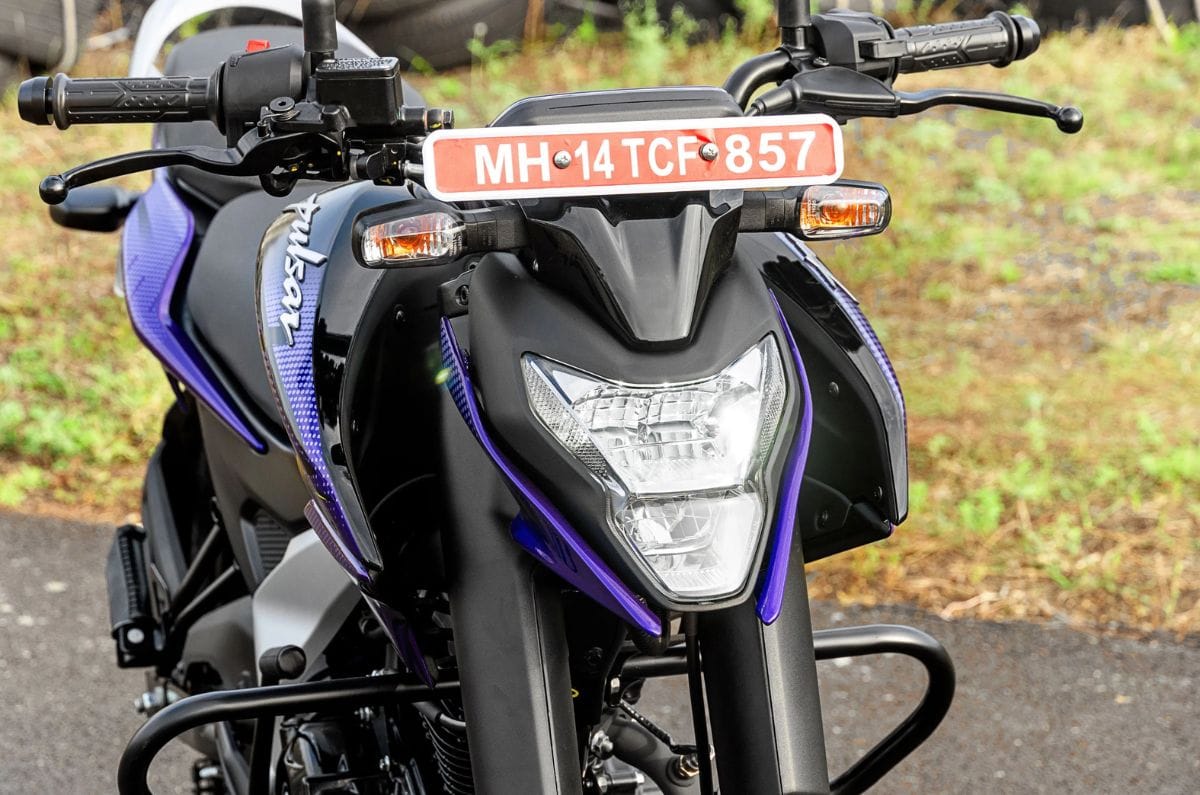
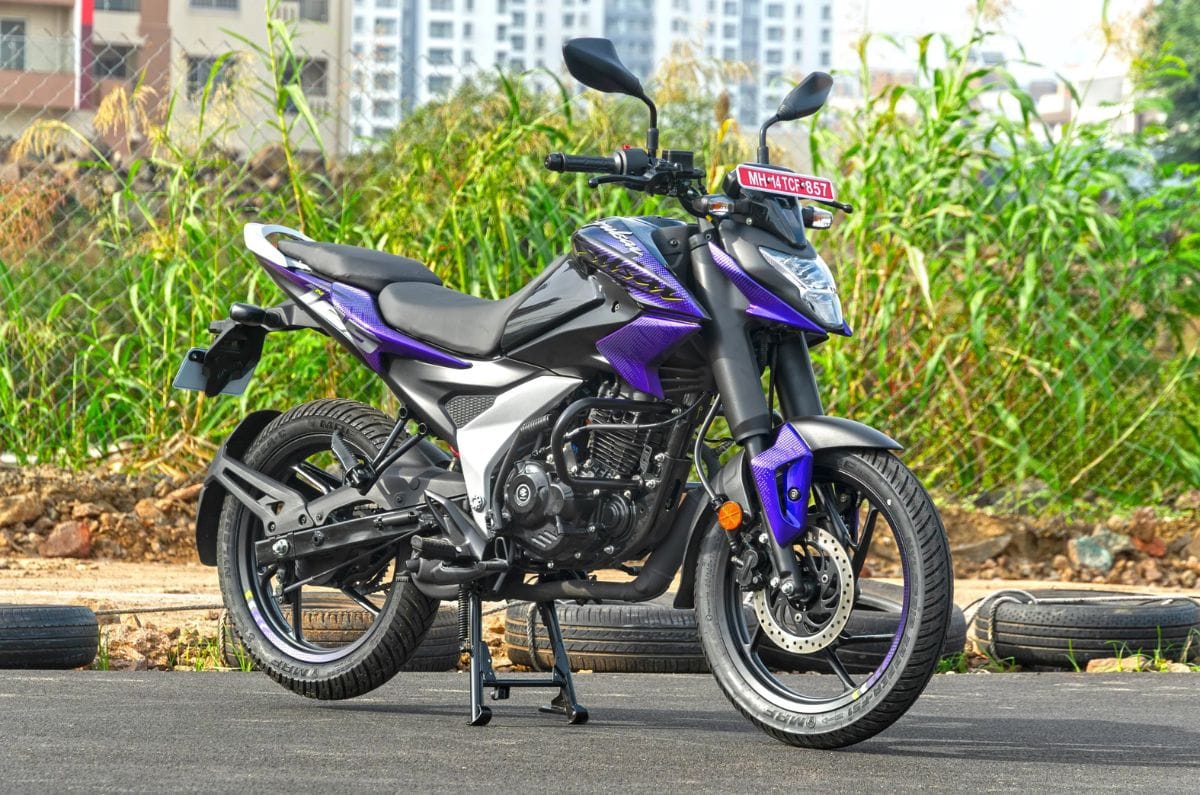
The Pulsar N125 wasn’t just another Pulsar variant but it debuted an all new platform. This included a new engine and a brand new chassis that helped keep kerb weight down to just 125kg. The bike also debuted brand new styling which was unlike anything in the market.

Bajaj Pulsar N125 front right side static in field

While we appreciated the unusual styling direction, it appears that customers in India did not take too well to the Pulsar N125’s thin and stretched out look. This seems to have held especially true when you consider that rivals like the Hero Xtreme 125R and Honda CB125 Hornet are very popular because they look bigger and more sporty than they actually are.

The Pulsar N125’s relatively limited feature set probably didn’t do it any favours either and the bikes lacked things that you would find in some rivals, including a TFT display and ABS. While the bike continues to be displayed on Bajaj’s India website, we have learned that dispatches to dealers have ceased.

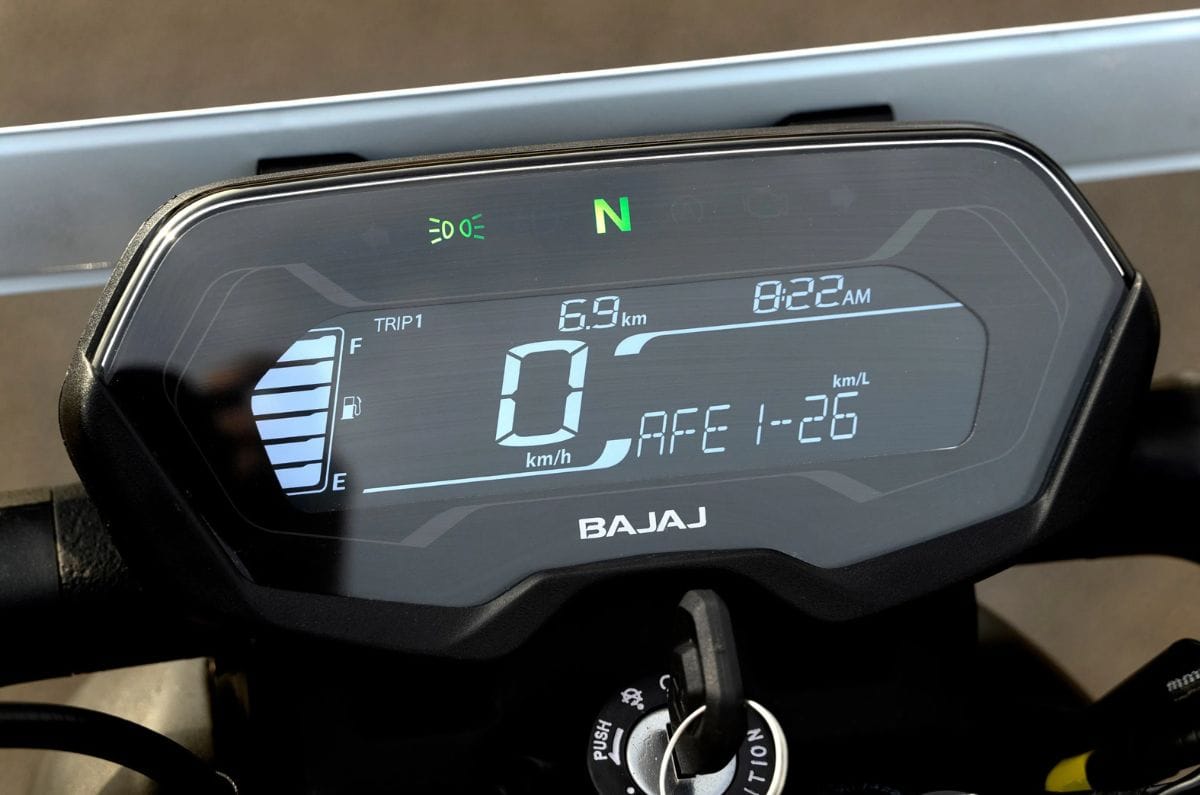
Bajaj Pulsar N125 display

However, this does not mark the complete end of the Pulsar N125 as the bike continues to be sold in multiple overseas markets. These include countries like Nepal, Peru, Colombia, Morocco and more. Whether the Pulsar N125 (or at least the platform underpinning) will make a return to India in the future with revised styling and more features remains unclear. 

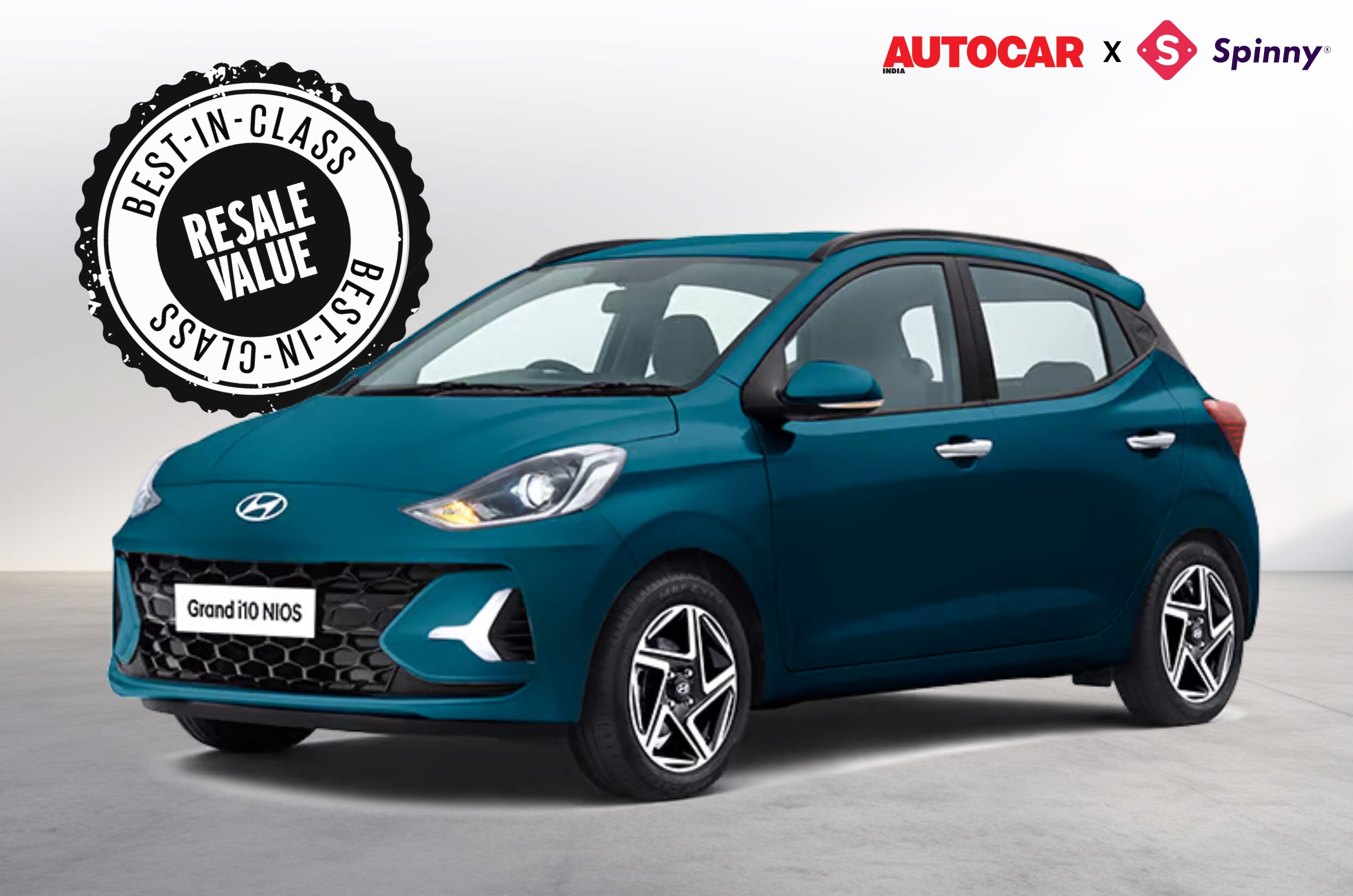
Used Car Study 2026: Grand i10 Nios holds its value best among midsize hatches

Used car study 2026 midsize hatchbacks

Conducted in association with Spinny, India’s leading pre-owned car platform, the fourth edition of our Used Car Study analyses real-world resale values across a broad spectrum of vehicles sold in the Indian market in order to assess depreciation trends over a five-year ownership period. The study is based on actual transactional data shared by Spinny for vehicles sold between January 1 and August 31, 2025.

In this series of the resale value study, we are first taking a look at the budget hatchback segment:

Midsize Hatchbacks Resale Value 

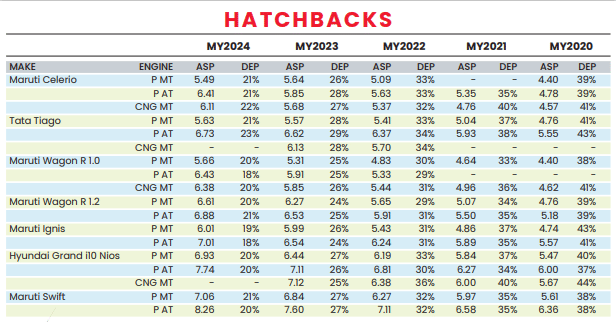
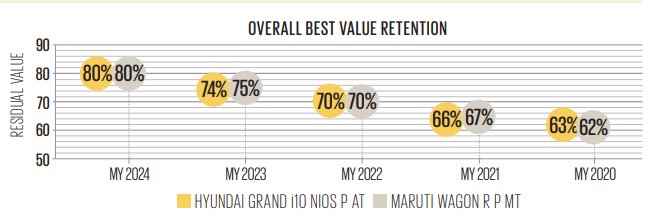
The Hyundai Grand i10 Nios petrol-AMT emerged as the strongest performer in terms of residual value, registering the flattest depreciation curve in the segment. Matching it closely are both the 1.0-litre and 1.2-litre petrol-manual variants of the Maruti Wagon R, whose consistently strong demand in the new and used car markets has helped preserve resale values.

At the other end of the spectrum, the Grand i10 Nios CNG sees the steepest depreciation among its siblings, while the Tata Tiago petrol-AMT also records relatively greater value loss over time. The Maruti Ignis is also among the ones to lose the most value over the five-year period. The Maruti Swift stands out in this company for having the most consistent rate of depreciation across both its manual and automatic variants. 

As per the study, the average selling price of a five-year-old midsize hatchback retailed through Spinny stood at Rs 5.47 lakh. Comparable figures for three-year-old and one-year-old the midsize hatchbacks were Rs 5.84 lakh and Rs 6.58 lakh, respectively. Average depreciation over the same periods worked out to 40 percent, 31.9 percent and 20.3 percent, respectively.

Autocar-Spinny Resale Value Study methodology 

The analysis covers the average selling prices (ASPs) of vehicles retailed through Spinny’s network across nine cities – Delhi-NCR, Bengaluru, Hyderabad, Pune, Chennai, Mumbai, Lucknow, Ahmedabad and Kolkata.

For the purposes of this study, depreciation has been defined as the percentage difference between a vehicle’s original on-road price in its year of manufacture and its resale value in 2025. In instances where a model was offered with multiple engine options using the same fuel type, the data has been consolidated and averaged. Variant-wise differences have similarly been averaged out.

Discontinued models and powertrain options have been excluded. Additionally, premium vehicles priced above Rs 30 lakh, electric vehicles and certain low-volume models have not been included due to limited transaction data and insufficient sample sizes.

Next-gen BMW X5 to launch in India in LWB guise

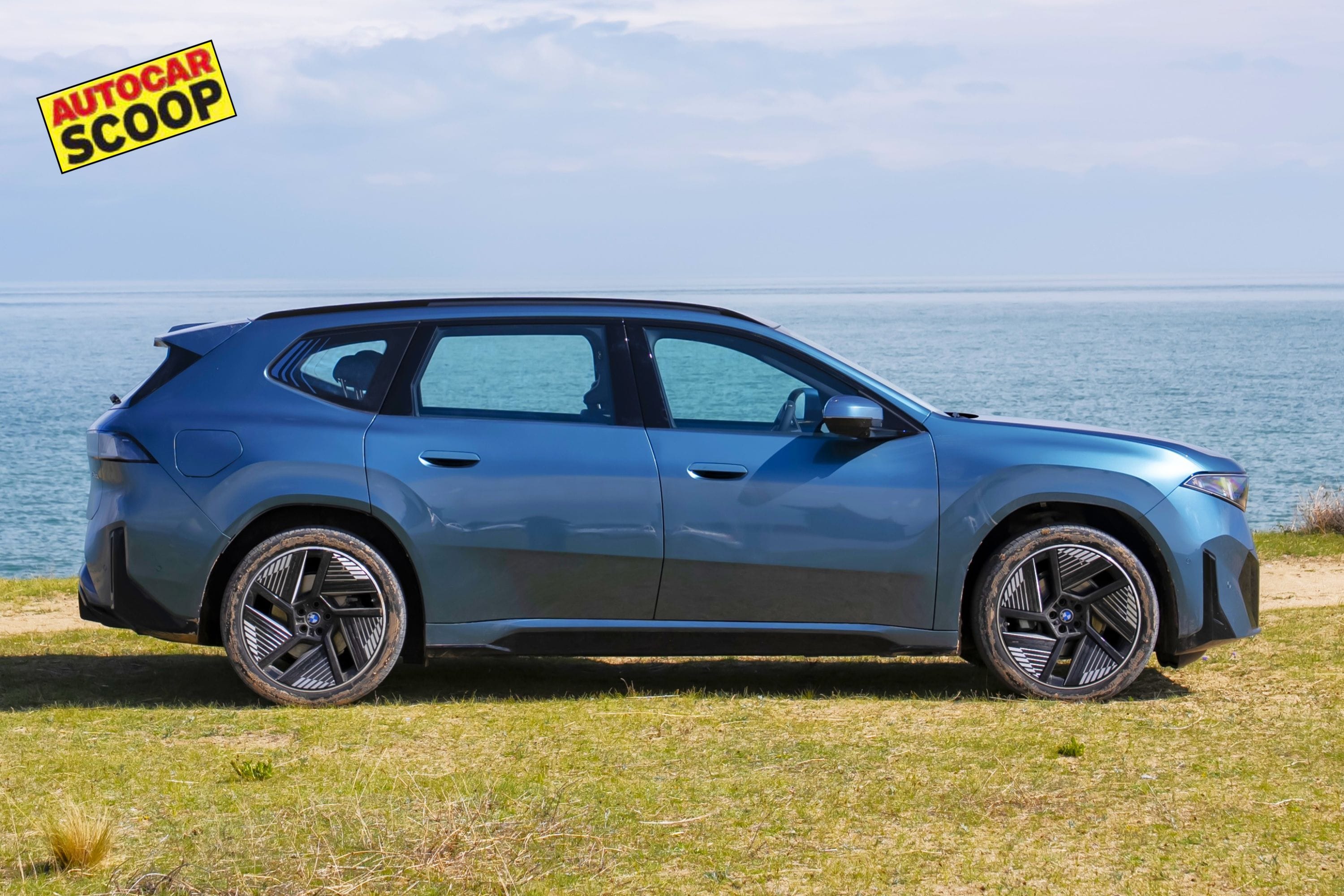
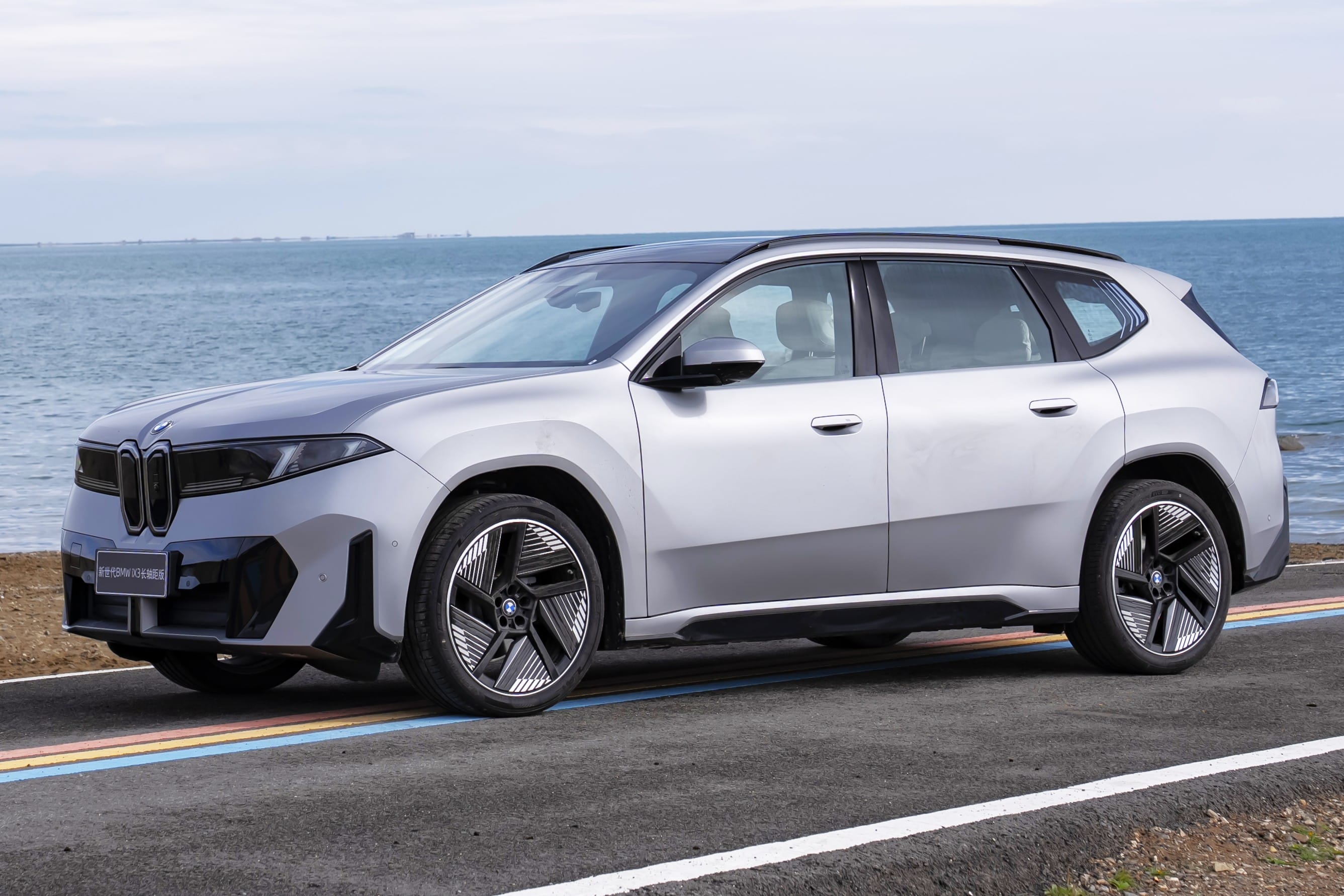
BMW iX3 LWB

BMW will bring the next-generation X5 SUV to India in long wheelbase (LWB) form, our sources have indicated. The next-gen X5 is set to debut in Europe soon in all-electric iX5 guise, and will feature the Neue Klasse design overhaul as seen on the iX3 and i3 EVs.

  1. BMW LWB models currently sold in India garnering healthy demand
  2. Next-gen X5 is being adapted for LWB, and will make it here in this form
  3. i5 LWB and iX3 LWB also headed to India

Next-gen X5 to join growing list of BMW LWB models in India

LWB BMWs resonated well with Indian customers

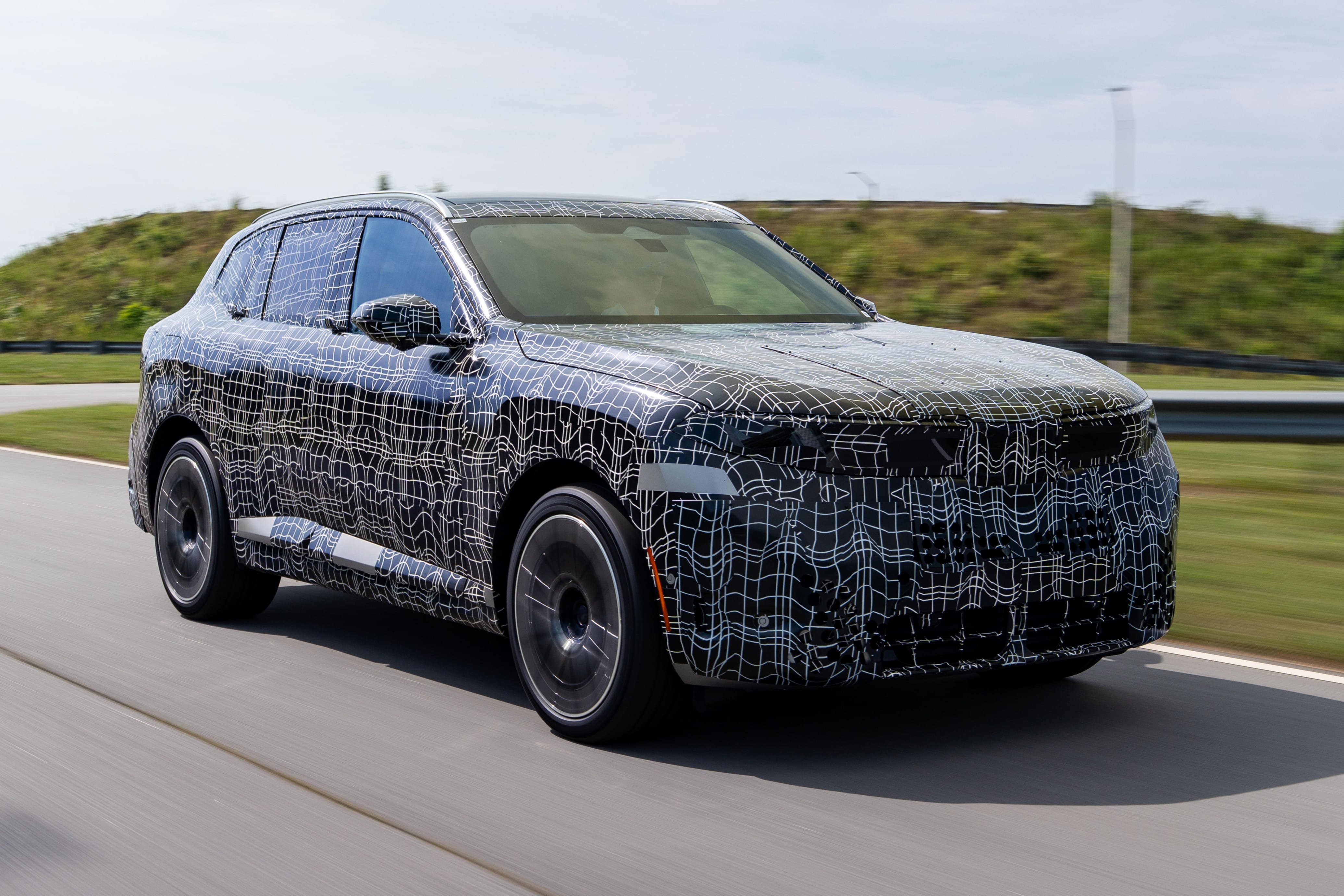
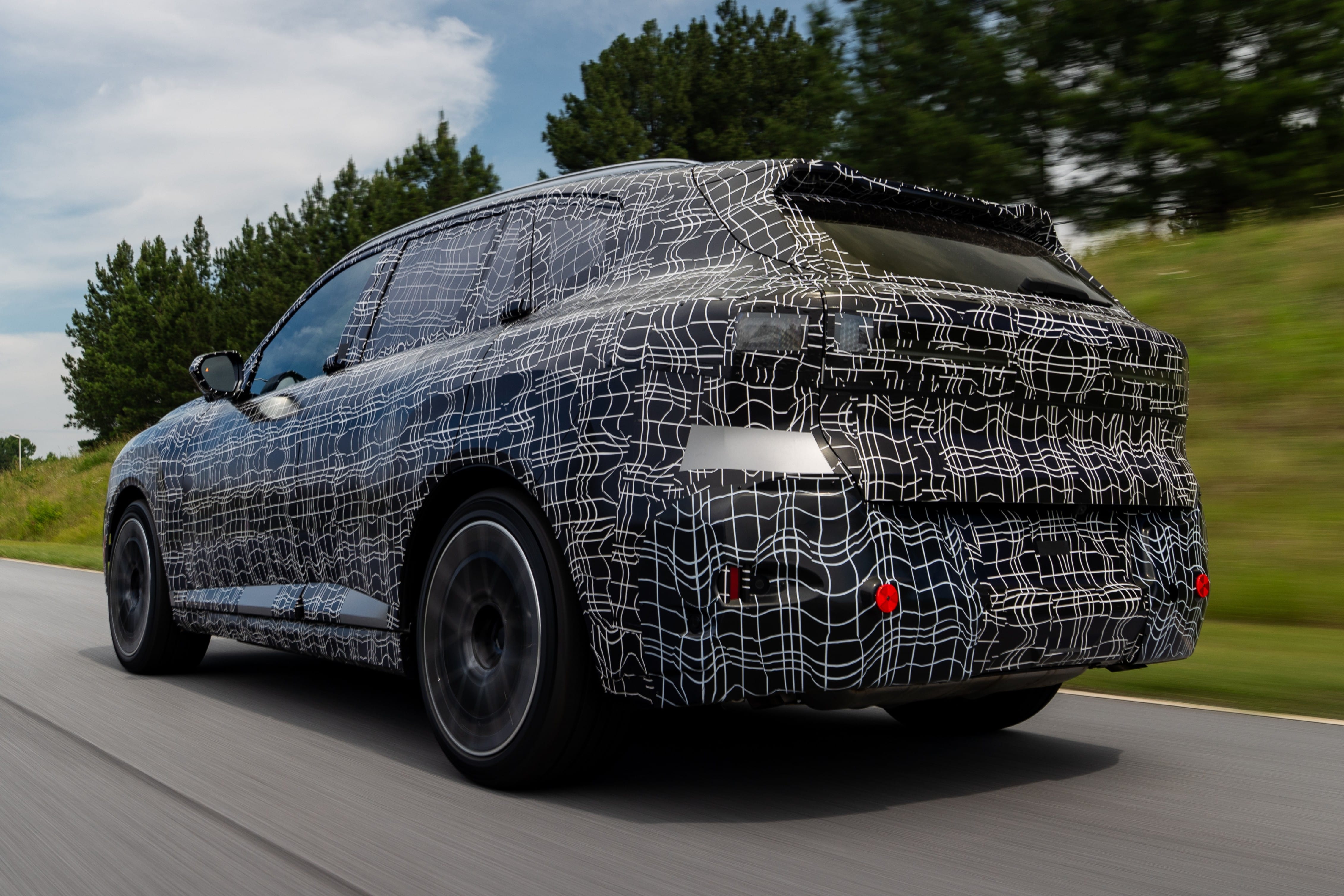
Next-gen BMW X5 (standard wheelbase) prototype. Image used for representation only.

BMW has seen great success with the three LWB models it currently retails in India: the 3 Series LWB, 5 Series LWB, and iX1 LWB. These models were originally designed for the Chinese market, and resonated with Indian luxury car buyers (many of whom are chauffeur-driven) thanks to the extra space they offer in the second row.

The next-gen BMW X5 will be adapted for a China-spec LWB version too, and this will be the one offered in India as well. However, given that the new X5 has yet to be revealed globally and the extra time required for LWB adaptation, don’t expect the BMW SUV to make its way to India before the latter half of 2027.

BMW iX3 LWB

BMW India has other LWB models on the way too, including the i5 LWB, which is set to launch this year, and the iX3 LWB, which will go on sale here in 2027.

What to expect from the next-gen BMW X5

One of the first ICE-powered BMWs to adopt Neue Klasse design language

A few months ago, images of the next-gen X5 leaked online, confirming a radical Neue Klasse redesign. Up front, it gets a pair of sharp blacked-out sections housing the headlamps and vertically-arranged illuminated kidney grilles in the centre. At the back, it gets a sporty sloping roofline and wide wraparound LED tail-lamps.

Next-gen BMW X5 (standard wheelbase) prototype. Image used for representation only.

Inside, the next-gen X5 is anticipated to feature an all-new layout with the large rhomboidal touchscreen seen in newer BMWs, along with the pillar-to-pillar Panoramic Vision display and quad-spoke steering wheel.

Expect petrol, diesel, and plug-in hybrid powertrains to be offered for the new X5. As noted previously, there will be an all-electric iX5 on offer in global markets too, which will come with the largest battery pack of any BMW EV to date.

With inputs from Hormazd Sorabjee

Volkswagen Tayron real world fuel economy tested, explained

Volkswagen Tayron real world fuel economy tested, explained

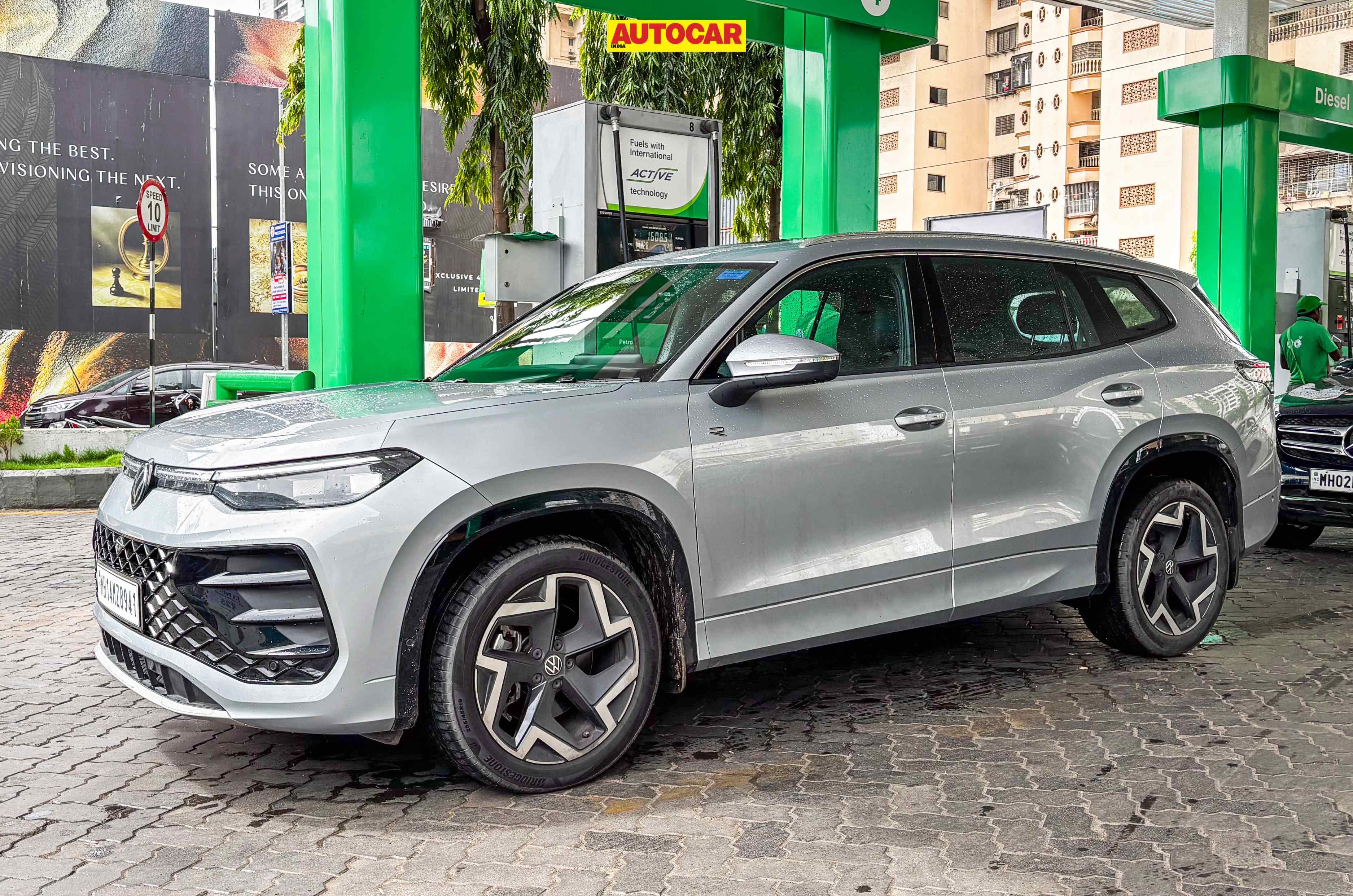
Volkswagen launched its seven-seater Tayron SUV in India earlier this year. Based on the same platform as the Tiguan, but with an extra row of seats, the Tayron serves as the German carmaker’s flagship SUV offering in India. While it is available with multiple engine options including petrol, diesel and hybrid in international markets, for India, it’s only offered with the 2-litre TSI EA888 turbo-petrol engine, which it shares with the Skoda Kodiaq and Volkswagen Tiguan

  1. Fuel-saving features like Eco-Coasting, auto engine stop-start.
  2. Six driving modes, including an Eco mode.
  3. Weighs 1,864kg.

Volkswagen Tayron mileage explained

The Tayron’s 2.0-litre turbo-petrol engine produces 204hp and 320Nm, and is paired with a 7-speed dual-clutch automatic transmission that sends power to all four wheels. It also offers six drive modes – Eco, Comfort, Sport, Off-Road, Snow and Individual.

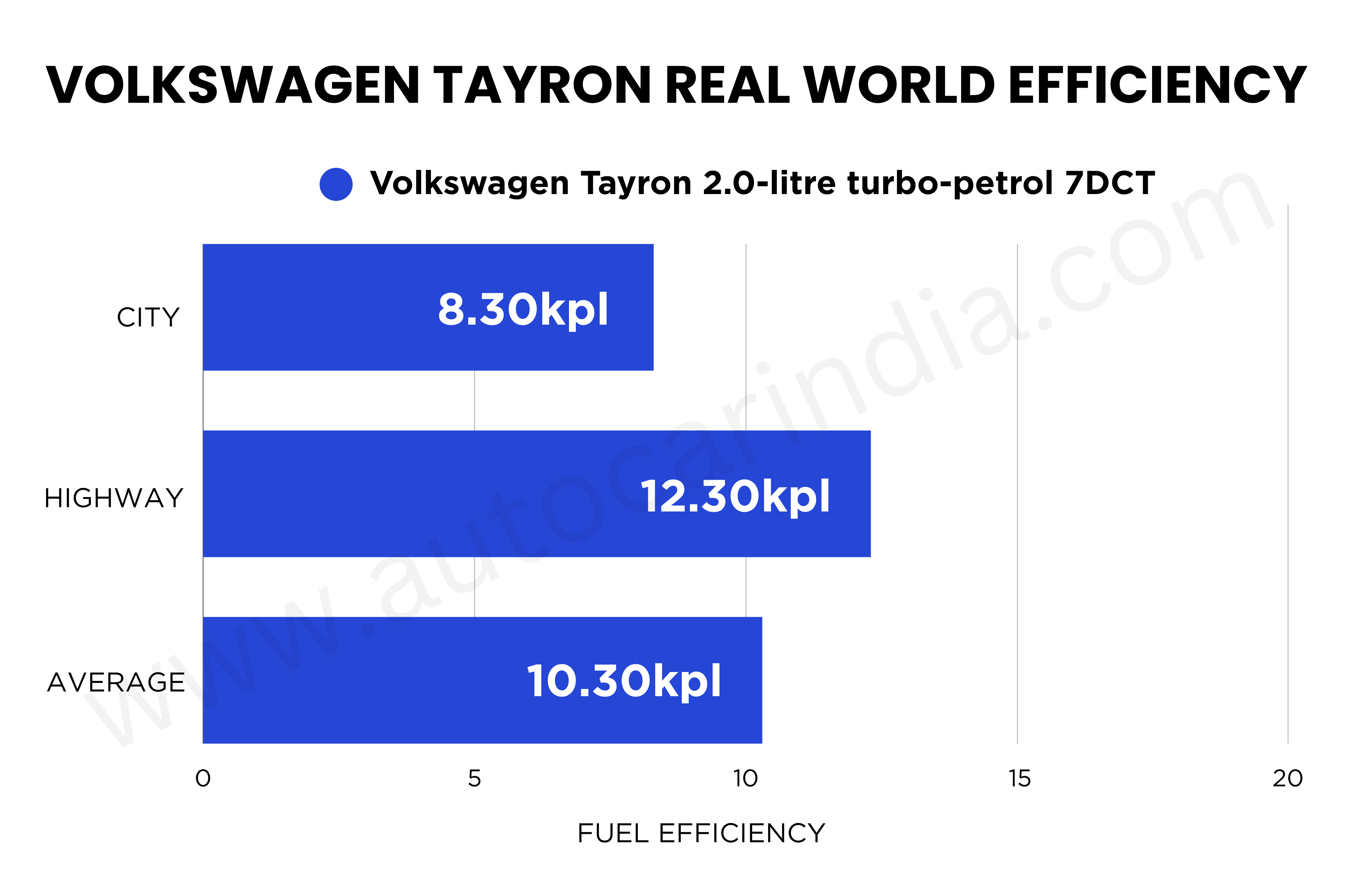
In our fuel-efficiency tests conducted in Eco mode, the Tayron returned 8.3kpl in the city and 12.3kpl on the highway, resulting in an overall average of 10.3kpl.

Several fuel-saving technologies help improve efficiency. In urban conditions, the automatic engine stop-start system reduces fuel consumption during traffic halts. On the highway, the engine remains relaxed, spinning at just 1,900rpm at 100kph in seventh gear. The Tayron also features an Eco-Coasting function, which decouples the engine from the transmission when the driver lifts off the accelerator. This allows the SUV to freewheel with the engine idling, reducing fuel consumption before seamlessly re-engaging a gear when throttle input is applied.

Despite weighing 1,864kg, the Tayron’s efficiency is respectable. Combined with its large 61-litre fuel tank, the SUV can comfortably deliver a real-world touring range of around 600km between fuel stops.

That said, as with most turbo-petrol engines, fuel economy is highly dependent on driving style. Use the engine’s performance enthusiastically and efficiency can easily drop into single-digit territory.

Autocar India’s fuel-efficiency testing

Before conducting our real-world fuel-efficiency tests, we fill our test cars’ tanks to the brim and maintain tyre pressures based on the manufacturer’s recommendation. These cars are then driven on fixed city and highway loops in and around Navi Mumbai, and we maintain certain average speeds. Throughout the tests, we run the aircon at 22 degrees in full-auto mode and other electricals, such as the audio system, indicators and wipers, when required – just as a regular user would. Periodic driver swaps further neutralise variations in driver patterns. At the end of each cycle, we calculate efficiency by filling the tanks to full again.

Upcoming Suzuki GSX250R details revealed

Updated Suzuki GSX250R type approval document image

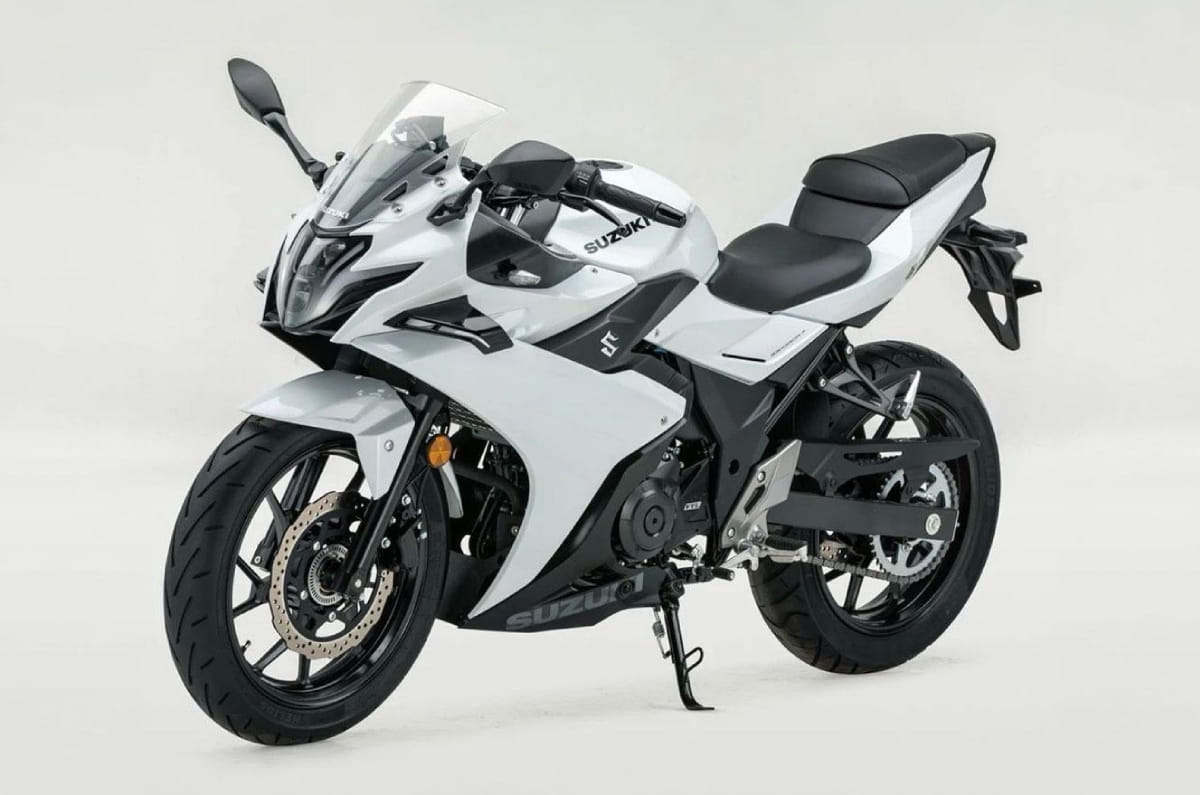
An updated Suzuki GSX250R, not to be confused with the Gixxer 250 sold in India, has surfaced in Chinese type-approval documents, revealing multiple changes to the existing global model. The bike is expected to be officially launched in China next month before making its way to other international markets.

  1. Updated GSX250R spotted in Chinese type-approval documents
  2. Gets a variable valve timing system
  3. Reports suggest power increases from 25hp to 29.2hp

Updated Suzuki GSX250R: What we know

The variable valve timing system works similarly to Yamaha’s VVA setup

The most significant technical development on the updated GSX250R is the addition of a variable valve timing and lift system. The setup works similarly to Yamaha’s Variable Valve Actuation (VVA) system that we’ve experienced on motorcycles like the Yamaha R15. Reports suggest the GSX250R uses a second set of intake cam lobes and rocker arms that the engine switches to higher up in the rev range. The engine visible in the type-approval documents otherwise appears unchanged from the current model, suggesting this is an evolution of the existing powertrain rather than an all-new unit. The chassis, suspension and most of the bodywork also appear to carry over.

The images also reveal a revised front end featuring a new headlight and surrounding fairing, along with the addition of small winglets in place of the previously mounted front indicators. The indicators themselves have been repositioned higher up on the fairing, closer to the fuel tank. Reports also suggest the update will bring a TFT instrument cluster with Bluetooth connectivity, replacing the existing LCD unit.

The current GSX250R is sold in several global markets, including Europe and the US, but has never made its way to India. There are also no indications from Suzuki that the model is headed here anytime soon. That said, we had earlier reported that Suzuki Motorcycle India is working on next-generation versions of the Gixxer 150 and Gixxer 250, with a coordinated launch across both platforms expected by the end of 2026 or early 2027.

Source: AMCN